Davis Films/Impact Pictures
, Constantin Film
, Screen Gems
Plot
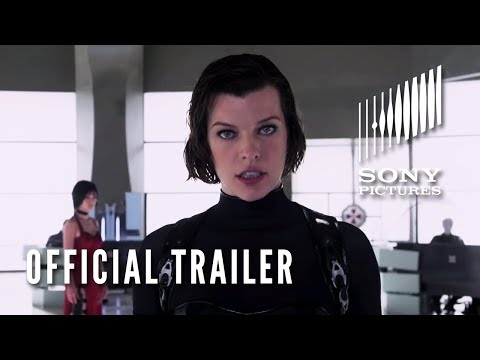
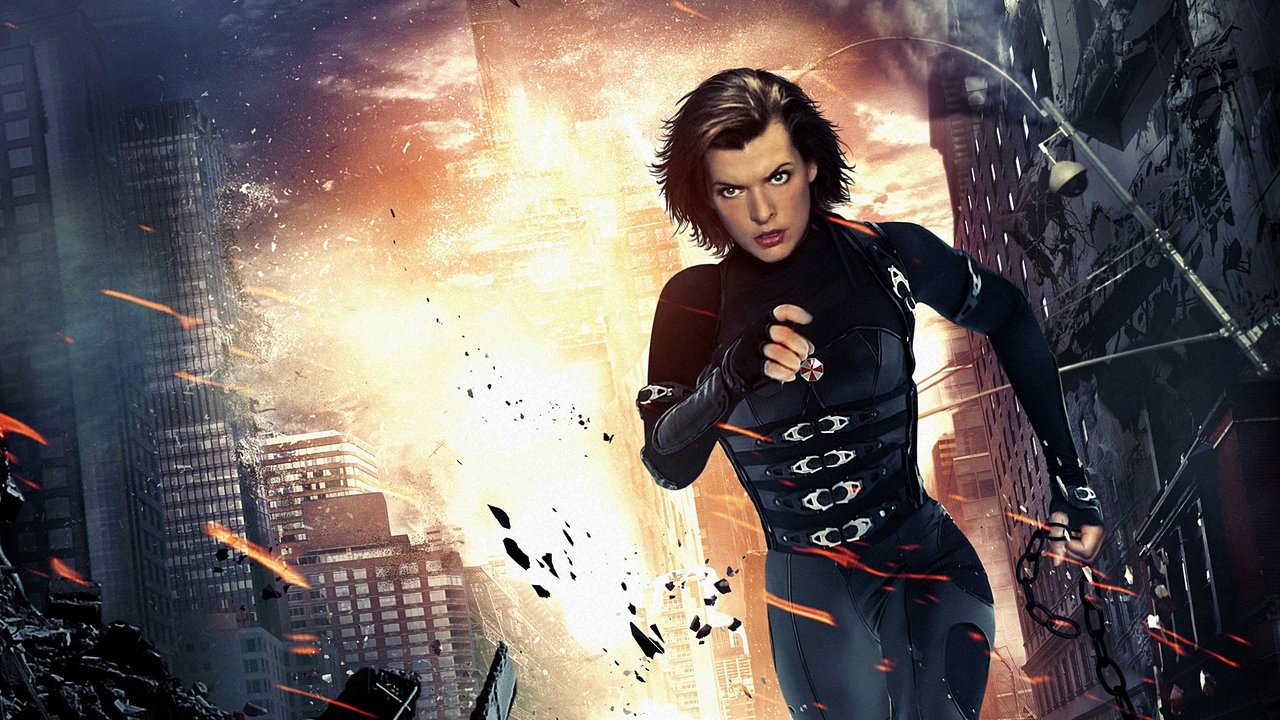
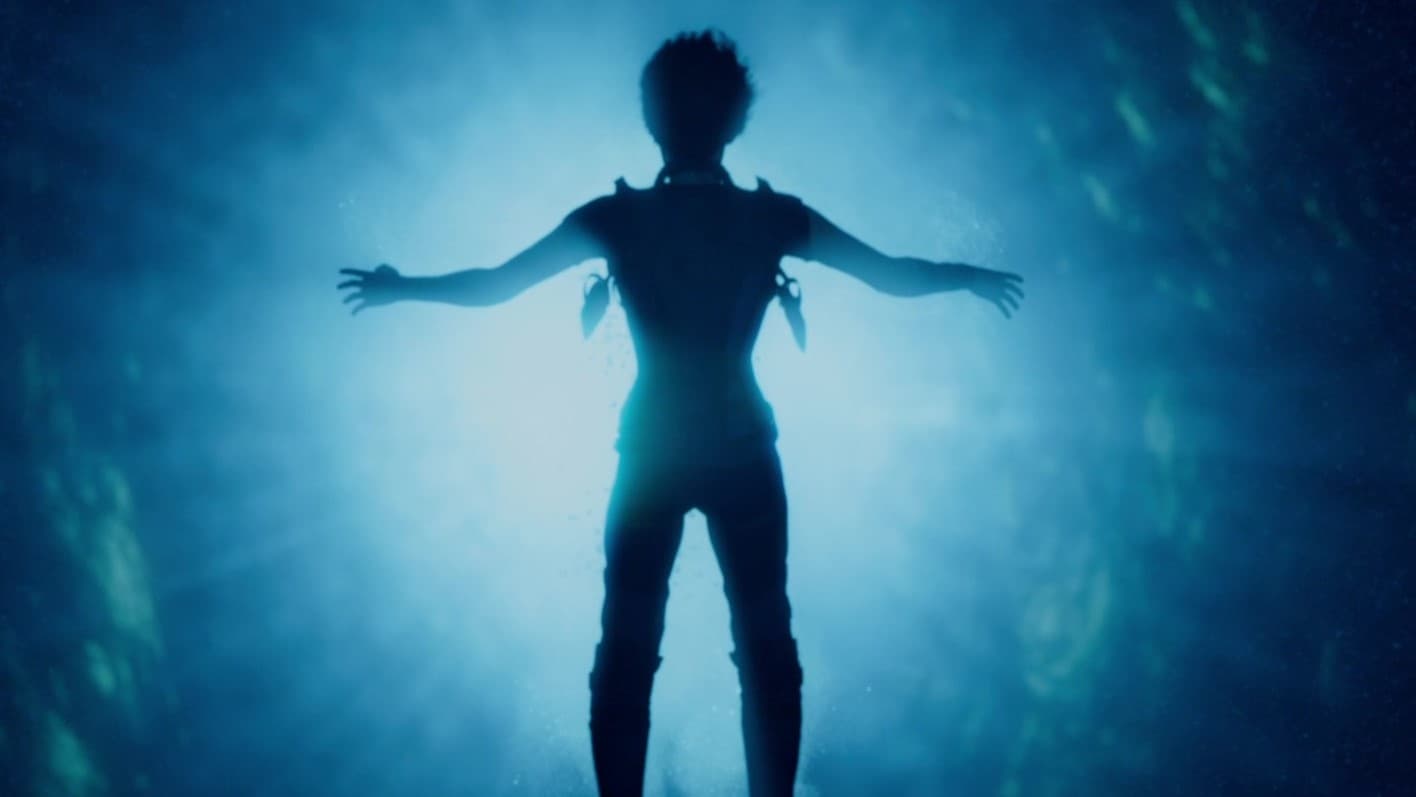
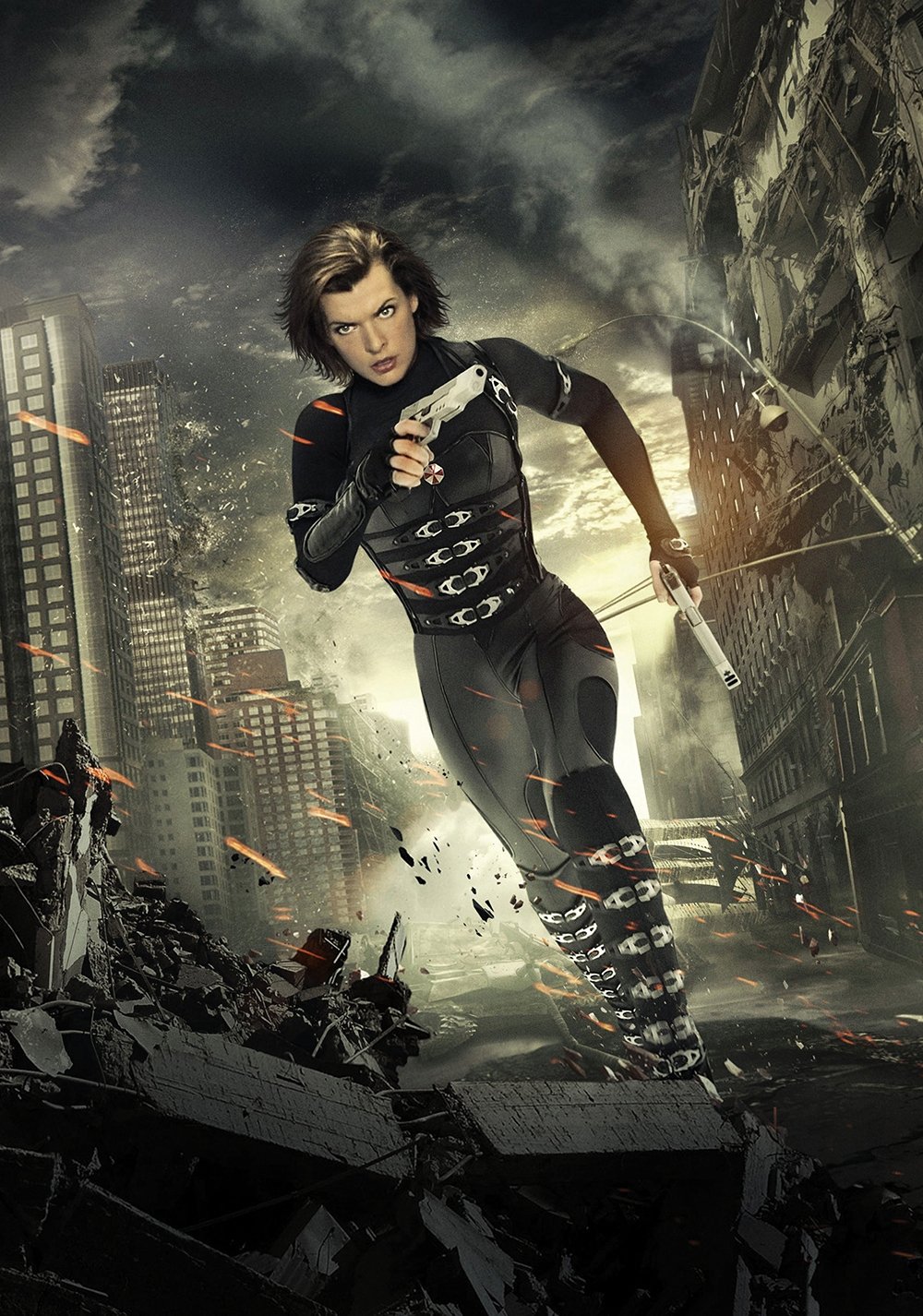
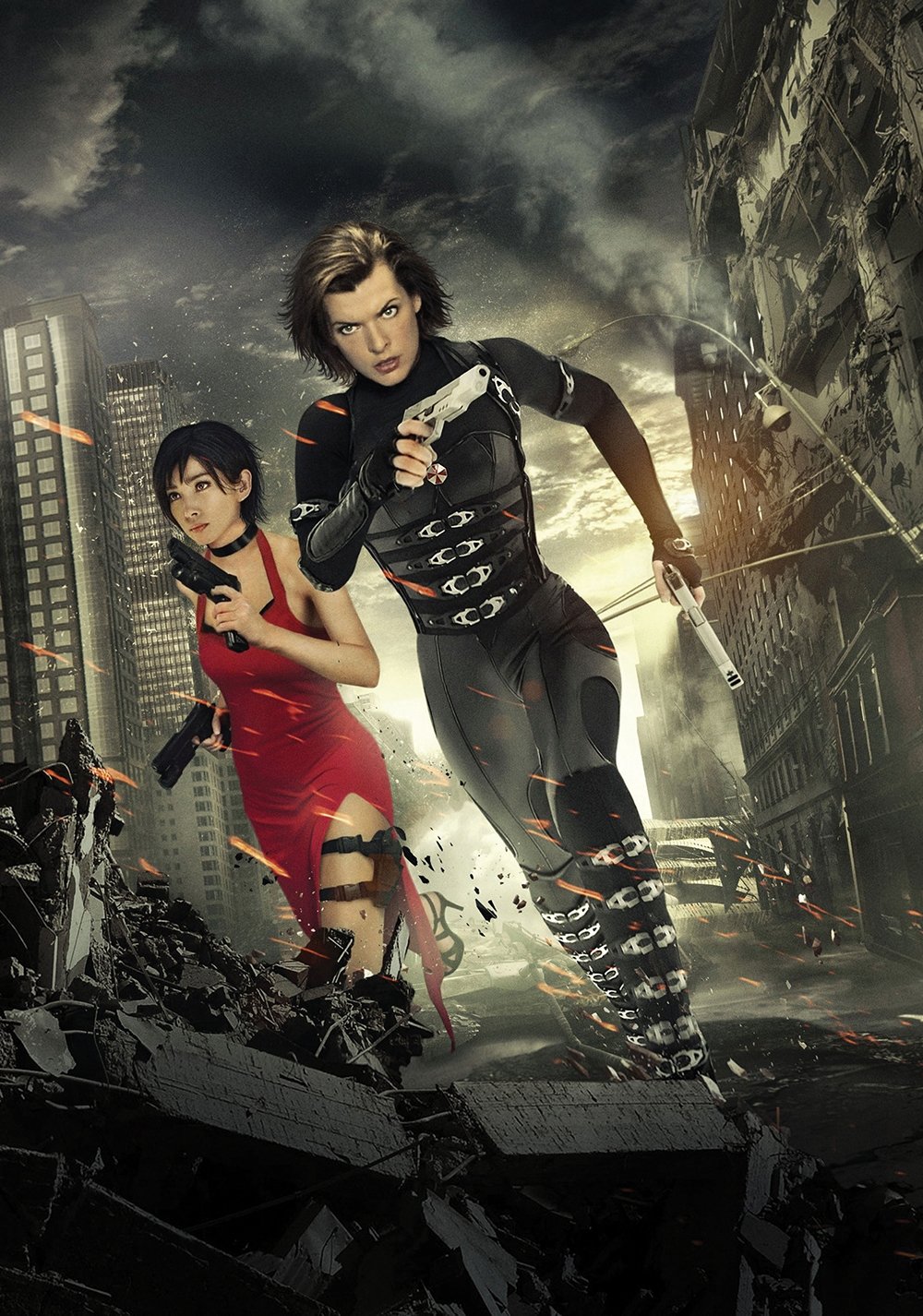
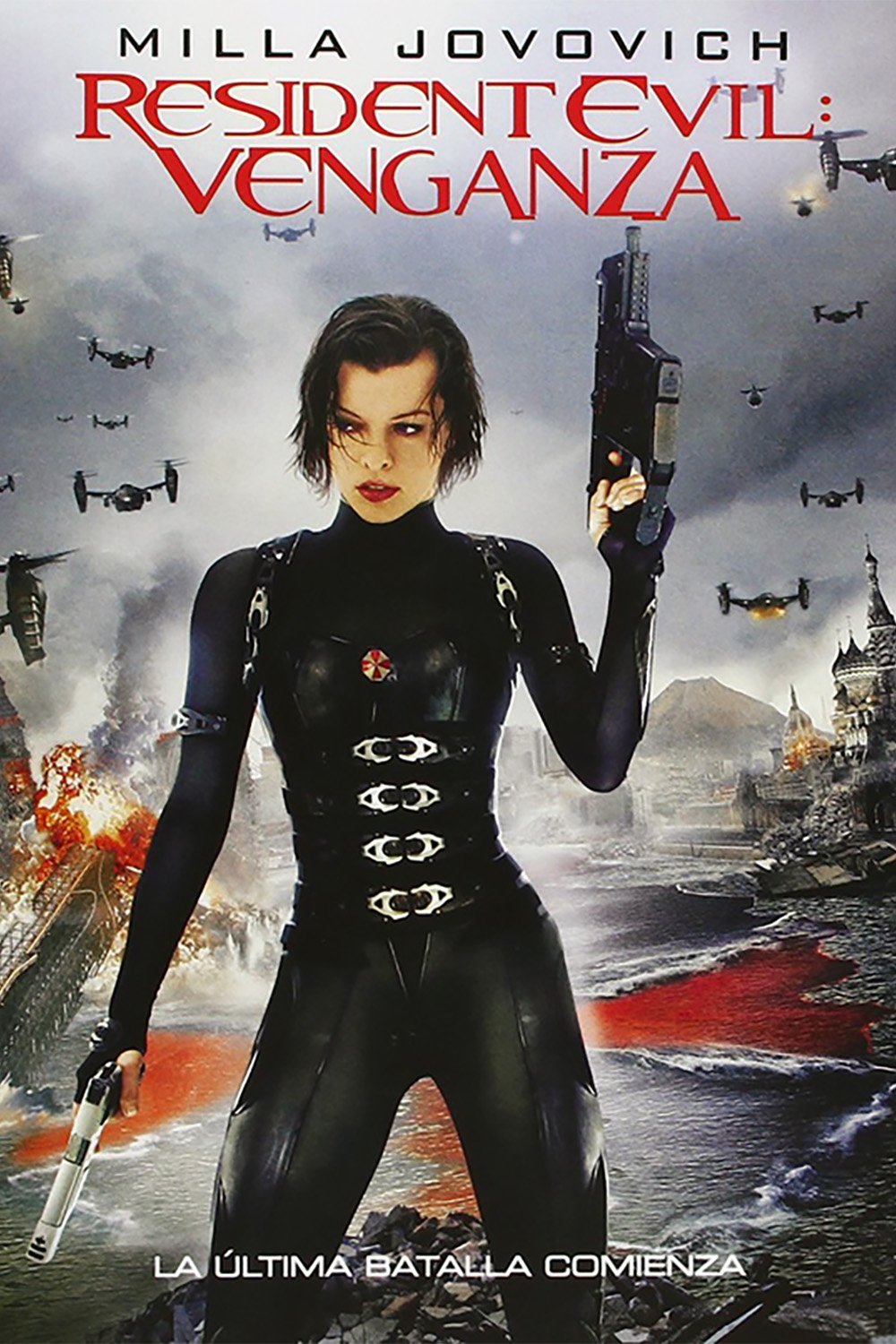
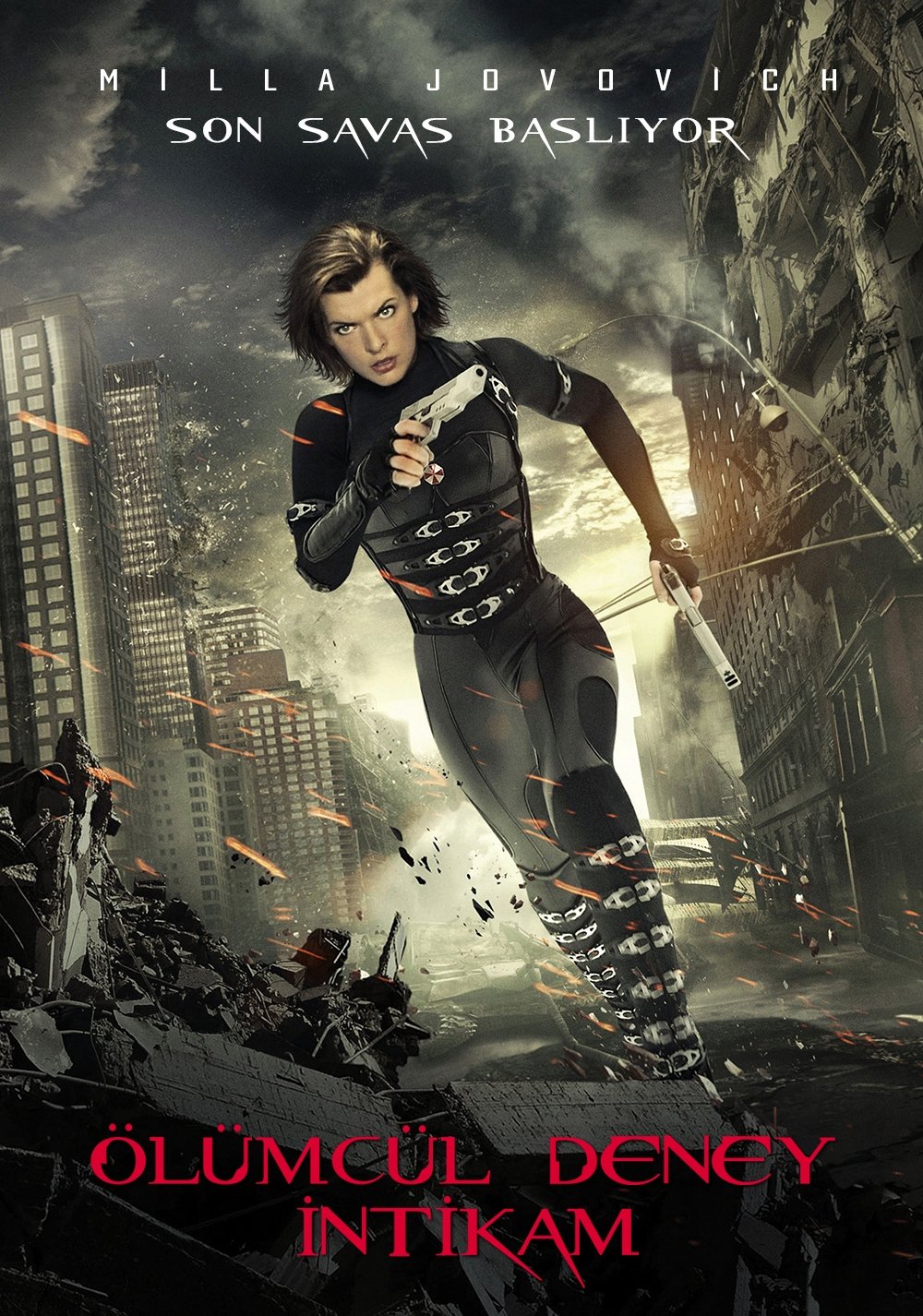
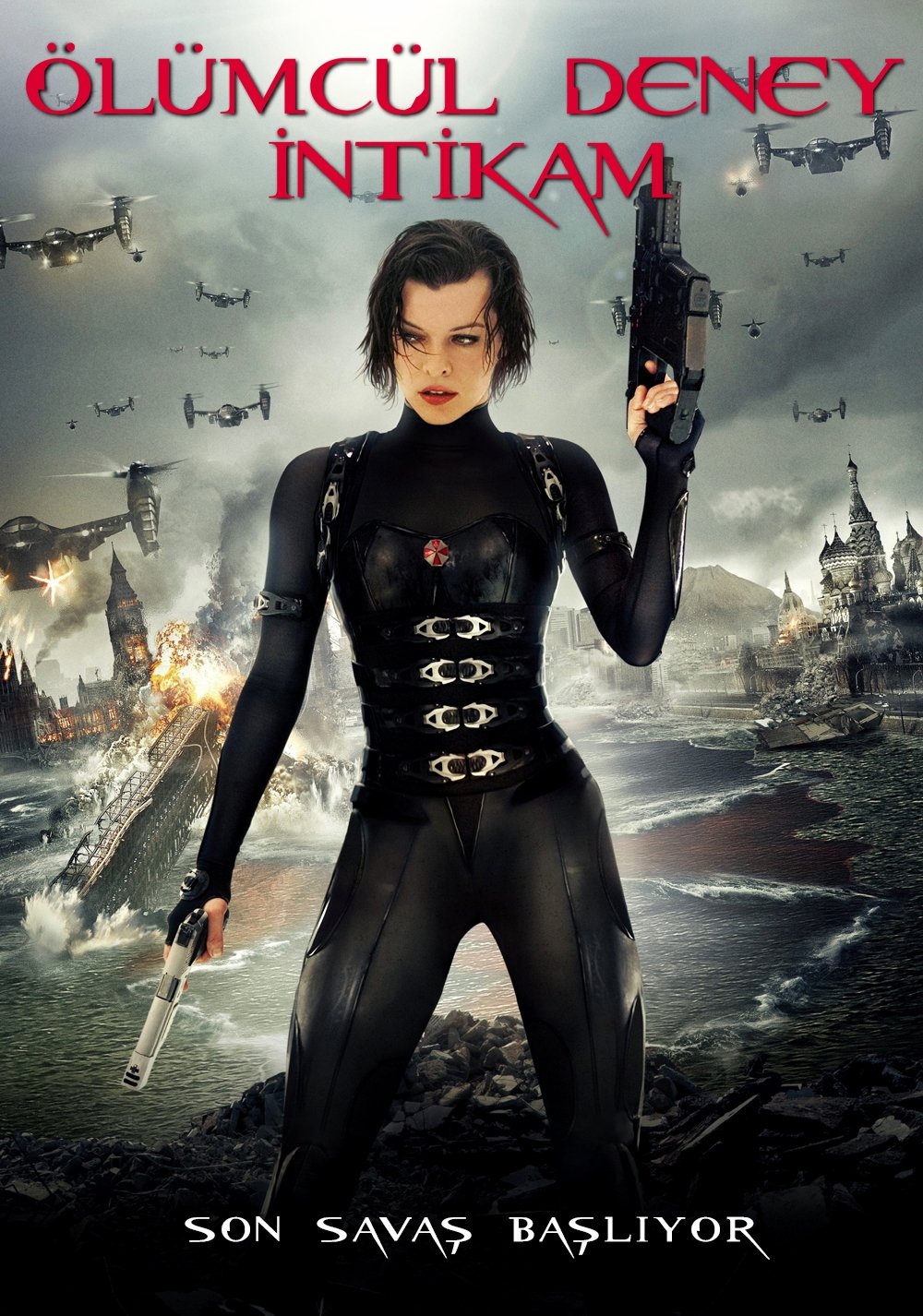
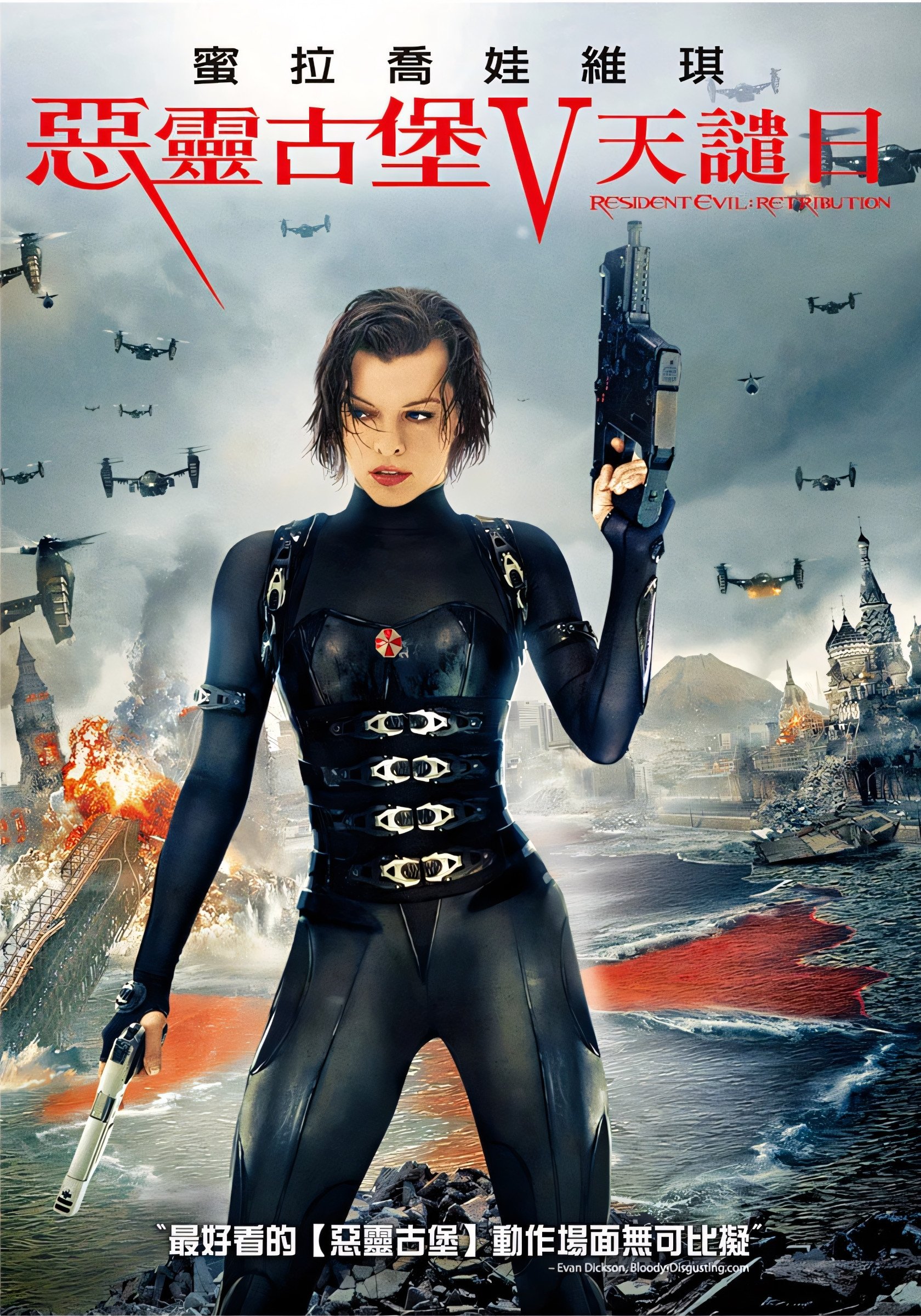
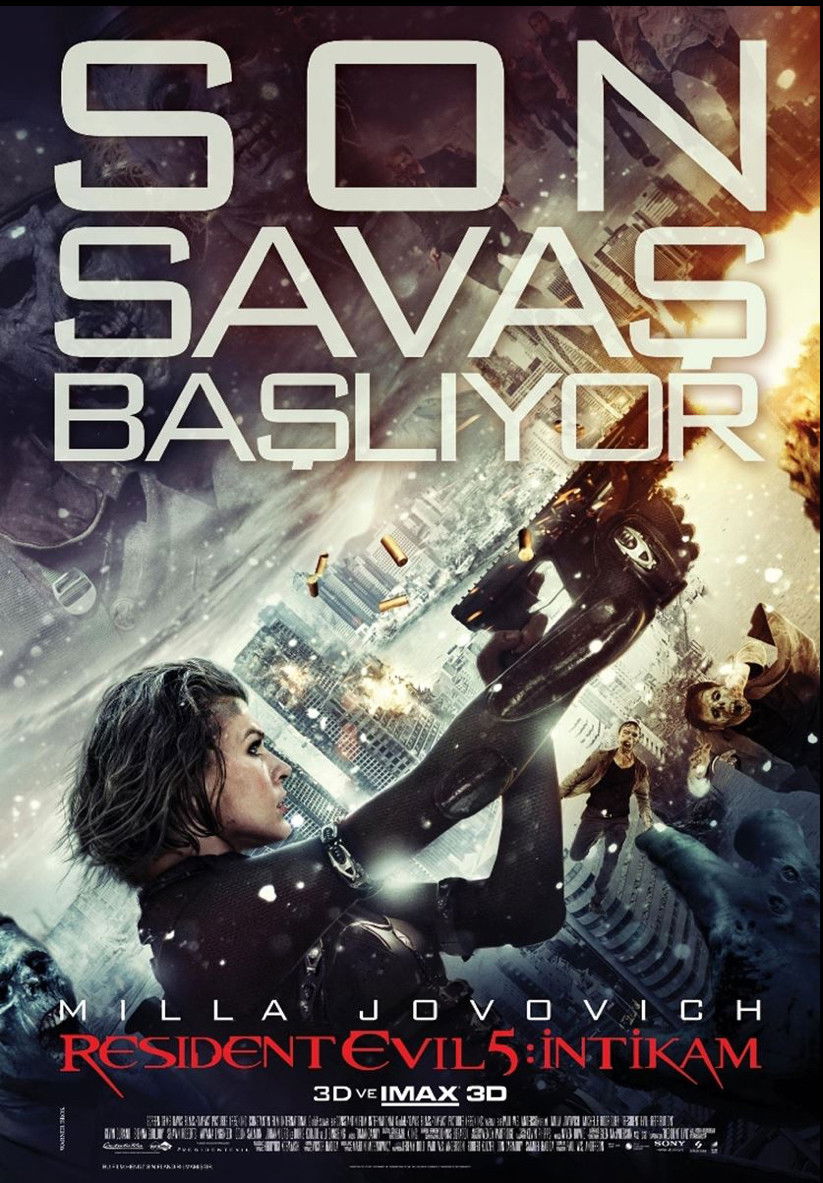
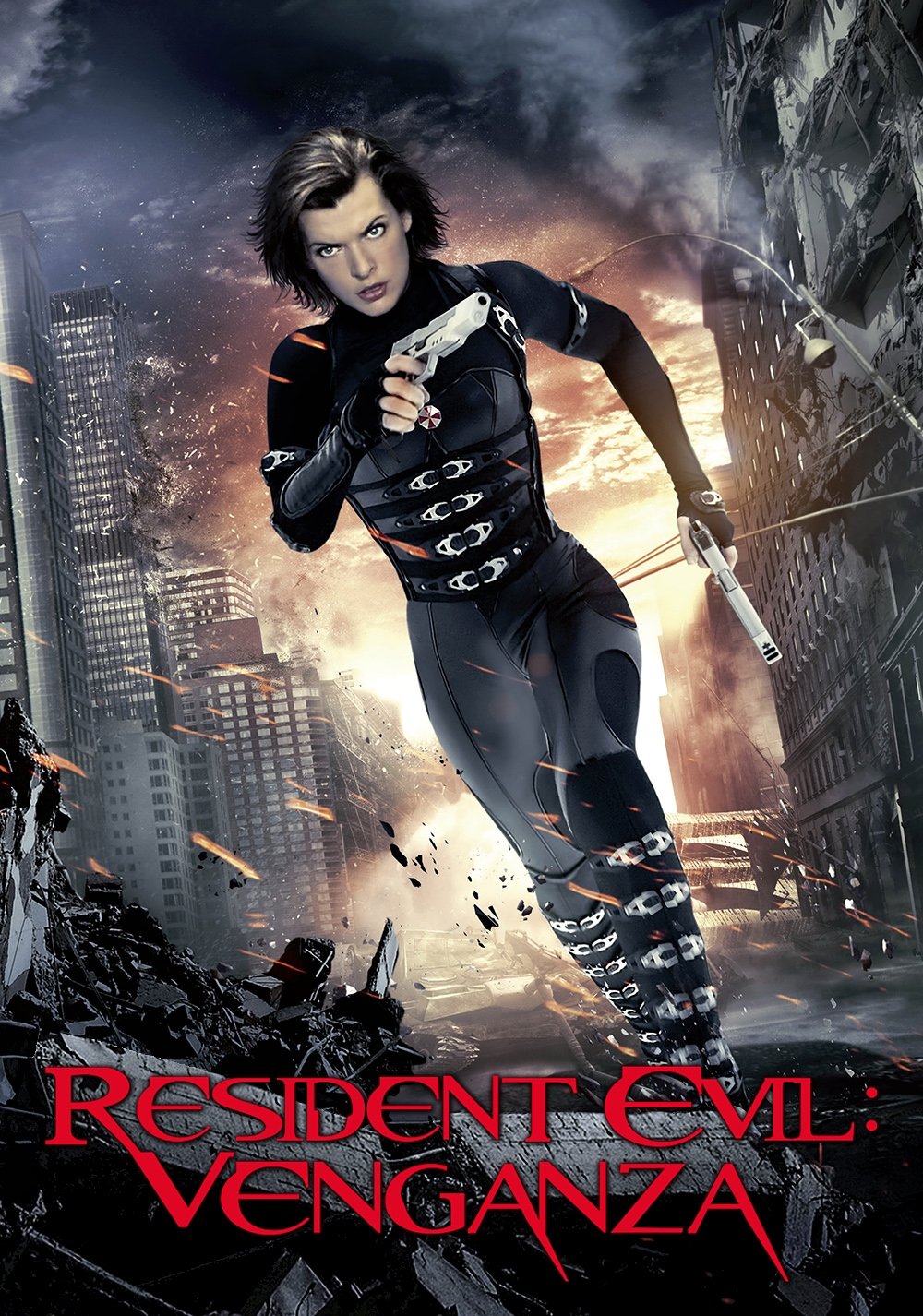
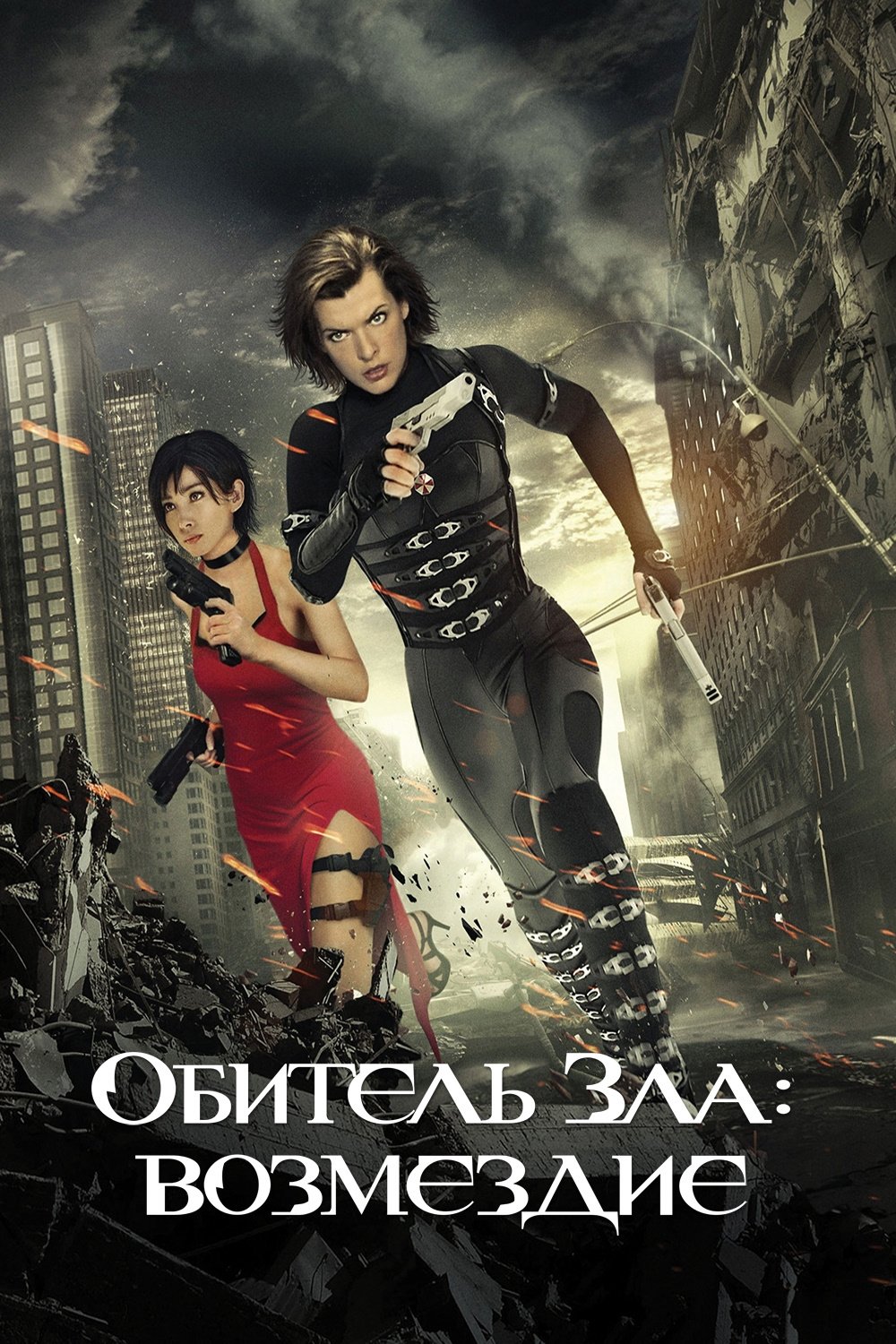
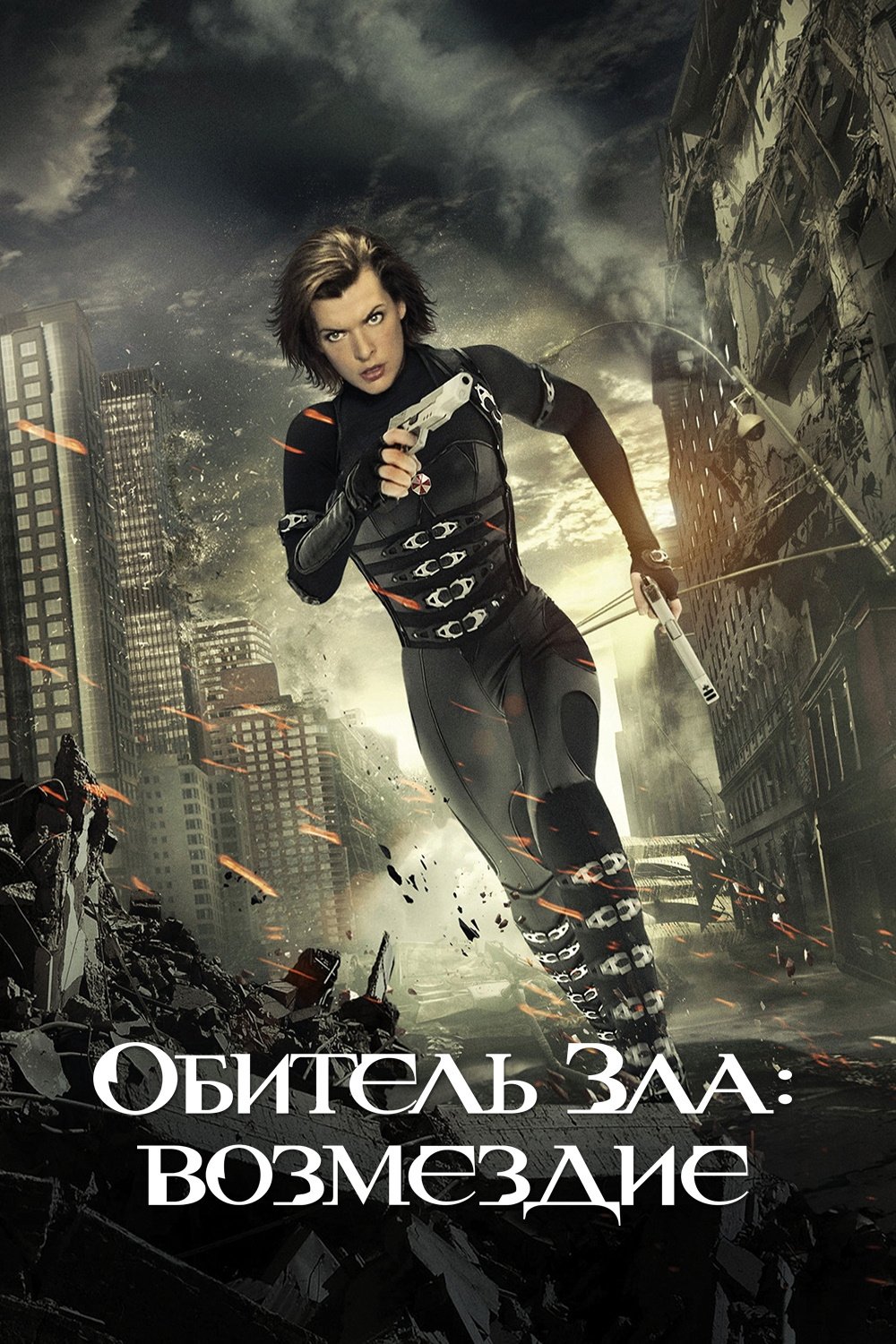
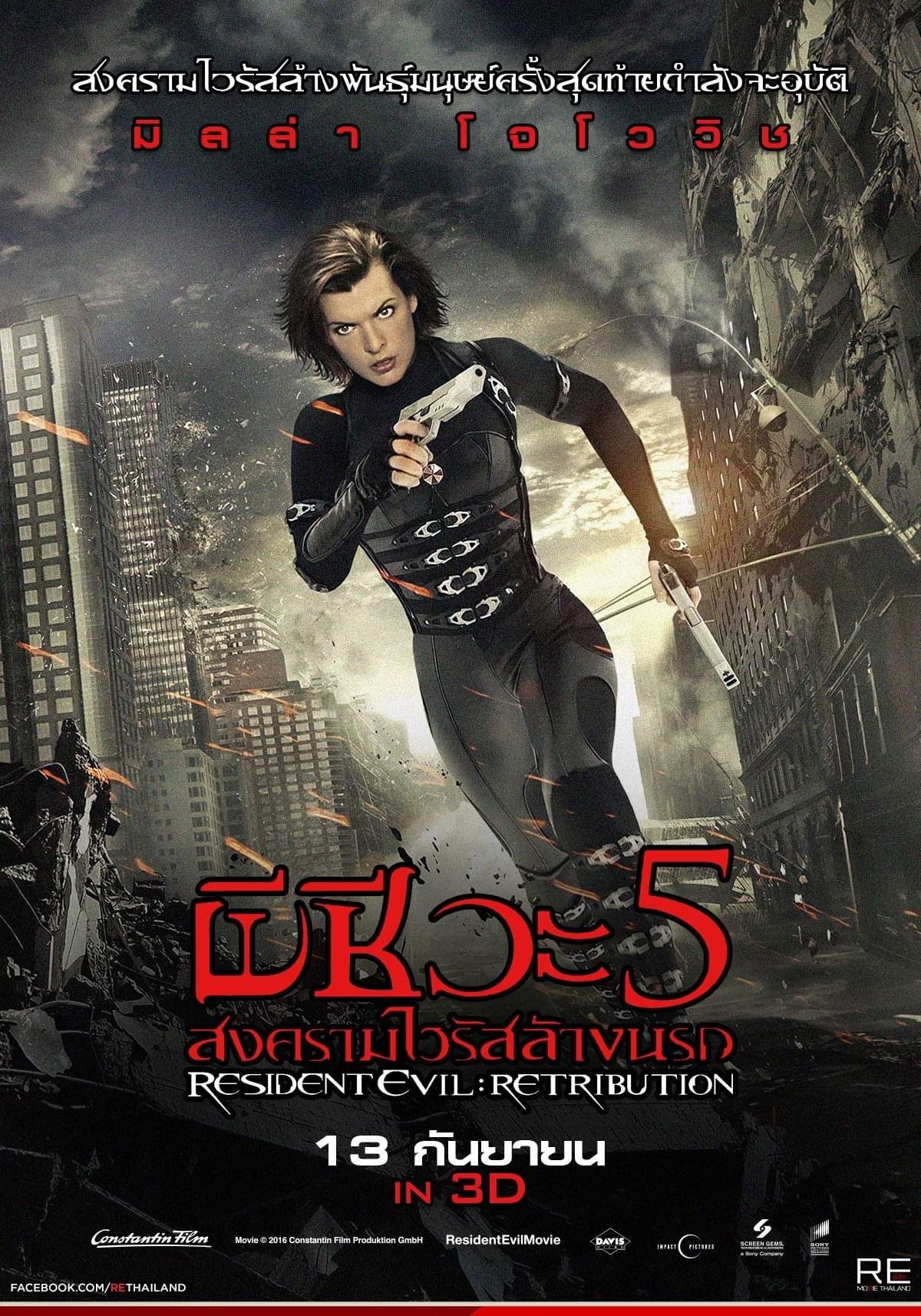
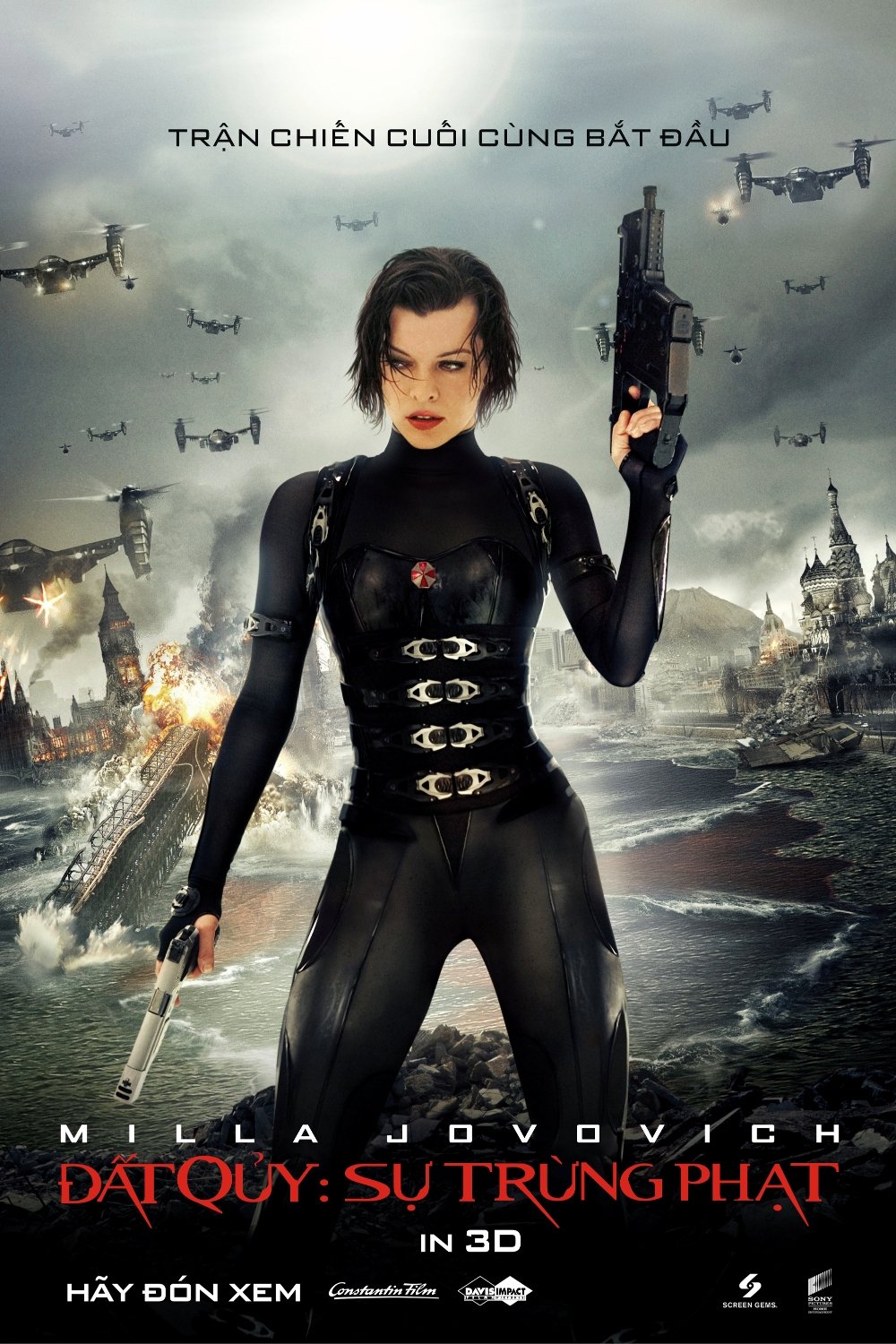
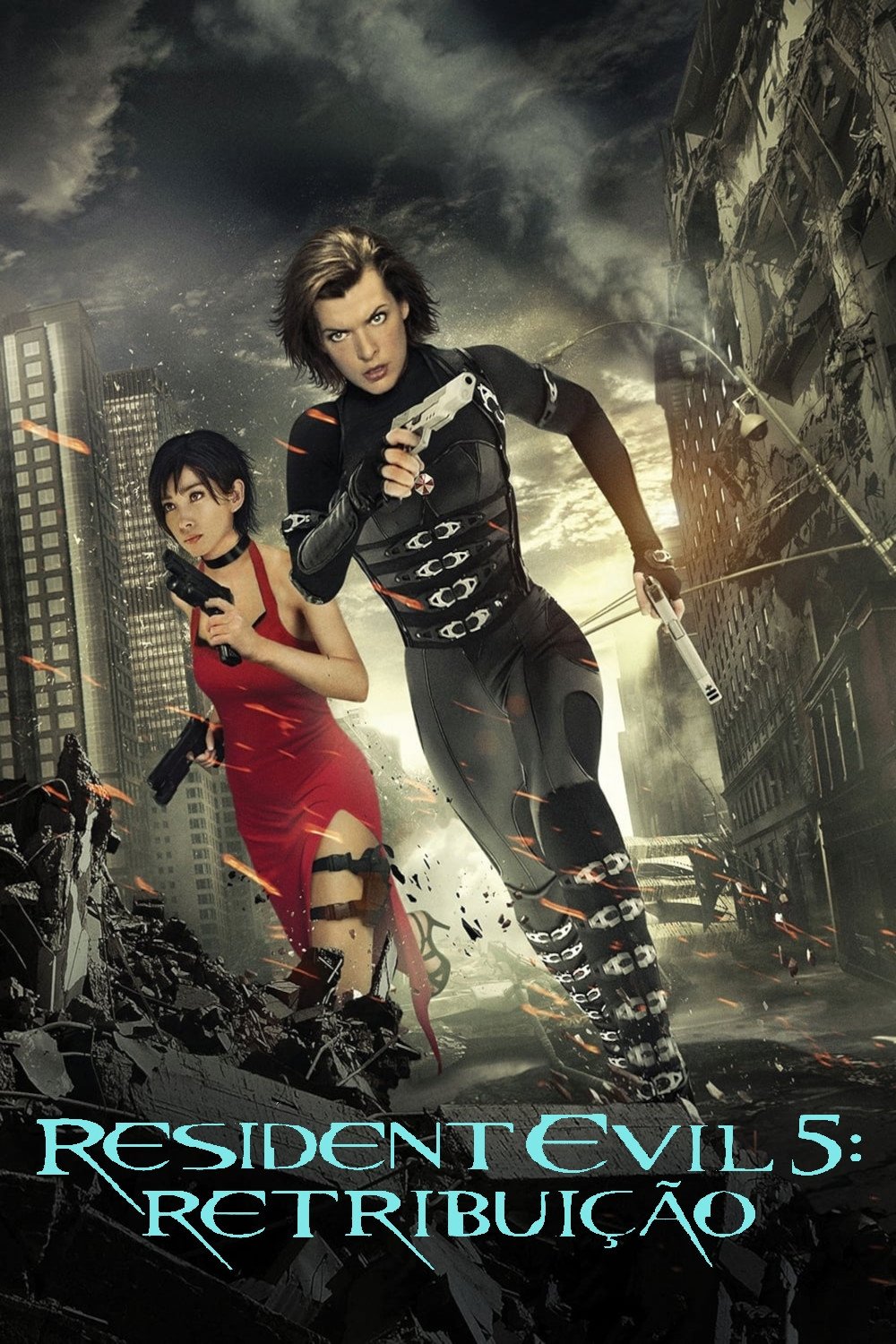
Alice awakens inside an Umbrella test complex where recreated cities and artificial populations are used to simulate outbreaks. The corporation has constructed environments resembling Tokyo, Moscow and other locations, turning familiar streets into enclosed experiments. With help from Ada Wong and a rescue team, Alice moves between simulated scenarios while confronting infected creatures and engineered copies of people from her past. The mission reveals how Umbrella has expanded its research into the manufacture and study of crises on a global scale. Escaping the facility becomes the first step toward a larger conflict.
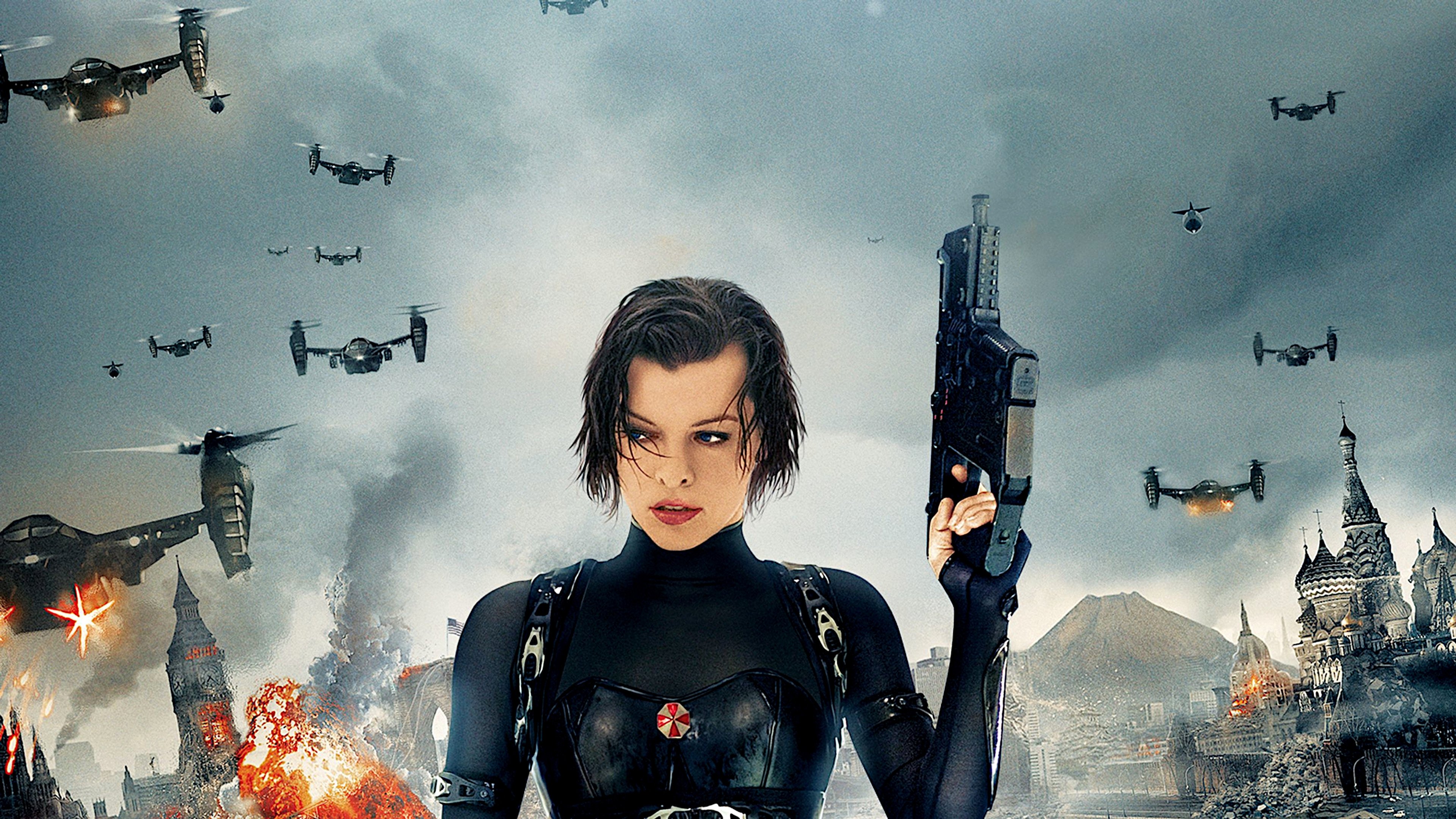
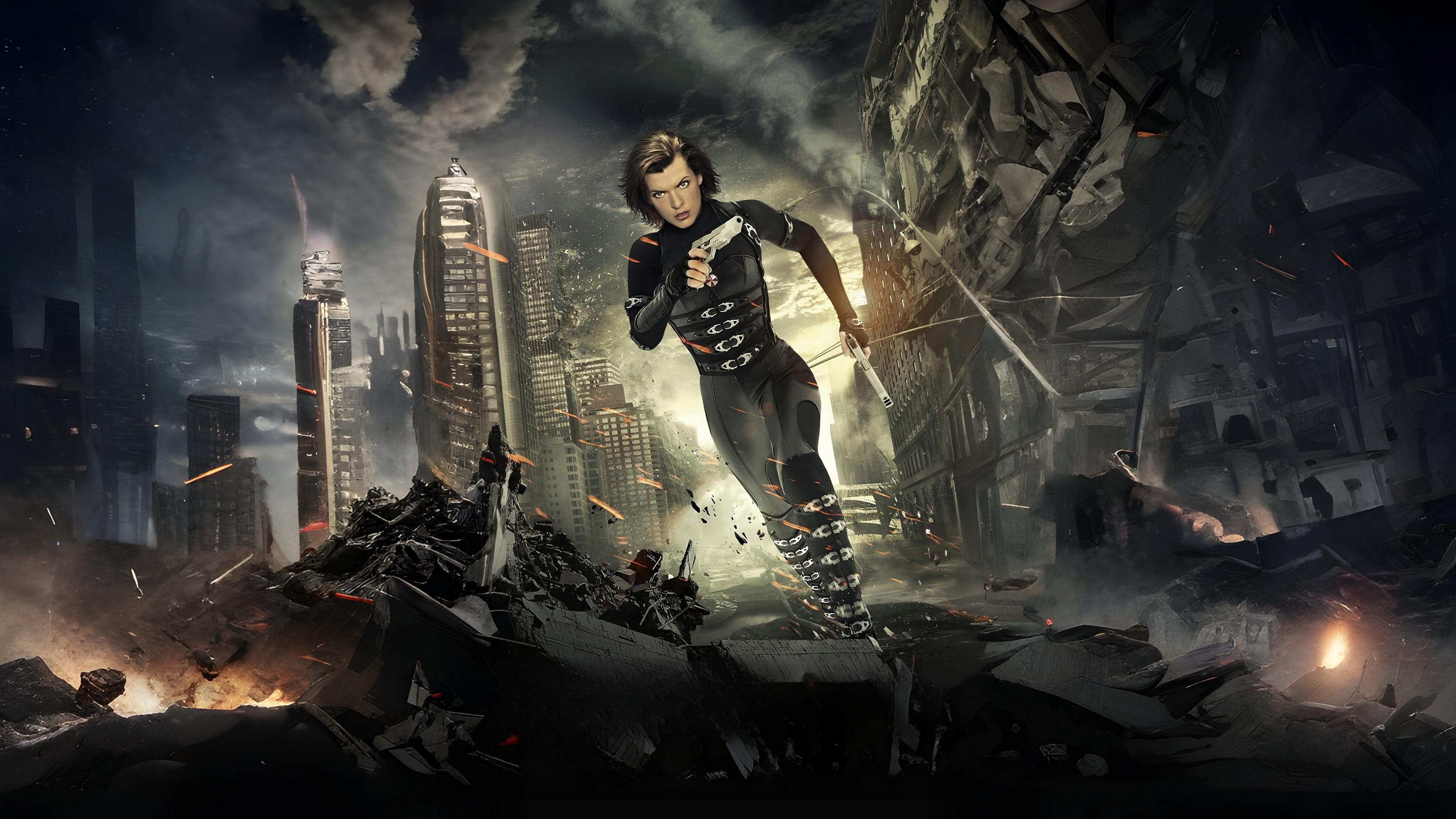
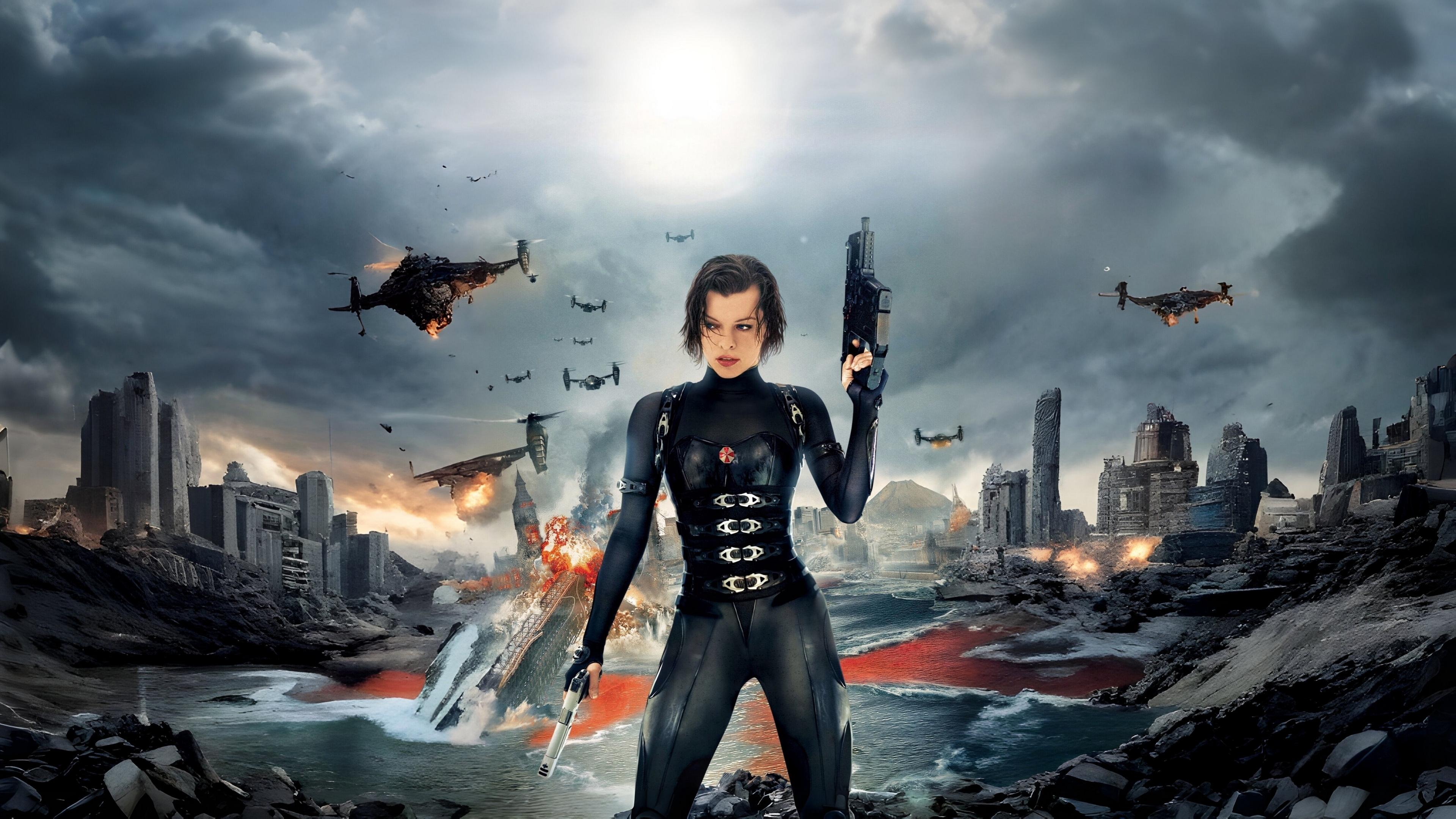
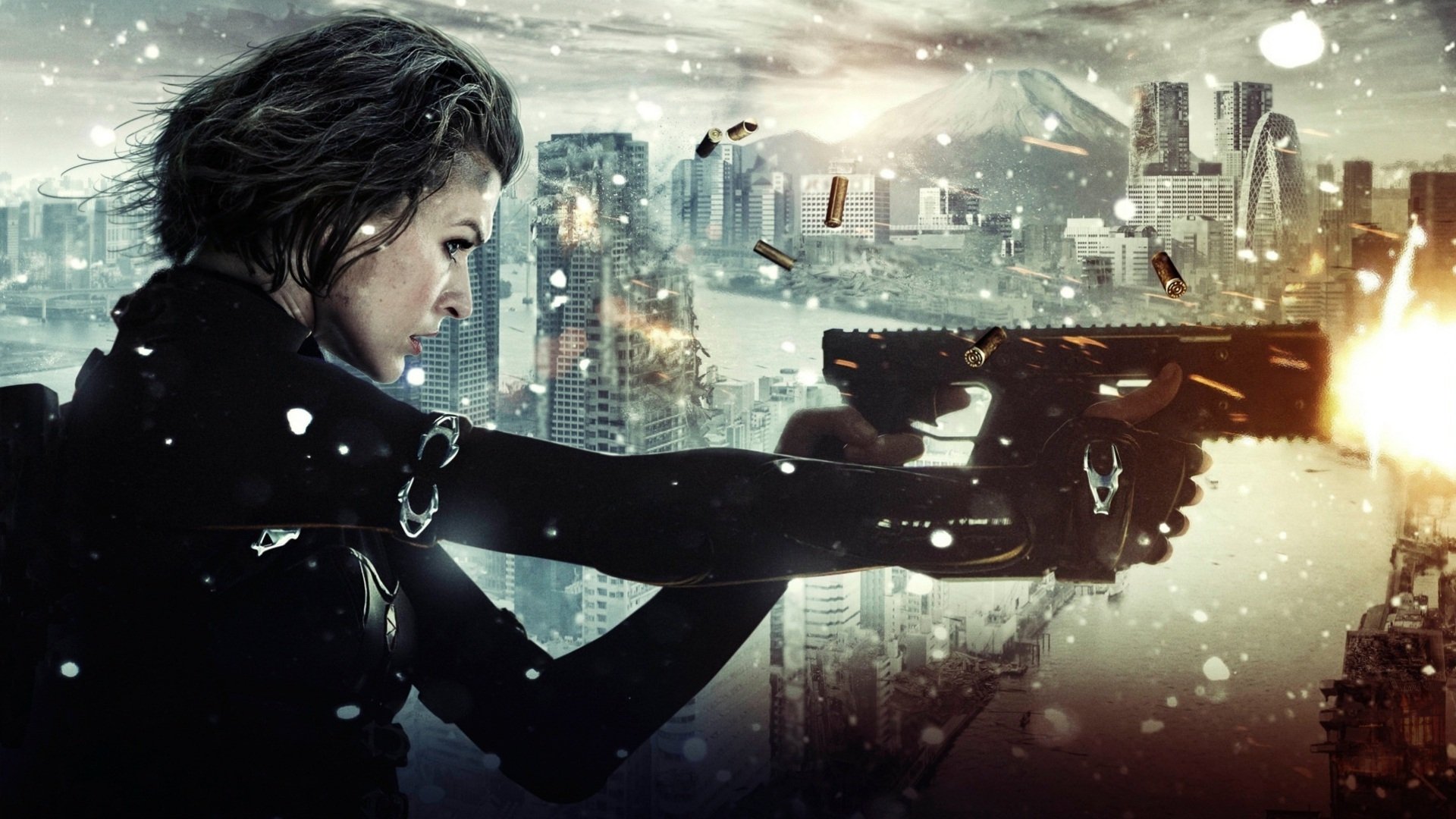
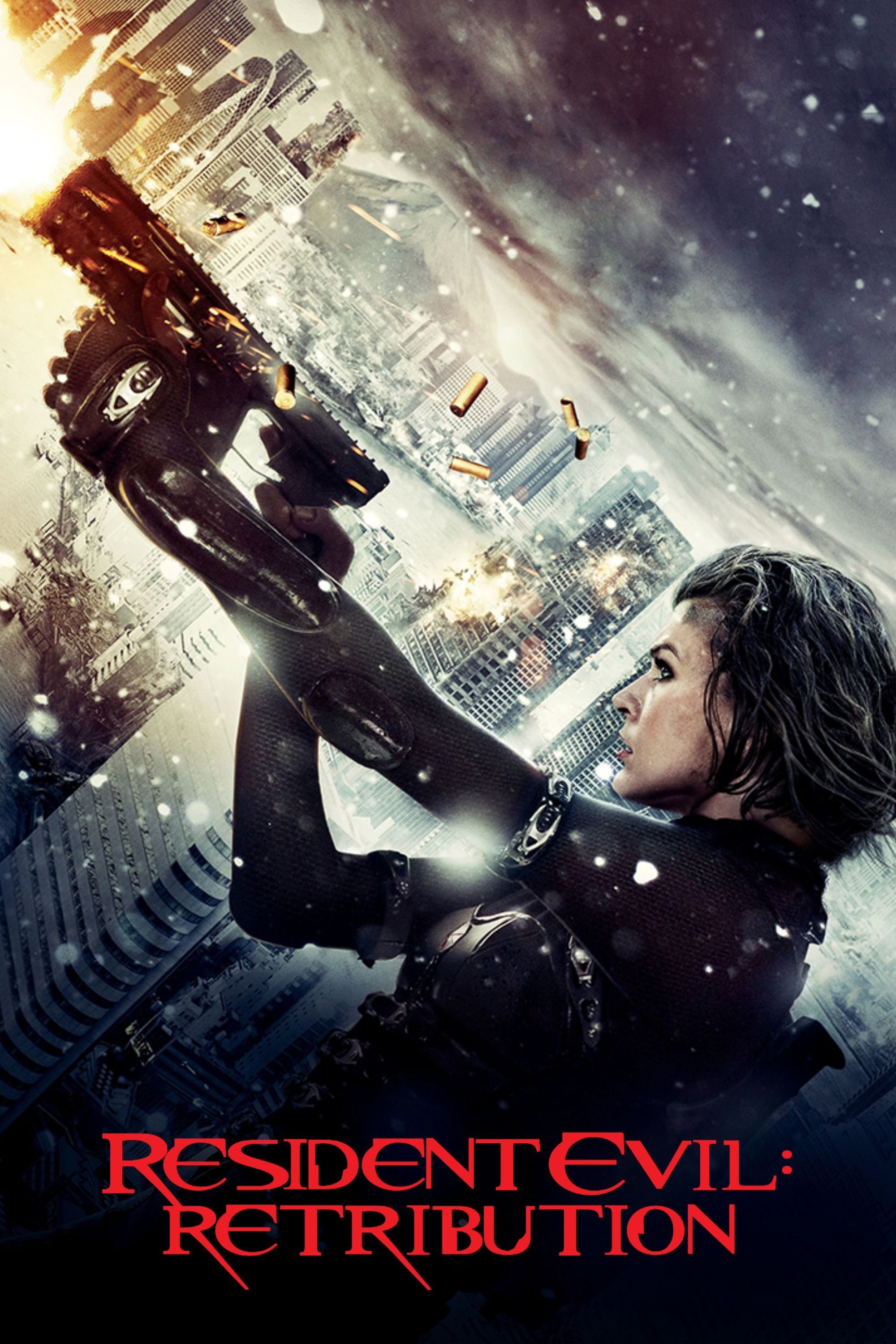
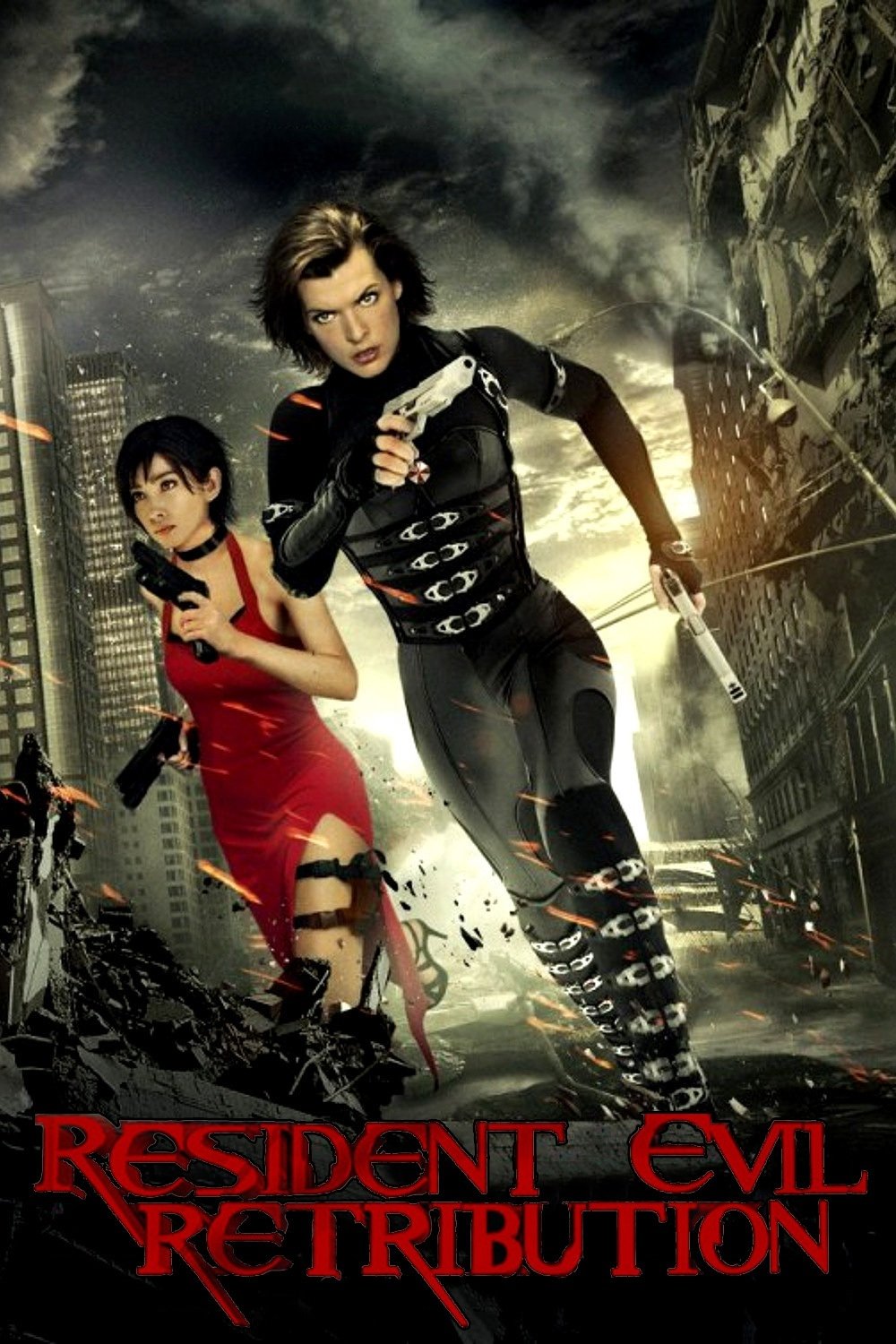
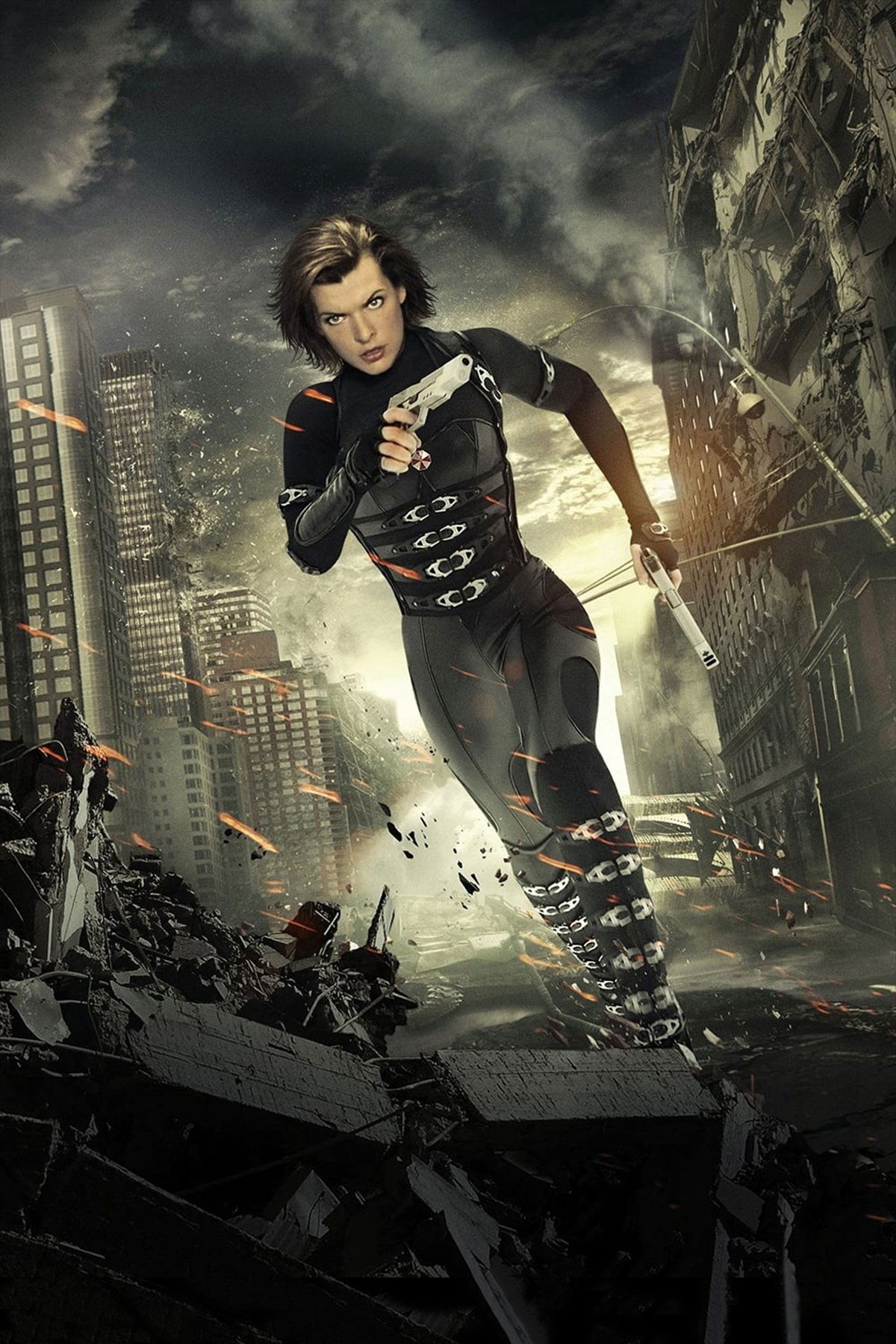
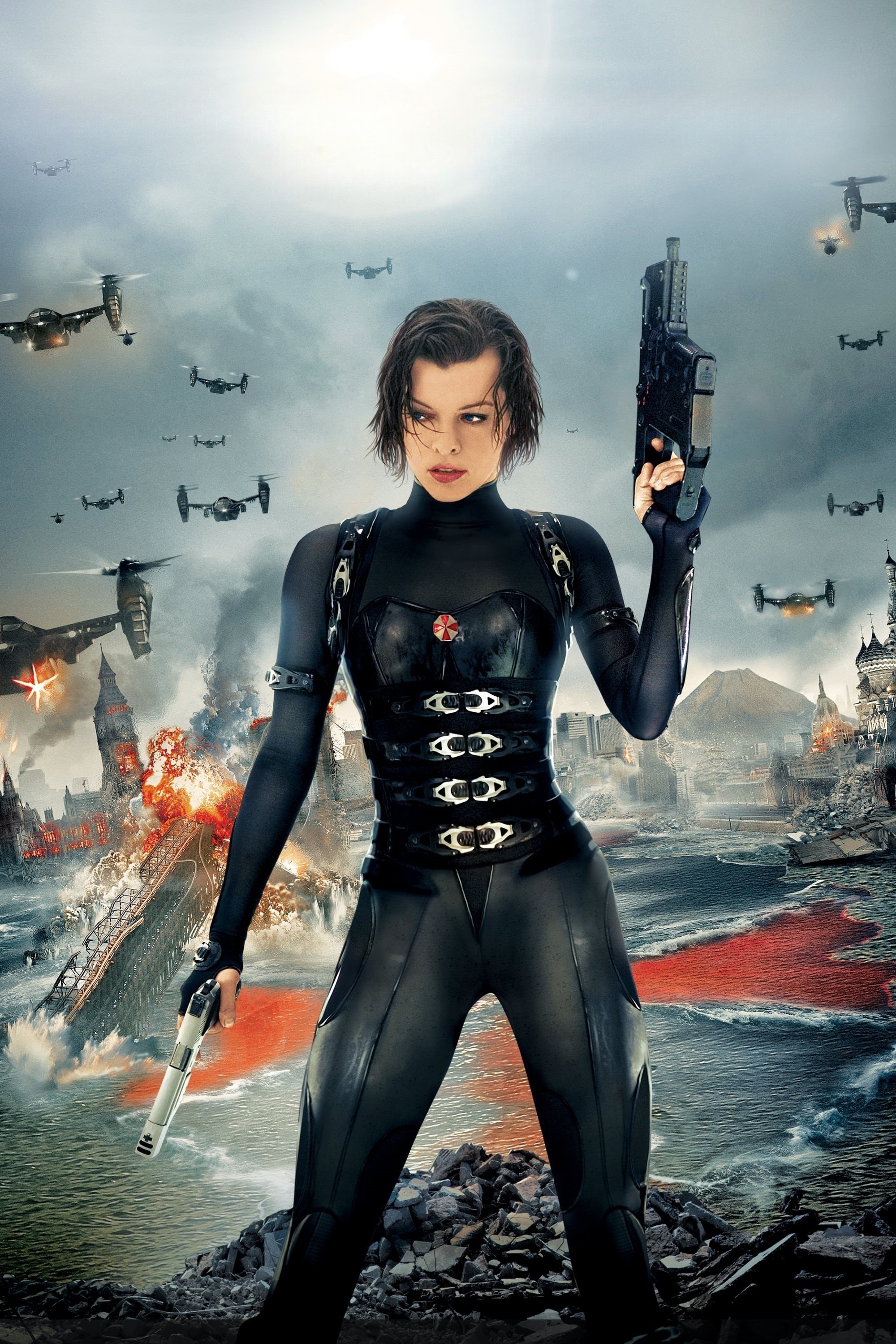
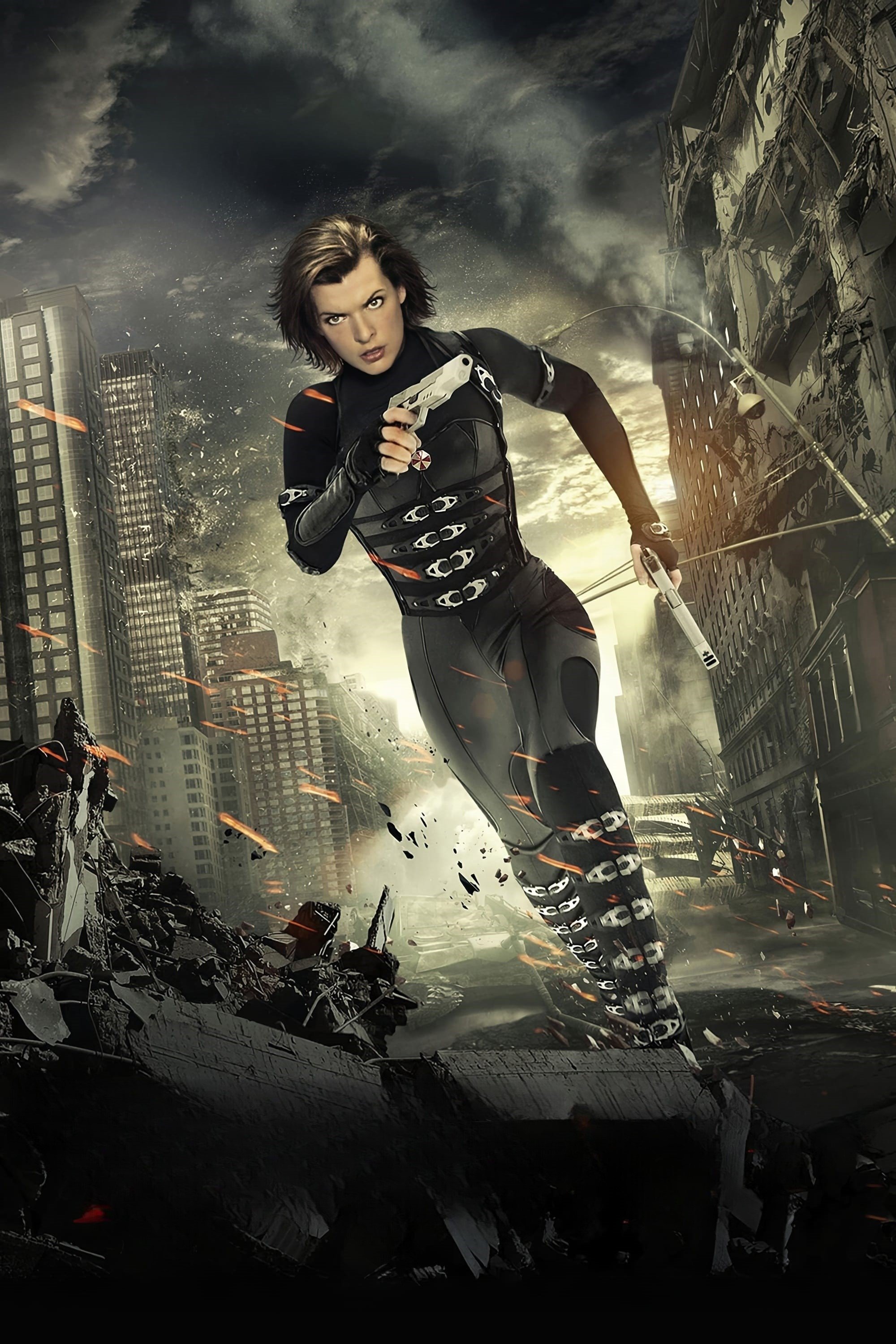
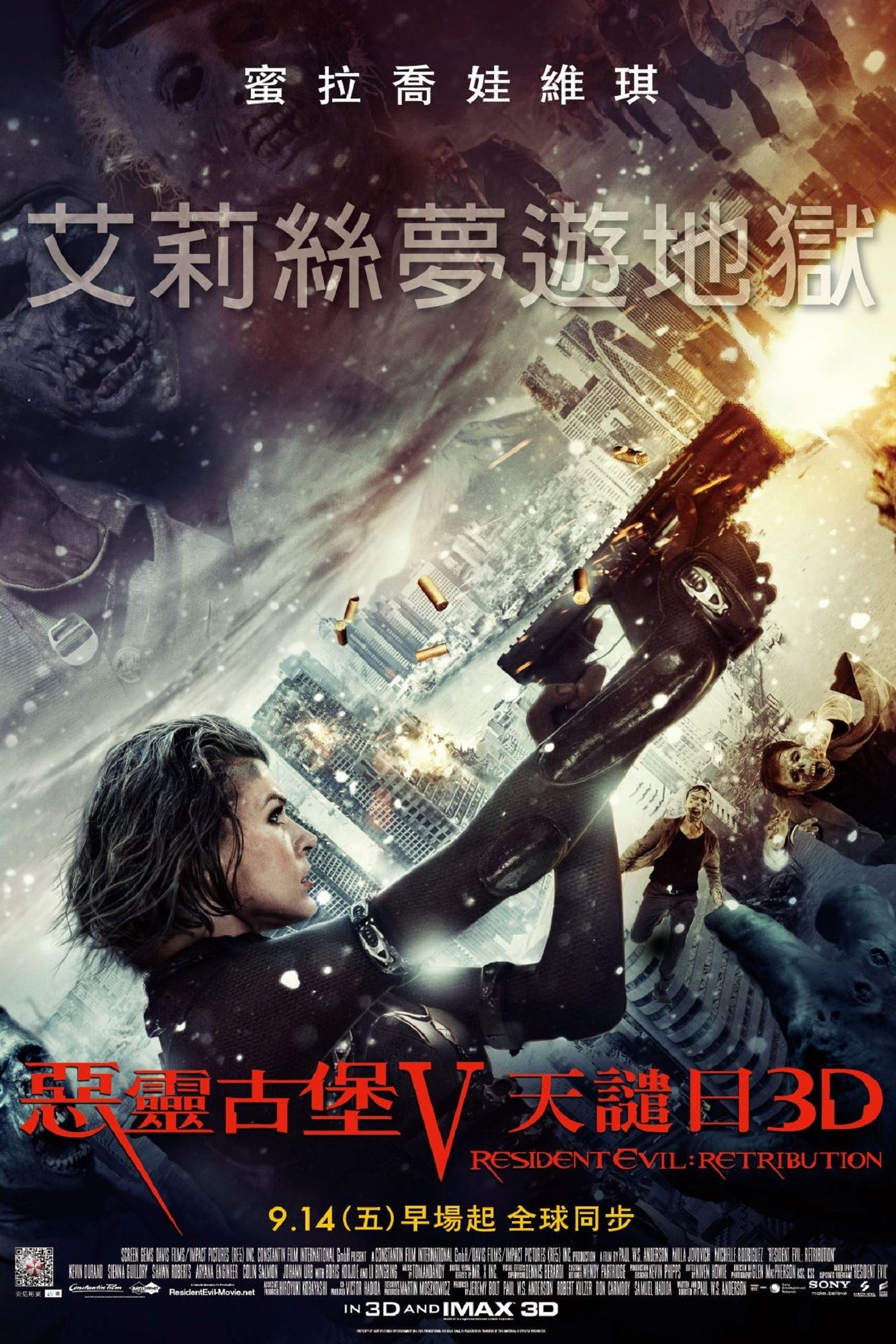
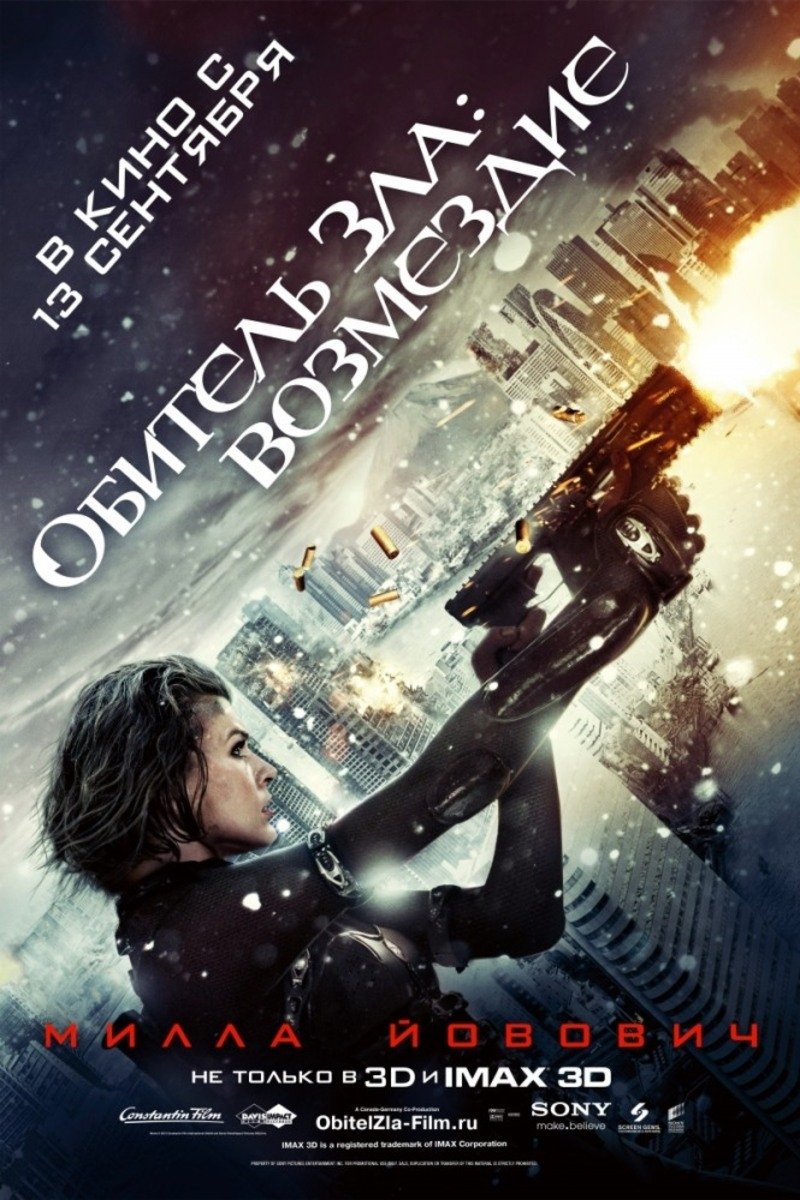
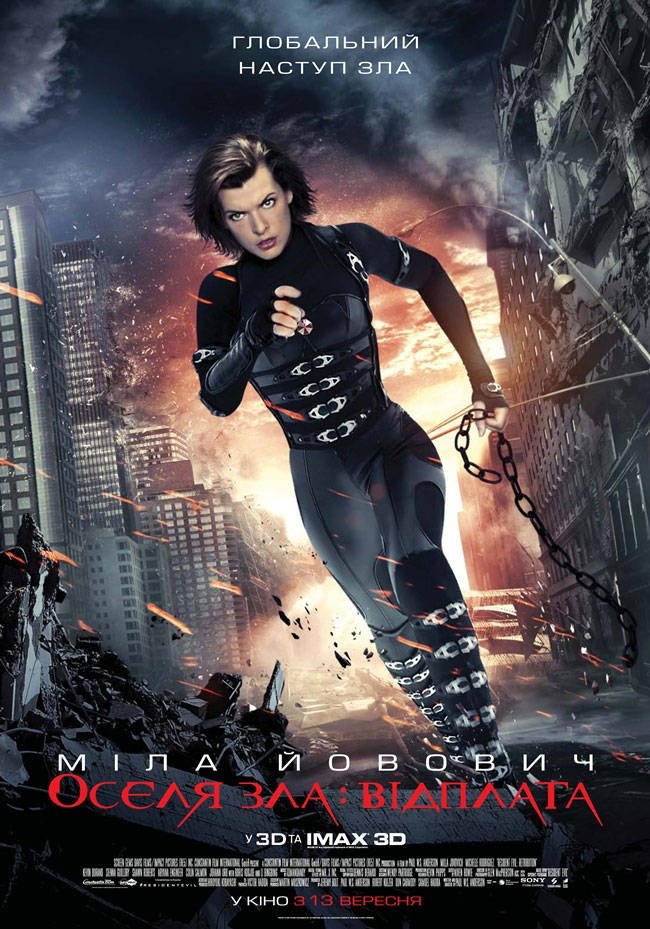
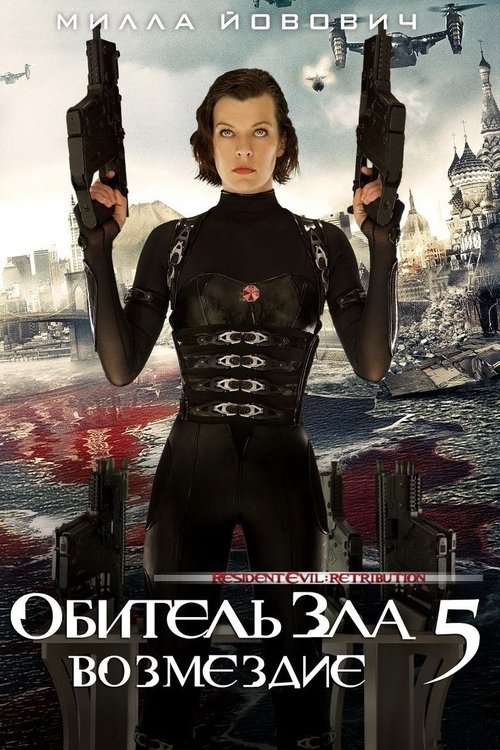
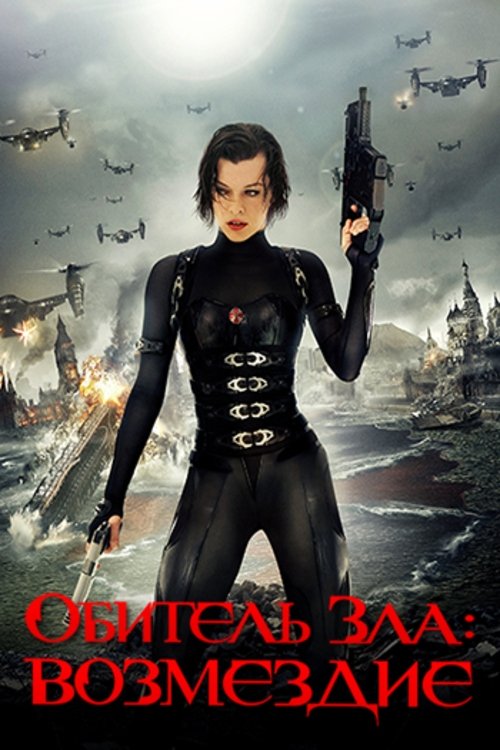
An Umbrella simulation thriller built from constructed cities, native 3D photography, returning characters and elaborate digital environments.
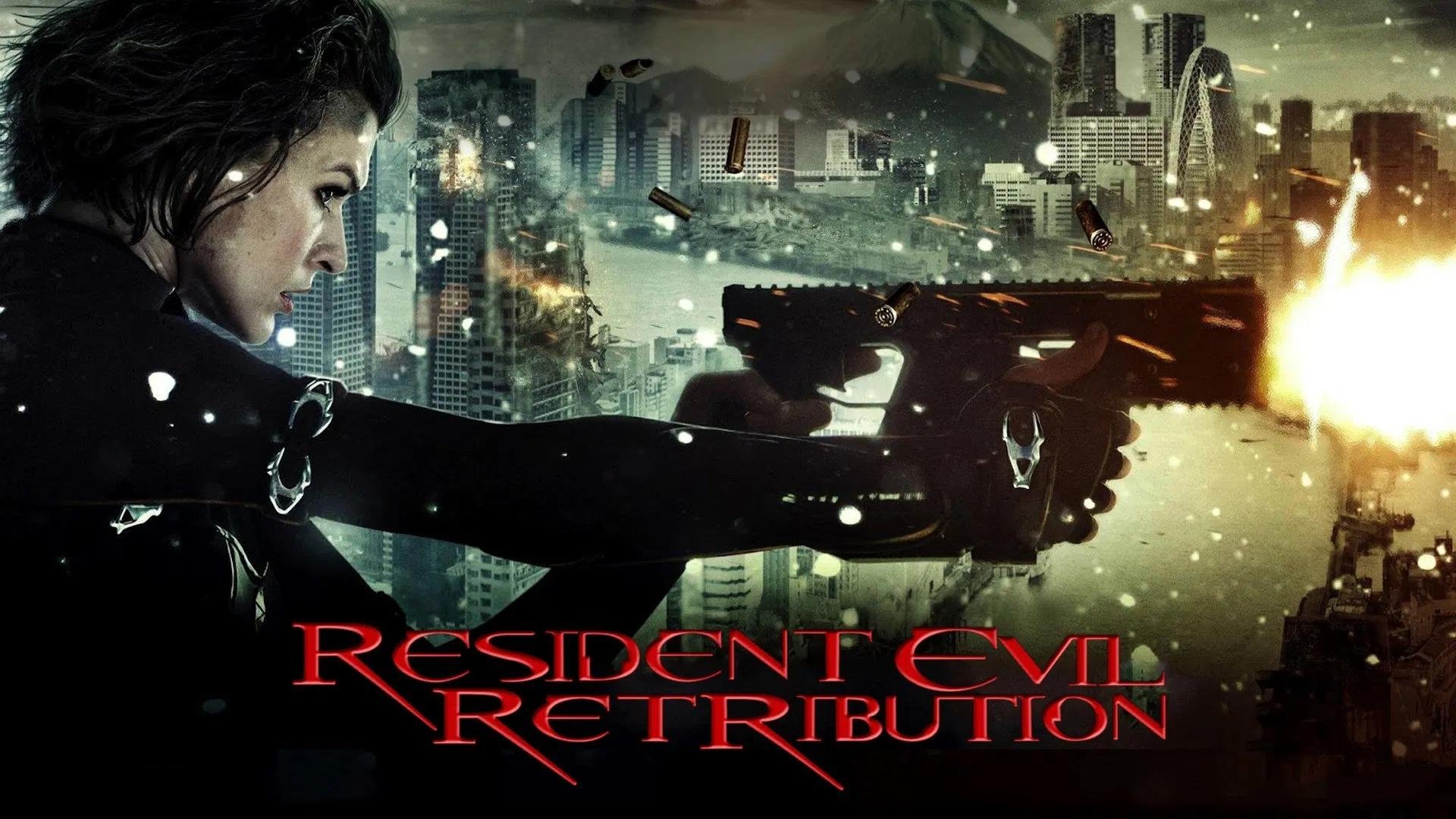
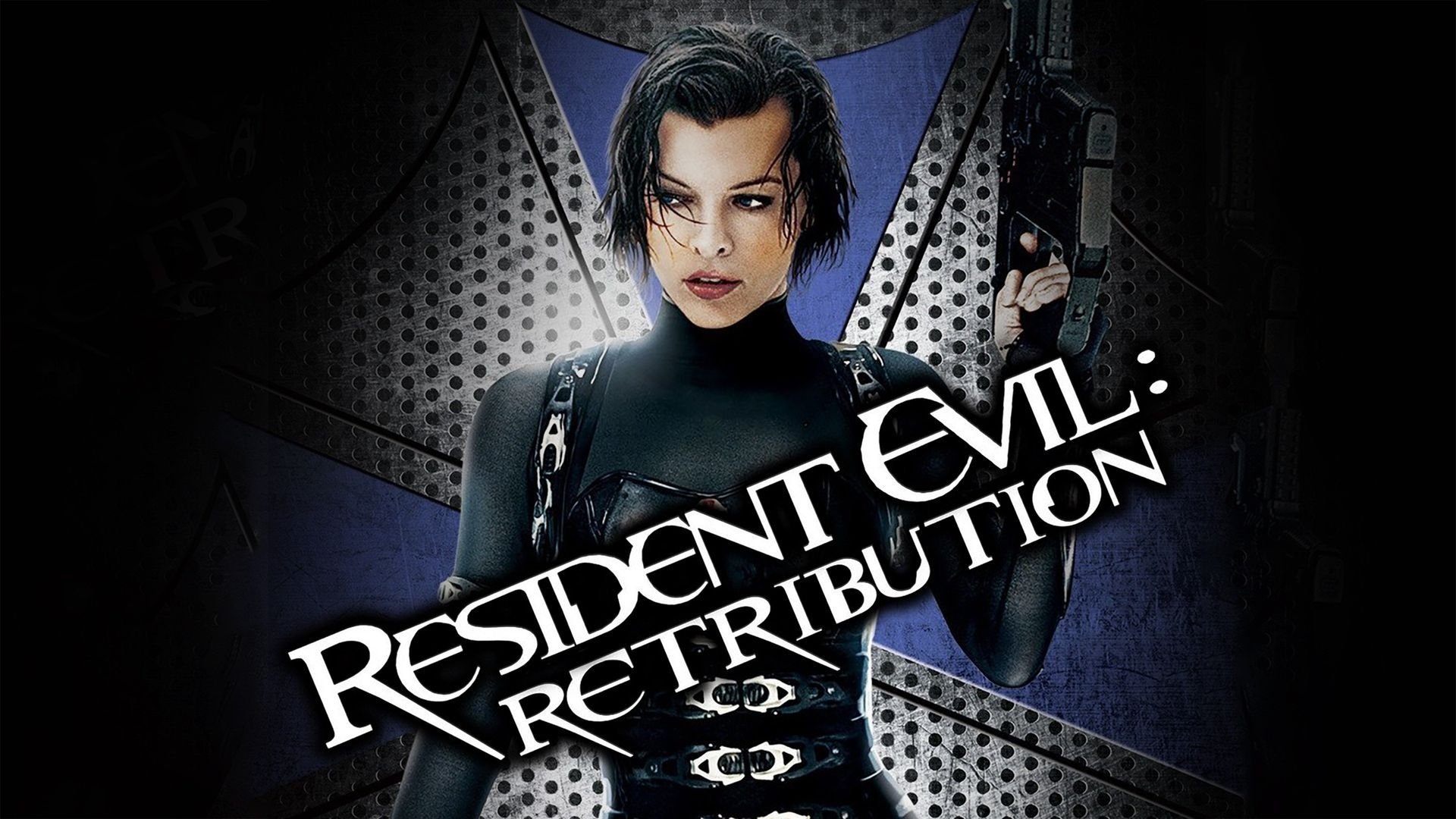
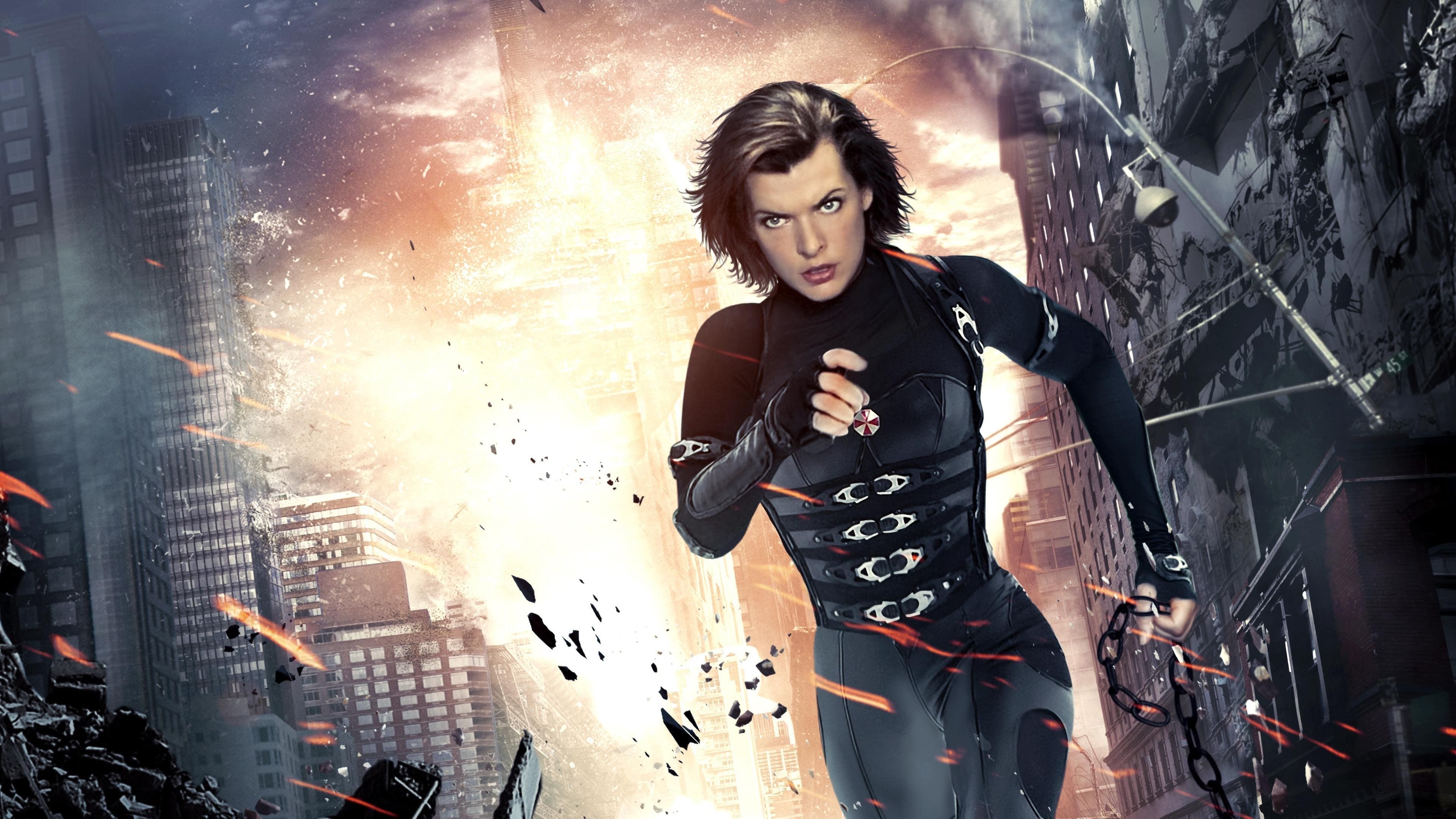
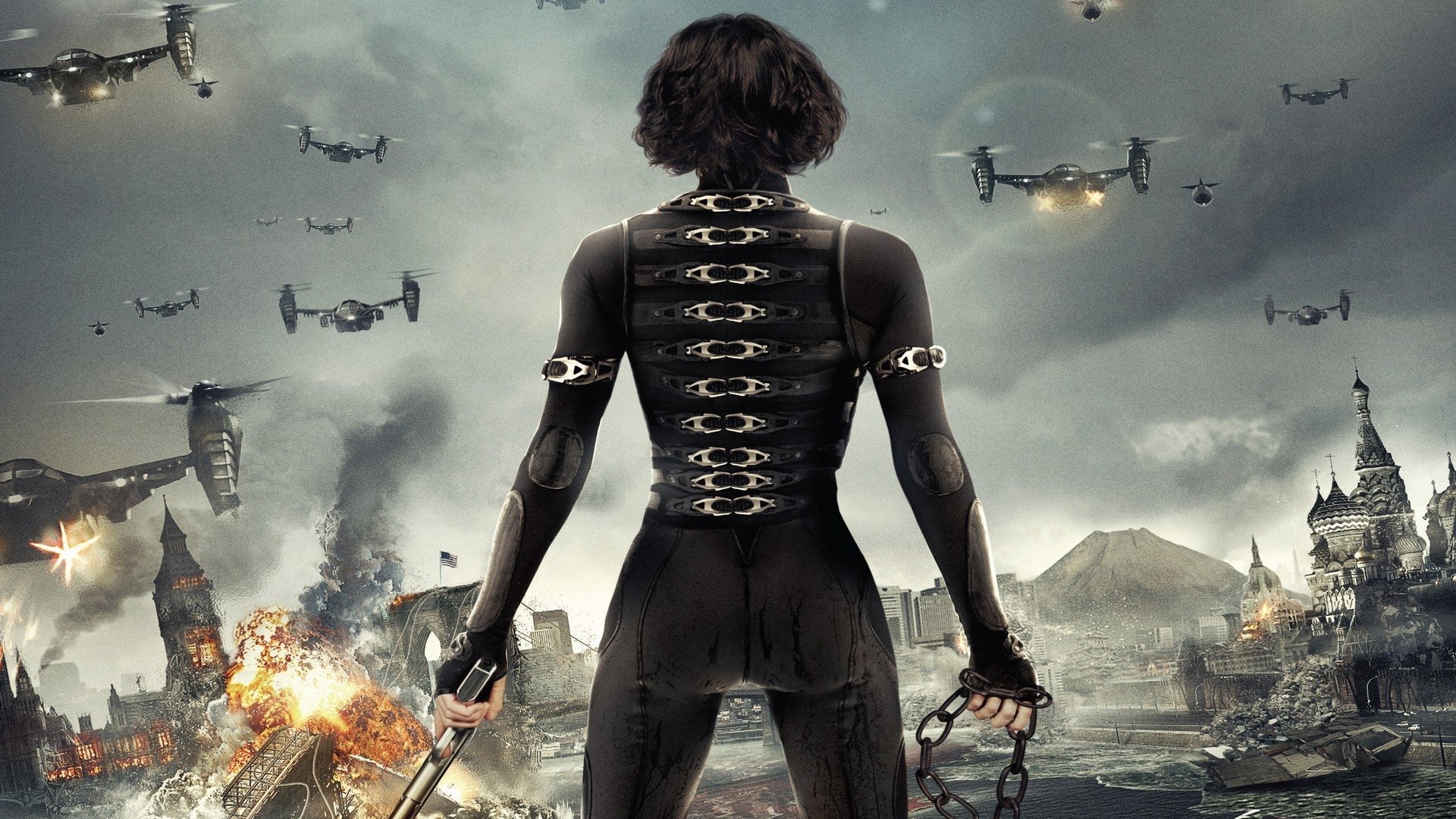
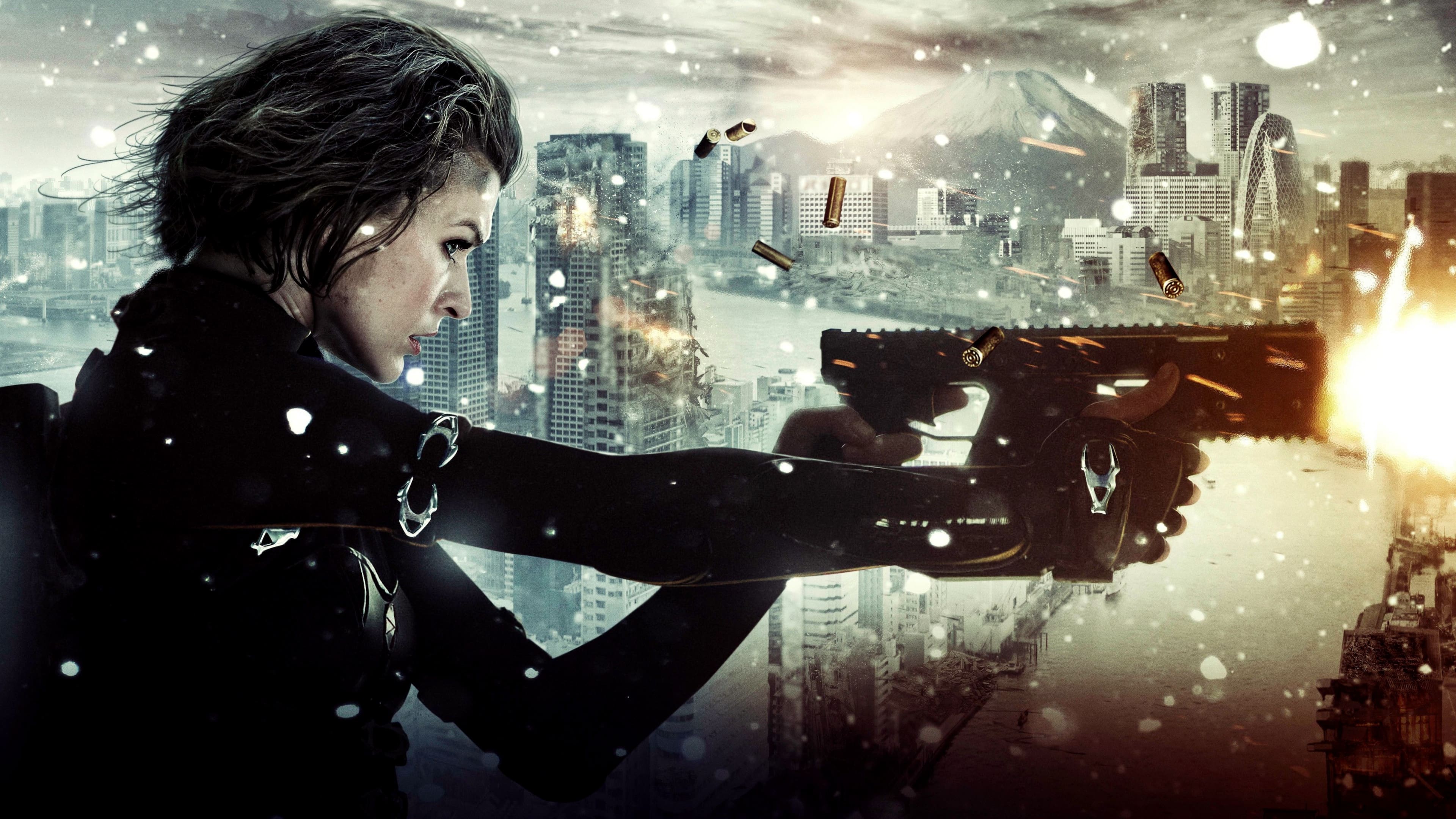
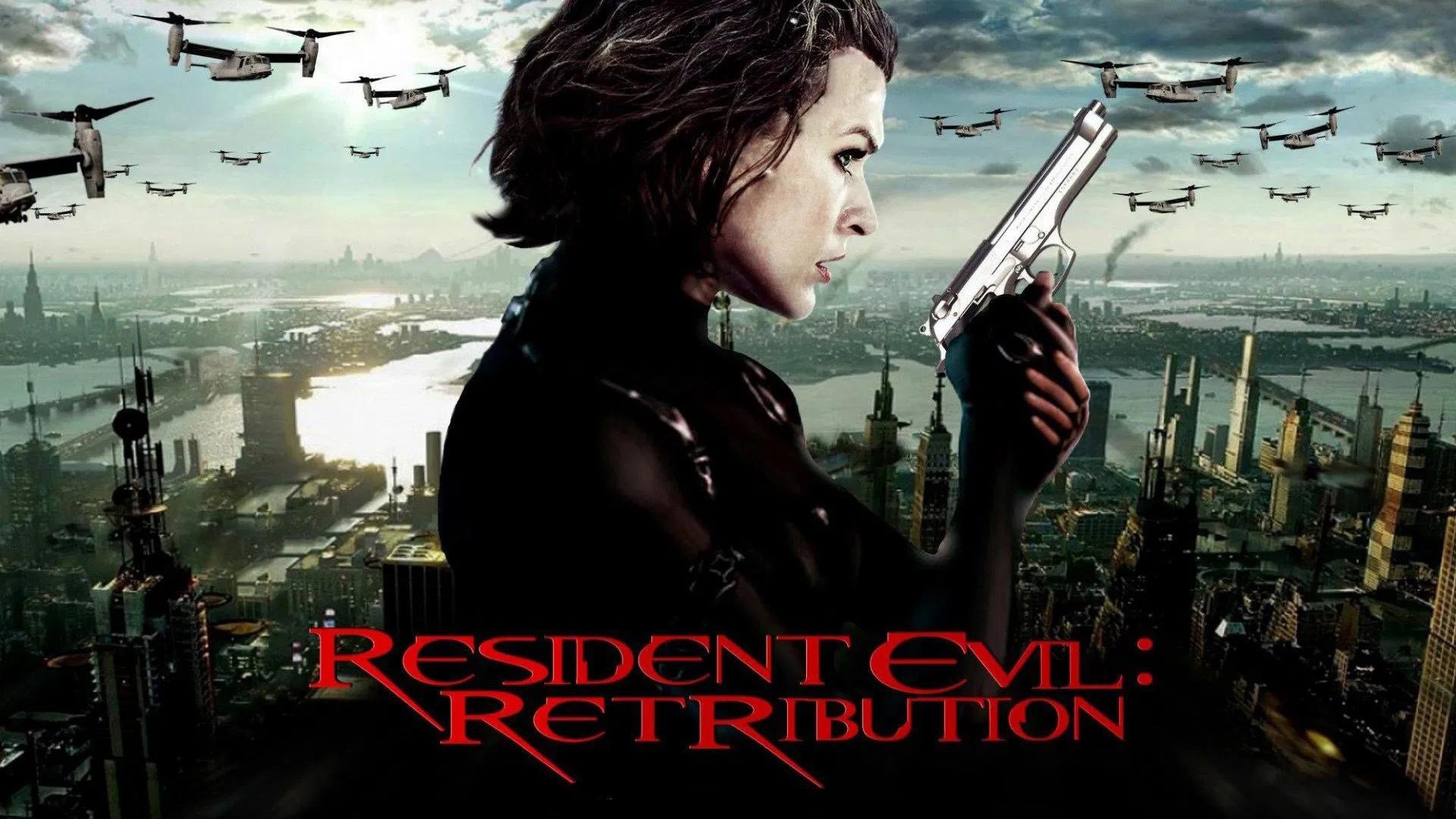
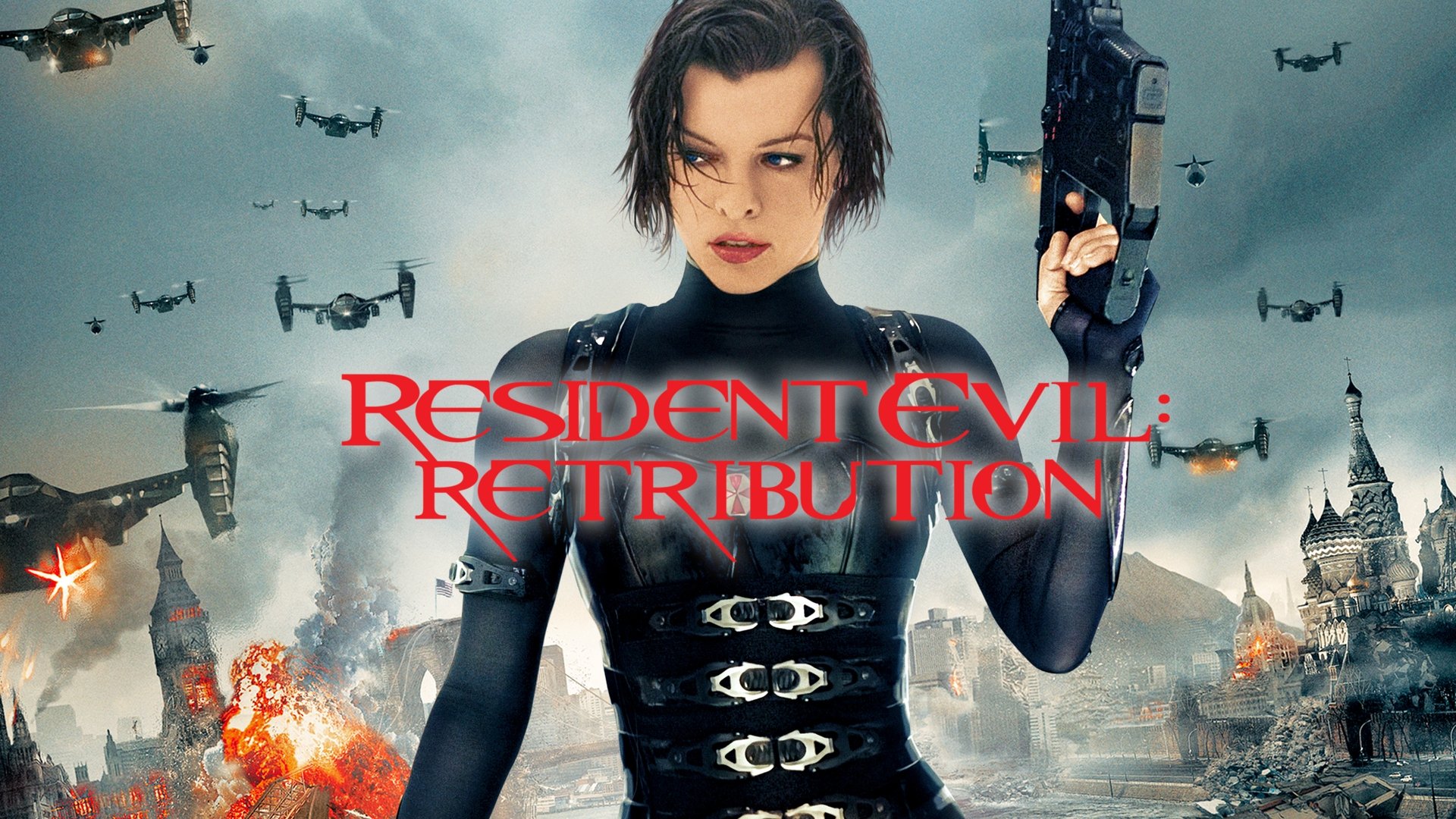
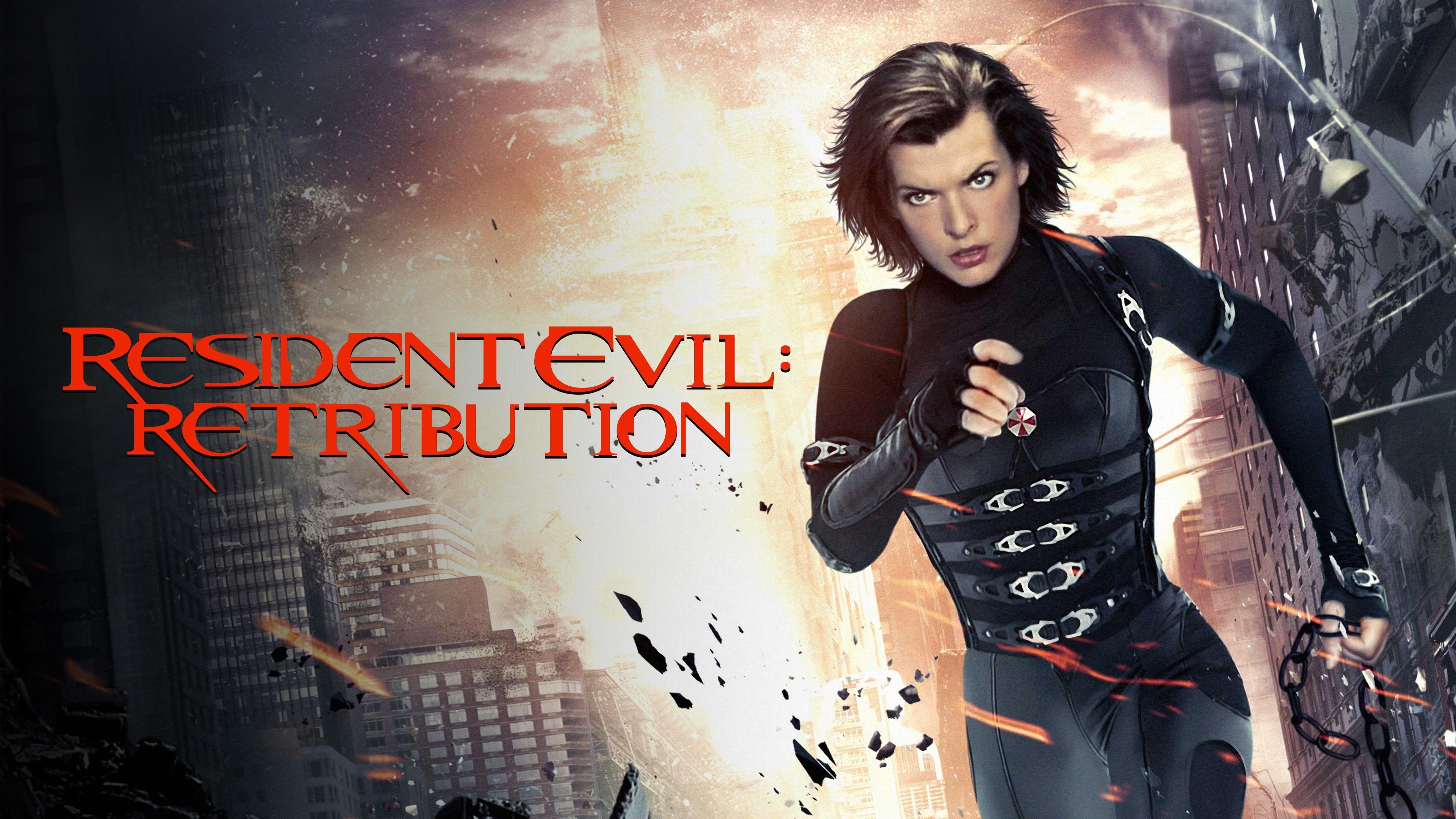
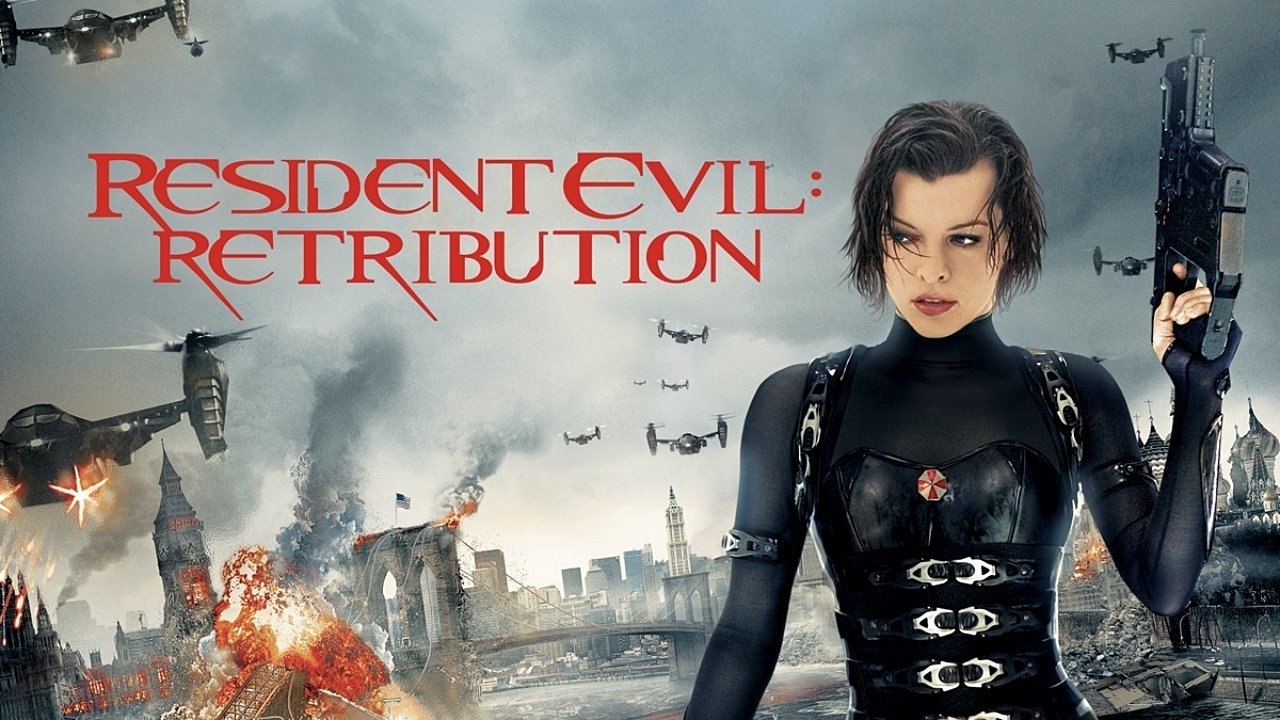
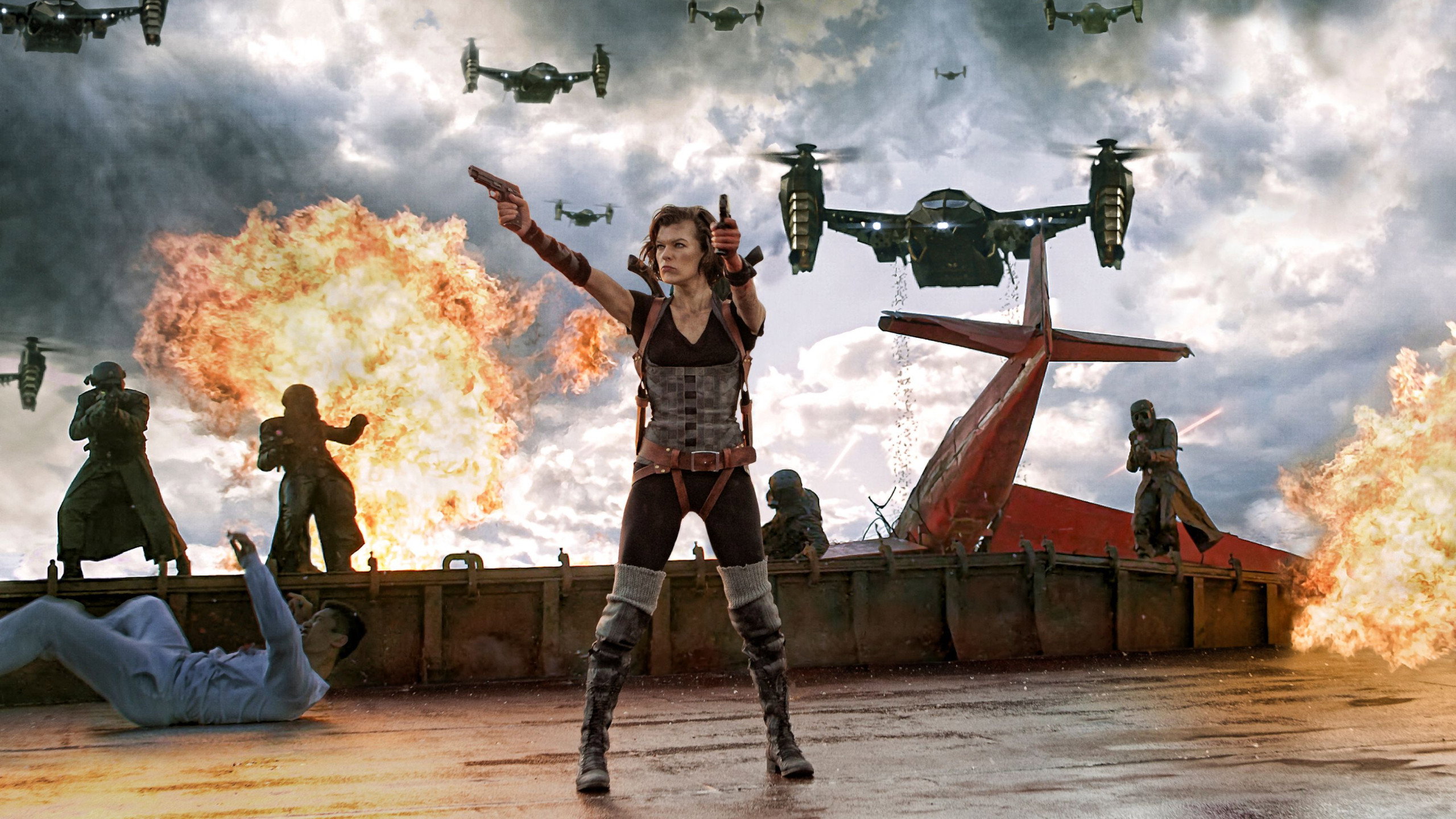
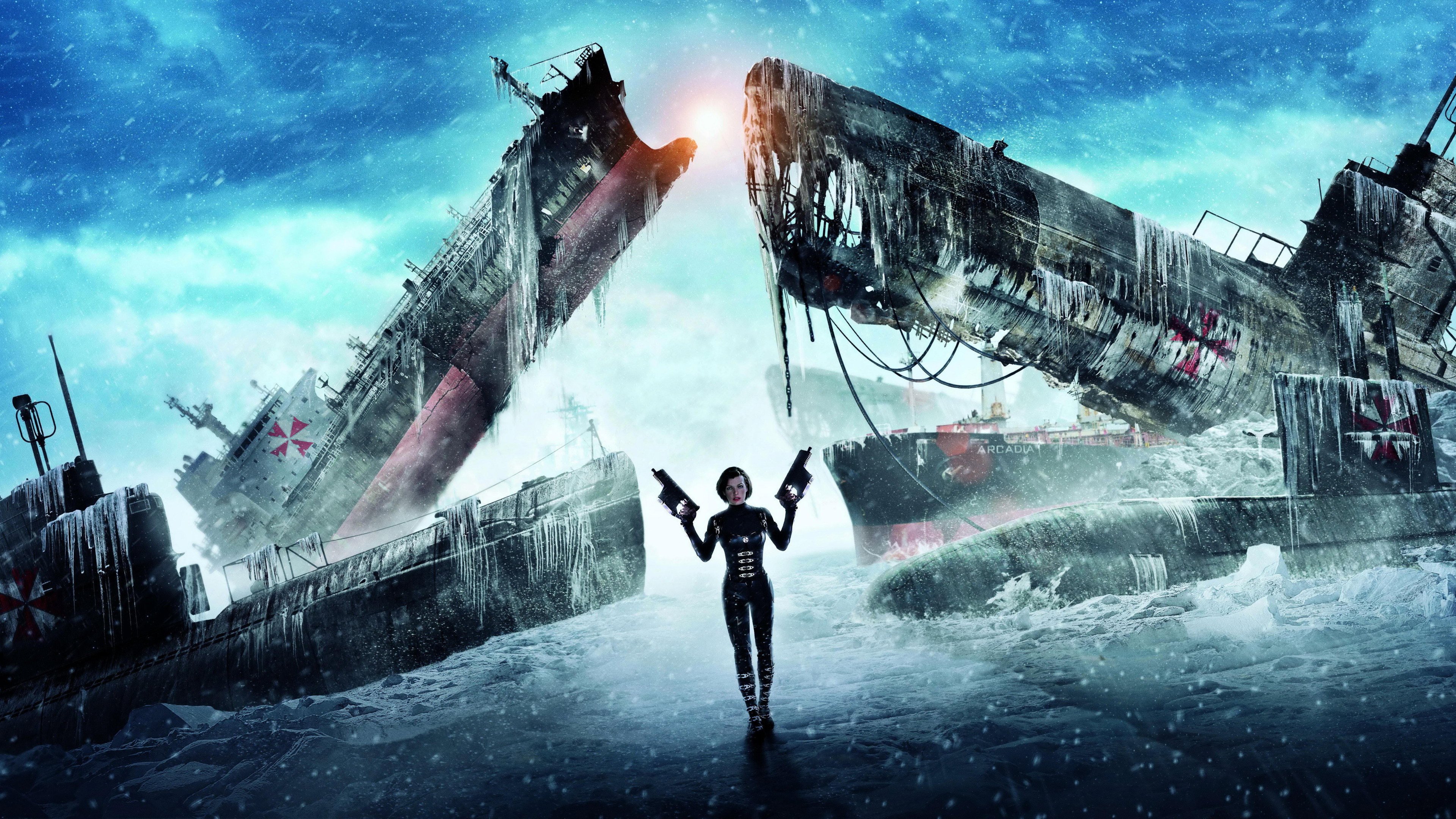
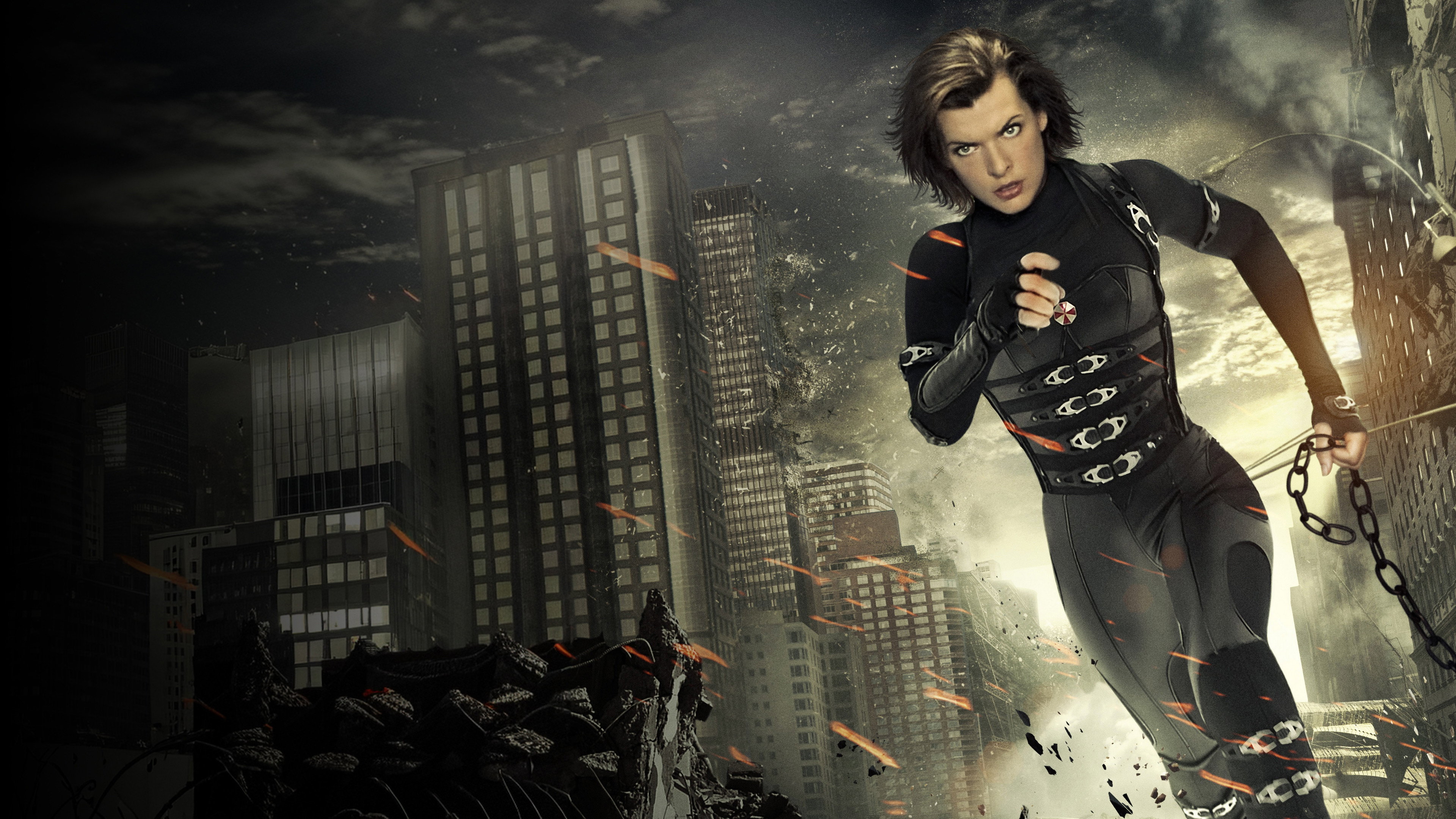
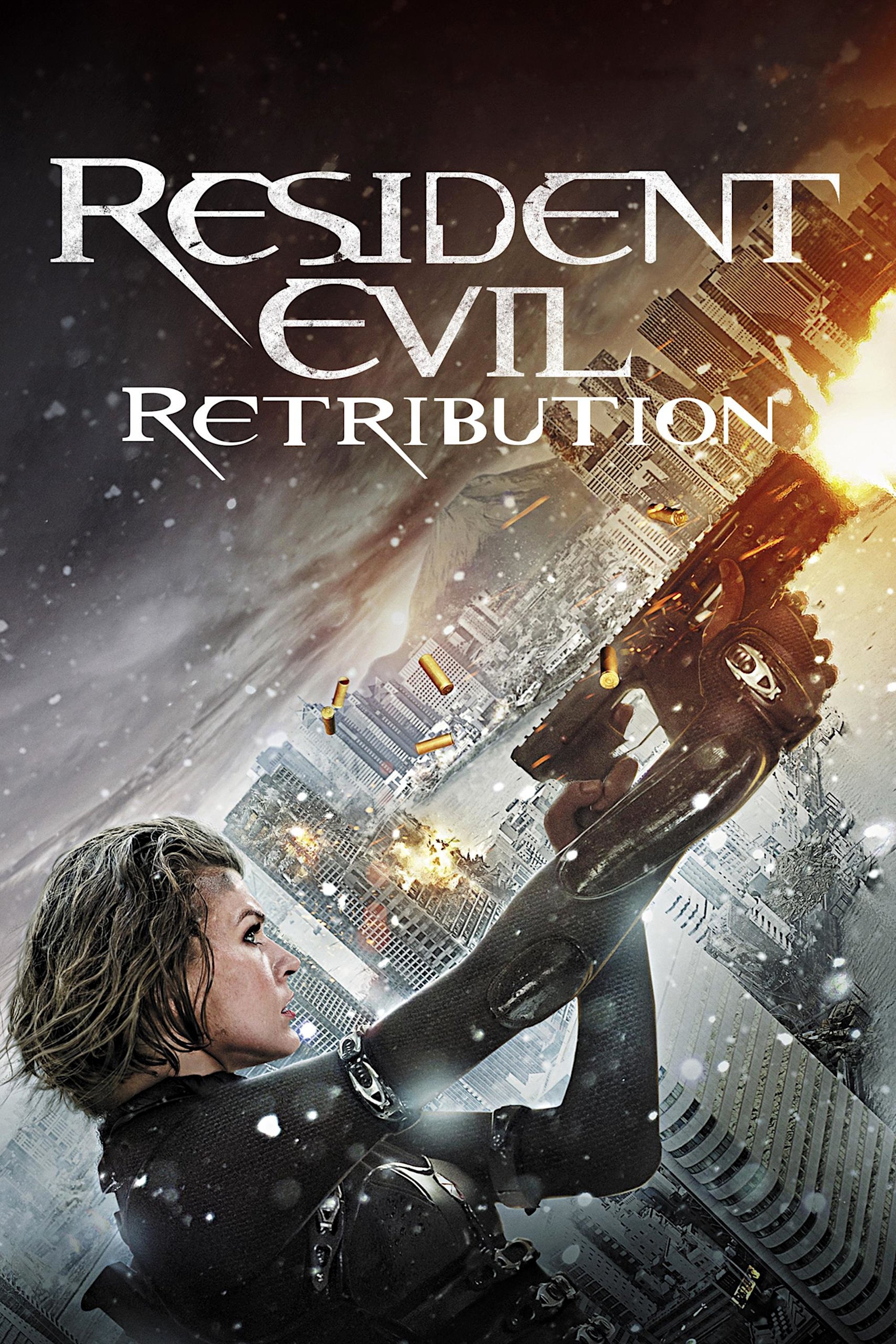
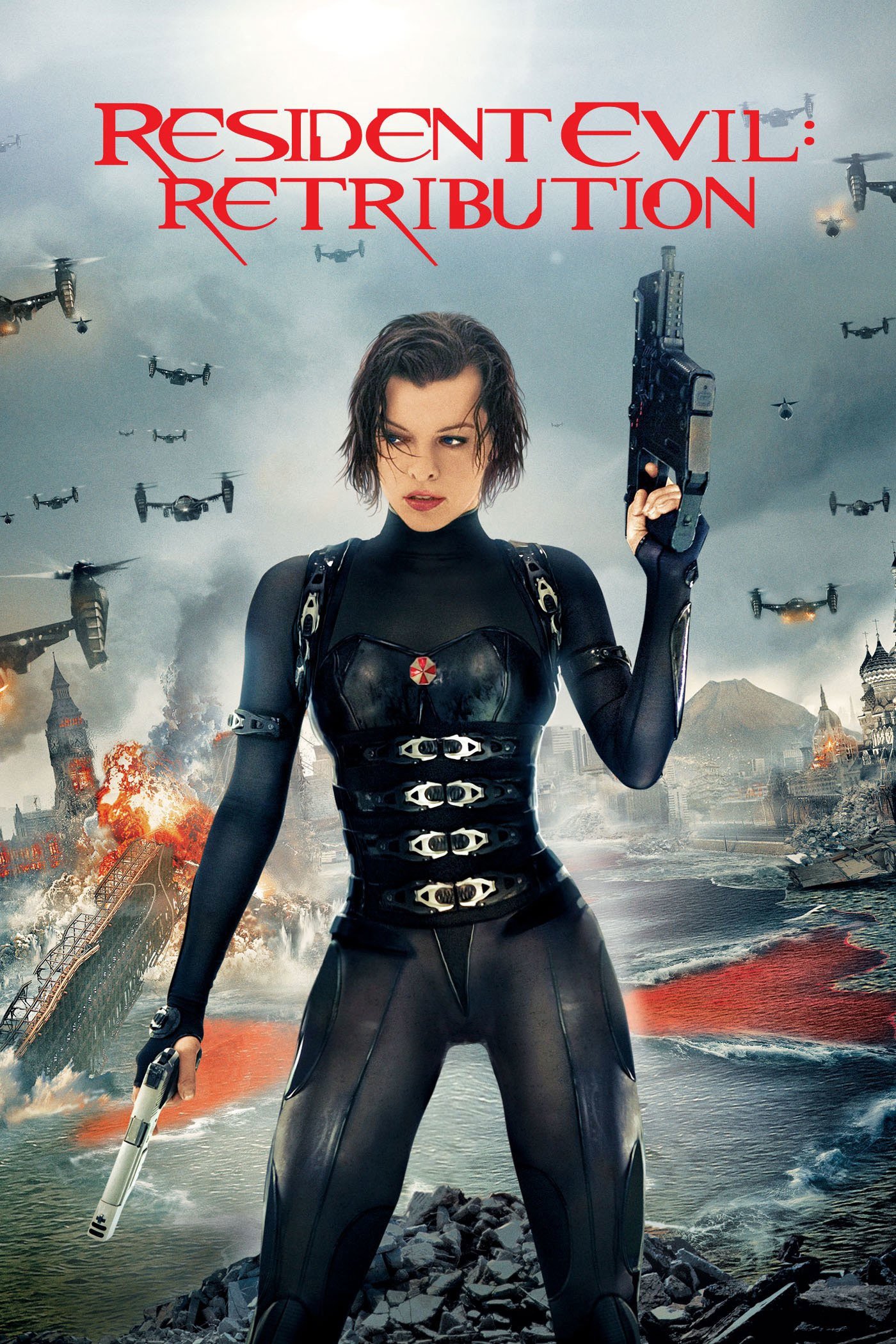
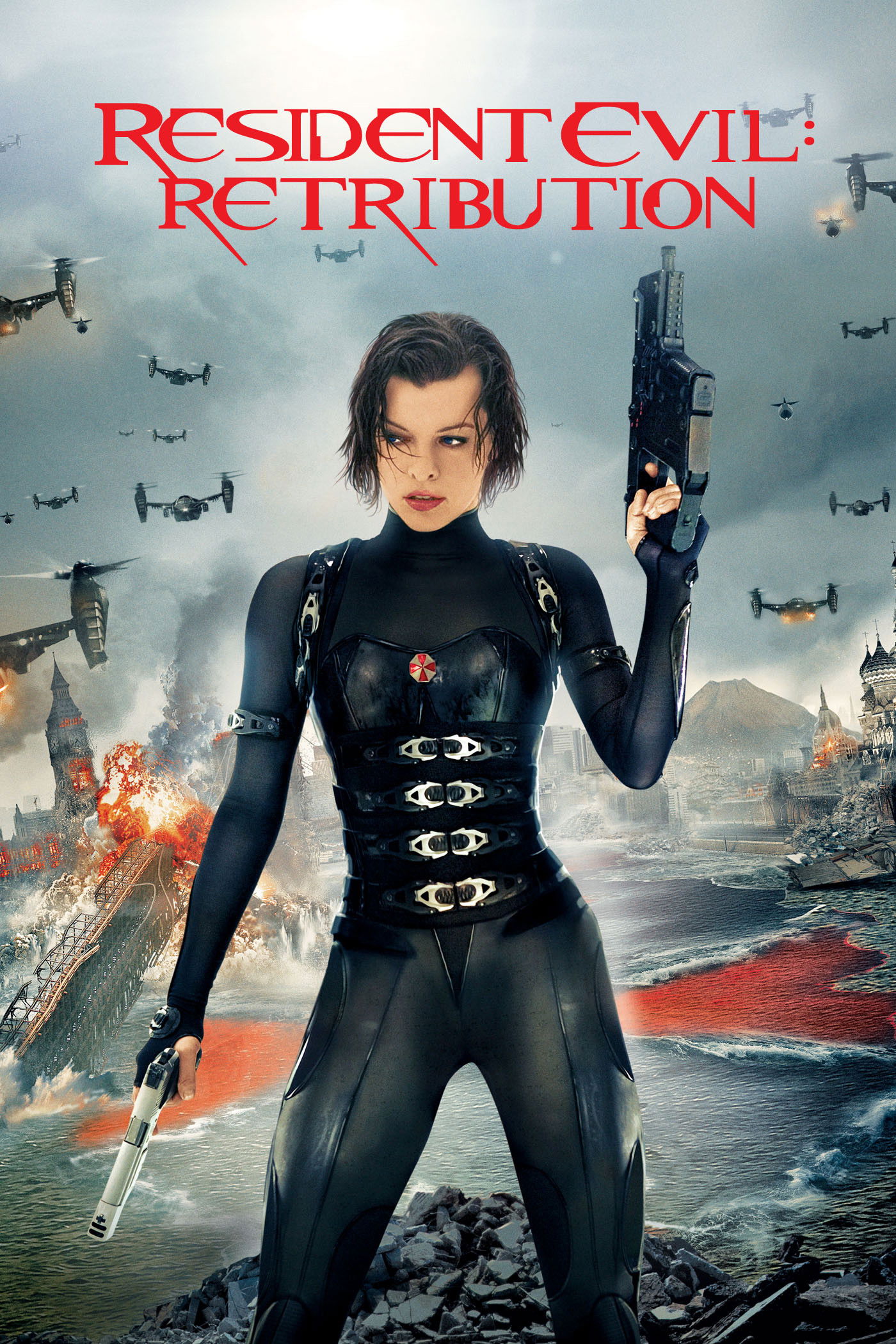
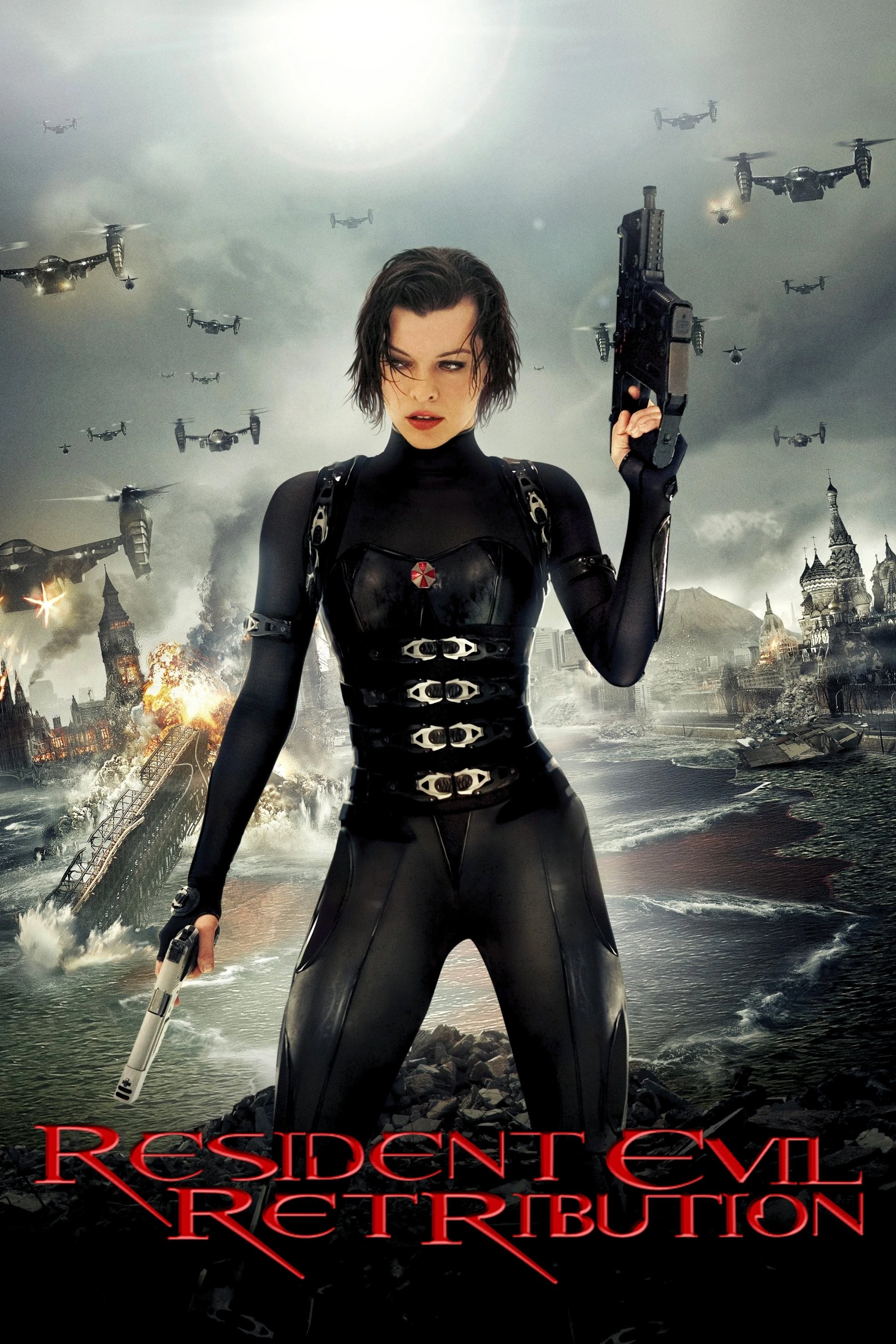
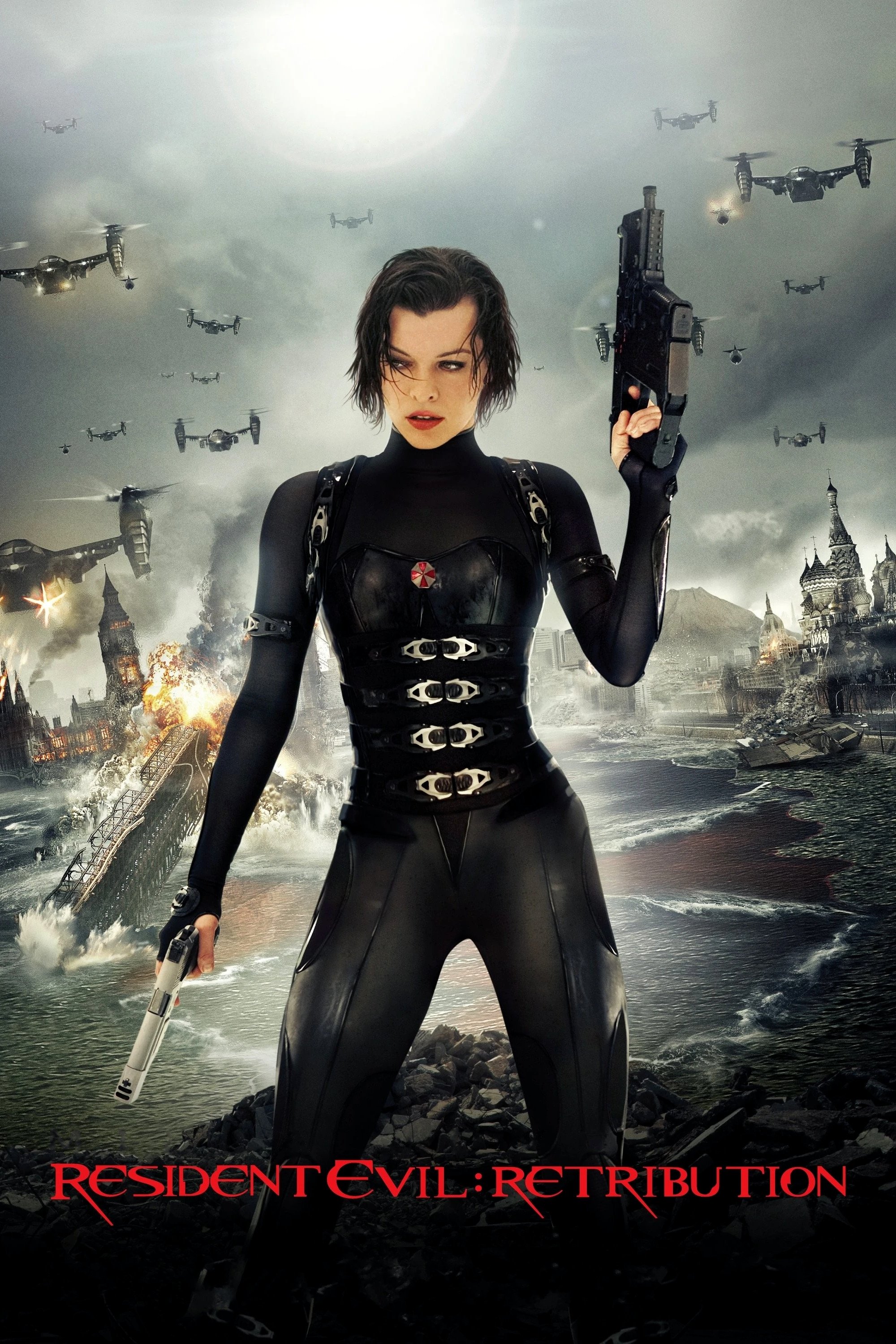
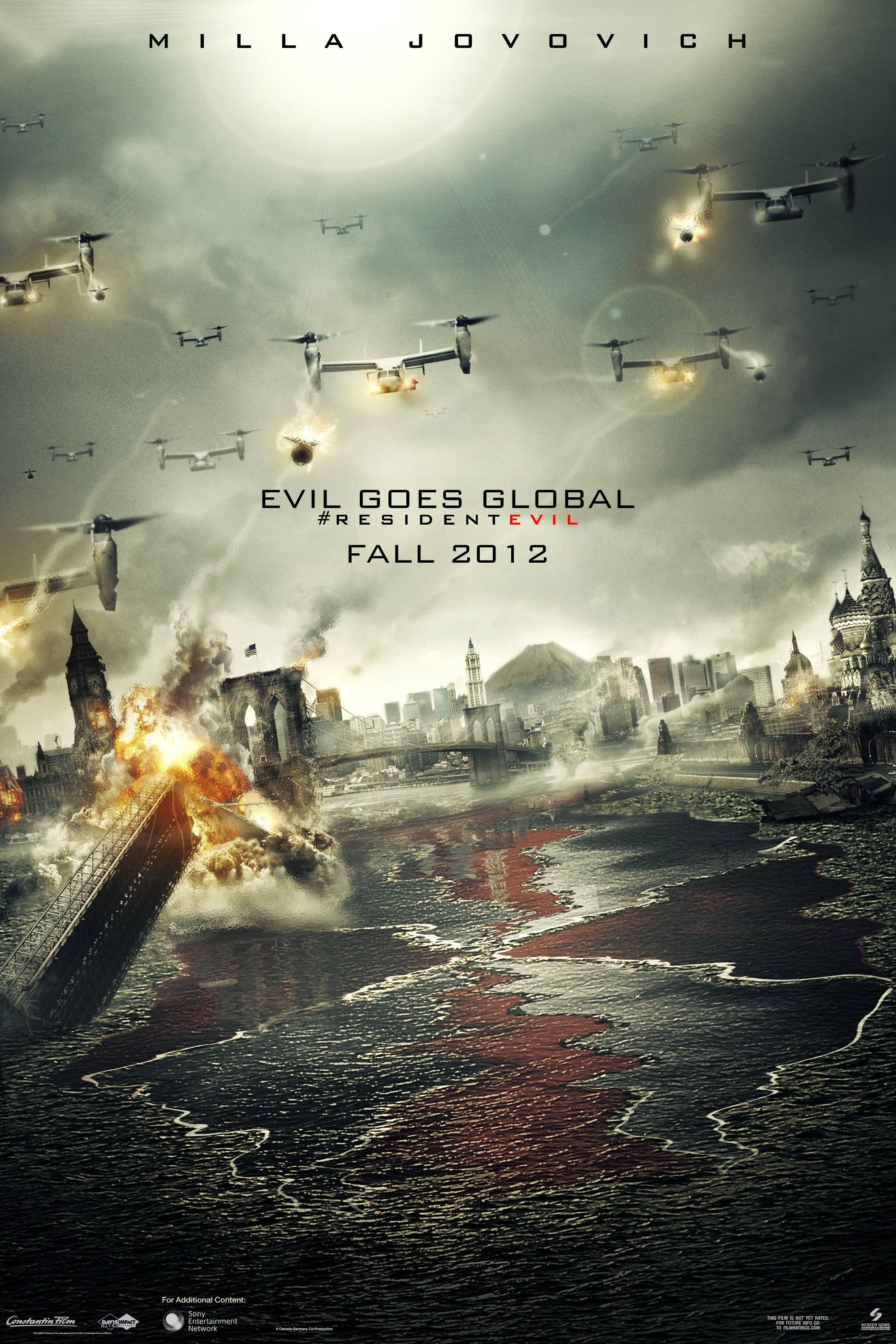
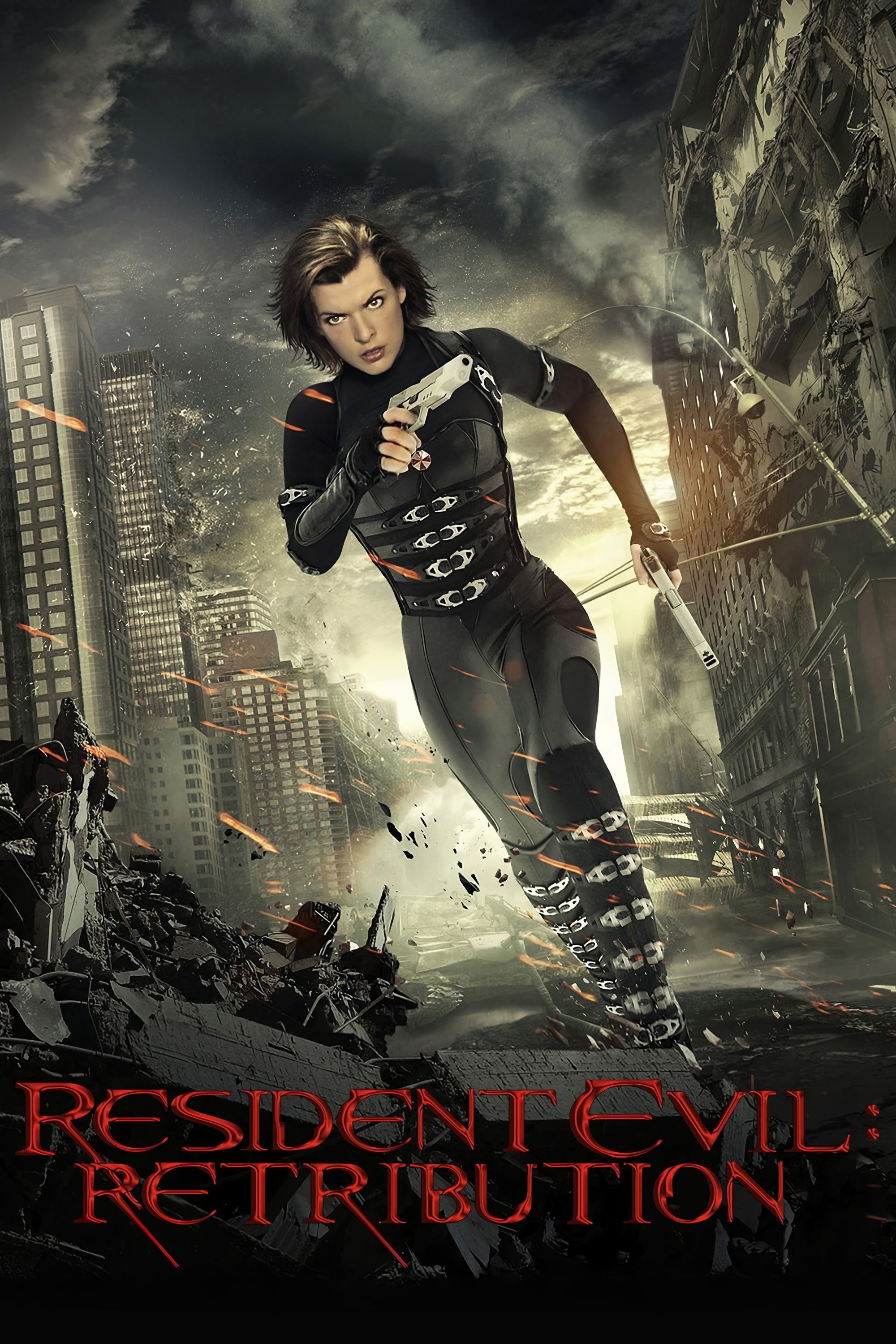
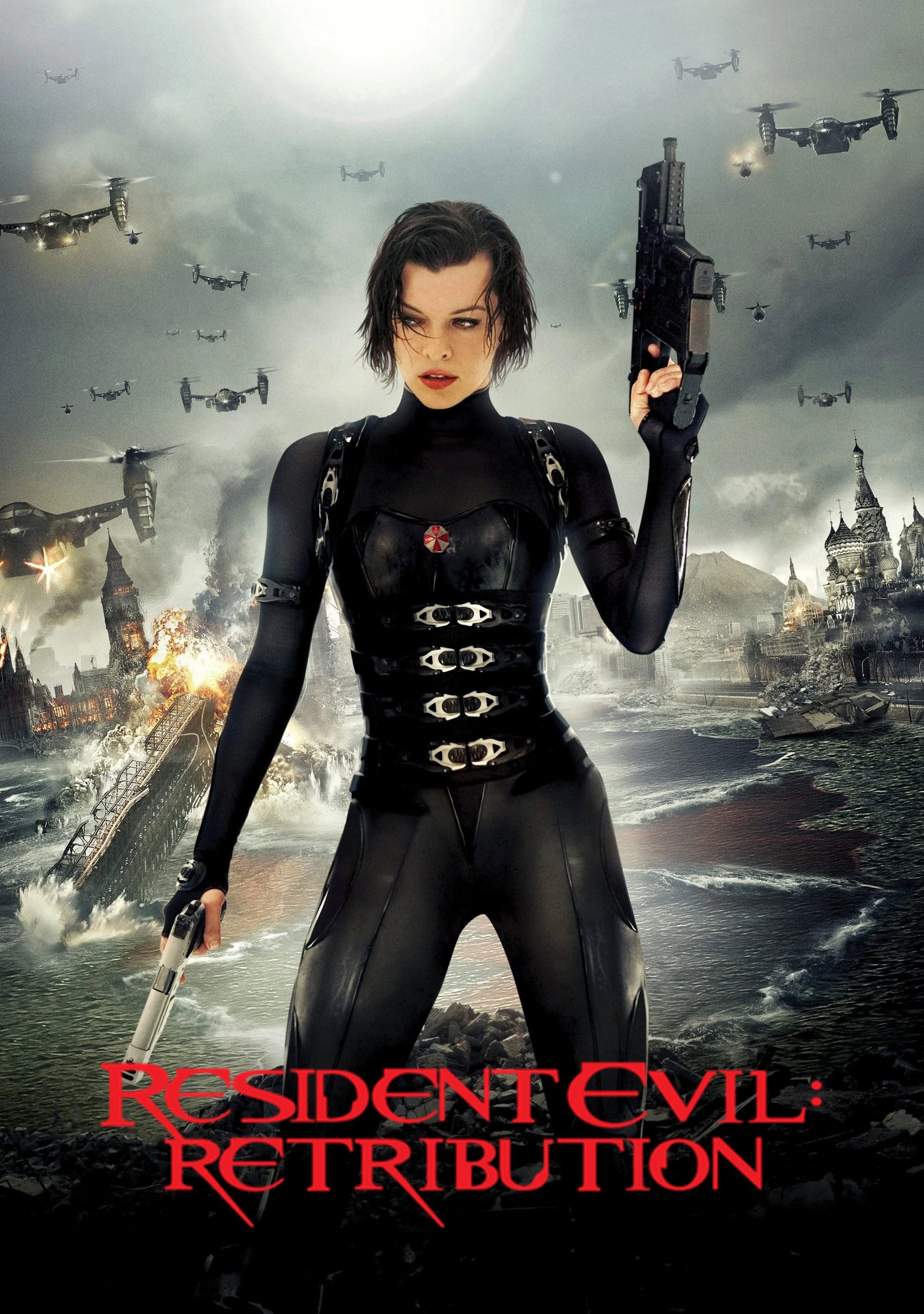
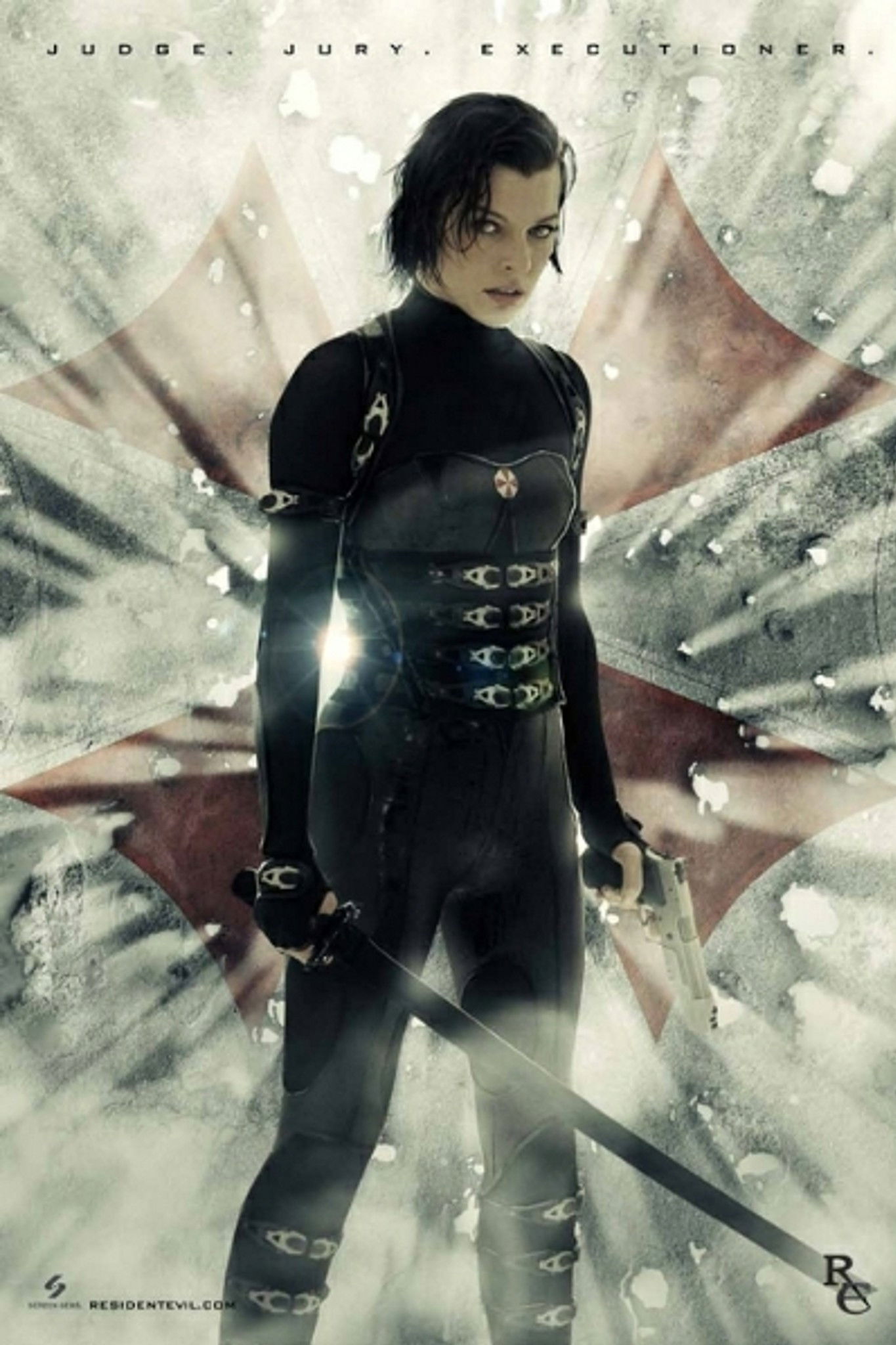
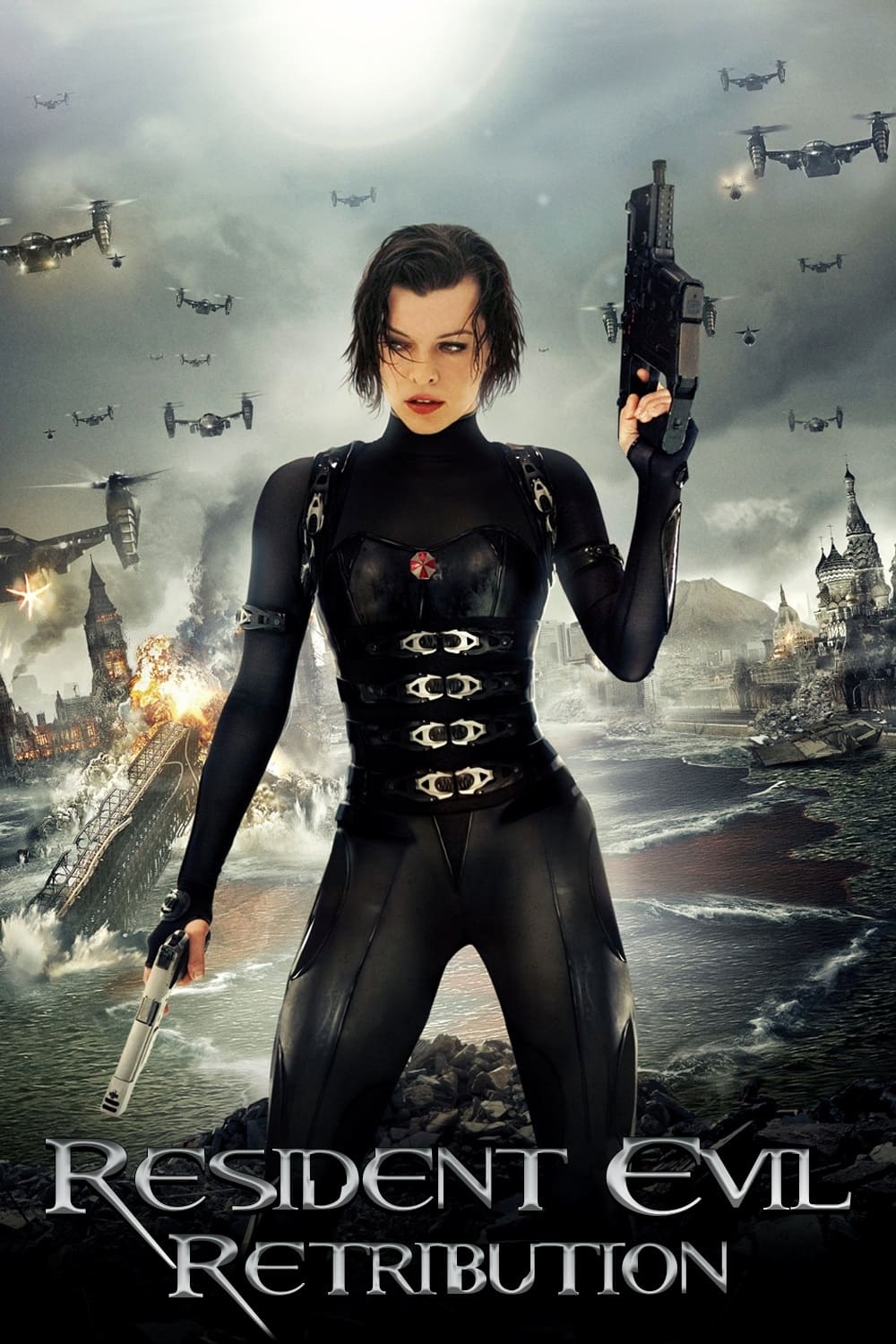
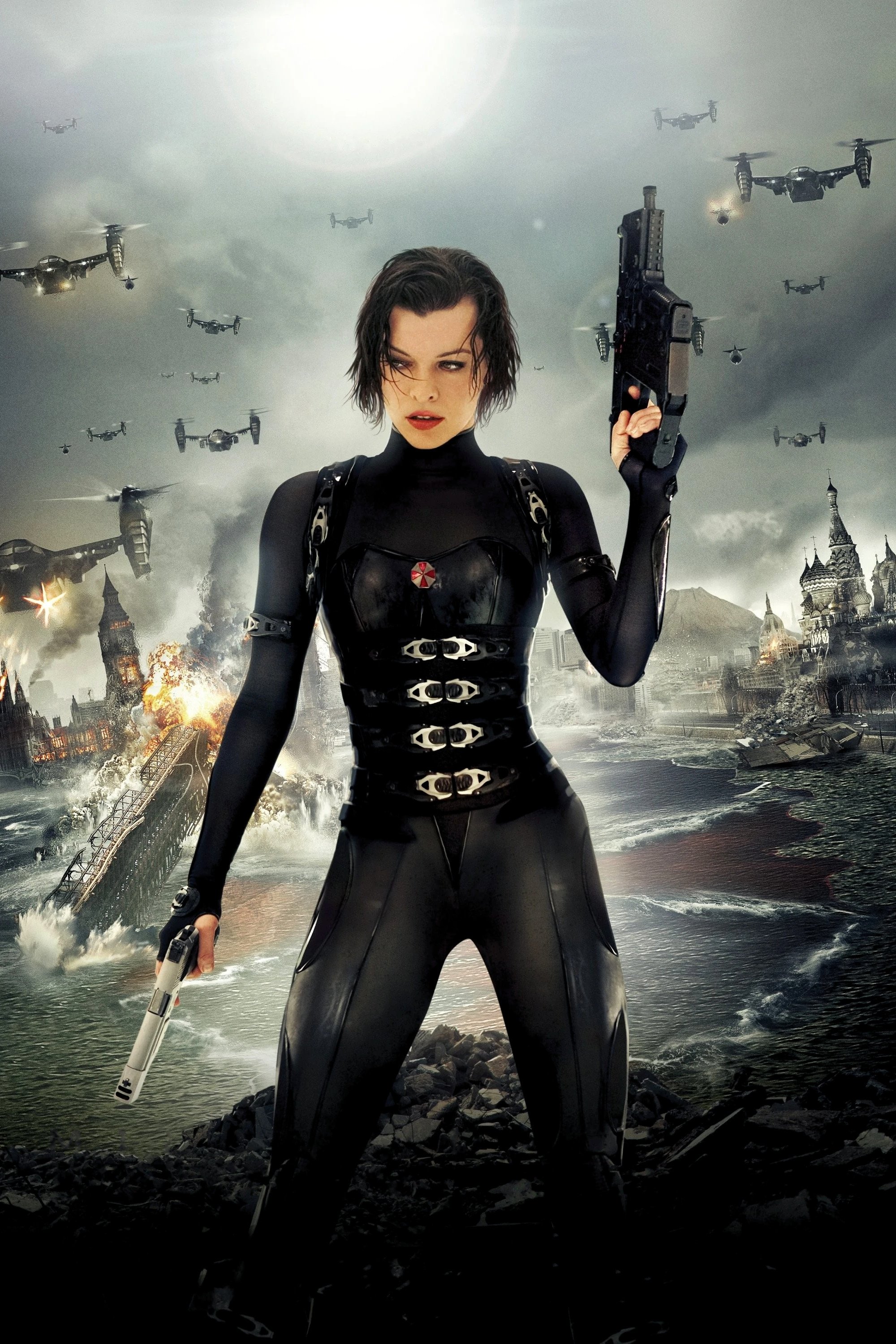
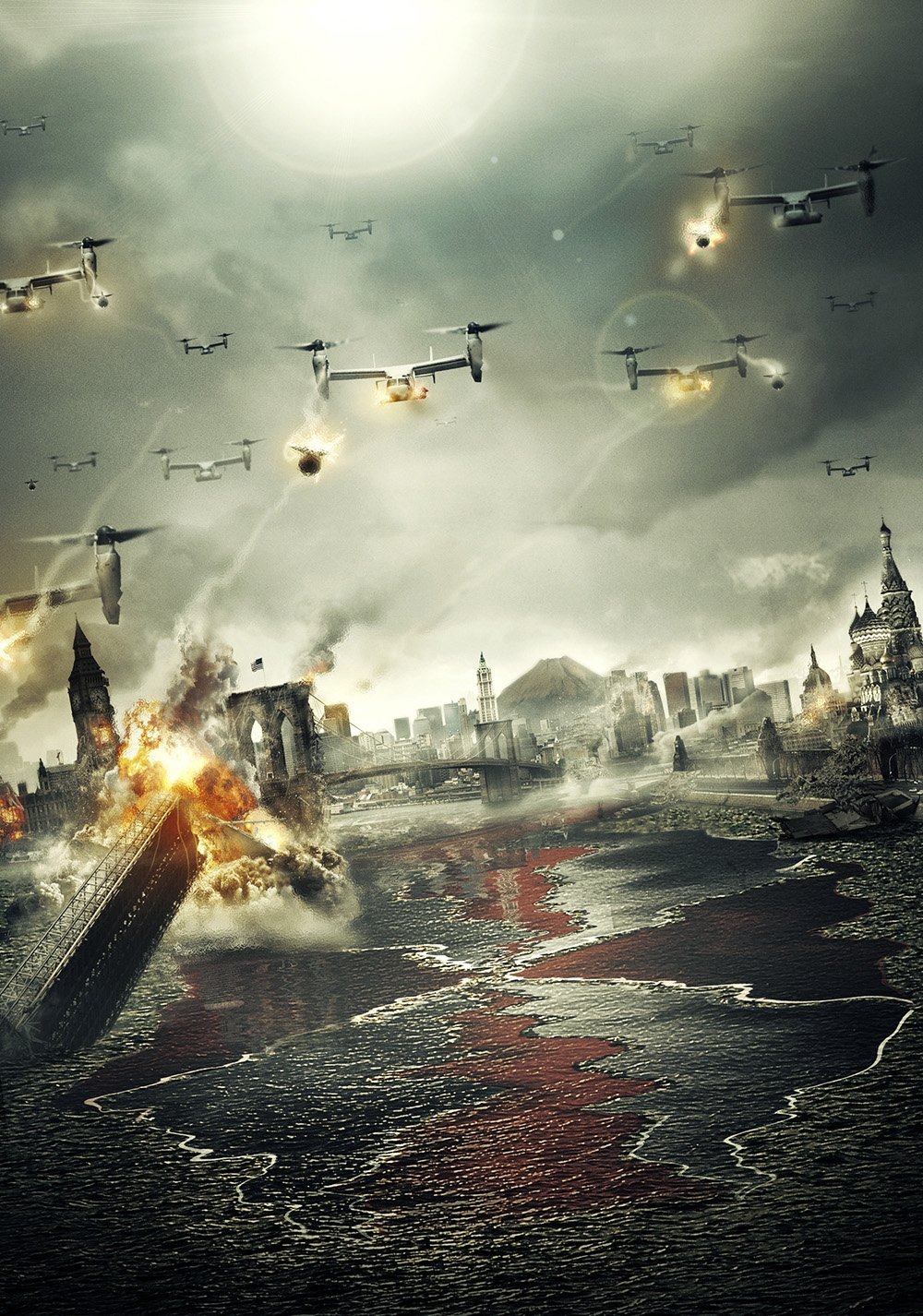
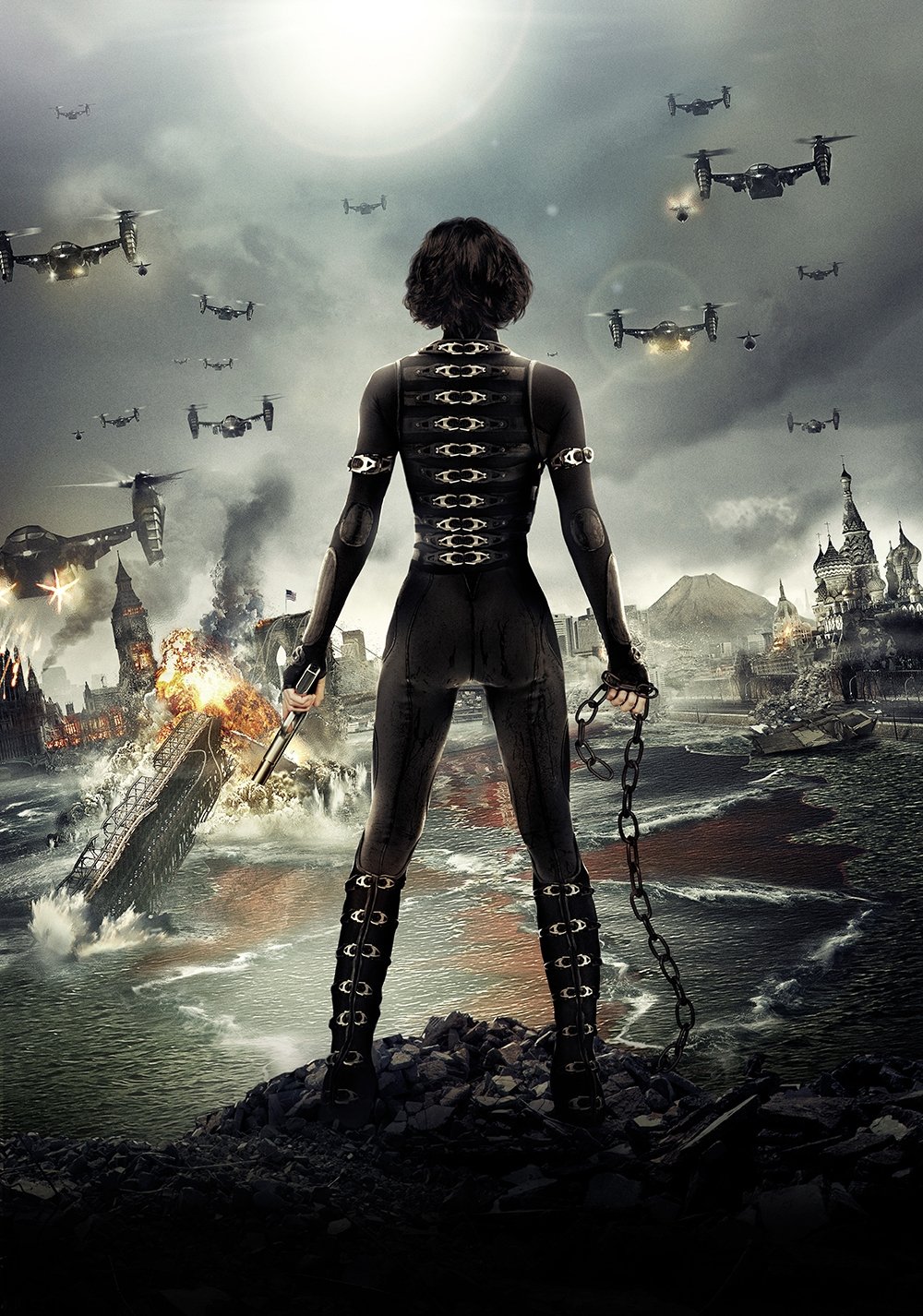
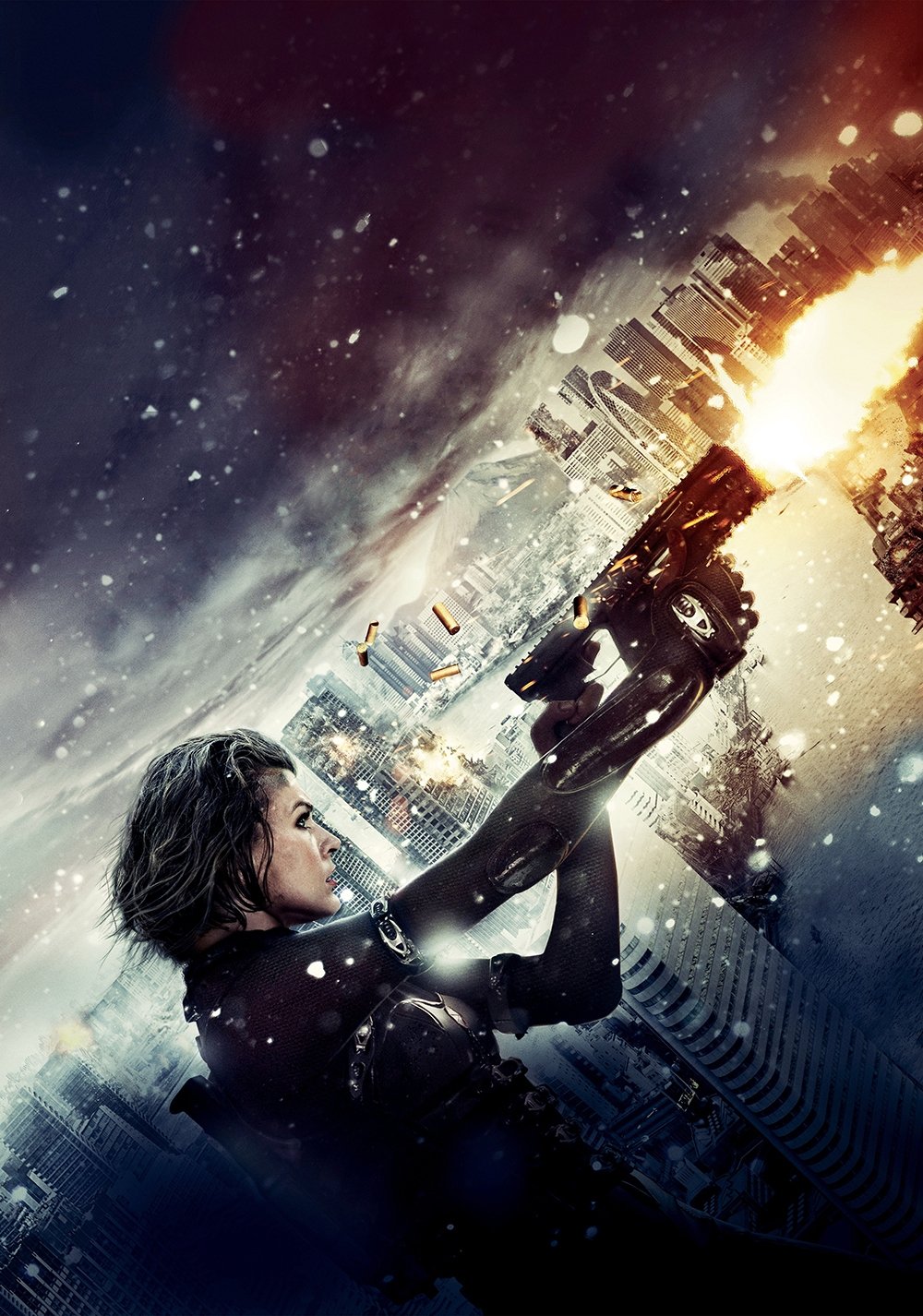
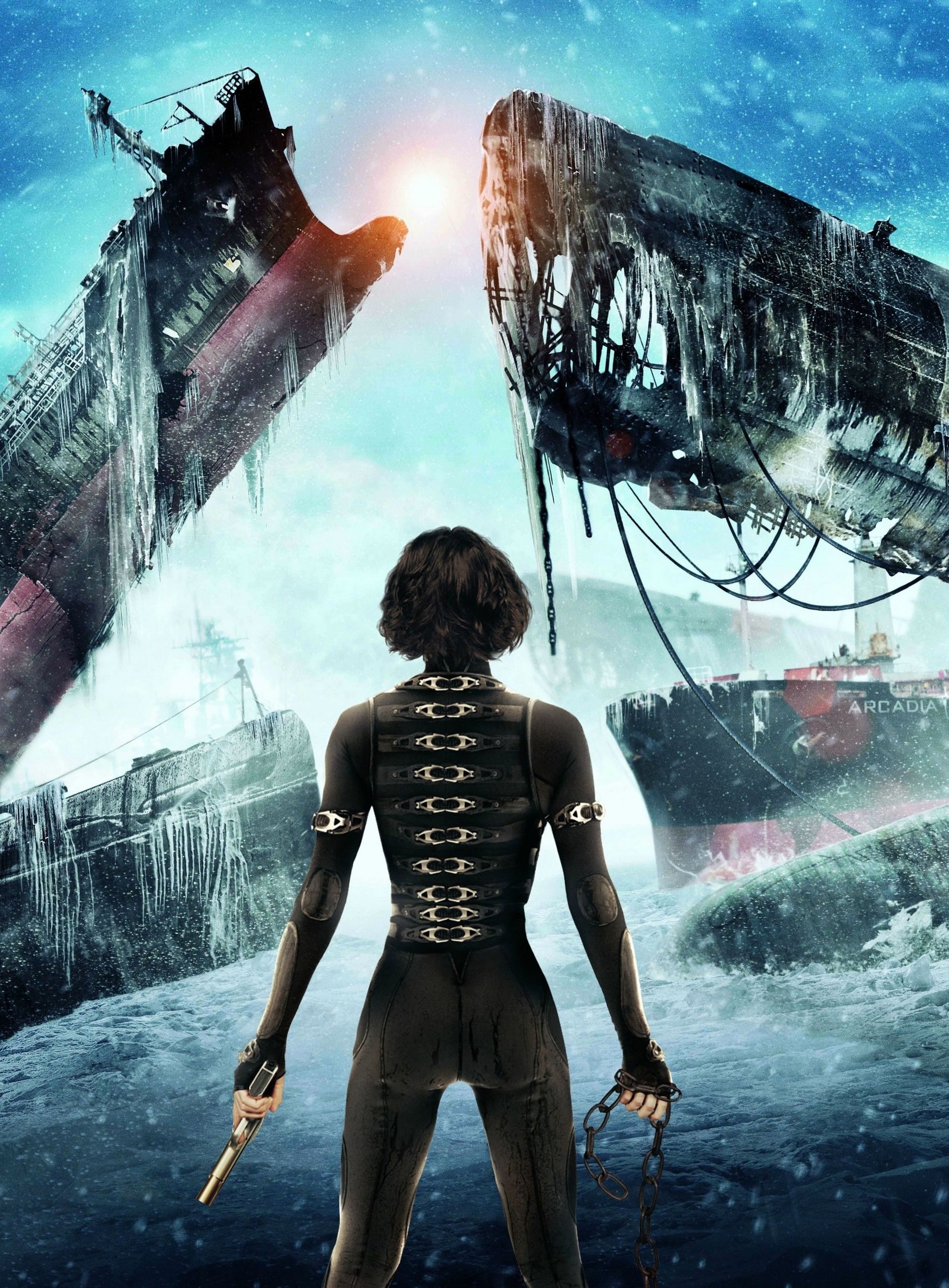
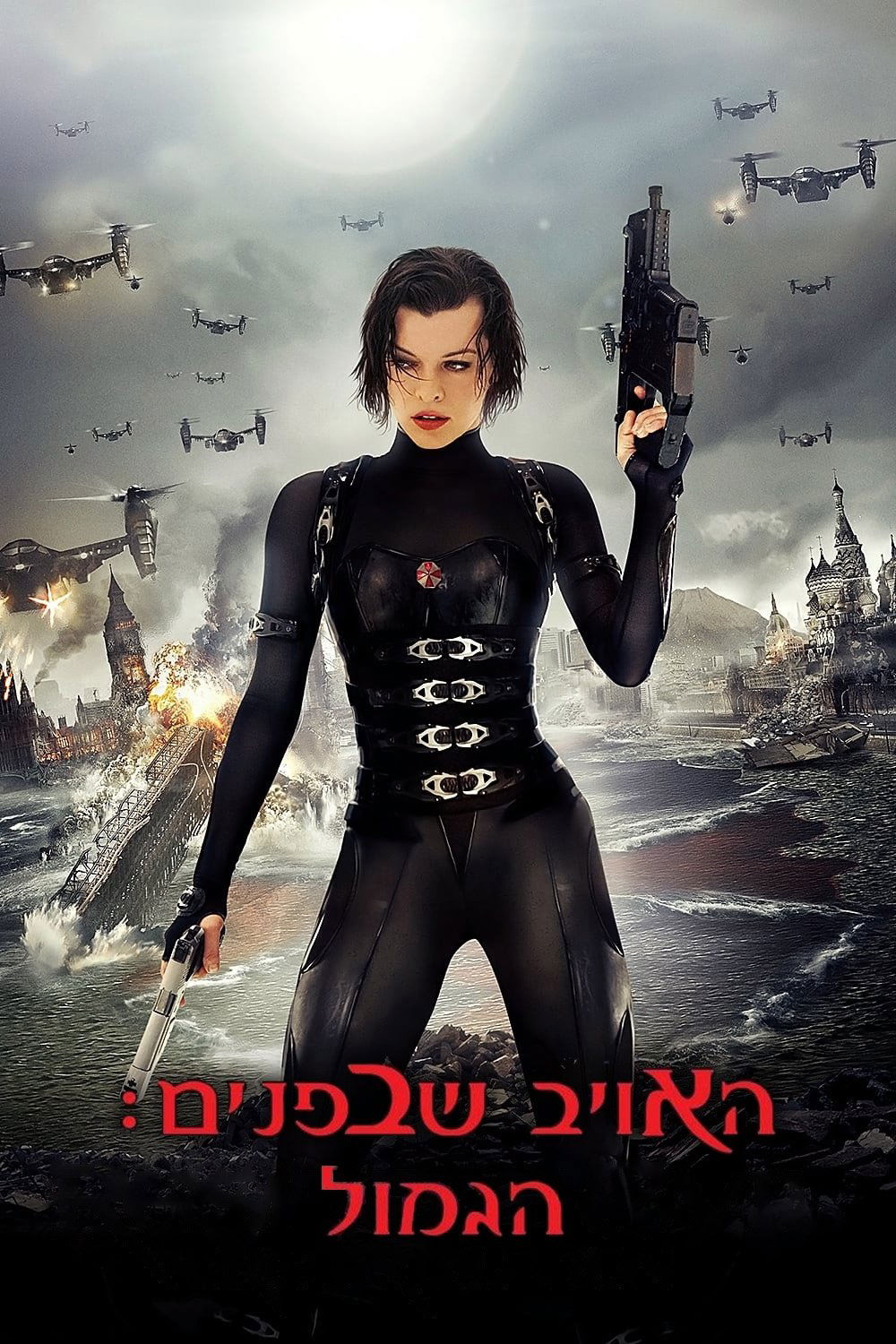
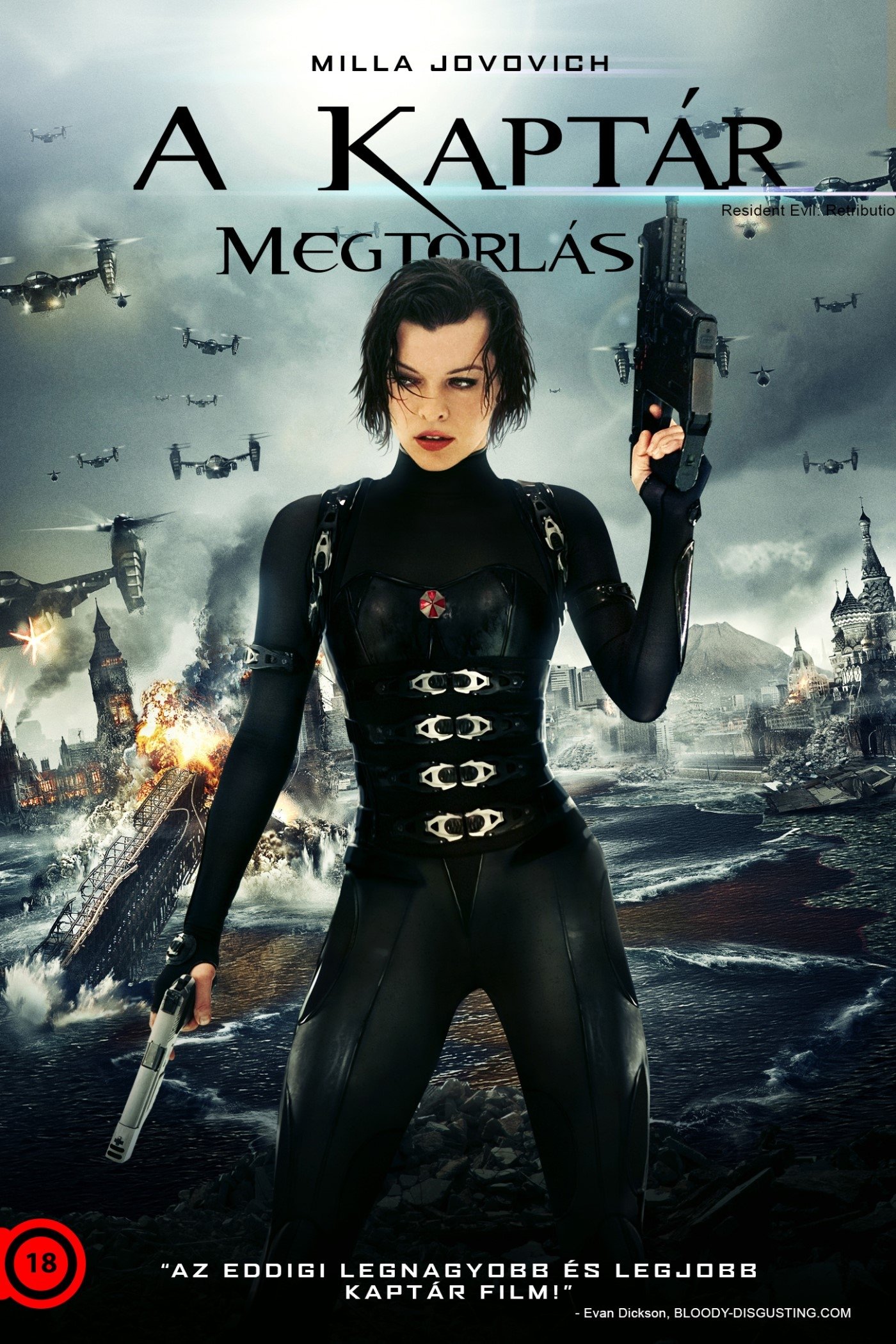
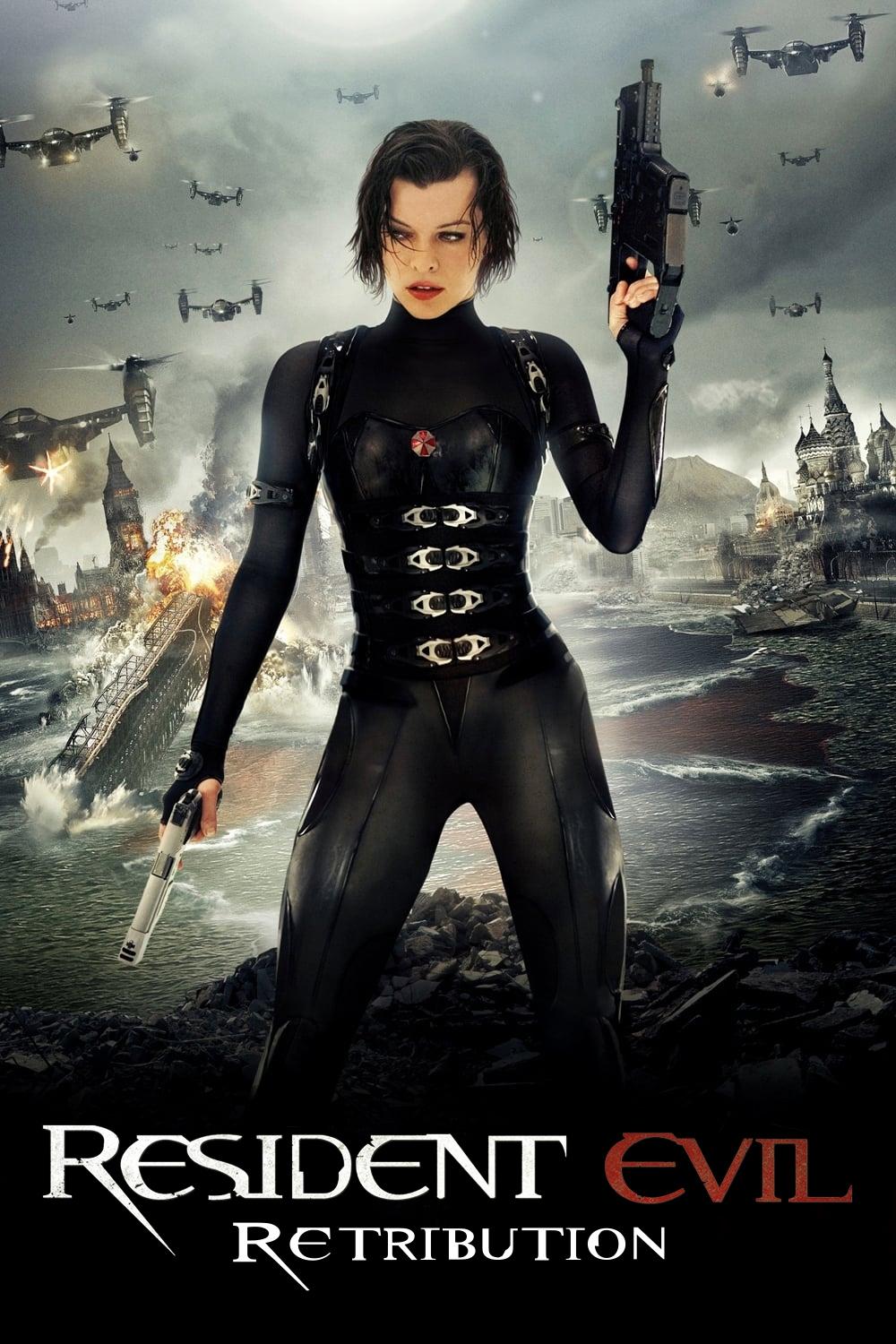
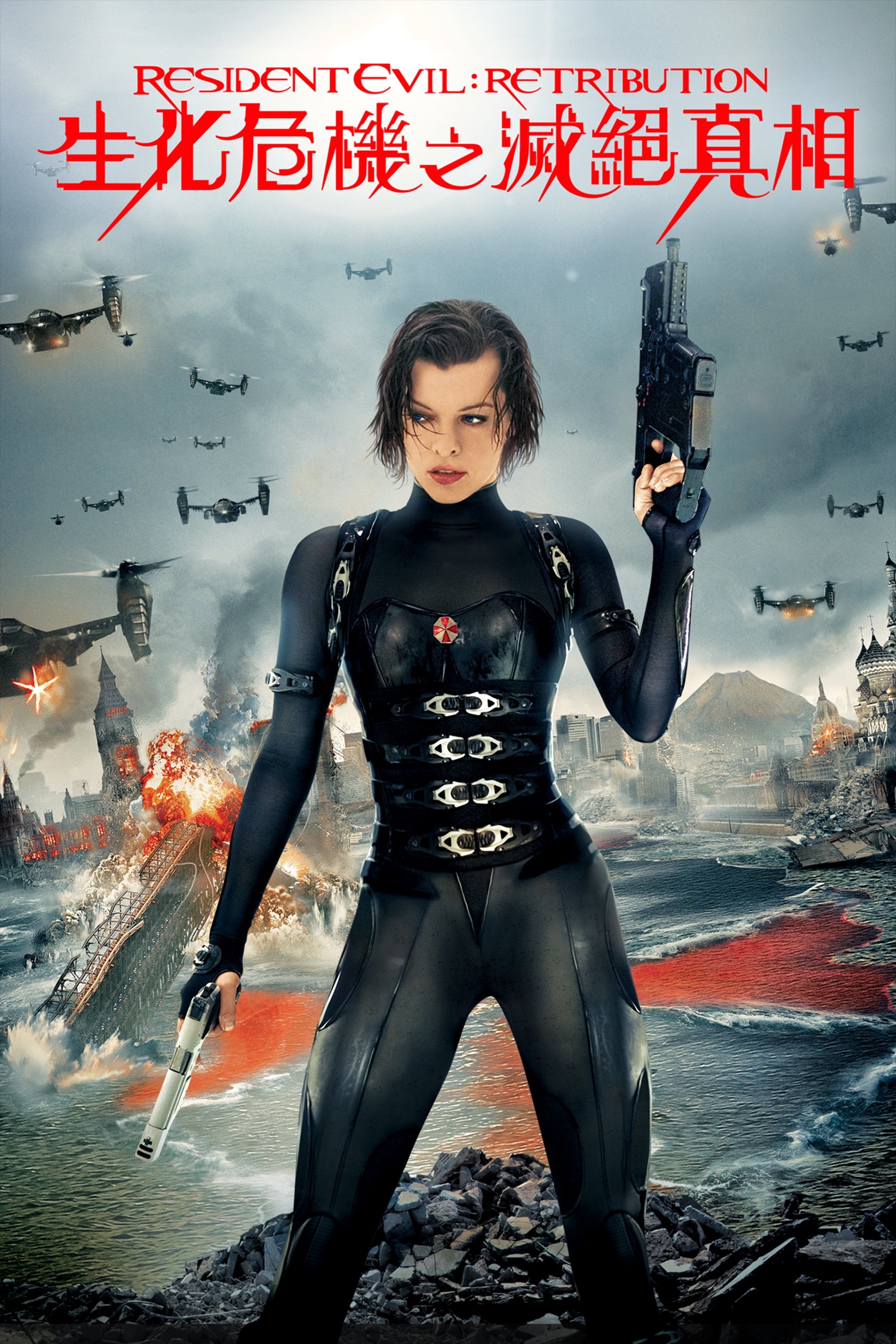
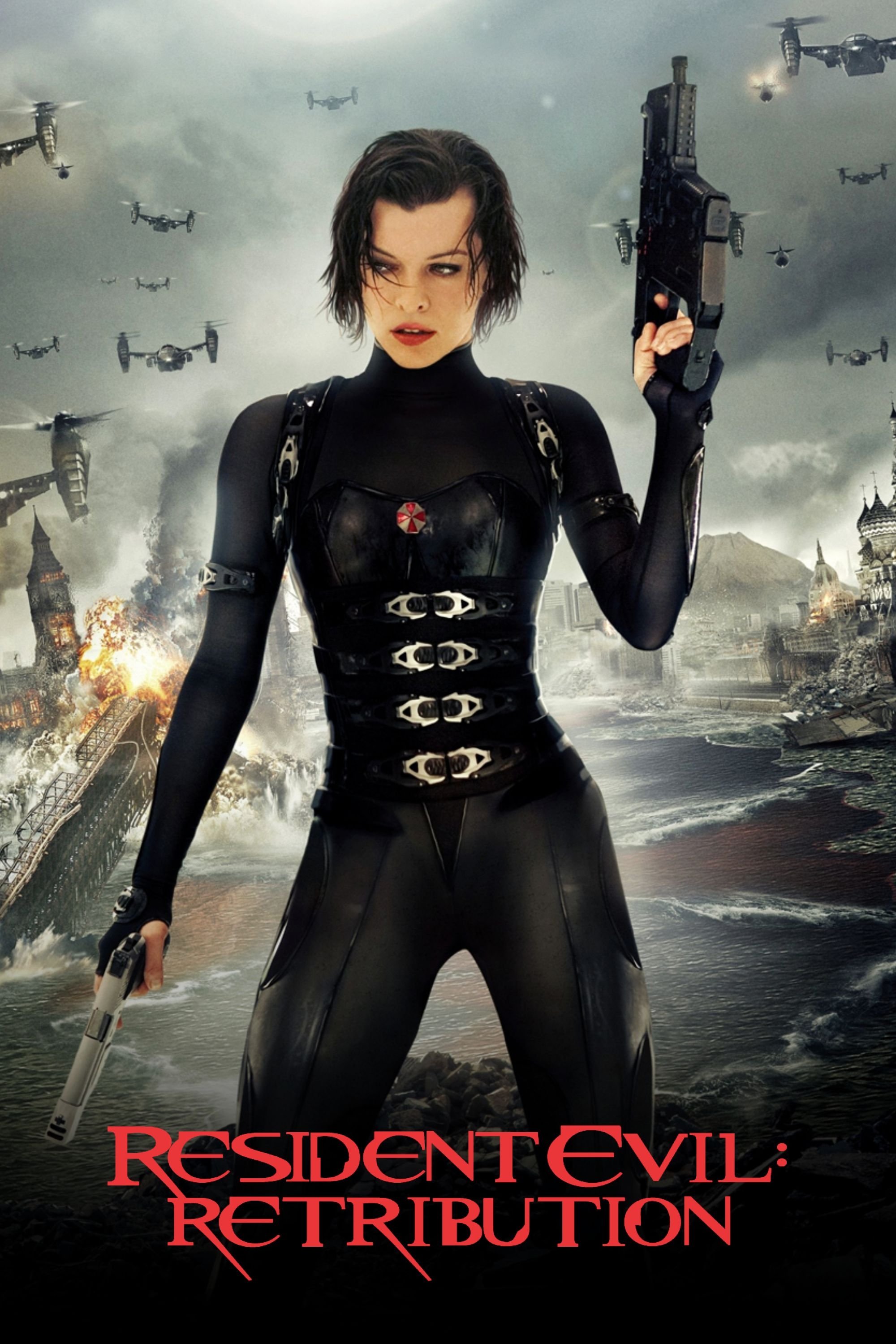
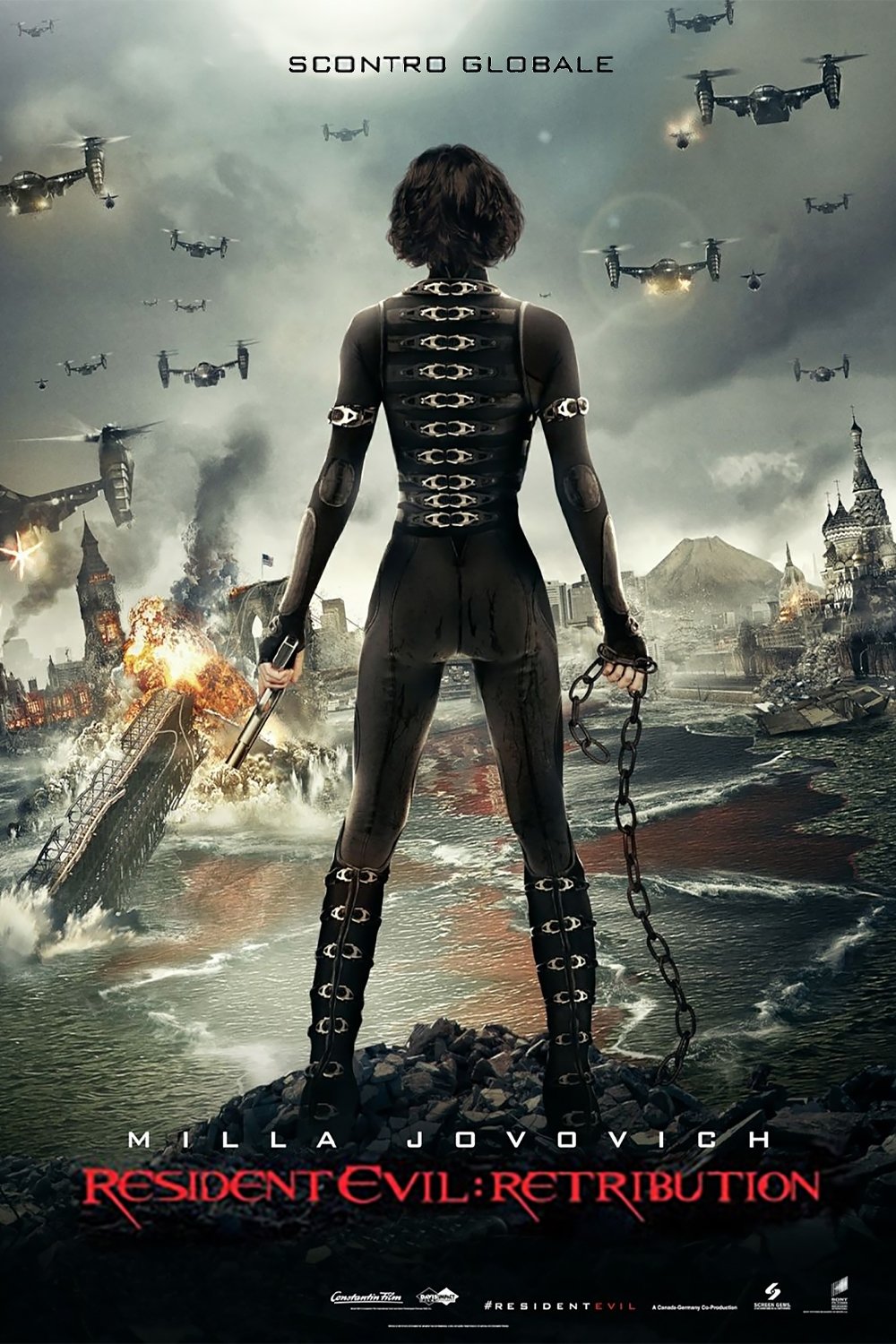
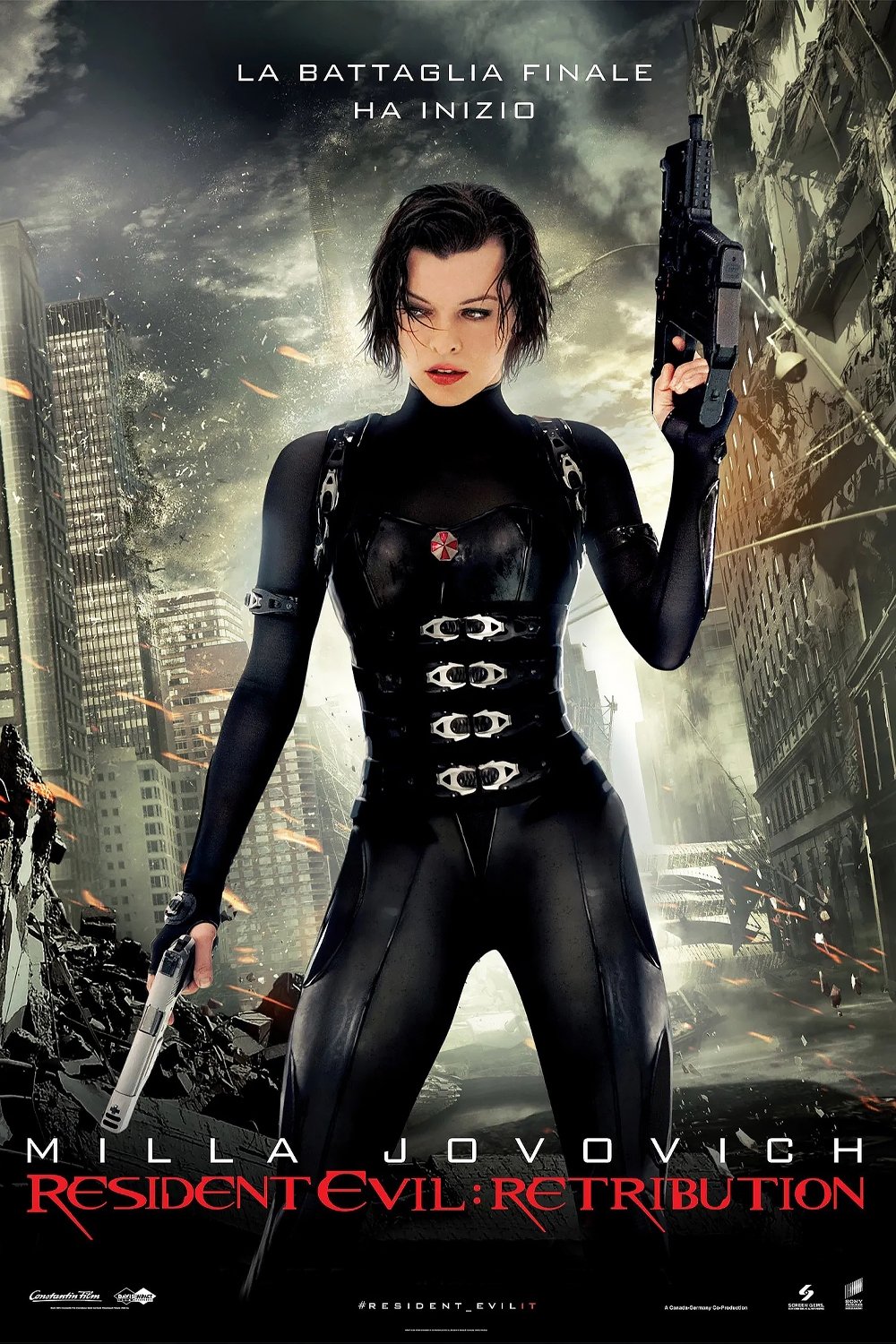
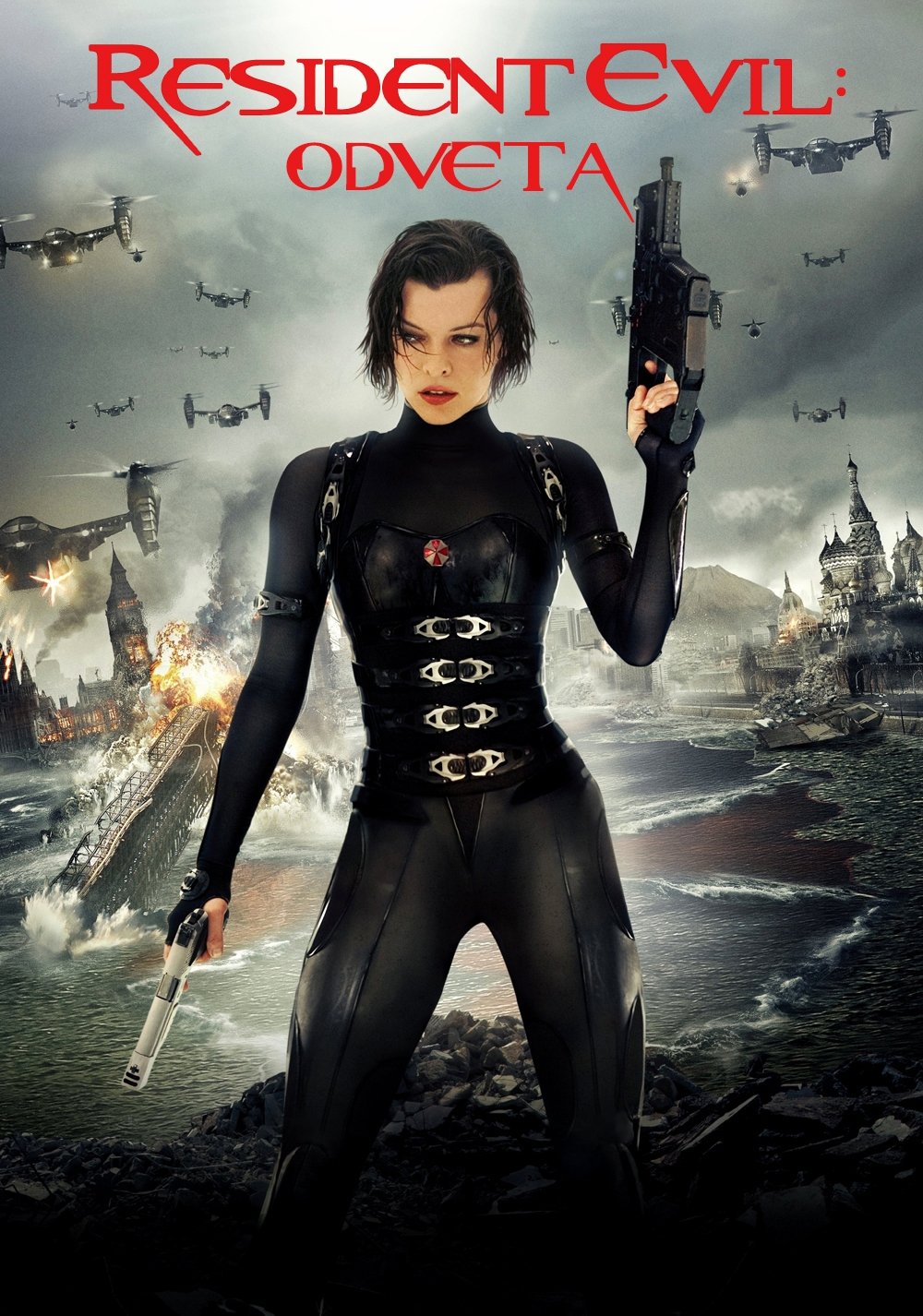
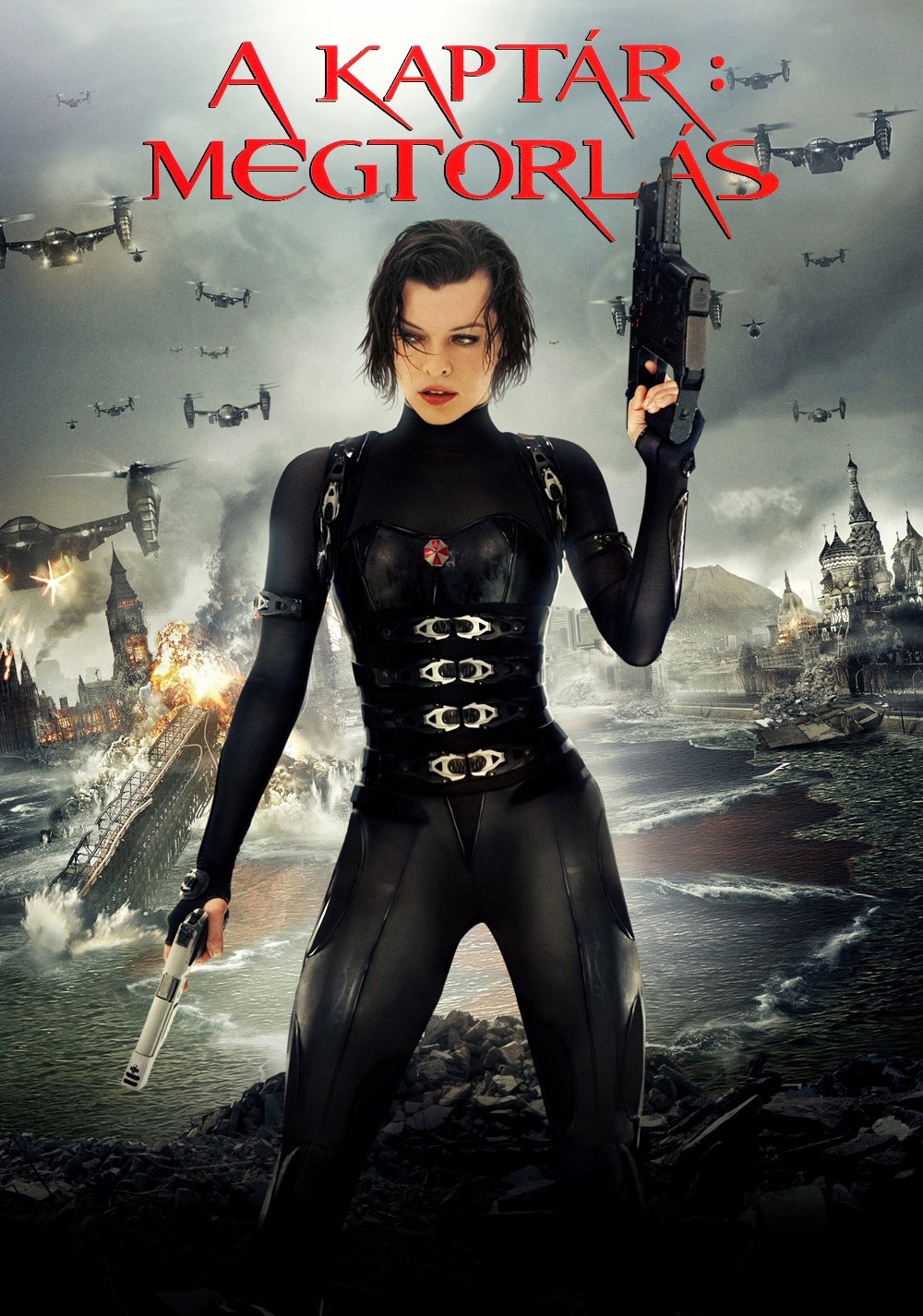
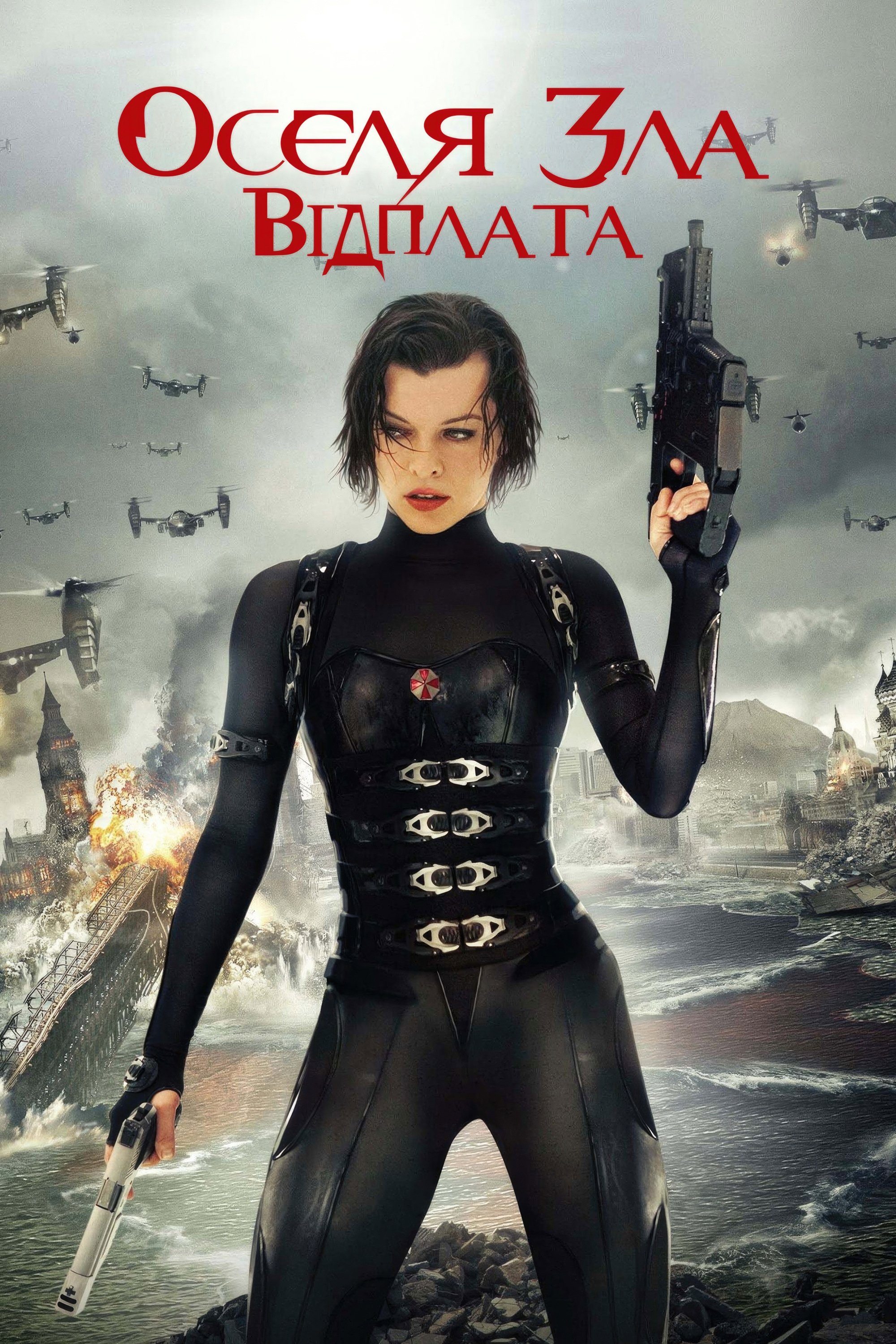
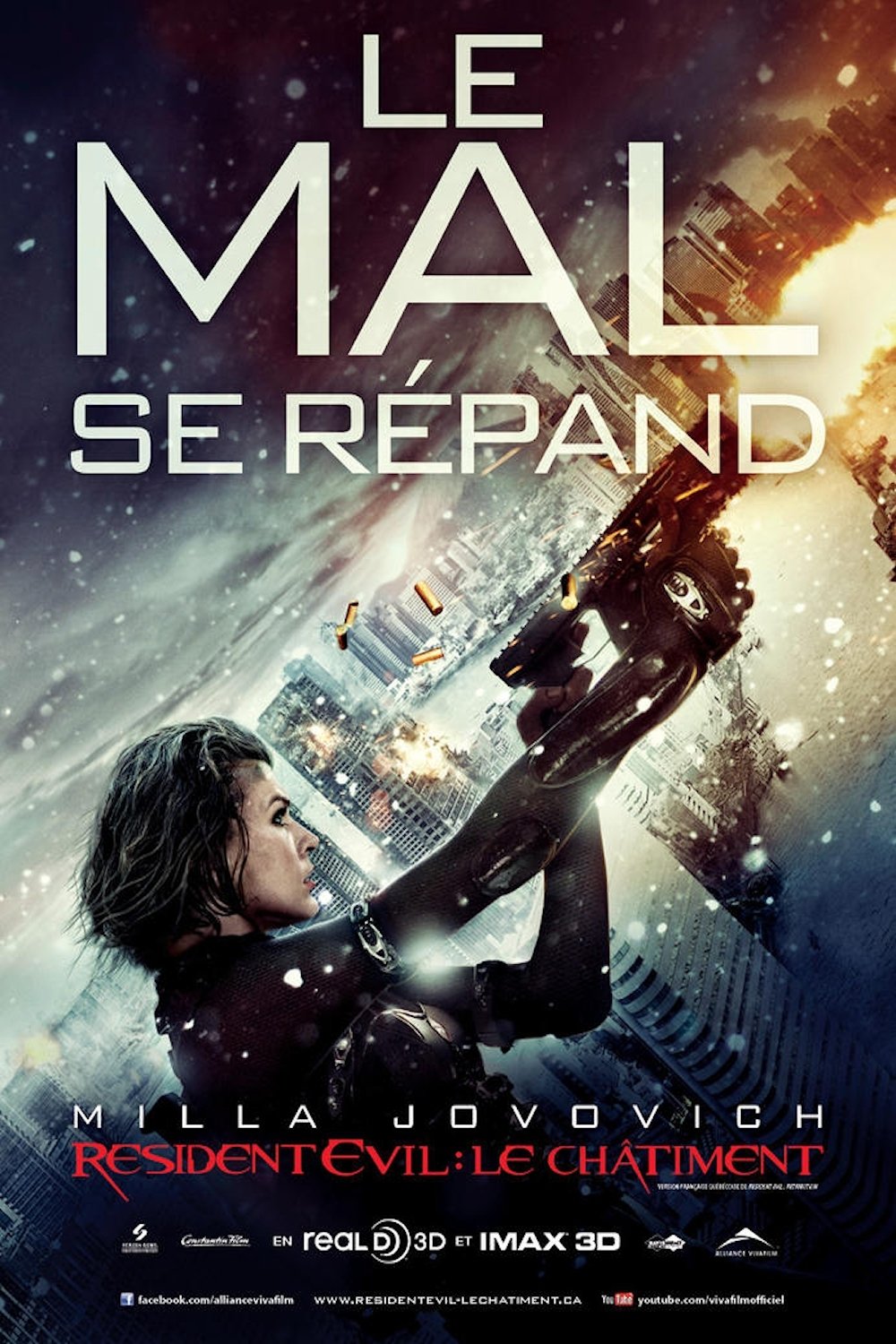
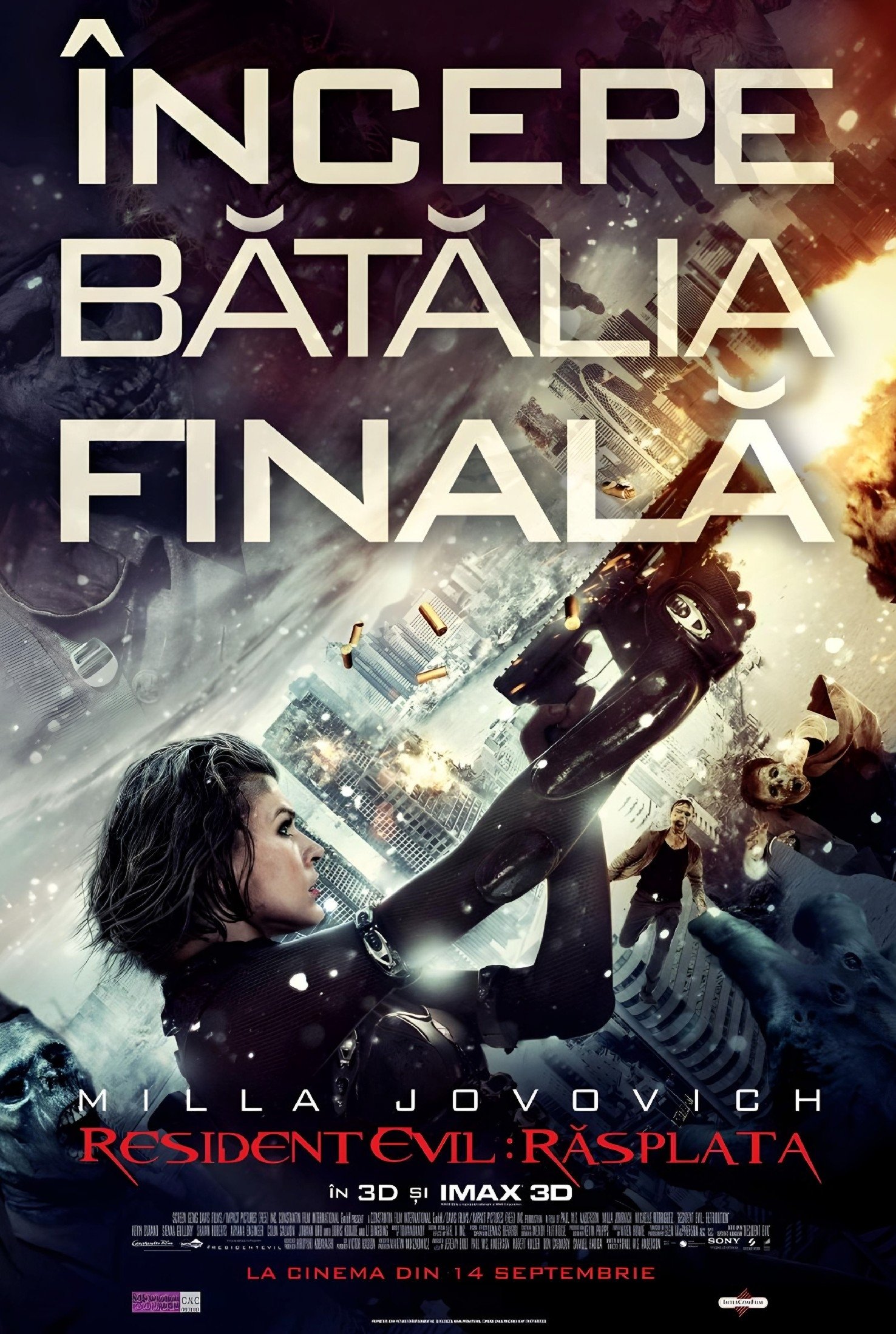
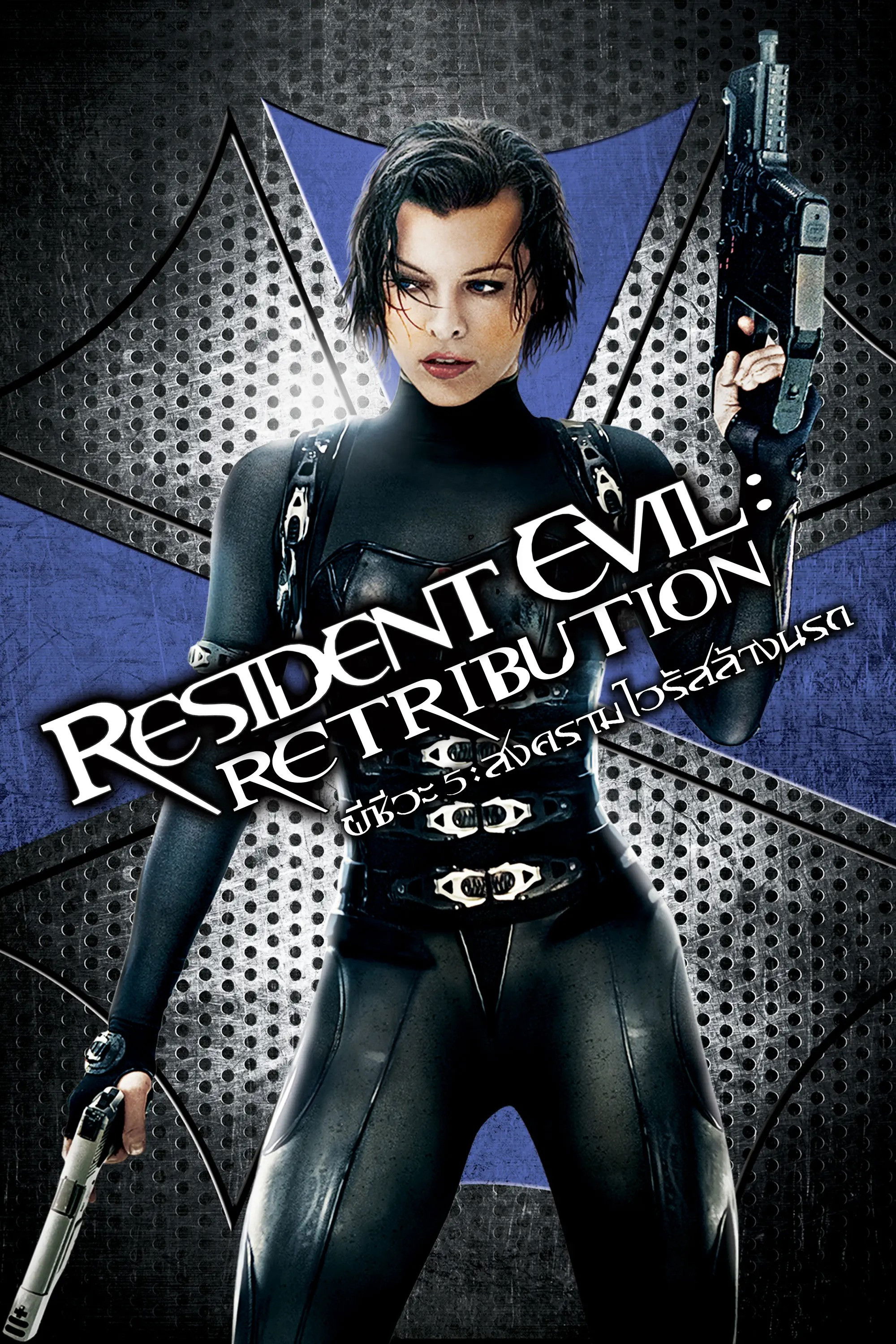
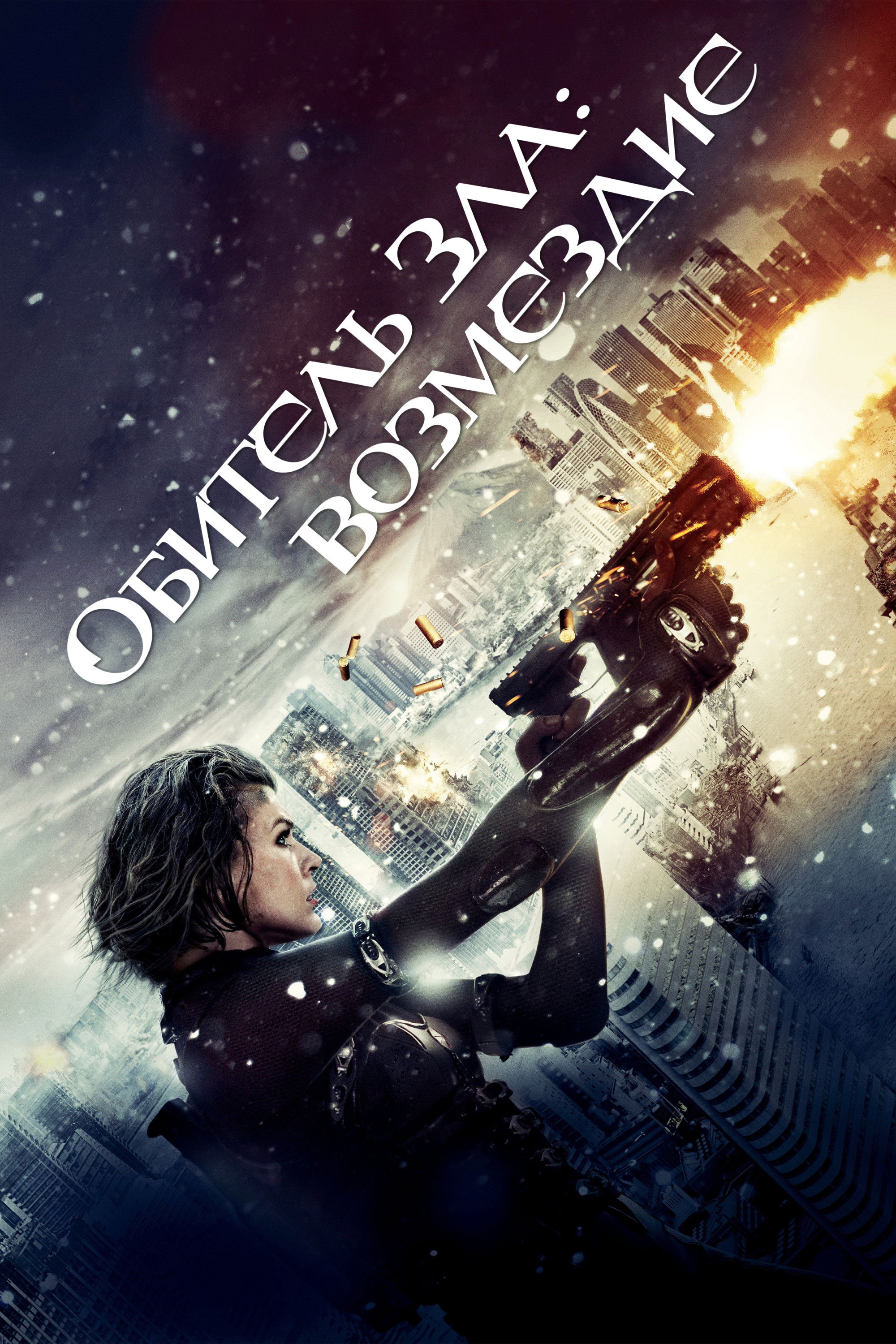
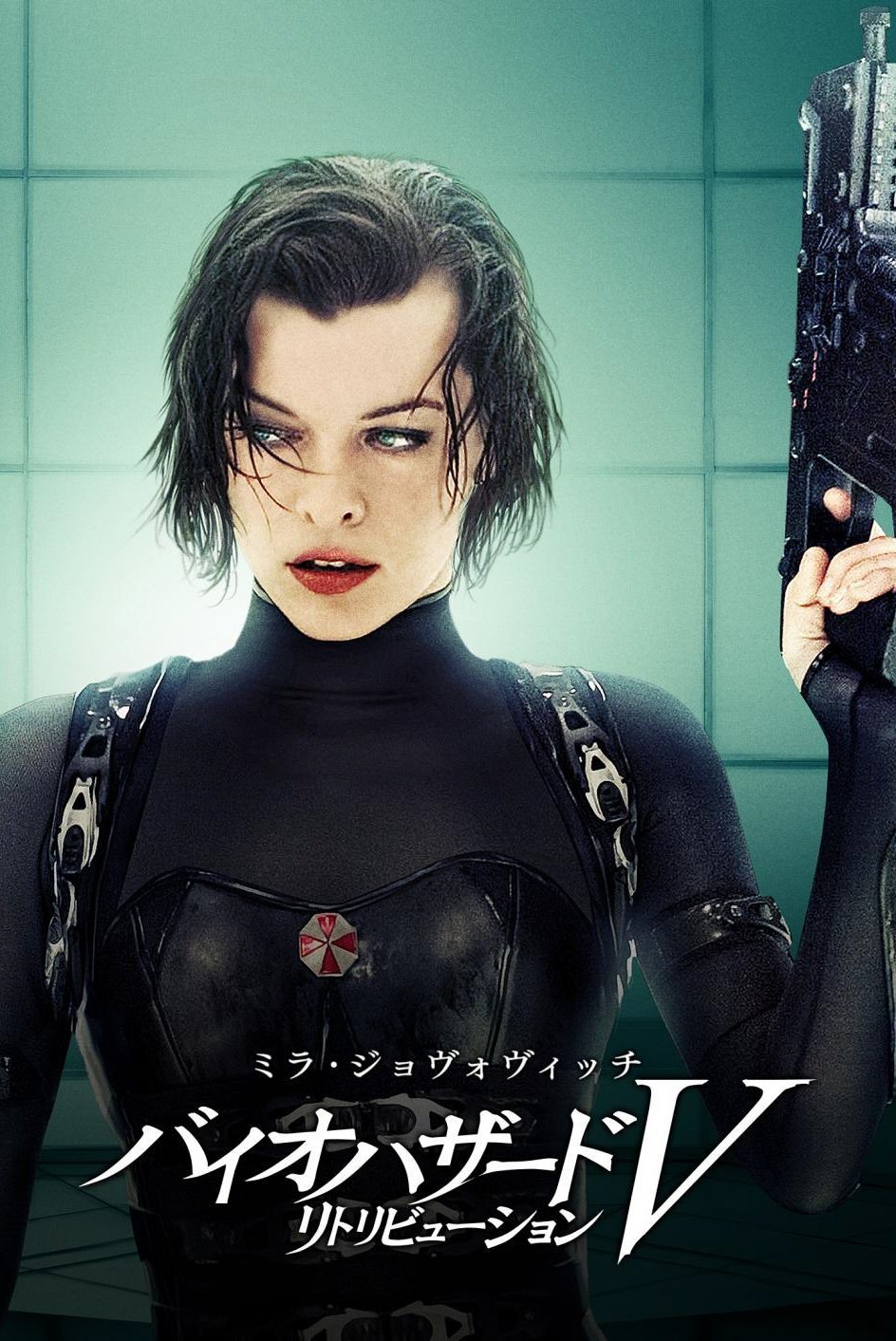
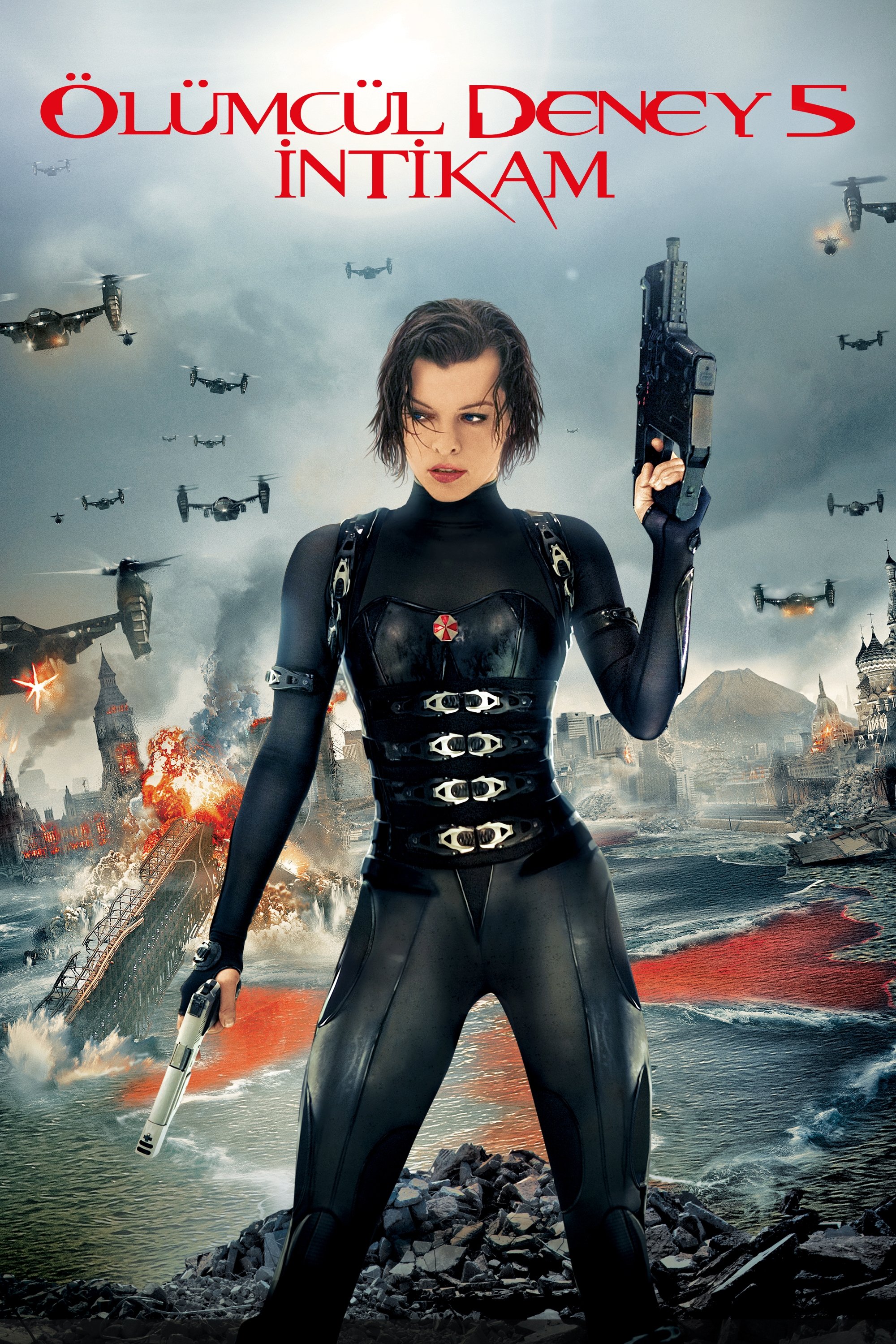
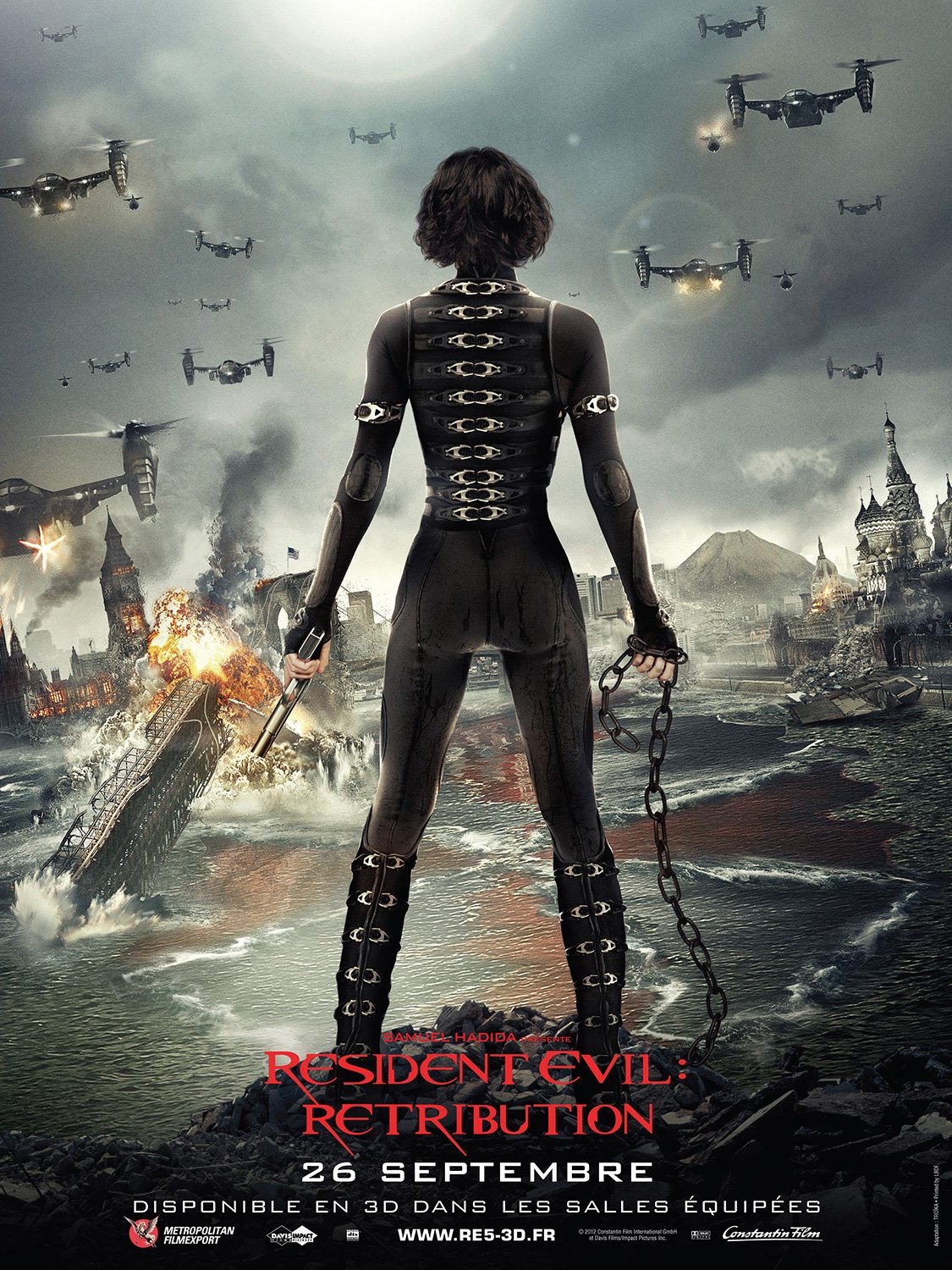
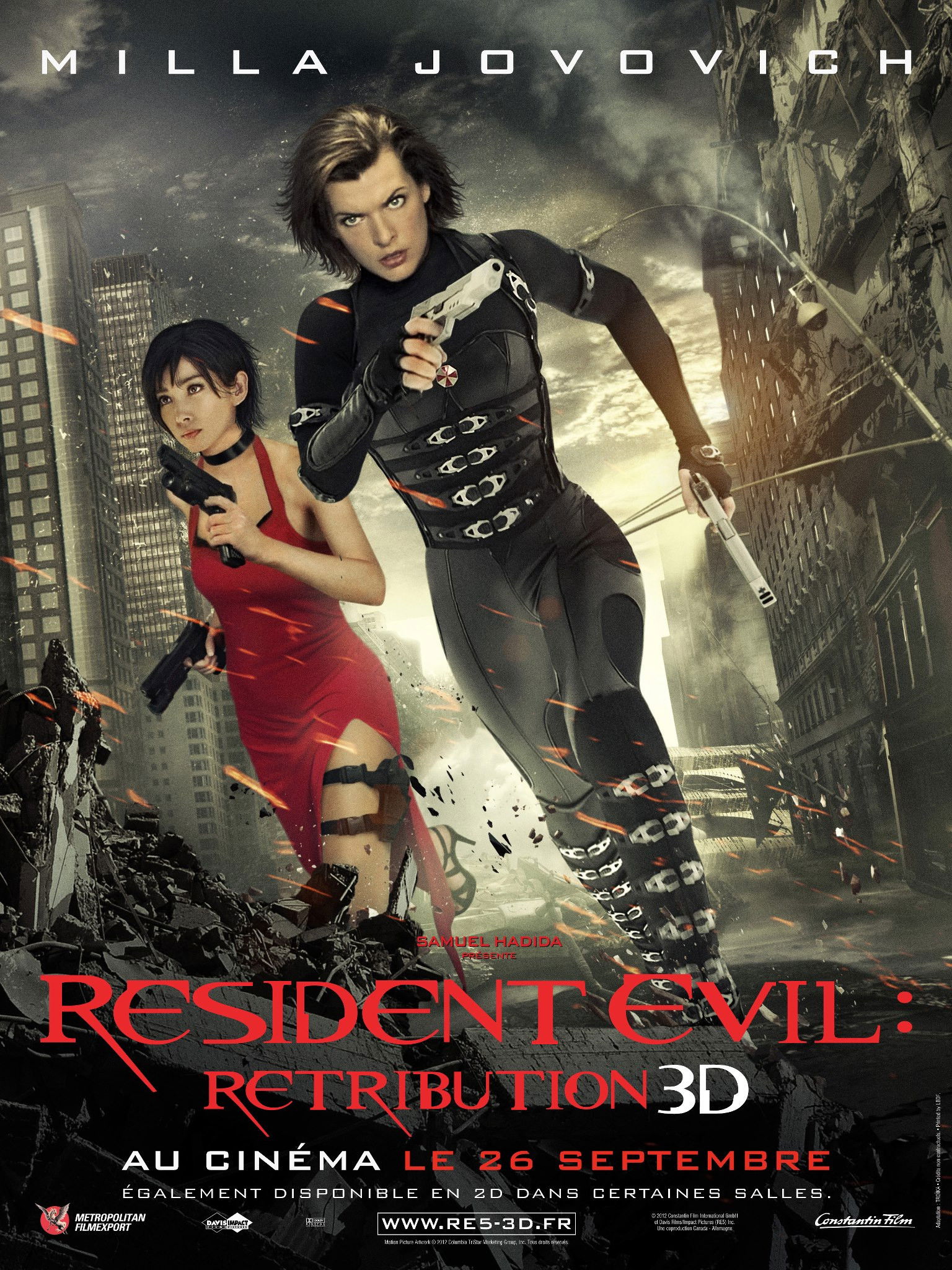
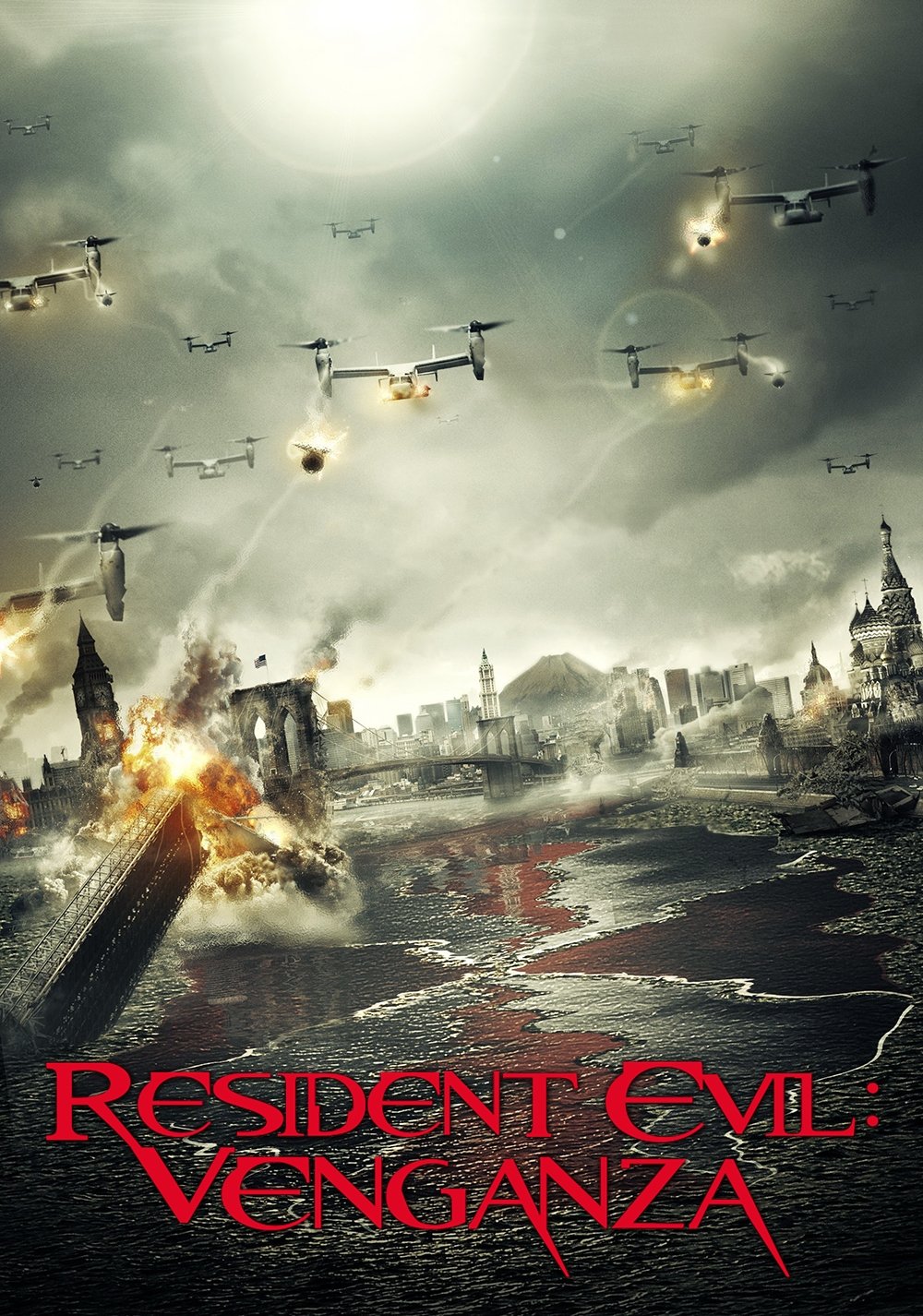
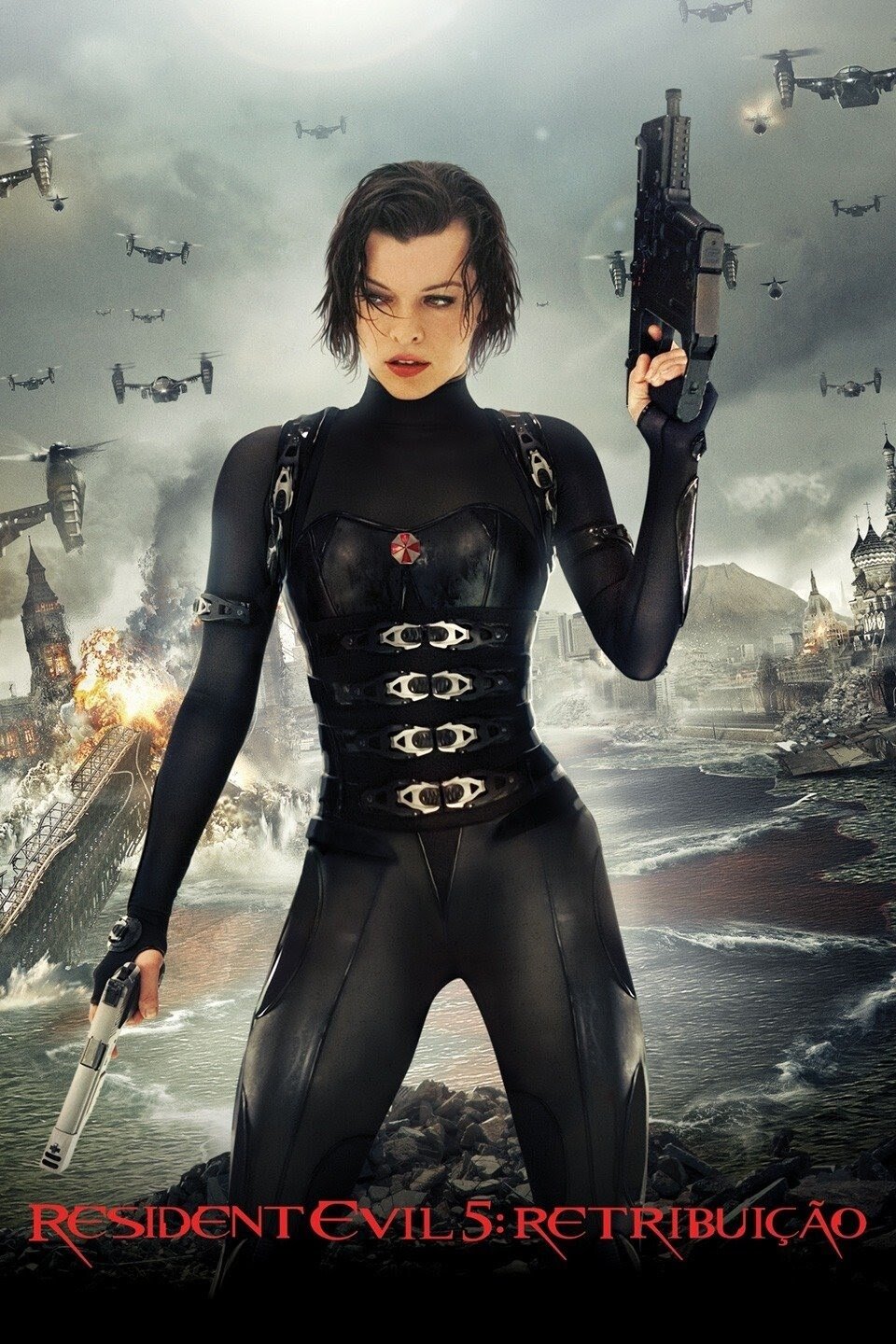
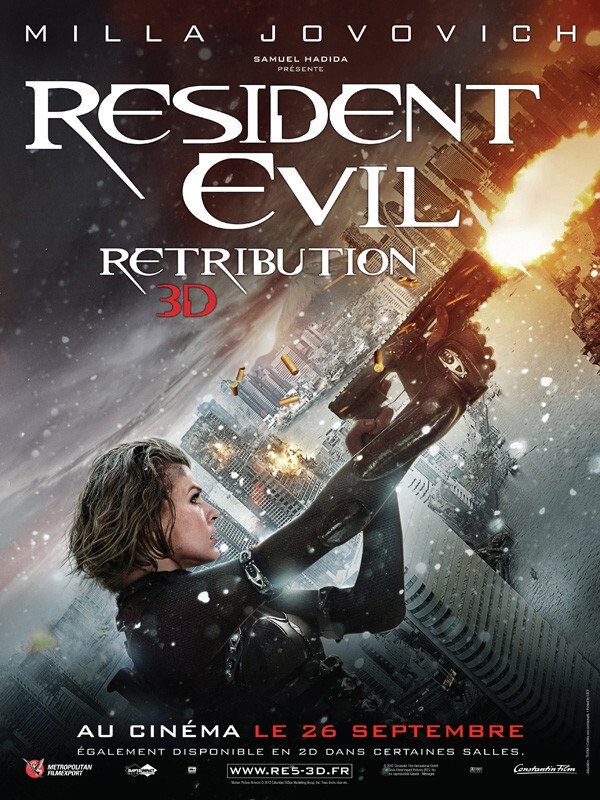
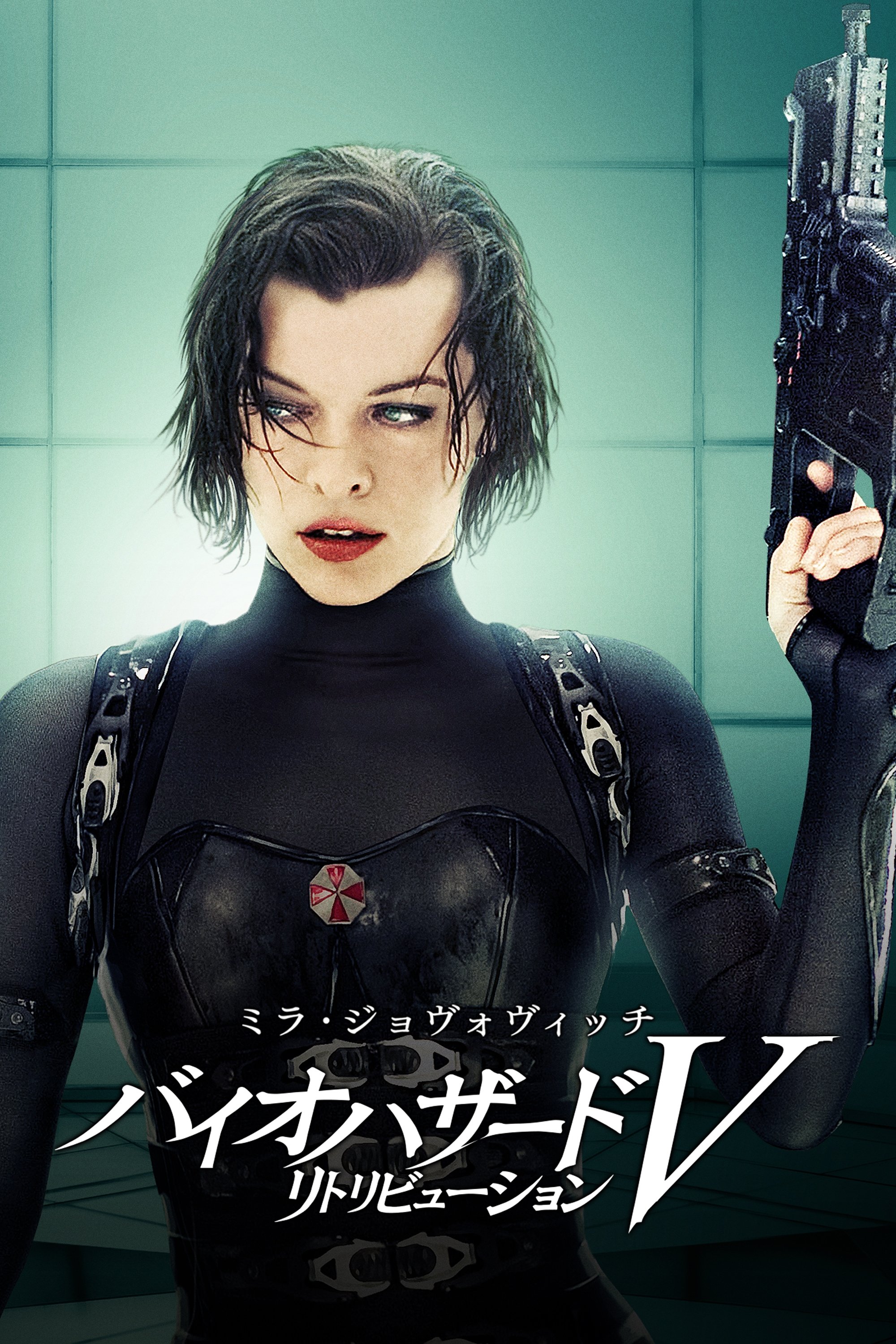
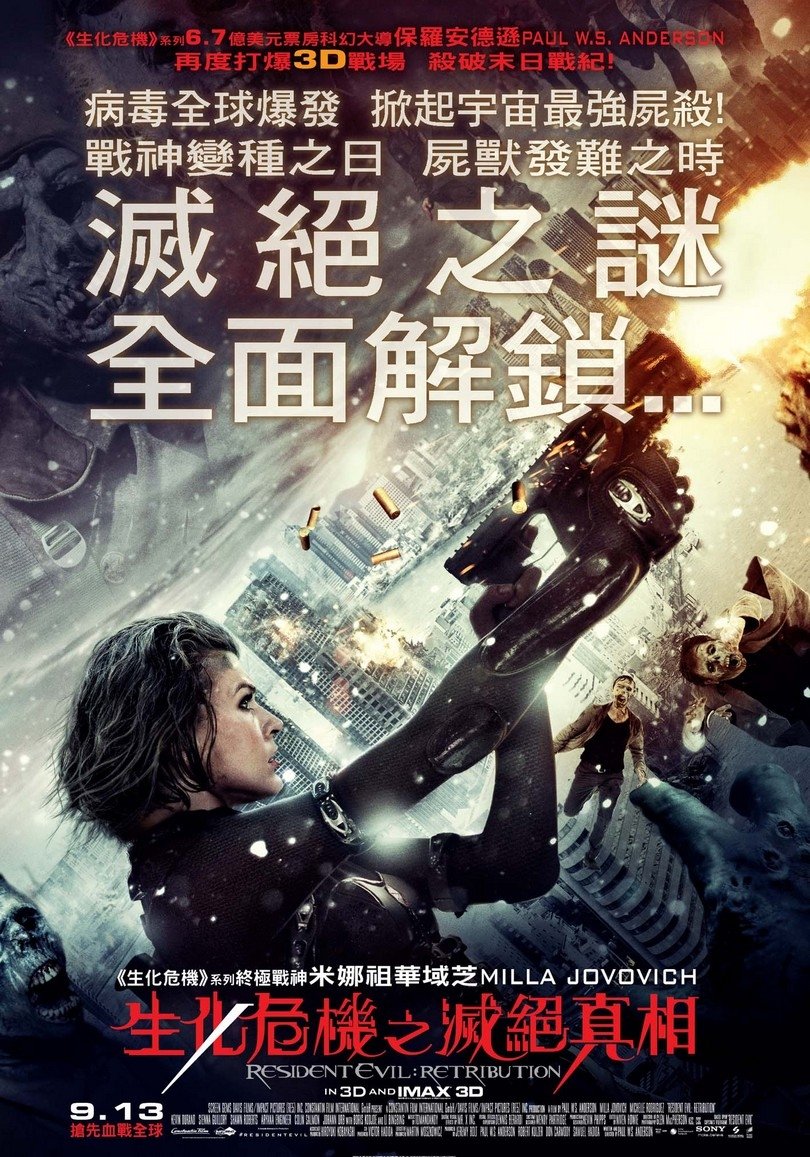
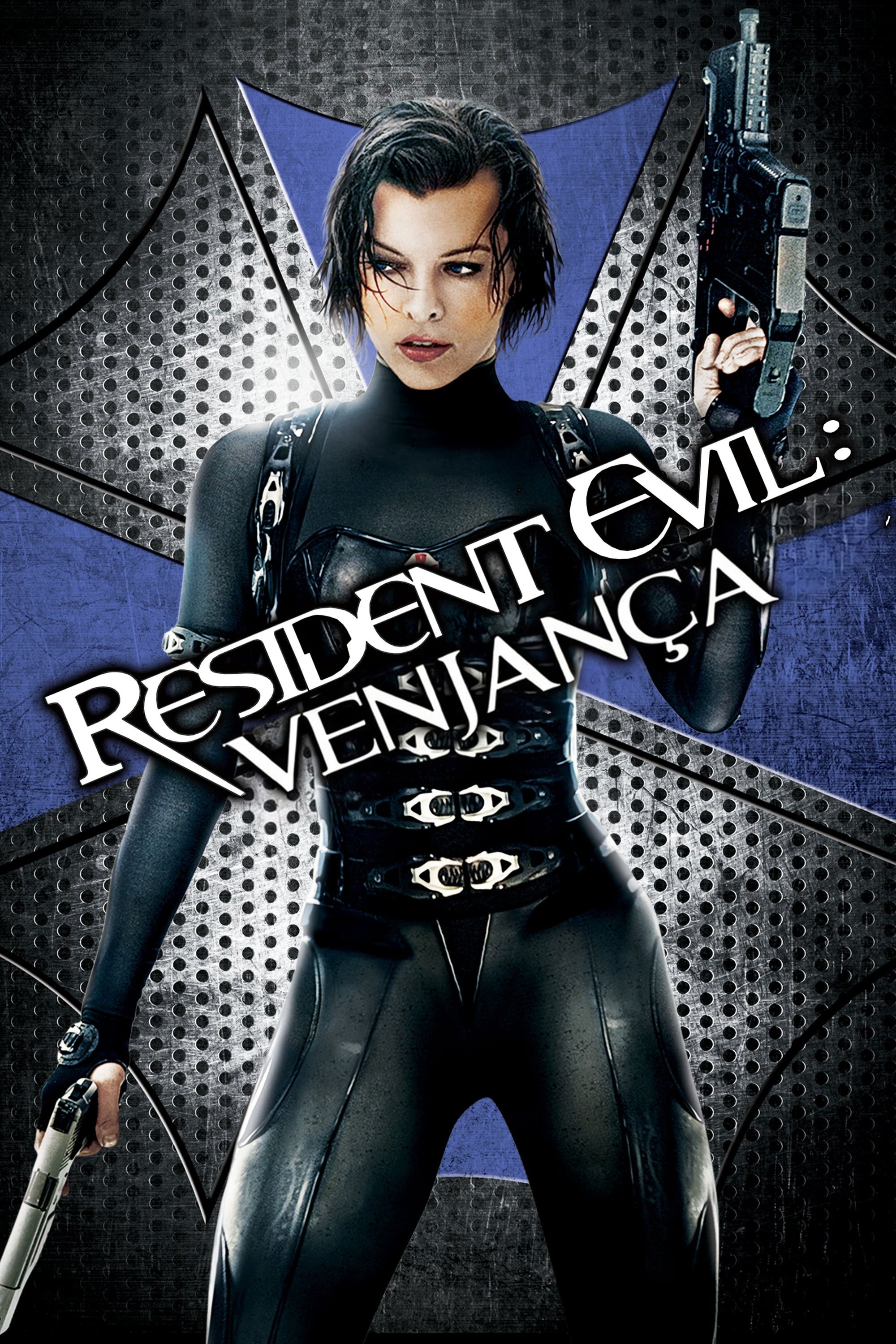
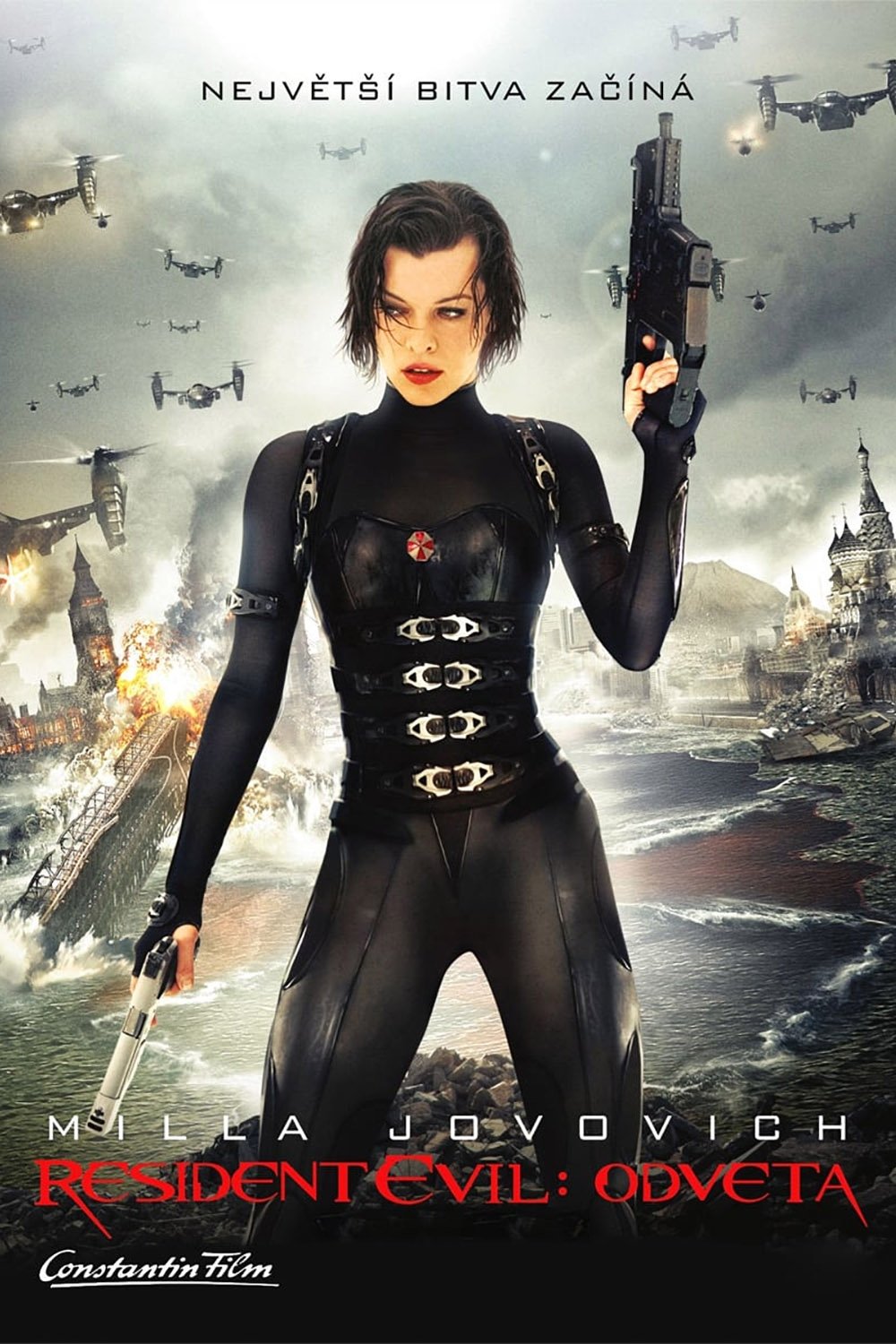
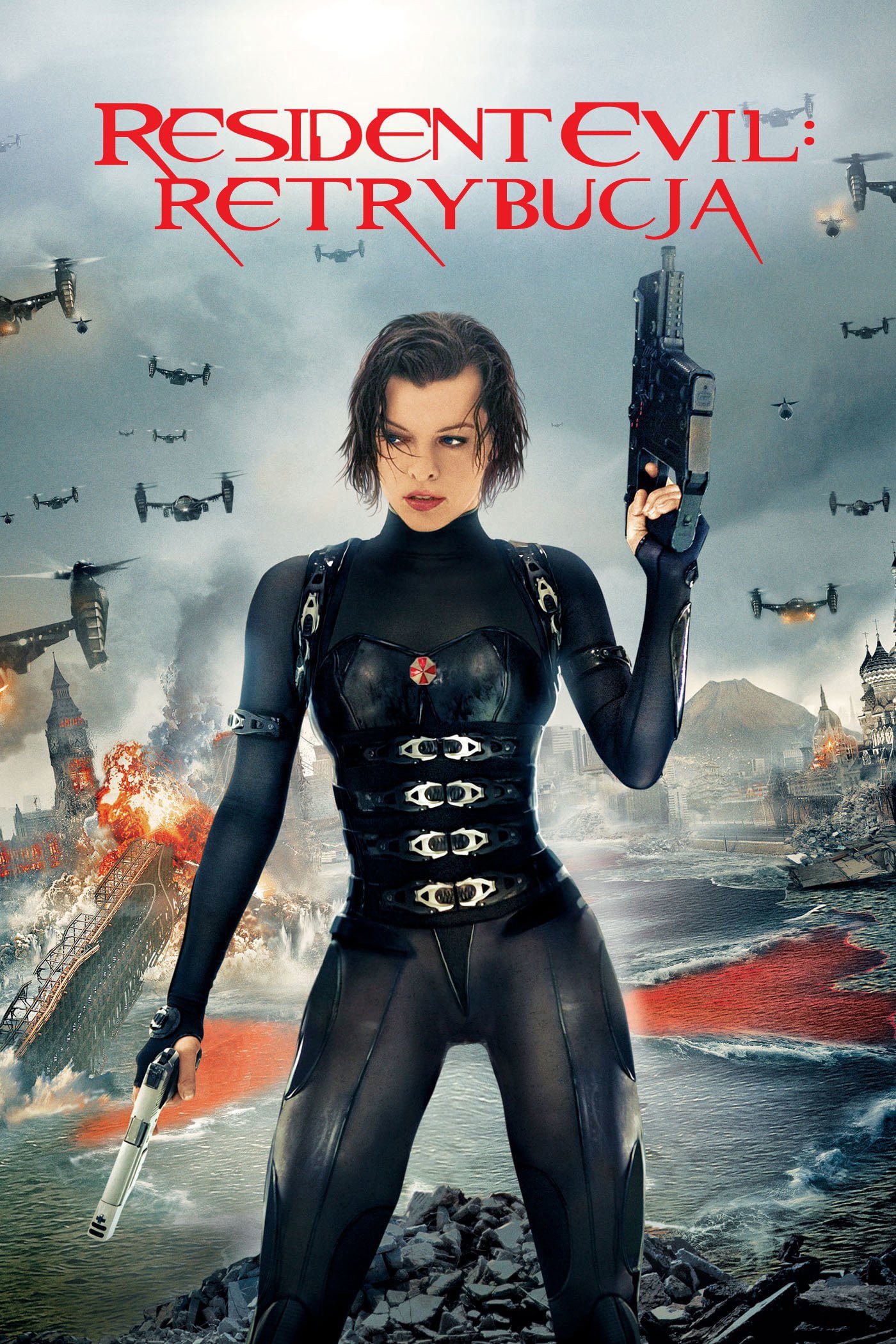
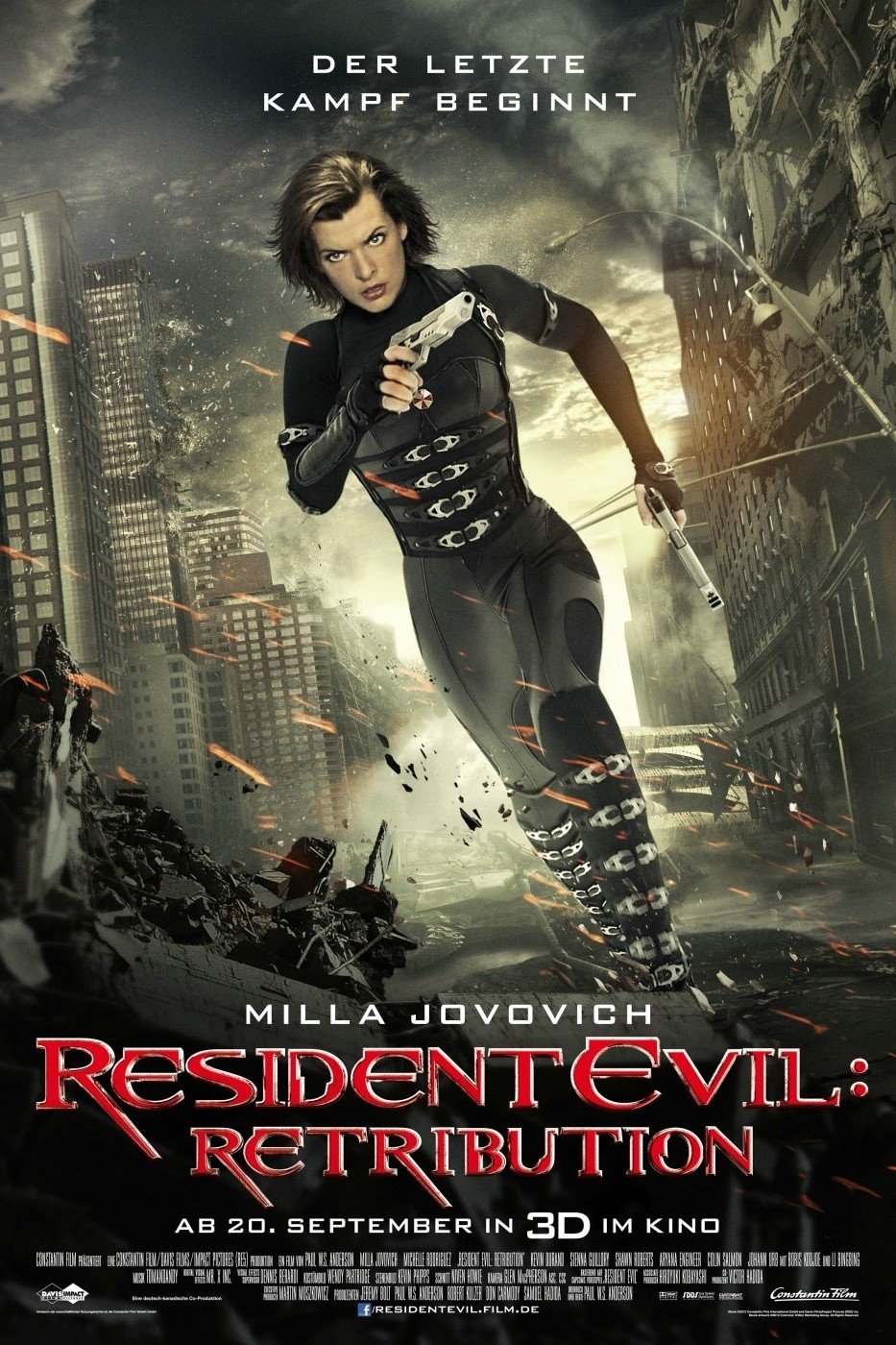
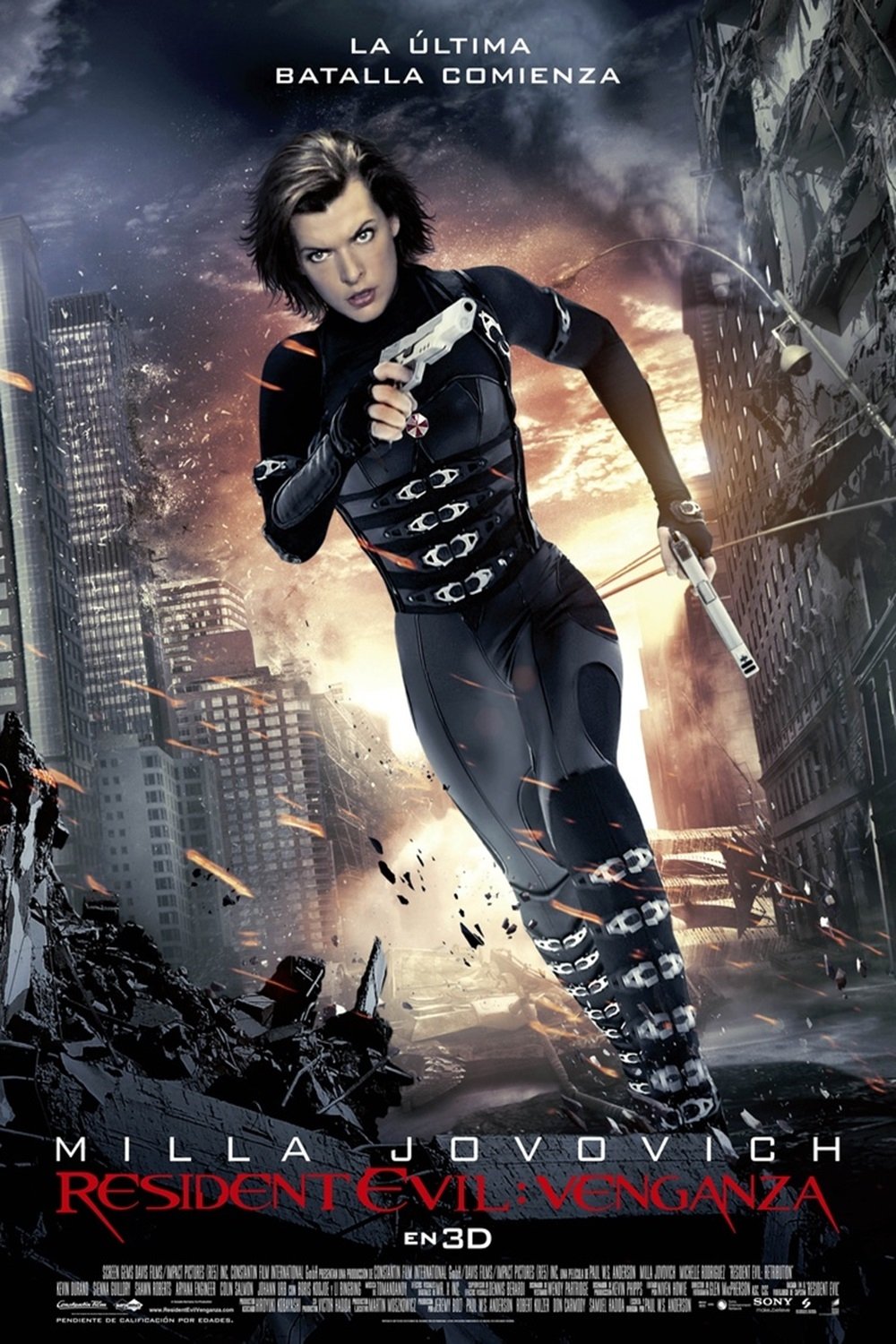
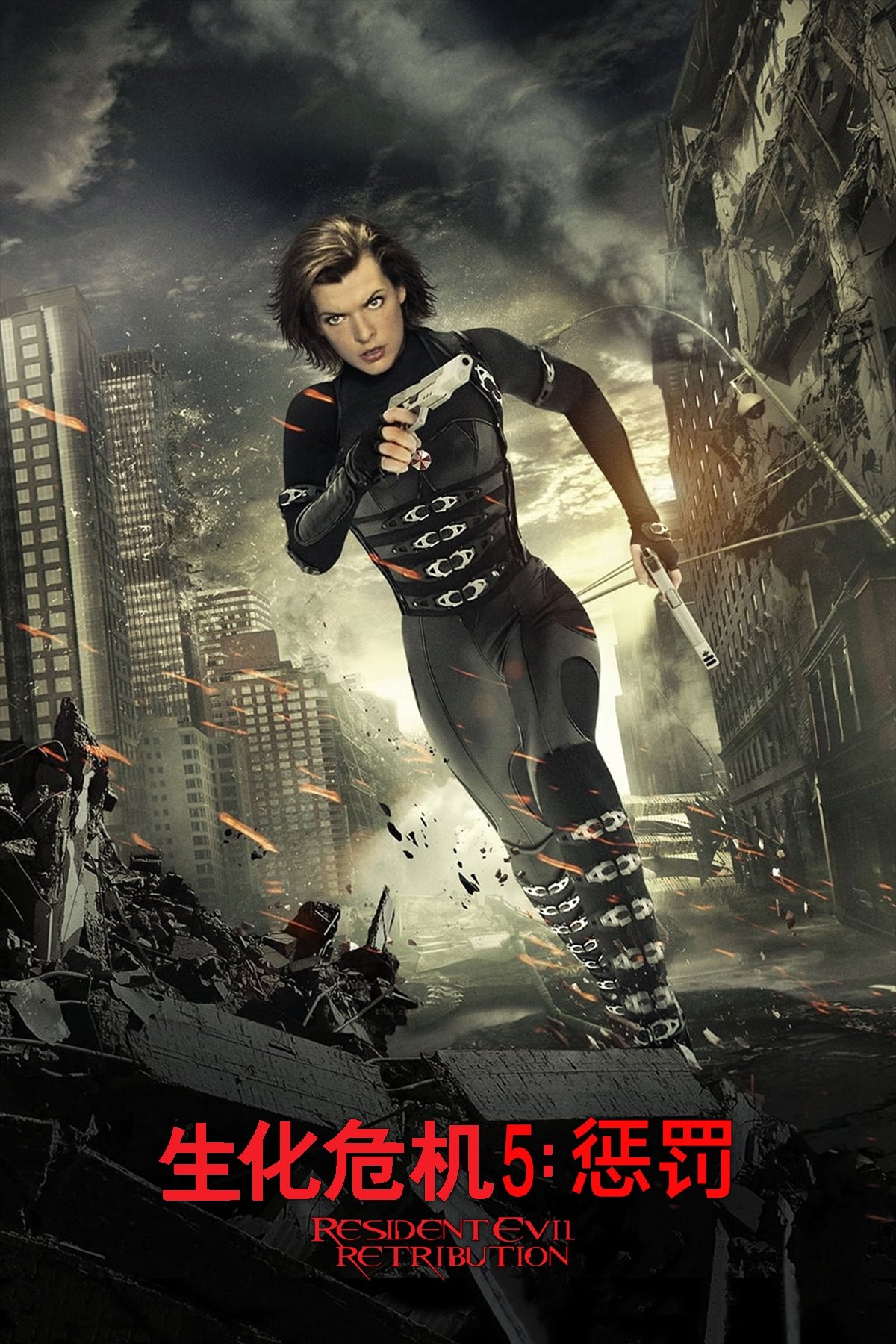
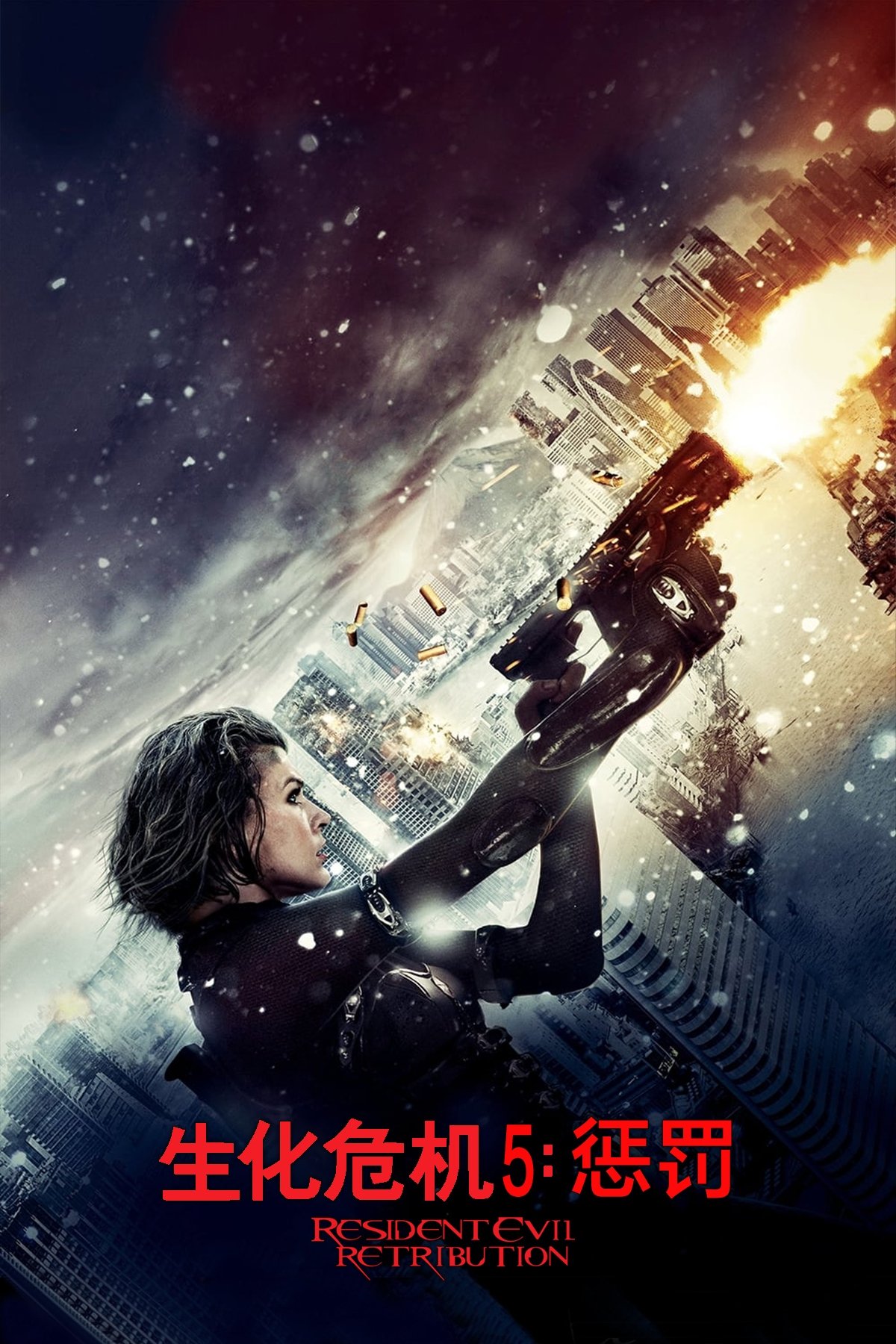
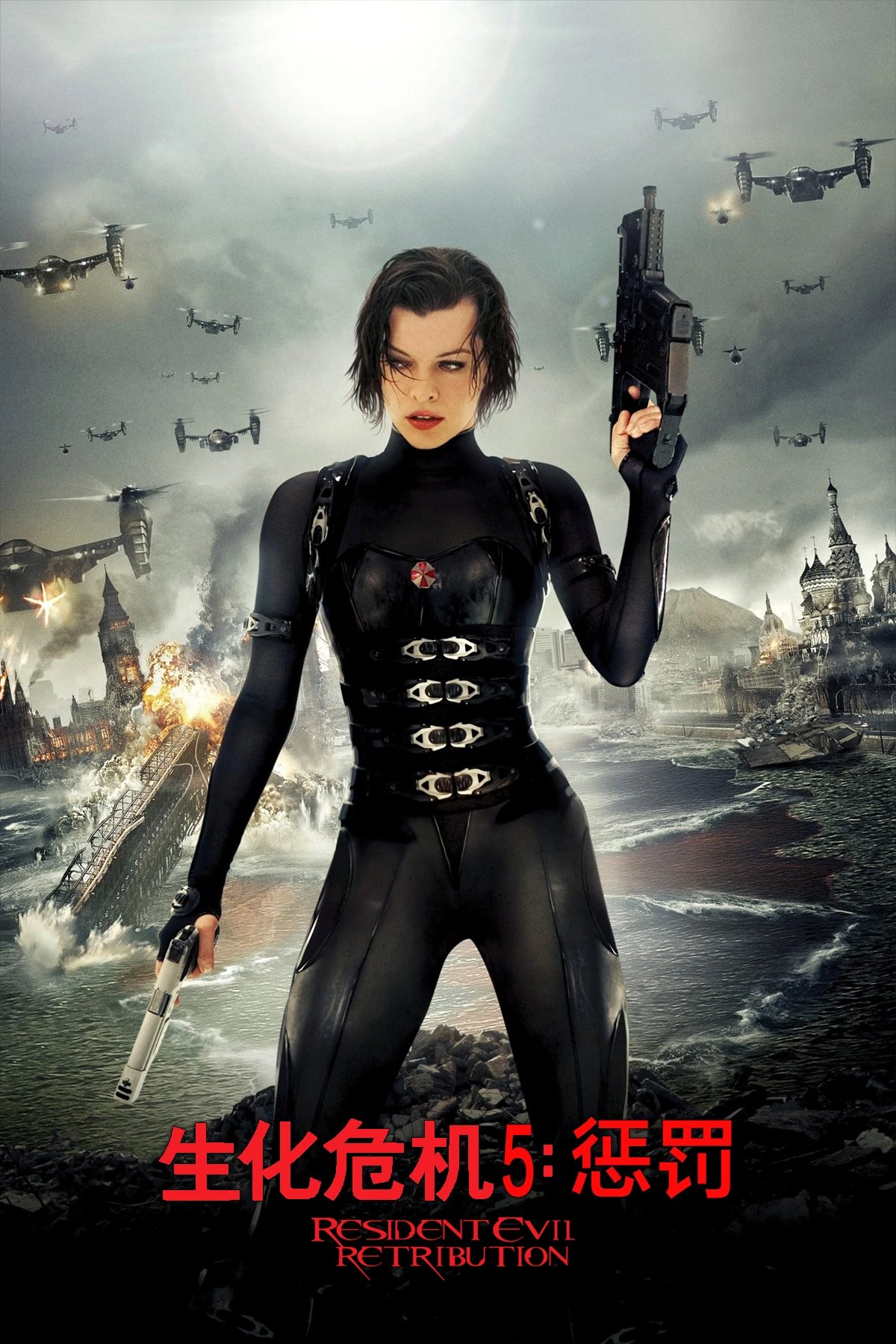
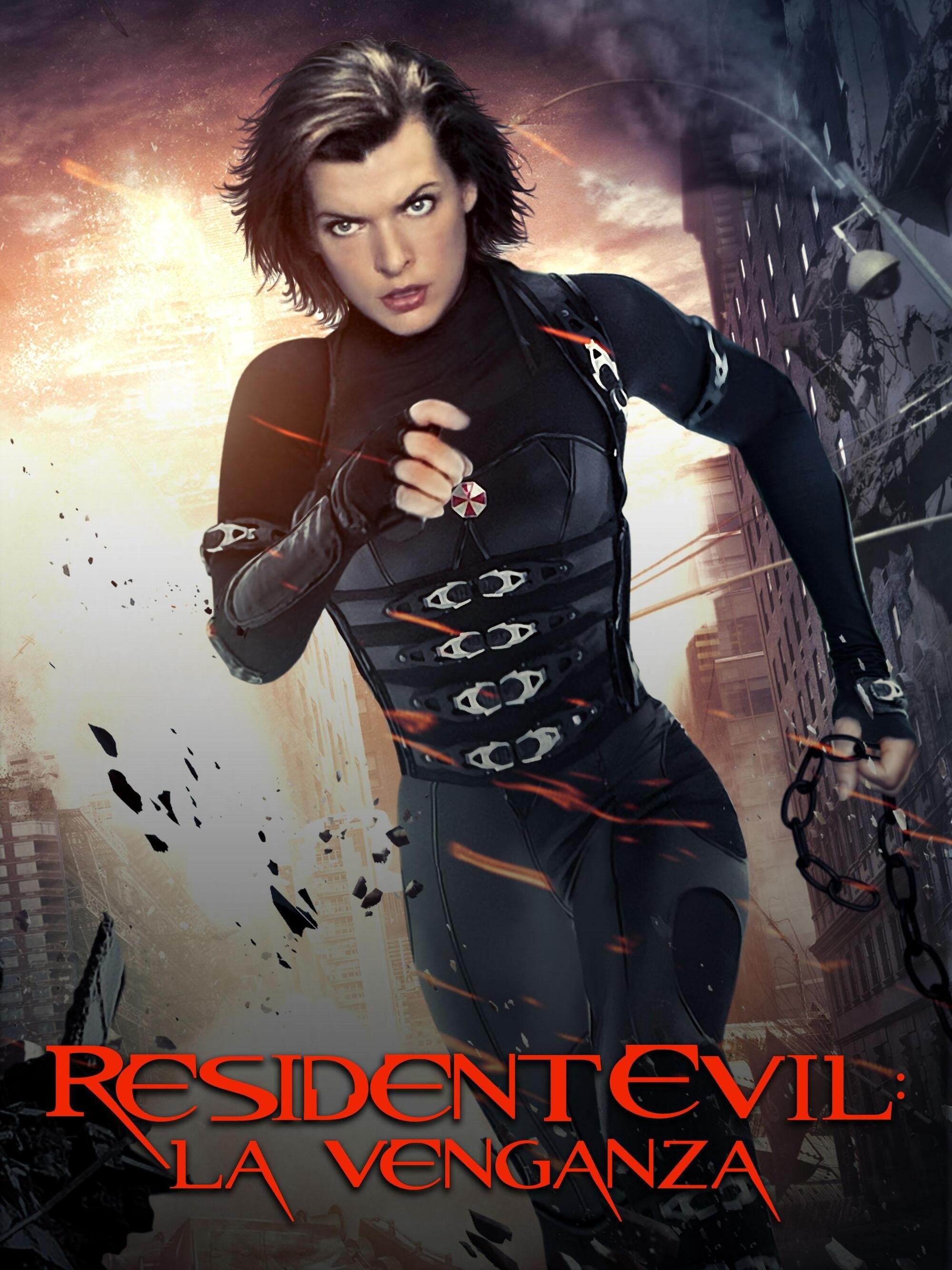
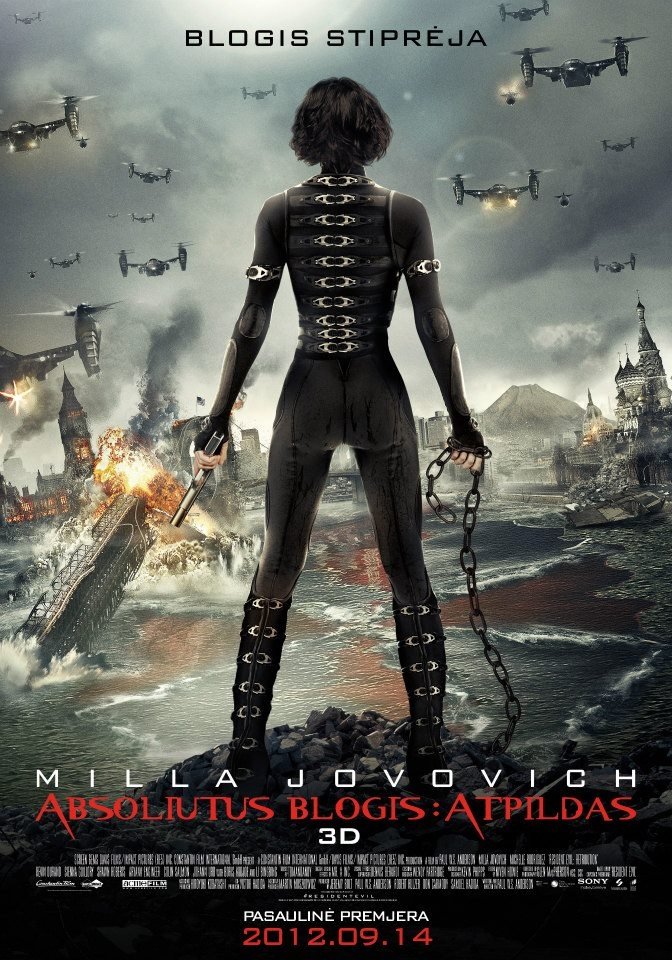
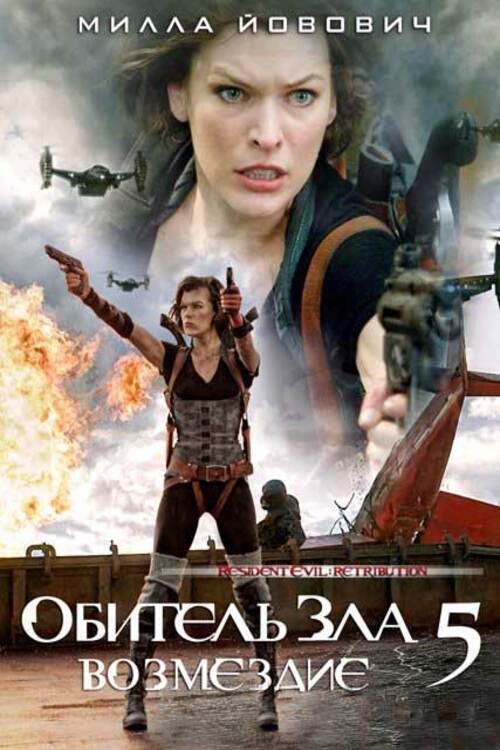
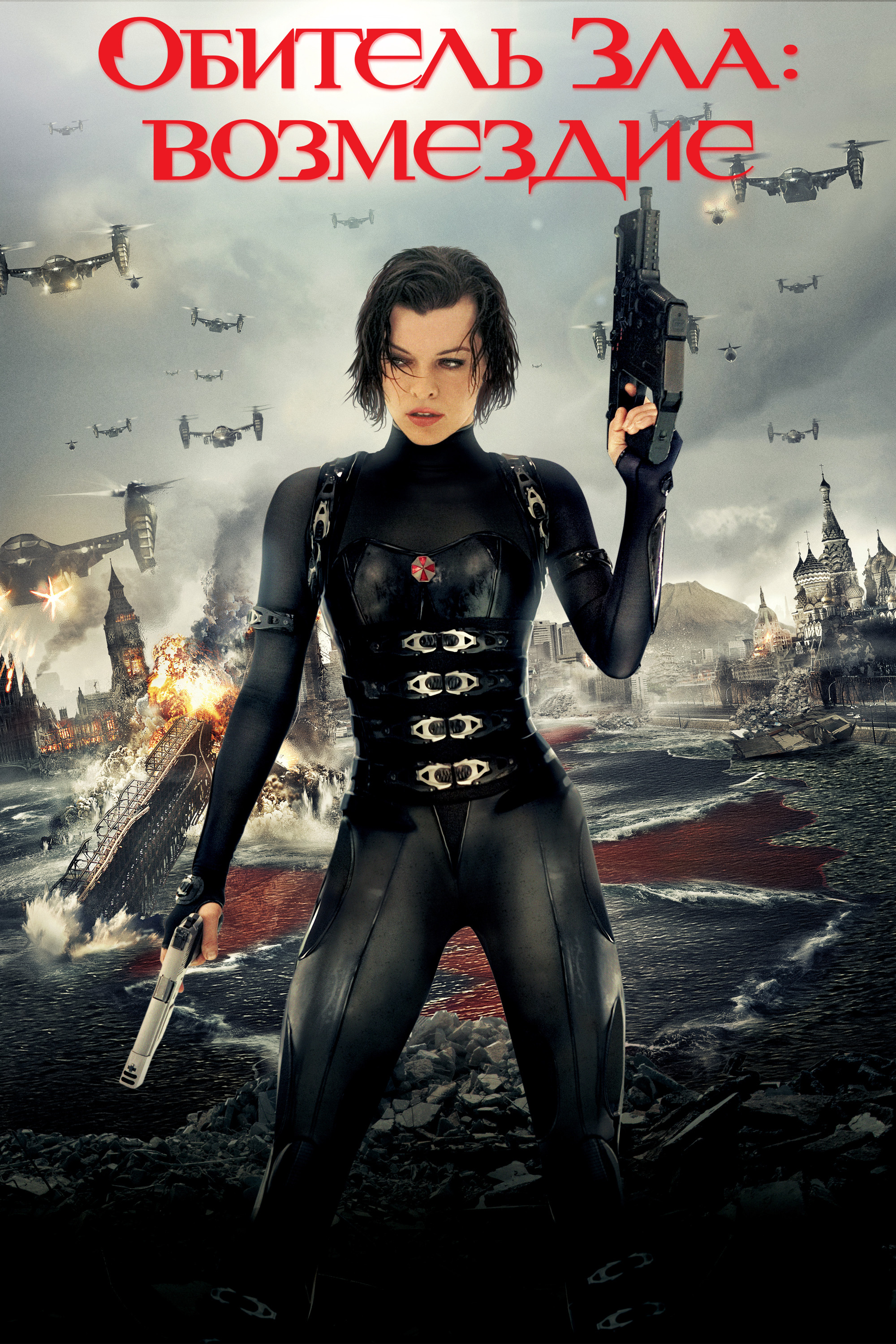
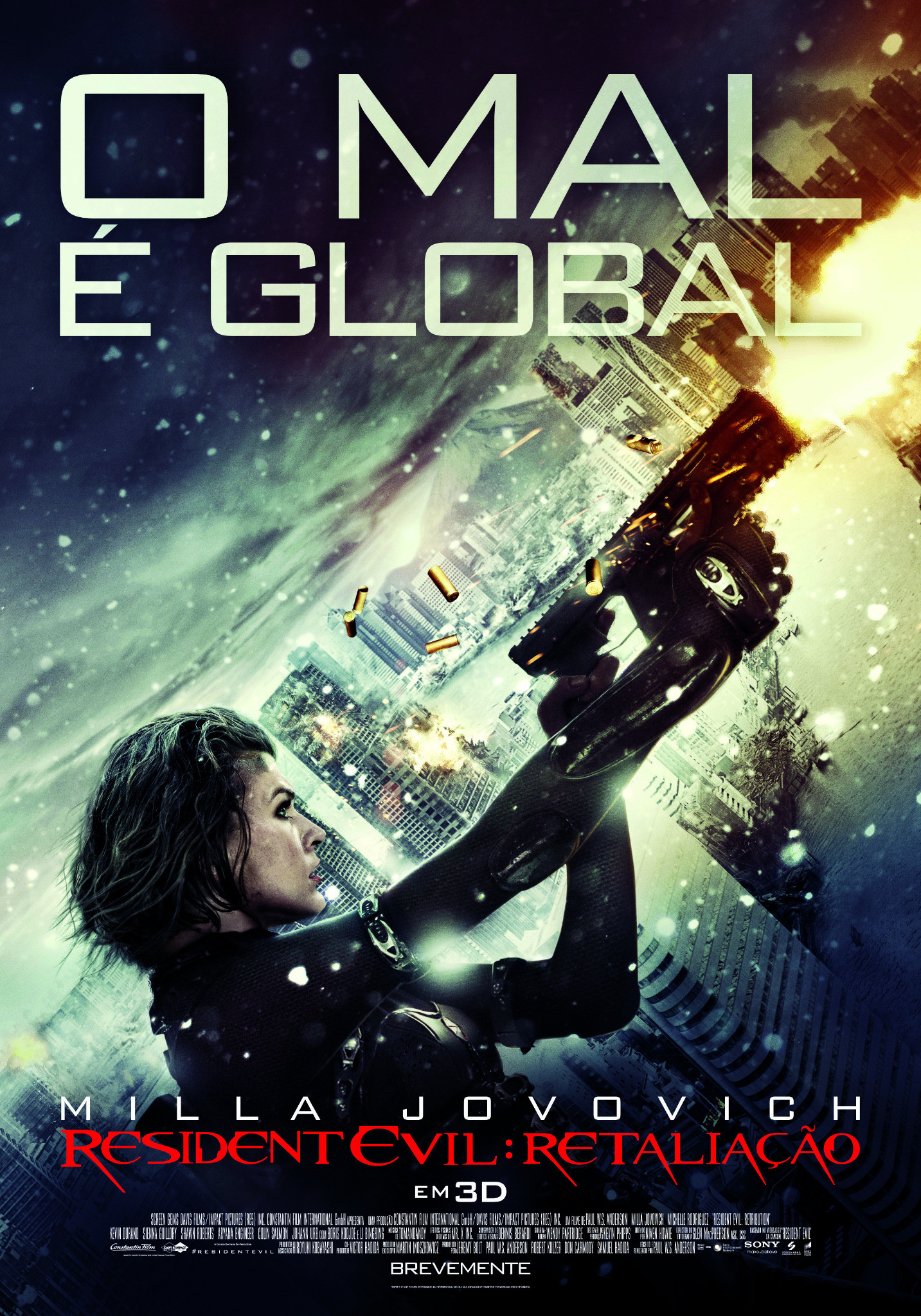
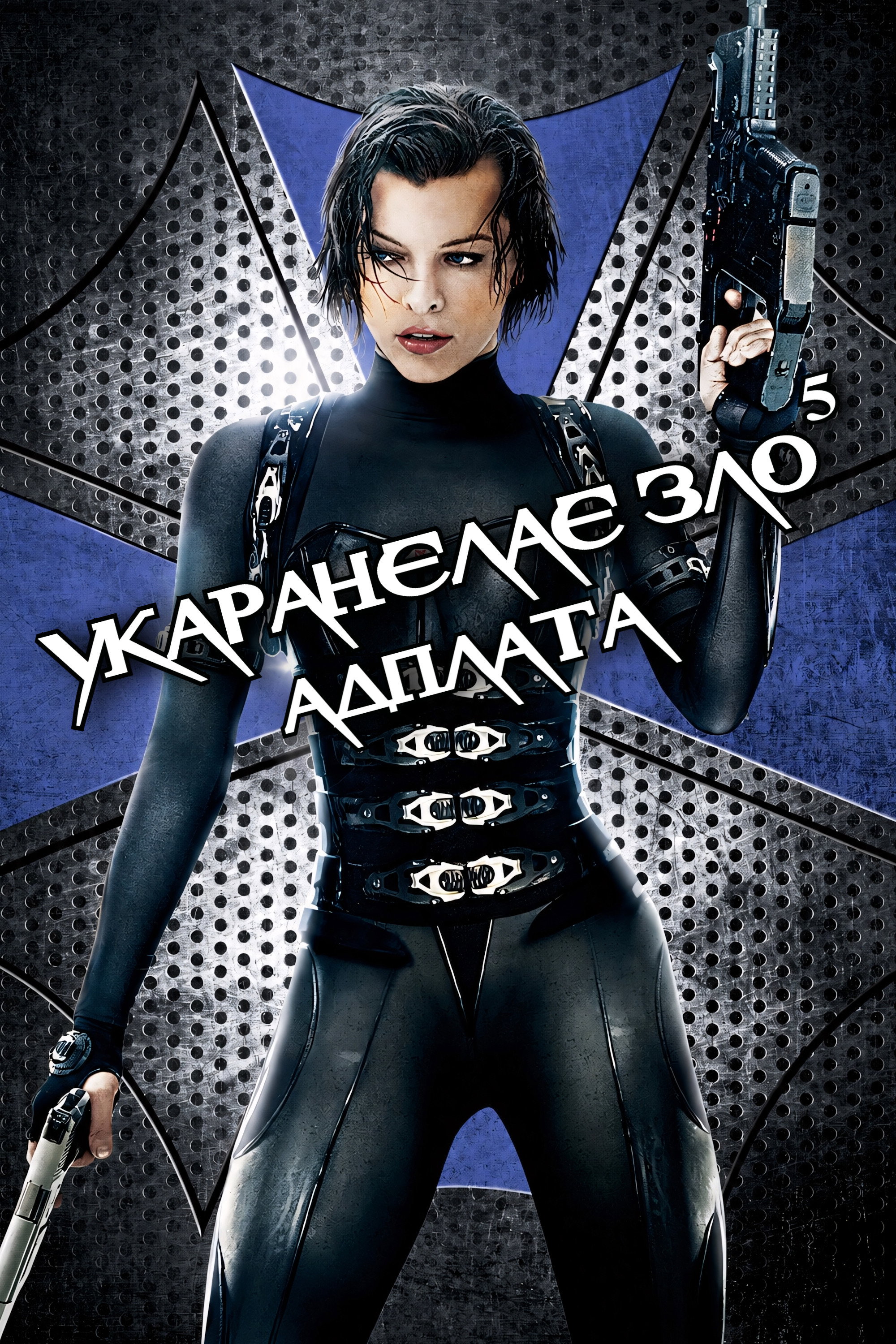
Resident Evil: Retribution (2012), the fifth live-action installment derived from Capcom's video games, places its global apocalypse inside an artificial environment. After the assault on the Arcadia at the end of Resident Evil: Afterlife, Alice awakens in a vast Umbrella Corporation complex where recreated metropolitan districts function as controlled testing grounds. Tokyo, New York and Moscow appear as contained simulations, allowing the film to revisit settings and threats from earlier installments while introducing characters familiar to players of the games. The combination of a single enclosed facility and apparently worldwide devastation makes this sequel distinctive within the series: its geography is an instrument of laboratory control.
Paul W. S. Anderson again wrote and directed, extending his experiments with native stereoscopic photography. The production relied on Toronto soundstages, selective location reference material, physical sets and large-scale computer-generated extensions. Contemporary accounts by cinematographer Glen MacPherson and production personnel explain how the city environments were fabricated. Editor Niven Howie later described the unusual work of assembling and adjusting the three-dimensional image. These records illuminate the relationship between the film's staged confinement, its elaborate fight choreography and an escalating horror-action aesthetic increasingly distant from the original movie's underground suspense.
Umbrella's Simulation and Series Continuity
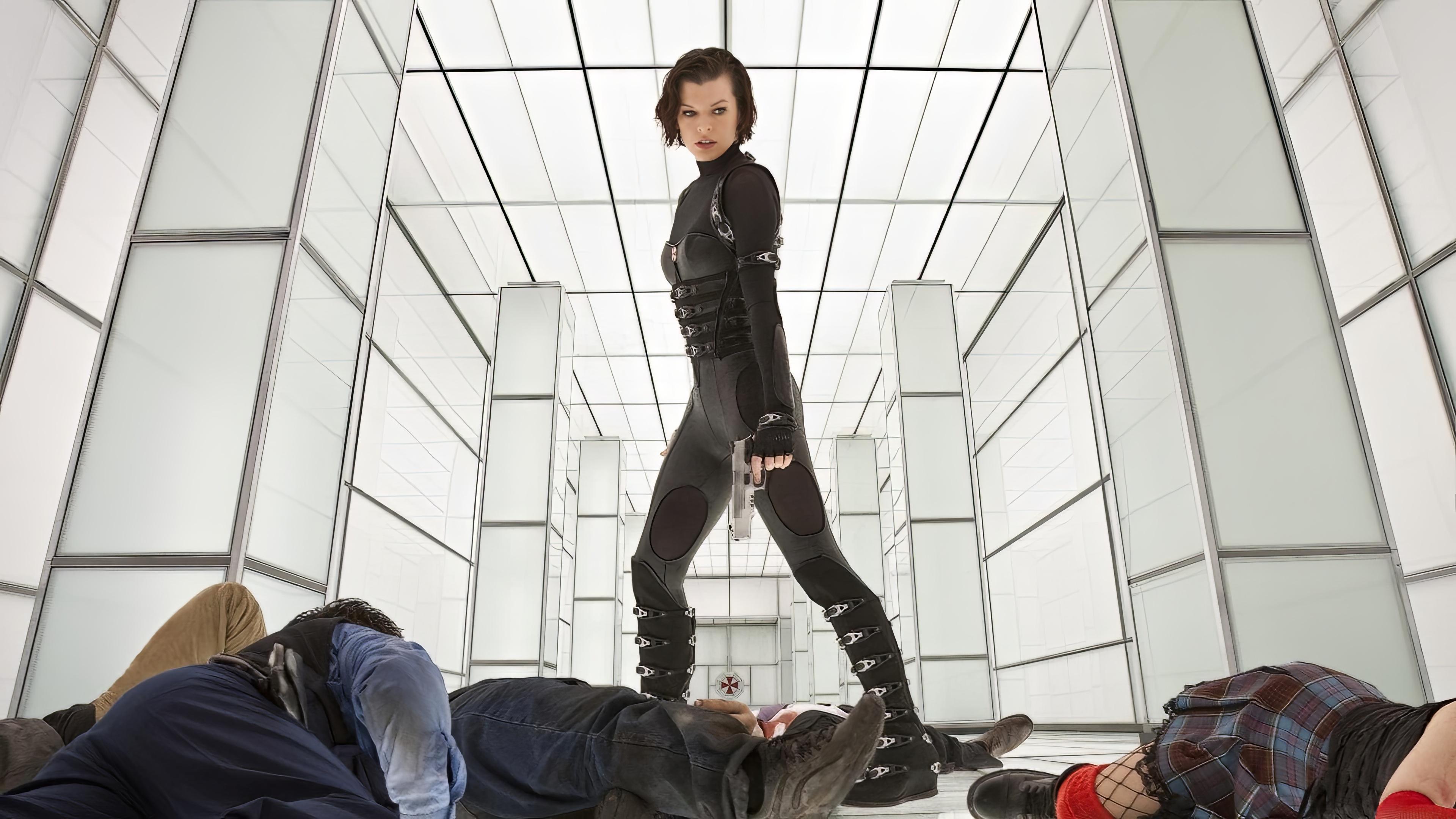
Retribution presents Umbrella's testing center as a network of linked urban environments rather than a conventional research facility. Each setting reproduces conditions under which the T-virus or another biological threat could be demonstrated. The idea extends a persistent concern of the franchise: containment systems frequently make a catastrophe more dangerous because their designers treat people as disposable subjects. The journey through manufactured city streets also revises the series' usual relation between escape and geography. Moving across a border no longer guarantees progress toward safety, since a new city may be only another chamber in the same complex.
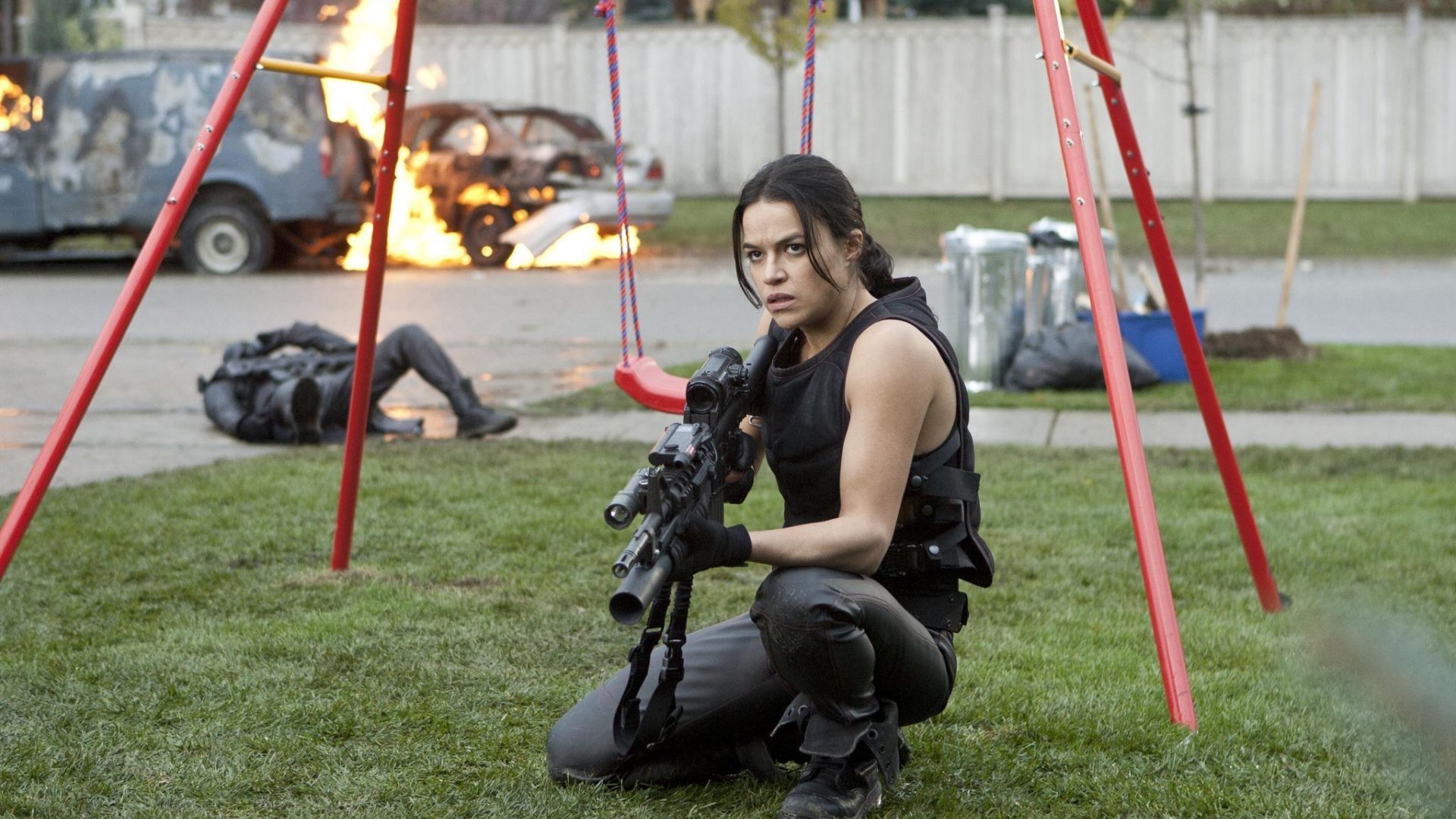
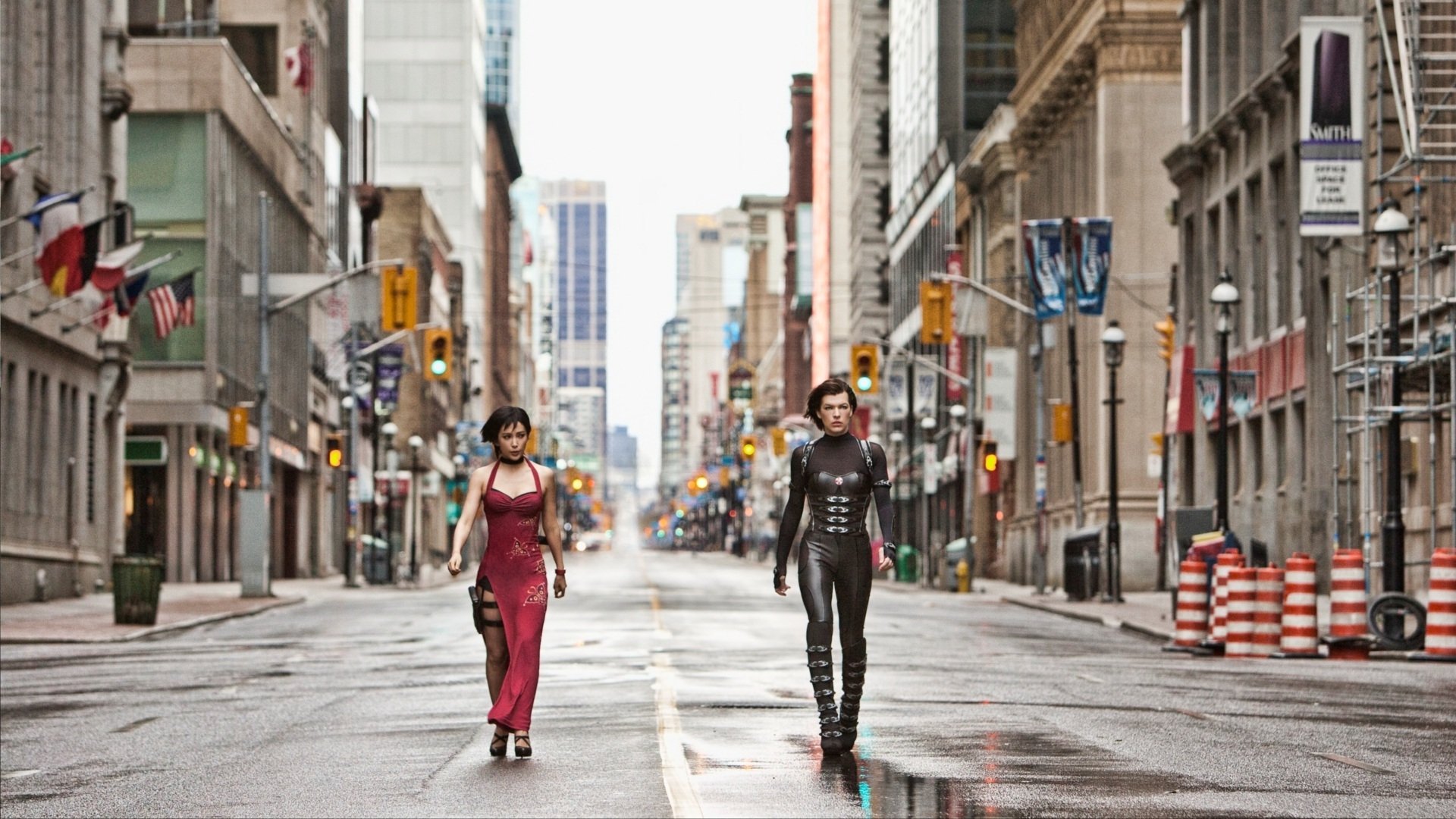
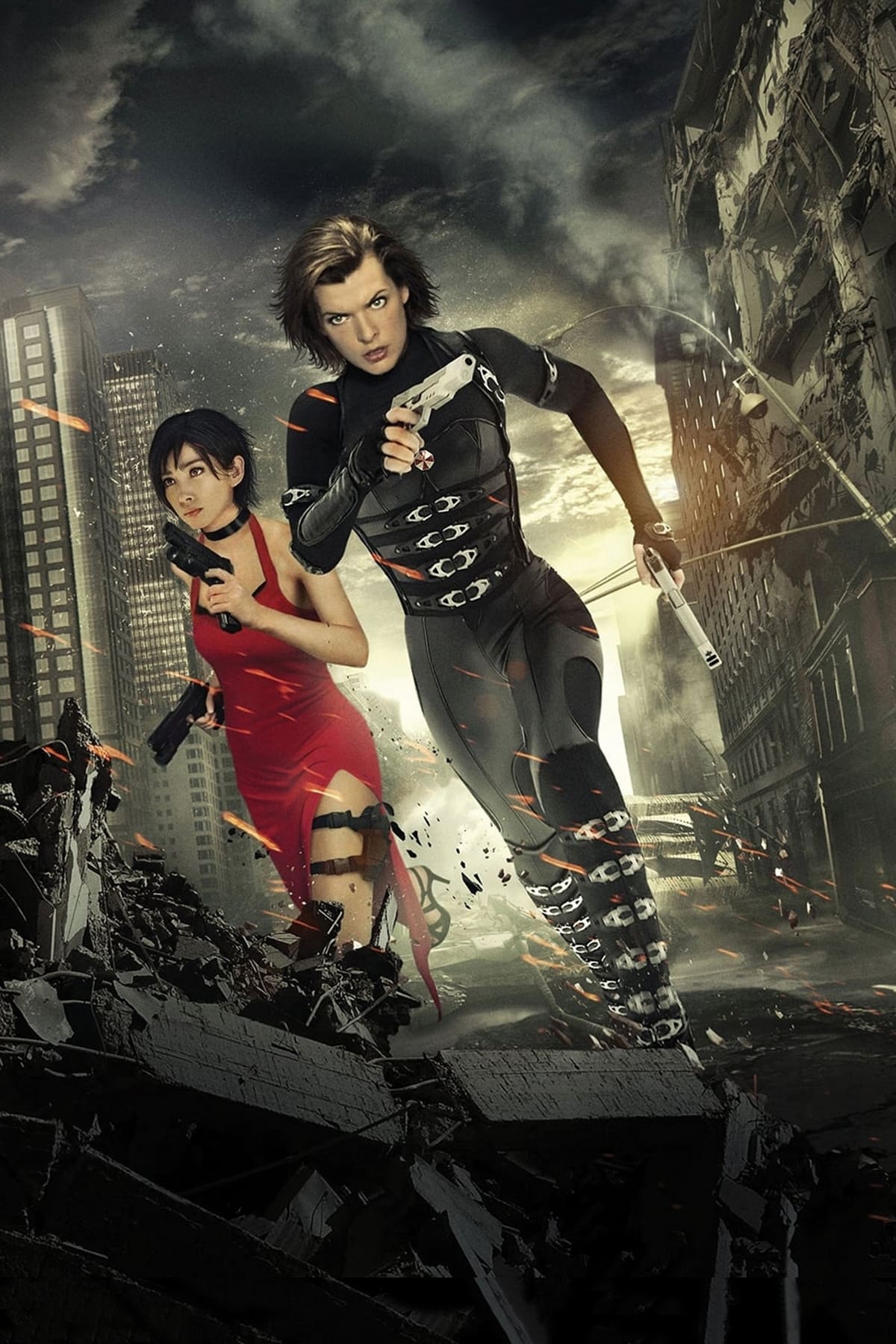
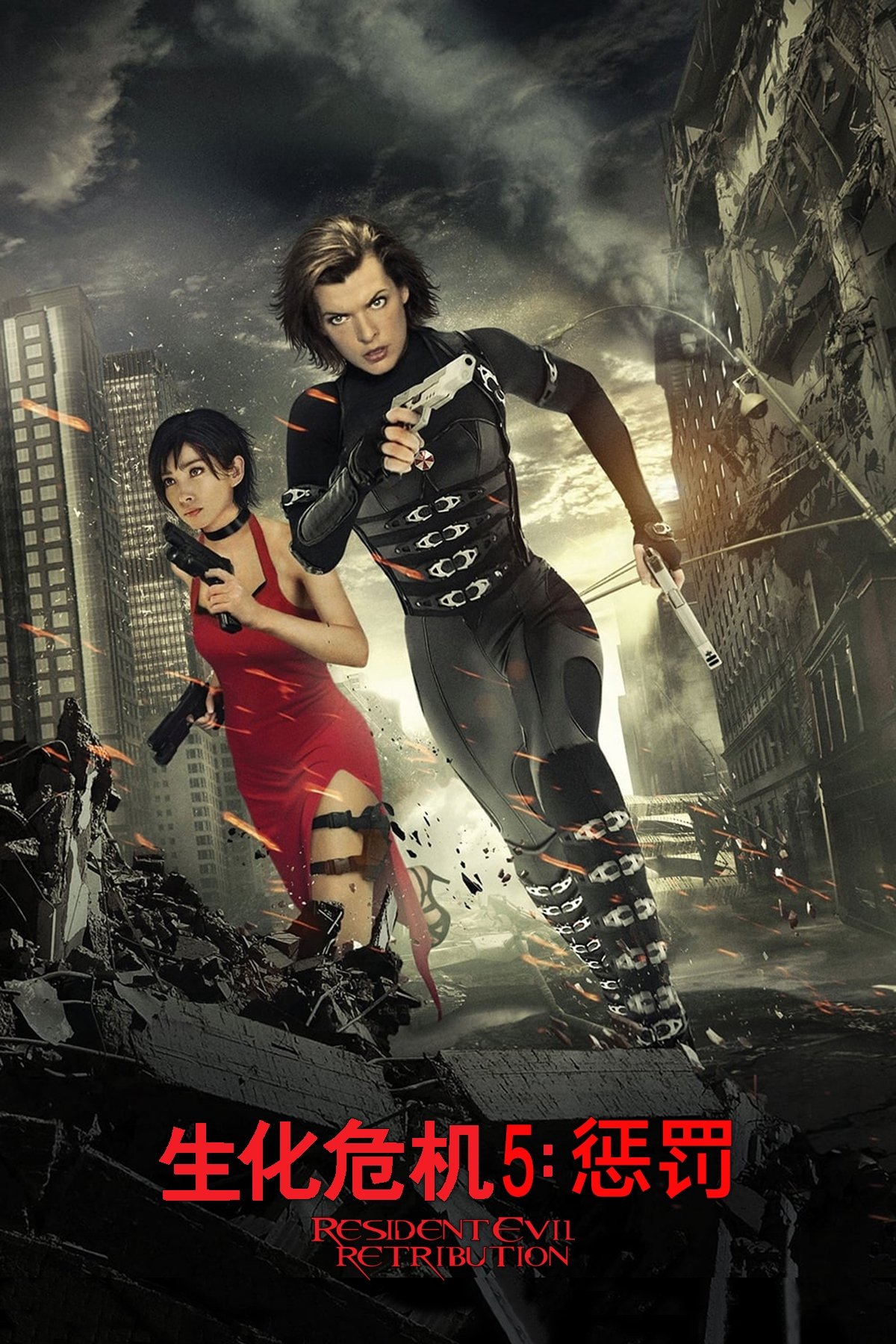
Ada Wong and Leon S. Kennedy enter the film continuity alongside Barry Burton, while Jill Valentine returns under Umbrella's influence. Michelle Rodriguez and other performers from earlier installments appear as versions of characters whose deaths had previously seemed final. These returns are built into the narrative's interest in replication and identity, rather than simply functioning as unexplained reversals. Anderson told visitors to the Toronto set that he was drawing action ideas from the games, including infected attackers capable of using weapons. The Las Plagas-derived enemies push the combat toward organized pursuit and gunfire, changing how the protagonists confront the undead threat.
Production Design and Fabricated Cities
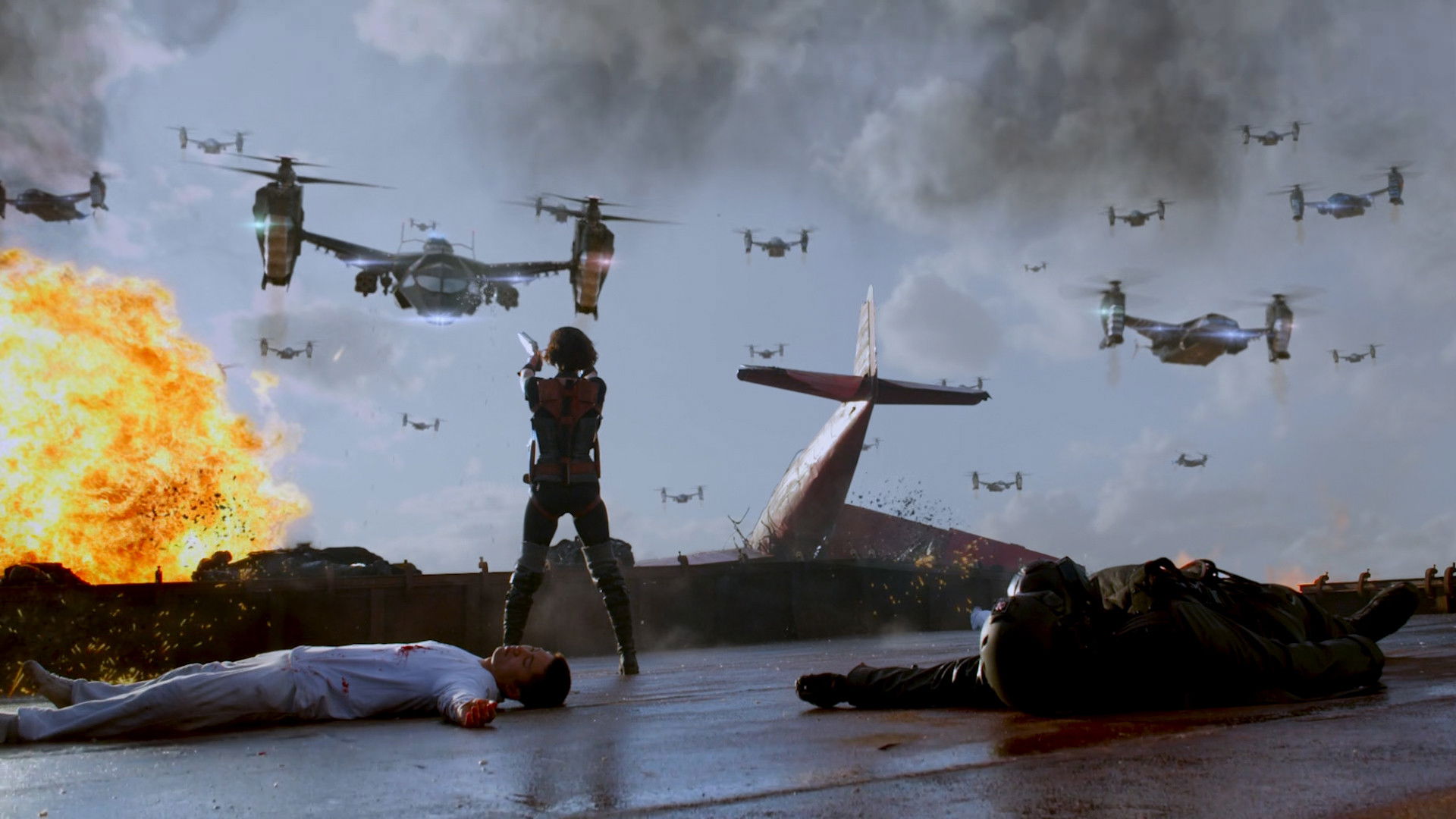
Although the story moves between continents, the main production remained in Toronto. Cinematographer Glen MacPherson explained to Film Comment that a small specialist unit obtained material in Moscow, while Tokyo backgrounds depended substantially on still photography and laser scanning. The principal cast and crew did not undertake a globe-spanning location shoot. Physical foreground environments were instead combined with constructed streets and digitally extended backgrounds. This distinction is crucial to understanding the film's imagery: the ostensible scale of the journey depends on the careful accumulation of photographic reference, physical surfaces and visual-effects work.
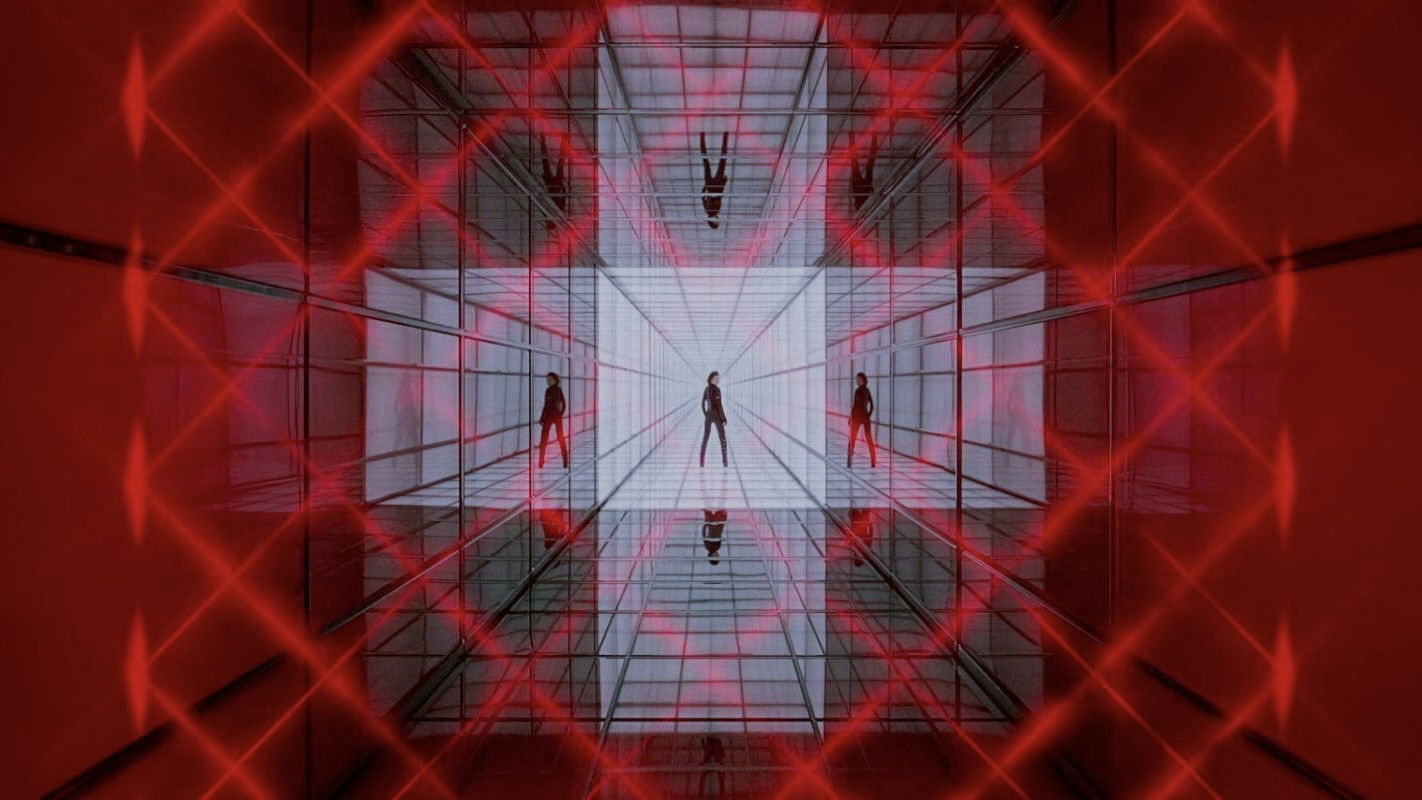
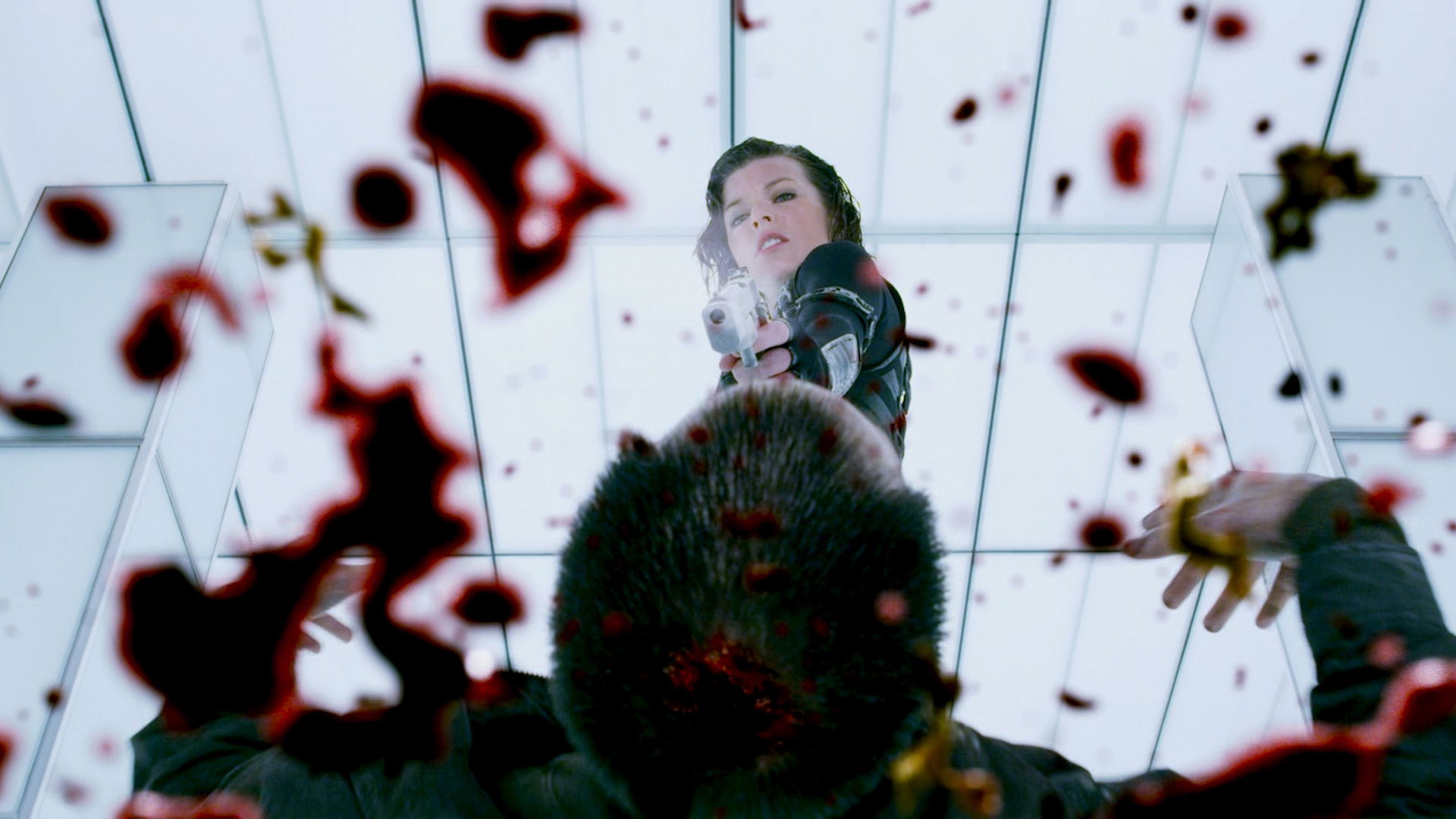
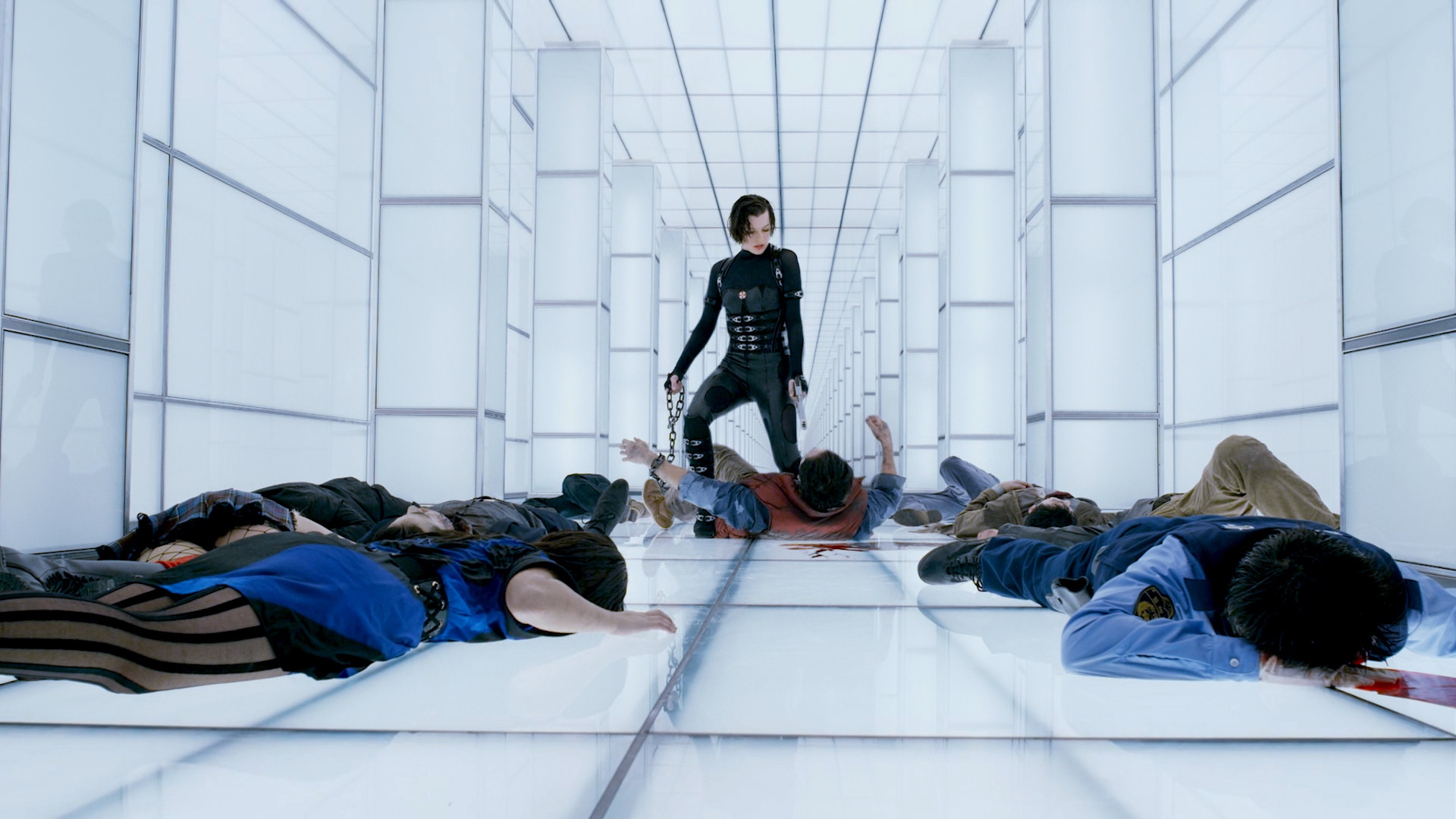
Production designer Kevin Phipps described the Moscow and other recreated locations as a balance between real and virtual construction. Published production notes explain that parts of Tokyo's Shibuya district were physically recreated, since closing the real area for large action scenes would have been impractical. For Umbrella's internal headquarters, Phipps devised a glass-based architectural vocabulary and modular walls and floors adaptable to multiple rooms. The clean, reflective surfaces contrast with the damaged urban simulations around them. Visually, the film separates the corporation's controlled environment from the violent trials it manufactures, even while the same production methods make both spaces convincing on screen.
Native 3D Cinematography and Stunts
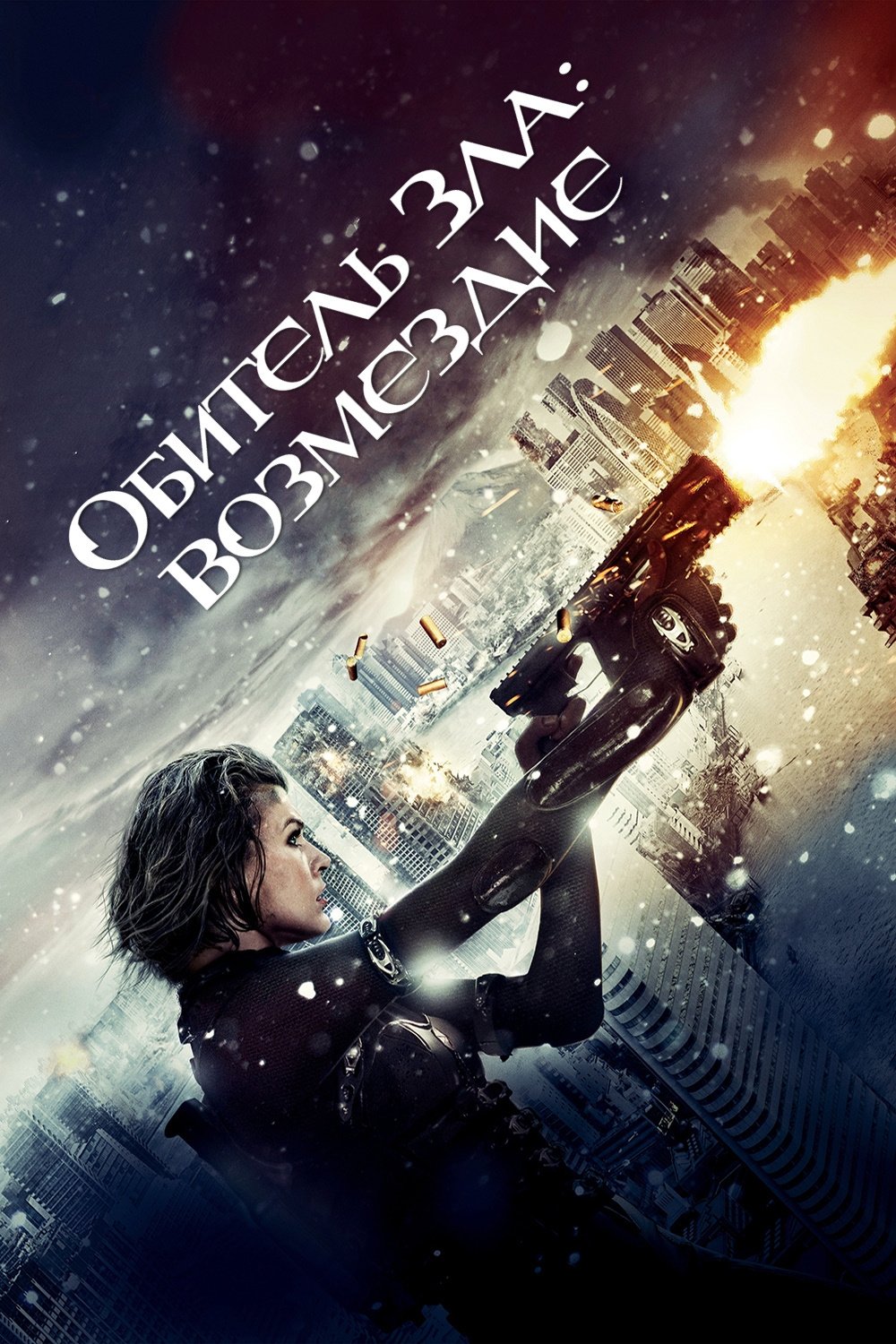
Retribution was photographed stereoscopically, continuing Anderson's approach from Afterlife. MacPherson told Film Comment that the process was considered during scripting and shot design, rather than added after photography. Some of its major visual passages were heavily storyboarded. The opening action was filmed conventionally at high speed and reversed in post-production, then presented again in forward movement. That decision turns one battle into an experiment in temporal perception. Because the stereo image allows spectators to judge separation between objects more clearly, MacPherson also emphasized the difficulty of concealing distance in staged physical fights.
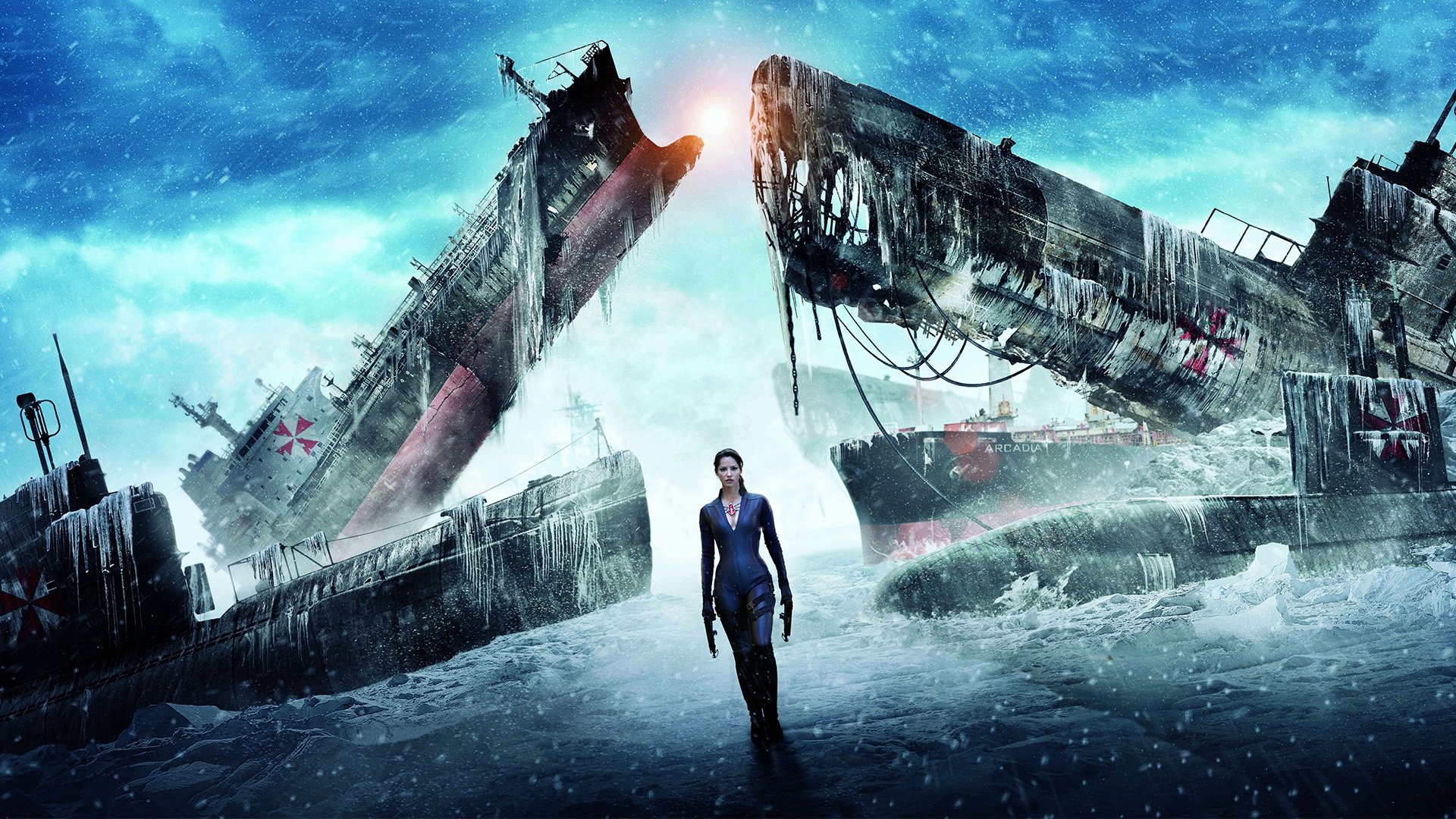
The film contains extensive martial-arts choreography and fights using weapons that must read clearly across the depth of the image. In a contemporary set interview, Anderson discussed more aggressive moving cameras and a new emphasis on chases with vehicles, while visiting reporters observed a battle between Alice and Jill on artificial snow. Those details show how photographic systems, stunt safety and set surfaces interacted during production. The stark palette of the snowy scene, including Ada's red costume against white surroundings, was another deliberate use of color contrast. The film's action is designed to be inspected spatially, with foreground bodies and distant extensions occupying different layers of the frame.
Editing, Digital Effects and Constructed Depth
Editor Niven Howie recalled in a 2024 interview with the IFC Center that Retribution was his second stereoscopic feature following Afterlife. He worked with an Avid system that allowed adjustment of image depth during editorial, extending the techniques learned on the previous installment. Howie distinguished sustained spatial depth from relentless objects projected toward viewers, and described Anderson's preference for giving a scene a broad sense of distance before using occasional confrontational effects. The editing process therefore involved decisions about the comfort and legibility of depth, along with the familiar problems of timing action and maintaining continuity.
The visual-effects team at Mr. X, led by Dennis Berardi, extended practical foreground sets into environments impossible to construct at their apparent scale. Howie's account identifies the value of this method for stereo imagery: physical architecture can anchor performers at the front of the frame while digital streets and structures give the scene an expansive background. The simulated cities are consequently both fictional facilities in the story and examples of how the filmmakers combined photographic and synthetic spaces. This alignment between narrative premise and production method is among the film's clearest formal characteristics. The audience sees artificial worlds assembled with the same conspicuous control exercised by Umbrella inside the fiction.
Release, Classification and Franchise Position
Resident Evil: Retribution opened in United States theaters on September 14, 2012, following earlier releases in several international markets. Official Australian classification records distinguish an original 95-minute 3D cinema submission, classified MA 15+ for strong violence on August 29, from a modified conventional DCP submission recorded on September 3. Both list a duration of 95 minutes. The existence of separate classification entries establishes differences in the submitted materials, but the public entries alone do not specify the alterations made to the conventional version. Claims of censorship or an alternate story cut would require an actual comparison of the submitted material.
The fifth film extends the action-heavy direction established across the sequels while temporarily returning its characters to a vast enclosed laboratory. It also creates unusually direct encounters between established screen characters and figures imported from the games. The simulated environments permit the return of Rain and other familiar faces, giving Umbrella's experiments a personal dimension within the wider conflict. Sony's official synopsis likewise emphasizes that the apparent journey across continents occurs inside a corporate research facility. The final movement toward Washington, D.C., prepares the series for another escalation, leaving Alice's situation dependent on both the corporation's surviving designs and Wesker's uncertain motives.
Original 2012 cinematographer interview documenting the stereo planning, reversed opening, Toronto production and Moscow and Tokyo background material.
Dread Central — Set Visit Interview: Paul W.S. Anderson Talks Resident Evil: Retribution, the Future of the Franchise and More
Contemporary 2012 Toronto set interview on game influences, 3D staging, infected opponents and action design.
IFC Center — Resident Evil: Retribution - An Interview with Editor Niven Howie
Original retrospective interview explaining native stereo editorial work, Avid depth controls and practical foregrounds extended by visual effects.
SciFi Japan — Resident Evil: Retribution Production Notes
Extended studio production documentation with Kevin Phipps on modular sets, reconstructed city locations and physical and virtual environments.