The Cabin in the Woods (2012)

US
Runtime
95 min
Release
April 12, 2012
Budget
$30,000,000
Revenue
$71,038,838
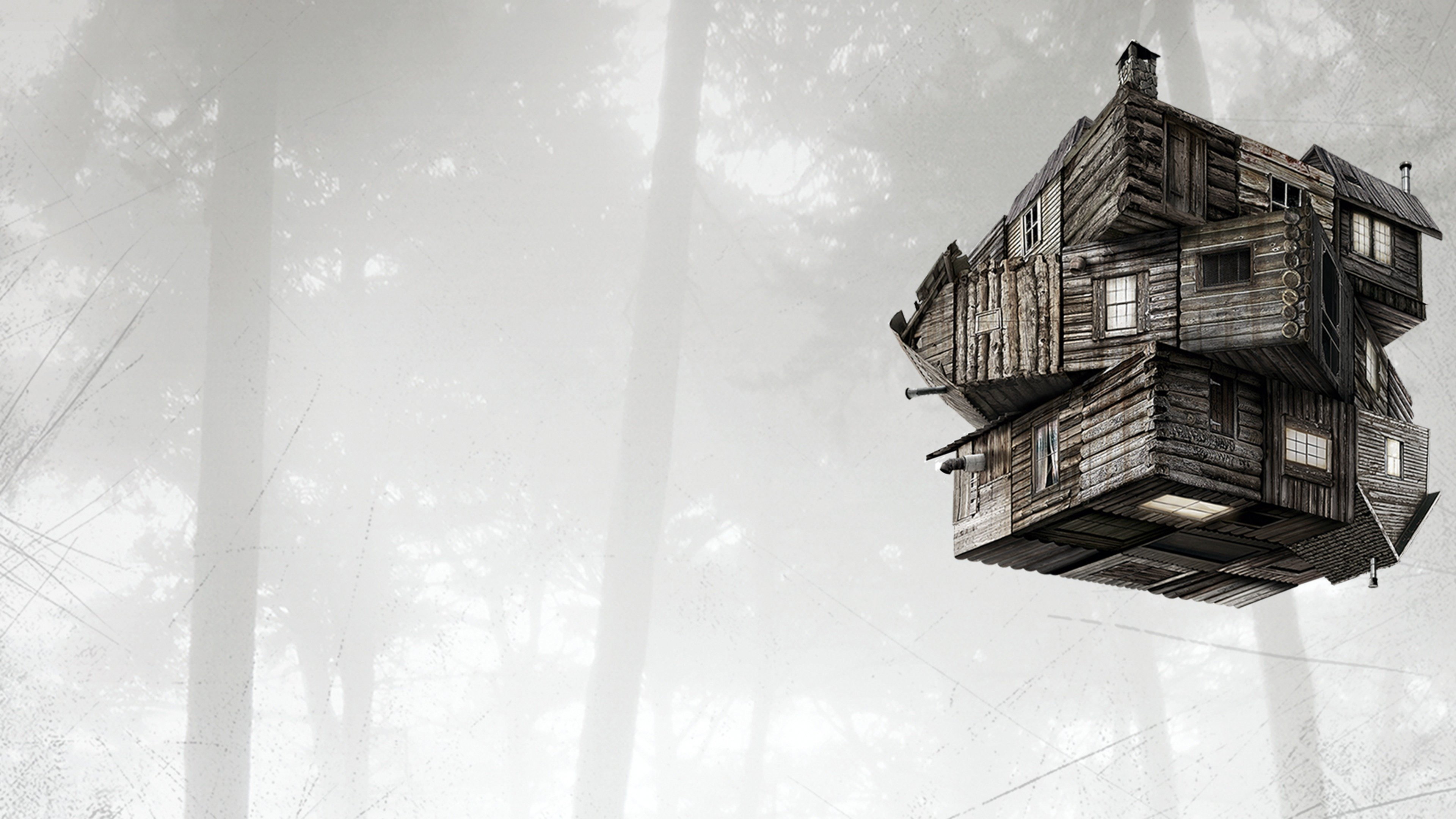
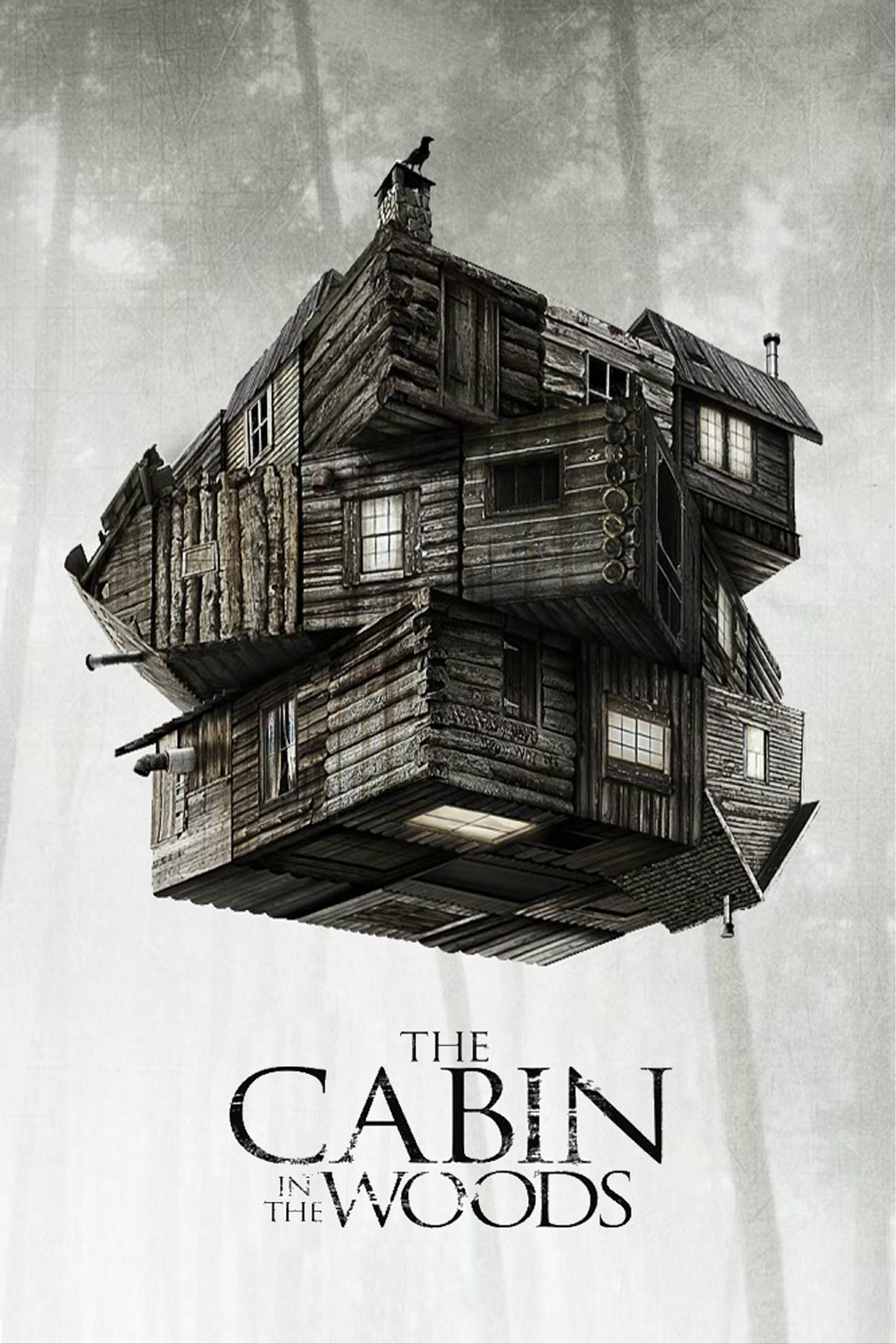
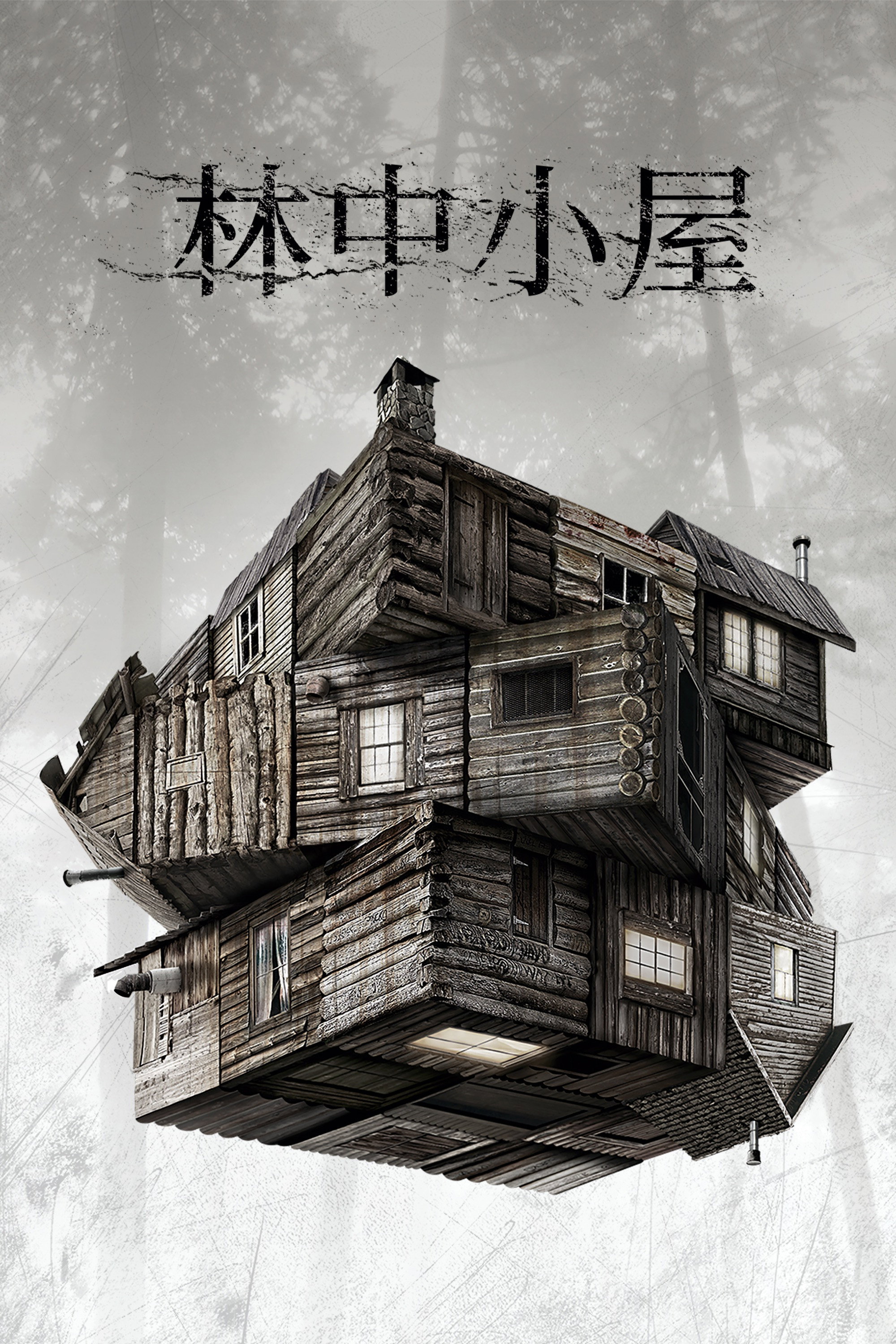
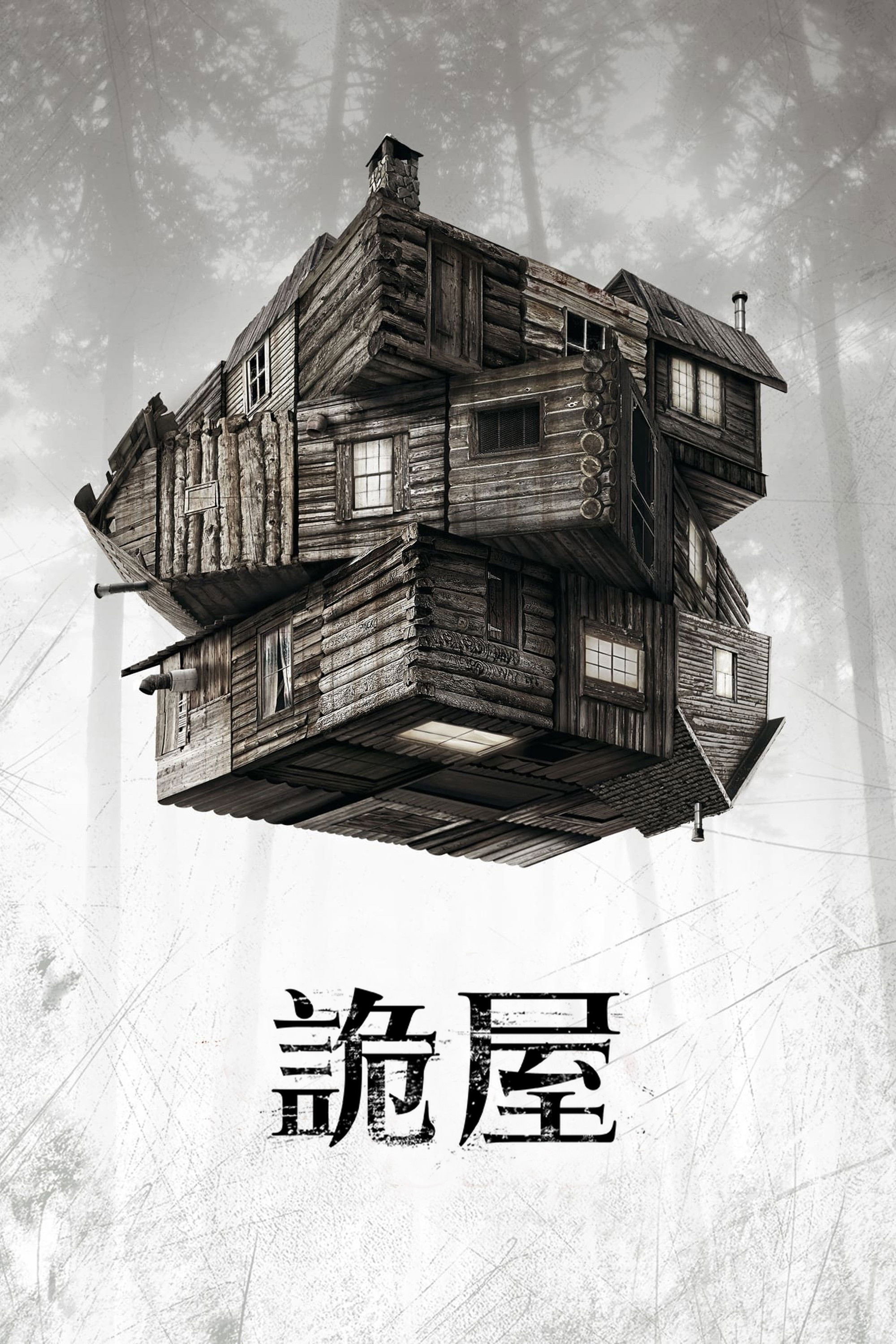
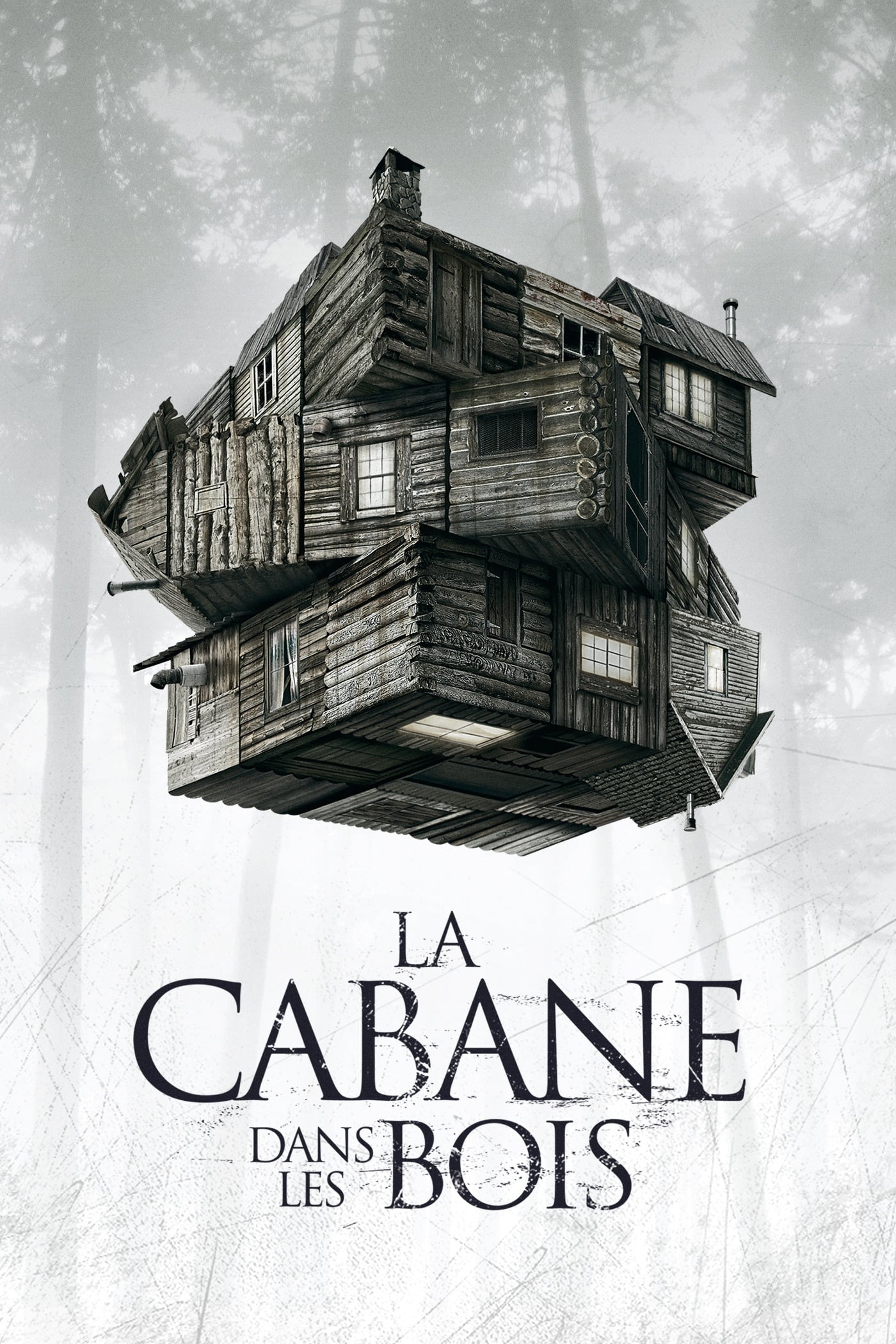
The Cabin in the Woods (2012) poster
Director
Production Company
Mutant Enemy Productions
Plot

Five college friends spend the weekend at a remote cabin in the woods, where they get more than they bargained for. Together, they must discover the truth behind the cabin in the woods.

Alternative Titles
Хижа в гората (BG) — translation:bg O Segredo da Cabana (BR) — translation:pt La cabane dans les bois (CA) — translation:fr 林中小屋 (CN) Chata v horách (CZ) — translation:cs Metsamajake (EE) — translation:et La cabana del bosc (ES) — translation:ca La cabaña en el bosque (ES)
Show all 35 alternative titles La Cabane dans les bois (FR) ქოხი ტყეში (GE) — translation:ka Το Μικρό Σπίτι στο Δάσος (GR) — translation:el 尸营旅舍 (HK) 屍營旅舍 (HK) — translation:zh Koliba u šumi (HR) — translation:hr Ház az erdő mélyén (HU) — translation:hu בקתת הפחד (IL) — translation:he Quella casa nel bosco (IT) — translation:it キャビン (JP) — translation:ja 캐빈 인 더 우즈 (KR) Namas girios glūdumoj (LT) — translation:lt Būda mežā (LV) — translation:lv La cabaña del terror (MX) — translation:es Dom w Głębi Lasu (PL) A Casa na Floresta (PT) — translation:pt Cabana din pădure (RO) — translation:ro Колиба у шуми (RS) — translation:sr Хижина в лесу (RU) — translation:ru 林中小屋 (SG) — translation:zh Chata v horách (SK) — translation:sk แย่งตาย ทะลุตาย (TH) Dehşet Kapanı (TR) — translation:tr 詭屋 (TW) — translation:zh 诡屋 (TW) Хижа в лісі (UA) — translation:uk Căn Nhà Gỗ Trong Rừng (VN) — translation:vi

Trailers & Videos

3 videos

The Cabin in the Woods (2012) Film Guide

Drew Goddard and Joss Whedon’s meta-horror: the 2009 production, manipulated genre archetypes, ancient ritual, practical monster effects, release delays and critical response.

Drew Goddard’s The Cabin in the Woods (2012) begins with an apparently familiar horror premise: five college friends travel to an isolated cabin and awaken a deadly presence. The film simultaneously follows technicians in a subterranean control centre who monitor the visitors and manipulate their environment. By revealing this second setting almost immediately, Goddard and co-writer Joss Whedon turn the conventions of cabin horror into the workings of an organized system. The danger facing the young characters is real within the story, while the conditions that produce it are deliberately engineered.

Filmed in Canada in 2009 and released by Lionsgate in 2012 after delays linked to MGM’s financial crisis, the picture was Goddard’s feature-directing debut. Its combination of slasher structures, supernatural creatures, workplace comedy and apocalyptic mythology examines the expectations that govern horror storytelling. The practical-effects team created an unusually varied population of monsters for its final movement, making the film an expansive showcase of genre imagery. Its significance lies in the relationship between those creatures, the characters selected to confront them and the spectators whose desire for a particular kind of spectacle the story invites viewers to question.

Development, Screenwriting and the Delayed Production

Goddard and Whedon had collaborated on television before developing the project. Goddard recalled that Whedon initially proposed a film built around a cabin, after which they spent approximately eight months working out its structure. They then withdrew to a hotel to produce a first draft in only a few days, dividing material between the world of the young visitors and the operations taking place beneath them. The compressed writing period therefore followed substantial planning. This distinction is important to understanding a screenplay whose simultaneous stories require the audience to follow two sets of characters with sharply different knowledge of the situation.

Goddard had written for Buffy the Vampire Slayer, Angel and Lost and had scripted Cloverfield (2008). The Cabin in the Woods gave him his first opportunity to direct a feature. He and Whedon sought to preserve sympathy for the five friends even as the film exposed the formulas usually imposed on characters in their position. In an interview with Fangoria, Goddard described emotional credibility as essential to preventing the satire from becoming a detached parody. Casting was consequently a substantial part of preparation; he recalled finding Anna Hutchison shortly before photography and pairing Kristen Connolly with Fran Kranz during auditions.

The film was shot around Vancouver in 2009, with a cabin constructed for the production rather than simply borrowed as an existing location. MGM originally held the film, but release plans became entangled with the company’s financial difficulties. A proposed stereoscopic conversion was part of the period’s distribution planning, although the film ultimately reached audiences as a conventional theatrical release. Goddard later stated that the completed picture was not reshaped through reshoots during the prolonged delay. Lionsgate acquired distribution rights in 2011, allowing a project completed years earlier to receive its wide American release in April 2012.

The Cabin and the Control Room

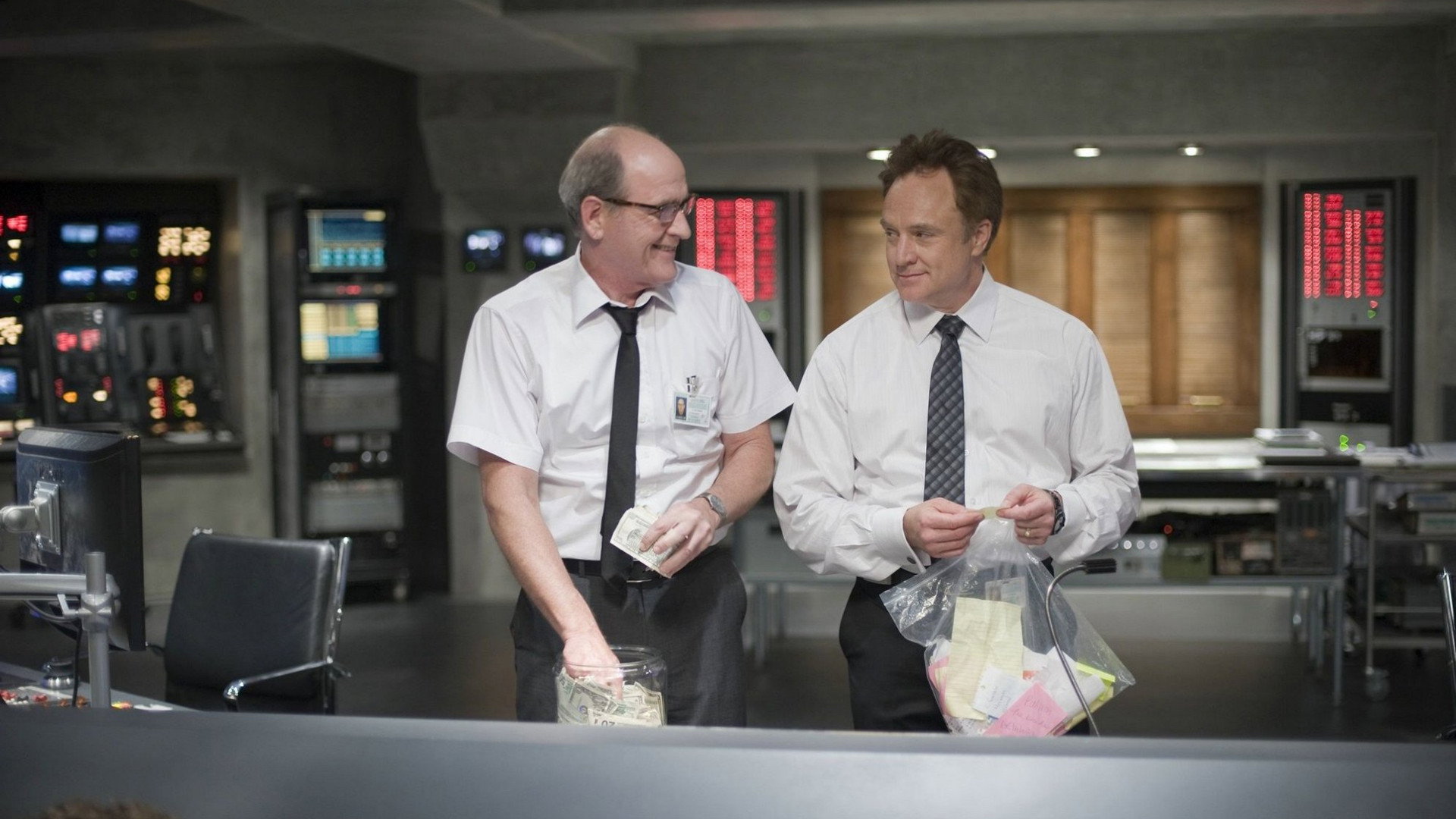
The opening with Sitterson and Hadley, two employees of a secretive organization, immediately changes how the audience interprets the apparent holiday narrative. Their conversations about office routines and professional responsibilities belong to a workplace comedy, even as monitors and equipment reveal the threatening purpose of their jobs. Richard Jenkins and Bradley Whitford perform the roles with an ease that makes the undertaking seem ordinary to its participants. The contrast with the unsuspecting travellers establishes a distinctive kind of suspense: viewers can anticipate interference while remaining uncertain about the full institution that is directing events.

The cabin itself contains conventional objects of backwoods horror: an isolated road, an ominous local warning, a cellar and artifacts that invite dangerous curiosity. Their function changes once the film shows how the facility intervenes. Environmental controls, surveillance systems and chemical influences restrict what can happen while preserving the appearance that the visitors are freely choosing their actions. When Dana reads from a diary associated with the Buckner family, the resulting attack appears to follow a recognizable supernatural pattern. The staff’s reactions expose that pattern as one selected possibility among several threats waiting to be released.

The two settings also determine the film’s humour. A violent incident above ground can coincide with betting, conversation or office celebration below it. This division is sustained long enough for the technicians to develop personalities and professional concerns of their own. Goddard has explained that the adults were meant to appear capable of rationalizing terrible actions as necessary work, rather than functioning solely as grotesque villains. Their matter-of-fact behaviour allows the audience to see the machinery of a horror story and the human cost of keeping that machinery operating.

Archetypes, Manipulation and the Illusion of Choice

Dana, Curt, Jules, Holden and Marty initially resemble the stock figures expected in an American slasher film. The organization assigns them ritual identities commonly described as the Virgin, Athlete, Whore, Scholar and Fool. The distinction between those labels and the people themselves is central to the screenplay. Curt displays intelligence and consideration before outside manipulation pushes him toward impulsive behaviour; Jules is likewise reduced to a sexual stereotype that does not fully describe her. The story treats those categories as demands imposed by the ritual, not as stable assessments of the characters’ personalities.

The technicians use chemical interventions, staged encounters and obstacles to channel the visitors toward decisions required by their procedure. The lovers’ separation, the apparent necessity of exploring the cellar and the failure of sensible escape routes acquire different meanings once the audience understands who controls them. Horror conventions often depend on an audience accepting implausibly reckless choices. Here the film makes that implausibility part of the plot, presenting familiar mistakes as products of a system determined to obtain them. The characters’ limited agency also places their deaths within a broader structure of coercion.

Marty’s resistance becomes particularly important. His suspicion of the situation and his unexpected survival disrupt the assumptions of the staff. Fran Kranz plays him as an anxious, observant participant whose apparent comic role obscures his capacity to recognize manipulation. Dana’s movement toward the customary final-survivor position is similarly complicated by what she eventually learns about the ritual. Their relationship gives the ending its ethical force: survival depends on accepting the destruction of someone else, and the pair must judge that demand with knowledge unavailable to most horror protagonists.

Sacrifice, Spectatorship and the Ancient Ones

The organization’s operations are ultimately presented as part of a worldwide system of sacrifices intended to appease beings called the Ancient Ones. Monitors show other locations attempting different rituals, extending the film beyond its American forest setting. One Japanese sequence, in which schoolgirls transform the apparent threat of a ghost into a less frightening outcome, is treated by the control room as a failed operation. These glimpses broaden the film’s mythology without giving each national operation the same narrative development. They also establish that the cabin scenario is only one format within a larger apparatus.

Within the American ritual, deaths must occur in a prescribed pattern, while the figure designated the Virgin is allowed a different outcome from the others. The rule does not require Dana to be literally sexually inexperienced; what matters is the role assigned to her. The arbitrary quality of those categories allows the screenplay to examine a genre tradition in which bodies are arranged according to familiar moral and sexual expectations. The technicians argue that their actions protect humanity, placing the murder of individuals inside a calculation presented as collective necessity. Their confidence does not eliminate the cruelty of what they do.

The Ancient Ones are also available to a critical reading as figures for an audience demanding familiar suffering and spectacle. Peter Bradshaw’s contemporary review in The Guardian discussed the film’s interest in why viewers repeatedly return to stories of young people being killed. This reading helps explain the connection between the office’s manipulation and the rituals of genre consumption, although the plot’s ancient beings remain literal forces within its fictional world. The refusal to complete the sacrifice makes the final decision both an act of resistance and a catastrophic gamble. The film does not offer an uncomplicated moral victory.

Visual Structure, Sound and Contrasting Spaces

Peter Deming’s cinematography maintains a legible distinction between wooded exteriors, the interior cabin and the organization’s fluorescent institutional spaces. The forest material uses recognizable horror geography: roads that become isolated, trees that conceal movement and a building whose limits are increasingly difficult to escape. The control centre relies on monitor images, consoles, corridors and observation rooms. Repeated transitions between the two spaces let the audience compare an apparently spontaneous scene with the supervised event occurring elsewhere. The arrangement also produces humour when the technicians react to shocks with routine professional detachment.

The film’s editing repeatedly changes who possesses the information required to interpret an event. At the cabin, characters respond to an immediate danger; in the control room, employees assess whether the event meets procedural requirements. This alternation initially makes the organization seem secure in its knowledge. As the survivors penetrate the concealed facility, the division collapses and the controllers become vulnerable to the forces they have managed. The building’s elevators, glass containers and interconnected corridors then convert a previously abstract inventory of threats into a physically navigable environment. Its architecture makes the scale of the final breakdown understandable.

Sound contributes to the same shifts in perspective. Conversations and ordinary mechanical noises make the control room resemble an office, while the cabin relies on sudden attacks, unseen movement and the acoustic uncertainty of its isolated setting. The contrast prepares the later inversion, when alarms, screams and the movement of creatures overwhelm the supposedly controlled workplace. David Julyan composed the original score, released as a soundtrack album in 2012; its presence supplements the film’s pronounced contrasts between routine action and horror spectacle. Specific recording methods need not be assumed from the finished soundtrack.

Creature Design, Practical Effects and the Monster Menagerie

The climactic release of the facility’s creatures required a much larger effects operation than the initial cabin attacks suggest. Special makeup effects designer David LeRoy Anderson and AFX Studio assembled a team to produce an array of monsters representing different traditions of screen horror. Anderson recalled that the production’s requirements expanded until the workshop moved into a former specialist effects facility associated with earlier studio productions. He estimated that the crew eventually reached approximately seventy-five people at its peak. Those recollections establish the practical demands of a sequence built around many distinct creatures rather than a small number of repeated costumes.

Anderson described the filmmakers’ initial preference for practical creatures. Prosthetics, suits, puppetry and blood effects supplied much of the action filmed on set, while the finished film also employed visual effects where required. The team included artists responsible for individual designs; Anderson credited Matt Rose and Norman Cabrera with work on the werewolf and discussed Constantine Sekeris’s involvement in creature design. His account of the production stresses the continual exchange of ideas with Goddard, who approved or revised designs as new material became available. This process helps explain the unusually crowded monster imagery in the final act.

The creatures deliberately acknowledge several branches of horror cinema. A merman recalls earlier aquatic monsters, a ghostly figure evokes Japanese supernatural film and Fornicus suggests the elaborate bodily punishment associated with the Cenobites of Hellraiser. Goddard acknowledged these points of reference while insisting that the film should develop its own creatures alongside recognizable homages. The initial Buckner family attack supplies a sustained backwoods-zombie threat; the later mass escape exposes how many alternative films might have unfolded had the visitors selected another object in the cellar. The resulting violence is both a display of makeup craftsmanship and the destruction of the institution that assembled these monsters as tools.

Release, Contemporary Reception and Horror Significance

Lionsgate announced on 20 July 2011 that it had acquired worldwide distribution rights from MGM and scheduled the American opening for Friday, 13 April 2012. The date became a pointed part of the release strategy for a film built around audience familiarity with horror conventions. Goddard and Whedon discussed the picture at South by Southwest in March 2012 before its broader release. The delay meant that it reached cinemas after several years of changes in the horror marketplace, but Goddard maintained that the final cut had been left intact. Distribution history should therefore be distinguished from claims of extensive creative reworking during the period in which it remained unreleased.

Contemporary critics responded differently to the balance between horror and self-conscious comedy. In The Guardian, Peter Bradshaw recognized the film’s inventive satire of established formulas but questioned whether its cleverness diminished its ability to frighten. Other discussion treated its genre awareness as a major attraction, particularly the way the control-room plot transformed standard victim behaviour into evidence of manipulation. These responses indicate a film whose aims could be understood without necessarily satisfying every expectation of direct suspense. They also show why reception cannot be represented adequately by a single aggregated approval rating.

The Cabin in the Woods occupies a distinctive position among early twenty-first-century horror films concerned with the recycling of familiar premises. Its achievement is rooted in a complete dramatic arrangement: stock settings and creature types are revealed as components of an institution, and that institution becomes part of the threat. Its final sequence offers an unusually extensive display of practical monster design within a contemporary studio horror release. The film’s continuing relevance lies in its ability to make genre conventions visible while maintaining consequences for characters who cannot see the system controlling their actions. Claims about its direct influence on later films require separate evidence.

References

  1. SBS The Cabin in the Woods: Drew Goddard interview — Kylie Boltin

    2012 interview documenting the eight-month story development, rapid joint draft, Goddard’s transition to directing and the delayed release.

  2. Fangoria Q&A: Director/Co-Writer Drew Goddard On Building The Cabin in the Woods — Michael Gingold

    Original 2012 interview covering the fixed final cut, casting, the characterization of both groups and the creative principles behind the monsters.

  3. SciFiNow The Cabin in the Woods Monsters: Behind the Scenes — Joe Nazzaro

    Firsthand interview with makeup effects designer David LeRoy Anderson on the practical creature workshop, team, artistic references and technical workload.

  4. Lionsgate Lionsgate Closes on The Cabin in the Woods

    Distributor’s July 2011 announcement confirming acquisition from MGM, planned April 2012 release and the production’s credited creators.

  5. The Guardian The Cabin in the Woods — Peter Bradshaw

    Contemporary April 2012 criticism considering the film’s satirical treatment of horror conventions, spectatorship and its balance of comedy and fear.

Cast

View Full Cast & Crew →

Release & Distribution

Production Companies (1)

  • Mutant Enemy Productions US

Distributors (1)

  • Lionsgate Films US

Release History (49)

Release DateTerritoryRelease TypeFormatDistributorCertificationNotes
2011-12-11 US premiere — — — Butt-Numb-A-Thon Film Festival
2012-04-12 RU theatrical — — 18+ «West»
2012-04-13 BG theatrical — — D
2012-04-13 CA theatrical — — R
2012-04-13 EE theatrical — — —
2012-04-13 GB theatrical — — 15
2012-04-13 IE theatrical — — 16
2012-04-13 LT theatrical — — N-16
2012-04-13 LV theatrical — — —
2012-04-13 US theatrical — — R
2012-04-15 GR theatrical — — Κ-18
2012-04-19 IL theatrical — — —
2012-04-19 NL theatrical — — 16
2012-04-19 SG theatrical — — —
2012-04-20 FI theatrical — — K-16
2012-04-20 IS theatrical — — —
2012-04-27 PL theatrical — — 16
2012-04-27 TR theatrical — — —
2012-05-02 BE theatrical — — 16
2012-05-02 FR theatrical — — 12
2012-05-02 PH theatrical — — —
2012-05-03 HK theatrical — — —
2012-05-03 HR theatrical — — —
2012-05-04 TW theatrical — — —
2012-05-10 DK theatrical — — 15
2012-05-10 TH theatrical — — R
2012-05-11 NO theatrical — — 18
2012-05-18 IT theatrical — — —
2012-05-18 SE theatrical — — 15
2012-06-01 IN theatrical — — —
2012-06-14 AU theatrical — — MA 15+
2012-06-28 KR theatrical — — 19
2012-07-14 CH digital — — 16
2012-08-15 PT theatrical — — M/16
2012-08-28 ID theatrical — — —
2012-09-05 DE theatrical — — 16
2012-09-07 AT theatrical — — —
2012-09-14 MX theatrical — — —
2012-09-16 JP digital — — R18+
2012-09-26 HU digital — — 18
2012-09-28 RU physical DVD, Blu-ray — 18+ DVD и Blu-ray «West Video»
2012-10-22 GR physical DVD — — DVD
2012-10-26 BR theatrical — — 16
2012-10-26 GR physical Blu-ray — — BluRay
2012-12-06 AR theatrical — — —
2013-11-08 ES theatrical — — 16
2016-01-03 SK tv — — 18 TV Markíza
2019-02-24 SK tv — — 18 JOJ
2020-06-17 KR theatrical — — 19 재개봉
You think you know the story.