[REC]³ Genesis (2012)

ES
HORROR FILM
SUBGENRES ZOMBIE
5.0/10 1 votes
Runtime
80 min
Release
March 30, 2012
Budget
$6,400,000
Revenue
$11,019,975
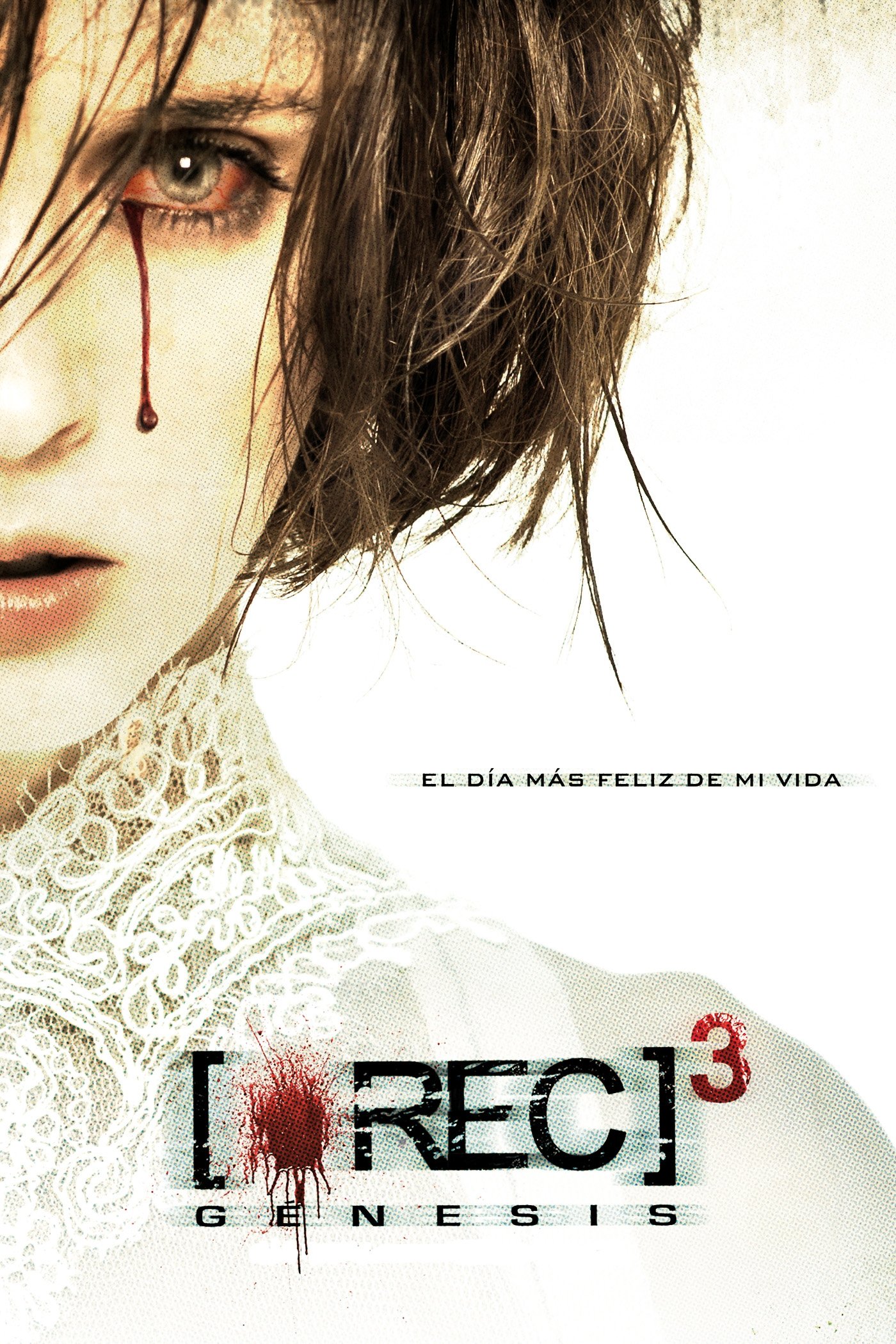
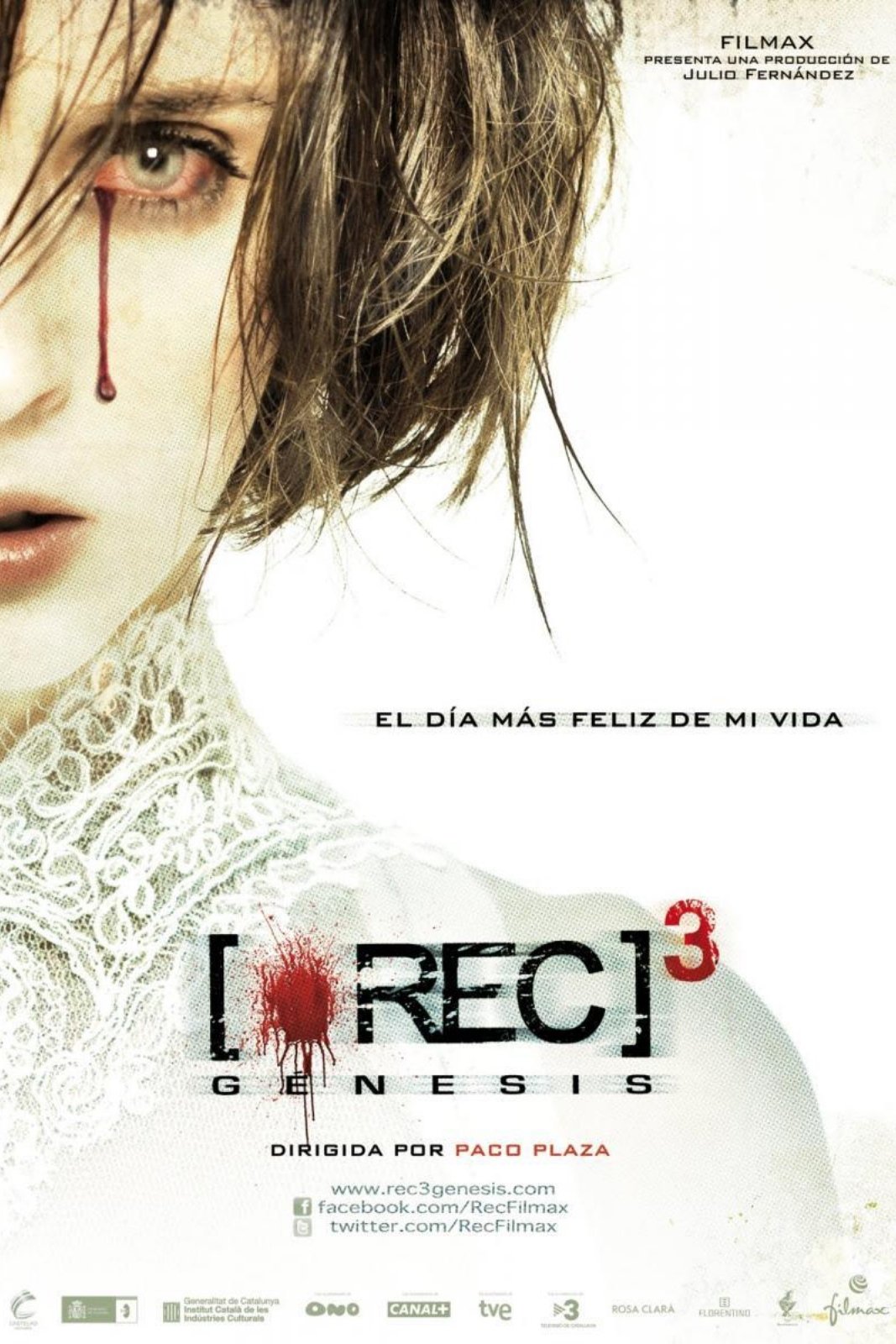
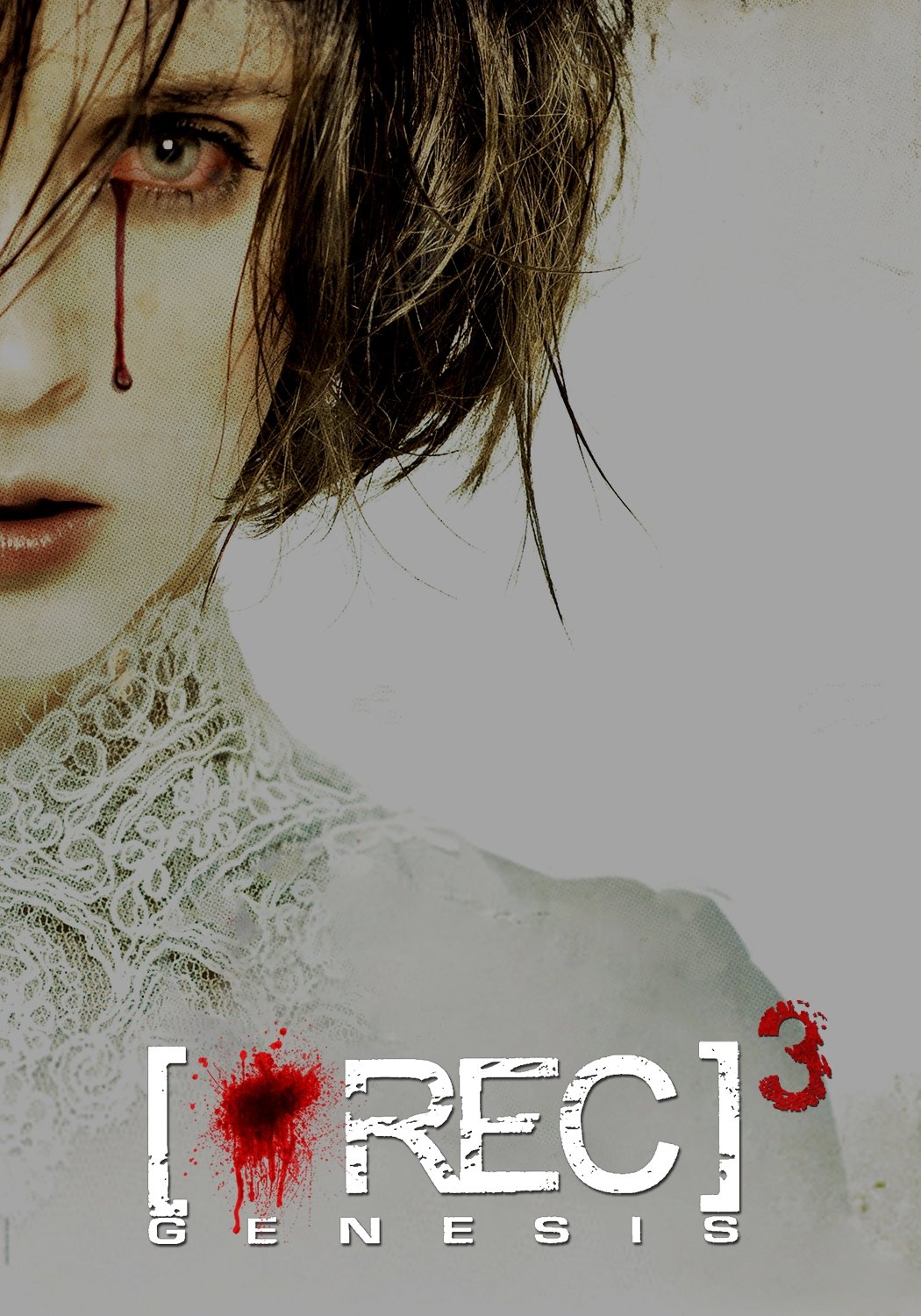
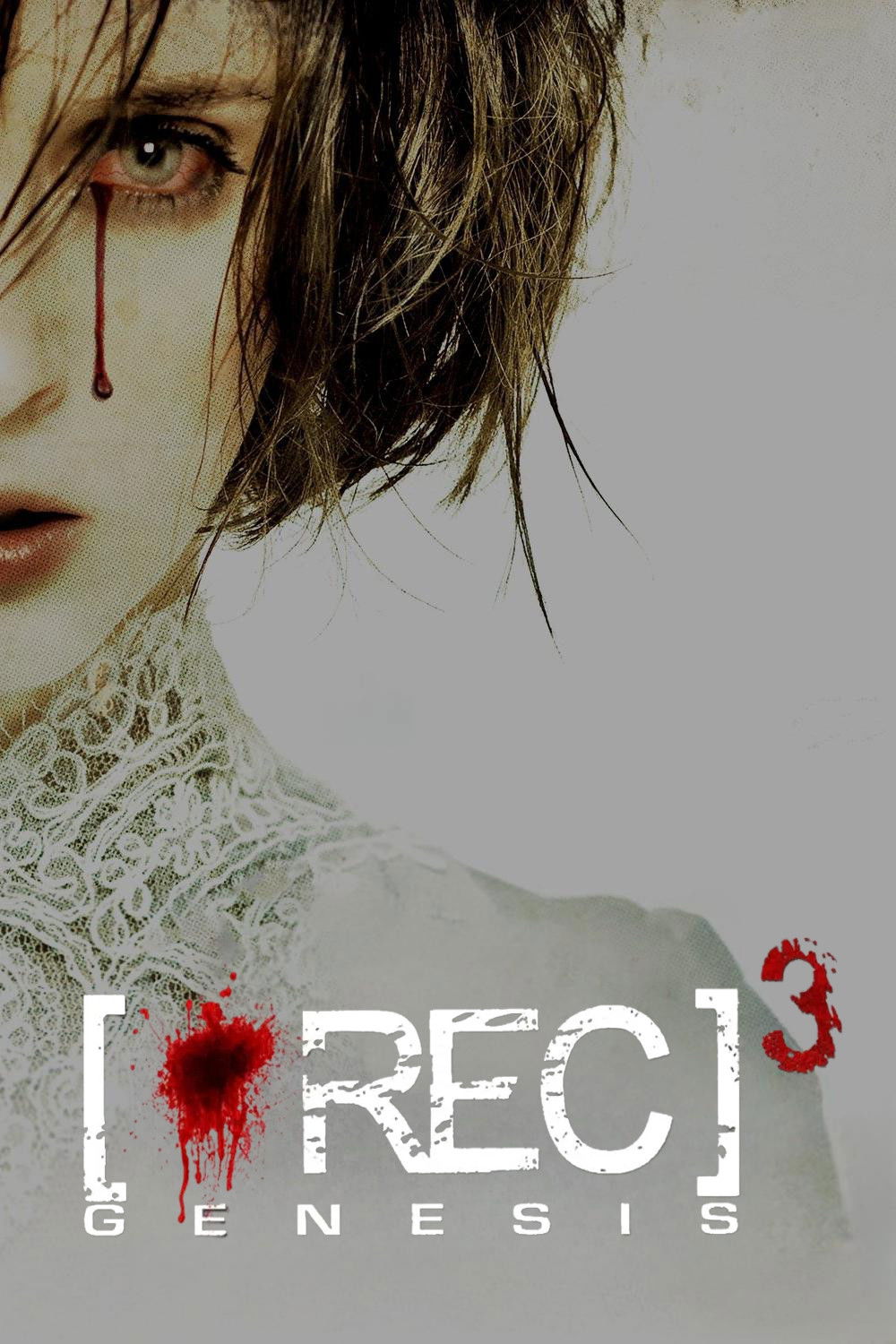
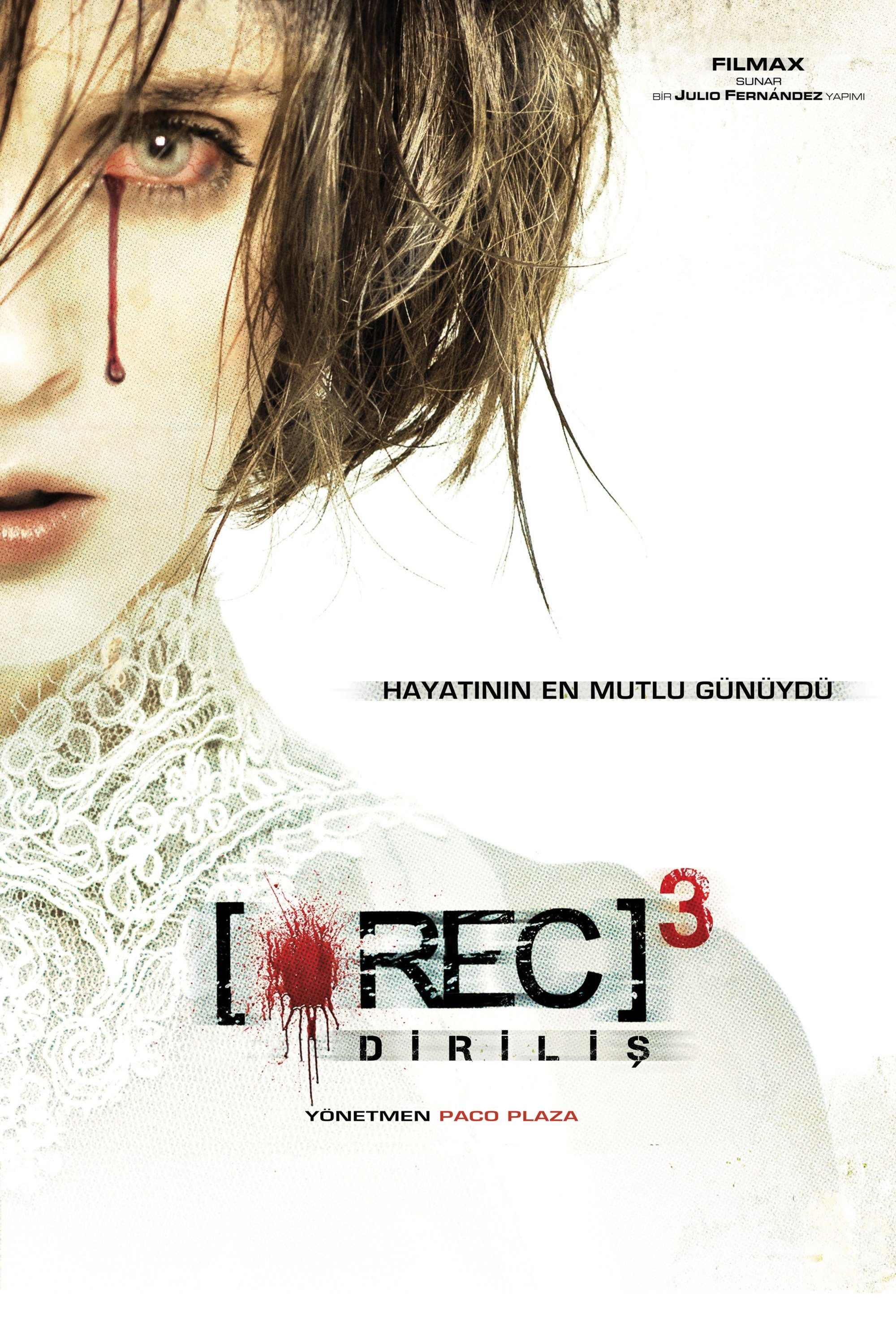
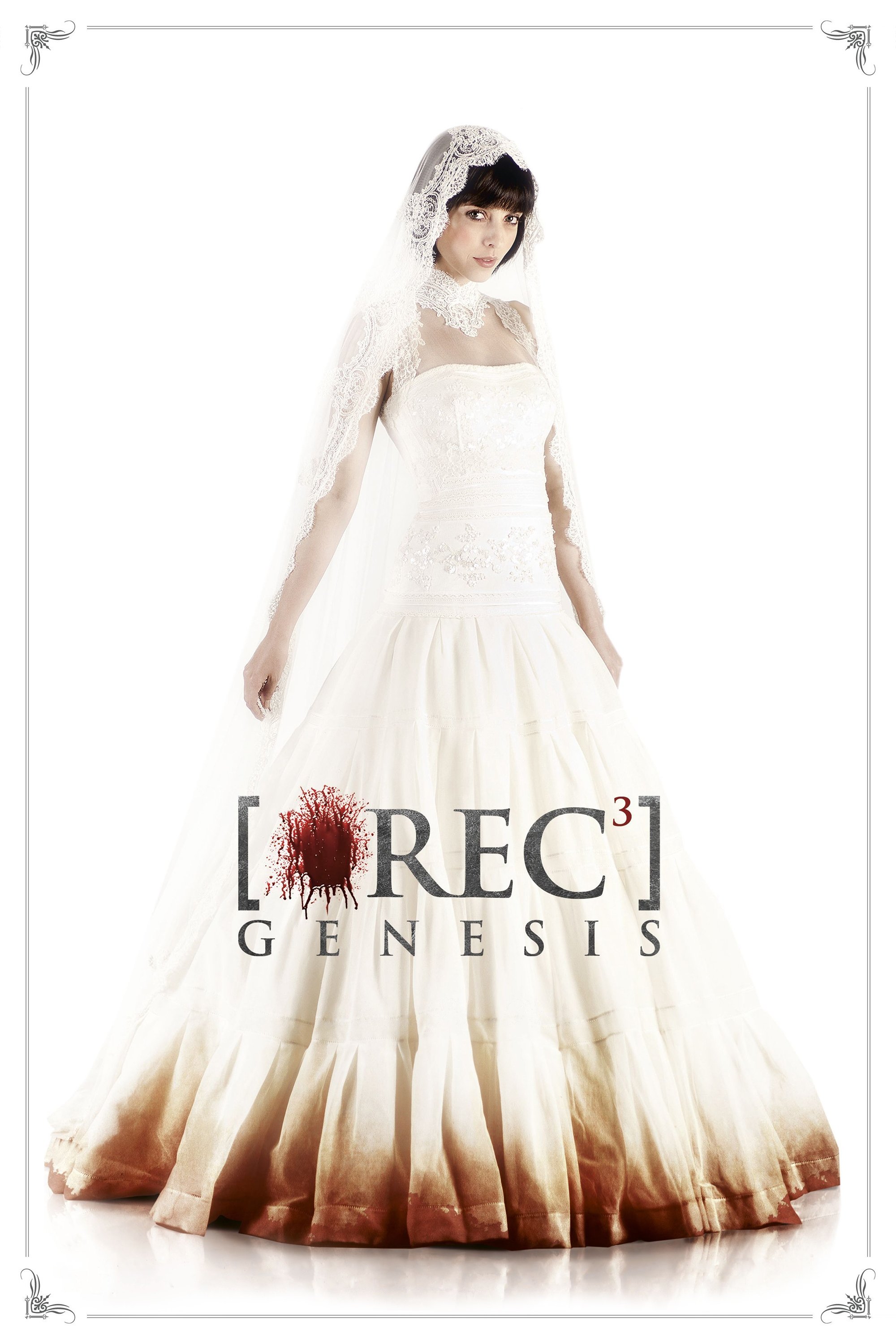
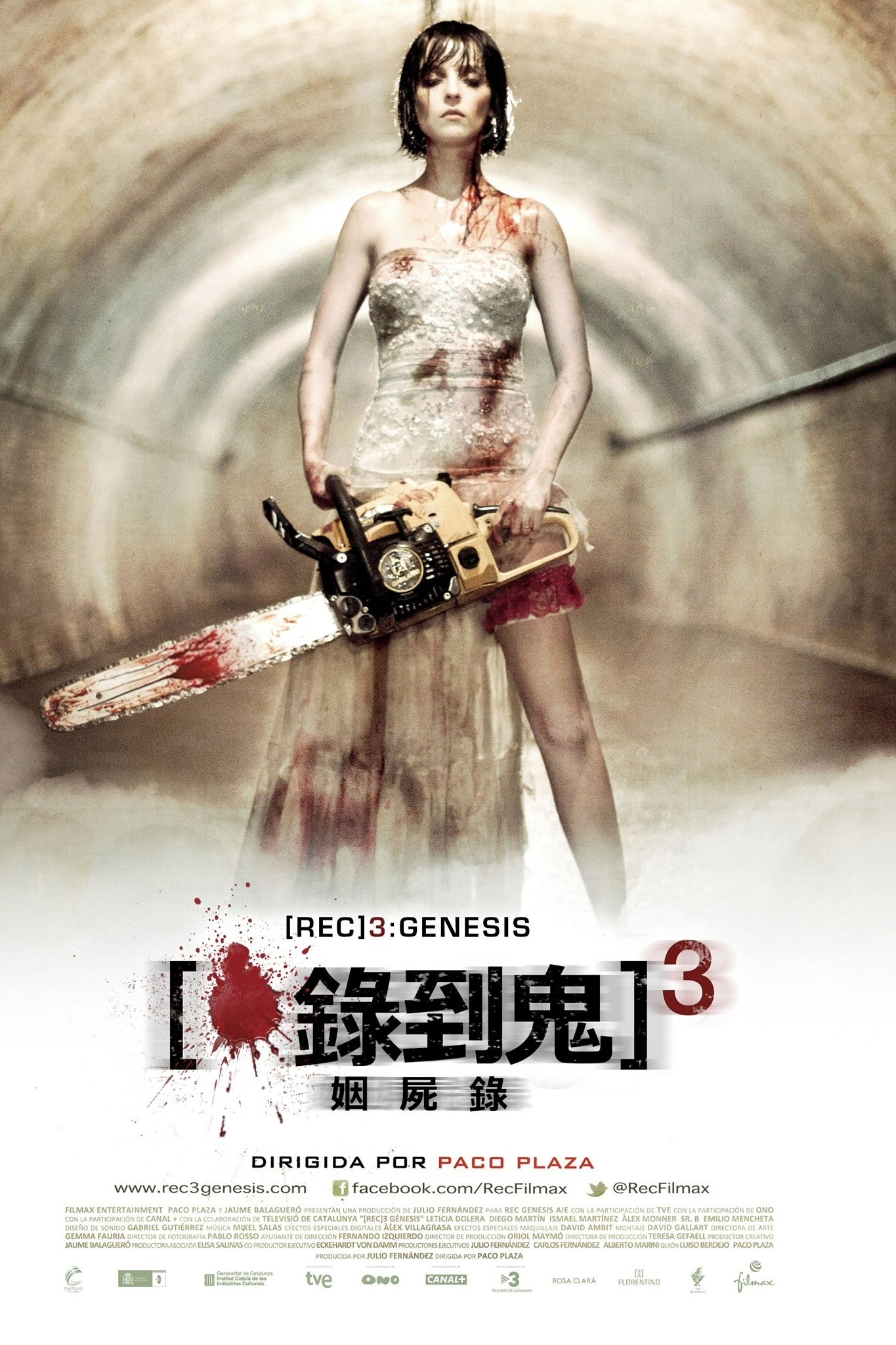
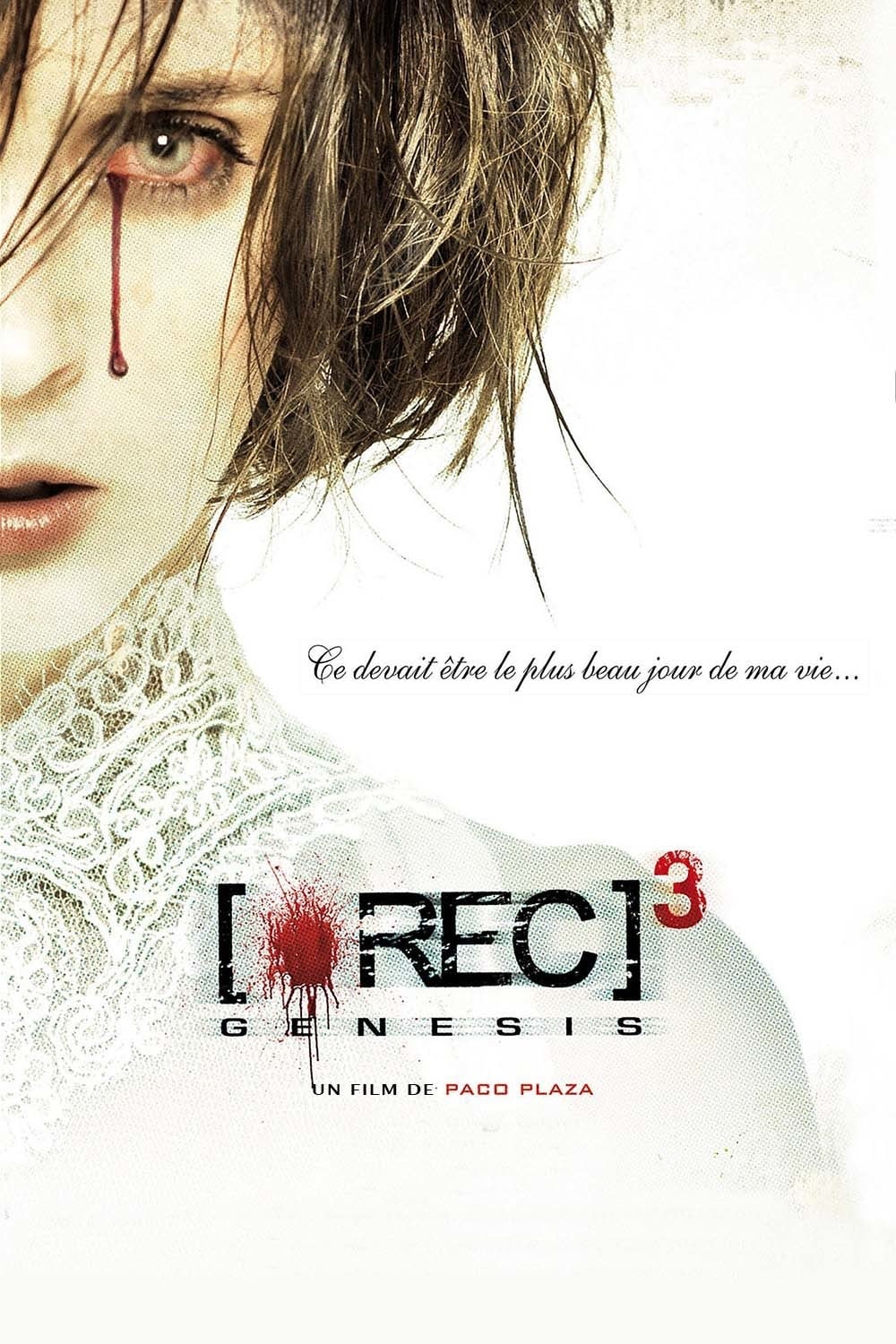
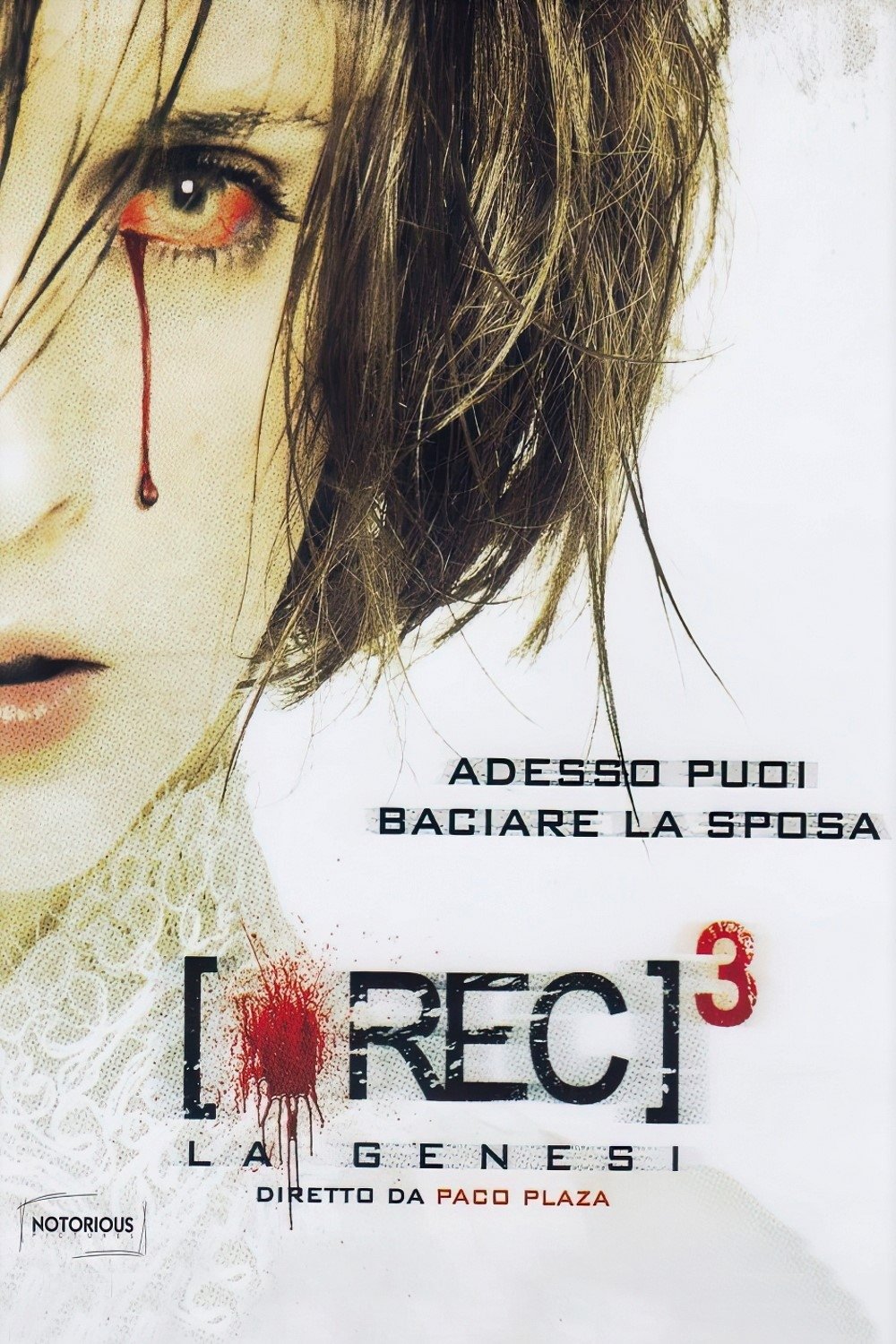
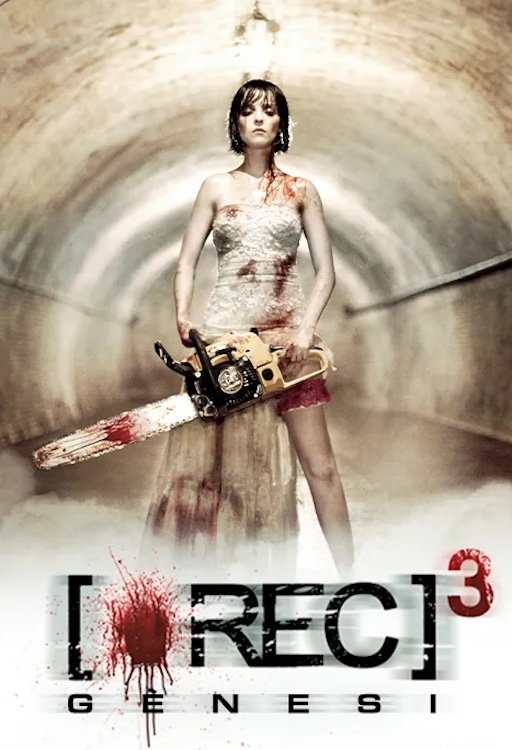
[REC]³ Genesis (2012) poster
Director
Production Company
Filmax
Plot

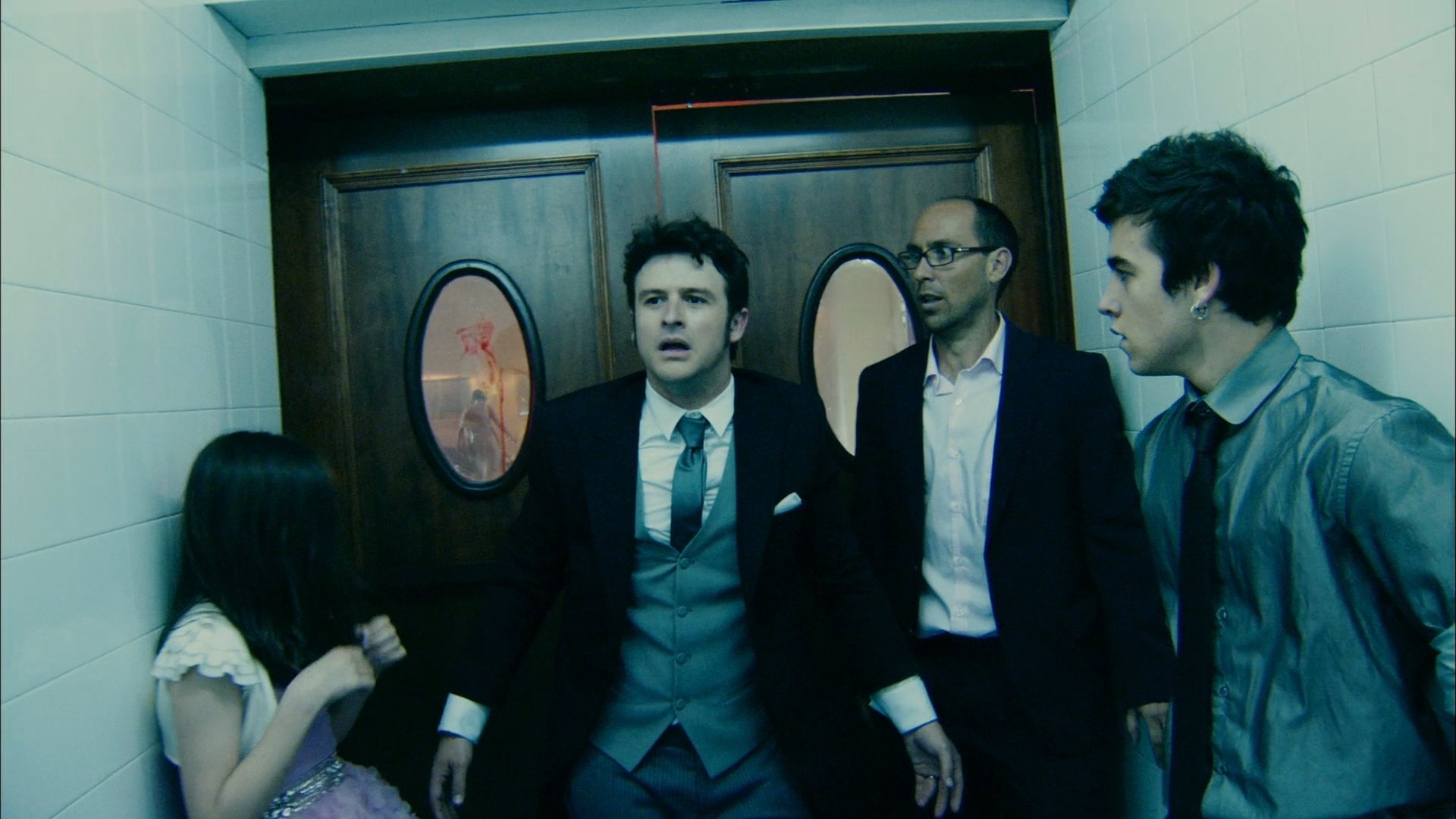
Clara and Koldo celebrate their wedding in the company of relatives and friends when the festivities are interrupted by attacks among the guests. The couple are separated as the outbreak spreads through the reception and surrounding buildings. Wedding recordings give way to conventional cinematography as Clara and Koldo try to reunite while the celebration collapses into violence. The event occurs within the broader outbreak depicted by the Spanish [REC] series.

Alternative Titles
[На запис]³: Генезис (Bulgaria) — Bulgarian [REC] 3: Gênesis (Brazil) — Portuguese [REC]³ Gênesis (Brazil) [REC]³ Genèse (Canada) — French 死亡录像3:创世纪 (China) — Chinese REC³ Počátek (Czechia) — Czech [REC]³ - Genesis (Germany) Rec 3: Genesis (Denmark) — Danish
Show all 36 alternative titles [REC]³ Gènesi (Spain) — Catalan REC: Genesis (Finland) — Finnish [REC]³ : Génesis (France) — French 80分鐘死亡直播之變種屍新娘 (Hong Kong SAR China) — Chinese [מקליט]³: בראשית (Israel) מקליט 3: בראשית (Israel) — Hebrew מקליט] ³: בראשית] (Israel) פחד, מצלמים 3: בראשית (Israel) [•REC]³ - La genesi (Italy) — Italian REC / レック3 ジェネシス (Japan) — Japanese REC レック3 ジェネシス (Japan) 알.이.씨 3: 제네시스 (South Korea) — Korean Įrašas 3 (Lithuania) — Lithuanian [REC] 3: El comienzo (Mexico) — Spanish [REC]³: Geneza (Poland) — Polish [REC]³ Gênesis (Portugal) — Portuguese Репортаж 3: Бытие (Russia) Репортаж Бытие (Russia) Репортаж со свадьбы (Russia) — Russian Rec 3: Genesis (Sweden) — Swedish [REC] 3: Genesis (Slovakia) — Slovak [เรค]3 งานสยอง ฉลองเลือด (Thailand) — Thai [REC]³ Diriliş (Türkiye) Rec 3: Diriliş (Türkiye) — Turkish 录到鬼3: 腥嫁娘 (Taiwan) 錄到鬼3:姻屍錄 (Taiwan) — Chinese Репортаж із весілля (Ukraine) — Ukrainian Góc Quay Đẫm Máu 3 (Vietnam) — Vietnamese

Trailers & Videos

4 videos

Film Guide & Analysis

Paco Plaza reinvents the [REC] format with a wedding outbreak, unruly splatter comedy and a romance at the center of the catastrophe.

[REC]³ Génesis (2012) is a Spanish horror film directed by Paco Plaza and the third installment in the series he created with Jaume Balagueró. Moving away from the Barcelona apartment building of [REC] (2007) and [REC]² (2009), it follows the wedding of Clara and Koldo as an outbreak turns their reception into a scene of mass violence. The opening uses the familiar equipment and conventions of amateur video, but the film soon abandons its recorded-footage perspective. The change accompanies a shift toward broad physical comedy, conspicuous gore and a love story in which the newlyweds struggle to find each other among the infected.

The title suggests an origin story, although the action overlaps with the outbreak established in the earlier films rather than supplying a complete explanation of its beginnings. Familiar details of contagion and religious evil connect the wedding to the larger mythology. The film's distinctiveness comes chiefly from its deliberate change of visual rules. Plaza and his collaborators constructed a sequel whose initial resemblance to [REC] gives way to a more openly staged and extravagantly violent form of horror.

Development and the Wedding Premise

Following the success of the first two films, Plaza and Balagueró were asked to continue the [REC] series. Plaza explained that they divided directing responsibilities between the third and fourth installments so that both could retain creative involvement while also working on separate projects. Balagueró remained connected to Génesis through script discussions and production consultation; Plaza took sole directorial responsibility. Luiso Berdejo, a writer on the original [REC], returned to collaborate on the screenplay. The arrangement preserved an established creative relationship without requiring another jointly directed film.

The wedding idea developed before the third installment was commissioned. Berdejo recalled that editor David Gallart had suggested a celebration as a situation in which many people would naturally be filming the same event. The possibility had already been discussed while the filmmakers were working on the first [REC]. Plaza later identified the gathering's enclosed social world and the availability of multiple viewpoints as reasons the concept appealed to him. A wedding also supplies a group of people who know each other in very different ways, allowing panic to disrupt relationships established during an apparently ordinary celebration.

Berdejo remembered working with Plaza on the screenplay during the summer of 2010. He associated the writing process with an intention to make a more playful film and described the love story as fundamental to Plaza's approach. The creators' interest in horror comedy drew on their previous work together, including A Christmas Tale. Their choices meant that the new setting was more than a replacement for the apartment block: it allowed the film to make affection and the obligations of a celebration central to the outbreak.

Breaking the Found-Footage Form

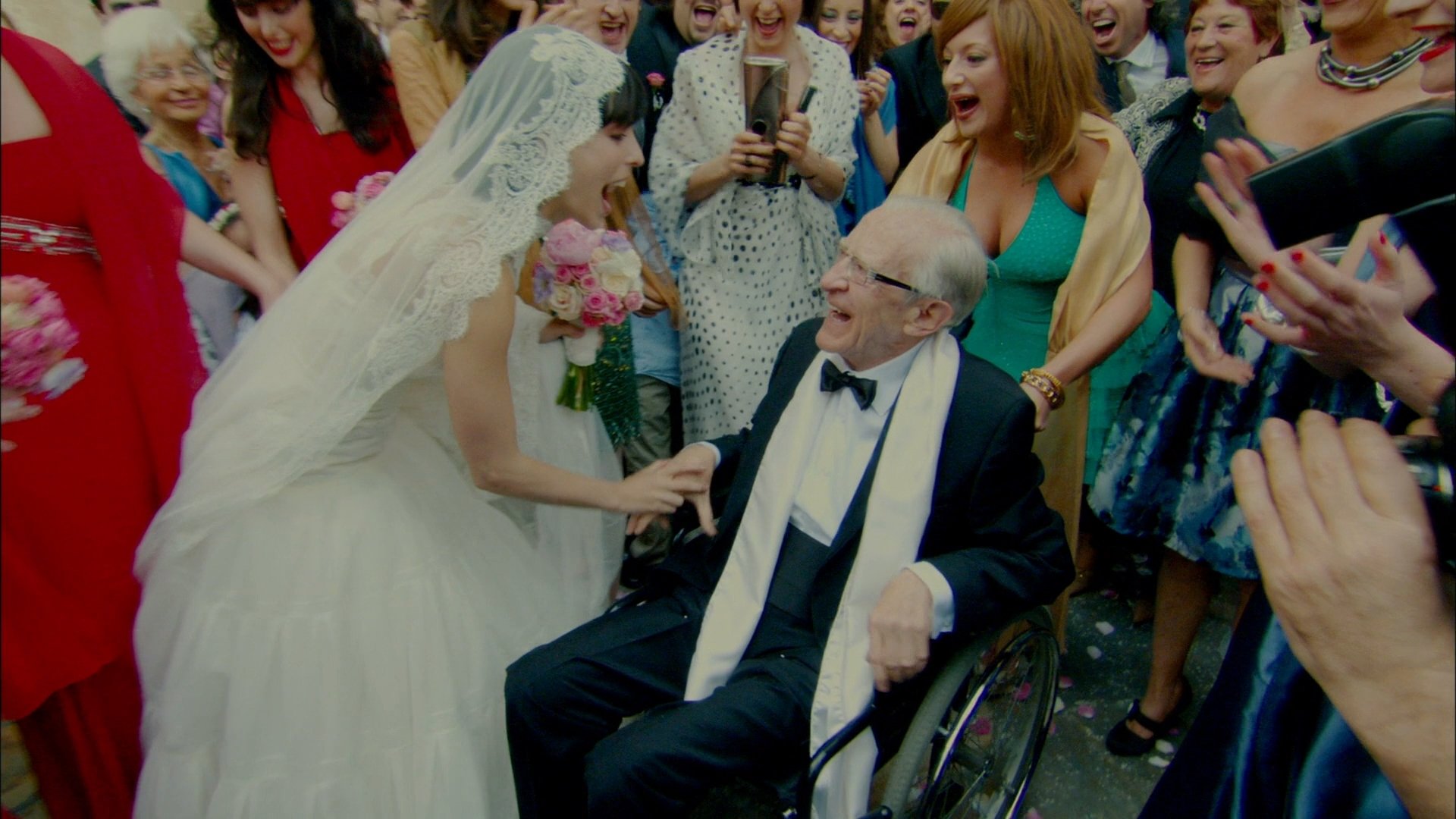
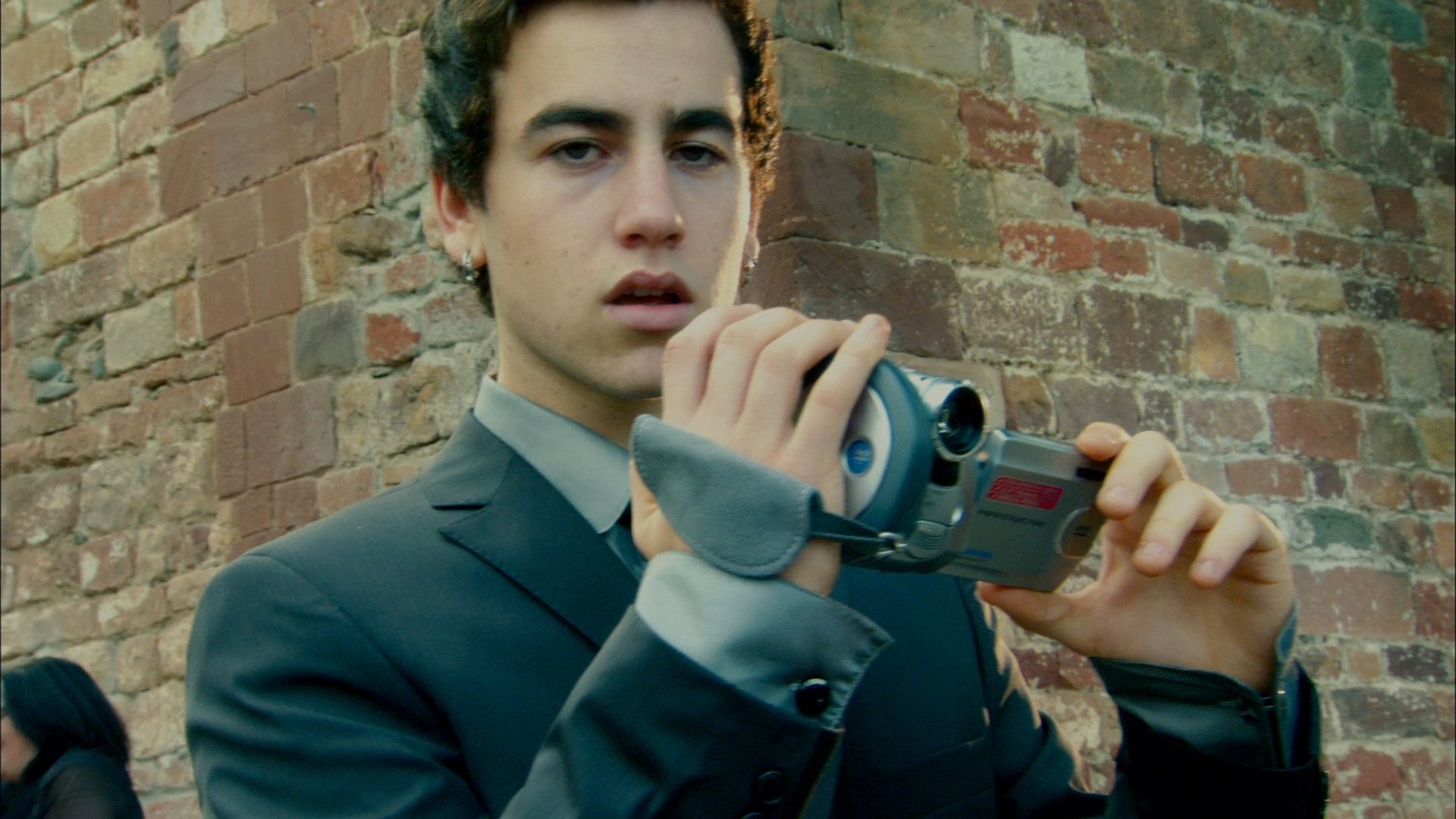
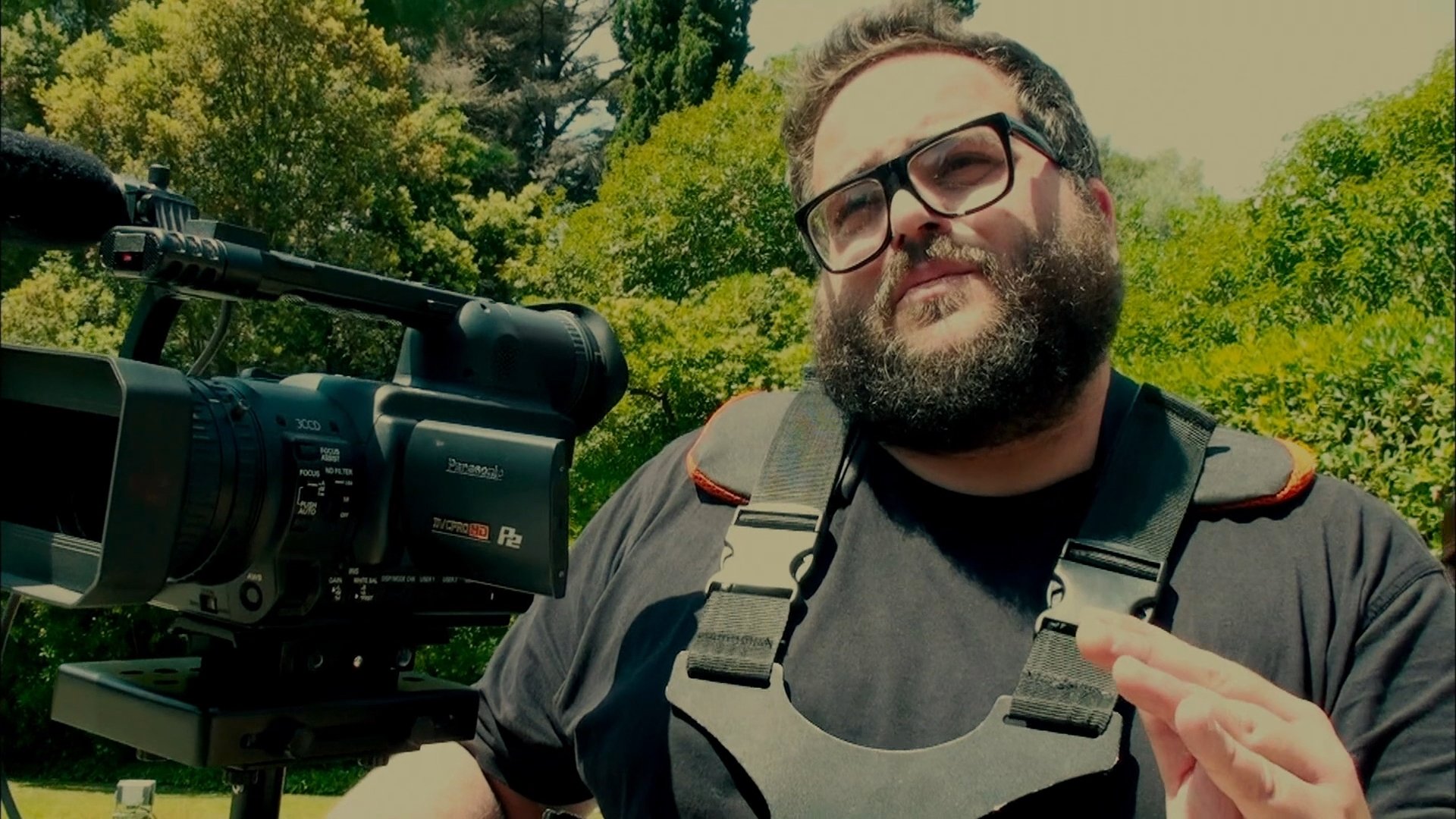
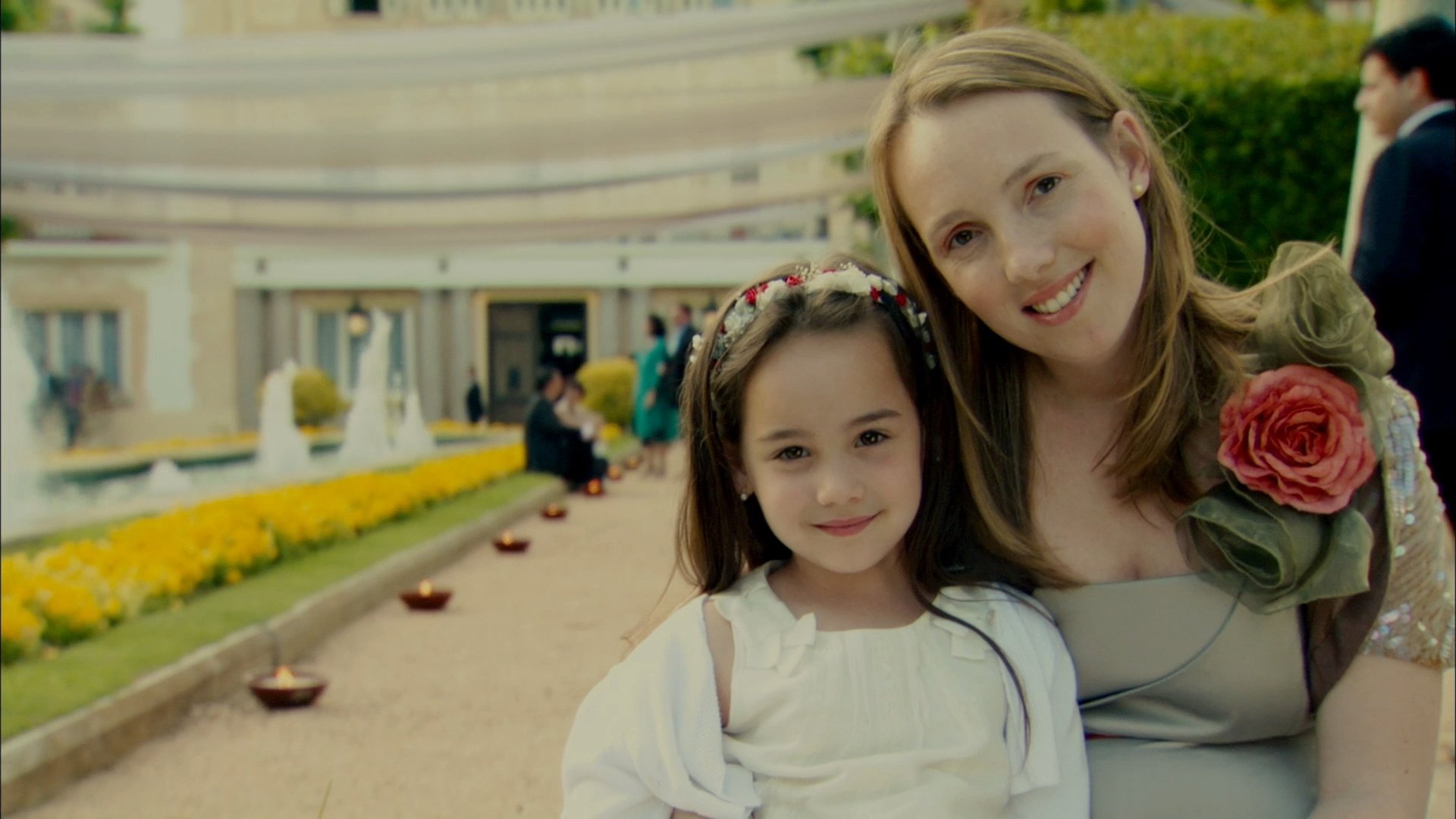
Génesis begins with images that could belong to an ordinary family video. The wedding ceremony and reception are observed through personal recording devices and the hired videographer's camera, with different levels of technical polish. The mixture provides a plausible reason for multiple points of view while maintaining the fiction that every image was captured by someone present. Plaza and Berdejo had selected the wedding partly because cameras would seem natural there. Leticia Dolera later stated that the wedding material was shot over three days, a concentrated production period for the stretch that establishes the film's original visual rules.
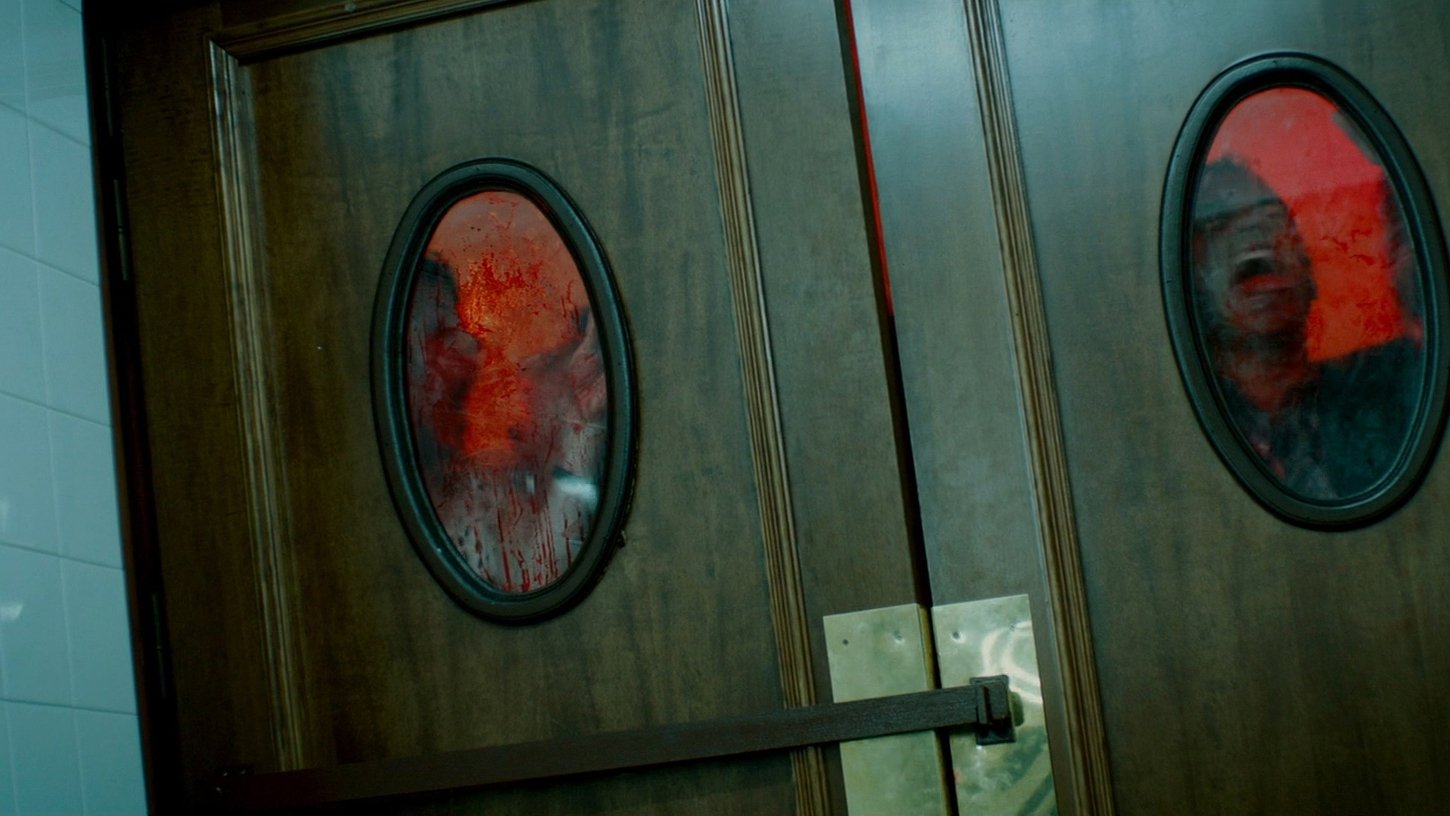
The decisive interruption comes when Koldo rejects the insistence that the disaster must continue to be recorded and breaks the camera. The movie then reveals its title and proceeds with conventional cinematography. Plaza described the act as a rebellion originating within the story, rather than a declaration that recorded-footage horror was no longer worthwhile. In contemporary interviews he estimated the opening's duration differently, at roughly fifteen to twenty minutes; the precise point is less important than the purpose of the rupture. The earlier films made the survival of the camera a condition for seeing the horror. Here a character destroys that condition, and the spectator continues to watch.

That decision opens possibilities unavailable to a single diegetic operator. The film can follow separated characters without explaining why someone would keep filming them, vary the distance between a performer and the camera, and cut around an action for comic or violent emphasis. The change was intended to surprise viewers familiar with the franchise. It also removes part of the documentary immediacy that had made the original film frightening, a cost several contemporary critics identified in their responses.

Cinematography and the Reception Space

The change of format is accompanied by a different treatment of space. In an RTVE production feature, Plaza and cinematographer Pablo Rosso discussed filming the first section with several kinds of video cameras before adopting controlled lighting and conventional camera movement for the later scenes. Tracking shots and cranes allow the reception venue to be represented beyond the narrow movements of a wedding guest's camcorder. The film also moves between indoor celebration areas and outdoor passages, broadening the geography of the threat beyond the enclosed apartment corridors associated with the first two installments.

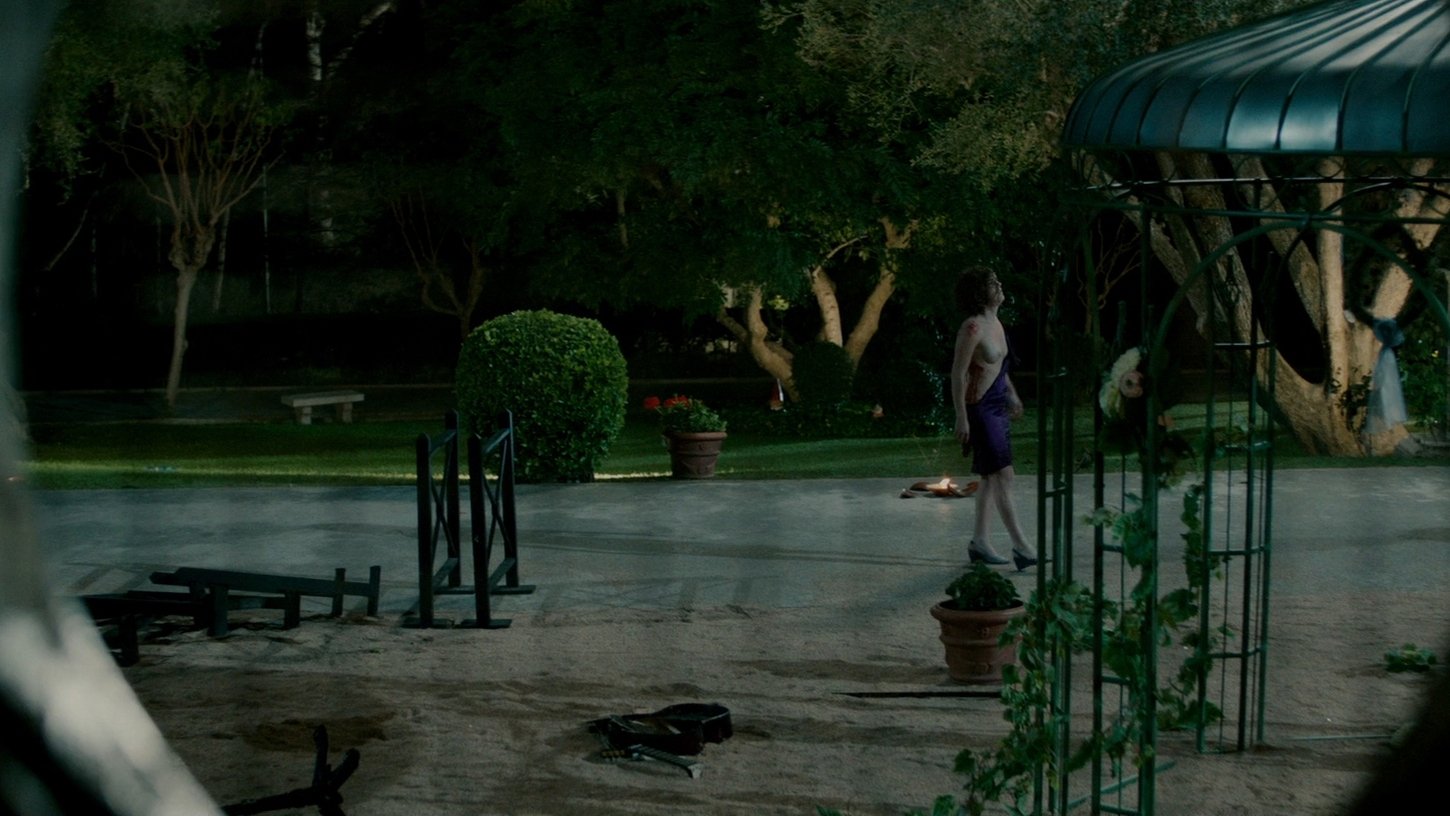
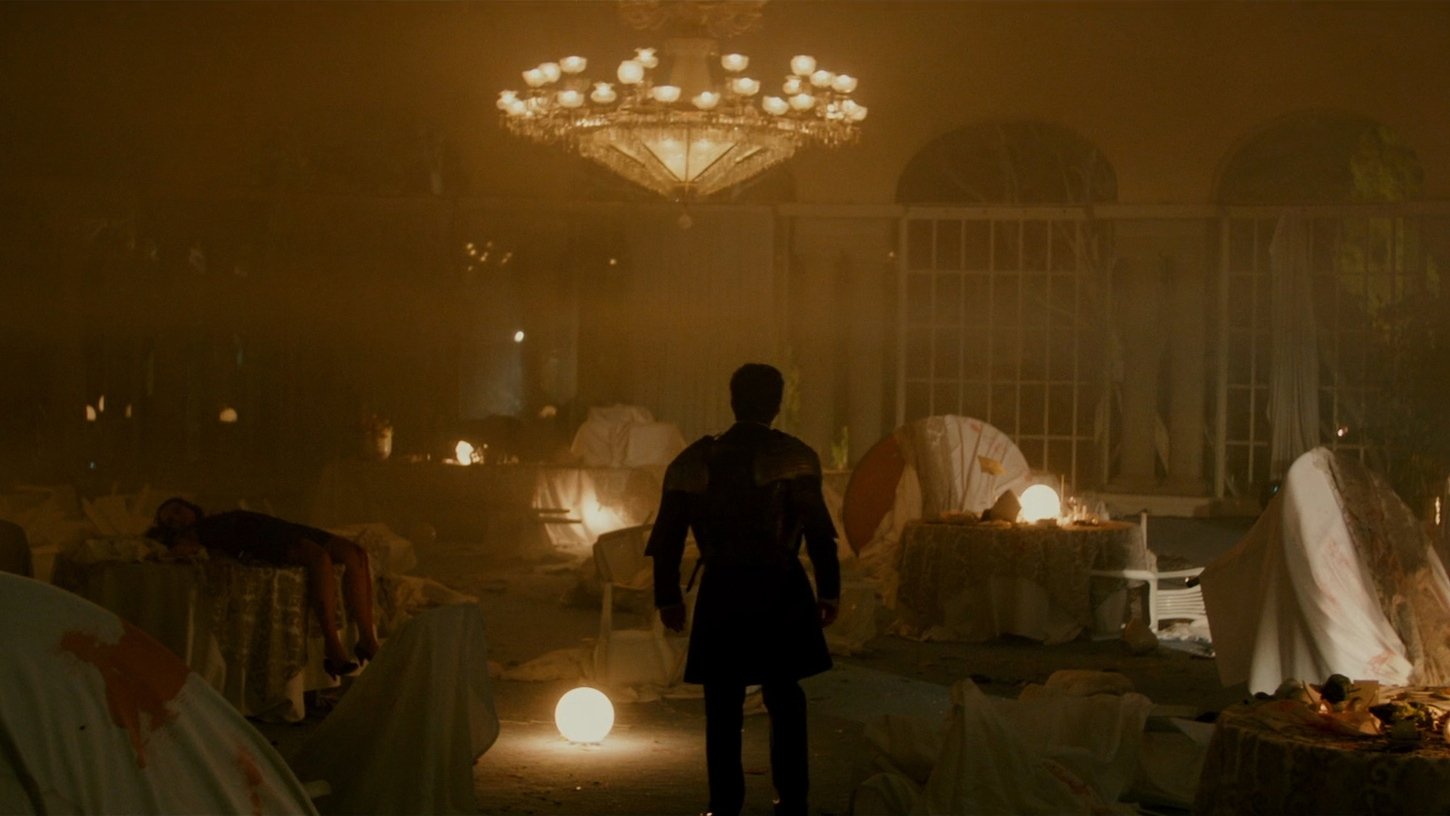
The setting makes a familiar social event a source of physical disorder. Tables, dance spaces and service areas become obstacles or temporary refuges once the guests begin attacking one another. The wedding's customary separation of guests into family groups and acquaintances also affects the characters' decisions about whom to follow or rescue. This gives the action a different pace from the earlier films' sustained progress through a quarantined building. The spectators can see the scale of a disaster that most individual characters cannot comprehend, while the newlyweds encounter only fragments of what has happened to their guests.

Plaza's stated reference points included Army of Darkness and Big Trouble in Little China, films whose shifts between danger and exuberant spectacle informed the kind of surprise he sought. The borrowings are most evident in the freedom of the later staging and in the contrast between the seriousness of the characters' predicament and the improbable violence around them. The movie's visual excess is closely connected to its more openly comic rhythm.

Clara, Koldo and Splatter Romance

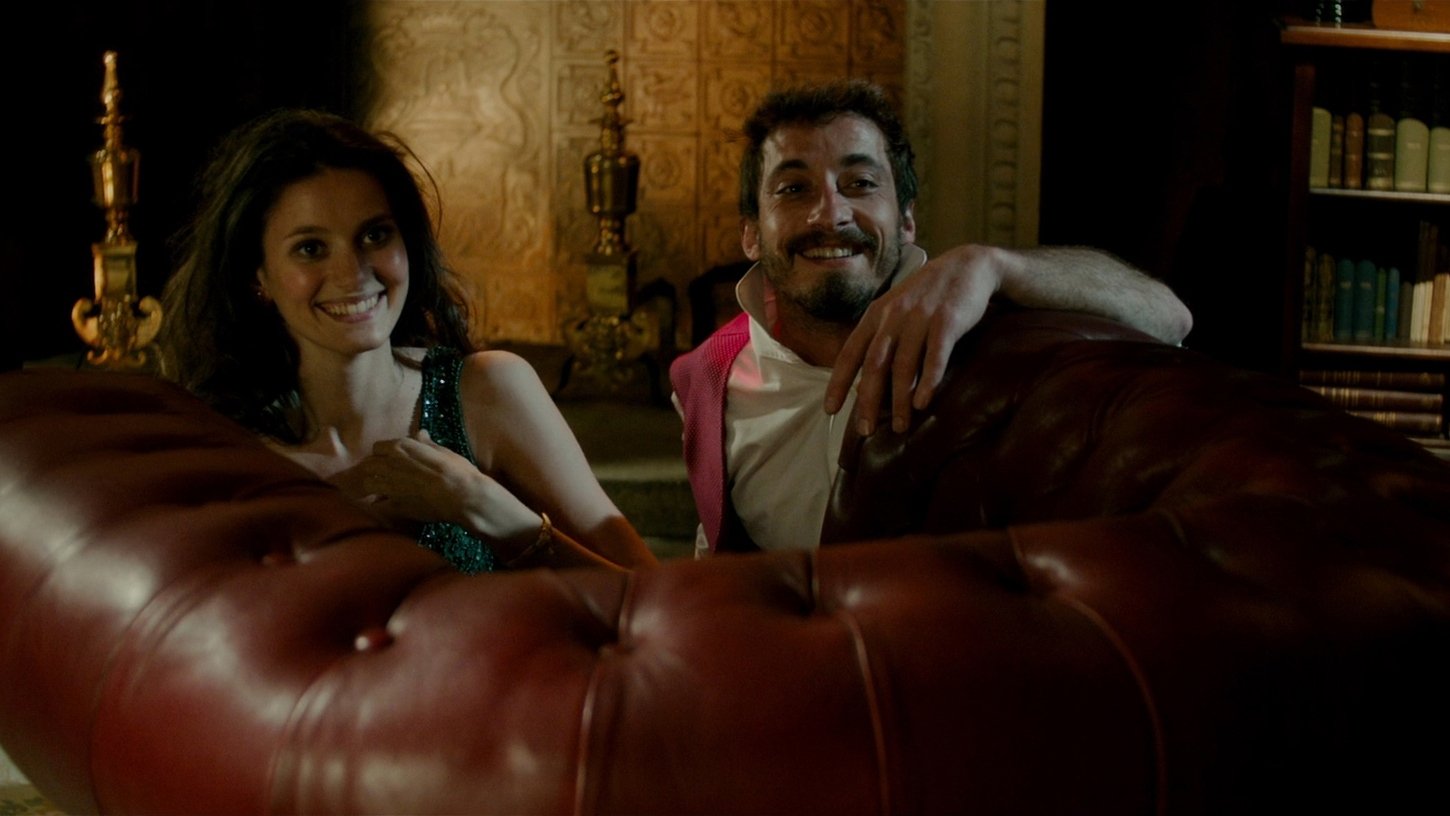
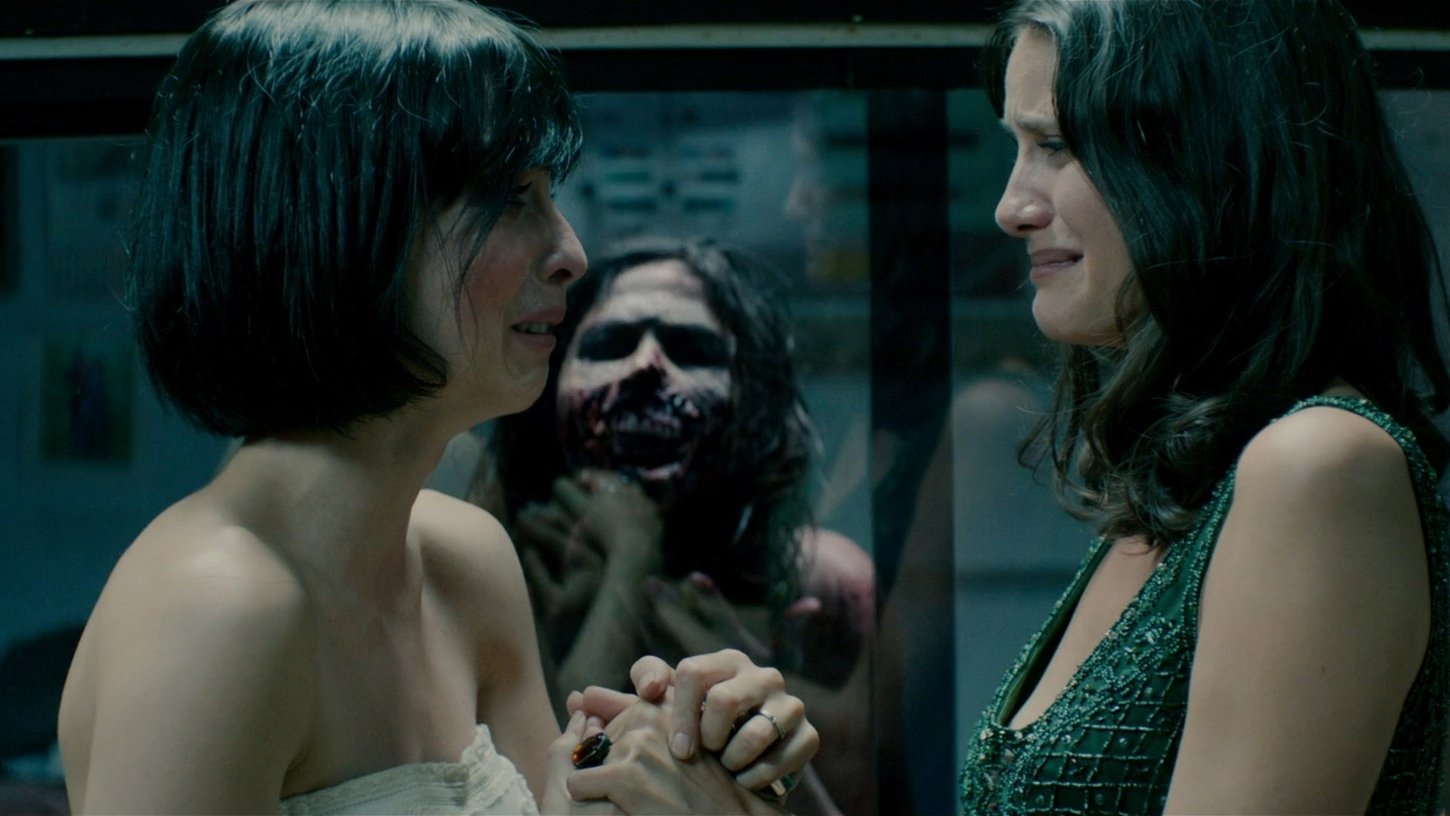
Clara and Koldo's separation gives the second part of the film a concrete objective. Rather than investigating how the infection began, each searches for the other through a wedding reception that has become unrecognizable. Plaza said that the writers grew attached to the couple as they worked and wanted viewers to hope for their reunion. The romance therefore remains a continuing motive even after the film begins using more exaggerated horror-comedy set pieces. It also makes the deterioration of the wedding ceremony's promises unusually literal: the couple's commitment is tested at the same moment that relatives and friends become lethal threats.

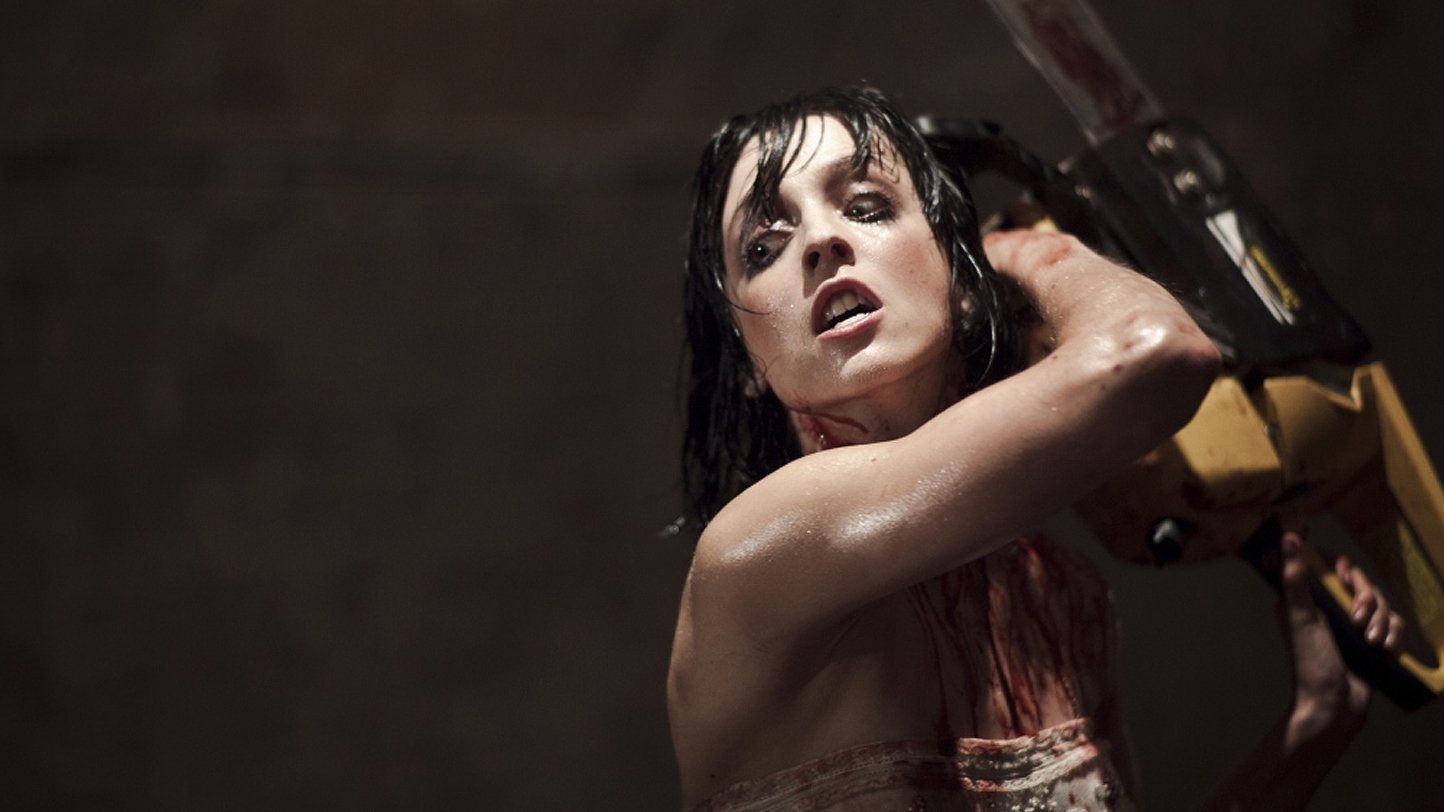
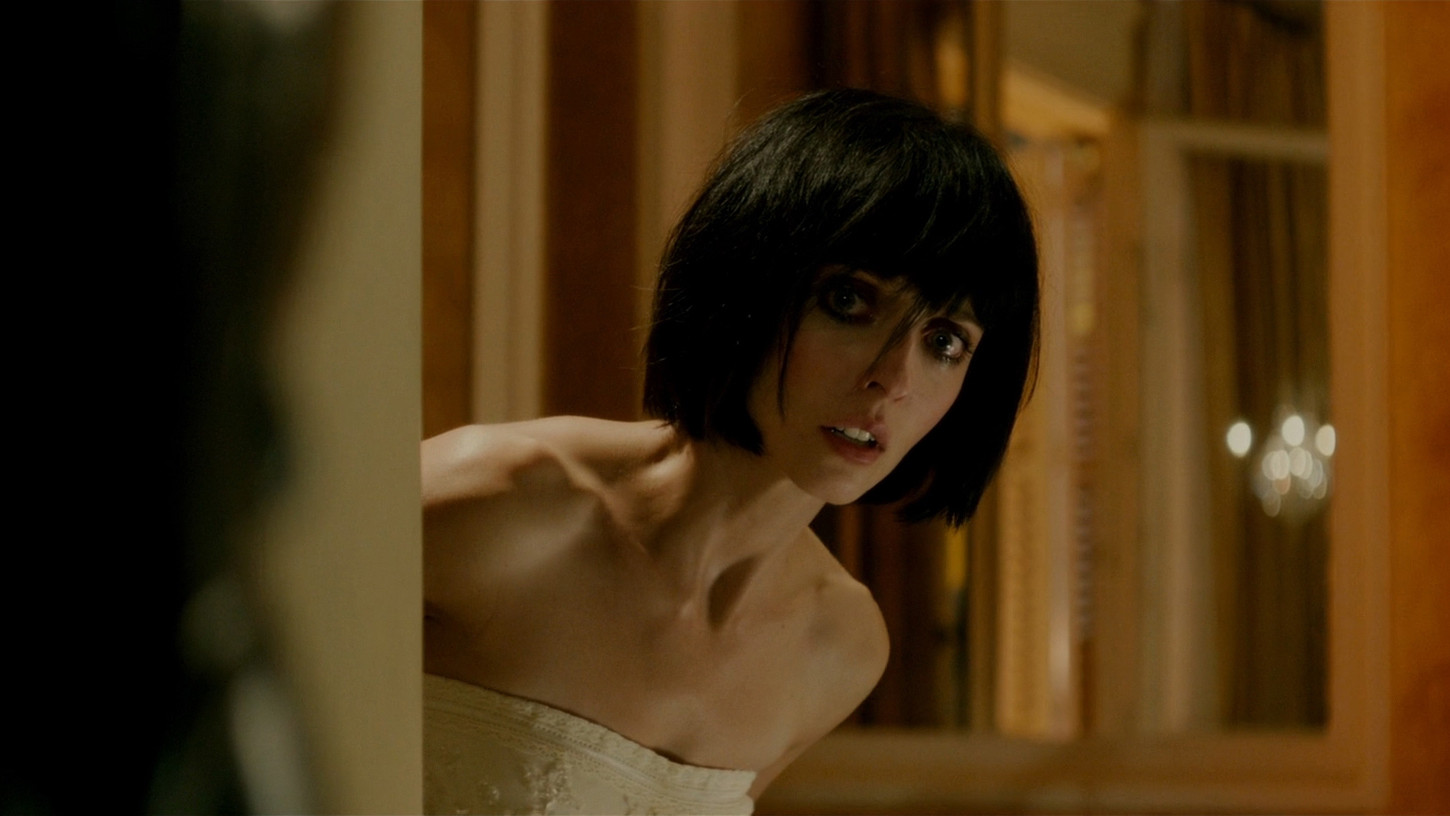
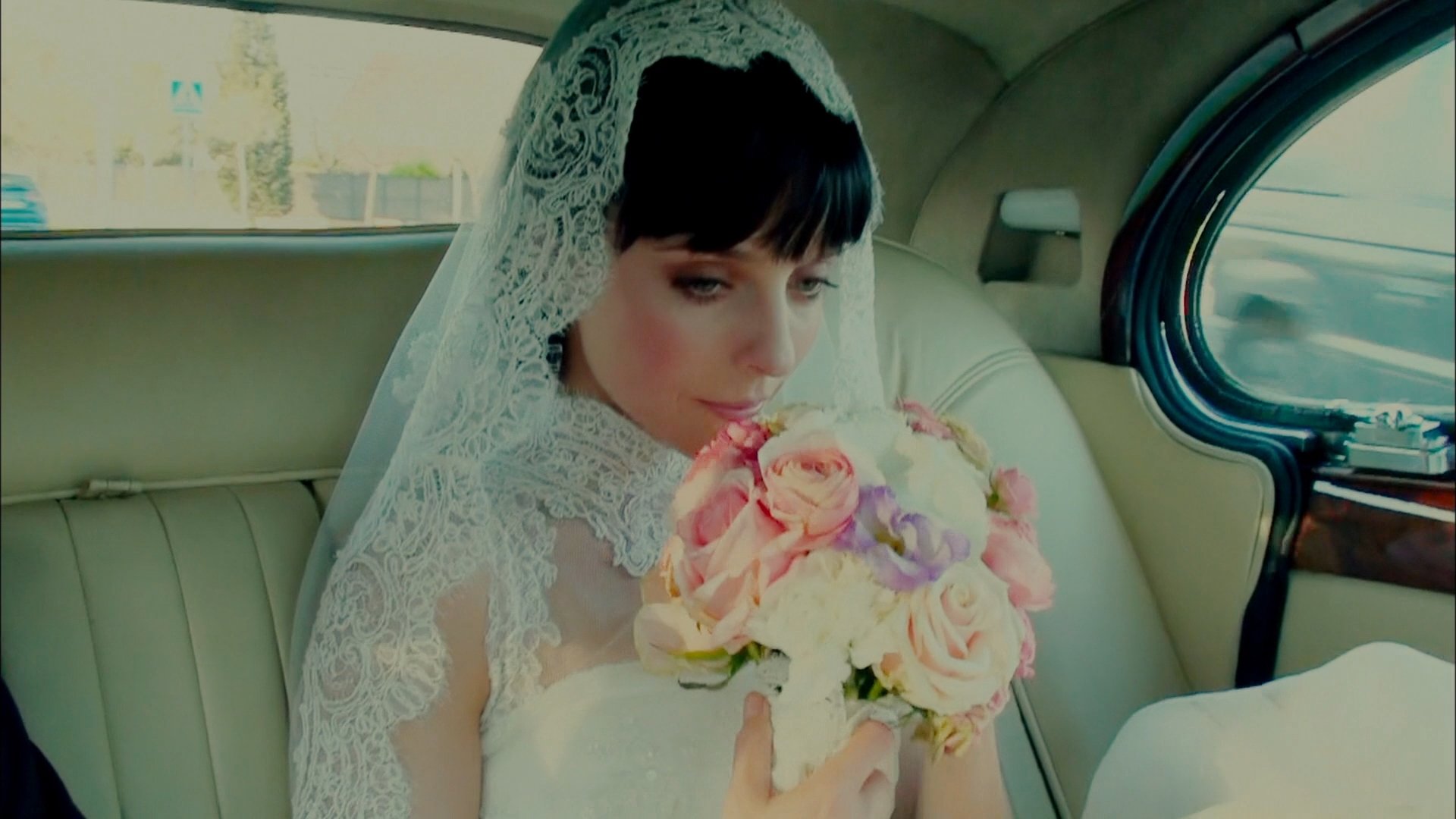
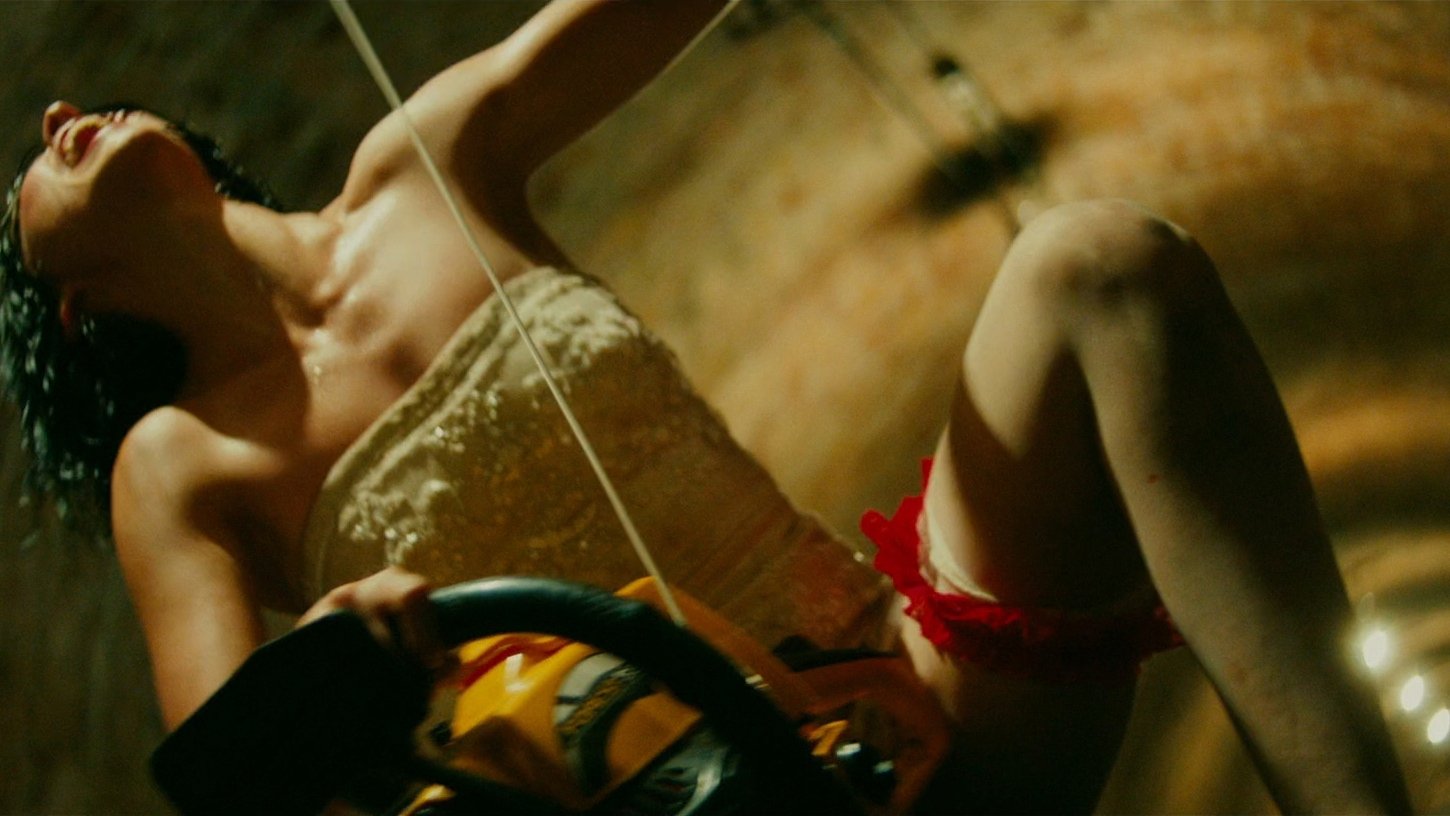
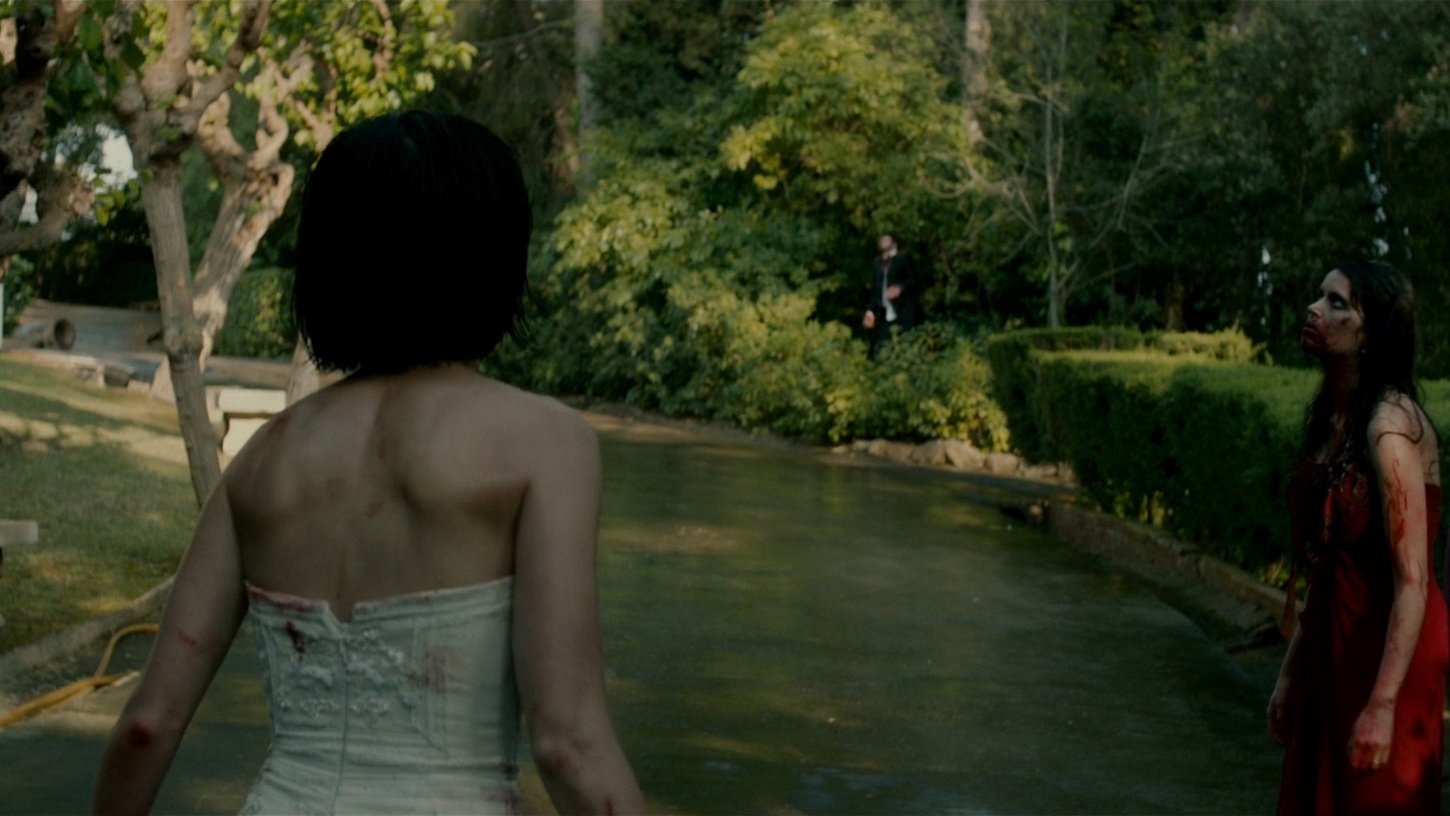
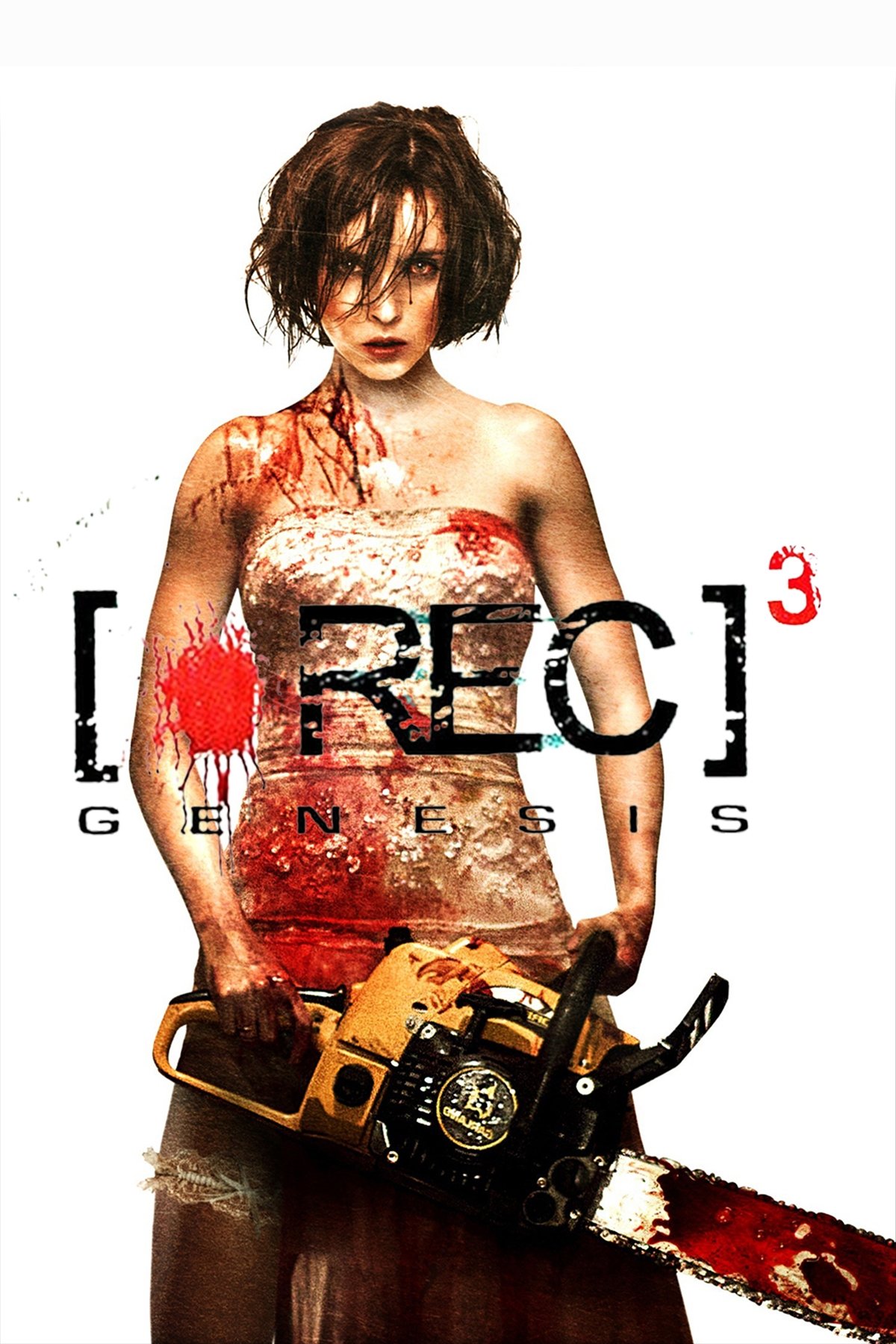
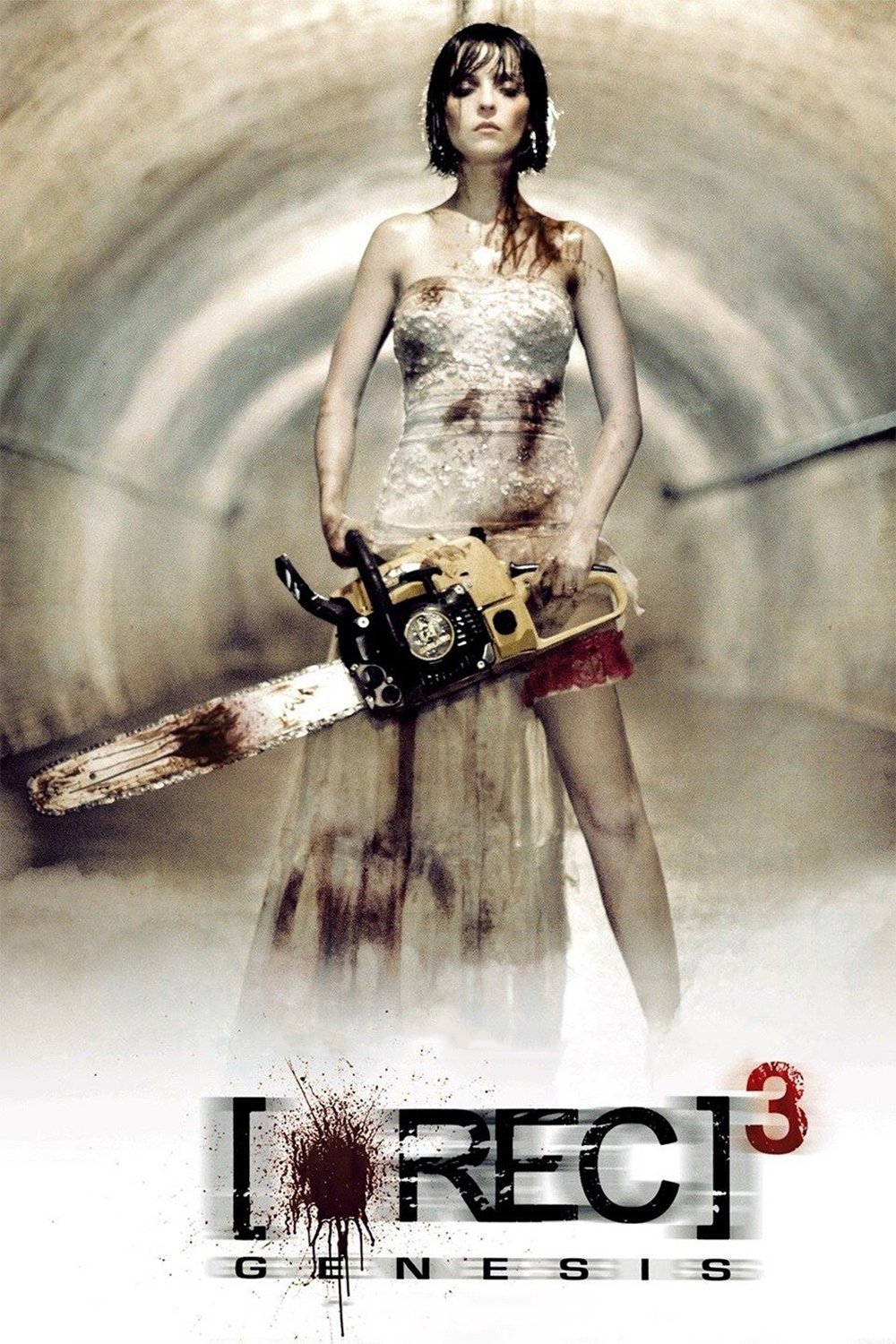
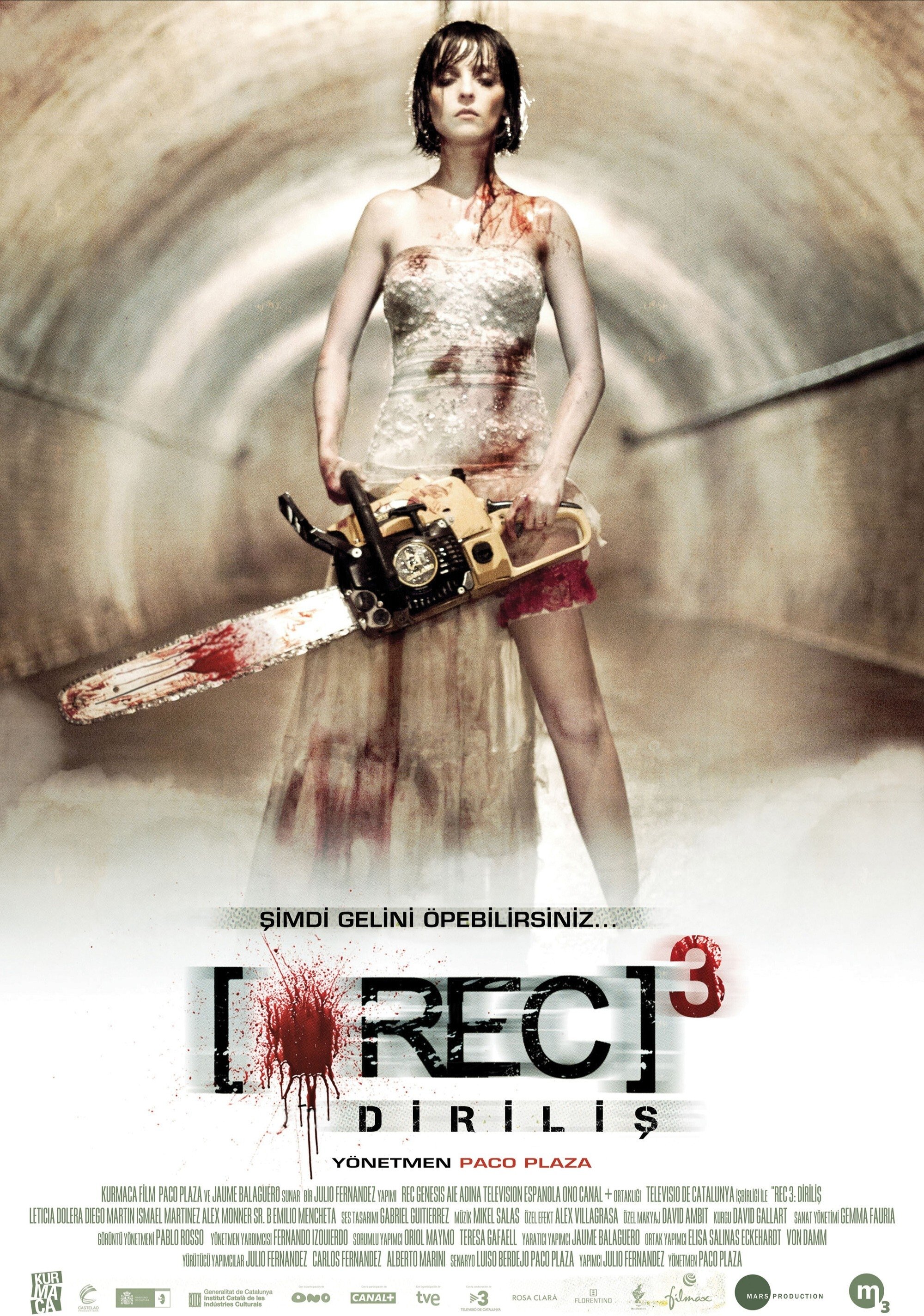
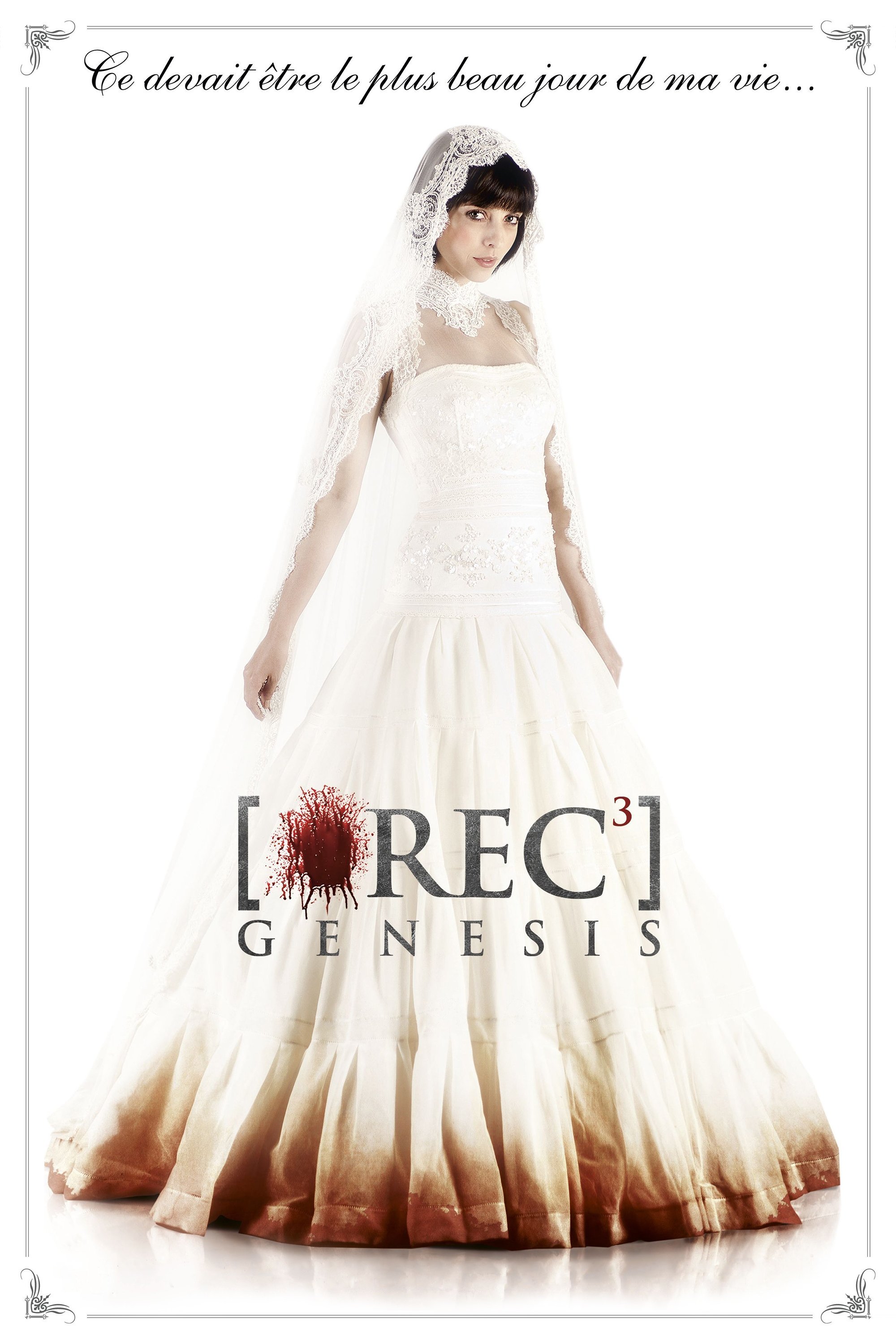
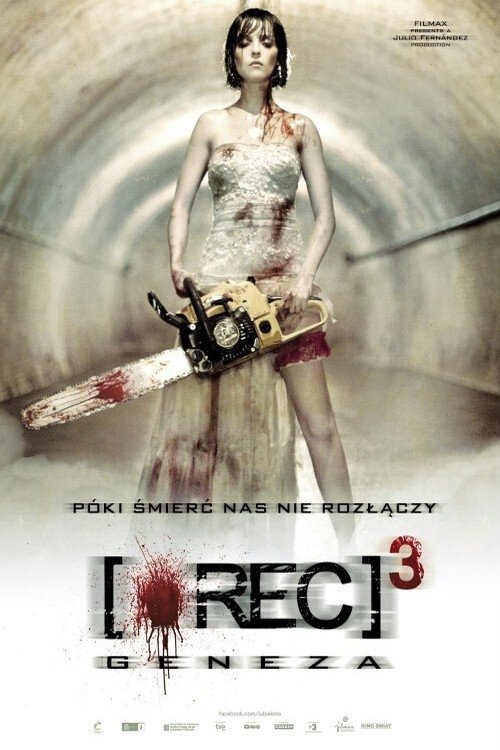
Clara's bridal costume supplies the most conspicuous transformation. Plaza identified Spanish designer Rosa Clarà as the creator of the gown, recalling the designer's reaction when she learned it would be damaged and bloodied. The white dress subsequently becomes part of the film's violent imagery as Clara arms herself with a chainsaw. Dolera said she welcomed the chance to play a bride who actively fights for her partner. Preparing for the physical work, she trained with a personal trainer five days a week for approximately two months before filming. The actor's account connects the character's increasingly forceful action to a specific preparation process rather than a generic change in personality.

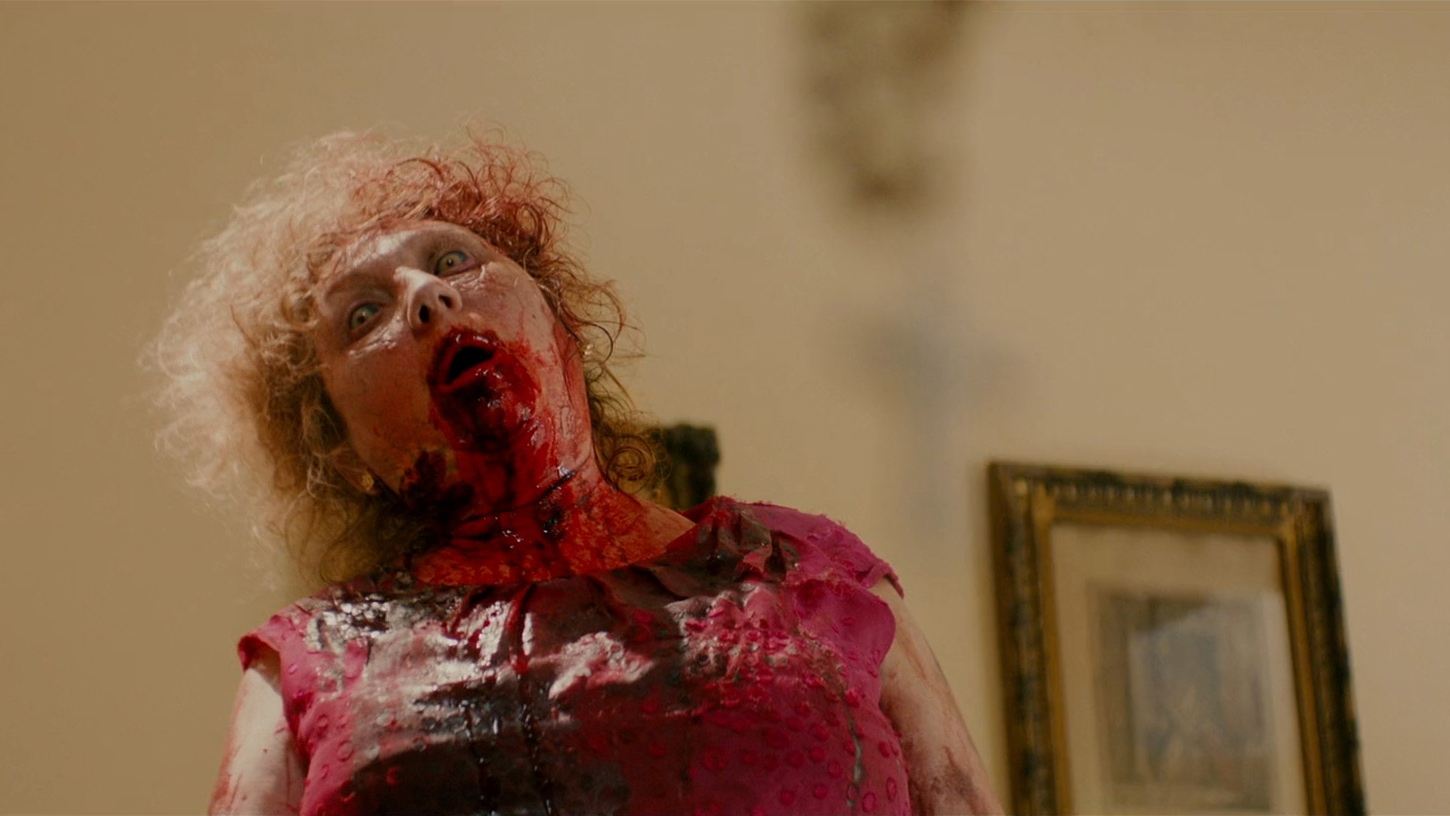
The spectacle turns wedding conventions into opportunities for bodily horror and satire. Clara's damaged gown, the ruined reception and the improvised weapons create visual contrasts recognizable without familiarity with the earlier films. The action does not eliminate the romance: the prospect of reunion is what gives many of the most excessive scenes their direction. That mixture distinguishes Génesis from a conventional outbreak story concerned chiefly with discovering a cure or escaping a contaminated zone.

Outbreak Continuity and Religious Horror

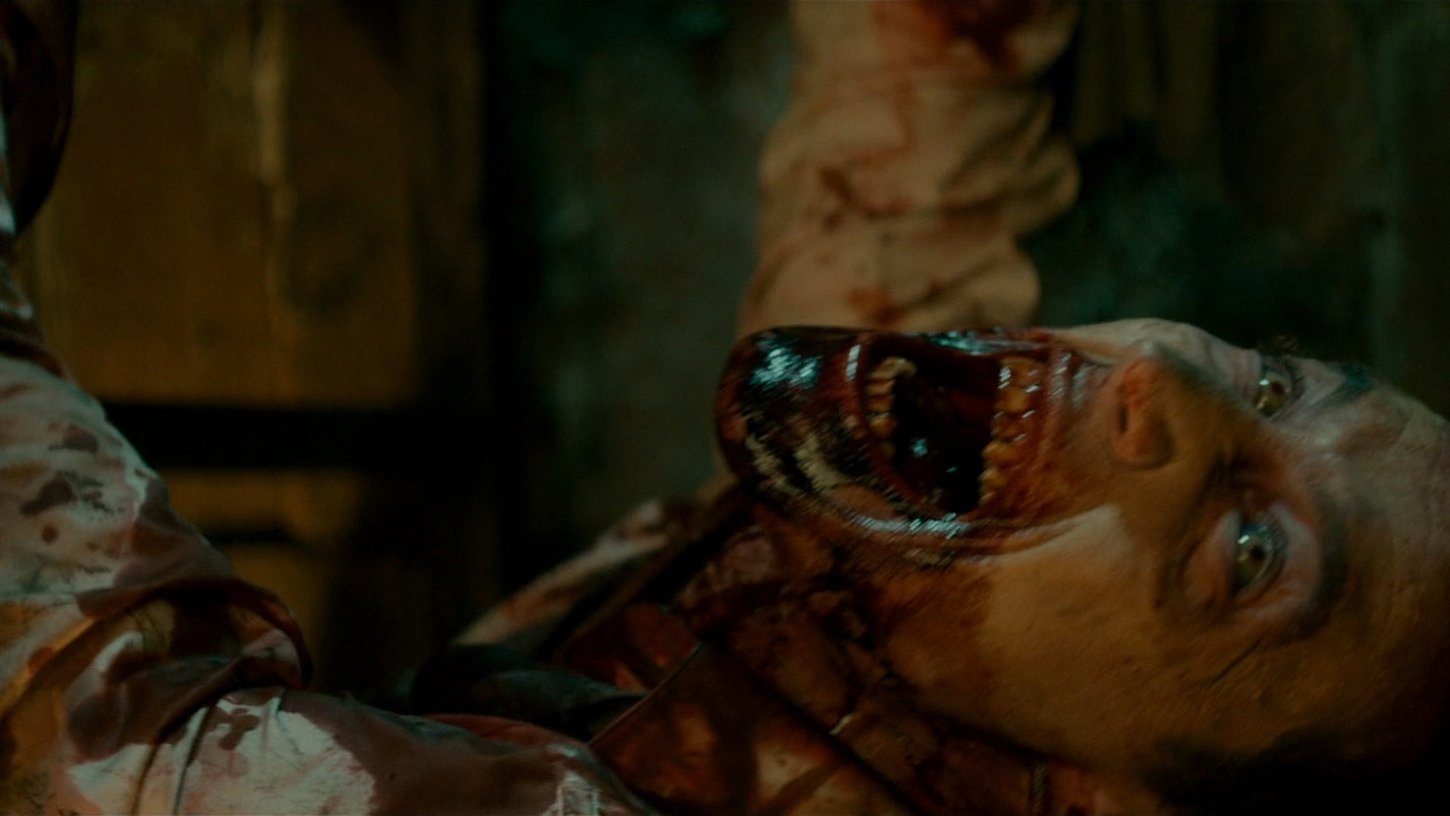
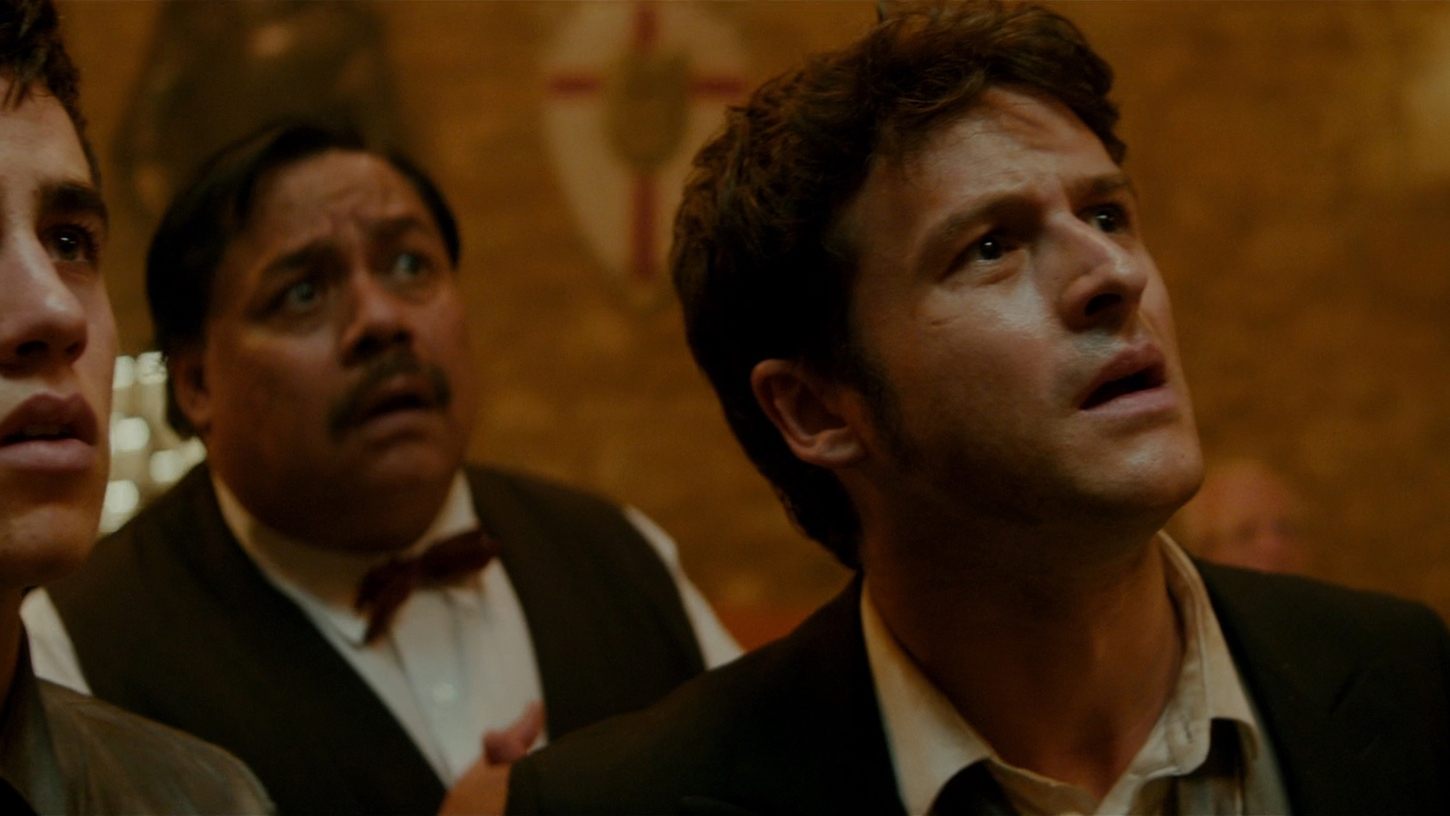
The attack is introduced through a guest who arrives at the wedding with a wound from an animal bite. Once the infection manifests, the gathering provides a route for rapid transmission among people who have come together for an occasion of intimacy and trust. The film links this separate location to the wider events of [REC] without returning to the original building. Although Génesis is frequently described as a prequel, its events run alongside the earlier crisis; the subtitle should not be read as a promise to reveal the disease's ultimate origin.

The creatures' violent behavior resembles the infected of modern zombie cinema, but the series had already incorporated supernatural and religious elements into its explanation. Plaza recalled that the first film contained the beginnings of this idea and that [REC]² made the religious dimension explicit. He described the infected as part of a universe of possession rather than ordinary zombies governed only by disease. In Génesis, religious objects and ritual language remain relevant to the threat, even as the tone changes. The mythology consequently persists beneath the comedy rather than being discarded along with the found-footage camera.

The shift in scale is important. The first film focuses on a group sealed inside one building, while the wedding outbreak establishes that the consequences extend elsewhere. The third installment develops that premise through a new cast and an independent dramatic objective. Its relationship with the preceding films rests on shared supernatural rules and a connected catastrophe, leaving room for a story whose emotional center belongs to Clara and Koldo.

Release and Contemporary Critical Reception

Génesis was presented at the South by Southwest festival in March 2012 before its Spanish theatrical release on March 30, distributed by Filmax. Magnet Releasing brought the film to American video-on-demand services in August 2012 and to selected US theaters on September 7. The Spanish production runs approximately eighty minutes. These releases placed the film before audiences who knew the first two [REC] entries principally for their tight first-person staging, making its planned formal departure an immediate point of discussion.

The initial critical response reflected that tension. Writing for Time Out in September 2012, Matt Singer acknowledged the audacity of abandoning the series' camera convention but felt that the change reduced its immediacy and made the remaining film resemble more familiar zombie cinema. He nevertheless identified a coherent matrimonial metaphor in the couple's determination to survive together. His reservation concerned the relationship between style and suspense: the boldness of the switch did not, in his view, ensure that the film retained the original’s intensity.

References

  1. IndieLondon [REC] 3 Genesis – Paco Plaza Interview (Exclusive)

    Rob Carnevale interviews Plaza about the wedding setting, abandoned found-footage format, division of directing responsibilities and Rosa Clarà’s bridal costume.

  2. ComingSoon / Shock Till You Drop Exclusive Interview: Luiso Berdejo of REC 3: Genesis

    Screenwriter Berdejo explains the origin of the wedding idea, work on the screenplay in 2010 and the decision to make a romantic horror comedy.

  3. RTVE [REC]3 – Video exclusivo: El director

    Original Spanish production interview with Paco Plaza and cinematographer Pablo Rosso describing the transition between amateur cameras and controlled cinematic shooting.

  4. HorrorNews.net Interview: Leticia Dolera ([REC]3: Genesis) (2012)

    First-hand remarks on physical training, the three-day wedding shoot, six-week production and Clara’s transformation into an active survivor.

  5. Time Out [REC] 3: Genesis

    Matt Singer’s contemporary review considers the departure from found footage and the use of marriage as the dramatic center of the horror.

Connections

Cast

View Full Cast & Crew →

Release & Distribution

Production Companies (1)

  • Filmax ES

Distributors (1)

  • Filmax ES

Release History (22)

Release DateTerritoryRelease TypeFormatDistributorCertificationNotes
2012-03-09 United States Premiere — — — South by Southwest Film Festival
2012-03-28 Spain Theatrical — — 16
2012-04-04 Belgium Theatrical — — —
2012-04-04 France Theatrical — — 12
2012-04-04 Indonesia Theatrical — — —
2012-04-13 Mexico Theatrical — — C
2012-04-19 Argentina Theatrical — — —
2012-04-20 Poland Theatrical — — —
2012-04-22 Netherlands Theatrical — — —
2012-04-28 Japan Theatrical — — —
2012-05-17 Hong Kong SAR China Theatrical — — —
2012-05-17 Peru Theatrical — — —
2012-05-31 Chile Theatrical — — —
2012-05-31 New Zealand Theatrical — — —
2012-07-11 Switzerland Digital — — 18
2012-08-08 France Digital — — 12
2012-08-08 France Physical DVD, Blu-ray — 12 DVD / Blu-ray
2012-08-30 United Kingdom Theatrical — — 18
2012-09-07 United States Theatrical — — R
2012-10-12 Germany Theatrical — — 18
2013-08-22 South Korea Theatrical — — 19
2021-10-18 France Digital — — 12 Prime Video
You may kiss the bride...