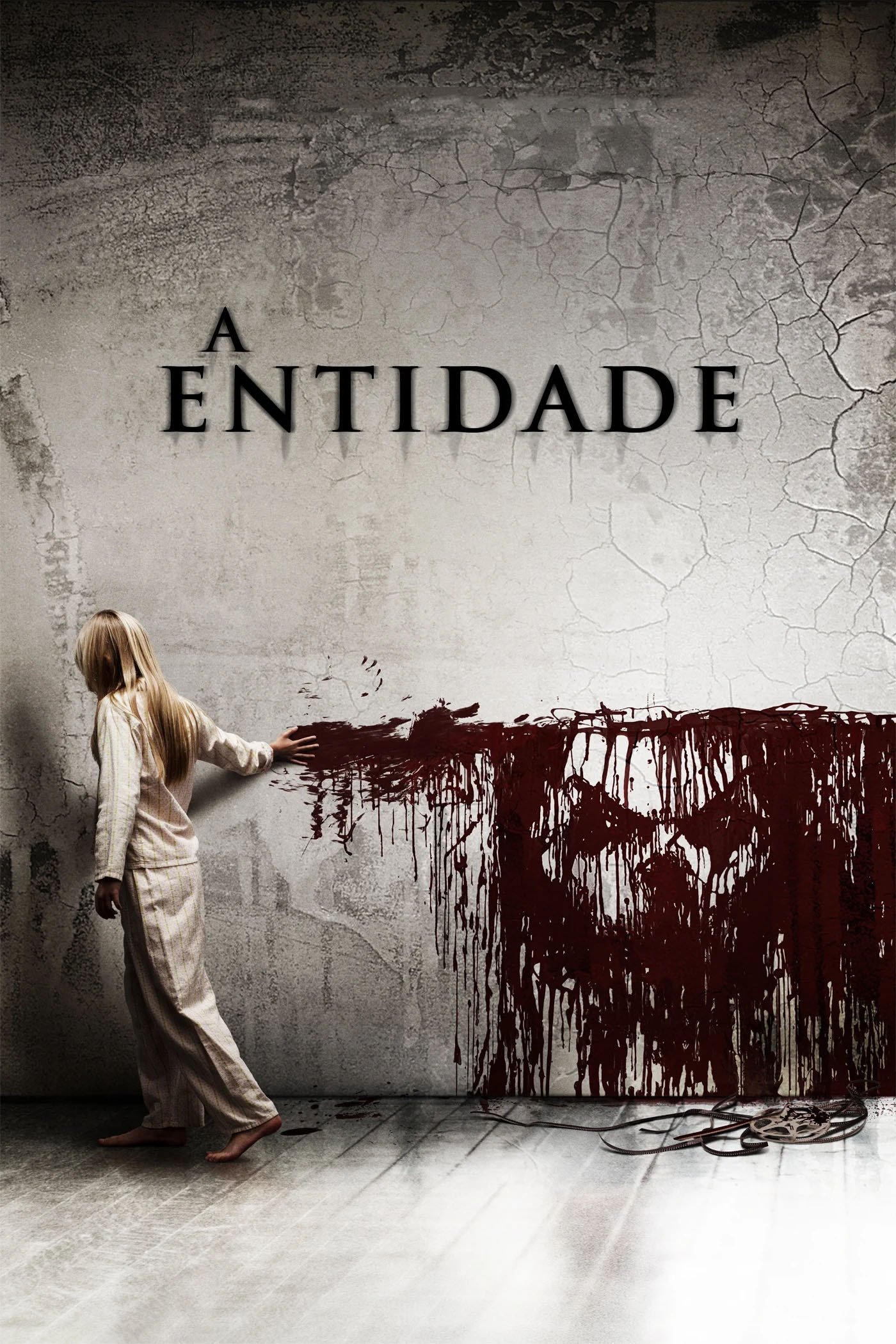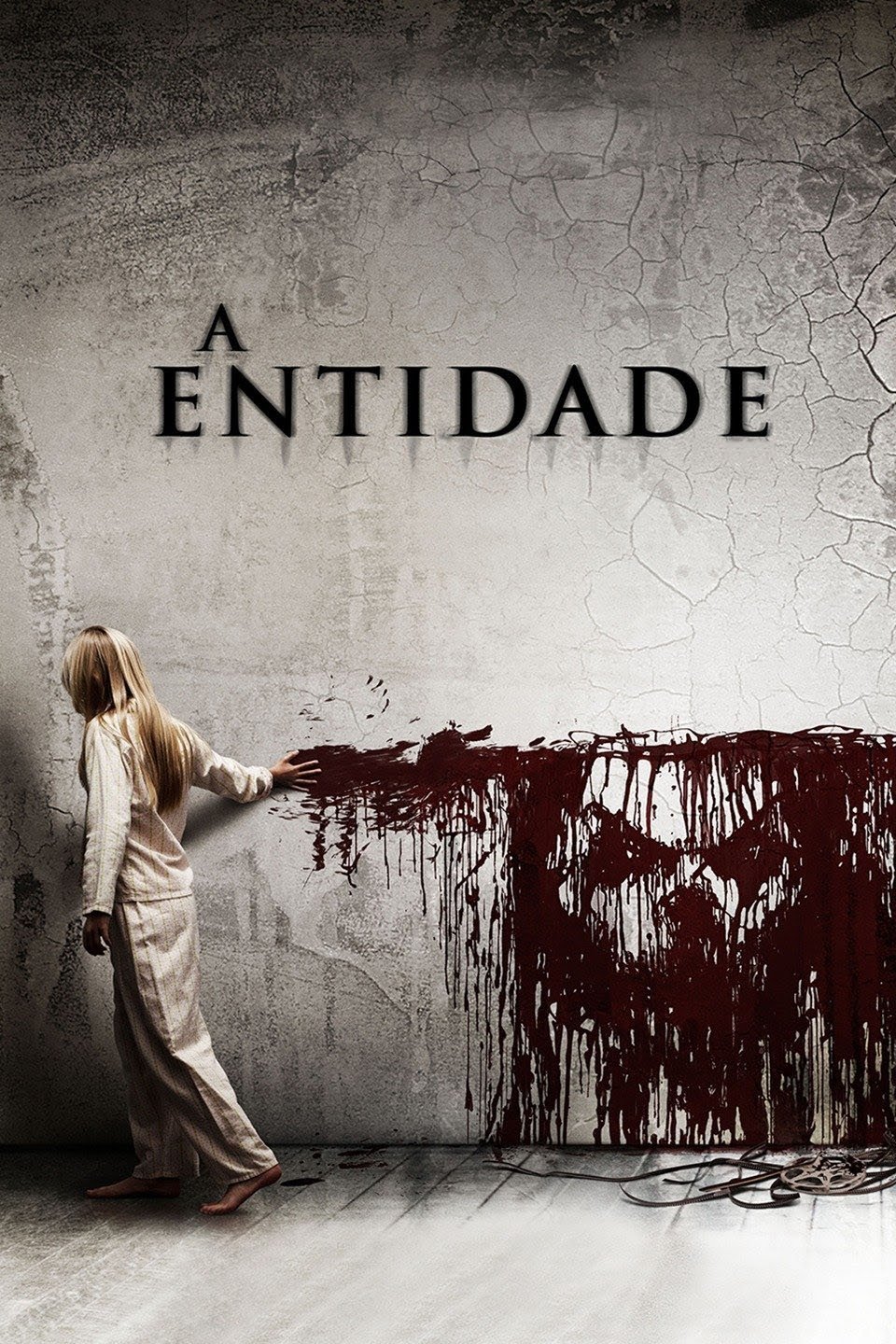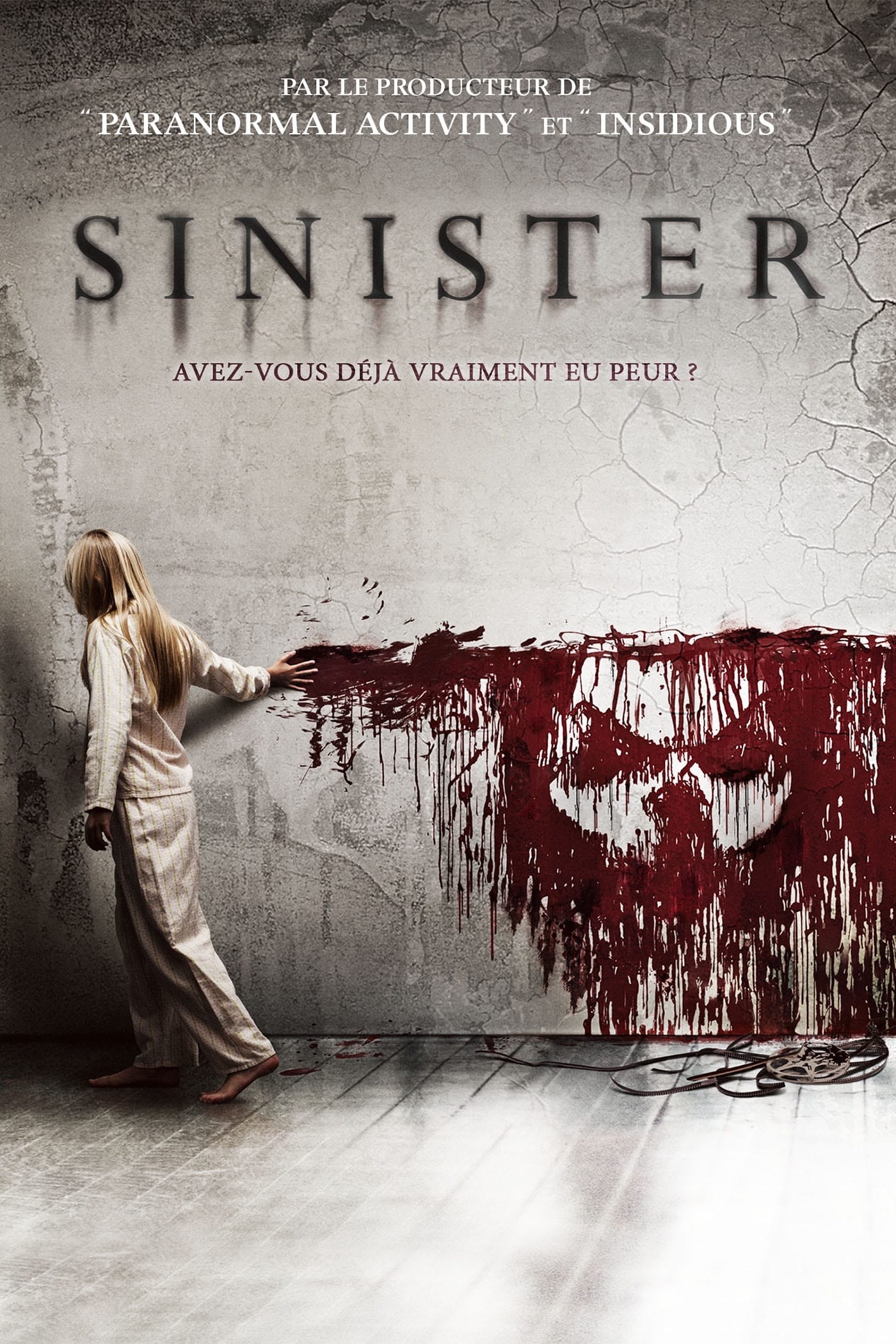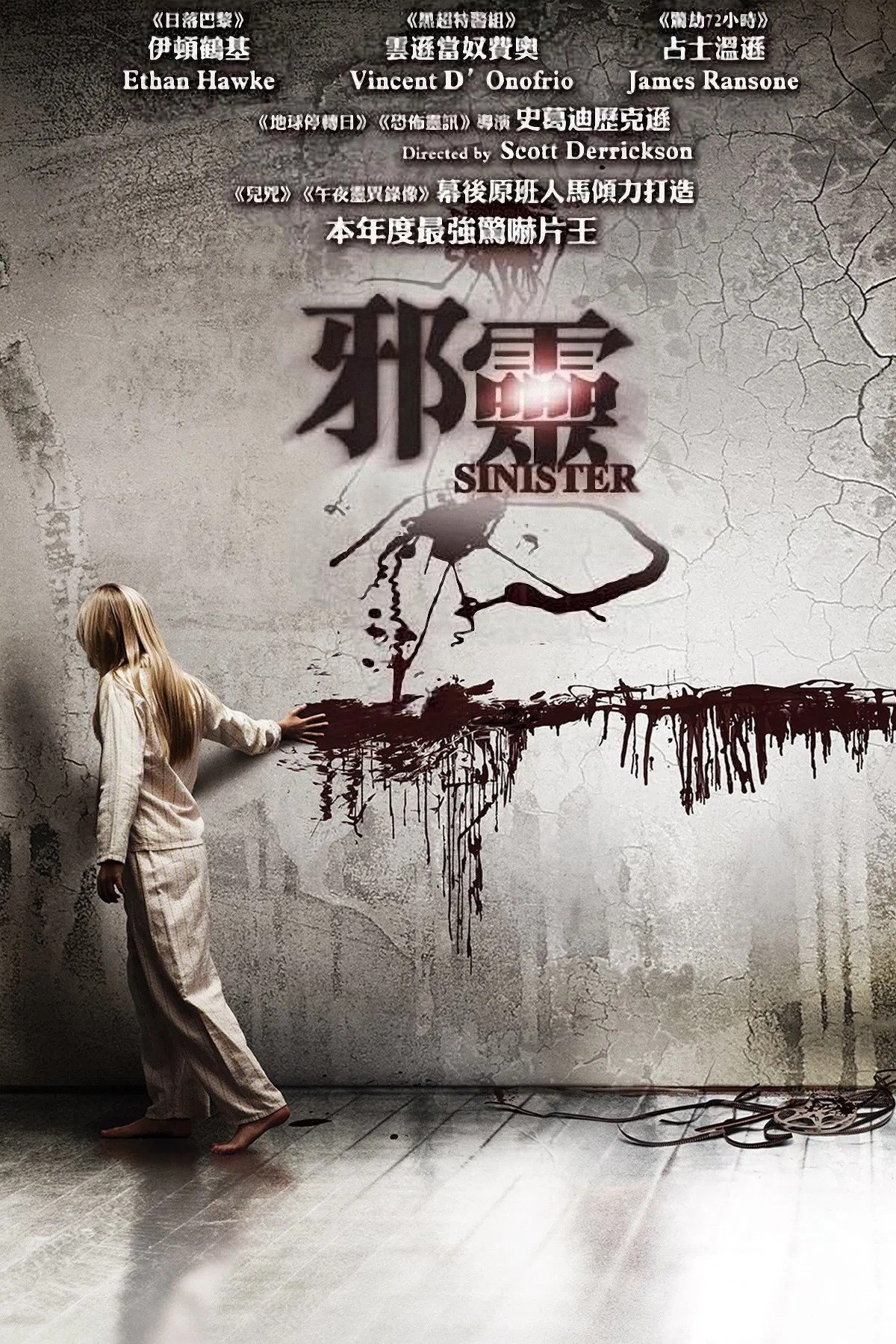
Sinister (2012)

US
7.3/10 6 votes
Runtime
110 min
Release
March 29, 2012
Budget
$3,000,000
Revenue
$87,727,807
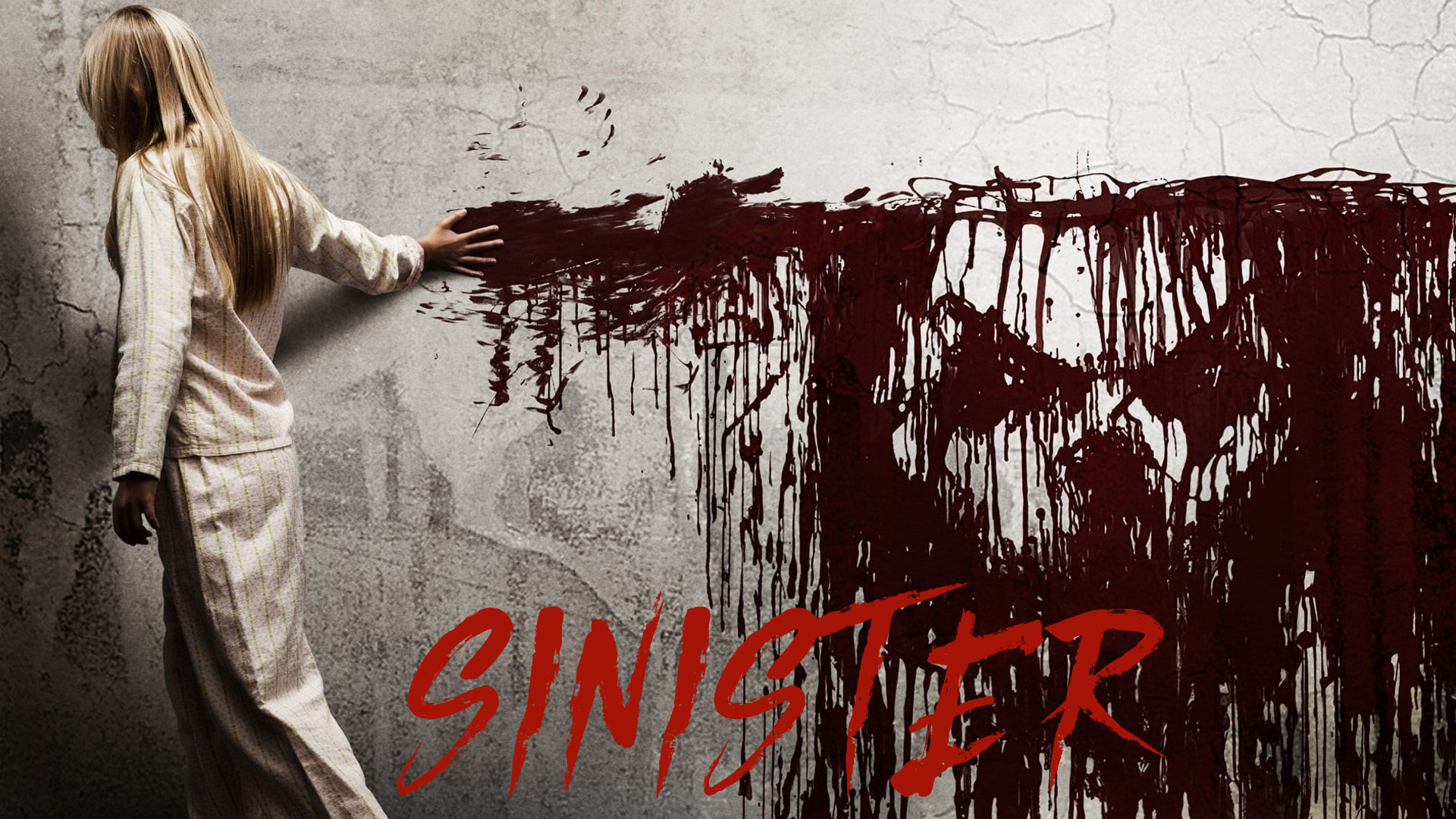
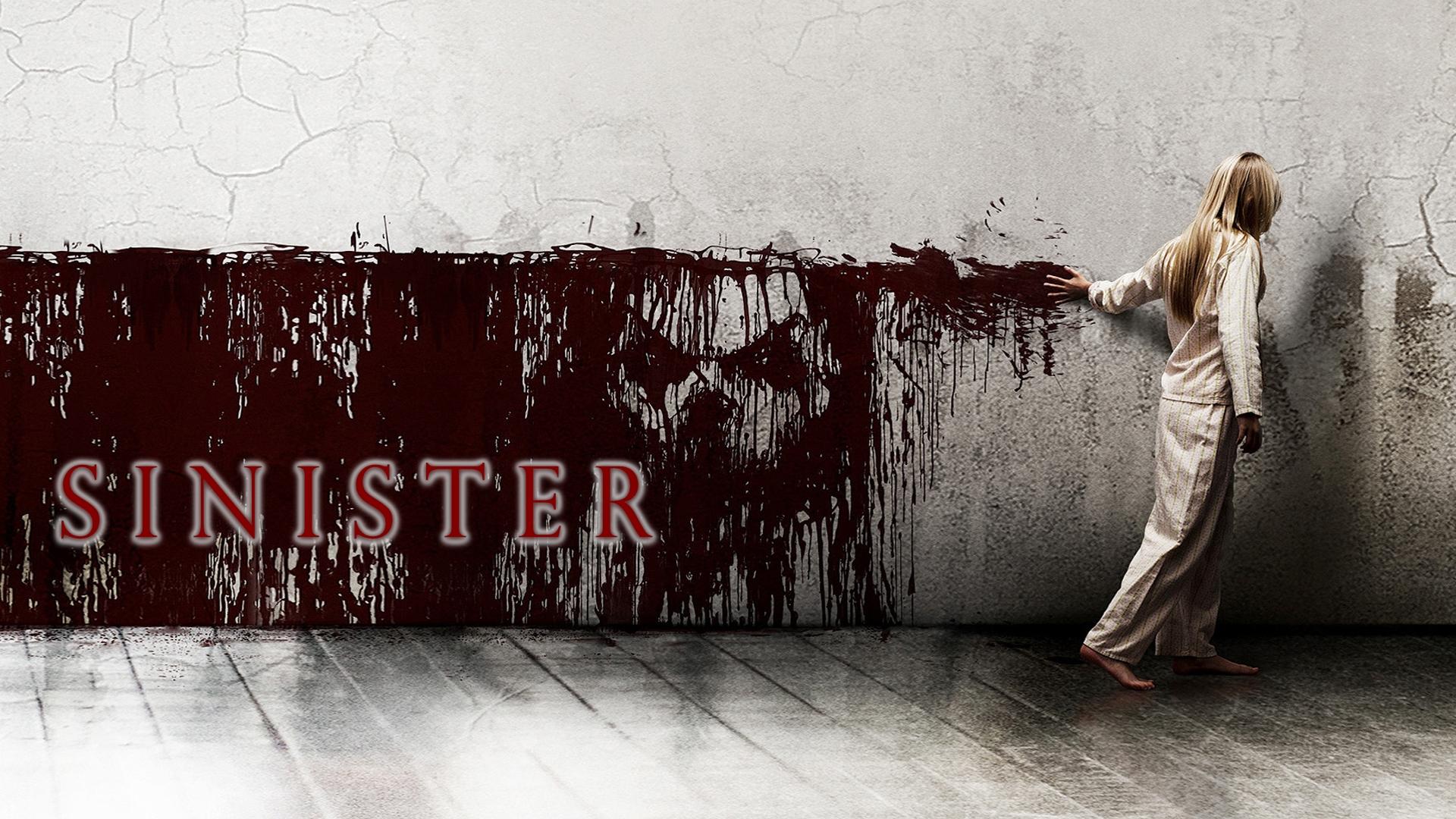
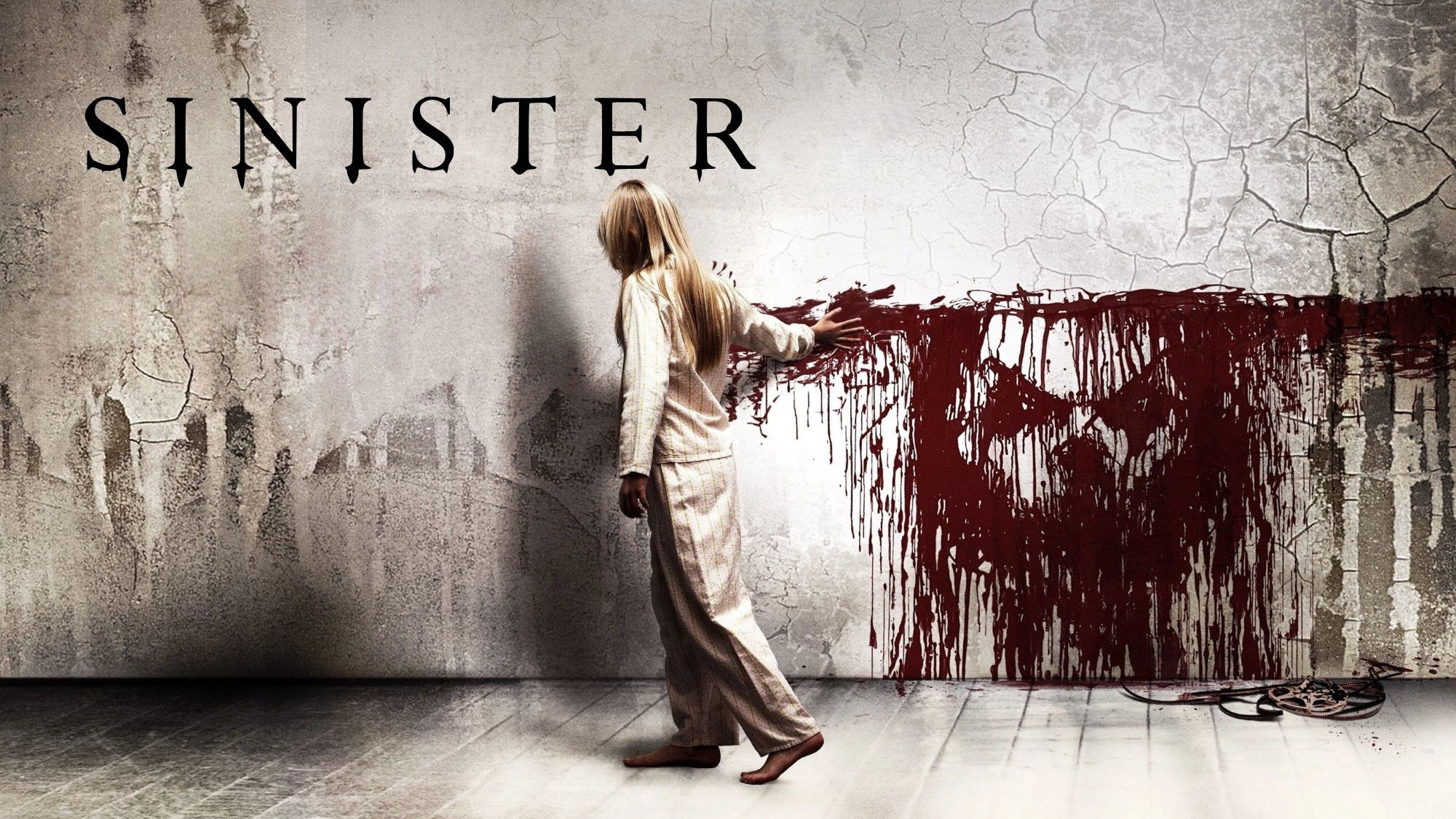
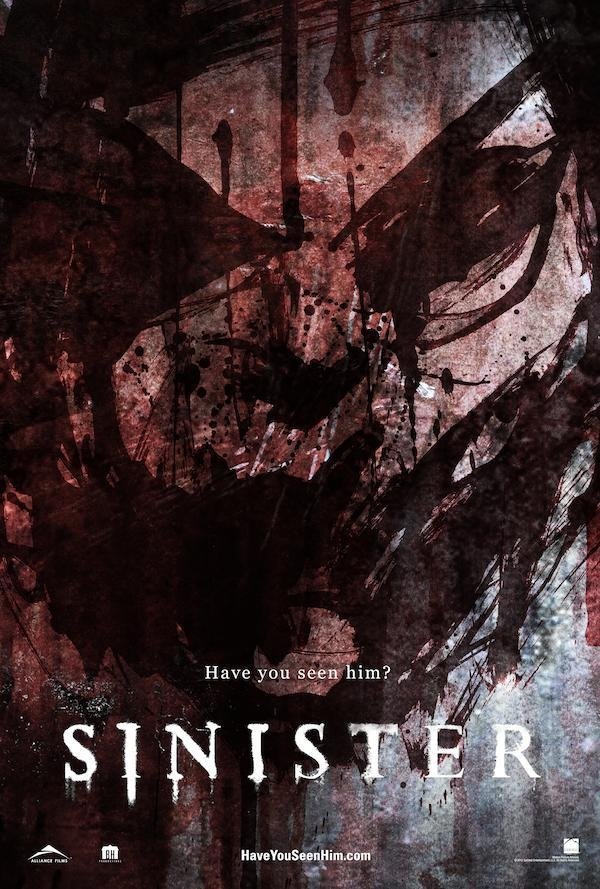
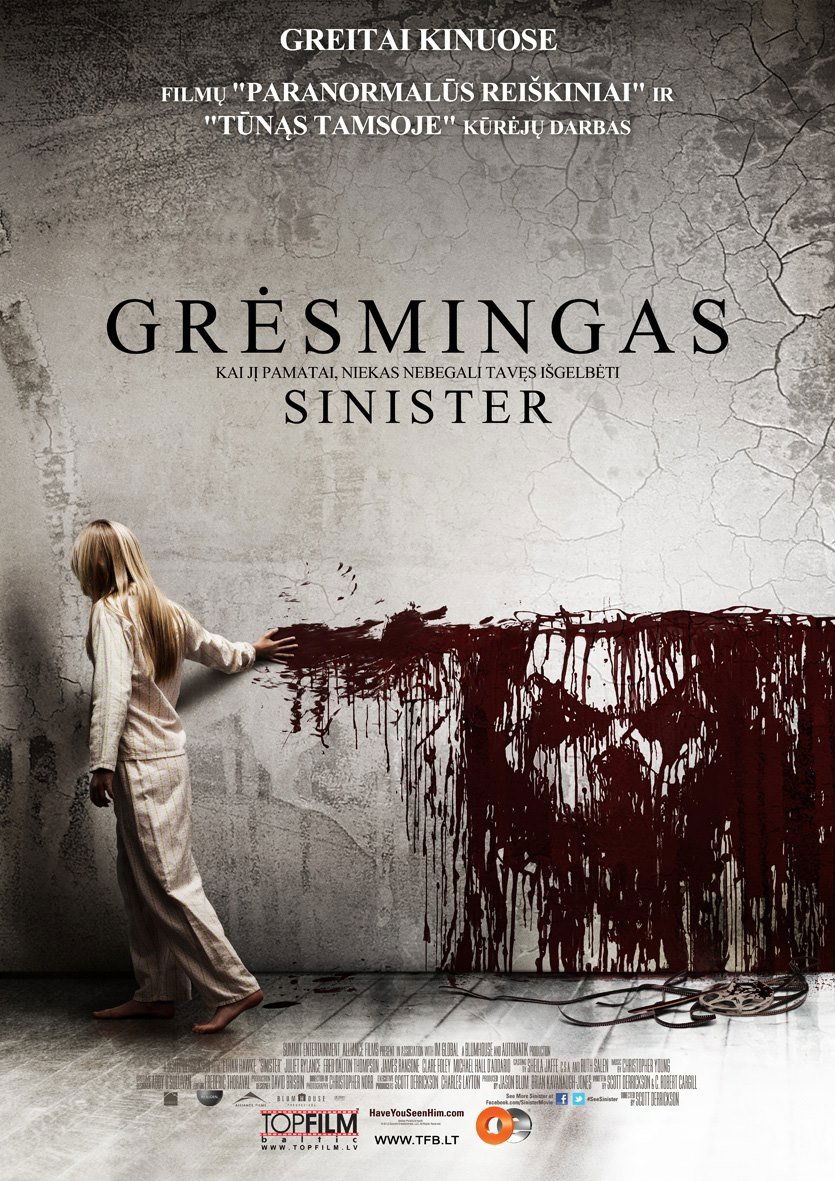
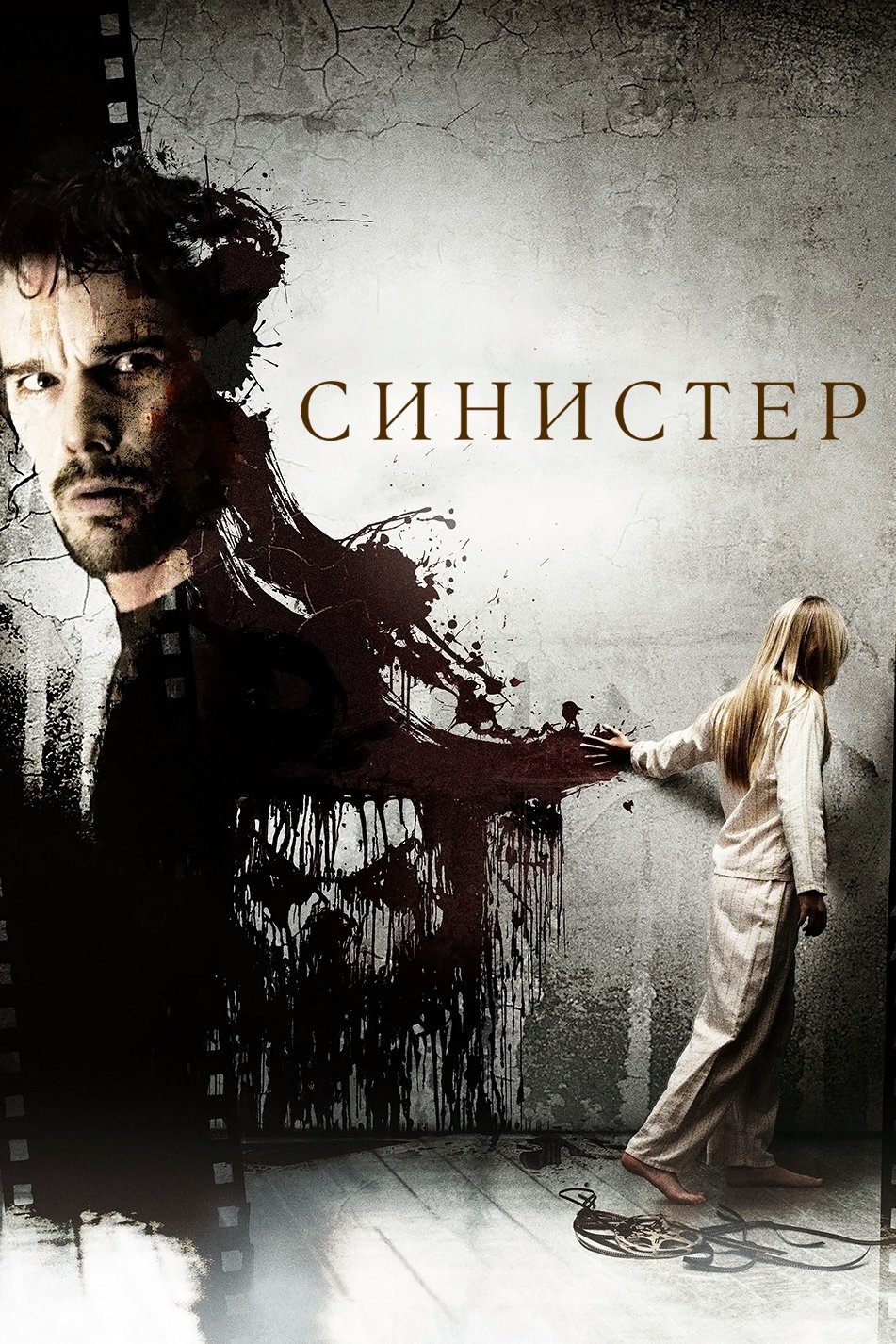
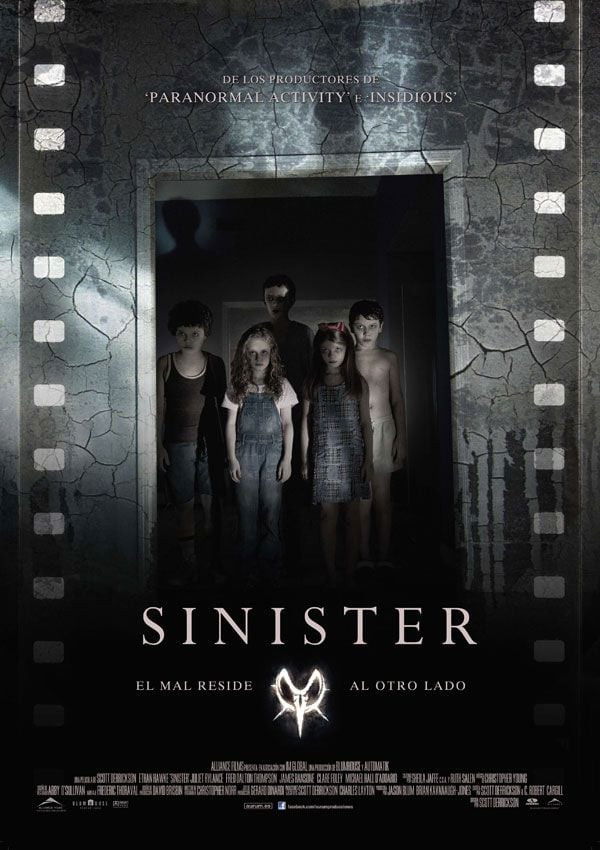
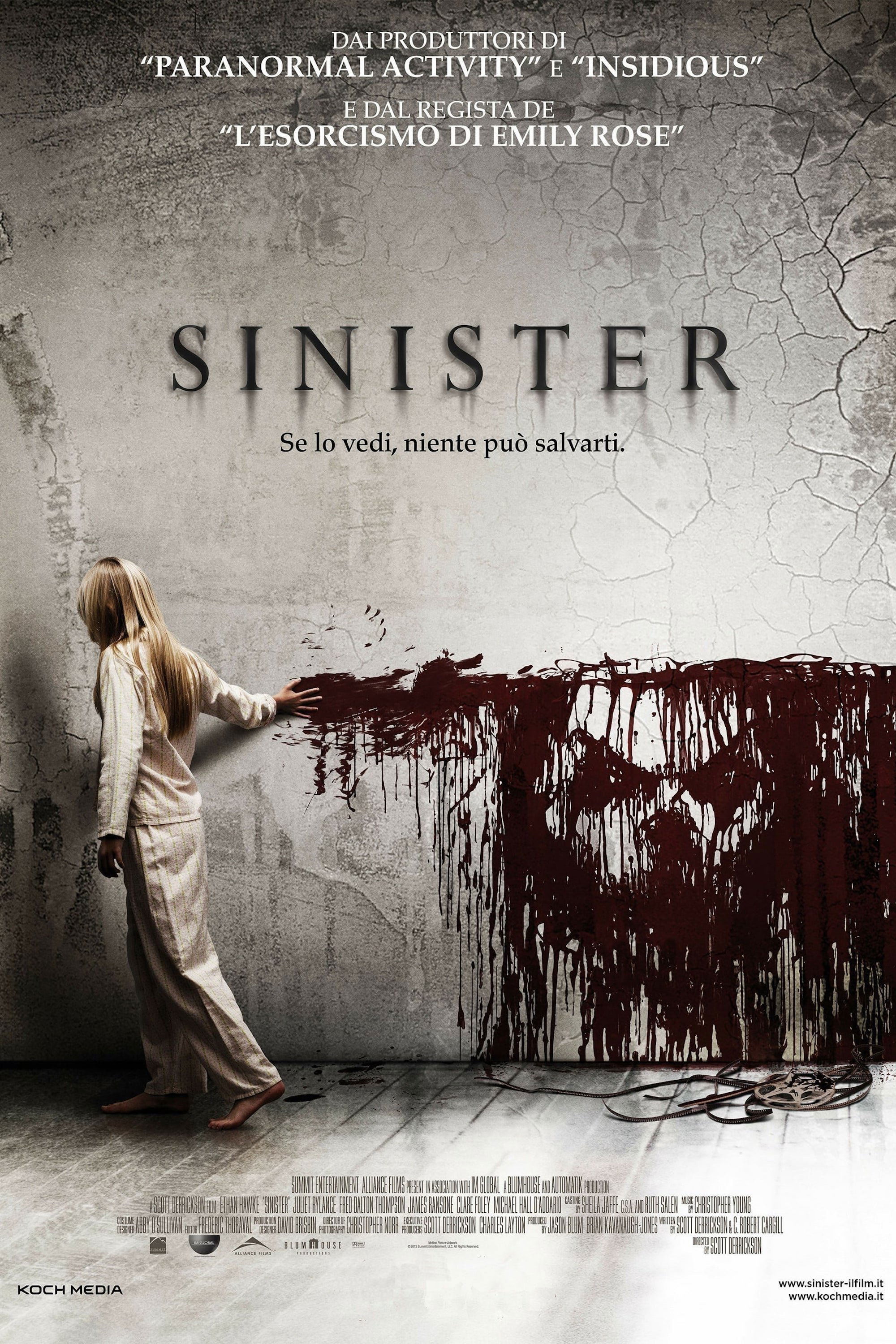
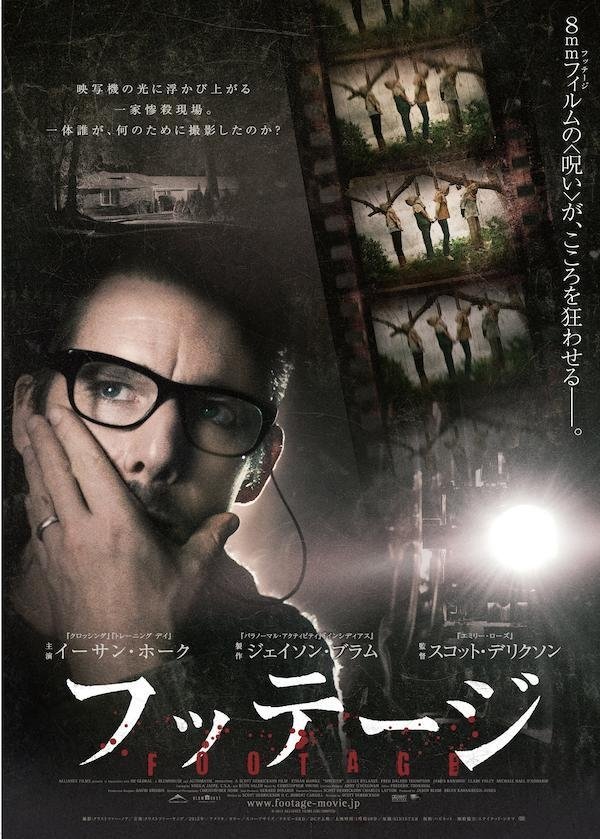
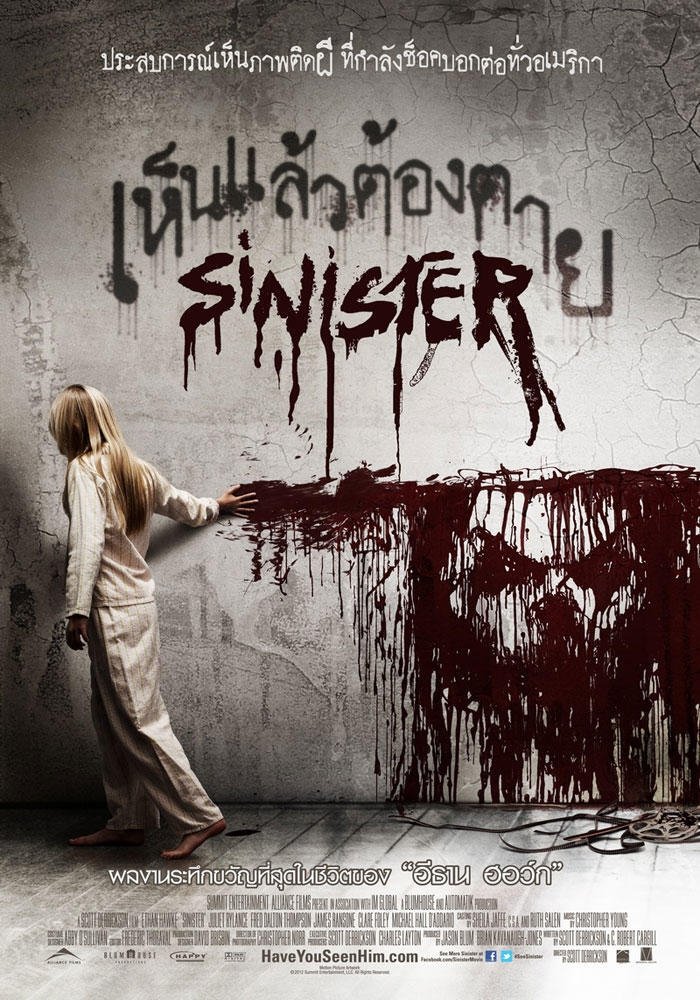
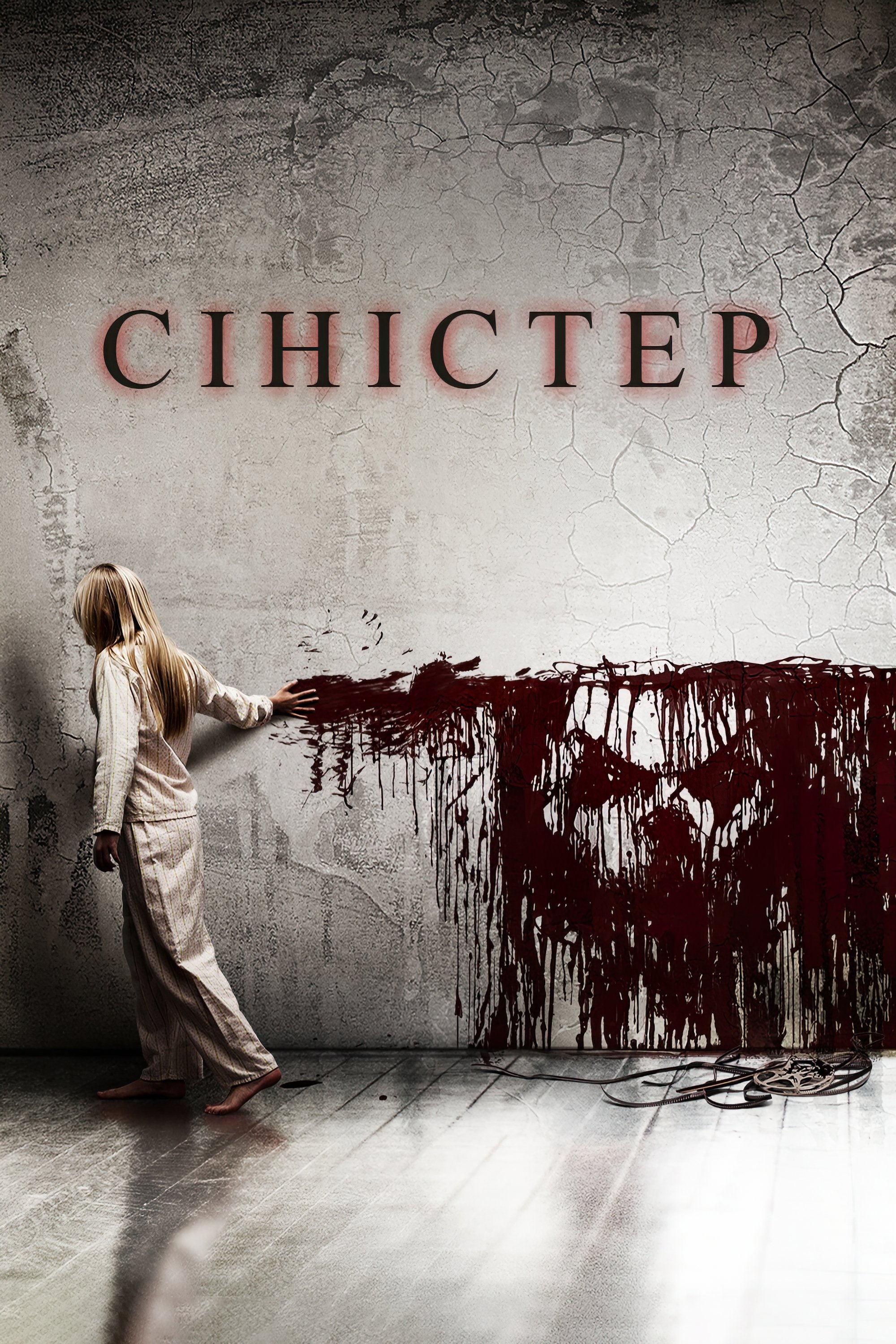
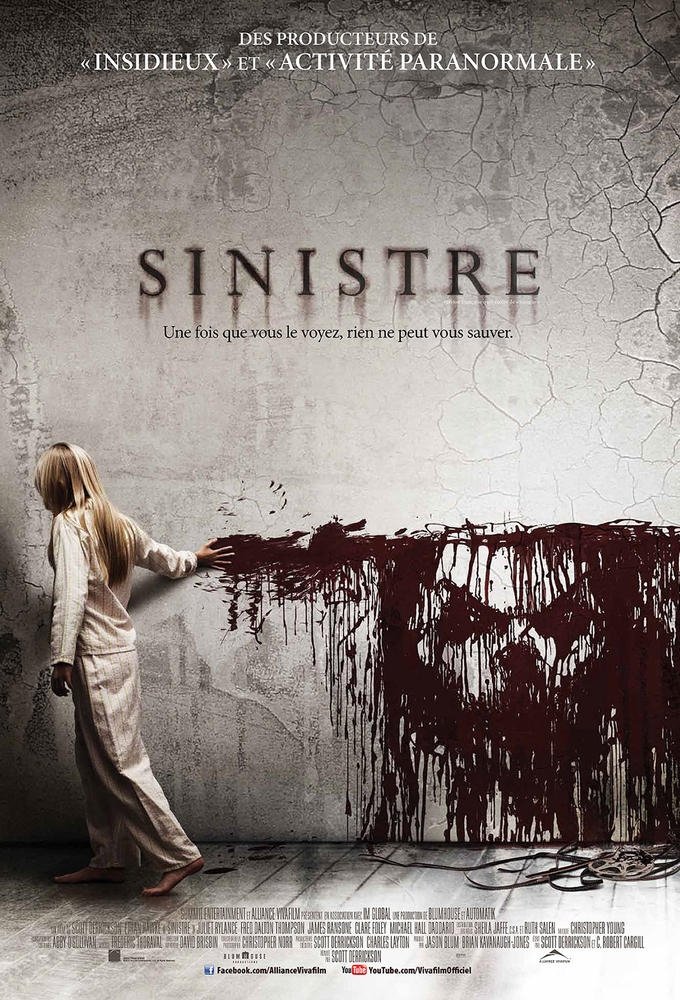
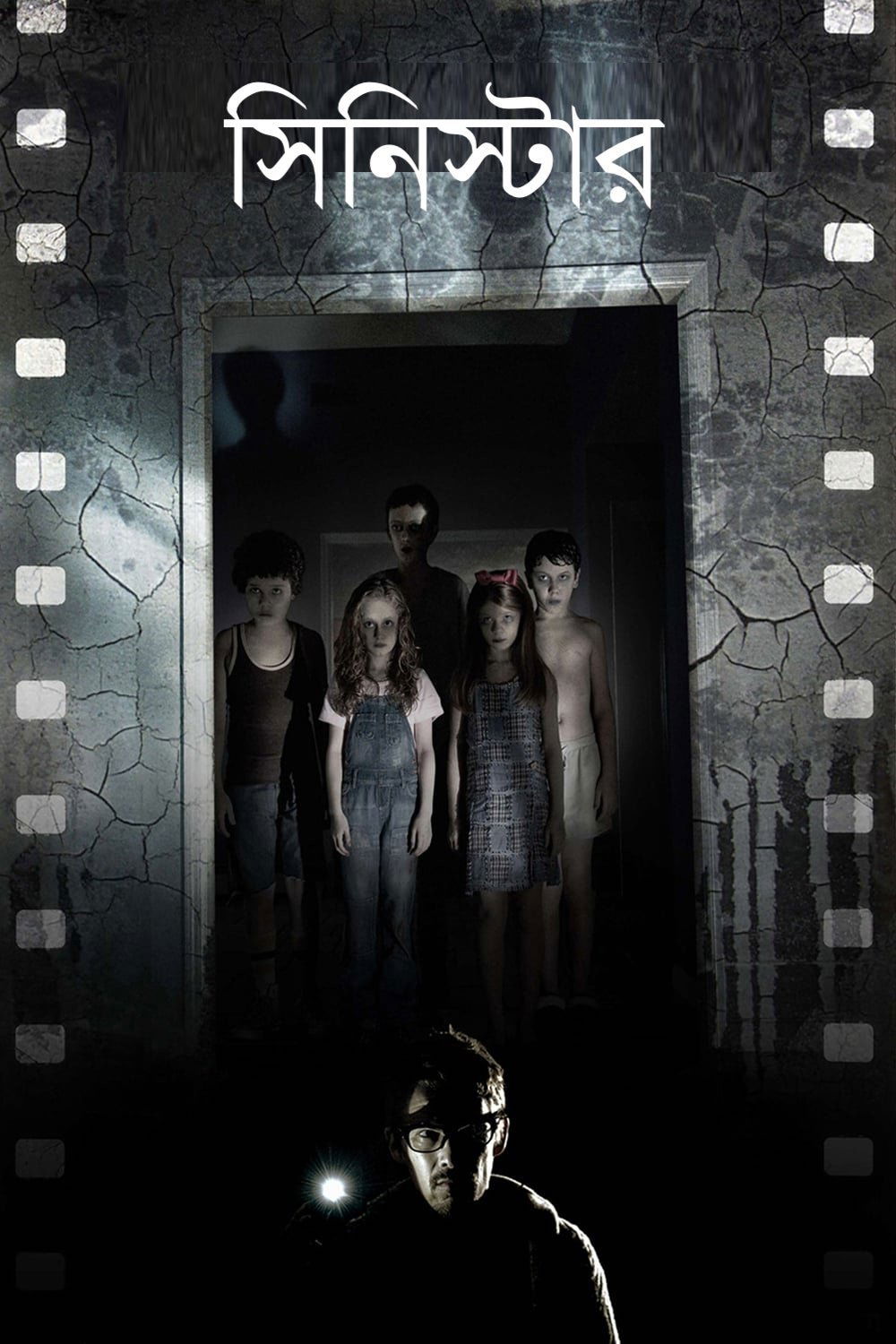
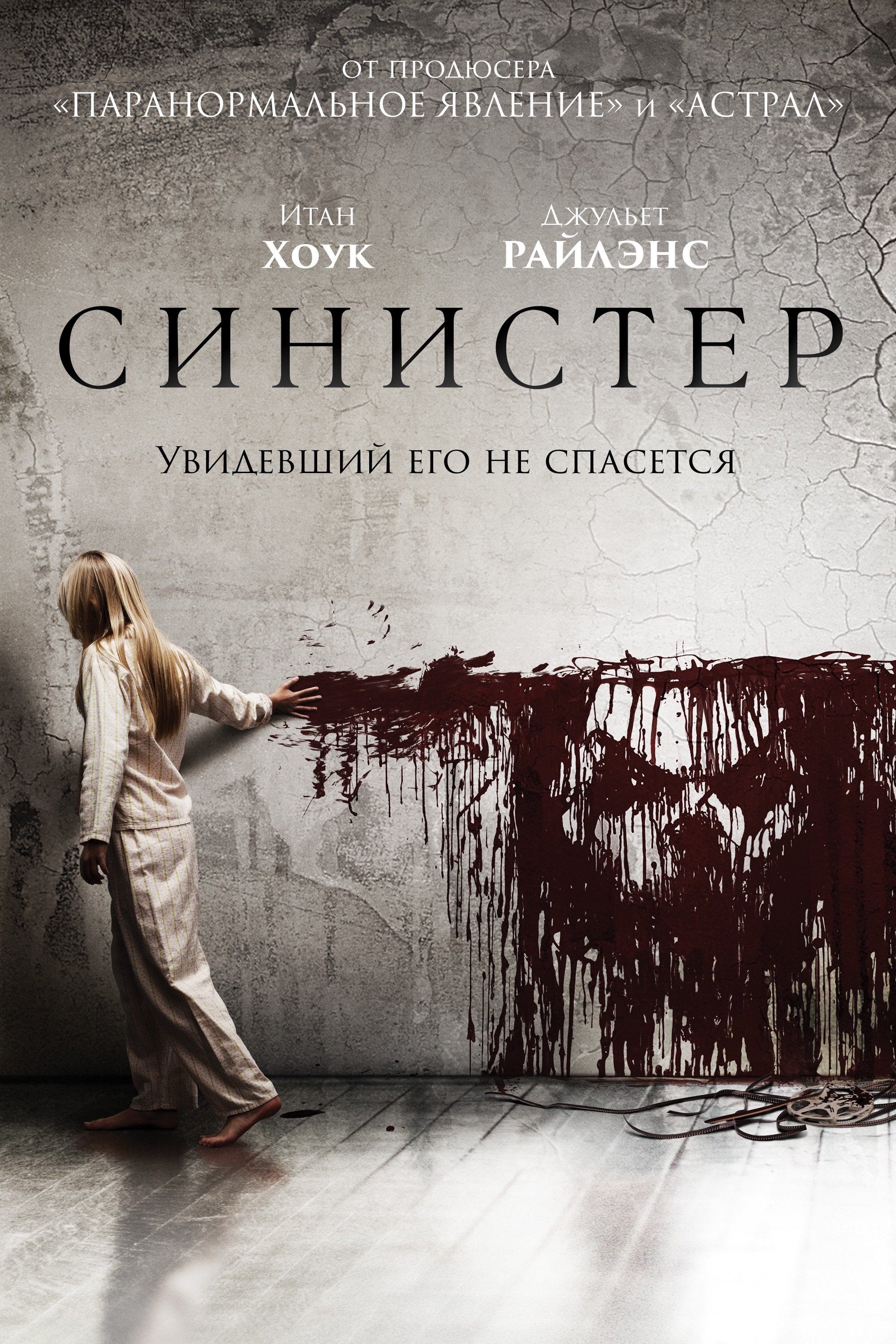
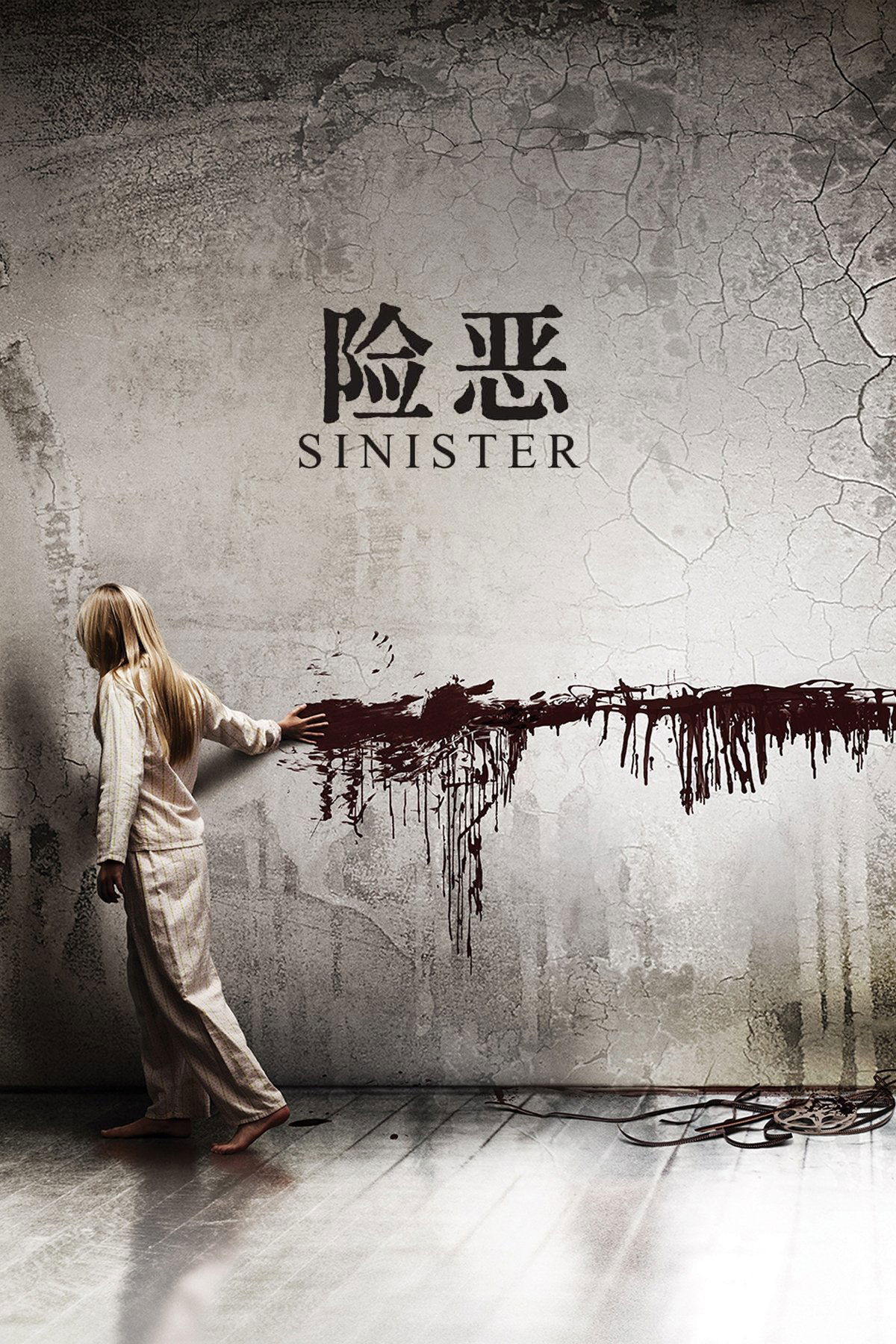
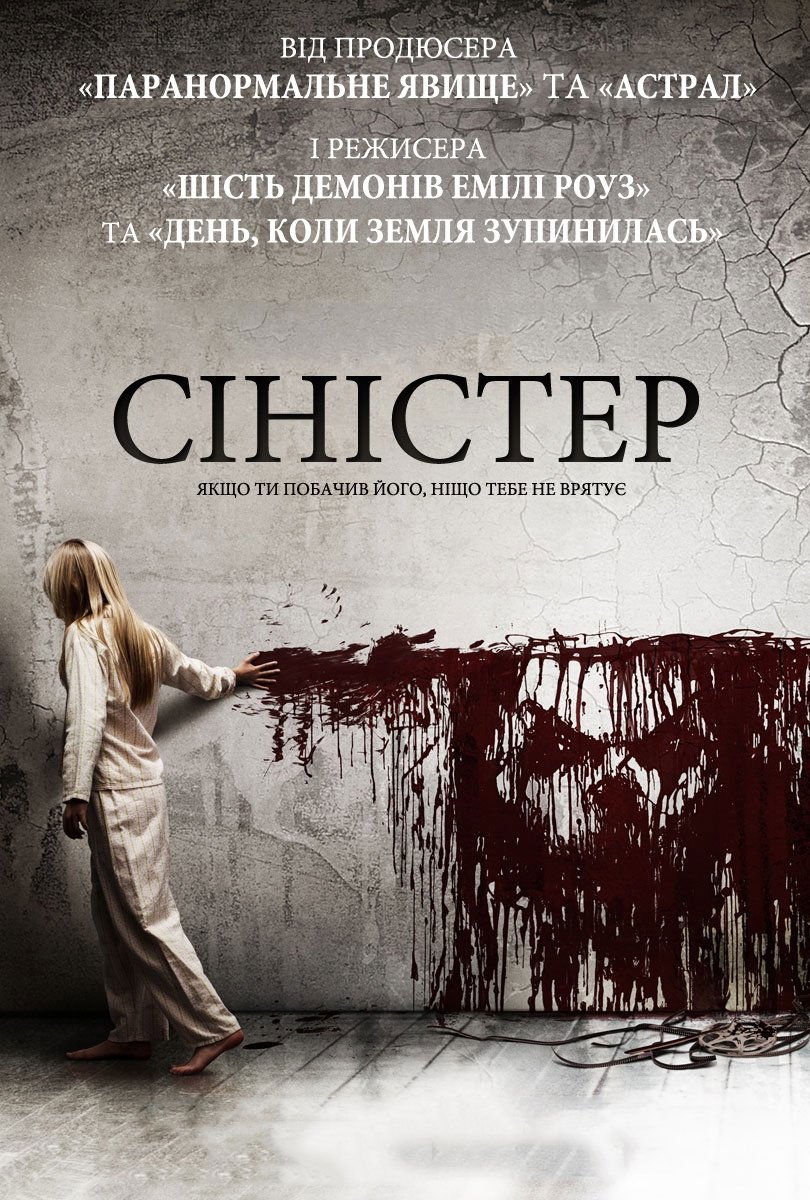
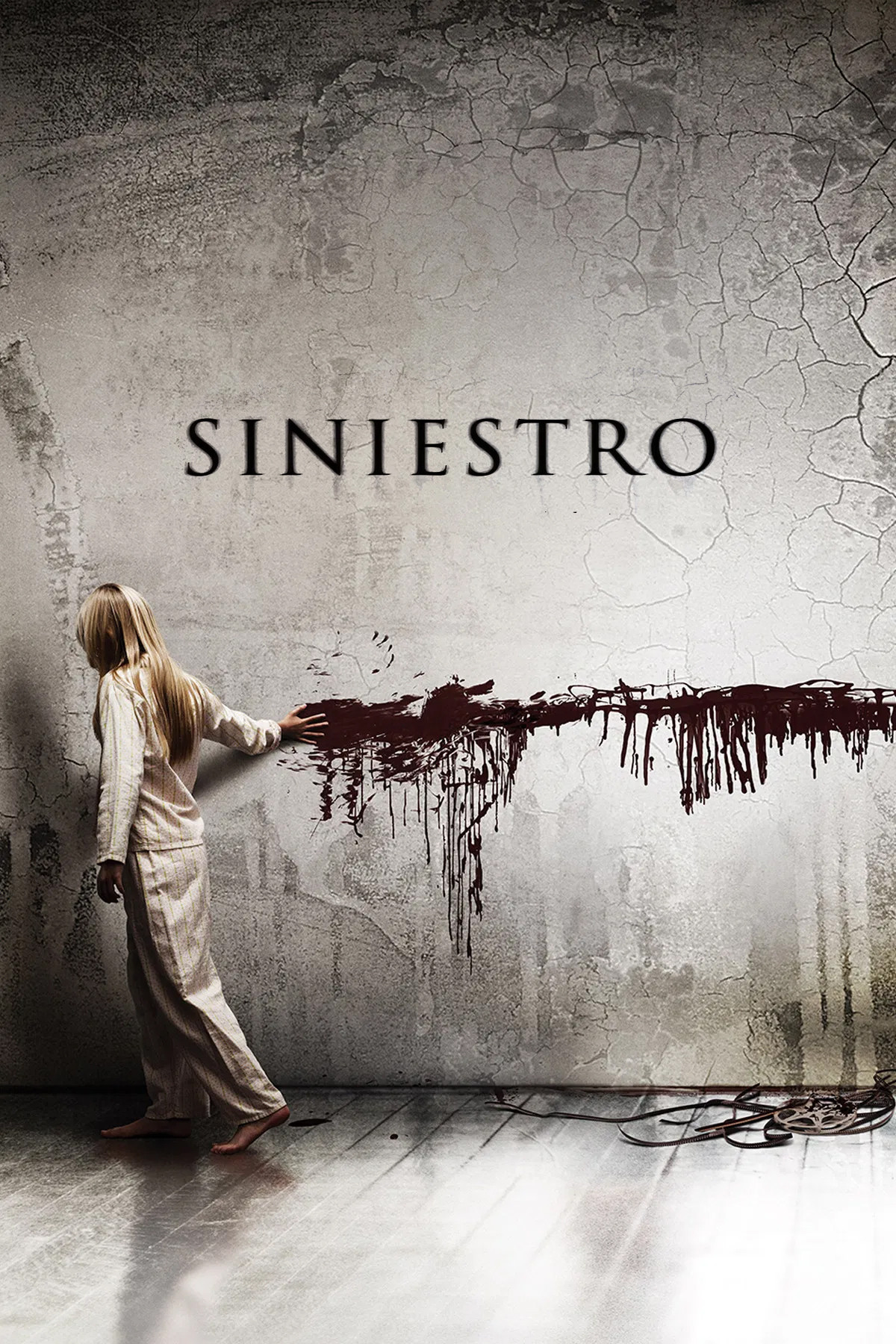
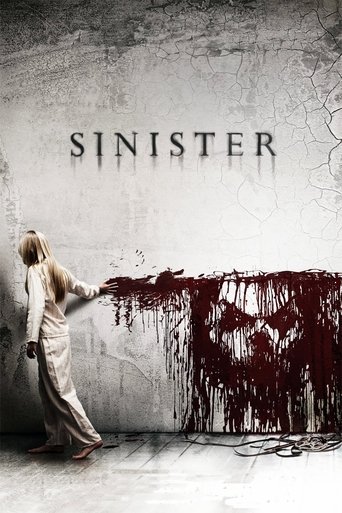
Sinister (2012) poster
Production Companies
Automatik Entertainment , Blumhouse Productions , Alliance Films , IM Global , Summit Entertainment
Plot

Found footage helps a true-crime novelist realize how and why a family was murdered in his new home, though his discoveries put his entire family in the path of a supernatural entity.

Alternative Titles
Siniestro (Argentina) Греховен (Bulgaria) — Bulgarian A Entidade (Brazil) — Portuguese Sinistre (Canada) — French 险恶 (China) — Chinese Sinister - Wenn Du ihn siehst, bist Du schon verloren (Germany) — German Sinistre (Spain) — Catalan სინისტერი (Georgia) — Georgian
Show all 27 alternative titles 邪靈 (Hong Kong SAR China) — Chinese רוח זדונית (Israel) — Hebrew نحس (Iran) — Persian フッテージ (Japan) 살인소설 (South Korea) — Korean Grėsmingas (Lithuania) — Lithuanian Sinisters (Latvia) — Latvian Siniestro (Mexico) — Spanish Sinister - A Entidade (Portugal) — Portuguese Синистер (Russia) — Russian شرير (Saudi Arabia) — Arabic 险恶 (Singapore) — Chinese เห็นแล้วต้องตาย (Thailand) — Thai Lanet (Türkiye) — Turkish 凶兆 (Taiwan) — Chinese Сіністер (Ukraine) — Ukrainian Found Footage (United States) — Working Title Untitled Scott Derrickson Project (United States) — Working Title Điềm Gở (Vietnam) — Vietnamese

Trailers & Videos

1 video

Film Guide

Scott Derrickson’s 2012 supernatural horror combines authentic Super 8 murder films, Chris Norr’s low-key cinematography, experimental sound and the invented mythology of Bughuul in a landmark Blumhouse production.

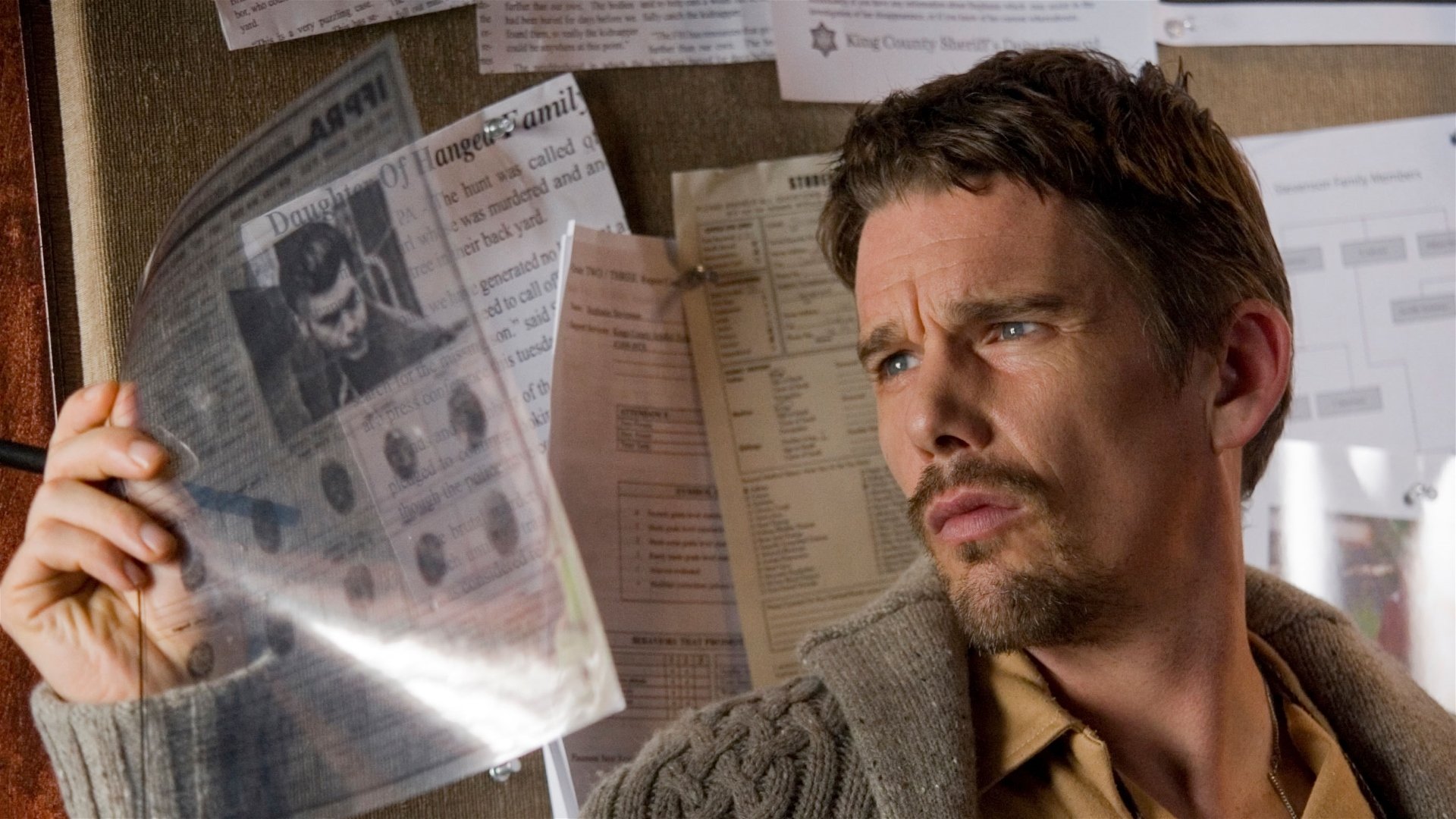
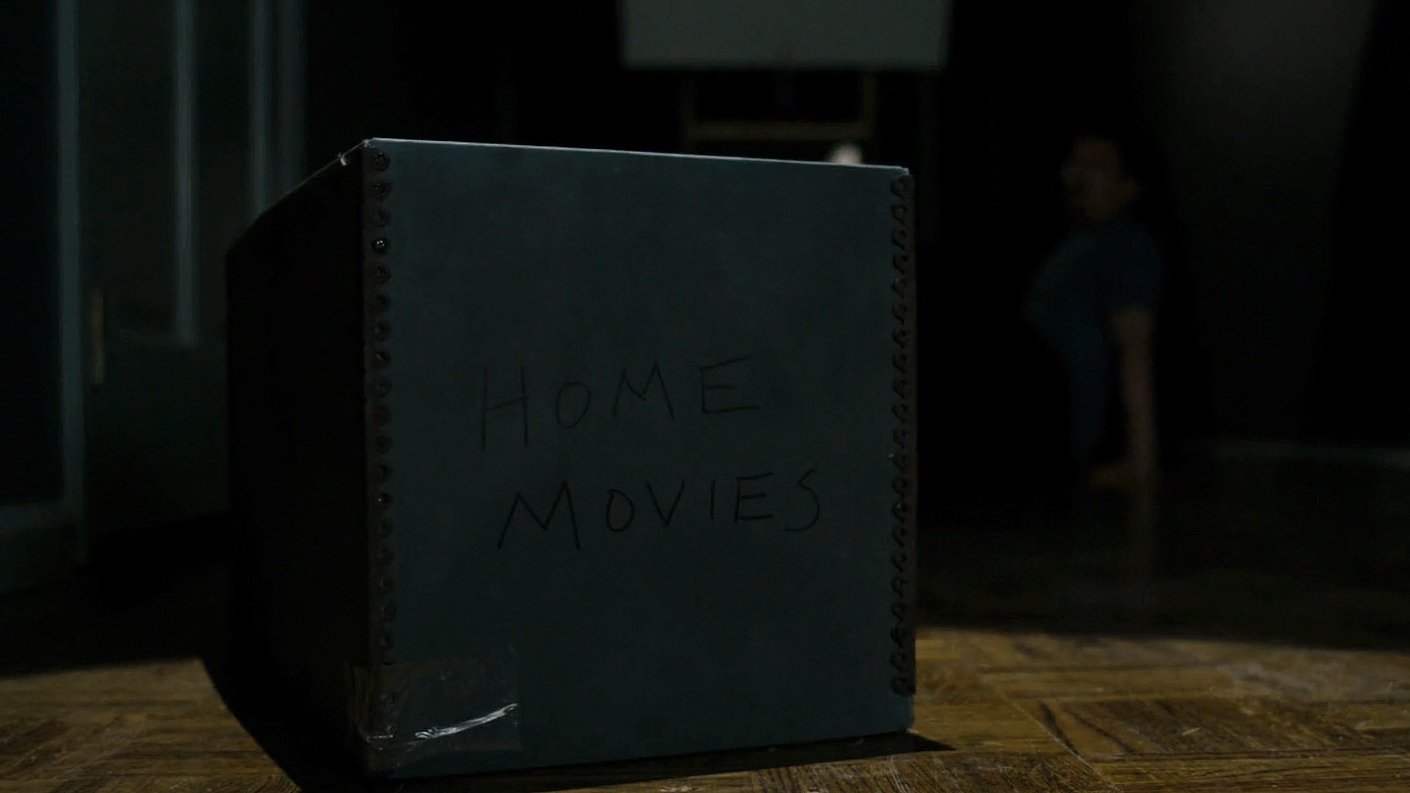
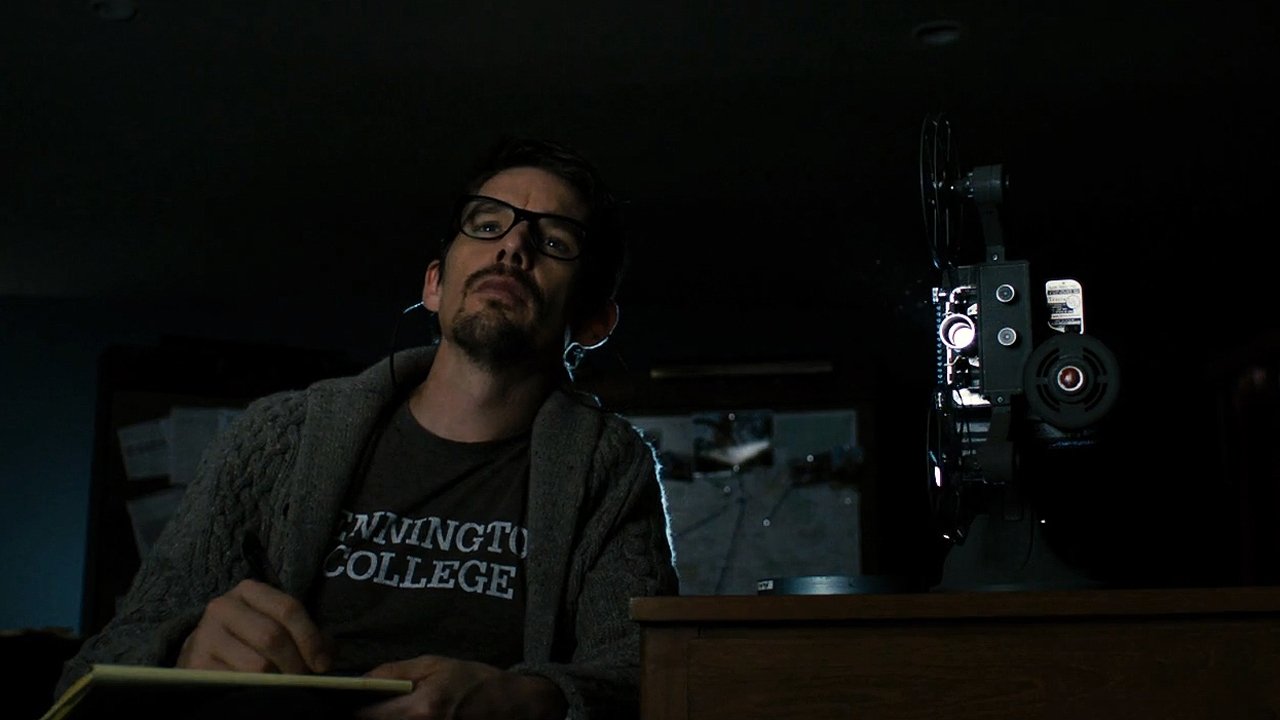
Sinister (2012) is an American supernatural horror film directed by Scott Derrickson and written by Derrickson and C. Robert Cargill. Ethan Hawke portrays Ellison Oswalt, a true-crime author whose declining career leads him to investigate the murder of a family in a house he secretly purchases and occupies with his wife and children. In the attic, Ellison discovers a projector and a collection of Super 8 films documenting the deaths of several families. His investigation gradually exposes a supernatural presence connected to the recordings, transforming the act of watching images into a means of encountering the threat they contain.

Produced by Jason Blum on a reported budget of $3 million, Sinister combines conventional dramatic photography with murder sequences recorded on actual Super 8 film. Cinematographer Chris Norr developed an unusually dark visual style, while production designer David Brisbin constructed environments that emphasize isolation and restricted visibility. Christopher Young composed the original score, working alongside experimental recordings selected by Derrickson before production. The film premiered at South by Southwest in March 2012 and received a wide American theatrical release in October. Its commercial success contributed to the growing prominence of Blumhouse Productions and established Bughuul as a recurring supernatural antagonist.

Development & Blumhouse Production

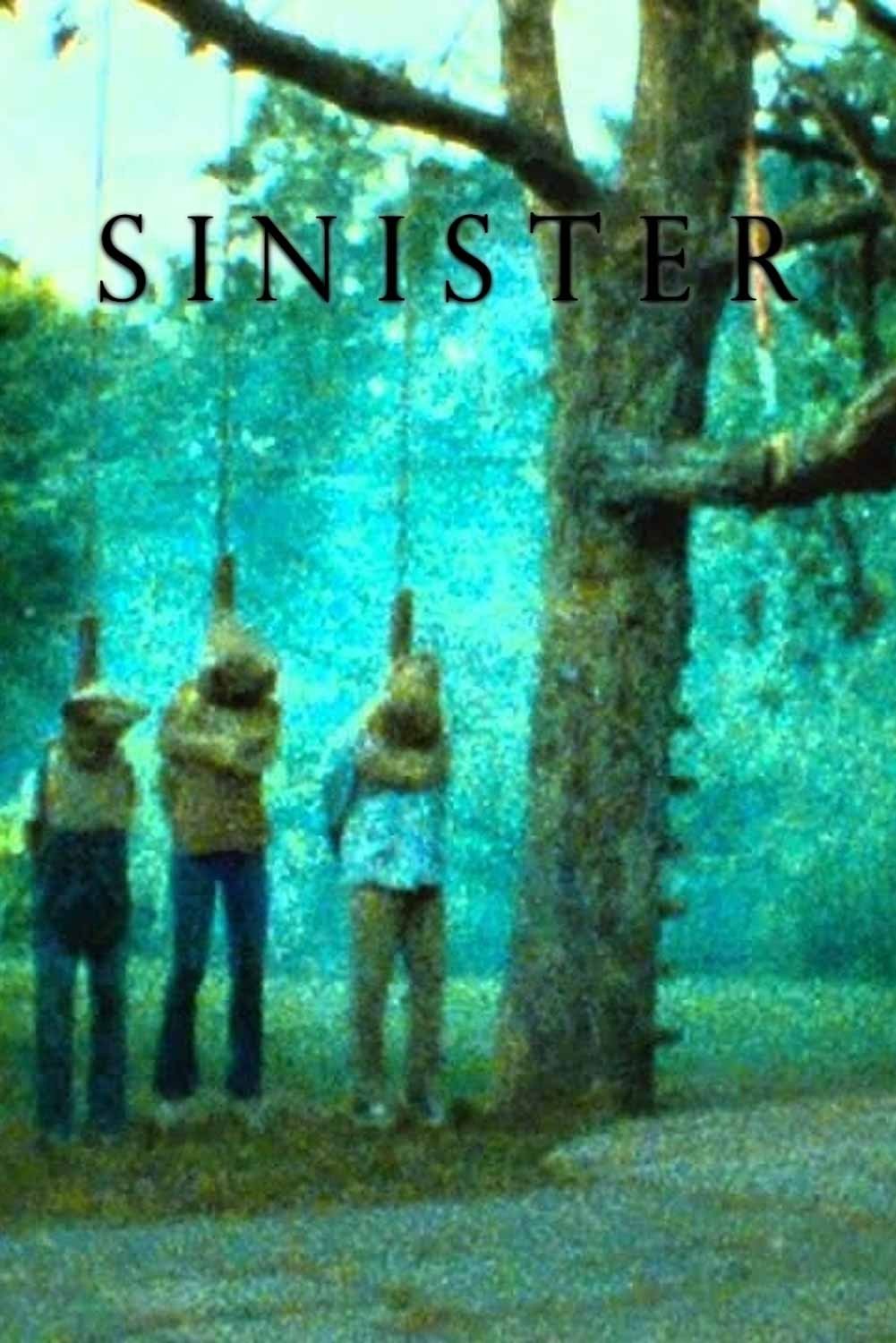
The premise originated with C. Robert Cargill, a film critic who had experienced a disturbing dream after watching Gore Verbinski’s The Ring (2002). In the dream, he discovered a box of Super 8 films in an attic and projected footage of a family being hanged from a tree. The image remained with him for several years while he considered how to construct a feature-length story around it. Cargill later recalled developing the concept into a pitch by approximately 2007 or 2008. The idea finally reached Scott Derrickson during an informal meeting in Las Vegas, where the two discussed possible low-budget horror projects.

Derrickson had directed The Exorcism of Emily Rose (2005) and the expensive science-fiction remake The Day the Earth Stood Still (2008). He regarded Cargill’s premise as an opportunity to return to a more personally controlled form of filmmaking. Its relationship to the found-footage movement was particularly attractive. Rather than presenting the entire feature as material supposedly recorded by its characters, the screenplay would follow an investigator who discovers and repeatedly watches disturbing films. The distinction allowed the filmmakers to combine the apparent authenticity of amateur recordings with conventional dramatic scenes and a sustained study of the viewer’s responses.

Jason Blum offered Derrickson a production arrangement built around a budget of approximately $3 million and final-cut authority. According to interviews conducted for the film’s tenth anniversary, producer Roy Lee was also interested in the project, but the filmmakers selected Blum’s proposal because of the creative freedom it provided. The screenplay was developed rapidly, and production proceeded under the low-budget model associated with Blumhouse. Derrickson later described the period between hearing Cargill’s pitch and the film’s release as unusually short. The limited financing encouraged the crew to concentrate on the house, the principal performances and the carefully designed murder recordings.
Screenplay & the Murder Recordings

Ellison Oswalt begins the story as a writer attempting to recover the reputation established by an earlier bestselling investigation. His decision to move his family into the house where four people were murdered is driven by the possibility of producing another successful book. Ellison conceals the property’s history from his wife Tracy, removing the other members of the household from any meaningful decision about their exposure to the crime scene. His professional ambition therefore becomes the immediate cause of the family’s isolation. The film develops this conflict through his growing dependence on the material he discovers rather than through an investigation conducted openly with the police.

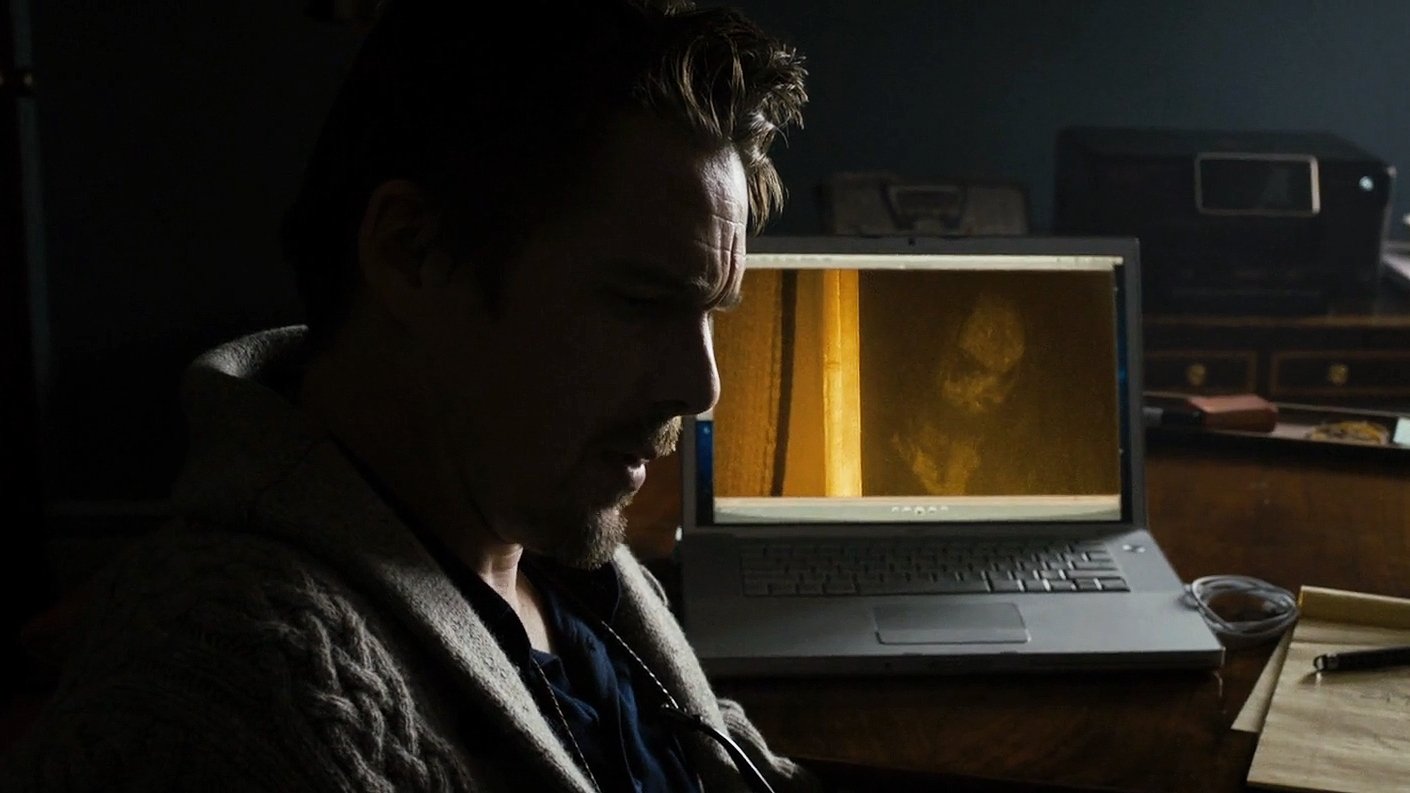
The recordings provide the principal evidence of a series of murders extending across several decades. Their apparently domestic titles conceal footage of families killed by hanging, drowning, fire and other methods. A lawnmower sequence becomes particularly disturbing because the viewer can anticipate the approach of violence without identifying its exact form until the final moment. Ellison examines the images repeatedly, using a computer to enlarge details and search for connections. The investigation changes when he notices a threatening figure within the films. Material that initially appears to document historical crimes begins to reveal evidence of an active supernatural presence.

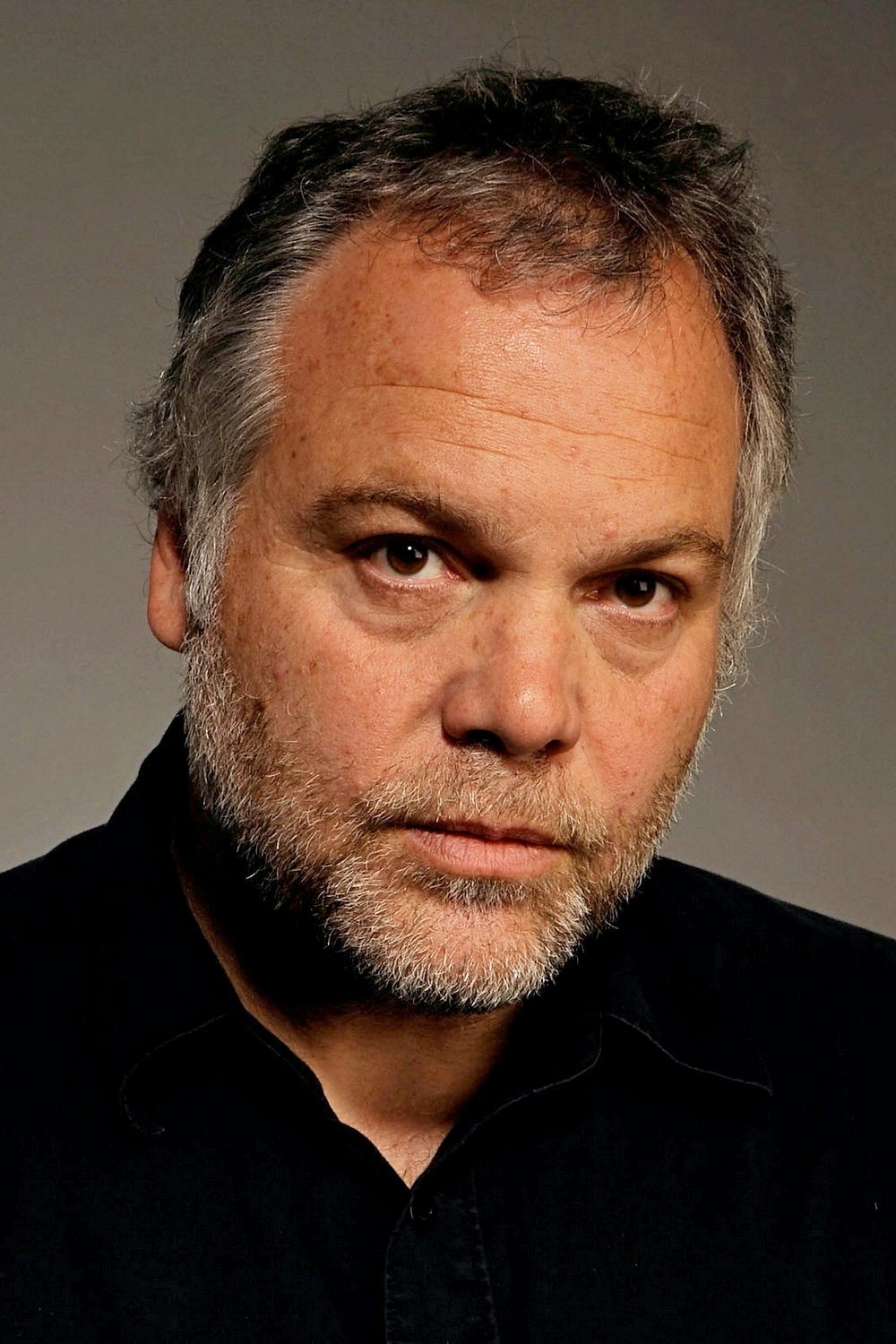
The screenplay gradually connects the recordings to the disappearance of a child from each murdered family. Professor Jonas, an occult specialist portrayed by Vincent D’Onofrio, supplies information about Bughuul, while a local deputy assists Ellison in reconstructing the movement of the affected households. The decisive revelation concerns the order in which the families occupied their homes. Moving away from a murder location does not break the pattern; it is part of the process through which the next family becomes vulnerable. Ellison discovers this connection only after deciding to return home, allowing the story’s investigation to produce its most frightening conclusion when the apparent escape has already occurred.

Performances & Family Horror

Ethan Hawke’s performance gives Ellison an increasingly visible mixture of professional confidence and private desperation. The character spends much of the film alone, examining recordings, drinking and struggling to interpret sounds within the house. His reactions supply continuity between episodes of supernatural activity that otherwise remain difficult to explain. Derrickson also uses Ellison’s occupation to complicate the audience’s relationship with the recorded murders. The writer repeatedly watches the suffering of strangers because it may provide material for a commercially valuable book. His investigation exposes criminal acts while making him increasingly dependent upon the images through which they are preserved.

Juliet Rylance portrays Tracy Oswalt as a parent whose confidence in her husband deteriorates as the household becomes less secure. Their arguments establish the emotional consequences of Ellison’s secrecy without requiring Tracy to understand the supernatural events. Trevor and Ashley, played by Michael Hall D’Addario and Clare Foley, experience disturbances that their father initially attempts to explain through ordinary childhood behavior. Trevor’s nighttime episodes and Ashley’s increasingly unsettling drawings indicate that the threat has reached the family before Ellison understands its nature. The children’s vulnerability is fundamental to the narrative because Bughuul’s interest ultimately concerns them rather than their father.

James Ransone provides moments of humor and practical assistance as a deputy who admires Ellison’s books. His willingness to investigate the old murders contrasts with the sheriff’s disapproval of the author’s arrival in the community. Fred Dalton Thompson gives the sheriff an authority that Ellison initially treats as an obstacle to his research. Vincent D’Onofrio appears as Professor Jonas through video conversations, a formal choice Derrickson explained was present in the screenplay rather than imposed by scheduling limitations. The director confirmed that Hawke and D’Onofrio performed their exchanges on set in separate rooms. These supporting relationships provide different responses to Ellison’s investigation while leaving the family’s survival dependent upon his decisions.

Cinematography, Super 8 & Production Design

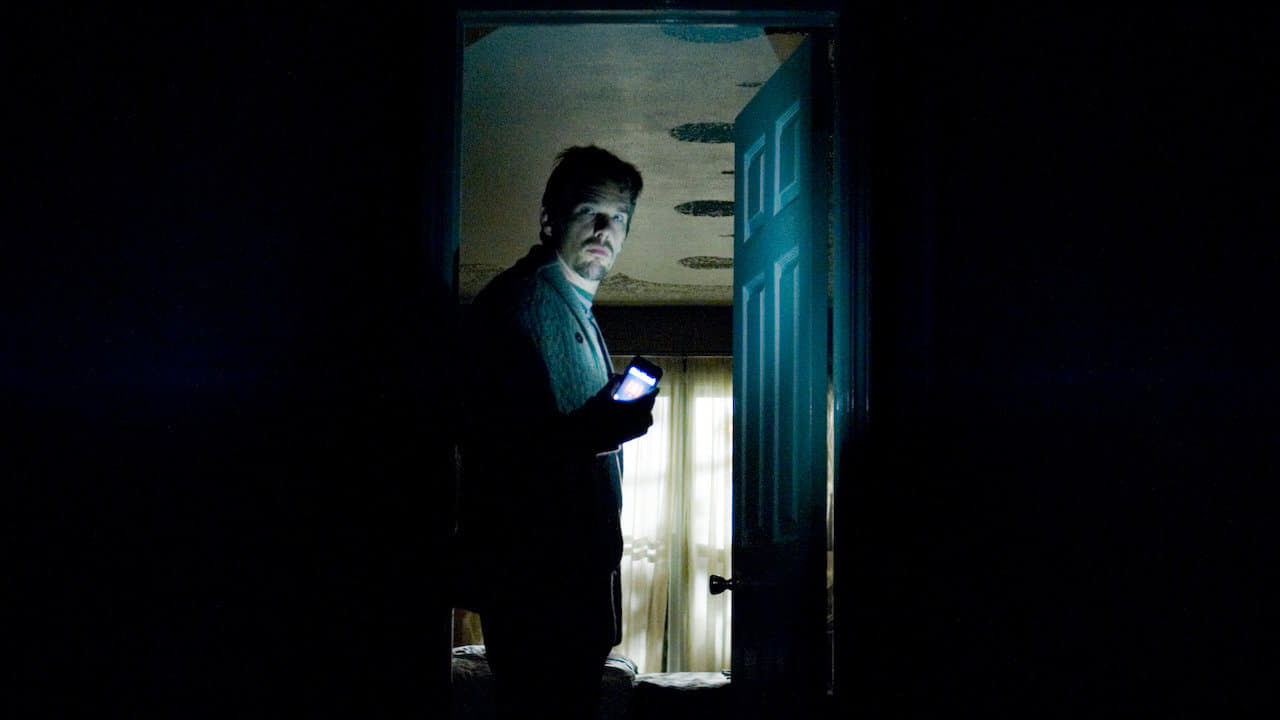
Cinematographer Chris Norr worked with Derrickson to create an image characterized by extensive areas of near-total darkness. In a 2022 interview, Norr identified the paintings of Caravaggio and the photography of Alan J. Pakula’s Klute (1971) as important references. The filmmakers wanted large regions of blackness to remain within the composition, restricting information about the surrounding rooms. Achieving this appearance required considerable work during photography. The main feature was shot digitally, and Norr explained that simply increasing contrast during post-production would have produced an artificial result. Lighting and light-blocking materials were therefore used on set to create the desired shadow structure.

Production designer David Brisbin developed the house around the relationship between ordinary family life and concealed evidence of violence. The attic became particularly important because it houses the projector and the recordings that initiate Ellison’s investigation. The interior was constructed as an elevated set, allowing Hawke to enter from below. Art director John El Manahi later recalled that budget and structural limitations required modifications to Brisbin’s more ambitious design. The completed environment retains the atmosphere of a neglected upper floor while supplying the practical space necessary for the projector, storage boxes and the writer’s repeated searches.

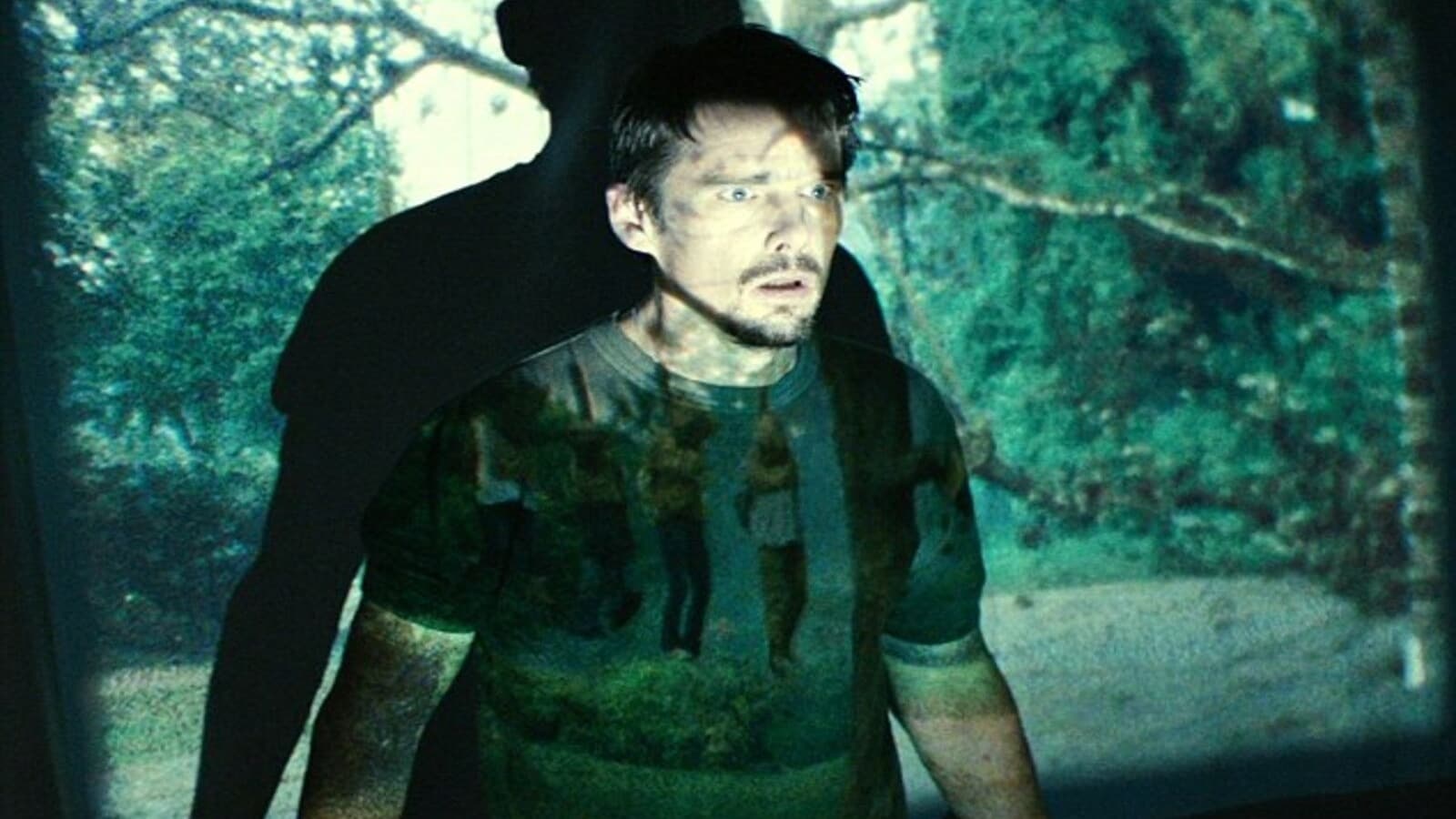
The film’s murder recordings were photographed on genuine Super 8 equipment, establishing a marked visual distinction from the digitally recorded principal narrative. Norr recalled purchasing a camera because functioning examples were difficult to obtain reliably. Their mechanical limitations affected production, sometimes creating unexpected variations in focus or exposure. The filmmakers retained imperfections when they contributed to the material’s appearance. Most of the murder sequences were filmed in Los Angeles during preproduction, before the principal actors’ scenes. This schedule also allowed the completed recordings to be shown to Hawke during filming, giving his reactions an immediate audiovisual reference rather than requiring him to imagine the material being projected.

Bughuul & the Supernatural Mythology

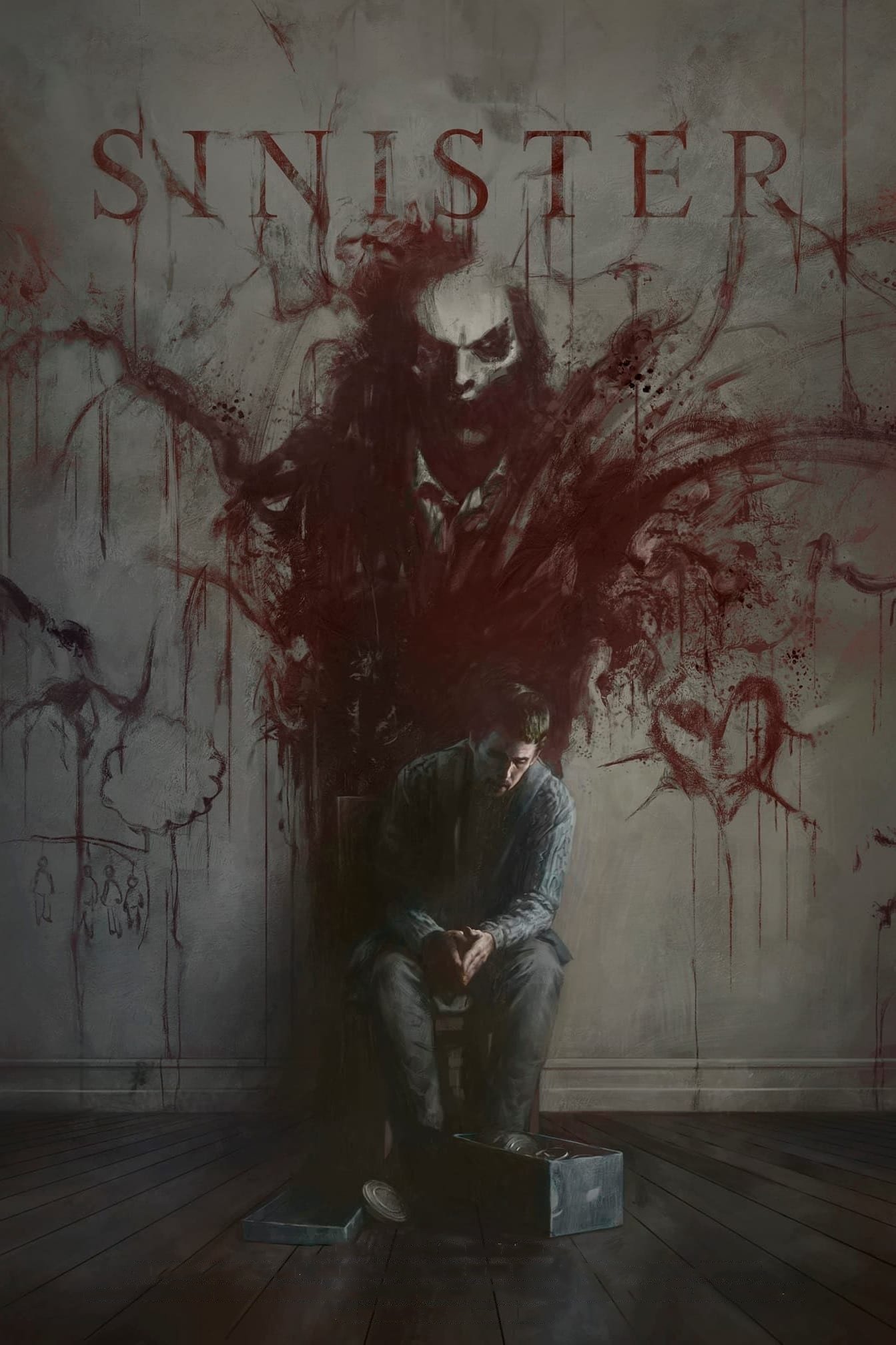
Bughuul, also called Mr. Boogie, was developed as an original supernatural entity rather than an adaptation of an established Mesopotamian deity. Derrickson explicitly confirmed that the character’s mythology had been invented for the film, although Cargill drew upon his knowledge of religious traditions and folklore when constructing its background. The creature inhabits images and uses them to establish contact with children, eventually inducing acts of violence against their families. This mechanism transforms paintings, projected film and electronic displays into possible locations for the antagonist. Its apparent relationship with ancient religious imagery contributes to the fictional mythology without establishing an authentic historical cult or documented supernatural tradition.

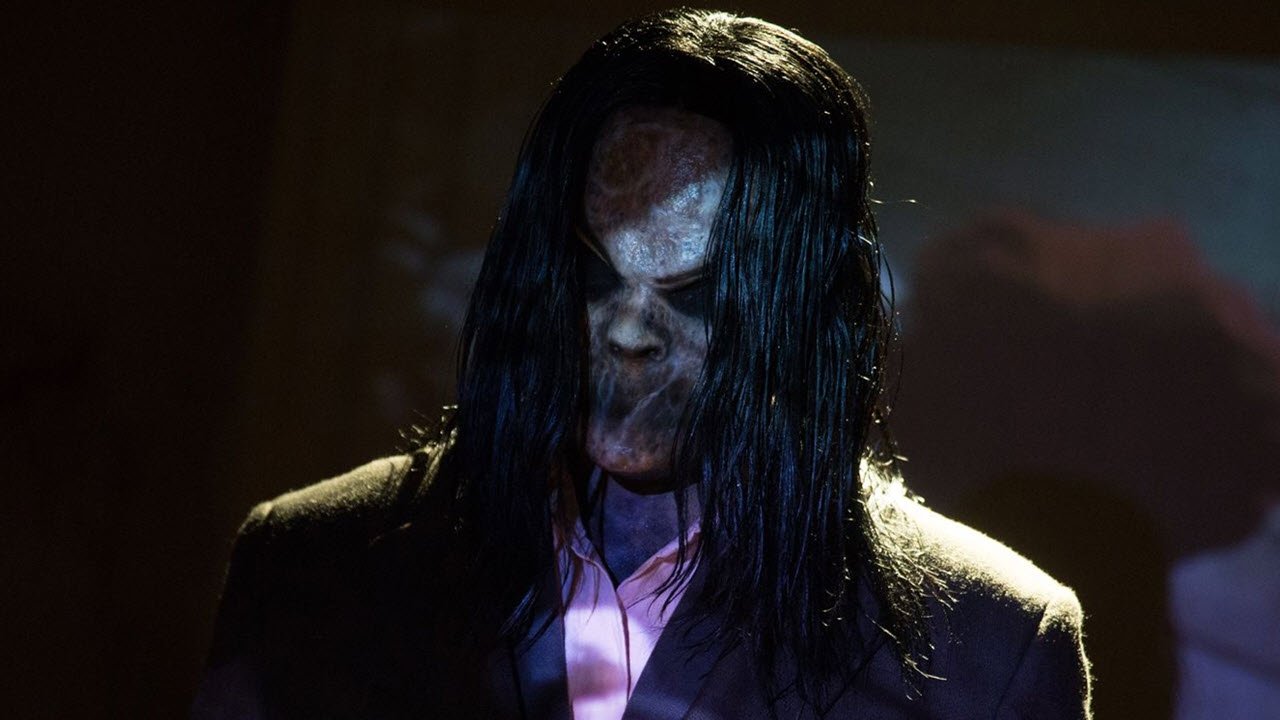
The creature’s visual appearance developed through an unusual process of photographic research. Derrickson searched online collections of horror imagery and assembled references for Cargill to examine. They selected an existing photograph discovered through Flickr, eventually securing permission to use the image as the foundation of Bughuul’s design. The director described the attraction of a face that appeared unfamiliar while retaining a disturbing resemblance to a human mask. Its pale surface and dark features also suggested associations with extreme-metal imagery. Nicholas King performed the character beneath the costume and facial covering, creating an imposing presence through controlled posture and limited movement.

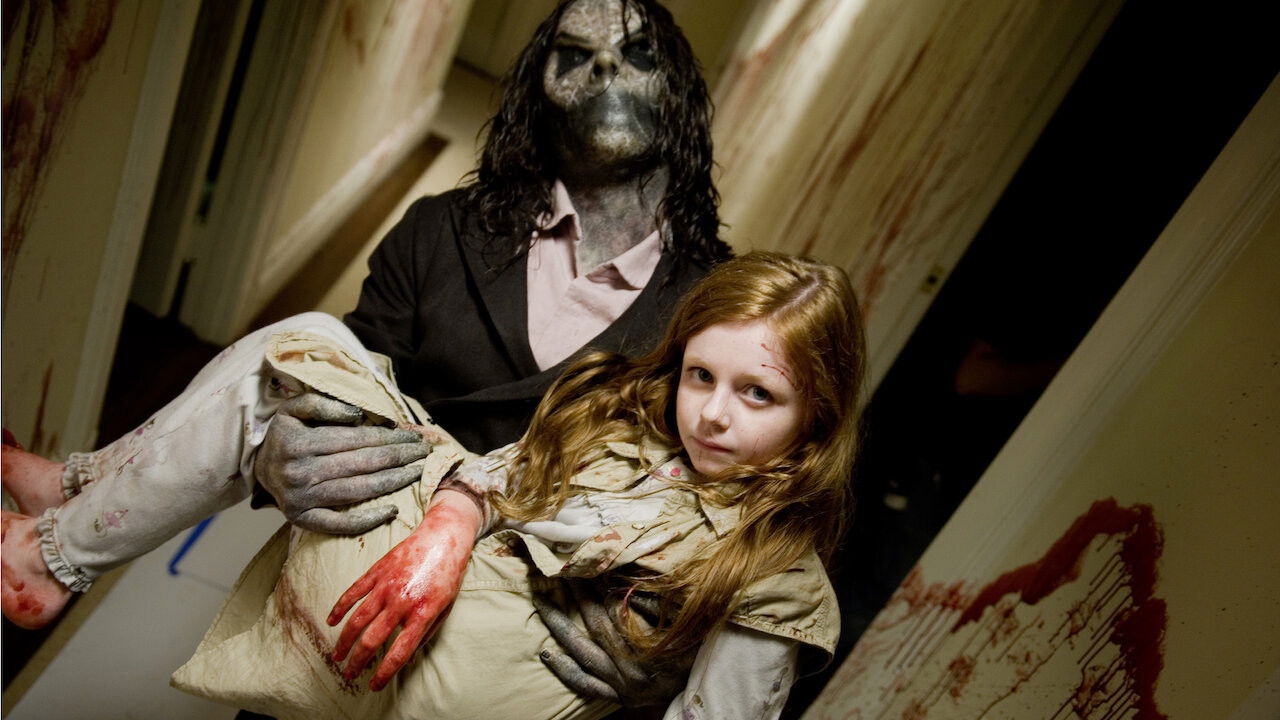
The filmmakers initially reveal Bughuul through images rather than extended physical encounters. Its appearances become more threatening as Ellison discovers details hidden within the recordings and notices apparent changes on his computer screen. The restrained presentation preserves uncertainty about the entity’s capacity to enter ordinary space. Ghostly children subsequently provide evidence that the supernatural pattern has already affected multiple families. Their behavior changes the explanation of the murders: the missing children are participants in the killings under Bughuul’s influence. The ending completes this process when Ashley poisons and murders her family, records the event and is taken away by the entity. The final image implicates the audience’s own act of watching in the circulation of the material.

Music, Sound Design & Suspense

Christopher Young composed the original music after Derrickson had already established much of the soundtrack’s character through recordings by experimental artists. The director selected pieces before principal photography and played them during the preparation and filming of the Super 8 murder sequences. In a 2013 interview, he explained that Young was asked to develop music with an electronic and industrial character capable of coexisting with these earlier selections. The composer responded by preparing numerous sounds and samples, which Derrickson evaluated before they were developed into finished cues. The collaboration produced a score whose textures differ substantially from the more conventional orchestral language associated with several of Young’s earlier horror productions.

The Norwegian group Ulver provided a particularly important source of prerecorded material. Derrickson recalled licensing music from the extended composition Silence Teaches You How to Sing and using portions of it across several murder recordings. These selections were chosen for their ability to sustain unease through repetition, unstable electronic textures and unfamiliar sonic detail. They should be distinguished from the score newly composed by Young. The separation is important because the film’s distinctive soundtrack results from the interaction between original composition, independently produced experimental music and sound effects rather than from the work of a single composer.
The sound design and editing repeatedly exploit the difference between sustained anticipation and sudden interruption. The projected recordings often contain long intervals during which the viewer knows that a violent event is approaching but cannot determine its precise moment. Derrickson identified the lawnmower sequence as an especially successful example of this construction. The abrupt image and accompanying impact sound are followed by Ellison’s startled reaction, joining the audience’s experience to that of the character watching the film. Other scenes use apparently ordinary noises within the house to suggest movement beyond the visible frame. The design makes the absence of reliable visual information important to suspense, while the contrasting soundscapes of the Super 8 recordings give the murders an identity distinct from the surrounding drama.

Release, Reception & Historical Position

Sinister screened at the South by Southwest Film Festival in Austin, Texas, on 11 March 2012, before beginning its principal theatrical distribution later that year. The film opened commercially in the United Kingdom on 5 October and in the United States on 12 October through Lionsgate. It received an R classification for disturbing violent imagery and terror. Box Office Mojo reports an American opening weekend of $18,007,634 and a final domestic gross of $48,086,903. Its database records worldwide theatrical receipts of approximately $82.52 million, while other tracking services publish higher cumulative international totals. These differences should be distinguished from the production budget and from revenue received directly by the filmmakers.

Contemporary critical reception recognized the effectiveness of the recordings and the central performance while differing over the supernatural explanation. In his October 2012 review, Roger Ebert praised the film’s ability to create fear and considered Hawke’s portrayal important to its dramatic credibility. The discovery and examination of the murder reels attracted particular attention because the footage exposes the audience to violence through the same viewing process experienced by Ellison. Critical reservations frequently concerned the eventual prominence of conventional supernatural imagery and the extent to which the explanation of Bughuul altered the atmosphere established by the earlier investigative sequences.

The commercial success reinforced the importance of Blumhouse’s low-budget production strategy, under which substantial creative freedom could be combined with comparatively limited financial exposure. The film also established the collaboration between Derrickson and Cargill, whose subsequent projects included The Black Phone (2021). Sinister 2 (2015), directed by Ciarán Foy, extended the mythology of Bughuul and the murder recordings while introducing another affected family. The original film’s historical position rests particularly on its combination of true-crime investigation, physical film projection and supernatural transmission through recorded images. The cinematic device provides a distinctive mechanism for fear while retaining the emotional consequences of Ellison’s decisions for his household.

References

  1. /Film Sinister at 10: An Oral History of the Scariest Movie Ever Made

    Ryan Scott’s extensive 2022 oral history with Scott Derrickson, C. Robert Cargill, Chris Norr, David Brisbin and production personnel, documenting development, the Super 8 murder films, practical construction, sound choices and the Blumhouse production model.

  2. /Film Cinematographer Chris Norr Takes Us Behind the Scenes of Sinister

    Direct 2022 interview with the cinematographer discussing Caravaggio and Klute as visual references, digital photography, physical control of darkness and the use of authentic Super 8 equipment.

  3. ZekeFilm Interview: Director Scott Derrickson

    Original February 2013 interview confirming Bughuul as a fictional creation, the production of Vincent D’Onofrio’s video conversations and the distinction between Christopher Young’s original score and prerecorded experimental music.

  4. Gizmodo How Internet Art Inspired the Monster in Ethan Hawke’s Sinister

    Original October 2012 interview with Derrickson and Cargill examining the construction of Bughuul’s fictional mythology, the Flickr photograph underlying the creature design and the connection between the supernatural entity and recorded imagery.

  5. Box Office Mojo Sinister (2012) — Theatrical Box Office

    Theatrical release and commercial data documenting the production budget, October 2012 American opening, domestic receipts and the worldwide total recorded by Box Office Mojo.

Connections

Cast

View Full Cast & Crew →

Release & Distribution

Production Companies (5)

  • Alliance Films CA
  • Automatik Entertainment US
  • Blumhouse Productions US
  • IM Global US
  • Summit Entertainment US

Distributors (2)

  • Big Bang Media HU
  • Plaion AT

Release History (57)

Release DateTerritoryRelease TypeFormatDistributorCertificationNotes
2012-03-11 United States Premiere — — — South by Southwest Film Festival
2012-10-03 United Kingdom Premiere — — — Grimmfest International Festival of Fantastic Film
2012-10-04 Russia Theatrical — — 18+
2012-10-05 Estonia Theatrical — — —
2012-10-05 United Kingdom Theatrical — — 15
2012-10-05 Ireland Theatrical — — 15
2012-10-05 Mexico Theatrical — — B-15
2012-10-10 Philippines Theatrical — — R-13
2012-10-11 Singapore Theatrical — — NC-16
2012-10-12 Brazil Theatrical — — 14
2012-10-12 Canada Theatrical — — 14A
2012-10-12 United States Theatrical — — R
2012-10-18 Malaysia Theatrical — — —
2012-10-18 Peru Theatrical — — —
2012-10-18 Thailand Theatrical — — 18+
2012-10-25 Argentina Theatrical — — 13
2012-10-25 Portugal Theatrical — — M/18
2012-10-26 Finland Theatrical — — K-16
2012-10-26 Lithuania Theatrical — — N-16
2012-10-31 Denmark Theatrical — — 15
2012-10-31 Spain Theatrical — — 16
2012-10-31 Norway Theatrical — — 15
2012-11-01 Australia Theatrical — — MA15+
2012-11-01 Chile Theatrical — — 18
2012-11-01 Czechia Theatrical — — —
2012-11-01 Slovakia Theatrical — — —
2012-11-02 Latvia Theatrical — — —
2012-11-07 Belgium Theatrical — — —
2012-11-07 France Theatrical — — 12
2012-11-08 United Arab Emirates Theatrical — — 15+
2012-11-08 Bahrain Theatrical — — —
2012-11-09 Colombia Theatrical — — 12
2012-11-14 Sweden Premiere — — — Stockholm International Film Festival
2012-11-15 South Korea Theatrical — — 18
2012-11-15 Kuwait Theatrical — — —
2012-11-15 Netherlands Theatrical — — 16
2012-11-15 Ukraine Theatrical — — —
2012-11-22 Germany Theatrical — — 16
2012-11-22 Hong Kong SAR China Theatrical — — IIB
2012-11-22 Croatia Theatrical — — —
2012-11-23 Austria Theatrical — — —
2012-11-23 Poland Theatrical — — 16
2012-11-30 Sweden Theatrical — — 15
2012-11-30 Taiwan Theatrical — — R-18
2012-12-06 Hungary Theatrical — — 18
2012-12-07 Ecuador Theatrical — — —
2012-12-07 Uruguay Theatrical — — —
2012-12-07 Venezuela Theatrical — — —
2012-12-19 Egypt Theatrical — — —
2012-12-20 Bolivia Theatrical — — —
2013-01-04 Iceland Theatrical — — —
2013-01-10 New Zealand Theatrical — — 16
2013-03-14 Italy Theatrical — — VM14
2013-03-29 Türkiye Theatrical — — 13+
2013-05-09 Israel Theatrical — — הותר לבני 18 ומעלה נימוק: אלימות רבה
2013-05-11 Japan Theatrical — — PG12
2013-06-18 Australia Physical DVD — MA 15+ DVD
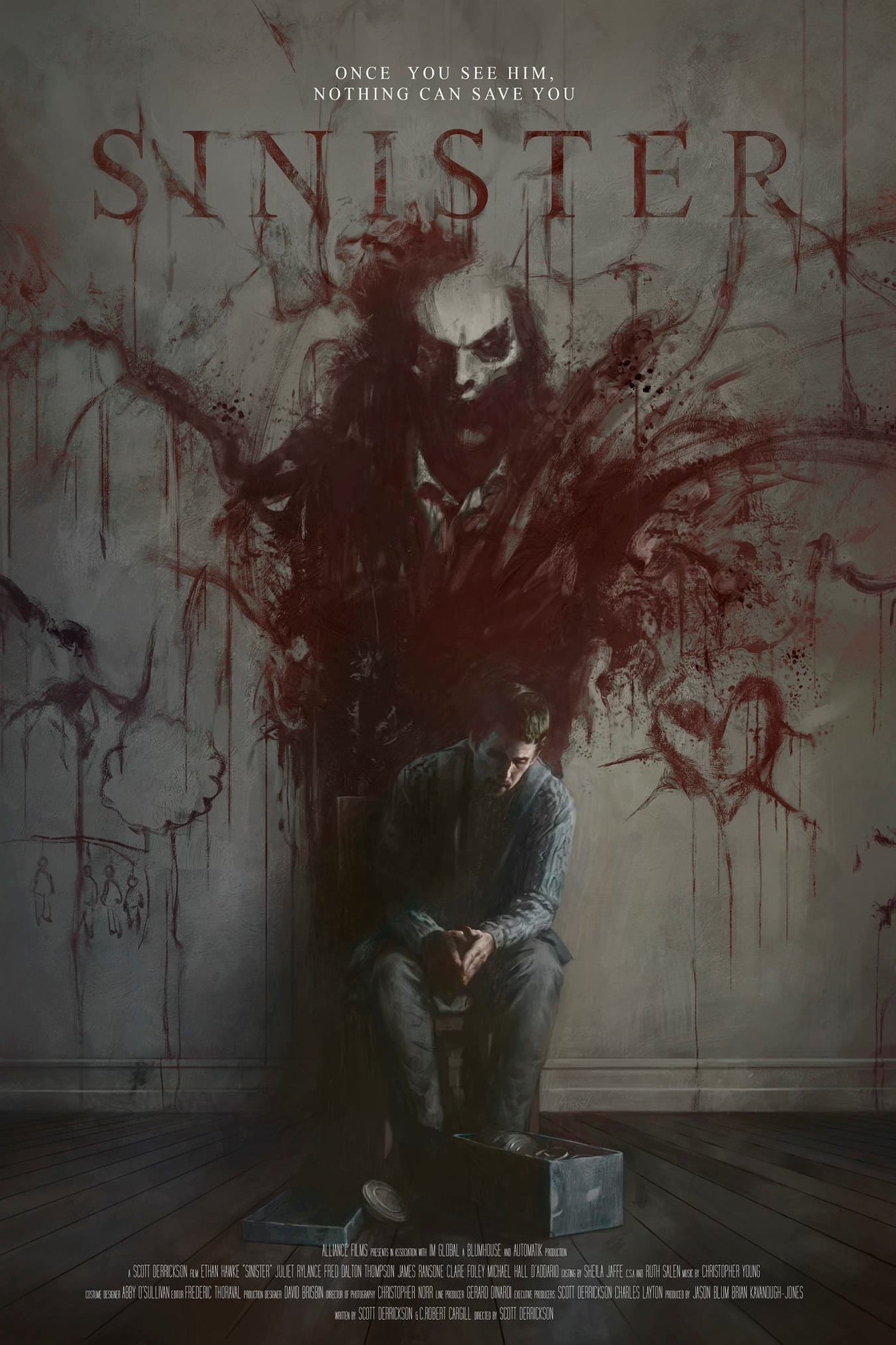
Once you see him, nothing can save you.