Hostel: Part III (2011)

US
HORROR FILM
3.5/10 2 votes
Runtime
88 min
Release
December 27, 2011
Budget
$6,000,000
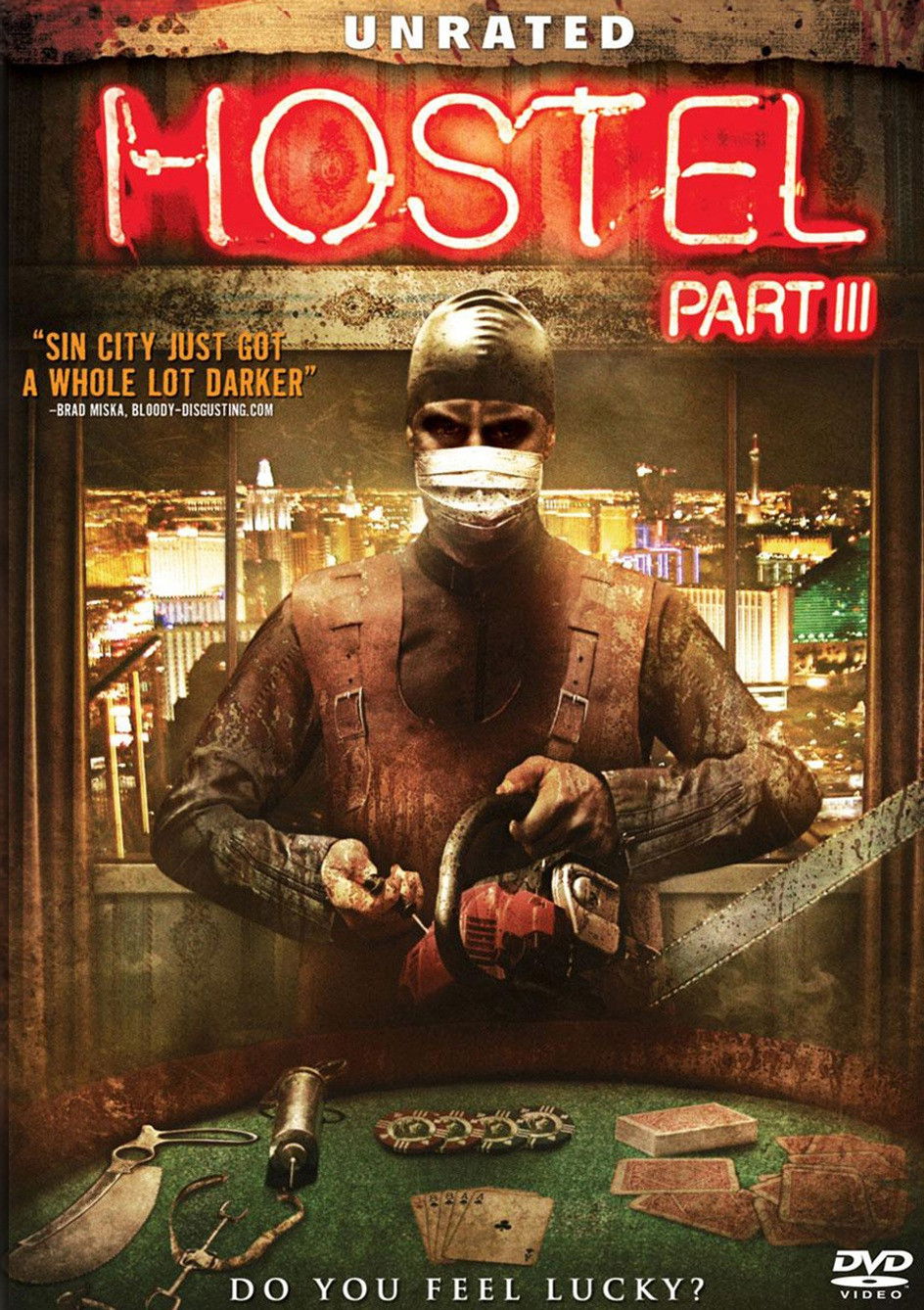
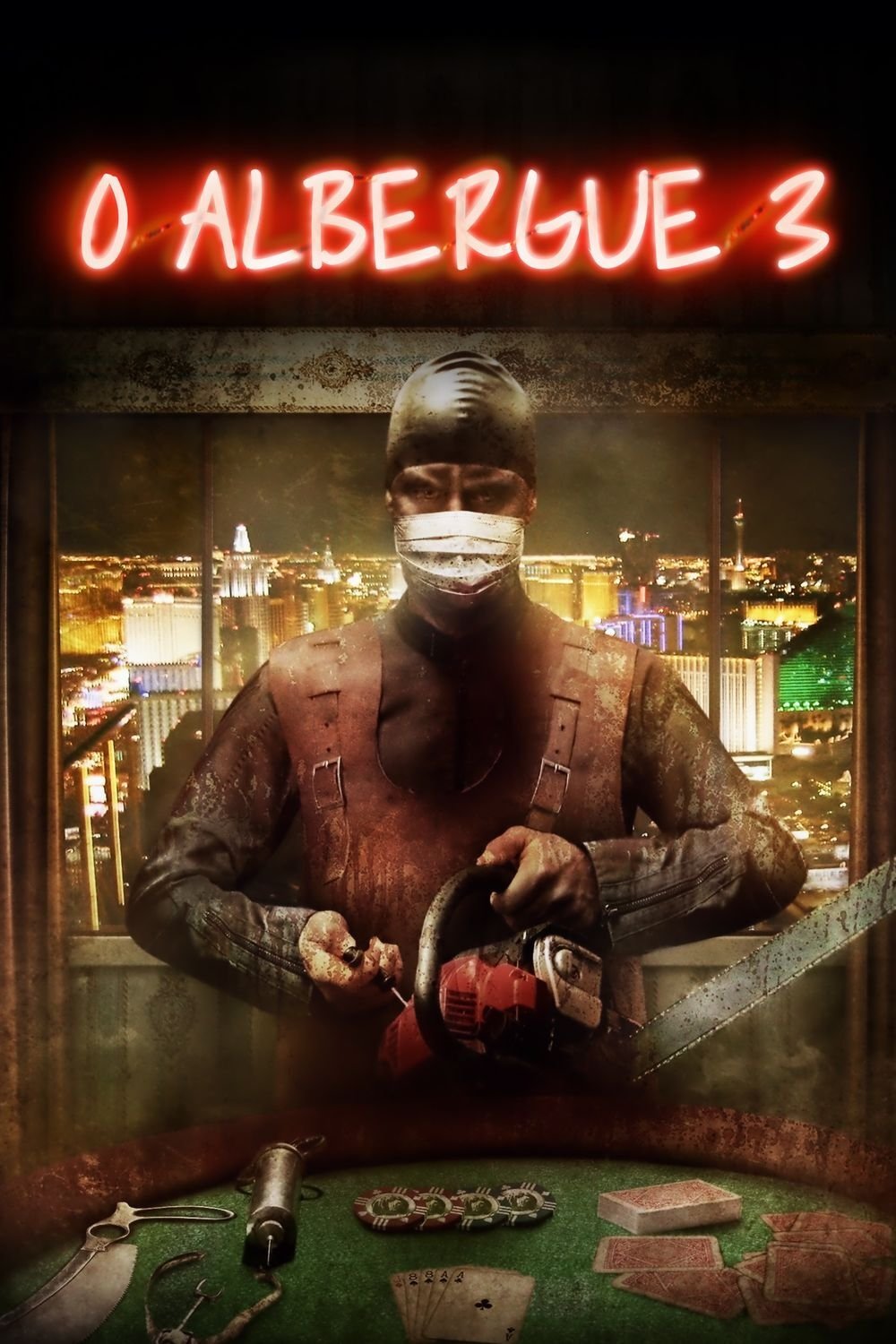
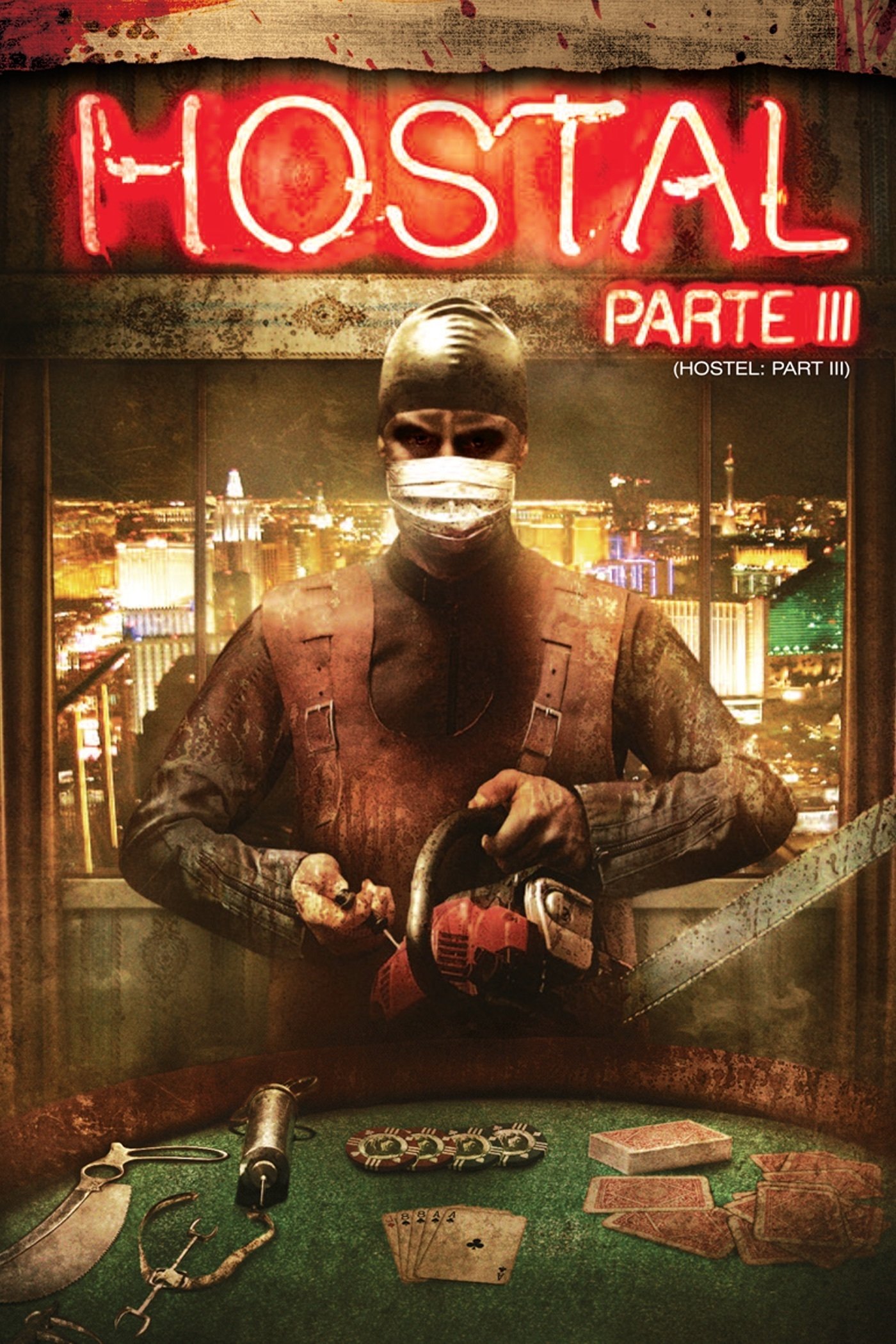
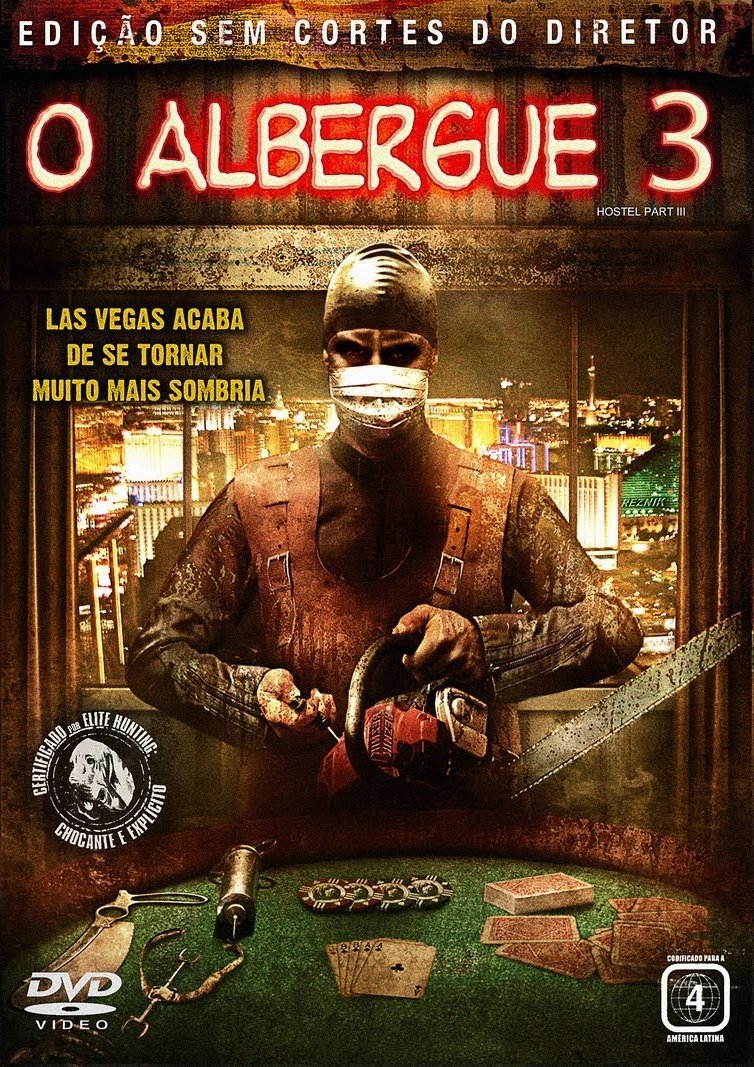
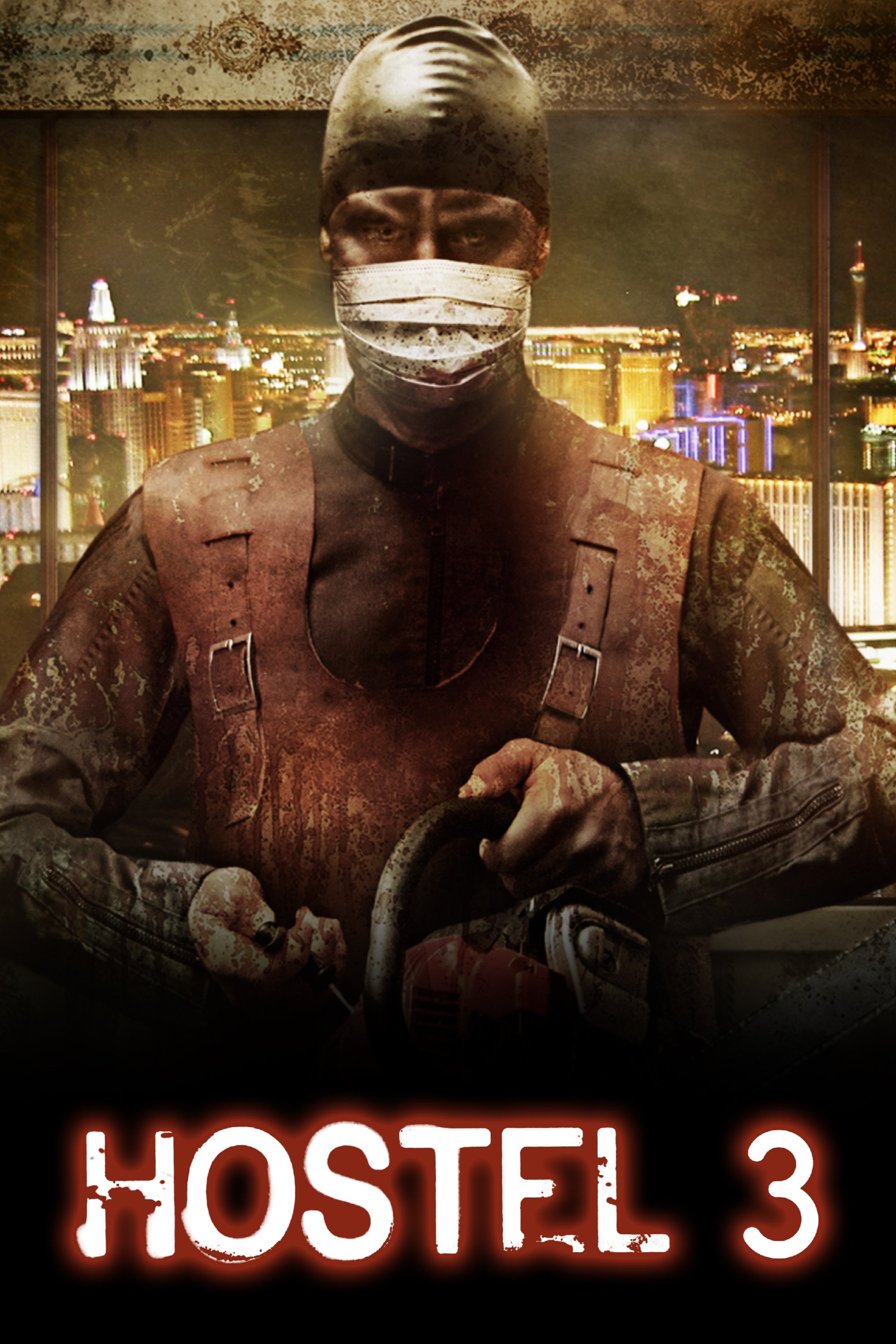
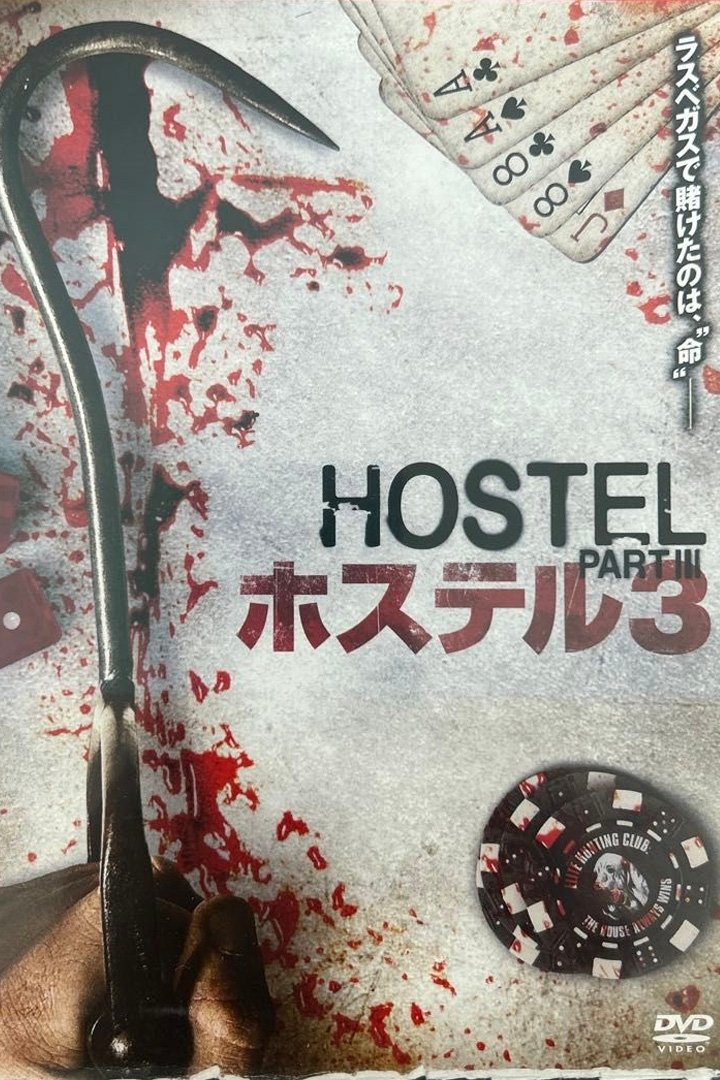
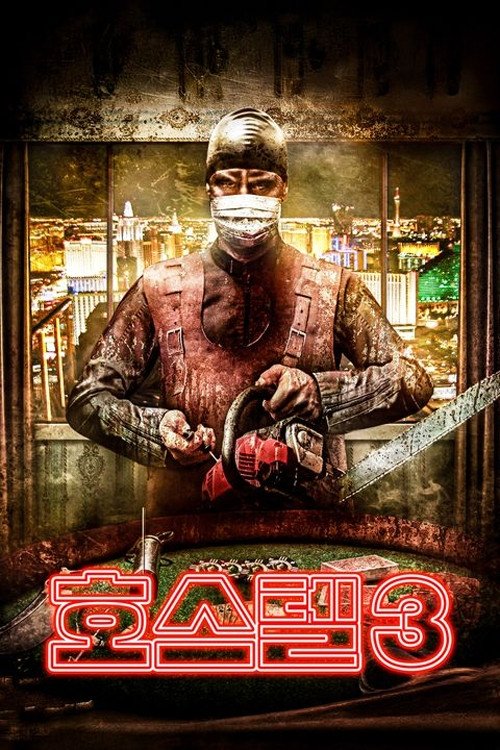
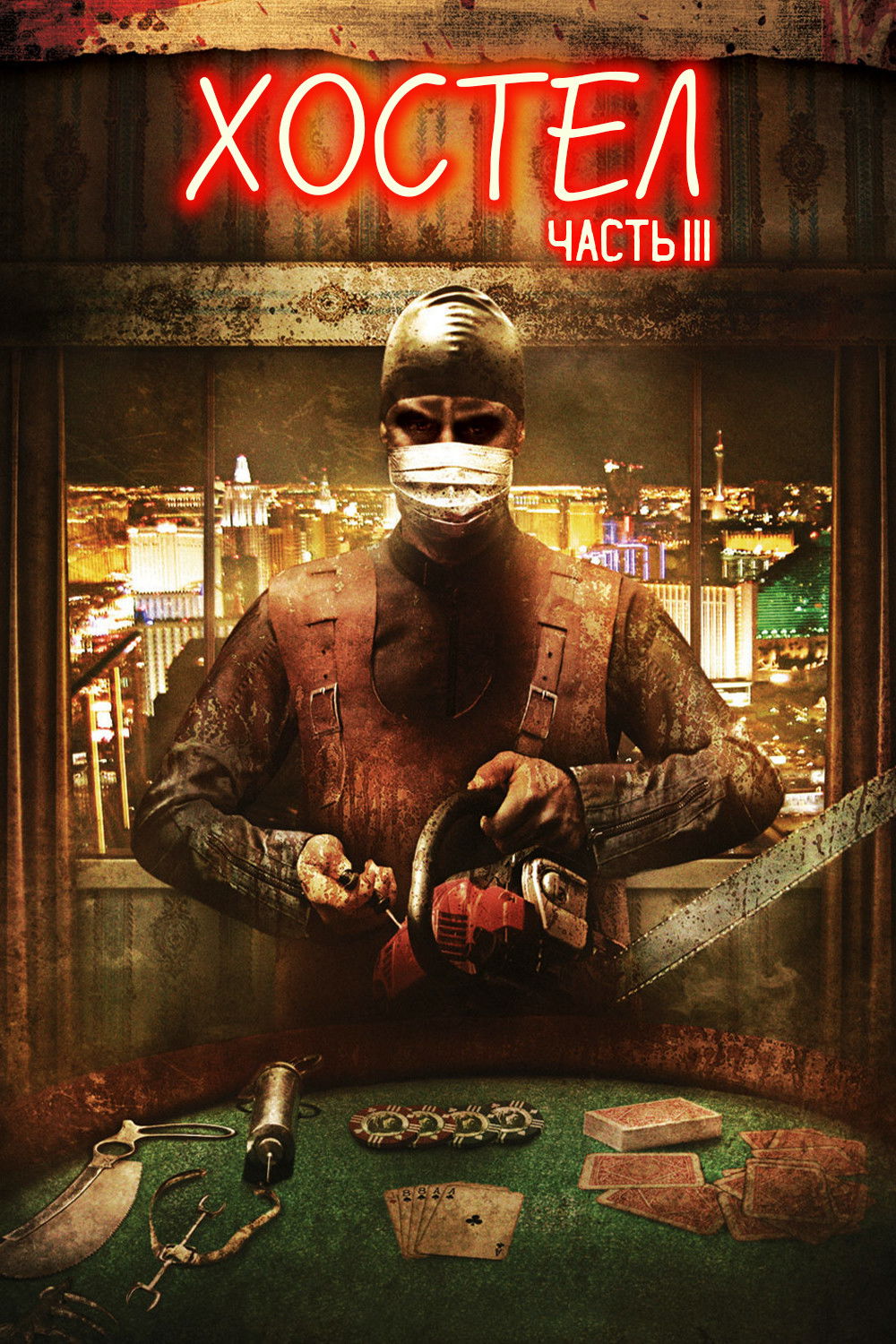
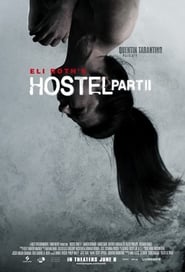
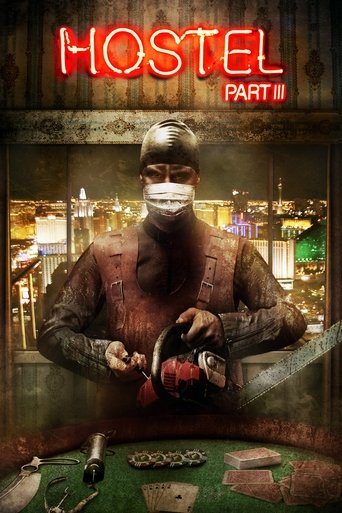
Hostel: Part III (2011) poster
Director
Production Companies
RCR Media Group , Stage 6 Films , Next Entertainment
Plot

A bachelor-party trip to Las Vegas brings a group of friends into the reach of an American branch of the Elite Hunting Club. The organization stages killings as private spectacles for clients who wager on the outcome, while the men discover that the weekend has been arranged around a concealed betrayal.

Alternative Titles
Hostal: Parte III (Argentina) Hostel: Deo 3 (Bosnia & Herzegovina) — Croatian Title Хотелът на ужасите 3 (Bulgaria) — Bulgarian O Albergue 3 (Brazil) L'Auberge 3 (Canada) — French 人皮客栈3 (China) — Chinese Hostel III (Czechia) — Czech Hostel 3 (Germany) — German
Show all 38 alternative titles Hostel 3 (Denmark) — Danish Hostel 3: De vuelta al horror (Spain) — Spanish Hostel 3 (Finland) — Finnish Hostel - Chapitre III (France) — alternative title Hostel, chapitre III (France) — French ჰოსტელი 3 (Georgia) — Georgian 殺人慾室 3 (Hong Kong SAR China) — Chinese Hostel 3 (Croatia) — Croatian Motel 3. (Hungary) — Hungarian הוסטל 3 (Israel) — Hebrew مسافرخانه 3 (Iran) — Persian ホステル3 (Japan) — Japanese 호스텔 3 (South Korea) — Korean Nakvynės namai: Trečia dalis (Lithuania) — Lithuanian Hostal Parte III (Mexico) Hostal: Parte 3 (Mexico) — Spanish Hostel III (Poland) — Polish Căminul ororilor 3 (Romania) — Romanian Hostel: Deo 3 (Serbia) — alternative title Хостел 3 (Serbia) — Serbian Хостел 3 (Russia) — Russian النزل: الجزء الثالث (Saudi Arabia) — Arabic Hostel 3 (Slovakia) — Slovak นรกรอชำแหละ 3 (Thailand) — Thai Otel 3 (Türkiye) — Turkish Otel III (Türkiye) — Turkish, DVD Title 恐怖旅舍3 (Taiwan) 恐怖旅舍第三站 (Taiwan) — Chinese Хостел: Частина III (Ukraine) — Ukrainian Lò Mổ 3 (Vietnam) — Vietnamese

Trailers & Videos

1 video

Film Guide & Analysis

The American Hostel sequel: Scott Spiegel, the Elite Hunting Club in Las Vegas, the Detroit production, torture as spectacle and direct-to-video release.

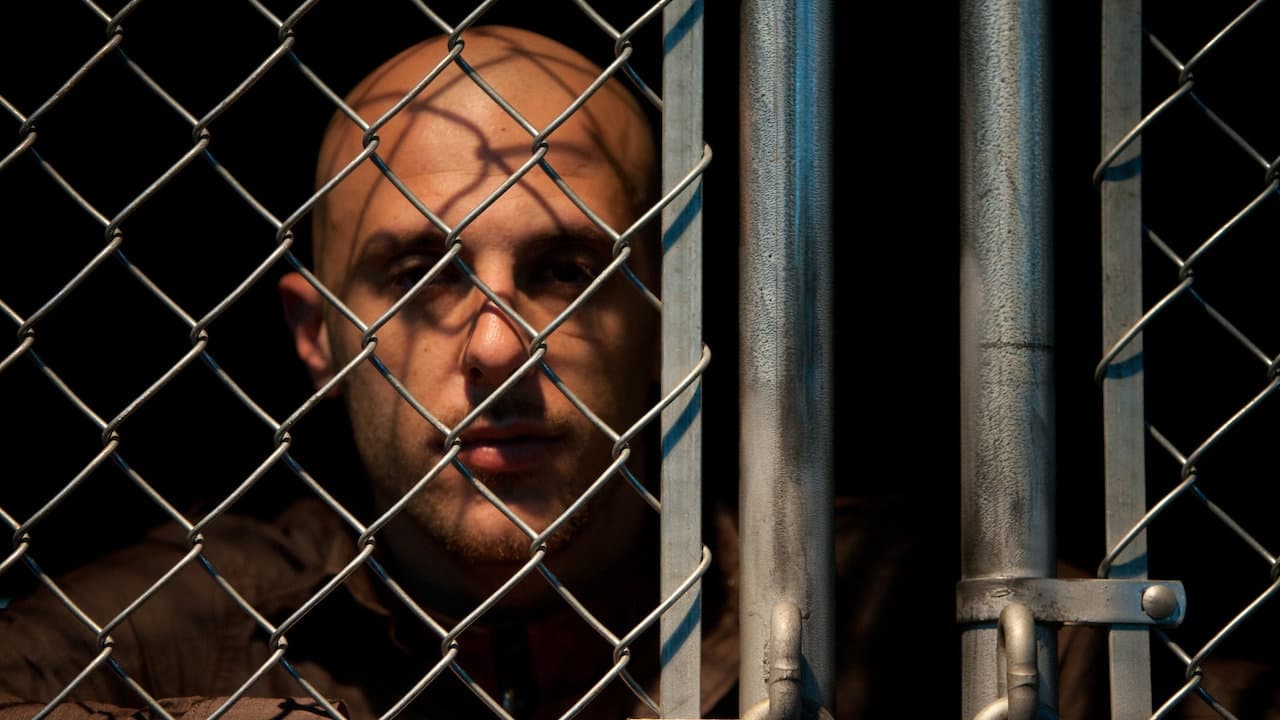
Hostel: Part III (2011), directed by Scott Spiegel, moves the Elite Hunting Club from the Eastern European setting of the first two Hostel films to Las Vegas. Scott, played by Brian Hallisay, travels with friends for his bachelor party, only to discover that an invitation to a private gathering conceals a business in which wealthy spectators wager on acts of torture. The violence is organized as a staged event, watched by customers who can gamble on a victim's reactions. The film retains the franchise's premise of human suffering sold as an exclusive commodity while replacing the earlier films' anxieties about foreign travel with a distinctly American setting.

Written by Michael D. Weiss and released directly to American home video in December 2011, the sequel was made without the participation of franchise creator Eli Roth. Spiegel, who had produced the earlier films, emphasized suspense and reversals alongside its elaborate killings. The resulting feature occupies a transitional place in the series: the Elite Hunting Club remains its principal connection, but the change of director, distribution and location substantially alters its atmosphere.

Development and the Creative Handover

Sony approached Spiegel with a draft by Michael D. Weiss, subsequently revised by John Fasano. In separate interviews published in December 2011, Spiegel explained that the basic Las Vegas premise existed before he joined, but that he added transitions and reversals to sharpen the suspense. He also devised the Wheel of Misfortune, which extends the bidding system shown in Hostel: Part II into an audience game. The film's characters and premise therefore derive from the existing franchise, but the credited screenplay and director's additions belong to a new creative team.

Eli Roth's involvement has frequently been misstated. In July 2010 he expressly denied producing or otherwise participating in the third film, while wishing the filmmakers well. Spiegel had previously worked as a producer on both Roth-directed installments, providing a practical link to the series even without Roth's creative participation. Spiegel said that an earlier, unrealized idea discussed with Roth would have returned to the children seen in the European setting, but described that conversation as a possible direction, not a completed script.

Las Vegas, Detroit and the Shooting Schedule

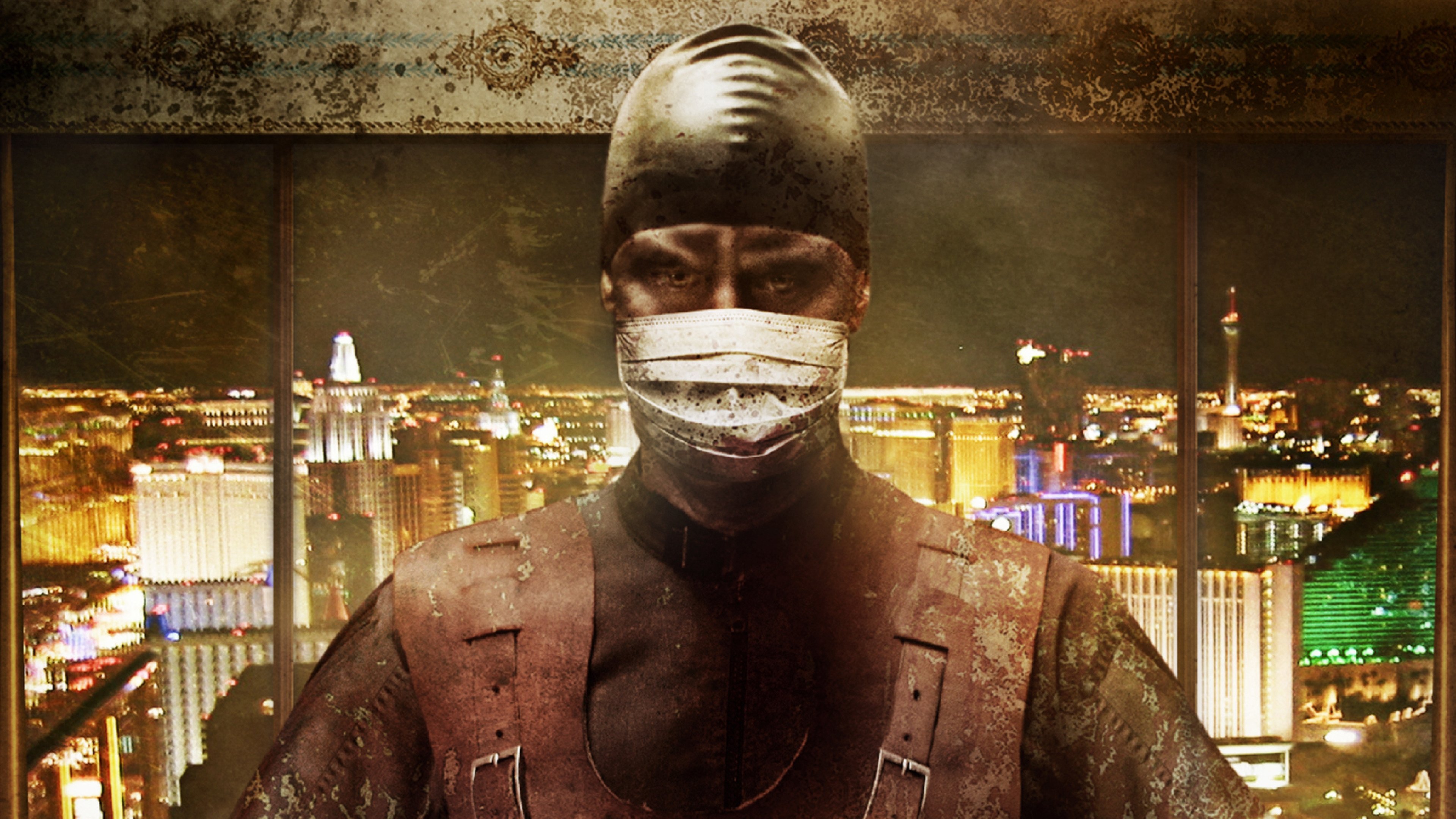
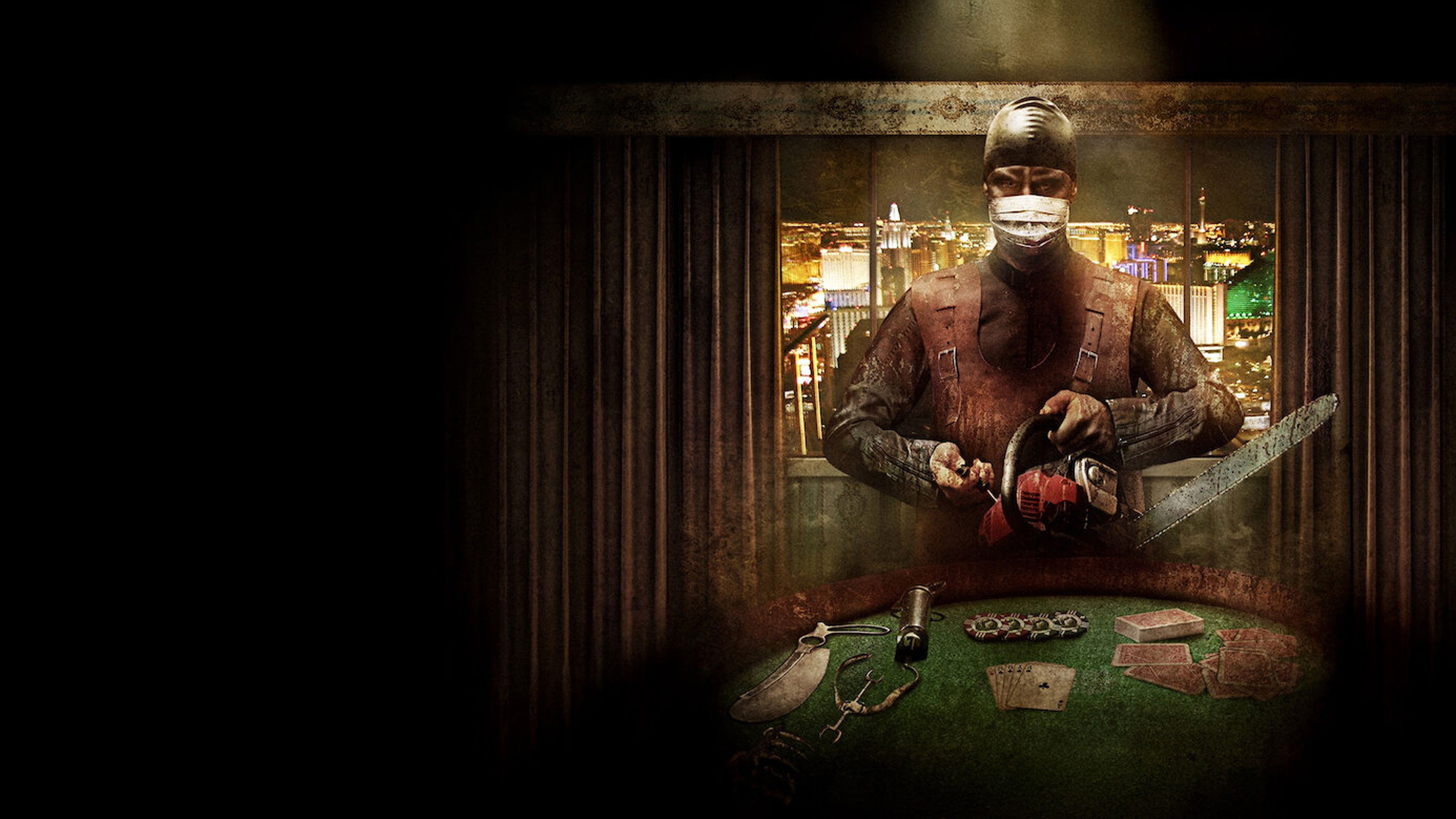
The story takes place in Las Vegas, but much of the production was filmed in Detroit. Chris Eggertsen's contemporary visit for Bloody Disgusting documented the use of the Masonic Temple, whose enormous interiors were transformed into hotel suites and the Elite Hunting Club's high-tech betting floor. Production designer Robb Wilson King, who had also worked on Hostel: Part II, made these spaces appear to belong to a lavish gambling establishment. Location shooting in Nevada supplied the recognizable setting, while Michigan's film incentives helped make the main interior work practical.

Spiegel described a shooting schedule of twenty days, without a second-unit crew, and estimated the budget at three million dollars. That is a director's contemporary account, not an independently audited final cost; the six-million-dollar figure displayed on some databases should not be treated as verified alongside it. The limited schedule shaped the visual plan and the balance between action and confined torture scenes. Cinematographer Andrew Strahorn and editor George Folsey Jr. helped sustain an appearance of polished, controlled spaces that differs from the disreputable European sites associated with the earlier films.

The Bachelor Party and the Spectacle of Torture

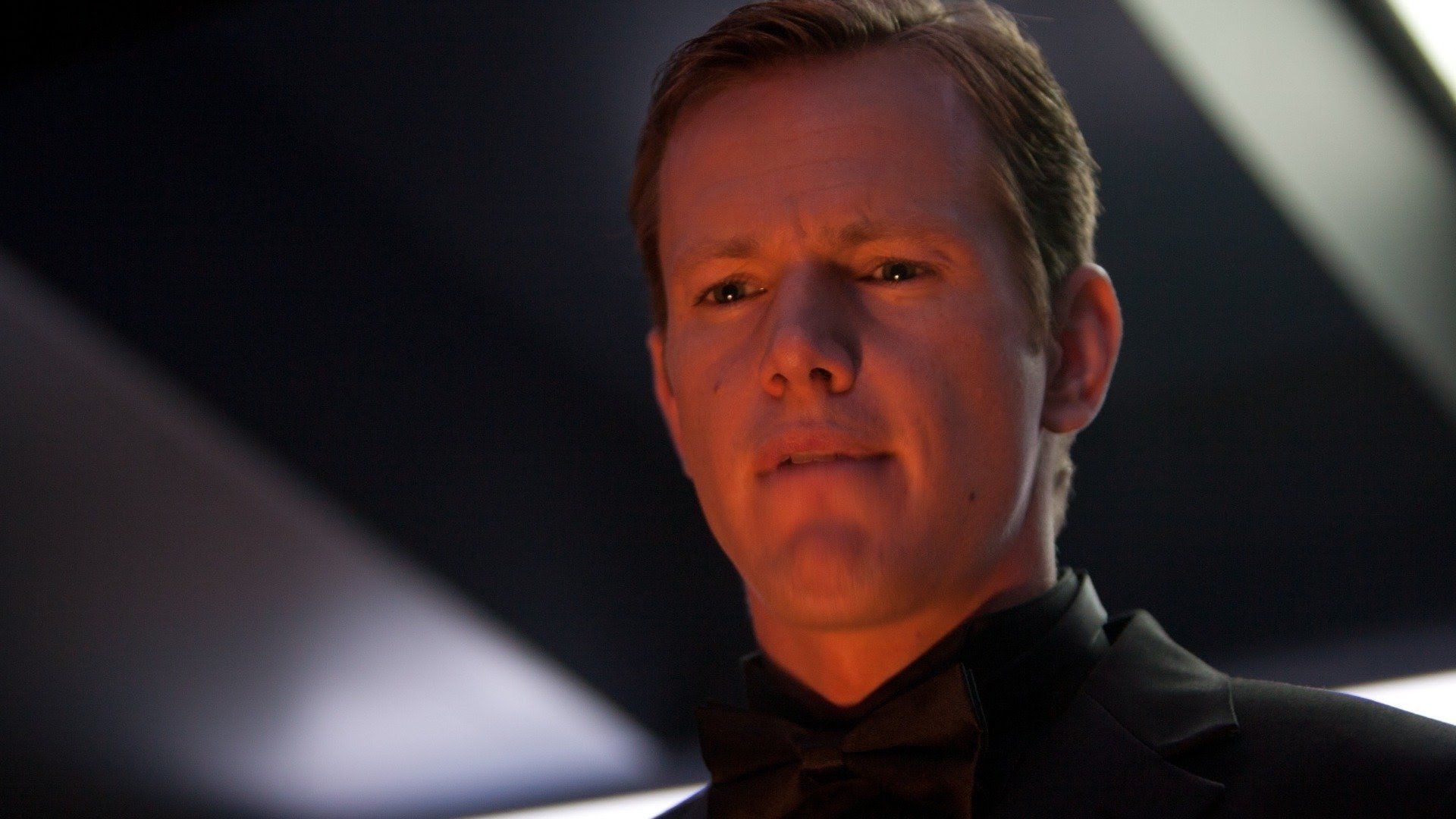
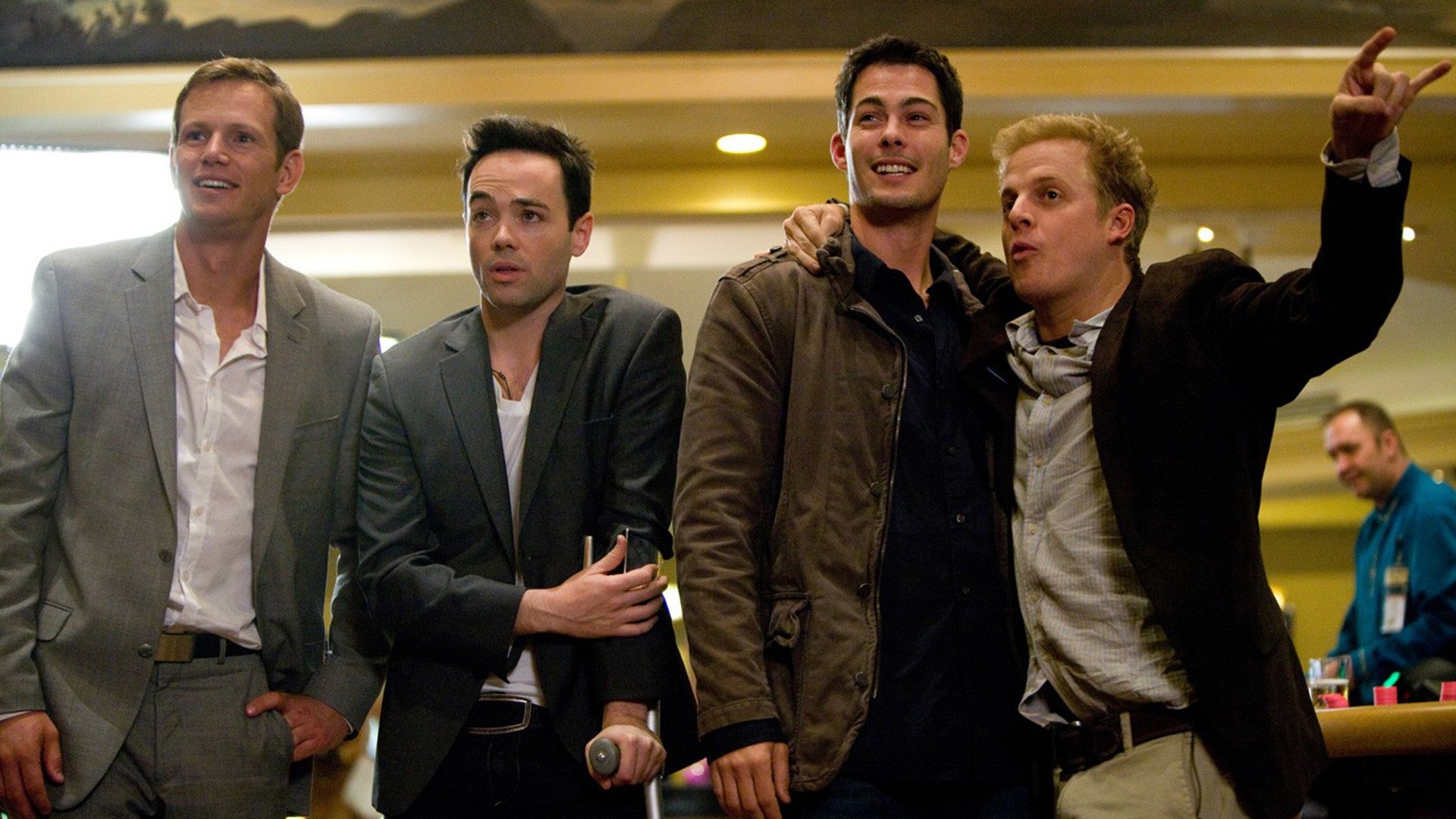
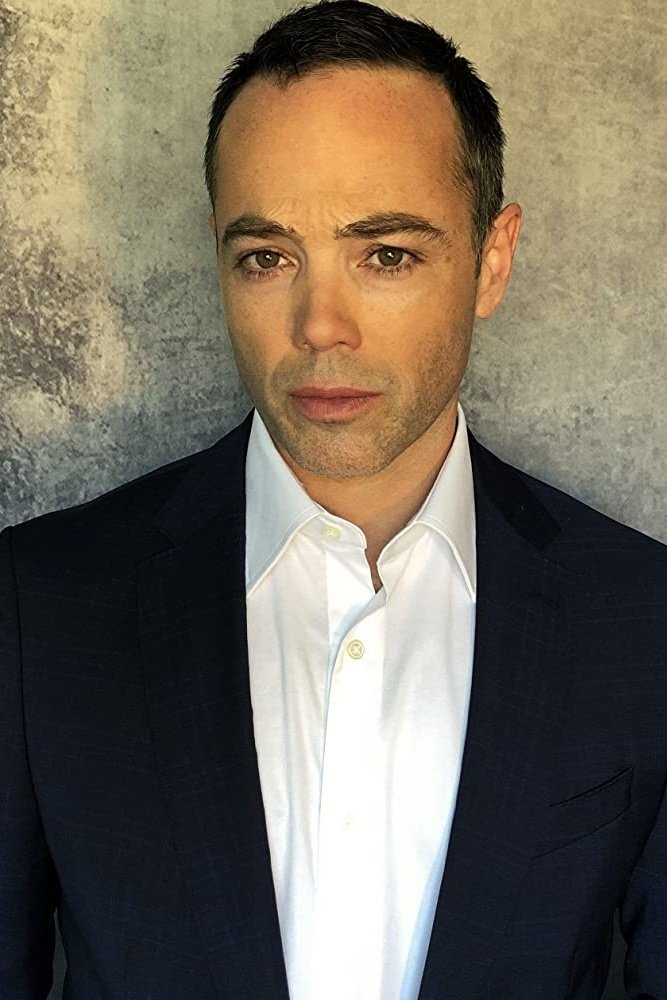
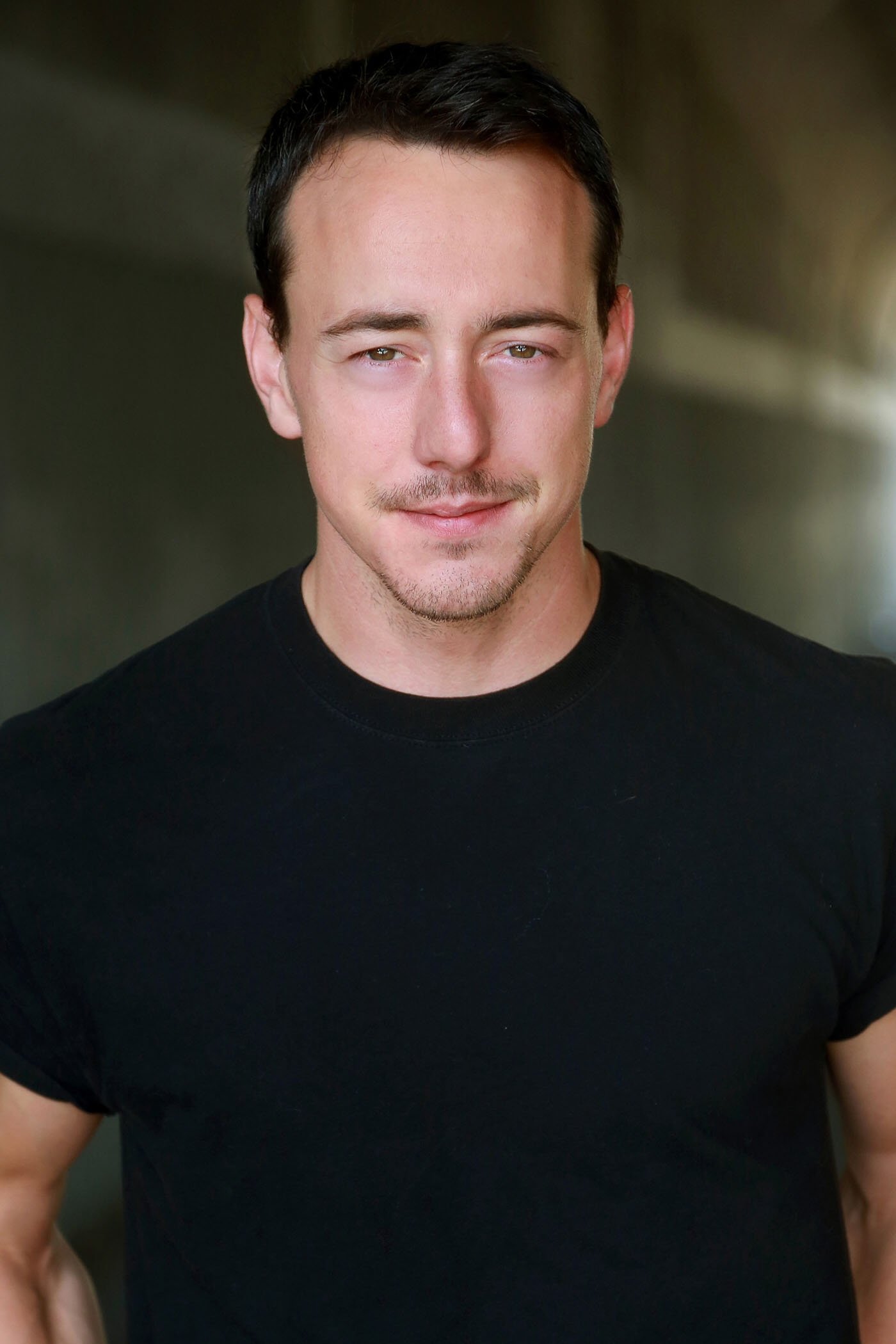
Scott's friends Carter, Justin and Mike take him to Las Vegas before his marriage to Amy. The group encounters Kendra and Nikki, who invite them to a gathering beyond the Strip; soon, members of the party begin to disappear. Kip Pardue plays Carter, John Hensley plays Justin and Skyler Stone plays Mike, while Thomas Kretschmann portrays Flemming, an organizer of the local Elite Hunting Club operation. Their relationships become increasingly important as the investigation exposes complicity within the group. The film uses false leads and apparent reversals of victim and aggressor to keep the audience uncertain about who has arranged the night.

The Las Vegas club sells more than the chance to kill. Spectators watch from behind glass and place bets on the details of an attack, turning suffering into a form of casino entertainment. Spiegel said he conceived the Wheel of Misfortune and developed it further during editing, with assistance from visual-effects artists. The device makes the commercial logic of the Elite Hunting Club more visible than in the first film: the customer can become a spectator as well as a killer. The revelation of betrayal among the friends gives the setup an additional motive rooted in jealousy and self-interest.

Violence, Effects and Visual Method

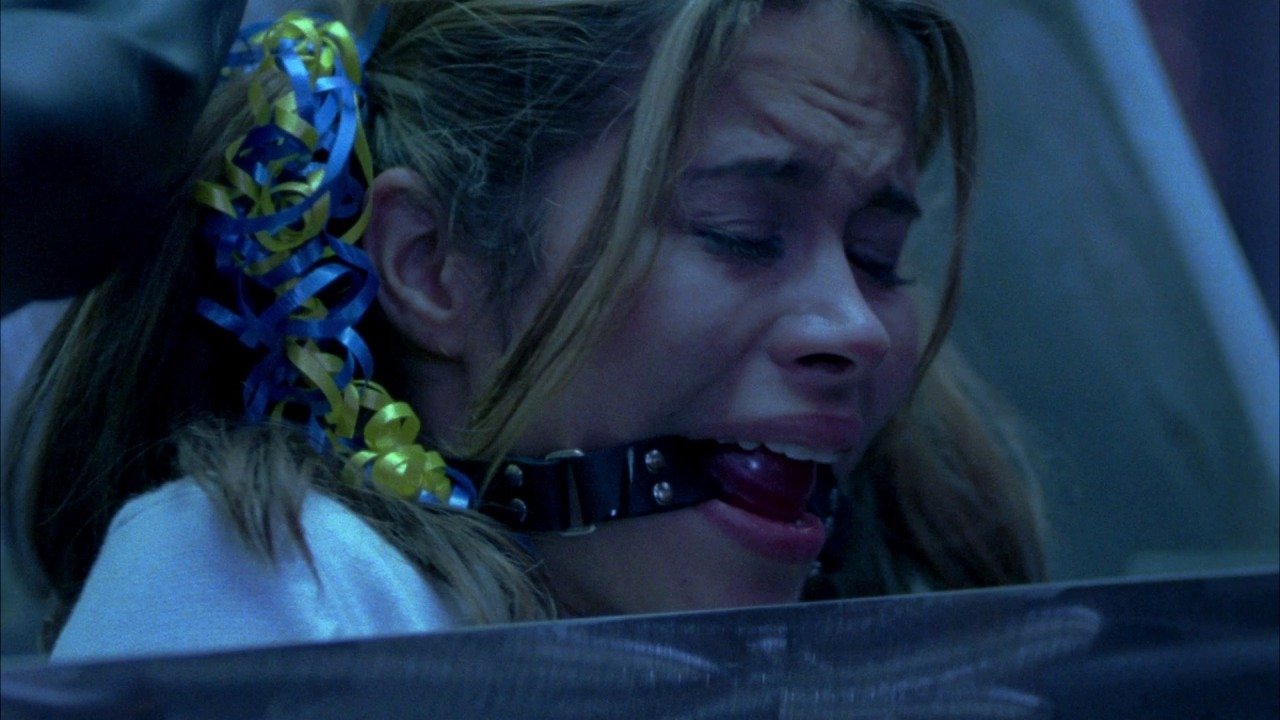
The film alternates relatively clean interiors with scenes of invasive physical violence. One victim undergoes a grotesque procedure involving the removal of facial skin, while another is subjected to an attack involving cockroaches. Spiegel told Daily Dead that the exposed tissue in the facial effect required particularly convincing color and texture; he was surprised at how much material remained in the unrated presentation. His remarks concern a specific effect and release version, not proof that every market received an identical cut.

The production combines physical makeup, editing and digital assistance. Spiegel's preference for startling viewpoints and swift reversals gives the deaths a different rhythm from the more prolonged scenes of dread in Roth's films. The wheel, the spectators and the enclosed glass chamber are as important to the suspense as any individual injury. A review published by Horror.com in December 2011 praised the cold organization of the hunting club and some of its effects while criticizing the computer-generated cockroach material. The mixed techniques reflect the film's attempt to create conspicuous set pieces within a restricted schedule.

Release, Reception and Position in the Series

Hostel: Part III reached American DVD on December 27, 2011, through Sony Pictures Home Entertainment rather than receiving the wide theatrical rollout of its predecessors. Contemporary coverage documented the direct-to-video strategy before release. Its commonly cited running time is approximately eighty-eight minutes, although editions can differ; a runtime listing alone does not establish an otherwise undocumented alternate cut. The absence of a major domestic theatrical run also means that conventional box-office figures cannot establish its commercial performance.

Early criticism was divided. Staci Layne Wilson's Horror.com review found the script energetic and the new gambling structure effective, despite objections to some digital effects. Other reviewers questioned the repeated twists and the distance from the first two films' harsher atmosphere. The film's significance within the trilogy lies chiefly in its changes of location and distribution and its conversion of torture into an openly wagered spectacle. It remains connected to Hostel through the Elite Hunting Club, rather than through the return of the earlier protagonists or direct creative supervision by Roth.

References

  1. ComingSoon / ShockTillYouDropExclusive - Scott Spiegel on Hostel: Part 3

    Ryan Turek December 2011 interview with Spiegel documenting the script revisions, estimated three-million-dollar budget, twenty-day schedule and approach to the Las Vegas setting.

  2. Daily DeadExclusive Interview: Scott Spiegel talks Hostel: Part III

    Jonathan James firsthand interview with Spiegel on development, the Wheel of Misfortune, suspense, production design and practical violence.

  3. Bloody DisgustingSet Report: Hostel: Part III Delivers An Even Darker Sin City

    Chris Eggertsen contemporary visit to the Detroit Masonic Temple filming location, including cast interviews and production-design observations.

  4. Dread CentralEli Roth Talks Hostel III

    July 2010 contemporary report quoting Roth directly denying participation in the third film.

Connections

Cast

View Full Cast & Crew →

Release & Distribution

Production Companies (3)

  • Next Entertainment US
  • RCR Media Group
  • Stage 6 Films US

Distributors (1)

  • InterCom HU

Release History (19)

Release DateTerritoryRelease TypeFormatDistributorCertificationNotes
2011-11-29 South Korea Digital — — 19
2011-12-22 Romania Theatrical — — 18+
2011-12-22 United States Theatrical — — R New York City, New York
2011-12-23 Canada Theatrical — — —
2011-12-27 Germany Theatrical — — 18
2011-12-27 United States Theatrical — — R
2011-12-27 United States Physical — — R
2012-01-11 France Digital — — 16 VOD
2012-01-17 Netherlands Theatrical — — 16
2012-01-18 Spain Physical DVD — — DVD
2012-01-18 France Physical DVD, Blu-ray — 16 DVD & Blu-ray
2012-01-18 Poland Digital — — 18
2012-01-18 Portugal Theatrical — — M/18
2012-01-23 United Kingdom Theatrical — — 18
2012-01-25 Hungary Digital — — 18
2012-02-22 Japan Digital — — R18+
2012-04-03 Brazil Theatrical — — 18
2020-04-01 France Digital — — 16 Netflix
2020-11-01 Spain Digital — — 18
Do you feel lucky?