

From Mary Shelley to Universal
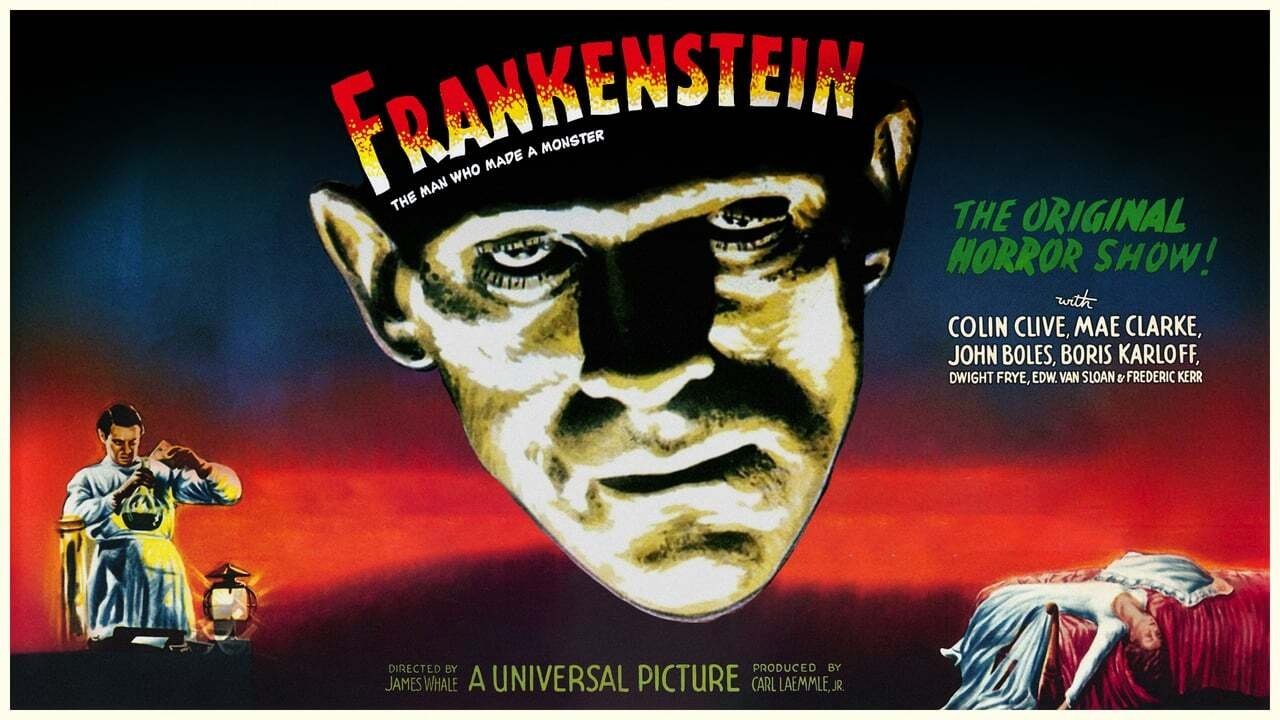
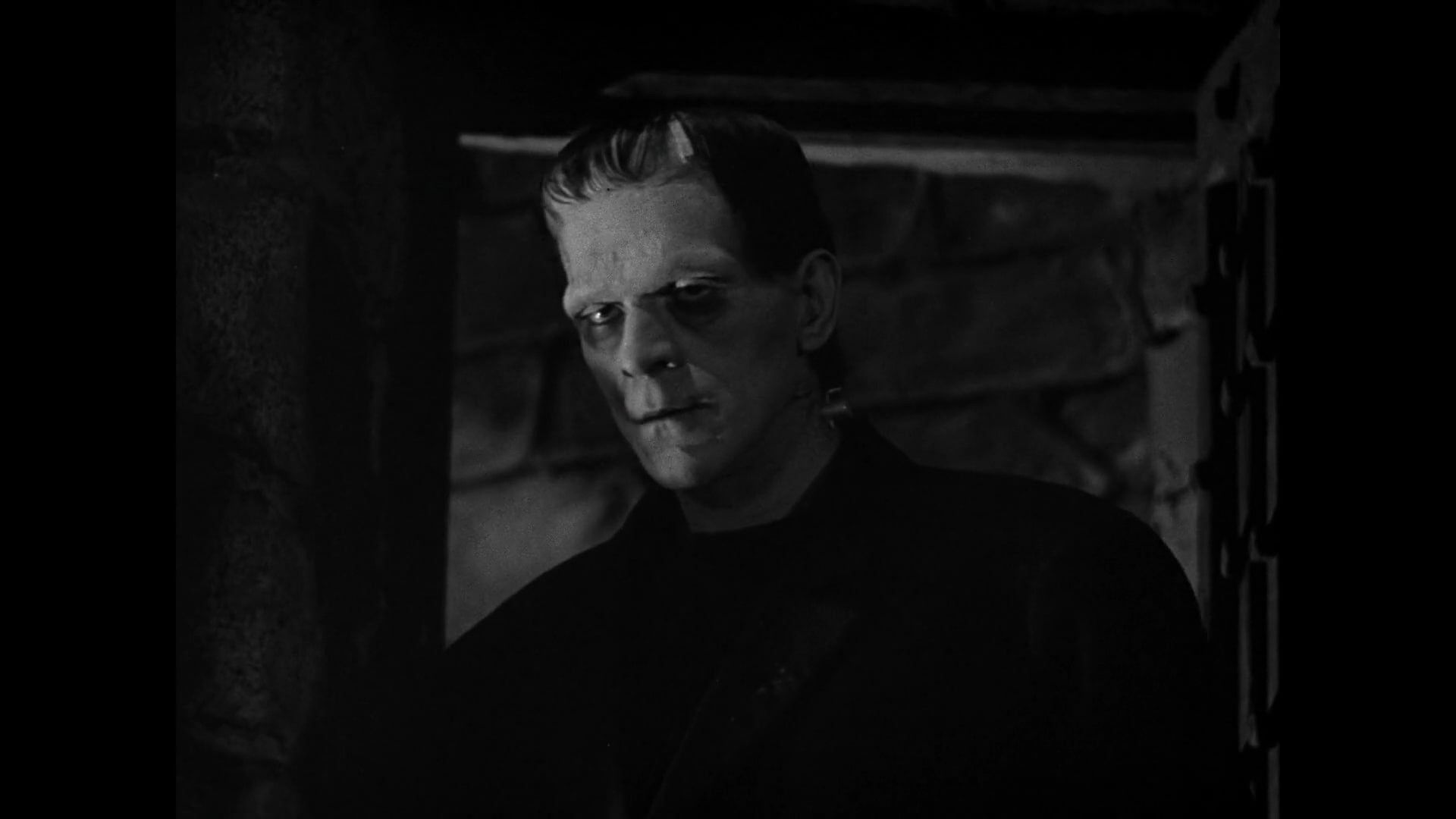
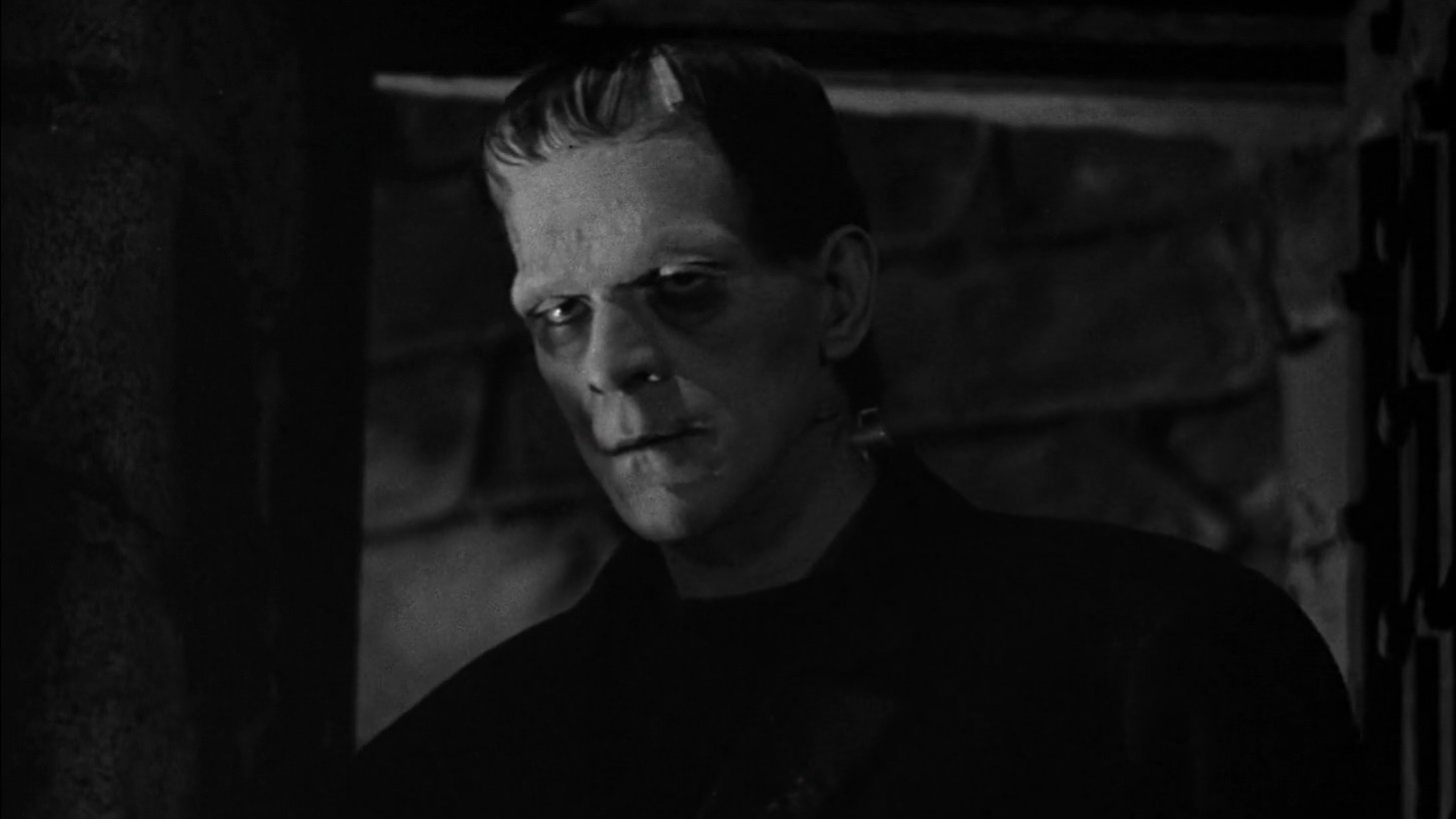
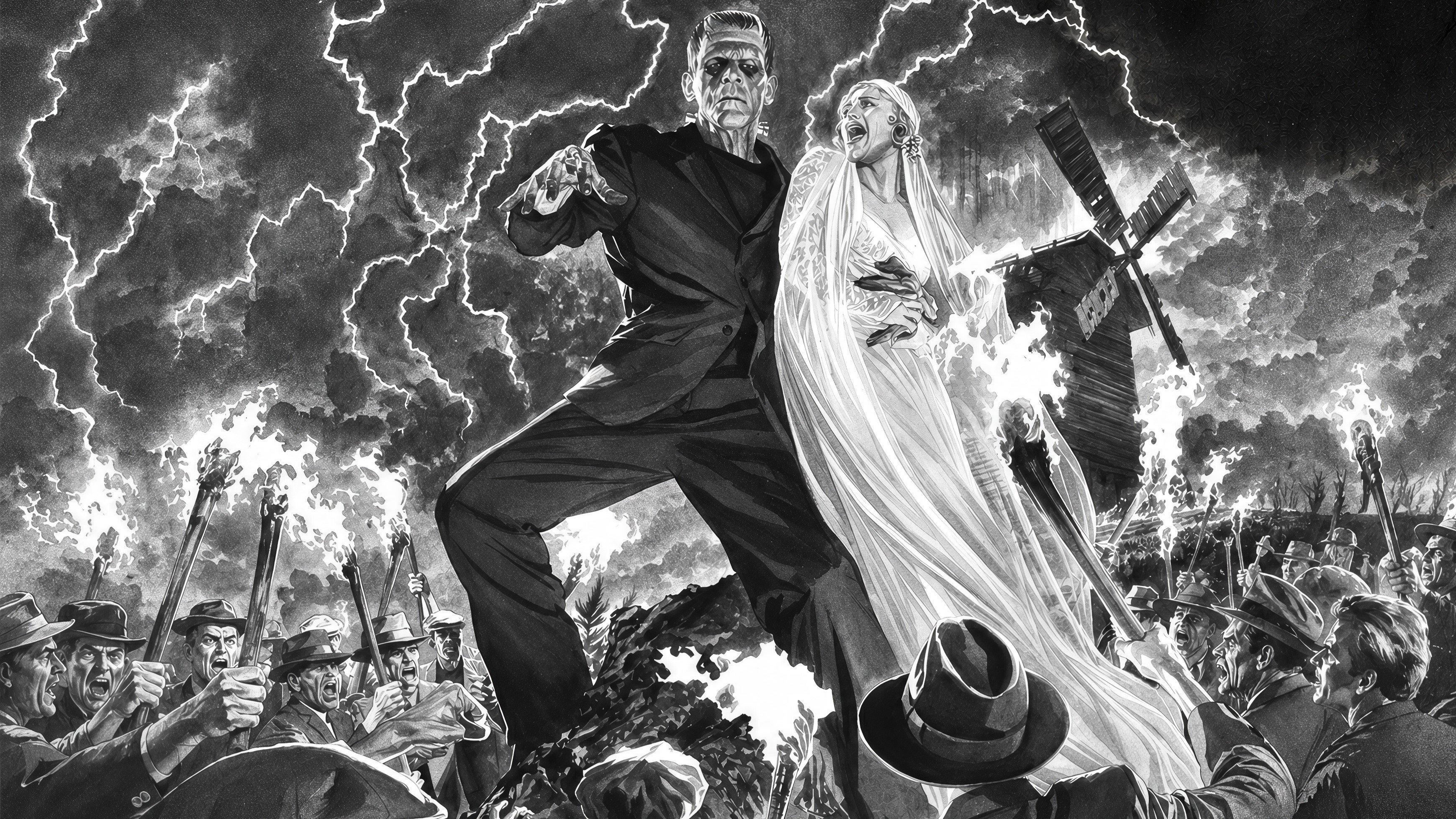
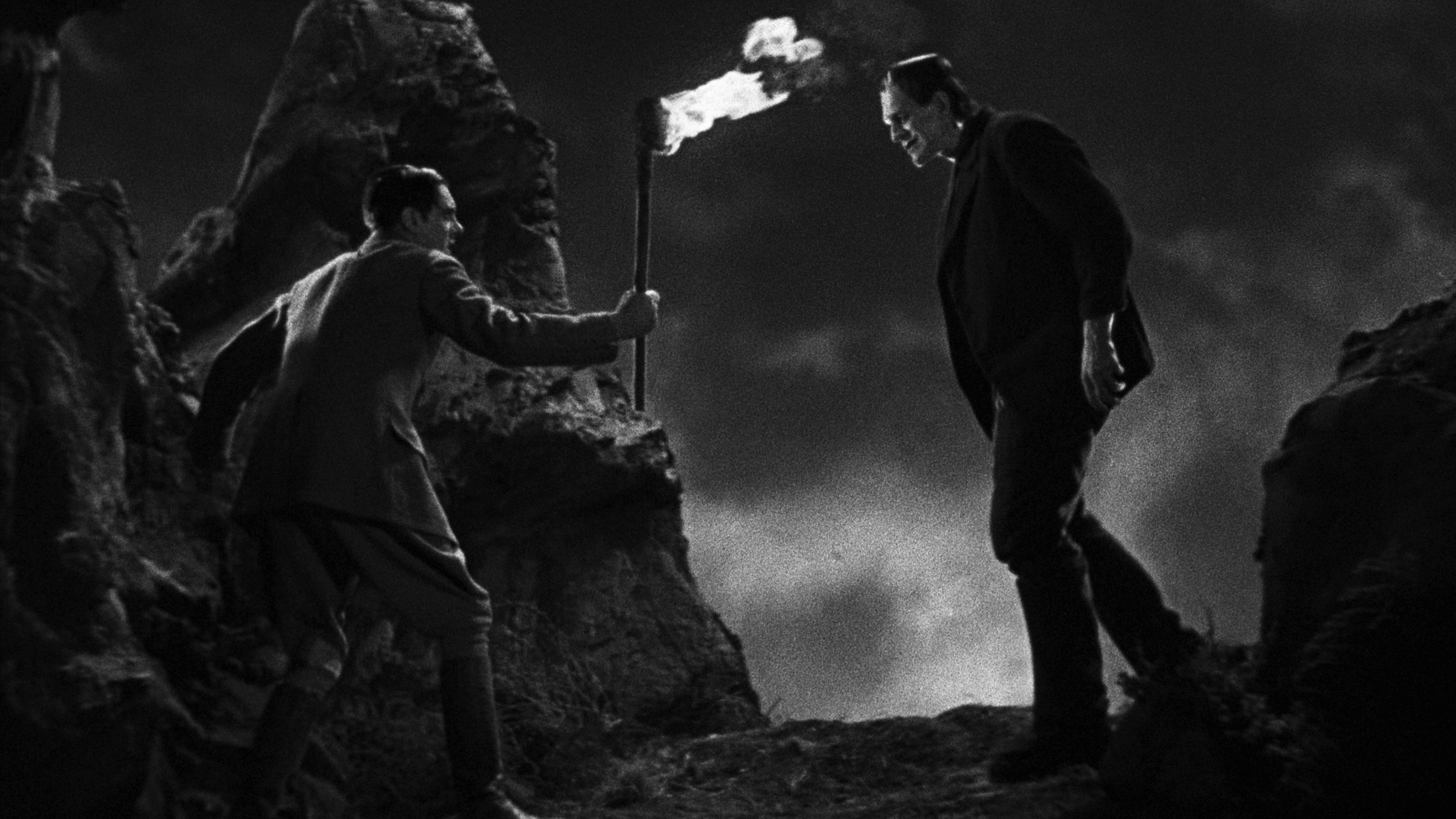
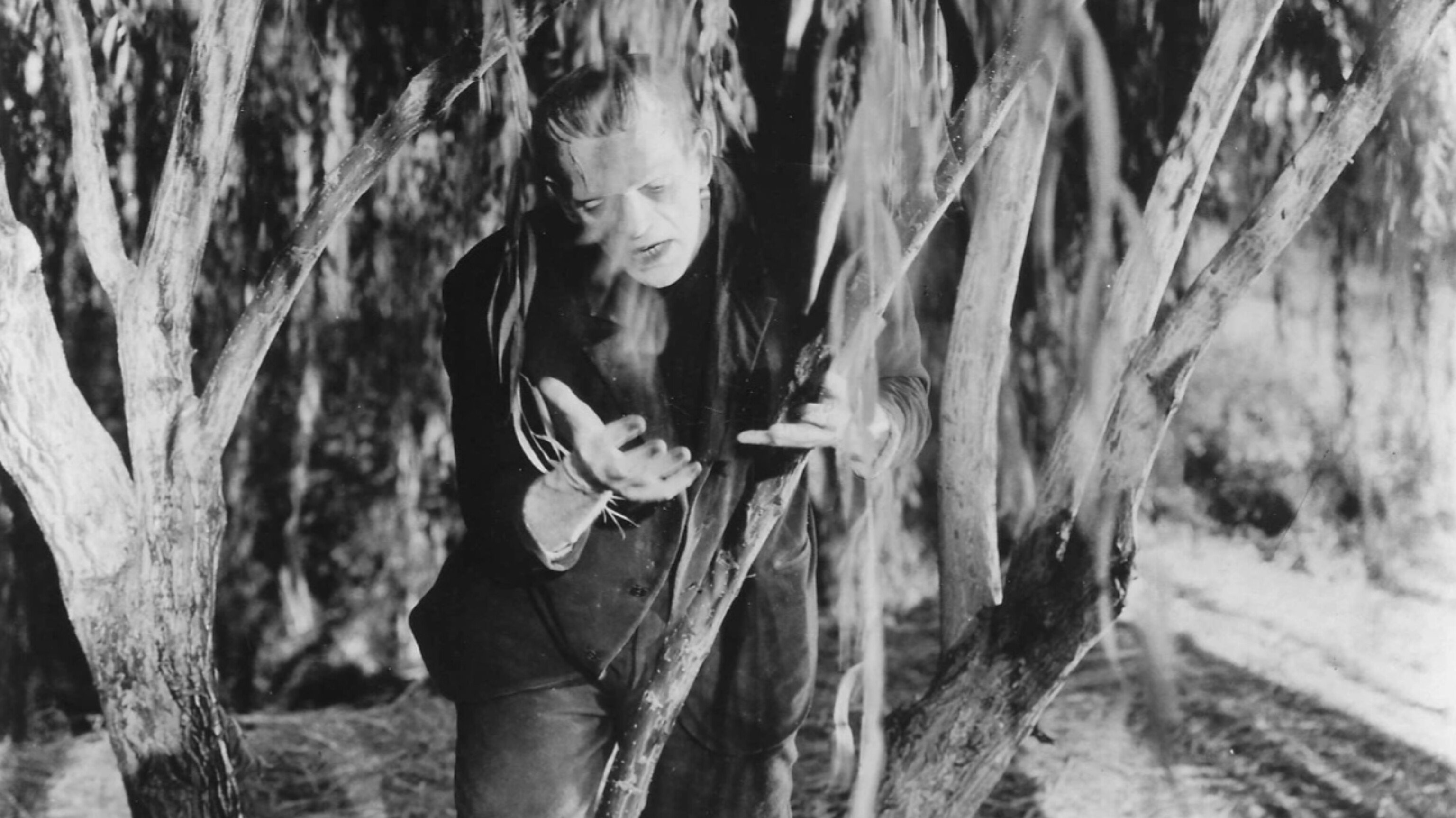
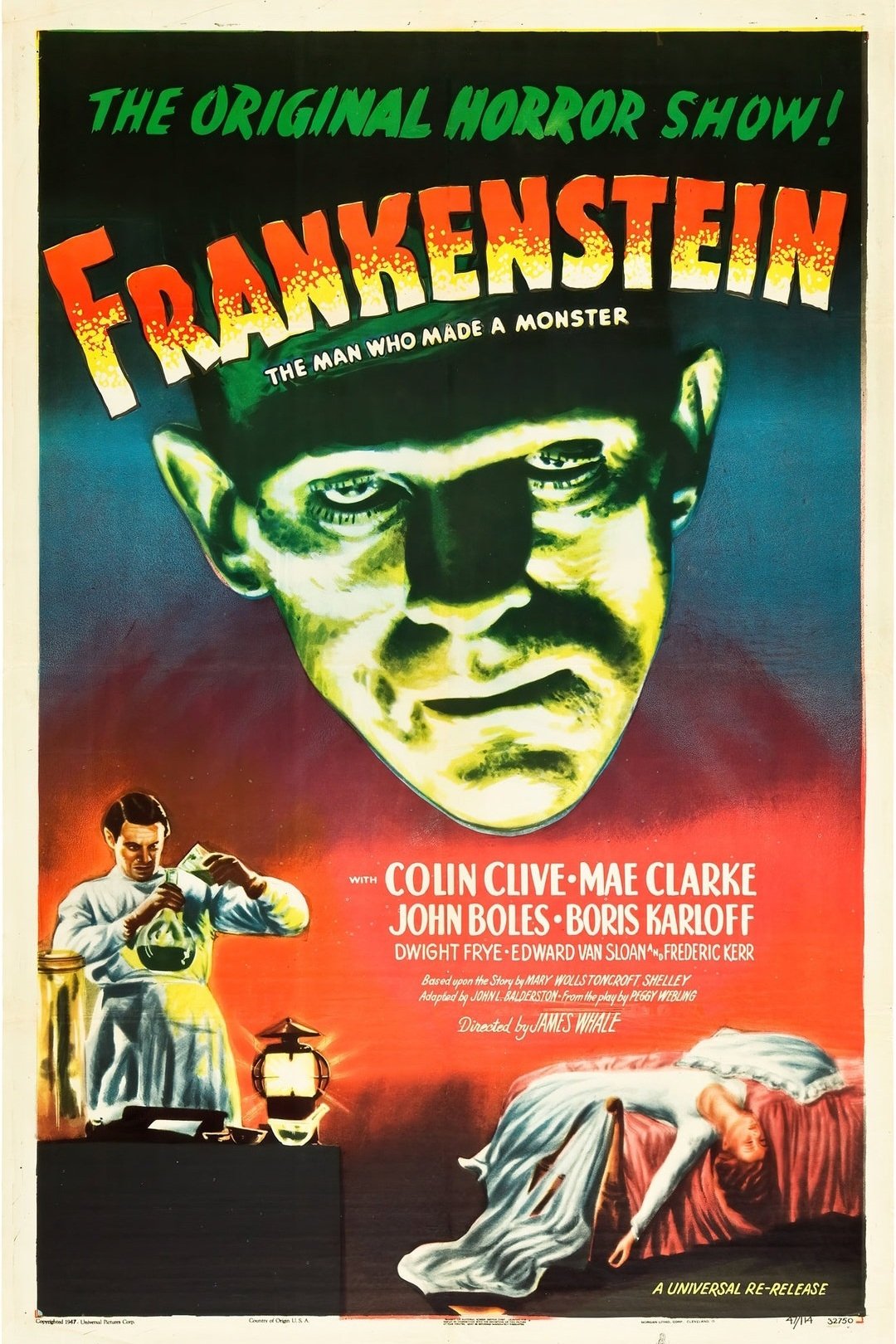
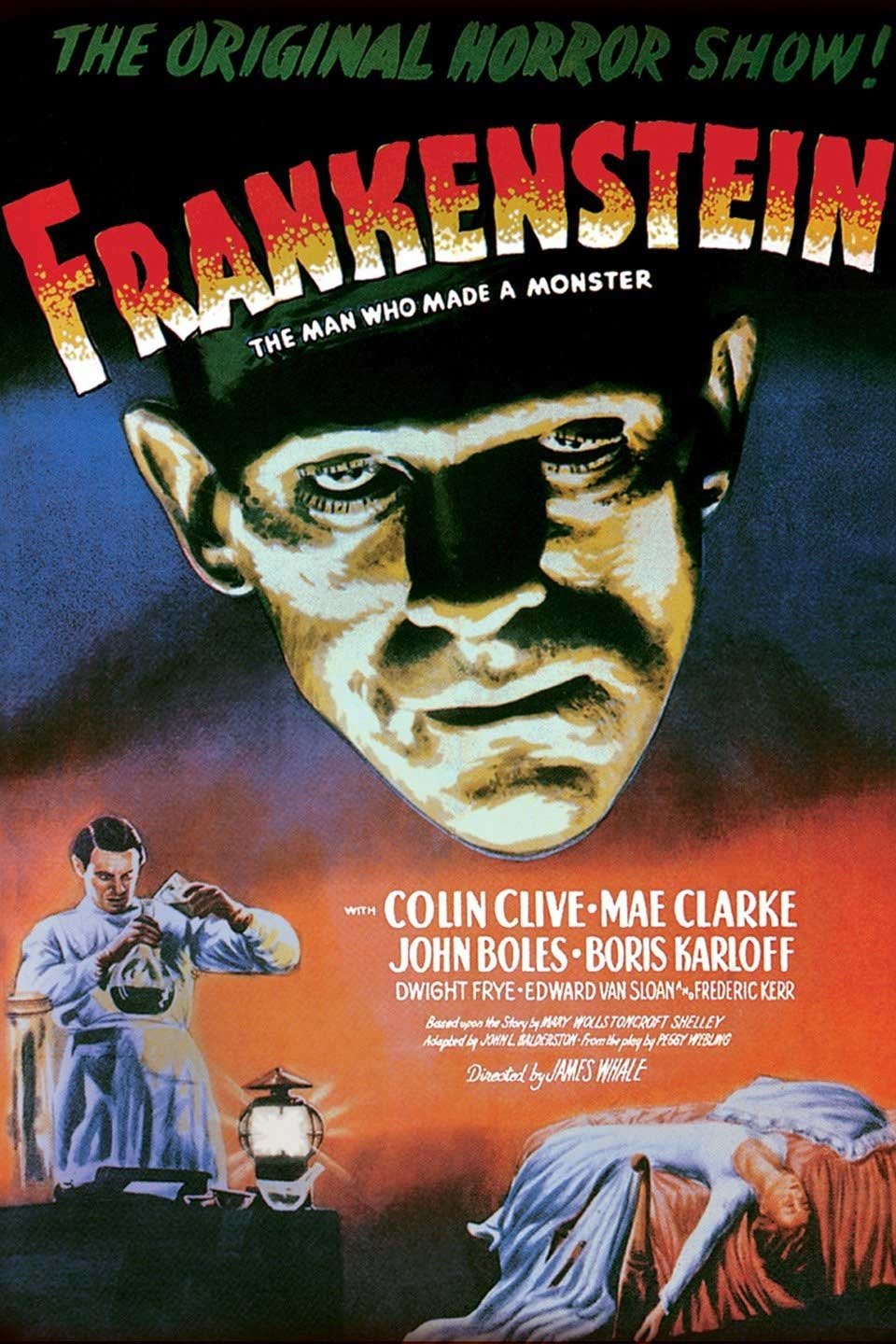
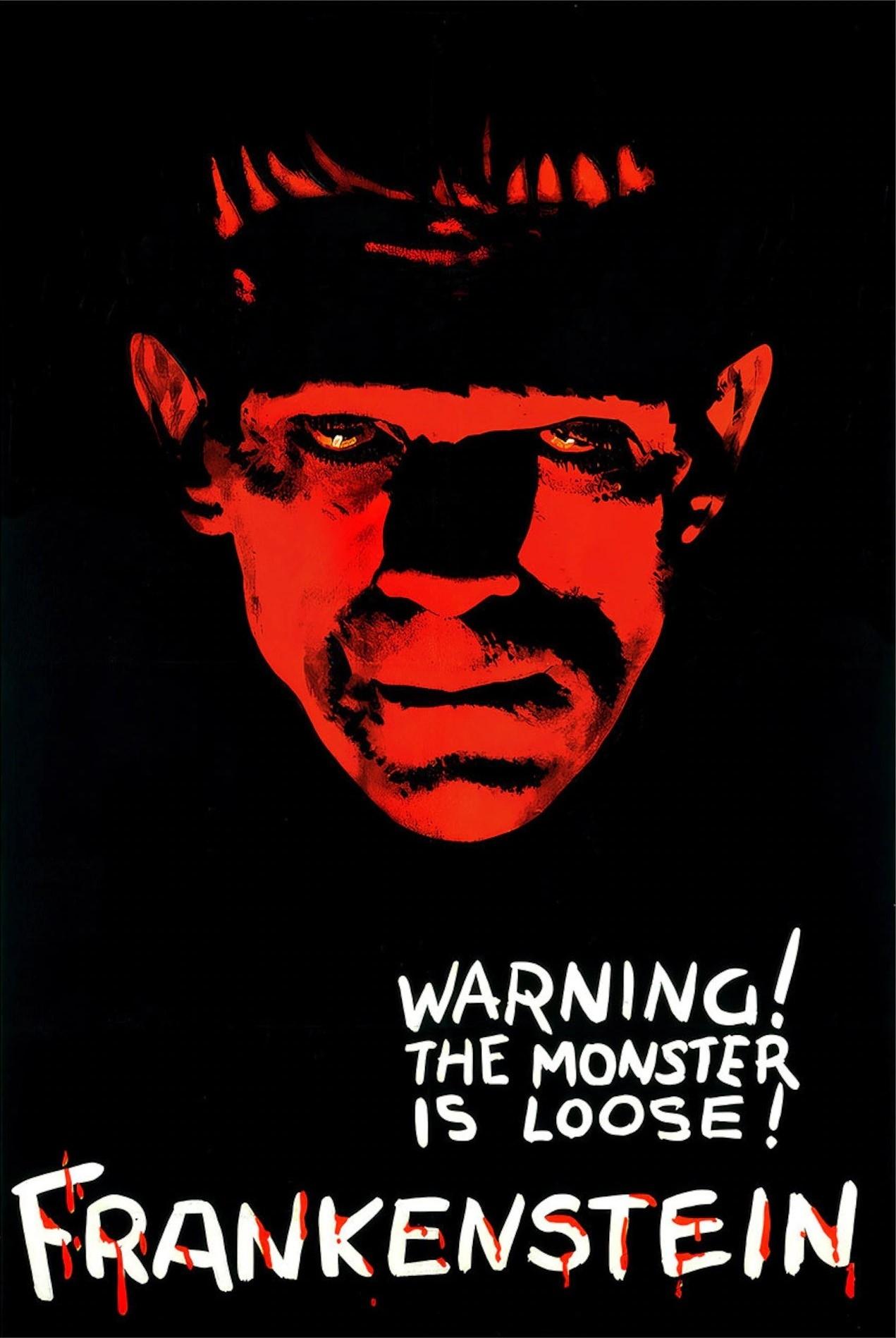
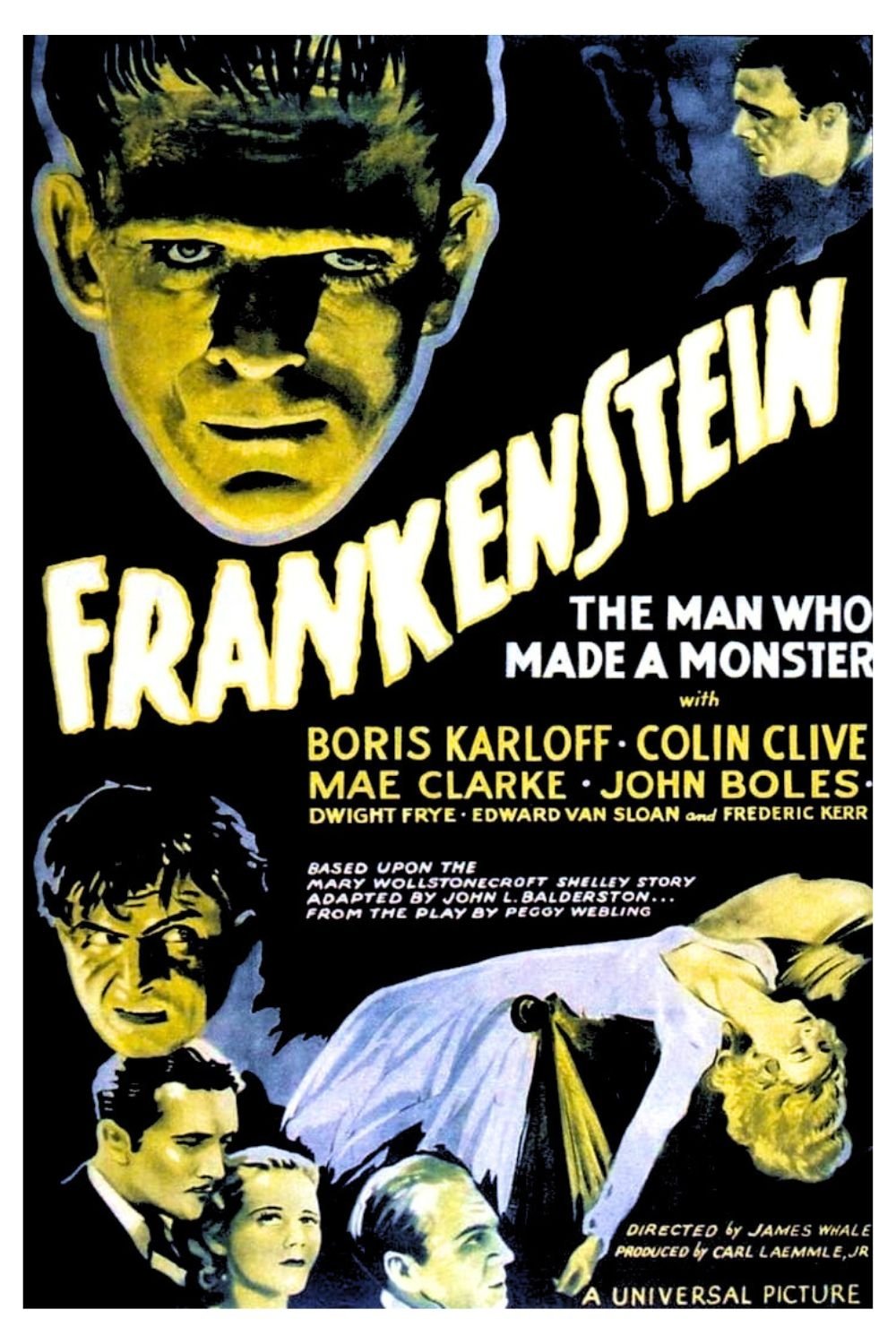
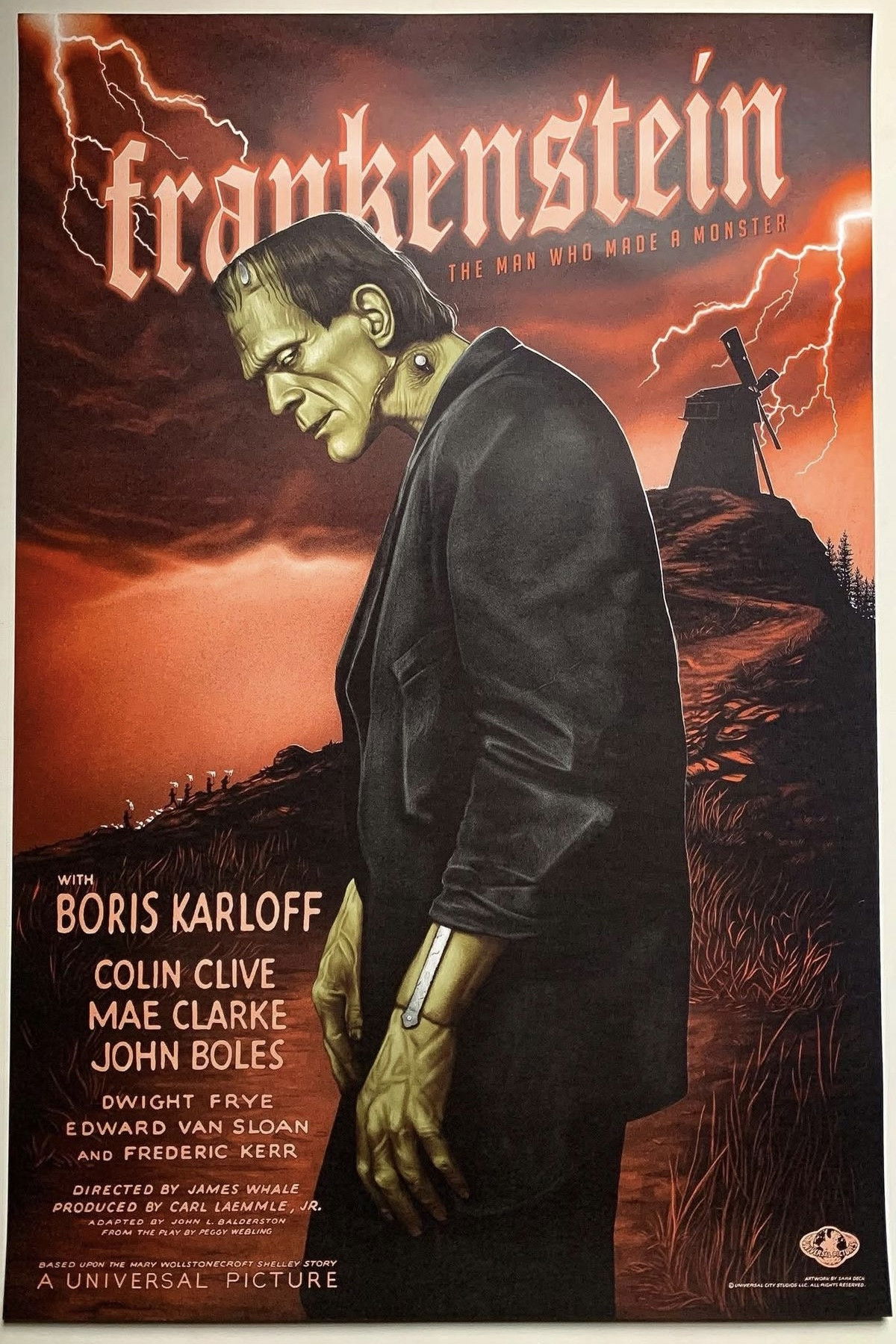
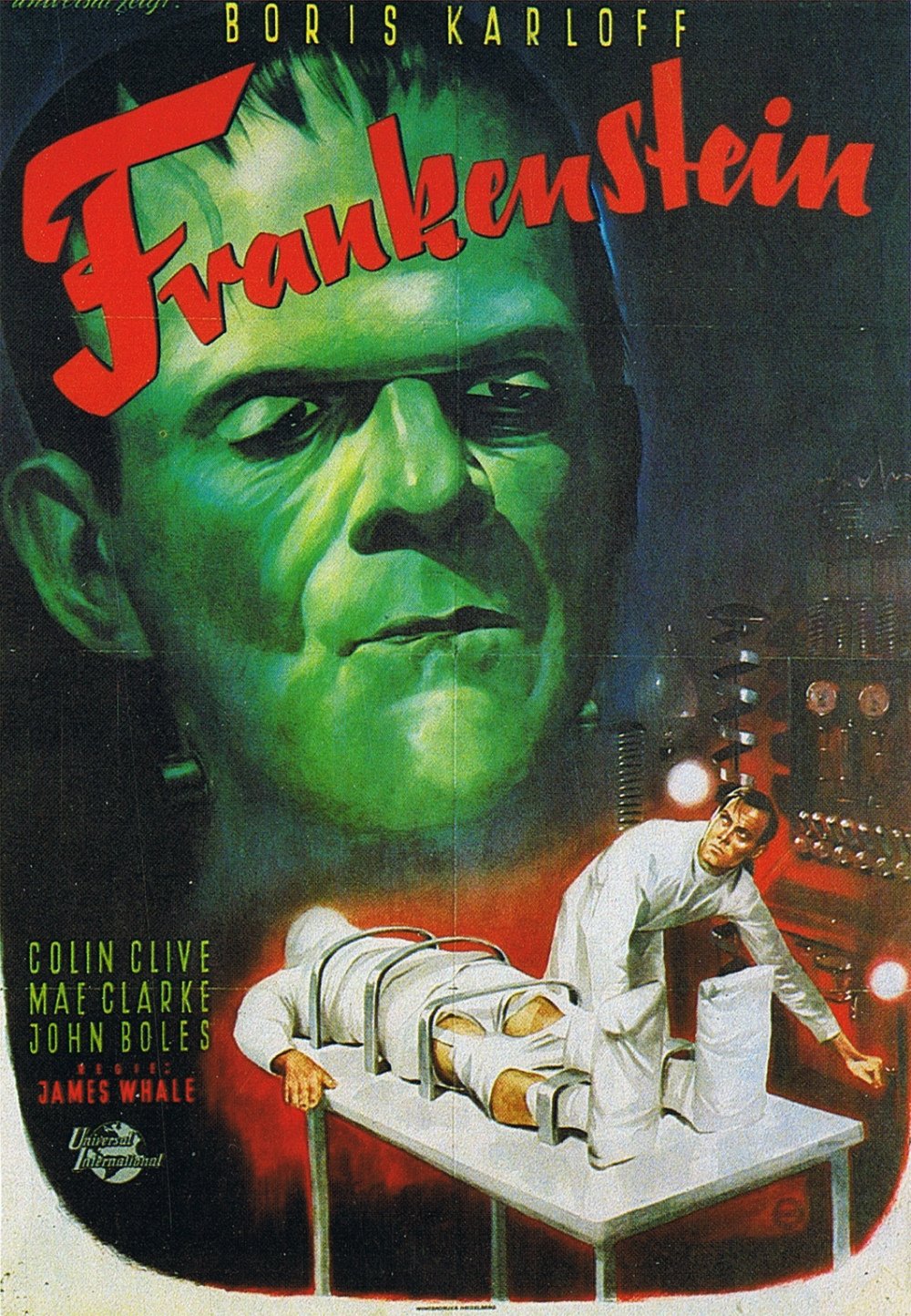
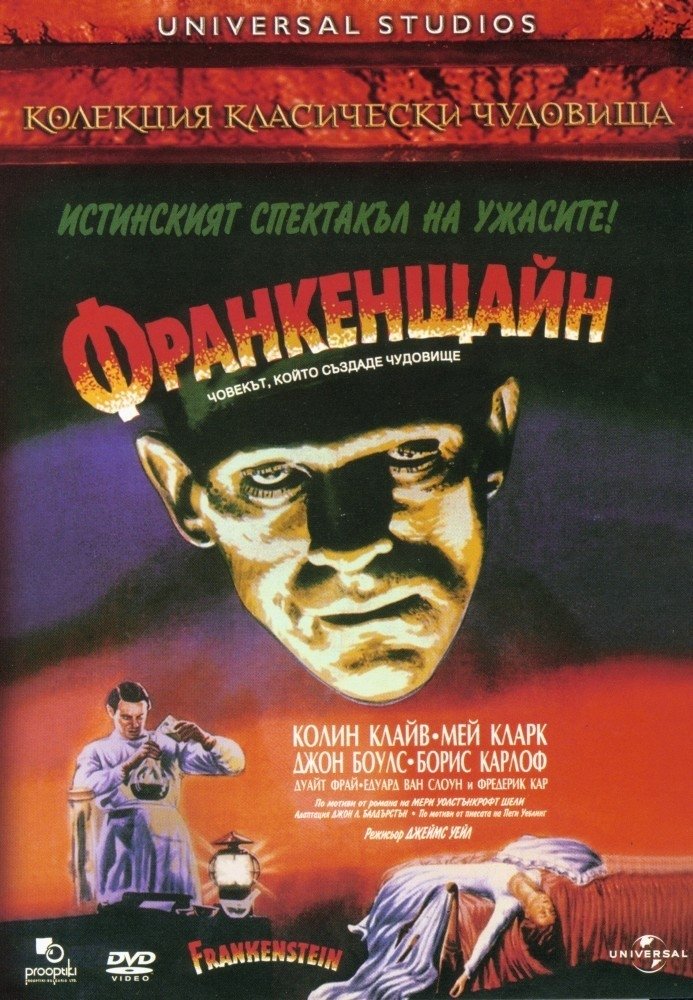
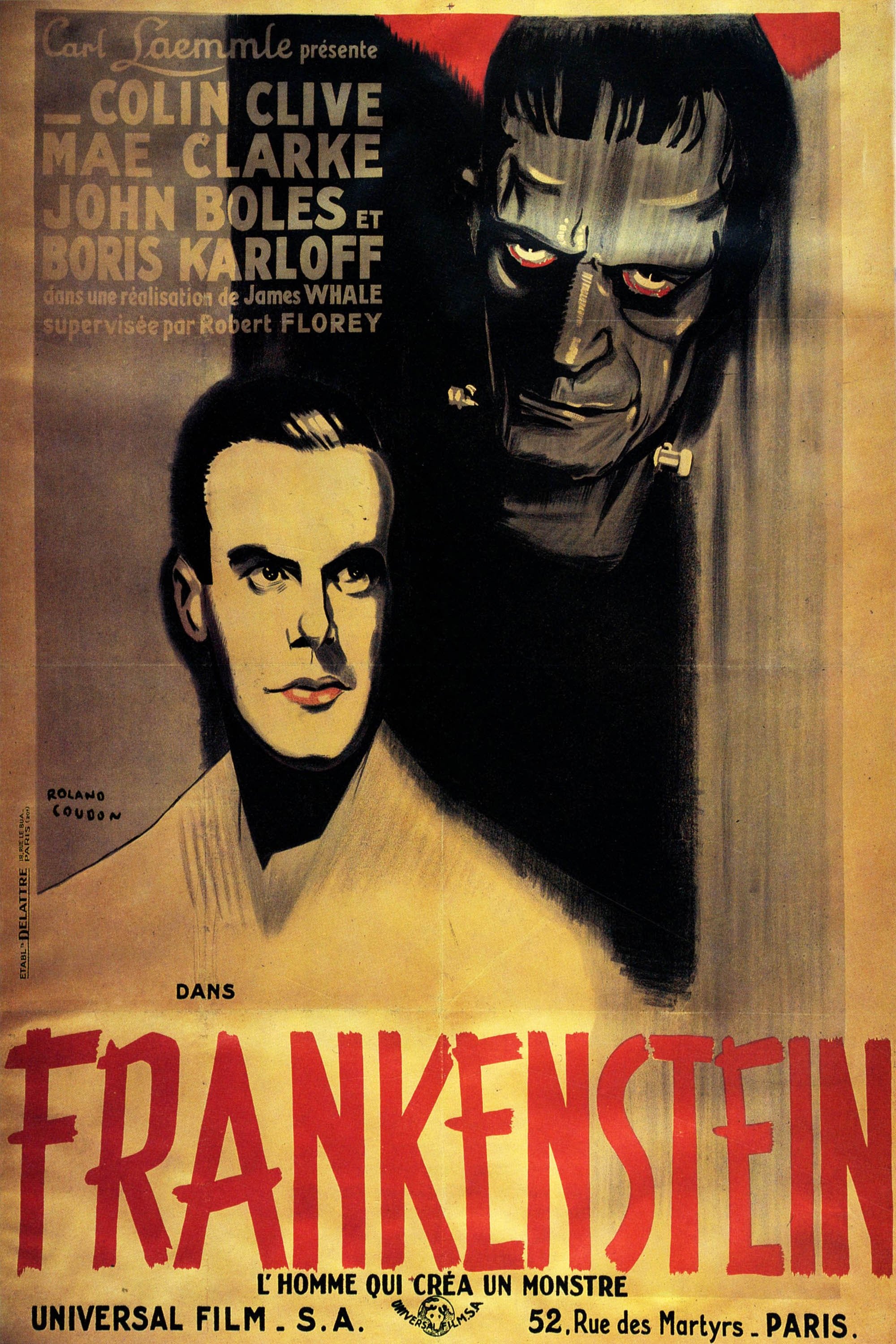
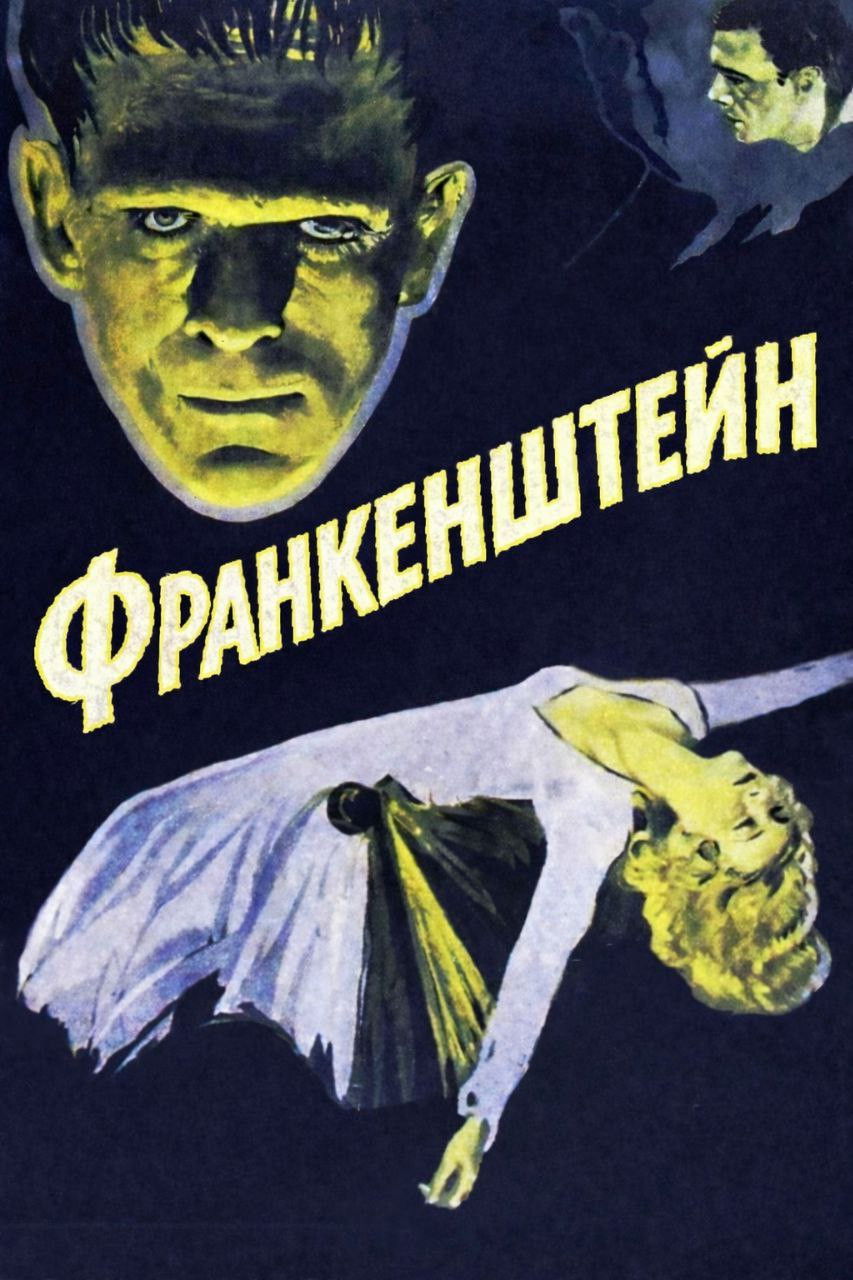
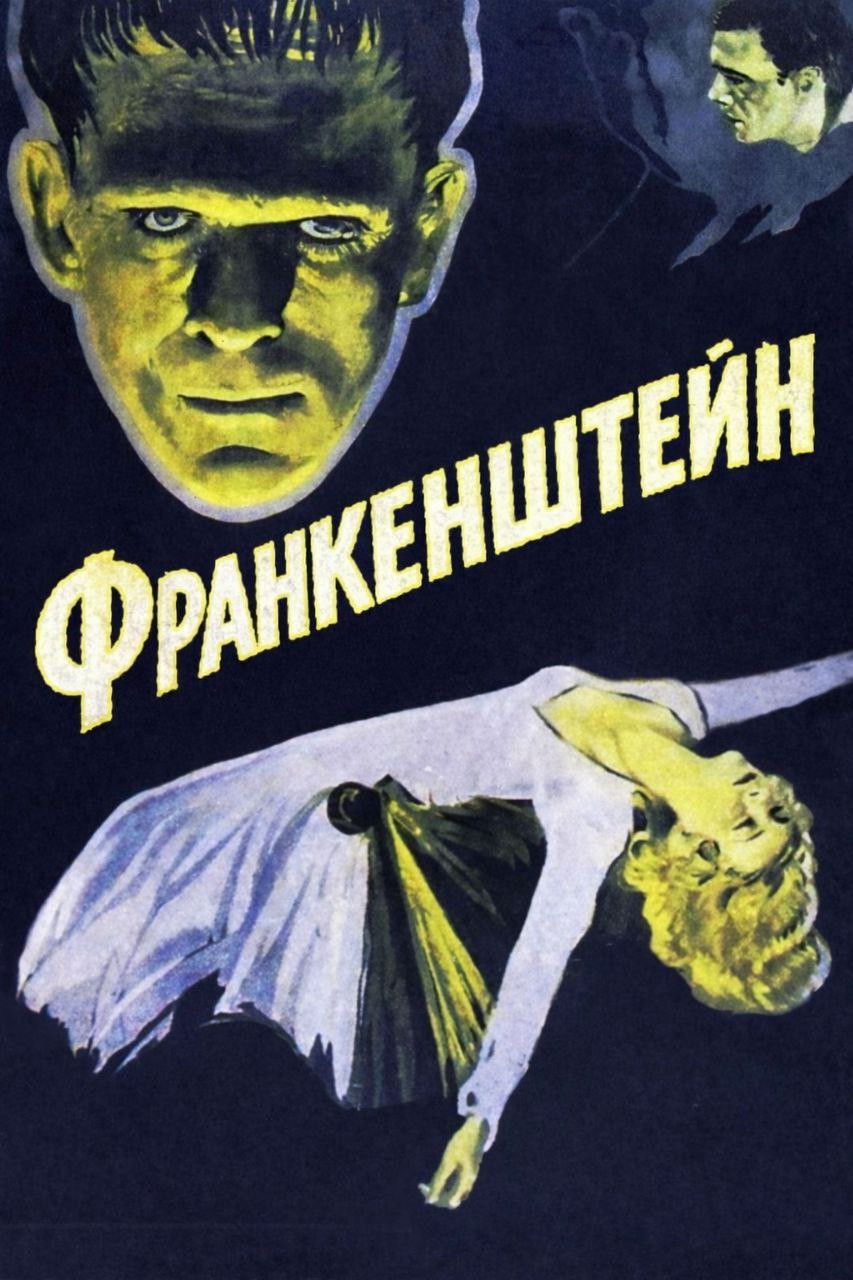
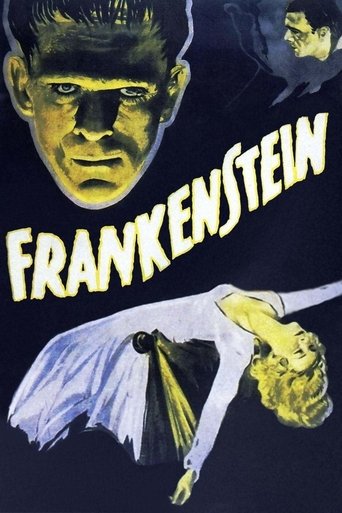
Universal did not approach Frankenstein as a direct transcription of the novel. Mary Shelley had published Frankenstein; or, The Modern Prometheus in 1818, but by 1931 the story already possessed a long theatrical history. Because the novel was in the public domain, Universal acquired rights connected with the more recent stage tradition, particularly Peggy Webling's British play and John L. Balderston's adaptation of that material for a proposed American production. The resulting film therefore carries ideas from Shelley while also inheriting decades of simplification and theatrical restructuring.
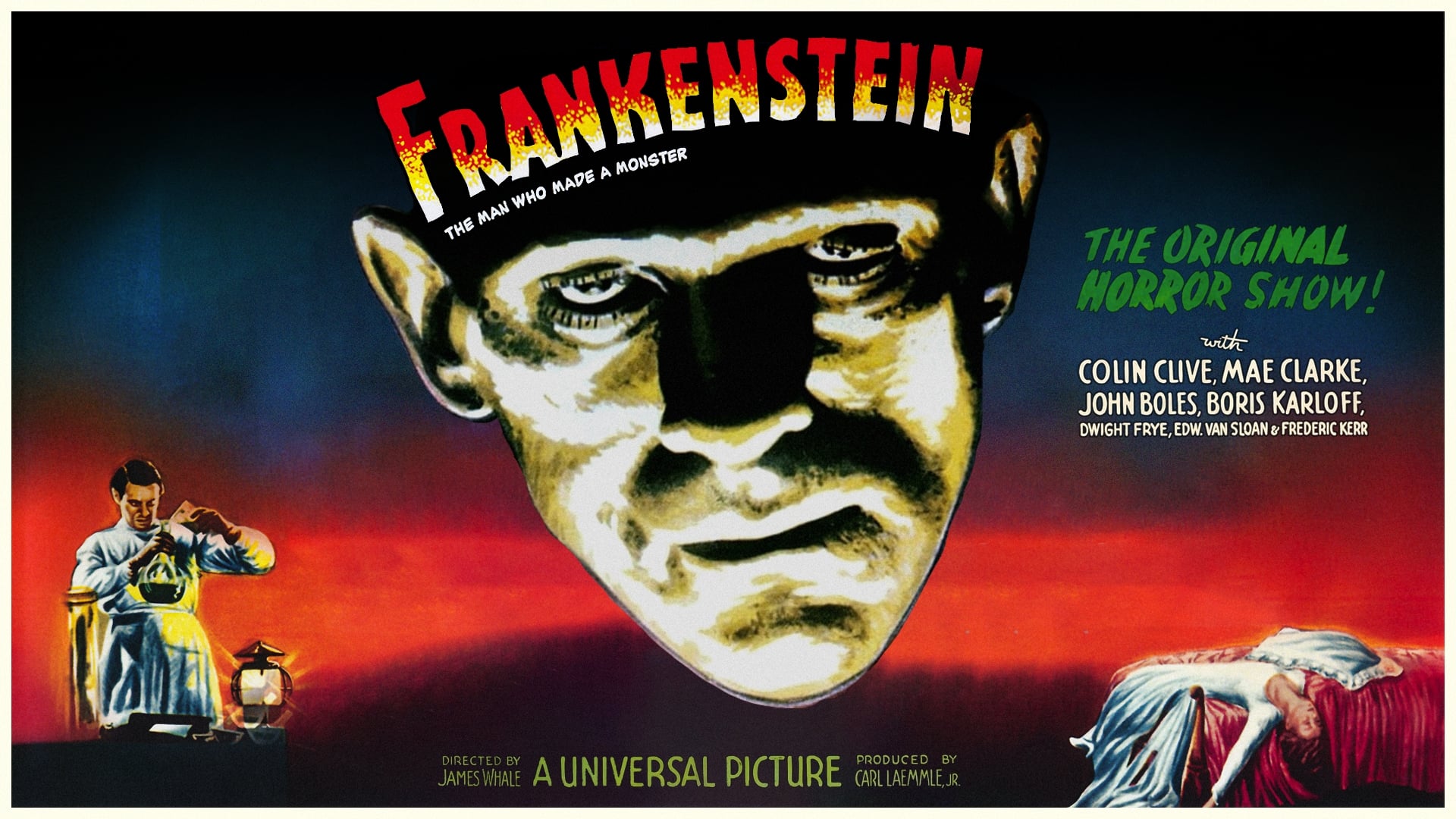
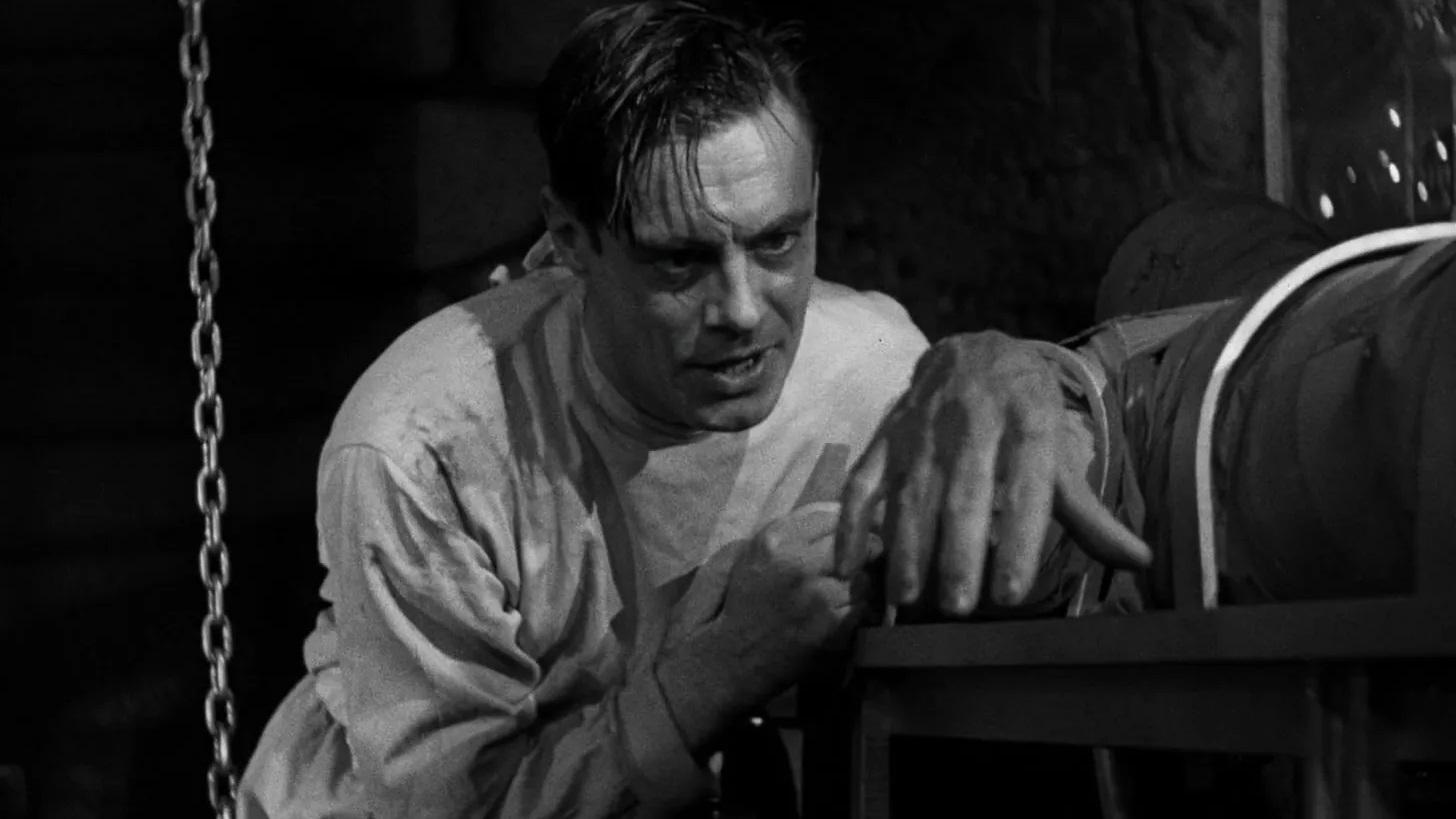
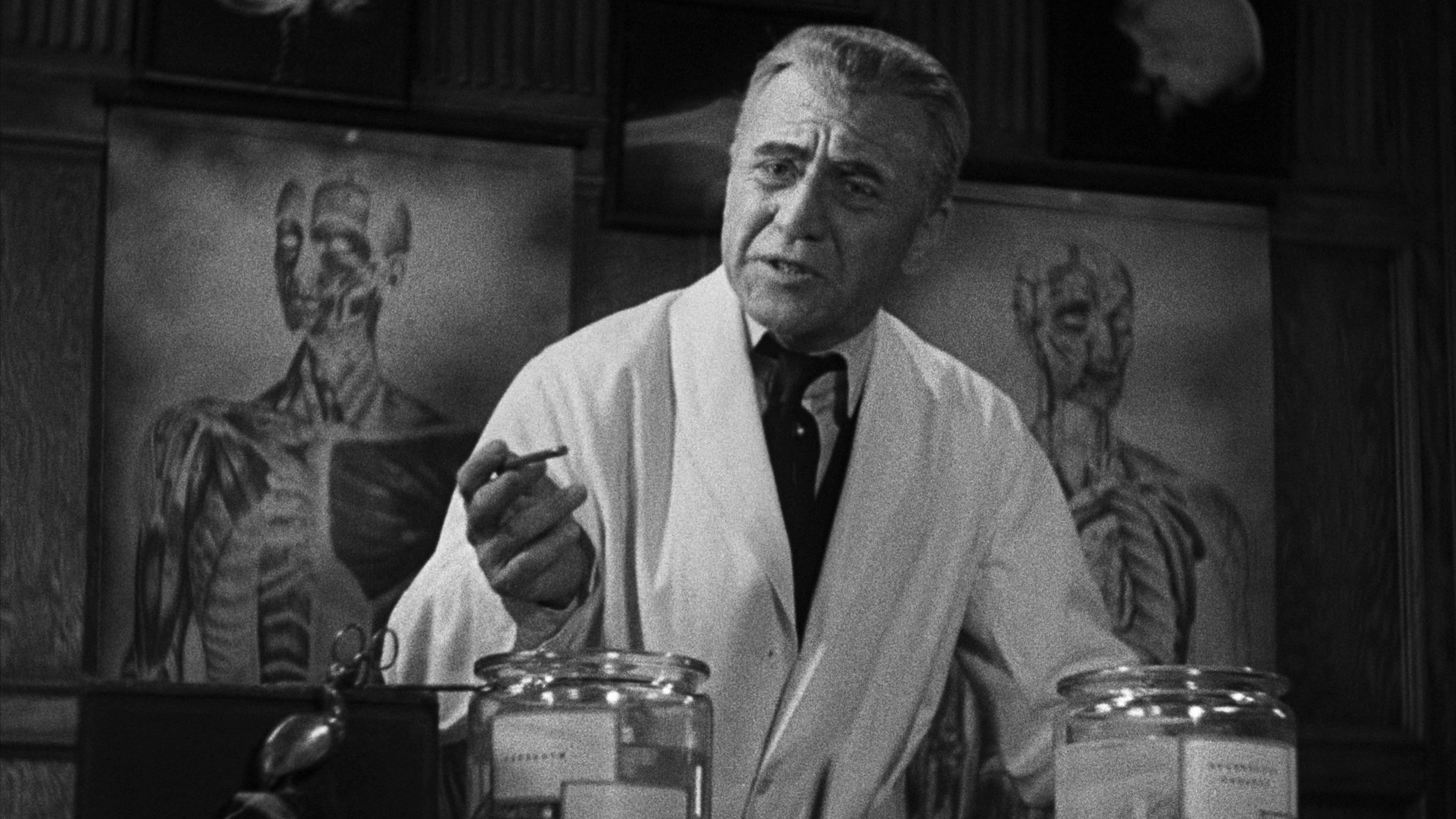
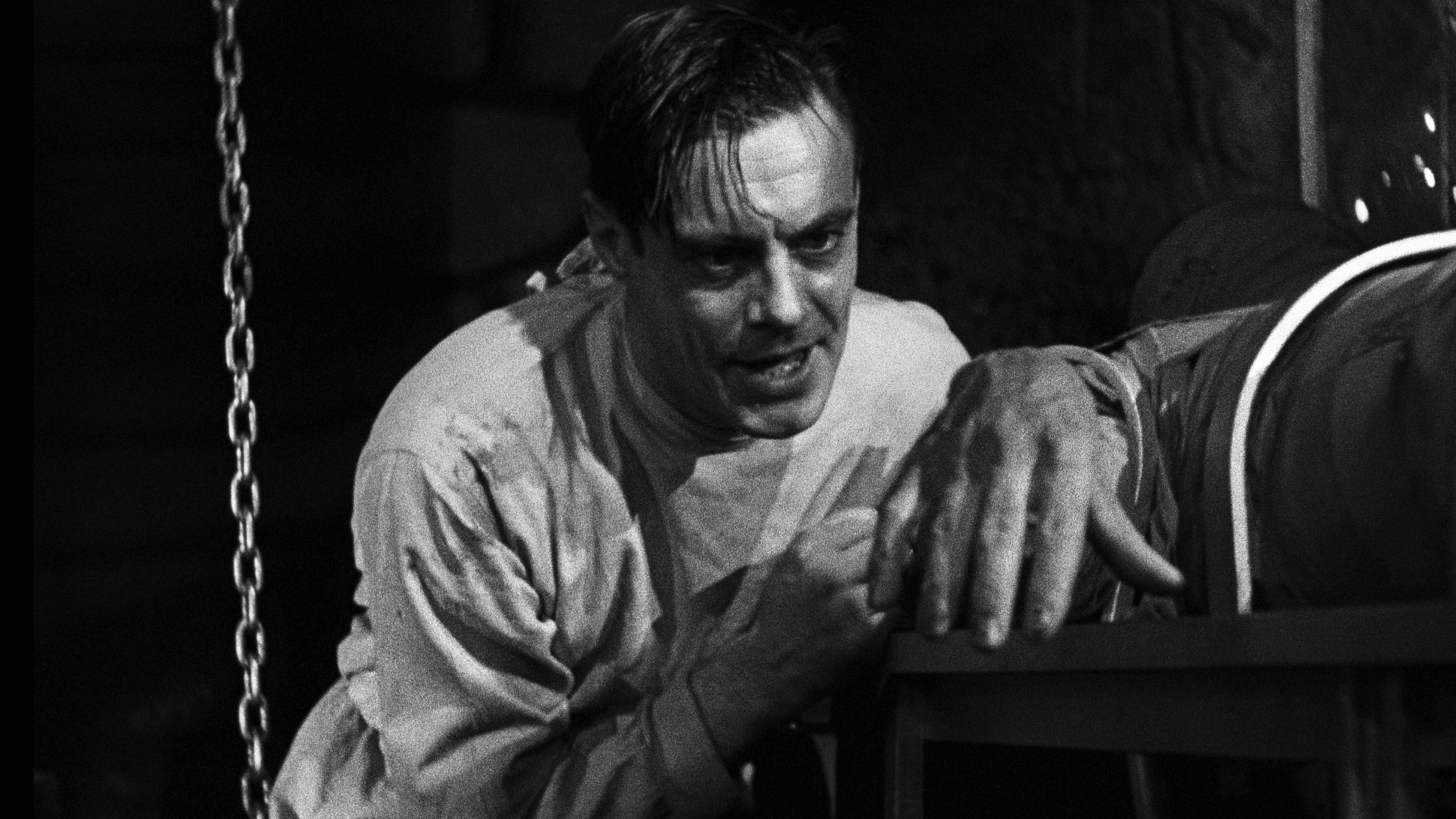
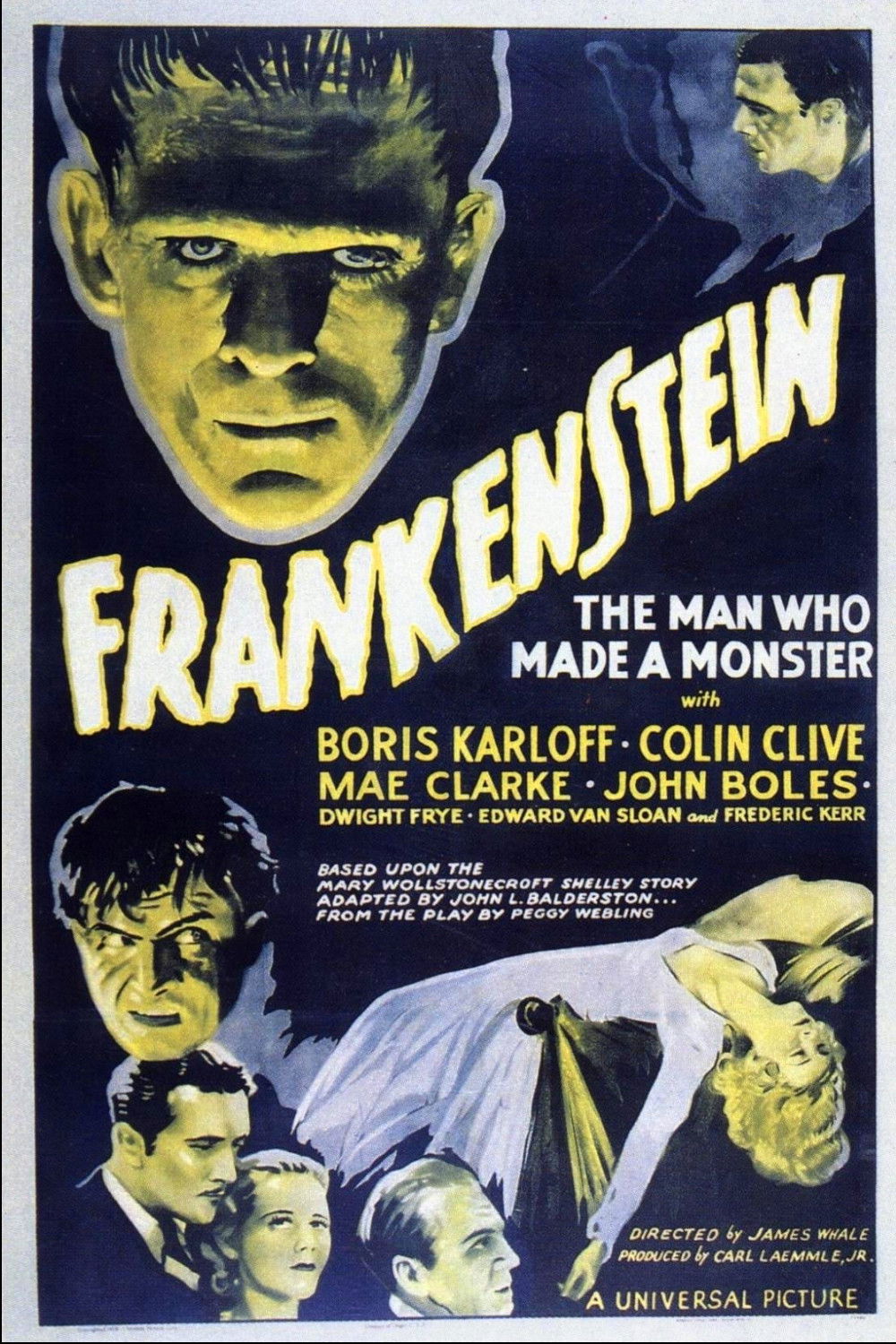
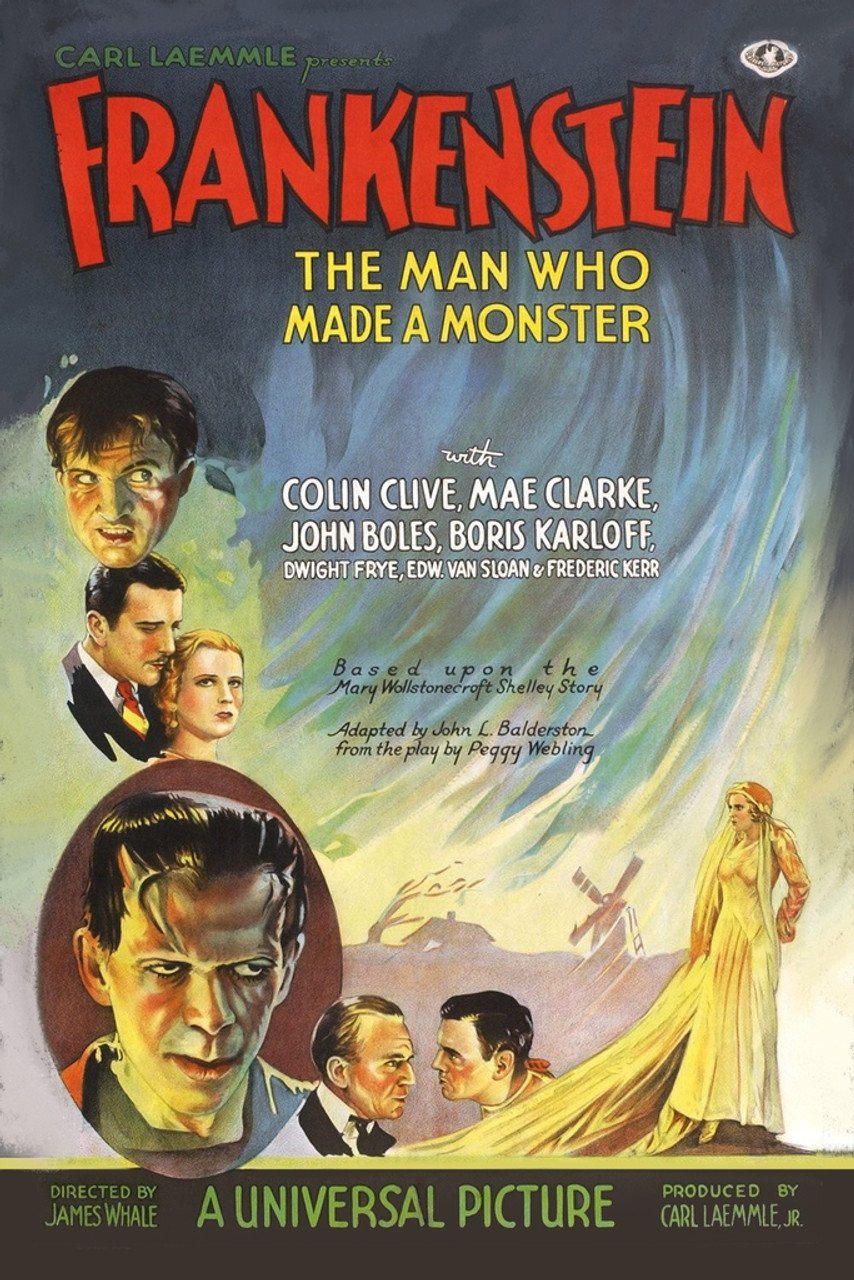
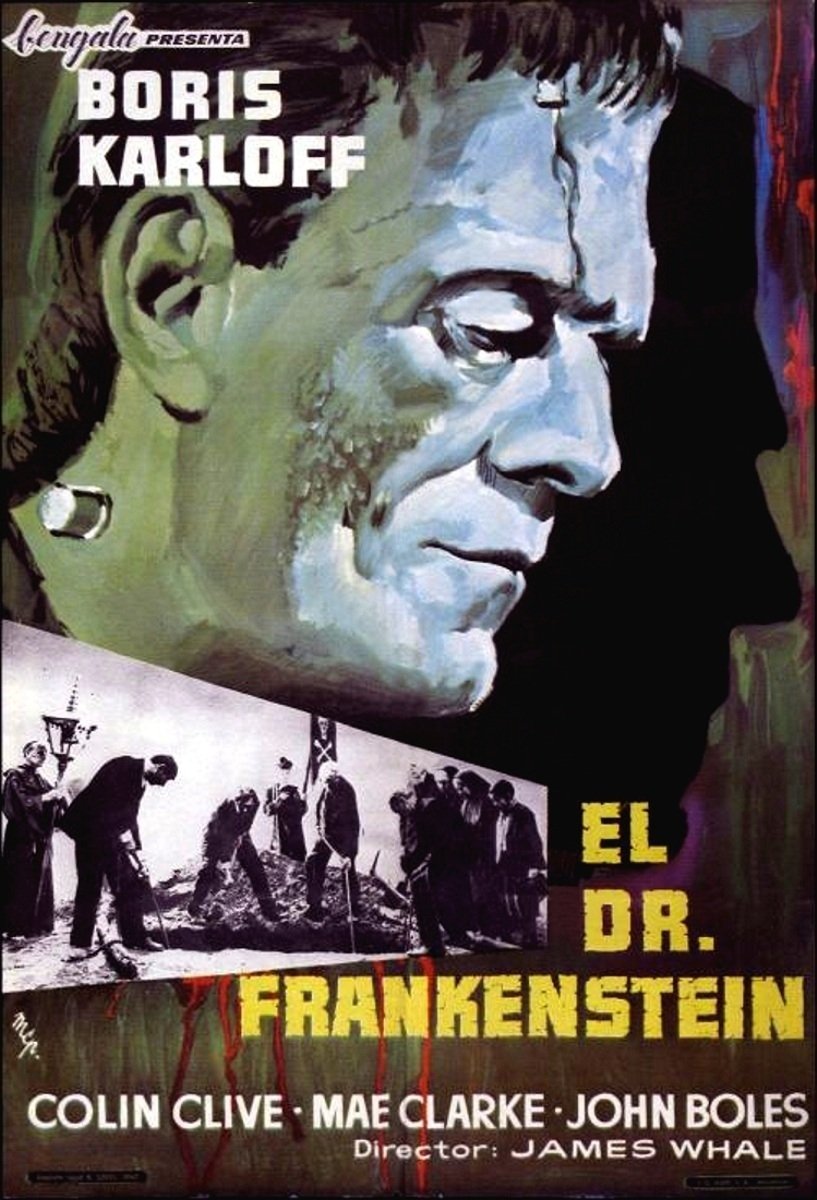
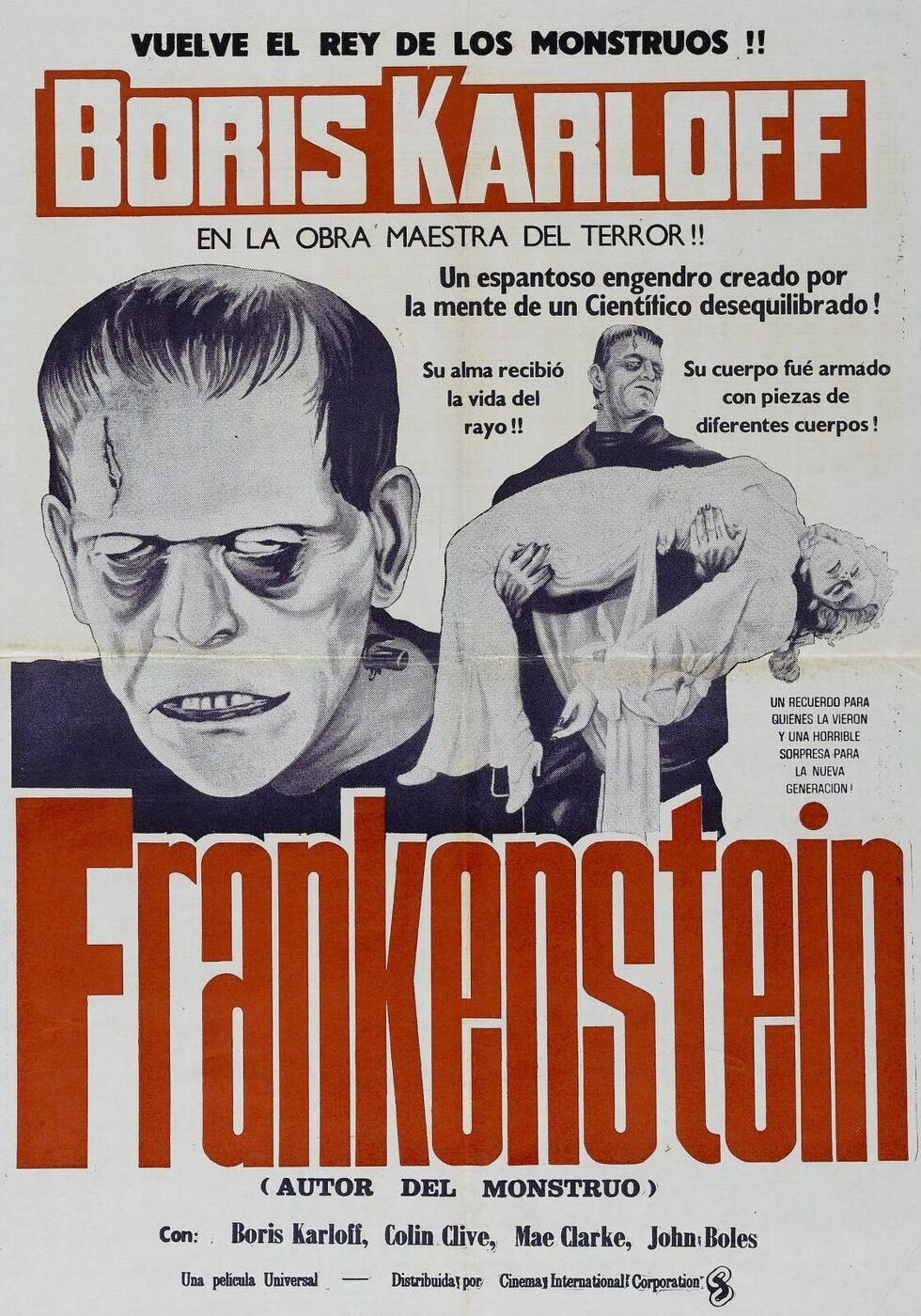
Robert Florey was initially associated with the project and collaborated with Garrett Fort on an early treatment. Béla Lugosi was also considered for the Monster before Universal reorganized the production. James Whale eventually became director, while Colin Clive, who had already worked with Whale, took the role of Henry Frankenstein. Further script revisions continued during the summer of 1931. John Russell introduced the distinction between a normal brain and a criminal brain, a plot device absent from Shelley that would become one of the most famous explanations for the behavior of the cinematic Monster.
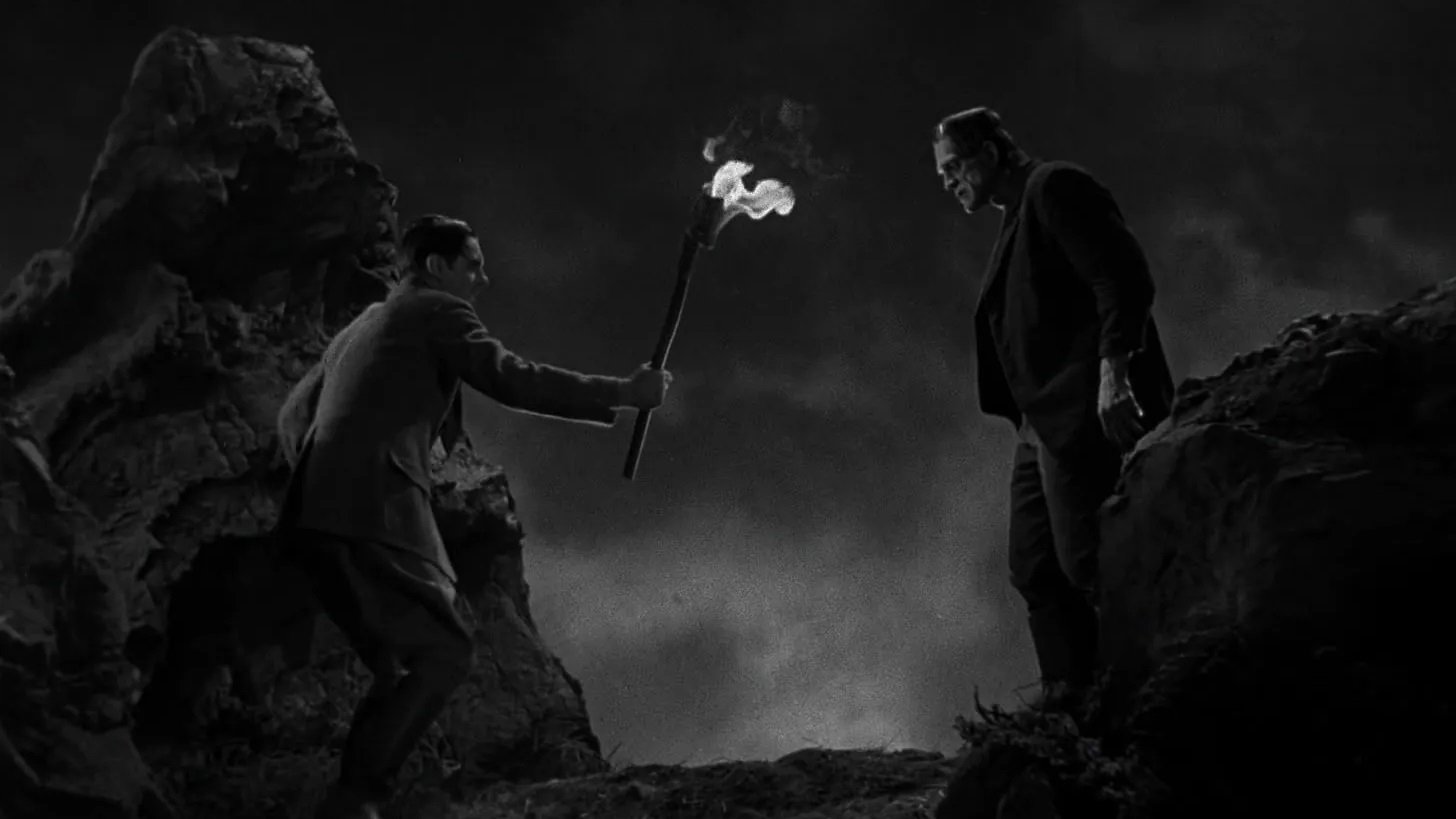
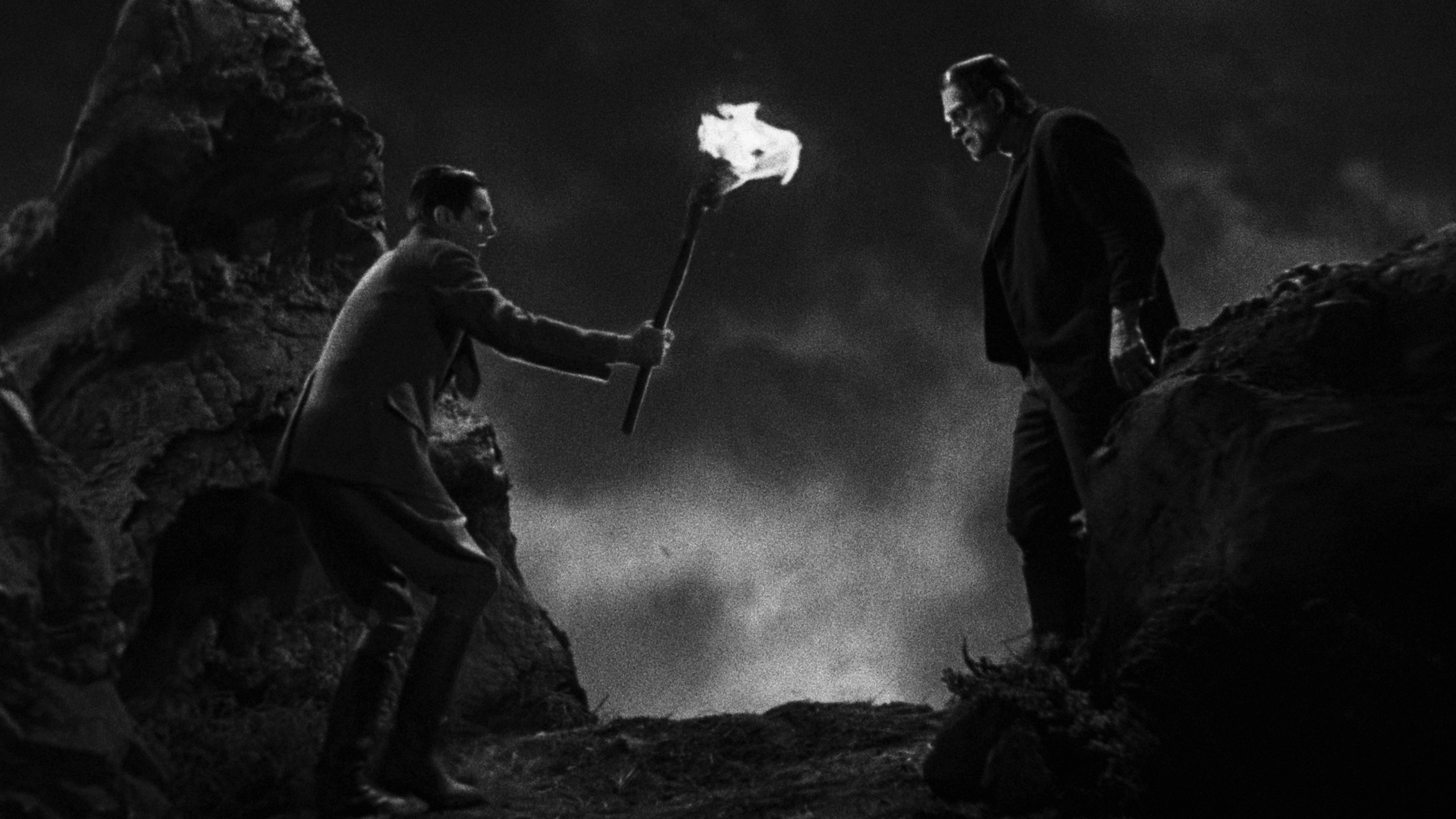
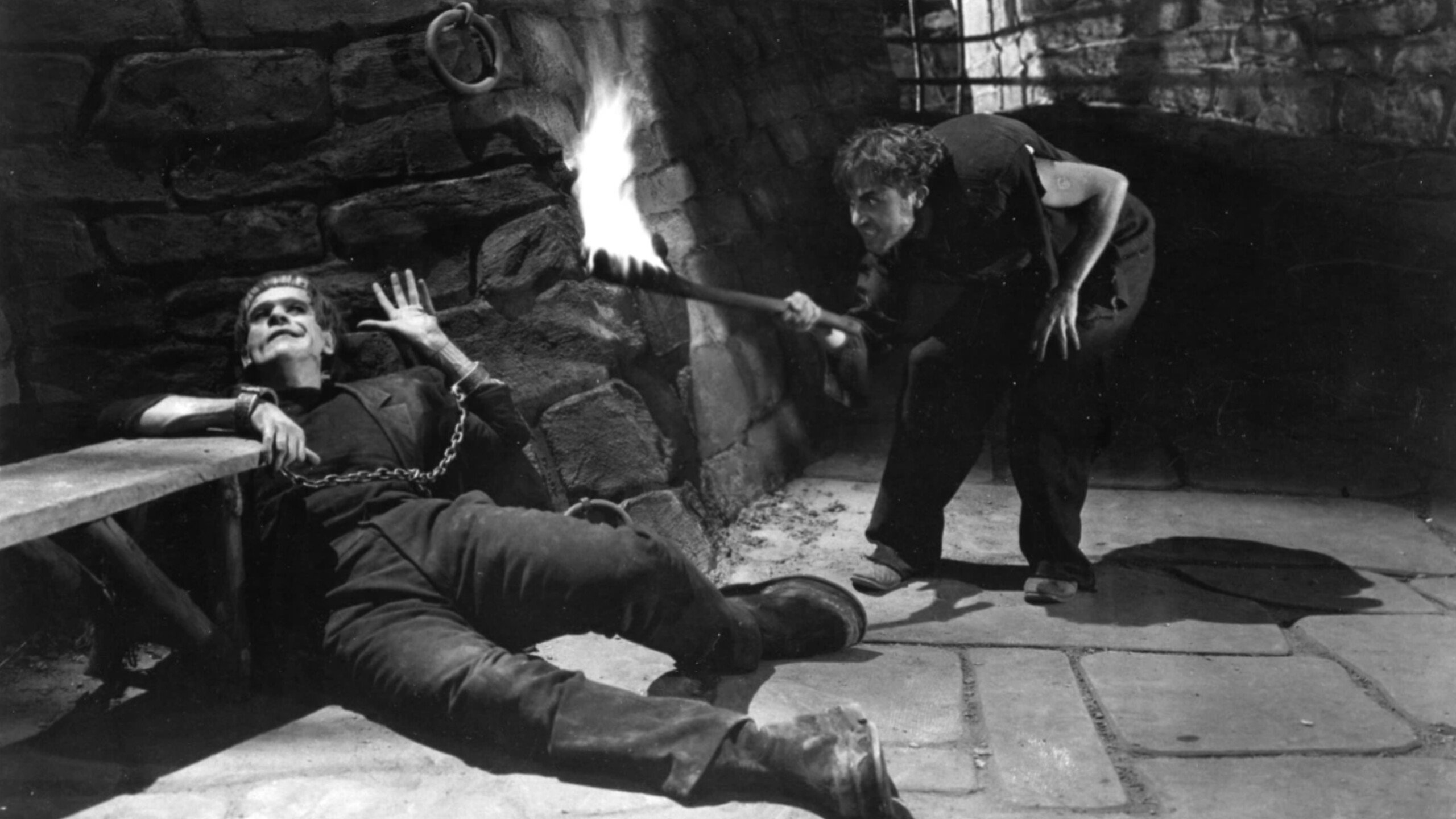
Francis Edwards Faragoh subsequently revised the screenplay, adding dialogue for Fritz, reducing some of the Creature's brutality and introducing more humor. These successive transformations demonstrate how far the film was moving from literary fidelity toward a self-contained screen mythology. Shelley remains the fundamental source, but the Universal Frankenstein is a collaborative construction shaped by stage melodrama, studio development and Whale's own visual instincts. Its enormous influence later caused many inventions of the film and its theatrical predecessors to be remembered incorrectly as if they had originated in the novel.