Development and Production
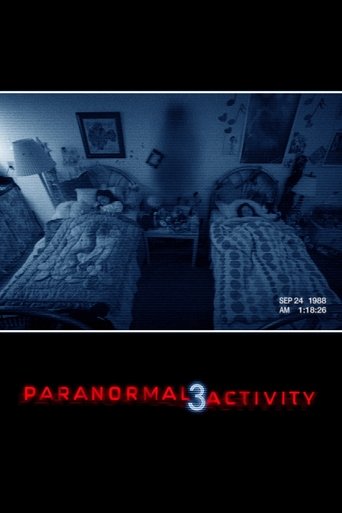
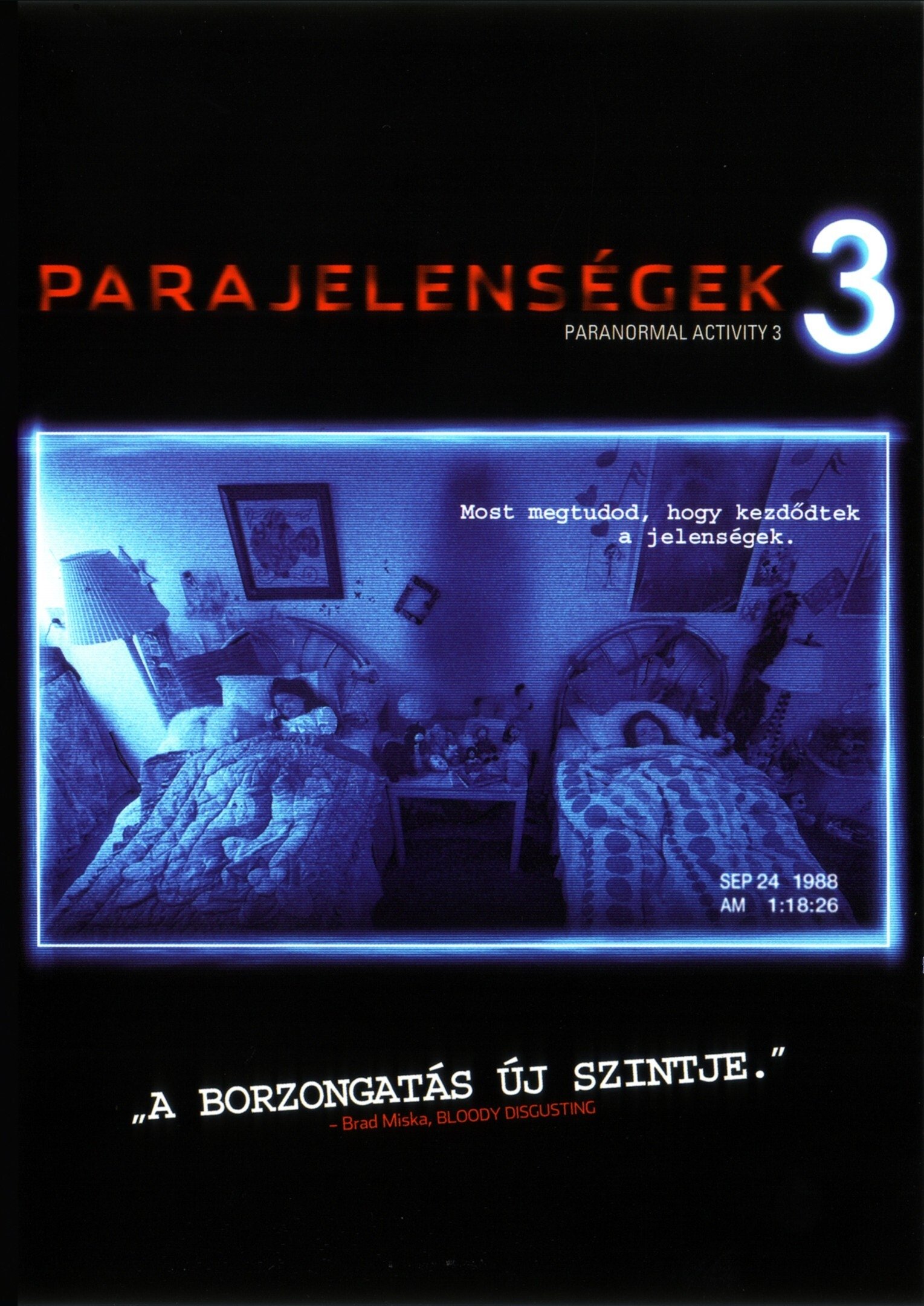
After Paranormal Activity 2 demonstrated that the first film's success could be sustained, producers looked for a story that would explain earlier references to Katie and Kristi's childhood experiences. Creator and producer Oren Peli said the first picture already mentioned disturbances beginning when Katie was young, while the second included additional hints that made a prequel plausible. He also acknowledged that these clues had not necessarily been planted with a third installment in mind. The 1988 setting developed out of this existing material, establishing a new period for the home recordings and allowing the filmmakers to expand the central family's history.
Joost and Schulman had previously directed Catfish, a documentary whose presentation prompted public arguments about authenticity. Producer Jason Blum identified their handling of seemingly spontaneous footage as an advantage for a series built on the audience's willingness to accept its recordings. Screenwriter Christopher Landon remained central to the developing story, while the directors helped devise individual sequences, including the Bloody Mary game and the camera attached to a fan. Joost described a collaborative process in which Peli was particularly attentive to apparent realism, and Blum helped resolve practical production problems.
The schedule was demanding because the picture was filmed during the summer for an October theatrical release. Blum said the presence of two young performers restricted working hours and required care to ensure they were comfortable with the situations being staged. Contemporary Los Angeles Times reporting described a production that continued to alter its structure very late in the process. The filmmakers introduced the excursion beyond the principal house during late revisions, and one of the final shocks was shot only weeks before the release.
The 1988 Recording Premise
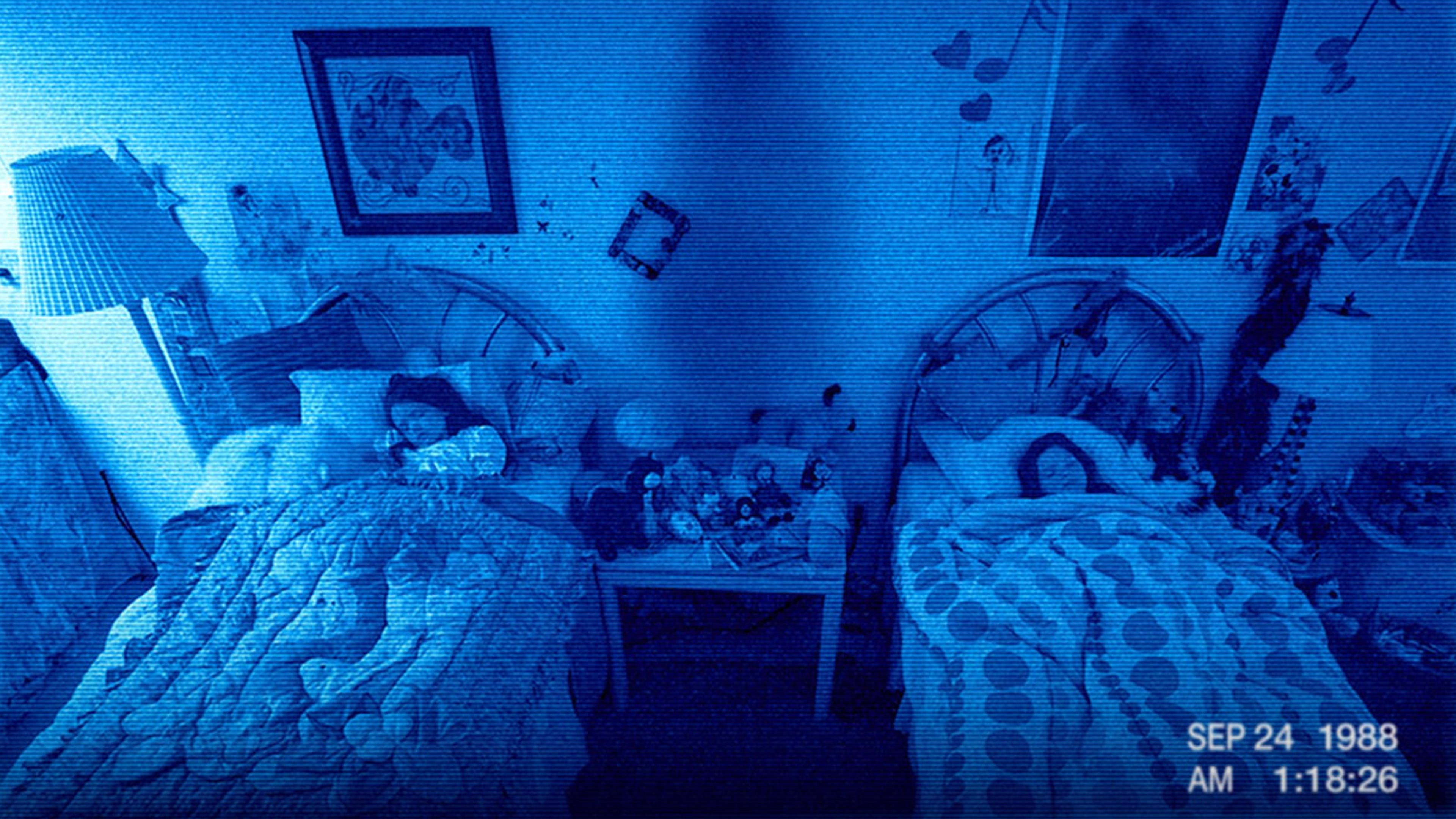
Setting a found-footage film in the late 1980s creates an immediate question about why a family would maintain extensive video coverage. Dennis is therefore introduced as someone whose professional life involves making and editing recordings. His equipment becomes credible within the fiction, as does his interest in inspecting unexplained material. The camera is an object with a practical purpose before it becomes the main instrument of the haunting. This narrative choice extends a rule that the series' producers considered essential: each recording should have an intelligible reason to exist, even when that constraint complicates the design of a frightening scene.
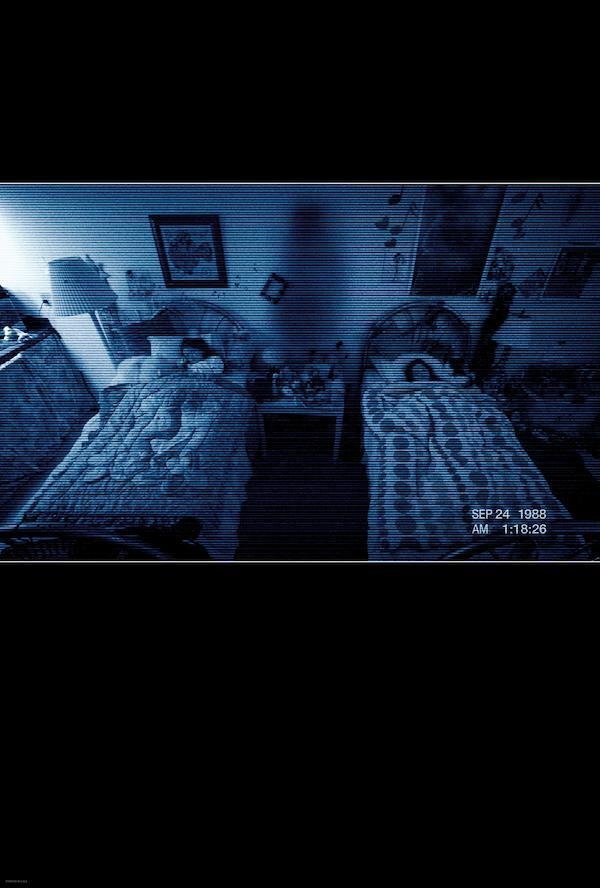
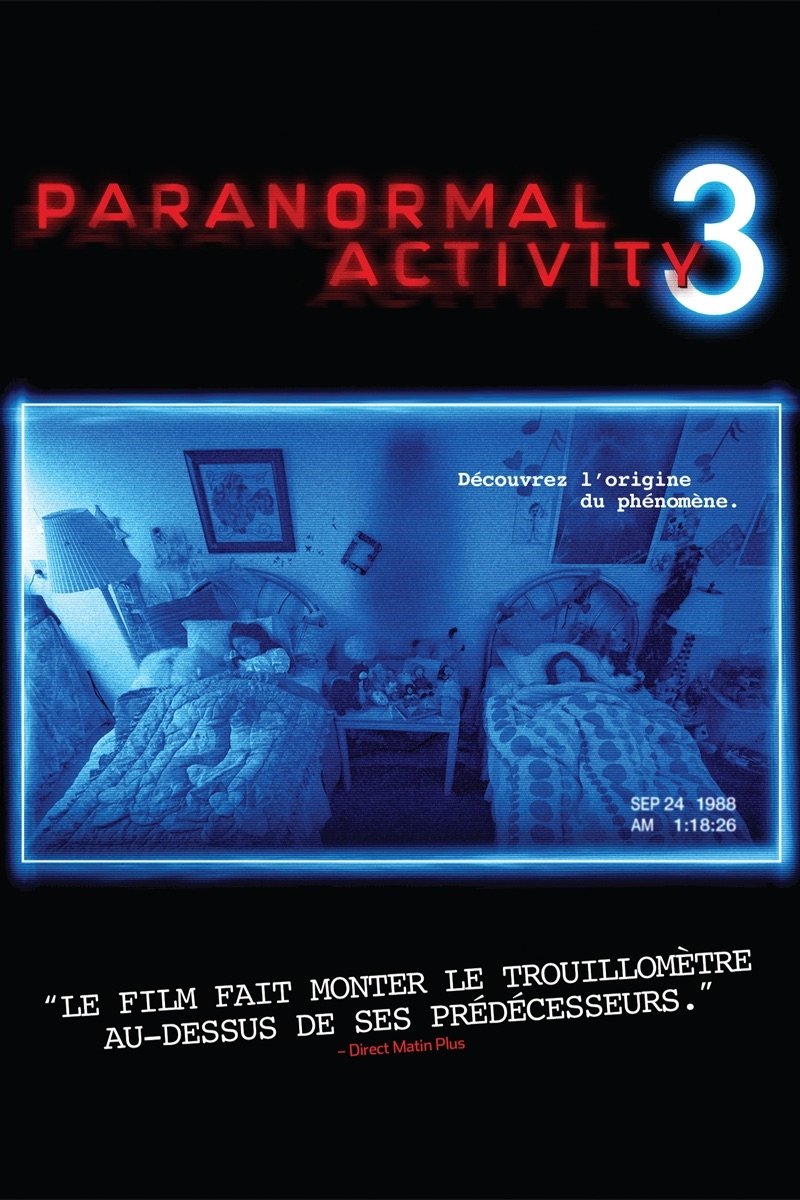
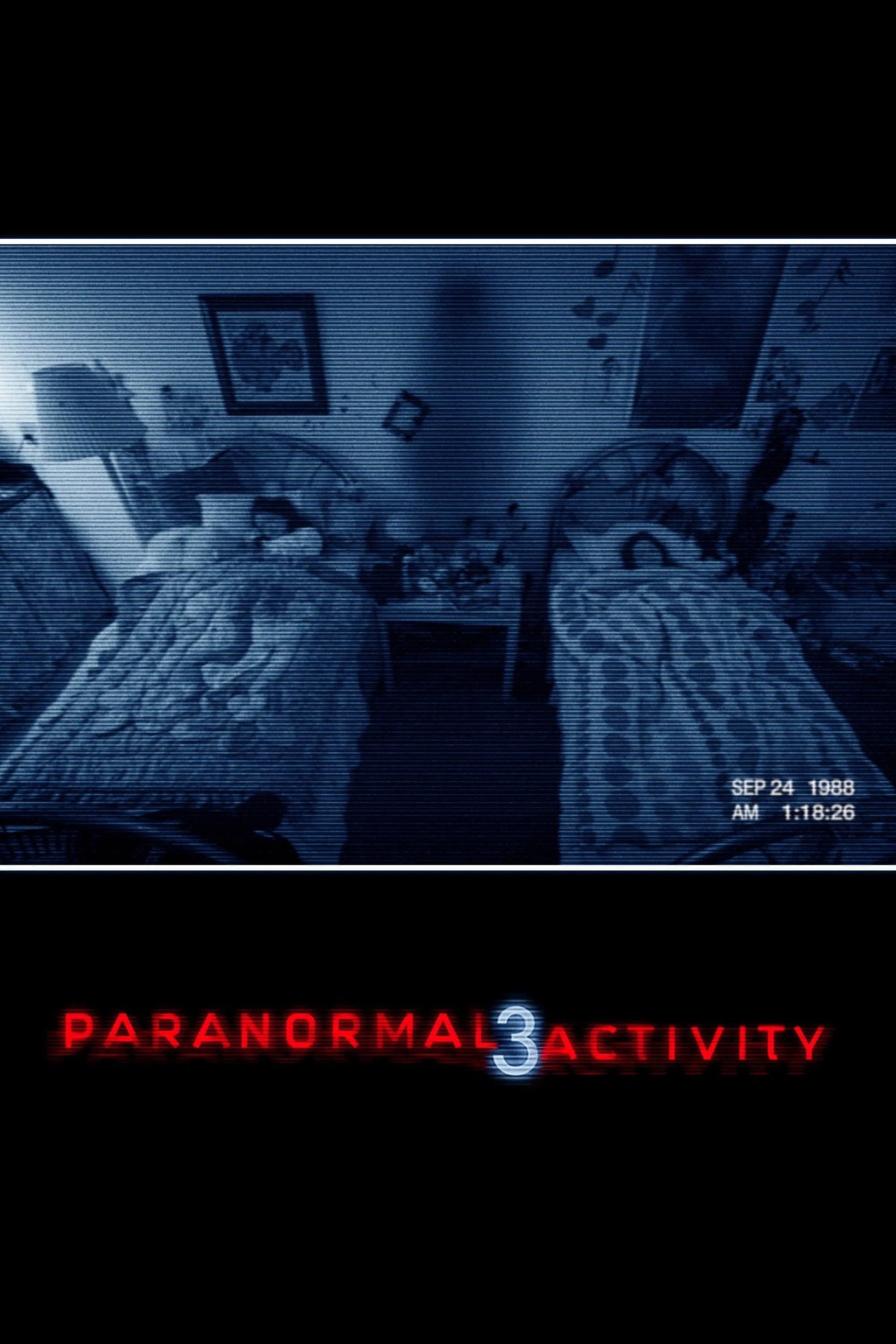
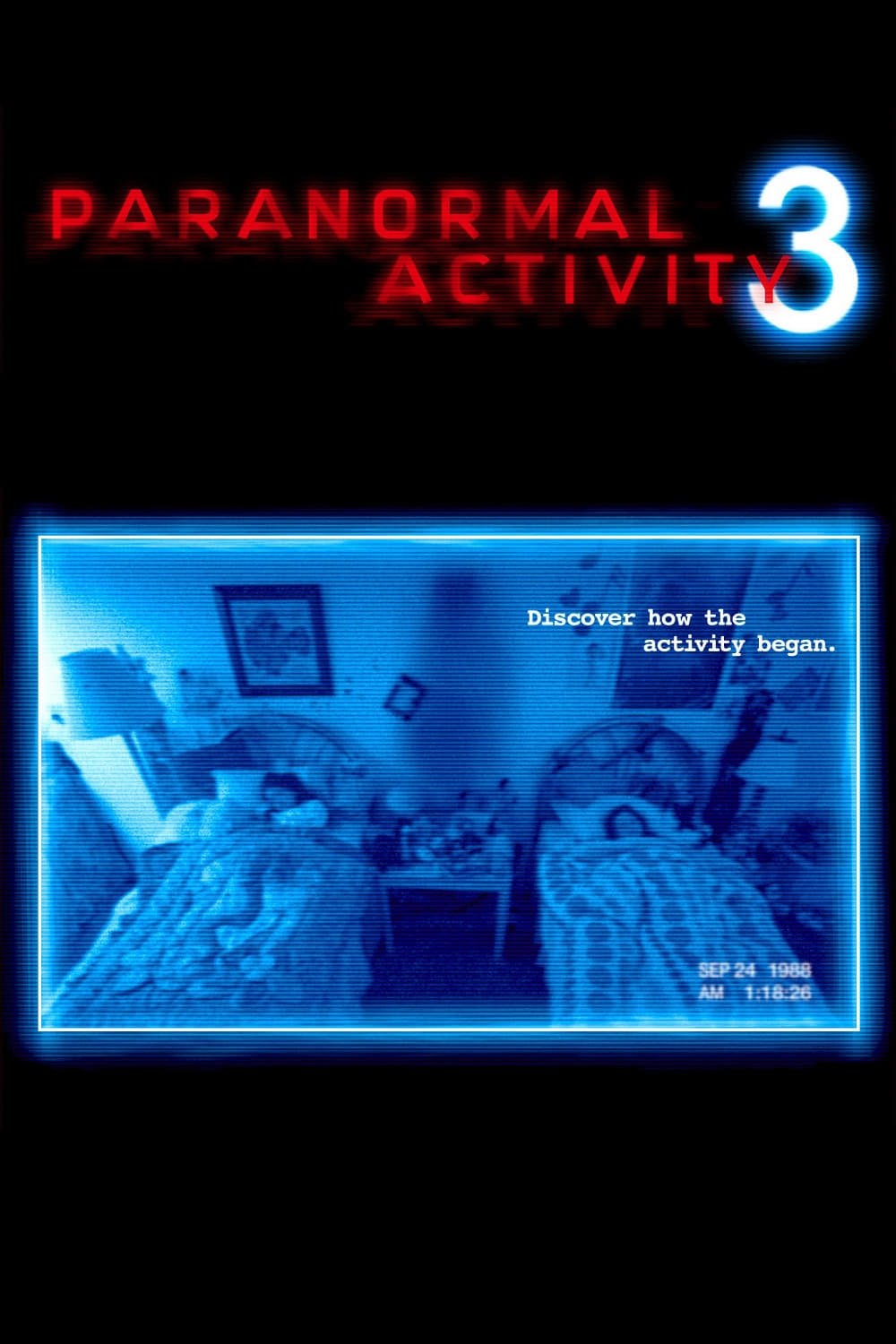
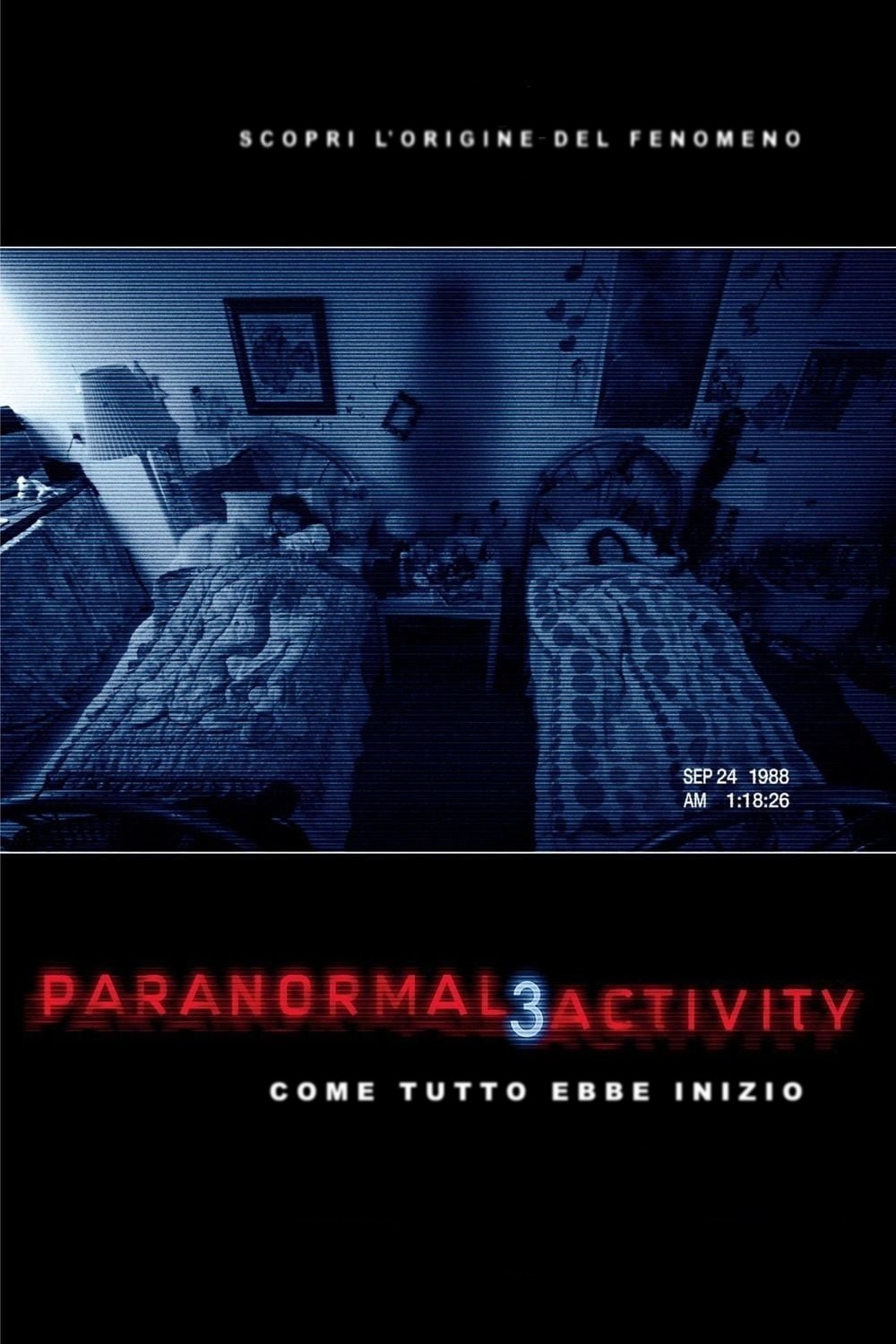
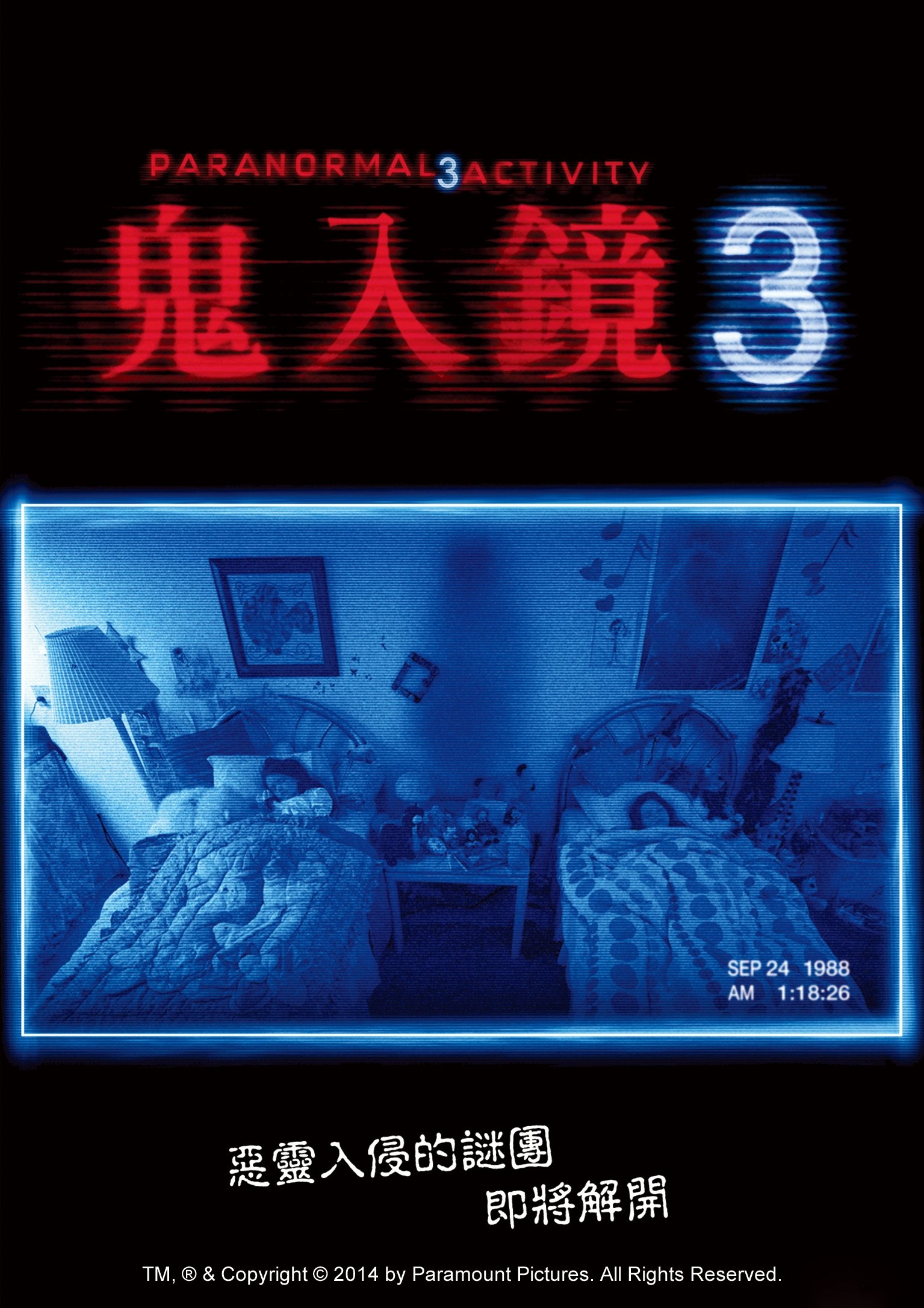
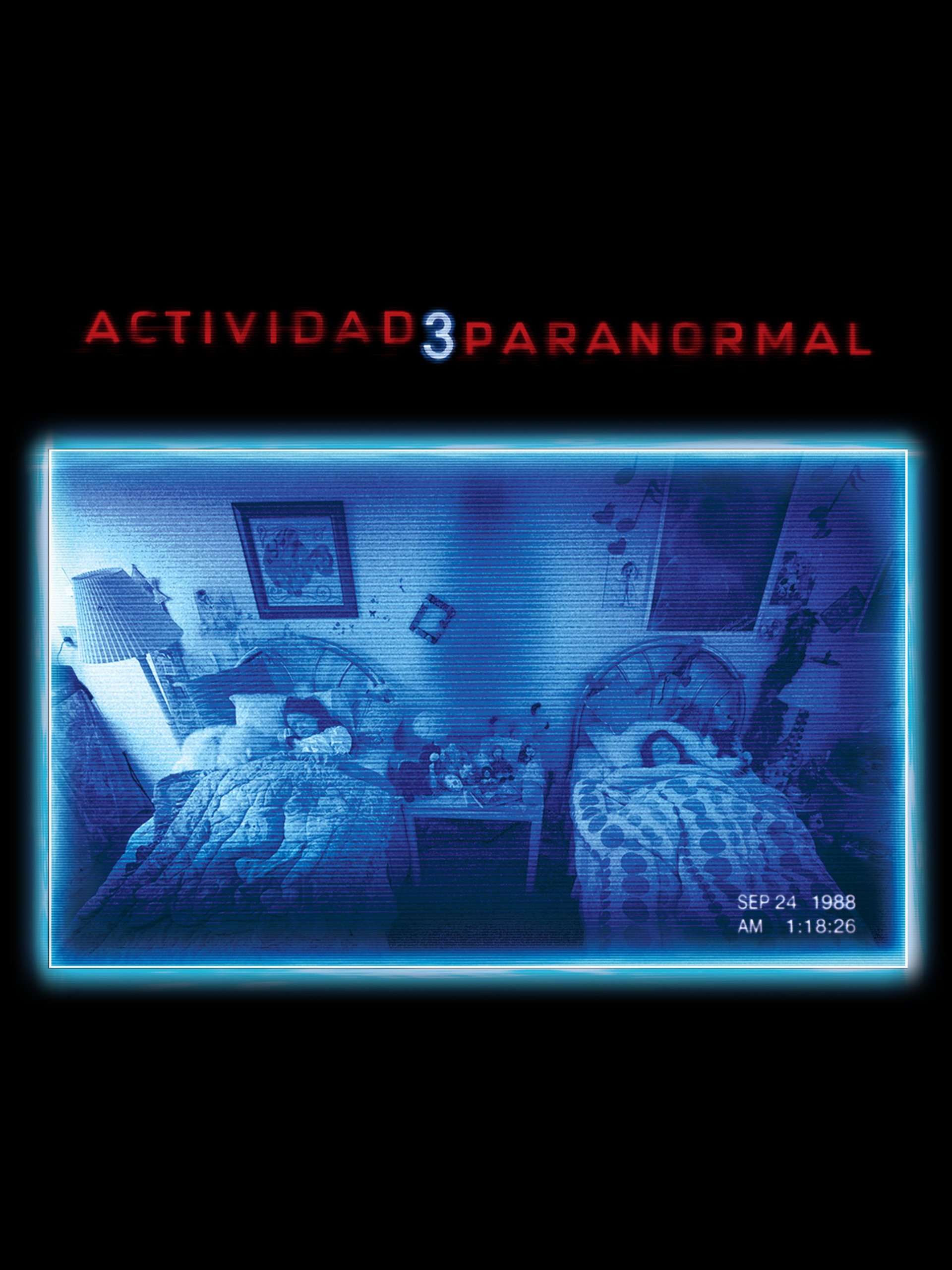
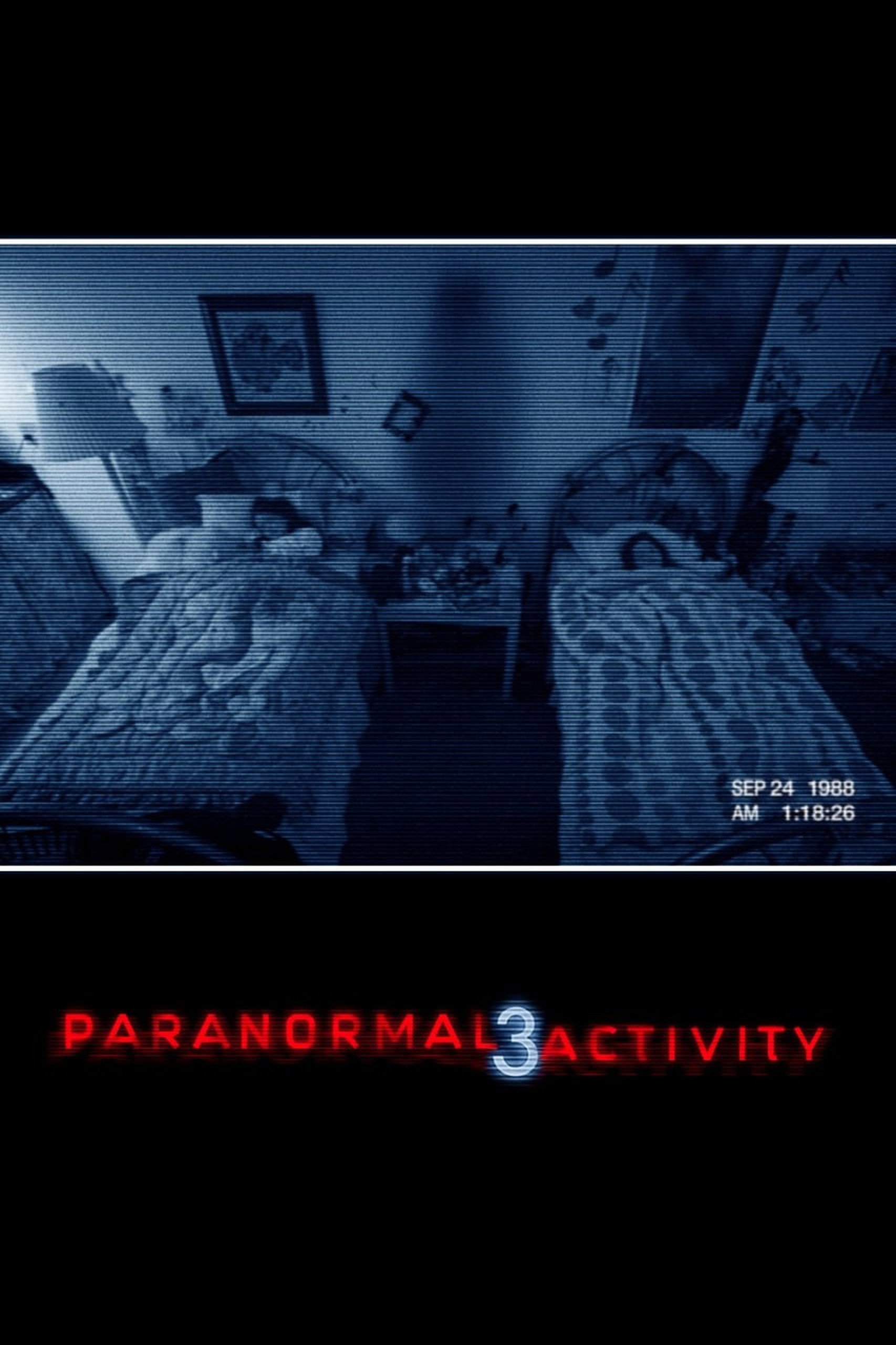
Joost and Schulman experimented with recording directly on VHS but found sustained viewing of the resulting image problematic for a contemporary theatrical presentation. They instead used high-definition acquisition with a period-influenced surface treatment. For shots in which the operator and camera appear in a mirror, the crew placed a small HD camera inside the body of an older video camera. The technique allowed the equipment seen by the audience to appear historically appropriate while preserving an image suitable for projection.
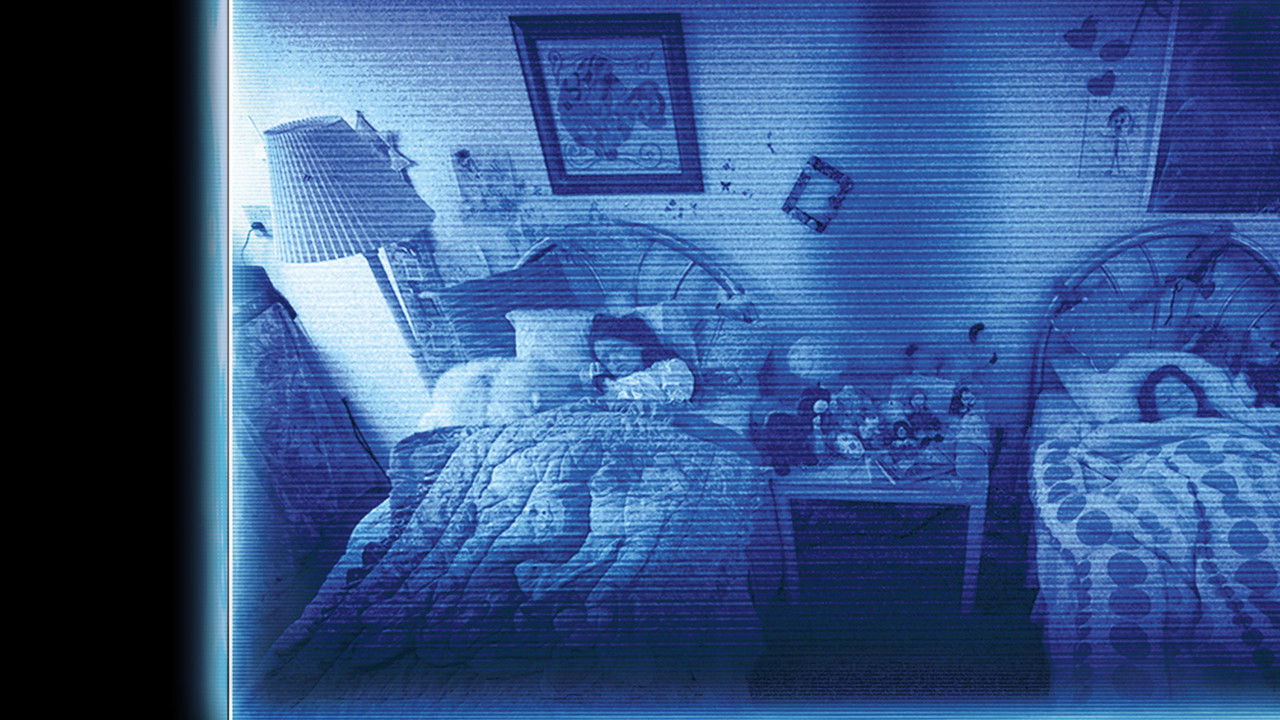
Unlike the contemporary surveillance installation of Paranormal Activity 2, the footage here acquires a retrospective quality. Tape suggests material that can be stored, forgotten and rediscovered, allowing the story to treat domestic images as evidence from a childhood that its adult characters only partly understand. The grain and electronic character of the presentation place limits on what a viewer can confidently identify. A patch of shadow or an indistinct movement becomes more disturbing because the image seems to lack the visual precision to settle the question immediately.
Camera Movement and Suspense
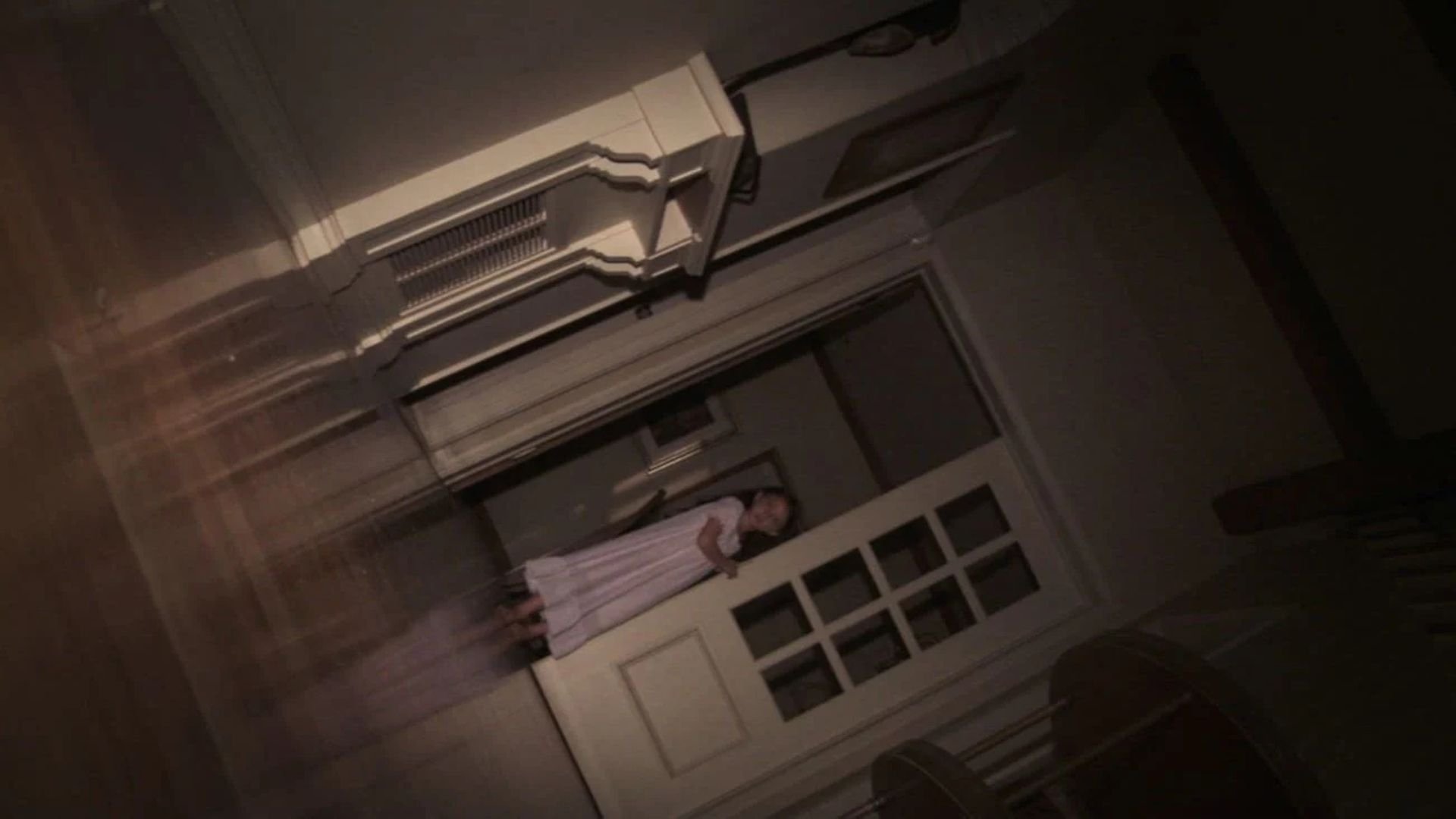
The oscillating fan camera is the most conspicuous visual innovation. Mounted on a rotating base, it looks alternately toward adjoining parts of the interior, turning a simple pan into a recurring structural rhythm. A conventional fixed surveillance shot allows the audience to search a stable frame; the fan arrangement repeatedly removes one portion of the house and replaces it with another. Each sweep creates a gap in observation. Suspense gathers around the instant when a previously empty corner will re-enter the frame, because an occurrence may have taken place while the camera faced away.
Peli spoke with particular enthusiasm about this device in a contemporary interview, linking its slowly changing field of view to the uncertainty about what the next movement might disclose. The mechanism is effective because the motion is regular rather than responsive to the action. The camera never turns to help the audience investigate a suspicious sound. Instead the viewer must endure the time needed for the lens to reach that space.
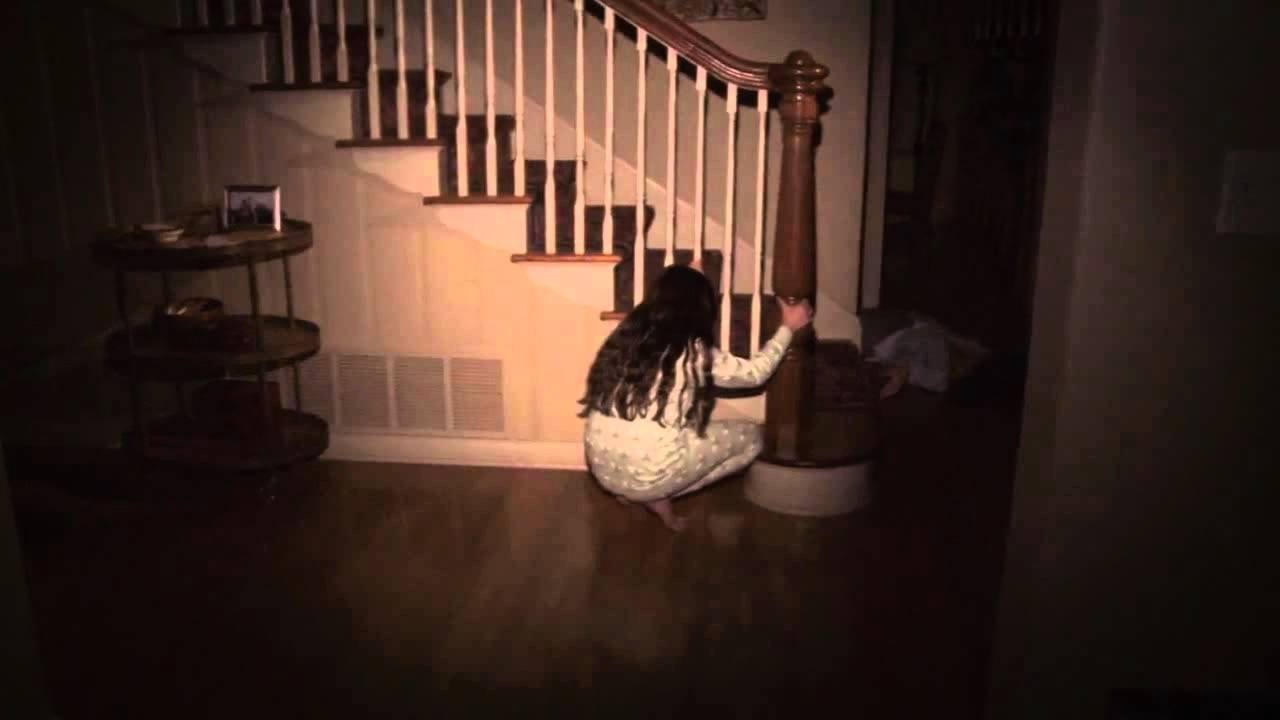
The film also uses play and routine to build the conditions for sudden disturbance. Children's games, everyday domestic activity and the constant visibility of bedrooms and corridors create recognizable patterns before they are disrupted. A viewer who becomes familiar with the geography of the house can notice deviations without receiving a conventional reaction shot or musical warning. At the same time, the filmmakers permit more visible and aggressive supernatural incidents than the earliest installment. This progression increases the physical intensity of the scares while preserving the central convention that actions are captured by cameras belonging to people within the story.
Family History and Supernatural Mythology
The childhood perspective changes the series' central mystery. Earlier installments introduced adult women confronting a force associated with their past; Paranormal Activity 3 stages the period in which that connection begins to take recognizable shape. Kristi's relationship with an unseen companion called Toby is initially presented through the uncertainty of adults interpreting a child's behavior. As the incidents intensify, what might have been explained as imagination becomes inseparable from the escalating events recorded around the family. Katie's presence alongside her younger sister turns the haunting into a shared history whose consequences extend beyond this one household.
Dennis occupies an important position in the narrative because his investigative impulse makes him both observer and participant. His recordings are designed to produce evidence, yet the footage does not give him power over the events. The more he documents, the more apparent the danger becomes, creating a recurring contradiction within the found-footage premise: knowledge accumulates while effective control diminishes. Julie's skepticism and the different reactions of the children give the film a family conflict that operates alongside the supernatural plot. The tension depends on differing interpretations of what the cameras have registered and what they still cannot explain.
The movement toward the grandmother's home introduces a wider account of the haunting's origins. The final developments connect the earlier films' scattered references to a network of adult decisions and ritual implications. An apparently isolated domestic presence becomes linked to an organized human history. The film's late change of location, documented in contemporary production reporting, supports this transformation by carrying the threat beyond the familiar rooms where its visual rules were first established.
Release, Marketing and Versions
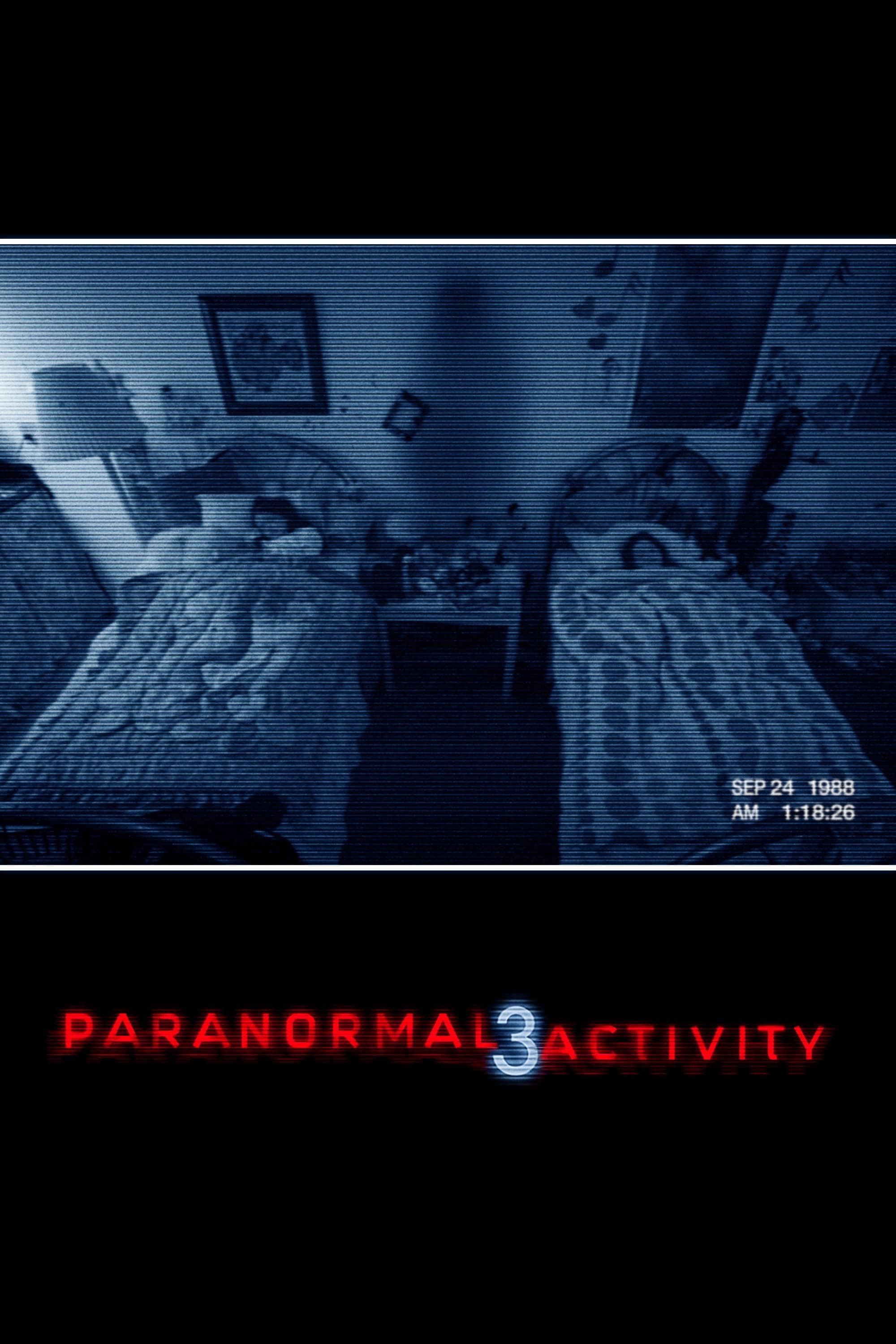
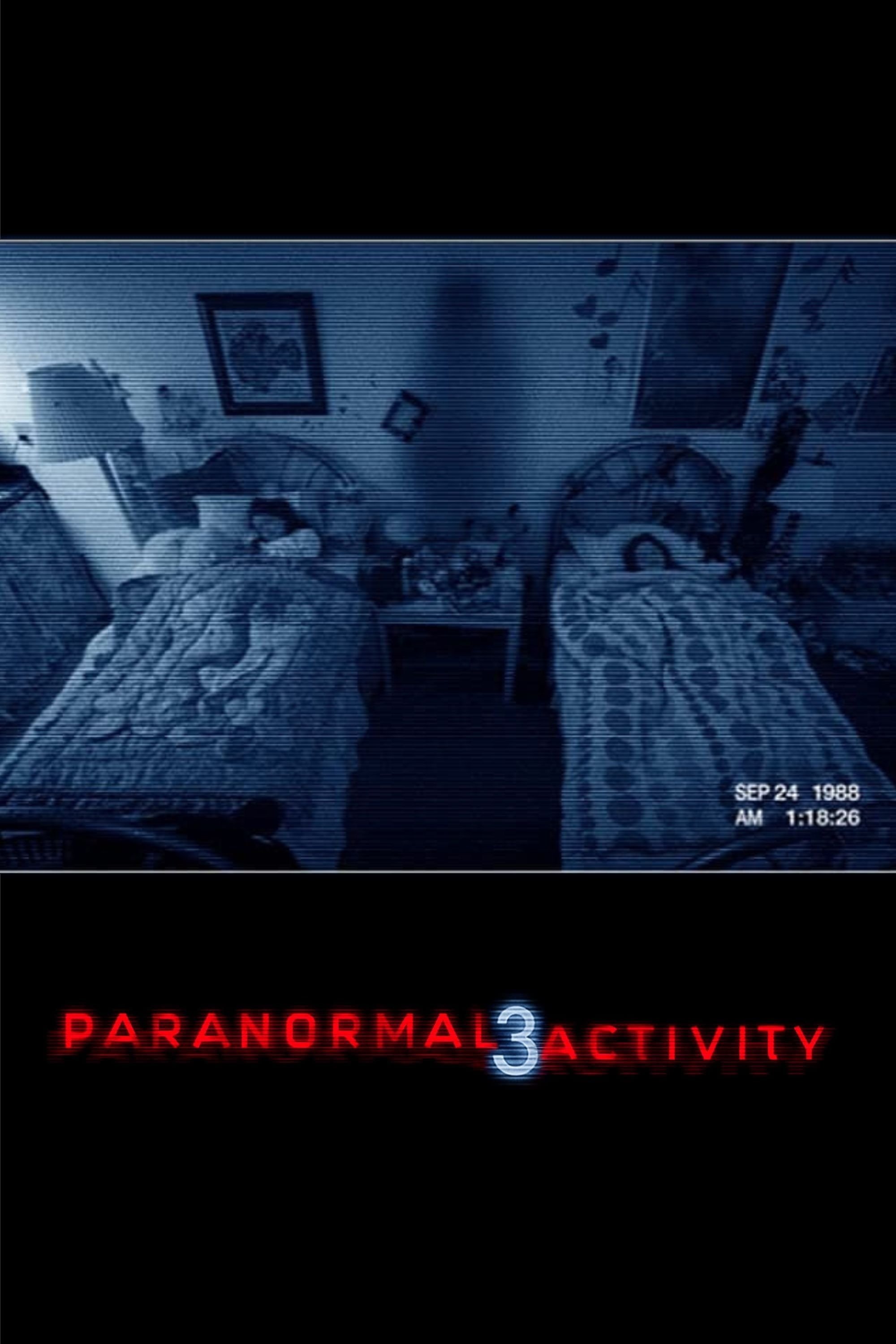
Paramount released Paranormal Activity 3 internationally in October 2011, maintaining the franchise's association with the Halloween theatrical season. Contemporary industry reporting emphasized the relatively restrained production and marketing model compared with more expensive studio releases. The film's commercial performance confirmed that the found-footage concept could support a third major theatrical installment. Its financial result is often discussed in relation to the small-scale production approach, although advertising expenses and theatrical grosses should not be treated as interchangeable measures of actual profit. The annual release pattern also made the series a recognizable recurring event for horror audiences.
Promotional footage created an unusual relationship between the trailers and the finished movie. Peli explained that the team experimented with numerous ideas and scares during production; some material discarded from the final edit nevertheless appeared in advertising. The presence of such scenes in a trailer should therefore not be taken as evidence that they belong to an alternative complete storyline or to the final theatrical cut. They also demonstrate the importance of distinguishing a promotional sequence from a formally released version.
A separate extended home-video cut exists alongside the theatrical release. The Australian Classification Board recorded an 84-minute original version for public exhibition in October 2011 and a 94-minute modified Extended Cut for Blu-ray classification in January 2012. These official records establish the existence of distinct submitted versions and their reported running times; they do not themselves describe every scene added or altered. Any discussion of particular differences requires comparison of the actual cuts or reliable documentation specific to those changes. The extended edition is a subsequent distribution version, rather than the film as originally exhibited in cinemas.
Reception and Place in the Series
The film attracted contemporary attention for the inventiveness of its surveillance setups and the escalation of its scares. In its opening-week review, Dread Central singled out the oscillating fan arrangement as a particularly effective method of controlling the audience's field of vision. Such responses suggest that the production's technical solution was legible as a source of suspense rather than simply a device to make its 1988 setting credible. The directors' background in documentary forms also became a recurring subject in interviews, with the apparent reality of the footage discussed as a craft problem rather than a claim about the supernatural events themselves.
Within the chronology of the series, Paranormal Activity 3 became a turning point because it supplied an extended origin story for elements that had previously remained suggestive. Later installments could develop the consequences of those revelations, but the third film already established that the format was capable of changing its temporal setting and visual machinery. The connection between children's memories and adult experiences gave the franchise a framework for moving among different households and periods.