The Mummy (1932)

US
8.0/10 5 votes
Runtime
73 min
Release
January 1, 1932
Budget
$196,000
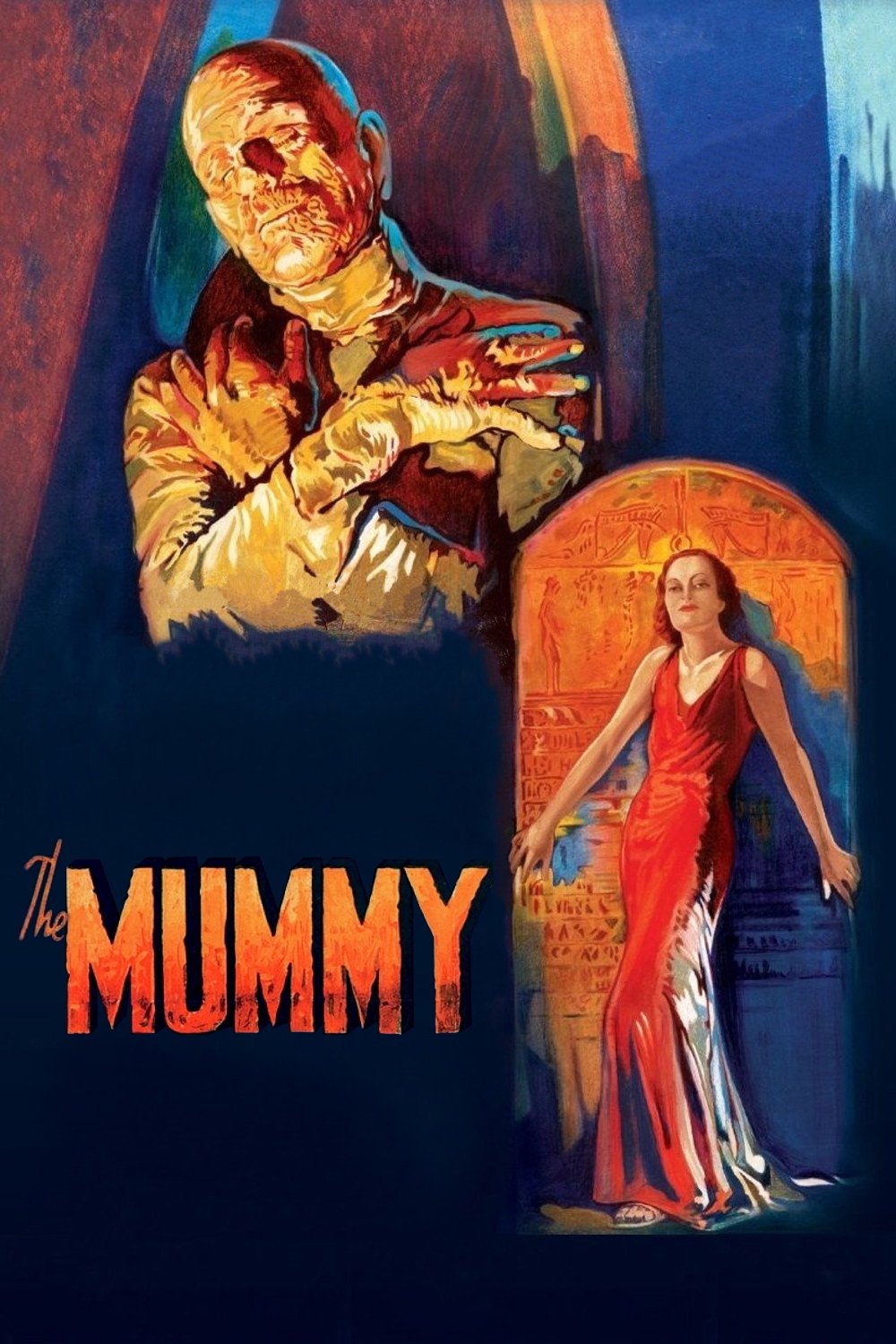
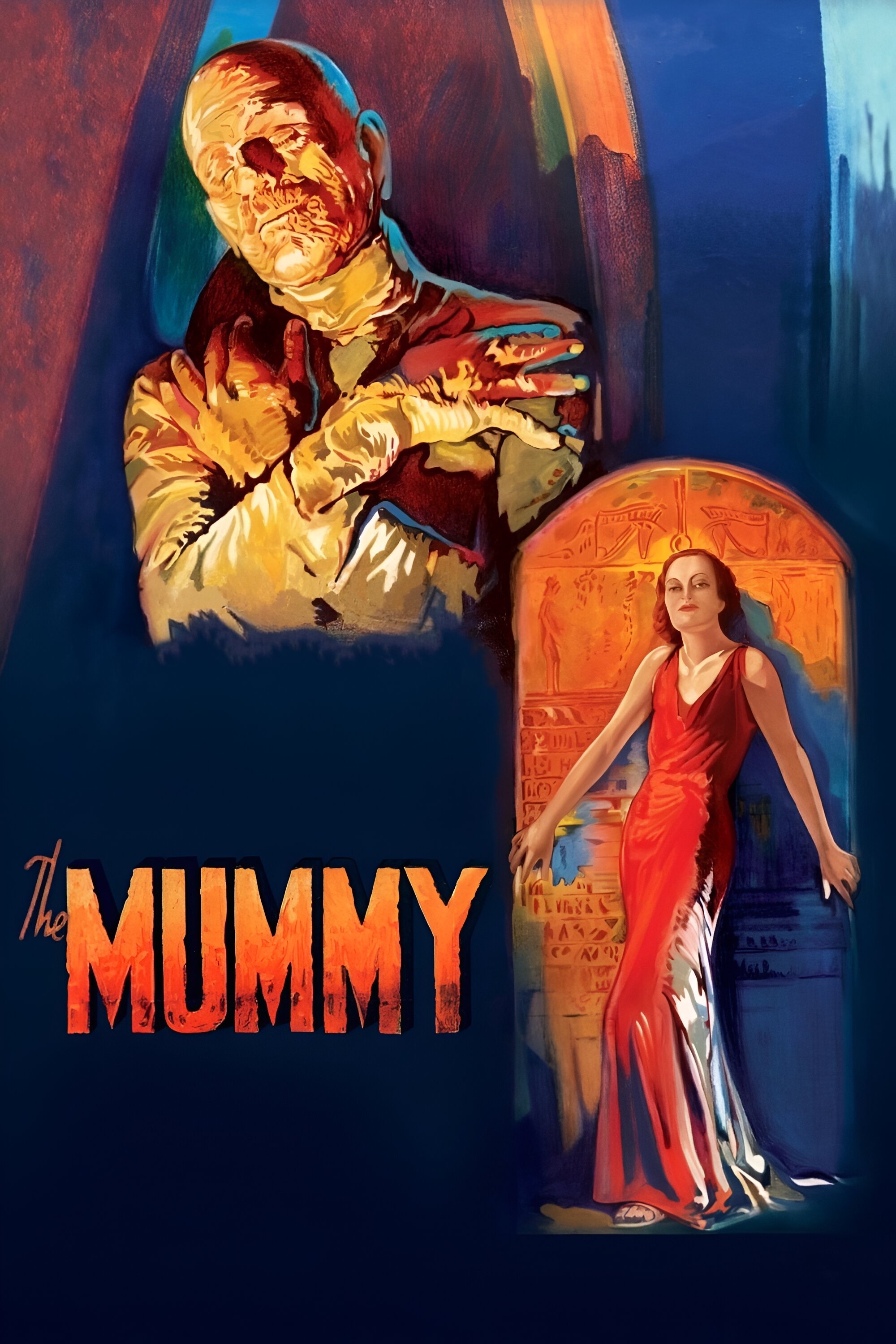
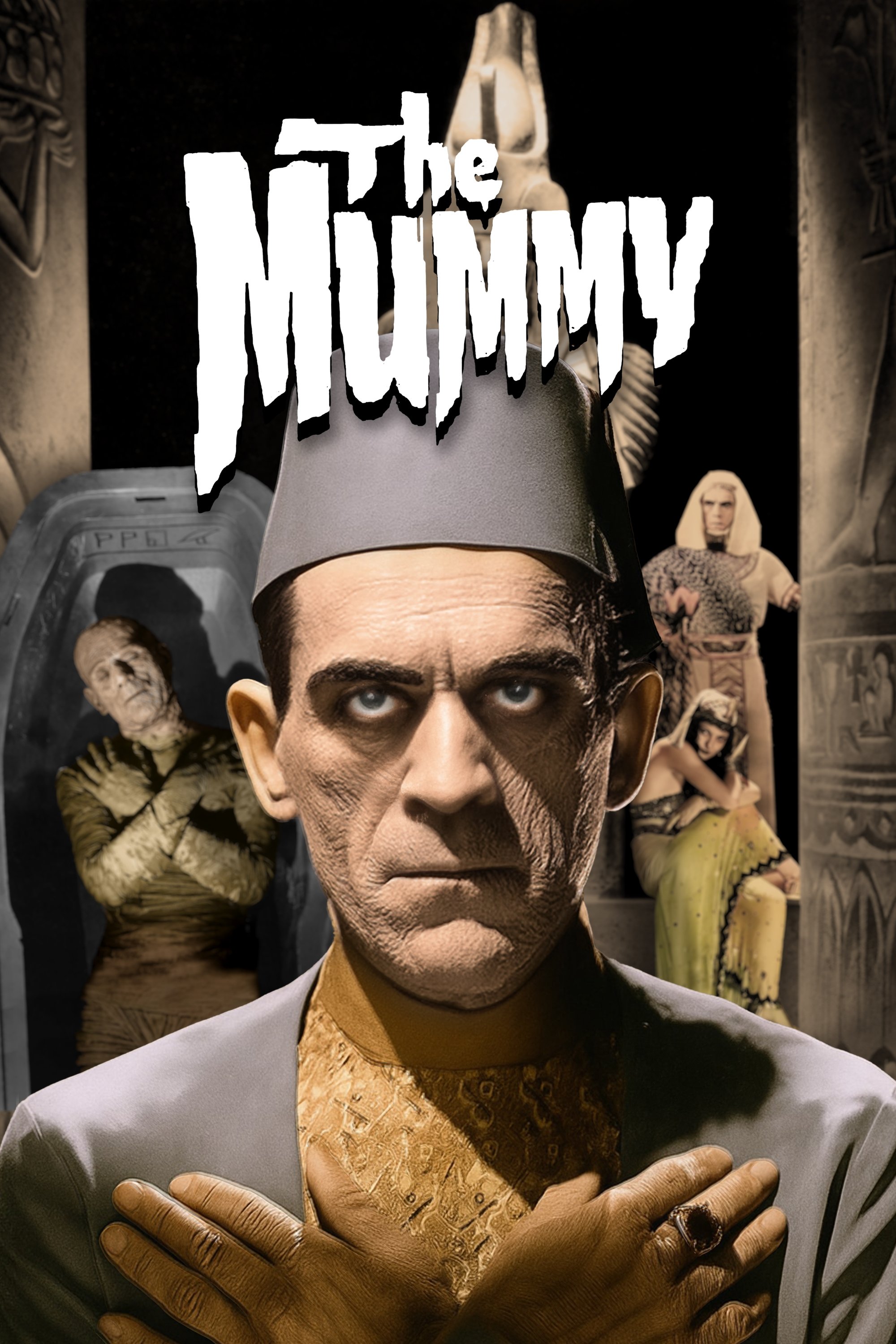
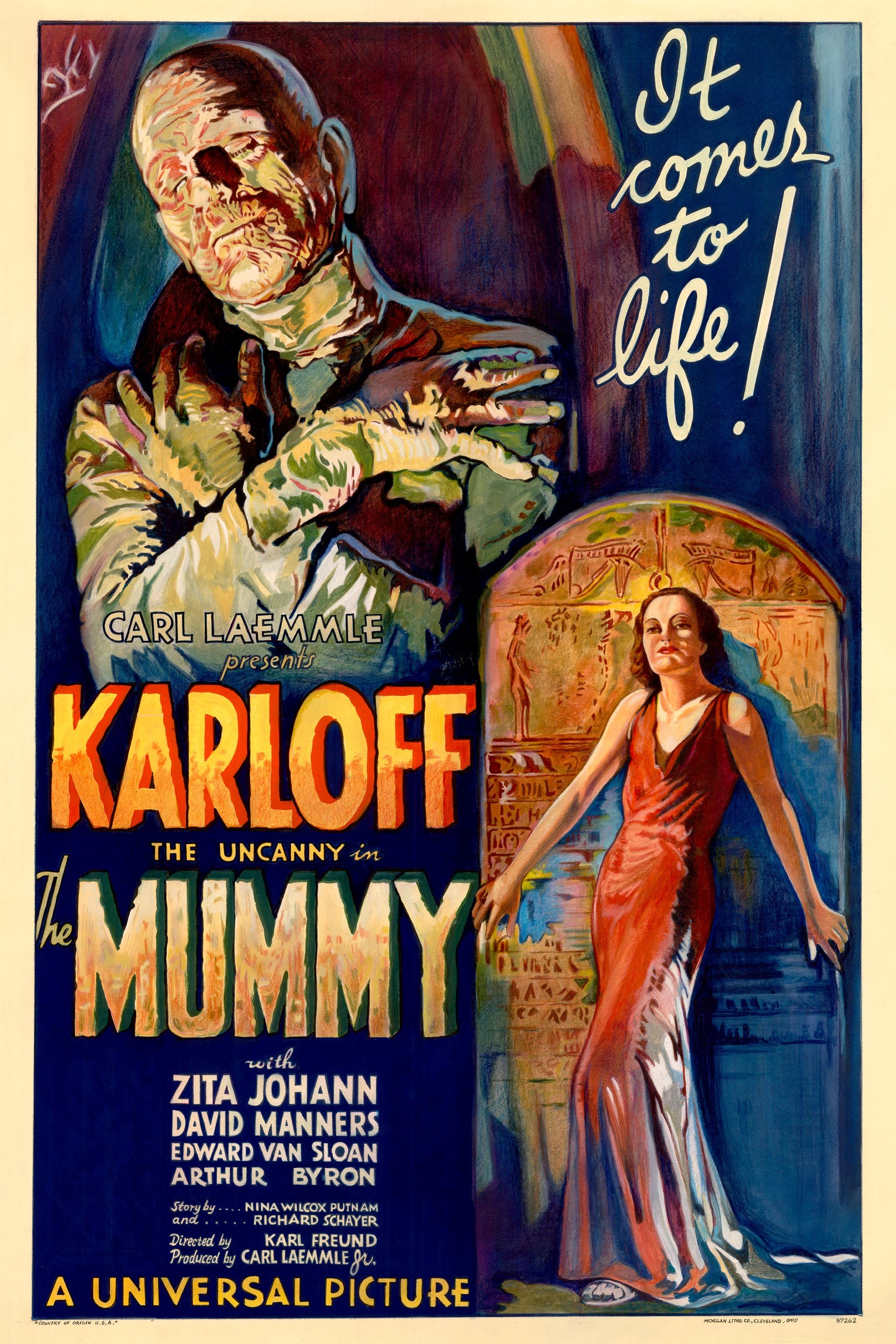
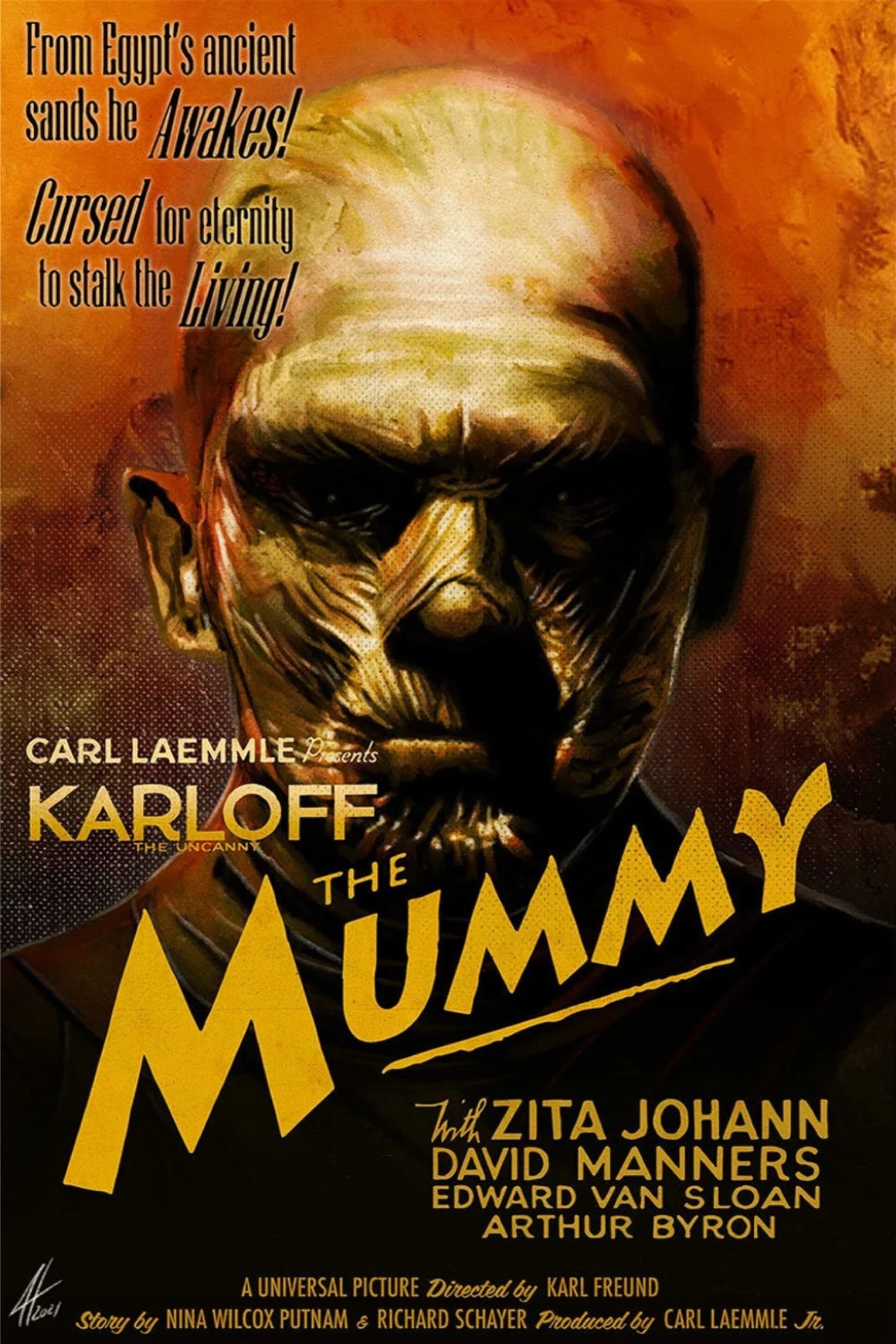
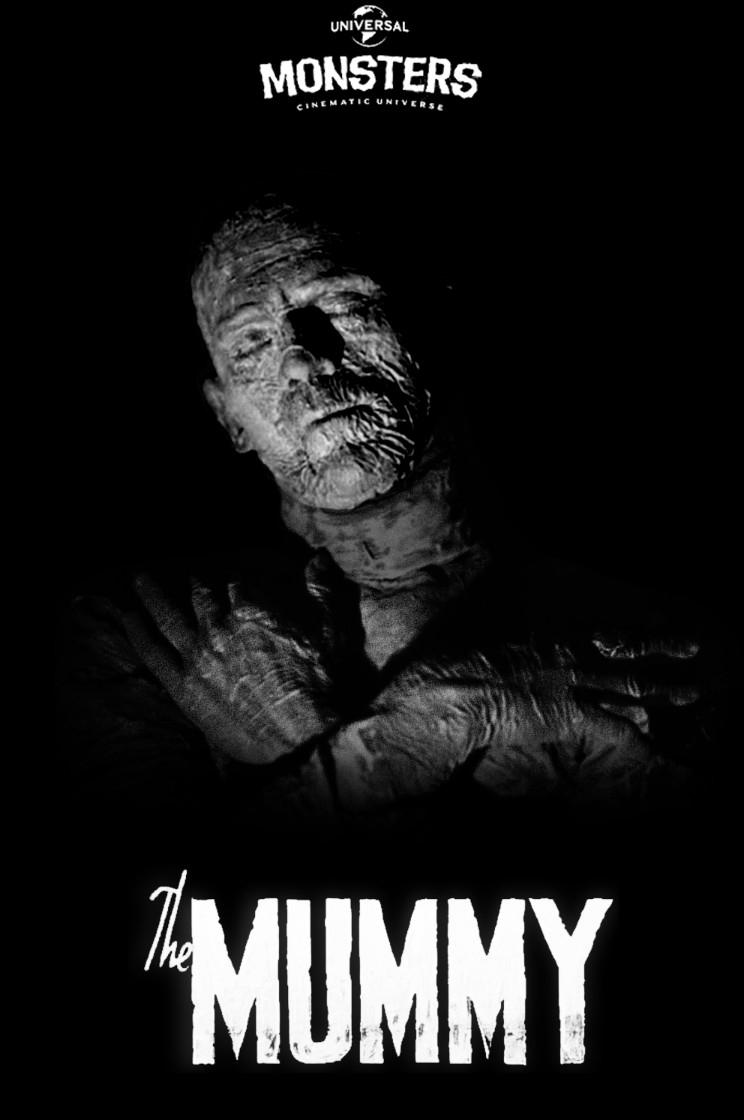
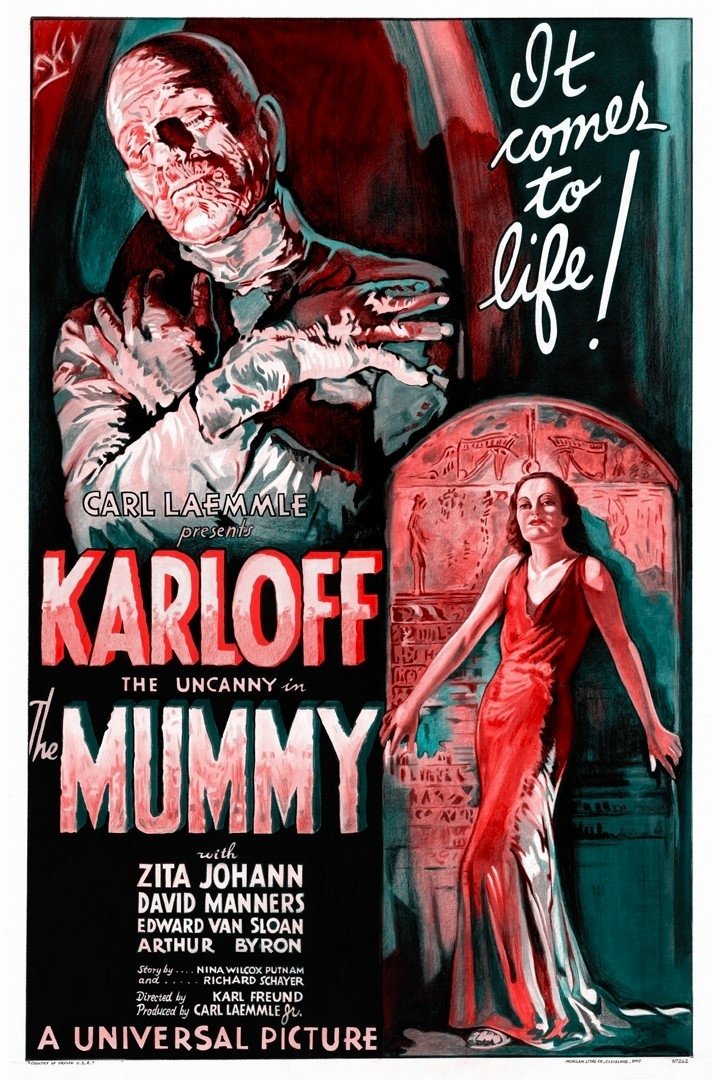
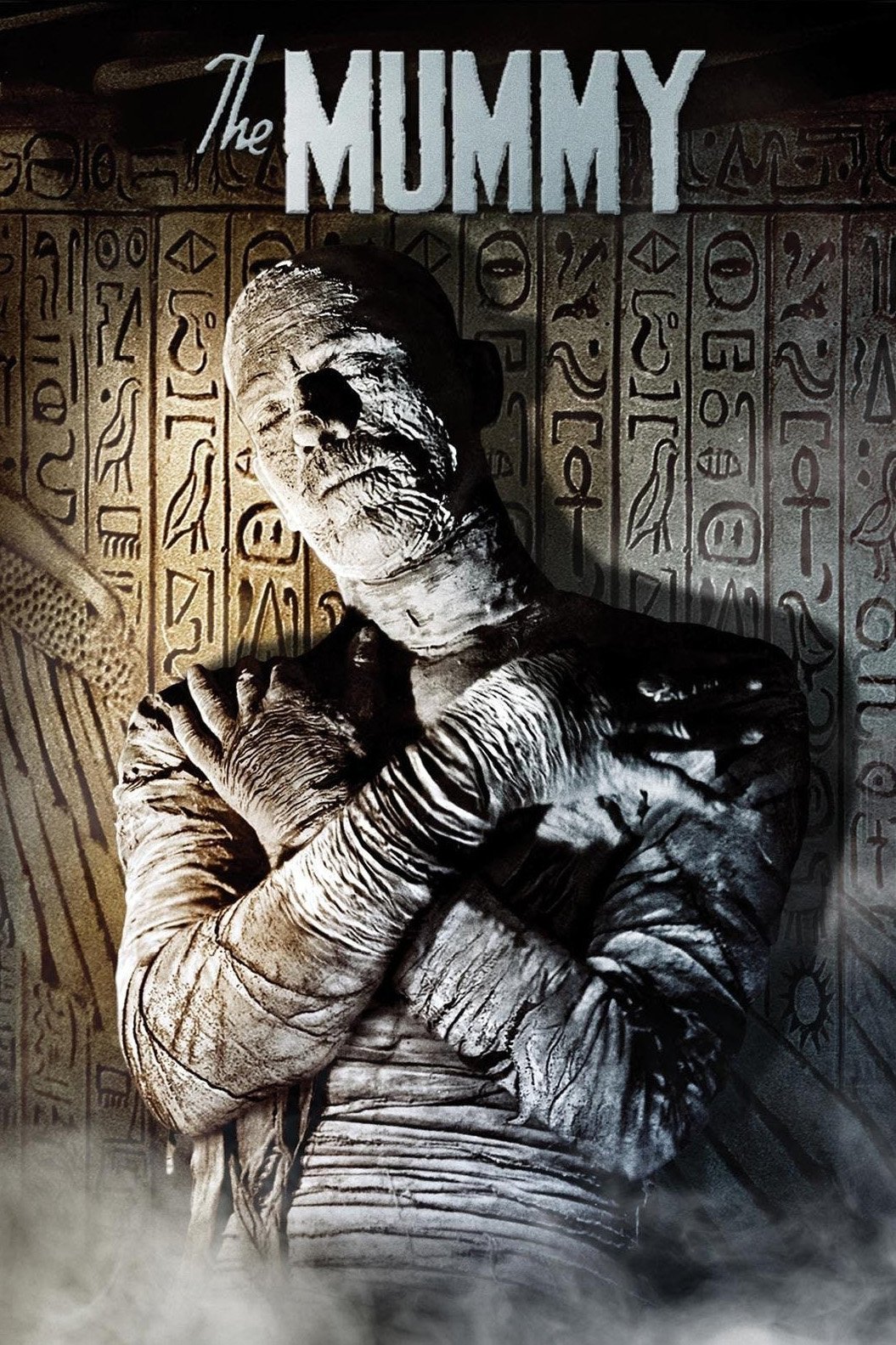
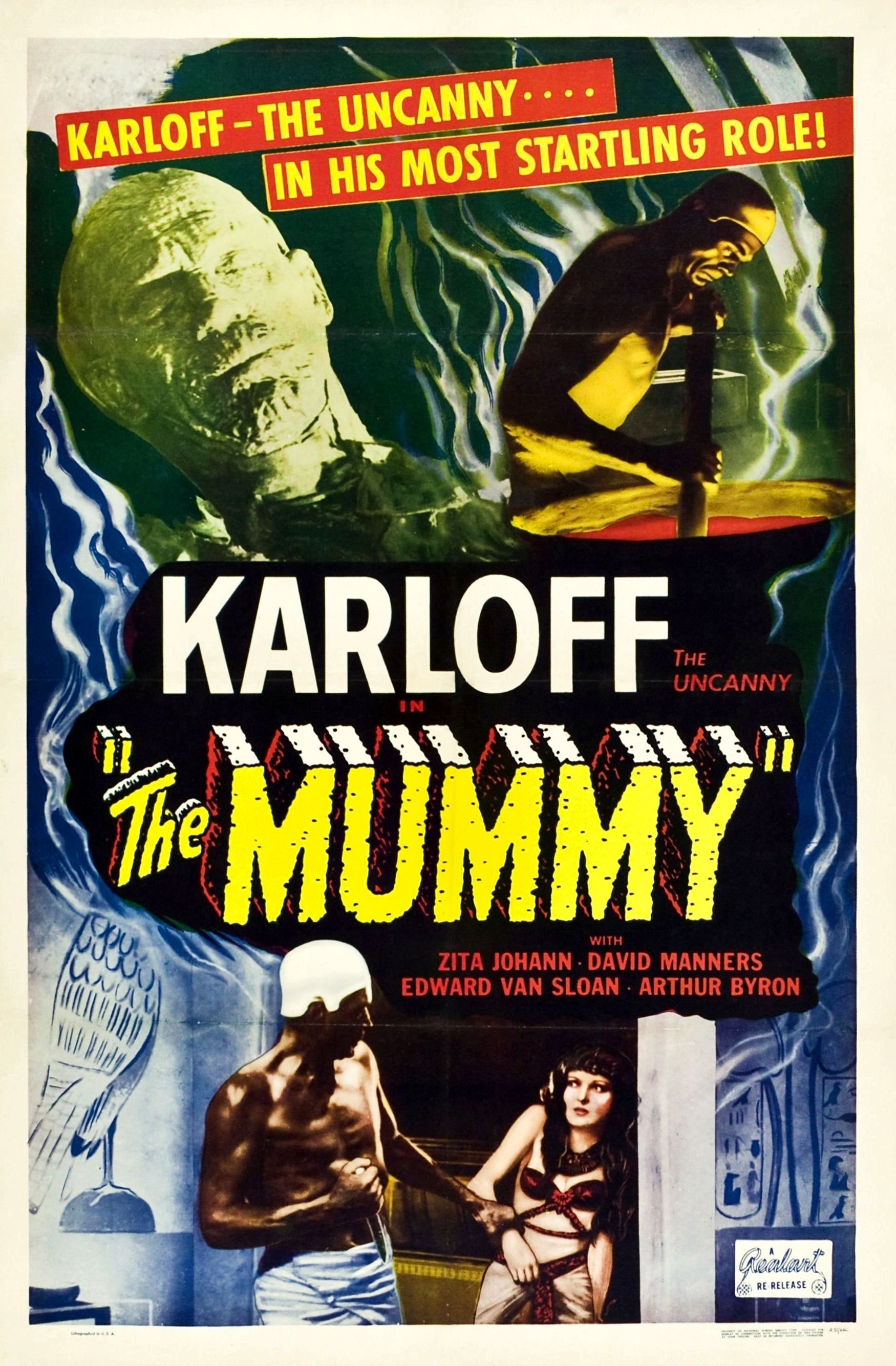
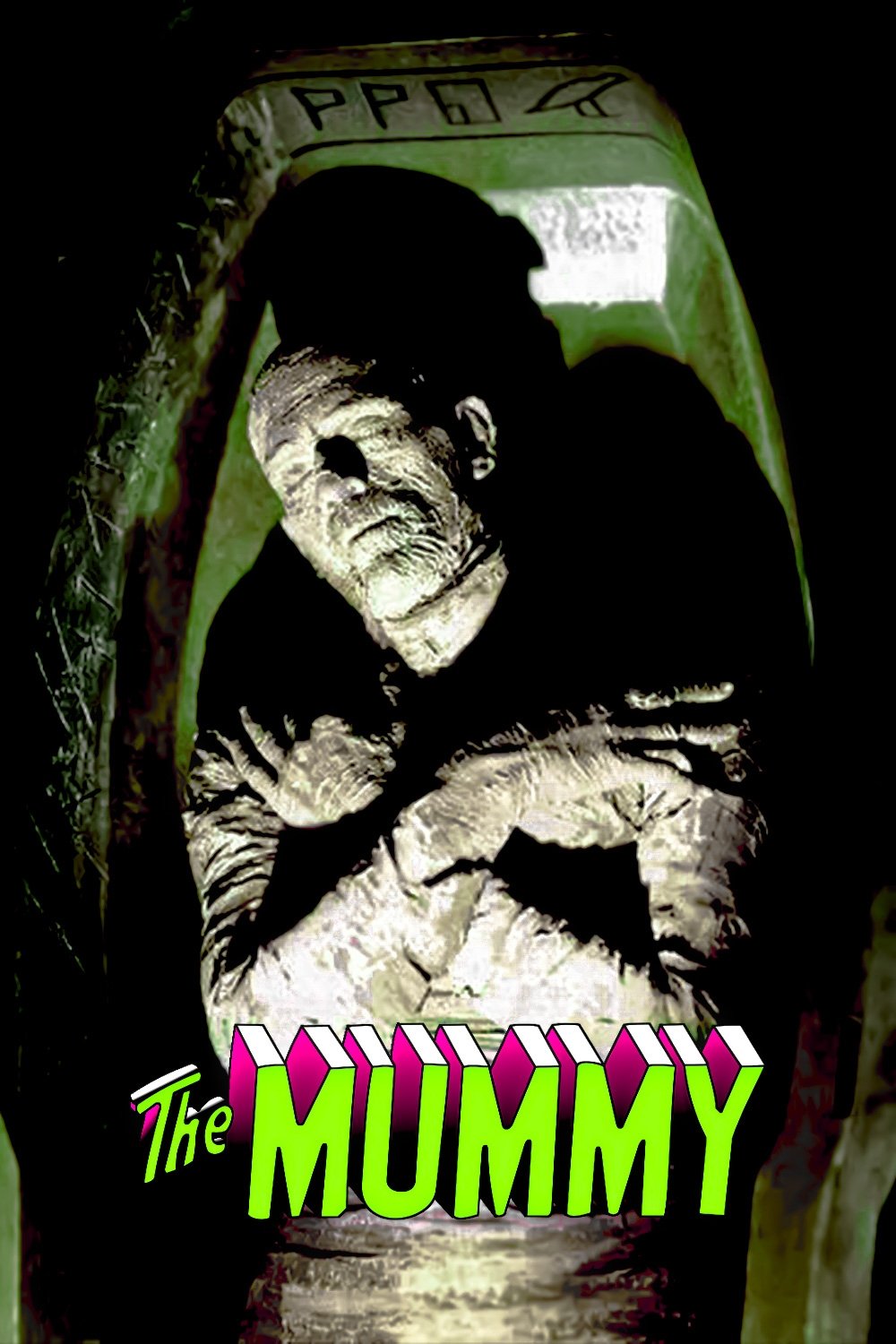
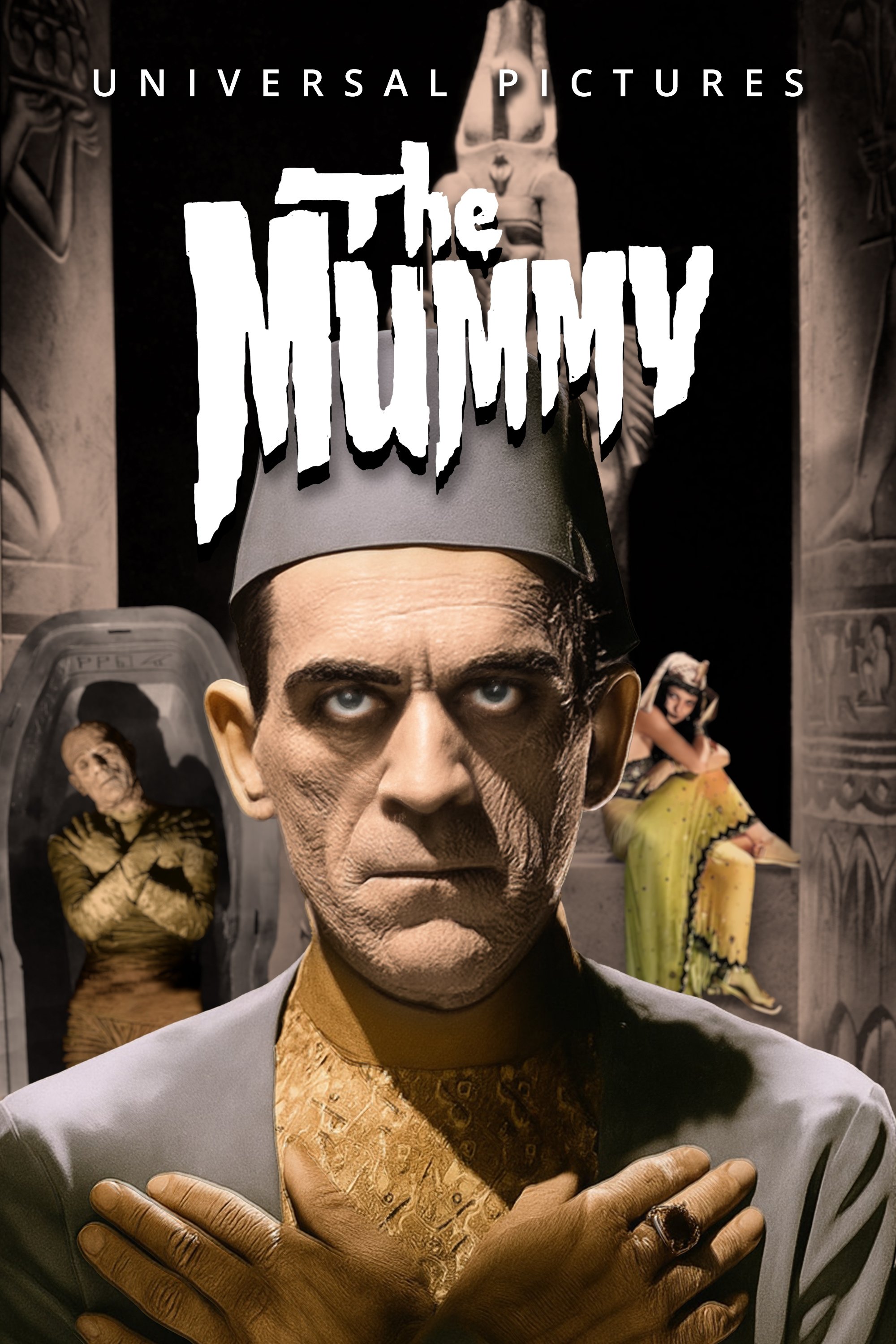
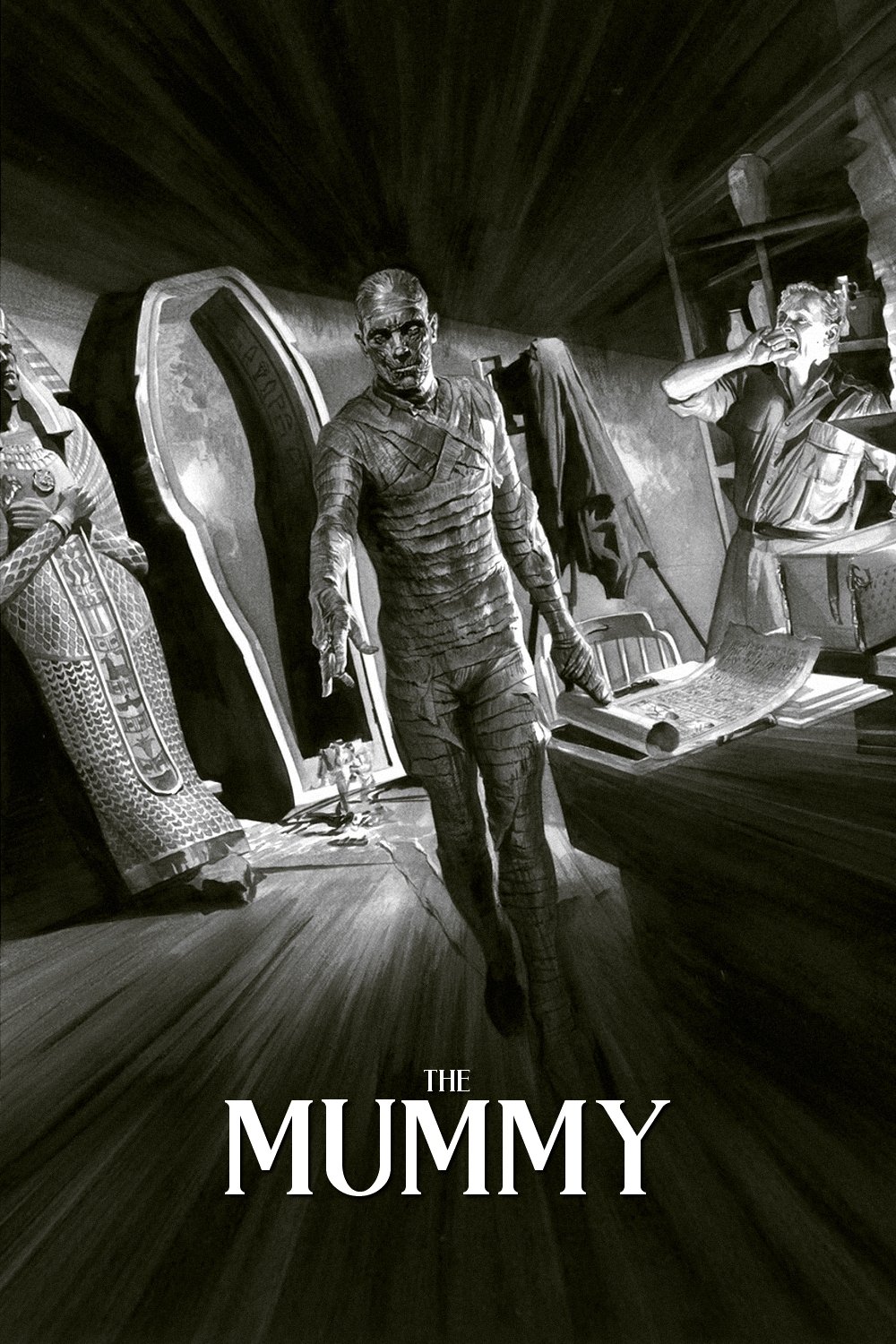
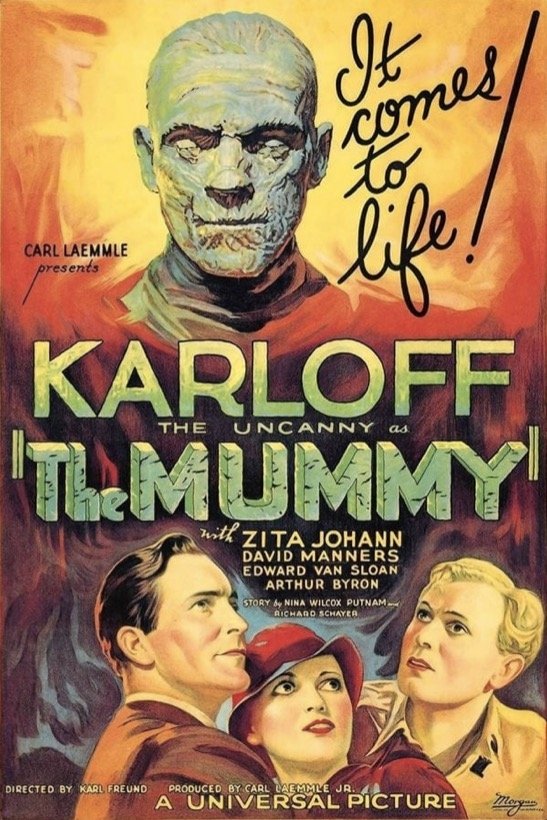
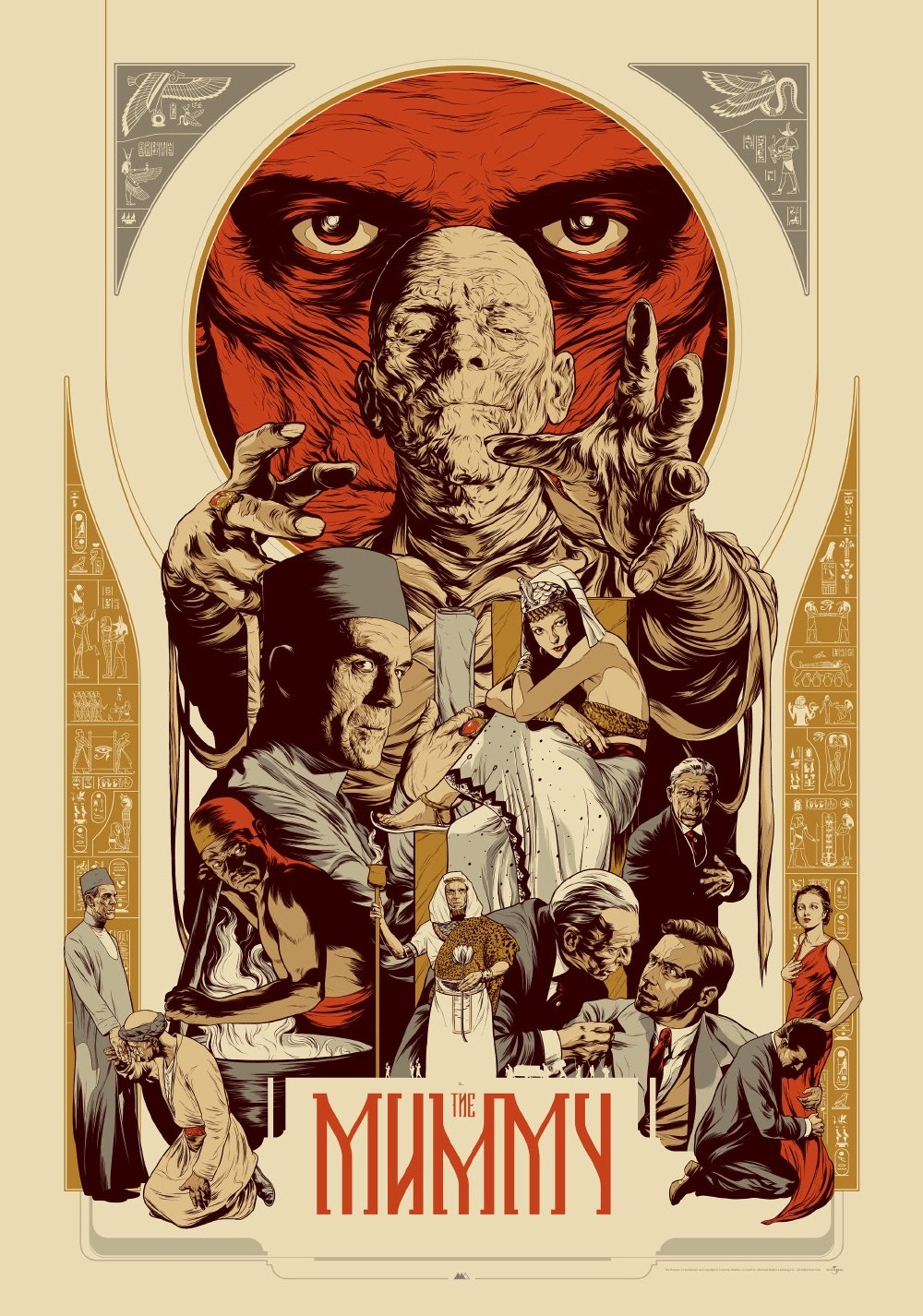
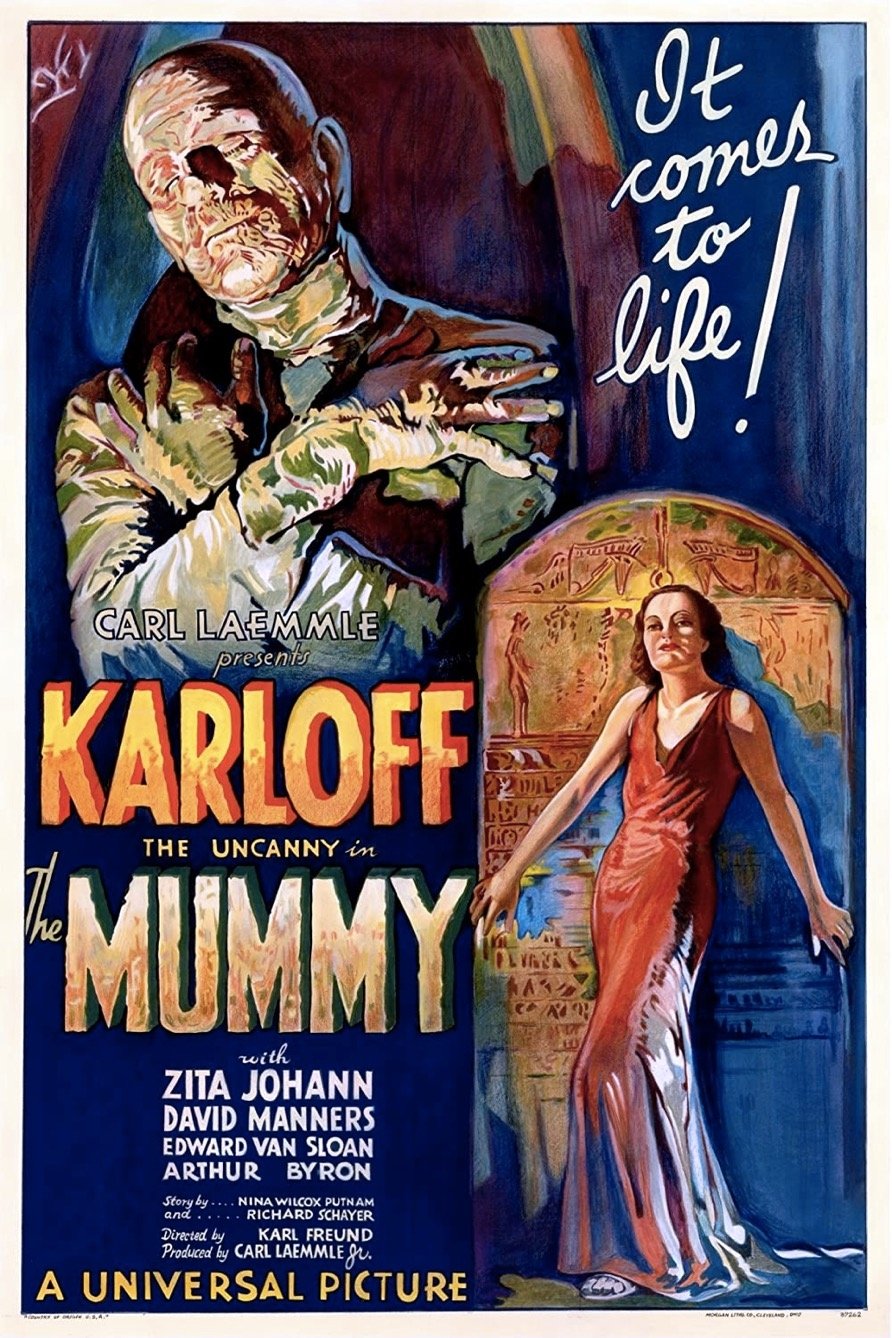
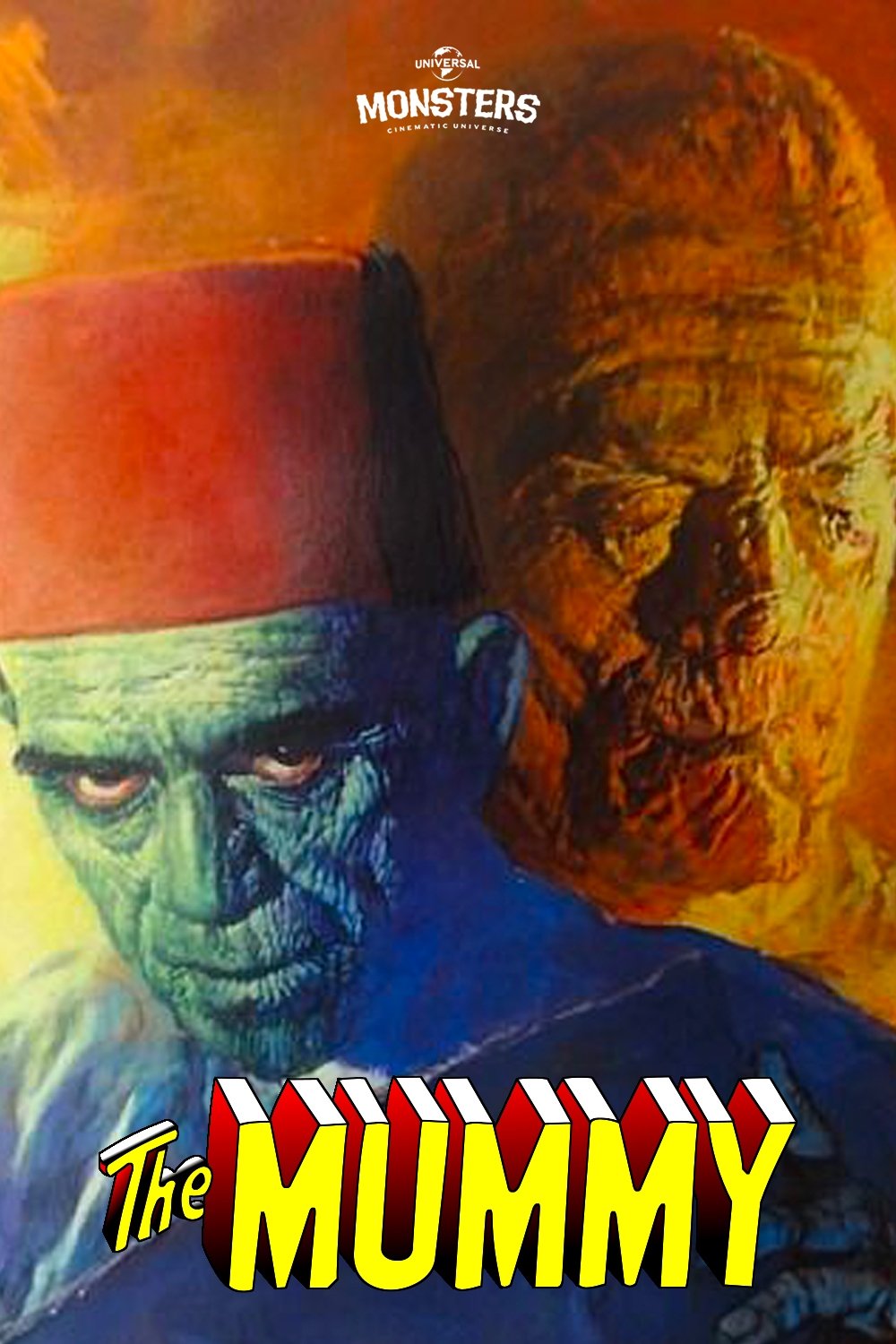
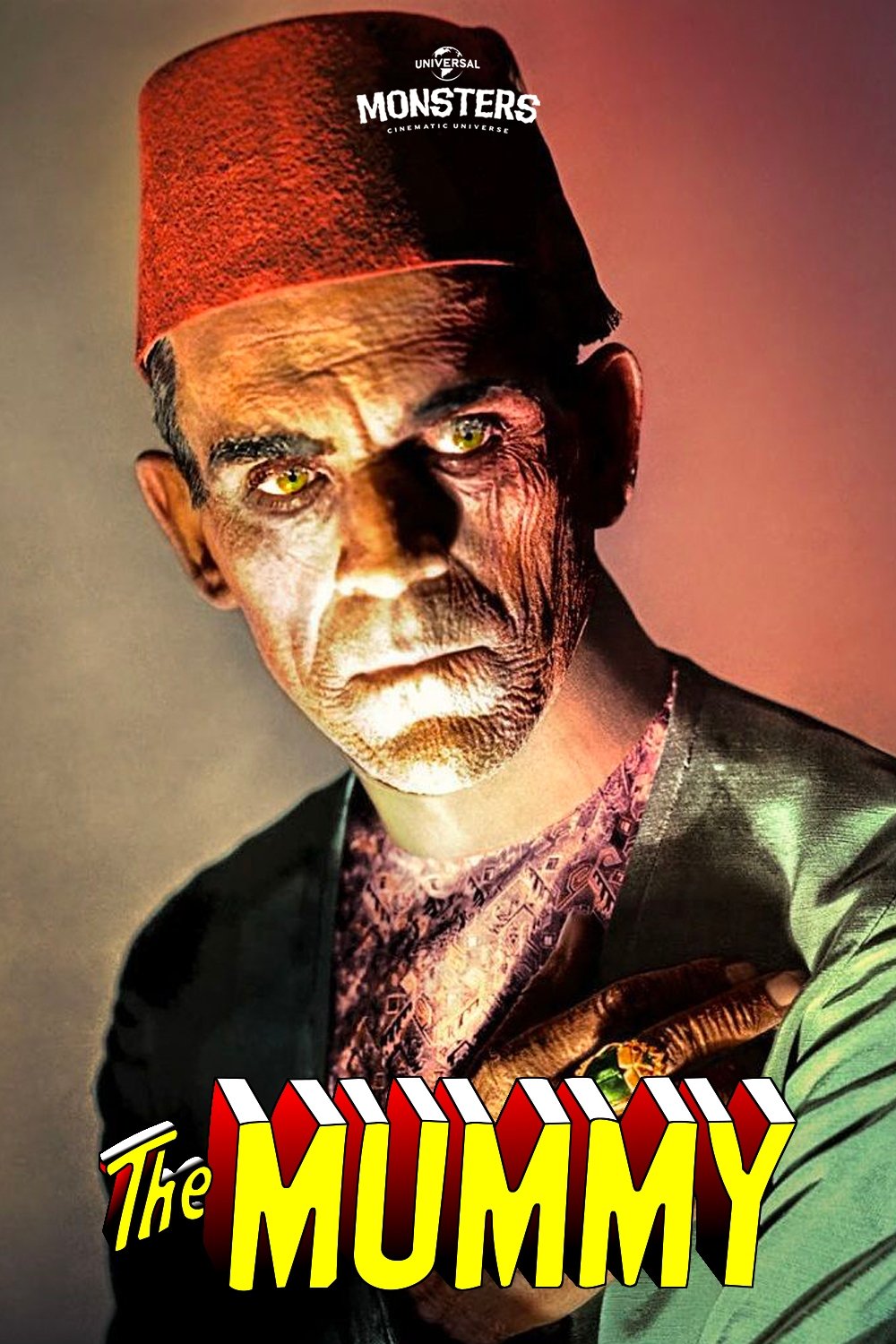
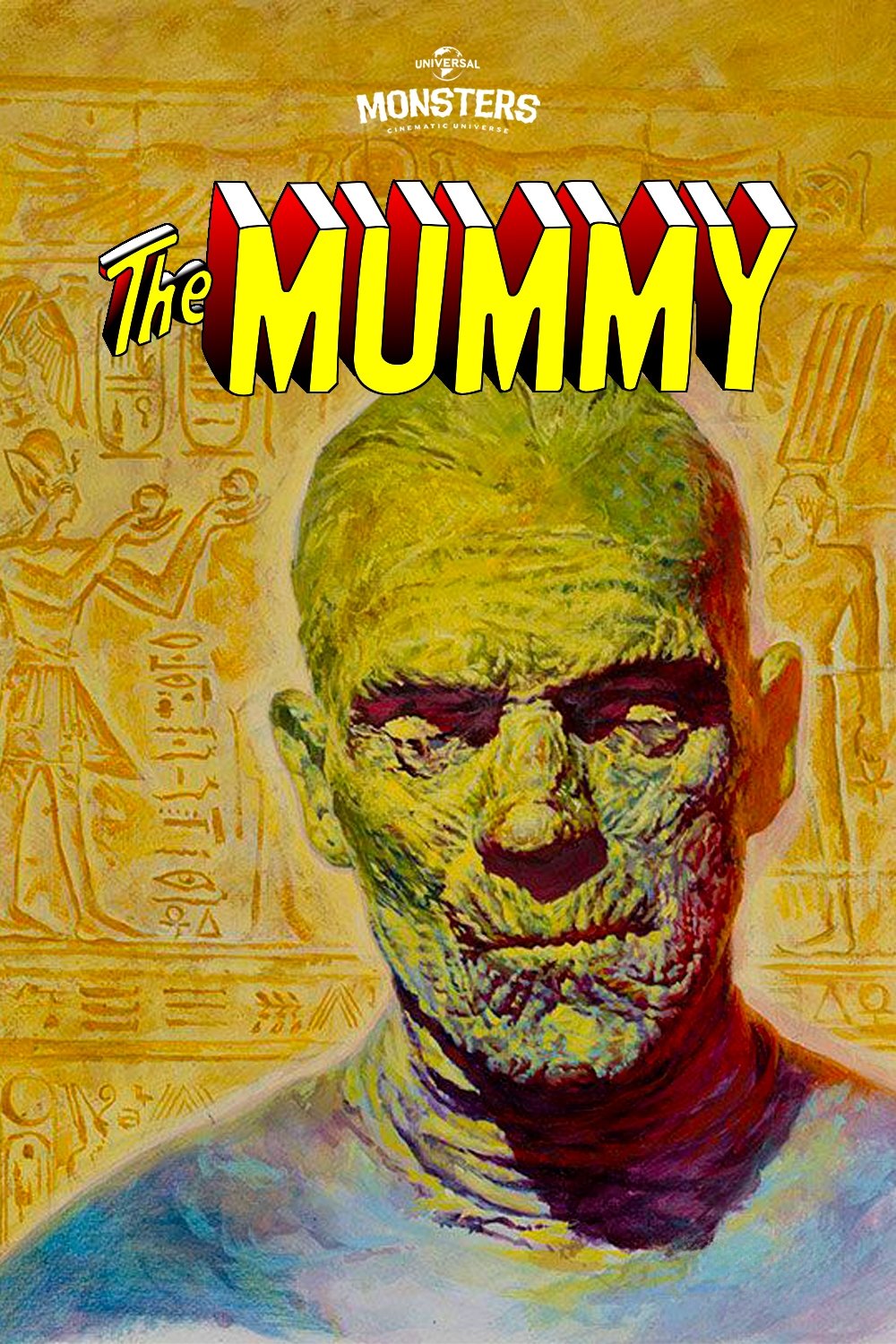
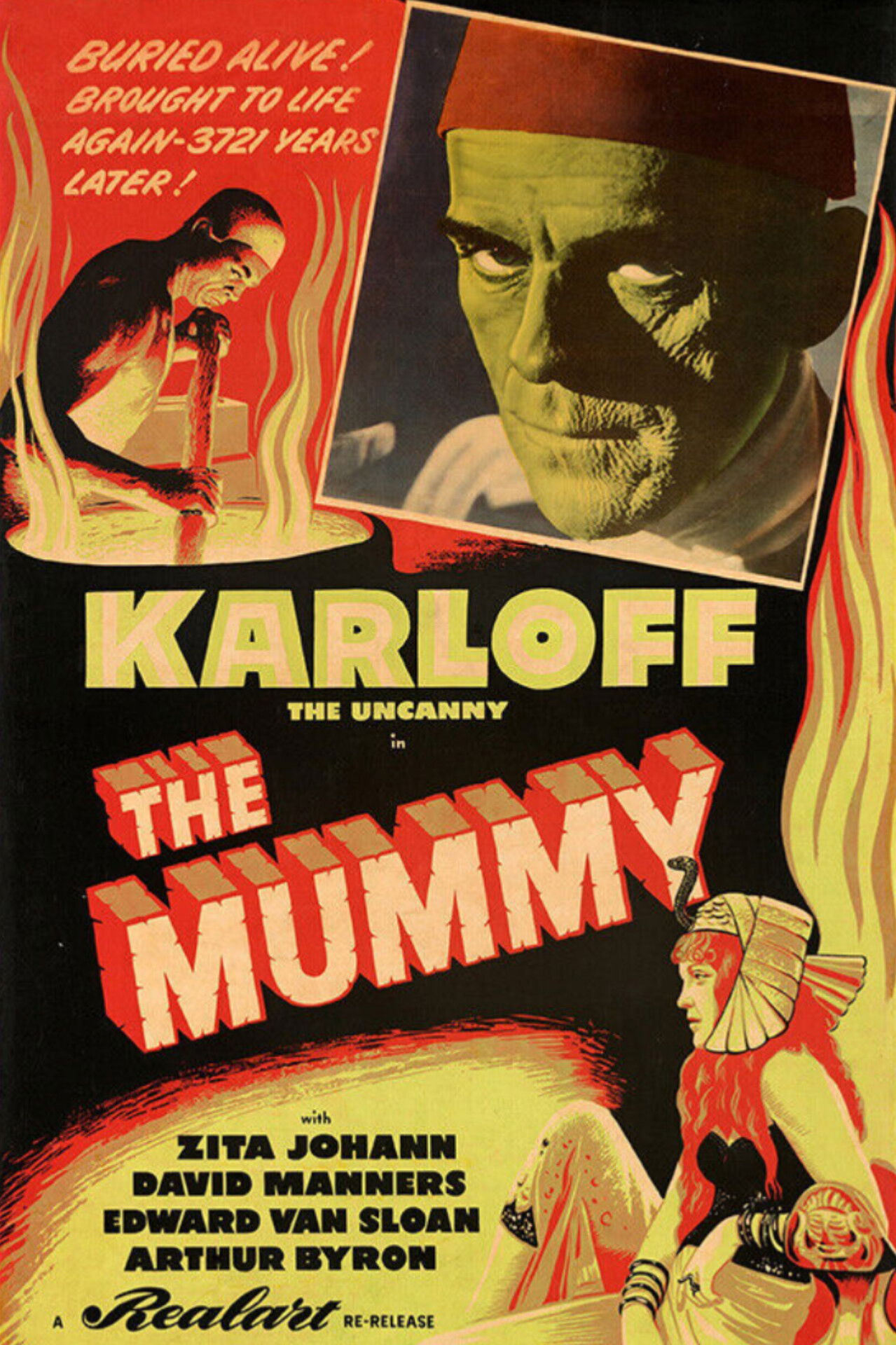
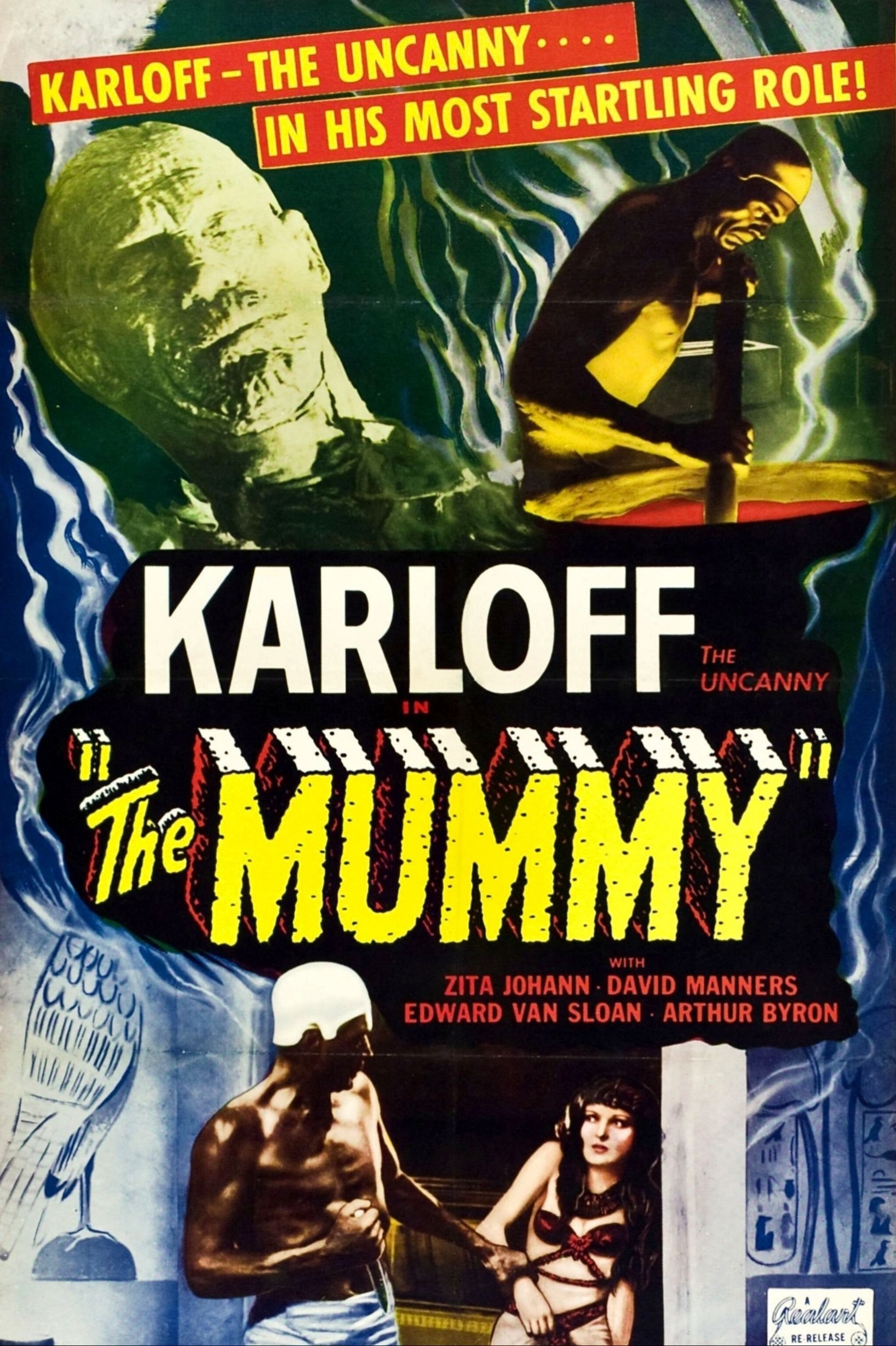
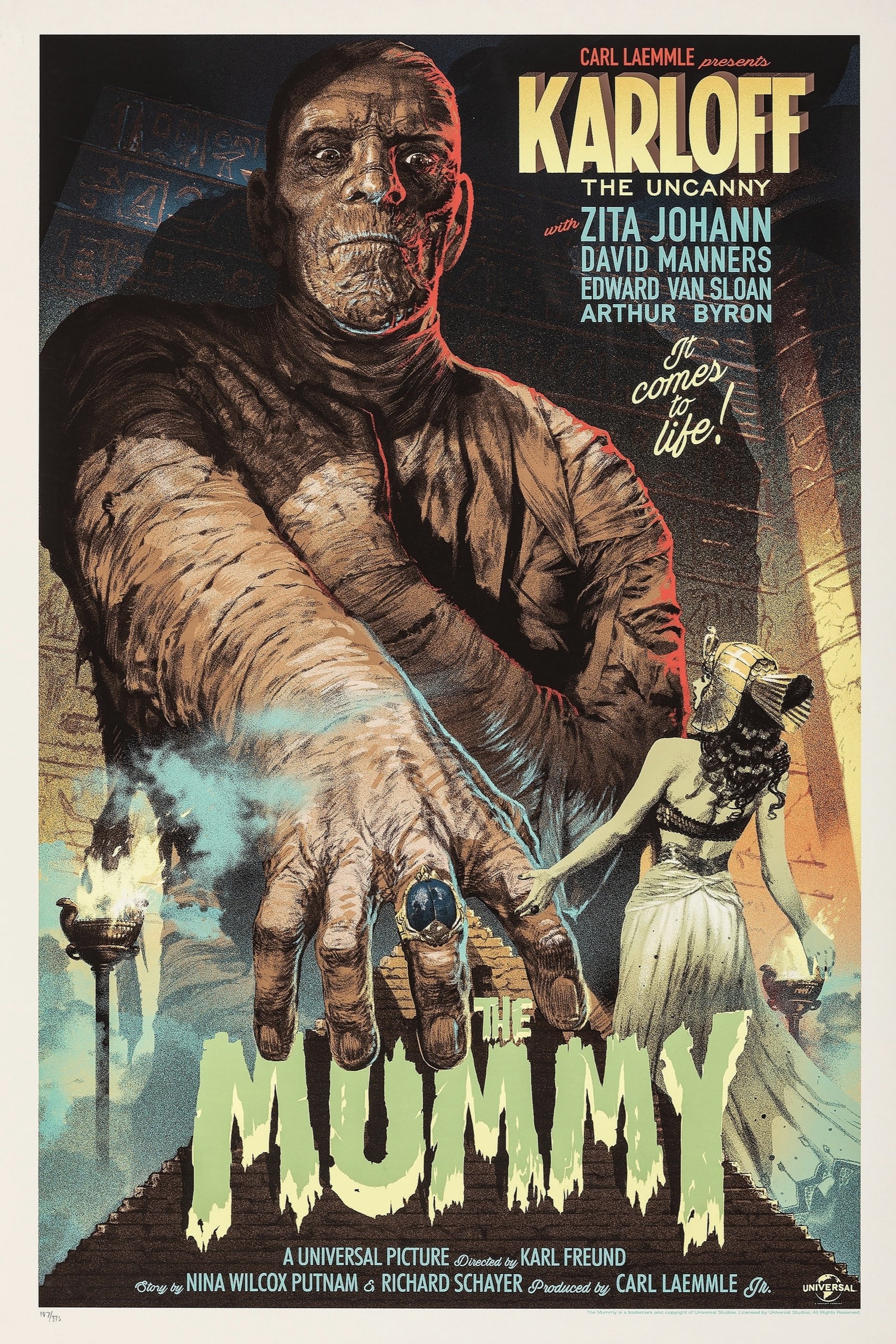
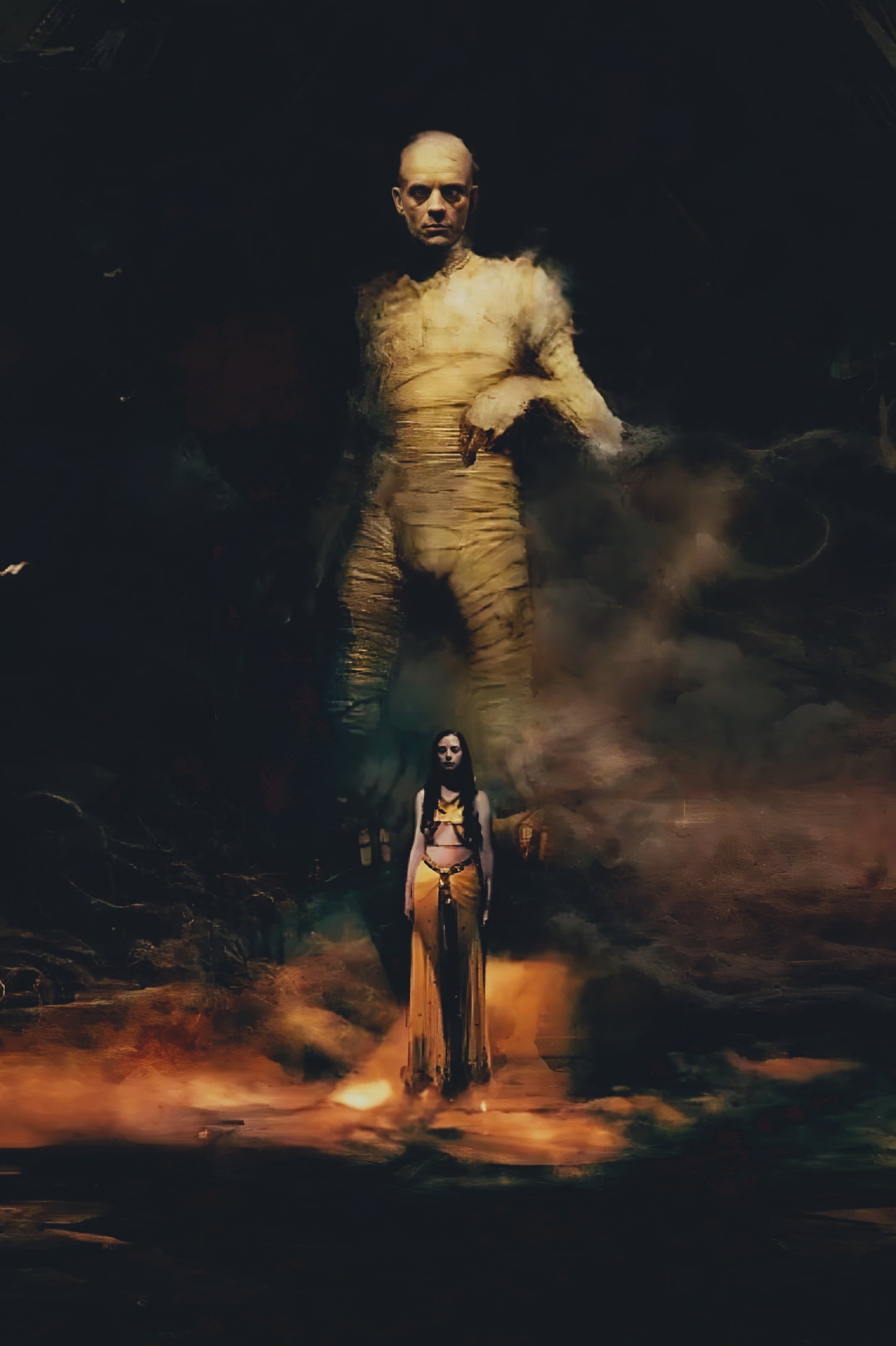
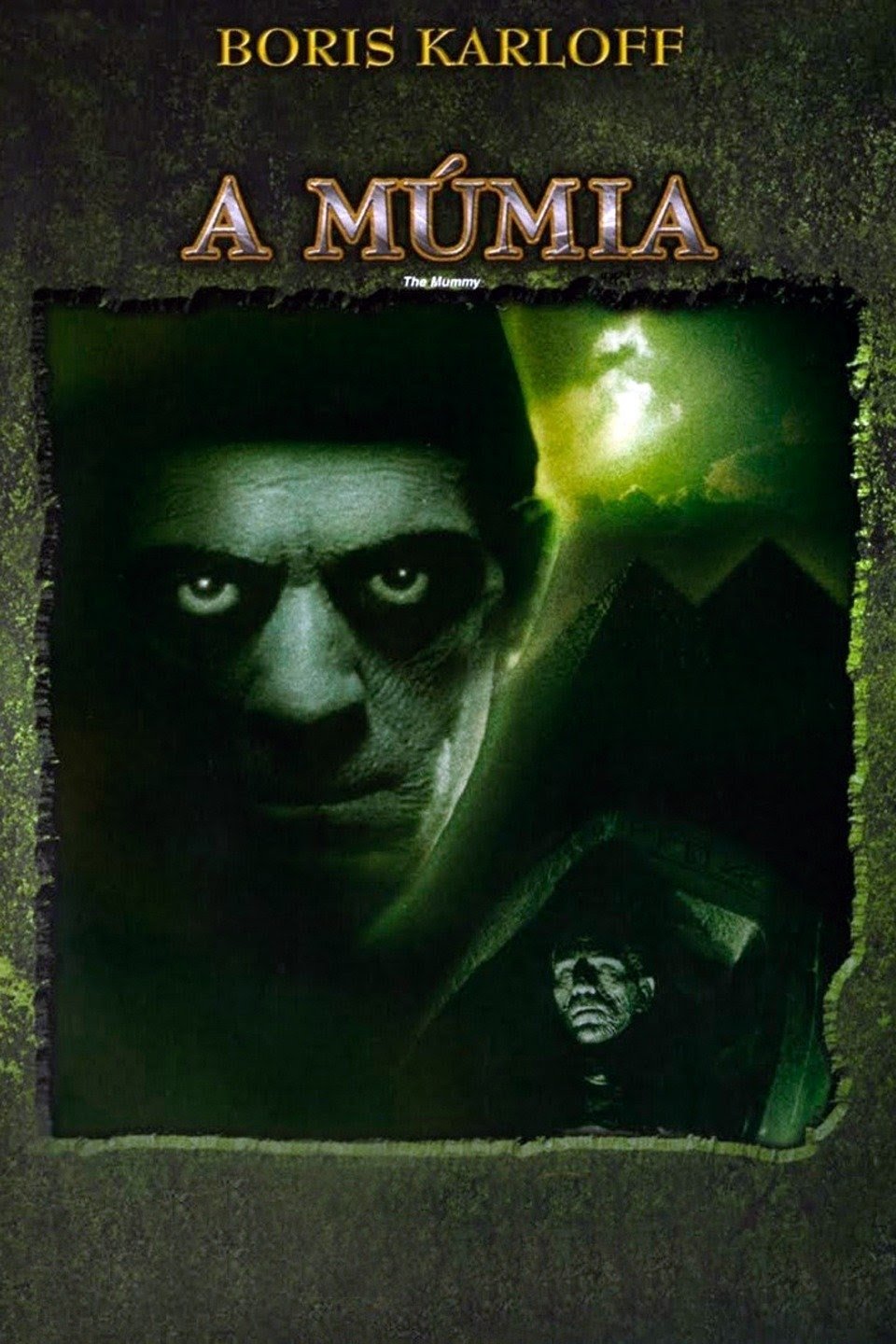
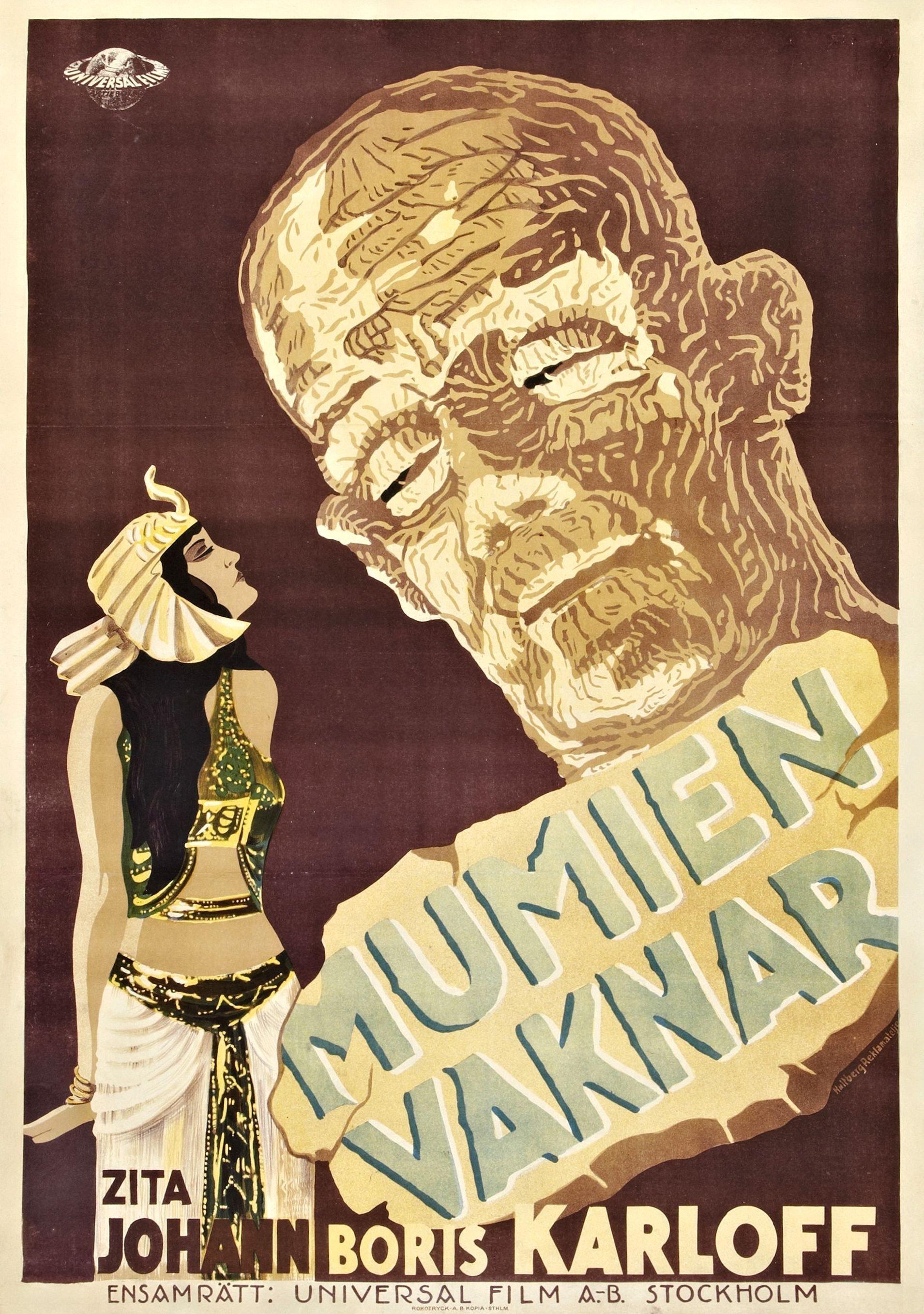
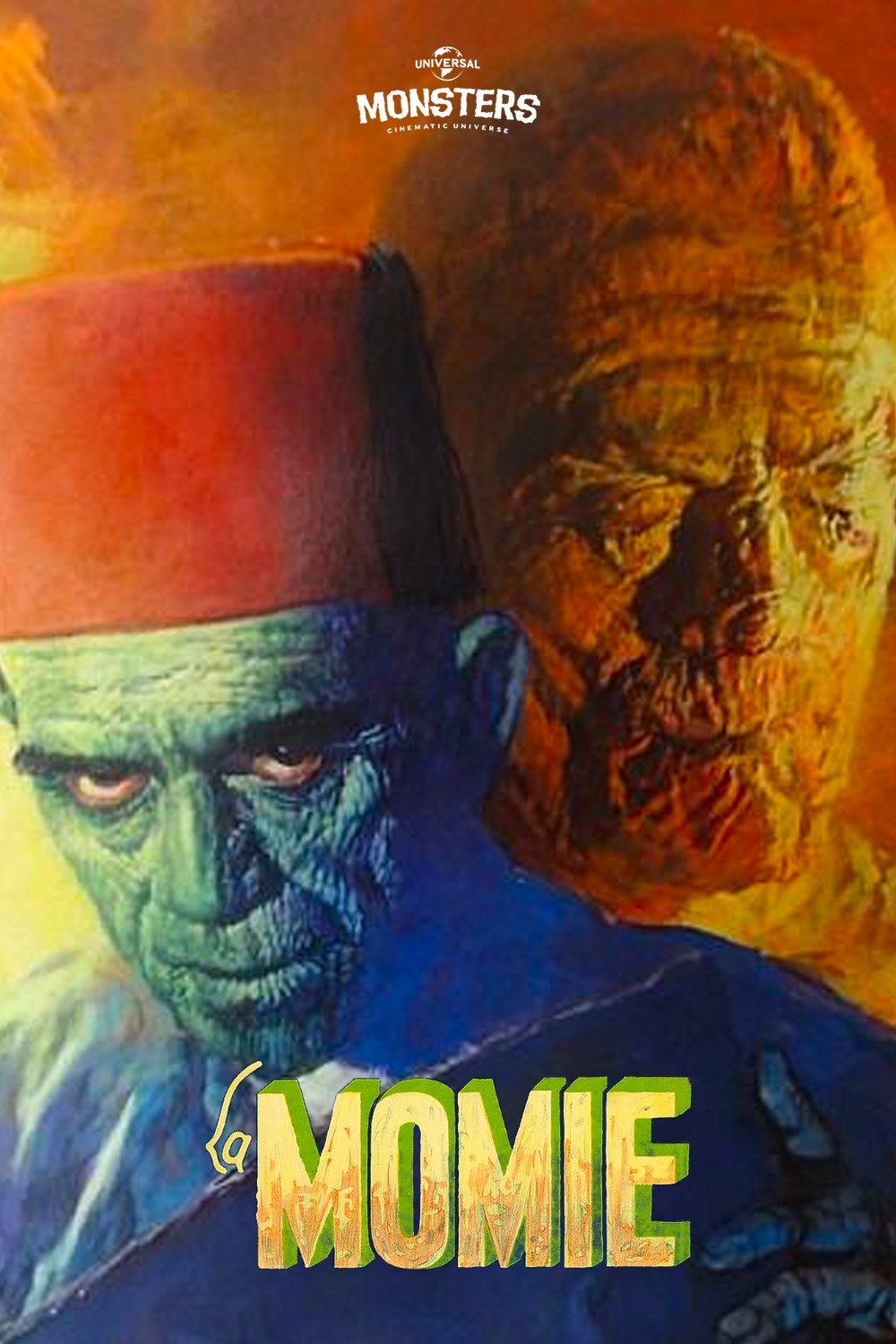
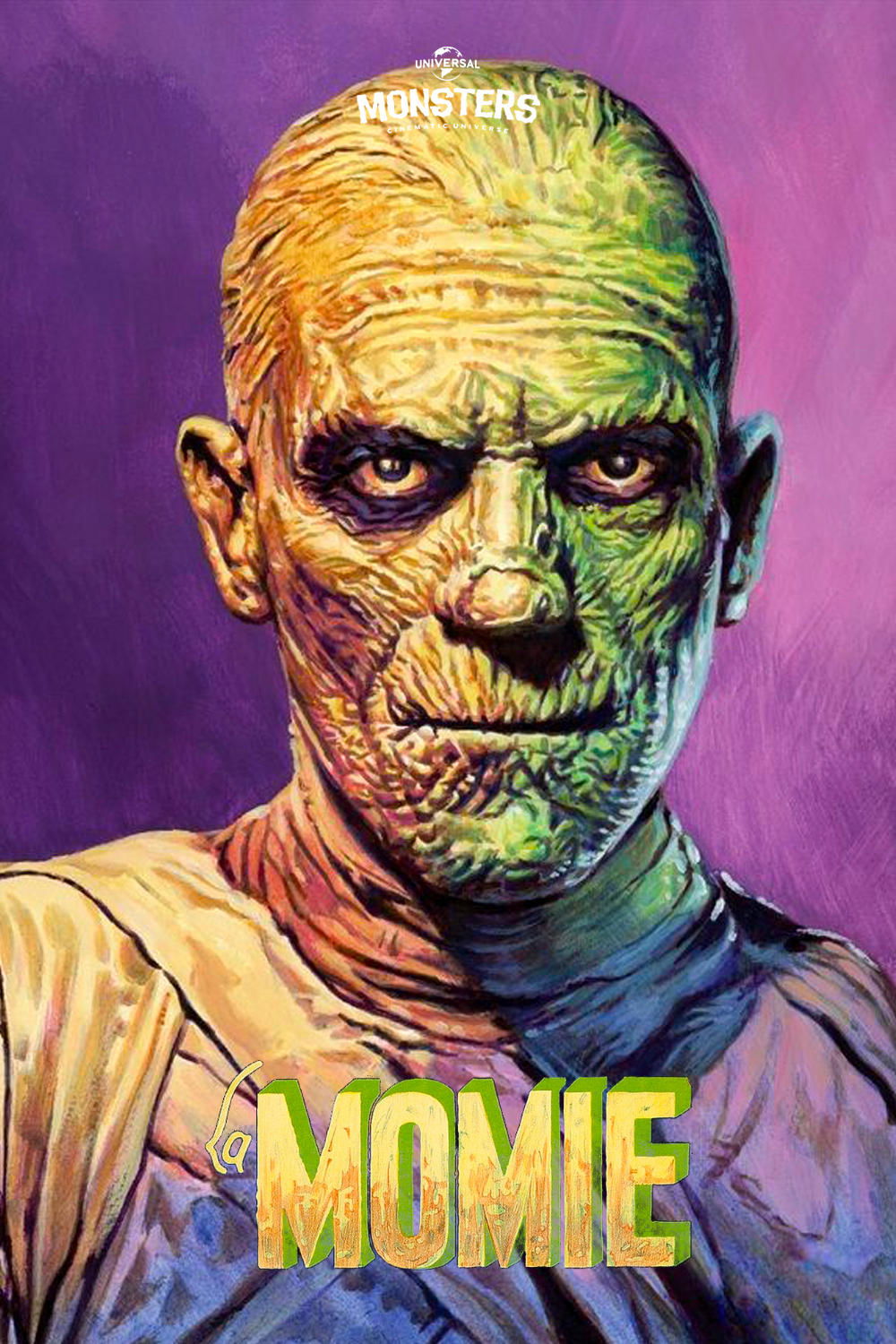
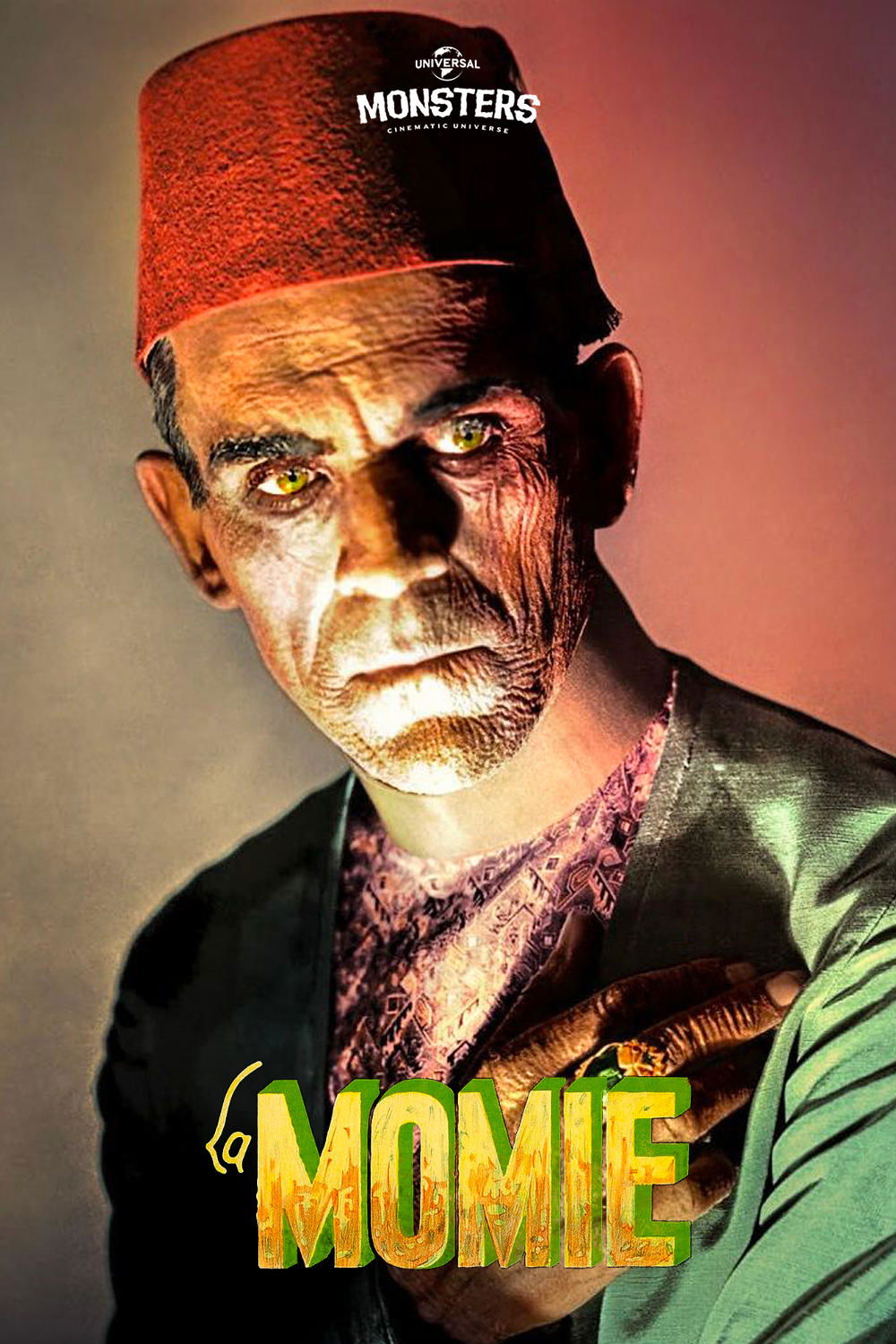
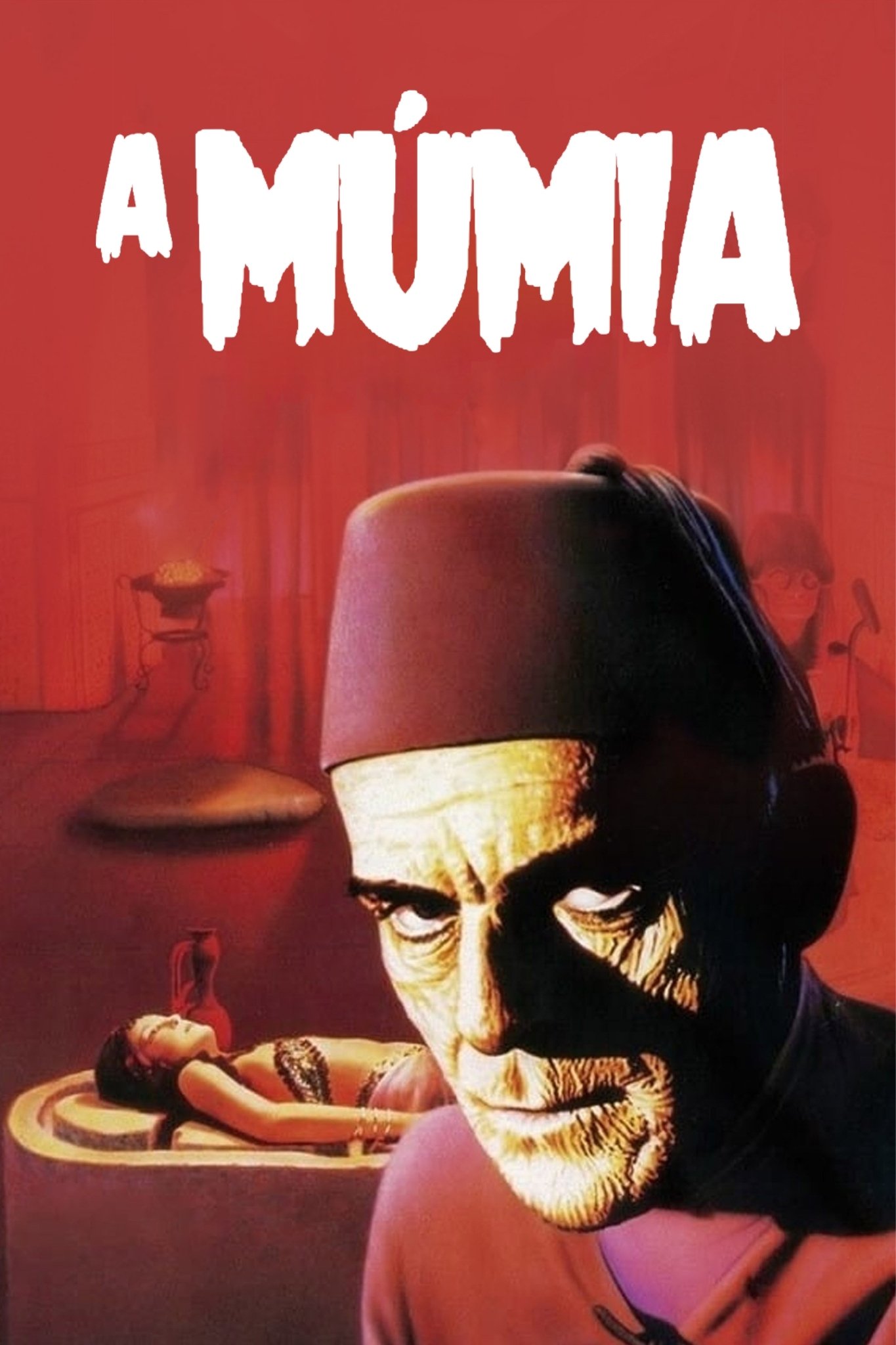
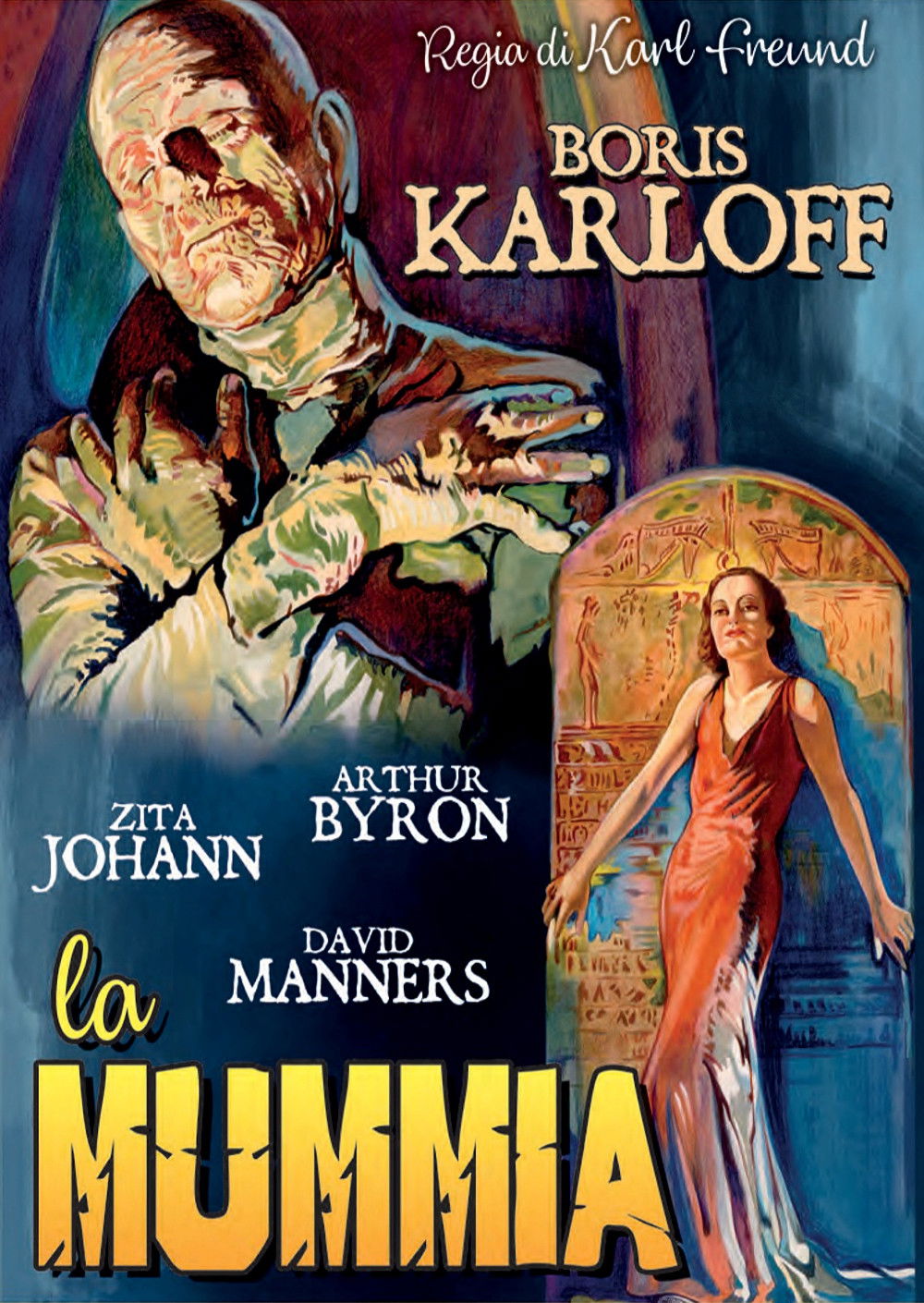
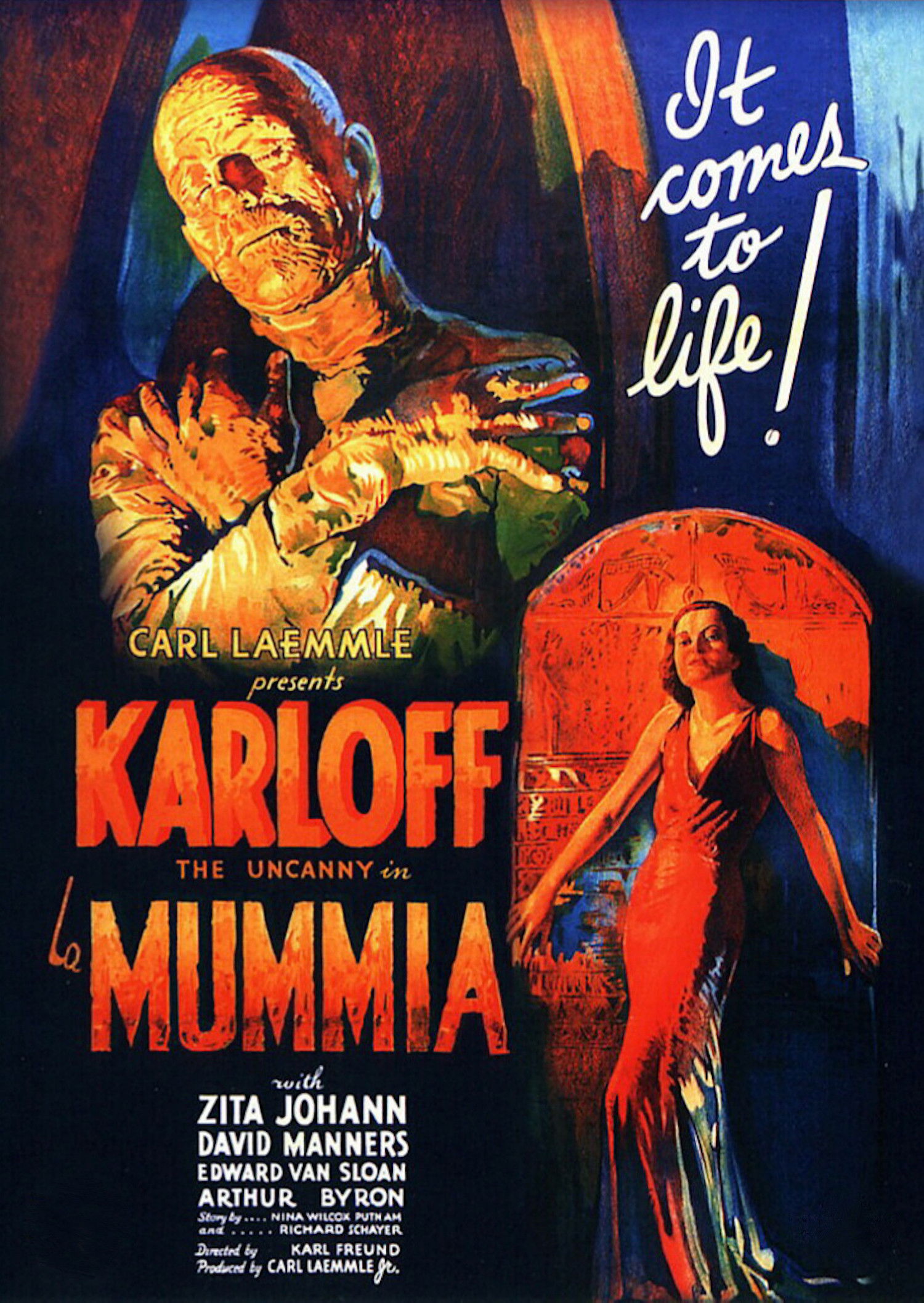
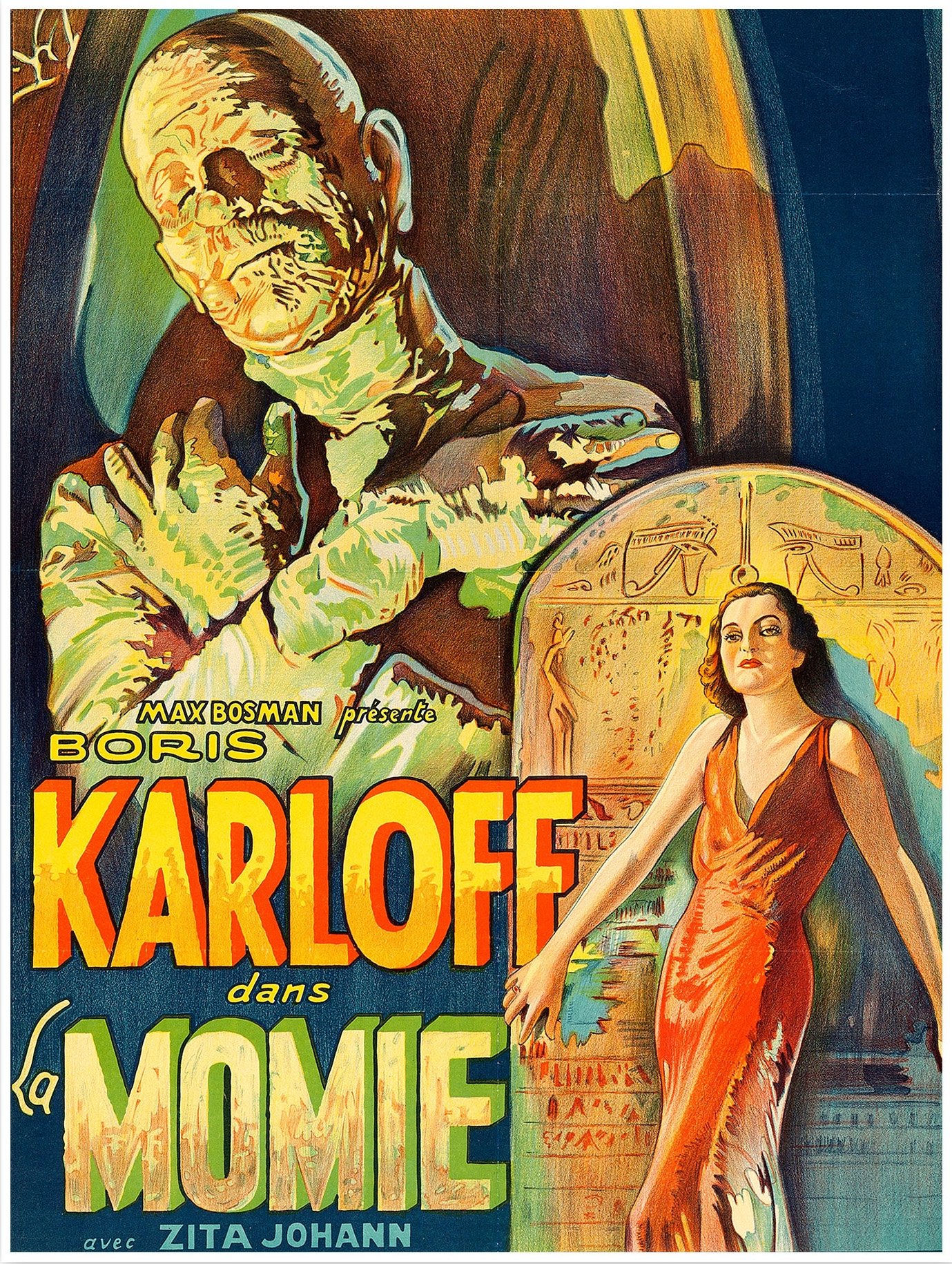
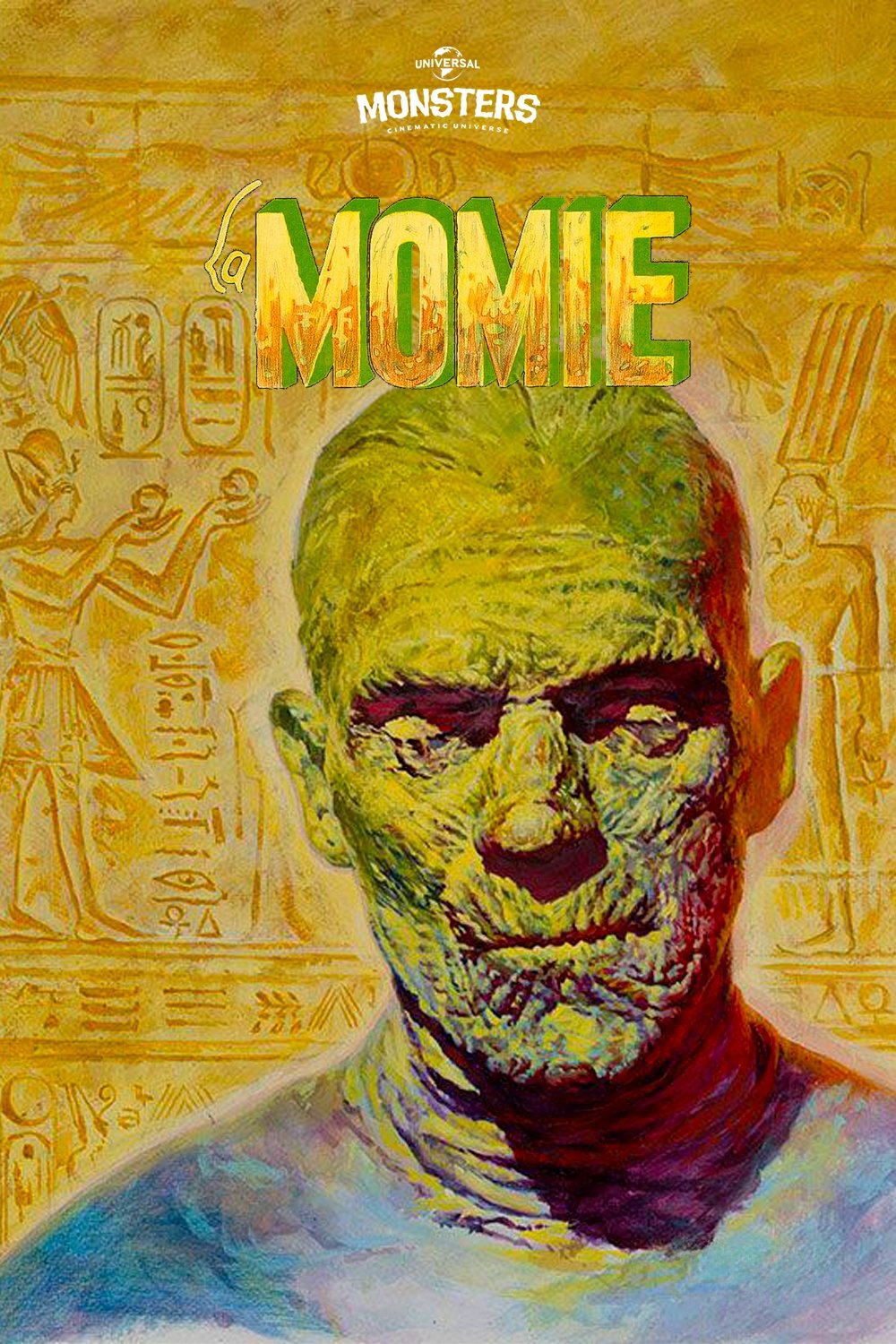
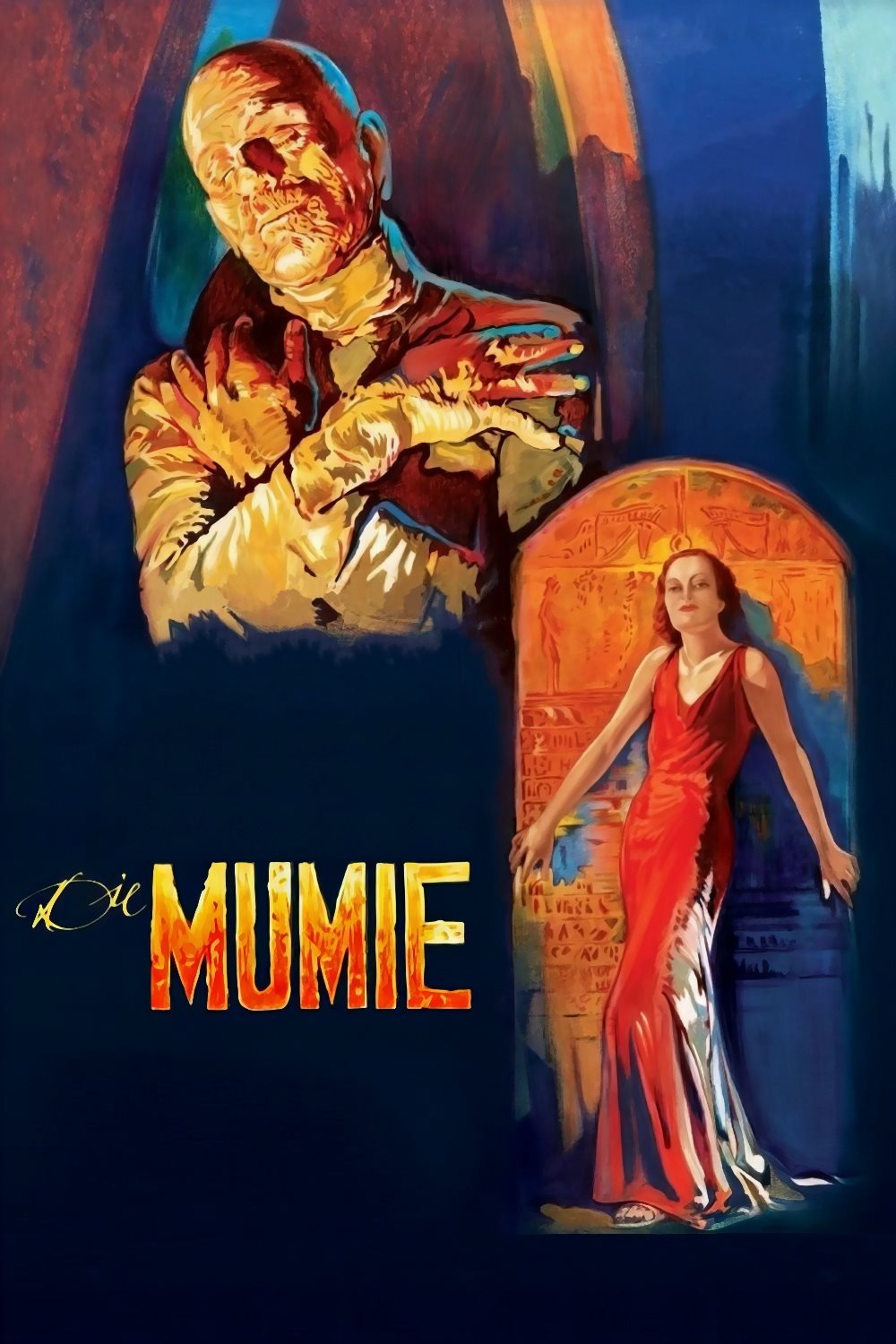
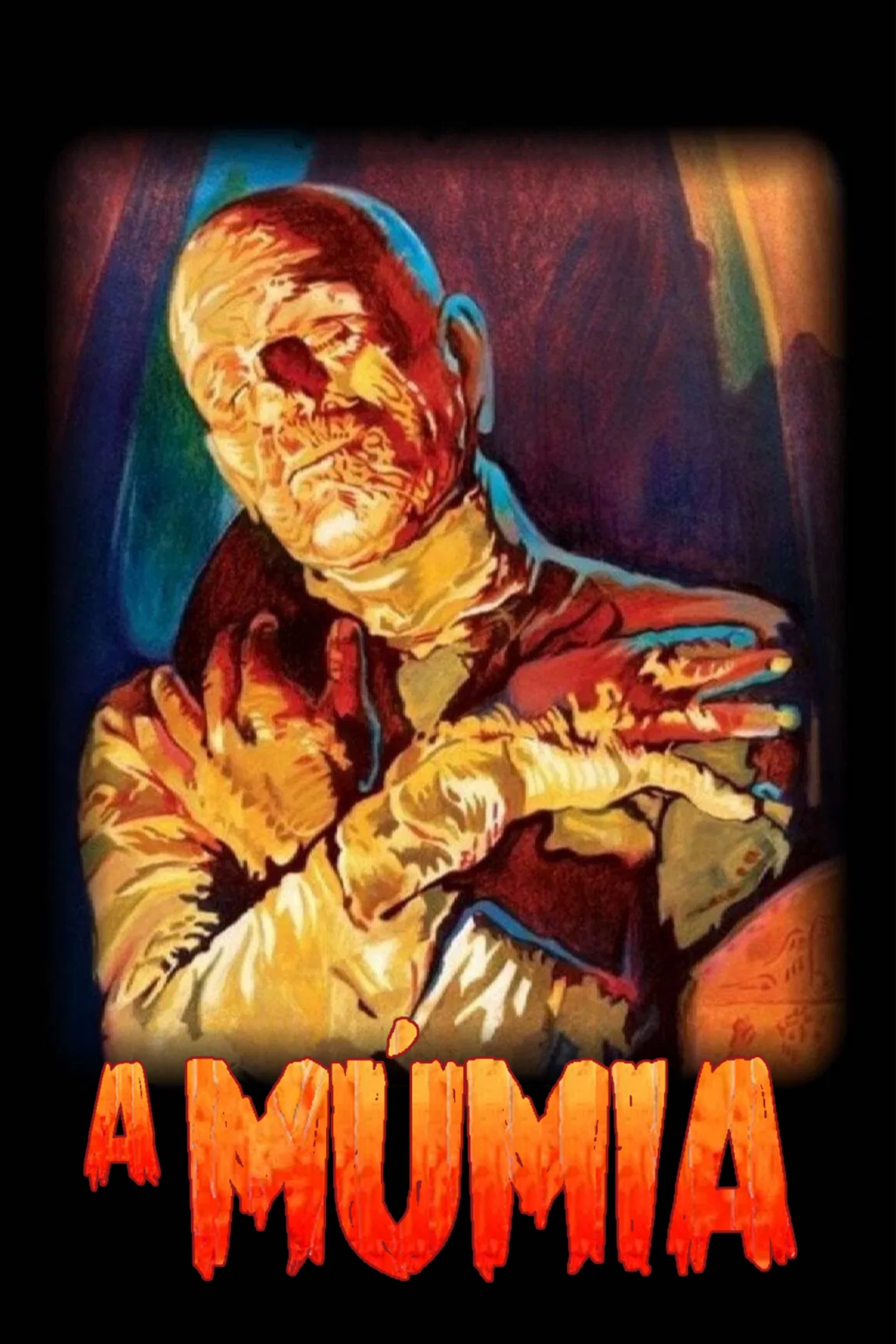
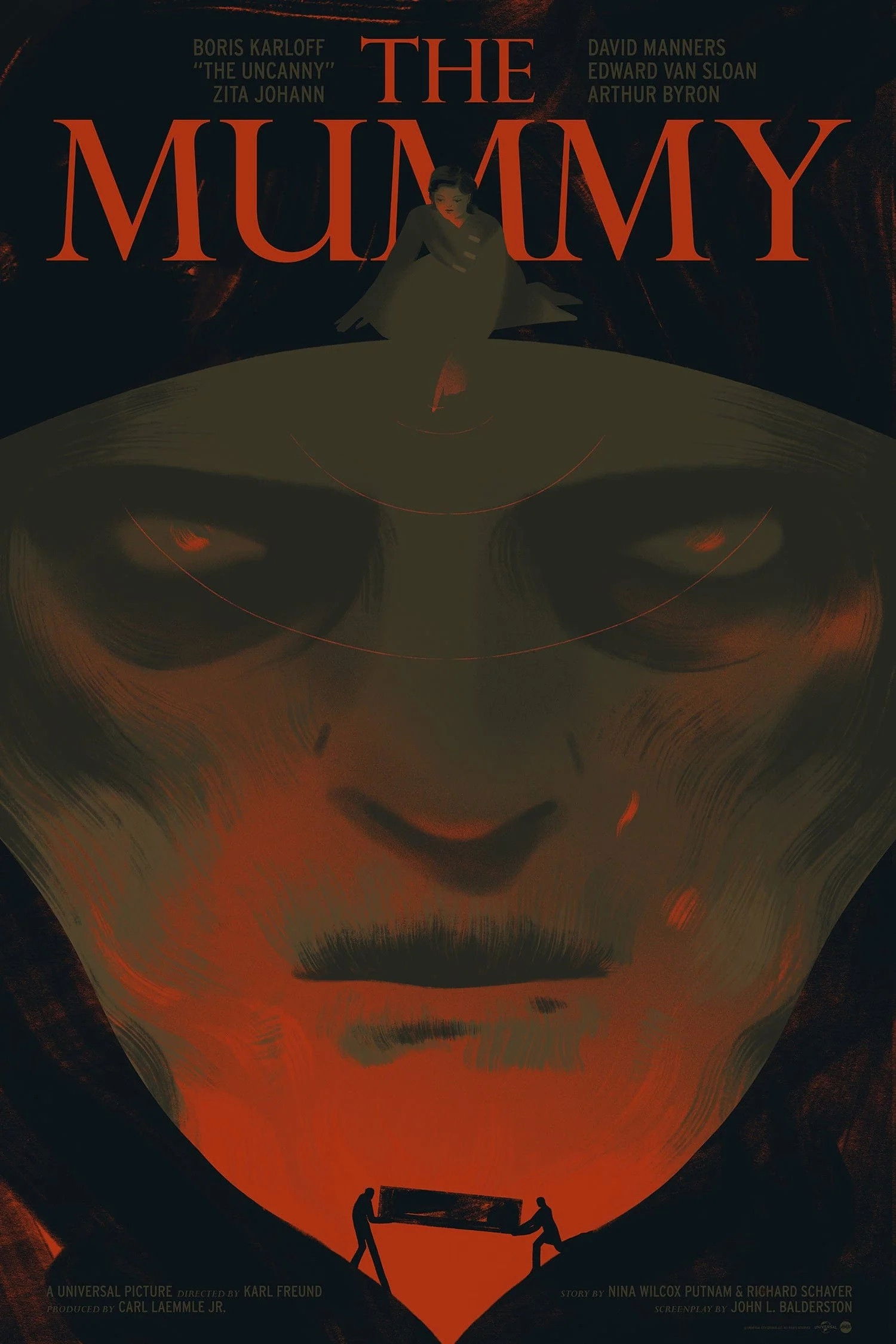
The Mummy (1932) poster
Director
Plot

An ancient Egyptian priest named Imhotep is revived when an archaeological expedition finds his mummy and one of the archaeologists accidentally reads an ancient life-giving spell. Imhotep escapes from the field site and searches for the reincarnation of the soul of his lover.

Alternative Titles
Мумията (Bulgaria) — Bulgarian A Múmia (Brazil) 木乃伊 (China) — Chinese Mumie (Czechia) — Czech Die Mumie (Germany) Mumien (Denmark) — Danish La momia (Spain) — Catalan title La momie (France)
Show all 27 alternative titles Η Μούμια (Greece) A múmia (Hungary) — Hungarian המומיה (Israel) — Hebrew La mummia (Italy) ミイラ再生 (Japan) — Japanese 미이라 (South Korea) — Korean La momia (Mexico) — Spanish Cagliostro (Netherlands) De Mummie (Netherlands) Im-Ho-Tep (Netherlands) King of the Dead (Netherlands) Mumia (Poland) — Polish A Múmia (Portugal) Mumia (Romania) — Romanian Мумия (Russia) — Russian Mumien vaknar (Sweden) Мумия (Russia) — Russian title Ölmeyen Mumya (Türkiye) — Turkish Мумія (Ukraine) — Ukrainian

Trailers & Videos

2 videos

Film Guide

Karl Freund and Boris Karloff transformed the early twentieth-century fascination with Egyptian tombs into a supernatural tragedy of resurrection, reincarnation and obsessive love, creating another permanent figure in the Universal monster canon.

The Mummy entered Universal horror only a year after Dracula and Frankenstein but created a monster operating according to very different rules. Boris Karloff's Imhotep is introduced as a preserved body accidentally restored to life through the forbidden Scroll of Thoth, yet the film does not spend its running time following a bandaged corpse through tombs. Eleven years later he has become Ardeth Bey, an apparently living Egyptian who can move through modern society, control victims at a distance and pursue Helen Grosvenor because he believes she carries the reincarnated soul of the princess Ankh-es-en-amon. Horror therefore develops through memory and identity as much as through physical decay.

Karl Freund's 1932 film drew on the intense public fascination with Egyptian archaeology and the popular mythology surrounding ancient curses after the discovery of Tutankhamun's tomb. The screenplay by John L. Balderston also reworks mechanisms already successful in Dracula: an ancient outsider enters the modern world, a young woman becomes the focus of his supernatural desire and an older specialist recognizes a threat that others cannot initially understand. Imhotep combines the romantic Gothic menace associated with Dracula with a specifically Egyptian setting and mythology. His objective is restoration rather than feeding. He wants to recover a love lost thousands of years earlier, even when doing so requires destroying the modern woman whose body he believes can return that love to him.

From Cagliostro to Imhotep

The project did not begin as the mummy story ultimately filmed. Nina Wilcox Putnam and Richard Schayer developed a story called Cagliostro, centered on an ancient figure who had survived across centuries. Universal was searching for another horror vehicle after the successes of Dracula and Frankenstein, while public interest in Egyptian archaeology and supposed mummy curses offered a powerful contemporary context. Producer Carl Laemmle Jr. approved development, and the material eventually passed to John L. Balderston, whose previous stage work had already connected him with Dracula.

Balderston moved the concept decisively toward ancient Egypt. The immortal became Imhotep, a high priest punished for attempting to revive the dead princess Ankh-es-en-amon. He is restored through forbidden supernatural knowledge contained in the Scroll of Thoth. The change connects archaeology, religious transgression and romantic obsession inside one origin story. Working titles included Imhotep and The King of the Dead before Universal settled on the simpler monster-oriented title.

The structure also allowed Universal to create a new horror property without acquiring another famous Gothic novel. Ancient Egypt supplied enough cultural recognition for the audience to understand tombs, mummies and curses immediately, while the filmmakers remained free to invent their own mythology. Later Mummy films would radically alter that mythology, but Imhotep begins as an original studio creation assembled from archaeology, occult fantasy and the romantic-horror framework of the early Universal cycle.

Karloff and the Two Bodies of Imhotep

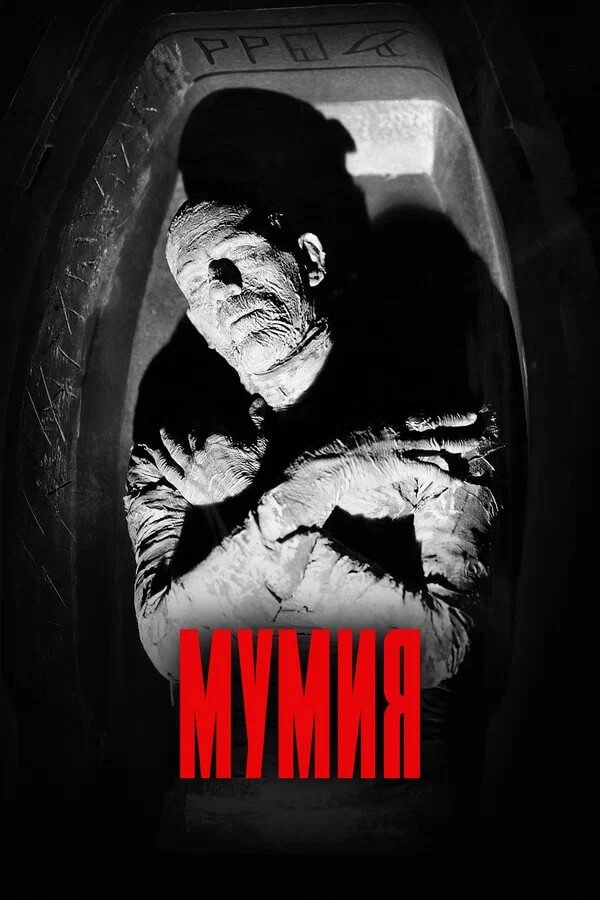
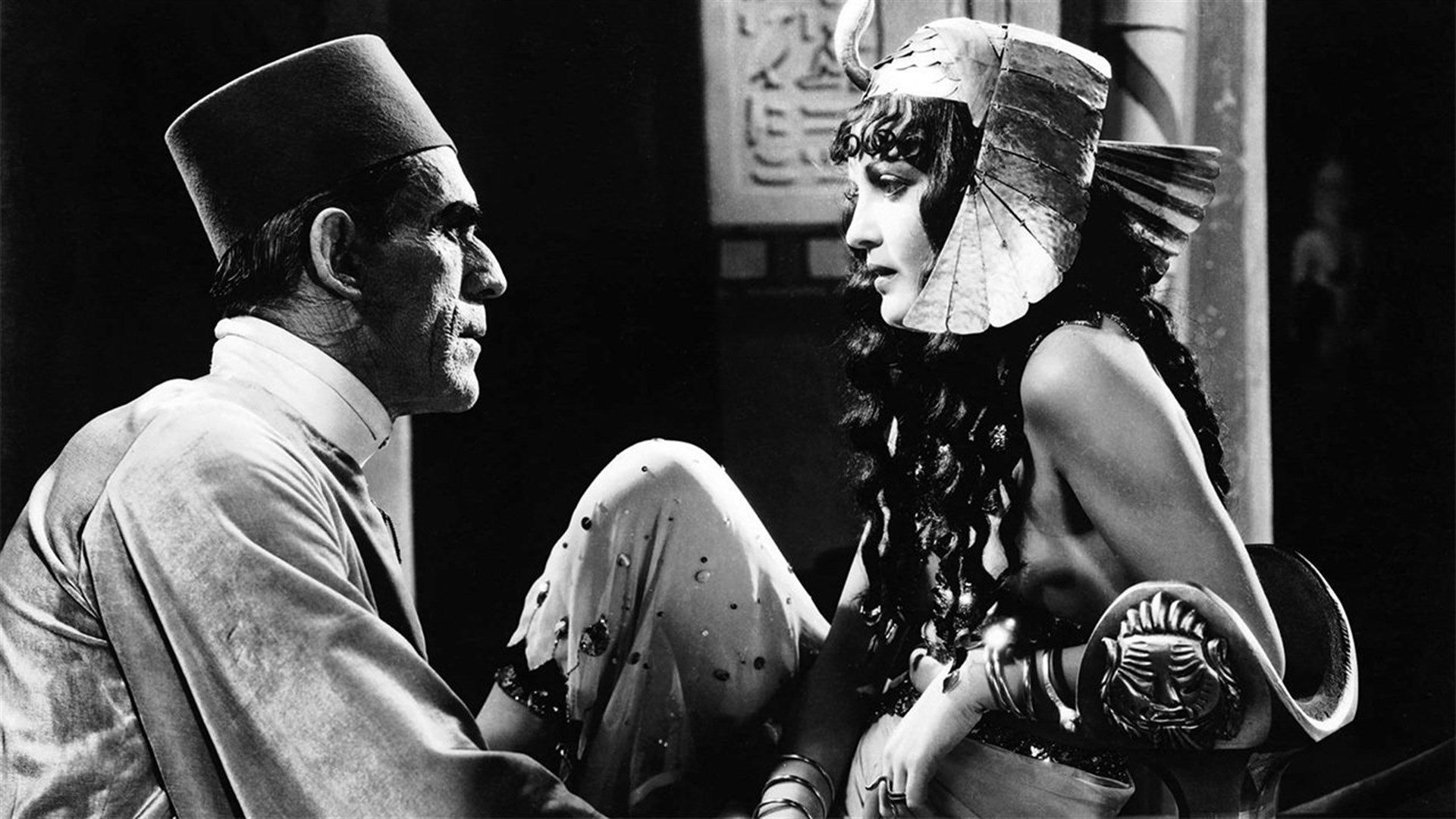
Karloff's first appearance is among the most economical monster introductions of the period. An archaeologist ignores warnings and reads the Scroll of Thoth beside the preserved mummy. The audience sees a hand move, bandages shift and the Scroll disappear while the terrified witness begins laughing uncontrollably. Freund does not need to show Imhotep walking fully across the room. The reaction of the living man establishes that something impossible has risen before the film jumps forward eleven years.

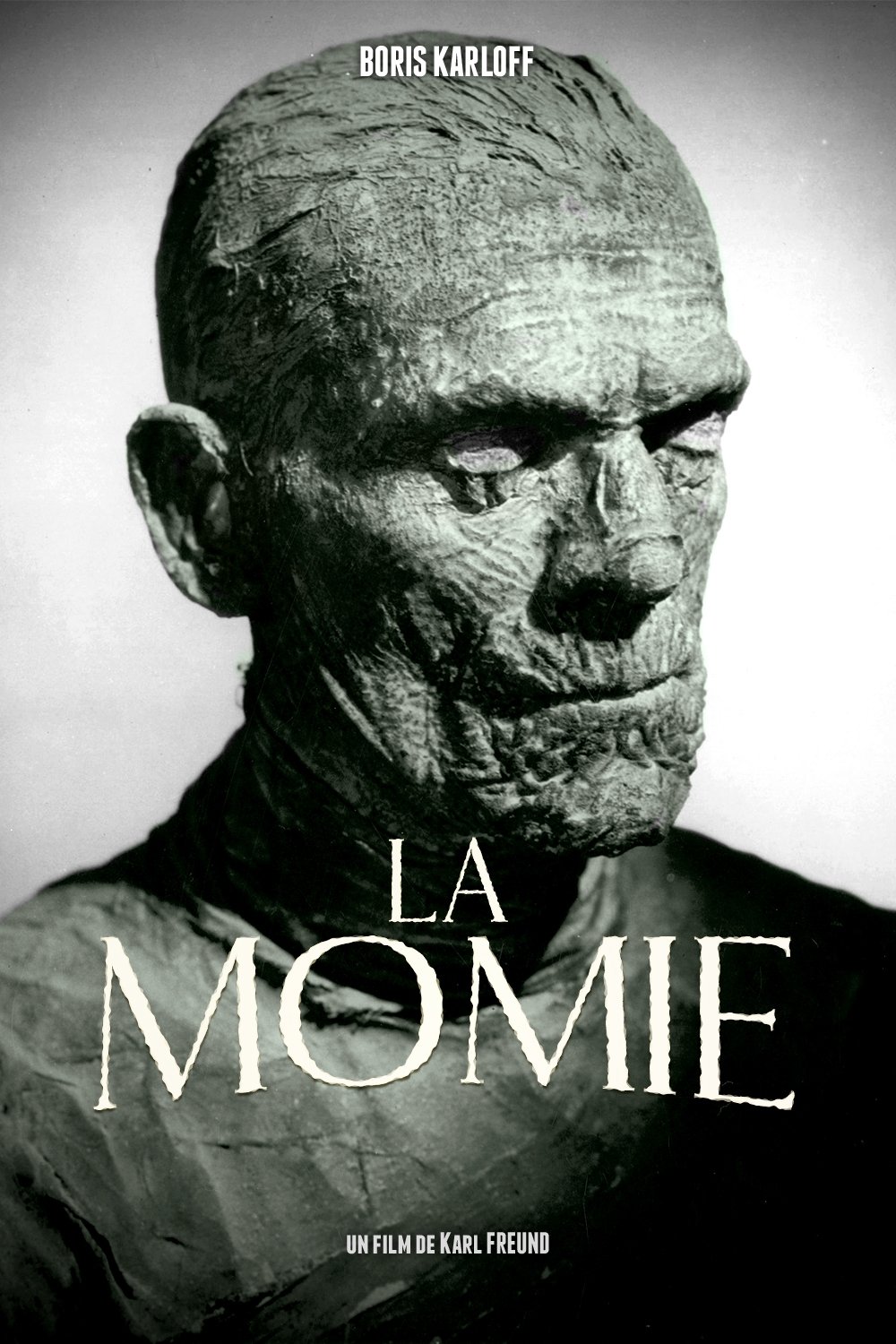
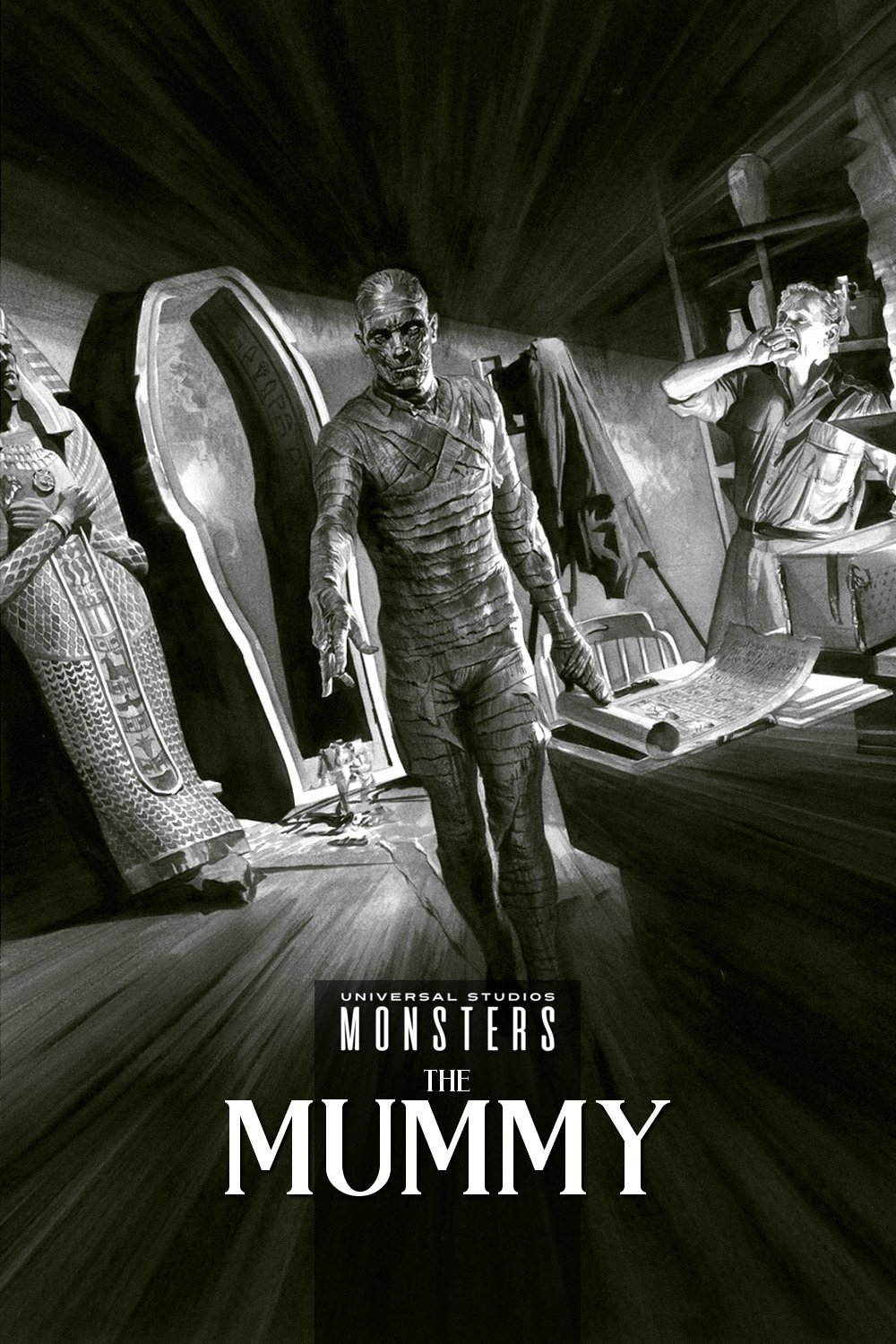
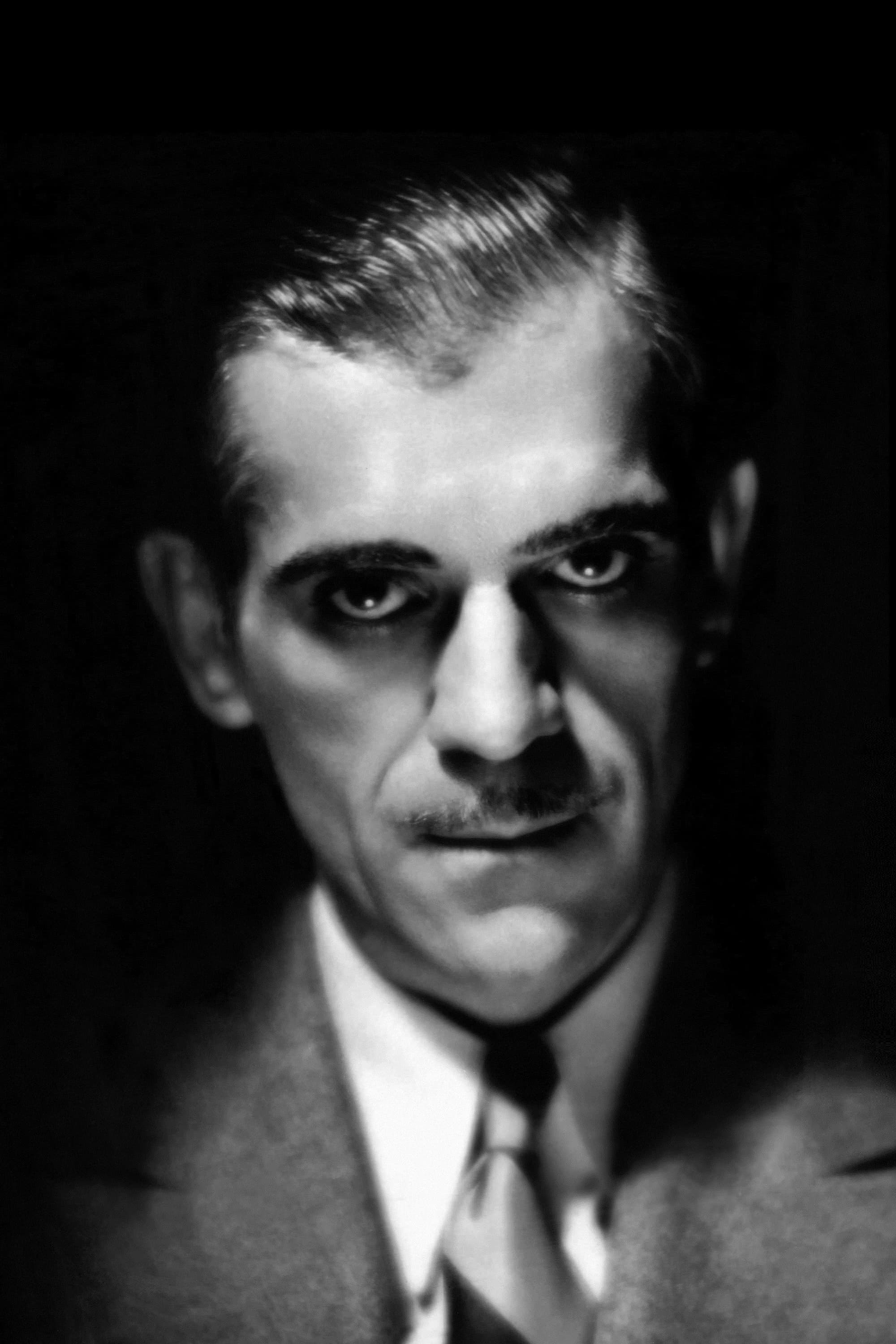
Jack Pierce created the heavily aged mummy makeup using materials including cotton, rubber cement and paint. The application establishes the physical horror of a body that has survived thousands of years, but the film then makes the unusual decision to conceal most of that work. As Ardeth Bey, Karloff is recognizably human while remaining unnaturally dry, rigid and ancient. His stillness and staring eyes become more important than the bandages that later popular culture would associate with the Mummy.

This motivation gives Imhotep a complex psychological role within the story. He does not stumble toward victims or depend primarily on physical force. He issues commands through supernatural concentration, stops a heart from a distance and summons Helen toward him. Karloff therefore creates menace through restraint, making the character appear as someone who has waited millennia and sees no reason to move at the speed of ordinary human beings.

Reincarnation and Forbidden Love

The emotional center of The Mummy is the relationship Imhotep believes still exists between himself and Ankh-es-en-amon. In ancient Egypt, he attempted to use forbidden sacred knowledge to restore the princess after her death. His punishment was burial alive, yet resurrection does not change his purpose. When he encounters Helen Grosvenor thousands of years later, he interprets her resemblance and connection with Egypt as evidence that Ankh-es-en-amon has returned in another body.

The idea gives the film the structure of a romance while making that romance profoundly threatening. Helen becomes a central figure in Imhotep's attempt to restore his lost beloved. She possesses a contemporary identity, relationships and desires of her own. Imhotep's solution is eventually to kill and mummify her so that she can be resurrected in a form compatible with his own existence. Love therefore becomes an attempt to erase the present person in favor of an idealized woman preserved in his memory.

This separates the film from later mummy adventures centered primarily on tomb violation and physical pursuit. The horror here comes from immortality refusing change. Imhotep has carried one relationship across thousands of years and treats the continuation of his desire as more important than Helen's autonomy. His devotion gives the monster emotional motivation without making his objective benevolent.

Egyptology, Occultism and Modernity

The film places modern archaeology beside a supernatural interpretation of ancient Egyptian religion. Excavators catalogue tombs and display discoveries in museums, while Doctor Muller accepts that artifacts and inscriptions may possess powers beyond academic explanation. The contradiction is productive for horror. Archaeology intends to recover and classify the past, but the Scroll of Thoth makes the past physically capable of returning and acting upon the present.

The screenplay freely invents religious mechanisms that have no direct basis in documented ancient Egyptian belief. The Scroll itself, the exact resurrection ritual and the supernatural powers attached to Imhotep belong to the film's mythology. Real names of Egyptian deities and recognizable archaeological imagery give that mythology an appearance of antiquity, but the narrative should not be treated as an account of ancient ritual practice. The film reflects 1930s Western popular fascination with Egypt more directly than it represents Egypt itself.

That cultural distance is part of its historical context. Western archaeologists occupy Egyptian tombs and museums as spaces open to investigation, while Imhotep appears as the past returning to challenge their control over it. The film does not develop this into a sustained critique of archaeology, yet its horror repeatedly emerges when modern characters assume that ancient objects have become harmless simply because they can be catalogued.

Karl Freund and Visual Horror

The Mummy marked Karl Freund's first feature as a director after a major cinematography career that had included German silent cinema and Universal's Dracula. His visual experience is evident in the film's preference for controlled composition over constant action. The opening resurrection, Imhotep's hypnotic concentration and the museum sequences derive tension from waiting for a small change inside an otherwise still image.

Charles Stumar received the principal cinematography credit, while John P. Fulton handled special photographic effects. Glowing eyes and supernatural influence appear sparingly, sustaining the atmosphere without continuous effects spectacle. Freund understands that Karloff's face can carry much of the threat. Tight framing around Ardeth Bey's eyes turns an almost motionless performer into the source of violence occurring elsewhere.
The Egyptian flashback provides a contrasting form of spectacle. Temple imagery, ceremonial spaces and historical costume briefly expand the scale of the story before returning to the modern setting. Additional material involving other incarnations of Helen was reportedly photographed but removed, meaning that the surviving film concentrates reincarnation into a much simpler relationship between the ancient princess and the contemporary woman.
Release and the Changing Mummy

Universal released The Mummy on December 22, 1932 after principal photography running from approximately mid-September to mid-October. The film joined a rapidly expanding studio cycle that had already produced Dracula, Frankenstein and The Old Dark House. Karloff was marketed as a horror attraction in his own right, with contemporary publicity identifying him as Karloff the Uncanny after Frankenstein had transformed his career.

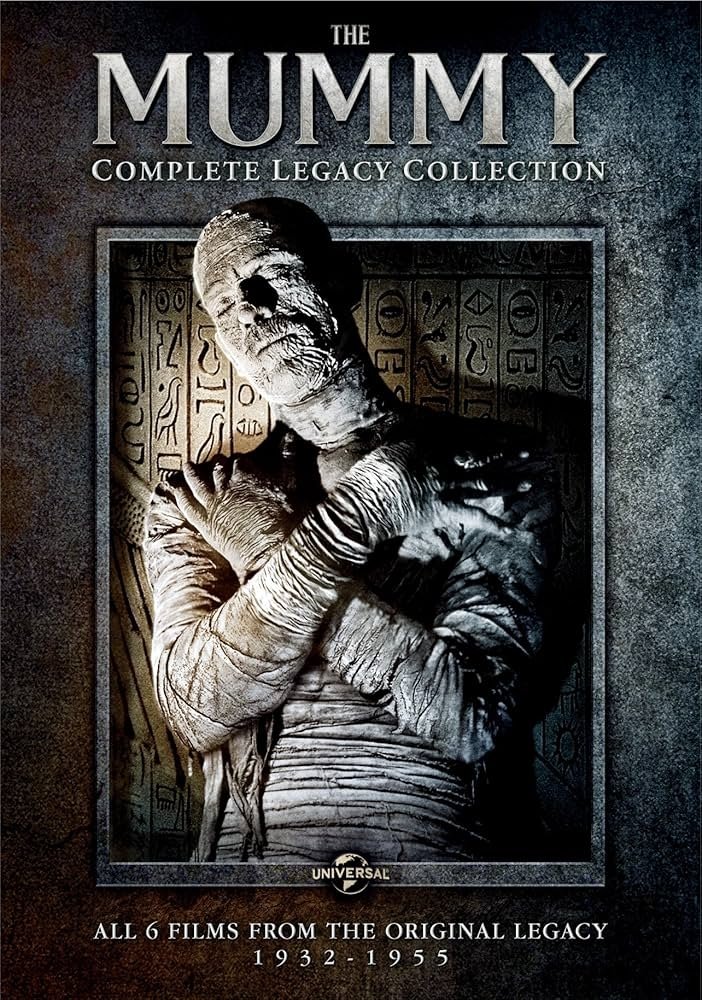
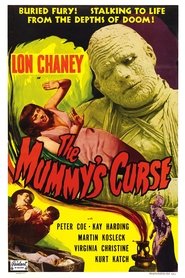
Curiously, Universal's later Mummy series did not continue Imhotep's exact story. The Mummy's Hand in 1940 introduced a different mummy mythology centered on Kharis, followed by The Mummy's Tomb, The Mummy's Ghost and The Mummy's Curse. Those films emphasized the bandaged walking corpse far more heavily, helping popular culture associate the Universal Mummy with an appearance that occupies only a small portion of the 1932 original.
Hammer reinterpreted the property in 1959, and Universal again reinvented it as large-scale adventure with the 1999 film starring Brendan Fraser and Arnold Vosloo. BFI has consequently described the Mummy as one of Universal's most enduring creations. The original remains distinctive within that long history because its monster is not primarily a decaying pursuer. Imhotep is a conscious ancient intelligence attempting to force modern life to conform to a love story that ended thousands of years before.

Connections

Cast

View Full Cast & Crew →

Release & Distribution

Distributors (1)

  • Universal Pictures US

Release History (14)

Release DateTerritoryRelease TypeFormatDistributorCertificationNotes
1932-12-22 Germany Theatrical — — 12
1932-12-22 Denmark Theatrical — — 11
1932-12-22 United States Theatrical — — —
1933-01-03 Brazil Theatrical — — —
1933-01-06 United Kingdom Theatrical — — — Rated A
1933-03-11 Sweden Theatrical — — 15
1933-03-30 Hungary Theatrical — — 16
1933-03-30 Netherlands Theatrical — — 12
1933-06-29 Mexico Theatrical — — B-15
1933-07-20 Japan Theatrical — — —
1933-11-07 Italy Theatrical — — T
1989-02-23 United Kingdom Physical VHS — 15 VHS
1999-06-24 United States Physical VHS — NR Classic Monster Collection VHS
2013-10-04 United Kingdom Theatrical — — PG Re-release
It Comes to Life!