Neo Art & Logic
, Puzzlebox Films
, Dimension Extreme
, Dimension Films
Plot
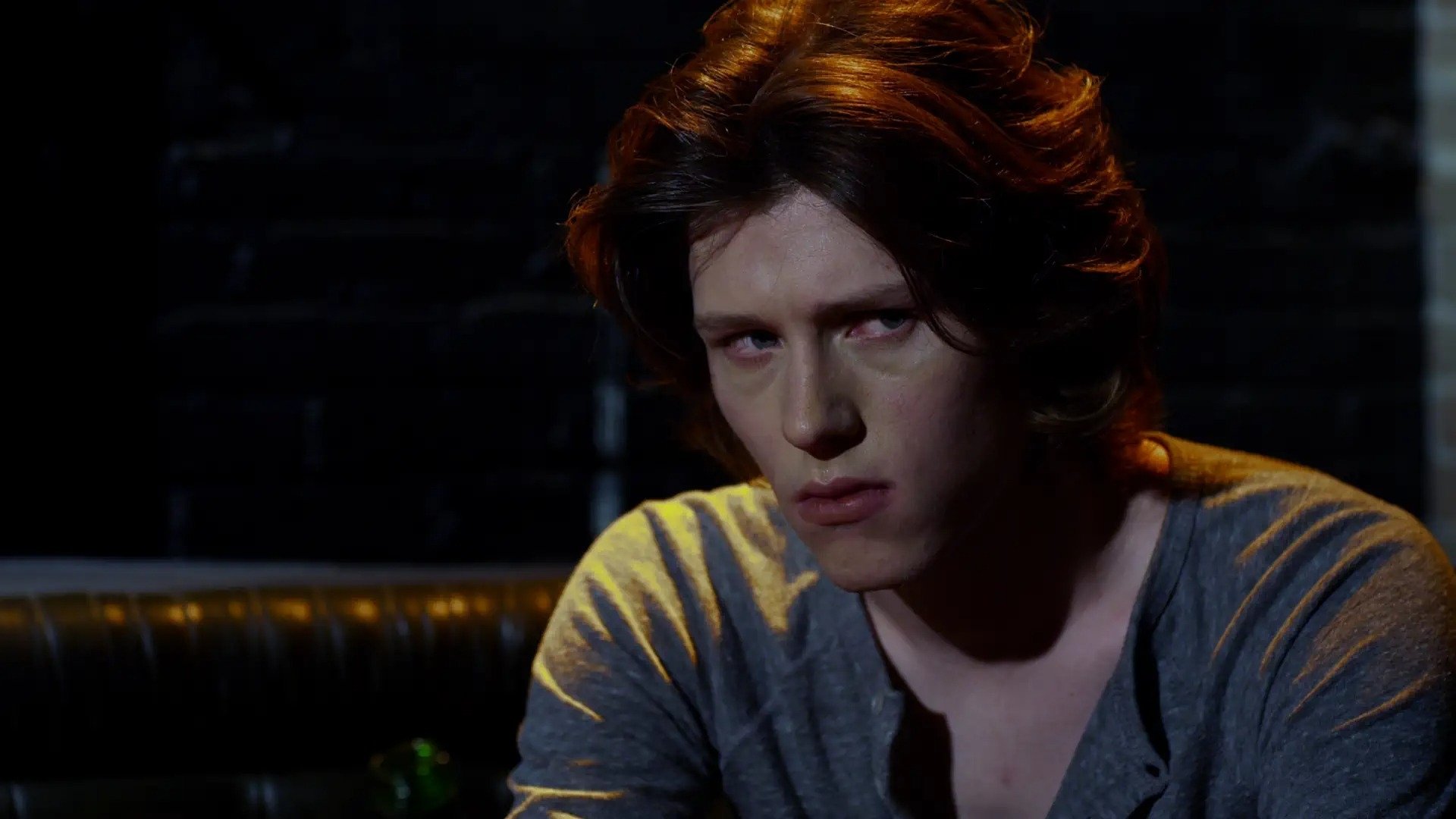
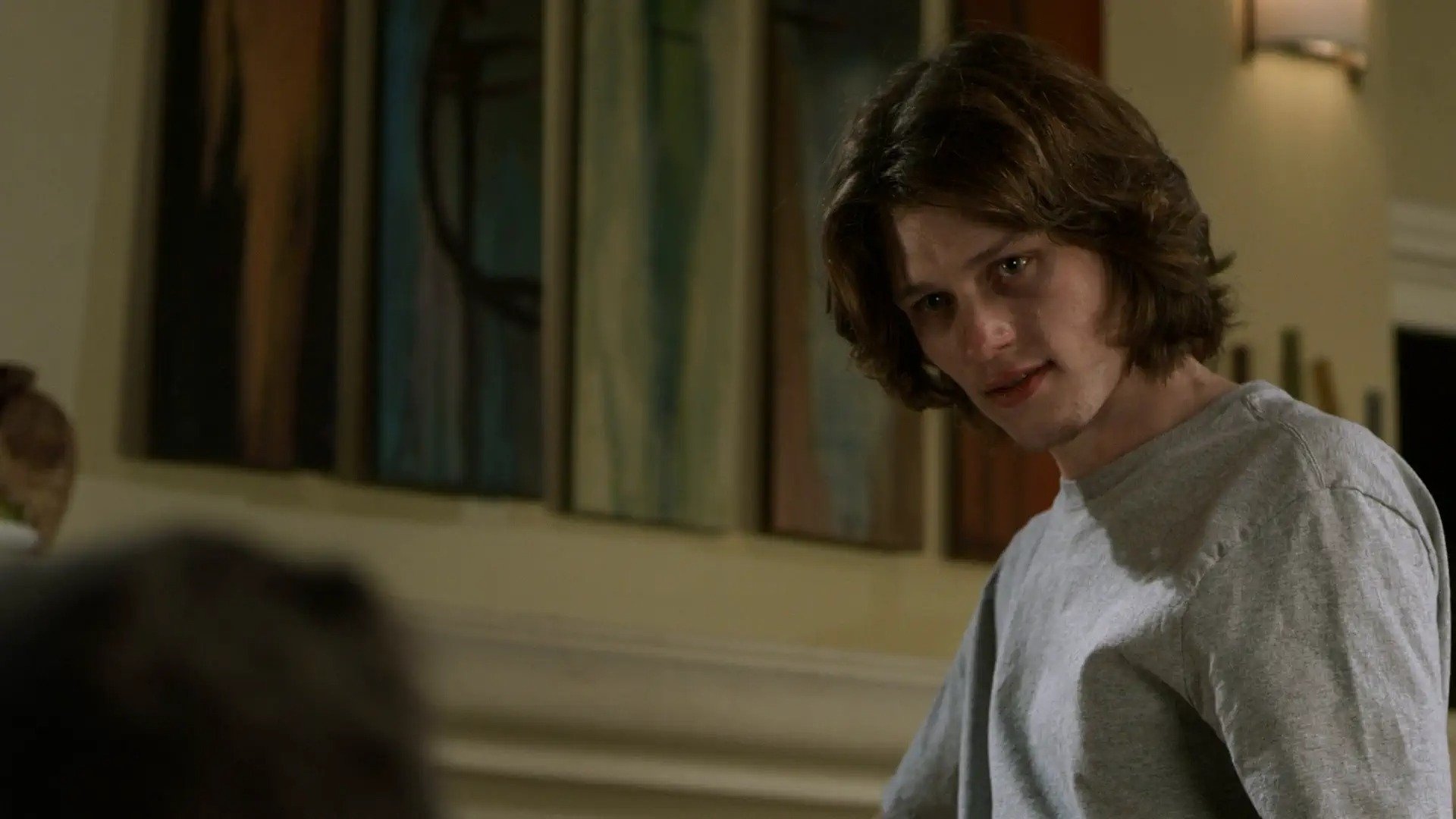
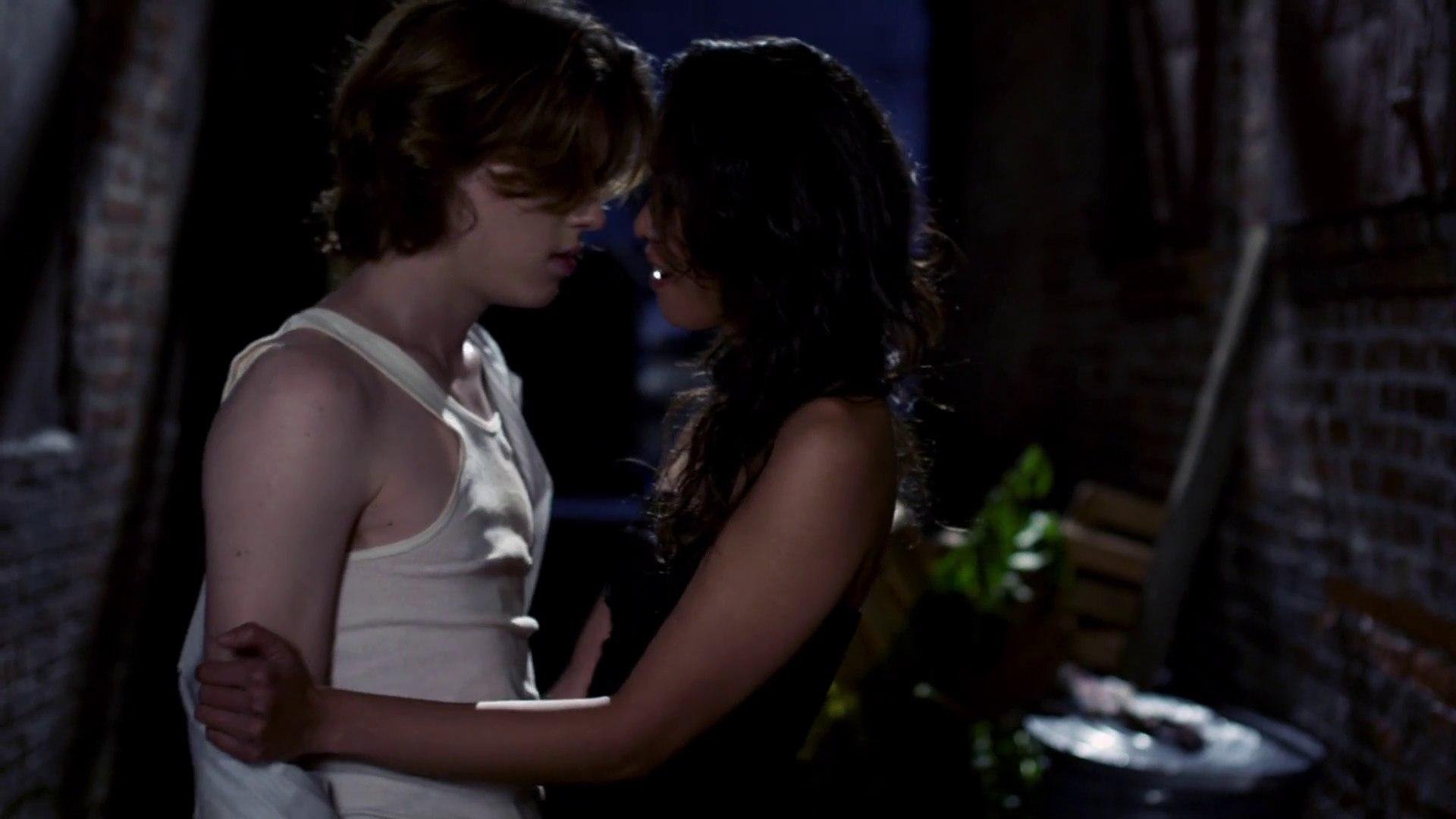
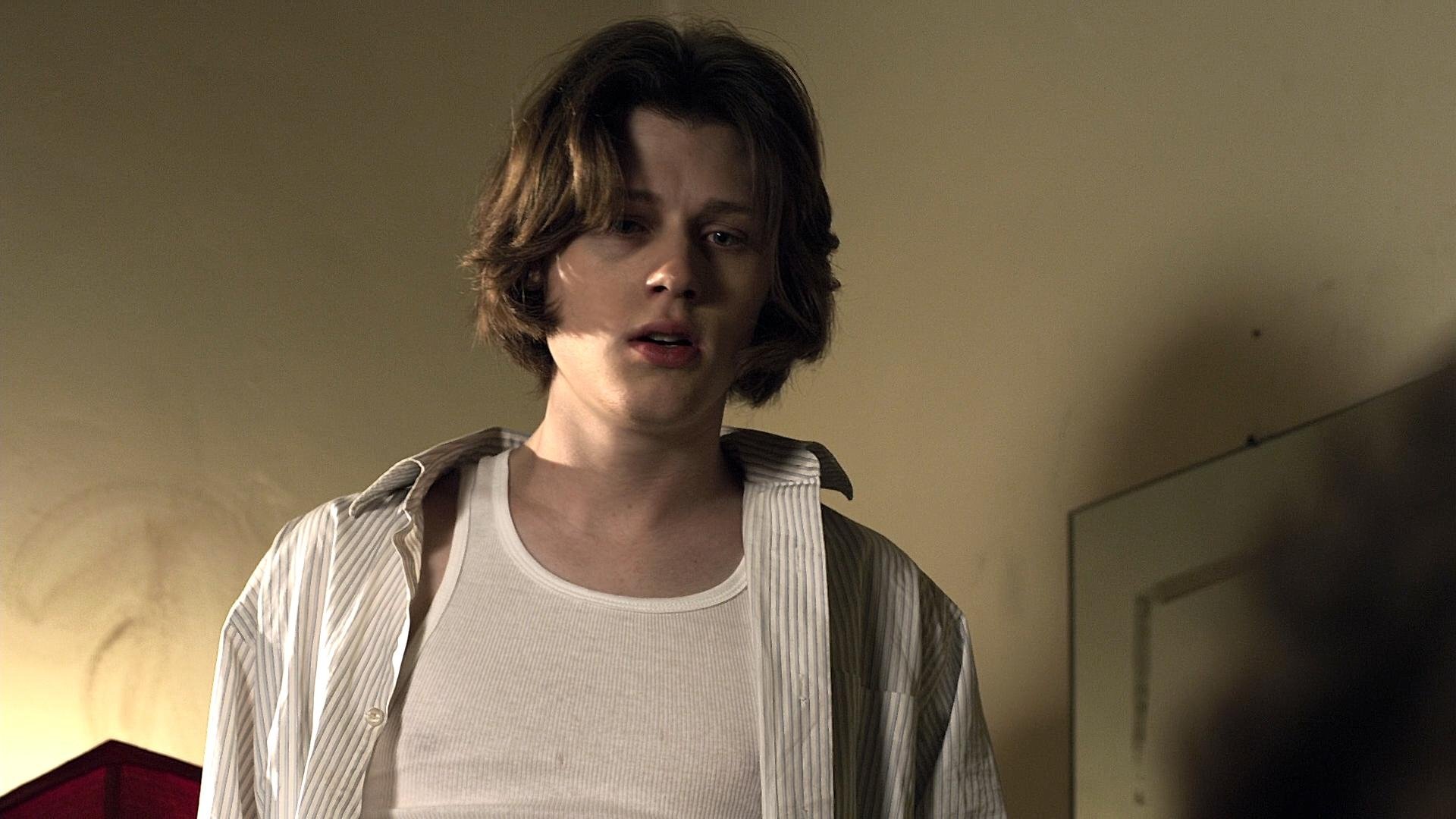
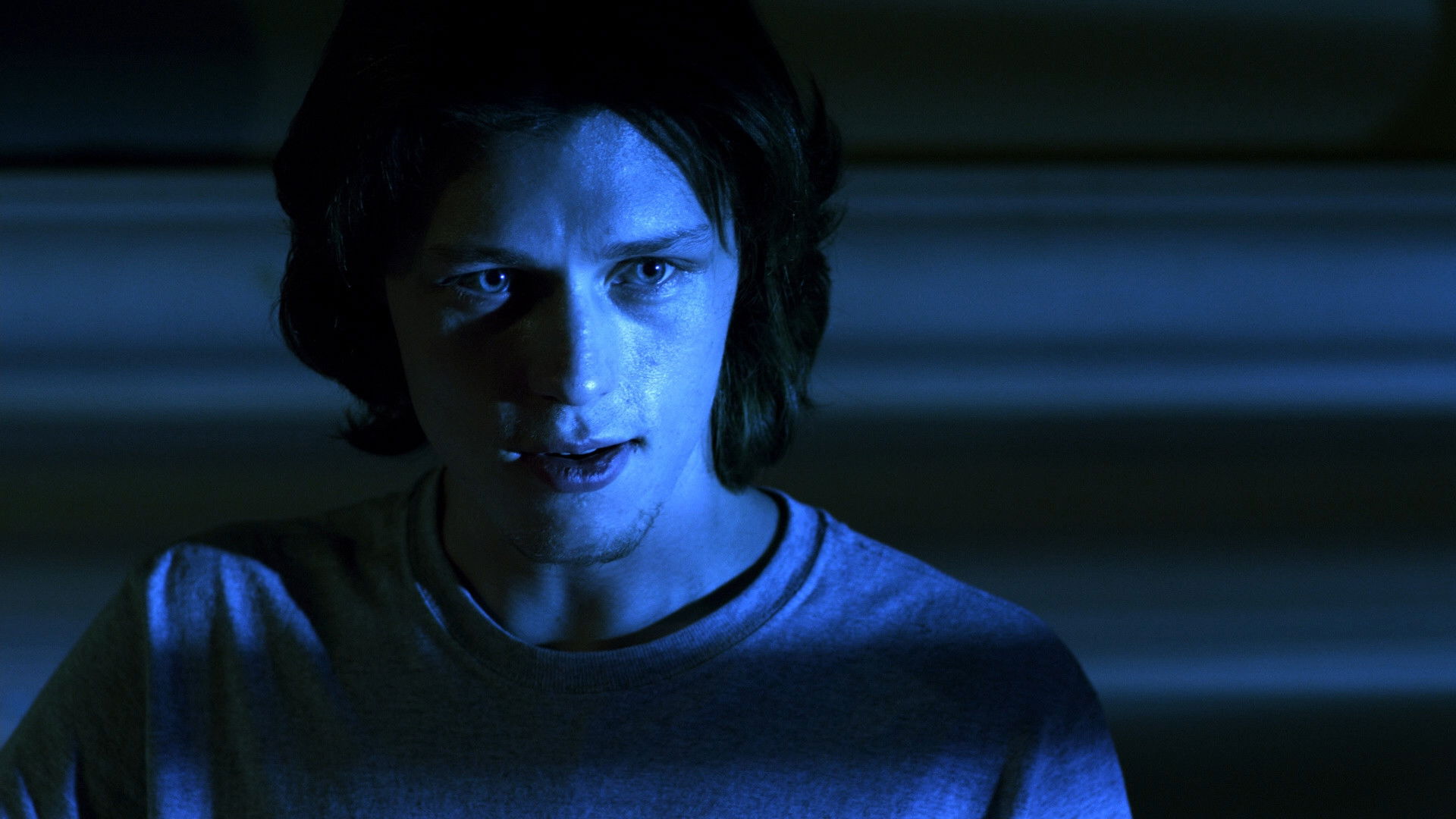
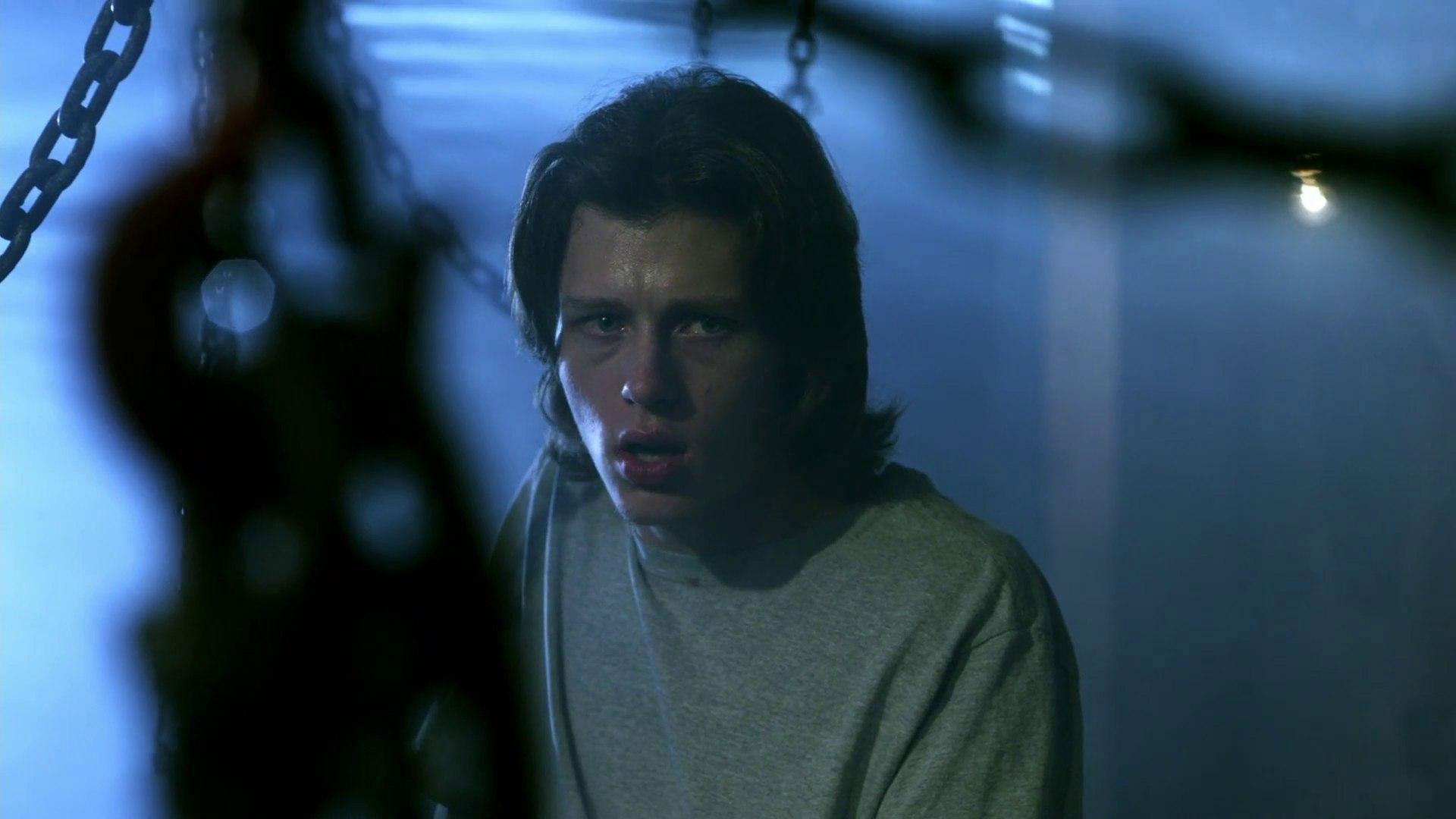
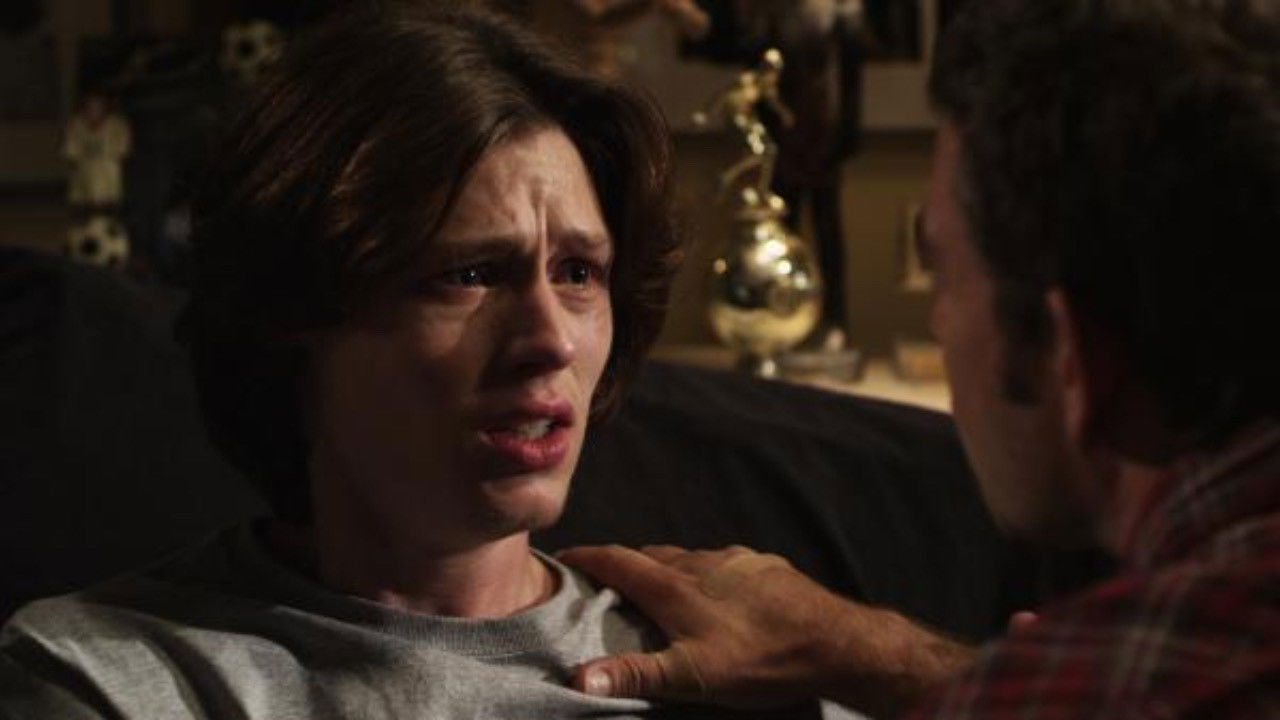
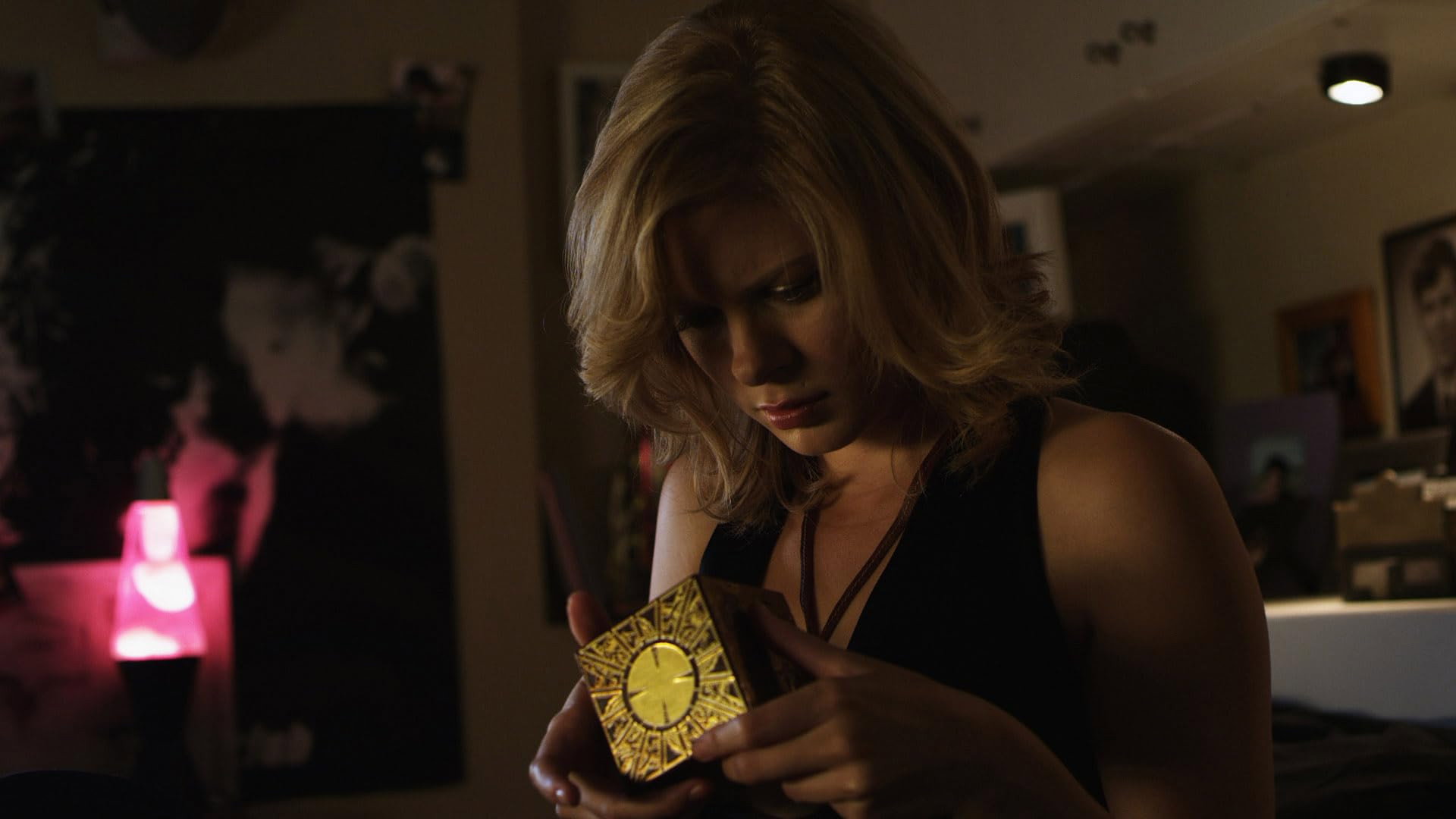
Friends Steven and Nico disappear during a trip to Mexico, leaving their families with fragments of information about their final days. A video recording and a mysterious puzzle box suggest that the young men encountered something far beyond an ordinary crime. As Steven's and Nico's relatives gather to confront what happened, their memories and suspicions expose tensions within the families. The arrival of the Cenobites brings the danger surrounding the box into their home, forcing the survivors to reckon with decisions made during the trip.
Alternative Titles
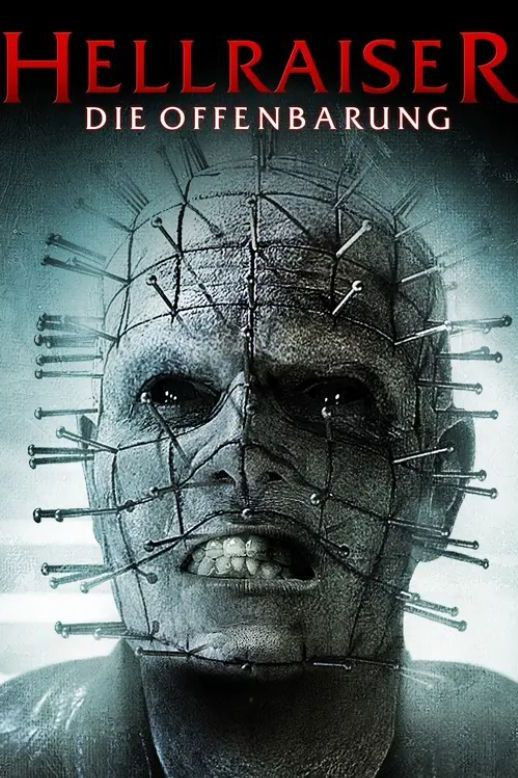
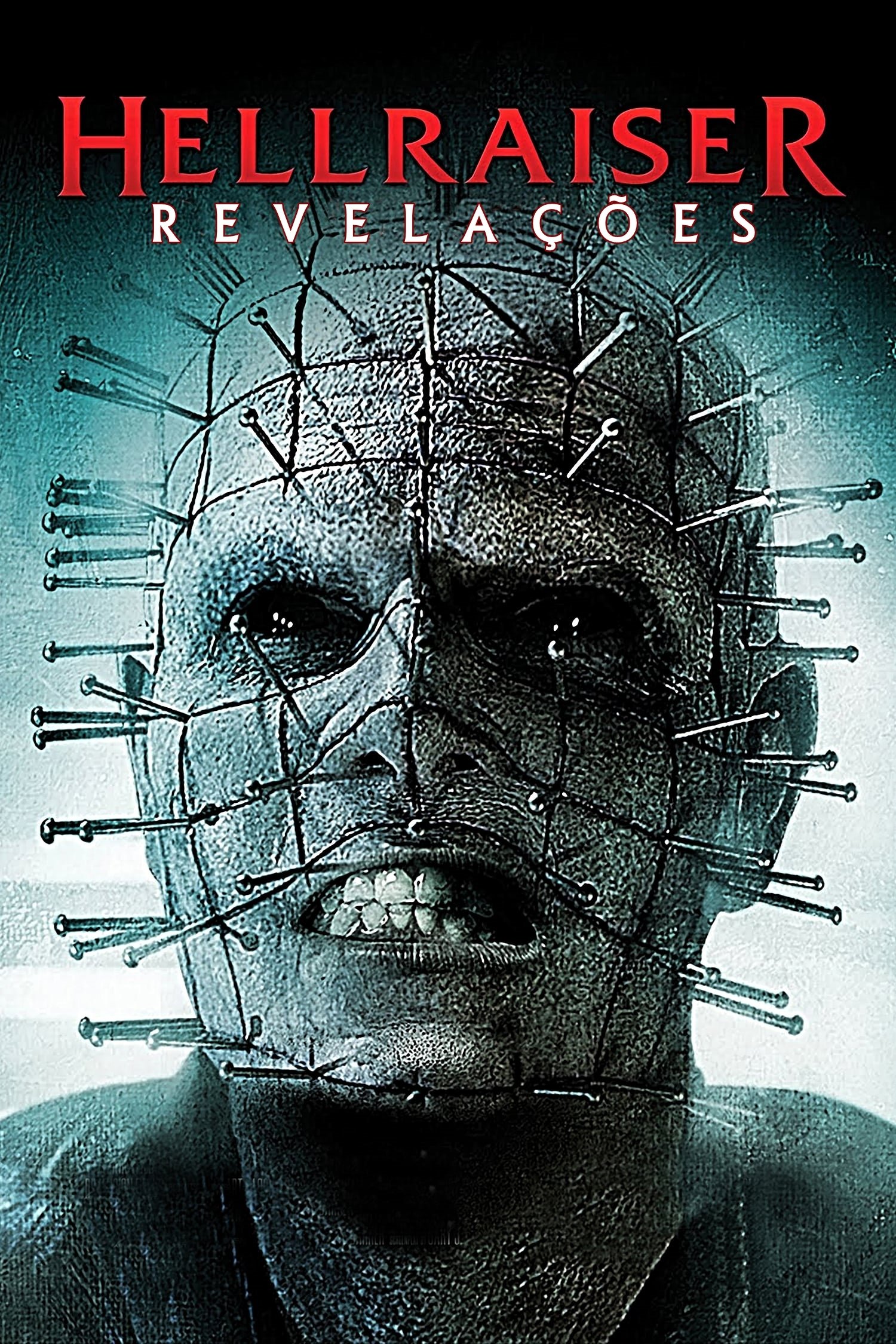
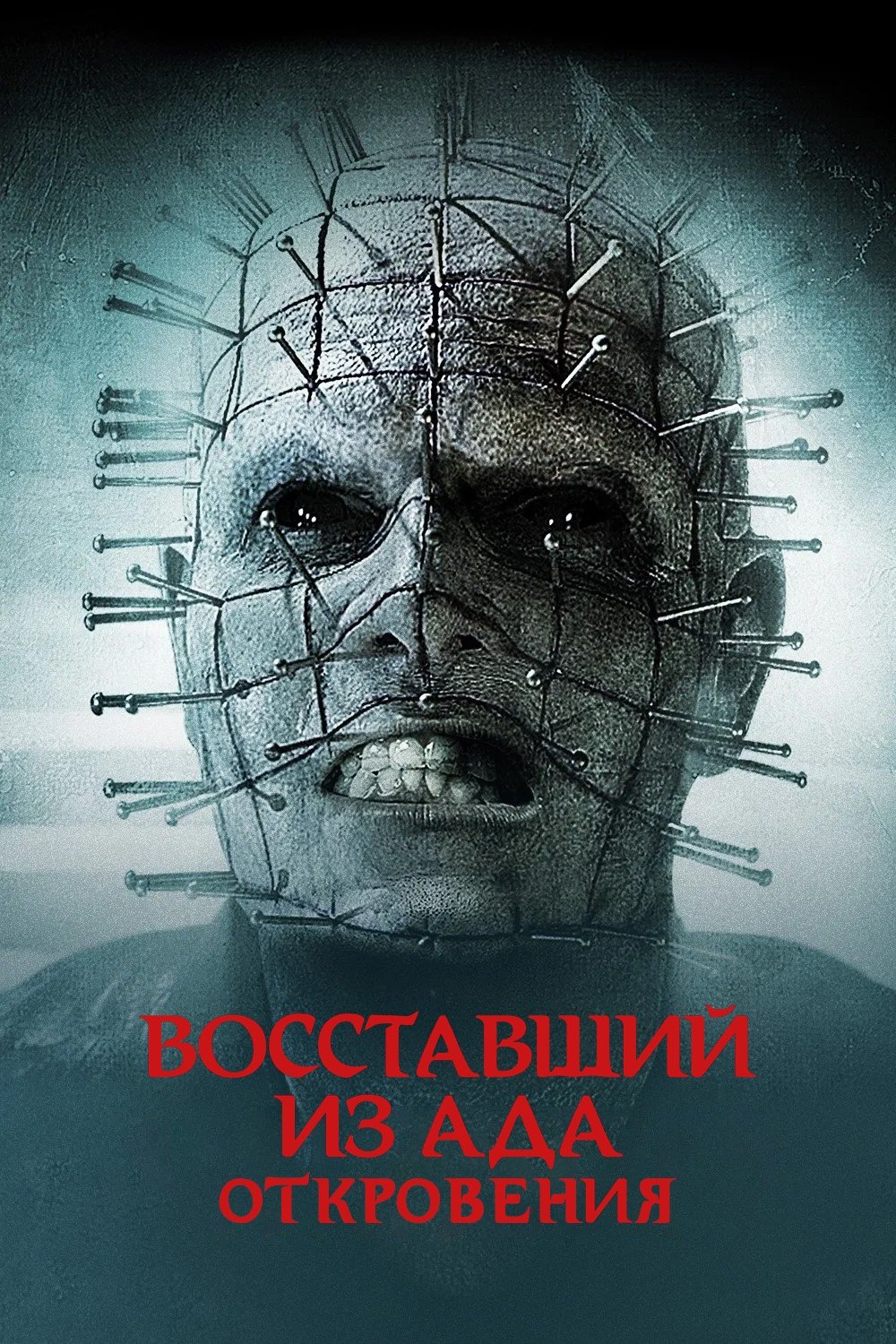
Хелрейзър: Откровения (Bulgaria) Хелрейзър: Разкрития (Bulgaria) — BulgarianHellraiser: Revelações (Brazil) Hellraiser : Révélations (Canada) — French养鬼吃人9:启示录 (China) — ChineseHellraiser: Die Offenbarung (Germany) Hellraiser: Revelations - Die Offenbarung (Germany) — German猛鬼追魂 9:啟示錄 (Hong Kong SAR China) — ChineseShow all 25 alternative titles魔界追魂末世揭示 (Hong Kong SAR China) Hellraiser: Jelenések (Hungary) — Hungarianヘルレイザー レベレーション (Japan) ヘルレイザー:レベレーション (Japan) — Japanese헬레이저: 레버레이션 (South Korea) Hellraiser: Revelaciones (Mexico) — SpanishHellraiser: Objawienie (Poland) — PolishHellraiser 9 - Revelações (Portugal) — PortugueseВосставший из ада 9: Откровение (Russia) Восставший из ада 9: Откровения (Russia) Восставший из ада: Откровение (Russia) Восставший из ада: Откровения (Russia) — RussianHellraiser Revelaciones (El Salvador) บิดเปิดผี นรกไม่มีวันตาย (Thailand) — Thai養鬼吃人9:啟示錄 (Taiwan) — ChineseПовсталий з пекла 9: Одкровення (Ukraine) — UkrainianHellraiser 9 (United States)
A rushed Hellraiser production reconnects the Lament Configuration with human desire, while Doug Bradley and Clive Barker distance themselves from the ninth installment.
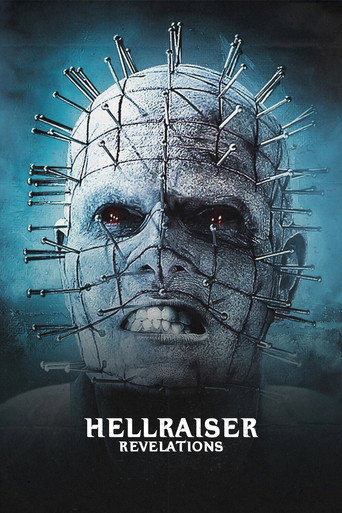
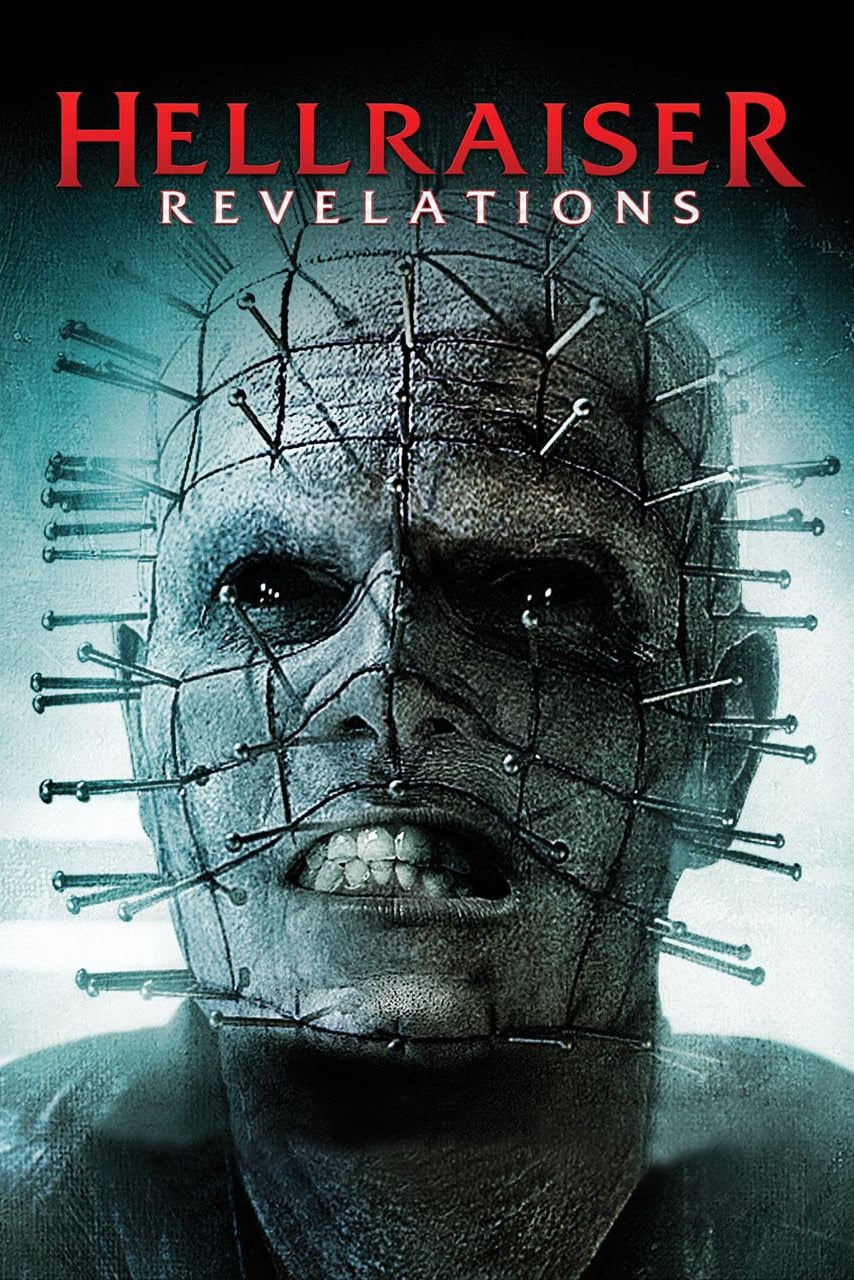
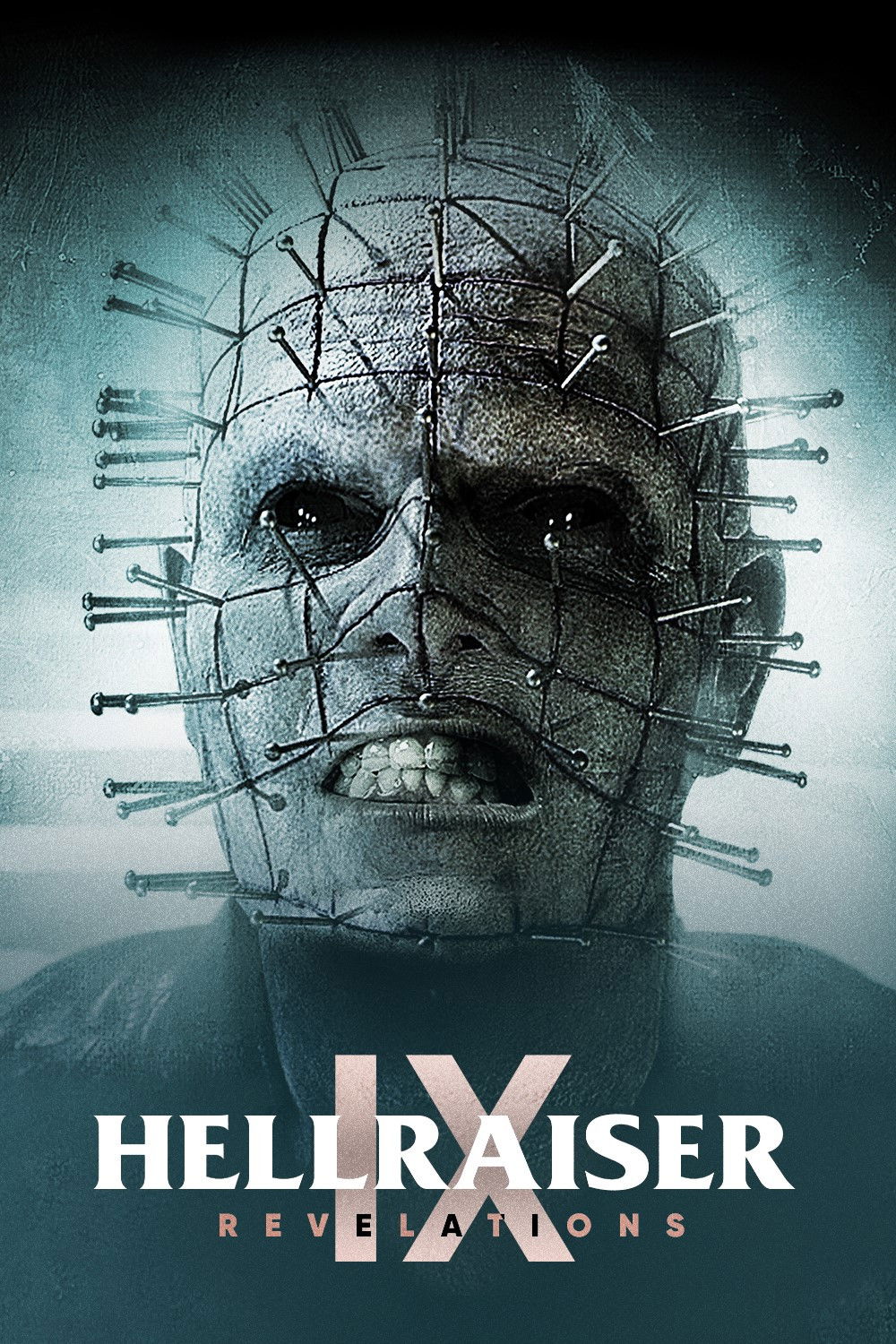
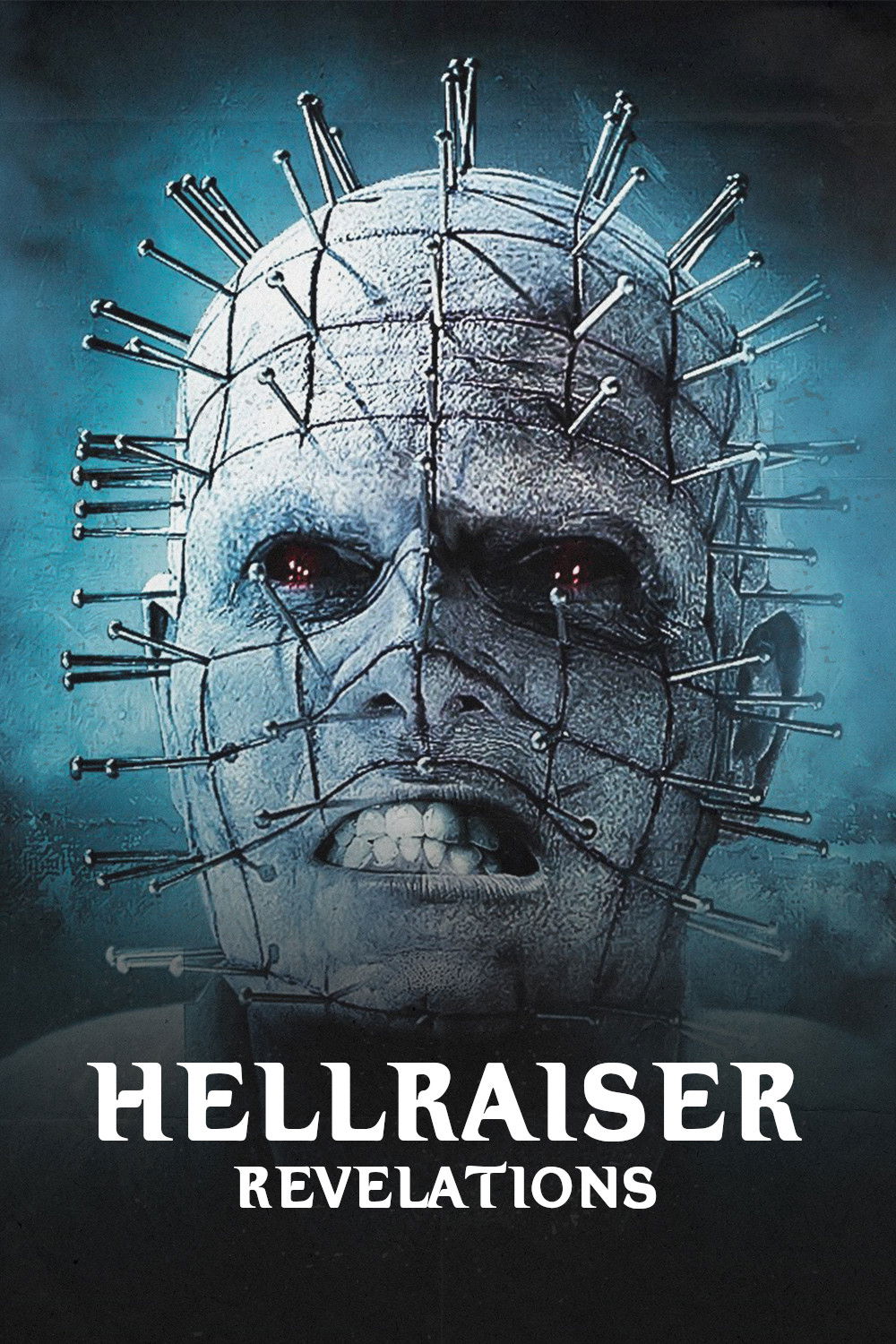
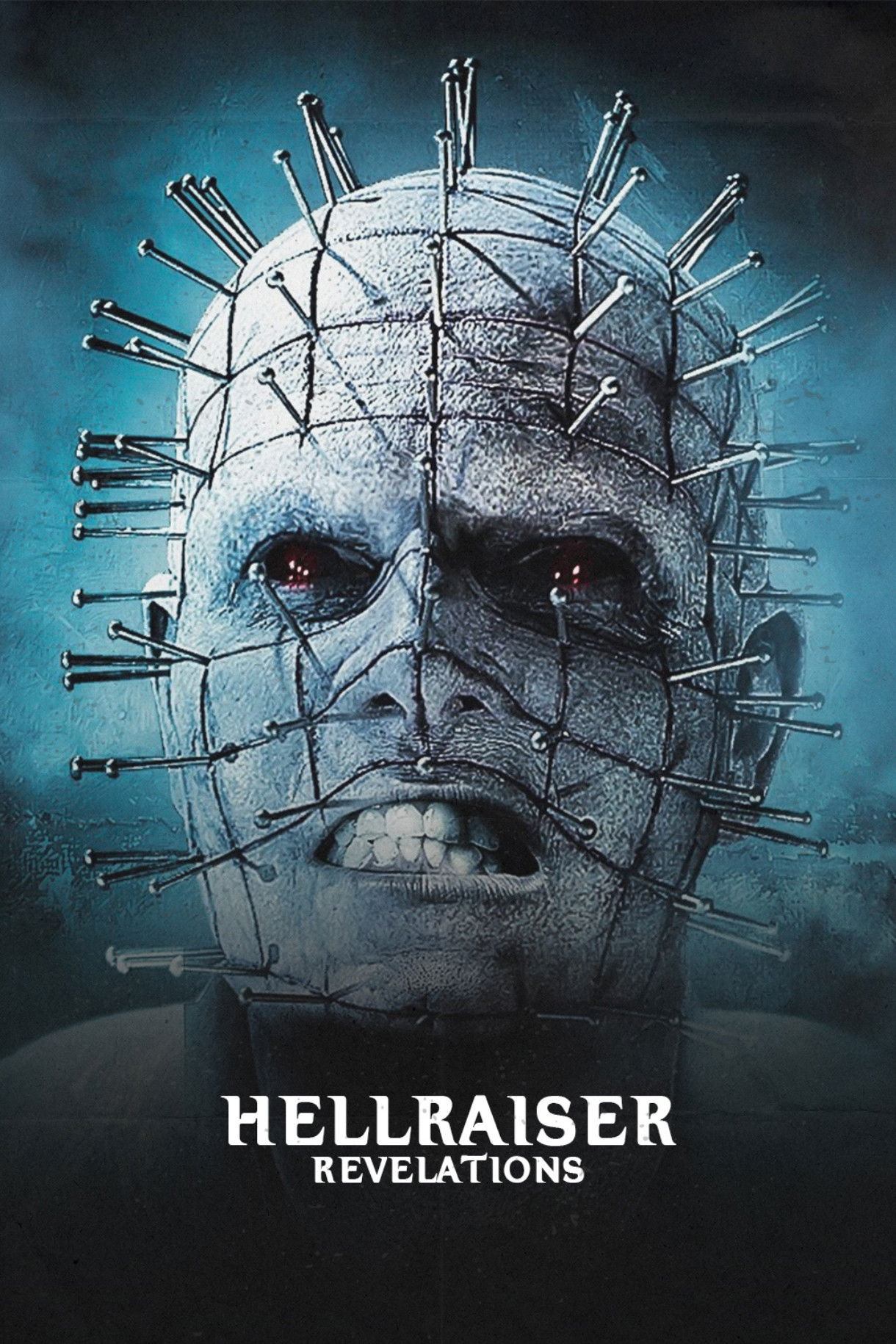
Hellraiser: Revelations (2011) was the ninth film in the franchise derived from Clive Barker's work and the first released without Doug Bradley as Pinhead. Directed by Víctor García and written by longtime series effects artist Gary J. Tunnicliffe, it emerged from a severely compressed production arranged while Dimension Films faced questions about retaining the screen rights. Its story returns to the Lament Configuration as a source of dangerous bargains, following two young men who disappear in Mexico and the families confronted with the consequences. The film's significance rests largely in the circumstances of its creation and the effort to recover the intimate cruelty of the original Hellraiser within unusually narrow resources.
Unlike the psychological mysteries that characterized several preceding direct-to-video entries, Revelations was developed expressly around the box, human desire and the Cenobites. Interviews with Garcia and Tunnicliffe establish the intention behind that change, while Bradley's contemporary statement explains why he declined to return. Barker publicly rejected any creative association with the sequel before viewing it. Together, these records illuminate the difference between an intended return to the series' beginnings and the divisive film eventually released on home video.
A Production Governed by Time and Rights
The project was assembled amid pressure to maintain the franchise's screen rights, a circumstance reported when filming was under way and acknowledged as a problem by Garcia afterward. In a March 2012 interview with ComingSoon, the director said he accepted an invitation from the producers because of his affection for Barker's mythology. He knew that preparation would be limited but believed Tunnicliffe's screenplay could be filmed. His later account describes unexpected complications involving rights as well as other production obstacles. This is a director's recollection of the situation, not a production contract establishing the precise legal deadline.
A contemporaneous statement preserved by Barker's official archive gives the schedule unusual precision. Garcia recalled around ten days of preparation, twelve days of principal photography and another two days of shooting after delivery of his first cut. Those figures come from the filmmaker, and should not be inflated into a complete account of every production day. The compressed timetable restricted opportunities to refine performances and transitions. It also makes this installment a useful example of the industrial pressures affecting low-budget horror sequels whose intellectual property remained commercially recognizable long after theatrical momentum had diminished.
Tunnicliffe's Screenplay and the Intimate Hellraiser Model
Tunnicliffe, a veteran of the franchise's practical-effects teams, wanted a compact drama that could unfold almost like a stage play. In a statement from August 2010 preserved by the Official Clive Barker Website, he associated the first Hellraiser with human longing, betrayal and bargains made under extreme desire. His proposed narrative returned to those relationships, placing the supernatural threat around conflicts within a small group. He was writing for severe financial and scheduling limits, an approach he discussed again in a substantial 2016 interview with Morbidly Beautiful. The creative objective is well documented even though the degree to which the finished picture fulfills it remains debatable.
The film uses recordings of the missing young men's trip and a gathering of their relatives to connect the initial encounter with the puzzle box to its later consequences. These devices allow the narrative to move between an earlier transgression and a confined domestic confrontation. Tunnicliffe subsequently expressed disappointment with the completed film's broad performances and thought a darker treatment would have served the script. His criticism is a retrospective judgment by an involved writer; it does not establish the existence of an unfilmed definitive cut. Garcia defended the core of the script while acknowledging that the production had been extremely difficult.
Doug Bradley, the New Pinhead and Barker's Response
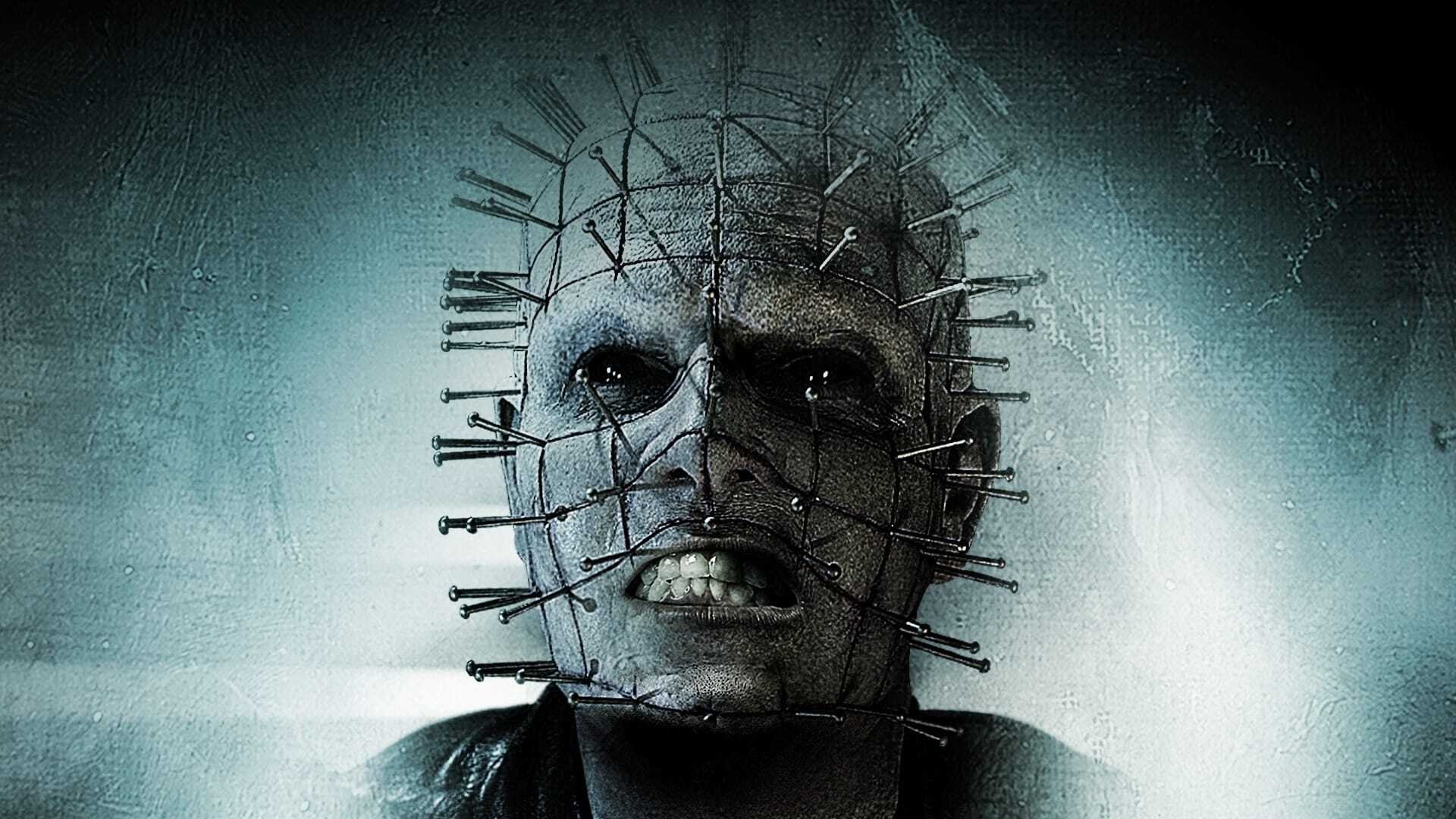
Bradley's departure represented a notable interruption in the series' visual continuity. In a statement dated August 22, 2010, preserved on Barker's official website, he confirmed that he had read the proposed screenplay and decided against taking part. He cited the tiny schedule and budget, and questioned whether the project amounted to a serious revival. The decision therefore should not be described as a recasting made without approaching him. Stephan Smith Collins took over the role, entering a performance associated for eight films with Bradley's posture, speech and distinctive makeup. Garcia said the filmmakers considered omitting Pinhead but retained him because the screenplay already included the character.
Barker's public rejection was equally prominent, but its timing matters. In August 2011 he disclaimed creative involvement in blunt terms. In a follow-up statement collected by his official archivists, he clarified that he had not seen either the screenplay or the completed film and was responding to complaints already circulating. His comments establish that he did not endorse the project, not that he had examined and reviewed its scenes. Garcia later said he had attempted to arrange a meeting with Barker during preparation and postproduction without success. The filmmaker's account and the creator's response describe separate positions that should not be collapsed into one account of personal conflict.
Practical Effects and a Restricted Horror Vocabulary
Garcia had begun his career working with special effects, and he said he wanted the new film's violence to rely on practical fabrication. The official Barker archive preserves his description of prosthetic work supplied by Tunnicliffe's effects company, whose crew remained attached to the project while its founder was occupied elsewhere. A 2026 interview with Tunnicliffe confirms that his team built the designs while he worked on Scream 4. These accounts establish the production's preference for tangible creatures and wounds, although neither provides a complete shot-by-shot list identifying which images required digital intervention.
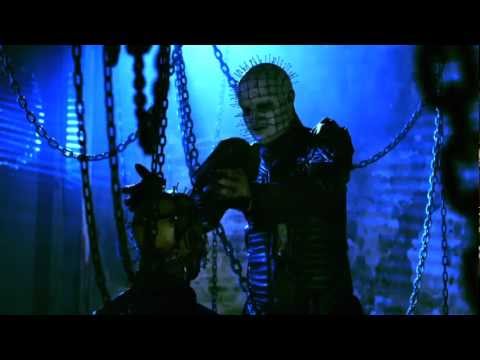
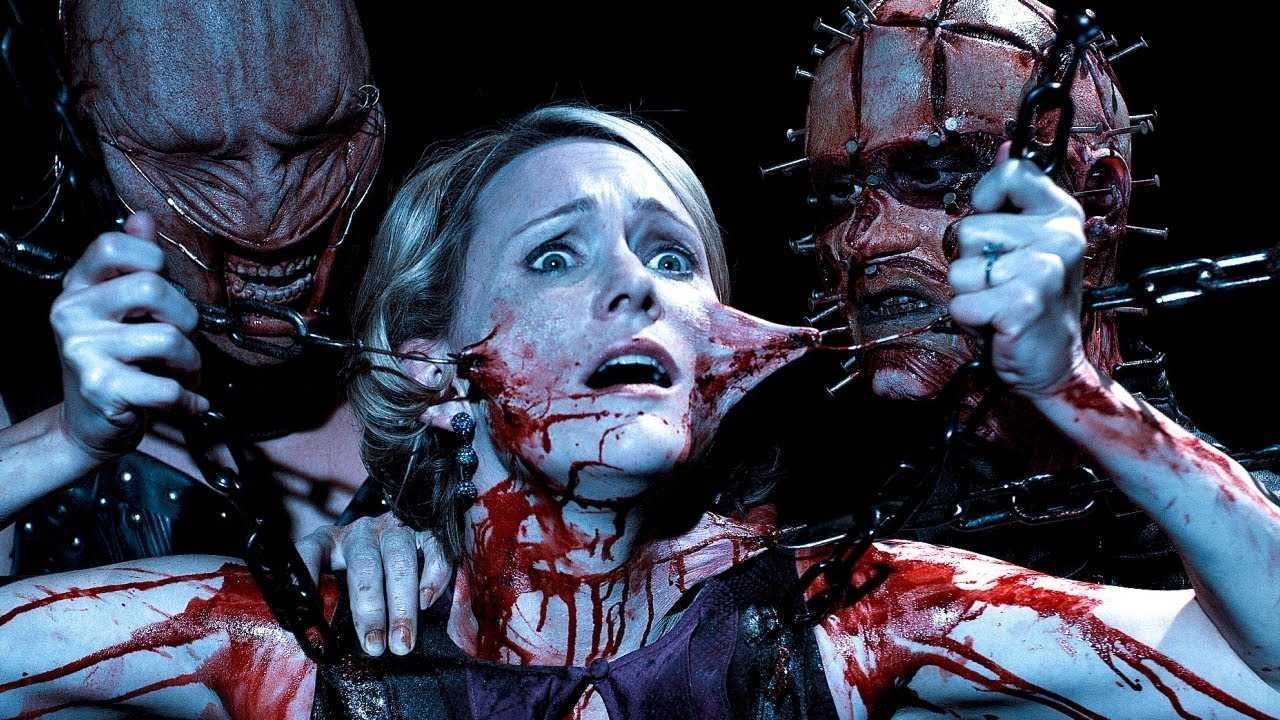
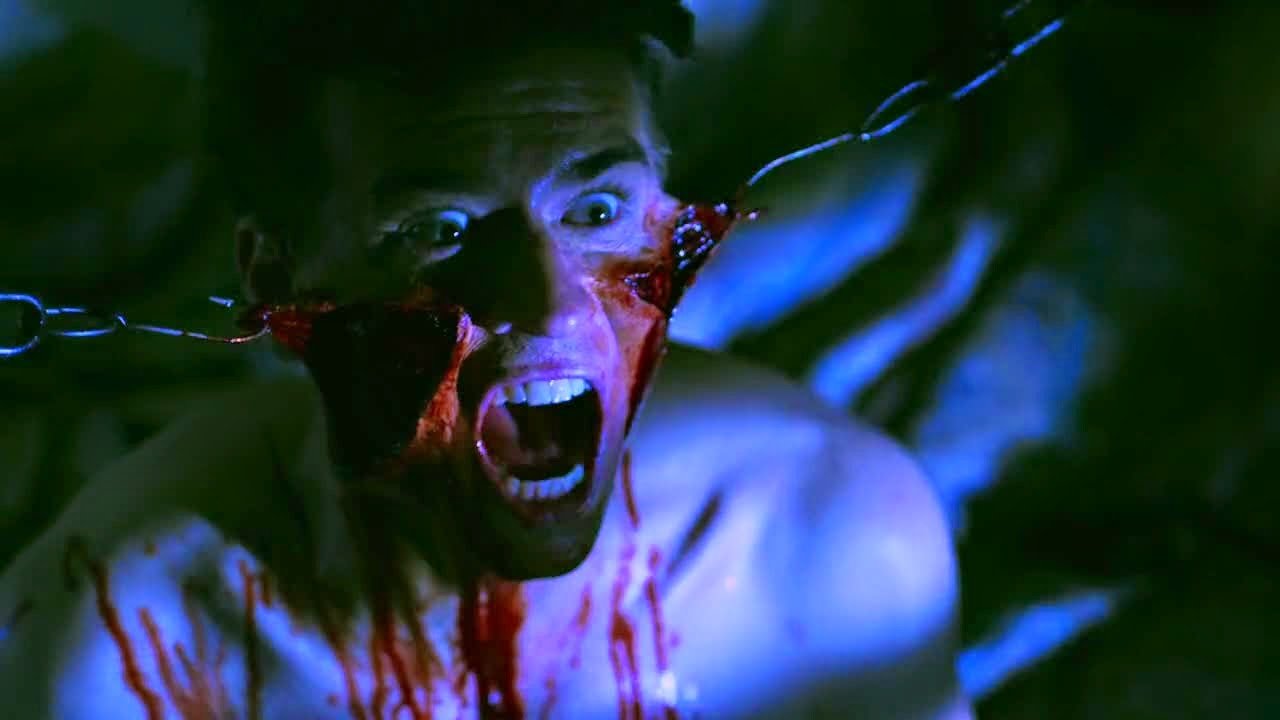
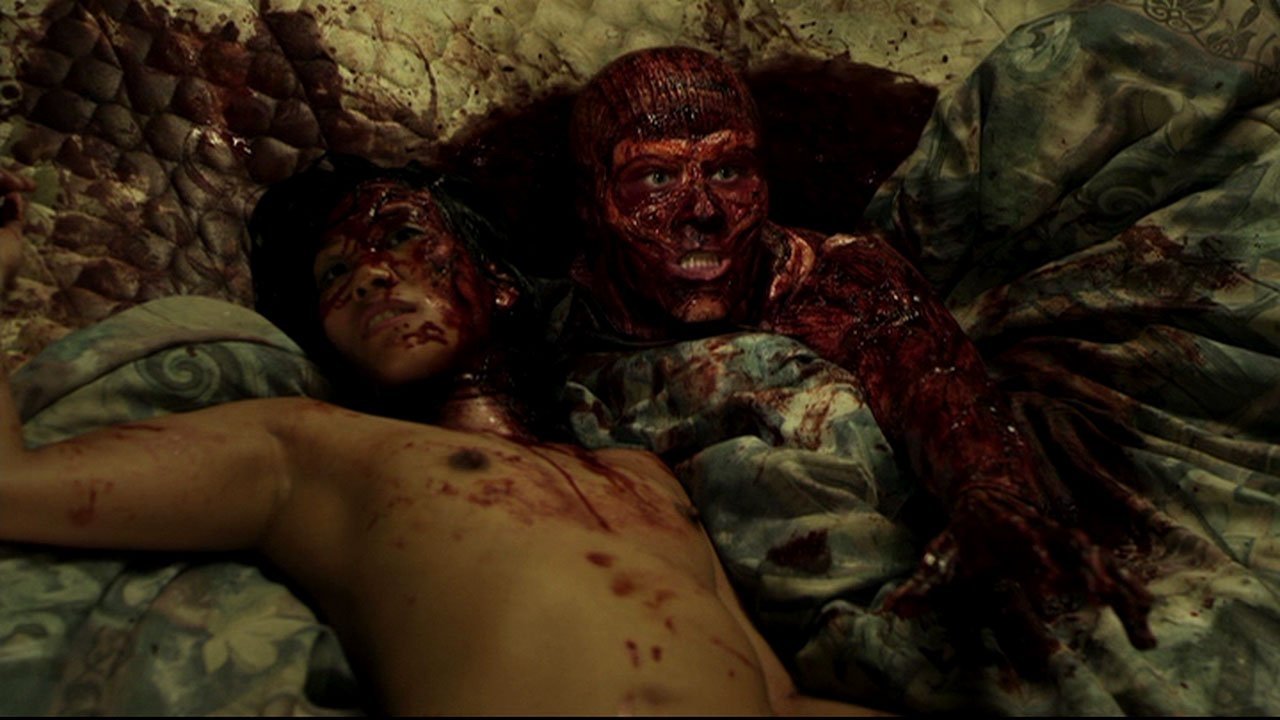
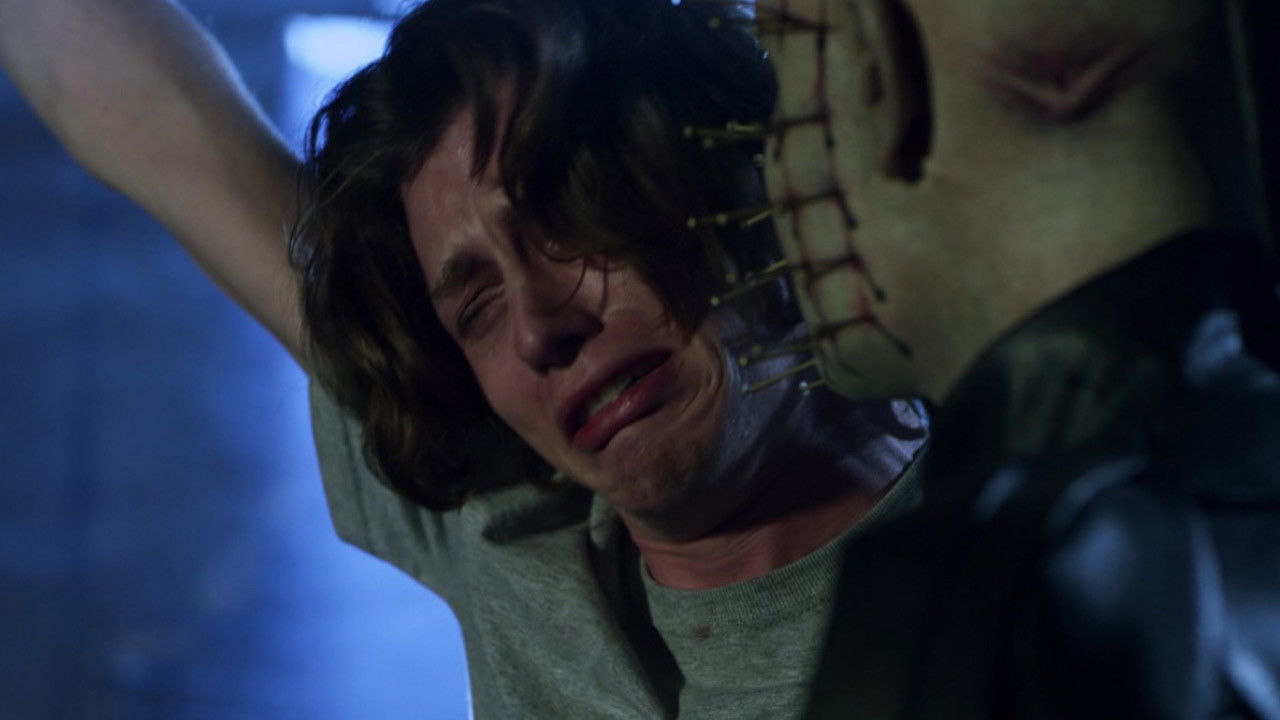
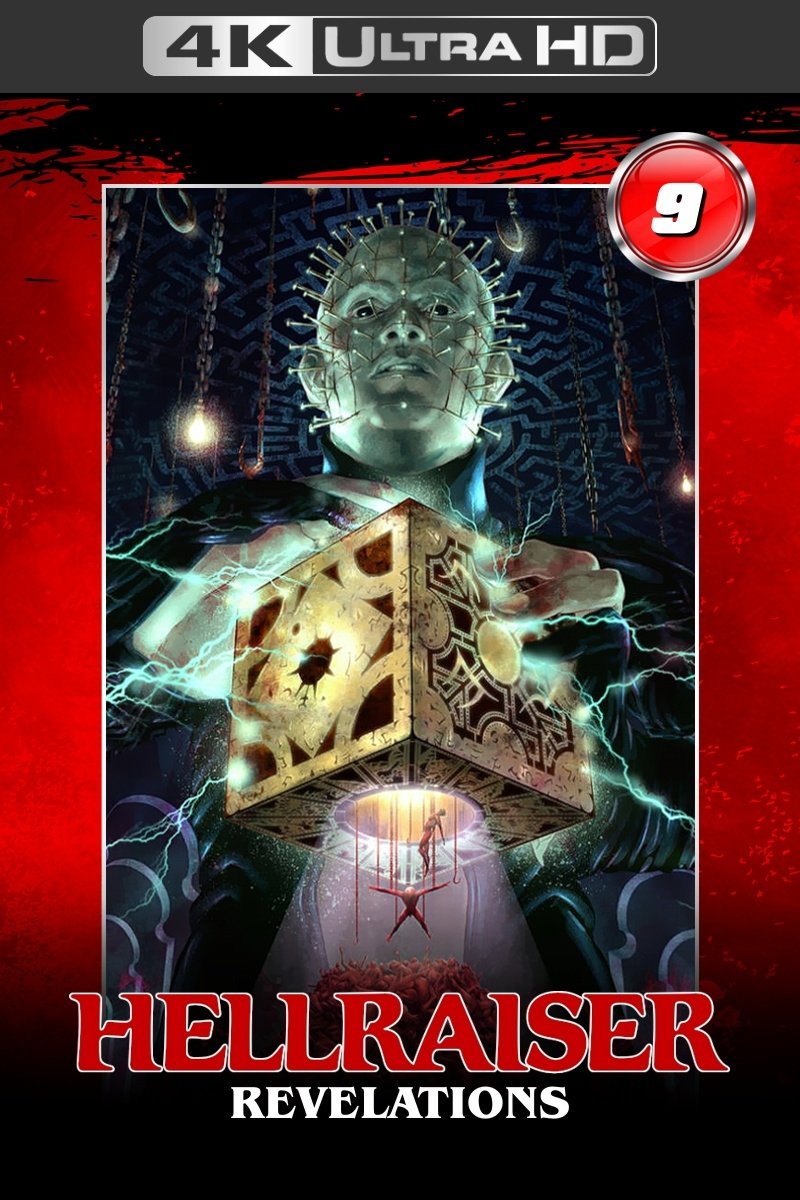
The finished film revisits the series' established imagery: the puzzle box, hooked chains, altered flesh and figures transformed by infernal experience. Its most distinctive horror lies in the attempt to make bodily reconstruction and borrowed identity part of a domestic confrontation. The visual strategy carries a recognizable trace of the first film's resurrected Frank, but on a much smaller scale. The limited presentation of the Cenobites also puts pressure on their appearances to supply a sense of authority. Their design and performance became a focus of contemporary criticism, as reviewers compared the new Pinhead with the character's previous screen identity.
Release, Contemporary Criticism and Franchise Position
Revelations received an extremely limited public theatrical screening in March 2011, followed by an American DVD and Blu-ray release on October 18. These events should be distinguished from a normal nationwide theatrical opening; the latter date is associated with home video. In a review published by Horror Cult Films on October 27, Matt Wavish criticized the new Pinhead's appearance and performance while finding that the film retained some of the original series' darkness and interest in fleshly horror. The response was qualified and personal, not a consensus verdict. The review is valuable because it separates dissatisfaction with the central casting from the underlying supernatural premise.
The historical interest of Revelations is more precise than its notoriety suggests. Tunnicliffe's small-scale concept, Garcia's compressed shoot, Bradley's refusal and Barker's rejection show a franchise negotiating its identity under exceptional commercial constraints. Those circumstances cannot alone explain every weakness in the completed work. They do, however, document why this entry looked backward toward the first Hellraiser even as it departed from one of the series' defining performers. Its reception demonstrates the difficulty of reviving recognizable horror iconography when the production conditions offered little opportunity to develop a convincing new version of it.
Primary-source archive preserving original statements by Barker, Bradley, Garcia and Tunnicliffe on the short production, casting decision, screenplay and disputed authorship.
ComingSoon.net — Exclusive Interview: Víctor García Reflects on Hellraiser: Revelations
Aaron Williams interviews the director in March 2012 about limited preparation, rights issues, his approach to the script and unsuccessful efforts to involve Barker.
Morbidly Beautiful — Exclusive Interview With Filmmaker Gary J. Tunnicliffe
An original 2016 discussion in which the screenwriter details the tightly constrained, stage-like conception and his dissatisfaction with the completed film.
An original April 2026 interview in which Tunnicliffe explains that his effects crew constructed the Revelations designs while he was occupied on Scream 4, and reflects on changes to his original screenplay.
Matt Wavish's October 2011 contemporary review assesses the new Pinhead, limited resources, practical horror imagery and the film's debt to earlier installments.