Development, Location and Production Design
O'Brien conceived the fourth film as an origin story, which gave him more freedom than Wrong Turn 3 to change the physical environment around the established cannibals. His initial screenplay had been written with an abandoned hospital he already knew in Eastern Europe in mind. During preparation, however, Canadian producers showed him the former Brandon Mental Health Centre in Manitoba. The building provided the scale, corridors, institutional rooms and exterior facade required by the script closely enough that the production relocated the story's principal environment around the real structure.
The location then began influencing the screenplay itself. Producer Kim Todd recalled that O'Brien rewrote and added material after discovering features already present inside the building. An auditorium sequence in which the students find and project old film footage was developed after the crew discovered an old projector at the location. Réjean Labrie's production design and Stephen Arndt's set decoration could therefore work with an existing institutional shell instead of manufacturing the entire sanatorium on stages. That approach gave corridors, rooms and service areas physical depth while allowing the art department to concentrate on transforming a real abandoned facility into the fictional Glenville Sanatorium.
Winter Photography and Shooting Conditions
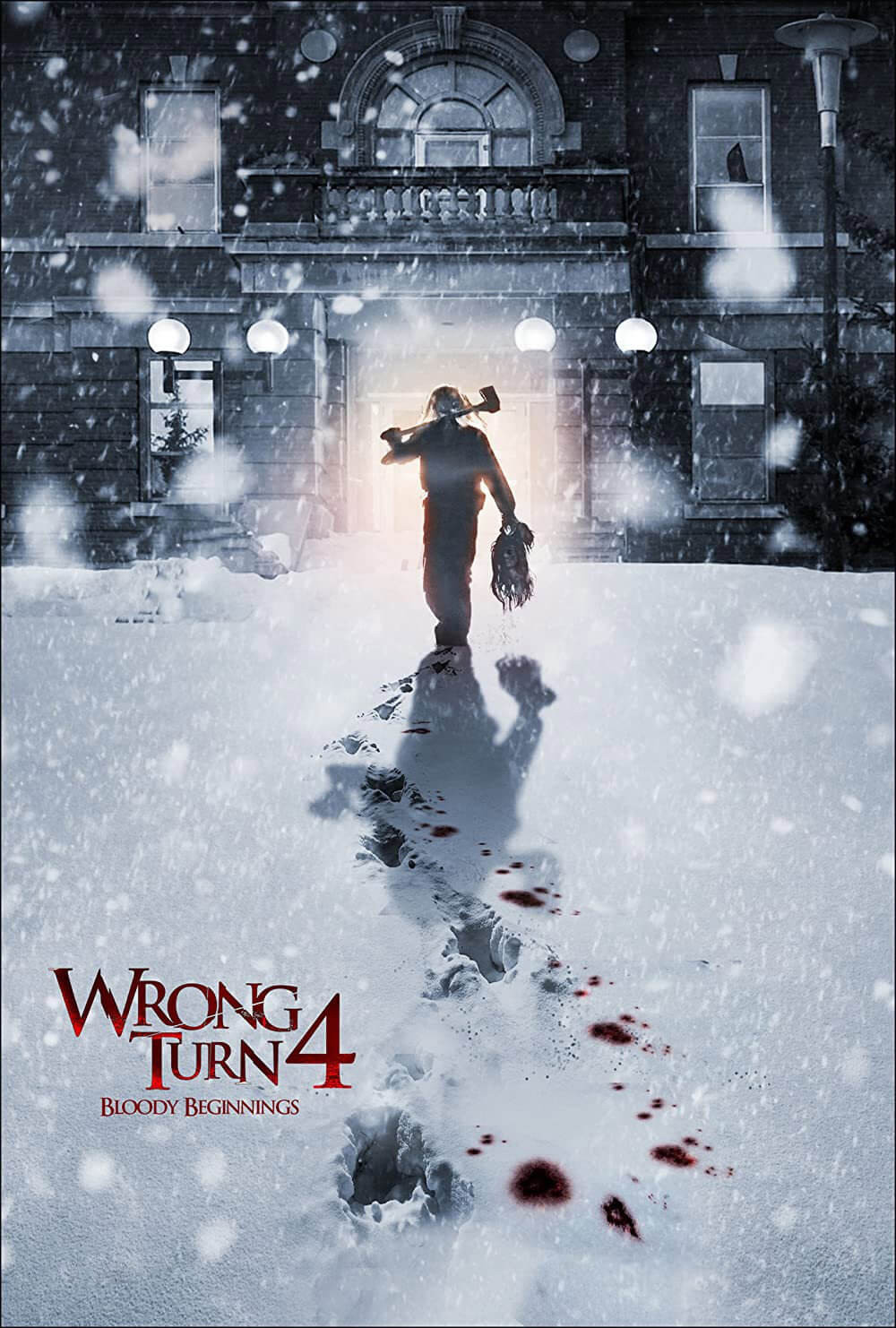
The snowbound setting was a deliberate visual departure. O'Brien described the change as an opportunity to create a different color palette from the daylight forest imagery associated with earlier Wrong Turn films. Michael Marshall served as director of photography, with the production alternating between the dark institutional interior and snow-covered exteriors whose brightness, weather and continuity presented completely different photographic problems. The schedule offered little possibility of waiting for ideal conditions, making weather management part of the effects workflow rather than something that could be solved entirely during principal photography.
Some scenes were completed during genuinely extreme weather. O'Brien recalled shooting the snowmobile killing during temperatures around minus forty-five degrees while a blizzard affected local roads. The cold created mechanical problems beyond actor comfort: tubing carrying artificial blood froze repeatedly during setup. At other times the production could not depend on natural snowfall remaining consistent across a nineteen-day schedule, so visual-effects work was used to strengthen storm and snow conditions where necessary. The resulting winter environment is therefore a hybrid of real severe weather and controlled post-production enhancement rather than a digitally manufactured landscape.
Practical Gore and Effects Engineering
O'Brien estimated during production that approximately ninety percent of the effects work was practical. Doug Morrow served as special makeup effects designer, supported by a makeup-effects team that included Don Greenberg and Steven Kostanski, while Cameron Patterson coordinated physical special effects. The director's stated preference was to photograph blood, prosthetics and mechanical destruction physically whenever possible and reserve digital work principally for augmentation or removal. This gives the violence a strong relationship with bodies, props and the actual architecture of the location rather than treating gore as a layer added after photography.
The so-called fondue sequence provides a particularly clear example of economical effects engineering. Instead of constructing a fully articulated human replica for every angle, the production used a classic magician's-table principle: the performer's real head projected through an opening in the table while a fabricated body supplied the portion being mutilated. O'Brien contrasted the method with the more elaborate dummy work used on Wrong Turn 3 and described the solution as almost entirely practical. Similar methods throughout the film combine performer, prosthetic section, dummy, mechanical rig and editing so that expensive full-body fabrication is used only when the shot actually requires it.
Digital visual effects were consequently assigned a supporting role. O'Brien specifically identified paint-outs, blood enhancement, removal of unwanted elements and snow or blizzard augmentation as major uses of CG rather than replacement of the central gore mechanisms. Visual-effects supervision was credited to Anton Agerbo and Darren Wall, with additional artists handling the digital cleanup and compositing. The production philosophy is technically important because the final image can contain digital intervention while the event photographed on set remains fundamentally physical. Practical and digital techniques are therefore complementary rather than oppositional.
Post-Production and Home-Video Presentation
Stein Myhrstad edited the film, while James Telfer is credited for digital color work and Jeff Jackman for sound design. Claude Foisy composed the score. The post-production departments had to integrate real snow, artificial weather augmentation, extensive practical blood effects and digital cleanup without making the different techniques appear detached from one another. Sound is especially important during the interior sequences because the sanatorium provides long corridors, metal doors and large empty rooms whose reverberant character can extend threats beyond the visible frame.
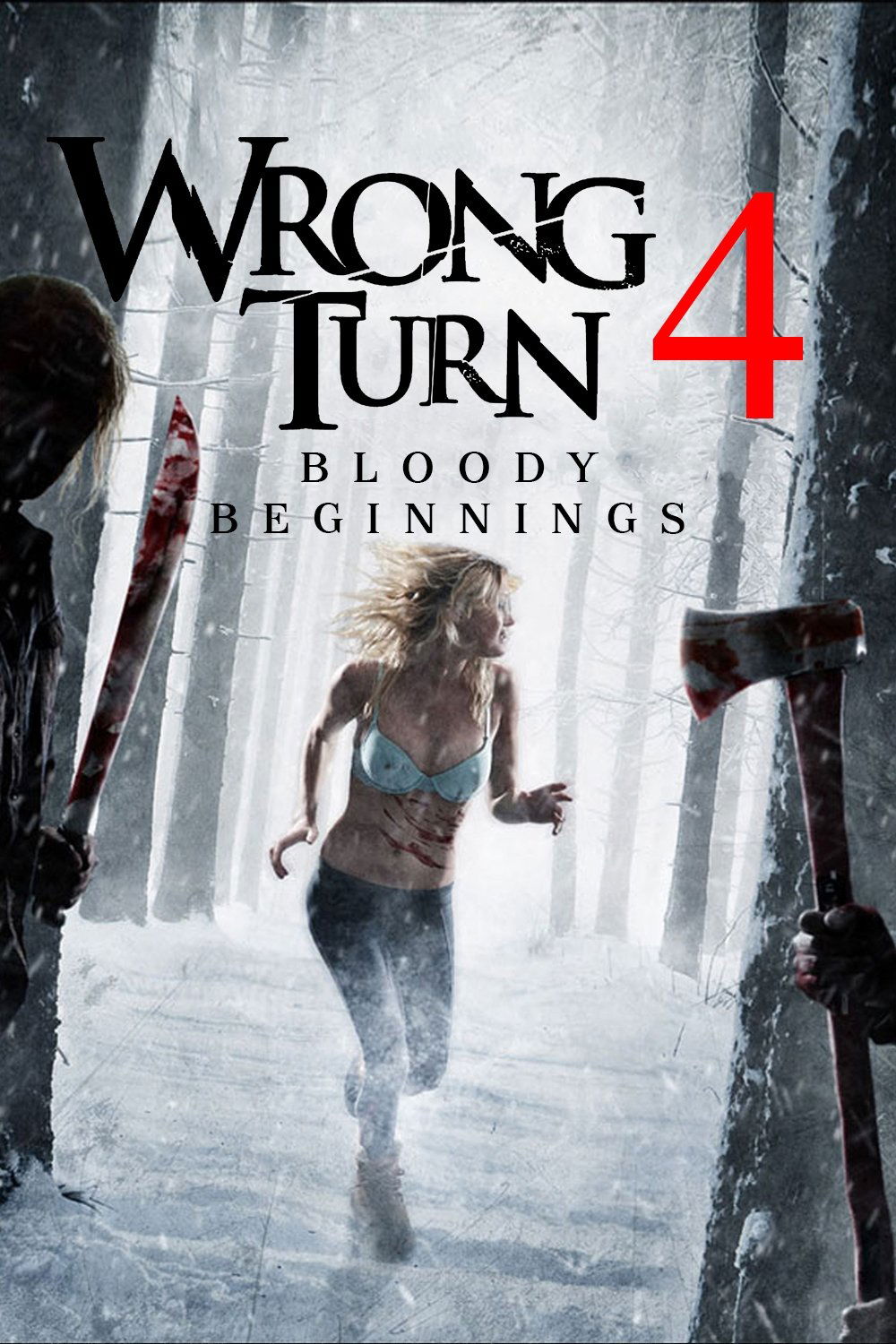
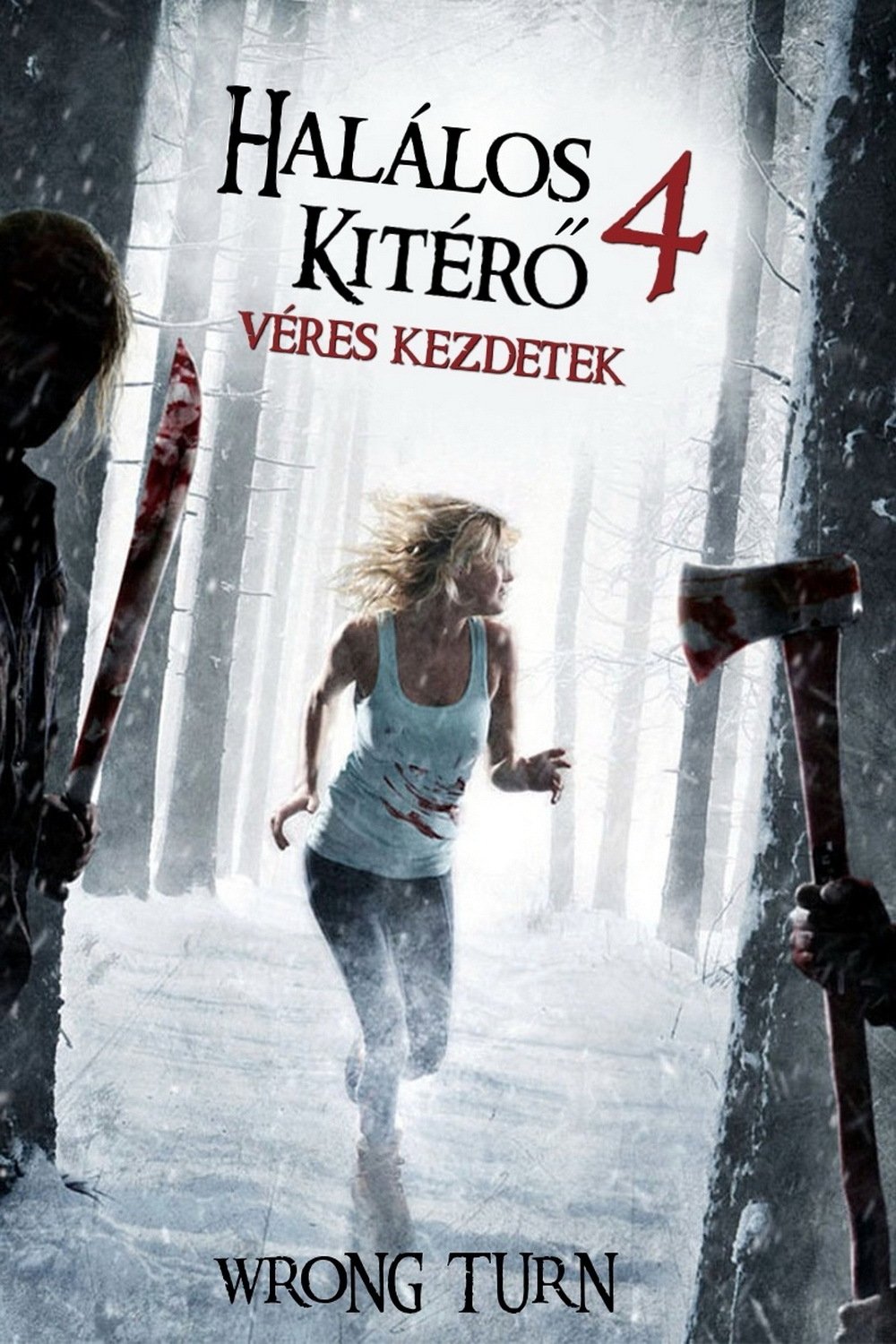
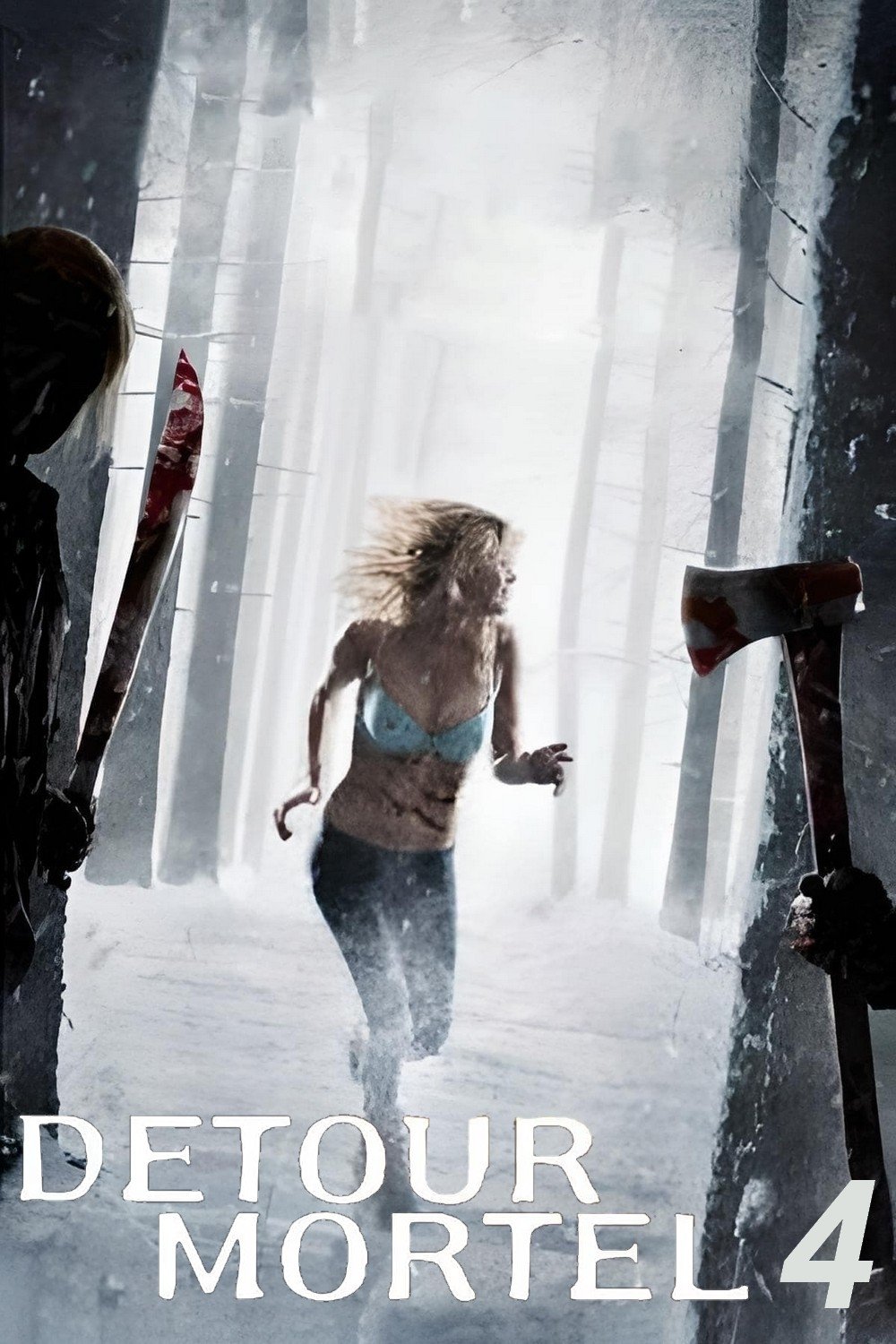
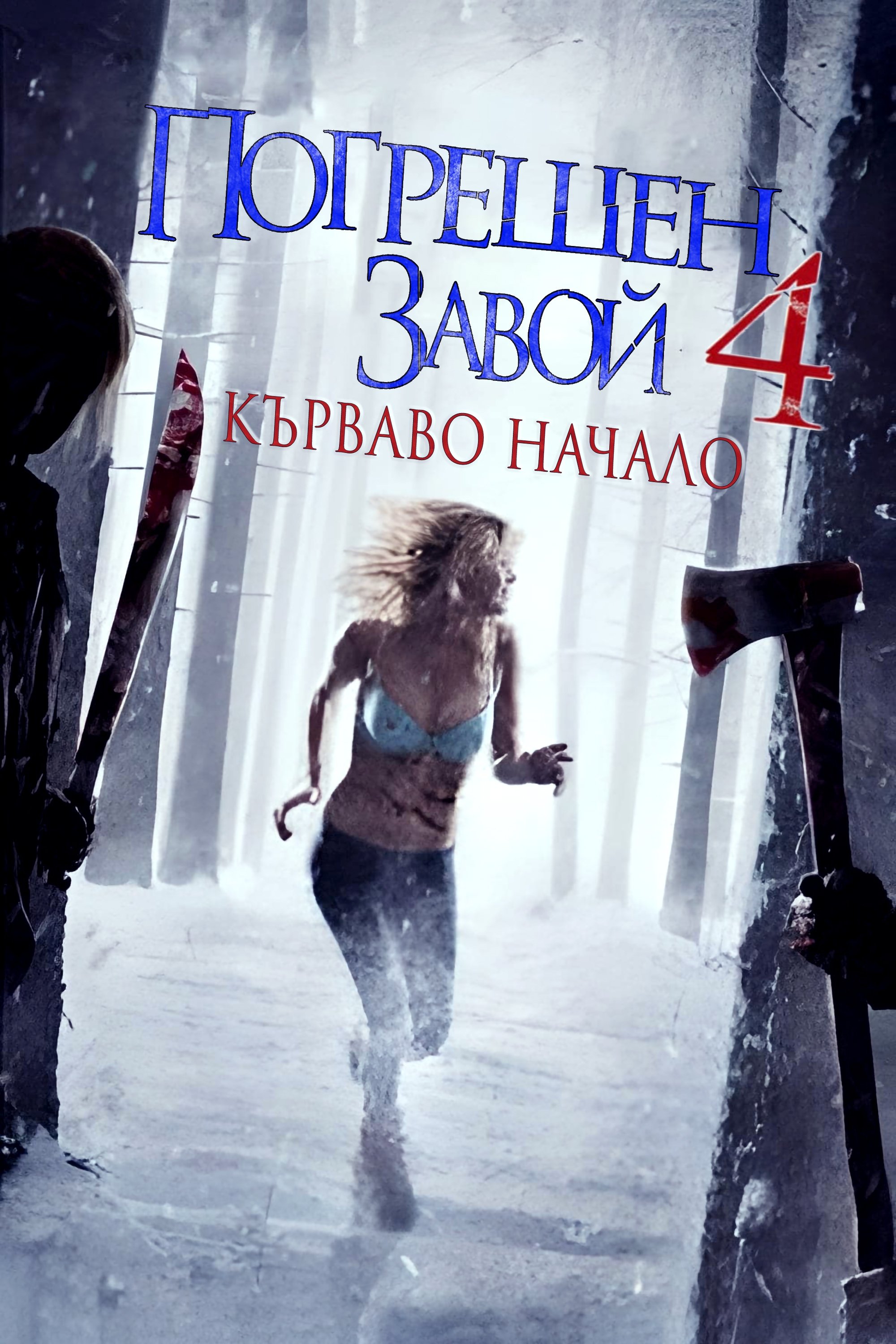
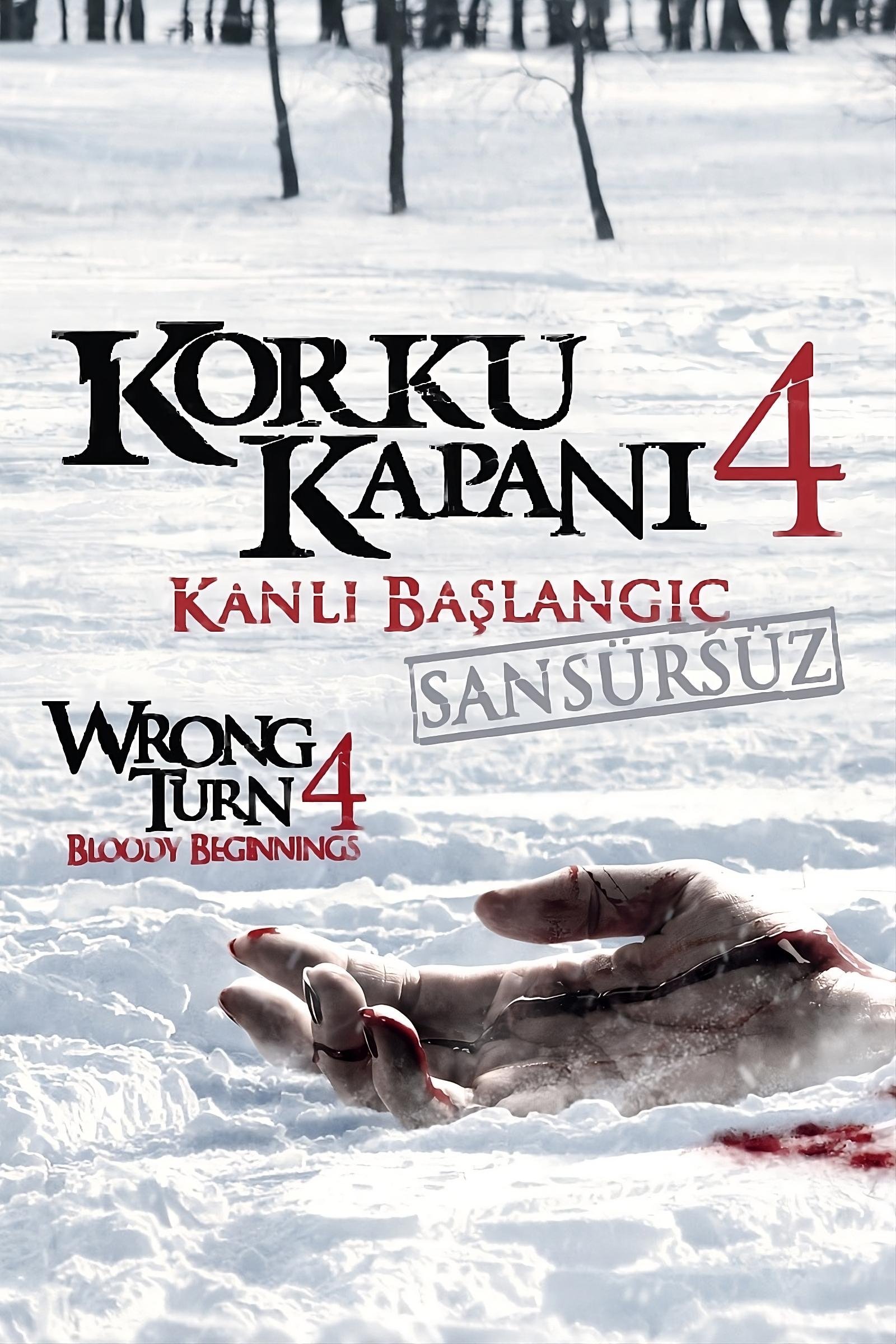
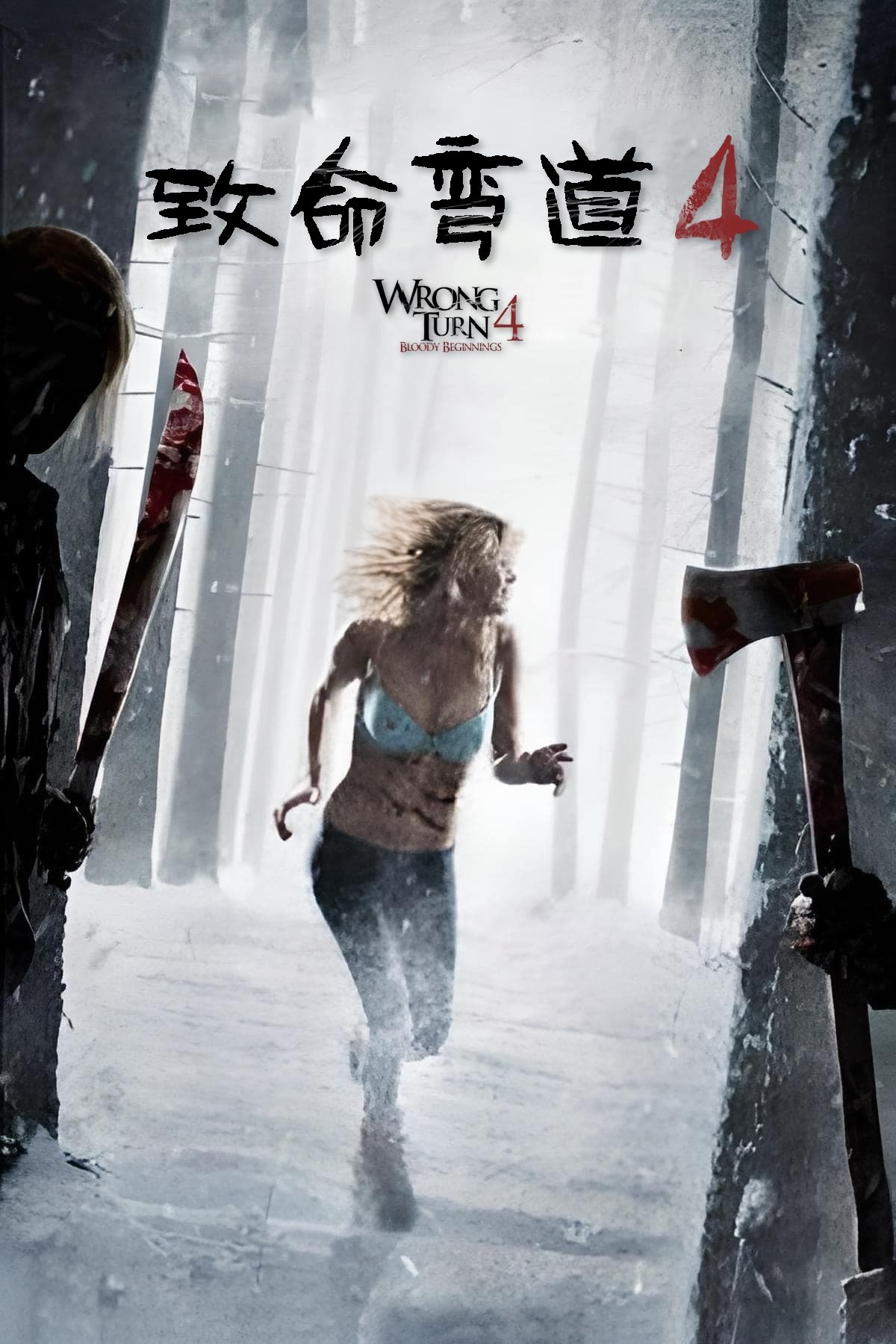
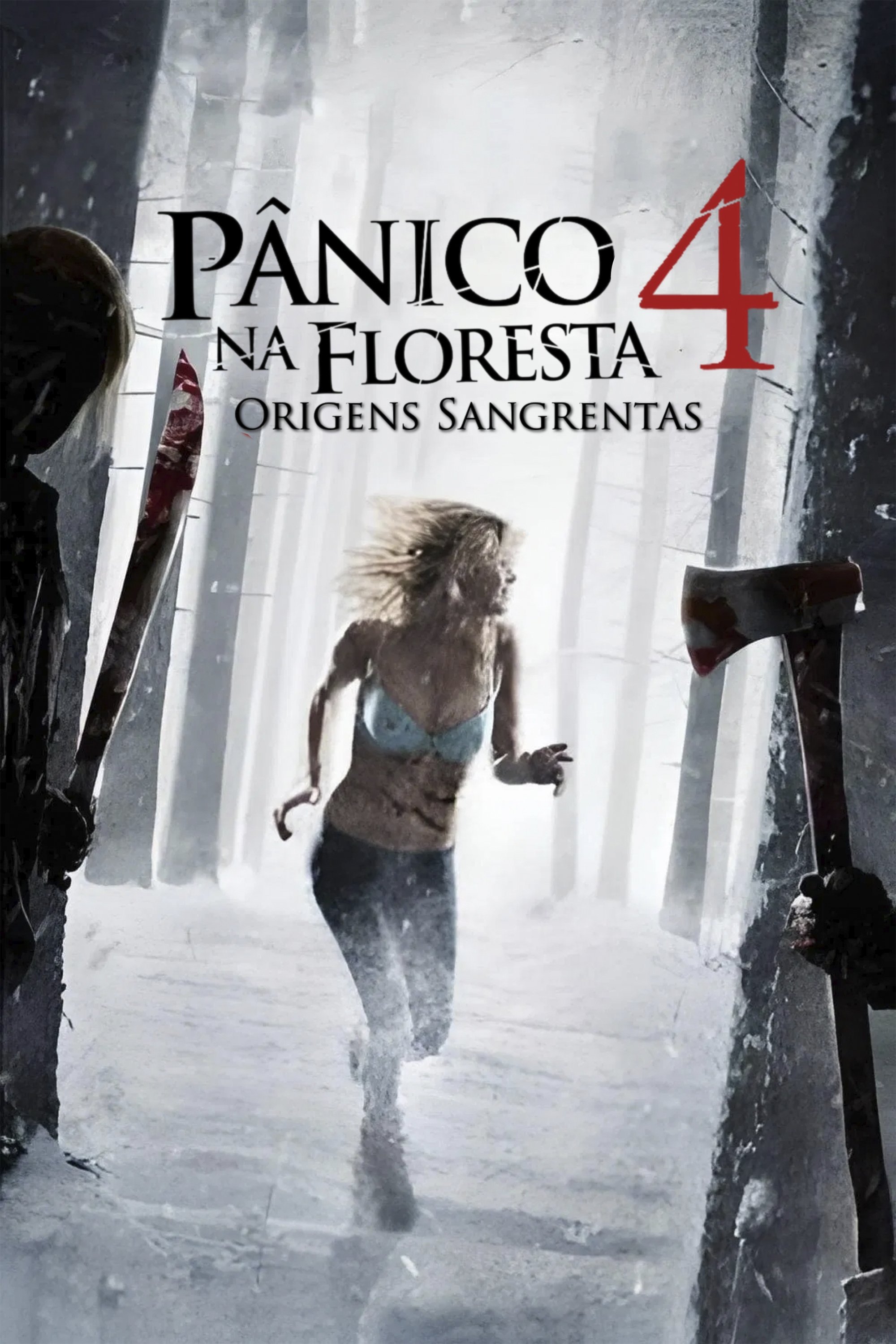
Twentieth Century Fox Home Entertainment released Wrong Turn 4: Bloody Beginnings on Blu-ray and DVD on October 25, 2011 rather than through a conventional theatrical run. Fox promoted the home-video edition as unrated and specifically emphasized graphic material beyond what would normally accompany a theatrical version. The Blu-ray presented the film at 1.78:1 in 1080p AVC with DTS-HD Master Audio 5.1 and included O'Brien's commentary, a production featurette and his Director's Die-aries. The release format suited the production itself: instead of disguising its direct-to-video economics, the supplementary material foregrounded the location, practical gore and difficult winter shoot that gave the fourth film its most distinctive technical qualities.