Final Destination 5 (2011)

US
6.2/10 5 votes
Runtime
92 min
Release
August 12, 2011
Budget
$40,000,000
Revenue
$157,887,643
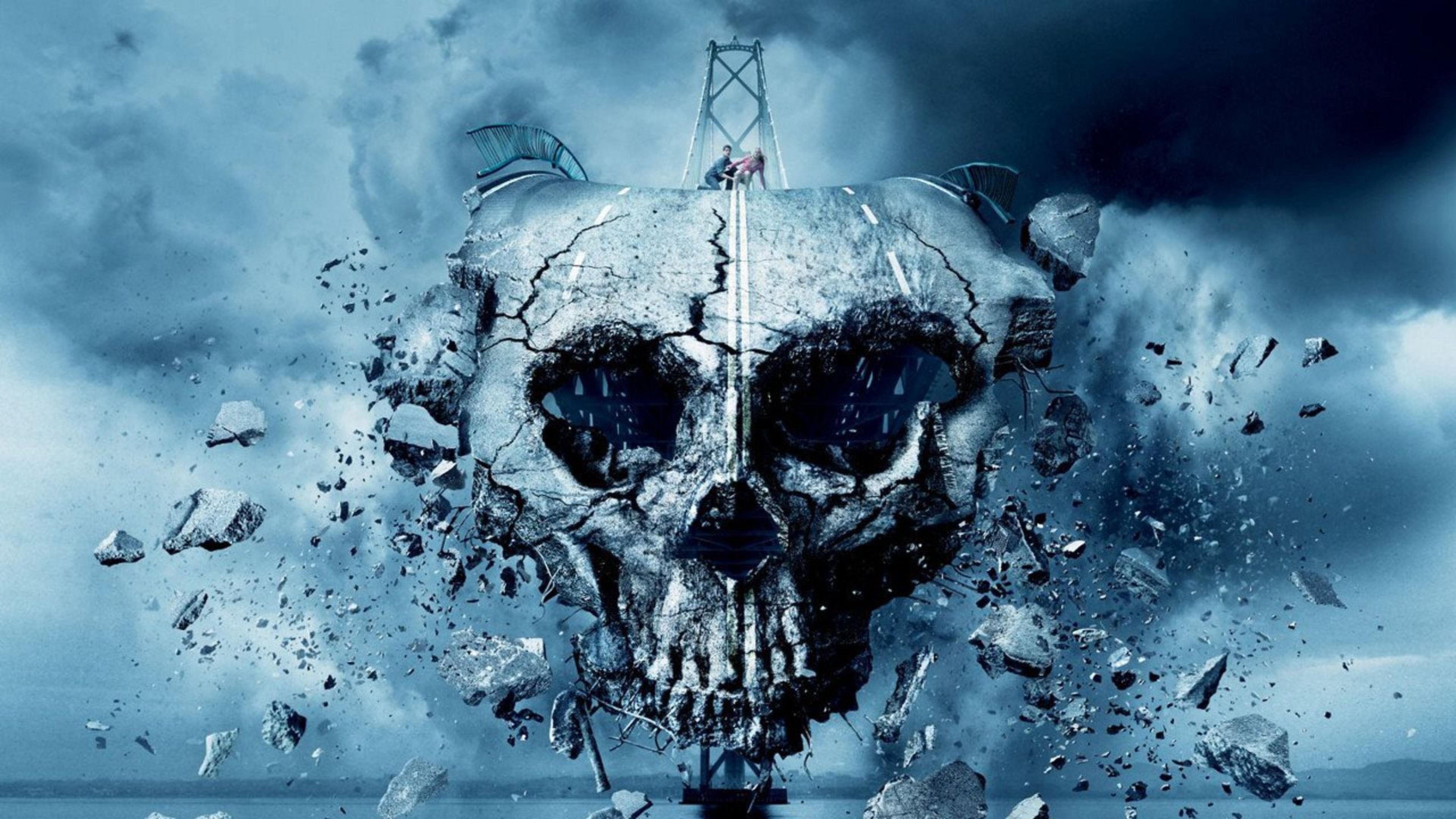
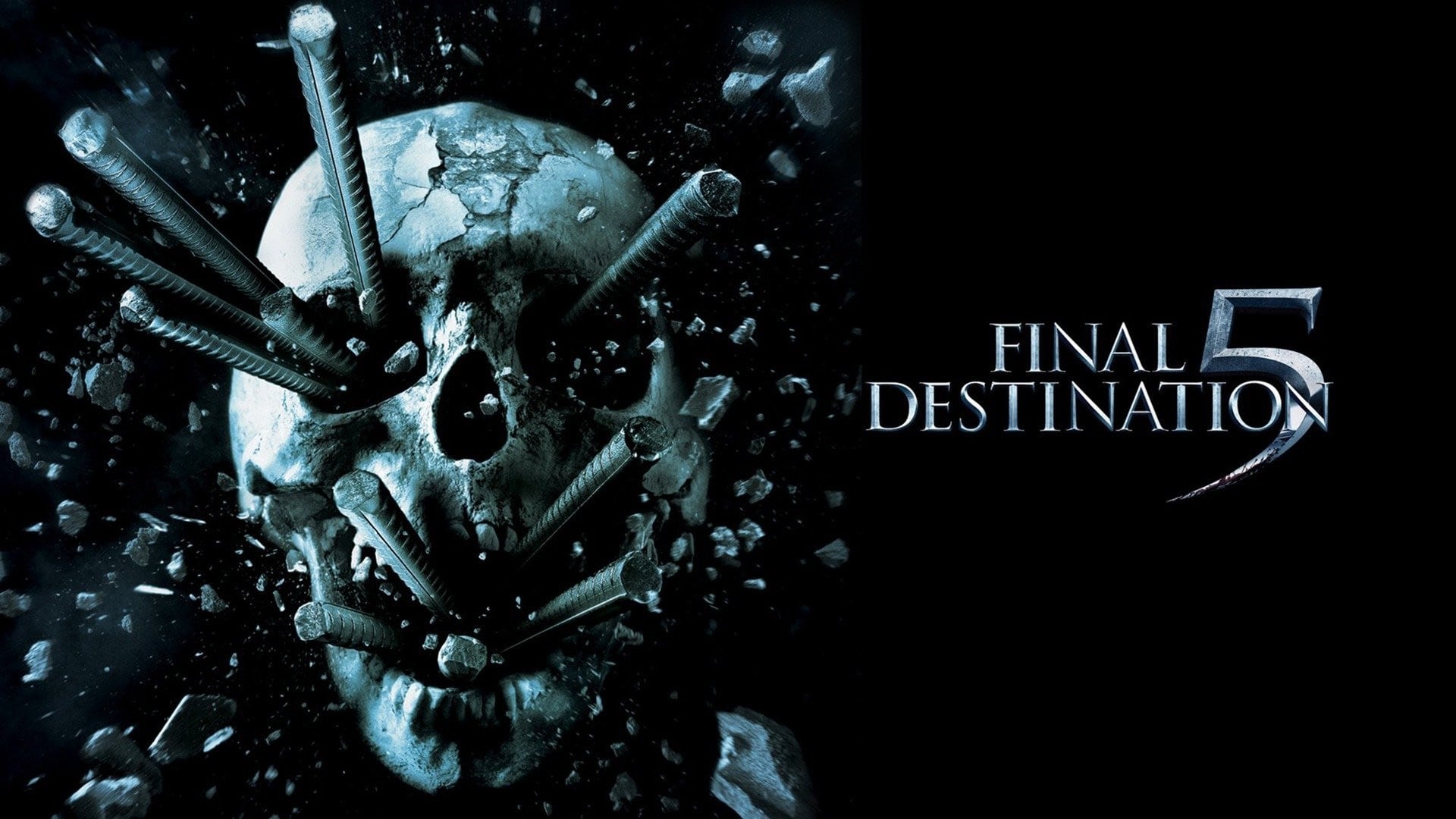
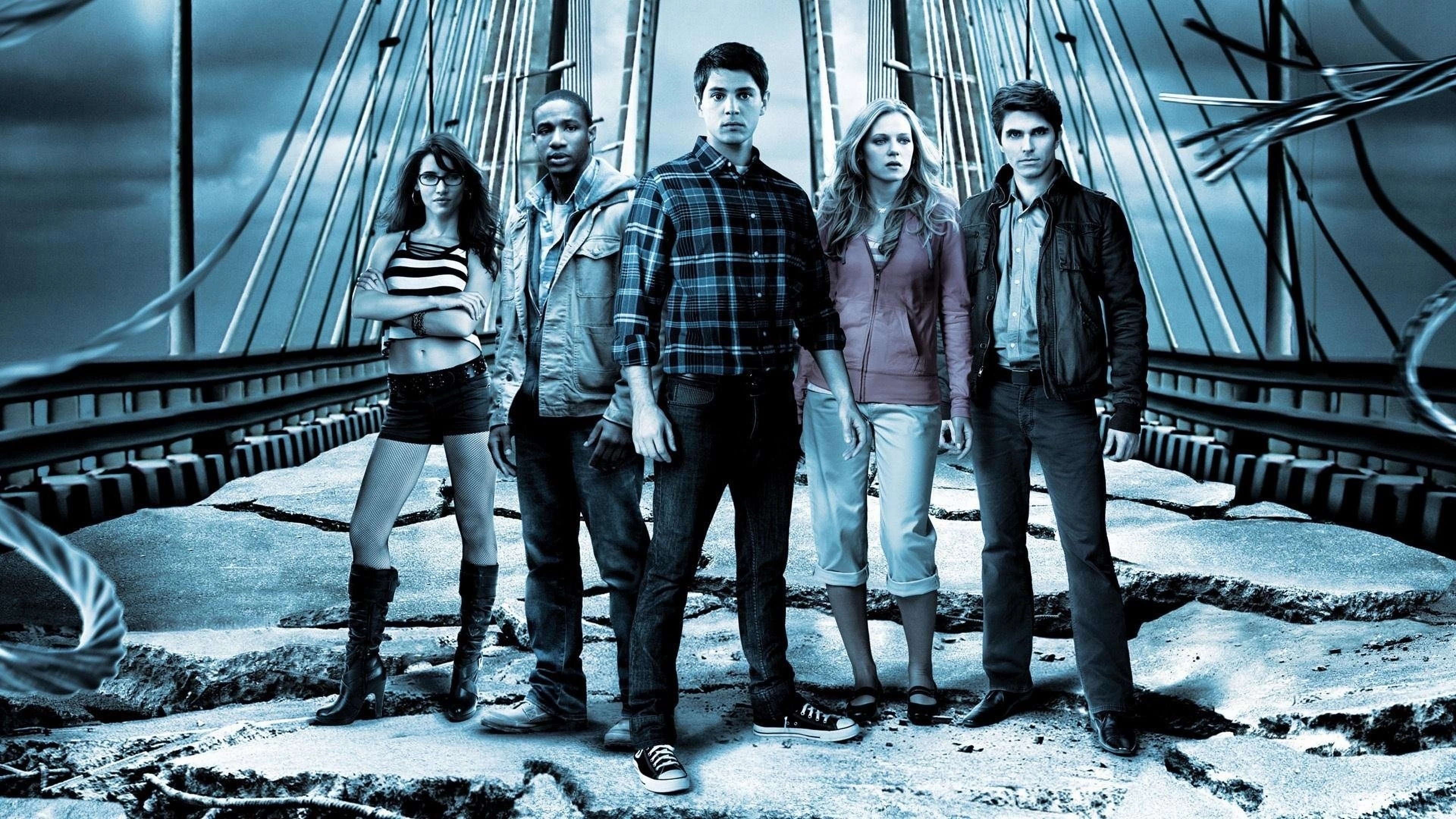
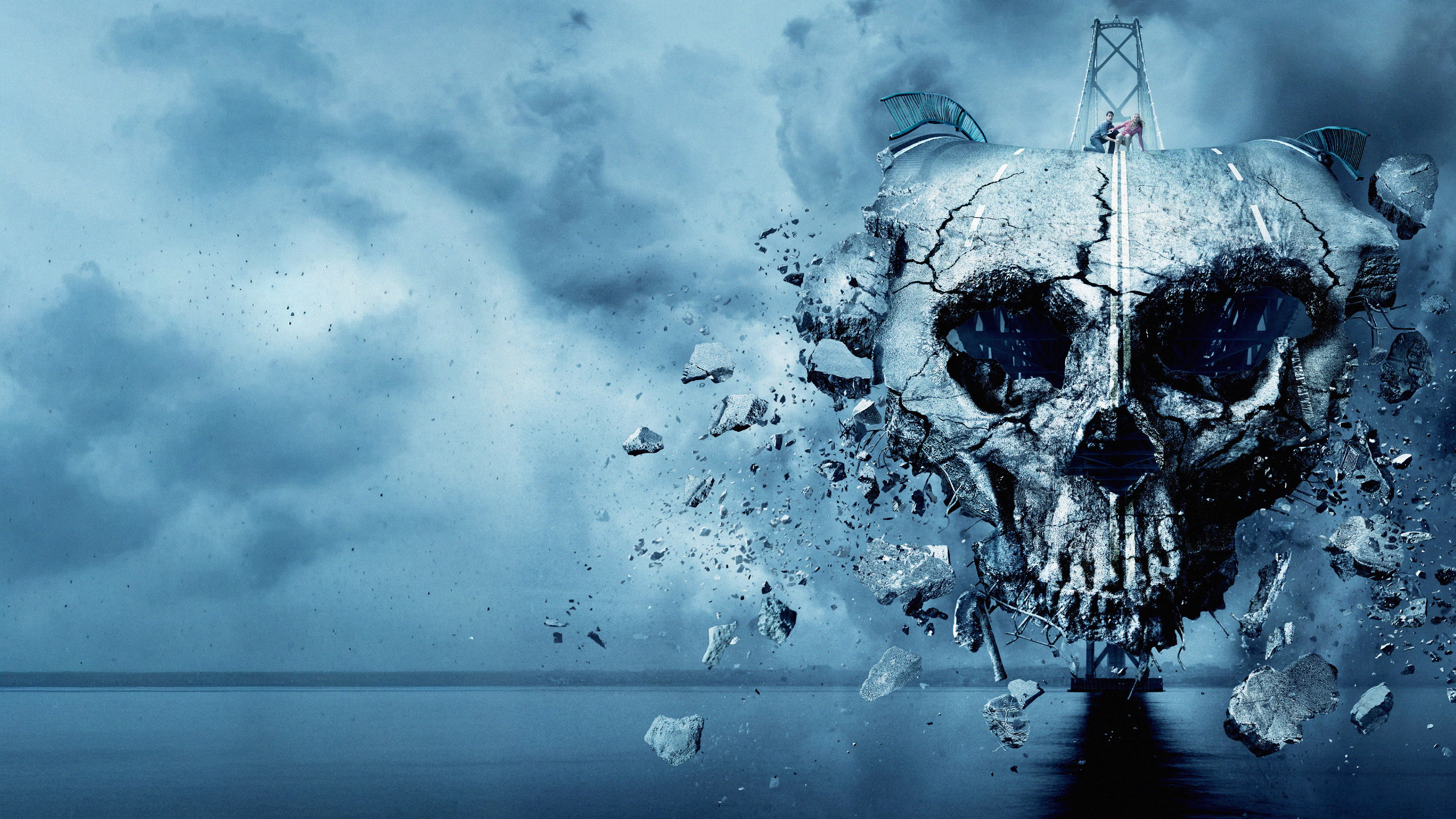
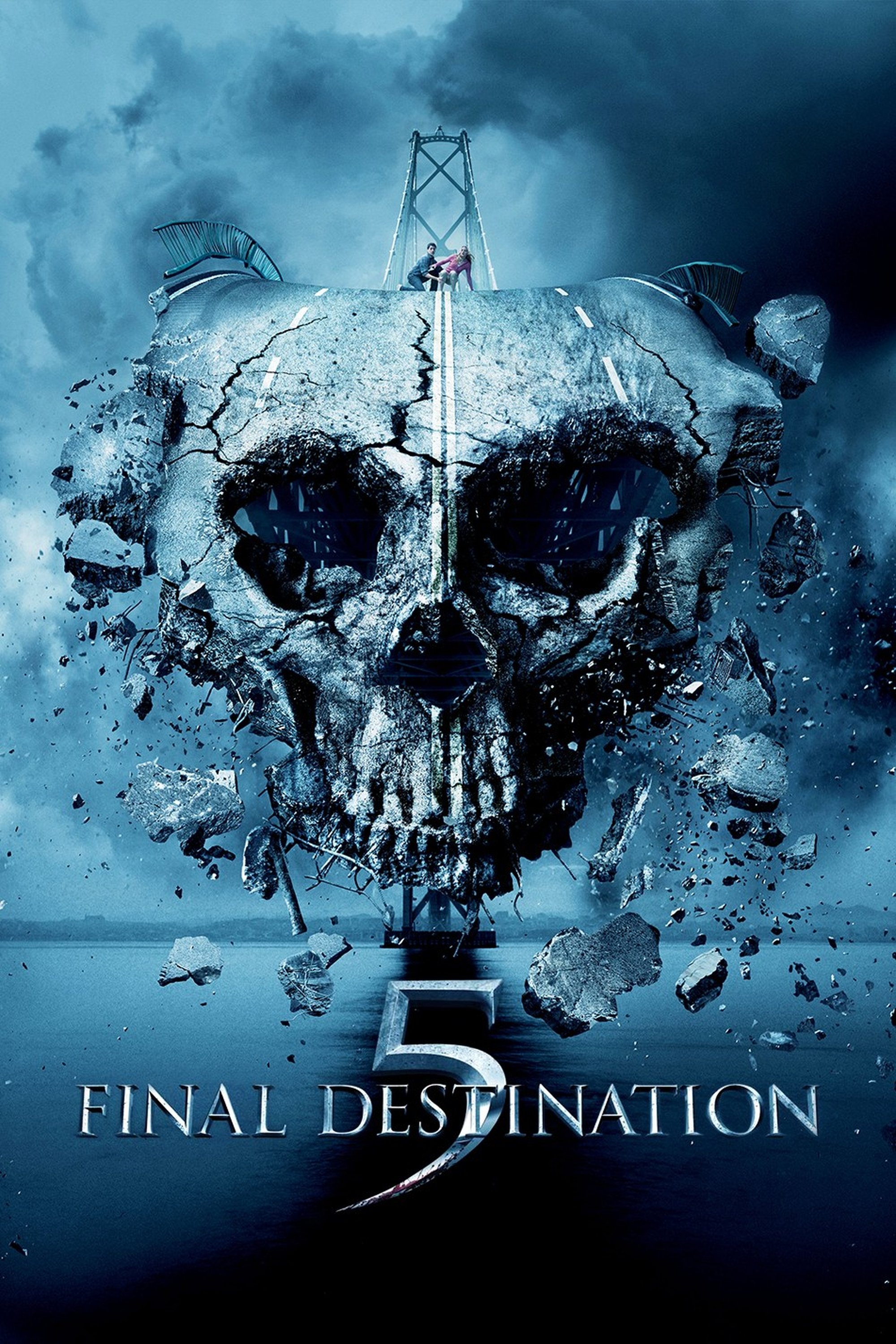
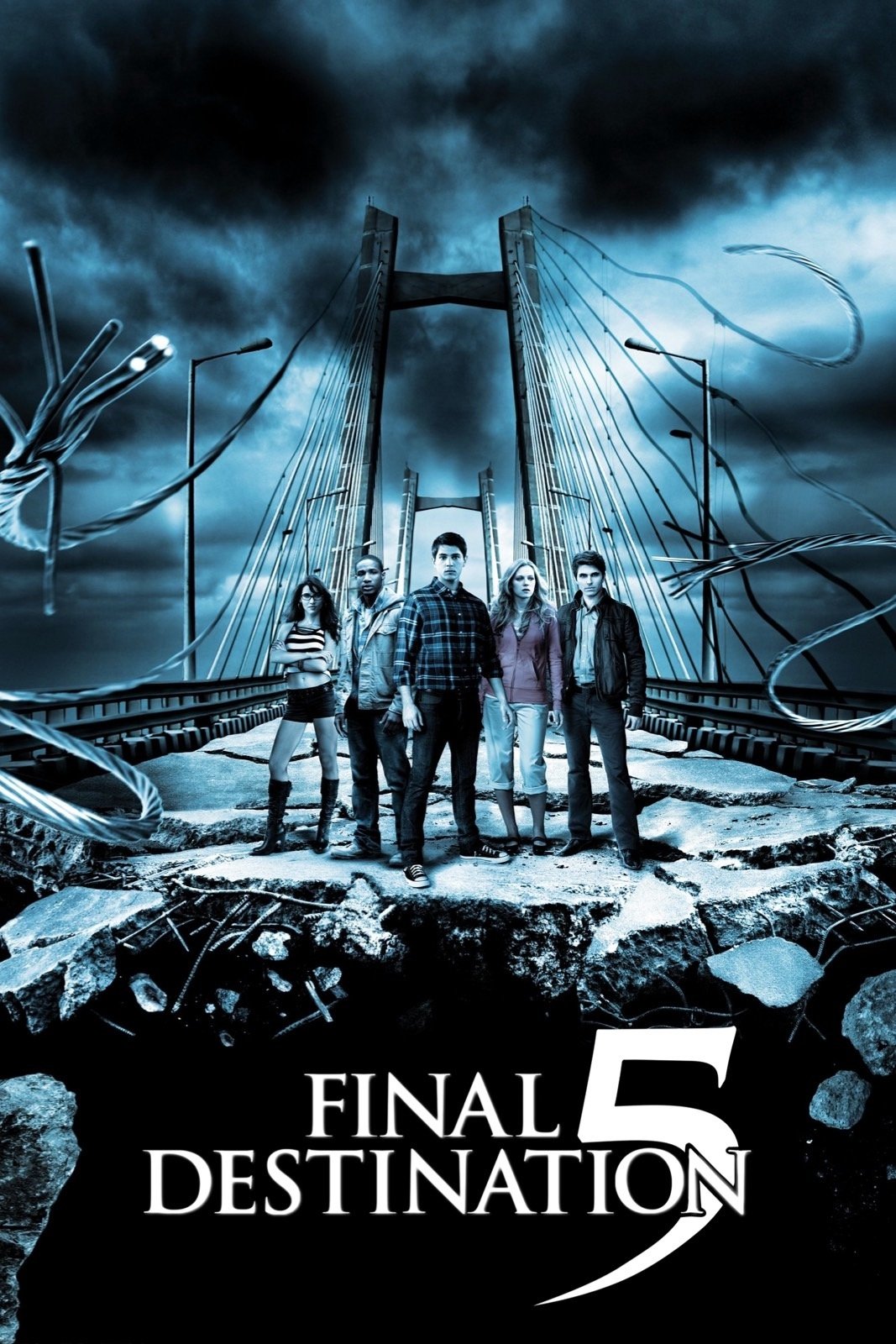
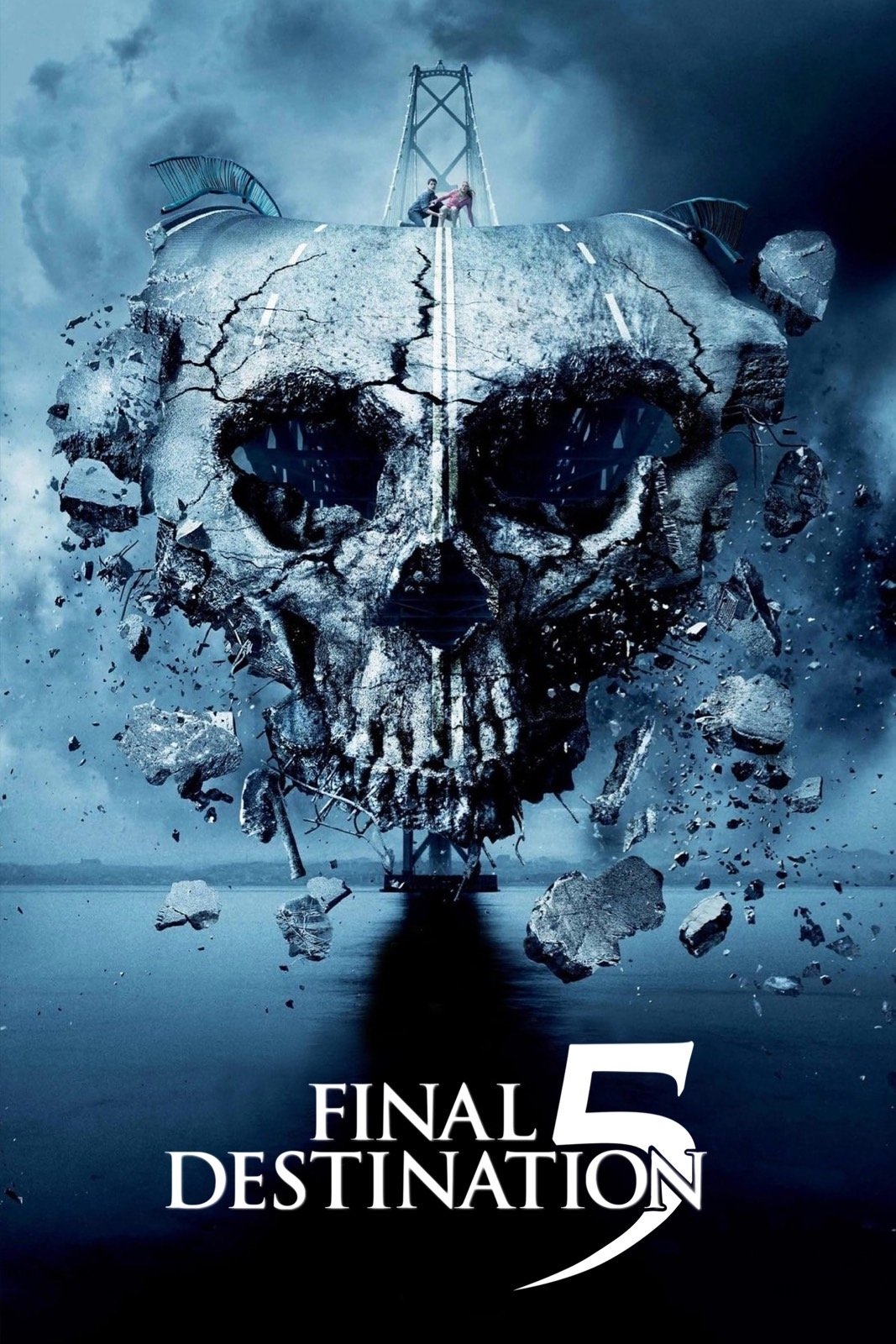
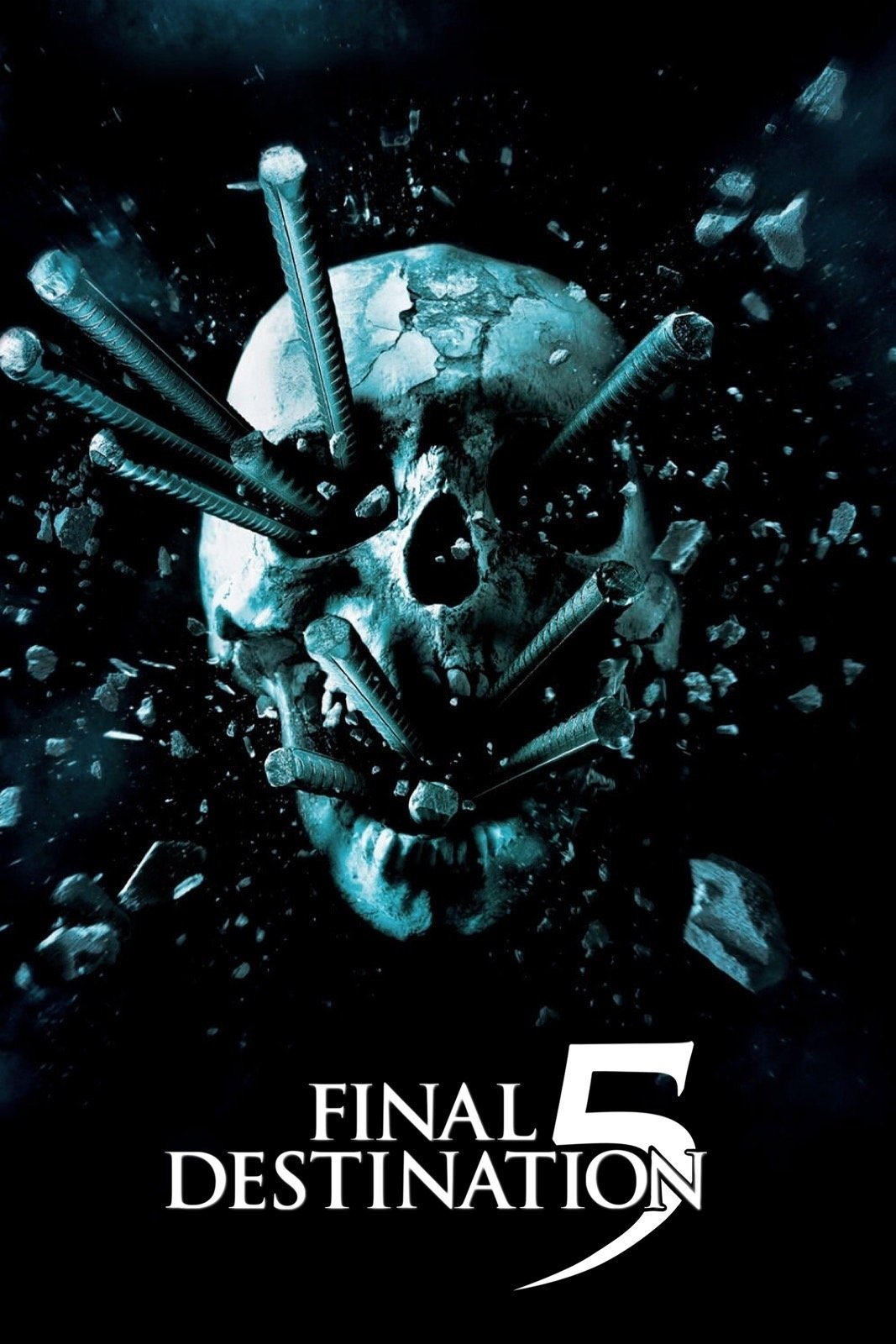
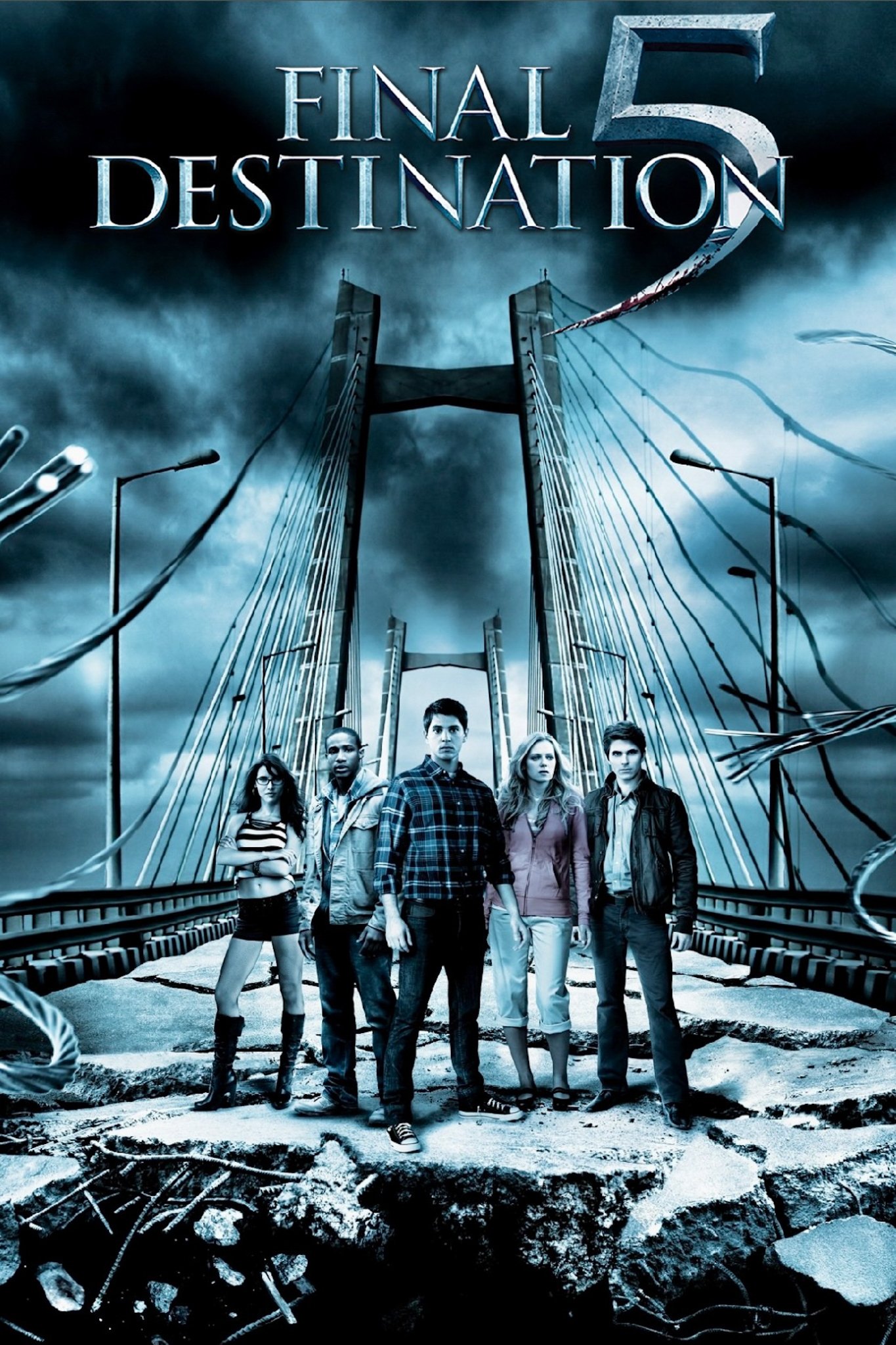
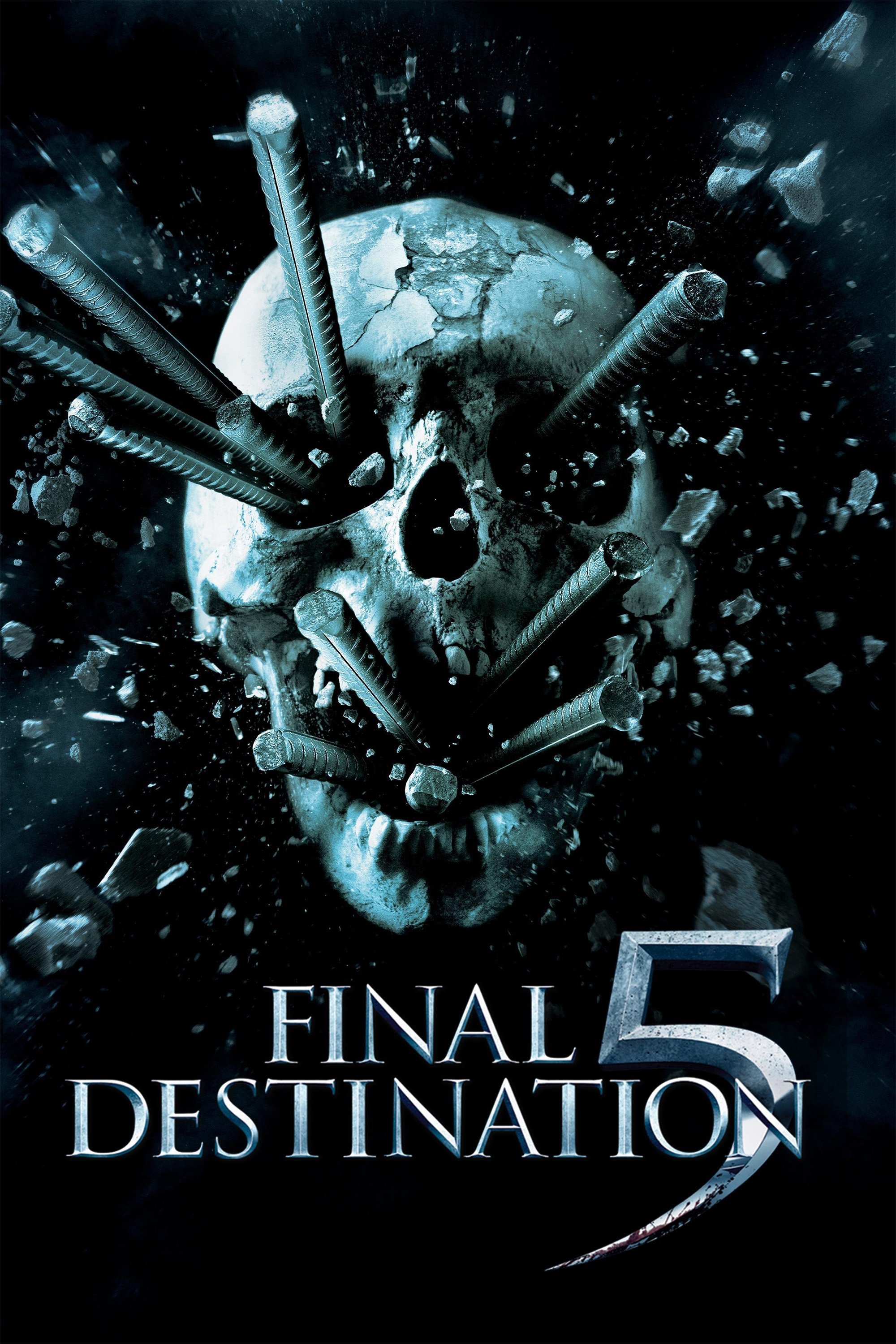
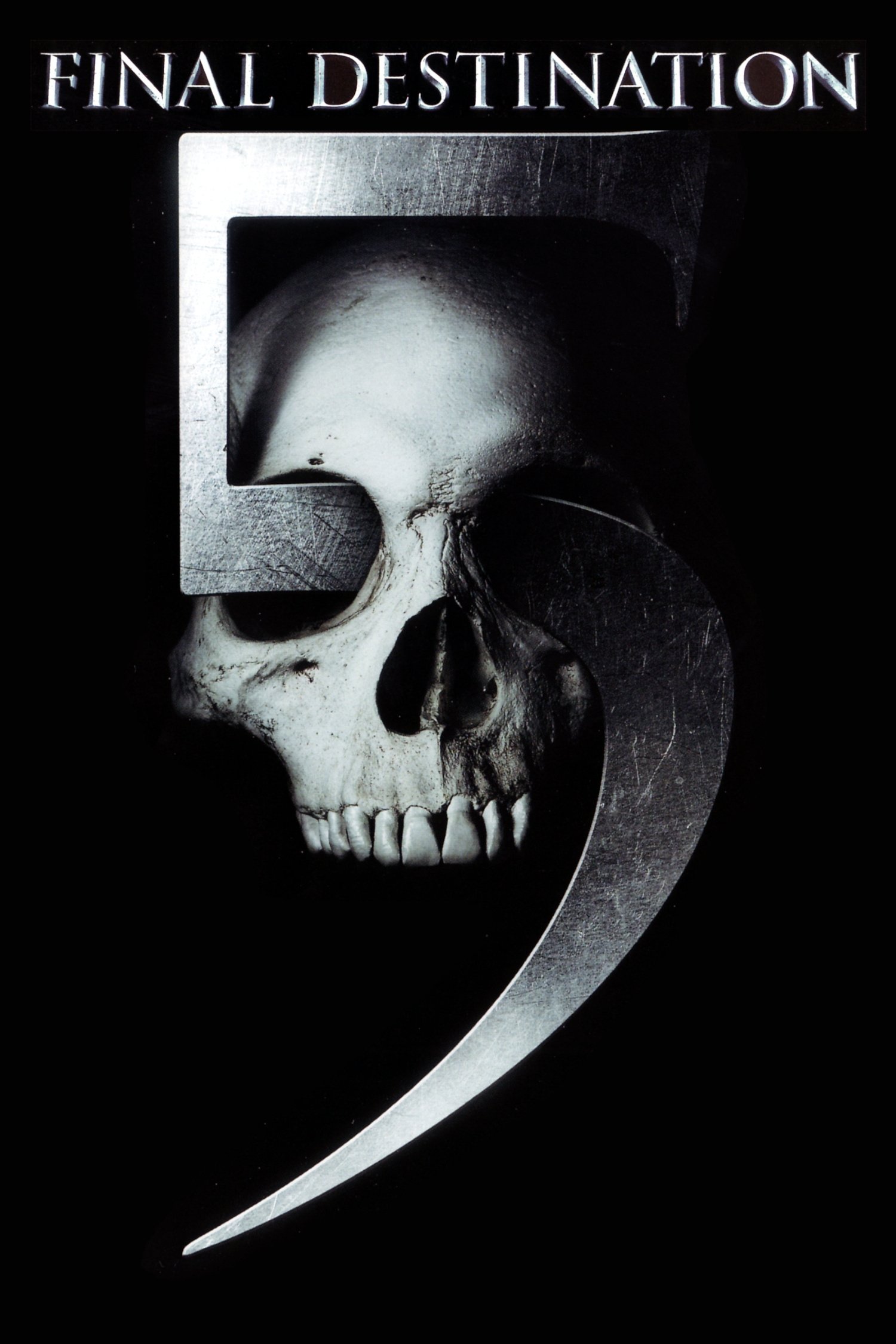
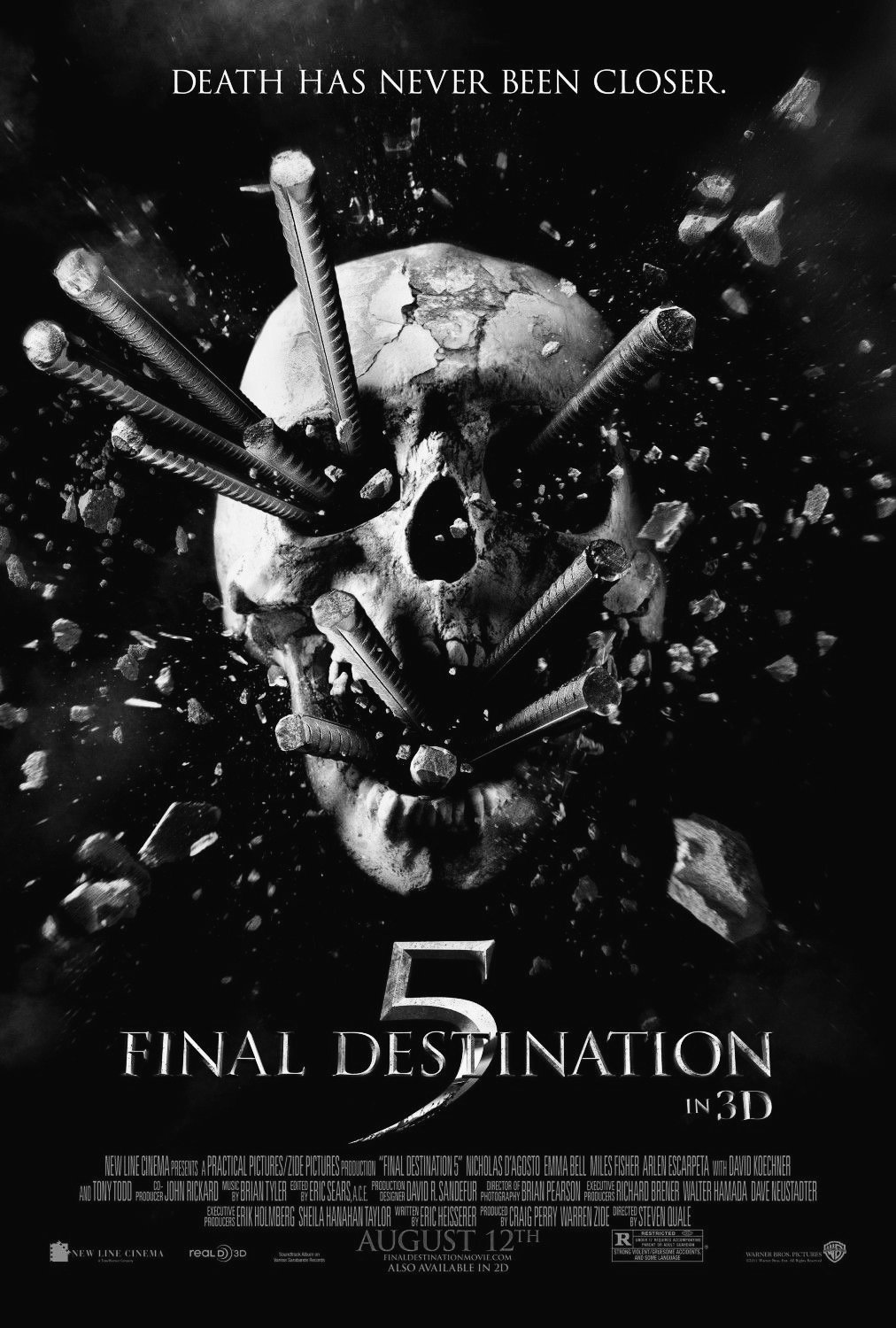
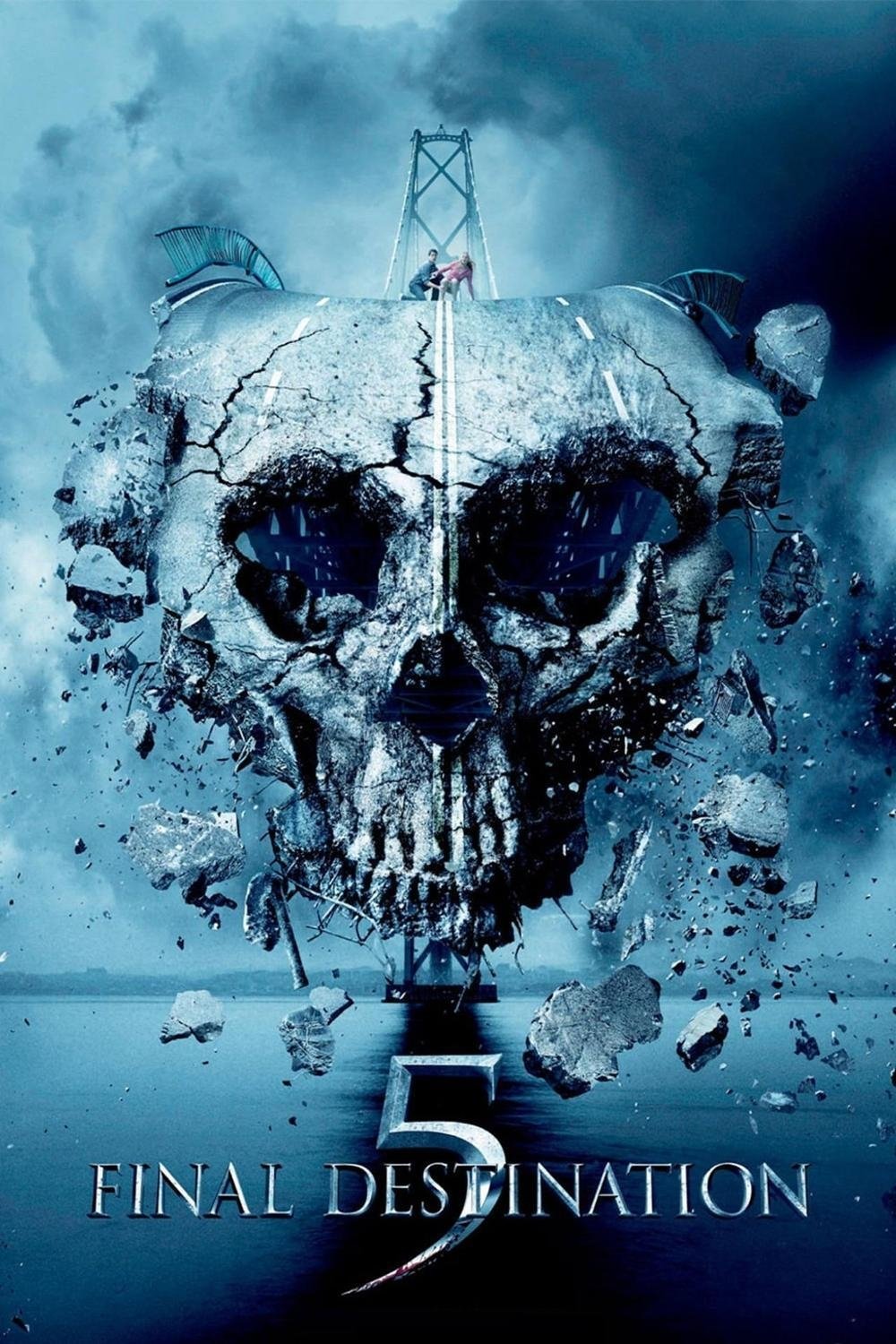
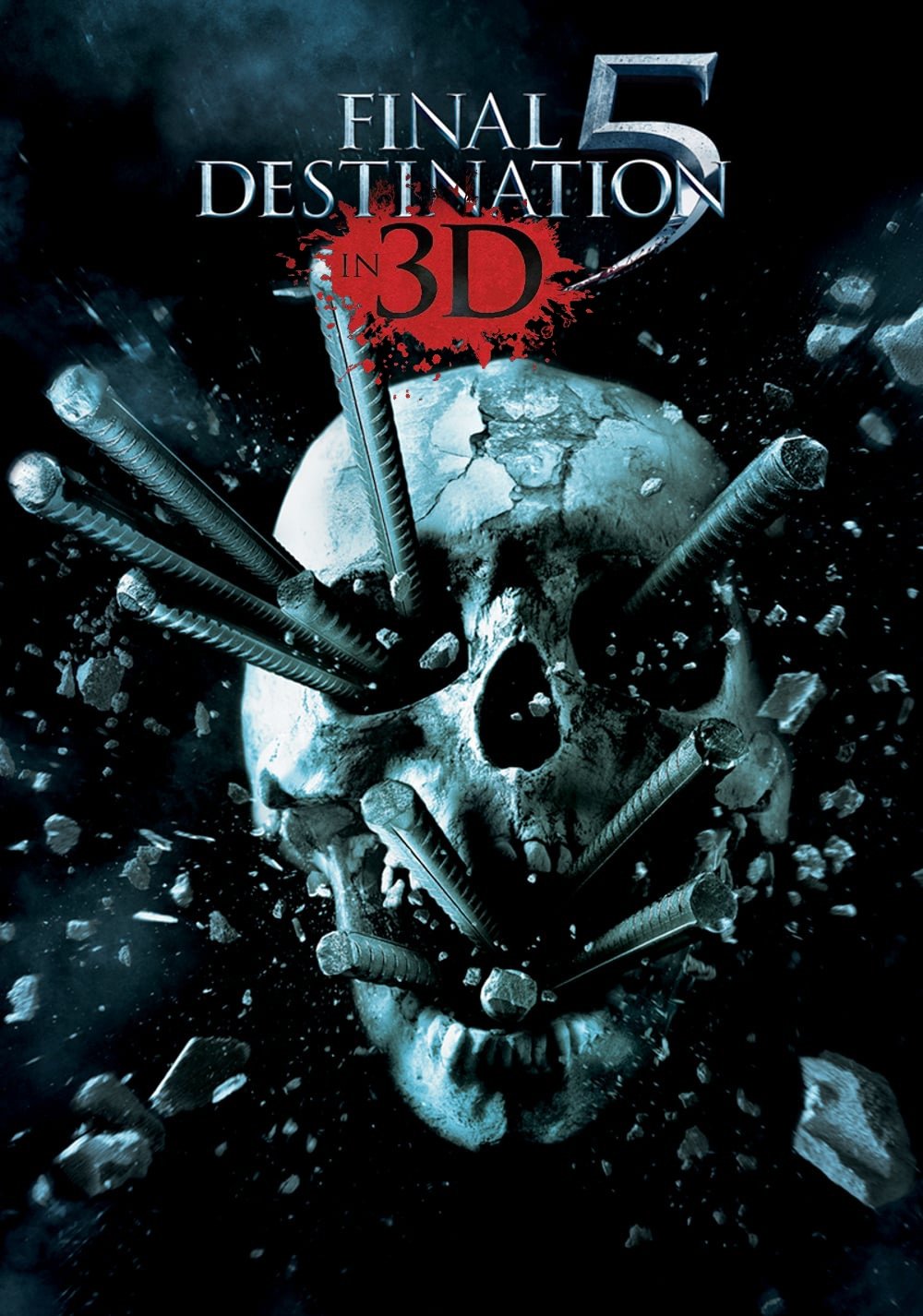
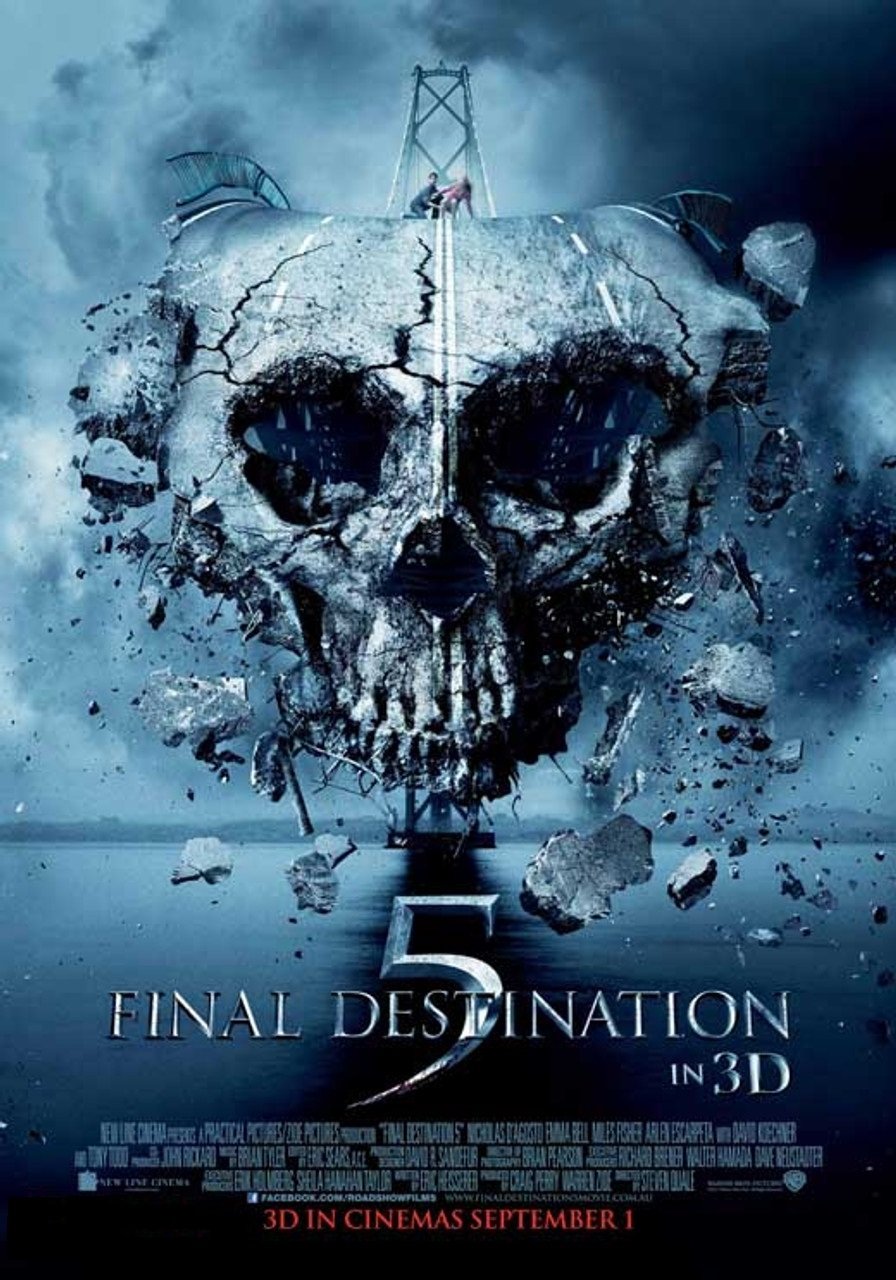
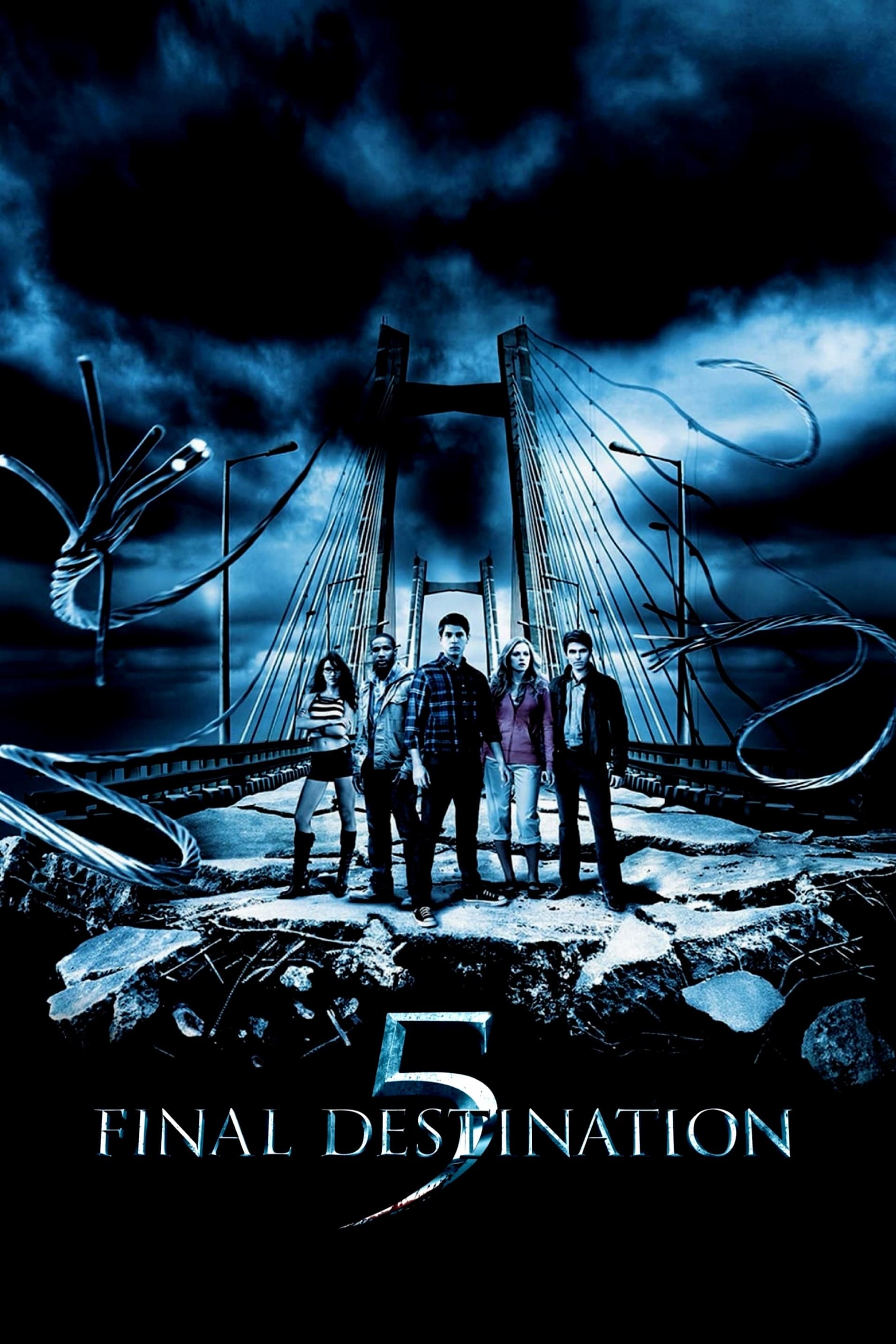
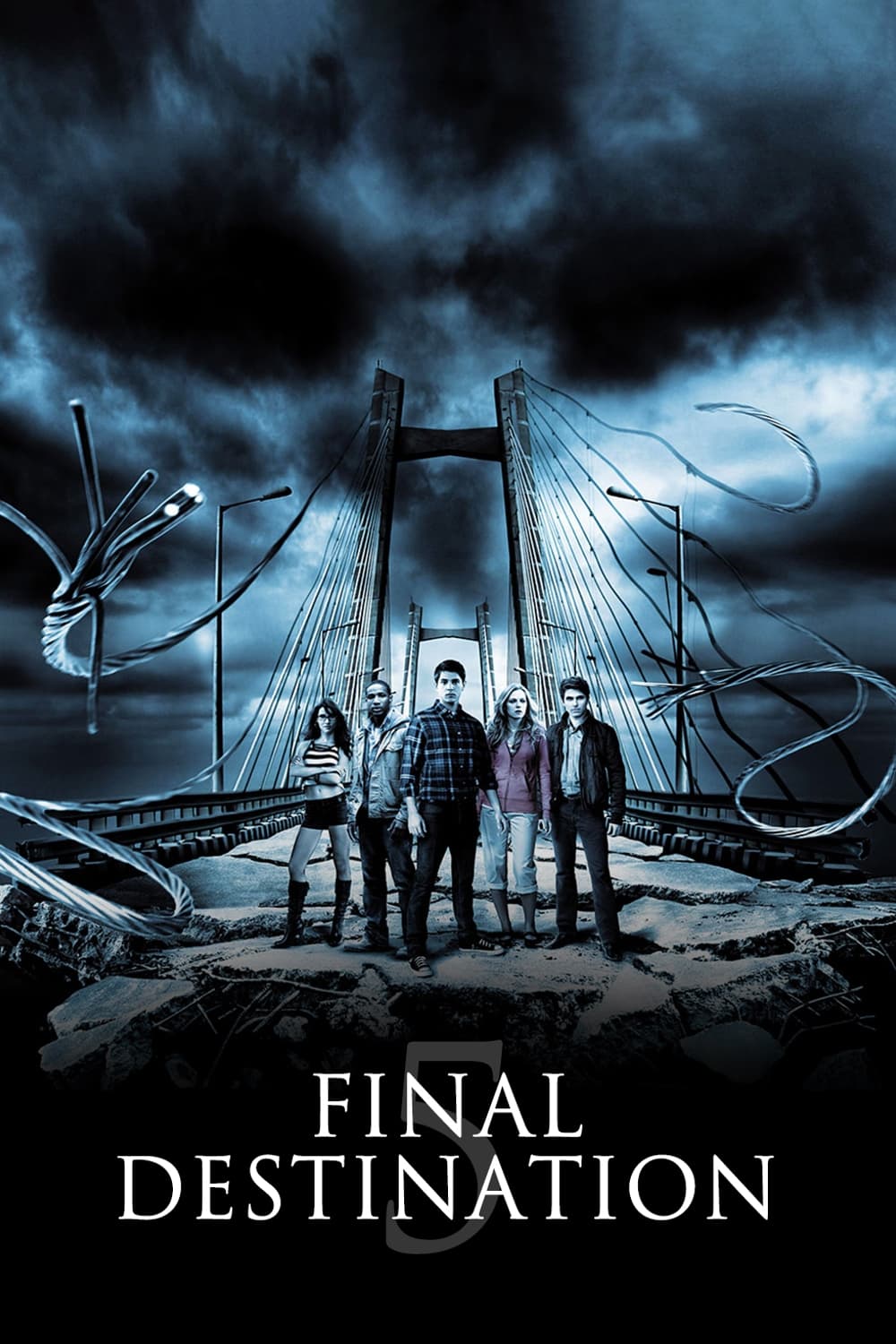
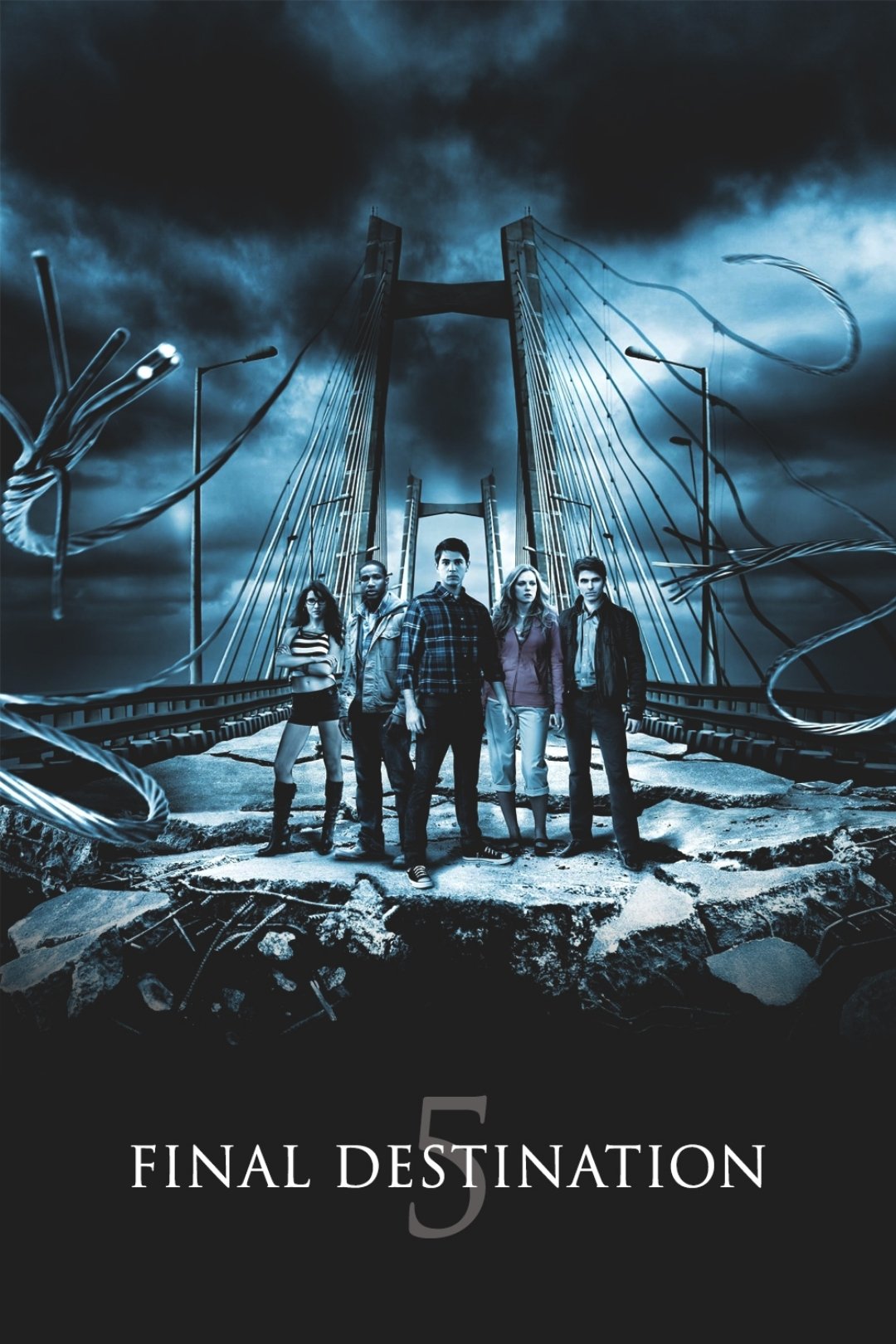
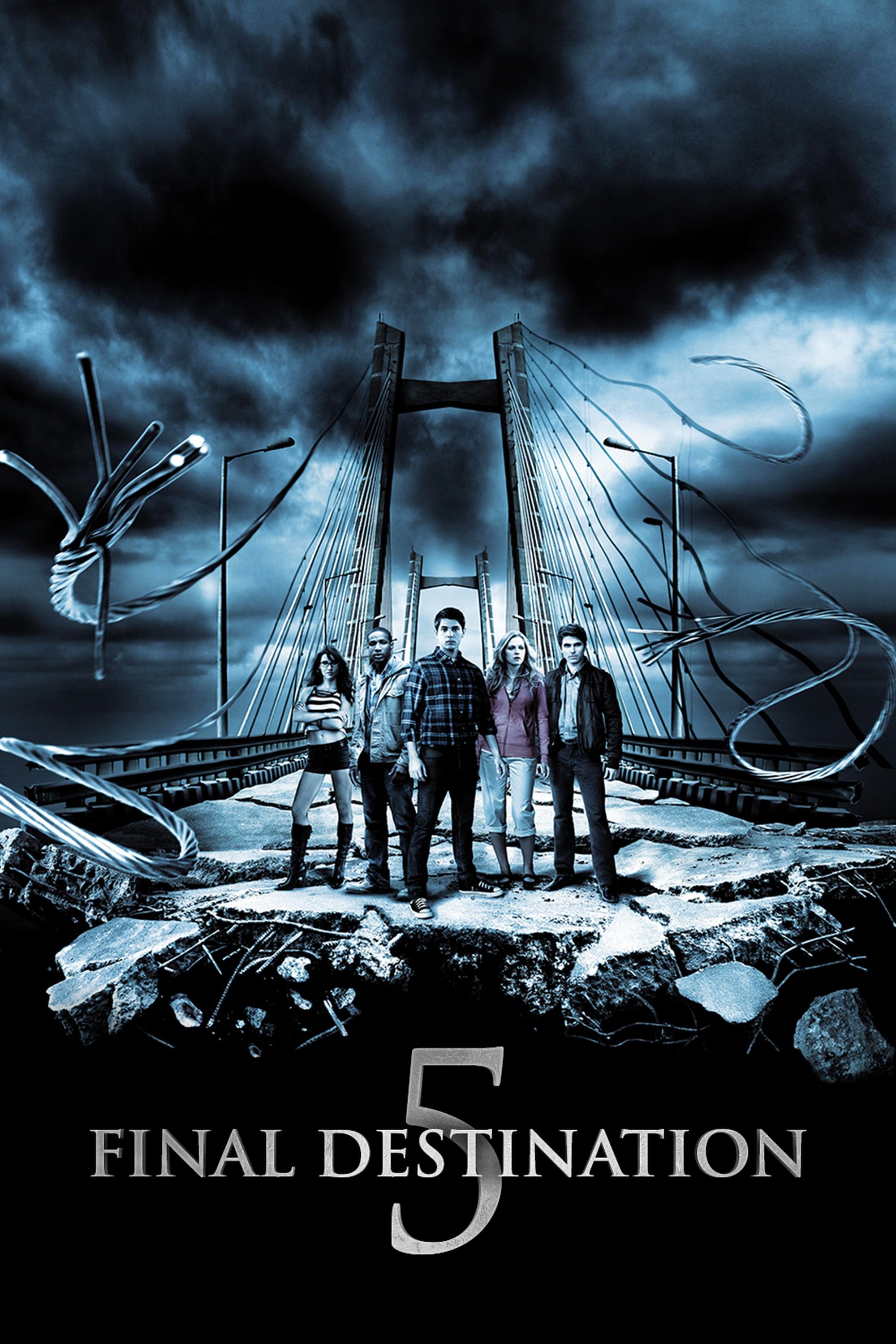
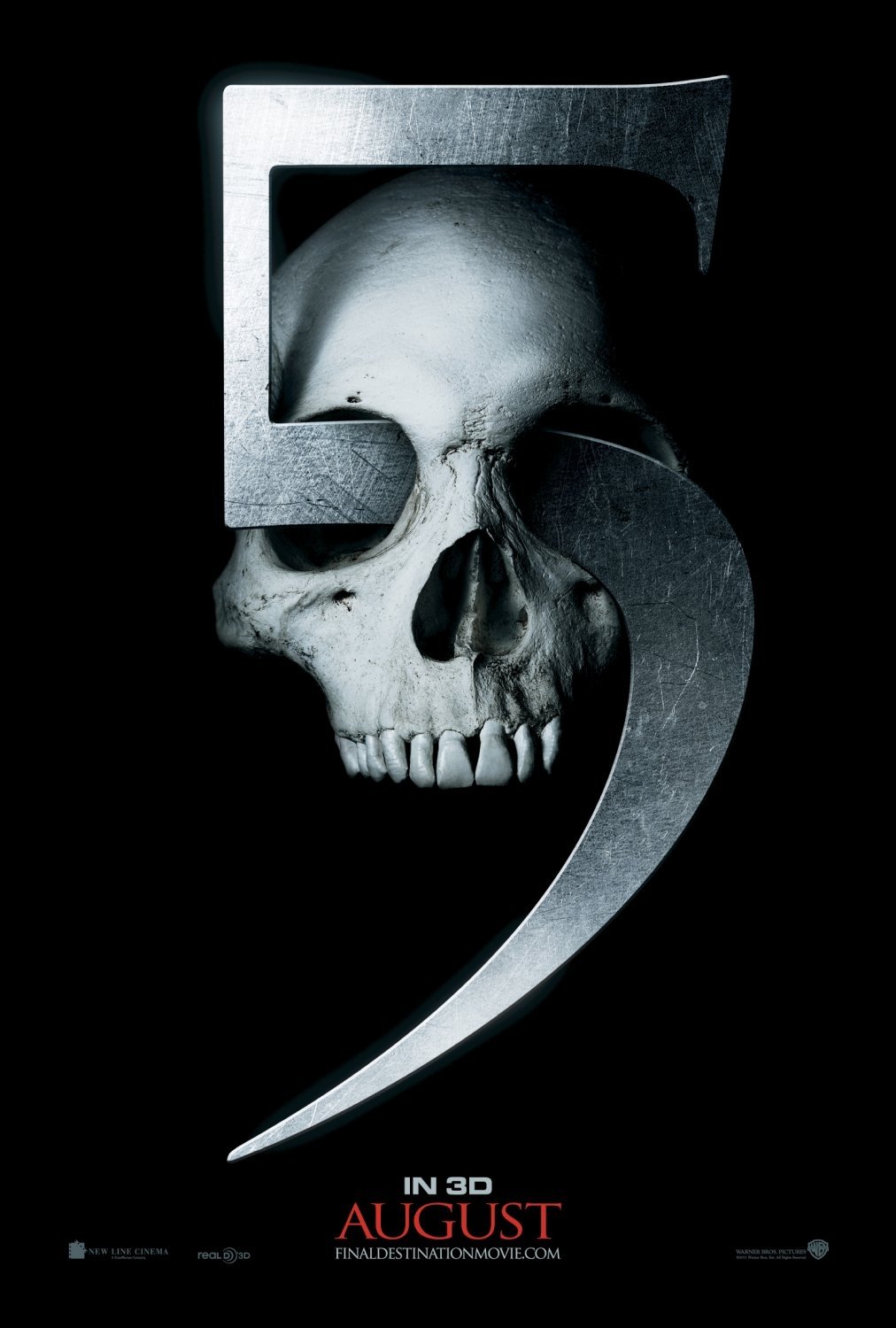
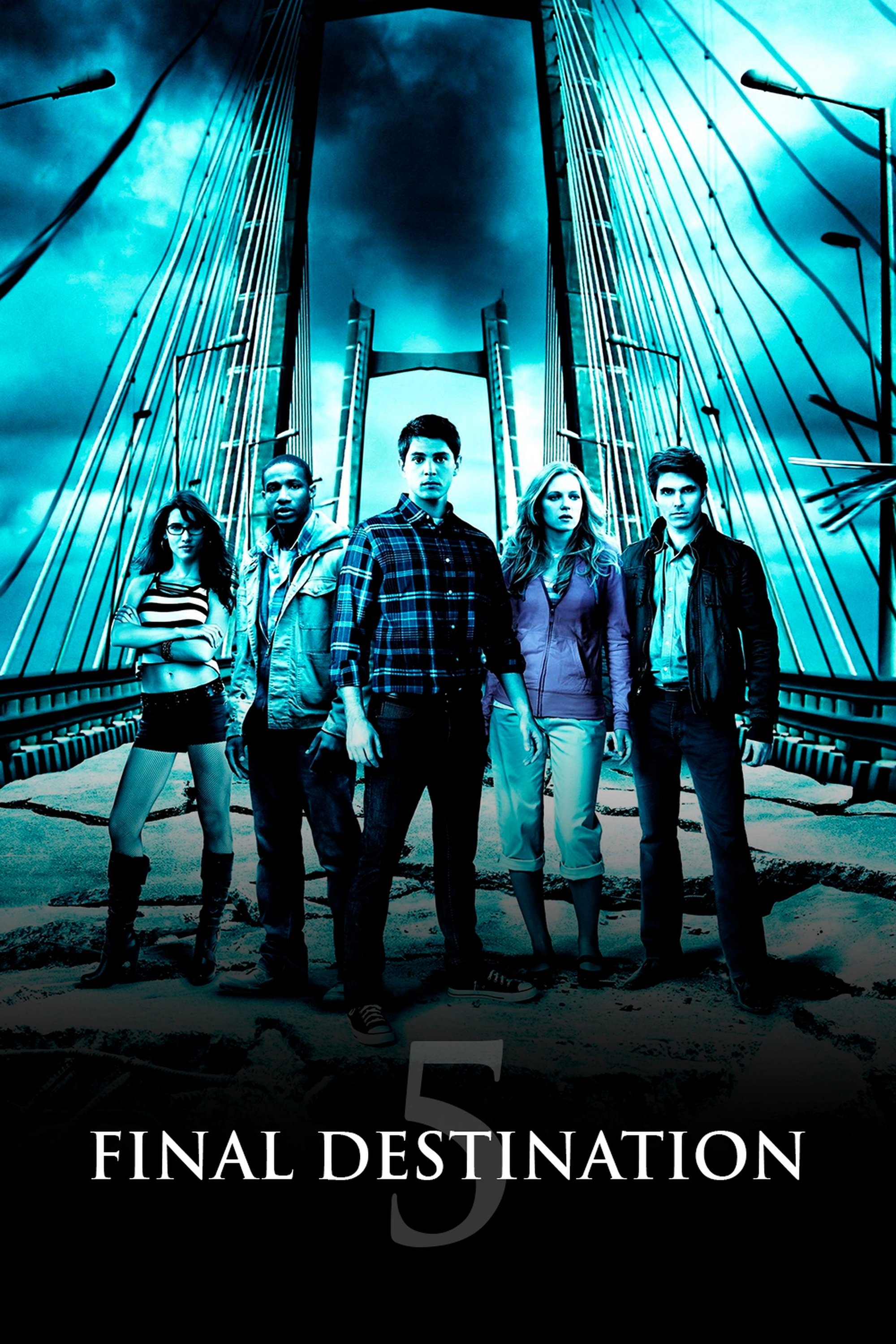
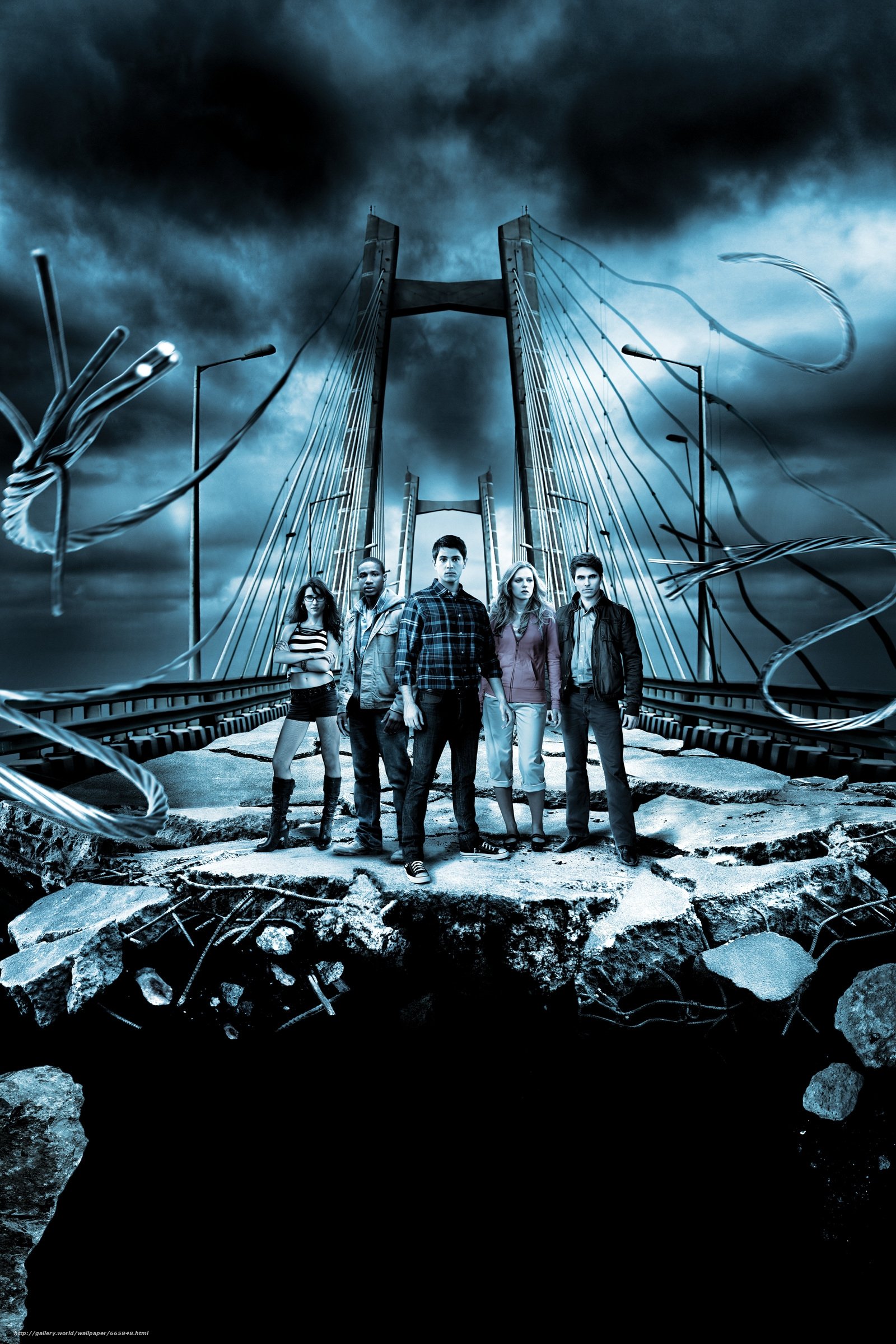
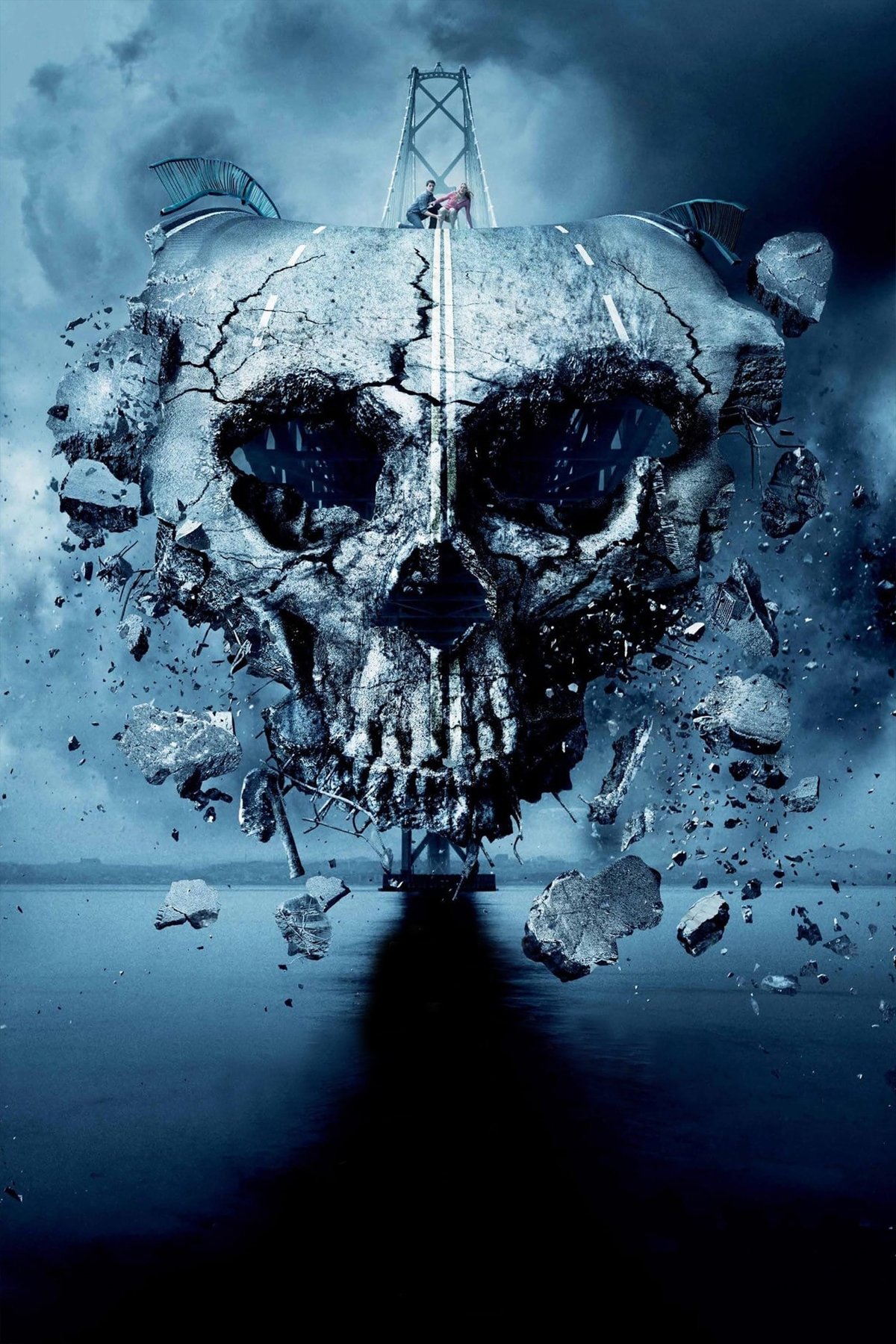
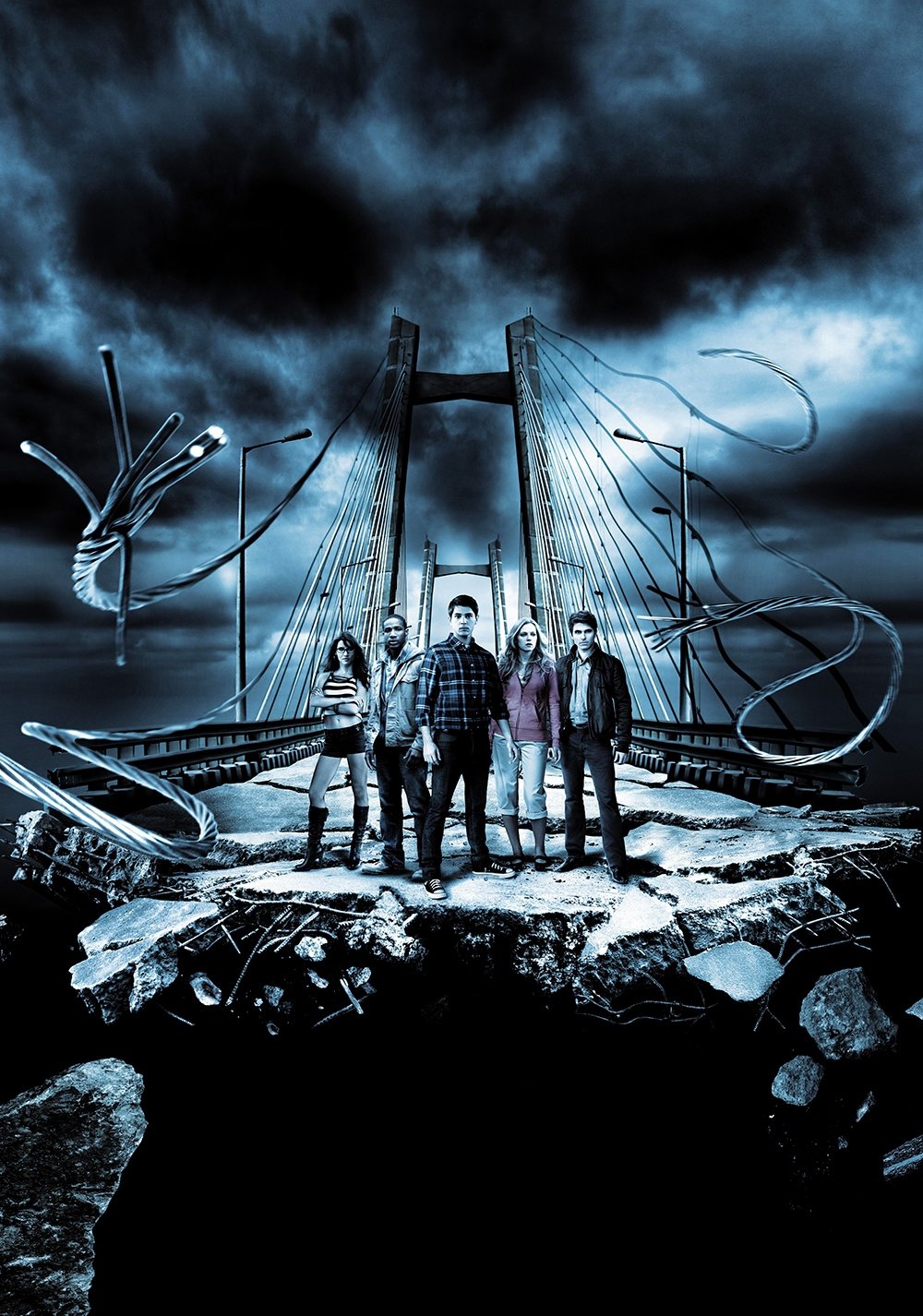
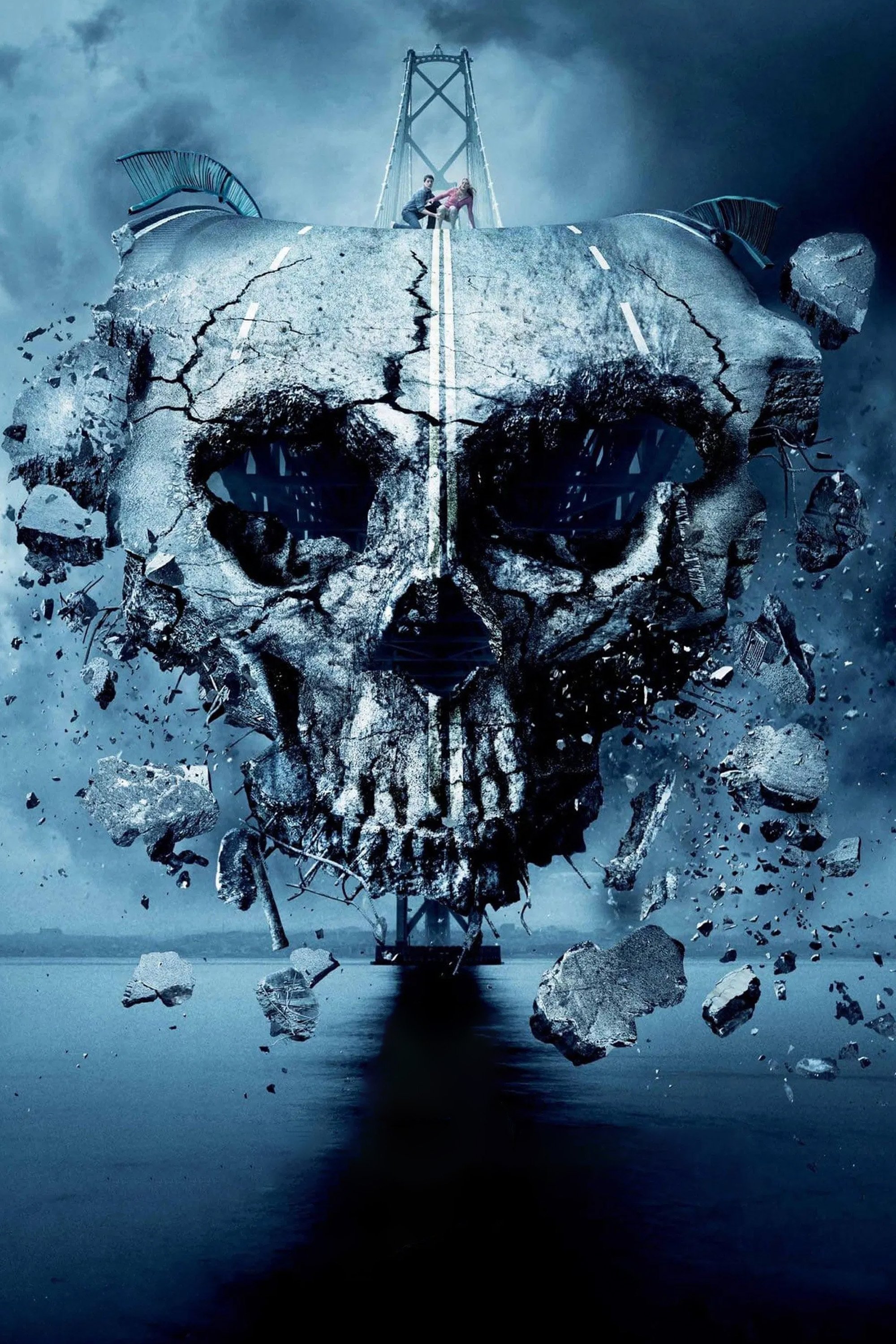
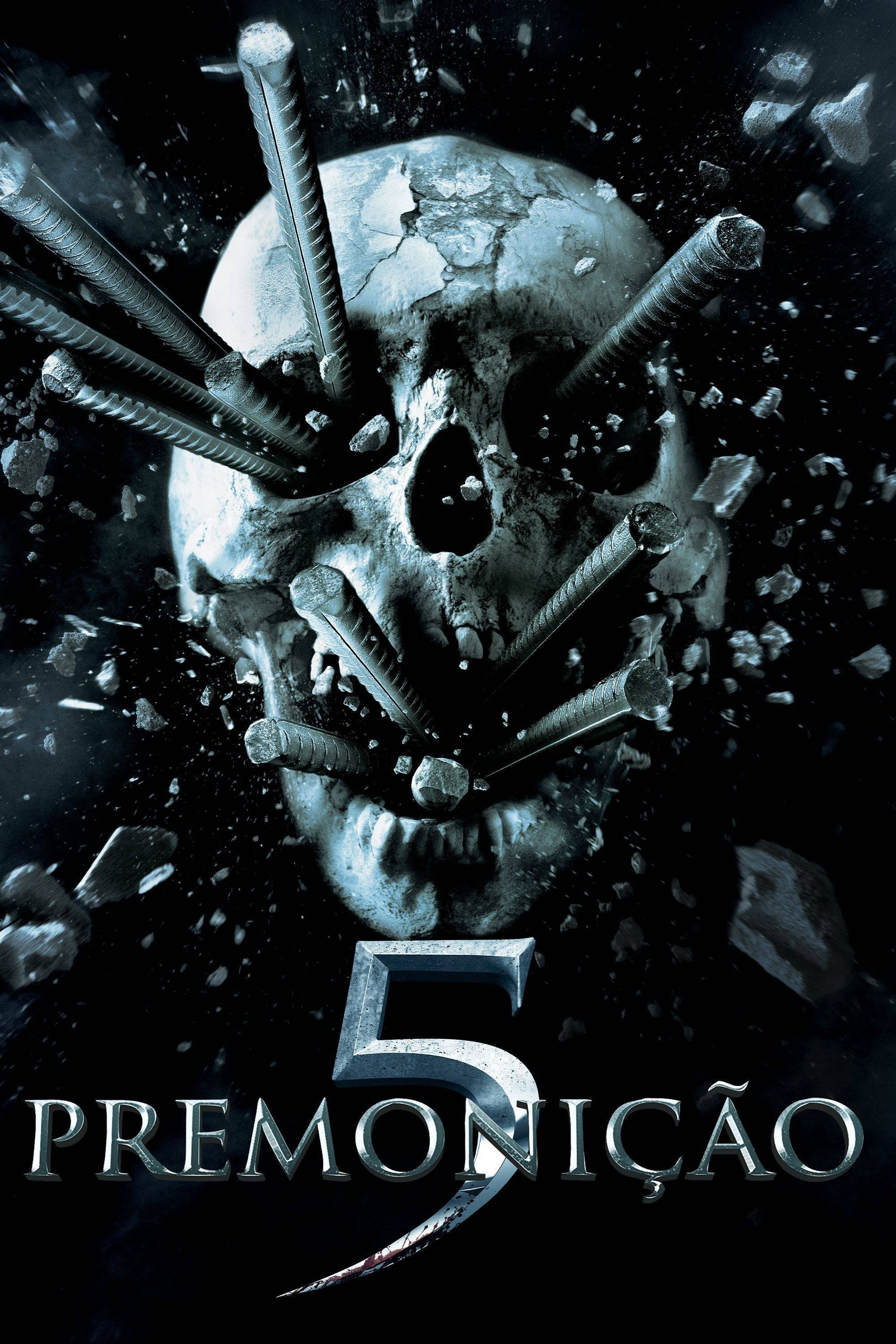
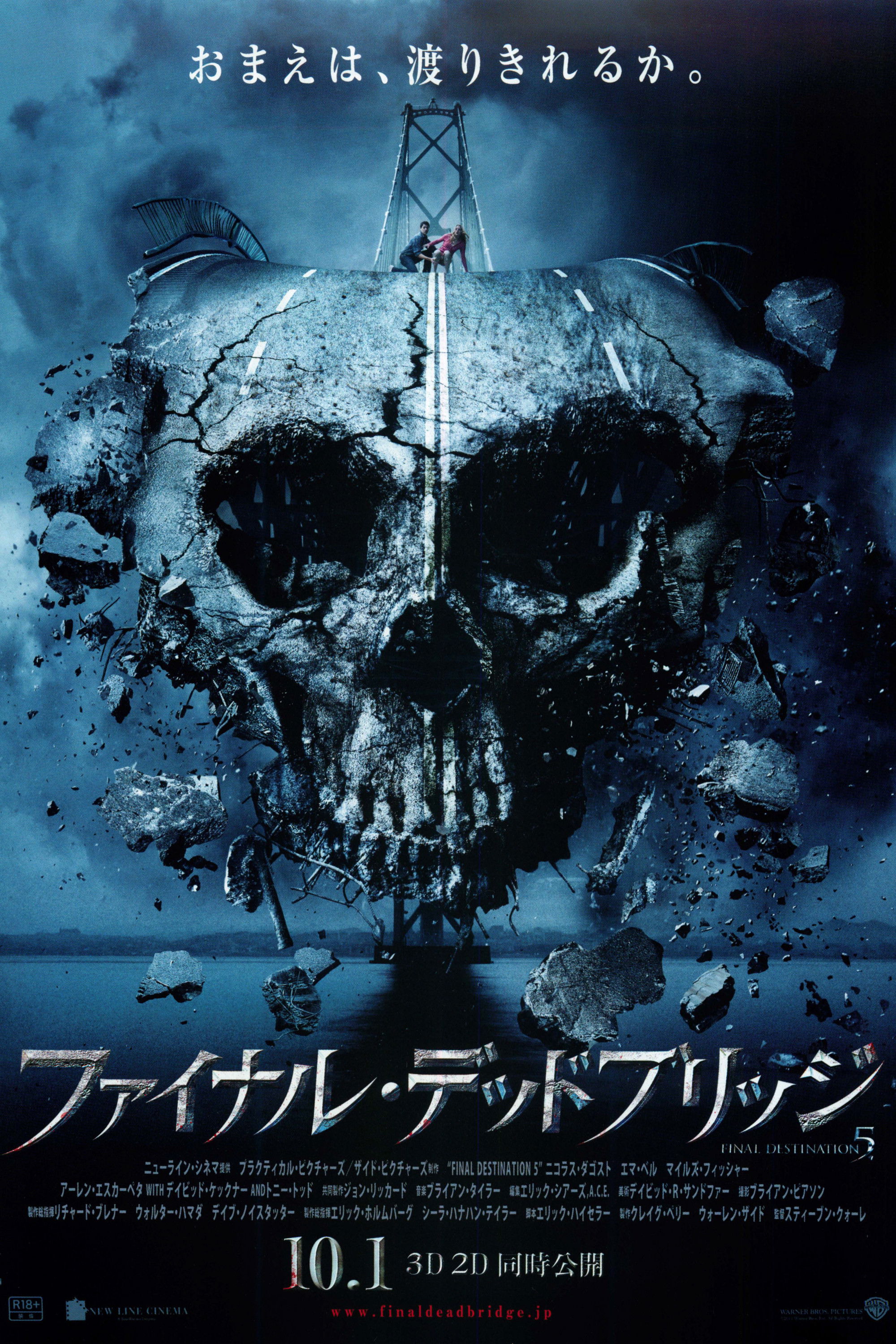
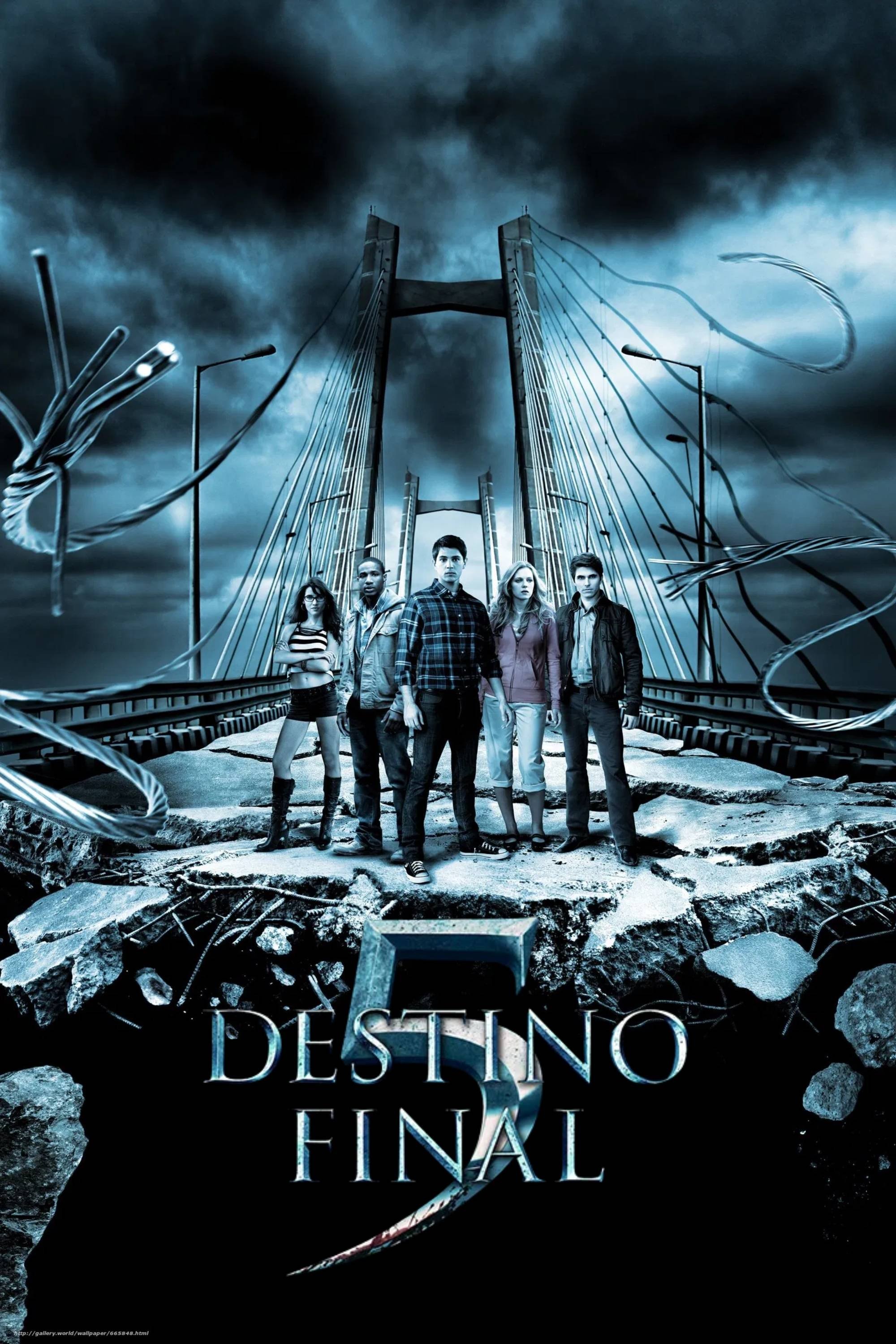
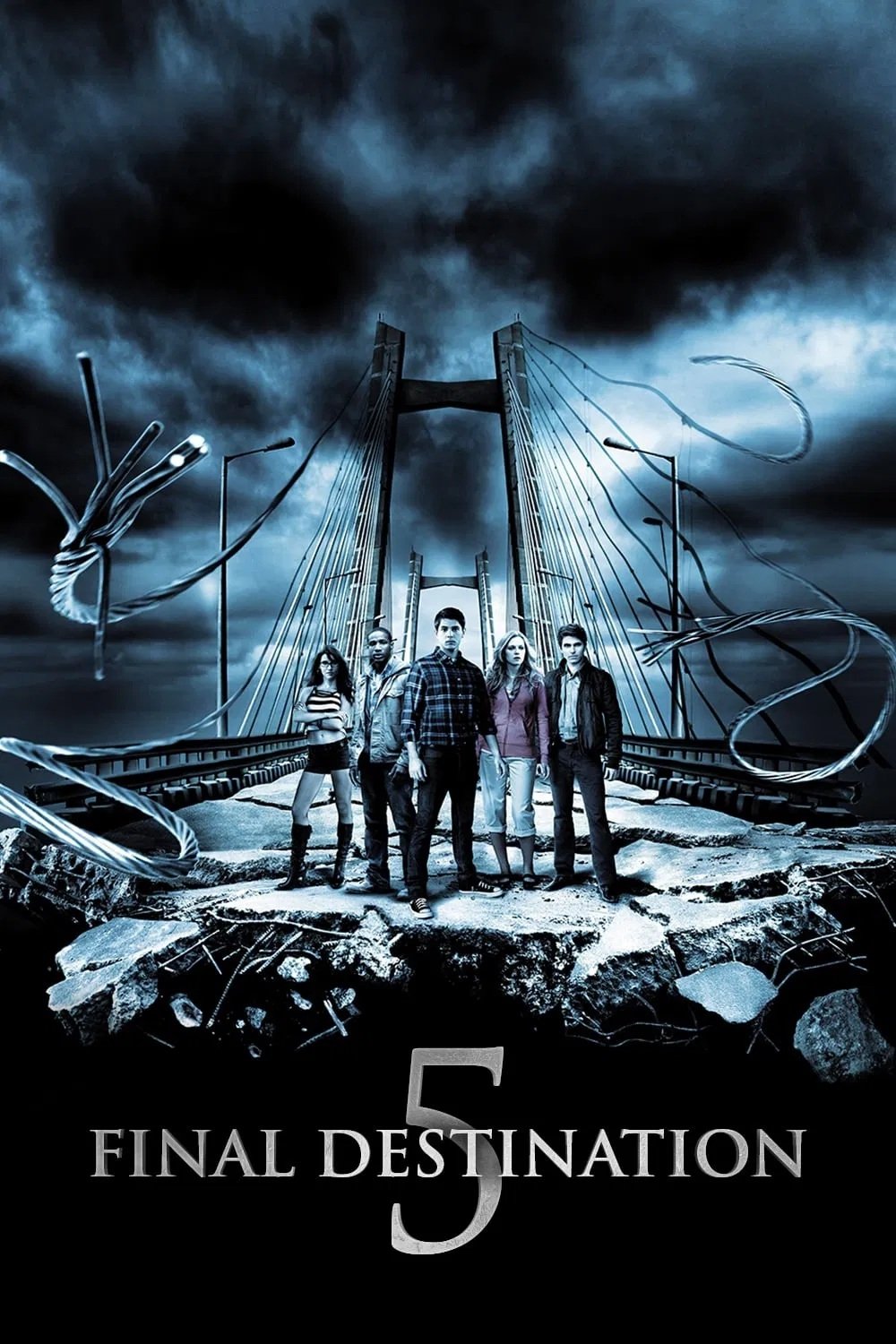
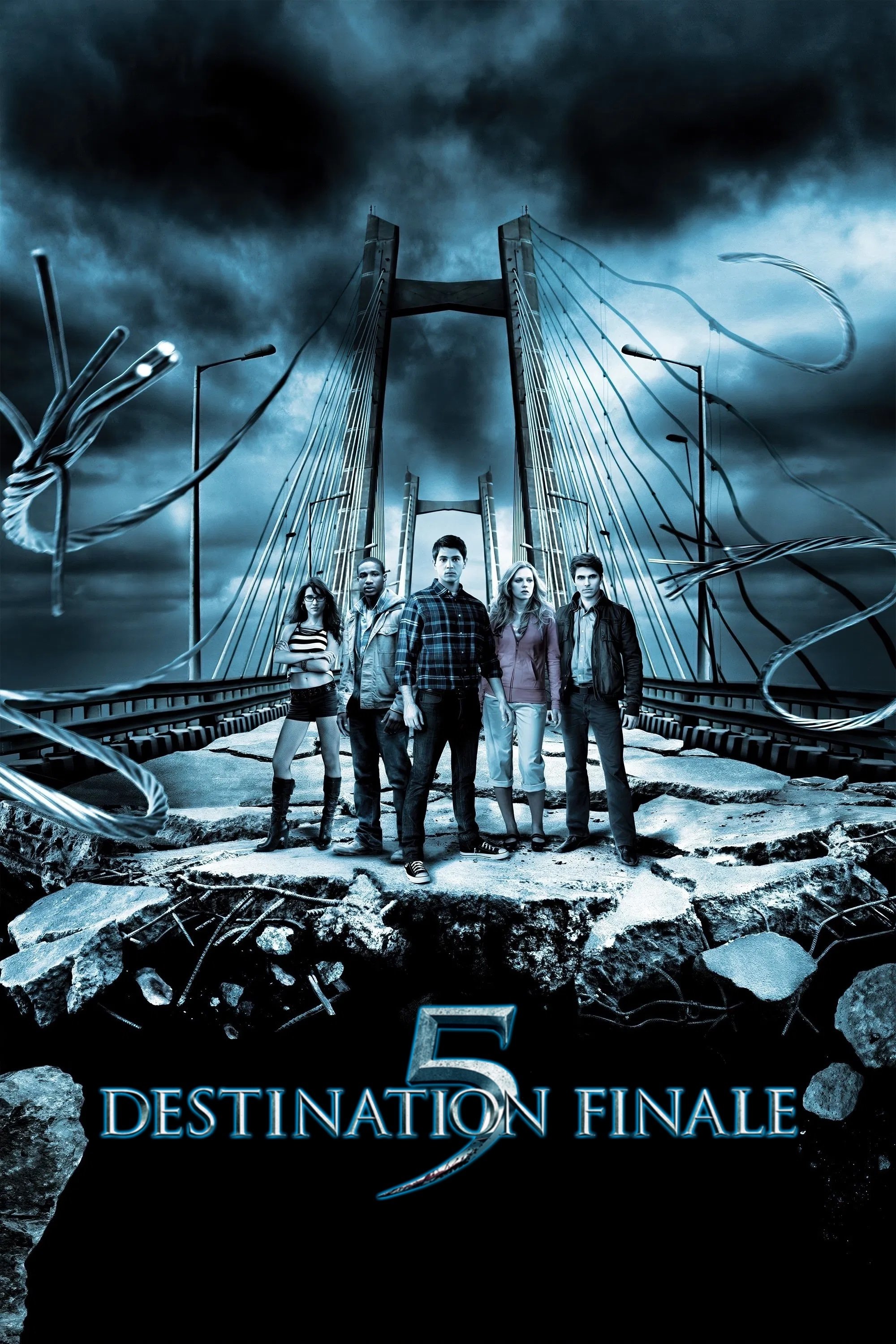
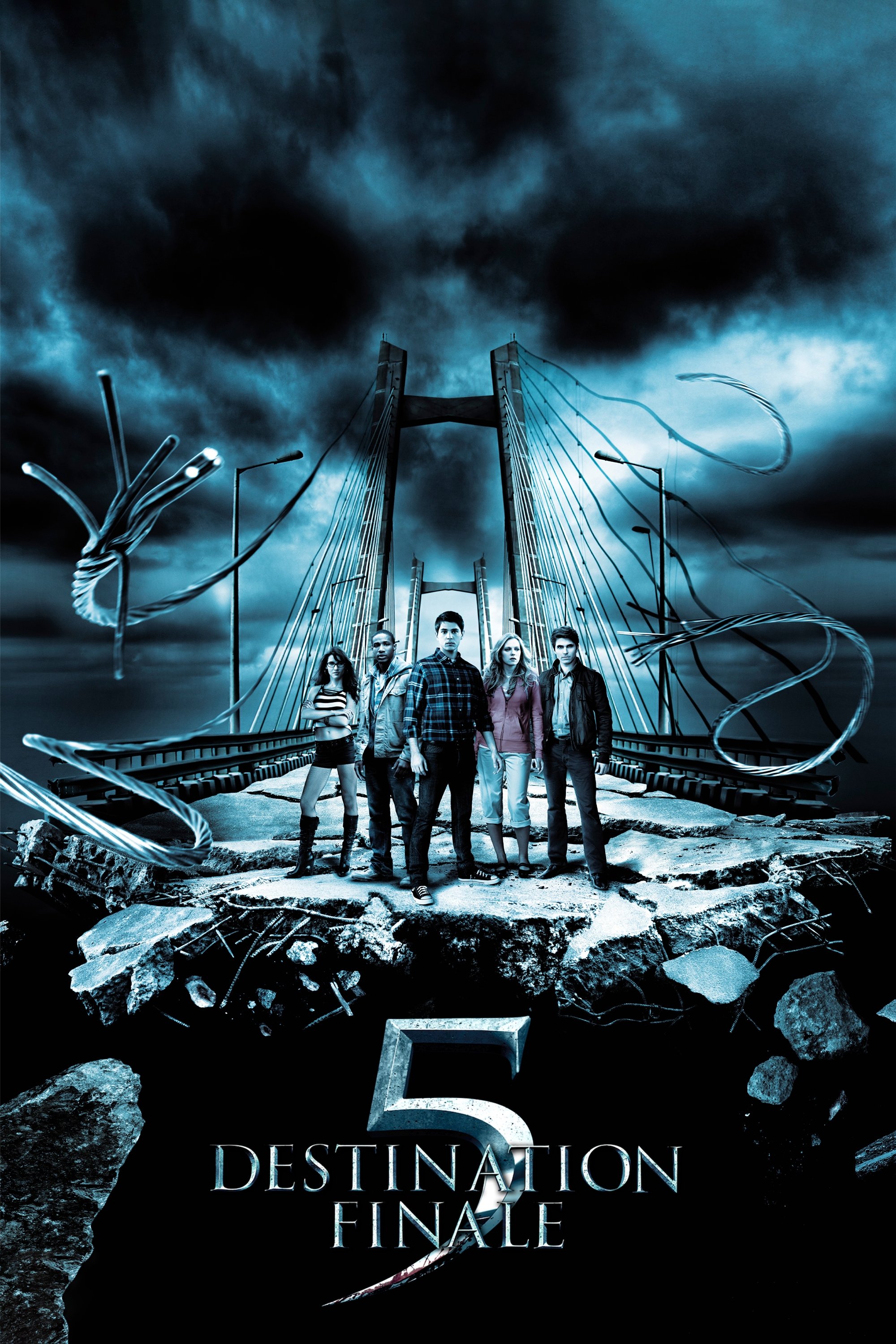
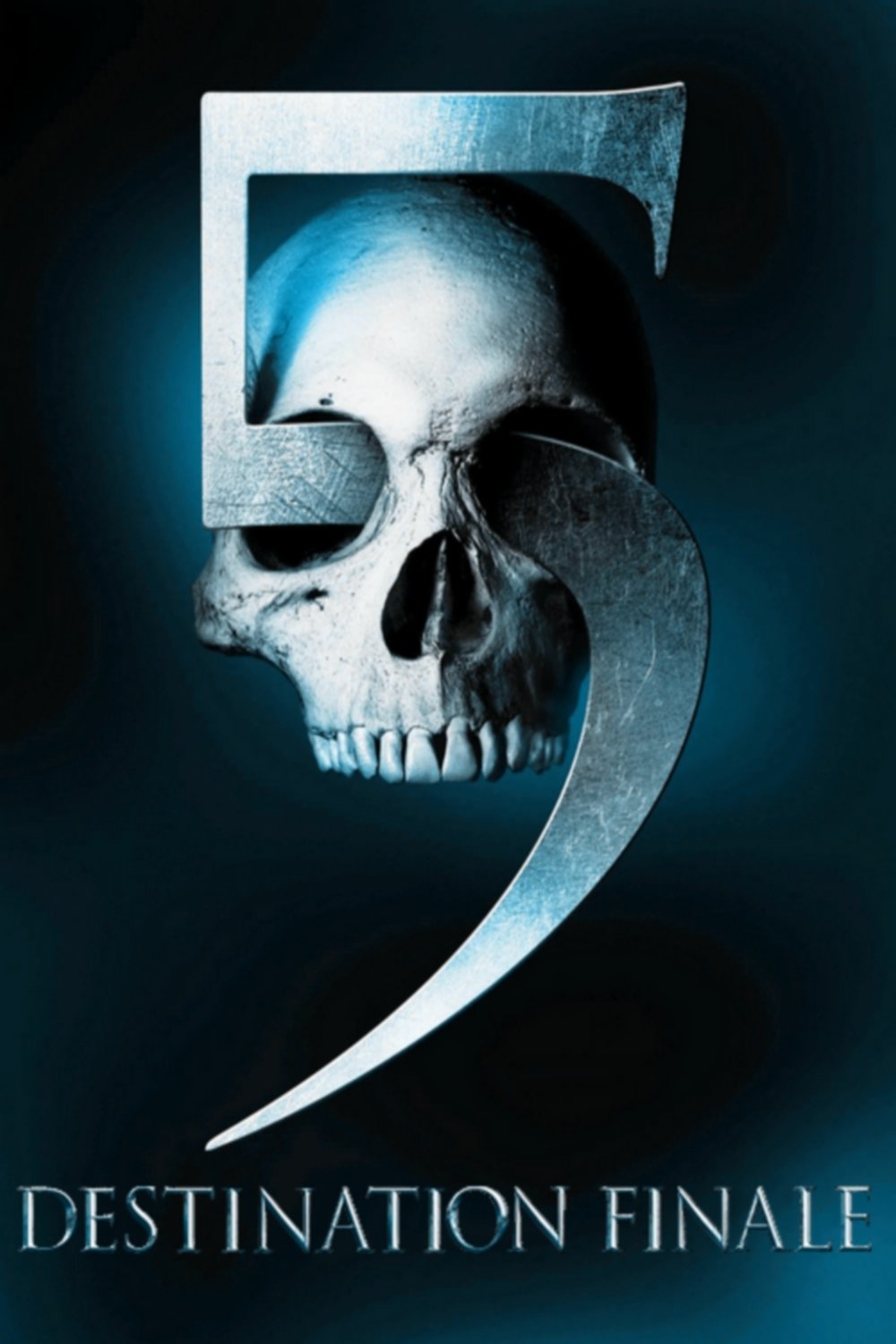
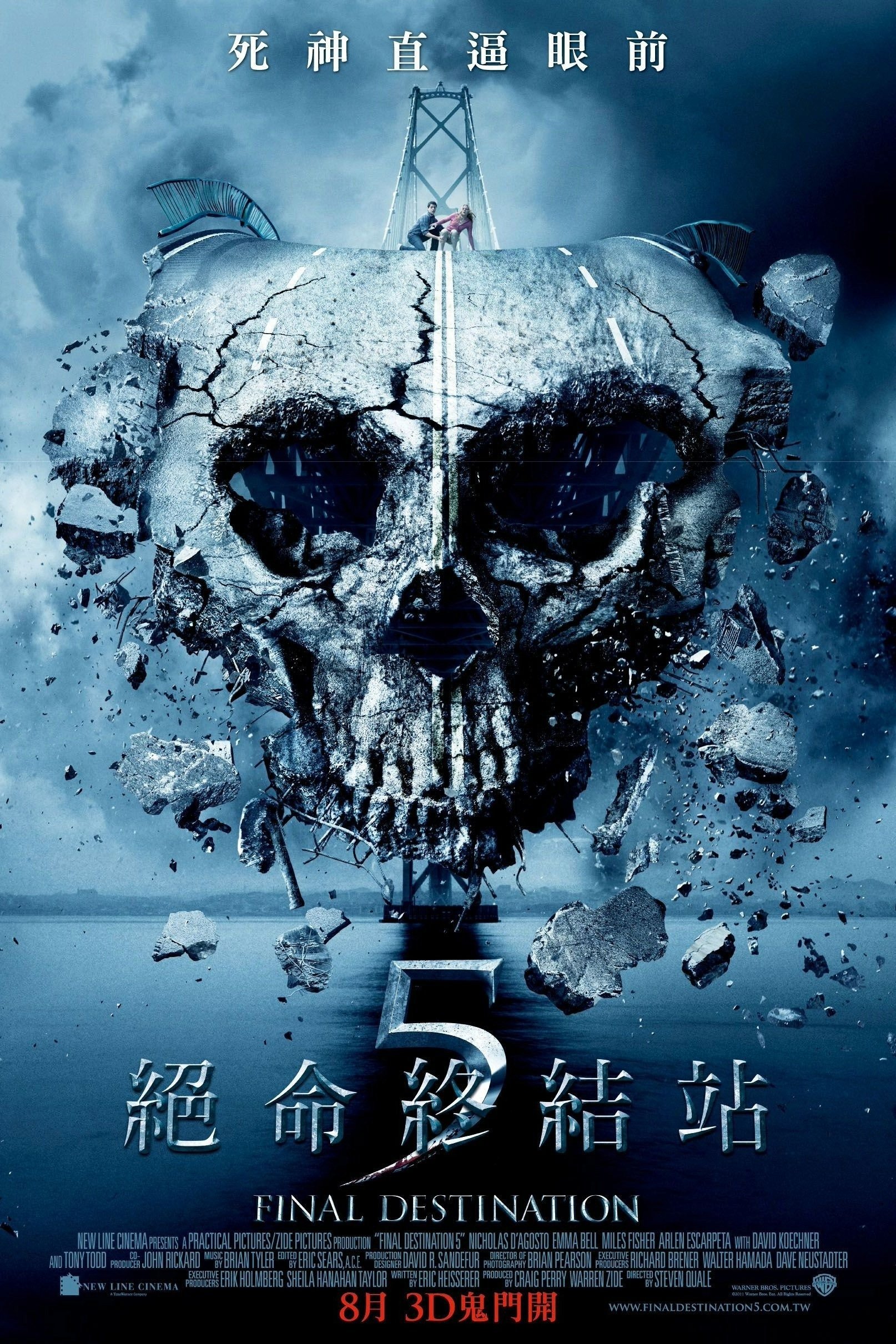
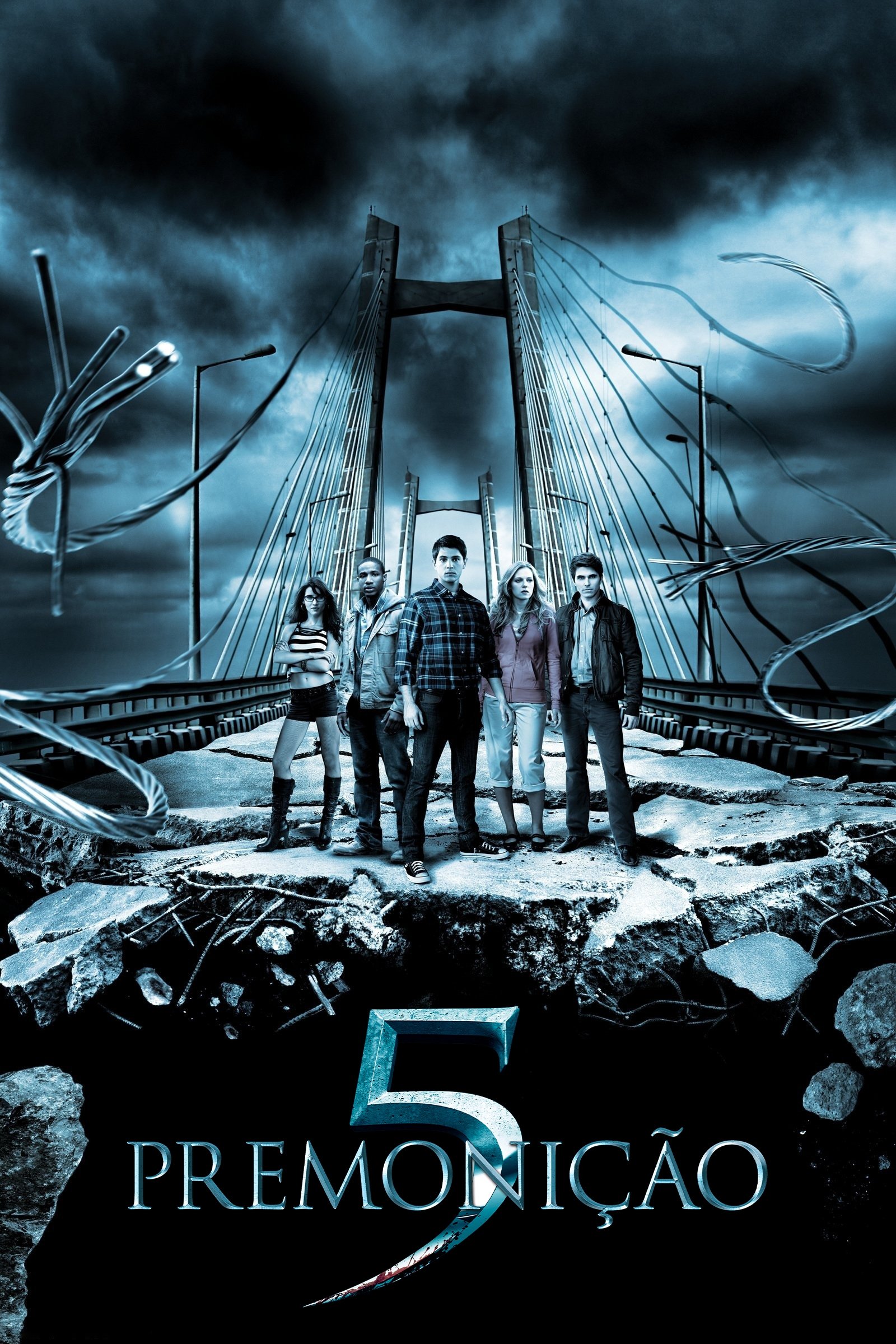
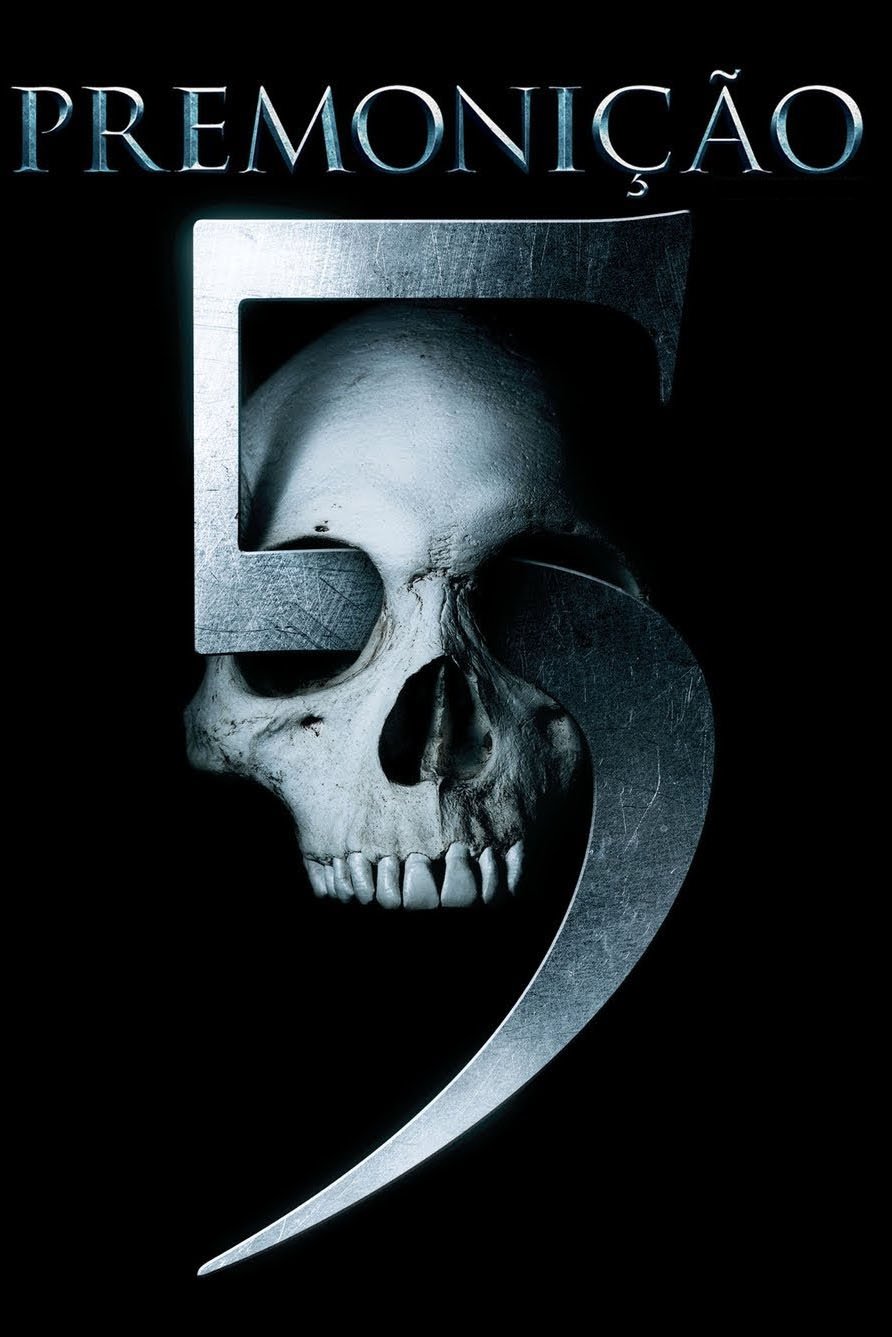
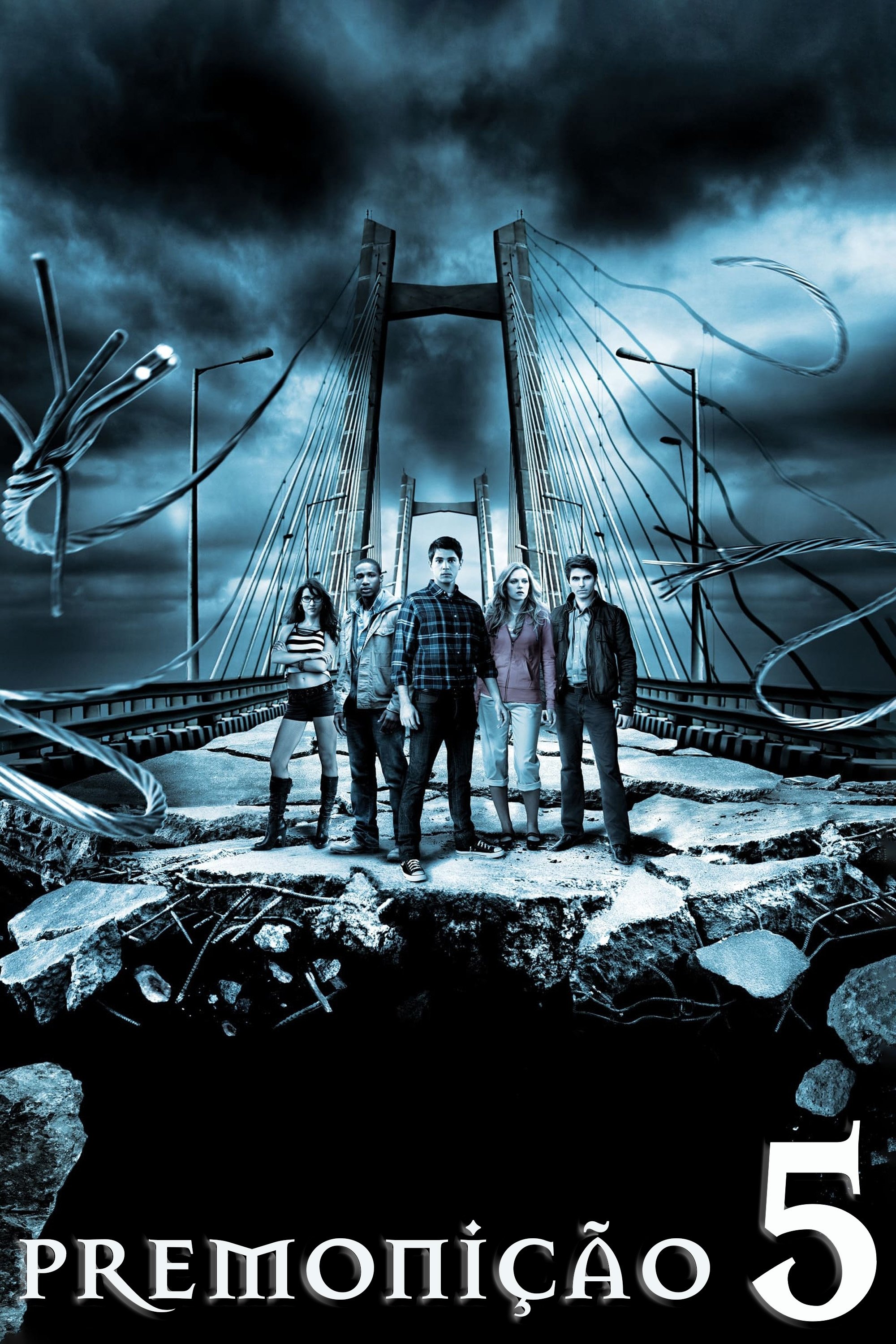
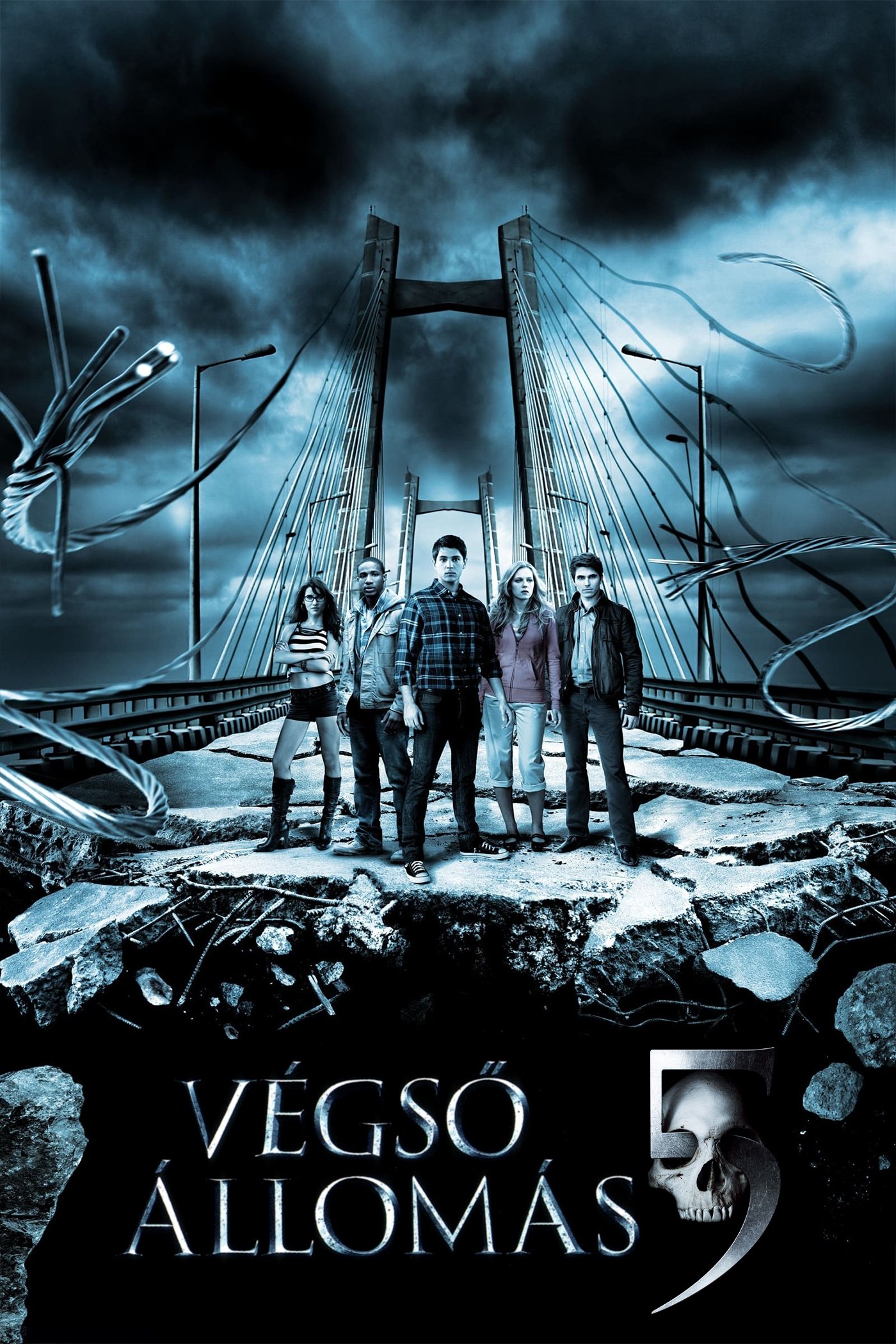
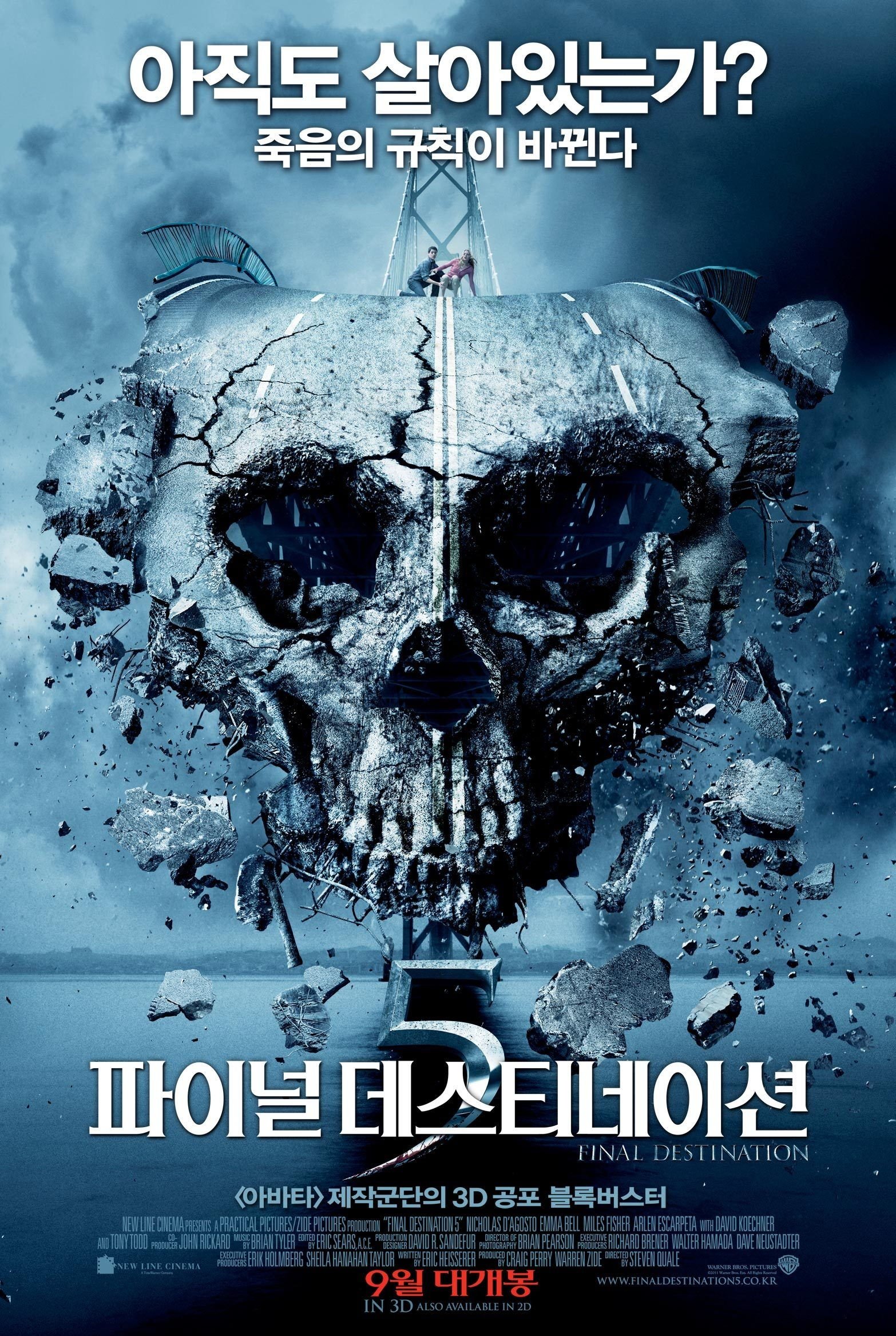
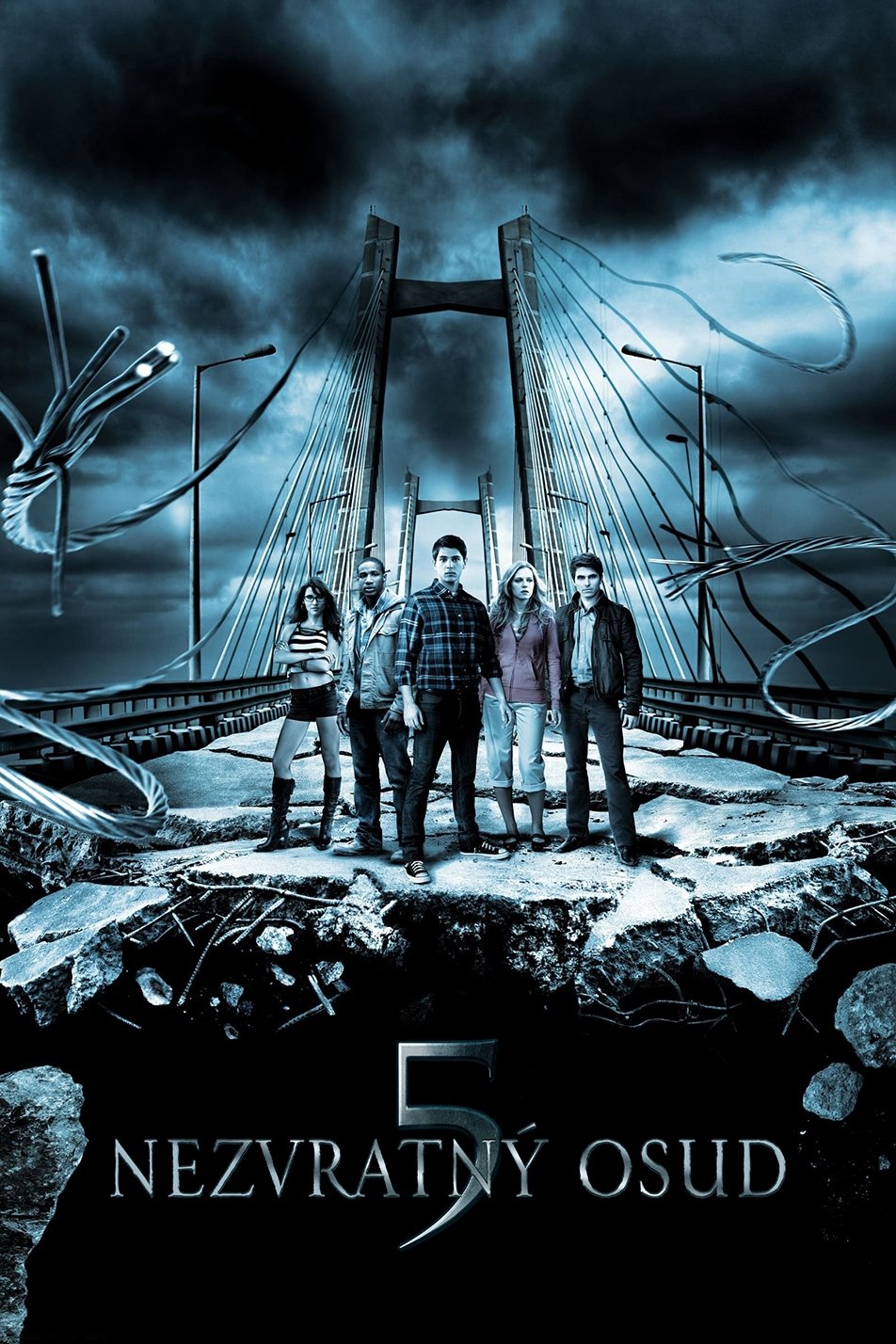
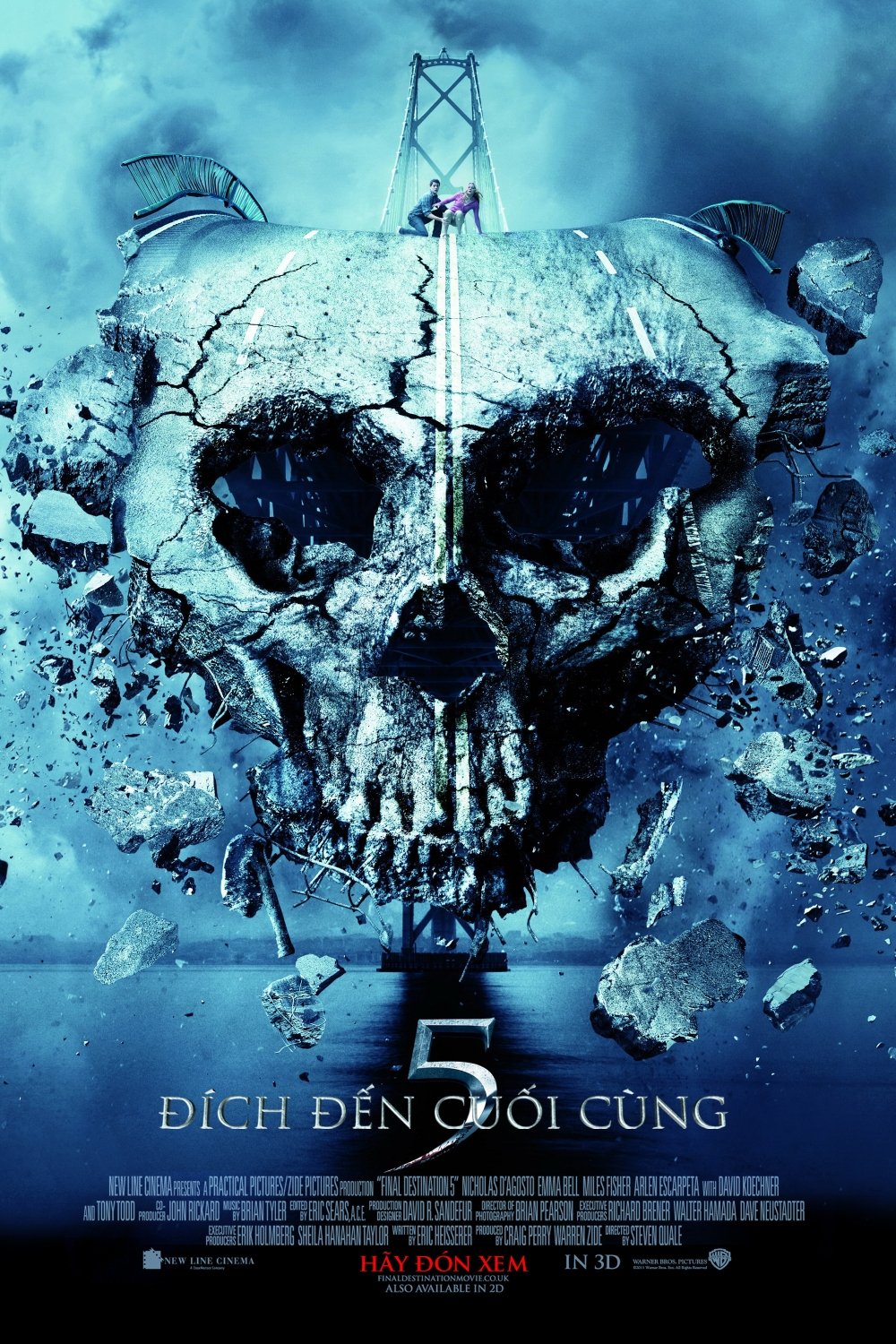
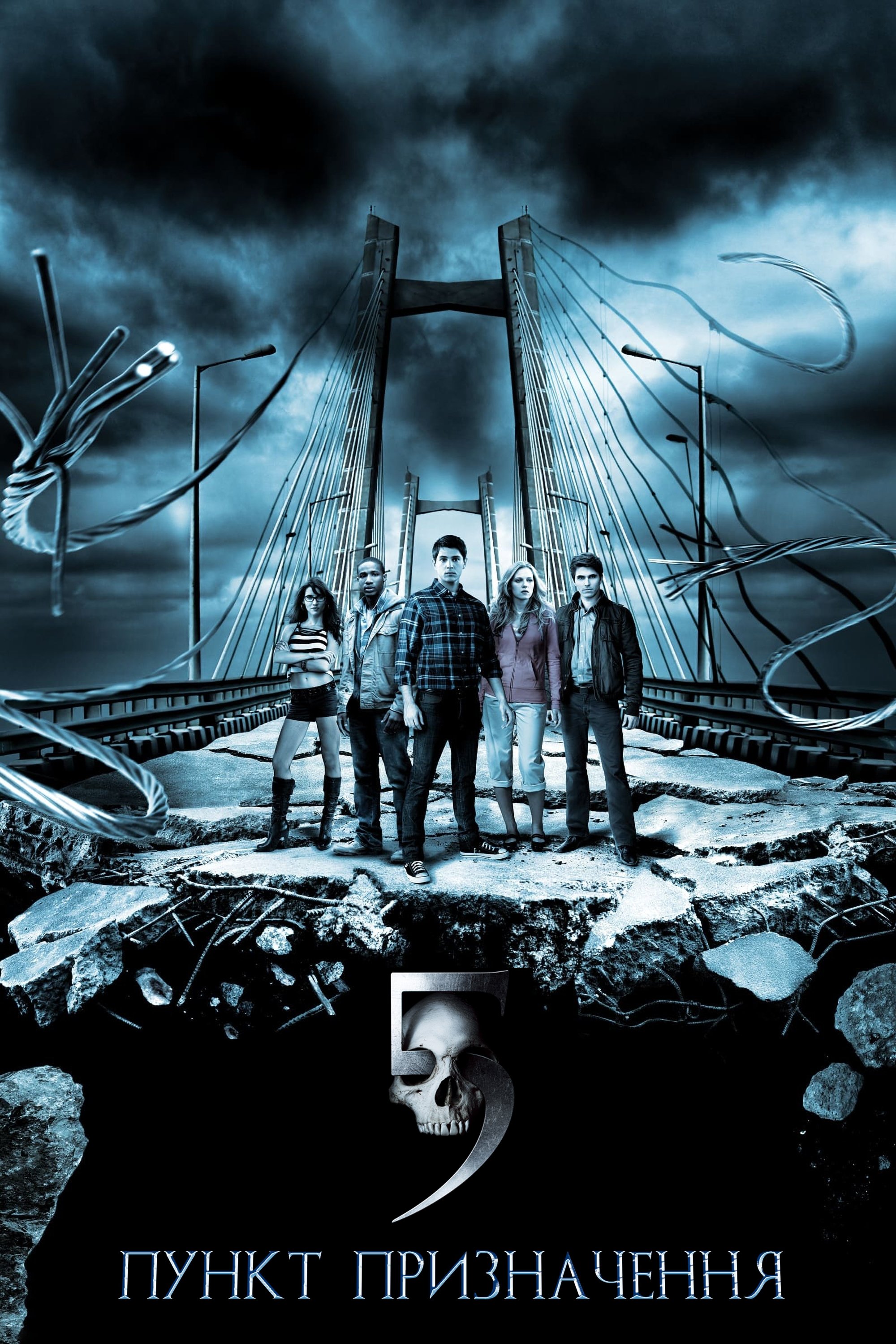
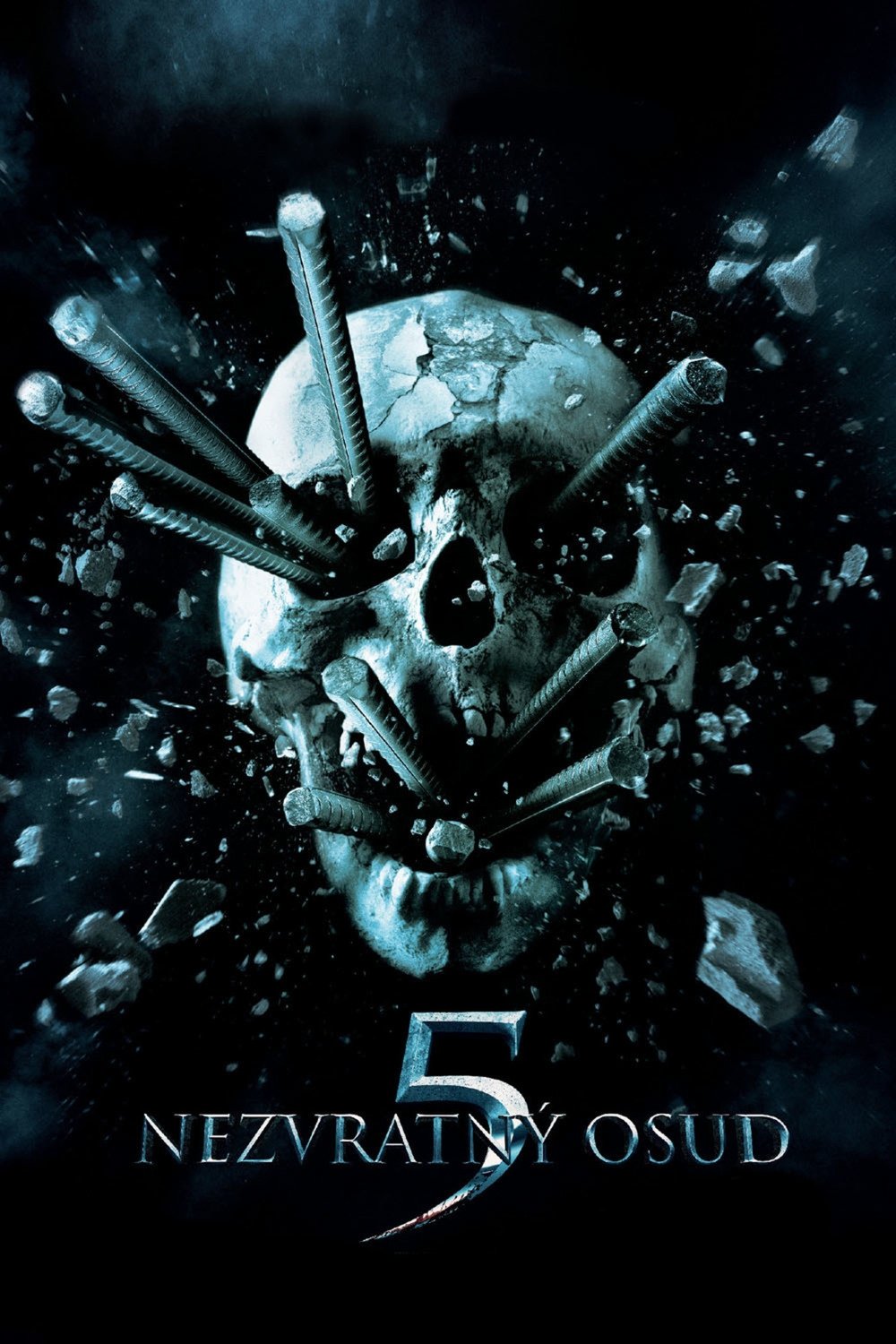
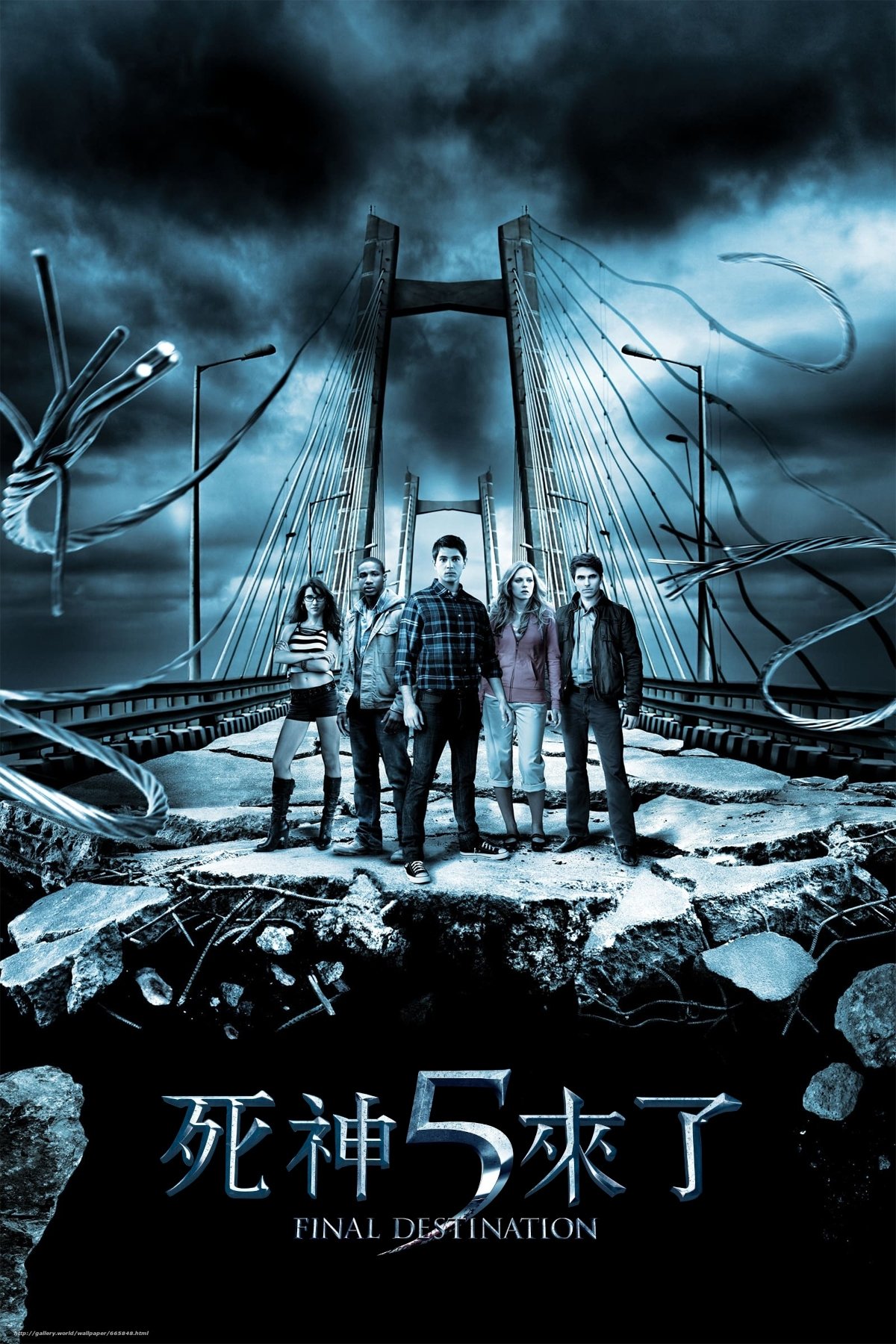
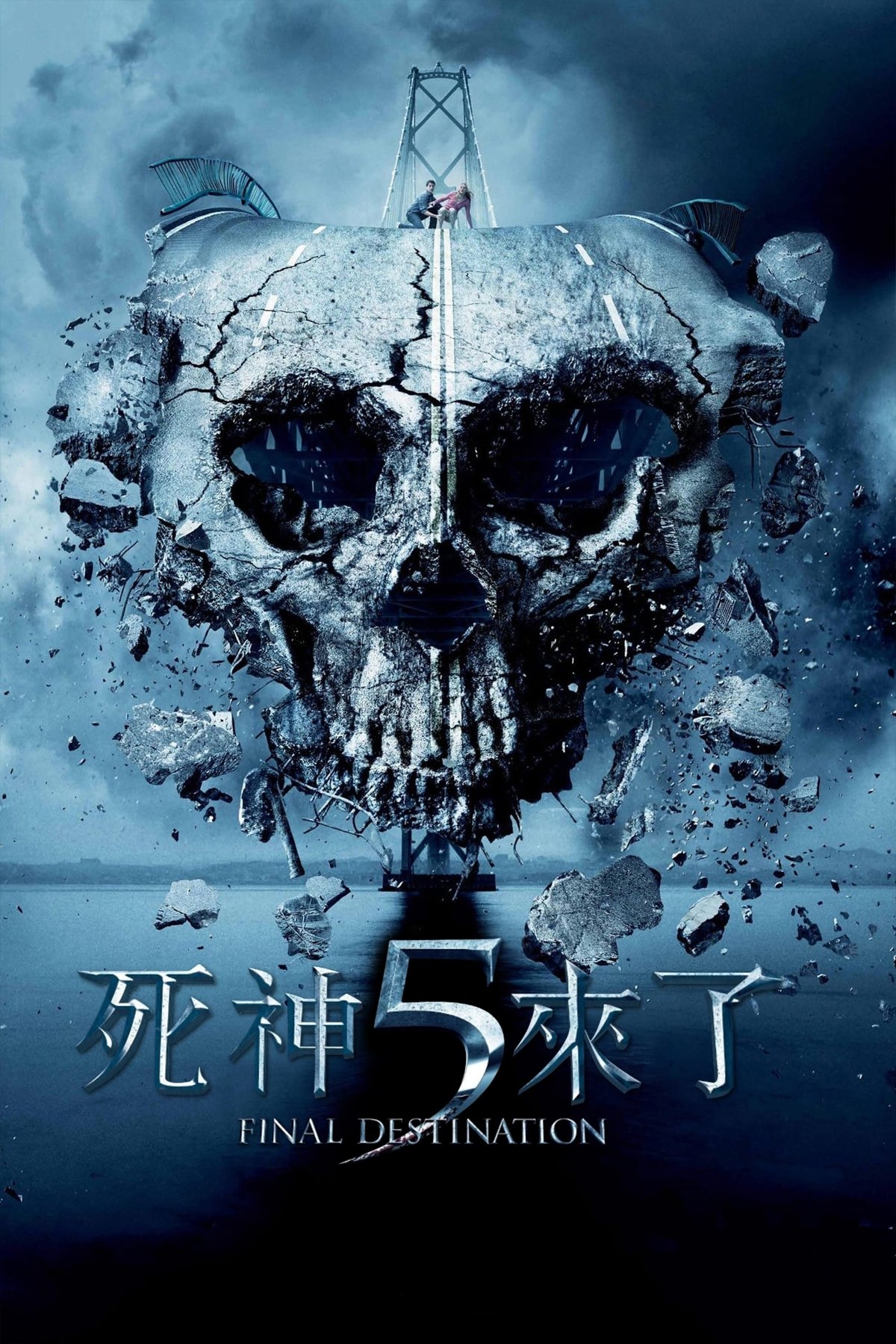
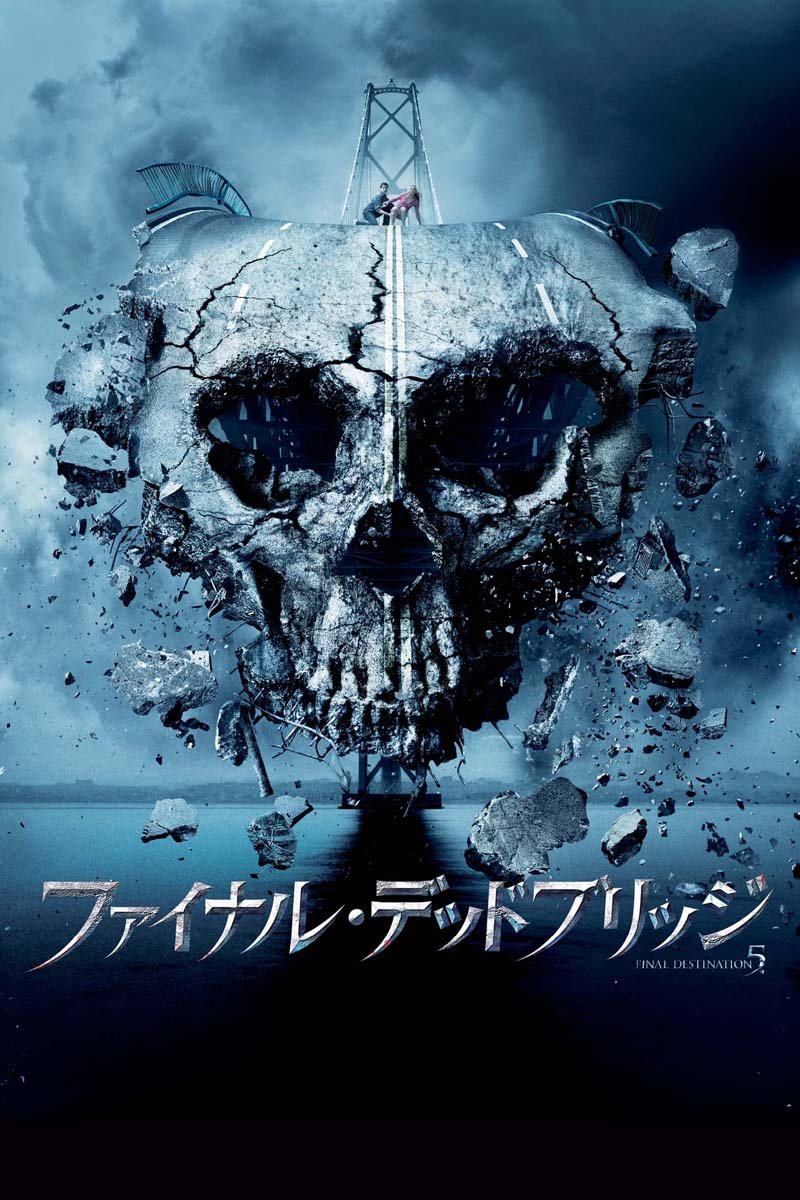
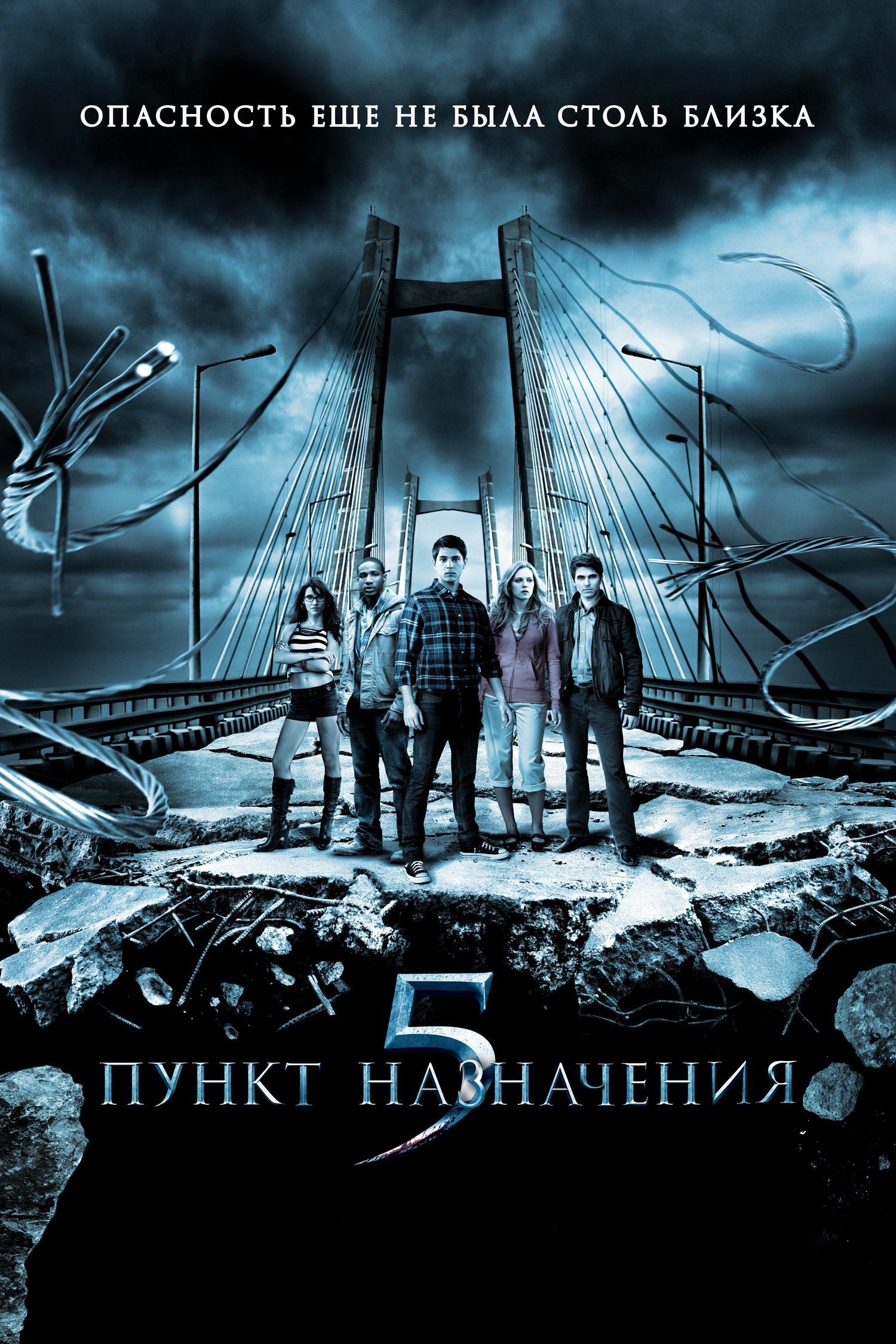
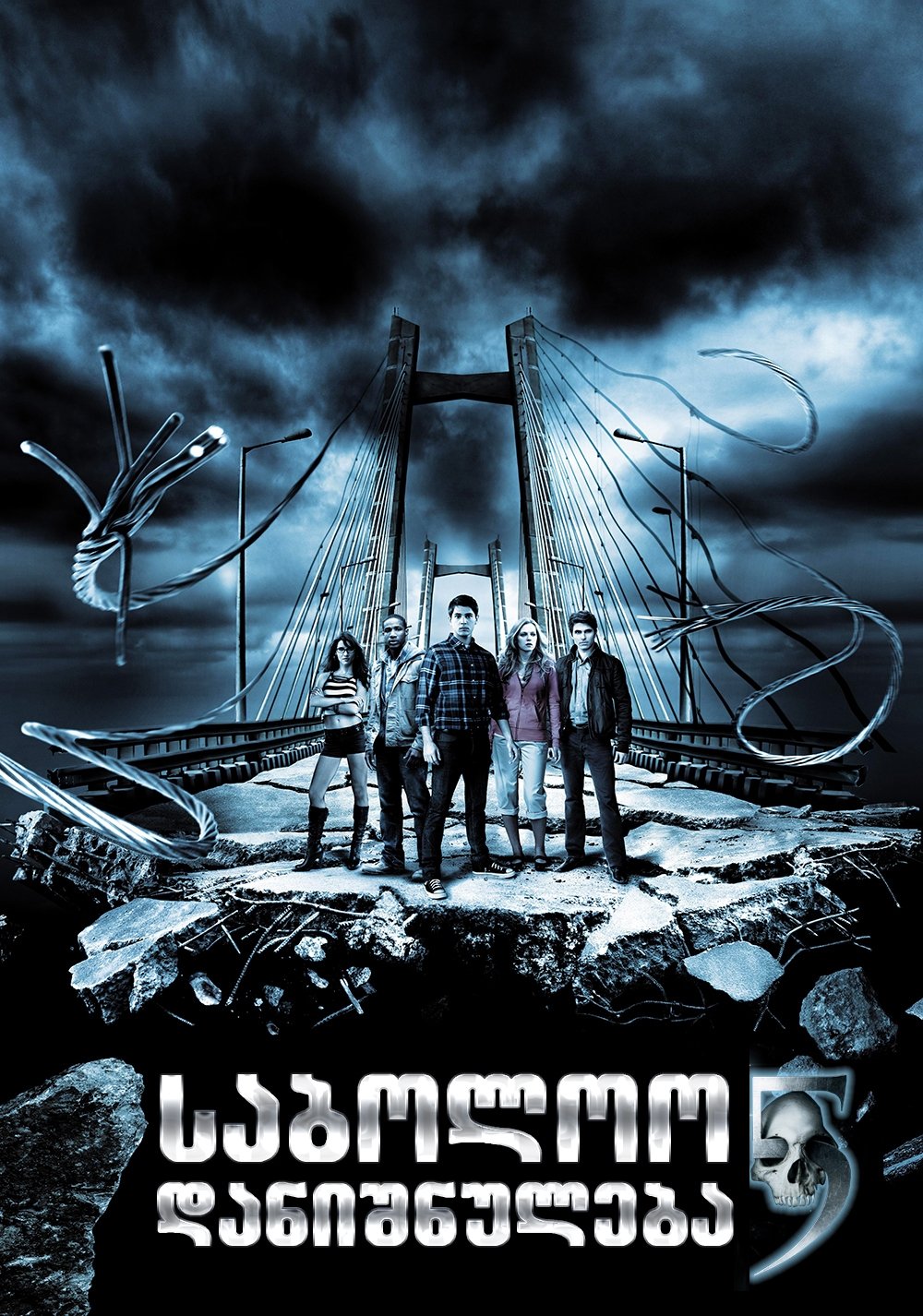
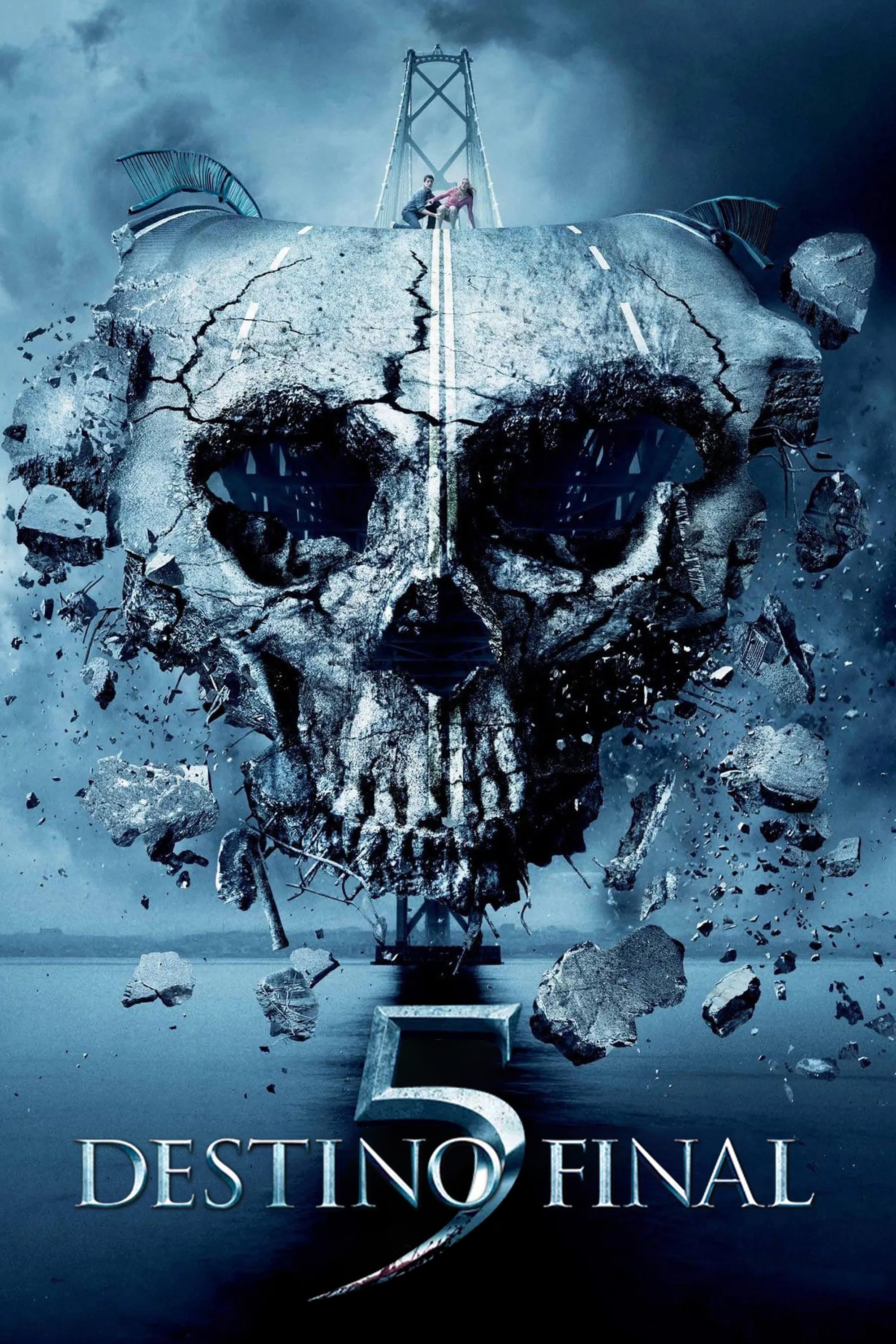
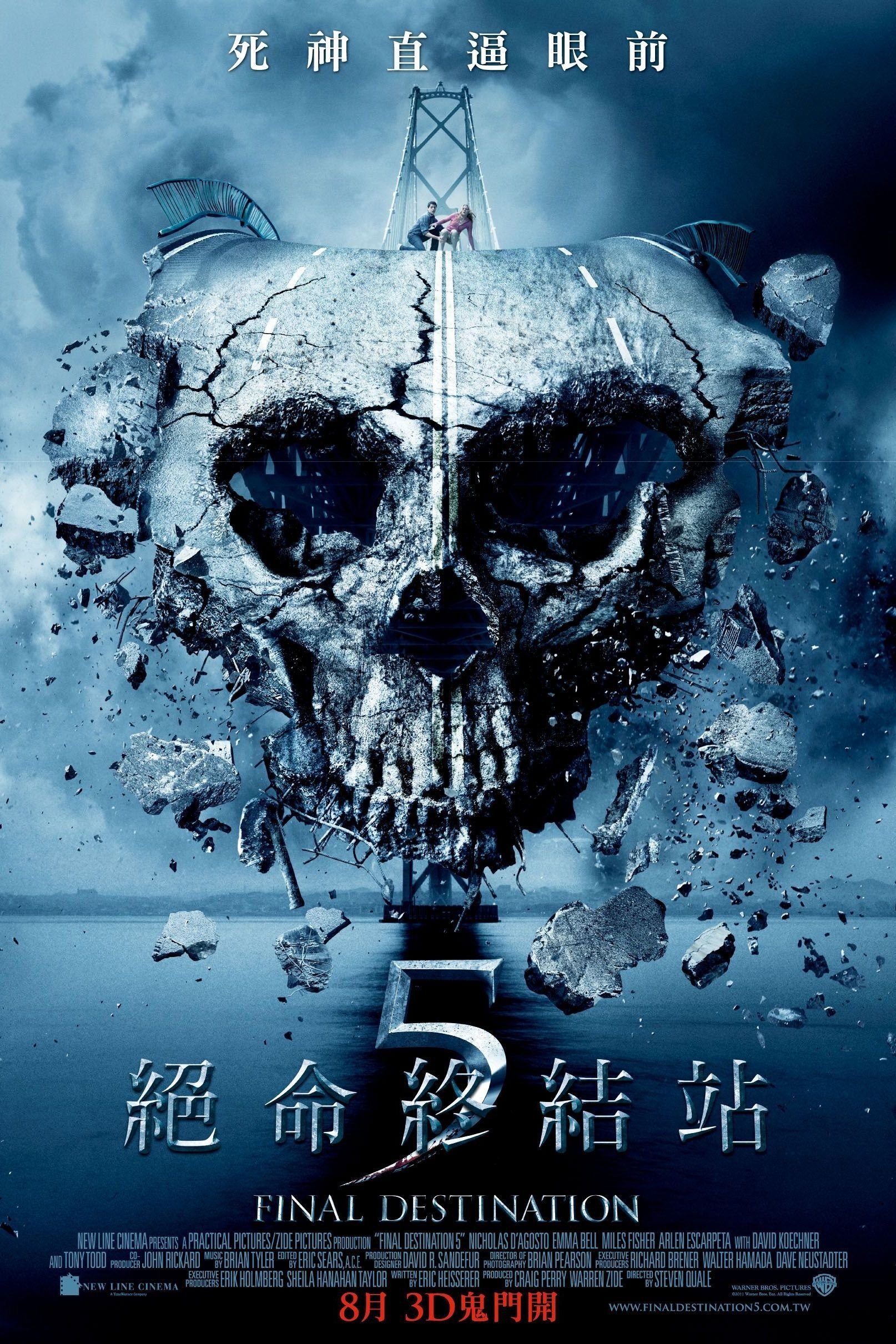
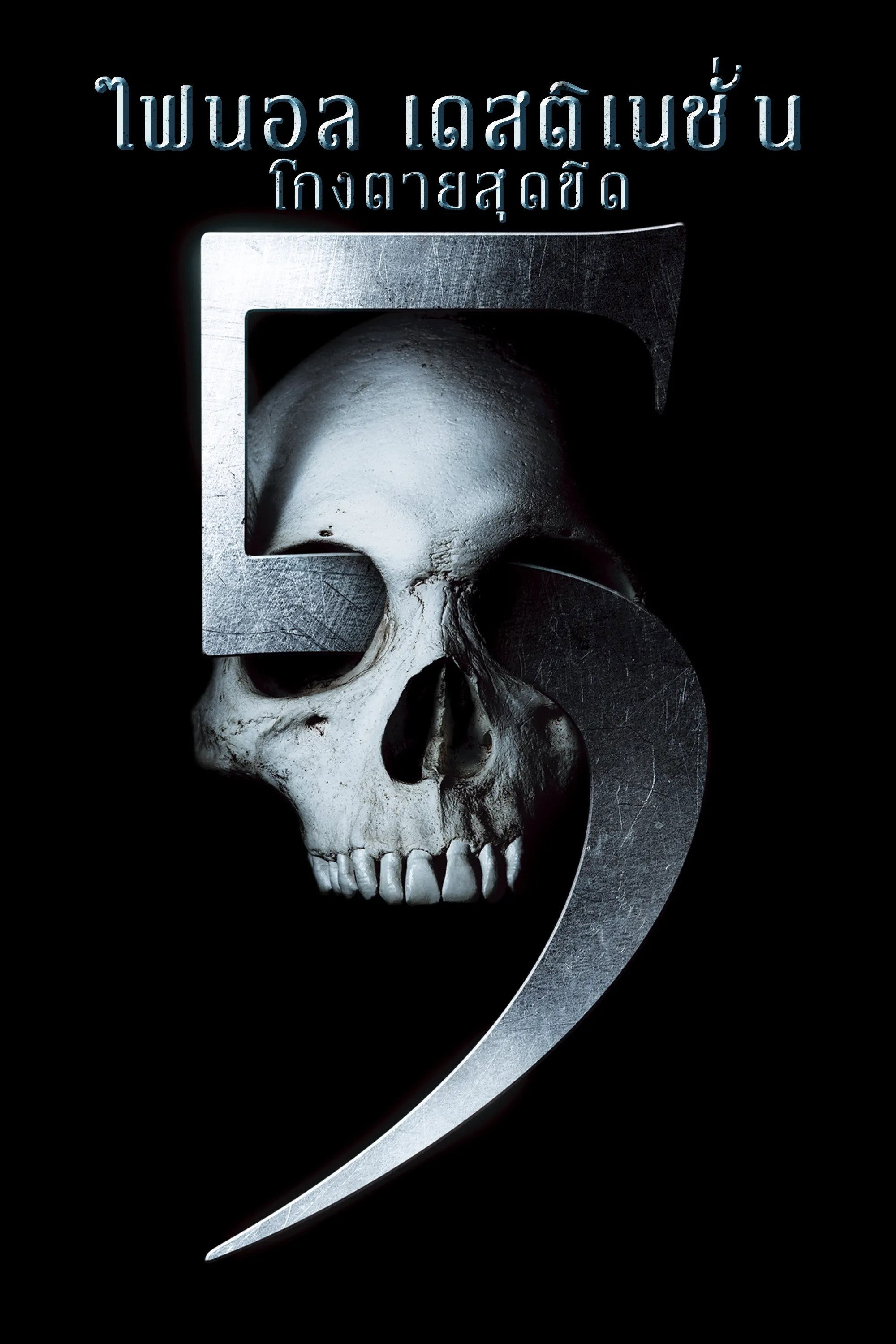
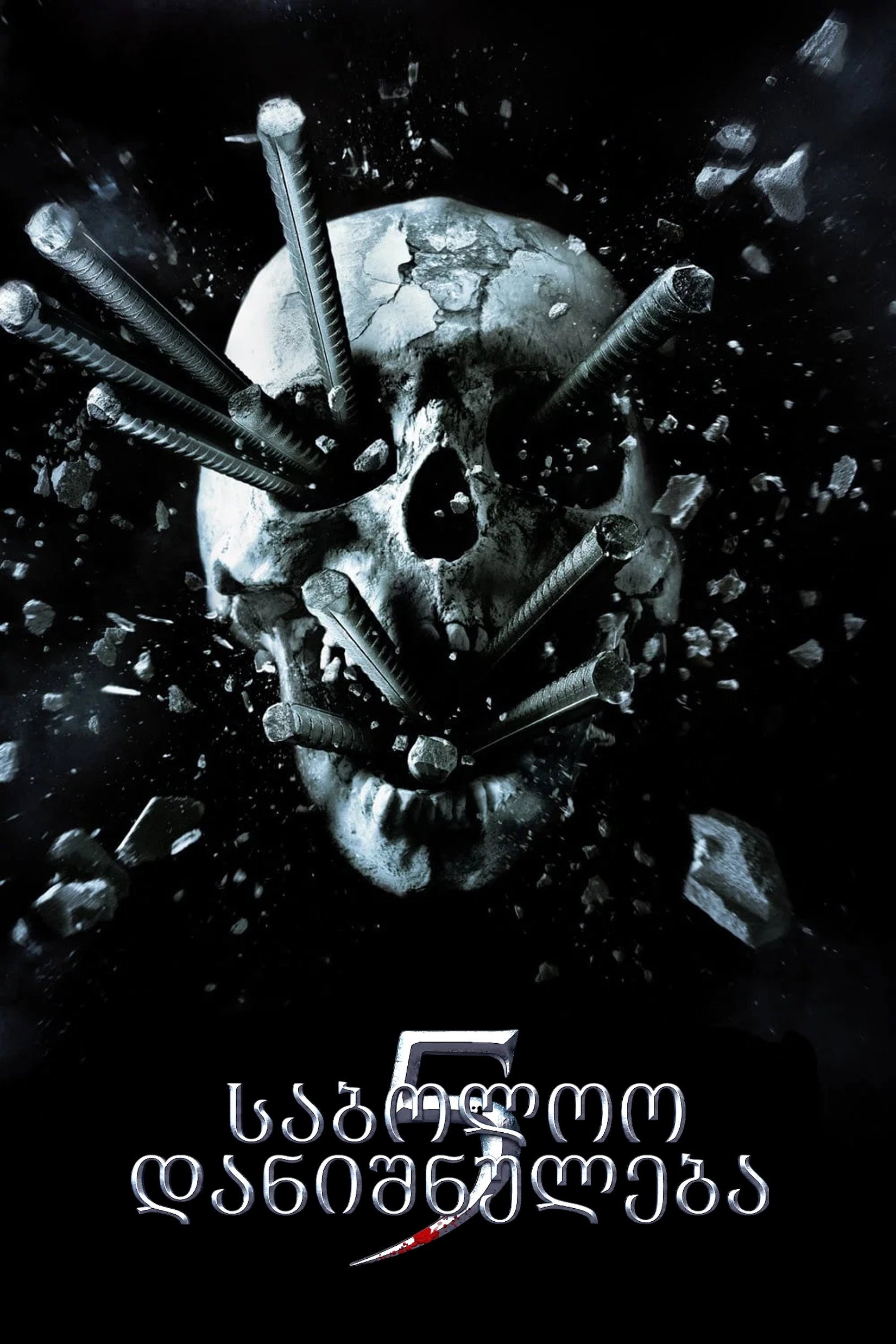
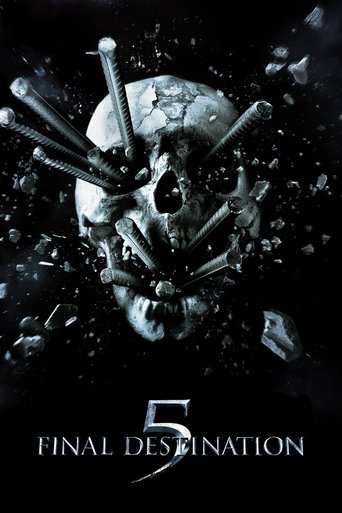
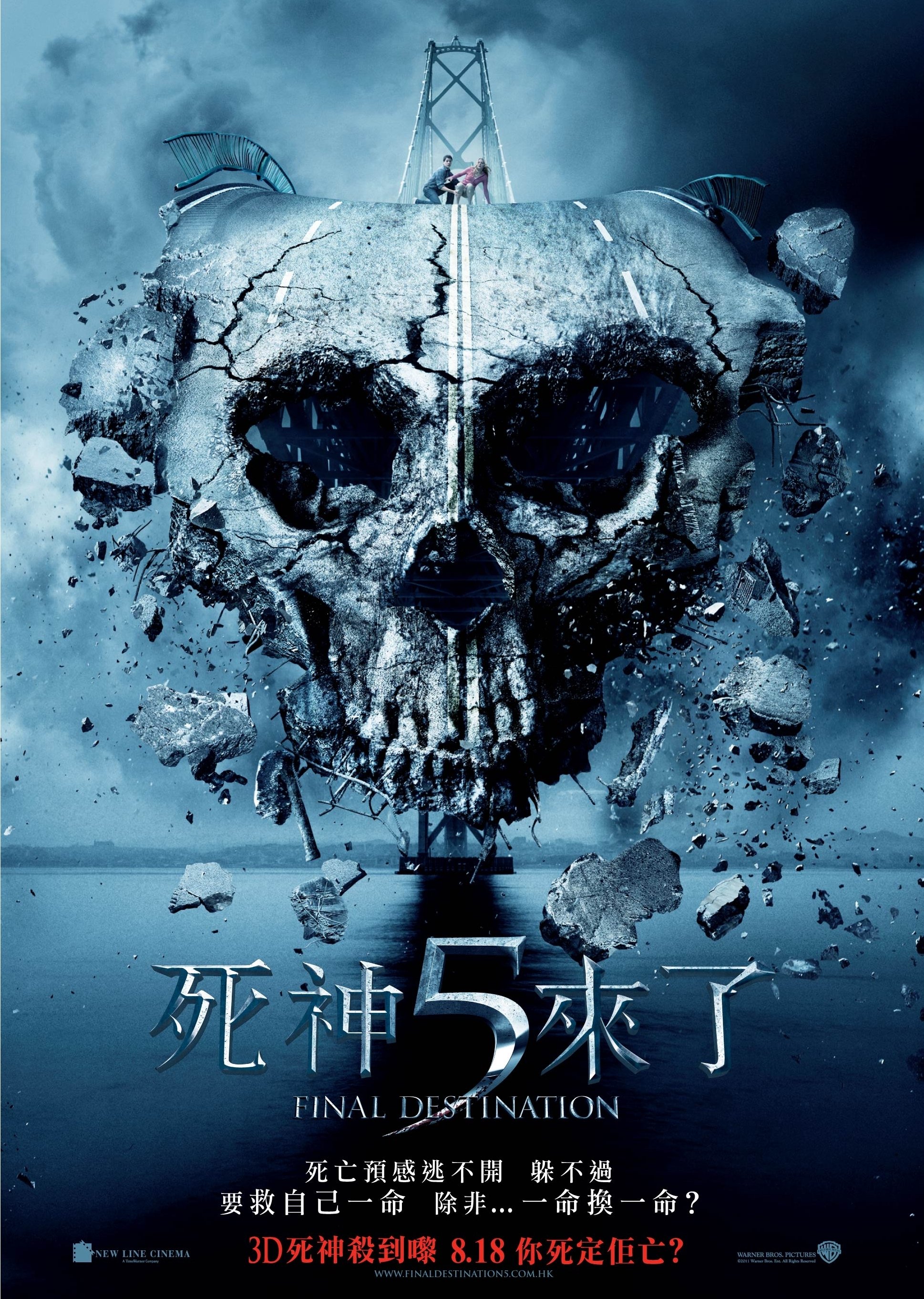
Final Destination 5 (2011) poster
Director
Production Companies
Parallel Zide , New Line Cinema , Practical Pictures
Plot

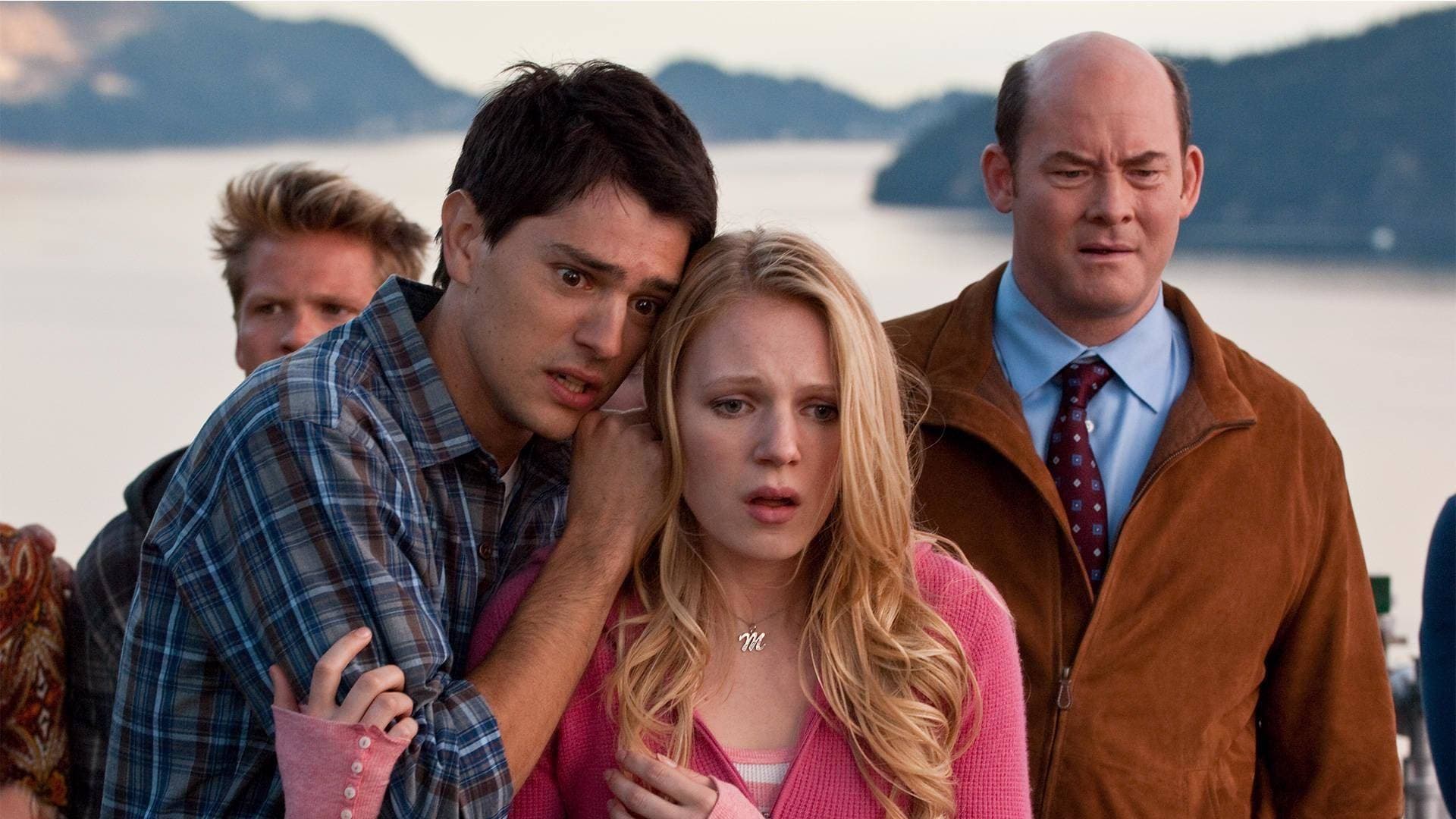
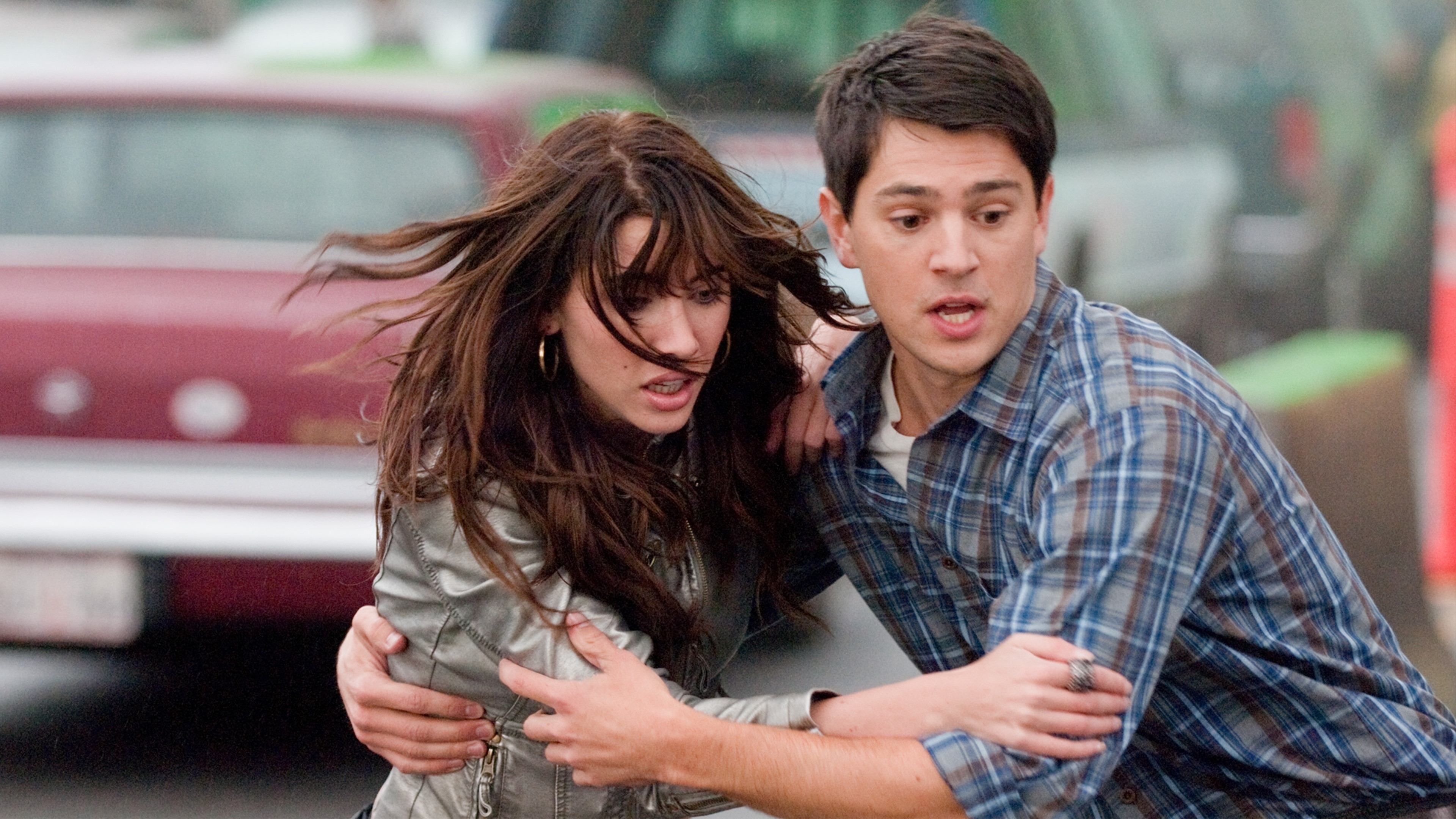
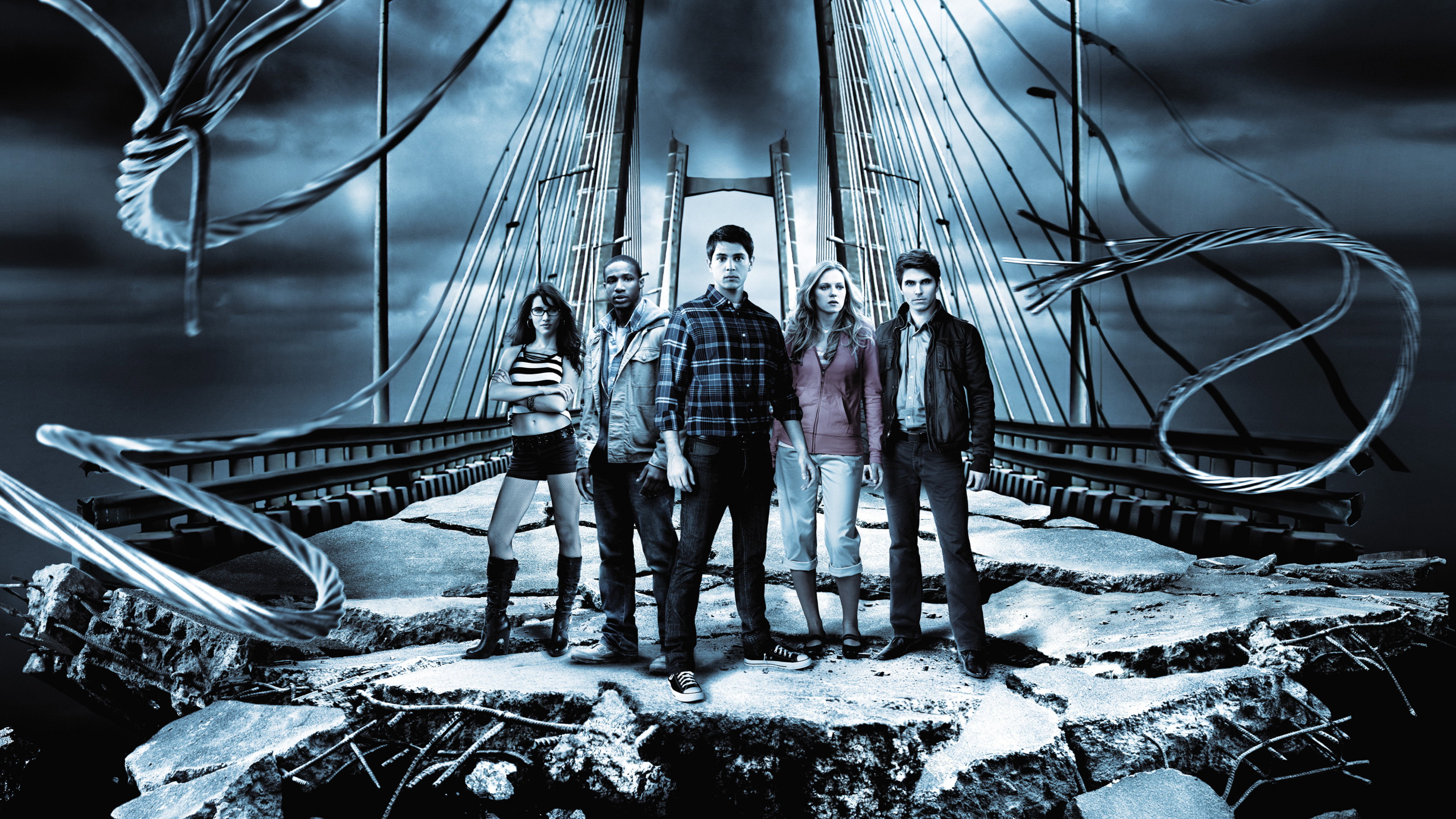
During a company outing, Sam Lawton has a premonition of a suspension bridge collapsing and leads several coworkers to safety before the structure fails. When the survivors begin dying in improbable accidents, Sam and his friends seek to understand the pattern. William Bludworth offers an unsettling possibility: a survivor might obtain additional time by taking someone else’s remaining lifespan. As Sam struggles to protect Molly, the group faces a rule whose implications remain dangerous and uncertain.

Alternative Titles
Təyinat nöqtəsi 5 (Azerbaijan) — Azerbaijani Последен изход 5 (Bulgaria) — Bulgarian Premonição 5 (Brazil) — Portuguese Destination ultime 5 (Canada) — French 死神来了5 (China) — Chinese 绝命终结站5 (China) — Netflix Nezvratný osud 5 (Czechia) — Czech Lõpp-punkt 5 (Estonia) — Estonian
Show all 39 alternative titles Destinació final 5 (Spain) Destino final 5 (Spain) — Spanish Destination finale 5 (France) — French საბოლოო დანიშნულება 5 (Georgia) — Georgian Βλέπω το Θάνατό σου 5 (Greece) — Greek 死神 5 來了 (Hong Kong SAR China) — Chinese Put bez povratka 5 (Croatia) — Croatian Végső állomás 5. (Hungary) — Hungarian יעד סופי 5 (Israel) — Hebrew आखिरी मुकाम... मौत !! (India) — Hindi مقصد نهایی ۵ (Iran) — Persian ファイナル・デッドブリッジ (Japan) — Japanese 파이널 데스티네이션 5 (South Korea) — Korean Galutinis tikslas 5 (Lithuania) — Lithuanian Ceļa gals 5 (Latvia) — Latvian Destino Final 5 (Mexico) — Spanish Oszukać przeznaczenie 5 (Poland) — Polish O Último Destino 5 (Portugal) — Portuguese Destinație finală 5 (Romania) — Romanian Последња екскурзија 5 (Serbia) — Serbian Пункт назначения 5 (Russia) — Russian الوجهة النهائية 5 (Saudi Arabia) — Arabic Brez povratka 5 (Slovenia) — Slovenian Nezvratný osud 5 (Slovakia) — Slovak โกงตายสุดขีด (Thailand) ไฟนอล เดสติเนชั่น 5 : โกงตายสุดขีด (Thailand) — Thai Son Durak 5 (Türkiye) — Turkish 絕命終結站5 (Taiwan) — Chinese Пункт призначення 5 (Ukraine) — Ukrainian Final Destination 5 3D (United States) Lưỡi Hái Tử Thần 5 (Vietnam) — Vietnamese

Trailers & Videos

10 videos

Film Guide

Steven Quale brought stereoscopic action to the fifth installment, with a bridge-collapse premonition, practical opening-title effects and a chronology linking the story to the original film.

Final Destination 5 (2011) arrived after a fourth installment that had already presented itself as the series' conclusion. Director Steven Quale retained the fatal premonitions and chains of ordinary objects becoming lethal, but the fifth film redirects much of its suspense toward the decisions made after survival. Its characters face the possibility that another person's remaining years can be taken to postpone their own deaths. A spectacular bridge collapse remains the opening catastrophe, while the aftermath develops into a conflict between survivors whose understanding of the rules is incomplete. These choices give the supernatural threat a social dimension, beyond the mechanics of each new accident.

The picture also occupies a distinctive place in early-2010s stereoscopic horror. Quale came to feature directing with extensive experience in technically complicated productions, and the film was conceived for 3D exhibition. Its elaborate destruction sequence involved work by Prime Focus, while its opening titles were designed around filmed objects smashing through glass. Production interviews document substantial changes to the screenplay and the practical demands of using large stereoscopic camera rigs. Those records provide a clearer account of the film's construction than broad claims that the franchise simply perfected its formula. The ending further reframes the series chronology, connecting the fifth entry directly to events from the original film.

Development and a New Director

Steven Quale was making his first theatrical feature as director, although his professional background was much longer than that description suggests. In an August 2011 interview with CinemaBlend, he discussed working on major James Cameron productions and his experience with second-unit photography and visual effects. He considered the combination of staging, acting and technical preparation central to the new film. Eric Heisserer's screenplay offered an existing franchise structure but left room for changes in tone and character behavior. Quale said he reviewed the previous installments to identify where their suspense, humor and increasingly exaggerated action had taken the material. He wanted the jokes to arise from recognizable behavior rather than purely from outrageous deaths.

Several important story details changed during development. Quale recalled that an earlier climax had been written for a railway station, but the production could not secure a suitable Vancouver location. Working with producer Craig Perry and Heisserer, he relocated the confrontation to a kitchen. The revision altered Sam Lawton's occupation: a different character had originally been the cook, and the filmmakers transferred that role to Sam while simplifying an overcrowded ensemble. This was more consequential than a change of scenery. It gave the central survivor a professional environment that could accommodate the last confrontation and made the climax part of his established daily life.

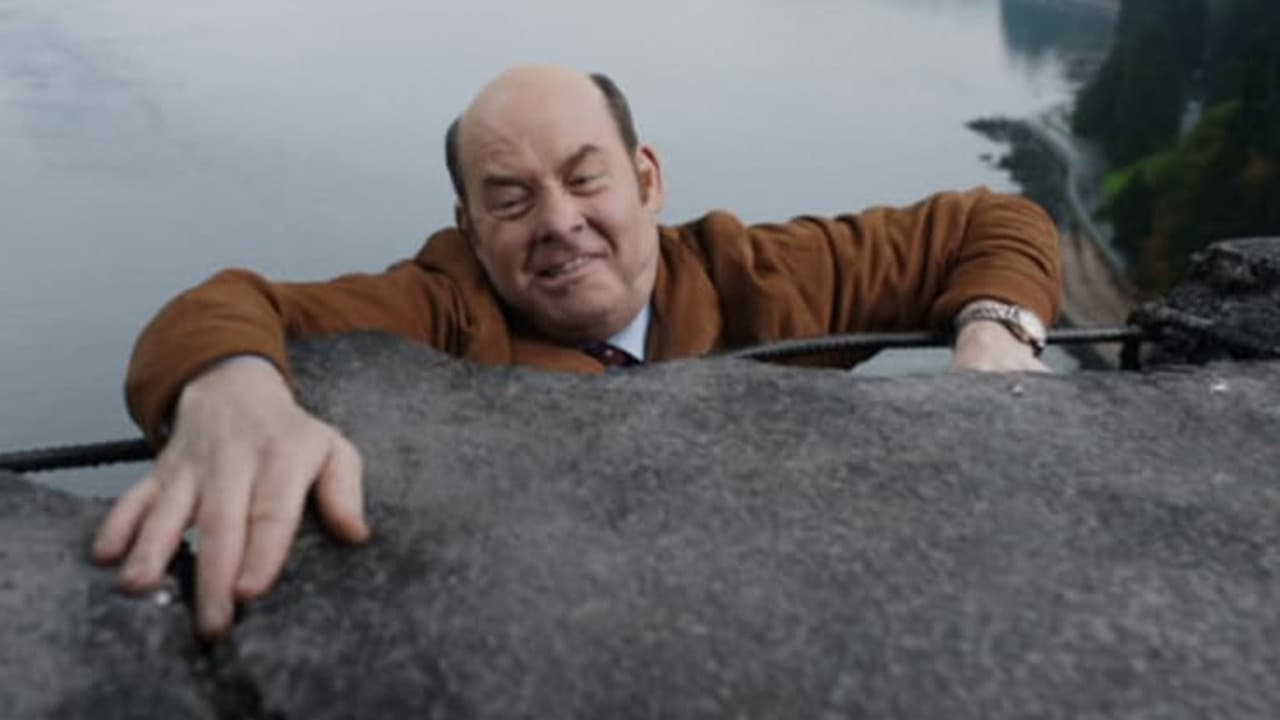
Quale also discussed the casting of Miles Fisher as Peter Friedkin, whose increasing desperation becomes central to the final act. He remembered being convinced by an audition in which Fisher made the character's attempt to rationalize an extreme choice believable. Comedy was handled with similar attention to performance. In the same interview, the director described improvised material from David Koechner, who plays the group's manager, and his effort to restrain scenes when the actors' humor became too broad. These remarks are evidence of the filmmakers' intentions rather than a measure of their success. They help explain why the film places more attention on tension between its survivors than the previous installment did.

The Bridge Disaster and Visual Effects

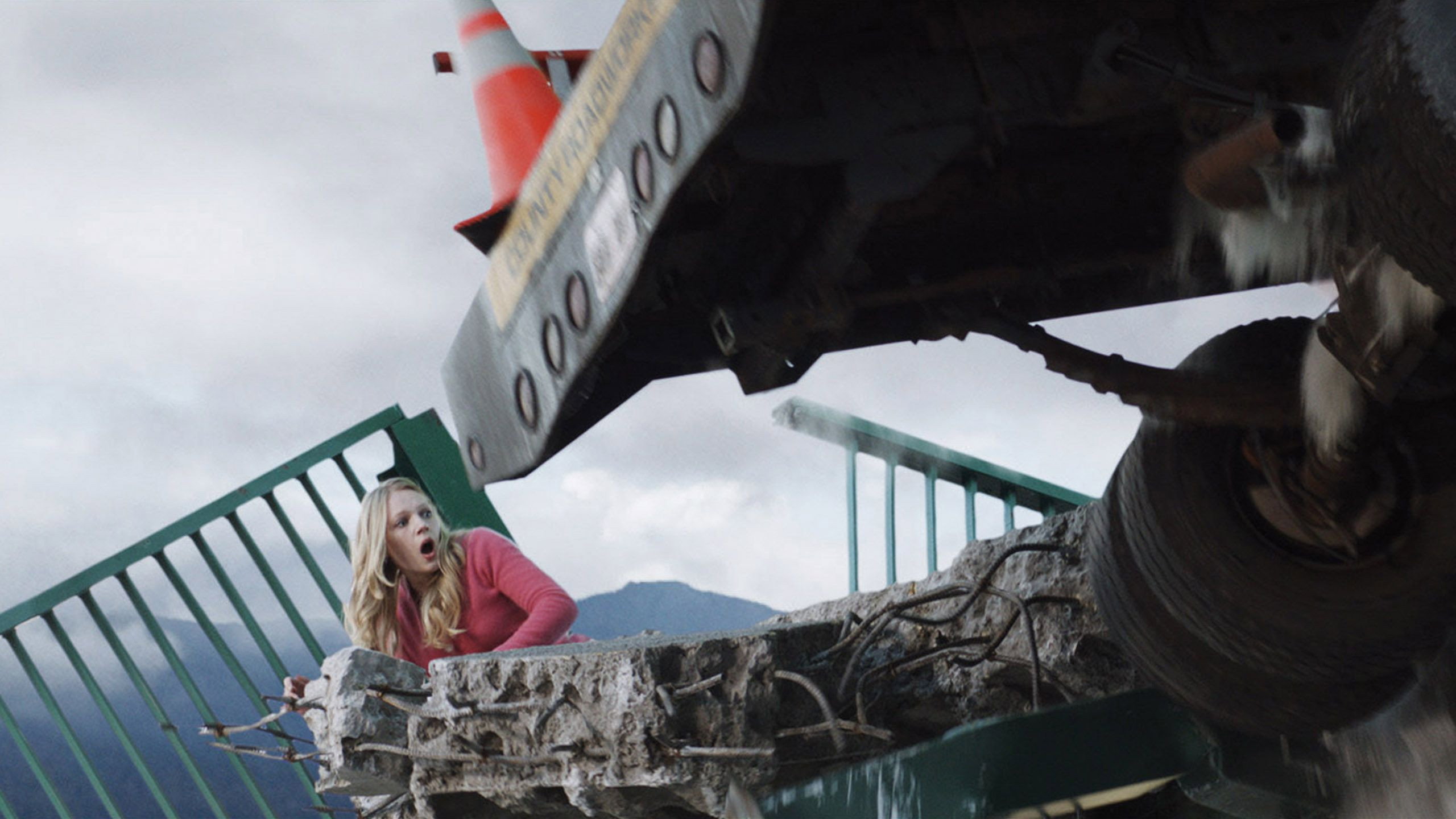
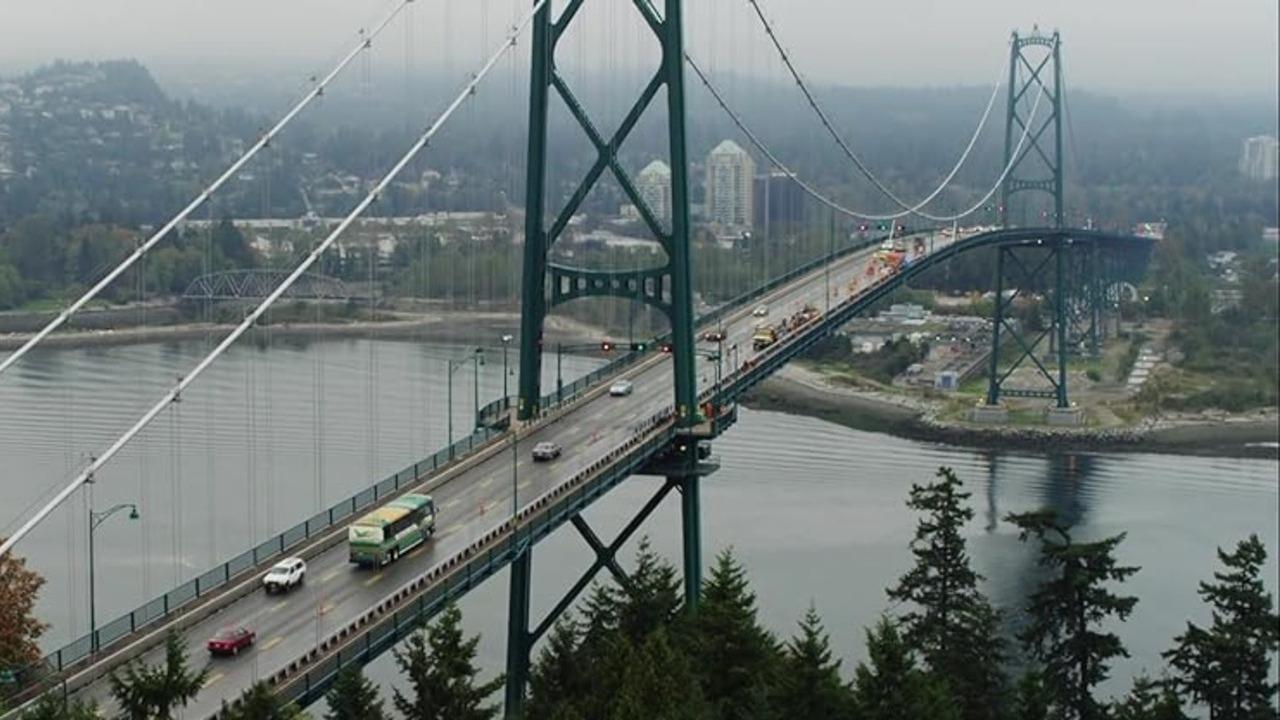
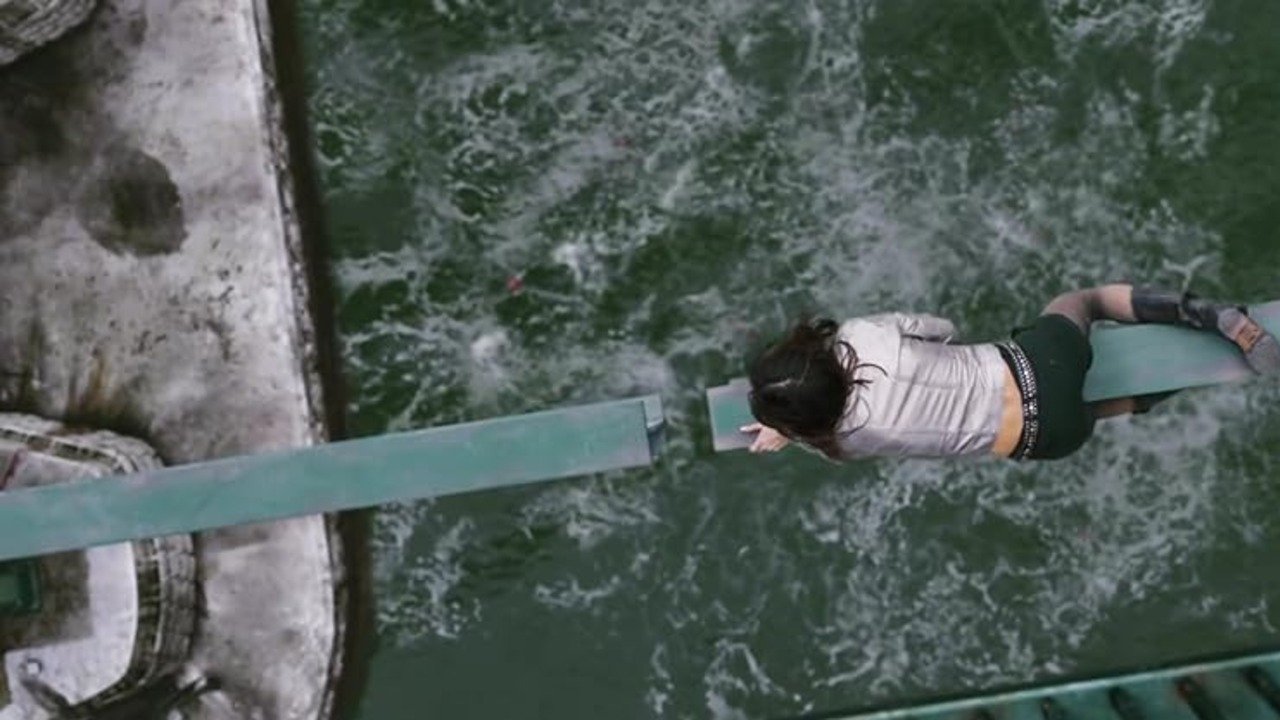
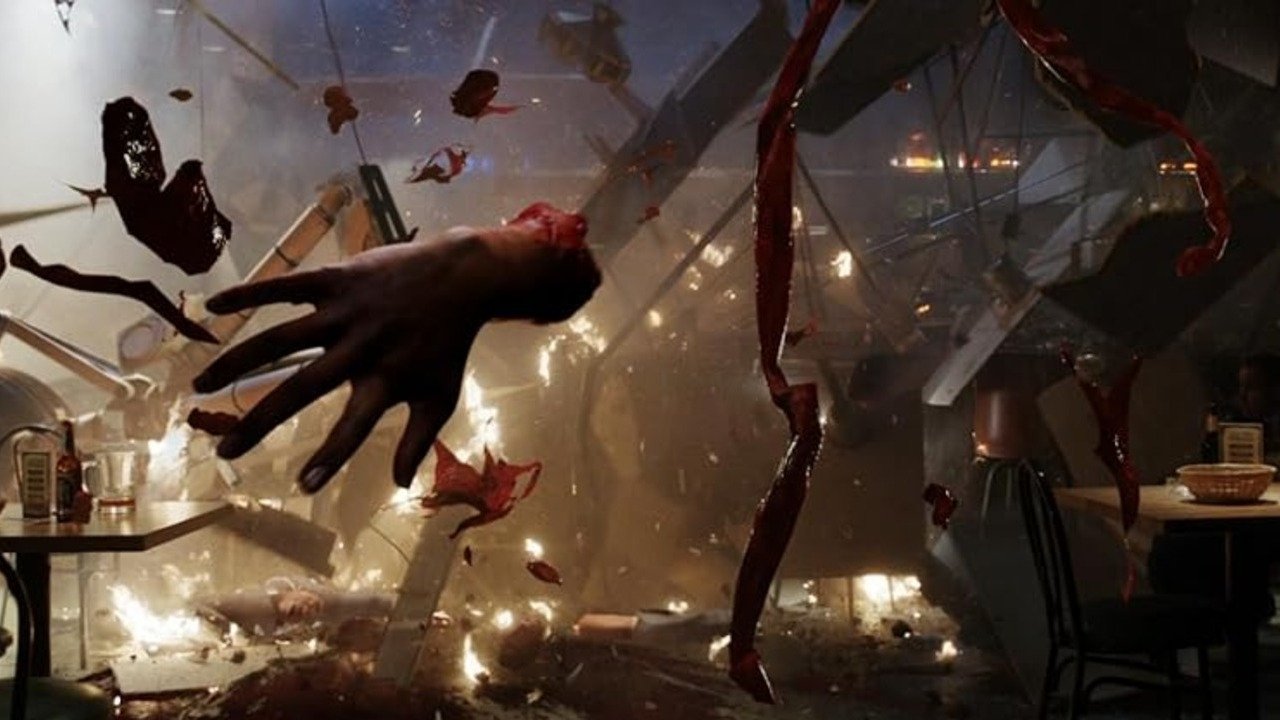
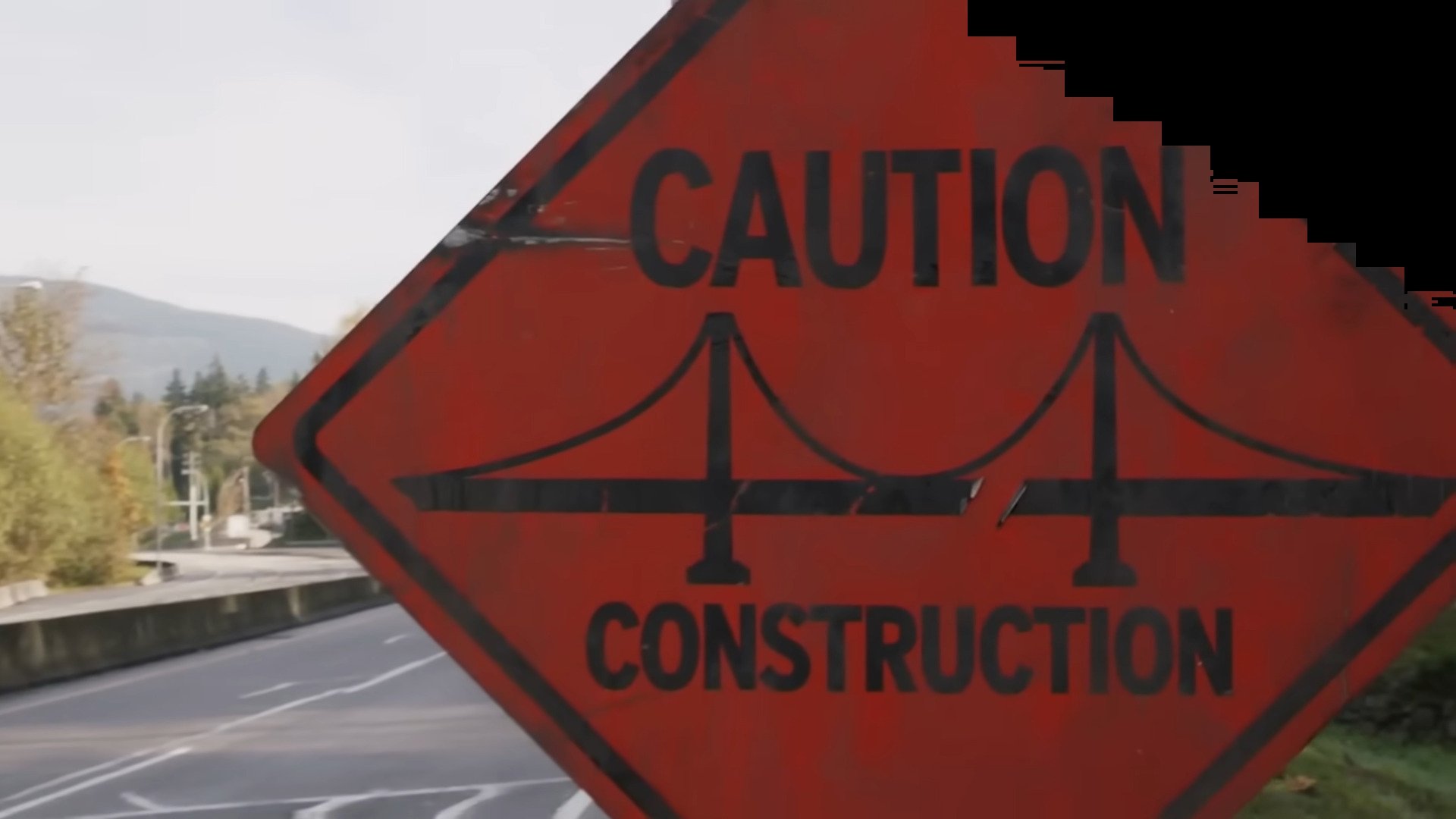
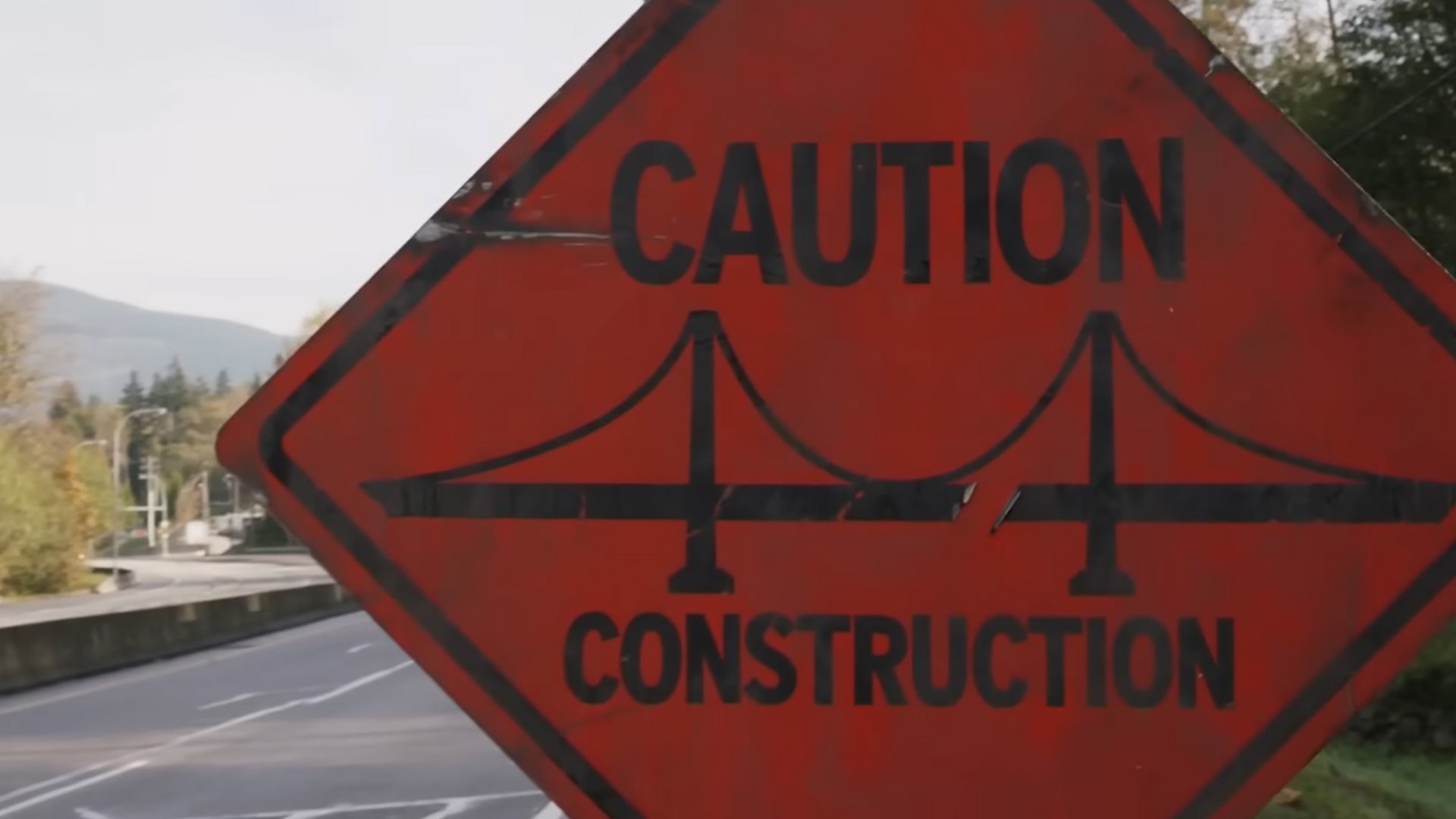
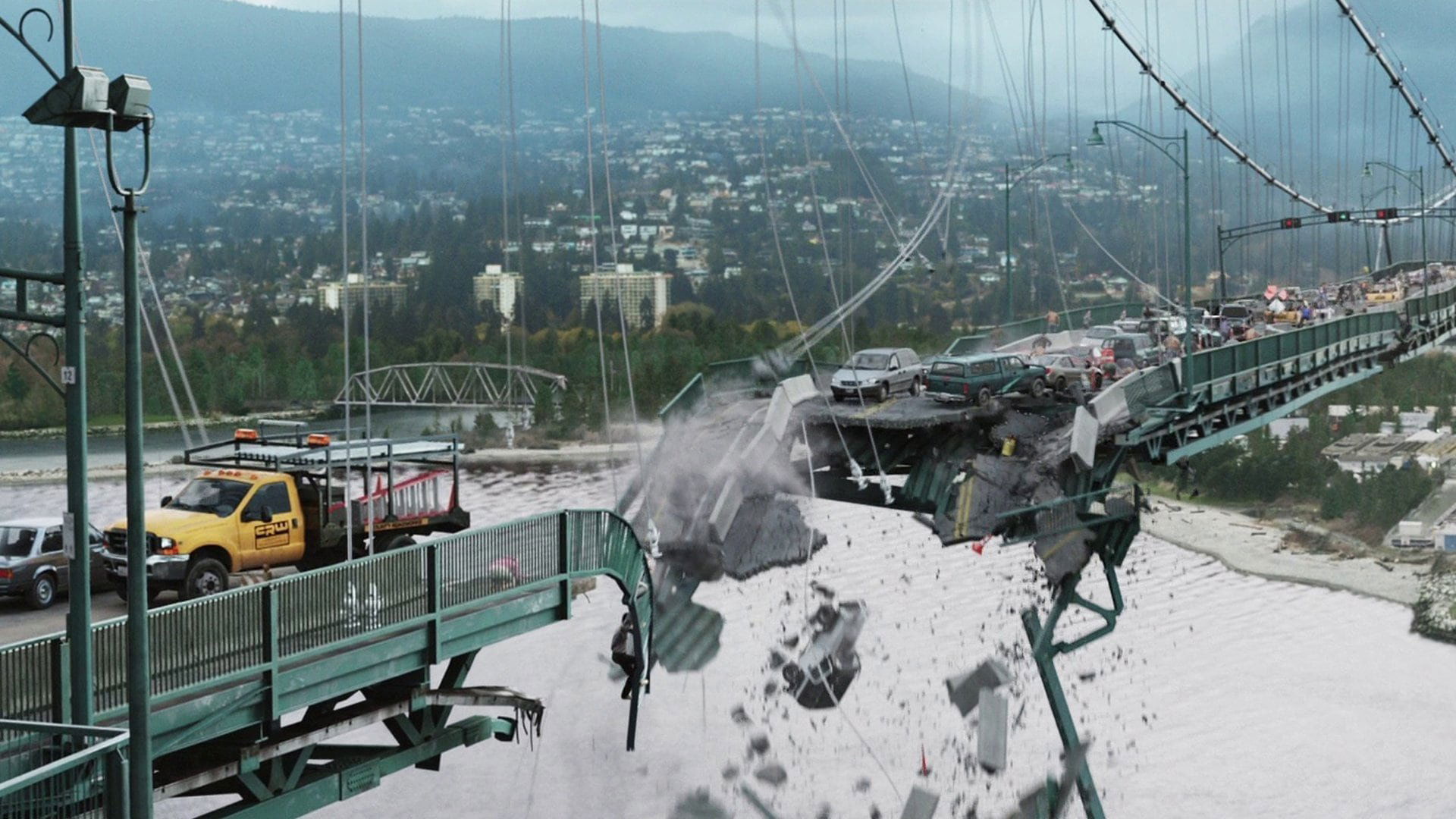
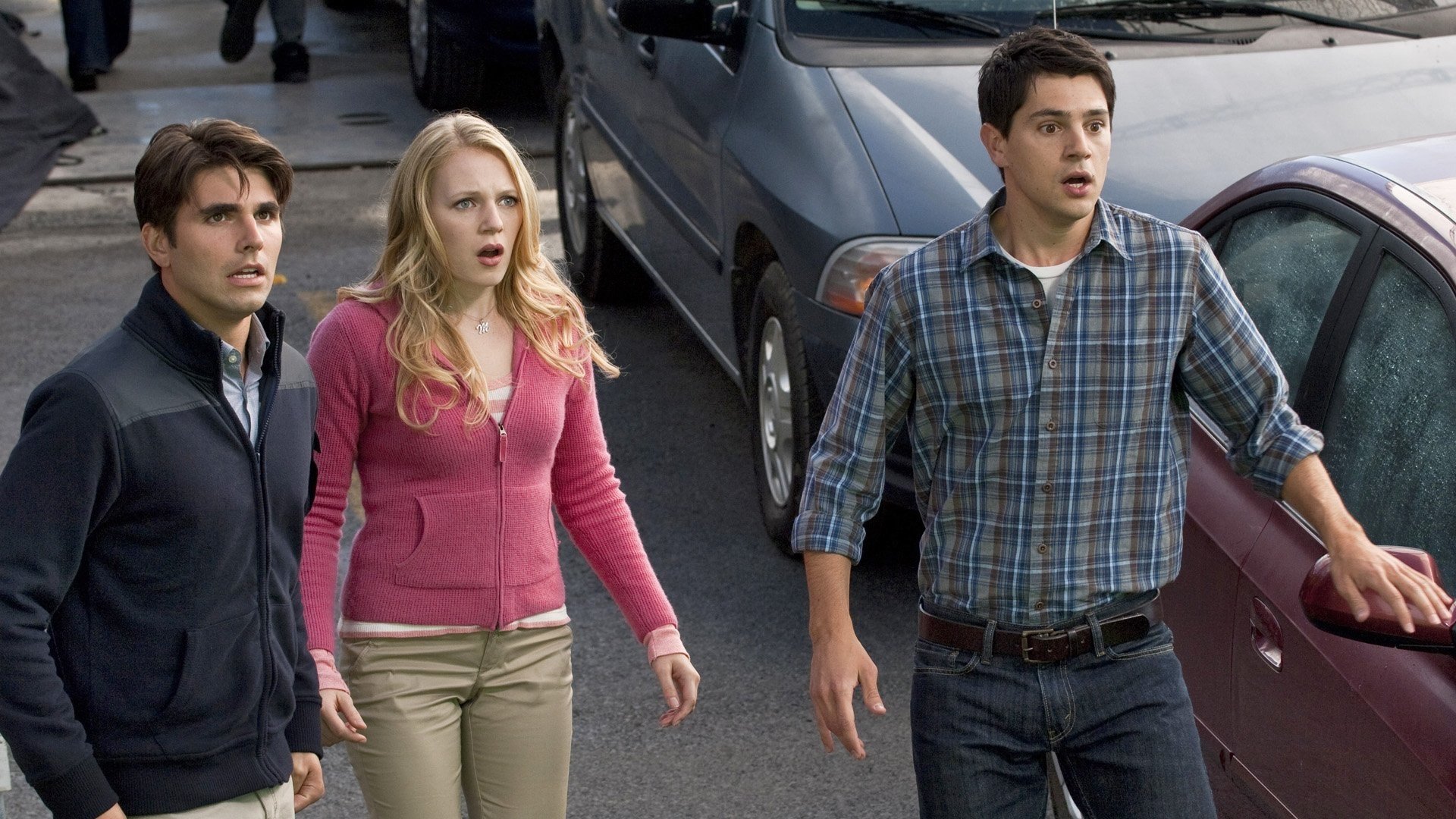
The opening disaster replaces the earlier series' vehicles and amusement rides with a suspension bridge crowded by commuters. Before the collapse begins, the location appears to be a functioning public structure whose apparent stability depends on many unseen relationships. Construction activity, loose materials and moving traffic give the camera several potential sources of danger. Once Sam's premonition starts, the roadway breaks apart in successive stages. The sequence requires a coherent understanding of where the survivors are positioned while the ground beneath them fails. Its large scale distinguishes the film from the more confined accidents that follow, but the suspense still depends on anticipating how a familiar environment might turn against its occupants.

Prime Focus worked on the destruction sequence, a contribution documented by fxguide in a podcast published in August 2011. The program brought together visual effects supervisor Chad Wiebe and computer graphics supervisor Todd Perry to discuss the bridge collapse. This contemporaneous technical record identifies the people responsible for major digital work on the scene. The finished images combine human vulnerability with a convincing impression of structural failure: deck sections separate, support elements shift and falling objects establish the distances between potential escape routes. The audience watches the incident through Sam's advance vision, so every alarming event carries the possibility of being avoided when the scene returns to the present.

The production's emphasis on preparation extended well beyond that set piece. Quale described coming to scenes with planned camera positions and coverage, while allowing actors to determine blocking through rehearsal. Such planning matters especially in a catastrophe composed from numerous short views. Each new angle needs to preserve the physical geography, or the viewer cannot understand what a threatened character might do next. The bridge is therefore an example of the film's broader technique: the images first establish an environment with practical rules and then expose those rules to destructive pressure. It is an aesthetic strategy visible on screen; specific assertions about individual stunt methods require more evidence than the available interviews provide.

Stereoscopic Photography and Suspense

Quale discussed the demands of the 3D equipment directly with CinemaBlend. He explained that the paired camera systems were large and heavy, making even a lens change slower than the equivalent adjustment in conventional photography. Crew members needed a second camera prepared for the following setup because spontaneous changes could jeopardize the schedule. This logistical problem influenced staging and coverage without determining every aesthetic decision. The director also emphasized remaining flexible when rehearsal revealed a better arrangement for the performers. His account gives a practical counterweight to promotional descriptions of 3D as a self-contained visual attraction: the format altered the daily organization of the shoot.

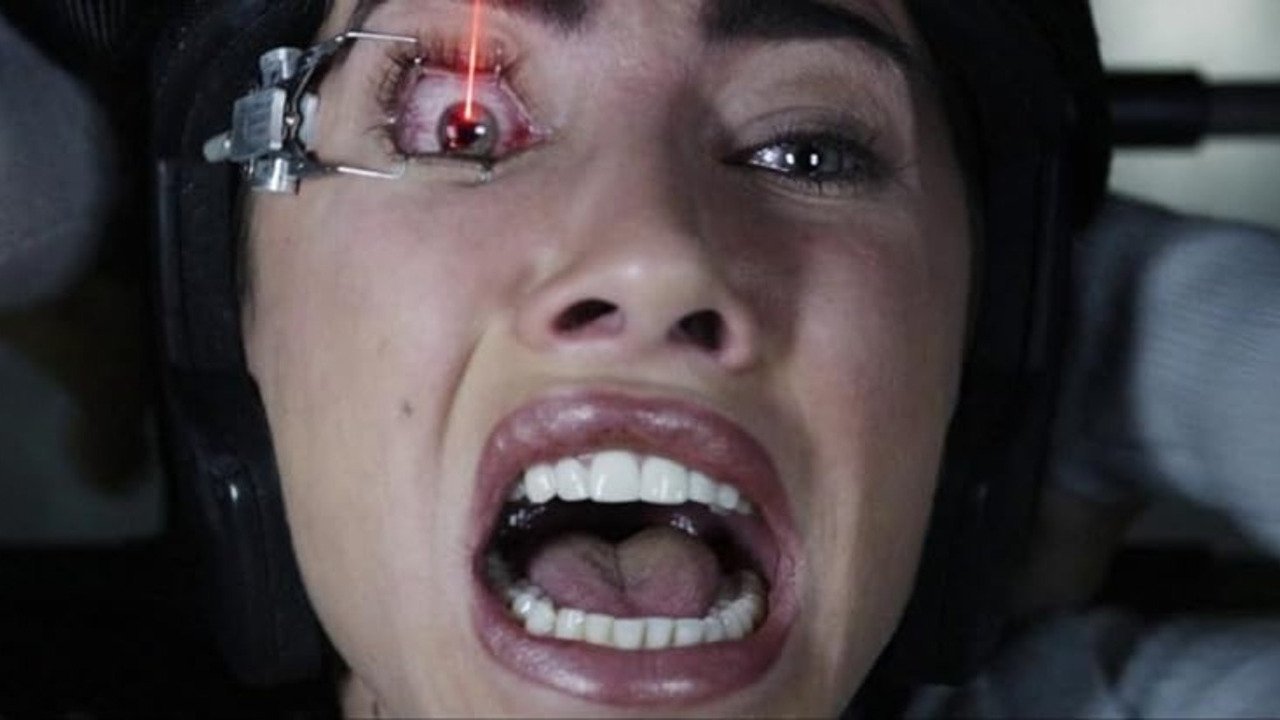
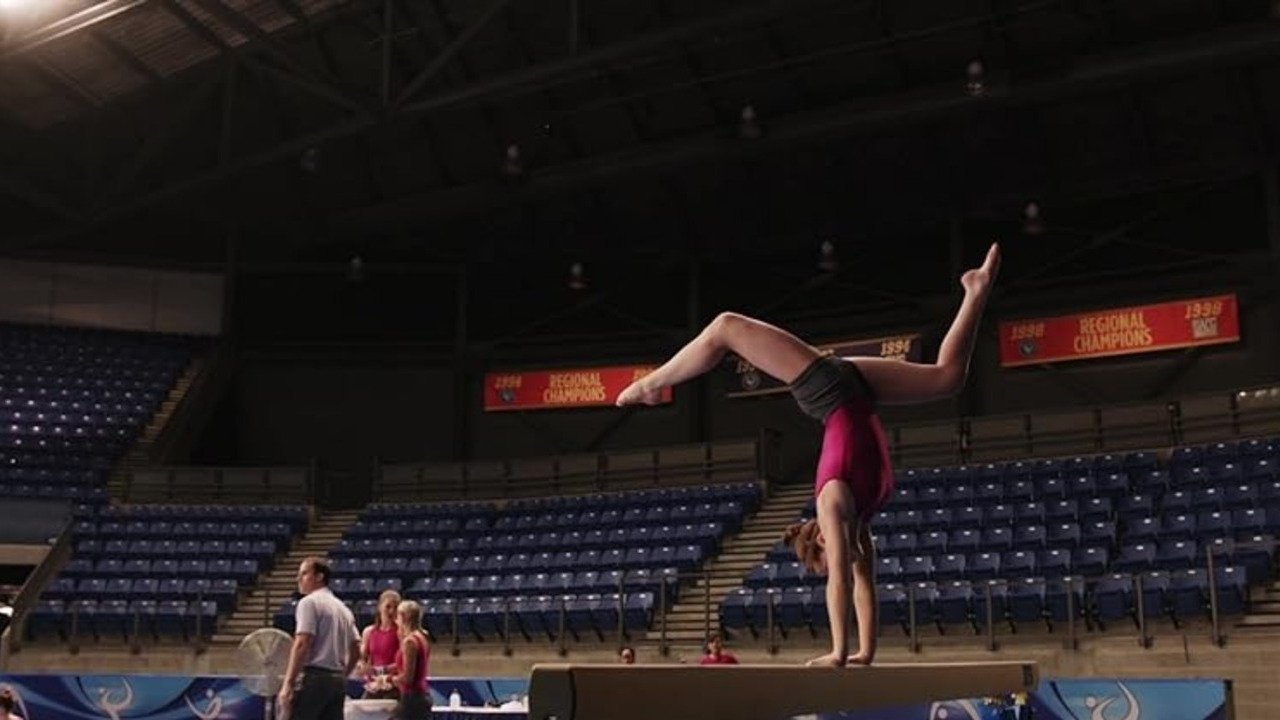
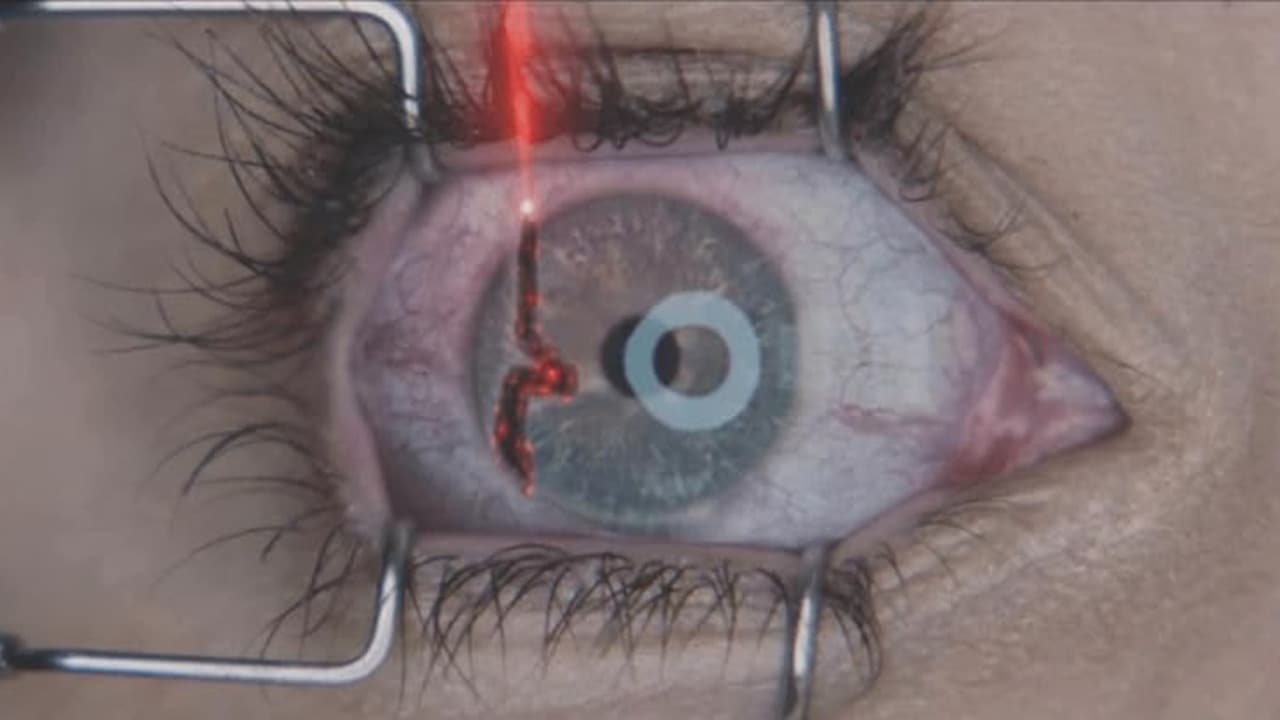
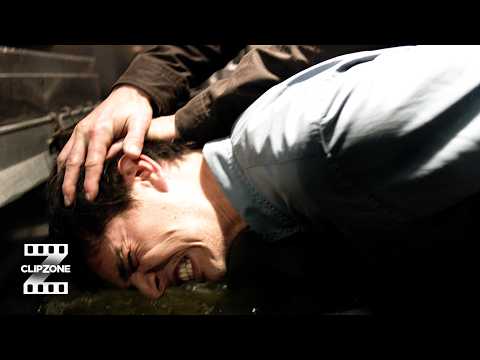
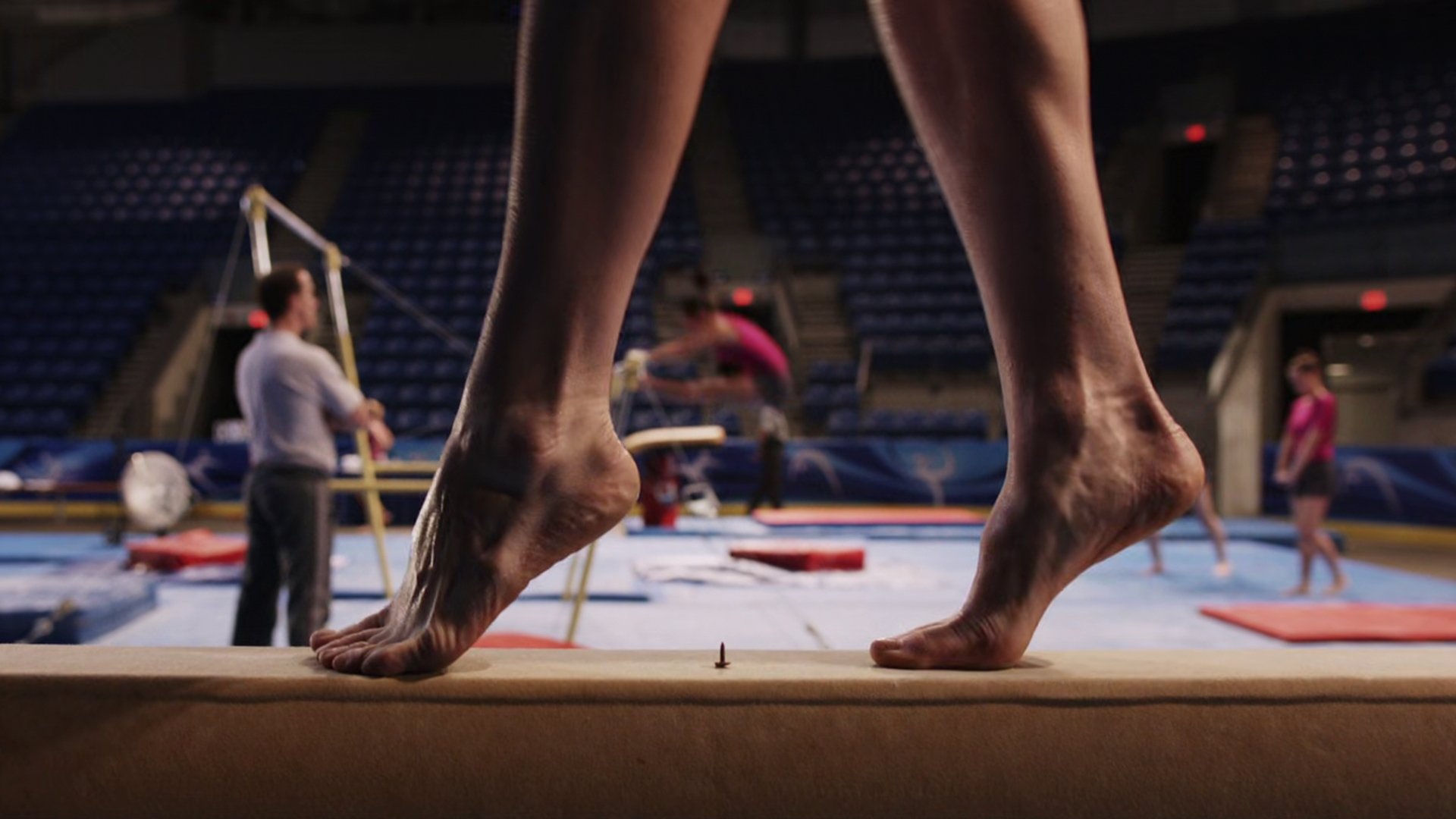
The finished film uses depth in both major spectacle and comparatively small spaces. The gymnasium death depends on viewers tracking the distance between a gymnast, unstable equipment and nearby hazards. The laser eye-surgery scene reverses the scale, placing an endangered face close to an instrument whose normal medical purpose is suddenly threatening. In such passages, the camera lets viewers inspect potential causes before the outcome becomes clear. Flying fragments and sharp implements also make explicit use of projection toward the auditorium, a convention of the period's stereoscopic horror. The most sustained suspense emerges from the positions of people and objects inside the shot, not merely from the appearance of debris outside the screen plane.

Title Design and Physical Illusions

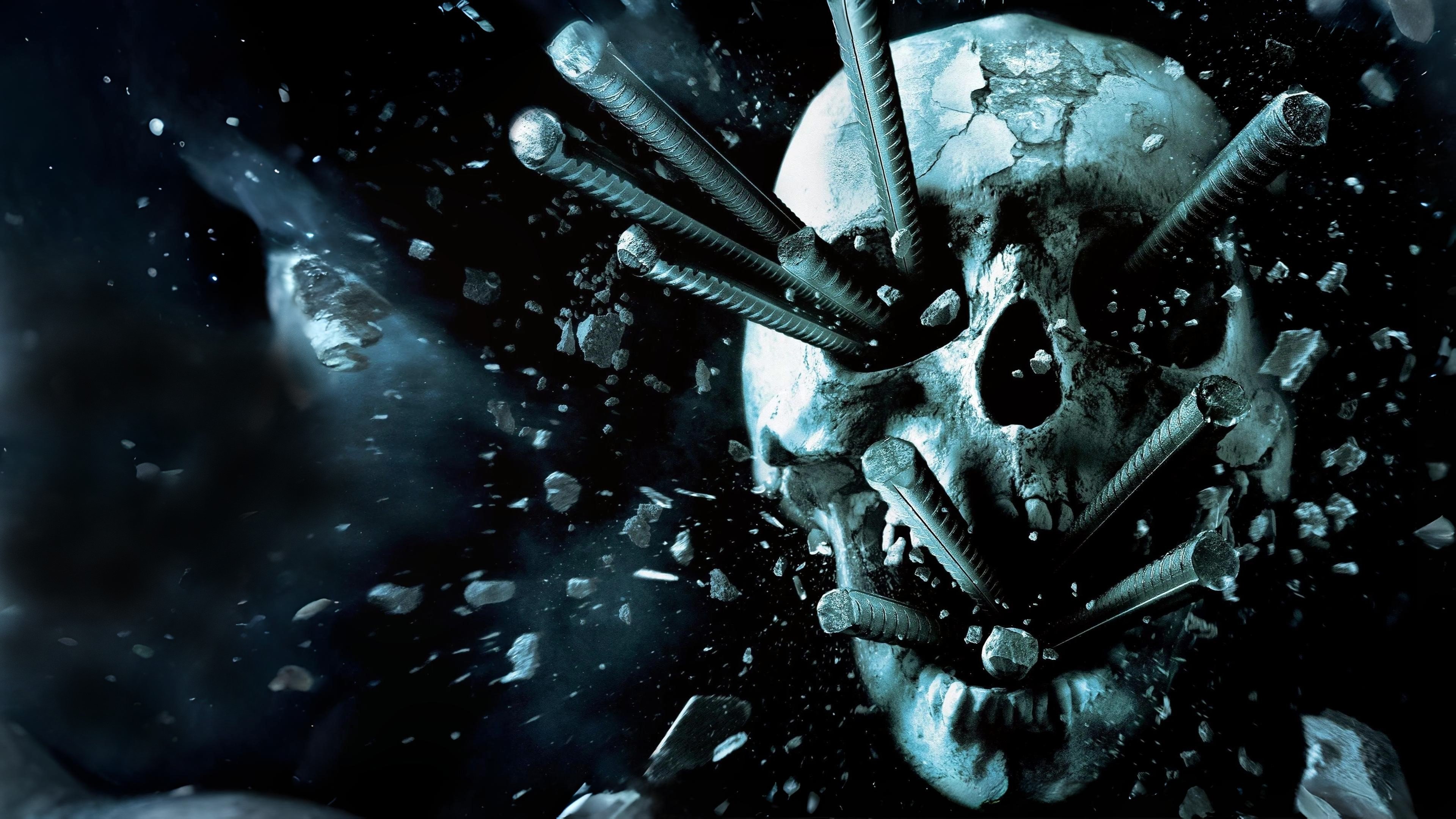
The main titles were created by Prologue Films under Kyle Cooper's creative direction. In a retrospective published by Art of the Title, designer Eunha Choi explained that Quale wanted the fifth entry to retain visible connections to earlier films. Prologue answered with recognizable threatening objects, including logs, fans and metal implements, driven through title cards toward the audience. The approach looks like an entirely digital storm of projectiles, but the article documents a substantial physical shoot. The crew prepared glass panes carrying printed lettering, then filmed objects striking and breaking those surfaces. This concrete production method matters because it gives the opening a texture that differs from its predecessor's digitally simulated X-ray imagery.

Additional processing combined the photographed impacts with fire and blood, producing shots designed for a stereoscopic presentation. Editor David Nitzsche described receiving several takes of individual objects and adjusting the speed of their movement. A collision that occurs too quickly can obscure the credit; one held too long loses its force. The title sequence thus treats timing as part of its horror mechanism, teaching the audience to expect an approaching object and then delivering its impact. Art of the Title also identifies Brian Tyler as the film's composer, but the evidence here concerns the visual construction of the opening. There is no basis for attributing every later effects sequence to the same physical title-design process.

Death, Violence and the Prequel Reveal

The fifth screenplay adds a morally troubling proposition to the established pattern of survivors dying after a foretold accident. William Bludworth suggests that a person who takes another life may acquire the victim's remaining time. The claim emerges inside the story as an explanation offered by a character; it should not be mistaken for independently established knowledge about the series' supernatural rules. Its dramatic function is immediate. Earlier survivors attempted to interrupt the order of accidents, but now someone who fears imminent death has a reason to threaten another human being. Peter's growing conviction brings that possibility into the group and shifts the final confrontation away from an apparently accidental chain of objects.

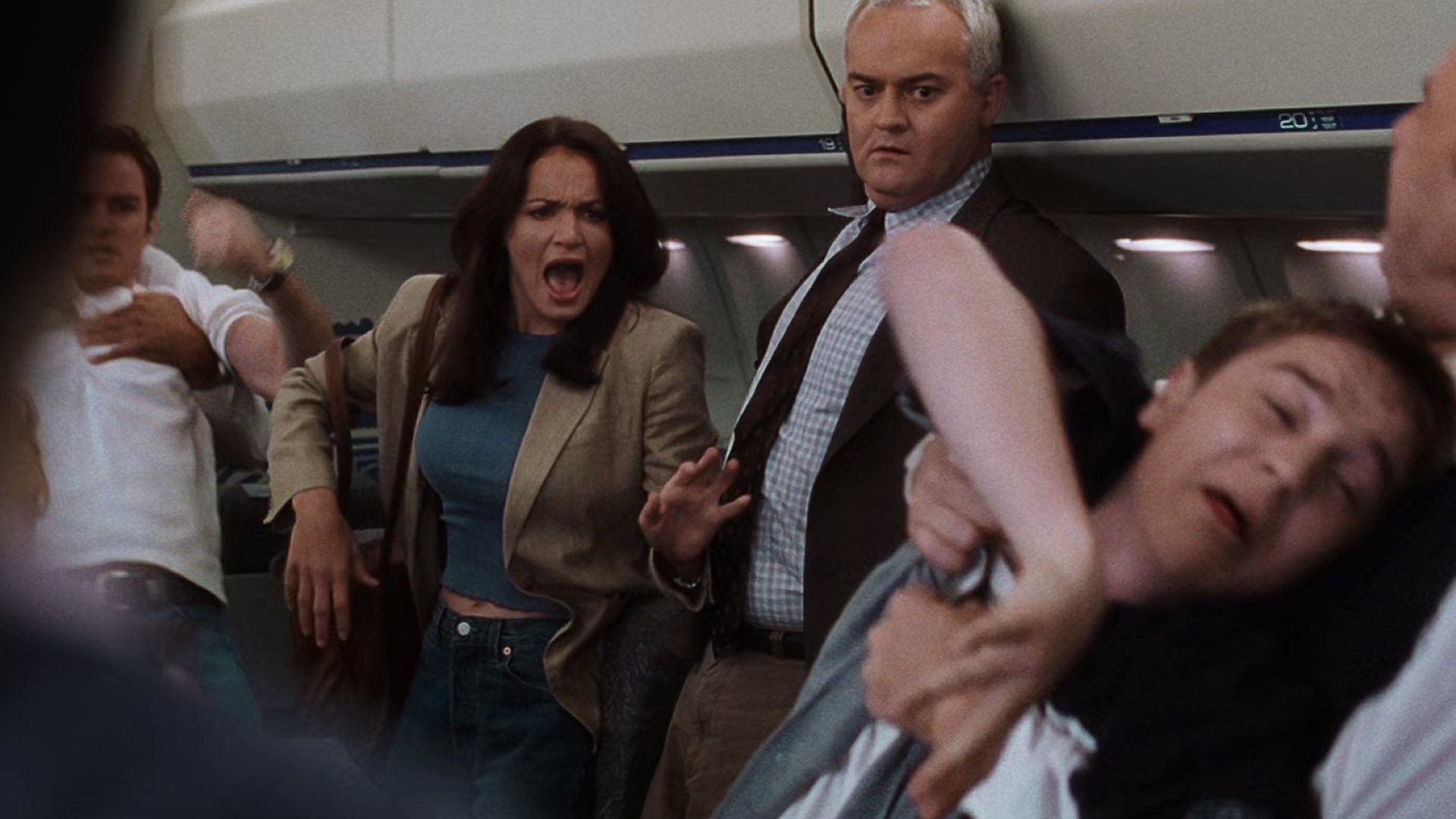
The ending then changes the viewer's understanding of the installment's chronology. Sam and Molly board the aircraft already familiar from the original Final Destination, revealing that the fifth film's events take place before the 2000 story. The connection is established through the finished film, without requiring an assertion that this had been the plan throughout production. Rather than extending a single sequence of disasters indefinitely, the last movement folds an apparently later sequel back into the beginning of the franchise. That arrangement gives the fifth film a distinct narrative identity, even though the underlying mechanism of precognition followed by successive deaths remains recognizable.

Release, Classification and Contemporary Reception

Final Destination 5 entered American theaters on August 12, 2011, following the fourth film's commercially prominent 3D release. British Board of Film Classification records provide unusually clear evidence about the available formats: both the 2D and 3D cinema versions were classified in 2011, with a recorded running time of 91 minutes and 41 seconds each. The board's consumer advice emphasized graphic injury detail, including the laser-surgery incident, rather than claiming that the film existed in a heavily censored theatrical cut. A much longer runtime also appears in a separate home-entertainment database entry, but that isolated listing cannot establish the existence of a distinct, longer edit. The confirmed theatrical records are the sounder basis for comparison.

Contemporary responses did not speak with one voice. Reviewing the film for The Guardian in August 2011, Peter Bradshaw found wit in its repetition of a premise that audiences had learned to recognize, and singled out the scale of the bridge collapse. His assessment treated the series' elaborate fatal accidents as a form of dark comic construction. That favorable reaction is not a substitute for a claim of universal critical approval. The fifth installment's lasting interest lies in several observable production choices: its technically ambitious opening, a title sequence made with photographed destruction, the moral tension added to the survivors' predicament and the chronological reversal that reconnects the film to the original.

References

  1. CinemaBlend Exclusive Interview: Final Destination 5 Director Steven Quale

    Firsthand interview on Quale's directing approach, stereo camera logistics, casting, tone and changes to the script and climactic setting.

  2. fxguide fxpodcast: Final Destination 5

    2011 audio interview with Prime Focus visual effects supervisor Chad Wiebe and CG supervisor Todd Perry about the bridge-collapse work.

  3. Art of the Title Final Destination: The Title Sequences

    Alison Lang interviews title creators about Prologue Films, photographed glass impacts, editorial timing and the stereoscopic design.

  4. BBFC Final Destination 5

    Official British records distinguish theatrical 2D and 3D certifications, running times, release formats and content advice.

  5. The Guardian Final Destination 5 - review

    Peter Bradshaw's contemporary August 2011 review addresses the suspension bridge, comic tone and revived franchise formula.

Connections

Cast

View Full Cast & Crew →

Release & Distribution

Production Companies (3)

  • New Line Cinema US
  • Parallel Zide US
  • Practical Pictures US

Distributors (1)

  • InterCom HU

Release History (27)

Release DateTerritoryRelease TypeFormatDistributorCertificationNotes
2011-08-04 Canada Premiere — — — Fantasia Film Festival
2011-08-10 United States Premiere — — — Hollywood, California
2011-08-12 Canada Theatrical — — —
2011-08-12 Lithuania Theatrical — — N-16
2011-08-12 Poland Theatrical — — 18
2011-08-12 Romania Theatrical — — 15
2011-08-12 United States Theatrical — — R
2011-08-18 Thailand Theatrical — — น 13+
2011-08-24 Germany Theatrical — — 18
2011-08-25 Spain Theatrical — — 16
2011-08-25 Netherlands Theatrical — — 16
2011-08-26 United Kingdom Theatrical — — 15
2011-08-26 Ireland Theatrical — — 16
2011-08-31 France Theatrical — — 12
2011-09-01 Australia Theatrical — — MA15+
2011-09-08 Czechia Digital — — 18+
2011-09-08 Hungary Theatrical — — R
2011-09-08 South Korea Theatrical — — 19
2011-09-09 Estonia Theatrical — — —
2011-09-23 Brazil Theatrical — — 16
2011-10-01 Japan Theatrical — — R18+
2011-10-07 Italy Theatrical — — —
2012-01-11 Netherlands Physical DVD, Blu-ray — 16 DVD, Blu ray
2012-01-31 Denmark Theatrical — — 15
2017-01-20 Netherlands Theatrical — — 16 SBS 9
2022-09-01 United States Digital — — R Starz
2026-08-30 France TV — — 12 Ciné+ Frisson
Death has never been closer.