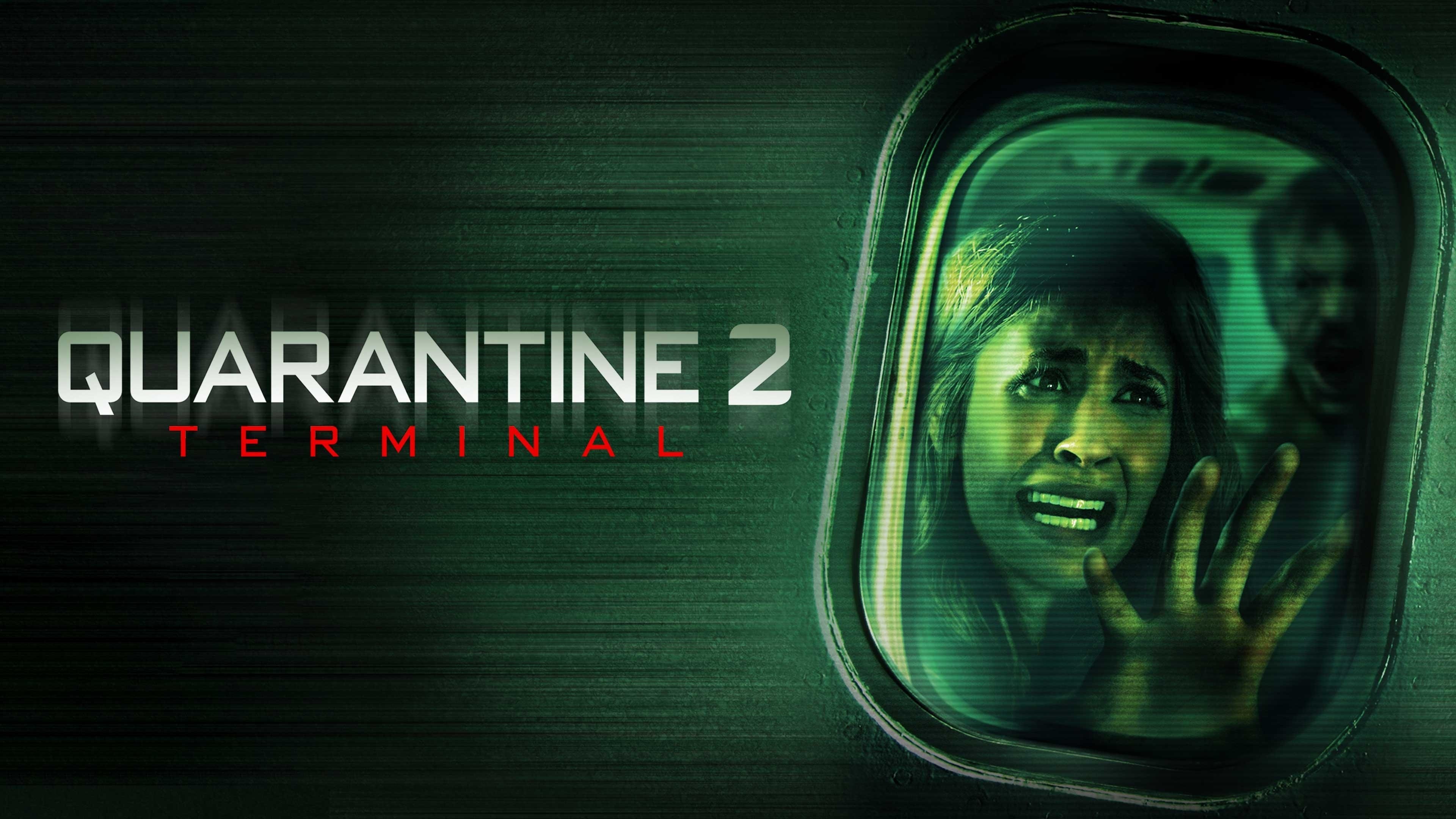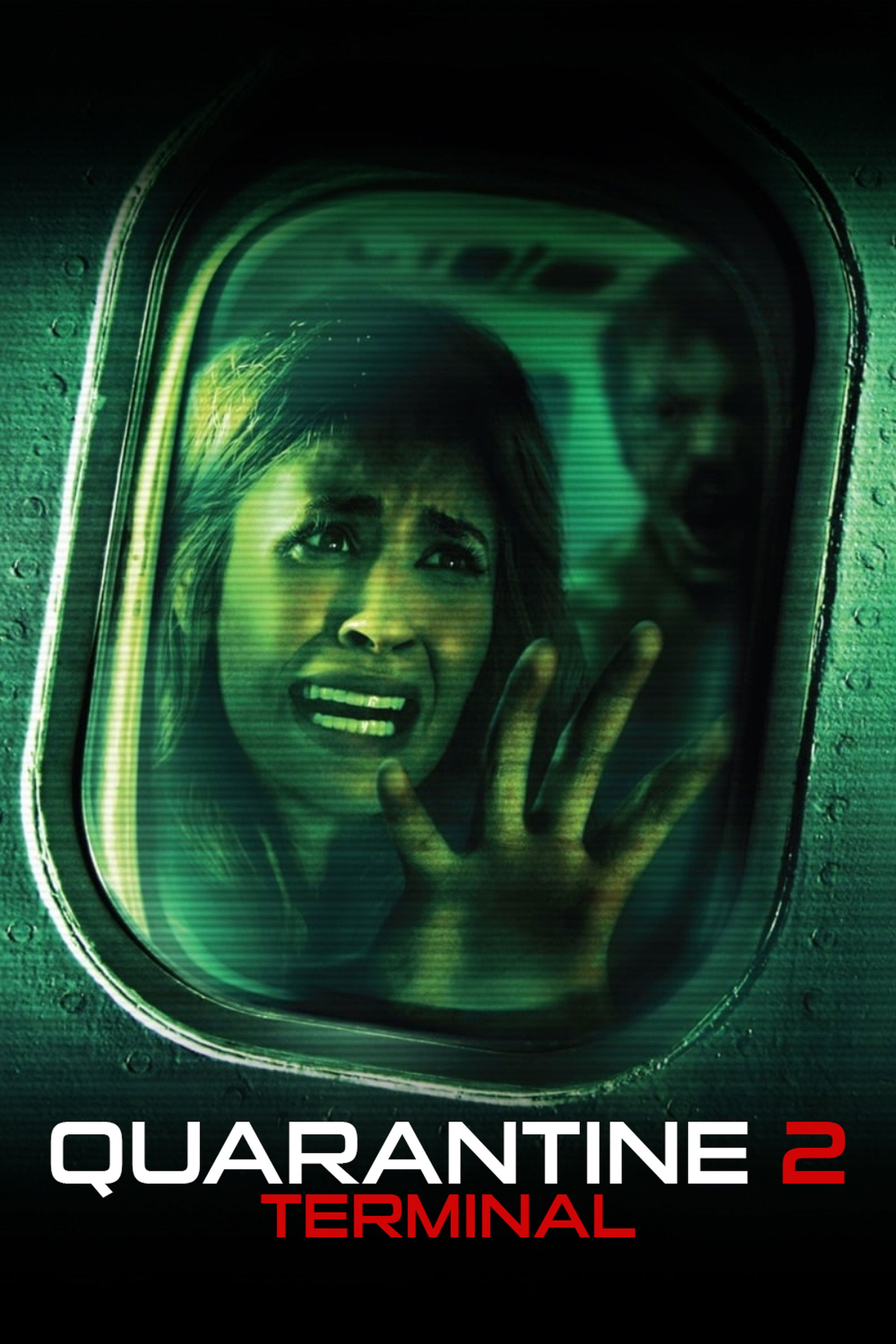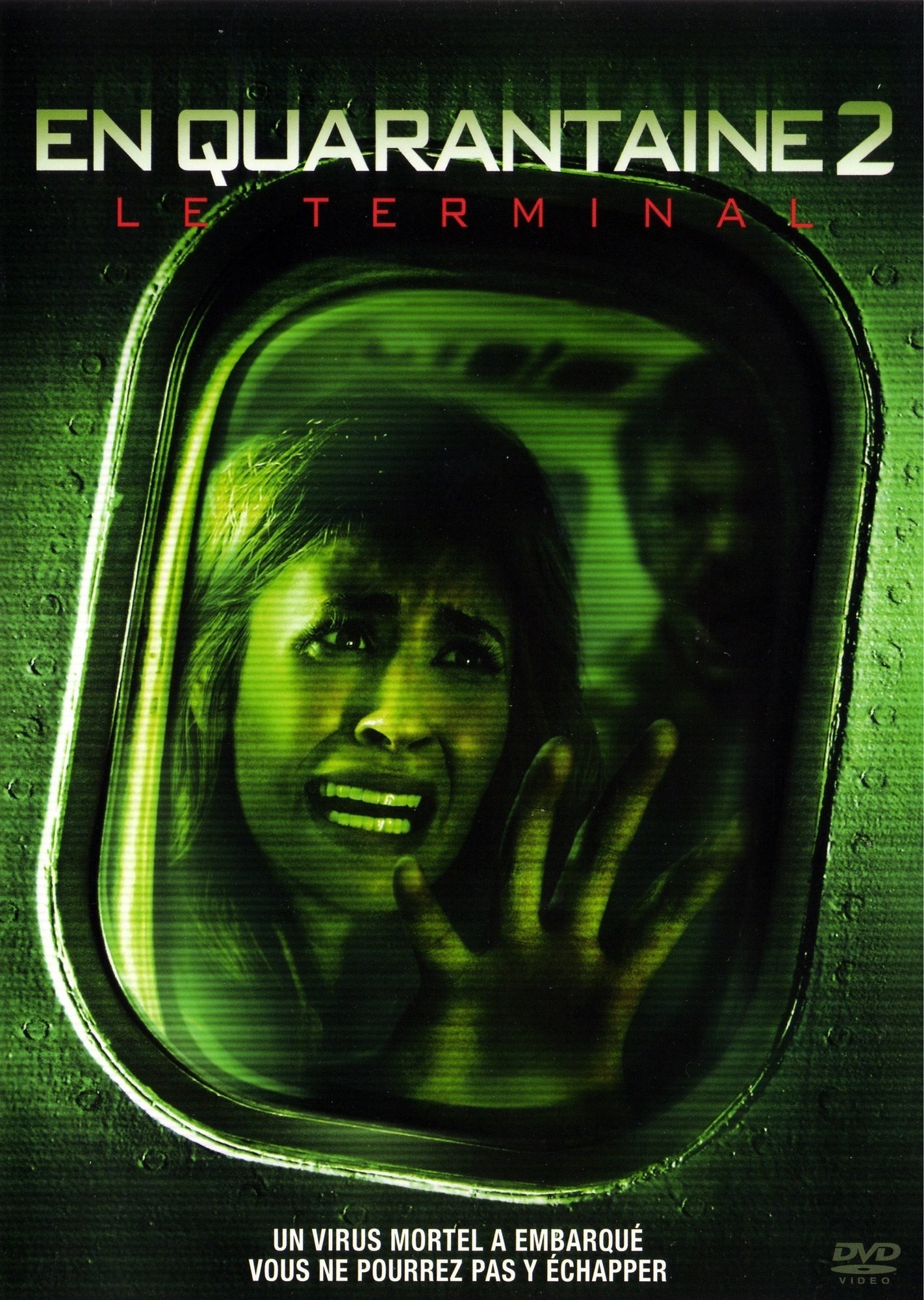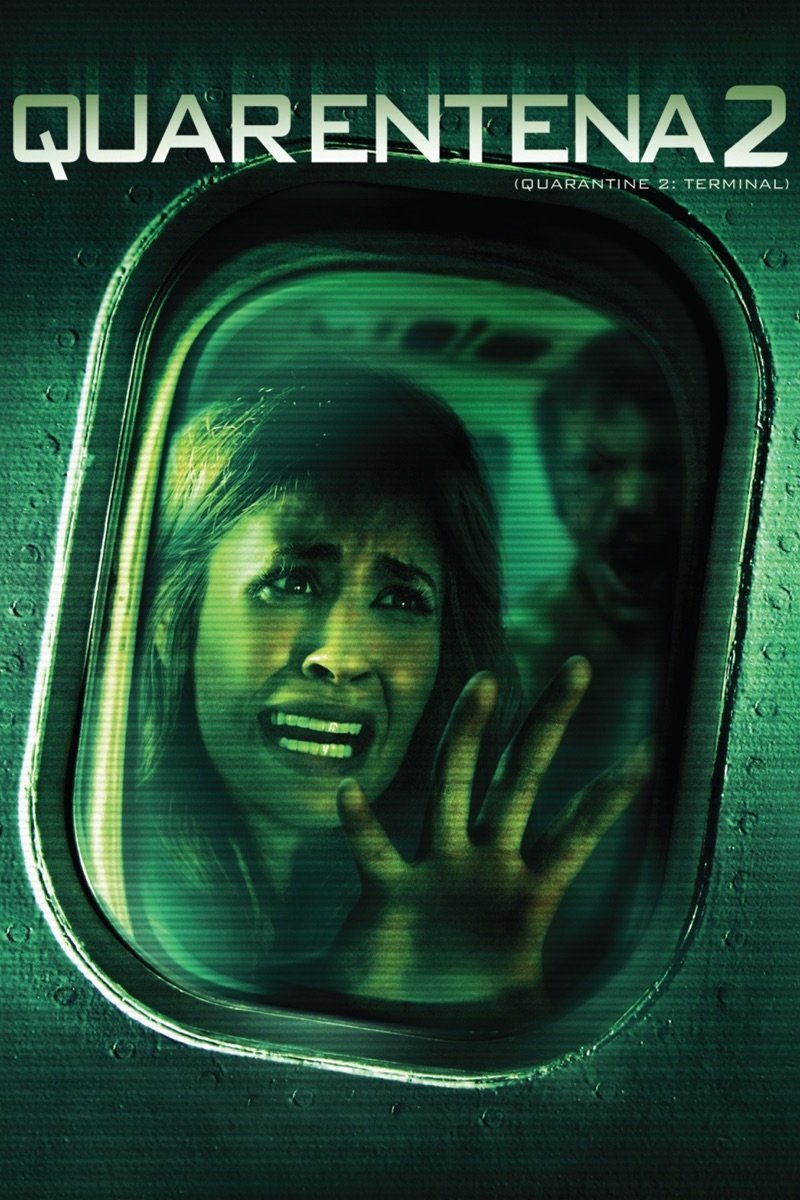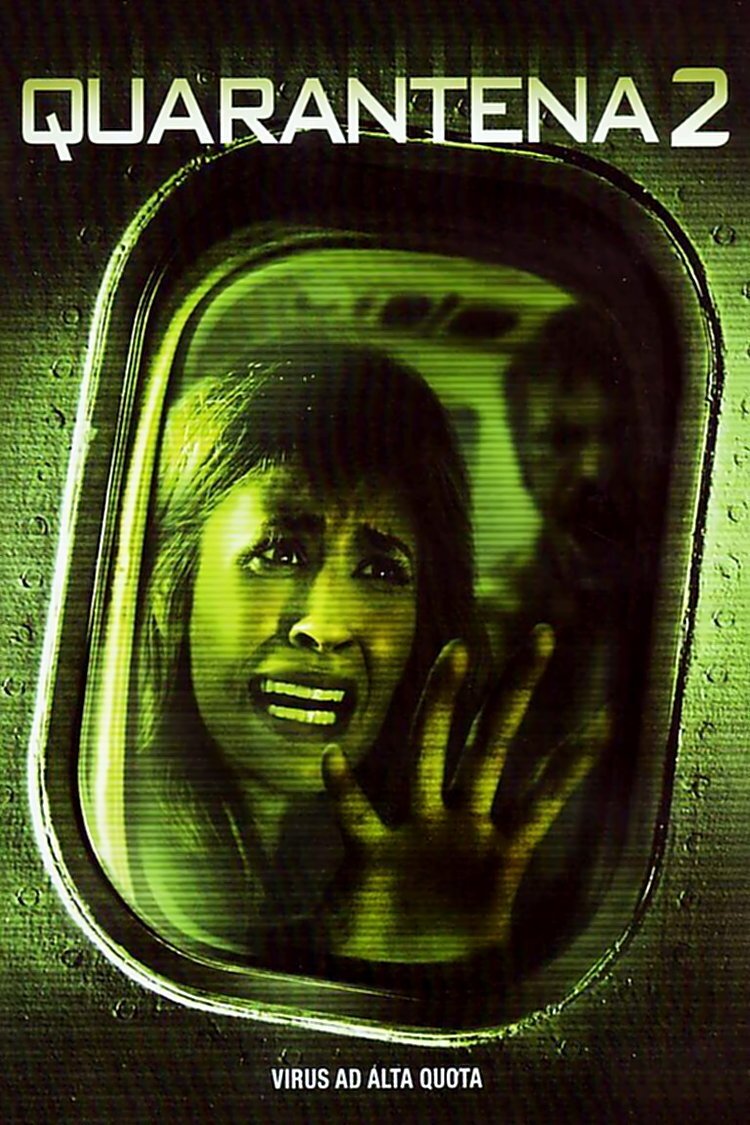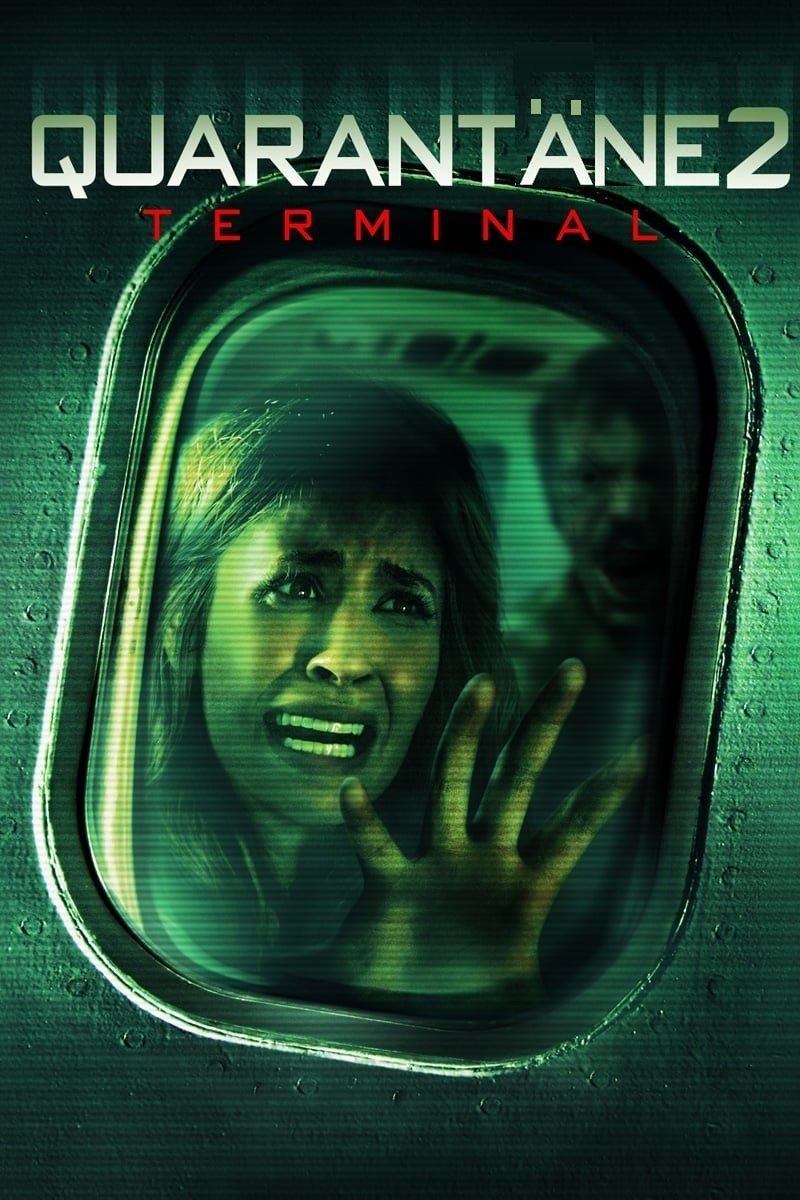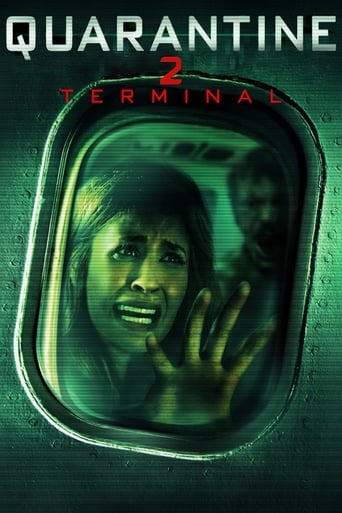
Quarantine 2: Terminal (2011)

US
HORROR FILM Mystery Science Fiction
SUBGENRES ZOMBIE
Runtime
86 min
Release
June 16, 2011
Budget
$4,000,000
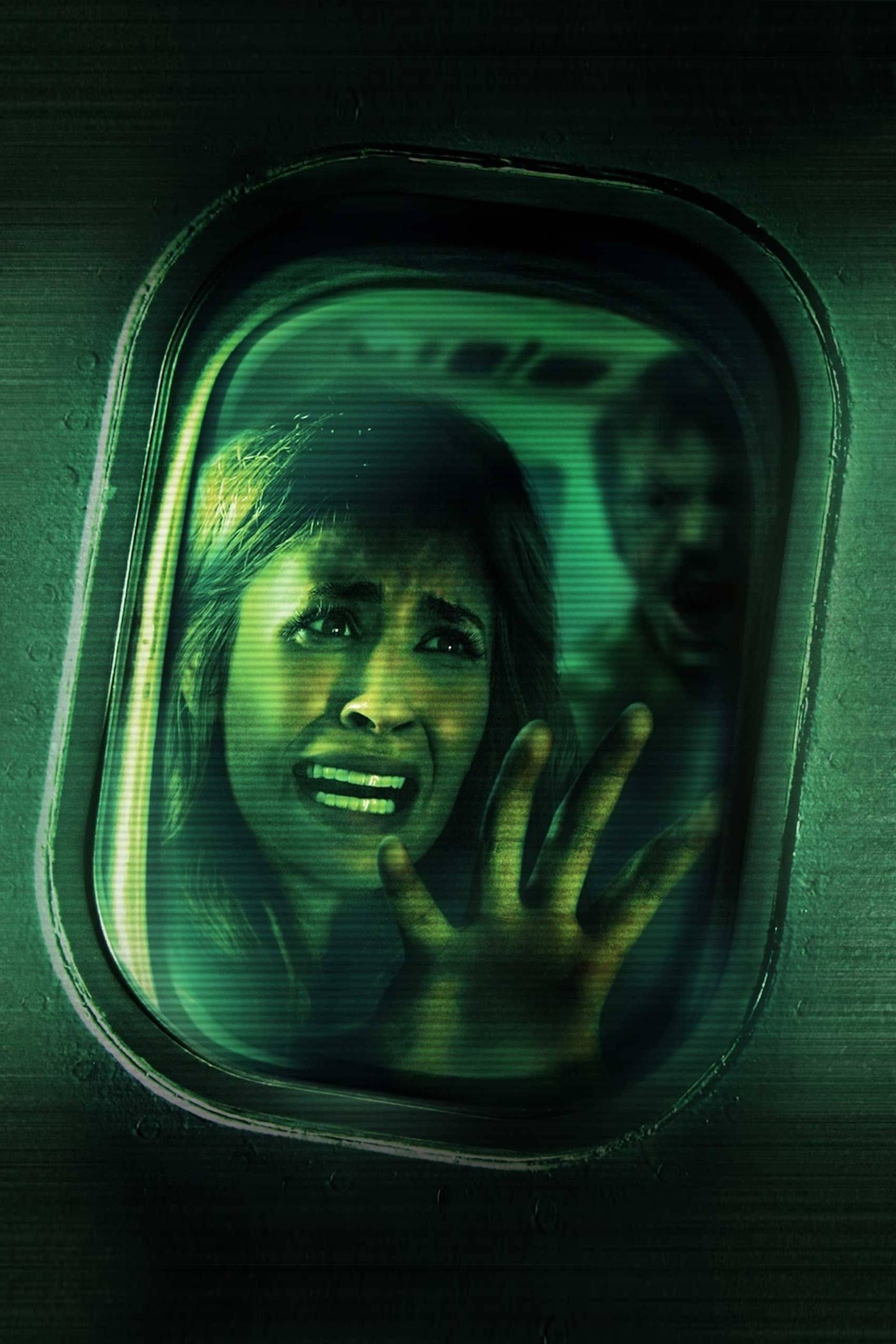
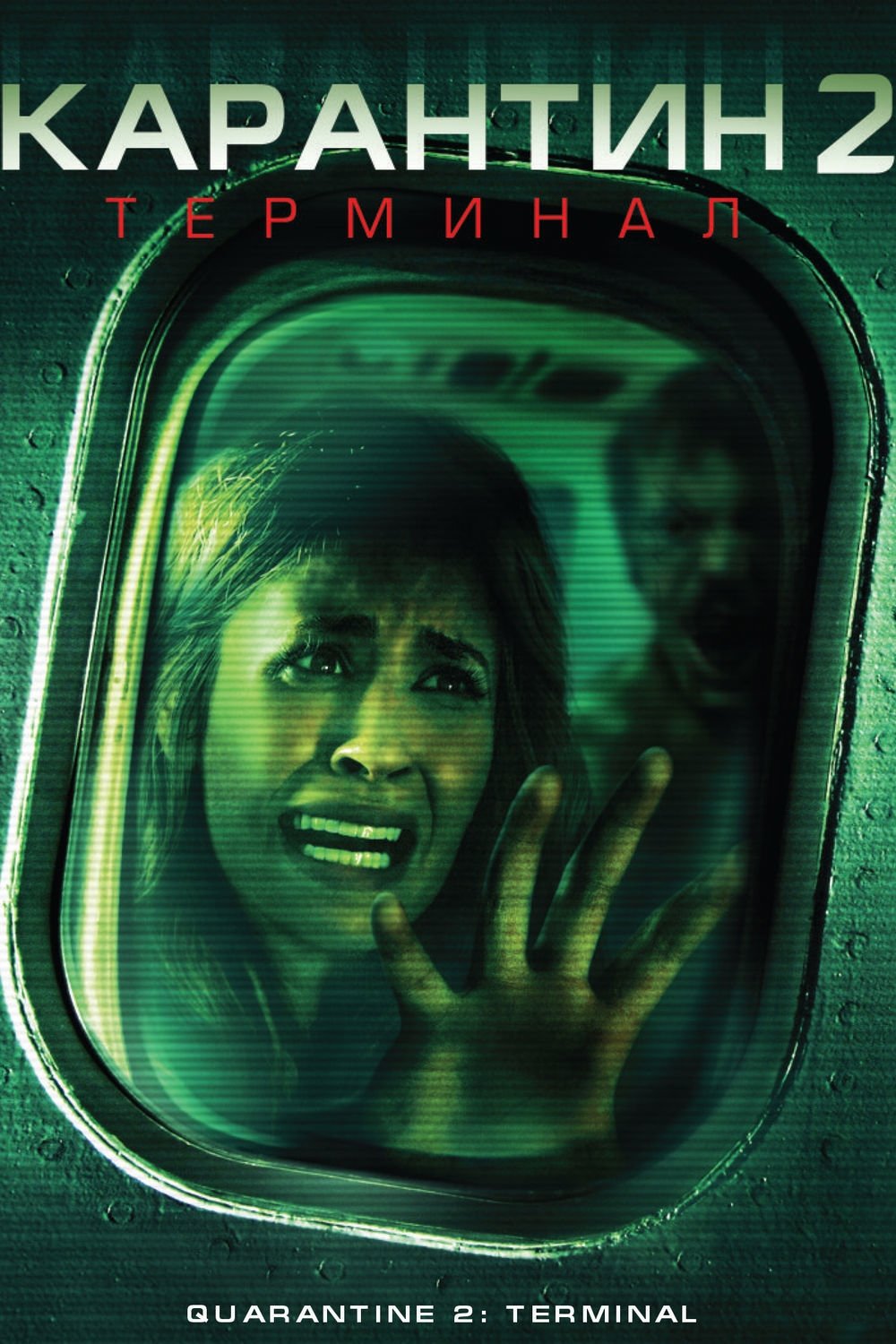
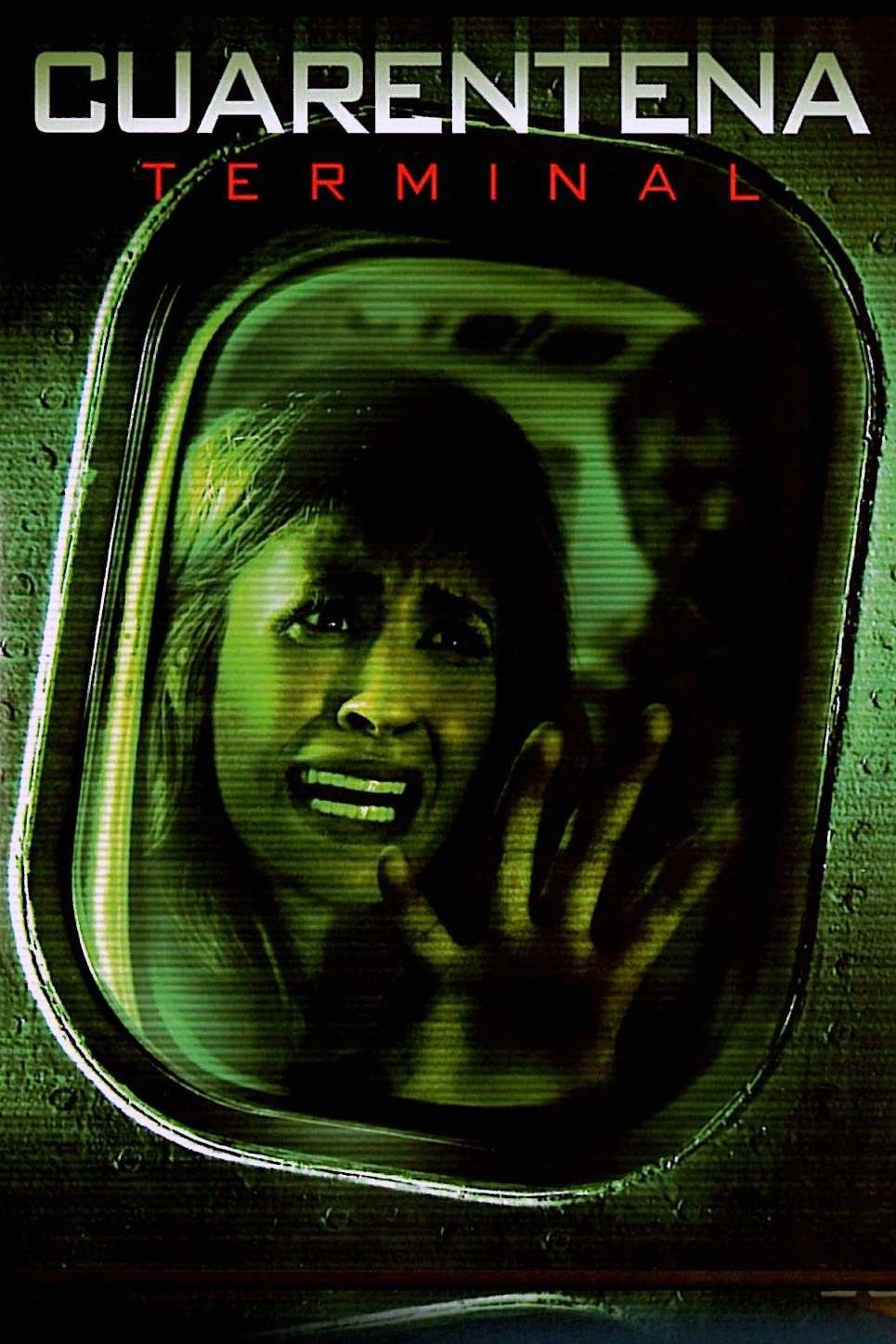
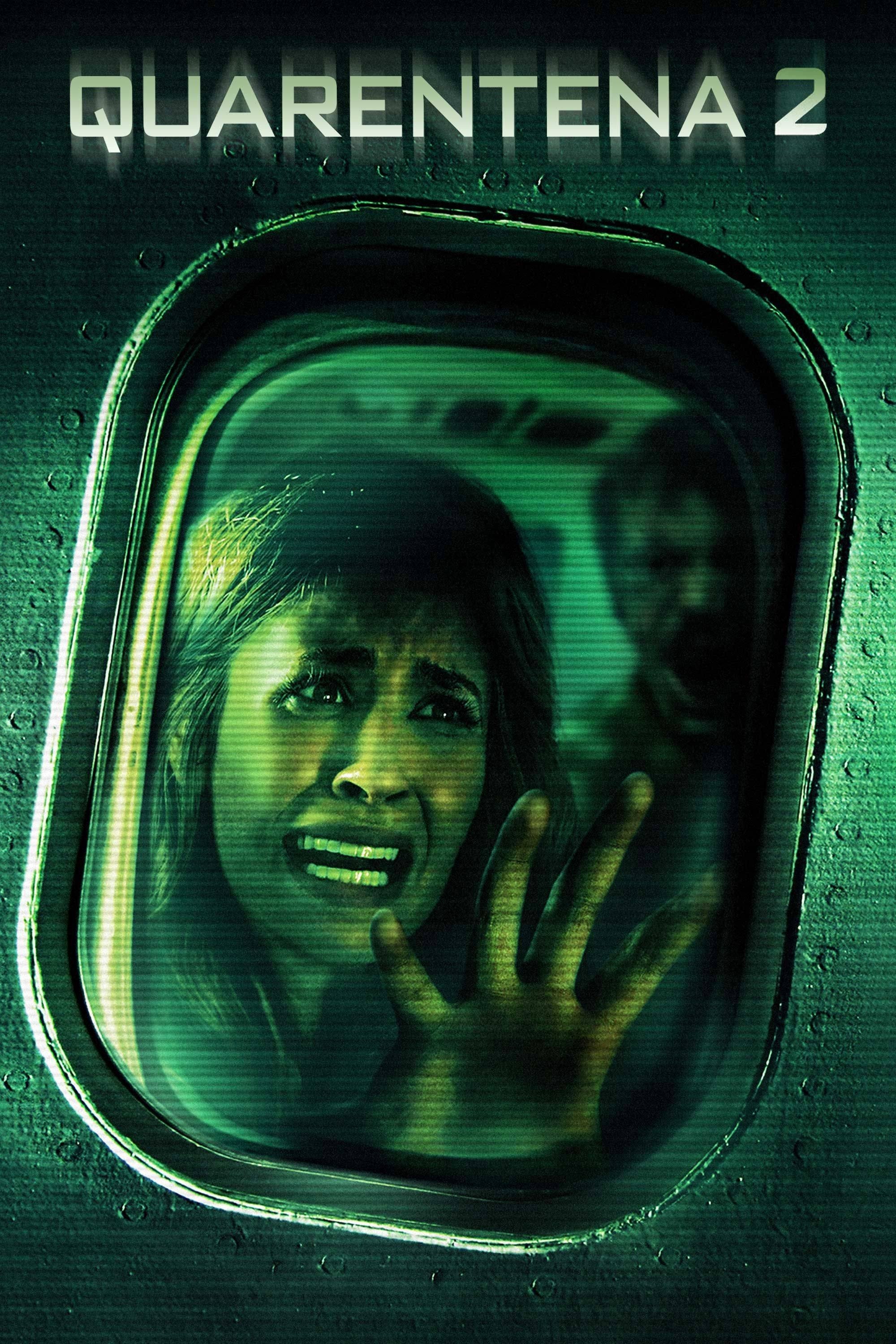
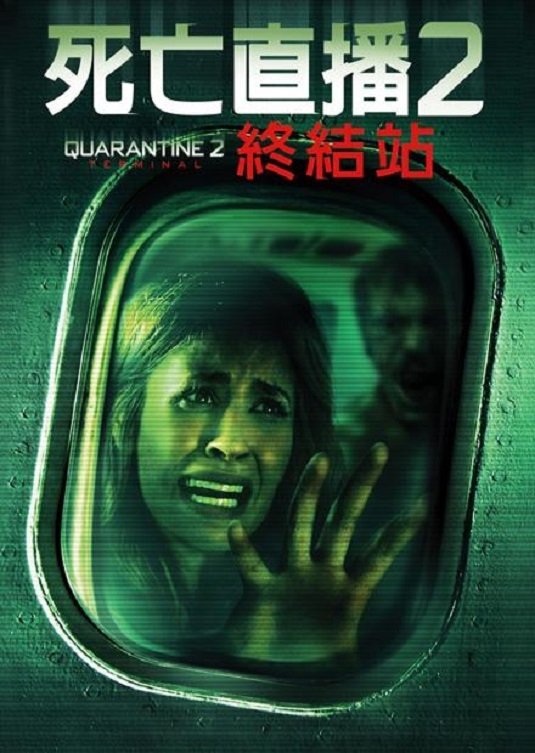
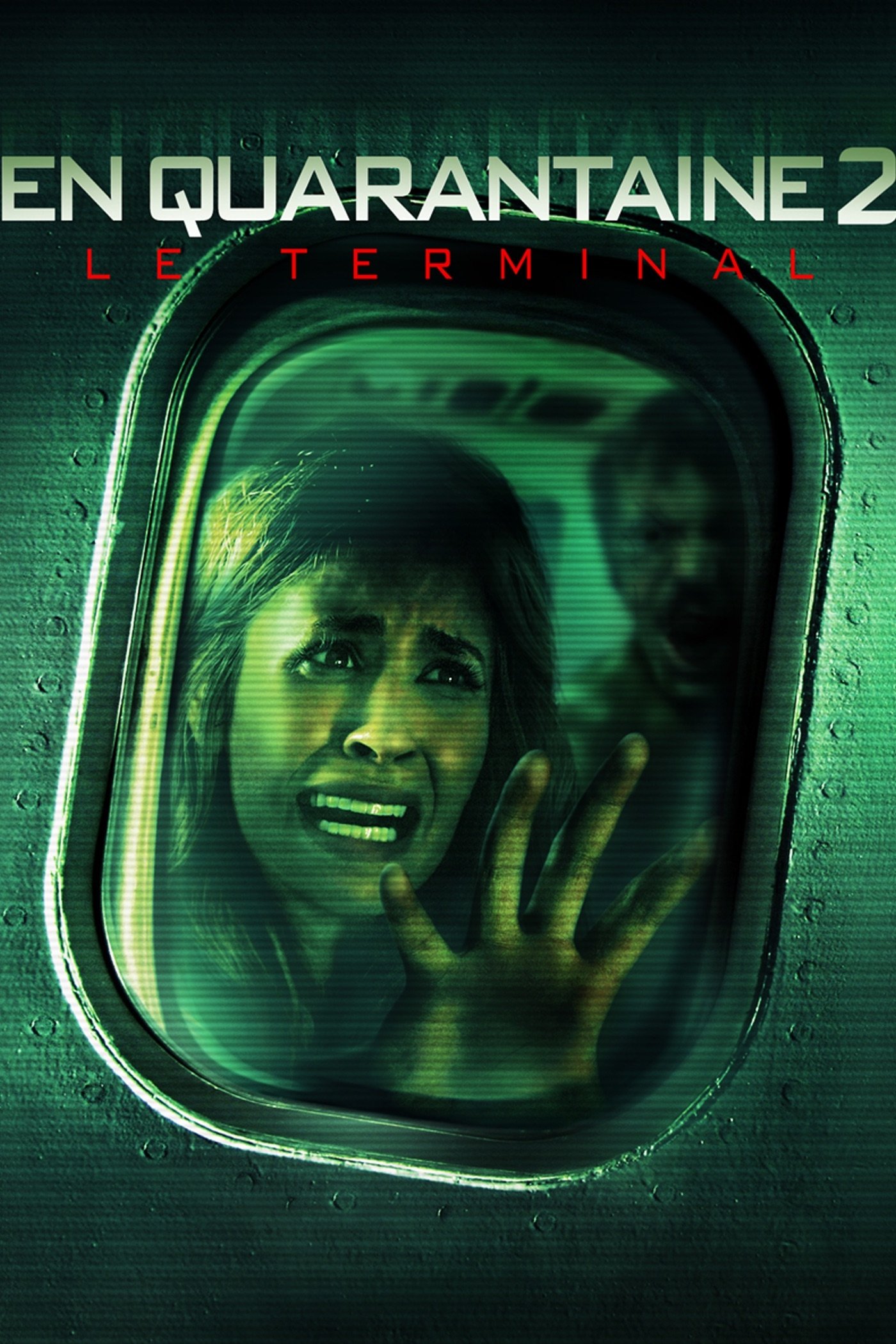
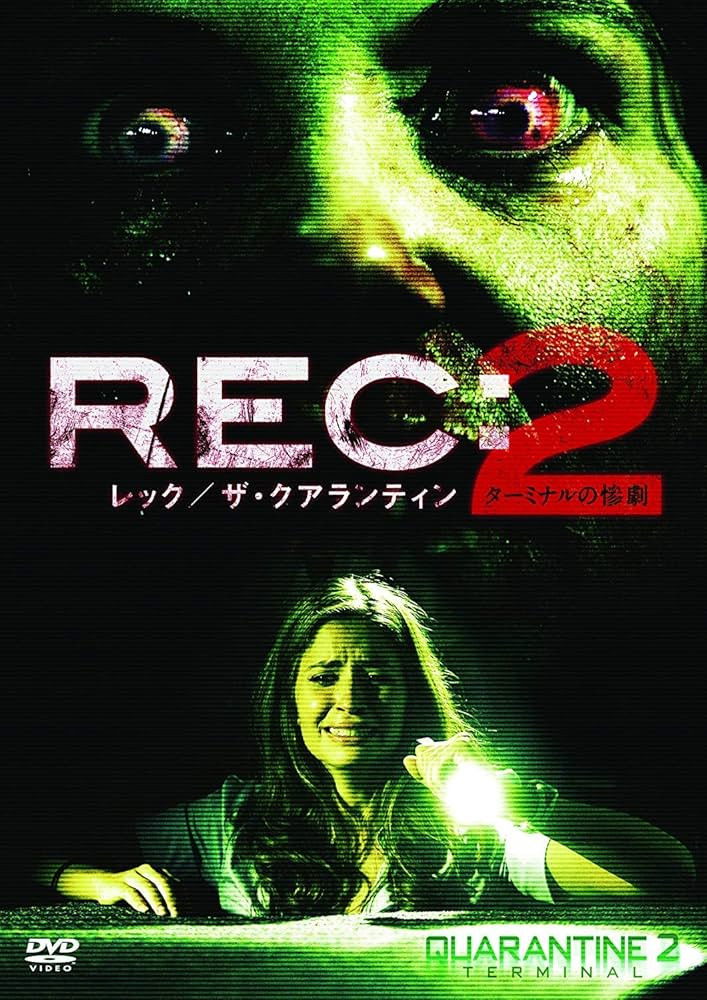
Quarantine 2: Terminal (2011) poster
Director
Production Companies
Andale Pictures , Third Street Pictures , RCR Media Group , Vertigo Entertainment
Plot

A plane is taken over by a mysterious virus. When the plane lands it is placed under quarantine. Now a group of survivors must band together to survive the quarantine.

Alternative Titles
Карантина 2 (Bulgaria) — Bulgarian Quarentena 2 (Brazil) En quarantaine 2 (Canada) — French 隔离区2:终点站 (China) — Chinese Karanténa 2: Terminál (Czechia) — Czech Quarantäne 2 - Terminal (Germany) Cuarentena terminal (Spain) En Quarantaine 2 (France)
Show all 28 alternative titles 死亡直播 2:終結站 (Hong Kong SAR China) — Chinese Karantén 2. (Hungary) — Hungarian שטח ההסגר 2 טרמינל (Israel) — Hebrew Quarantena 2 (Italy) — Italian Quarantena 2 - Terminal (Italy) REC:レック/ザ・クアランティン2 (Japan) — Japanese REC:レック/ザ・クアランティン2 ターミナルの惨劇 (Japan) 쿼런틴 2 : 죽음의 공항 (South Korea) 쿼런틴 2: 죽음의 공항 (South Korea) — Korean Cuarentena 2: Terminal (Mexico) — Spanish Kwarantanna 2: Terminal (Poland) — Polish Quarentena 2 (Portugal) — Portuguese Quarentena 2: O Terminal (Portugal) Карантин 2: Терминал (Russia) — Russian Quarantine II (Sweden) Cuarentena 2 Terminal (El Salvador) ปิดเที่ยวบินสยอง (Thailand) Karantina 2: Terminal (Türkiye) — Turkish 死亡直播2:終結站 (Taiwan) — Chinese Карантин 2: Термінал (Ukraine) — Ukrainian

Trailers & Videos

1 video

Film Guide & Analysis

John Pogue’s American infection-horror sequel: its independent storyline, aircraft production, visual approach, practical effects, limited theatrical release and critical reception.

Quarantine 2: Terminal (2011) is an American infection-horror film written and directed by John Pogue, continuing the outbreak introduced in Quarantine (2008). Its story begins on the same night as the Los Angeles apartment-building incident but transfers the danger to a commercial flight and a sealed airport facility. The change of setting is accompanied by a different filmmaking approach: the sequel abandons the first film’s continuous found-footage perspective while retaining mobile camerawork, restricted spaces and the threat of rapidly progressing infection. Pogue’s feature-directing debut consequently marks a departure within the American branch of the franchise.

Mercedes Mason plays Jenny, a flight attendant aboard an overnight service from Los Angeles to Nashville. When a passenger develops violent symptoms, the crew makes an emergency landing, only for the survivors to discover that authorities have confined them inside the airport. The narrative moves from the extreme proximity of an aircraft cabin to a network of service corridors and enclosed terminal spaces. Although the original Quarantine was adapted from the Spanish film [REC] (2007), this sequel develops a separate storyline from [REC] 2 (2009). Its limited American theatrical release in June 2011 preceded a more prominent home-video distribution.

Development and the Decision to Depart from [REC]

Pogue developed the sequel at Sony with a mandate to create a new story rather than reproduce the second Spanish film. During a 2010 set visit reported by Dread Central, he explained that the producers wanted an original continuation consistent with the mythology of Quarantine. He had actively pursued the assignment, competing with other candidates before securing the opportunity to write and direct. The project became his first feature as director after several screenwriting assignments. The aircraft setting was attractive because it introduced another recognizable form of confinement while allowing the infection to move beyond the apartment building.

The distinction from the Spanish series extended to the nature of the threat. Producer Marc Bienstock emphasized that the antagonists were living, infected people rather than resurrected corpses. This biological interpretation continued the American remake’s emphasis on an aggressive rabies-like disease, whereas the Spanish sequel pursued supernatural and religious explanations. Pogue retained the earlier film’s association between restricted movement and institutional quarantine, but shifted the initial crisis into a crowded transport environment. Shooting took place in Georgia during 2010. The production relied on a combination of actors brought from Los Angeles and regional performers, with principal photography continuing through the summer.

The Aircraft, Airport Terminal, and Visual Construction

The first part of the film concentrates on the restricted geography of a passenger aircraft. Seats, narrow aisles and the separation between cabin and cockpit establish clear obstacles when a passenger becomes violent. Lynn Cole, who portrays Bev, recalled spending extended periods inside a stationary aircraft shell during filming. She explained that apparent turbulence was created through coordinated performer movements and camera operation rather than physical movement of the entire aircraft. The cramped working conditions helped produce the visual impression of limited escape routes. Once the flight lands, the action relocates to airport service areas, where locked doors and unfamiliar corridors provide different forms of confinement.

Cinematographer Matthew Irving and Pogue used handheld images without preserving the fictional recording device that governed Quarantine. The camera can follow different members of the group and change its position without requiring a character to operate it. Michael Gingold observed in his contemporary Fangoria review that the film largely avoids exterior establishing views of the aircraft and airport, keeping attention inside the environments occupied by the survivors. Thermal imaging supplies another visual device. Bienstock described the planned use of forward-looking infrared imagery as an alternative to the night-vision sequences associated with the original. The technique becomes particularly relevant when characters must negotiate darkness during the final confrontation.

Infected Bodies, Makeup Effects, and Sound

The infected undergo abrupt changes in behaviour, attacking other passengers and spreading danger through physical contact. Their condition is portrayed as a violent biological transformation rather than a return from death. Robert Hall and his Almost Human effects team, previously associated with the first Quarantine, returned to create the makeup and injury effects. A production visit documented a specially constructed infected-body puppet prepared for a confrontation involving a wrench. The effects combine visibly altered faces with fabricated wounds and mechanical props. Their function is closely connected to the confined locations, where attackers frequently appear at distances that leave little opportunity for escape.

Several practical effects emphasize injuries rather than large-scale destruction. A particularly uncomfortable sequence involving a needle became a subject of discussion in interviews with cast members Mattie Liptak and Lynn Cole. The performers also emphasized the physical demands of shooting within the aircraft environment. In a September 2011 interview, Liptak described Pogue’s decision to rely on the sounds of the action rather than conventional background music. The film’s audible threats include distressed passengers, impacts and the environmental noise of the transport setting. This emphasis on immediate sounds complements the mobile photography, making individual disturbances significant within spaces where the characters cannot reliably identify the source of danger.

Theatrical Release, Home Video, and Critical Reception

Quarantine 2: Terminal received a limited American theatrical release beginning June 17, 2011. Its subsequent DVD release through Sony Pictures Home Entertainment was scheduled for August 2. The restricted theatrical engagement is important to its distribution history: contemporary writers frequently discussed the film in the context of direct-to-video sequels, but it did receive cinema screenings. The Motion Picture Association assigned an R rating for bloody horror violence, terror, language and brief sexual content. The film circulated internationally through home entertainment, with the British Board of Film Classification recording a physical-media version of 82 minutes and 41 seconds. This recorded running time differs from the approximately 86-minute duration commonly listed for American presentations, without by itself establishing that material was censored.

Contemporary critical responses were divided. Michael Gingold, writing for Fangoria in June 2011, considered the sequel more effective than its modest circumstances suggested. He praised its tension, makeup work and decision to keep viewers inside the threatened environments. Ryan Turek’s review for ShockTillYouDrop, subsequently preserved by ComingSoon, took a less favourable position. He acknowledged the competent production but criticized the derivative characters and repetitive progression through infected encounters. Bloody Disgusting likewise regarded the aircraft section as more claustrophobic than the later terminal sequences and questioned the loss of the original film’s subjective-camera immediacy. These assessments document a mixed initial reception, with the independence of the screenplay from [REC] 2 attracting attention alongside reservations about its familiar outbreak structure.

References

  1. Dread Central Set Visit Preview: Quarantine 2: Terminal

    Heather Wixson’s July 2010 production report featuring direct interviews with John Pogue, Marc Bienstock and Mercedes Mason about the original sequel concept, thermal imagery, makeup effects and filming.

  2. Matt J. Horn Lynn Cole – Quarantine 2: Terminal (2011)

    A September 2011 firsthand interview documenting the aircraft-shell set, simulated turbulence, regional casting and physical conditions during production.

  3. Fangoria Review: Quarantine 2: Terminal — Michael Gingold

    Contemporary June 2011 review examining the film’s theatrical engagement, handheld cinematography, confined locations and Almost Human makeup effects.

  4. ComingSoon Quarantine 2: Terminal — Ryan Turek

    A June 2011 review originally associated with ShockTillYouDrop, covering the independent sequel storyline, the limited theatrical release and criticisms of its characters and outbreak structure.

  5. Bloody Disgusting Quarantine 2: Terminal (V)

    Contemporary June 2011 critical assessment contrasting the claustrophobic aircraft scenes with the terminal sequences and examining the altered camera approach.

Connections

Cast

View Full Cast & Crew →

Release & Distribution

Production Companies (4)

  • Andale Pictures US
  • RCR Media Group
  • Third Street Pictures
  • Vertigo Entertainment US

Distributors (1)

  • Sony Pictures US

Release History (8)

Release DateTerritoryRelease TypeFormatDistributorCertificationNotes
2011-05-24 United Kingdom Physical — — 15 BBFC reference AZV276289
2011-05-24 Ireland Physical — — 15
2011-06-16 Netherlands Premiere — — 16
2011-06-16 Sweden Physical — — 15
2011-06-16 United States Theatrical — — R
2011-08-11 Germany Theatrical — — 16
2011-08-16 South Korea Physical — — 15
2011-10-26 Japan Digital — — R18+
The most deadly mutant virus just went airborne... and escape is not an option.