Megan Is Missing (2011)

US
HORROR FILM Thriller Drama
Runtime
85 min
Release
May 1, 2011
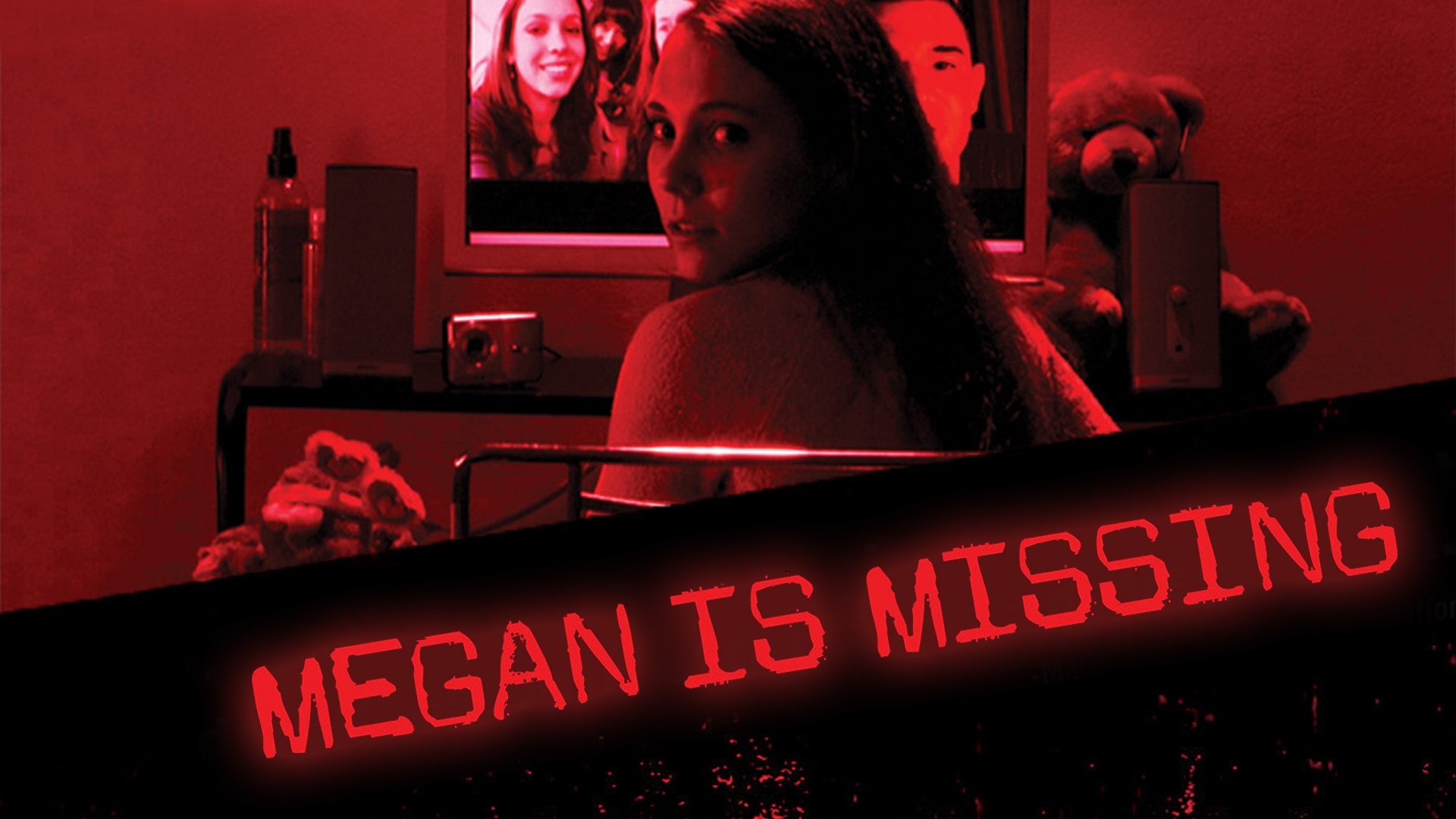
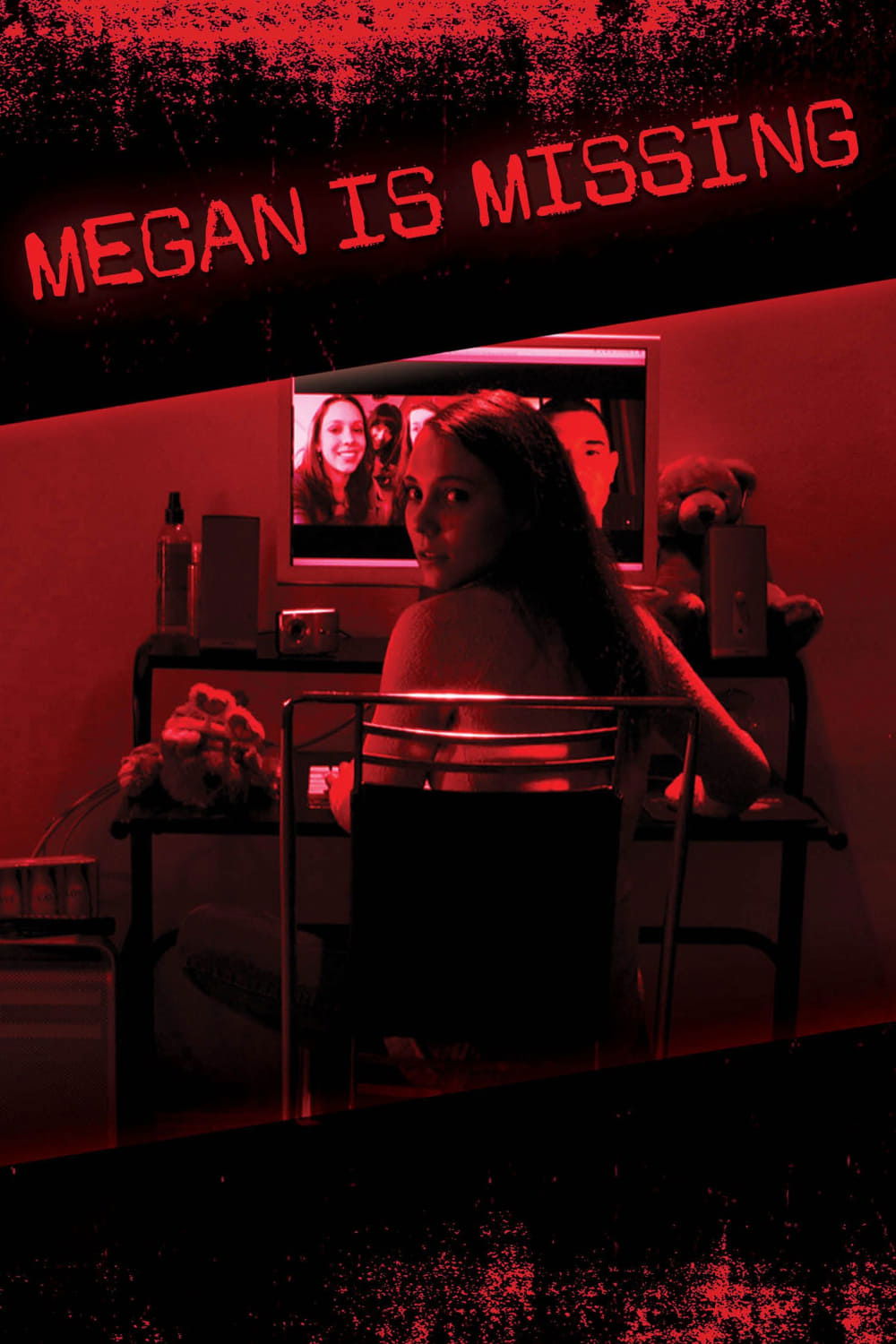
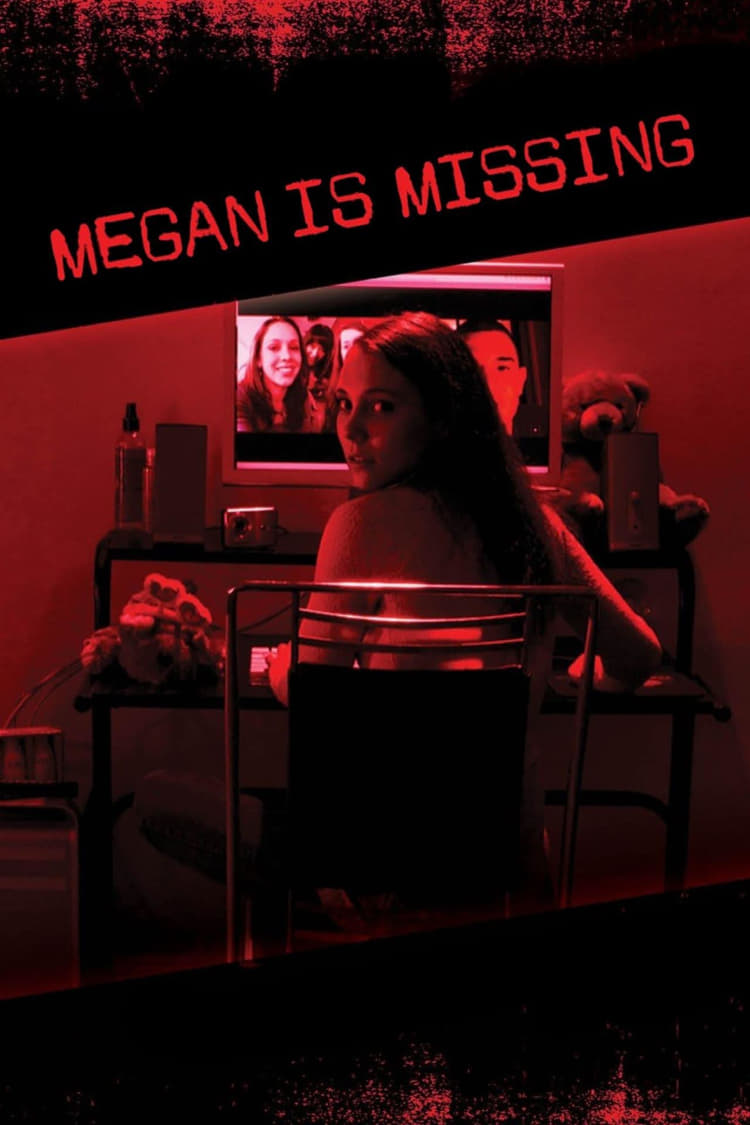
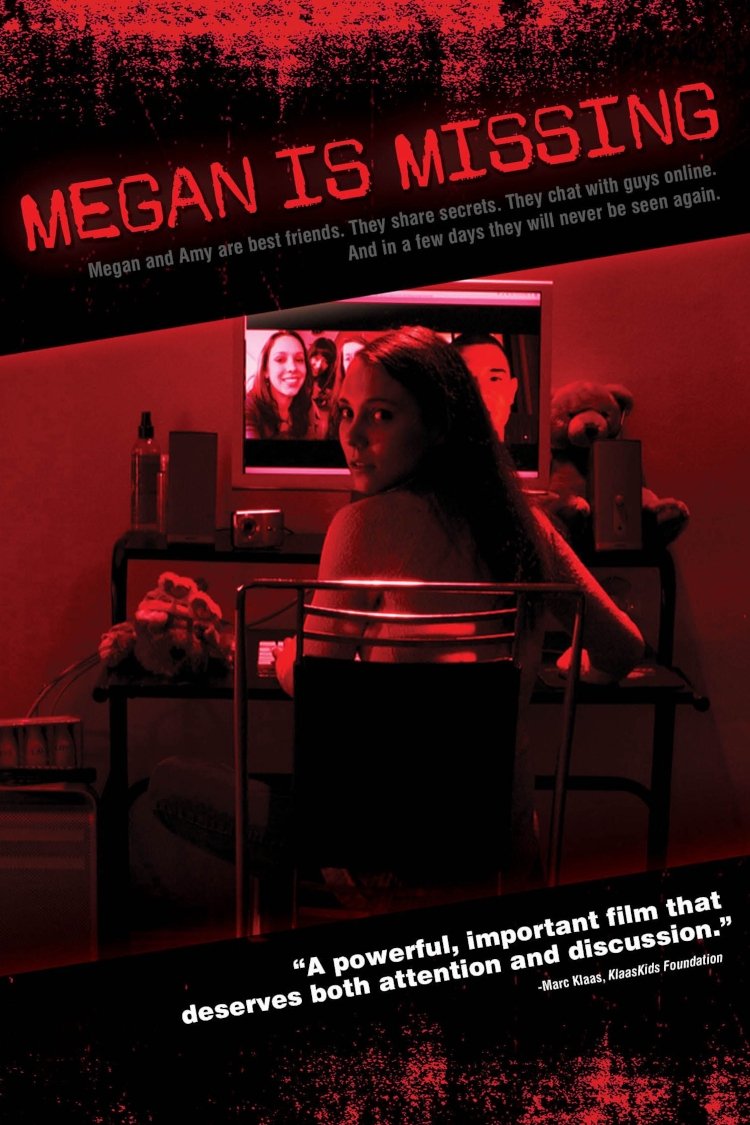
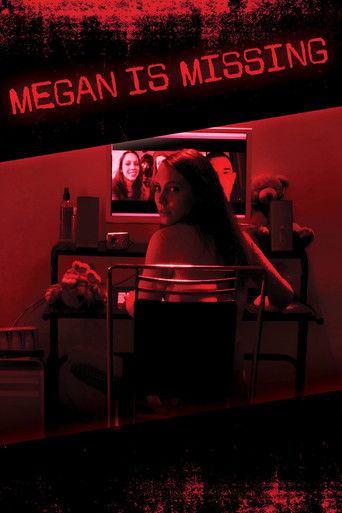
Megan Is Missing (2011) poster
Director
Writer
Production Company
Trio Pictures
Plot

Fictional drama based on actual events, about two teenage girls who encounter an Internet predator.

Alternative Titles
梅根失踪 (China) — Chinese 梅根失蹤 (Hong Kong SAR China) — Chinese Dingusi Megan (Lithuania) — Lithuanian Megan lipsește (Romania) — Romanian Пропавшая Меган (Russia) — Russian 梅根失蹤 (Taiwan) — Chinese

Trailers & Videos

2 videos

Film Guide & Analysis

Michael Goi’s found-footage horror: 2006 production, online grooming, adolescent vulnerability, extreme violence, censorship, TikTok rediscovery and the 2026 continuation.

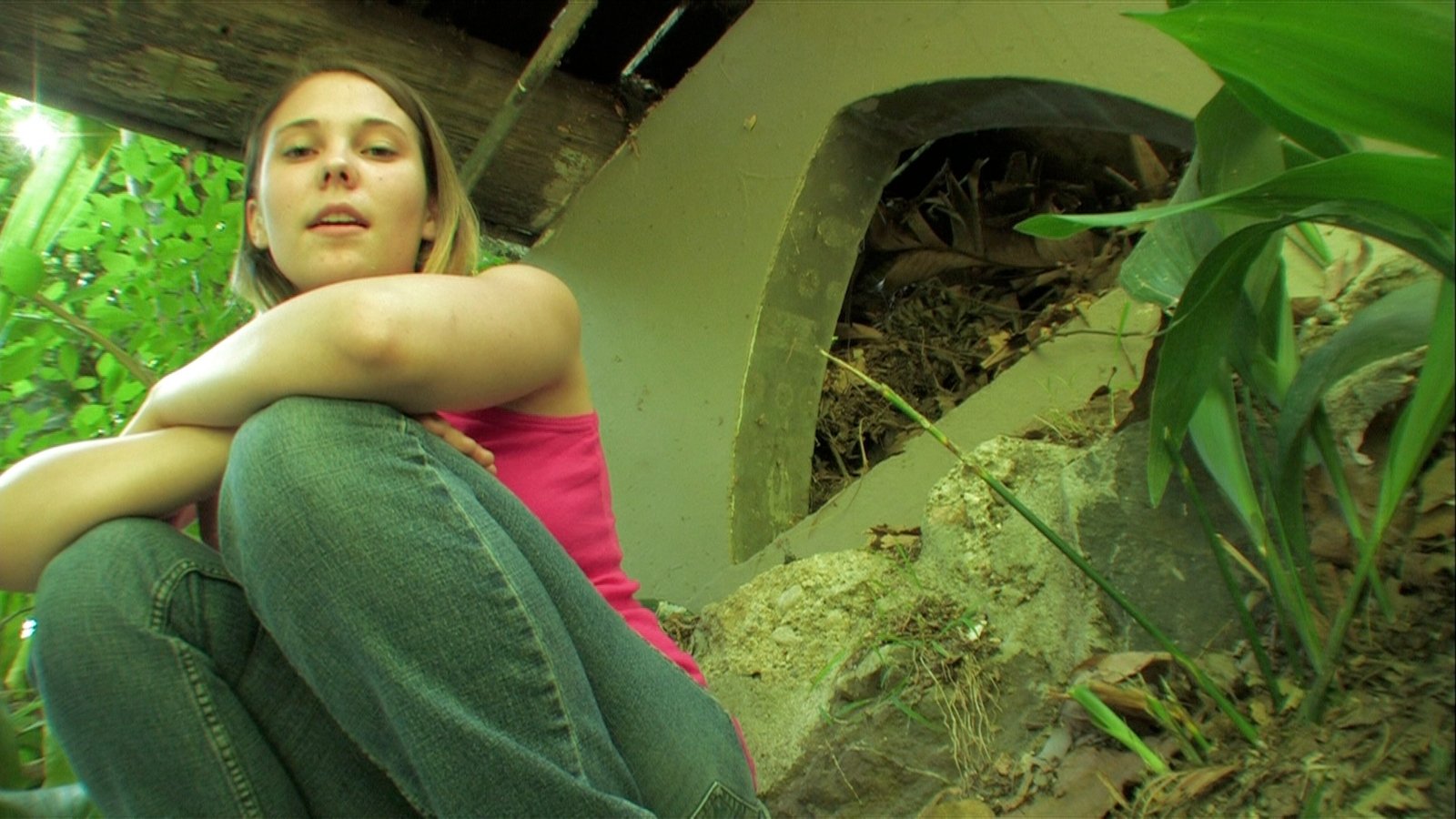
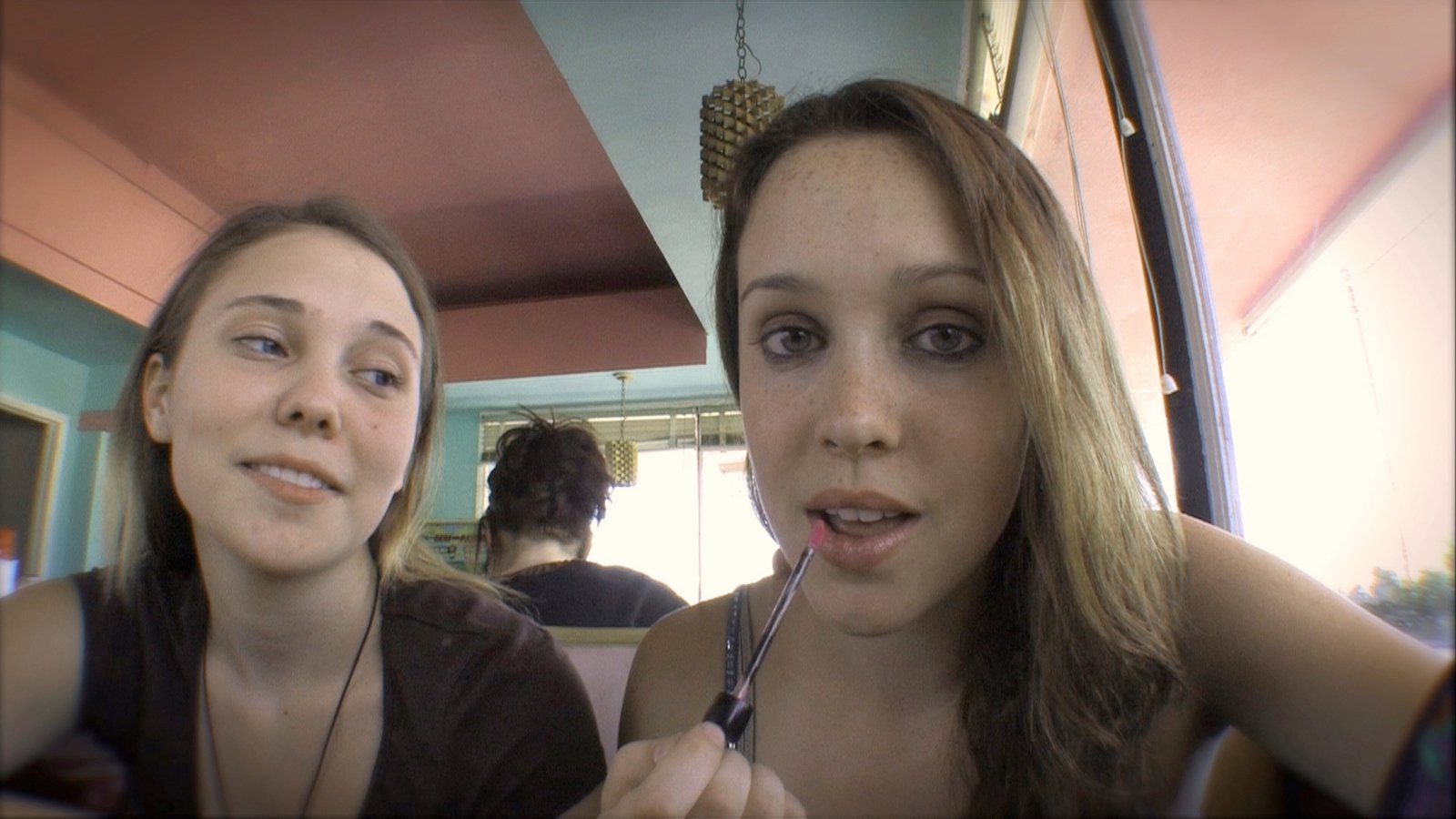
Michael Goi’s Megan Is Missing (2011) is an American found-footage horror film in which the ordinary communications of two teenage friends become the record of an abduction. Megan Stewart, played by Rachel Quinn, and Amy Herman, played by Amber Perkins, share webcam conversations and private recordings while navigating different social lives in North Hollywood. When Megan agrees to meet a boy known to her through the internet and vanishes, Amy tries to establish what happened. Photographs, online messages and the language of television crime reporting gradually replace the girls’ earlier conversations. The film’s final movement turns the search into an account of captivity and violence, radically changing the experience of watching the material that precedes it.

Filmed in 2006 with a very small crew and distributed in 2011, the picture became widely discussed after reaction videos circulated on TikTok in November 2020. Goi has described the screenplay as a fictional combination of details from several real criminal cases, not a reconstruction of one disappearance. His stated intention to warn adults about child exploitation has remained inseparable from criticism of the film’s sexualized representation of its young characters. Its place in horror history concerns the contested boundaries among cautionary drama, simulated documentary evidence, extreme violence and internet-driven rediscovery.

Origins, Research and an Independent Production

Goi developed the project while working professionally as a cinematographer and becoming increasingly disturbed by news coverage of abducted children and online predators. In a statement published on the film’s official website, he recalled discussing the idea with producers Mark Gragnani and Melanie Harrison, who encouraged him to direct it. He researched seven criminal cases, five concerning abducted and murdered children and two involving internet predators. His account establishes the claimed sources of the screenplay, but the fictional characters Megan and Amy do not correspond to a single documented case. The film’s assertion that its events draw from reality should not be confused with a claim that the footage shows actual victims.

The production was self-financed and made with extreme economy. In a 2020 interview with Entertainment Weekly, Goi reported a budget of approximately $35,000, a five-person crew and eight and a half shooting days in 2006. He also recalled dispensing with conventional motion-picture lighting, grip equipment and professional sound-recording equipment. Those decisions were partly financial and partly aesthetic: recognizably polished images might have undermined the intended appearance of private video. The film’s small scale was therefore visible in its images rather than concealed by an attempt to imitate a larger studio thriller.

Quinn and Perkins were cast without the public recognition that established performers would have brought to the roles. Goi said he wanted unfamiliar faces, and that parents were required to read the screenplay and attend the shoot because of the disturbing subject matter involving teenage characters. He also stated that conversations among young acquaintances informed the language of the screenplay. These recollections clarify his method, though they do not make every exchange a literal documentary transcription. The film was a planned dramatic work in which the appearance of spontaneity was constructed through casting, performance and the chosen recording formats.


Megan, Amy and the Online Stranger

The friendship between Megan and Amy establishes the narrative’s emotional stakes before the disappearance. Megan has greater social visibility and appears more comfortable at parties, while Amy is comparatively withdrawn and dependent on her closest friend for companionship. Their conversations expose insecurities, quarrels and the unequal power that can exist even within an affectionate friendship. The early material spends substantial time with adolescent talk and social encounters, an emphasis intended to make later events feel like the destruction of recognizable everyday lives. The film also attracts criticism because those scenes repeatedly define the girls through sexual experiences and conversations.

The person calling himself Josh communicates through an online profile while avoiding a convincing face-to-face introduction. Megan accepts his explanations and agrees to meet him, after which the electronic traces of her life acquire a new meaning. Messages that once suggested flirtation become material for reconstructing a disappearance. Amy’s effort to identify the stranger is complicated by the difficulty of proving who a remote correspondent actually is. The film’s particular historical setting matters here: it emerged from a period when home webcams, online chatrooms and mobile recordings were becoming ordinary parts of teenage communication but were not yet integrated through the later conventions of smartphone social media.

Once Megan disappears, Amy becomes the principal figure through whom the viewer follows the case. The story allows fragments of information to circulate through news reports and apparent investigative footage, but it does not develop into a methodical police procedural. Goi later explained that a passing reference to another missing child in the Crenshaw area was intended to draw attention to unequal media coverage of missing children. This is a documented authorial intention, not evidence that the film provides a sustained analysis of the issue. Its immediate focus remains the danger to the two friends and the gulf between their private communications and the public story of a disappearance.

Webcams, Recorded Images and the Found-Footage Method

Megan Is Missing presents itself as a compilation of webcam conversations, mobile-phone clips, home video, surveillance material and television news coverage. The mixture gives the viewer several apparent sources of evidence rather than the unified perspective of a conventional narrator. Dates, digital interfaces and changes in image quality suggest that the story has been assembled after the event. This approach places the film within found-footage horror while also borrowing the language of missing-person documentaries and crime television. Every recording remains part of a fiction written and staged by Goi; the method is representational rather than evidentiary.

The format creates a persistent problem of viewpoint. Some images resemble personal diaries or footage that characters might plausibly save, while other conversations and television segments seem arranged primarily to deliver information to the audience. In his original review for Fangoria, Michael Gingold questioned why so many supposedly private video chats would have been preserved and found the reconstruction of the investigation unpersuasive. Those objections concern the film’s central claim to realism. The roughness of an image can encourage belief, but does not settle whether a scene has a credible reason to have been recorded or retained.

Goi’s decision to use little conventional lighting helped produce uneven, intimate pictures. Characters address webcams directly, and pauses or interruptions create the impression of communication taking place outside a film set. As the story progresses, the same recording devices cease to be instruments of friendship and become ways of documenting surveillance, threat and coercion. This reversal gives the film its clearest formal idea: the images through which teenagers appear to control their own presentation are eventually captured by someone with power over them. The shift depends on the spectator recognizing changes in who operates the camera and why.

Sexual Violence, Victimhood and Ethical Disagreement

The film’s conclusion contains prolonged scenes of captivity and sexual violence involving a teenage character. It also introduces photographs that establish what happened to Megan and a final sequence built around the sustained recording of Amy’s ordeal. The violence is narratively consequential, but its duration and presentation have been the centre of the film’s most serious criticism. Rather than relying on an unseen threat throughout, Goi forces the viewer to confront suffering directly and leaves little suggestion that the perpetrator will receive immediate punishment. The absence of relief is part of the intended effect, although it also raises the question of what the audience is being asked to watch.

Goi has defended the explicit approach as an attempt to prevent audiences from treating violence against children as a brief crime-news item. In his official statement he argued that apparently respectable domestic and digital environments could conceal grave risks. Yet intended warning and achieved effect are different questions. In a review originally published on 3 May 2011, Fangoria critic Michael Gingold strongly rejected the picture’s claim to social importance, arguing that its depiction of the girls was exploitative and invited viewers to blame victims for their circumstances. The distinction between the director’s account and a contemporary critic’s response is essential to the film’s historical reception.

The dispute also concerns the relation between the earlier characterization and the final scenes. The film gives Megan a sexually active public identity and Amy a more hesitant one, then subjects both to violence from an adult predator. Critical objections hold that this structure risks making their experiences seem morally consequential rather than depicting the attacker’s sole responsibility. Such a reading should be identified as an interpretation, not imposed as a definitive statement of what all viewers see. What can be documented is the persistent disagreement: the same material that Goi described as a cautionary intervention was condemned by other observers as a sensational use of teenage vulnerability.

Distribution, Classification and Early Reception

Although shot in 2006, the film did not receive its principal commercial distribution until 2011. On 16 September 2010 TheWrap reported that Anchor Bay had acquired English-language rights and planned a release the following year. That contemporary announcement is firmer evidence of the acquisition than later summaries suggesting the picture appeared without any intervening distribution process. The 2011 circulation included a limited American theatrical release and home-video availability. The film’s approximately eighty-five-minute duration is documented in national classification records; it should not be confused with the length of an unbroken recording within the fictional story.

The graphic content led to different decisions by national authorities. New Zealand classified the film as objectionable because of the sexual violence involving young people, preventing ordinary lawful distribution there. In Australia, the classification authority recorded an MA 15+ decision for an eighty-five-minute DVD submission on 3 March 2011. These differing outcomes demonstrate the effect of separate regulatory standards, not that the film was banned everywhere or received one international age rating. The New Zealand decision is particularly significant to its public reputation because subsequent reports repeatedly associated the film with censorship and extreme disturbing content.

Early critical debate was already substantial before TikTok brought the film a new audience. Gingold’s Fangoria review, originally published alongside the 2011 release, criticized the performances, the apparent documentary construction and the way the film used violence. Goi’s statements and the support of child-protection advocate Marc Klaas were offered as a contrasting rationale for the project. Neither endorsement nor condemnation establishes a consensus about its artistic value. They instead document the central disagreement surrounding a film whose promotional identity rested on warning viewers while its most discussed scenes were those of sustained harm.

TikTok Rediscovery and the 2026 Continuation

Megan Is Missing acquired a markedly different cultural presence in November 2020, when viewers began sharing short reactions on TikTok and discussing its most disturbing moments on Twitter. Entertainment Weekly documented the sudden surge, including tens of thousands of tweets, and reported Goi’s warning that prospective viewers should be prepared for especially upsetting material. The viral circulation did not amount to a new theatrical premiere, and it provides no reliable measure of how many people completed the entire film. It did, however, shift attention toward a production that had previously reached a far narrower audience through limited distribution and home video.

The rediscovery changed the way the film was encountered. Some viewers watched after receiving warnings, while others arrived through clips stripped of the original narrative context. Goi maintained that he had intended the work for adults and was troubled by younger audiences seeking it out as an online challenge. This distinction exposes an irony in its history: a film constructed as a warning about unsafe digital encounters gained its largest public visibility through social-media systems that encouraged rapid sharing and curiosity. Its reputation became inseparable from the reactions it provoked, alongside continuing debates about whether shock could effectively serve the protective purpose its director described.

On 30 October 2026, Dread Central reported the release of Megan Is Missing: Evil Never Dies, a separate feature-length vertical serial distributed through Instagram and TikTok. Written and directed by Goi, it brings back Quinn and Perkins as fictionalized versions of themselves rather than simply restoring their characters from the original film. The new project uses the channels that revived the 2011 picture as its exhibition medium. It should be distinguished from a new cut of Megan Is Missing and from the film’s original distribution history. Its existence extends the work’s afterlife into a different form of screen storytelling without resolving the arguments surrounding the first film.

References

  1. Michael Goi / Official Film Website Message from the Director — Megan Is Missing

    Firsthand production statement detailing the seven-case research claim, Gragnani and Harrison, the rapid shoot, the approach to young performers and the director’s stated intentions.

  2. TheWrap TIFF: Anchor Bay Buys Megan Is Missing — Brent Lang

    Contemporary 16 September 2010 report identifying the sale of English-language distribution rights, Trio Pictures, the cast and the planned 2011 release.

  3. Fangoria Review: Megan Is Missing — Michael Gingold

    Contemporary 3 May 2011 critical response, subsequently archived, assessing found-footage plausibility, the representation of teenage girls and the ethical dispute surrounding its violence.

  4. Entertainment Weekly Megan Is Missing: Why 2011’s Scariest Horror Film Is Going Viral on TikTok — Rachel Yang

    Reporting on the November 2020 rediscovery, the film’s fictional status, New Zealand censorship, criticism of exploitation and the director’s warning to new viewers.

  5. Dread Central Surprise! Megan Is Missing: Evil Never Dies Is Now Streaming on Instagram — Brad Miska

    30 October 2026 firsthand reporting on Goi’s separately produced vertical continuation, its distribution through social platforms and the return of the original lead performers.

Cast

View Full Cast & Crew →

Release & Distribution

Production Companies (1)

  • Trio Pictures

Distributors (1)

  • Anchor Bay Entertainment US

Release History (15)

Release DateTerritoryRelease TypeFormatDistributorCertificationNotes
2011-05-01 Italy Digital — — — Internet
2011-05-01 United States Theatrical — — NR
2011-05-03 Brazil Physical DVD — — DVD
2011-05-03 Canada Physical DVD — — DVD
2011-05-03 Poland Theatrical — — —
2011-05-10 Mexico Physical — — —
2011-10-12 Australia Physical DVD — MA 15+ DVD
2012-11-02 France Premiere — — — Samain du Cinema Fantastique
2021-06-09 Singapore Physical Blu-ray — — Blu-Ray
2021-09-06 Indonesia Physical Blu-ray — — Blu-Ray
2021-10-26 United Kingdom Physical Blu-ray — — Blu-Ray
2021-10-26 India Physical Blu-ray — — Blu-Ray
2021-10-26 United States Physical Blu-ray — NR Blu-Ray
2021-11-16 Philippines Physical DVD — — DVD
2021-12-07 Egypt Physical DVD — — DVD
Megan and Amy are best friends. They share secrets. They chat with guys online. And in a few days, they will never be seen again.