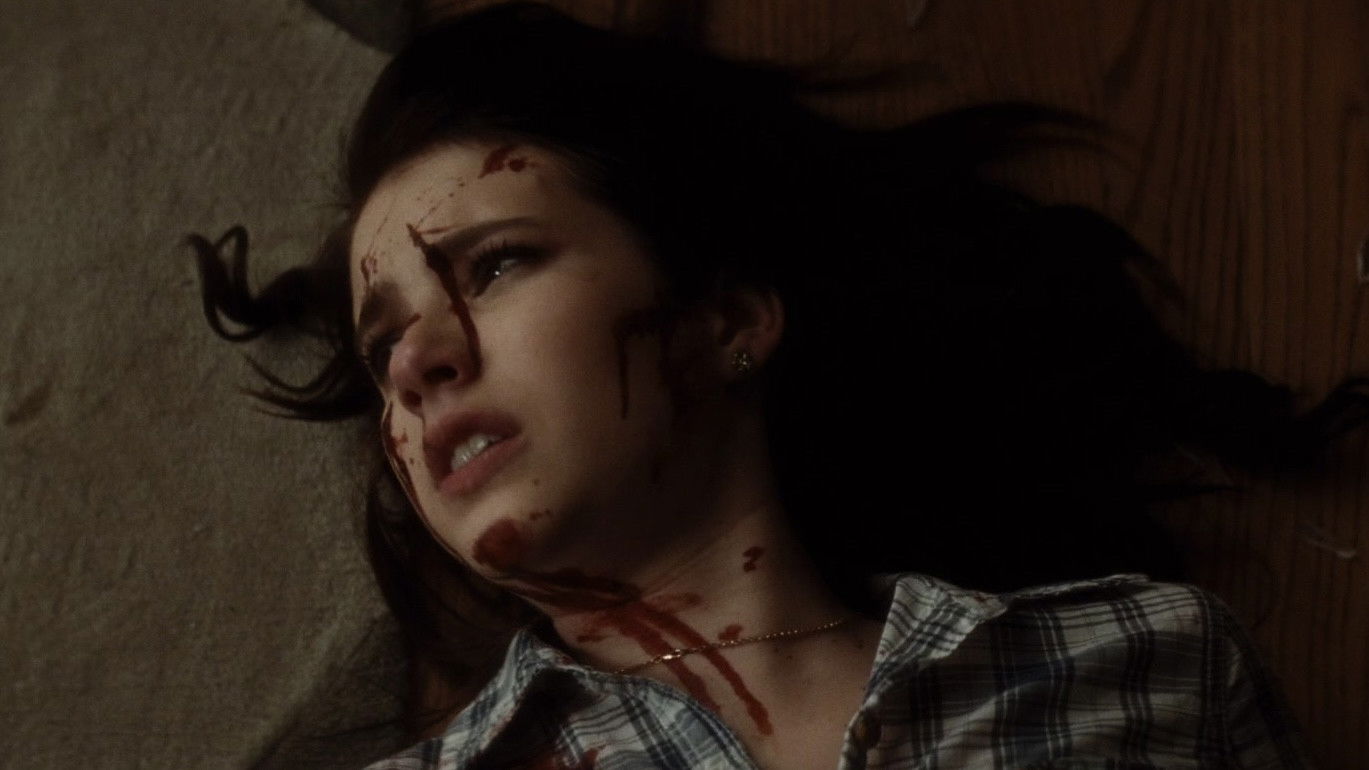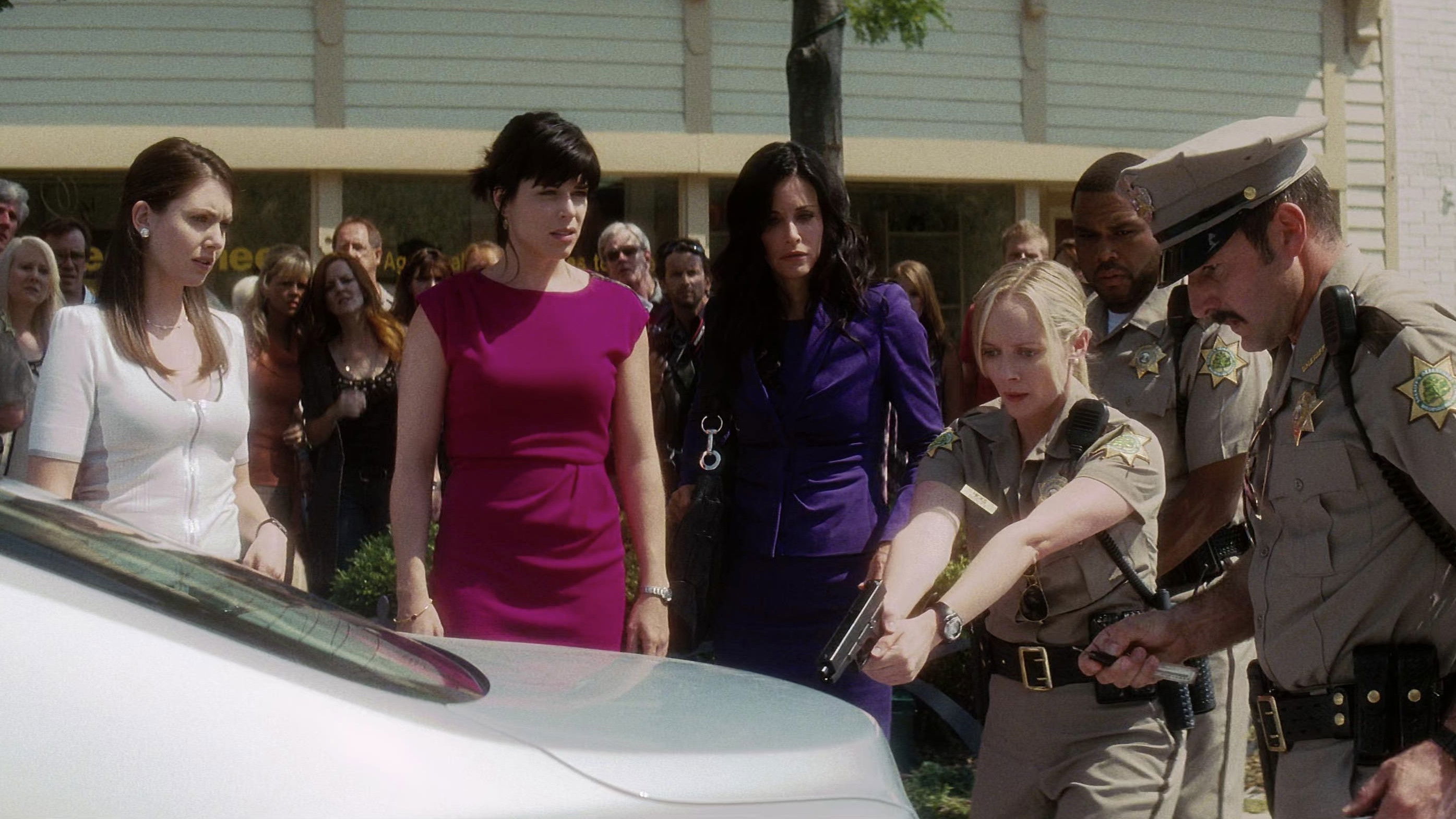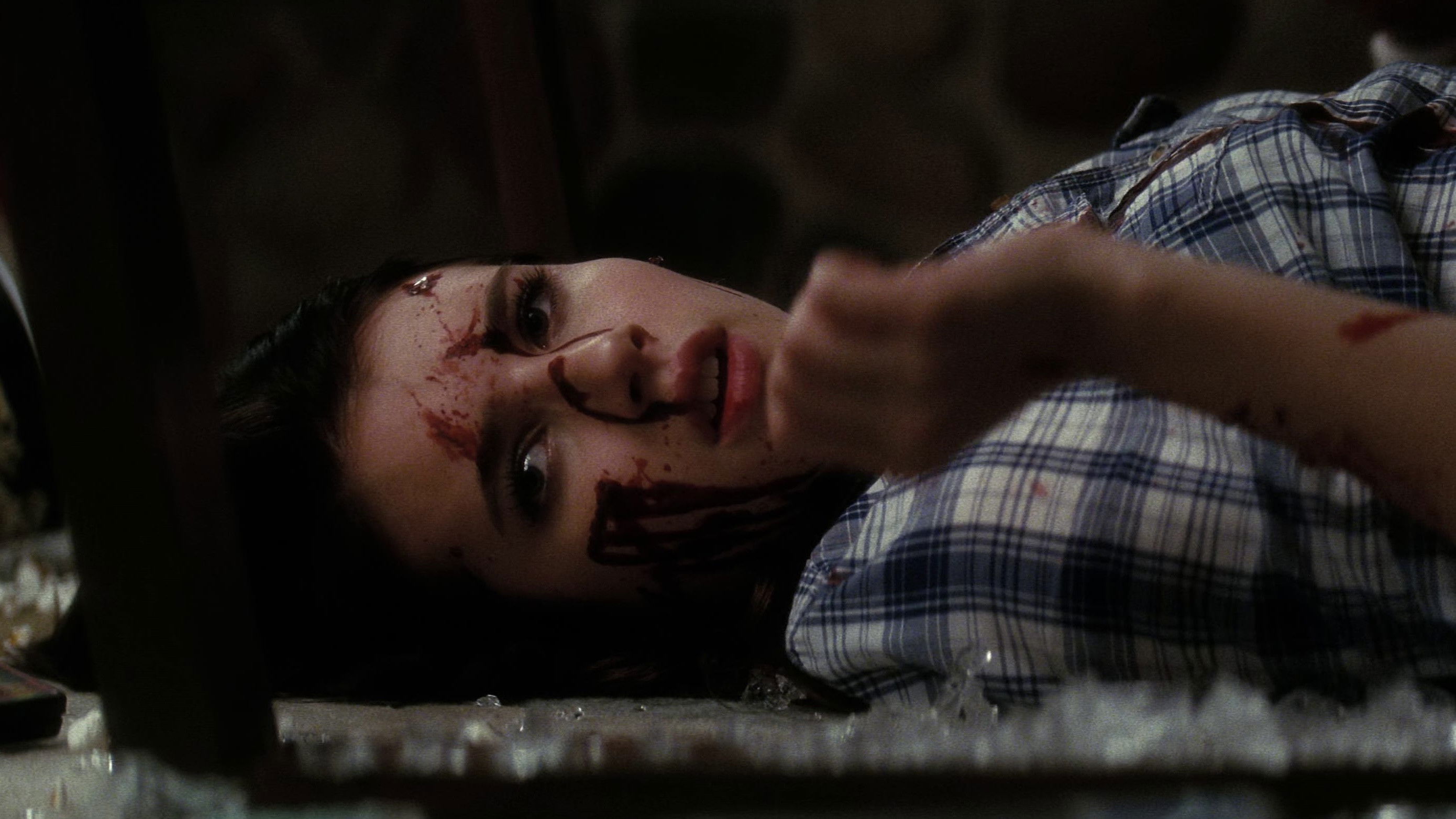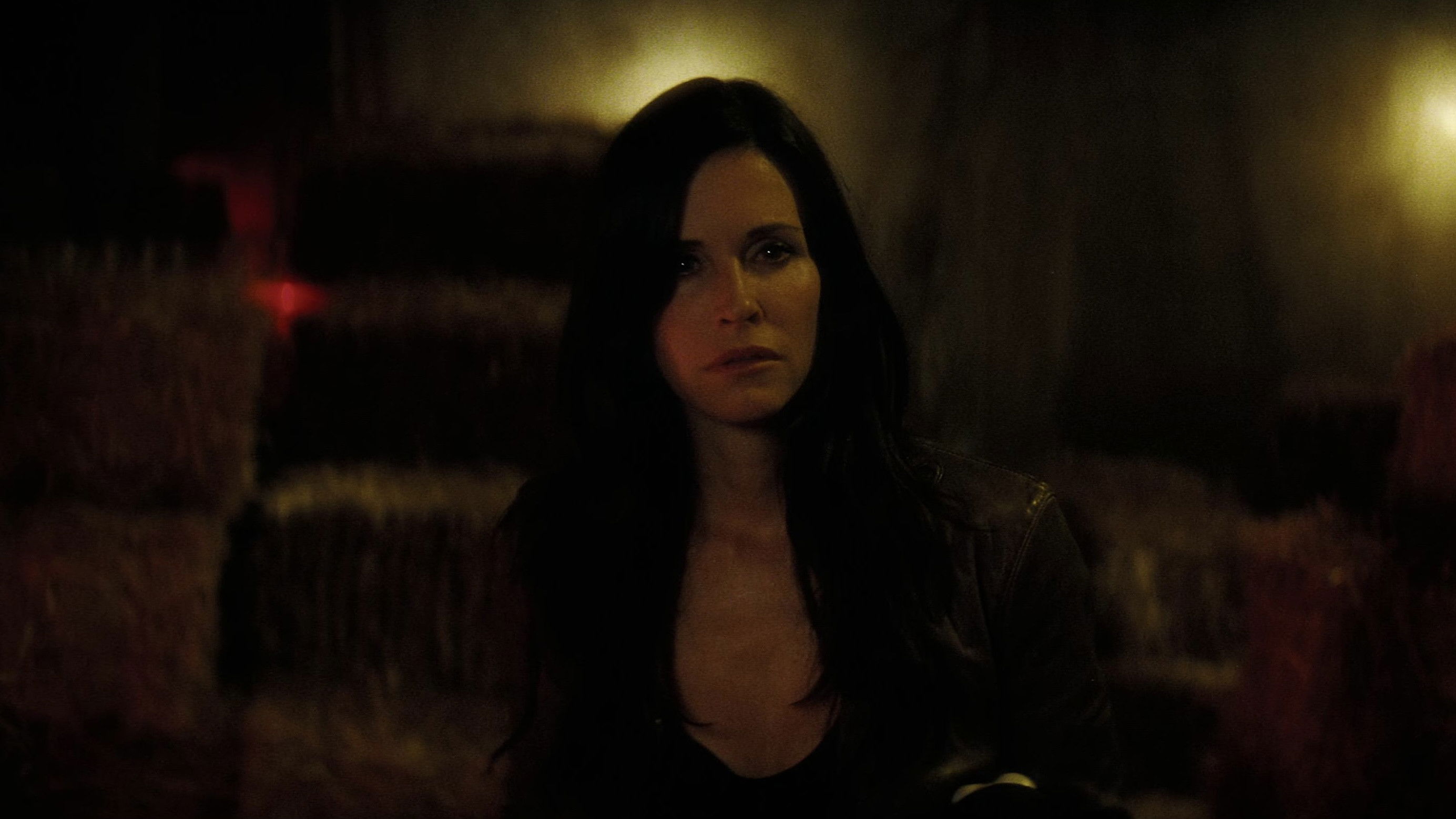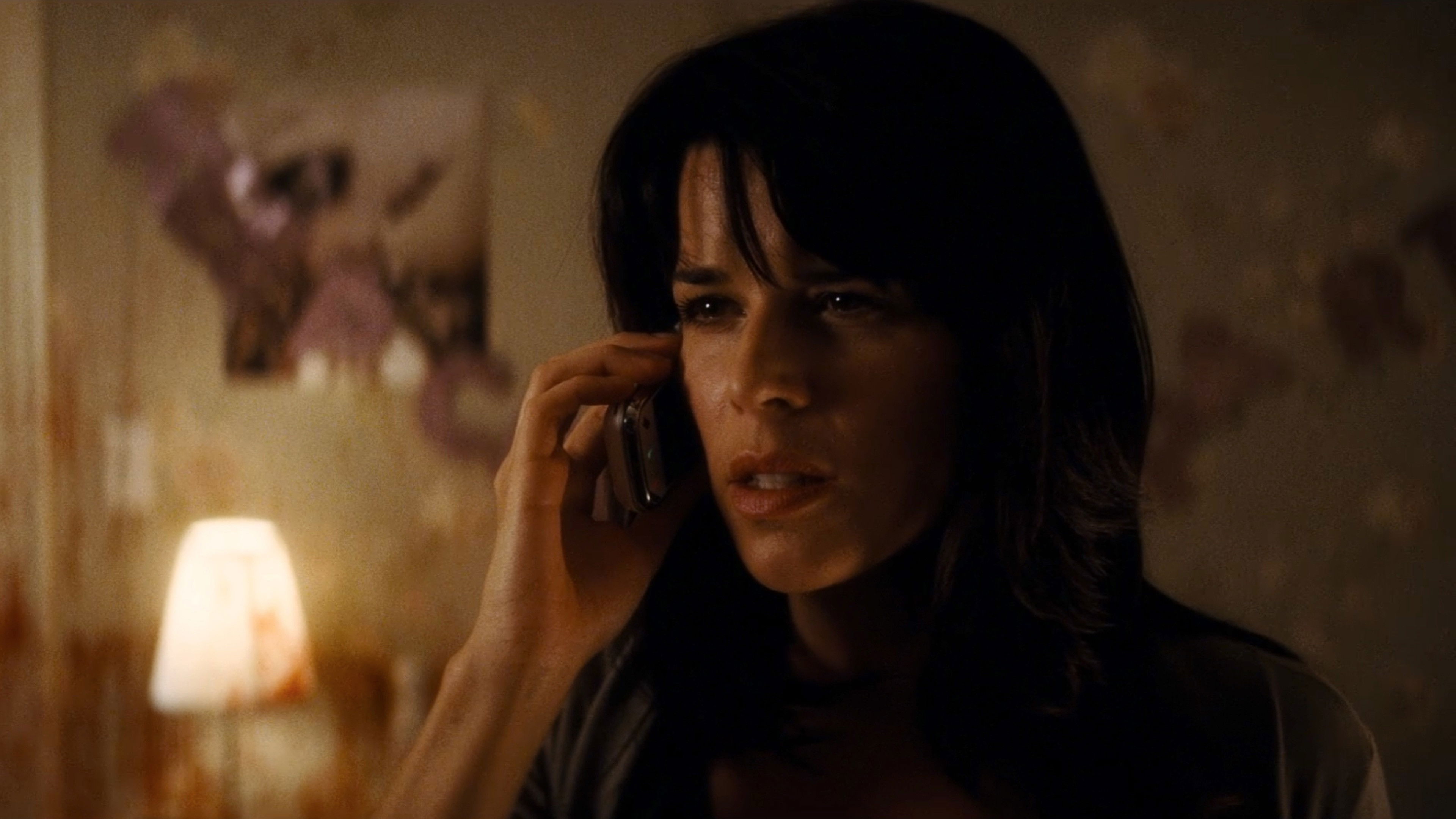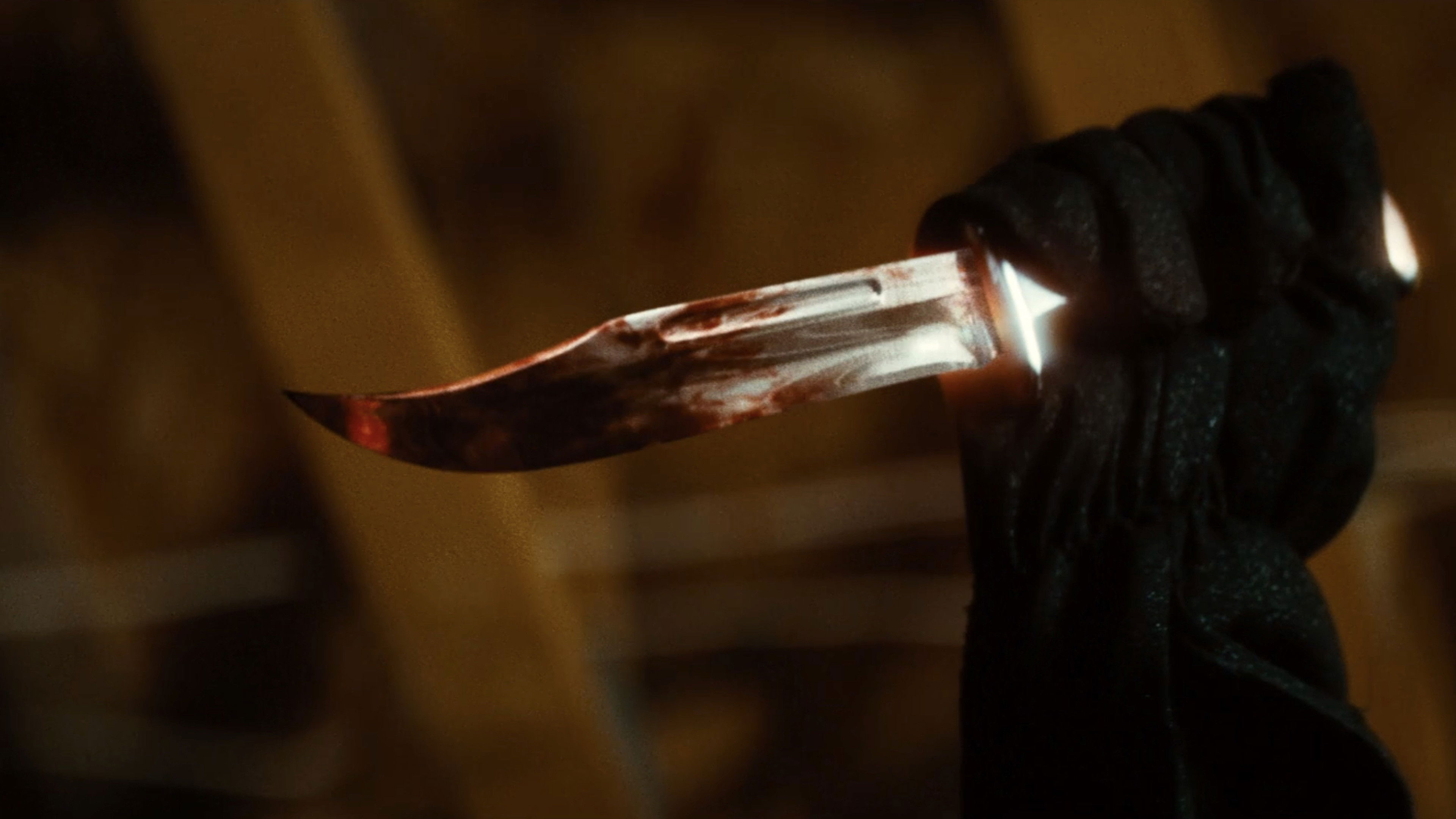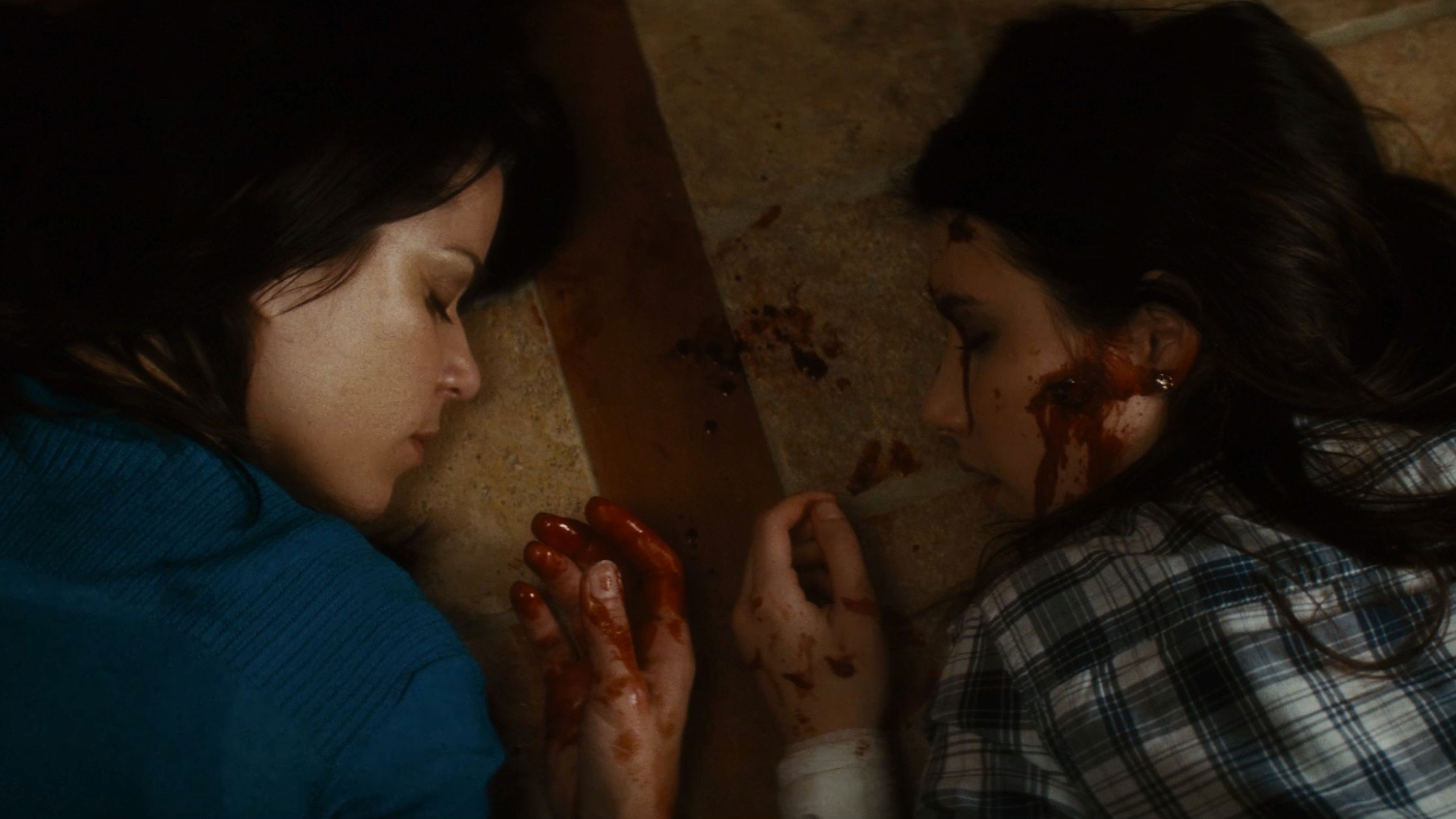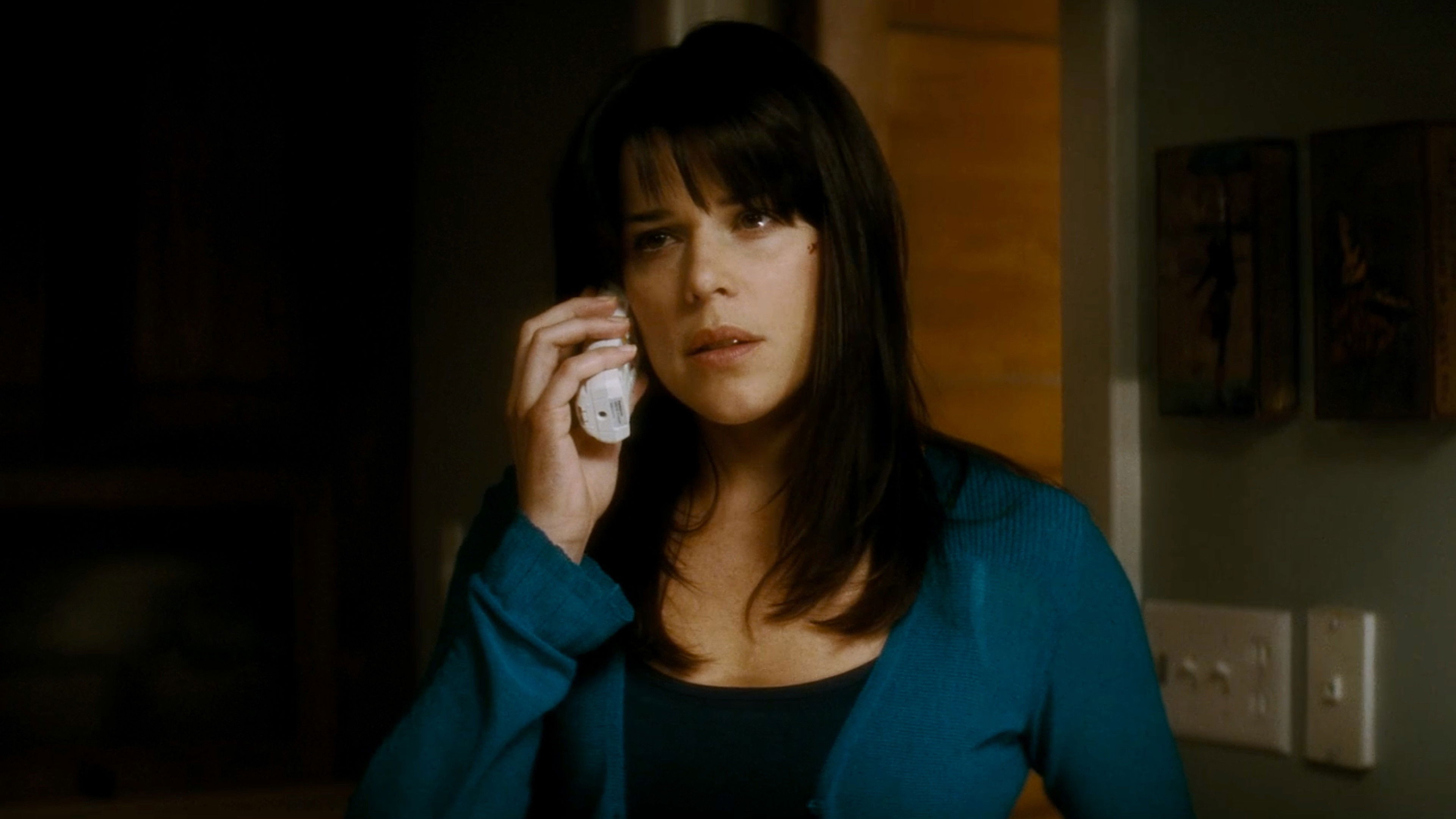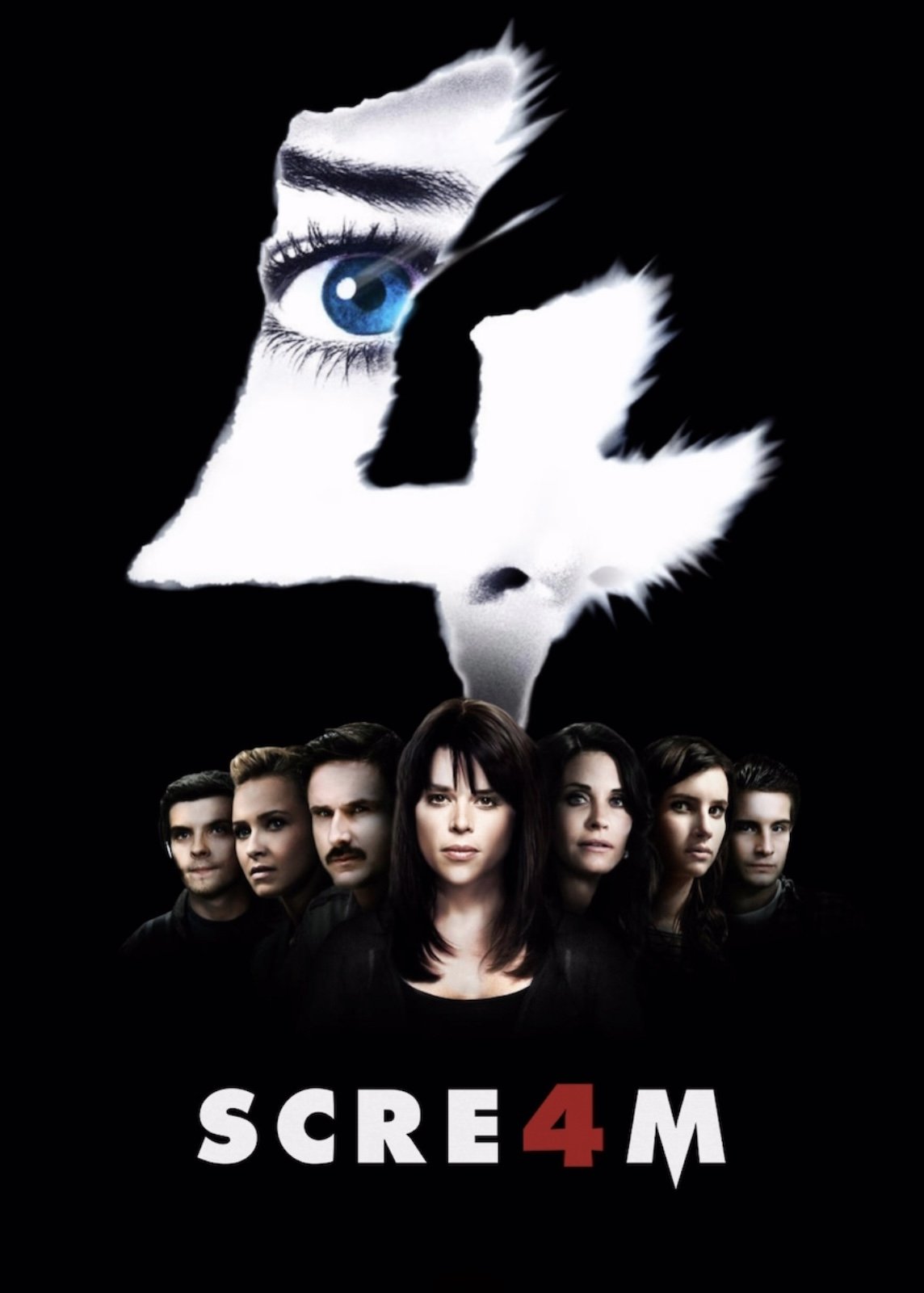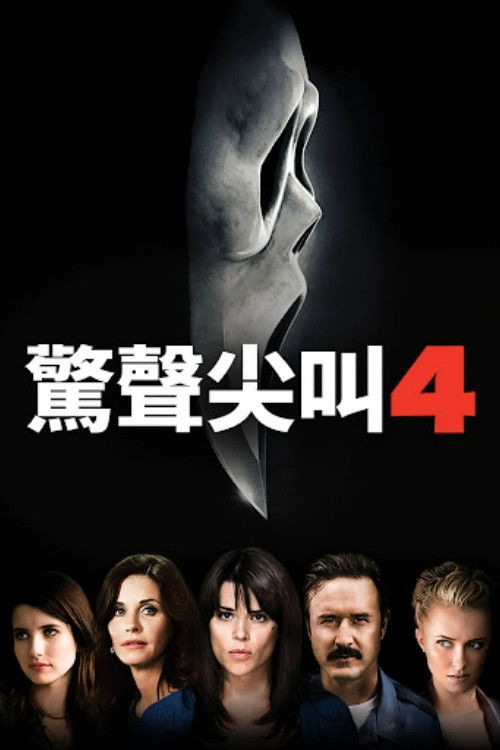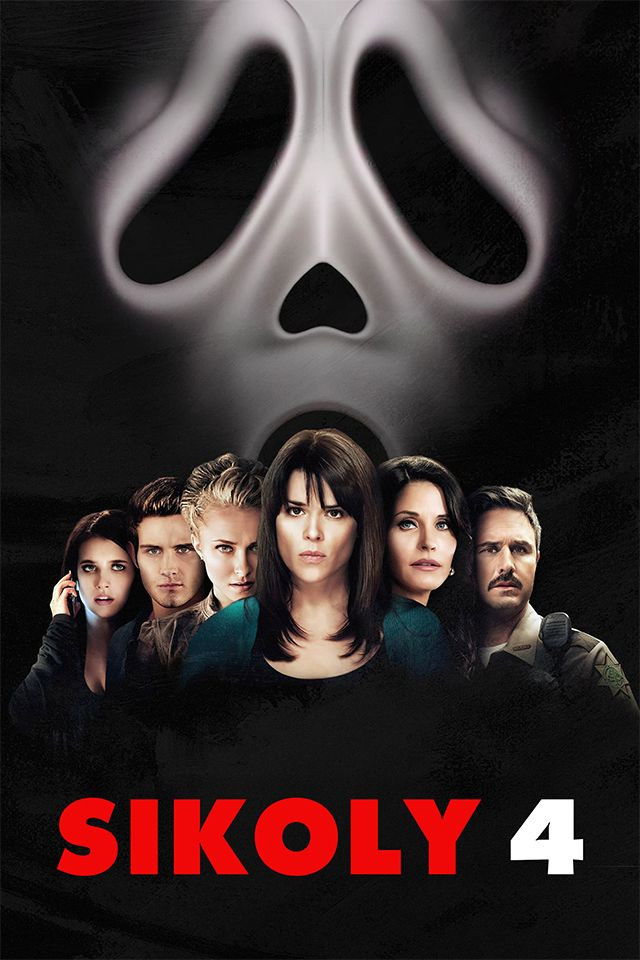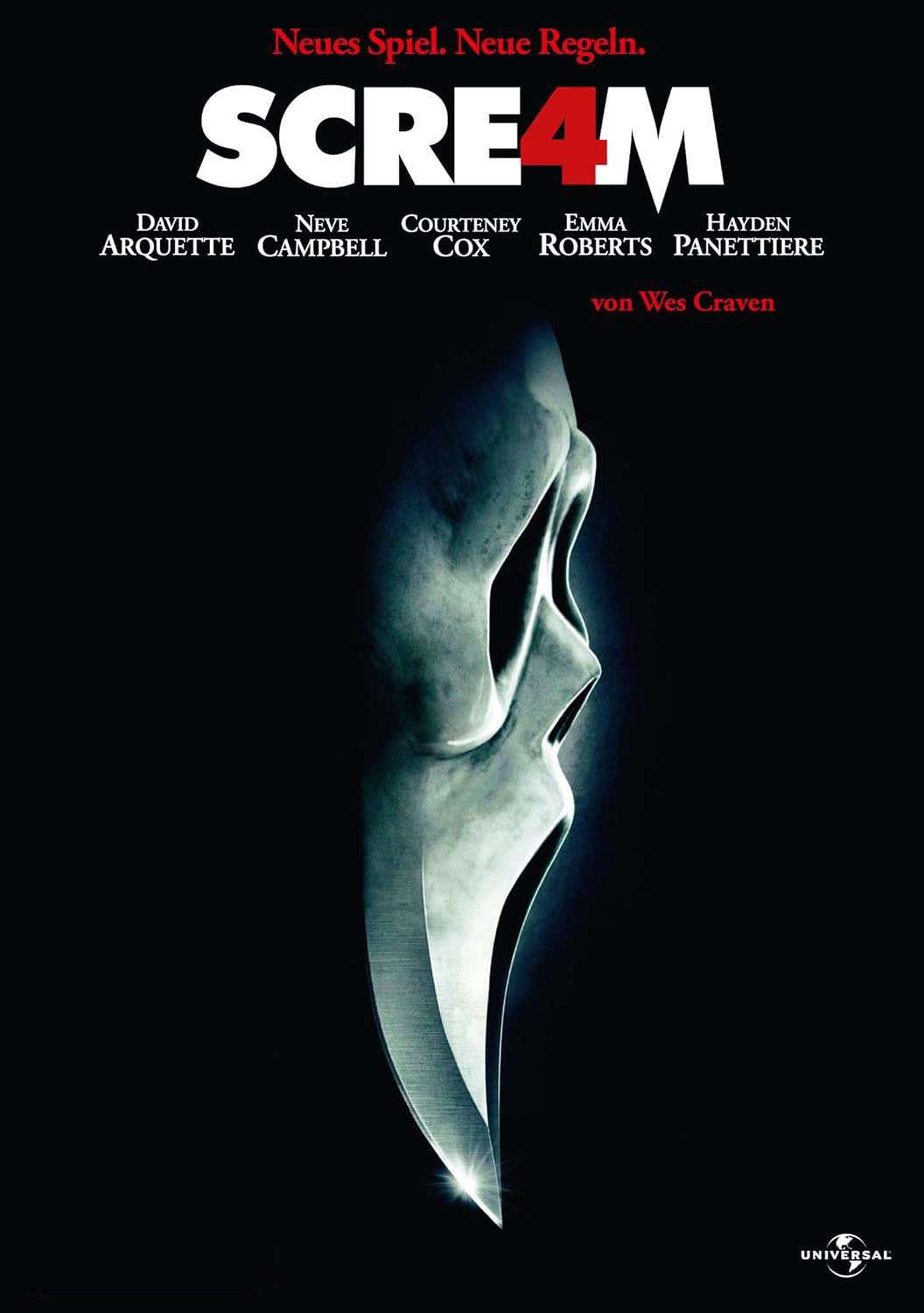
Scream 4 (2011)

US
5.3/10 6 votes
Runtime
111 min
Release
April 13, 2011
Budget
$40,000,000
Revenue
$97,231,420
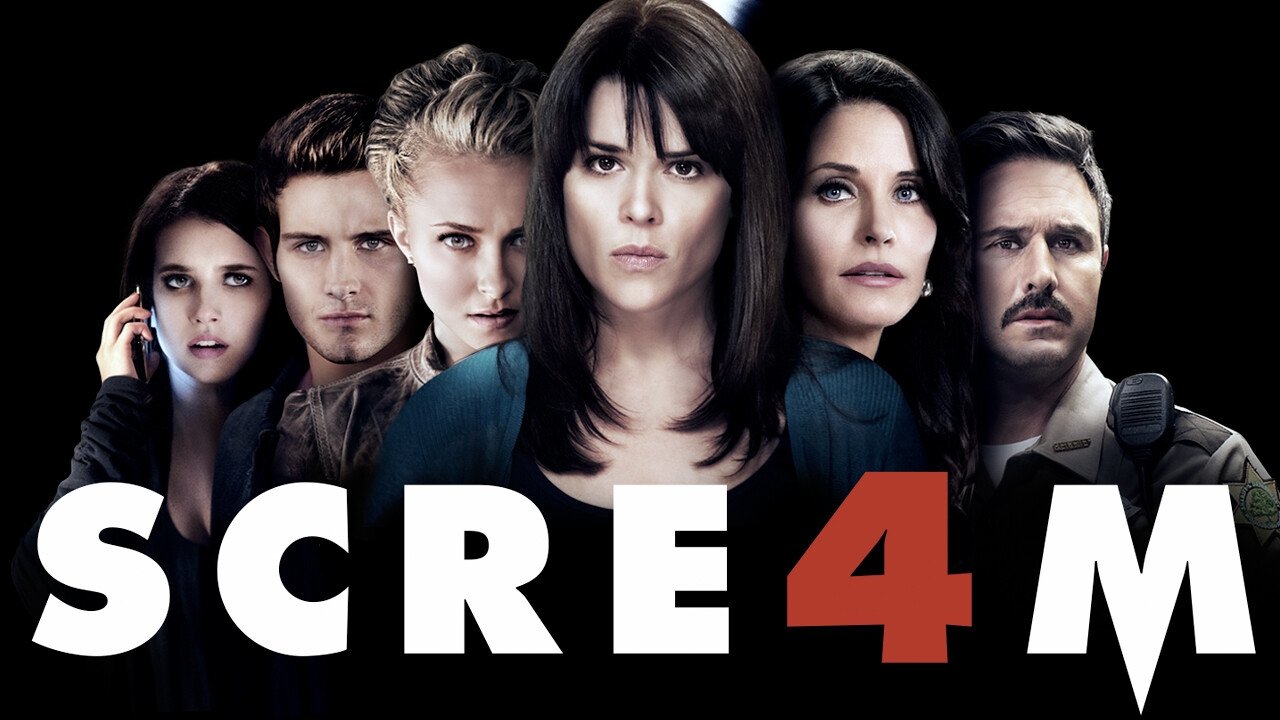
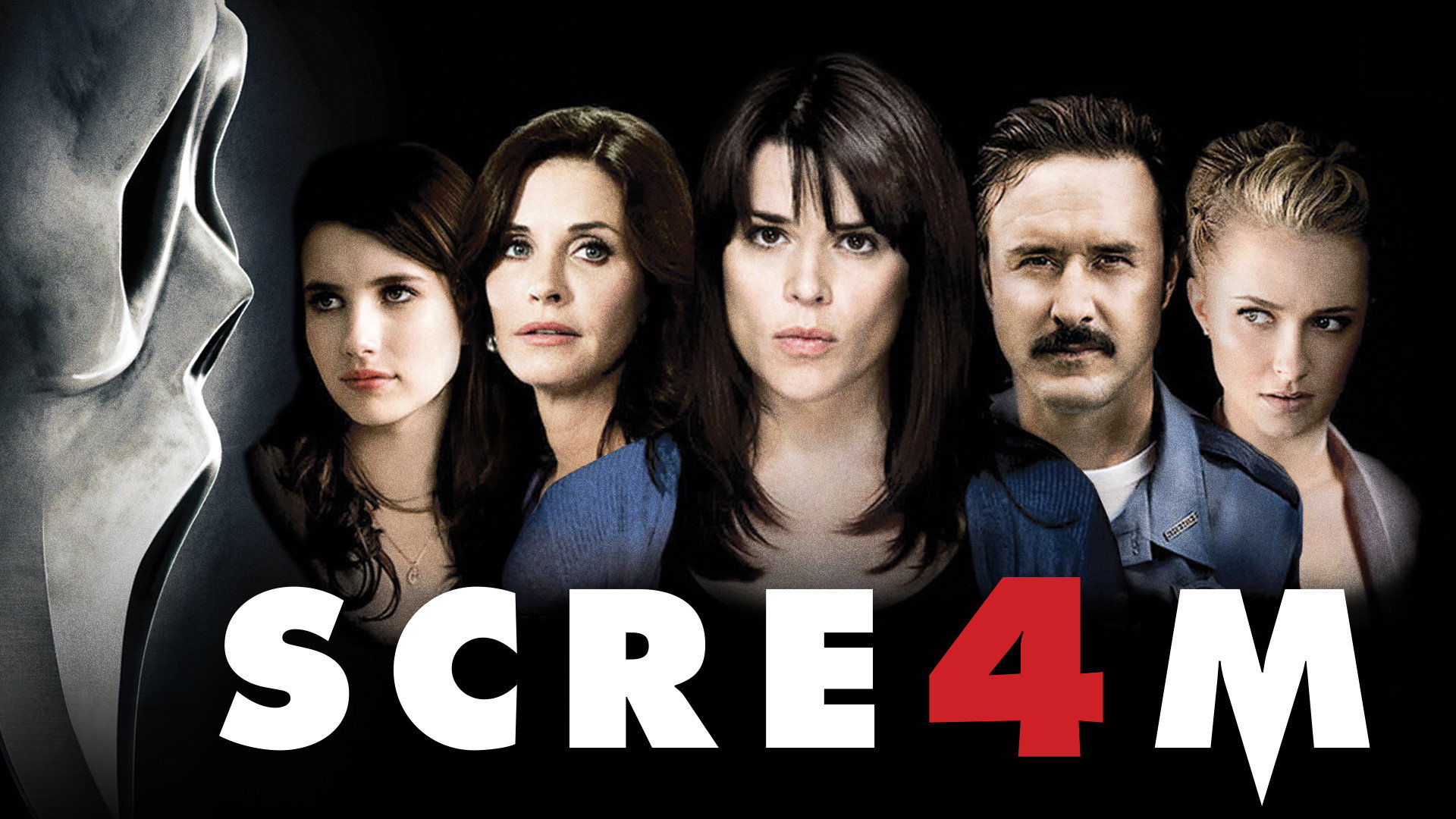
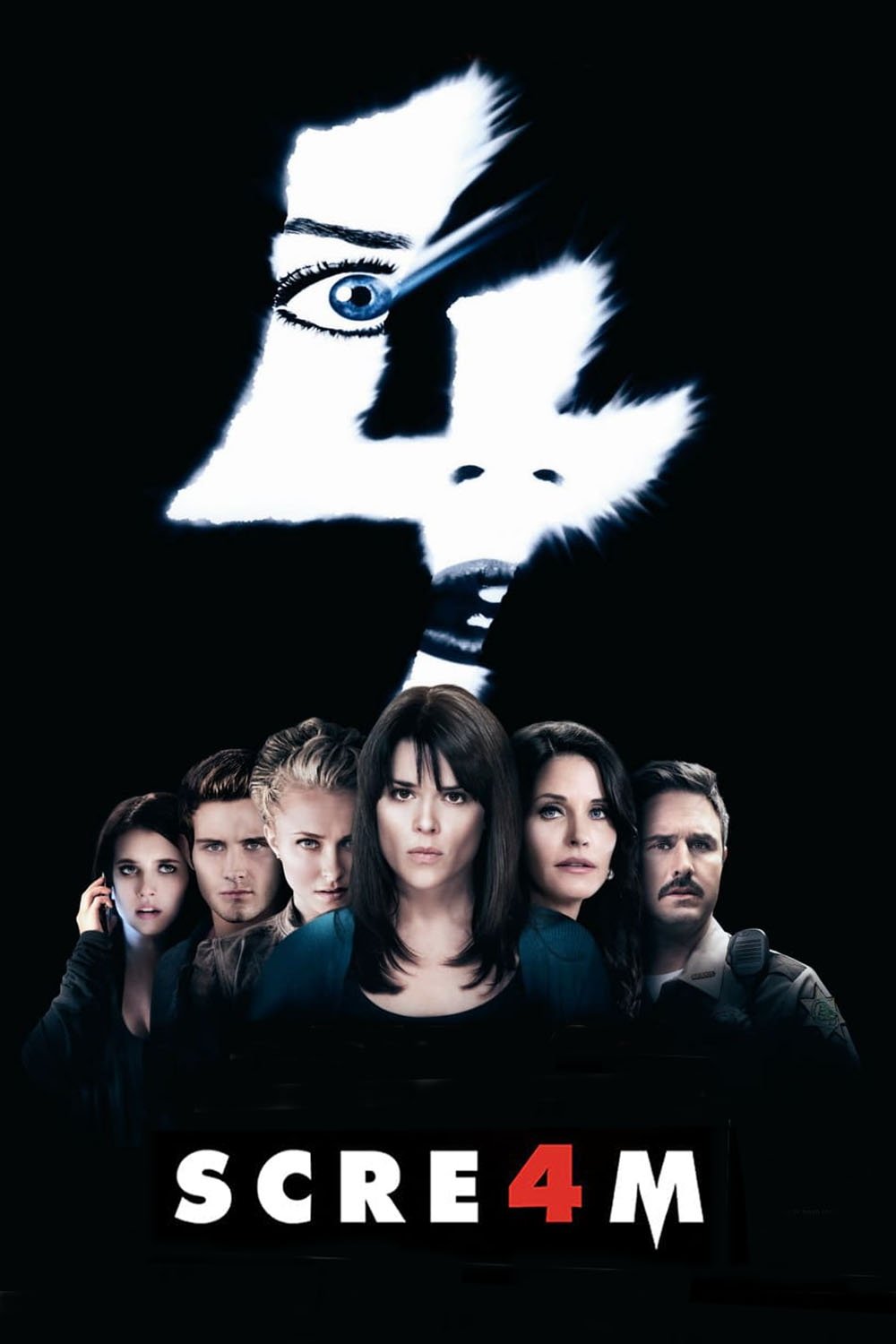
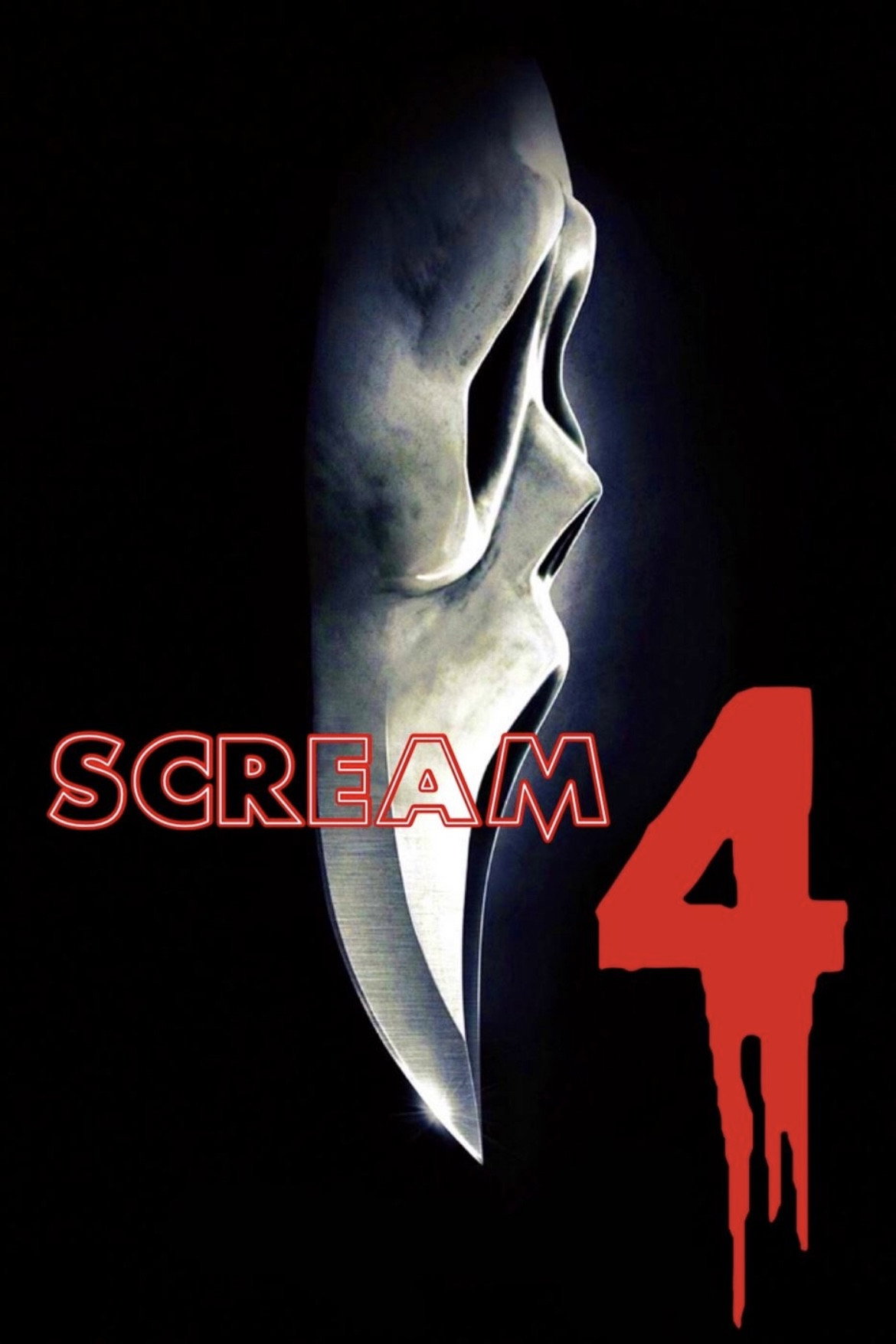
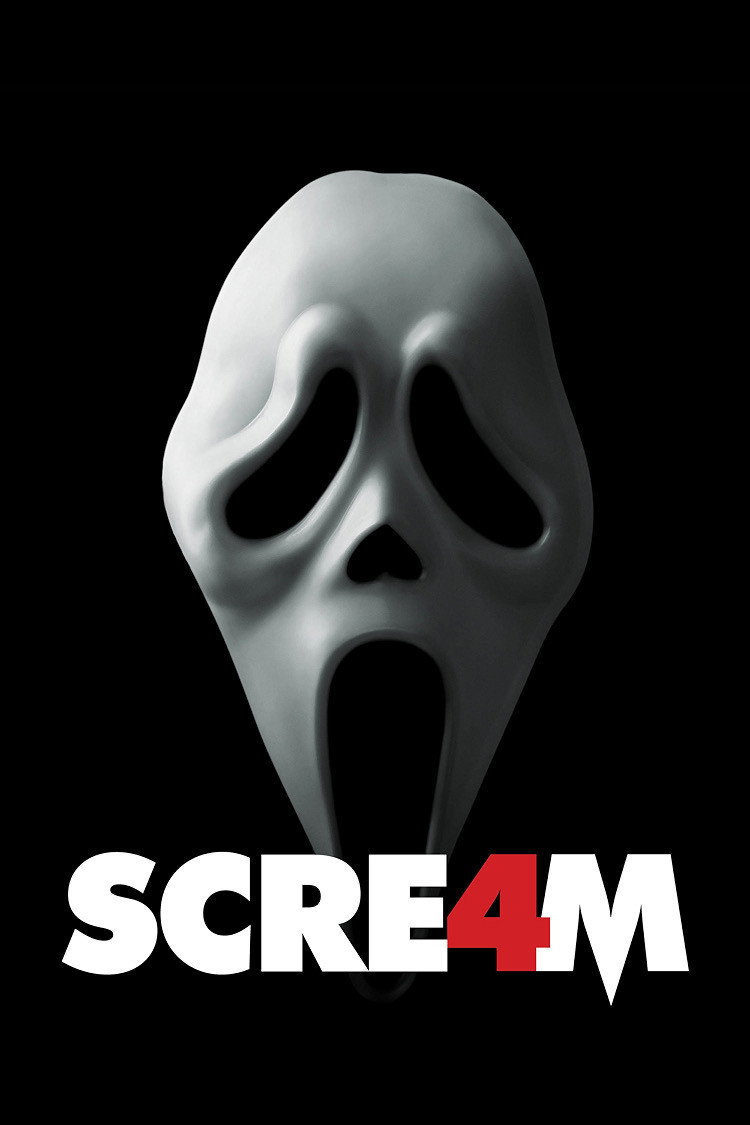
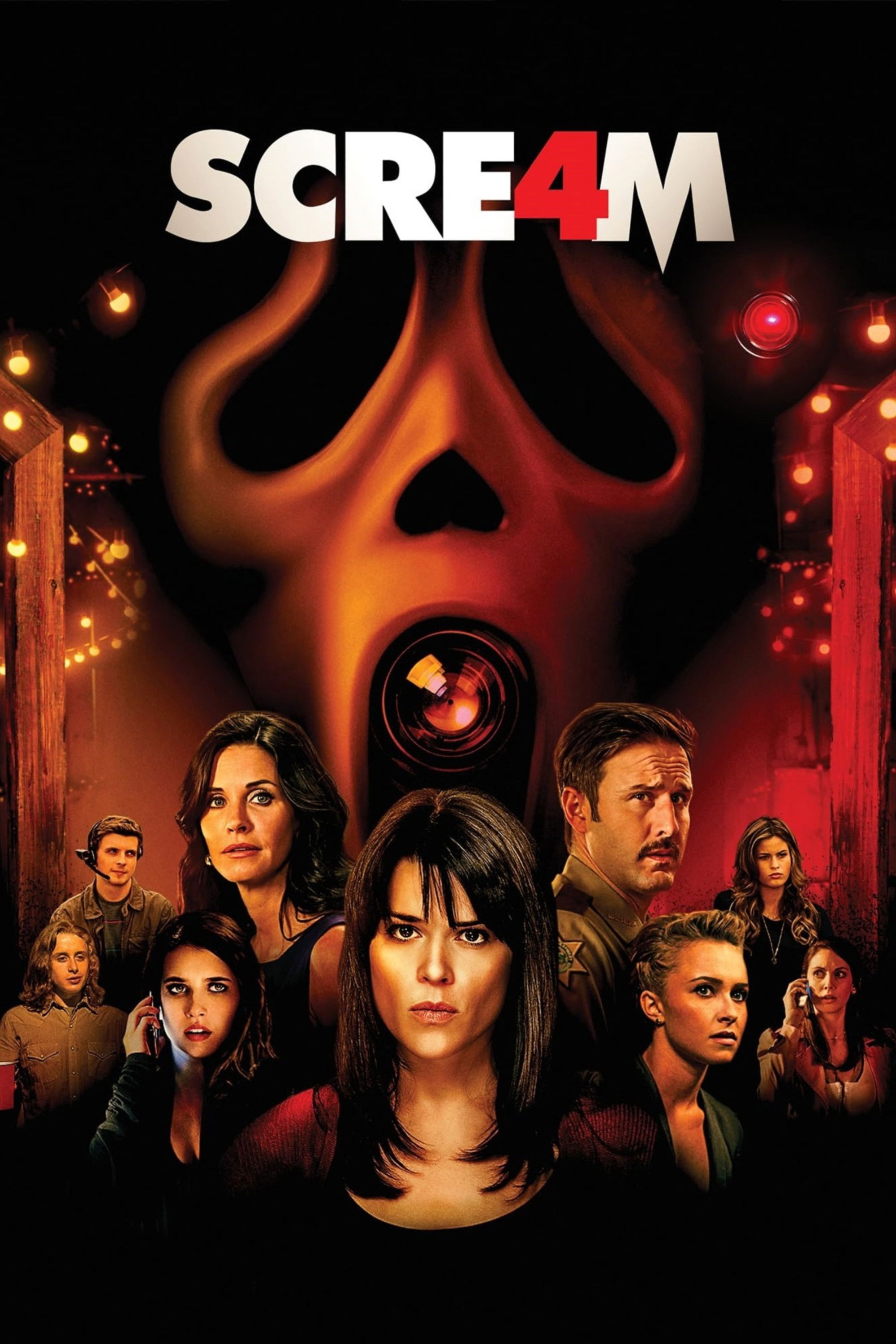
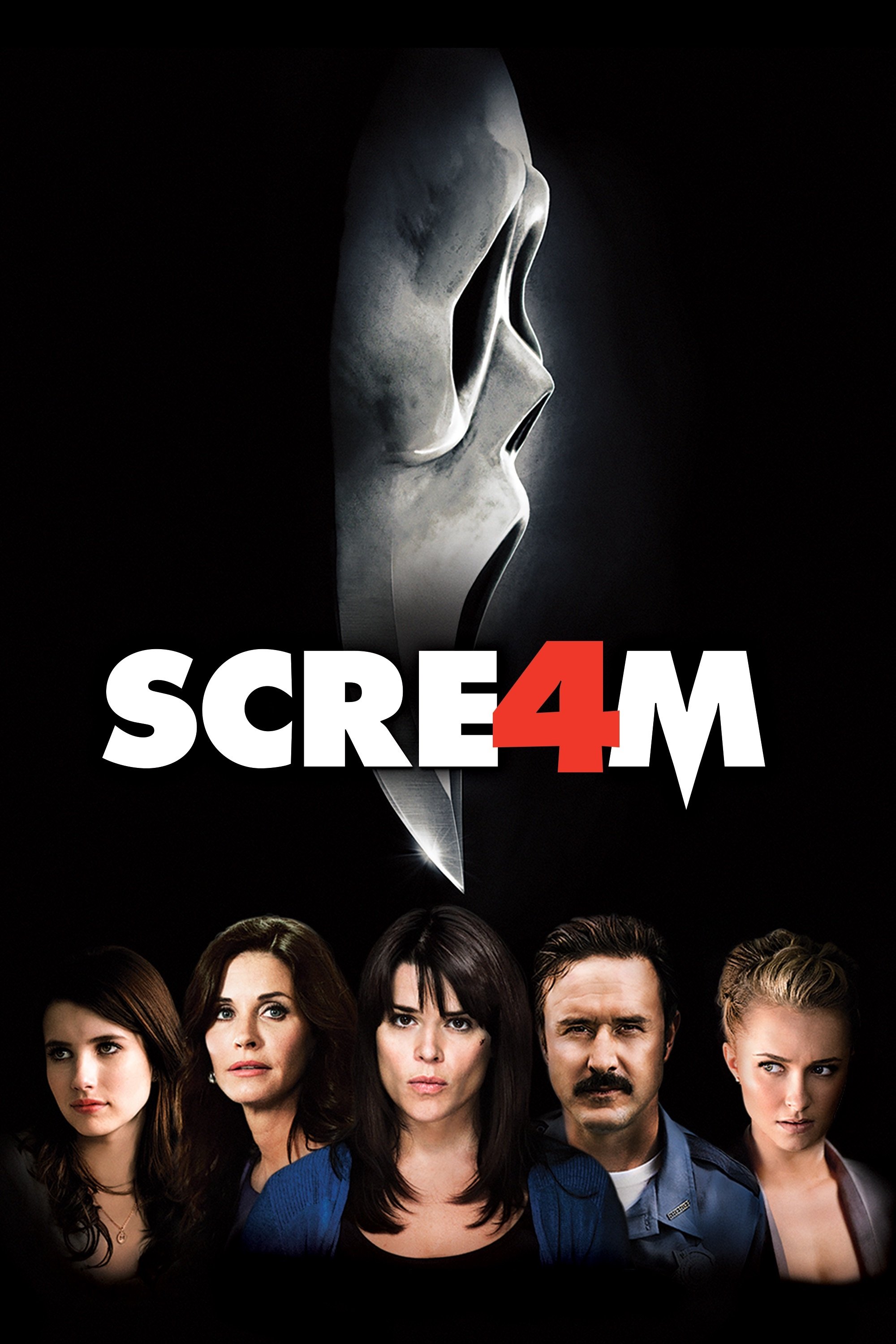
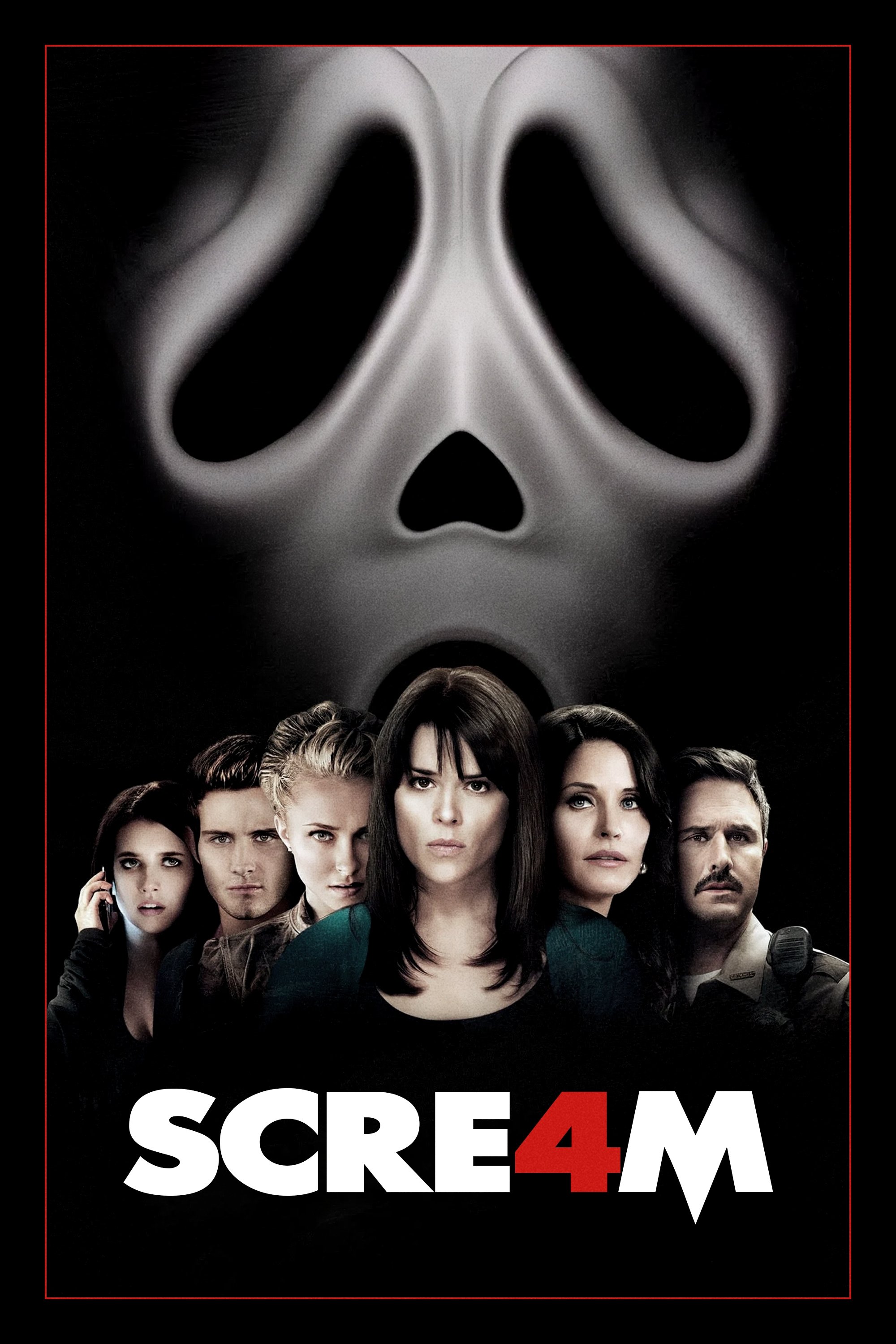
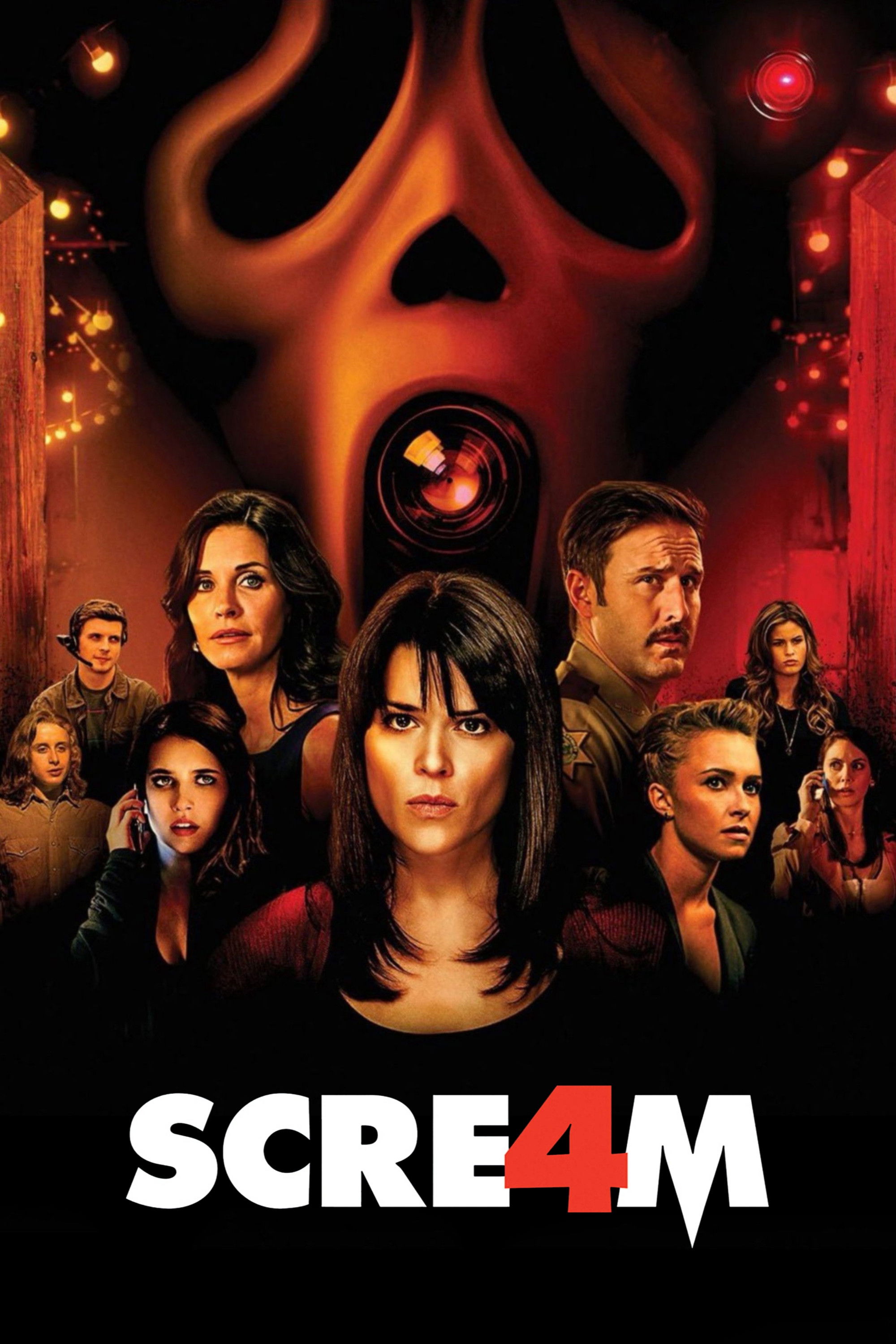
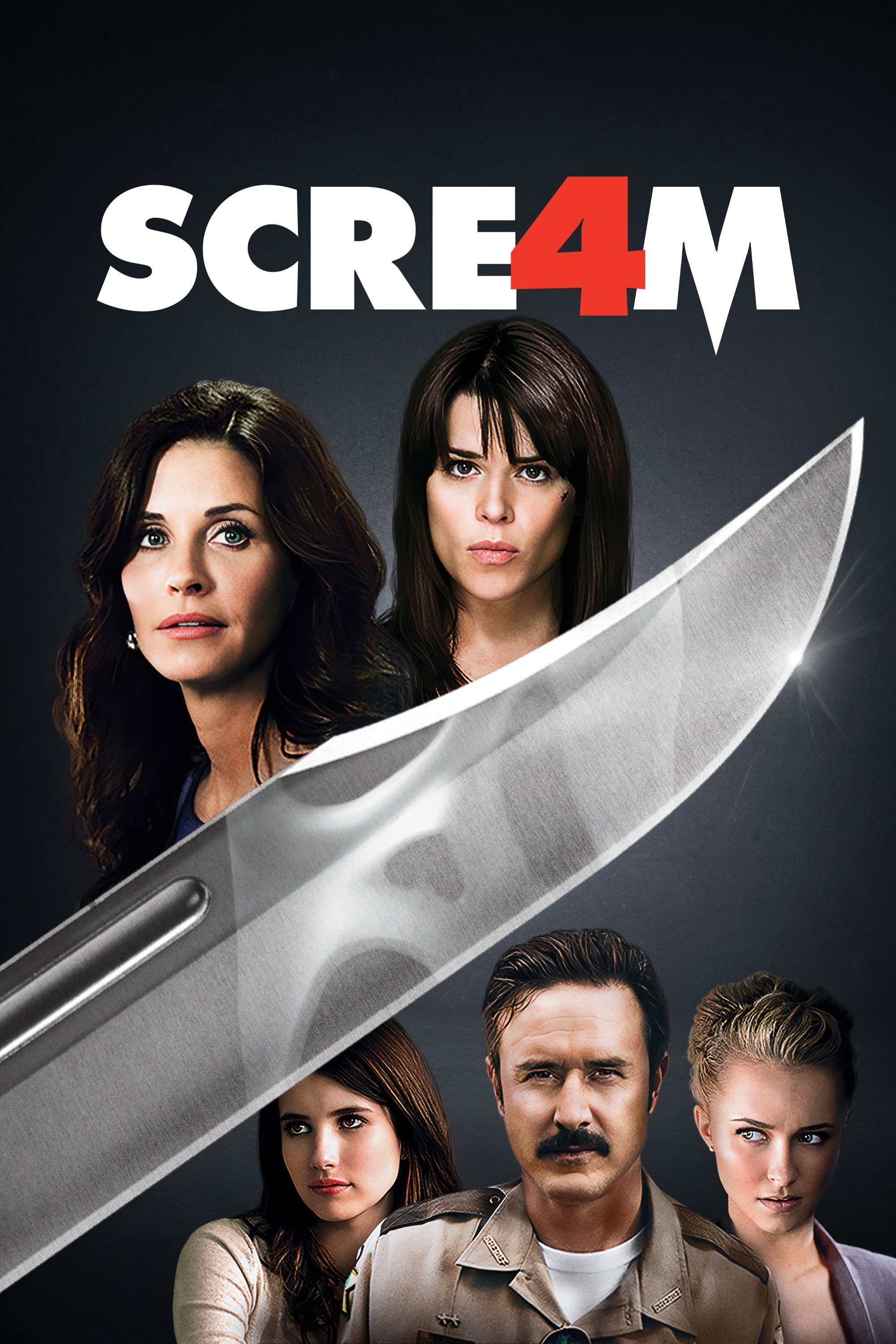
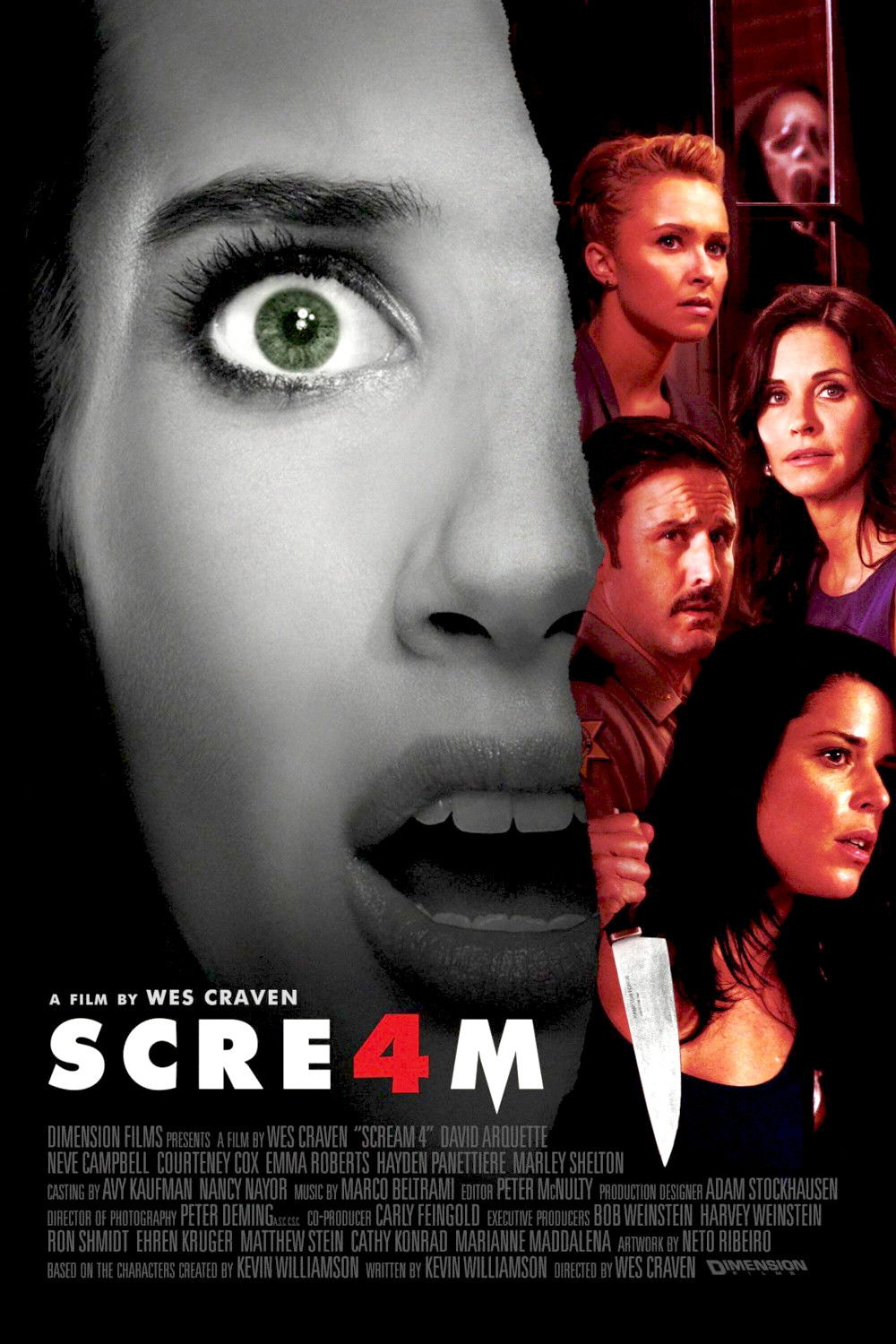
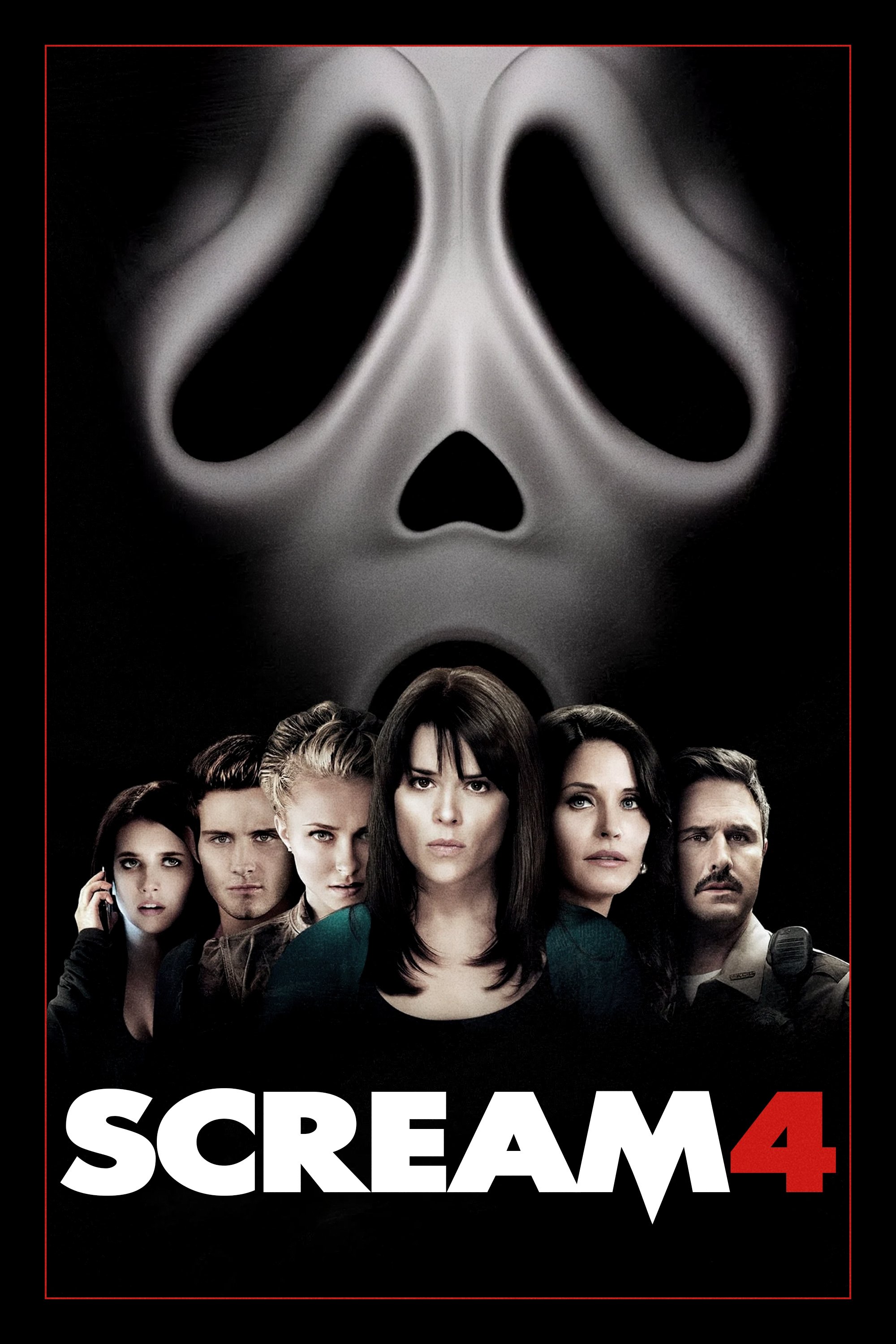
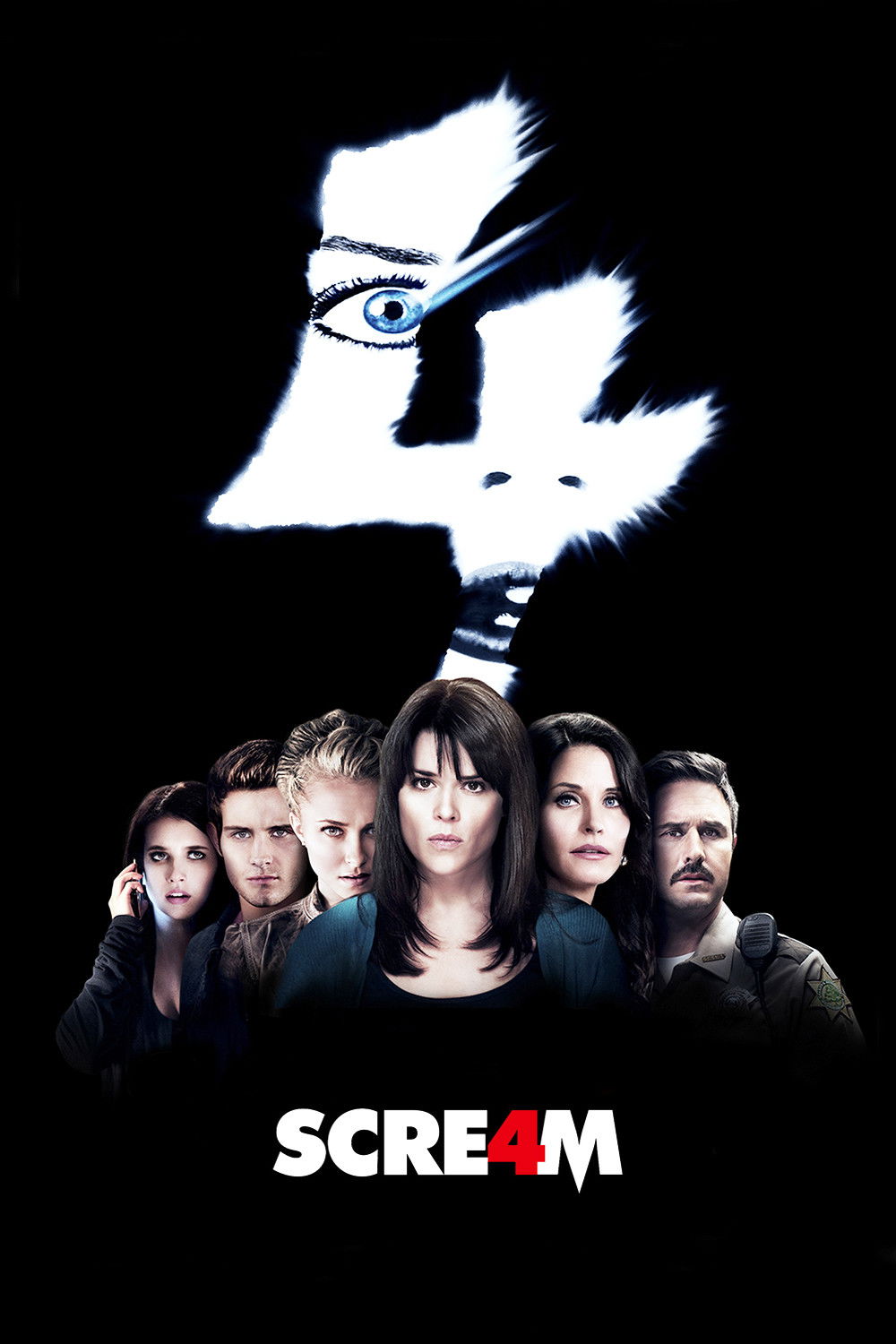
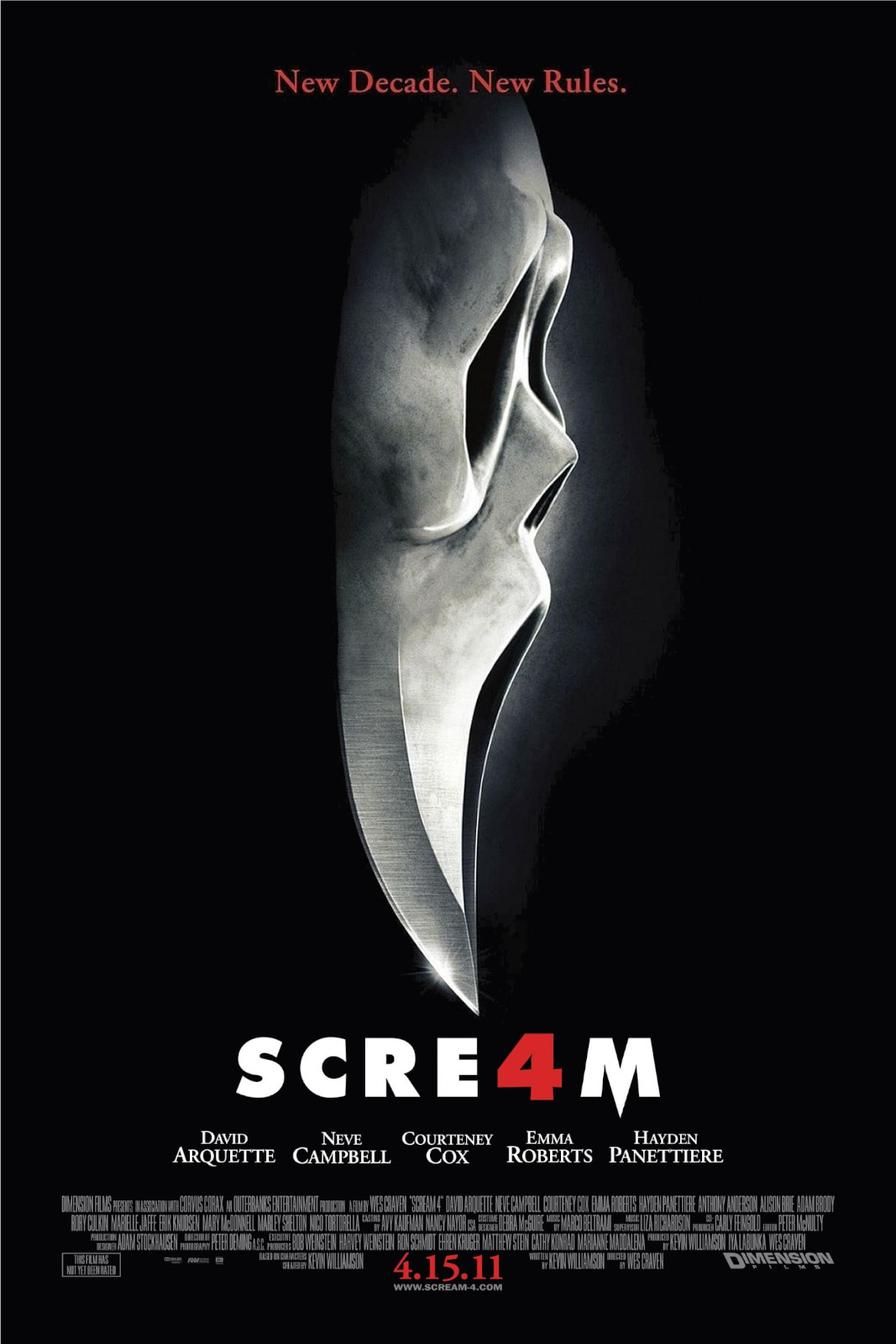
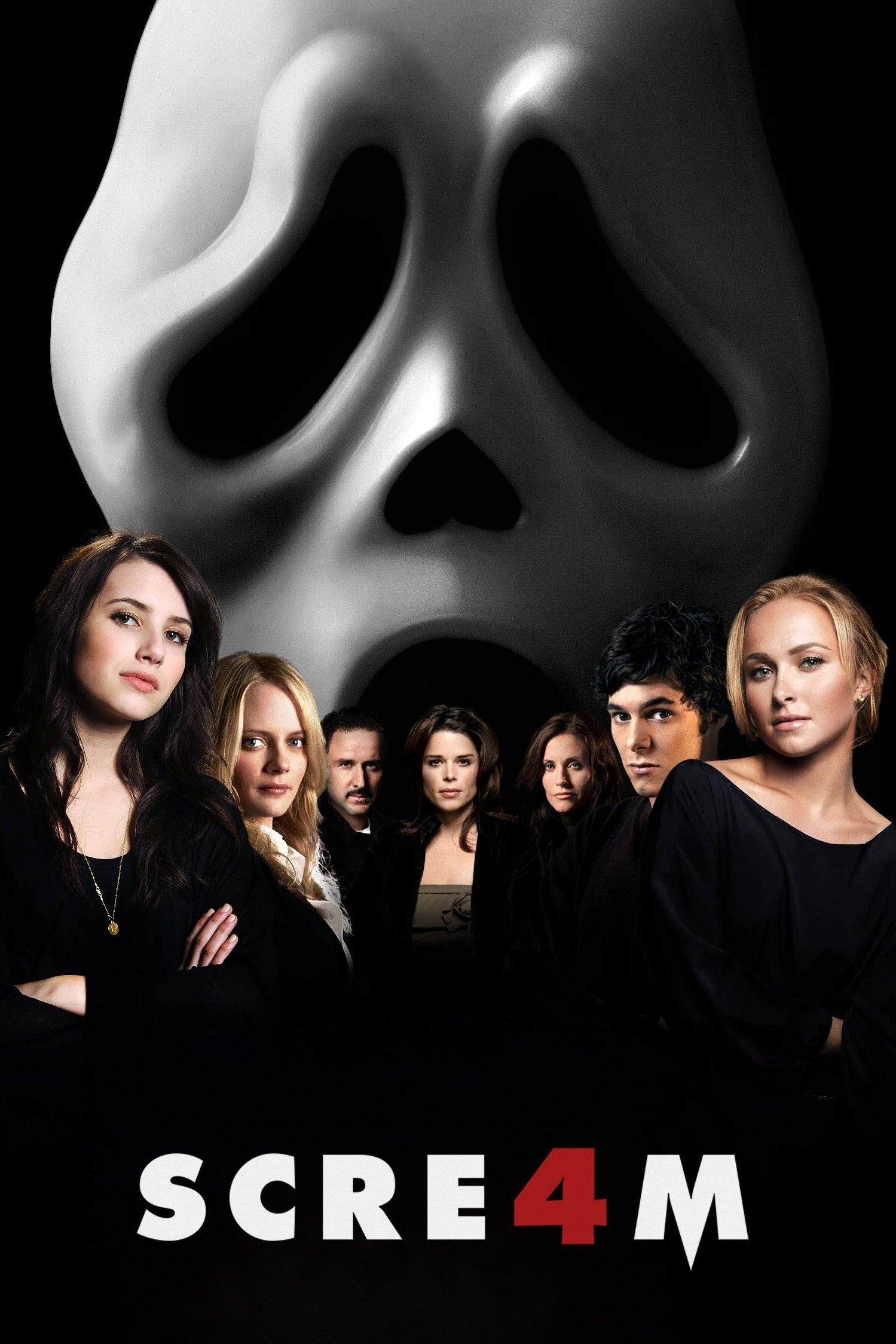
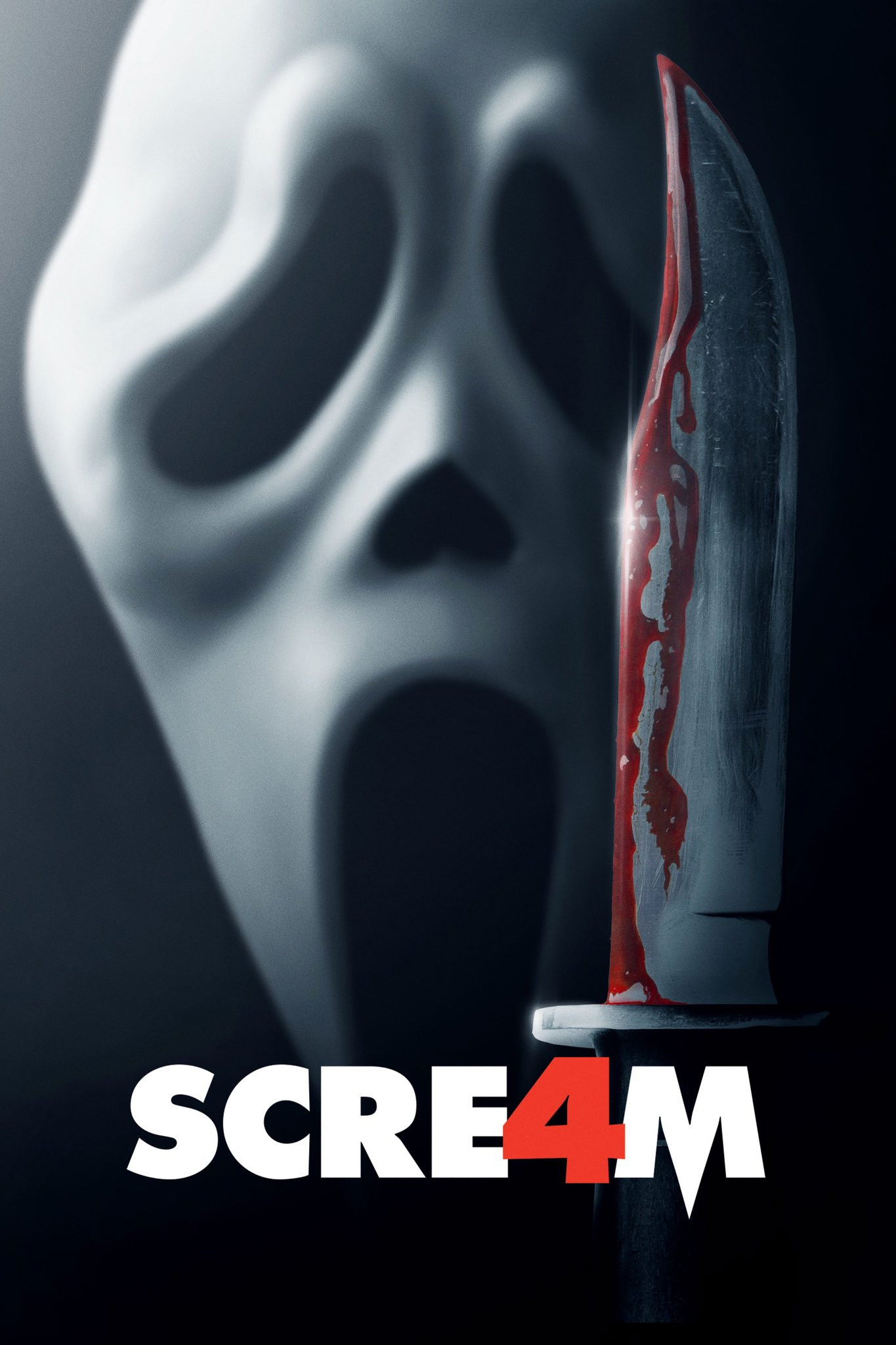
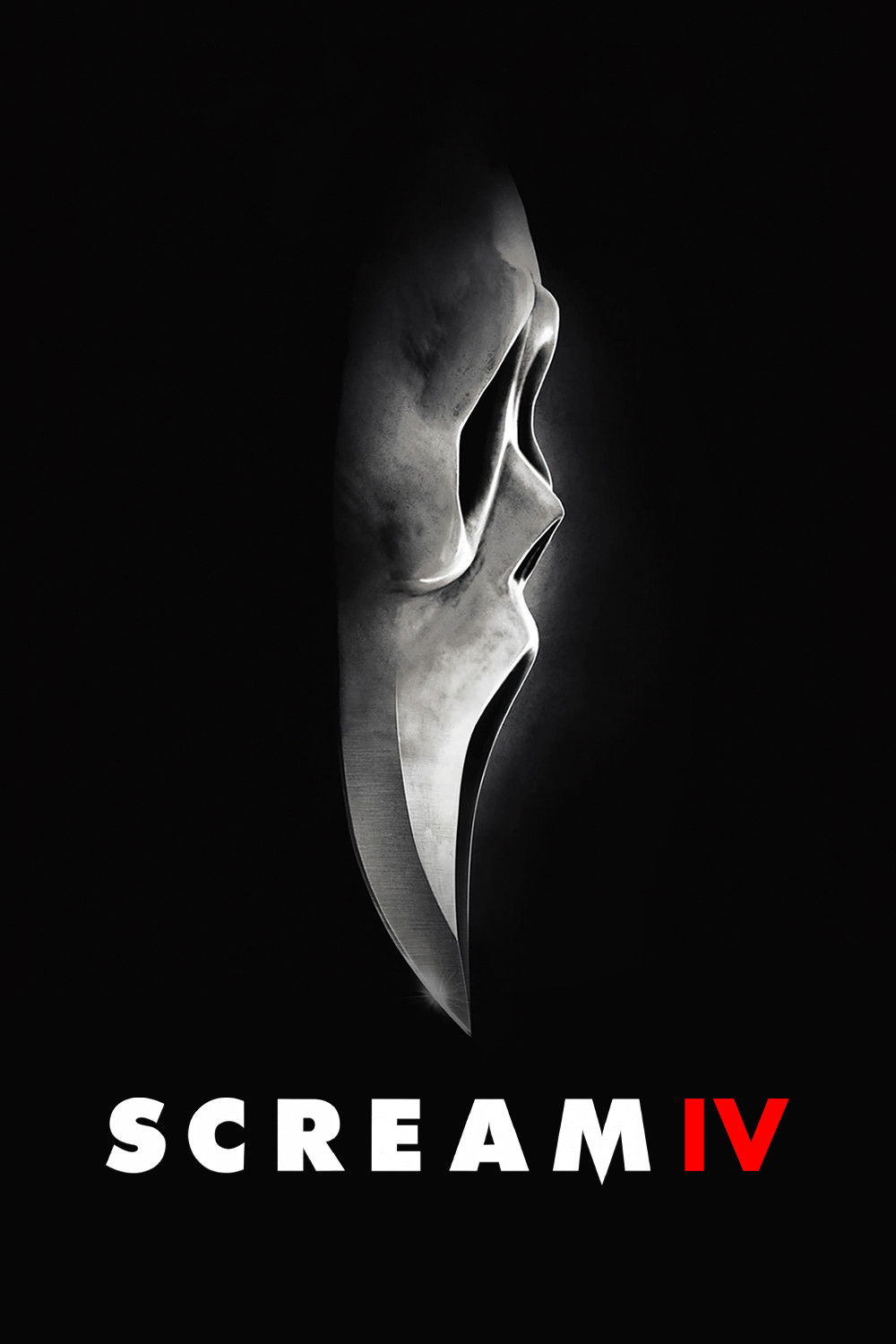
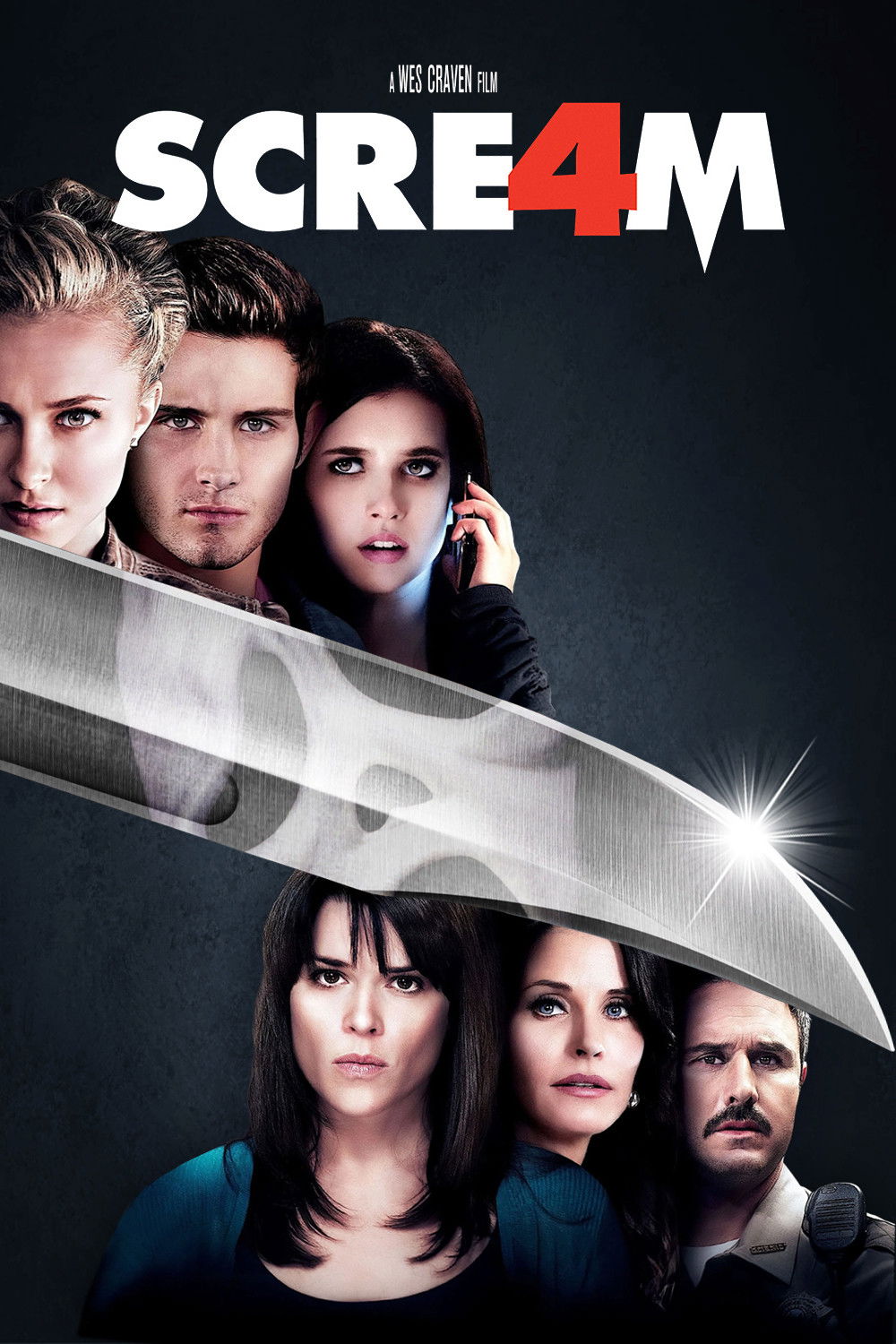
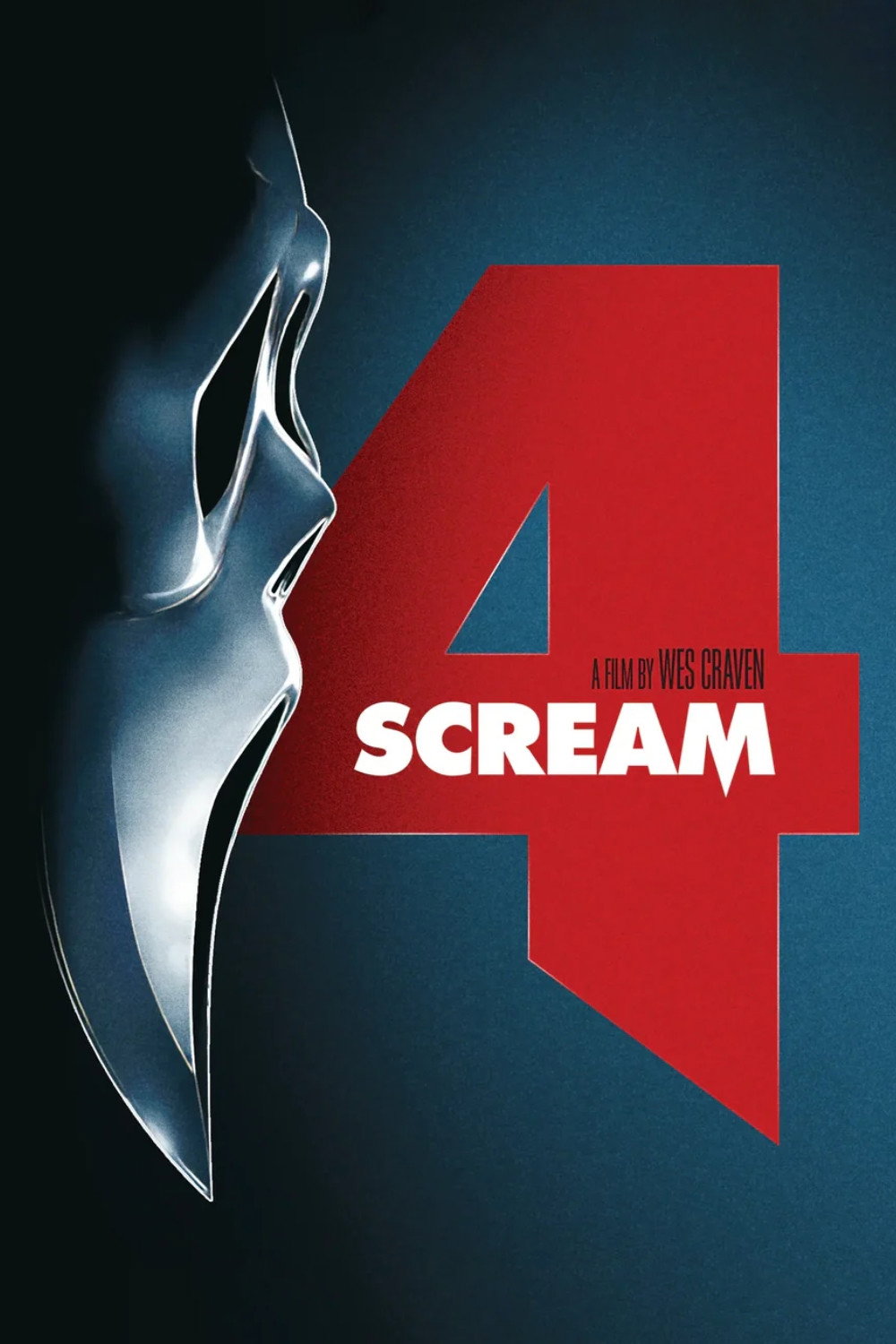
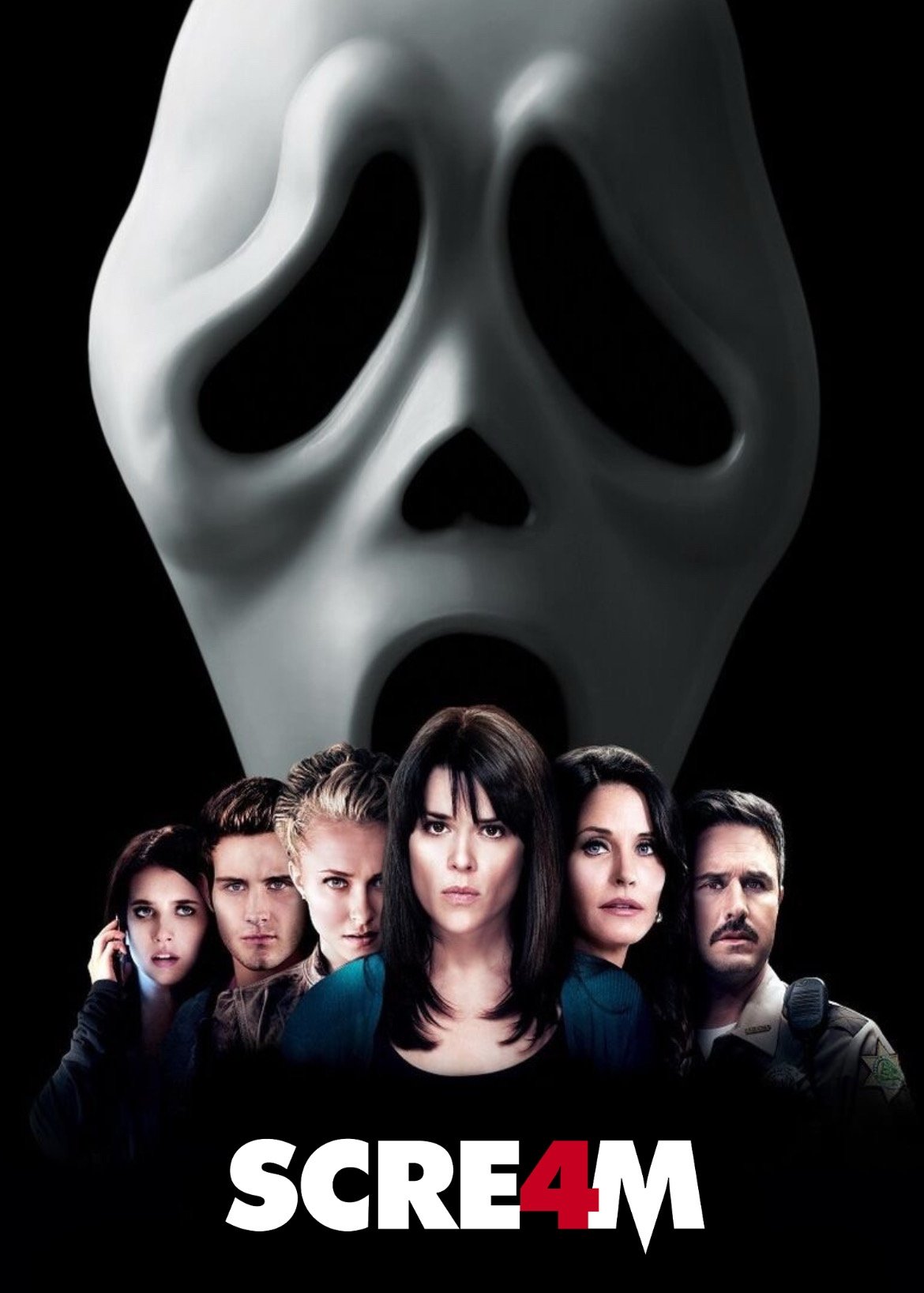
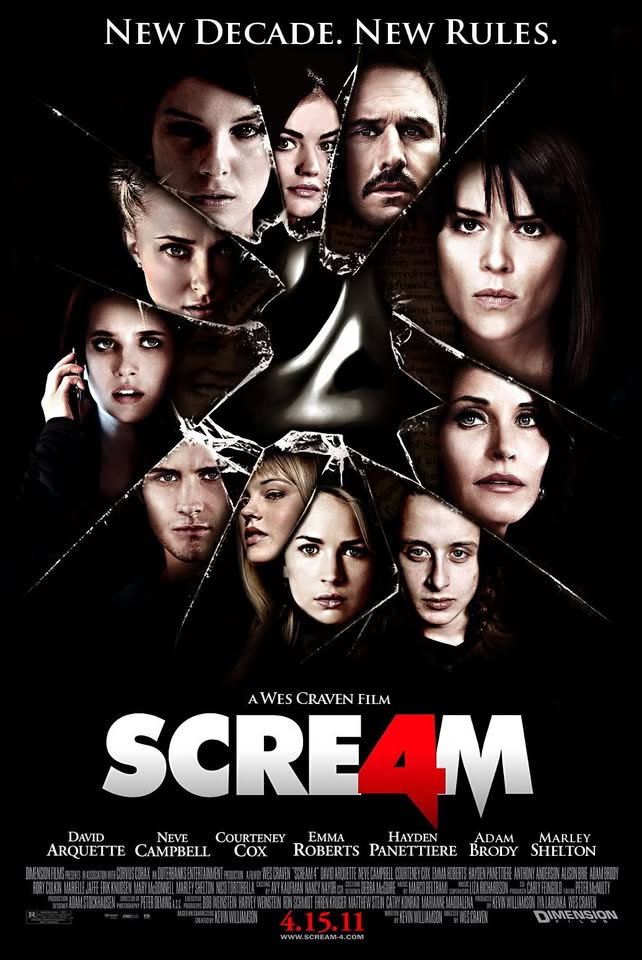
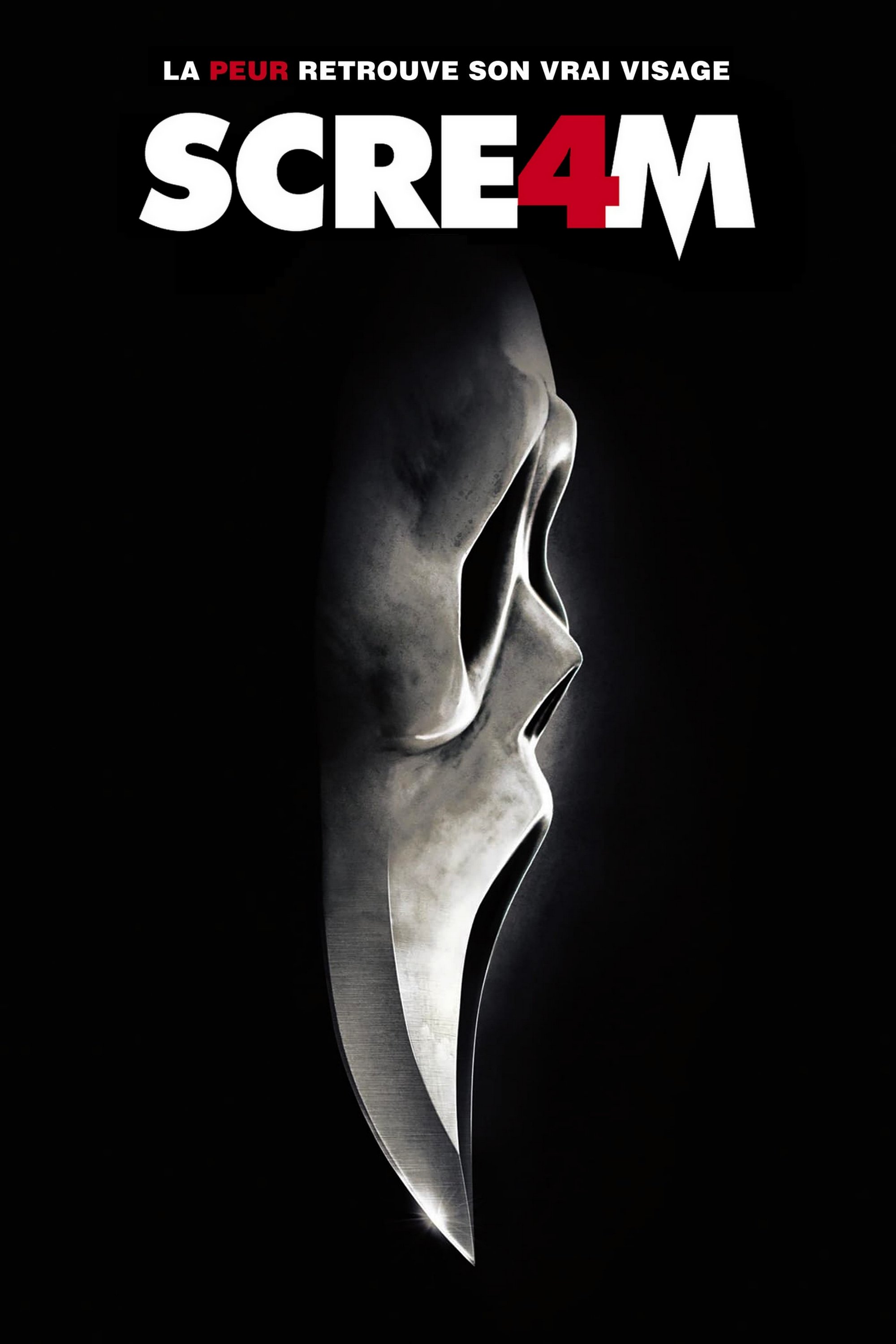
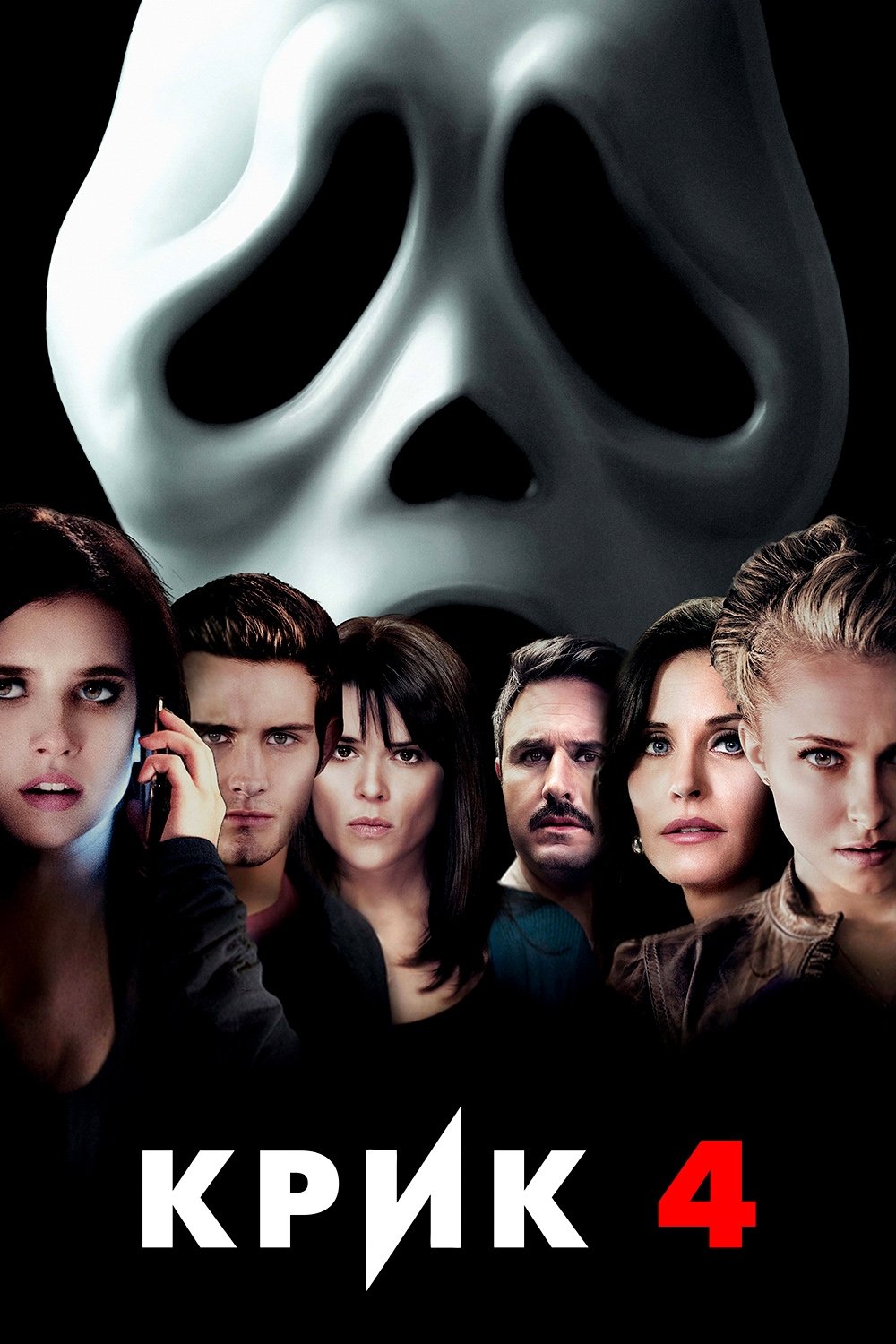
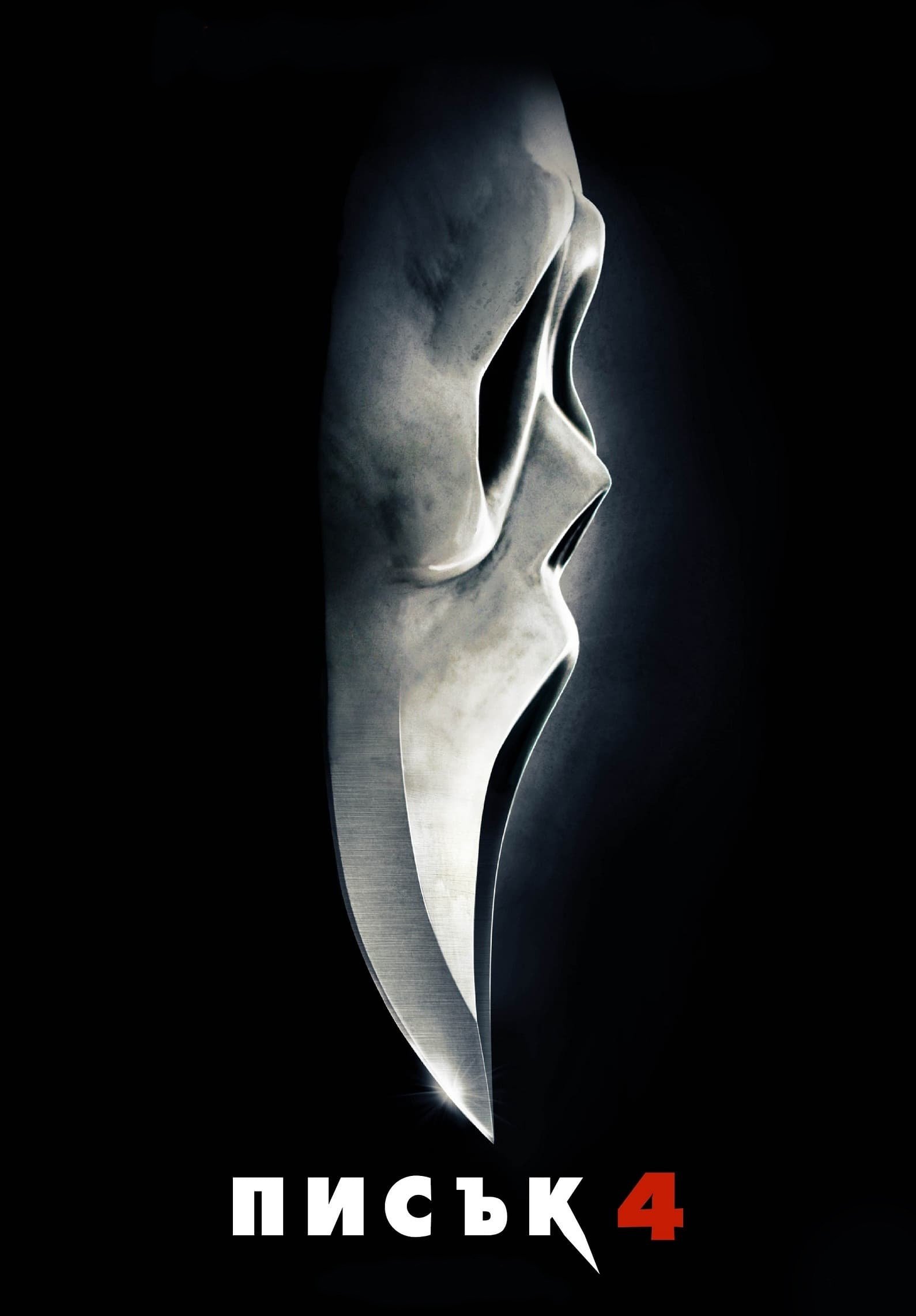
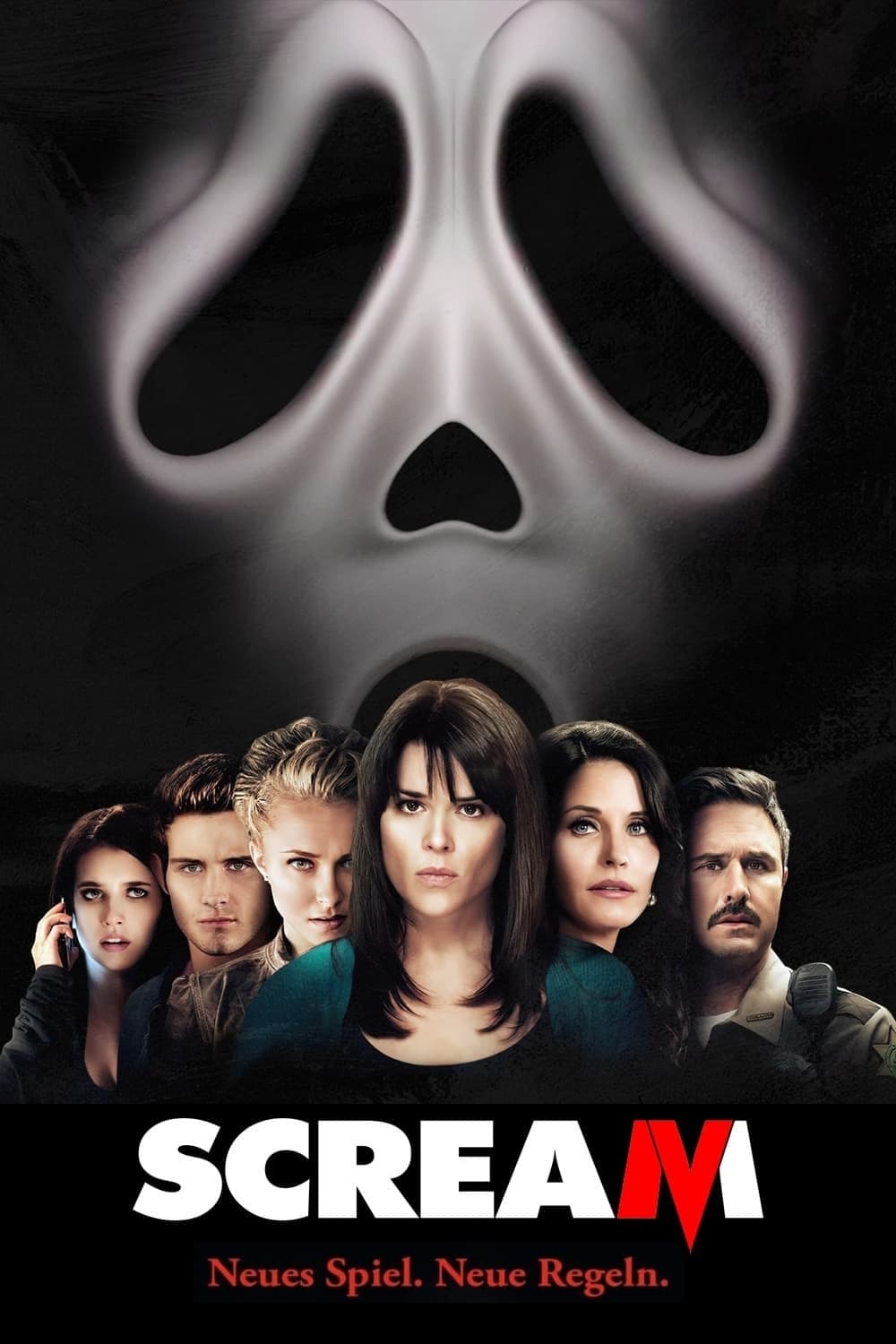
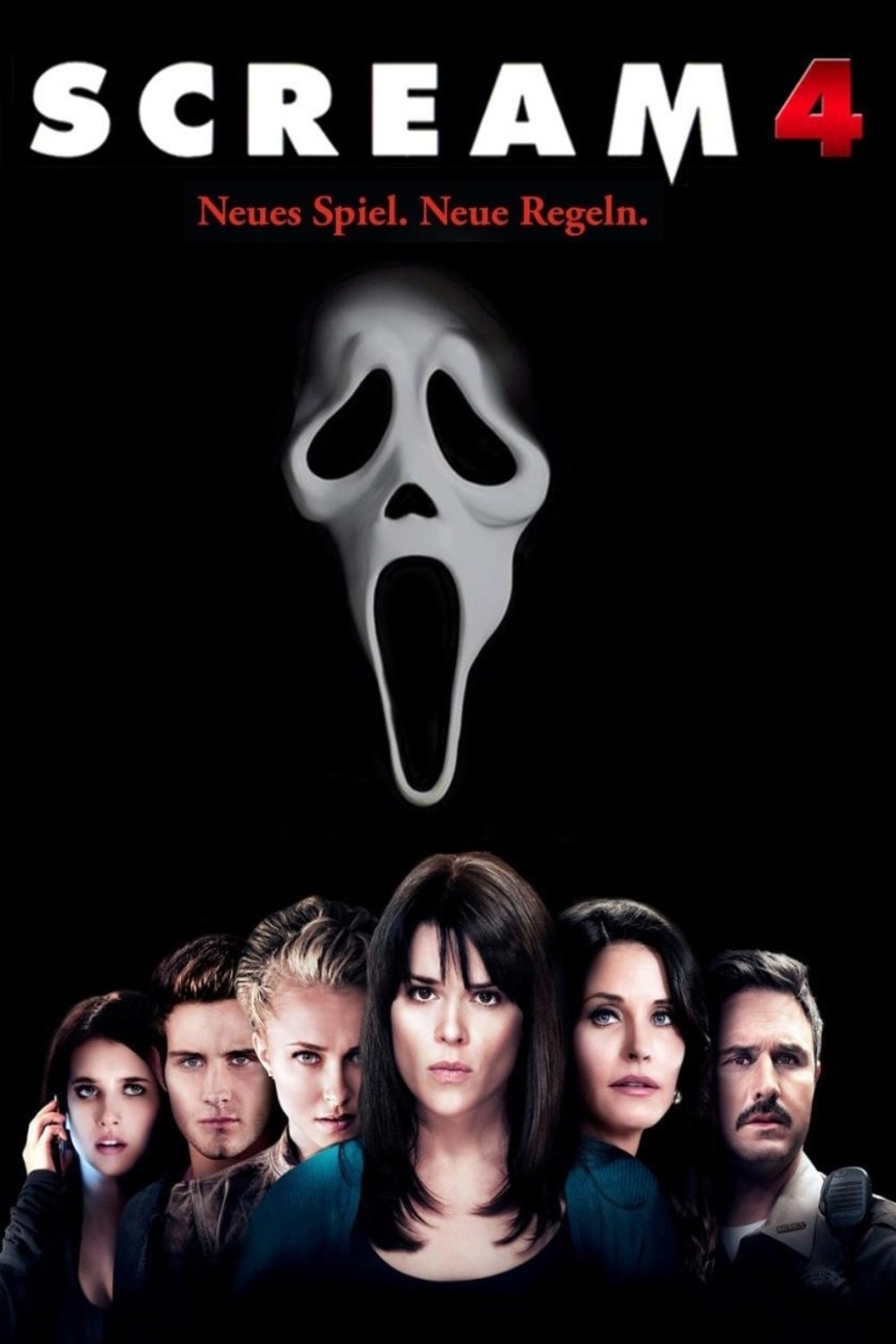
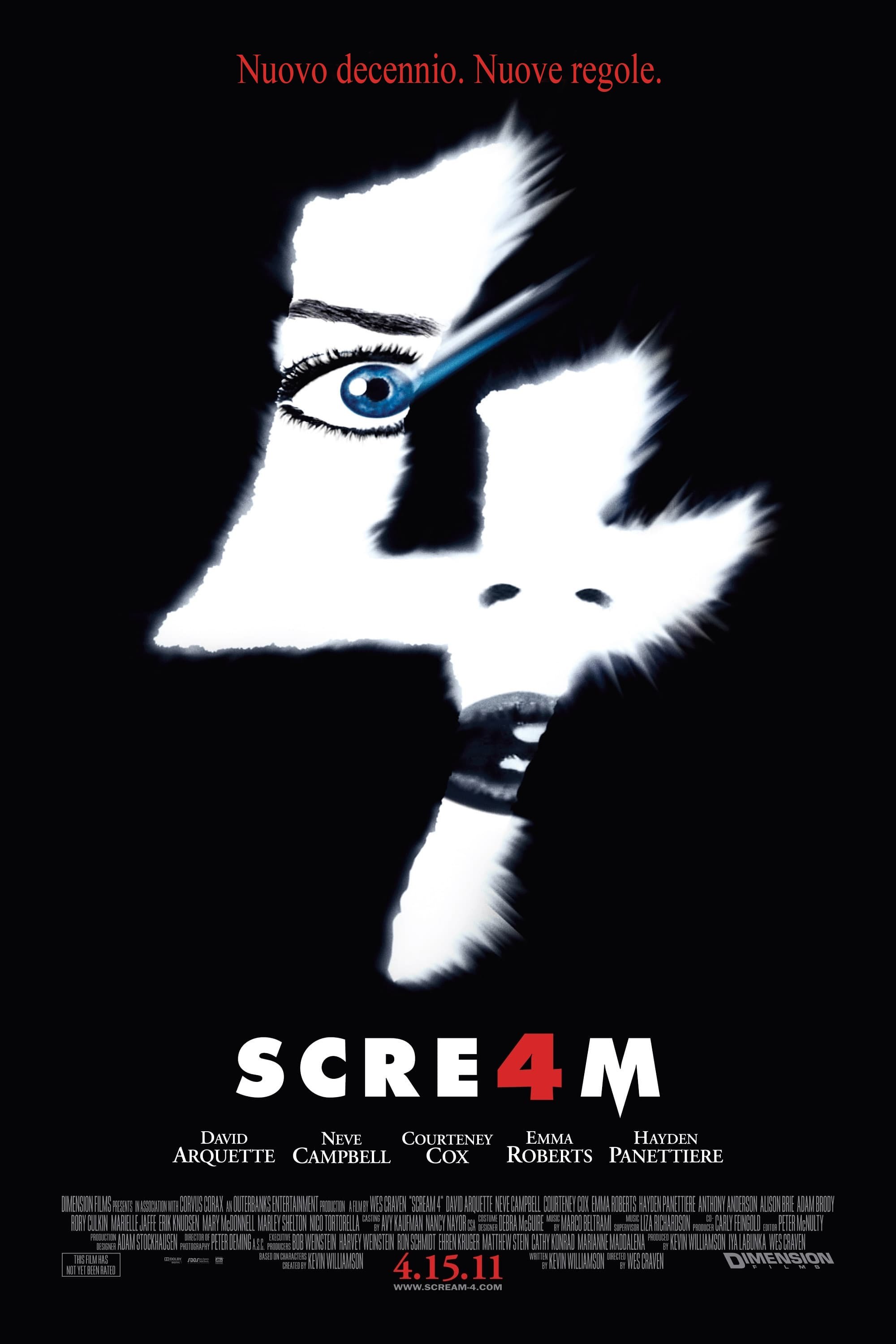
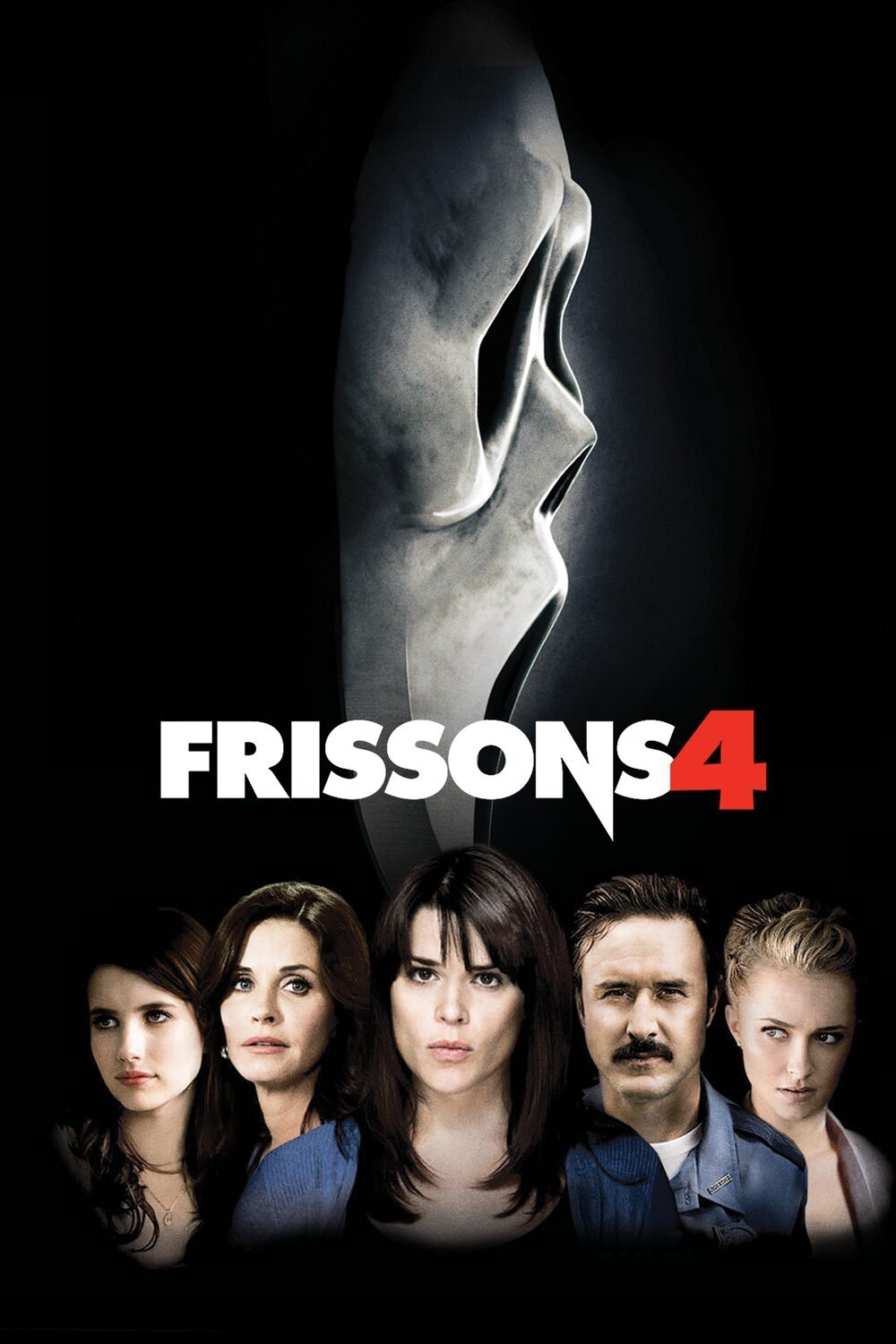
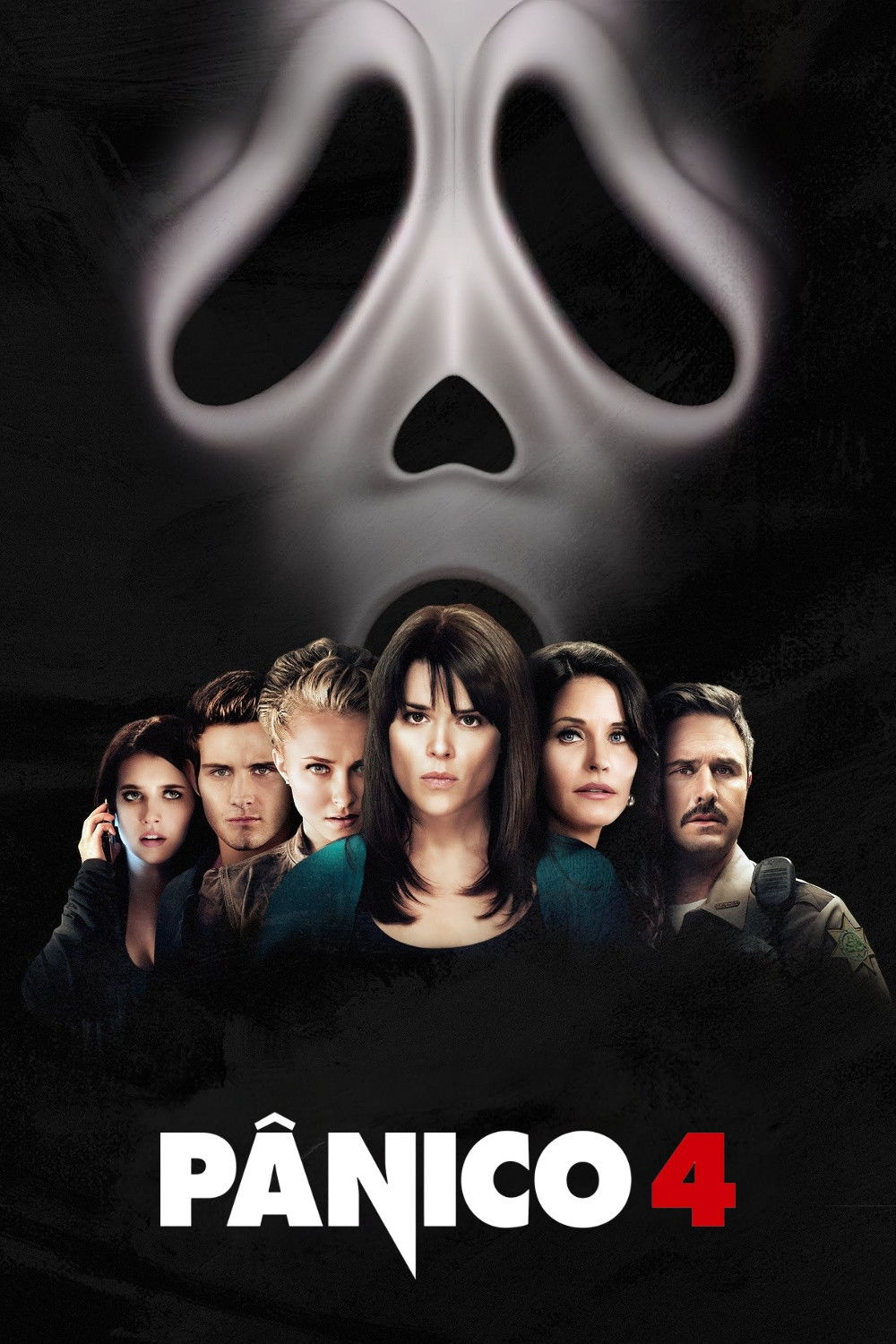
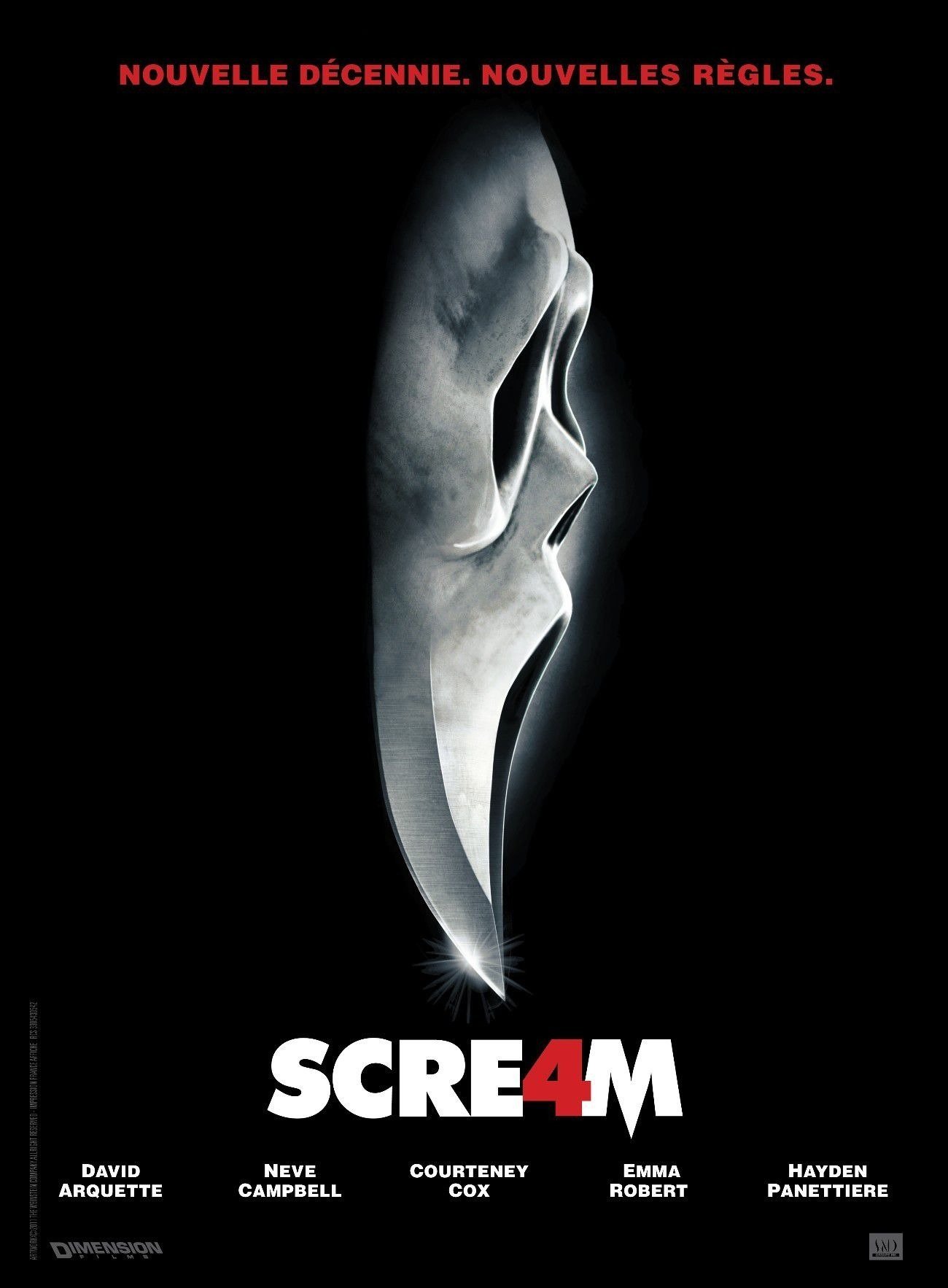
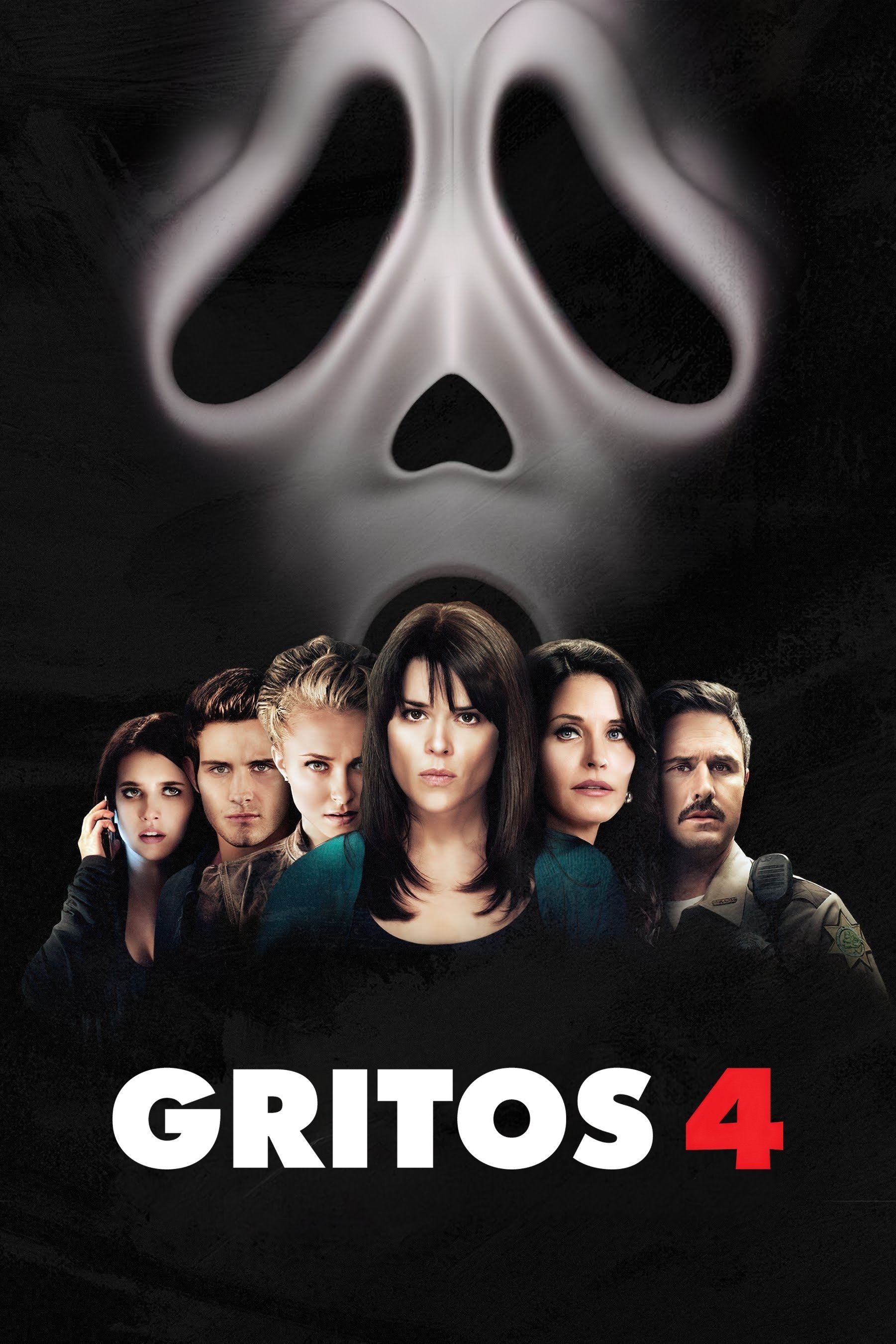
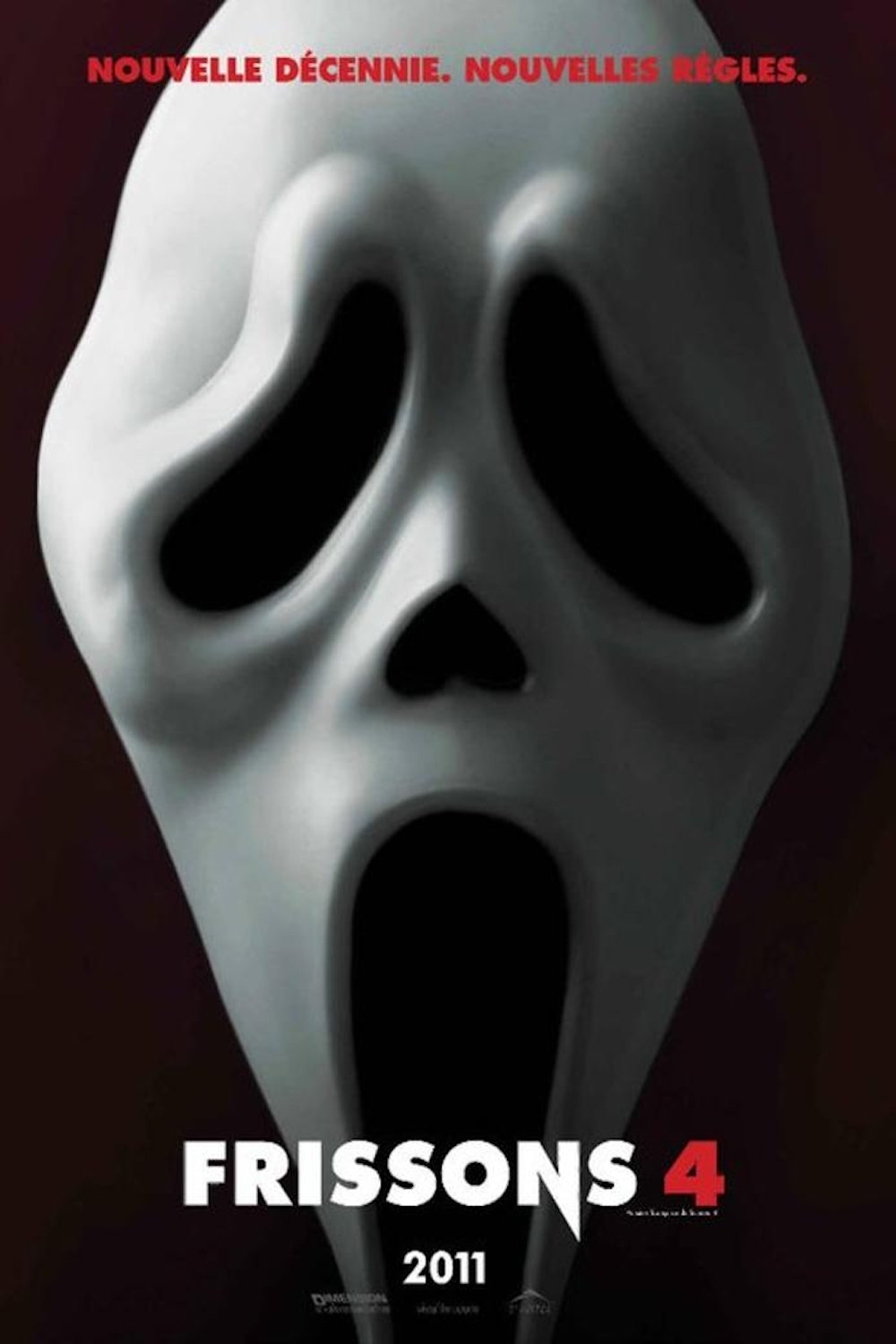
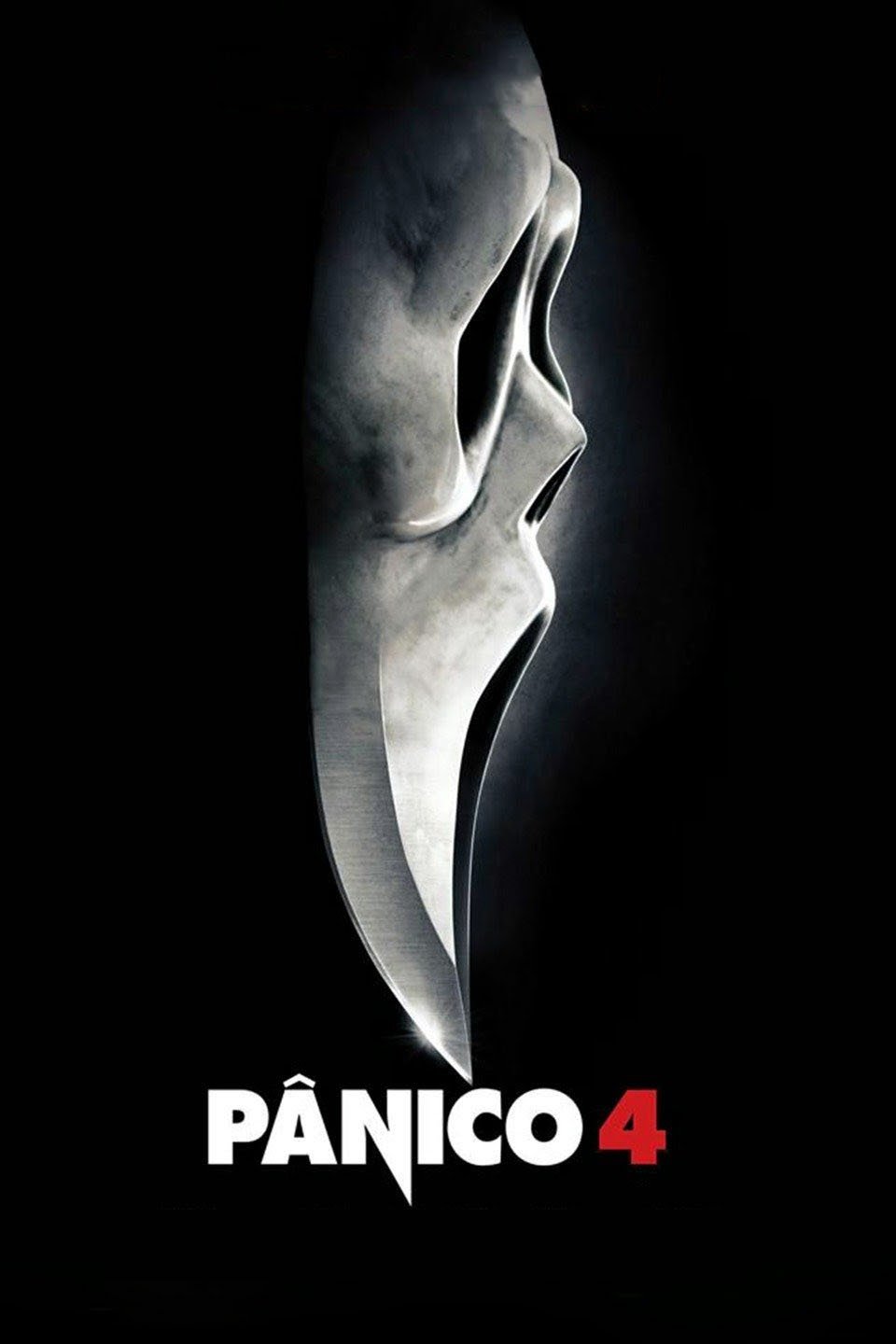
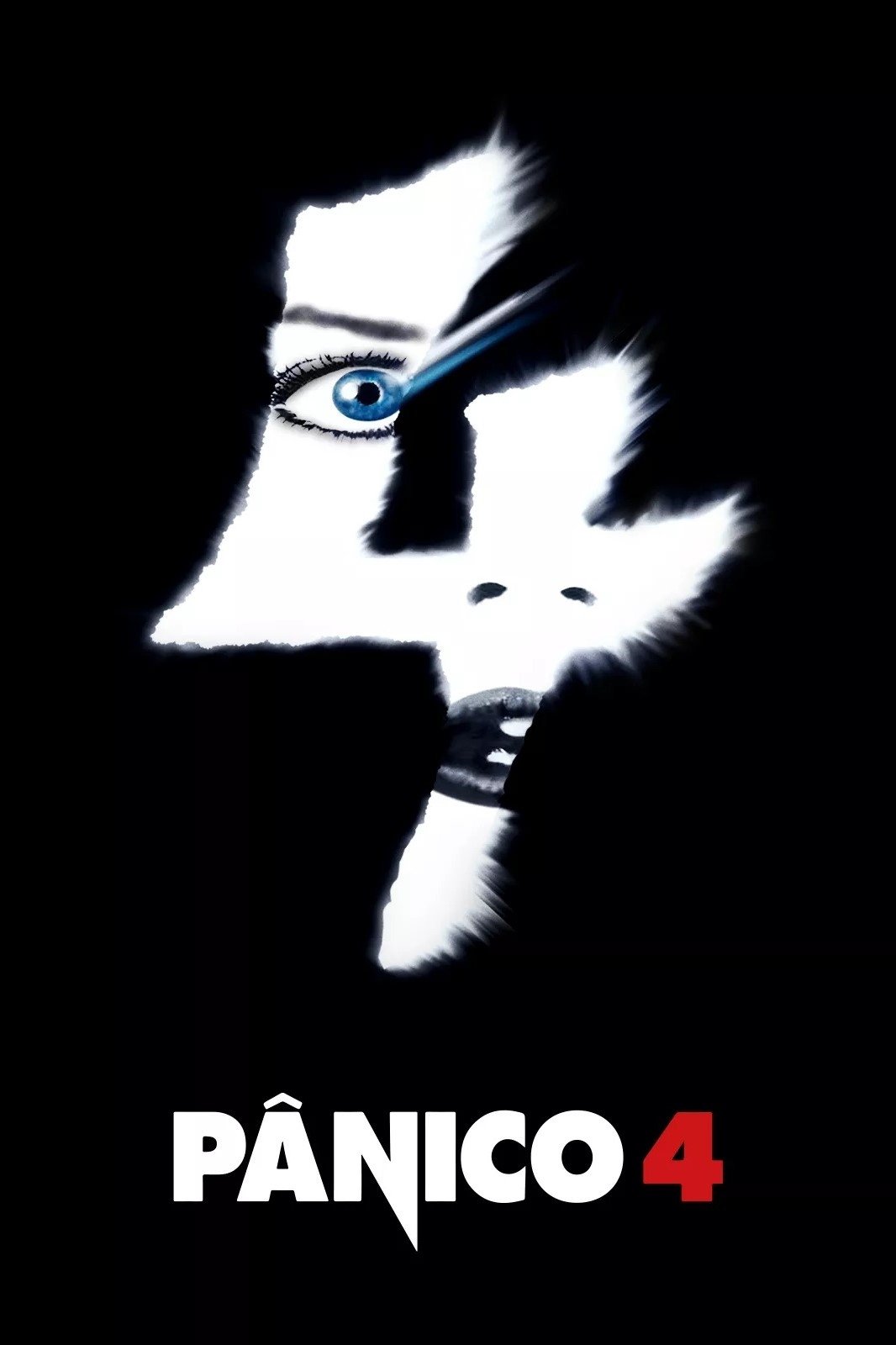
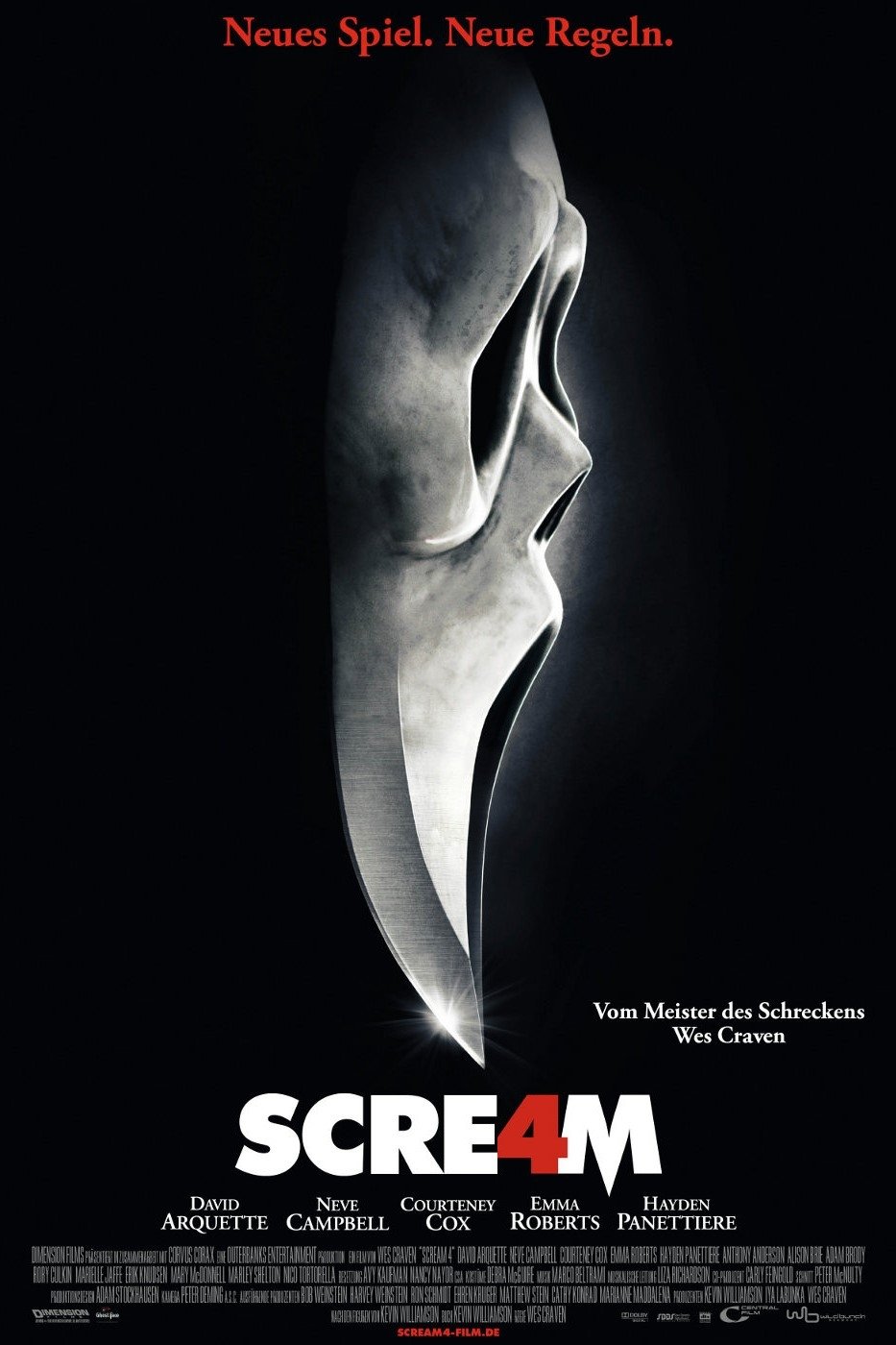
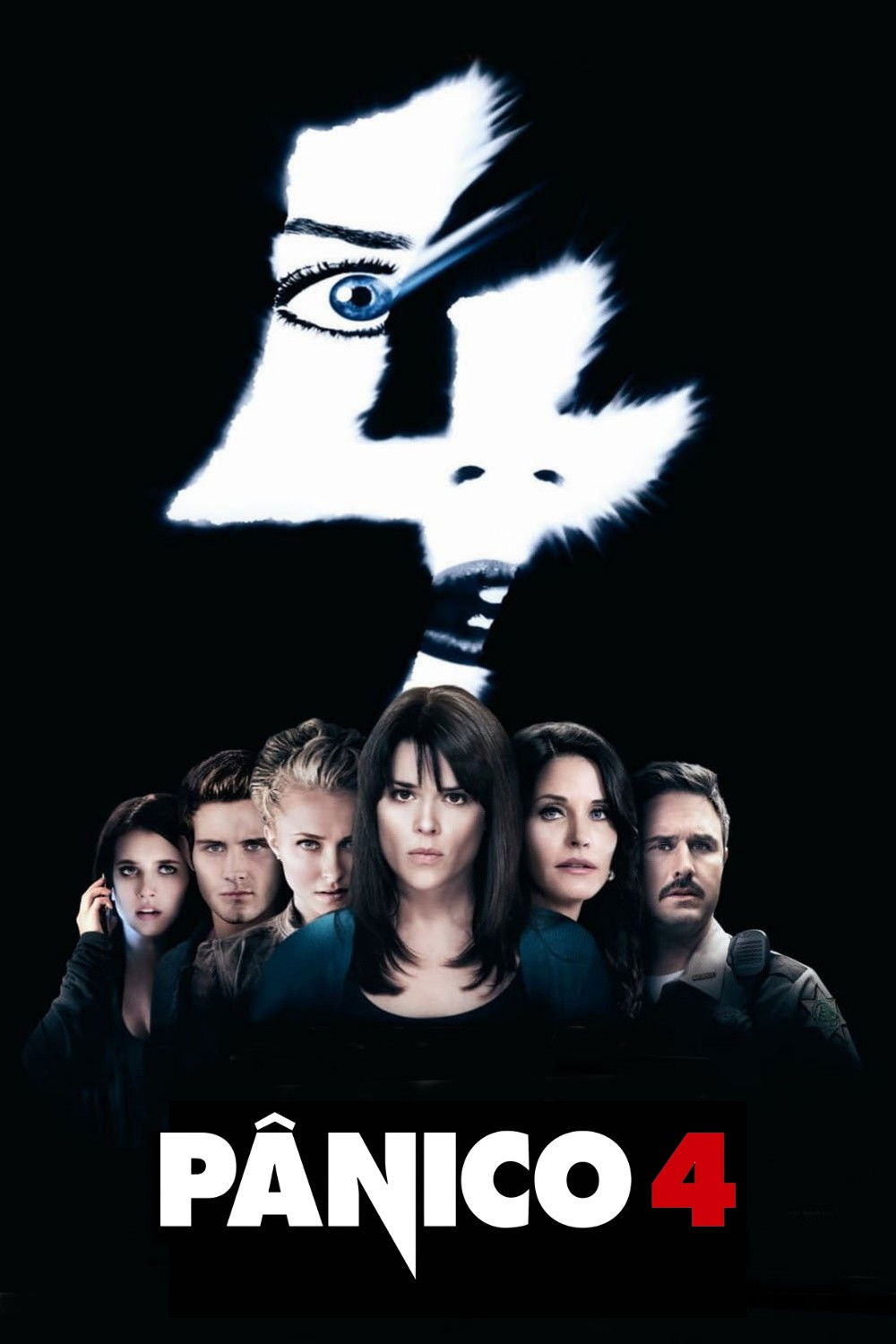
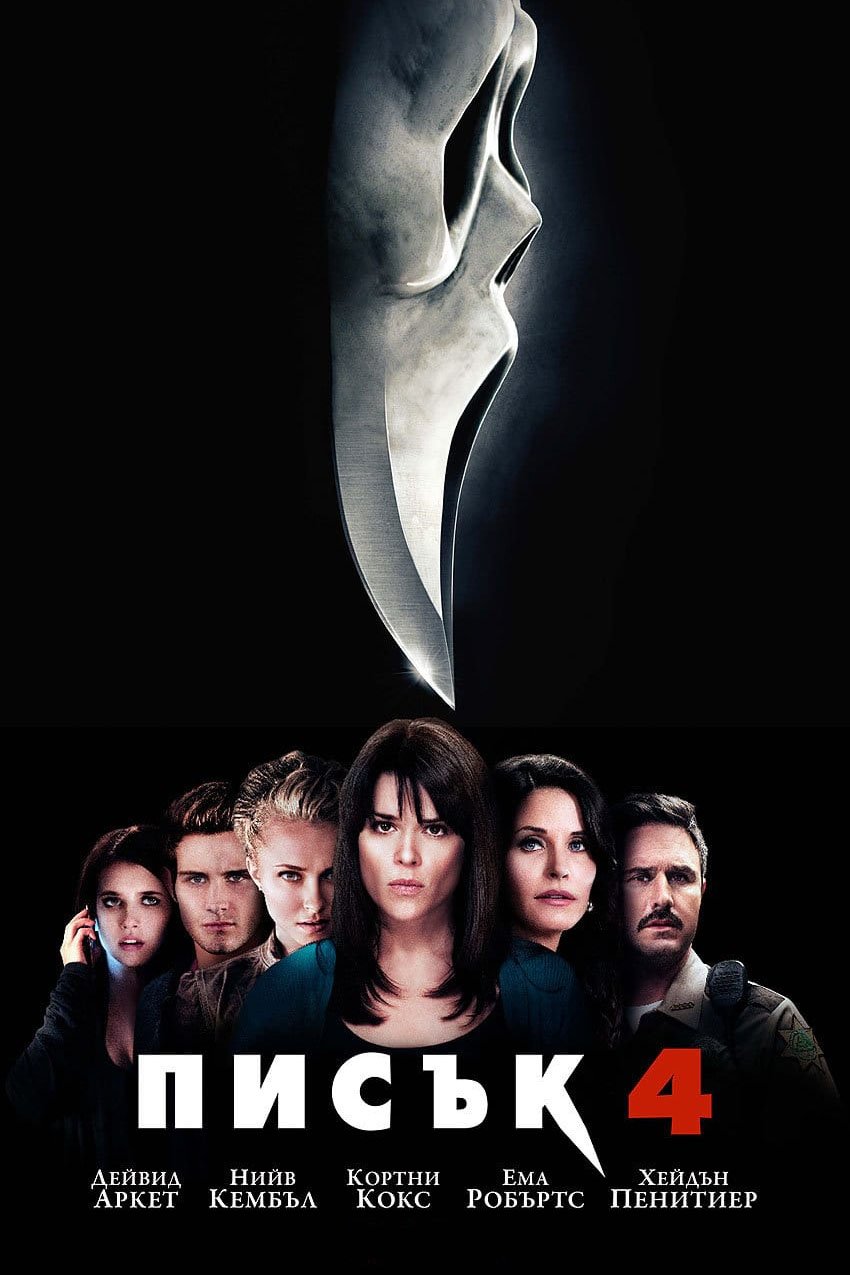
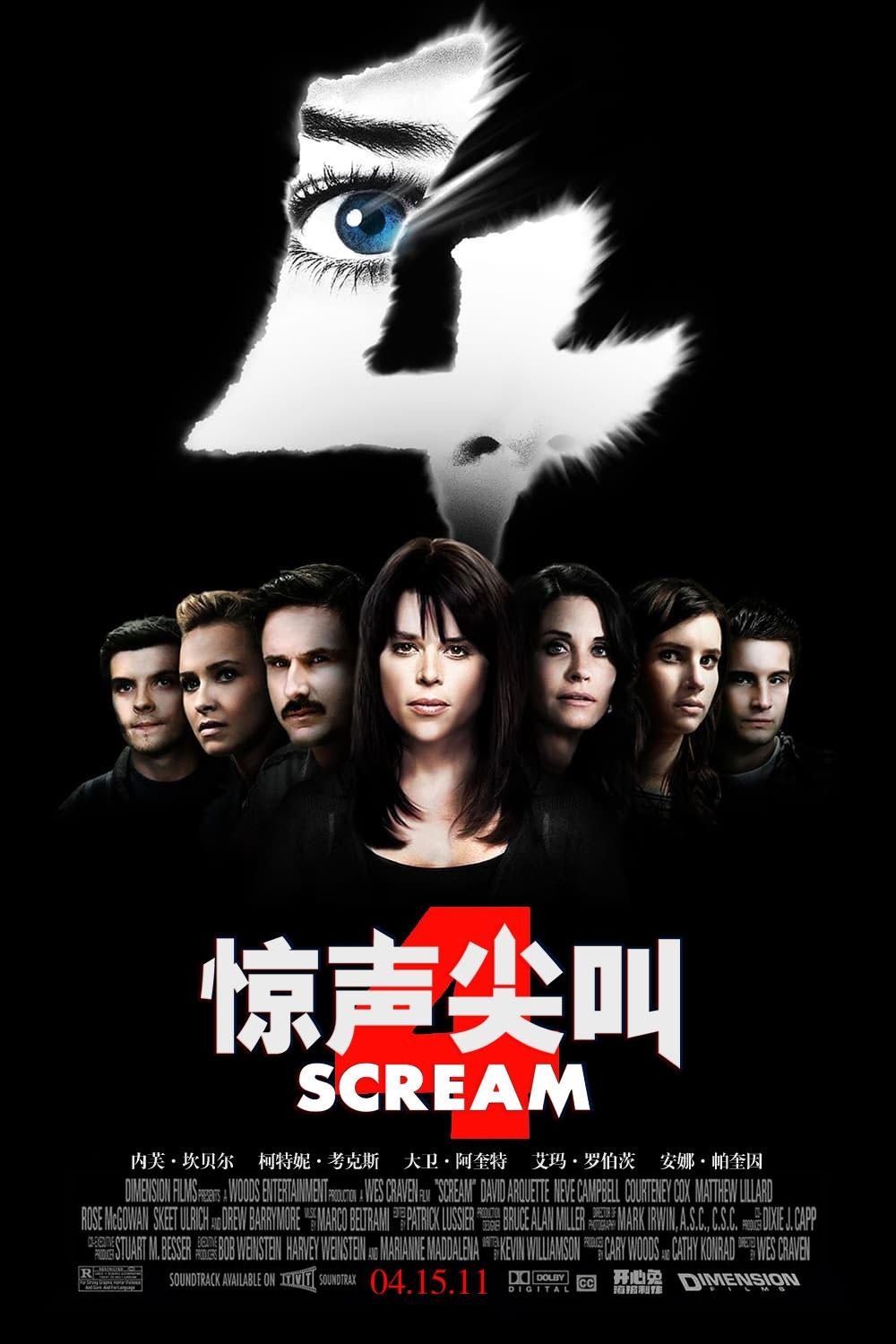
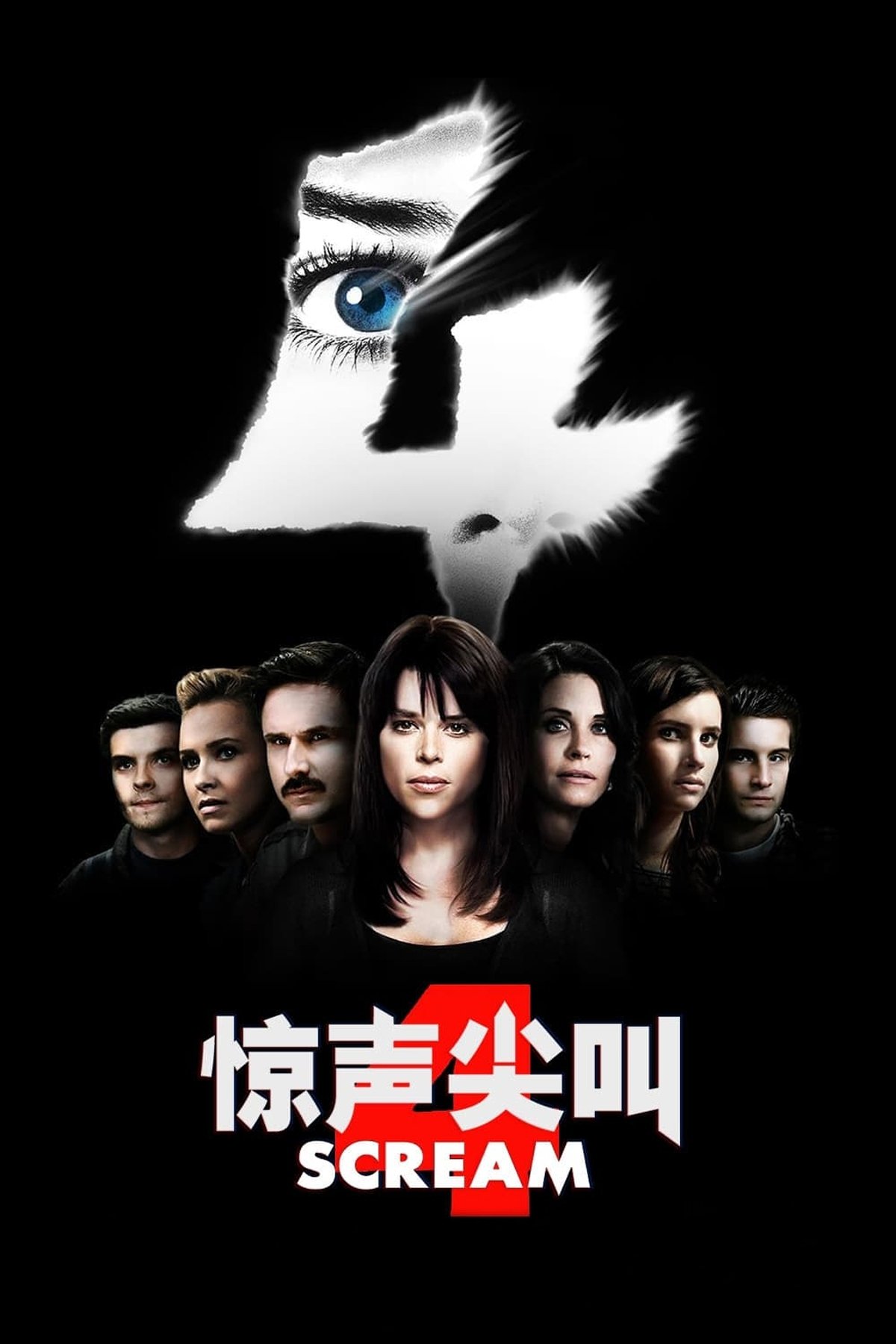
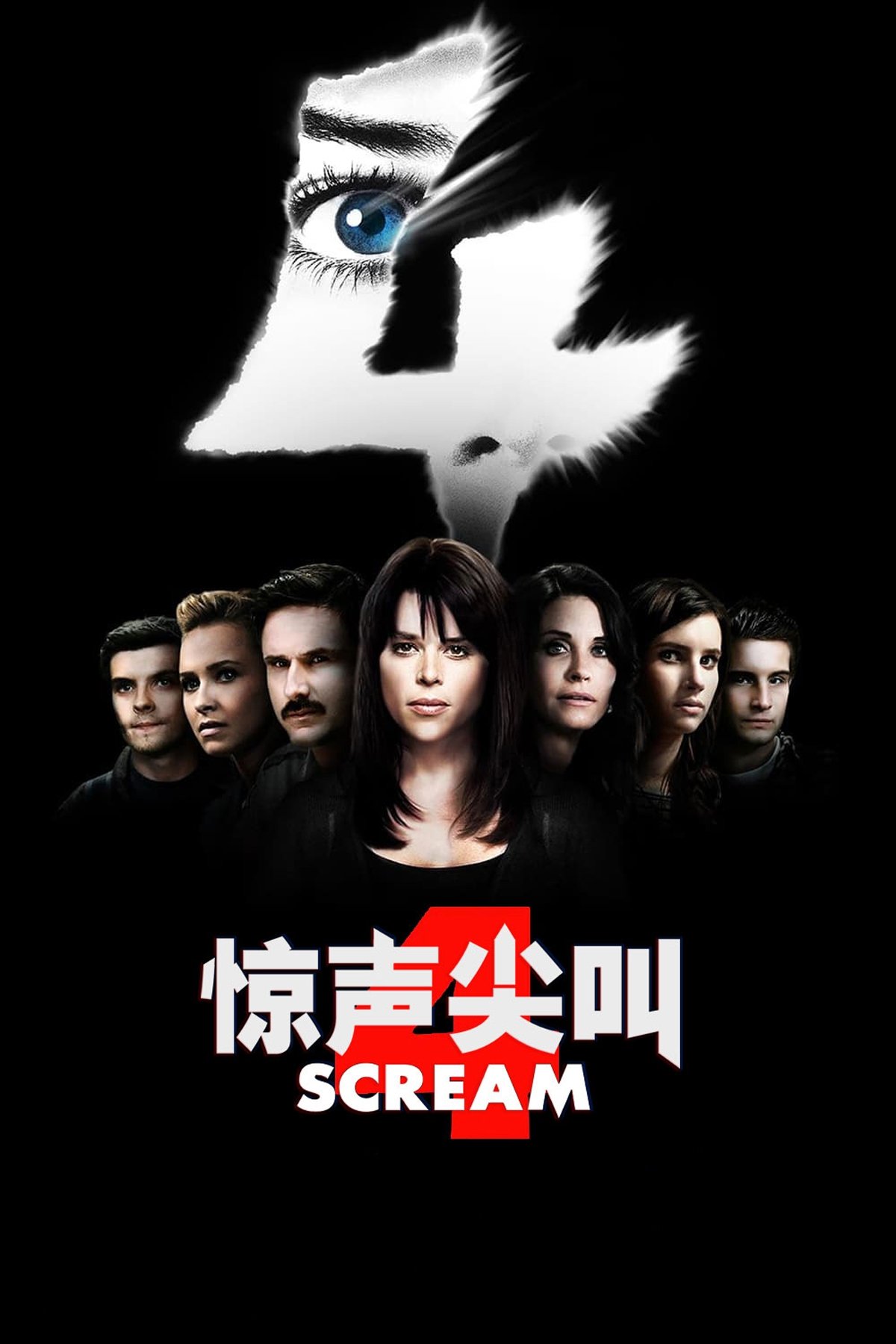
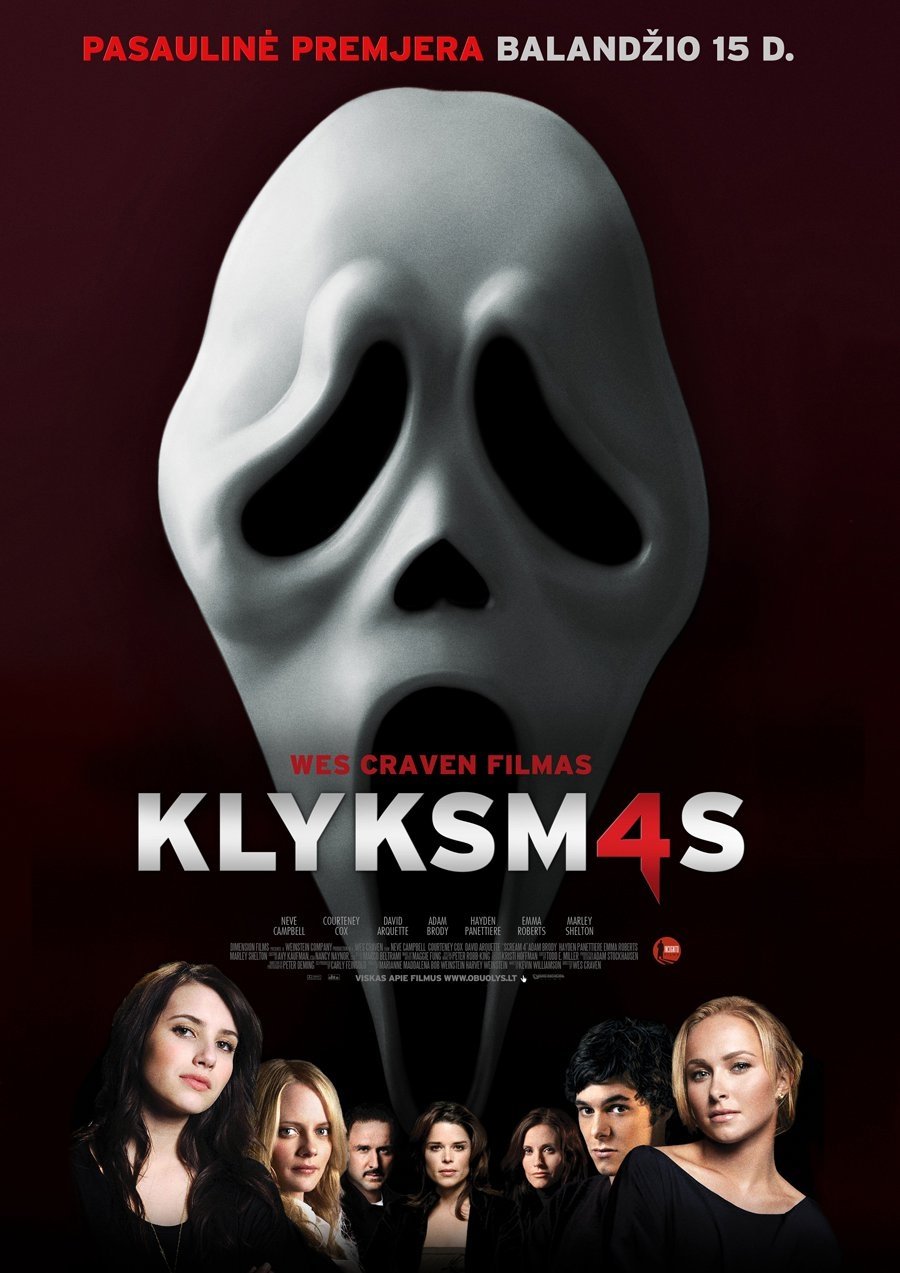
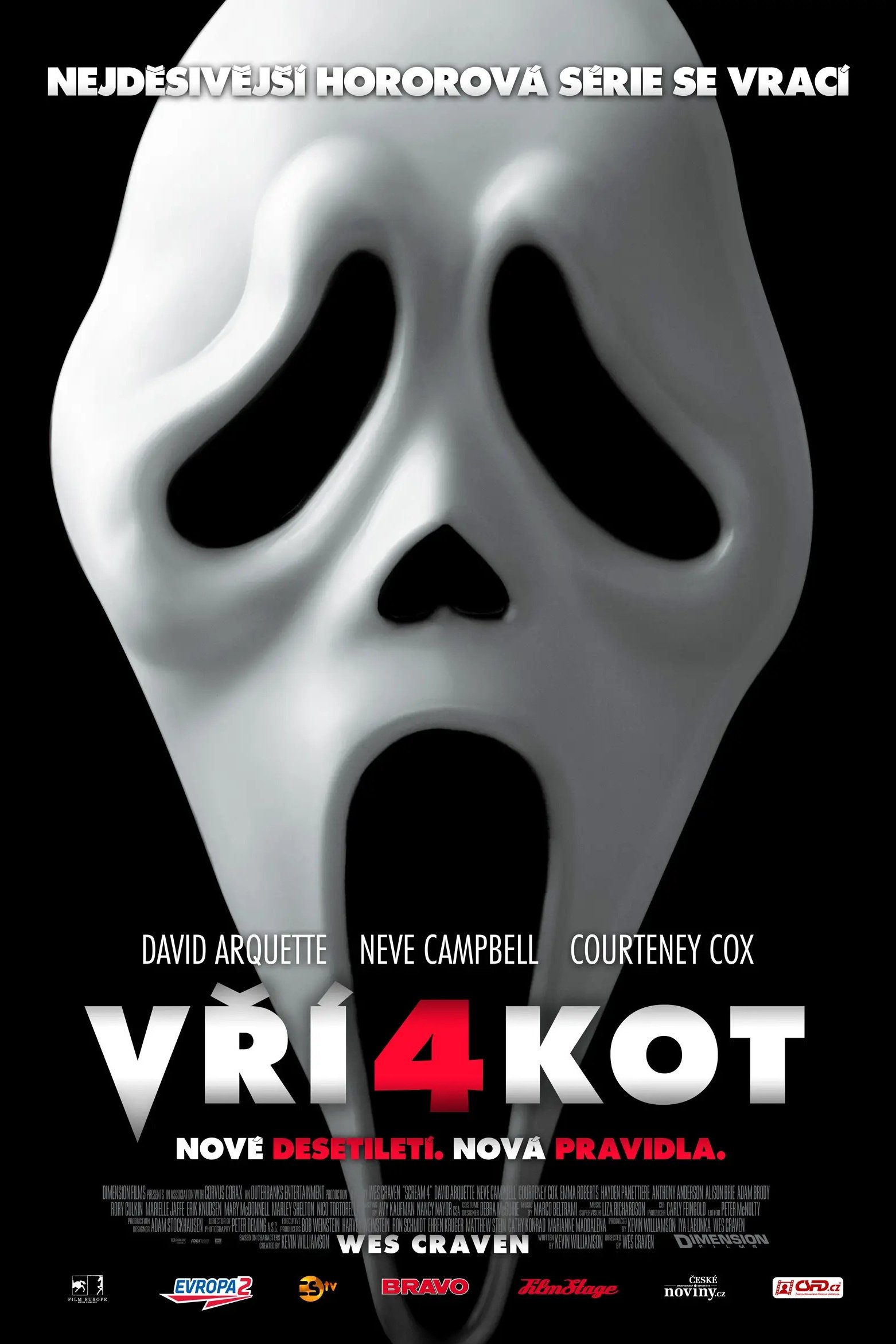
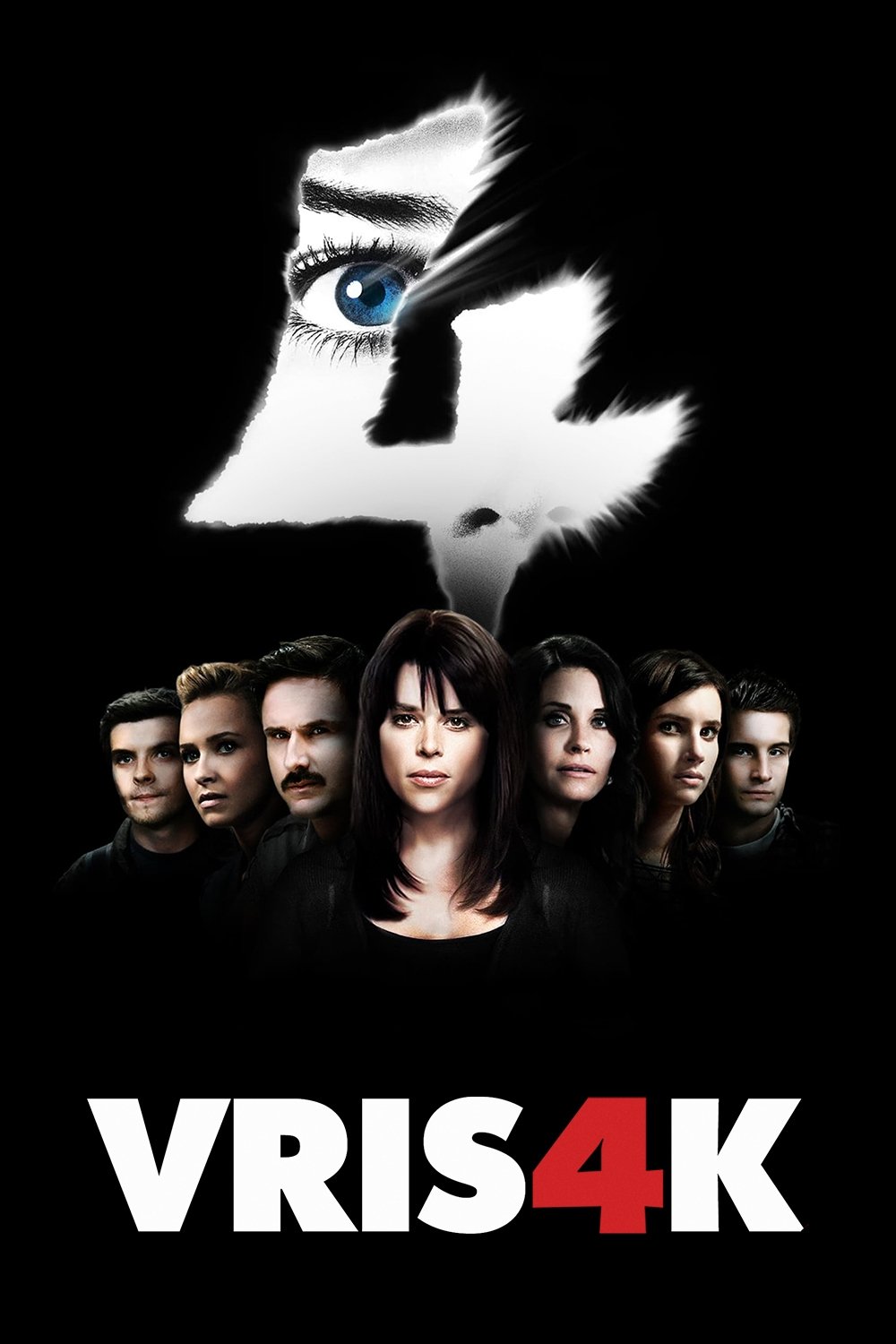
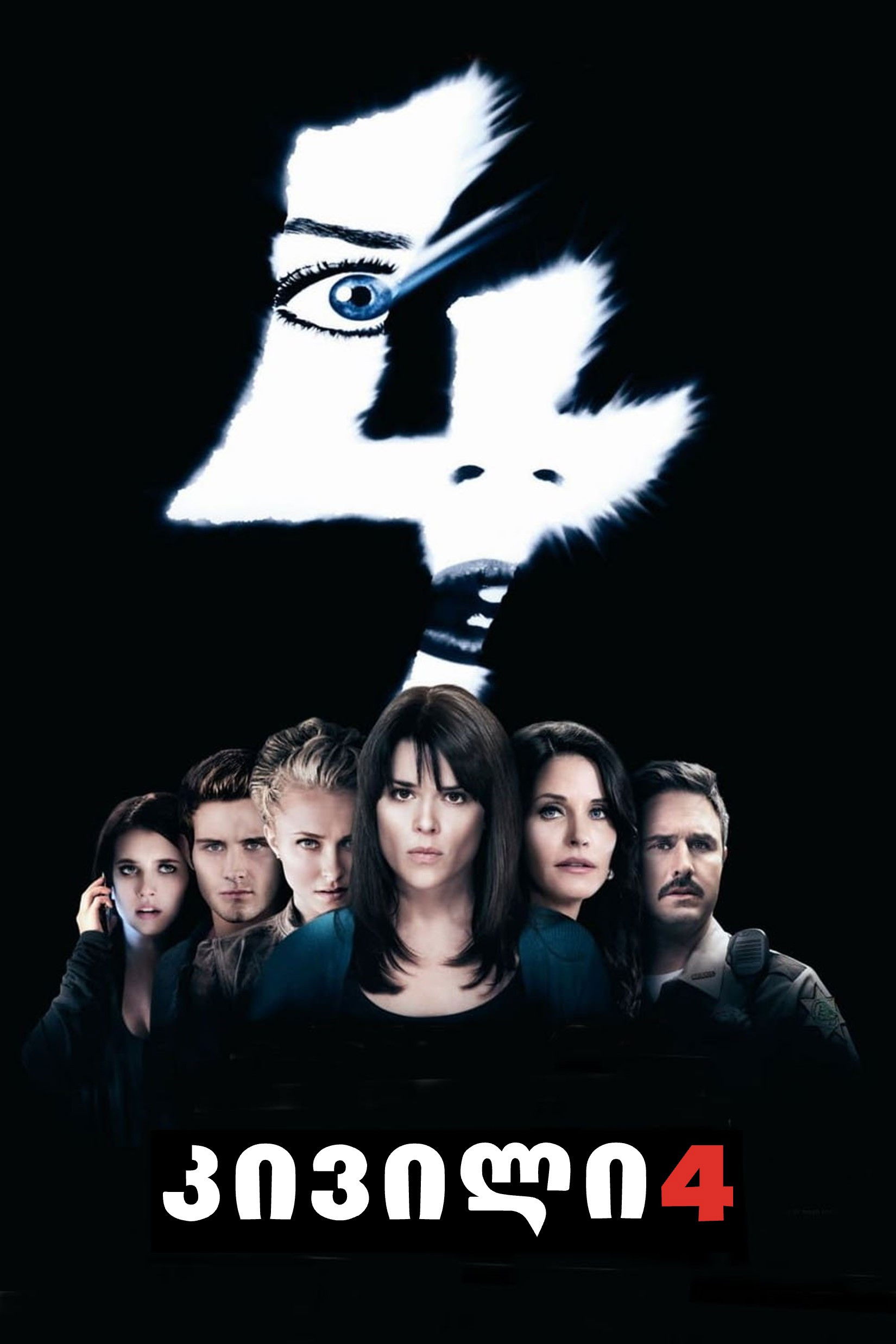
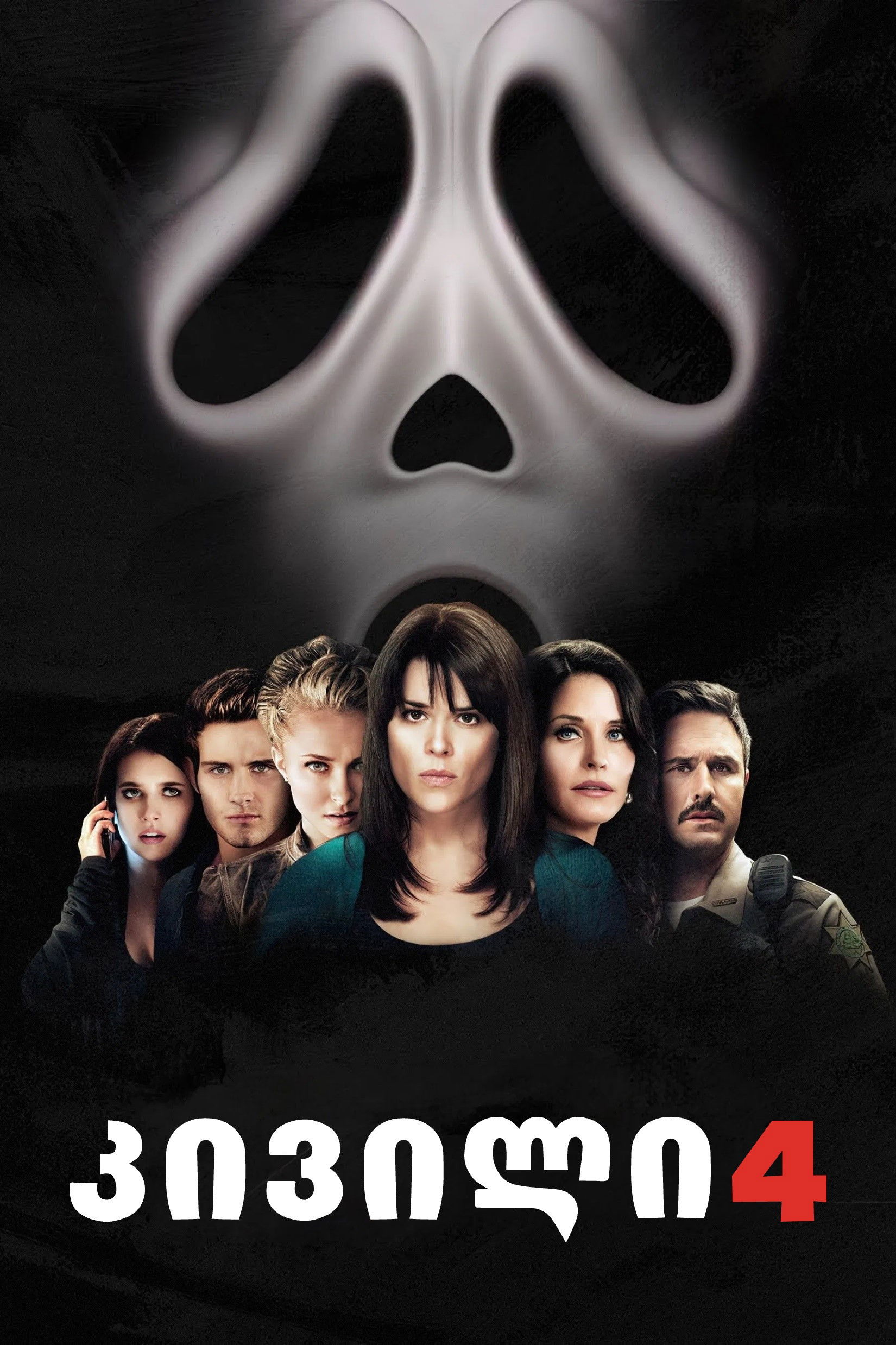
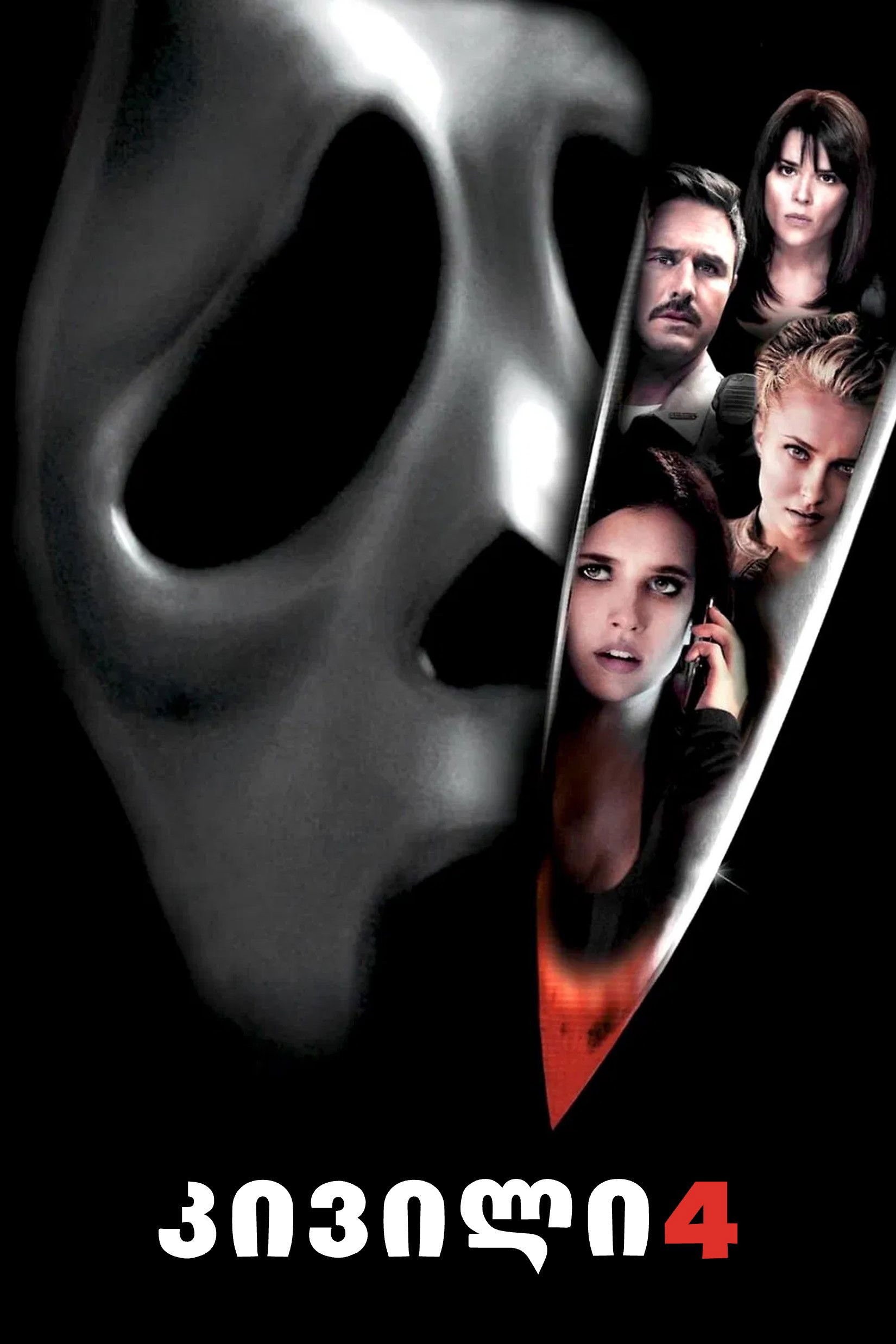
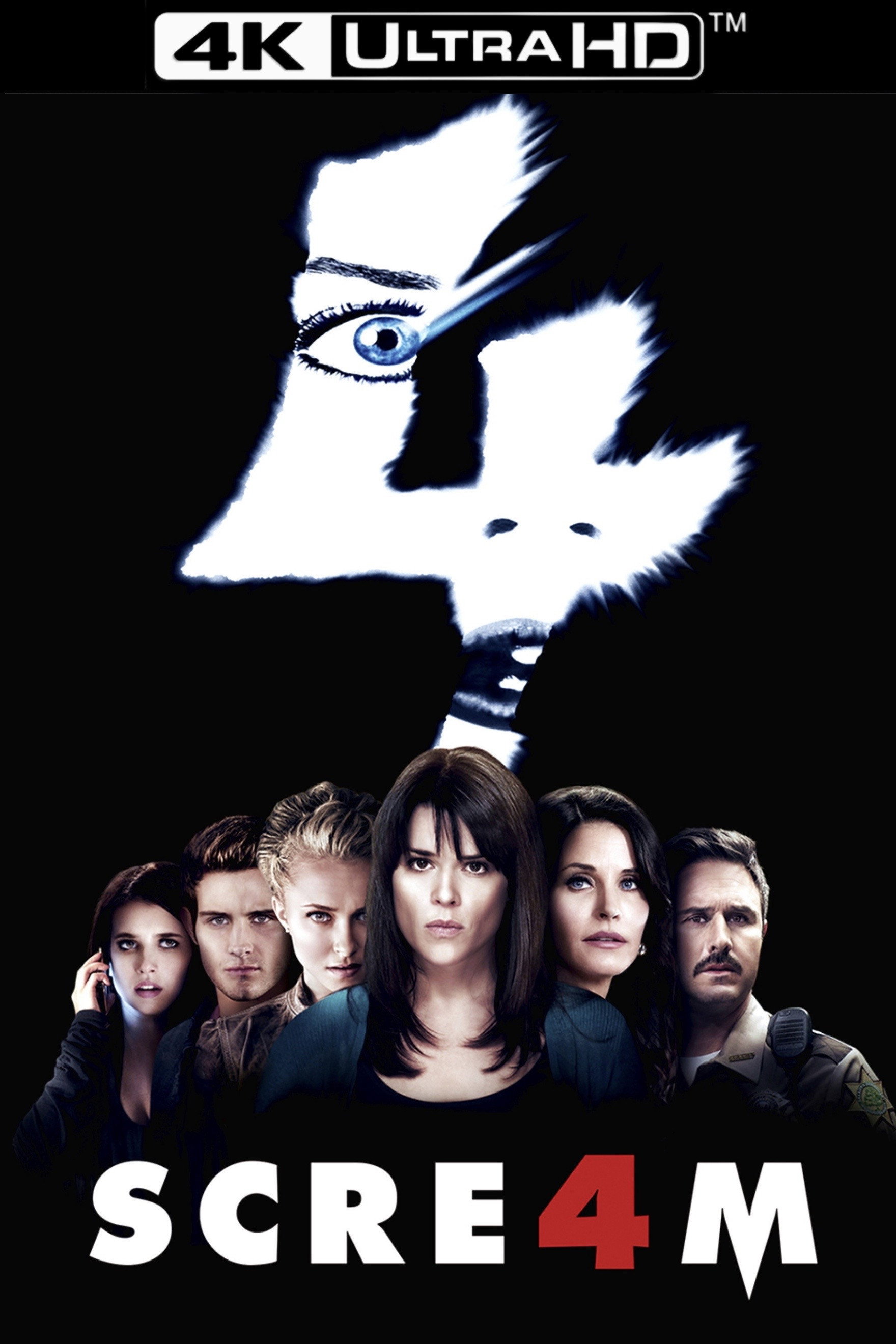
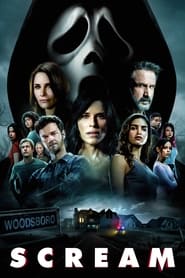
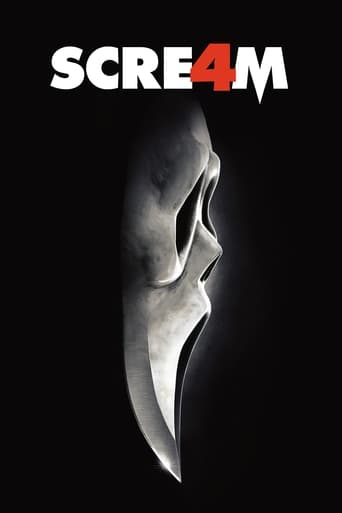
Scream 4 (2011) poster
Director
Production Companies
Dimension Films , Outerbanks Entertainment , Corvus Corax Productions
Plot

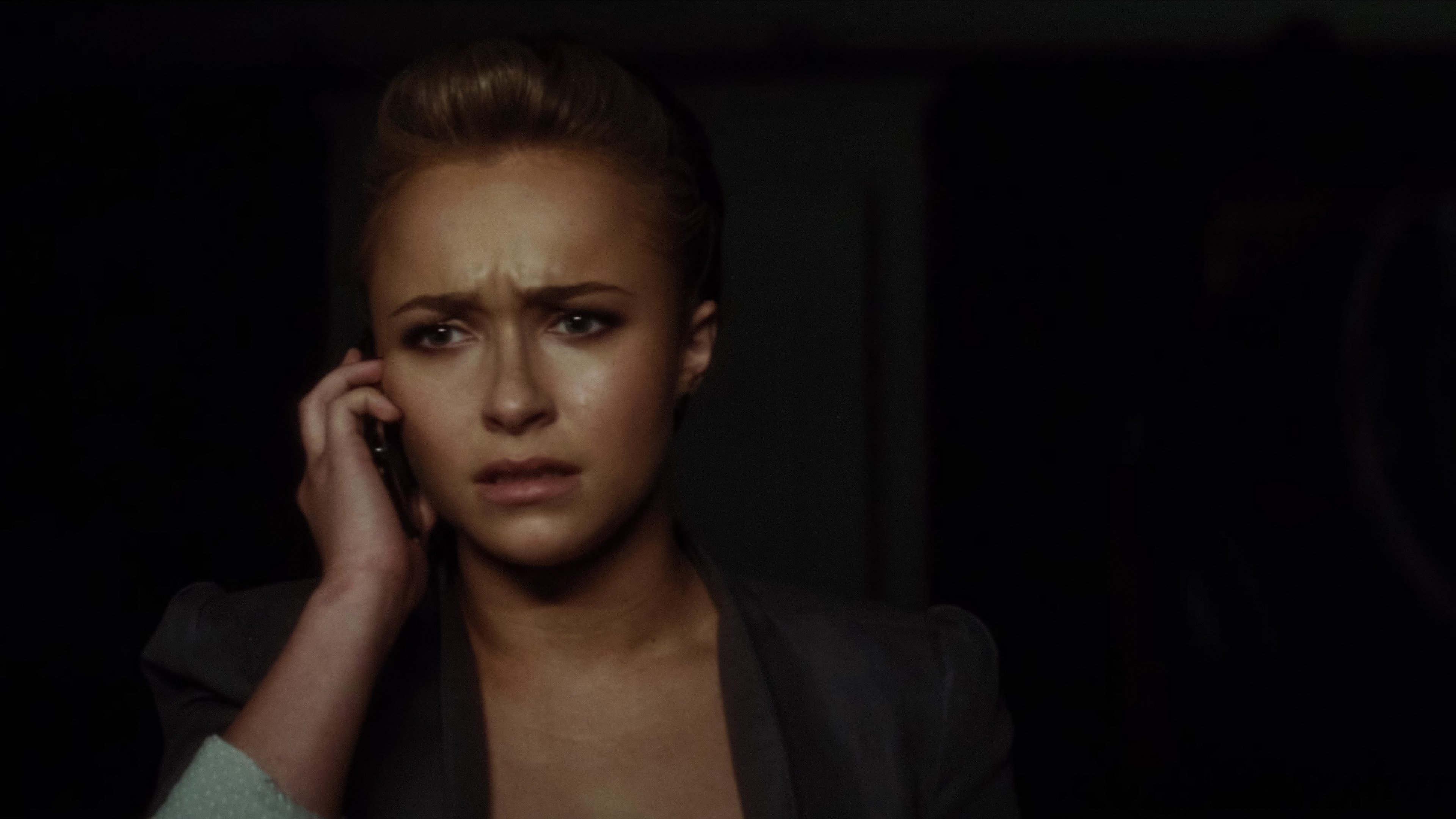
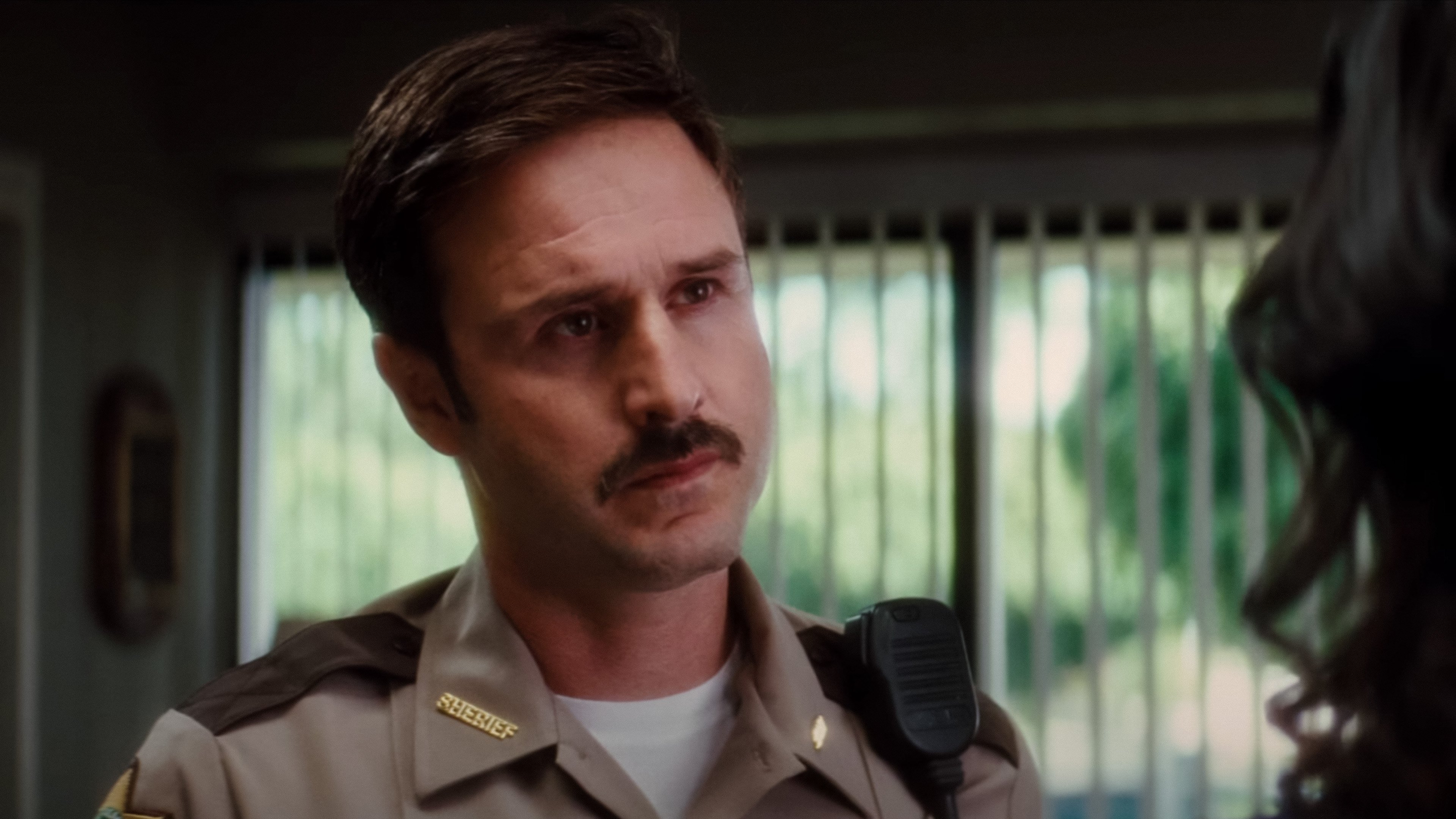
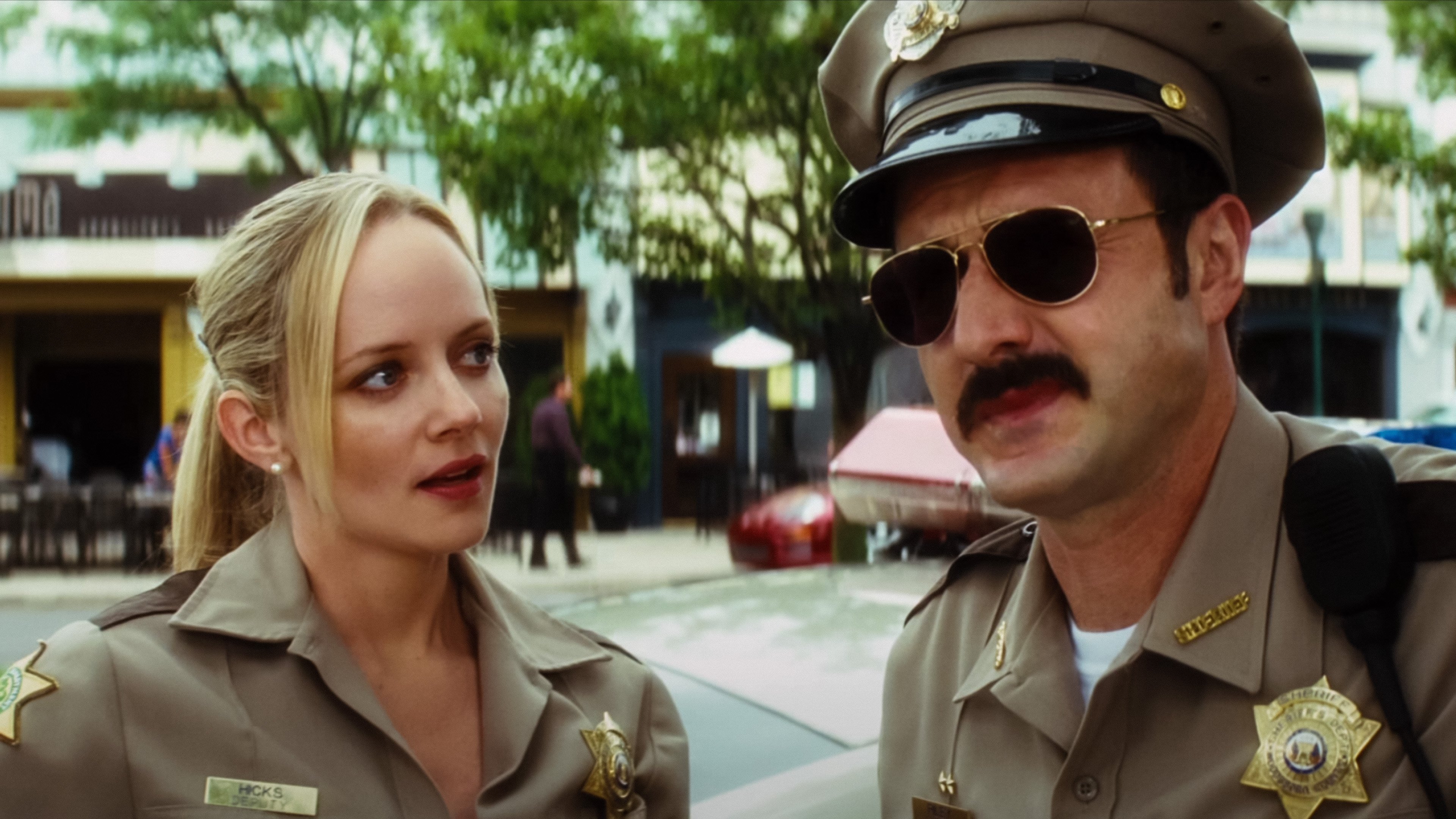
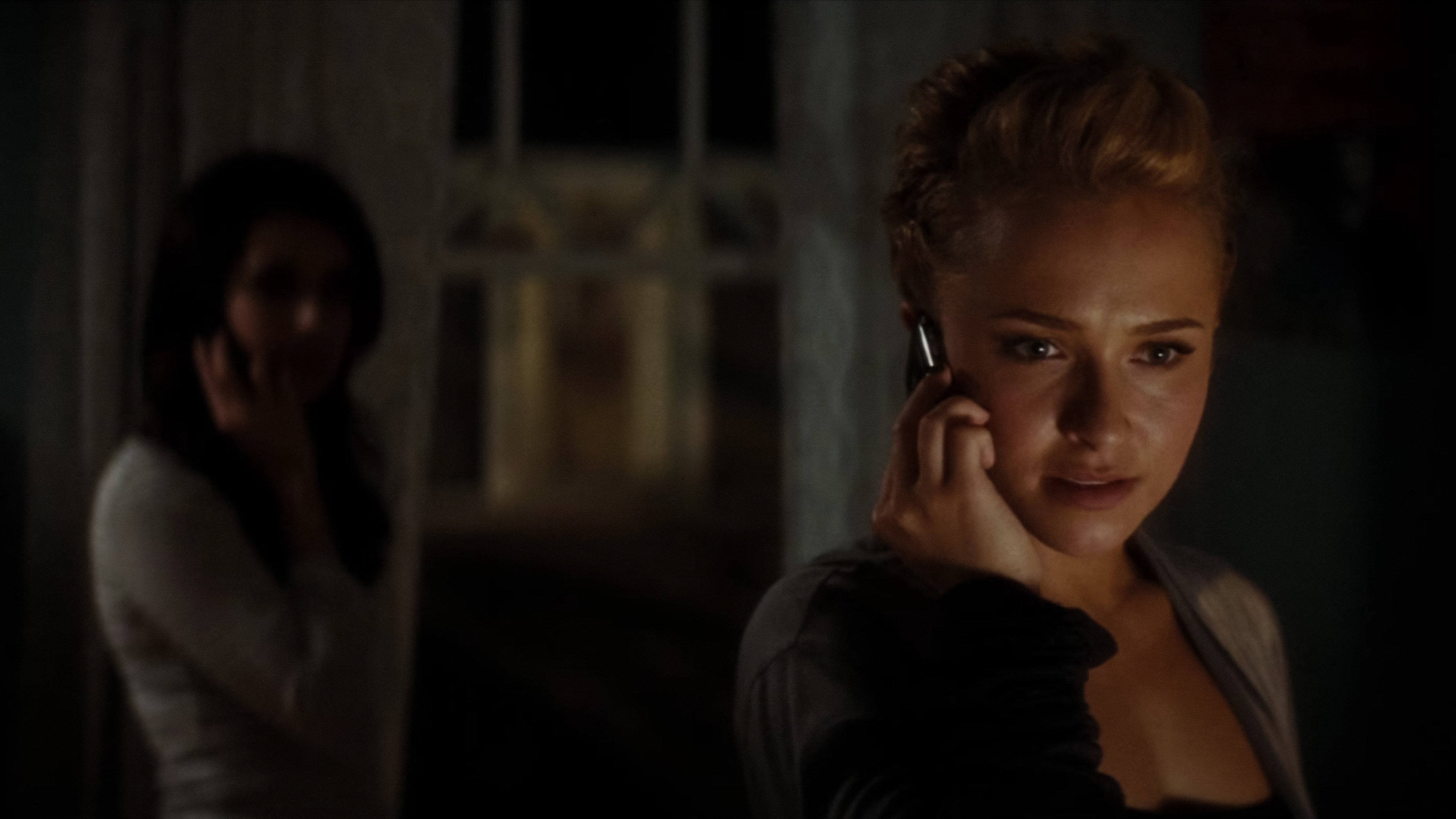
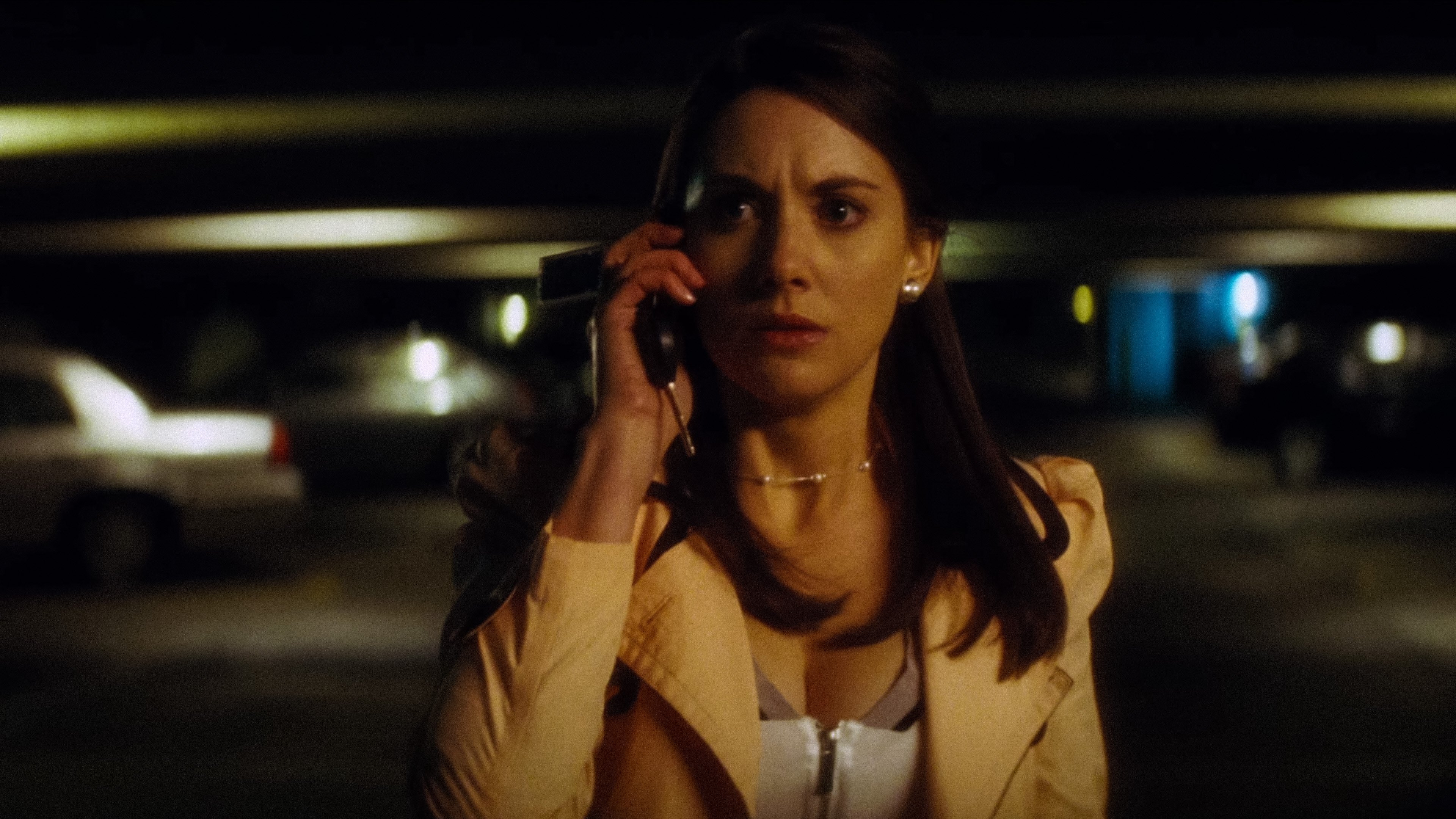
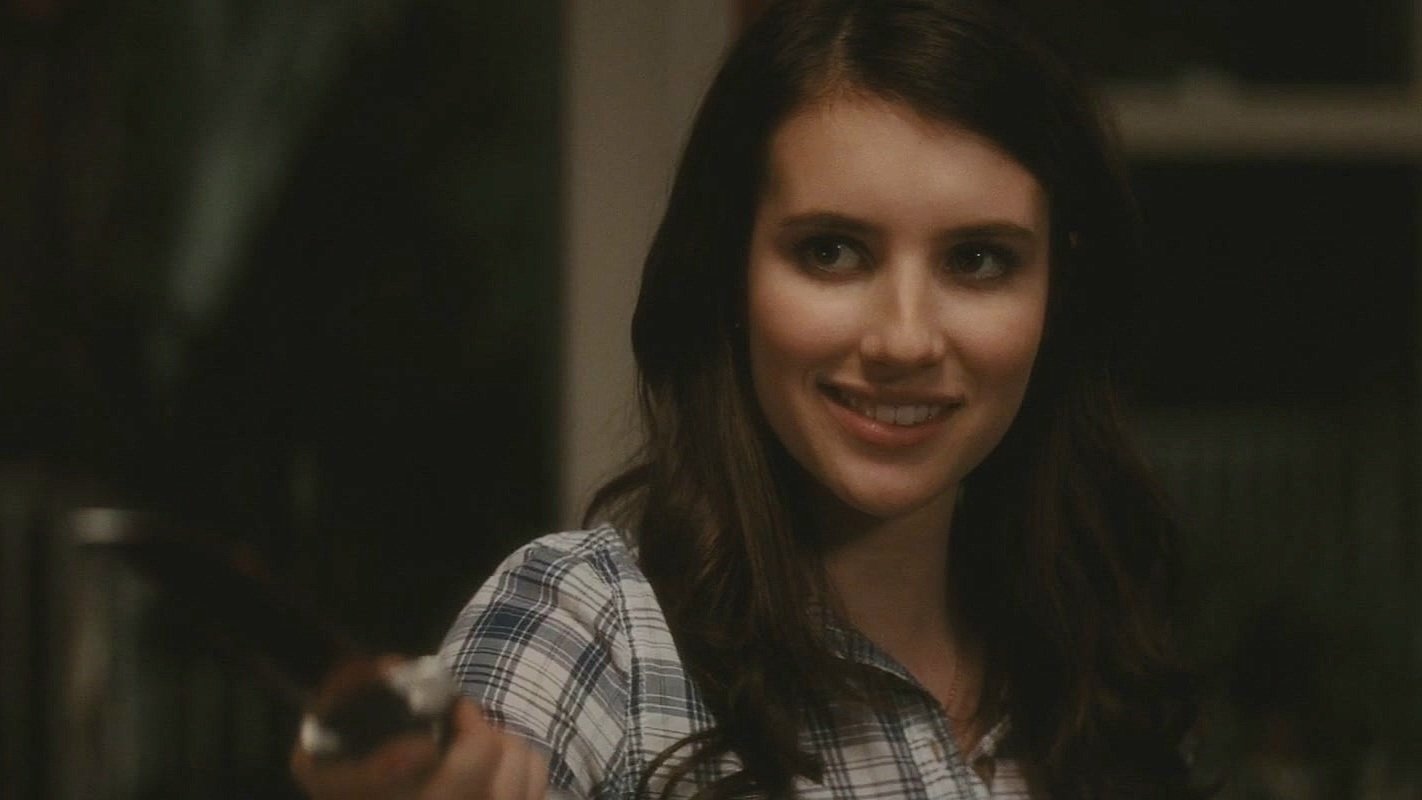
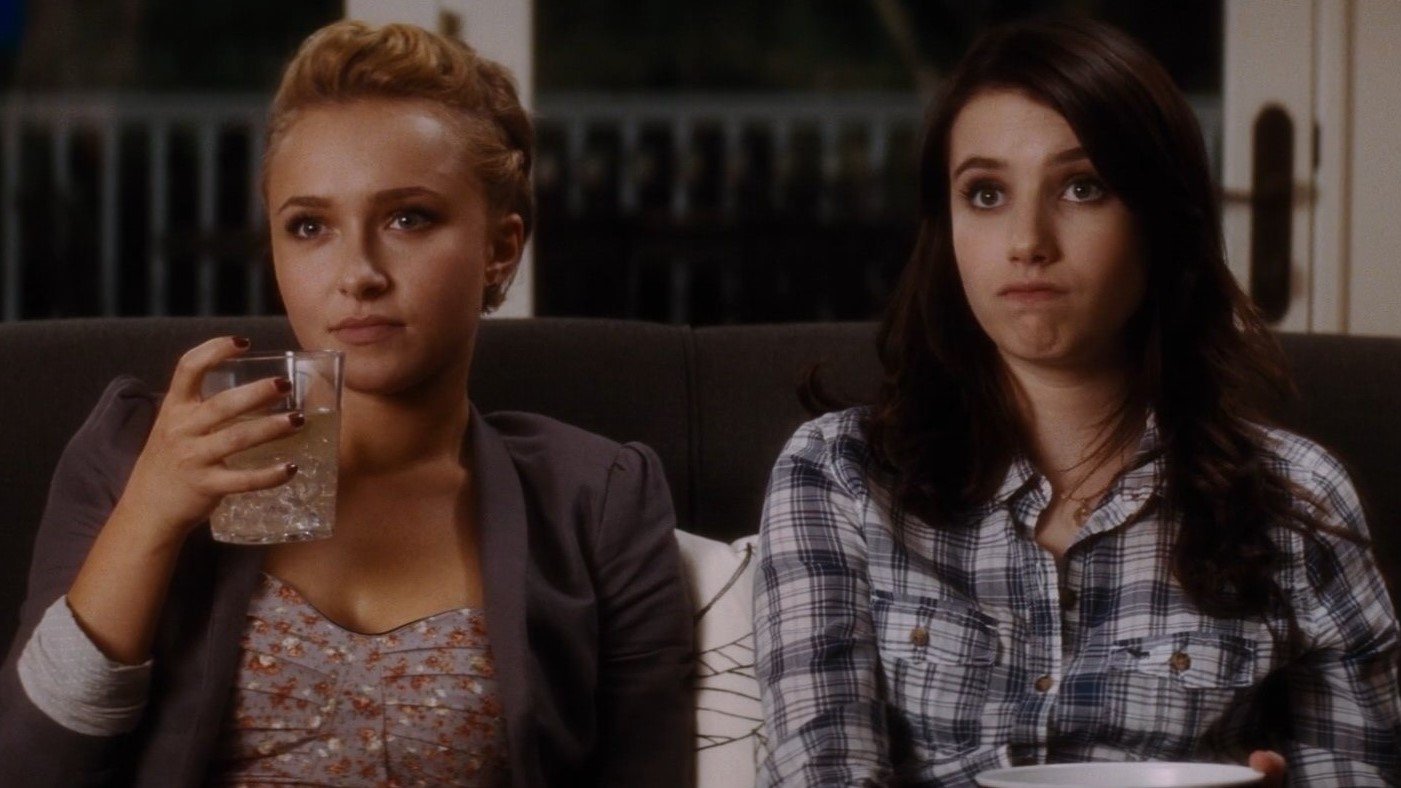
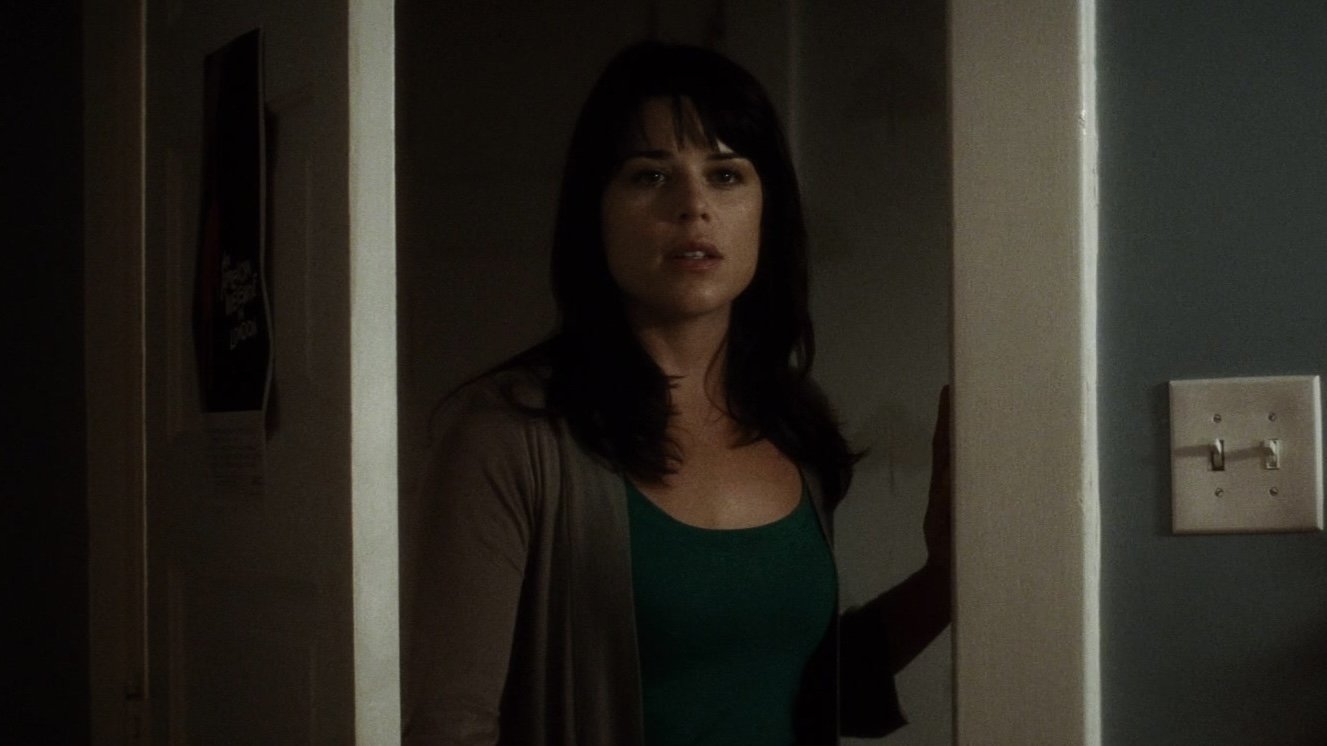
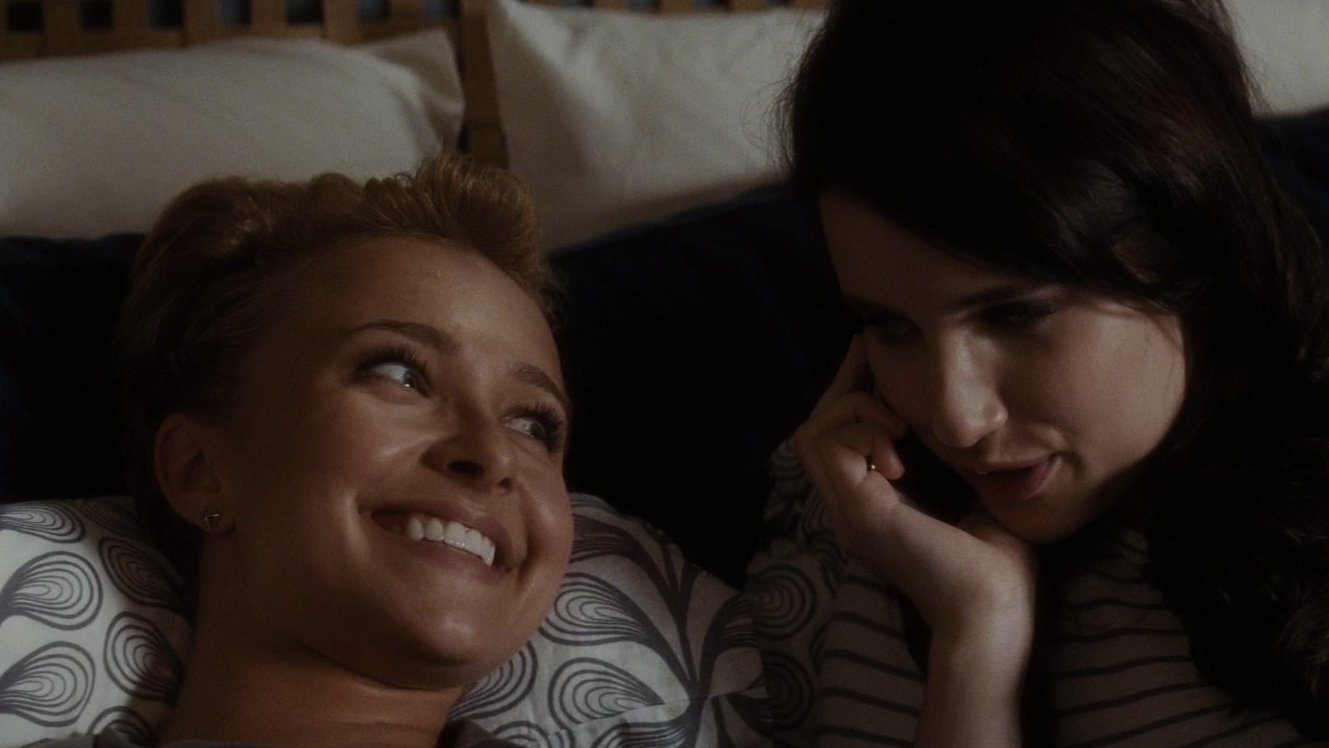
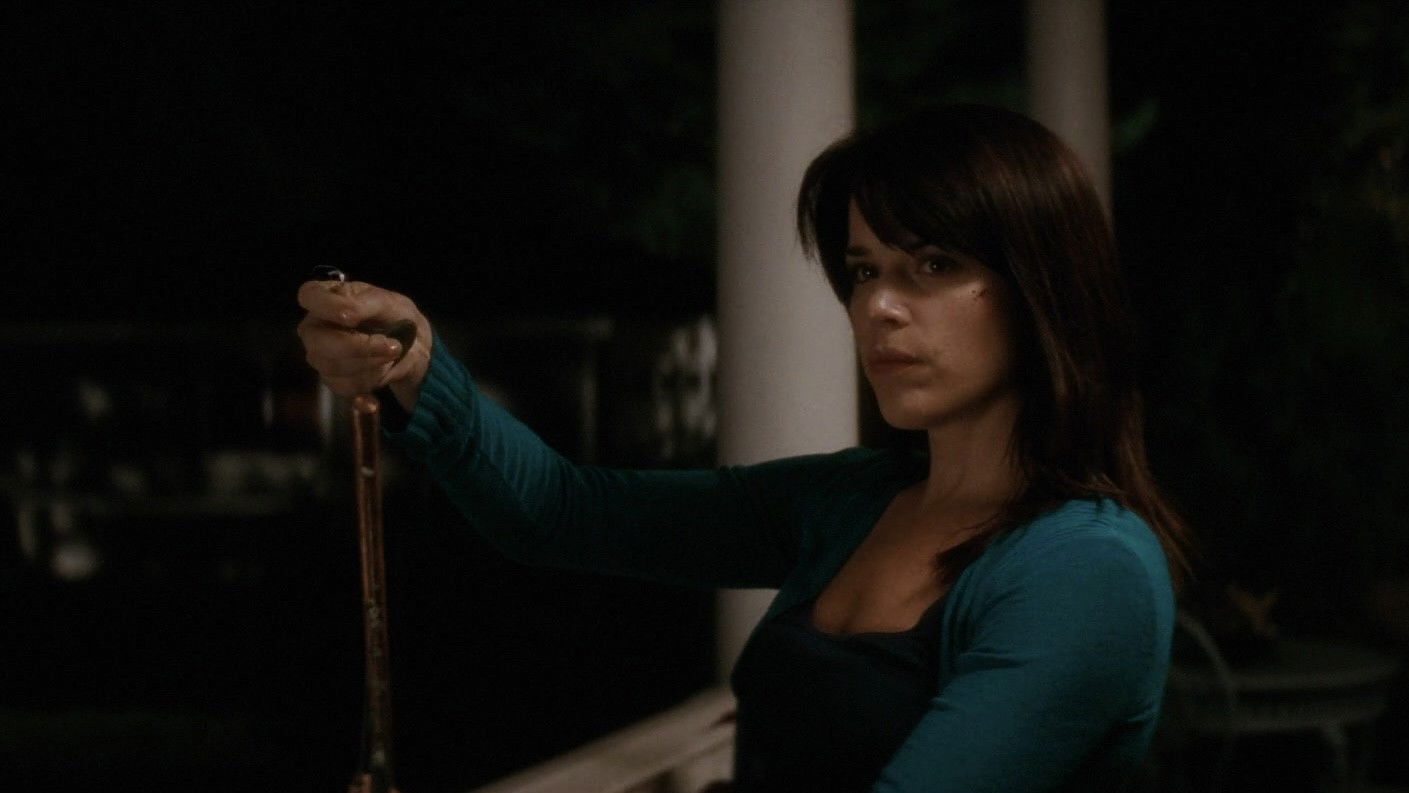
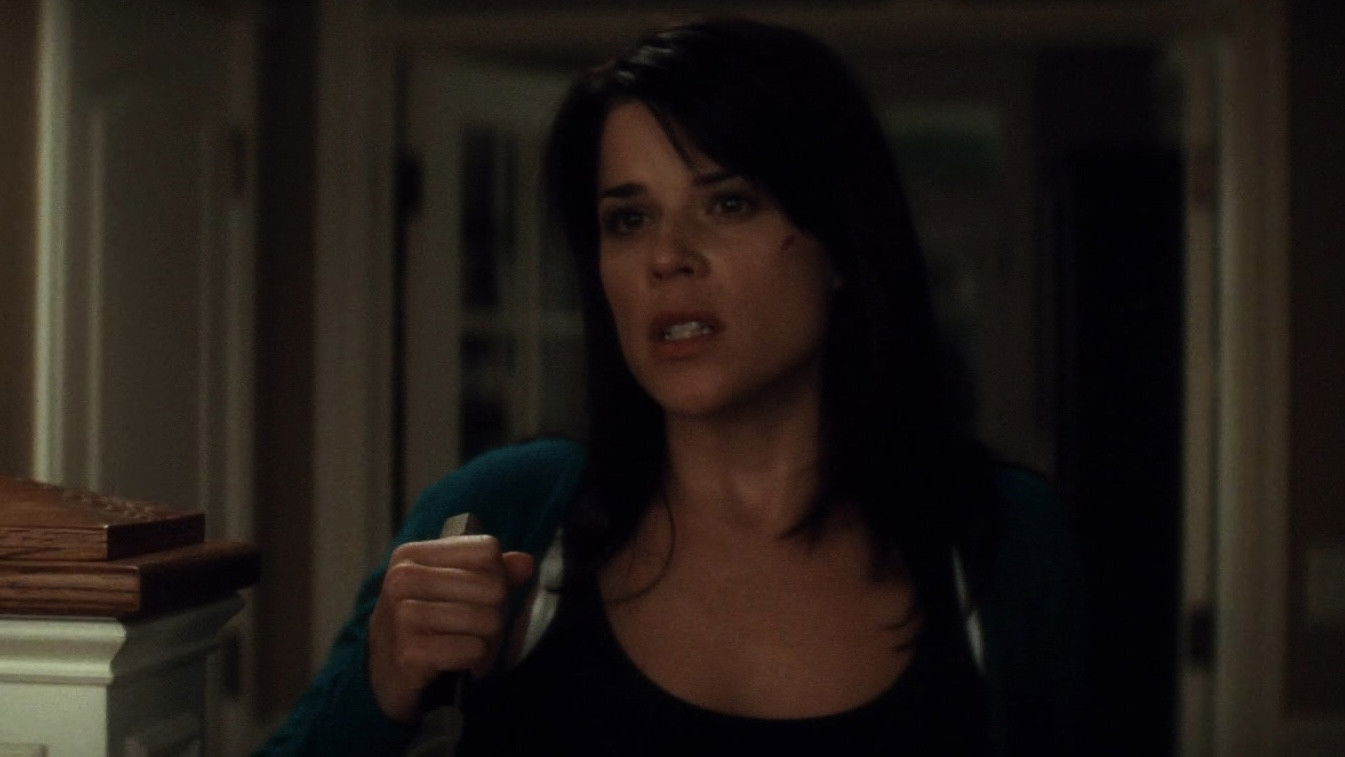
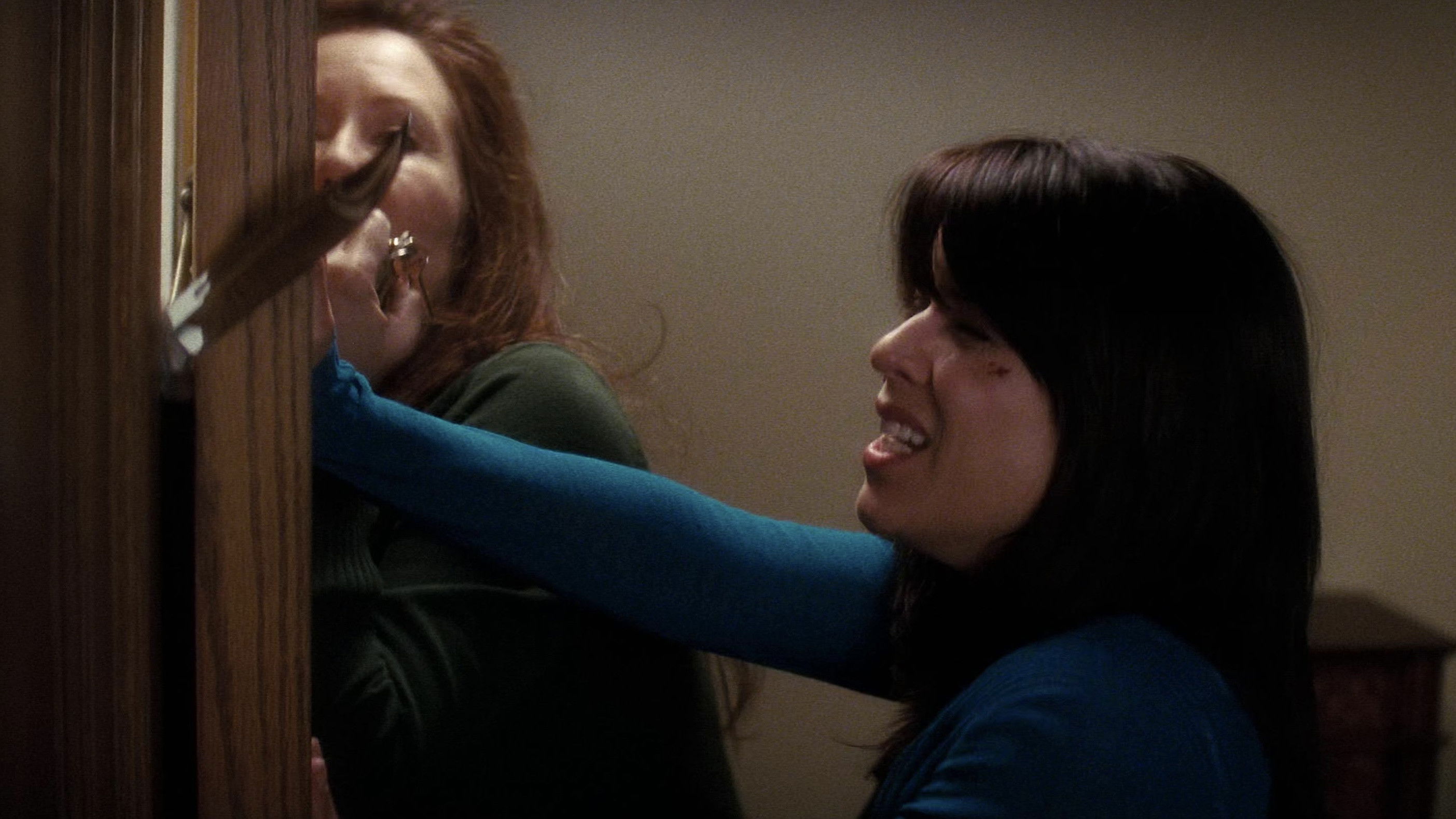
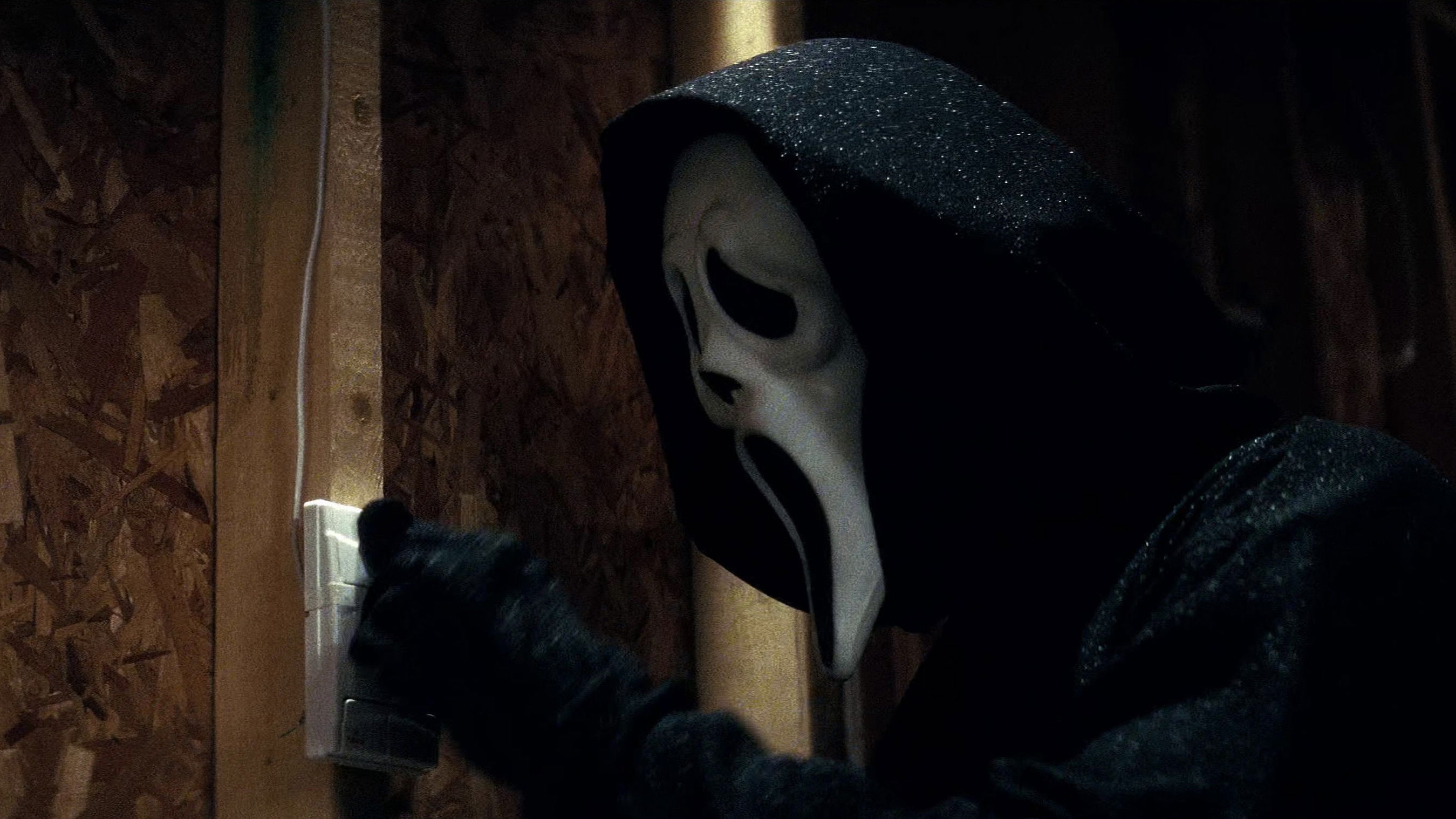
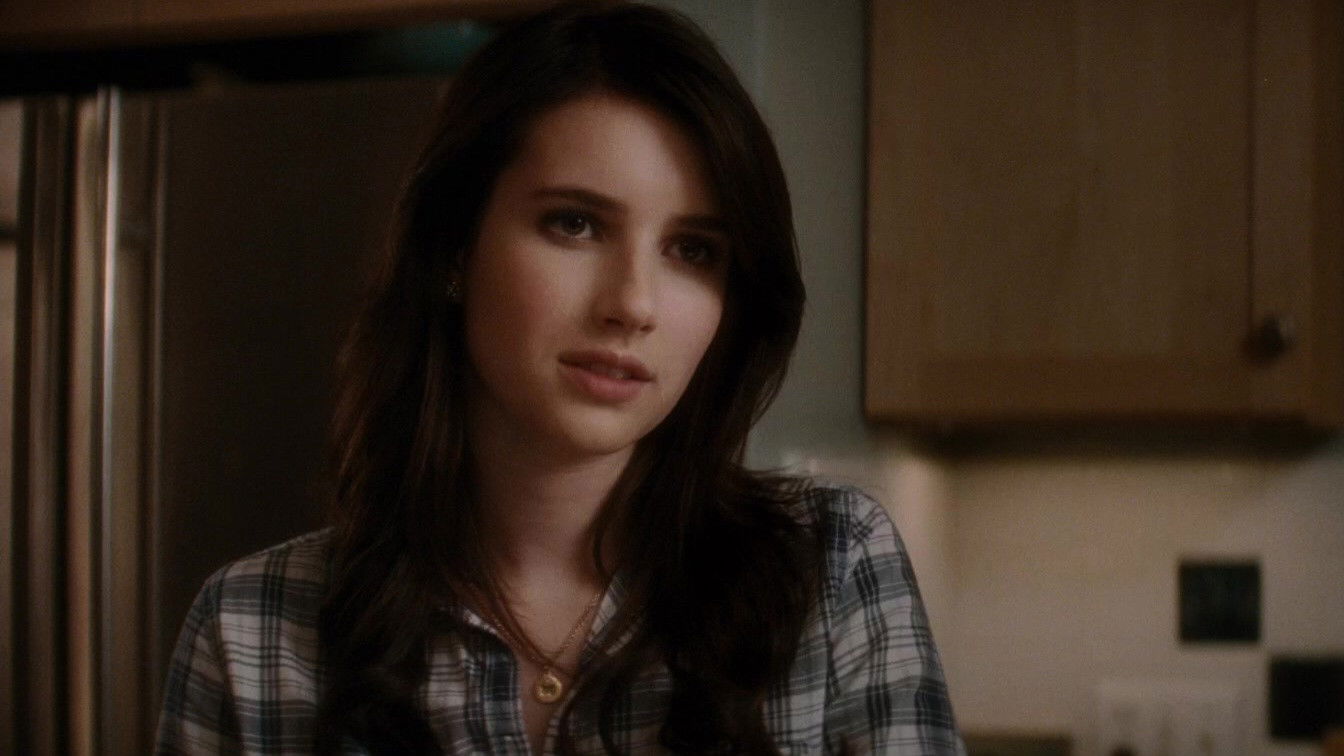
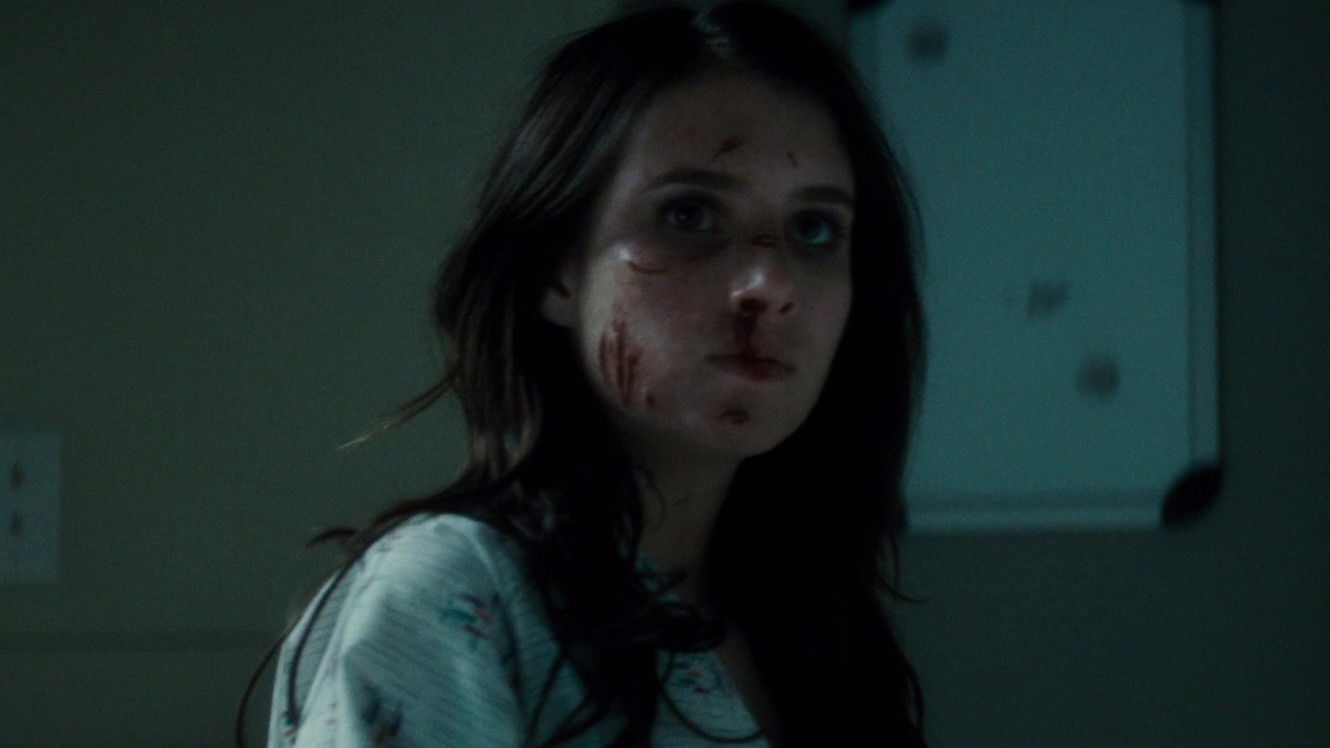
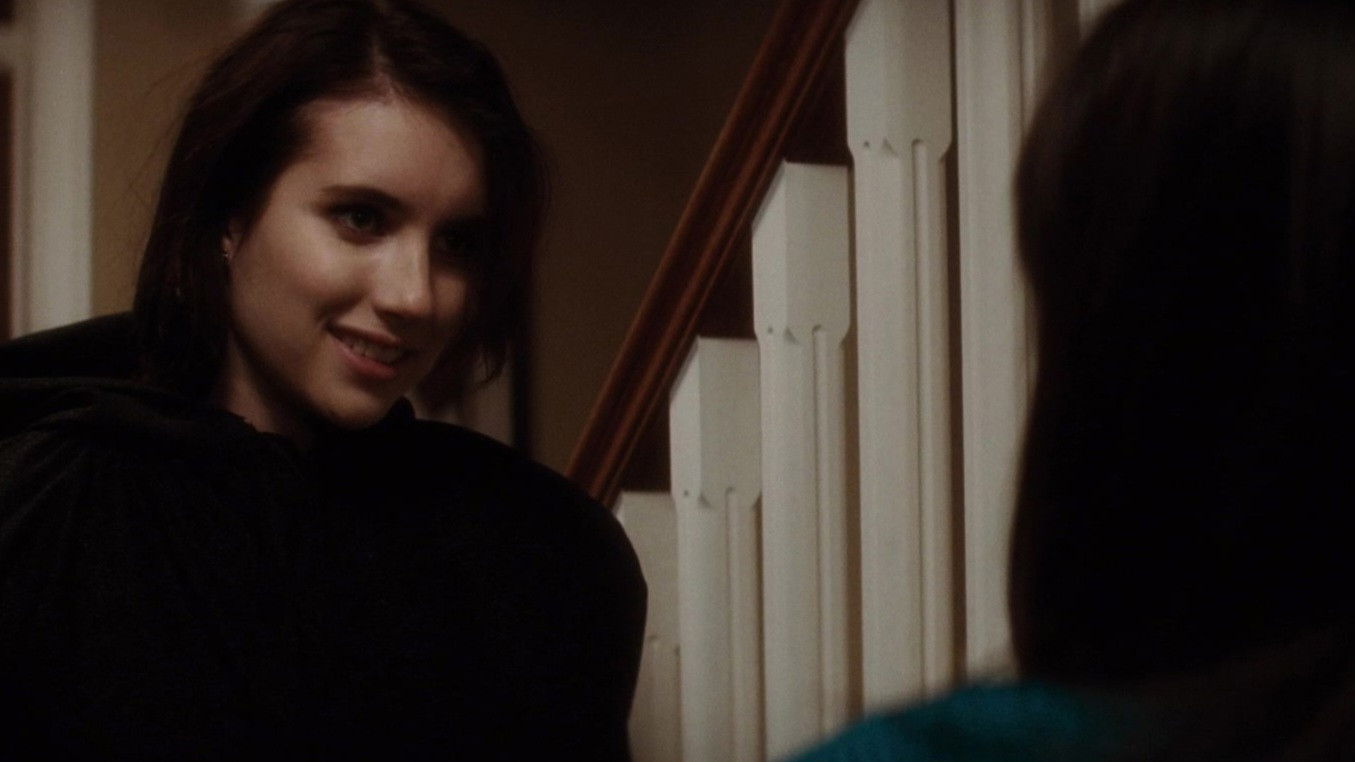
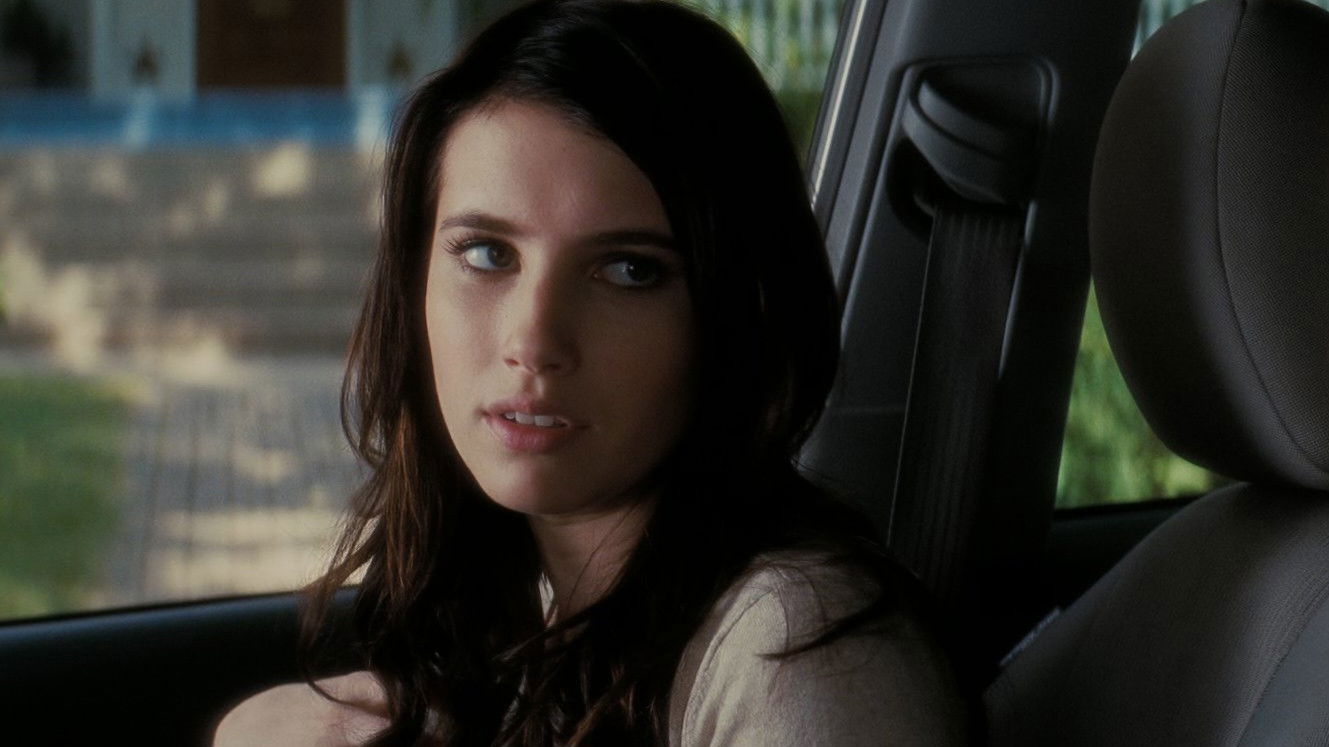
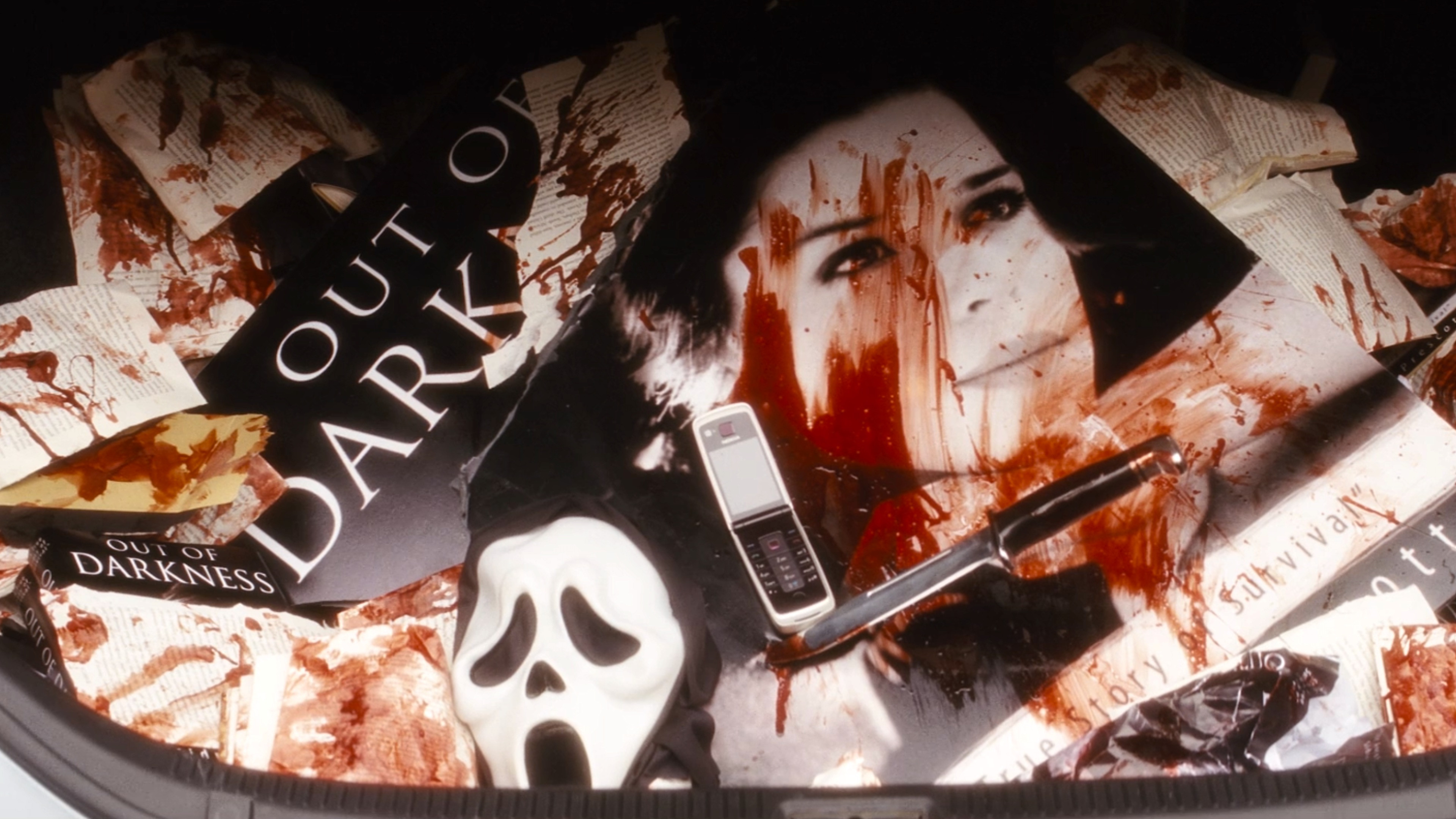
Sidney Prescott returns to Woodsboro while promoting a book about surviving the murders that made her famous. Her visit coincides with new Ghostface attacks involving local teenagers, including her cousin Jill Roberts and Jill's friends. Gale Weathers and Sheriff Dewey Riley become involved as the town's history of violence attracts renewed attention. Mobile phones, online videos and fascination with the original killings shape the latest mystery. Sidney attempts to protect those around her while police search for a killer who appears determined to recreate the horror of an earlier generation.

Alternative Titles
Qışqırıq 4 (Azerbaijan) — Azerbaijani Писък 4 (Bulgaria) — Bulgarian Pânico 4 (Brazil) — Portuguese Pânico IV (Brazil) Frissons 4 (Canada) — French 惊声尖叫4 (China) — Chinese Vřískot 4 (Czechia) — Czech Karje 4 (Estonia) — Estonian
Show all 42 alternative titles კივილი 4 (Georgia) — Georgian Κραυγή αγωνίας 4 (Greece) — Greek 奪命狂呼 4 (Hong Kong SAR China) — Chinese Vrisak 4 (Croatia) — Croatian Sikoly 4. (Hungary) — Hungarian הצעקה IV (Israel) צעקה 4 (Israel) — Hebrew मौत की चीख़ (India) — Hindi جیغ ۴ (Iran) — Persian スクリーム4: ネクスト・ジェネレーション (Japan) — Japanese 스크림 4 (South Korea) 스크림 4G (South Korea) — Korean Klyksmas 4 (Lithuania) — Lithuanian Kliedziens 4 (Latvia) — Latvian Scream 4 - Grita de nuevo (Mexico) Skrik 4 (Norway) — Norwegian Krzyk 4 (Poland) — Polish Gritos 4 (Portugal) — Portuguese Scream 4: Coșmarul continuă (Romania) — Romanian Врисак 4 (Serbia) — Serbian Крик 4 (Russia) — Russian الصرخة 4 (Saudi Arabia) Krik 4 (Slovenia) — Slovenian Vreskot 4 (Slovakia) — Slovak สครีม 4 หวีด…แหกกฏ (Thailand) หวีด…แหกกฏ (Thailand) — Thai Çığlık 4 (Türkiye) — Turkish 驚聲尖叫4 (Taiwan) — Chinese Крик 4 (Ukraine) — Ukrainian Scre4m  (United States) — on-screen title Z (United States) — Working Title Qichqiriq 4 (Uzbekistan) — Uzbek Tiếng 4 Thét (Vietnam) Tiếng Thét 4 (Vietnam) — Vietnamese

Trailers & Videos

10 videos

Scream 4 (2011) Film Guide

Wes Craven returns to Woodsboro to examine slasher remakes, mediated violence, celebrity and the survival of Ghostface.

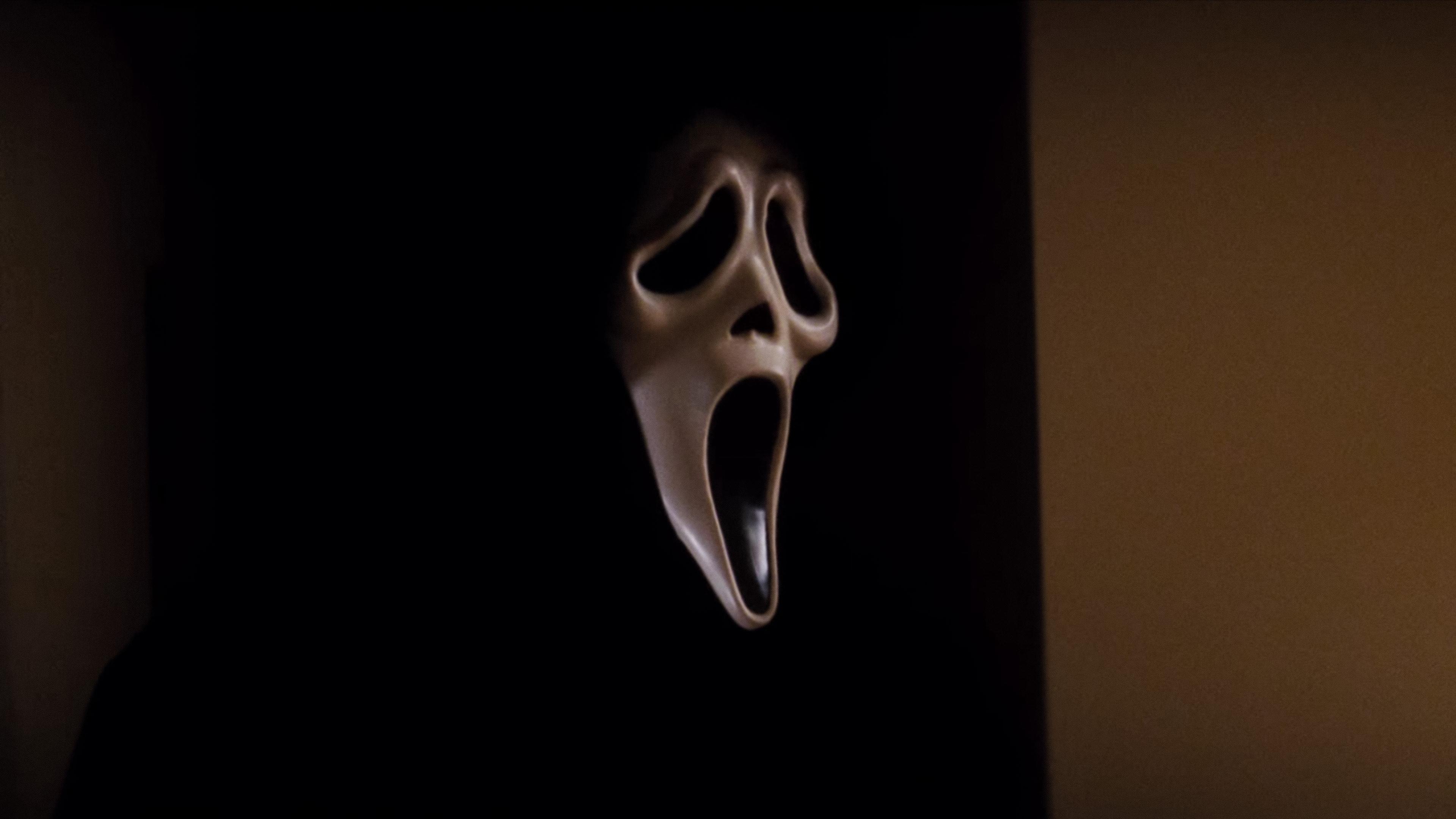
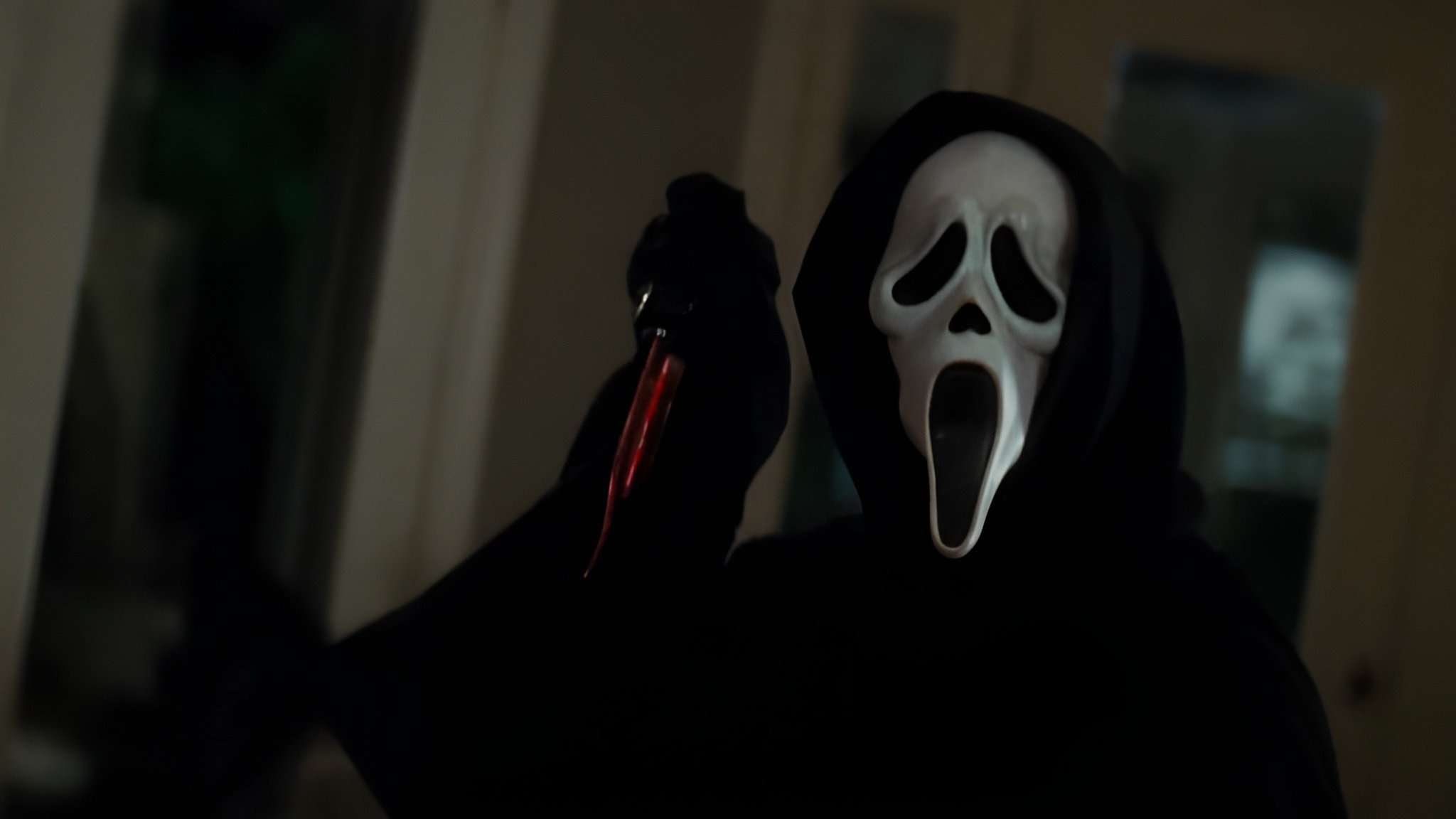
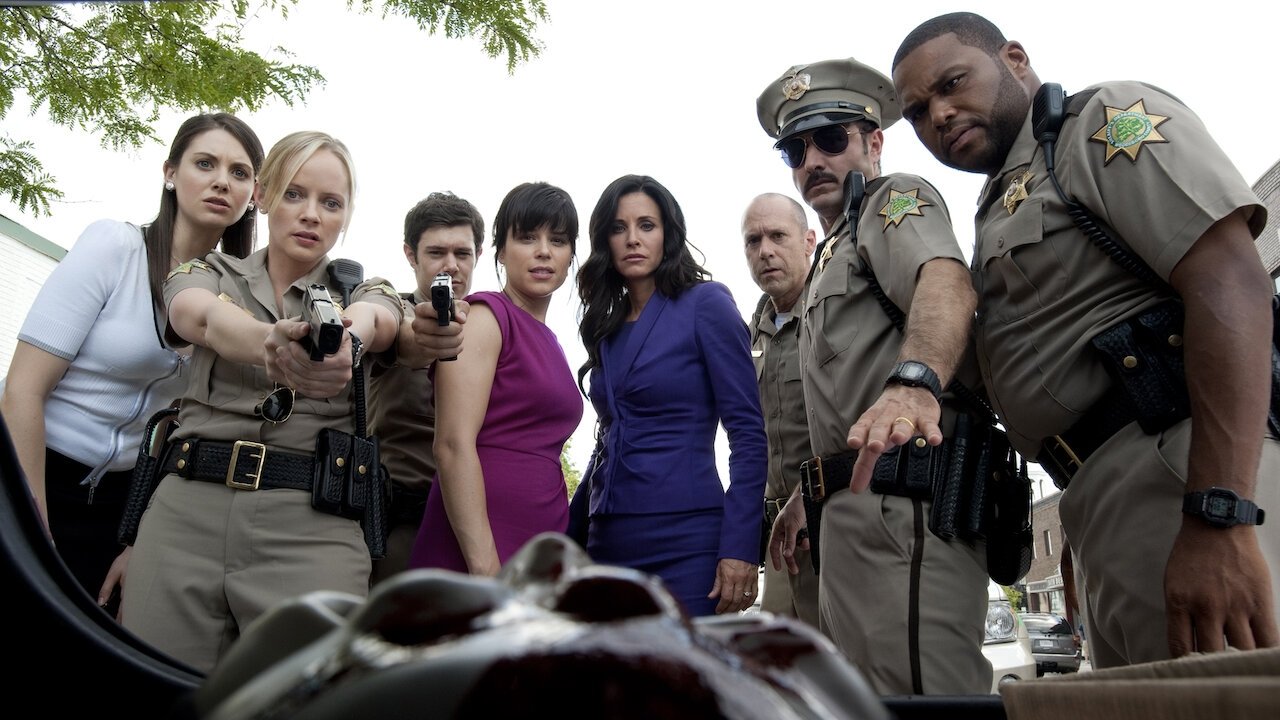
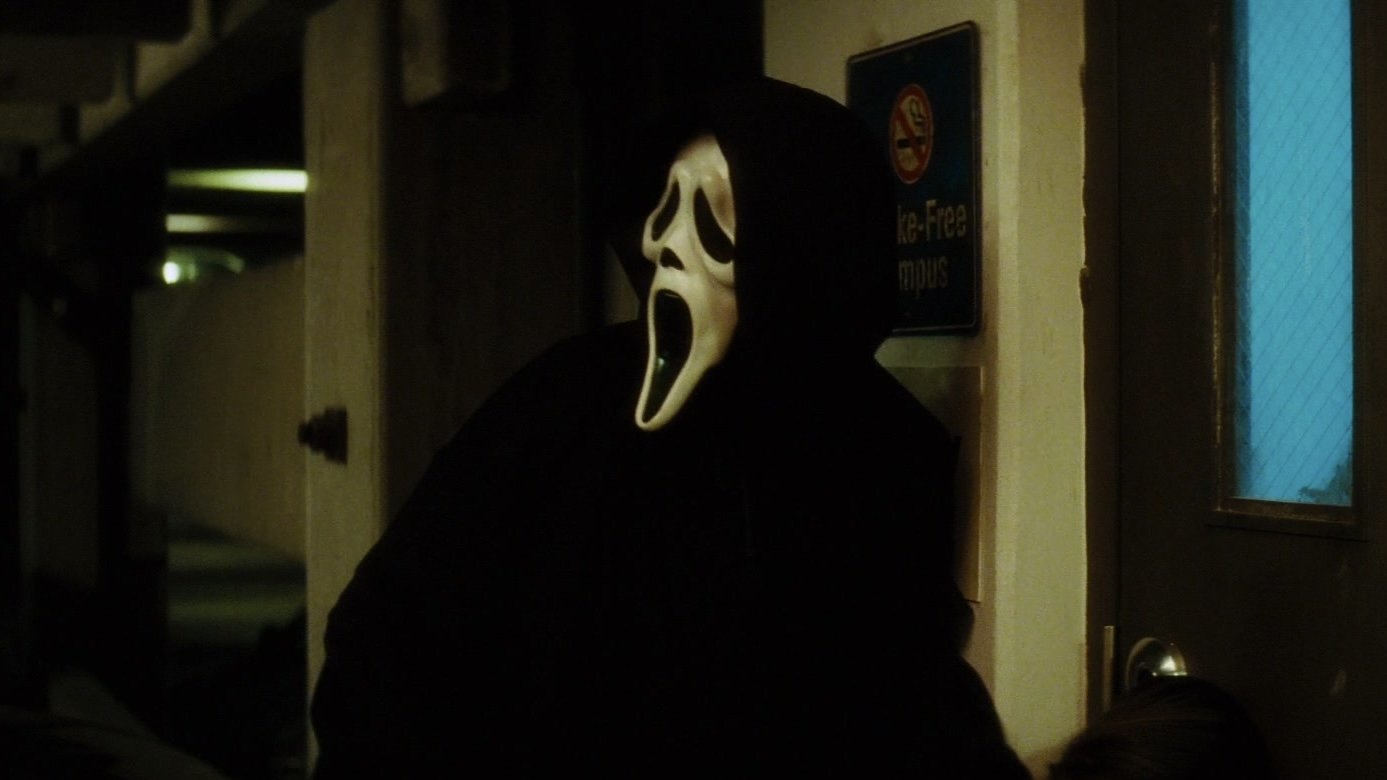
Scream 4 (2011) returned Wes Craven's slasher series to Woodsboro eleven years after Scream 3 had closed its original trilogy. The reunion of Sidney Prescott, Gale Weathers and Dewey Riley occurs in a town where the old murders have become a local mythology and the Stab films have reproduced them for another generation. A fresh set of killings draws familiar survivors into the lives of younger characters who understand horror through remakes, online publicity and the recording of everyday experience. The sequel's particular subject is the struggle to distinguish a real victim from a performance designed to attract attention.

Kevin Williamson developed the screenplay and Craven resumed directing, although the writing passed through additional hands during production. Interviews from 2011 document the original concept, changes to the opening, disputes about the final edit and the practical difficulty of updating Ghostface for an age of mobile phones. The production also arrived during a period when American horror regularly recycled earlier properties, making the film's attacks on remakes part of a broader genre debate. Its contemporary reviews differed sharply over whether the self-conscious approach had retained the original's suspense. Those tensions make the fourth installment a significant study in slasher revival and franchise self-examination.

Returning to Woodsboro after Eleven Years

Craven did not originate the proposal to revive the series. In a 2011 interview with CinemaBlend, he recalled Bob Weinstein approaching him after Kevin Williamson had developed an outline. The director said he agreed to participate only after seeing substantial screenplay material. Weinstein's decision followed a long interruption in which the Scary Movie spoofs had contributed, in Craven's view, to the difficulty of making Ghostface threatening again. The filmmakers needed a new occasion for the murders that would acknowledge the intervening decade without pretending that the original characters had remained unchanged. Their answer placed Sidney's book tour alongside an altered generation of suspects.

The screenplay was not completed by one writer working in isolation. Craven told Fangoria that Williamson's responsibilities on The Vampire Diaries eventually prevented him from remaining with the film, and that Ehren Kruger handled substantial writing problems during the latter part of the shoot. In his account, Kruger worked on the geography and timing of important late sequences. Craven also contributed to the script. These first-hand descriptions support a collaborative and at times difficult production history; they do not allow every line or individual scene to be assigned confidently to a particular author. Williamson's central concept and characters nevertheless remained the structure around which the revisions were organized.

False Openings and the Remake Cycle

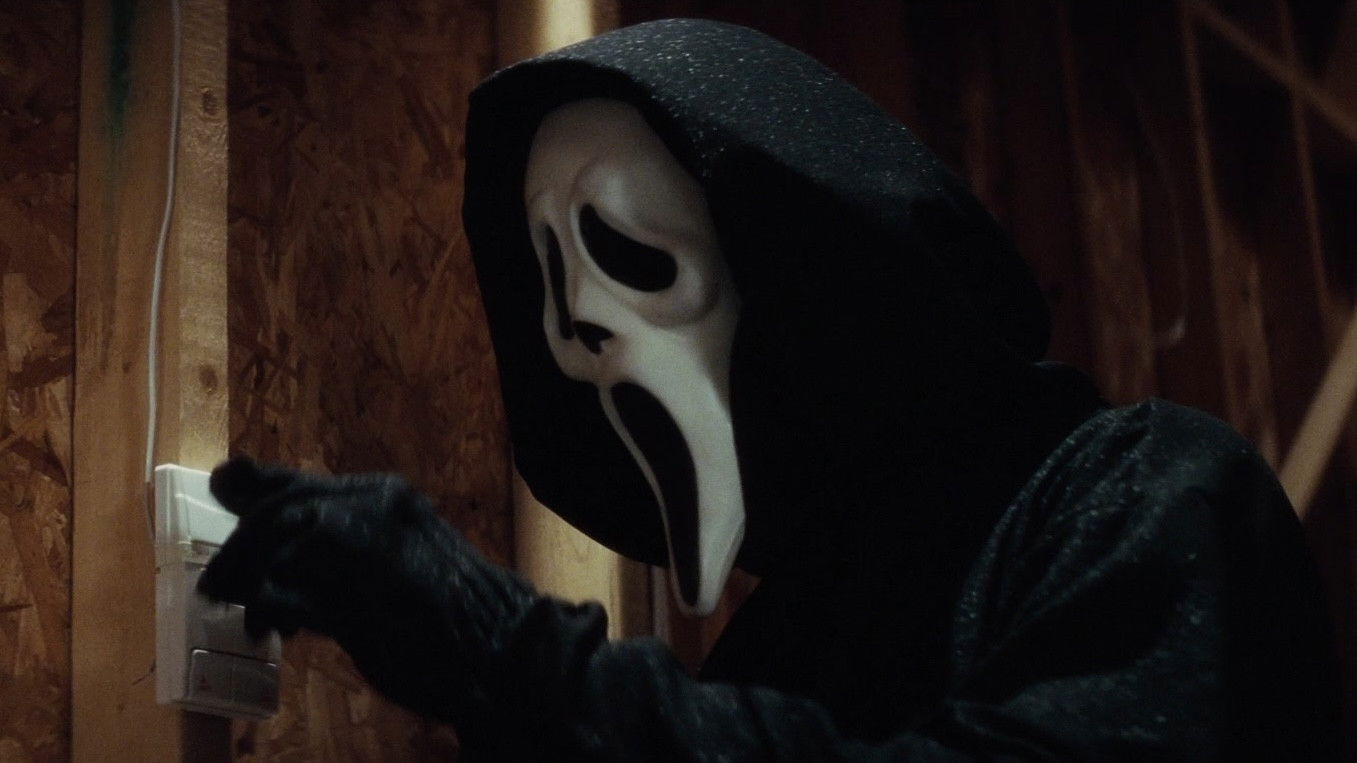
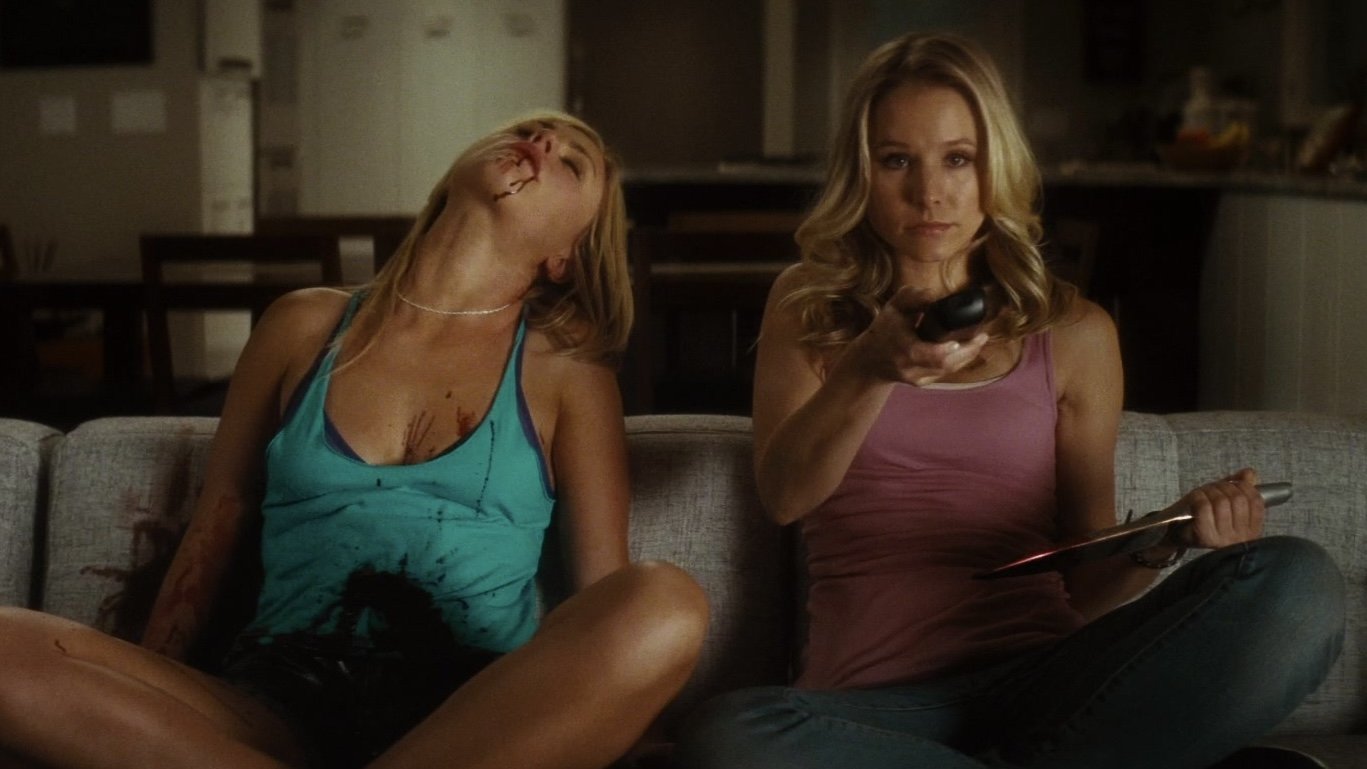
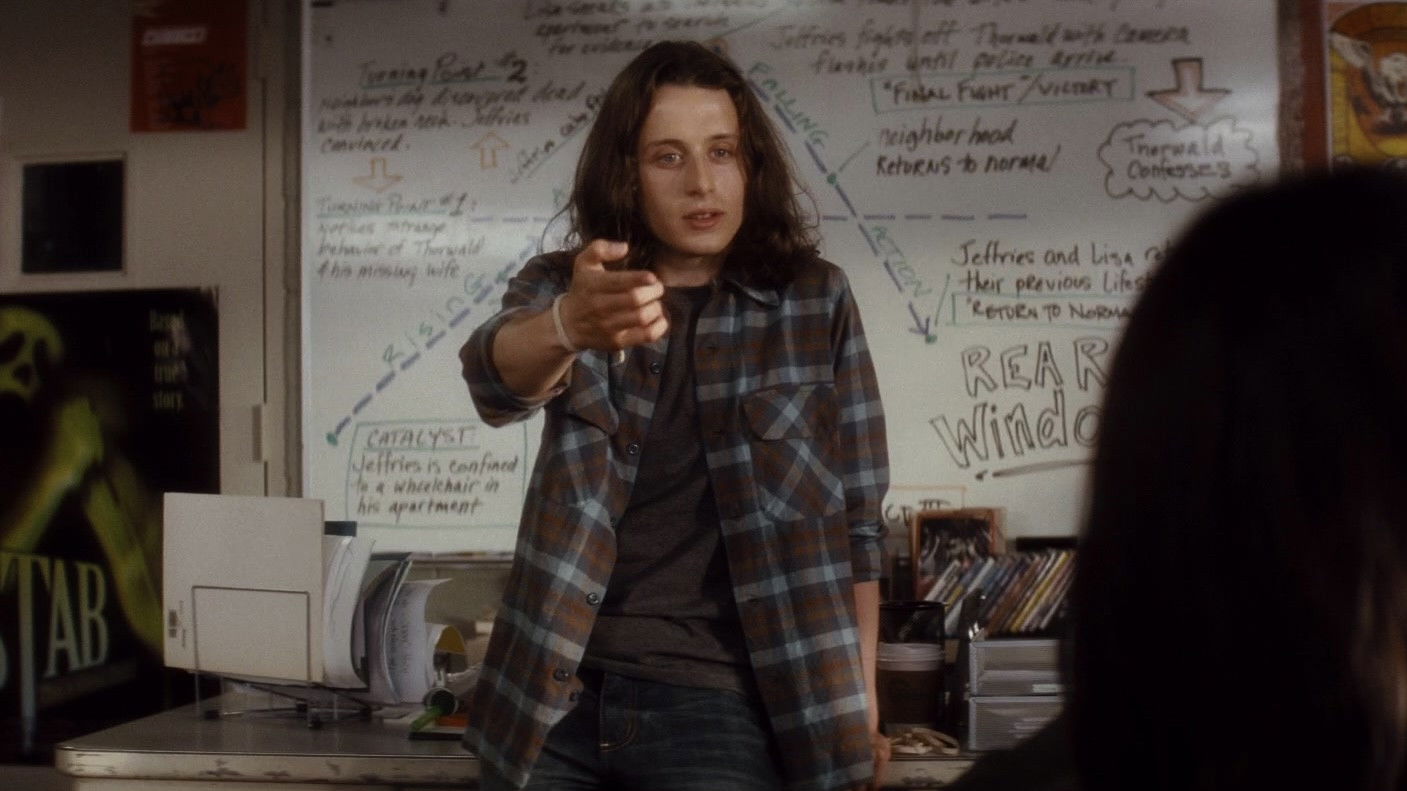
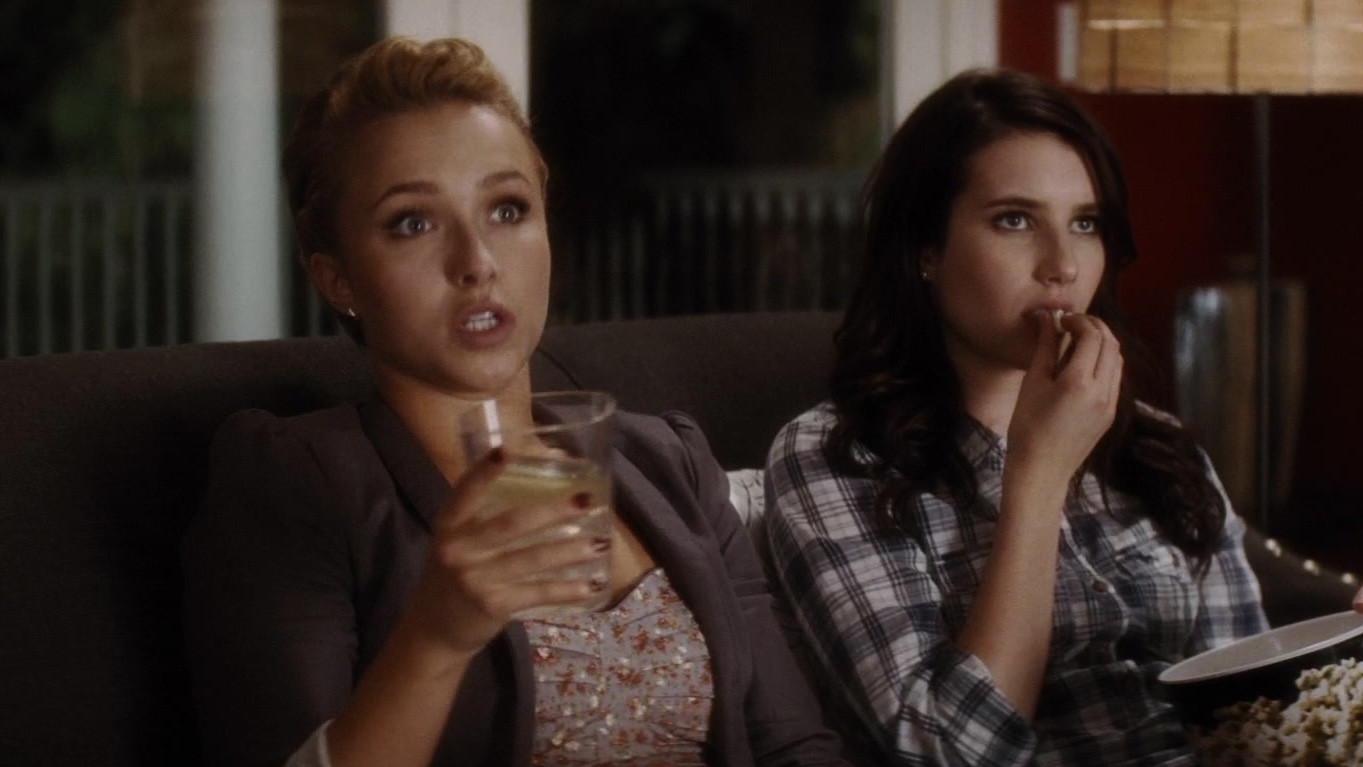
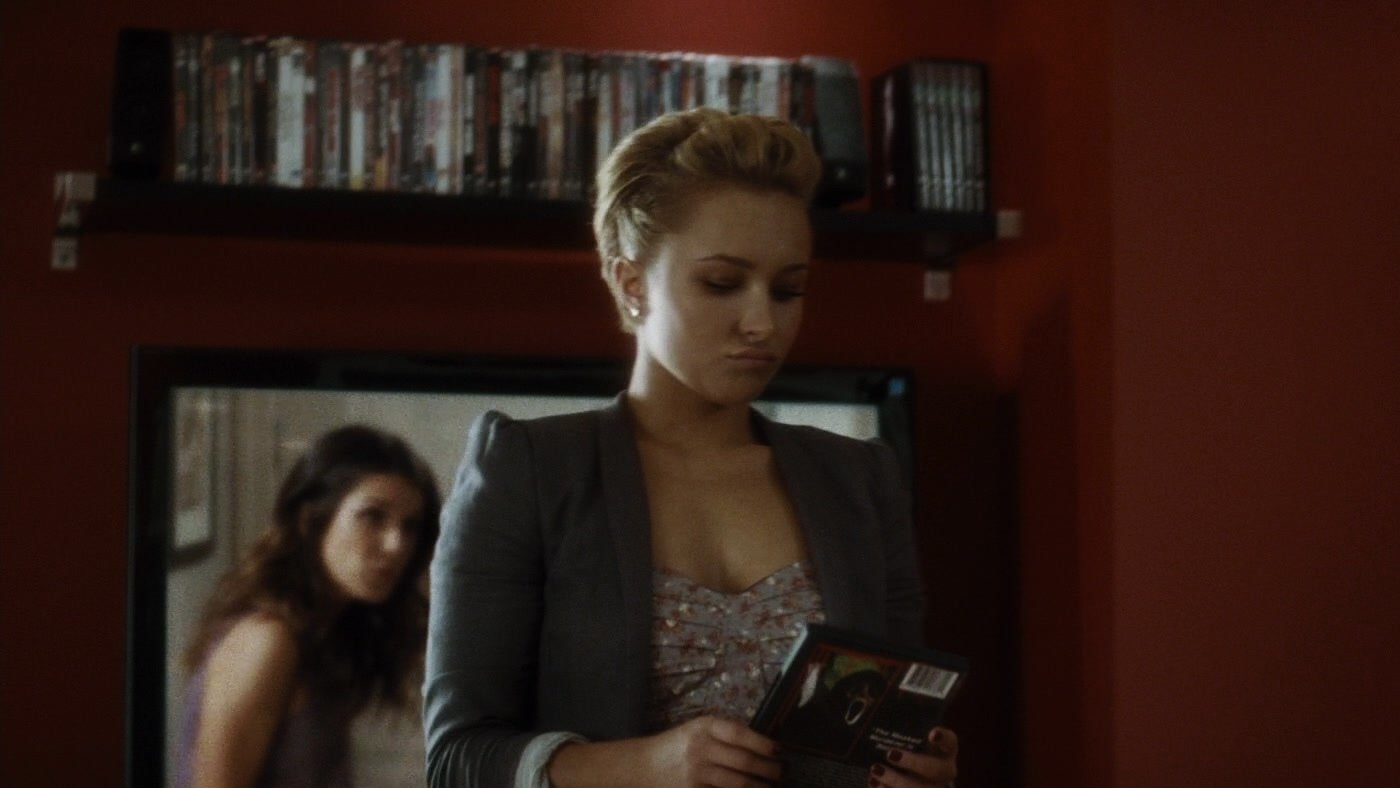
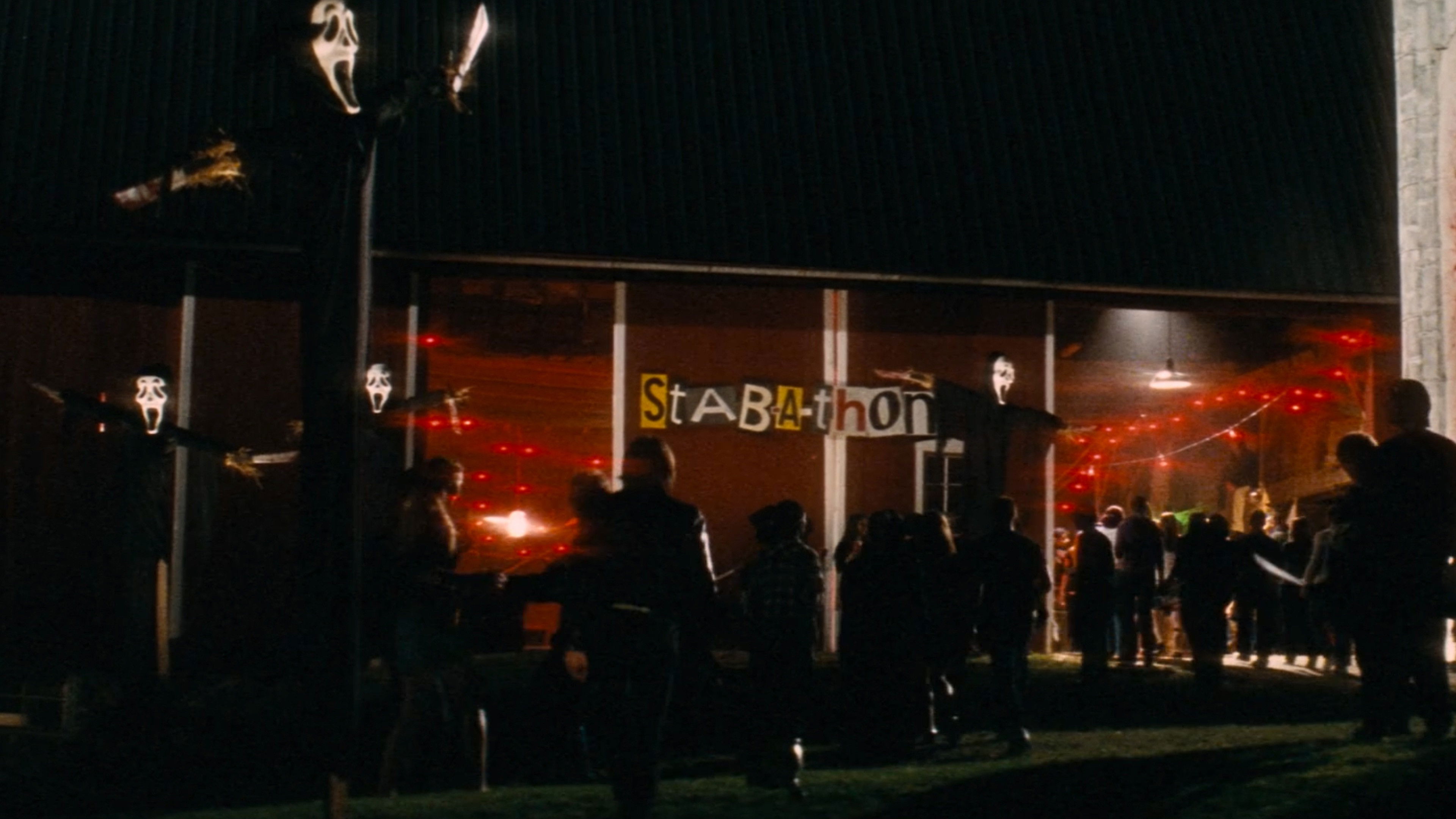
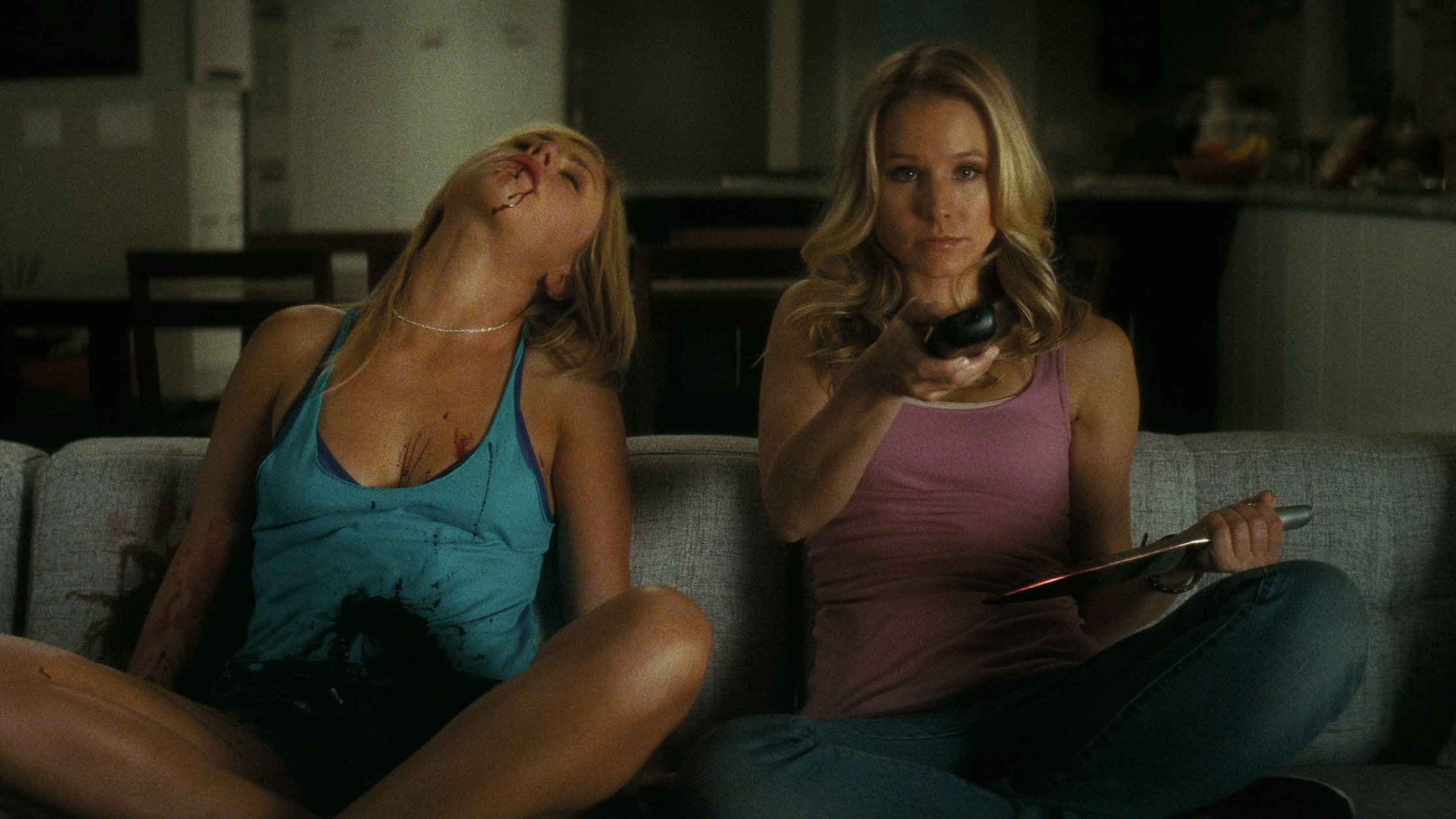
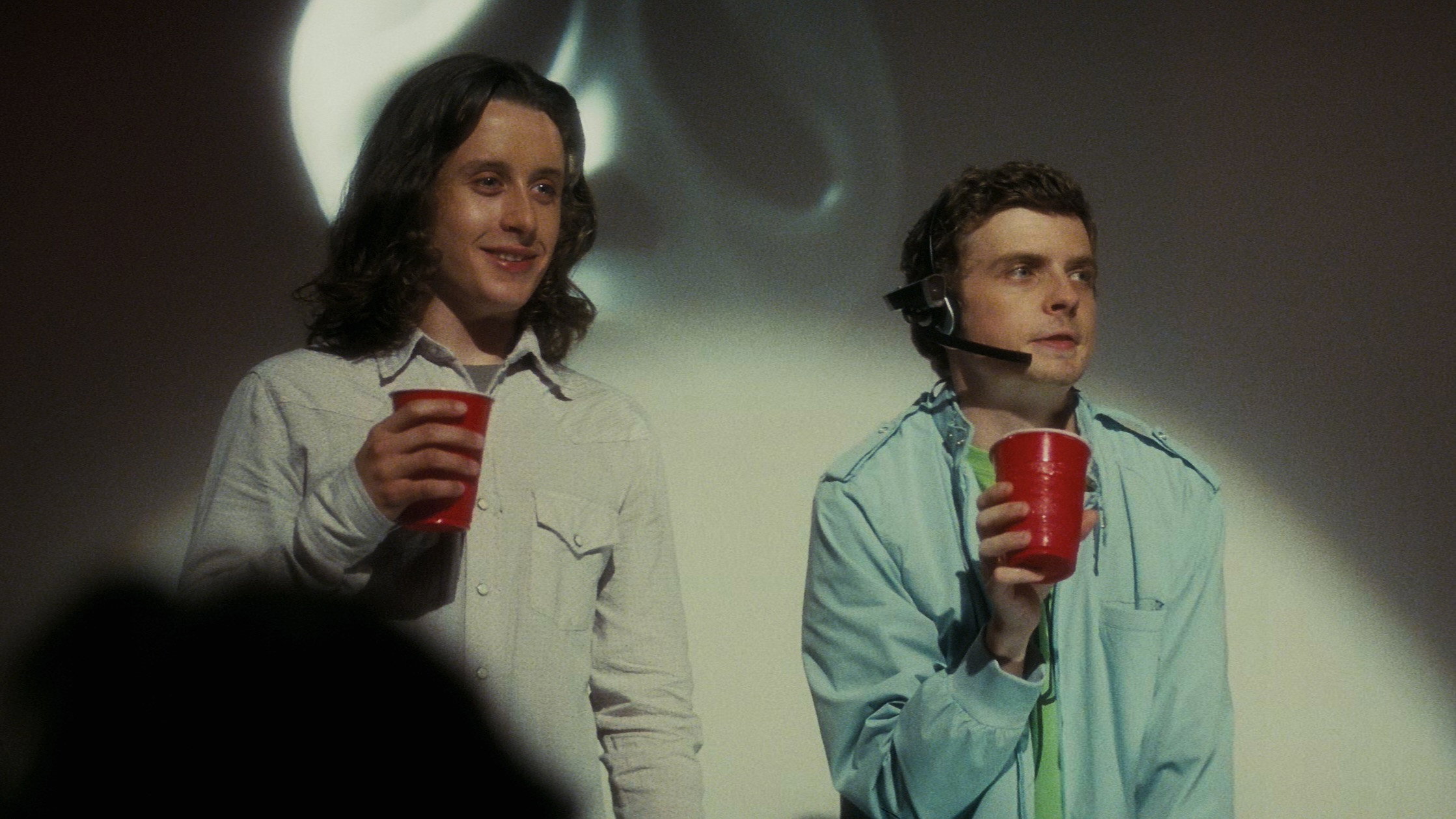
The sequence of apparent beginnings uses the fictional Stab franchise to undermine the expectation that the first victim establishes the film's rules. Scenes initially presented as genuine attacks turn out to belong to movies watched by characters in another scene. The trick draws on spectators' experience with the series, which had already made film spectatorship a source of danger in Scream 2. By multiplying the false starts, the fourth installment turns repetition into an explicit problem: each new opening seems to know what previous installments have taught viewers to expect. The final transition into Woodsboro reestablishes the threat outside those nested fictional screens.

Craven described a substantially different early opening in an October 2011 interview with Assignment X. Williamson's initial pages, as the director remembered them, involved a dinner party celebrating Sidney's book, a violent encounter and a subsequent jump forward by three years. Craven said the team preferred an opening centered on younger characters and wanted to avoid the loss of momentum created by a large temporal leap. This is evidence of a discarded writing approach, not of a complete alternative version that was photographed and then removed. The final film's opening provides a more immediate demonstration of how the revival would comment on horror audiences.

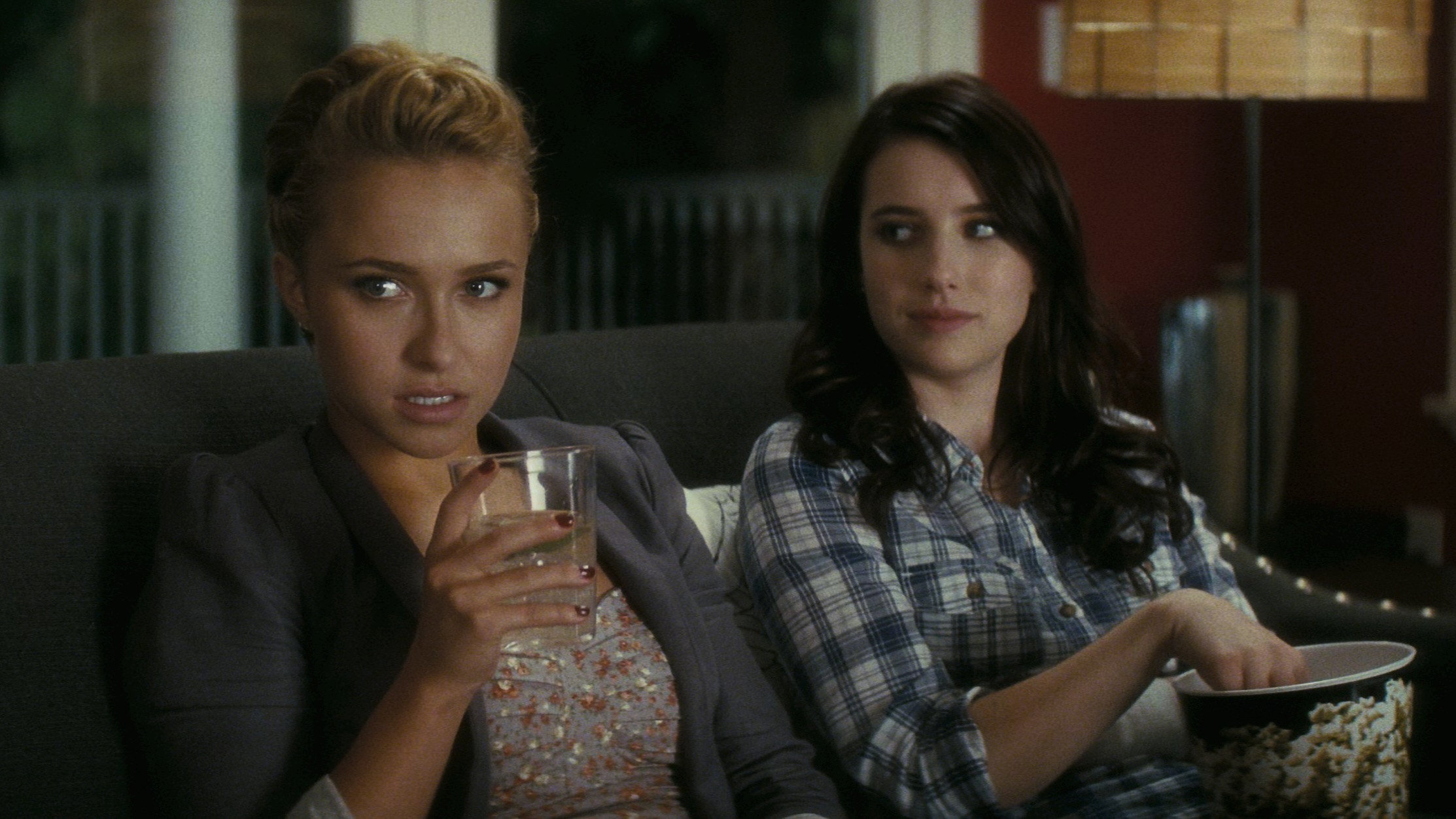
The sequel's discussions of remakes, new rules and interchangeable character types connect its construction to the American horror marketplace of the 2000s. The young film enthusiasts identify patterns in modern genre production, yet their ability to name conventions offers little protection when a masked attacker enters the scene. The script also builds comic distance between characters who treat slashers as cultural knowledge and an audience watching their familiar assumptions fail. Its satire is specifically concerned with the reuse of identities and plots. That focus helps explain why the film returns to the setting of the original while repeatedly suggesting that a new cast might displace the survivors.

Phones, Recorded Violence and the Pursuit of Fame

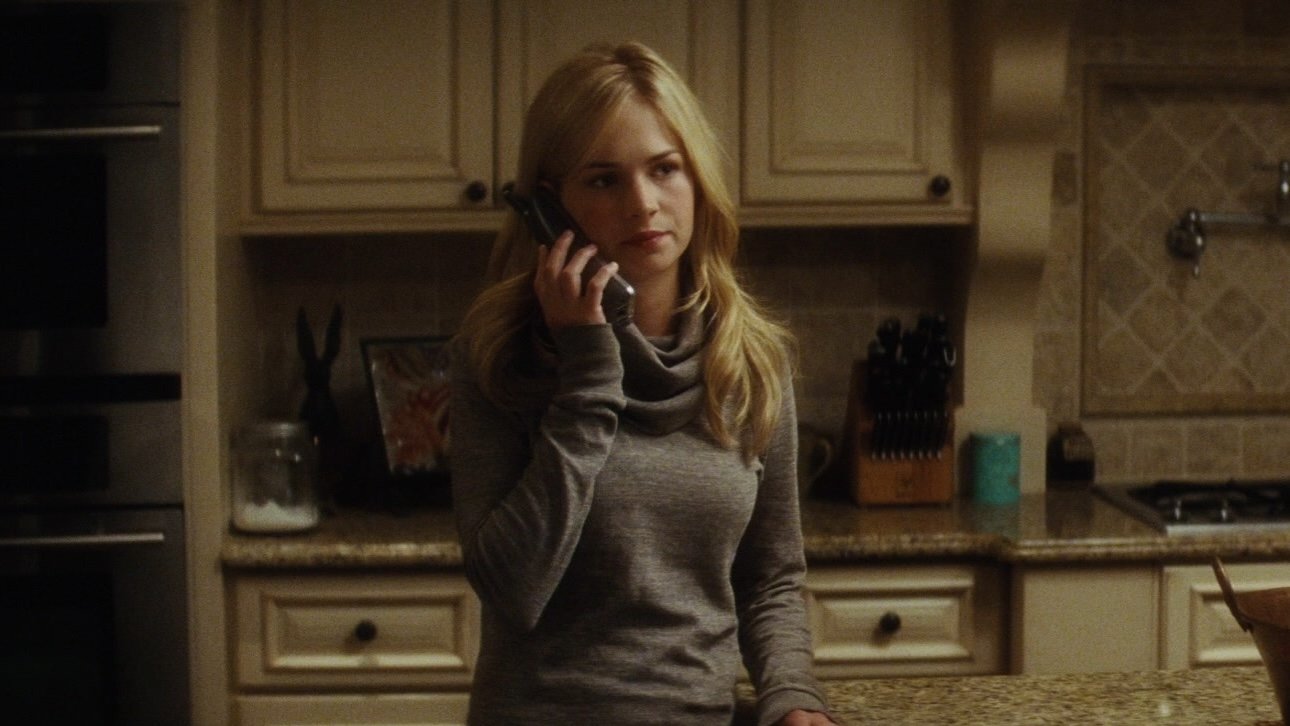
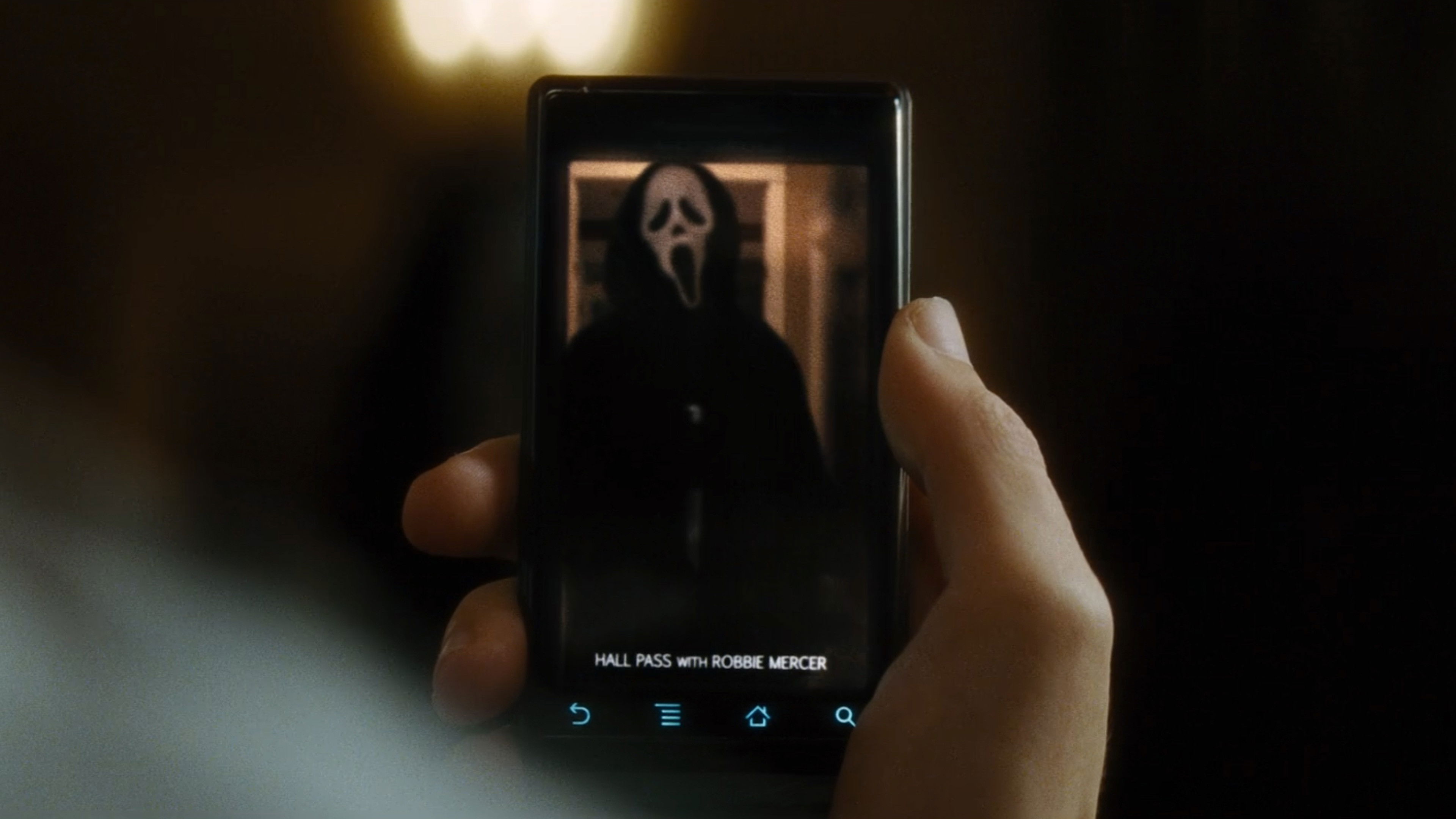
Mobile communication creates a technical challenge for a slasher organized around isolation. In a Fangoria interview, Craven explained that the writers had to account for characters who could immediately call for help or transmit images, a different situation from earlier horror stories built around an inaccessible telephone. The film uses phones and networked images as sources of exposure as well as opportunities for communication. Robbie's camera becomes an extension of his public identity, while Ghostface's calls preserve a familiar method of intimidation. The threat therefore operates in a world where danger might be recorded without necessarily being prevented.

This concern with visibility becomes central to the murderer's ultimate plan. The film links survival narratives, publicity and the possibility of engineering celebrity through apparent victimhood. That idea gives the killer's performance a specific cultural setting without establishing that social networks cause violent crime. Craven recalled being struck by an early Williamson speech about public recognition, and by the physical lengths the character would go to sustain the deception. The story turns the established Scream formula back toward Sidney's hard-earned identity as a survivor. Her experience cannot simply be transferred to a younger person through a staged ordeal, however closely the new events imitate the original murders.

Directing the Mystery and Controlling Space

Scream 4 retains the series' reliance on a murder mystery in which the position of every suspect has consequences. In his Assignment X interview, Craven said the production kept charts and lists to track where potential killers could realistically be during an attack. Even the physical damage sustained by Ghostface had to remain compatible with the person eventually revealed beneath the costume. This kind of continuity management is a specific form of slasher craft: the costume conceals identity, but the screenplay still needs an internally consistent account of the movements occurring offscreen. Suspense depends on the audience's incomplete view of those movements.

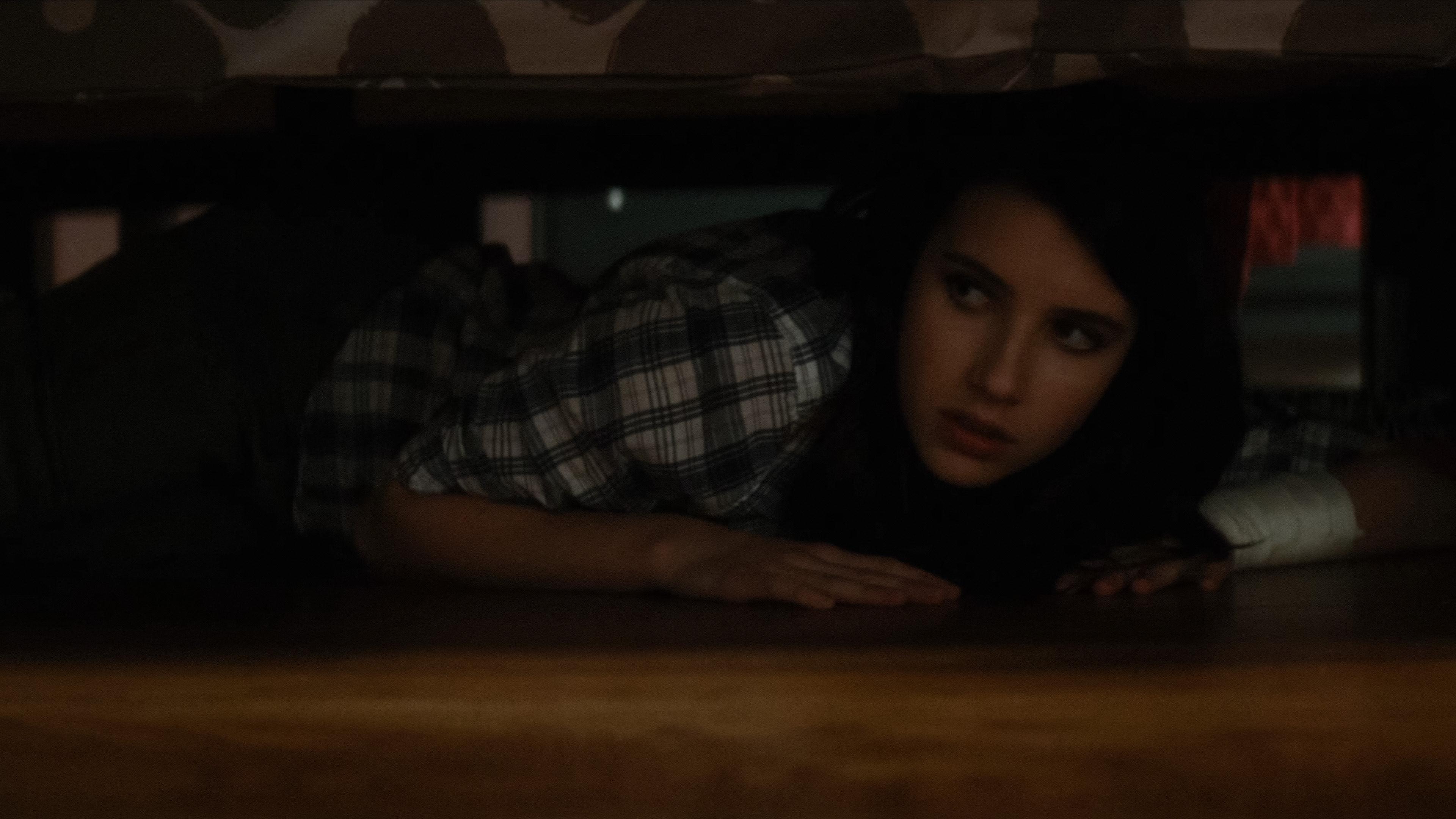
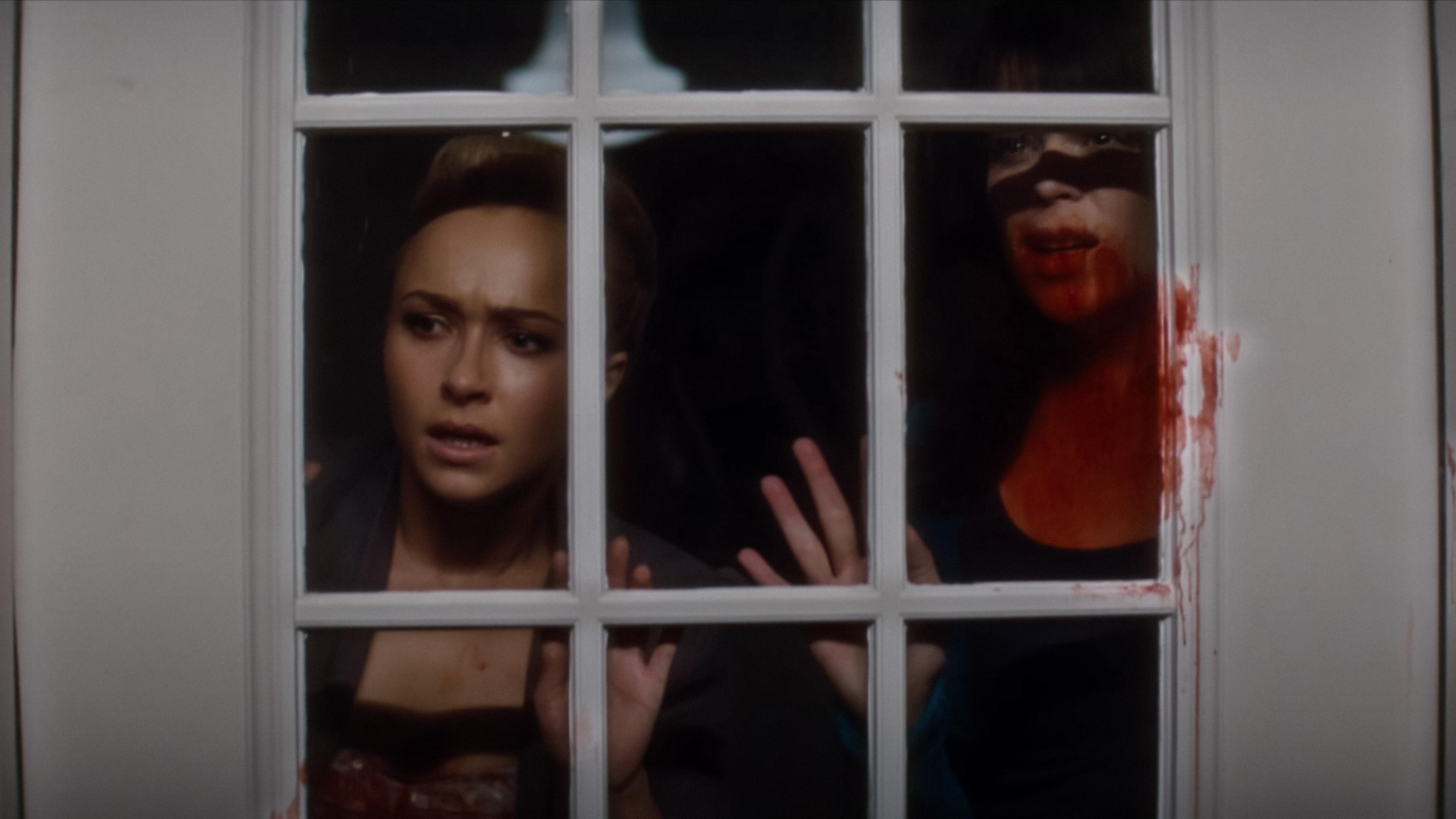
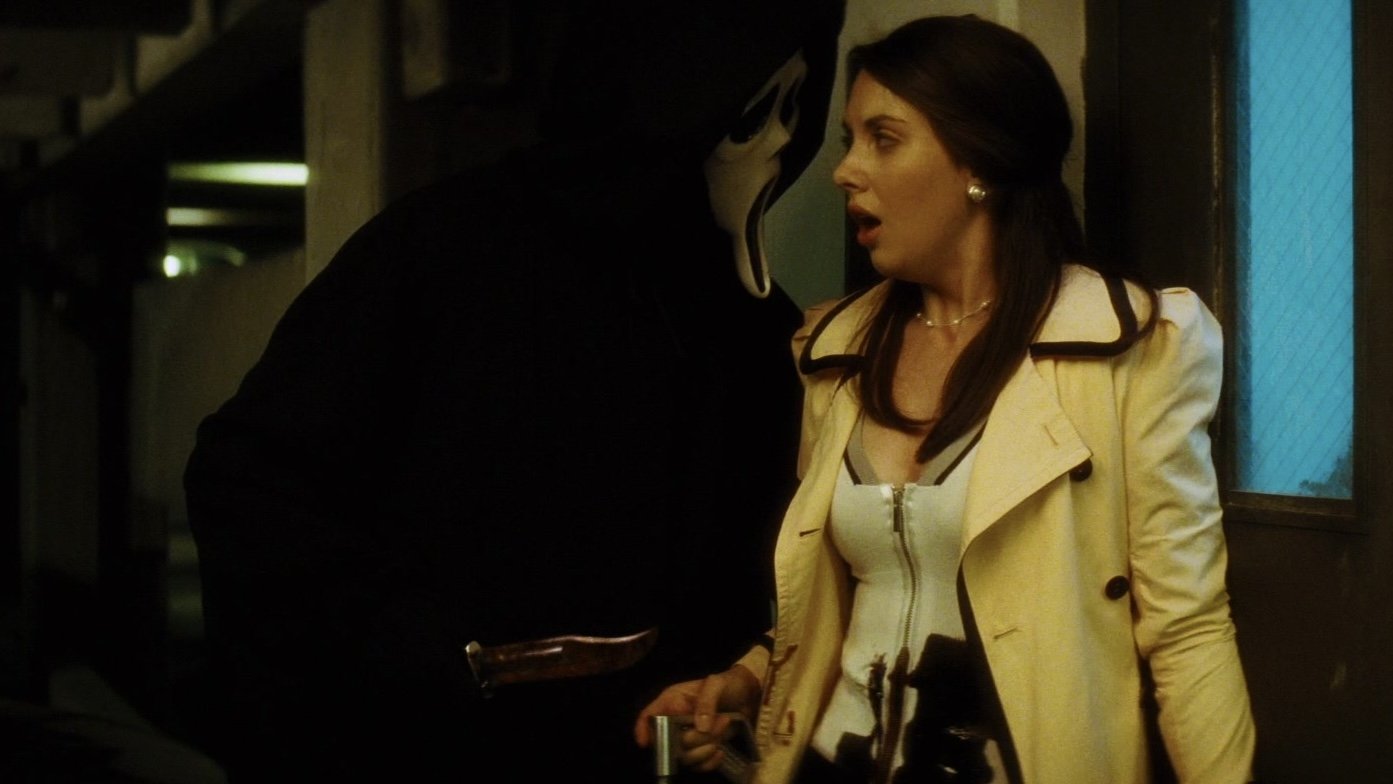
The film relocates the danger through recognizable domestic and civic environments, including a teenager's home and spaces connected with Woodsboro's police. A victim's route through a house is usually visible before the pursuit closes it down, giving the audience time to evaluate doors, windows and nearby rooms. The sequence involving Olivia Morris is especially direct in its use of a neighboring house: watchers can recognize violence across a small physical separation without immediately reaching the threatened person. The action relies on geography and delayed intervention. Its effect would be weaker if the space were reduced to an unconnected succession of close-ups and sudden noises.

Editing and Additional Photography

The theatrical version was shaped through postproduction decisions that are documented in Craven's later interviews. Speaking to Assignment X about the home-video release, he described a deleted scene showing police at the opening murder location. Craven and his collaborators favored retaining the passage, but executive producer Bob Weinstein did not consider it necessary. The director acknowledged Weinstein's final-cut authority and described the dispute as part of their working relationship. This record supports a precise claim about editorial control; it does not justify assuming that every deleted scene was removed for the same reason or that a complete director's cut was publicly released.

Craven also explained that the original script and photographed material contained scenes whose repetition slowed the completed film. In early 2011 the production returned to Michigan for additional photography after test screenings. He characterized the new work as expanding two existing dramatic moments and said the ending was not being rewritten. Those comments should be treated as the director's account of the changes, without turning every report of additional filming into evidence of a troubled alternate narrative. The finished cut reflects both the production's evolving judgment about pace and the need to maintain the mystery's timed disclosure of information.

Theatrical Reception and Franchise Position

Dimension released Scream 4 in United States theaters on April 15, 2011, restoring the franchise after the eleven-year break that followed Scream 3. The release introduced returning characters to viewers whose primary experience of contemporary horror also included supernatural found-footage features and numerous remakes. In the Los Angeles Times, Betsy Sharkey welcomed the sharpness of the sequel's satirical approach, emphasizing its new media references, grisly deaths and continued ability to mix suspense with comedy. Her favorable review belongs to the immediate reception of the film, and it identifies the qualities that made the revival recognizable to a contemporary audience.

Nick Schager offered a strikingly different judgment in Slant Magazine. His April 2011 review criticized the film's self-referential opening and argued that its commentary recycled the original's conceits without achieving comparable suspense. The disagreement shows that familiarity could be interpreted as either a source of renewed wit or a sign of creative exhaustion. Neither reaction should be reduced to a claim that critics as a group admired or rejected the sequel. Craven's production testimony demonstrates what the filmmakers attempted, while the two original reviews document opposing experiences of the completed theatrical work.

Scream 4 was conceived as the possible beginning of another run of films. Craven confirmed to Assignment X that Williamson had discussed further stories, although those plans were uncertain in late 2011. The next theatrical Scream did not arrive until 2022, after Craven's death in 2015. Consequently the fourth installment became the last Scream directed by the filmmaker who had established its visual and tonal approach. Within horror history it captures an intermediate moment: a late-1990s slasher cycle attempting to address remake culture and online visibility while still depending on the suspense of an ordinary person trapped with a disguised attacker.

References

  1. CinemaBlend Interview: Scream 4 Director Wes Craven On Keeping The Franchise Alive

    An extensive pre-release interview on the revival decision, Williamson's outline, the returning cast and the series' relationship with remakes.

  2. Fangoria Q&A: Wes Craven's SCREAM 4 Postmortem

    Michael Gingold's original October 2011 interview covers Kruger's script contributions, communication technology, violence and the R rating.

  3. Assignment X Exclusive Interview: Wes Craven talks about SCREAM 4 DVD and the future of the franchise

    Carl Cortez's original October 2011 interview documents alternate opening ideas, mystery continuity charts, editorial decisions and sequel plans.

  4. Los Angeles Times Movie review: 'Scream 4'

    Betsy Sharkey's original April 2011 review evaluates the slasher satire, violence, new media references and returning survivors.

  5. Slant Magazine Review: Scream 4

    Nick Schager's contemporary April 2011 critique questions the self-referential opening, remake commentary and dramatic suspense.

Connections

Cast

View Full Cast & Crew →

Release & Distribution

Production Companies (3)

  • Corvus Corax Productions US
  • Dimension Films US
  • Outerbanks Entertainment US

Distributors (1)

  • Dimension Films US

Release History (33)

Release DateTerritoryRelease TypeFormatDistributorCertificationNotes
2011-04-11 United States Premiere — — — Los Angeles, California
2011-04-13 Australia Theatrical — — MA 15+
2011-04-13 France Theatrical — — 12
2011-04-14 Czechia Digital — — 15+
2011-04-14 Denmark Theatrical — — 15
2011-04-14 Hungary Theatrical — — 18
2011-04-14 Netherlands Theatrical — — 16
2011-04-15 Brazil Theatrical — — 14
2011-04-15 Canada Theatrical — — 14A movie score rate: m
2011-04-15 Estonia Theatrical — — —
2011-04-15 Finland Theatrical — — K-15
2011-04-15 United Kingdom Theatrical — — 15
2011-04-15 Ireland Theatrical — — 16
2011-04-15 Italy Limited Theatrical — — —
2011-04-15 Lithuania Theatrical — — N-16
2011-04-15 Mexico Theatrical — — B-15
2011-04-15 Panama Theatrical — — —
2011-04-15 Poland Digital — — 18
2011-04-15 Romania Digital — — 18+
2011-04-15 Türkiye Theatrical — — —
2011-04-15 United States Theatrical — — R
2011-04-20 Spain Theatrical — — 16
2011-04-21 Portugal Theatrical — — M/16
2011-05-05 Germany Theatrical — — 16
2011-06-09 South Korea Theatrical — — 18
2011-10-04 United States Physical — — R
2011-10-05 France Digital — — —
2011-10-05 France Physical DVD, Blu-ray — 12 DVD / Blu-ray
2011-10-29 Japan Digital — — R18+
2017-11-04 France TV — — — RTL9
2024-06-07 Slovakia TV — — 18 JOJ
2025-11-24 France TV — — — RTL9
2026-06-09 France Physical 4K UHD — 12 4K Ultra HD
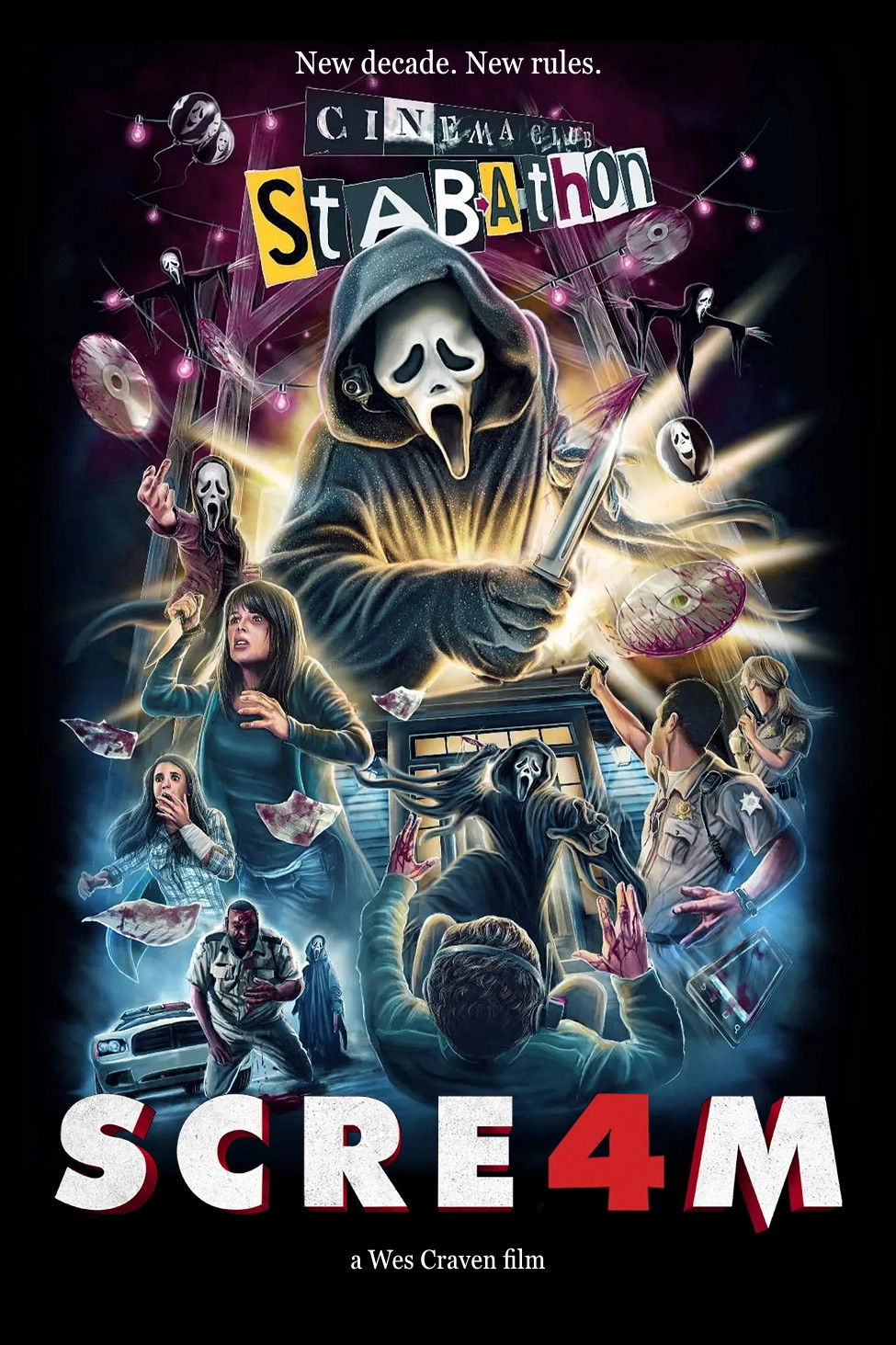
New decade. New rules.