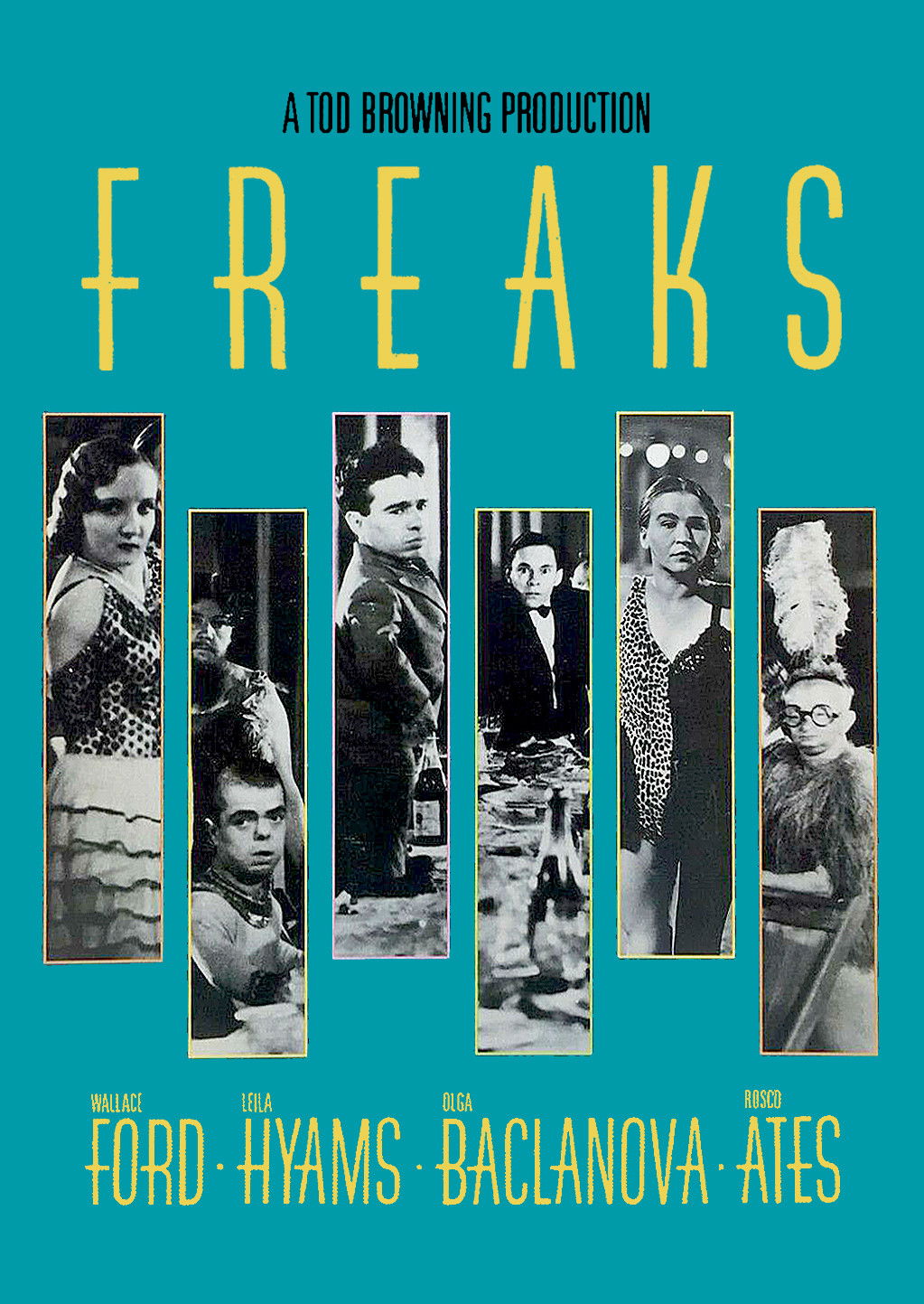
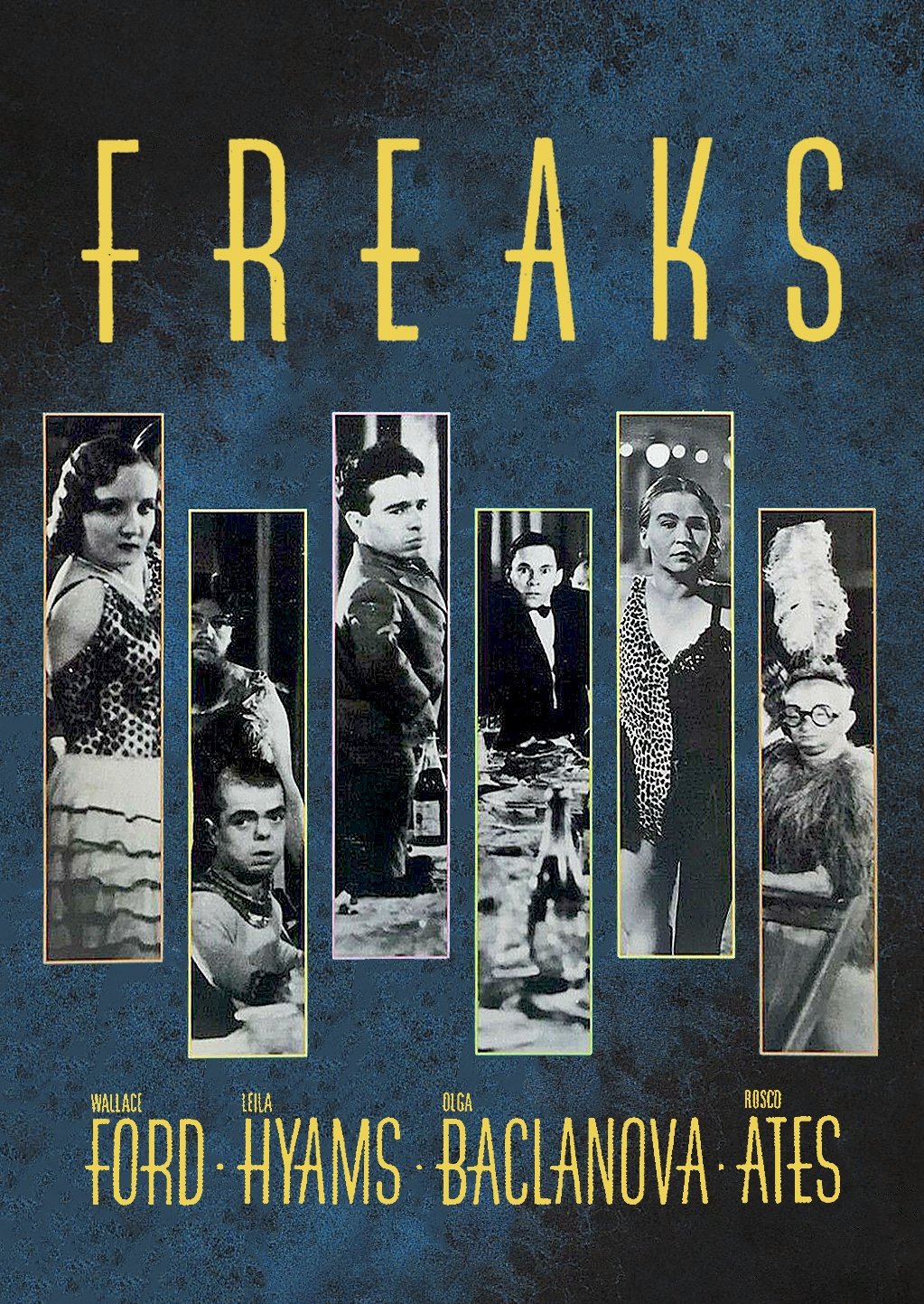
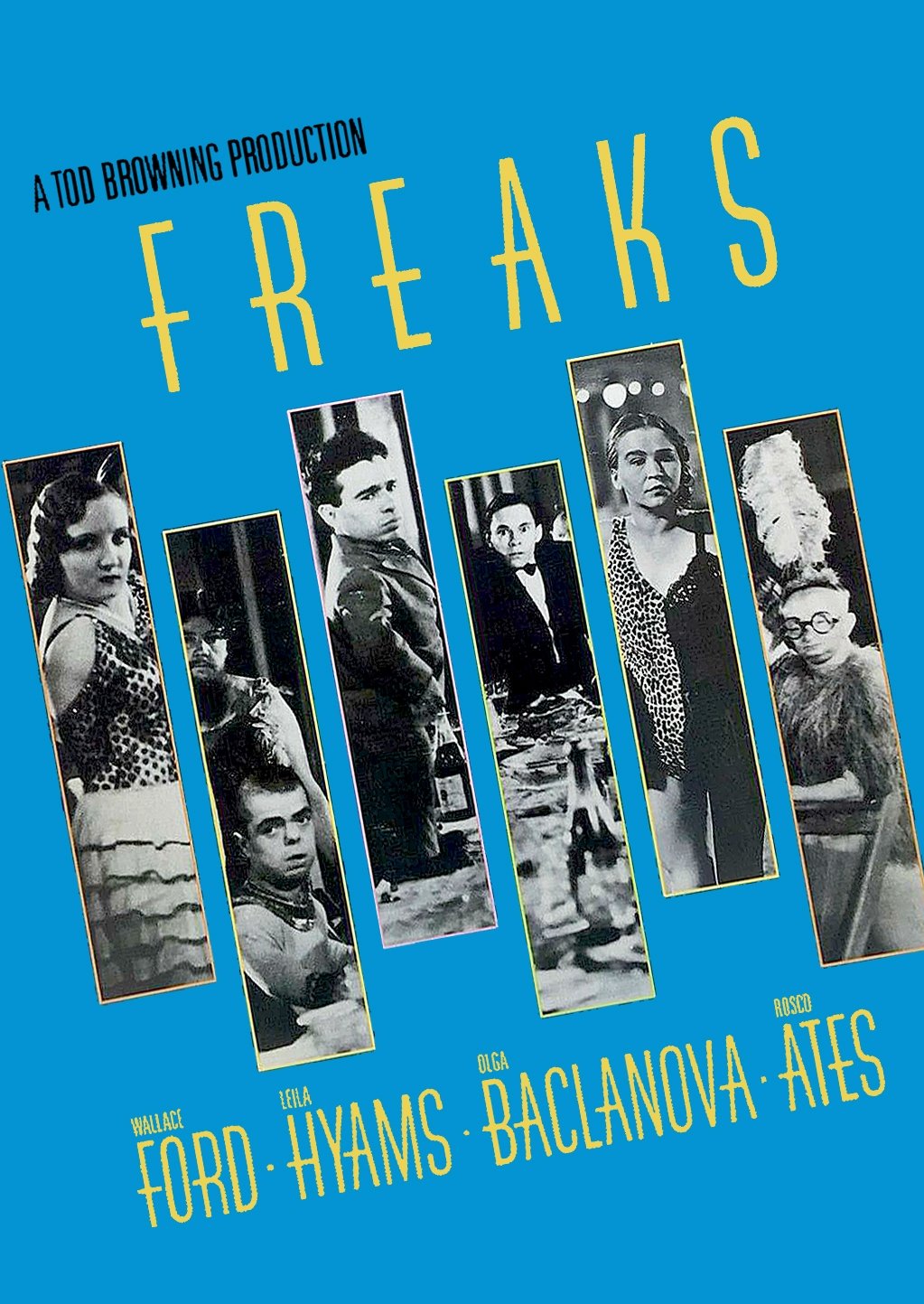
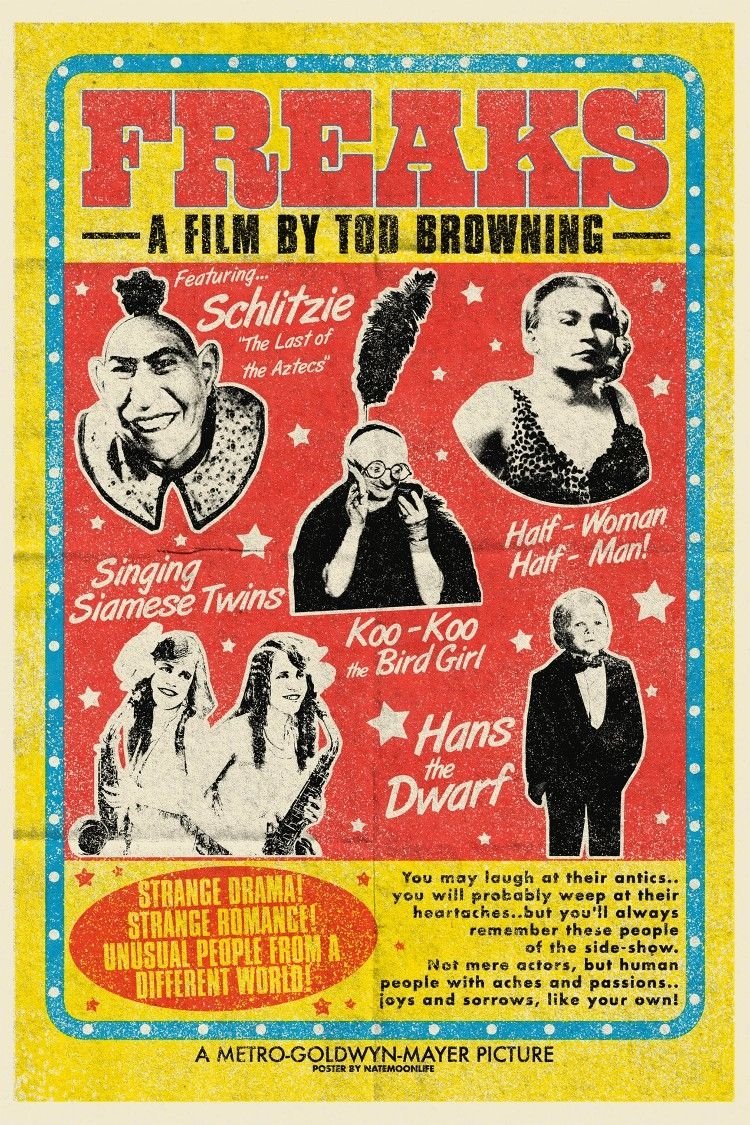
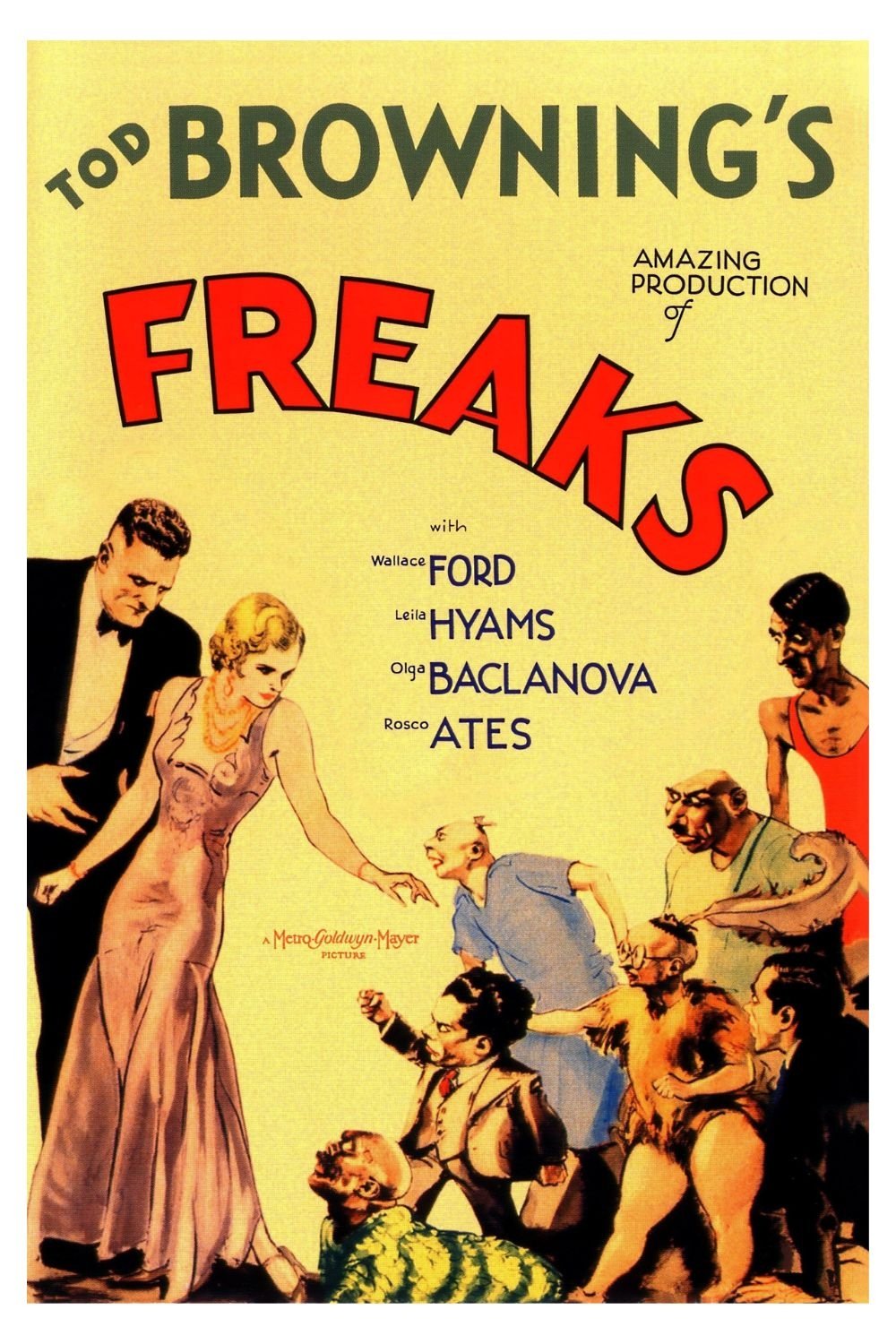
From Spurs to an MGM Horror Production
Browning's interest in carnival life long preceded Freaks. His films with Lon Chaney, particularly The Unknown (1927), repeatedly placed deception, bodily difference and dangerous desire within the world of public entertainment. Accounts of Browning's youth describe work on the fairground circuit, but film historian Farran Smith Nehme notes that many details of his autobiographical stories cannot be independently confirmed. The background is therefore useful for understanding the themes he returned to, without turning every anecdote about a teenage carnival career into established fact. The connection to his previous films is clearer: Browning had already filmed performers, impostors and people whose public identities concealed private motives.
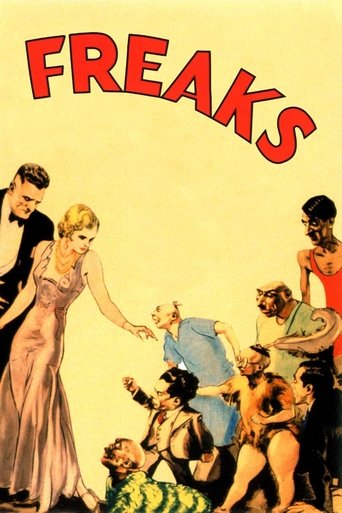
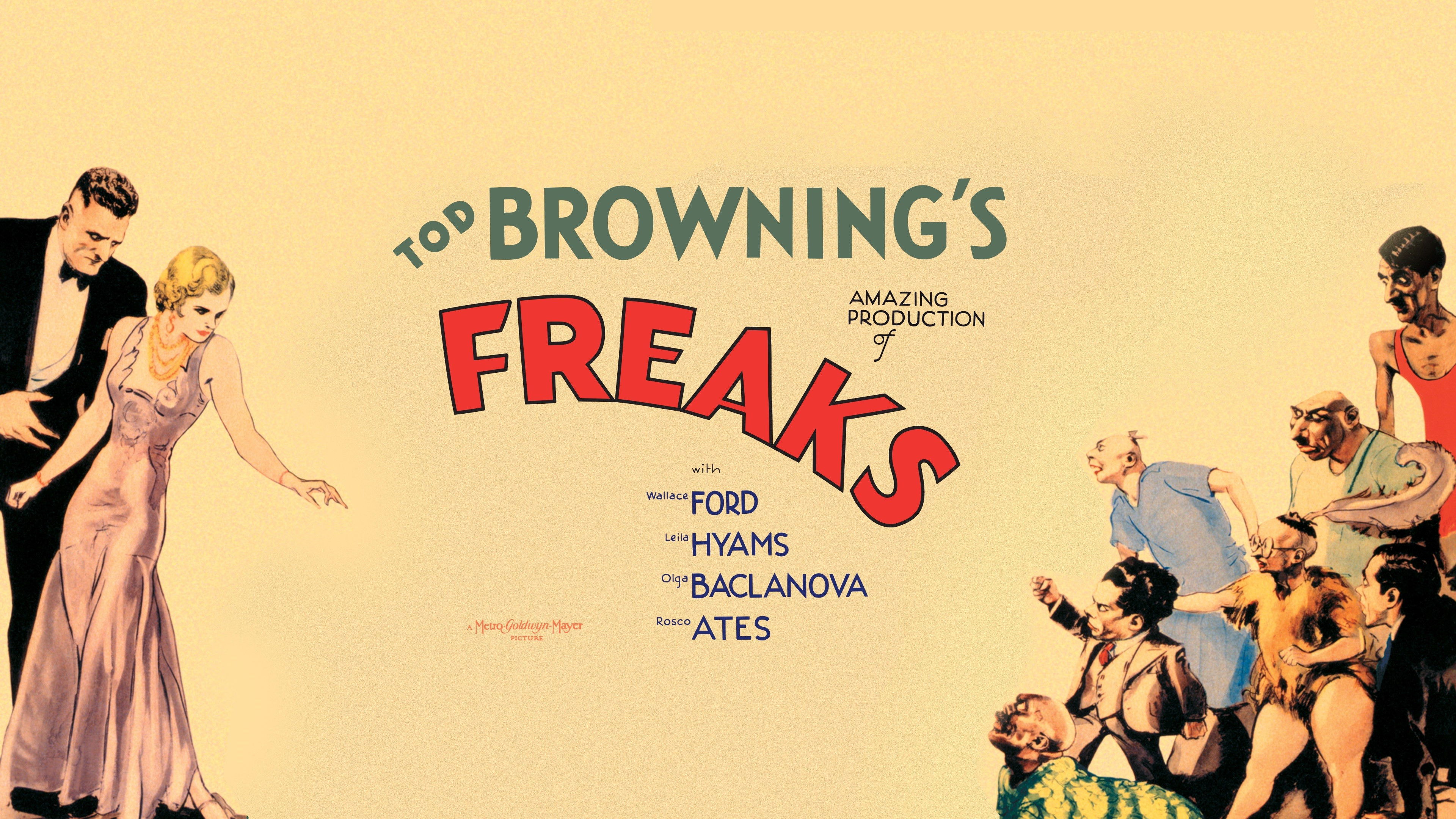
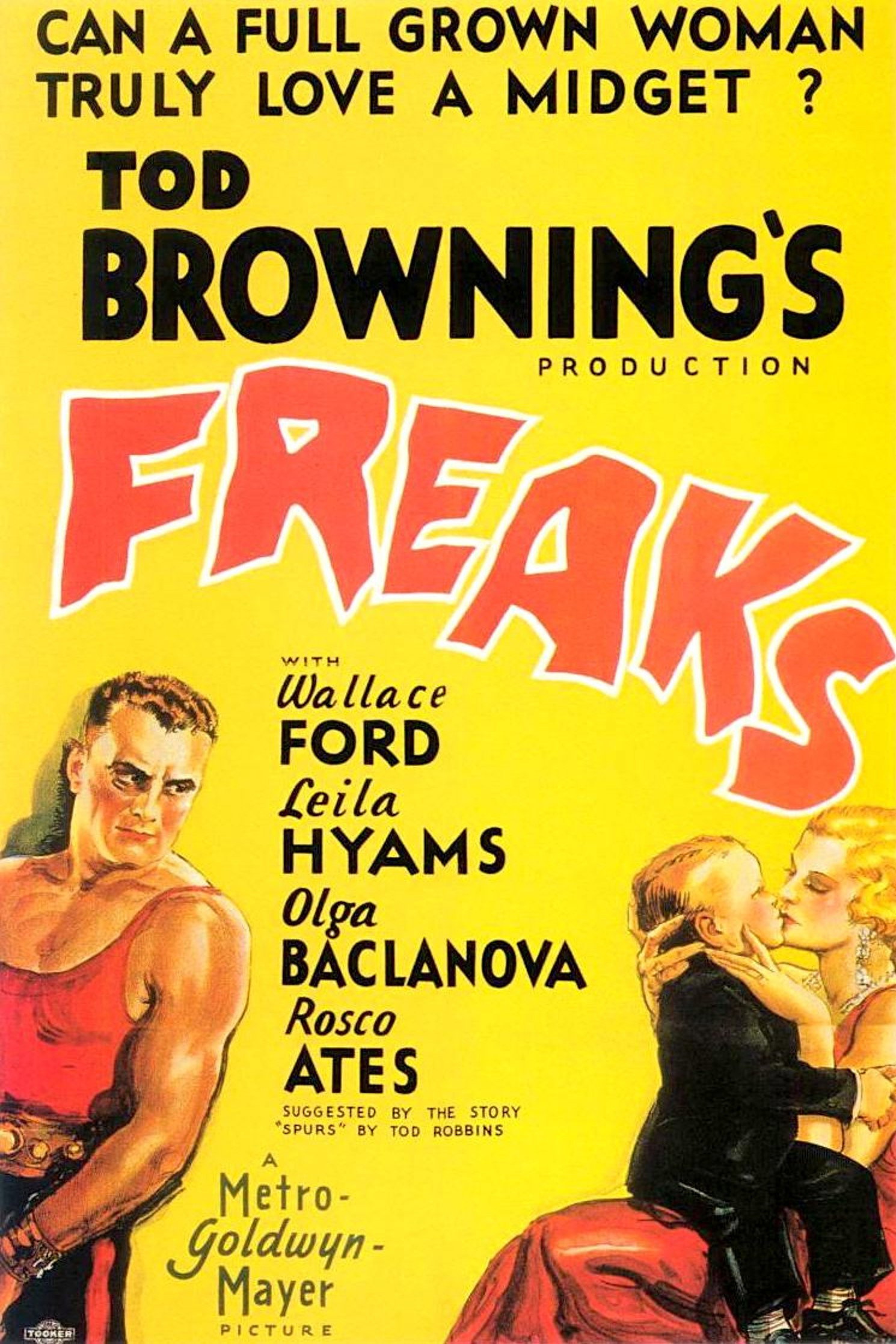
After Dracula became a success at Universal, MGM production chief Irving Thalberg brought Browning to the studio. Browning proposed adapting Tod Robbins's story Spurs, in which a circus performer marries a man of short stature for money and faces his revenge. Willis Goldbeck and Leon Gordon received screenplay credit for the completed picture, which retained the exploitation of a prospective husband while creating a wider community around him. The AFI Catalog records Spurs as the working title and notes that contemporary announcements associated Jean Harlow and later Myrna Loy with the part eventually played by Olga Baclanova. Those early casting notices document possibilities under consideration, not performances filmed and discarded.
Hans, Cleopatra and the Wedding Banquet
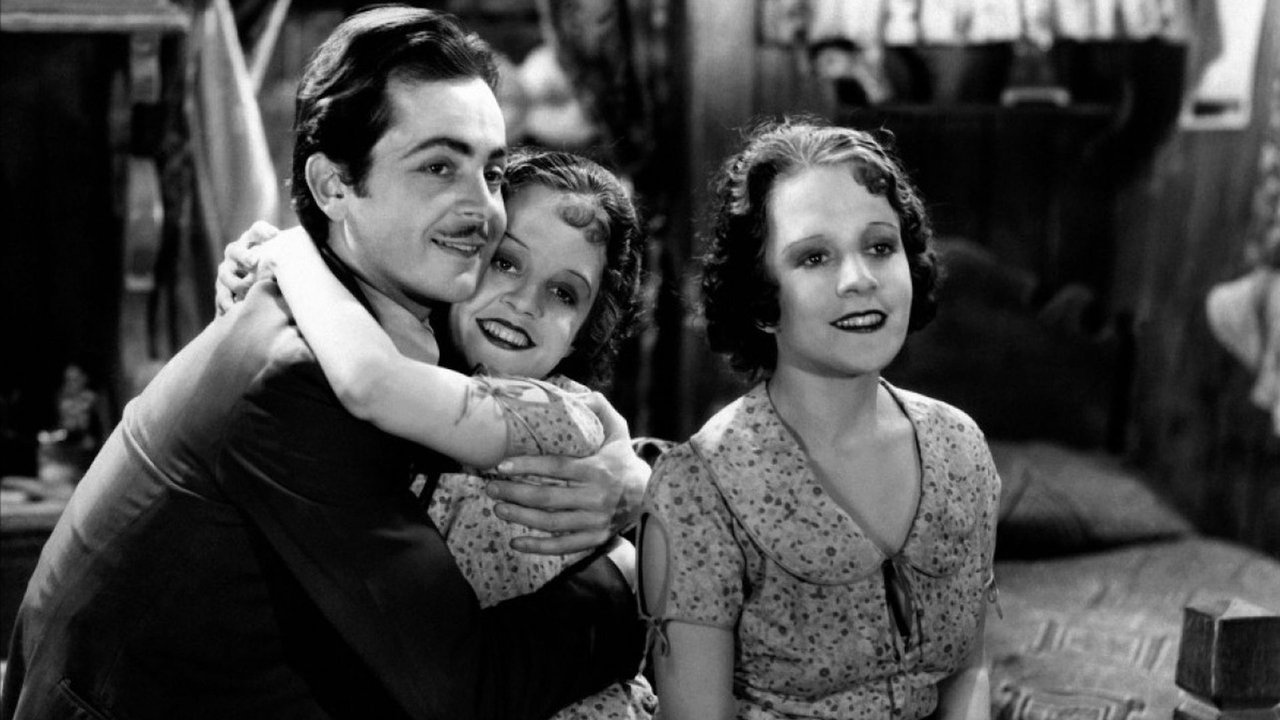
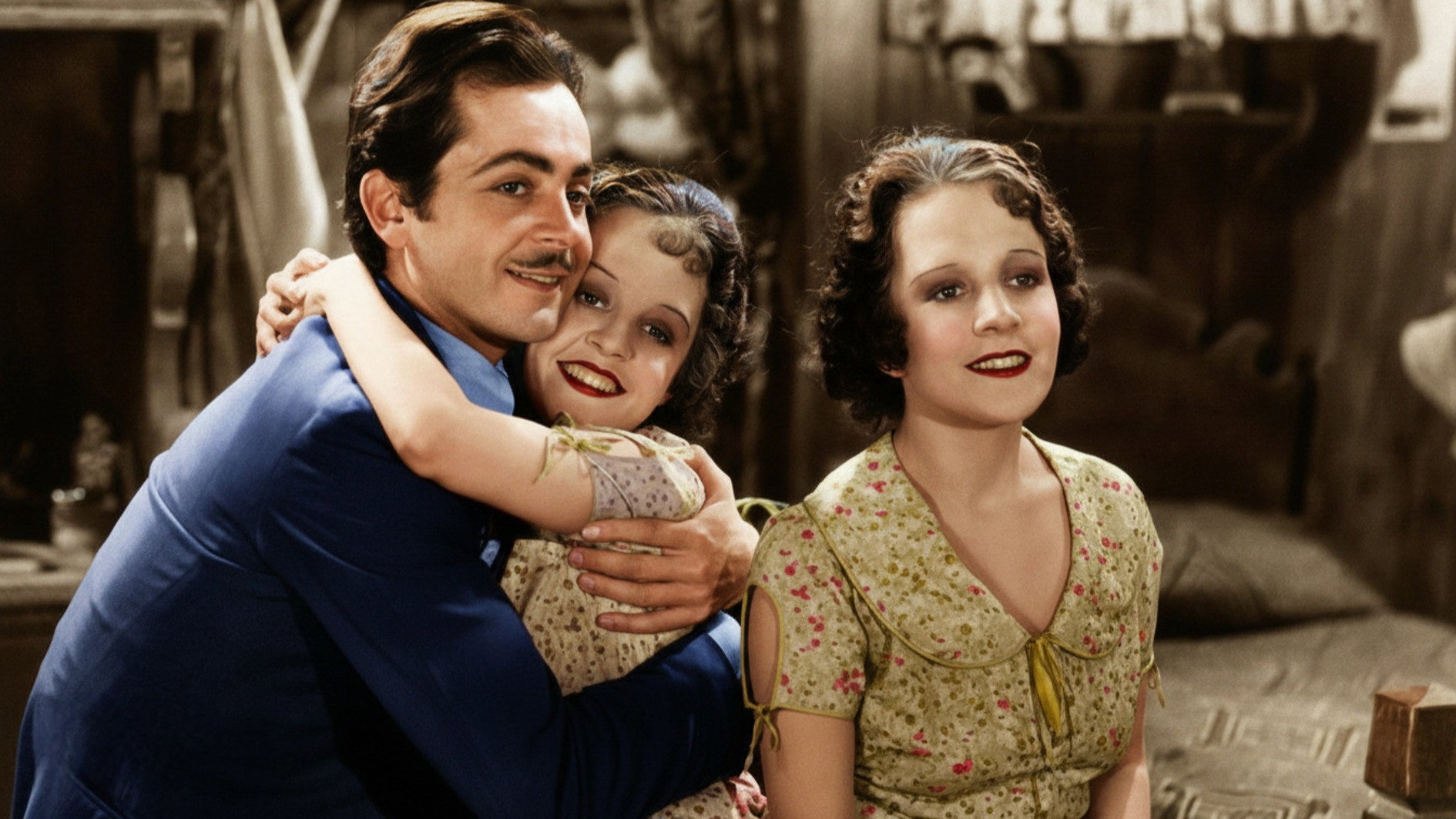
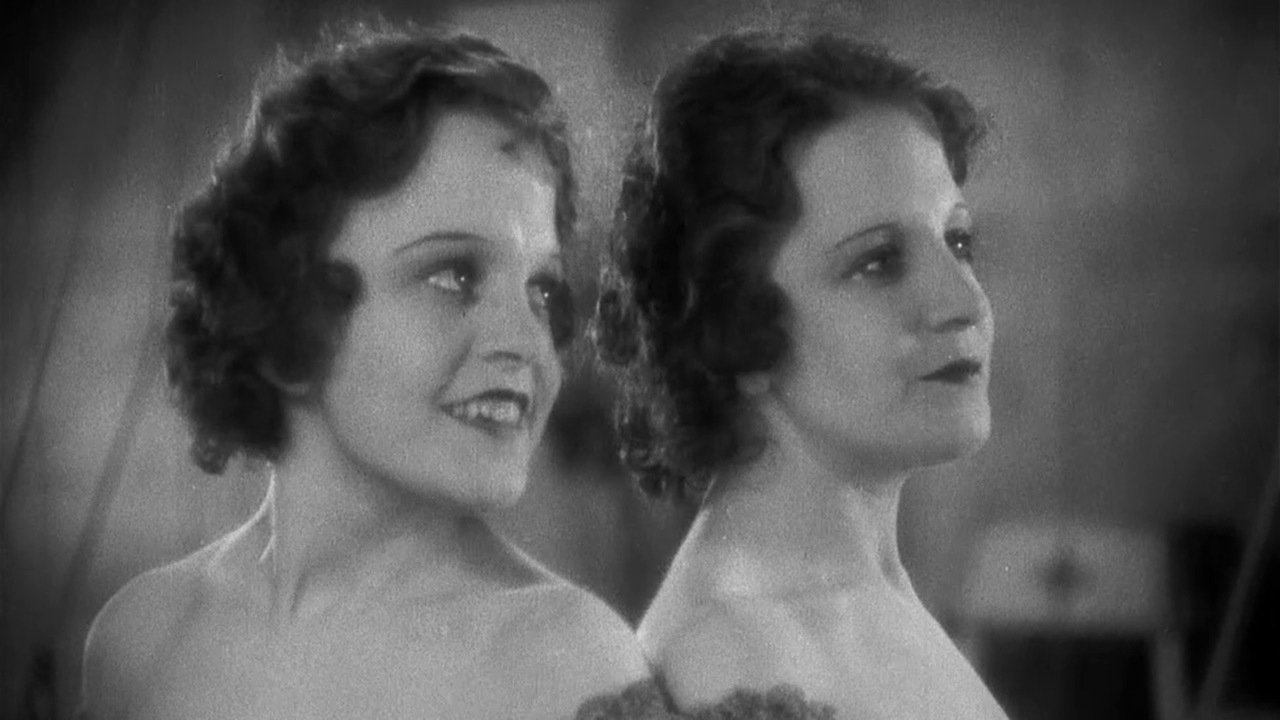
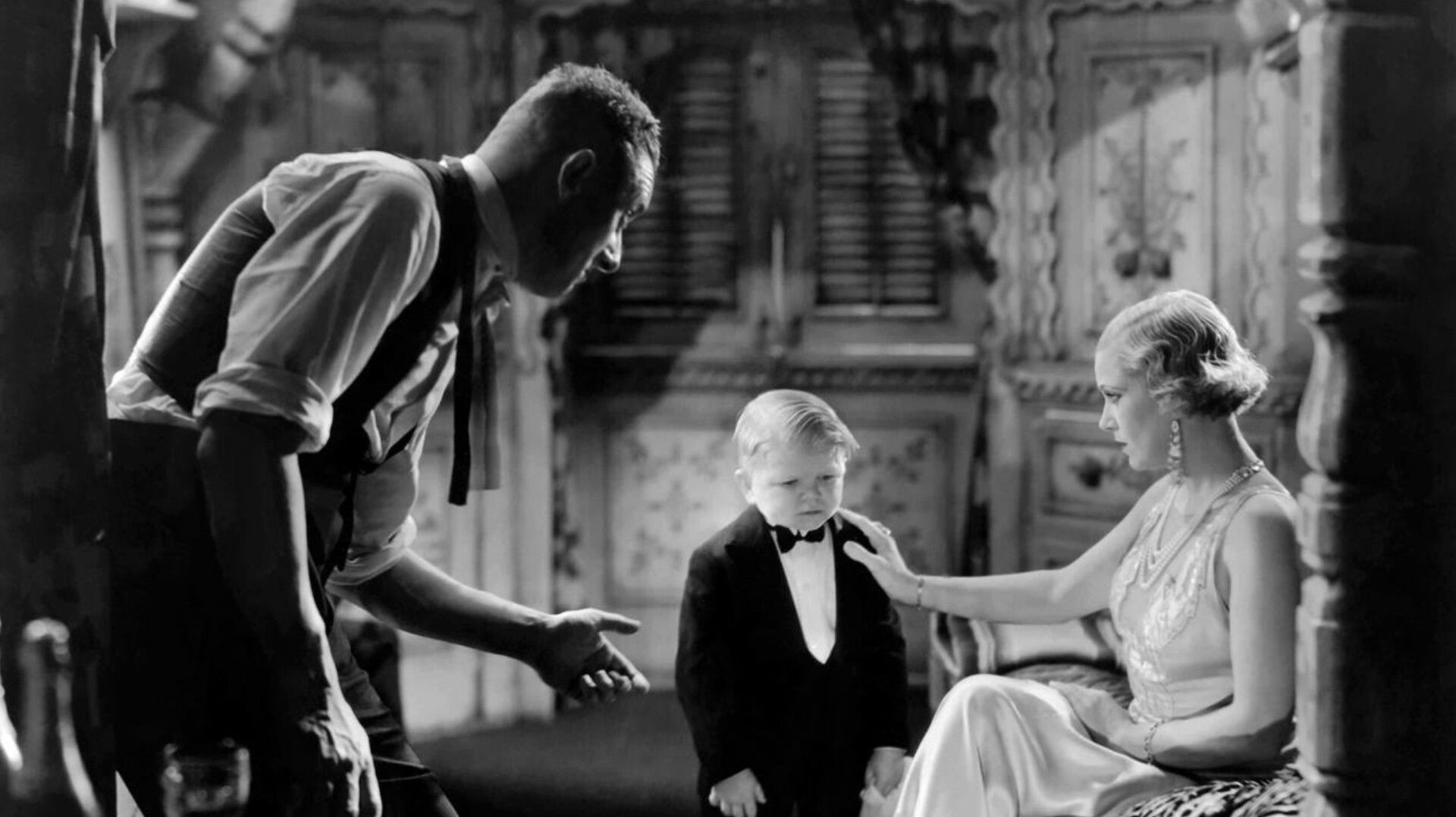
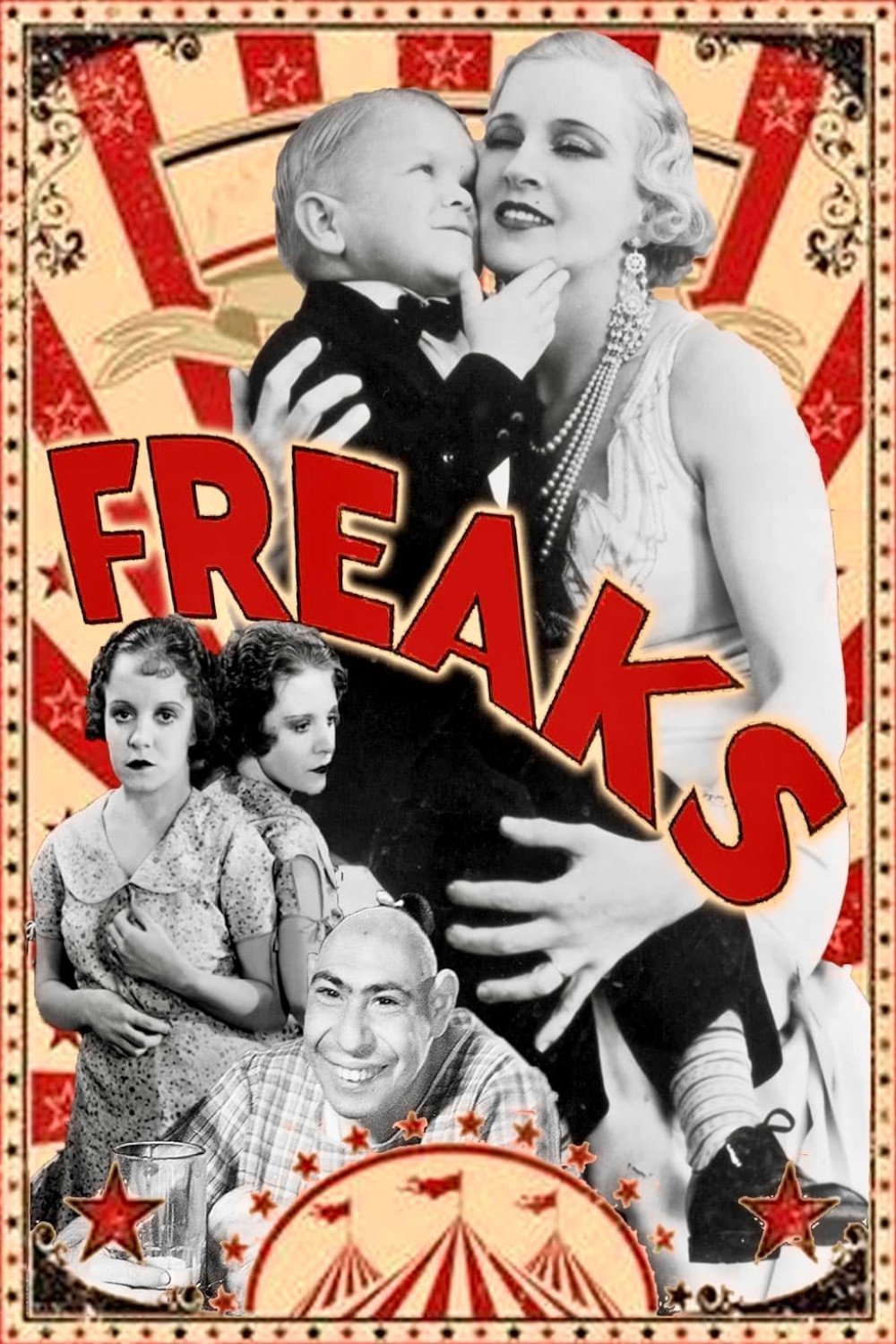
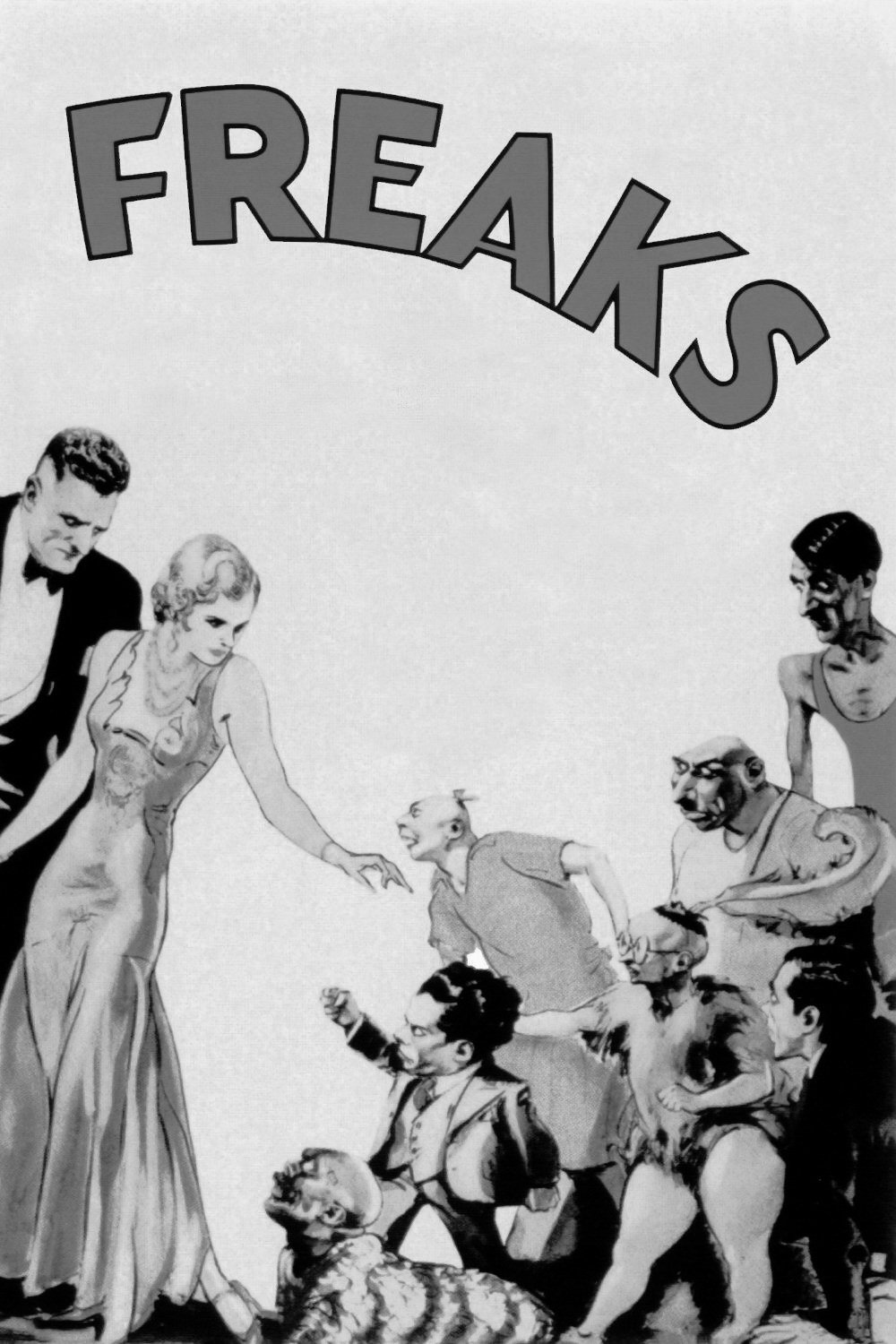
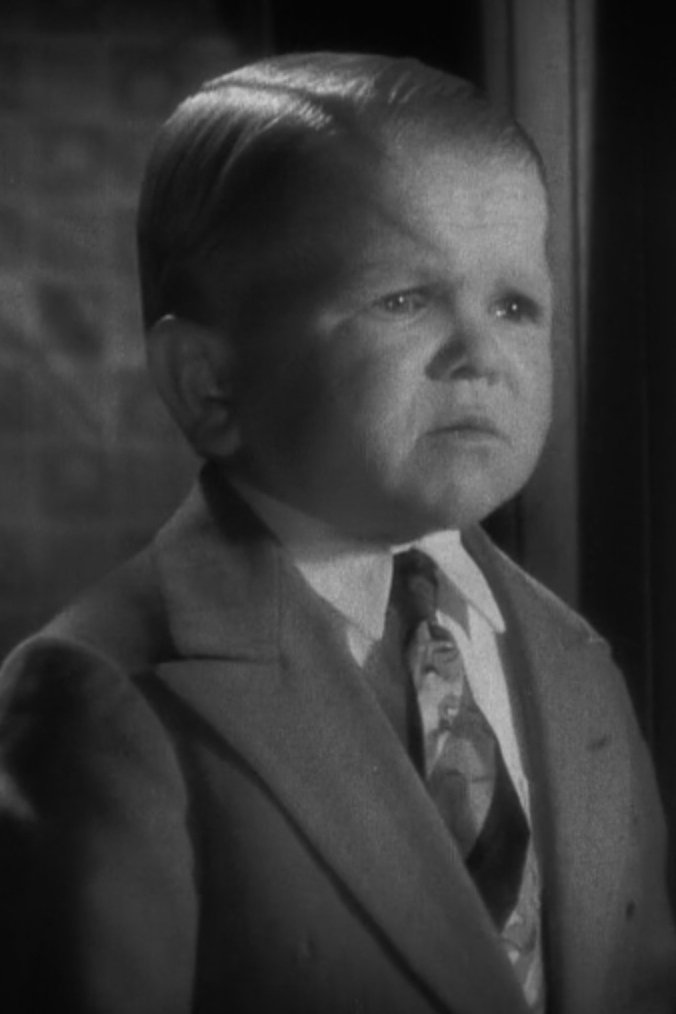
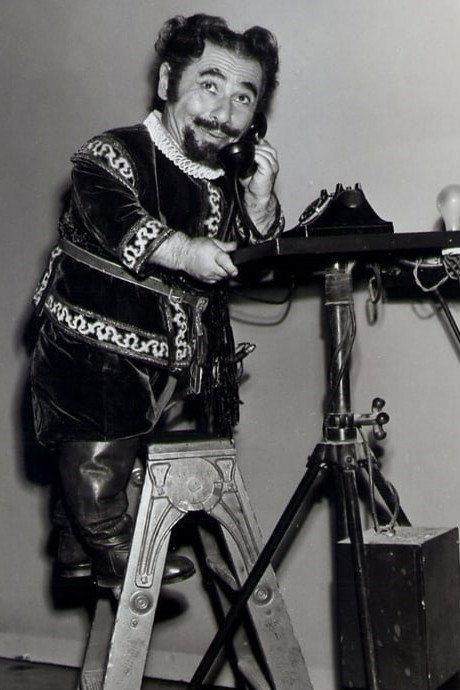
Hans's courtship of Cleopatra gives the film a clear pattern of unequal knowledge. He interprets her attention as affection, while she and strongman Hercules use his desire to obtain access to an inheritance. Frieda, who knows Hans well, recognizes the danger but cannot simply make him relinquish his hopes. The threat emerges through ordinary actions: flattery, gifts, private jokes and a marriage proposal. Because the deception concerns a person already dismissed by others, its cruelty does not depend on a masked killer or a haunted setting. The circus becomes dangerous through the willingness of socially powerful colleagues to exploit someone they openly consider beneath them.
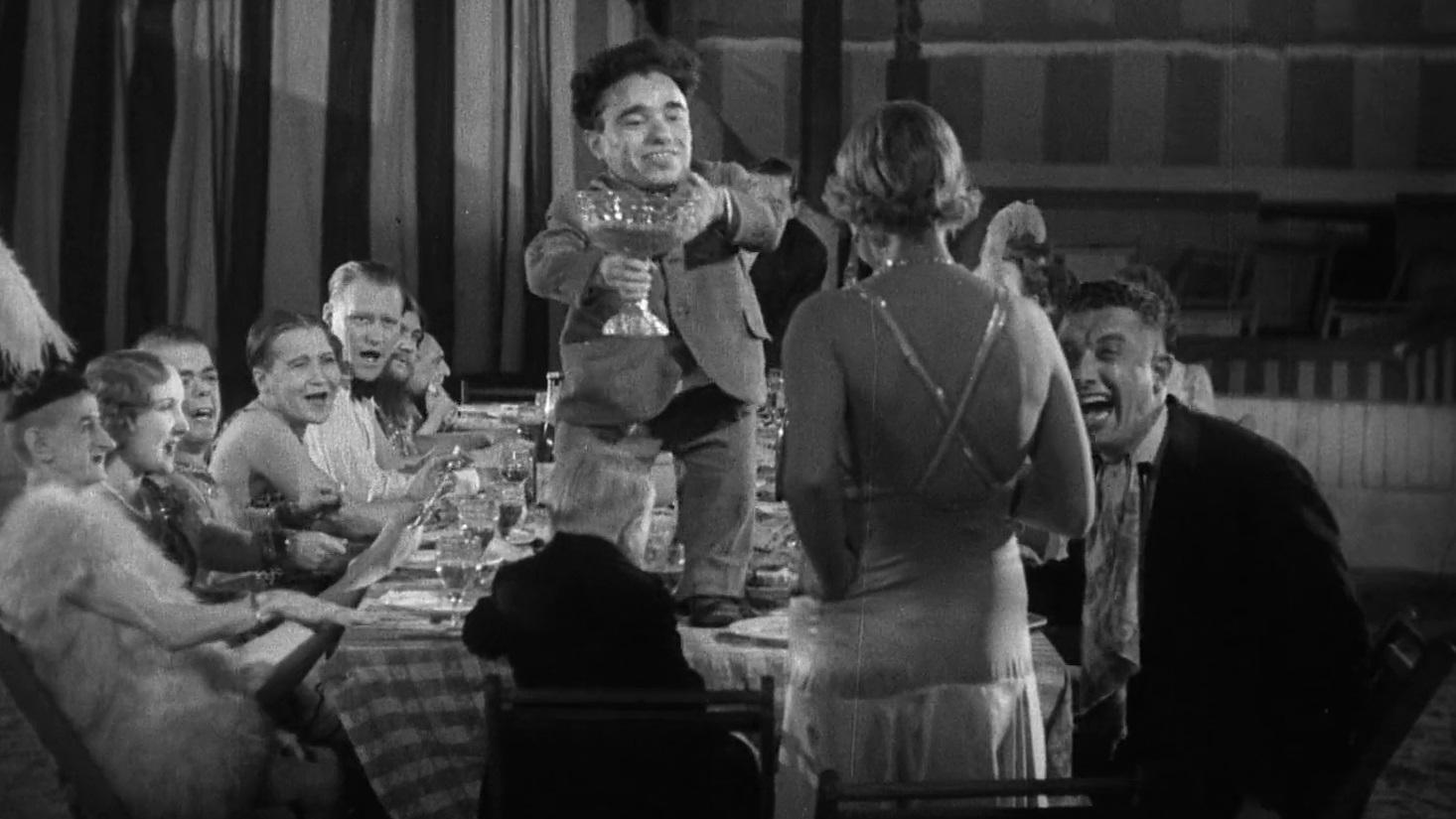
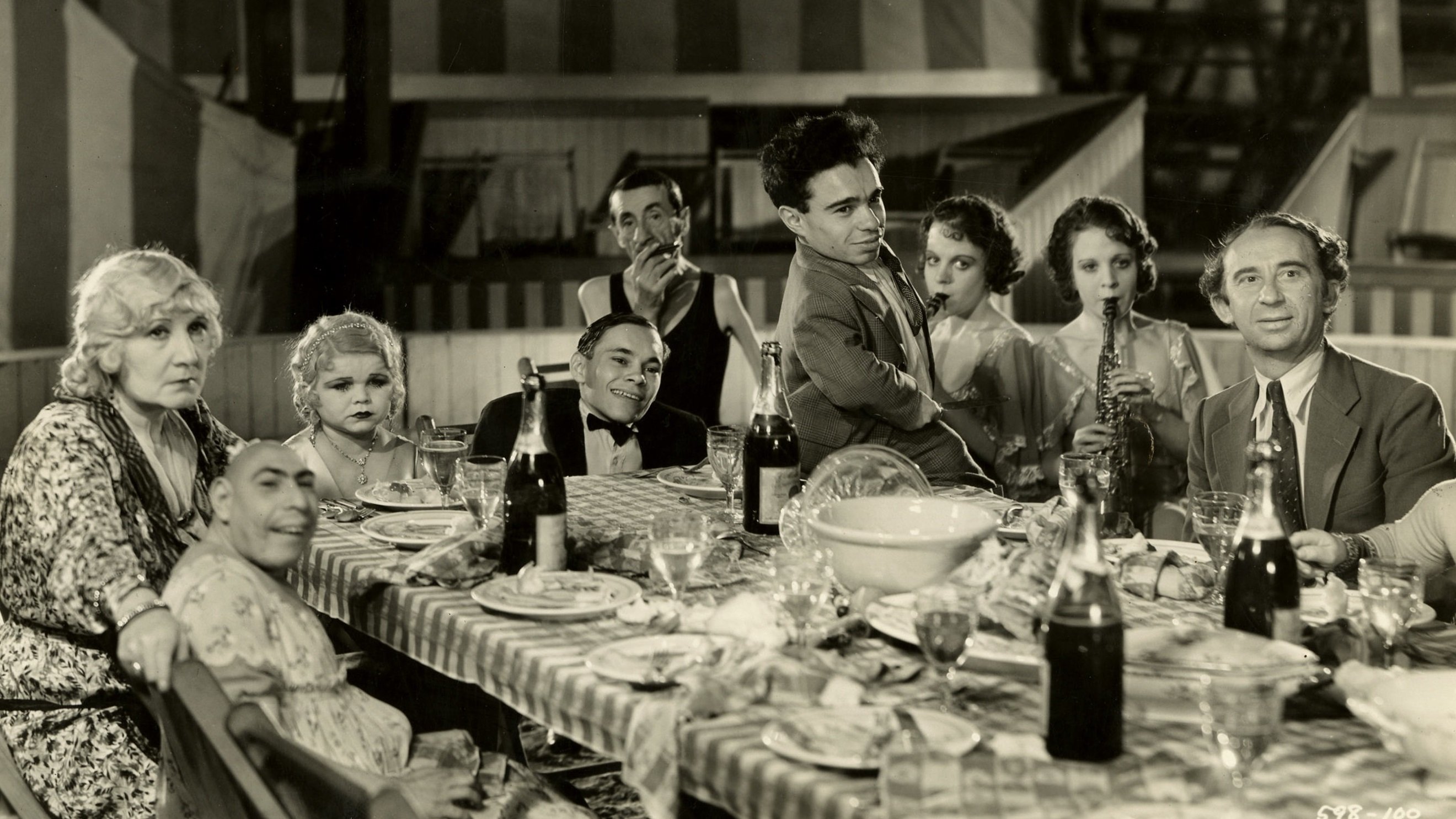
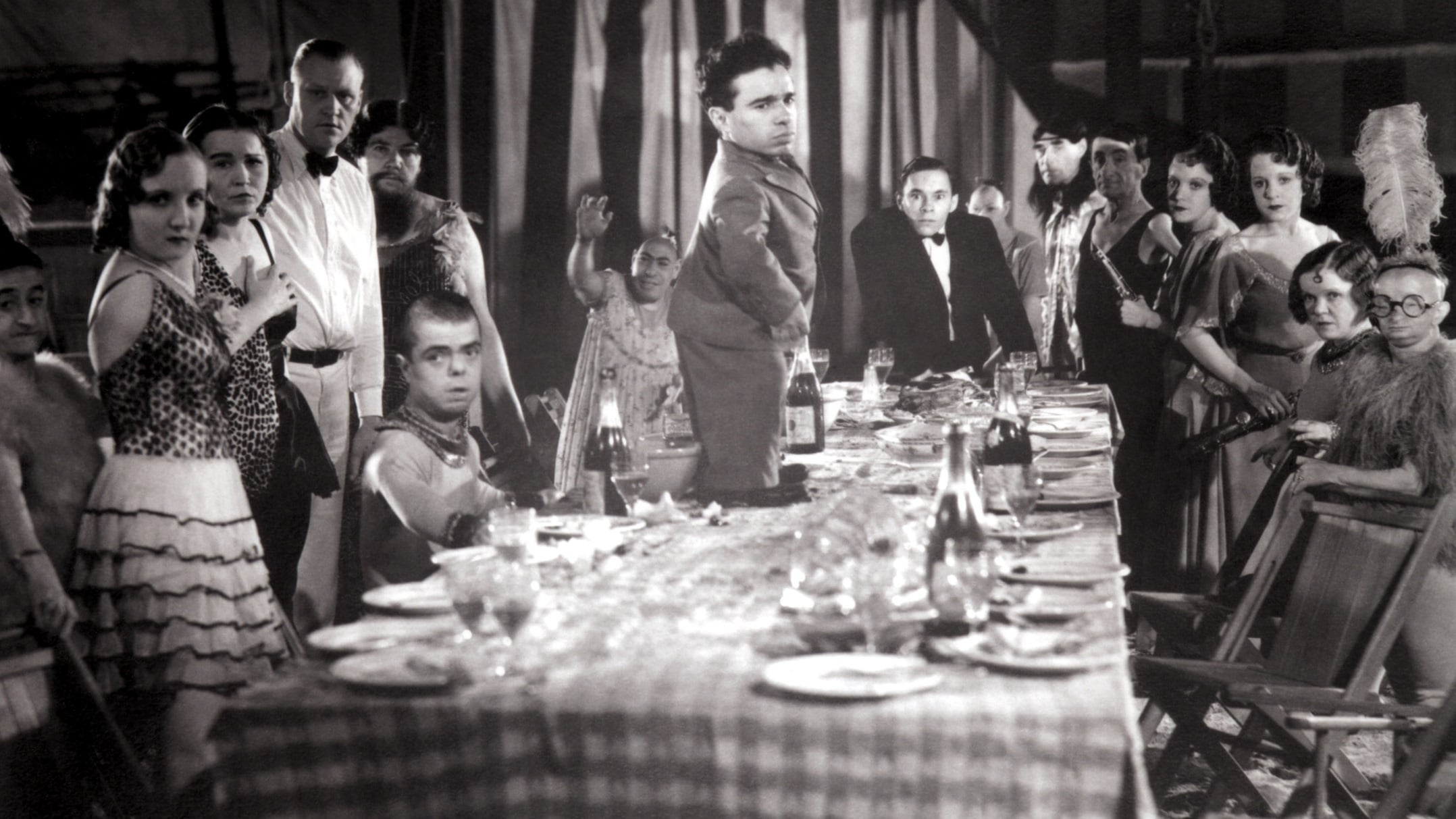
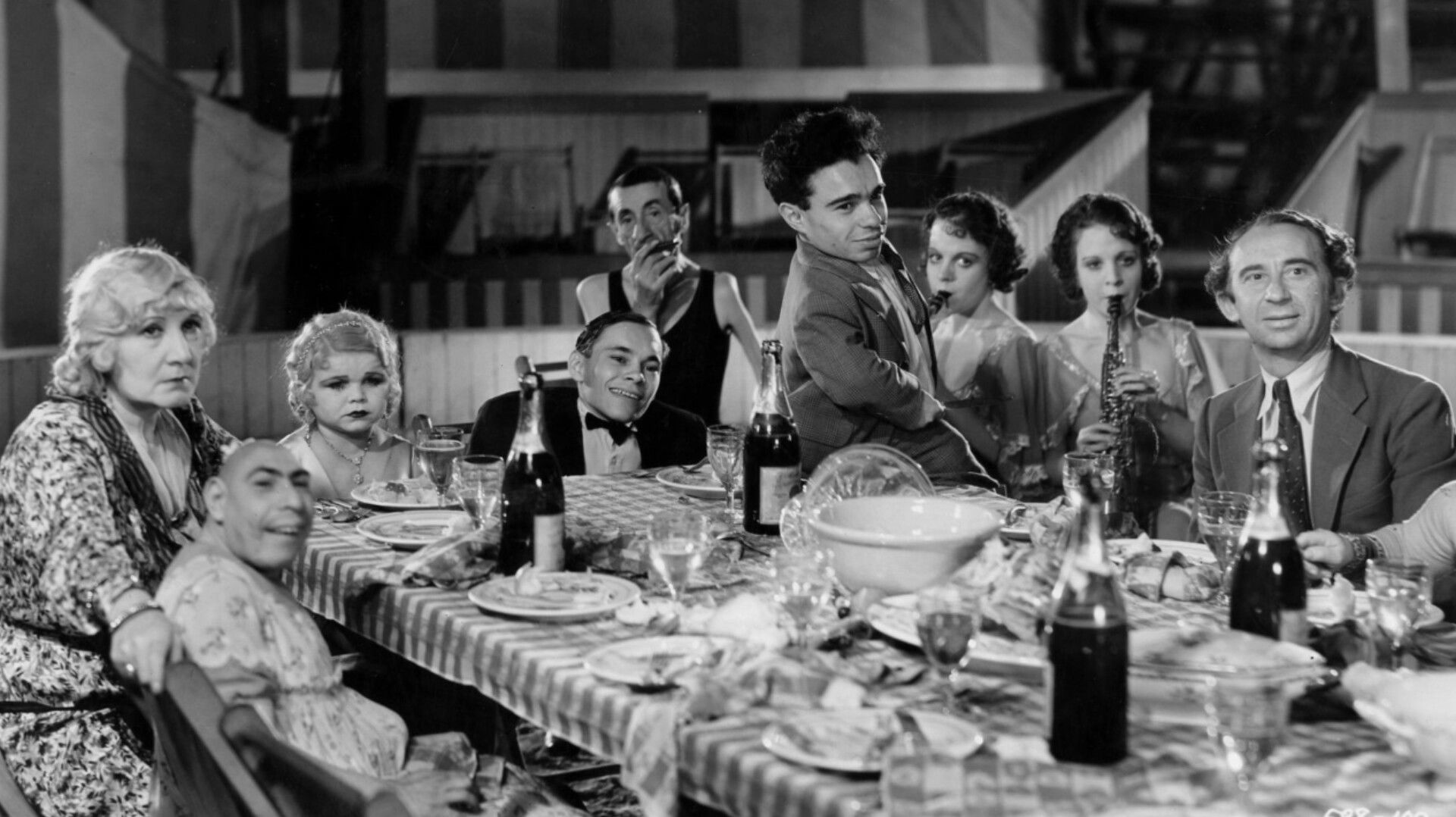
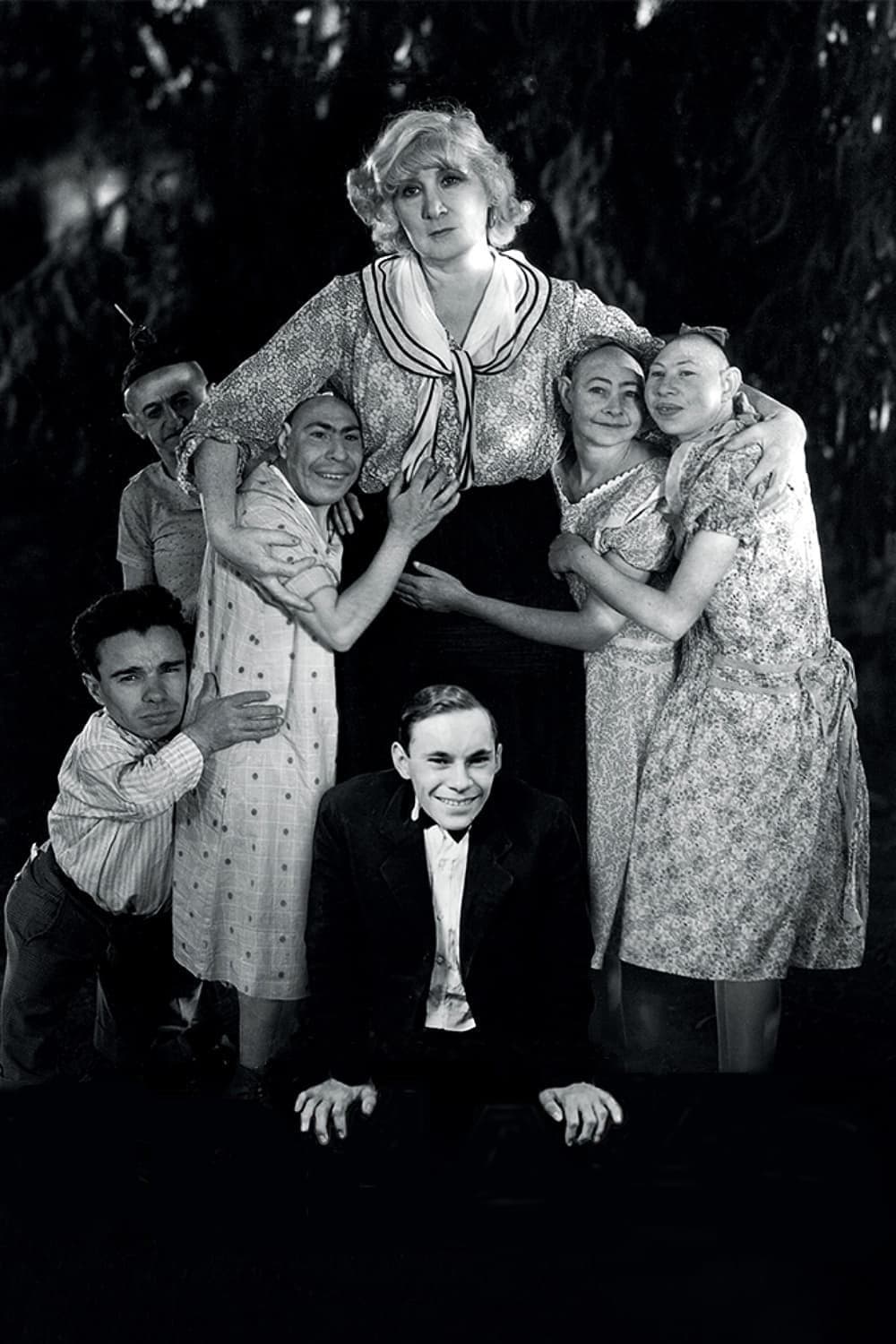
At the wedding dinner, the assembled performers offer Cleopatra a place within their group through a ritual of shared drinking and a repeated chant. Her disgust and the humiliation she directs at Hans make the ceremony the decisive break between the couple and the community. The sequence is disturbing in more than one way. Cleopatra's response exposes her contempt, yet the collective welcome is also staged with the intensity of a crowd whose intentions she does not understand. Browning allows the same ritual to signify belonging and, from an outsider's point of view, possible menace. That unstable perspective prepares the later change in tone without making the performers' disabilities themselves proof of moral character.
Visual Design and the Turn Toward Horror
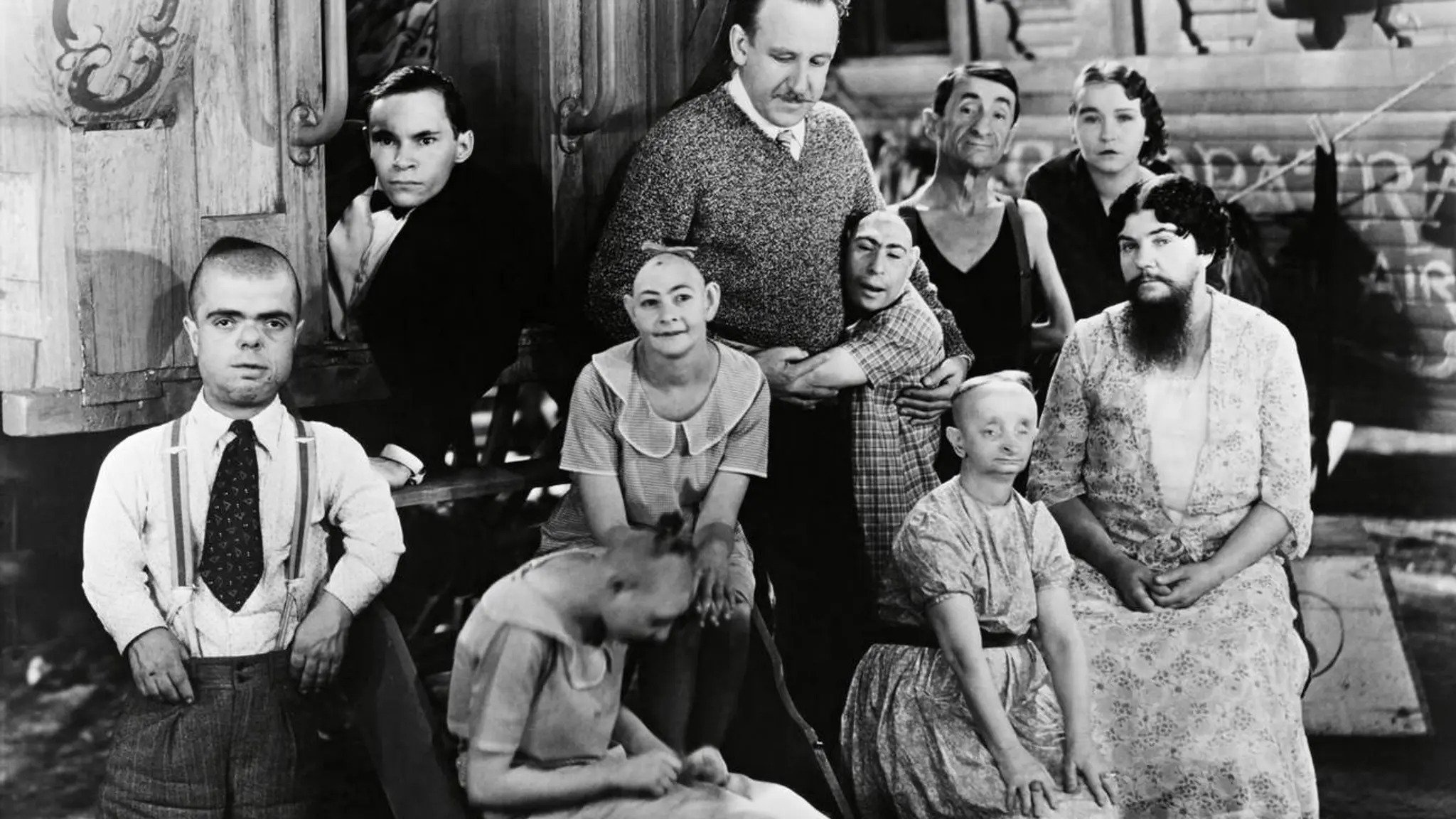
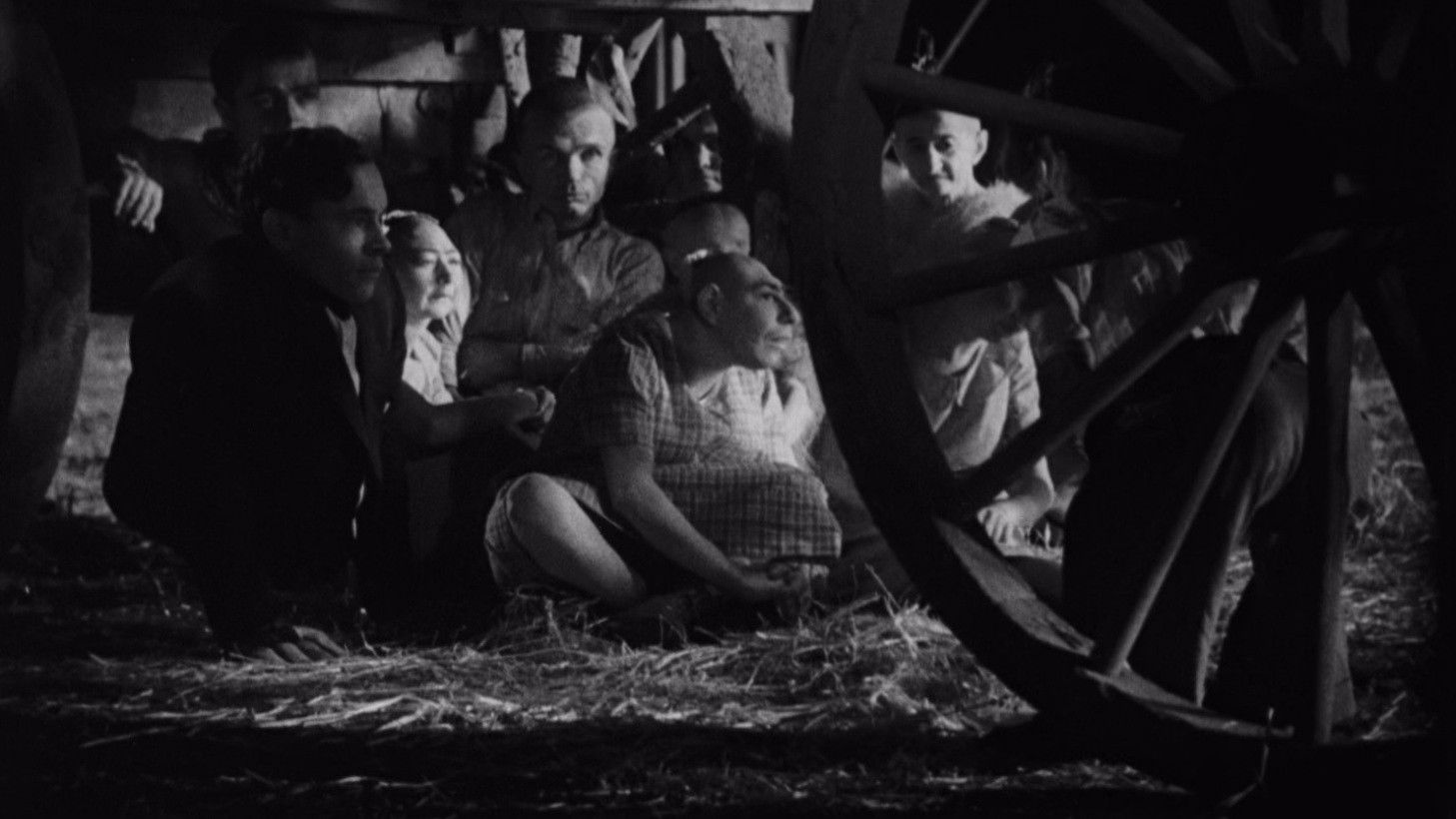
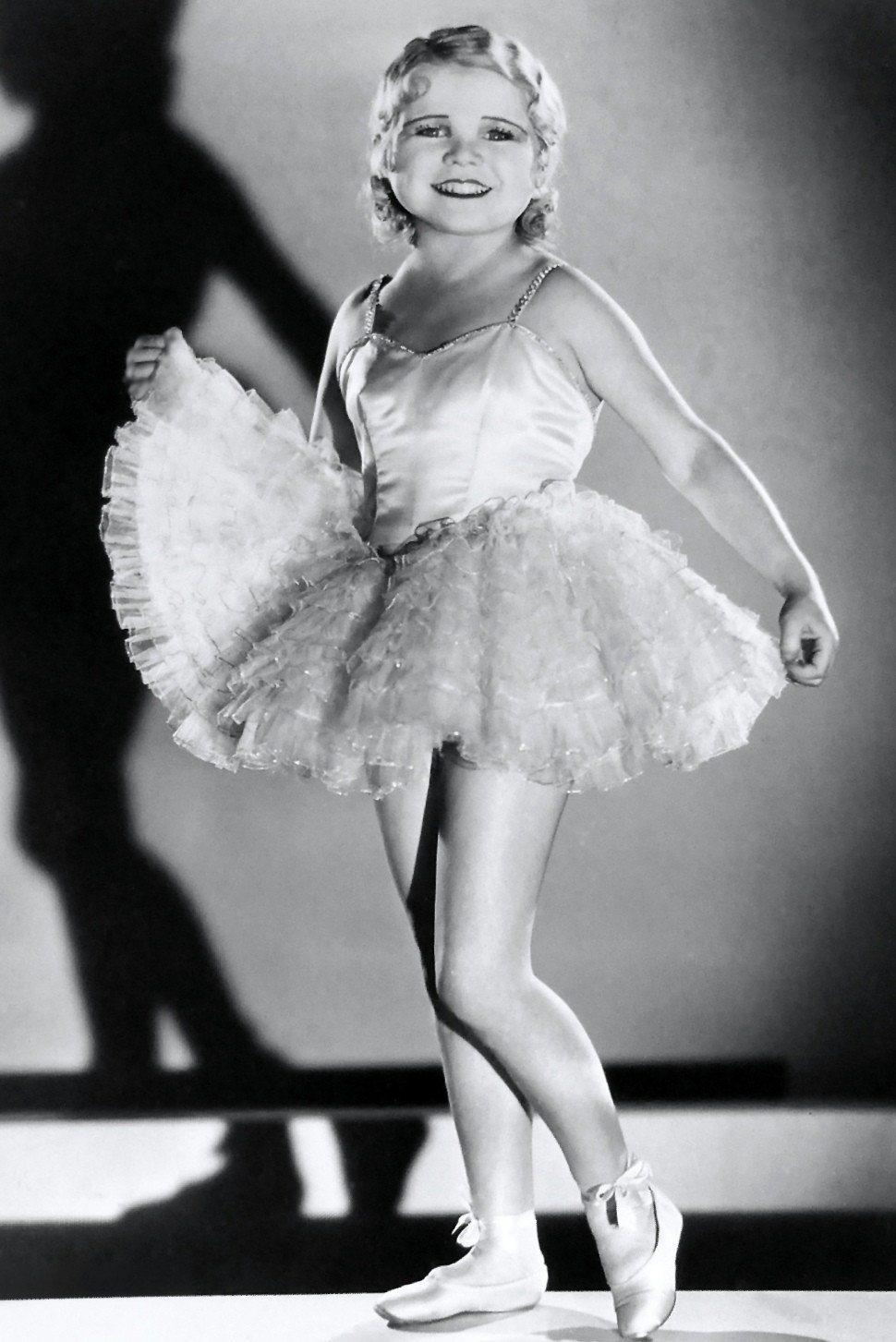
The surviving film devotes considerable time to spaces of work and rest, frequently placing the camera close to the performers' own level. Altiero Scicchitano, writing for Treccani's Enciclopedia del Cinema, emphasizes how these compositions can exclude conventionally proportioned bodies altogether, allowing the circus residents to occupy a complete visual world. The effect differs from the publicity logic of exhibiting a series of attractions to an onlooking audience. Small groupings, conversational pauses and movement among trailers establish recognizable relations before the threat gathers force. This is a critical reading grounded in the film's composition; it should not be presented as a documented statement by Browning about every camera position.
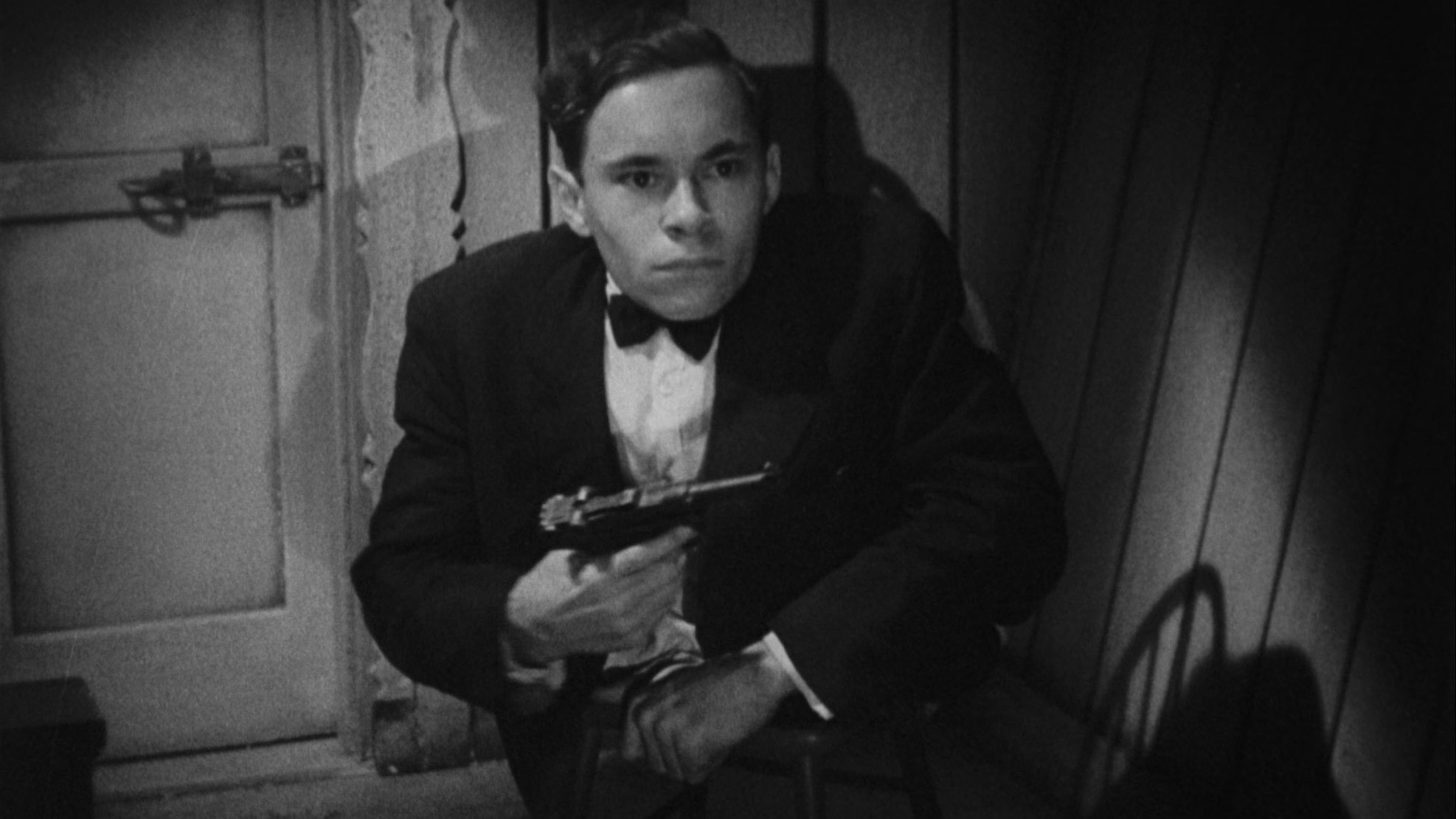
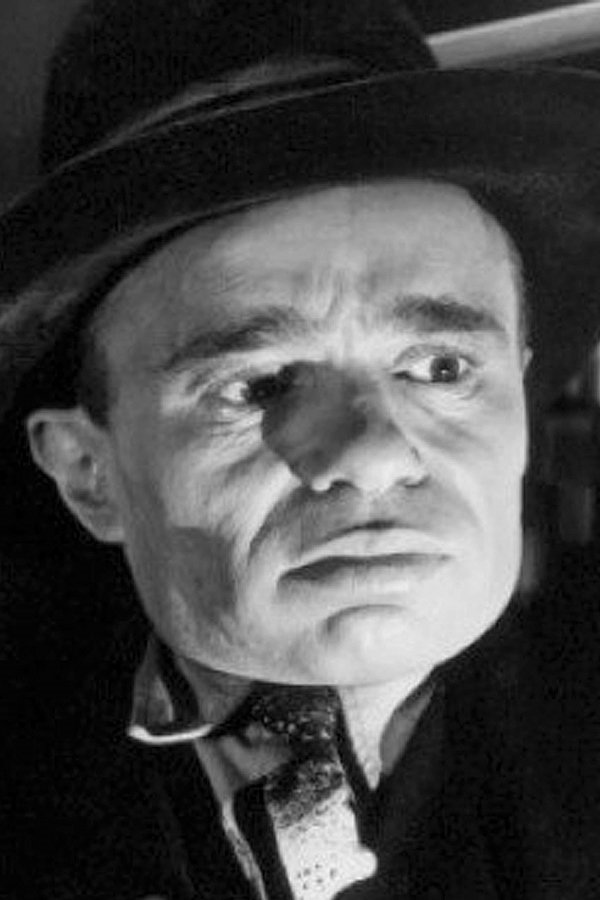
As Cleopatra and Hercules's plot approaches exposure, the settings and movement become markedly more threatening. Rain, mud, dark wagons and brief flashes of light transform the same community into an organized force moving through the night. The performers' physical abilities become central to the staging: some advance low to the ground, others approach from concealed positions, and the scene repeatedly emphasizes the victims' limited routes of escape. The visual turn gives the revenge an unsettling vitality that the earlier domestic exchanges deliberately withheld. Its horror arises from recognizable people acting in concert, not from elaborate makeup intended to disguise who is performing on screen.
Revenge and the Problem of the Ending
The plot against Hans eventually provokes retaliation, and the climax shifts the audience from witnesses of social cruelty to witnesses of collective punishment. Browning frames the movement toward Cleopatra and Hercules as a sustained threat, but the surviving cut withholds a complete visual account of the injuries inflicted. Cleopatra's subsequent appearance, displayed as a human-bird attraction, supplies evidence of her fate after the violence. The spectacle is meant to horrify even viewers who recognize that she and Hercules have committed grave wrongs. That change in audience response is essential to the scene: solidarity among the rejected has acquired the capacity to inflict irreversible harm.
A purely celebratory interpretation of the ending overlooks what the punishment implies about bodily difference. The story condemns Cleopatra's disgust toward disabled performers, then makes disfigurement her ultimate degradation. Filmmaker Aaron Schimberg raised precisely this contradiction when explaining the influence of Freaks on Chained for Life (2018). He considered both the possibility that the final punishment represents torment and the more unsettling possibility that joining the formerly excluded group could be understood as liberation. Schimberg was describing the ideas generated for his own film, not providing a definitive reading of Browning's intentions. His testimony demonstrates that the ending remains artistically productive because its moral implications cannot be resolved by the revenge plot alone.
Initial Reception and British Censorship
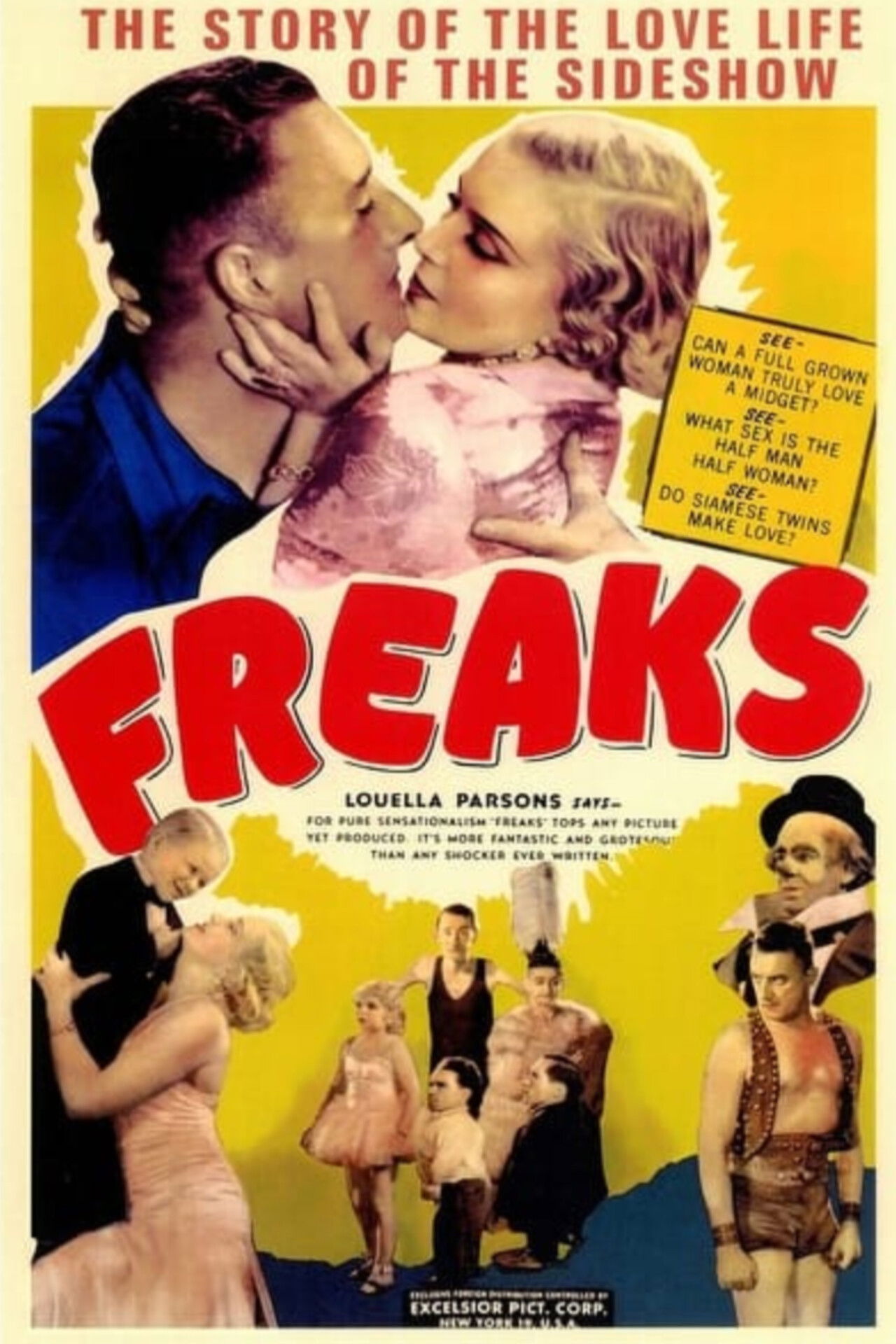
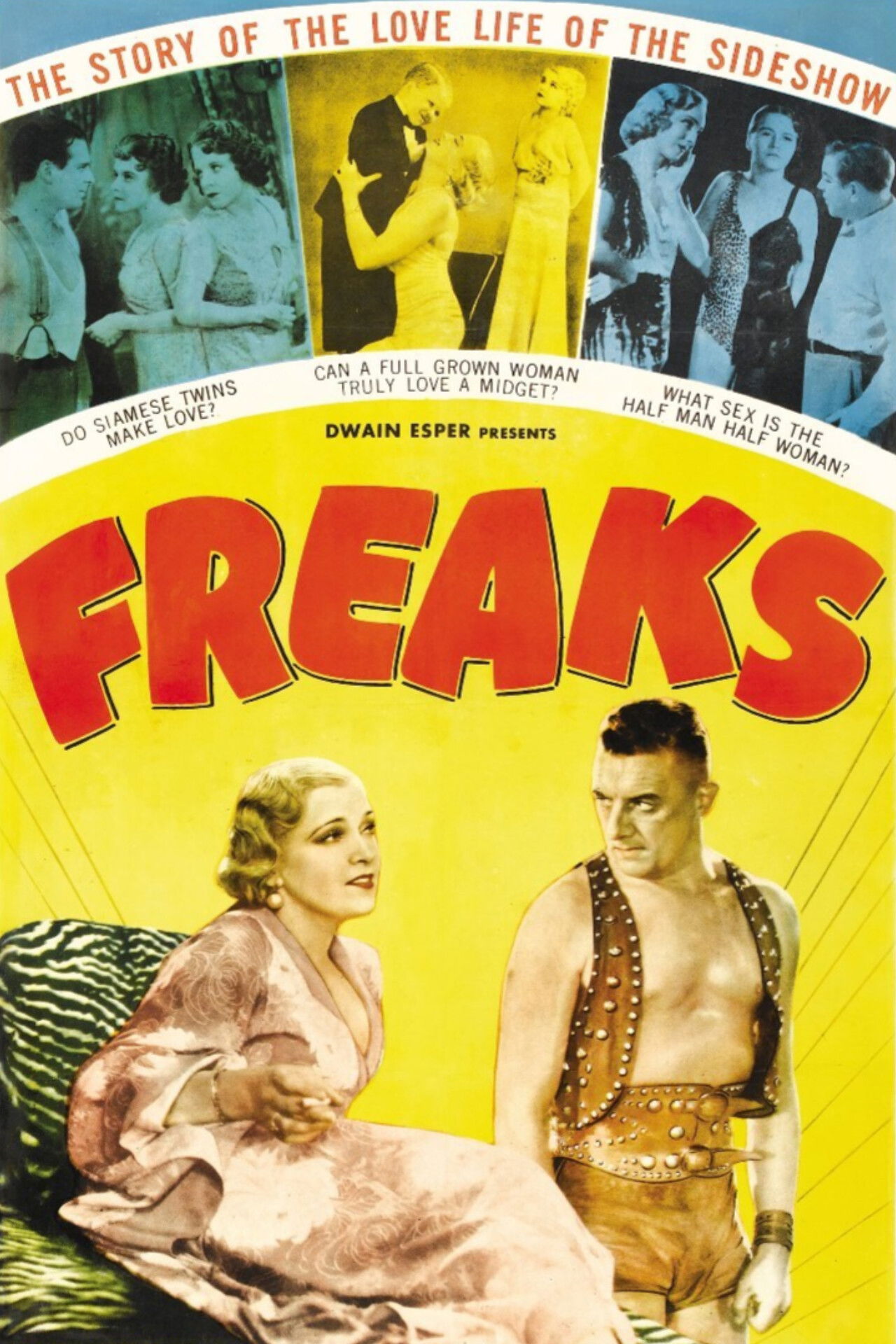
The American release did not follow one simple nationwide opening. AFI dates the film to February 1932 but notes that the exact Los Angeles opening remains uncertain, despite a contemporary announcement of a February 12 premiere. New York did not receive the picture until July 8. Reviews were divided, and their language exposes the period's assumptions. The AFI archive contrasts a hostile Harrison's Reports notice that condemned the experience as physically revolting with a Motion Picture Herald critic who found it interesting and questioned the sensational advertising. Promotional warnings about the health of potential spectators further encouraged audiences to regard the real performers as a source of danger before seeing the narrative's treatment of them.
The British Board of Film Classification records three separate cinema submissions. It refused a certificate in 1932 on grounds that the film commercially exploited the people it appeared to defend. A new distributor's 1952 argument for adult exhibition failed, even after an appeal. In May 1963 another distributor proposed a carefully limited art-house release, and the BBFC issued an X certificate with cautionary language for prospective viewers. This was not the same process as MGM's American studio cuts. Later UK classifications changed again: the Board chose 15 for video in 1994 and 12 for a theatrical submission in 2001. Its published case study shows that debates about protection, access and exploitation persisted across decades.
Rediscovery, Horror History and Demonstrable Influence
The film's later standing was not immediate or uniform. Browning continued directing after Freaks, including Mark of the Vampire (1935) and The Devil-Doll (1936), and his final feature appeared in 1939. It would therefore be inaccurate to say the controversial release ended his career overnight. Nehme describes a significant Venice Film Festival screening in 1962, close to the end of Browning's life, and the growing willingness of critics to treat his carnival stories as serious cinema. The BBFC's record of the 1963 British release likewise quotes a contemporary newspaper response that recognized the moral threat in apparently respectable characters rather than in their physically different coworkers. Such changes provide documentary evidence of reassessment, not a universal consensus about the film's ethics.
The influence is also traceable beyond retrospective praise. Schimberg stated that the surviving conclusion furnished the starting point for Chained for Life, a film concerned with how performers with visible differences are represented by the camera and treated by colleagues. His explanation identifies an actual line of artistic inquiry rather than an assumed debt based on superficial resemblance. Freaks remains fundamental to horror because it locates monstrous conduct within conventional beauty and social privilege, then risks unsettling its own argument through the extremity of revenge. Its place in film history includes both achievements: bringing working circus performers into sustained dramatic roles and exposing how readily fascination, sympathy and revulsion can overlap in the act of spectatorship.