

A Finale Under Production Pressure
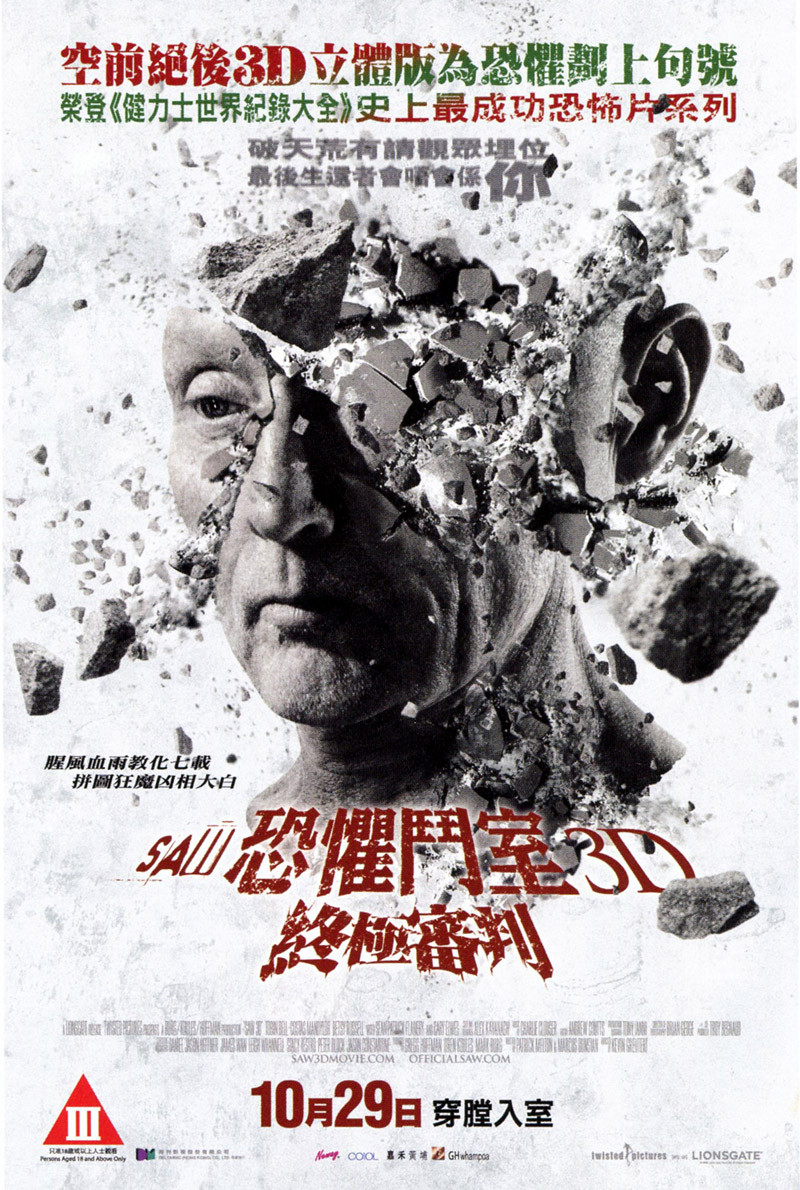
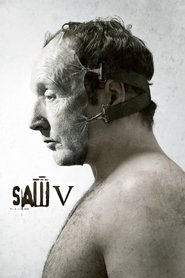
The series' annual schedule left little room for a leisurely change in leadership. David Hackl, director of Saw V, had initially been associated with the seventh entry, while Greutert had moved toward directing Paranormal Activity 2. A contractual arrangement brought him back to Saw shortly before photography. In comments reported during production, he described arriving after much of the material had already taken physical shape, with sets and traps built and major alterations increasingly difficult. Those statements establish the pressure experienced by the filmmaker without proving that every weakness later identified by critics resulted from that disruption.
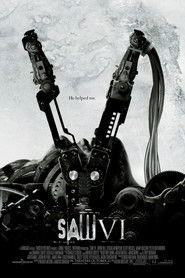
Greutert had unusual preparation for maintaining continuity even with limited advance notice. He had edited earlier installments and directed Saw VI, developing intimate knowledge of the franchise's shooting practices and chronology. In an October 2010 roundtable, he described decisions about blood placement, costume details and the timing of past events as everyday concerns on set. His editorial background was valuable because the films relied on rapid visual associations and retrospective information. The same experience, however, bound this apparent conclusion to a network of details that could be difficult for occasional viewers to recover from memory.
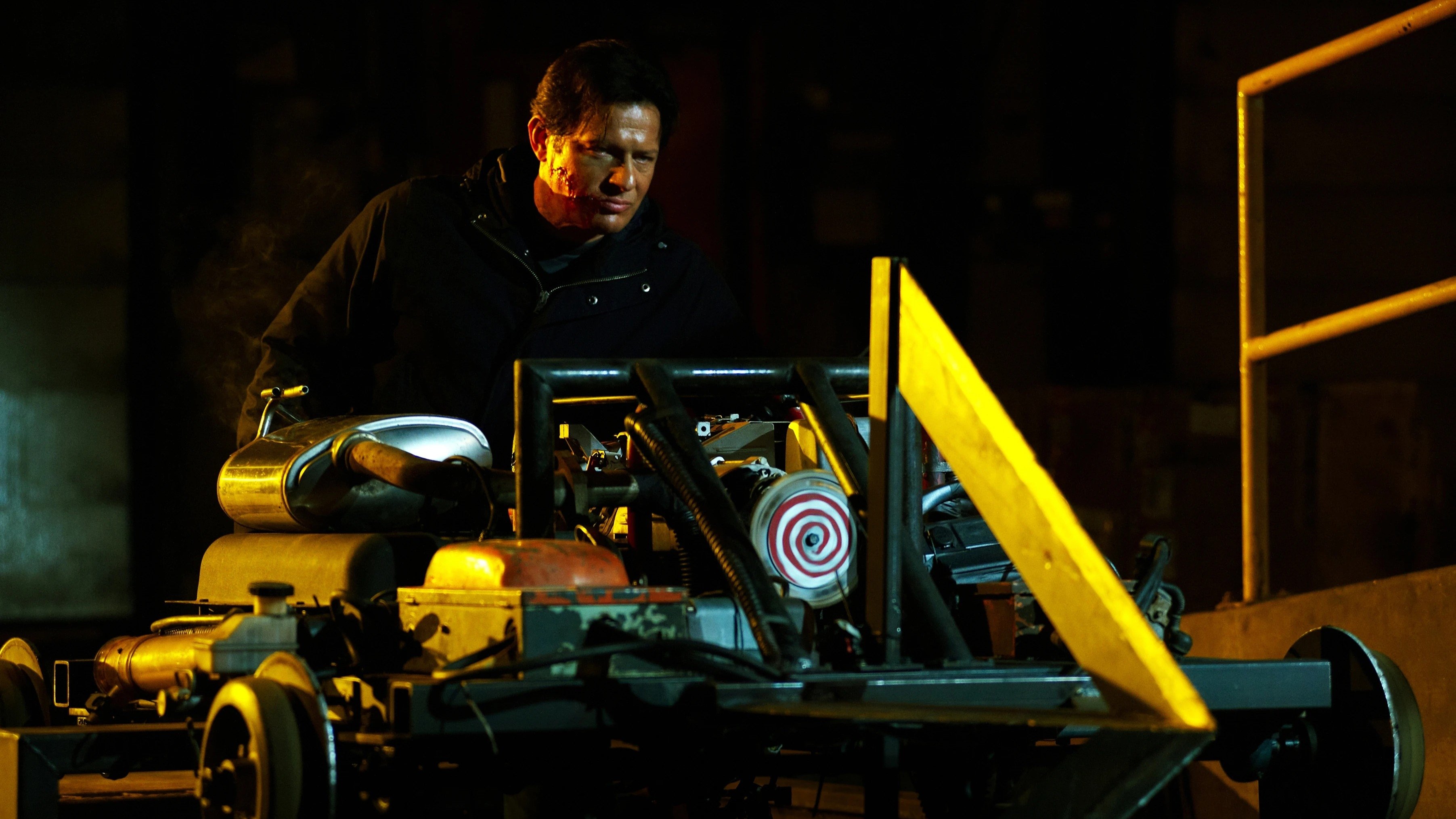
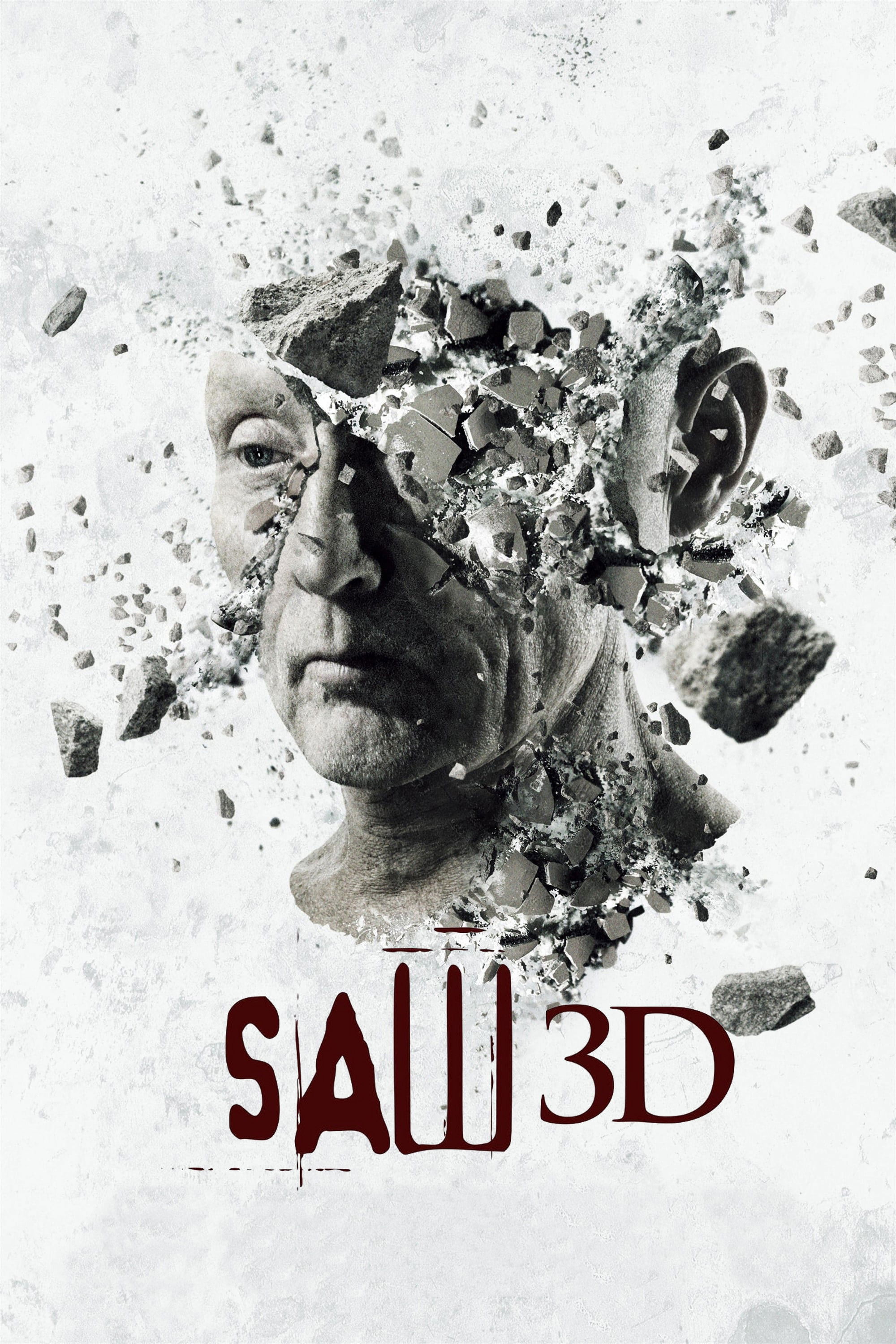
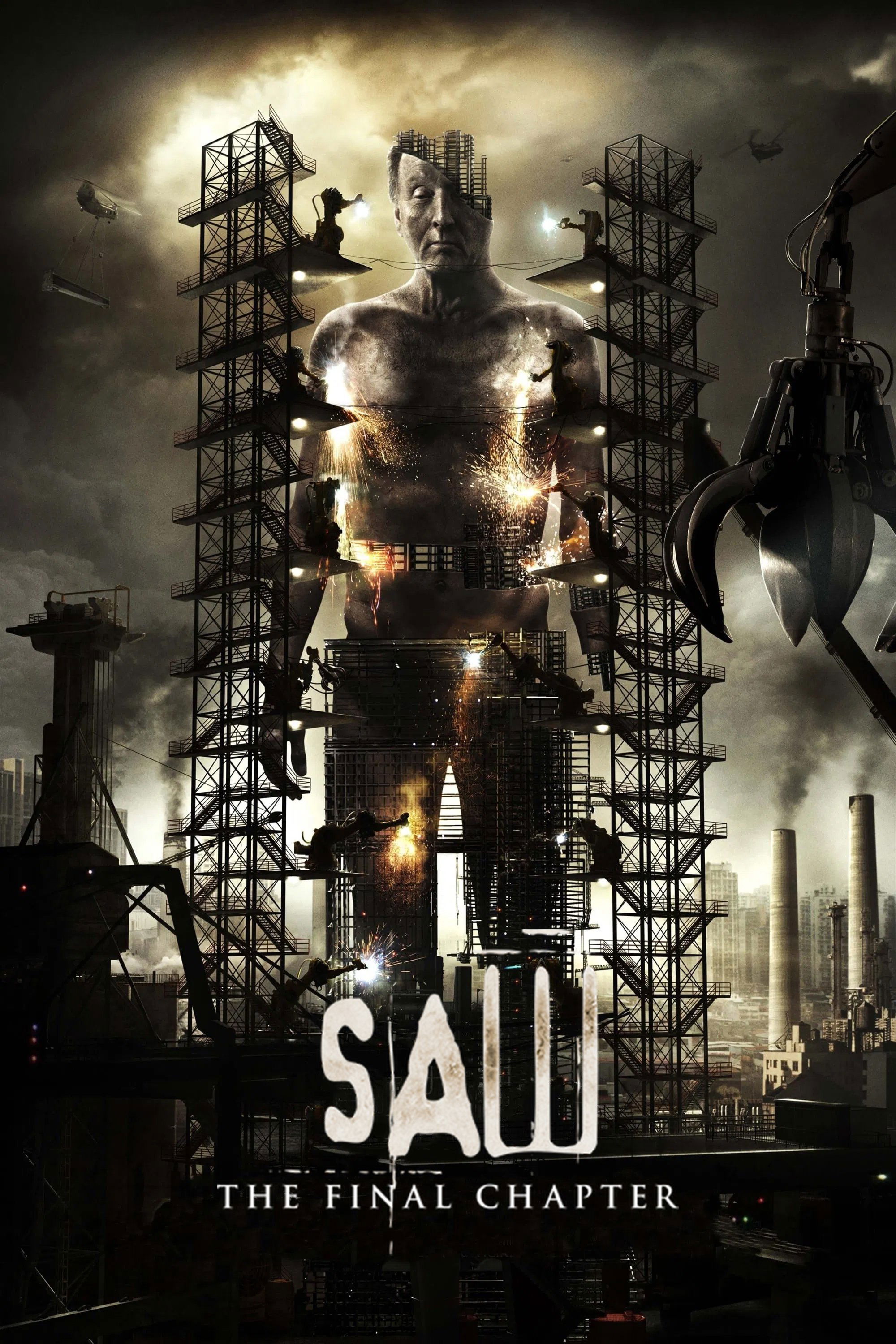
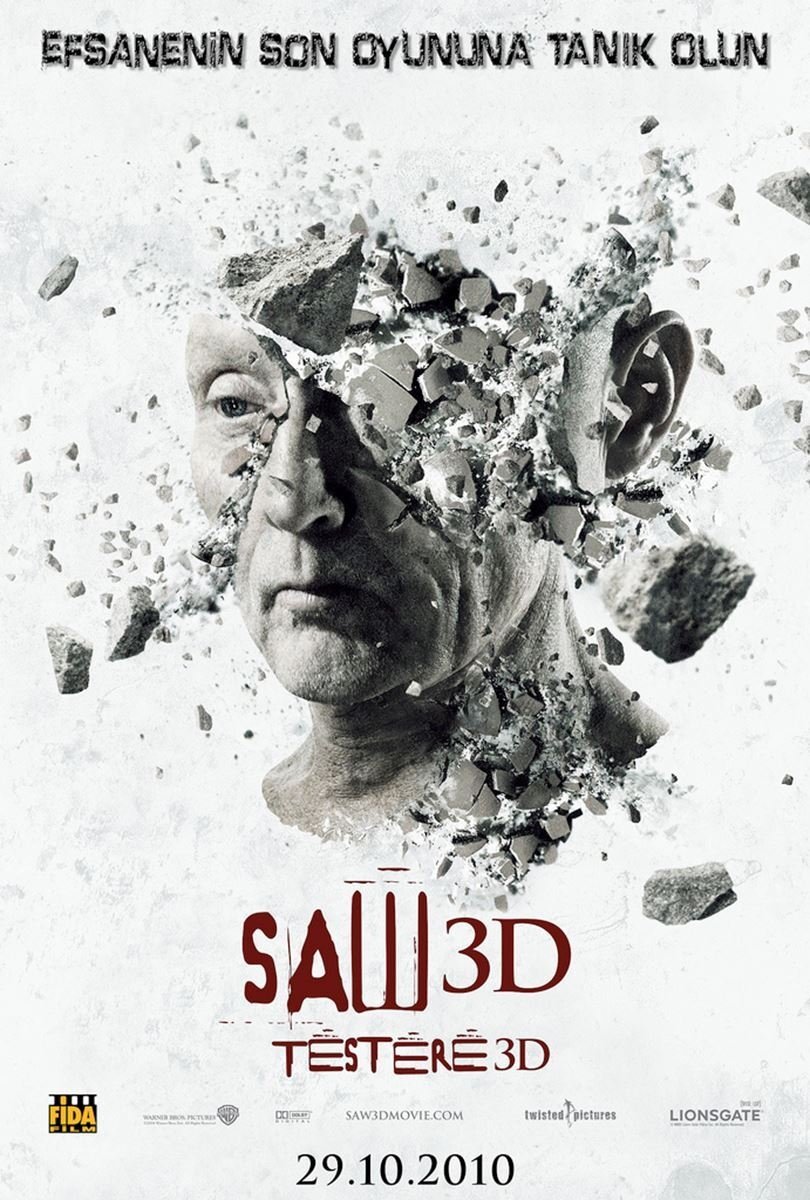
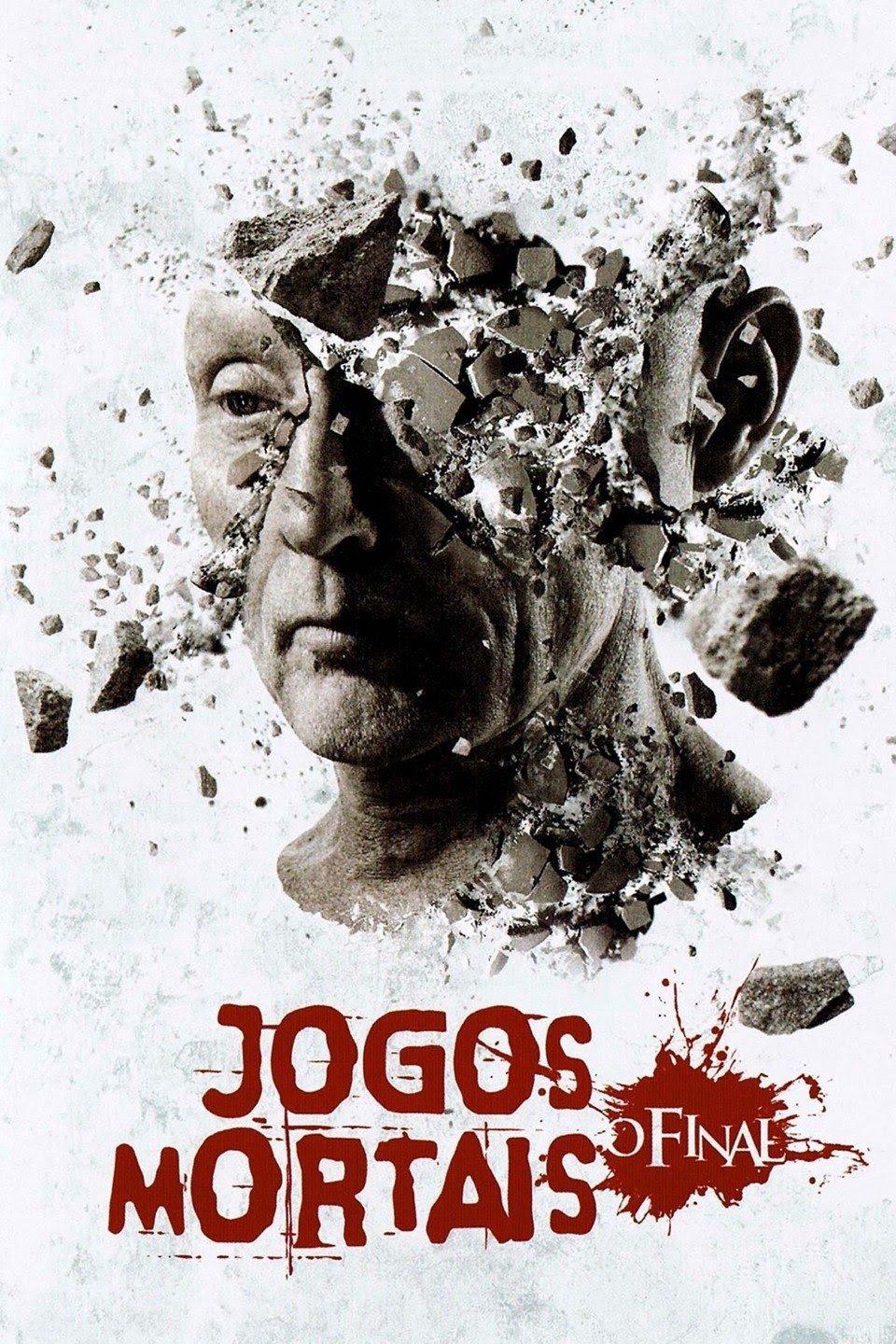
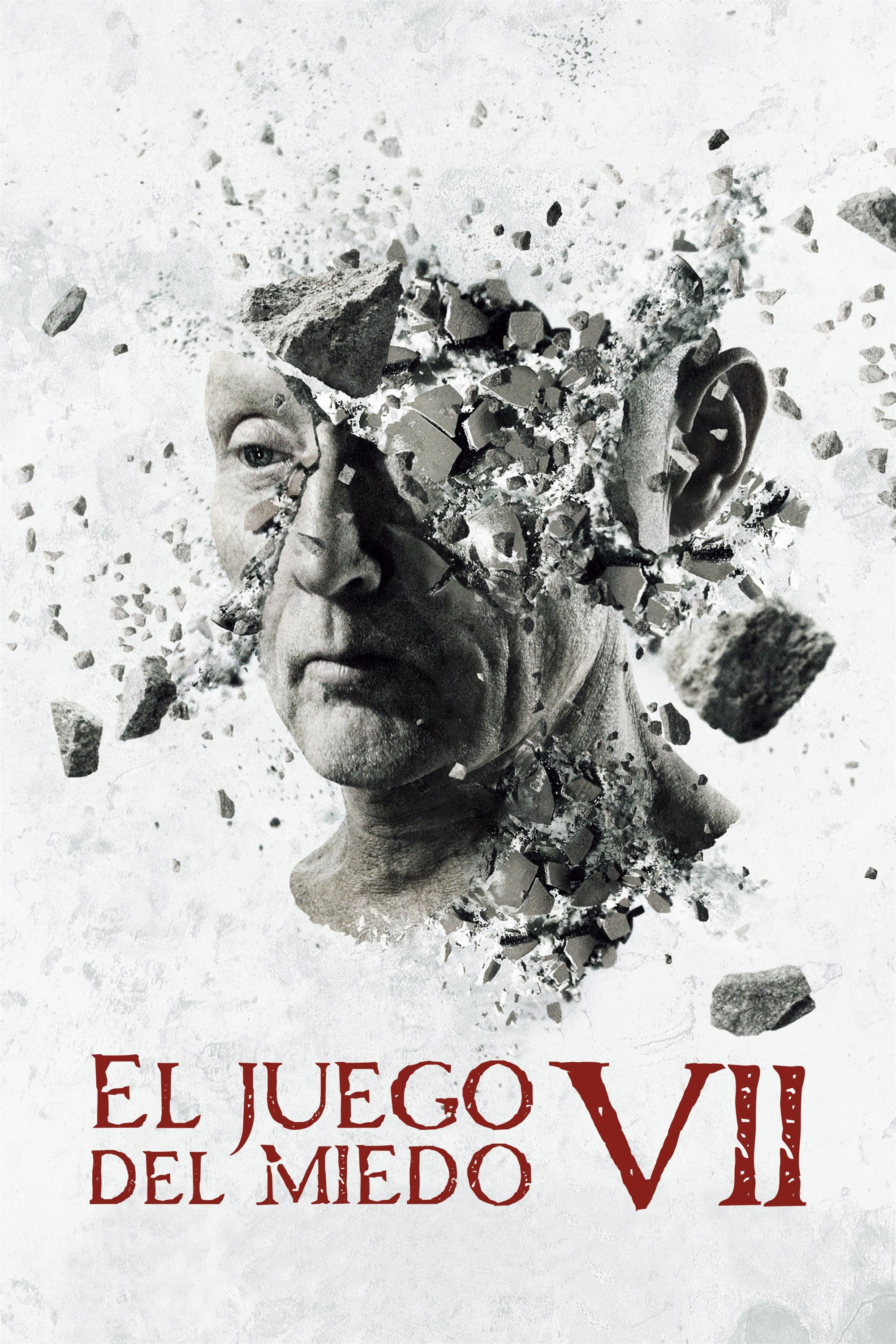
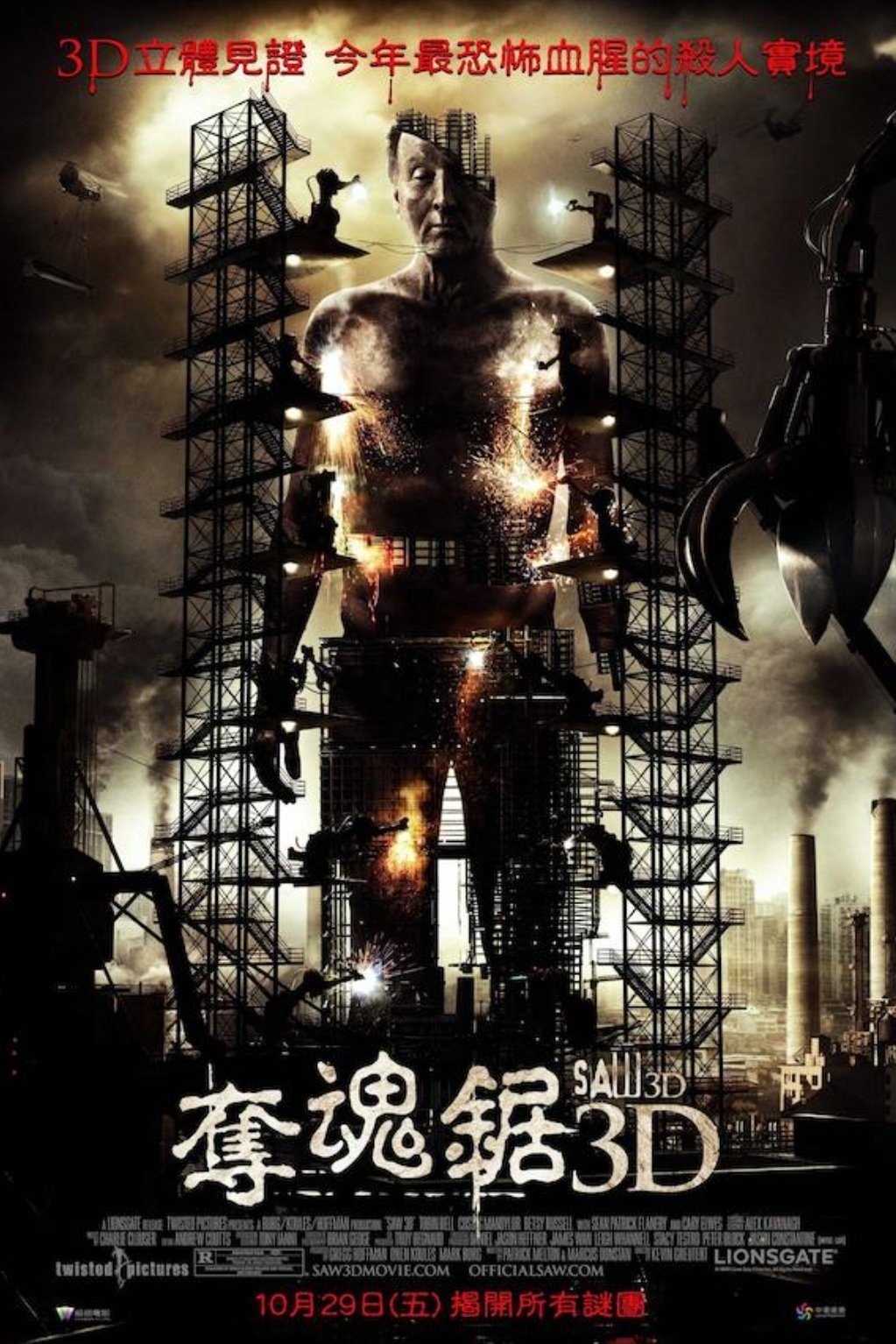
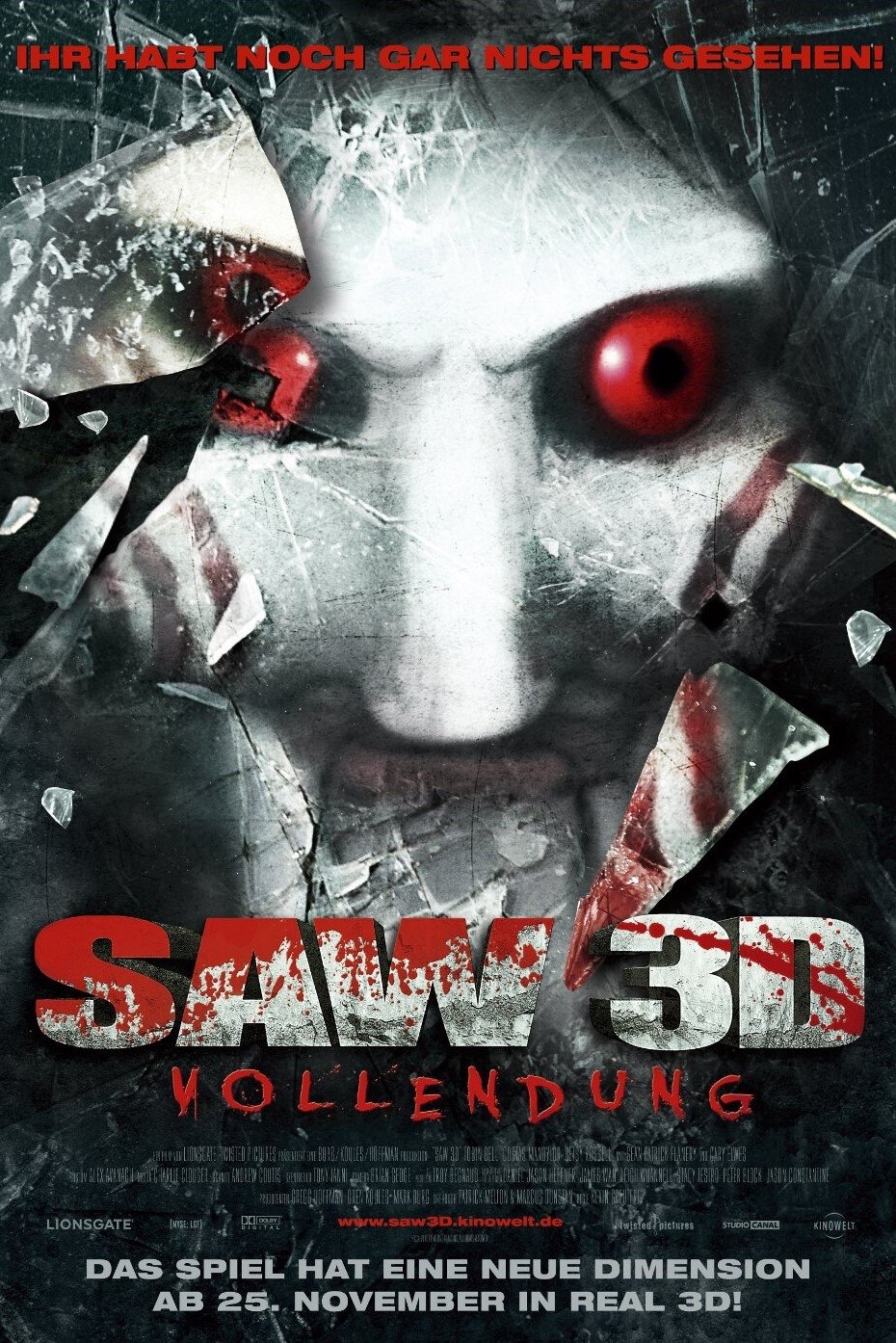
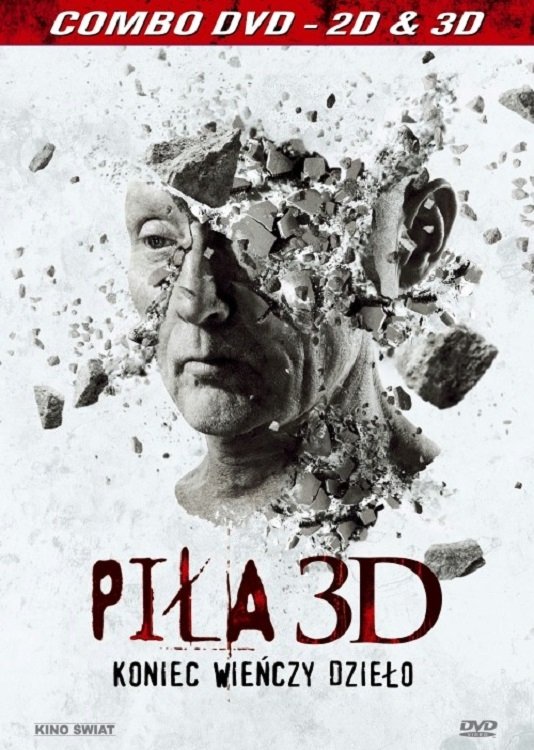
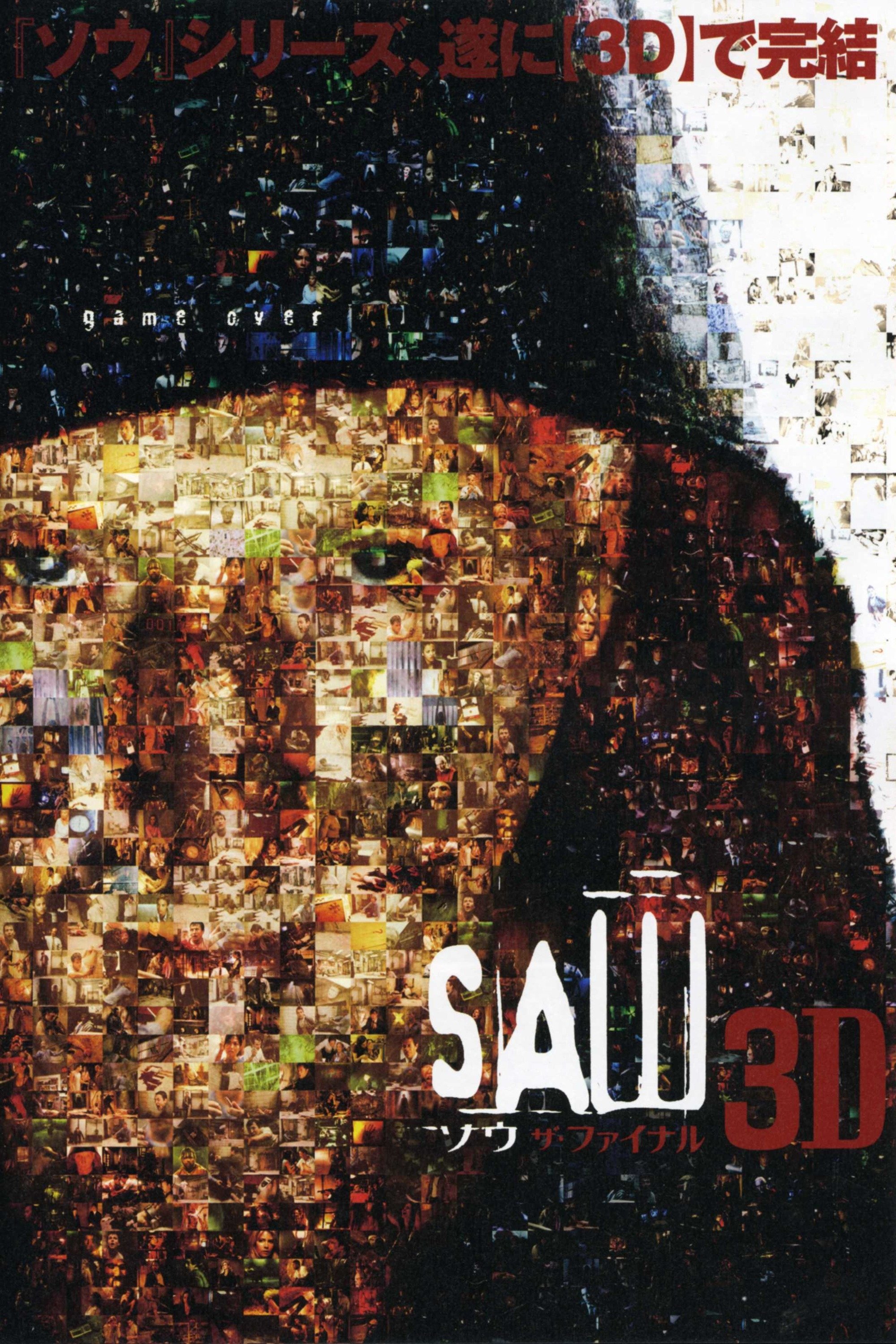
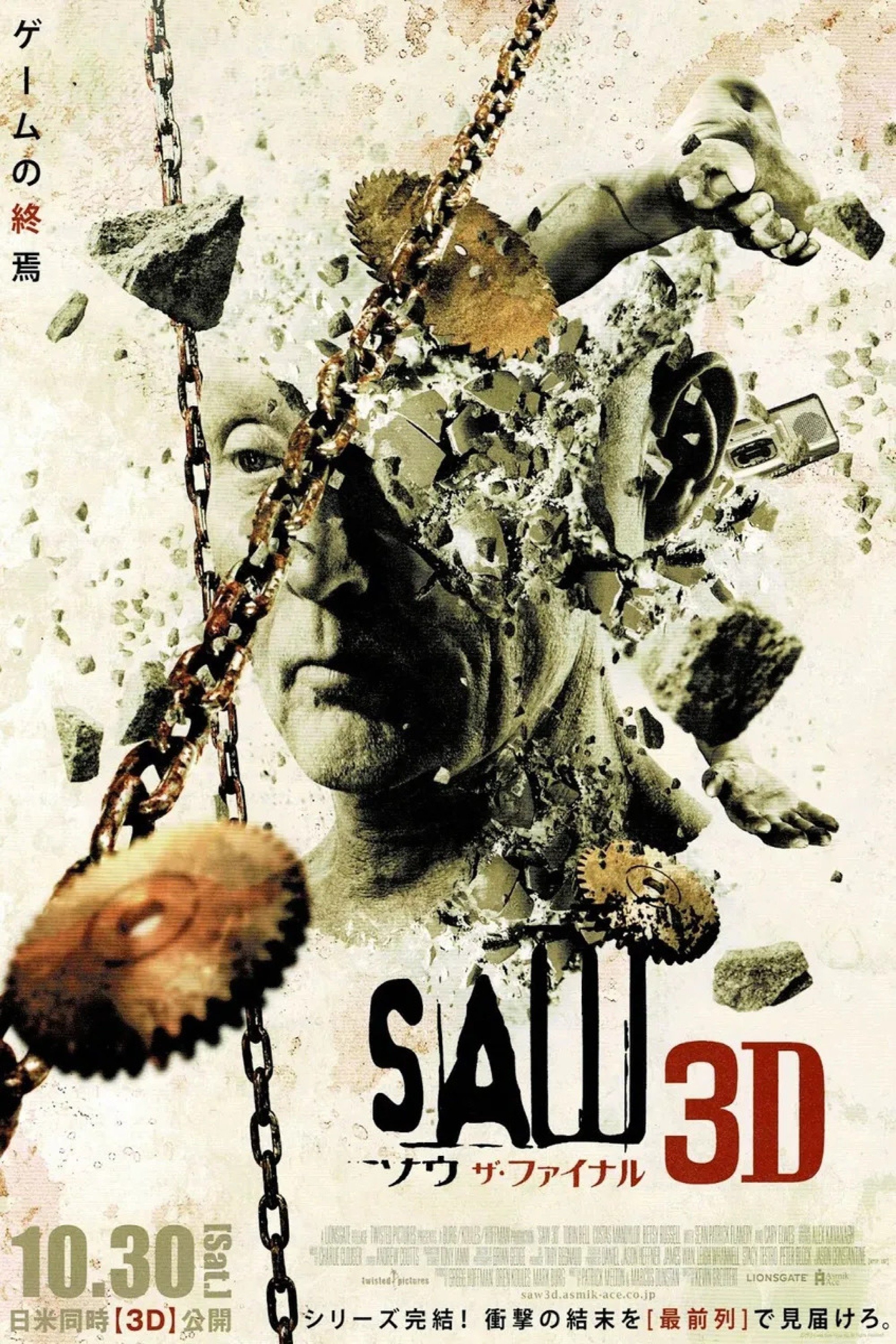
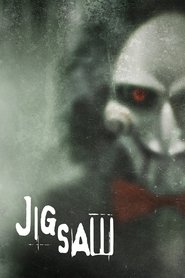
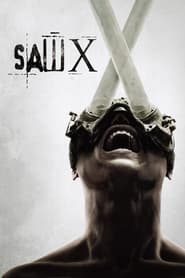
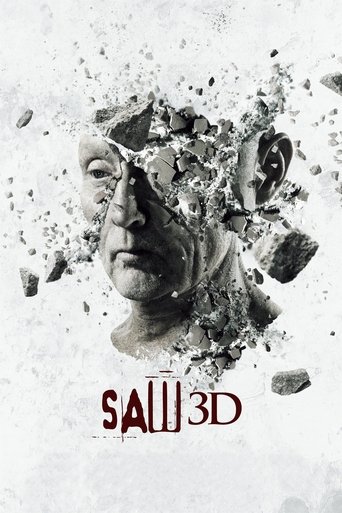
The label Final Chapter expressed a contemporary production strategy, not an enduring statement about the property's future. Greutert said that the filmmakers aimed to resolve questions instead of ending with another explicit demand for a sequel. He also presented the enlarged scale as an attempt to finish decisively. Both observations came from a promotional interview before audiences had judged the result. The difference between an intended resolution and its critical reception would become important when reviewers considered whether elaborate killing devices had displaced the human suspense that originally distinguished Saw.