

Development and Production
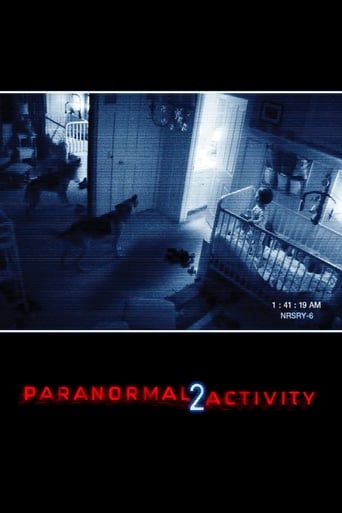
The first Paranormal Activity had been made for a very small initial budget before its eventual wide theatrical success. A follow-up therefore faced an unusual problem: Paramount could finance a larger film, but a more visibly elaborate production threatened the credibility that had distinguished the original. Producer Oren Peli later explained that test audiences responded strongly to footage that seemed authentic. Williams, whose earlier feature The Door in the Floor had used a conventional dramatic approach, entered a production designed around improvisation and experimentation. He said that when he joined in March 2010, the central certainties were the prequel structure and Kristi's relationship to Katie.
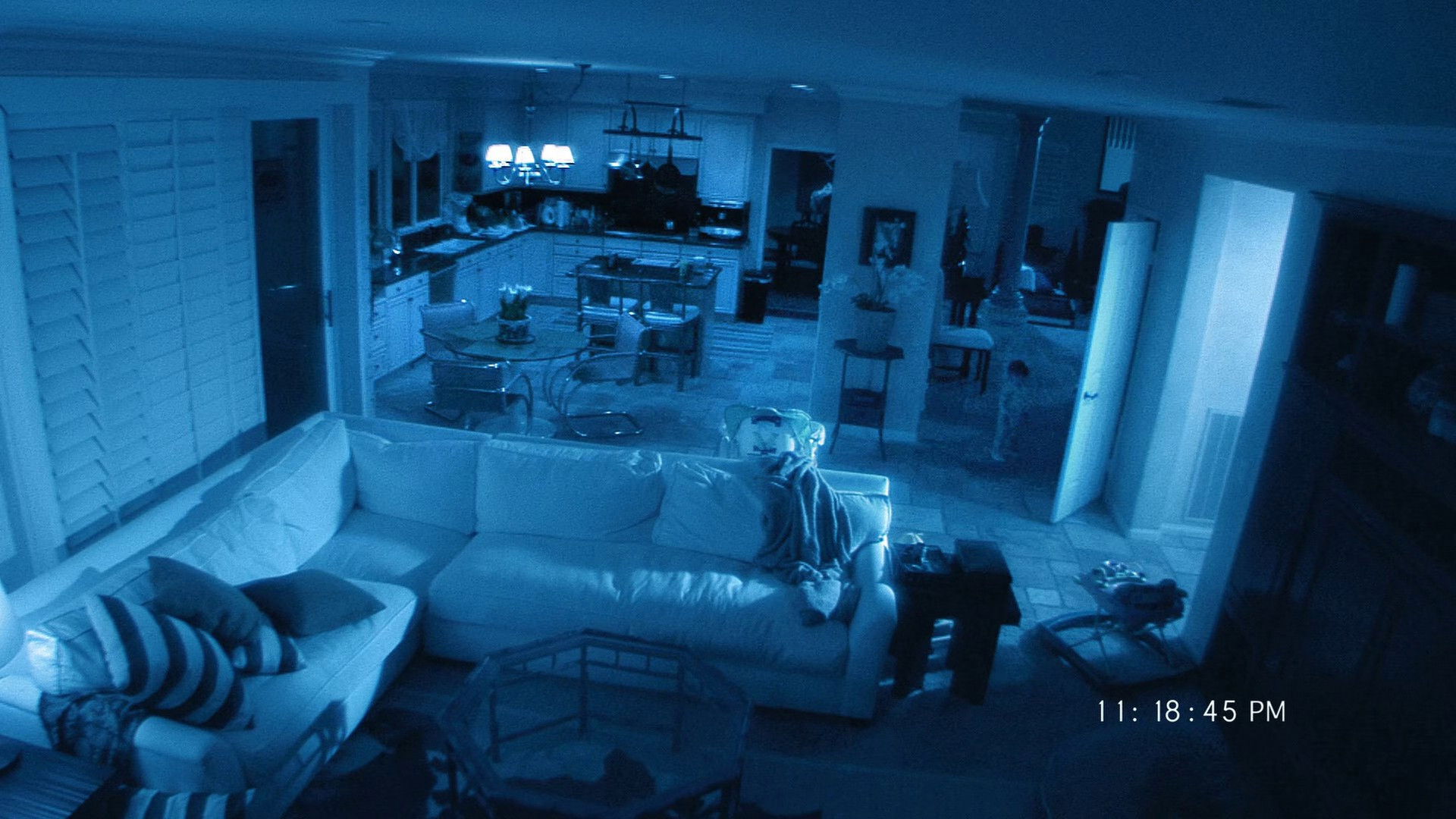
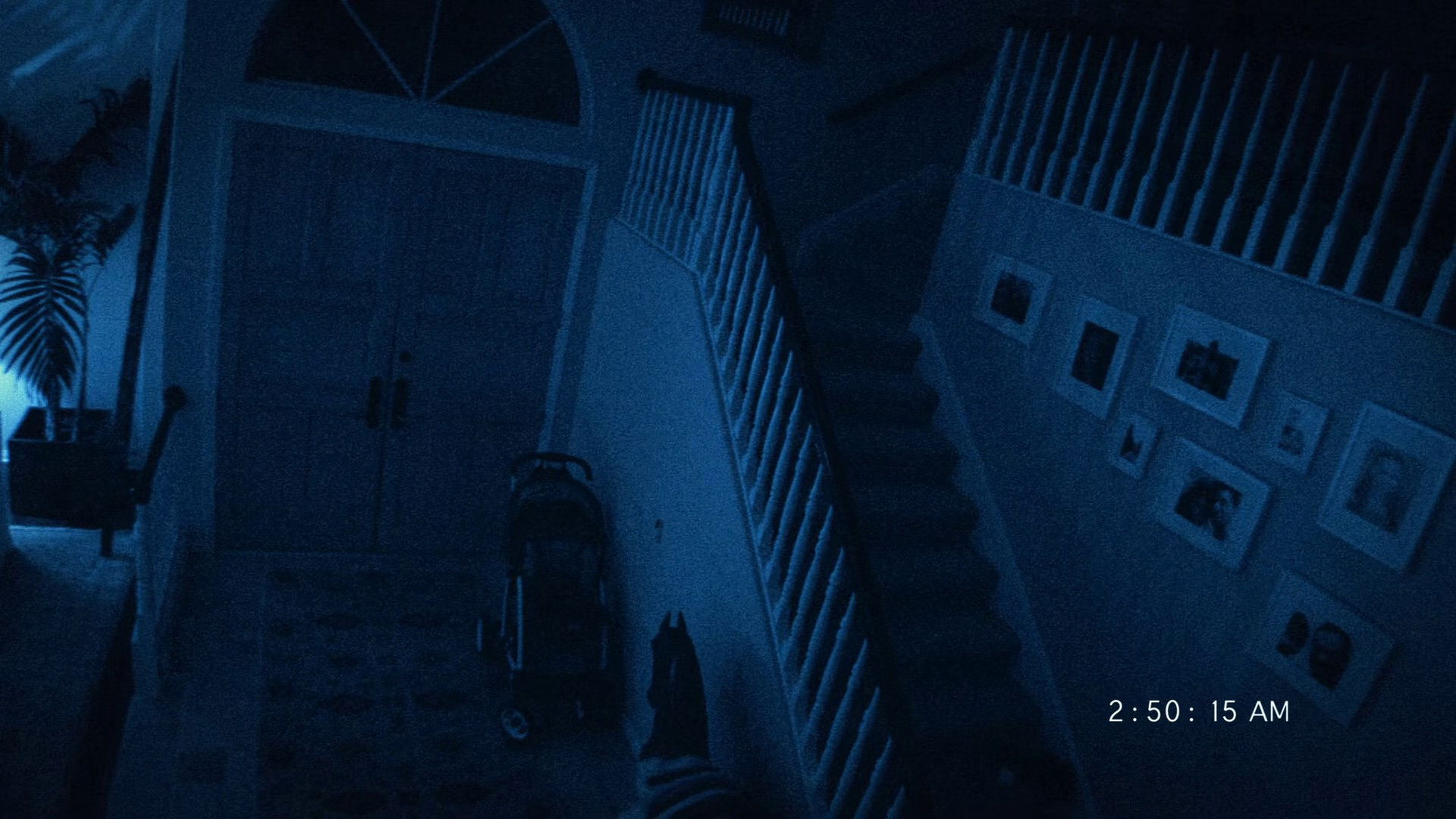
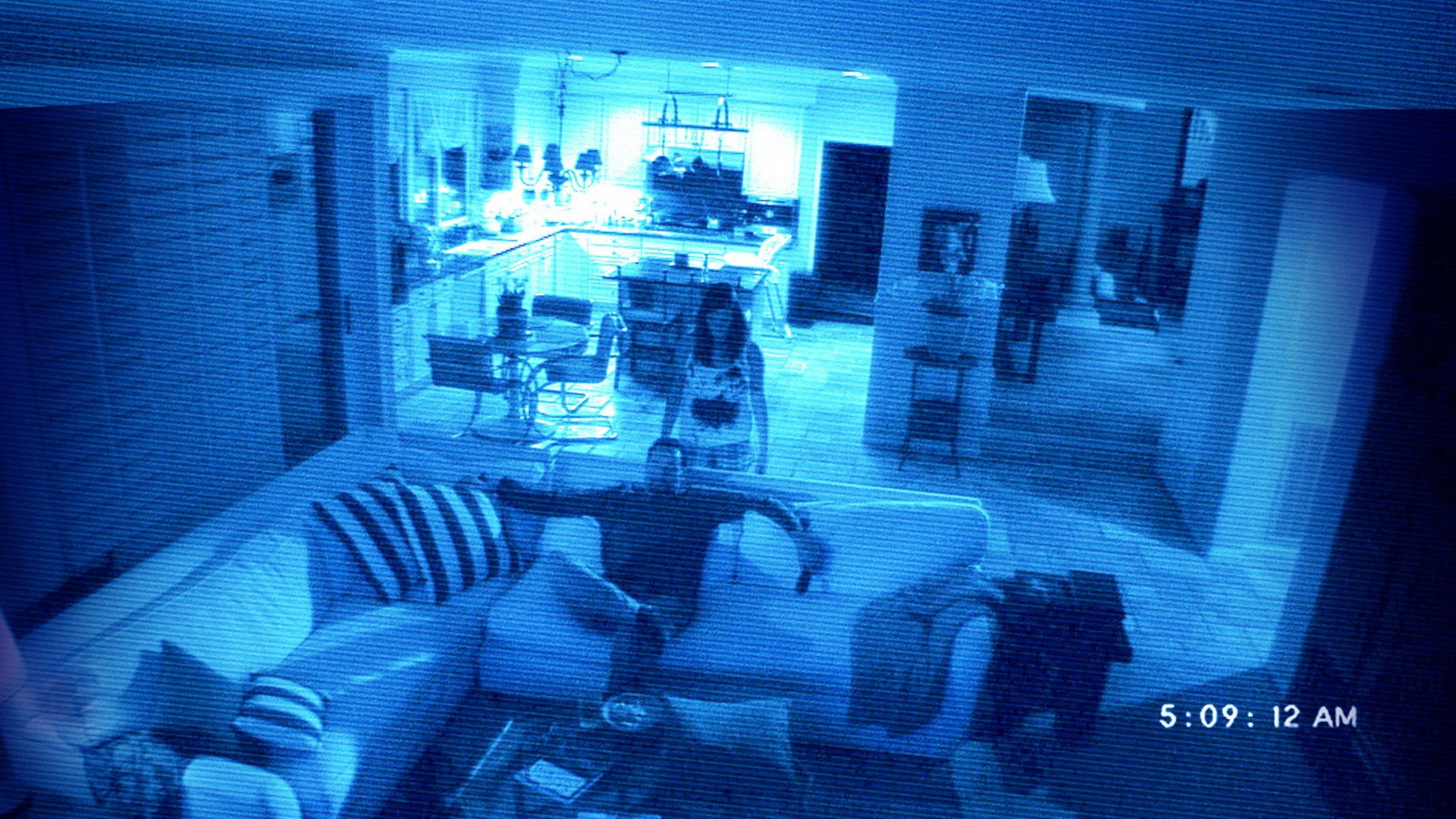
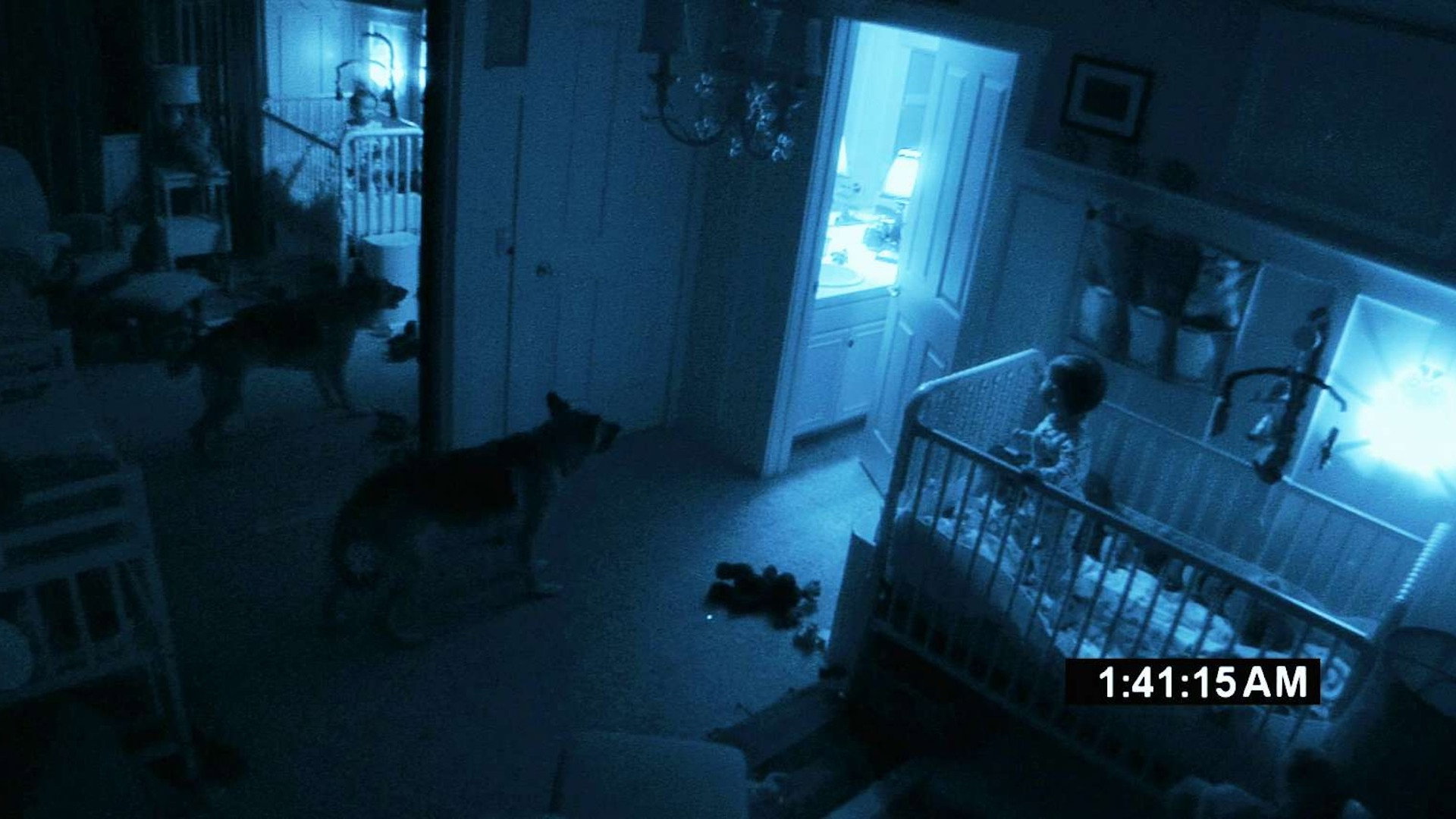
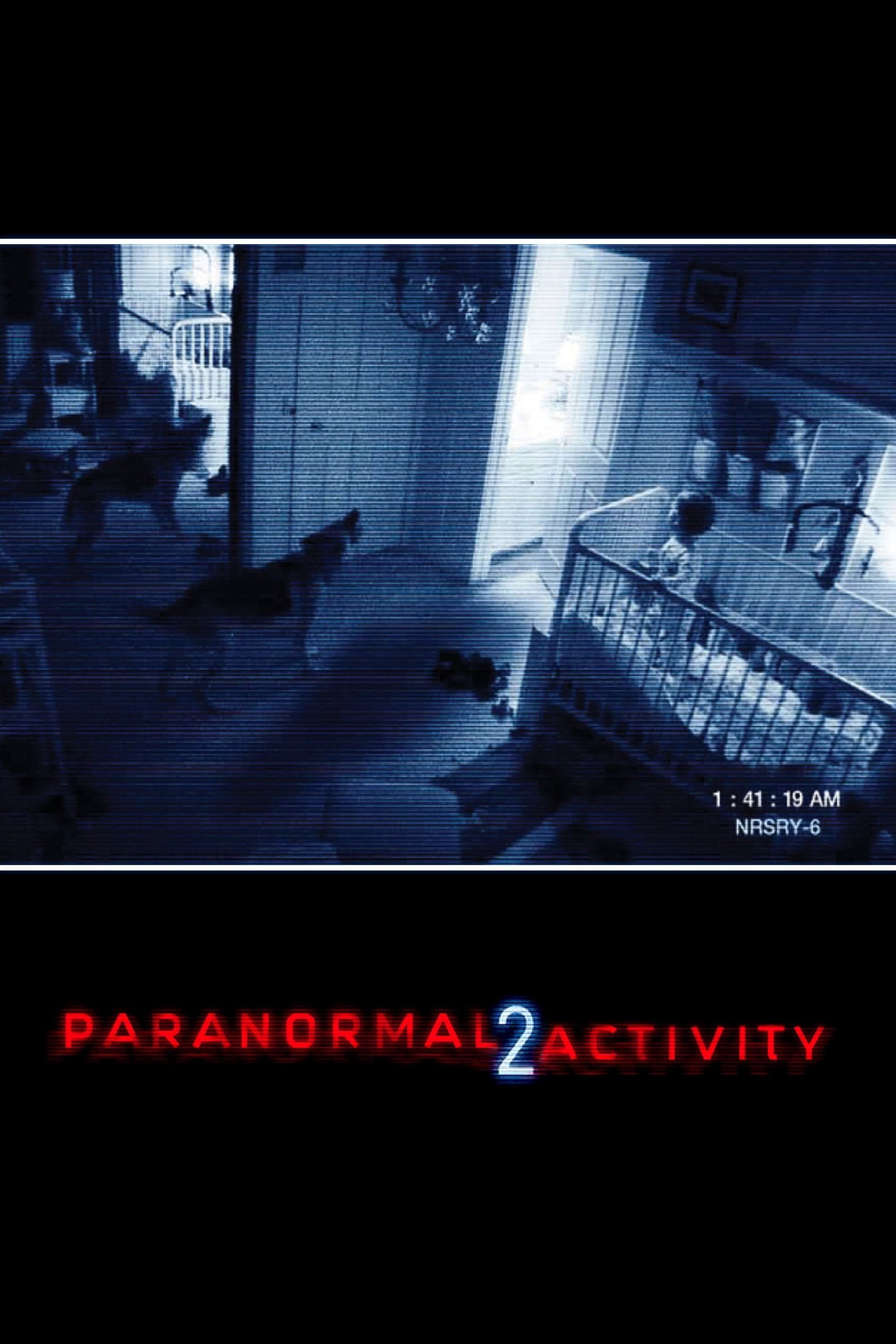
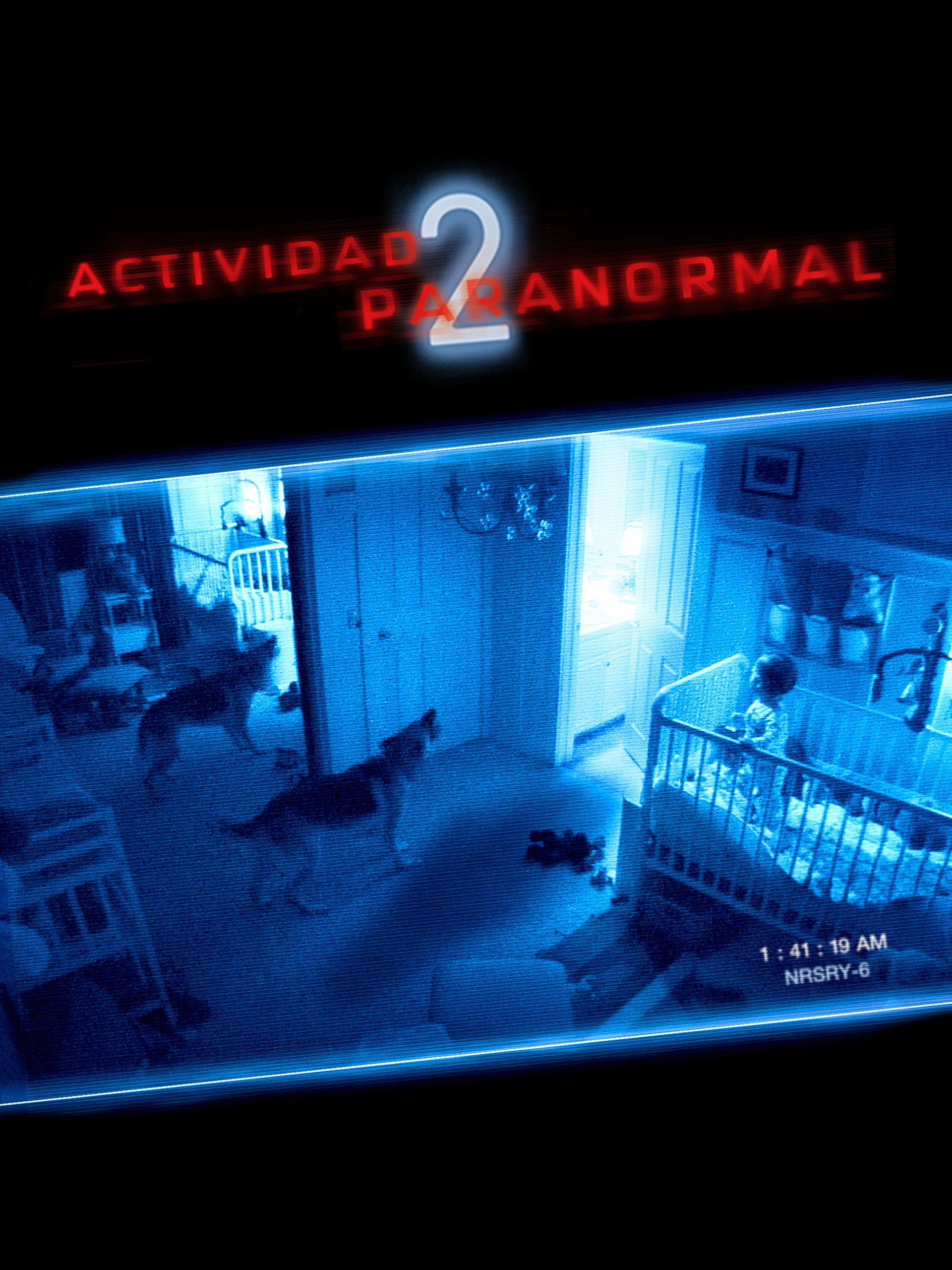
The production process differed sharply from a fixed studio shooting plan. According to Williams and producer Jason Blum in a 2011 report, filming and revisions unfolded over months at a Southern California house. Proposed scenes could be shot, examined in the edit and reconsidered as the team discovered what the footage could communicate. Williams described the work as collaborative across usual professional boundaries. This was a practical response to the film's documentary illusion: the action had to seem plausible within spaces where cameras could logically be installed, while the supernatural incidents needed enough visual clarity to register on a theater screen.
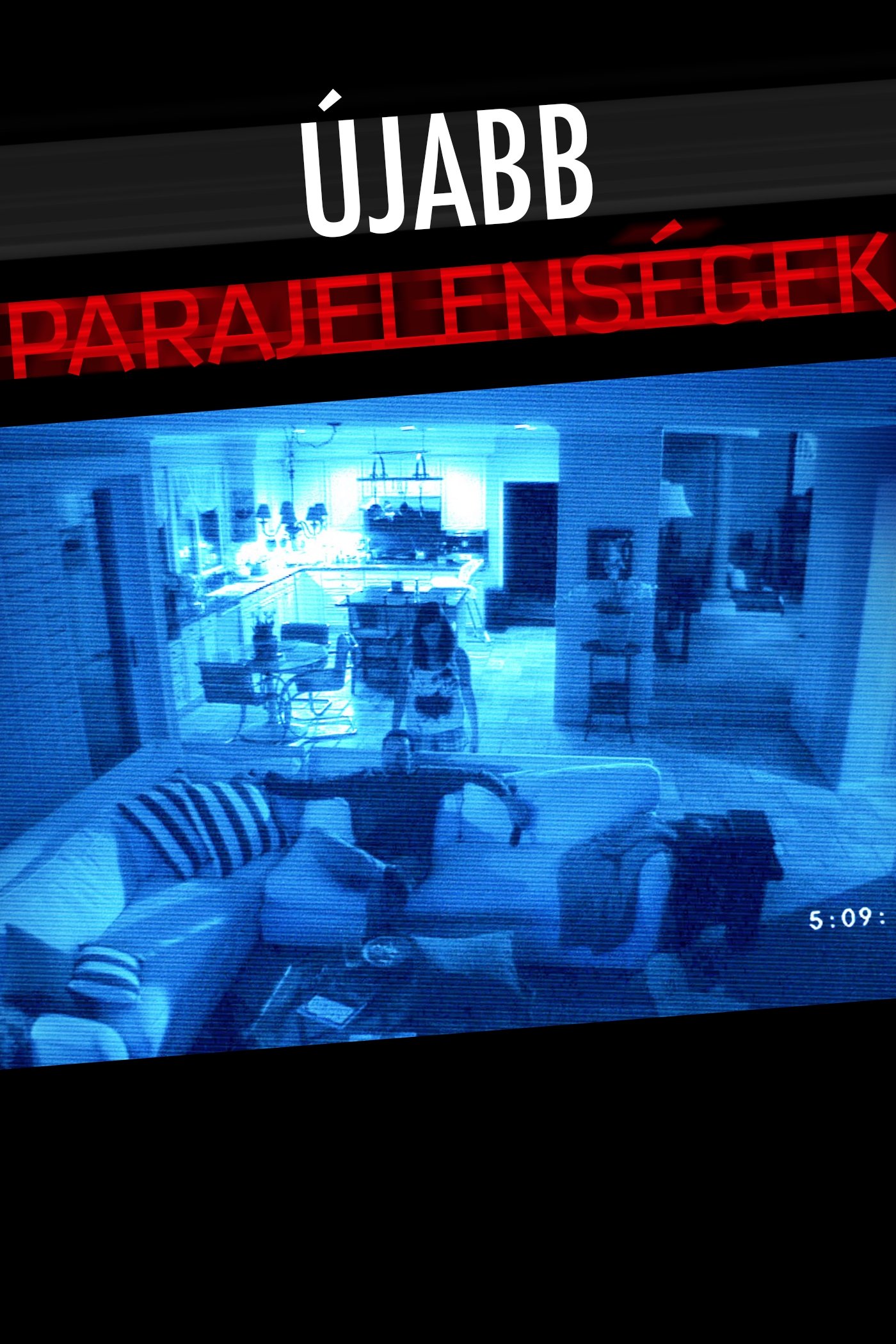
Some details emerged from contributions outside a conventional screenplay-to-set progression. The same production account credits an idea involving the automatic pool cleaner to Paramount executive Adam Goodman, while a practical-effects company suggested the sudden opening of kitchen cabinets. These examples are particularly revealing because the film's shocks depend on commonplace household objects behaving unpredictably. The story could expand the mythology through the Rey family without turning the setting into a conventional spectacle, and the production method allowed the filmmakers to test whether each disturbance was credible when seen through a supposedly unattended camera.