
Development After Saw
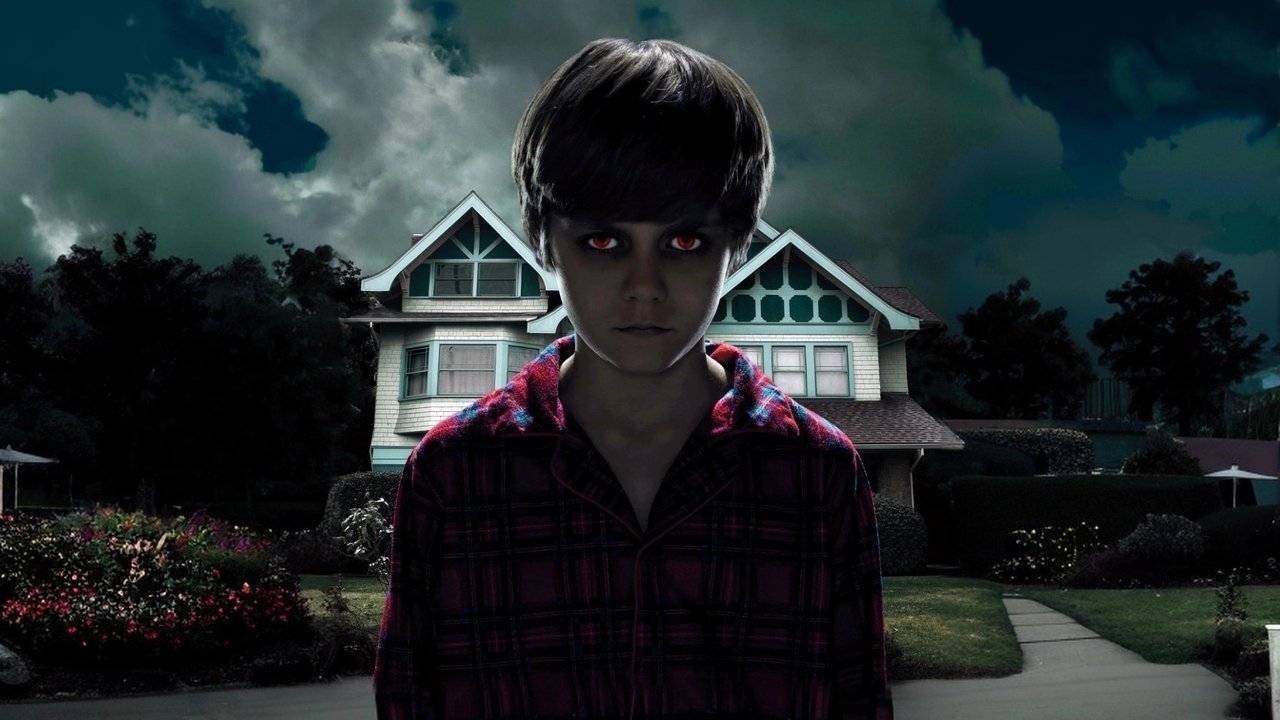
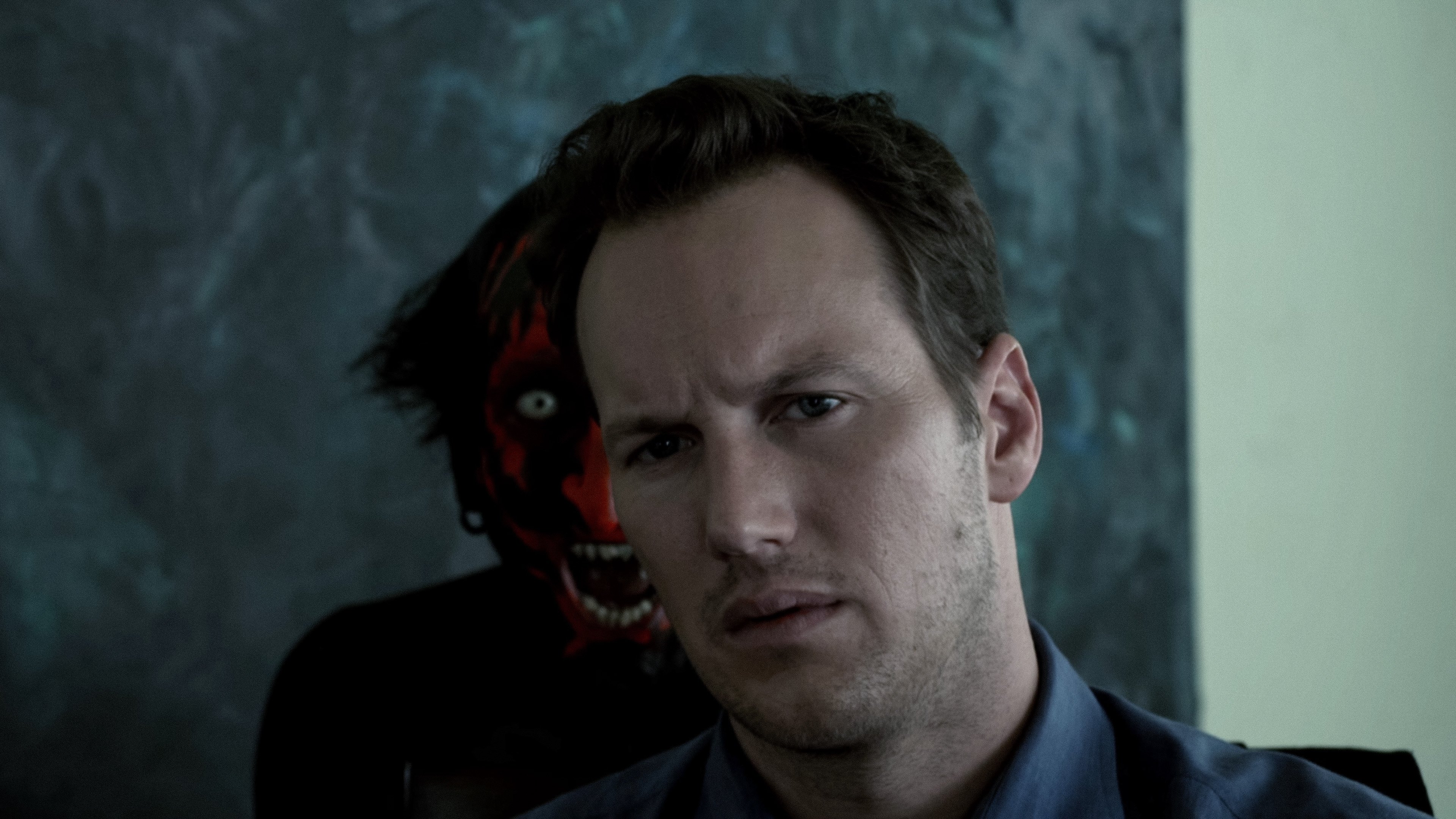
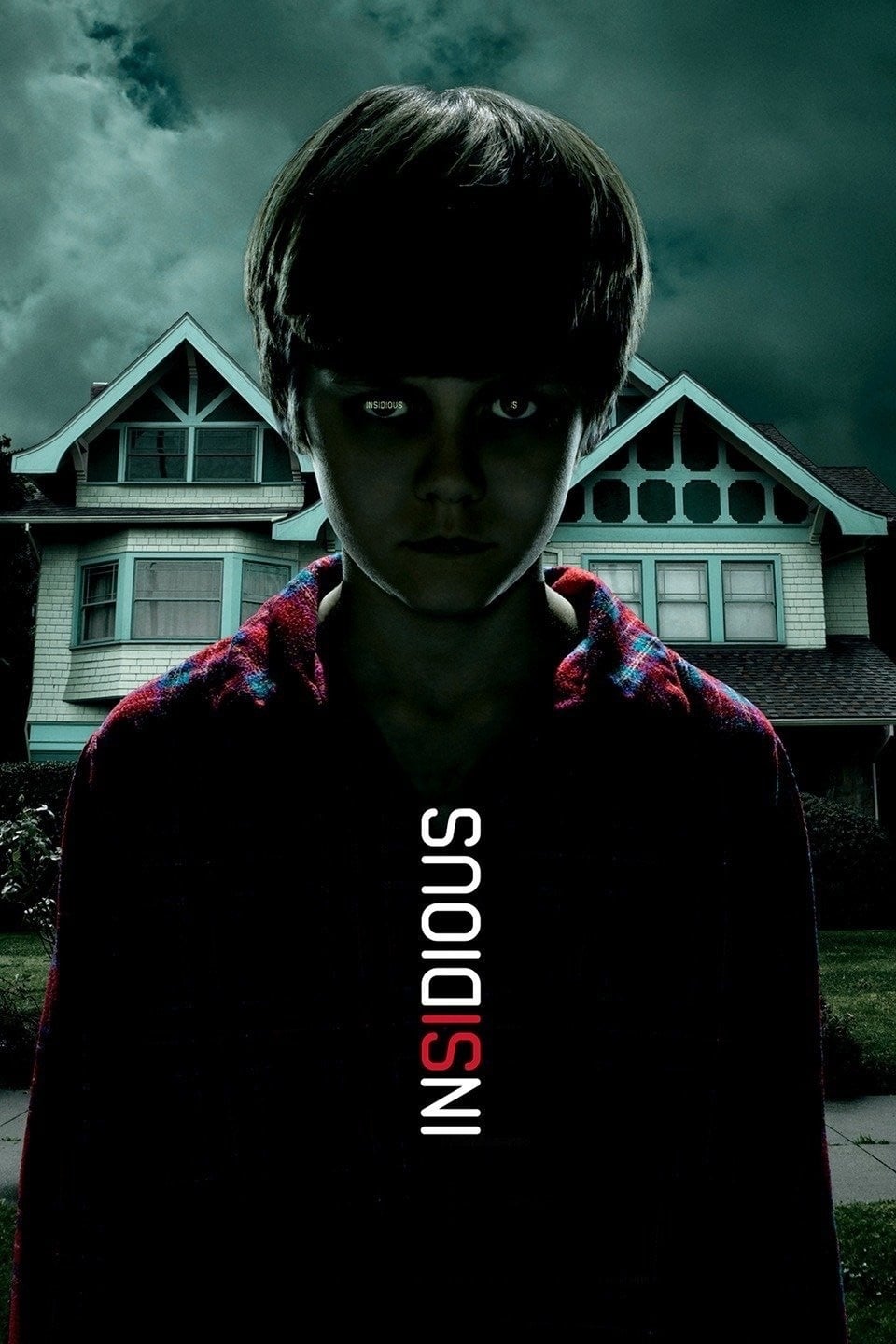
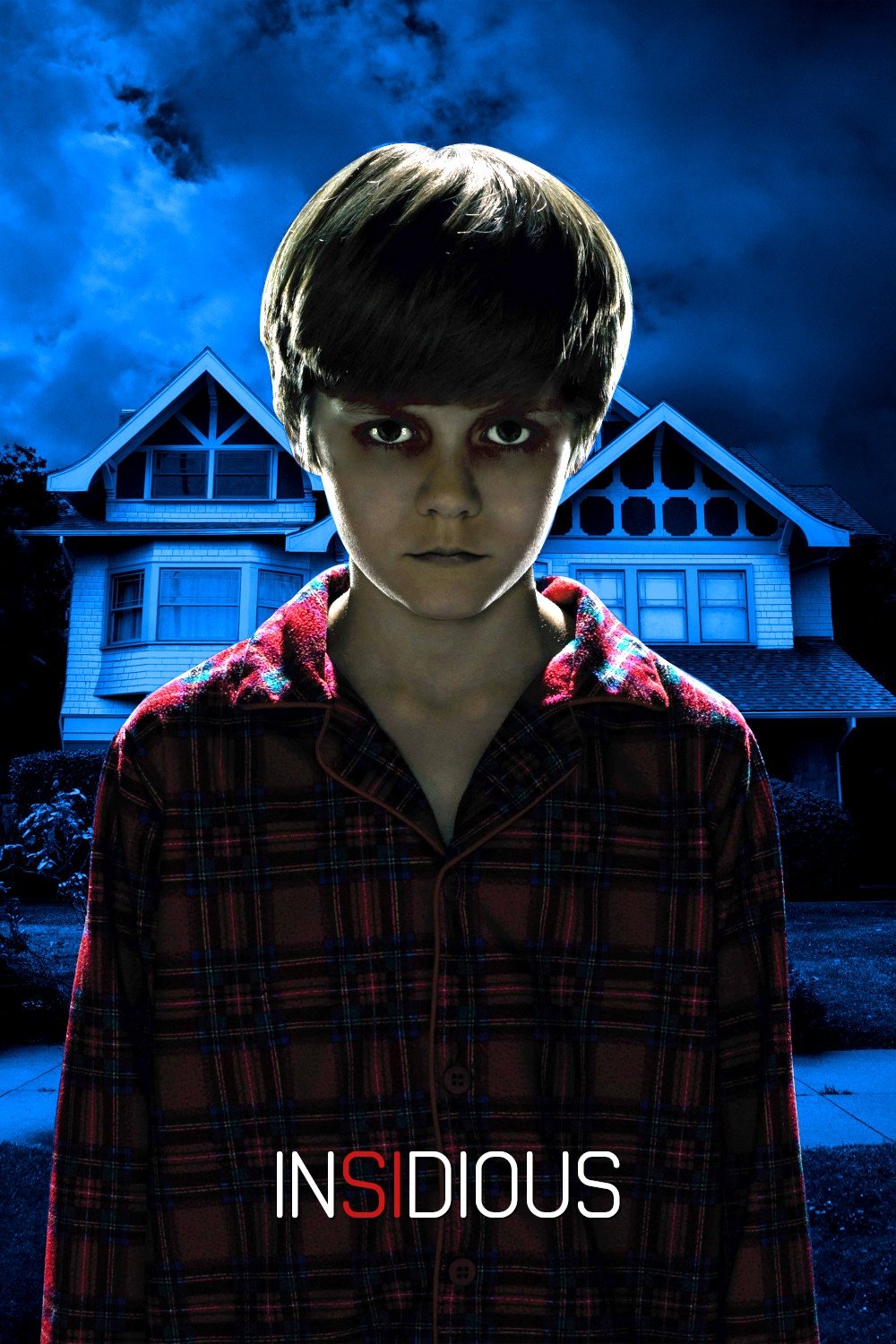
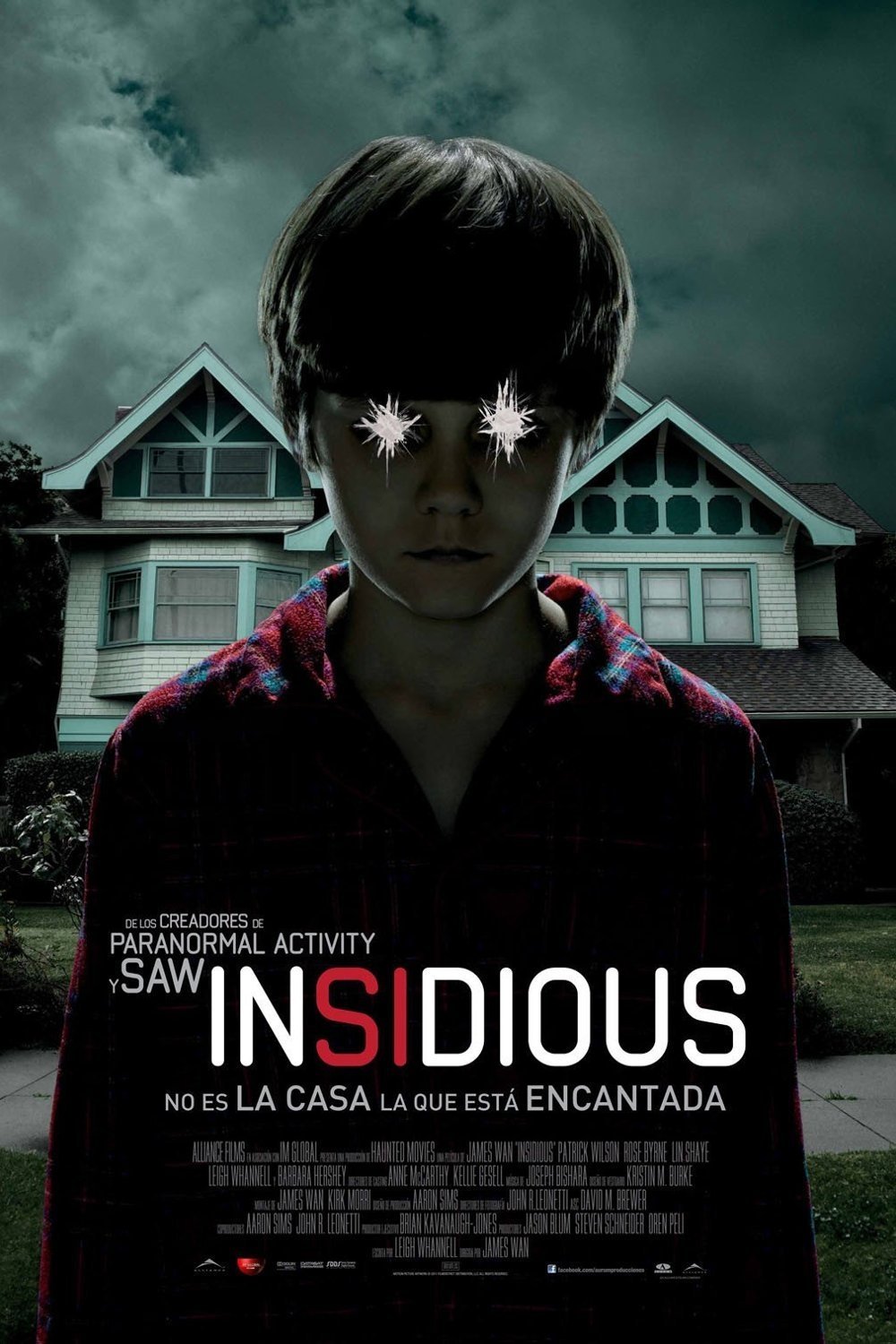
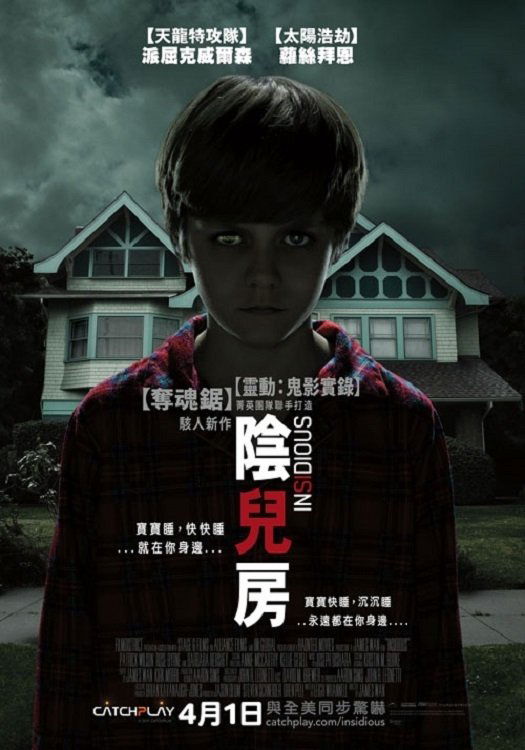
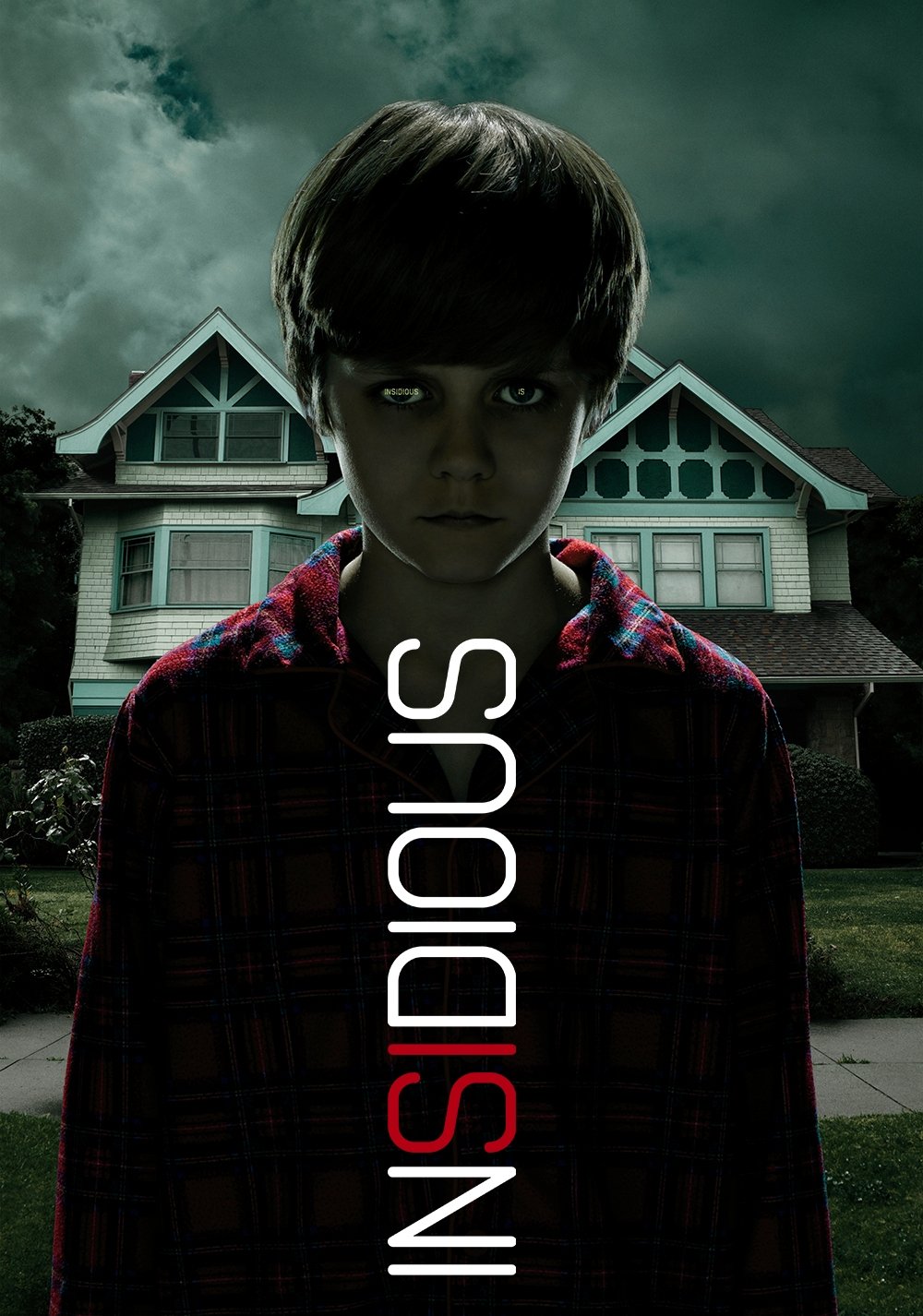
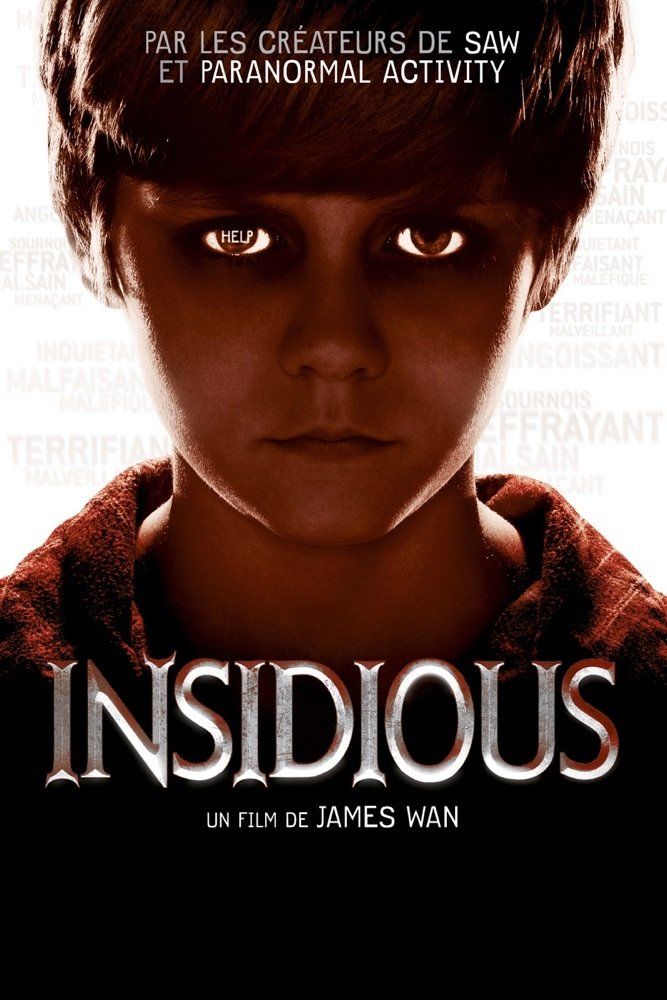
James Wan and Leigh Whannell had spent several years apart creatively after establishing themselves with Saw. Wan directed Dead Silence and Death Sentence, while the Saw series continued under other filmmakers. During that period, Wan became increasingly conscious that his name had been associated with the graphic horror cycle that followed Saw, even though he regarded the original film primarily as a psychological thriller. When he and Whannell began developing Insidious, one of Wan's specific objectives was therefore to make a frightening horror film with almost no blood or gore. The project would rely on anticipation, apparitions and supernatural atmosphere rather than bodily destruction.
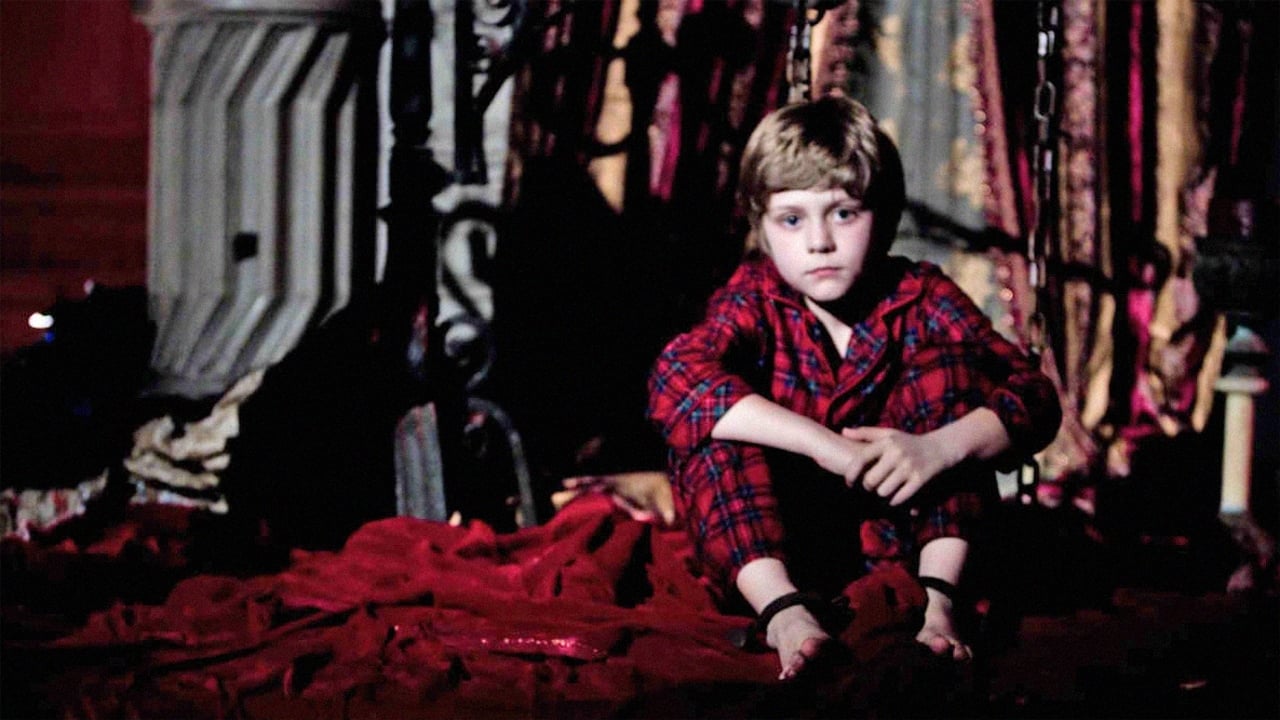
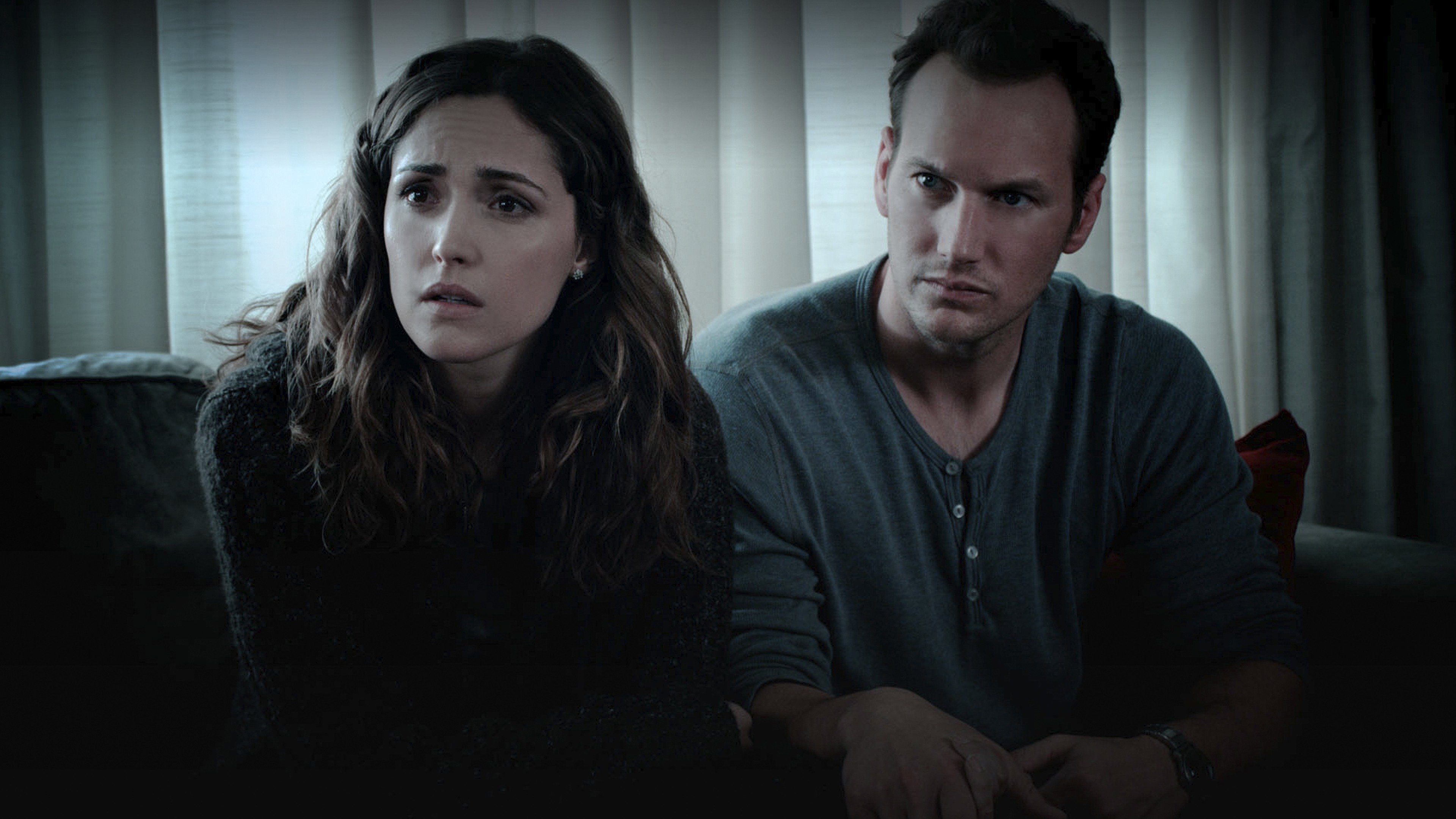
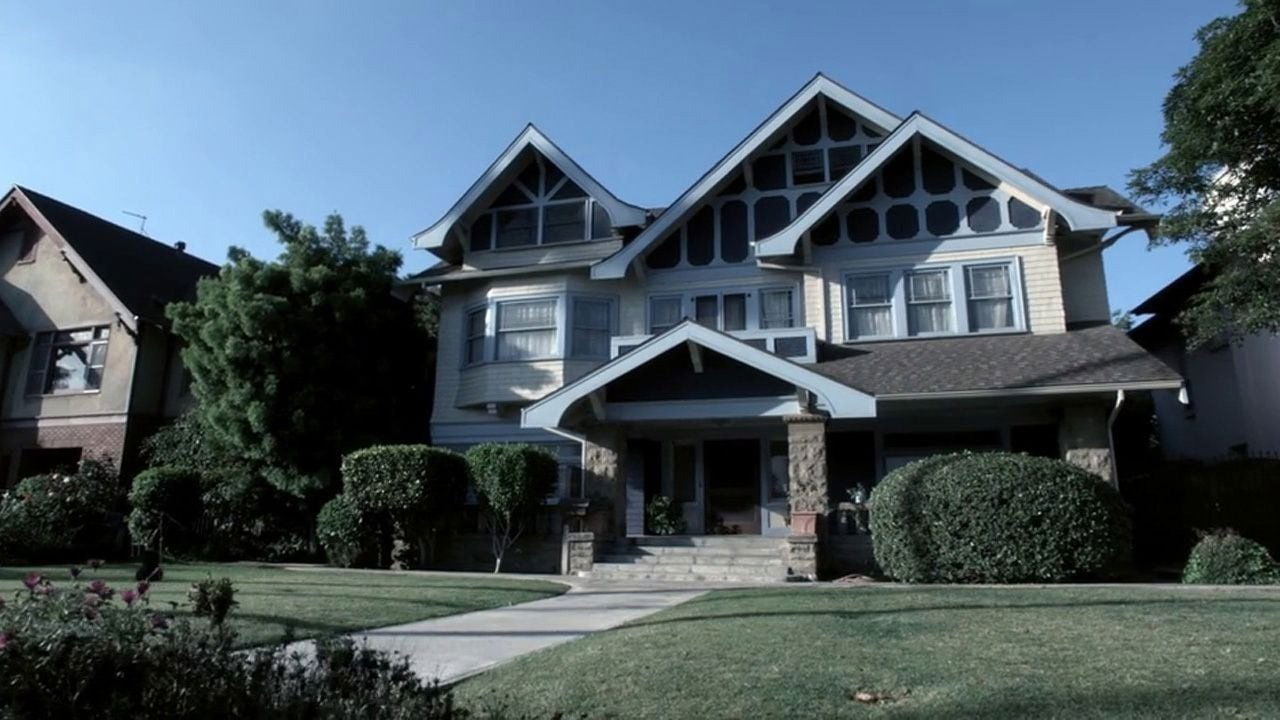
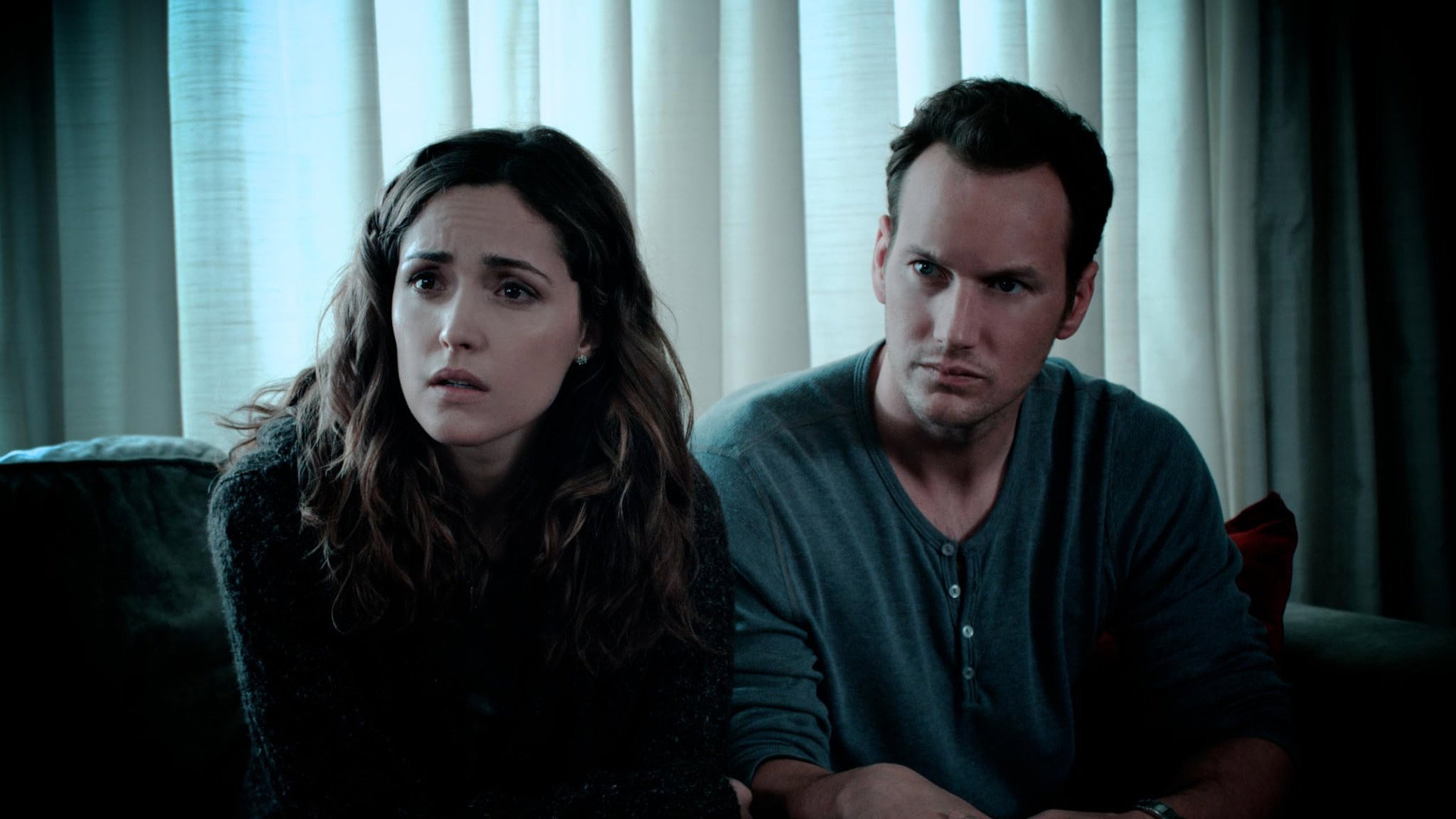
Whannell built the screenplay around a relatively simple family structure. Patrick Wilson later observed that the script initially read almost like a domestic drama into which supernatural events gradually entered. Wan considered that simplicity an advantage. Instead of constructing another nonlinear mystery in the manner of Saw, the filmmakers could establish a straightforward emotional foundation and then attach increasingly unusual ideas to it. The early portion consequently resembles traditional haunted-house cinema, with sounds, shadows, unexplained figures and anxious parents trying to understand changes occurring around their child.
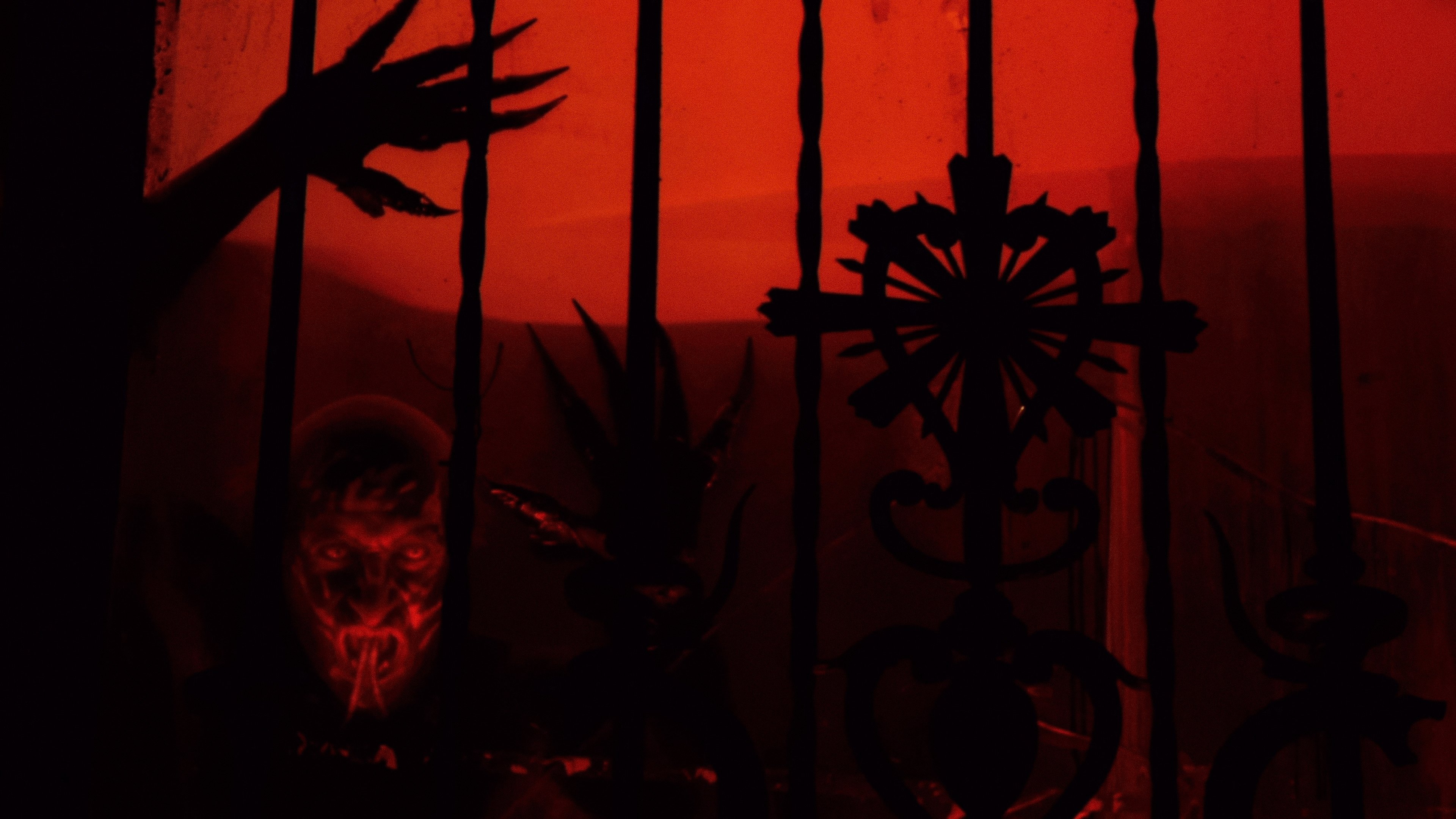
The involvement of producer Jason Blum was equally significant. Blumhouse was building a production model around inexpensive films in which filmmakers could accept financial restrictions in exchange for unusual creative freedom. Blum later cited Insidious as an example of an idea that might have been considered too strange at a conventional studio budget. Wan openly described The Further through references to the surreal atmosphere of David Lynch, yet the modest investment made that eccentricity commercially acceptable. The economic limitation therefore protected one of the film's most distinctive qualities instead of forcing the filmmakers to simplify it.