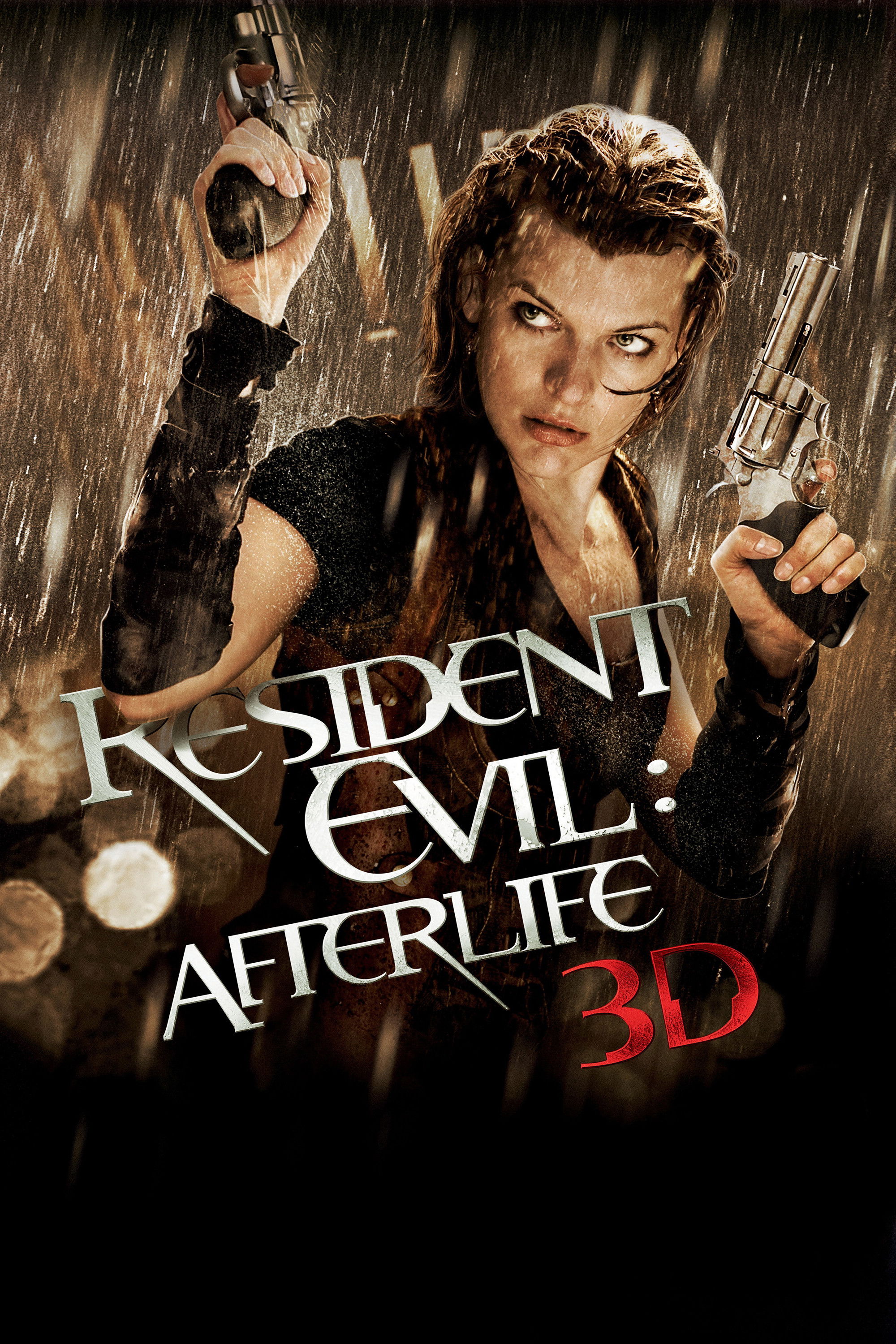
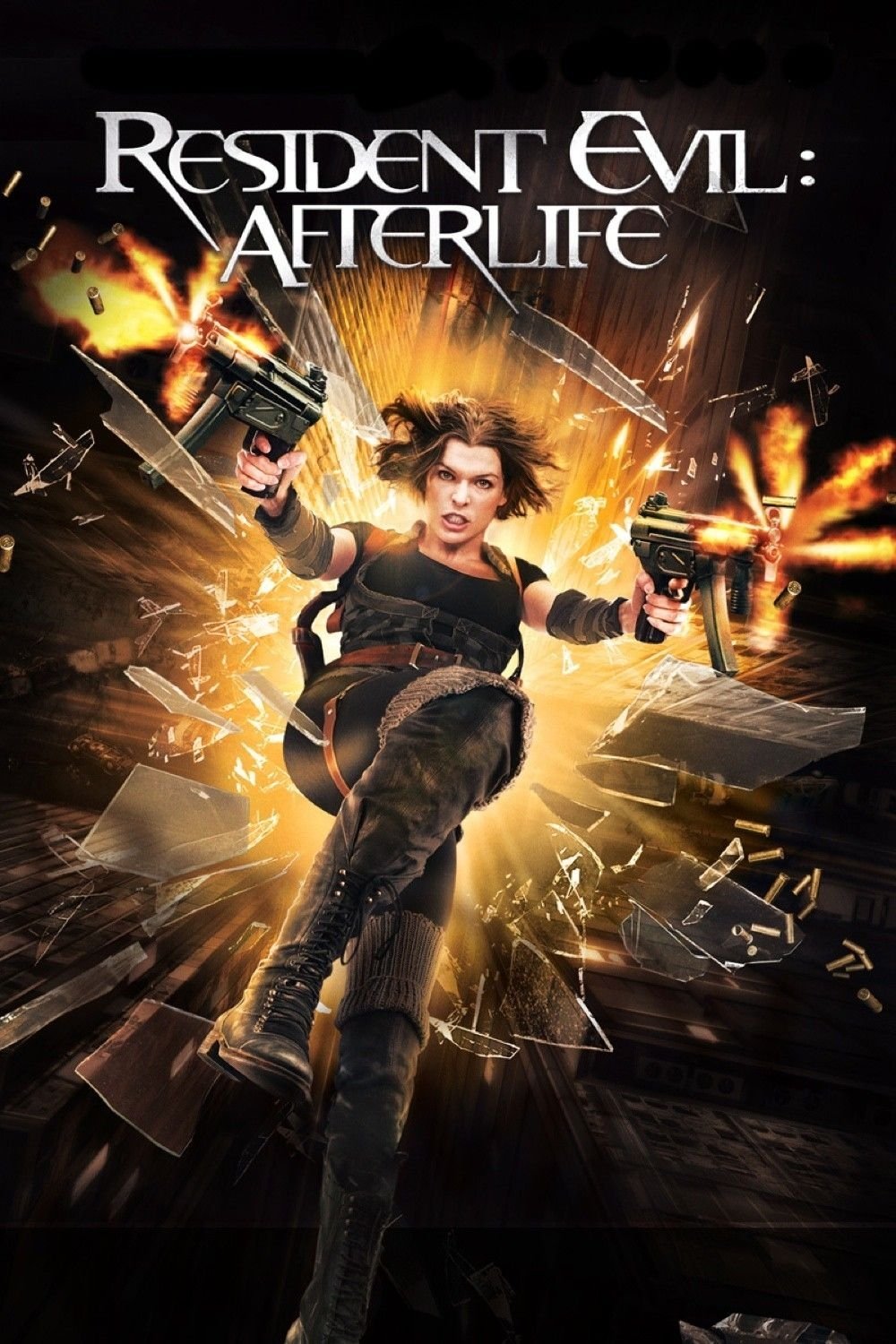
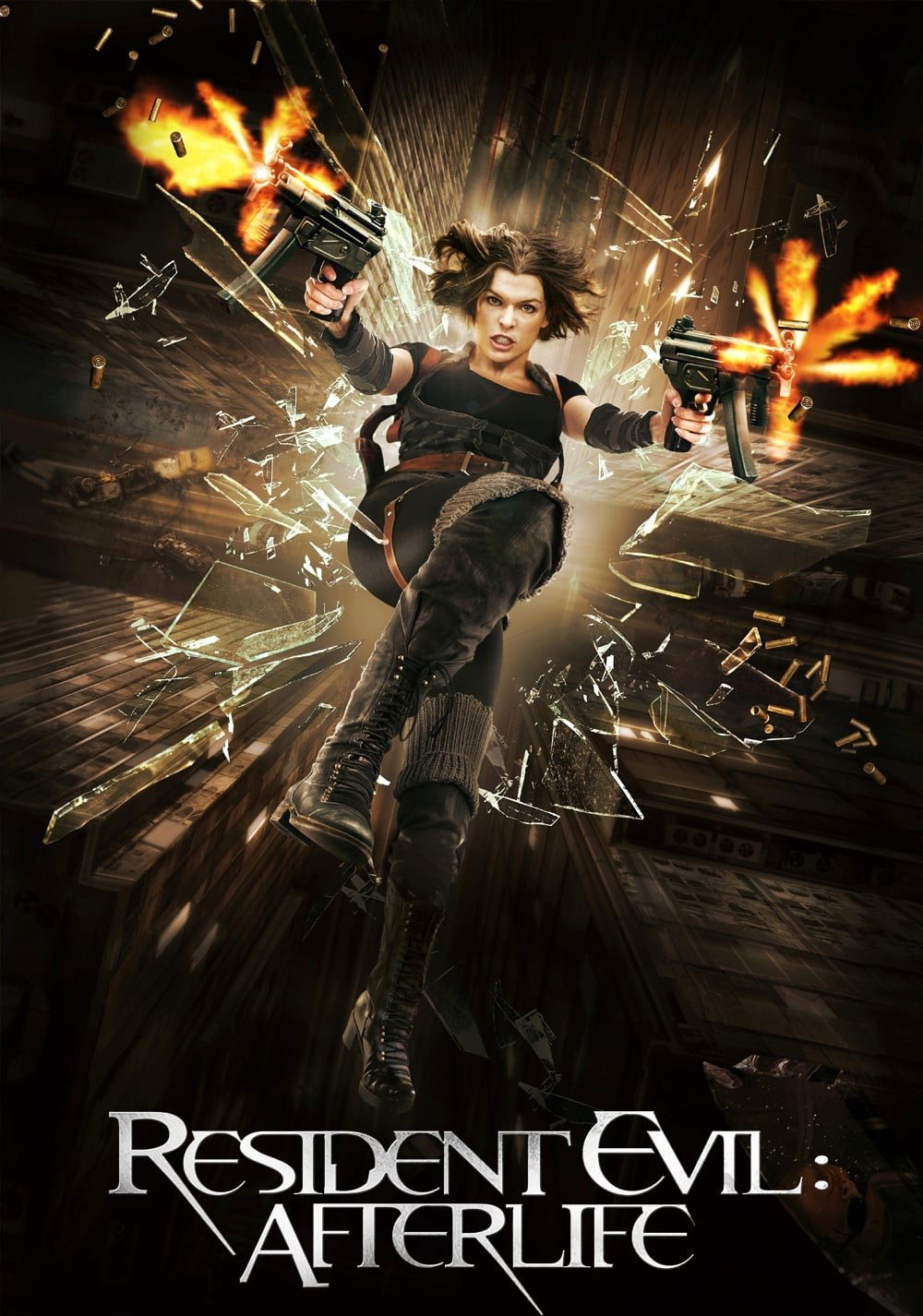
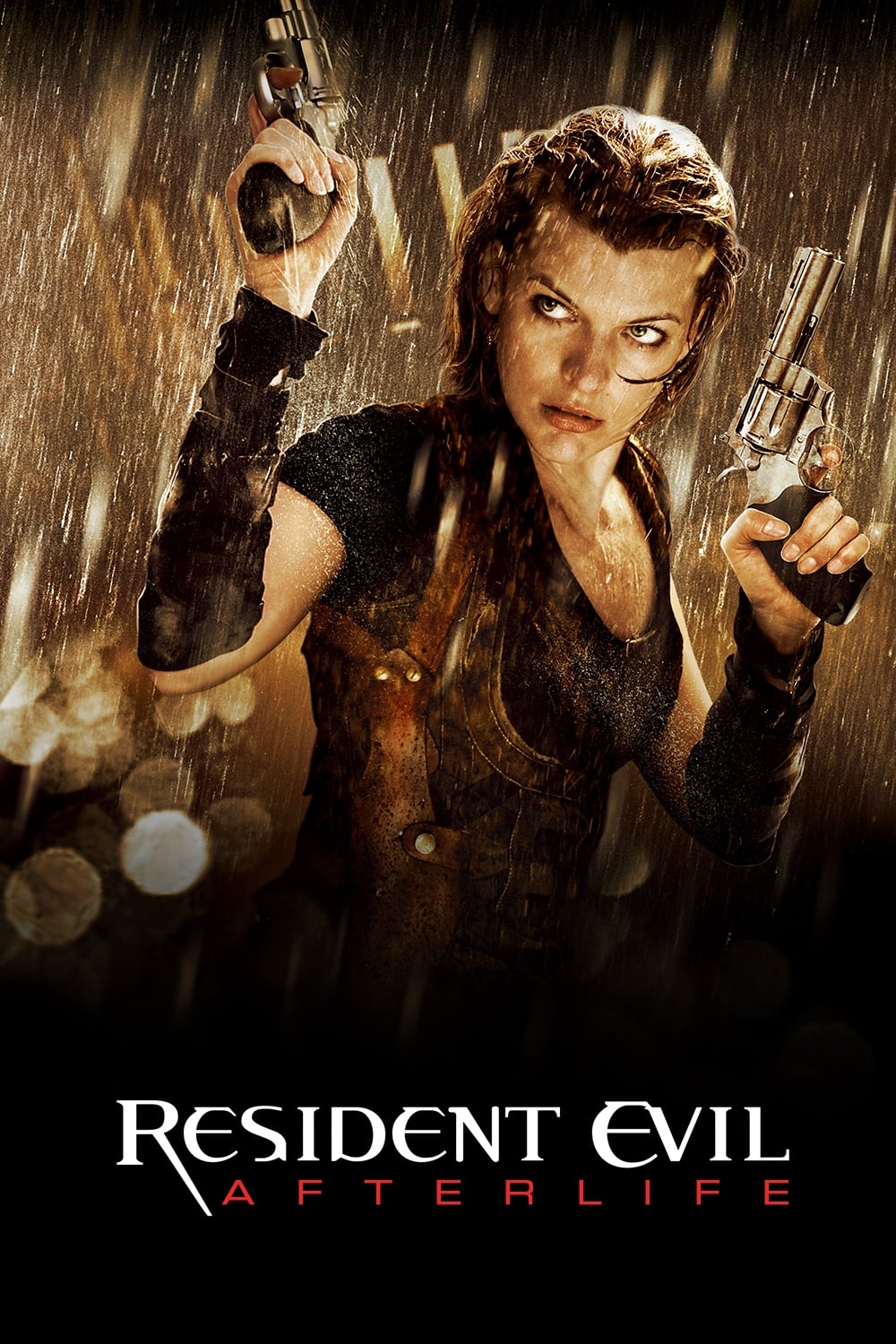
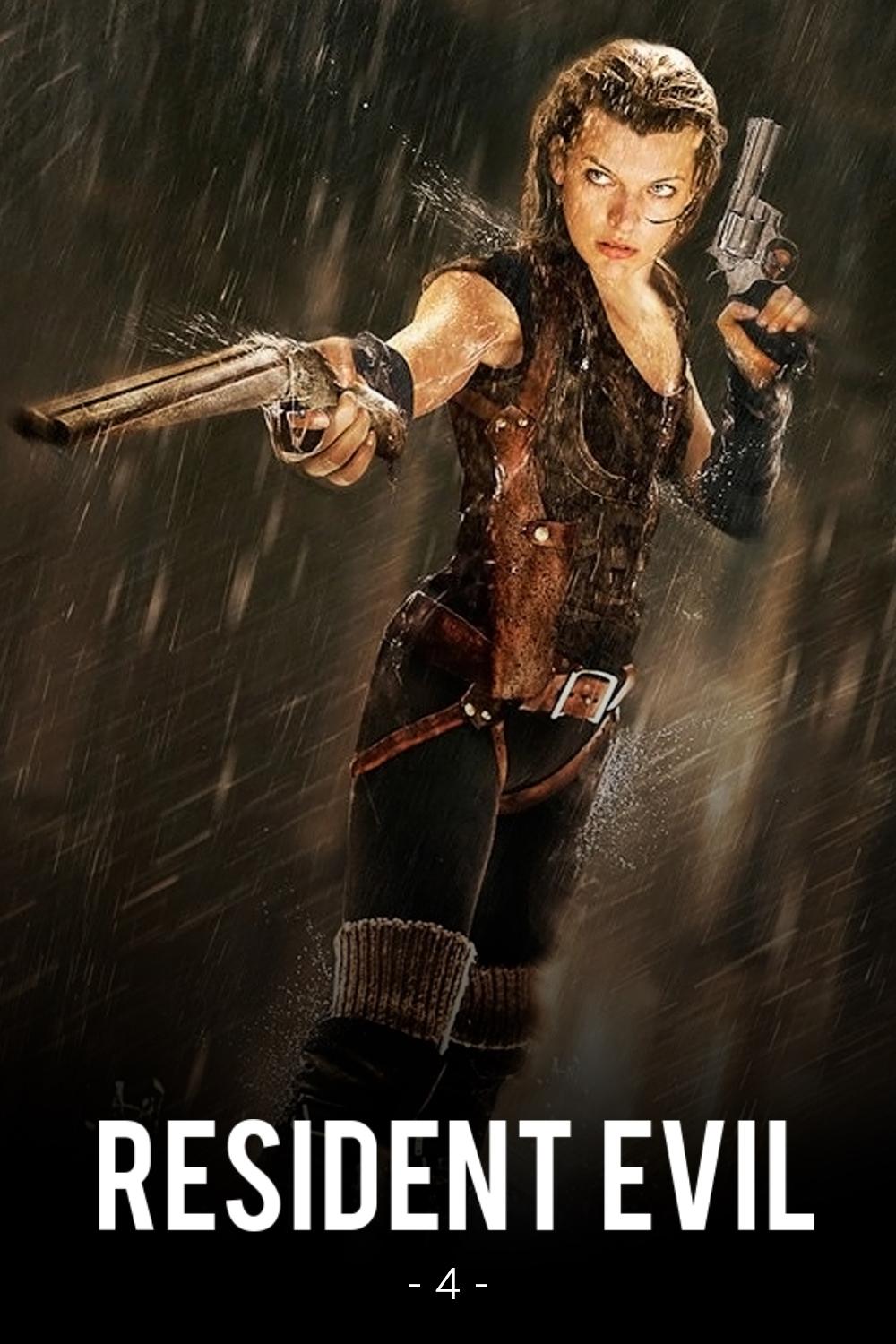
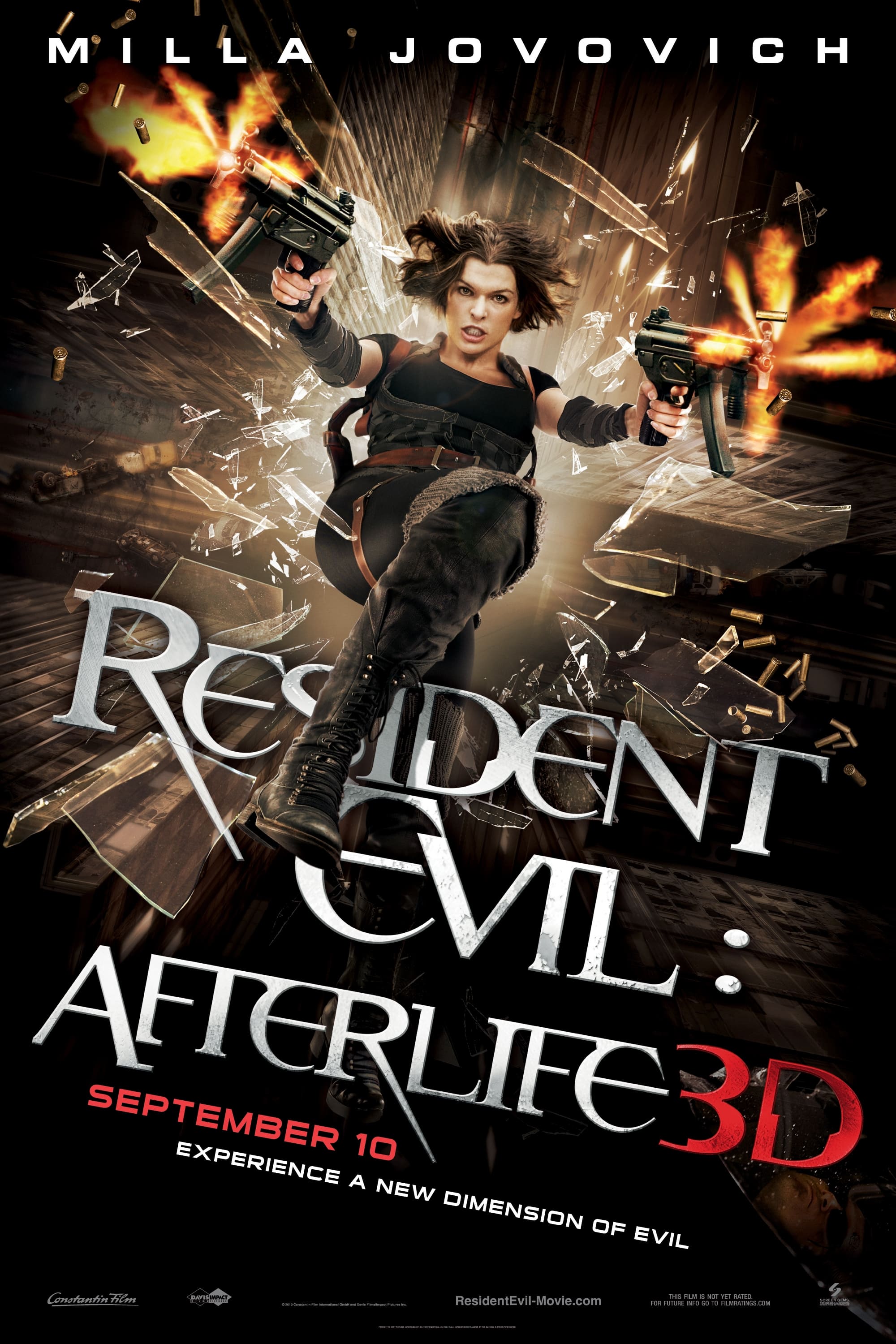
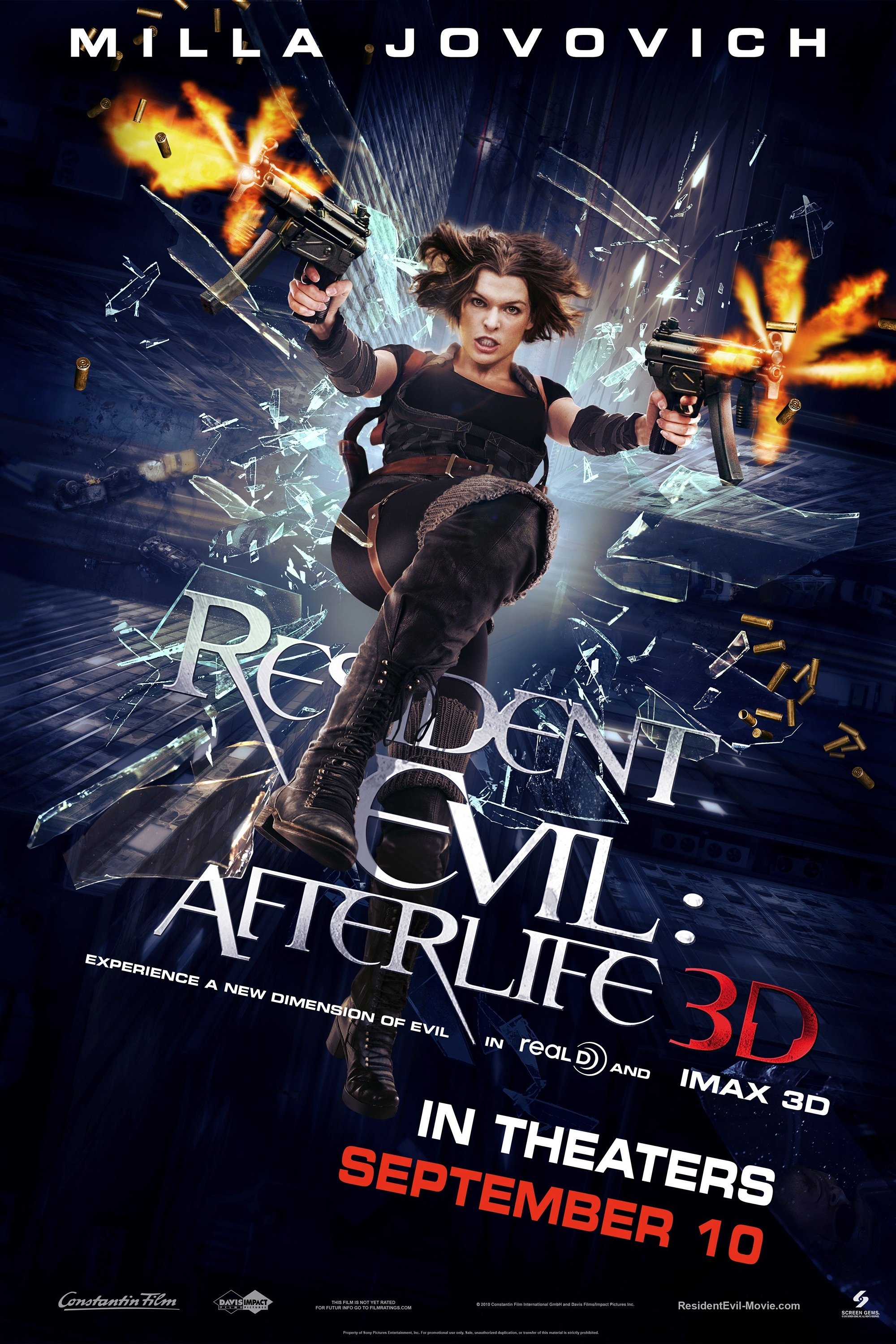
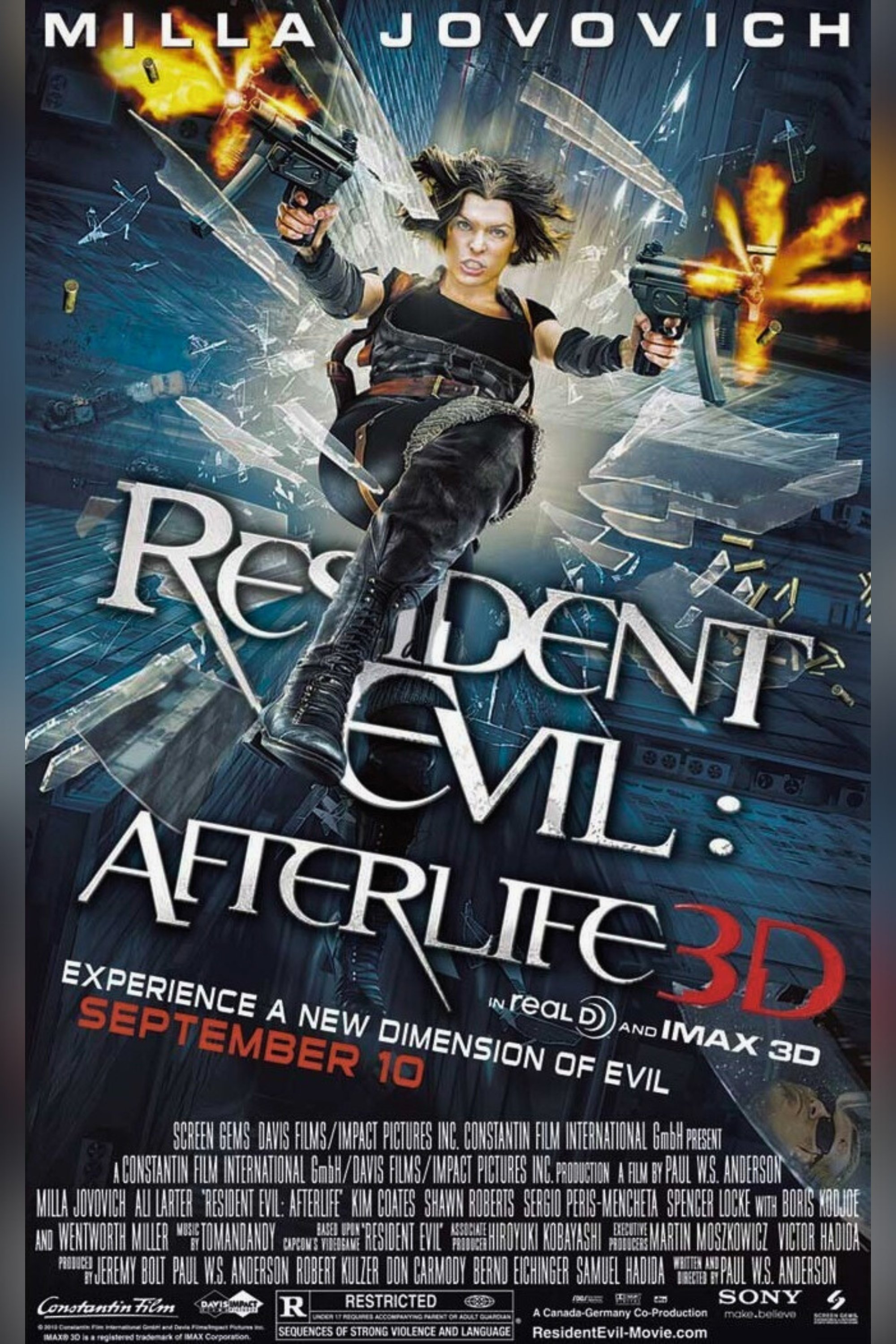
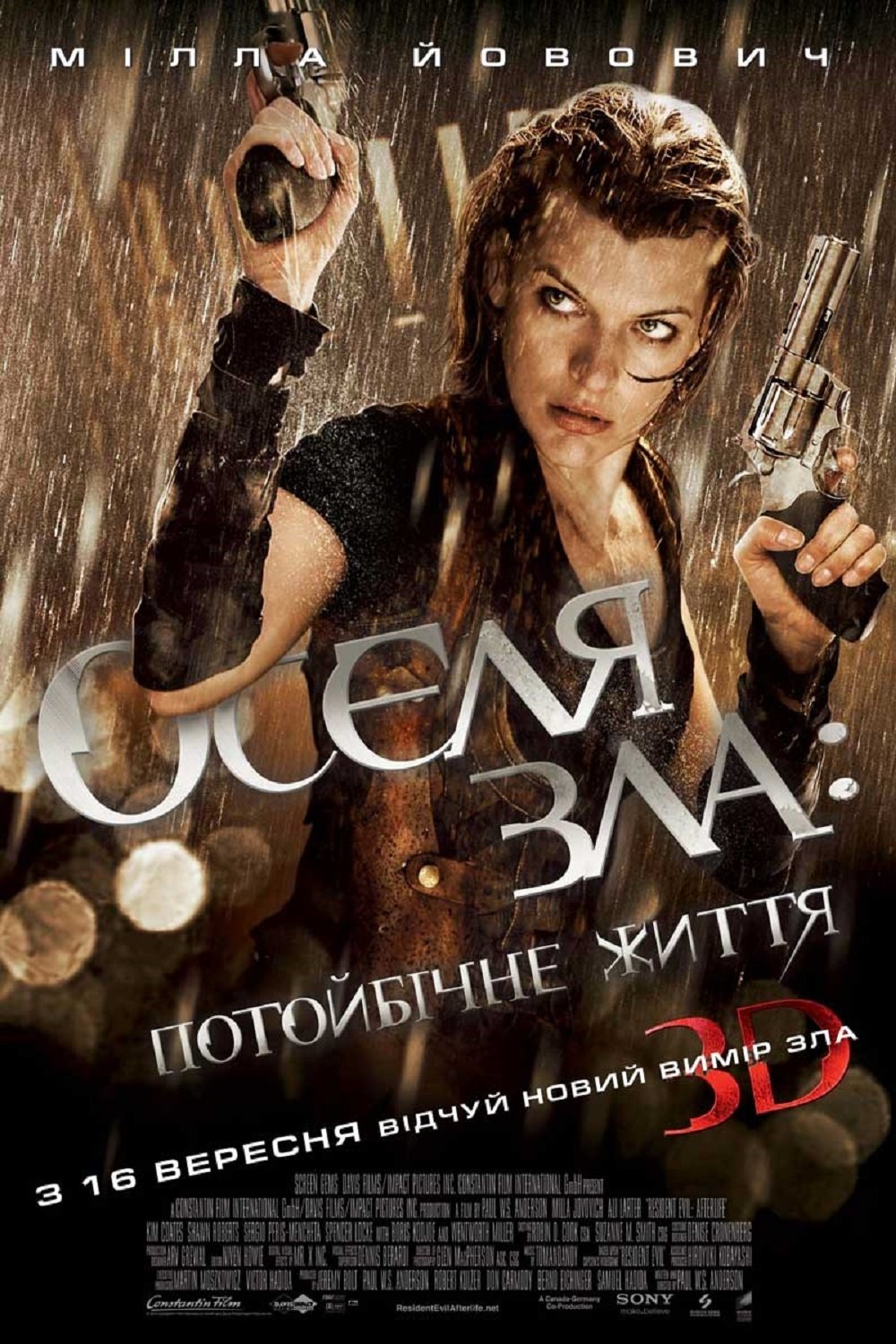
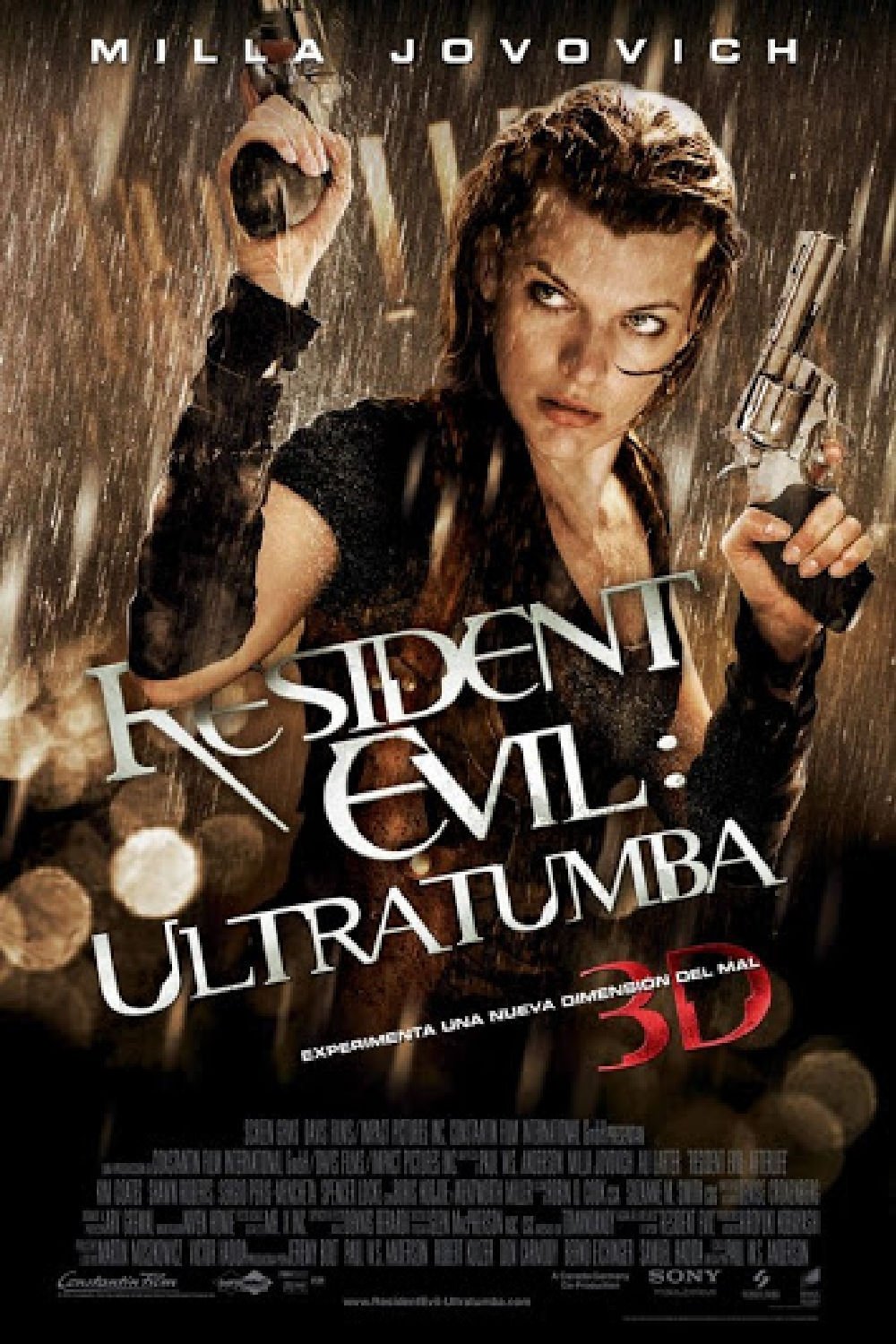
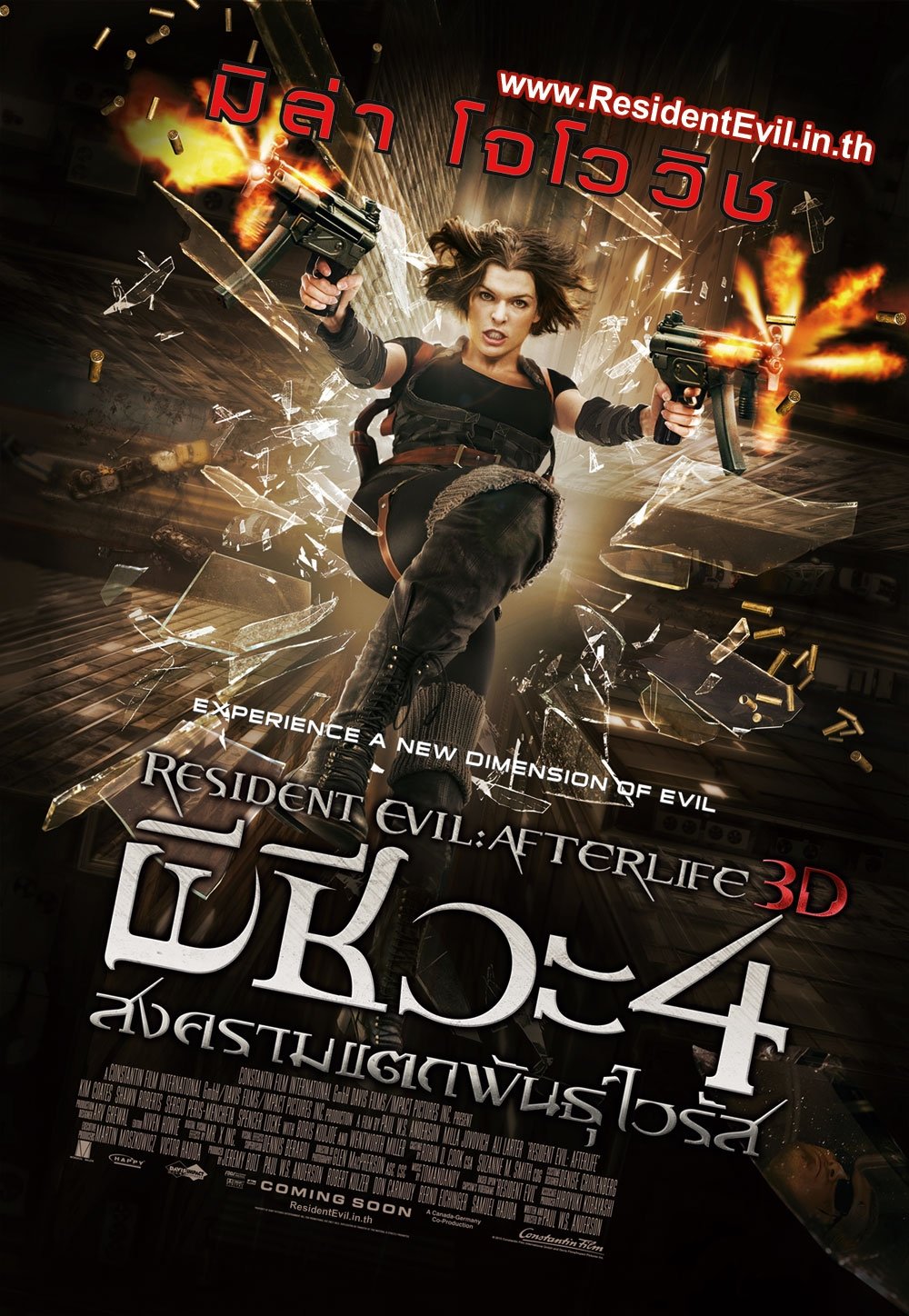
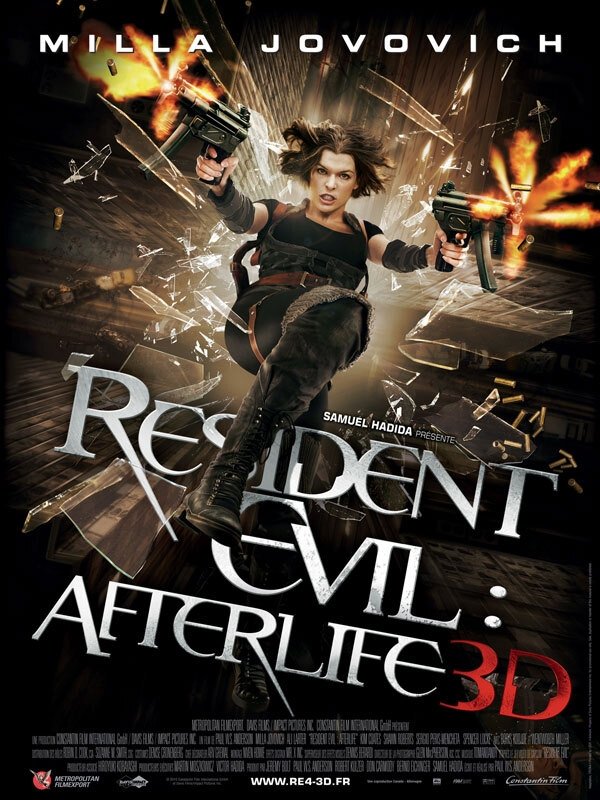
Screen Gems
, Constantin Film
, Davis Films/Impact Pictures
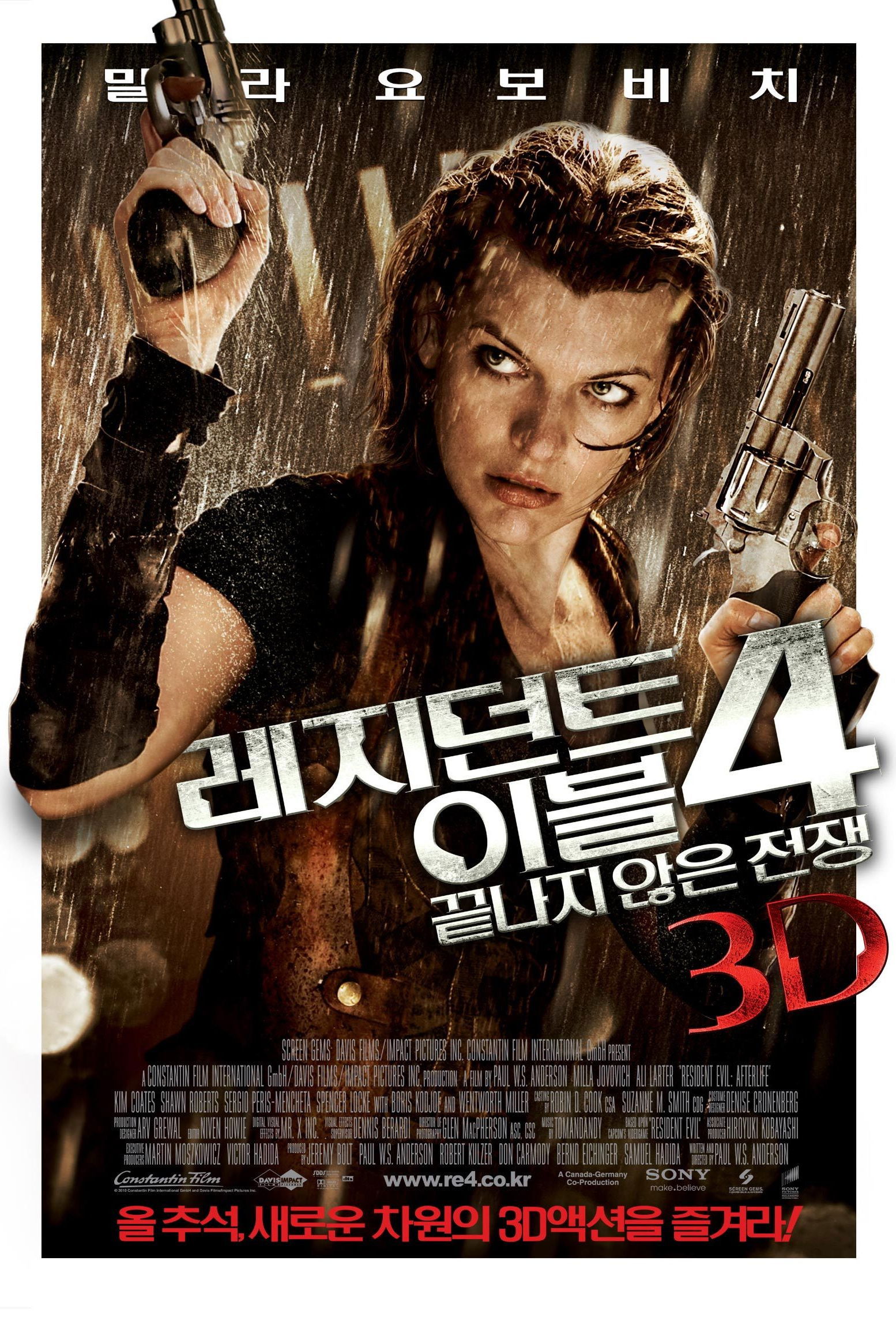
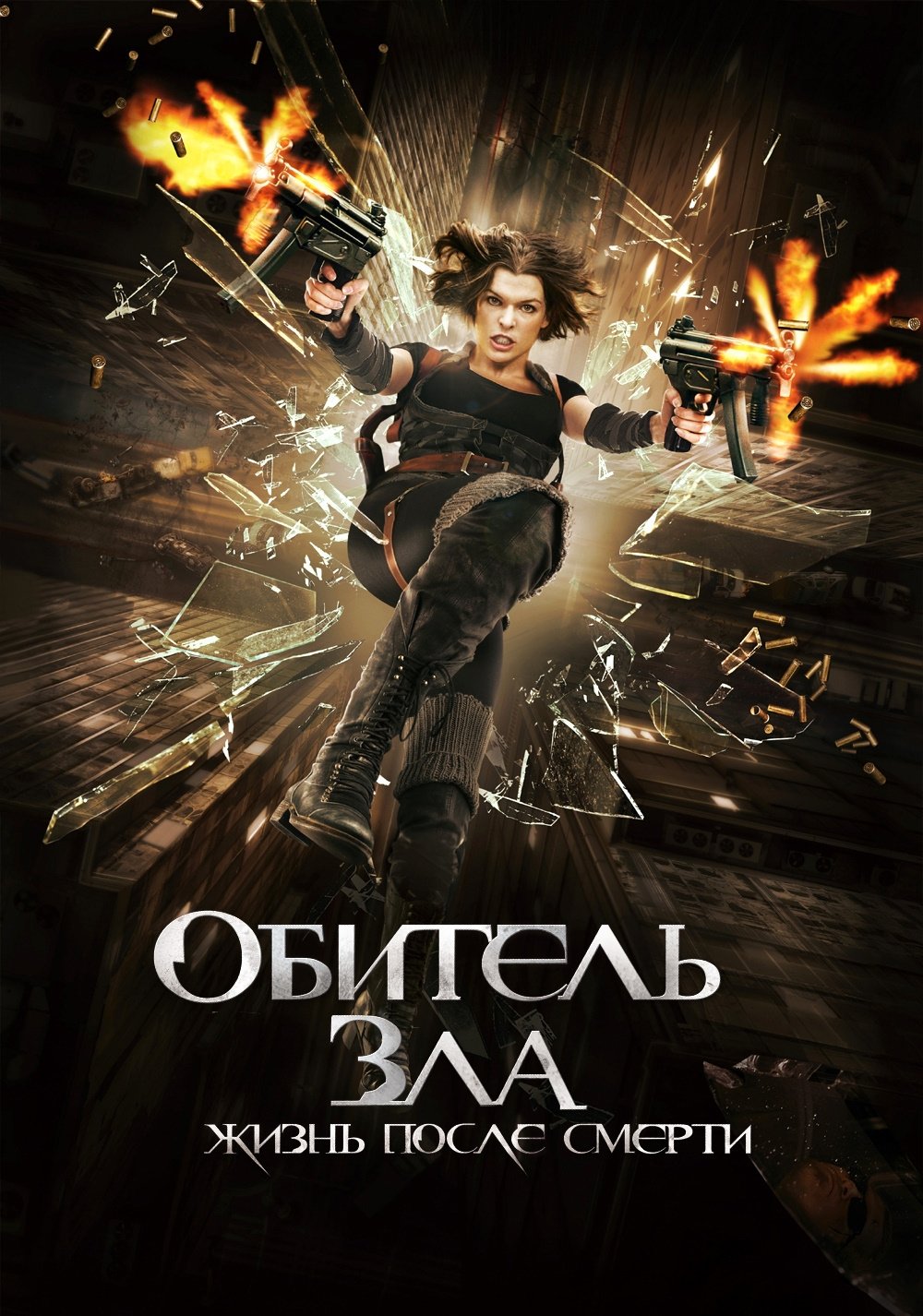
Plot
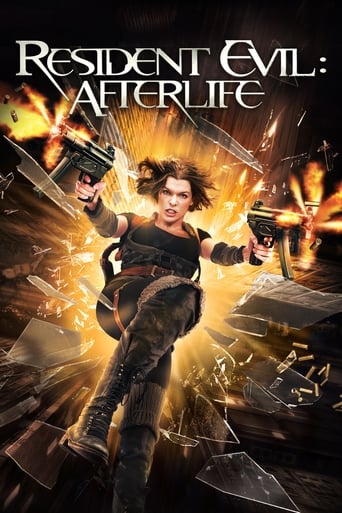
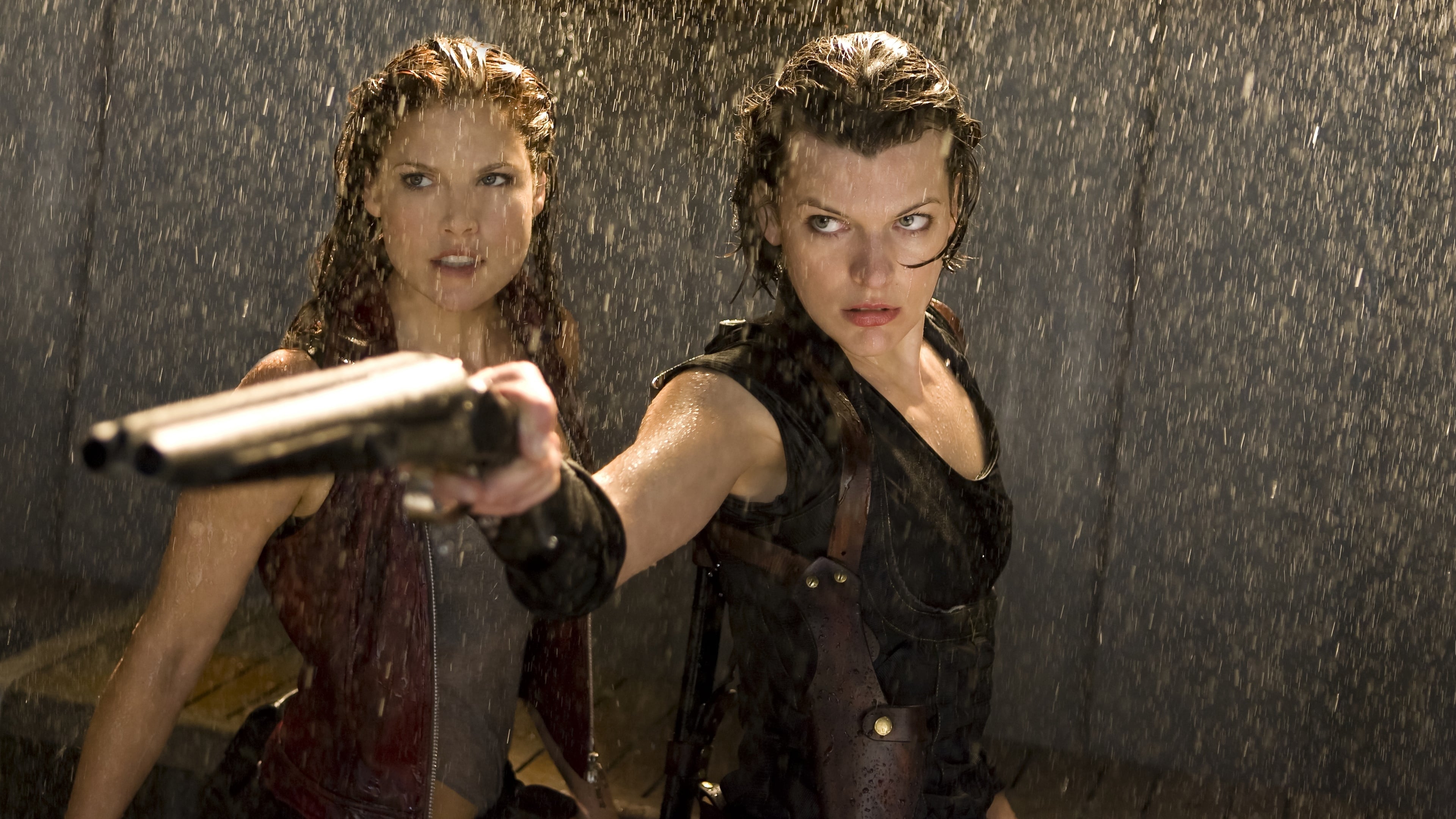
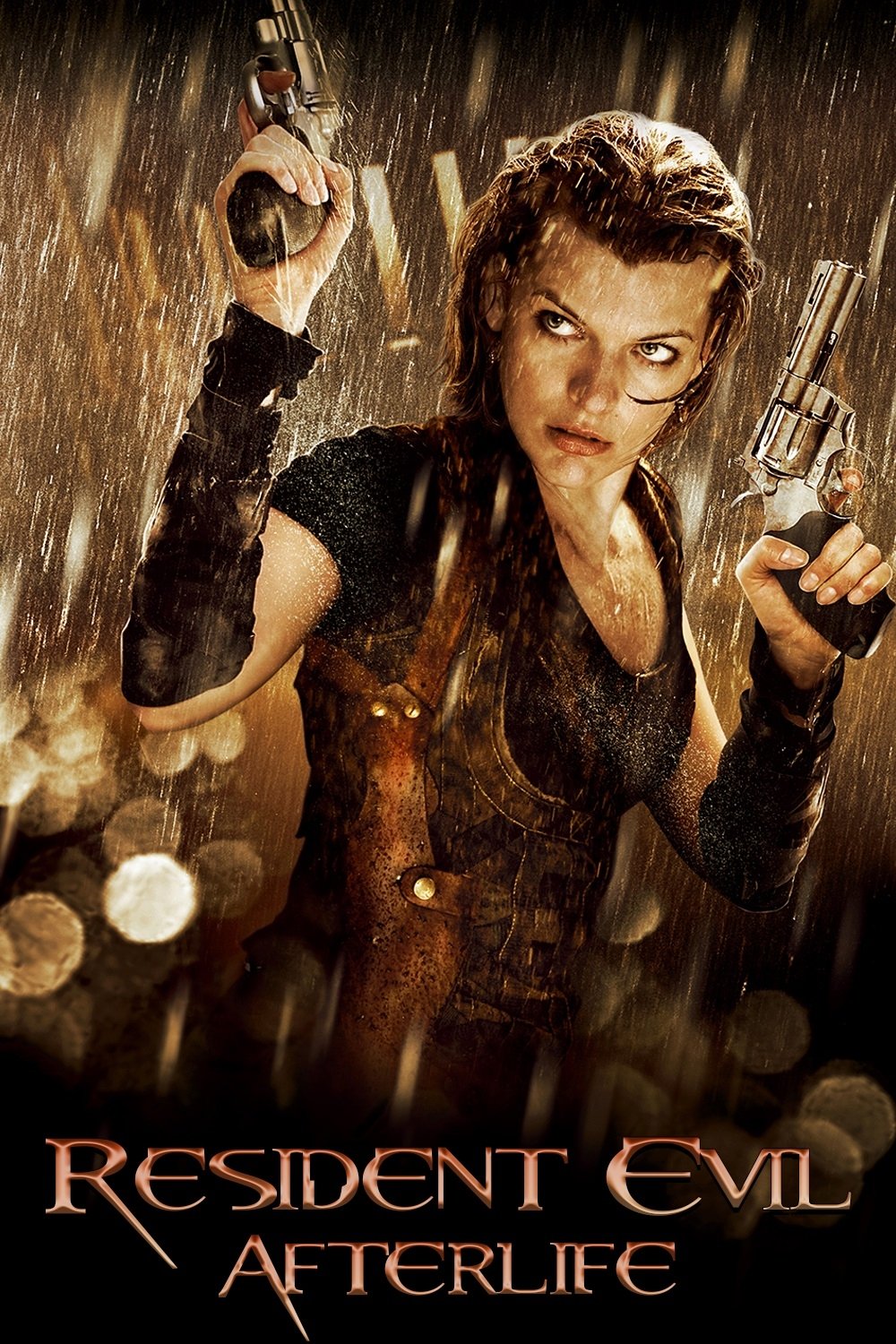
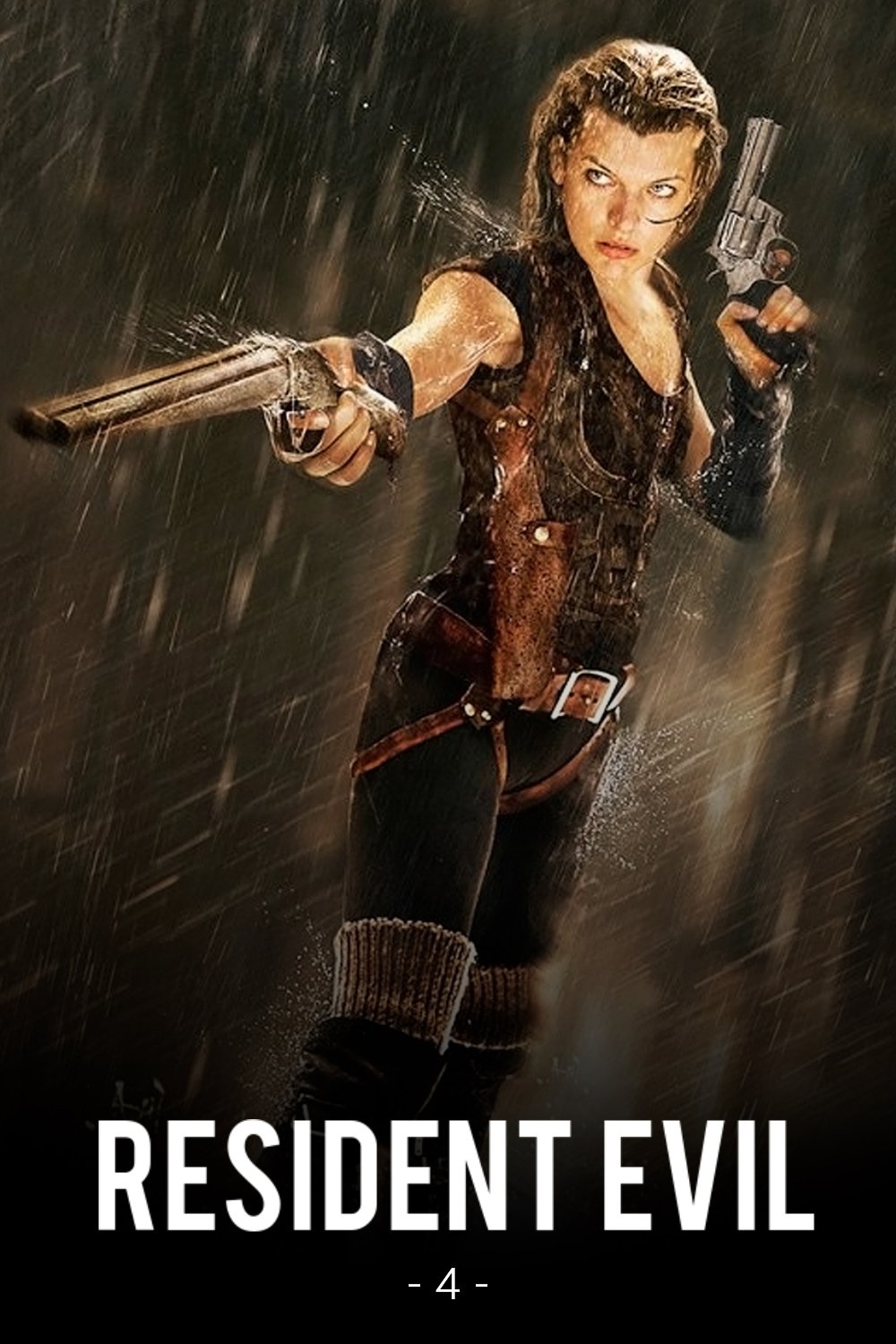
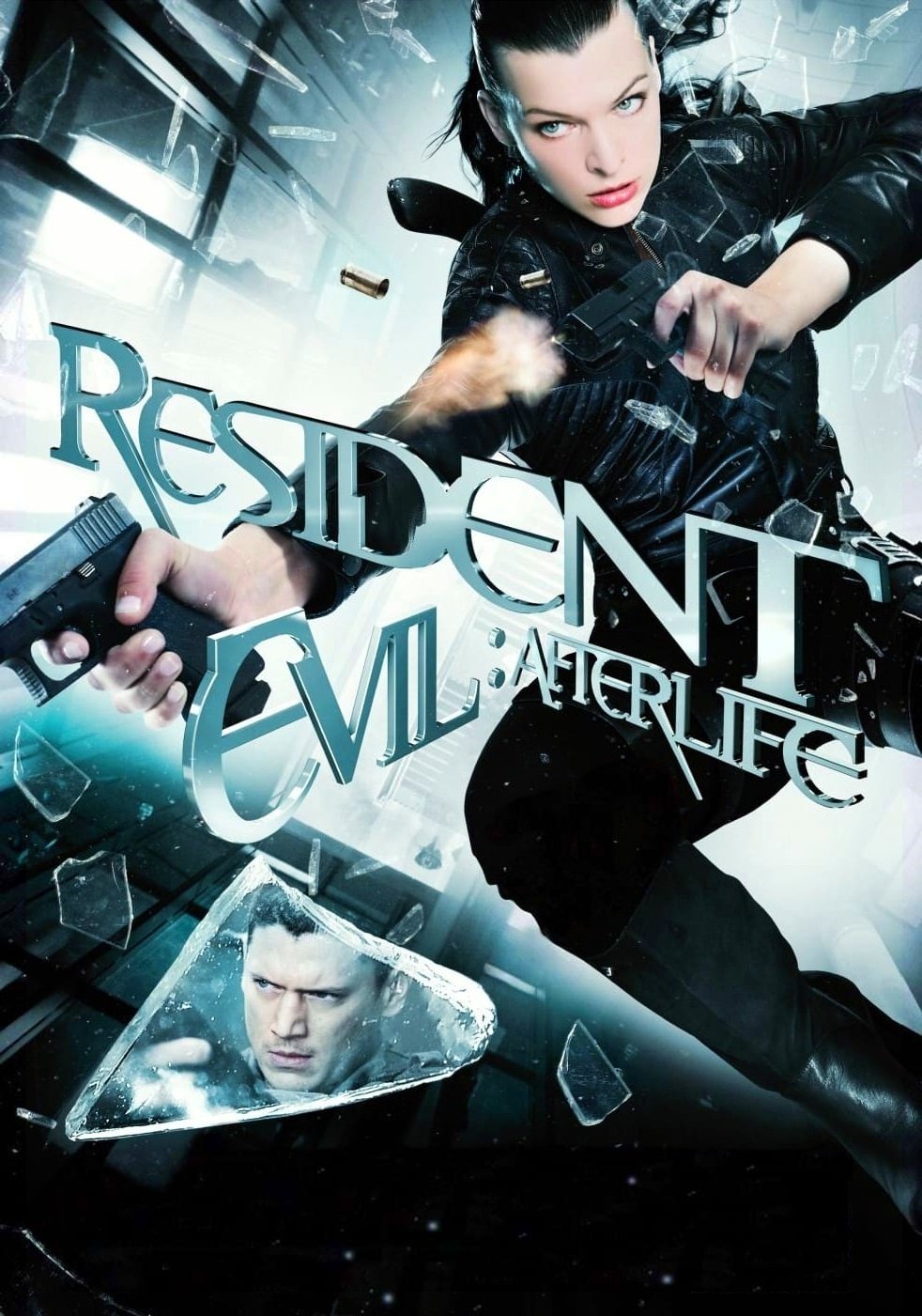
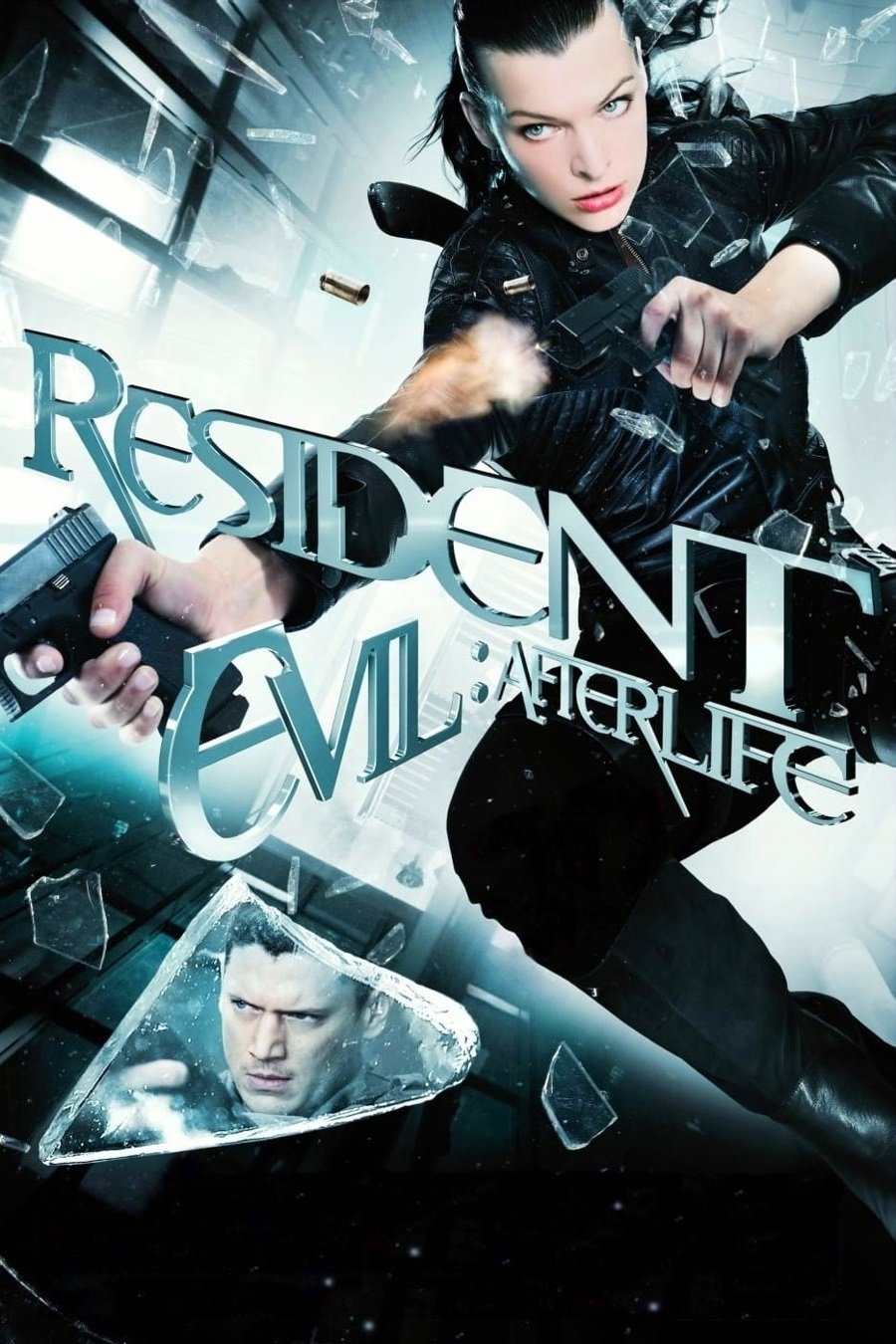
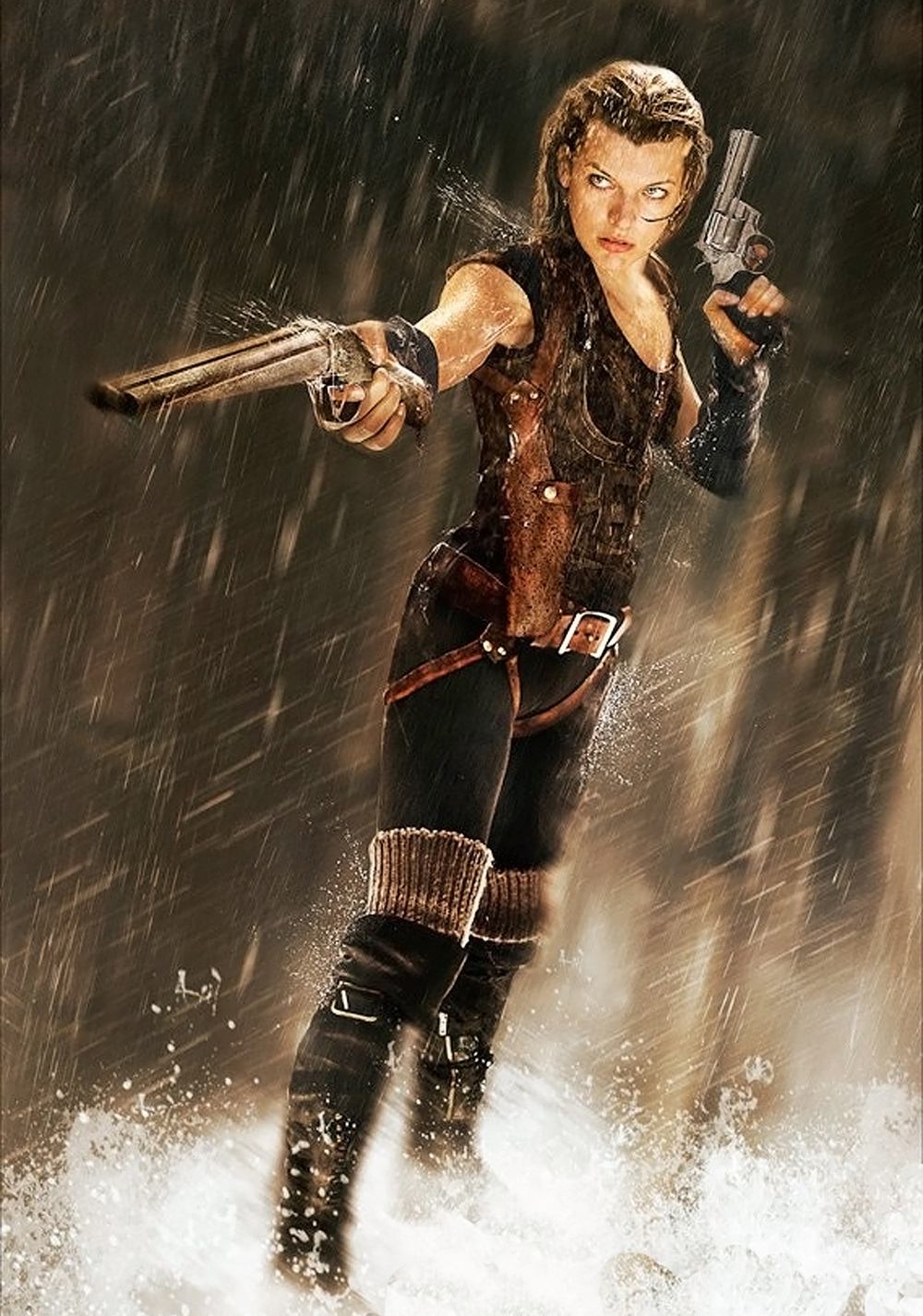
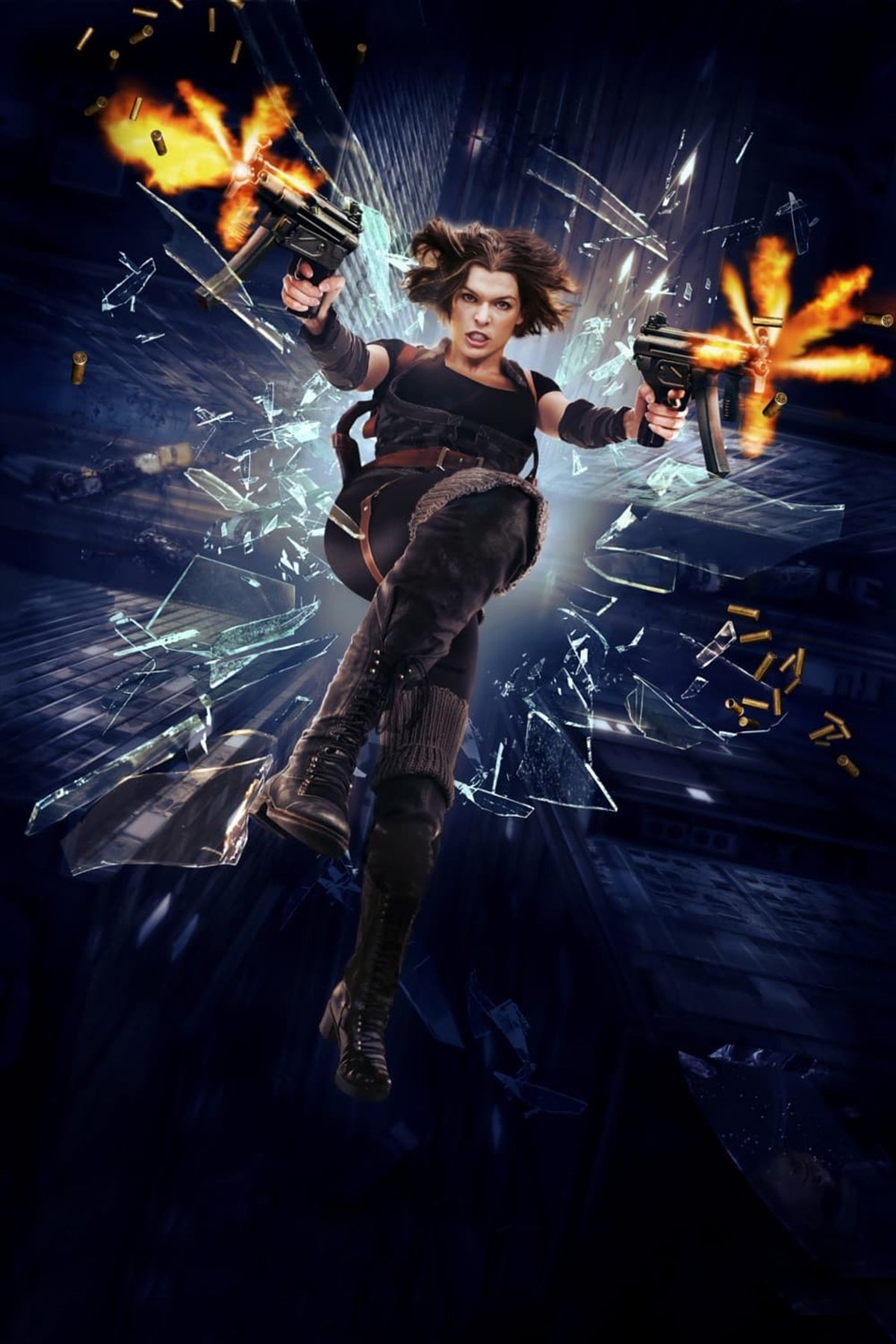
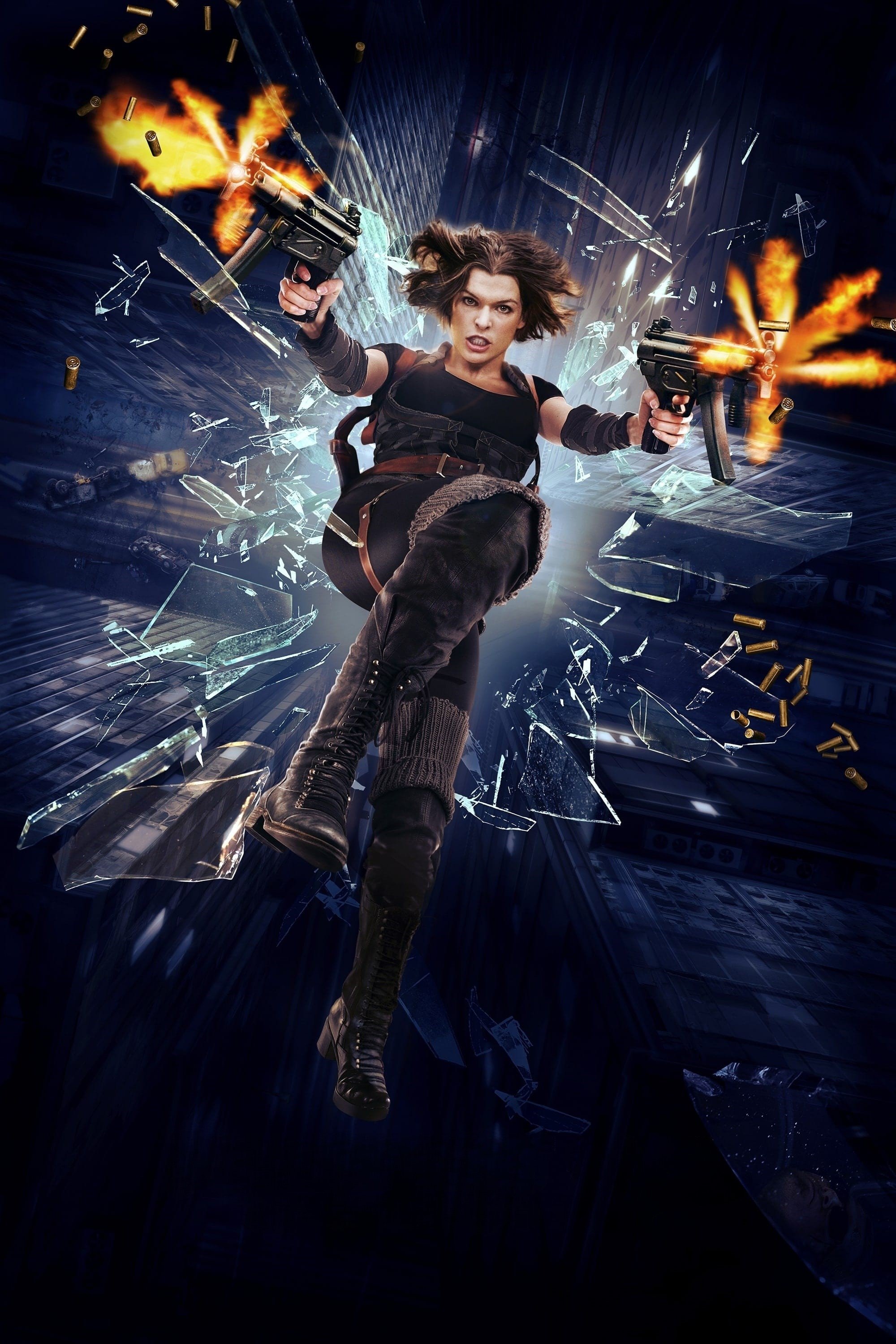
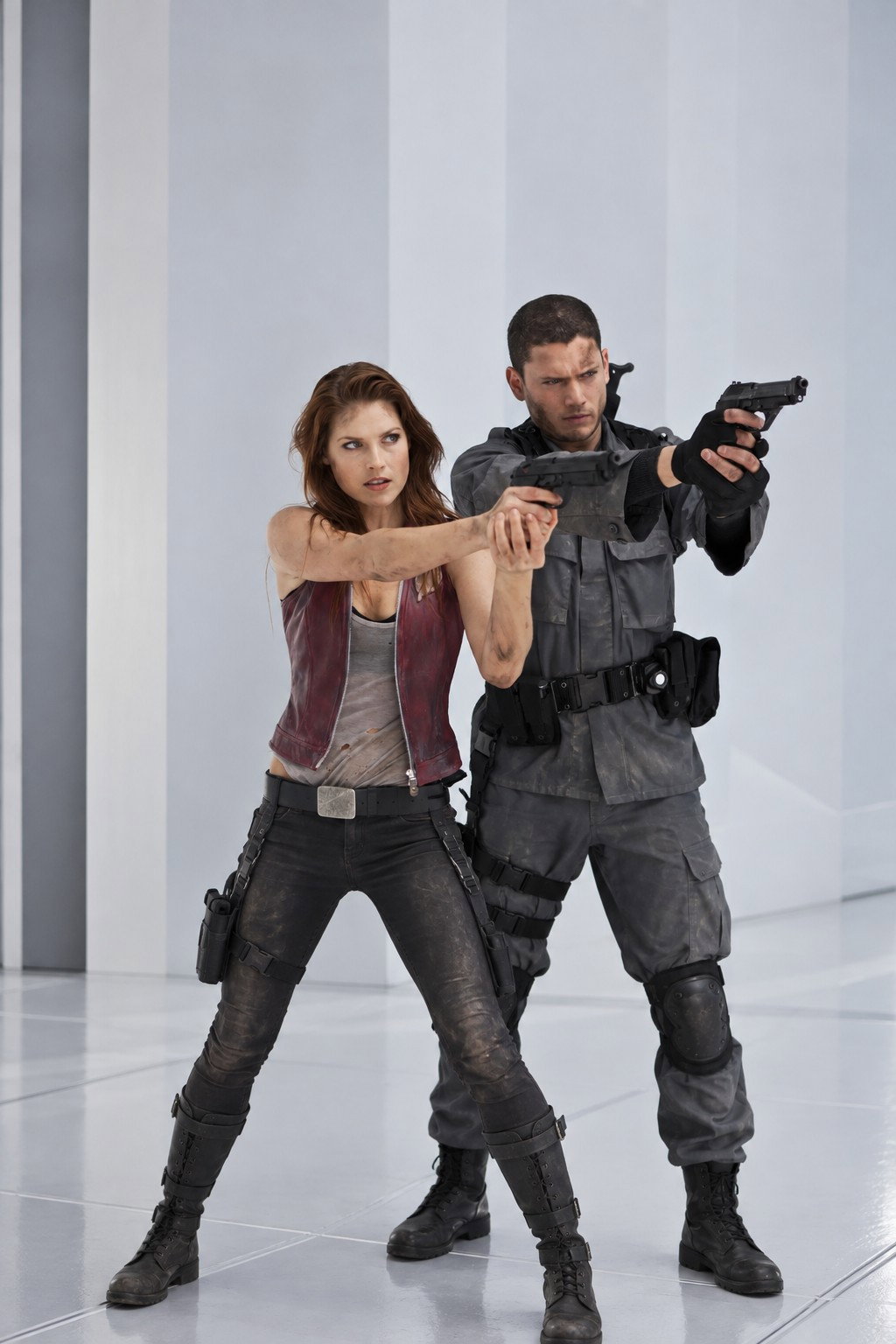
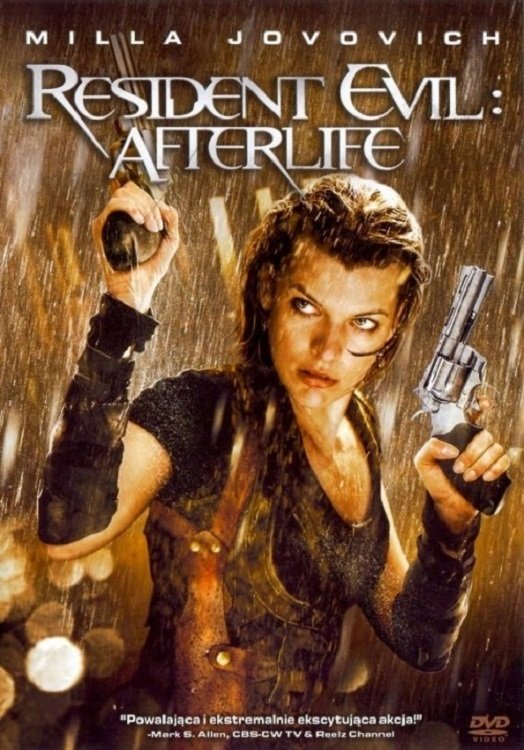
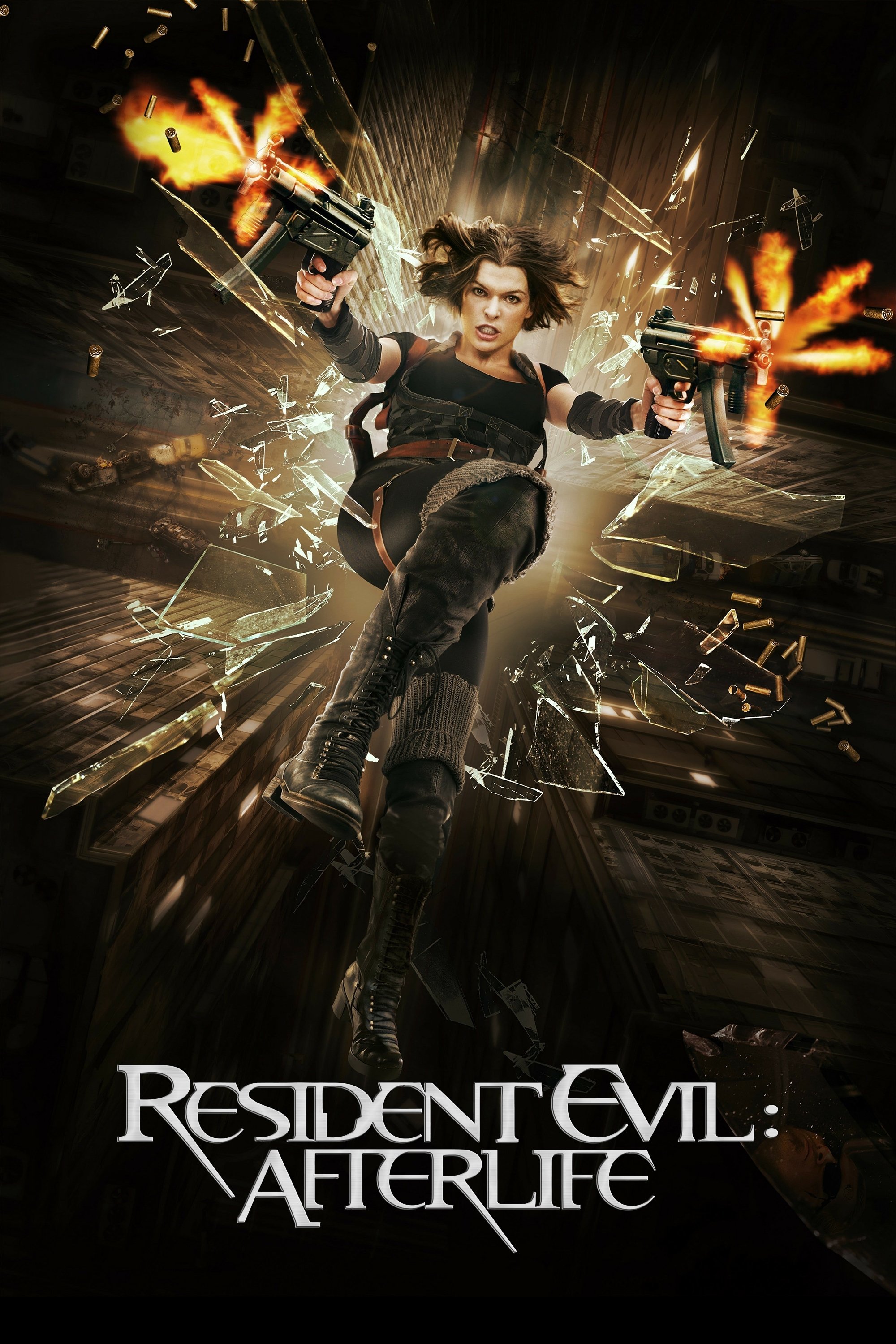
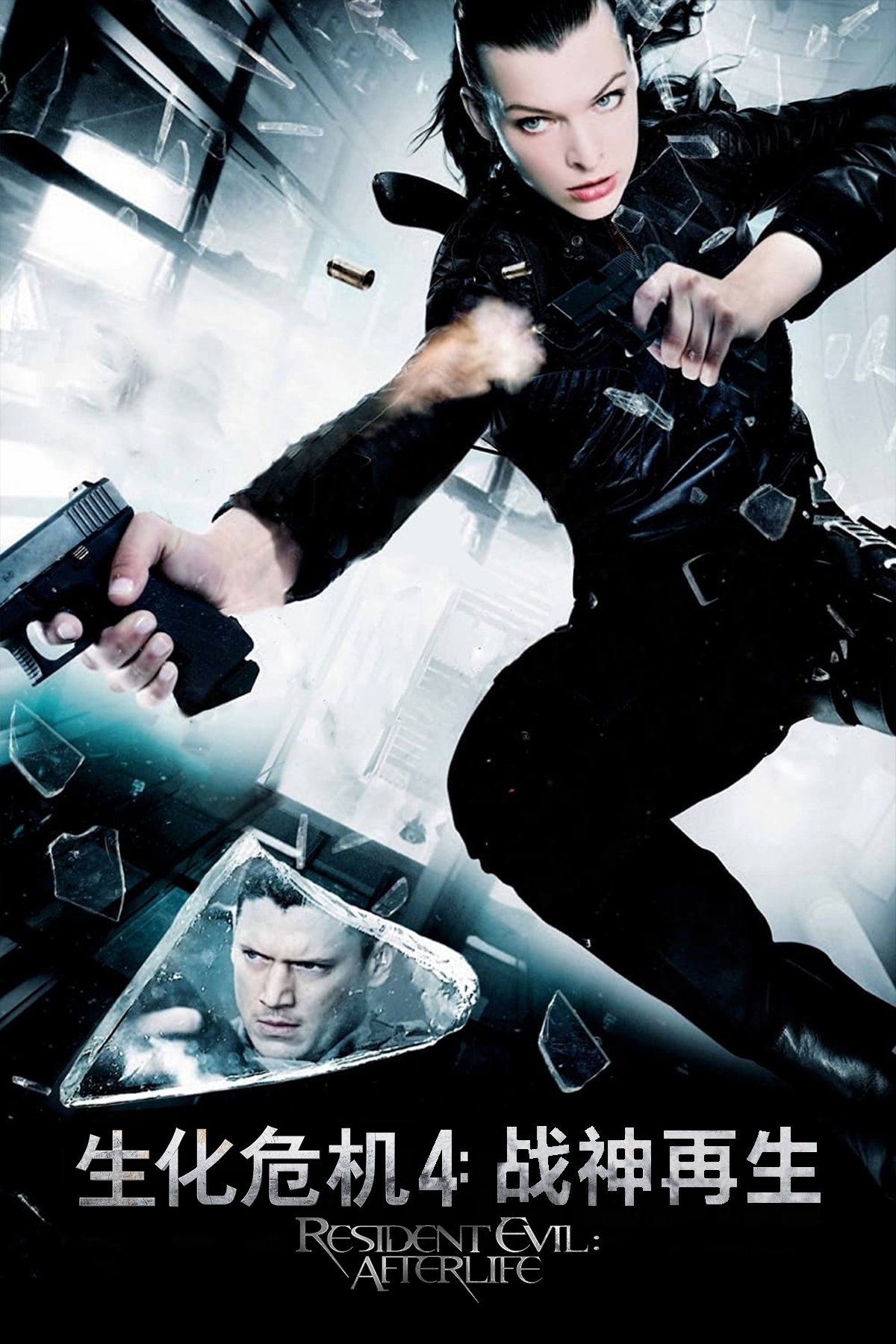
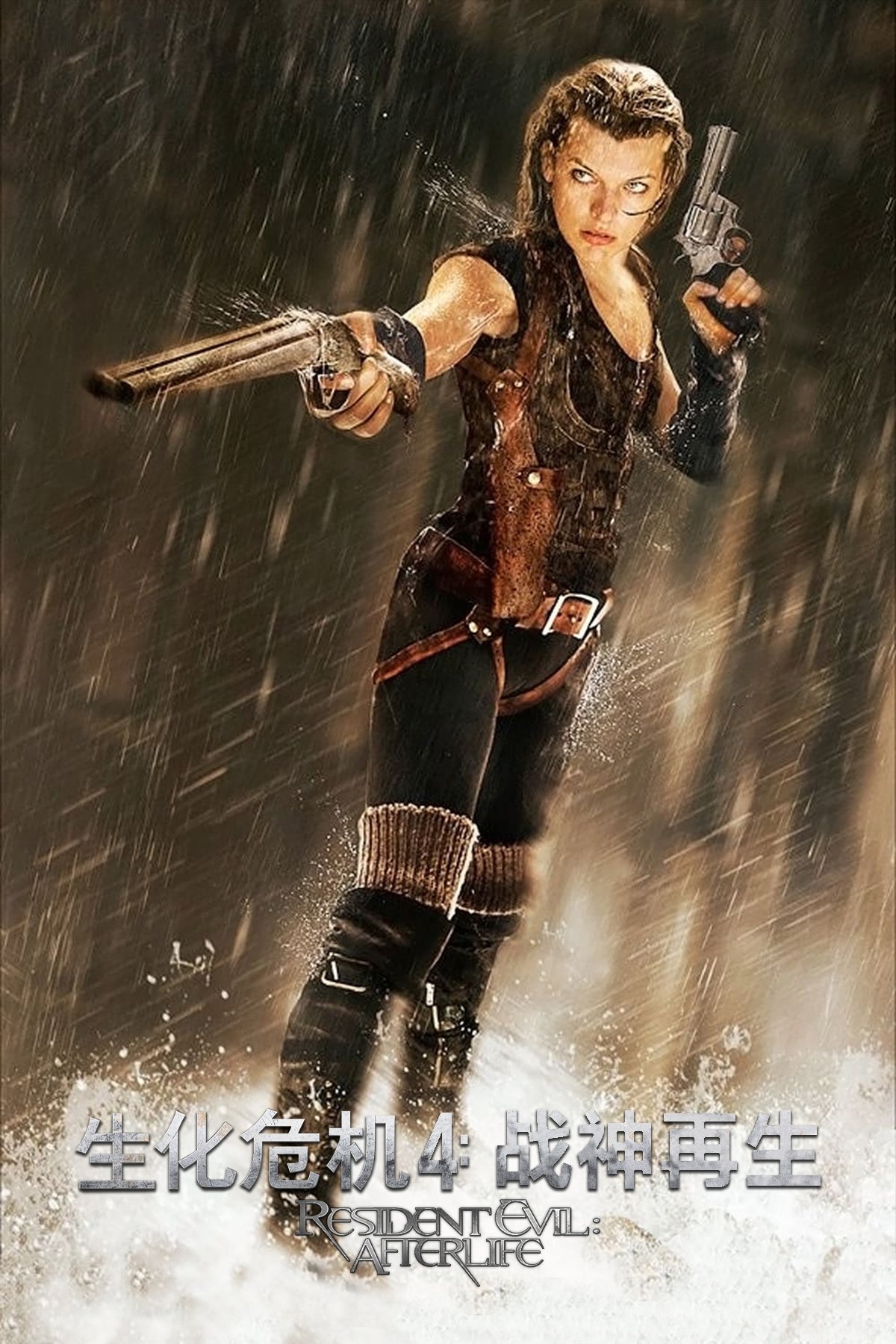
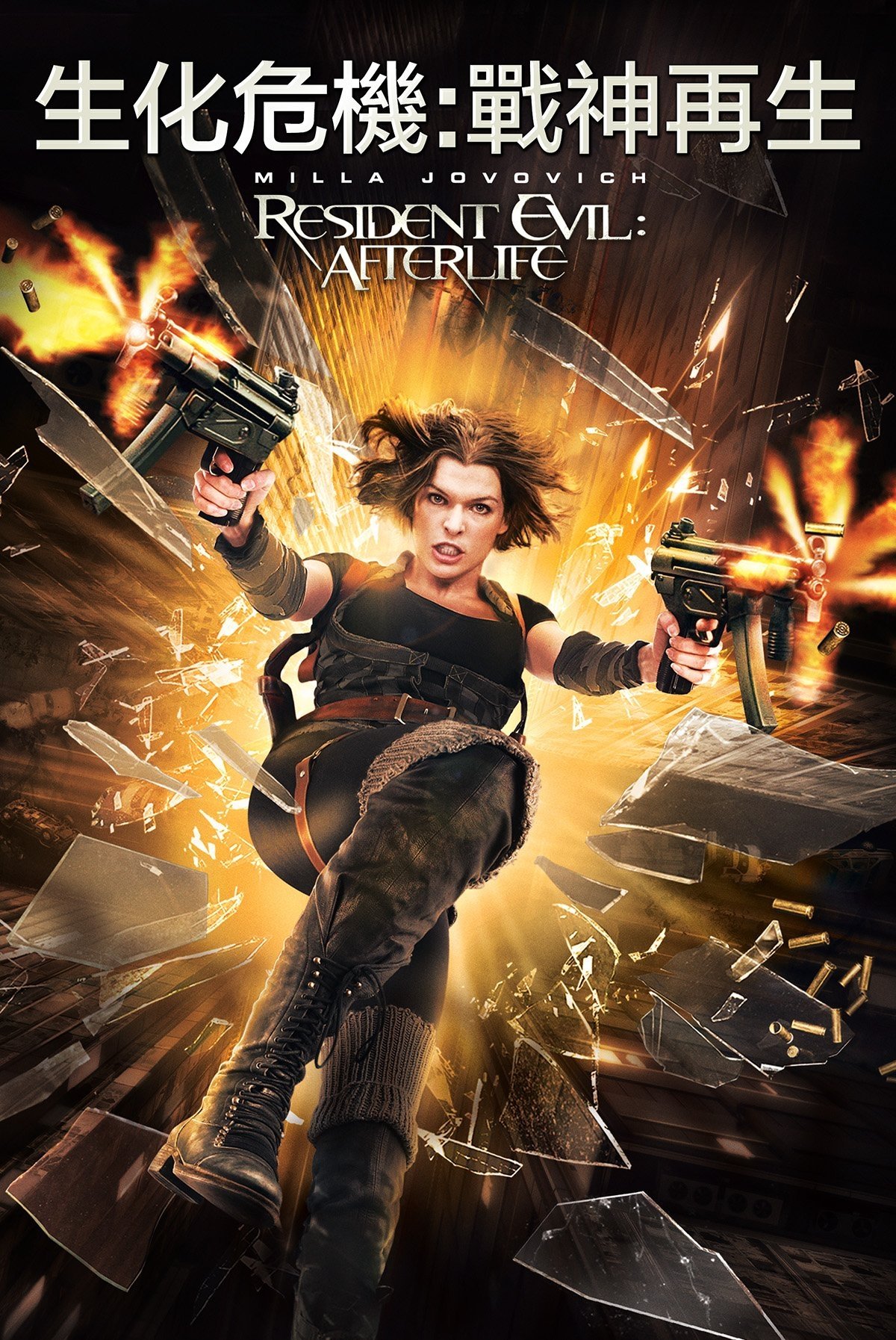
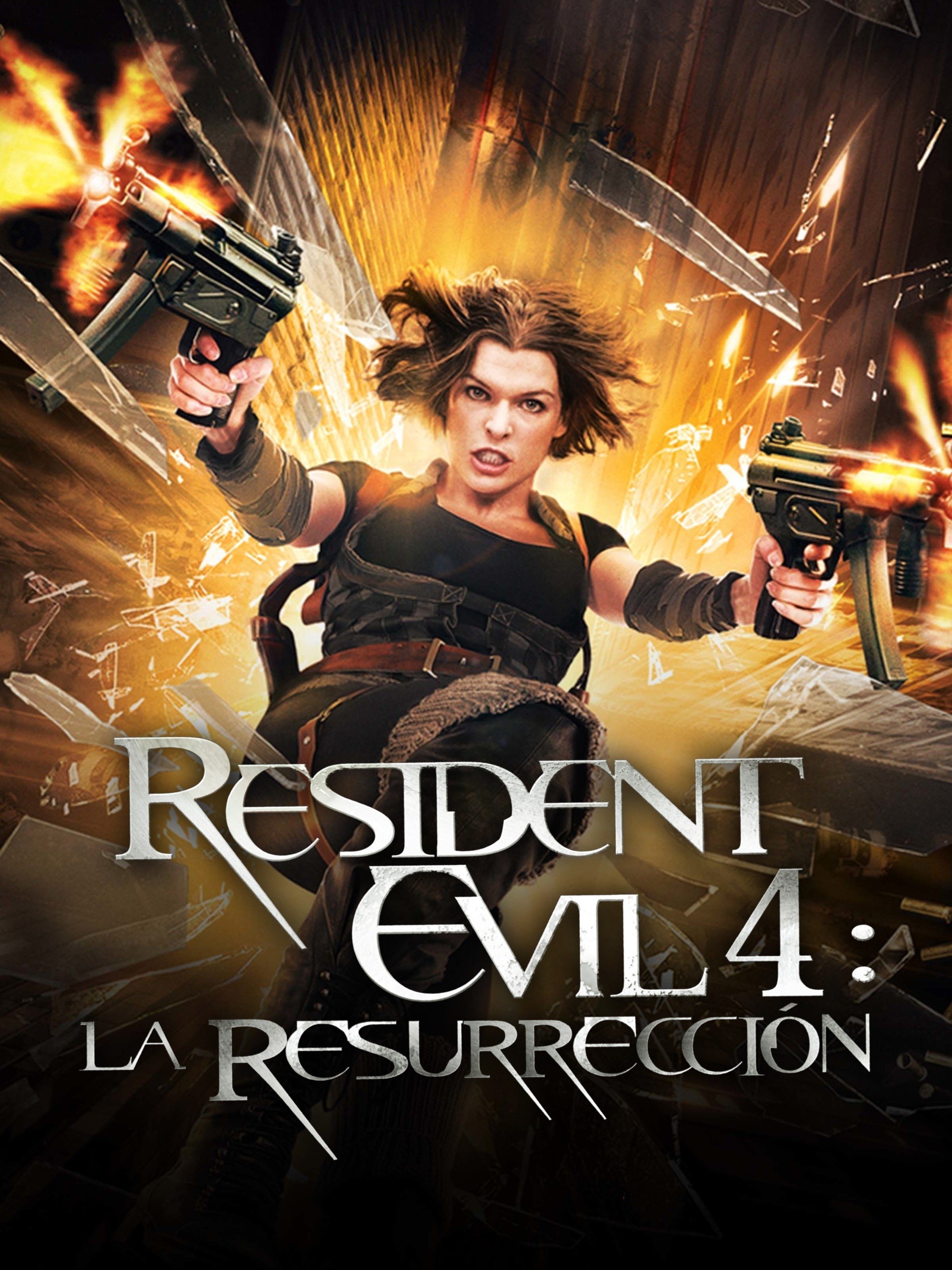
Alice attacks an Umbrella installation in Tokyo, seeking those responsible for the global infection. After the confrontation, she follows an emergency signal toward Alaska, where a promised safe settlement proves elusive. Claire Redfield reappears, and the women travel to Los Angeles, finding survivors sheltering inside a prison surrounded by infected crowds. A mysterious ship called Arcadia seems to offer evacuation, but its apparent sanctuary conceals a new danger. The group must cross the besieged city and discover who controls the vessel before the remaining routes to safety disappear.
Alternative Titles
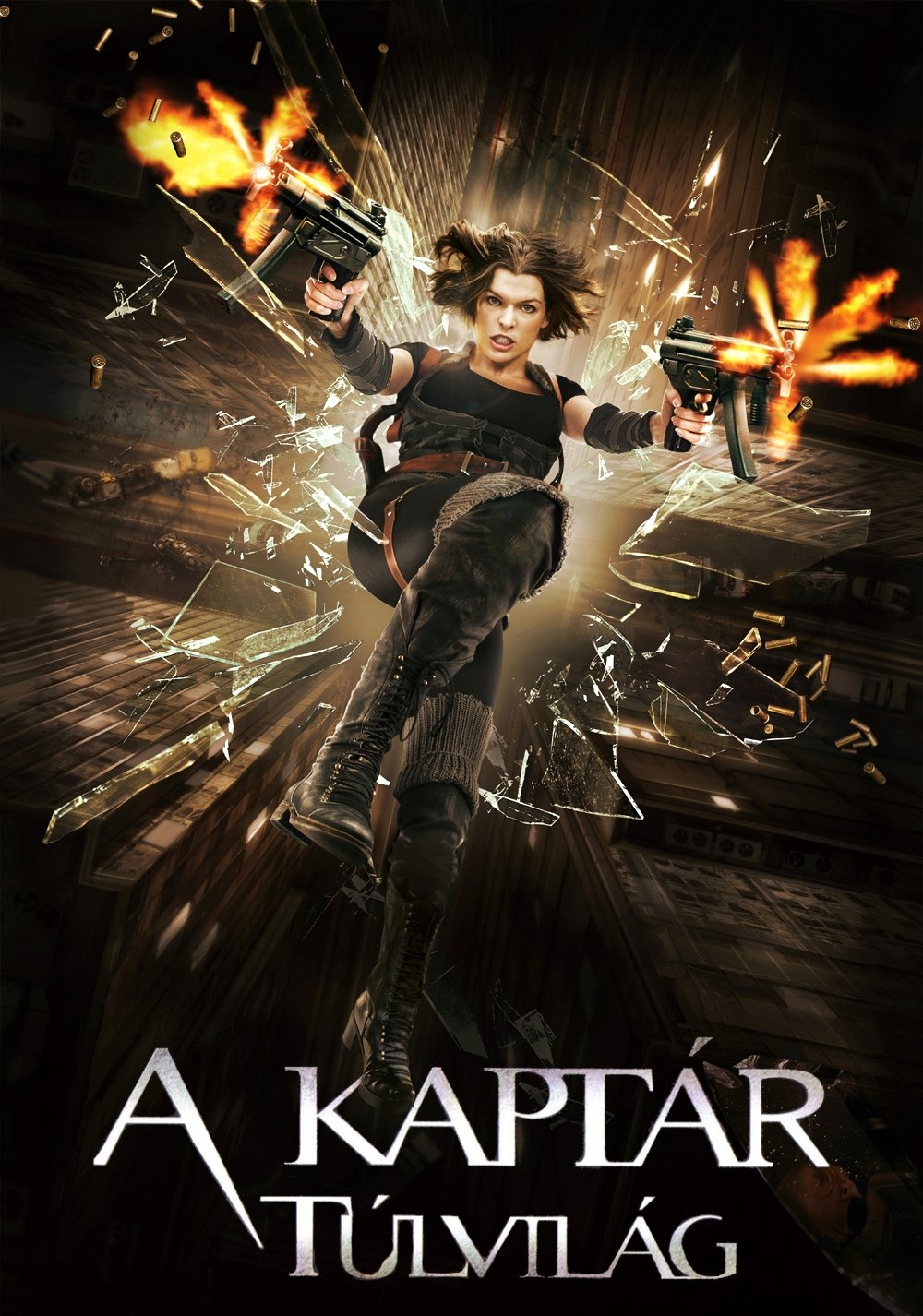
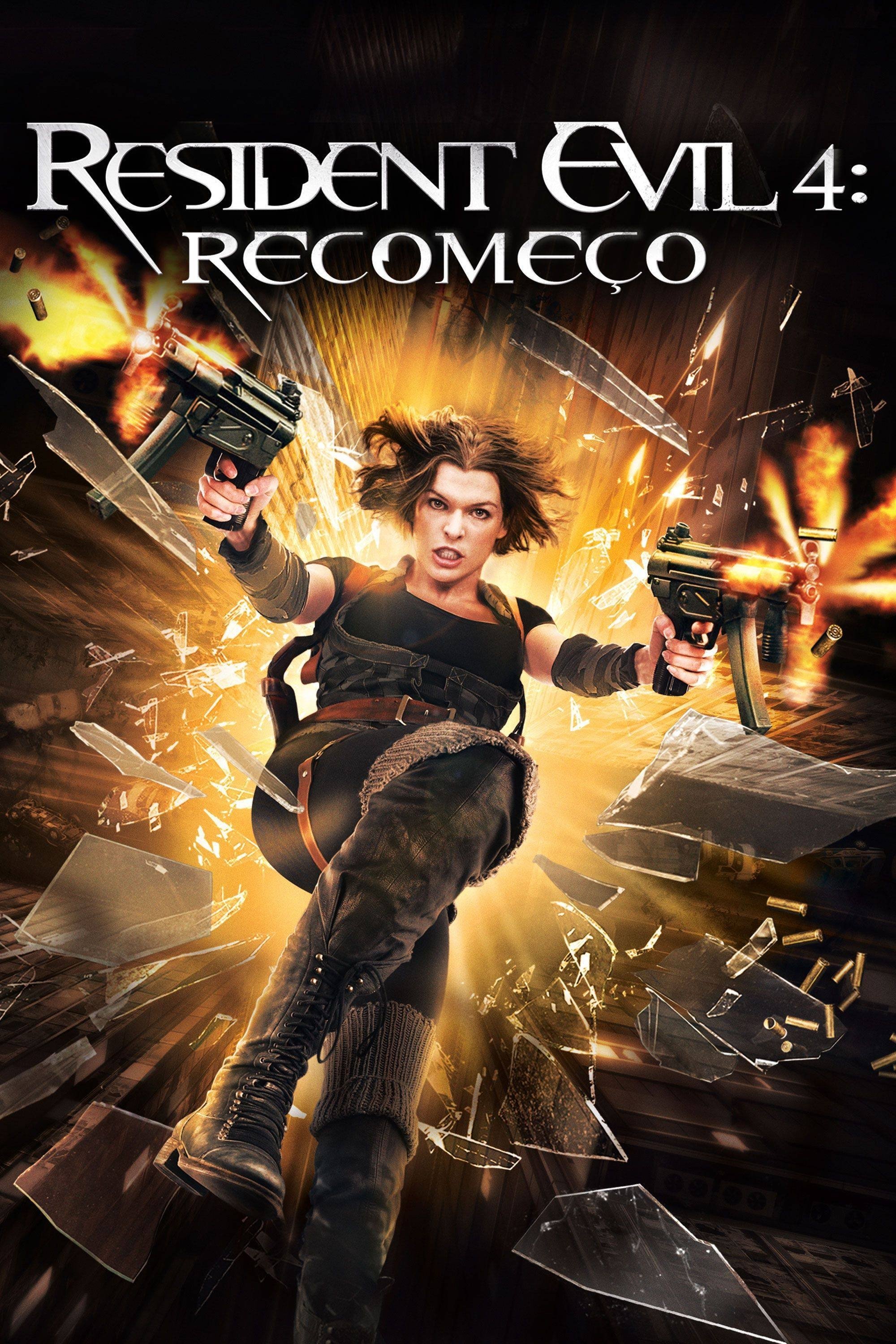
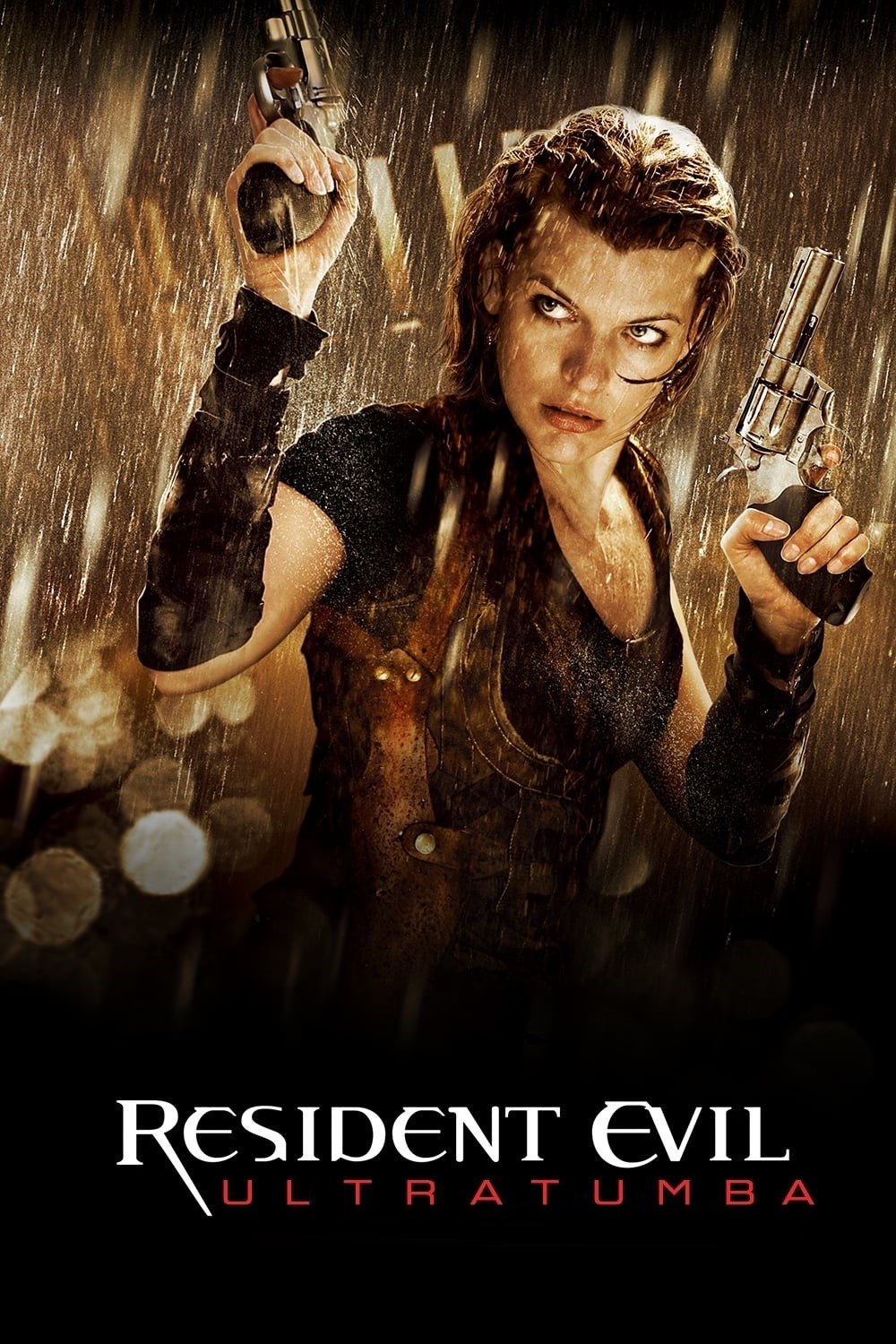
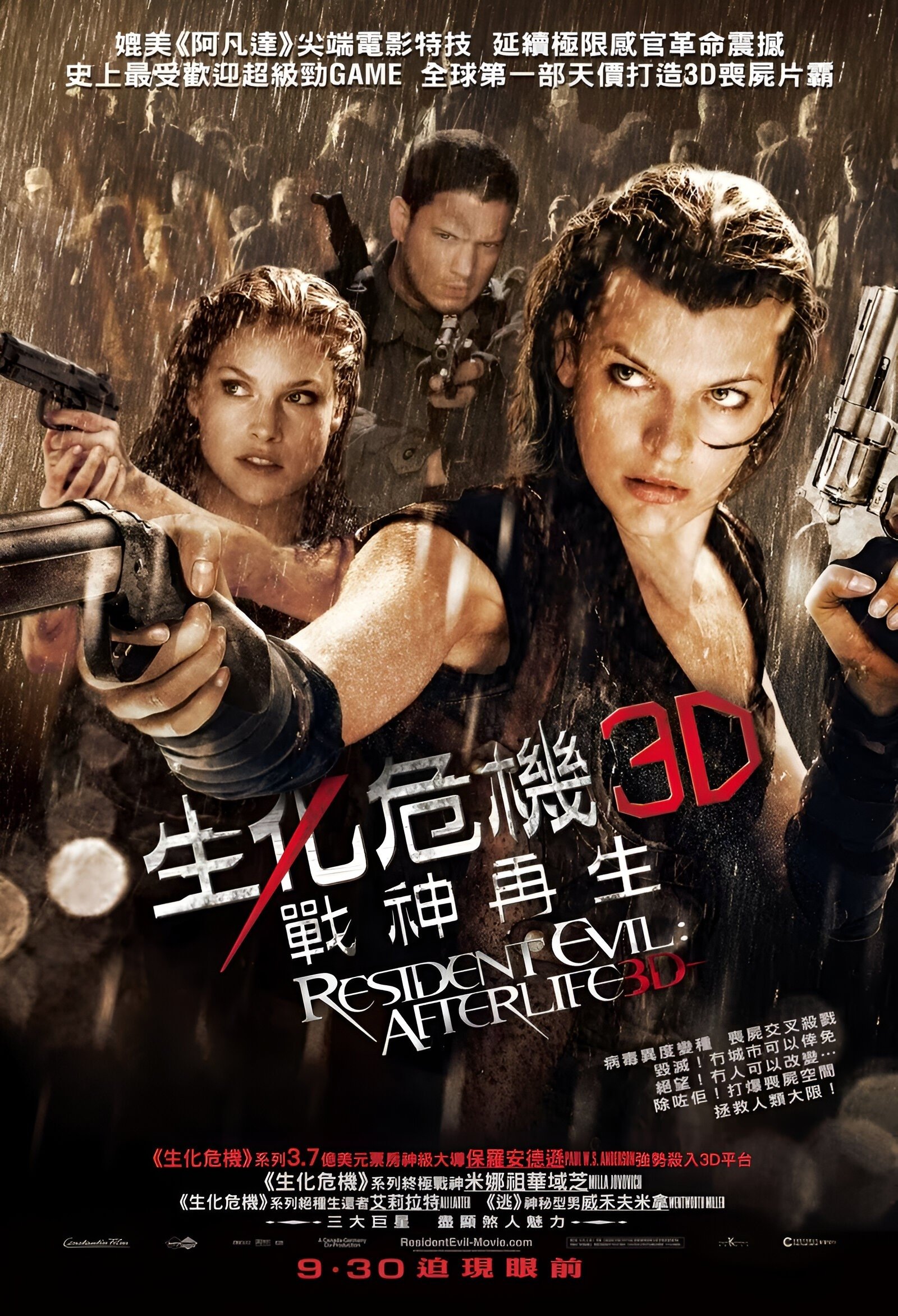
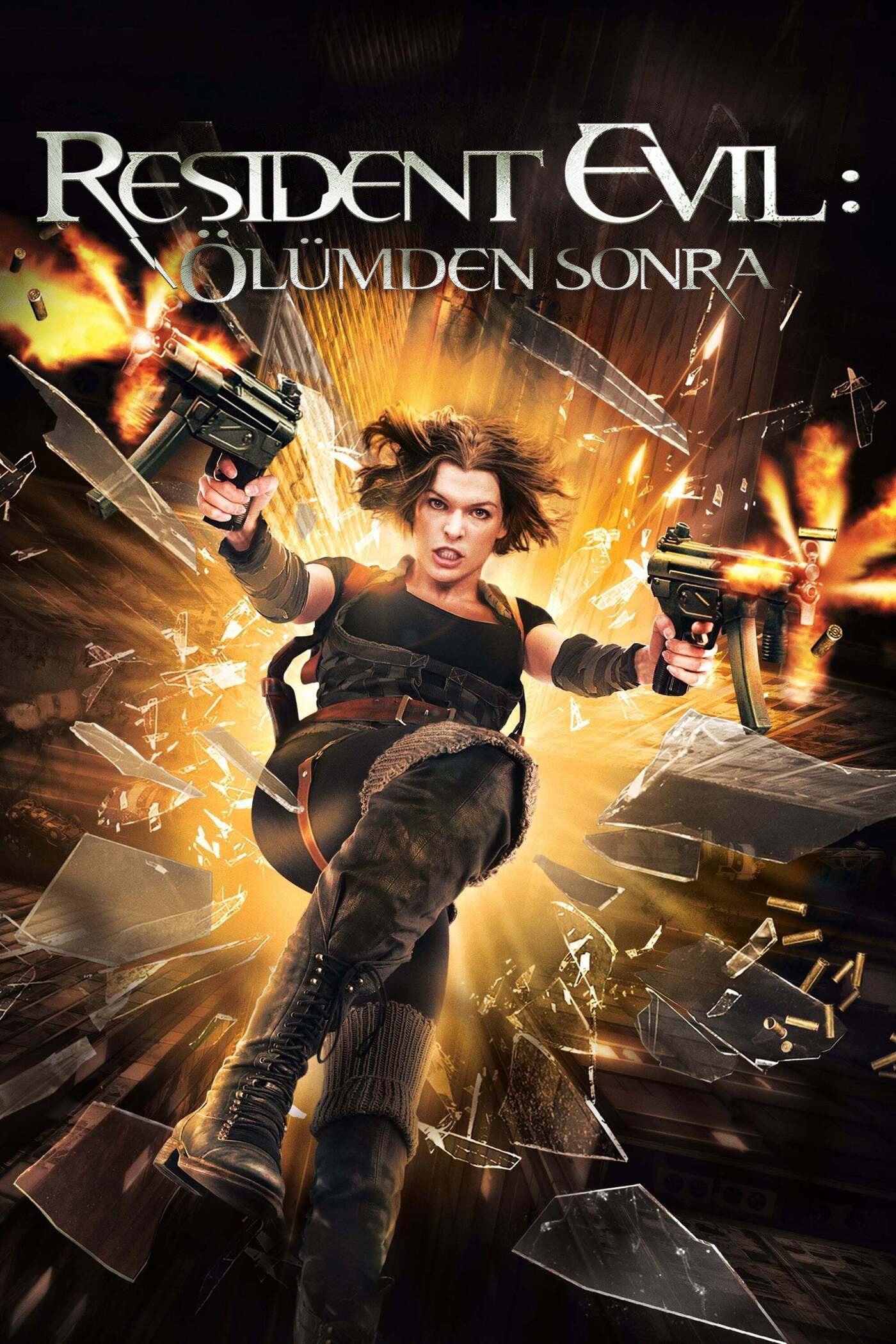
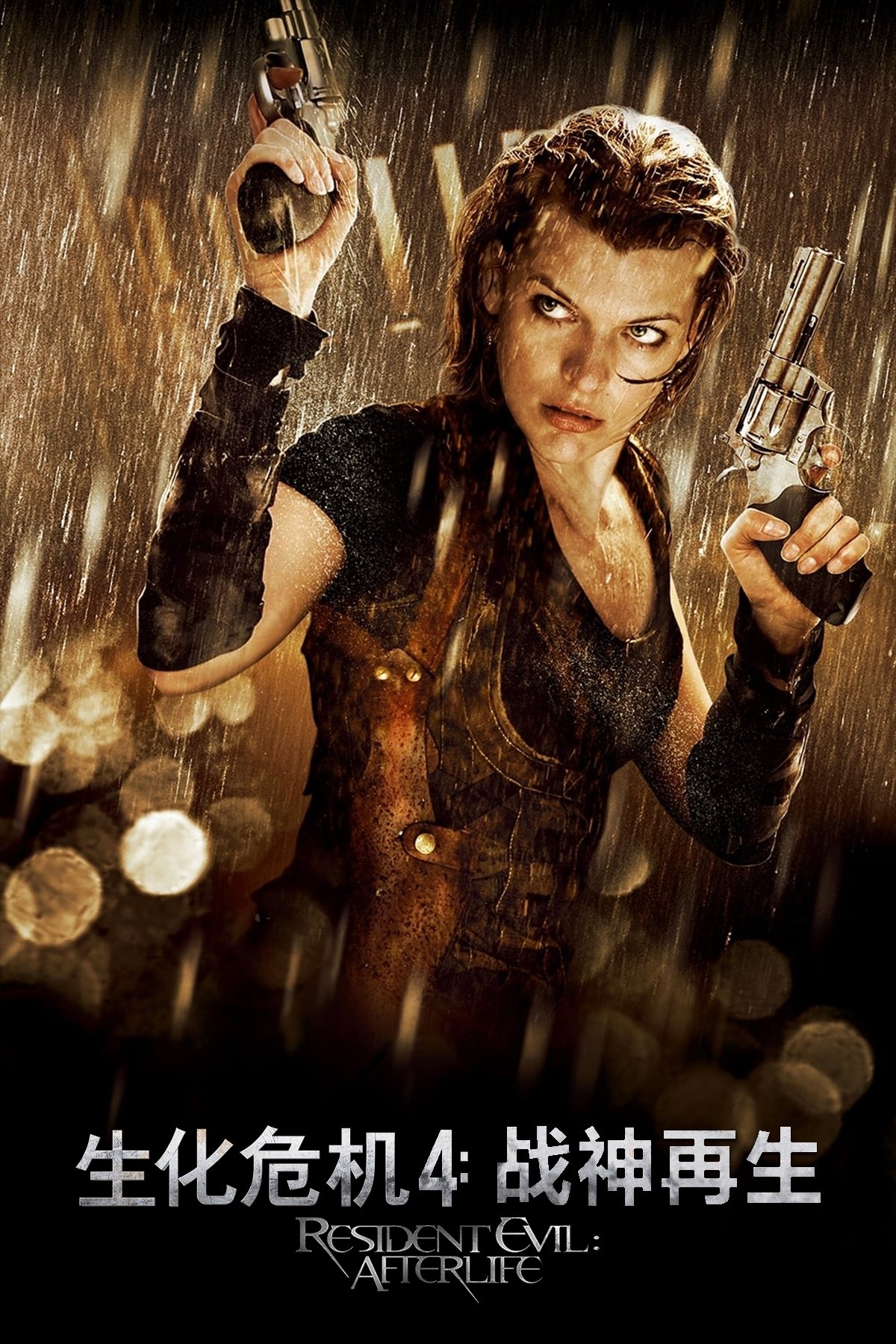
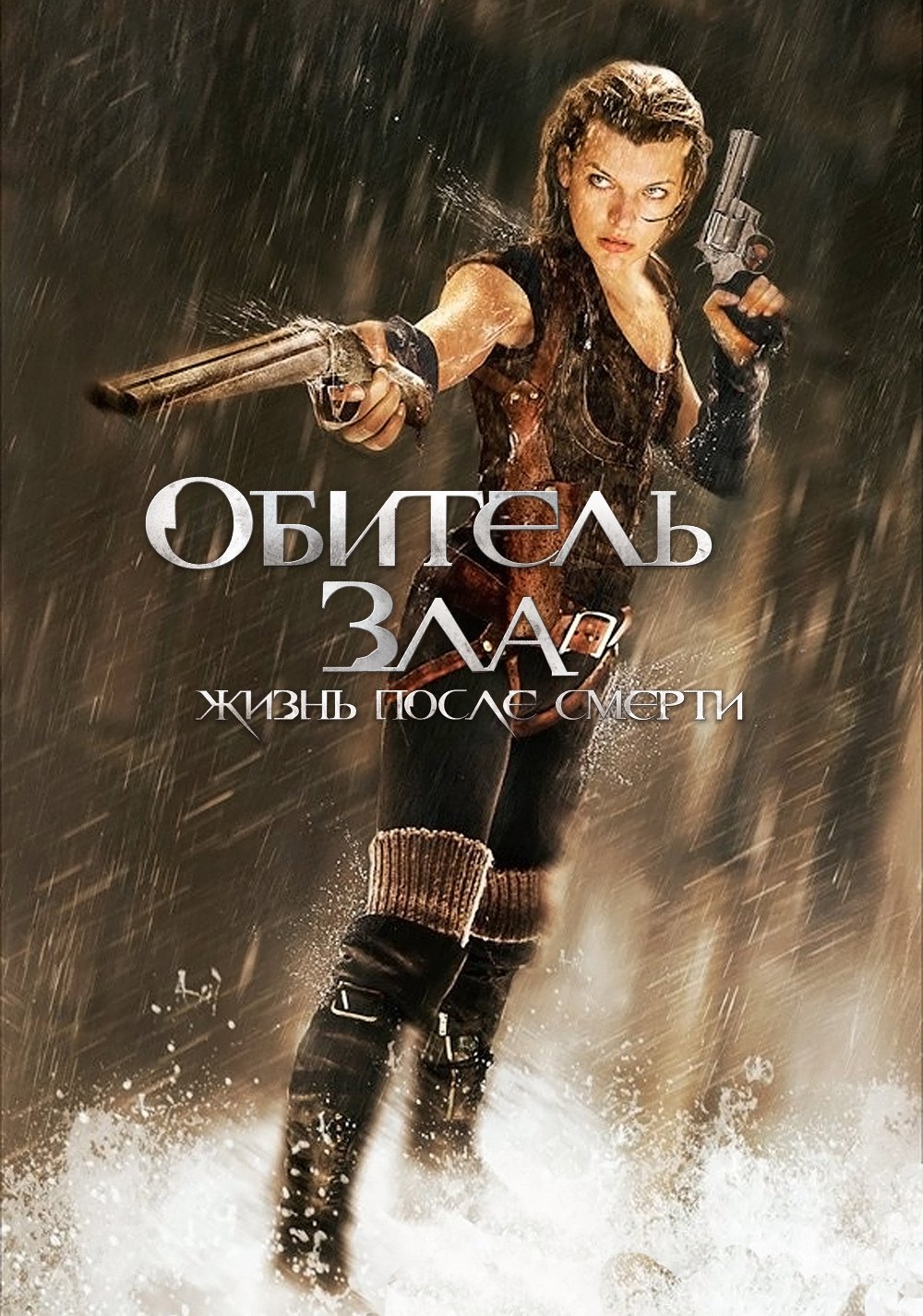
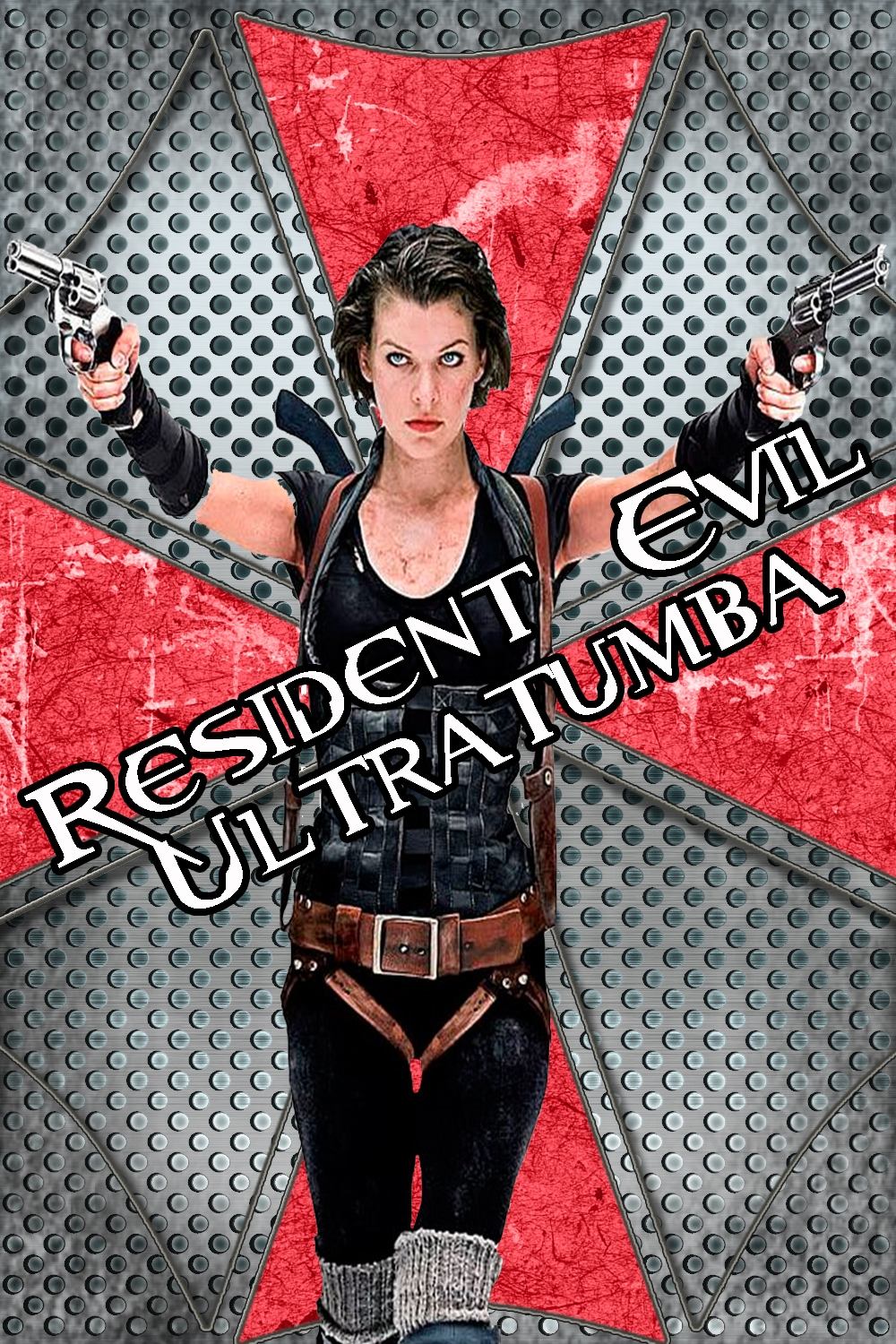
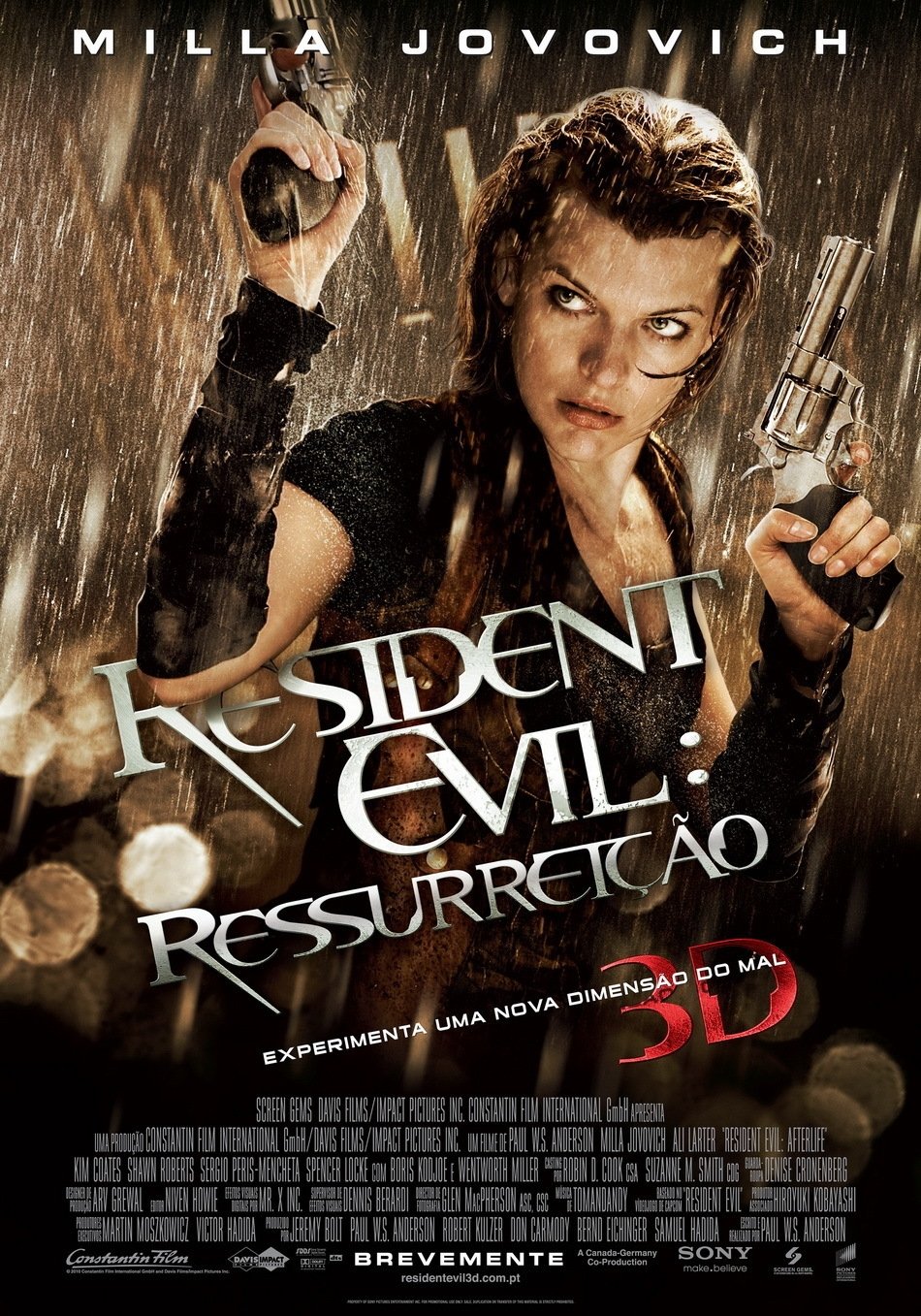
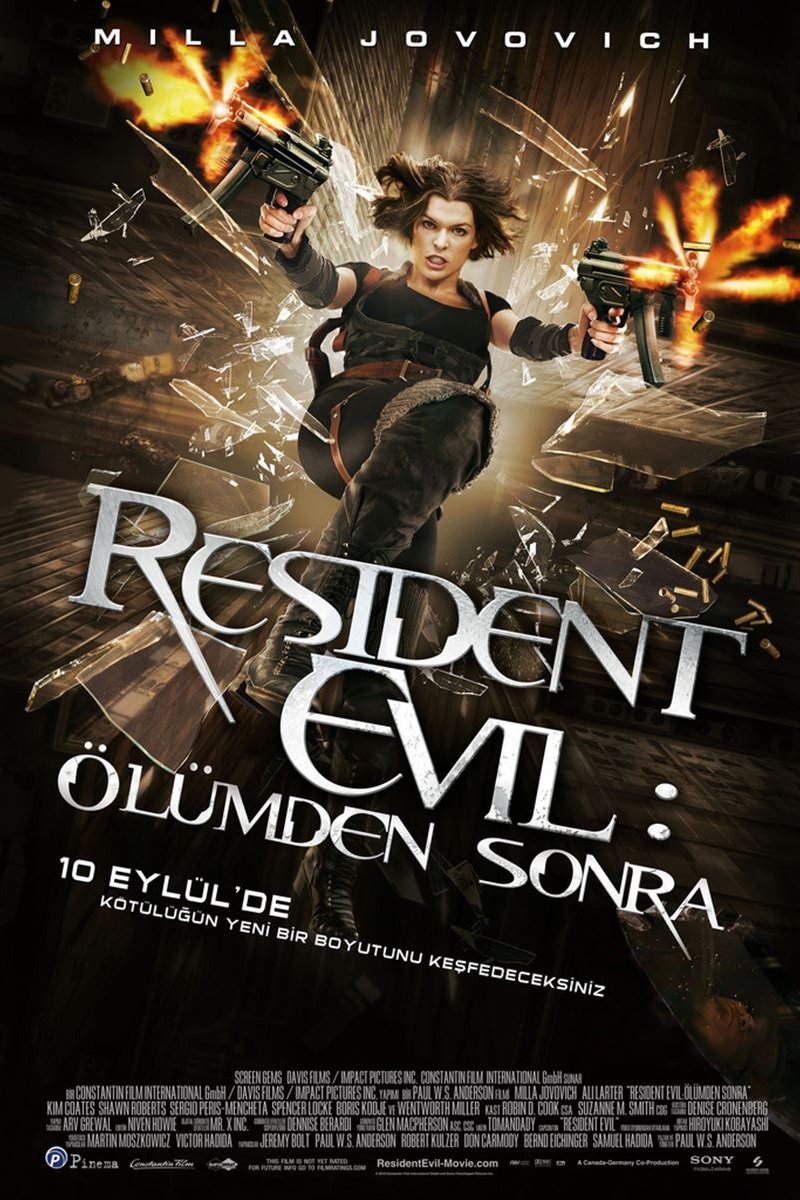
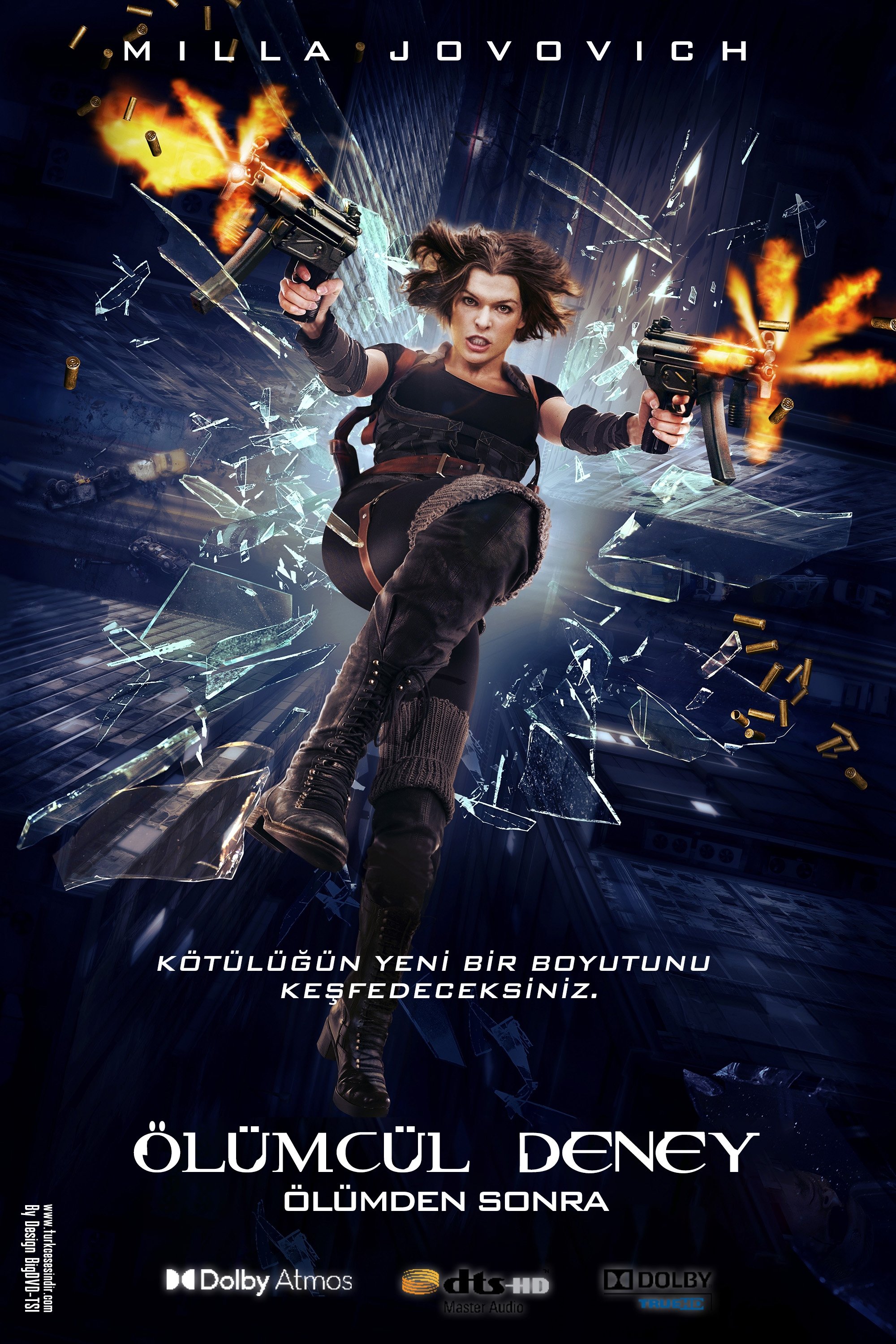
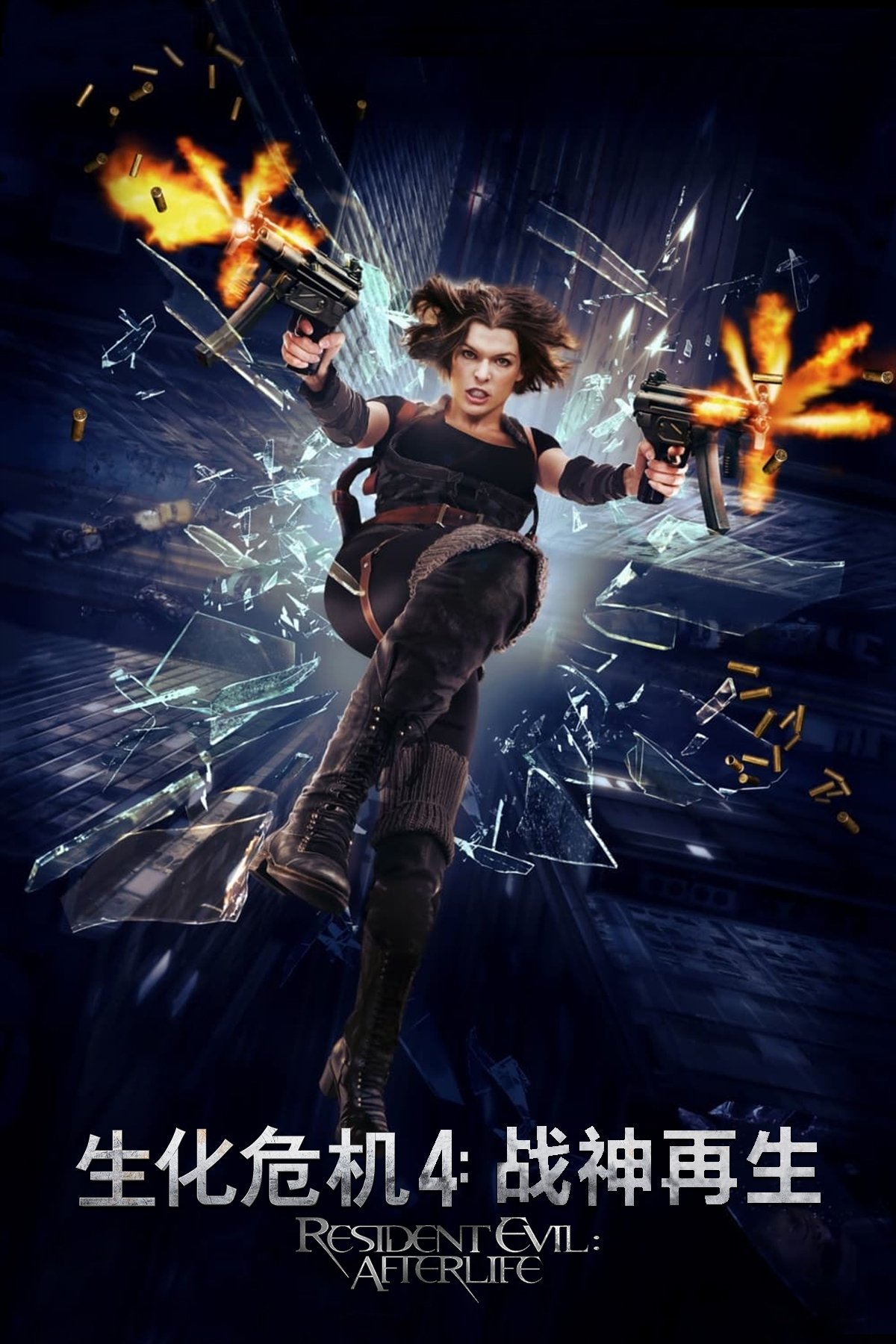
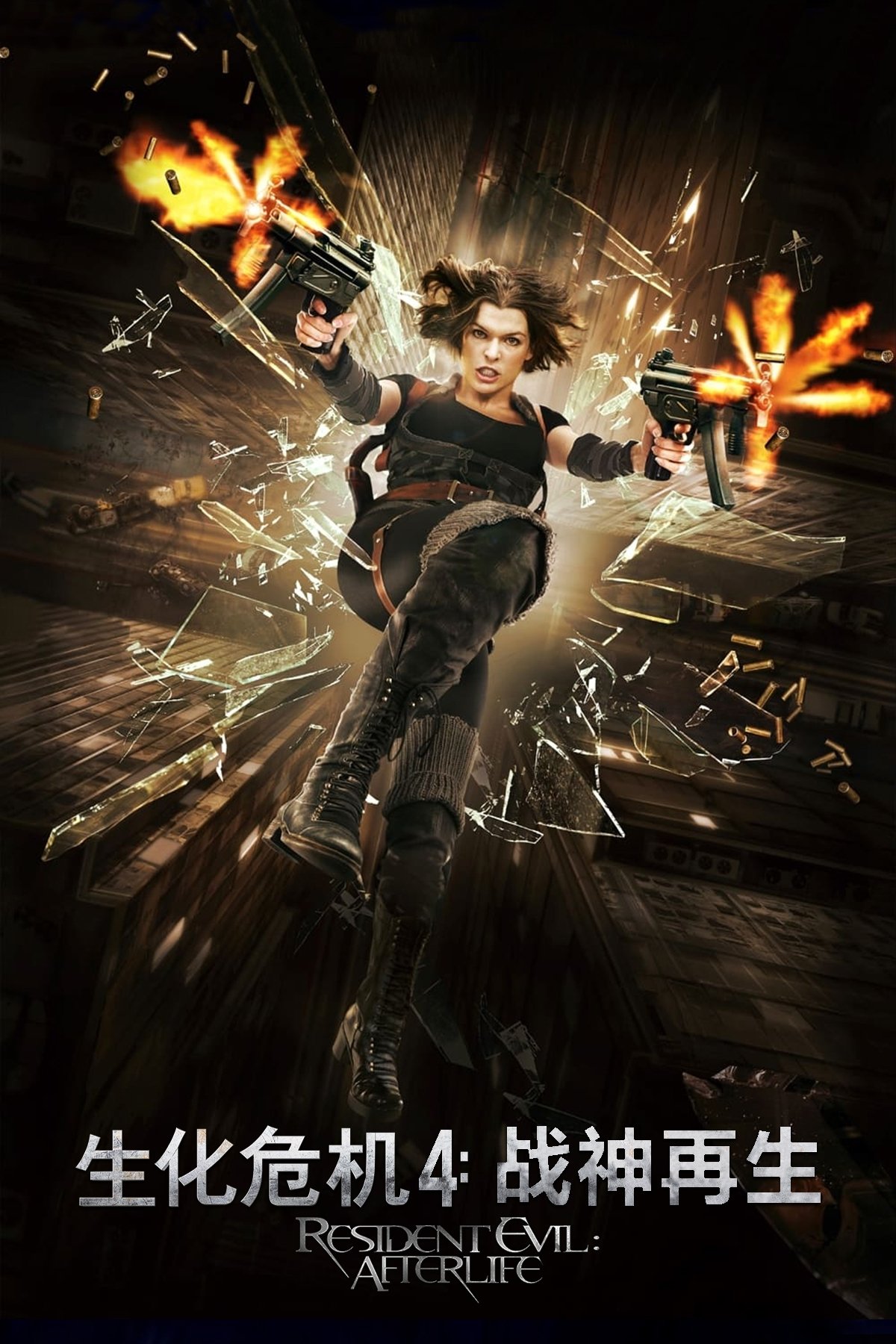
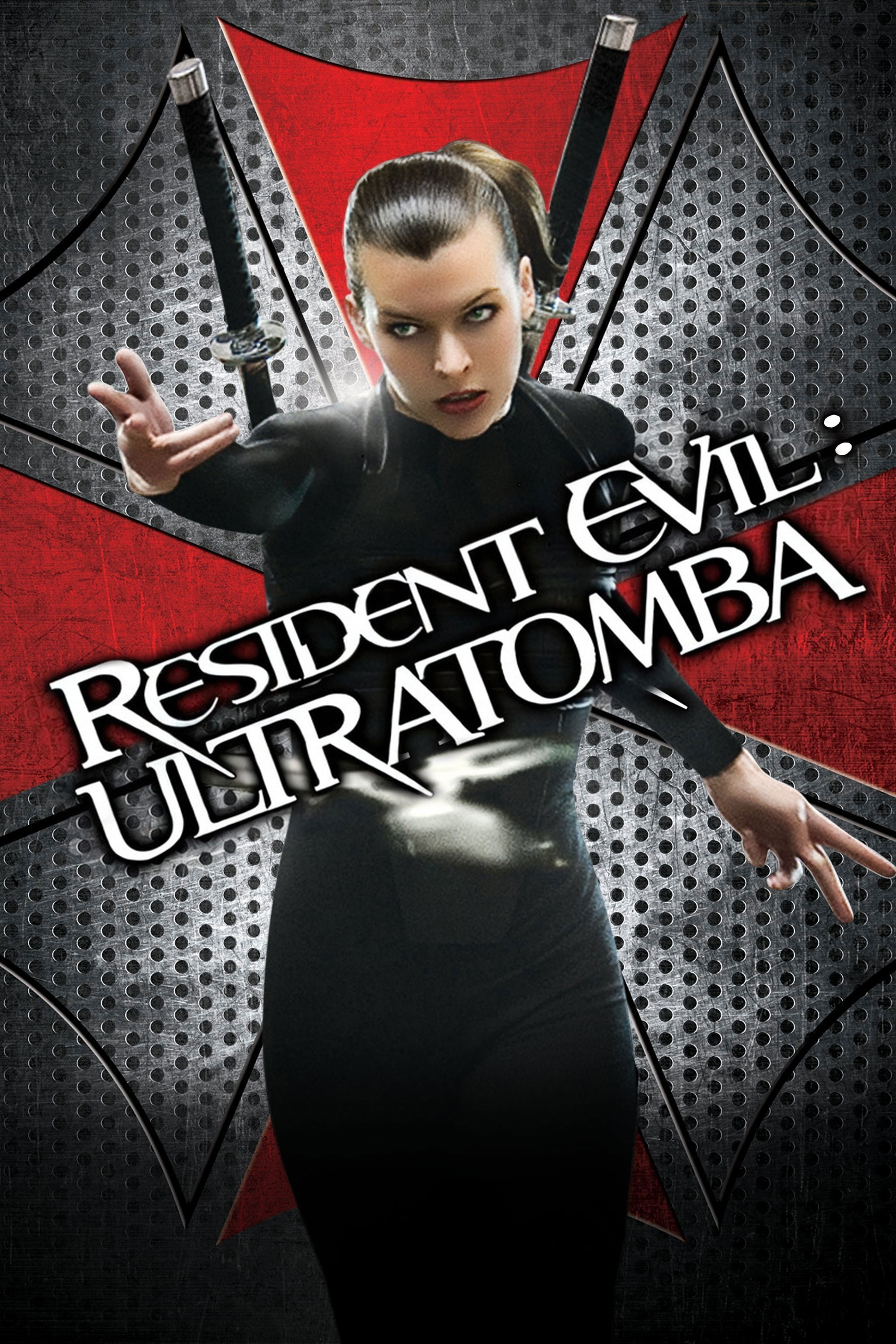
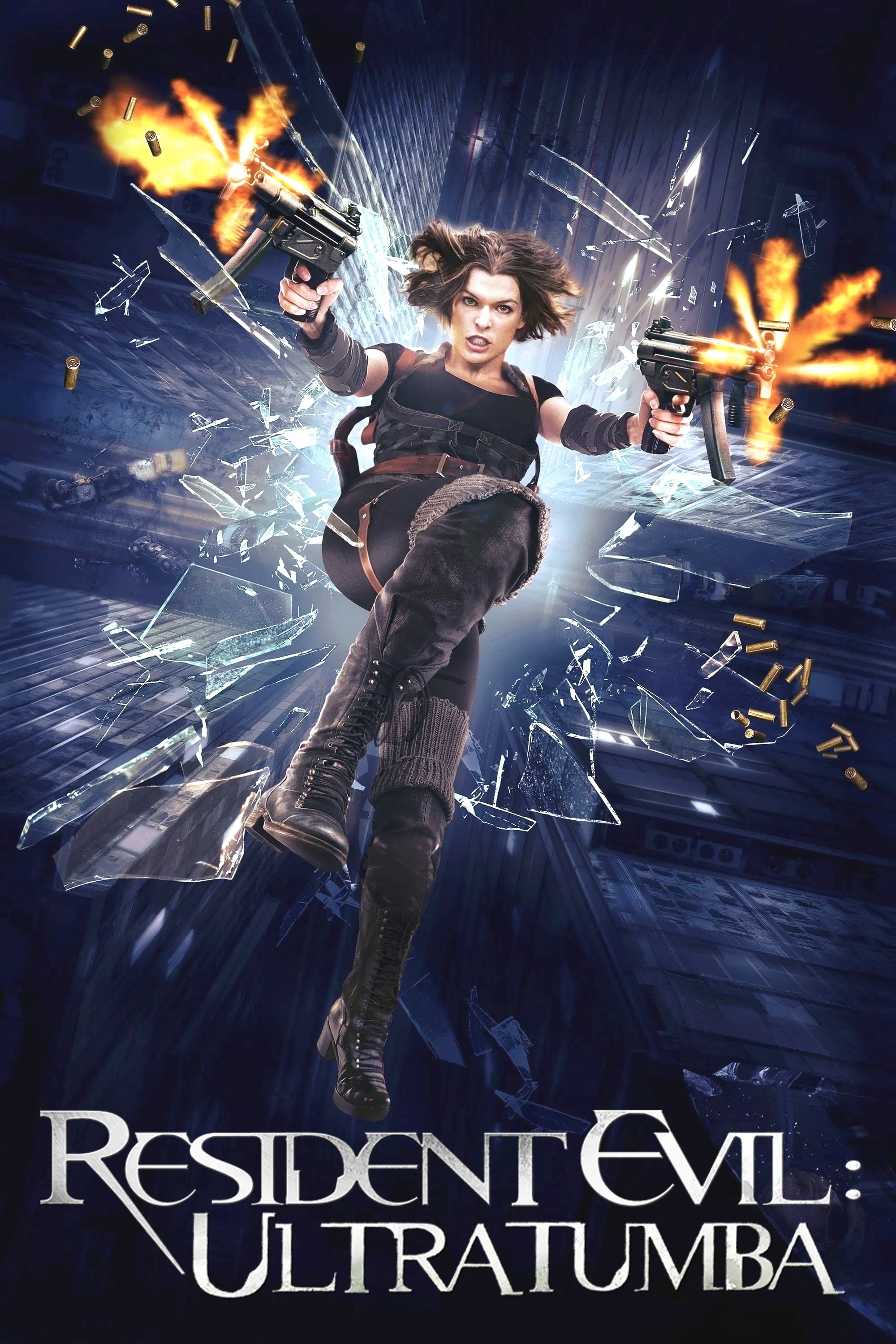
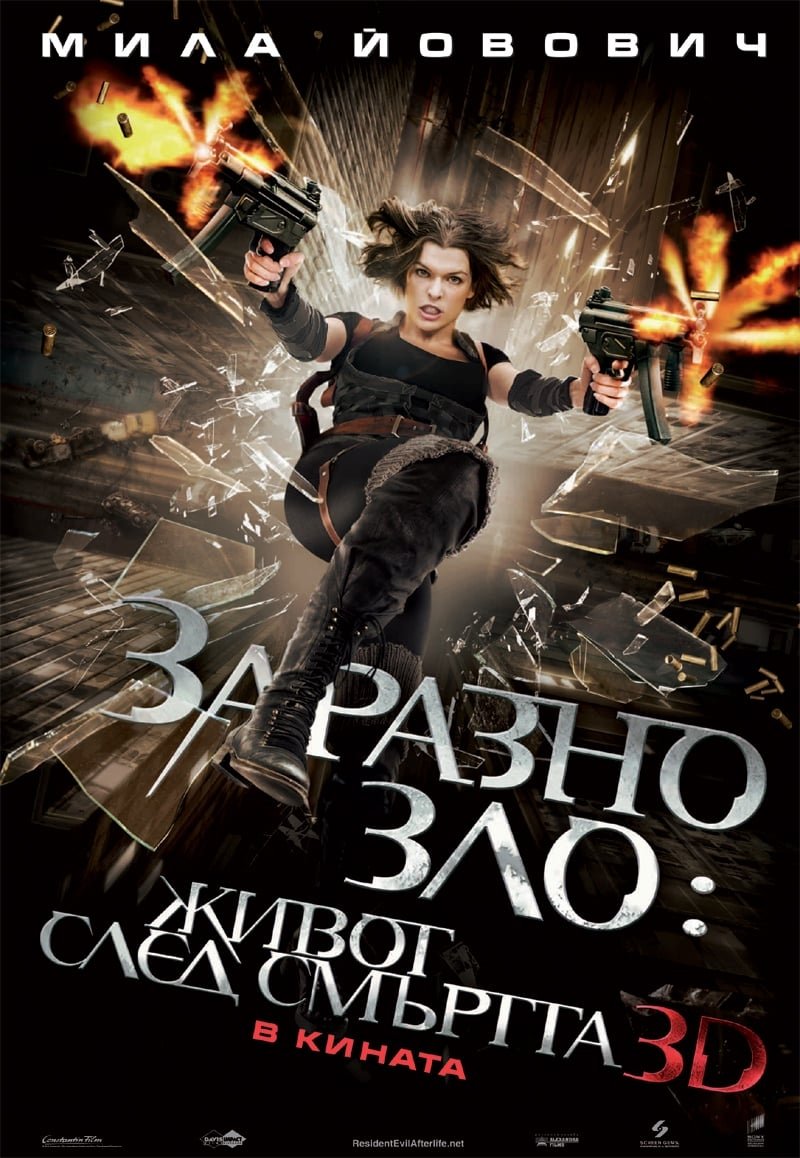
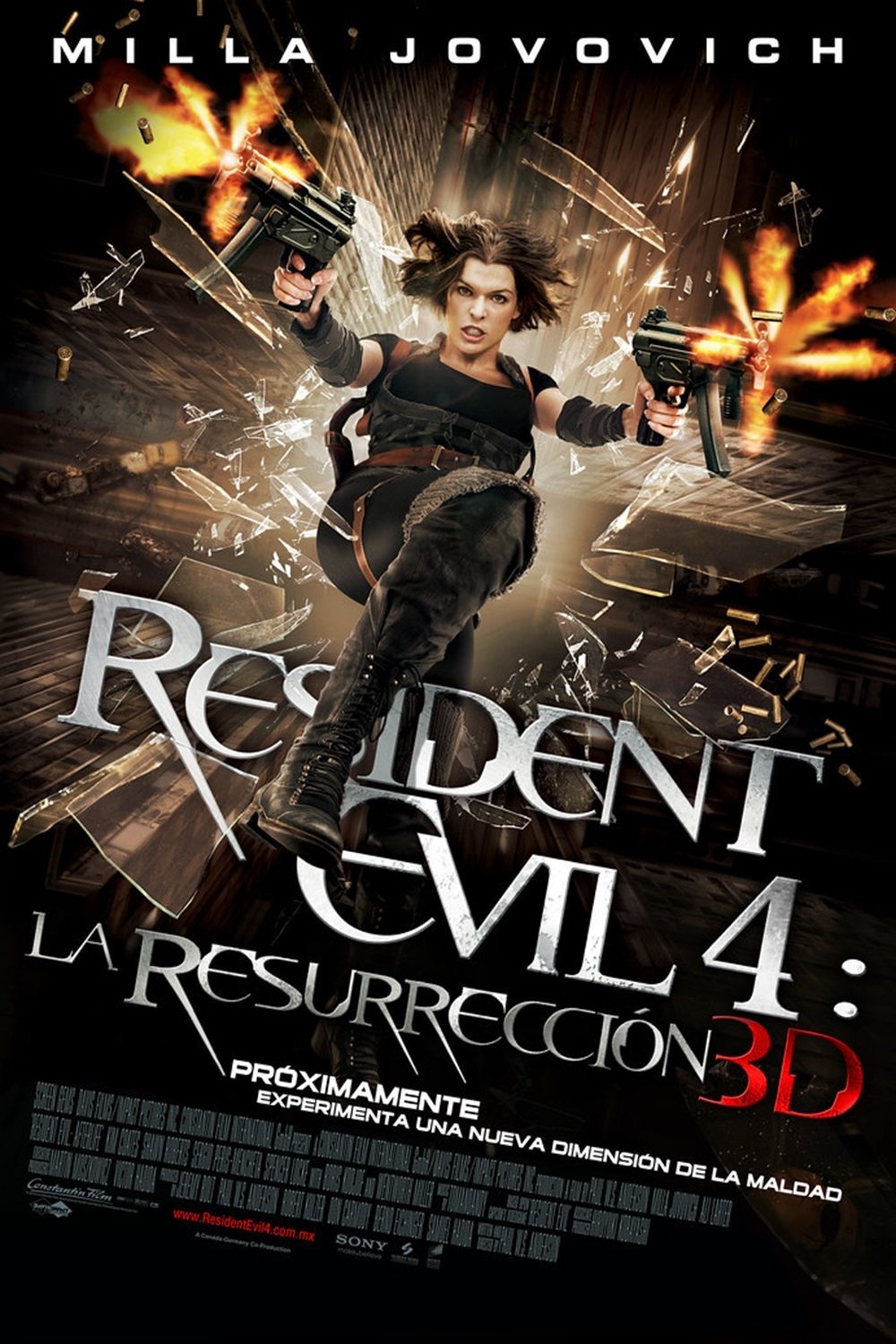
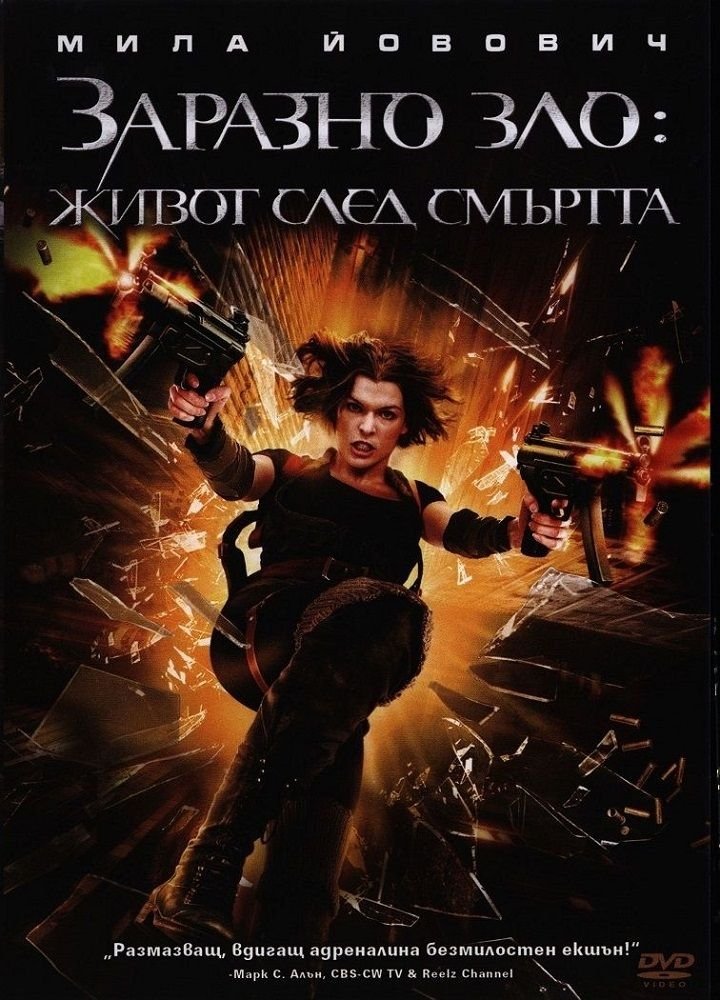
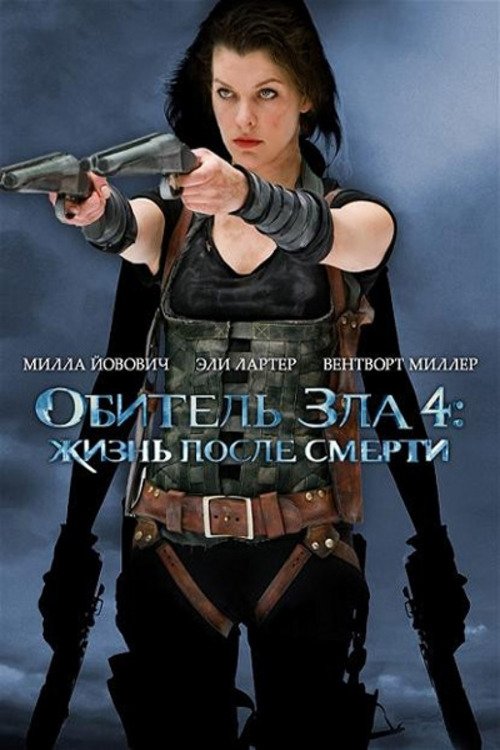
Заразно зло: Живот след смъртта (Bulgaria) — BulgarianResident Evil 4 - Recomeço (Brazil) Resident Evil 4: Recomeço (Brazil) — PortugueseУкаранелае зло 4: Тагасветнае жыццё (Belarus) — BelarusianResident Evil : L'au-delà (Canada) — FrenchResident evil: L'au-delà (Canada) Resident evil 4: La resurreccion (Chile) 生化危机4:战神再生 (China) Show all 58 alternative titlesResident Evil 4: La Resurreccion (Colombia) Resident Evil 4 - Afterlife (Germany) Resident Evil 4 Ultratumba (Spain) Resident Evil IV. Ultratumba (Spain) — SpanishResident evil: Ultratomba (Spain) — CatalanResident Evil : Afterlife (France) — FrenchResident Evil 4 : Afterlife (France) ბოროტების სავანე: სიცოცხლე სიკვდილის შემდეგ (Georgia) — GeorgianResident Evil: Τρισδιάστατη Απόδραση (Greece) — Greek生化危機 3D:戰神再生 (Hong Kong SAR China) — ChineseResident evil: Drugi svijet (Croatia) — CroatianA Kaptár: Túlvilág (Hungary) — Hungarianהאויב שבפנים: החיים שאחרי (Israel) — Hebrewरेसिडेन्ट ईवल 4: मौत के बाद भी... (India) — Hindiشرارت موجود: زندگی پس از مرگ (Iran) — PersianResident Evil - Afterlife (Italy) バイオハザード4 (Japan) バイオハザードIV アフターライフ (Japan) — Japanese레지던트 이블 4 (South Korea) 레지던트 이블 4-끝나지 않은 전쟁 (South Korea) 레지던트 이블 4: 끝나지 않은 전쟁 (South Korea) — KoreanAbsoliutus Blogis: Pomirtinis Gyvenimas (Lithuania) — LithuanianNezūdošais ļaunums: Dzīve pēc nāves (Latvia) — LatvianResident Evil 4: La resurrección (Mexico) — SpanishResident Evil: Zaświaty (Poland) — PolishResident Evil - Ressurreição (Portugal) — PortugueseResident Evil : Viața de apoi (Romania) — RomanianПритајено зло: живот после смрти (Serbia) — SerbianОбитель зла 4: Жизнь после смерти (Russia) — Russianالشر المقيم : ما بعد الحياة (Saudi Arabia) Nevidno zlo: Drugi svet (Slovenia) — SlovenianResident Evil 4 La Resurrección (El Salvador) ผีชีวะ 4 สงครามแตกพันธุ์ไวรัส (Thailand) — ThaiResident Evil: Ölümden Sonra (Türkiye) — Turkish惡靈古堡4:陰陽界 (Taiwan) — ChineseОселя зла 4 (Ukraine) Оселя зла 4: Потойбічне життя (Ukraine) — UkrainianОселя зла: Потойбічне життя (Ukraine) Biohazard IV (United States) Resident Evil - Afterlife (United States) Resident Evil 4 (United States) Resident Evil 4 - Afterlife (United States) Resident Evil 4 3D (United States) Resident Evil 4: Afterlife (United States) — Working TitleResident Evil Afterlife (United States) Resident Evil: Afterlife 3D (United States) — 3D versionResident Evil:Afterlife (United States) Resident Evil։ Afterlife 3D (United States) Resident Evil. Afterlife (United States) Vùng Đất Quỷ Dữ: Kiếp Sau (Vietnam) — Vietnamese
A native-stereo 3D sequel that reshaped the Resident Evil series through new camera systems, practical monsters and depth-conscious editing.
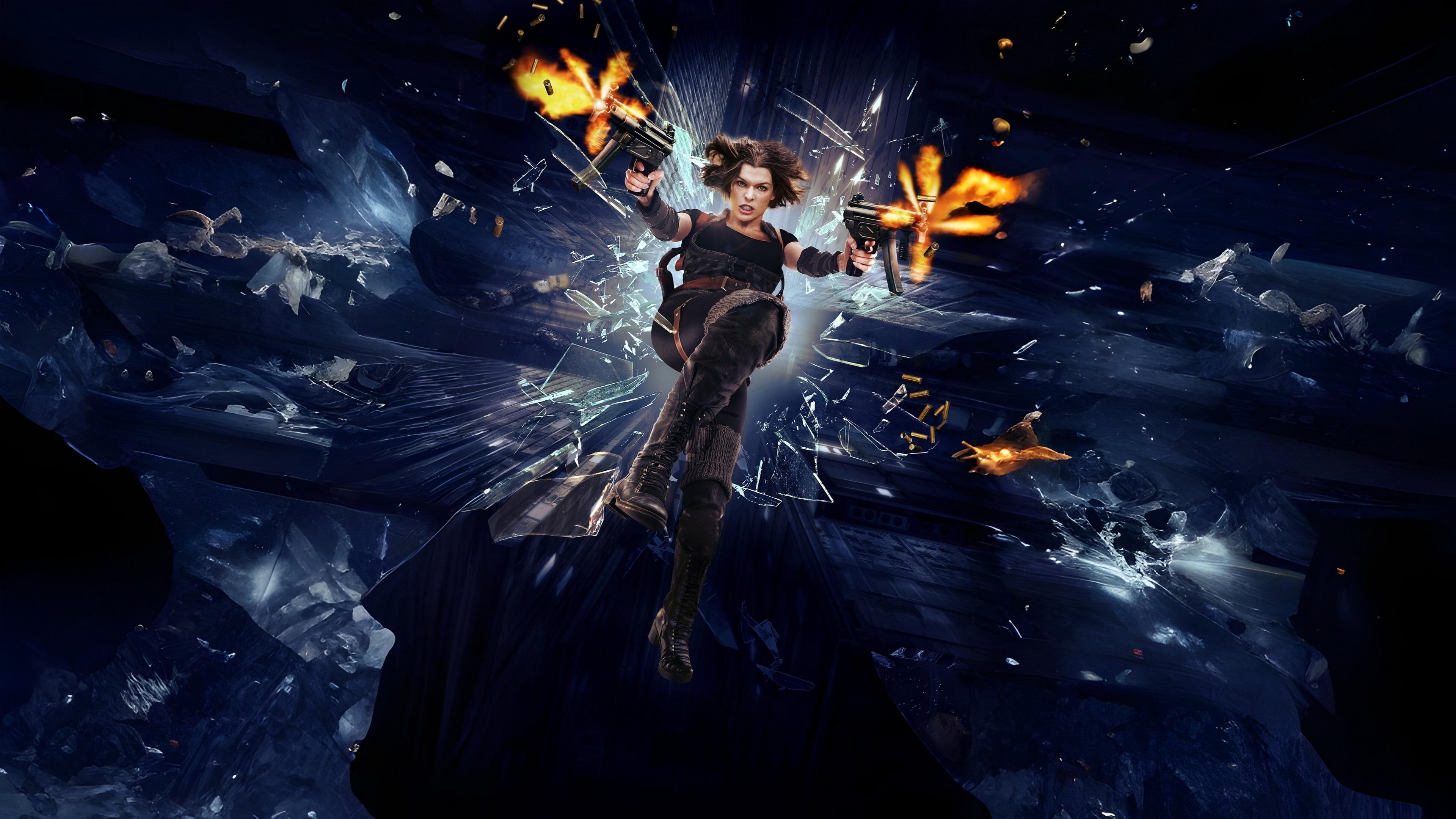
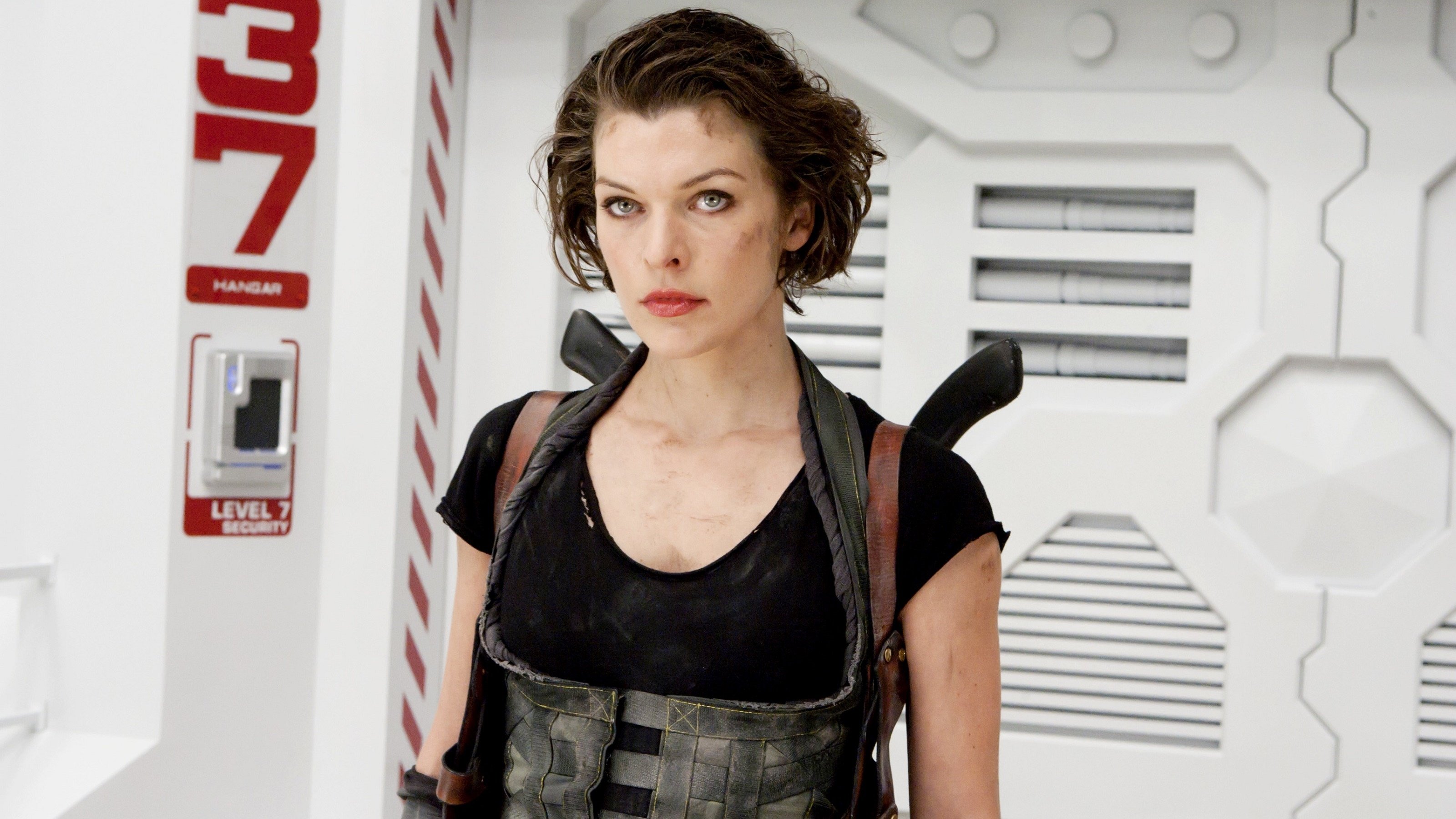
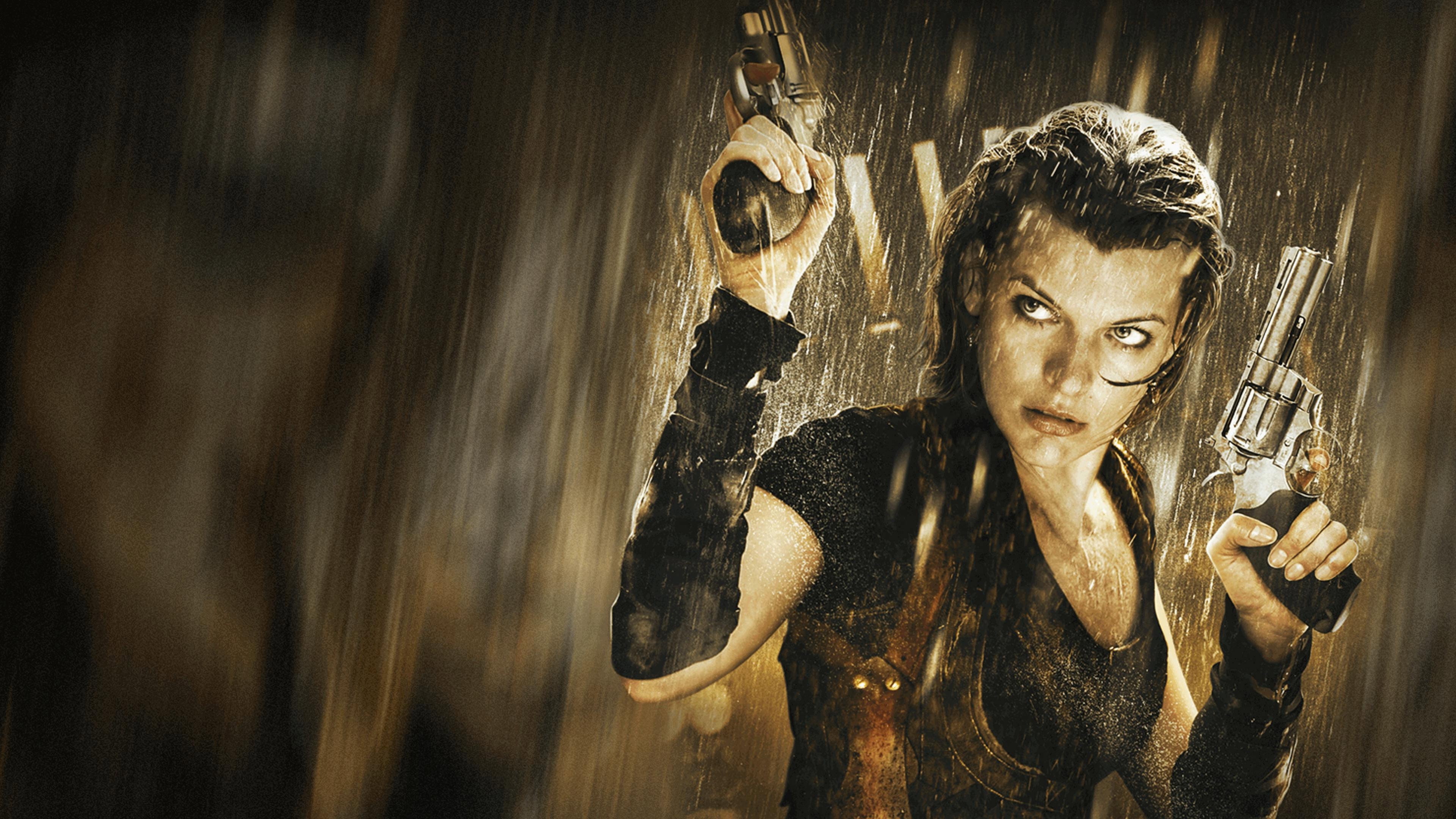
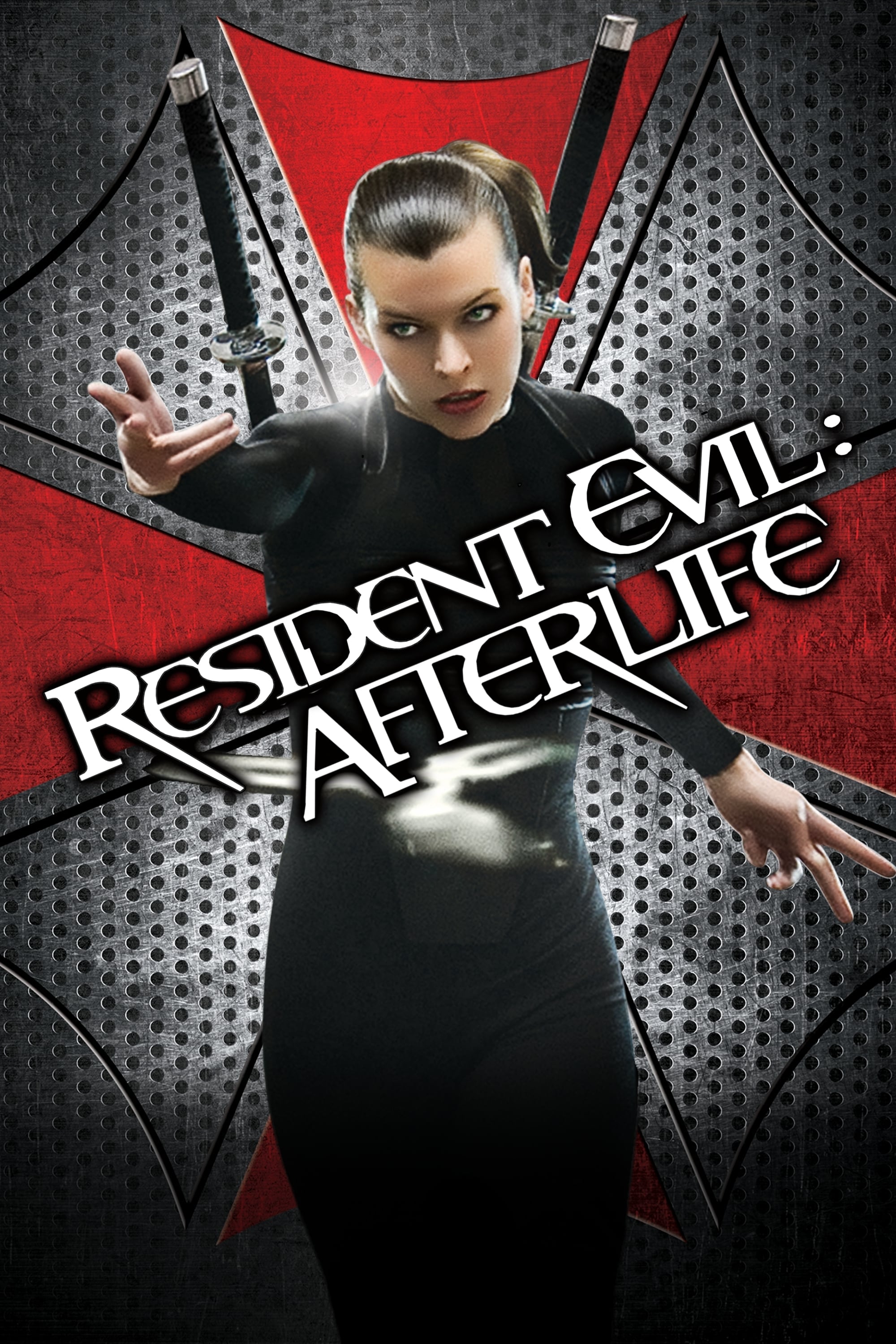
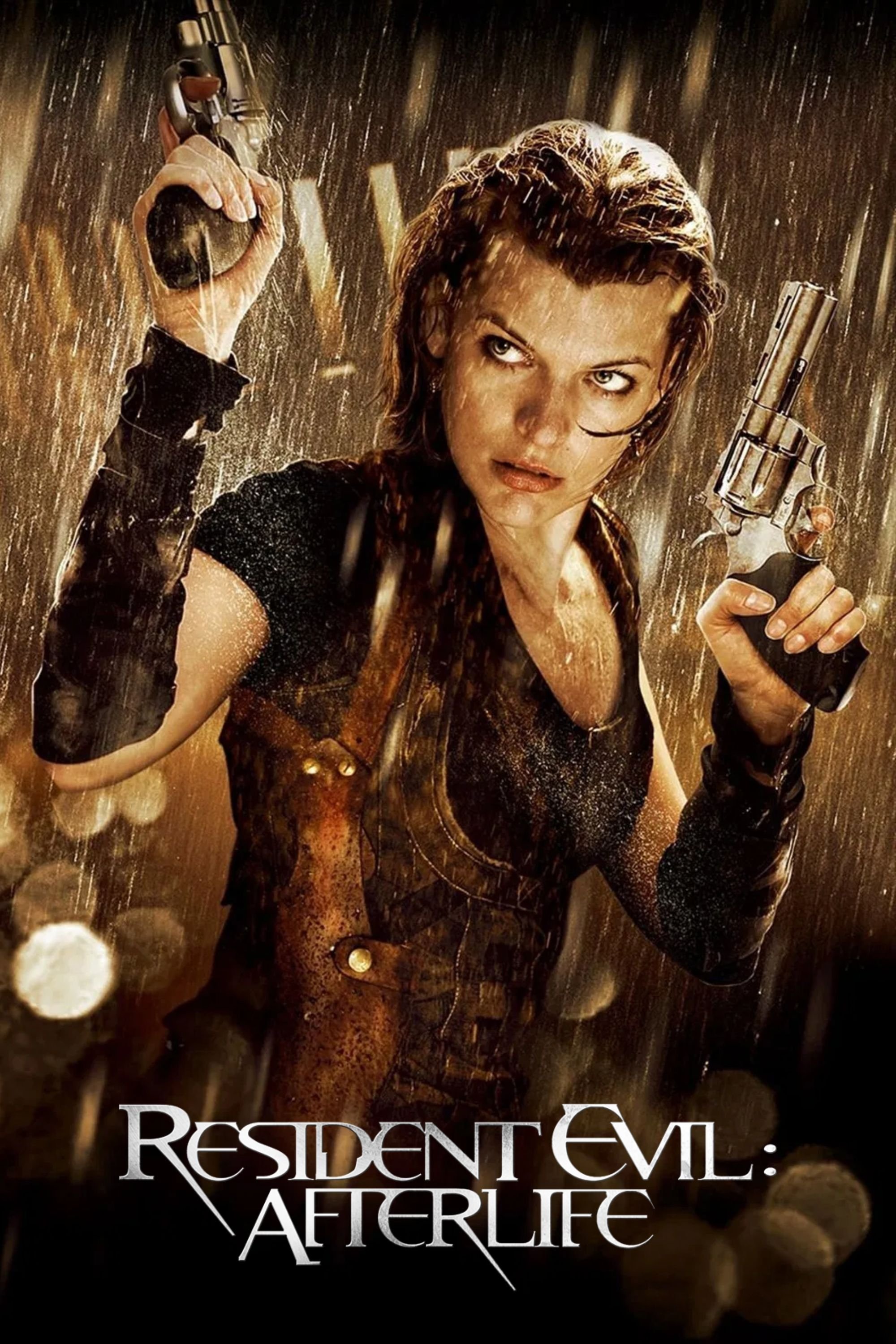
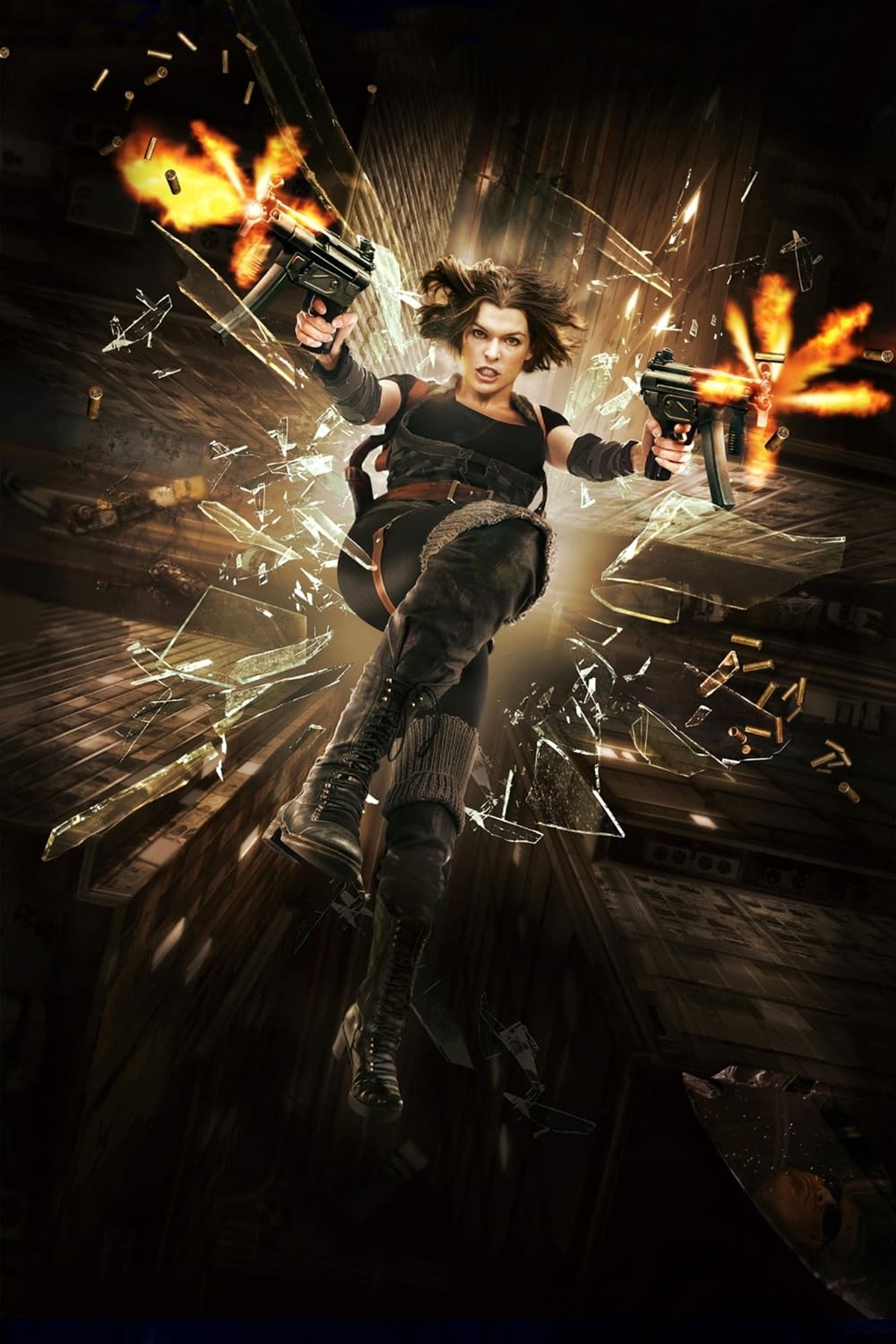
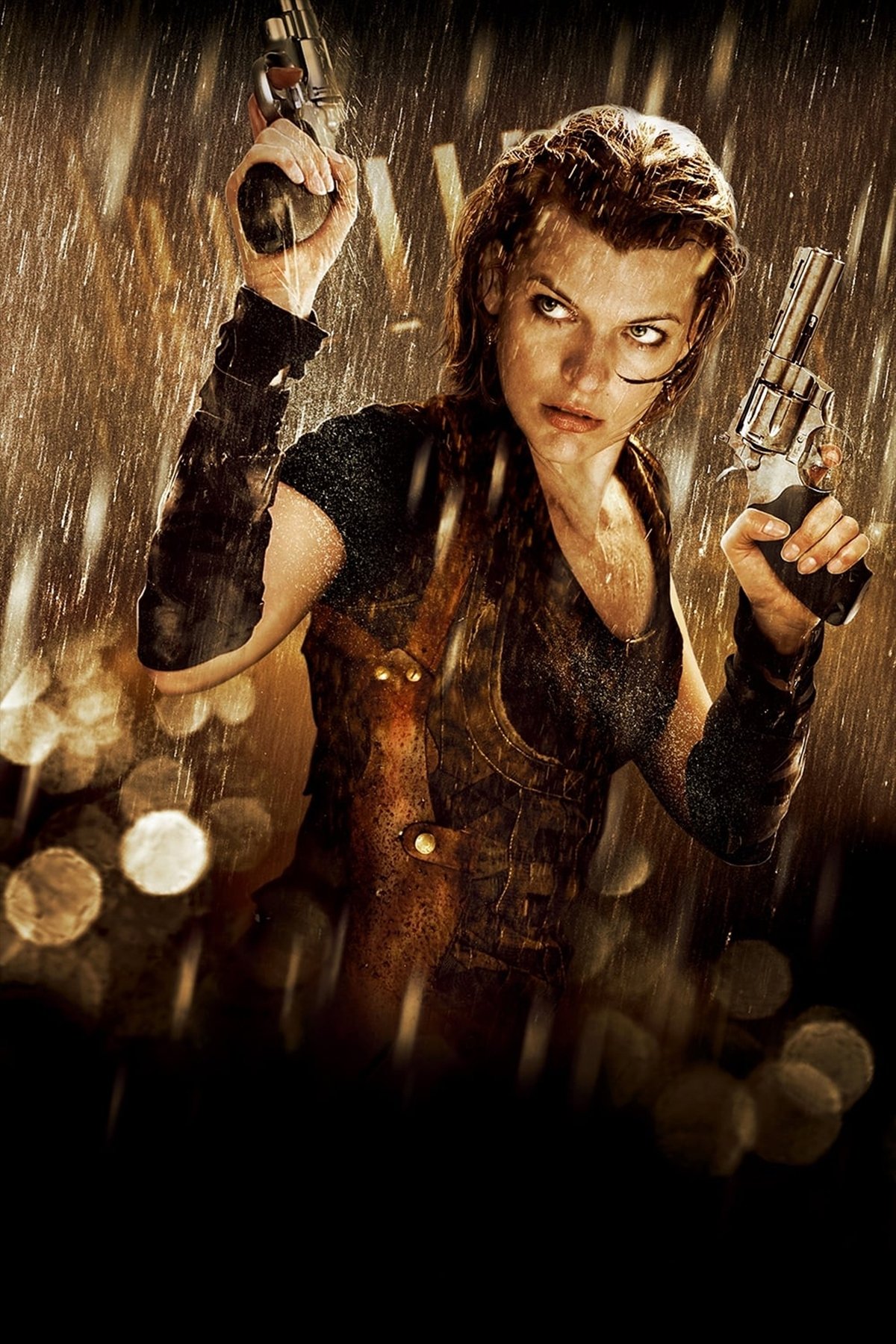
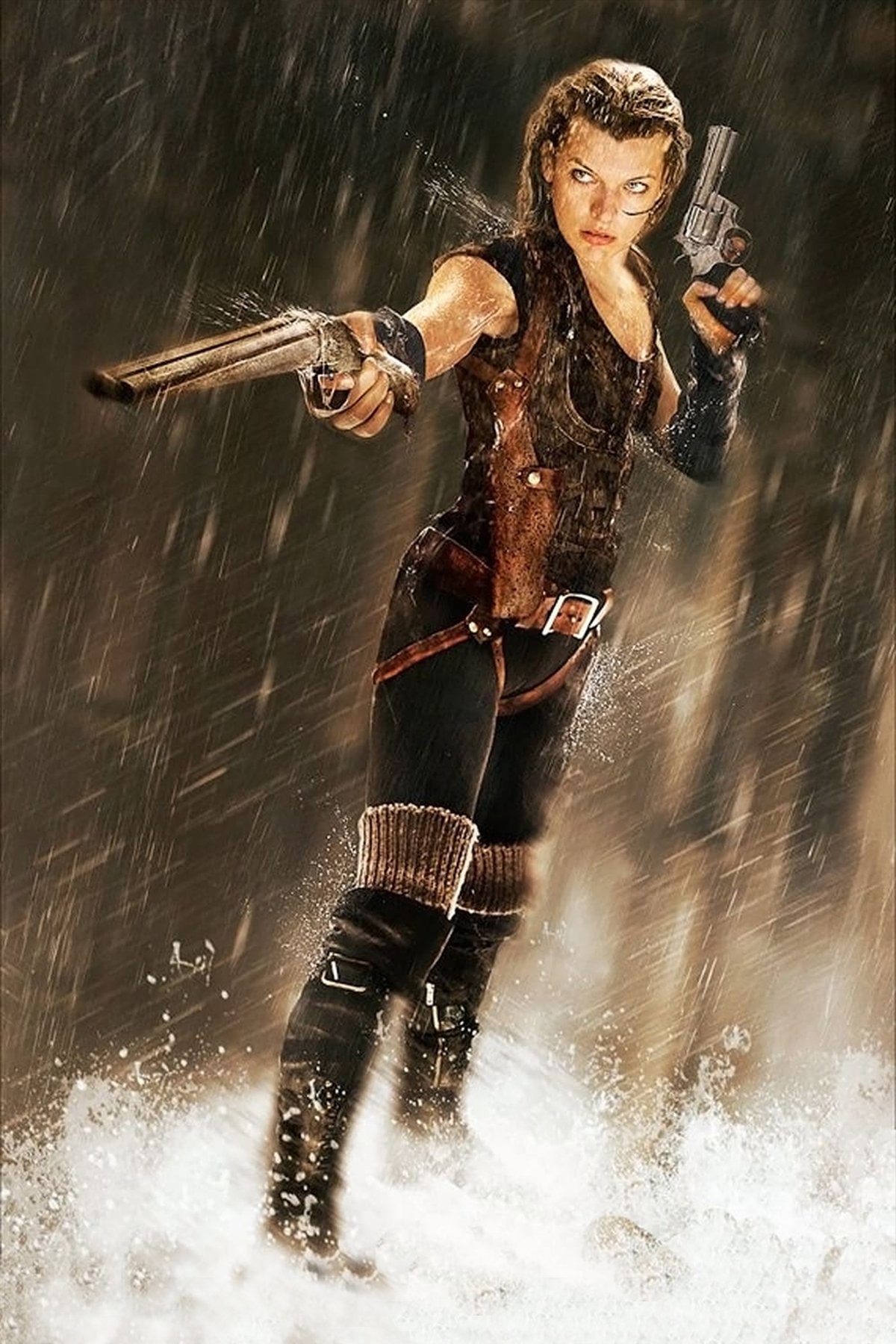
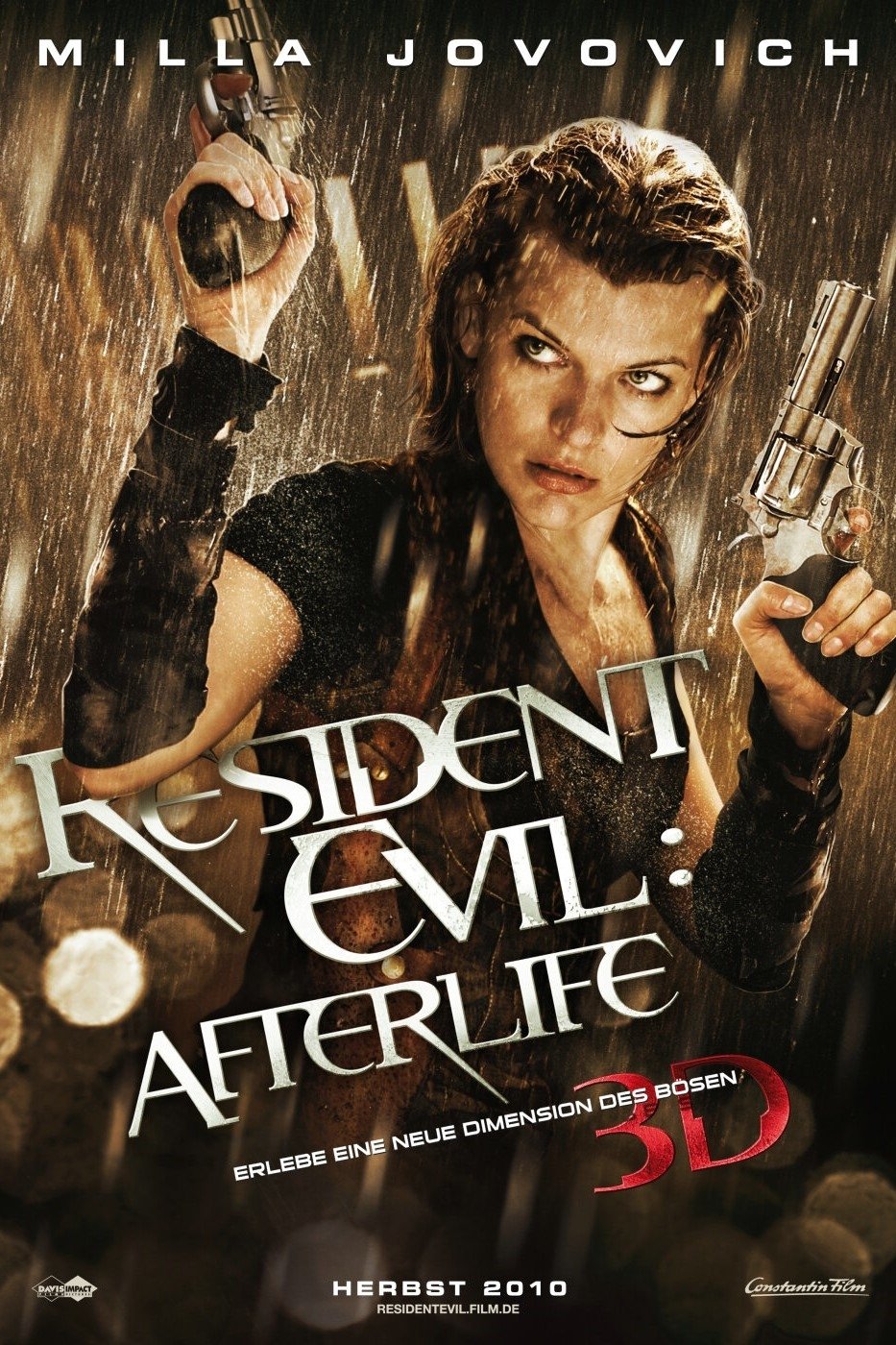
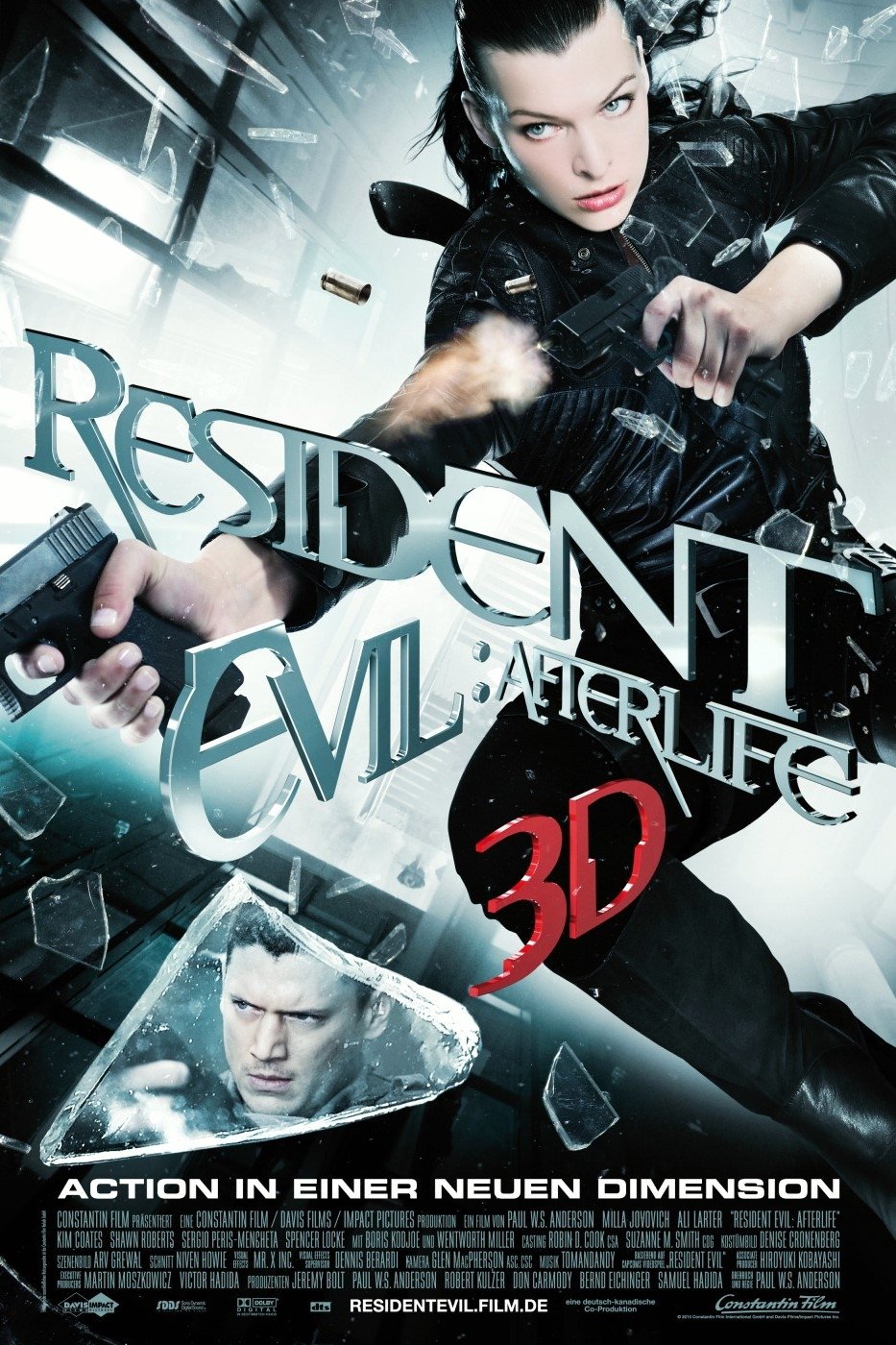
Resident Evil: Afterlife (2010) marked a technical turning point in the live-action series based on Capcom's survival-horror games. Paul W. S. Anderson returned to directing for the first time since the 2002 original and conceived the fourth film for stereoscopic 3D photography, using Sony F35 cameras on Pace Fusion rigs related to those developed for Avatar. That decision governed the staging of action, the scale of sets and the rhythm of editing. The story follows Alice from an assault on Umbrella's Tokyo facility to a search for survivors in Alaska and a besieged Los Angeles prison, retaining the series' infection-and-containment premise while concentrating increasingly on acrobatic combat and large-scale visual spectacle.
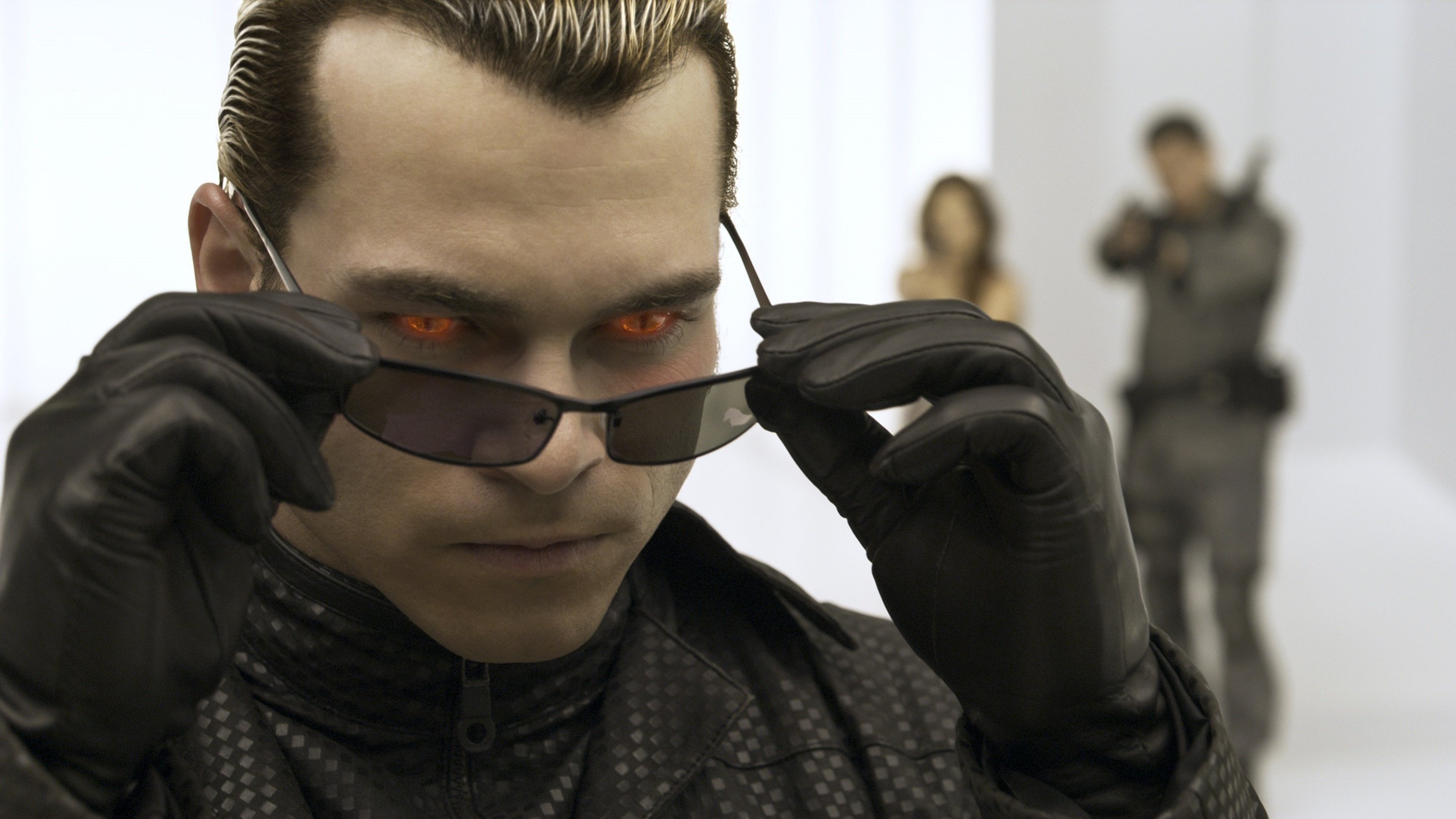
The film incorporates further recognizable game imagery, including Chris Redfield, Albert Wesker, the Executioner and the altered infected associated with Resident Evil 5. Its visual methods are unusually well documented in contemporaneous interviews with Anderson, editor Niven Howie and visual-effects personnel. Their accounts reveal the practical problems of working with paired cameras, compositing effects in depth and judging the duration of shots through stereoscopic playback. These records make Afterlife useful as a case study in how a mid-budget horror-action franchise adopted digital exhibition technology during the rapid expansion of commercial 3D filmmaking.
Reworking the Series and Its Game Sources
After directing Resident Evil, Anderson had written and produced the next two installments while other directors worked on them. He returned to direct Afterlife and described it publicly as the beginning of a renewed phase of the franchise. In a 2009 interview, he said that the initial three-film arc had run its course and that the fourth installment should begin another cycle. This was an account of his intention during development, not evidence that the eventual narrative plan was already fixed in every detail. The continuation follows Alice after the events of Extinction but changes both geography and the form of its principal action scenes.
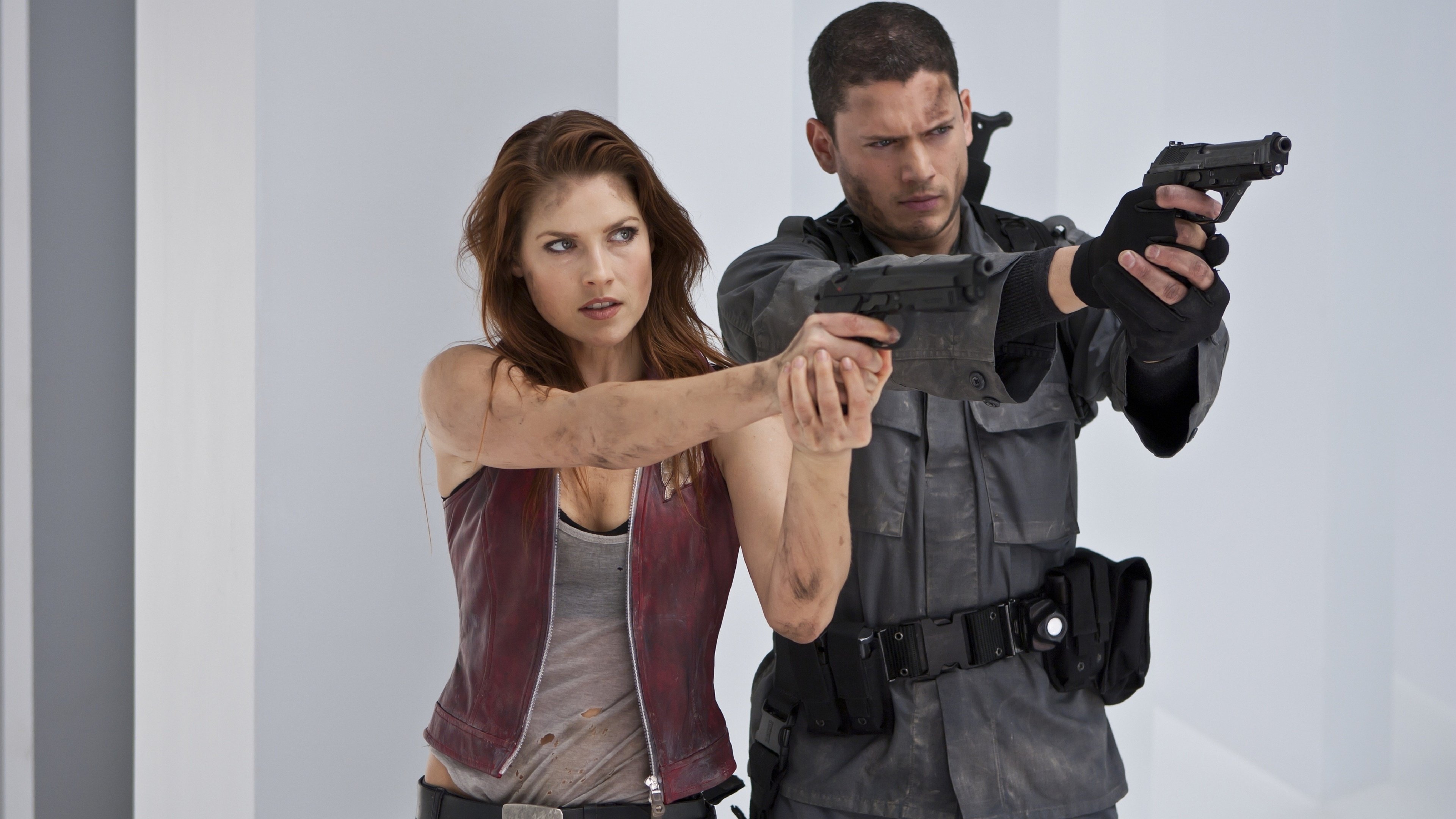
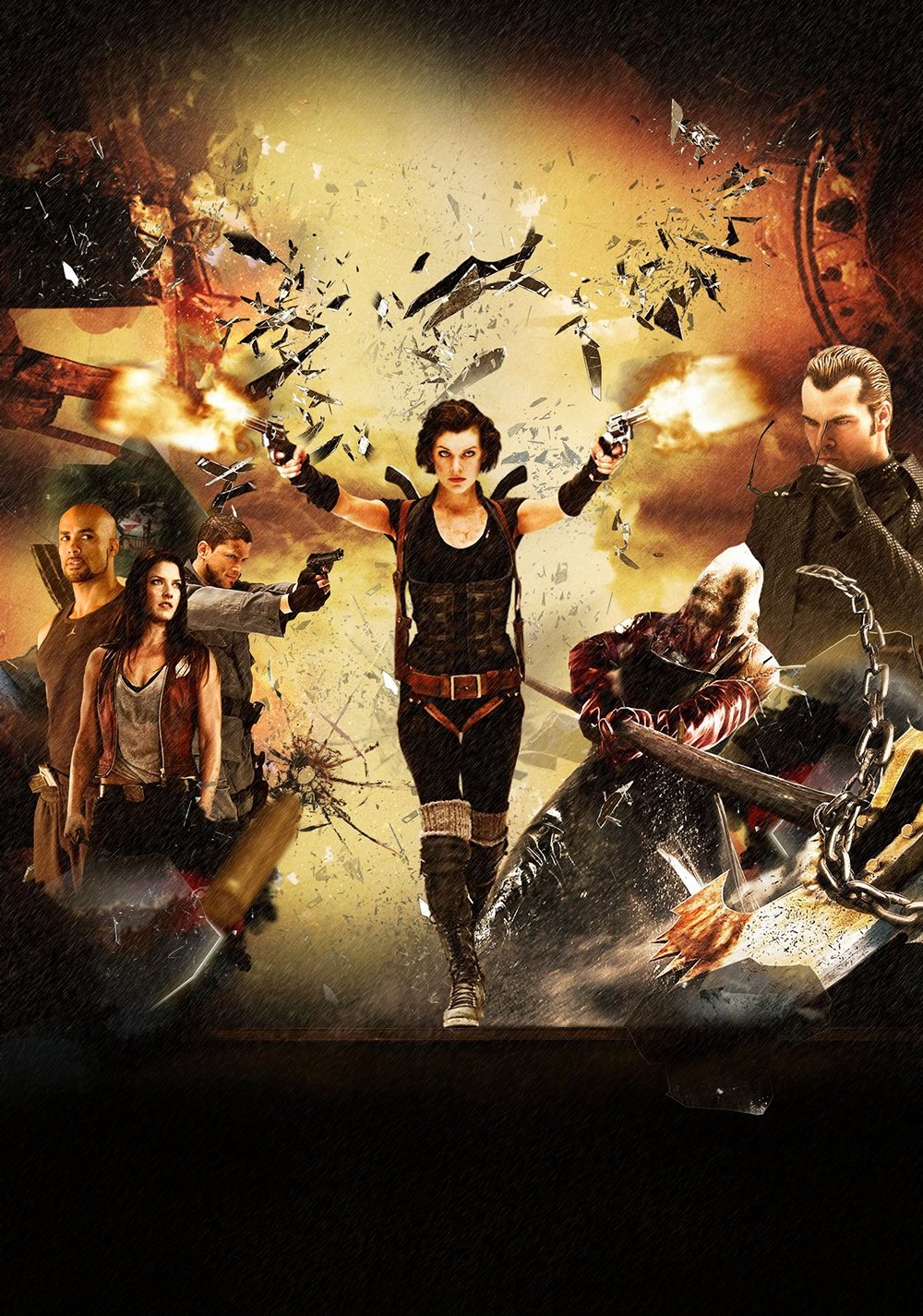
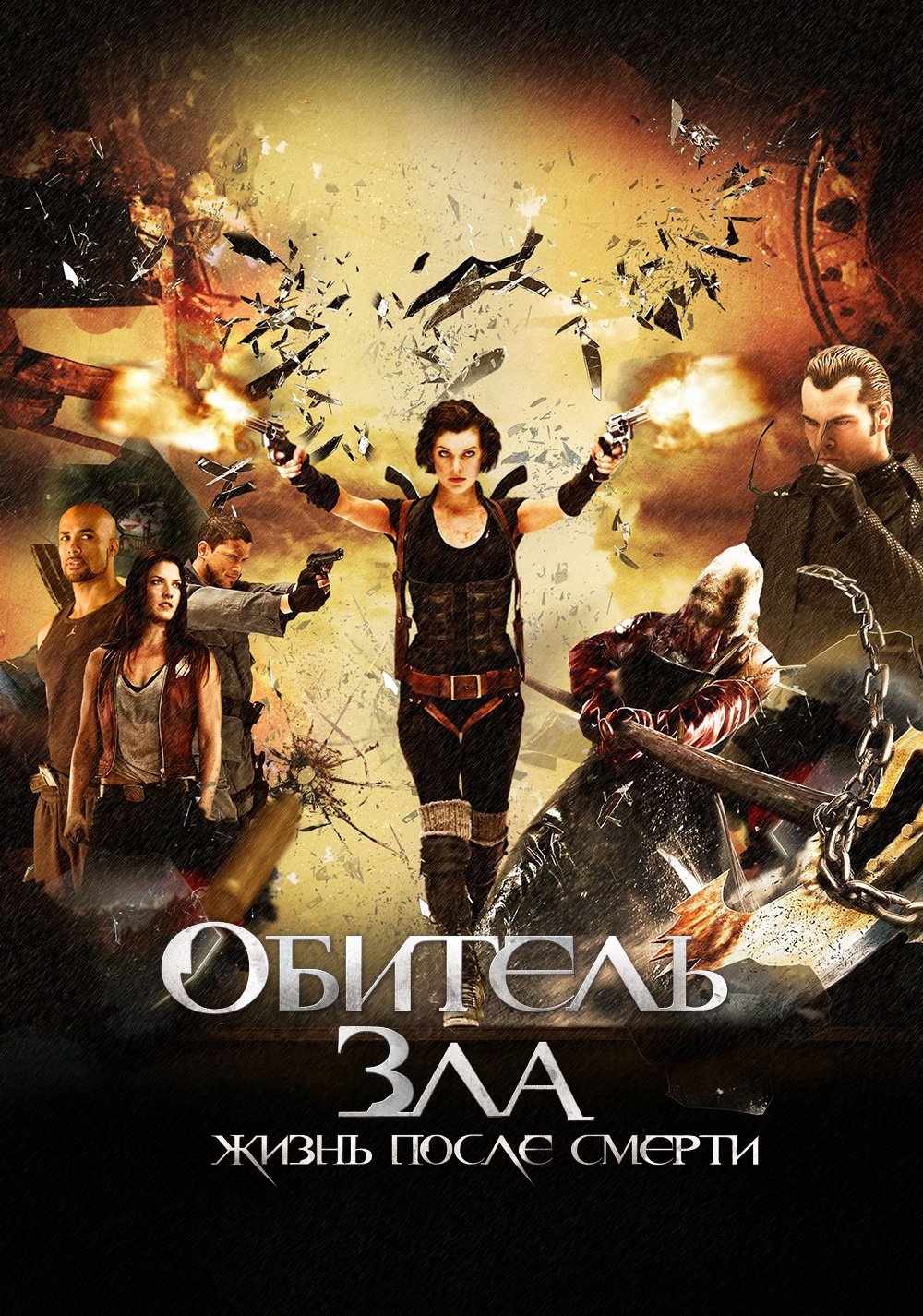
Chris Redfield joins Claire and Alice, while Wesker functions as a major antagonist and the Executioner provides a physically imposing creature adversary. These elements strengthen the film's connection with the games without replacing its established cinematic continuity. Anderson told ComingSoon in 2010 that he wanted returning viewers to recognize those associations while allowing newcomers to understand the film independently. The prison setting temporarily restores an enclosed survival space to a series that had expanded across the desert in its previous chapter. Its doors, upper floors and limited routes out turn an urban stronghold into a variation on the trapped environments familiar to the franchise.
The Decision to Shoot in Native Stereo 3D
Anderson said that preview footage of James Cameron's Avatar convinced him that newer stereoscopic systems could support the type of action film he wanted to make. Afterlife was photographed using Sony F35 cameras paired in Pace Fusion rigs, with the three-dimensional image captured during principal photography rather than created solely by conversion after the shoot. In an April 2010 Los Angeles Times interview, Anderson identified the camera system and recalled that seeing Cameron's work in progress had changed his opinion of 3D. He spoke enthusiastically about its future; those predictions are best understood as a filmmaker's contemporary expectations.
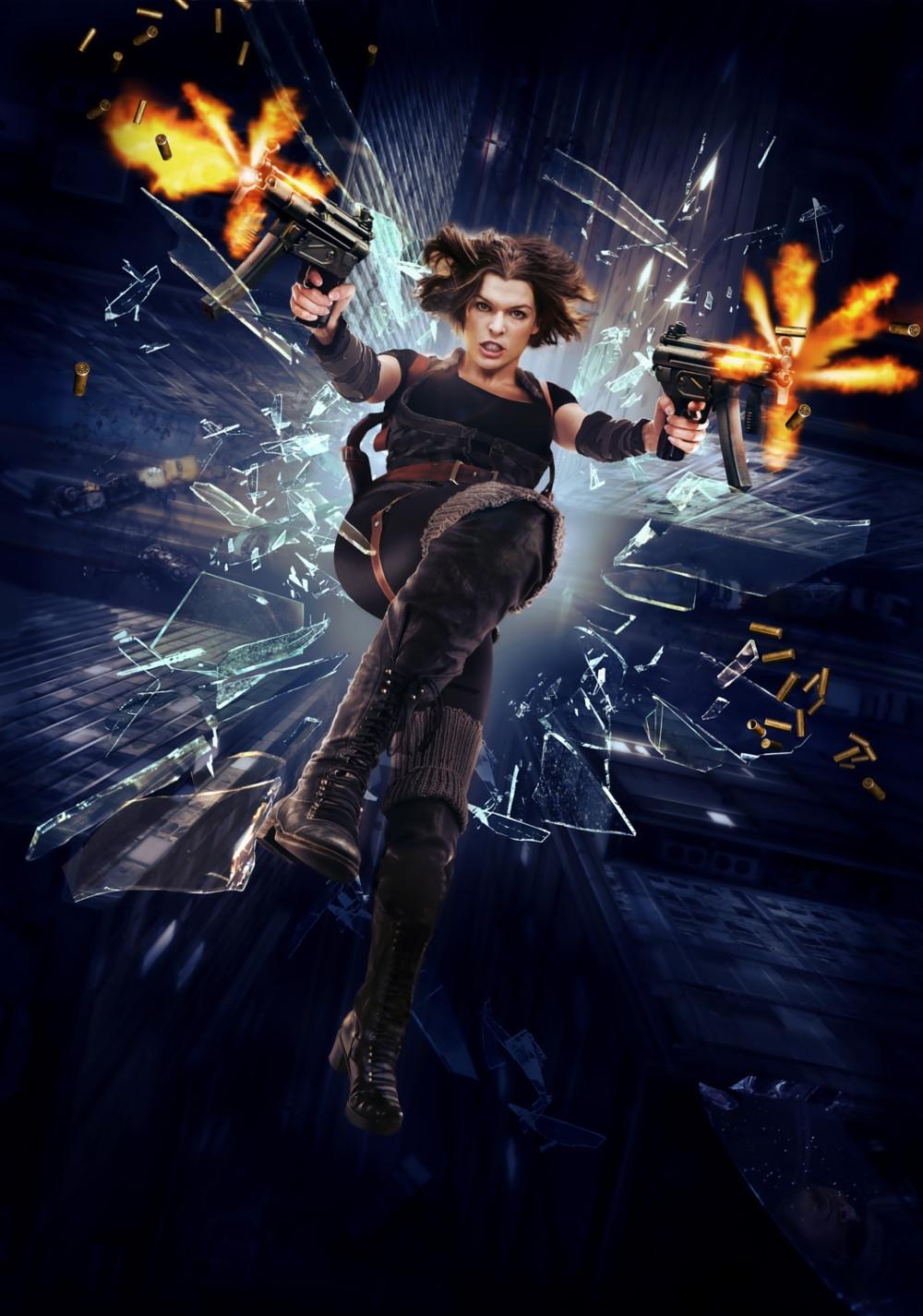
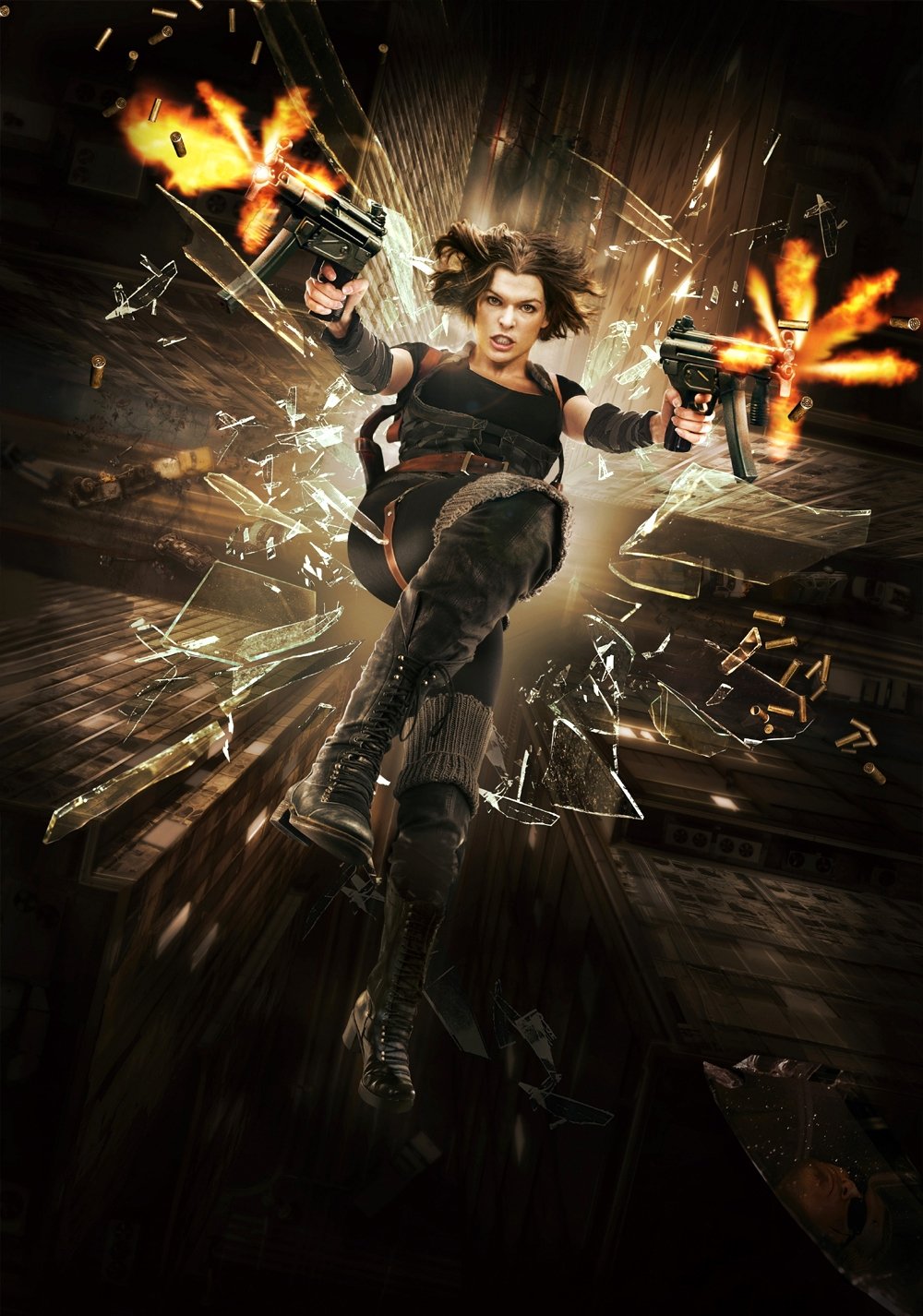
The paired-camera equipment introduced new physical limits. Anderson described heavy rigs that could not simply be mounted on standard support devices, requiring the crew to invent or adapt methods for movement. He recalled using a Segway-mounted camera operator to achieve a mobile effect resembling Steadicam photography. At Comic-Con, he explained that stereoscopic depth also exposed some conventional tricks used to make staged punches look convincing: distance between combatants was harder to disguise. Jovovich described bruises resulting from the more demanding action. These remarks show that the technology affected performers and blocking as well as the appearance of the final image.
Editing for Depth and Action
Editor Niven Howie discussed the film's stereoscopic workflow at length with CineMontage before release. He described the need to keep shots on screen longer because the viewer must inspect a deeper frame. Close-ups, transitions and rapid action cutting could otherwise become uncomfortable or difficult to follow. His observations resist the assumption that 3D consists simply of objects apparently projecting toward the audience. It instead changes the way the audience reads spatial relationships and how adjacent images connect. Howie approached the cutting process as a new editorial problem rather than an automatic extension of his prior work on action films.
Contemporaneous reporting in Post Magazine describes the data workflow in more concrete terms. Material captured on the Toronto production was converted to Avid DNxHD, with paired images handled for stereo offline editing. Howie worked with Avid Media Composer tools that allowed him to check stereoscopic versions during assembly, coordinating with visual-effects editor Mark Herman and assistant Ben Howdeshell. Some sequences still required fast cutting, but their timing was judged against stereoscopic readability. The film's extensive use of suspended movement, projectiles and deliberate approaches toward the lens is therefore tied to a documented technical process, not merely to the publicity surrounding the new format.
Physical Creatures and Digital Work
Afterlife mixed practical construction with digital imagery and stereo compositing. During a 2010 interview with ComingSoon, Anderson described the Executioner as a performer on set, enhanced where needed by digital effects. Its height, massive weapon and violent passages through doors rely on the visible weight of a physical figure interacting with surrounding objects. The director contrasted this approach with a wholly animated production and estimated that only a small number of shots were entirely computer generated. That estimate is his own contemporary characterization; it does not amount to a published technical audit of every effects shot.
Visual-effects production manager D. Eric Robertson discussed the additional labor involved in stereo work in an interview conducted during production. Effects artists had to consider the depth relationship between filmed performers, generated creatures and background material, complicating tasks that had previously been solved in a single flat image. The film's spectacle includes large environments, massed infected figures and elaborate combat sequences, but its monster work is more varied than a simple label of computer-generated horror would suggest. Real objects and performers supplied physical interaction; compositing and animation extended what could be photographed or safely staged.
Release and the Series' New Direction
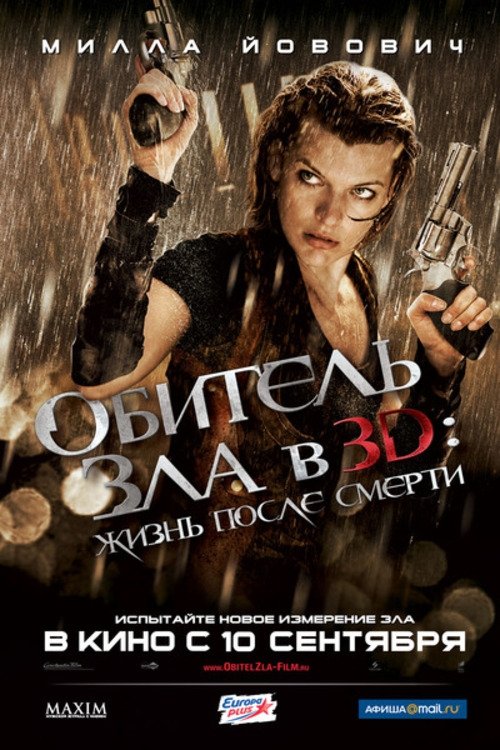
Screen Gems opened Resident Evil: Afterlife in the United States on September 10, 2010. The release placed the film amid the expansion of commercial stereoscopic exhibition following Avatar, though Anderson and his collaborators had committed to native 3D photography before Avatar reached cinemas. The distinction matters because Afterlife was designed for depth from the outset. Contemporary interviews repeatedly described the technical risk and expense of that choice, particularly the cost of equipment and the learning required during production. Its distribution in conventional and 3D formats also meant that the same staged action would be experienced through different image presentations.
The film's central achievement within the series is formal rather than a return to the first installment's claustrophobic horror. It carries the Umbrella conspiracy, infected bodies and recognizable video-game antagonists into a framework dominated by three-dimensional movement and choreographed spectacle. By bringing together Alice, the Redfield siblings and Wesker, it also prepares the way for further continuity developments in Retribution. As an early native-stereo entry in a long-running horror-action franchise, Afterlife documents a period when filmmakers adapted not only cameras but production design, on-set choreography and editorial judgment to the possibilities and constraints of digital 3D.
References
ComingSoon — SDCC Exclusive: Paul W.S. Anderson on Resident Evil: Afterlife 3D
Original 2010 interview on stereoscopic design, physical creature construction and incorporating game characters.
Los Angeles Times — Resident Evil: Afterlife Director: The New 3-D Is Like the Introduction of Color Photography
April 2010 interview identifying the Sony F35 and Pace Fusion camera system and the director's experience of stereoscopic photography.
CineMontage — Resident Evil Edit Team Operated in Another Dimension
Firsthand interviews with the editorial team documenting the stereoscopic editing workflow.