Production and Development
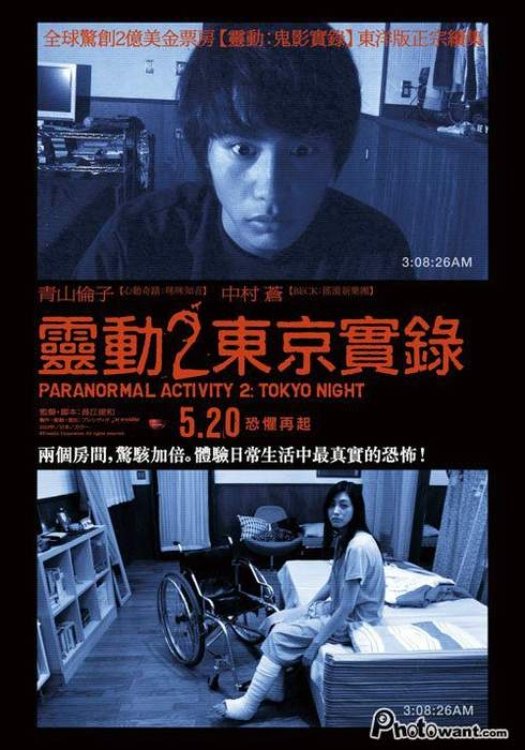
Presidio president and producer Yasutaka Hanada told Japanese outlet Pia in October 2010 that the impetus for a local sequel followed the company's work distributing the first Paranormal Activity in Japan. According to Hanada's account, Oren Peli had expressed curiosity about what a version made in Japan, a country strongly associated internationally with ghost cinema, might look like. Hanada described the subsequent acquisition of sequel rights as emerging from that conversation. This is a producer's contemporary recollection of the project's origin, distinct from a documented account of every contractual arrangement.
Presidio's involvement was particularly significant because the distributor was moving into locally produced, internationally marketable features. A September 2010 Screen International report identified IM Global's non-English-language sales arm Anthem as the representative for international rights. The film was consequently more than a domestic imitation of an American hit. It was a planned Japanese production carrying an established property abroad. Hanada's promotional comments emphasized both the success of the first film with Japanese audiences and the possibility of reaching horror viewers outside Japan.
Nagae was chosen for reasons closely connected to the fictional recording format. Hanada explained that the production considered filmmakers with wider international profiles before selecting a director familiar with pseudo-documentary techniques. Nagae's work on the television series Broadcast Prohibited, known in Japanese as Hosokinshi, had explored fear through material staged to resemble non-fiction footage. His hiring gave the sequel a specific connection to Japan's established experiments with the credibility of recorded images, rather than simply importing an American visual gimmick.
Story and Continuity
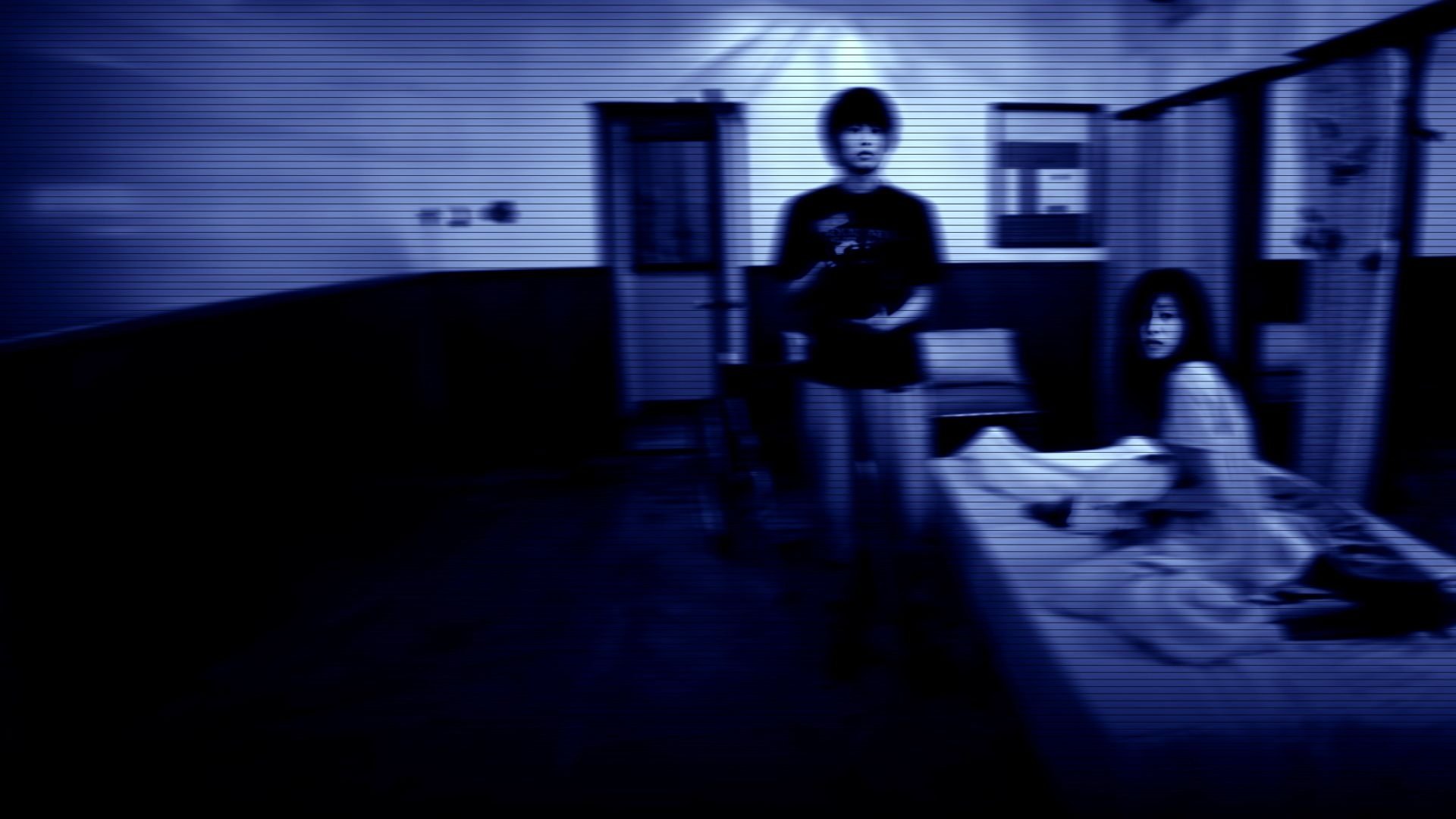
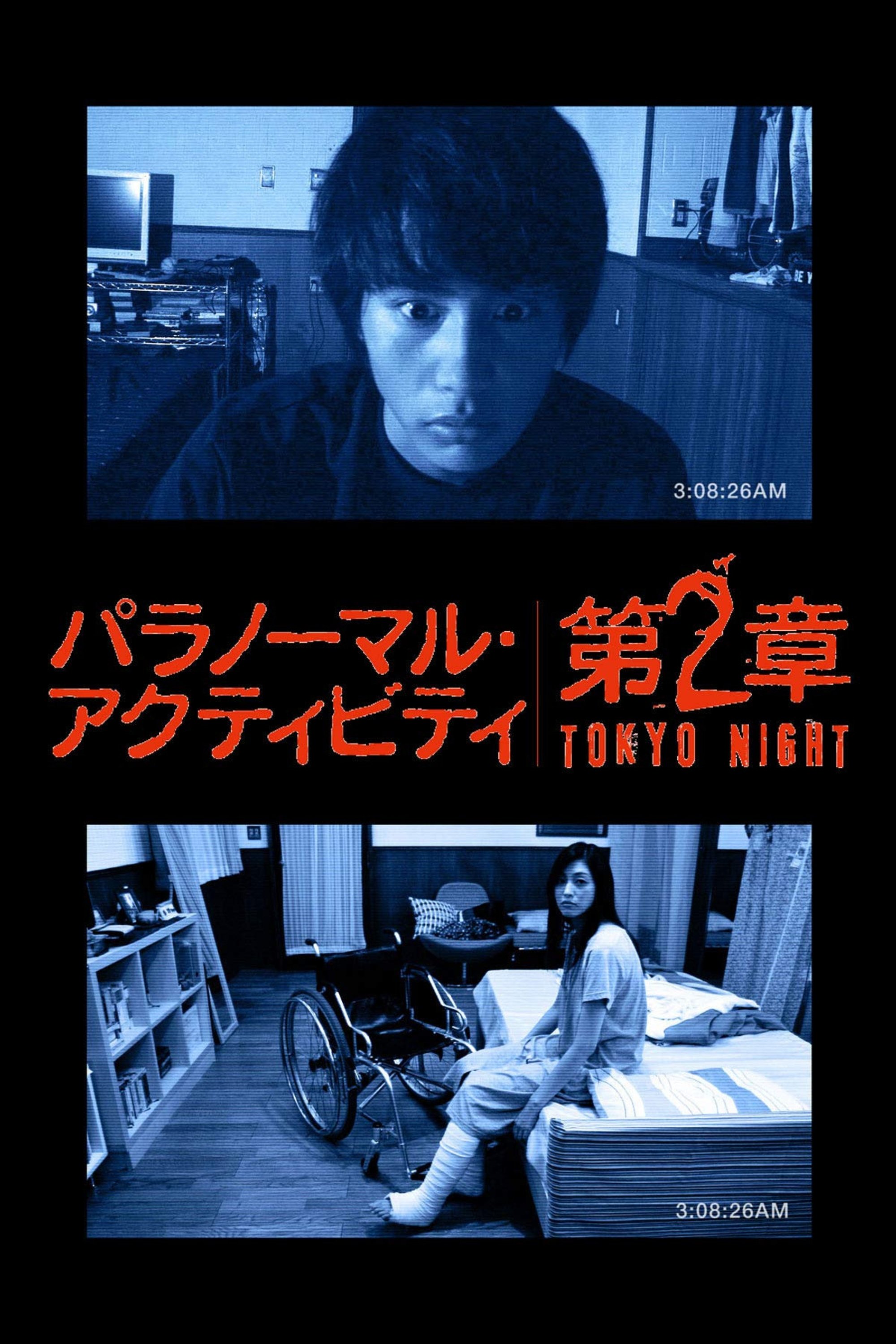
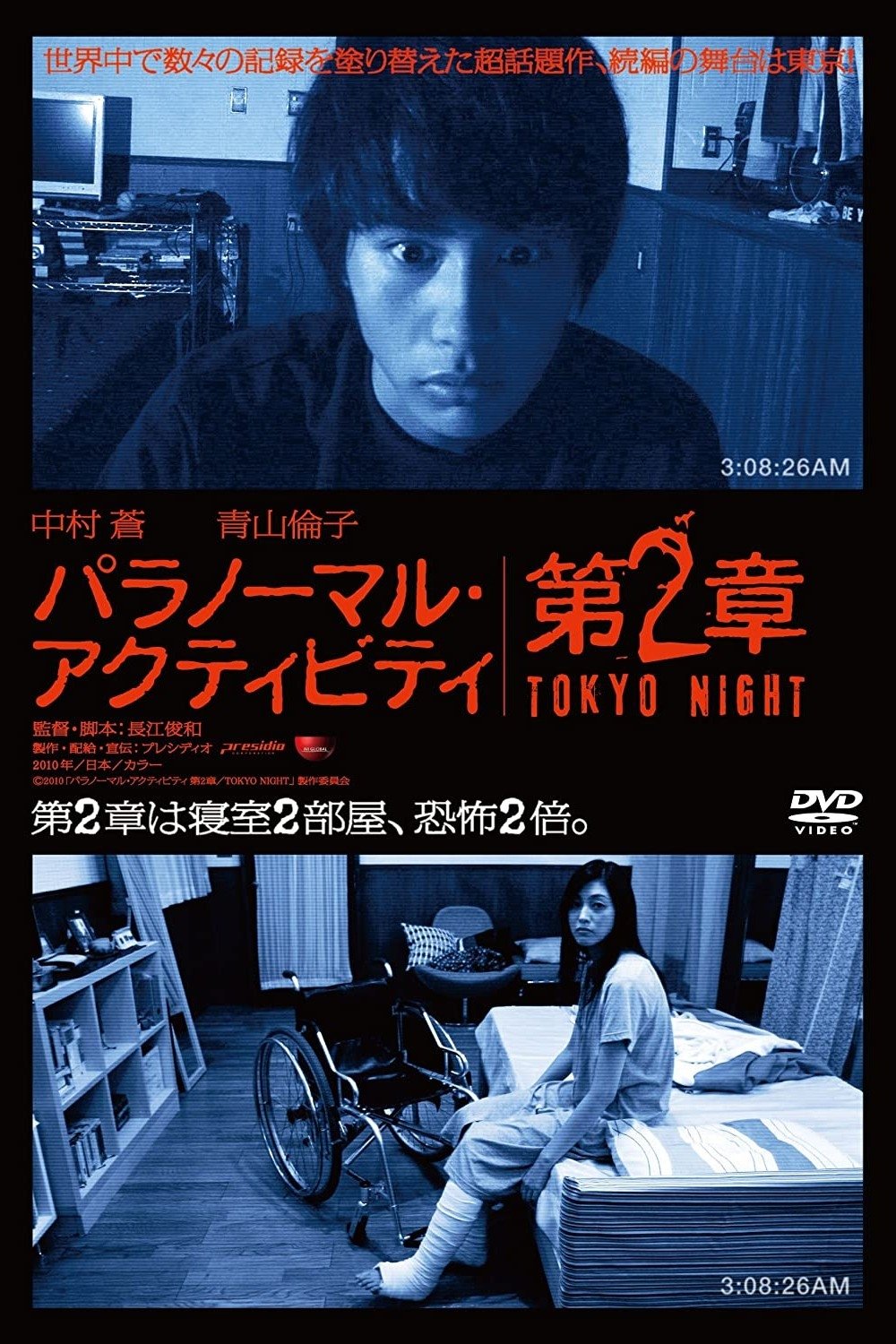
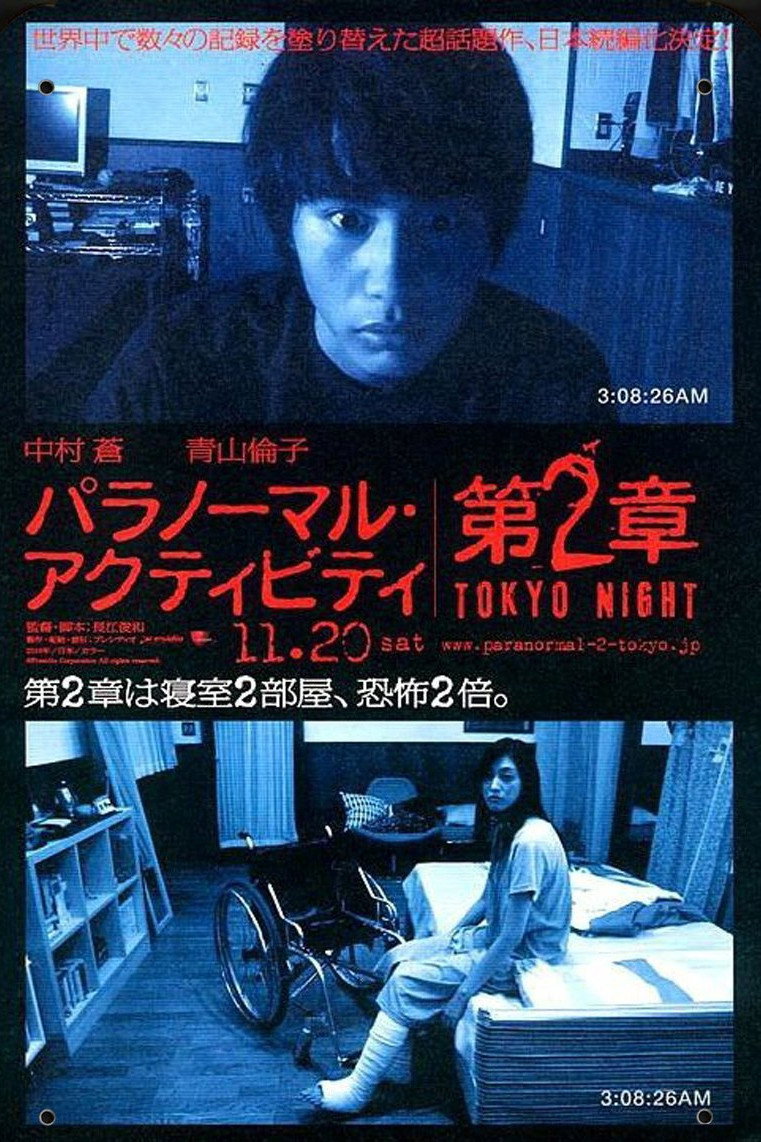
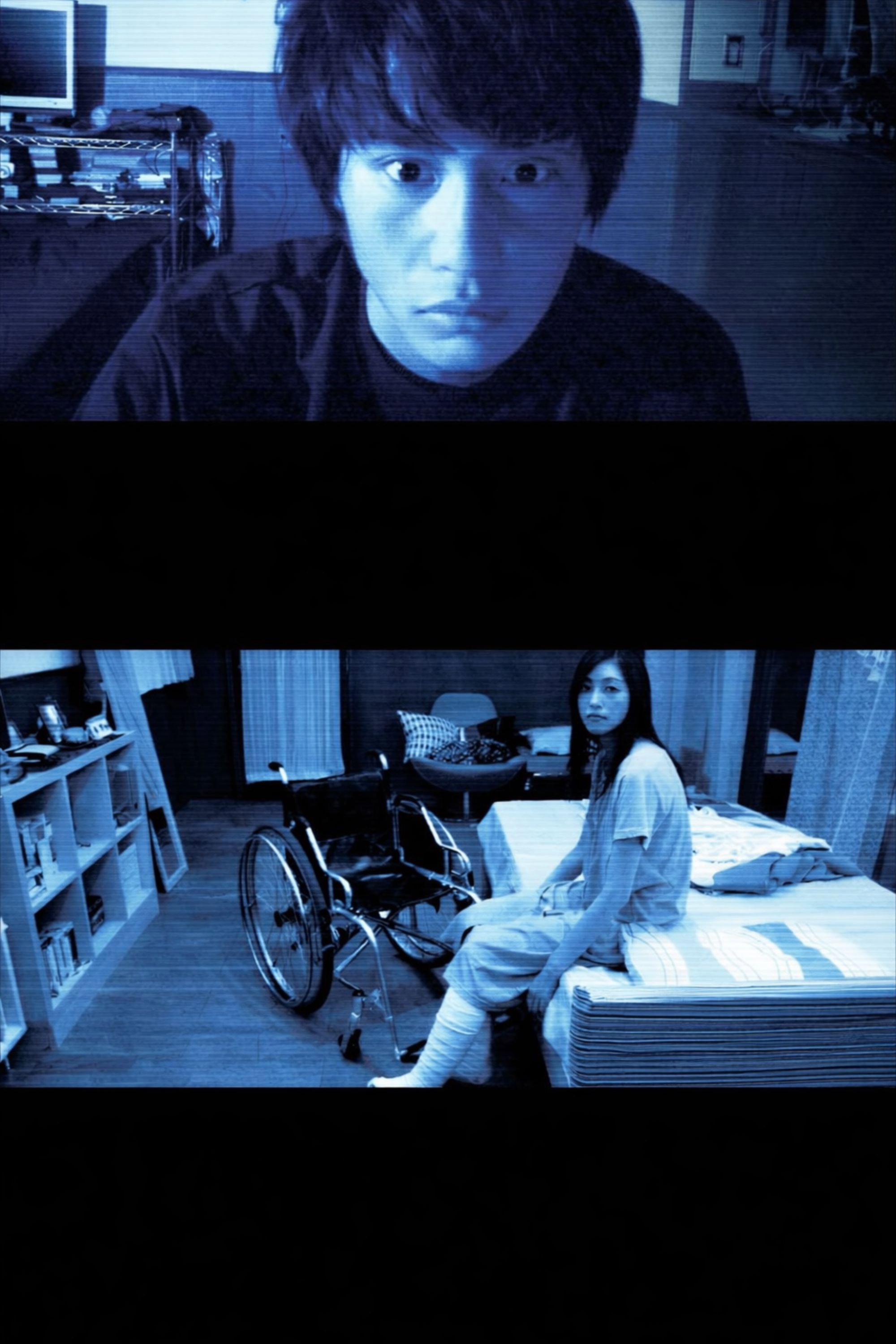
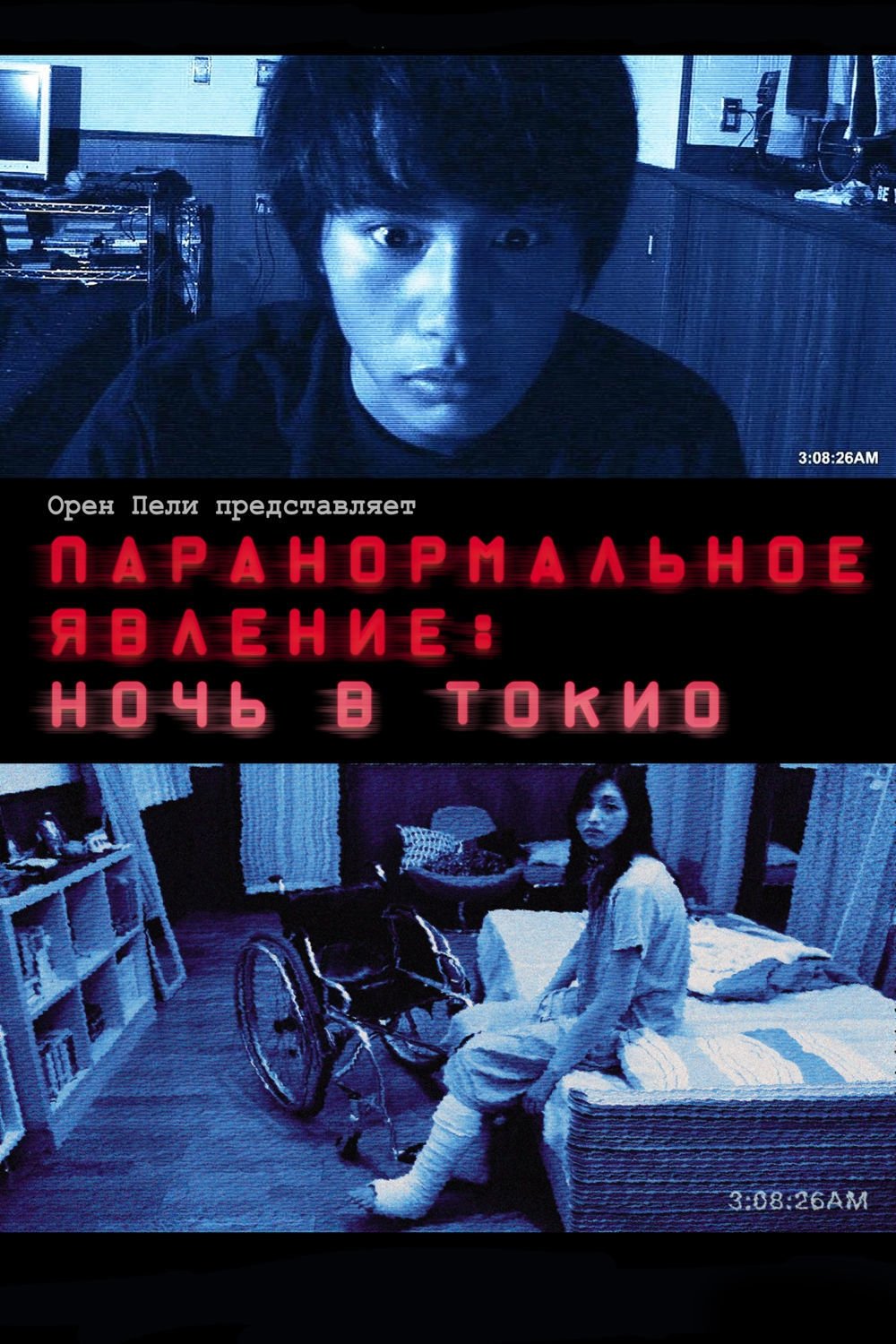
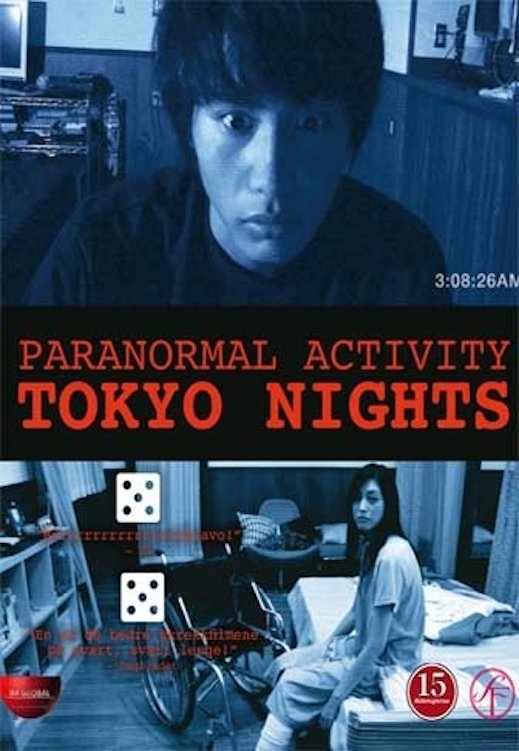
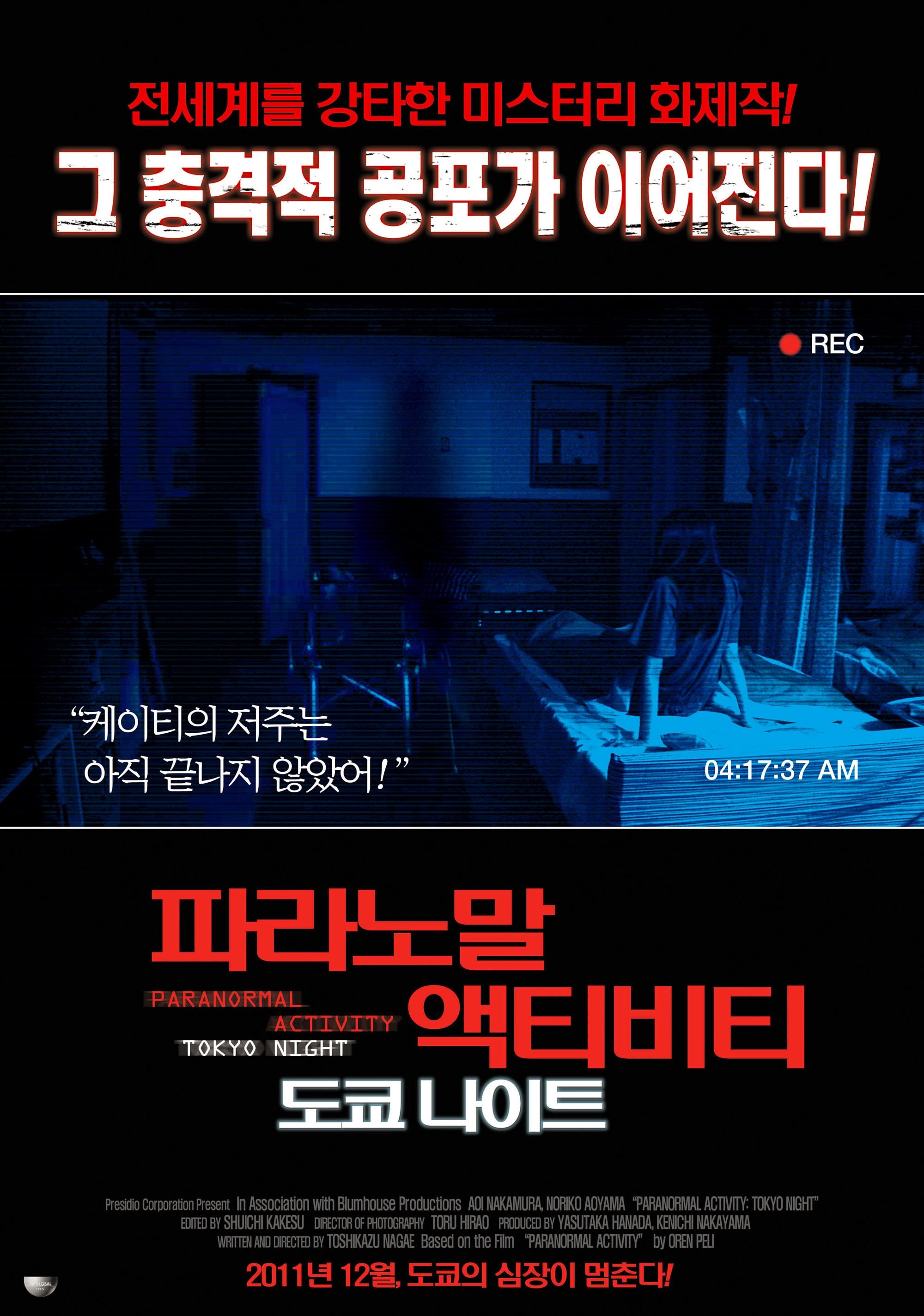
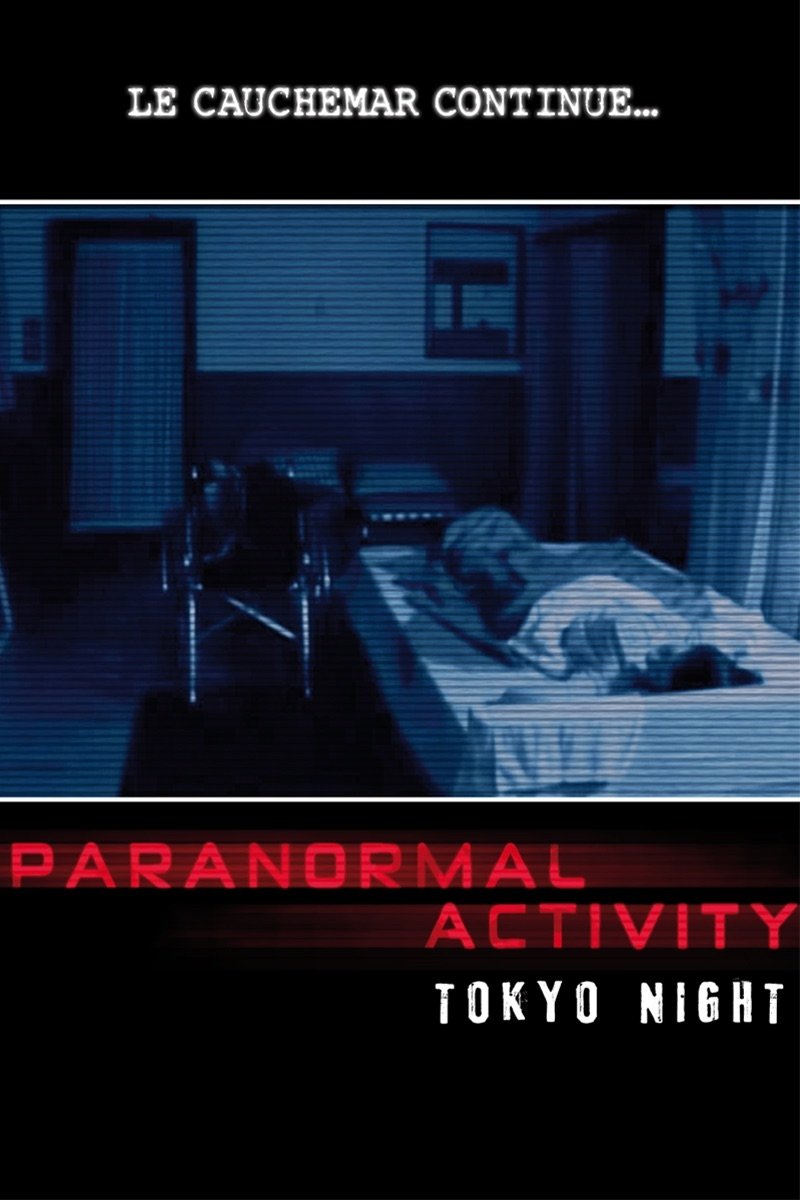
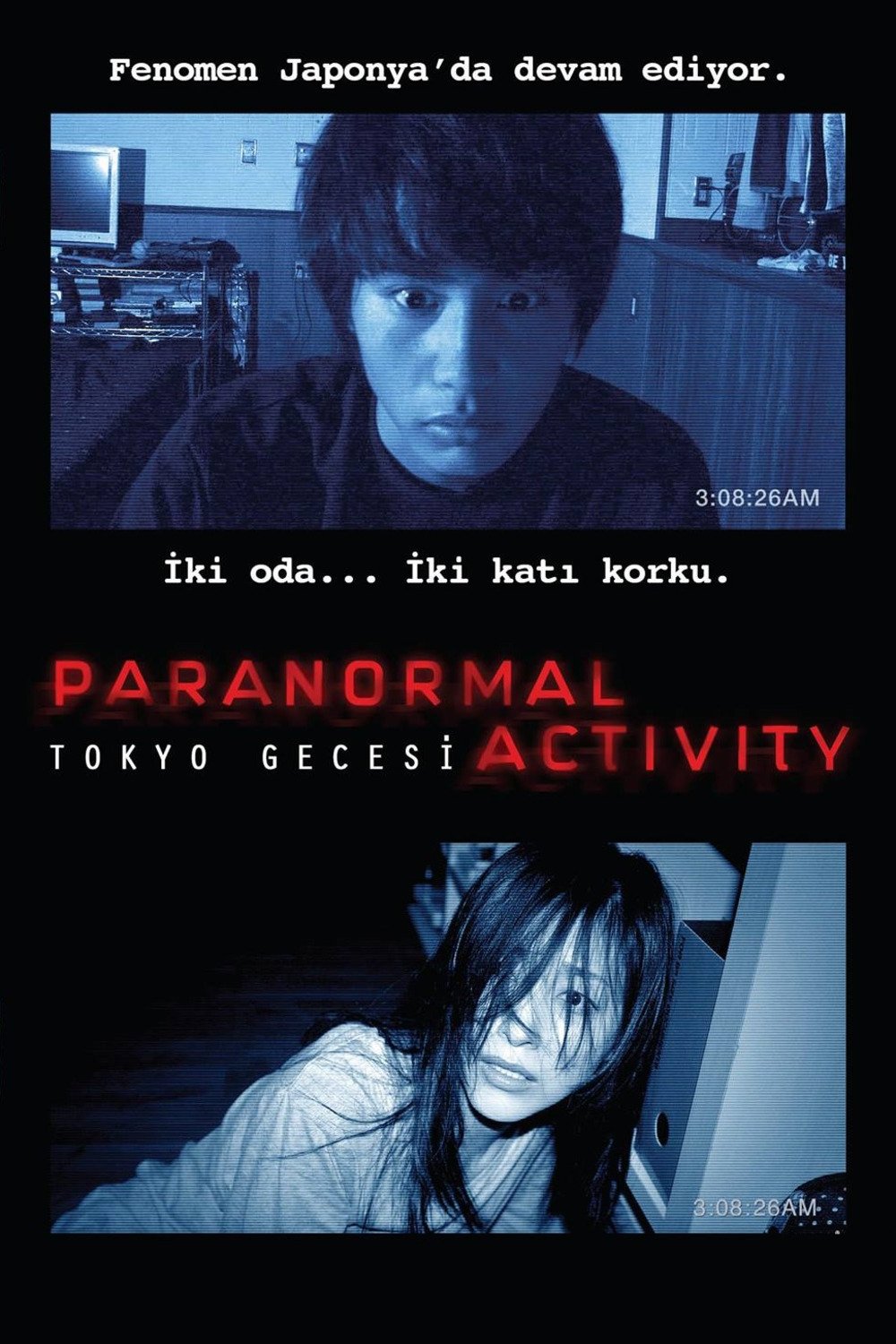
Haruka Yamano returns from an American trip after a traffic accident that leaves her using a wheelchair. Her younger brother Koichi begins recording the family home when unexplained disturbances become impossible to dismiss. The situation gives the film an immediately recognizable Paranormal Activity framework: intimate domestic space, ordinary recording equipment and apparent evidence accumulated during the night. Haruka's limited mobility also changes the household dynamics, making Koichi's attempts to document and interpret the events central to the story's progress.
The film was promoted in 2010 as a direct continuation of the haunting associated with Katie Featherston in the first film. The geographical link is therefore part of its narrative premise, not merely a title intended to attract an audience. At the same time, the American Paranormal Activity 2 was released in October 2010, before Tokyo Night's Japanese opening in November. The two productions developed different routes outward from Peli's original and should not be treated as consecutive episodes of a single, straightforward timeline.
Japanese Horror and the Director's Background
The selection of Nagae joined an internationally recognizable American format to a Japanese tradition of mediated supernatural storytelling. His earlier Broadcast Prohibited projects used the appearance of factual television to create disturbing fictional narratives. That background helps explain why the makers valued his handling of apparently authentic images. It does not establish that individual effects or scenes in Tokyo Night were copied from those television productions; the documented connection concerns the director's experience with the format.
The film also arrived after years in which Japanese supernatural horror had traveled internationally through exports and American remakes. Here the direction of adaptation ran the other way: a successful American independent concept was developed as a Japanese-language narrative. The significance is industrial as well as aesthetic. Presidio's distribution relationship made such a version possible, while the story retained the basic suspicion that a recording device might reveal a presence concealed from ordinary sight.
Release and International Distribution
Paranormal Activity: Tokyo Night opened theatrically in Japan on November 20, 2010, according to the Japan Film Database maintained by UNIJAPAN. Its listing credits Presidio as both production company and Japanese distributor, and gives a running time of 90 minutes. The entry also records a 35mm screening format, a 1.85:1 presentation and Dolby Digital sound. These are exhibition specifications, and should not be read as proof of the original camera equipment or the entire post-production process.
International distribution was already part of the plan before the Japanese opening. Screen International reported in September 2010 that Anthem, an IM Global division, handled sales outside the domestic market. In Britain, Icon Home Entertainment announced a DVD release for March 7, 2011. Promotional material for that release identified the movie as an officially sanctioned Japanese sequel. Such language establishes how the picture was marketed in that territory, while the precise connection to the American series still depends on the distinct production histories of the respective sequels.
Position Within the Paranormal Activity Series
Tokyo Night is an instructive example of how quickly a horror property could spread after a low-cost success. Rather than waiting for every sequel to be coordinated within one production system, the rights holders permitted a Japanese-language continuation alongside the developing American series. The result is a branch whose origin belongs to the first film's international distribution history as much as to its fictional mythology. Its appearance in 2010 illustrates a period when the boundaries of the new franchise were still being established.
The film's significance should be kept in proportion. The surviving contemporary material documents its authorization, intended international circulation, and the deliberate selection of a filmmaker associated with pseudo-documentary horror. It does not by itself demonstrate a measurable influence on later Japanese found-footage films or establish the production as a major critical landmark. What can be shown is a distinct path through which the Paranormal Activity concept crossed markets, retaining the unease of overnight domestic recordings while becoming a locally produced Japanese feature.