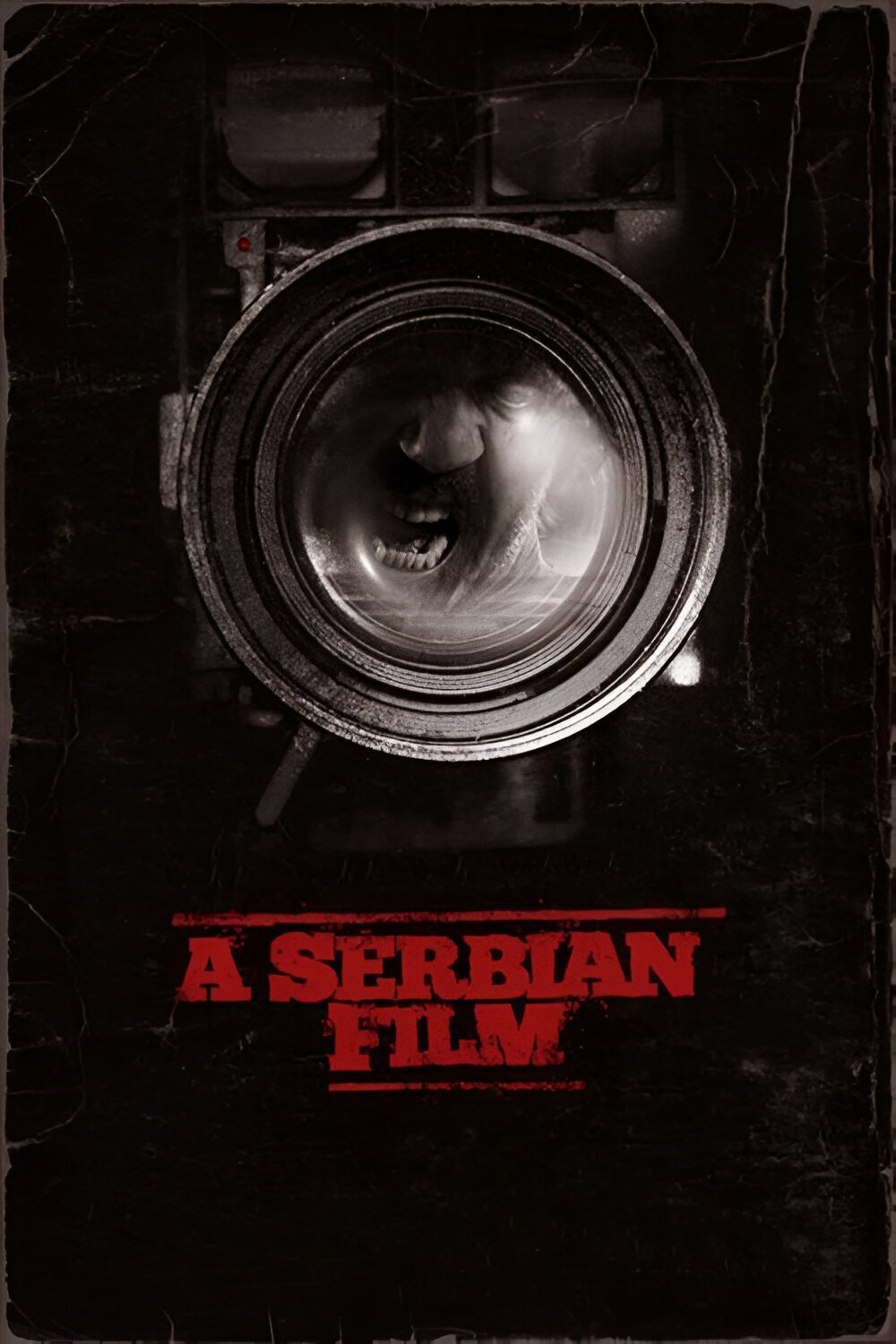
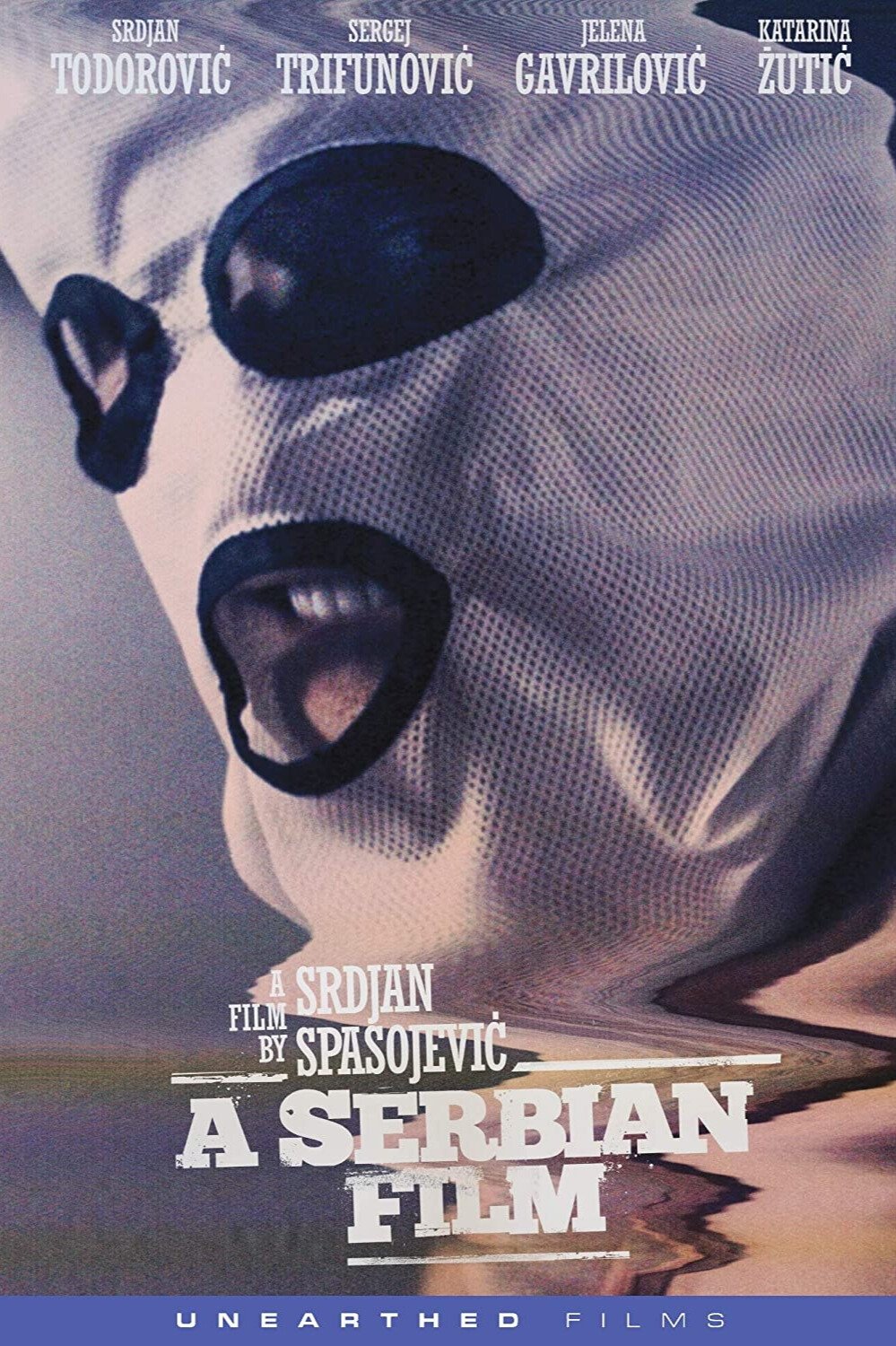
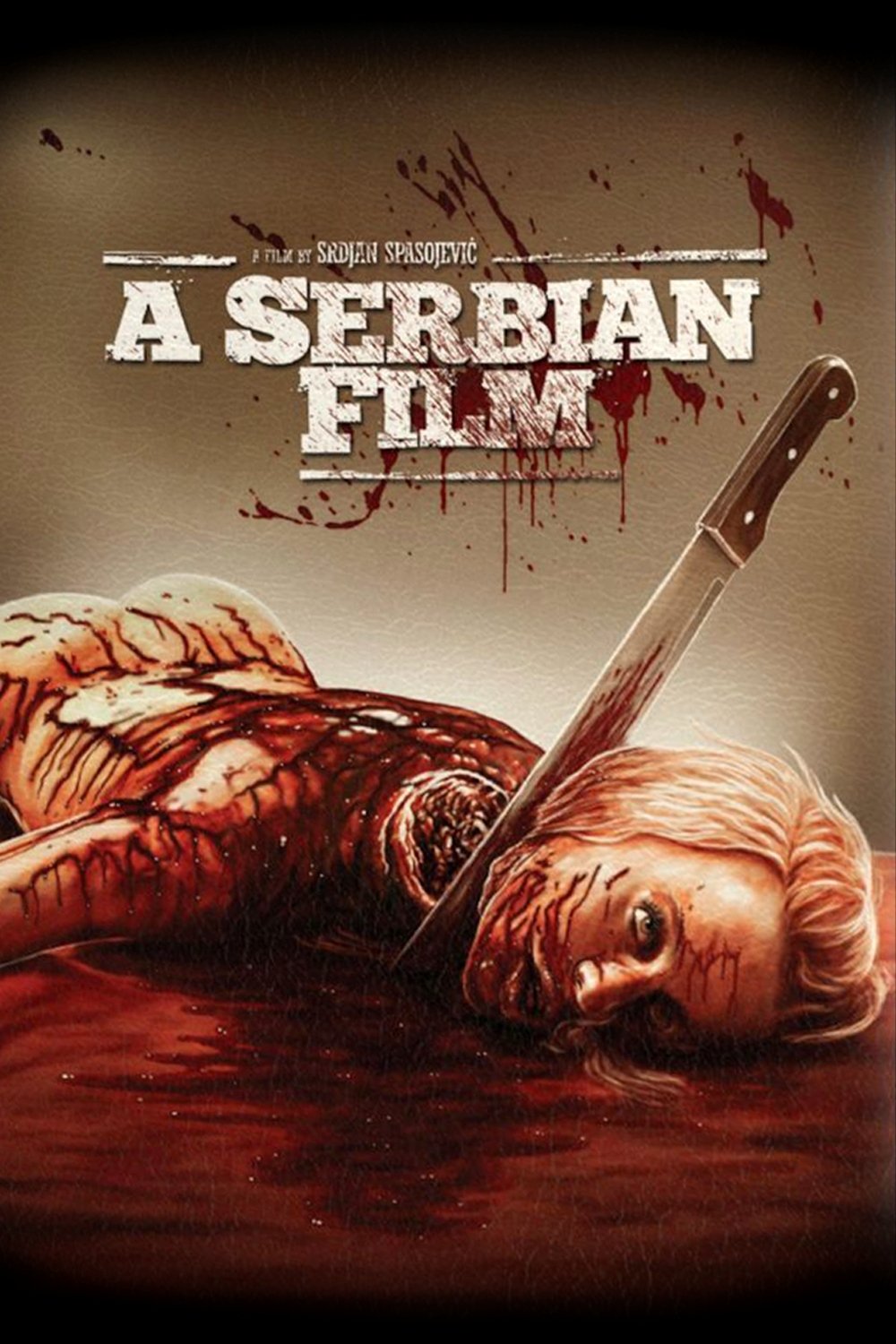
A Serbian Film (2010)

RS
HORROR FILM Thriller Crime
SUBGENRES EXTREME NECROPHILIA
7.7/10 3 votes
Runtime
104 min
Release
January 6, 2010
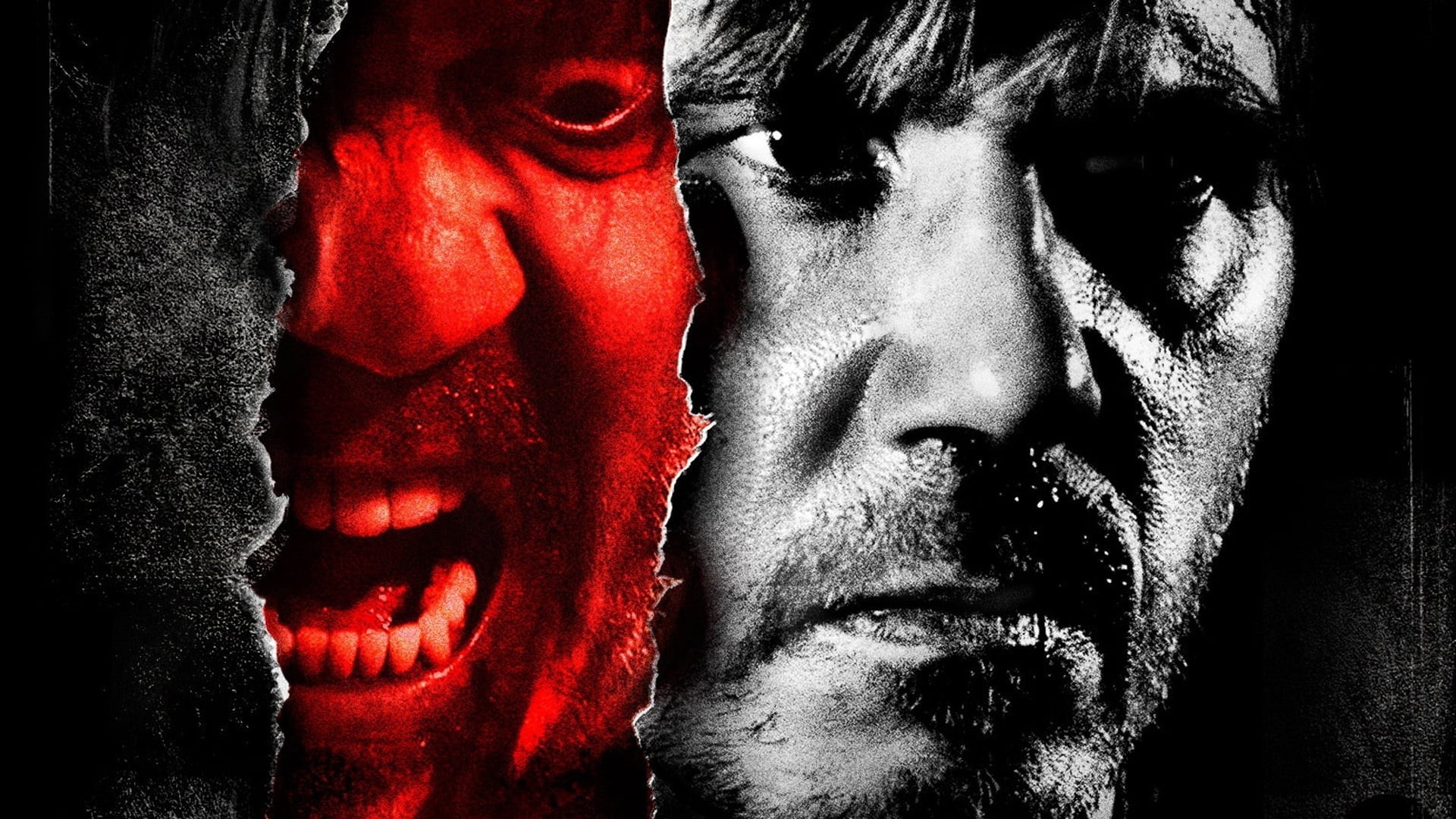
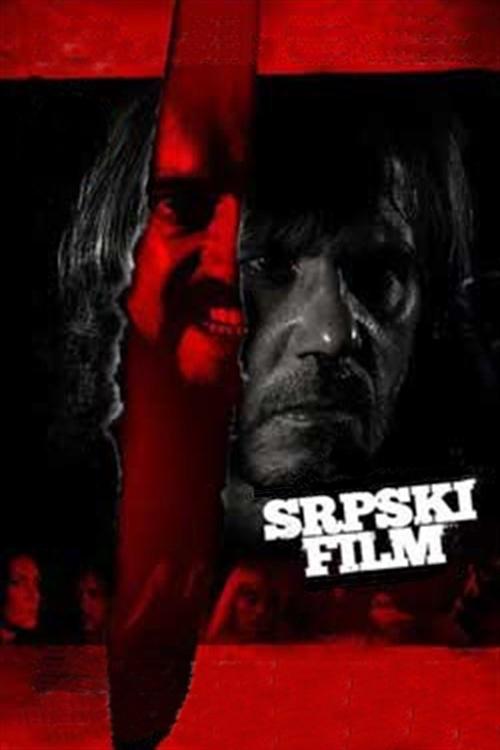
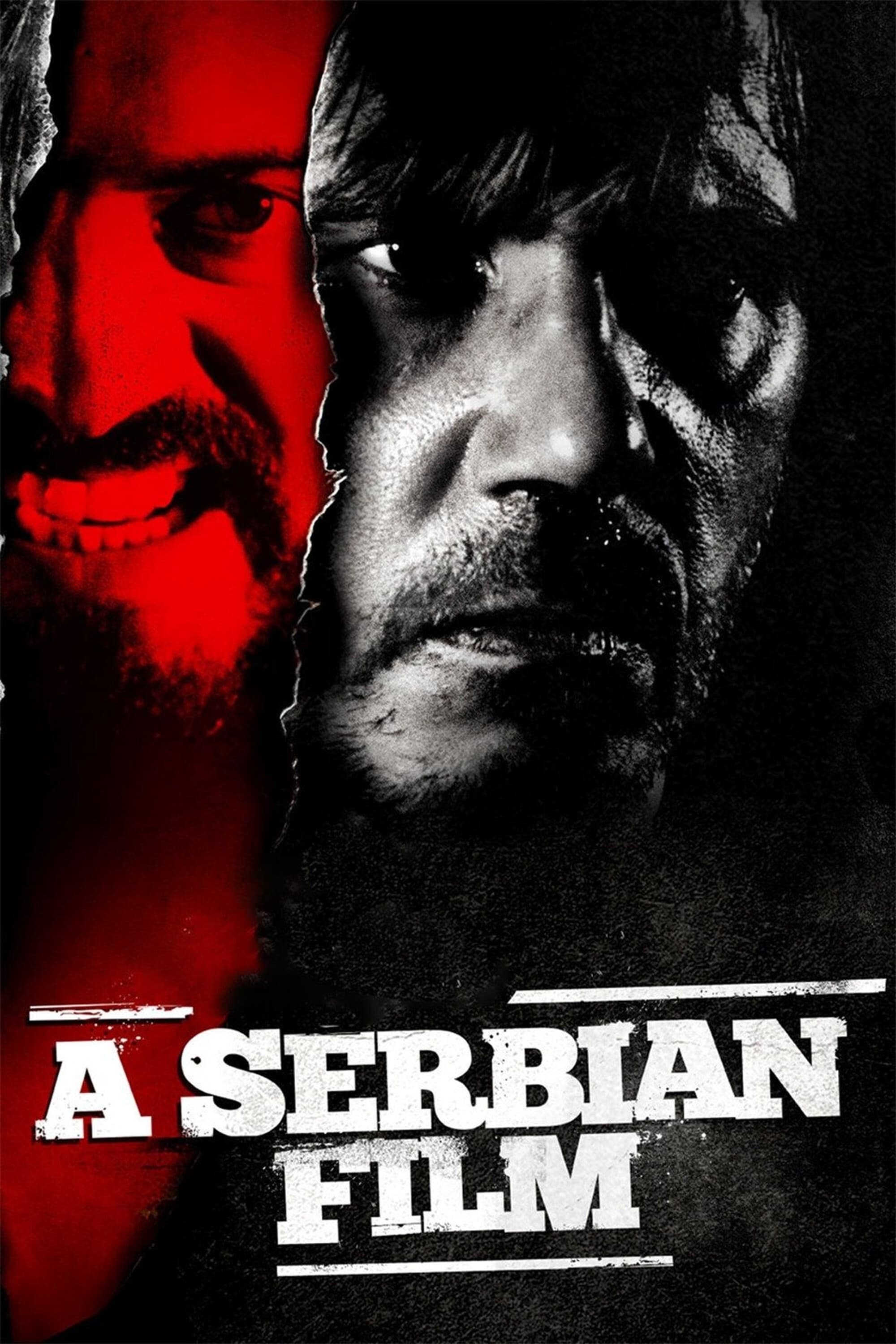
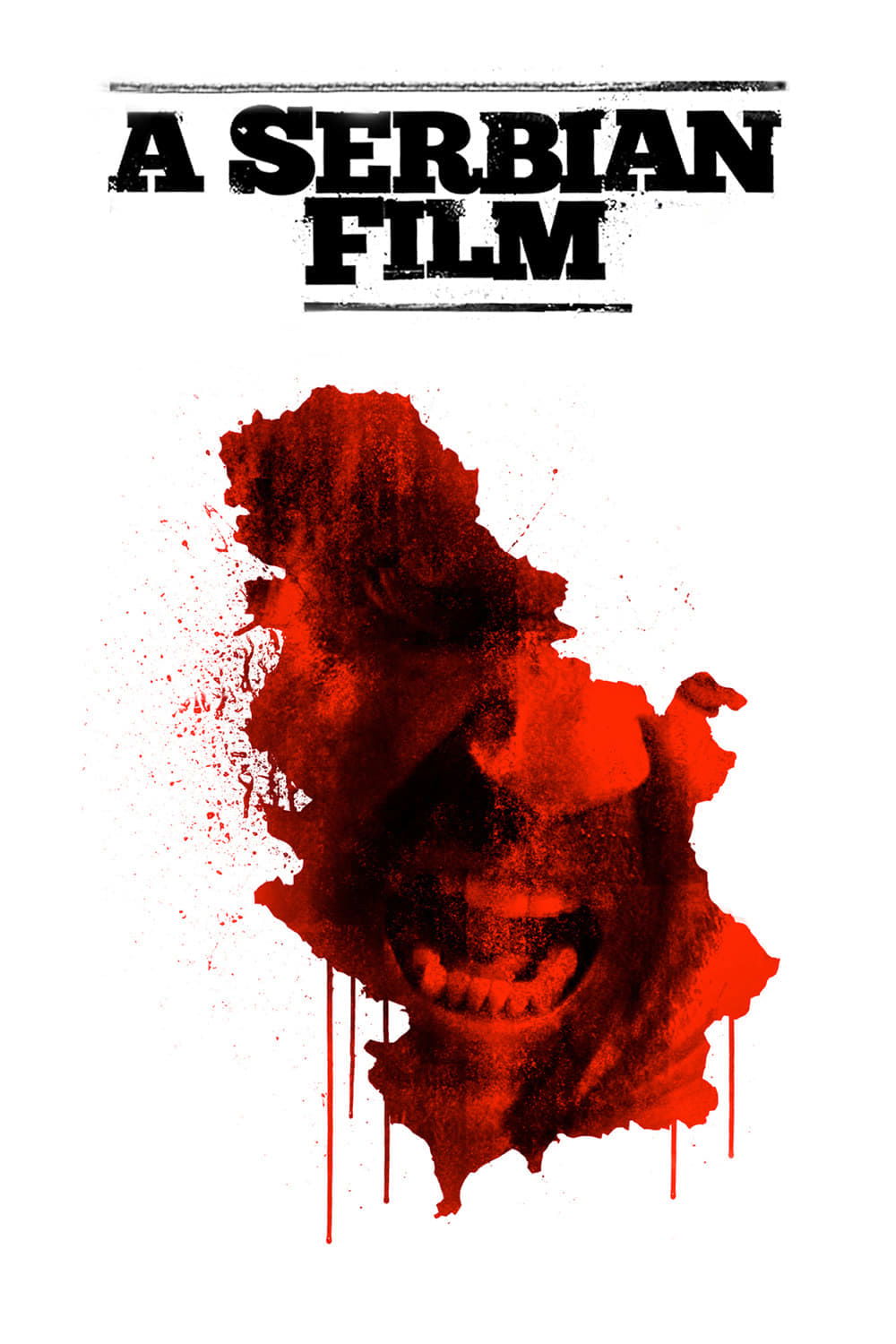
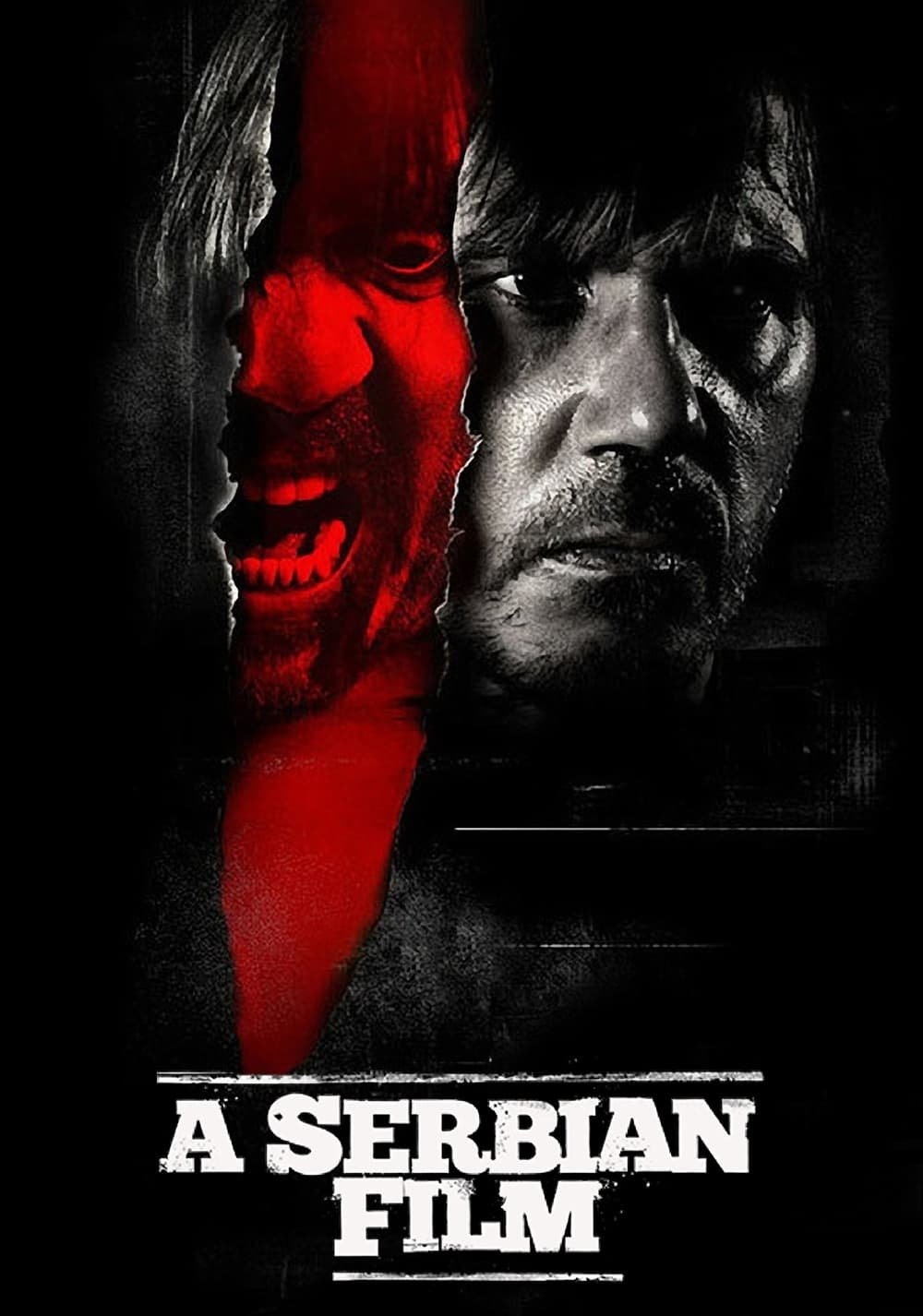
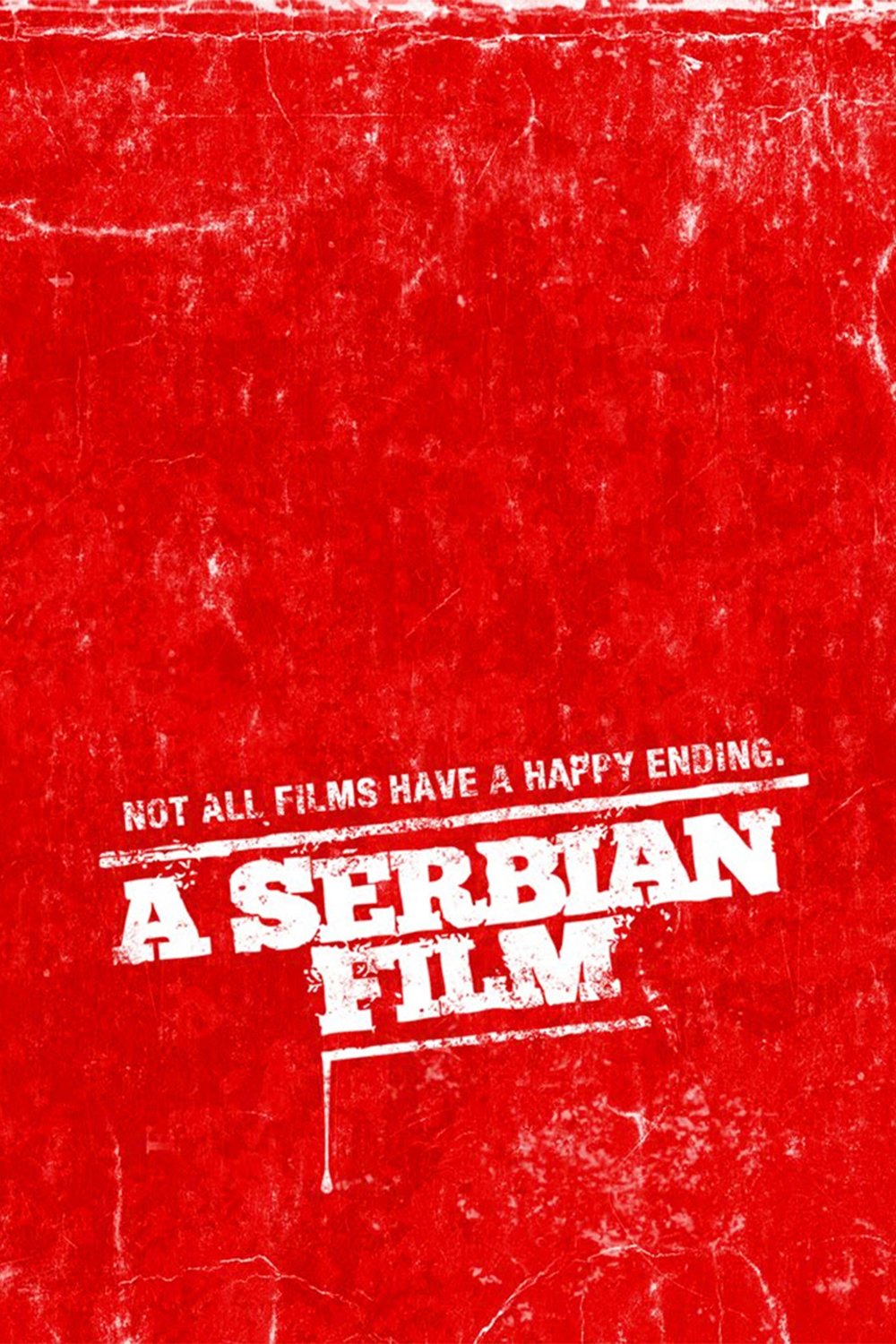
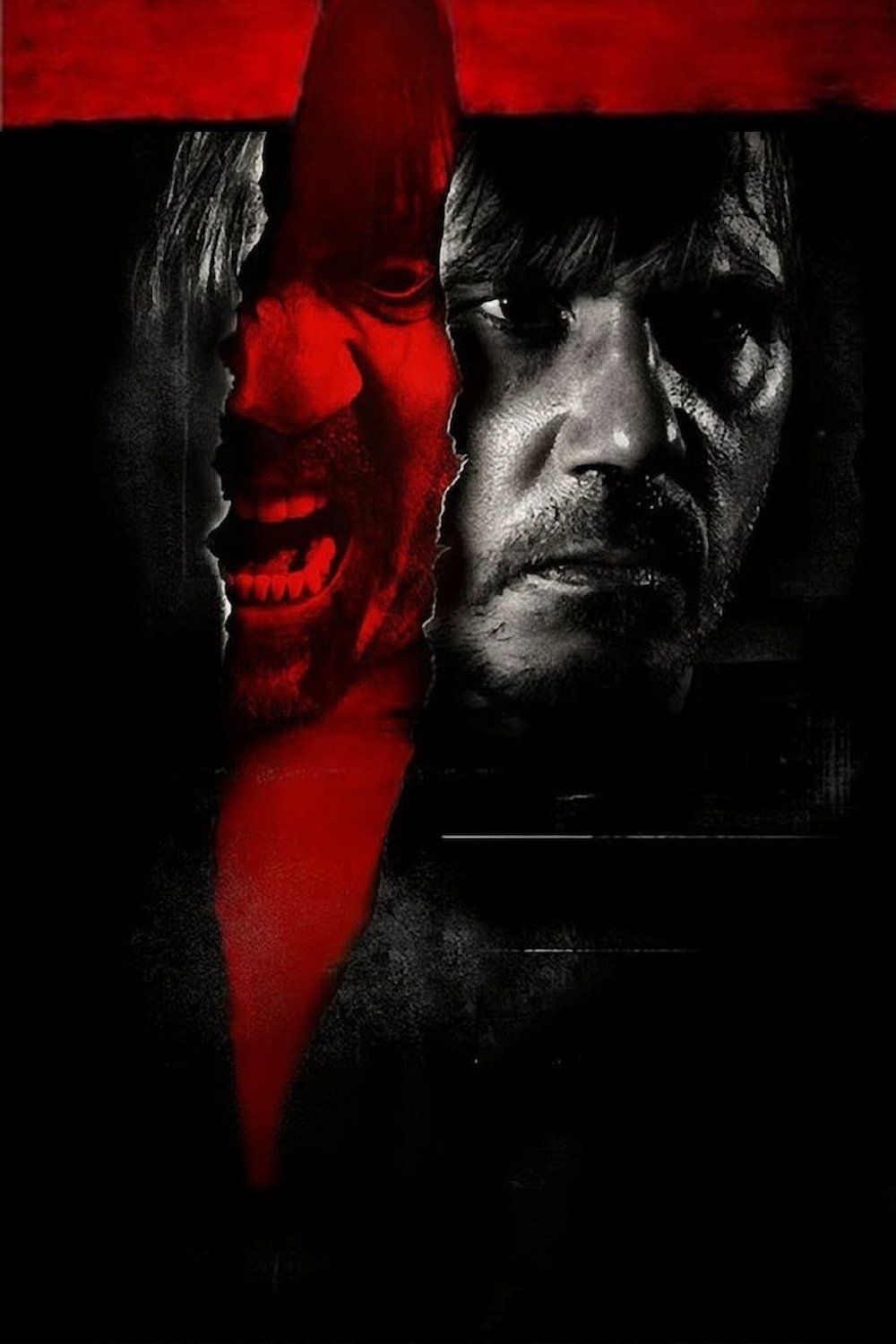
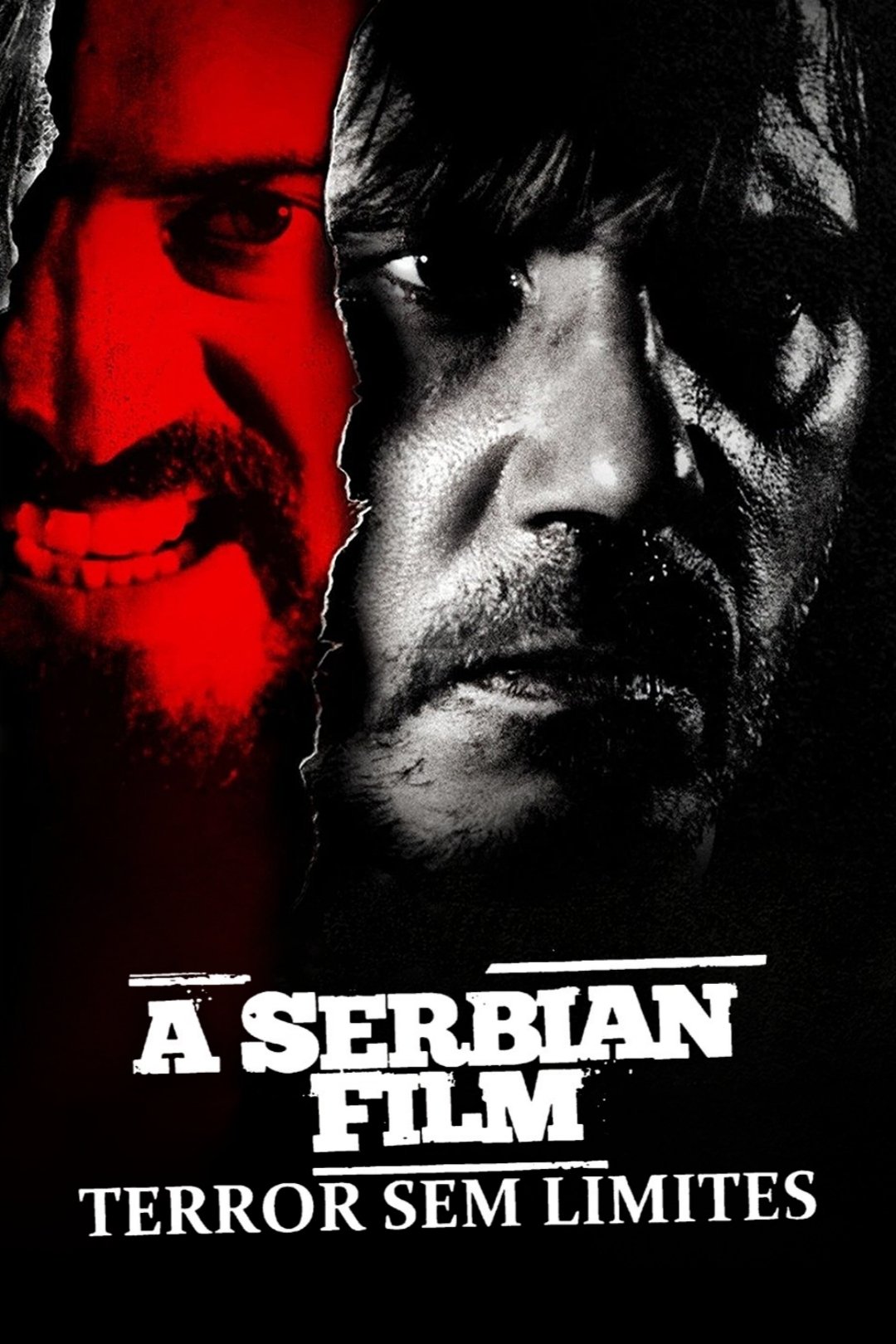
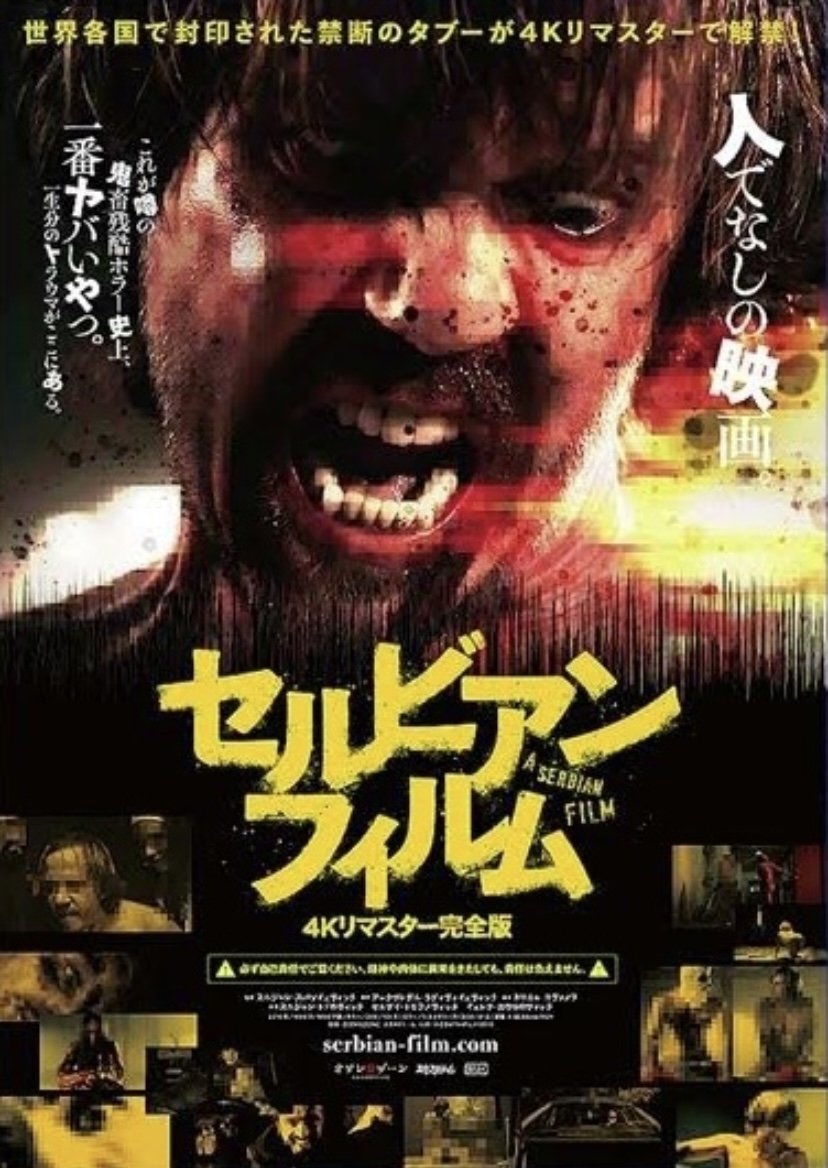
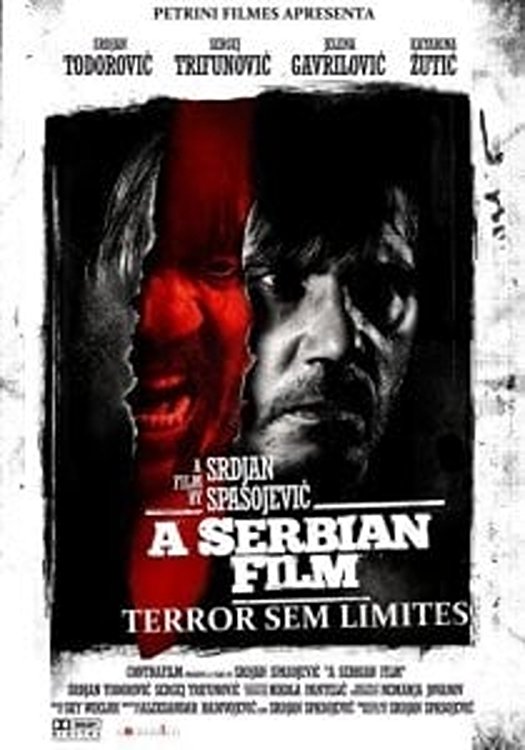
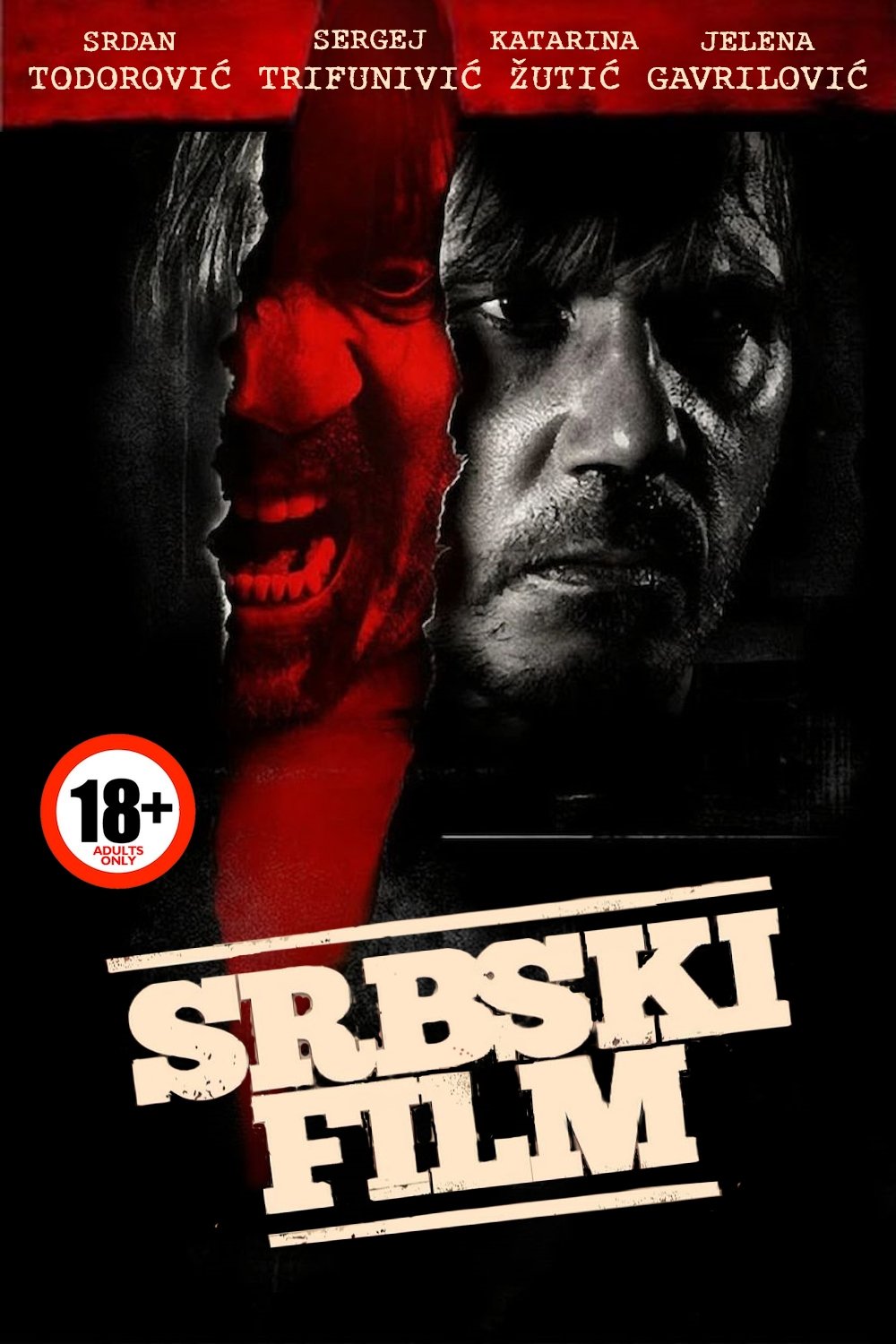
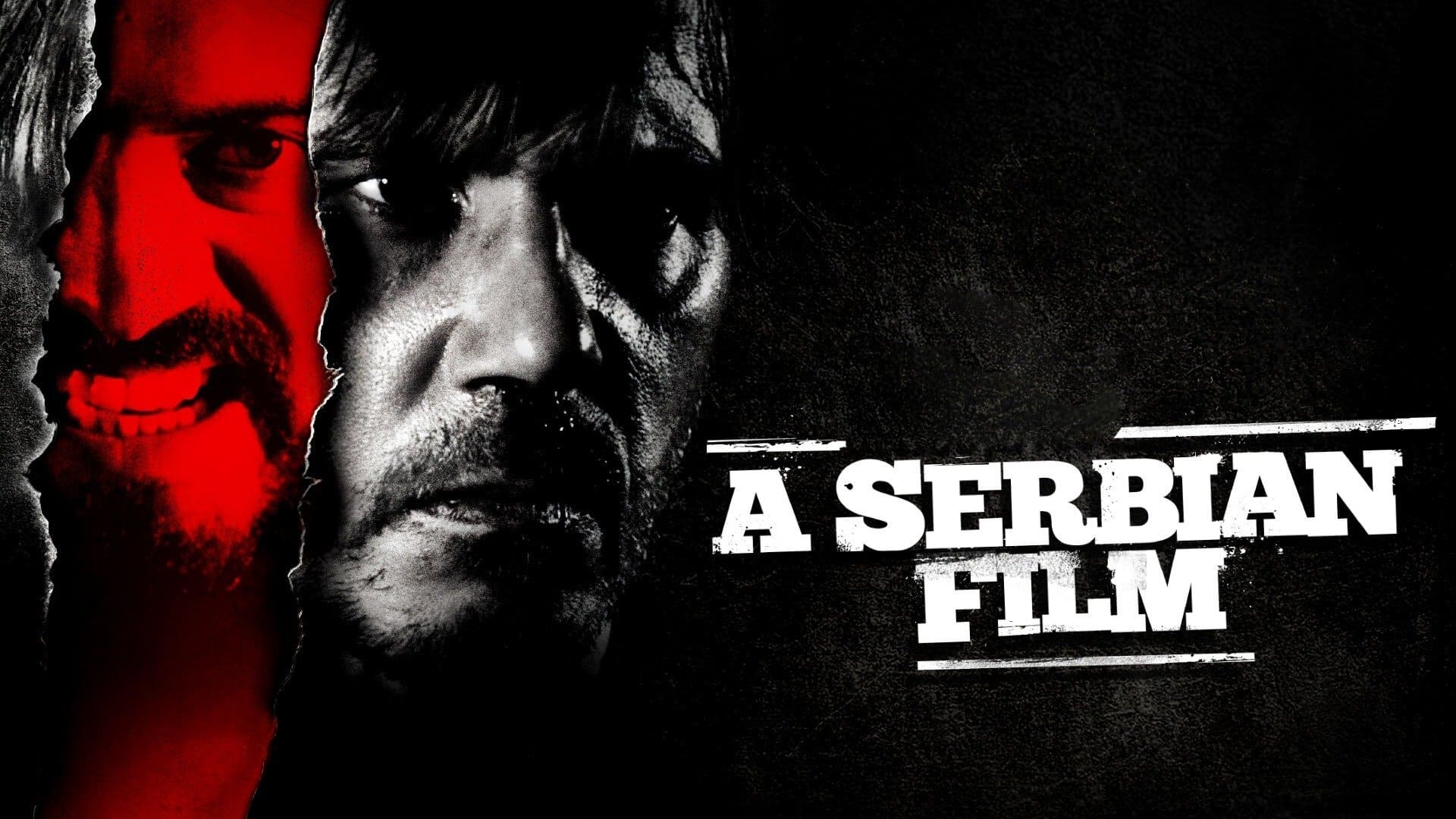
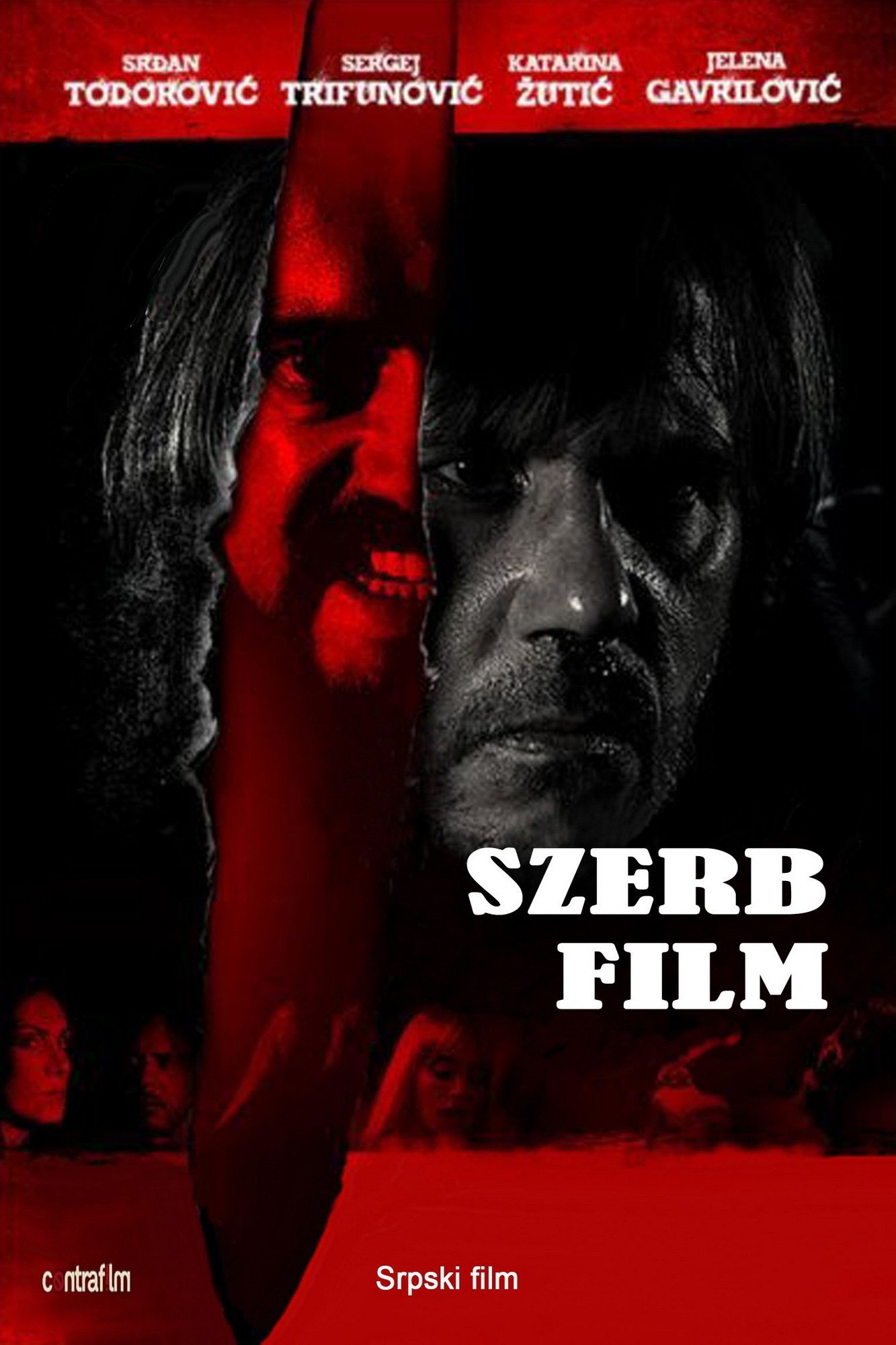
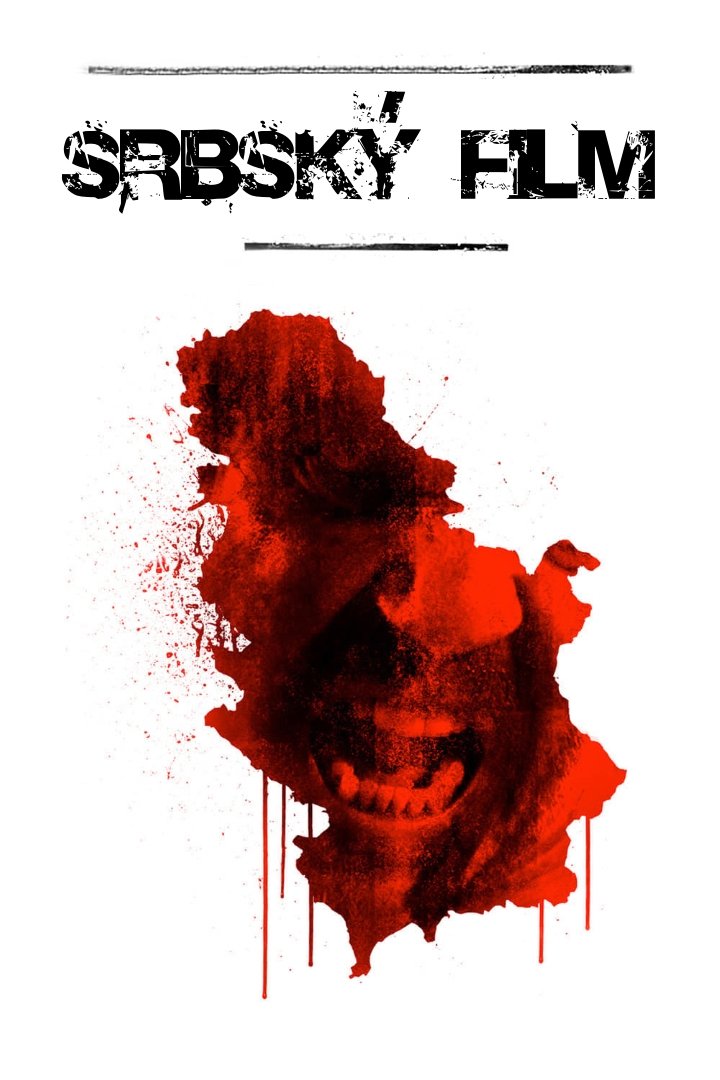
A Serbian Film (2010) poster
Production Company
Contra Film
Plot

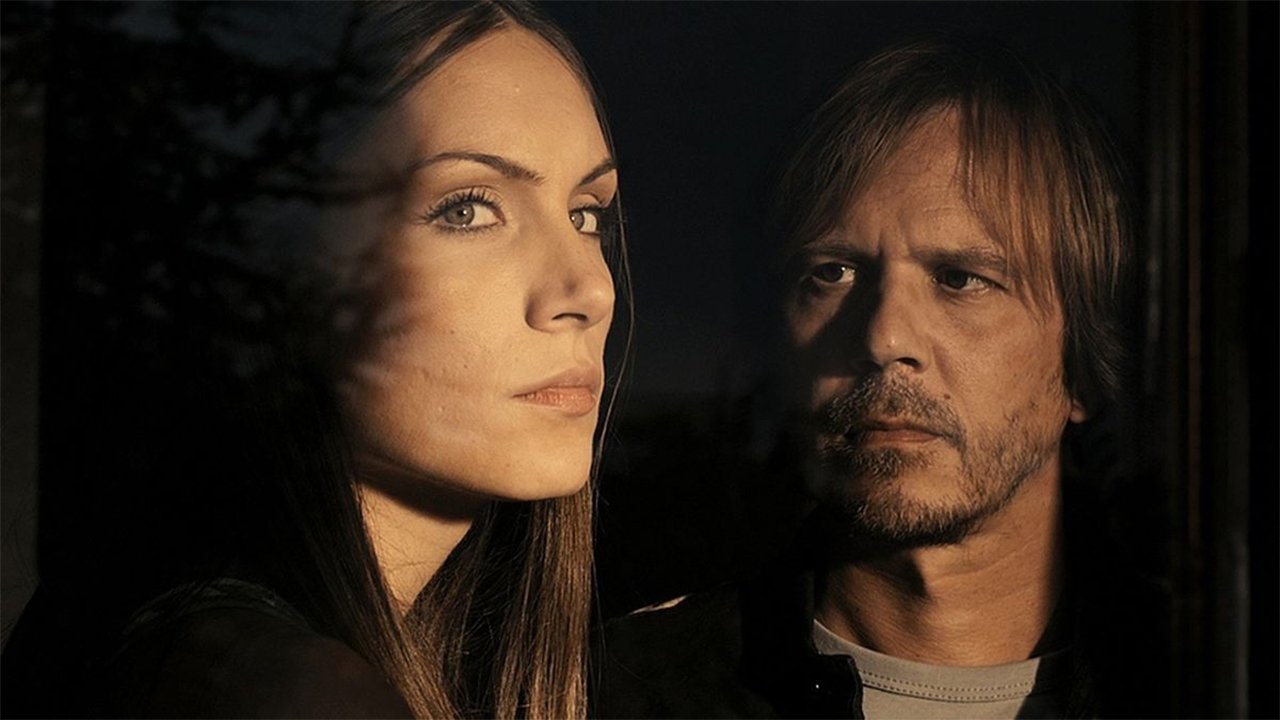
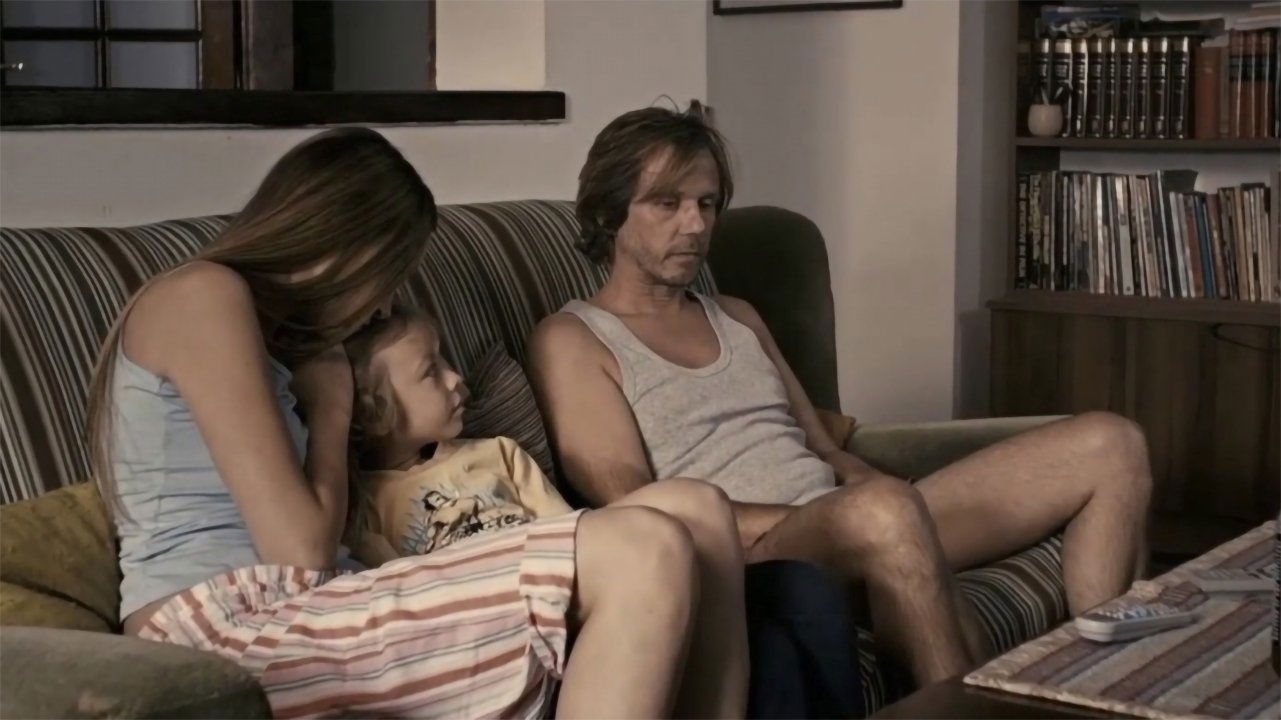
Retired porn star Milos leads a normal family life trying to make ends meet. Presented with the opportunity of a lifetime to financially support his family for the rest of their lives, Milos must participate in one last mysterious film. From then on, Milos is drawn into a maelstrom of unbelievable cruelty and mayhem.

Alternative Titles
Una película serbia (Argentina) A Serbian Film - UC (Australia) — UnCut Version Bir Serbiya Filmi (Azerbaijan) Сръбски филм (Bulgaria) A Serbian Film: Terror Sem Limites (Brazil) Terror sem Limites (Brazil) — Portuguese 一部塞尔维亚电影 (China) — Chinese Srbský film (Czechia) — Czech
Show all 28 alternative titles Ein Serbischer Film (Germany) — German Χασαποσέρβικο (Greece) — Greek 一部塞爾維亞電影 (Hong Kong SAR China) — Chinese Szerb film (Hungary) סרט סרבי (Israel) — Hebrew セルビアン・フィルム (Japan) 세르비안 필름 (South Korea) Serbiškas filmas (Lithuania) Una película serbia (Mexico) اے سربین فلم (Pakistan) — Urdu Un film sârbesc (Romania) — Romanian Српски филм (Serbia) — Serbian Serbskiy film (Russia) — alternative spelling Сербский фильм (Russia) Srbski film (Slovenia) — Slovenian ฟิล์มวิปลาส (Thailand) — Thai Bir Sırp Filmi (Türkiye) 一部塞爾維亞電影 (Taiwan) — Chinese Сербський фільм (Ukraine) Una película serbia (Venezuela)

Trailers & Videos

1 video

Film Guide & Analysis

An in-depth look at the independent production, political allegory, visual construction, practical effects, censorship and extreme-horror legacy of A Serbian Film (2010).

A Serbian Film, originally titled Srpski film, is a 2010 Serbian horror film directed by Srđan Spasojević from a screenplay written with Aleksandar Radivojević. The story follows Miloš, a retired pornography performer whose financial difficulties lead him to accept a highly paid but deliberately secretive production controlled by a director named Vukmir. What initially appears to be an unconventional adult film gradually becomes a system of manipulation in which Miloš loses control over his work, his body and eventually his ability to understand what has been done around him. The film builds its horror from that progressive removal of consent and agency rather than from a supernatural threat.

Its reputation was immediate and unusually divisive. Graphic sexual violence and deliberately transgressive imagery generated censorship disputes before many audiences had the opportunity to see the film, while Spasojević and Radivojević consistently argued that the extremity was intended as metaphor rather than an attempt to reproduce pornography for its own sake. They connected Miloš's exploitation to their experience of contemporary Serbia, post-war society and a film industry they regarded as economically and culturally restrictive. Critics did not necessarily accept that interpretation, and the gap between the filmmakers' stated intentions and the responses provoked by the images became central to the film's history. A Serbian Film consequently occupies a distinctive position within extreme horror: its notoriety cannot be separated from the arguments about what its violence is supposed to represent.

Development, Writing & Independent Production

Spasojević developed the screenplay with Aleksandar Radivojević, who had already worked as a screenwriter in Serbian cinema. The director later described the production as unusually independent within the Serbian and broader Balkan filmmaking environment, where public institutions and European funding structures played an important role in financing features. The pair's frustration with that system also entered their explanation of the project itself. Rather than seeking to make a conventional state-supported drama, they constructed a deliberately confrontational genre film and financed it outside the model they were criticising.

The provocative title was present from an early stage. Spasojević has recalled that A Serbian Film was among the first titles considered and that it immediately created problems because it appeared to define the film as a national statement. The filmmakers instead described the title partly as a cynical response to expectations surrounding Serbian cinema. Radivojević criticised what he saw as predictable representations of Balkan suffering created for foreign cultural institutions, while Spasojević later emphasized that the film was not intended as a literal portrait of Serbian people.

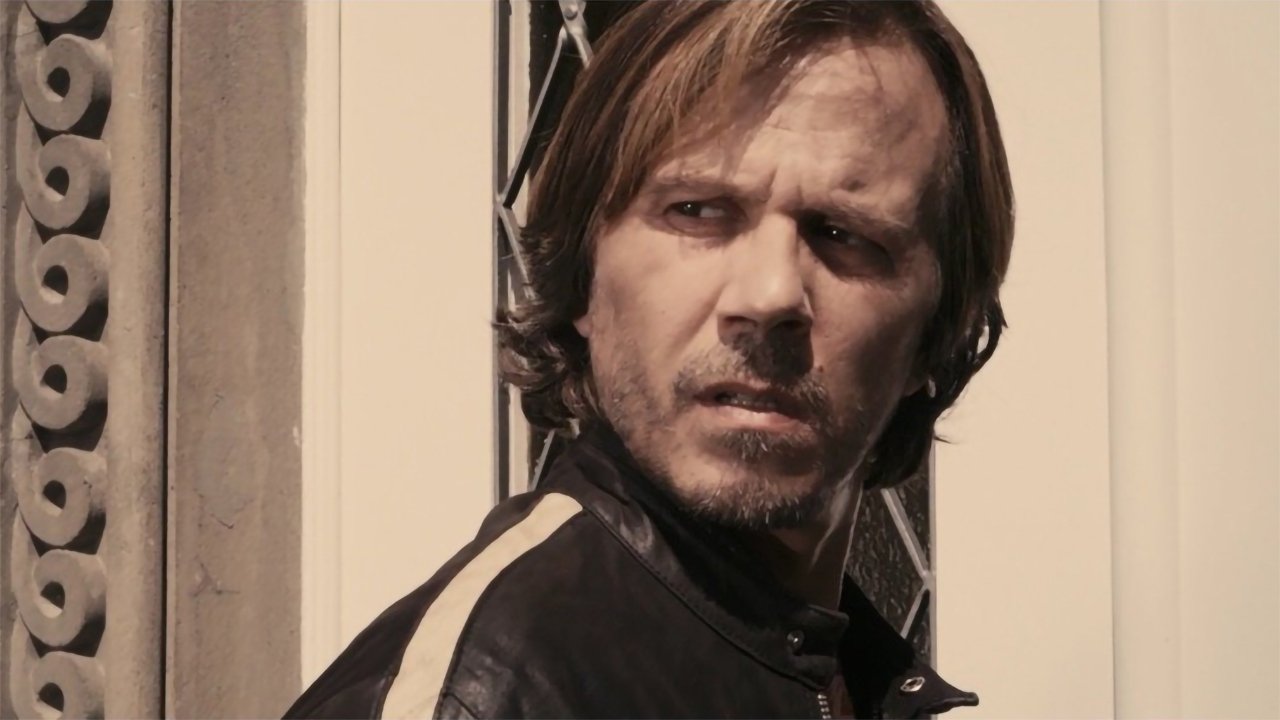
The project was also Spasojević's feature directorial debut. Contra Film served as the production company, with Spasojević acting as producer as well as director and co-writer. Srdjan Todorović played Miloš, with Sergej Trifunović as Vukmir. The production assembled performers already established in Serbian film and theatre rather than relying entirely on exploitation actors, an important element in the filmmakers' attempt to give the increasingly extreme material the dramatic surface of a professionally produced thriller.

Post-production itself became unexpectedly difficult. The film had been photographed digitally using RED equipment, but Spasojević wanted a high-quality film transfer. He later described encountering resistance at laboratories in Germany and Hungary after technicians and management saw the material and became concerned about its content. The production eventually divided parts of the remaining work between different facilities and completed the film shortly before its international premiere.
Political Allegory, Exploitation & the Meaning of the Title

Spasojević repeatedly presented the film as an allegory of exploitation rather than a literal commentary on pornography. In interviews surrounding the original release, he described Miloš as a person forced by economic circumstances into a contract whose real conditions are hidden from him. The director connected that situation to a broader feeling of being manipulated by political and economic structures while attempting to provide for a family.

He was also careful to distinguish the film from a direct dramatization of the Yugoslav Wars. When questioned about whether its violence represented crimes from the conflicts of the 1990s, Spasojević instead described the film as dealing metaphorically with the consequences of post-war society and with an individual exploited to extremes in the name of economic survival. That distinction matters because later discussion has sometimes reduced the film to a simple coded account of wartime atrocities.

Another target identified by the filmmakers was the film industry itself. Radivojević and Spasojević criticised the dependence of regional filmmaking on public and European cultural funding and what they perceived as expectations that Balkan films should repeatedly present poverty, war trauma and victimhood in forms acceptable to foreign institutions. Vukmir, with his rhetoric about creating unprecedented art while treating people as raw material, can therefore be read partly as a grotesque exaggeration of the filmmaker who justifies exploitation through claims of artistic necessity.

That interpretation remains contested rather than definitive. Some critics accepted that a political and industrial argument was clearly present while questioning whether the film's extreme imagery clarified or overwhelmed it. Others regarded the relationship between metaphor and spectacle as deliberately inseparable. The safest historical distinction is between intention and reception: the filmmakers consistently described the work as political allegory, but audiences and critics differed sharply over whether that allegory justified or successfully communicated through the material shown.

Visual Style, Editing & Sound

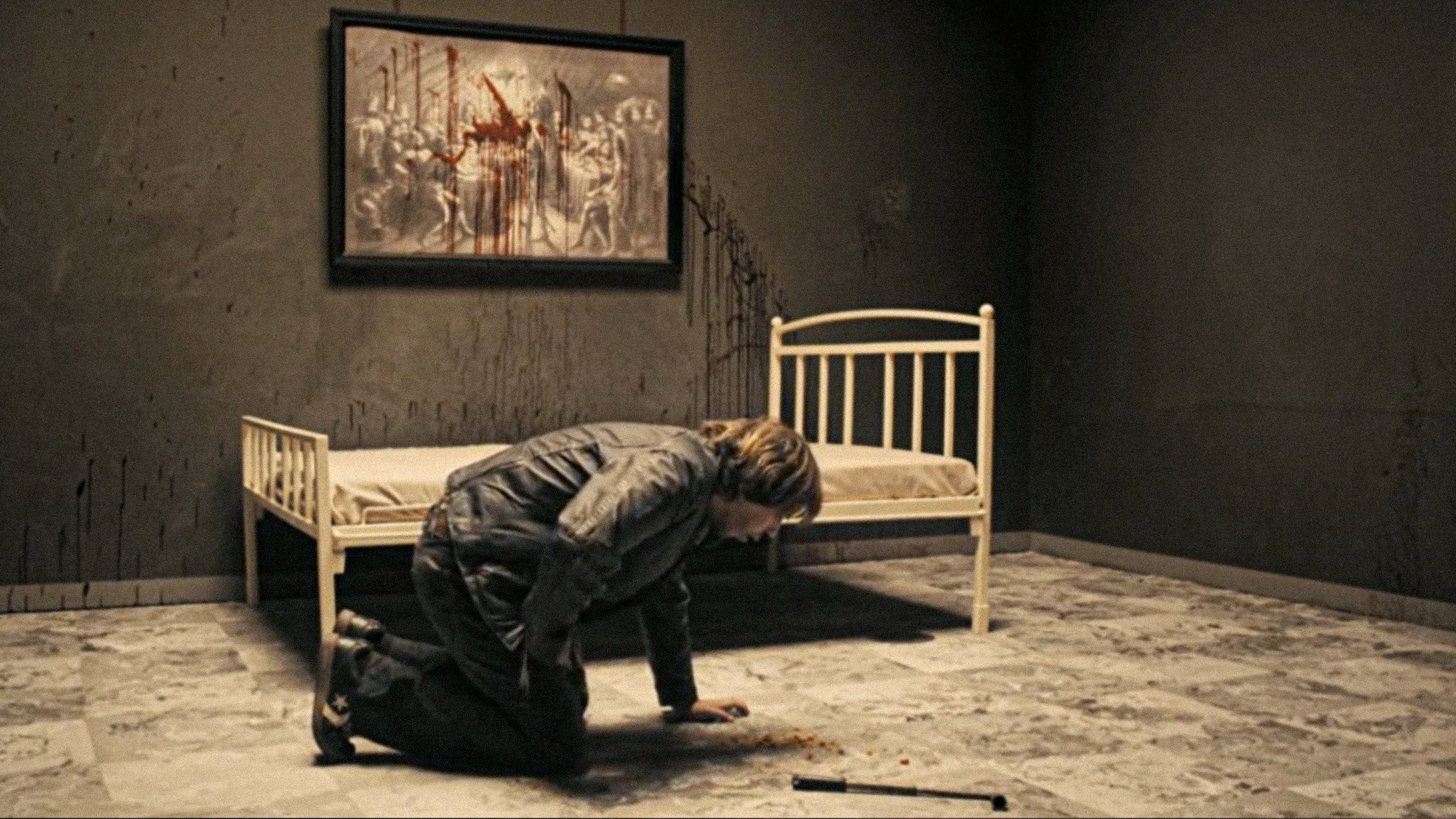
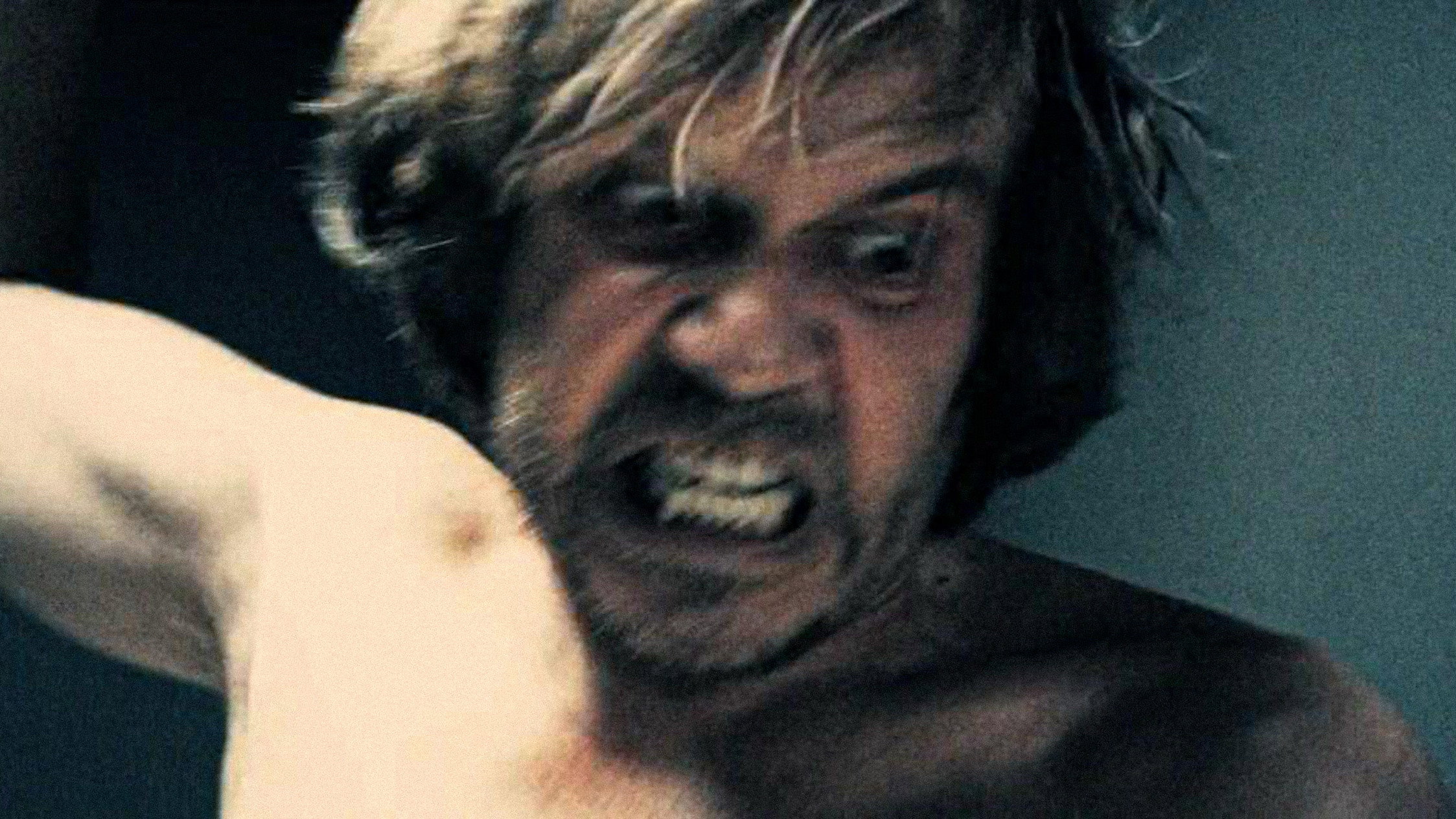
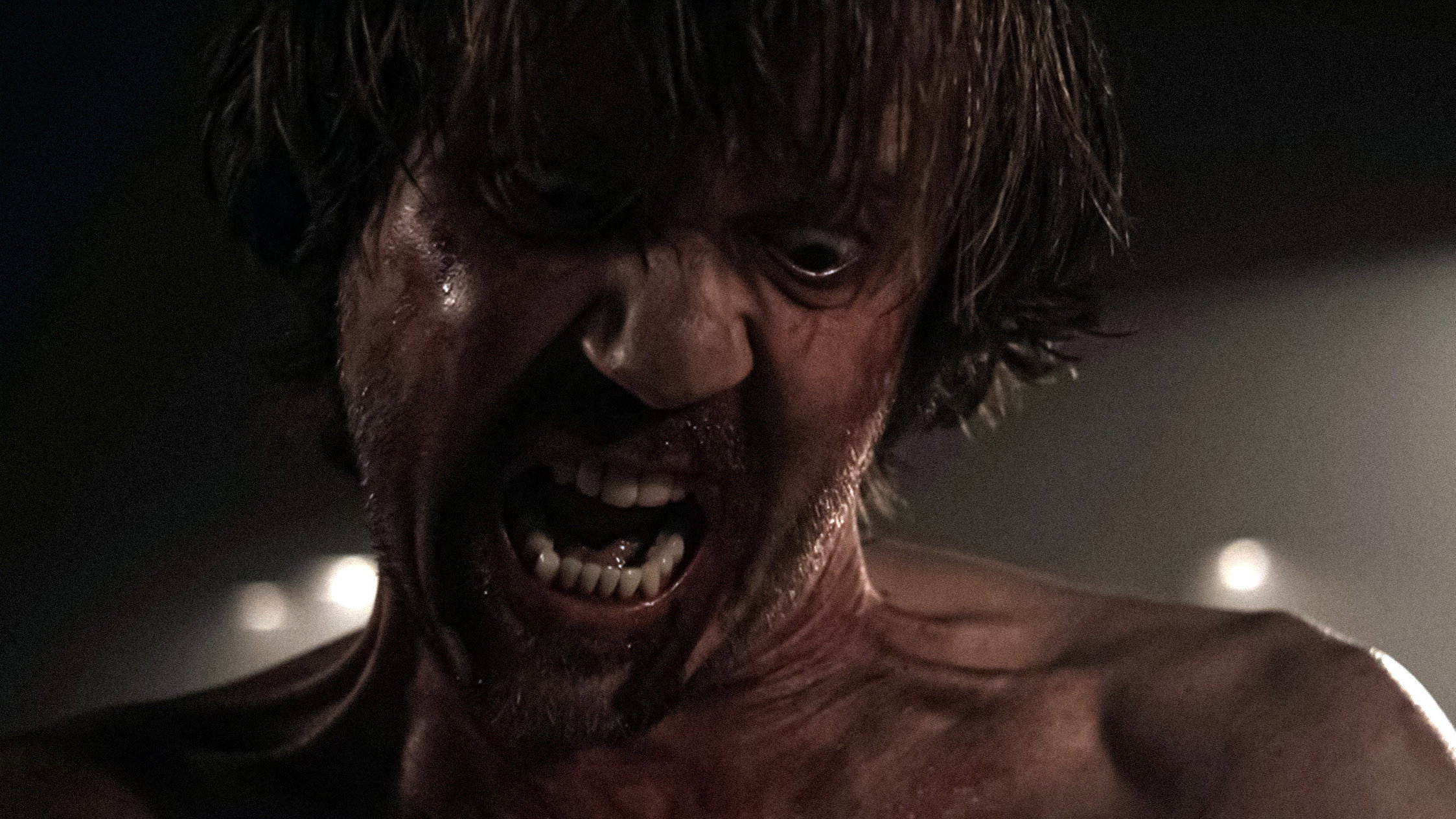
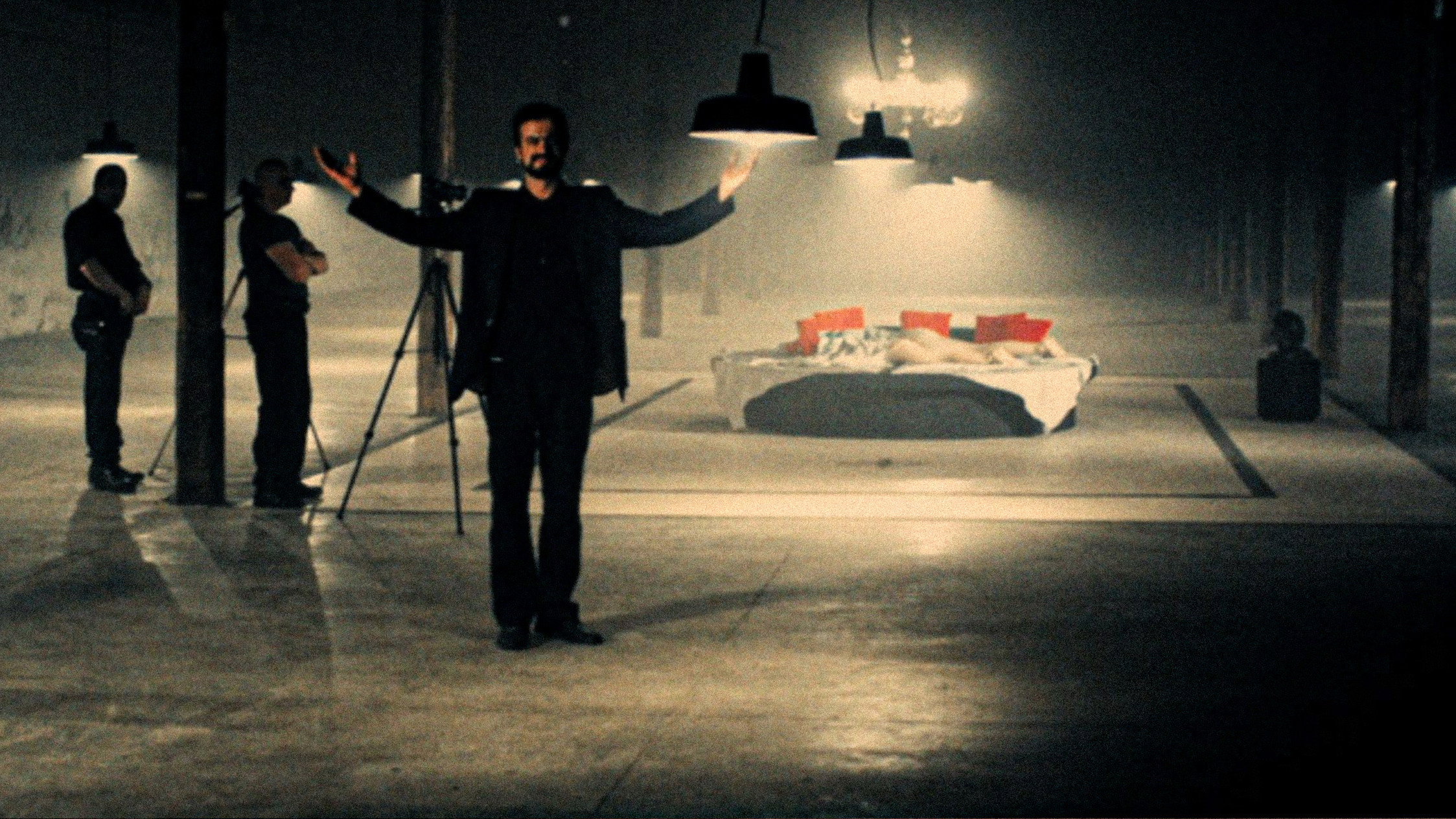
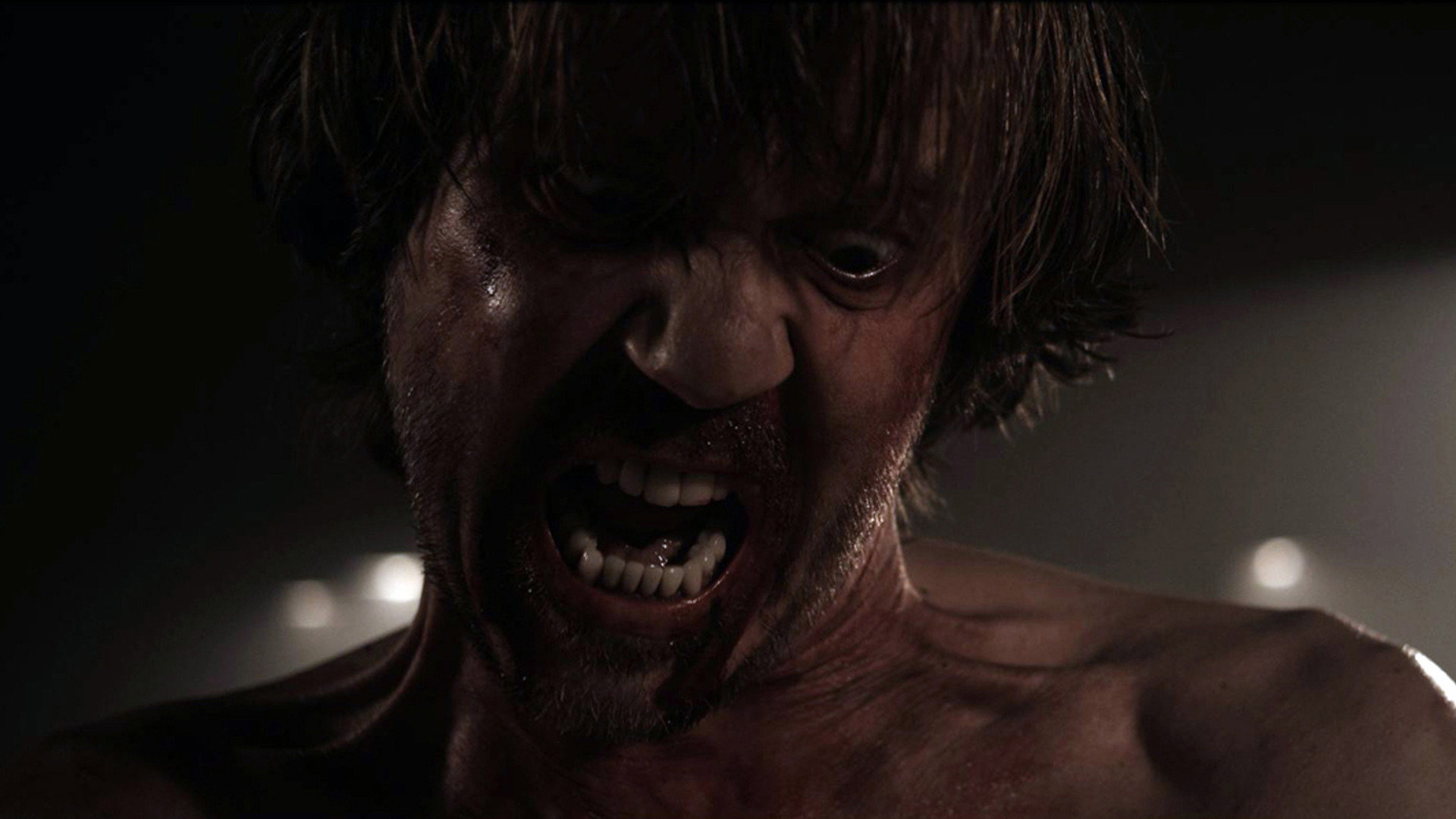
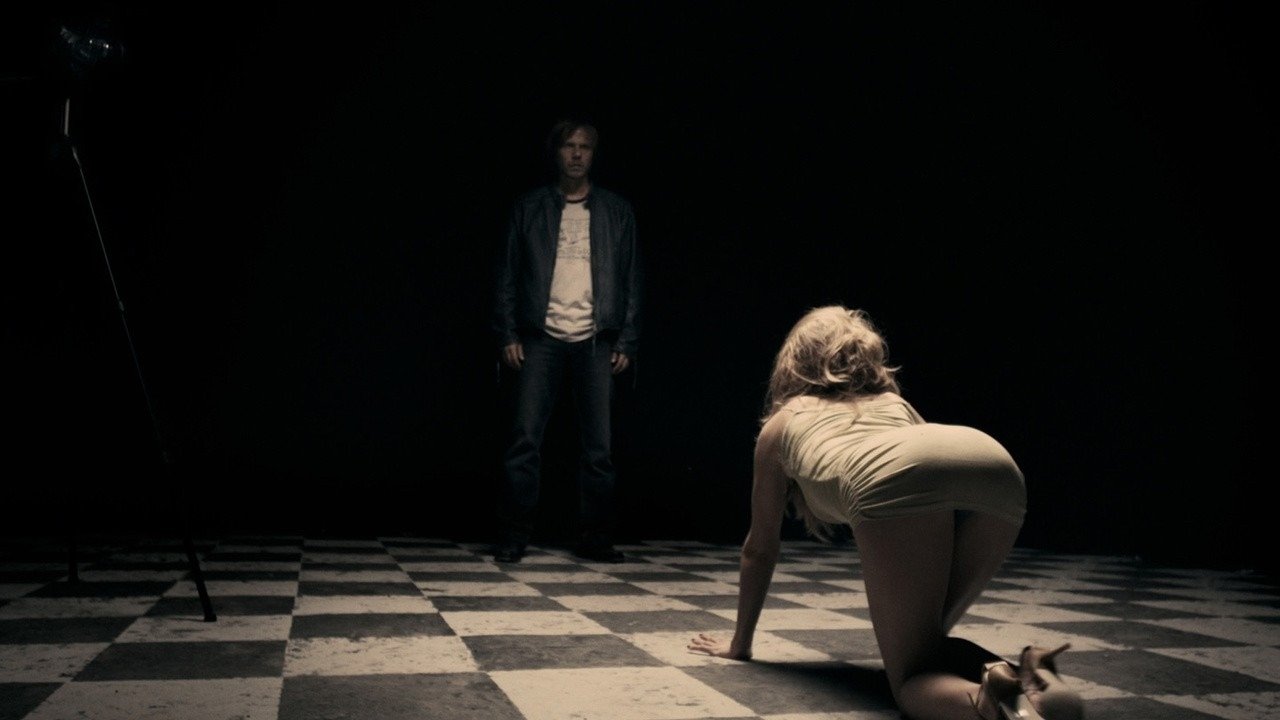
Despite its later reputation as underground extreme cinema, A Serbian Film was not designed to look like crude found footage. Cinematographer Nemanja Jovanov photographed the film digitally, and Spasojević cited the American cinema of the 1970s as a major influence, naming filmmakers including William Friedkin, Sam Peckinpah, Brian De Palma, John Carpenter and Walter Hill. The result combines controlled compositions and polished lighting with imagery intended to become progressively harder and less stable as Miloš loses control over his situation.

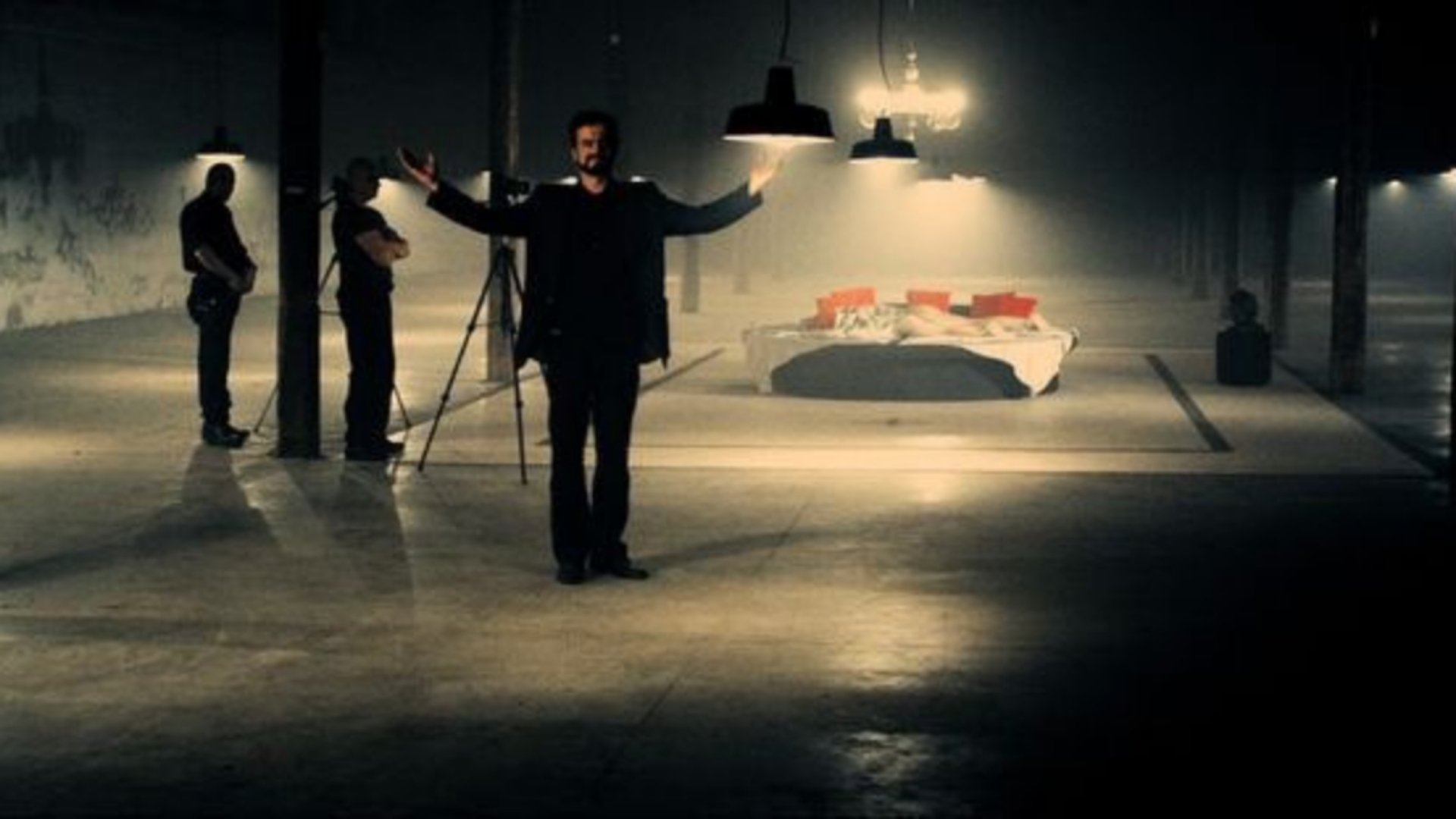
The film's structure initially preserves clear spatial and narrative information. Miloš's home life and negotiations with Vukmir are photographed as recognisable dramatic scenes, establishing a comparatively ordinary world before the production within the film becomes dominant. Later passages fragment information through drug-induced memory loss, recorded footage and discoveries made after events have already occurred. Miloš and the viewer are therefore often forced to reconstruct the same missing period from images produced by Vukmir's crew.

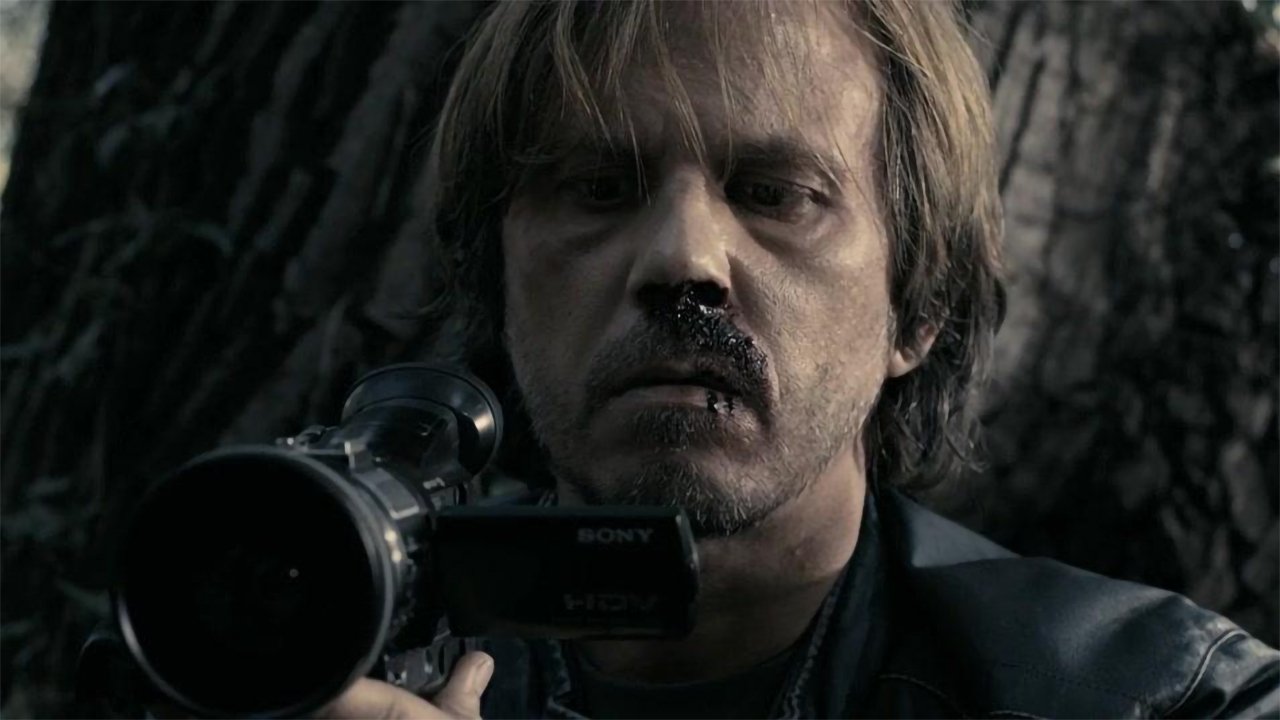
Darko Simić's editing becomes central to this shift. The embedded recordings were created within the story by the people manipulating Miloš, making their point of view integral to the film. Watching them becomes another stage of his victimisation. The camera is consequently both the instrument through which the fictional production controls its performers and the device through which the protagonist eventually learns what happened.

Đorđe Miljenović, better known as Wikluh Sky, composed the score. Electronic and rhythmic material gives several sequences an aggressive mechanical pulse rather than the orchestral language of traditional horror. The music frequently accompanies environments controlled by Vukmir, strengthening the sense that Miloš has entered an artificial system whose images, sound and bodies are being organized by someone else. Miljenović later said he had not expected the international response that some of the music from the film would continue to receive.
Practical Effects & Constructed Extremity

The film's reputation depends heavily on imagery designed to appear far more dangerous than the conditions under which it was actually produced. Co-writer Radivojević stated that practical effects rather than CGI were used for the major physical effects, identifying Miroslav Lakobrija as the principal effects artist. The filmmakers were working with limited resources and said that the screenplay had been designed around effects they believed could actually be achieved within the available budget.

That practical approach was particularly important because several scenes were likely to be judged not merely on the level of gore but on whether vulnerable performers had been placed in inappropriate circumstances. During the British classification process, the filmmakers offered evidence concerning dummy props and the manner in which difficult material had been staged. The British classification authorities later acknowledged that the production had clearly taken precautions so that young performers were not exposed to disturbing or indecent activity.

The distinction between represented violence and production reality is therefore essential. The film deliberately creates associations involving sexual violence, family relationships and children that became central to its censorship history, but the controversial images were constructed through editing, blocking, props and effects. The objections raised during classification concerned what the completed montage represented and how particular images were juxtaposed, not evidence that the production had subjected children to the acts represented by the narrative.

This construction also explains why censorship could alter meaning without necessarily removing entire scenes. Several objections concerned combinations of images rather than isolated shots considered illegal in themselves. Changing duration, order or juxtaposition could therefore change the implication created by the sequence. The film's extremity is consequently inseparable from editing: much of its most controversial content exists in the relationship between separate images rather than in a single continuous depiction.

Festivals, Serbian Release & International Circulation

A Serbian Film was completed only shortly before its world premiere at South by Southwest in Austin, Texas, in 2010. Spasojević later recalled that difficulties completing the film transfer continued until approximately a week before the screening. Its festival circulation rapidly established the controversy that would dominate the subsequent release history.

The film also screened in competition at the Brussels International Fantastic Film Festival and appeared at Sitges, where the festival records its original running time as 104 minutes. Festival screenings proved essential because conventional distribution was difficult even in the film's home country. Spasojević stated that Serbian distributors and cinemas initially refused the film and that the production spent approximately six months without being able to secure a normal domestic release.

After the film accumulated international festival exposure, the situation changed. Spasojević said the filmmakers ultimately distributed it themselves in Serbia, where it played uncut in late-night screenings beginning in September 2010. Reactions remained sharply divided, and according to the director one of the strongest objections within Serbia concerned the title itself and the fear that foreign audiences would interpret the film as representative of the country.

The disparity between festival circulation and ordinary distribution became part of the film's identity. A title capable of appearing at major international genre festivals could simultaneously encounter difficulties obtaining laboratory services, domestic distribution or classification in individual territories. Its reputation therefore developed as much through reports of restrictions and cancelled screenings as through ordinary theatrical advertising.

BBFC Cuts & the FrightFest Controversy

The British release produced the best-documented censorship dispute surrounding the film. A Serbian Film had been scheduled for London's FrightFest in August 2010, but local authorities required the film to receive classification before the screening. The uncut version was examined and a list requiring 49 individual cuts across 11 scenes was issued.

The initial estimate was that approximately three minutes and 48 seconds would have to be removed. The principal concerns centred on sexual violence and on the juxtaposition of children with sexual or abusive material. The classification process simultaneously acknowledged that the film was intended as a political allegory and attempted to preserve the basic narrative meaning while applying the relevant guidelines.

FrightFest chose not to screen the heavily altered version and cancelled the presentation. A revised cut was subsequently prepared for commercial release. Because some sequences had to be edited slightly beyond the minimum requested changes for continuity, the completed British version ultimately lost four minutes and twelve seconds. That version was classified 18 for home entertainment on October 28, 2010 and subsequently approved in the same cut configuration for theatrical release.

The details are important because the frequently repeated statement that the film was simply banned in Britain is incorrect. Extensive compulsory cuts were required, but an 18 certificate was issued once those alterations were made. At the time, the scale of the intervention made A Serbian Film one of the most heavily cut British cinema releases in many years.

Reception & Legacy in Extreme Horror

Critical response was polarized from the beginning. Reviewers frequently agreed about the technical control of the production while disagreeing fundamentally over the purpose of its extremity. Some interpreted its political framework as a coherent attempt to represent exploitation and social power through deliberately unbearable imagery. Others argued that the allegory could not prevent the imagery from functioning primarily as provocation. The disagreement was therefore not simply between viewers who could or could not tolerate graphic material; it also concerned whether the film's formal strategy supported its stated ideas.

The filmmakers themselves continued to defend the connection between extremity and meaning. Spasojević argued that the violence was intended to make the audience feel the coercion experienced by the protagonist rather than to create comfortable distance from it. Years later he continued to describe the film as an expression of conditions extending beyond Serbia and rejected interpretations that reduced it to an attempt to achieve notoriety through shock alone.

Its censorship history nevertheless became inseparable from its public identity. The 49 British cuts, cancellation of the FrightFest screening and restrictions encountered elsewhere ensured that discussion of what audiences were permitted to see often competed with discussion of the film itself. That notoriety also encouraged the circulation of inaccurate or simplified accounts, making distinctions between different national versions and between formal bans and compulsory cuts especially important.

Within horror culture, A Serbian Film has endured as a reference point for twenty-first-century extreme cinema largely because the controversy has not disappeared with its original release cycle. Later uncut editions returned attention to the version intended by Spasojević, while retrospective screenings and interviews have continued to reopen arguments about censorship, political metaphor and the ethical limits of fictional representation.

Its historical position therefore rests on more than the catalogue of acts represented on screen. The film combines an independent Serbian production model, a consciously provocative national title, practical-effects extremity, a declared political and industrial allegory and an unusually extensive international censorship history. Whether its imagery clarifies or overwhelms those ideas remains a matter of interpretation, but the controversy itself demonstrates how successfully A Serbian Film forced questions about representation, exploitation and censorship into the centre of its reception.

Cast

View Full Cast & Crew →

Release & Distribution

Production Companies (1)

  • Contra Film RS

Release History (14)

Release DateTerritoryRelease TypeFormatDistributorCertificationNotes
2010-01-06 Australia Theatrical — — RC
2010-03-15 Romania Theatrical — — IC
2010-03-15 United States Premiere — — NC-17 South by Southwest Film Festival
2010-06-16 Serbia Theatrical — — —
2010-07-16 Canada Premiere — — R
2010-09-10 France Premiere — — 18 L'Étrange Festival
2010-10-01 Germany Theatrical — — 18
2010-10-14 Spain Premiere — — X Sitges Film Festival
2010-12-10 United Kingdom Limited Theatrical — — 18
2011-01-03 United Kingdom Physical DVD, Blu-ray — 18 DVD / Blu-ray
2011-05-13 United States Theatrical — — NC-17
2011-10-18 Netherlands Theatrical — — 18
2012-01-19 France Digital — — 18
2012-03-14 Netherlands Physical DVD, Blu-ray — 18 DVD, Blu ray
Not all films have a happy ending.