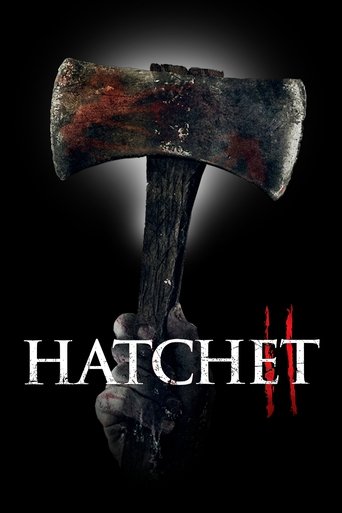
Hatchet II (2010)

US
HORROR FILM Thriller Comedy
SUBGENRES SLASHER SPLATTER
Runtime
89 min
Release
August 26, 2010
Budget
$2,500,000
Revenue
$156,190
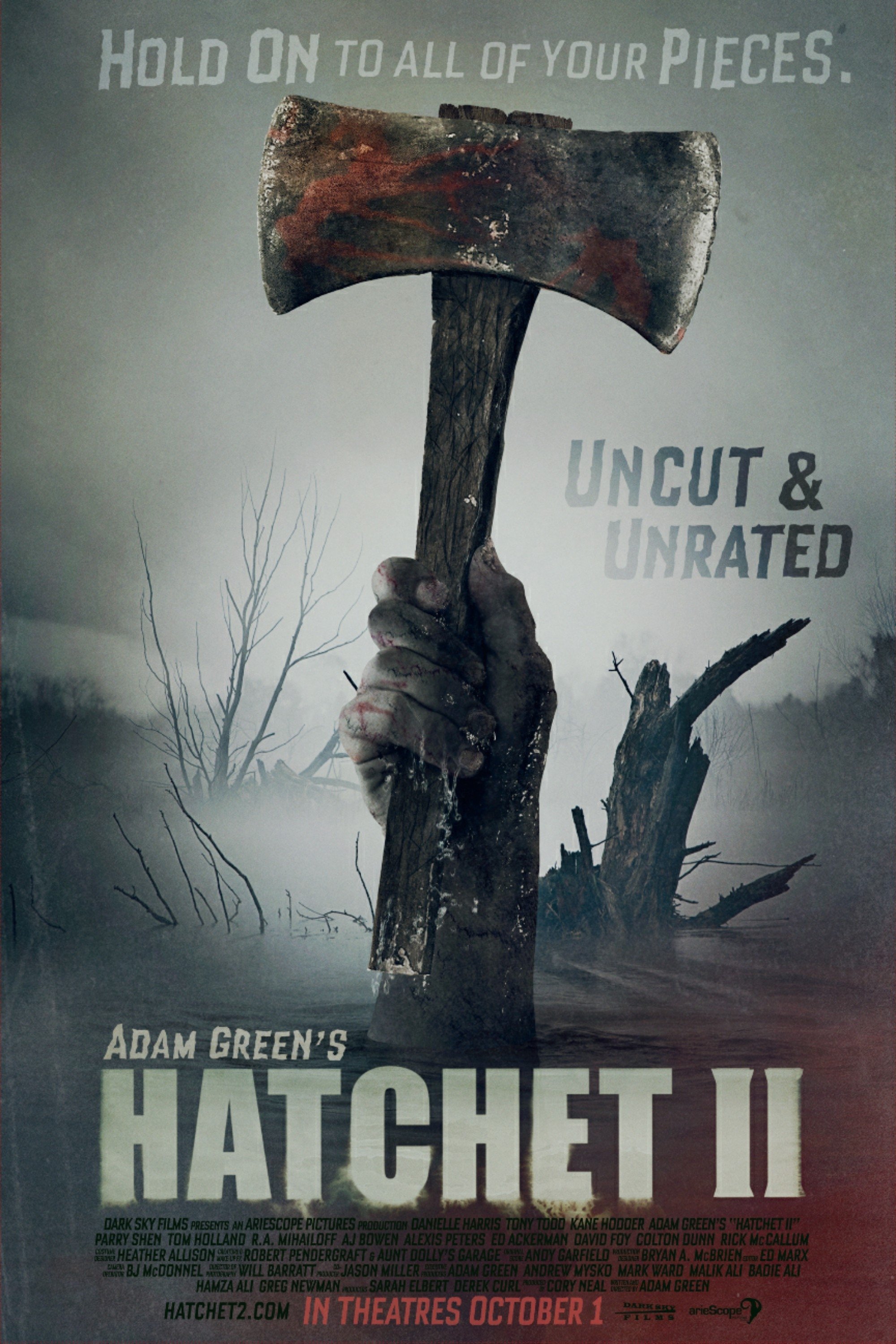
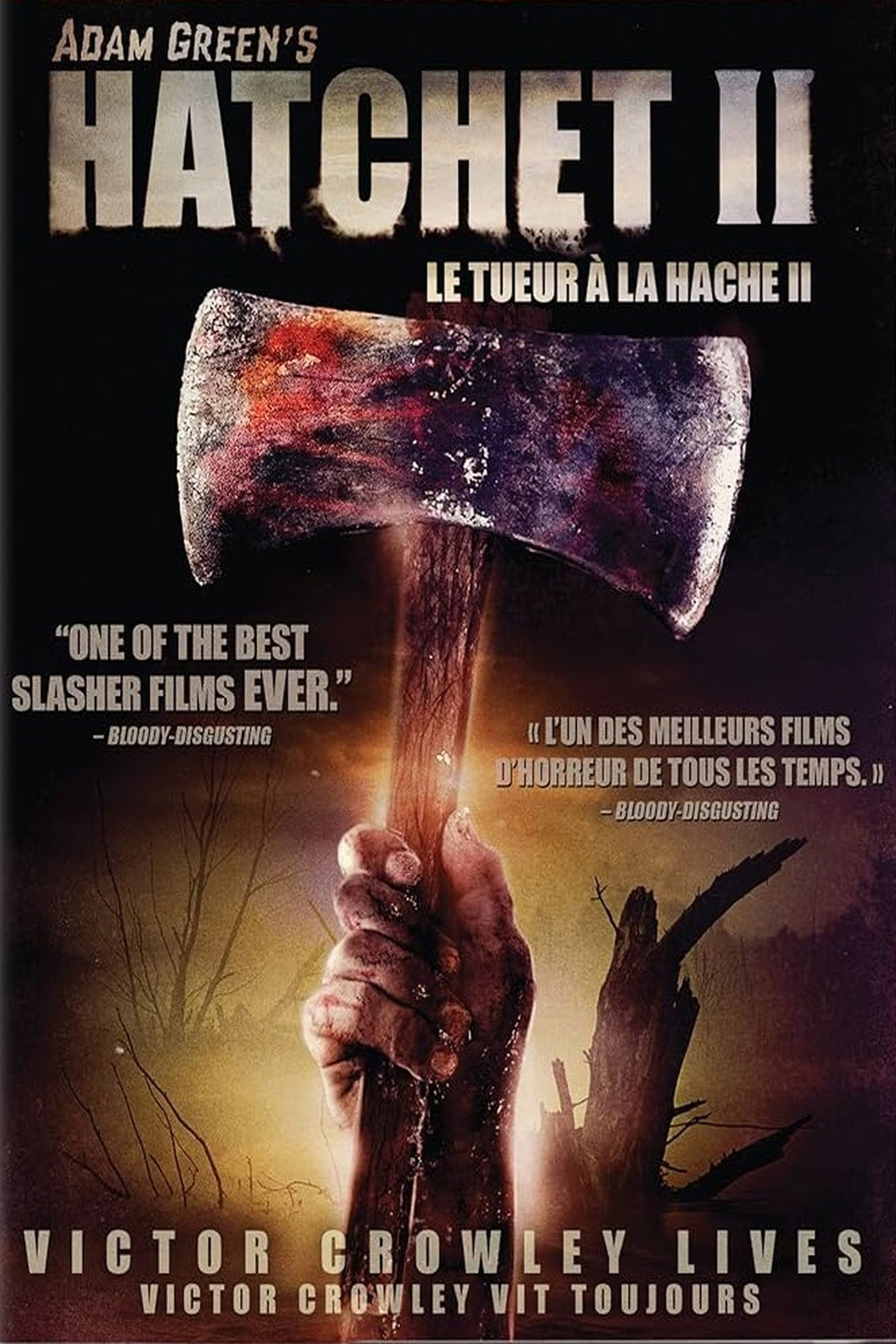
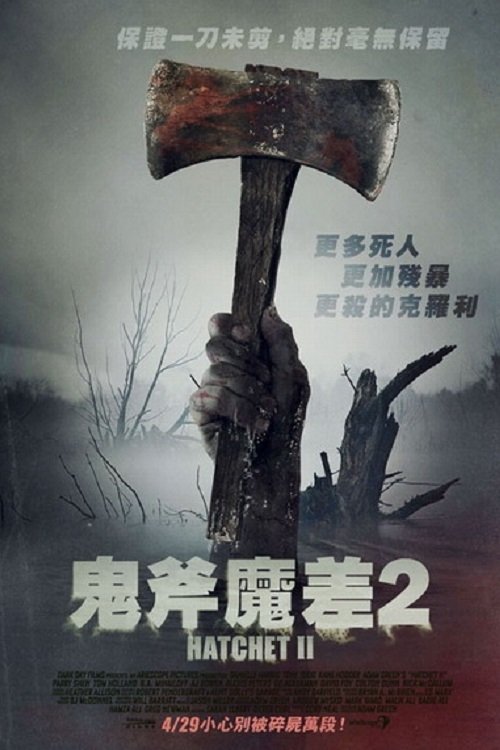
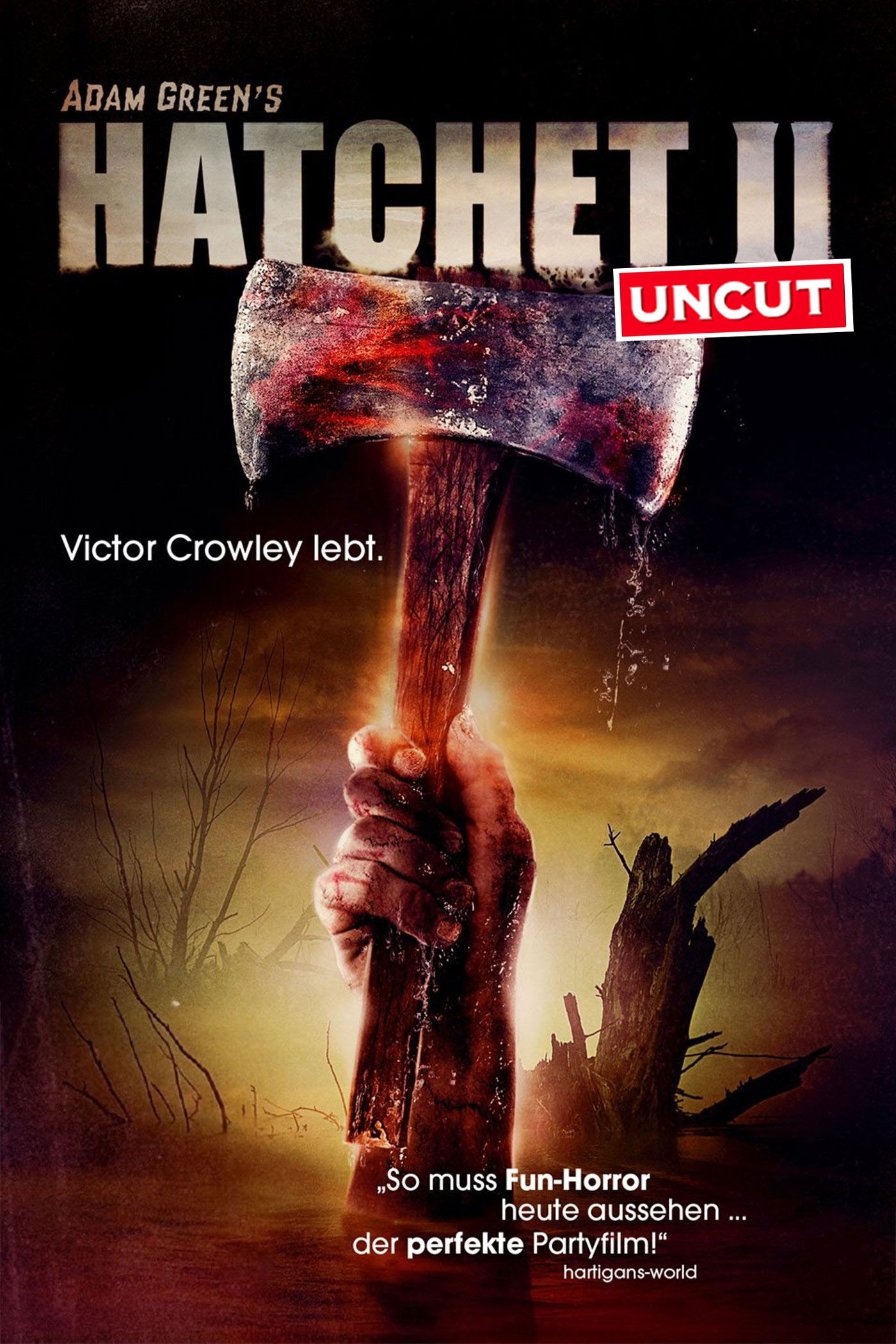
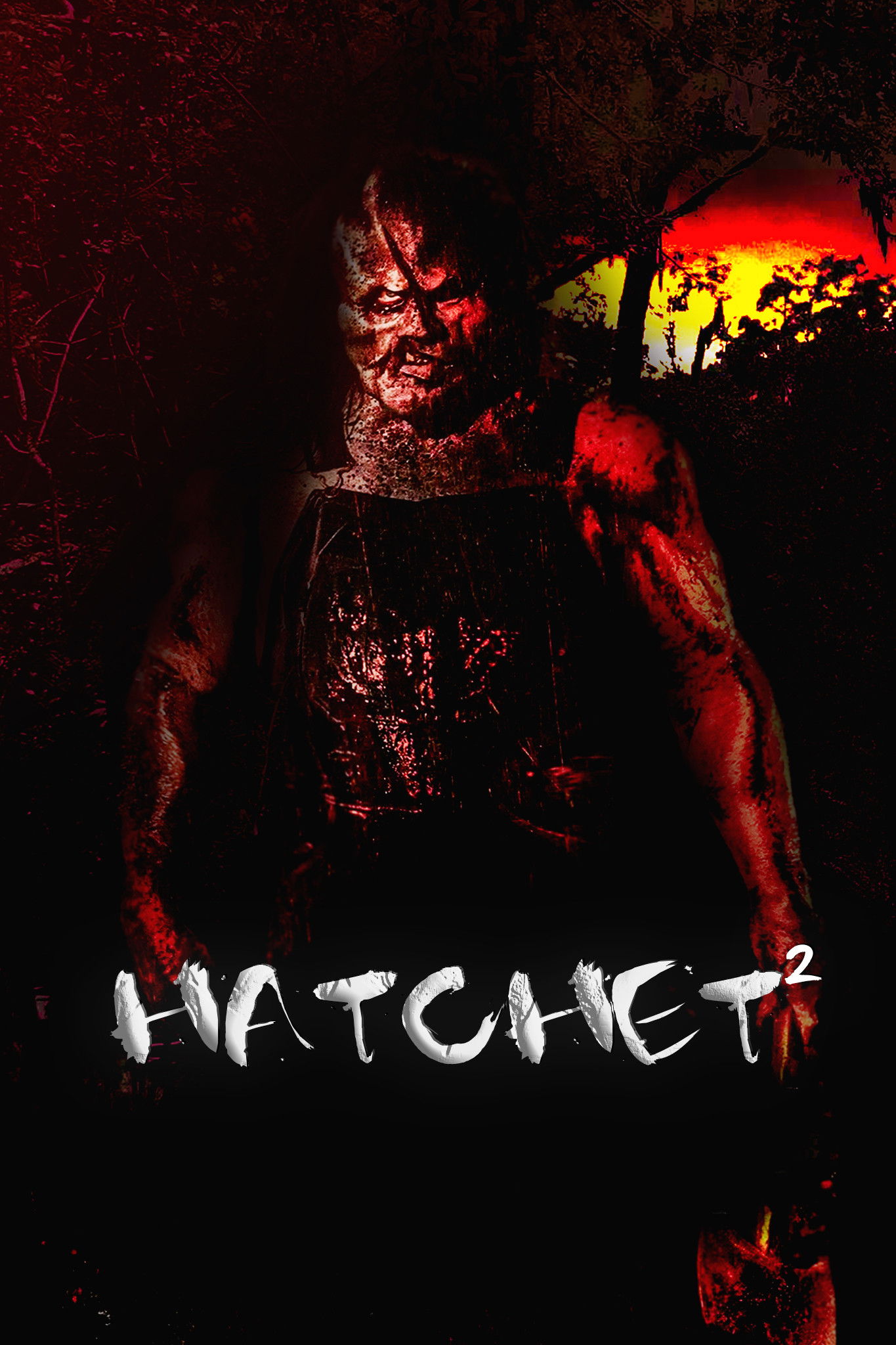
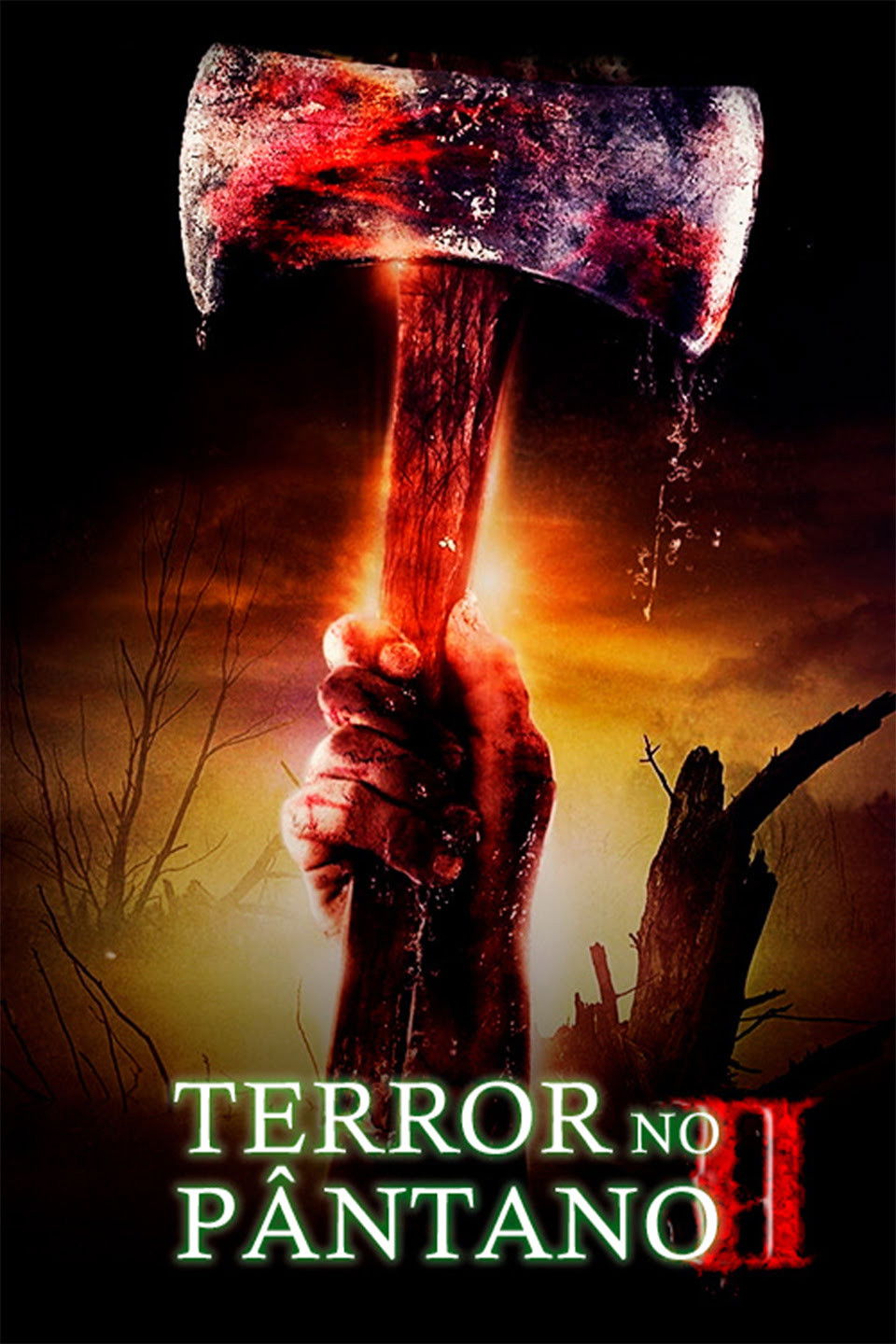
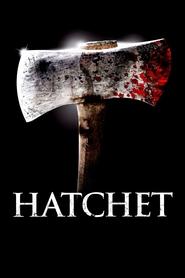
Hatchet II (2010) poster
Director
Writer
Production Companies
ArieScope Pictures , Dark Sky Films
Plot

Marybeth escapes the swamp after the deaths of her father and brother and seeks help from Reverend Zombie, a New Orleans businessman familiar with the legend of Victor Crowley. He explains more of the history surrounding Crowley's death and organizes a group of armed men to accompany her back into the marsh. Marybeth hopes to recover her family's remains and confront the killer. The expedition brings conflicting motives into the swamp, while Crowley continues to attack anyone entering his territory. The film resumes directly after the events of the first installment and expands the family history behind the curse.

Alternative Titles
Брадвата 2 (Bulgaria) — Bulgarian Terror no Pântano 2 (Brazil) — Portuguese Le tueur à la hache 2 (Canada) — French 短柄斧2 (China) — Chinese 短柄斧II (China) Vražedná sekera II (Czechia) — Czech Hatchet 2 (Germany) Butcher 2 (France) — French
Show all 23 alternative titles 鬼斧魔差 2 (Hong Kong SAR China) — Chinese A balta 2. (Hungary) — Hungarian Hatchet After Days (Japan) — DVD Title ハチェット アフターデイズ (Japan) 손도끼 2 (South Korea) — Korean Kirvis 2 (Lithuania) — Lithuanian Hatchet 2: La venganza de la bestia (Mexico) — Spanish Topór 2 (Poland) — Polish Barda II (Romania) — Romanian Топор 2 (Russia) — Russian الفاس 2 (Saudi Arabia) — Arabic Balta 2 (Türkiye) — Turkish 鬼斧魔差2 (Taiwan) — Chinese Hatchet 2 (United States) Lưỡi Rìu 2 (Vietnam) — Vietnamese

Trailers & Videos

1 video

Film Guide & Analysis

Adam Green expands his swamp slasher with physical creature effects, a revenge-driven sequel and a disputed unrated theatrical release.

Hatchet II (2010) continues Adam Green's Louisiana-set slasher story at the instant its predecessor ends. Marybeth, now played by Danielle Harris, survives another encounter with Victor Crowley and returns to the swamp with a group recruited by Reverend Zombie. The film shifts the pursuit toward a deliberate expedition against a killer whose supernatural nature becomes more explicit. By giving the new party weapons, local knowledge and a reason to confront Crowley, Green changes the pattern of the first film while preserving its blunt physical violence and macabre humor. The result belongs to the self-conscious revival of 1980s American slasher conventions that shaped the original Hatchet.

The sequel is especially notable for the way its production and release became intertwined with debates about screen violence. Green and his collaborators expanded the prosthetic work and designed deaths around elaborate mechanical effects. When efforts to obtain an R rating failed, distributor Dark Sky Films arranged a limited unrated theatrical engagement through AMC. That engagement ended abruptly, and the explanations offered by the filmmaker and exhibitors were contested. Hatchet II therefore offers a useful case study in practical-effects horror, franchise continuity and the commercial limits placed on independently distributed unrated films in the American market.

Development and Slasher Continuity

Green had already considered the second film while preparing the first. In a 2010 interview with ScreenAnarchy, he recalled that the production designer had questioned the need to show an unusually long chainsaw in Hatchet; Green wanted the weapon visible because he had reserved a particular use for it in the sequel. Members of the effects and design departments knew about that plan before the continuation was formally produced. The prop provides an early clue to the planned continuity.

The new story begins immediately after Marybeth's escape, then gives her an organized attempt to return. Green cited Aliens as an example of a sequel in which capable, armed people confront a familiar threat. A larger hunting party enables confrontations involving characters who believe they understand the danger and have prepared to fight it. Their growing helplessness demonstrates the gap between ordinary human weapons and Crowley's durability. The screenplay also expands the local account of his past, changing a frightening rumor into a more developed supernatural history.

Continuity extends to the supporting characters and settings. Reverend Zombie, briefly encountered in the earlier film, becomes the organizer of the expedition; the larger role for Tony Todd makes the character's knowledge and motives part of the plot's momentum. The swamp remains the essential arena, but the sequel devotes more time to the people who willingly enter it. This pursuit follows the established slasher pattern of a familiar killer confronting a new group.

Casting and the Physical Performance of Crowley

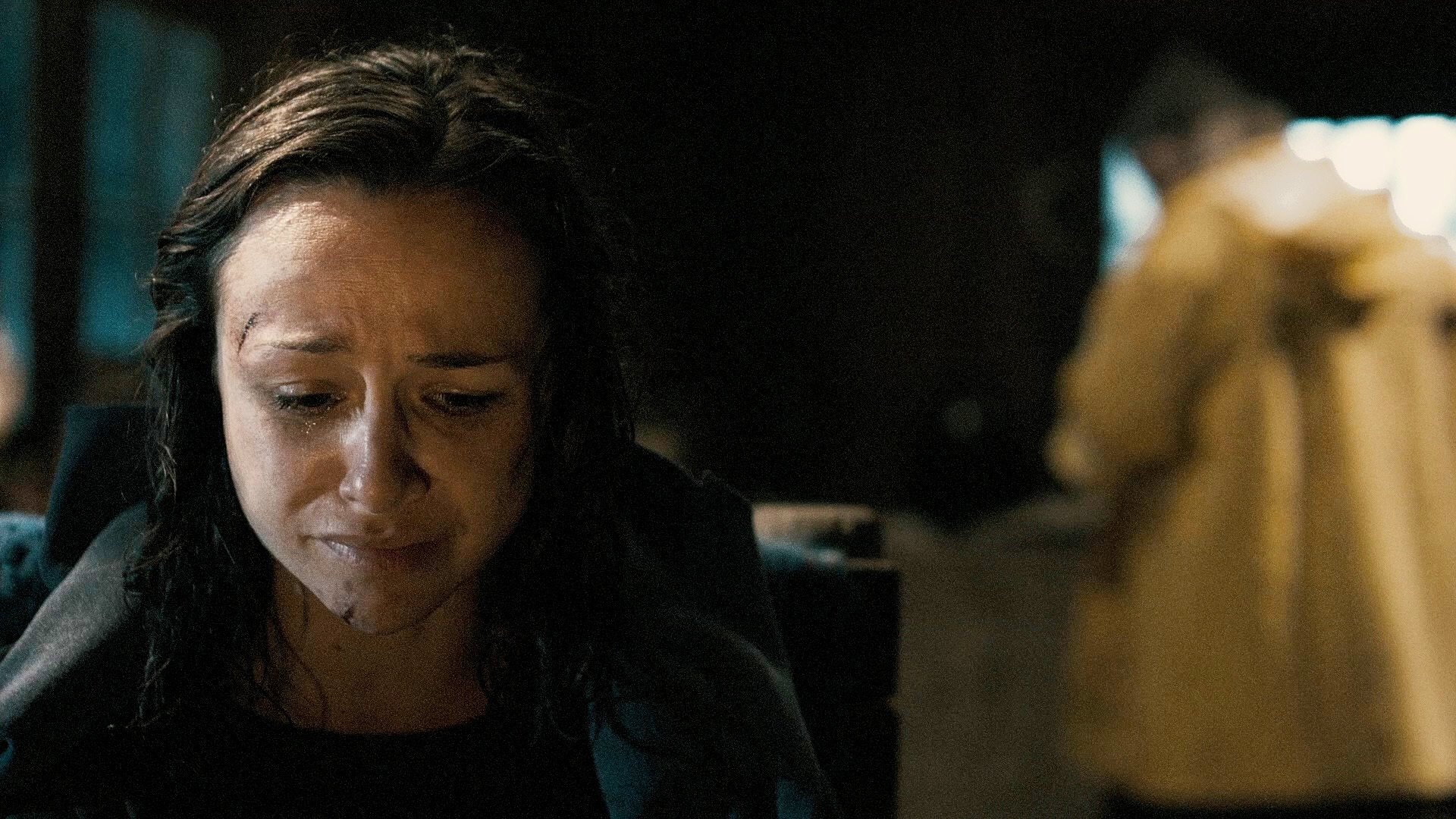
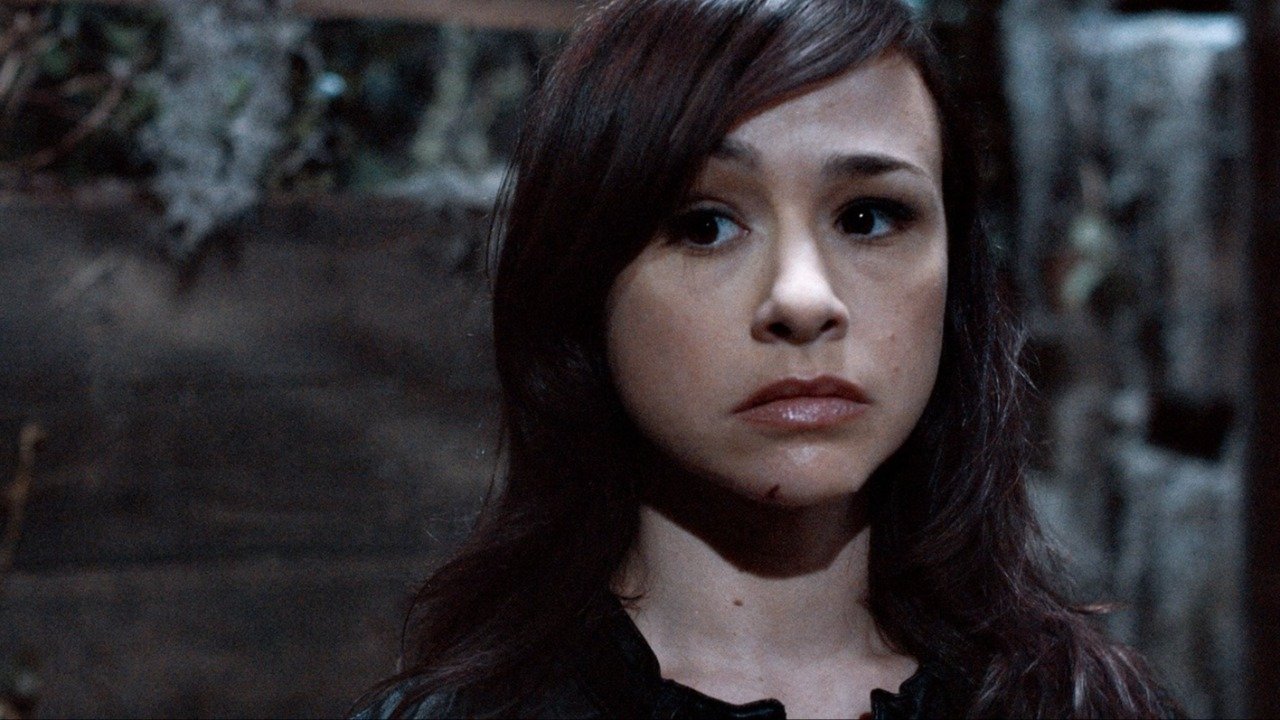
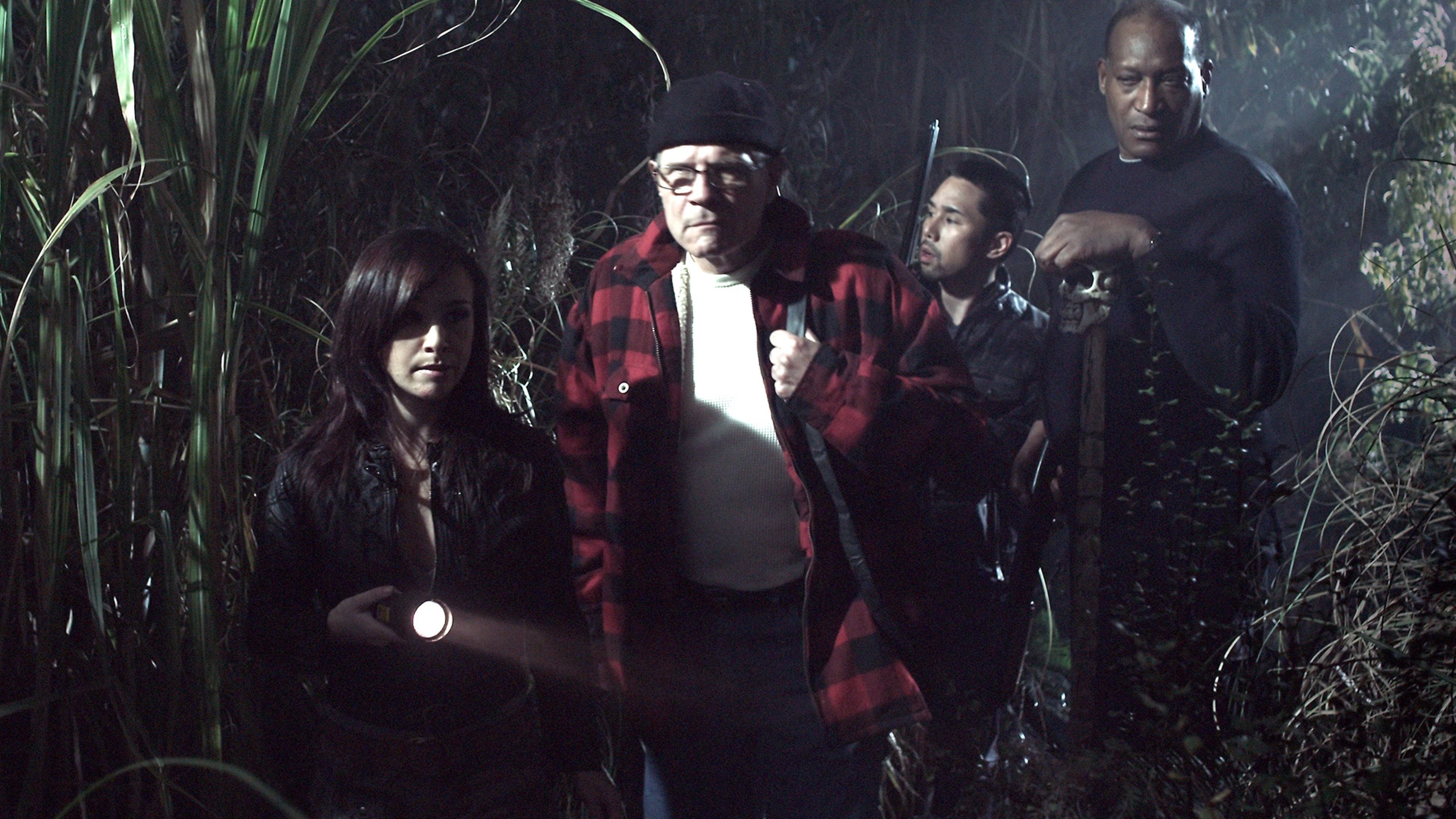
The decision to replace Tamara Feldman with Danielle Harris as Marybeth introduced a different screen presence without changing the character's place in the chronology. Harris was already associated with the horror genre through the Halloween series, and the sequel asks her to carry sustained anger alongside the physical demands of fleeing and fighting. A contemporary visit to the Los Angeles set by Bloody Disgusting documented the strenuous conditions in which she worked, including the heavy atmospheric smoke used to make the interiors resemble the bayou. Her performance supplies the expedition with a motive beyond the prospect of another set of attacks.

Kane Hodder returned as Victor Crowley and treated the immediate continuity as a performance problem. In a 2010 interview, he explained that he tried to maintain the killer's established behavior because the second film follows straight from the first. His physical manner remained forceful and abrupt even as the makeup was revised. The same set report describes Hodder repeatedly startling fellow actors while in full costume, and co-star AJ Bowen emphasized how convincingly he inhabited the role during filming.

The assembled cast reflects Green's affection for genre performers. Tony Todd's expanded part connects the characters to the mythology of Crowley, while John Carl Buechler and Tom Holland bring associations with earlier effects-driven horror and slasher filmmaking. Their appearances underscore the production's connections to earlier horror filmmaking. Harris and Hodder anchor the central conflict through sharply different performance styles: her character pursues a goal that she can articulate, while his communicates danger largely through movement and bodily force.

The Constructed Swamp and Visual Staging

Although set in the Louisiana bayou, significant work on Hatchet II took place on Los Angeles soundstages. Chris Eggertsen's 2010 report from Occidental Studios describes a visit to the interior of Victor Crowley's house and interviews conducted among the elaborate production spaces. The controlled environment made it possible to stage the complicated encounters that the story demands, especially when performers, breakaway objects, atmospheric smoke and practical blood effects had to function together. Constructing interiors helped the crew arrange repeatable action while maintaining the impression of a damp, enclosed wilderness.

The constructed setting shapes the film's spatial design. Buildings, walkways and patches of swamp vegetation divide the hunters into vulnerable groups, and the sense of night is sustained through darkness interrupted by pools of directed light. Because the threat is embodied by a performer, the frame frequently depends on the relation between moving bodies and a clearly identifiable obstacle or weapon. The framing registers Crowley's proximity to his victims, which makes each sudden attack feel like a collision within a physical place.

The swamp is territory into which the hunters trespass despite warnings about its supernatural occupant. The hunters arrive as a group yet gradually lose control of their surroundings. The film uses practical geography, obscured sightlines and the contrast between exterior darkness and interiors to support its slasher pacing. That visual approach is consistent with its predecessor, even as the new production accommodates larger and more complicated effects sequences.

Practical Makeup, Creature Design and Gore

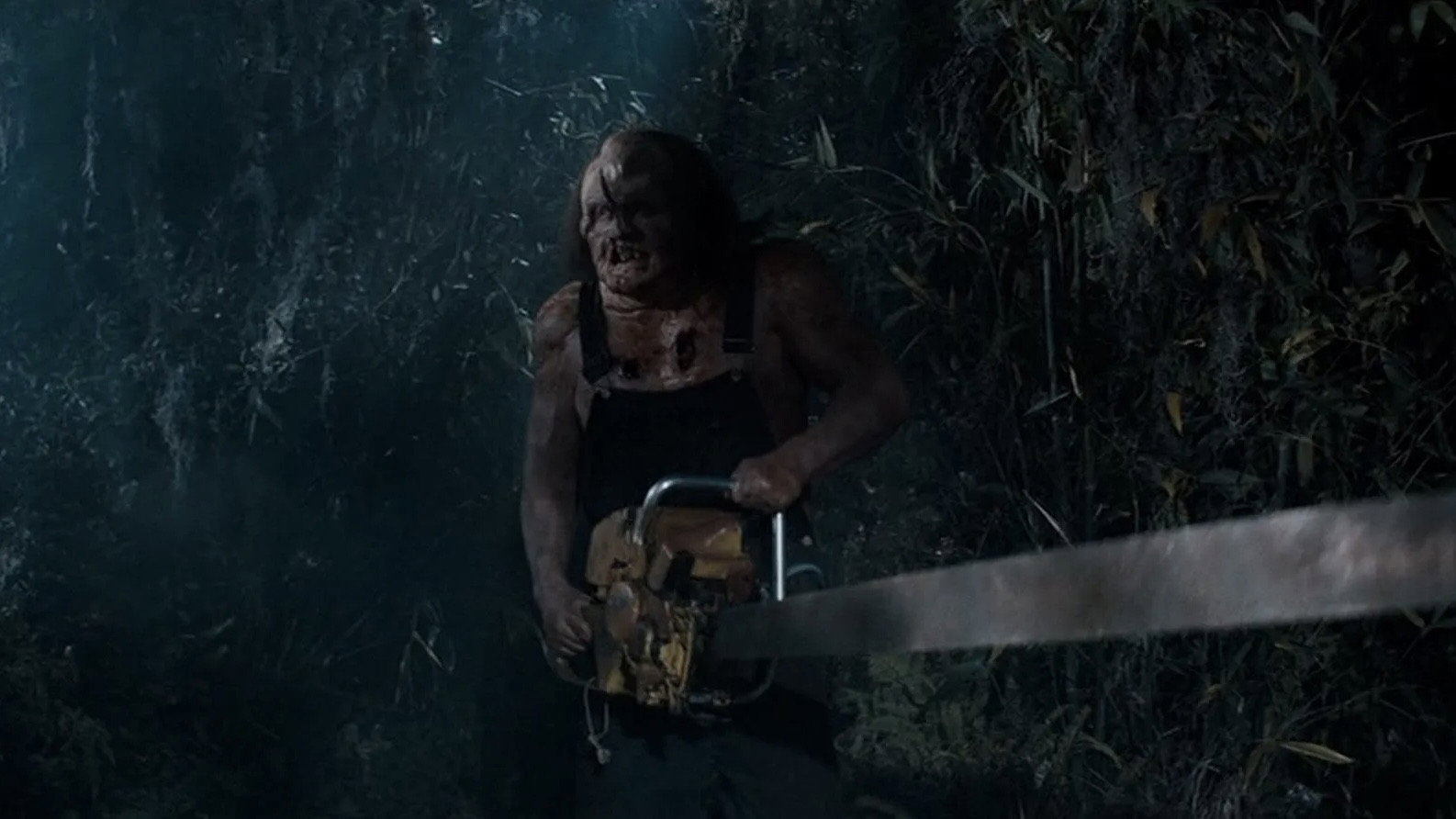
The special makeup is central to the identity of Hatchet II. Crowley's disfigurement is seen through a revised prosthetic design, and Hodder described the change in unusually specific terms. He said the earlier appliance had been bulkier and restricted movement in his face. For the sequel, the team reduced that bulk and adjusted where the prosthetic met the actor's skin. The result allowed more expression, but the blending work prolonged the daily application. Hodder recalled spending about three and a half hours putting on the makeup and another ninety minutes removing it.

Green's original conception also emphasized killings that could be planned as physical effects rather than merely suggested through editing. In the ScreenAnarchy interview, the director connected a prominent chainsaw in the first picture to an elaborate sequence intended for the second. A contemporaneous set report describes how performers had to work alongside specially prepared interiors, with a demanding level of theatrical smoke and physical action. Blood, detachable prosthetic parts and bodies positioned for violent impact give the murders a tactile presence. Their excess is deliberately legible: the camera commonly holds long enough for the grotesque mechanism of a death to become the point of the scene.

The violence combines revulsion and slapstick timing. A killing may begin as a familiar pursuit before escalating into an implausibly extreme display of damaged anatomy. Because the film repeatedly presents bodies as material to be broken or reshaped, the makeup effects do more than decorate the screenplay. They establish Crowley as a force whose attacks exceed ordinary slasher realism. The scale of carnage extends the practical splatter tradition established by its predecessor.

The Unrated Release and the AMC Dispute

The film opened the 2010 Film4 FrightFest in London on August 26, before its limited United States theatrical launch on October 1. The American release was organized by Dark Sky Films through AMC's independent-screening program, and it was presented without an MPAA rating. Green explained that the difficulties he had experienced with the first Hatchet influenced his approach to the sequel. In interviews conducted around the release and the subsequent home-video launch, he described attempts to reduce violent material that still did not secure the desired R rating. The version ultimately exhibited without a rating was therefore a deliberate distribution decision, supported by the distributor rather than an ordinary wide release.

AMC ended the engagement shortly after opening. The withdrawal became contentious because the filmmaker disputed the idea that box-office performance alone explained the decision, while contemporary reporting cited the exhibitor's commercial justification. The available accounts do not establish a definitive private motive for every cancellation, and it would be inaccurate to describe the episode simply as a formal government ban. The MPAA is an industry classification organization; a film can legally be shown in the United States without one of its ratings. The practical difficulty is persuading exhibitors and commercial partners to handle a title whose content falls outside their usual policies.

The controversy became part of the film's public identity because its subject matter and promotional history were inseparable. Green argued that removing the film from screens demonstrated the disadvantages faced by independently distributed extreme horror, whereas other commentators emphasized the limited theatrical market for such a specialized production. These are competing interpretations of the same business event. The verifiable facts are narrower: the unrated engagement began, it was cut short, and the film's distributors subsequently pursued other means of reaching its audience.

Home Video, British Versions and Franchise Position

Home viewing became the film's more durable route to its audience. Dark Sky Films moved Hatchet II onto video on demand in December 2010, followed by North American DVD and Blu-ray releases in February 2011. Green discussed the importance of the home-video market directly in his later interview with Dread Central. The release trajectory also demonstrates how a short, disputed cinema engagement could be followed by more sustained access through domestic formats.

The British Board of Film Classification documents separate UK submissions in 2011: a cinema version assessed in March at 85 minutes 15 seconds and home-entertainment material assessed in June at 81 minutes 49 seconds. Both records identify strong bloody violence and gore. The figures document the specific materials examined by the BBFC; their difference alone does not establish a censorship cut or prove which American master was used.

Within the Hatchet cycle, the sequel clarifies Crowley's supernatural status and moves Marybeth from a survivor of an accidental encounter into an active opponent. It strengthens the continuity that subsequent installments could develop while retaining the recognizable swamp setting, recurring cast and exuberant prosthetic violence. The enlarged mythology also gives Crowley an identity beyond the anonymous threat typical of many stand-alone slashers, while leaving the emotional focus on Marybeth's attempt to confront her family's losses.

References

  1. ScreenAnarchy Interview: Hatchet II Director Adam Green (2010)

    Original interview covering the planned sequel, chainsaw foreshadowing, character mythology and support for an unrated theatrical release.

  2. Bloody Disgusting Kicking It Into High Gear: A Visit to the Set of Hatchet II (2010)

    Firsthand set report documenting the Los Angeles stage construction, performers, smoke and physical working conditions.

  3. MediaMikes Interview with Kane Hodder (2010)

    Direct account of the Crowley prosthetics redesign, application time and performance continuity.

  4. Dread Central Hatchet II Interview Week Entry 4: Adam Green Part 1 (2011)

    Retrospective discussion of the MPAA dispute, aborted AMC engagement and home-video distribution.

  5. BBFC Hatchet II: Classification Records (2011)

    Official documentation of distinct British cinema and home-entertainment submissions and their recorded durations.

Connections

Cast

View Full Cast & Crew →

Release & Distribution

Production Companies (2)

  • ArieScope Pictures US
  • Dark Sky Films US

Release History (5)

Release DateTerritoryRelease TypeFormatDistributorCertificationNotes
2010-08-26 United Kingdom Premiere — — — FrightFest
2010-10-01 United States Limited Theatrical — — R
2010-12-03 United States Digital — — — video on demand
2011-02-01 Canada Physical — — —
2011-03-10 Germany Physical — — 18
Victor Crowley lives.