A Nightmare on Elm Street (2010)

US
5.5/10 4 votes
Runtime
95 min
Release
April 30, 2010
Budget
$35,000,000
Revenue
$115,665,418
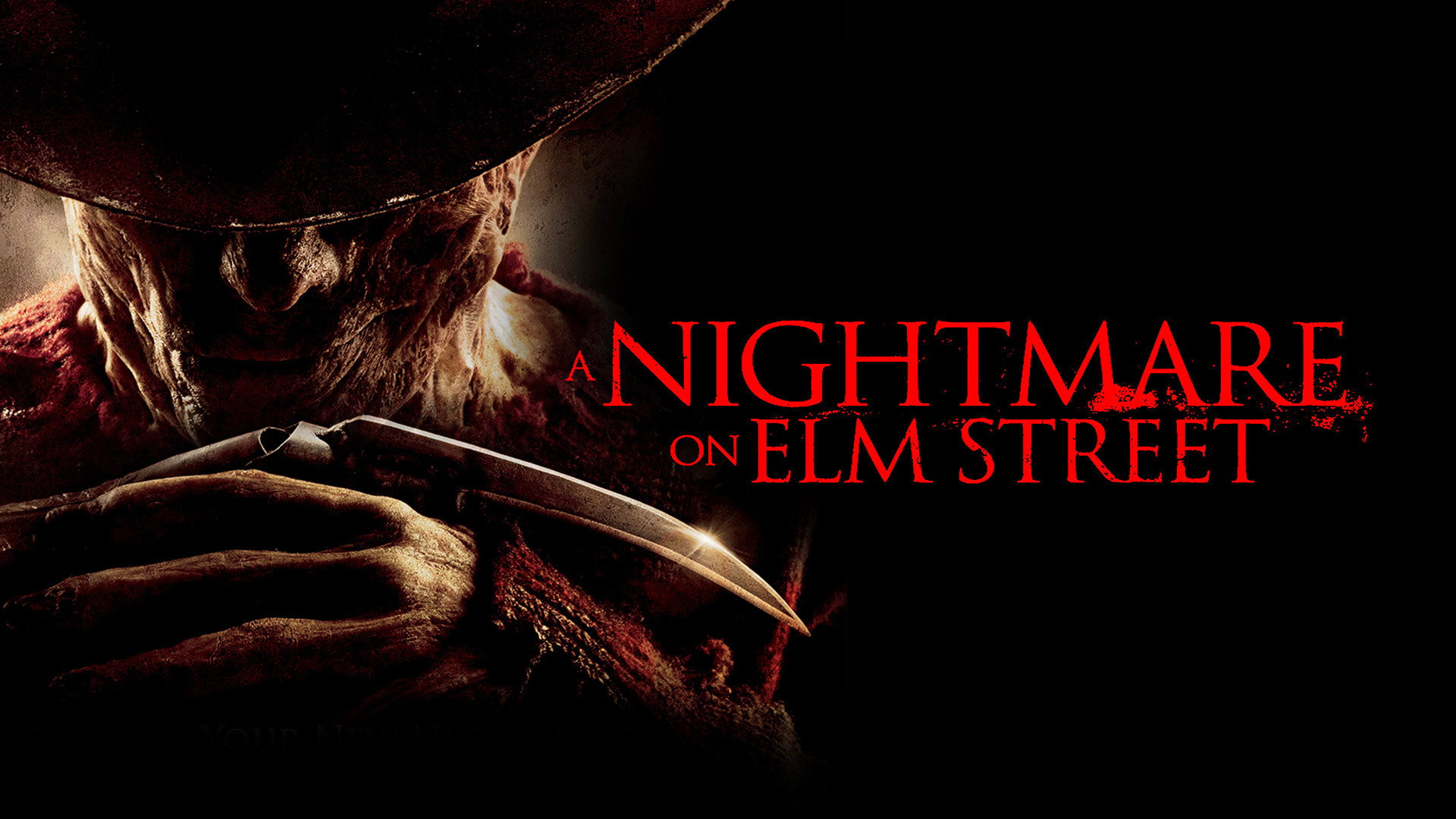
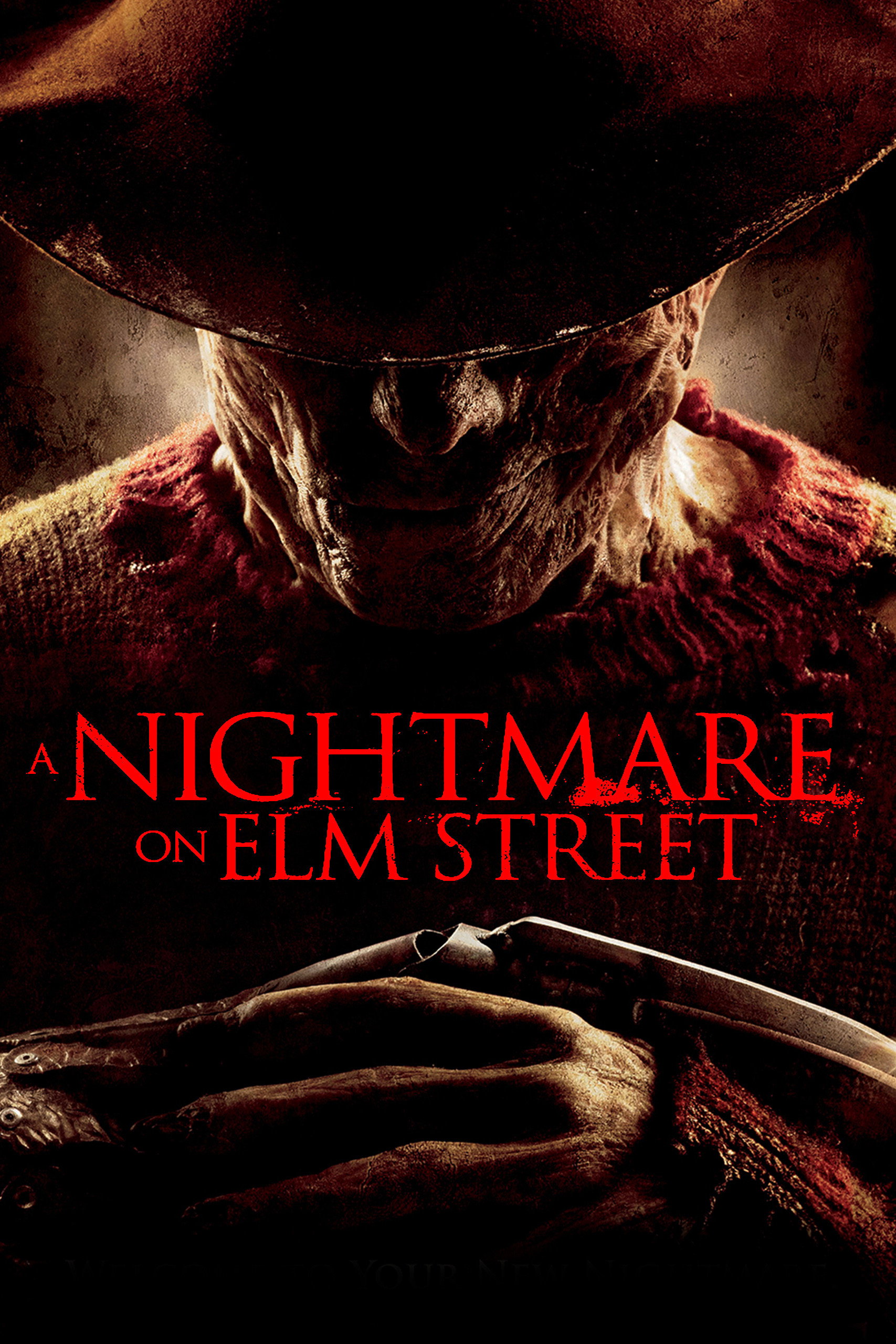
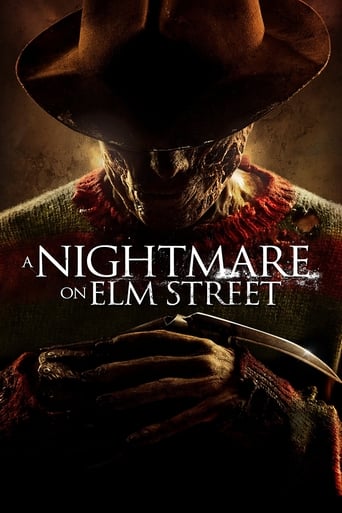
A Nightmare on Elm Street (2010) poster
Director
Production Companies
Platinum Dunes , New Line Cinema
Plot

Nancy Holbrook and several other teenagers discover that they are being stalked in dreams by a burned man wearing a bladed glove. After a series of violent deaths, Nancy and Quentin Smith begin investigating photographs and memories that connect them to a preschool they attended as children. Their search raises troubling questions about the adults who once protected them and about the identity of their pursuer. The story revisits the original Nightmare premise in a separate continuity, with Jackie Earle Haley portraying Freddy Krueger.

Alternative Titles
Pesadilla en la calle Elm (AR) Qarağac küçəsində qarabasma (AZ) — translation:az Кошмари на Елм Стрийт (BG) — (болгарское название) A Hora do Pesadelo (BR) Les griffes de la nuit (CA) — (французское название) 新猛鬼街 (CN) 榆树街噩梦 (CN) — (название на мандаринском языке) Noční můra v Elm Street (CZ)
Show all 52 alternative titles Elm Streeti luupainaja (EE) Malson a Elm Street: L'origen (ES) — (каталонское звание) Pesadilla en Elm Street (ES) Pesadilla en Elm Street: El origen (ES) — translation:es Pesadilla en Elm Street. El origen (ES) Mardrömmen på Elm Street (FI) — (шведское название) Painajainen Elm Streetillä (FI) Freddy : Les Griffes de la nuit (FR) Les Griffes de la nuit (FR) — (альтернативное название) საშინელება თელების ქუჩაზე (GE) — translation:ka Εφιάλτης στο δρόμο με τις λεύκες (GR) 猛鬼街 (HK) — translation:zh Strava u Ulici brijestova (HR) Rémálom az Elm utcában (HU) Ha'siyut birhov Elm (IL) — (название на иврите) סיוט ברחוב אלם (IL) — translation:he जो सो गया वो मर गया (IN) — translation:hi नाइटमेयर ऑन एल्म स्ट्रीट (२०१०) (IN) — (название на хинди) Nightmare (IT) エルム街の悪夢 (JP) — (японское название) 나이트메어 (KR) — translation:ko Kosmaras Guobu gatveje (LT) — translation:lt Šausmas Gobu ielā (LV) Pesadilla en la calle Elm (MX) Terror på Elm Street (NO) — translation:no Pesadilla en la calle Elm (PE) Koszmar z ulicy Wiązów (PL) Pesadelo em Elm Street (PT) Coșmar pe Elm Street (RO) Strava u Ulici brestova (RS) Страва у Улици Брестова (RS) — translation:sr Кошмар на улице Вязов (RU) Terror på Elm Street (SE) Mora v ulici brestov (SI) Nočná mora z Elm Street (SK) นิ้วเขมือบ (TH) — translation:th Elm Sokağı Kabusu (TR) — (турецкое название) Elm Sokağında Kabus (TR) — (турецкое название) 半夜鬼上床:夢殺 (TW) Кошмар на вулиці В’язів (UA) — translation:uk Pesadilla en Elm Street (UY) — (оригинальная версия с субтитрами) Pesadilla en la calle Elm (VE) Ác Mộng Phố Elm (VN) Ác Mộng Trên Phố Elm (VN) — translation:vi

Trailers & Videos

10 videos

A Nightmare on Elm Street (2010) Film Guide

Samuel Bayer reimagines Freddy Krueger through childhood memory, a new performance, hybrid burn makeup, dream imagery and the remake-era industrial model.

A Nightmare on Elm Street (2010) revisits Wes Craven's dream-stalking killer through the industrial model of the American horror remake. Produced by Platinum Dunes and directed by Samuel Bayer, it retains the premise of teenagers murdered in their sleep while replacing Robert Englund with Jackie Earle Haley and reorganizing Freddy Krueger's past around a childhood abuse investigation. Its significance lies partly in the tension between recognizable images inherited from the 1984 film and an attempt to restore the antagonist's menace after years of increasingly playful franchise appearances.

The production also reveals the different crafts involved in rebuilding an established screen monster. Bayer approached the project with a background in highly controlled music-video imagery; Eric Heisserer later described the pressures and rewrites behind the screenplay; makeup and visual-effects artists combined physical appliances with digital facial reconstruction. The soundtrack team pursued more naturalistic dream environments. Critical responses in 2010 were sharply divided over whether this technical renovation had created a persuasive new nightmare, making the remake a useful case study in the limits of franchise reinvention.

Development: Platinum Dunes Rebuilds Elm Street

By the end of the 2000s, Platinum Dunes had developed a recognizable approach to older horror properties, bringing familiar titles back to theaters with contemporary production values. Its new project followed remakes of The Texas Chainsaw Massacre and Friday the 13th. The producers faced a particular challenge because Freddy was identified with Robert Englund's speaking voice and comic timing as strongly as with his hat and bladed glove. A replacement actor would therefore alter the series' central attraction, even if the plot retained its established rules.

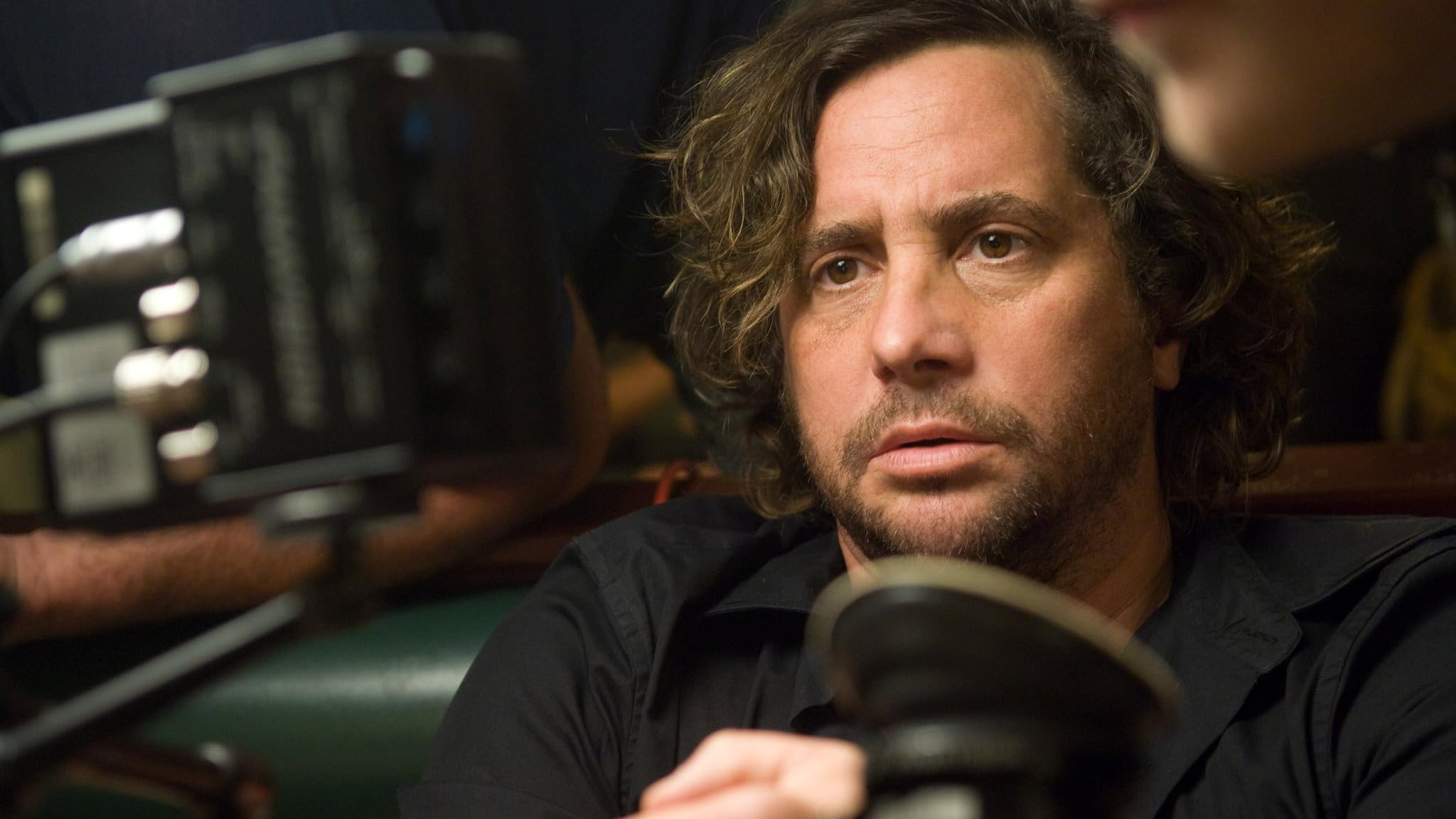
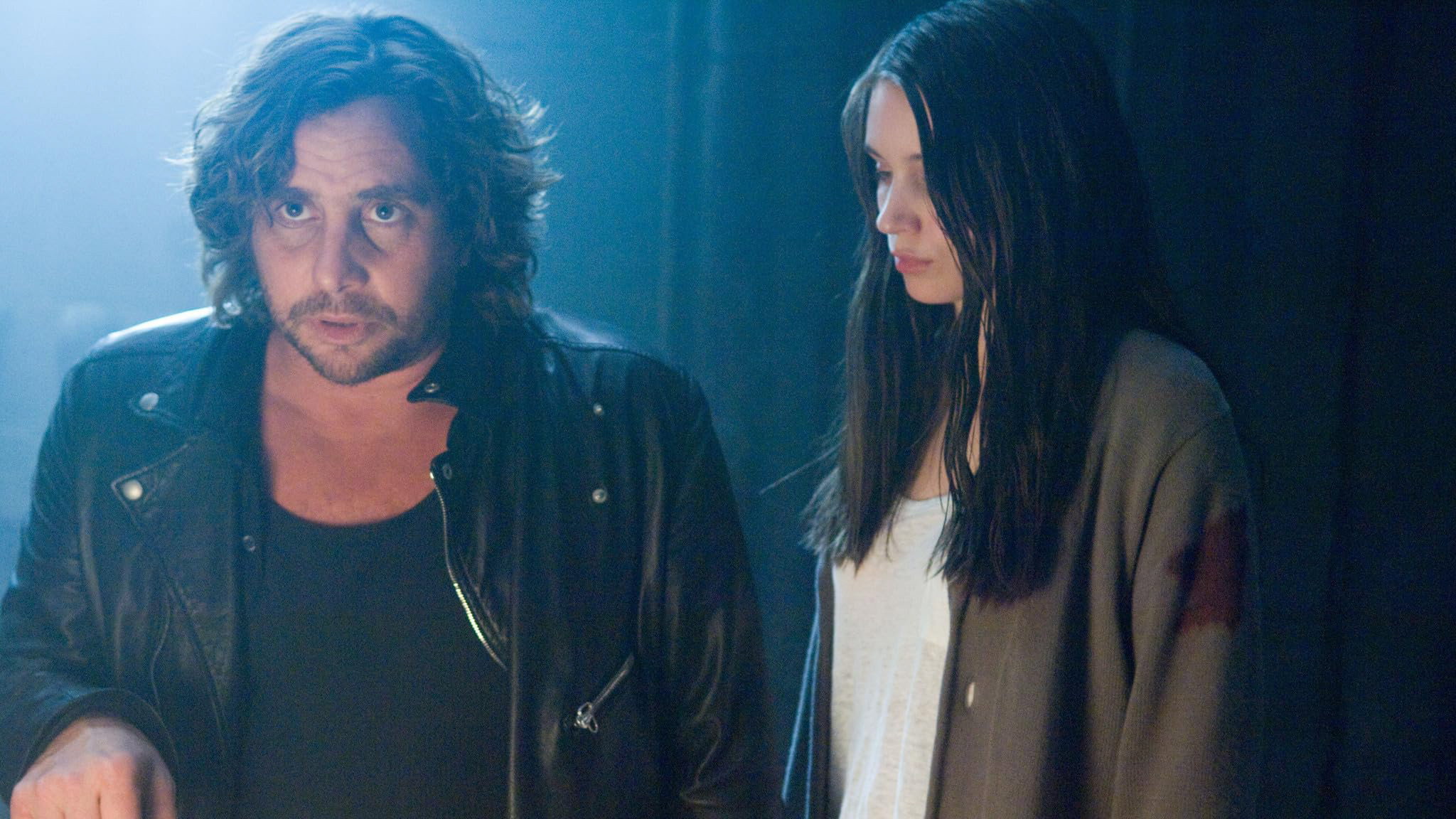
Samuel Bayer was not an obvious first-time feature director for the assignment. His work in commercials and music videos included Nirvana's Smells Like Teen Spirit, and he had repeatedly declined approaches about feature projects. In an April 2010 Los Angeles Times profile, producers described pursuing him for several horror properties before Michael Bay personally persuaded him to take this one. Bayer framed his ambition as stripping the character of familiar jokes and pursuing a harsher form of threat. These statements document his intended approach, not proof that the completed film achieved it.

The production carried a compressed development history. Screenwriter Eric Heisserer recalled joining after Wesley Strick had prepared a draft, with New Line seeking a rapid rewrite around the original film's twenty-fifth anniversary. Heisserer said the company wanted a first draft within four weeks and that several decisions about story structure were already fixed. His retrospective account also describes disagreements between what appeared in his screenplay and material developed during filming. Those recollections complicate any description of the final movie as the unrestricted vision of either its writers or its director.
Screenplay: Childhood Memory and Freddy's Identity

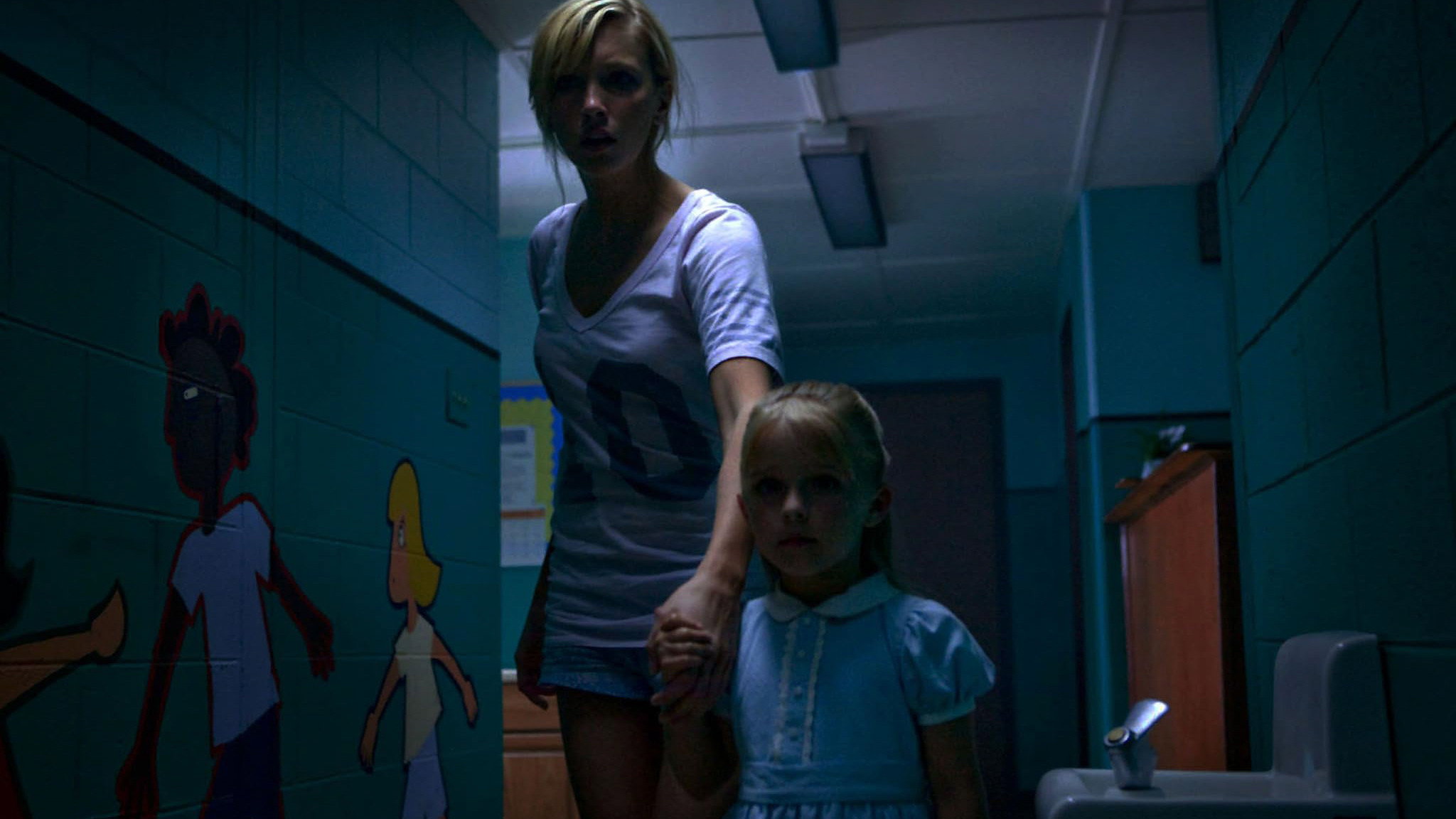
The remake gives its survivors a shared past that they cannot initially explain. Nancy Holbrook, Quentin Smith and their friends discover connections to Badham Preschool and to a caretaker their parents once accused of sexually abusing children. These revelations make family secrecy an active part of the horror mechanism. Freddy's revenge is linked to adults who took violent action years earlier, while the younger characters inherit consequences they did not understand as children. Their investigation moves between school records, remembered incidents and encounters within dreams.

Strick's screenplay introduced the possibility that Freddy had been falsely accused, and the released film briefly uses that uncertainty to redirect suspicion toward the parents. The discovery of evidence confirming his abuse settles the question. Heisserer later specified that both the doubt and the revelation of guilt were present in Strick's version. It would therefore be inaccurate to describe an innocent Freddy as a completed alternative film or to credit a single later rewrite with the entire premise. The device is part of the movie's attempt to complicate a villain whose identity spectators already know.

The story also updates the practical dangers of insomnia. Characters turn to stimulants and attempt to keep one another awake, yet moments of involuntary microsleep allow the nightmare world to intrude without an ordinary transition into bed. This concept expands the threat from enclosed sleeping spaces to public places and routine activities. In dramatic terms, it weakens the teenagers' ability to recognize a safe waking state. At the same time, repeated investigations of repressed childhood events narrow the film's focus onto one explanation for Freddy, where Craven's original allowed its monster more disturbing narrative mystery.

Jackie Earle Haley: Performance and Burn Makeup

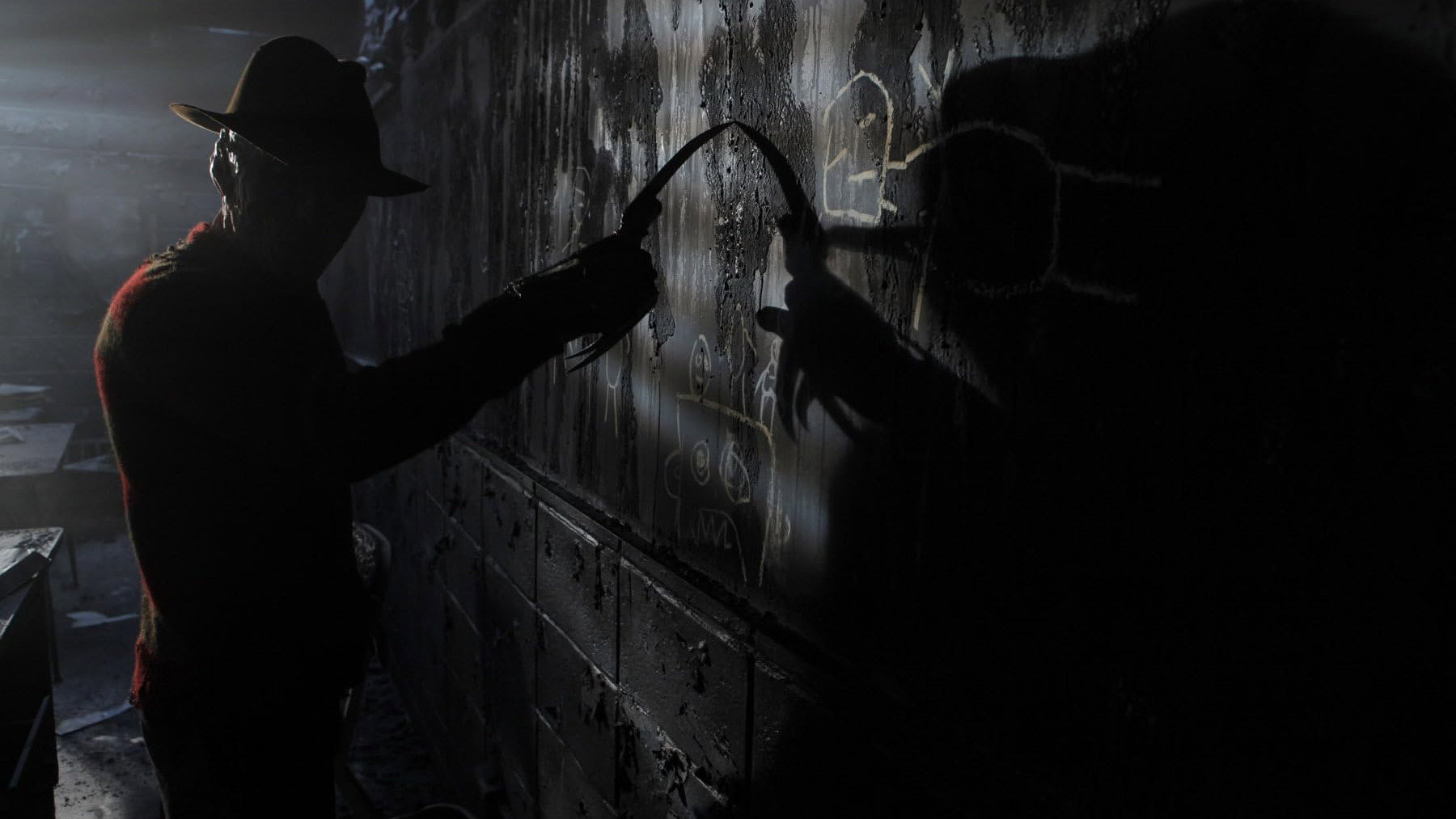
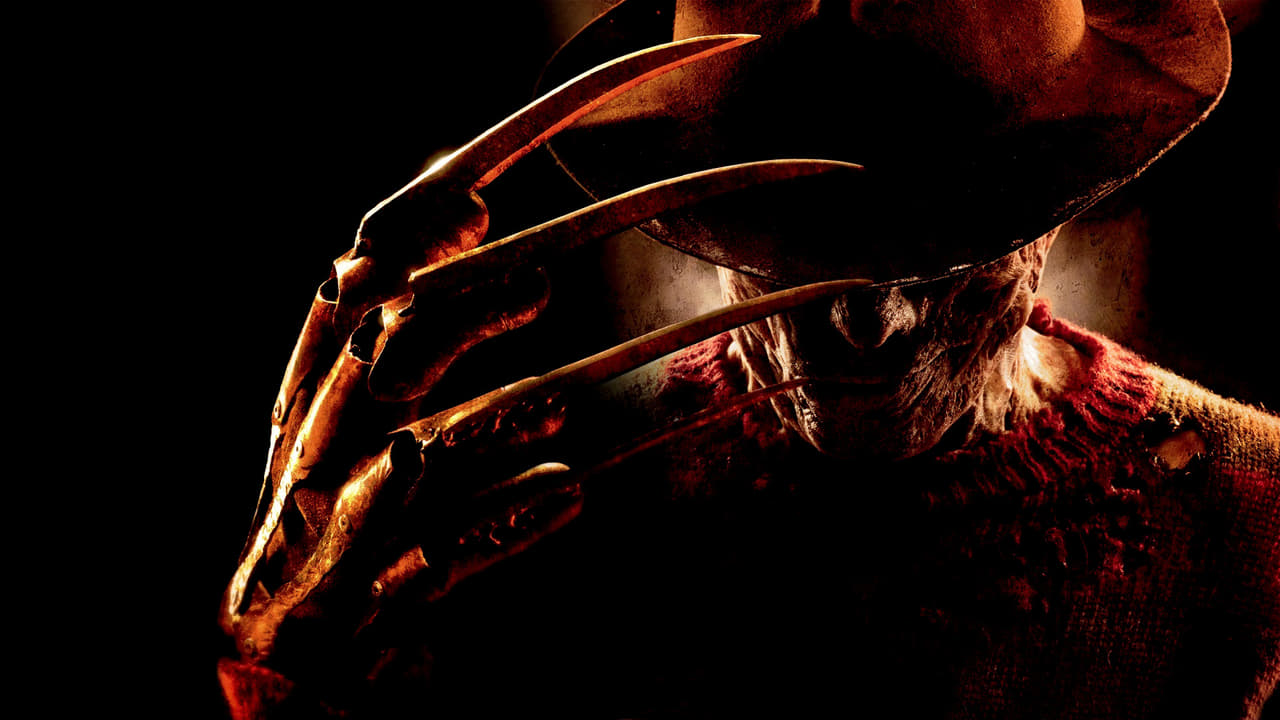
Jackie Earle Haley approached Freddy under the shadow of Englund's defining performance. The new interpretation minimizes the overt showmanship associated with several later sequels, presenting the killer as more predatory and less interested in entertaining his victims. Haley's smaller facial movements and altered vocal texture work within a prosthetic design intended to suggest severe burn damage. In the resulting scenes, the silhouette remains instantly legible through the striped sweater, fedora and glove, while the exposed face signals a deliberate break with the earlier makeup vocabulary.

Practical makeup artist Andrew Clement developed the base appliances used on Haley. The design attempted to give the wounds greater anatomical depth, with daily prosthetics supplying a surface that interacted directly with the actor's performance. Digital work from Method Studios then modified that surface. Visual-effects supervisor Sean Faden explained that the assignment initially involved augmenting one side of Freddy's face, but its scope expanded as producers approved the results. Artists studied damaged tissue references and used tracked geometry to create cavities that physical appliances could not reproduce without restricting the performer.

The technique required close cooperation between departments. Motion tracking and compositing had to follow the changing contours of silicone makeup during speech and movement; digital additions could easily seem detached from Haley's skin if they slipped between frames. Method's account describes software-assisted tracking, displacement sculpting and careful blending around the mouth and facial wounds. This hybrid construction is historically revealing because the remake was often advertised as a return to physical horror. The actual image of Freddy combines prosthetics, actorly movement and computer-generated injury detail, with neither medium accounting for the entire finished effect.

Visual Style: Familiar Nightmares Reconstructed

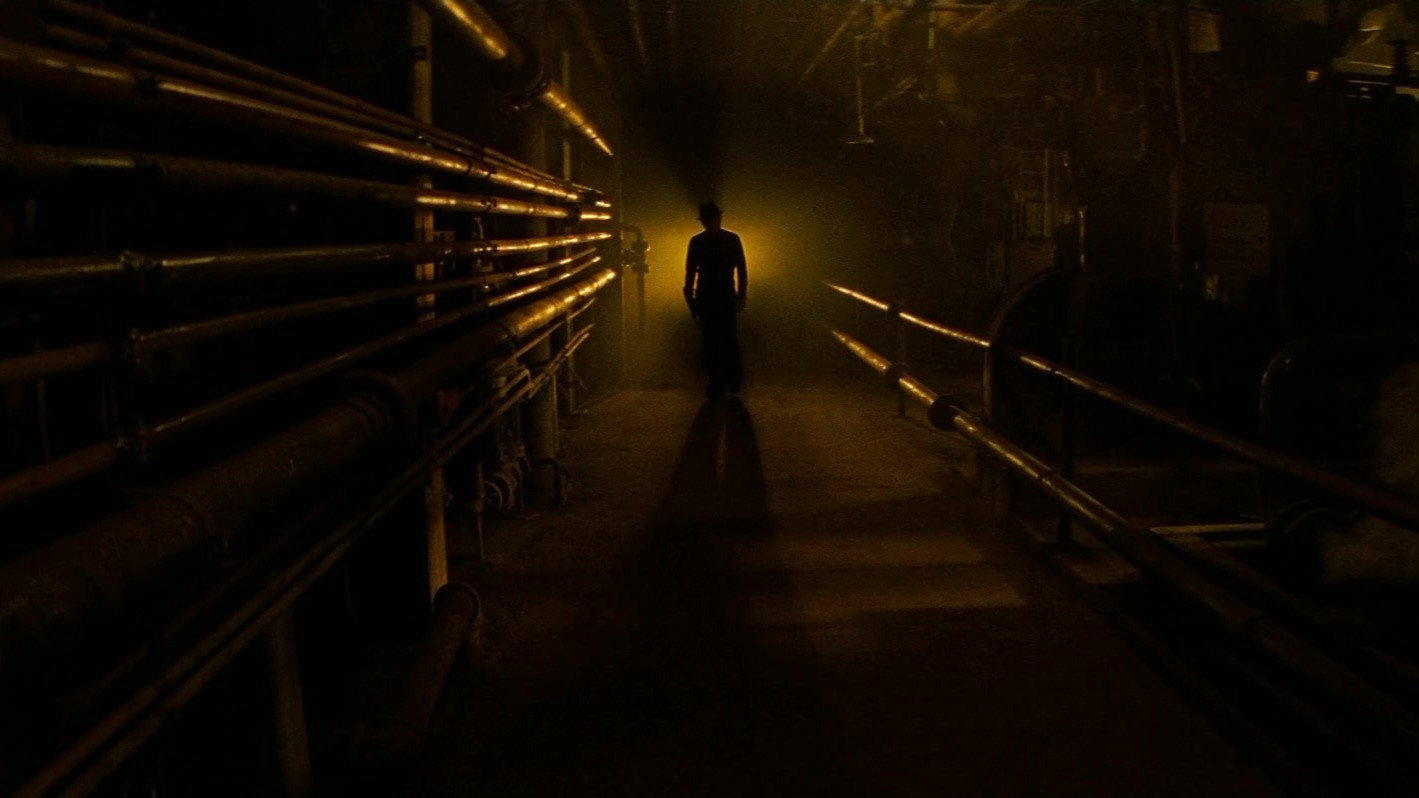
Bayer's direction is especially visible in the way ordinary settings become charged with danger. The rain-darkened diner in the opening sequence uses pools of light and obstructed sightlines to keep a recognizable public space unstable. Later passages reintroduce the boiler room and the sight of Freddy pressing against a bedroom wall, two images strongly associated with Craven's film. Their recurrence allows comparison at the level of technique: effects that once relied on elaborate physical staging can now be reshaped through motion-control photography and digital compositing.

The sequence moving between a pharmacy and Freddy's industrial environment exemplifies this approach. Method Studios reported coordinating repeated camera movements across separate sets so Nancy could appear to move between states of consciousness. Pipes were arranged to echo the arrangement of shelving, and matching camera paths enabled transitions without a conventional cut announcing a dream. The effects team's technical explanation is more informative than a generic claim that the movie uses modern CGI. It identifies the production problem, the solution and the specific uncertainty the effect was designed to create.

The resulting imagery is more tightly controlled than the rougher dream spaces of the first film, with concentrated darkness, polished transitions and emphatic moments of bodily destruction. Jeff Cutter's cinematography helps hold mundane interiors and hostile dream environments within a consistent visual palette. This consistency has an ambiguous critical effect: the transitions are technically fluid, but familiar set pieces can invite spectators to anticipate their execution. The remake repeatedly confronts a problem built into adapting iconic imagery. A shot can be visually accomplished while losing the unsettling surprise that made its earlier counterpart memorable.

Sound Design: Concealing the Threshold of Sleep

The sound team pursued a principle that aligns with the film's image of microsleep: a dream should not announce itself too clearly before its danger emerges. In an original 2010 interview, supervising sound editor Andrew DeCristofaro and colleagues Michael Payne and David Farmer discussed mixing ordinary environmental details with cues associated with Freddy. In one example, a night bird heard during Kris's search for her dog begins with a texture recalling the scraping of the killer's blades. Natural ambience thereby becomes a possible warning without immediately revealing its source.

This strategy creates a different type of apprehension from the sudden impact that dominates many modern jump scares. Familiar sounds can develop a threatening meaning after the viewer recognizes their connection to Freddy. The designers described an effort to make the effects feel organic and to avoid processing that sounded conspicuously artificial. Their challenge was also editorial: if the soundtrack unmistakably identified a nightmare too early, it would remove the uncertainty that Bayer wanted to preserve between sleeping and waking scenes.

The finished film nonetheless uses forceful musical and percussive accents at major attacks. Those shocks coexist with quieter cues that establish a low level of instability across the story. They also became a point of disagreement in contemporary criticism. Where the production team described careful concealment of perceptual boundaries, some reviewers heard a more conventional sequence of sound-driven scares. The contrast is valuable evidence of the difference between a documented creative technique and the effect that different spectators perceived on release.

Release, Critical Reception and Historical Position

New Line released the remake in the United States on April 30, 2010, with an R rating and a running time of roughly ninety-five minutes. Its release occurred in a market that had already seen several profitable revivals of recognizable 1970s and 1980s horror names. The film's commercial positioning relied on the instant legibility of Freddy's costume and the promise of a newly frightening version. This strategy helps explain why its campaign emphasized the return of a monster whose appearance could be marketed even to viewers unfamiliar with the earlier sequels.

Contemporary critical judgments reveal an instructive division. In Screen International, Tim Grierson criticized the film for closely following Craven's narrative pattern while substituting familiar modern horror conventions. Roger Ebert likewise objected to the repetitive scares and the dependence on loud sound effects. Xan Brooks in The Guardian was considerably more receptive, arguing that Bayer fulfilled the assignment of giving the old material a contemporary presentation. These are specific responses from the release period, and their disagreements should not be flattened into a single undifferentiated critical verdict.

The remake's later place in horror history concerns the attempt to modernize one of the genre's most recognizable antagonists through a corporate revival model. Its writers, director, makeup artists and digital technicians pursued different but interdependent forms of renovation. The finished picture made the childhood crimes explicit, refined the border between dream and waking perception and restored a colder manner to Freddy. Whether those changes outweighed the loss of Craven's original ambiguities remains an interpretive question. The documented production process, however, shows precisely how an established slasher mythology was rebuilt for a new generation of theatrical audiences.

References

  1. Los Angeles Times Samuel Bayer: From Nirvana to Nightmare on Elm Street

    Steven Zeitchik's original April 2010 profile interviews Bayer, Jackie Earle Haley and producer Brad Fuller about the recruitment of the director and his approach to Freddy.

  2. Bloody Disgusting A Nightmare of a Task: Writing the Elm Street Remake

    Trace Thurman's direct interview with Eric Heisserer details the fast script deadline, Wesley Strick's draft, production revisions and disagreements over Freddy.

  3. Digital Media World Nightmare on Elm Street - Only a Dream

    Specialist effects report draws on Sean Faden's first-hand account of the Method Studios work on facial prosthetic augmentation, motion control and wall imagery.

  4. Designing Sound A Nightmare on Elm Street: Exclusive Interview with Andrew DeCristofaro, Michael Payne, and David Farmer

    Original interview with the sound team explains acoustic dream transitions, naturalistic ambience and the blade sounds embedded in everyday environments.

  5. Screen International A Nightmare on Elm Street - Review

    Tim Grierson's contemporary April 2010 trade review addresses Bayer's visual approach, reliance on the original film and the remake's conventional scares.

Connections

Cast

View Full Cast & Crew →

Release & Distribution

Production Companies (2)

  • New Line Cinema US
  • Platinum Dunes US

Distributors (1)

  • InterCom HU

Release History (31)

Release DateTerritoryRelease TypeFormatDistributorCertificationNotes
2010-04-30 CA theatrical — — —
2010-04-30 RO theatrical — — 15
2010-04-30 US theatrical — — R
2010-05-06 KZ theatrical — — —
2010-05-07 BR theatrical — — 16
2010-05-07 GB theatrical — — 18
2010-05-07 IE digital — — 18
2010-05-07 LT theatrical — — N-16
2010-05-12 CH digital — — 16
2010-05-12 FR theatrical — — 12
2010-05-13 GR theatrical — — 15
2010-05-20 AU theatrical — — MA 15+
2010-05-20 DE theatrical — — 16
2010-05-20 KR theatrical — — —
2010-05-20 NL theatrical — — 16
2010-05-20 PT theatrical — — M/16
2010-05-21 AT theatrical — — —
2010-05-21 BG theatrical — — D
2010-06-09 CZ theatrical — — 18+
2010-06-10 HU digital — — 18
2010-06-10 IL theatrical — — הותר לבני 16 ומעלה
2010-06-18 FI theatrical — — K-15
2010-06-26 JP digital — — R15+
2010-07-15 DK theatrical — — 15
2010-07-16 PL digital — — 18
2010-07-23 ES theatrical — — 16
2010-08-25 IT theatrical — — VM14
2010-10-05 CA physical — — —
2010-10-20 NL physical Blu-ray — 16 Blu-ray
2011-07-15 IL tv — — הותר לבני 16 ומעלה
2017-01-06 NL tv — — 16 SBS 9
Welcome to your new nightmare.