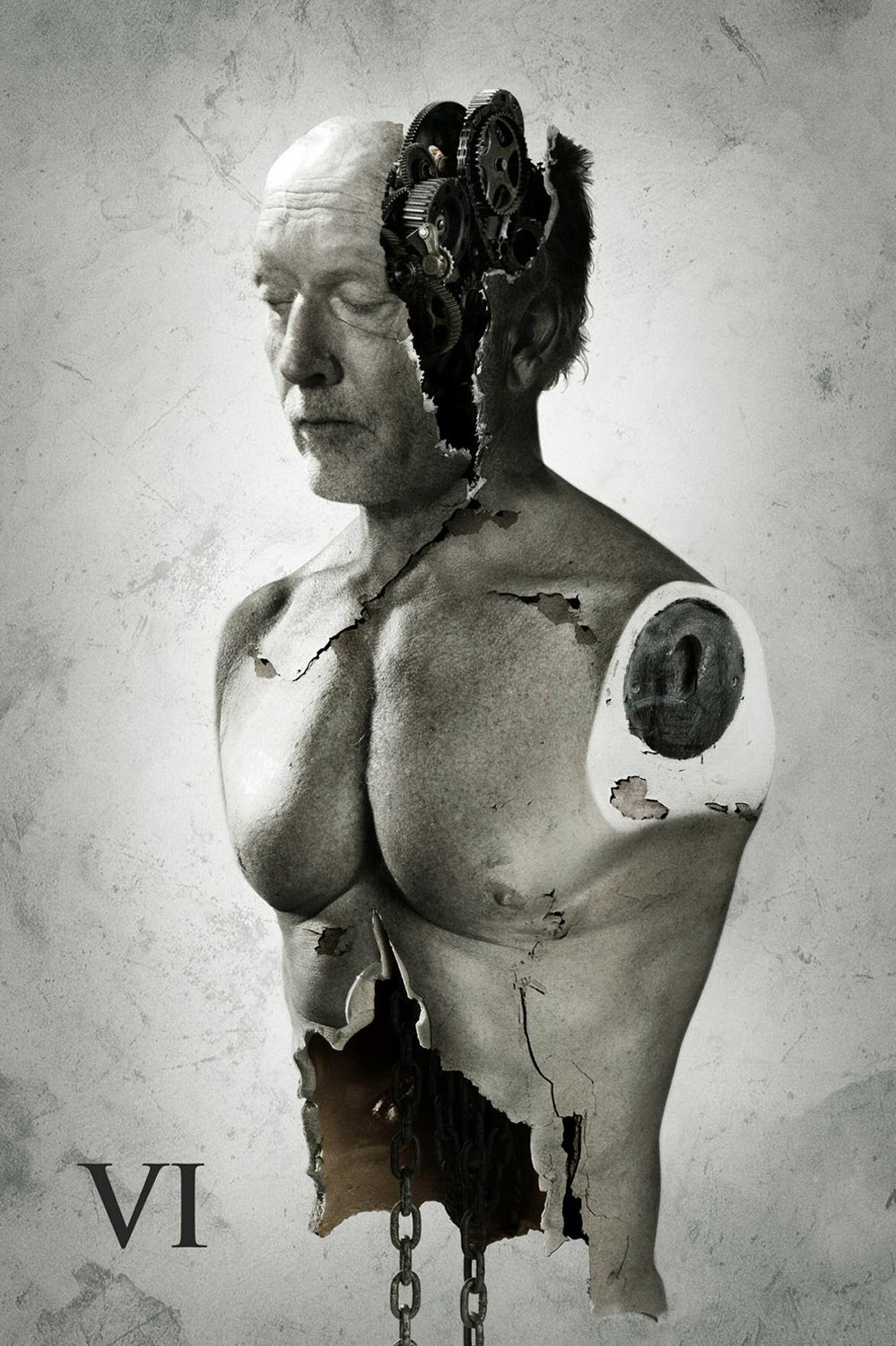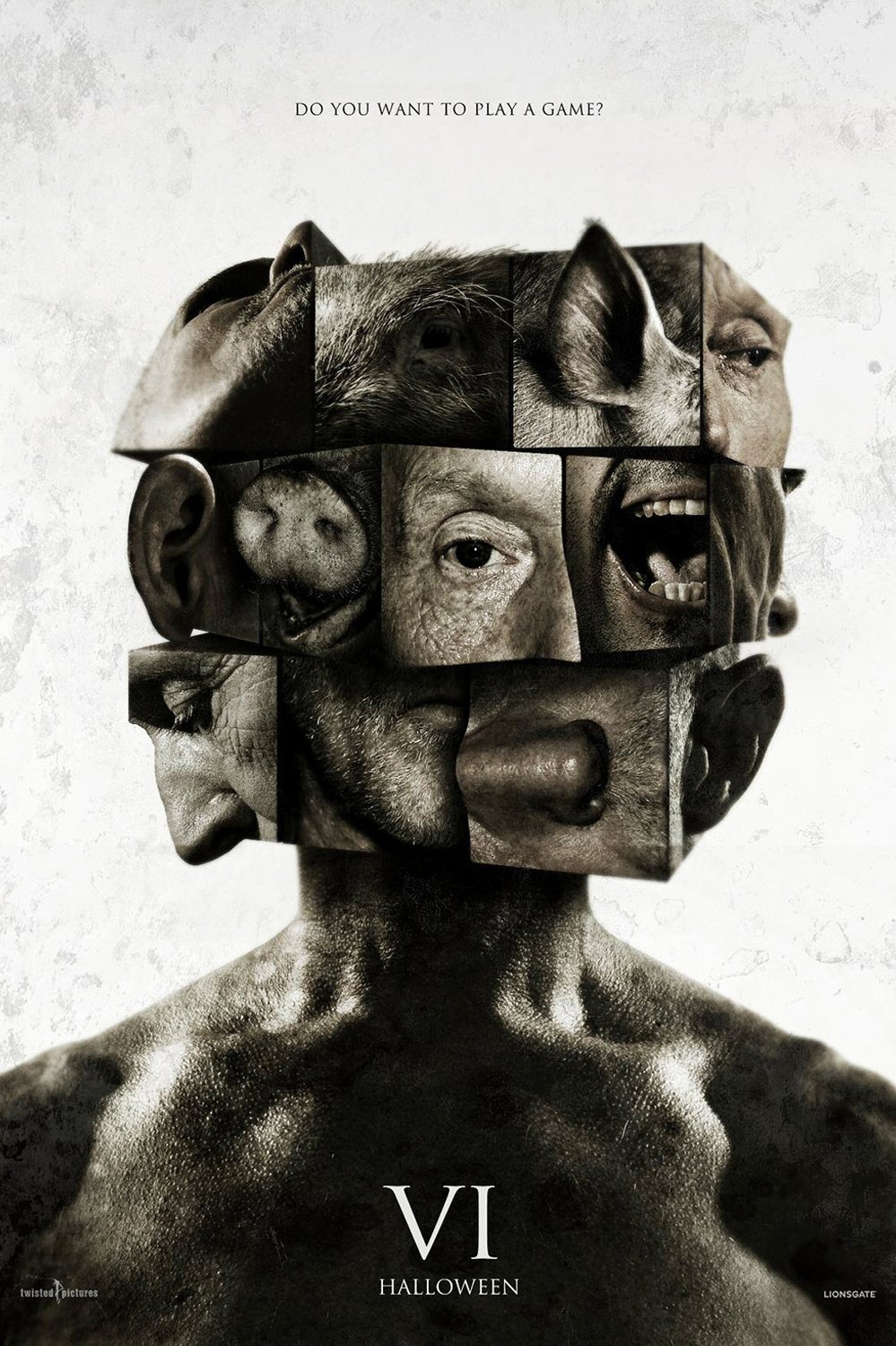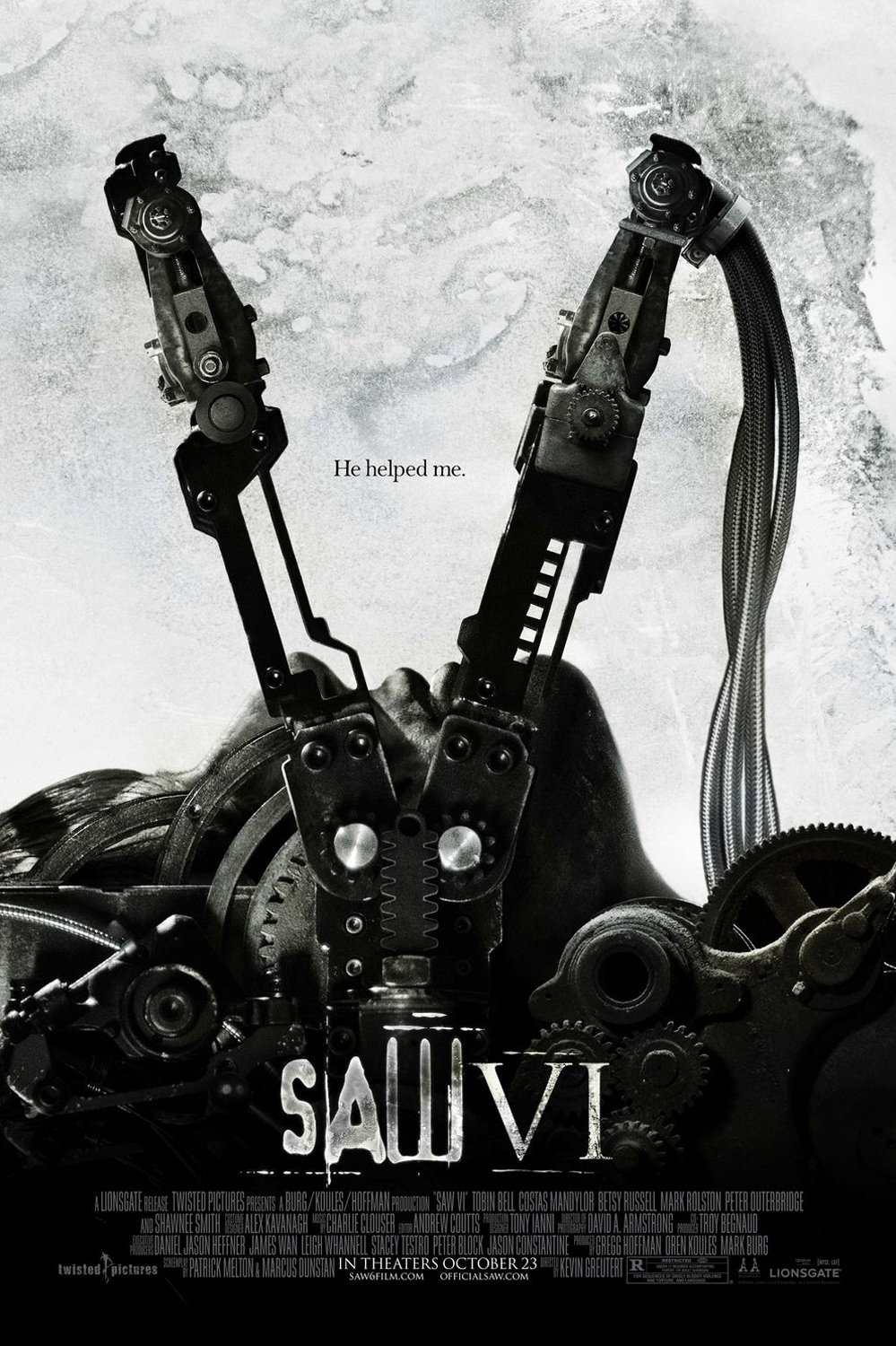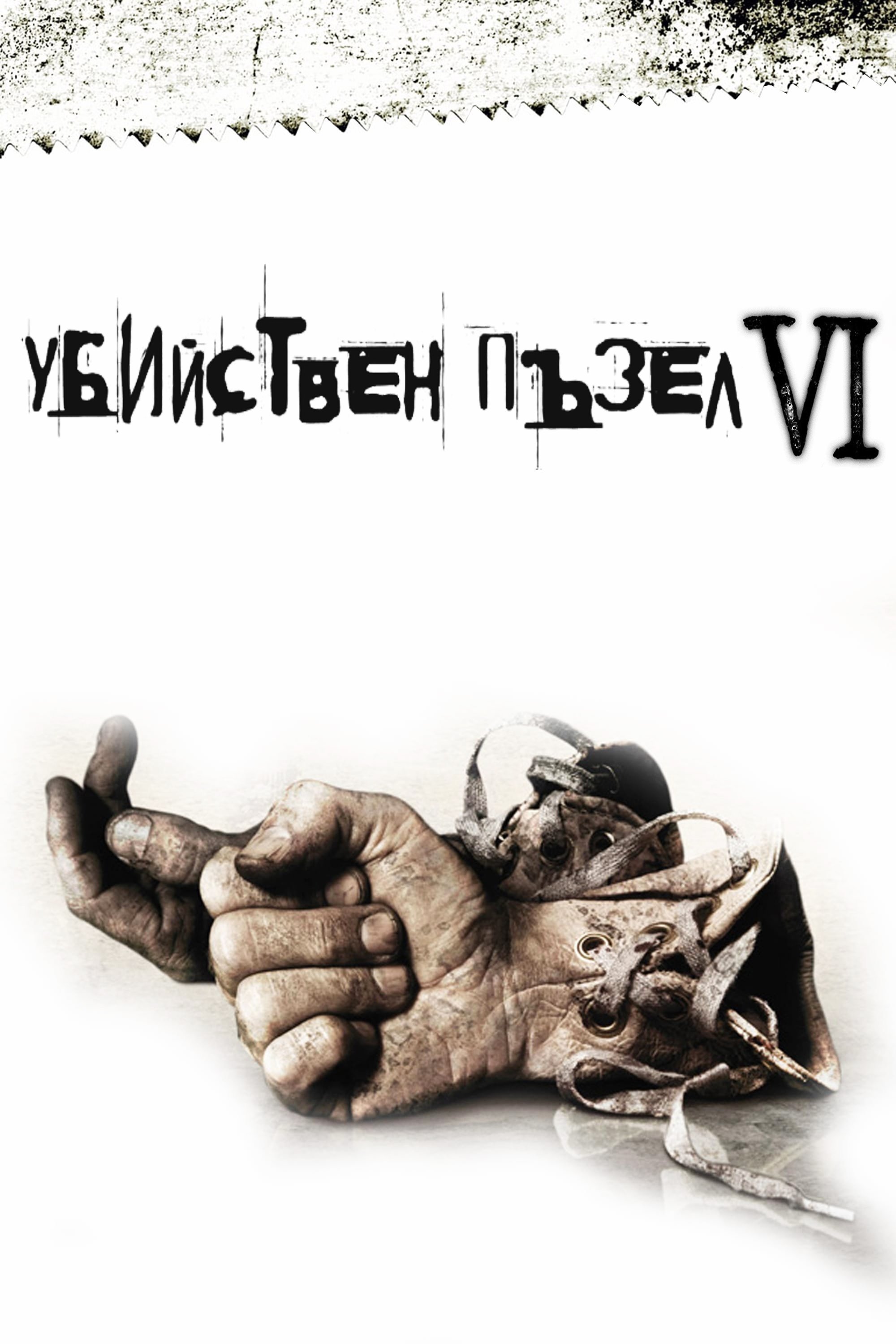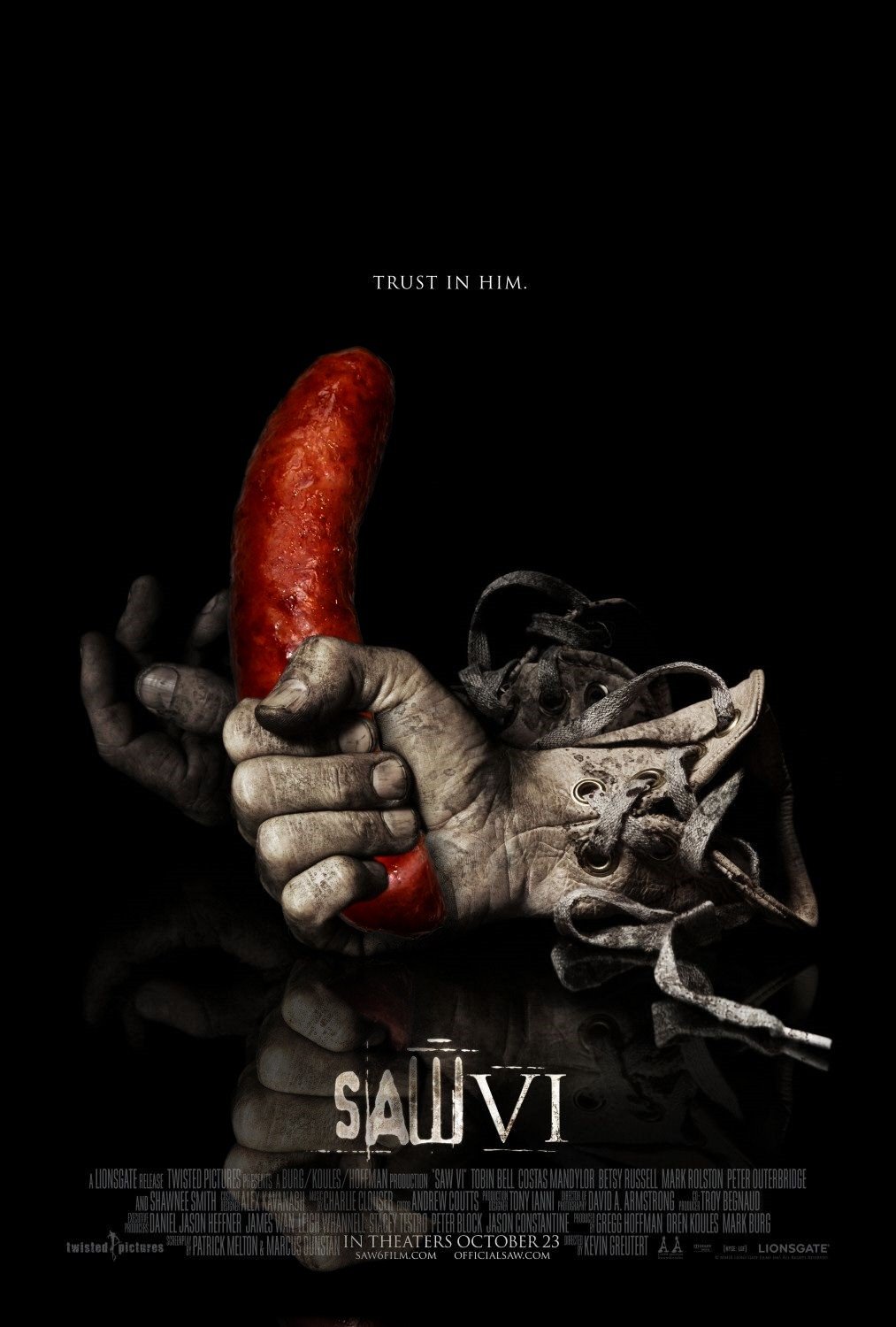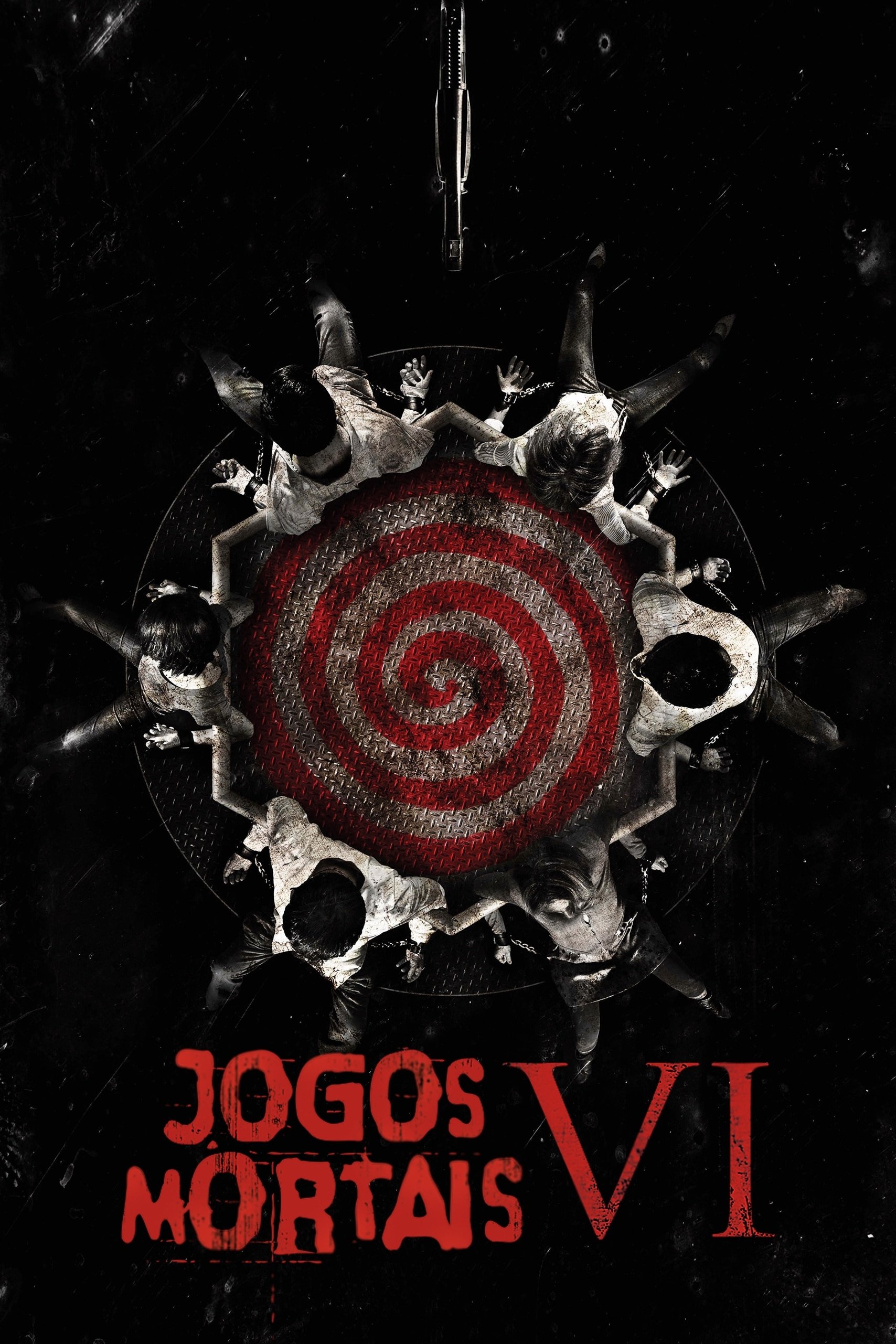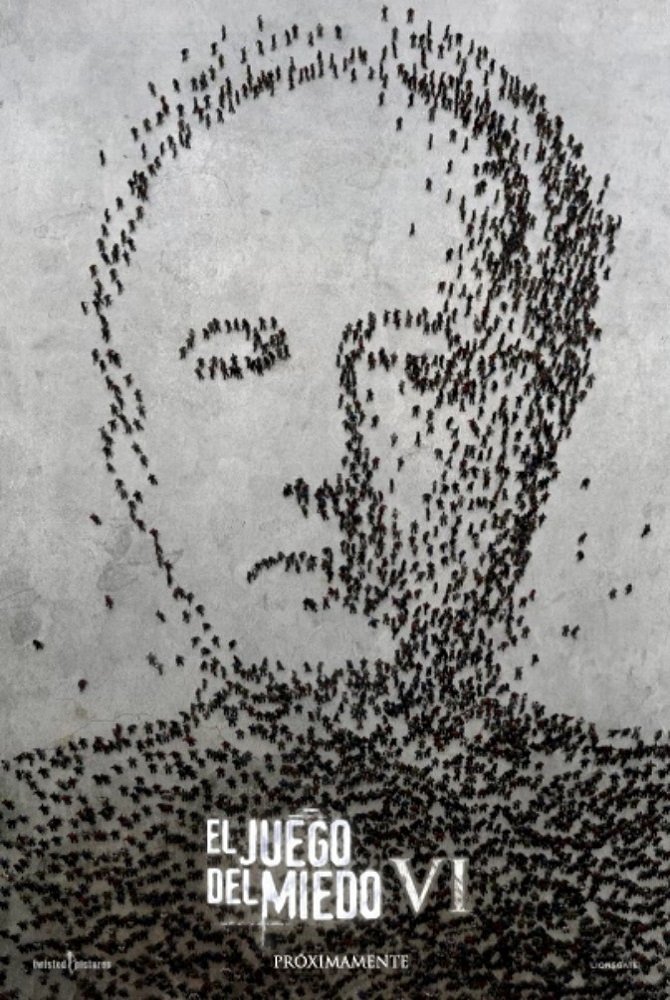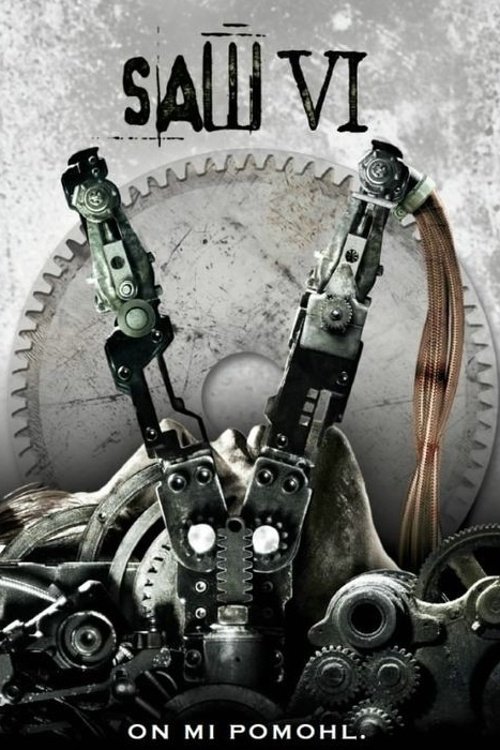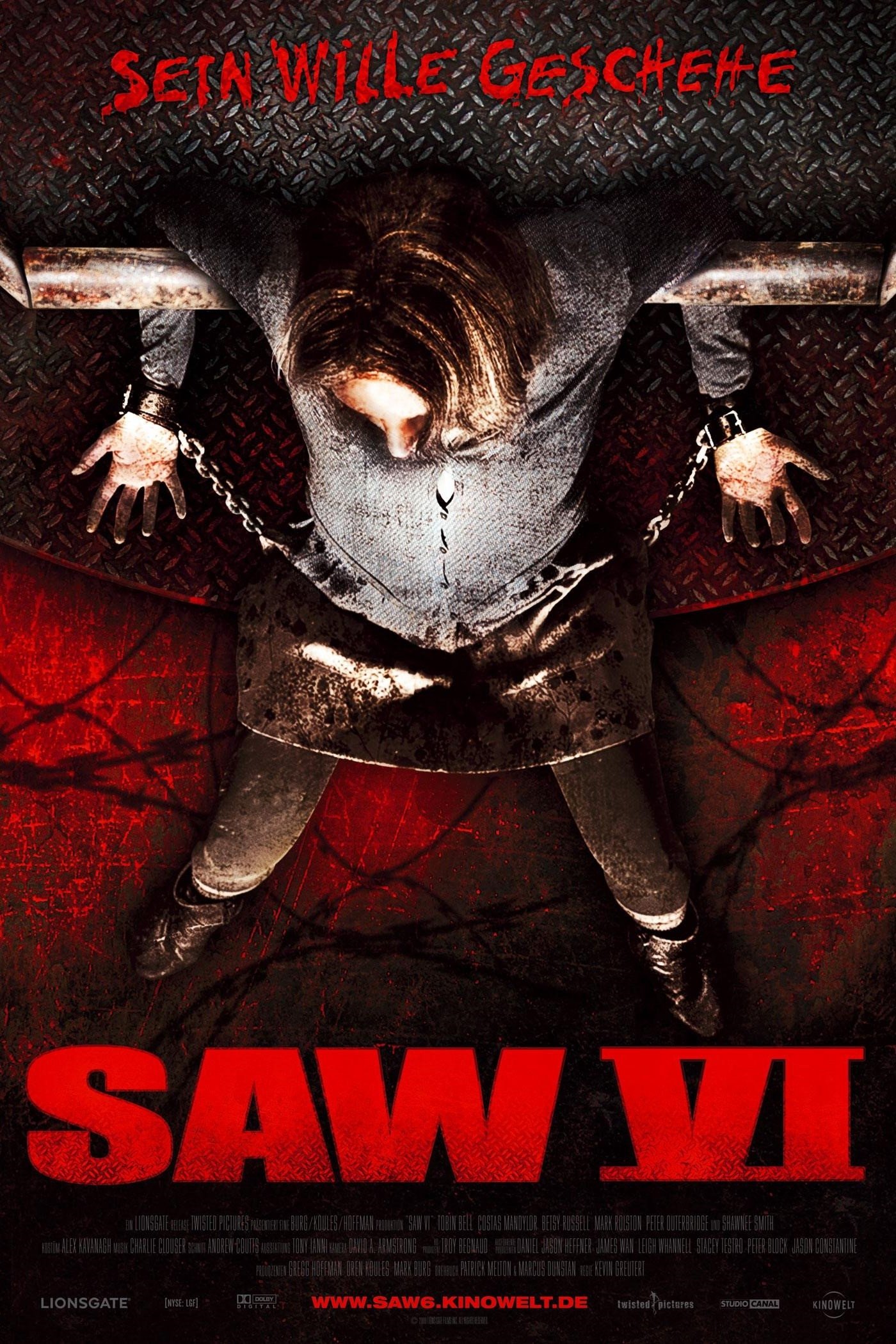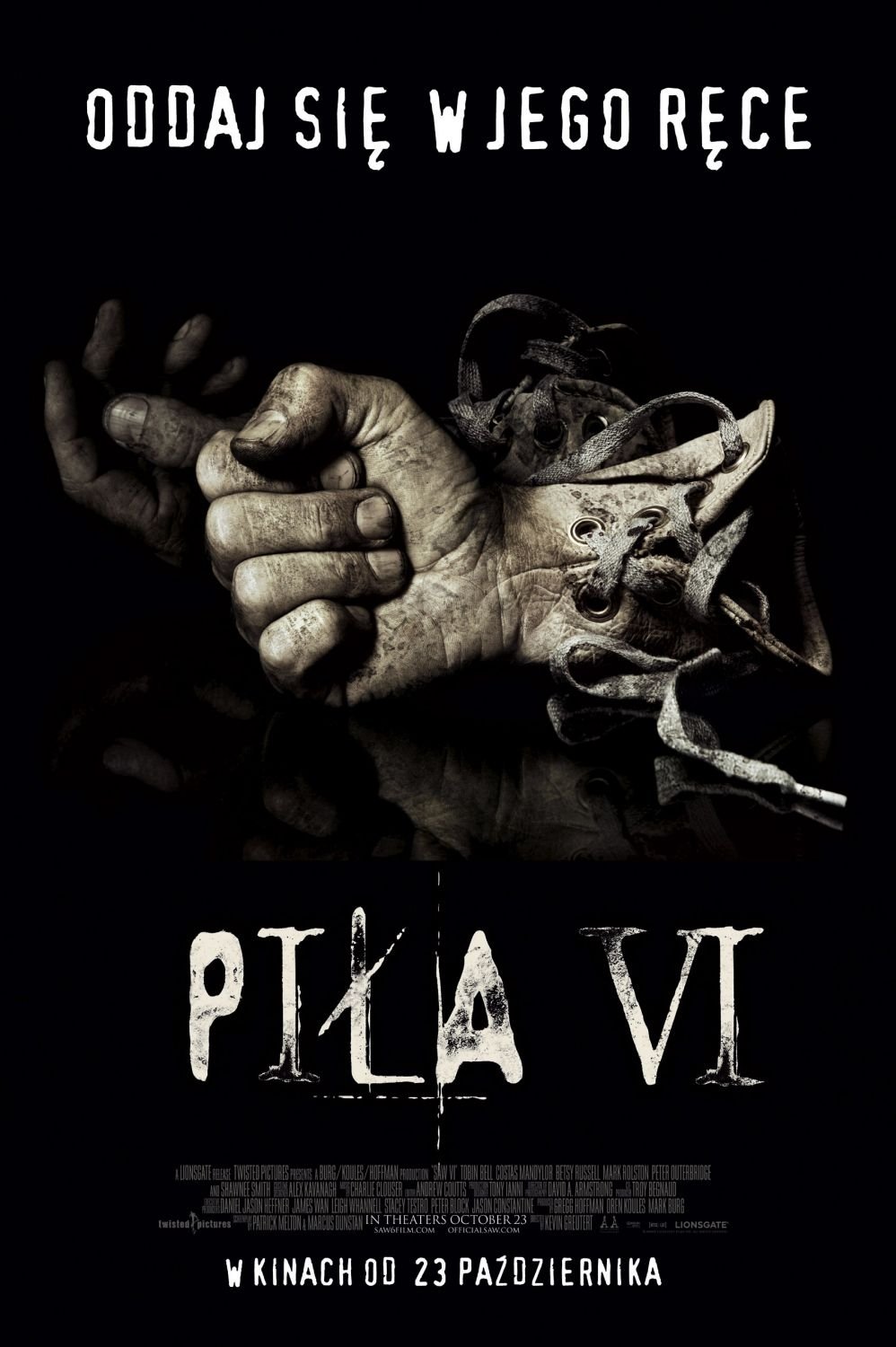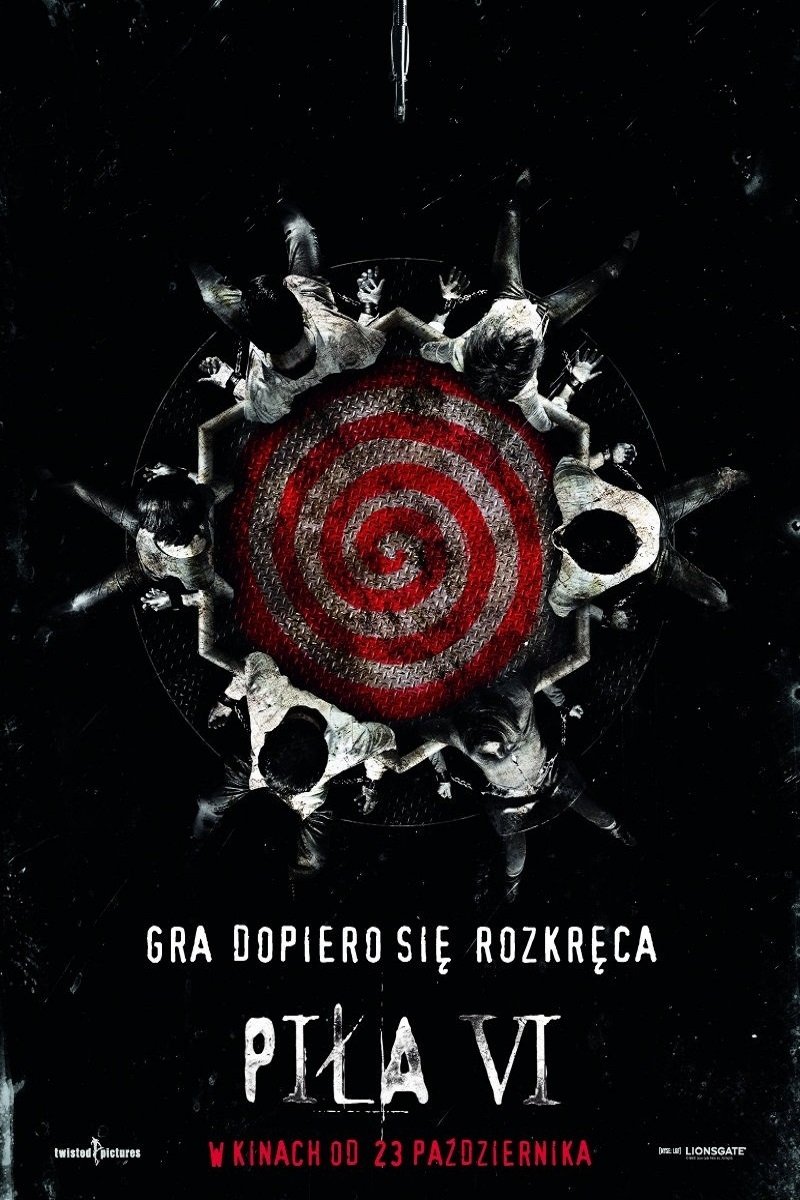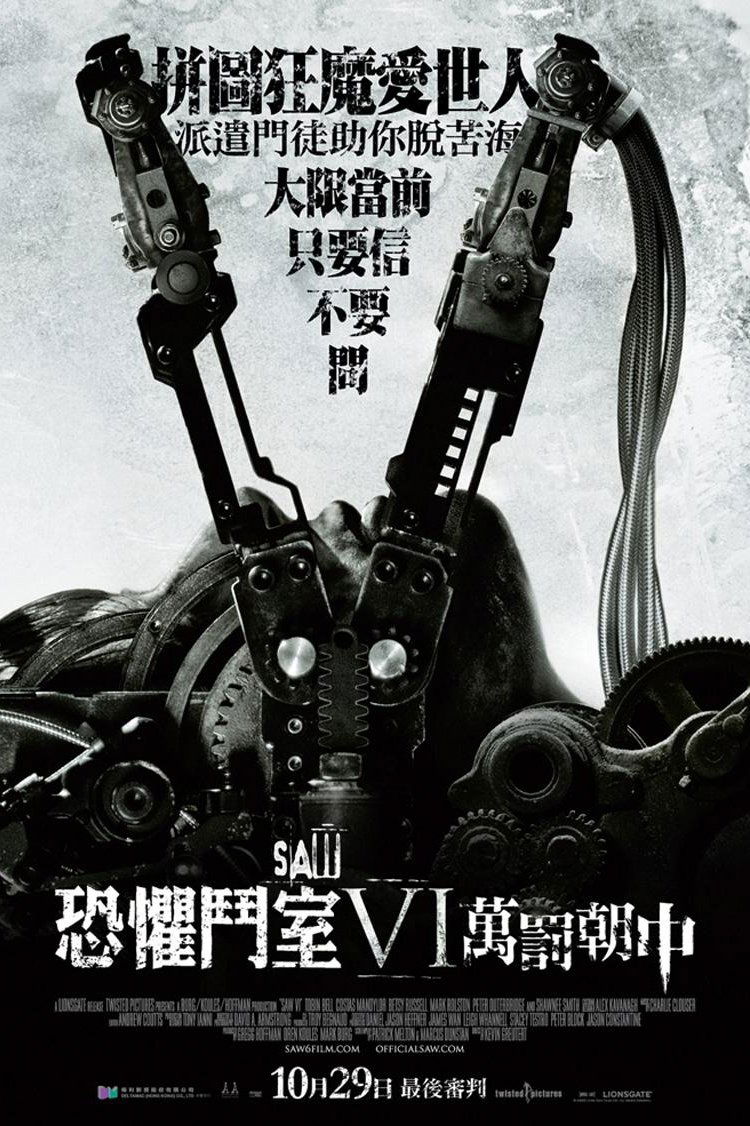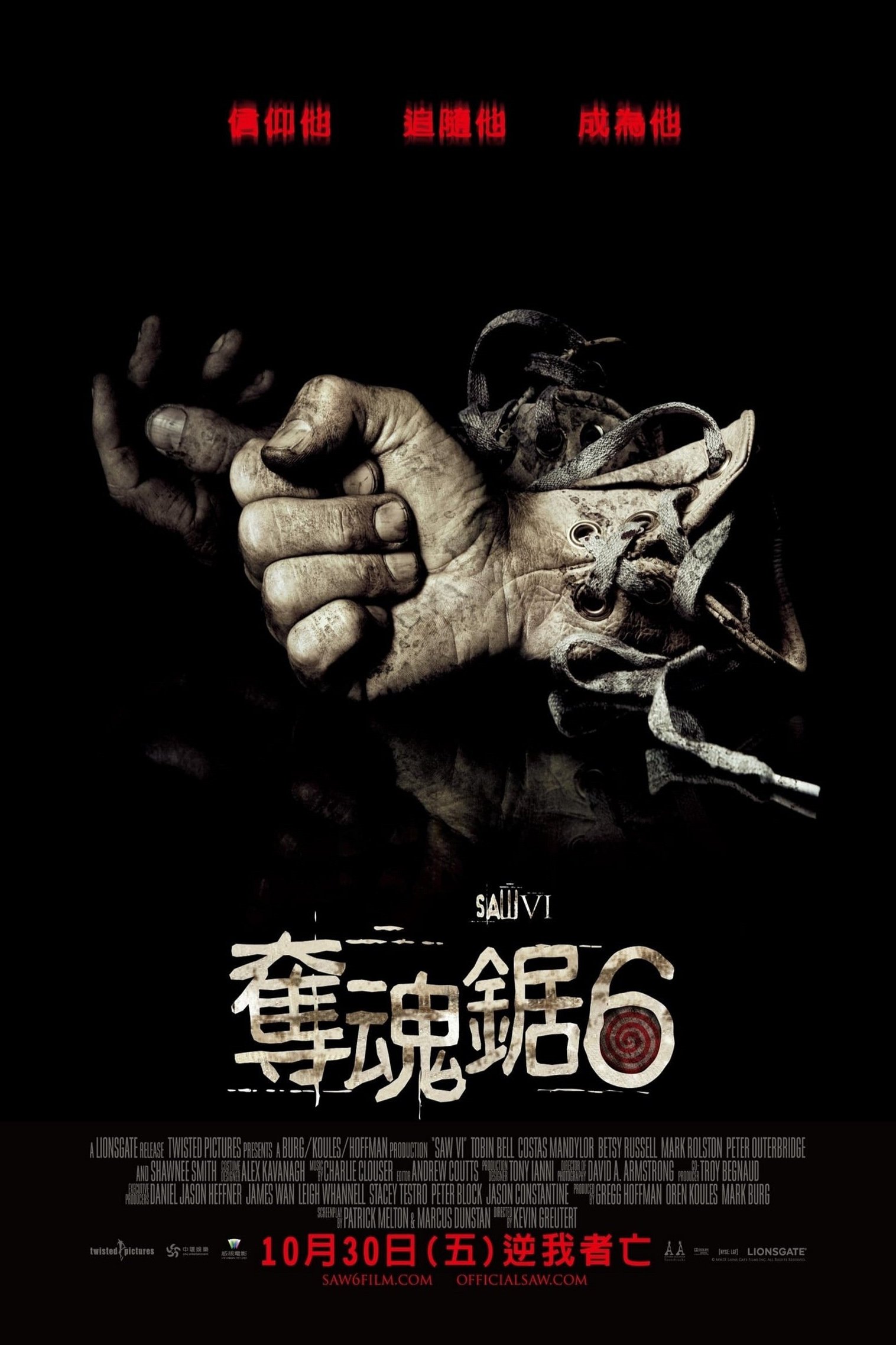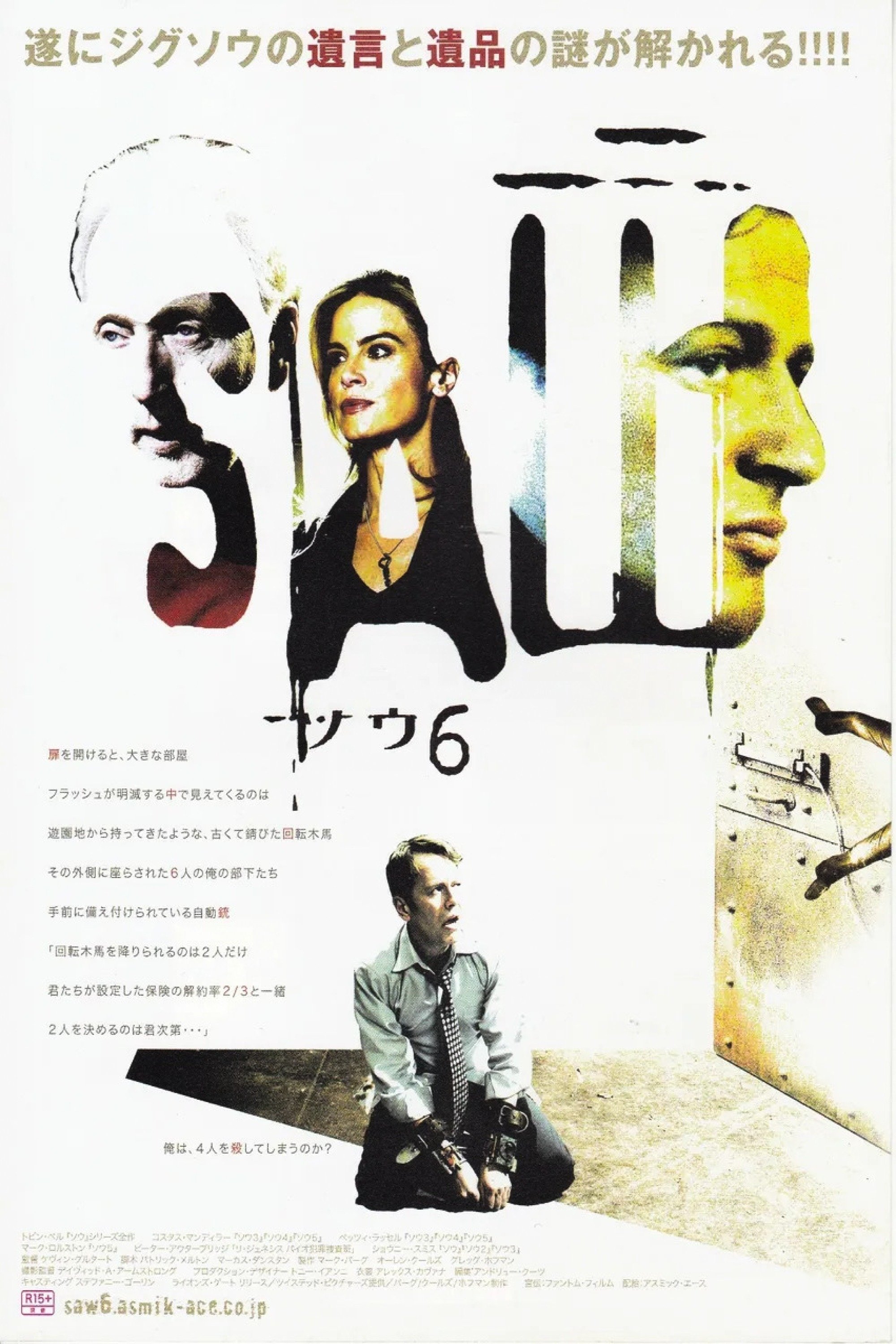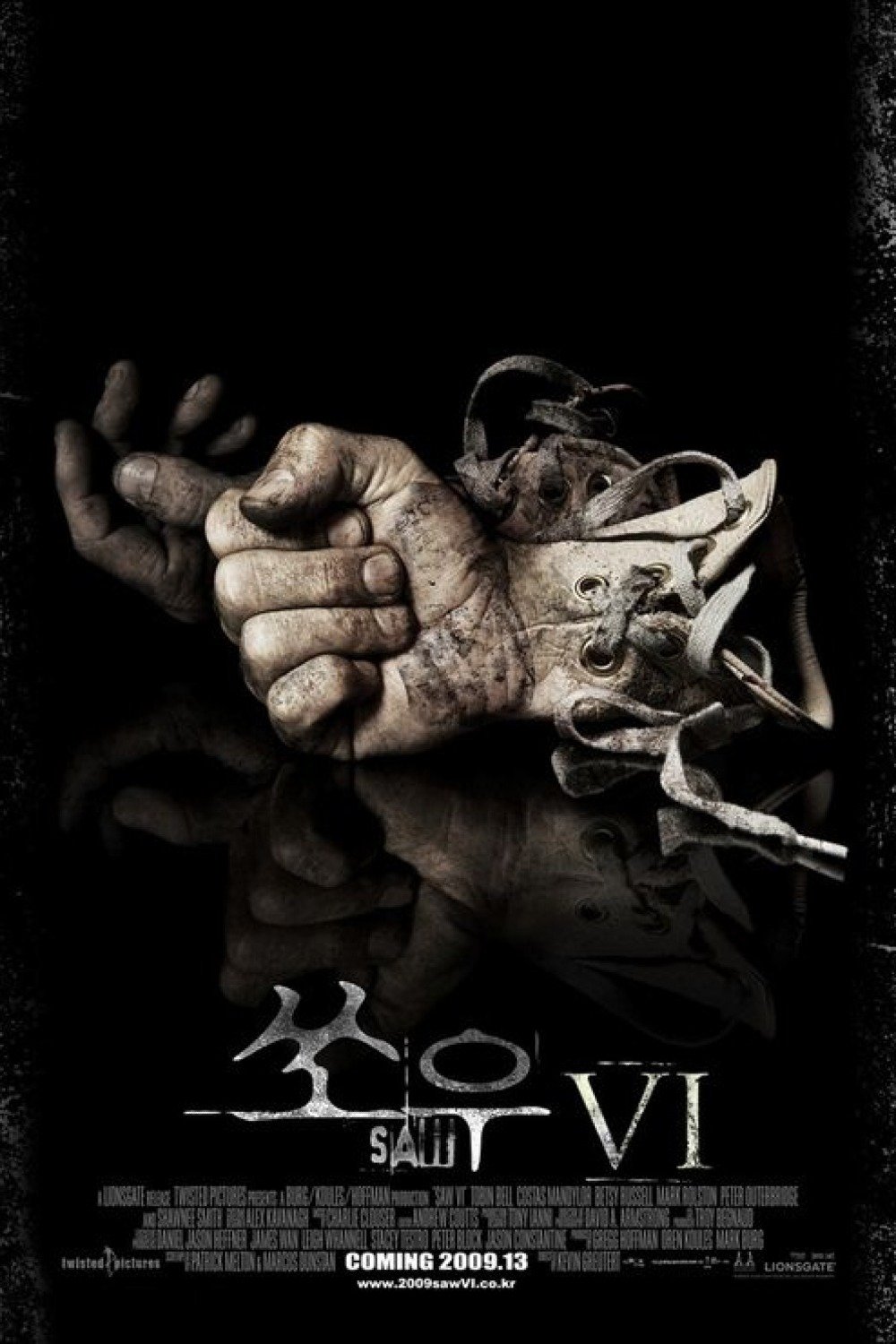
Saw VI (2009)

US
HORROR FILM Mystery Thriller
6.0/10 3 votes
Runtime
96 min
Release
October 22, 2009
Budget
$11,000,000
Revenue
$69,752,402
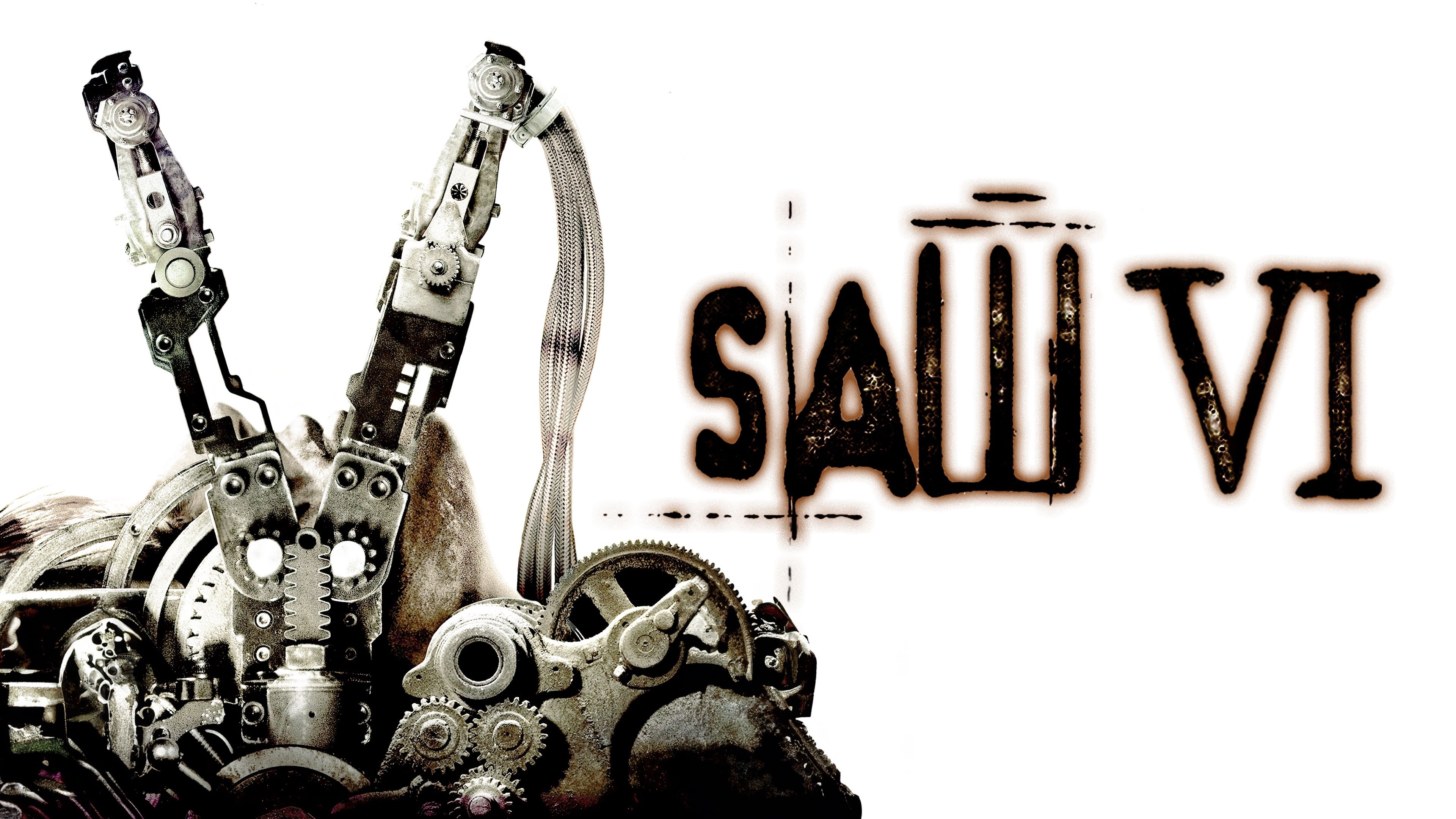
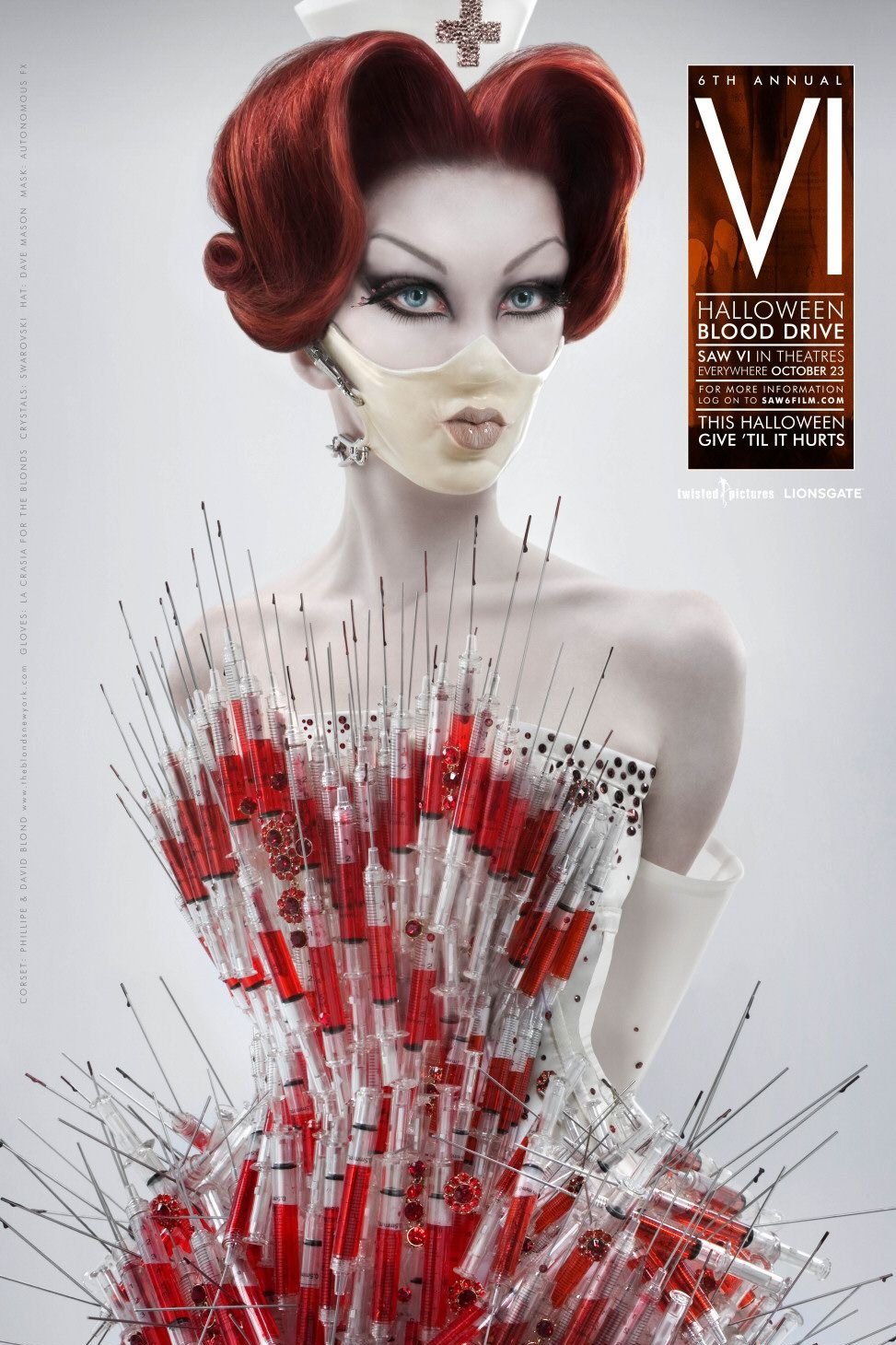
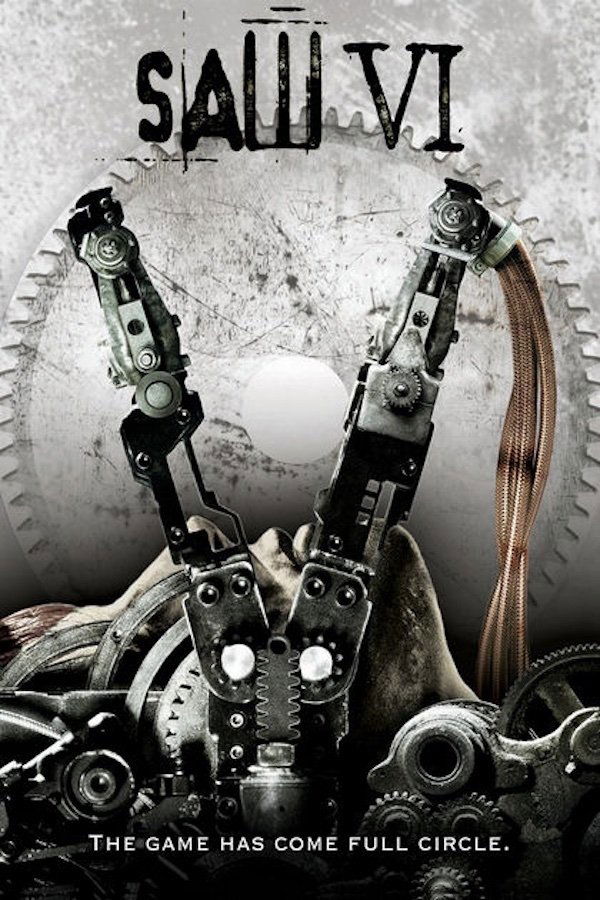
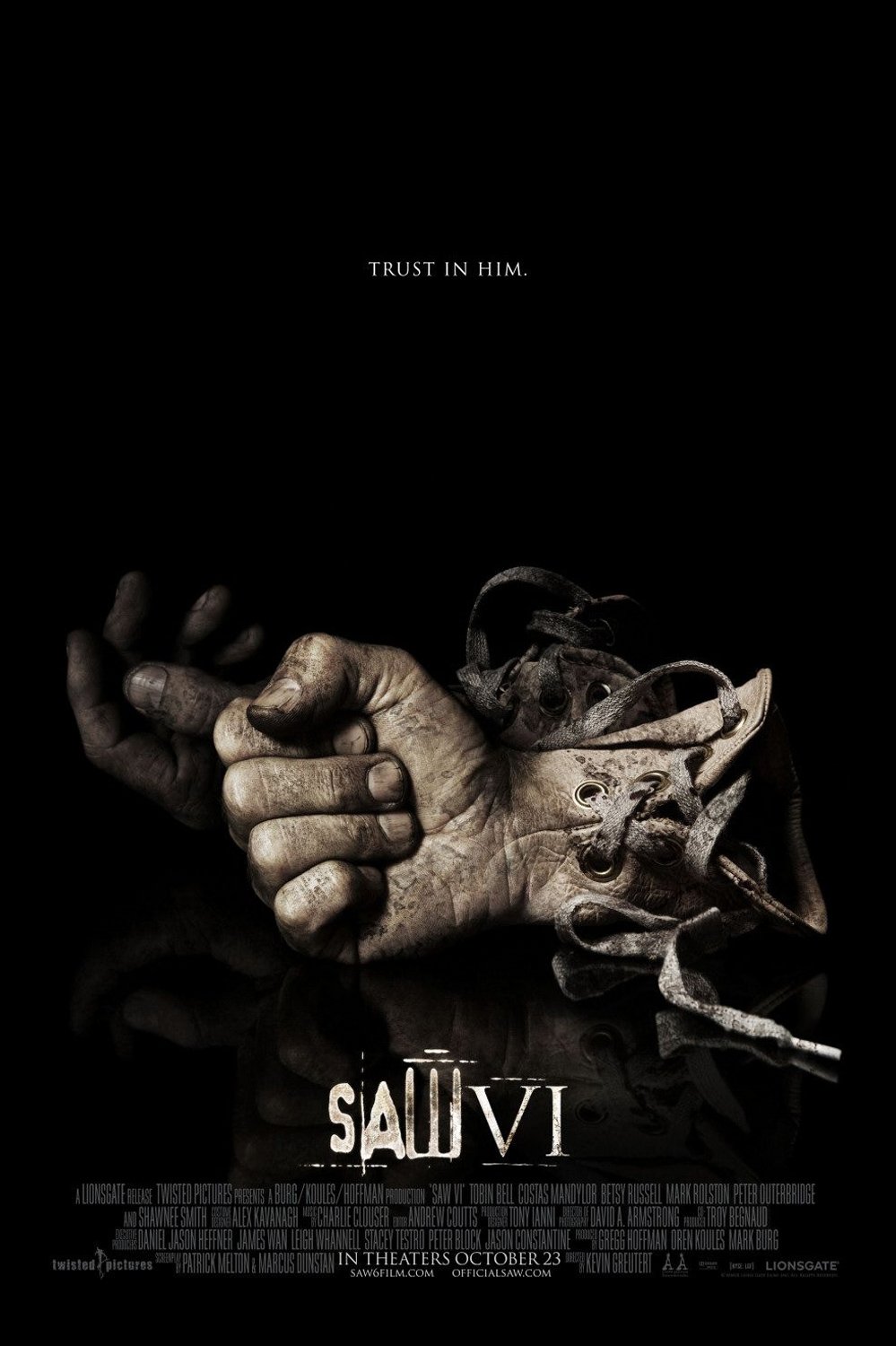
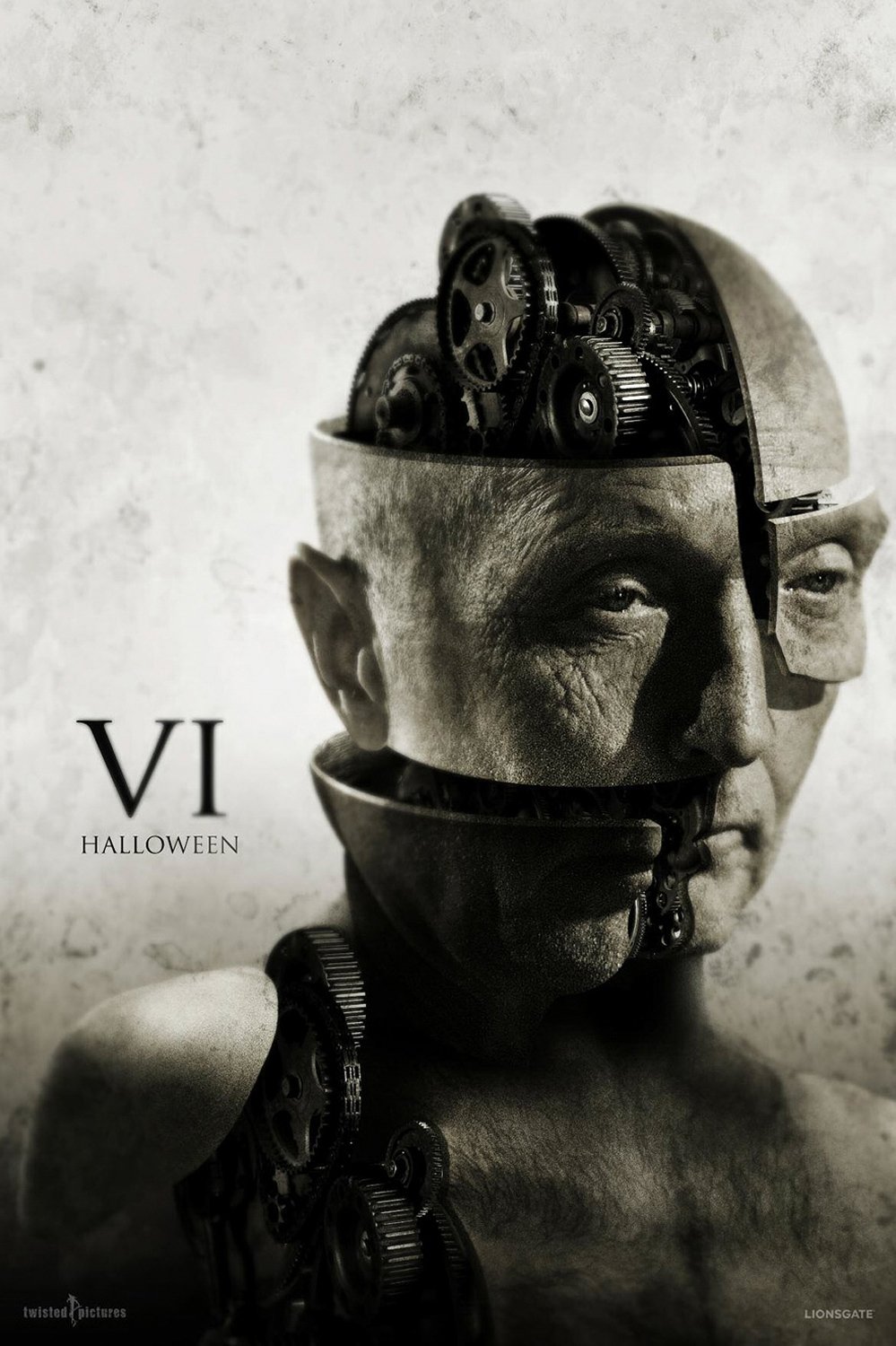
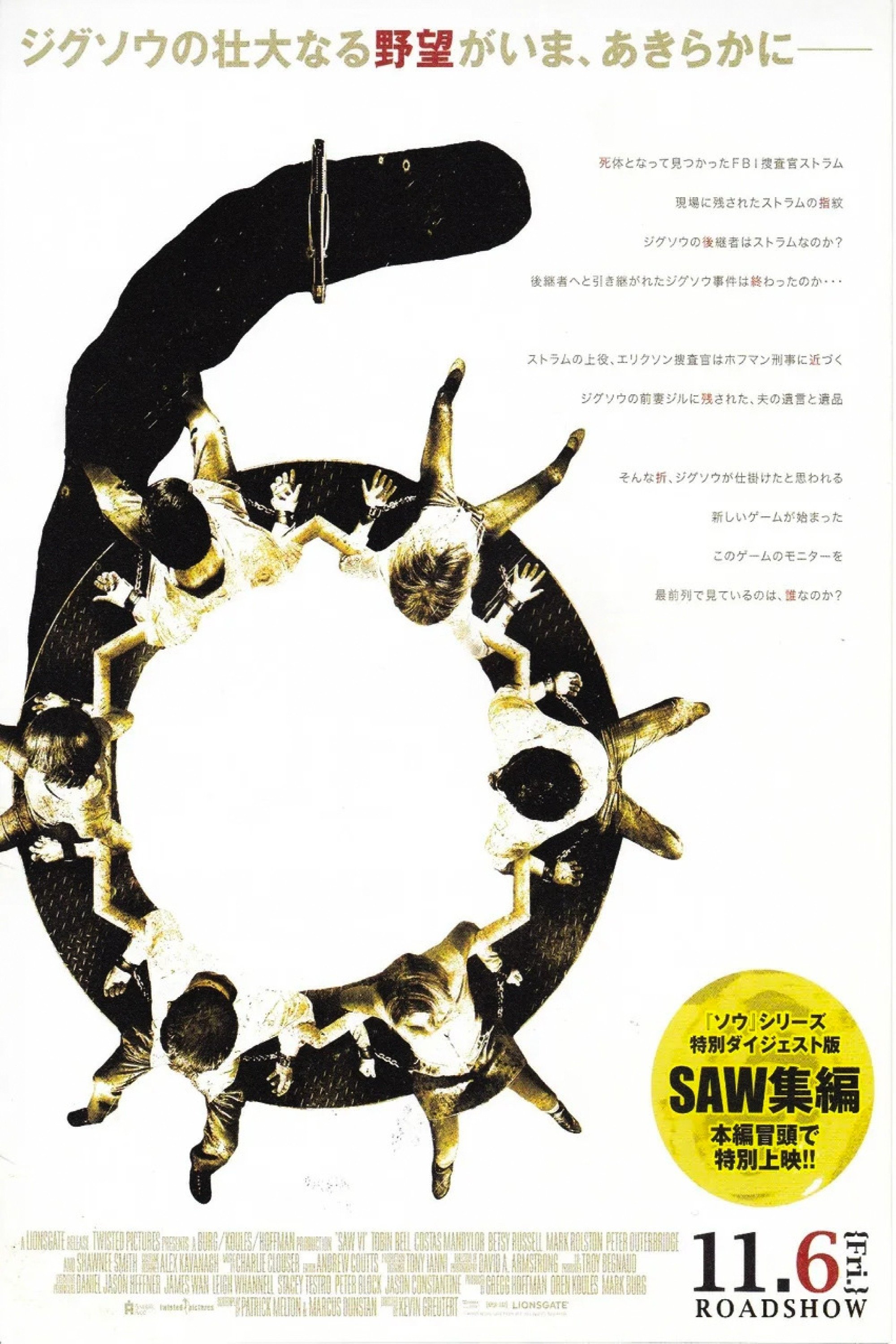
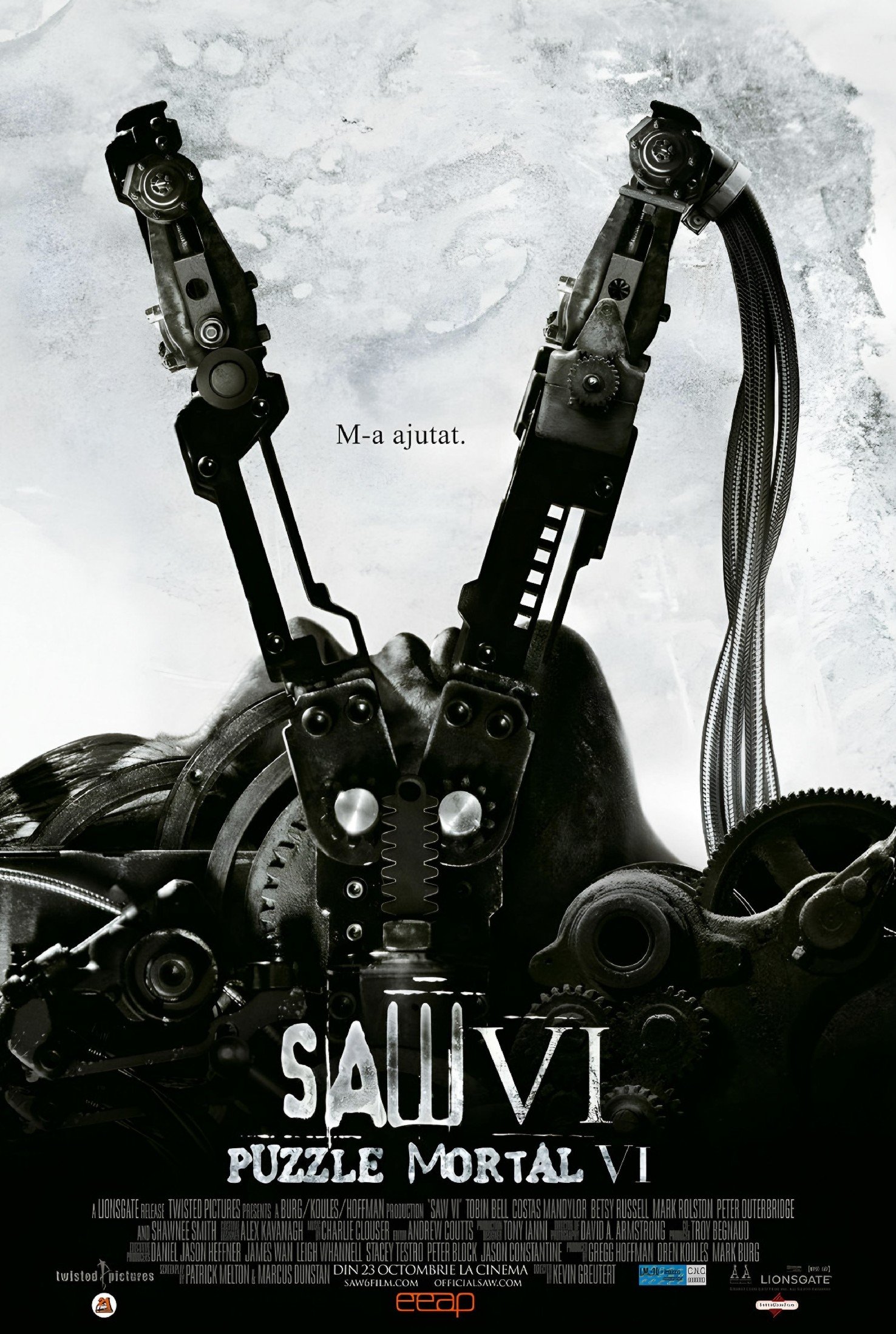
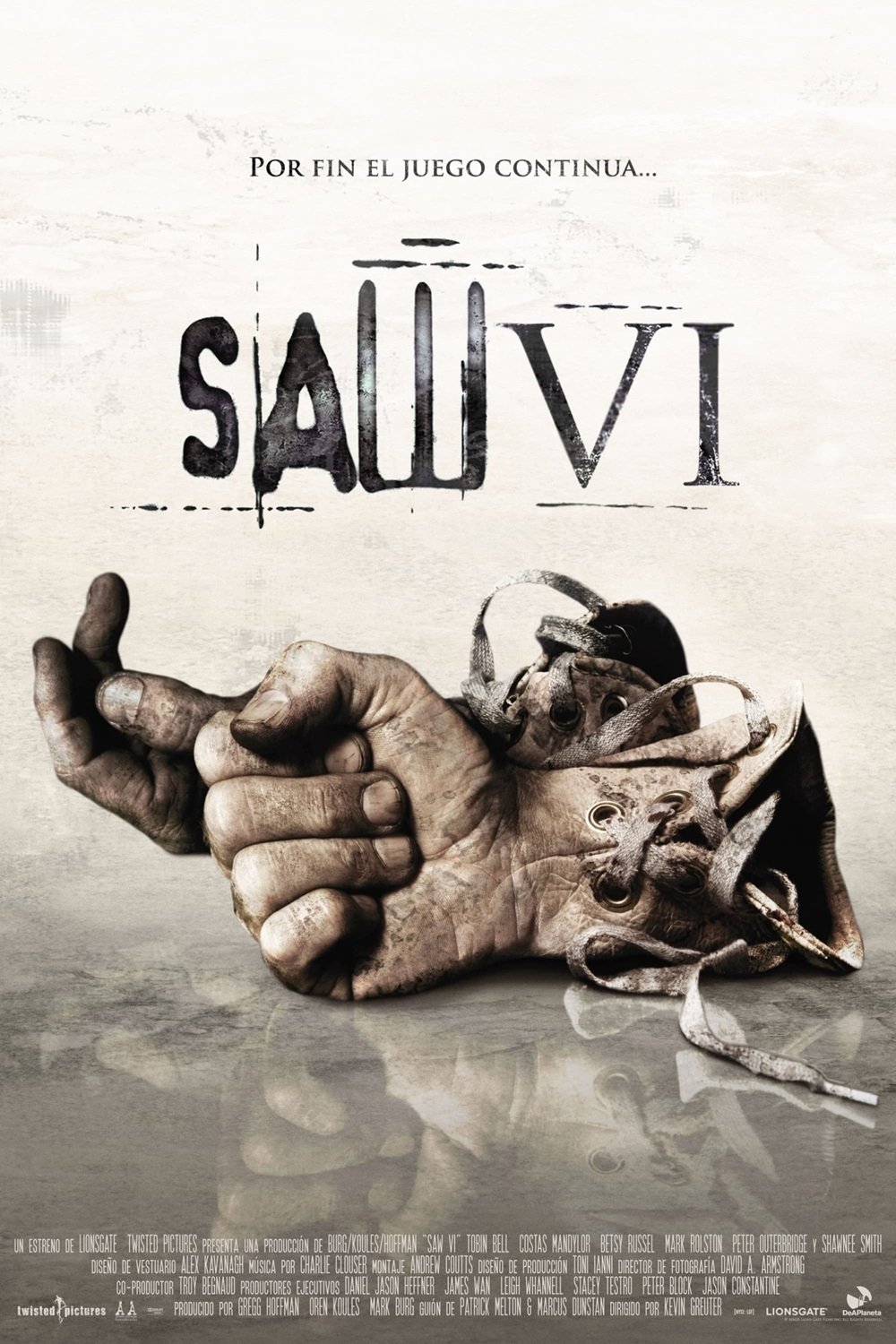
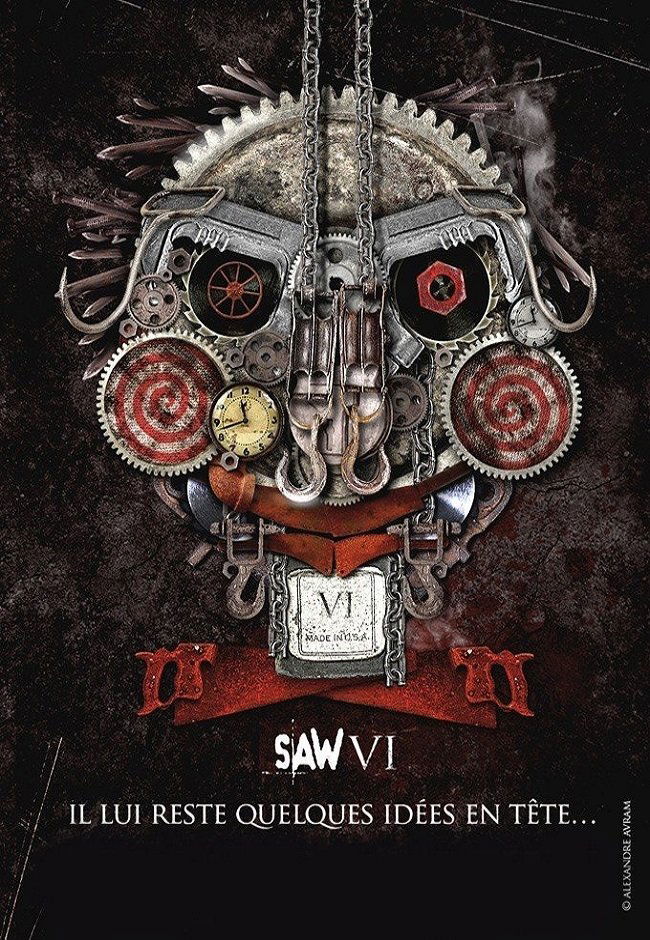
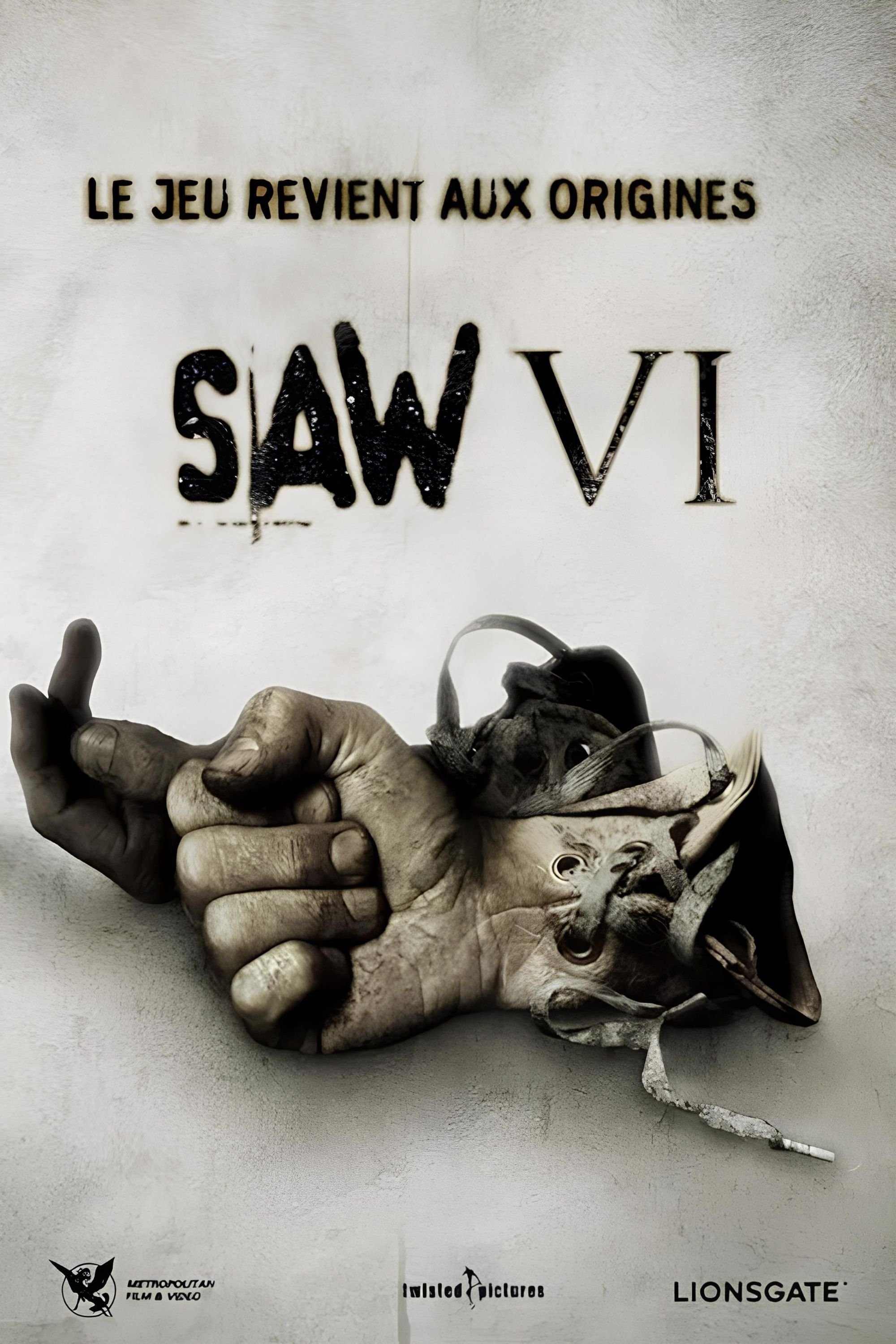
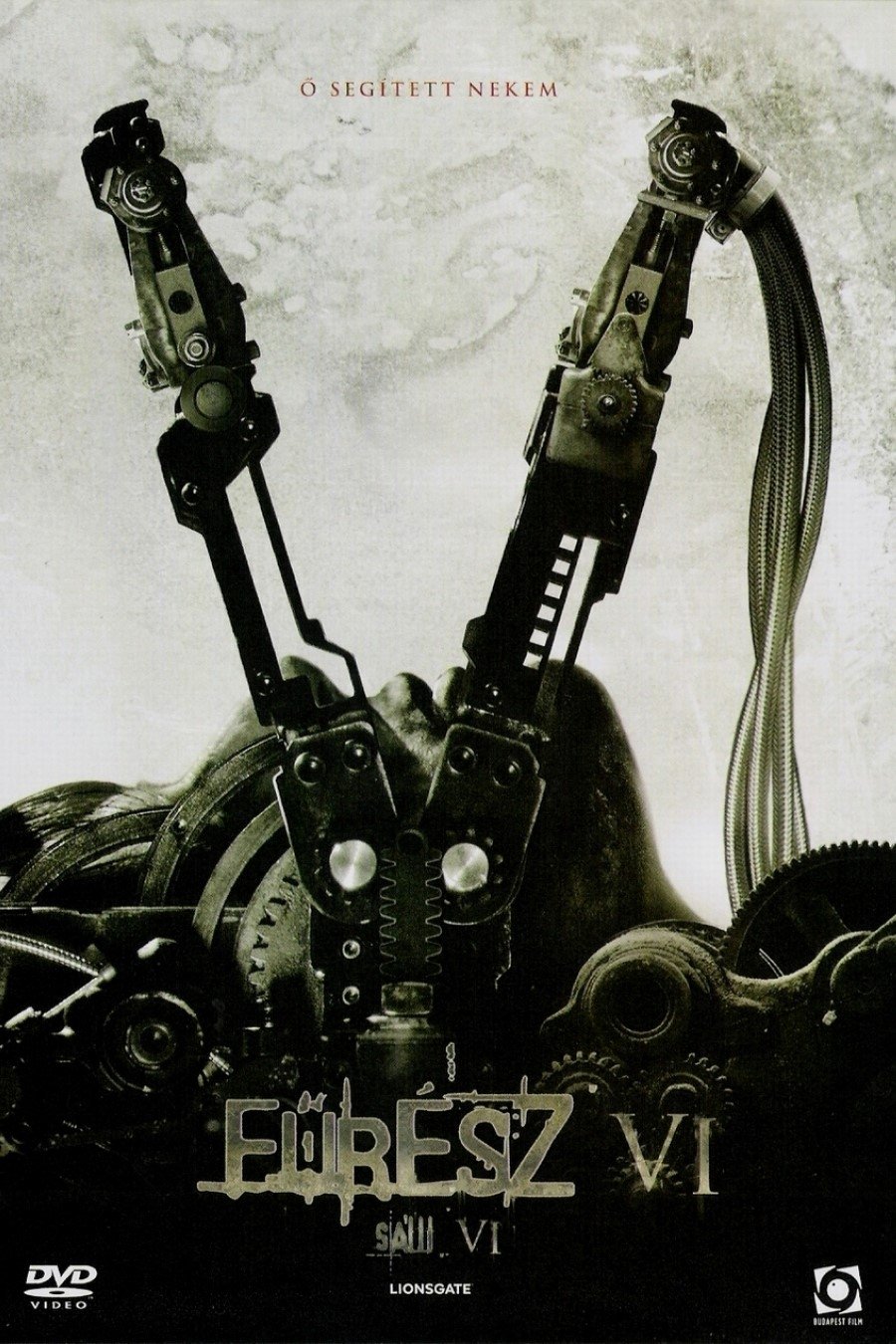
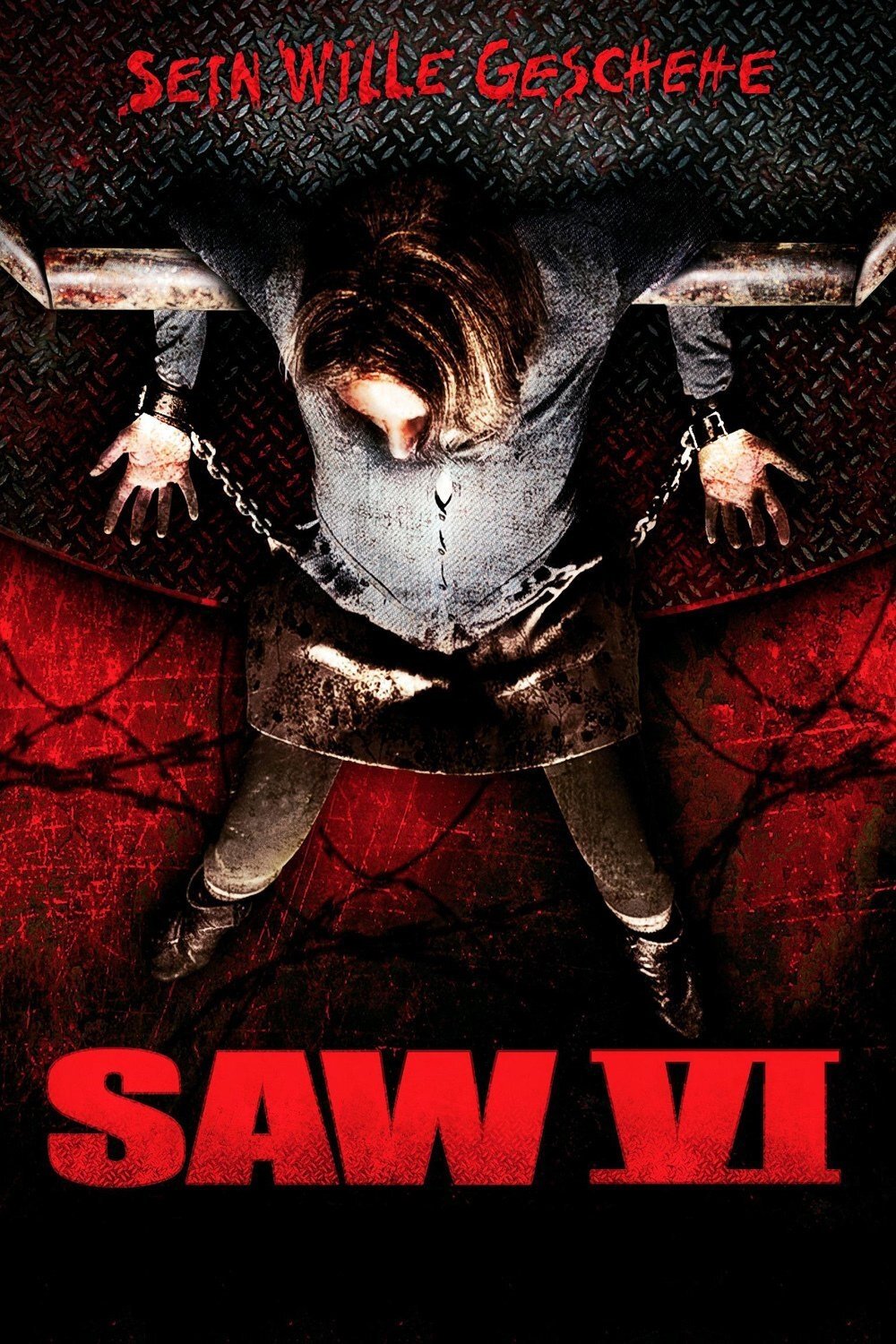
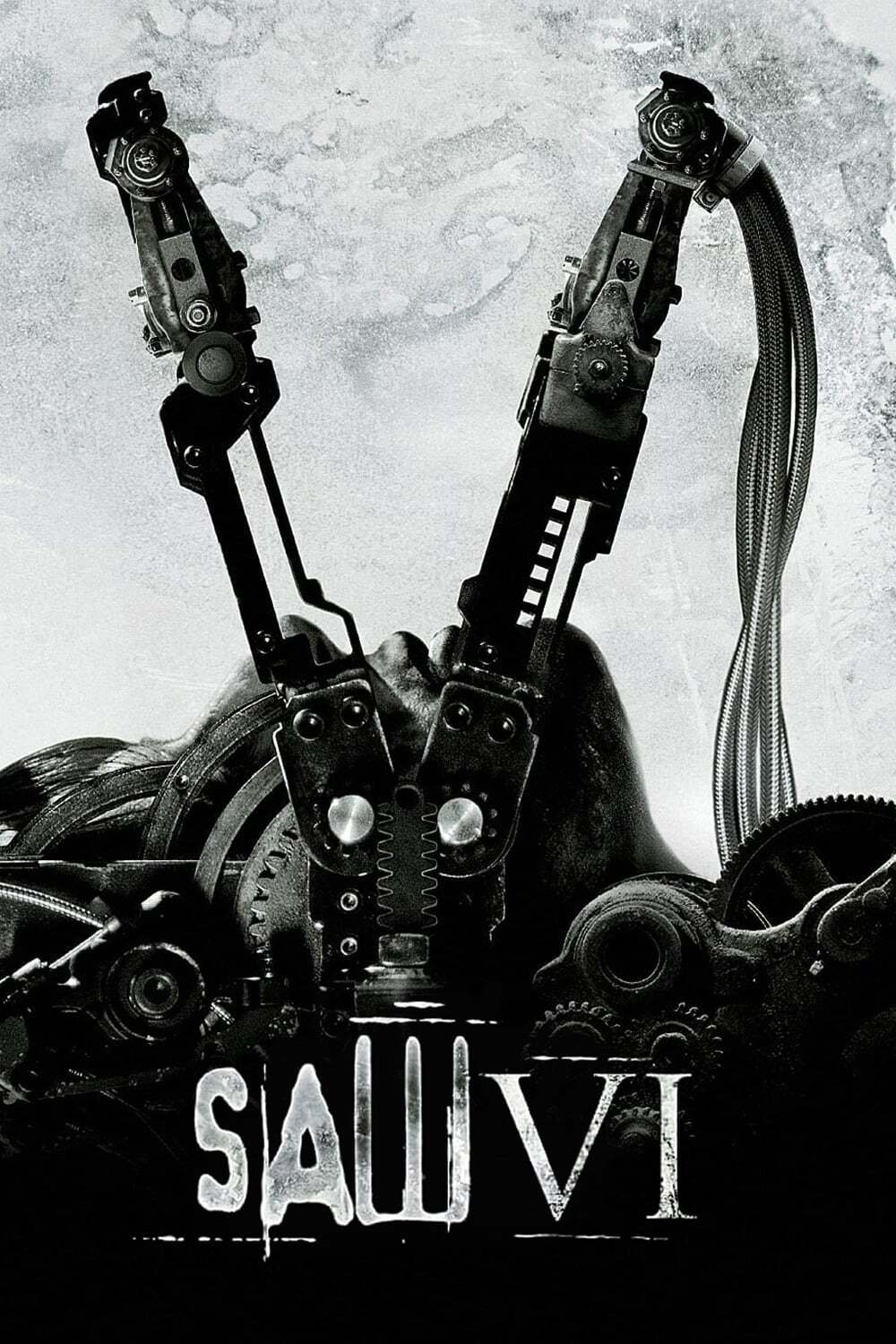
Saw VI (2009) poster
Director
Production Companies
Twisted Pictures , A Bigger Boat
Plot

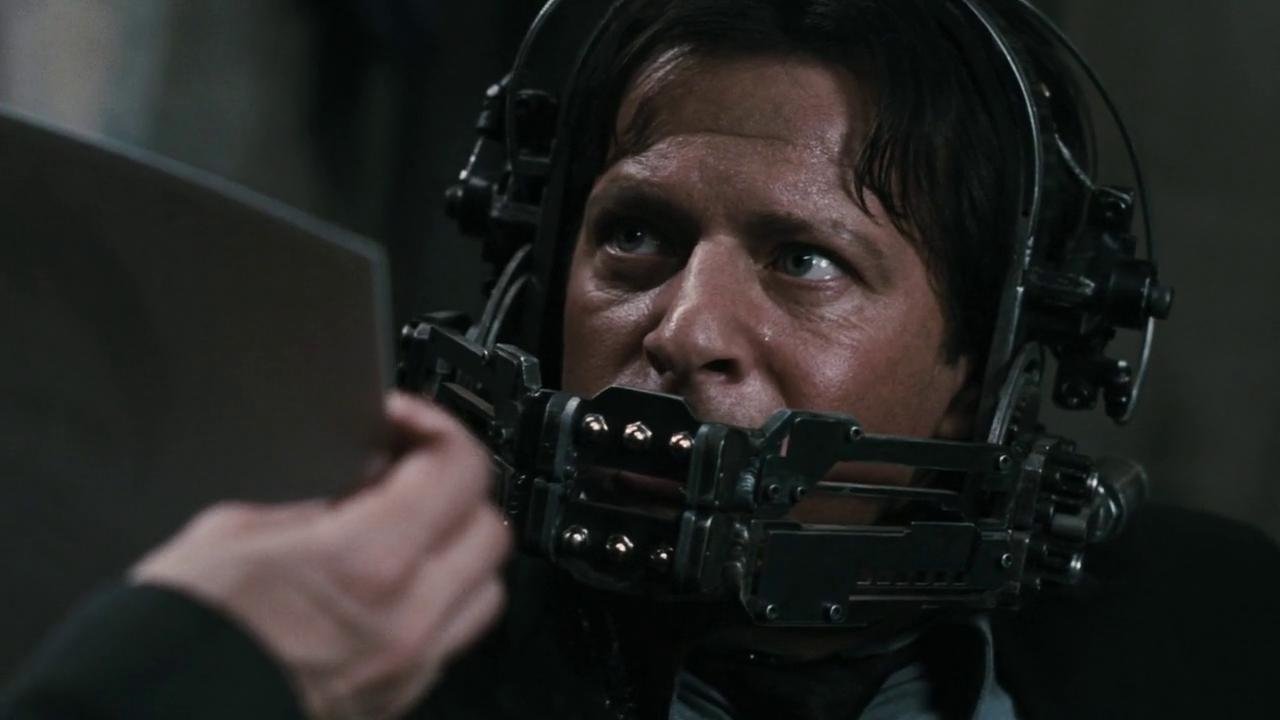
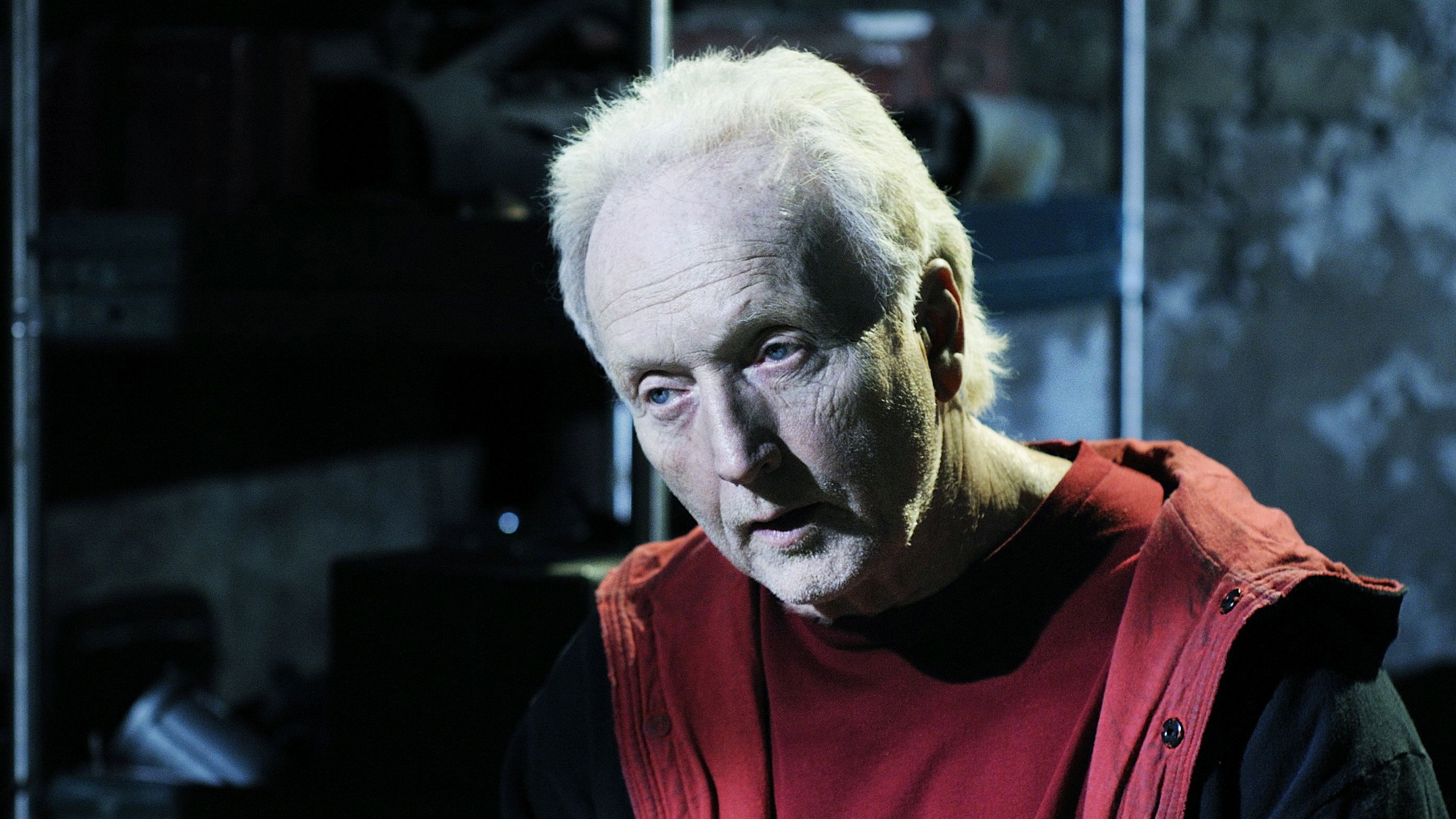
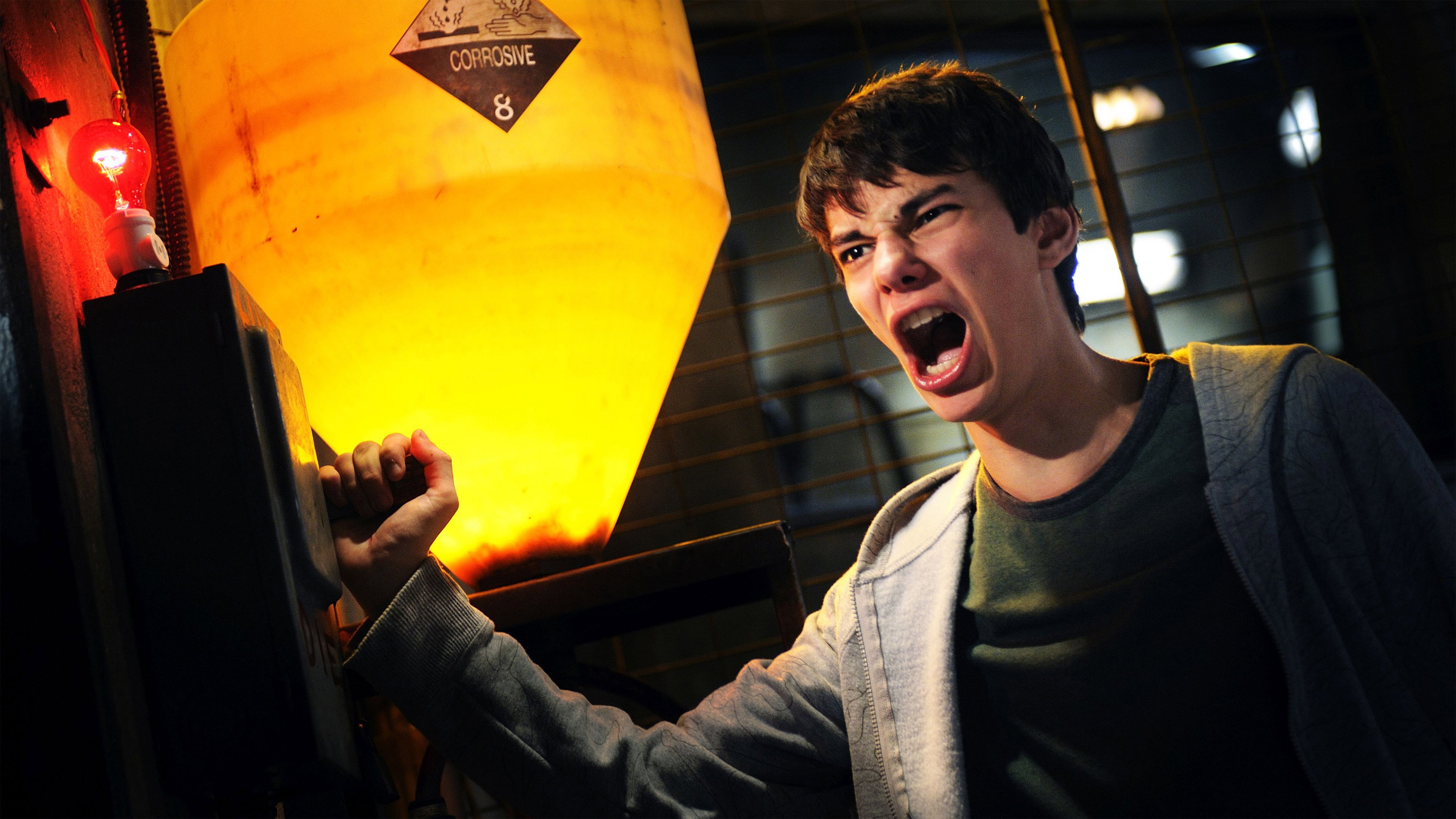
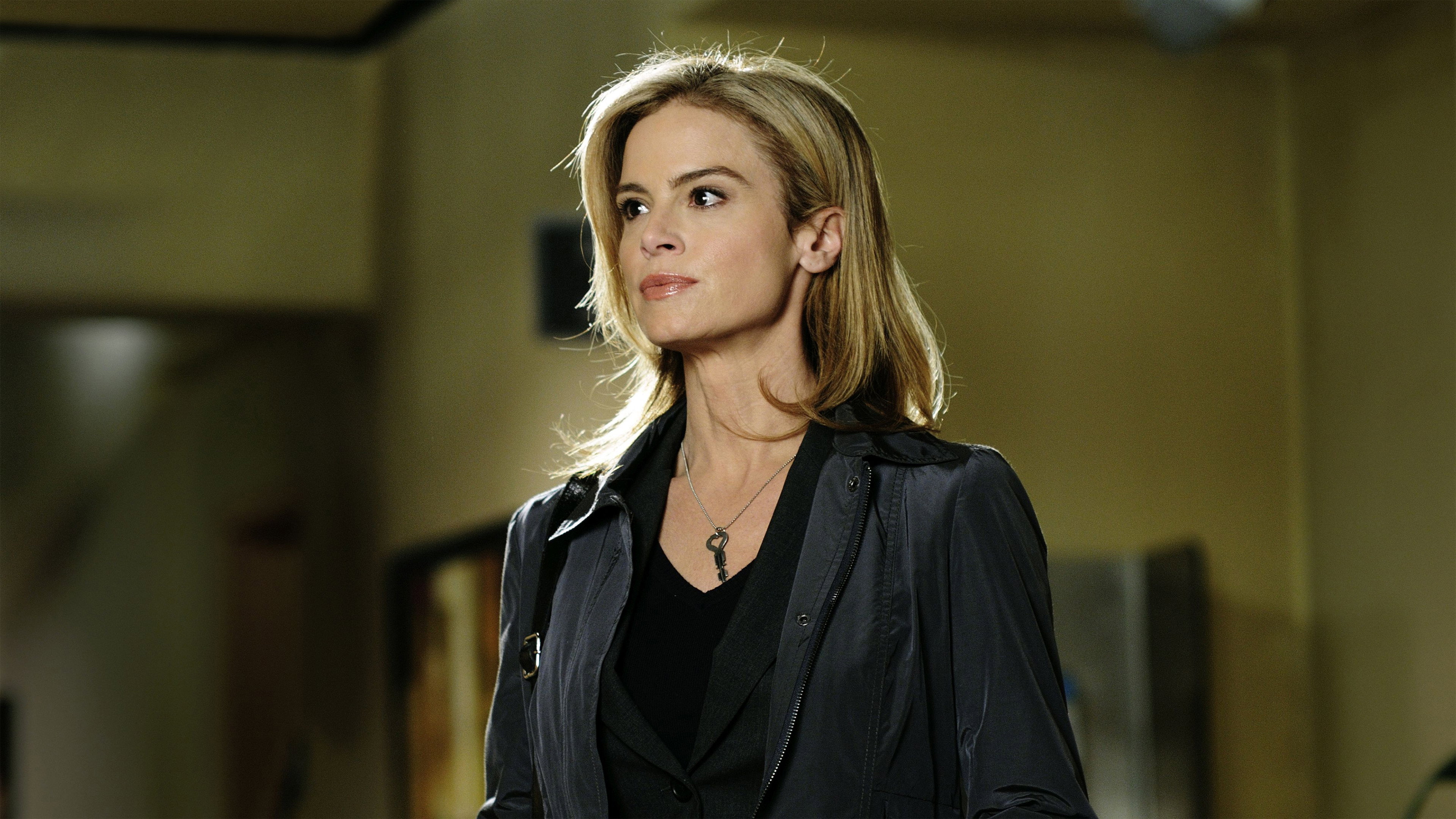
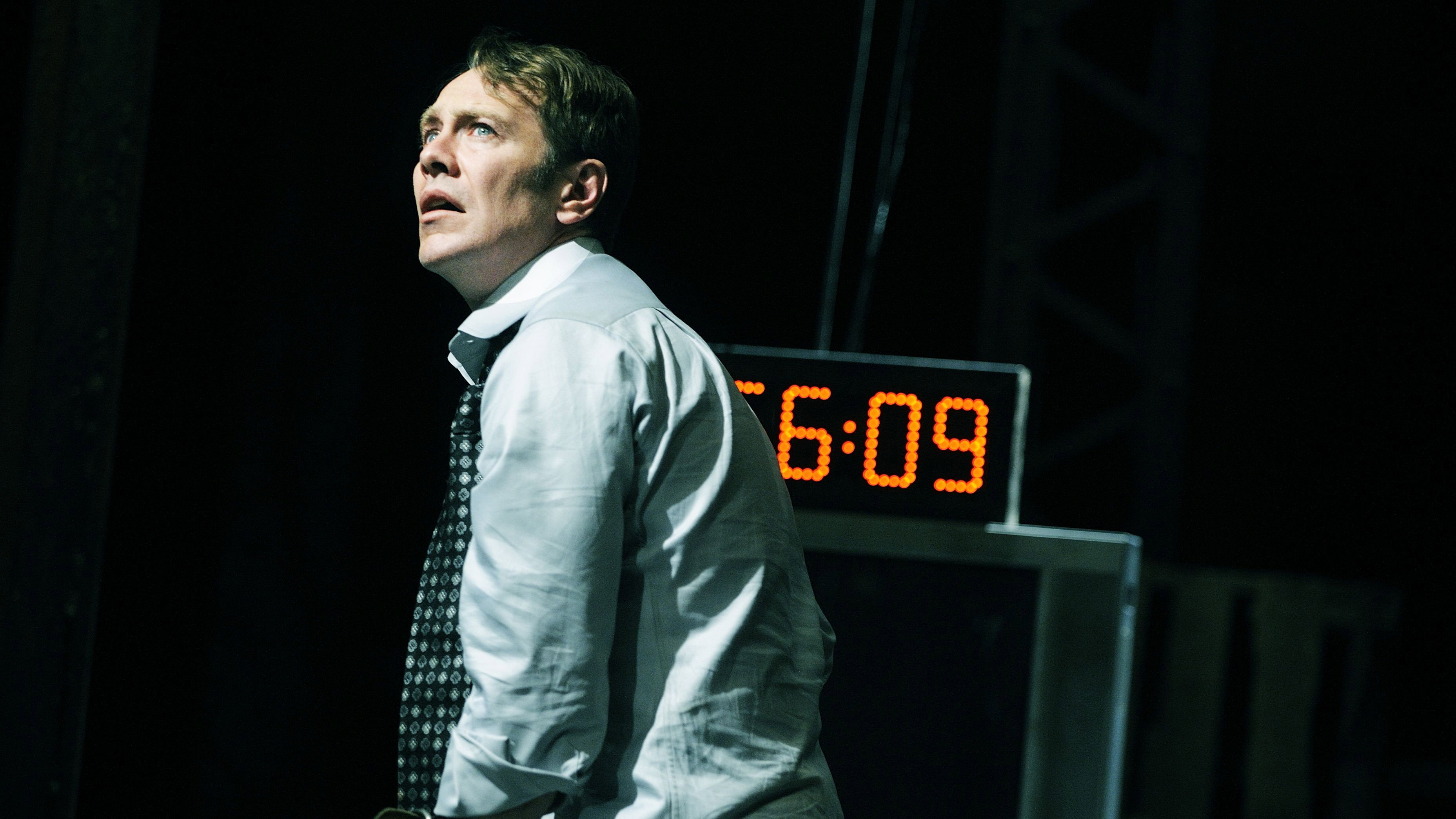
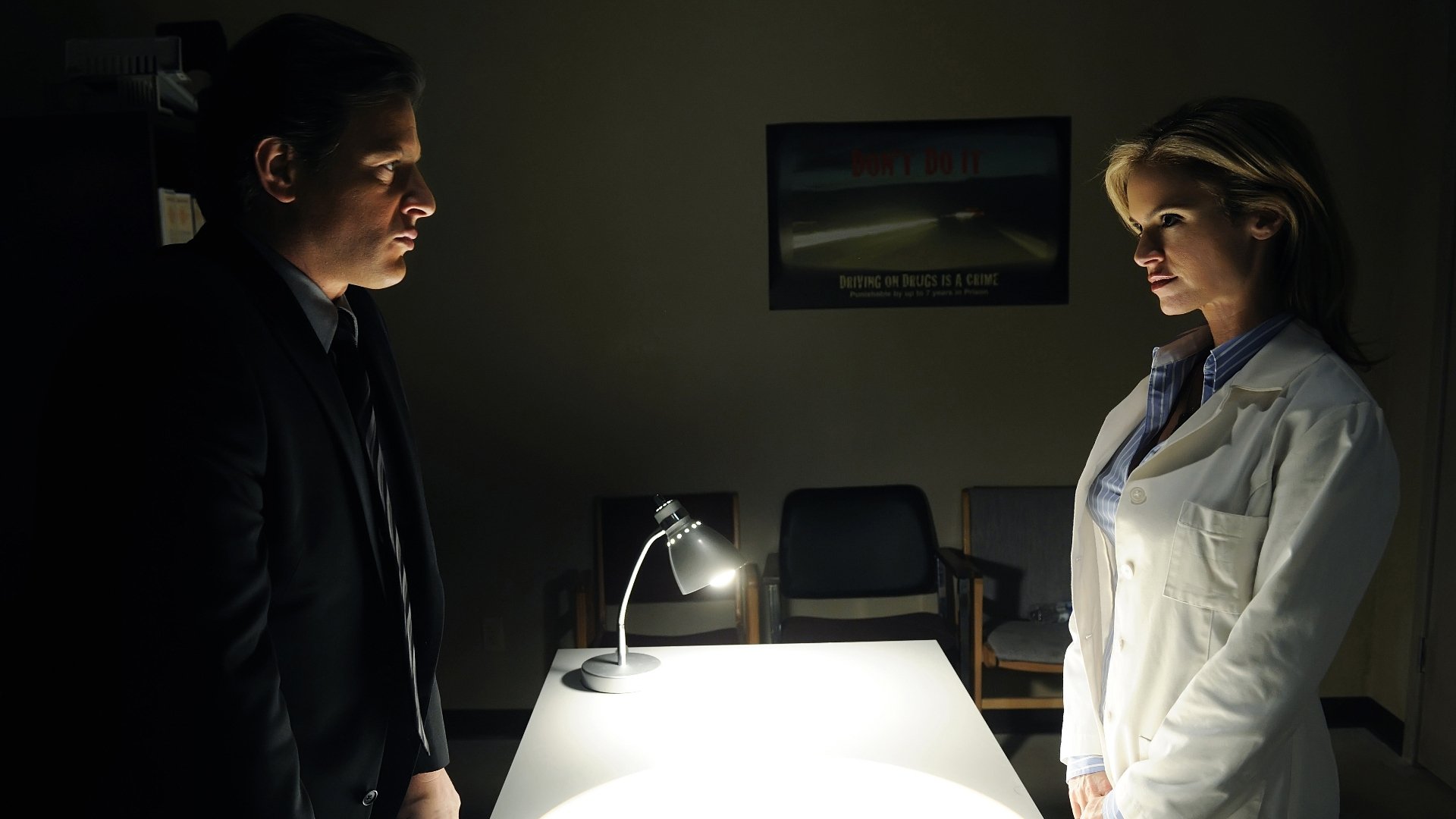
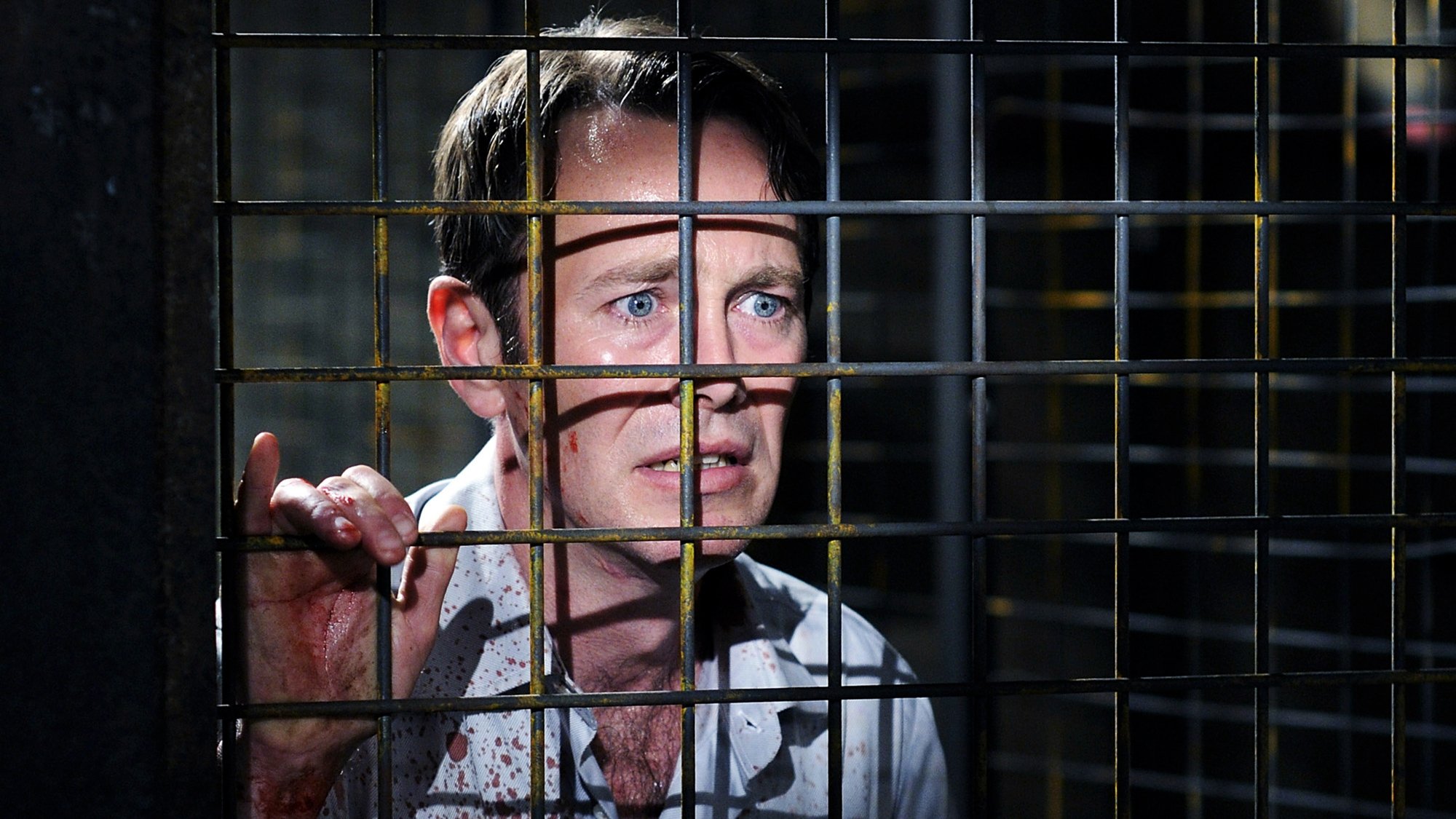
Health insurance executive William Easton is abducted and placed in a series of Jigsaw tests that draw on decisions made throughout his professional life. Each stage forces him to confront people affected by his company's policies, while others wait to learn the consequences of his choices. Meanwhile, Detective Mark Hoffman faces increasing scrutiny as federal investigators examine new forensic evidence. Jill Tuck receives instructions connected to John Kramer's unfinished plans, placing her on a dangerous path that intersects with Hoffman's efforts to maintain control.

Alternative Titles
Mişar 6 (Azerbaijan) — Azerbaijani Mişar VI (Azerbaijan) Убийствен пъзел VI (Bulgaria) — Bulgarian Jogos Mortais VI (Brazil) — Portuguese Décadence VI (Canada) — French title 你死我活6 (China) — Mandarin alternative title 电锯惊魂6 (China) — Chinese 链锯惊魂6 (China) — Mandarin alternative title
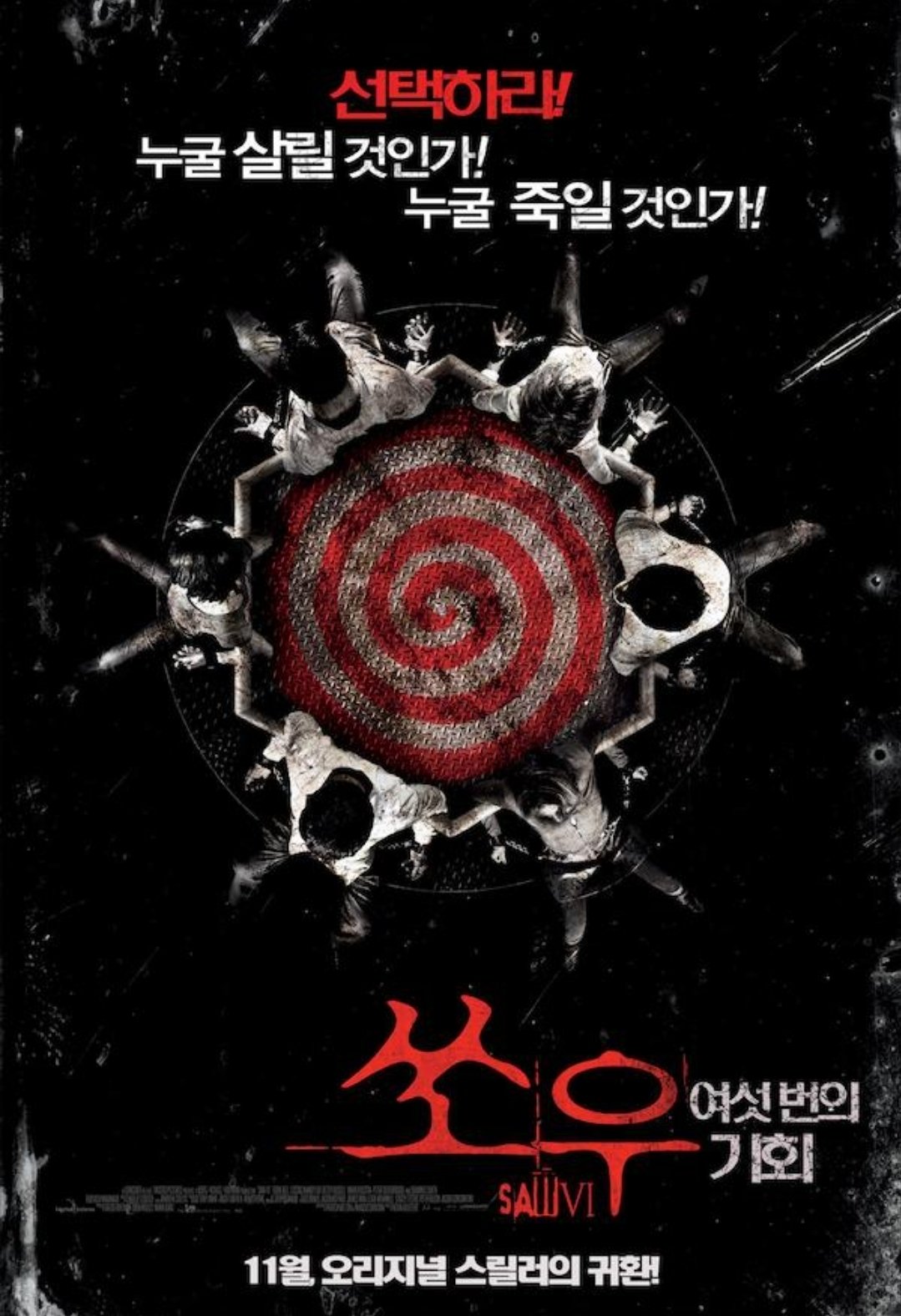
Show all 48 alternative titles Saw 6 (Czechia) — Czech SAW VI - Sein Wille geschehe (Germany) Saag VI (Estonia) — Estonian Saw 6 (Spain) — Catalan title Saw 6 (France) — alternative spelling Saw VI: Director's Cut (France) — director's cut ხერხი VI (Georgia) — Georgian Σε Βλέπω VI (Greece) — Greek 恐懼鬥室 VI 萬罰朝中 (Hong Kong SAR China) — Chinese 恐懼鬥室6 萬罰朝中 (Hong Kong SAR China) — Cantonese alternative title 恐懼鬥室6之萬罰朝中 (Hong Kong SAR China) — Cantonese alternative title Slagalica strave 6 (Croatia) — Croatian Fűrész VI. (Hungary) — Hungarian Ha'masor 6 (Israel) — transliterated Hebrew title המסור 6 (Israel) — Hebrew اره ۶ (Iran) — Persian Saw VI - Credi in lui (Italy) — poster title Saw 6 (Japan) — English title ソウ6 (Japan) — Japanese Saw: Six Chances (South Korea) — English title Ssou: Yeoseot Beo-nui Gihoe (South Korea) — transliterated title 쏘우: 여섯 번의 기회 (South Korea) — Korean Pjūklas 6 (Lithuania) — Lithuanian Zāģis 6 (Latvia) — Latvian El juego del miedo 6 (Mexico) — Spanish Piła VI (Poland) — Polish Saw 6 - Jogos Mortais (Portugal) — Portuguese Puzzle mortal VI (Romania) — Romanian Слагалица страве 6 (Serbia) — Serbian Пила 6 (Russia) — Russian Žaga 6 (Slovenia) — Slovenian Saw 6 (Slovakia) — Slovak เกม ตัด ต่อ ตาย 6 (Thailand) — Thai Testere VI (Türkiye) — Turkish 奪魂鋸6 (Taiwan) — Chinese Пила 6 (Ukraine) — Ukrainian Arra 6 (Uzbekistan) Arra VI (Uzbekistan) — Uzbek El juego del miedo 6 (Venezuela) Lưỡi Cưa 6 (Vietnam) — Vietnamese

Trailers & Videos

10 videos

Film Guide & Analysis

Kevin Greutert directs a sequel that sets the Jigsaw ordeal against the politics of health insurance and a changing horror marketplace.

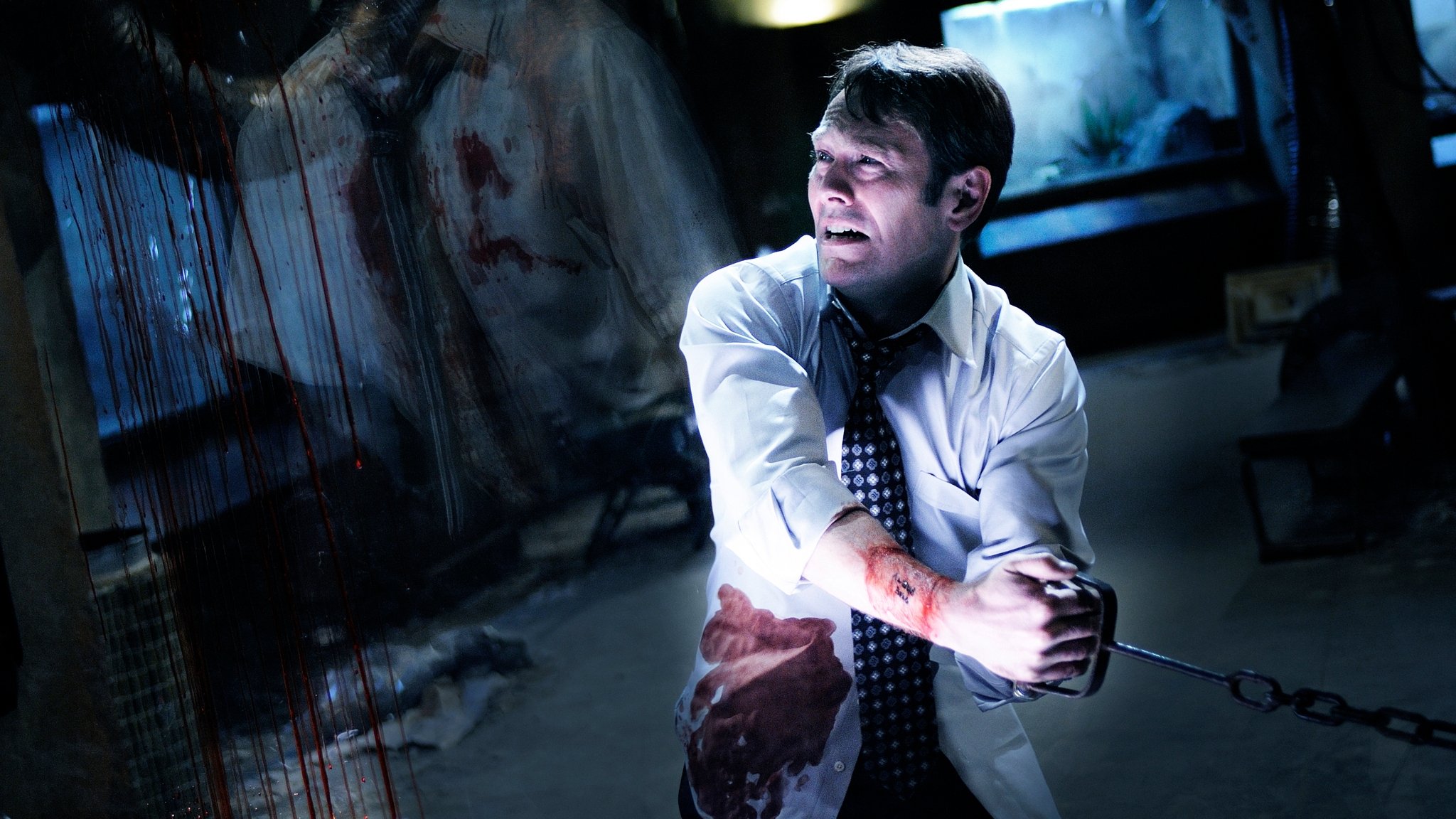
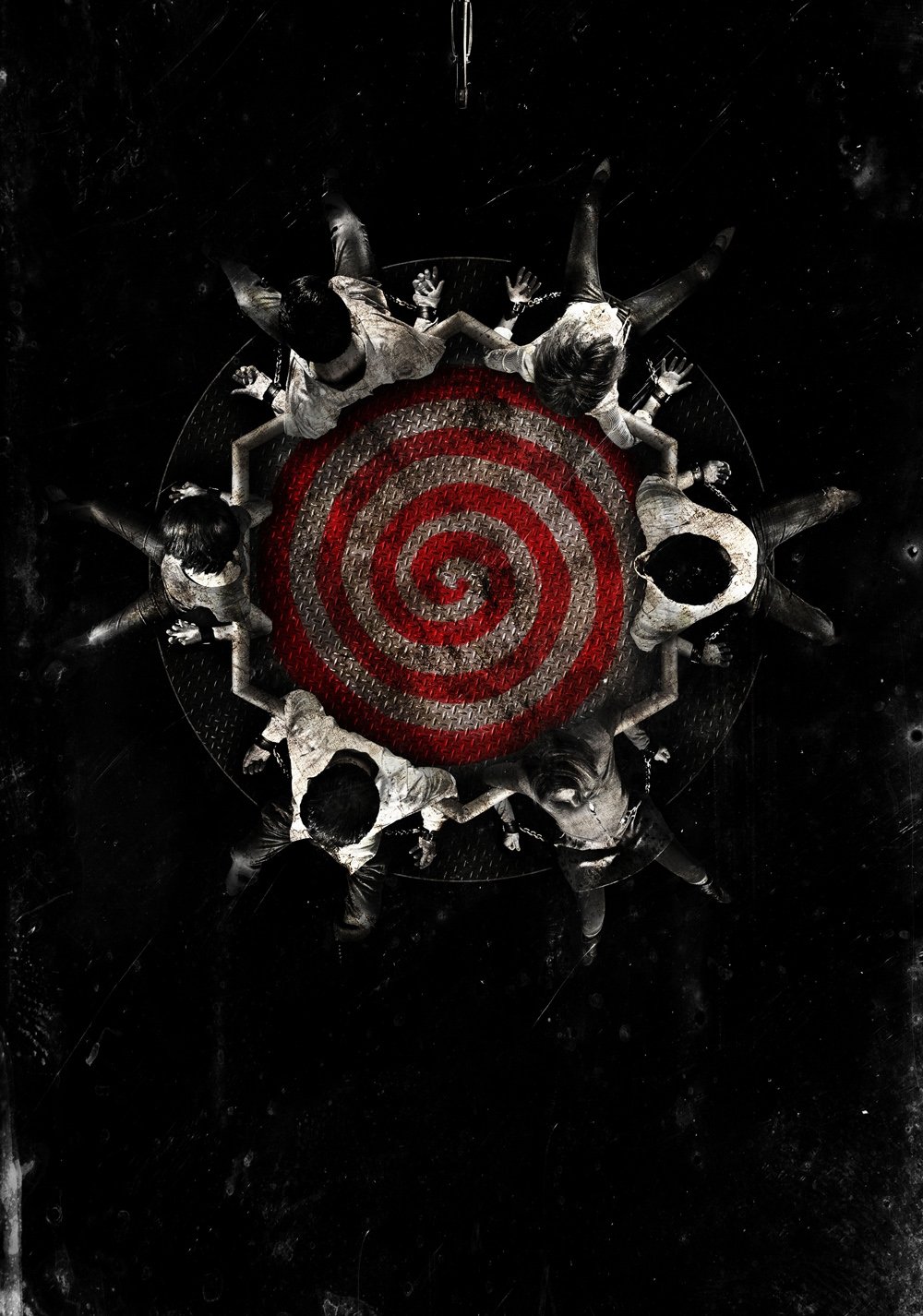
Saw VI (2009) brought an unusually explicit contemporary concern into a series otherwise identified with hidden accomplices, elaborate devices and recurring revelations. Its central ordeal confronts William Easton, a health-insurance executive whose professional decisions determine which applicants receive coverage. Released while American health-care reform was being fiercely debated, the film turns calculations about risk and eligibility into choices made under the threat of bodily destruction. The parallel plot follows Detective Mark Hoffman as the machinery of Jigsaw's legacy begins to threaten its apparent inheritor. Both narratives are about the power to decide whose life can be placed at risk, although the film does not present every exercise of that power as morally equivalent.

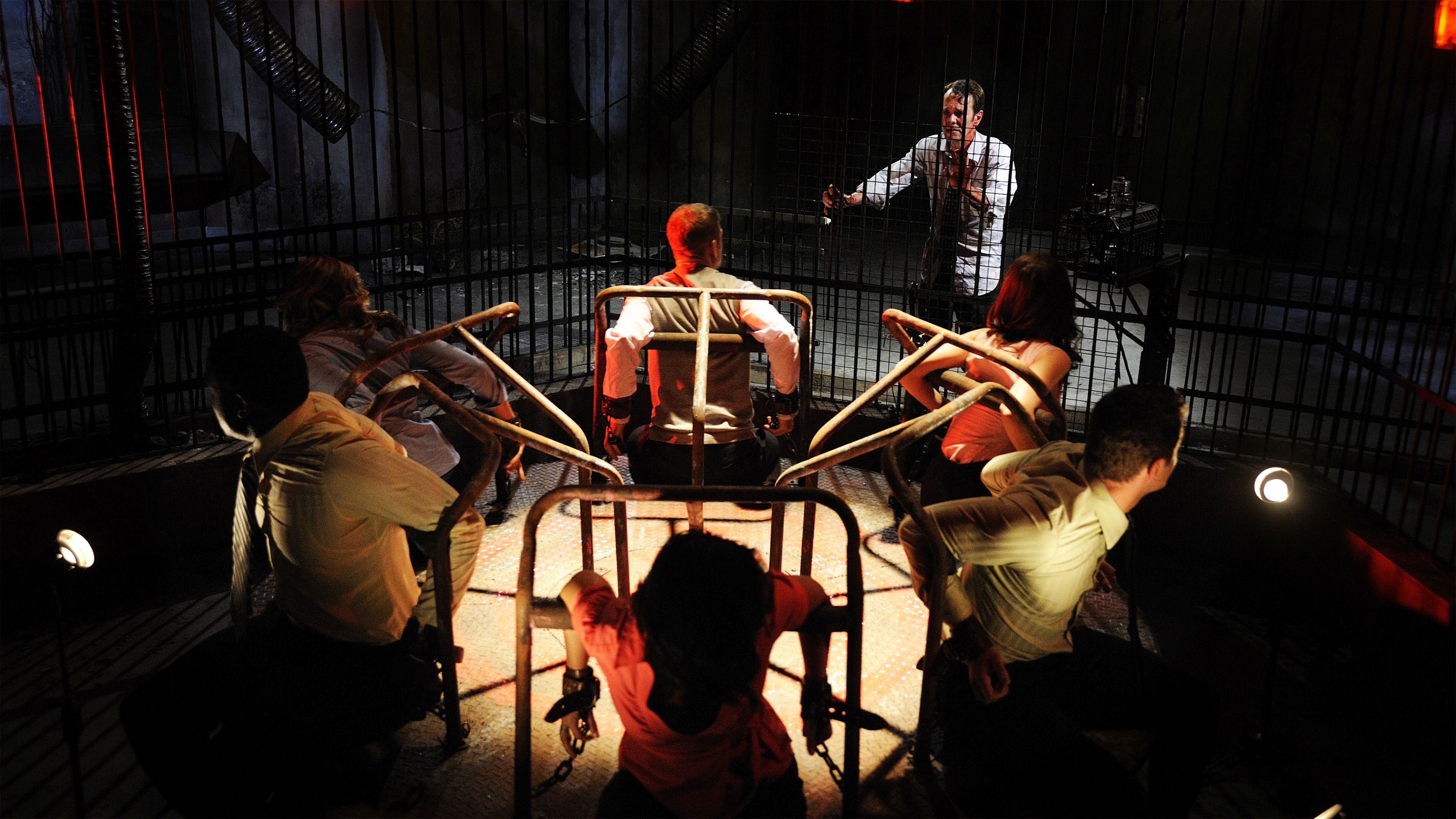
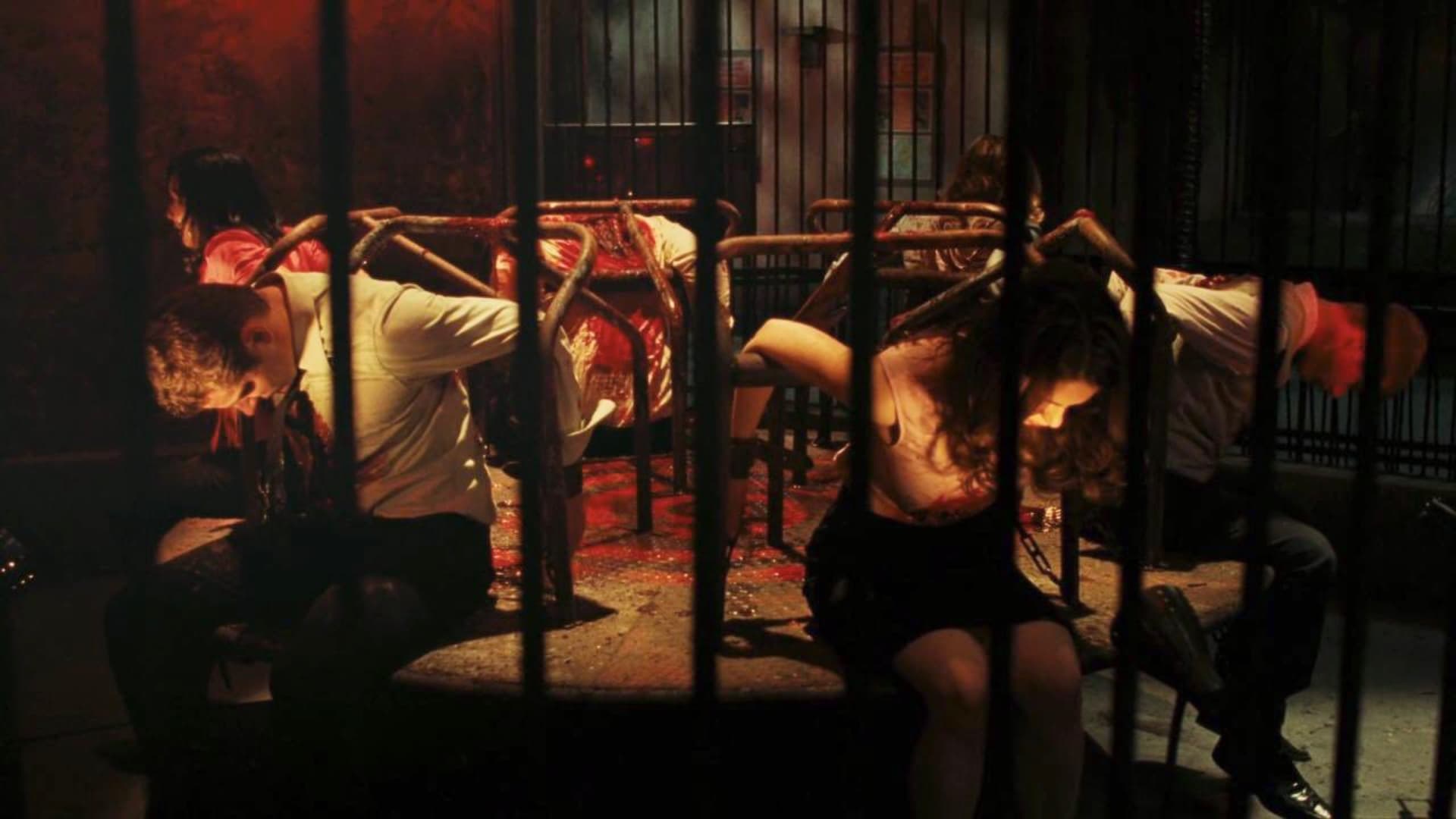
The sixth entry also marked a change in the series' production leadership. Kevin Greutert, who had edited the preceding five installments, made his feature-directing debut while Patrick Melton and Marcus Dunstan continued developing the densely connected storyline. Interviews from the release period document collaborative rewriting, the pressure to shoot without planned reshoots and efforts to vary the pace of a familiar visual formula. Greutert later described the carousel sequence as an exceptionally demanding piece of staging. These accounts provide a useful basis for studying Saw VI as an example of late-2000s serial horror, where a recurring release schedule, intricate continuity and topical subject matter met within the same commercial production.

From the Editing Room to Direction

Greutert had worked on Saw since the original production, and his familiarity with its assembly was central to the transition. In an early-2009 interview with HorrorNews.net, he explained that producers Mark Burg and Oren Koules offered an arrangement encompassing the editing of Saw V and direction of Saw VI. He had wanted to direct well before joining the franchise; editing became the route by which he learned how individual scenes could be constructed into a completed feature. The appointment grew from years of direct involvement with the material and preserved established working relationships.

The same interview describes the established Toronto production operation and his relationship with returning performers and technical collaborators. Greutert argued that editing had taught him to think about coverage as a relationship between choreography and camera angles, an especially pertinent skill for scenes with timed machinery. He also acknowledged the difficulty of sustaining a story whose principal antagonist had already died in an earlier installment. Those observations were made before completion, so they establish his working expectations and resources without proving how successful the resulting film would be. Familiar crews made continuity possible while the new directing role required decisions on set that an editor could once defer.

Rewriting and the Problem of Continuity

Melton and Dunstan entered the sixth film with the unresolved stories of several earlier sequels behind them. Speaking to Shock Till You Drop at an October 2009 event, Dunstan recalled receiving extensive notes from Greutert during a late stage of script revisions. Melton emphasized the need to plan carefully because the production was not relying on later reshoots to repair a scene. These statements describe the team's intended method, as reported by the writers themselves. They also help explain the particular weight placed on dialogue and small alterations to already established character relationships.

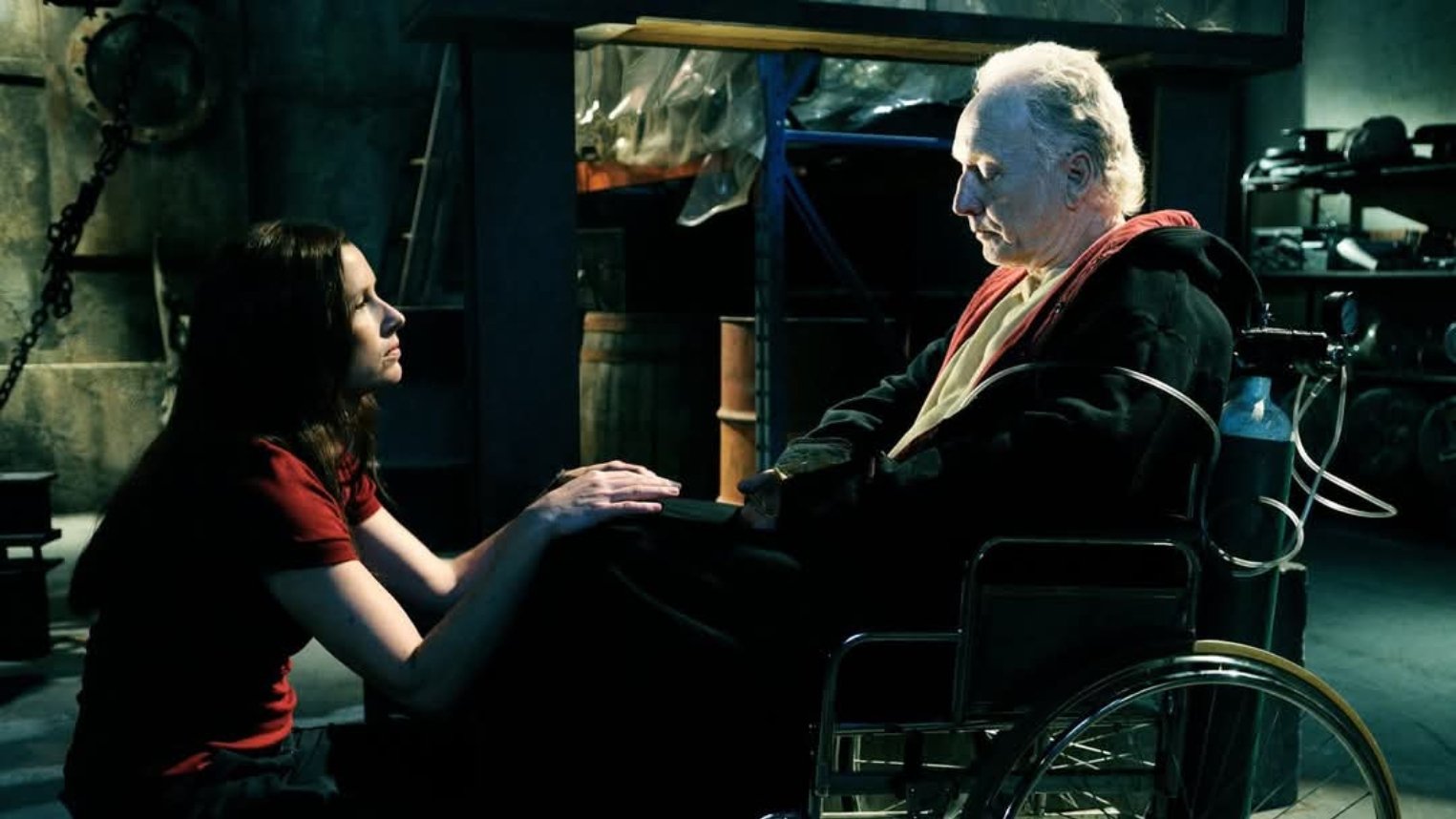
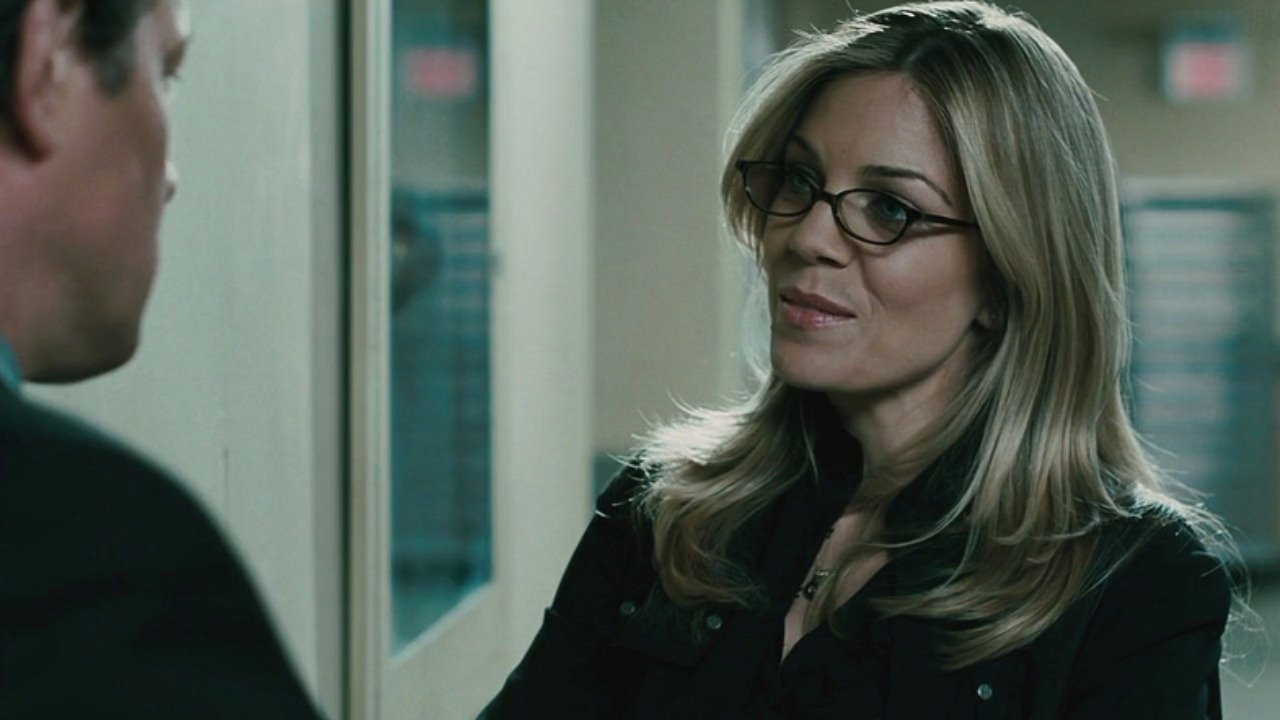
The film makes Hoffman increasingly vulnerable to investigators who can connect evidence to the previous murders, while Jill Tuck's role links the present investigation with John Kramer's posthumous instructions. Flashbacks keep the dead antagonist present and offer new information about a familiar apprentice network. Greutert defended this practice in the same 2009 discussion, saying that retrospective scenes needed to advance the narrative with new information. The audience is consequently asked to remember older episodes even when the immediate conflict appears straightforward. This serial construction allows a dead villain to remain dramatically active, but it places substantial demands on the coherence of the accumulated chronology.

Health Insurance and Social Horror

The choice of a health-insurance executive gives the sixth installment a target drawn from ordinary institutions. William Easton administers a policy of assessing applicants through statistical formulas and preexisting conditions. His test translates that abstract selection process into a chain of physically immediate decisions involving coworkers and family relationships. The narrative creates a correspondence between people evaluated on paper and people who must stand before a lethal mechanism. The parallel is deliberately accusatory: an executive accustomed to denying coverage is forced to make visibly personal judgments under pressure. That correspondence explains the film's topical identity without requiring every incident to be treated as a realistic account of insurance practice.

The political association was apparent at the time of release. In their October 2009 conversation, Dunstan suggested that the sequel drew upon a heated issue then being publicly debated, although he did not identify it directly before the premiere. Joshua Rothkopf's contemporary Time Out review described the insurance theme in connection with the national news and the recent economic climate. These are two different forms of evidence: one records a writer's promotional hint, and the other documents what a critic actually recognized in the released film. Neither establishes that the entire screenplay was conceived as a response to a particular bill or politician.

The insurance plot also exposes a contradiction in Jigsaw's stated moral system. His tests condemn the executive for deciding which lives have value, while imposing an even more absolute life-and-death authority on the same people. The ordeal's elaborate rules encourage viewers to consider fairness, responsibility and coercion, but the violence cannot be justified simply by accepting the killer's explanation. Greutert said in a 2023 retrospective interview that he wanted William to retain a recognizable human side, resisting pressure to make the character wholly contemptible. That intention clarifies why the story gives its target emotional responses alongside his professional conduct: the film's suspense depends on a vulnerable person remaining inside the condemned role.

Rhythm and Visual Staging

Greutert's account of the production identifies pacing as a deliberate area of attention. In a separate October 2009 interview, he said that he wanted to preserve energy associated with earlier director Darren Lynn Bousman while allowing quieter stretches in which apprehension could build. He connected that approach to his experience editing The Strangers, whose restrained horror differed from the more frantic rhythms of Saw. This is a statement about artistic intention, and it can be tested against the film's alternation between controlled conversations, investigative exchanges and sudden physical danger. Silence and anticipation are as necessary to a trap scene as its final mechanical movement.
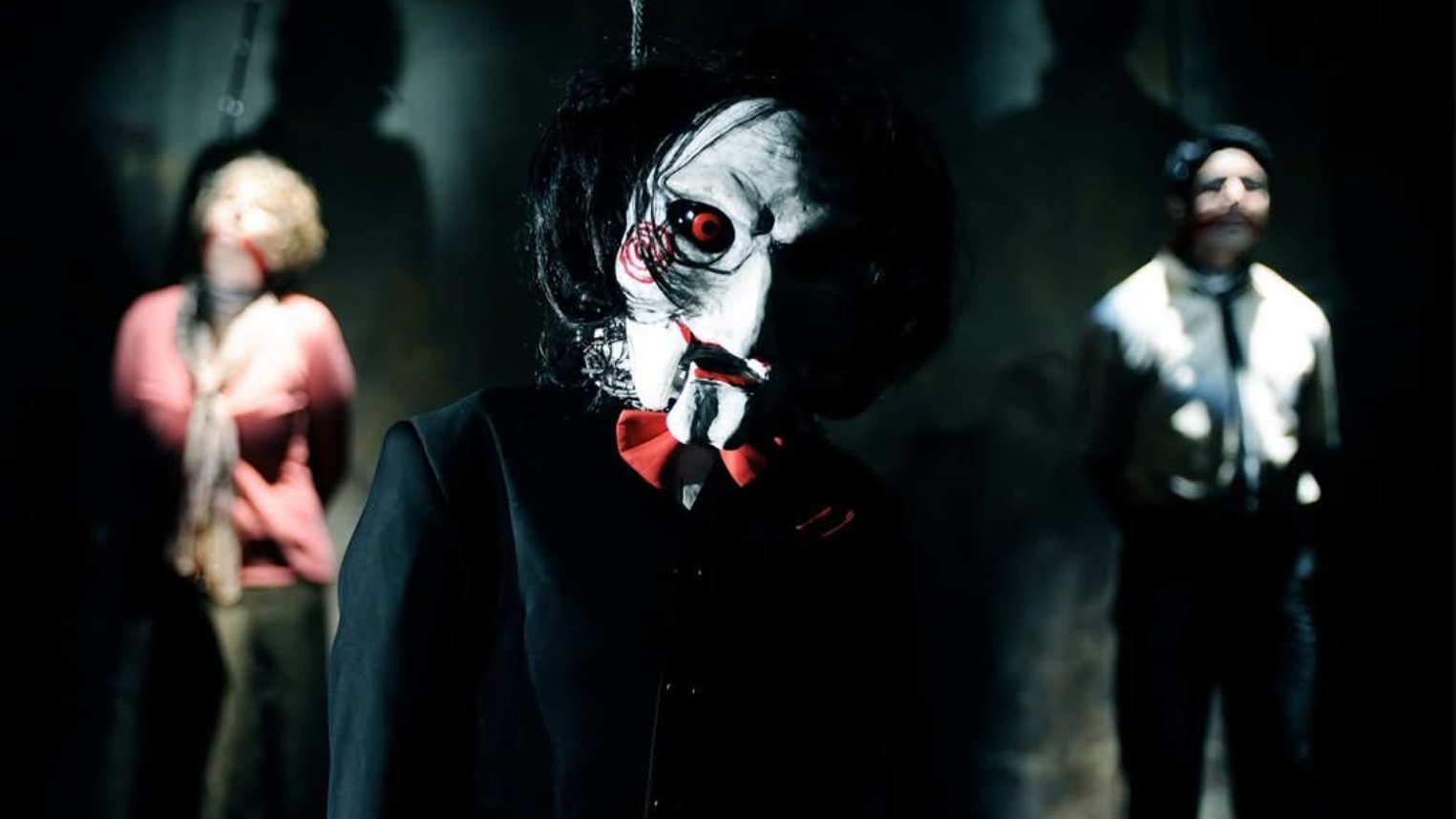
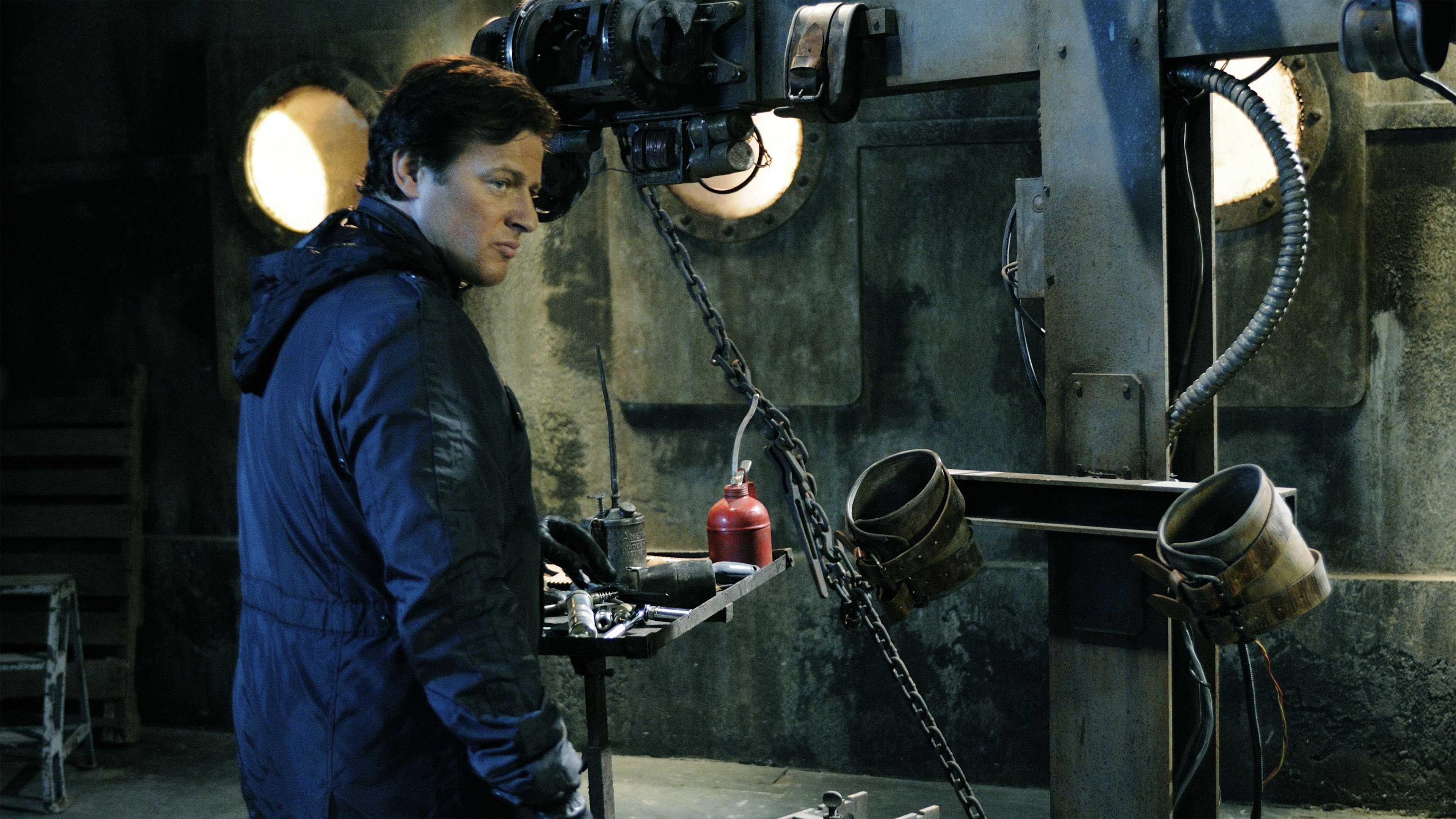
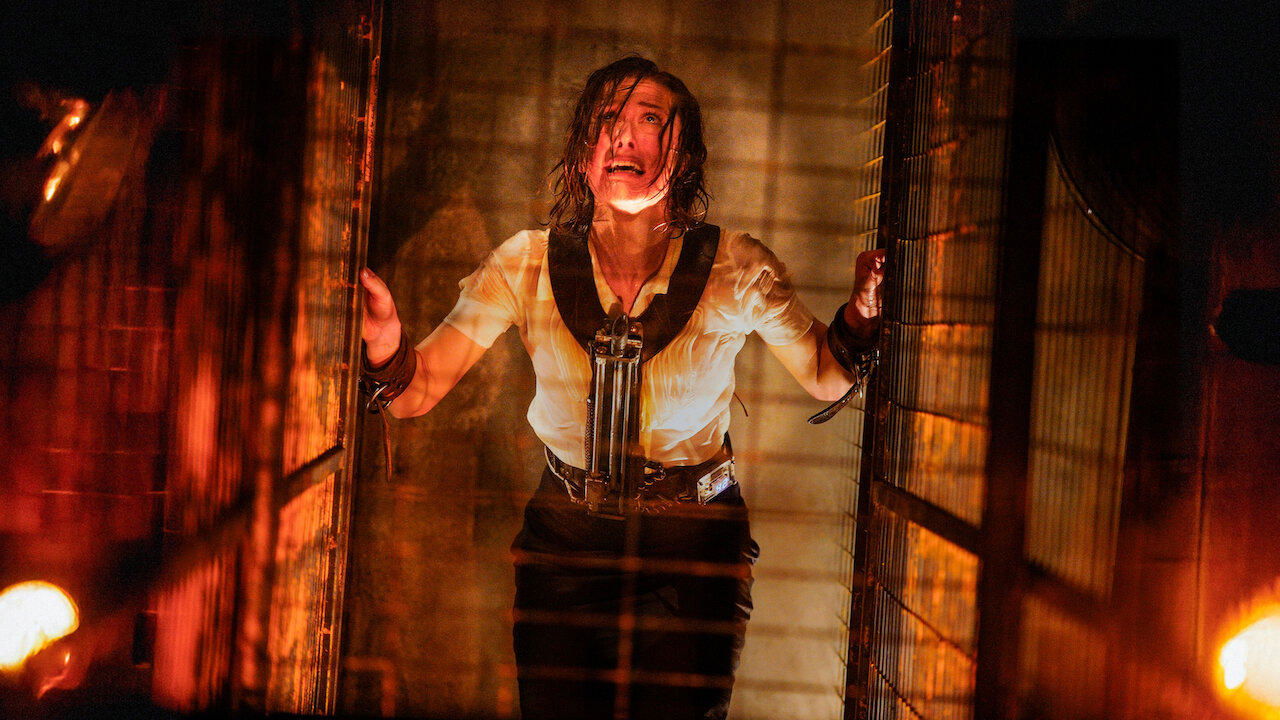
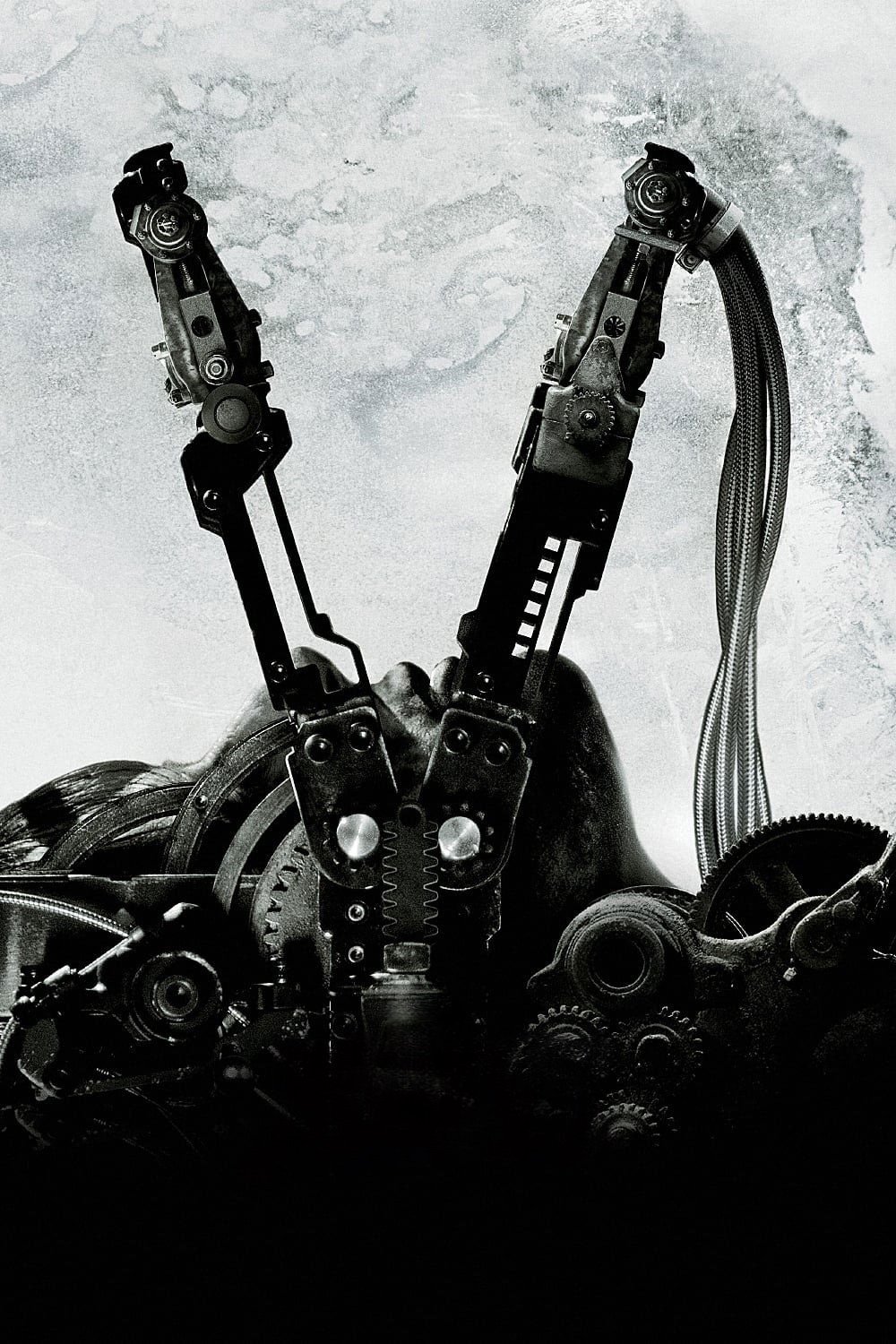
The director also described trap conception as a process of negotiation between the screenplay and practical production constraints. A written situation might establish the dramatic requirement without fully specifying the device; the team would then revise its operation according to time and budget. The finished film's metallic enclosures, harsh interiors and segmented action maintain the franchise's recognizable industrial setting, while the insurance premise supplies unusually clear connections between occupation and punishment. Treating these sequences solely as demonstrations of gore would miss their narrative purpose. The camera must allow viewers to understand an instruction, recognize the threatened consequence and follow the performer's response before the outcome arrives.

Release, Criticism and the 2009 Horror Market

Lionsgate released Saw VI in American theaters on October 23, 2009, continuing the yearly Halloween-season pattern. Contemporary reporting in the Los Angeles Times estimated an opening of approximately $14.8 million and noted that this was well below the debuts of the four preceding sequels. The figure was an early studio estimate, not a final audited total. The newspaper contrasted the performance with the unexpectedly strong theatrical expansion of Paranormal Activity, whose low-cost supernatural approach offered audiences a markedly different kind of horror. This comparison documents a specific moment of box-office competition; it does not by itself establish why individual viewers chose one film over the other.
The critical response was also more complicated than a single verdict on franchise fatigue. Rothkopf's October 28 Time Out review welcomed the sequel's social topicality and dark comedy while criticizing its extensive apprentice-related flashbacks. His response shows that a contemporary critic could value the new central game and still find the larger mythology cumbersome. The review should not be converted into an assertion of universal acclaim. It records one critic's judgment and helps distinguish reception of the health-insurance plot from reception of the series' ongoing procedural story.

Viewed alongside the production testimony, the release shows a franchise responding to two separate challenges. Greutert inherited machinery, personnel and narrative obligations that had become familiar through annual sequels, while the screenplay introduced a recognizable public controversy into the structure of Jigsaw's tests. The opening-weekend comparison with Paranormal Activity indicates how quickly the commercial environment of horror could change even as Saw retained an established release slot. Saw VI's importance within the cycle rests on this combination of formal continuity and contemporary subject matter, both of which are documented by the people who made the film and those who reviewed its original release.

References

  1. HorrorNews.net Interview: Kevin Greutert - Director (Saw VI) - Editor (various)

    Adrian Halen interviews Greutert during pre-production about the move from editing to directing, the Toronto team, visual coverage and collaborative planning.

  2. ComingSoon.net Looking To the Past & Future: Saw VI Creators Speak!

    Original October 2009 conversation with Patrick Melton, Marcus Dunstan and Greutert about revisions, planned reshoots, flashbacks and a timely social theme.

  3. Film Stories Saw X | Director Kevin Greutert Discusses Traps and the Future of Saw

    Maria Lattila interviews Greutert in 2023; his first-hand recollections detail the demanding Saw VI carousel shoot and the decision to humanize William.

  4. Time Out Saw VI

    Joshua Rothkopf's contemporary October 2009 review examines the health-insurance critique, black comedy and continuing flashback-heavy franchise storytelling.

  5. Los Angeles Times First look: Saw VI is slashed by Paranormal while other releases flop

    Contemporary October 25, 2009 box-office analysis contrasts Saw VI's estimated opening with earlier sequels and Paranormal Activity's expansion.

Connections

Cast

View Full Cast & Crew →

Release & Distribution

Production Companies (2)

  • A Bigger Boat US
  • Twisted Pictures US

Distributors (1)

  • Lionsgate Films US

Release History (27)

Release DateTerritoryRelease TypeFormatDistributorCertificationNotes
2009-10-22 Australia Theatrical — — MA 15+
2009-10-22 Canada Theatrical — — R
2009-10-22 Greece Theatrical — — —
2009-10-23 Czechia Digital — — 18+
2009-10-23 United Kingdom Theatrical — — 18
2009-10-23 Ireland Theatrical — — 18
2009-10-23 Poland Digital — — 18
2009-10-23 Romania Digital — — 18
2009-10-23 United States Theatrical — — R
2009-10-29 Hong Kong SAR China Theatrical — — III
2009-10-30 Estonia Theatrical — — —
2009-10-30 Finland Theatrical — — K-18
2009-10-30 Lithuania Theatrical — — N-18
2009-11-04 France Theatrical — — 16
2009-11-06 Brazil Theatrical — — 18
2009-11-06 Japan Theatrical — — R
2009-11-19 Kazakhstan Theatrical — — —
2009-12-03 Germany Theatrical — — 18
2009-12-11 Türkiye Theatrical — — 18+
2009-12-31 Netherlands Theatrical — — 16
2010-01-07 South Korea Theatrical — — 18
2010-01-07 Slovakia Theatrical — — —
2010-02-23 Norway Theatrical — — 15
2010-03-09 Hungary Digital — — 18
2010-03-30 Netherlands Physical DVD, Blu-ray — 16 DVD / Blu-ray
2010-06-01 Italy Theatrical — — VM18
2010-10-08 Spain Theatrical — — 18
The game has come full circle.