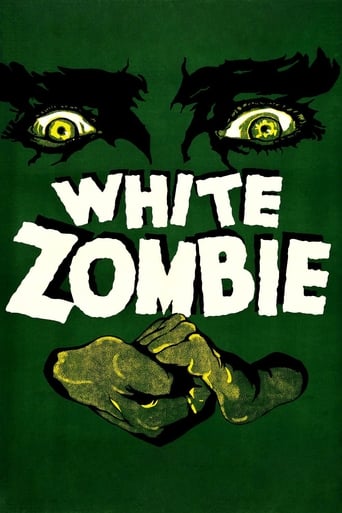
Origins, the Halperin Brothers, and the Screenplay
White Zombie emerged during the early sound-horror cycle established by Universal’s Dracula (1931) and Frankenstein (1931). Victor and Edward Halperin sought to develop an inexpensive production capable of benefiting from the growing public interest in supernatural subjects. Their project drew inspiration from William B. Seabrook’s The Magic Island (1929), a travel account containing descriptions of Haitian religious practices and alleged encounters with people deprived of their independent will. Seabrook’s claims attracted considerable attention in the United States, although his sensational treatment of Haitian culture cannot be regarded as reliable documentation of the supernatural events he described.
Garnett Weston received credit for the story and dialogue. The screenplay transformed the idea of zombification into a conflict involving romantic obsession, a threatening sorcerer and an apparently resurrected woman. Its development also became entangled in a legal dispute. Kenneth Webb, whose theatrical production Zombie had opened in New York in February 1932, brought an unsuccessful copyright claim against the Halperins. The American Film Institute records the outcome and identifies the production’s financial backing as the New York firm Amusement Securities Corporation. The precise creative relationship between the play and the film should therefore be distinguished from the established fact that the dispute occurred.
The relatively small budget shaped the production’s methods. The filmmakers used existing studio facilities, familiar Gothic imagery and a cast containing performers whose careers extended into silent cinema. Edward Halperin served as credited producer, while Victor directed. The project was mounted independently rather than through Universal’s established horror-production unit, although it benefited from access to the studio’s resources. The result combines the visual appearance of more expensive Gothic productions with a distinct supernatural premise. Its rapid development also reflects the commercial opportunities available to independent filmmakers during the early 1930s, when the success of a prominent monster picture could encourage lower-budget productions addressing related subjects.
Haitian Zombification, Vodou, and Colonial Representation
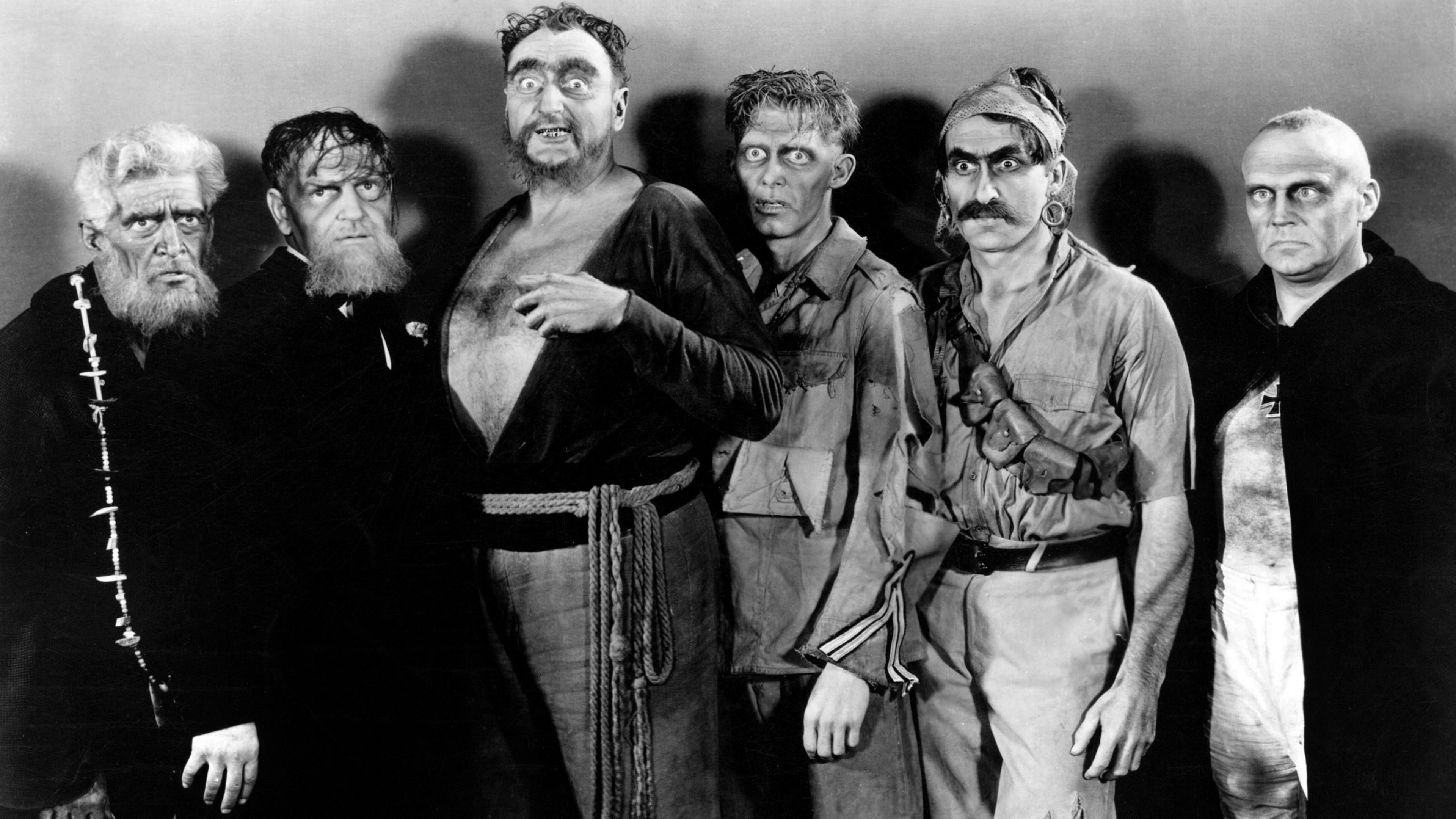
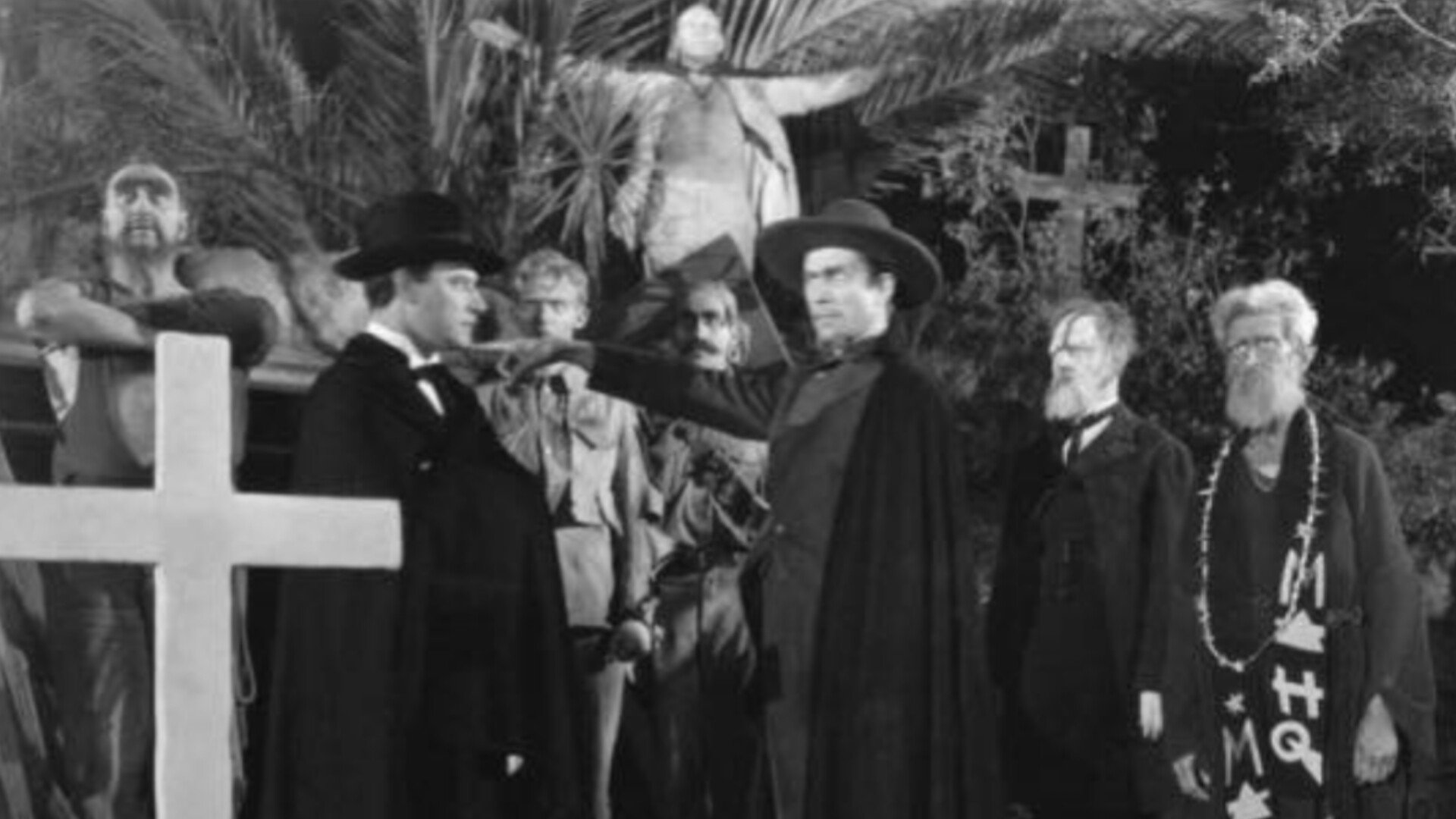
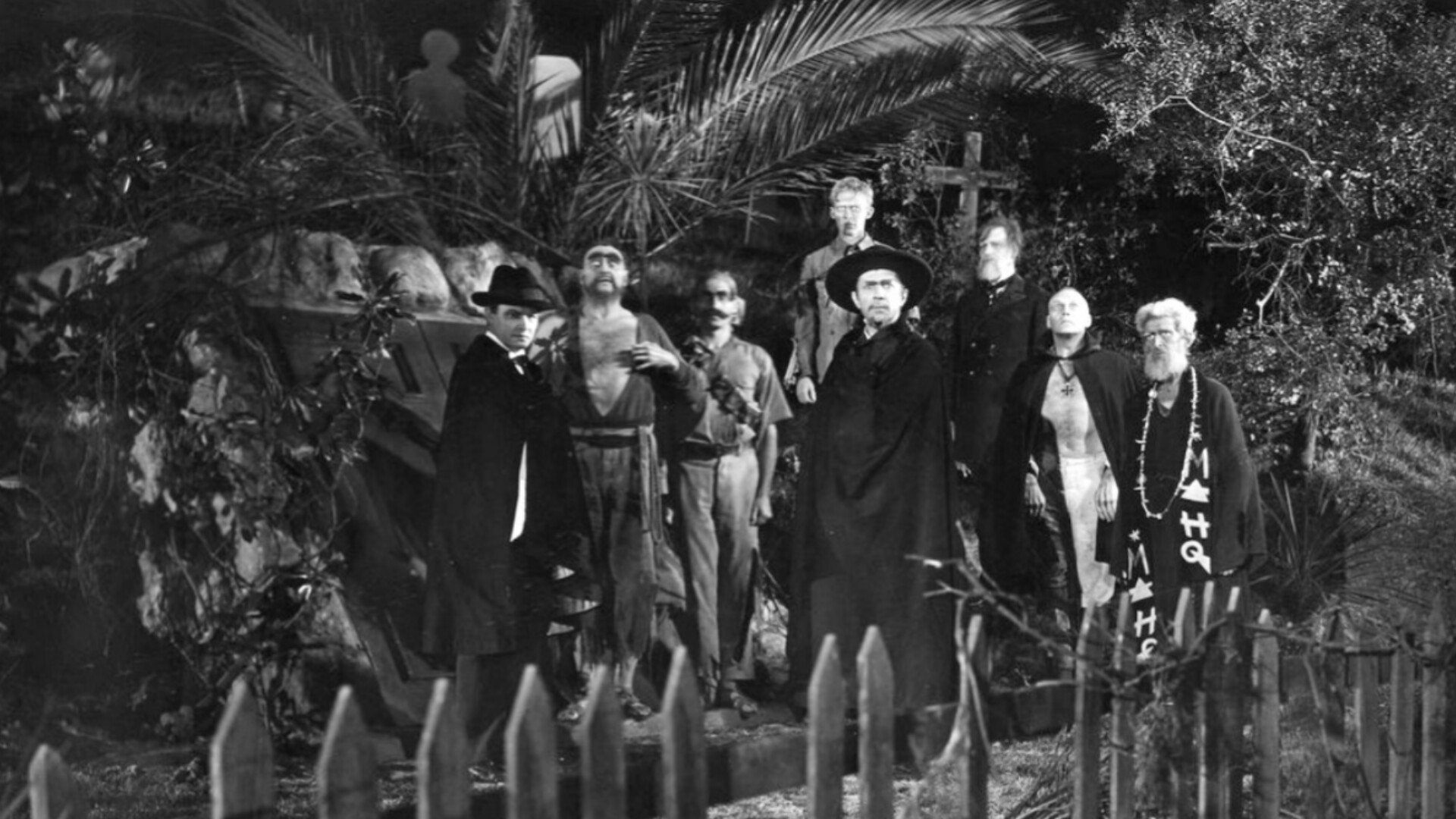
The film’s conception of the zombie originates in American accounts of Haitian zombification rather than the later cinematic tradition of contagious, cannibalistic undead creatures. Legendre’s victims can apparently be deprived of consciousness and compelled to perform work without resistance. Their condition is associated with supernatural authority, drugs and ritual practices, while their bodies remain physically active. The opening scene introduces a local custom of burying the dead in a road, supposedly preventing their removal by someone seeking to turn them into zombies. These details establish the fictional threat before the central characters encounter Legendre directly.
The historical context is essential to understanding the film’s imagery. The United States occupied Haiti from 1915 until 1934, and American cultural representations frequently described the country through racialized accounts of supposedly dangerous religious practices. Seabrook’s book appeared during that occupation. In a study published in Issues in Ethnology and Anthropology, Marina Mandić examines how White Zombie reproduces images of Haiti shaped by foreign intervention, racial hierarchy and sensational descriptions of Vodou. The film presents supernatural enslavement as an exotic danger while concentrating much of its dramatic sympathy on white visitors. Its representations belong to a particular historical and political setting rather than constituting an accurate portrayal of Haitian religion.
The imagery of forced labour gives the film a significance extending beyond its romantic plot. Legendre operates a sugar mill whose workers continue their tasks despite exhaustion, injury or apparent death. Their inability to refuse orders resembles a grotesque extension of plantation slavery and industrial exploitation. The transformation of Madeleine into a zombie introduces the threat of such domination into the privileged world of the visiting characters. Academic analysis has identified this distinction as important to the film’s racial and colonial assumptions. The narrative treats the enslavement of the white heroine as a central horror while the exploitation of other workers forms part of the surrounding environment.
Madeleine, Beaumont, and the Horror of Lost Autonomy
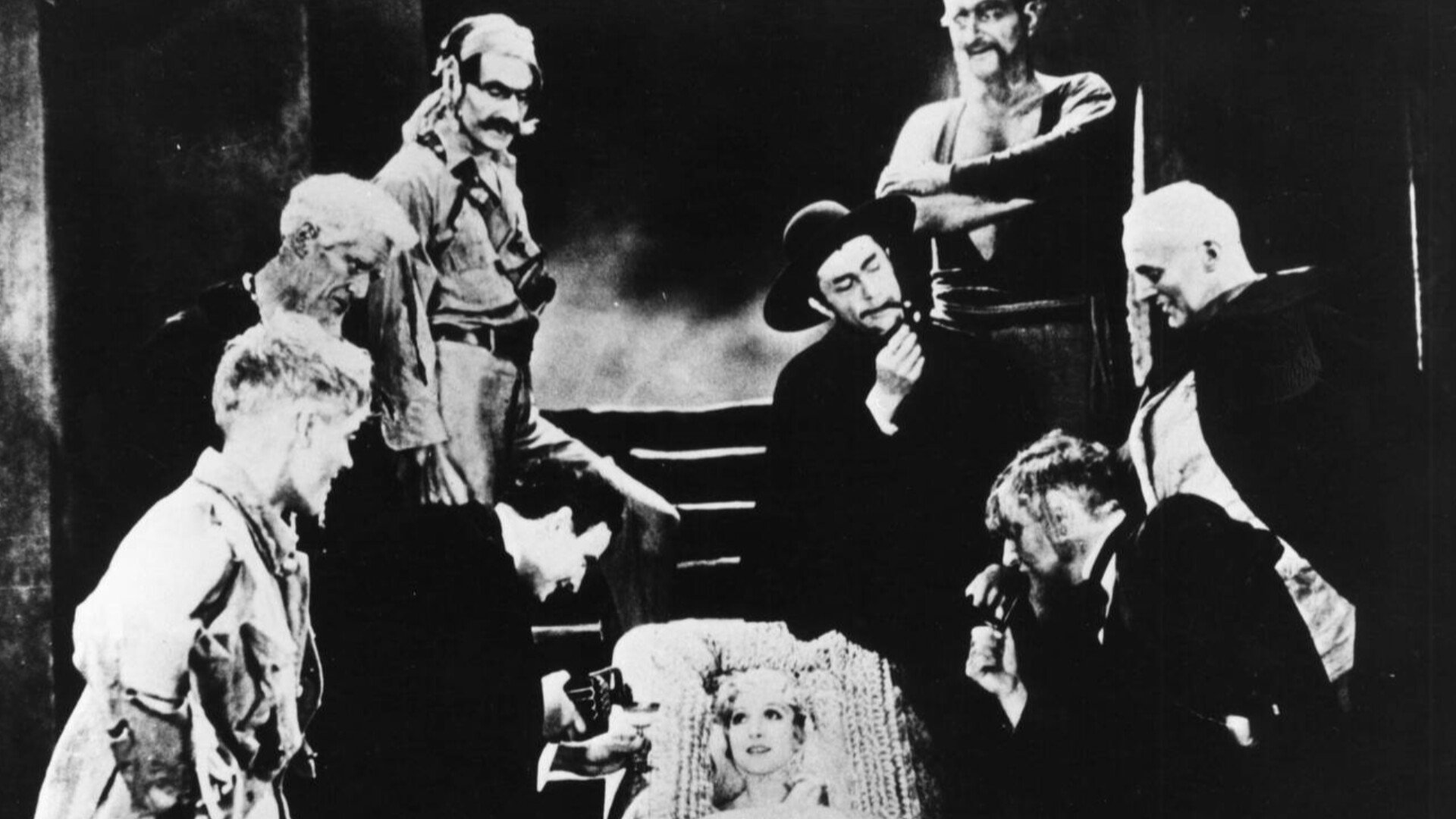
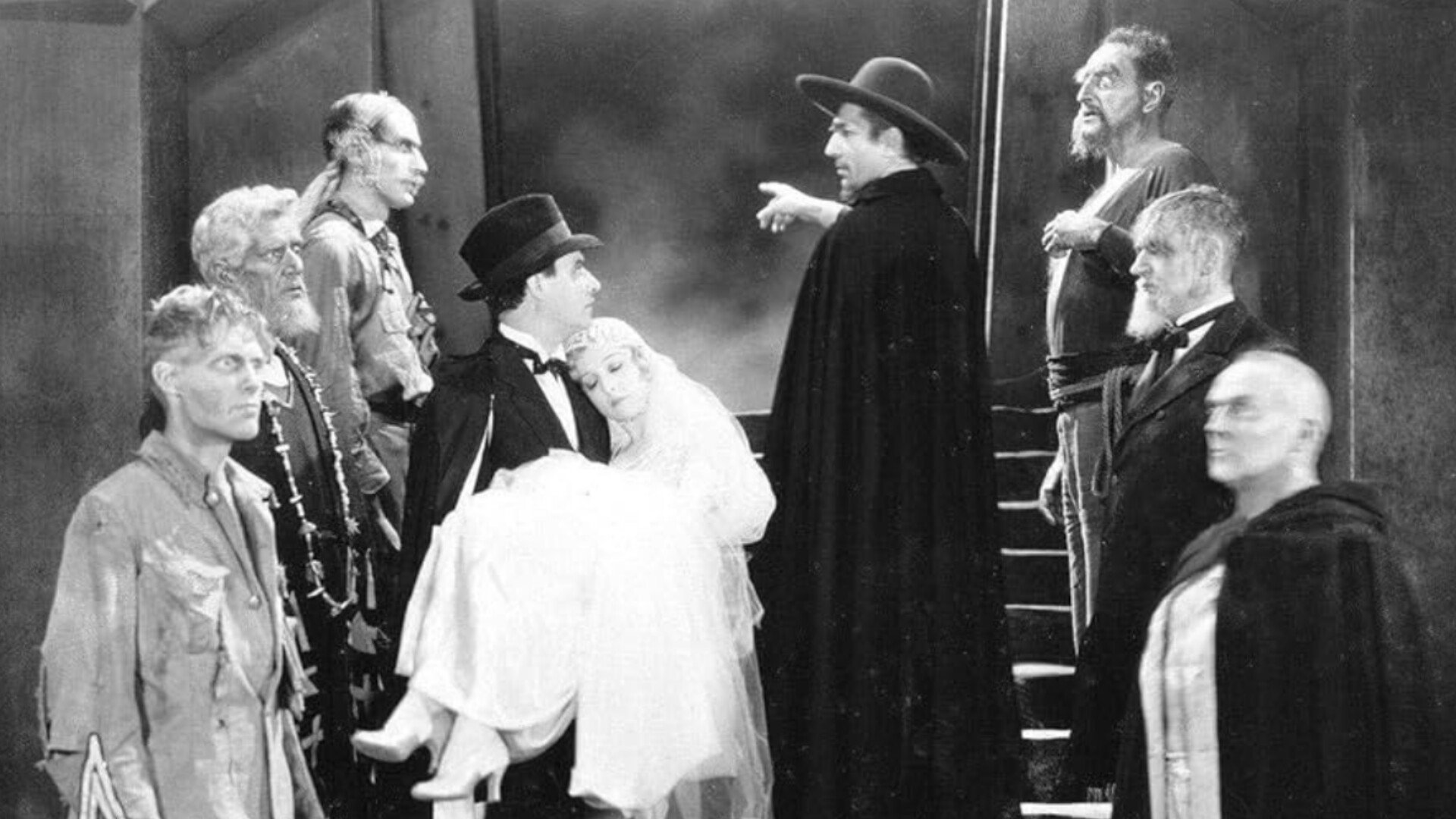
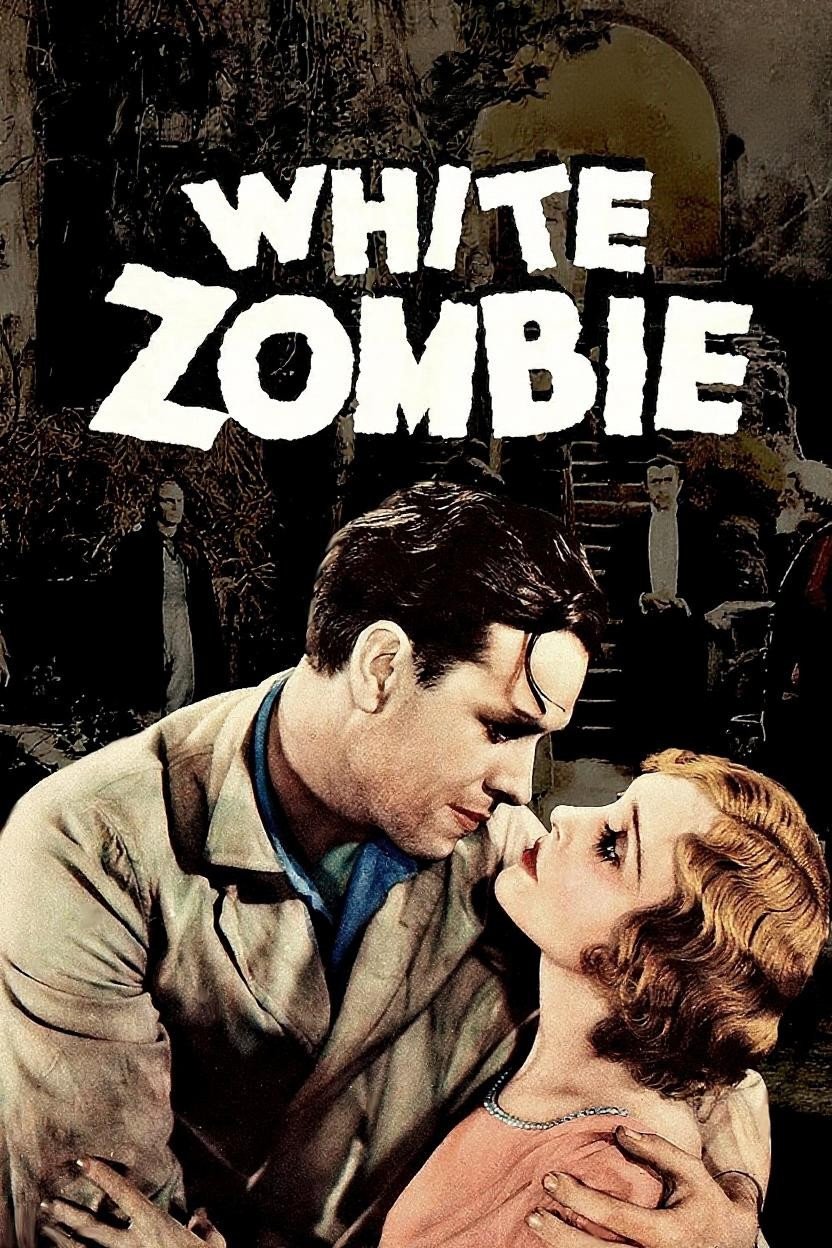
The central story begins when Madeleine Short and Neil Parker travel to Haiti intending to marry. Their journey brings them past a roadside burial and into contact with the threatening figure of Murder Legendre. They subsequently arrive at the home of Charles Beaumont, who has offered hospitality while concealing his desire for Madeleine. Beaumont hopes to persuade her to abandon Neil, but her determination to proceed with the marriage frustrates him. His decision to seek assistance from Legendre introduces a supernatural mechanism into a recognizable conflict over possession and rejected affection.
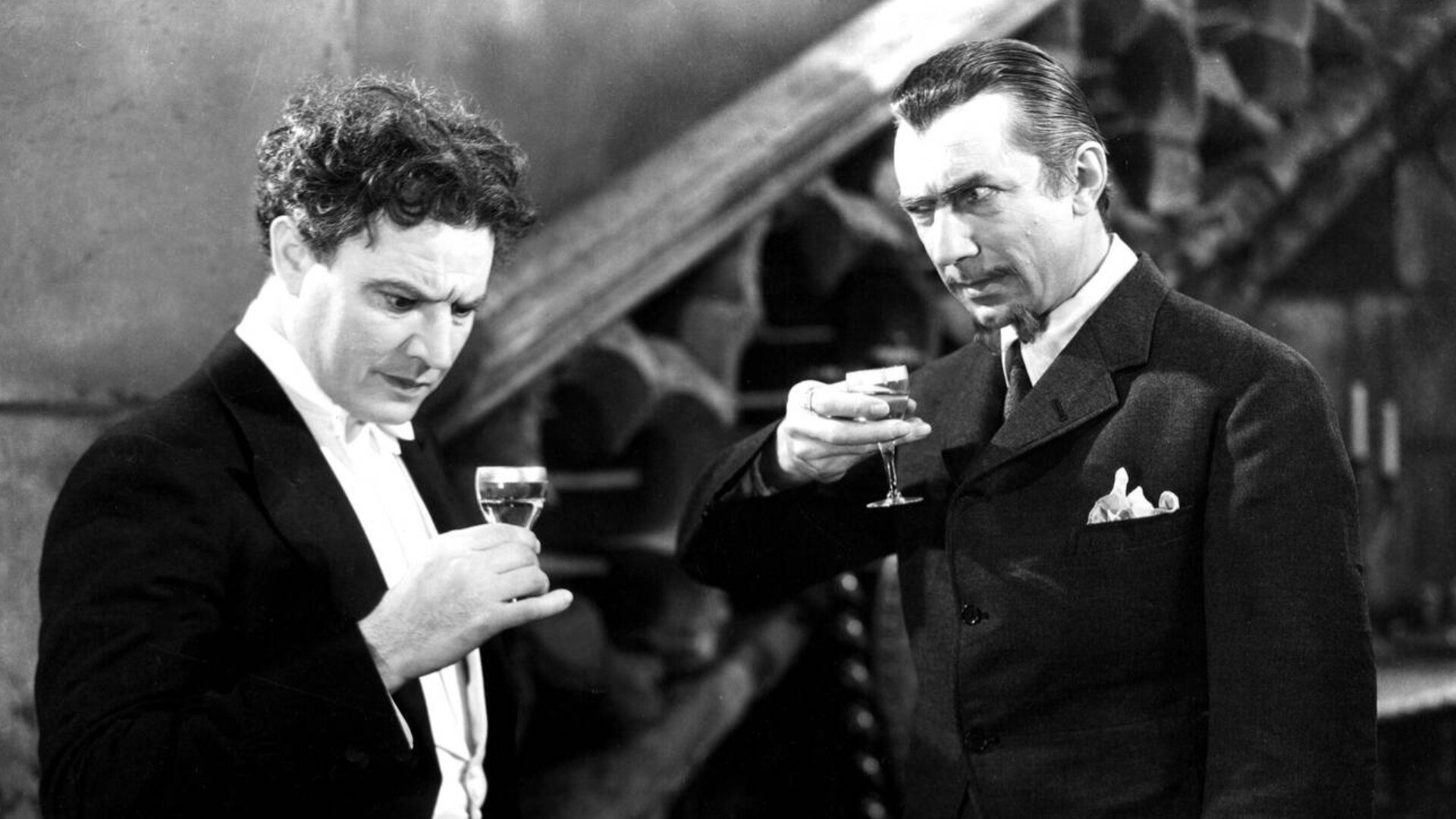
Legendre supplies a substance capable of producing an apparent death, allowing Madeleine to be buried and subsequently recovered. Beaumont initially imagines that the process will make her available to him, but discovers that the woman who returns no longer possesses the personality or emotional responses he desired. Her passivity exposes the contradiction within his plan: he wanted Madeleine’s affection while destroying her ability to choose. Legendre then turns his power against Beaumont himself, revealing that the apparent partnership has always depended on the sorcerer’s superior control. The conflict becomes a struggle over consciousness rather than simply the recovery of a kidnapped woman.
Neil’s investigation introduces Dr. Bruner, a missionary familiar with accounts of Legendre’s activities. Their attempts to recover Madeleine lead toward the villain’s fortified residence and the servants he commands. The film’s supernatural rules remain partly uncertain, particularly concerning the distinction between genuinely dead bodies and living people placed in a deathlike condition. That uncertainty is visible in Madeleine’s eventual recovery. Legendre’s authority depends on his ability to suppress voluntary action, and its collapse also destroys the obedience of those surrounding him. The final confrontation emphasizes the danger of a power founded on absolute domination, while restoring Madeleine’s capacity for independent consciousness.
Photography, Studio Sets, and Supernatural Effects
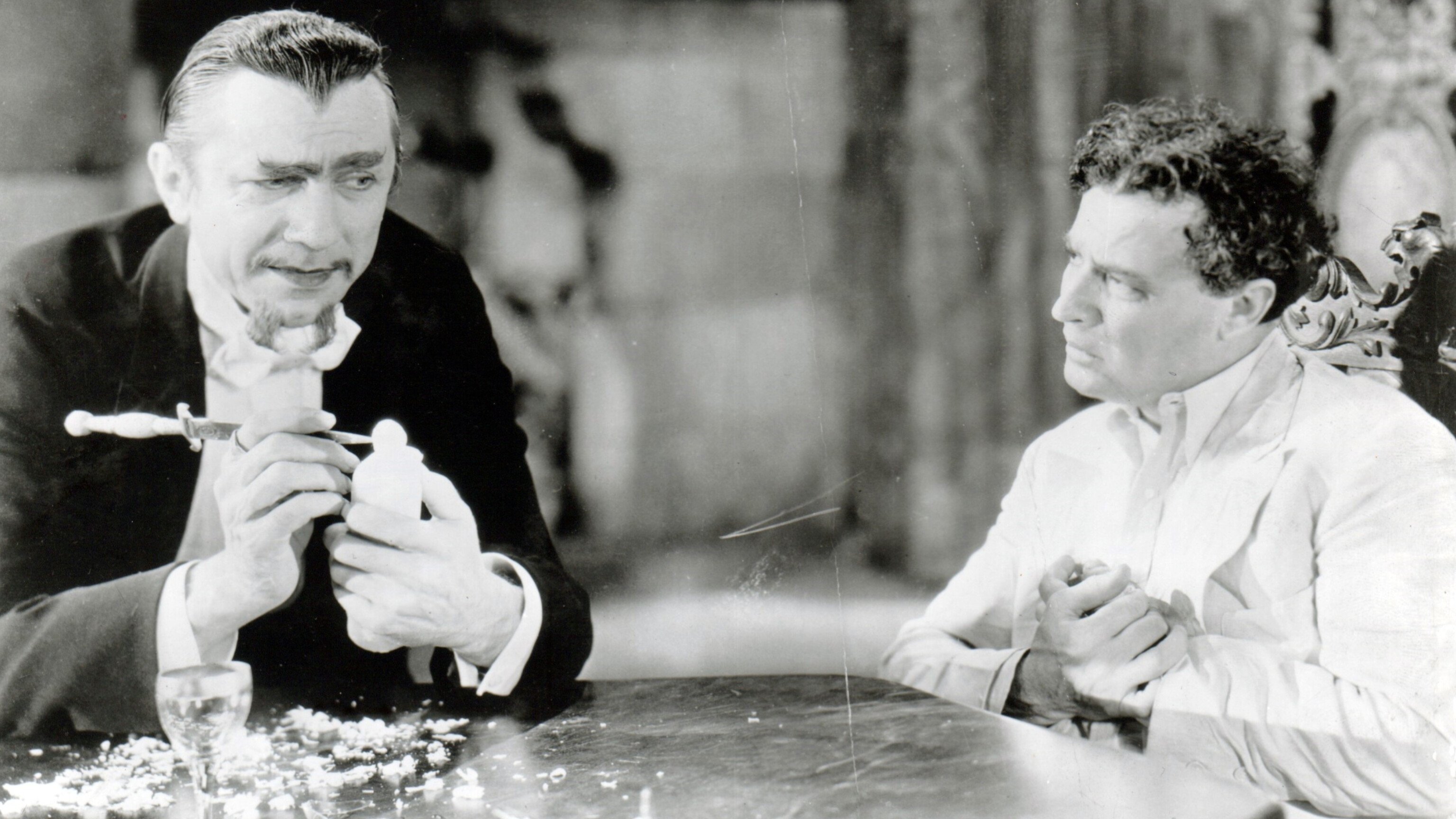
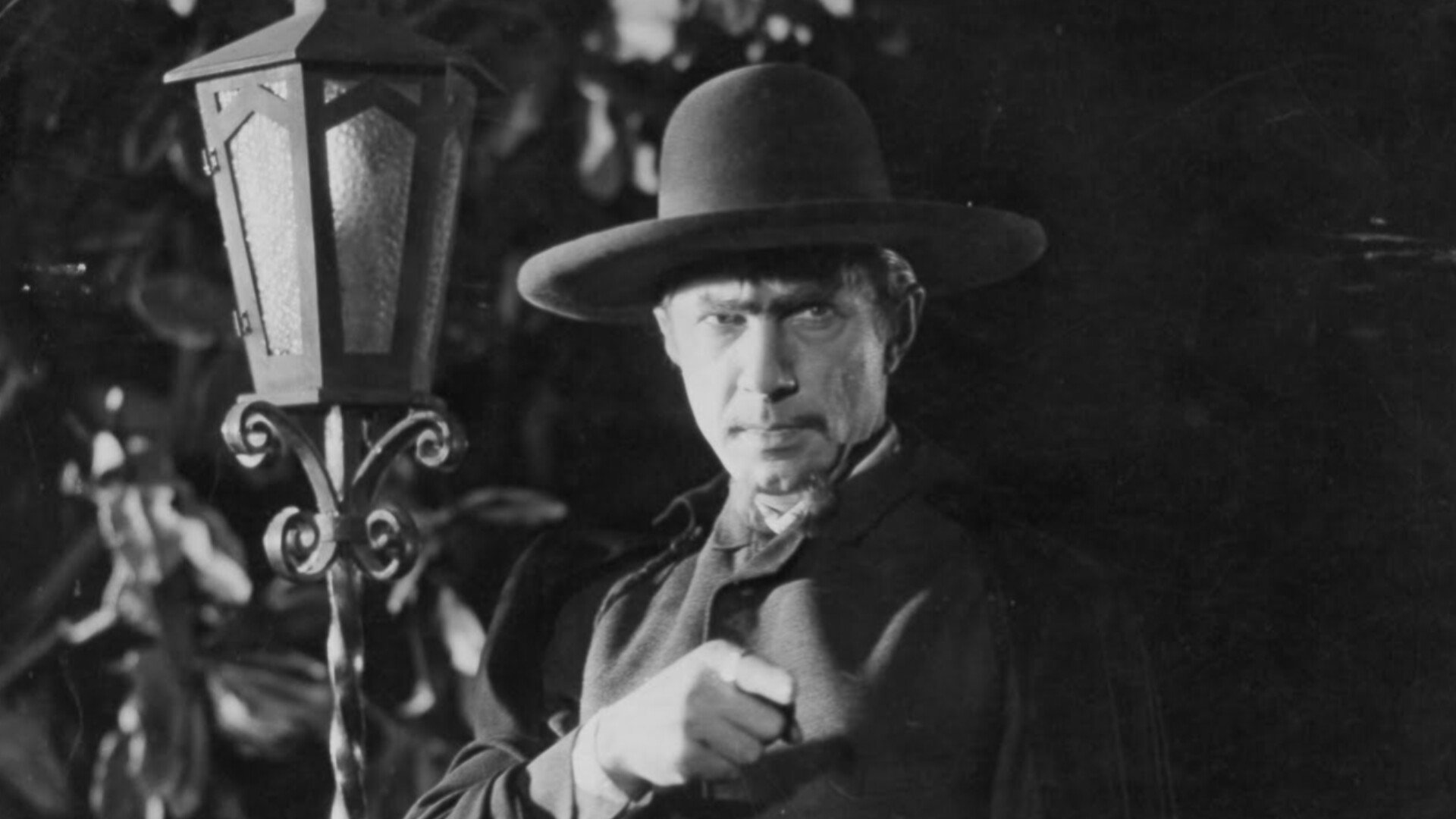
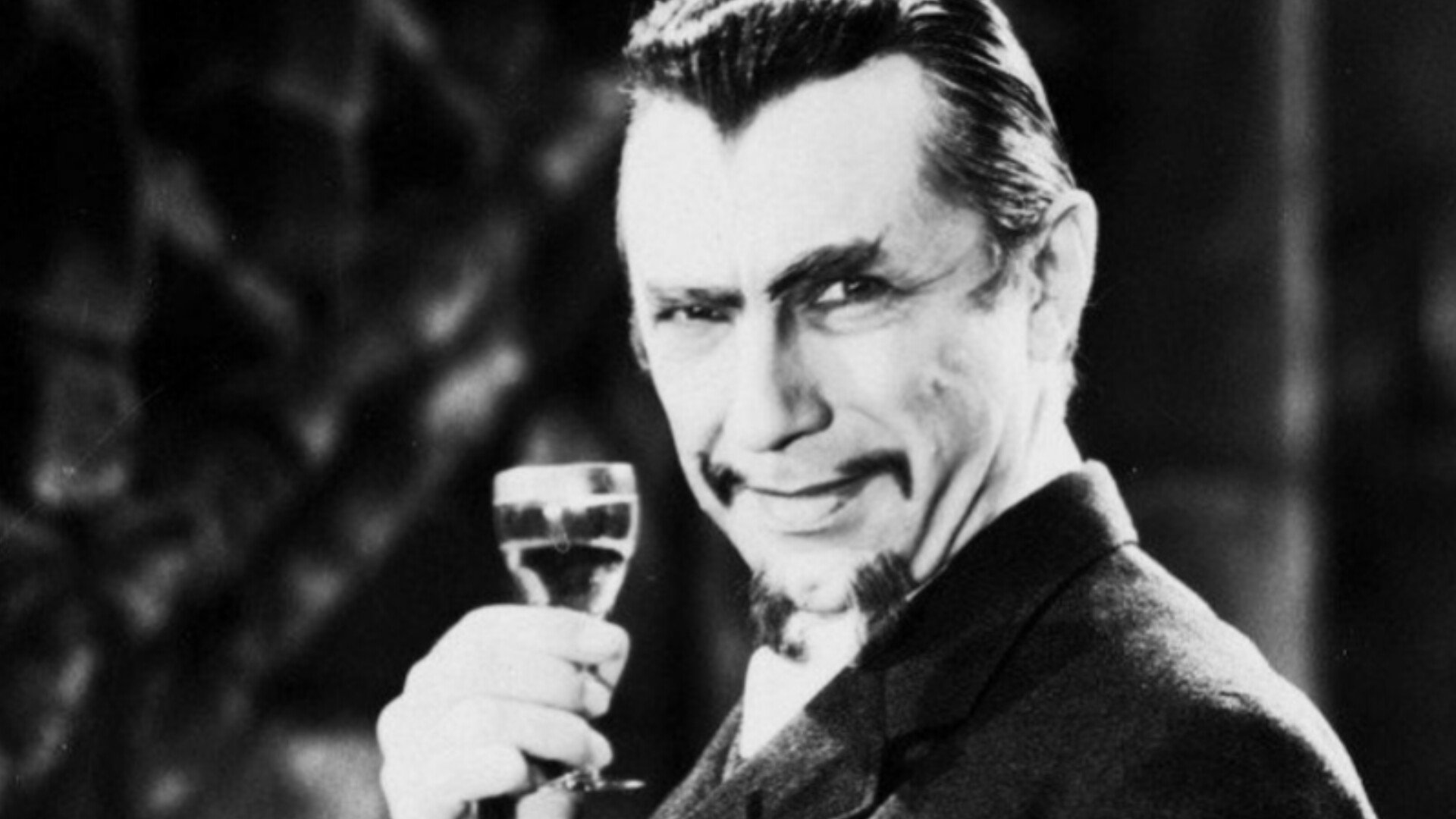
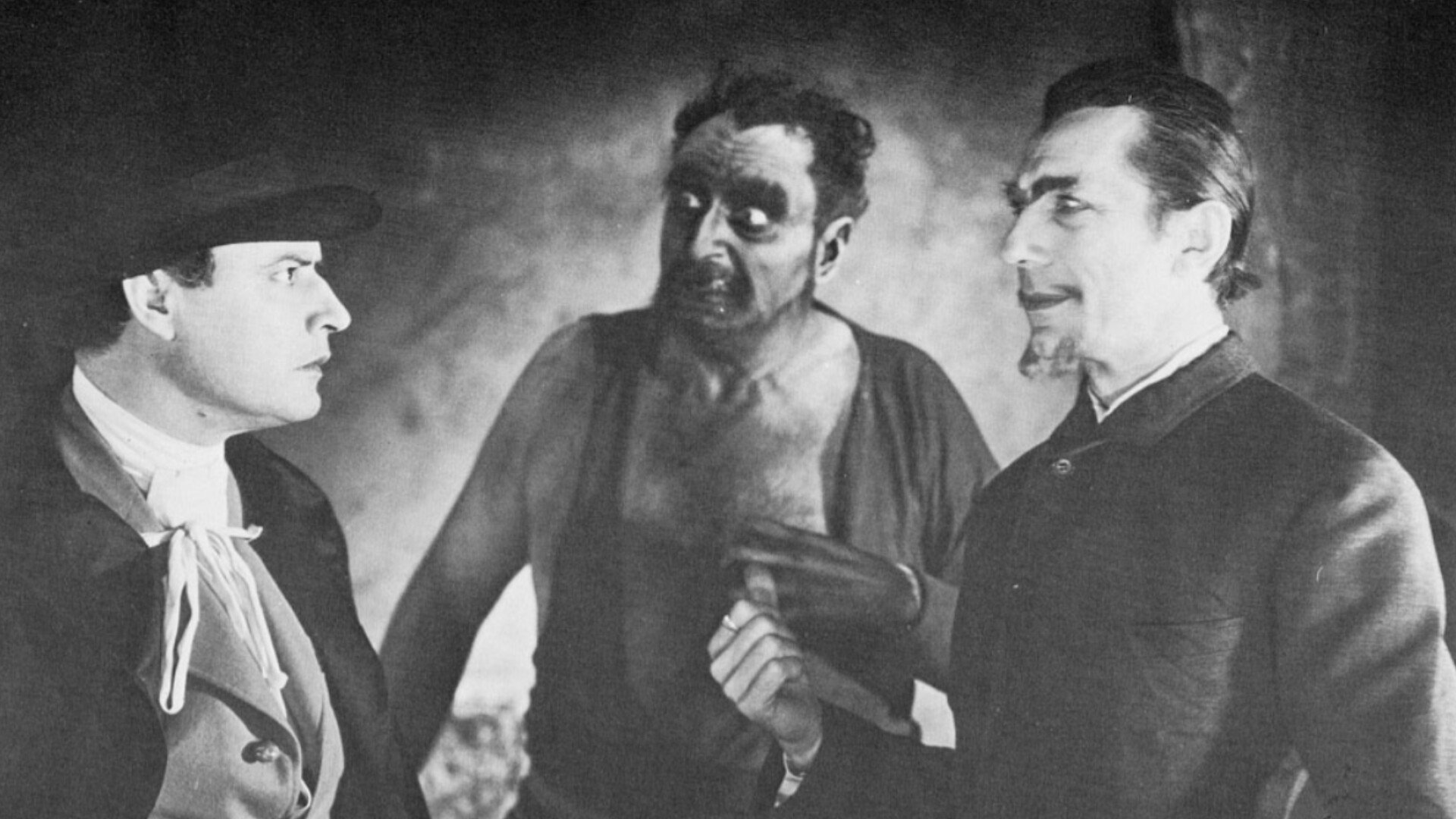
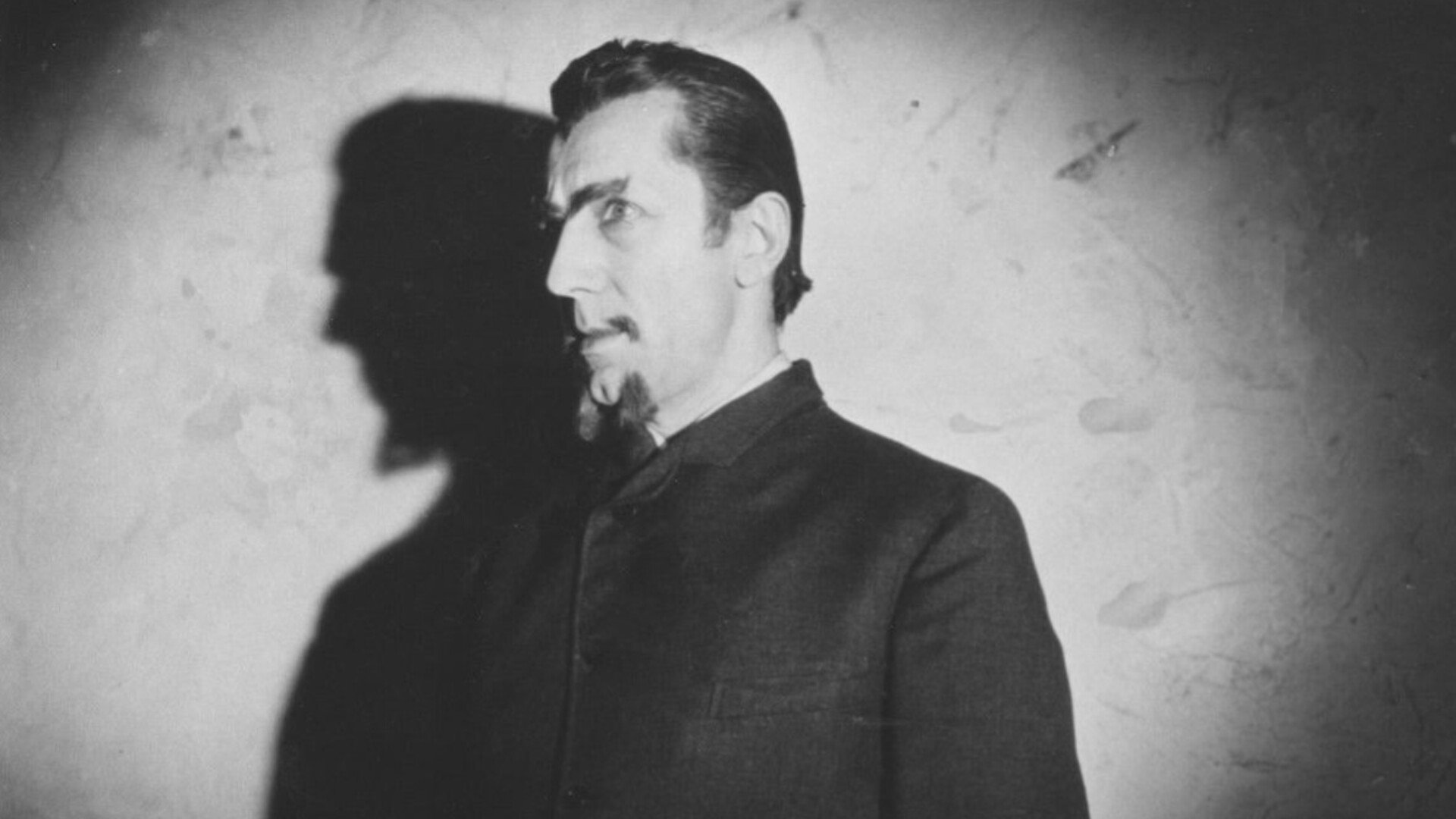
Cinematographer Arthur Martinelli gave the film a visual identity based on deep shadows, strongly defined faces and Gothic architectural spaces. The production used facilities at RKO Pathé in Culver City and Universal Studios, where existing scenery reduced the cost of constructing elaborate environments. Turner Classic Movies documents the reuse of material associated with Dracula, Frankenstein and Cecil B. DeMille’s The King of Kings (1927). These borrowed elements helped establish the appearance of Legendre’s residence and its surrounding spaces. Art direction involved Ralph Berger and Conrad Tritschler, while makeup contributions are credited to Jack Pierce and Carl Axcelle.
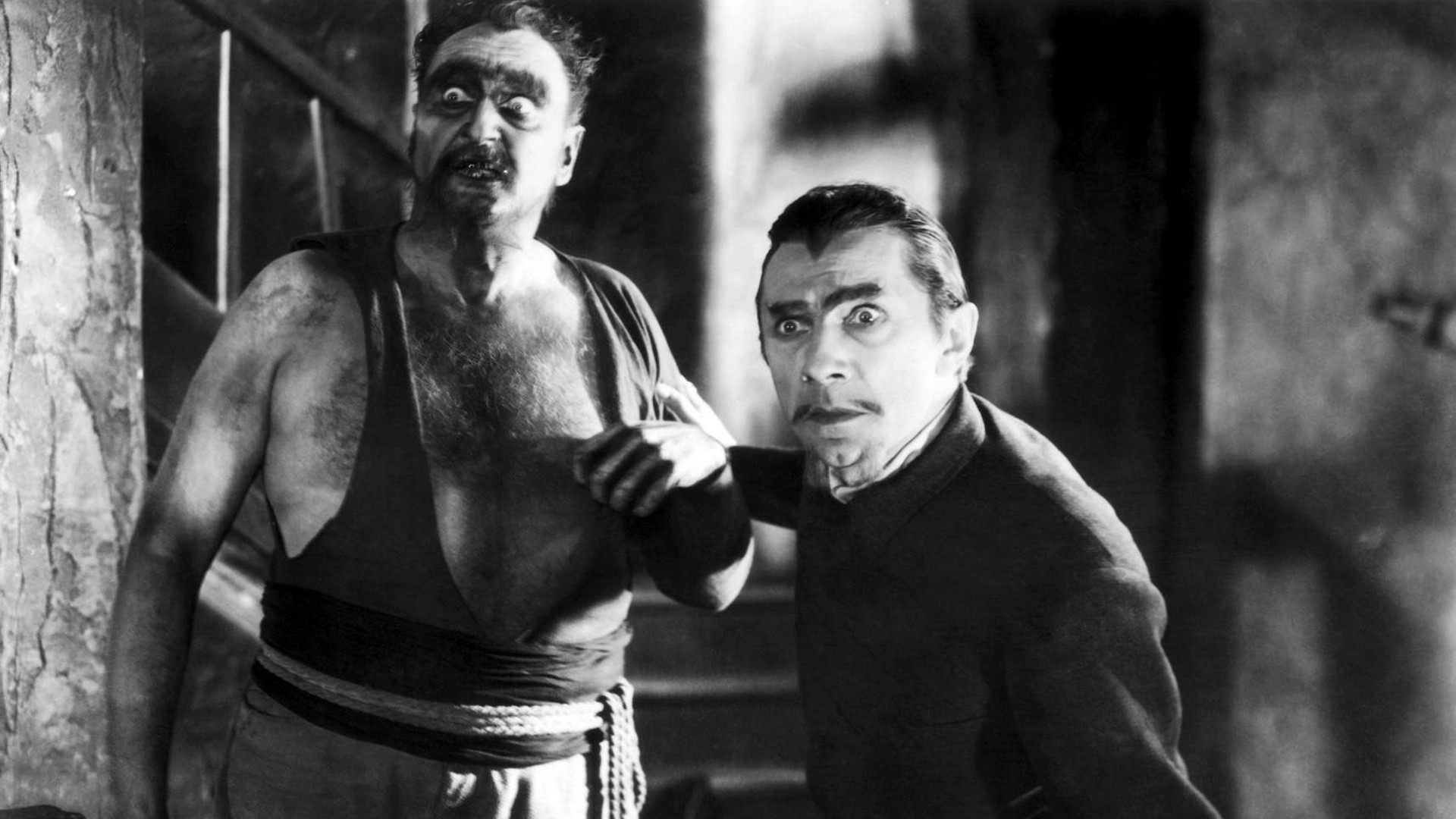
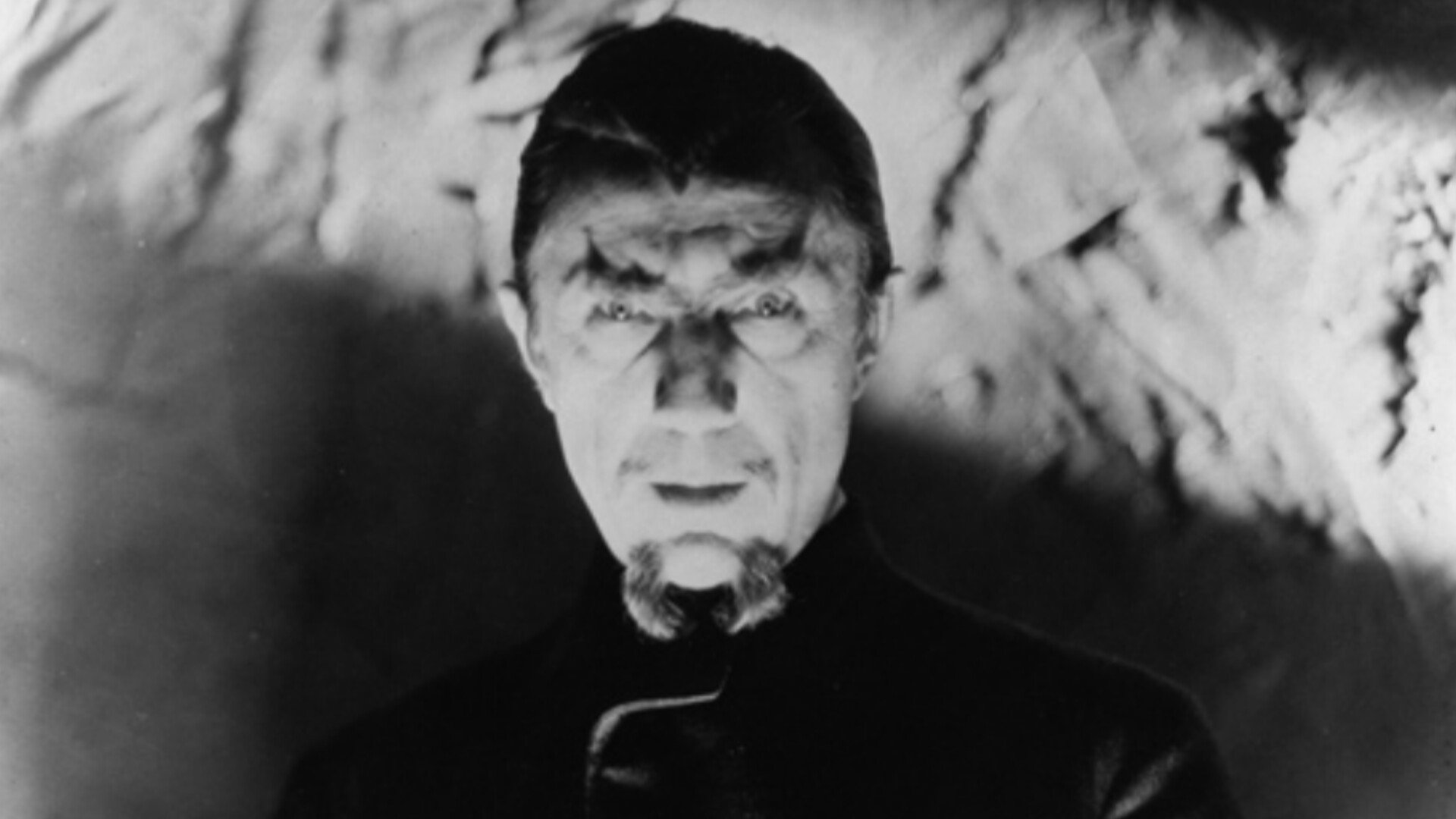
The film’s most distinctive effects frequently depend on photographic composition rather than mechanical spectacle. Lugosi’s eyes appear superimposed over other images, giving his hypnotic control a physical presence within the frame. The recurring emphasis on hands provides another visual representation of authority, particularly when Legendre directs the zombies without speaking. Camera movement also contributes to scenes that might otherwise have remained static exchanges of dialogue. The contrast between heavily shadowed interiors and comparatively open exterior locations makes the castle and the sugar mill appear separated from ordinary life.
The sugar-mill sequence is especially effective because of its restrained presentation. Workers operate machinery without visible emotion, continuing their movements while another falls into the grinding mechanism. The absence of a dramatic reaction makes the incident disturbing. Their labour proceeds as though the possible destruction of a body has no consequence. Elsewhere, close-ups of passive faces and synchronized movement emphasize the loss of individual identity. These images establish a different cinematic model of the undead from later scenes of zombies pursuing and consuming human victims. The principal threat is enforced obedience, conveyed through performance, framing and the relationship between people and industrial machinery.
Music, Sound, and Early Talking-Picture Style
White Zombie was produced during the early years of synchronized sound cinema, when filmmakers were still developing methods of combining dialogue, music and photographic expression. Abe Meyer received credit for the musical arrangements, while later production research identifies contributions from Guy Bevier Williams, Xavier Cugat and several other composers whose material was incorporated into the soundtrack. The score was therefore assembled from different sources rather than composed entirely by one musician. Turner Classic Movies identifies the use of a Spanish jota by Cugat during a passage in which Neil pursues an apparent vision of Madeleine.
The soundtrack combines music with chanting, percussion, bird cries and mechanical noises. Sounds associated with the sugar mill give its machinery a steady presence, reinforcing the indifference of the workers operating it. Other passages make use of relative quiet, allowing a sudden vocalization or instrumental accent to interrupt an apparently motionless scene. The music and effects support a visual style that still retains characteristics of silent cinema, including extended gestures and carefully arranged poses. Contemporary critics sometimes considered those characteristics outdated, but the combination of image and sound contributes to the film’s oppressive atmosphere and its depiction of people whose capacity to speak or respond has been suppressed.
Theatrical Release, Critical Reception, and Zombie History
White Zombie was distributed by United Artists during the summer of 1932. The American Film Institute records August 4 as its general release date, while a New York Times review published on July 29 documents an earlier engagement at the Rivoli Theatre. Its historical running time is reported variously as 68, 70 or 73 minutes. The picture encountered an unusually sharp division between critical response and audience interest. Contemporary reviewers frequently objected to the dialogue, performances and narrative construction. The New York Times treated its supernatural incidents dismissively, while other publications acknowledged Lugosi’s commanding presence despite reservations about the film as a whole.
The commercial reception was more favourable than these reviews might suggest. In a 2022 study published by the Hungarian Journal of English and American Studies, Heather Lambert examined contemporary advertisements, trade reports and archival material concerning the film’s exhibition. Her research documents theatres reporting substantial attendance despite weak newspaper reviews, including a Cleveland engagement associated with more than sixteen thousand tickets during its opening weekend. The distributors also exploited the controversy in advertising, turning critical hostility into a demonstration of public curiosity. These contemporary figures provide evidence of commercial success, although they do not establish a single independently verified worldwide theatrical gross.
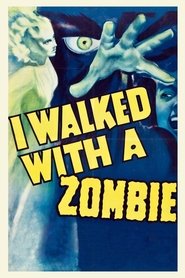
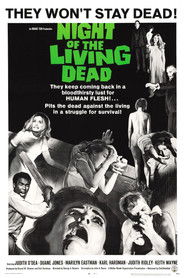
The Halperins subsequently made Revolt of the Zombies (1936), which reused some footage from White Zombie but developed a different story and cast. The earlier film’s importance also extends to the subsequent evolution of the zombie in horror cinema. Jacques Tourneur’s I Walked with a Zombie (1943) continued to explore the Haitian tradition, while George A. Romero’s Night of the Living Dead (1968) established a substantially different form of the undead associated with violent mass attacks and eventual cannibalism. The British Film Institute identifies White Zombie as the starting point of the feature-length cinematic tradition, while distinguishing its controlled labourers from the later Romero model. Its enduring significance rests on that historical position, Lugosi’s supernatural villain and the images of enslavement that define its distinctive conception of horror.