

Development and the Haunted Home
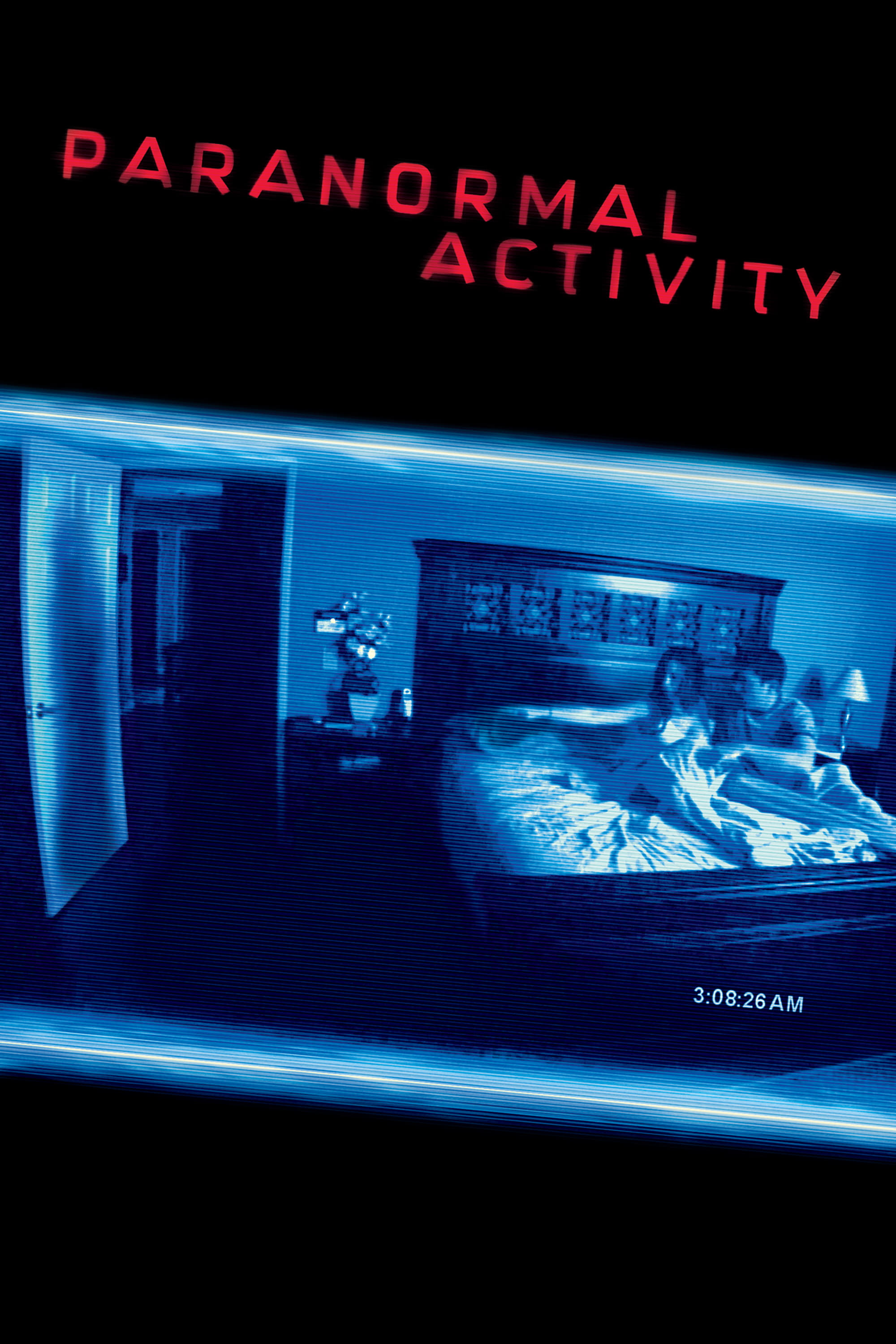
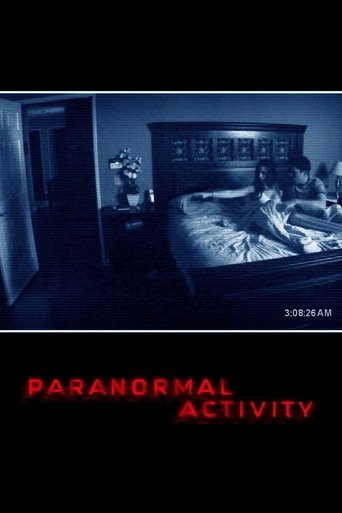
Peli traced the initial concept to unexplained noises in a house he had recently occupied. He did not describe those sounds as proof of a haunting; instead, they led him to imagine residents who suspected something supernatural and chose to film their bedroom overnight. In interviews he identified The Blair Witch Project and Rosemary's Baby as influences on a type of horror that depended on patient suspense and the audience's imagination. The camera was therefore built into the premise from the outset. It supplied a plausible reason to keep watching apparently uneventful rooms while allowing a very small production to make uncertainty its principal dramatic resource.
Preparation occupied approximately a year, according to Peli's retrospective account. He studied basic filmmaking techniques, editing and digital effects, and read about alleged hauntings, demonic possession and exorcism to develop the story's vocabulary. There was no conventional dialogue screenplay. He worked from a treatment specifying situations, changes in the haunting and the couple's responses. This approach left Katie Featherston and Micah Sloat responsible for much of the moment-to-moment dialogue. Peli's auditions accordingly tested how performers reacted to imagined domestic disputes and paranormal claims, an approach intended to make their conversations resemble private interactions rather than scripted exposition.
The story uses a particularly consequential division between its central characters. Katie already associates the disturbances with an earlier history of frightening experiences, whereas Micah hopes that documentation and intervention will give him control. Recording becomes both an investigative tool and a source of conflict: each new piece of evidence encourages Micah to continue, even as Katie becomes increasingly distressed. The haunting is structured around that disagreement. Instead of moving from one spectacular supernatural event to the next, the film makes the characters' decisions about whether to keep filming part of its machinery of fear.