[REC]² (2009)

ES
6.0/10 2 votes
Runtime
85 min
Release
September 15, 2009
Budget
$5,600,000
Revenue
$18,469,680
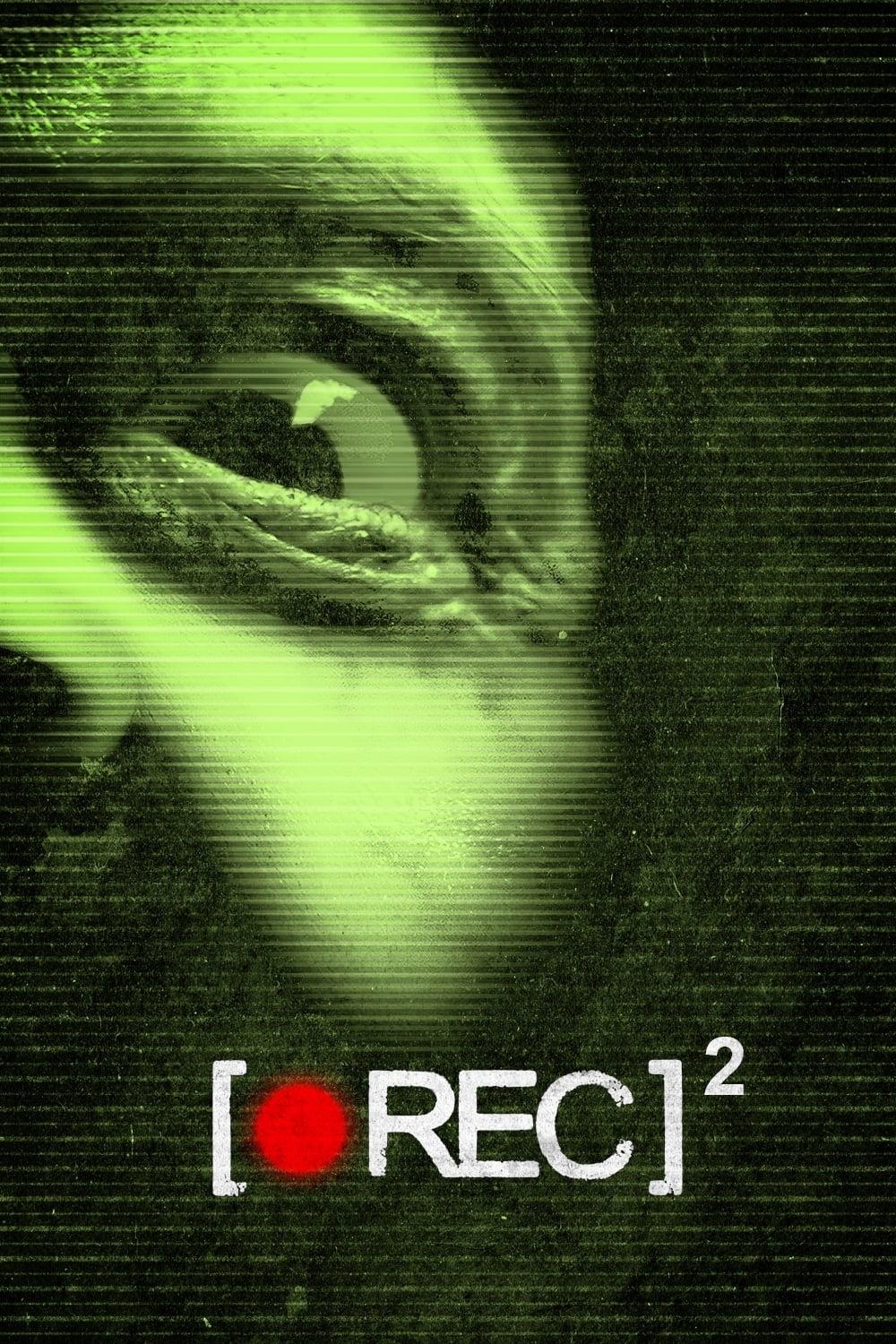
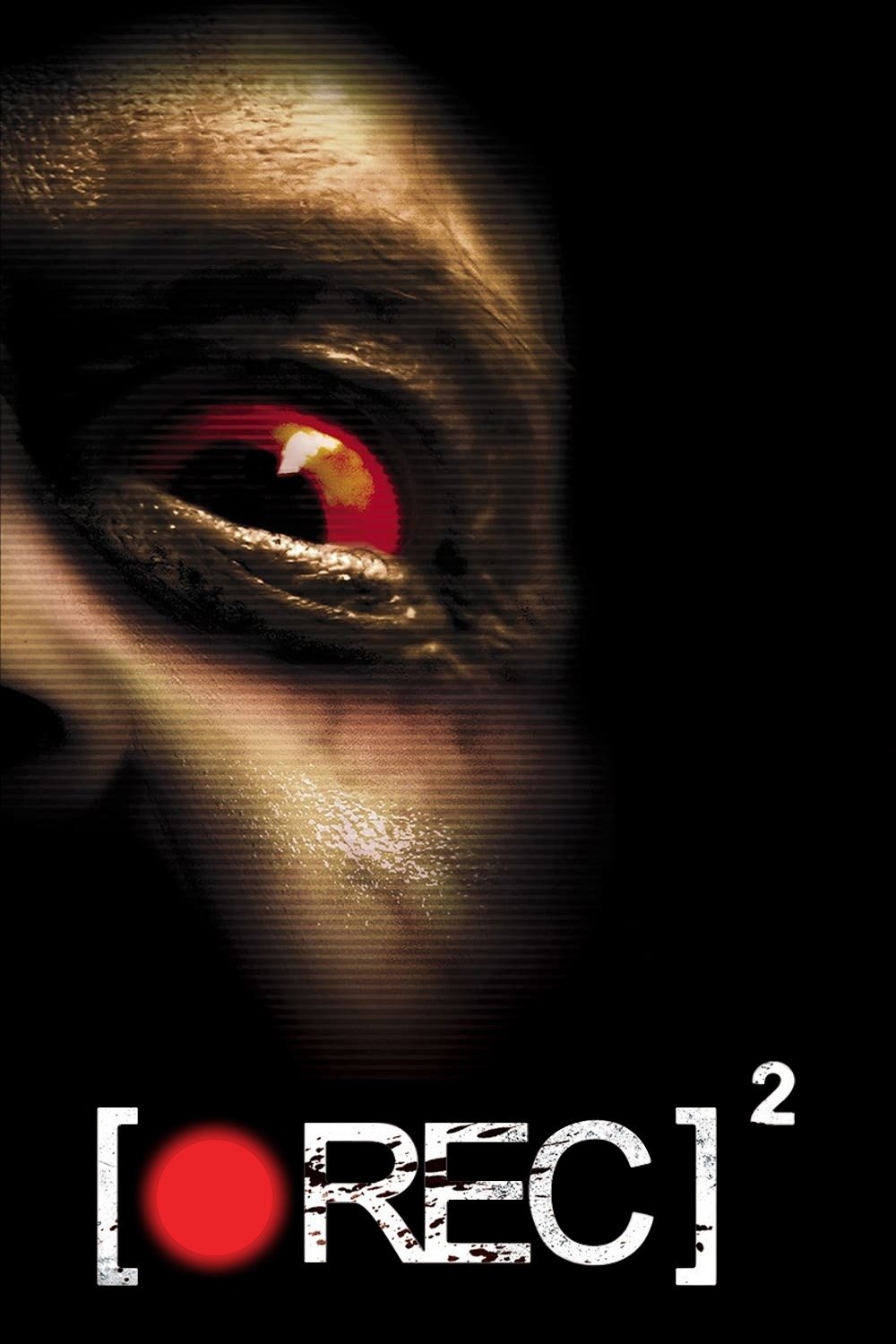
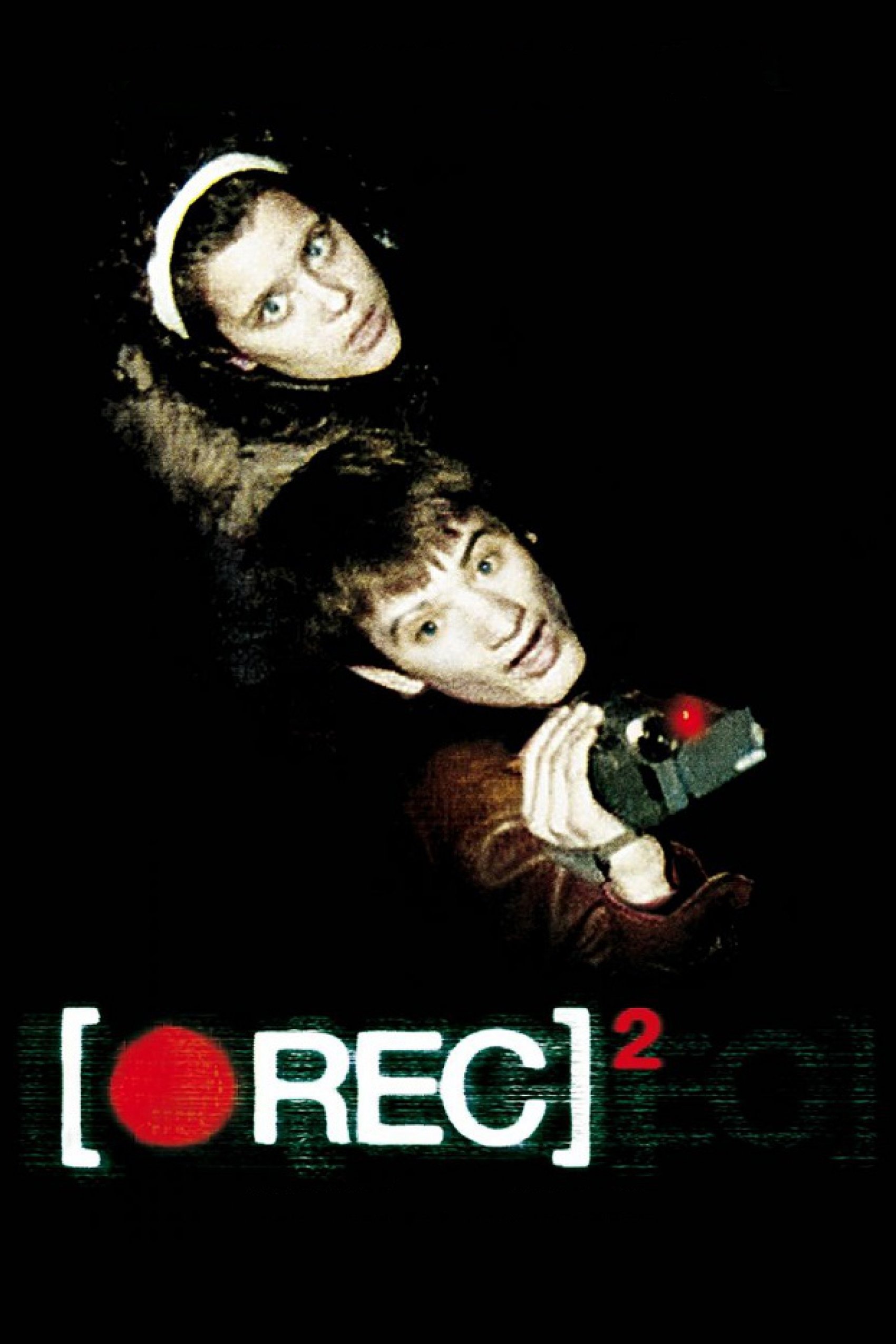
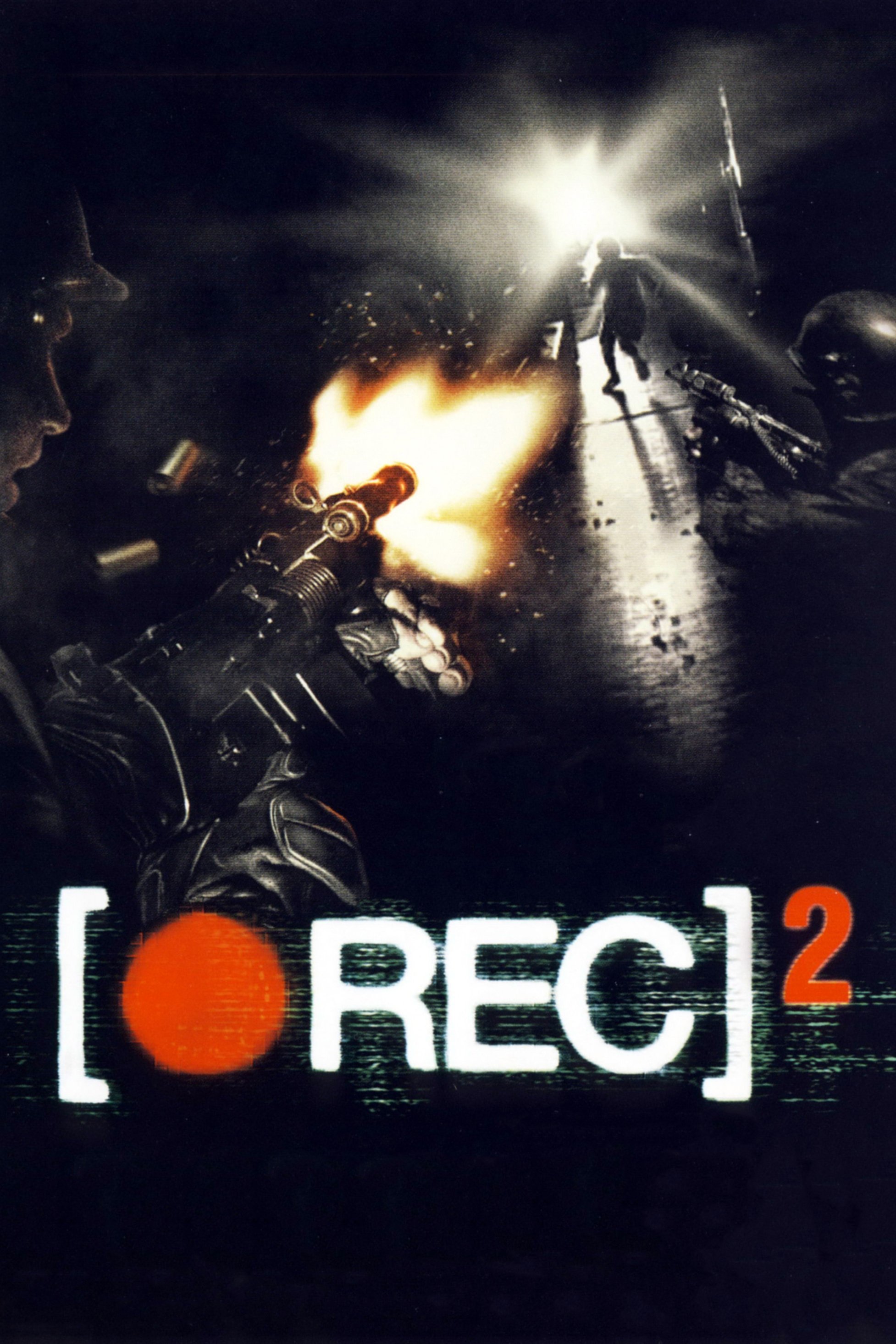
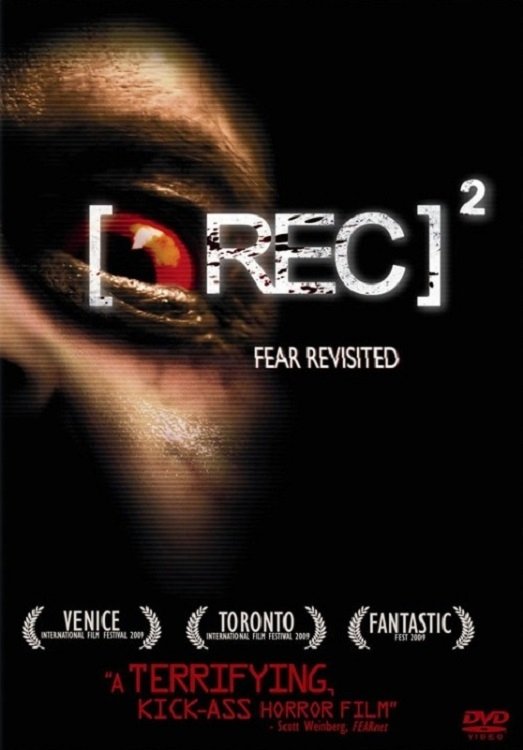
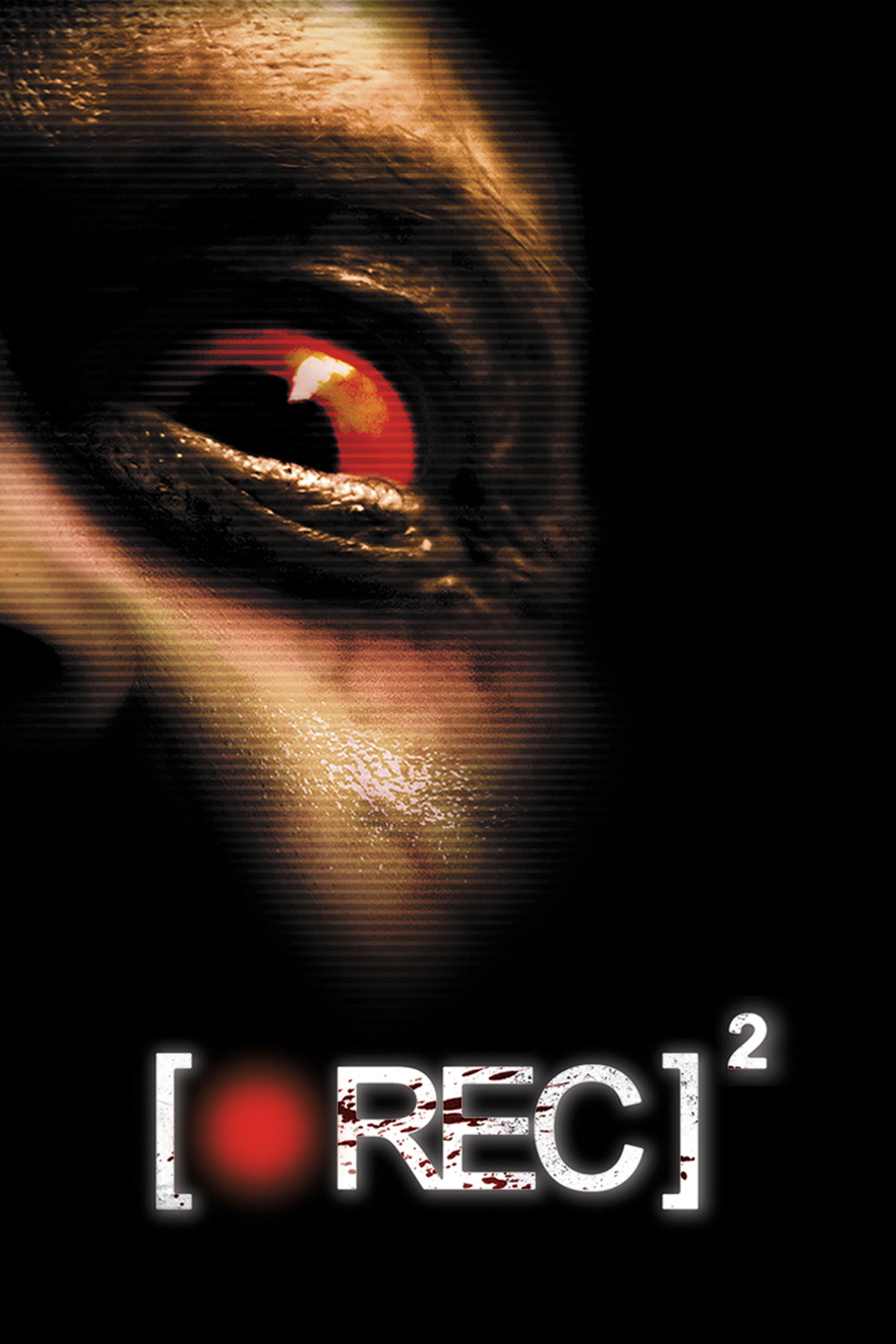
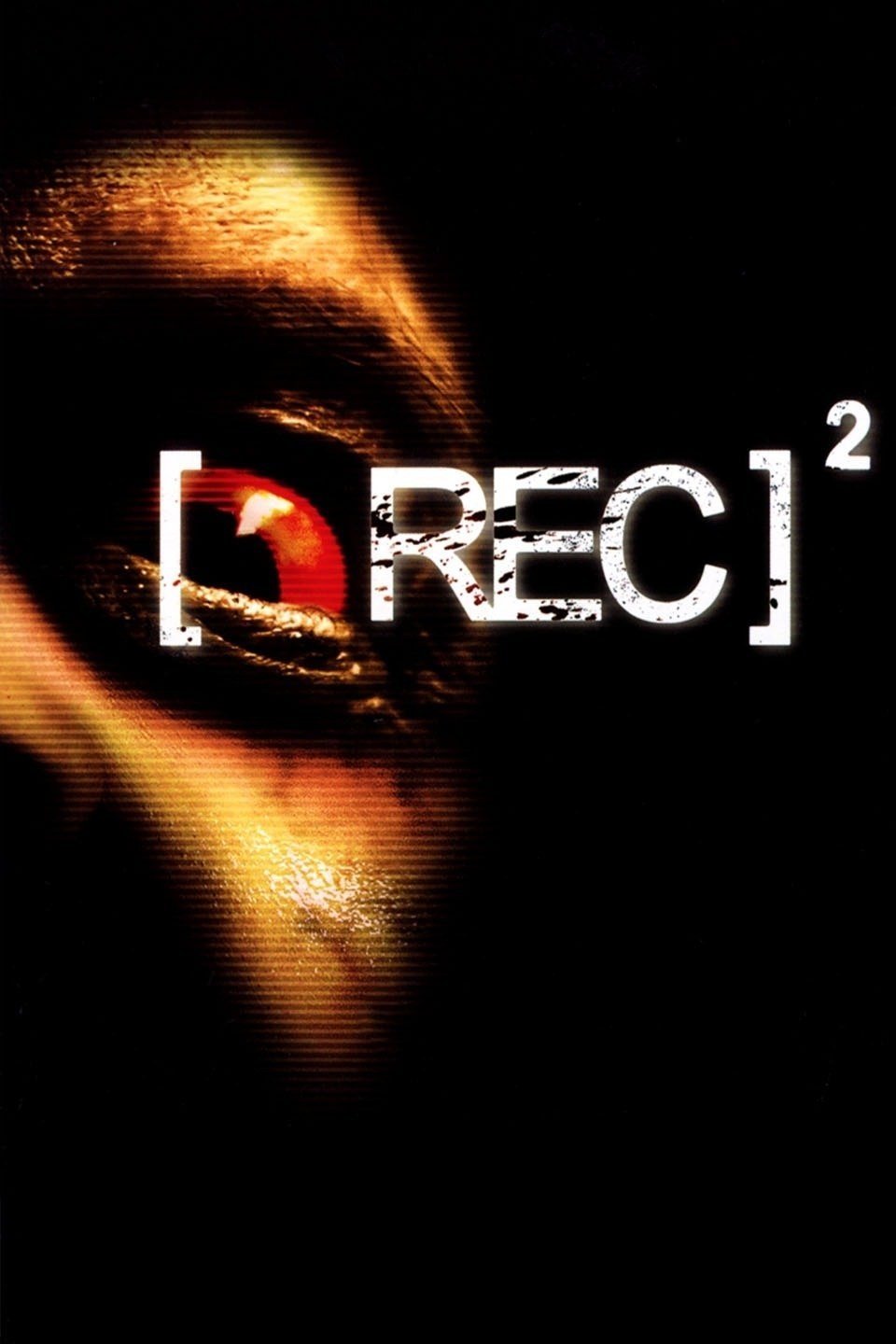
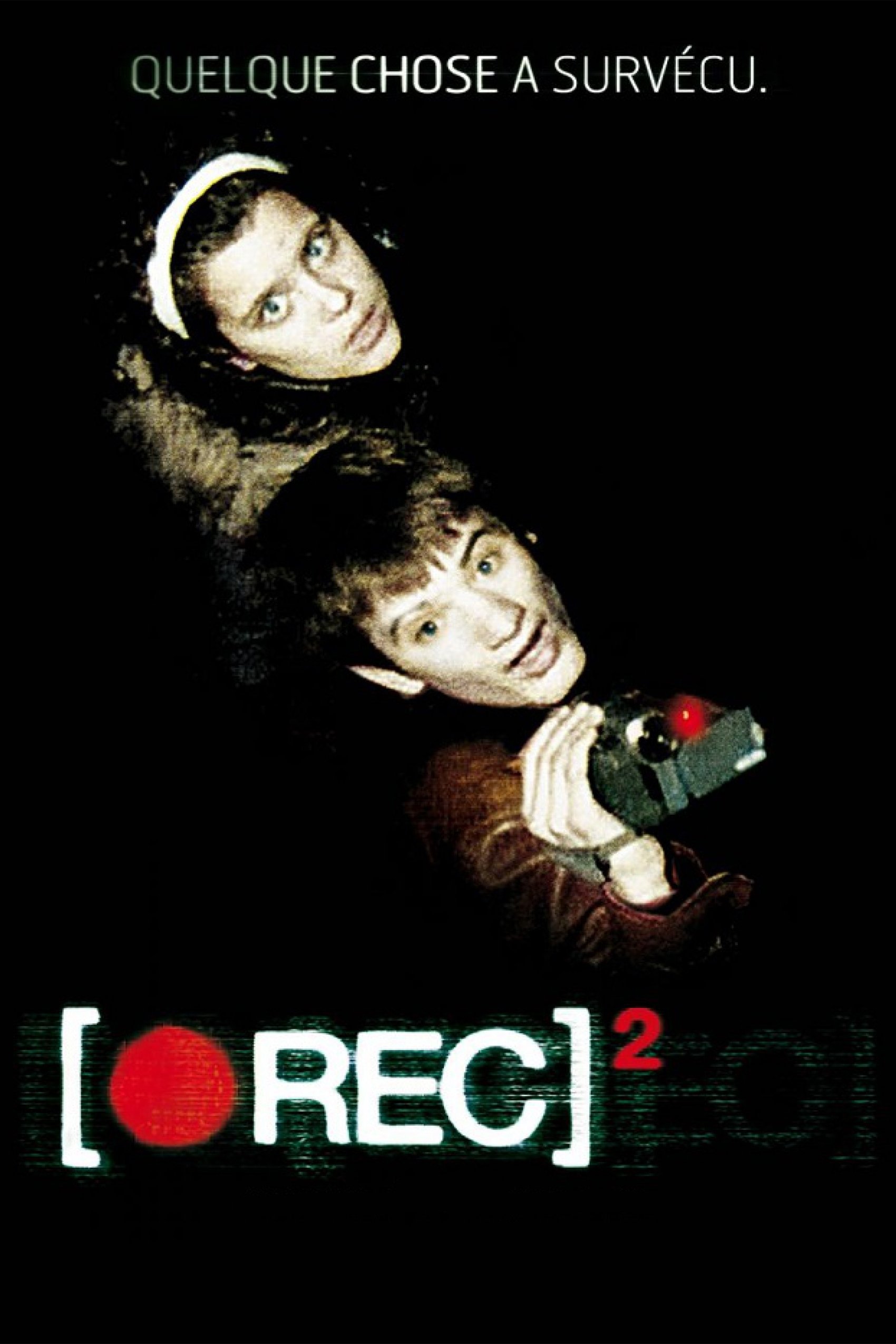
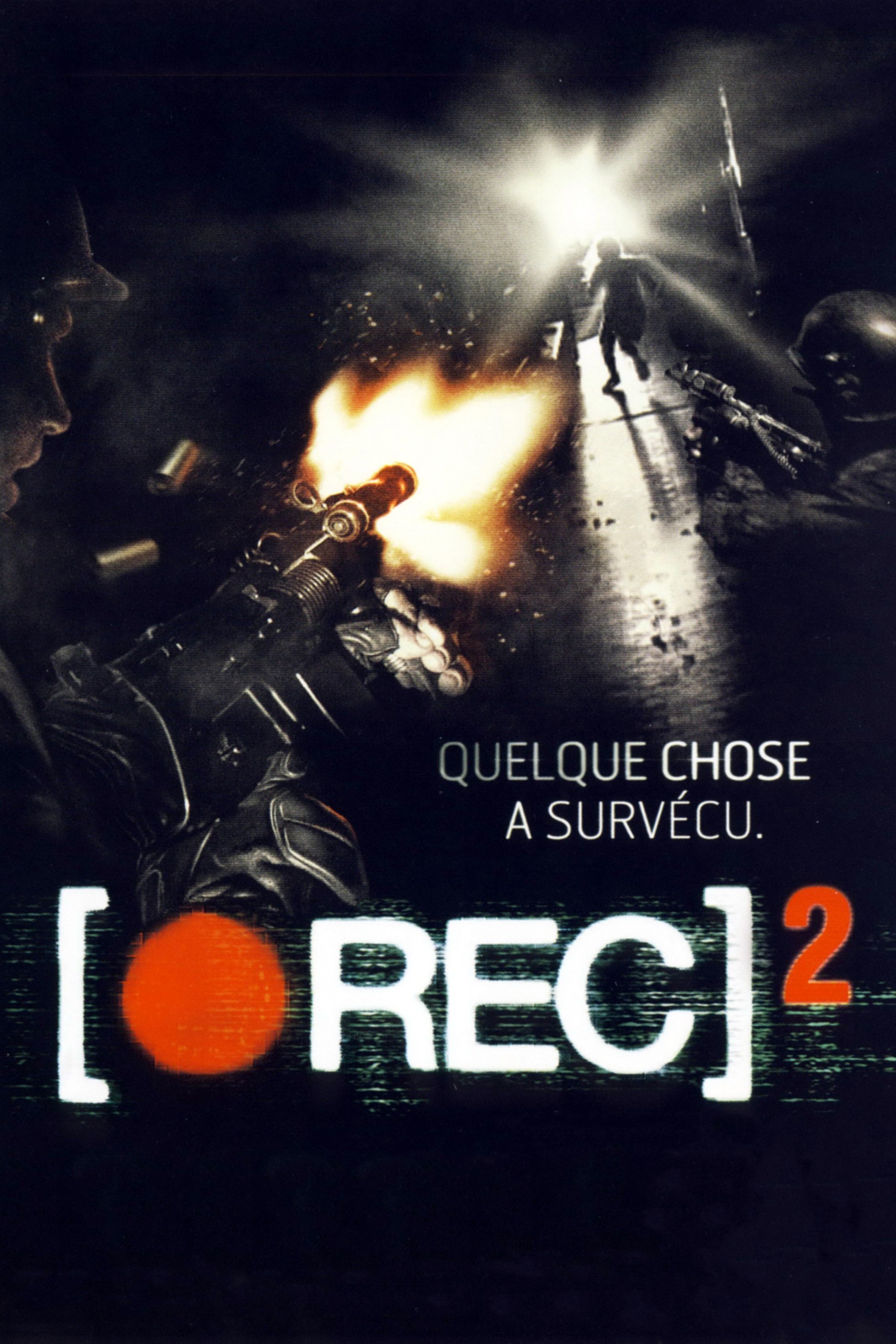
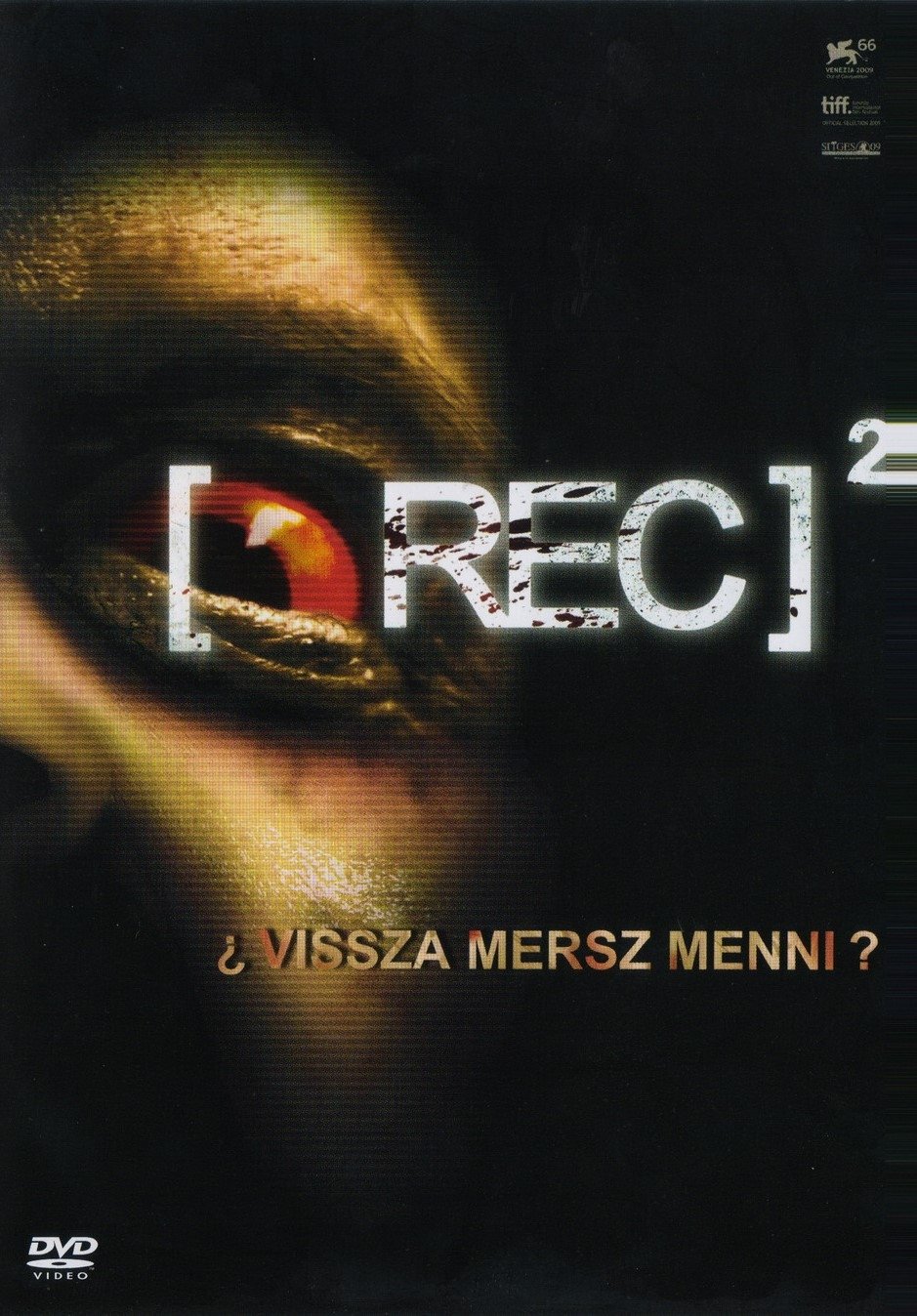
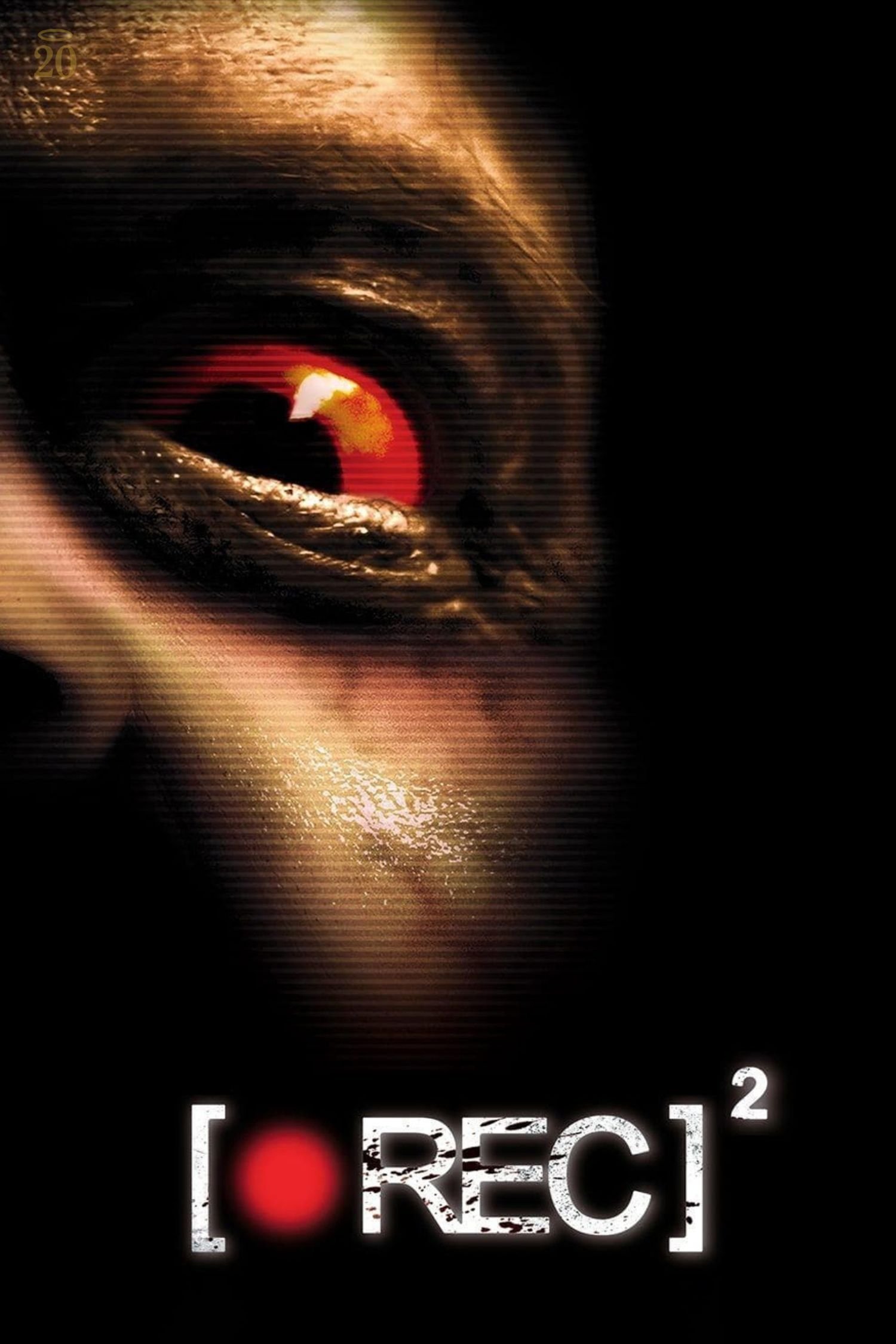
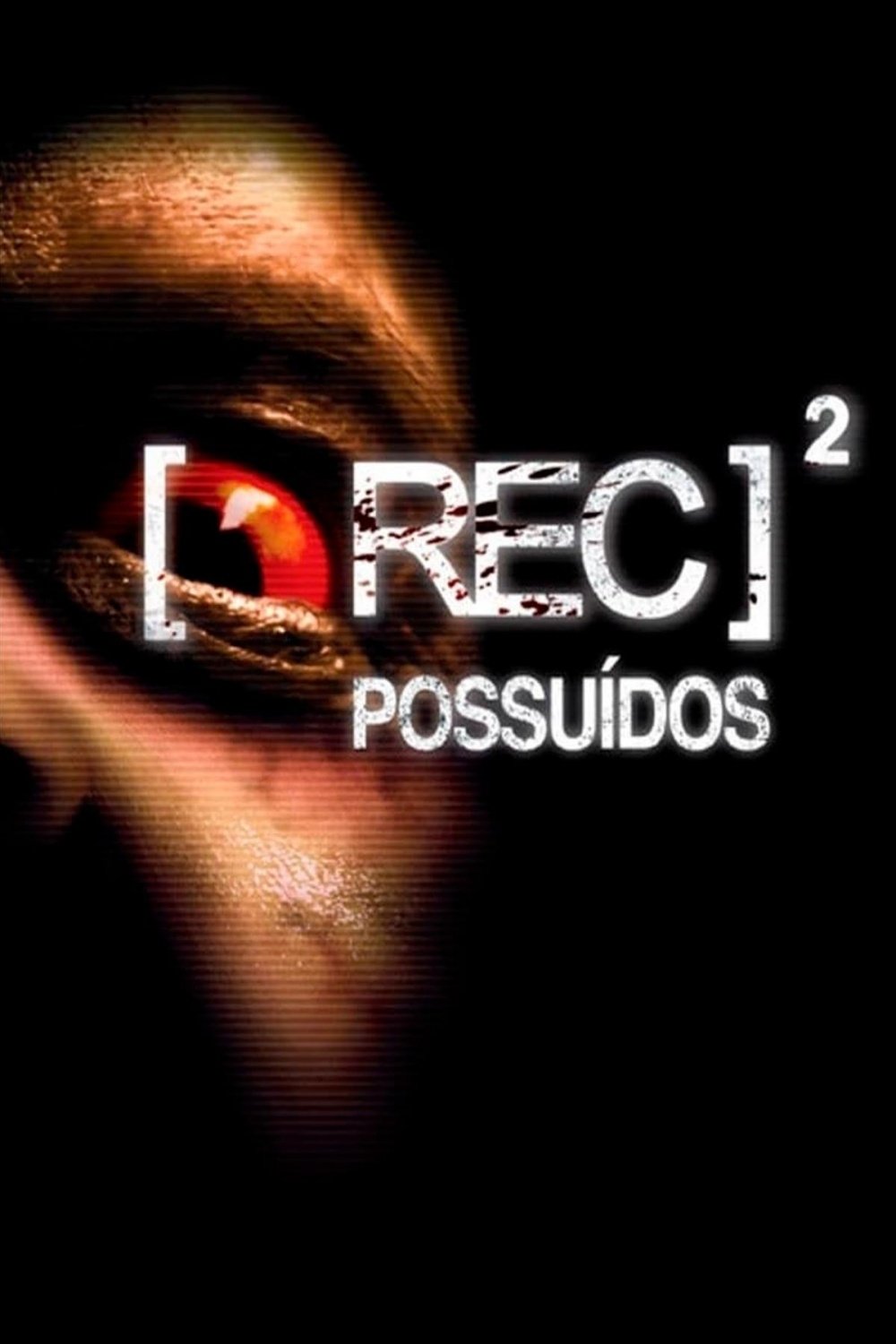
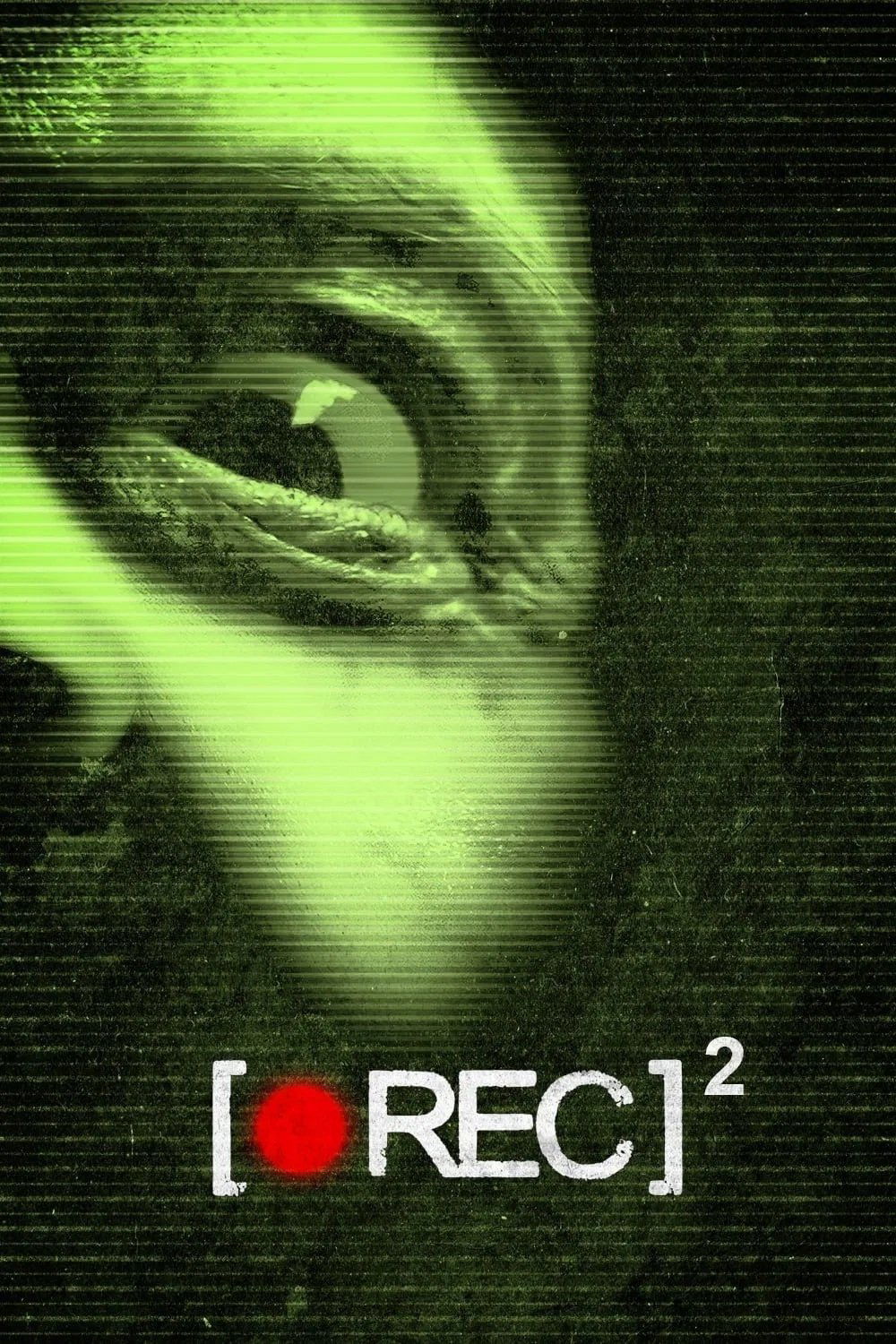
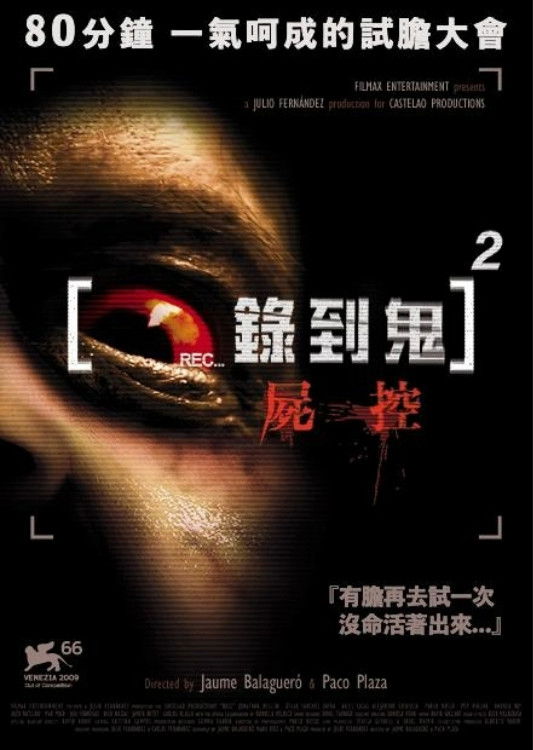
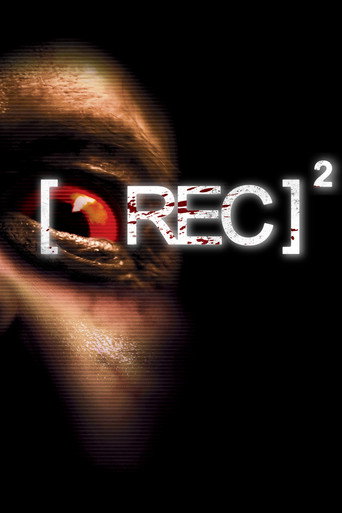
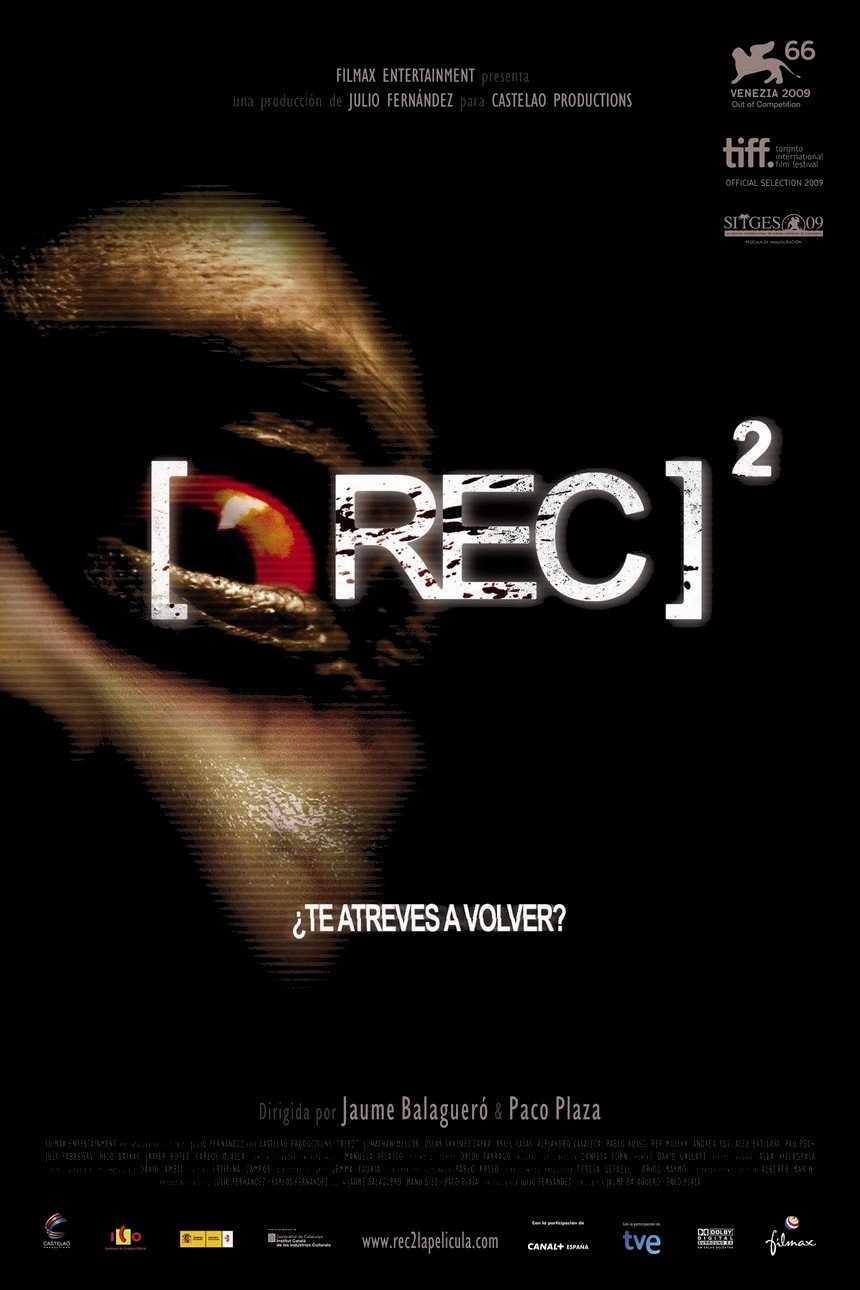
[REC]² (2009) poster
Production Company
Castelao Productions
Plot

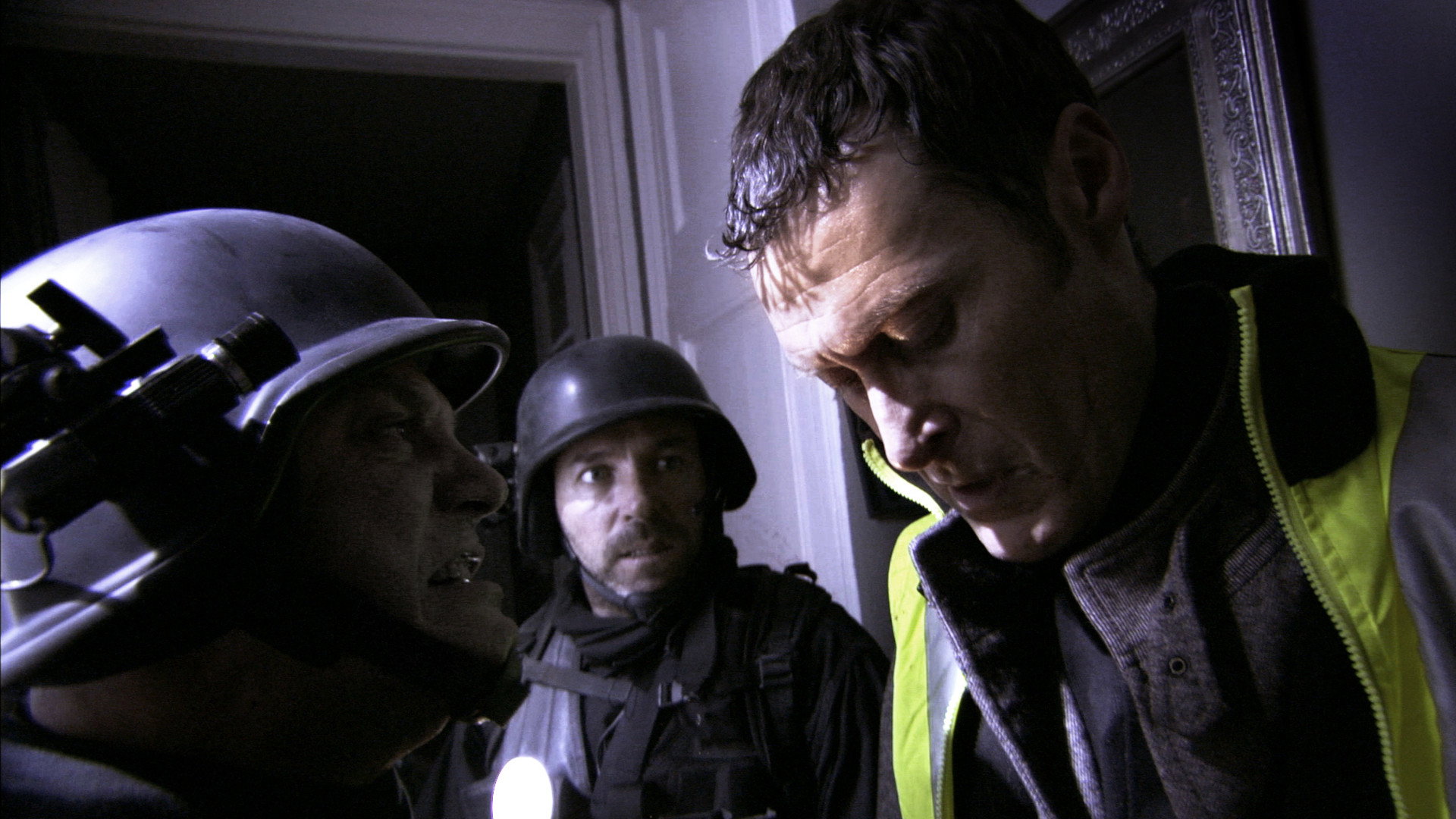
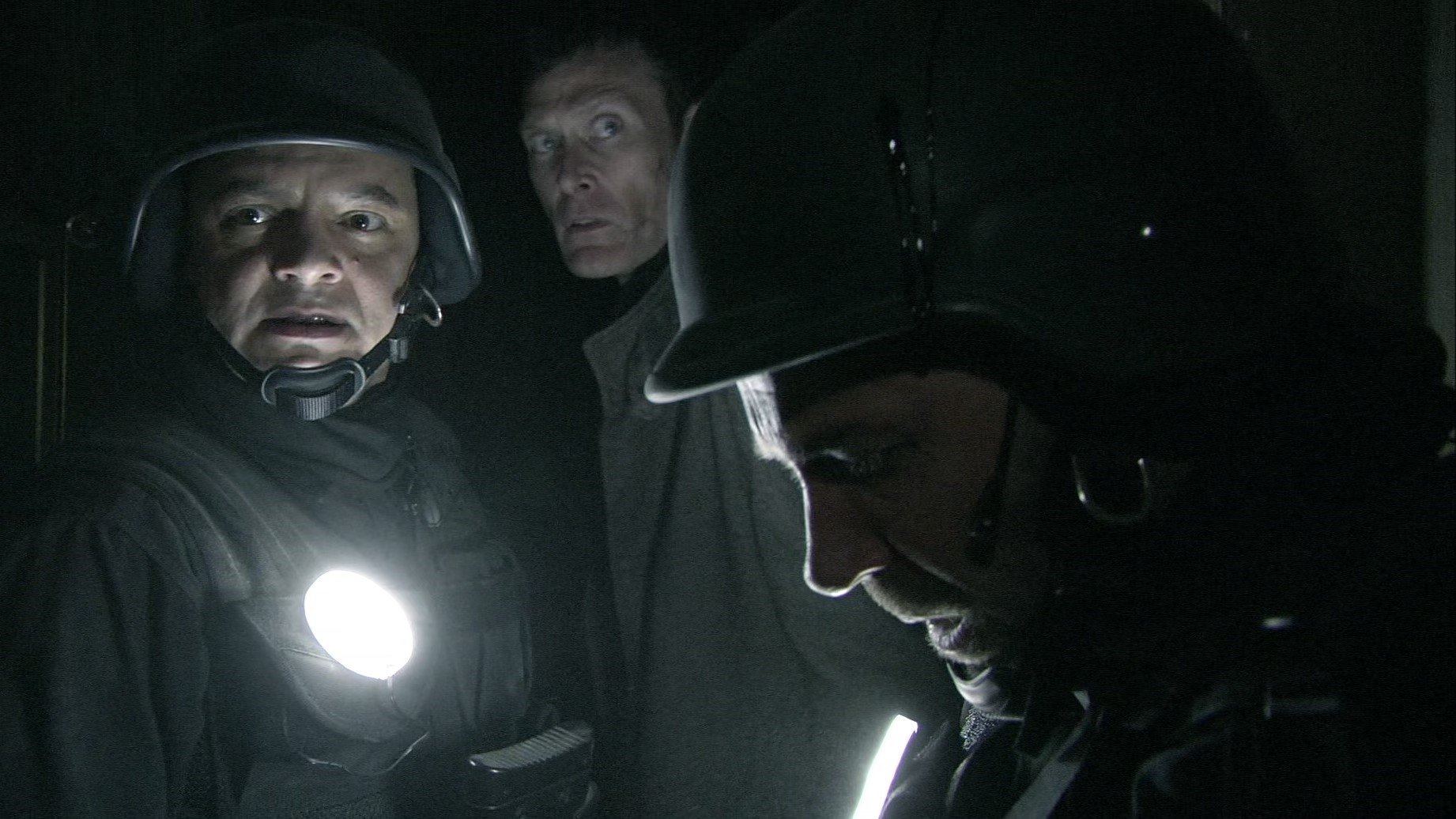
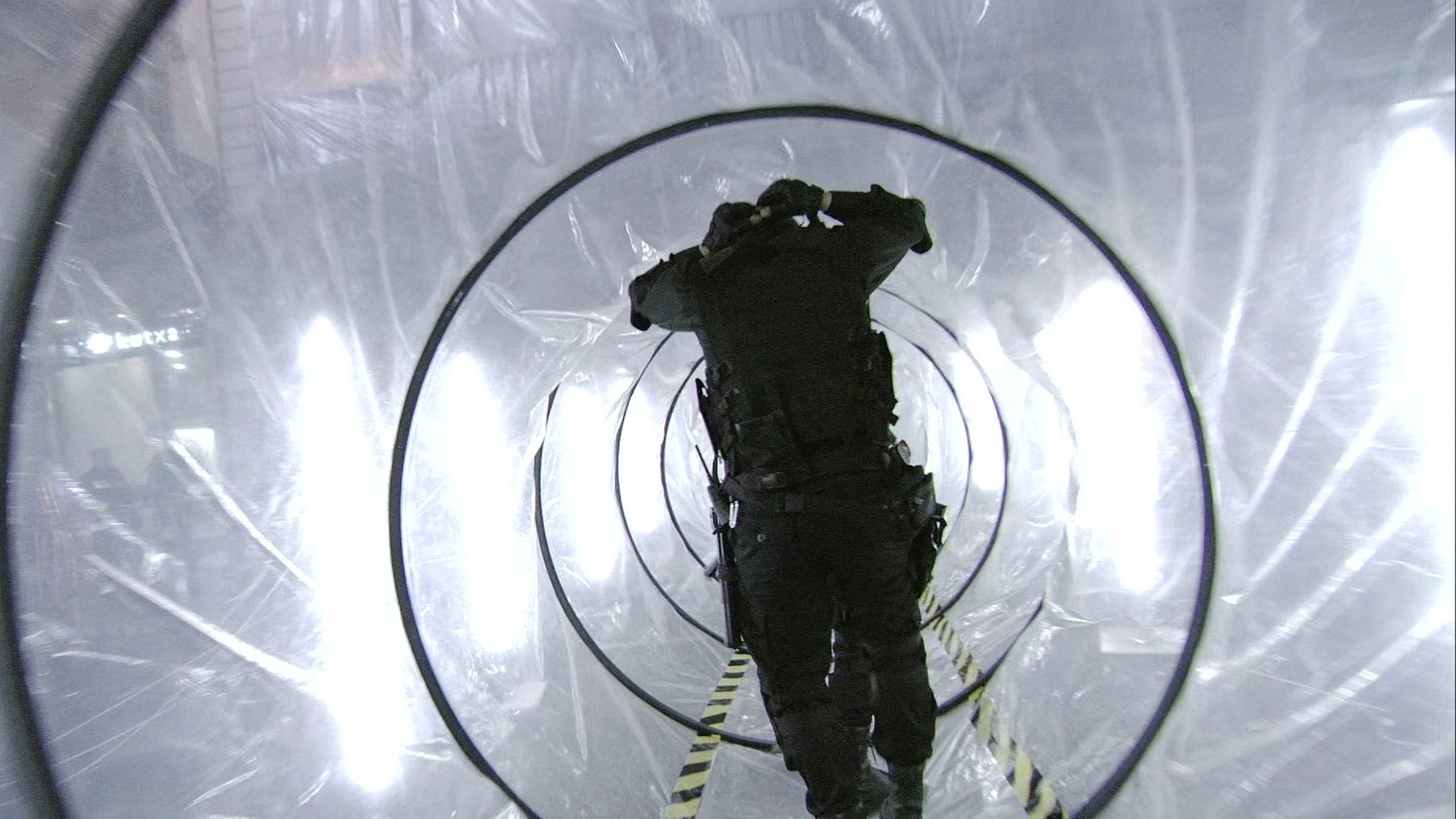
Shortly after the Barcelona apartment building is sealed, a police tactical team enters alongside an official who appears to be directing an investigation of the outbreak. Helmet cameras capture the unit's search through the darkened premises. A group of young intruders records further activity in the building, opening additional perspectives on the same emergency. As the teams encounter infected residents, the official's real purpose and the supernatural implications of the contagion begin to emerge.

Alternative Titles
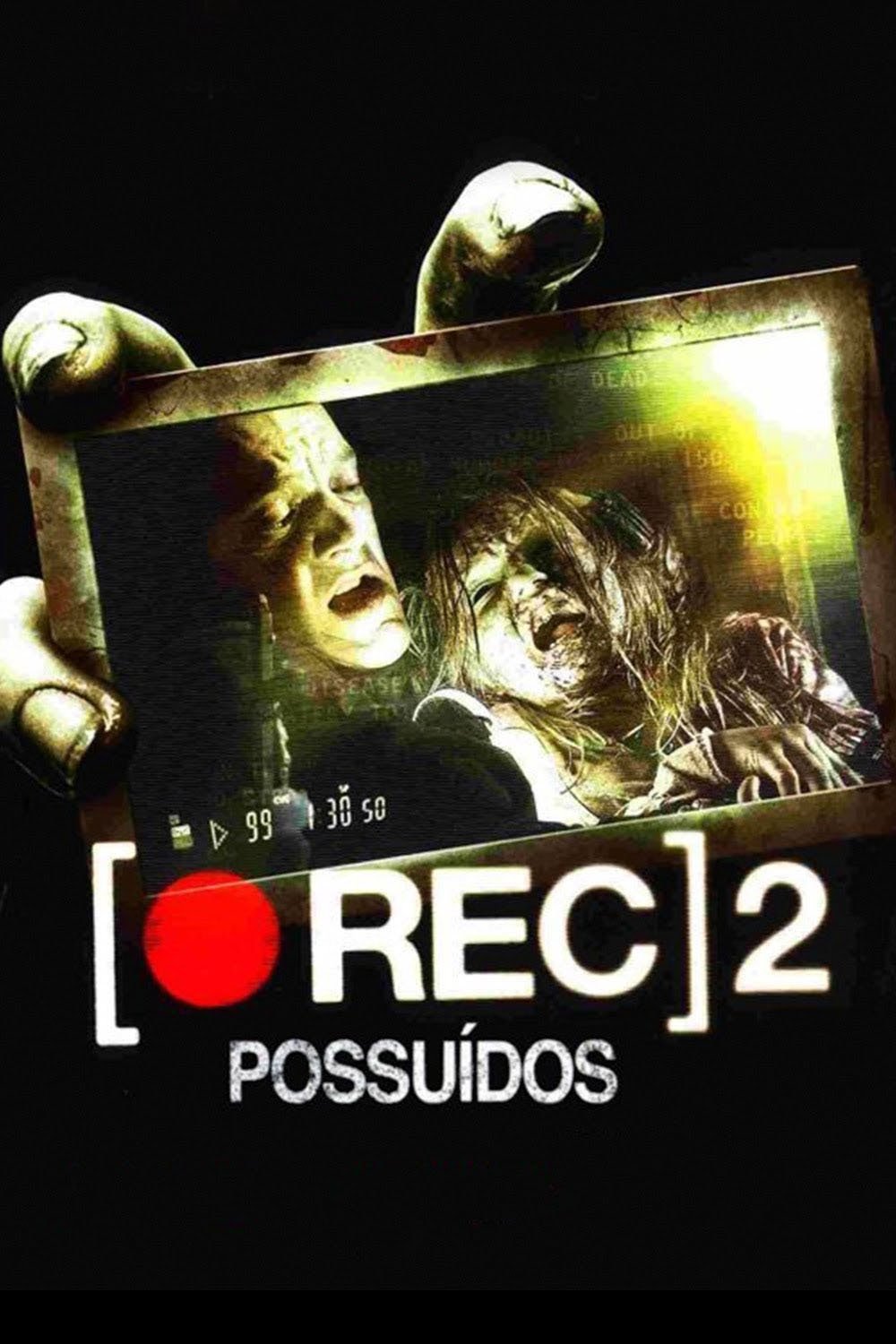
[На запис]² (Bulgaria) — Bulgarian [REC] 2: Possuídos (Brazil) — Portuguese [REC]²: Possuídos (Brazil) REC 2: Possuídos (Brazil) 死亡录像2 (China) — Chinese [REC]² - Die nächste Dimension des Grauens (Germany) REC 2 (Spain) Rec 2 (Finland) — Finnish
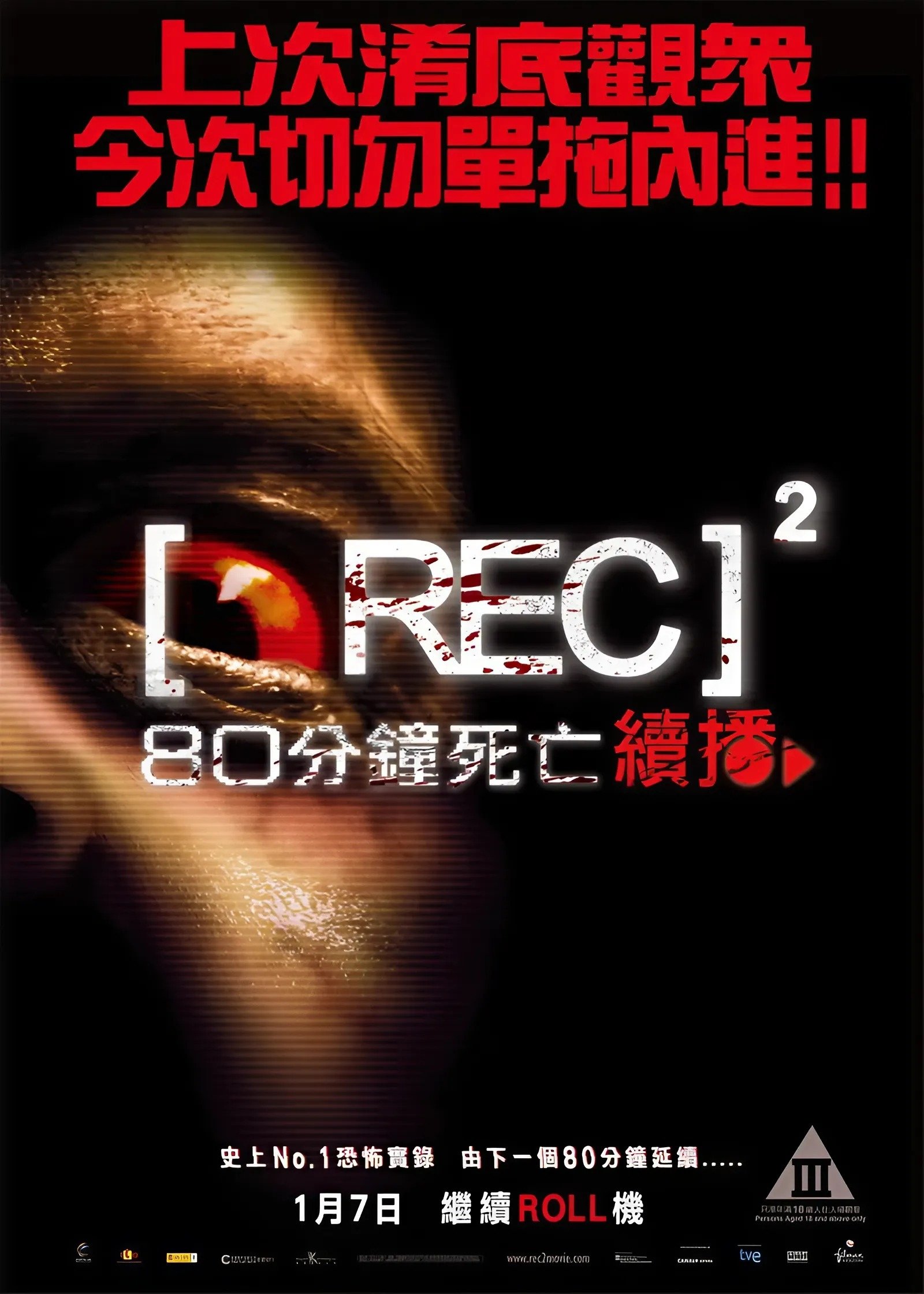
Show all 27 alternative titles [REC] ²: Fear Revisited (United Kingdom) 80分鐘死亡續播 (Hong Kong SAR China) — Chinese [מקליט]² (Israel) מקליט ² (Israel) — Hebrew פחד, מצלמים 2 (Israel) [•REC]² (Italy) — Italian Rec 2 (Italy) REC / レック 2 (Japan) — Japanese REC レック2 (Japan) 알.이.씨 2 (South Korea) — Korean Įrašas 2 (Lithuania) — Lithuanian [REC] 2 - Possuídos (Portugal) — Portuguese Репортаж из преисподней (Russia) — Russian ปิดตึกสยอง 2 (Thailand) — Thai Ölüm Çığlığı 2 (Türkiye) Rec 2 (Türkiye) — Turkish 錄到鬼2:屍控 (Taiwan) — Chinese Репортаж 2 (Ukraine) — Ukrainian Góc Quay Đẫm Máu 2 (Vietnam) — Vietnamese

Trailers & Videos

1 video

Film Guide

A multi-camera return to the quarantined Barcelona apartment building, where contagion horror opens into demonic possession.

Jaume Balagueró and Paco Plaza's [REC]² (2009) resumes the events of [REC] within minutes of the first film's ending. A tactical police unit enters the quarantined Barcelona apartment building with a supposed health official, while cameras attached to the operation record another descent into its confined rooms and stairwells. The apparent infection is now examined through the language of Catholic possession, with the fate of the earlier film's television reporter Ángela Vidal becoming central to the investigation. The immediate continuation preserves the location and the recording-device premise, but changes the characters' knowledge, the pace of the violence and the way spectators move between competing views of the emergency.

The sequel occupies an unusual place in the development of the Spanish horror series because its filmmakers deliberately altered the genre emphasis while retaining the same fictional night. Plaza cited James Cameron's Aliens as a model for turning an established horror situation toward action without abandoning its essential identity. Several camera feeds replace the original's single reportage viewpoint, and the sound department gives each recording apparatus its own acoustic character. The supernatural explanation, foreshadowed near the end of [REC], receives a more explicit treatment. These choices make the film an example of a sequel using formal continuity to accommodate a substantially different kind of horror narrative.

Development of an Action-Oriented Sequel

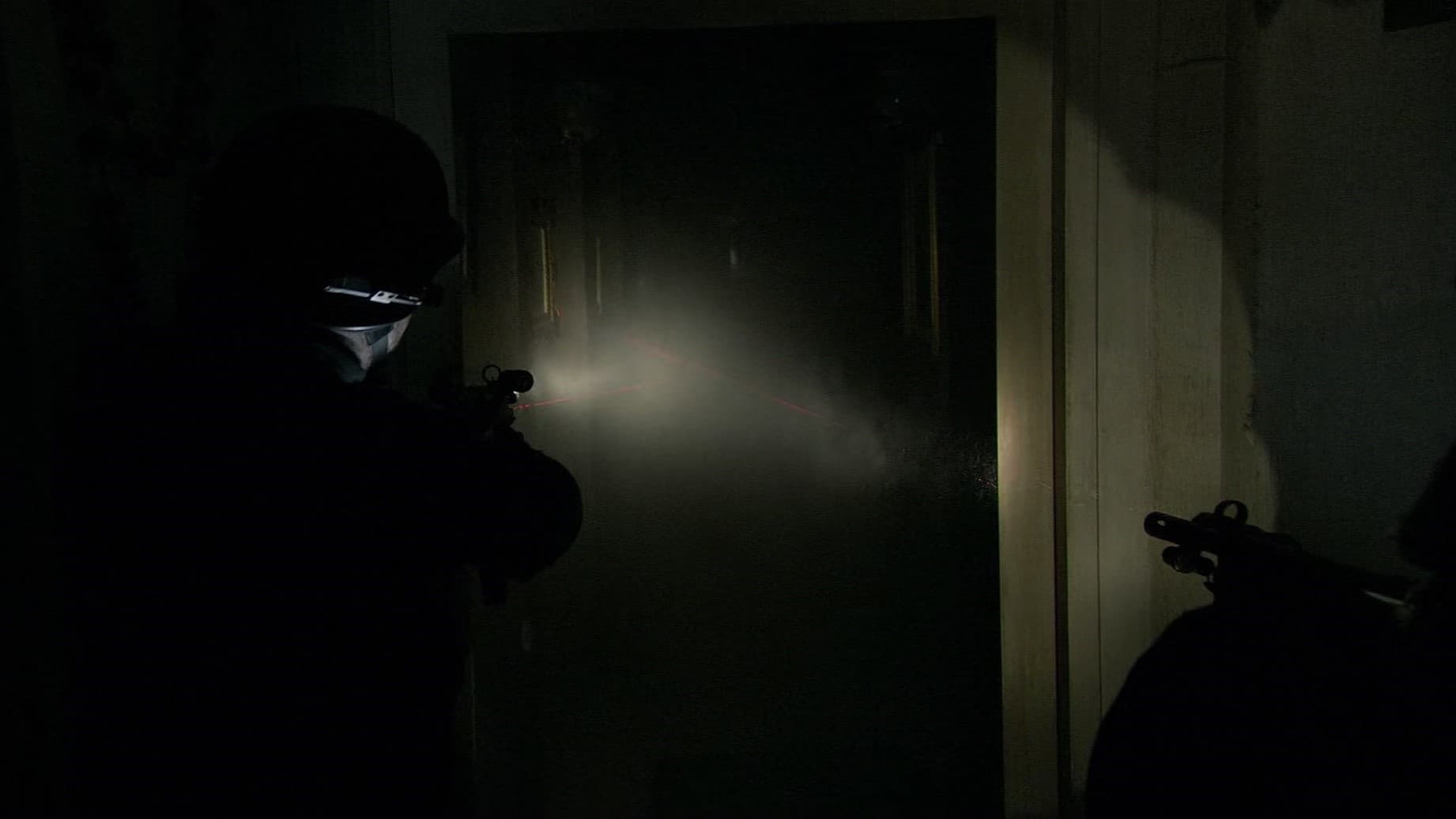
The unexpected success of [REC] created a problem for its directors: audiences already knew the building, the infected residents and the basic mechanism of the first-person recording. In a 2010 interview with the Los Angeles Times, Plaza described the decision to look toward Aliens, whose action emphasis differed from that of its predecessor. The new film would begin directly after the earlier ending rather than attempt to recreate the surprise of entering the apartment block for the first time. Armed police officers bring procedures, communications equipment and expectations of control that the original television crew never possessed.

The filmmakers also used the sequel to develop questions left deliberately unresolved. At the 2009 Venice presentation, Balagueró explained that the first film had been conceived principally as a contagion story, with religious imagery suggesting a stranger origin at its conclusion. He stated that the more extensive demonic explanation was developed afterward, responding in part to audience interest. Plaza likewise acknowledged that viewers' online theories influenced the writing. Their recollections place the sequel's expanded religious mythology within its own development process, rather than establishing a detailed storyline fixed during production of the 2007 film.

Multiple Cameras and Physical Staging

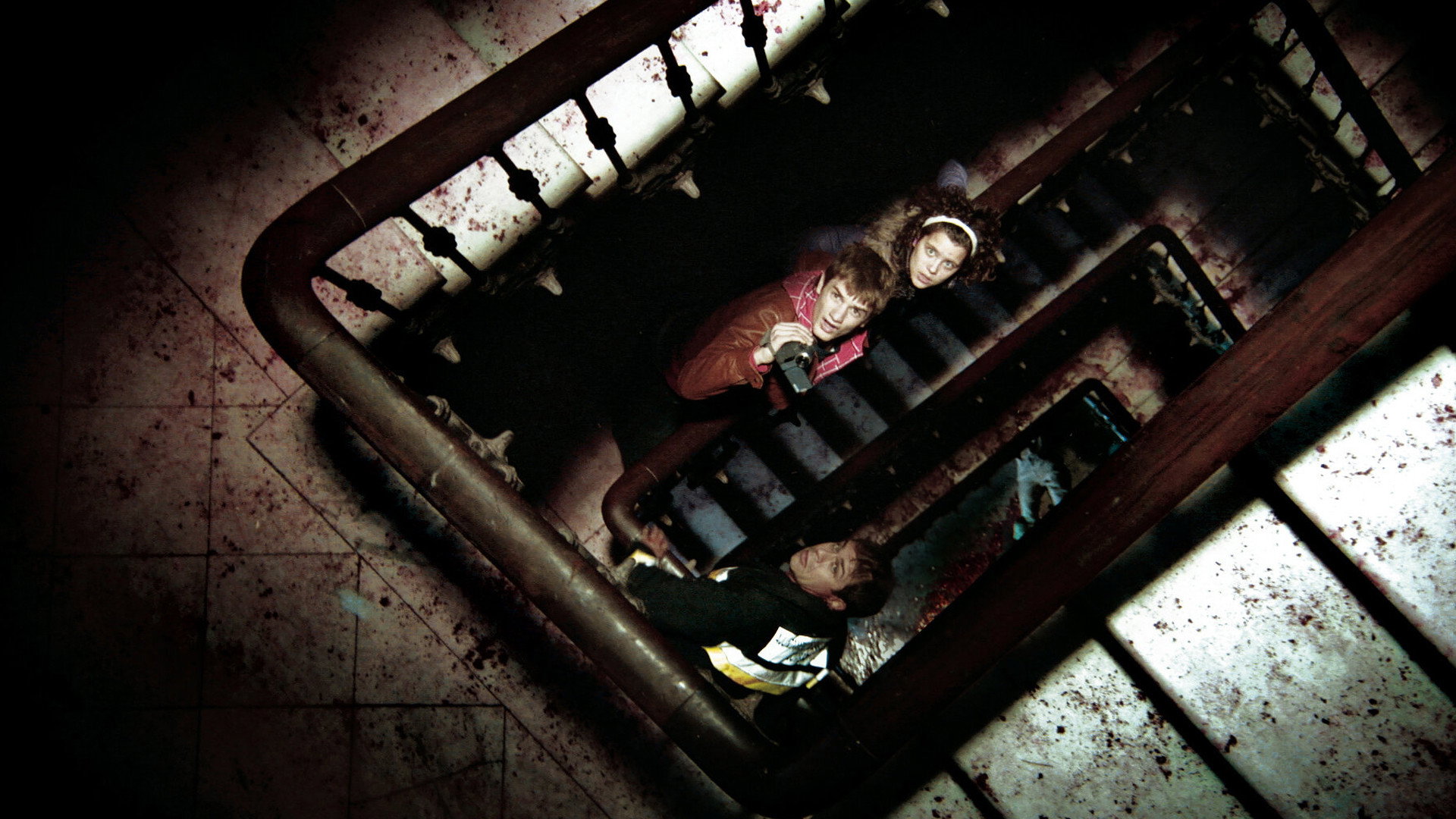
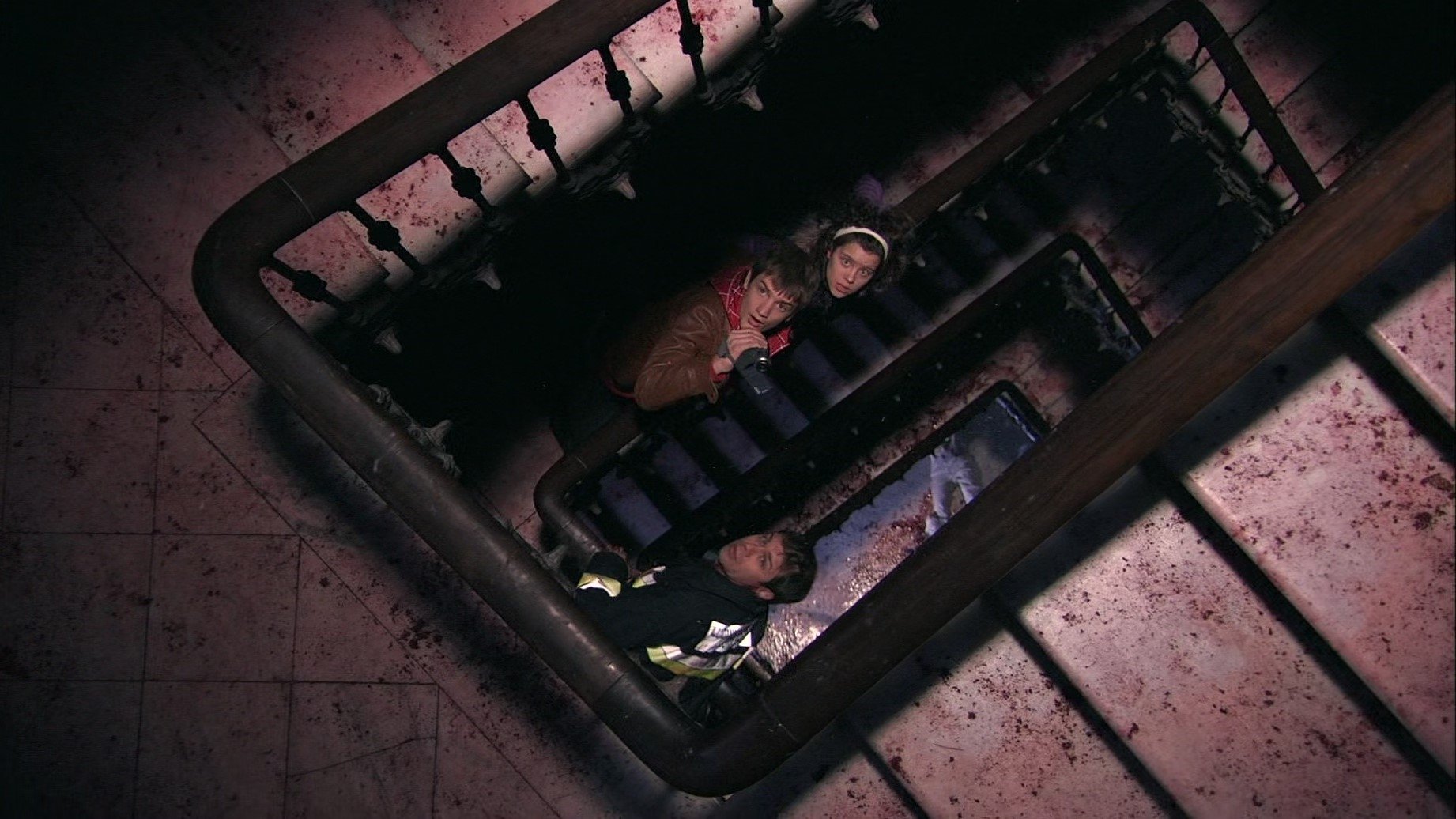
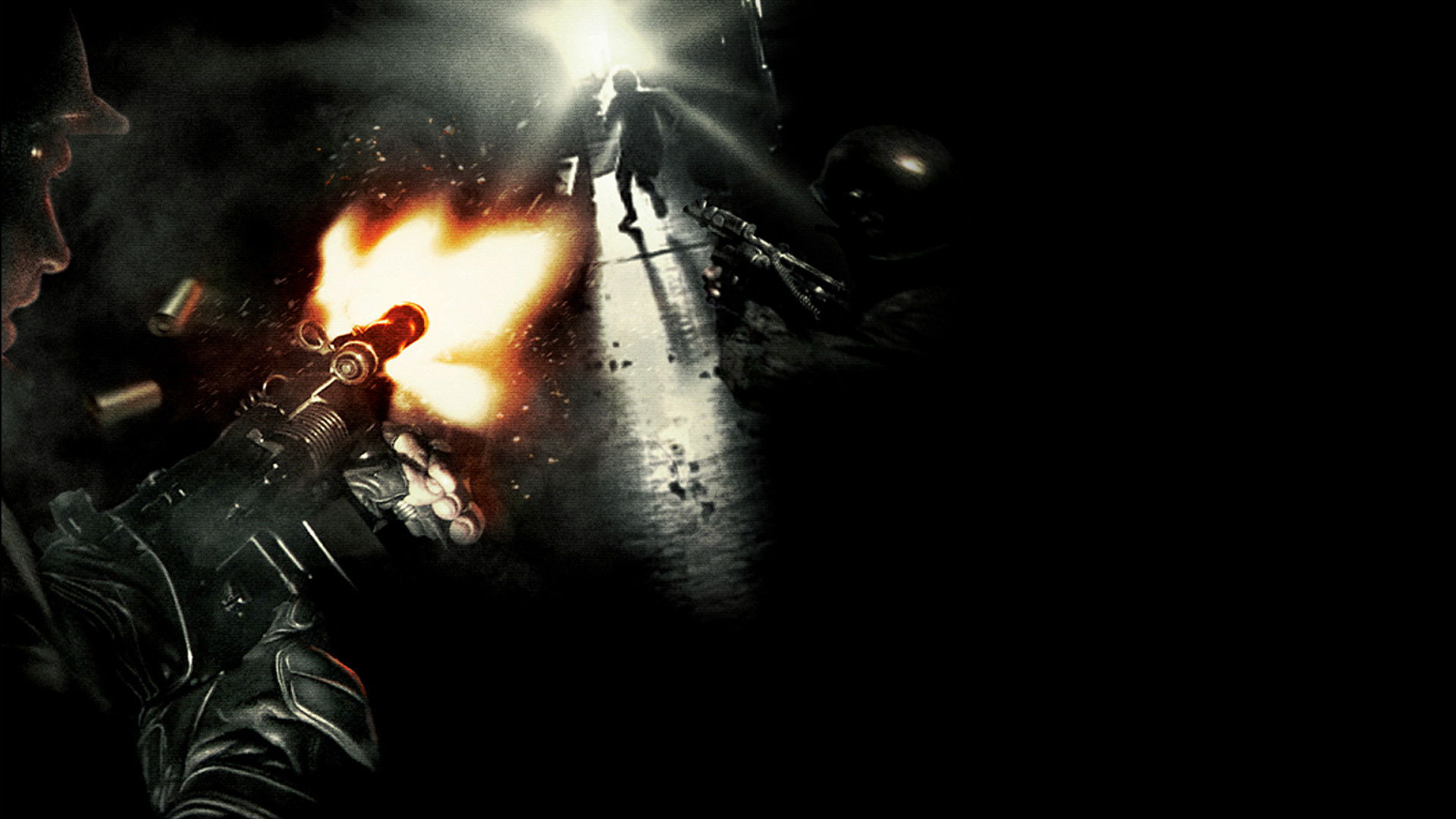
Where [REC] restricts vision to the television operator's camera, [REC]² distributes the recording among different devices. A police camera, helmet-mounted views and footage shot by teenagers who enter the building introduce changes of operator and purpose. The original television equipment also reappears within the story. Different frames can reveal the same crisis from separate positions, making the footage appear to belong to an expanding collection of eyewitness records. The alteration allows the narrative to leave the tactical team's perspective without abandoning the formal rule that images must come from cameras within the fiction.
Plaza and Balagueró nevertheless preserved the extended-take choreography that made their first film physically immediate. In their account to the Los Angeles Times, the action was arranged within long shots wherever possible. The camera must accompany people turning corners, climbing stairs or retreating from attackers instead of relying on conventional reverse angles to announce danger. Multiple feeds permit a more complex structure, but individual sequences still depend on restricted information and on the operator's proximity to the threat. When a character runs or loses control of a device, the apparent record changes with the movement.

The directors' interest in videogame perspectives was explicit rather than a resemblance inferred after the fact. In a 2009 interview, Plaza linked the visual method to the spectator's experience of participating in a game and to familiar forms of amateur online video. The police viewpoint gives the opening operation the resemblance of a tactical mission, yet the building's cramped layout continually frustrates that professional confidence. According to the directors in a separate conversation with El País, the production employed Sony and Panasonic cameras; Balagueró said the team had not adopted the then-new RED One because they preferred equipment already established in production use.

Possession, Infection and Night Vision

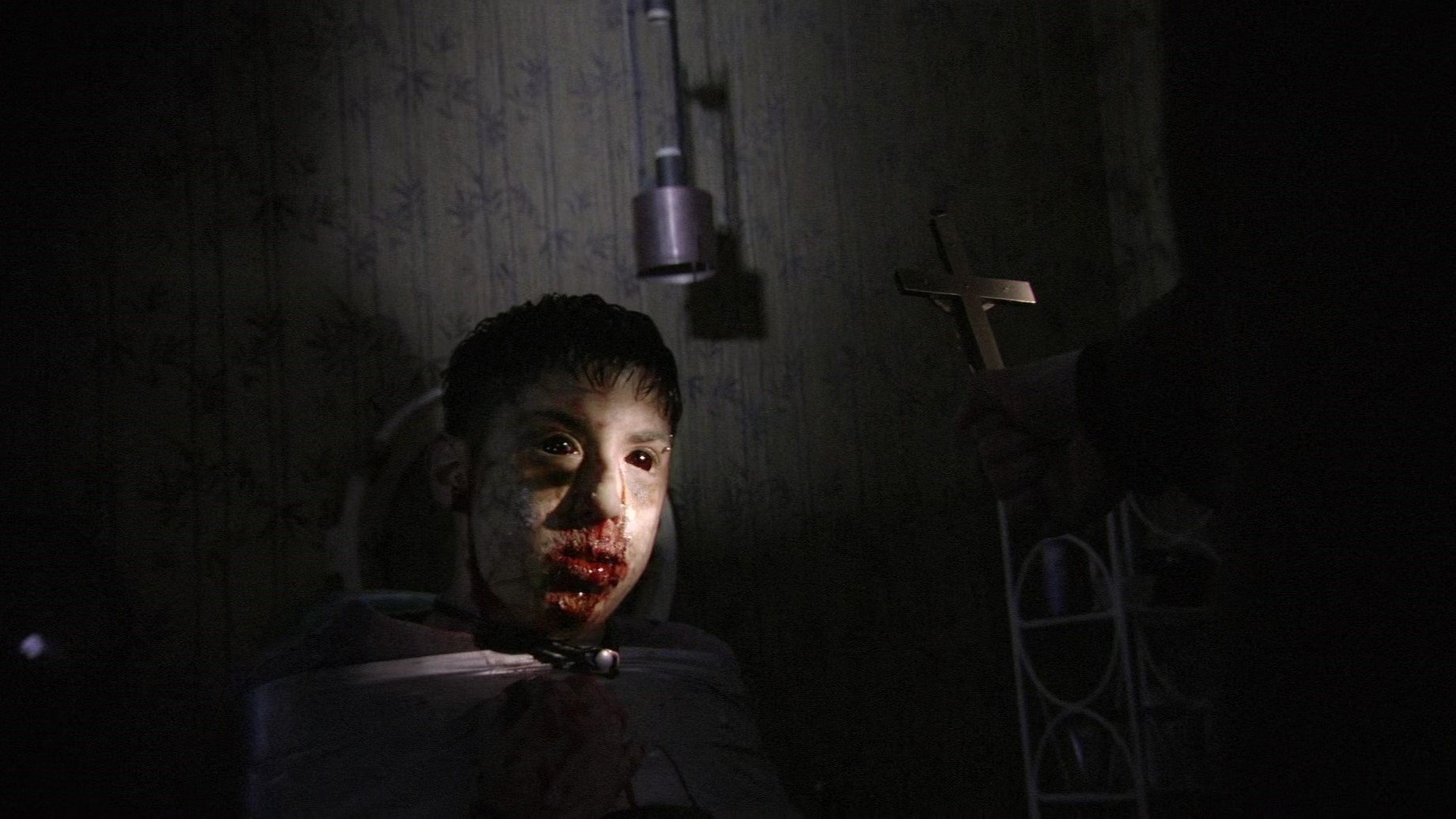
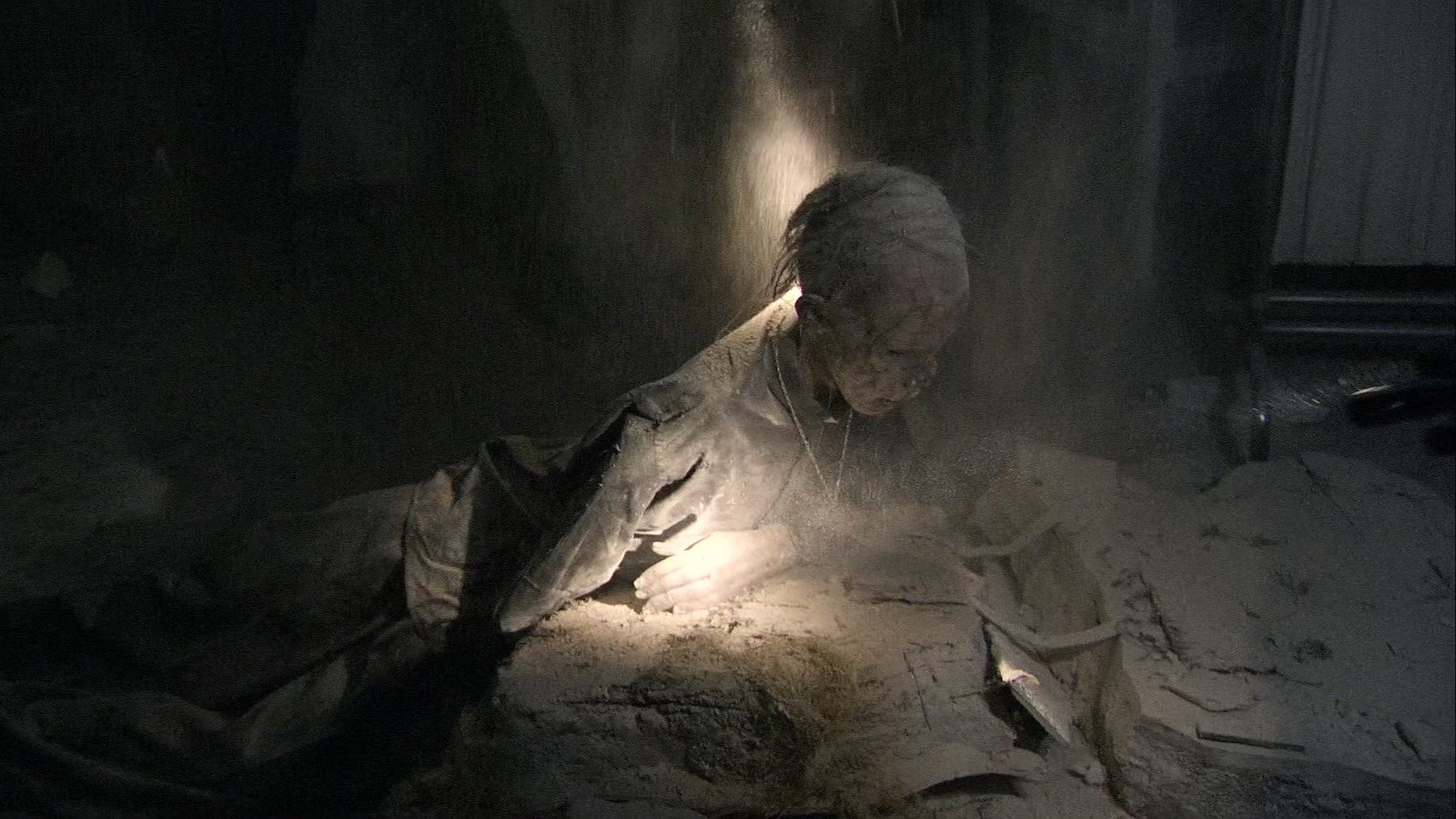
The second film changes the terms under which the outbreak is investigated. A man accompanying the police under medical authority is revealed to have a religious purpose, and the search focuses on the history of the possessed Tristana Medeiros. Events previously perceived as the spread of a violent disease become connected to experiments intended to understand or contain a demonic presence. The premise deliberately brings together biological language, religious ritual and the physical behaviour of the infected. It places exorcism imagery inside a modern emergency response, allowing the same building to function as both a quarantine site and the setting of a supernatural confrontation.

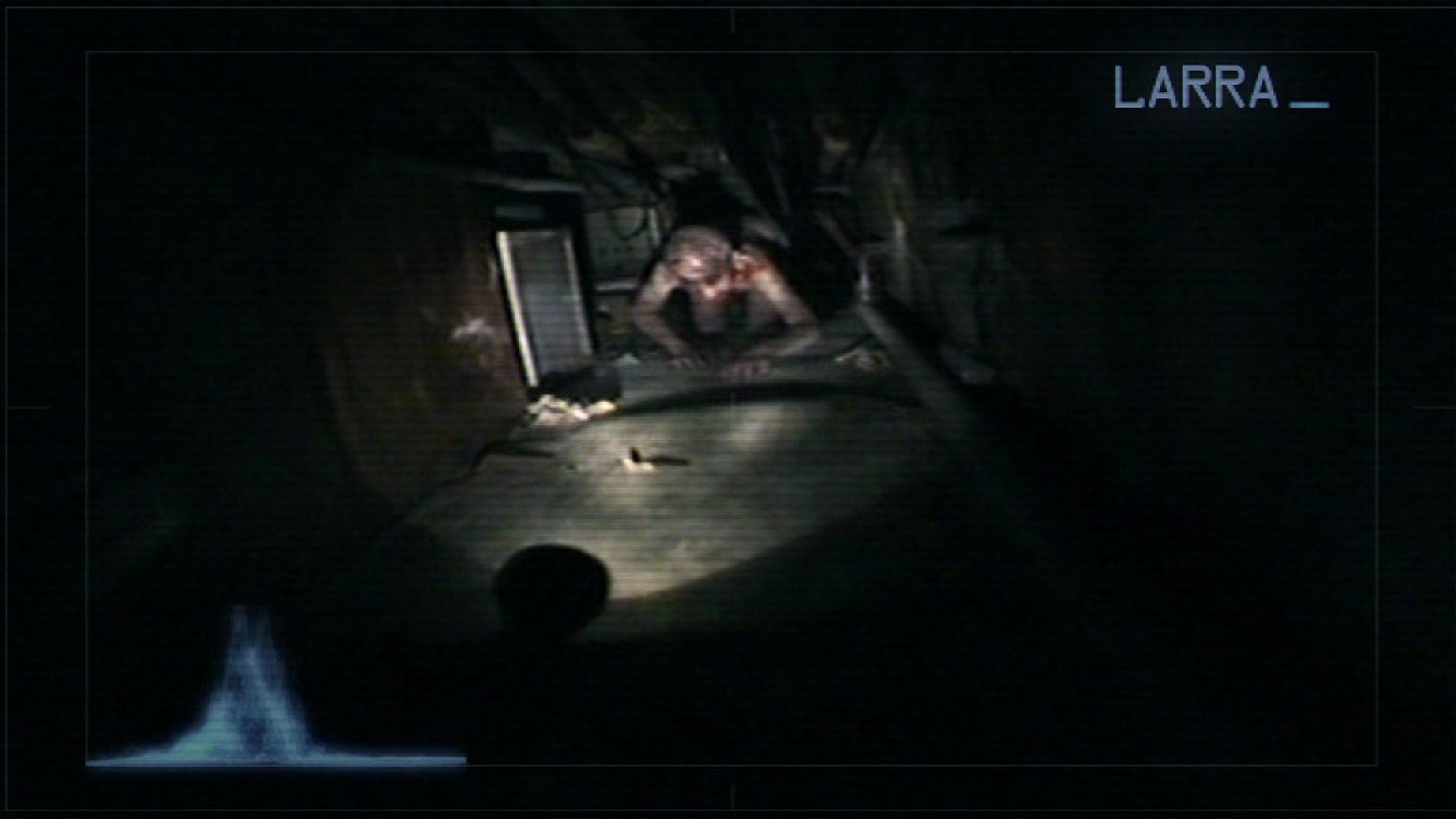
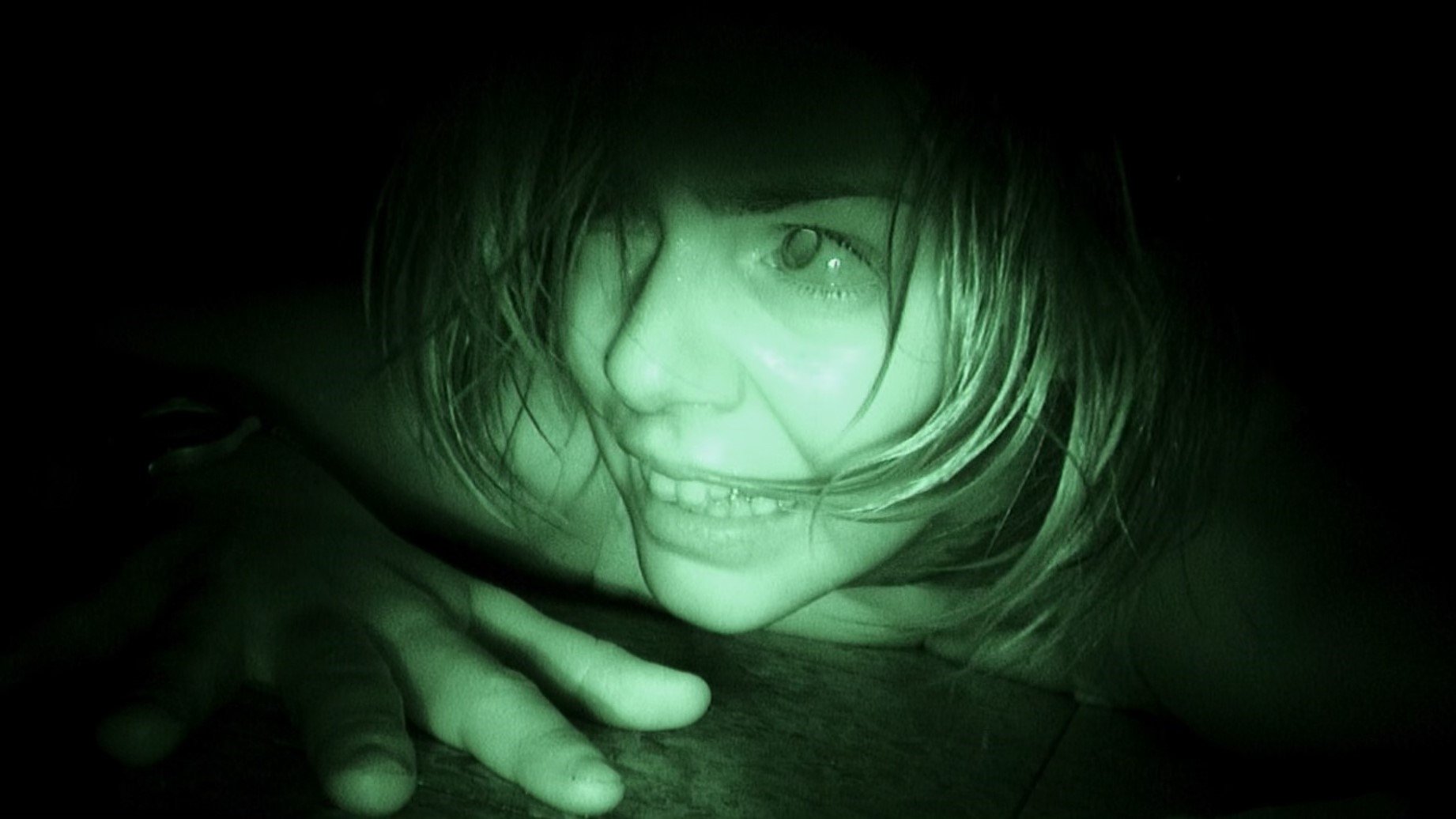
Night vision has a larger conceptual role than it did in the original's final passage. The camera's altered sensitivity becomes essential to what can be perceived in the dark, particularly during the return to the upper rooms. Speaking at Venice, Plaza described the device in terms of two worlds, while Balagueró identified its spiritual eye as a metaphor. Those comments support a reading of the technique as part of the film's religious imagery without establishing a real-world claim about invisible dimensions. The visual changes give the camera an apparent ability to disclose what ordinary sight withholds, intensifying the tension between recorded evidence and supernatural explanation.

Violence, Makeup and the Physical Threat

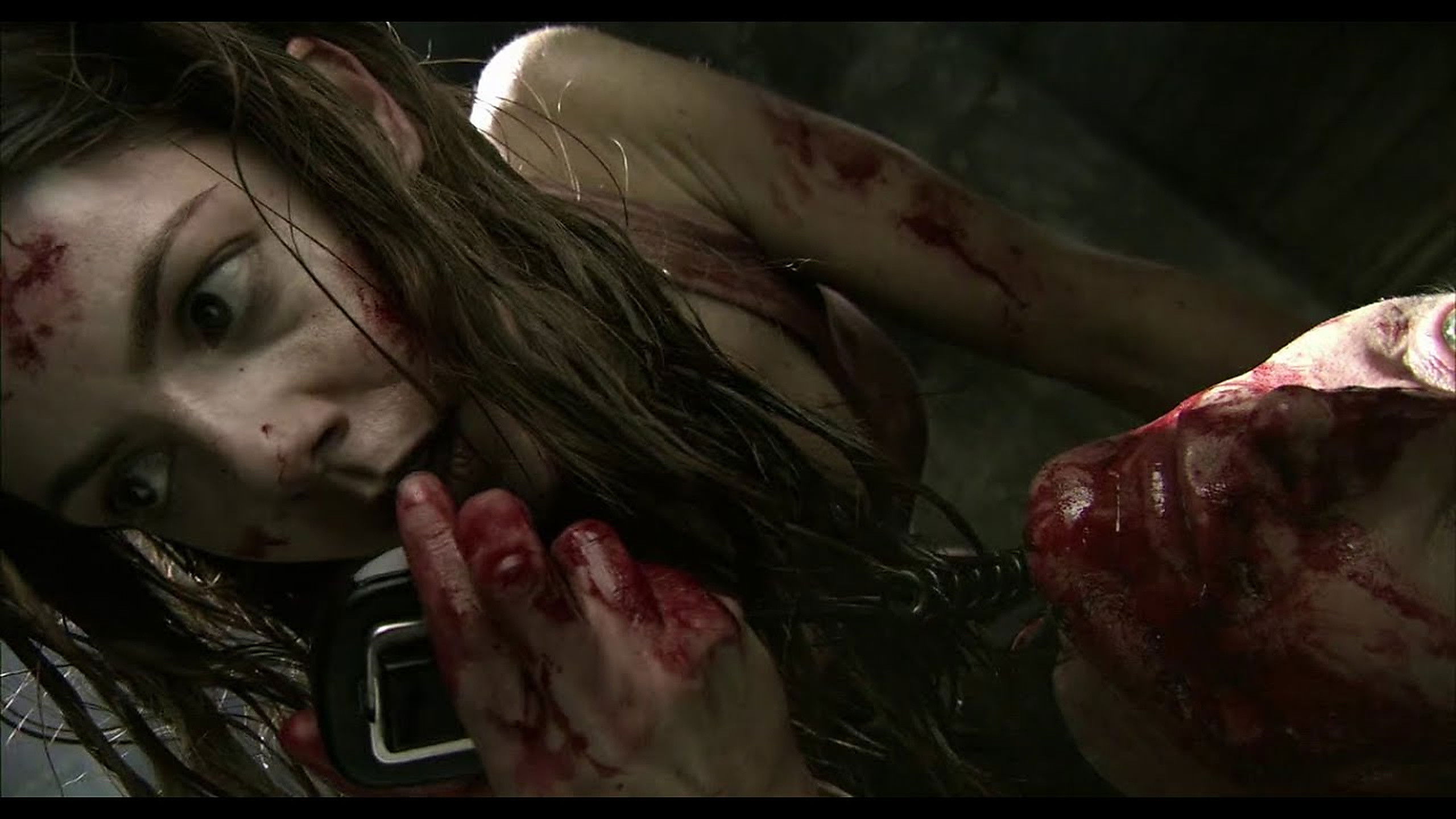
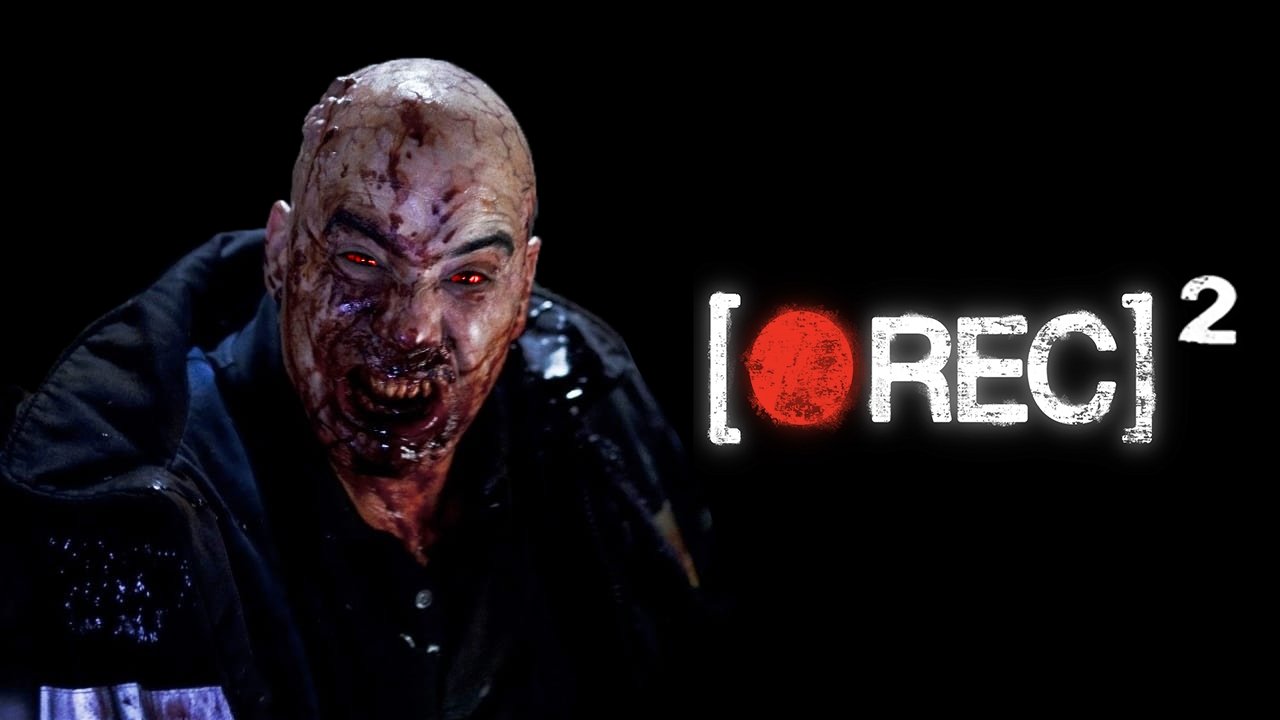
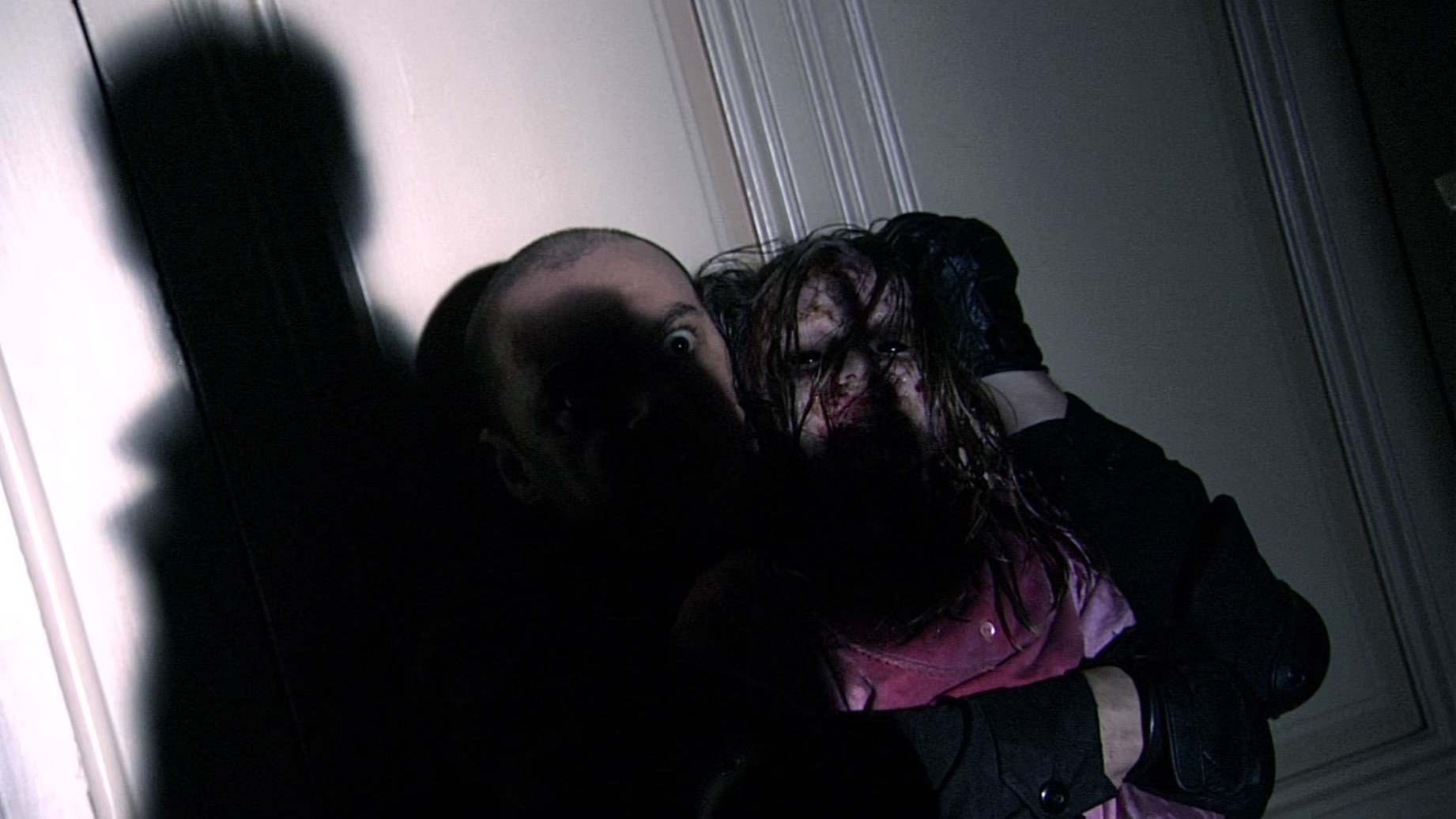
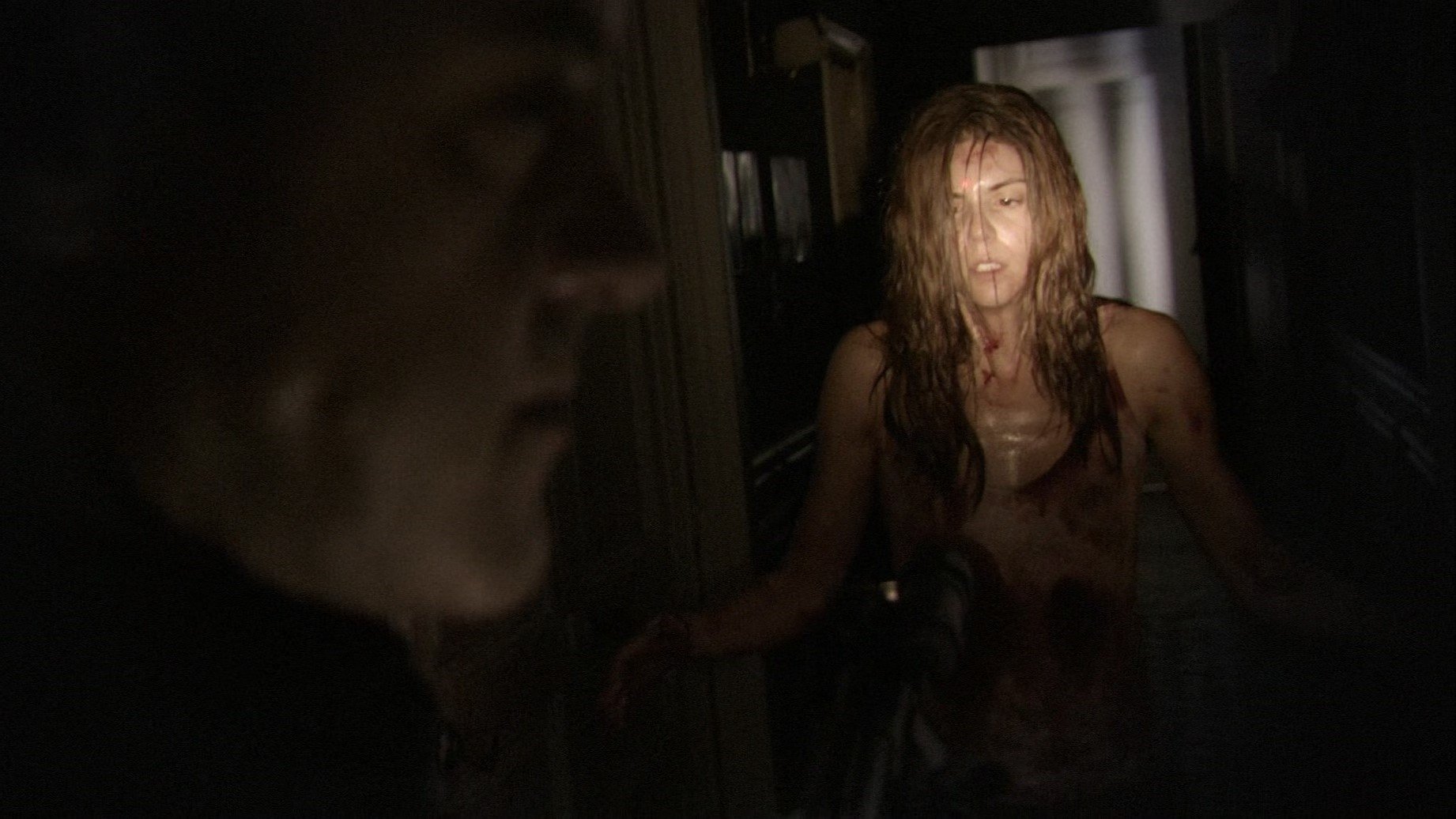
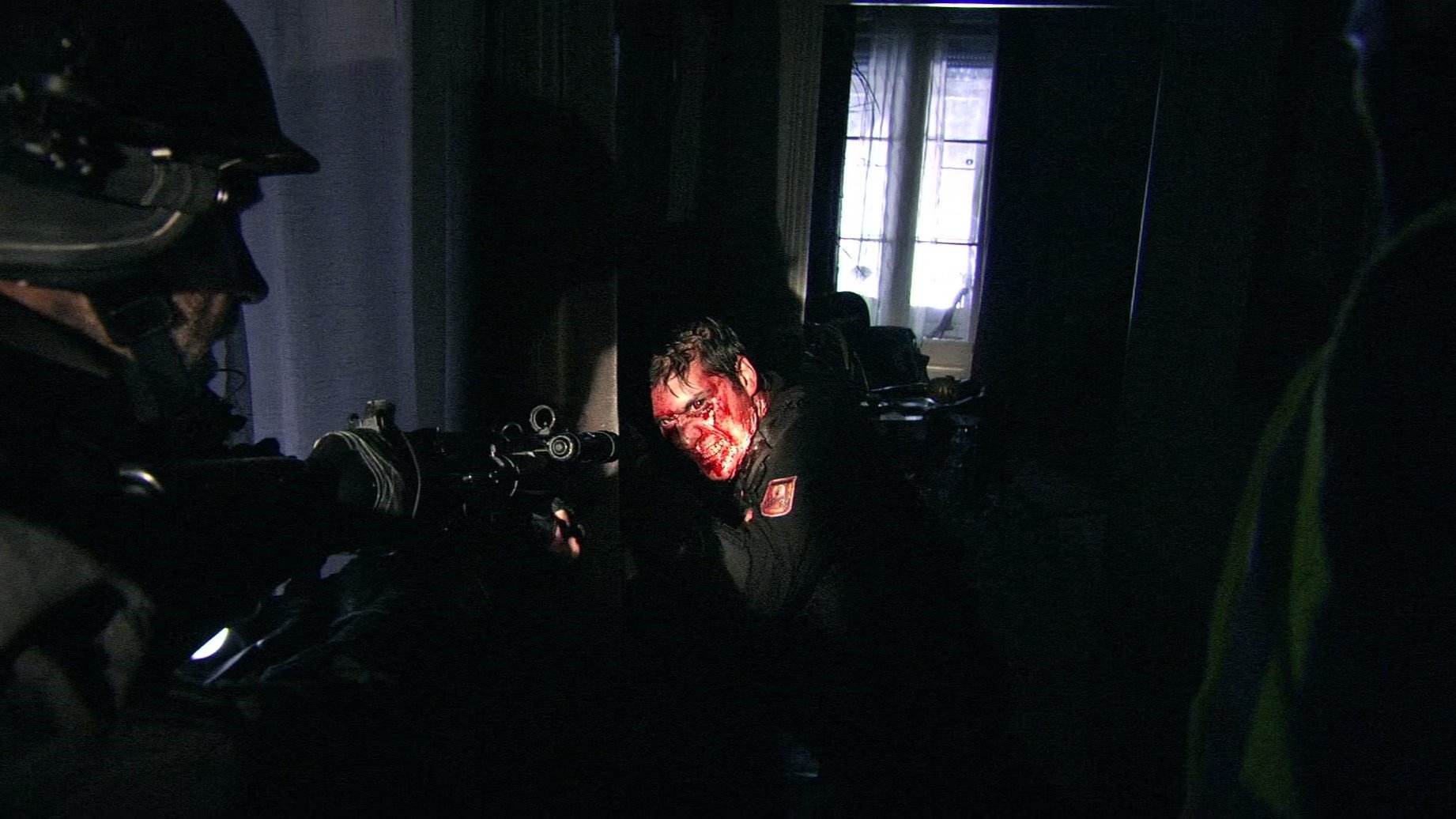
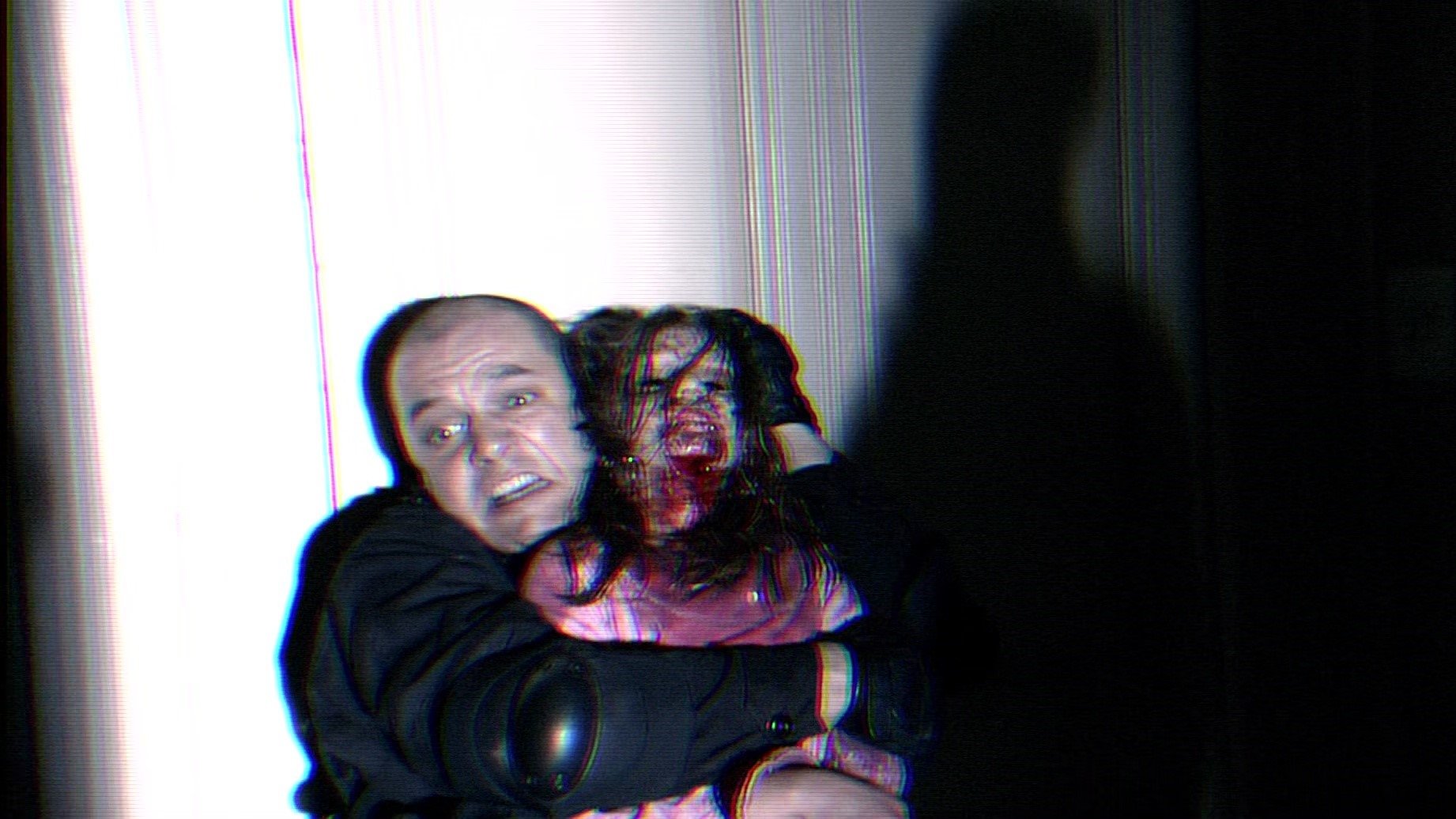
[REC]² increases the frequency of direct confrontations with the inhabitants of the sealed building. The police arrive equipped for an intervention, creating scenes built around close-range attacks, gunfire, injuries and abrupt movement through rooms. The infected remain physically recognisable as people, so makeup and performance have to communicate the change from apparent human behaviour to uncontrolled violence. The sequel also includes younger intruders, whose amateur footage shifts the balance of fear away from the heavily equipped police. These contrasting groups allow the directors to vary how quickly danger is recognised and how effectively anyone can respond.

Balagueró acknowledged in the Venice interview that the sequel had a somewhat larger budget, while the interviewer noted more elaborate effects. The film's visual effects and makeup work received recognition at the 2010 Gaudí Awards, alongside its editing and sound. On screen, a struck or convulsing figure can occupy nearly the whole frame, giving the makeup little distance in which to hide its construction. Its violent encounters also depend on timing: the apparent spontaneity of a rushing body or sudden injury has to coexist with the camera's continuous movement. The effects remain integrated into attempted rescues, searches and retreats inside the building.

Sound Design and Constructed Atmospheres

Sound designer Oriol Tarragó treated the sequel as a more complex extension of the original's documentary conceit. He told Designing Sound that post-production involved twelve weeks of sound editing and three weeks of final mixing, compared with ten and two weeks respectively on [REC]. The expanded camera system required different sonic signatures. The police camera was designed to suggest a multichannel microphone, helmet cameras were given filtered radio characteristics, and the teenagers' equipment acquired the more familiar stereo image and switching noises of a domestic camcorder. The audience hears changes in recording apparatus as well as changes in location.

Tarragó also divided the building's soundscape into distinct environments. Interior ambiences included air movement, pipes, metallic noises and low mechanical pulses; sounds from outside included sirens, helicopters, public-address announcements and the presence of the crowd. The team recorded handling noises, radio voices, footsteps and slamming doors, and captured an impulse response from the building's staircase for convolution reverb. For the possessed voices, human screams were combined with processed animal and synthetic material. Tarragó said the performers' original vocal intentions remained important, particularly during the exorcism involving the boy Tito, even when the final voices underwent substantial electronic treatment.

The film's most unusual musical effect comes from sound design rather than a conventional dramatic score. Tarragó maintained that the two [REC] films did not use music in the ordinary sense, although synthetic atmospheres could perform a comparable emotional function. For the sequel's climax, he drew on an old spoken-word record found in his father's collection, altering a woman's recorded voice with reverberation and mixing it with a synthesizer atmosphere. Elsewhere, sustained keyboard-generated textures supply a score-like tension while retaining the unsettling quality of unidentifiable environmental sound. These textures take on a dramatic role normally associated with a score, even as the recording-device format continues to shape their acoustic character.

Festival Premiere, Critical Response and the Series

[REC]² was presented at the Venice International Film Festival in September 2009, before opening theatrically in Spain on 2 October. Its early circulation placed the sequel before both festival audiences and the international horror market, followed by releases in other territories during 2010. The Los Angeles Times reported that the film also appeared in Toronto's Midnight Madness programme. The different release periods matter because reviews written around the 2009 festival presentation and those accompanying the later American and British openings describe separate stages of its reception rather than one simultaneous worldwide debut.

Critical discussion of the sequel often concerned its increased reliance on action and explanation. In July 2010, Nick Schager's review for Slant Magazine admired the film's forceful set pieces and its use of limited visual access, while questioning whether its increasingly explicit Catholic mythology weakened the mystery. His assessment treated the same expansion of the premise as a possible limitation and a source of renewed tension. The narrative nevertheless provided a direct bridge to the next films in the Spanish series: [REC]³: Genesis (2012), directed by Plaza, and [REC]⁴: Apocalypse (2014), directed by Balagueró. Their different directions underline how the jointly made sequel became the point at which the original confined incident could support a wider franchise.

References

  1. Movieplayer.it Balaguerò e Plaza ci raccontano REC 2

    Luciana Morelli’s Venice 2009 interview with both directors on the sequel’s enlarged scope, supernatural premise, fan feedback, multiple cameras and symbolic night vision.

  2. Los Angeles Times No time for ‘[REC]’ filmmakers to pause

    Mark Olsen’s July 2010 interview with Plaza documenting the Aliens comparison, action-oriented sequel concept, long takes, multiple viewpoints and festival circulation.

  3. Designing Sound Exclusive Interview with Oriol Tarragó, Sound Designer of “Rec” and “Rec 2”

    Miguel Isaza’s detailed technical interview about camera-specific mixing, dialogue, possession voices, location ambience, synthesizers and the adapted spoken-word record.

  4. El País Entrevista con Paco Plaza y Jaume Balagueró

    October 2009 direct conversation establishing the directors’ working relationship, their Sony and Panasonic camera choice and contemporary views of the continuing series.

  5. Slant Magazine Review: [Rec] 2

    Nick Schager’s July 2010 contemporaneous critical assessment of the camera strategy, violent set pieces and the shift from contagion mystery toward religious explanation.

Connections

Cast

View Full Cast & Crew →

Release & Distribution

Production Companies (1)

  • Castelao Productions ES

Distributors (1)

  • Magnolia Pictures US

Release History (27)

Release DateTerritoryRelease TypeFormatDistributorCertificationNotes
2009-09-02 Italy Premiere — — — Venice Film Festival
2009-09-15 Canada Theatrical — — —
2009-09-25 United States Theatrical — — R Austin Fantastic Fest
2009-10-02 Spain Theatrical — — 18
2009-10-23 Mexico Theatrical — — C
2009-10-24 Japan Theatrical — — R15+
2009-10-29 Argentina Theatrical — — —
2009-11-06 Poland Theatrical — — —
2009-12-23 Belgium Theatrical — — —
2009-12-23 France Theatrical — — 12
2010-01-05 Italy Theatrical — — VM14
2010-01-07 Hong Kong SAR China Theatrical — — —
2010-03-18 New Zealand Theatrical — — —
2010-04-08 Singapore Theatrical — — —
2010-04-16 Türkiye Theatrical — — —
2010-04-19 Netherlands Theatrical — — 16
2010-04-22 Hungary Theatrical — — 18
2010-05-25 France Digital — — 12
2010-05-25 France Physical DVD, Blu-ray — 12 DVD / Blu-ray
2010-05-28 United Kingdom Theatrical — — 18
2010-05-28 Ireland Theatrical — — 18
2010-08-04 Sweden Theatrical — — —
2010-08-18 Finland Theatrical — — —
2010-08-19 Germany Theatrical — — 16
2010-09-03 Brazil Theatrical — — —
2010-10-07 Portugal Theatrical — — —
2021-10-18 France Digital — — 12 Prime Video

Awards & Festivals

1 entries
YearFestival / AwardEntrySectionCategoryResultPremiere
2010Goya Award for Best Special Effectsawardnominated
Fear revisited.