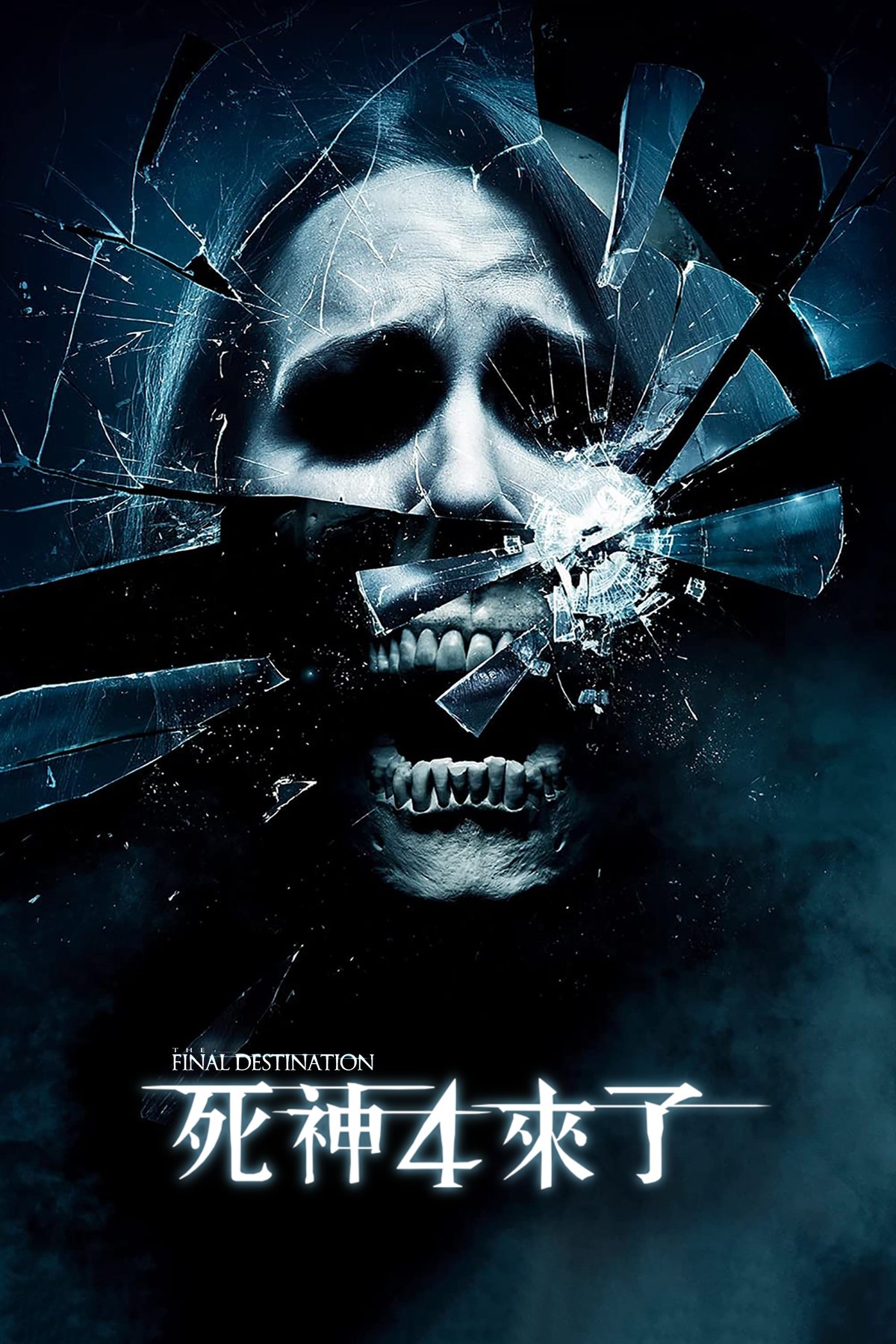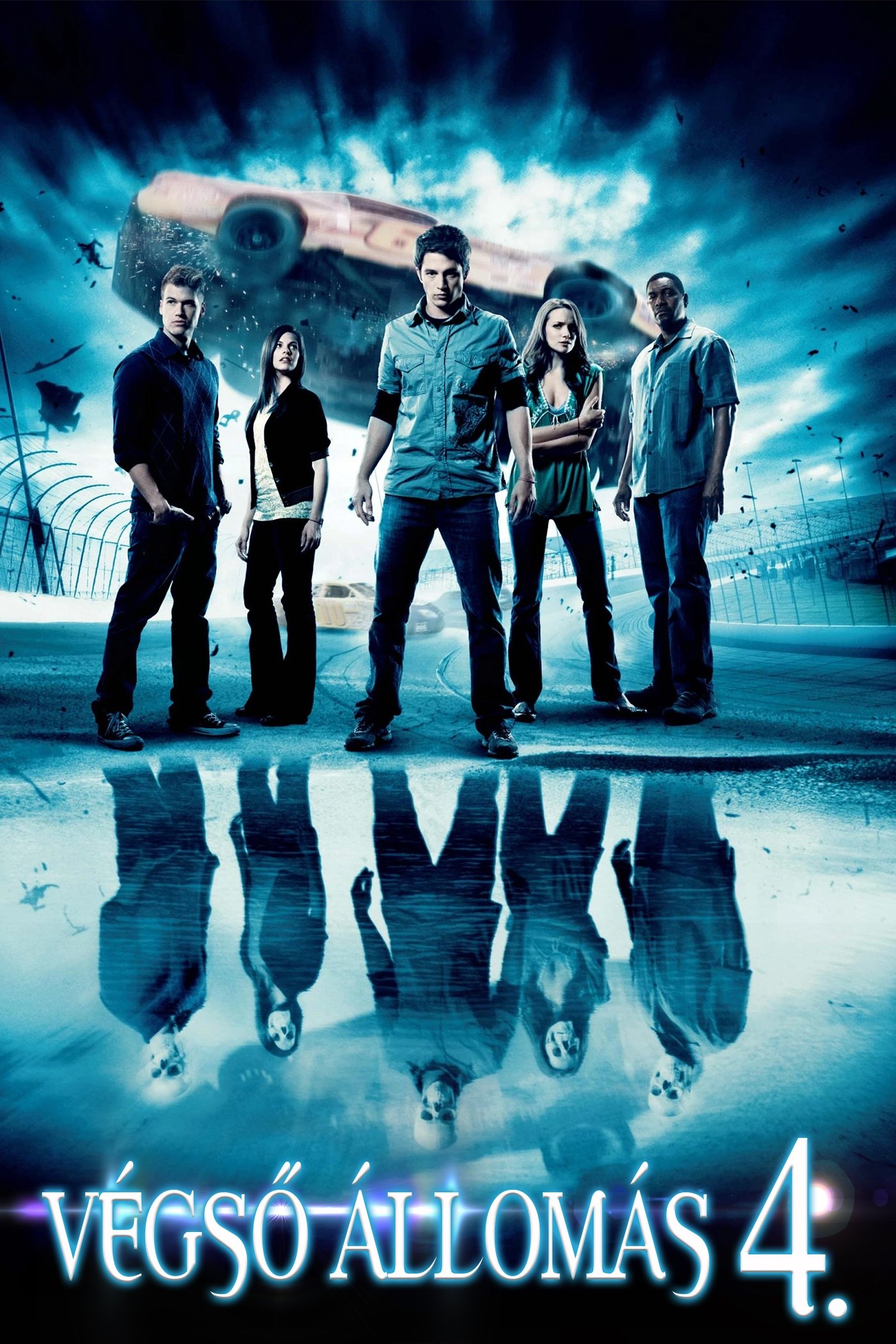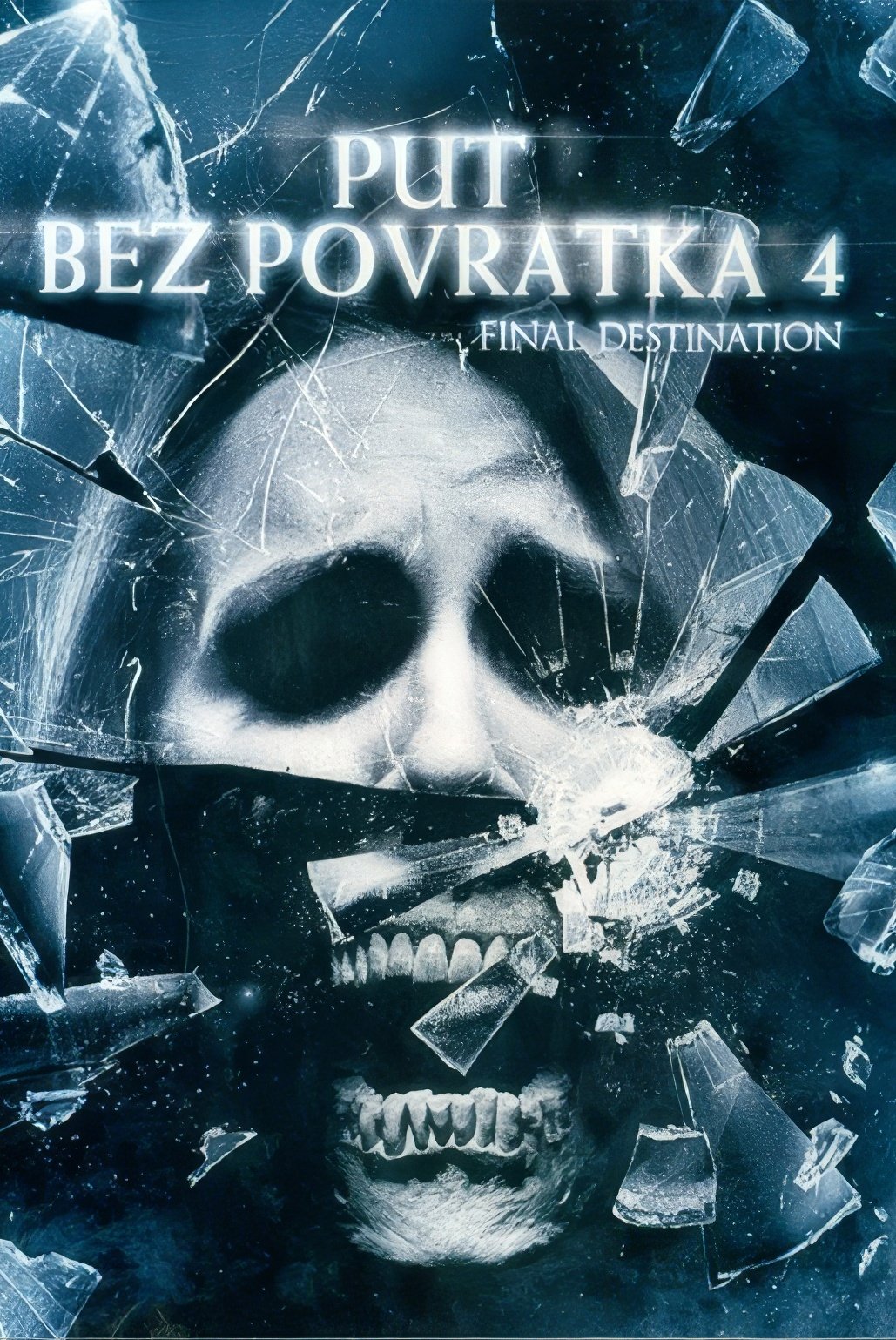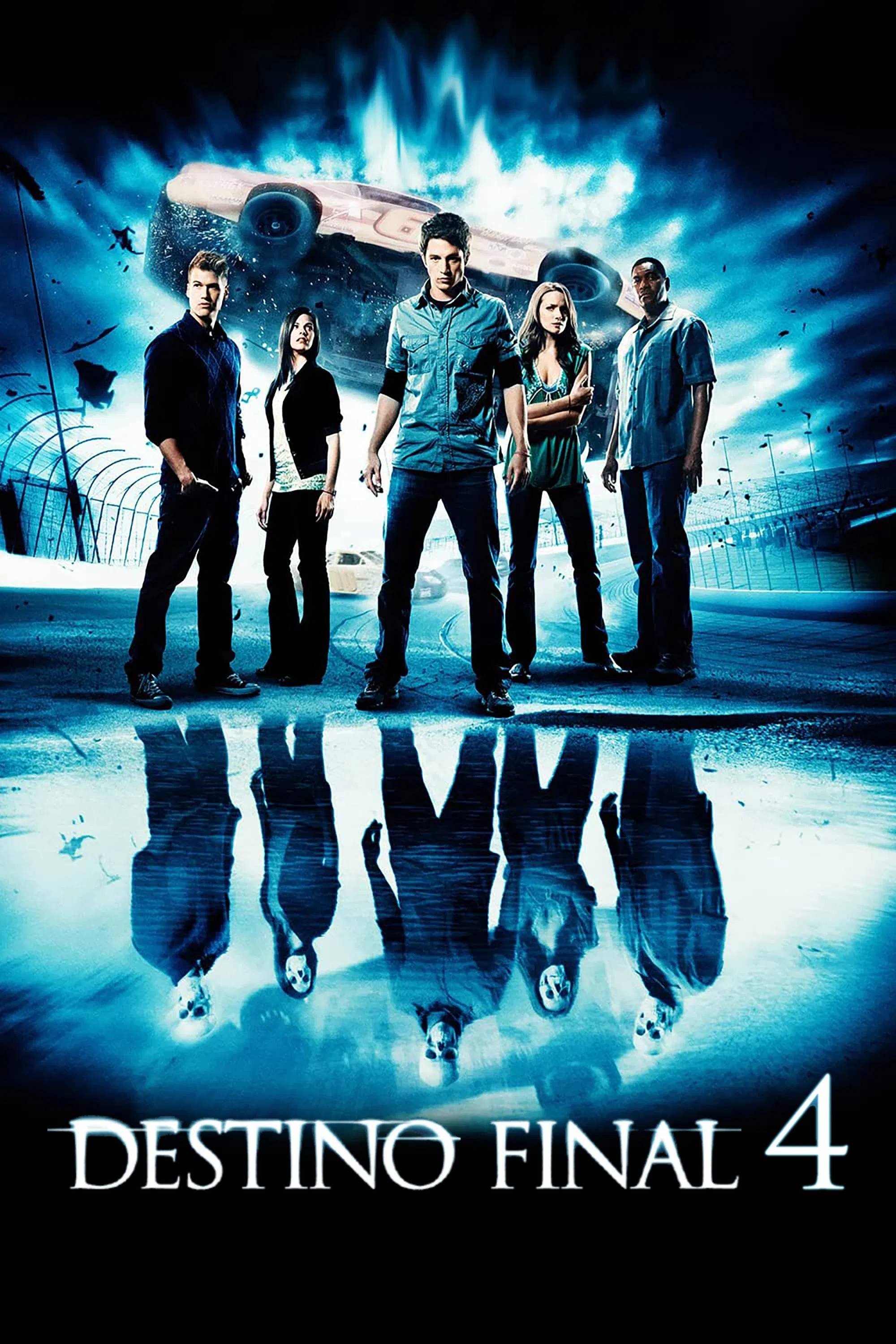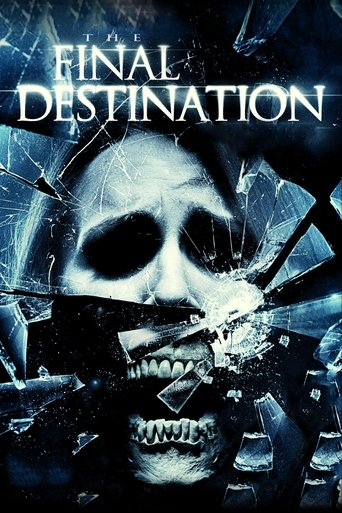
The Final Destination (2009)

US
HORROR FILM Mystery
5.0/10 4 votes
Runtime
82 min
Release
August 26, 2009
Budget
$40,000,000
Revenue
$187,384,627
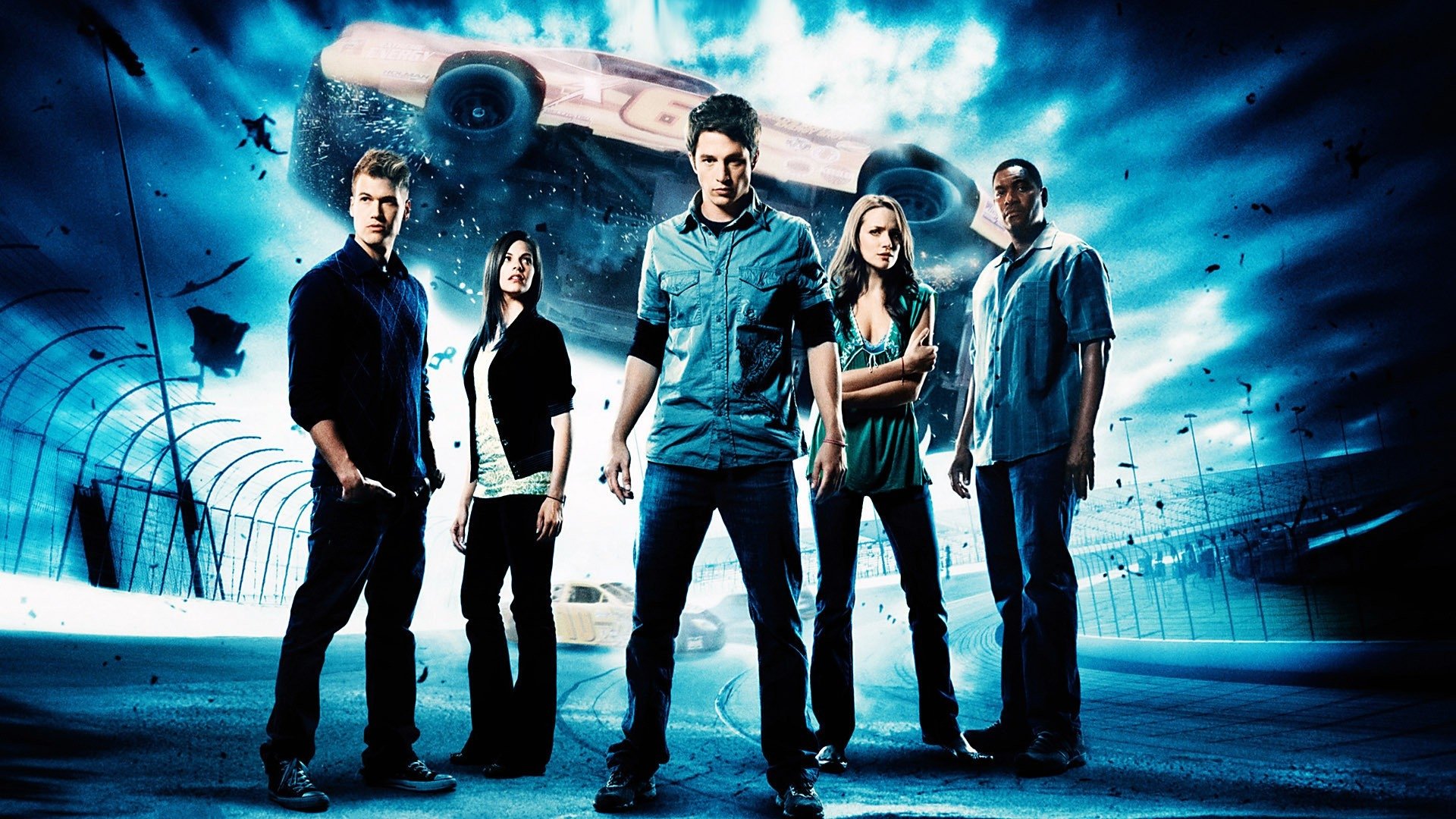
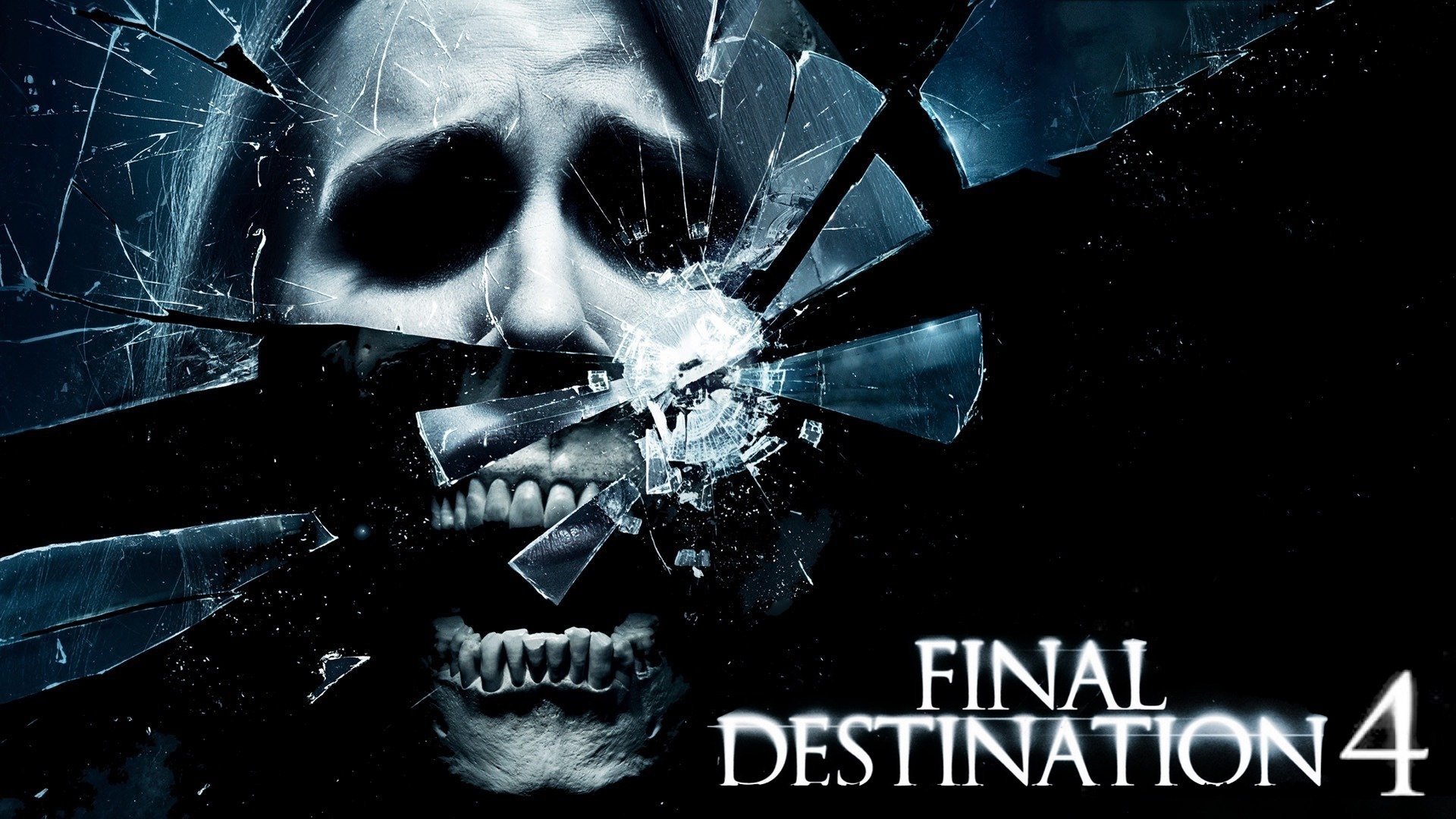
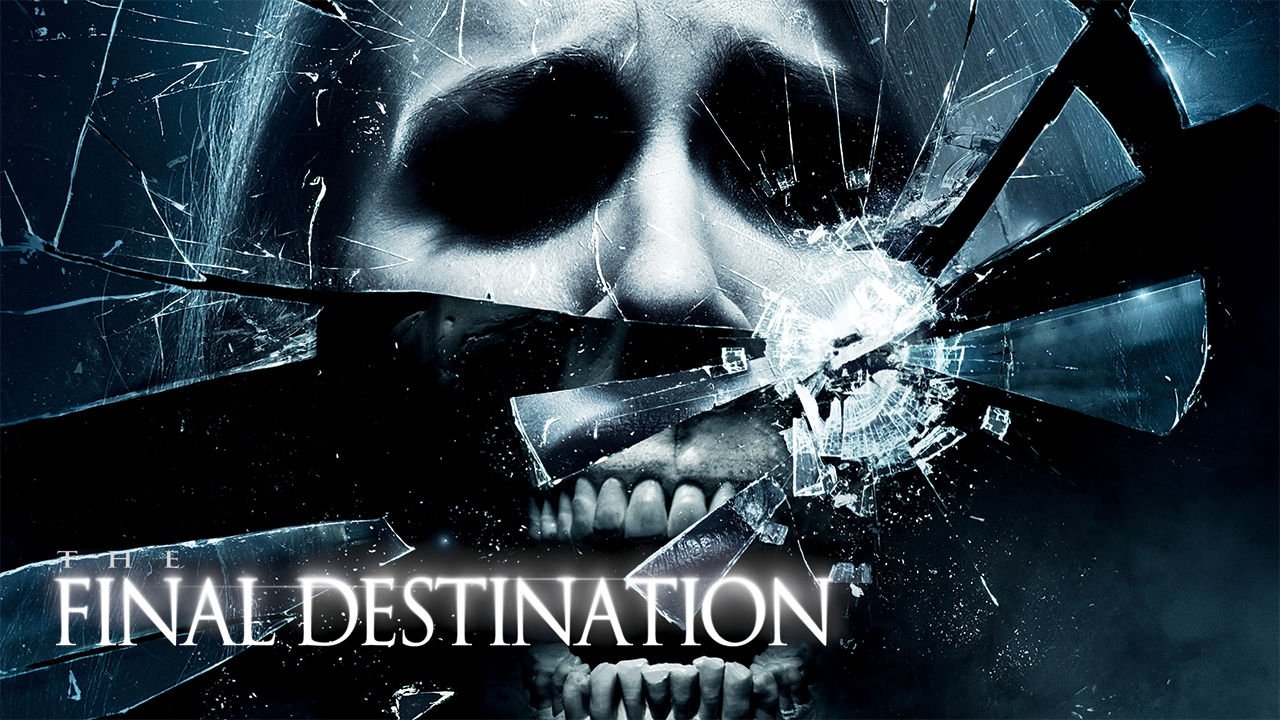
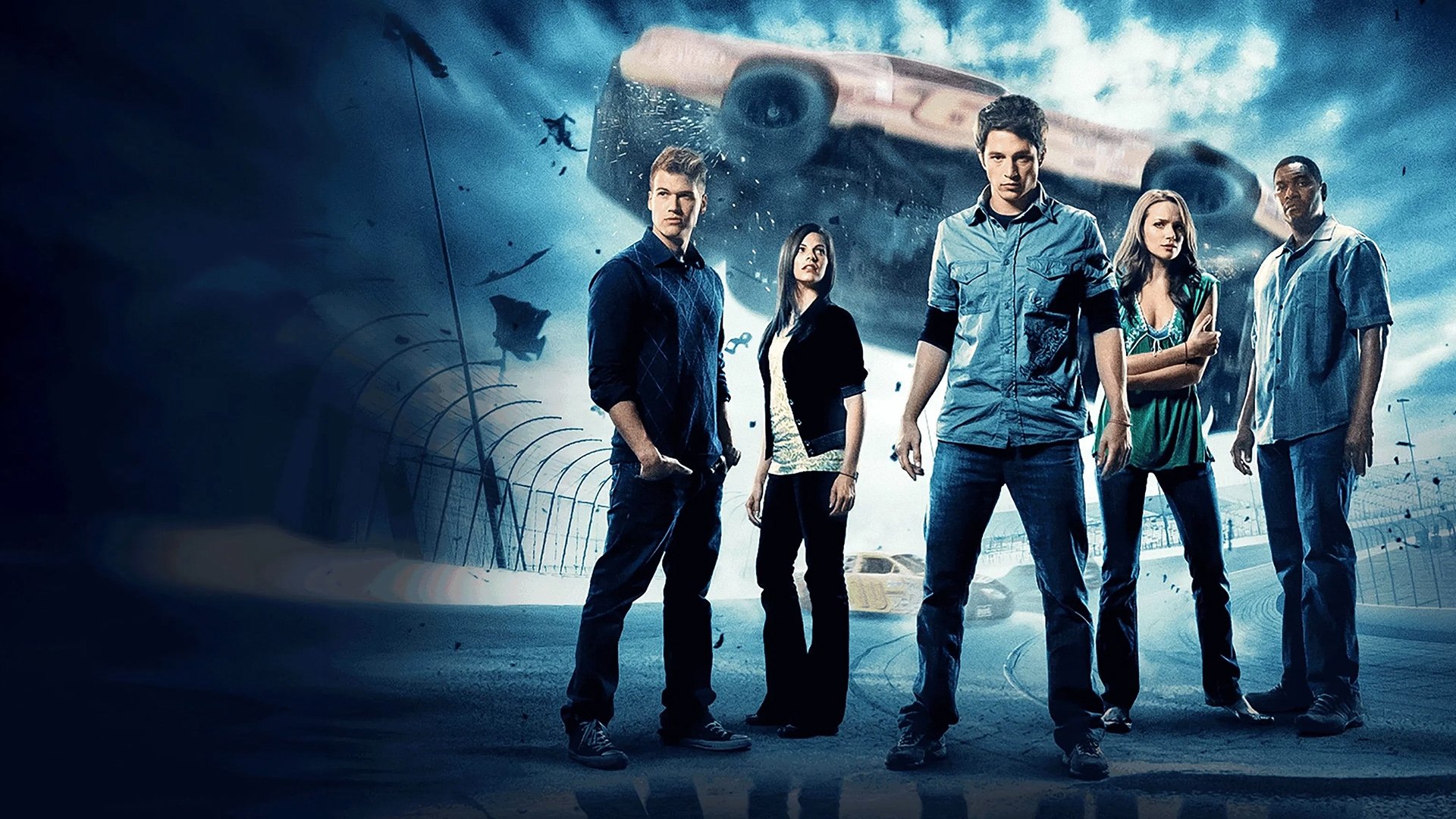
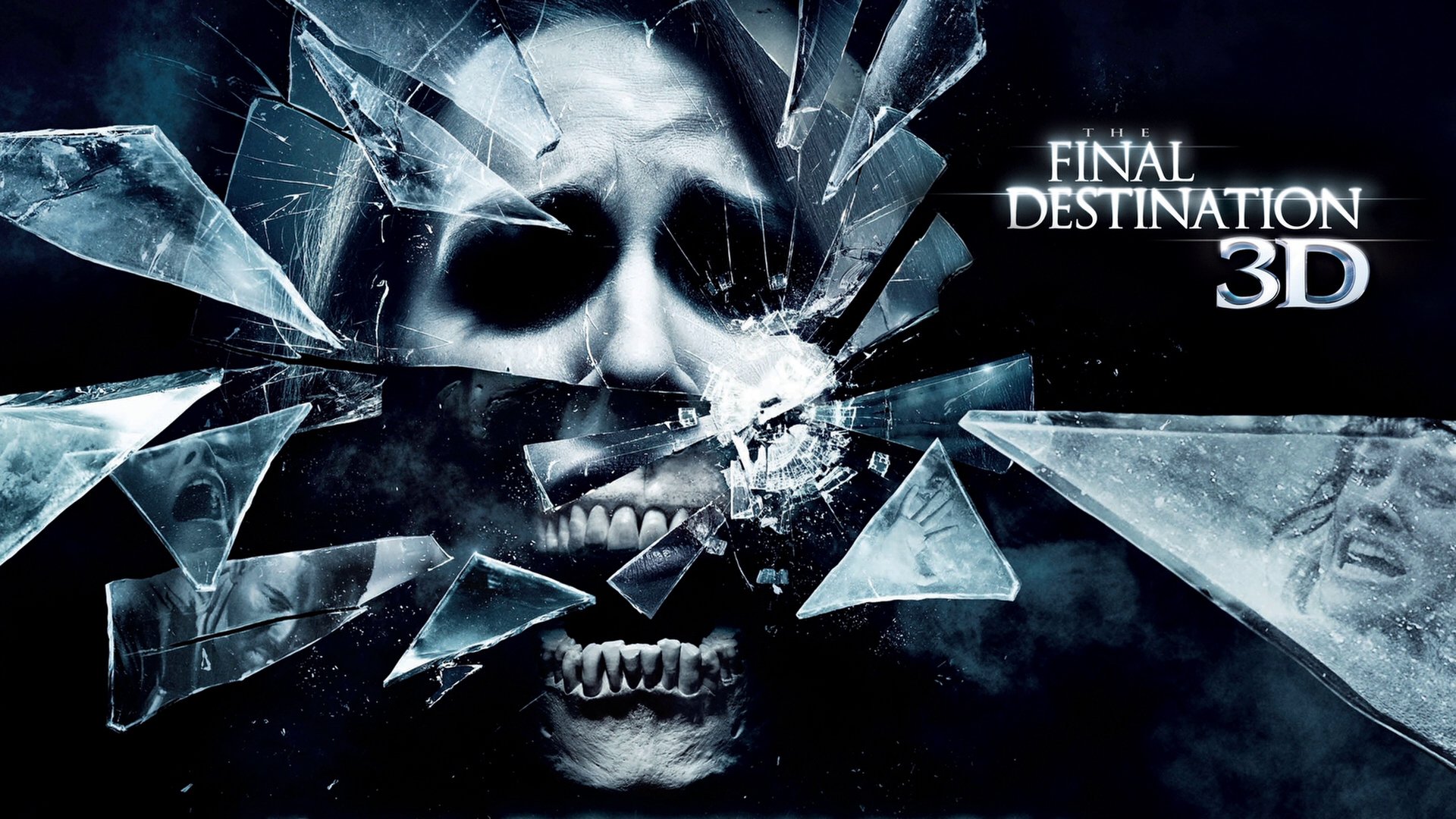
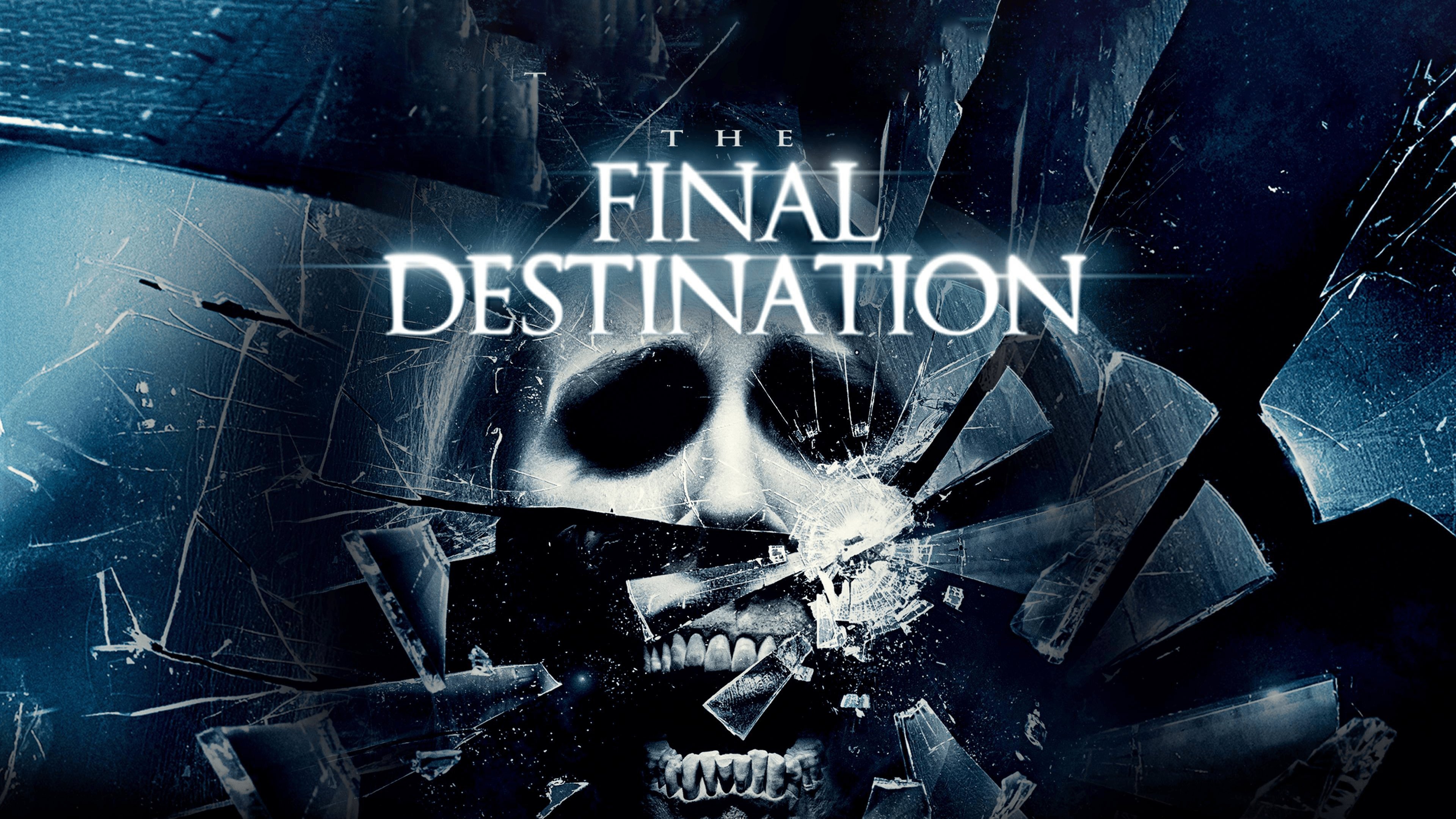
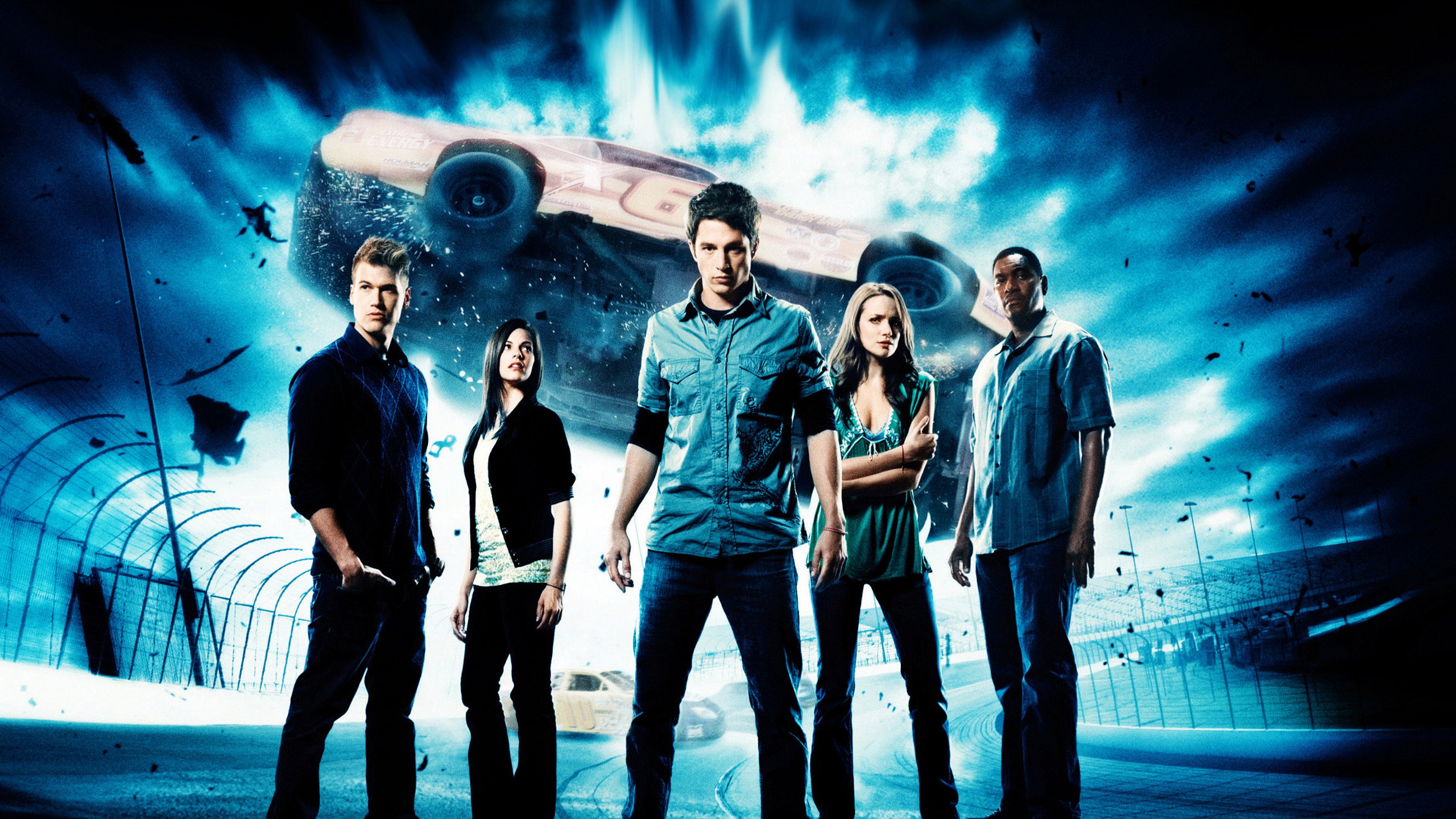
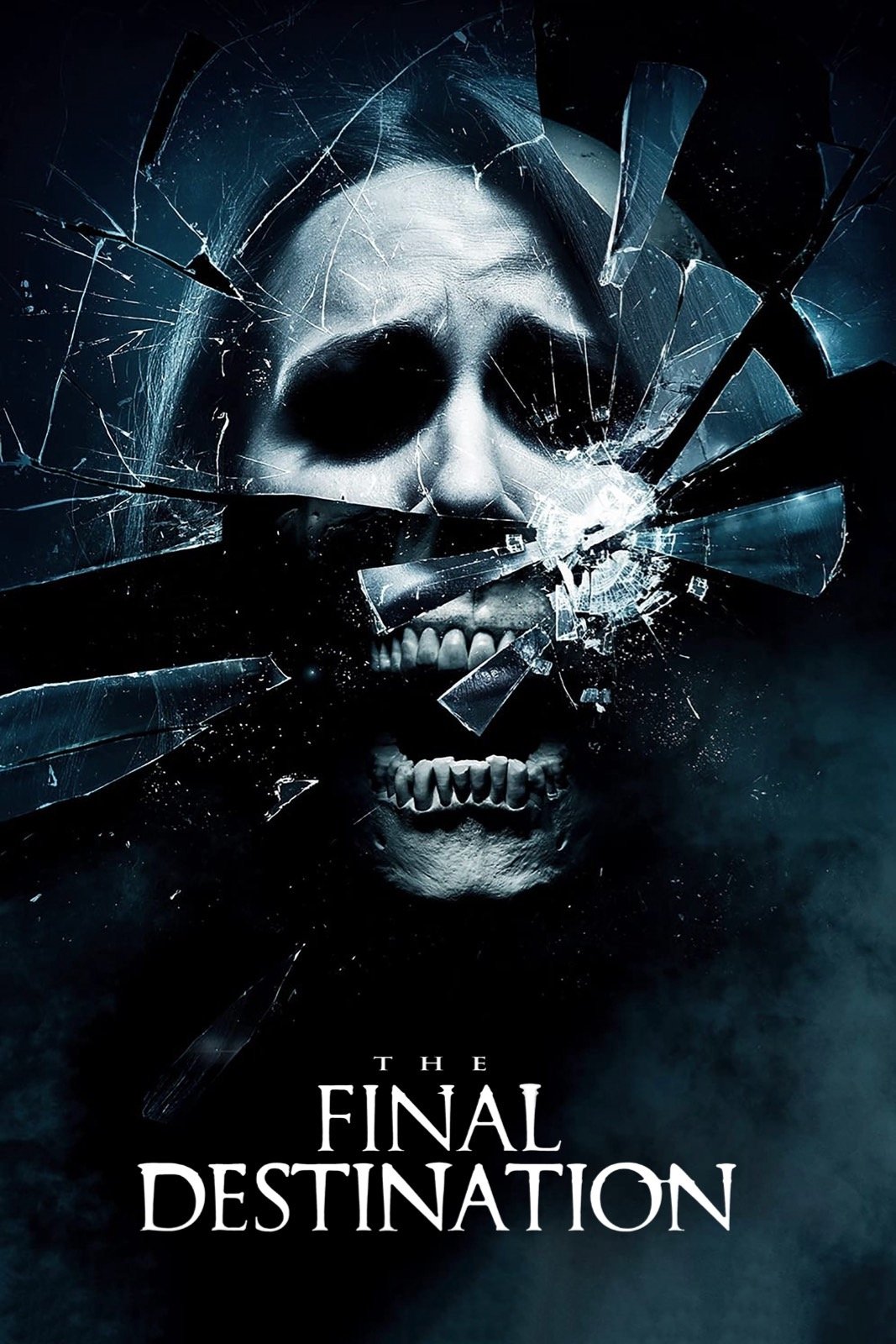
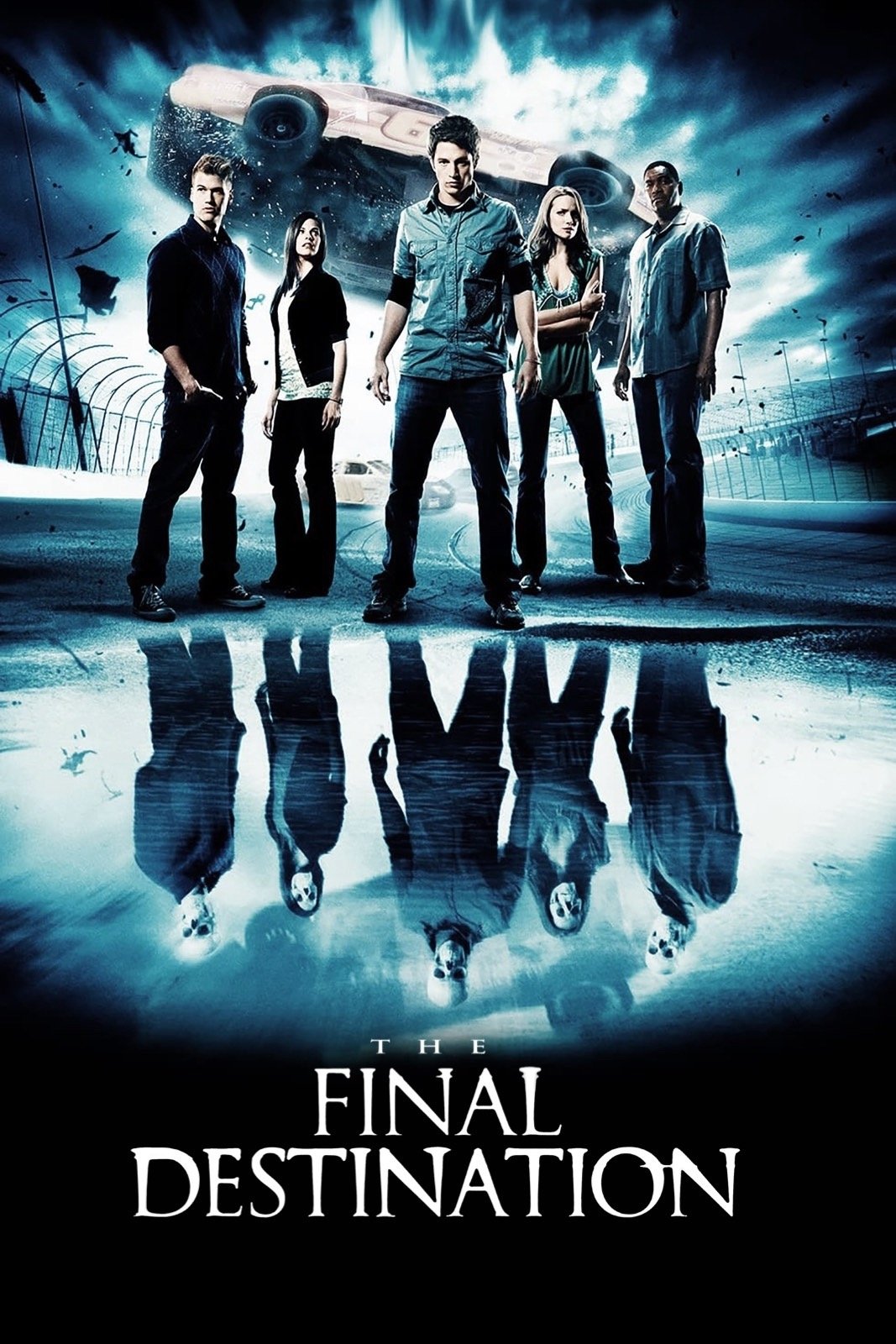
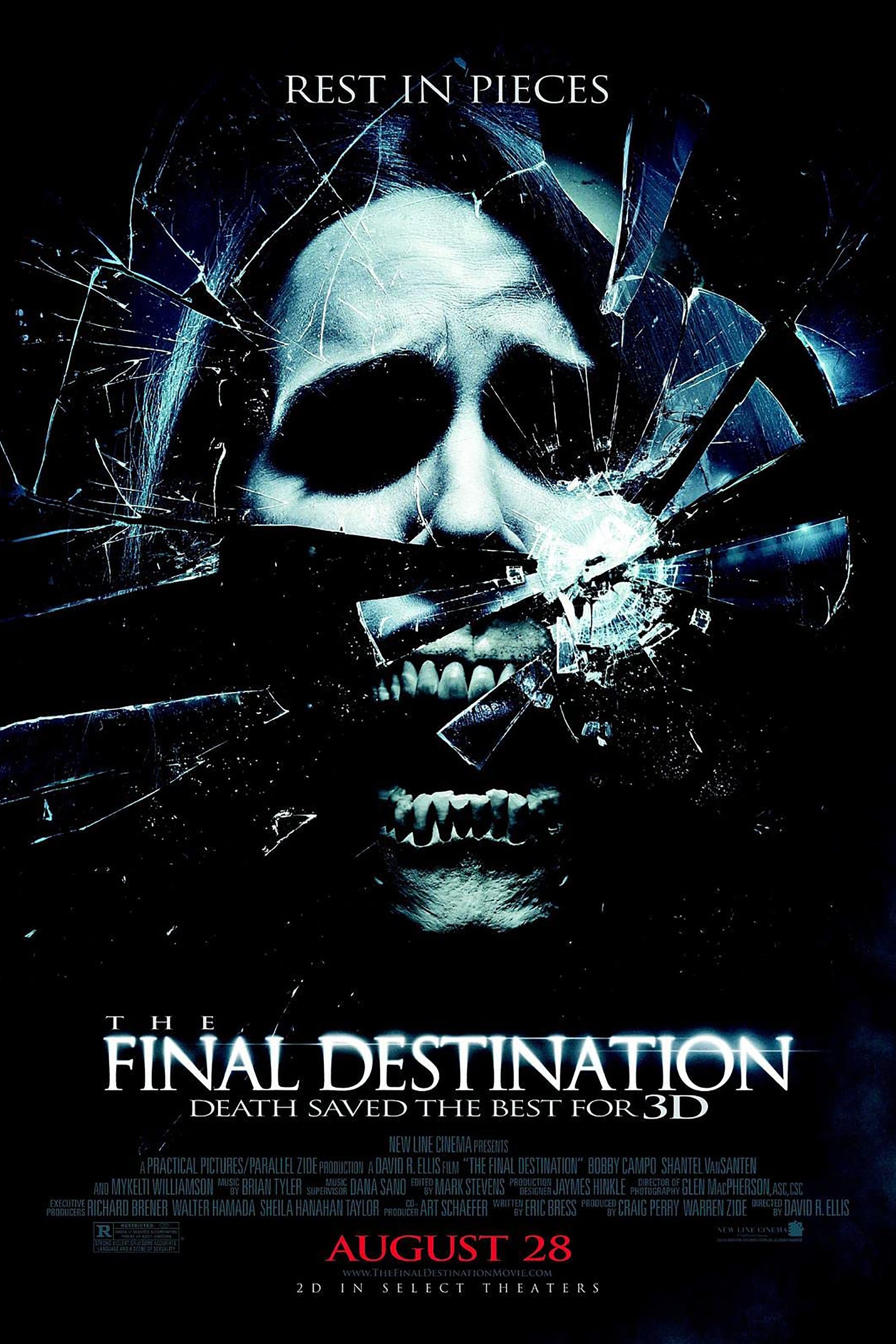
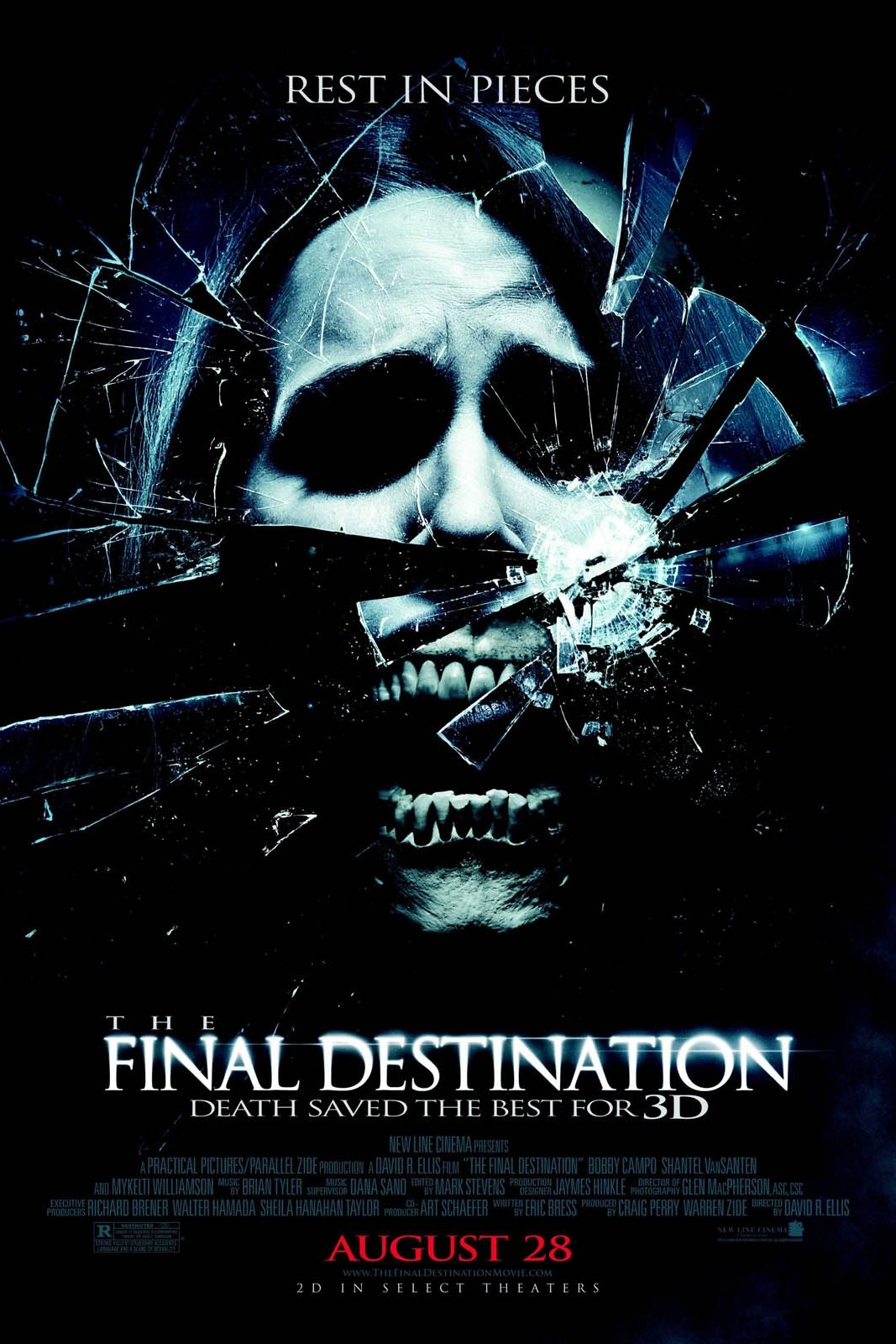
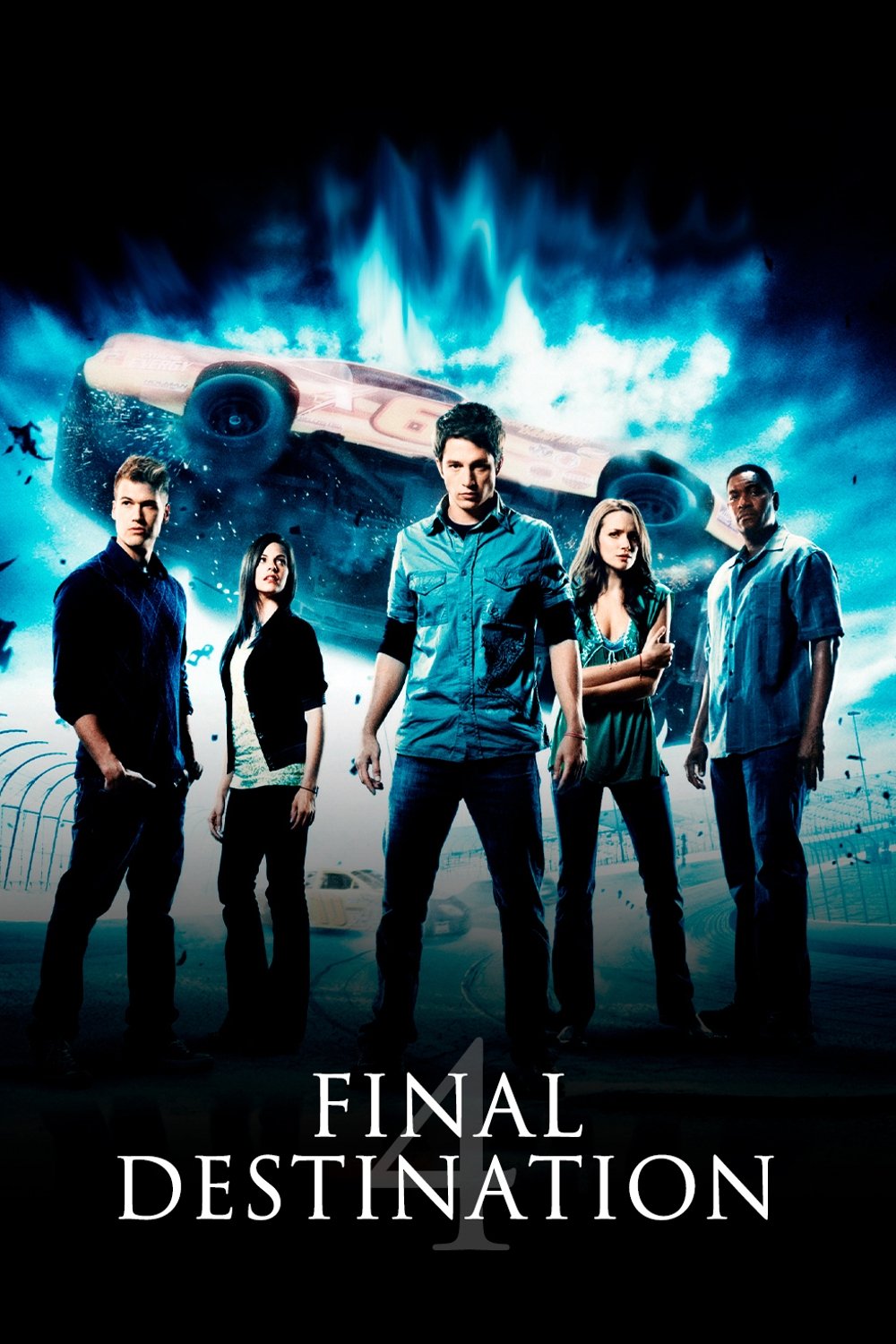
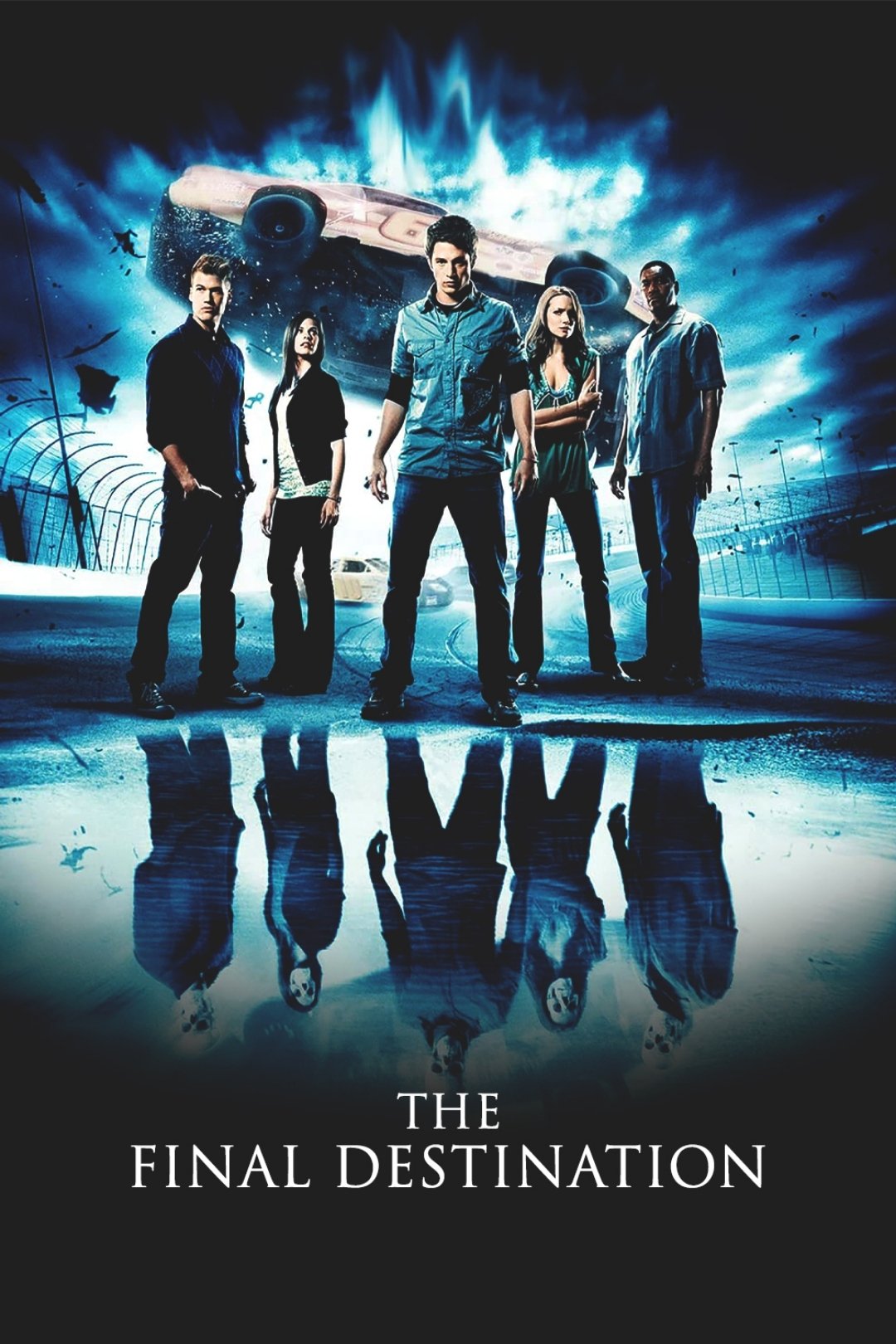
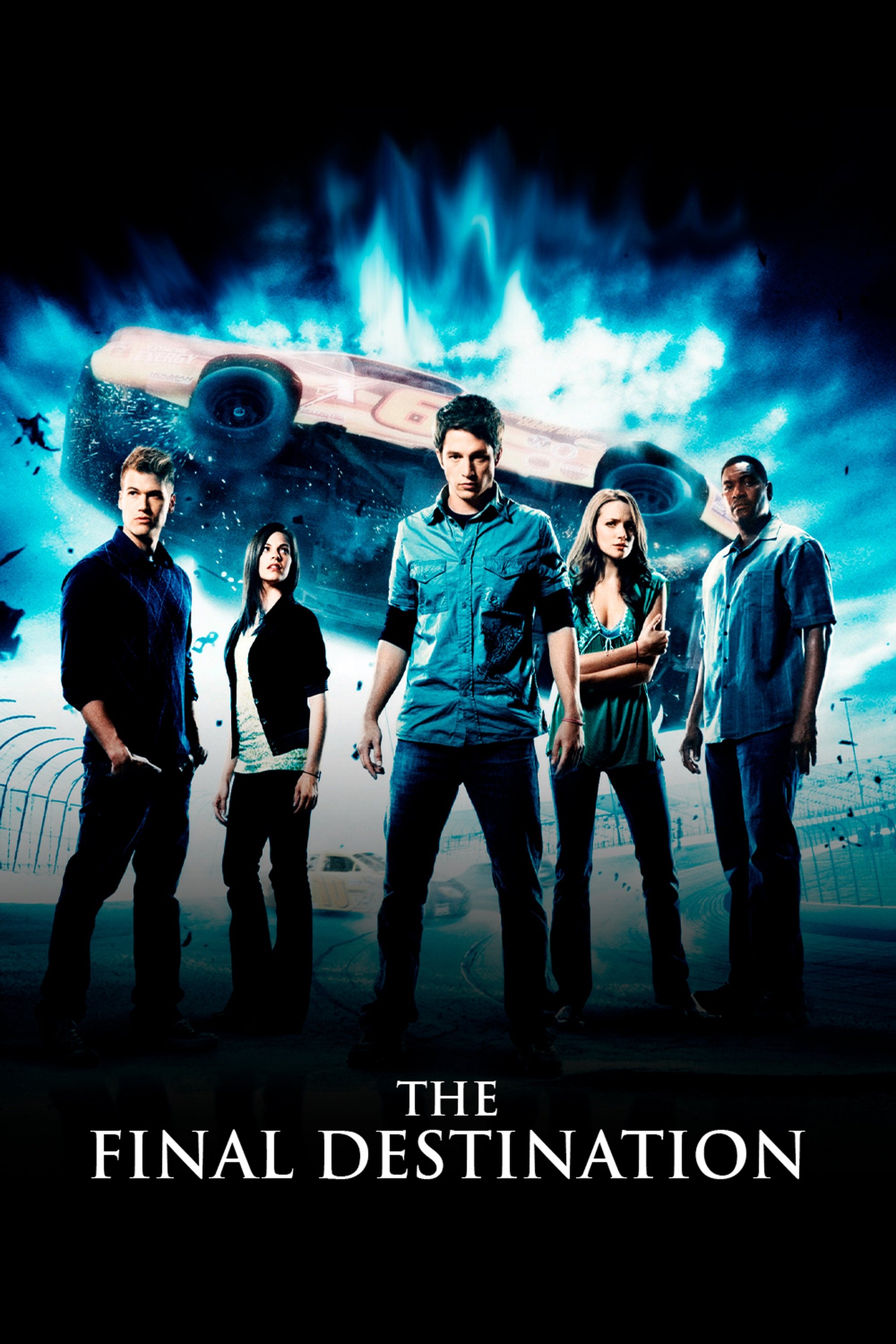
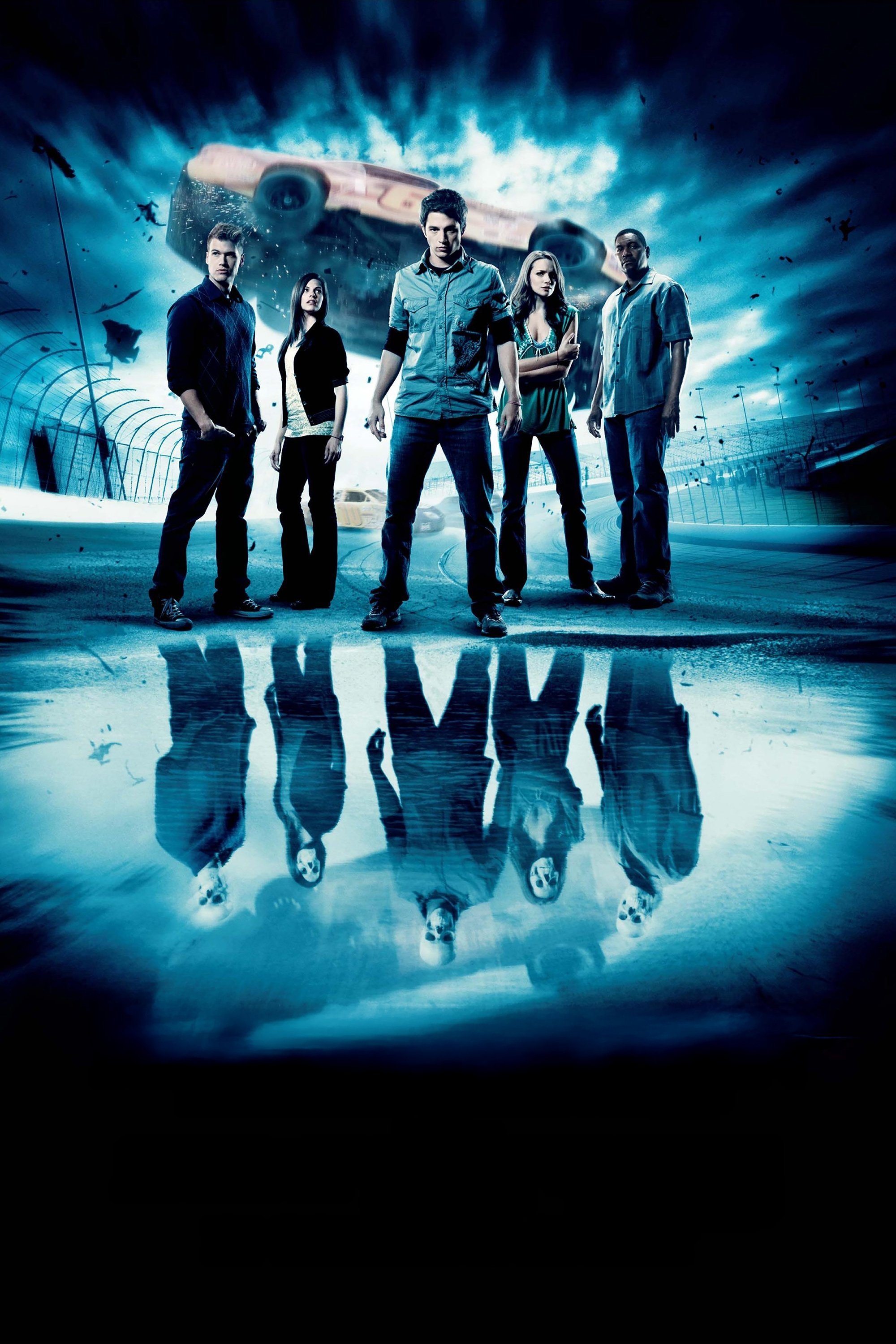
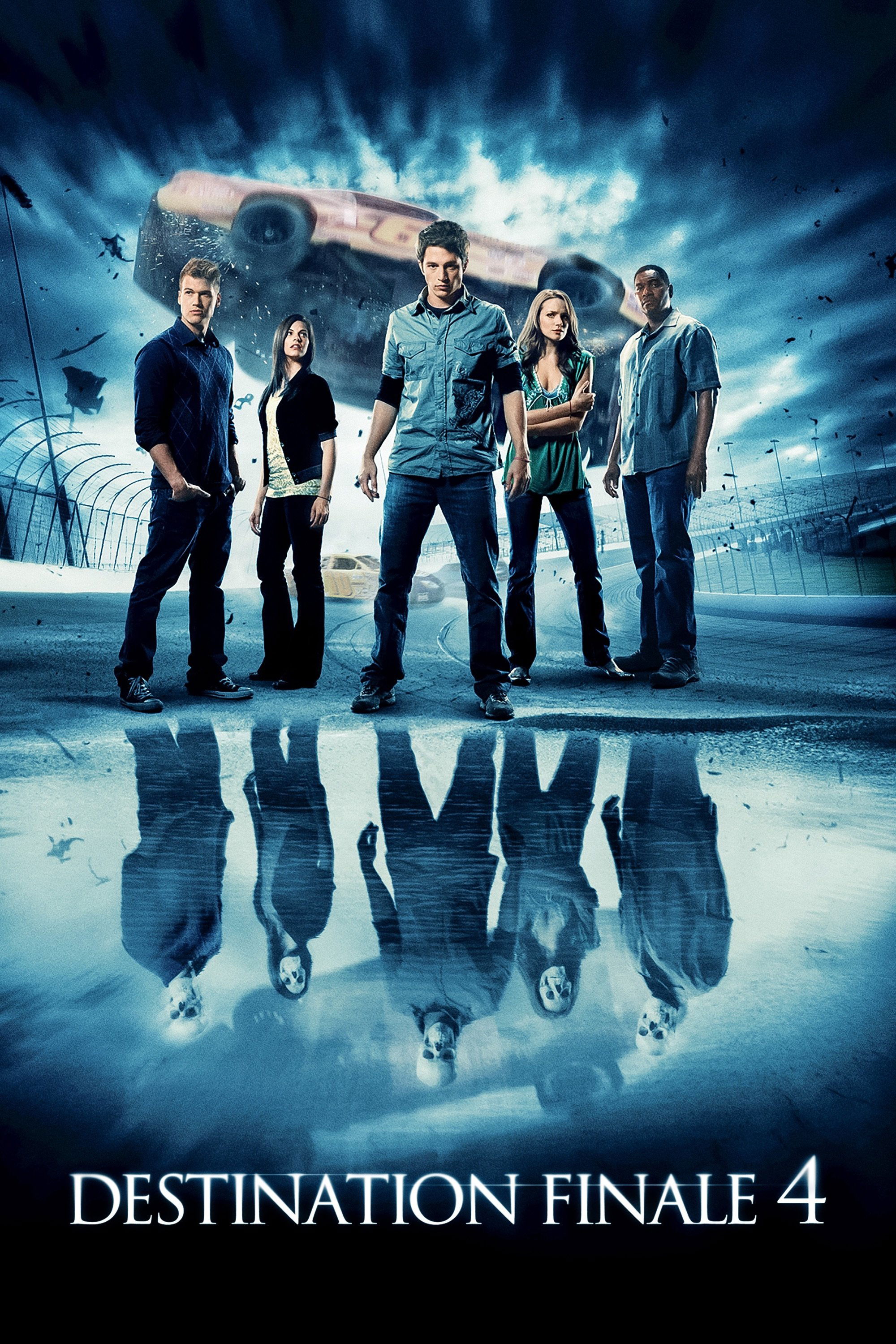
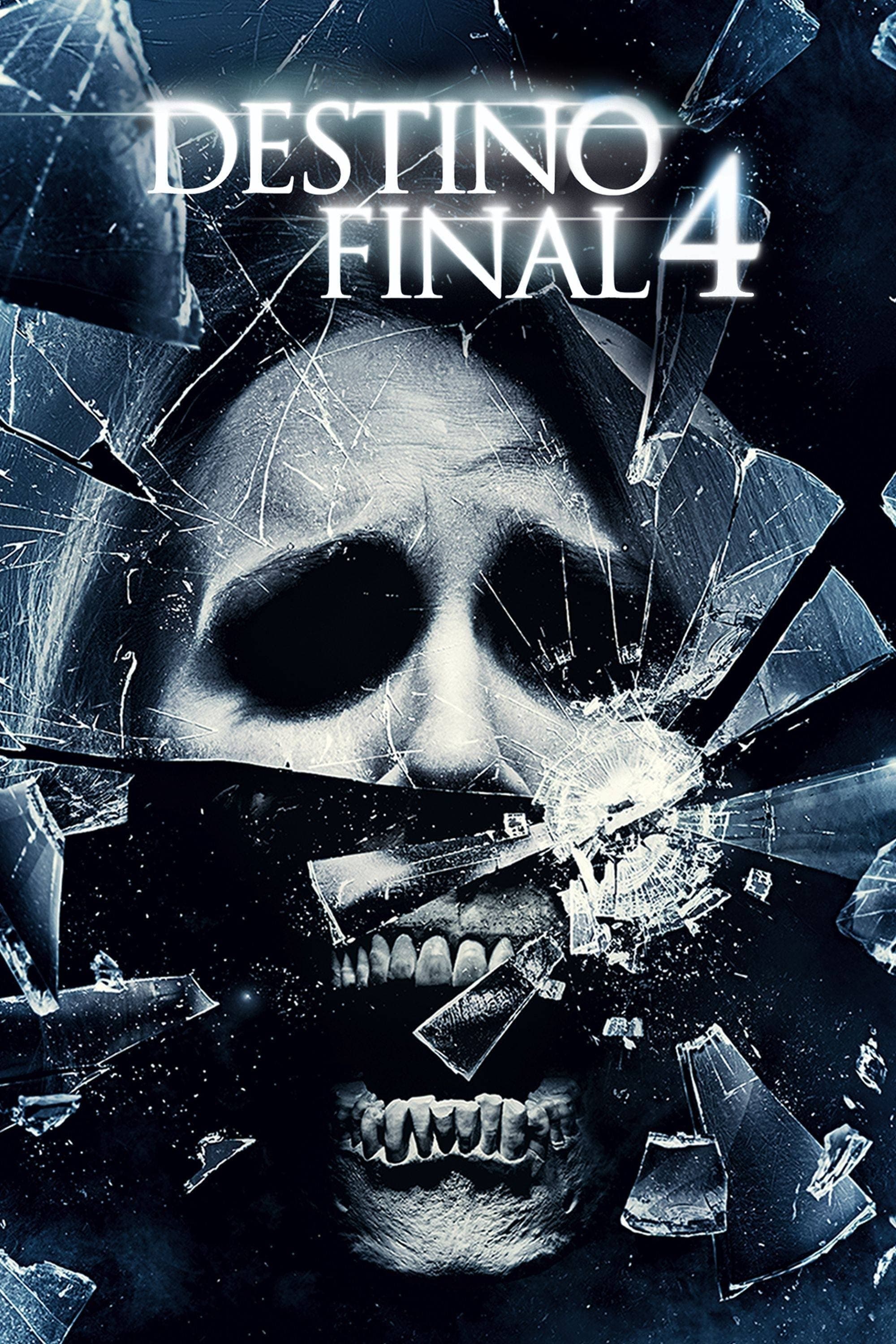
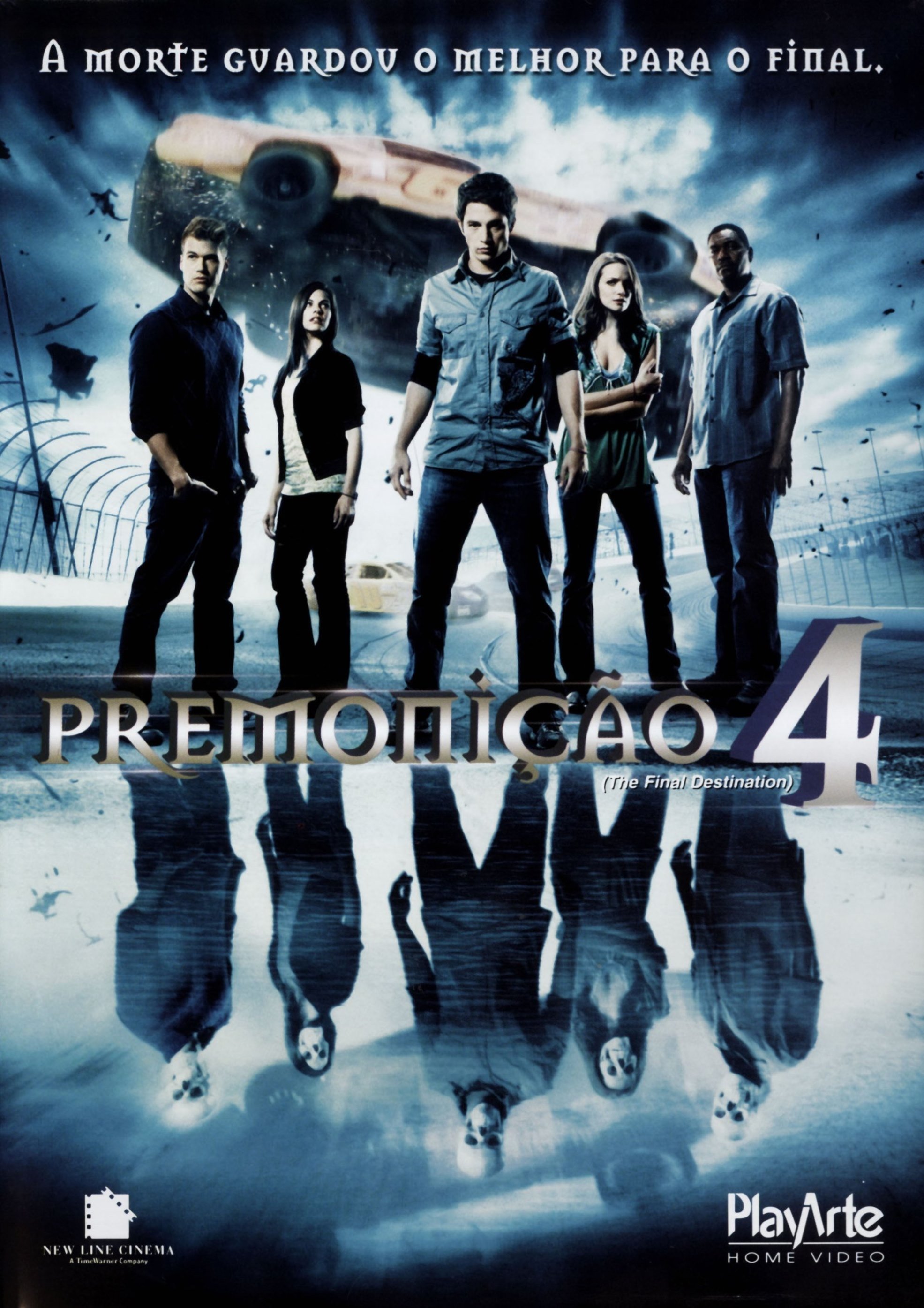
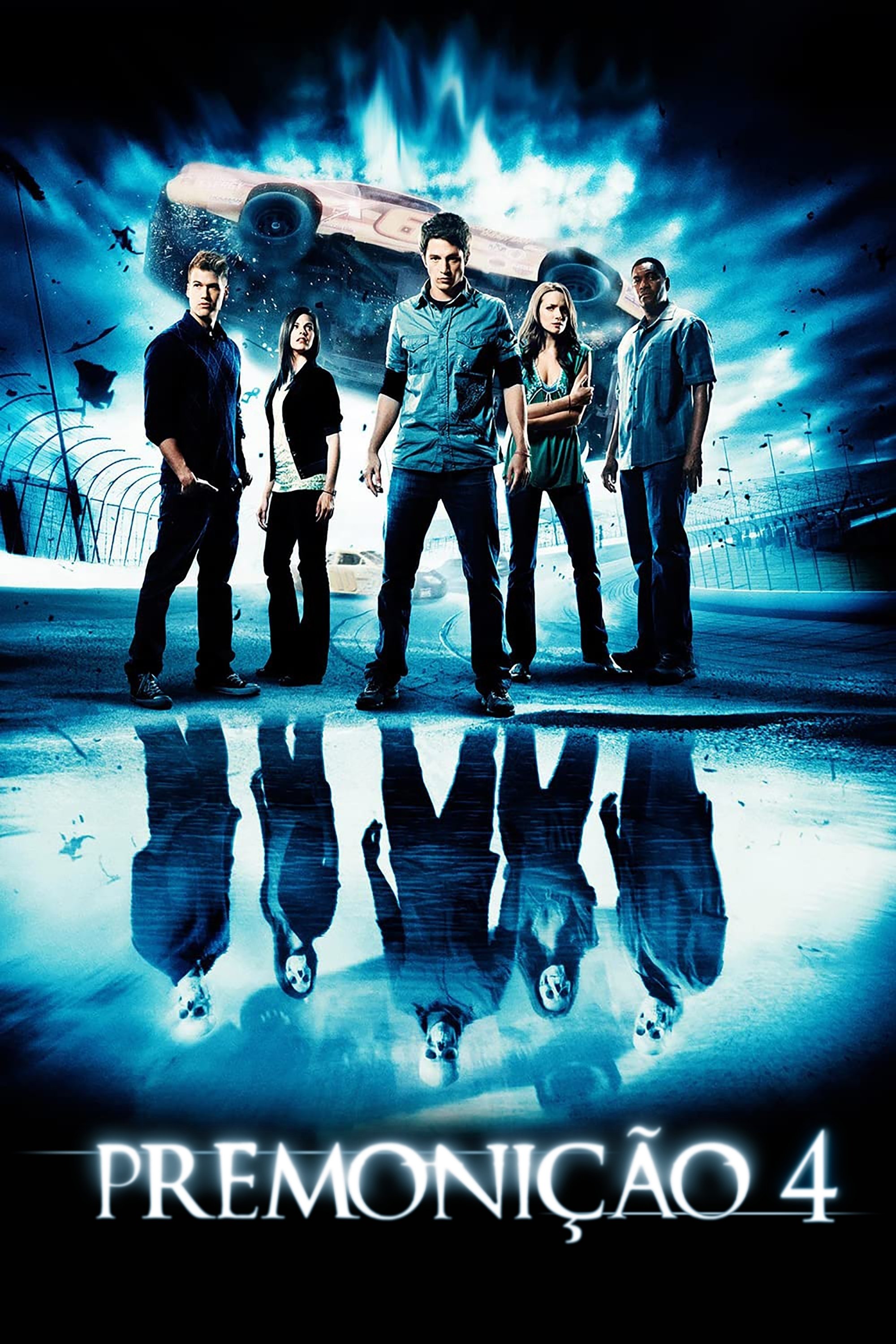
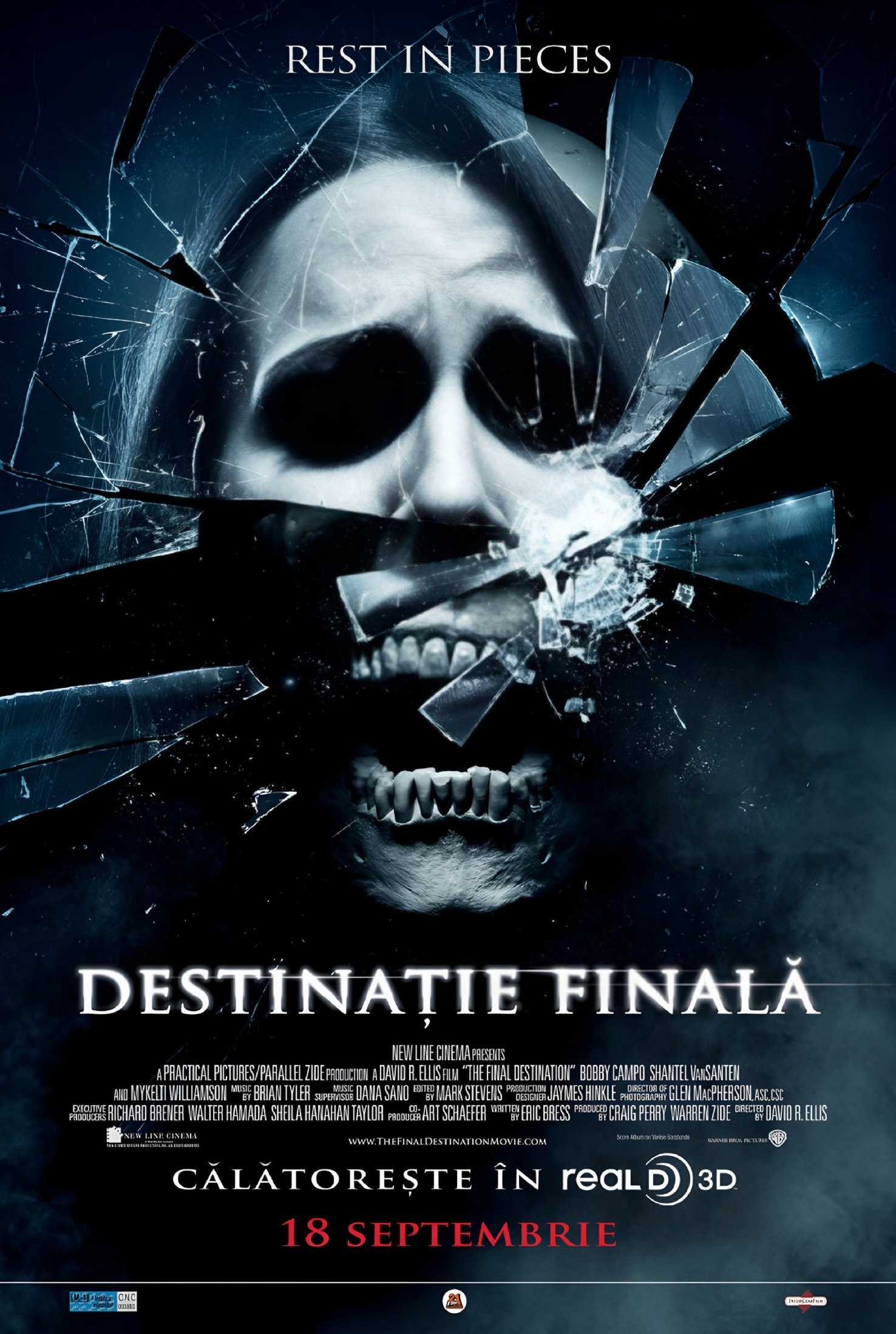
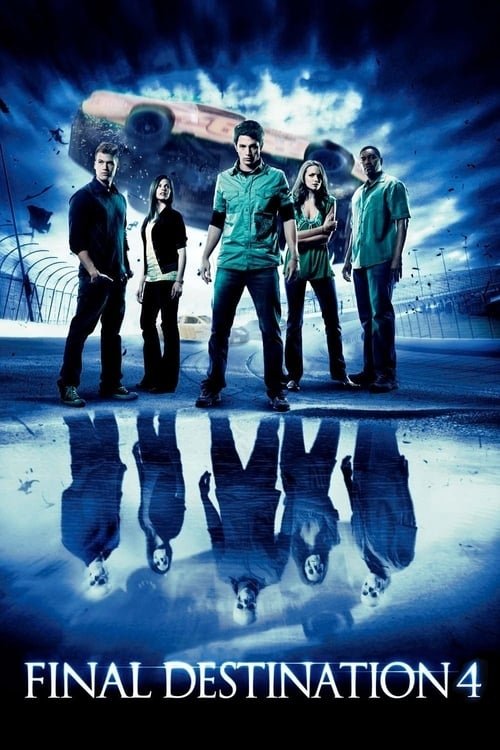
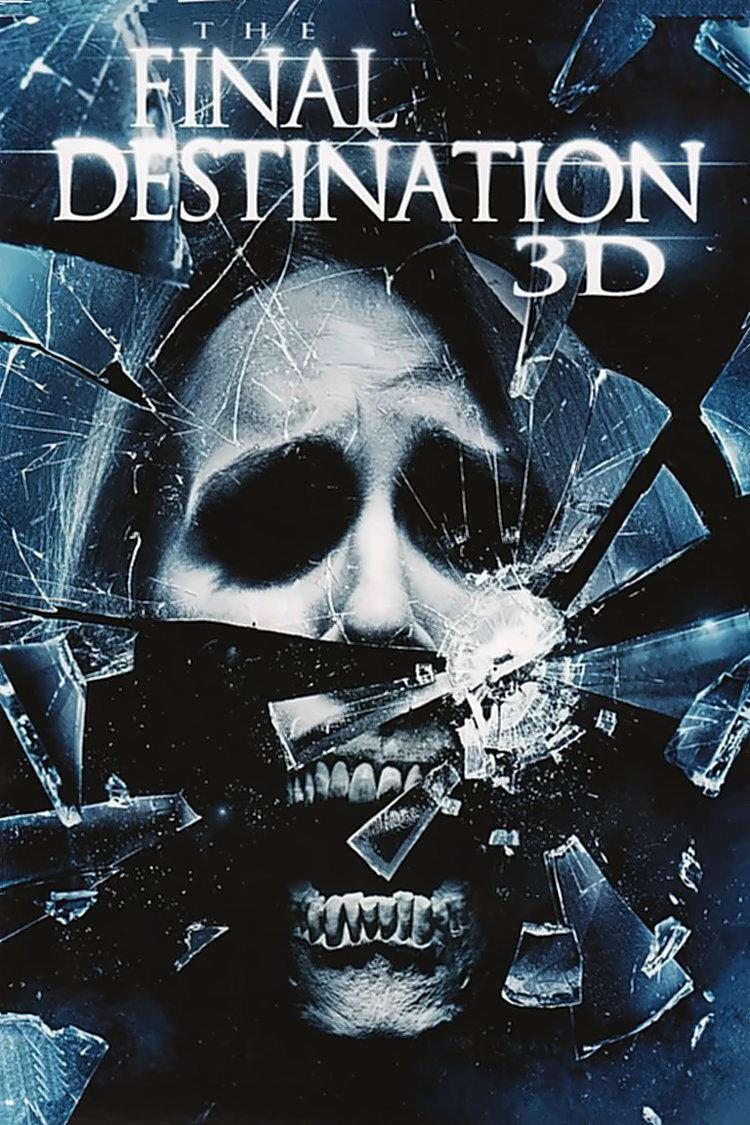
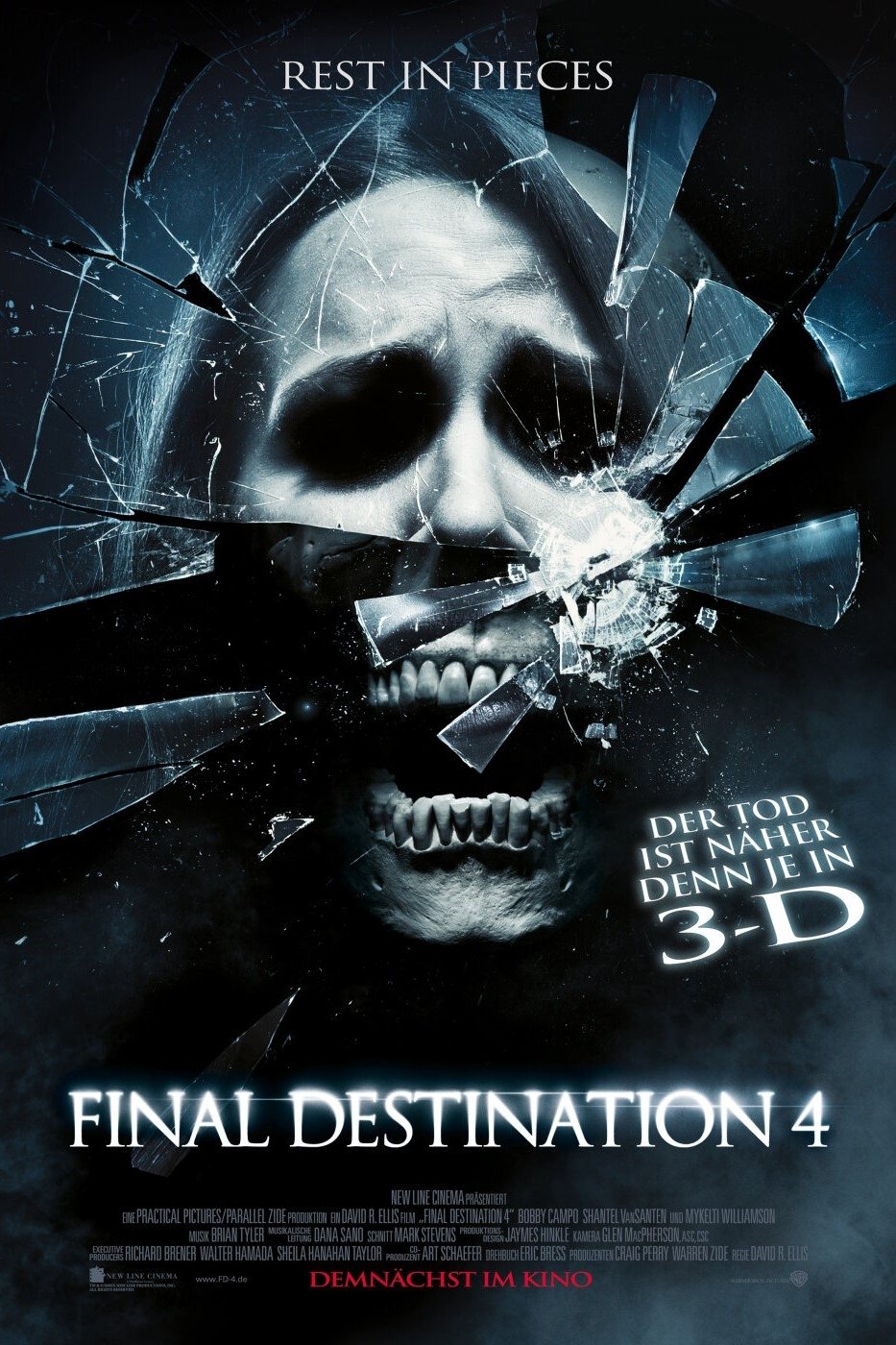
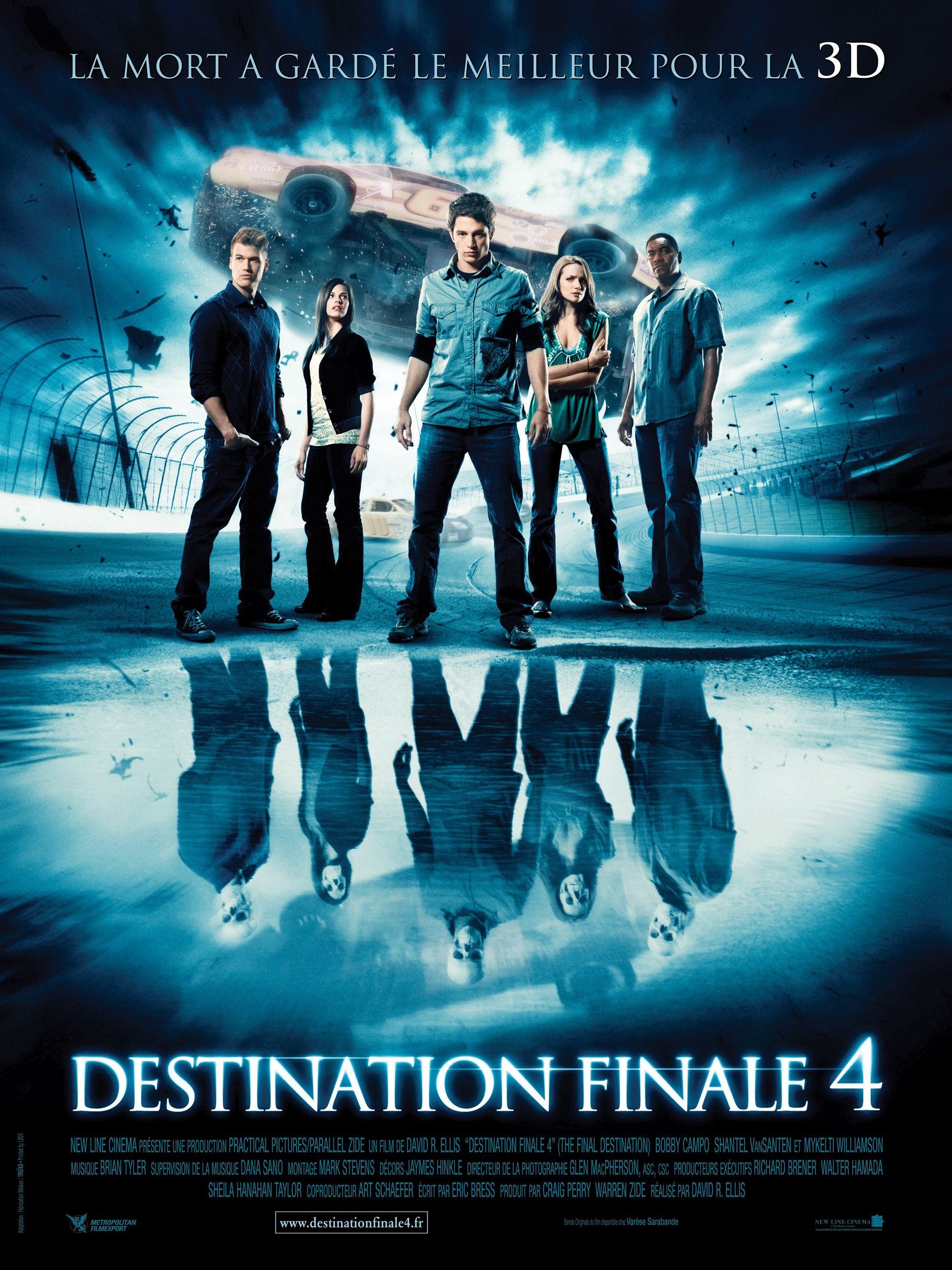
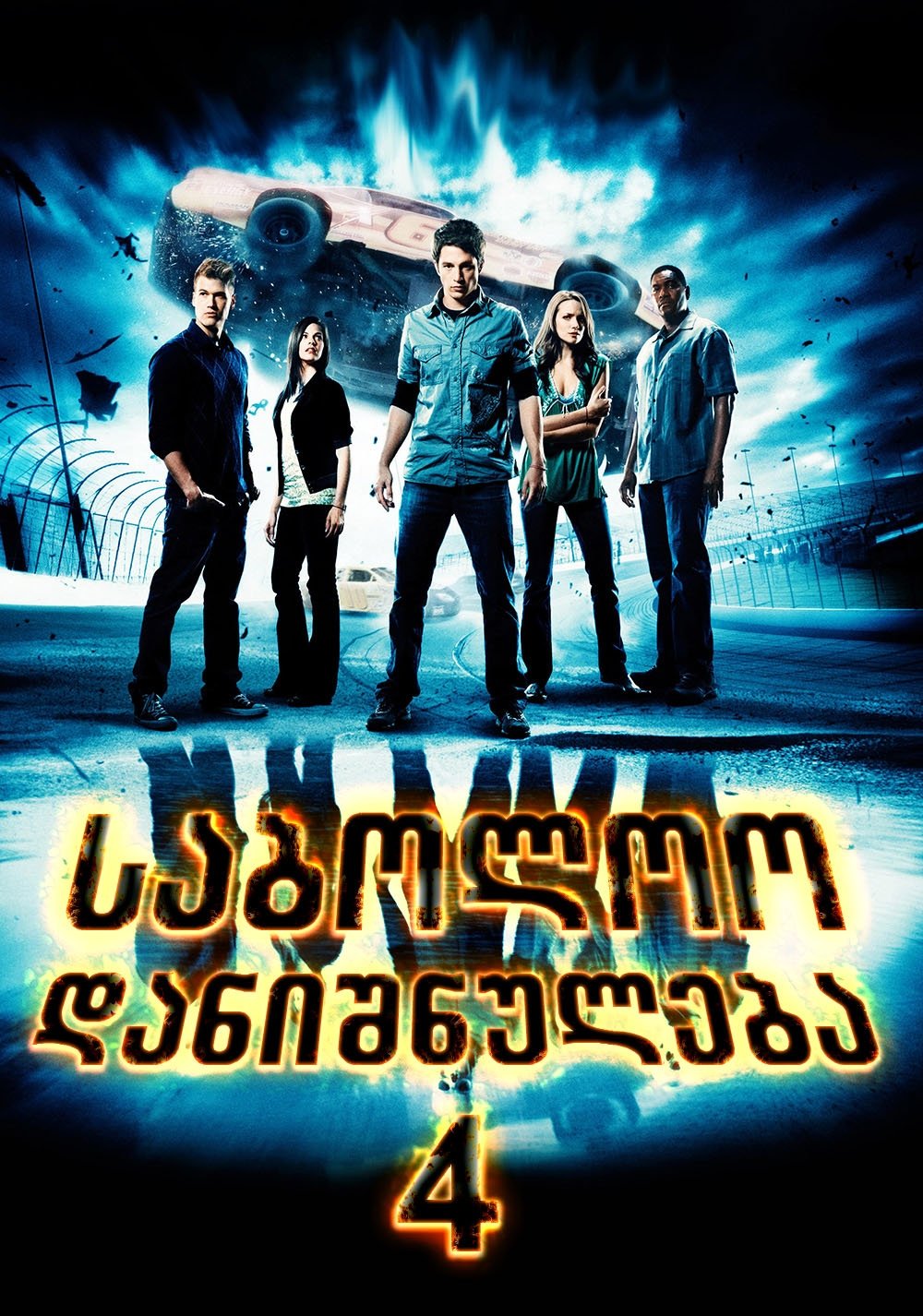
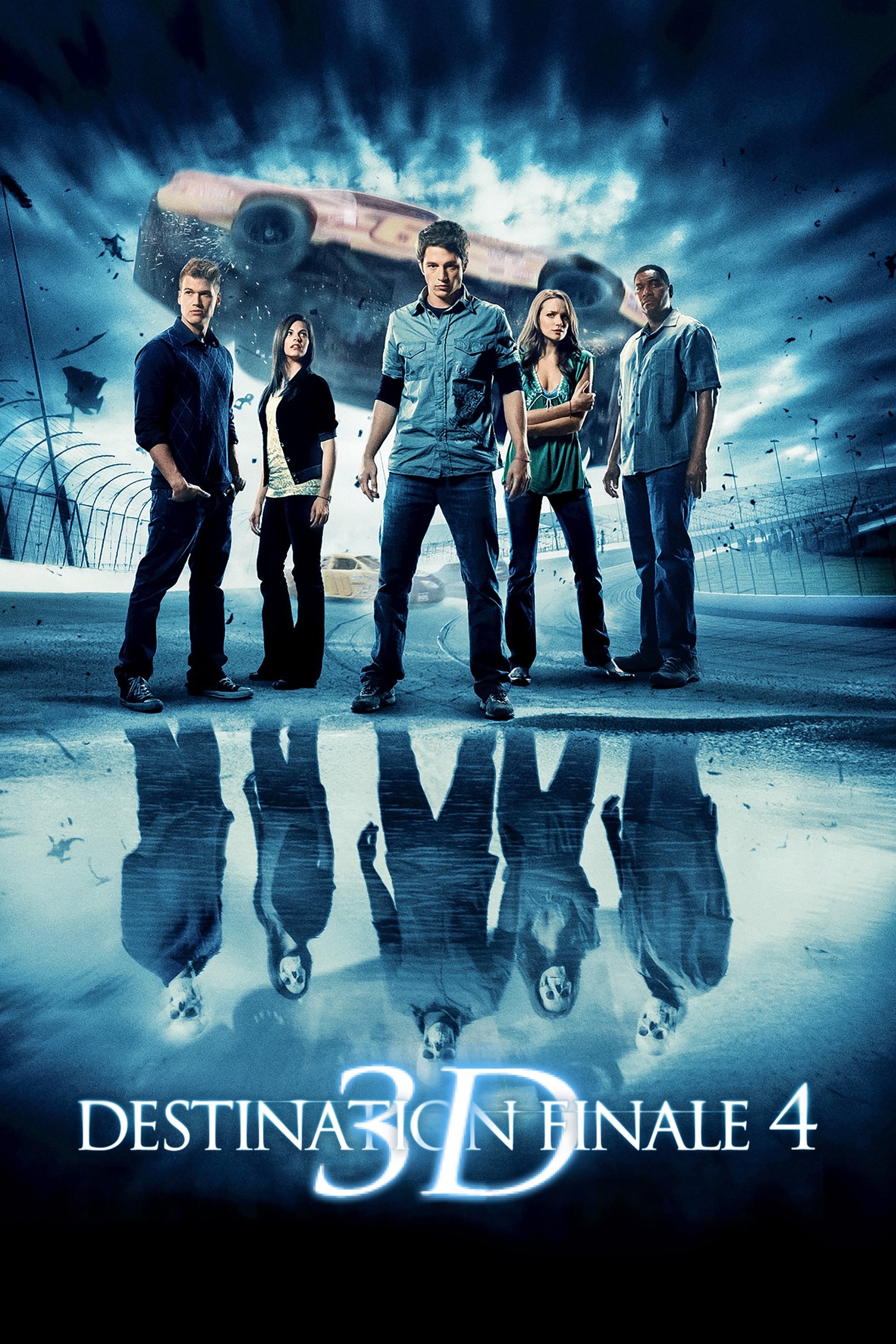
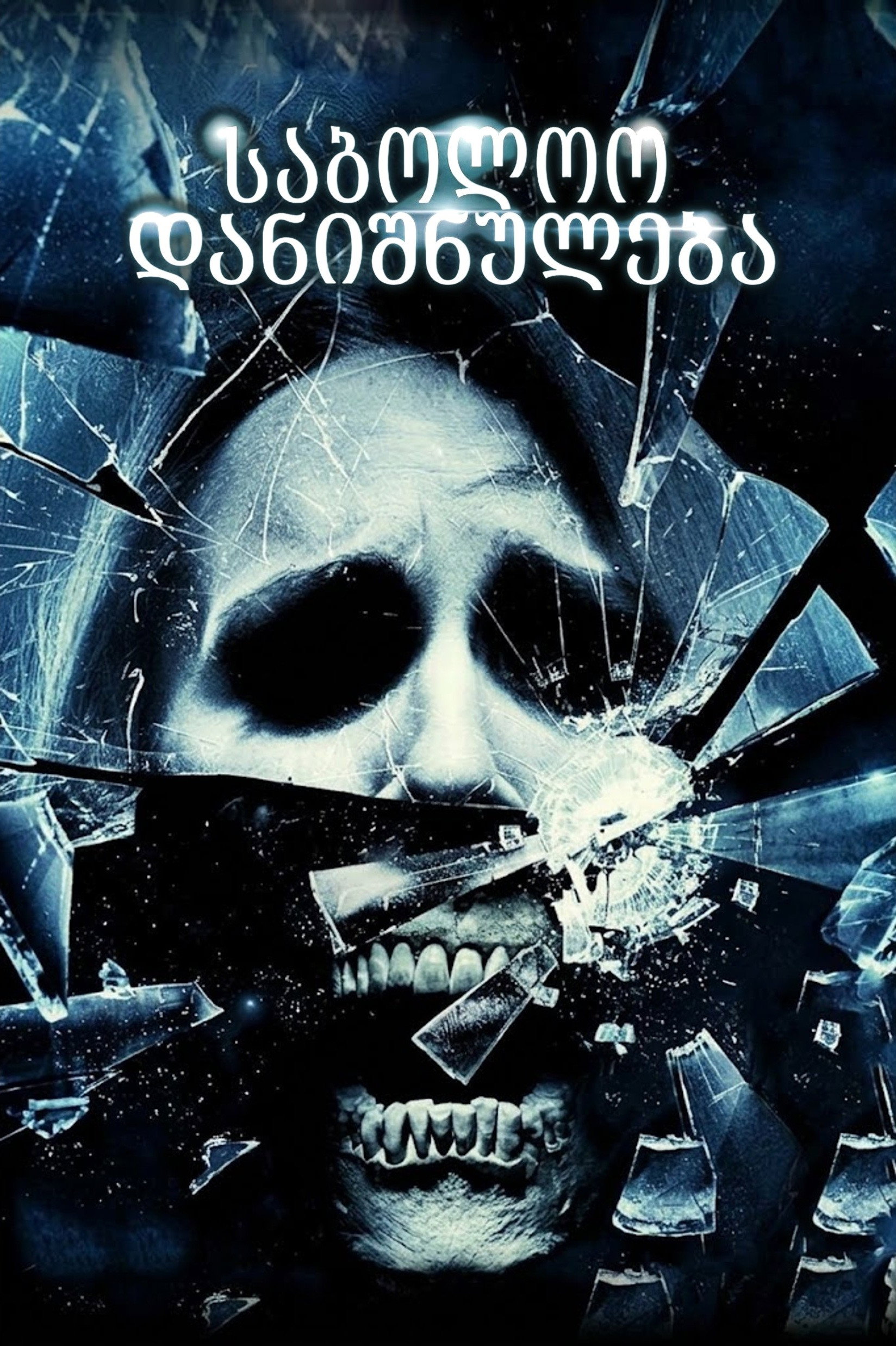
The Final Destination (2009) poster
Director
Production Companies
Parallel Zide , New Line Cinema , Practical Pictures , FlipZide
Plot

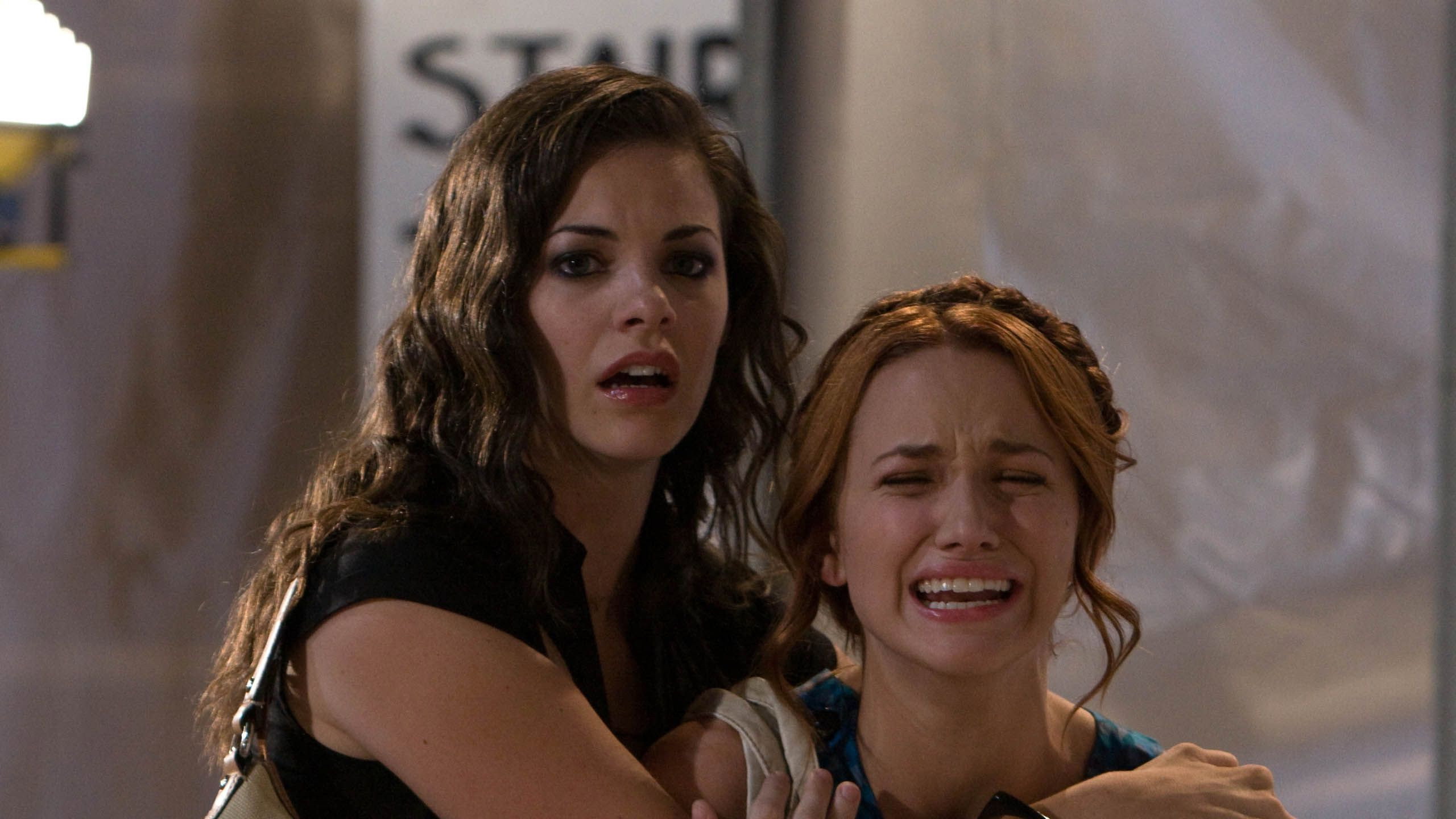
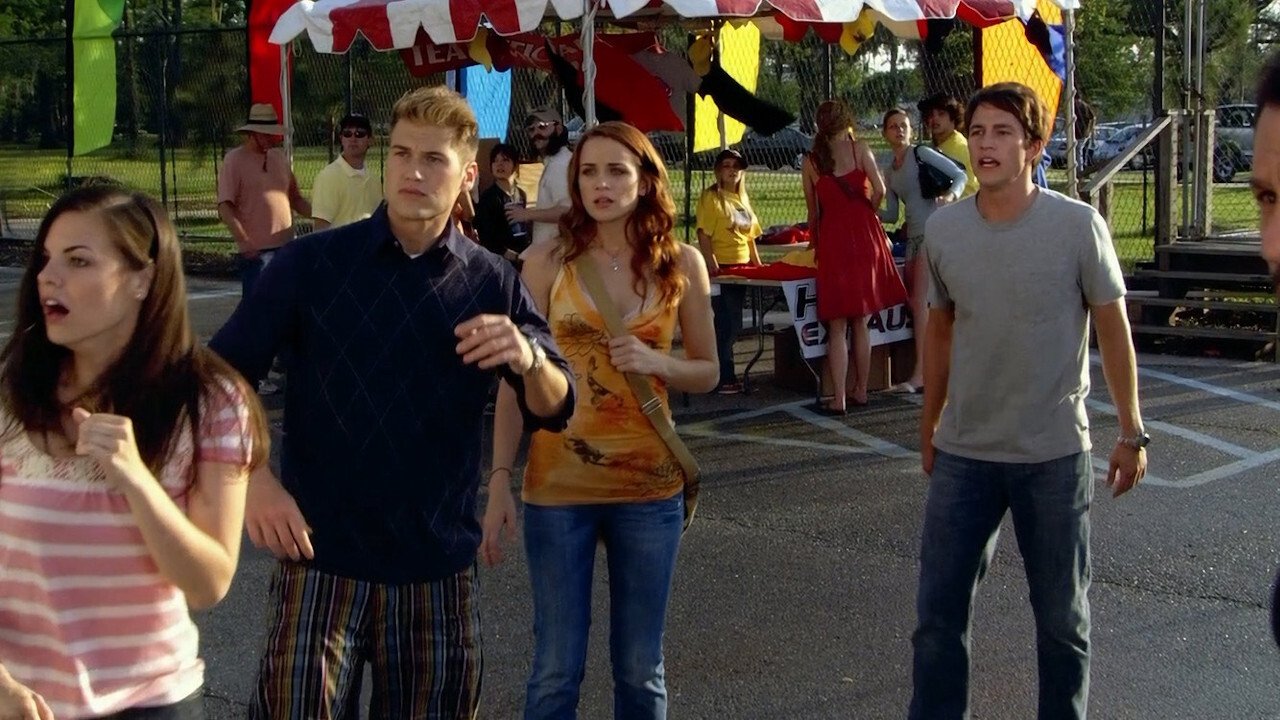
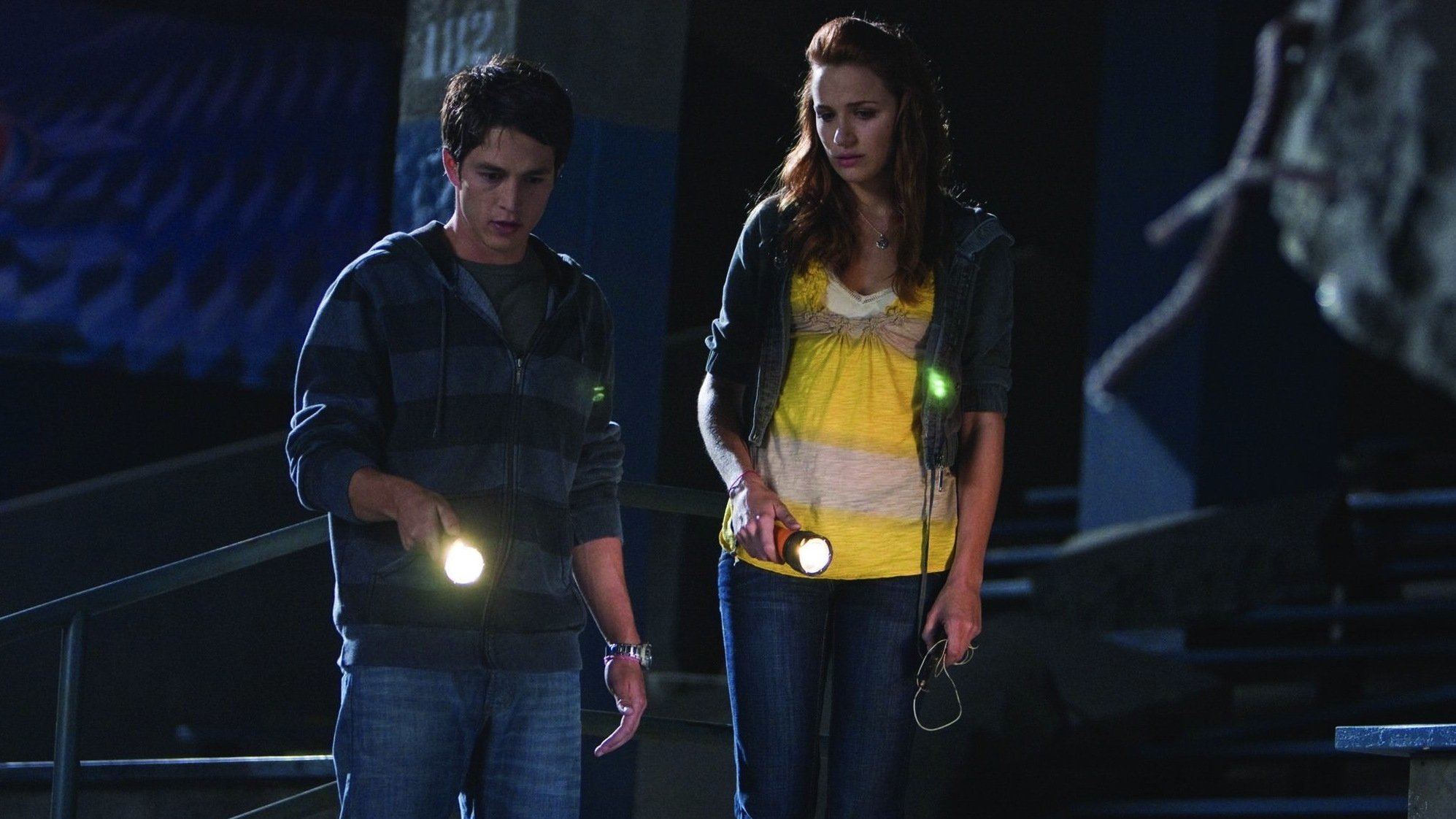
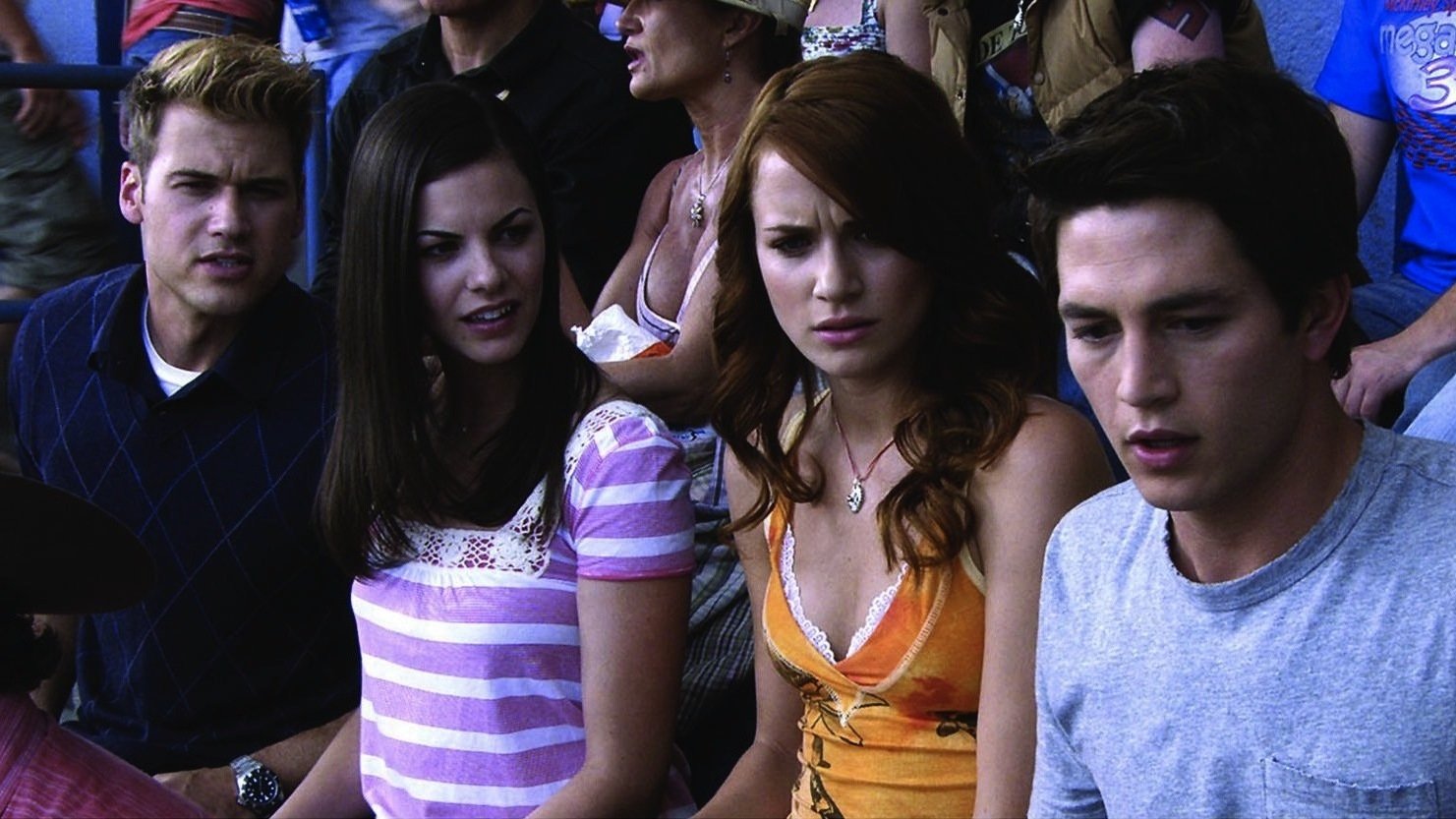
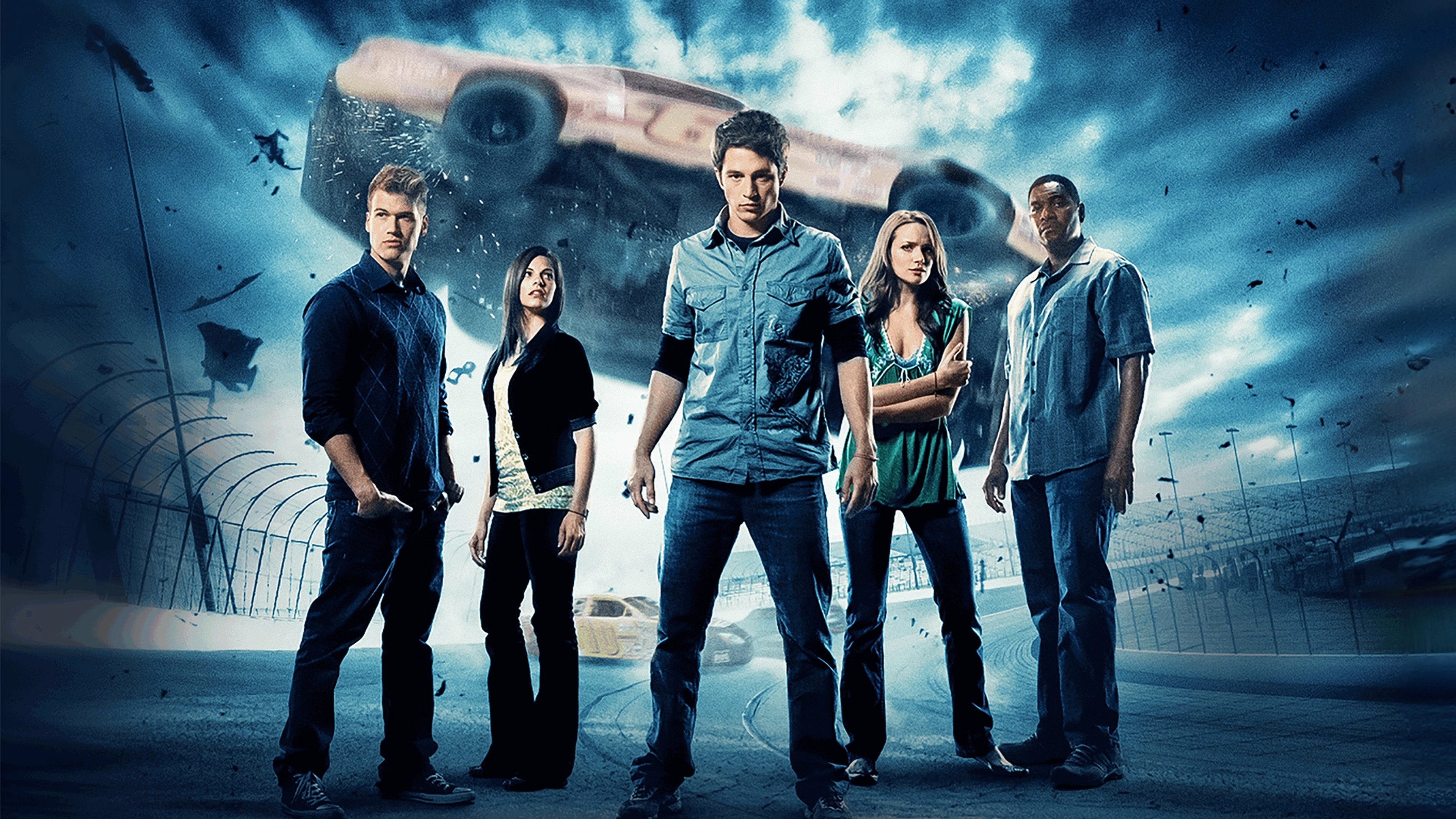
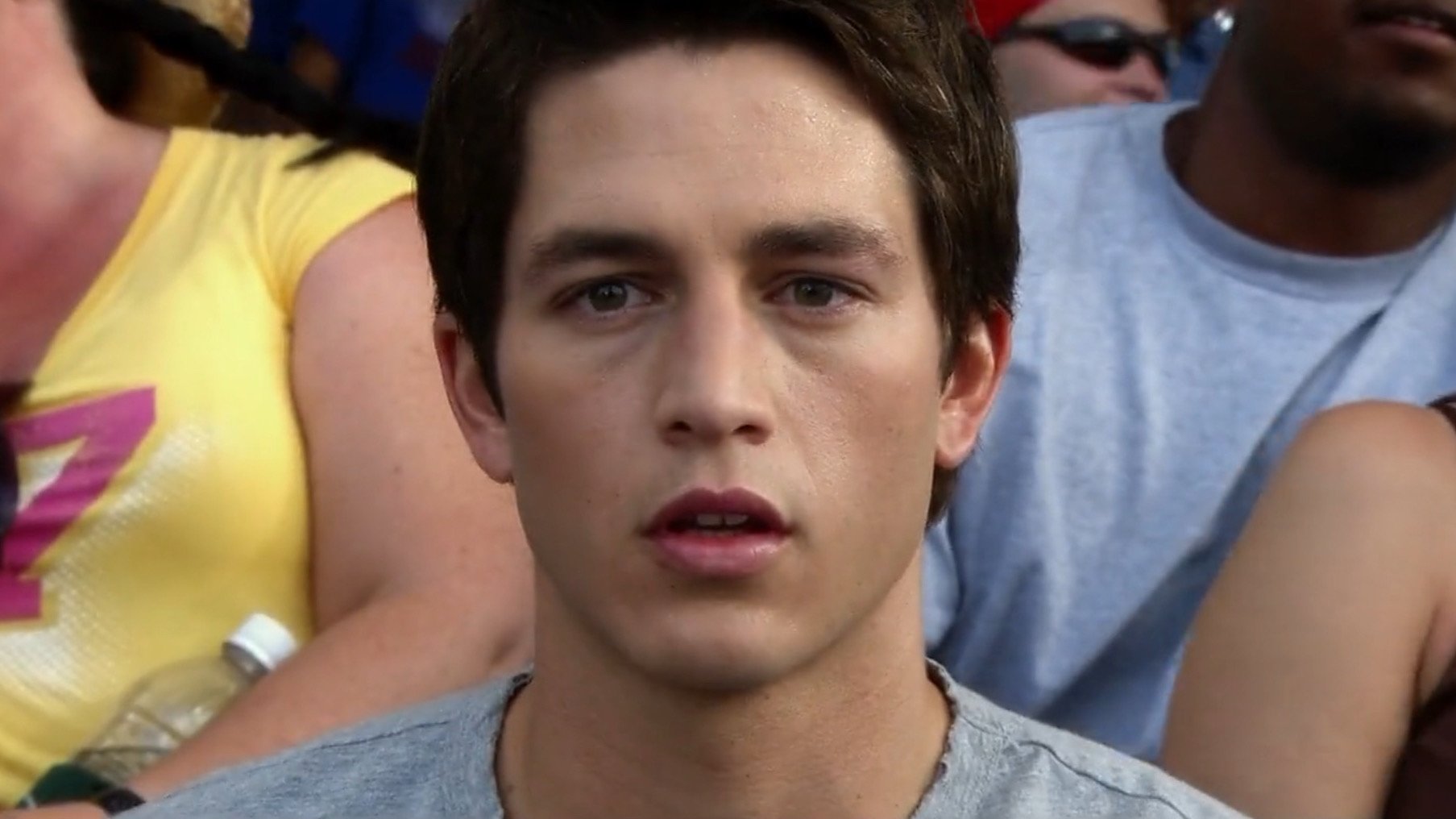
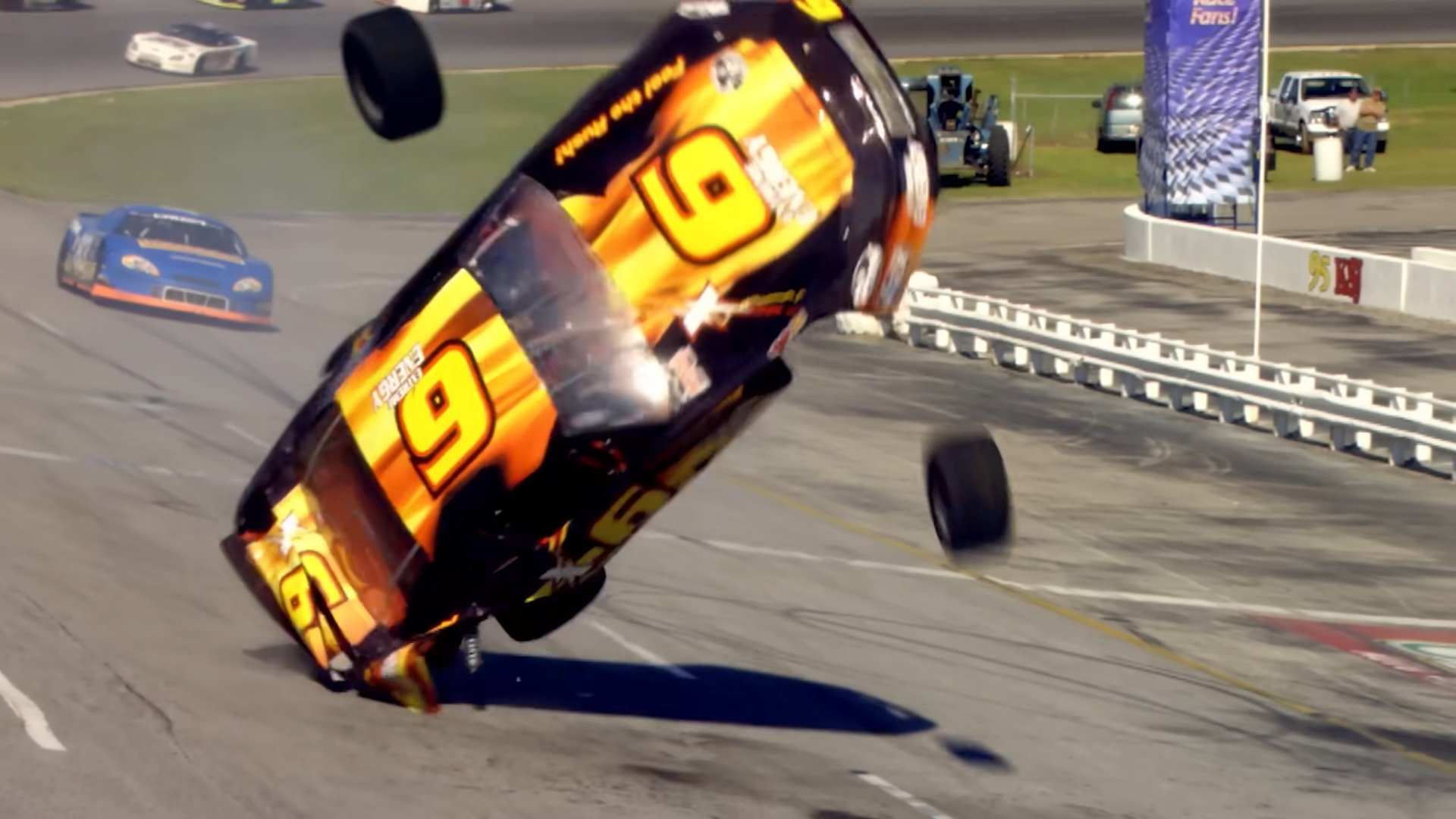
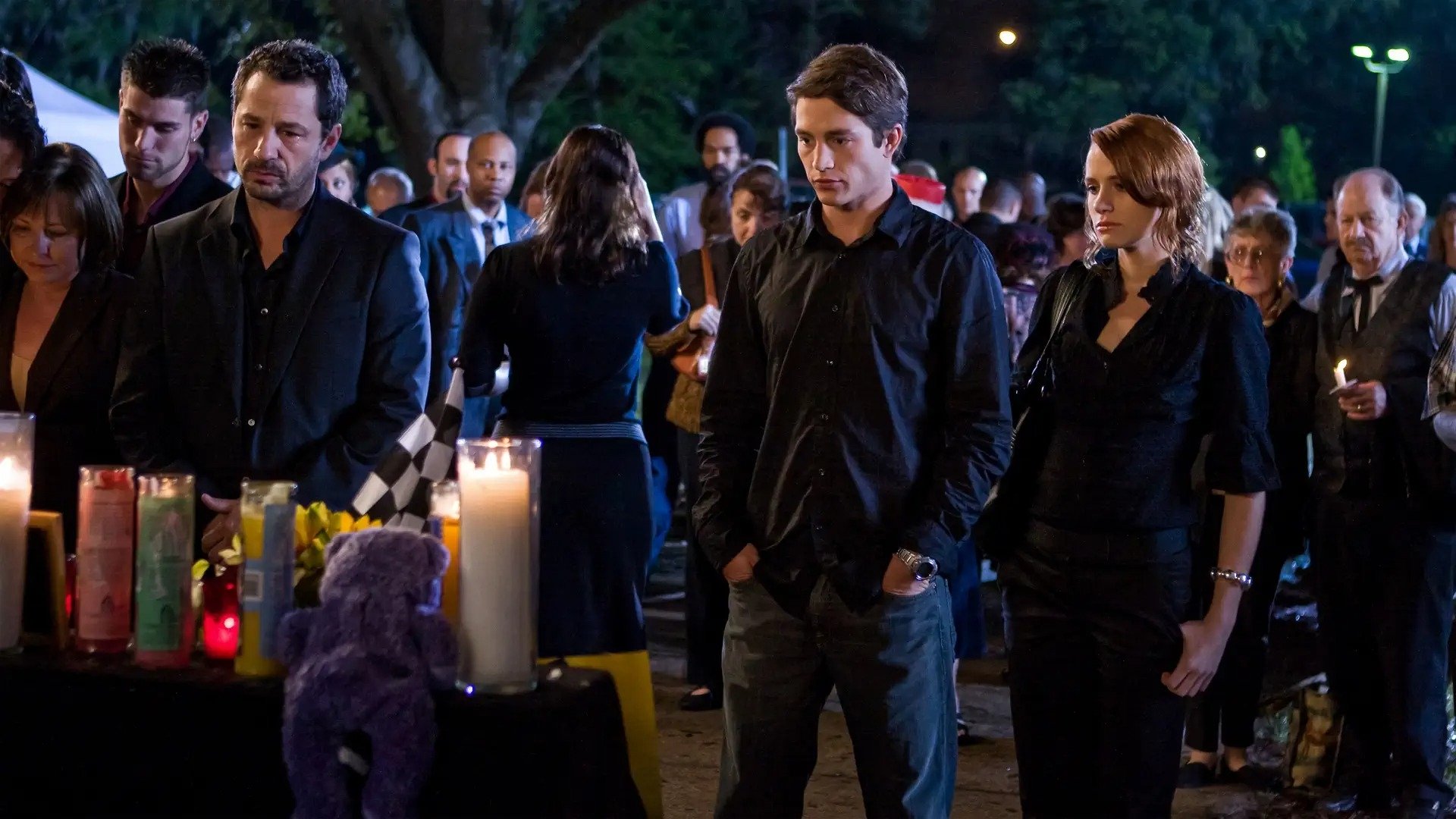
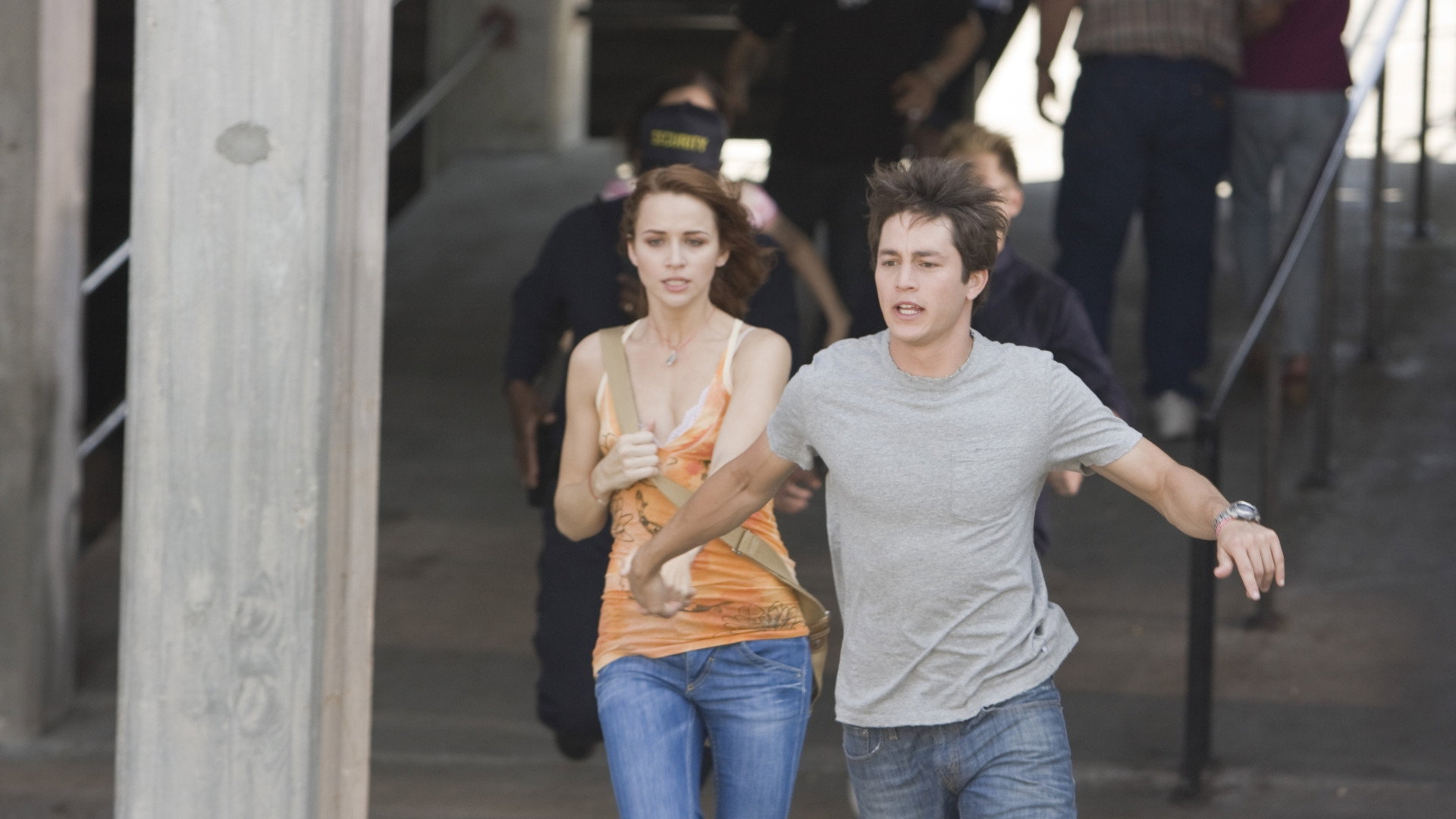
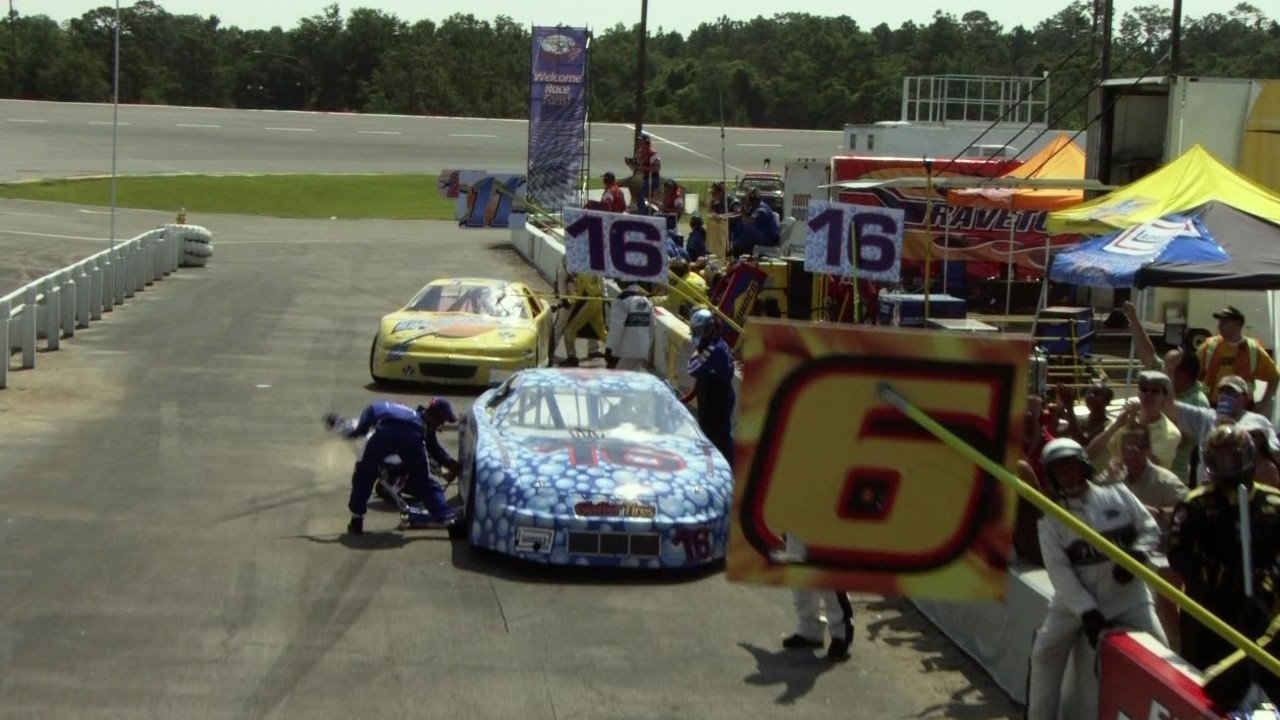
At a motor-racing track, Nick O’Bannon experiences a premonition of a crash that sends wreckage into the crowd and destroys part of the grandstand. His warning allows a handful of spectators to escape. When those survivors begin to die in apparently unrelated accidents, Nick and his friends attempt to understand the recurring signs and prevent the remaining deaths.

Alternative Titles
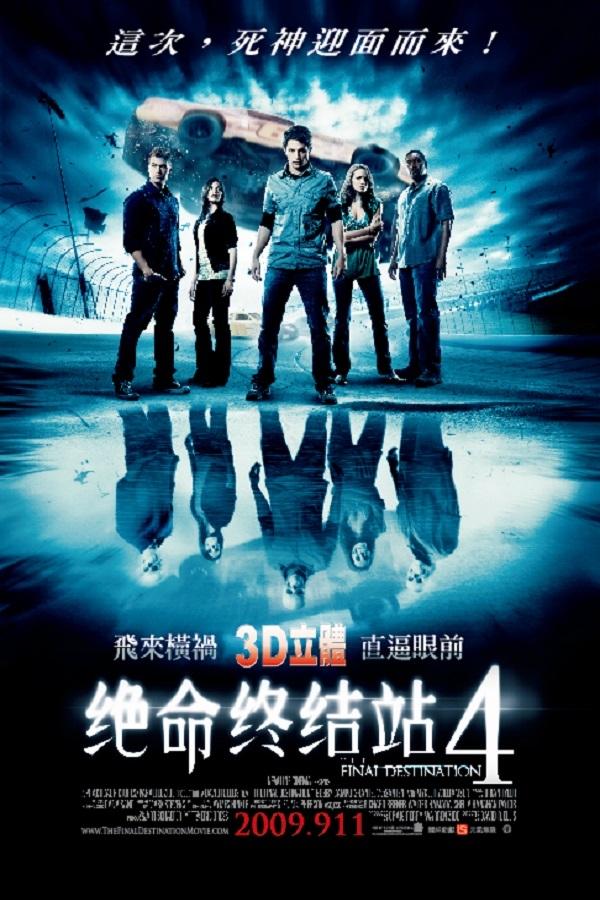
Final Destination 4 (Austria) — German Təyinat nöqtəsi 4 (Azerbaijan) — Azerbaijani Последен изход 4 (Bulgaria) — Bulgarian Premonição 4 (Brazil) — Portuguese La destination ultime (Canada) — French Final Destination 4 (Switzerland) — German 死神来了4 (China) — Chinese 绝命终结站4 (China) — Netflix
Show all 51 alternative titles Nezvratný osud 4 (Czechia) — Czech Final Destination 4 (Germany) — German Final Destination 4 (Denmark) — Danish Lõpp-punkt 4 (Estonia) — Estonian Destinació final 4 (Spain) — Catalan Destino final 4 (Spain) — Spanish El Destino Final (Destino Final 4) (Spain) Destination finale 4 (France) — French საბოლოო დანიშნულება 4 (Georgia) — Georgian Βλέπω το Θάνατό σου 4 (Greece) — Greek 死神 4 來了 (Hong Kong SAR China) — Chinese Put bez povratka 4 (Croatia) — Croatian Végső állomás 4. (Hungary) — Hungarian יעד סופי 4 (Israel) — Hebrew मौत की मंज़िल (India) — Hindi مقصد نهایی 4 (Iran) — Persian Final Destination 4 (Italy) — Italian The Final Destination 3D (Italy) ファイナル・デッドサーキット (Japan) — Japanese ファイナル・デッドサーキット 3D (Japan) 파이널 데스티네이션 4 (South Korea) — Korean Galutinis tikslas 4 (Lithuania) — Lithuanian Ceļa gals 4 (Latvia) — Latvian Destino Final 4 (Mexico) — Spanish Final Destination 4 (Norway) — Norwegian Oszukać przeznaczenie 4 (Poland) — Polish O Último Destino 3D (Portugal) — Portuguese Destinație finală 4 (Romania) — Romanian Последња екскурзија 4 (Serbia) — Serbian Пункт назначения 4 (Russia) — Russian الوجهة النهائية 4 (Saudi Arabia) — Arabic Brez povratka 4 (Slovenia) — Slovenian Nezvratný osud 4 (Slovakia) — Slovak โกงตาย ทะลุตาย (Thailand) ไฟนอล เดสติเนชั่น 4 : โกงตาย ทะลุตาย (Thailand) — Thai Son Durak 4 (Türkiye) — Turkish 絕命終結站4 (Taiwan) — Chinese Пункт призначення 4 (Ukraine) — Ukrainian Final Destination 4 (United States) Final Destination: Death Trip (United States) — Working Title The Final Destination 4 (United States) — Movies Anywhere The Final Destination in 3-D (United States) — DVD title Lưỡi Hái Tử Thần 4 (Vietnam) — Vietnamese

Trailers & Videos

10 videos

Film Guide & Analysis

David R. Ellis returned to the fatal-accident franchise for a stereoscopic 3D release shaped by digital X-ray imagery, elaborate effects and the economics of premium screenings.

The Final Destination (2009) took a series built around invisible fatal patterns into a period when stereoscopic projection was becoming a major commercial attraction. Its threats remained familiar: machines appear safe until a minute failure sets off an irreversible sequence, while the surviving characters try to interpret warnings that arrive too late. The fourth film makes those hazards unusually frontal. Flying debris, collapsing structures and sudden bodily injuries are composed to occupy the space between the screen and the audience. Its place in horror history is therefore closely connected to how a long-running concept was redesigned for theatrical 3D.

David R. Ellis returned after directing Final Destination 2, with Eric Bress writing and franchise producer Craig Perry overseeing another cycle of premonition and violent accident. The opening racetrack disaster replaces the earlier films' plane crash, freeway collision and roller-coaster derailment with the failure of an environment built for spectators to watch danger at a supposedly safe distance. The production also commissioned elaborate digital title and vision sequences that turn images of earlier deaths into a visual archive. Contemporary interviews reveal how the stereoscopic format shaped the budget, the release schedule and the film's striking emphasis on spectacle.

Developing the Fourth Film

The commercial performance of Final Destination 3 made another sequel possible. In an interview published by ShockTillYouDrop in August 2009, Perry recalled that New Line commissioned a screenplay before making any commitment to production. He identified the success of the previous installment as an important consideration for the studio, while explaining that the proposed stereoscopic approach presented significant additional costs. The project proceeded with Ellis, whose earlier work on the second entry had already established his interest in staging accidents through fast-moving mechanical action. The decision connected a familiar filmmaking team to a new technical problem: how to design those accidents for two simultaneous camera views.

Its title also came from a conscious marketing decision. Perry explained that the filmmakers had considered the name Final Destination 4 but believed a numbered fourth installment risked suggesting that the idea had been exhausted. The marketing team settled on The Final Destination, a title that implied a culmination without changing the series' underlying premise. In 2009 the producer discussed the picture as a likely endpoint, reflecting expectations at that particular moment. The release of subsequent entries should not turn that statement into evidence of a permanent decision to end the series. It records how the fourth film was presented to exhibitors and audiences before its opening.

Perry described the set visit in New Orleans as an opportunity to show reporters an explosion and extensive action work. His stated aim was to preserve suspense between the spectacular deaths, although that intention is a production claim rather than proof of its success on screen. The screenplay preserves the franchise's established succession of survivors and ominous details, allowing the changed presentation format to carry much of the novelty. Its central character, Nick O'Bannon, can foresee danger but cannot consistently determine how the next apparent warning will become fatal. This limited knowledge makes the arrangement of objects around a threatened person part of the drama.

Planning a Stereoscopic Production

Perry's account provides unusually precise evidence of the challenges behind the 3D release. The production worked with Pace Technologies on paired-camera systems and attempted to solve stereoscopic alignment issues during photography rather than leaving every adjustment for postproduction. He discussed matching interocular distance and convergence, the two-image relationships necessary to create the impression of depth. Visual effects added another workload because digital material had to be prepared for both eyes. Shortly before release, he was still approving the last effects shots, describing a postproduction schedule compressed by the demands of the format.
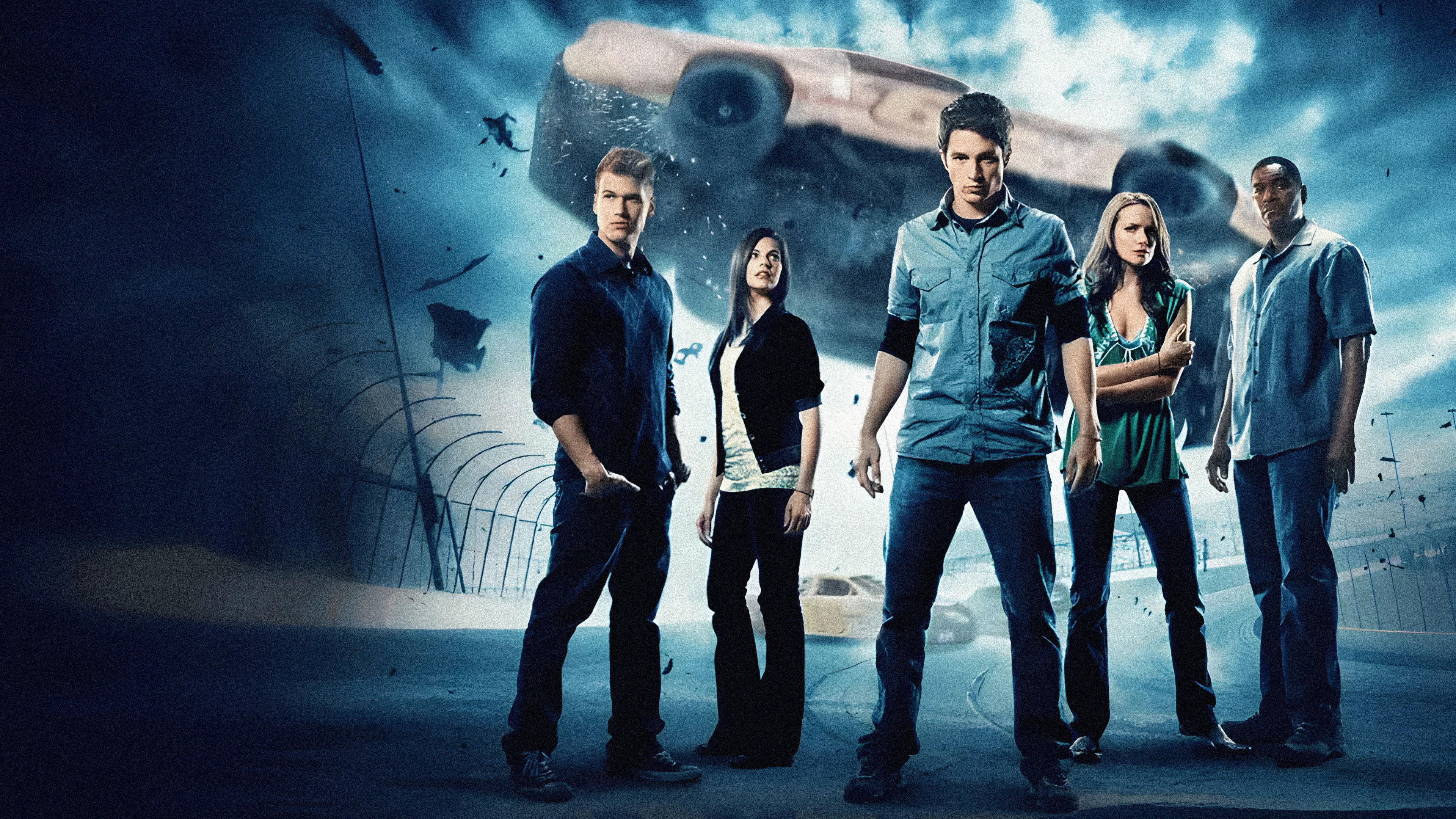
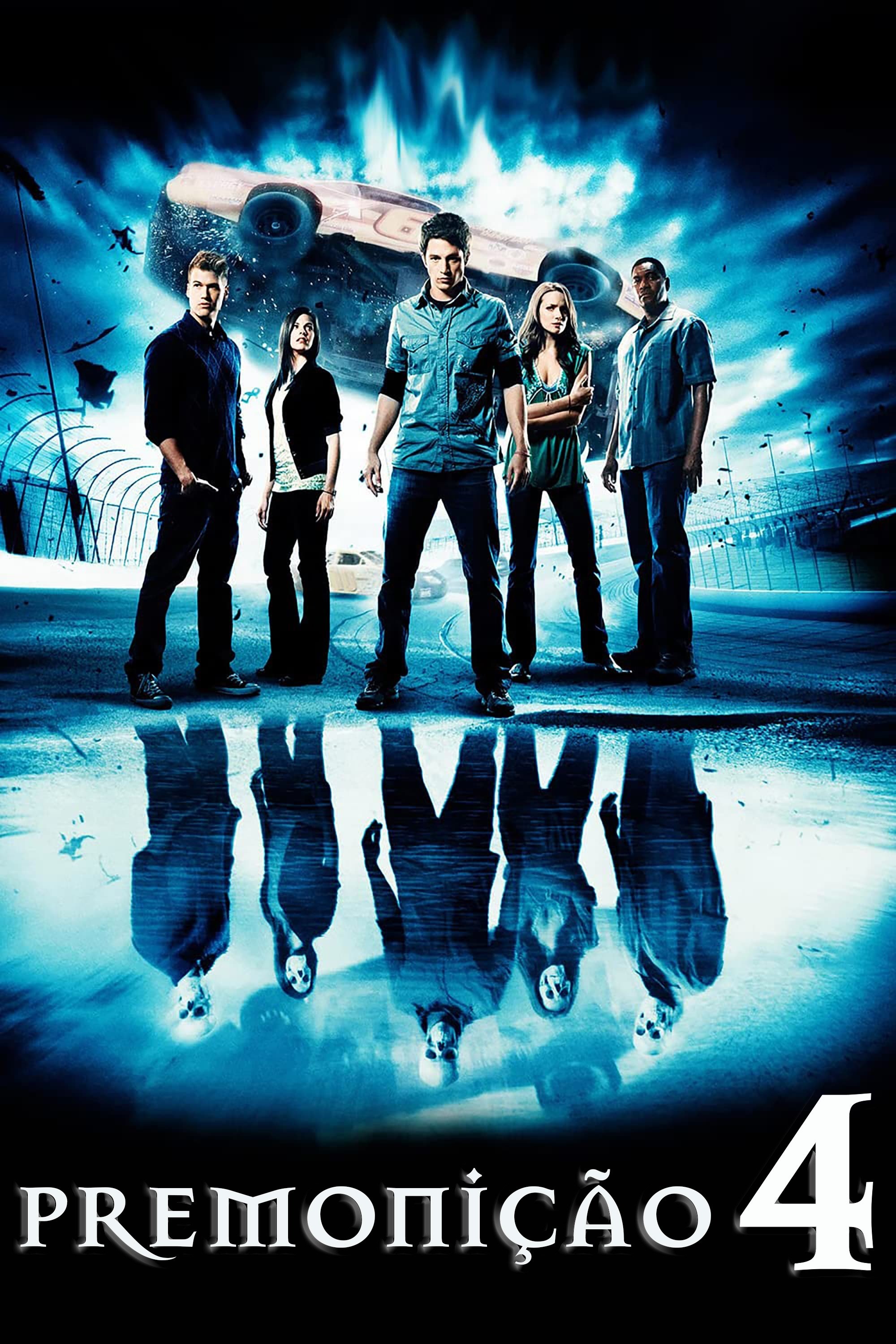
The planning extended to theatrical availability. In the same interview, Perry explained that August 28 was selected partly to secure access to 3D screens after an earlier release had completed sufficient playing time. This was a distribution constraint as well as a creative choice. The film was advertised as an event built around images that could project toward the audience, making the quality and number of equipped cinemas commercially important. Even its ordinary transitional shots had to coexist with material designed for heightened depth. The approach marks a point when the mechanics of theatrical exhibition affected the decisions made before a horror film reached its editing room.

The Racetrack Catastrophe and Everyday Machines

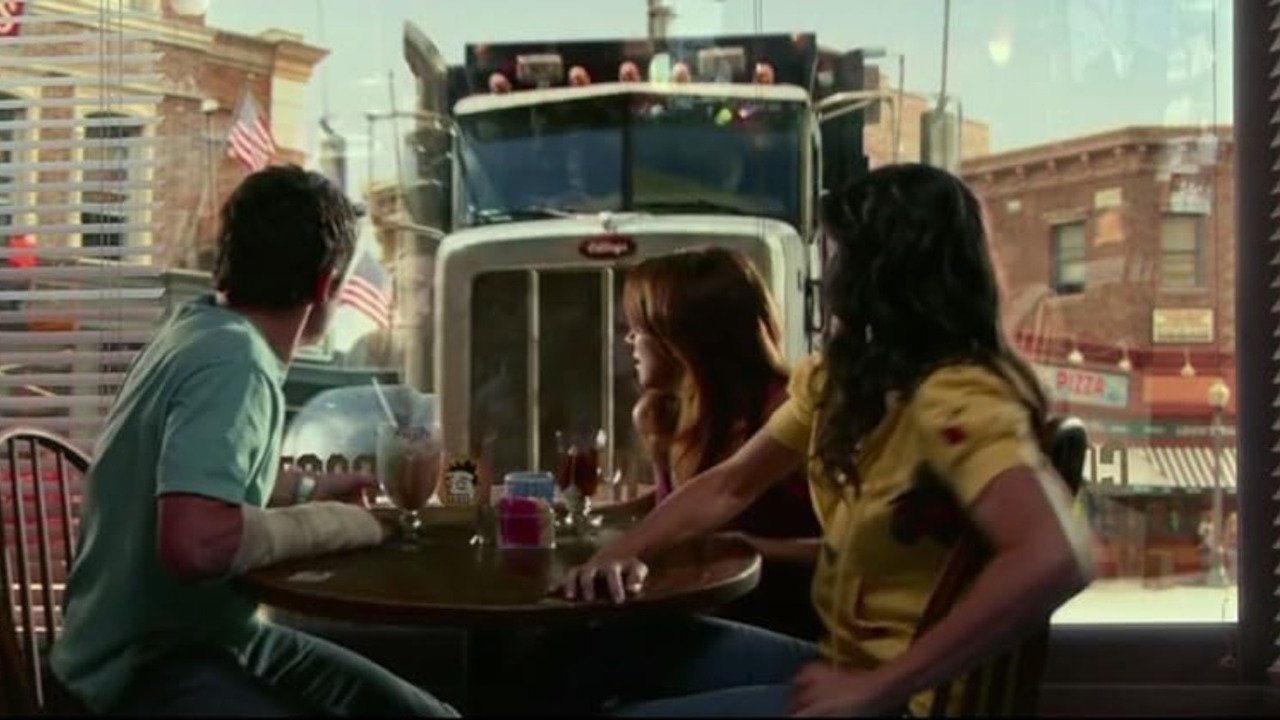
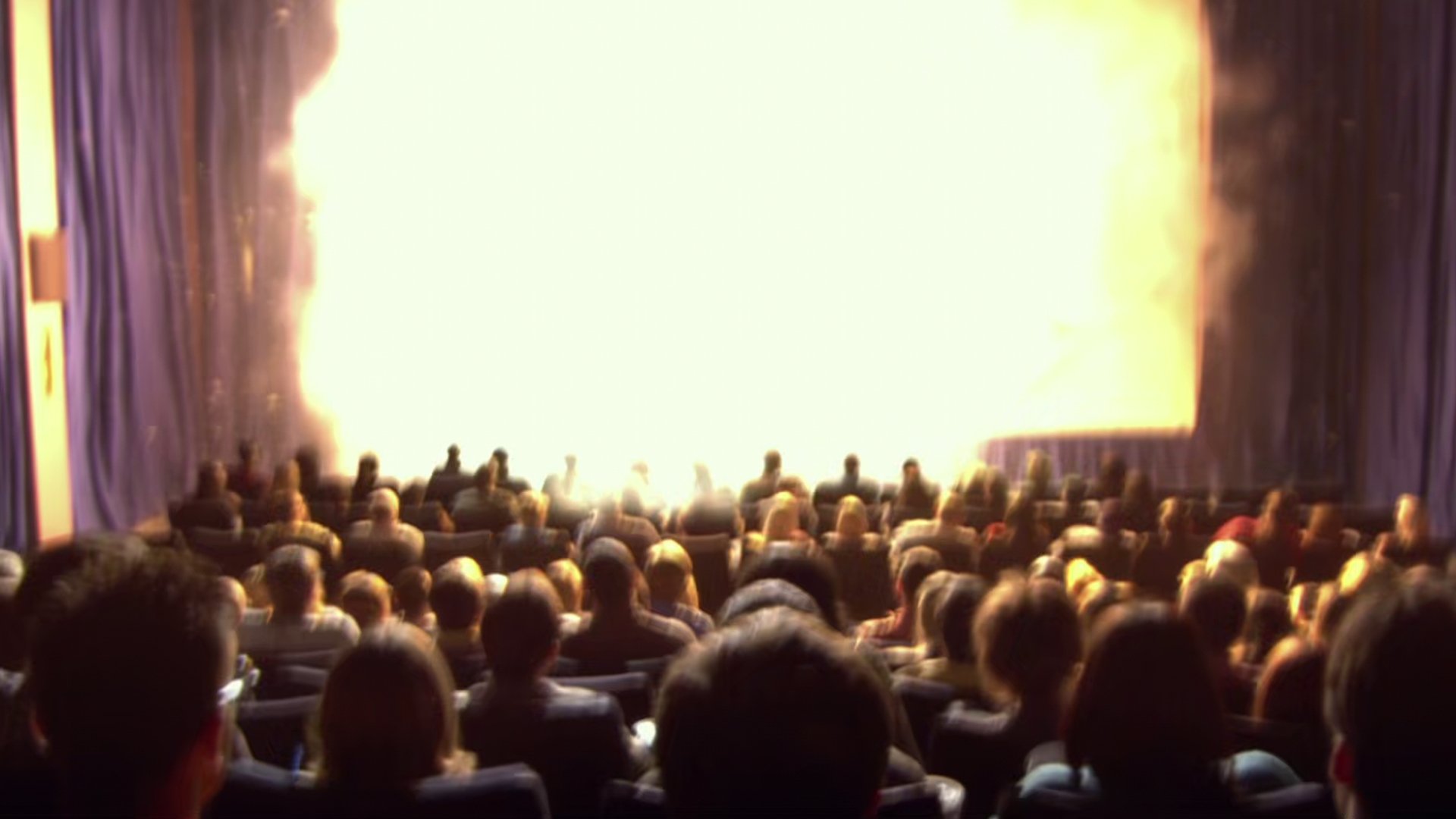
The McKinley Speedway sequence shifts the initial disaster to a place where spectators attend specifically to see powerful machines pushed toward their limits. A loose object, a racing collision and fragments traveling into the grandstand produce a cascading collapse of the barriers separating the crowd from the event. Instead of watching through the protective frame of a television broadcast, the characters become exposed to the same violent forces as the drivers. The film repeatedly pushes parts of the wreck toward the foreground, using exaggerated perspective to exploit stereoscopic projection. The sequence establishes a pattern in which the apparent distance between dangerous machinery and bystanders can disappear abruptly.

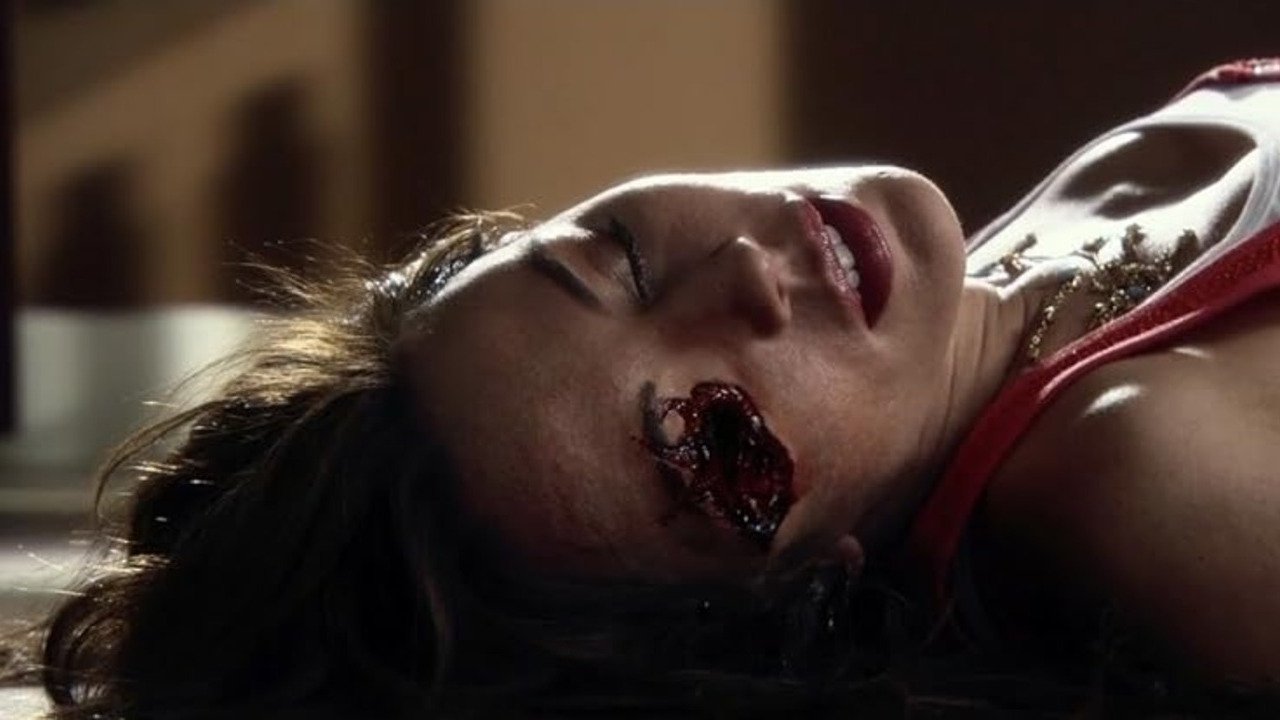
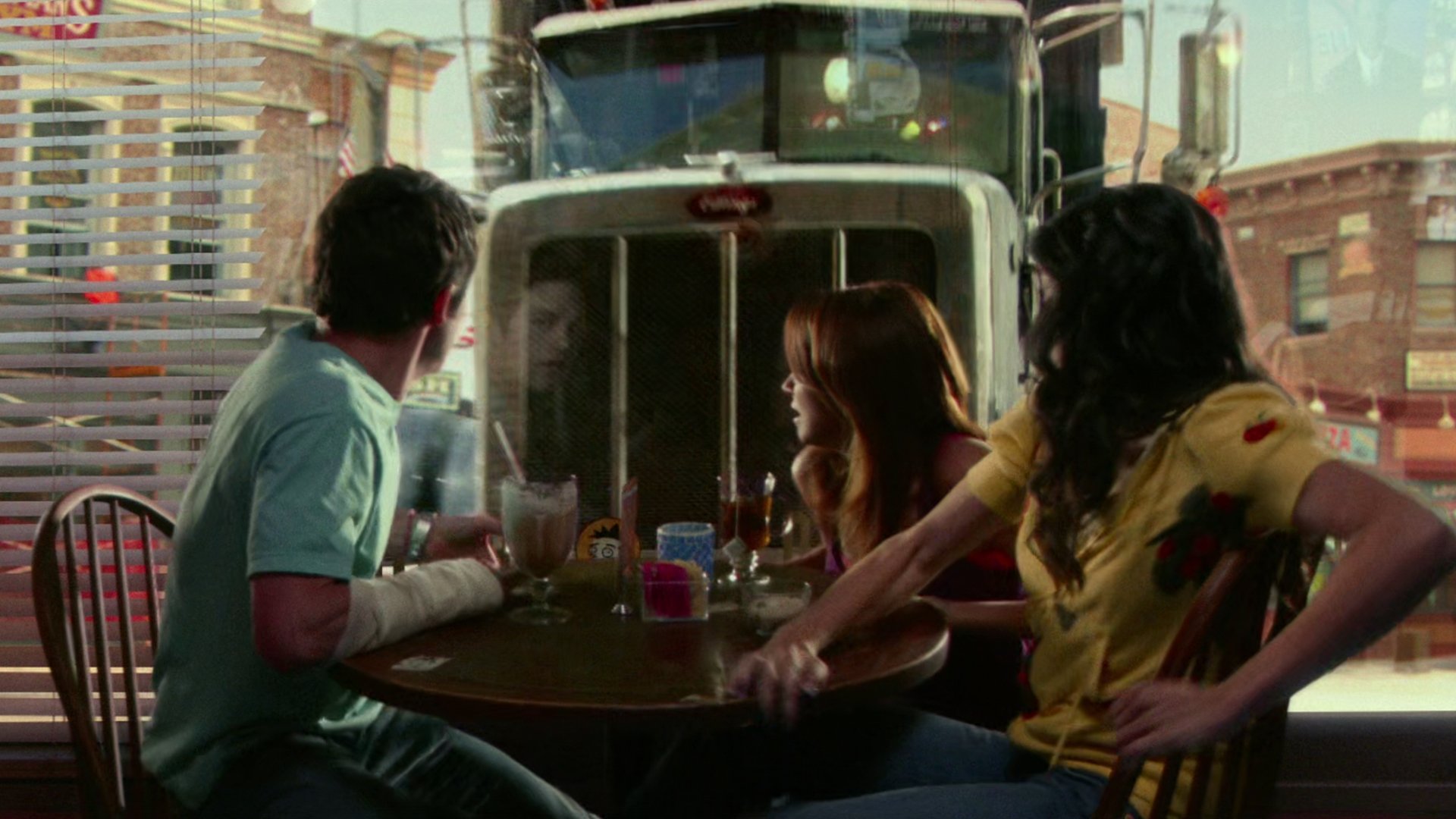
Later incidents place that vulnerability within ordinary services and recreational spaces. A beauty salon, a car wash, a swimming pool and a shopping center present devices whose everyday operation can become threatening under improbable circumstances. Tension frequently depends on several competing hazards appearing together: the audience notices blades, loose wiring or moving mechanisms, but does not know which one will matter. The resulting scenes are less concerned with solving a mystery than with watching small material changes accumulate toward injury. Because viewers cannot see an embodiment of Death, the film relies on framing, sound cues and object placement to make harmless surroundings appear deliberately hostile.

Visions and the X-Ray Title Sequence

The most thoroughly documented visual design belongs to PIC, the studio responsible for the opening titles and the stylized visions preceding deaths. In a detailed interview with Watch the Titles, art director Jarik van Sluijs and executive producer Pamela Green recalled that the production approached them because the edited material needed additional stereoscopic moments. The team developed images for the premonitions as well as the credits. Although the two tasks were first conceived as one design system, the opening evolved into a different concept: recognizable injuries from the previous films recreated through artificial X-ray imagery.

The designers faced a specific obstacle. They said contractual restrictions prevented the use of identifiable performers from earlier installments, while existing footage had not been photographed stereoscopically. Their solution was to create simulated radiographic images of well-known deaths, supplementing them with selected fragments of earlier scenes and specially photographed replacements. PIC generated the X-ray appearance using digital shading and compositing, then manipulated image elements to produce depth from material originally recorded flat. Even the simulated dust and grain were placed at selected distances within the stereoscopic field. These technical decisions explain how the credits connect franchise recognition to the new exhibition technology without requiring the original performers to return.

Constructing the Digital Finale

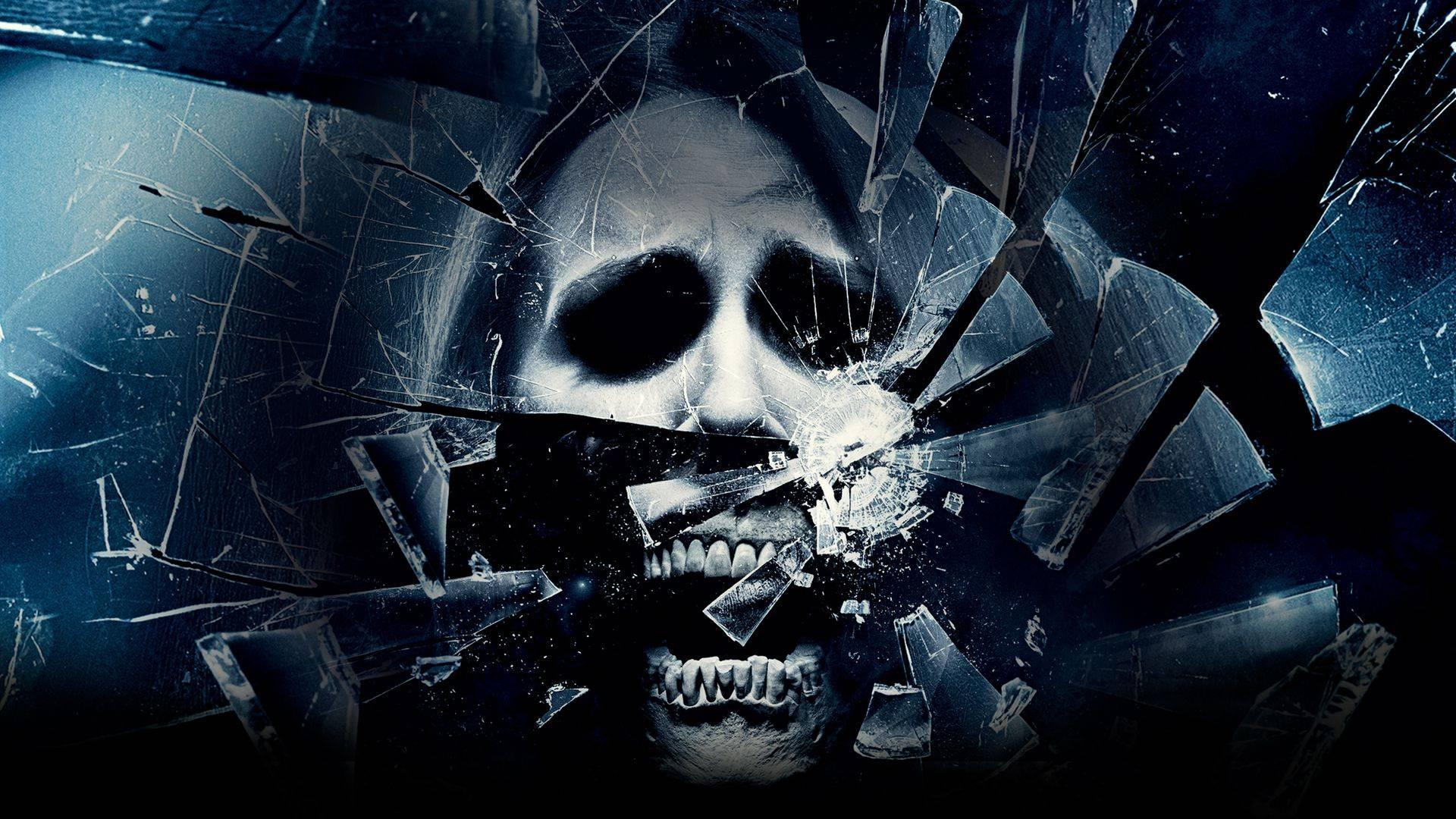
The effects work continued beyond the introductory images. Entity FX documented its contribution to the closing sequence in a September 2009 production statement carried by Animation World Network. The company reported generating fully synthetic shots involving digital characters positioned within a stereoscopic environment. Its artists matched those animated figures to performers shown earlier in the same scene, allowing the sequence to continue beyond what could be photographed safely with actors. The disclosure is significant because it identifies a specific task and its technique, instead of treating the entire film's grisly images as the product of an unspecified digital effects process.

According to the company's account, the work used Maya for modeling and animation and Nuke for compositing. Those details concern the identified final sequence; they do not establish that every apparent injury throughout the film was created in the same manner. Its completed effect moves between recognizable human figures and abruptly exposed skeletal forms, making the body itself another object subject to the logic of impact and fragmentation. In the context of the film's 3D design, the digital figures also had to preserve the relationship between left-eye and right-eye imagery. A fatal accident could thus continue through animated imagery while retaining the spatial continuity of the photographed scene.

Release, Reception and the 3D Audience

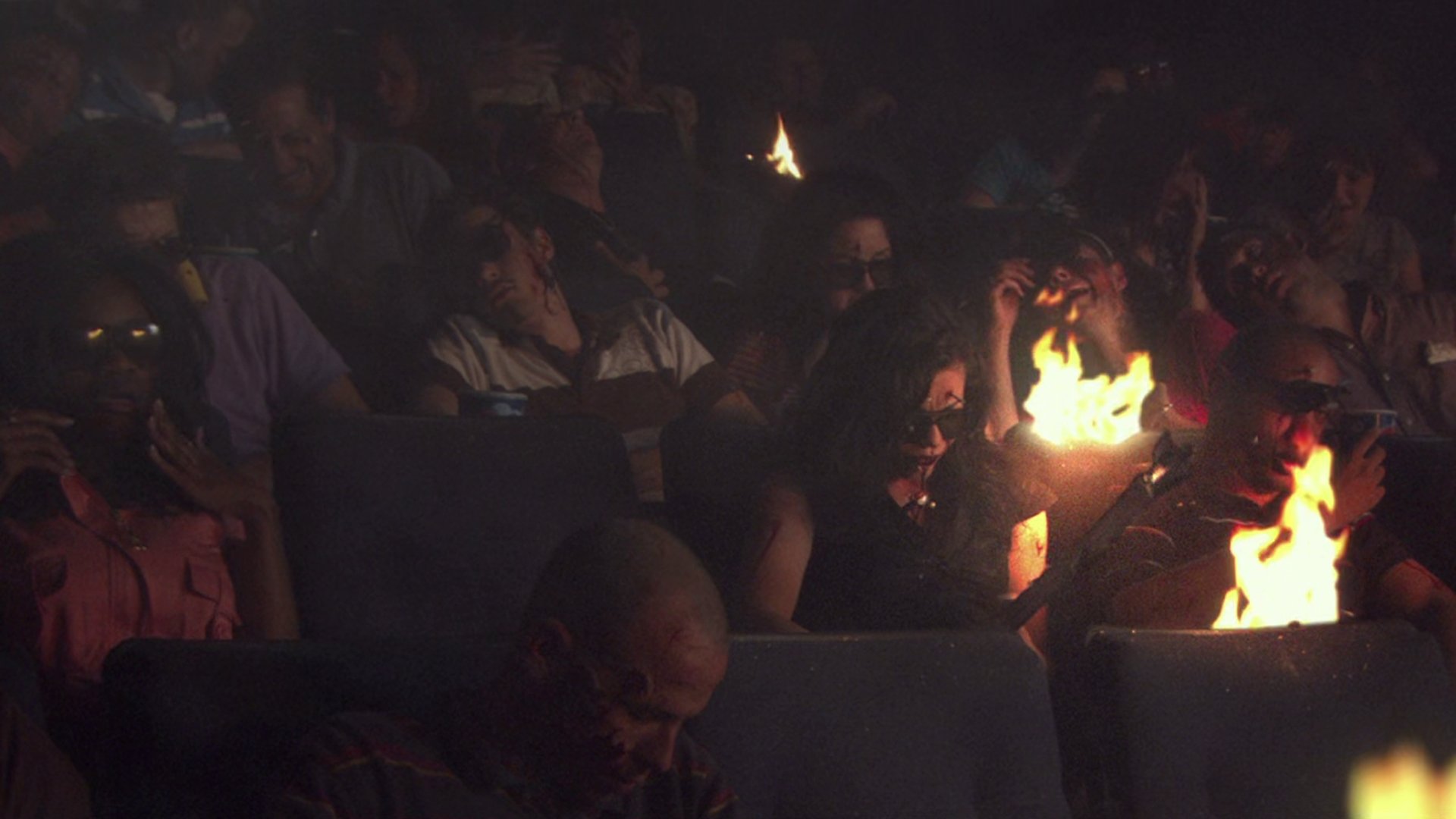
The Final Destination opened in the United States on August 28, 2009, sharing its release weekend with Rob Zombie's Halloween II. The competing horror titles offered different appeals, and Perry had publicly emphasized the more playful tone of his film before release. The stereoscopic strategy found a measurable audience. Reporting on the British box office in September, Charles Gant of The Guardian calculated that 3D screenings accounted for 80 percent of the film's opening-weekend takings despite occupying fewer screens than the 2D version. His figures illustrate the commercial leverage of the premium format within the UK market at the moment of release.

Contemporary criticism was substantially less enthusiastic about the film itself. Gary Goldstein's Los Angeles Times review found the initial racetrack destruction effective in 3D but considered much of the subsequent action predictable and the characters thinly written. This response distinguishes the impact of the new format from the dramatic strengths of the underlying film. The fourth installment retained the franchise's elaborate accidents and premonitions, while compressing the time spent developing its survivors. Its 2009 reception therefore exposes a central tension of stereoscopic horror: the prospect of a sudden image entering the auditorium could become the principal attraction even when the surrounding narrative drew criticism.

References

  1. ComingSoon / ShockTillYouDrop Exclusive: Final Destination Producer Craig Perry

    Edward Douglas interviews the franchise producer about commissioning the fourth script, the title, stereoscopic camera planning and the August 2009 release strategy.

  2. Art of the Title Final Destination: The Title Sequences

    Specialist feature with original testimony from PIC co-founder Pamela Green on the stereoscopic X-ray opening titles and death visions.

  3. Animation World Network Entity FX Creates Destination in StereoScopic 3D

    Contemporary statement from the effects studio identifies the digitally animated characters and stereo compositing used for the closing sequence.

  4. The Guardian An extra dimension for the Final Destination franchise

    Charles Gant documents the British opening and the unusually large share of box-office revenue from 3D screenings.

  5. Los Angeles Times Review: 'The Final Destination'

    Gary Goldstein provides contemporary criticism of the racetrack set piece, stereoscopic effects, characterization and later death scenes.

Connections

Cast

View Full Cast & Crew →

Release & Distribution

Production Companies (4)

  • FlipZide US
  • New Line Cinema US
  • Parallel Zide US
  • Practical Pictures US

Distributors (2)

  • InterCom HU
  • Warner Bros. Entertainment US

Release History (29)

Release DateTerritoryRelease TypeFormatDistributorCertificationNotes
2009-05-21 Indonesia TV — — — Trans TV
2009-08-26 Switzerland Digital — — 18
2009-08-26 France Theatrical — — 12
2009-08-28 Brazil Theatrical — — 16
2009-08-28 United Kingdom Theatrical — — 15
2009-08-28 Ireland Theatrical — — 15A
2009-08-28 United States Theatrical — — R
2009-09-03 Germany Theatrical — — 18
2009-09-03 Denmark Theatrical — — 15
2009-09-03 Netherlands Theatrical — — 16
2009-09-04 Lithuania Theatrical — — N-16
2009-09-04 Poland Digital — — 18
2009-09-09 Greece Theatrical — — R
2009-09-10 Hungary Digital — — 18
2009-09-10 Kazakhstan Theatrical — — —
2009-09-17 Hong Kong SAR China Theatrical — — —
2009-09-18 Estonia Theatrical — — —
2009-10-01 South Korea Theatrical — — 19
2009-10-15 Australia Theatrical — — R 18+
2009-10-15 Czechia Digital — — 18+
2009-10-17 Japan Theatrical — — R18+
2009-10-30 Spain Theatrical — — 16
2009-12-01 Australia Physical — — R 18+
2010-01-13 Netherlands Physical DVD — 16 DVD
2010-05-21 Italy Theatrical — — —
2011-01-12 Netherlands Physical Blu-ray — 16 Blu-ray
2012-12-01 Netherlands TV — — 16 Veronica
2022-09-01 United States Digital — — R Starz
2026-08-23 France TV — — 12 Ciné+ Frisson
Rest in pieces.