Origin & Development
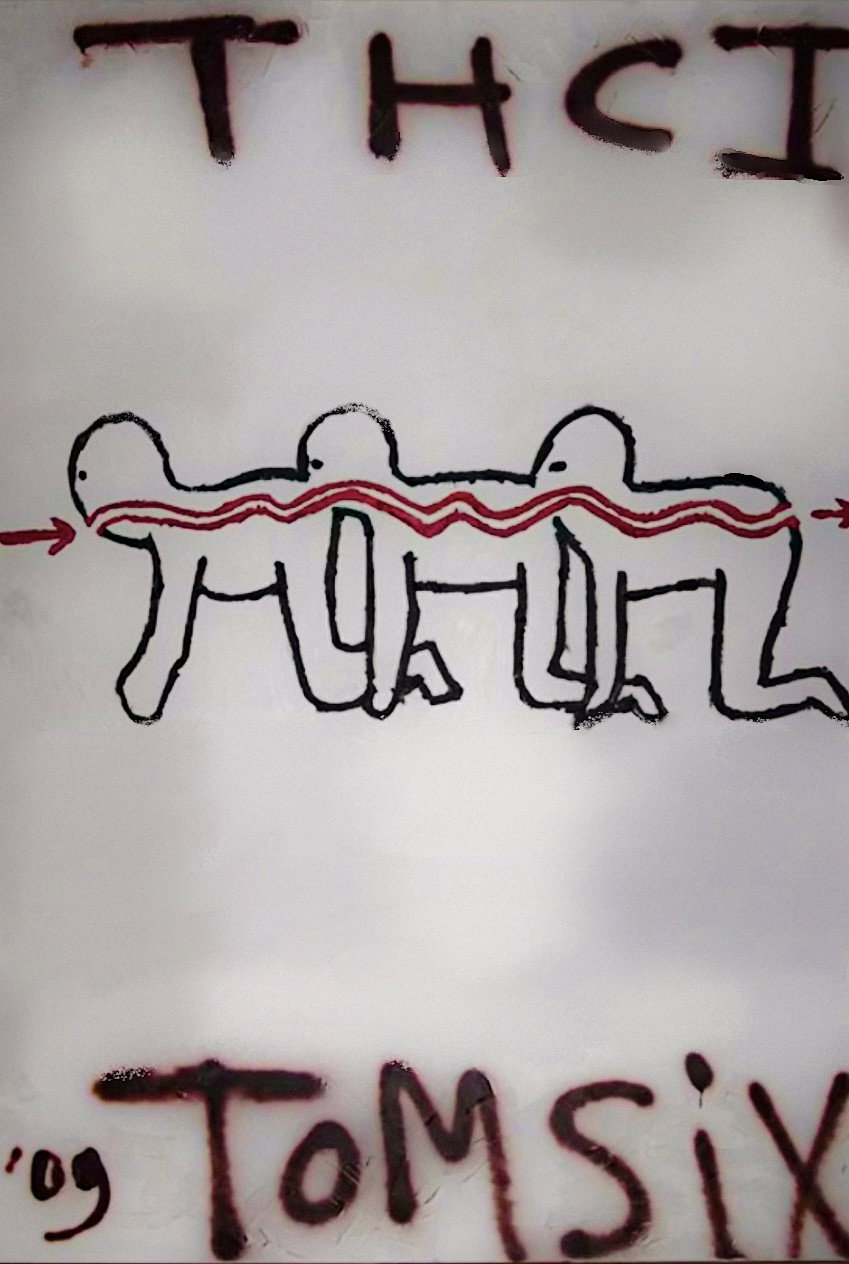
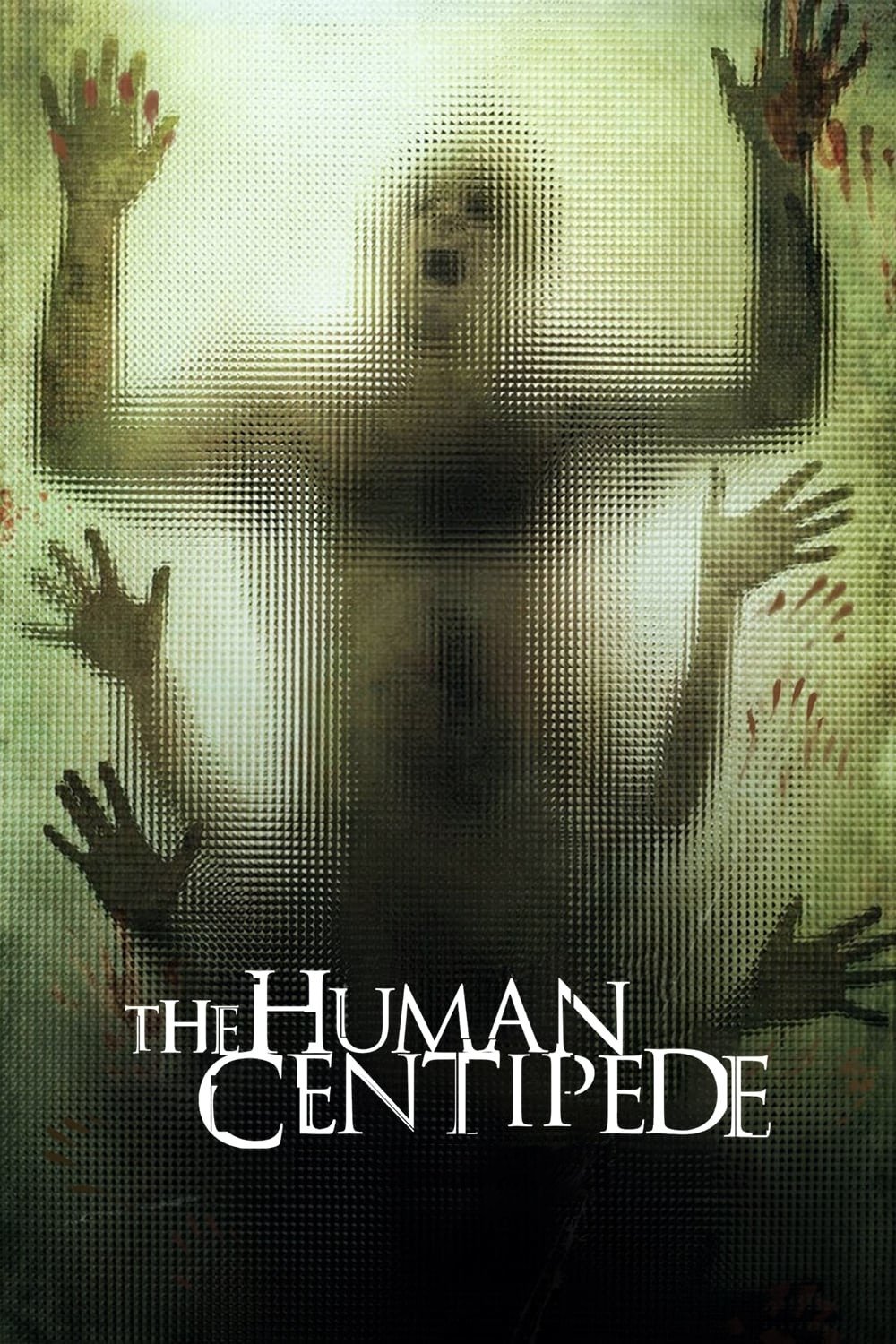
Six has consistently traced the original idea to a grotesque joke. While watching television with friends and seeing a report involving a child molester, he suggested as an absurd punishment that the offender's mouth should be surgically attached to the rear of an overweight truck driver. The reaction convinced him that the image had the disturbing simplicity required for a horror premise. What began as deliberately offensive humor gradually became a story about a surgeon whose professional expertise in separating conjoined bodies had evolved into an obsession with constructing a new organism from multiple people.
Producer Ilona Six, Tom Six's sister and partner in Six Entertainment Company, later described the practical problem behind the concept: imagining such a film was much easier than financing, casting and selling it. The premise was sufficiently unusual that traditional commercial expectations could offer little guidance. Six nevertheless designed the first installment around only three connected victims, treating it as an introduction to the concept rather than trying immediately to maximize the scale or graphic content. The subtitle First Sequence already framed the film as the beginning of a larger experiment.
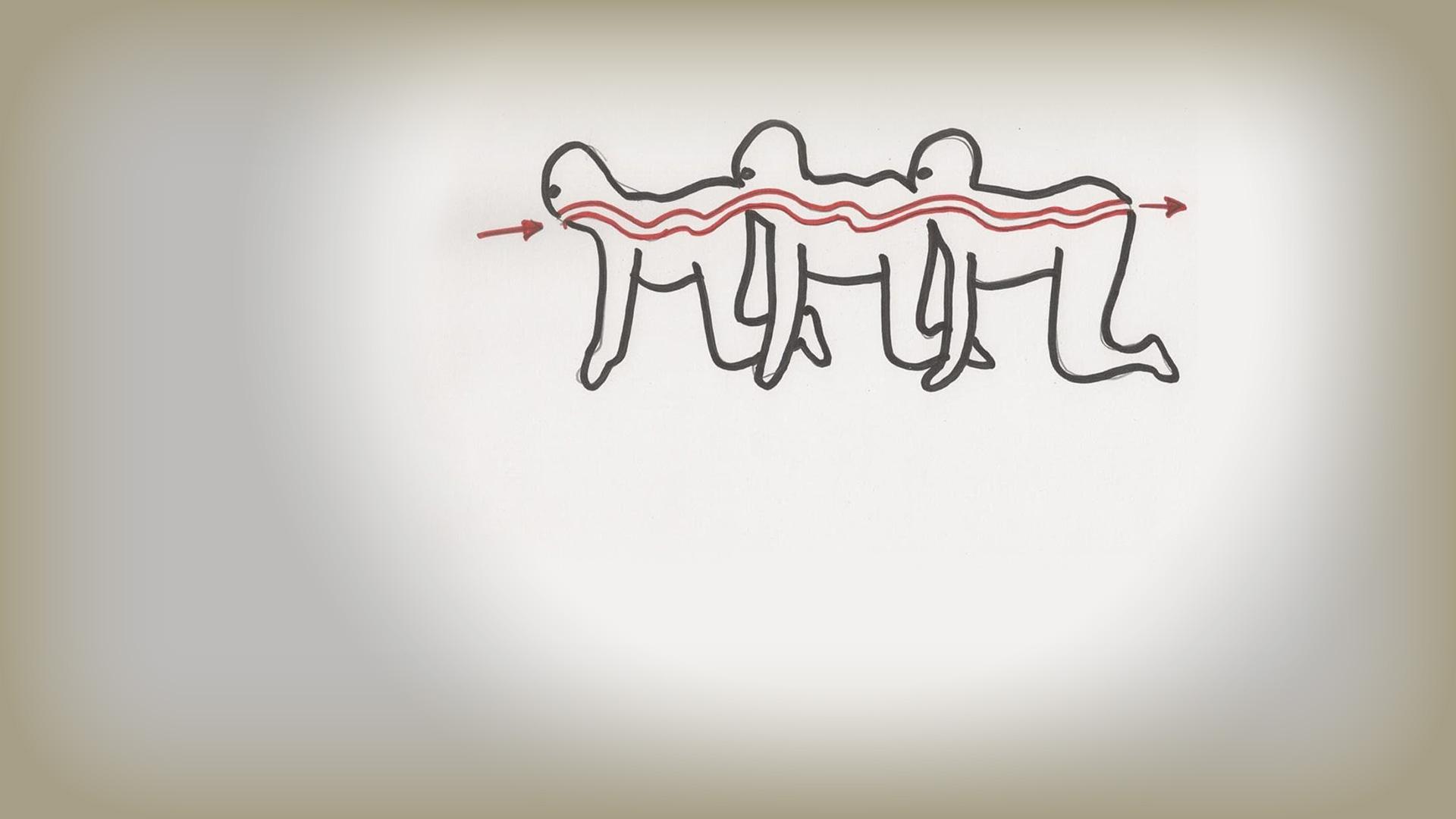
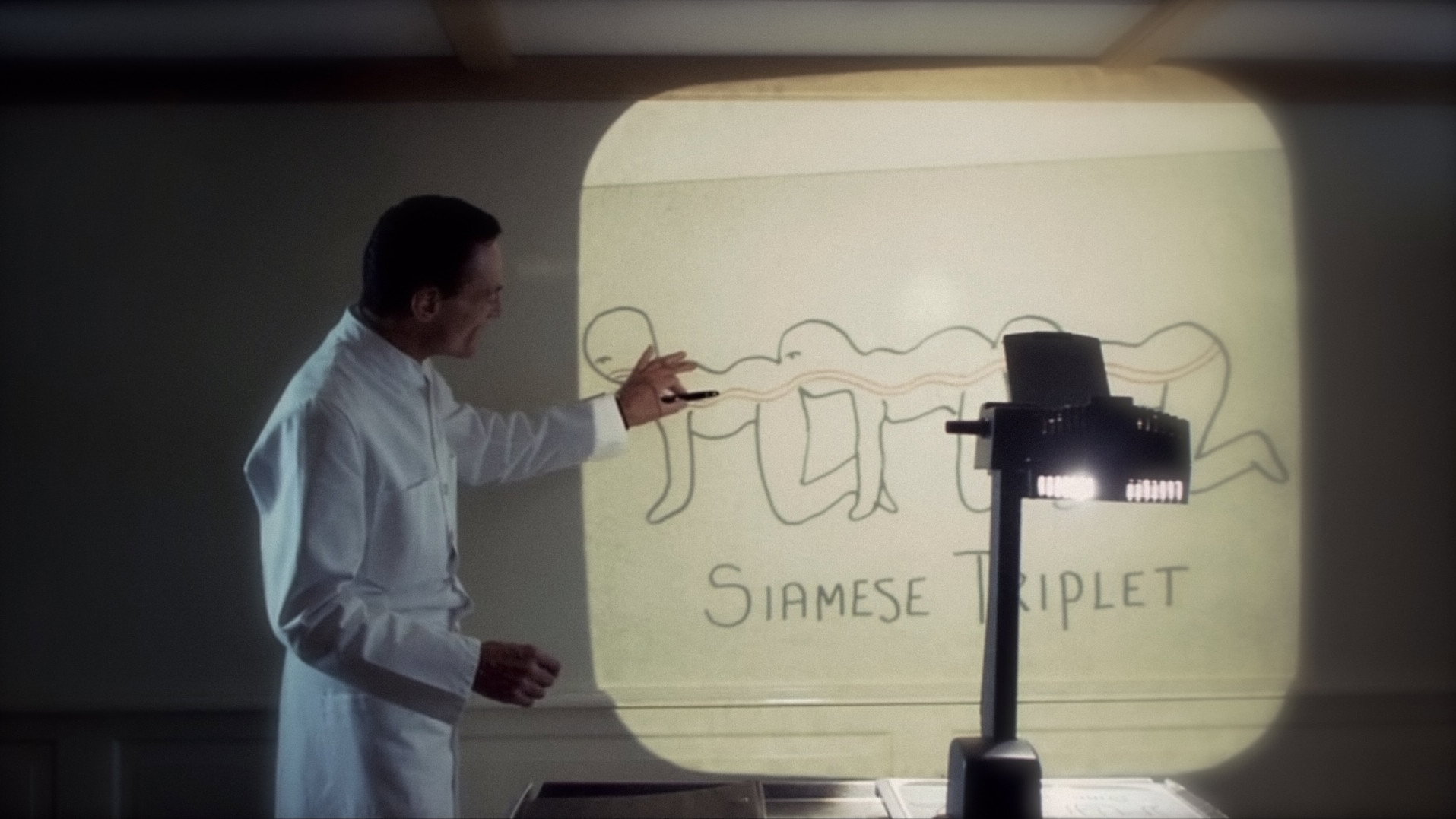
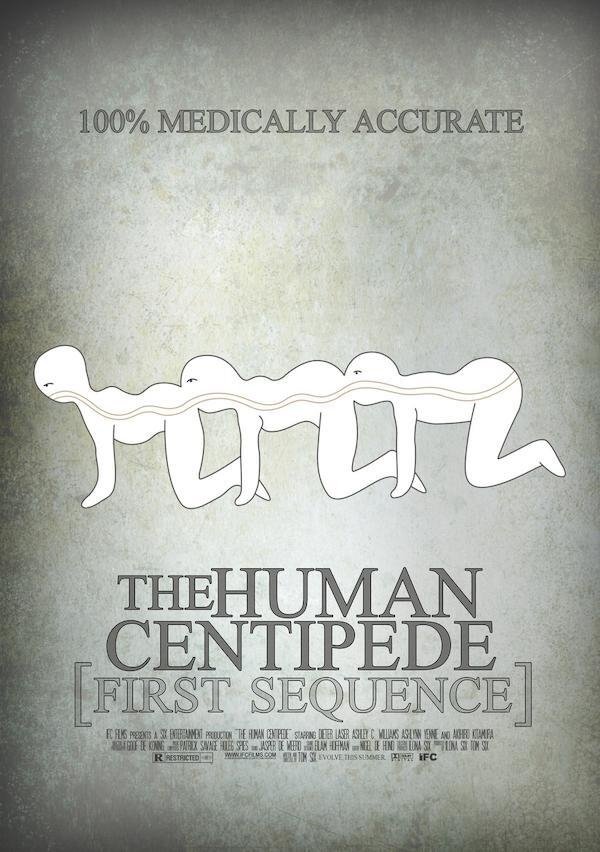
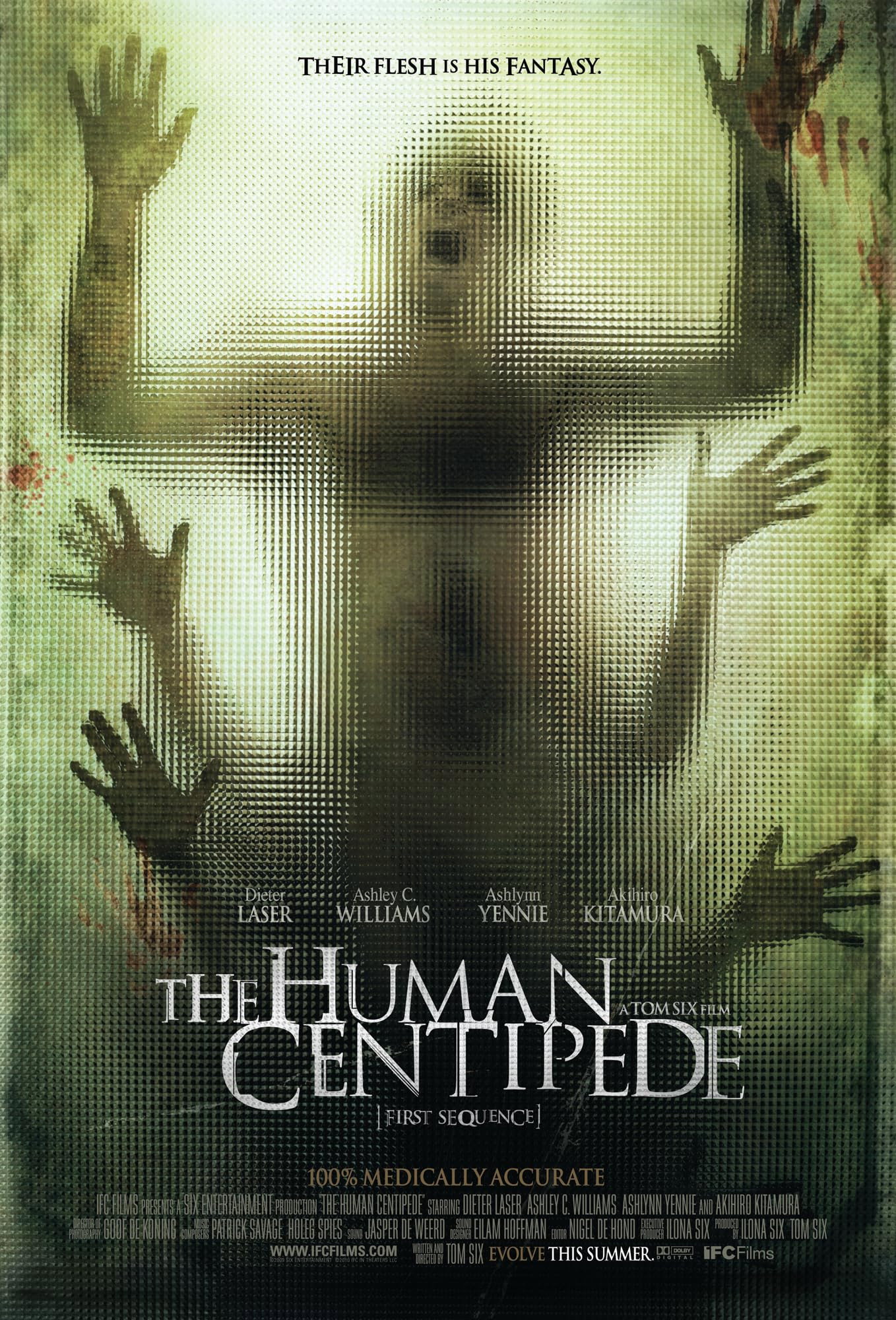
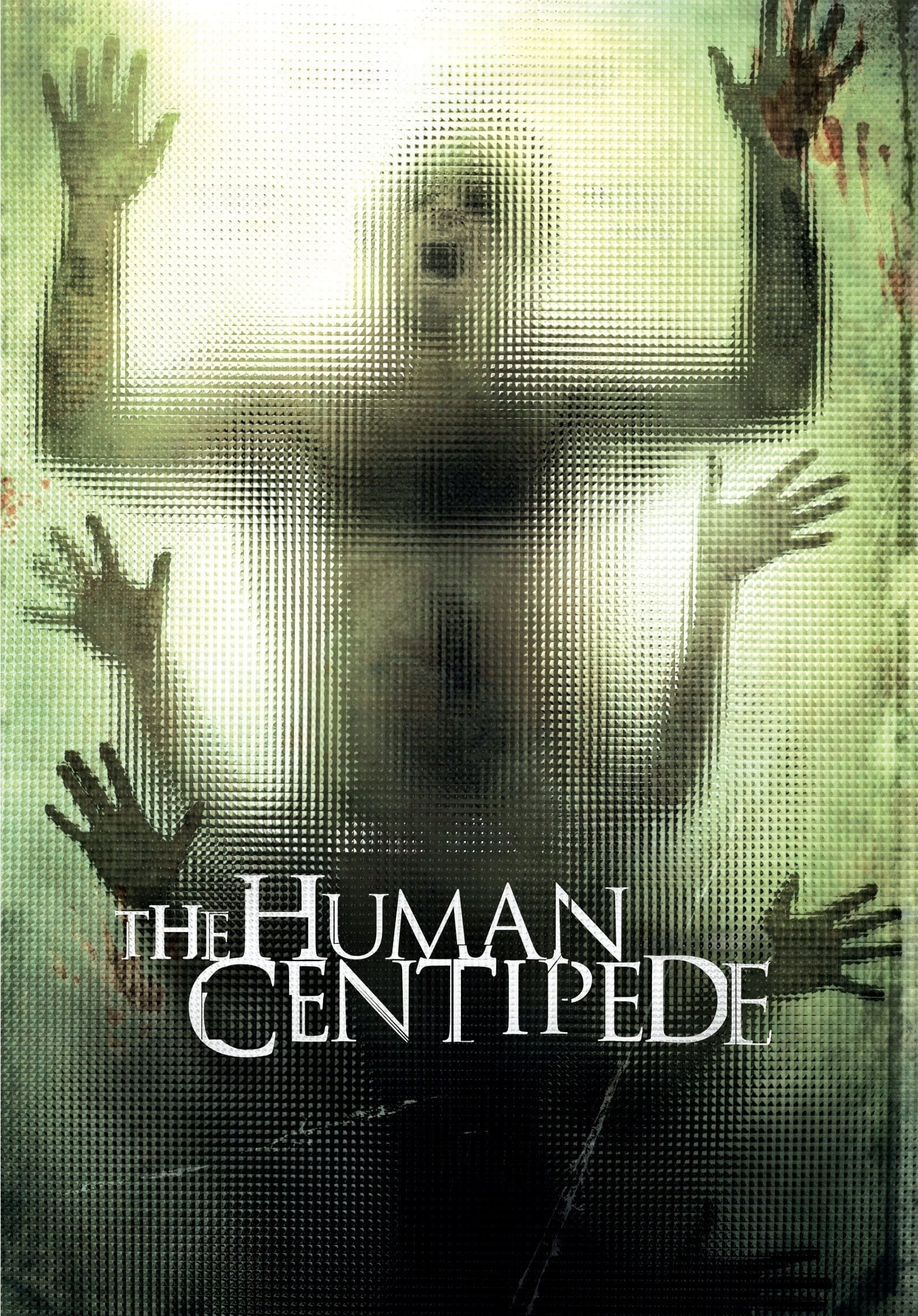
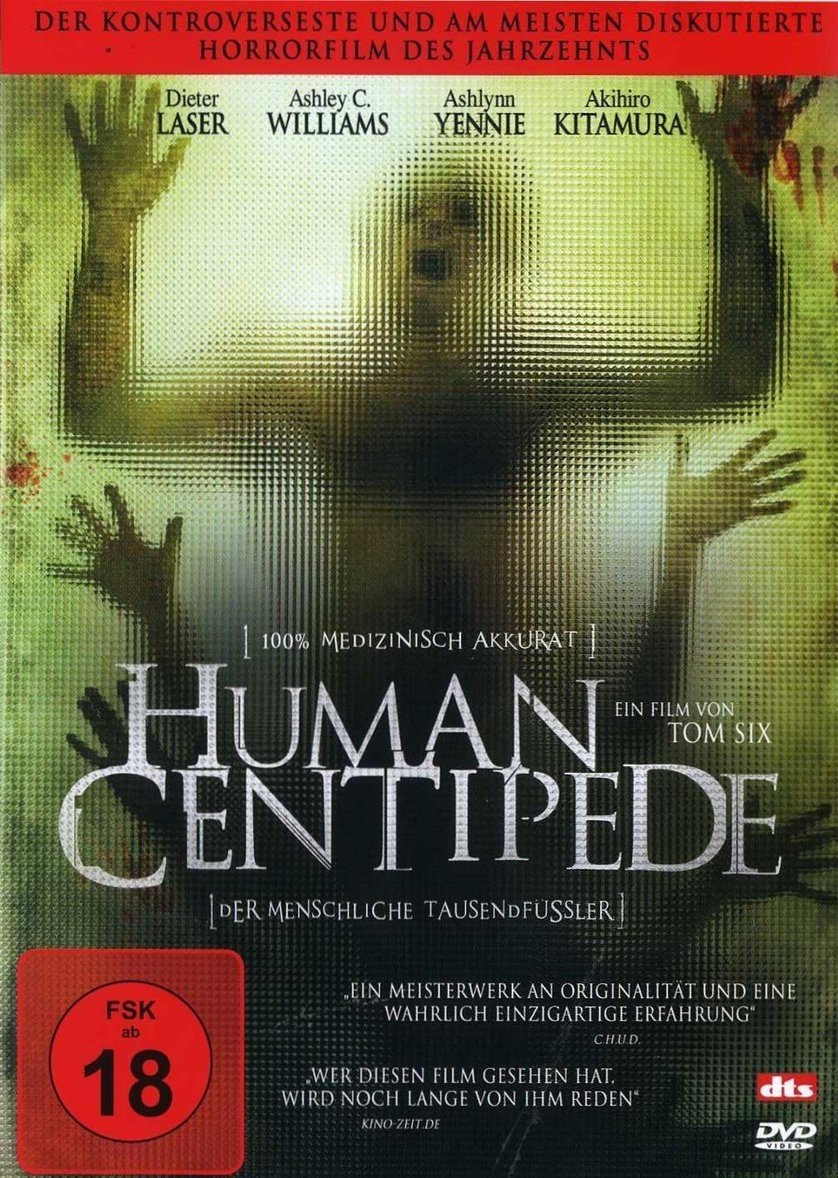
Six also wanted Heiter's procedure to look internally coherent rather than operate as undefined movie magic. He has said that he consulted a Dutch surgeon who anonymously helped him devise the diagrams and surgical explanation presented by Heiter. This became the basis of the advertising claim that the film was "100% medically accurate." That phrase should be understood as a deliberately provocative marketing claim rather than an independently established medical conclusion. What mattered dramatically was that Heiter could explain his plan with enough anatomical specificity to make an obviously monstrous concept sound temporarily like a surgical procedure.
Dieter Laser & Dr. Heiter
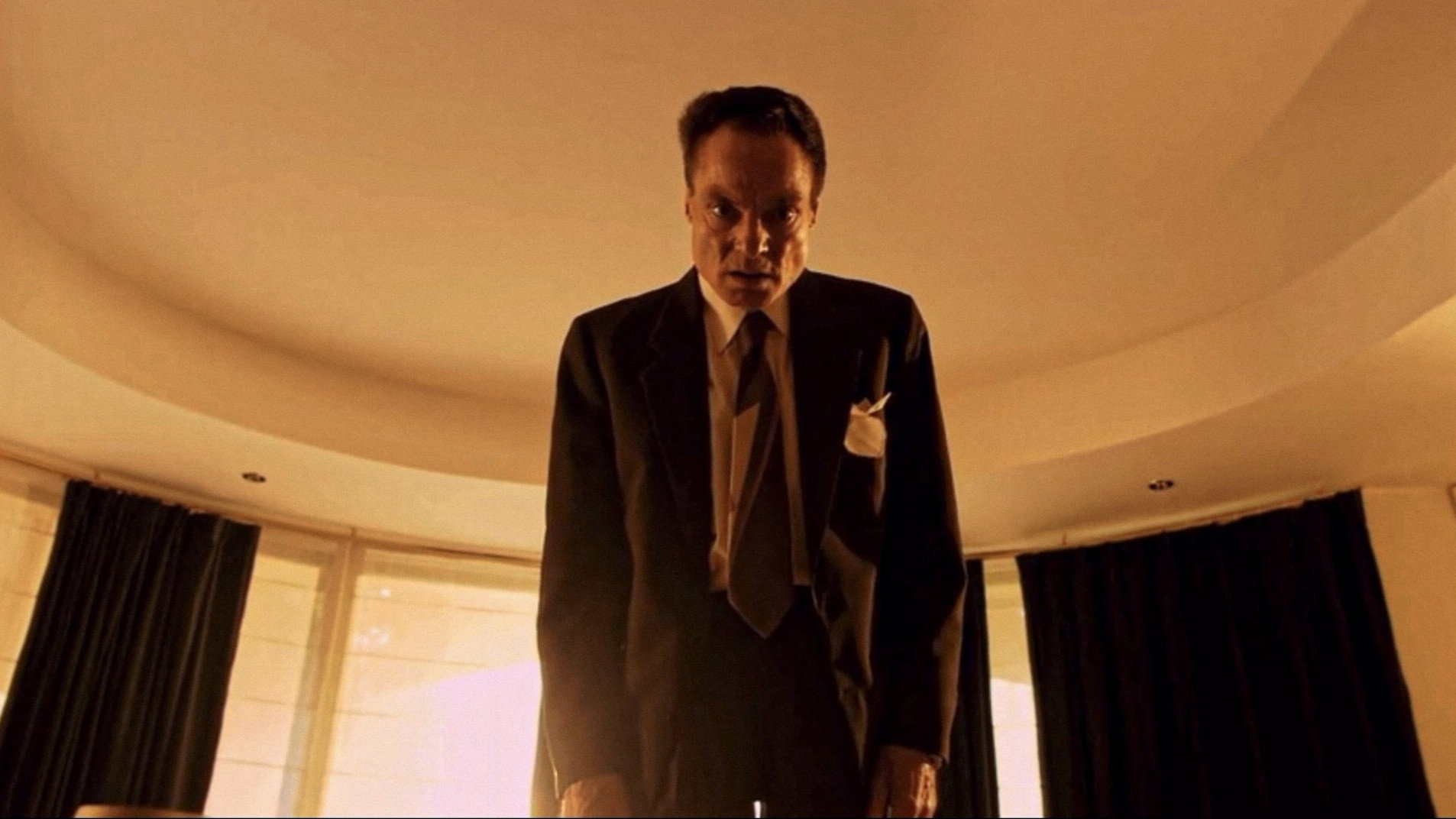
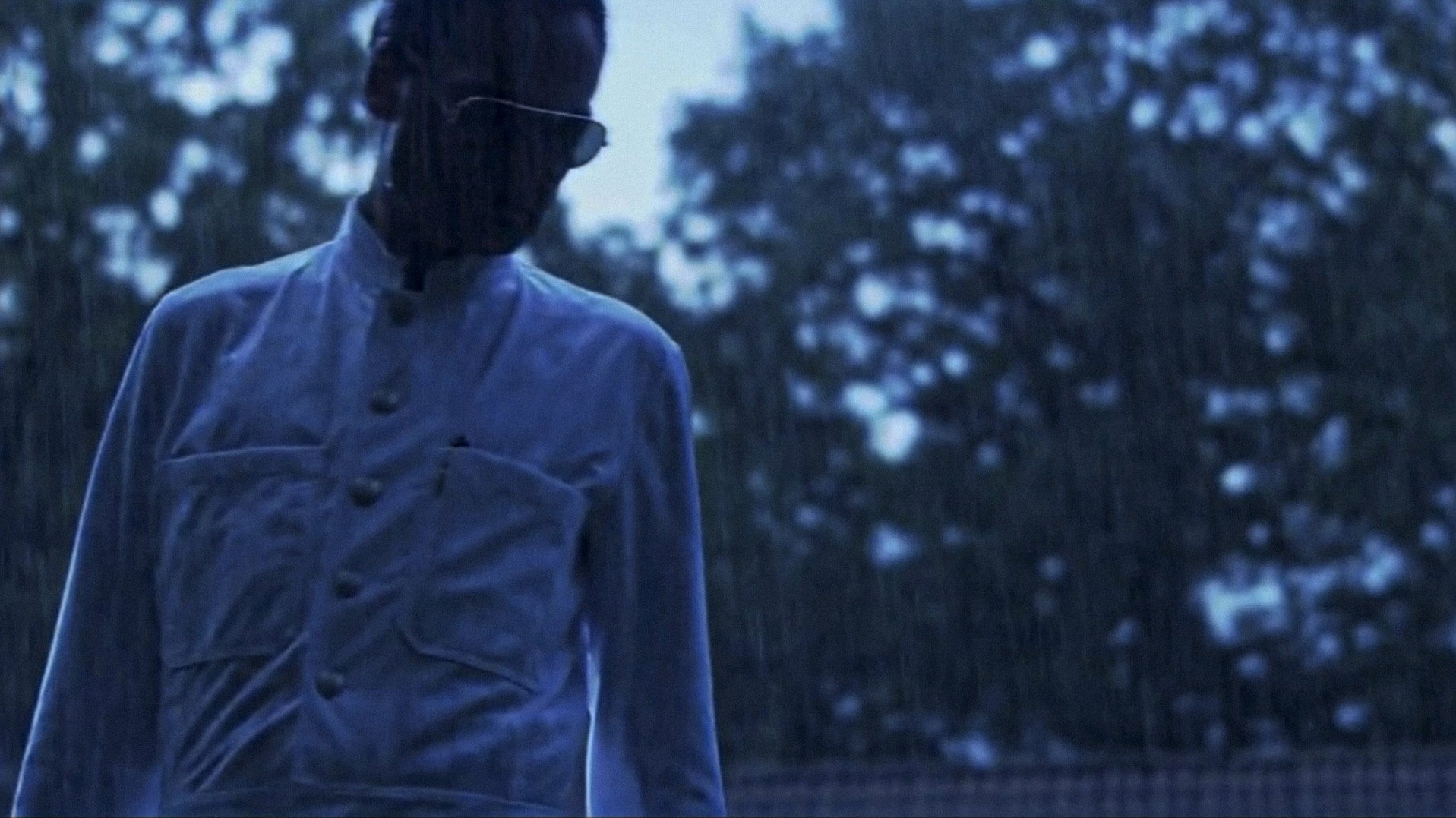
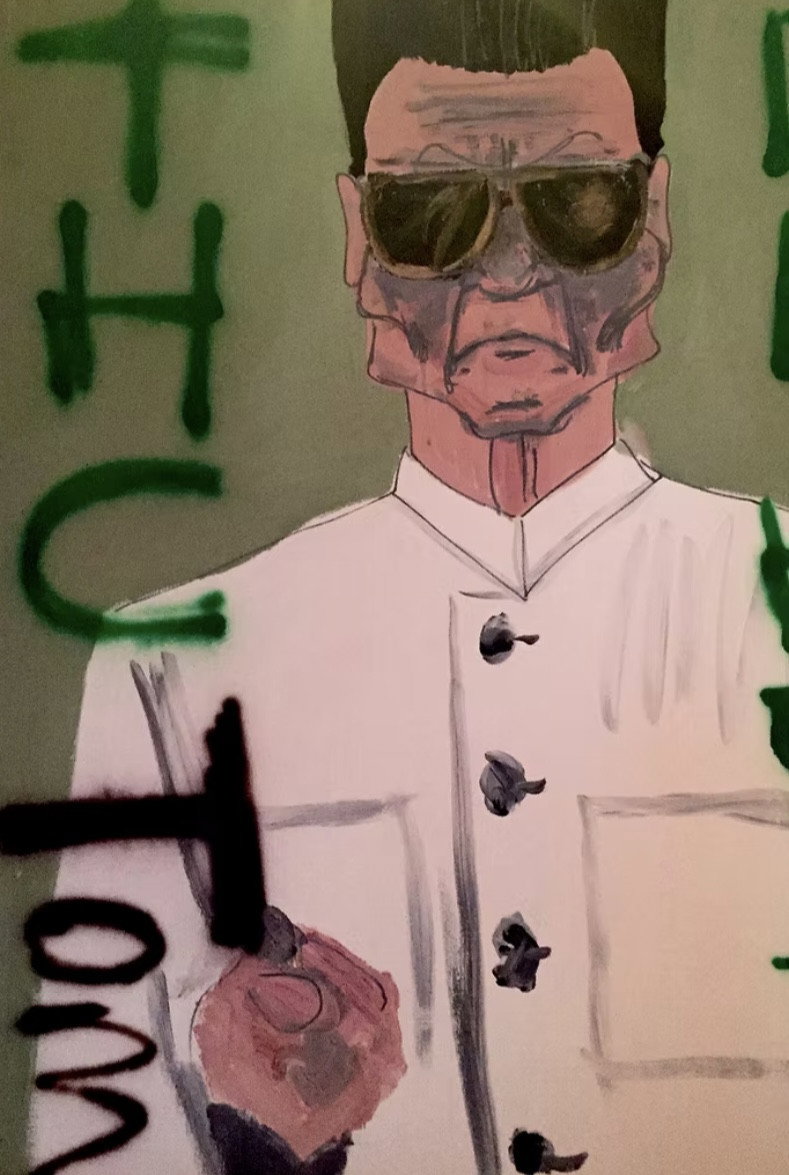
Six had Dieter Laser in mind while developing Dr. Heiter after seeing the German actor in Führer Ex. Six and producer Ilona Six travelled to Berlin and met Laser at the Hilton. Laser later recalled that Six spent roughly the length of the eventual film explaining the story, the character and even individual shots in considerable detail. By the end of the meeting Laser had become convinced by the director's commitment to the idea, and an agreement was reached before he had even read the complete screenplay.
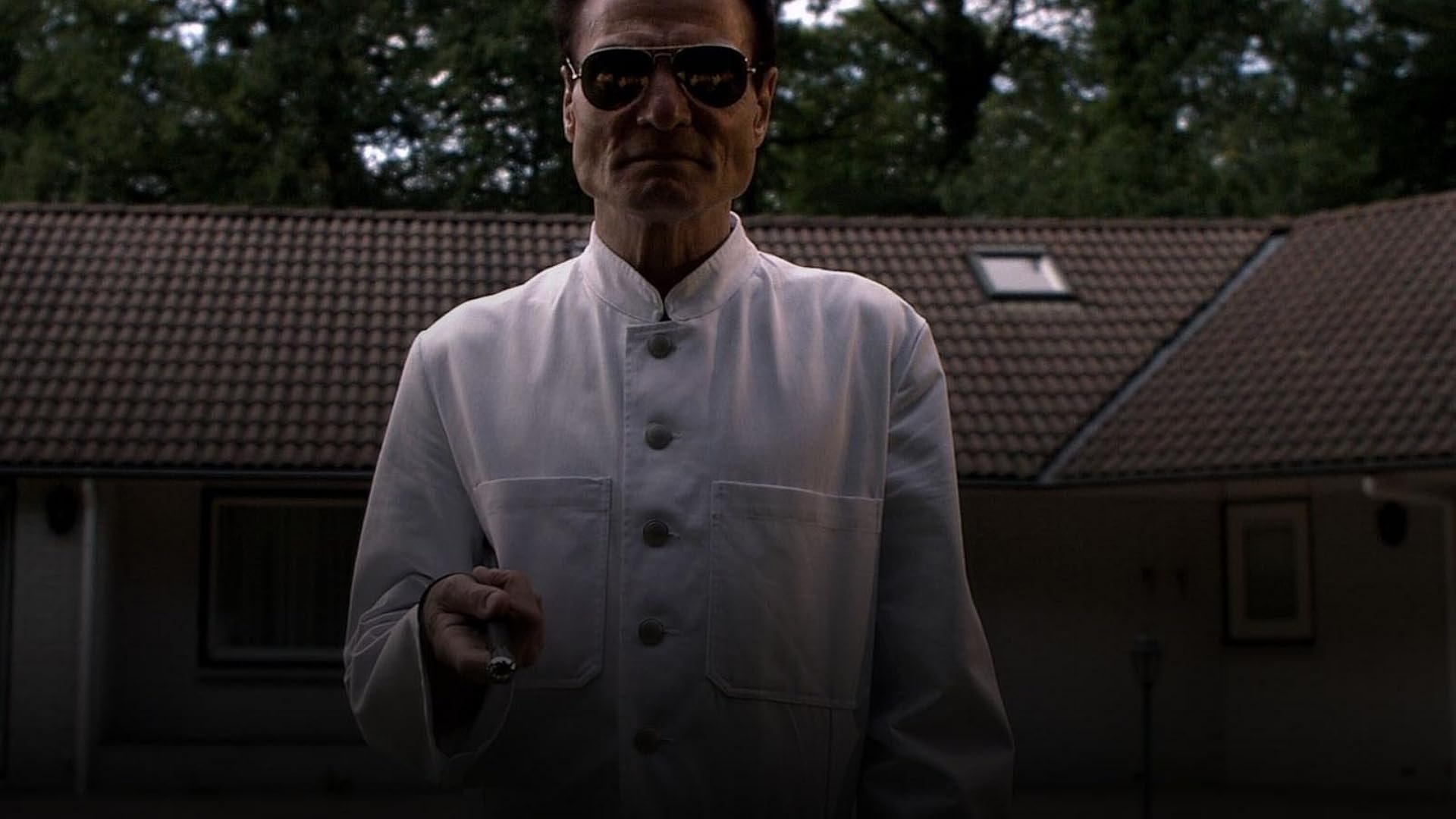
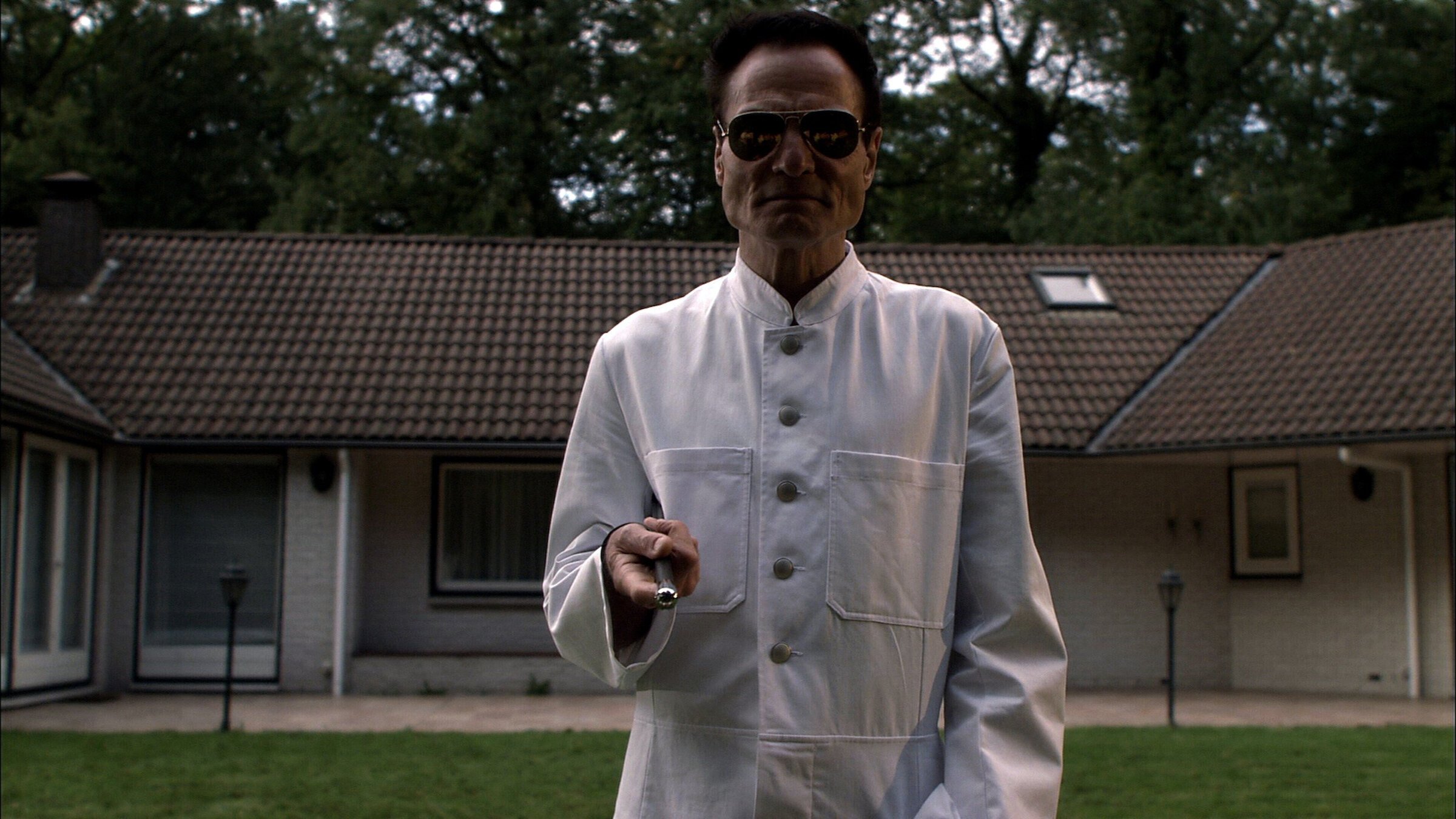
The casting proved decisive because Heiter could easily have become a comic mad scientist. Laser instead gives the character an almost aggressive seriousness. His clipped physical movements, rigid posture and disgust toward the people he has imprisoned suggest a man who considers himself intellectually and biologically superior to them. He does not behave as though the centipede is an improvised act of sadism. To Heiter it is the logical culmination of his surgical career, and the confidence with which he presents his diagrams is more unsettling than a conventional villainous confession would have been.
Laser also supplies much of the film's black humor without openly playing for laughs. Heiter's pride in his creation, irritation when it does not behave correctly and attempts to train three traumatized people as though they were a household animal are absurd, yet the performance never allows that absurdity to make him harmless. Six uses the contradiction effectively: an inherently ridiculous concept is treated by its creator with absolute solemnity, forcing the audience to oscillate between disbelief, nervous laughter and revulsion.
Clinical Space & Controlled Body Horror
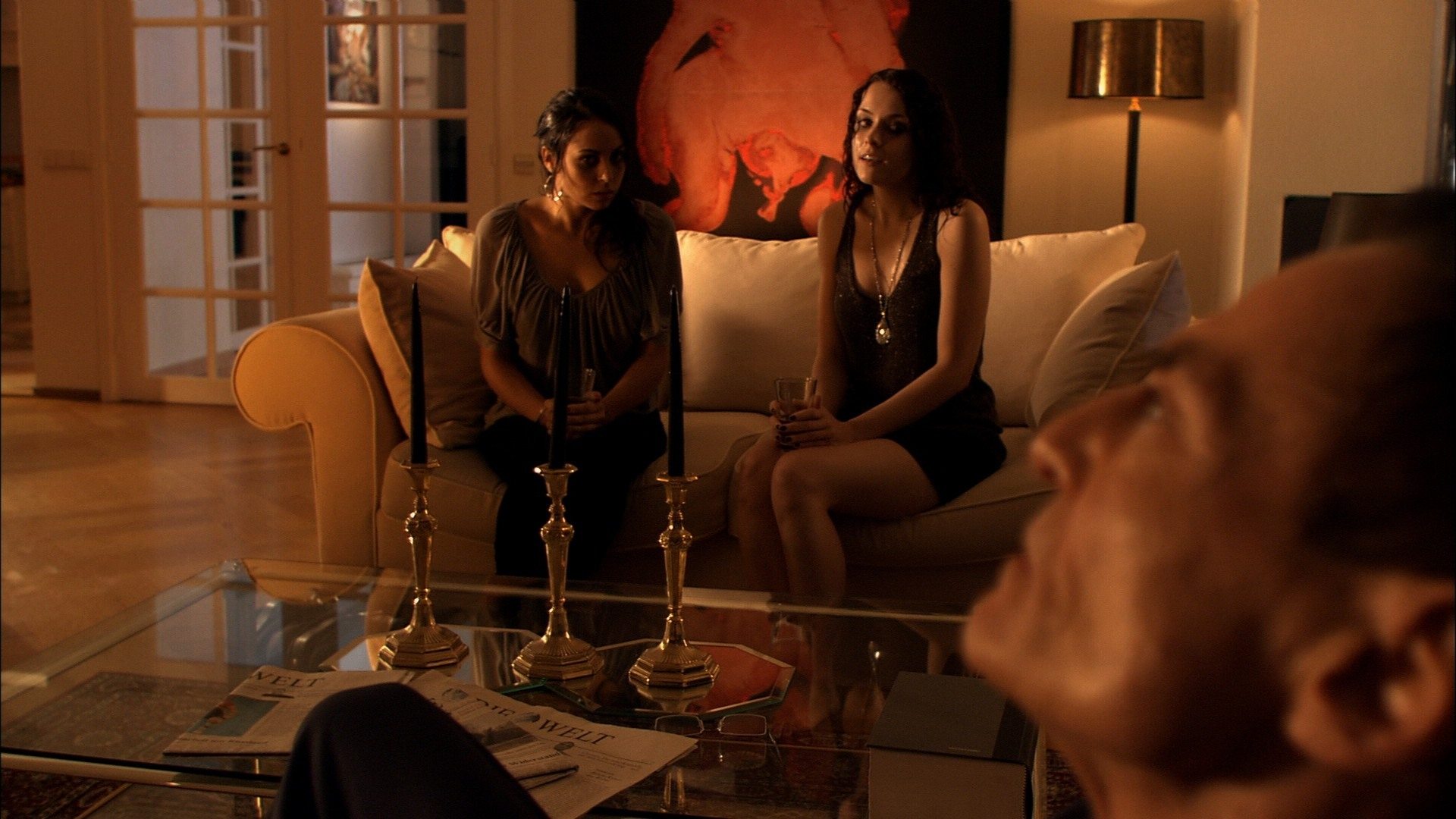
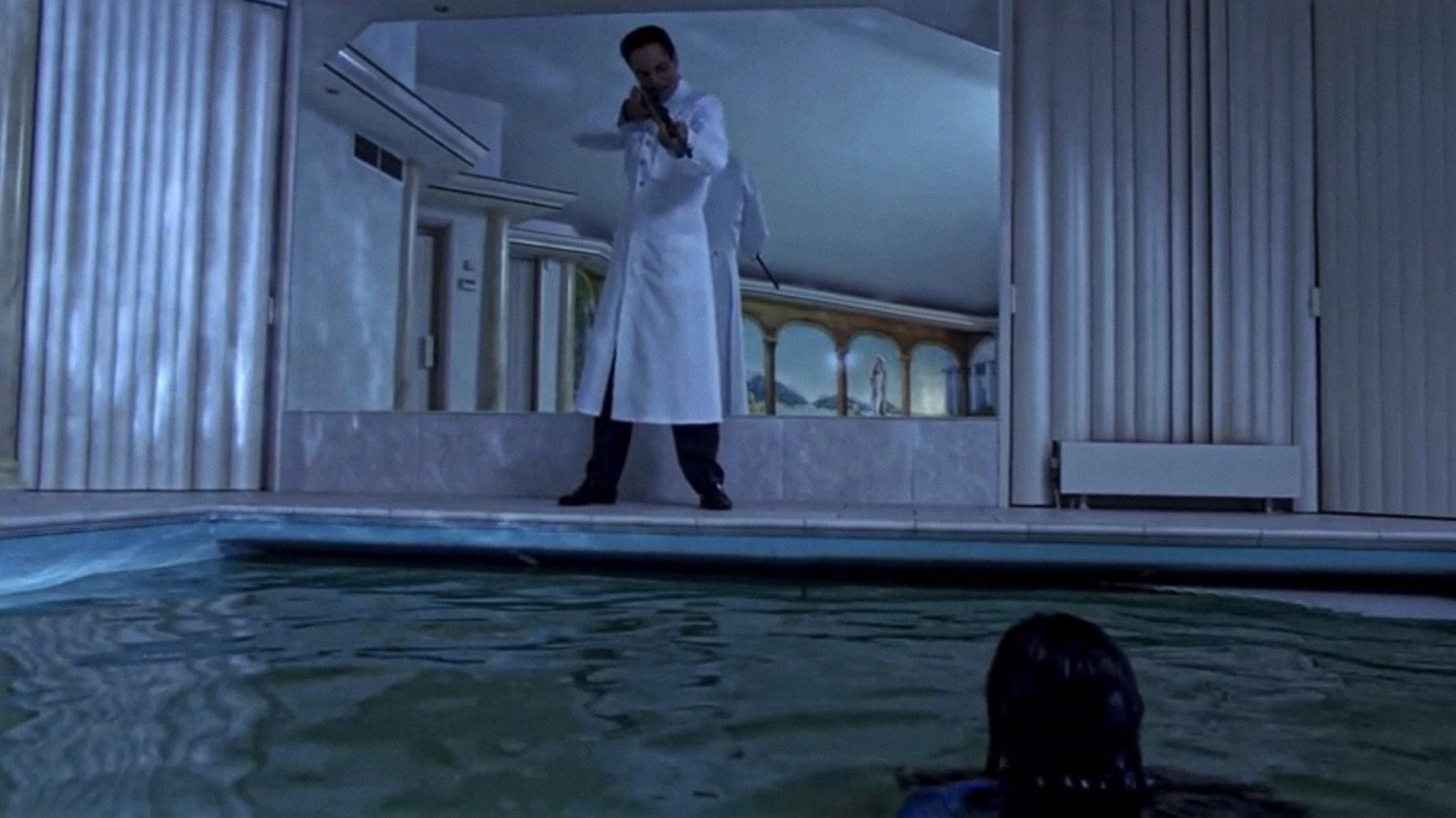
Although the story is set in Germany, production took place primarily in the Netherlands. Much of the film unfolds inside Heiter's modern villa, and the limited location becomes an important part of its visual identity. Six surrounds him with white walls, large windows, clean surfaces and modern architecture. The apparent order of the house makes the hidden operating space beneath it more disturbing because the horror is contained inside an environment associated with wealth, control and professional precision.
That clinical aesthetic continues into the procedure itself. Heiter does not suddenly transform into a chaotic butcher. He places the captives in hospital beds, presents diagrams and prepares them as patients, appropriating the language and appearance of legitimate medicine for an act of absolute violation. The opposition between professional procedure and involuntary bodily transformation is fundamental to the film. The victims are not merely injured; their individual bodies are reorganized into a structure defined entirely by another person's idea of function.
Despite the advertising, the operation is shown selectively. The BBFC specifically noted that the actual creation of the centipede is not depicted in significant detail. Brief images include dental extraction and an incision, but Six largely relies on preparation, diagrams and the eventual reveal of the completed arrangement. The decision prevents the film from exhausting its central idea during the operation itself. The audience has already imagined what is being done before the result appears, allowing the horror to move from surgical anticipation to the consequences of having to remain alive inside the construction.
This restraint also distinguishes the first film from the escalation associated with the later series. The most disturbing material concerns dependency, loss of bodily autonomy and forced proximity rather than prolonged onscreen mutilation. Once the three people have been joined, ordinary actions such as movement, eating, communication and escape become mechanisms of horror. The concept therefore continues producing tension after its principal visual shock has already been revealed.
Release, Festivals & Critical Response
The Human Centipede built its reputation first through genre festivals. In 2009 it won Best Picture at Screamfest, where the festival itself listed it among that year's principal award winners. It also received recognition at Fantastic Fest, where the film won the horror-feature award and Dieter Laser was honored for his performance. Those victories were significant for a film whose premise could easily have confined it to novelty status: specialist horror audiences were responding not only to the concept but to the execution of it.
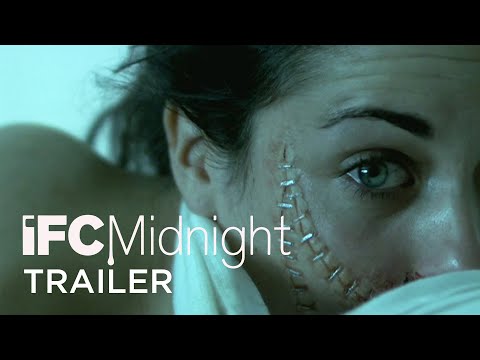
IFC Films subsequently released the film theatrically in the United States beginning on April 30, 2010. The rollout remained deliberately limited, eventually reaching only nineteen theaters at its widest point. Box Office Mojo records a domestic theatrical gross of $181,467 and $325,113 across the releases currently included in its worldwide reporting. These figures describe a small theatrical release rather than the total cultural reach of a film whose notoriety expanded through festivals, home viewing and online discussion.
The British classification history of the first film is comparatively straightforward when set beside its sequel. The BBFC passed the 92-minute film at 18 in 2010, identifying strong bloody violence, threat and horror but emphasizing that the central surgical procedure itself was largely withheld from explicit view. The much more severe controversy surrounding the British classification of The Human Centipede II (Full Sequence) should therefore not be retroactively applied to the first film.
Critical reaction was sharply divided. Roger Ebert refused to give the film a conventional star rating, arguing that the normal rating system seemed inadequate for something designed to inspire such extreme reactions, yet he also recognized Six's effective use of Heiter's home and the unexpectedly tragic quality of the later scenes. Other reviewers saw little beyond the central stunt. Variety argued that reaching the grotesque premise was not enough to sustain a film, while more sympathetic critics acknowledged that the actual filmmaking was more restrained and conventional than its reputation suggested. The disagreement became part of the film's identity: even critics who disliked it had to confront a premise difficult to forget.
Reputation, Sequels & Cultural Afterlife
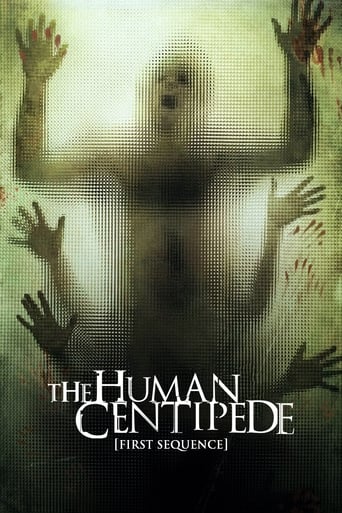
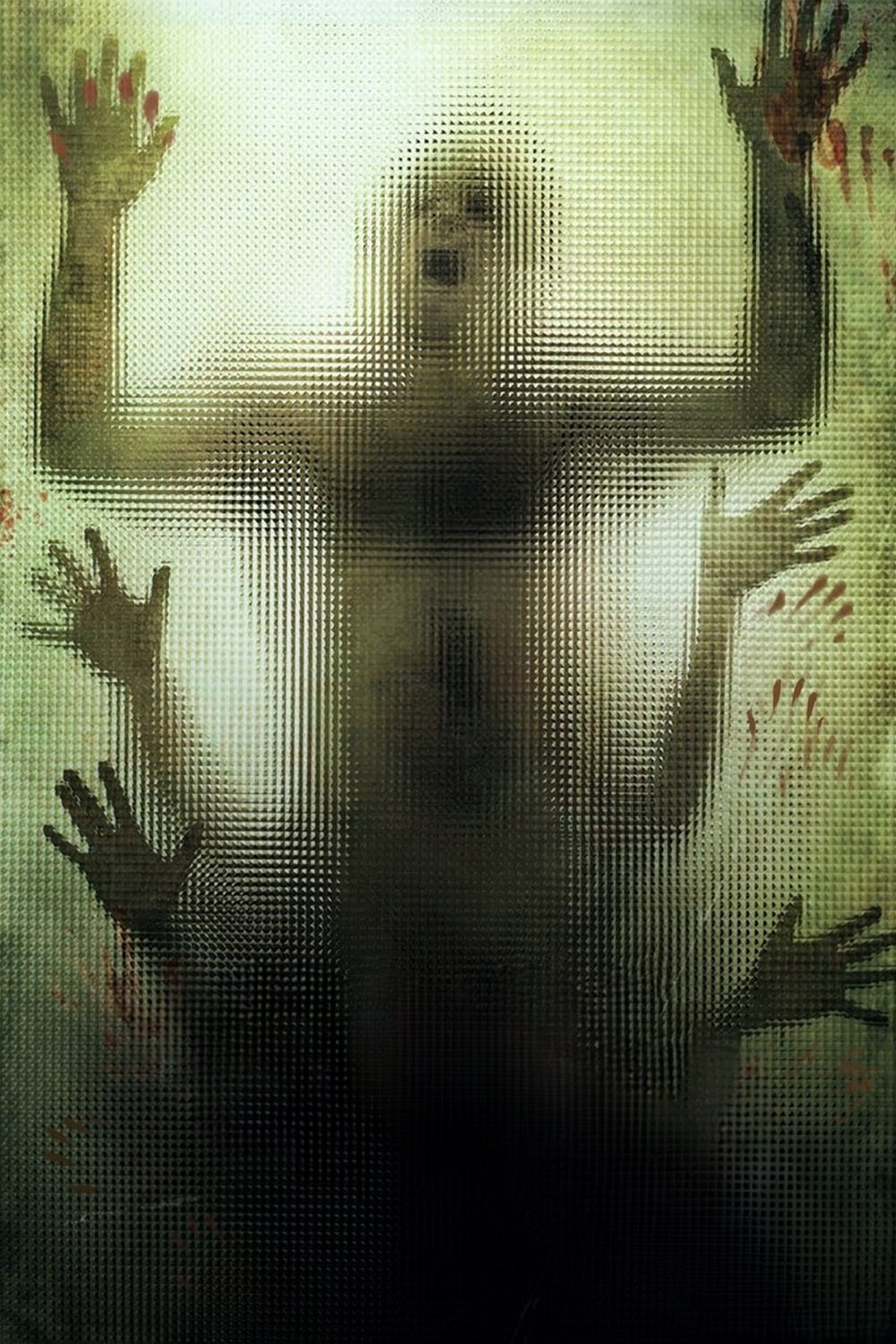
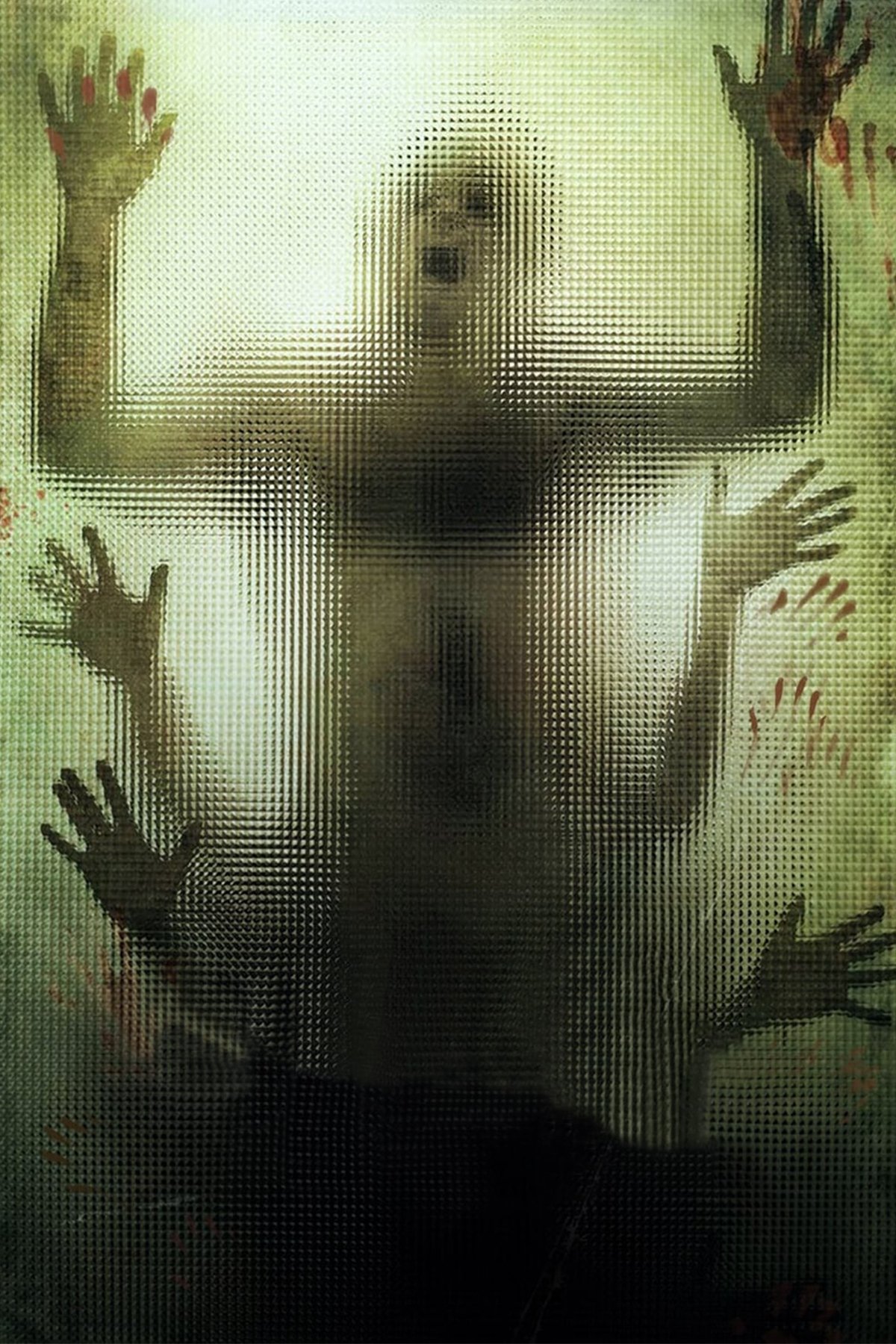
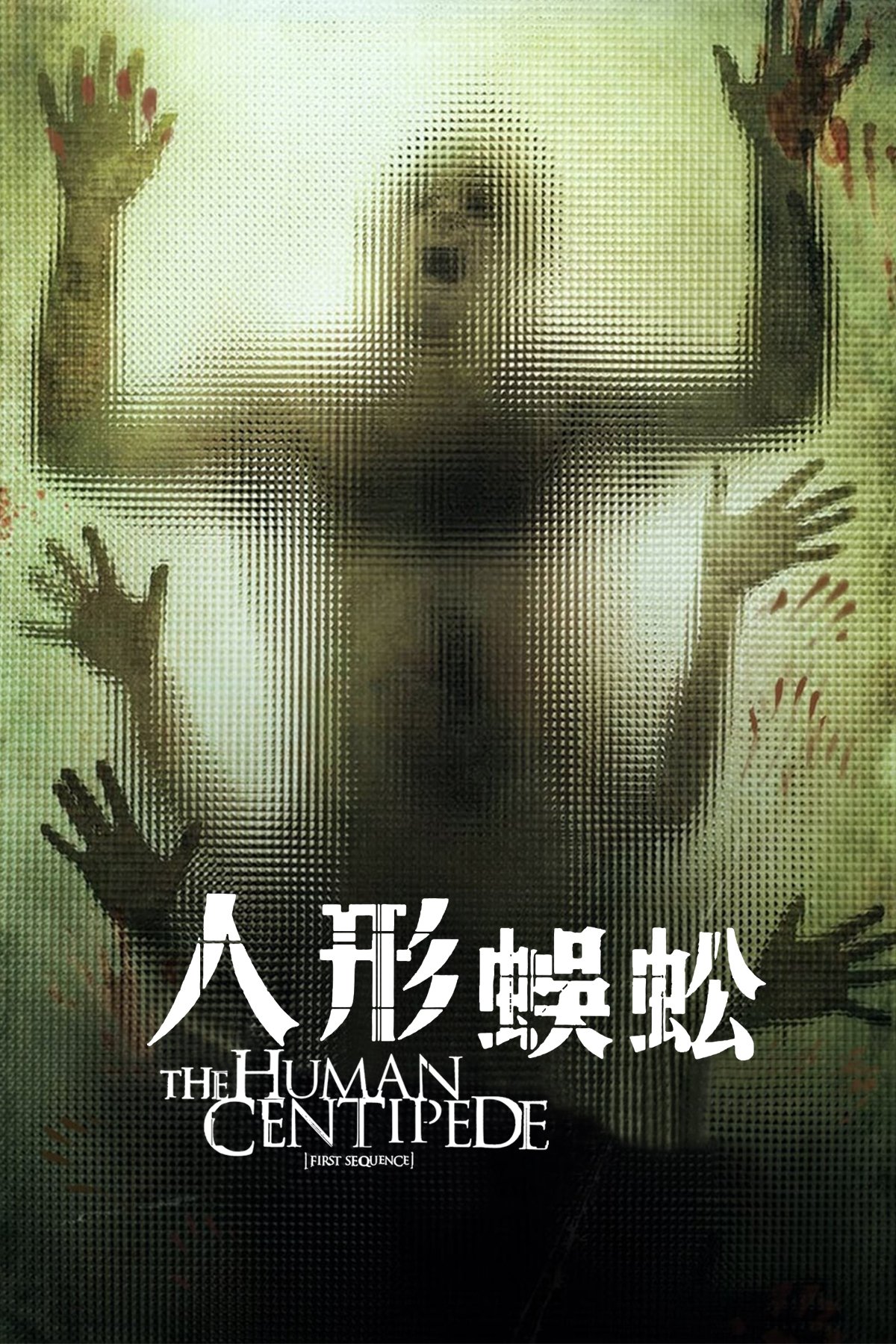
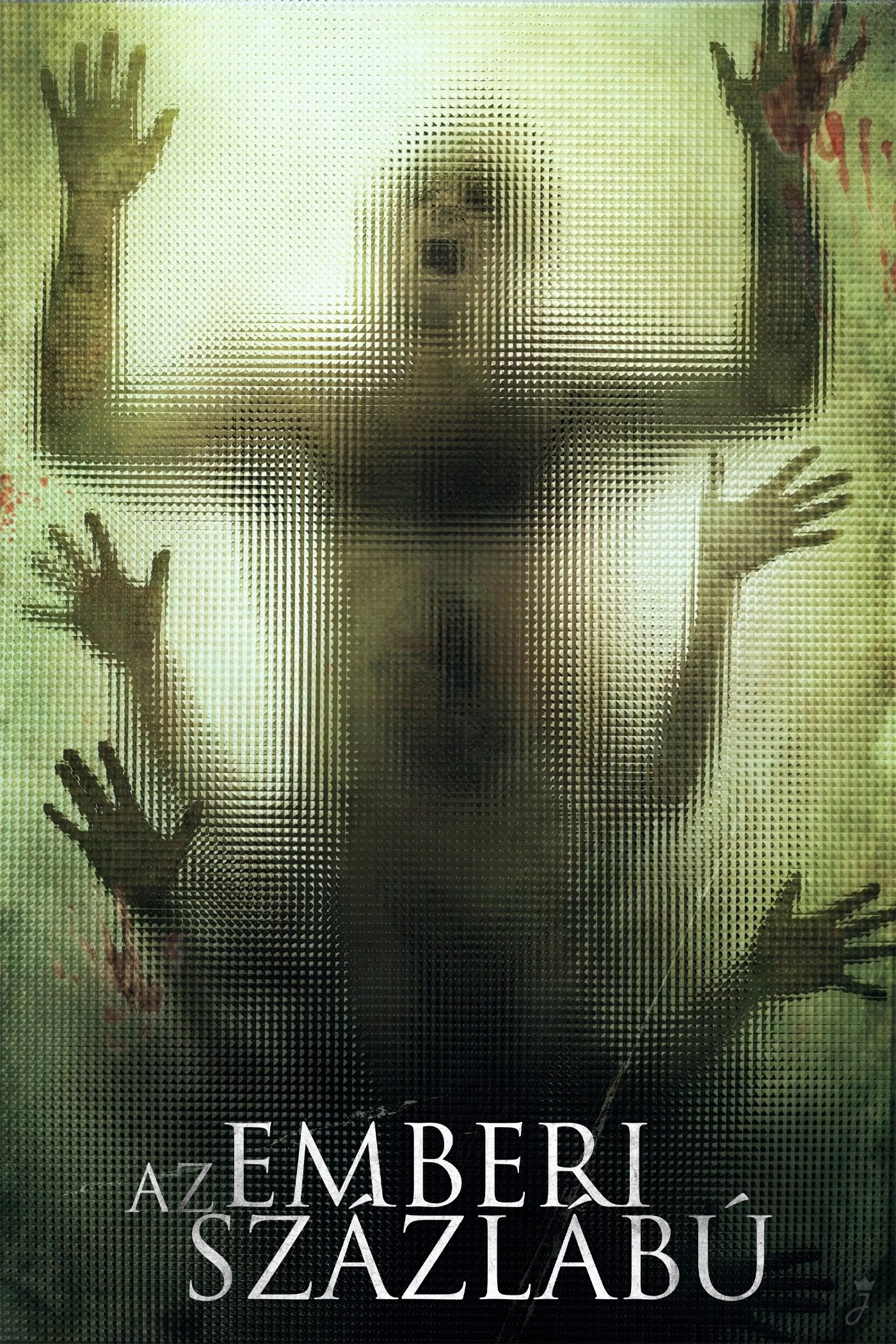
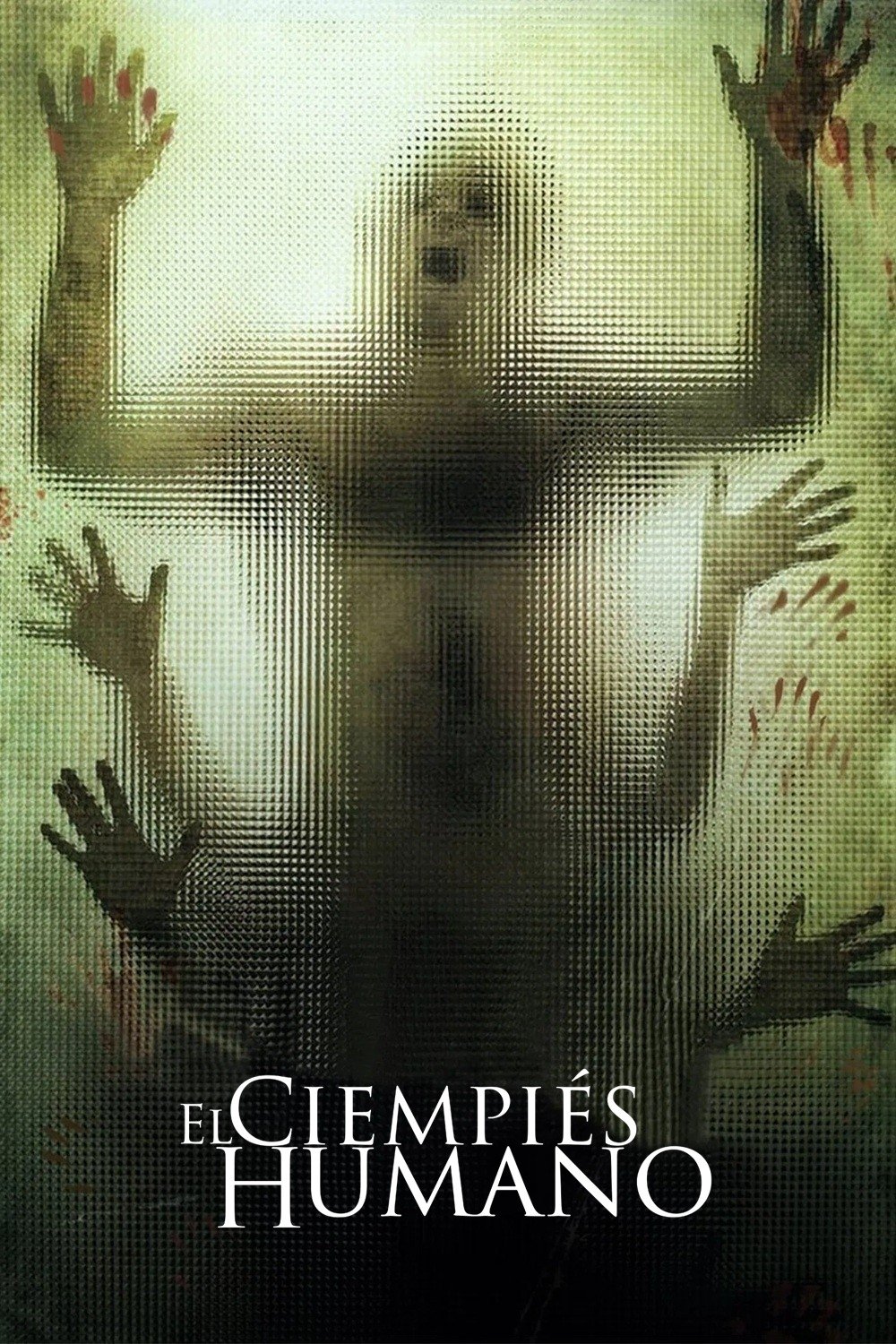
The Human Centipede became far more famous than its limited theatrical scale would suggest. Its title functions almost as a synopsis, and the basic arrangement can be understood without having seen the film. That communicative simplicity made the concept particularly suited to internet discussion, shock humor and parody. The movie became one of those horror titles whose central image circulated considerably beyond its original audience, allowing people unfamiliar with its plot or characters to recognize what a "human centipede" meant.
Six had also deliberately left room for escalation. The first film's subtitle announced that this was only the First Sequence, and the follow-up, The Human Centipede II (Full Sequence), arrived in 2011 with a deliberately more graphic strategy. Rather than simply repeat Dr. Heiter's story, the sequel treats the original Human Centipede as a film existing inside its own fictional world, transforming its notoriety and spectatorship into part of the next narrative. A third feature, The Human Centipede III (Final Sequence), completed the trilogy in 2015.
The increasingly extreme sequels can make the relative restraint of the original easy to overlook. The first Human Centipede is not structured primarily around the display of bodily fluids or continuous graphic mutilation. It creates its reputation by proposing an intolerable physical condition, explaining that condition with clinical seriousness and then forcing characters to remain alive inside it. Its most successful horror comes from concept rather than quantity of gore.
That distinction explains its place within twenty-first-century extreme horror. The Human Centipede became a cultural provocation because the central idea is simultaneously absurd, instantly visual and fundamentally violating. The film itself is more controlled than the mythology surrounding it, but that may be precisely why the mythology became so powerful. Six created a premise that audiences could continue imagining after the camera had chosen not to show everything.