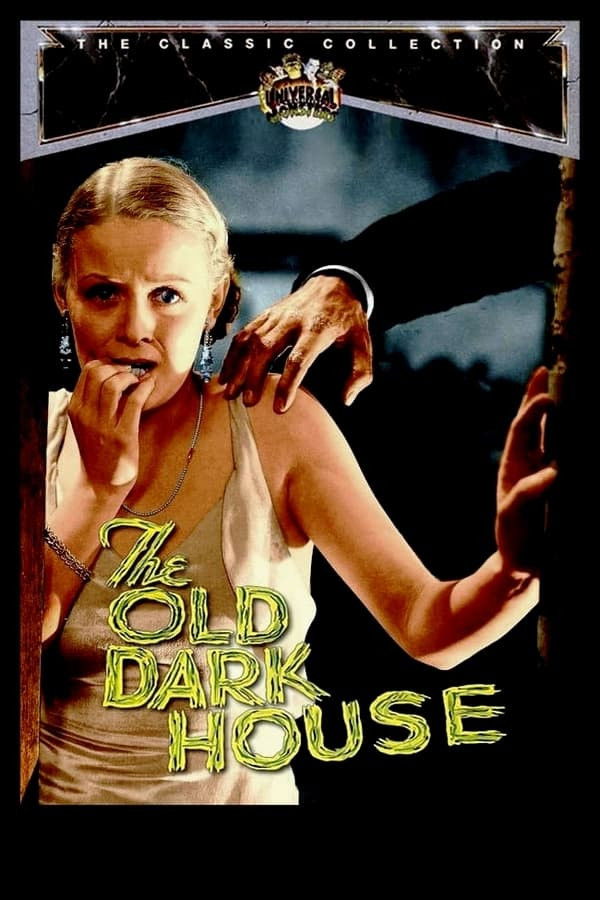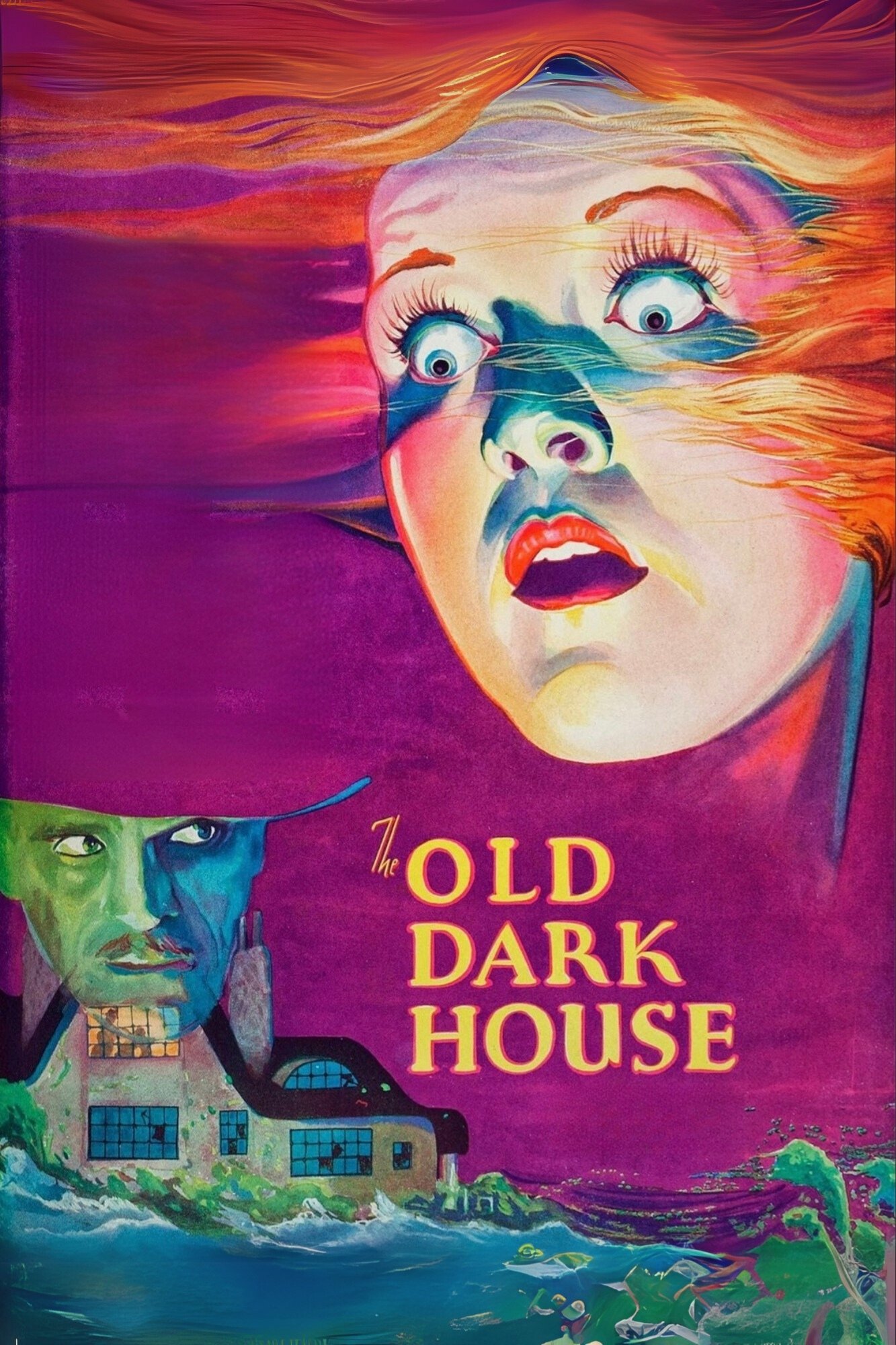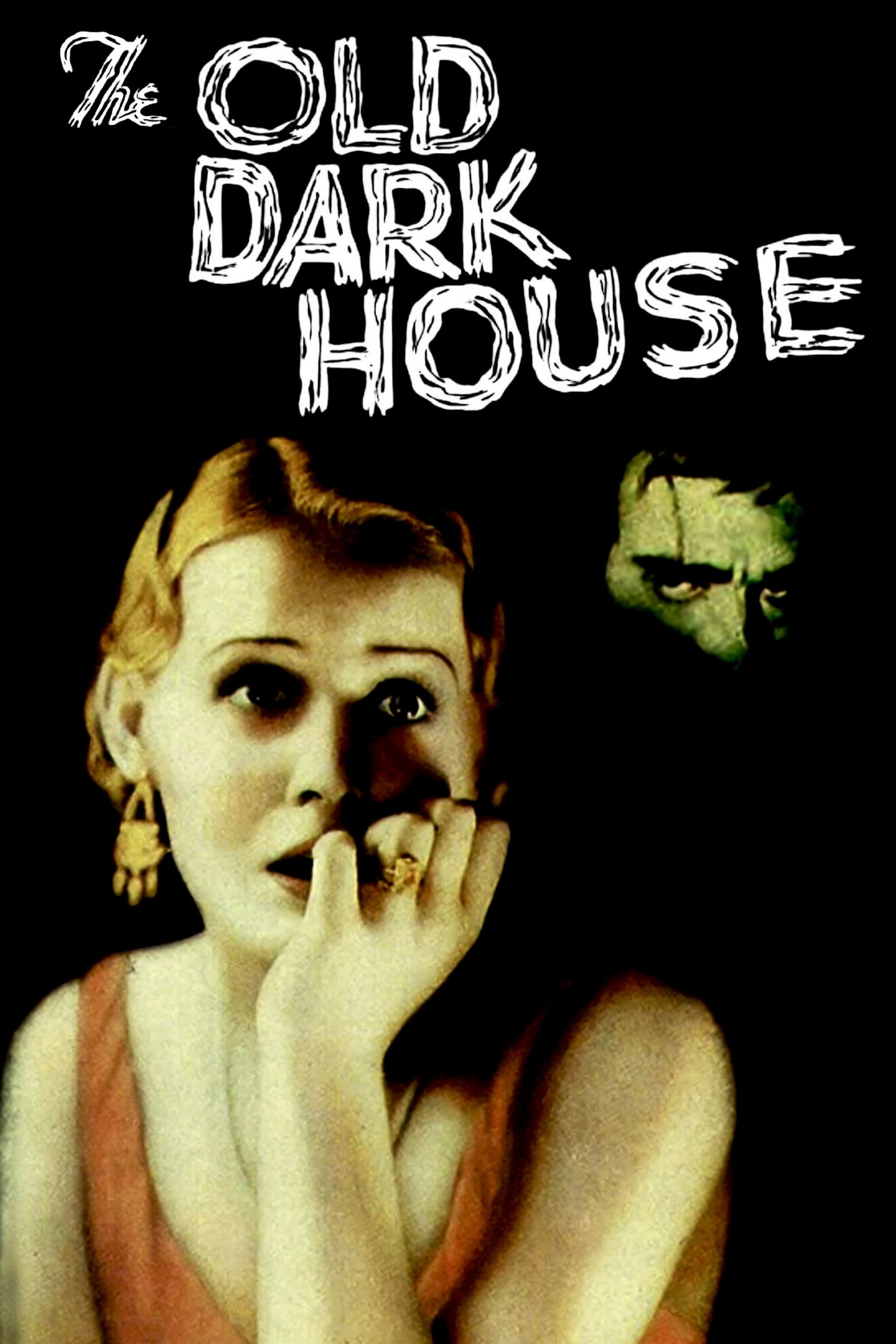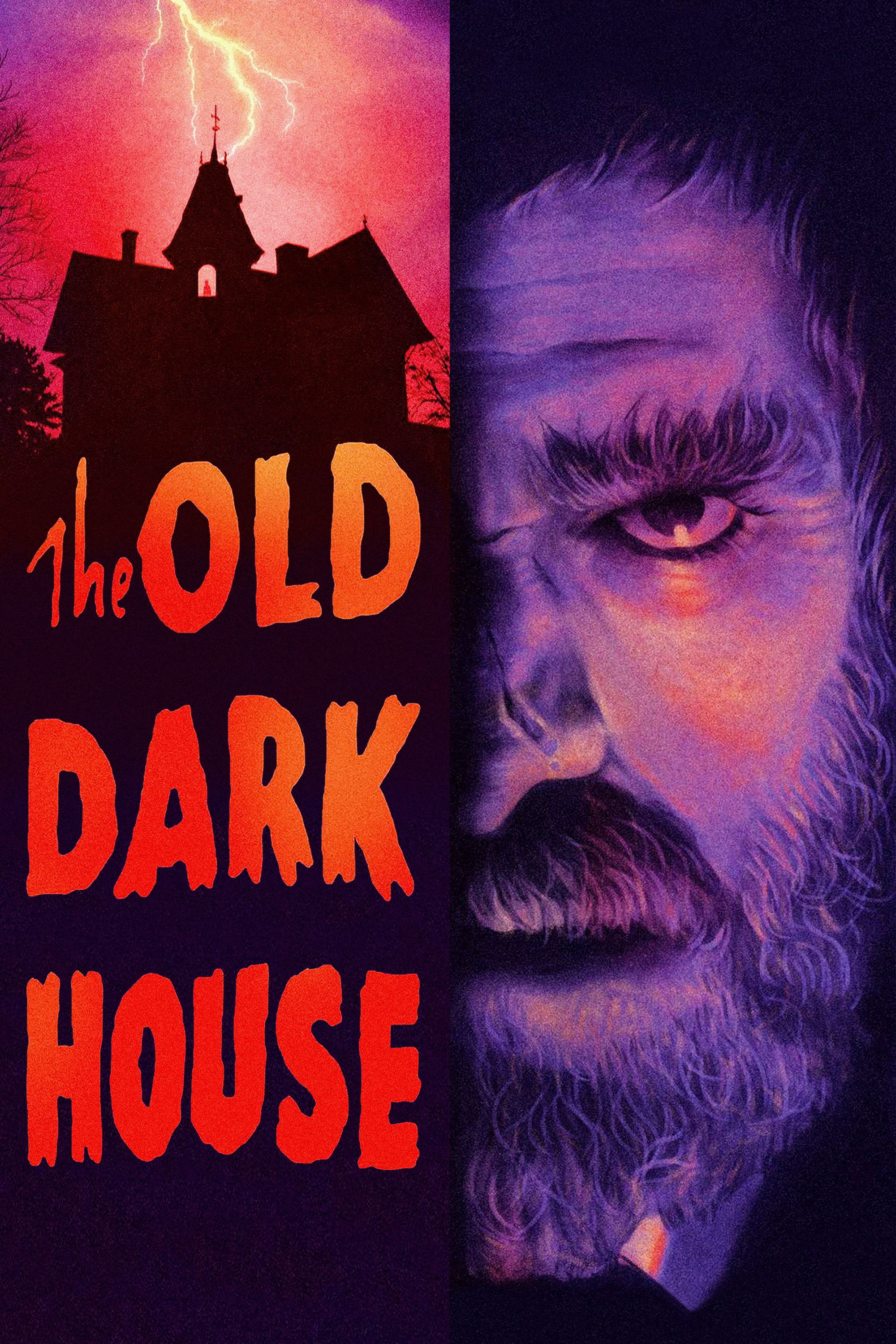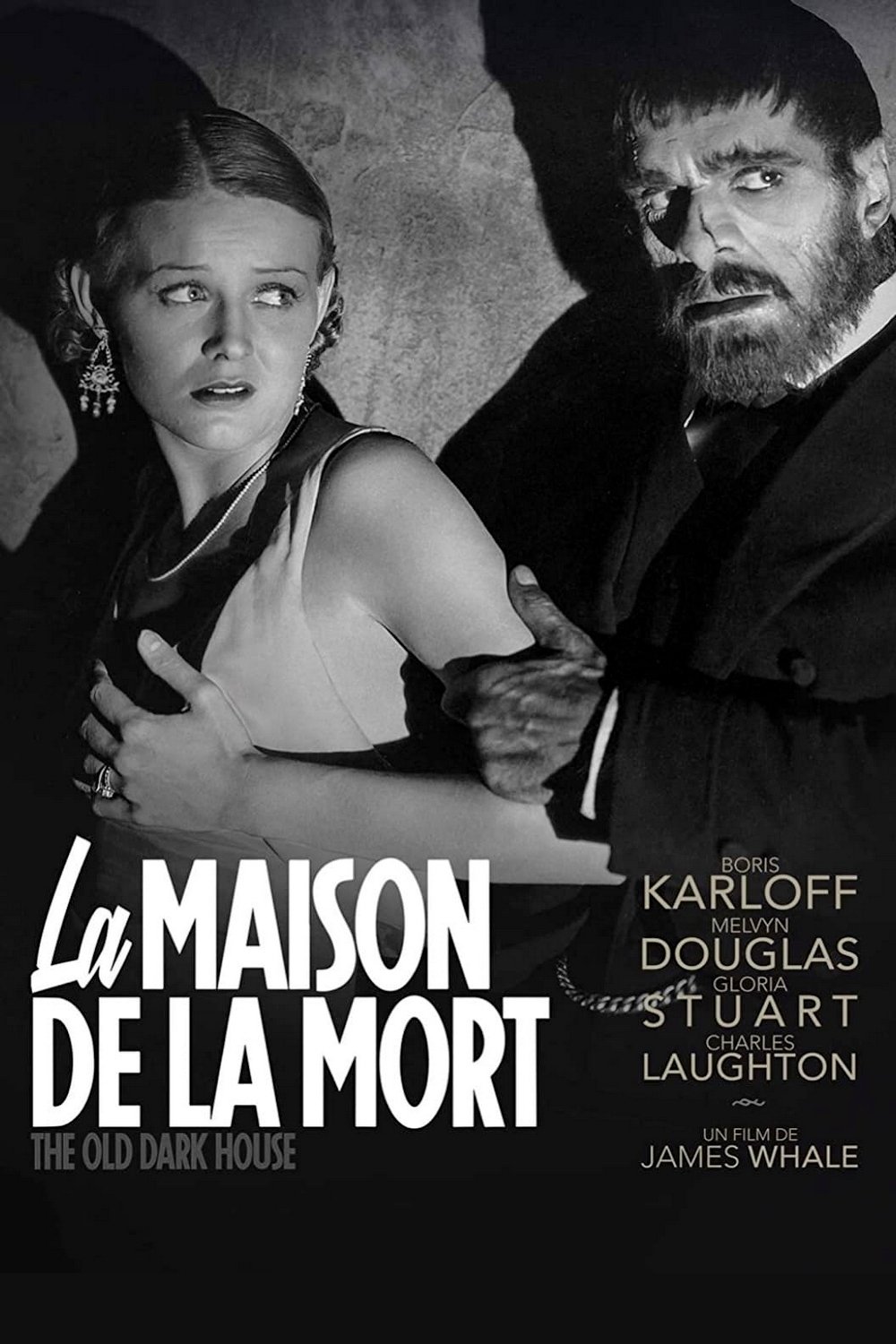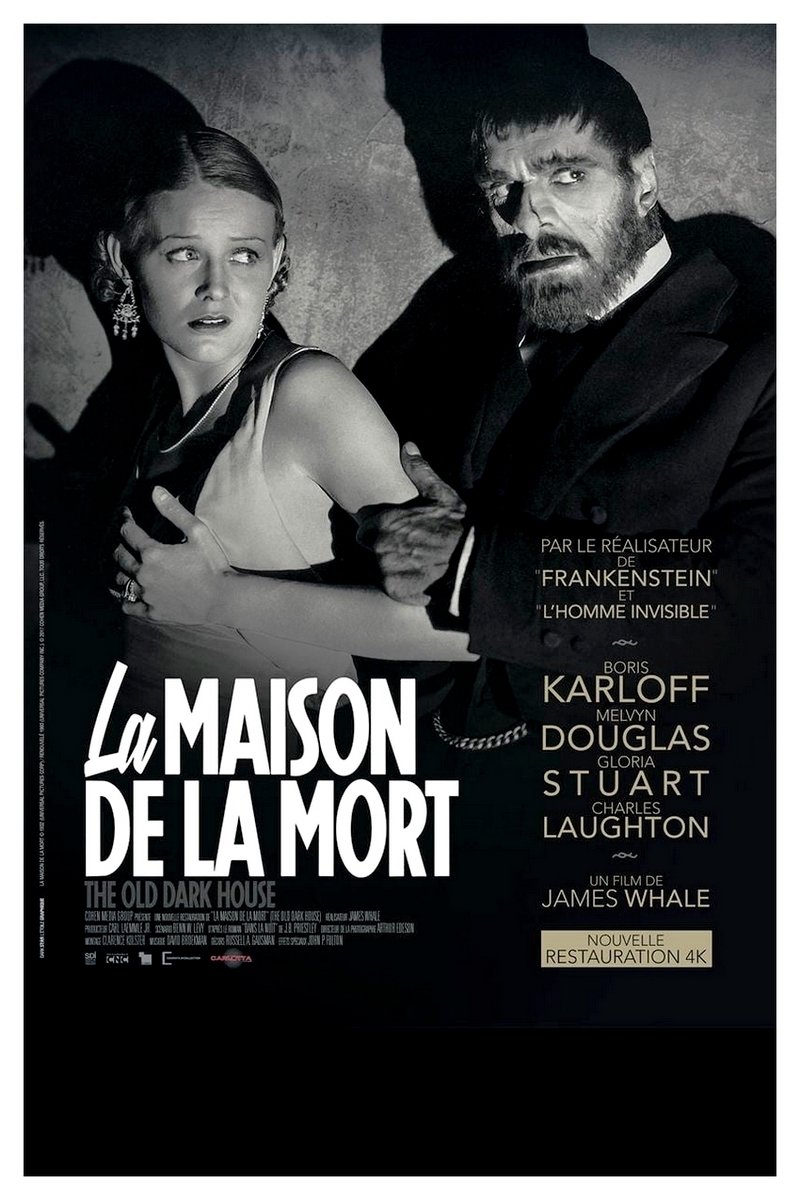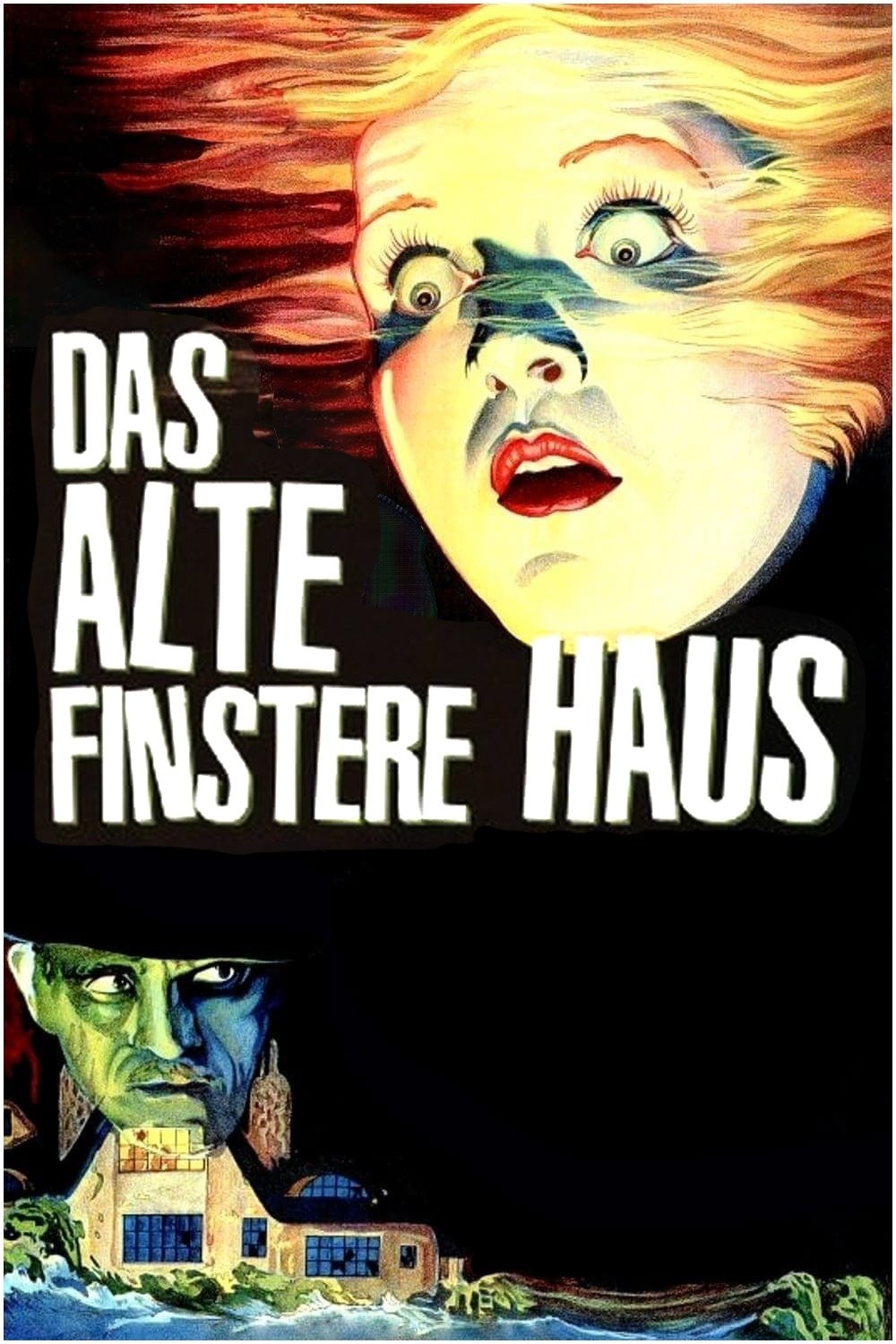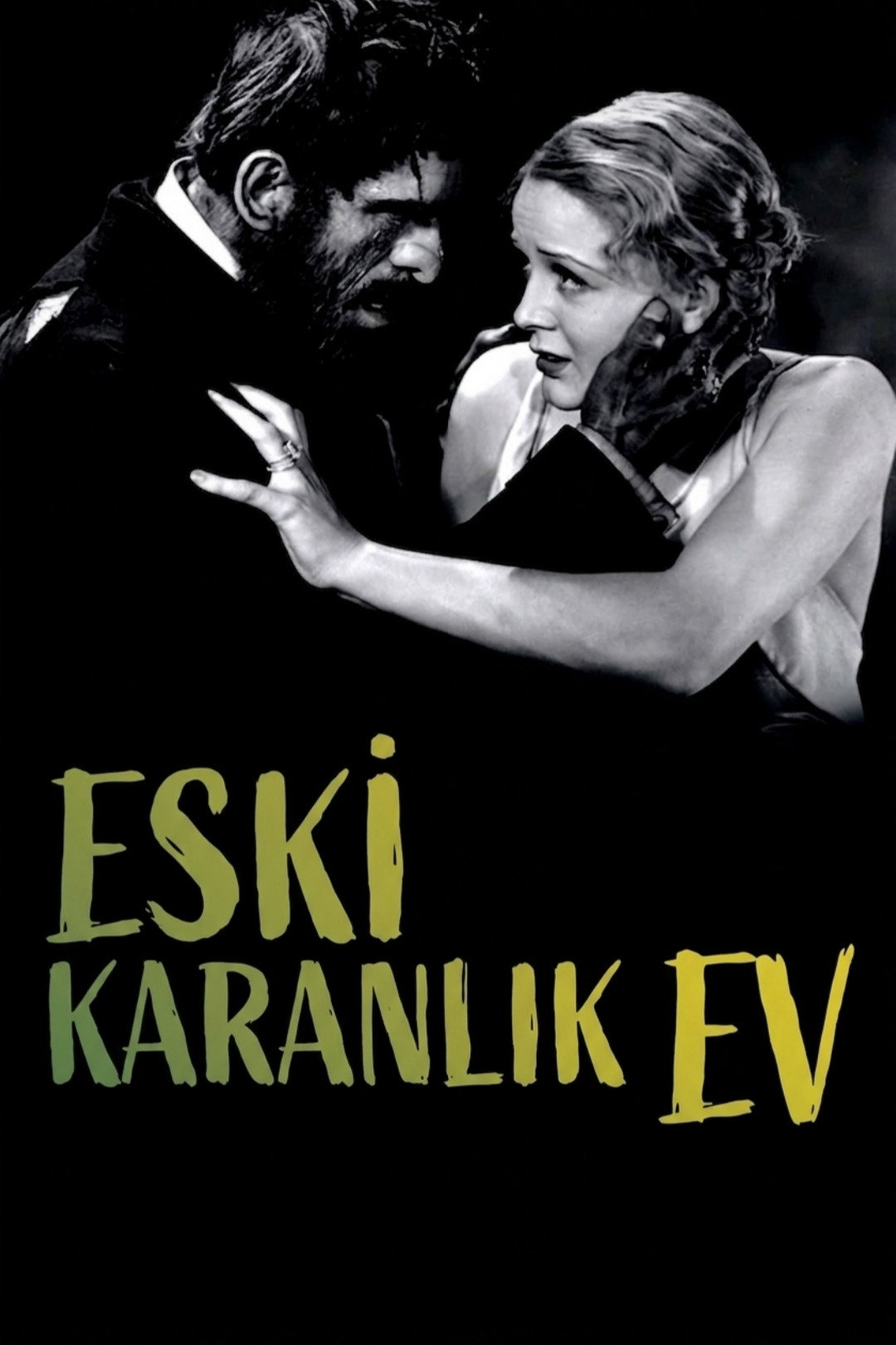
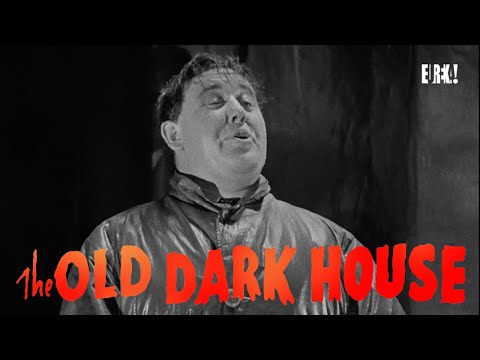
The Old Dark House (1932)

US
HORROR FILM Comedy Drama Thriller
Runtime
70 min
Release
October 20, 1932
Budget
$250,000
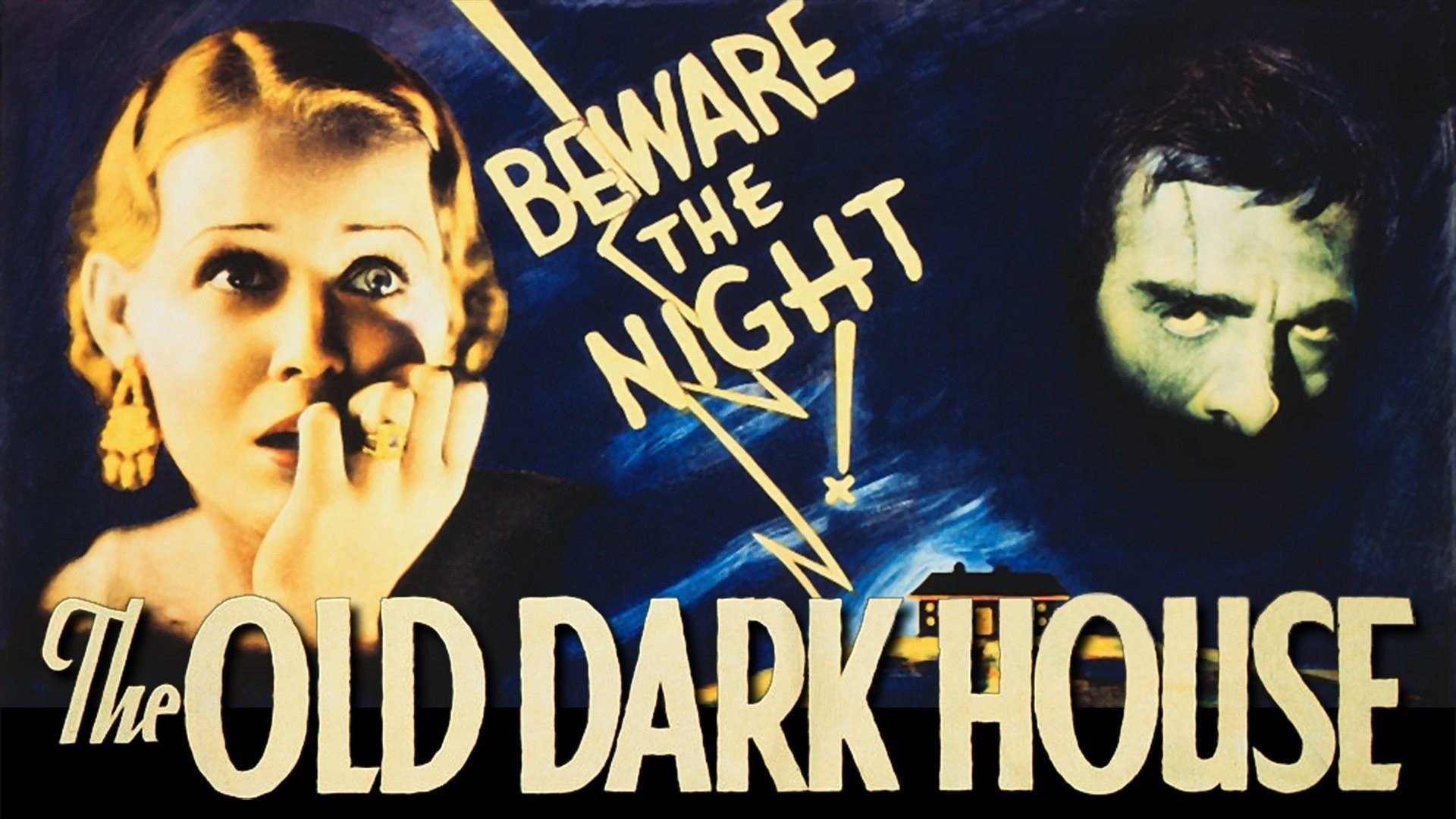
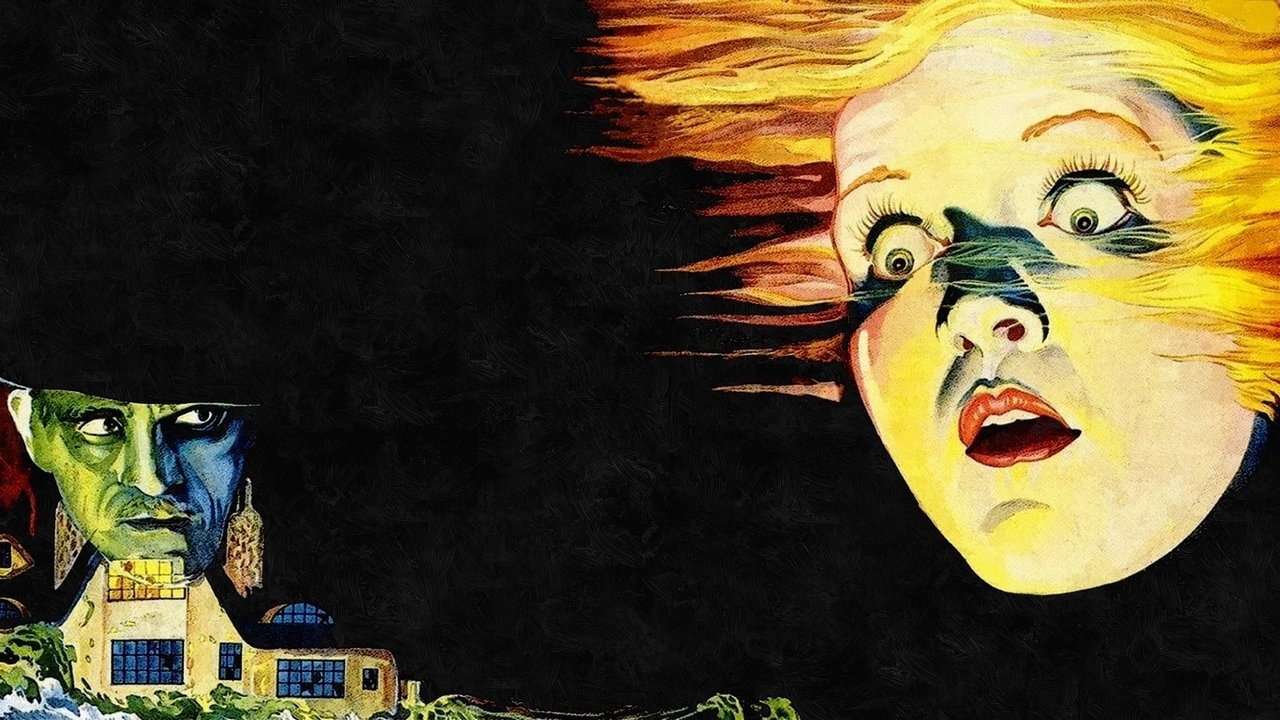
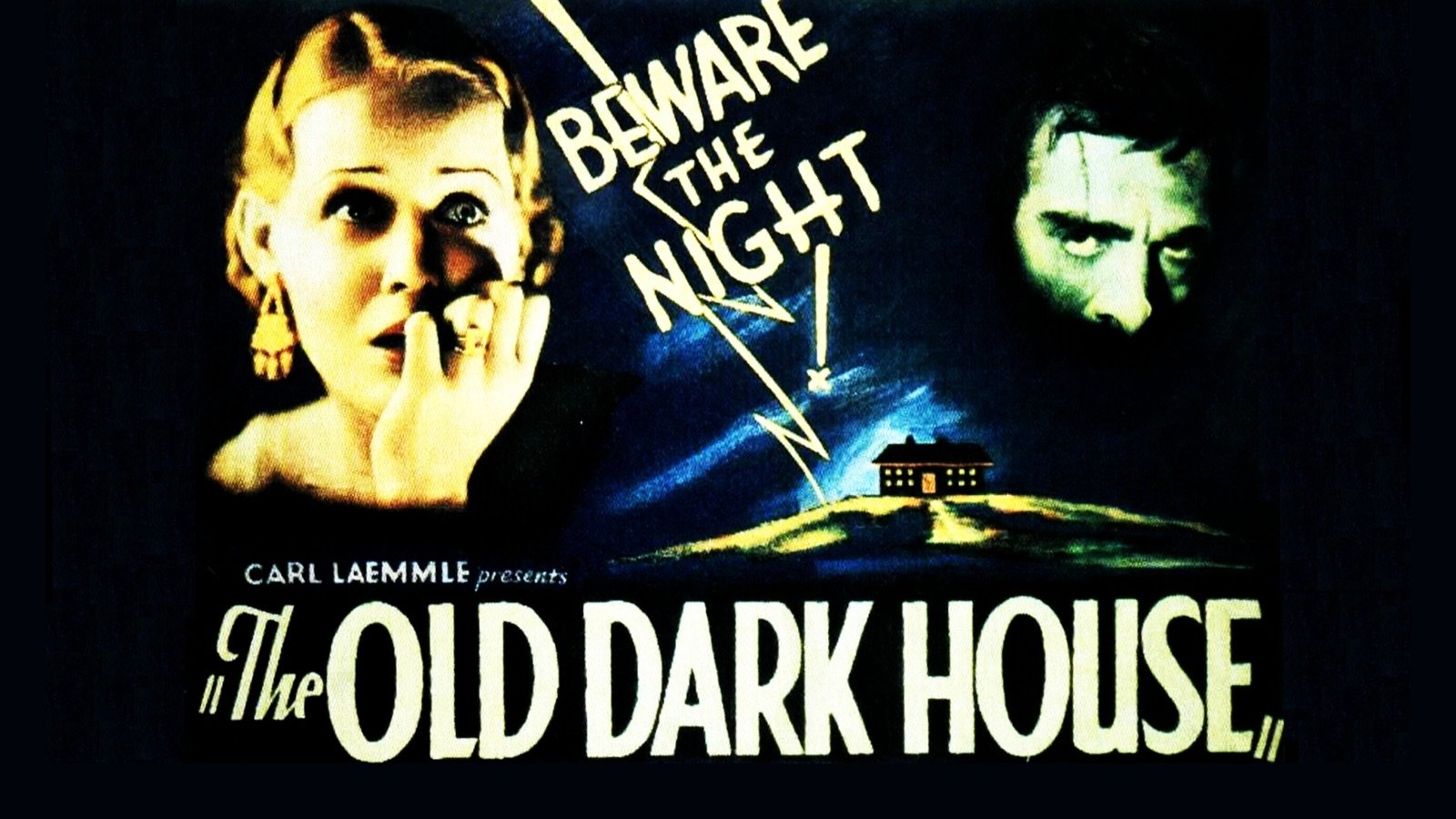
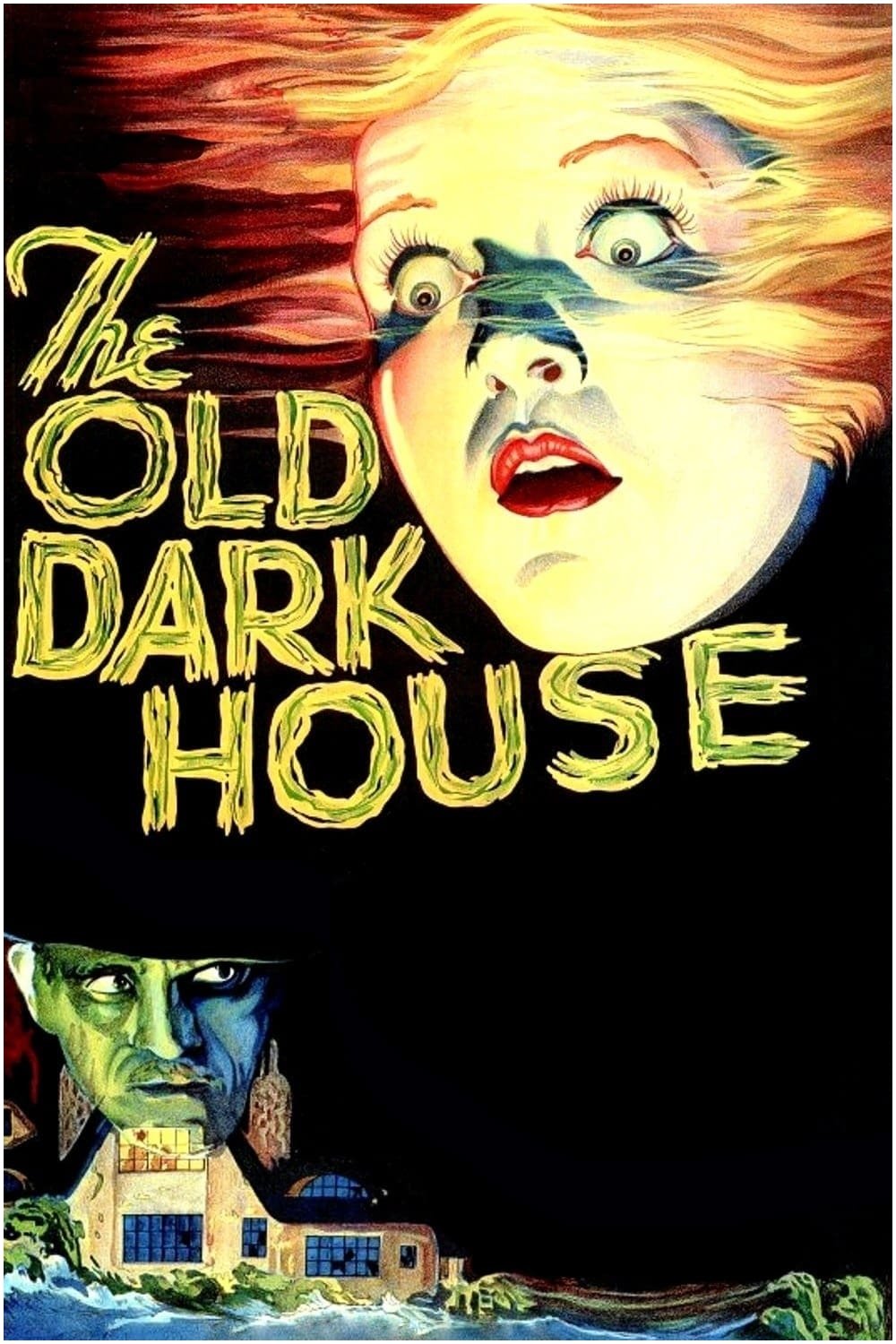
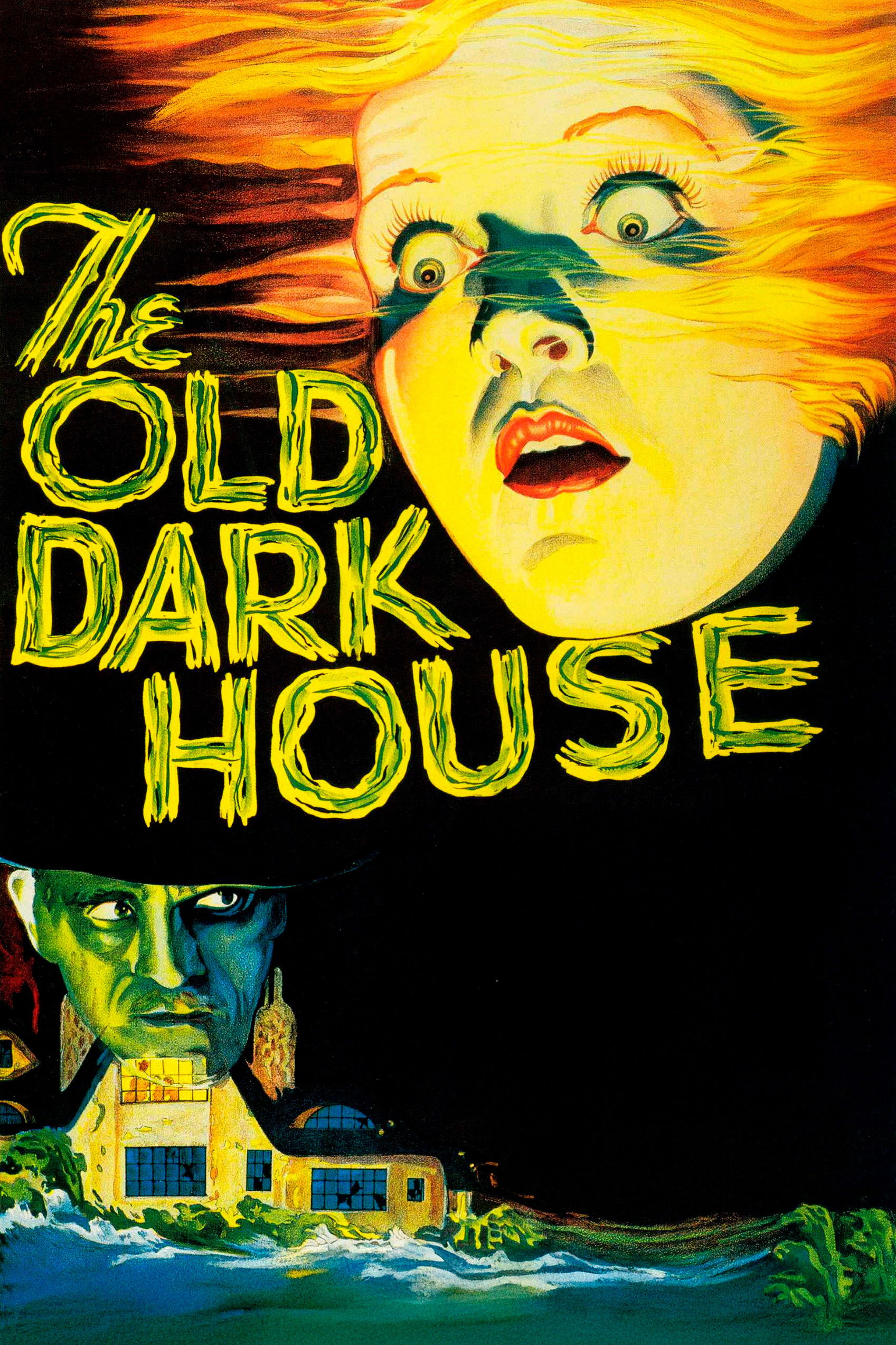
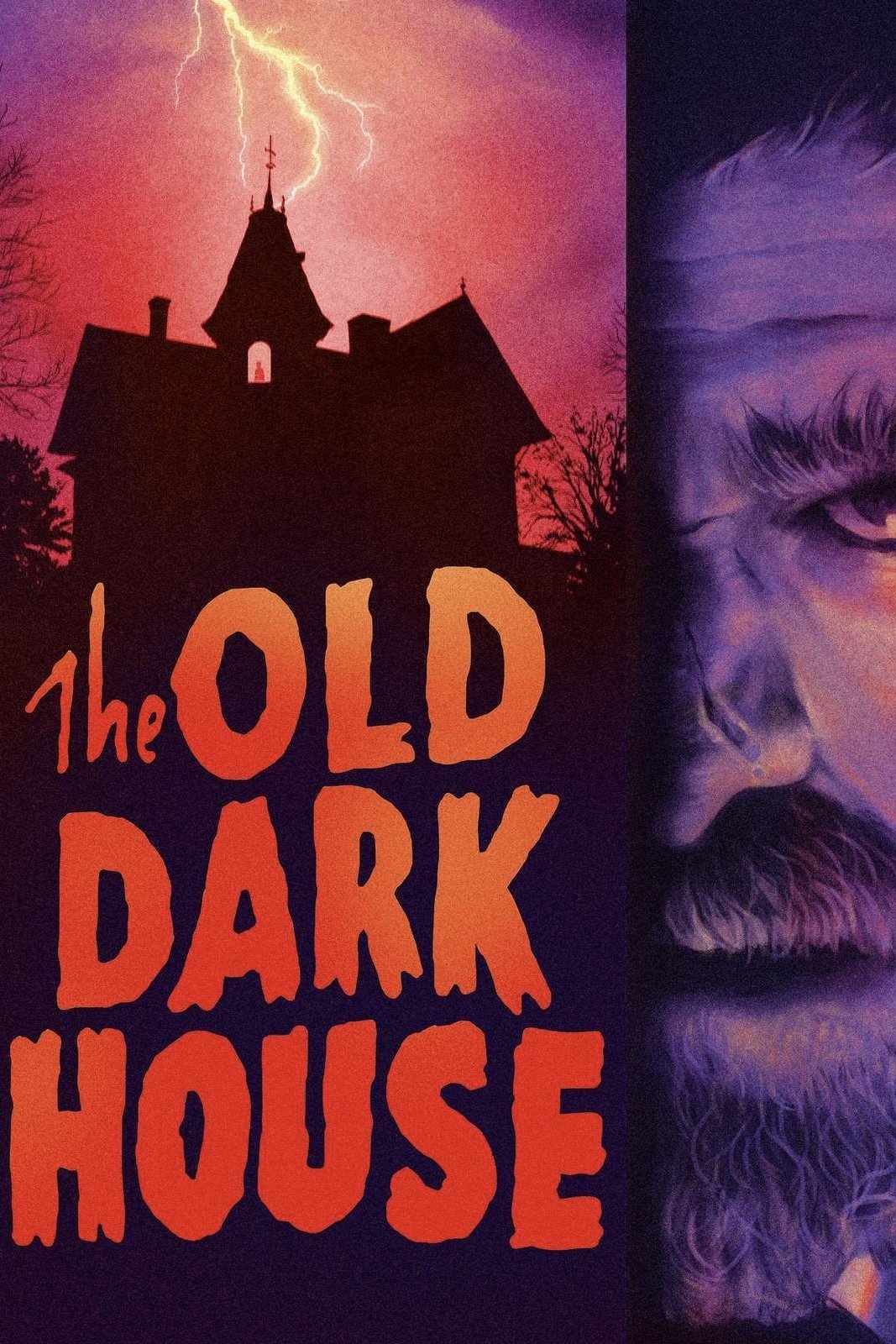
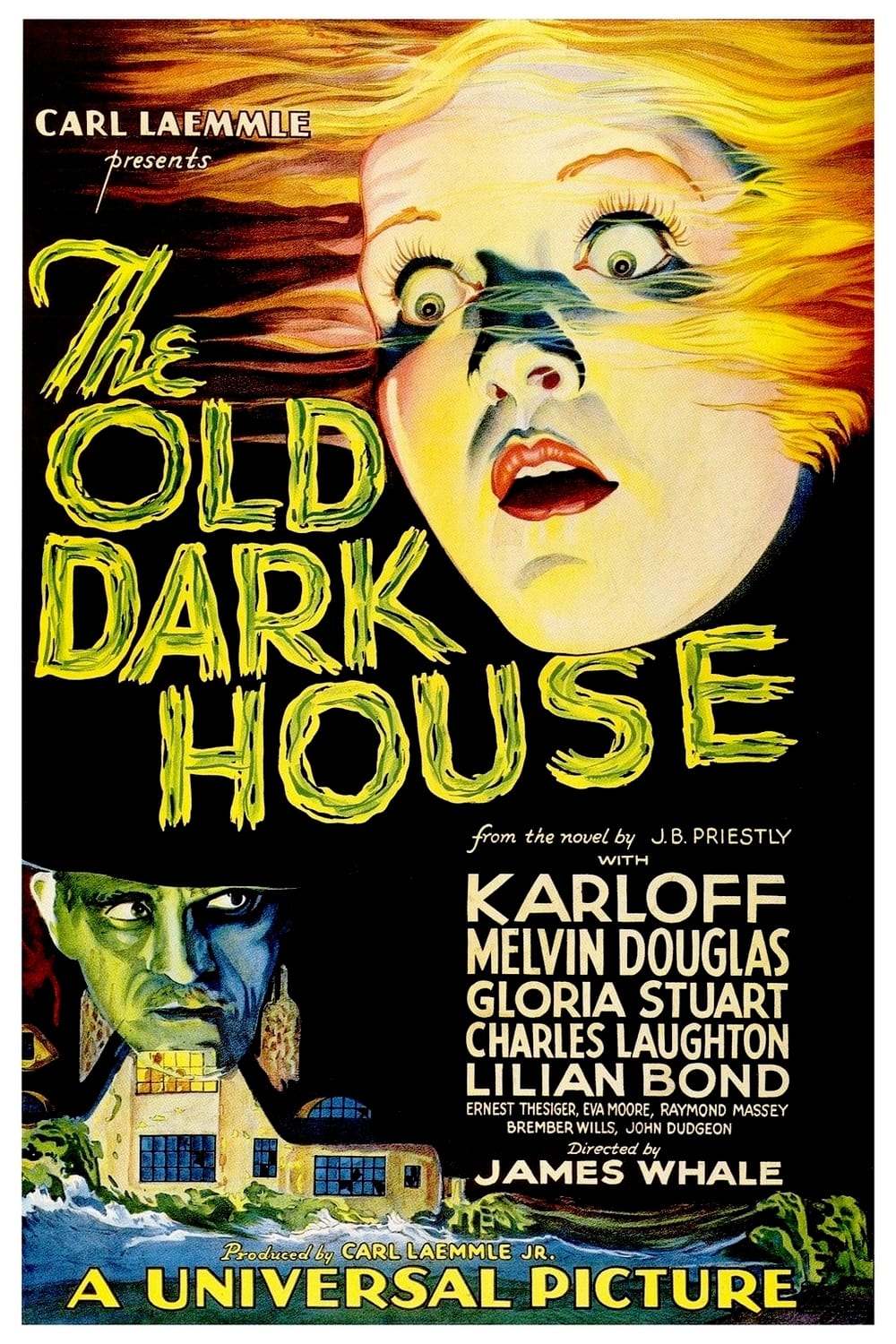
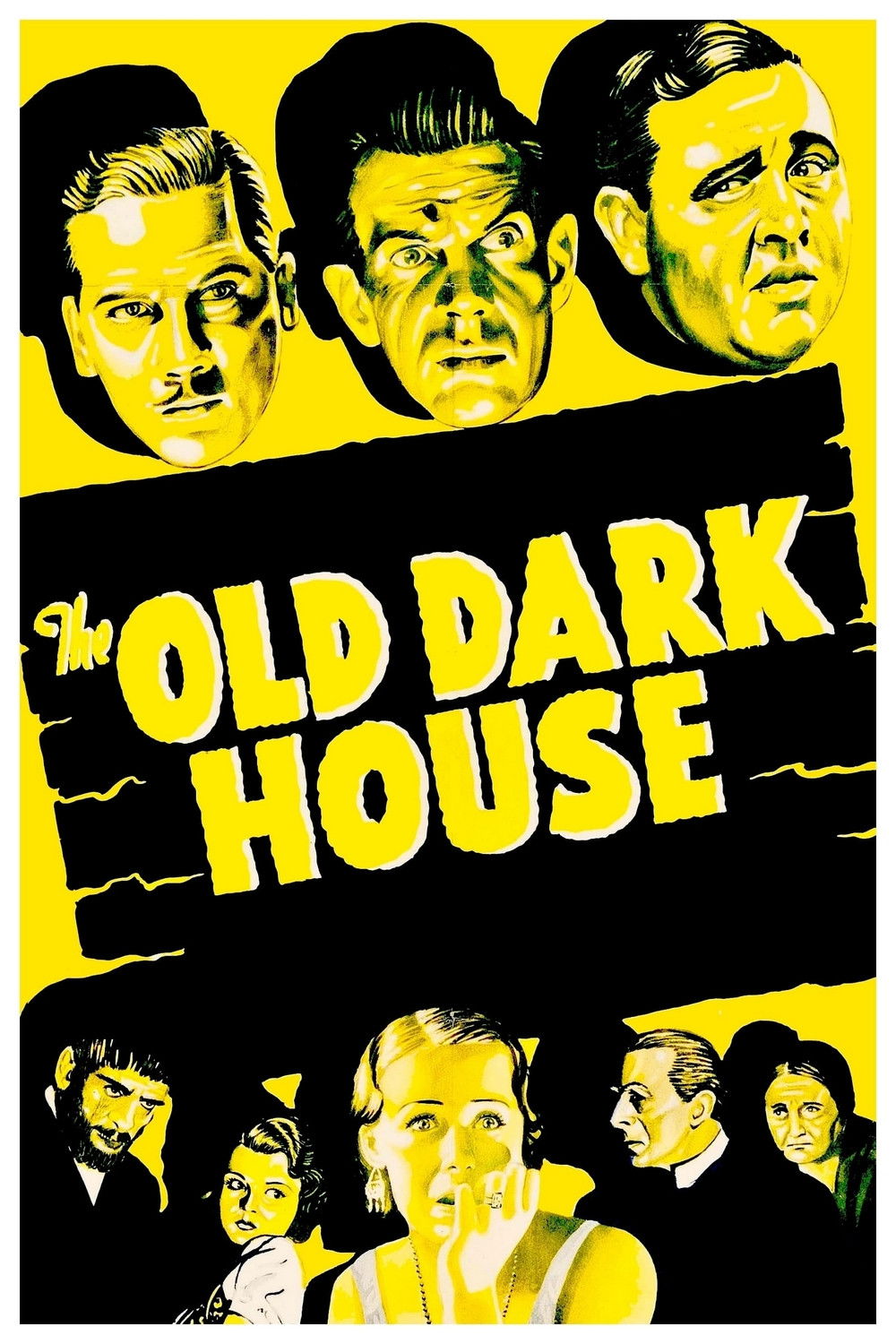
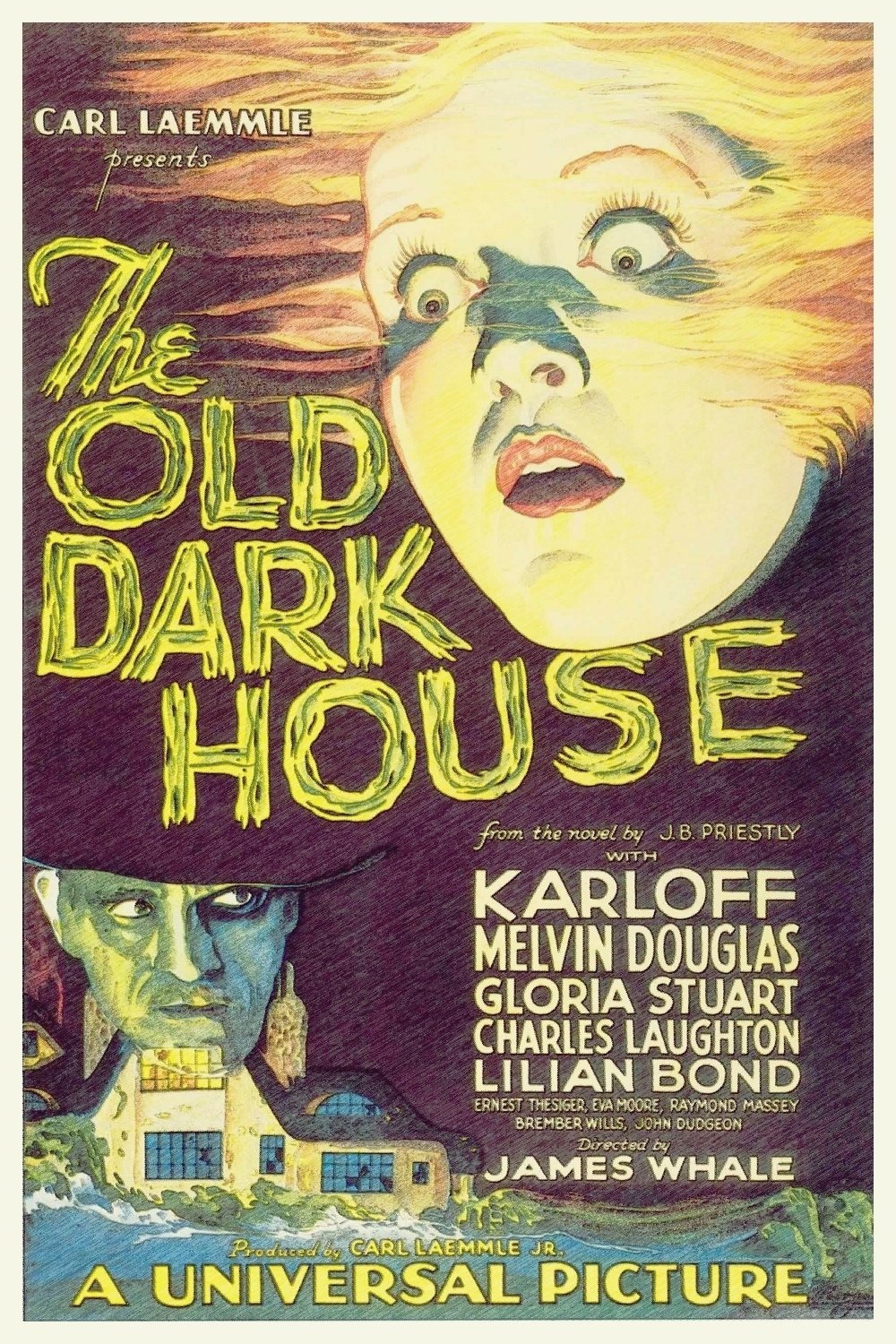
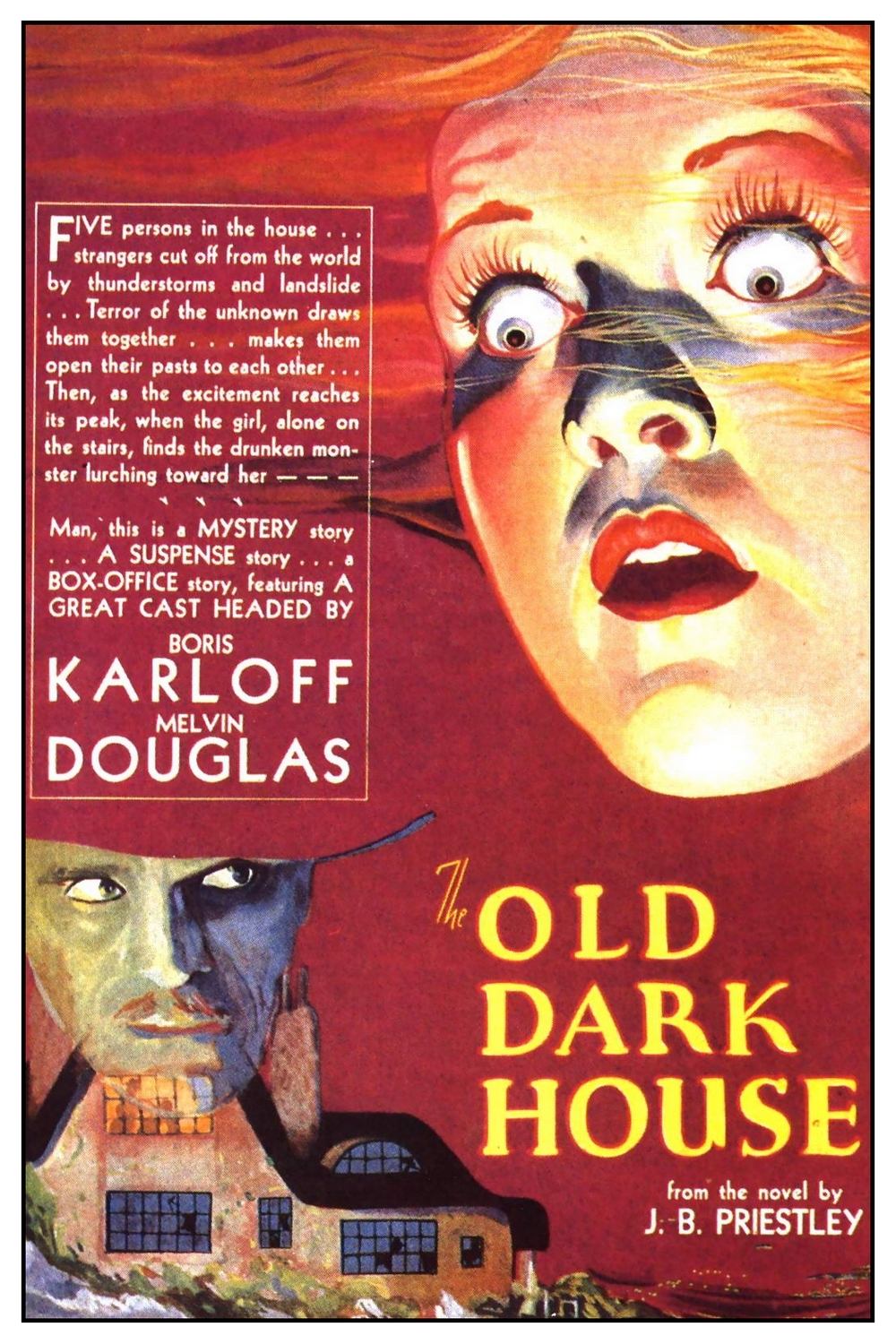
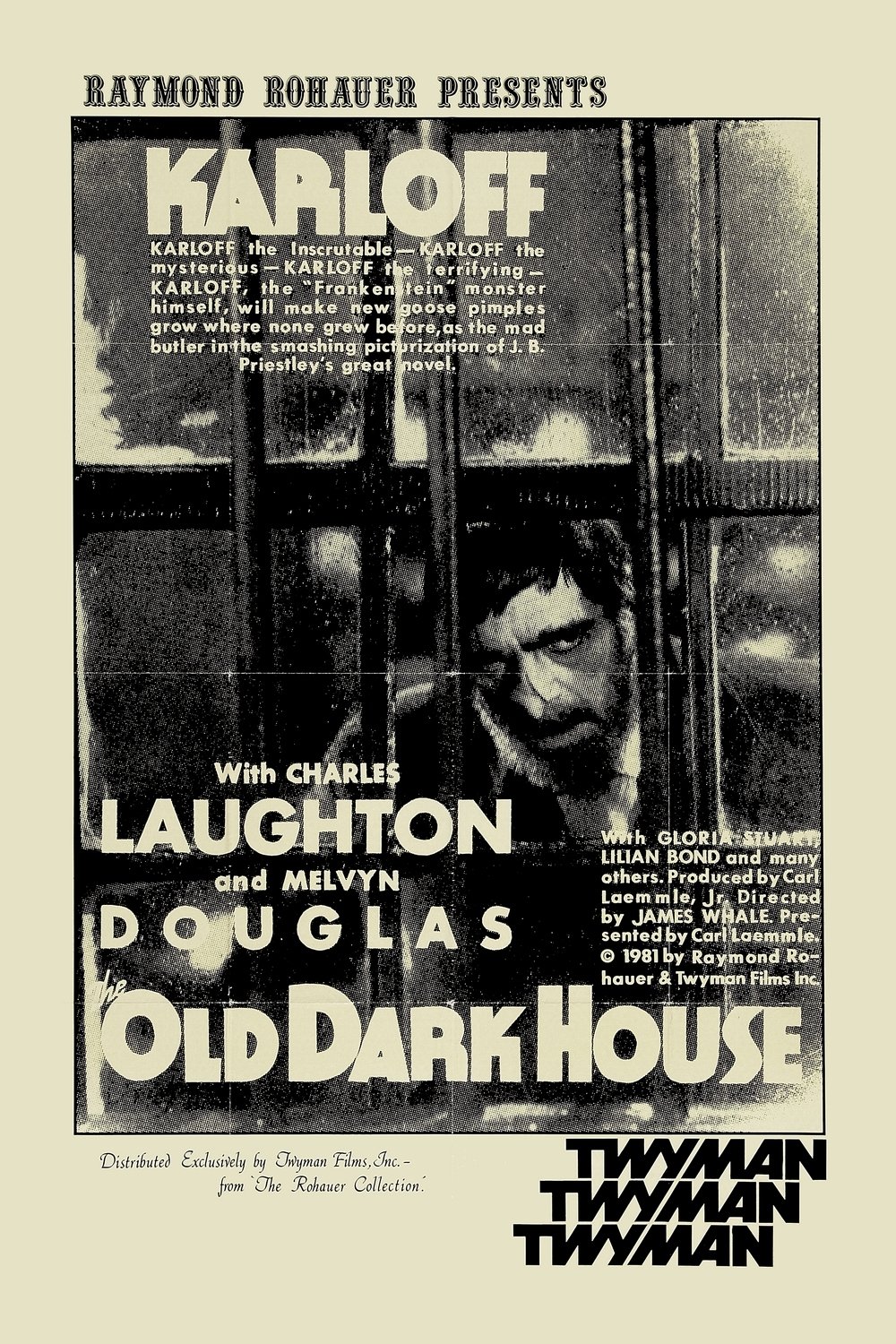
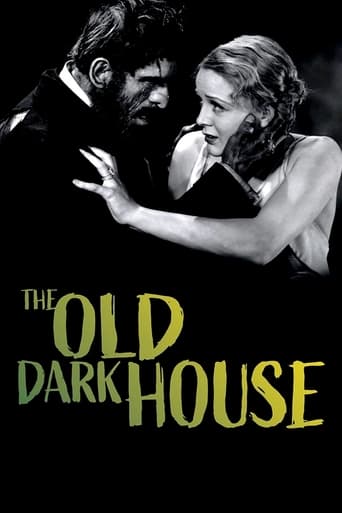
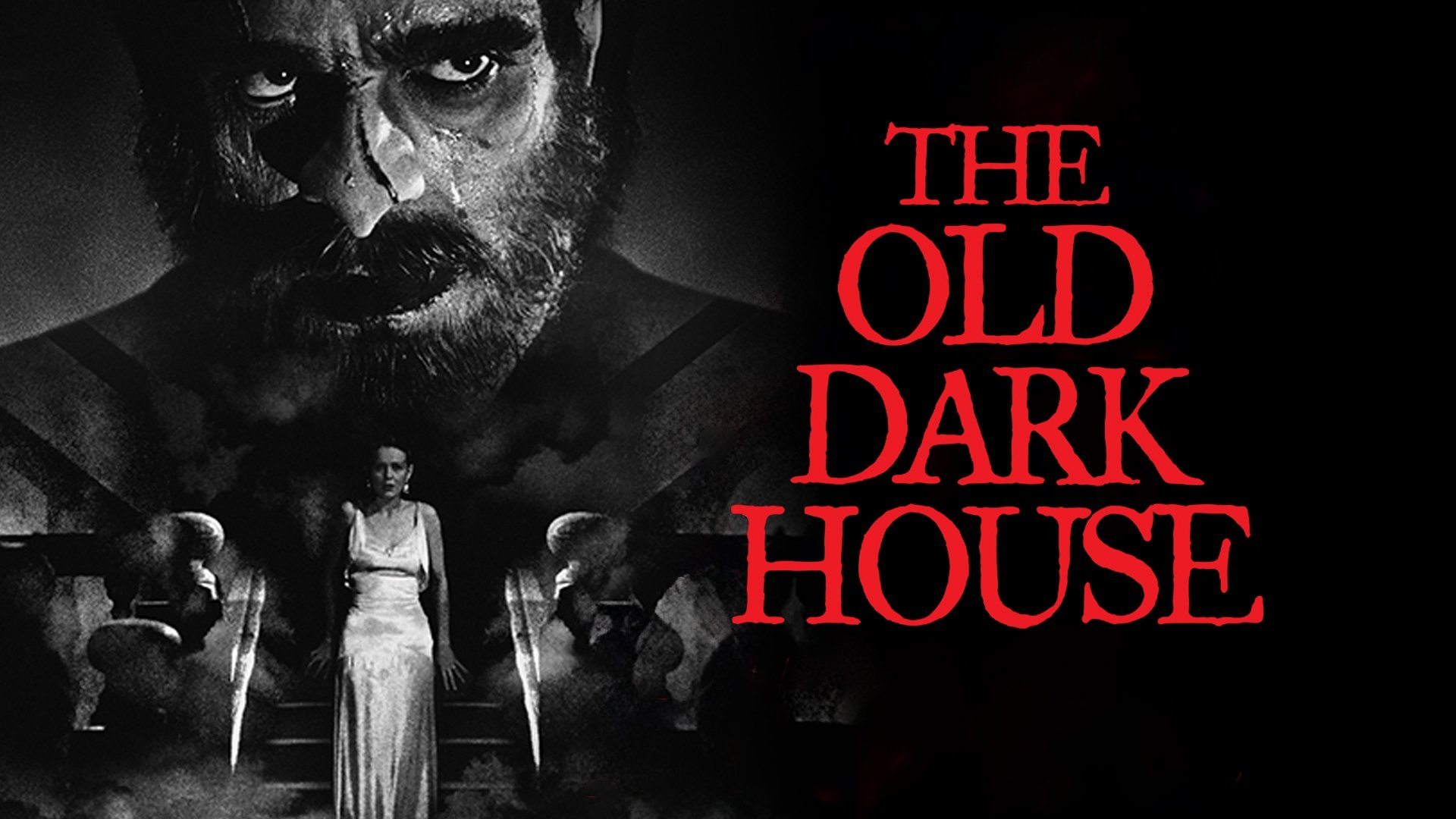
The Old Dark House (1932) poster
Director
Production Company
Universal Pictures
Plot

In a remote region of Wales, five travelers beset by a relentless storm find shelter in an old mansion.

Alternative Titles
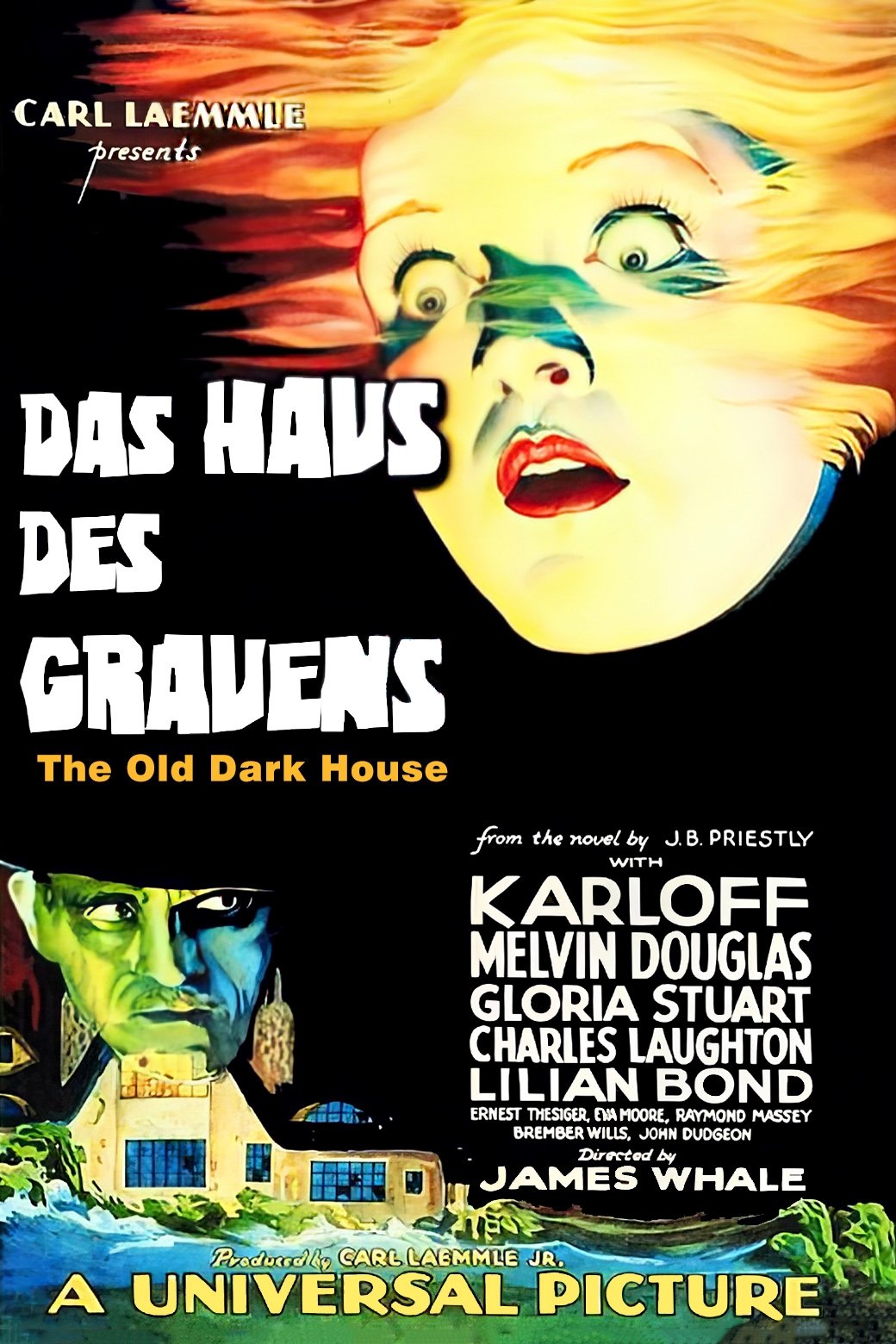
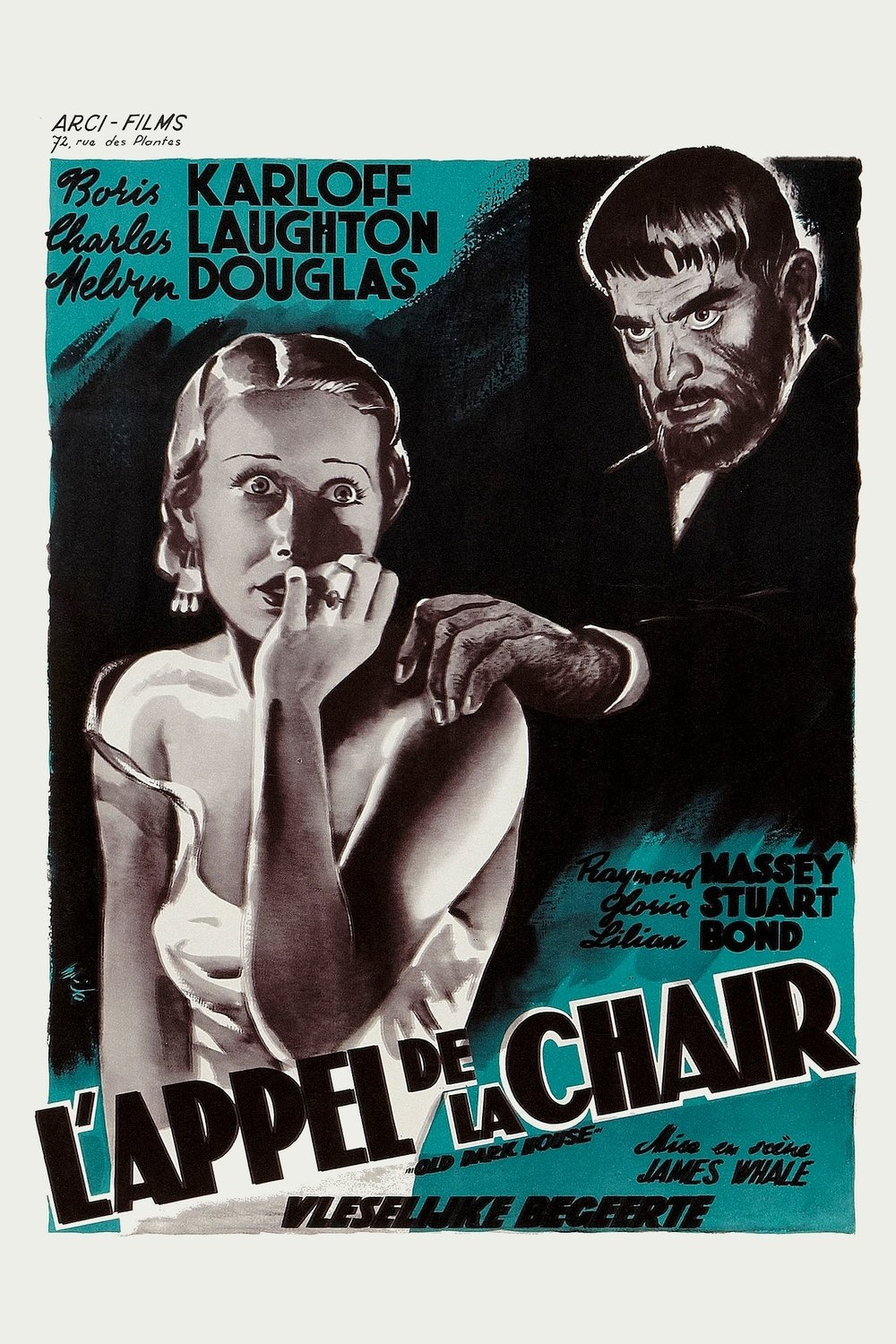
Das Haus des Schreckens (Austria) Köhnə Qaranlıq Ev (Azerbaijan) L'Appel de la chair (Belgium) — French title Vleselijke begeerte (Belgium) — Flemish title Старата тъмна къща (Bulgaria) — Bulgarian A Casa Sinistra (Brazil) — Portuguese 古屋失魂 (China) — Chinese Das alte finstere Haus (Germany) — Home Video Title
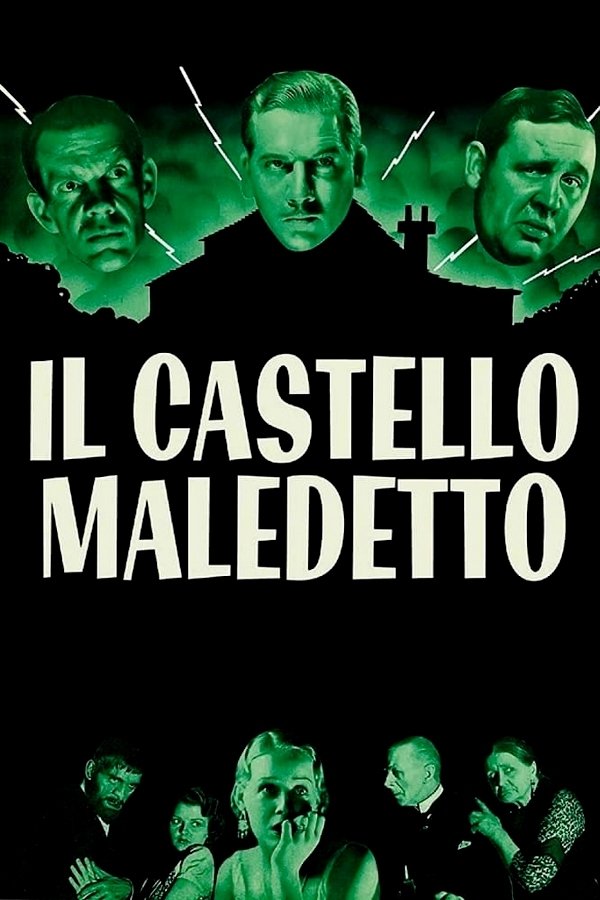
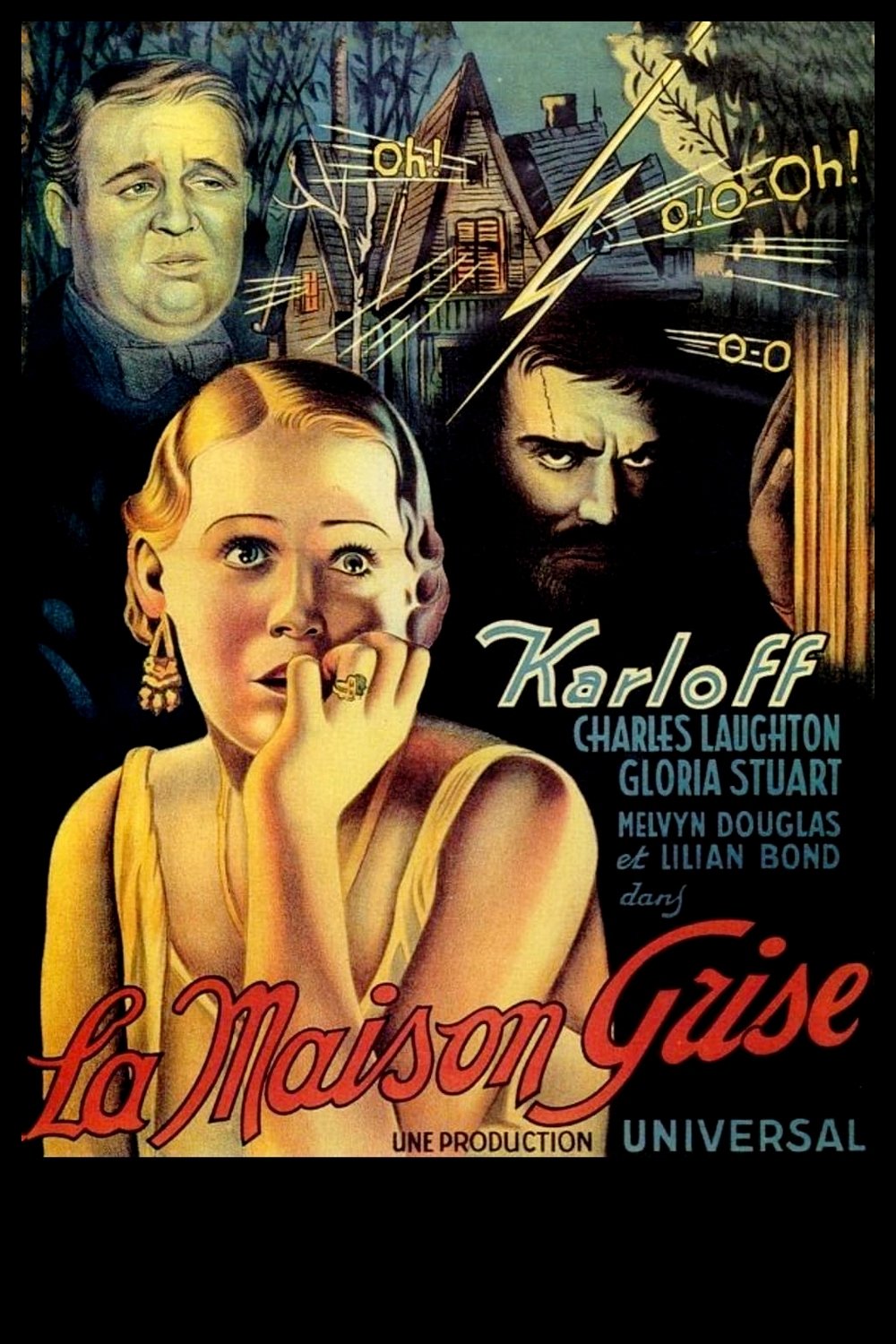
Show all 28 alternative titles Das Haus des Grauens (Germany) — German El caserón de las sombras (Spain) — Spanish La Maison de la mort (France) — Home Video Title La Maison grise (France) Une soirée étrange (France) — French Το σπίτι του μυστηρίου (Greece) — Greek Az öreg sötét ház (Hungary) — Hungarian בית ישן וחשוך (Israel) — Hebrew Il castello maledetto (Italy) — Italian 魔の家 (Japan) — Japanese 올드 다크 하우스 (South Korea) — Korean Vecā briesmīgā māja (Latvia) — Latvian La casa lúgubre (Mexico) In de macht van het monster (Netherlands) — Dutch Stary mroczny dom (Poland) — Polish O noapte de groază (Romania) — Romanian Старый страшный дом (Russia) — Russian Överraskade av natten (Sweden) Eski Karanlık Ev (Türkiye) Dinh Thự Của Những Bóng Ma (Vietnam)

Trailers & Videos

7 videos

Film Guide & Analysis

James Whale turned a storm, an isolated Welsh mansion and the grotesque Femm family into an enduring model for horror stories about strangers trapped for one night inside a house that should never have offered shelter.

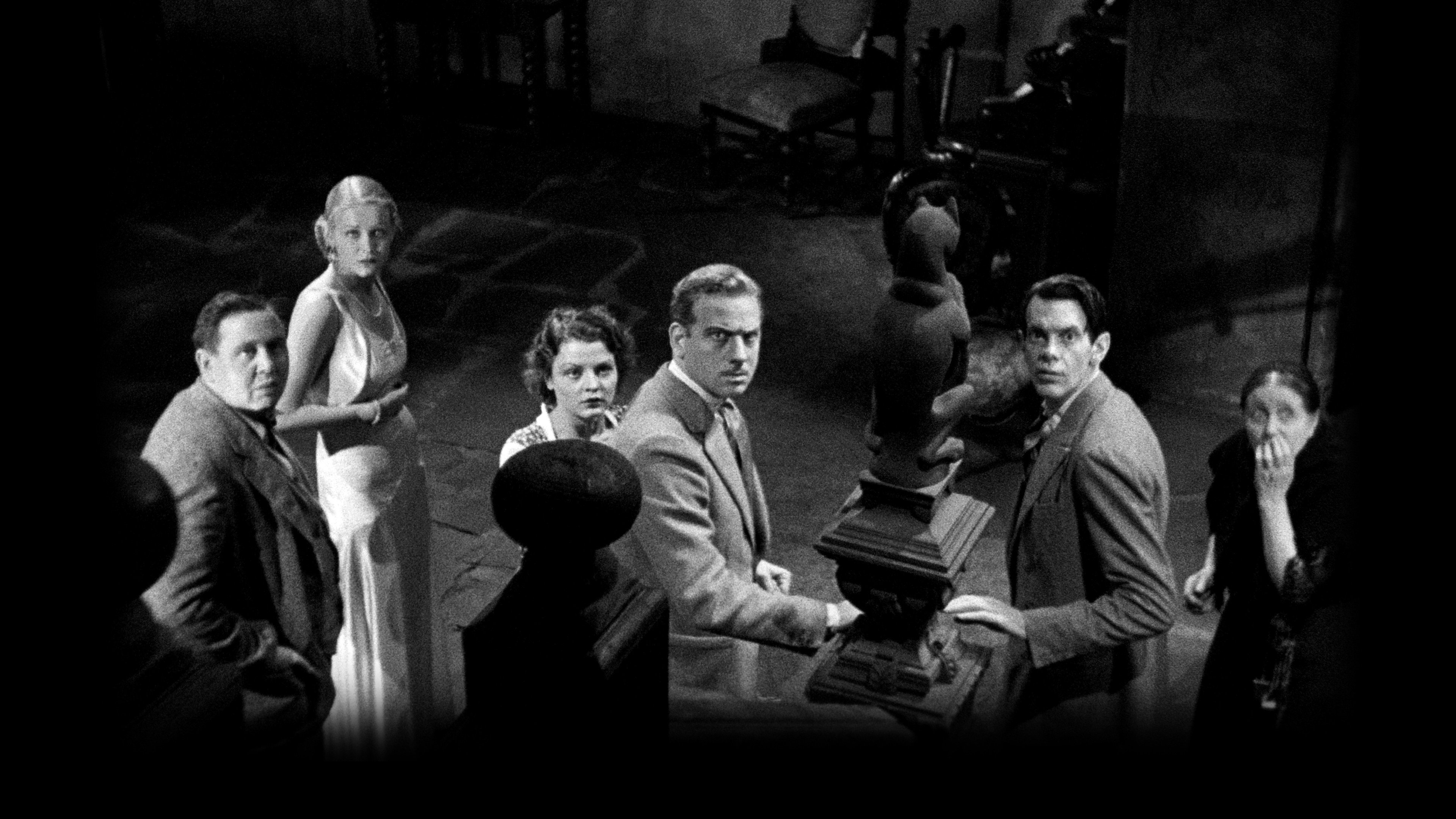
The Old Dark House takes one of the simplest structures in horror and demonstrates how much instability can be contained within it. Five travelers are stranded by a violent storm in rural Wales and seek shelter inside the isolated home of the Femm family. Nothing in the basic situation requires a supernatural explanation. The danger comes from people, from the architecture separating one room from another and from the growing realization that hospitality has placed the visitors inside a family system they do not understand. James Whale uses the house as a stage on which politeness, sexual tension, religious repression, class resentment, comedy and physical threat repeatedly collide.

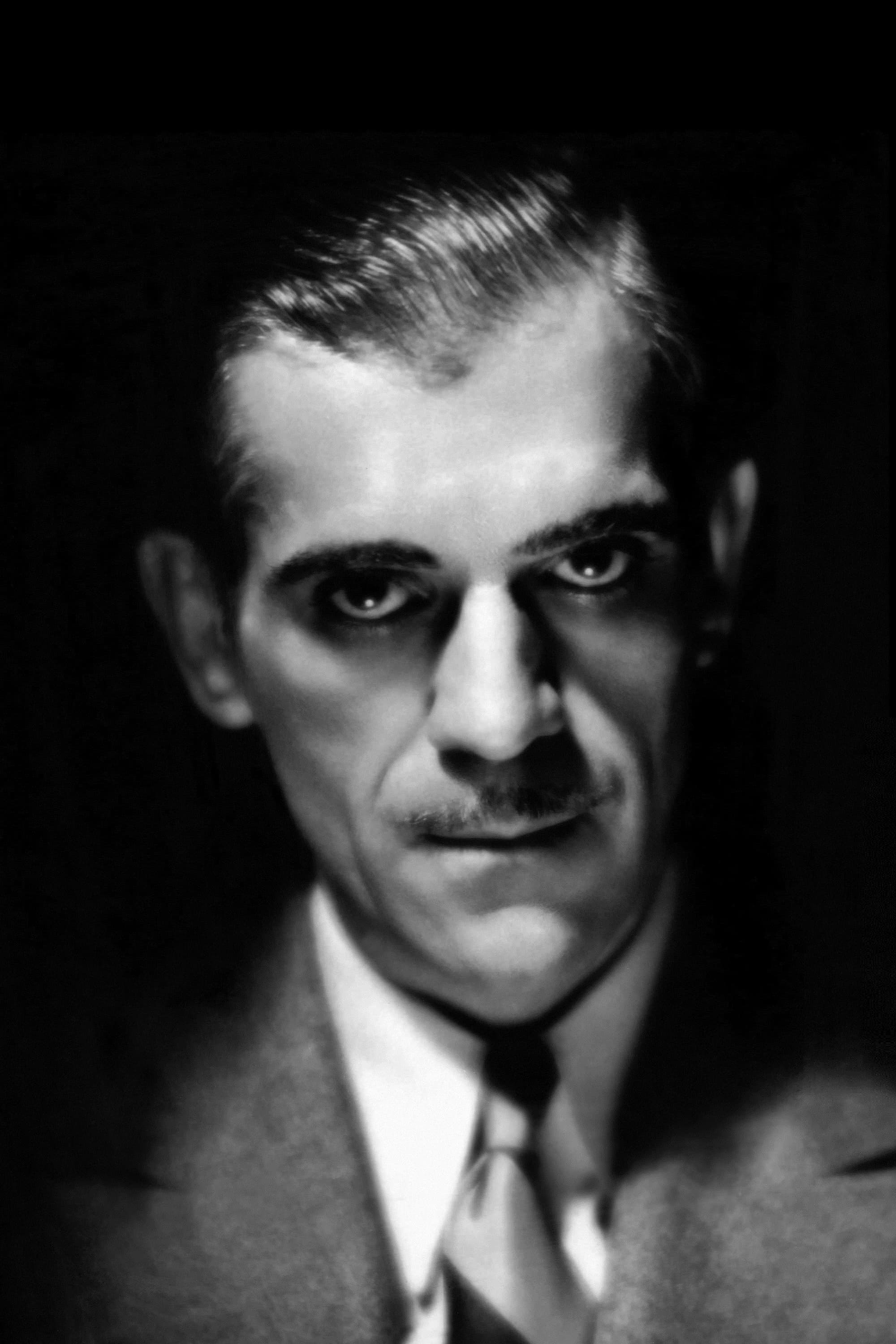
Released in 1932 after Frankenstein, the film is simultaneously Gothic horror and a highly controlled black comedy. Boris Karloff appears as the scarred mute servant Morgan, but Whale refuses to organize the story around a single monster. Horace Femm is nervous and evasive, Rebecca is consumed by religious severity, the ancient Roderick observes the household from an upstairs room and Saul remains hidden until late in the night. Each new discovery alters the meaning of the house without resolving it. The film subsequently became an important model for the entire tradition suggested by its title: travelers, a storm, a remote mansion, eccentric inhabitants and danger waiting behind a locked door.

From Benighted to Universal Horror

The film is based on J. B. Priestley's 1927 novel Benighted, a work shaped by the social and emotional disillusionment of Britain after the First World War. Benn W. Levy adapted the novel for Universal, with R. C. Sherriff credited by AFI for additional dialogue. Whale had already established his value to the studio through Frankenstein, but The Old Dark House gave him material closer to British theatrical comedy and social satire while still allowing Universal to market another production around Gothic atmosphere and Boris Karloff.

The screenplay retains the fundamental arrangement of strangers forced together by extreme weather and adds a particularly cinematic emphasis on the strange behavior of the Femm household. The visitors do not enter because they are investigating a mystery. They simply need shelter. That absence of heroic purpose is important. Horror interrupts an ordinary journey and traps people of different classes and temperaments in a place where the normal rules of social interaction become increasingly unreliable.

Whale uses the premise to move constantly between menace and absurdity. Horace can offer potatoes with almost ceremonial seriousness while the building appears ready to collapse around him. Rebecca can move from religious condemnation to invasive fascination with another woman's body. Morgan can seem like the obvious physical threat only for another member of the family to prove even more dangerous. The house therefore operates as a comic mechanism and a horror mechanism at the same time.
Storm, House and Confinement

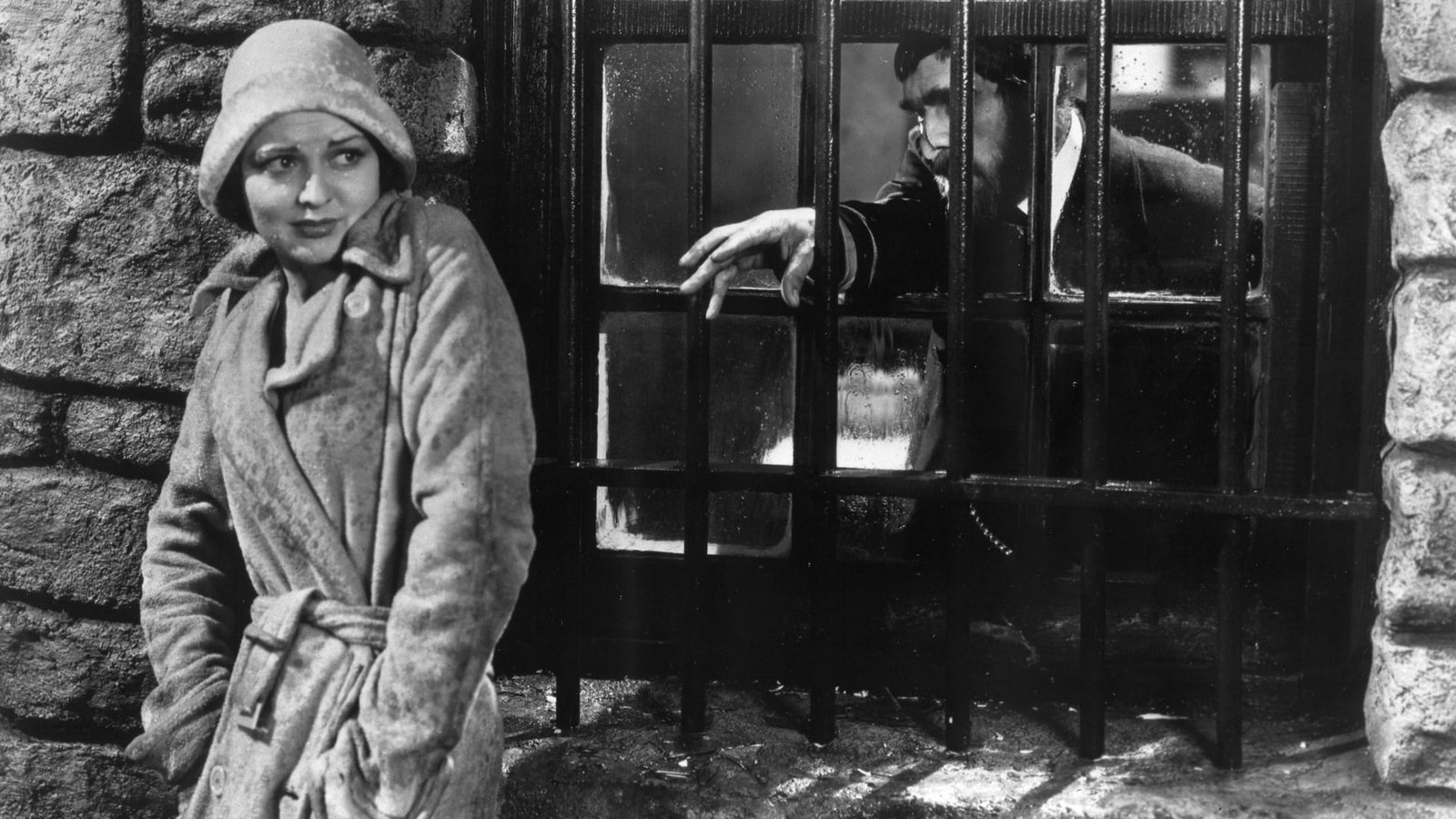
The opening establishes nature as the force that removes choice. Rain, mud, landslides and darkness make continued travel impossible, so the house becomes the only available refuge. Arthur Edeson photographs the storm and interior spaces with the same attention to instability. Water distorts the exterior world while shadows and architectural divisions complicate the interior. Once the guests enter, safety becomes a question of which room offers the best chance of survival, with danger everywhere.

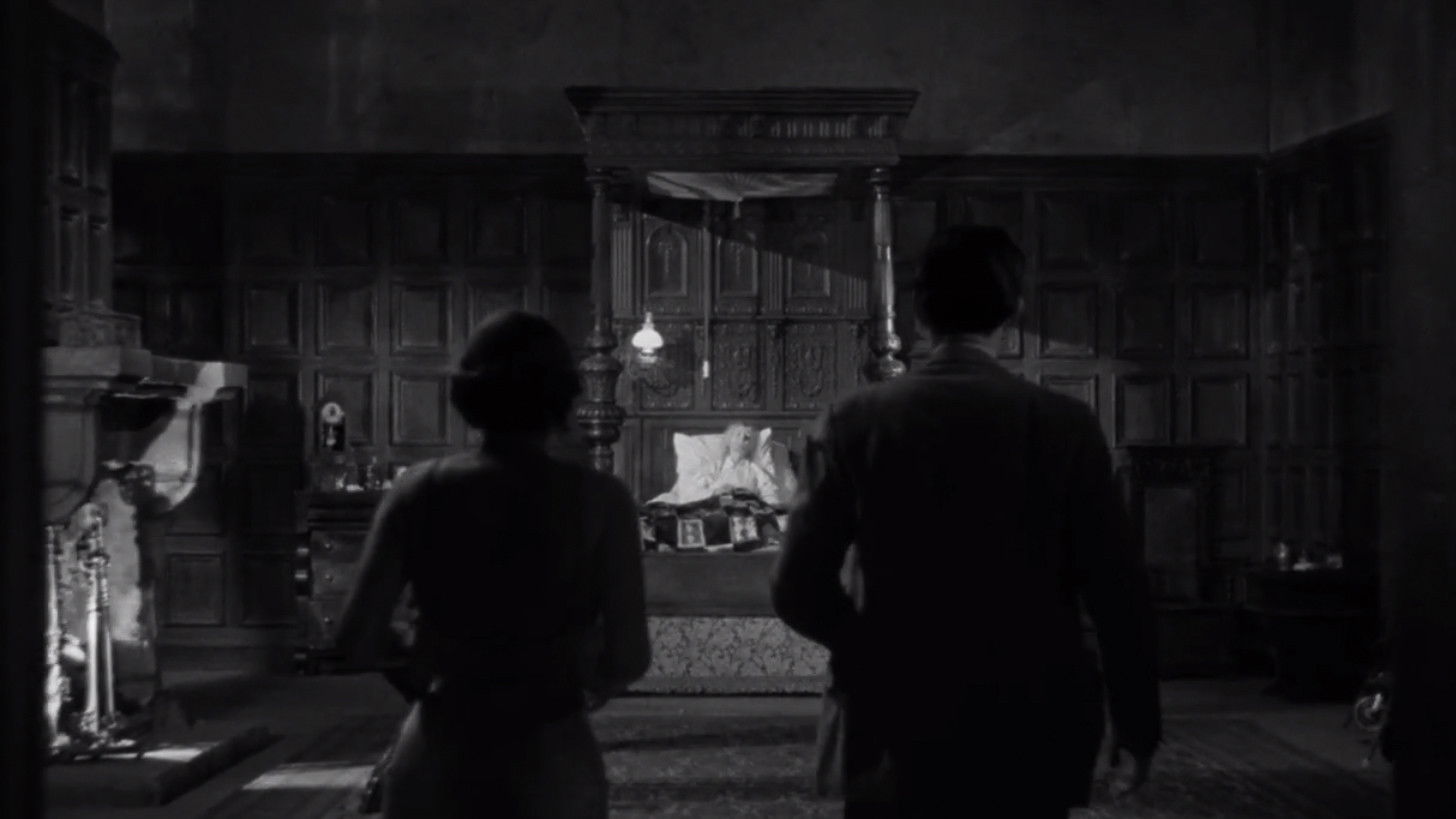
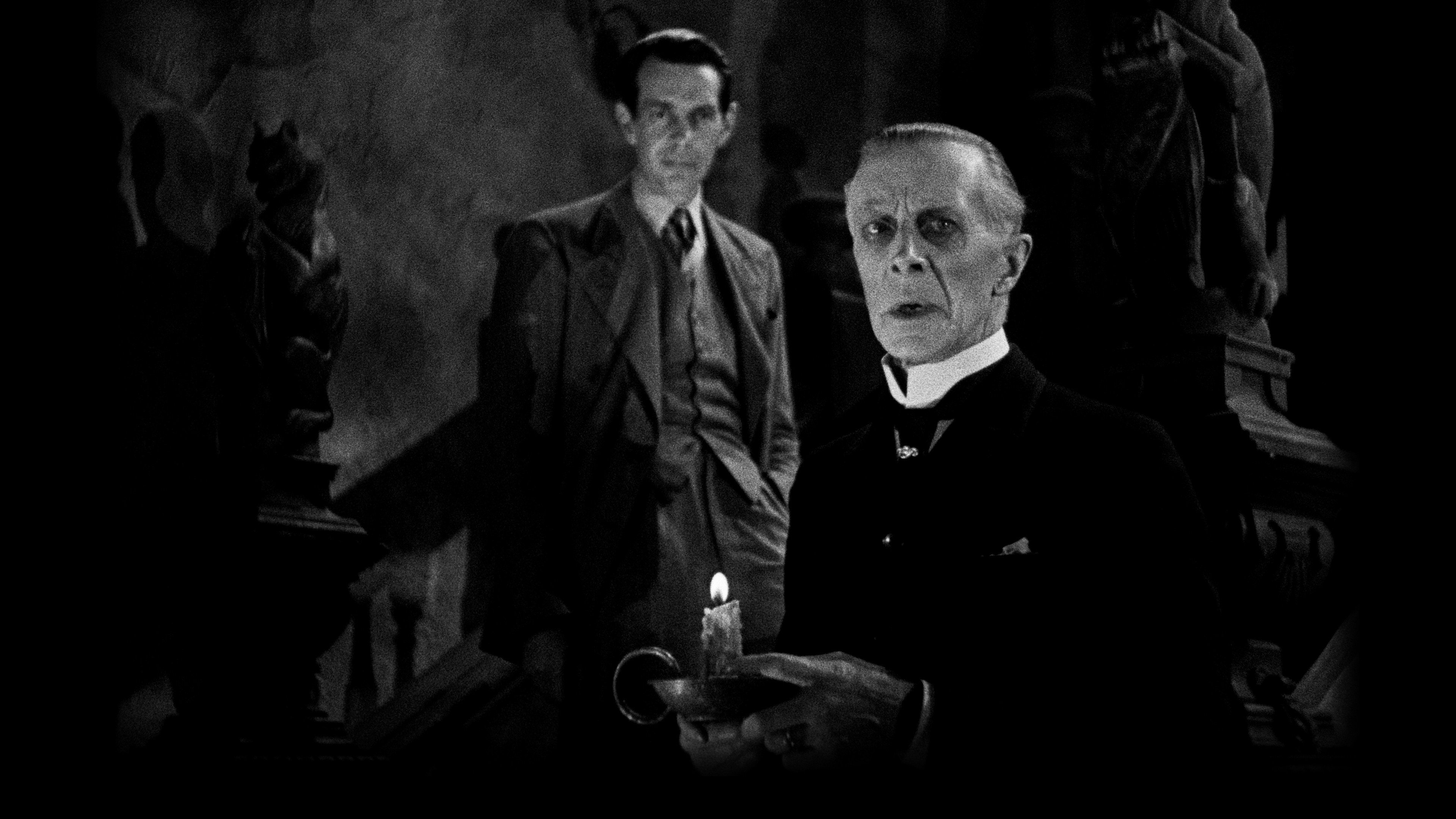
The house is especially effective because it does not depend on ghosts. Doors, stairs and locked rooms create suspense through ordinary physical separation. Someone can always be above, behind or beyond the visible space. Whale repeatedly delays information about the upper levels of the building, making vertical movement feel like an approach toward increasingly private and unstable parts of the family. Roderick and Saul exist first as possibilities within the architecture before they become fully visible characters.

This structure became foundational for later old-dark-house films. The isolated building contains an eccentric family, the weather prevents escape and each new room promises another secret. Later cinema would repeat those mechanisms with ghosts, killers, inheritance plots and supernatural curses, but Whale demonstrates that the architecture alone can organize suspense. The house is frightening because it concentrates incompatible people and removes the ordinary possibility of leaving them.

Karloff and the Femm Family

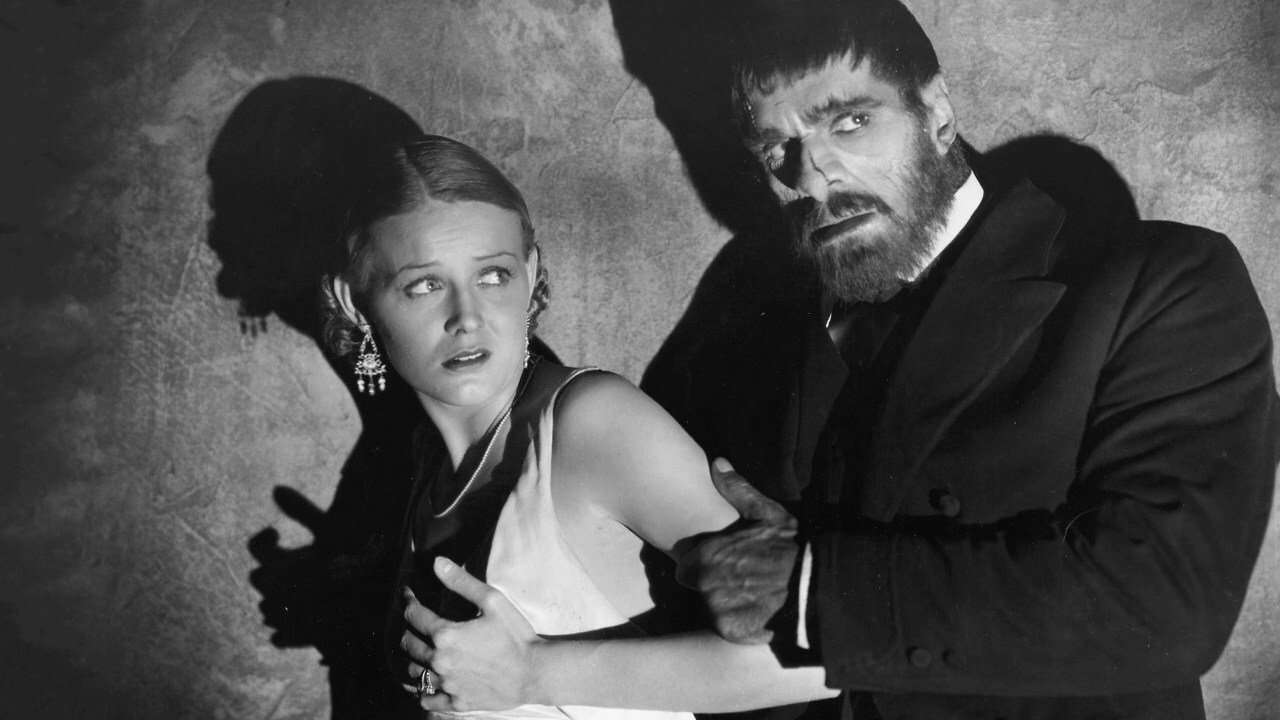
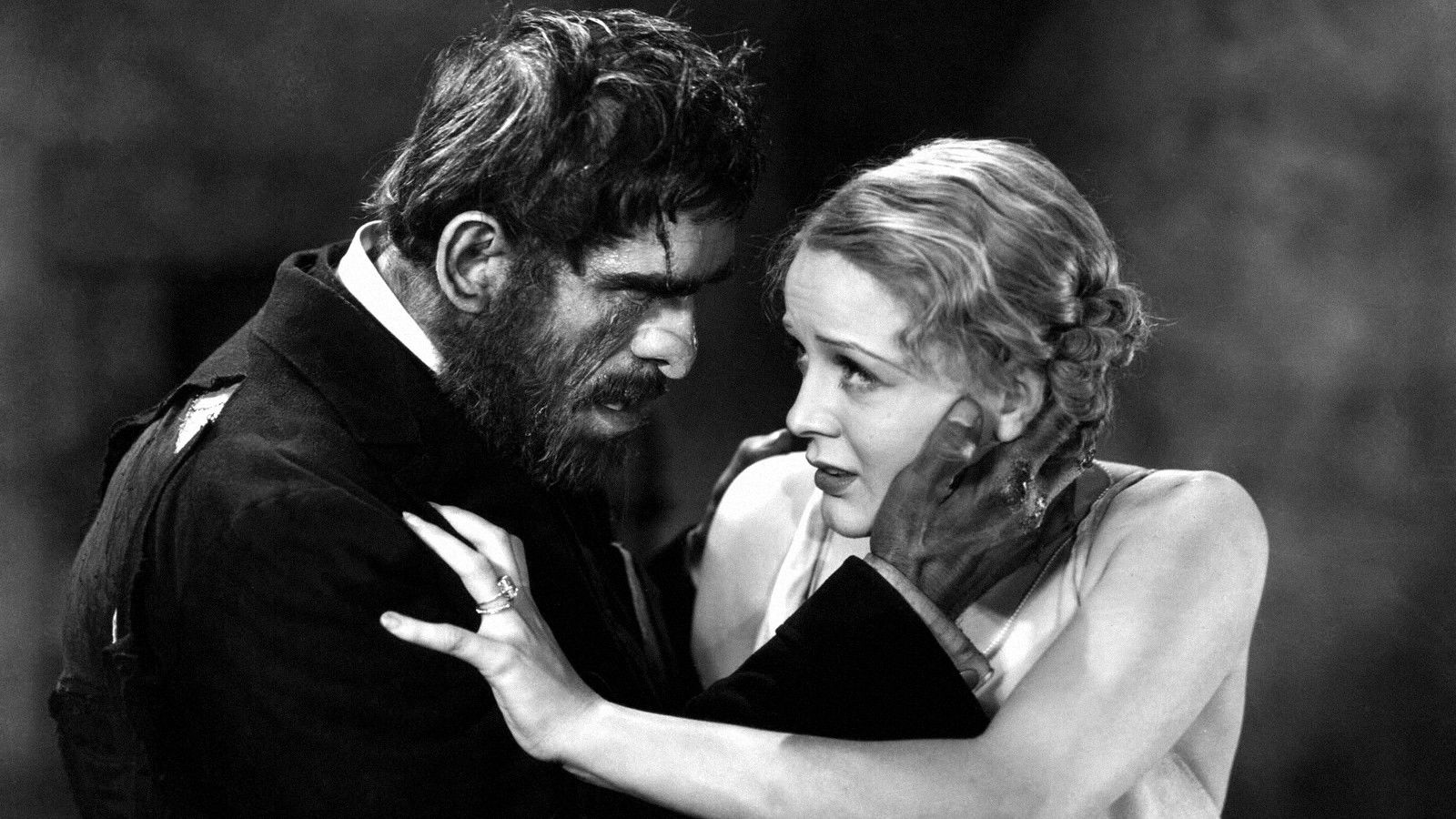
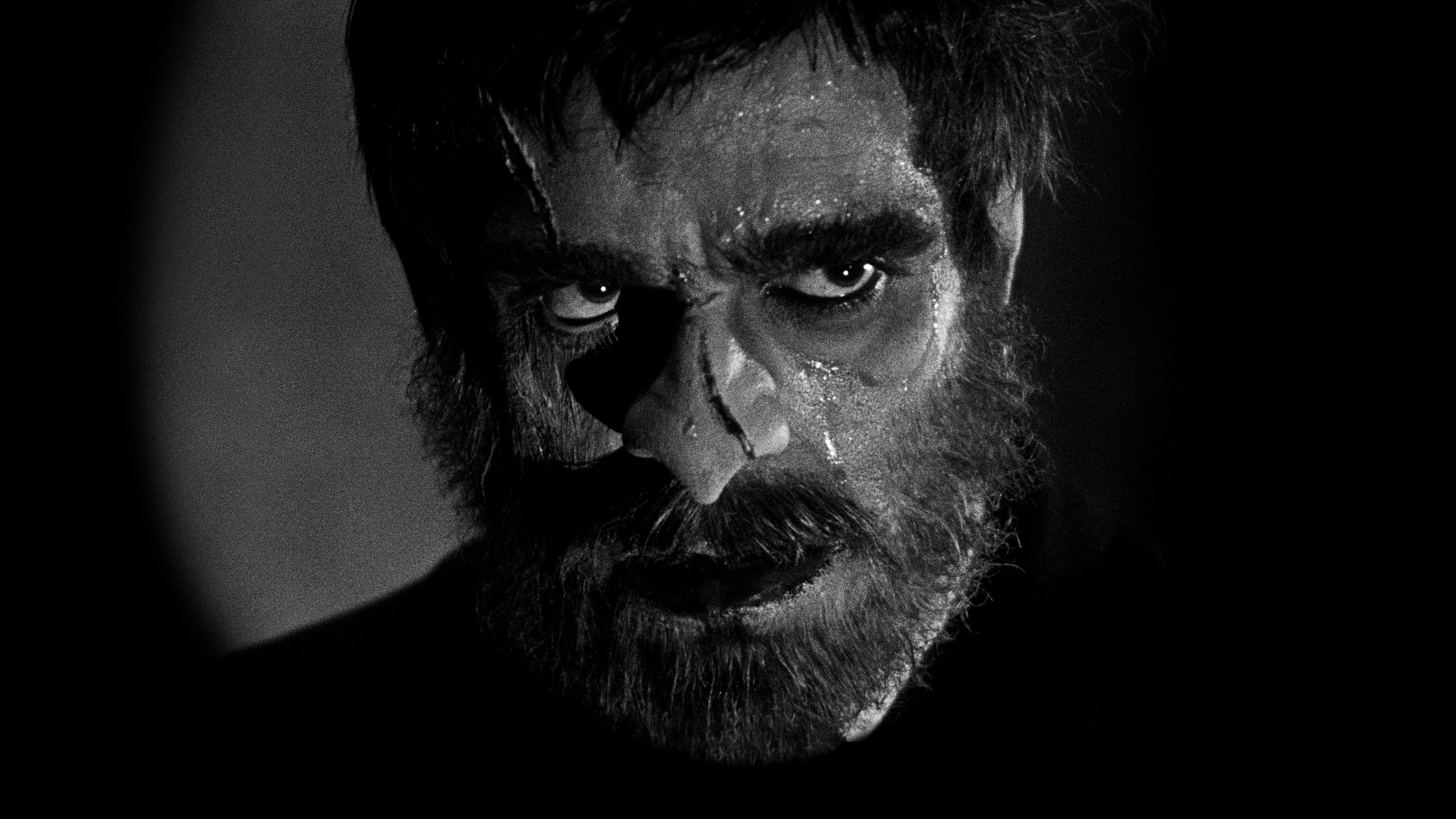
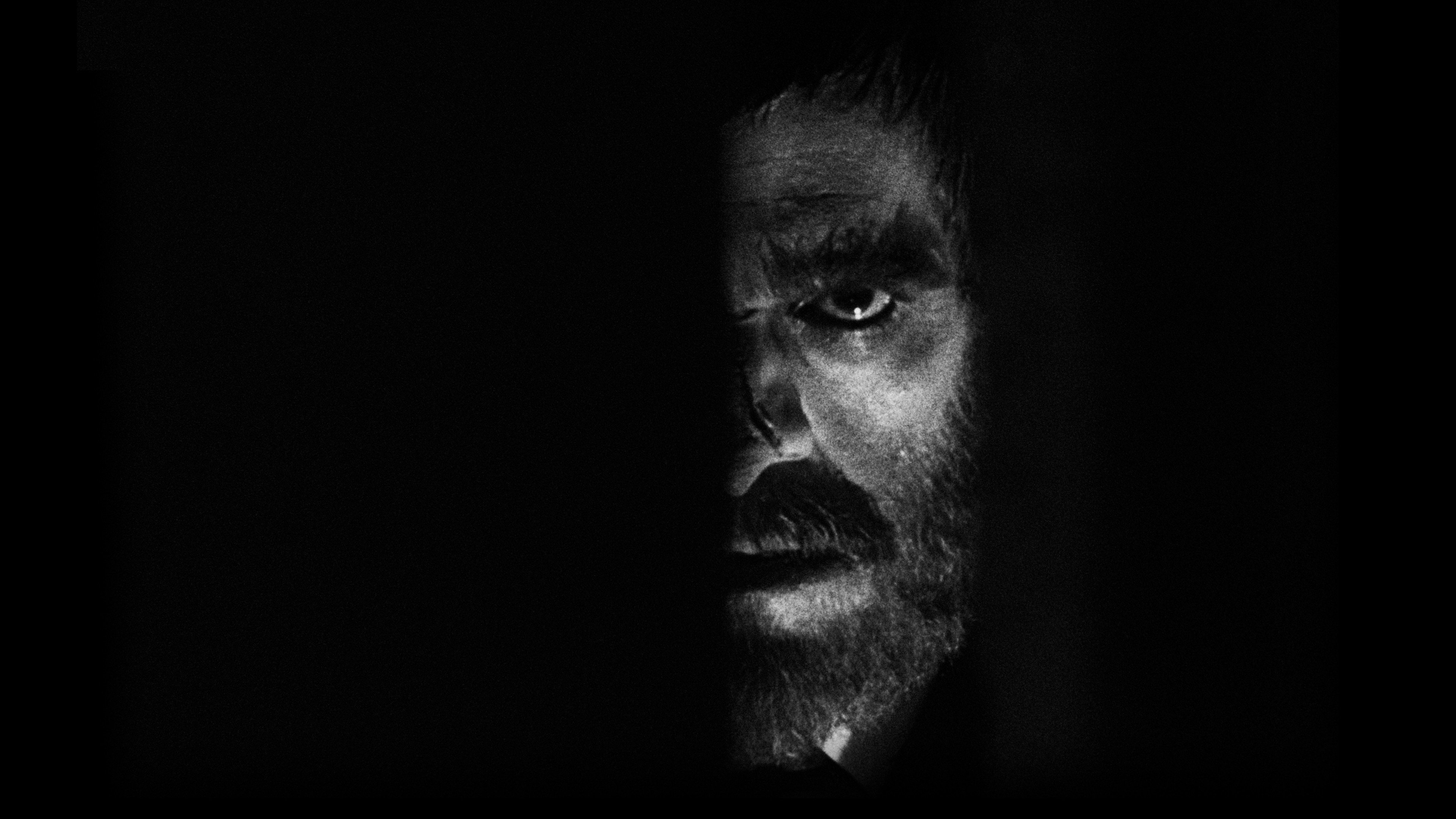
Karloff followed the Monster in Frankenstein with a role that uses many of the same physical resources while creating a very different character. Morgan is mute, scarred, physically imposing and initially positioned as the obvious danger in the house. Universal even emphasized that the performer was the same Karloff who had played the Frankenstein Monster. Yet Morgan is only one part of the Femm system, and the film gradually undermines the expectation that the most visibly threatening person must also be the most dangerous.

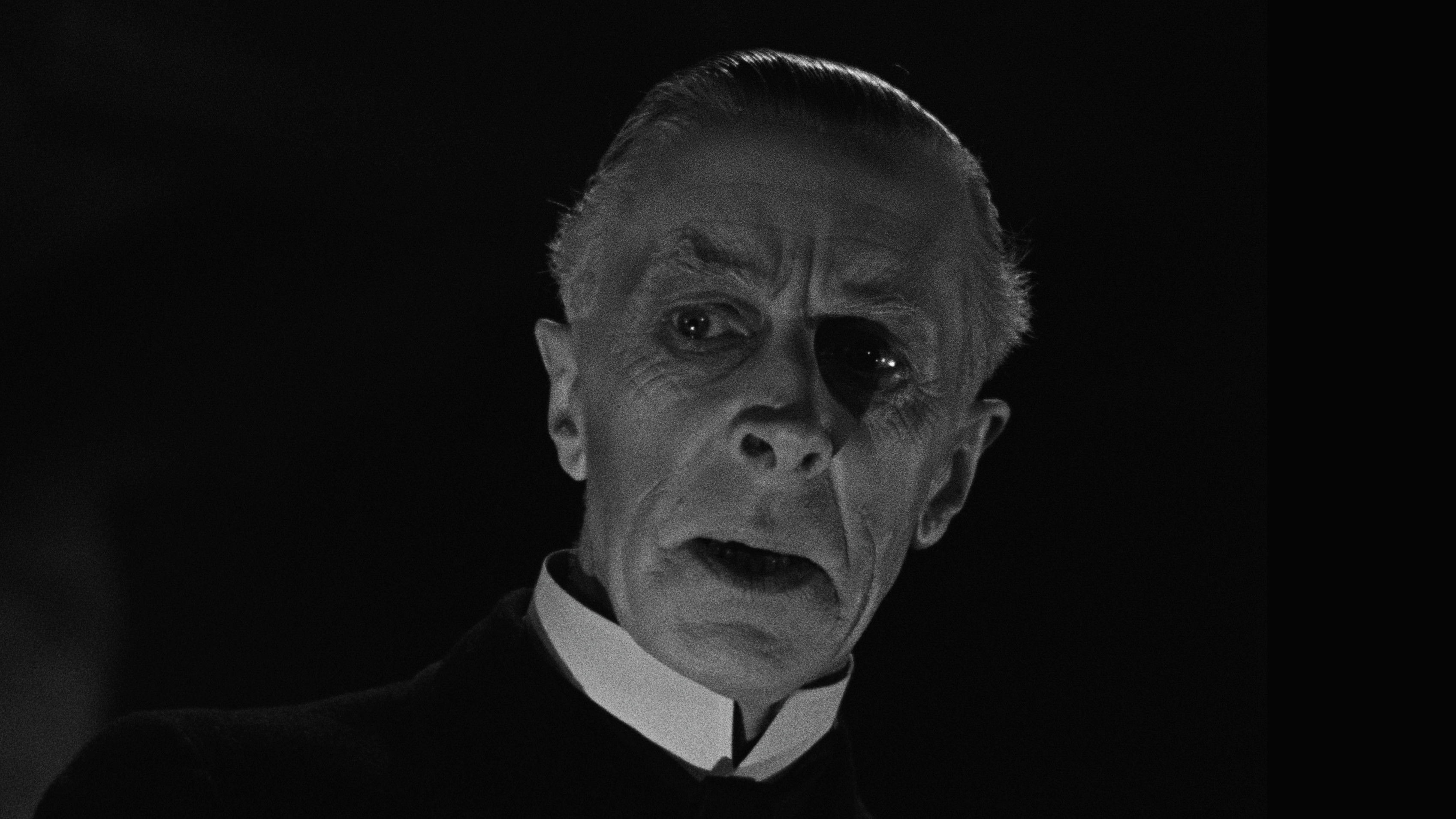
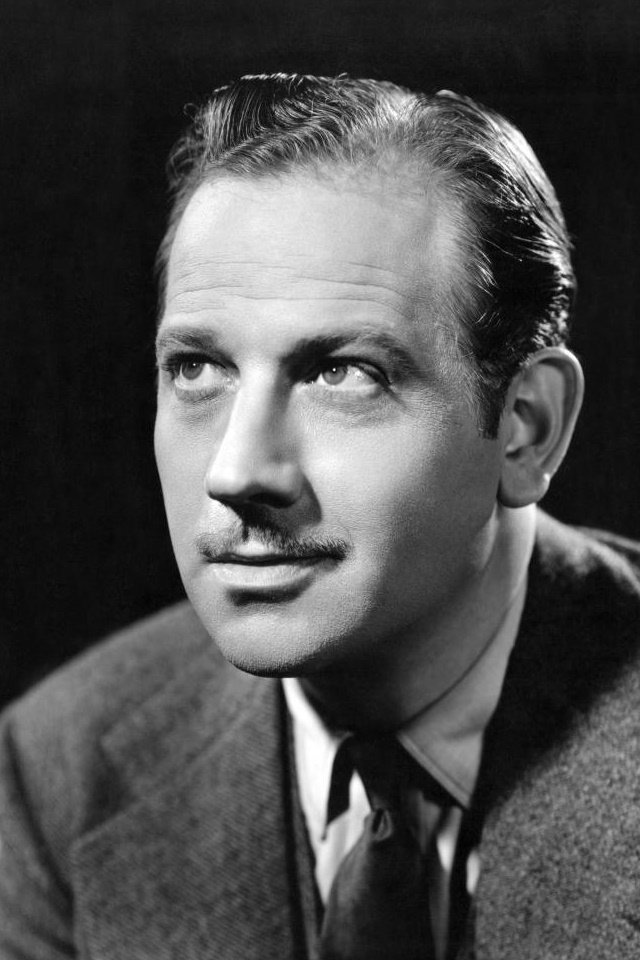
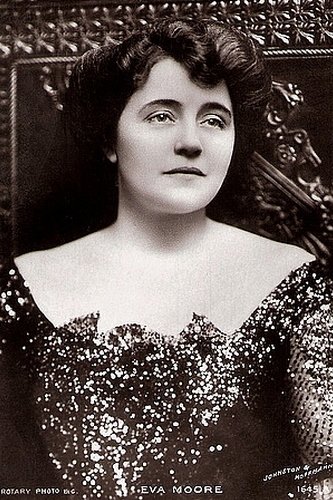
Ernest Thesiger gives Horace Femm a mixture of nervous courtesy, evasiveness and theatrical precision that anticipates some of the qualities he would later bring to Doctor Pretorius in Bride of Frankenstein. Eva Moore plays Rebecca as a severe religious presence who treats pleasure, sexuality and physical beauty as evidence of decay. The oldest Femm, Sir Roderick, is played by Elspeth Dudgeon and was credited under the masculine name John Dudgeon, adding another layer of deliberate instability to the household.

Saul completes the structure by reversing expectations once again. Hidden for most of the night, he initially appears calmer and more approachable than the relatives who have warned against him. That appearance proves dangerously misleading. The progression makes the Femm family less a collection of individual villains than an environment in which appearances never provide dependable moral information. Normal social judgments repeatedly fail inside the house.

Pre-Code Horror and Black Comedy

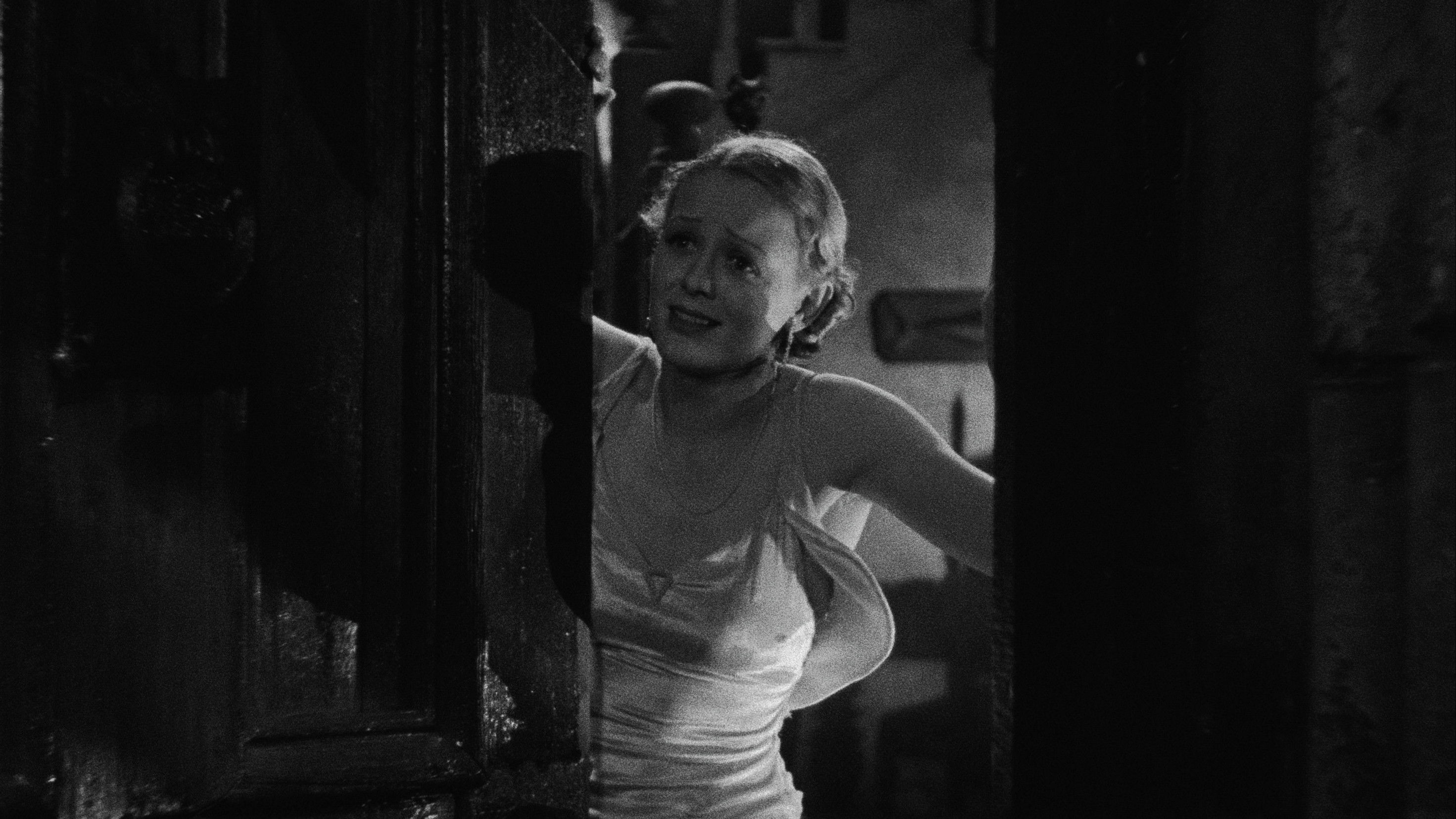
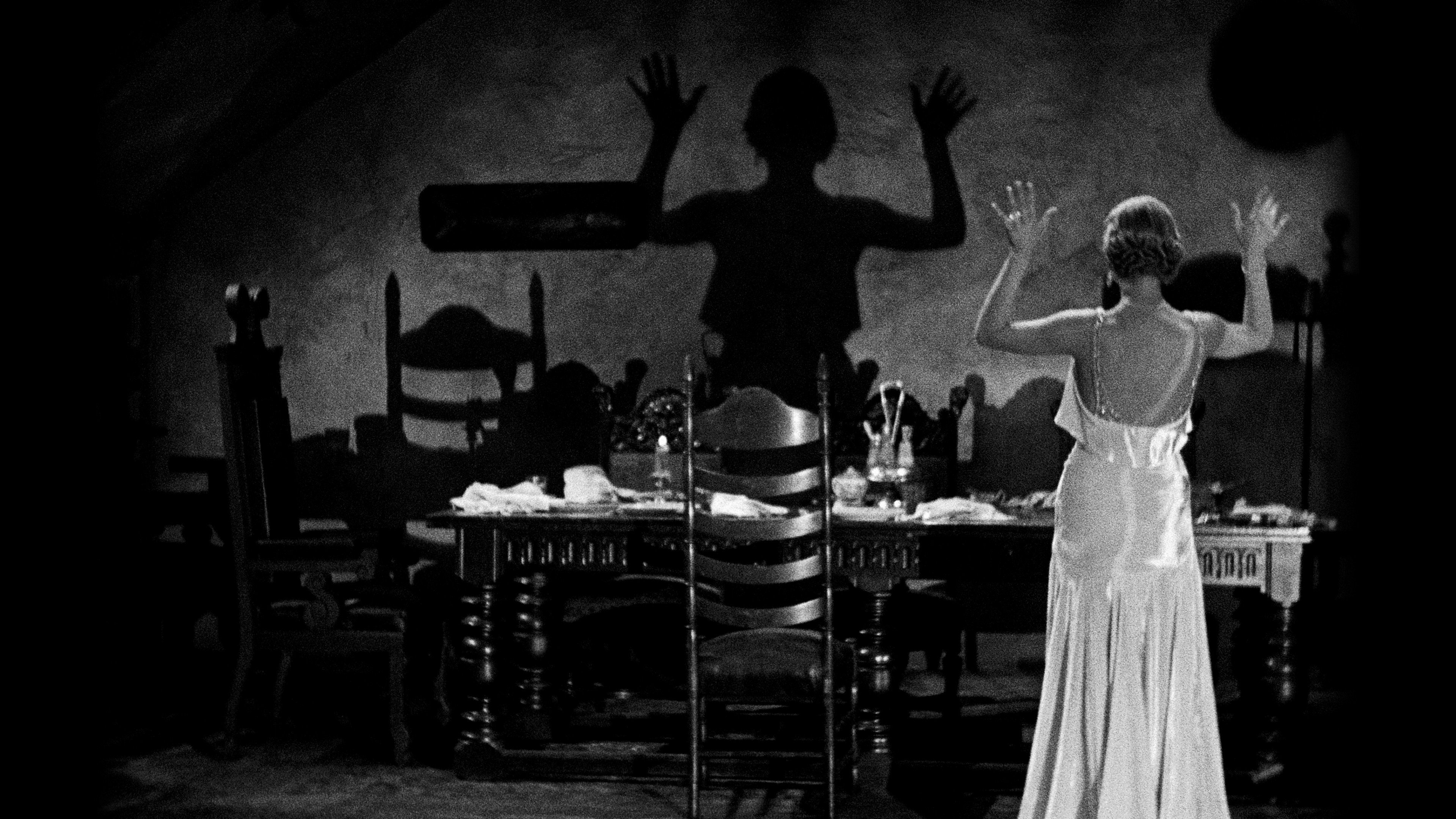
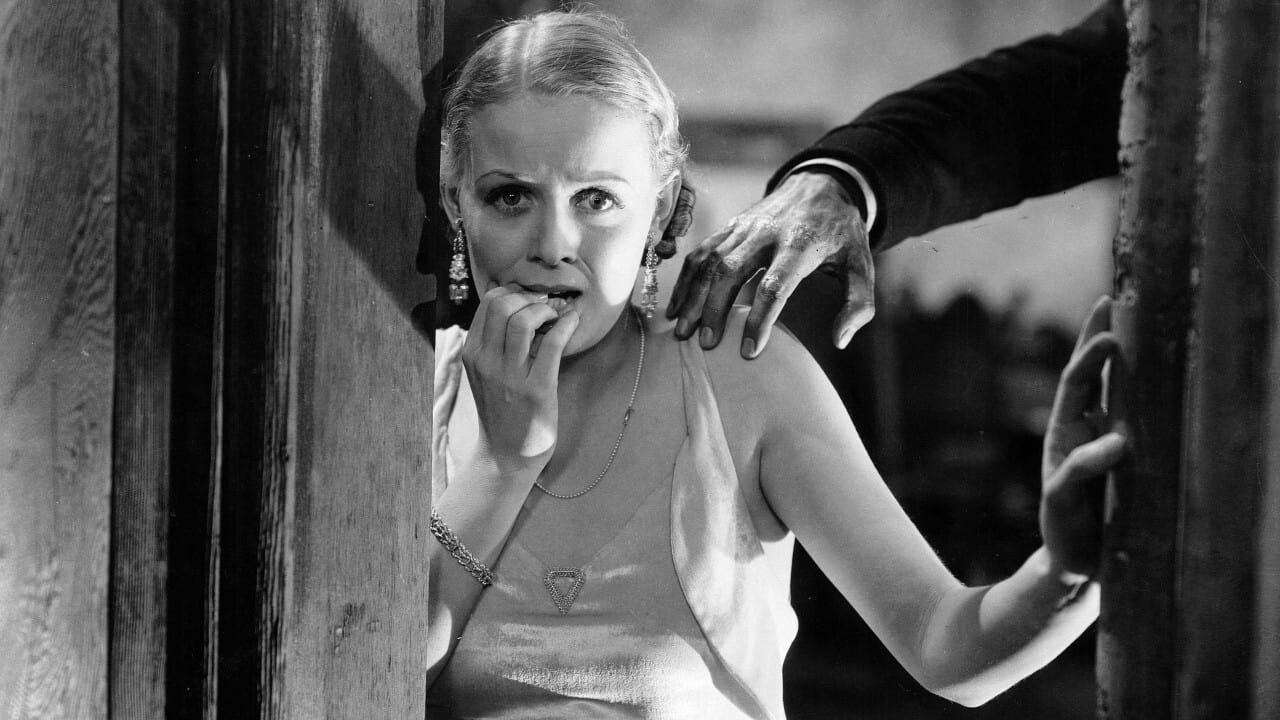
The Old Dark House was made before enforcement of the Production Code became substantially stricter in Hollywood, and Whale uses that freedom in ways that remain striking. Religious repression, attraction, gender performance and social embarrassment continually enter scenes that might otherwise function as straightforward suspense. Rebecca's inspection of Margaret's evening dress and exposed skin is simultaneously comic, invasive and threatening, turning moral condemnation into a scene charged with physical attention.

The film also refuses the solemnity often associated with later Gothic horror. Characters respond to danger with irritability, jokes, flirtation and awkward conversation. Porterhouse's apparent vulgarity gradually reveals grief over his dead wife, while Penderel and Gladys establish intimacy during a night that may kill them. Comedy becomes part of the film's shifting atmosphere of suspicion and threat. It exposes how people continue performing class, sexuality and politeness even when the social environment around them has become absurd.

Whale uses those tensions to make the film difficult to reduce to a single tone. Morgan can be frightening and pathetic. Horace can be ridiculous and sinister. The visitors can behave frivolously while facing real violence. This instability became one of Whale's defining contributions to horror. The genre did not need to choose permanently between laughter and fear; each response could make the other more uncomfortable.

Visual Style and Performance

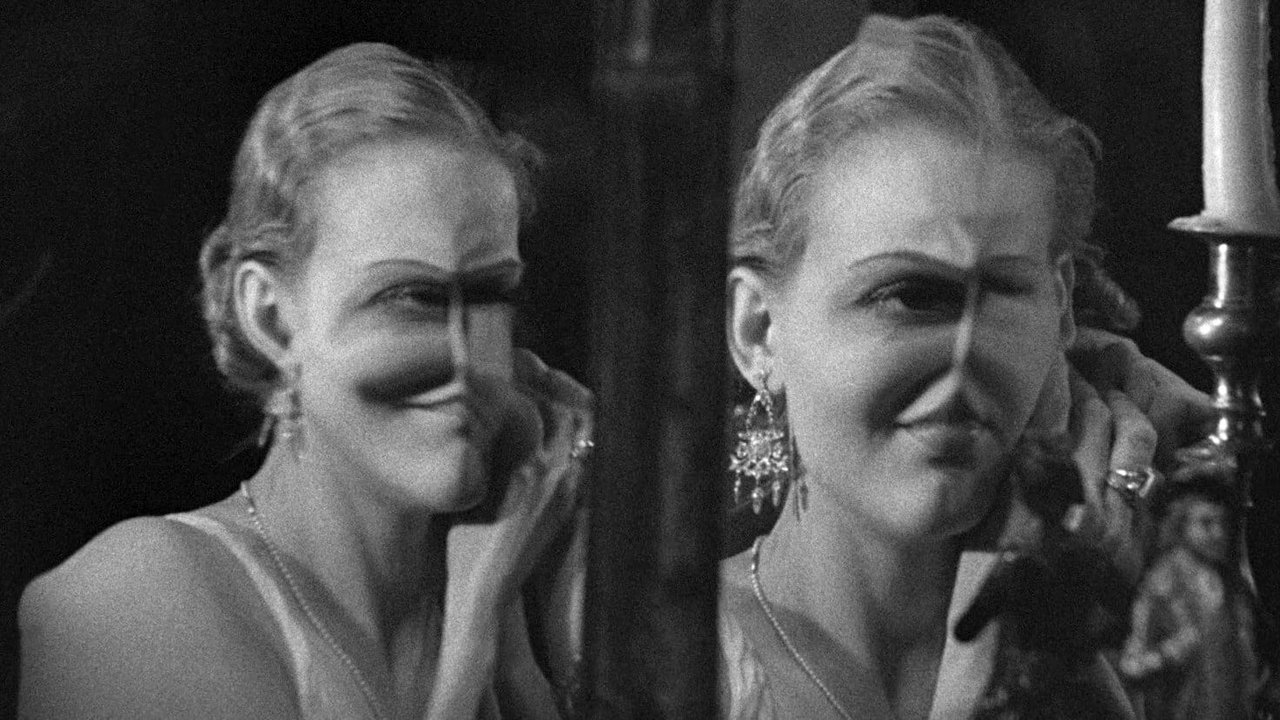
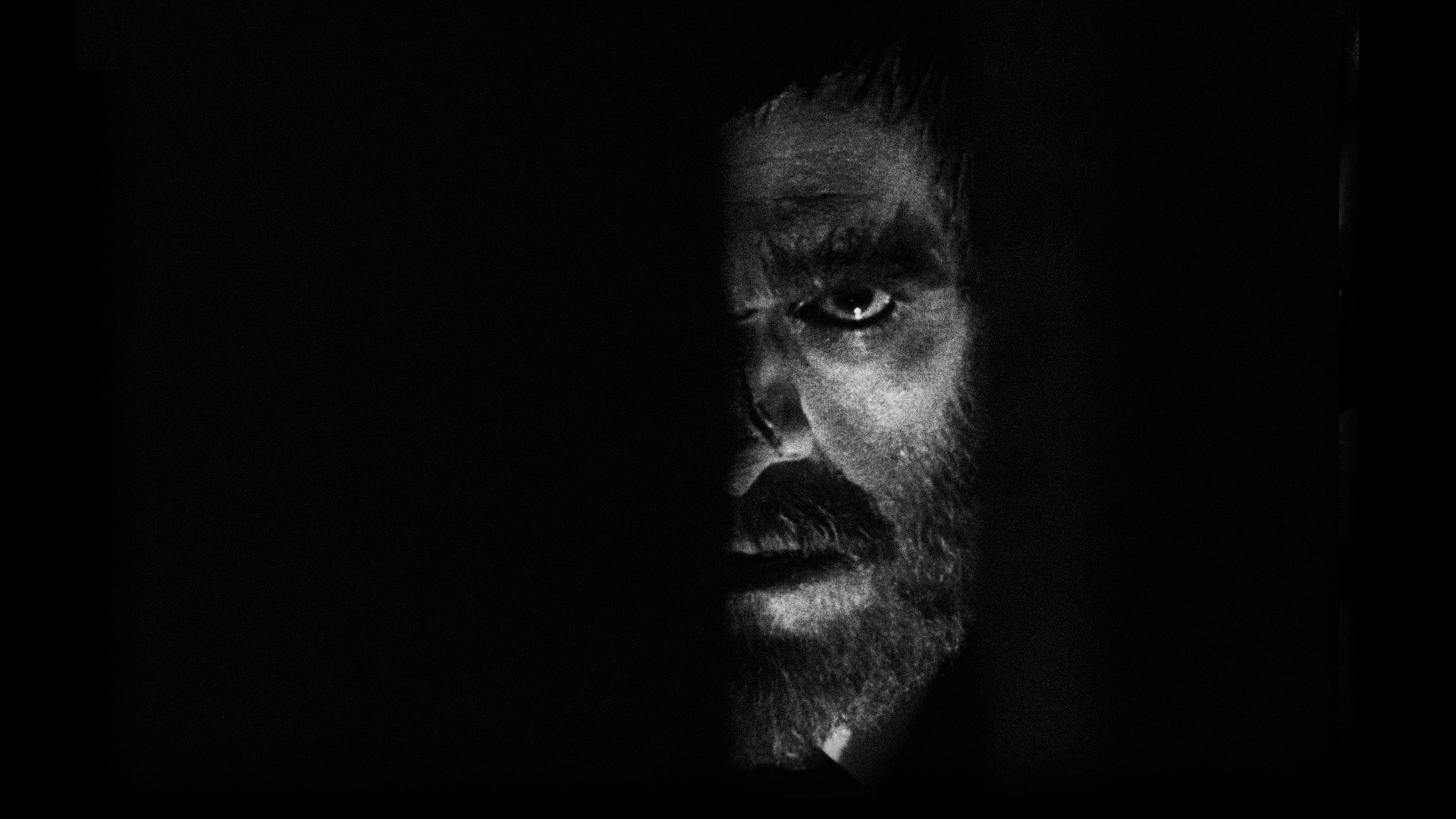
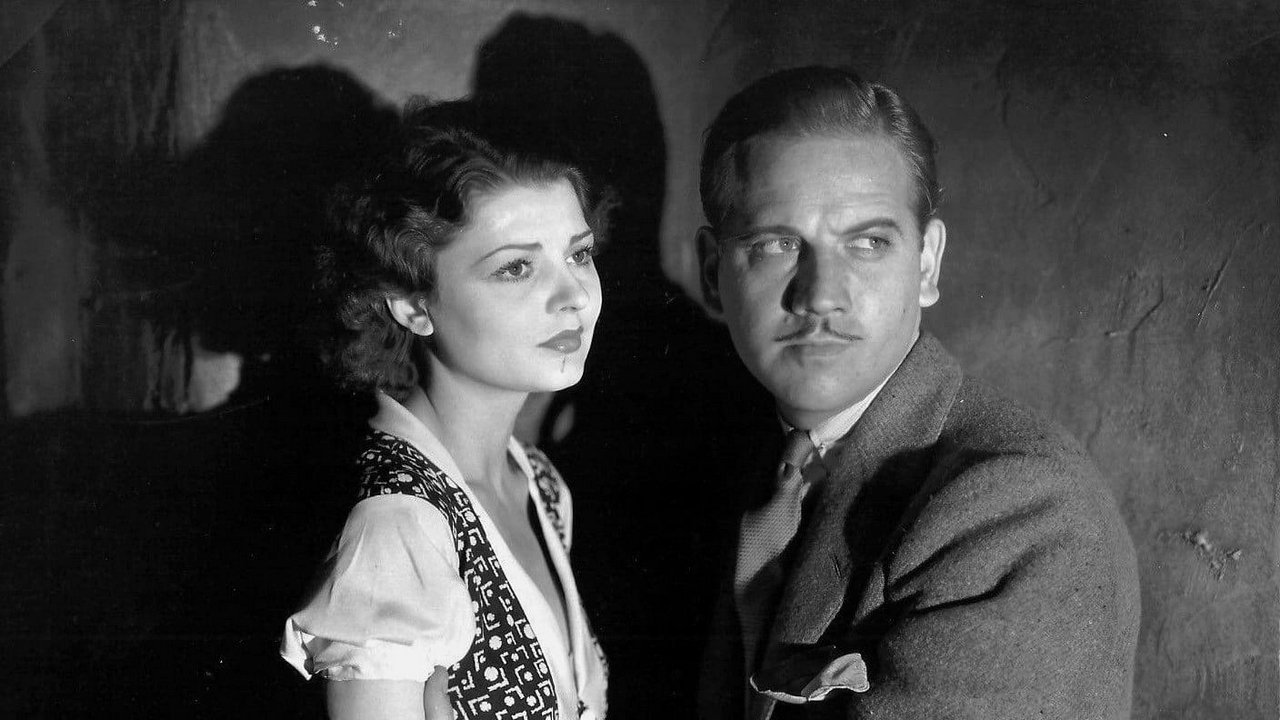
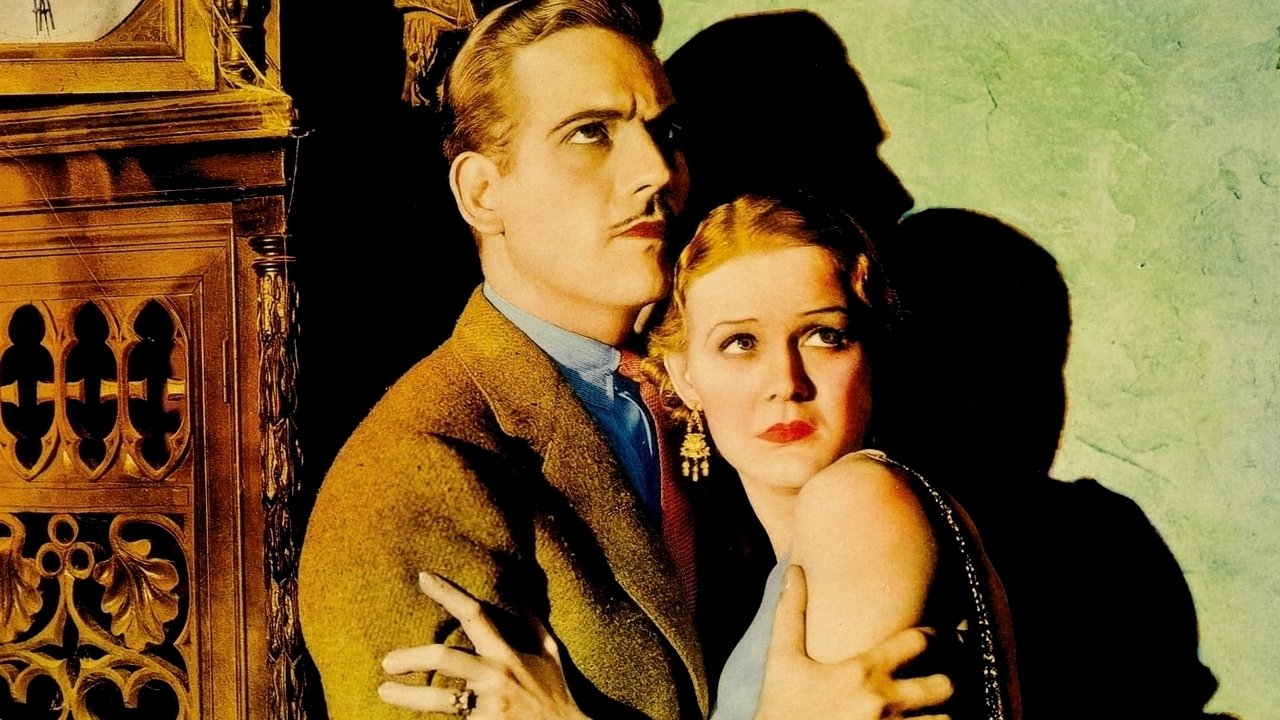
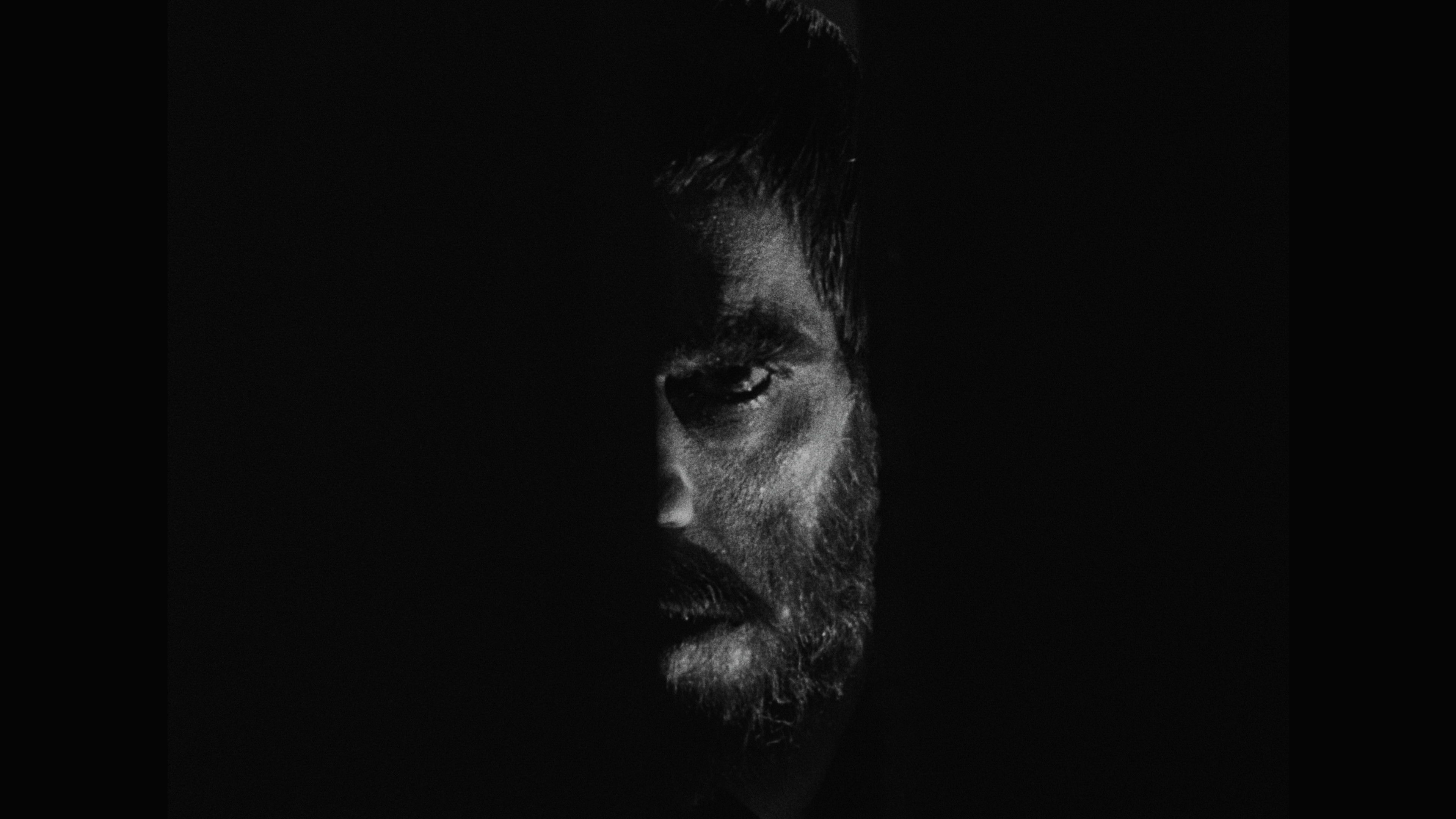
Edeson's photography makes the house feel larger and stranger than the narrative requires. Faces emerge from darkness, staircases divide the frame and harsh light frequently exaggerates already eccentric performances. Mirrors and reflections create some of the film's most memorable images, especially when ordinary vanity becomes connected with mortality and decay. Whale designs the house to convey a history of confinement and instability. It must continually rearrange the emotional relationships of the people inside it.

The theatrical quality of the ensemble contributes to the film's deliberately heightened tone. Several performers came from strong stage backgrounds, and Whale allows dialogue scenes to retain a deliberate artificiality while using camera position and editing to prevent the film from becoming visually static. Conversations are frequently interrupted by noises, entrances or changes in attention that remind viewers of unseen parts of the building. Language may dominate one moment, but physical space always remains available to threaten the next.

The result is a form of early sound horror in which voices matter as much as shadows. Horace, Rebecca, Porterhouse and Penderel reveal themselves through rhythm and speech, while Morgan's muteness gives him a completely different physical presence. Whale exploits the new possibilities of synchronized dialogue without surrendering the expressive imagery inherited from silent and Expressionist cinema.

Rediscovery and Legacy

The Old Dark House did not achieve the immediate commercial impact of Frankenstein and later became unusually difficult to see. After the property was remade in 1963, the 1932 version had been withdrawn from circulation and was for a period considered lost. Filmmaker Curtis Harrington, an admirer and friend of Whale, helped locate surviving material, allowing the film to re-enter circulation and critical discussion. Its reputation consequently developed very differently from Universal monsters that had remained continuously available through rereleases and television.

Later restoration work further stabilized that recovery. A major 4K restoration prepared for the Cohen Film Collection used surviving nitrate elements, including material held by the Library of Congress, to reconstruct the film from the best available sources. The preservation history is particularly appropriate for a work whose reputation depends on the rediscovery of something believed to have disappeared. The film itself survived almost like one of the secrets hidden inside its fictional house.

Its influence is now easier to recognize. The basic architecture of stranded travelers, violent weather, a remote mansion and dangerous hosts became one of horror cinema's most reusable situations. BFI has described the film as an archetypal haunted-house chiller even though no ghost is required for the story. That apparent contradiction identifies its importance precisely. The Old Dark House helped define what a haunted-house film could feel like even when the haunting came entirely from human beings.

Cast

View Full Cast & Crew →

Release & Distribution

Production Companies (1)

  • Universal Pictures US

Distributors (1)

  • Universal Pictures US

Release History (13)

Release DateTerritoryRelease TypeFormatDistributorCertificationNotes
1932-10-19 United States Premiere — — —
1932-10-20 United States Theatrical — — —
1932-10-26 United Kingdom Premiere — — PG London
1933-02-05 Netherlands Theatrical — — —
1933-02-06 United Kingdom Theatrical — — PG
1933-03-07 Argentina Theatrical — — —
1933-03-07 Spain Theatrical — — —
1934-04-06 France Theatrical — — —
1935-05-16 Hungary Theatrical — — —
1989-03-10 Germany TV — — 12
2017-09-30 United States Premiere — — — New York Film Festival (restored version)
2018-04-27 United Kingdom Theatrical — — PG Restored version
2019-09-25 France Theatrical — — TP Restored version
Beware the night!