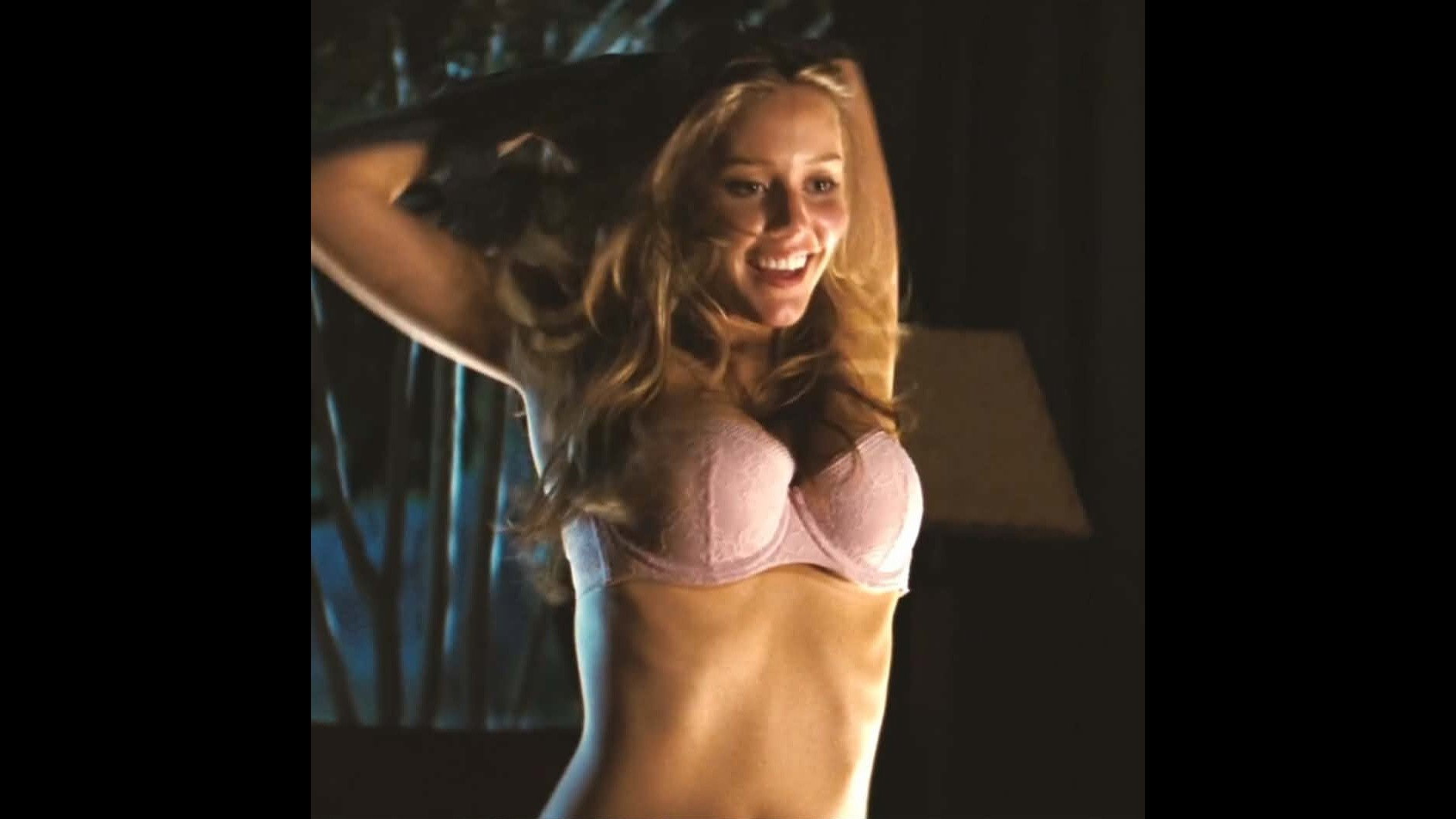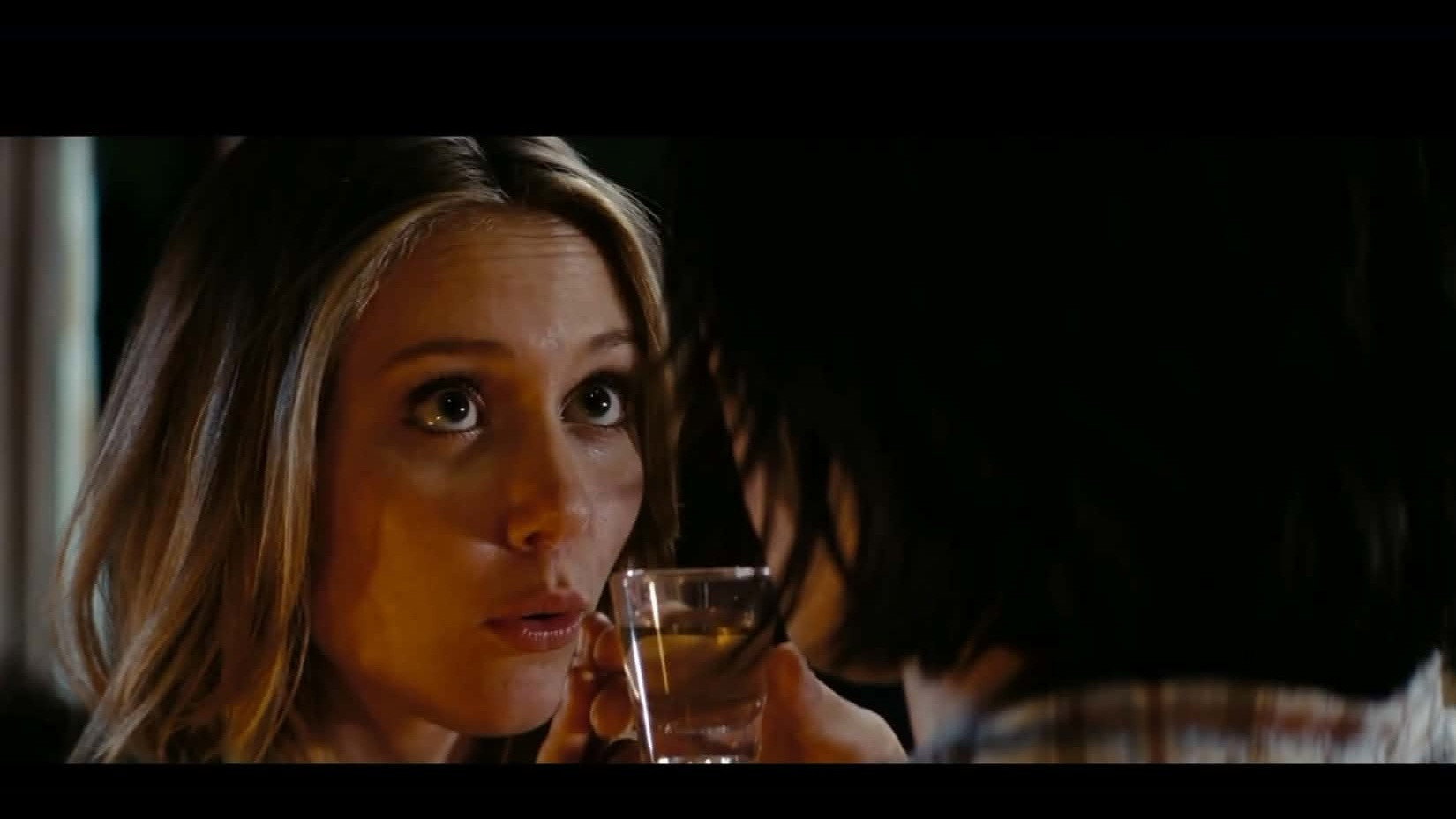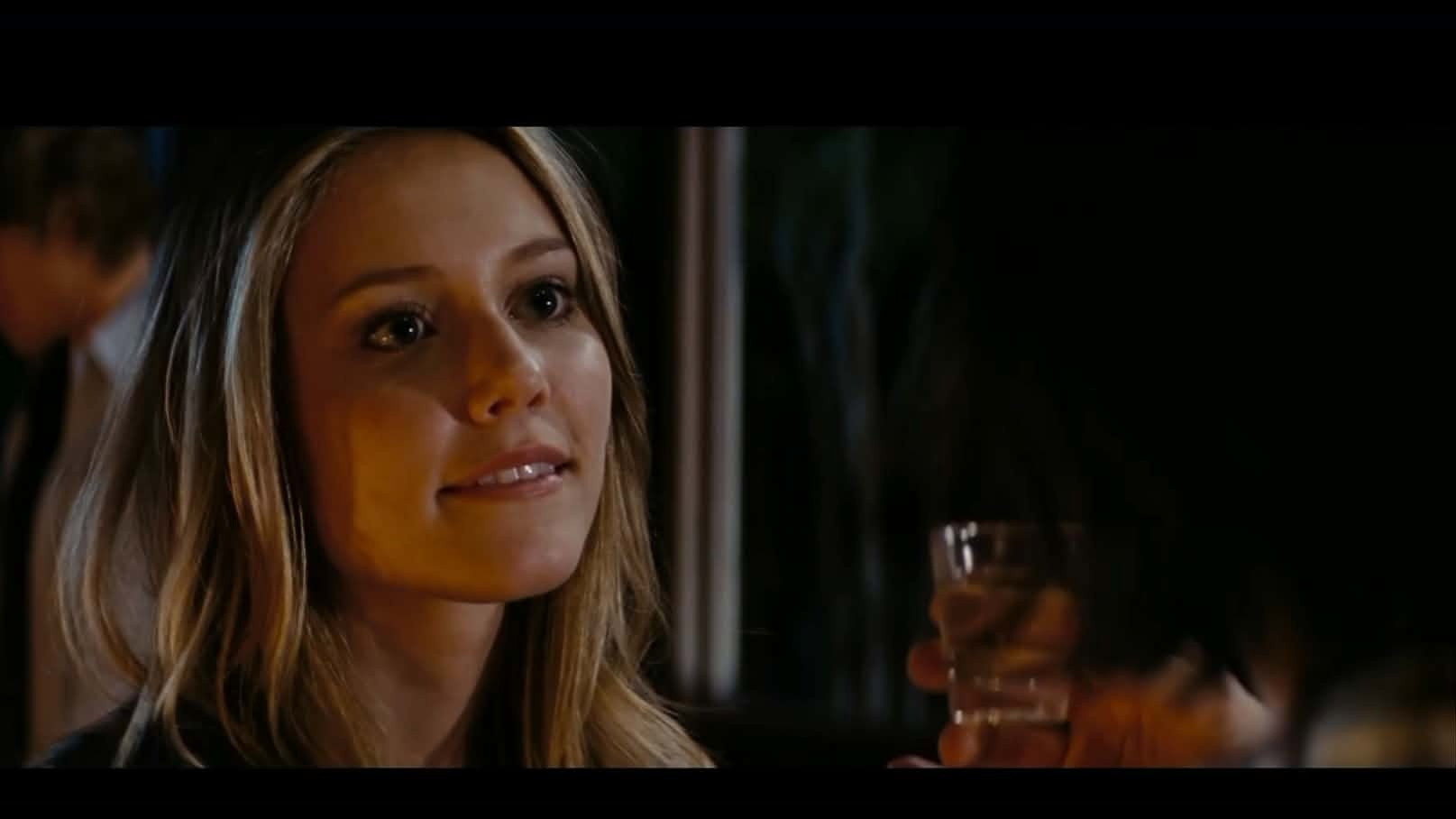
Friday the 13th (2009)

US
6.7/10 3 votes
Runtime
97 min
Release
February 11, 2009
Budget
$19,000,000
Revenue
$91,509,154
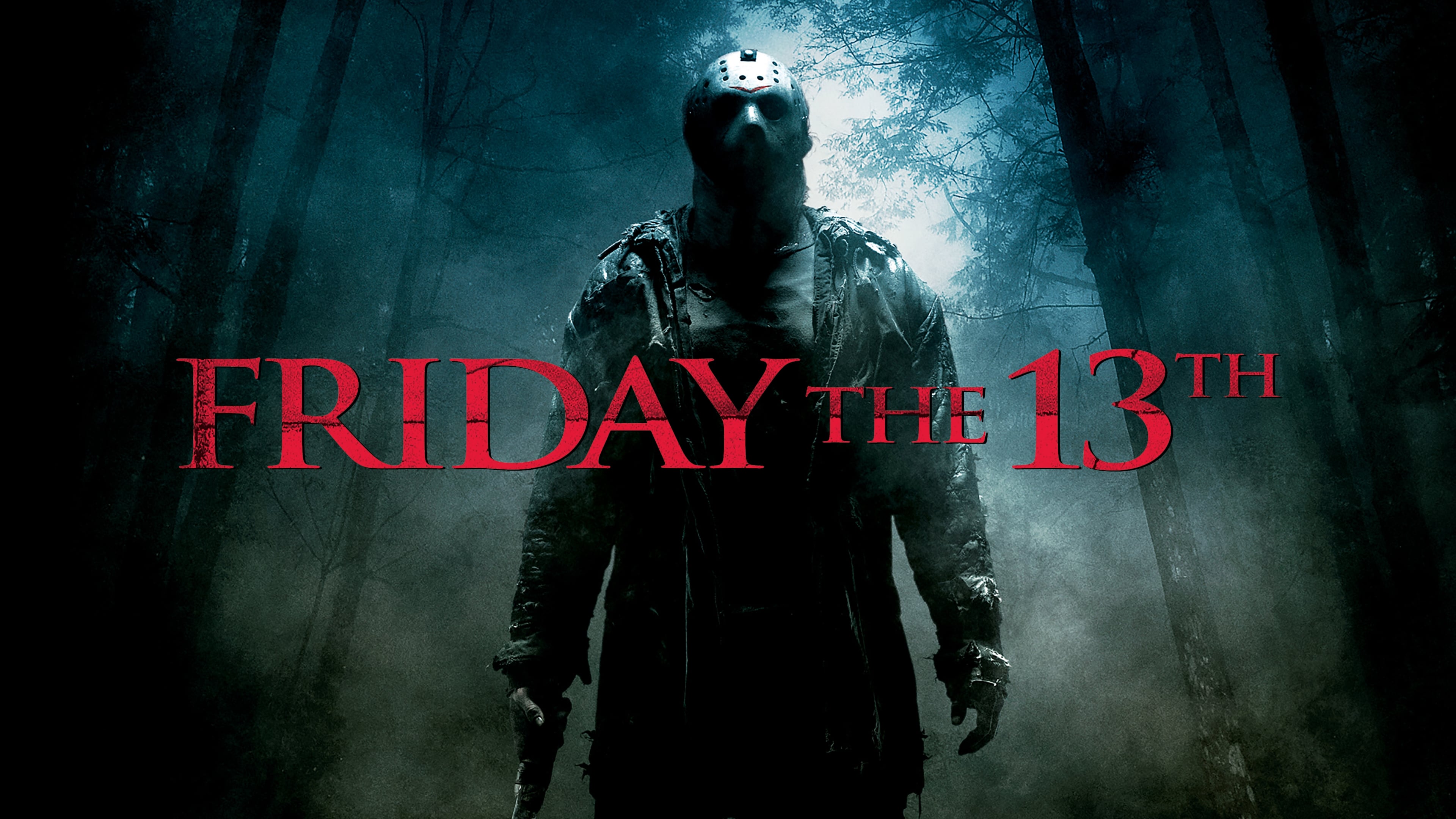
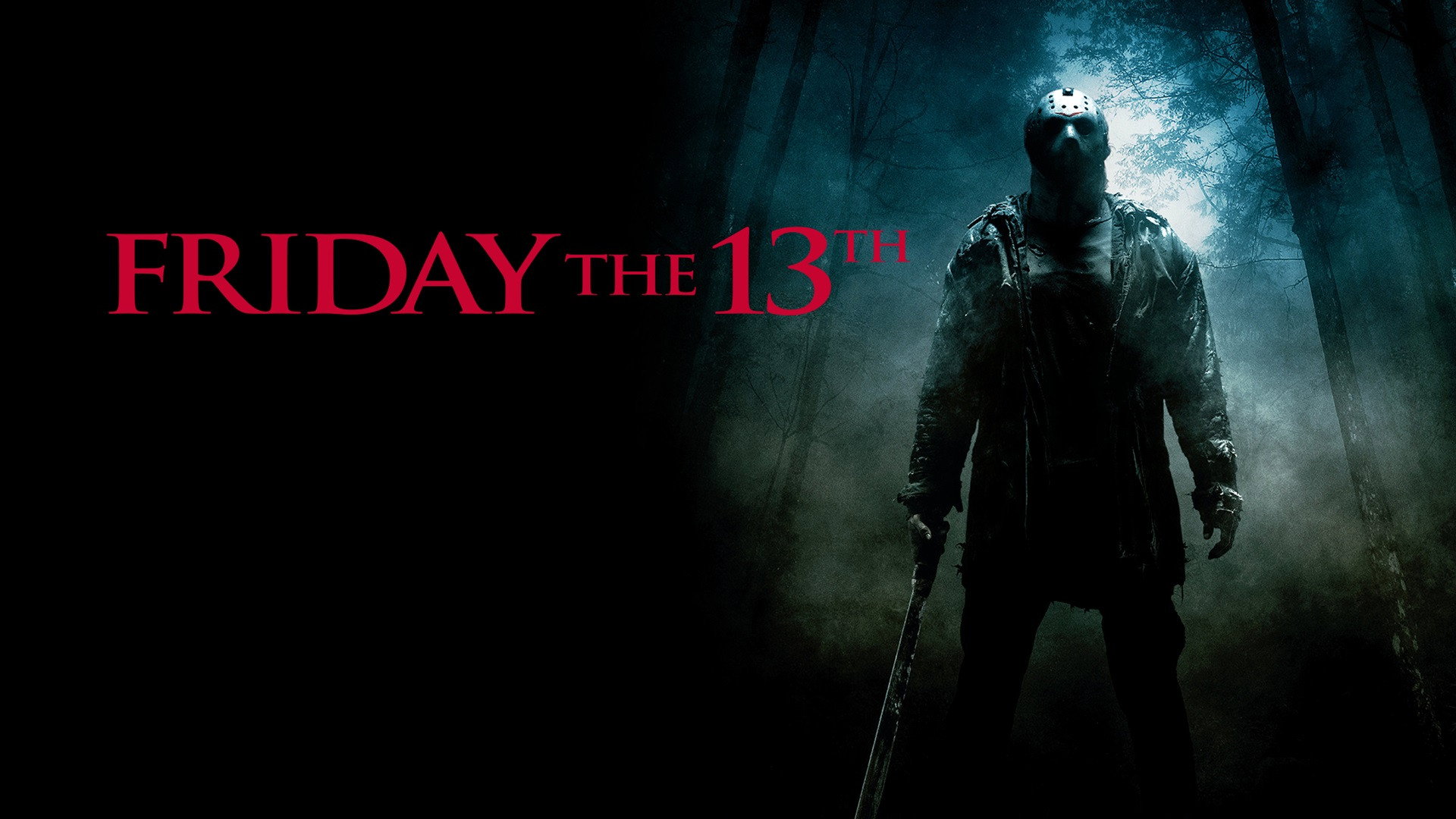
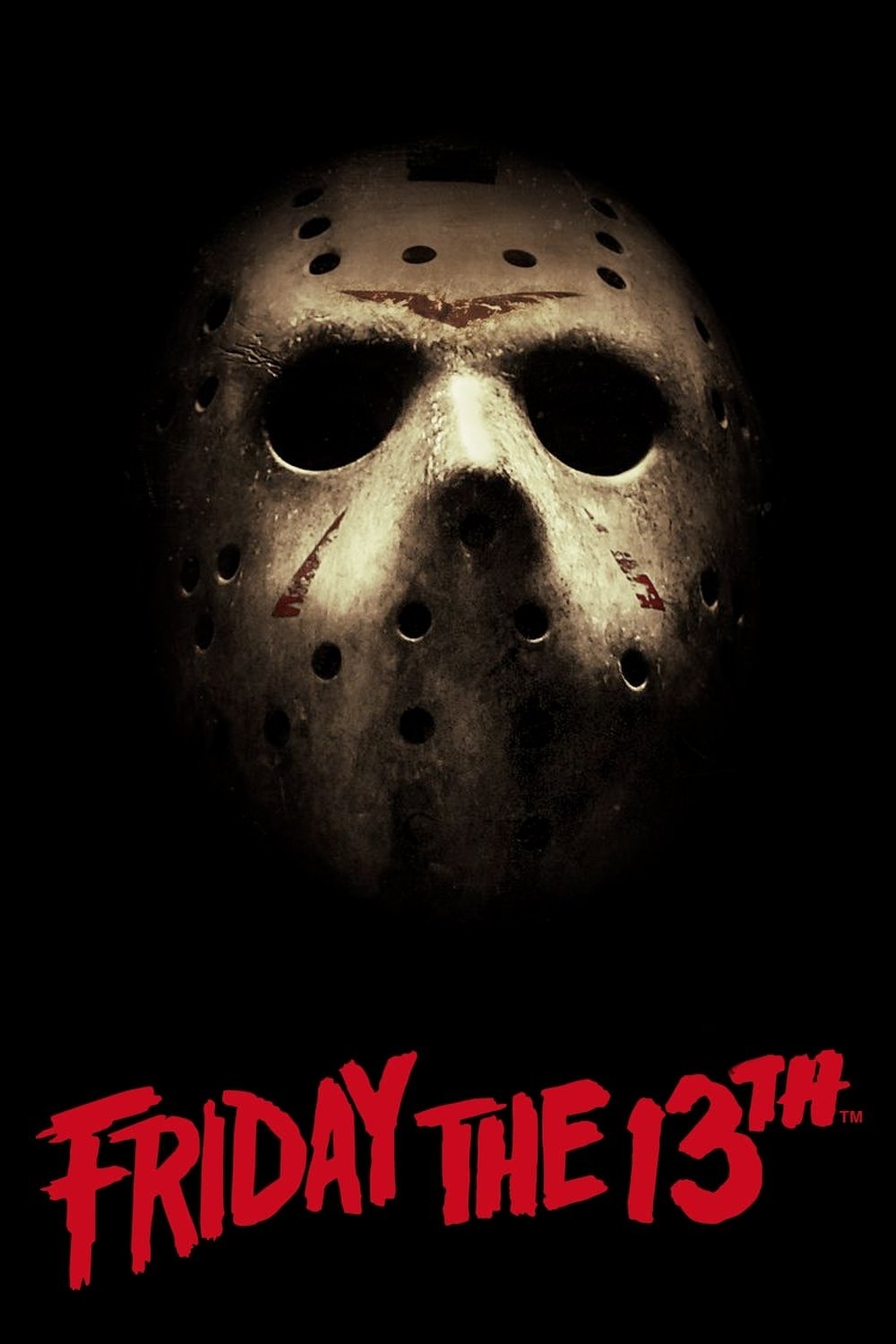
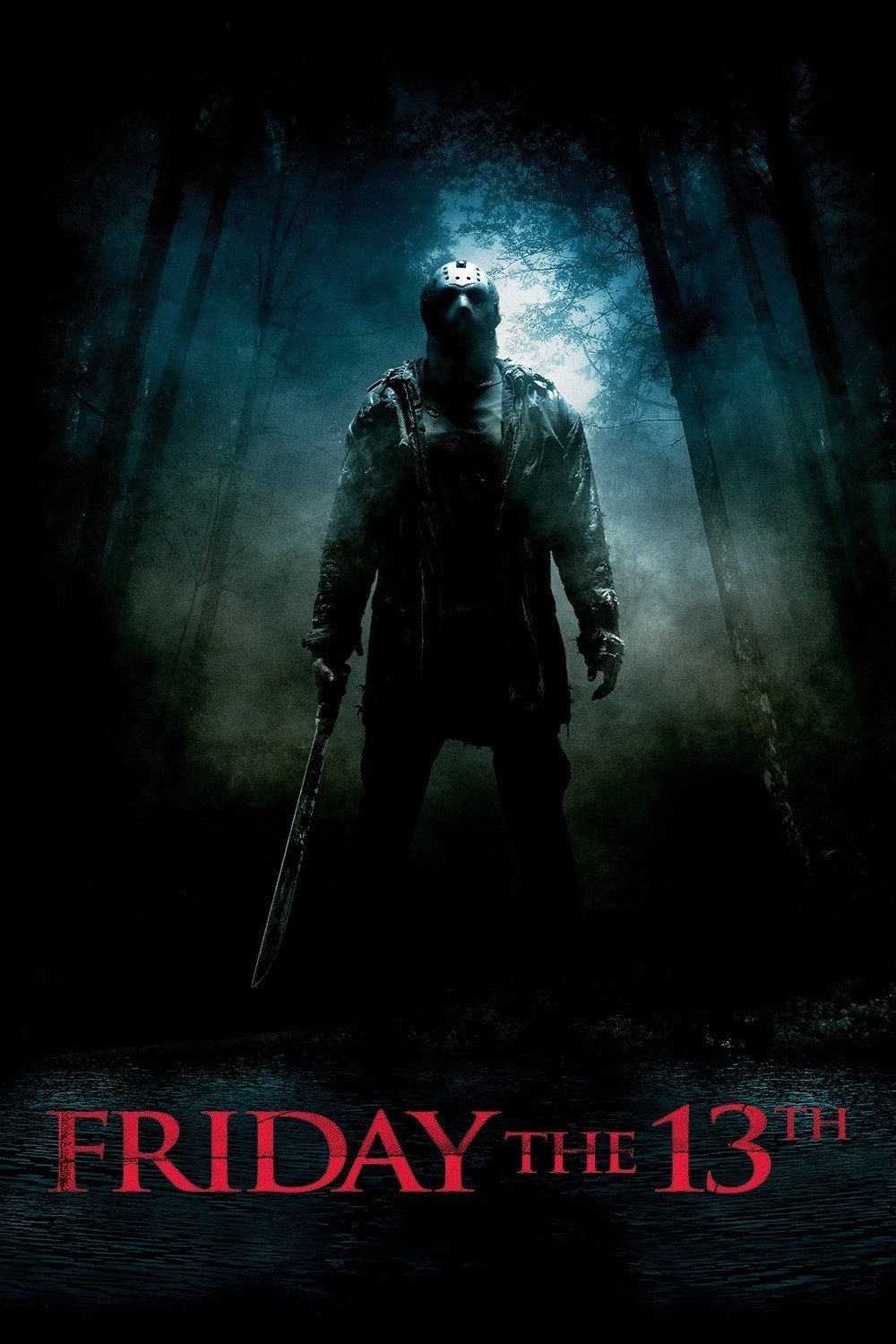
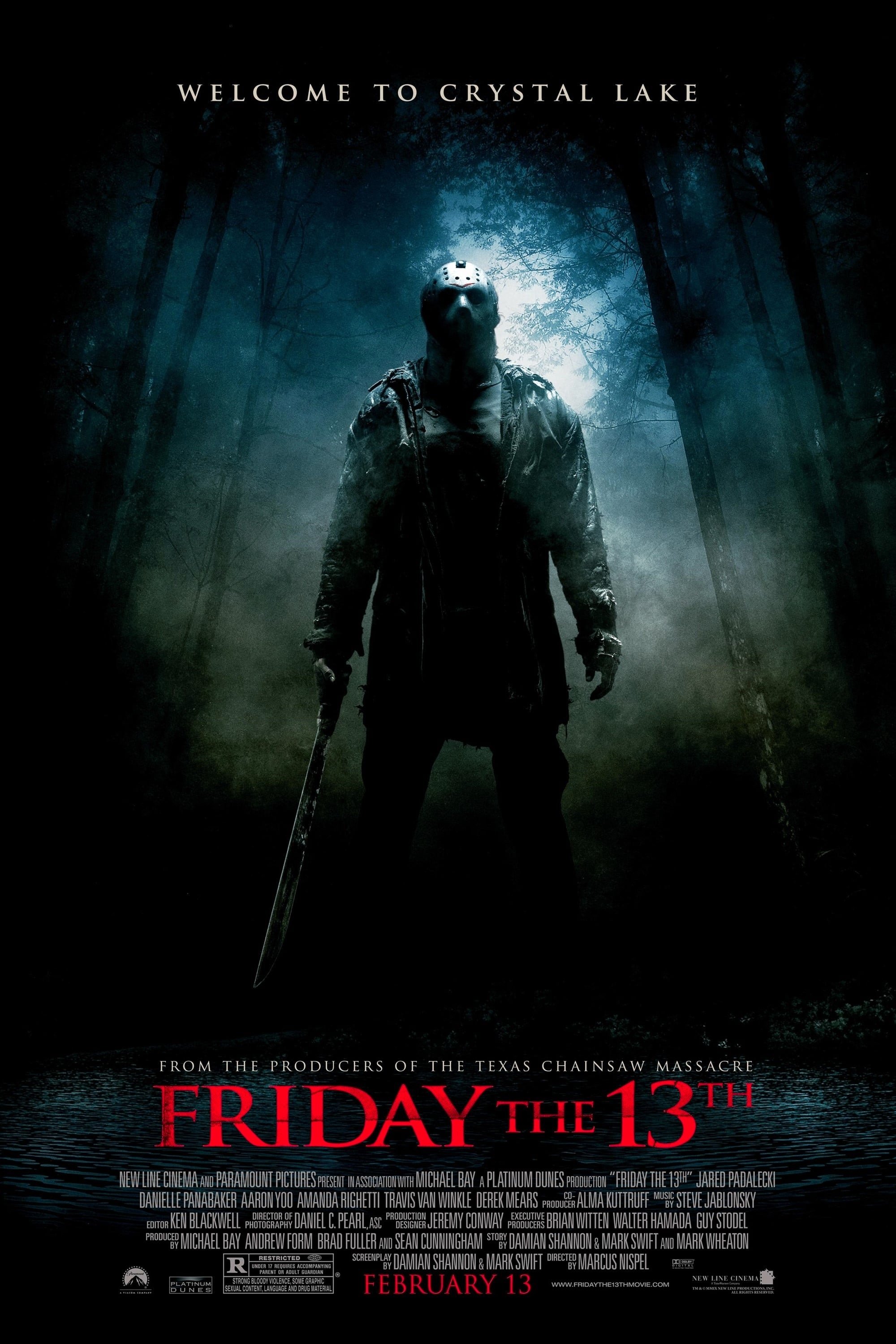
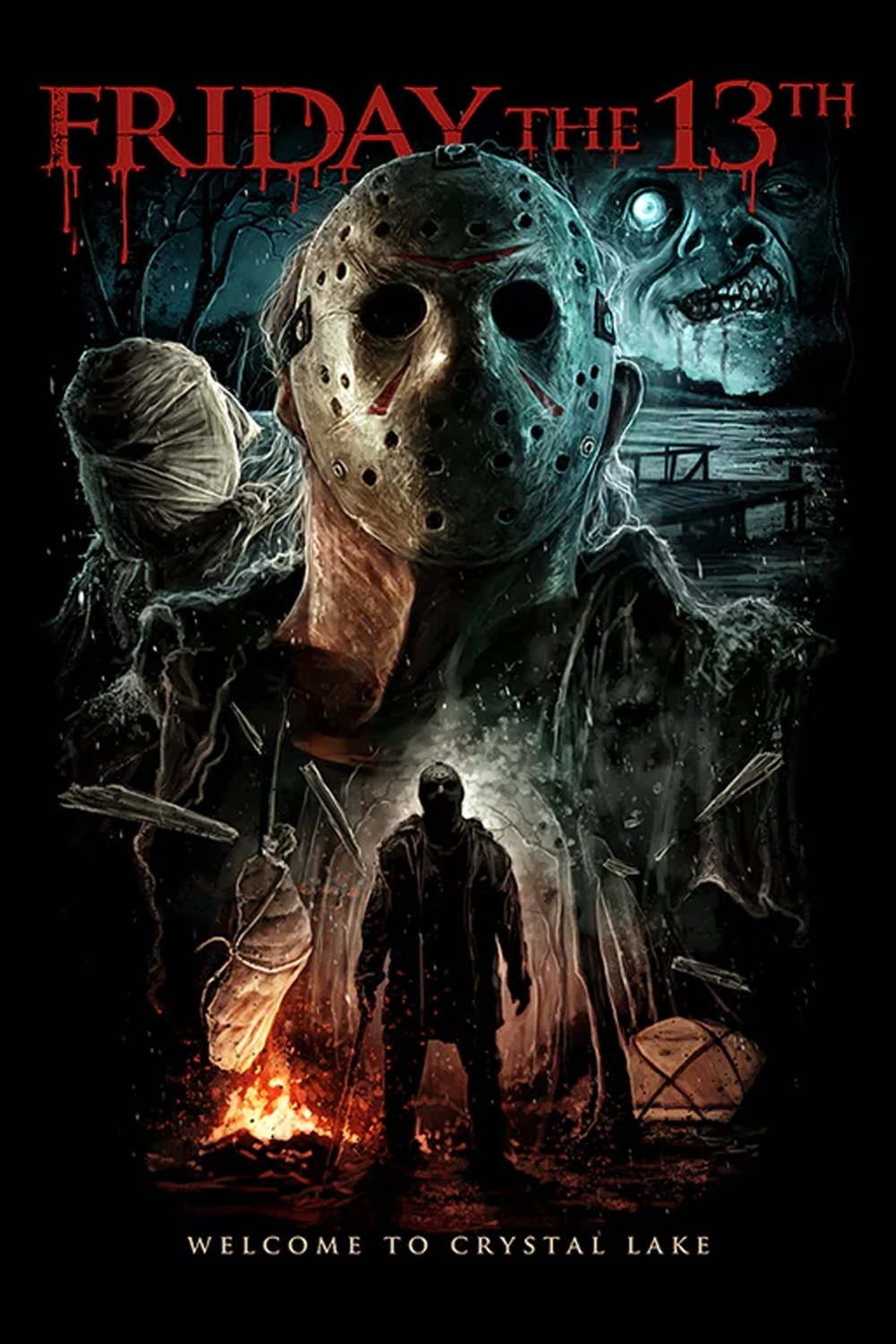
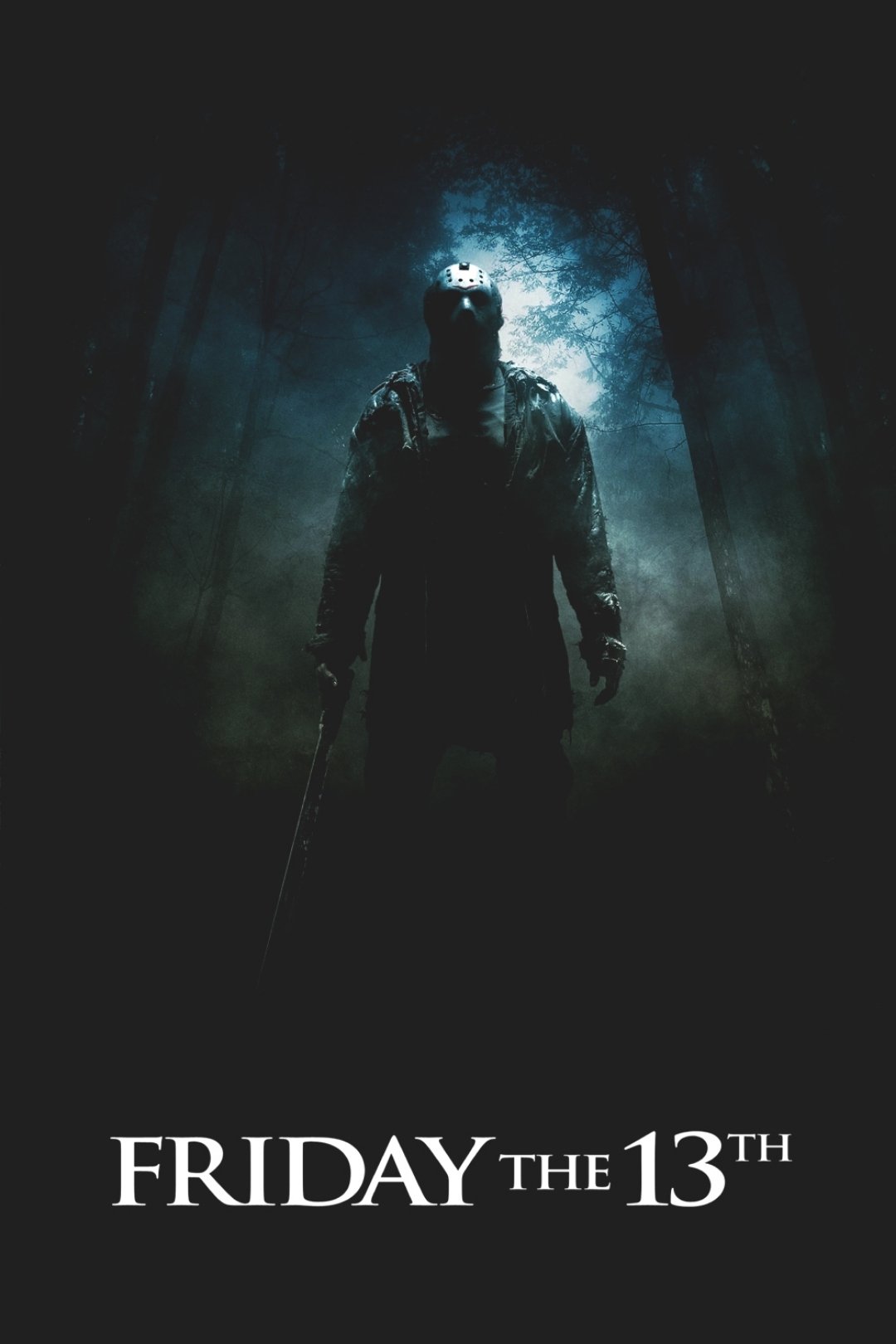
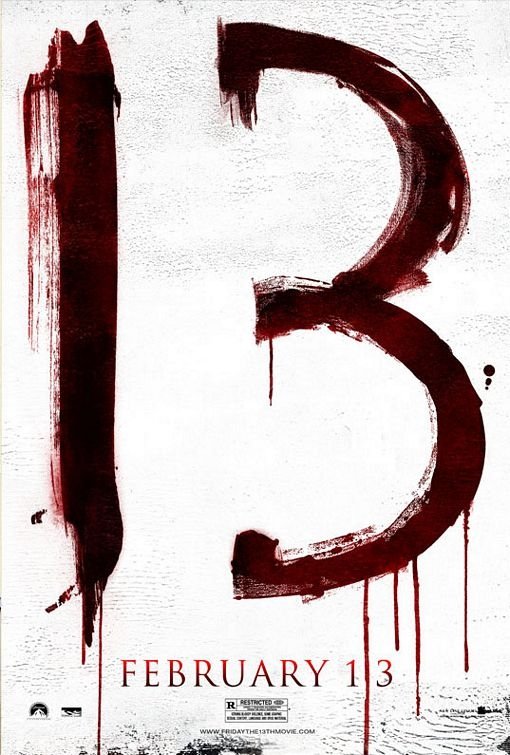
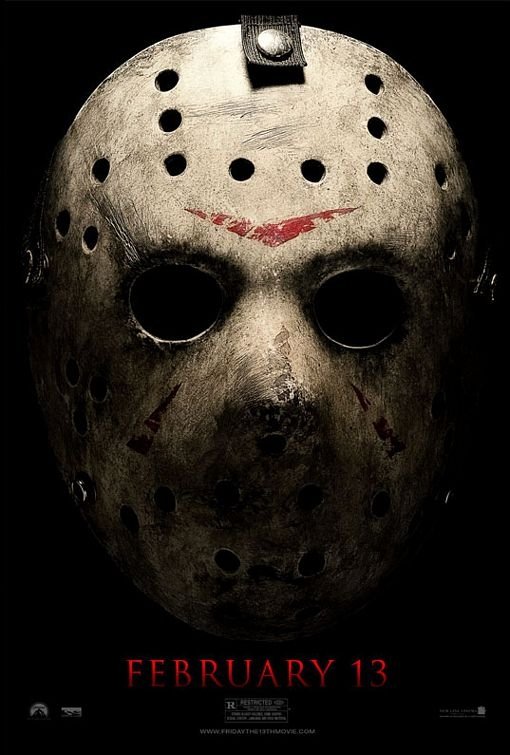
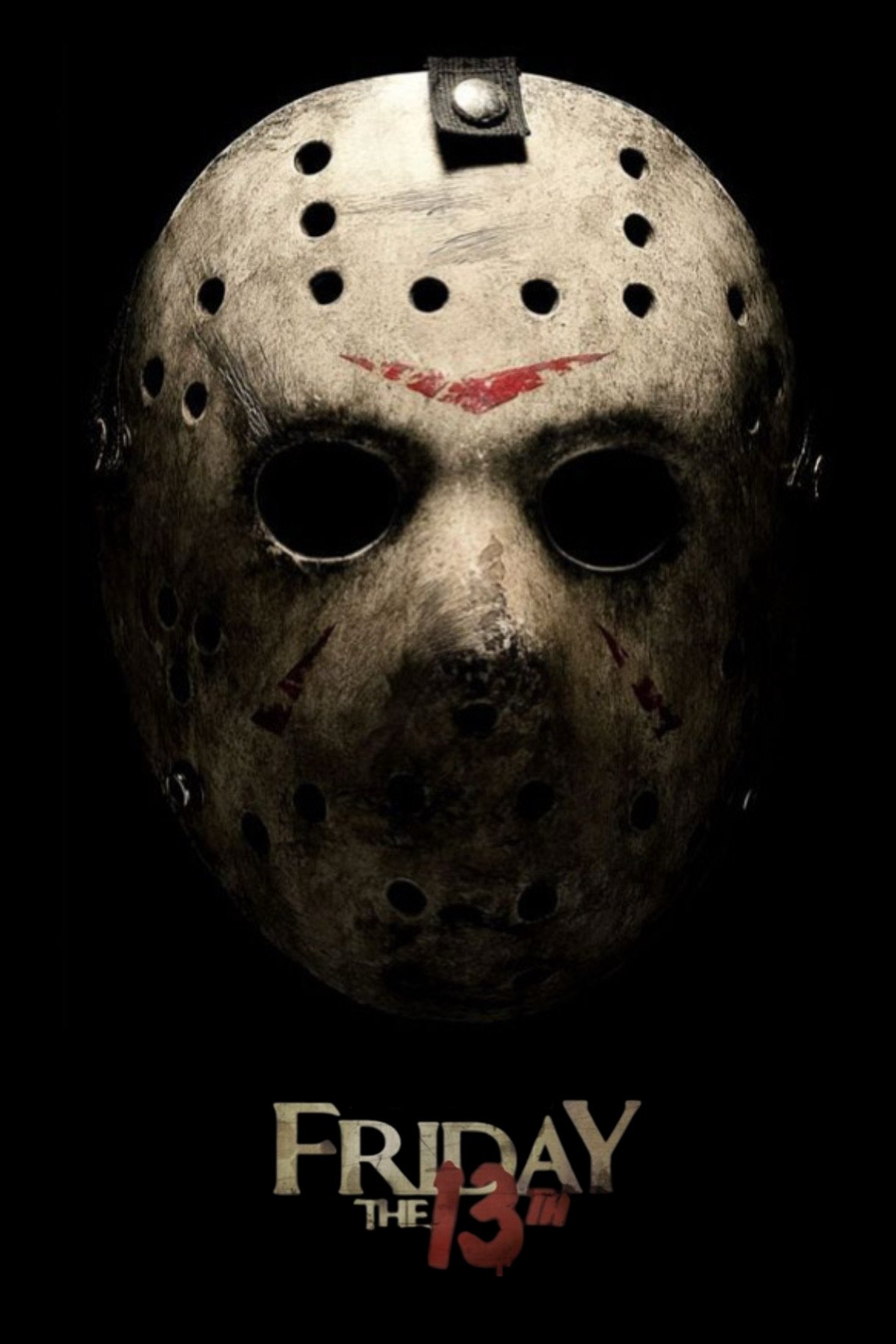
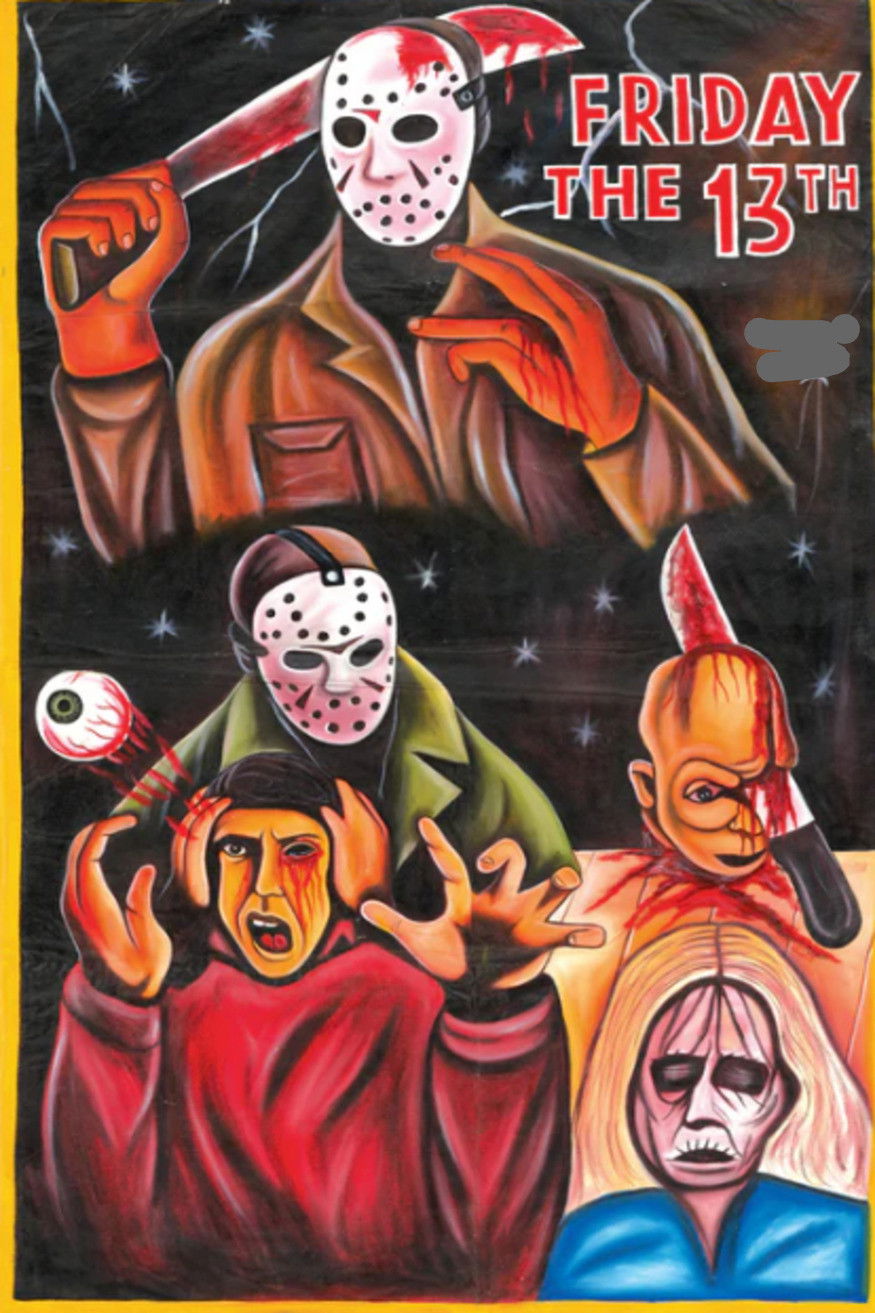
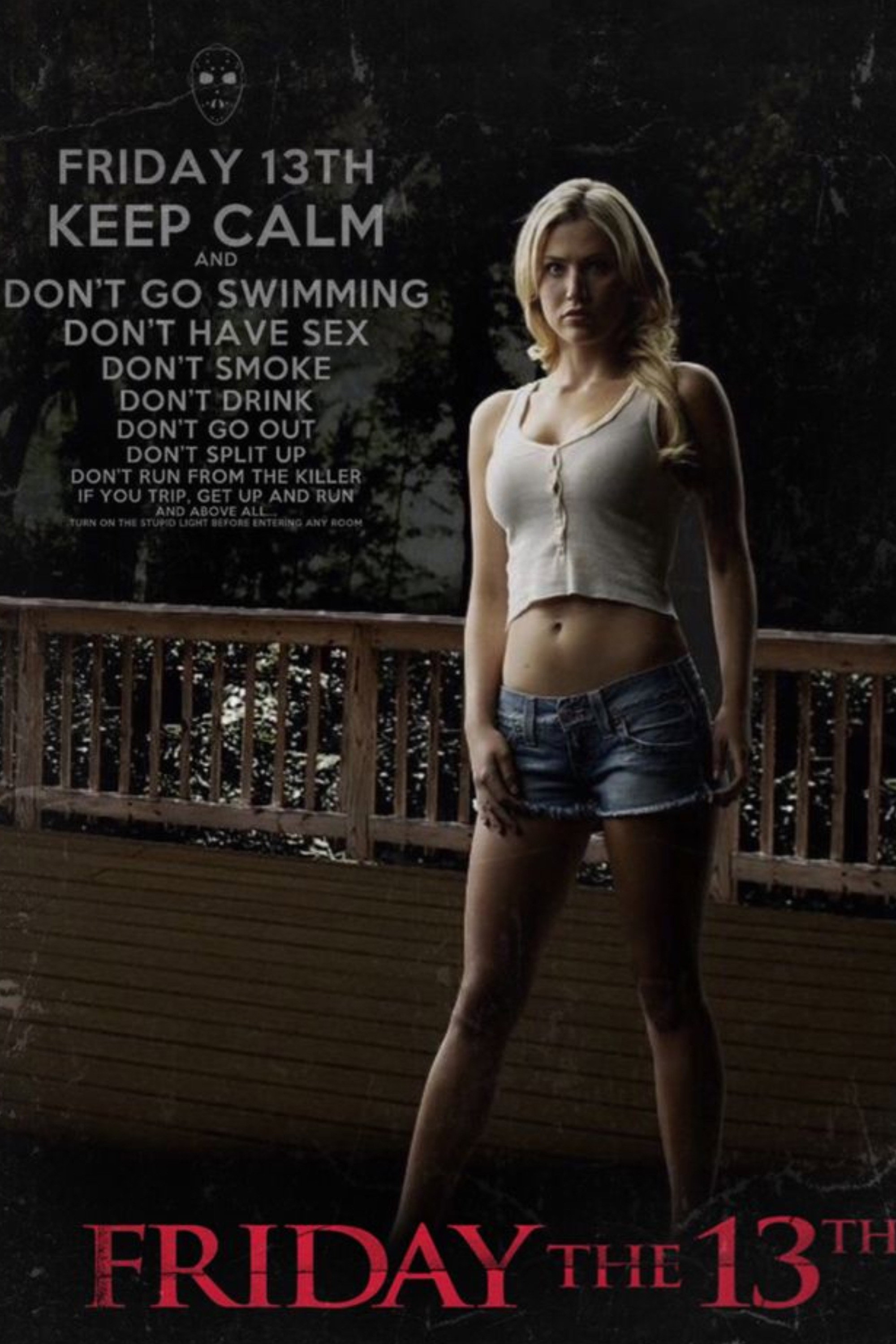
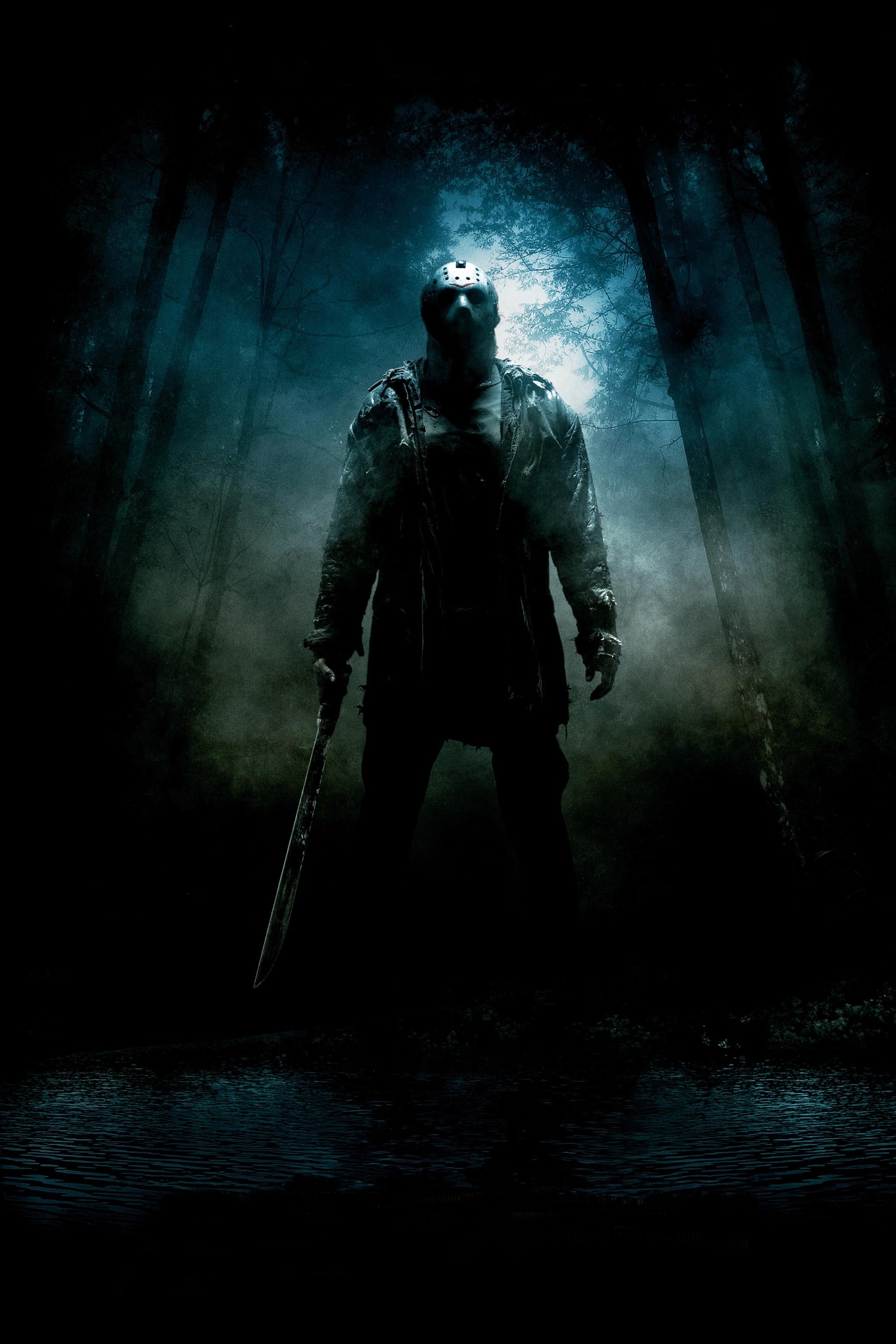
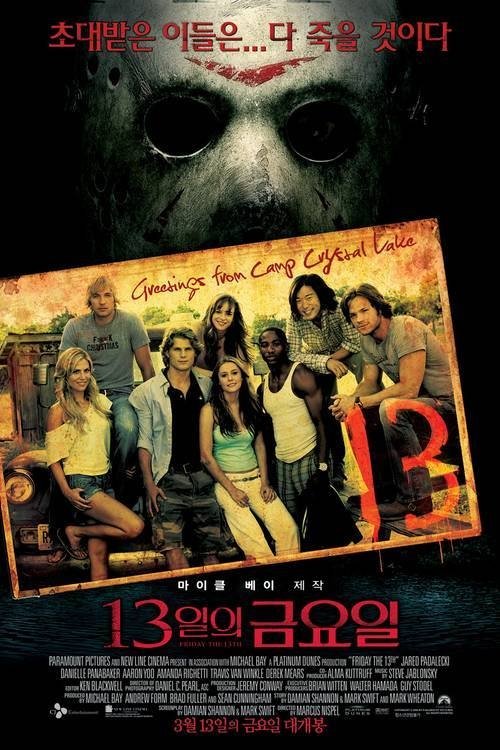
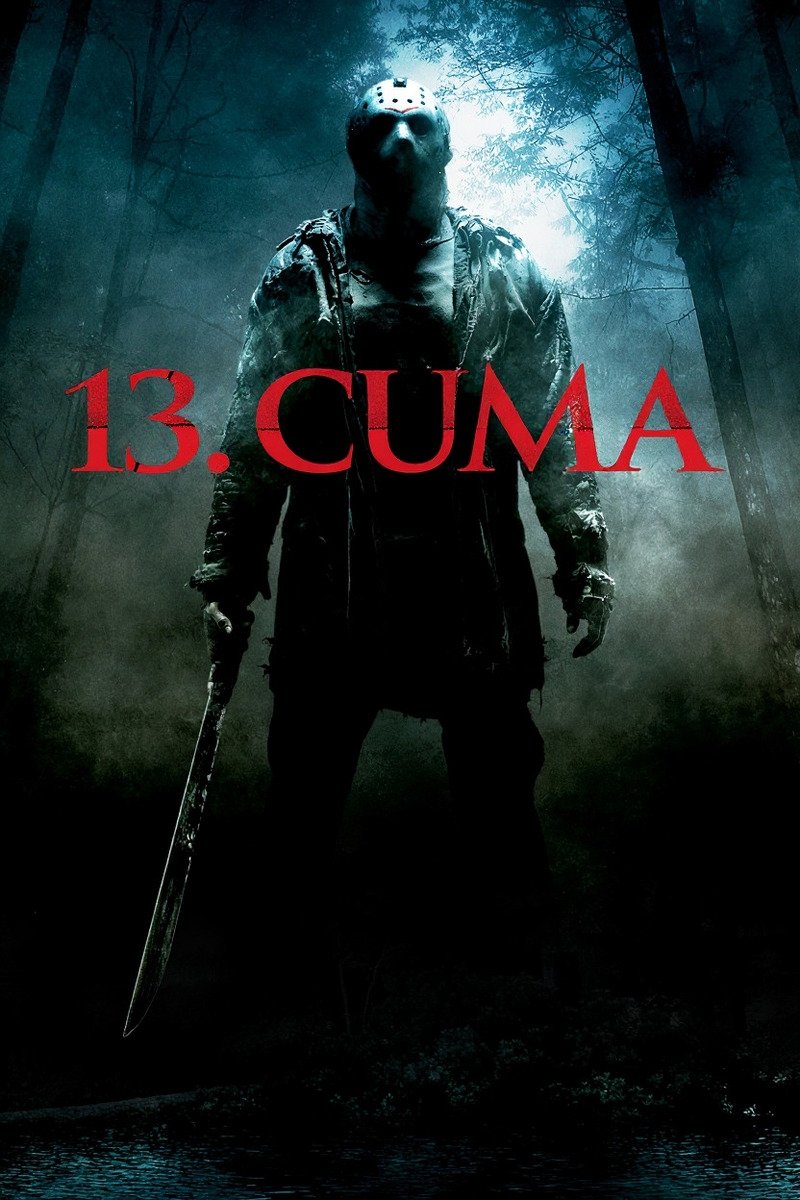
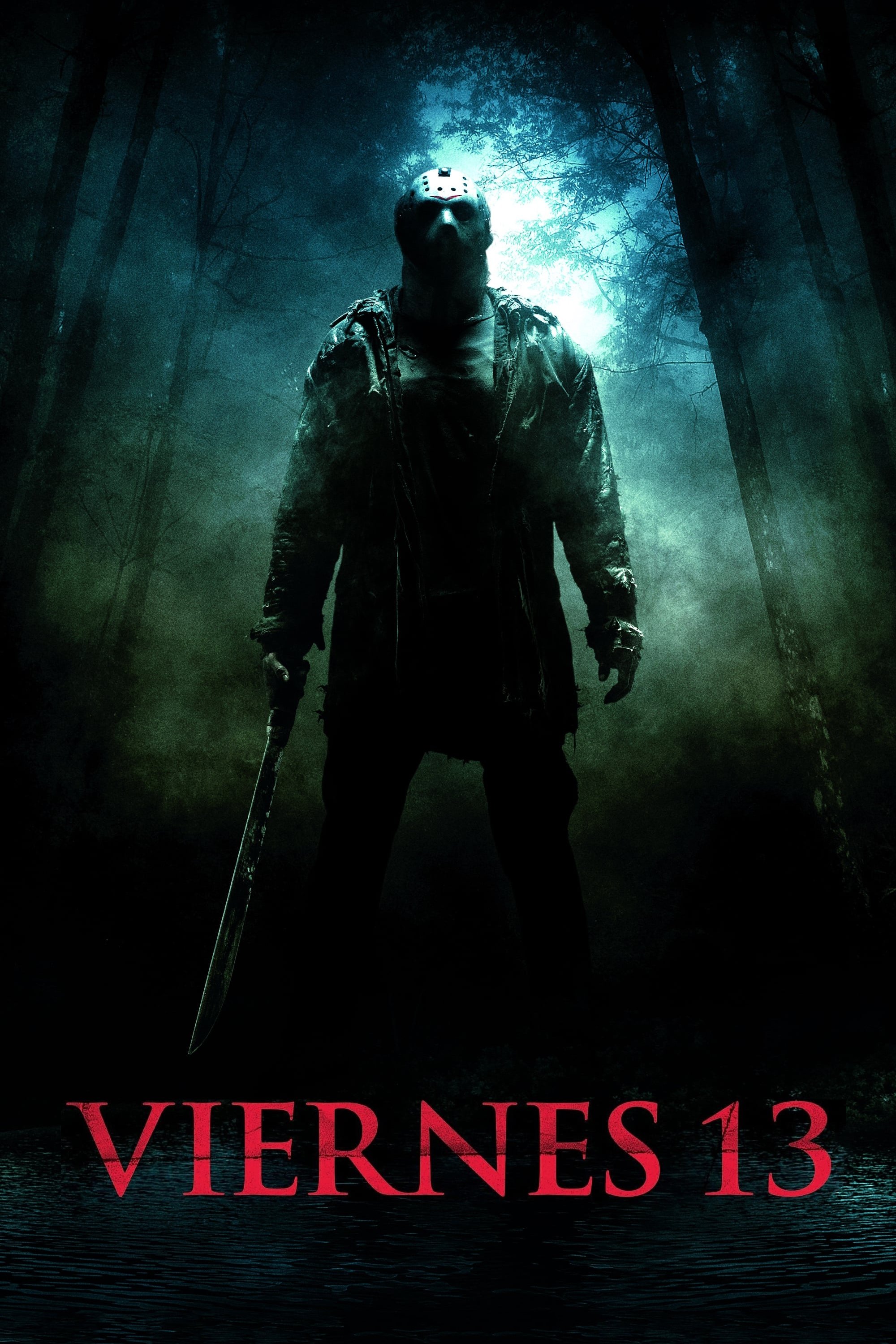
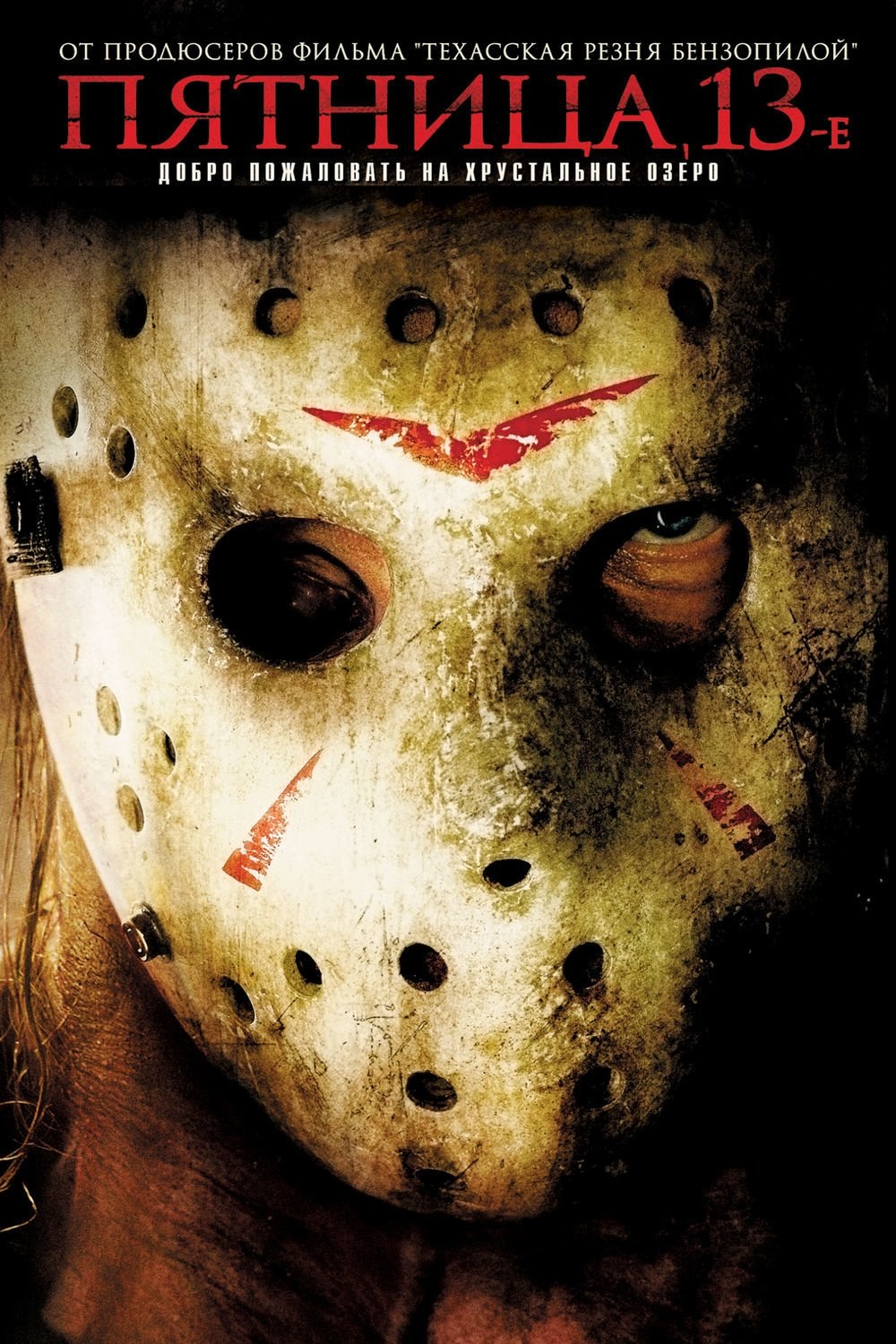
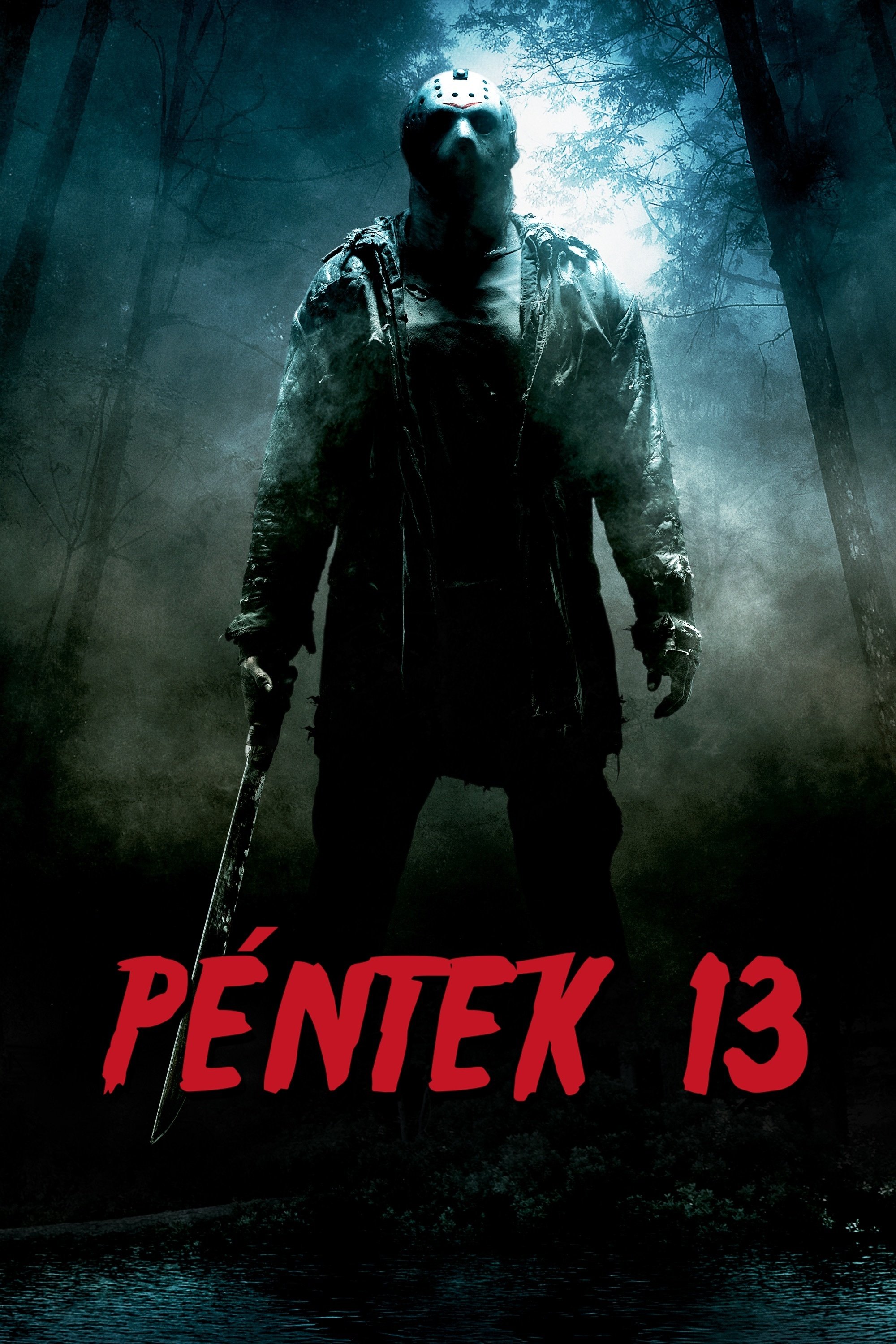
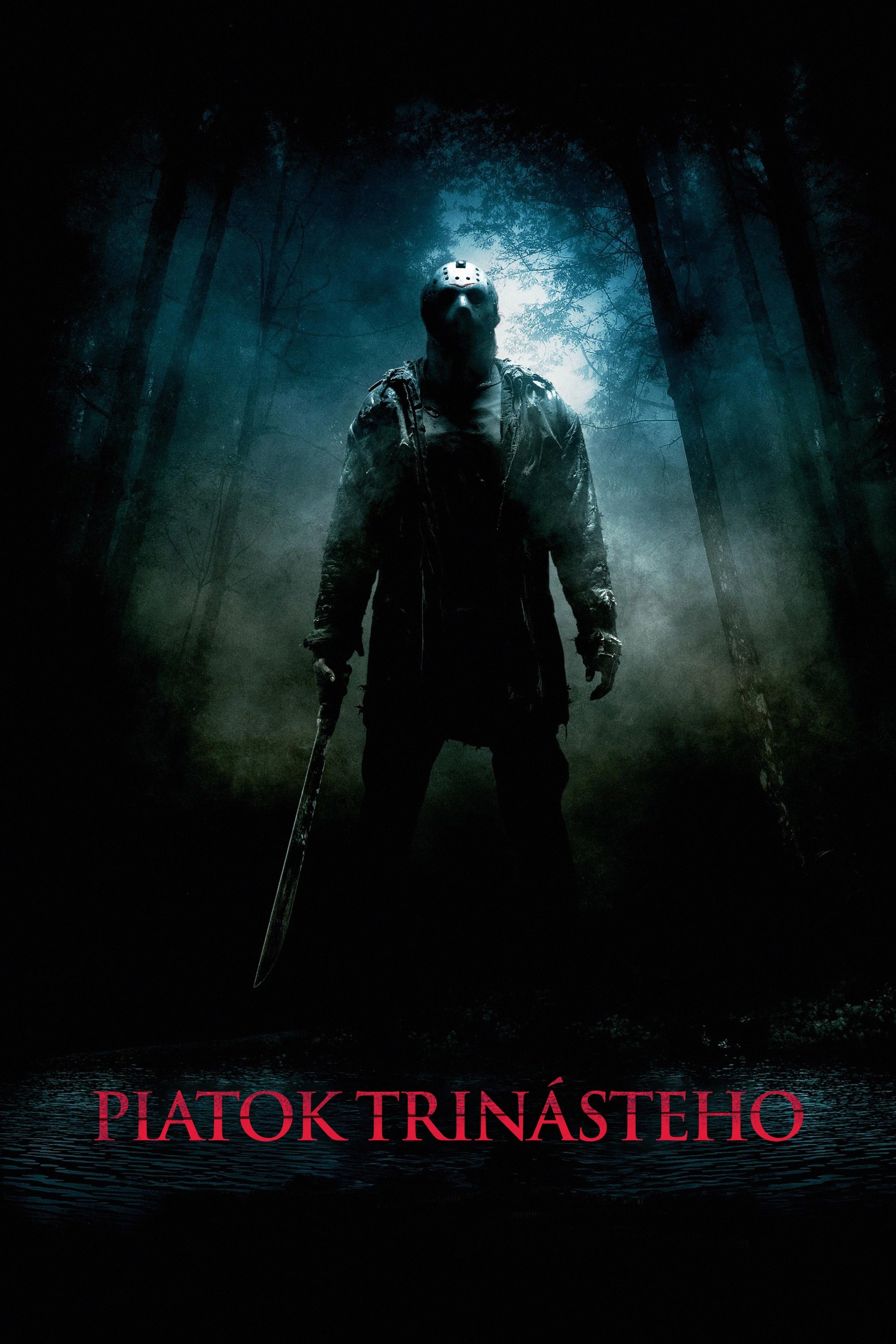
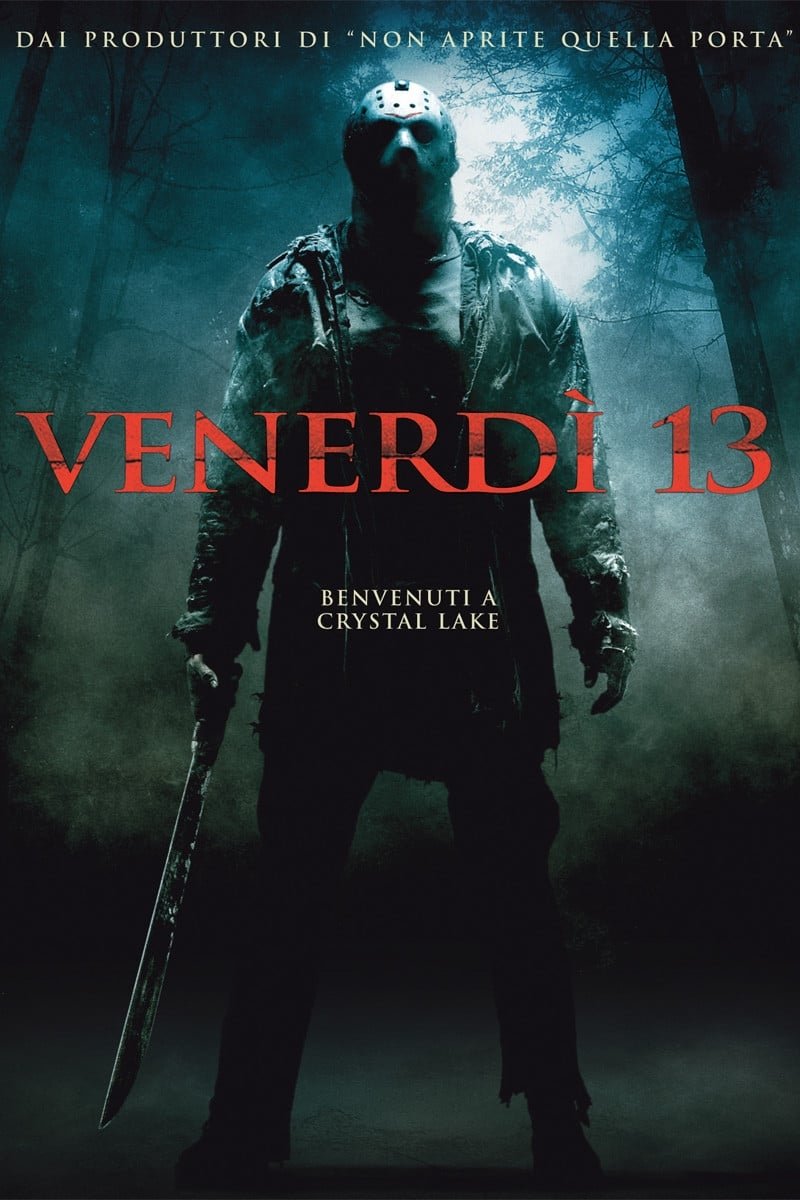
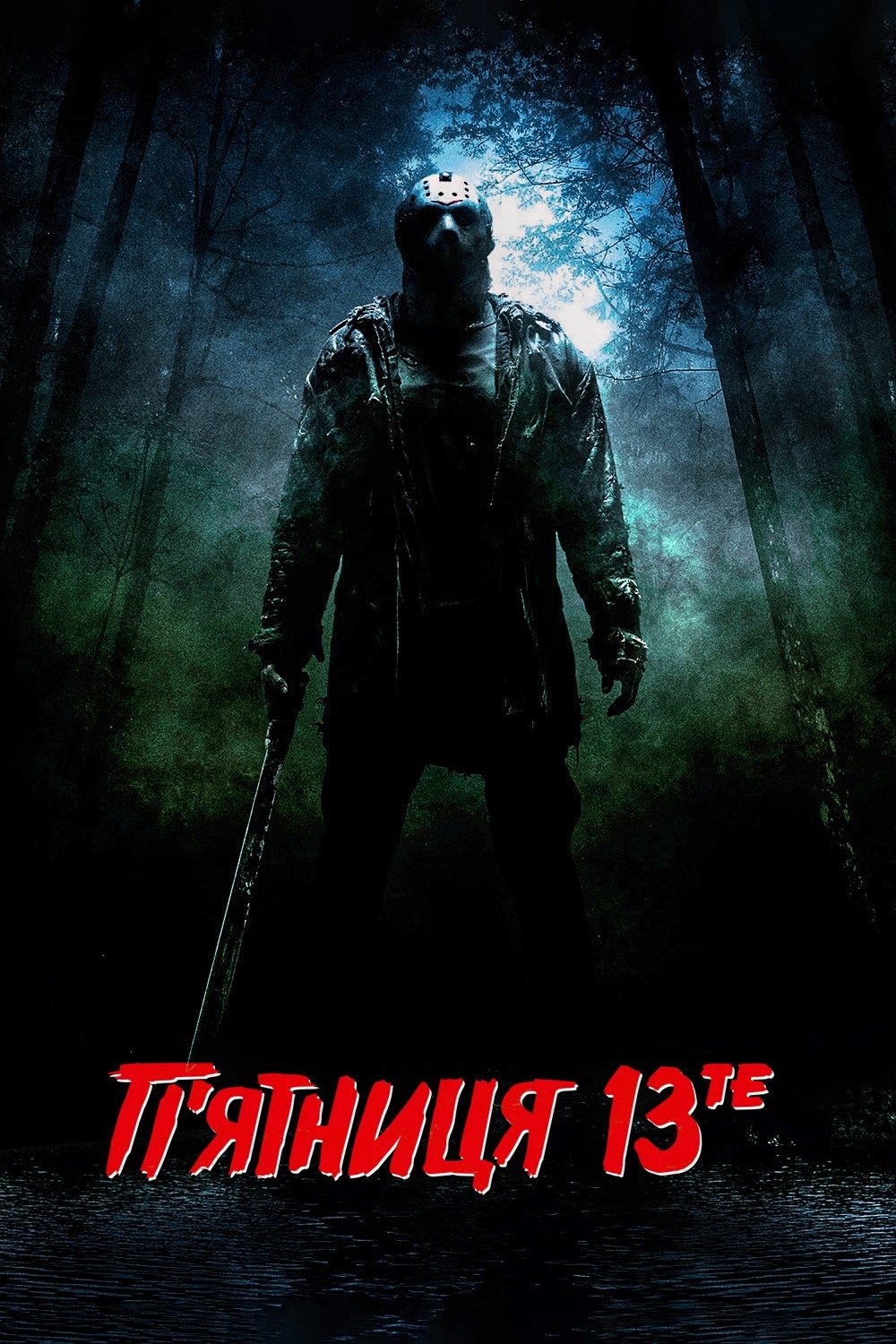
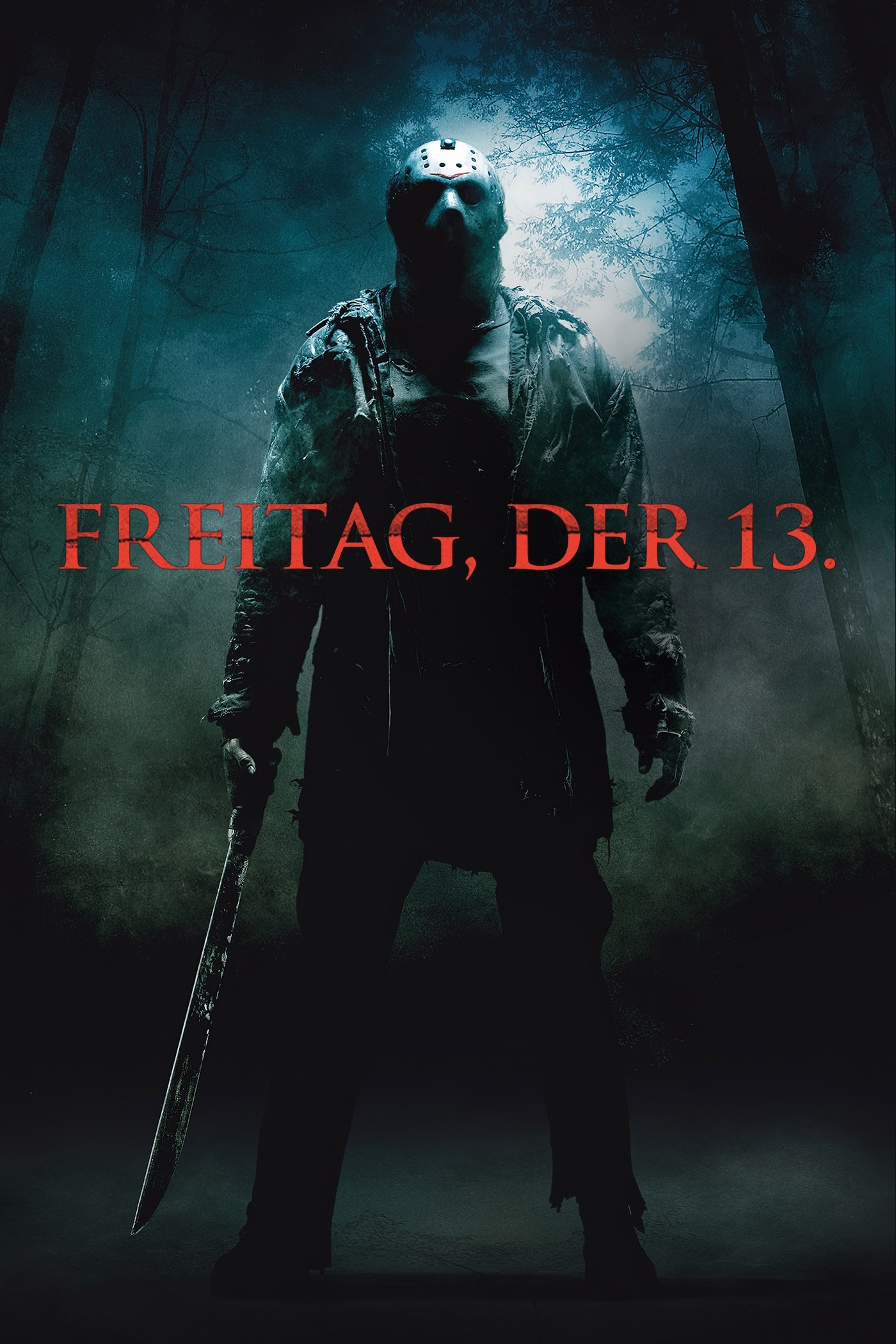
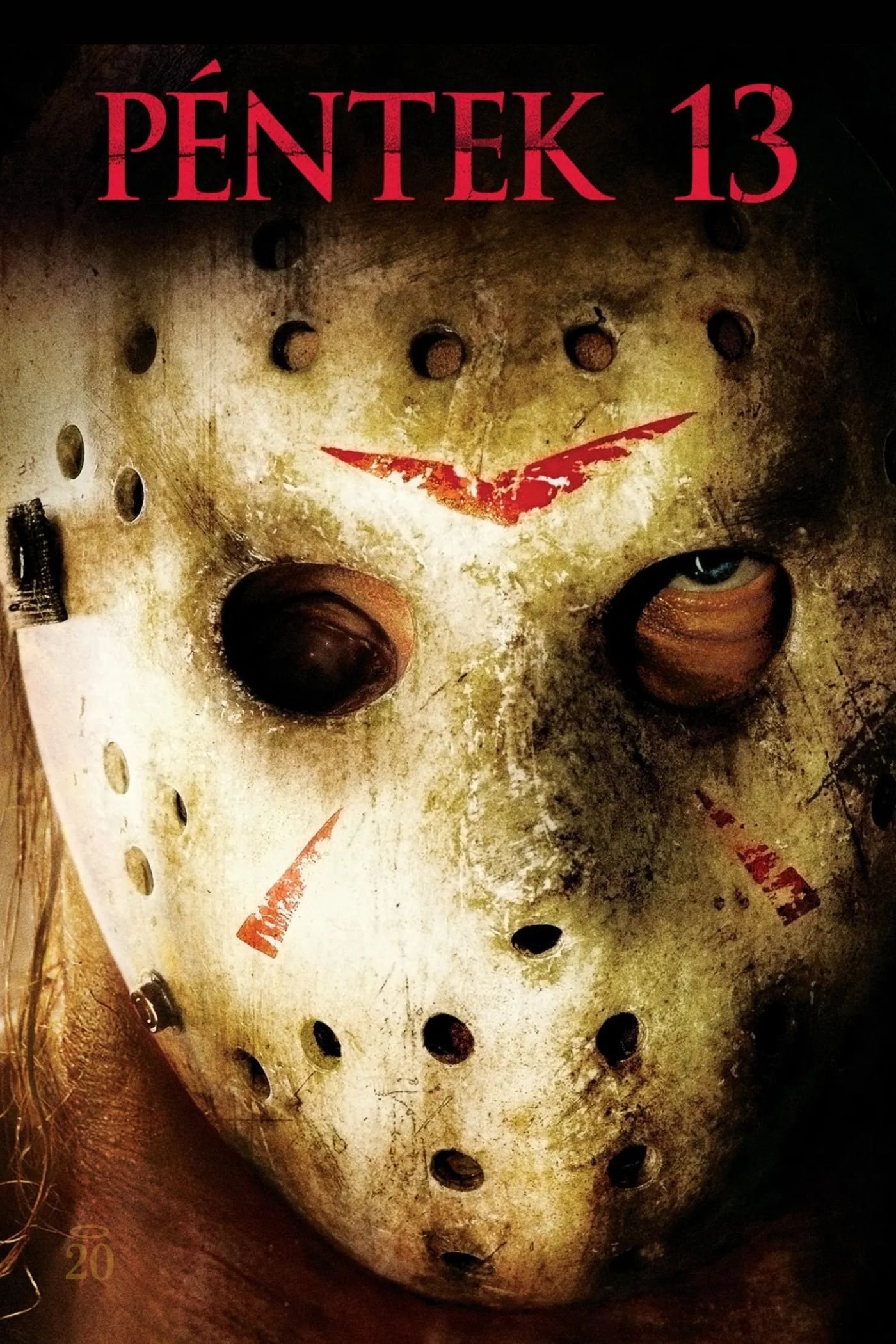
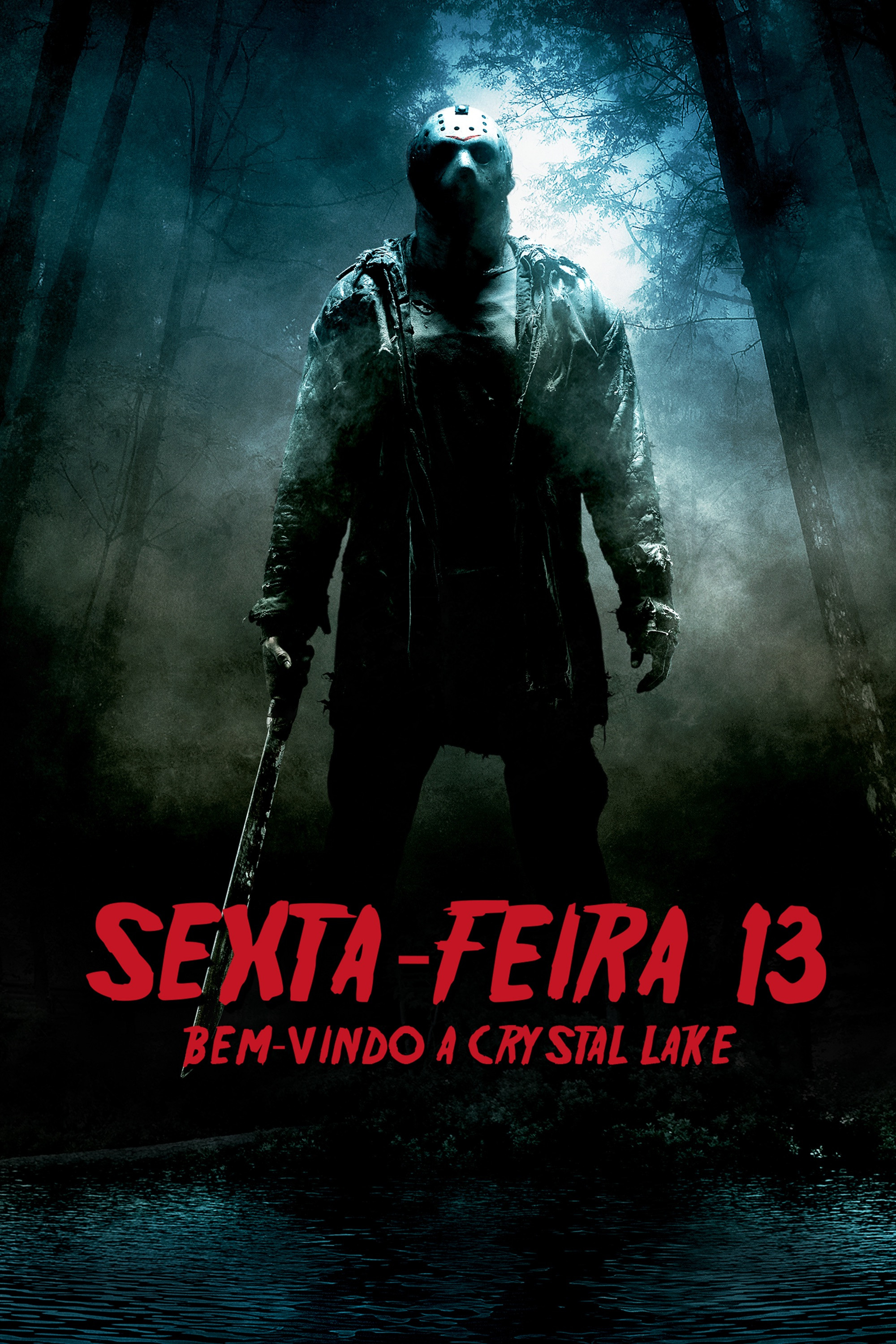
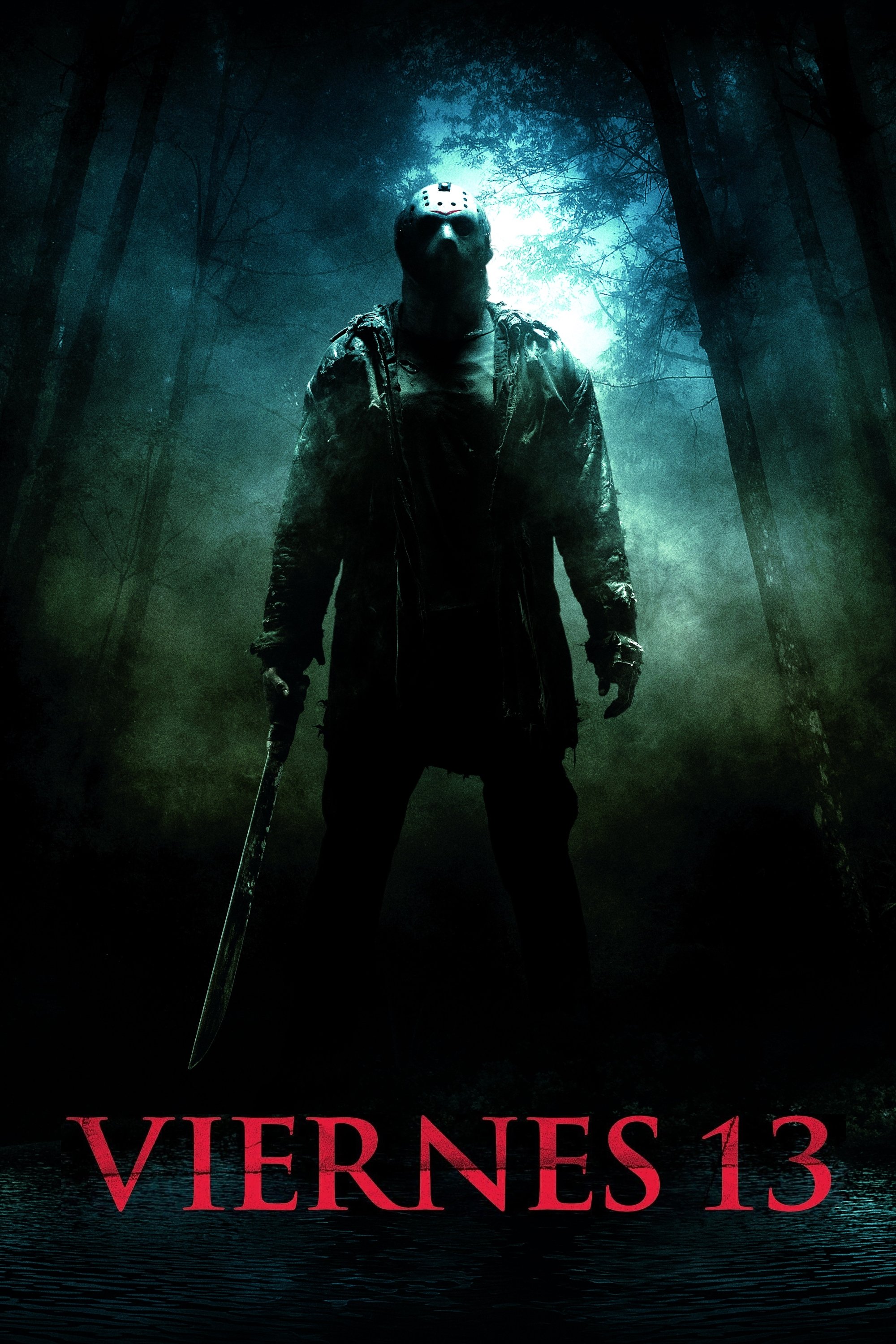
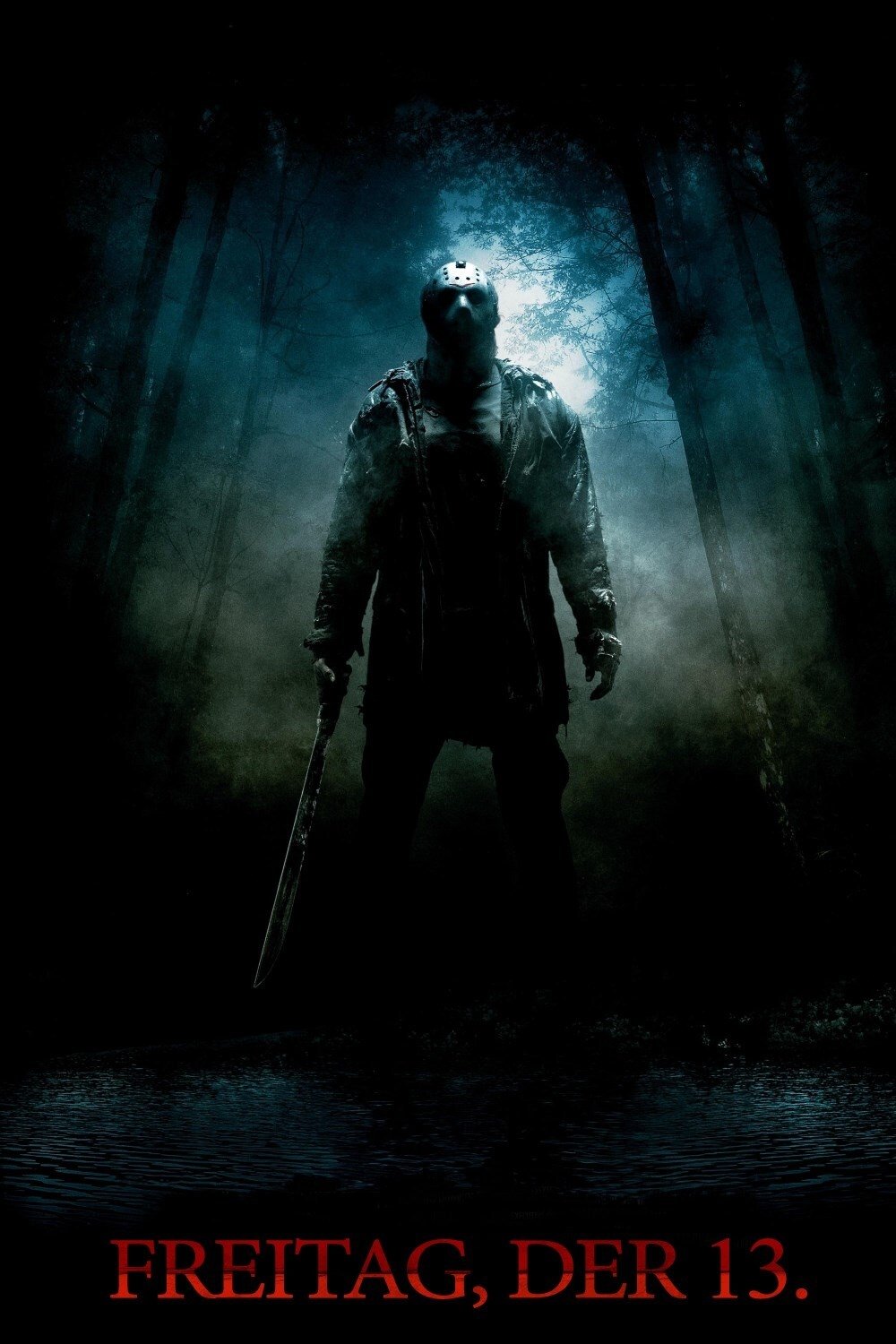
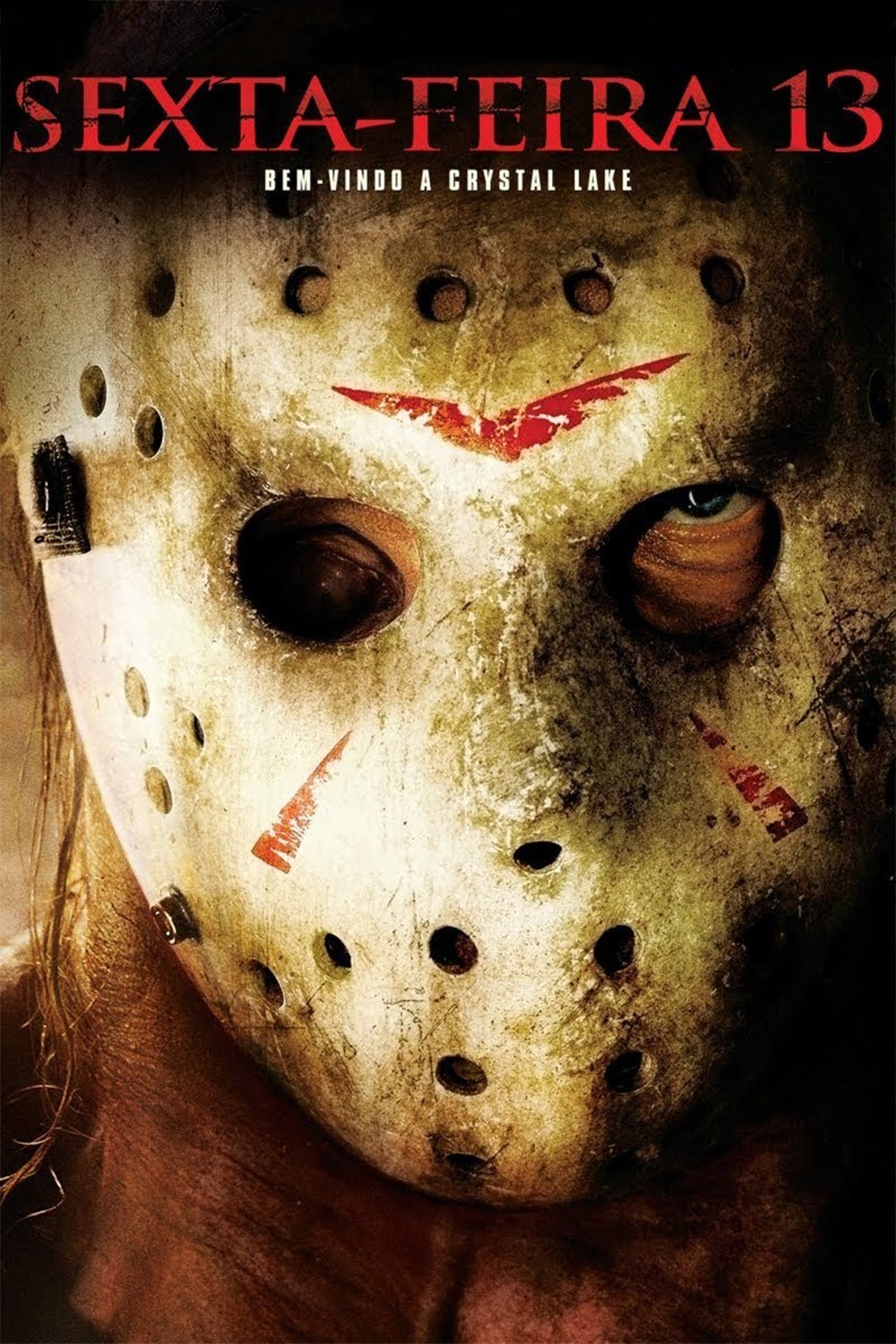
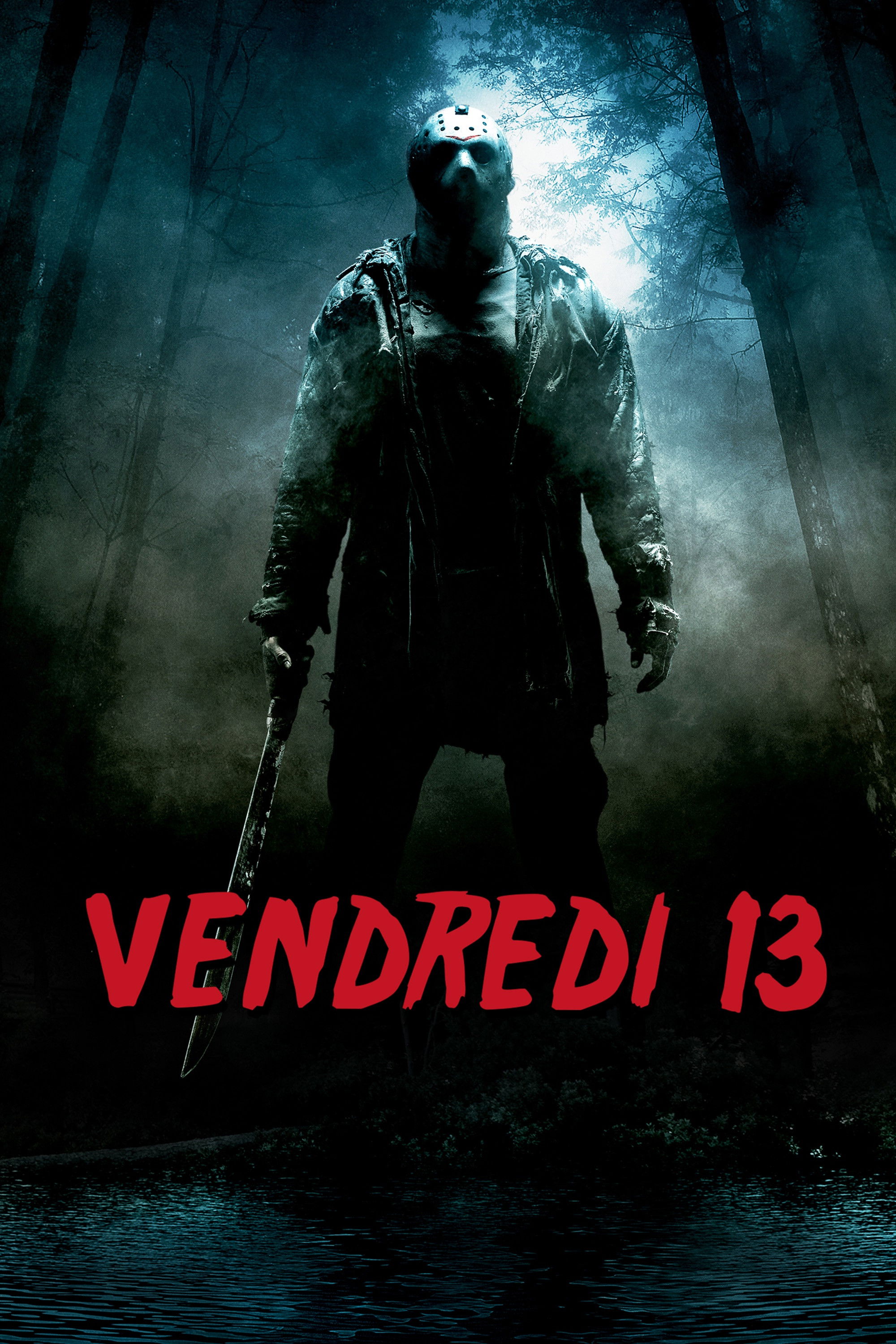
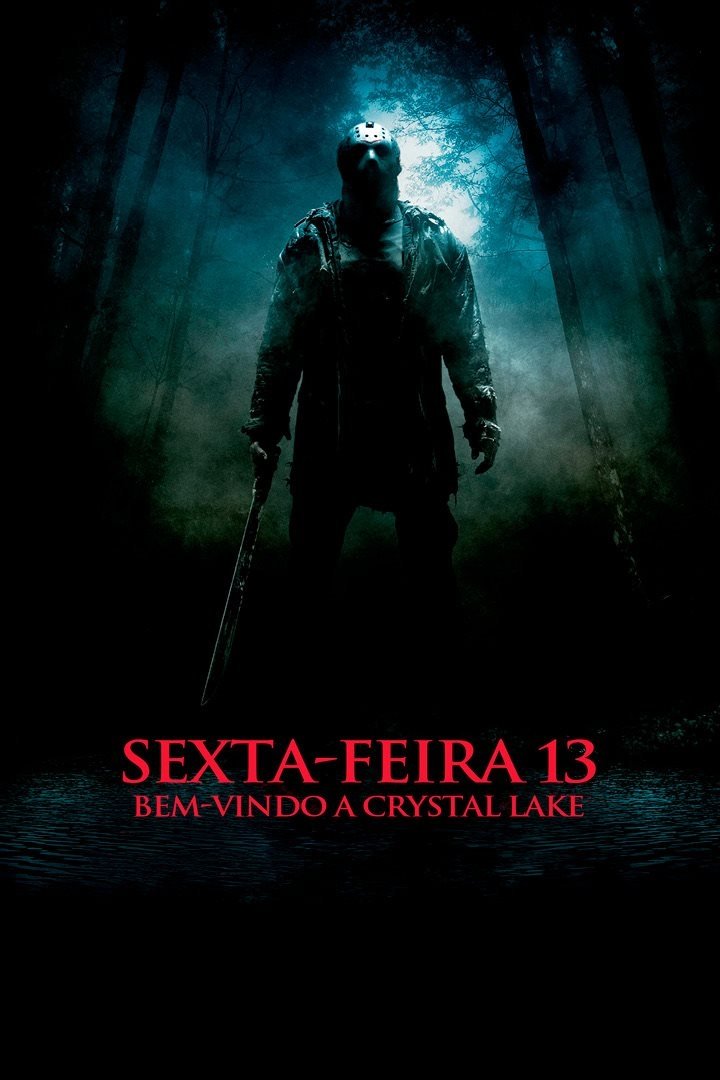
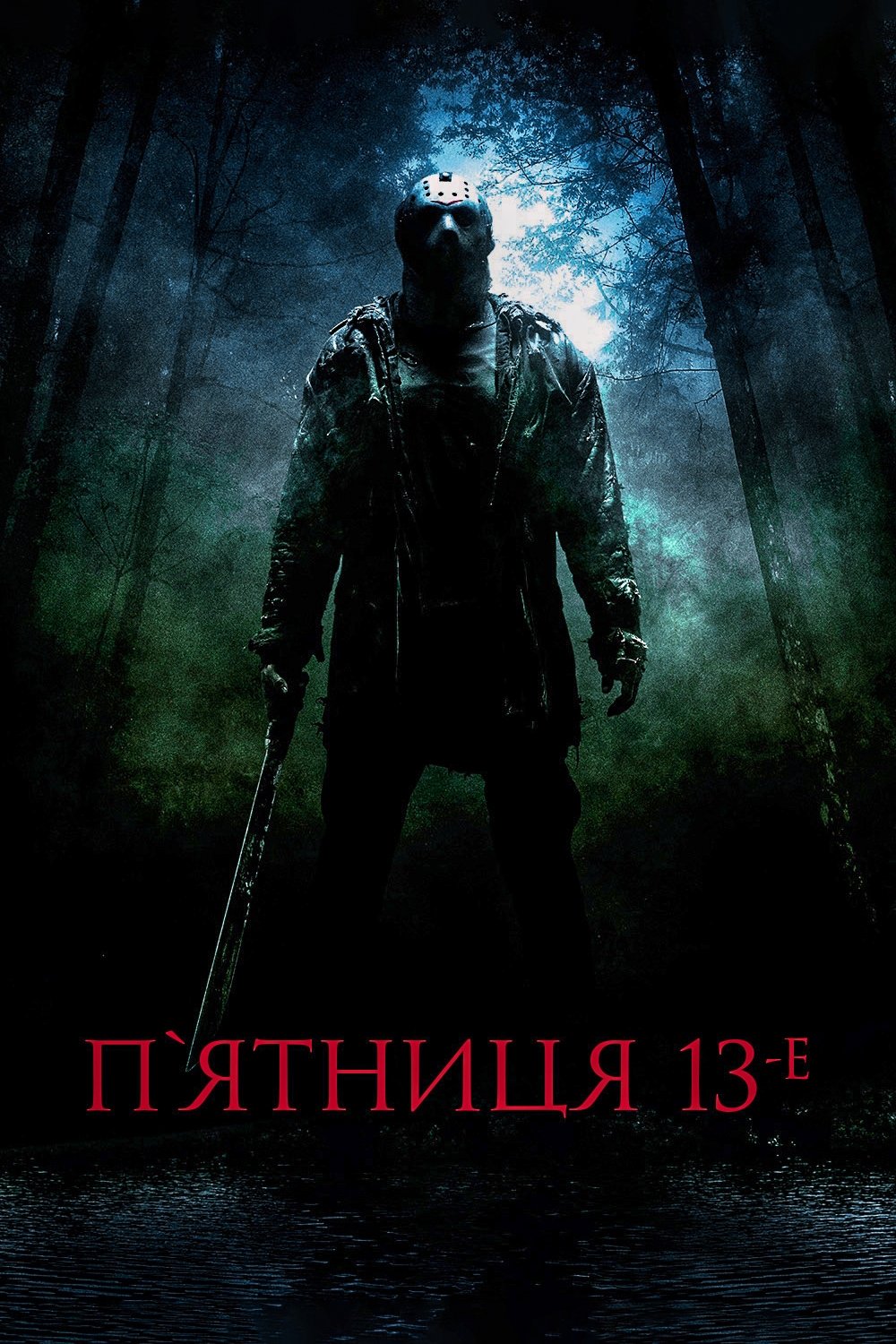
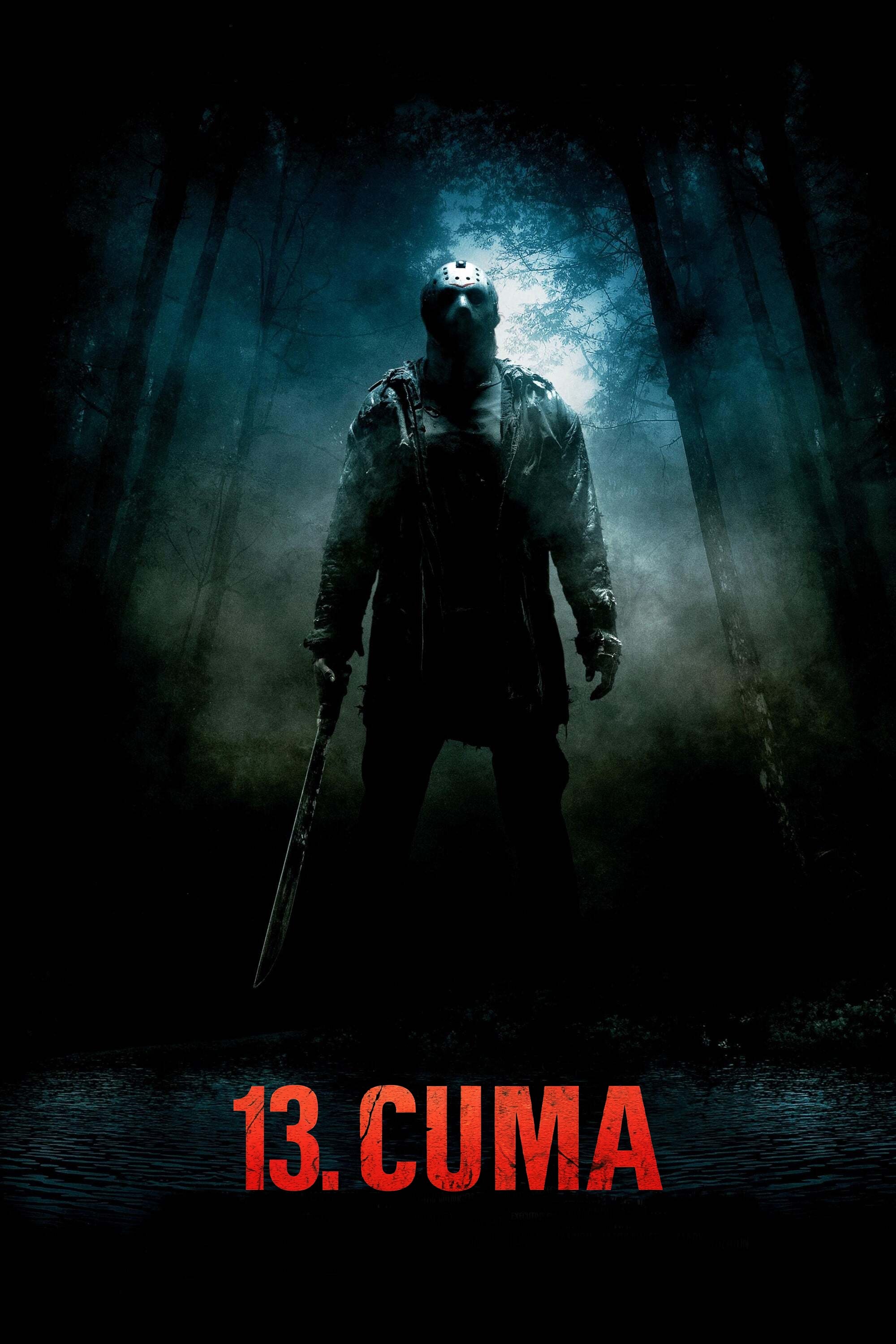
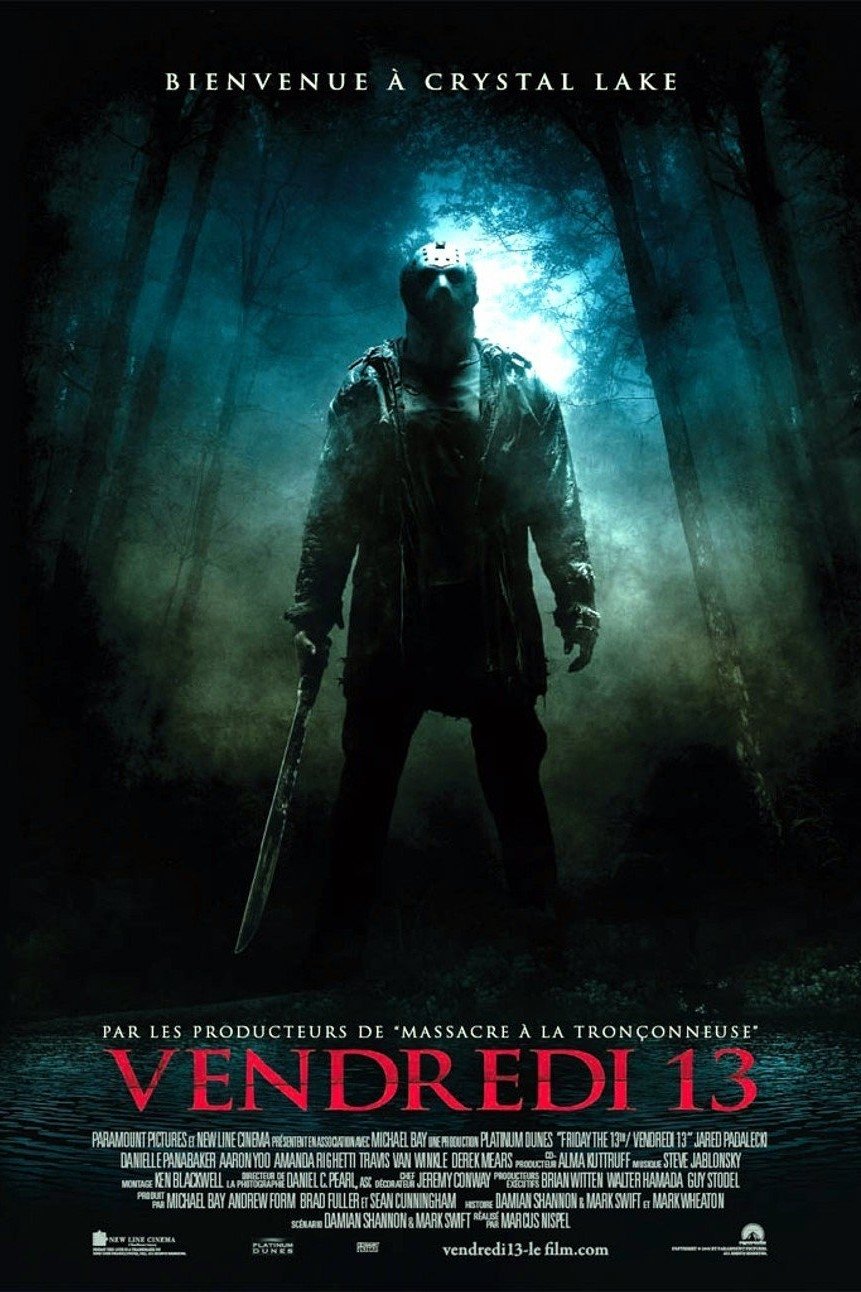
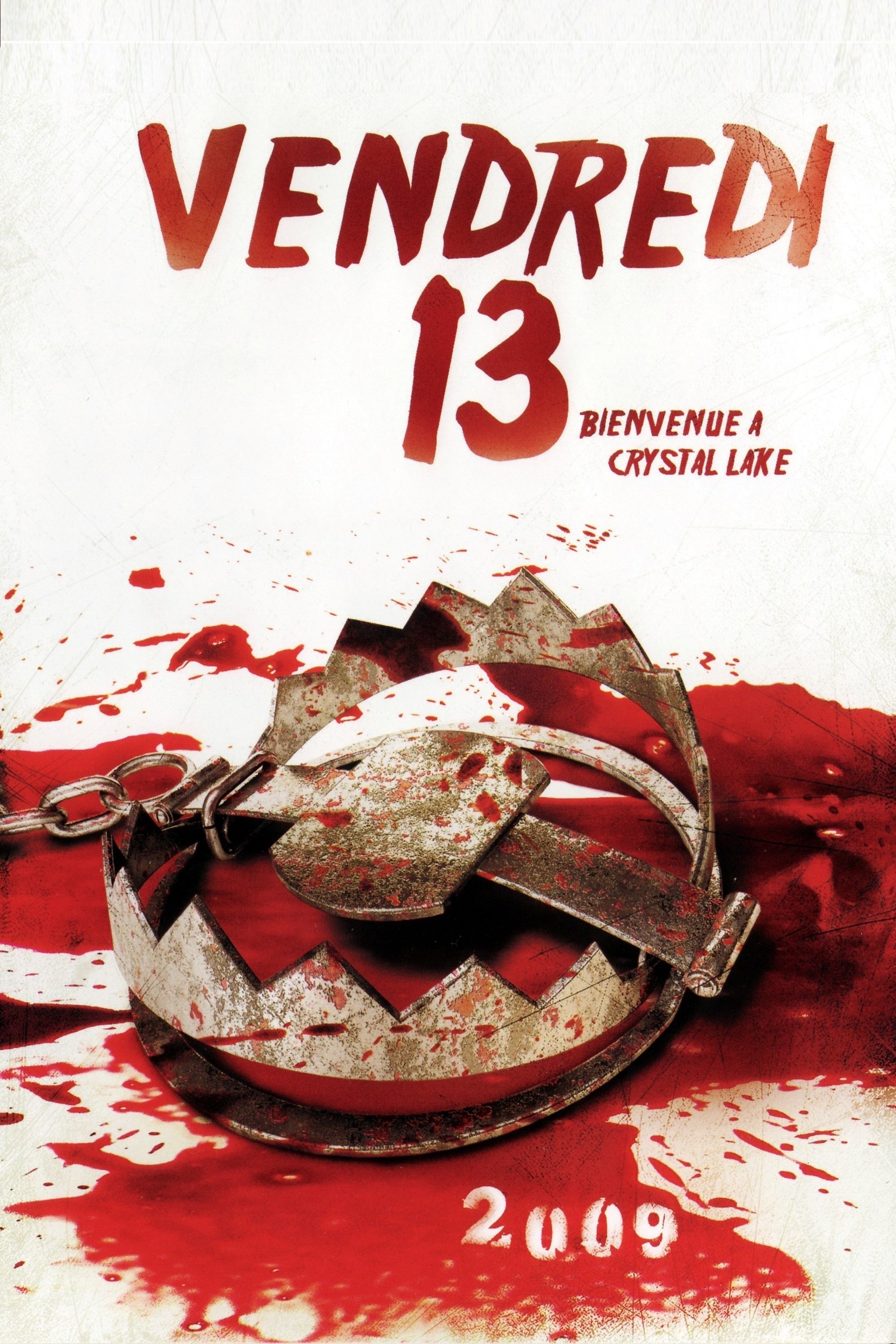
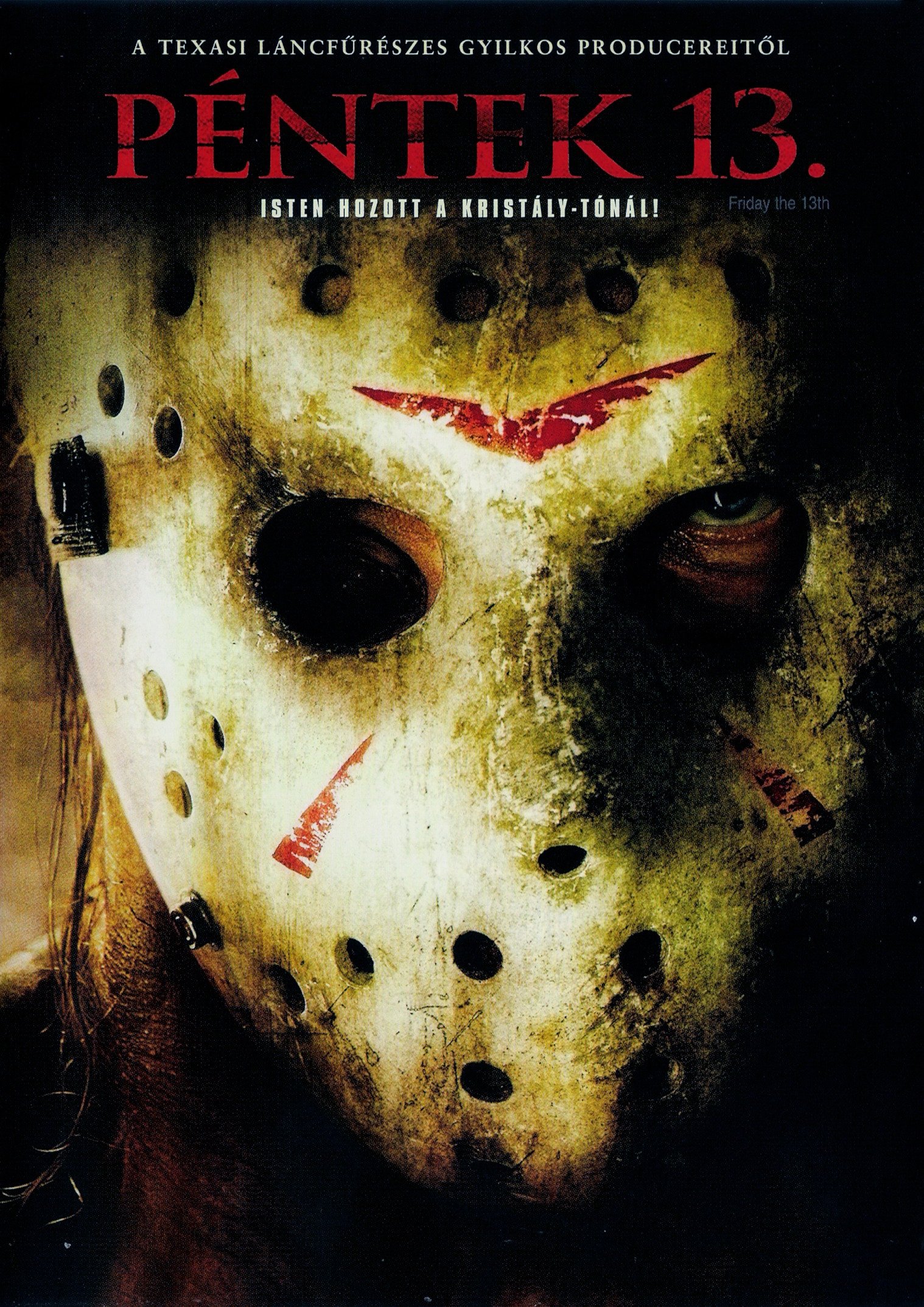
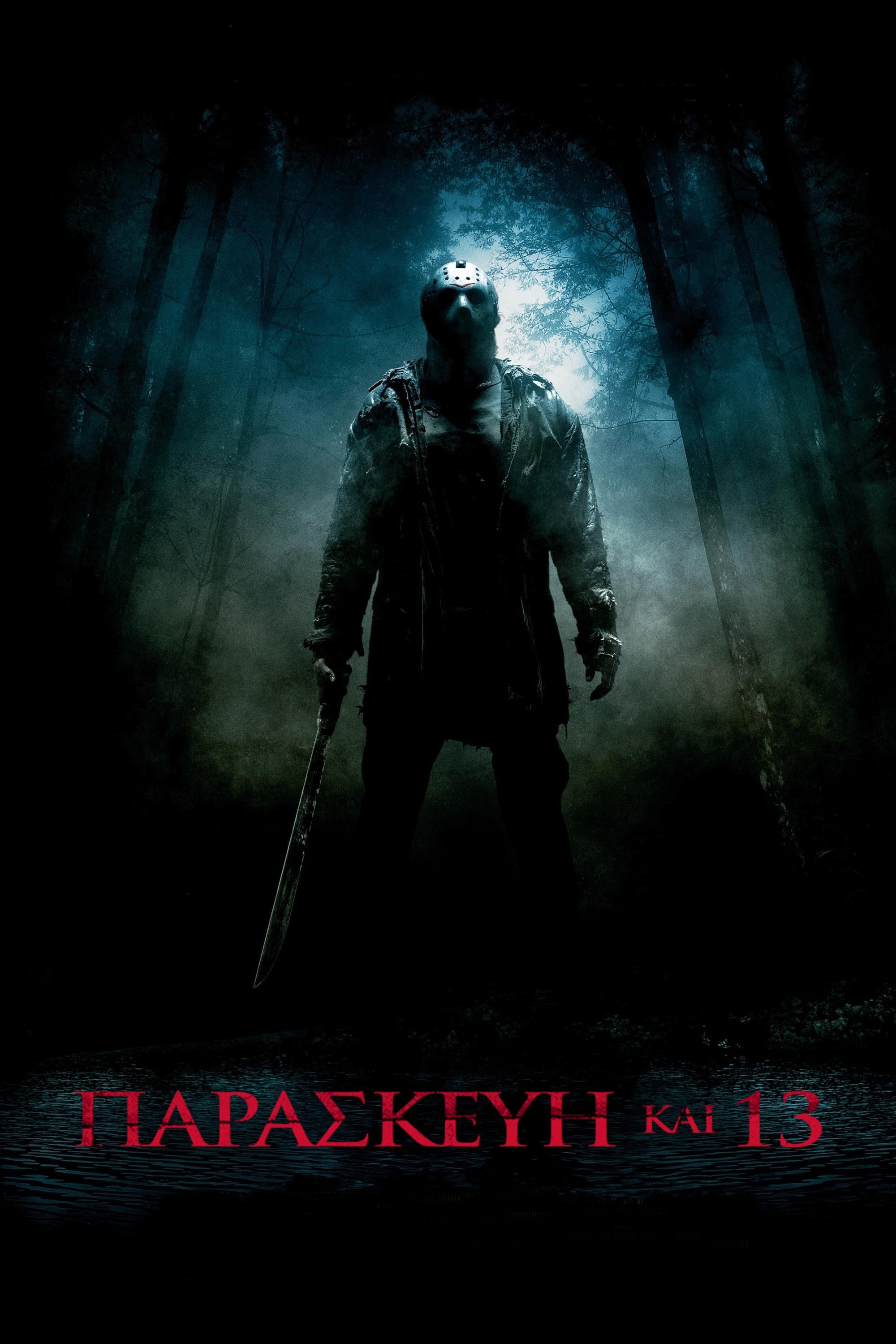
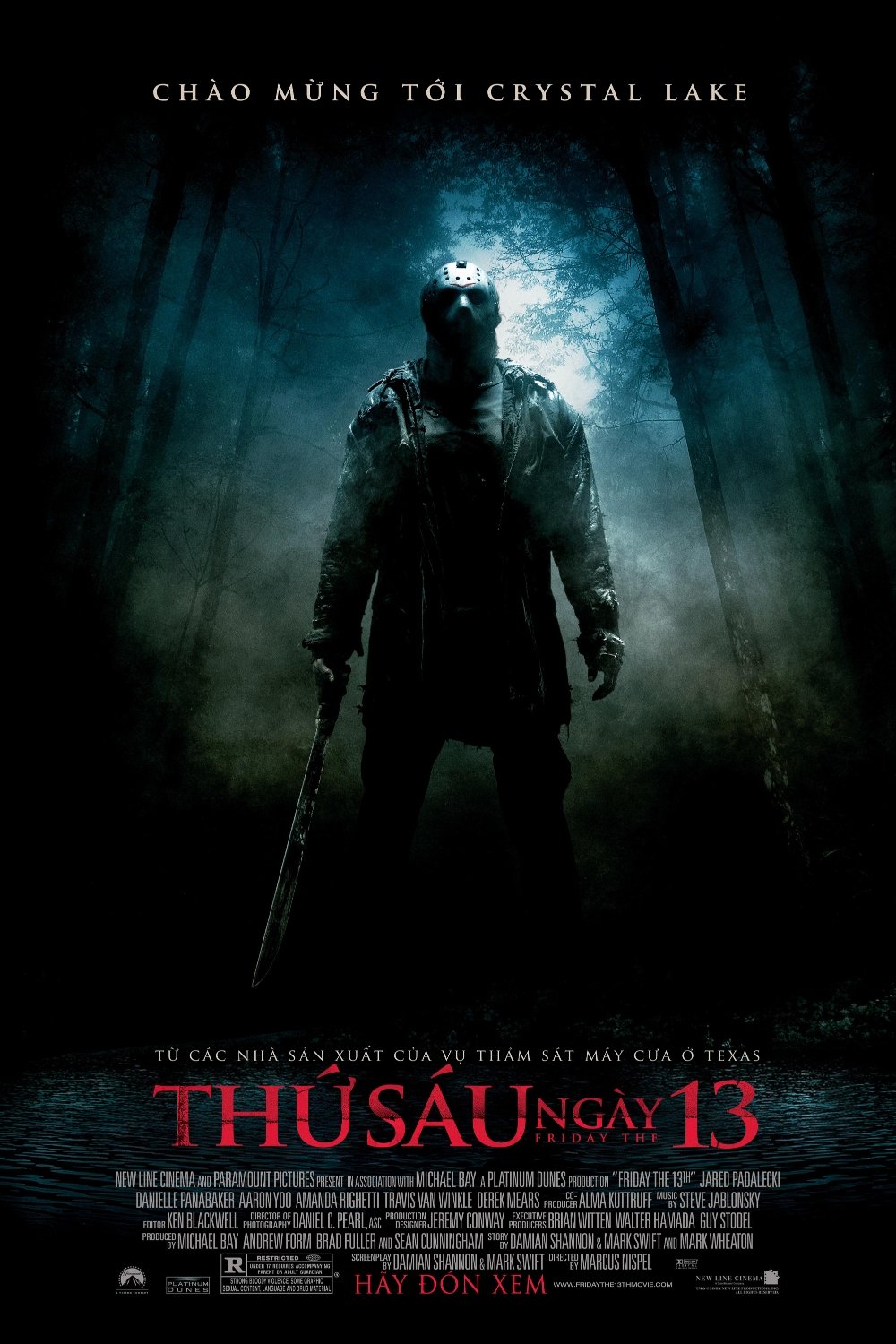
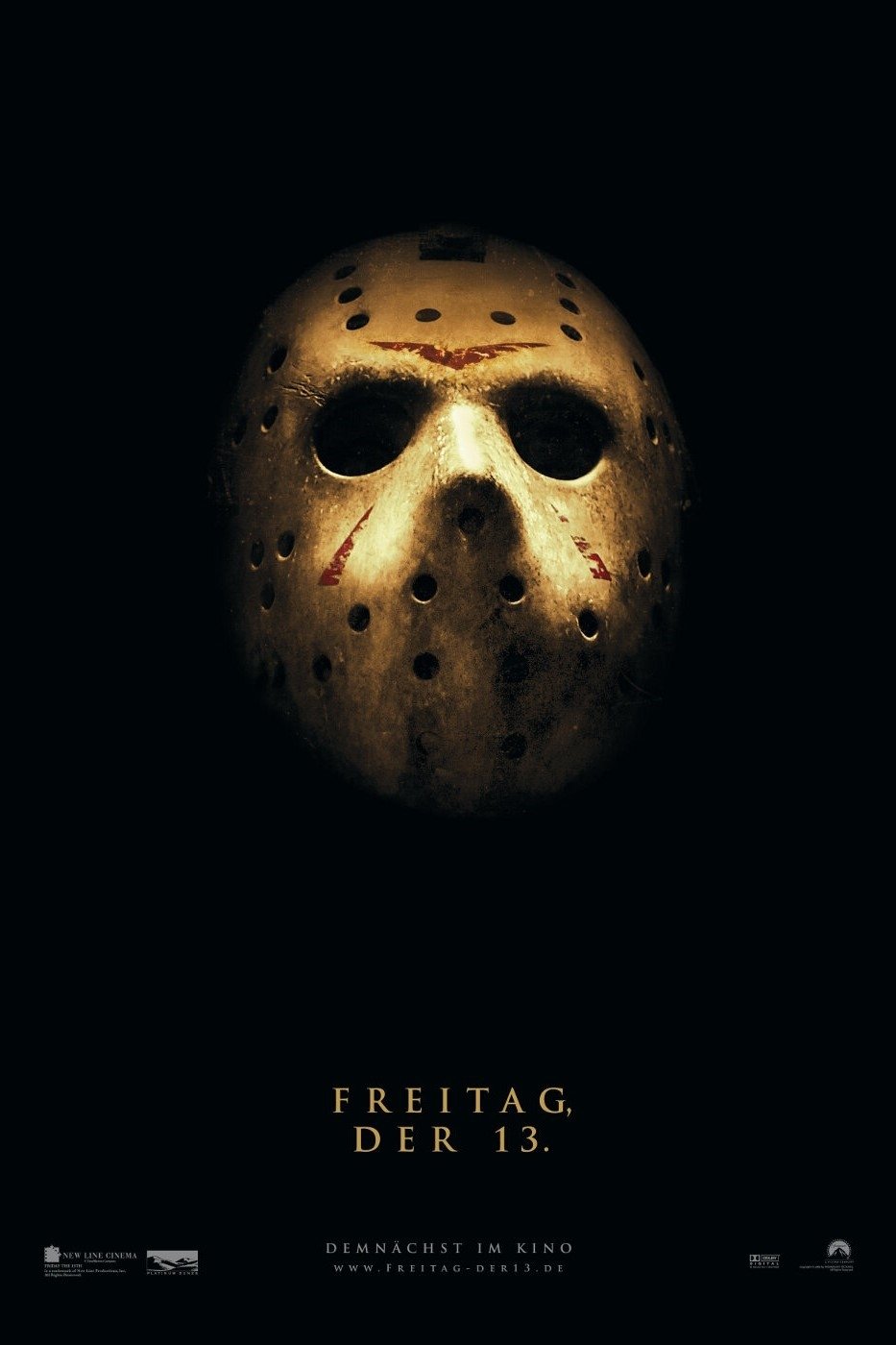
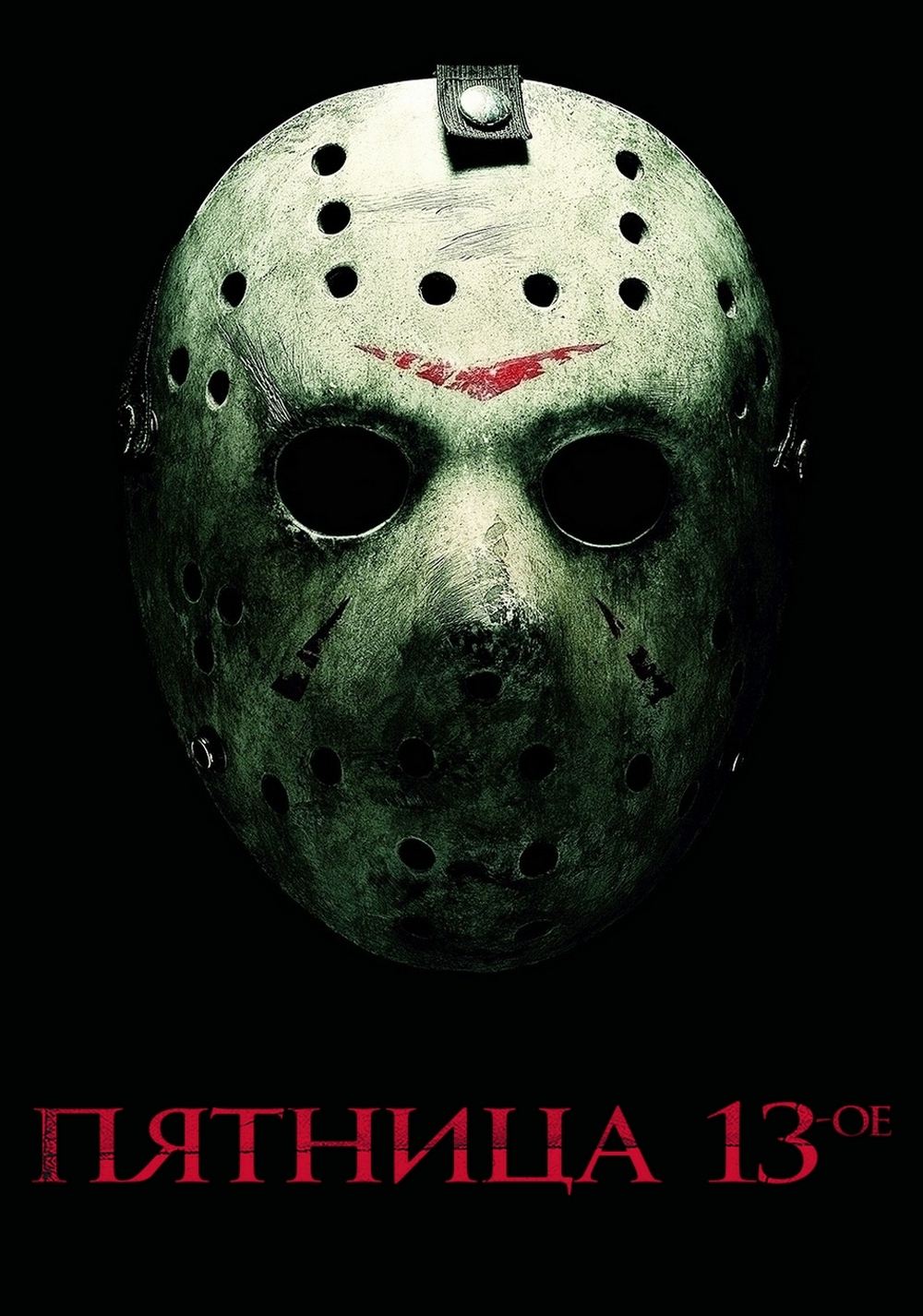
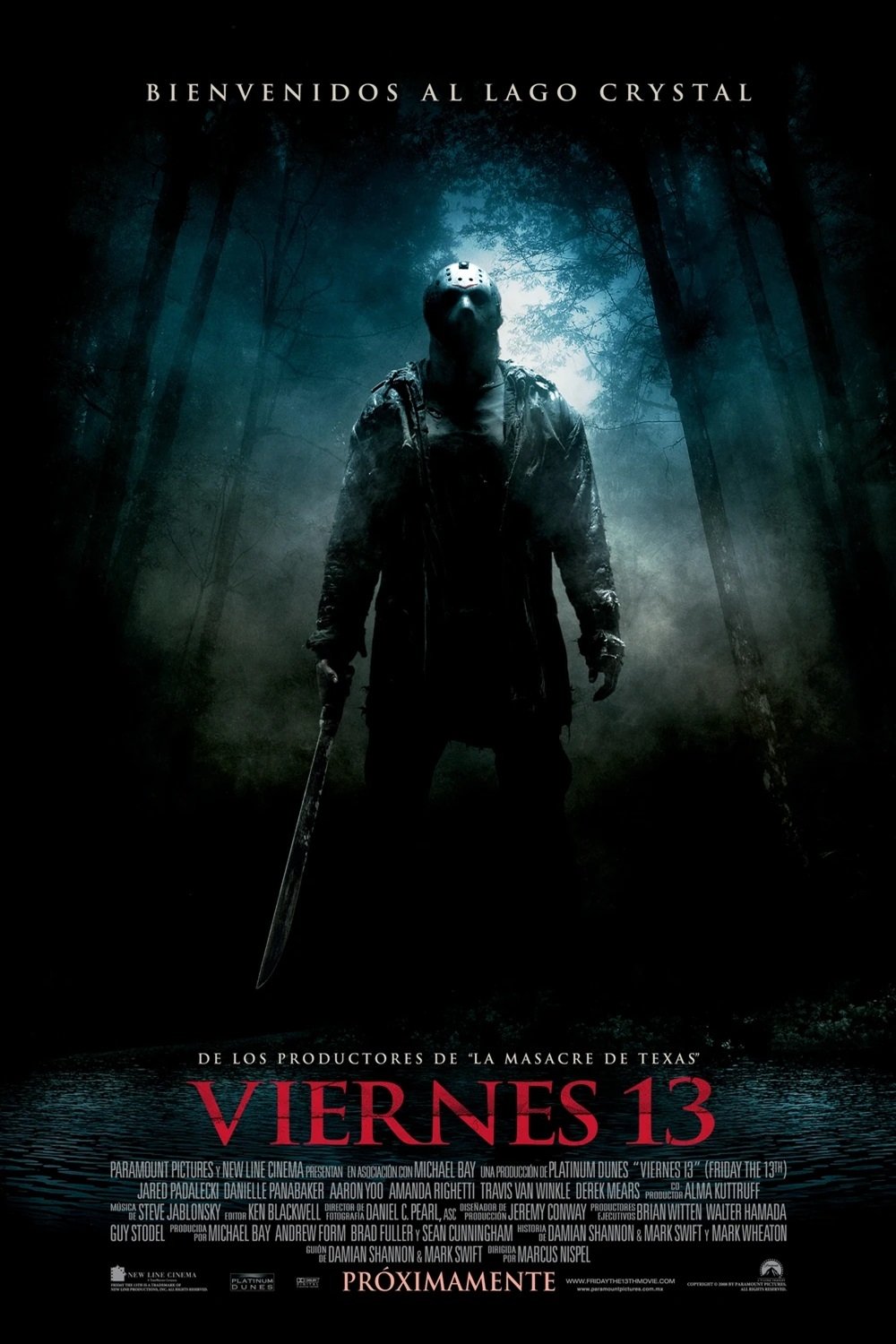
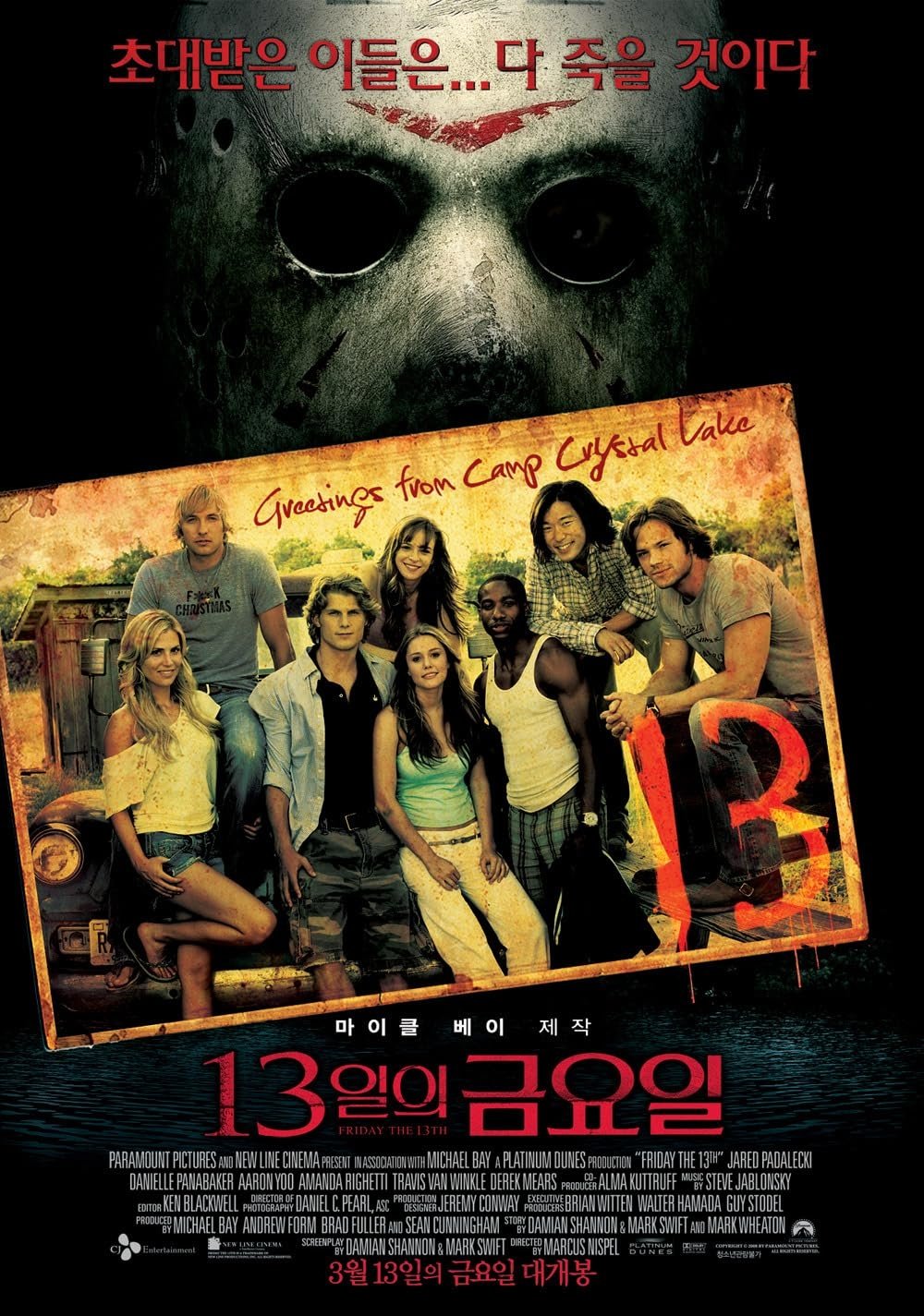
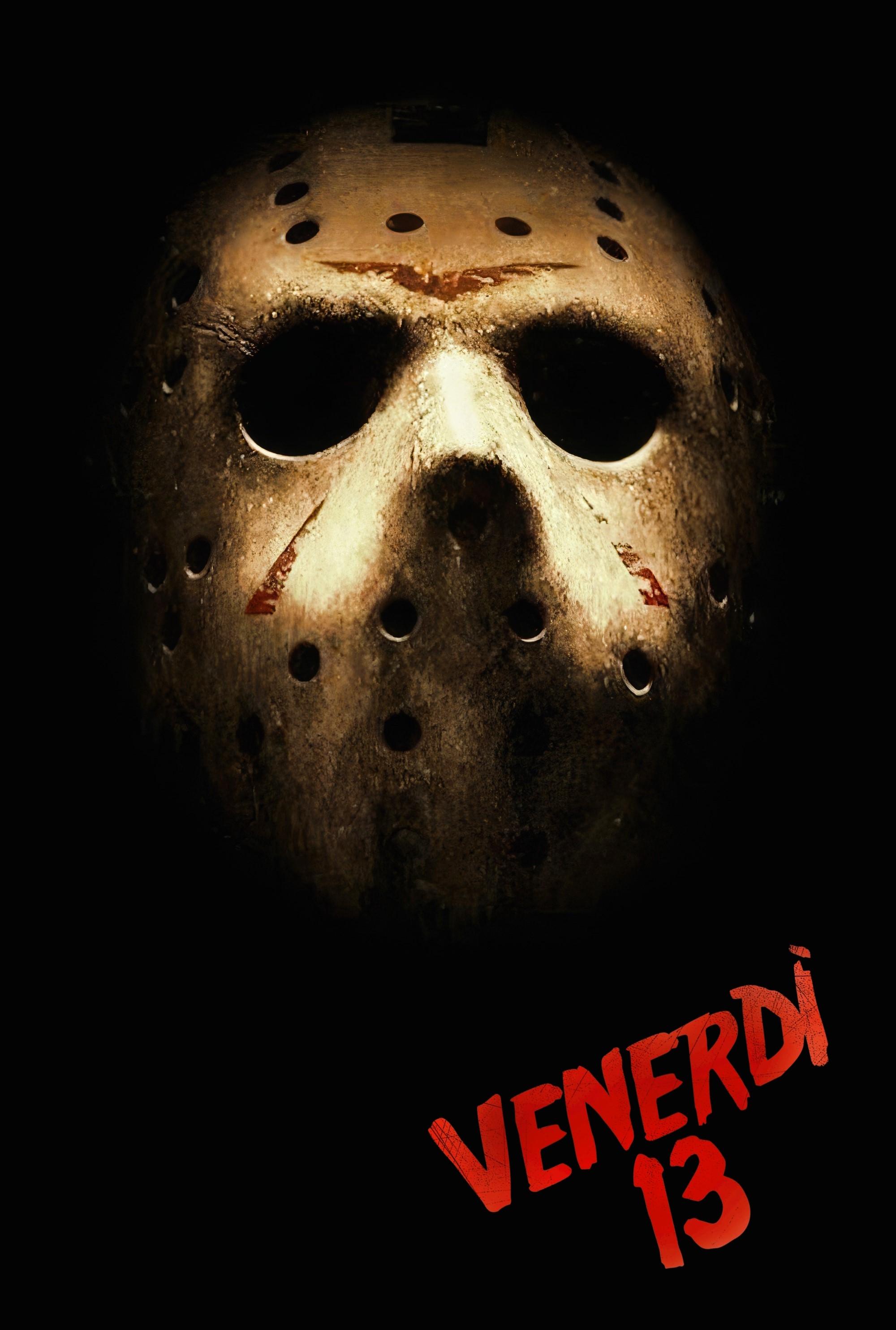
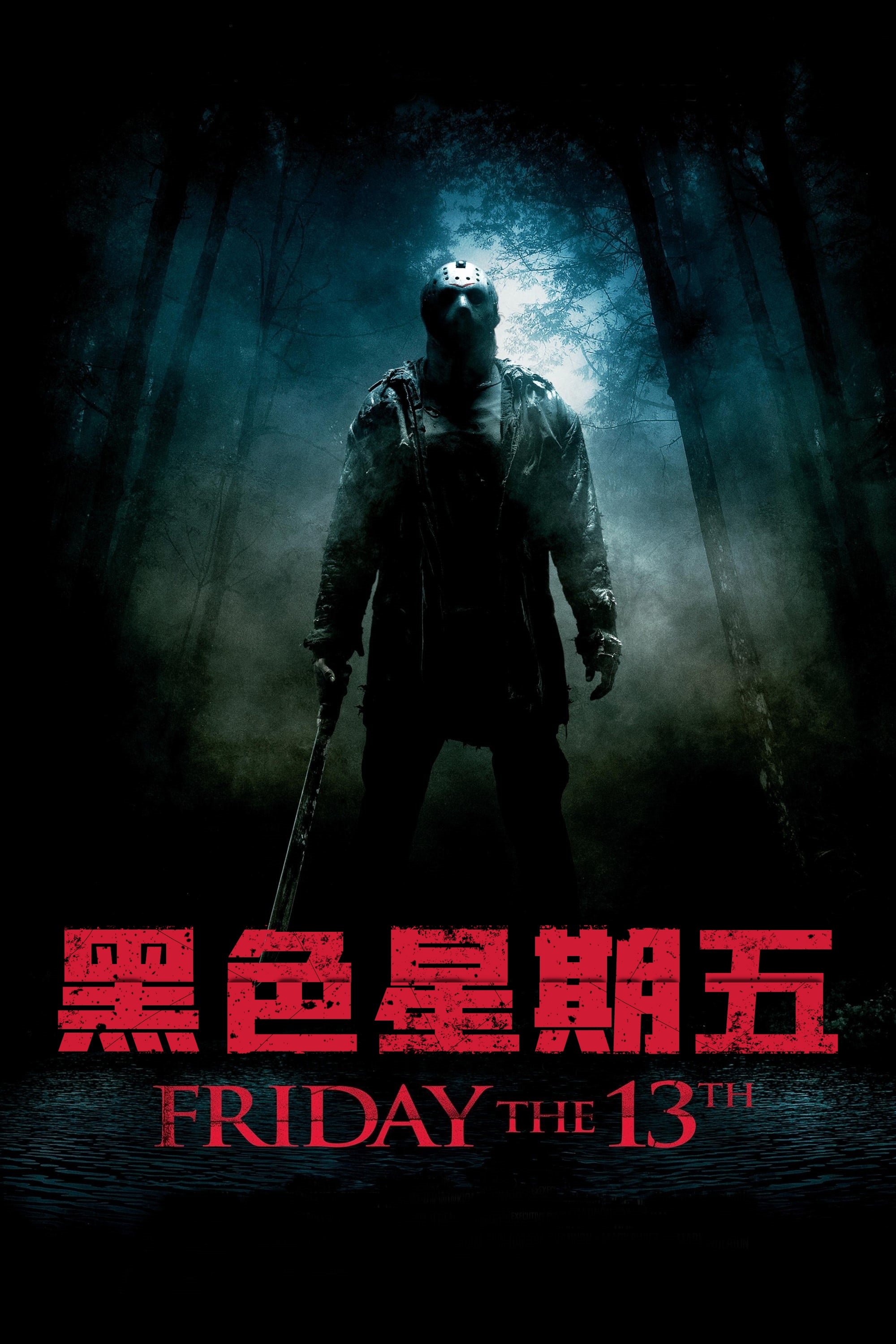
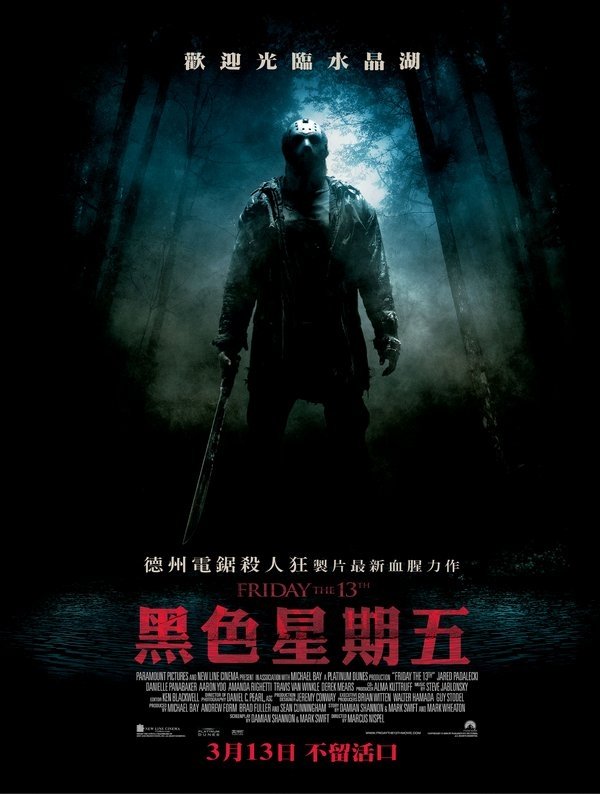
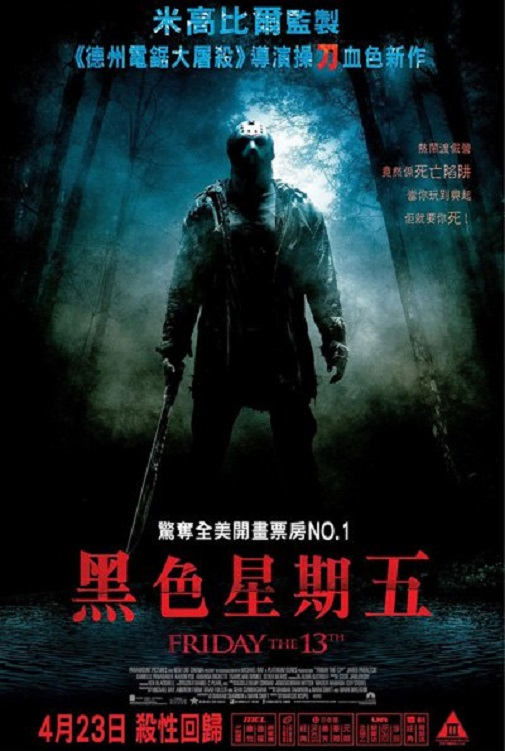
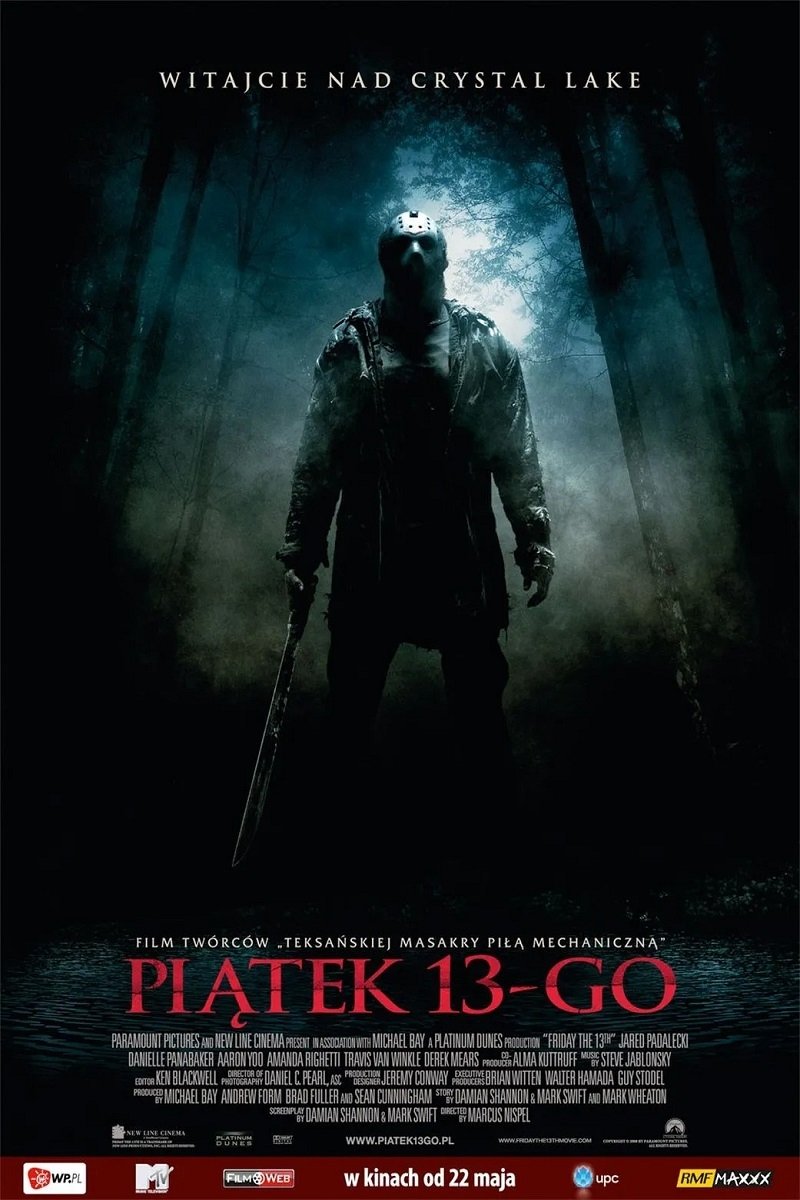
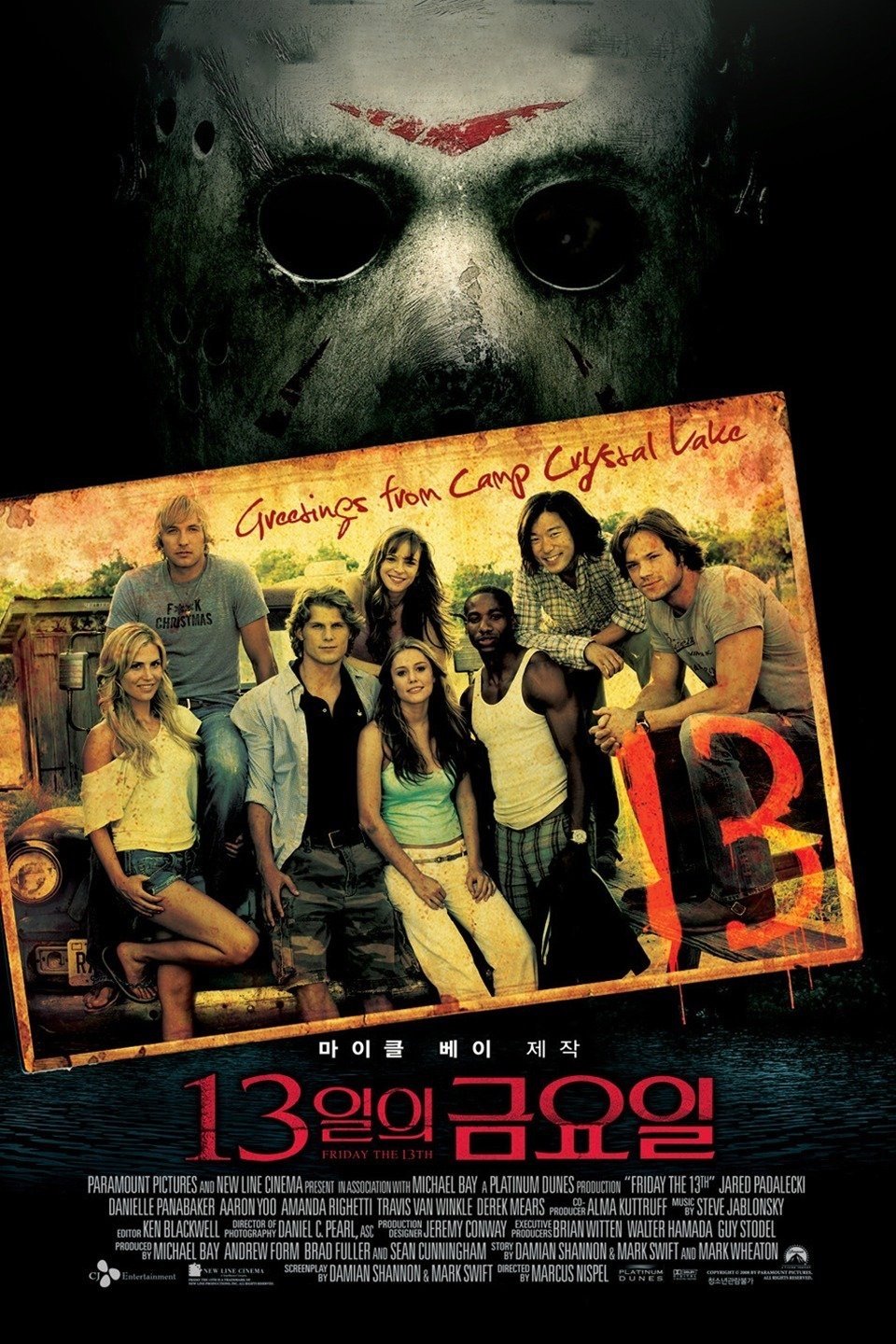
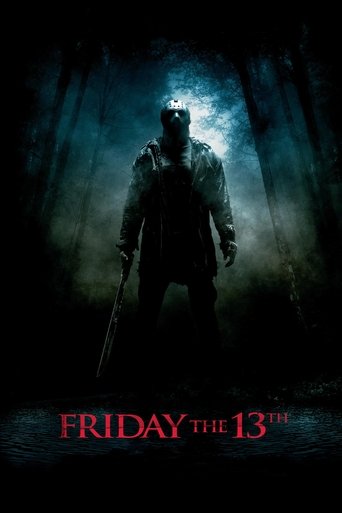
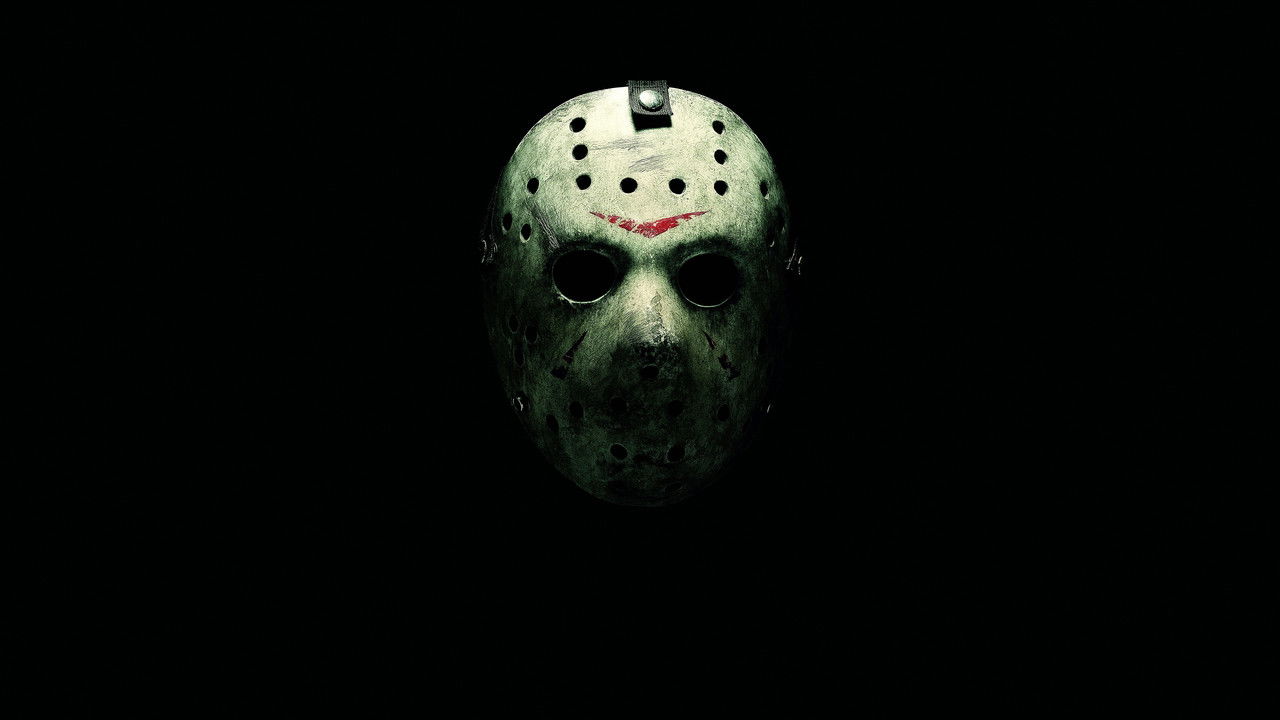
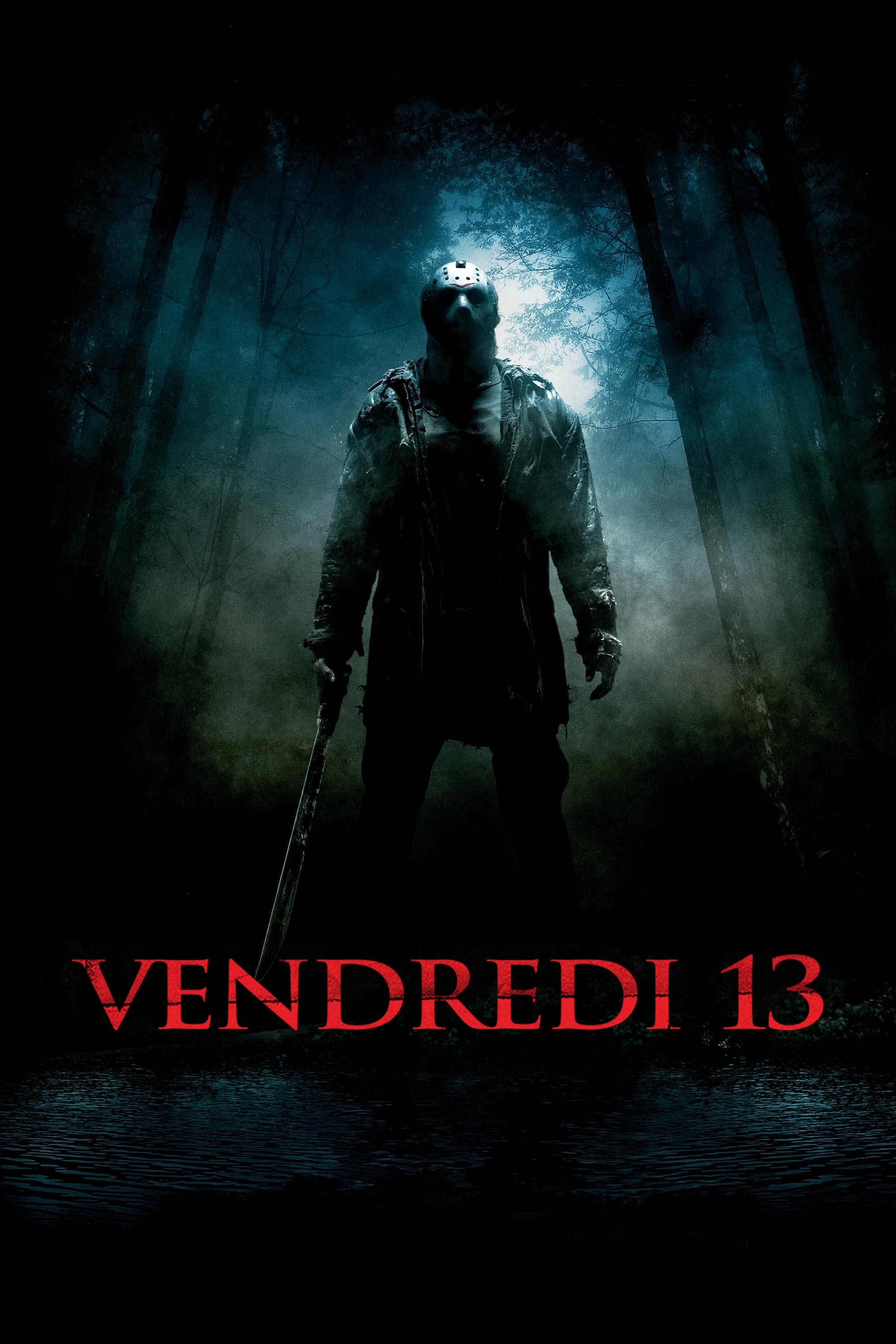
Friday the 13th (2009) poster
Director
Production Companies
New Line Cinema , Paramount Pictures , Platinum Dunes , Crystal Lake Entertainment
Plot

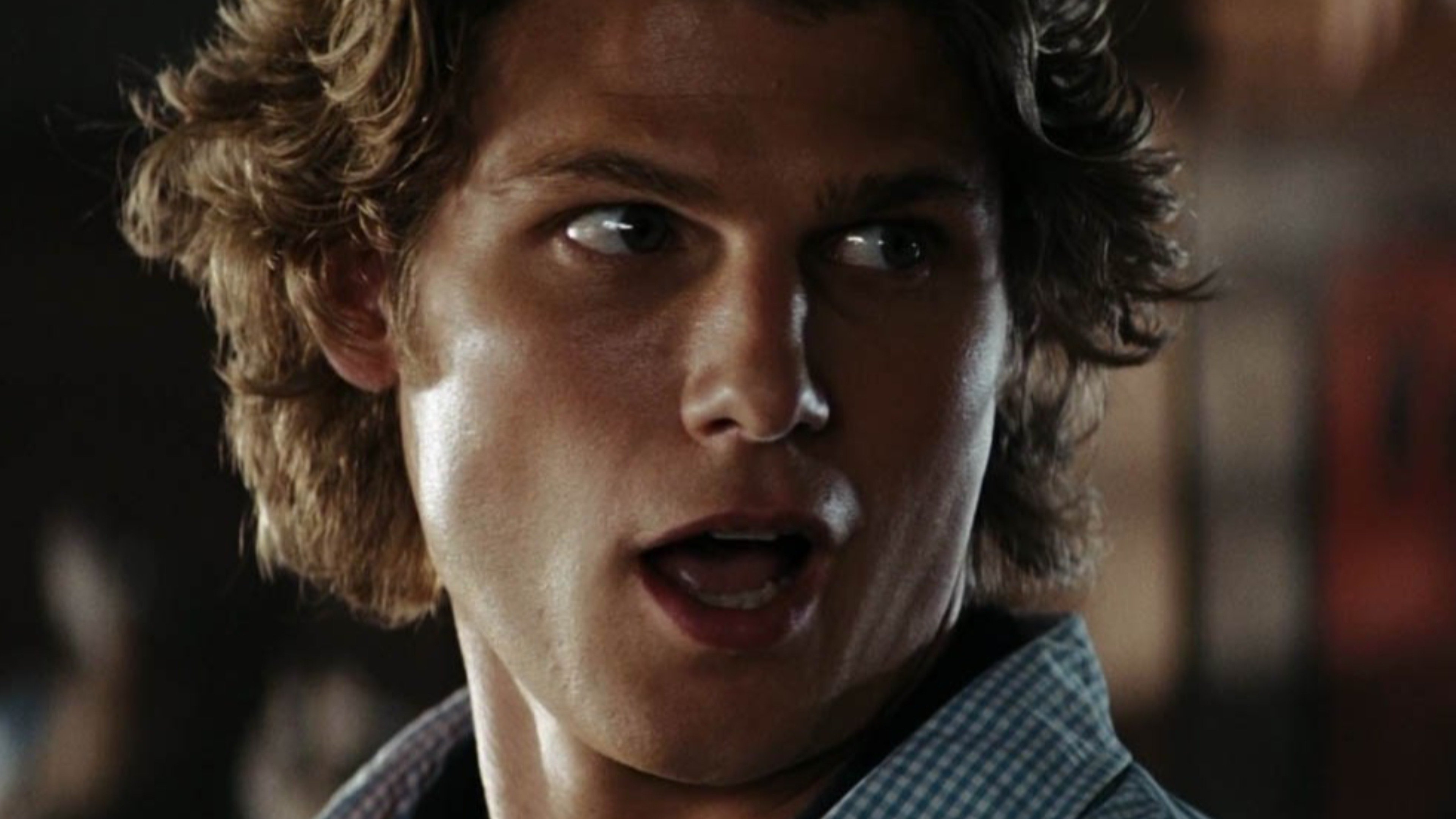
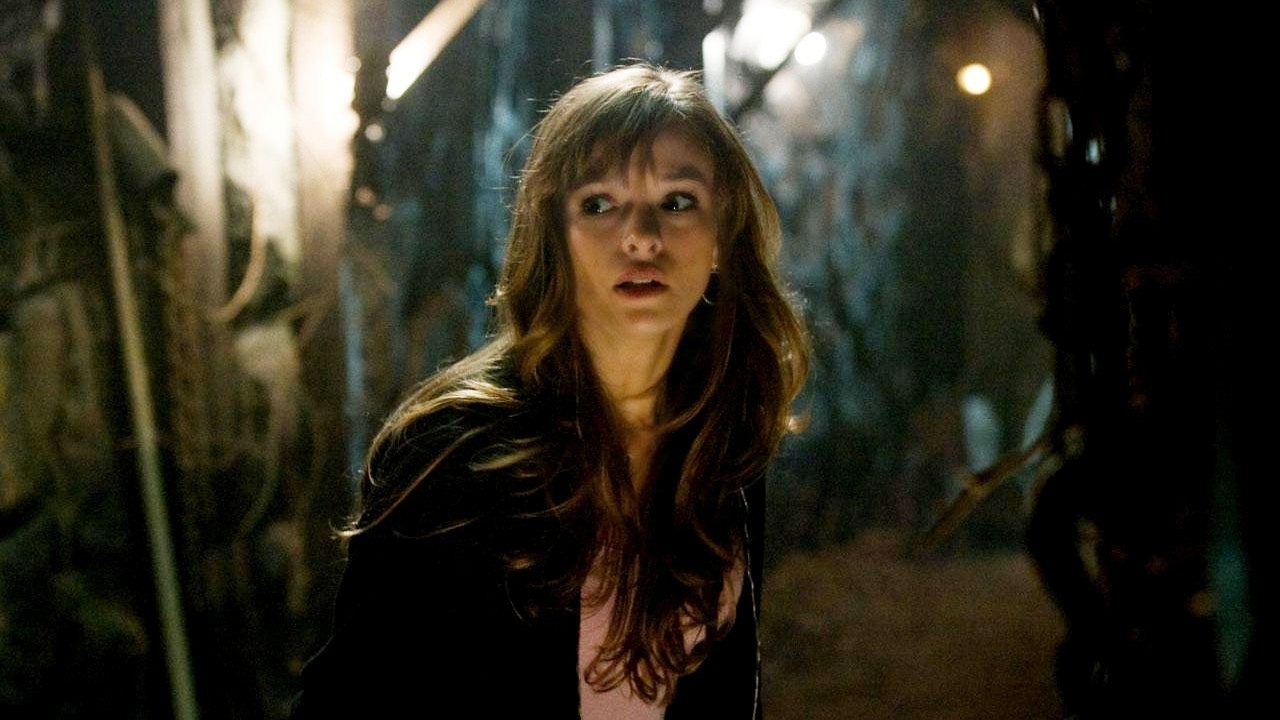
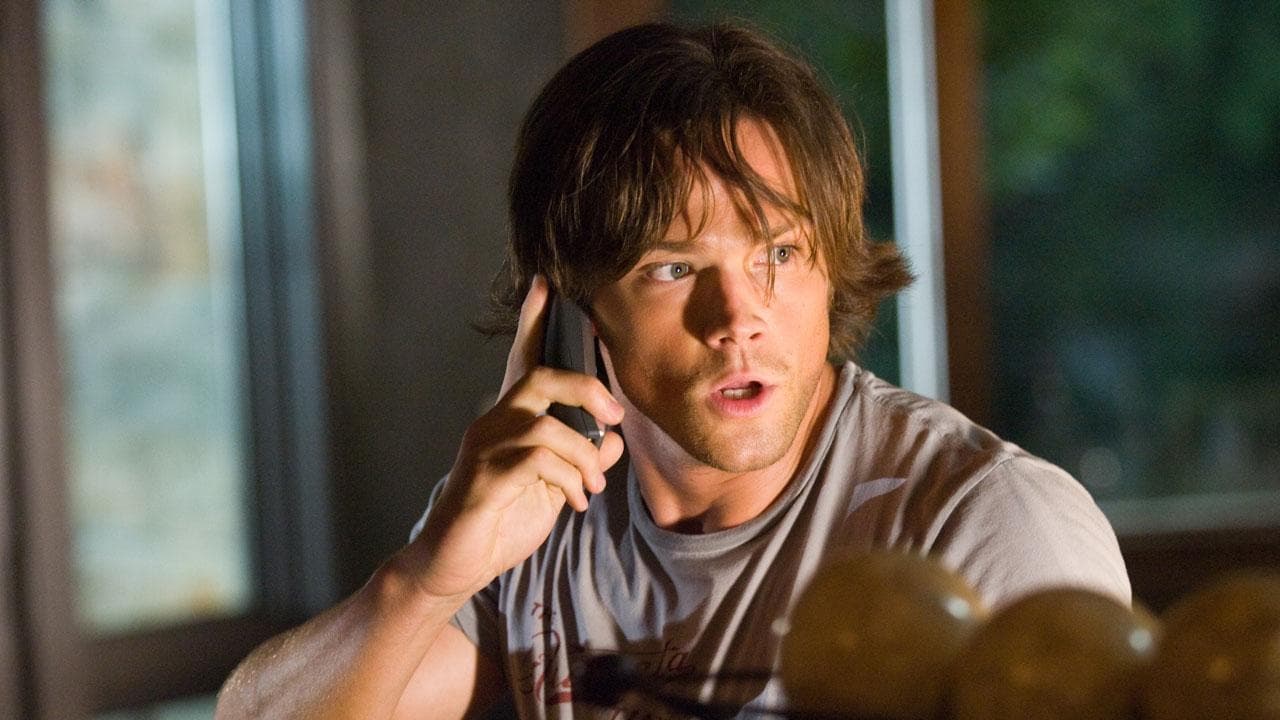
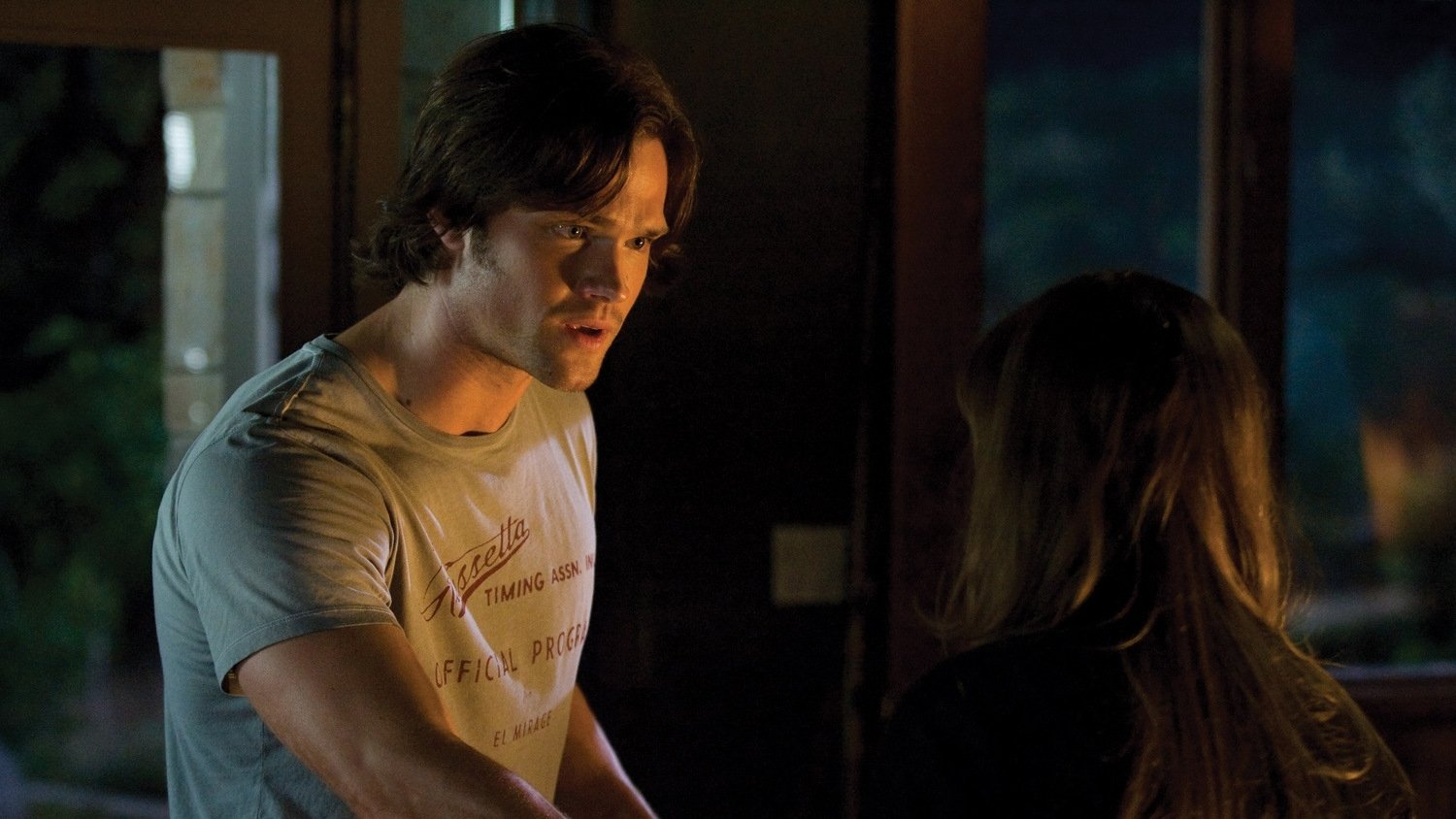
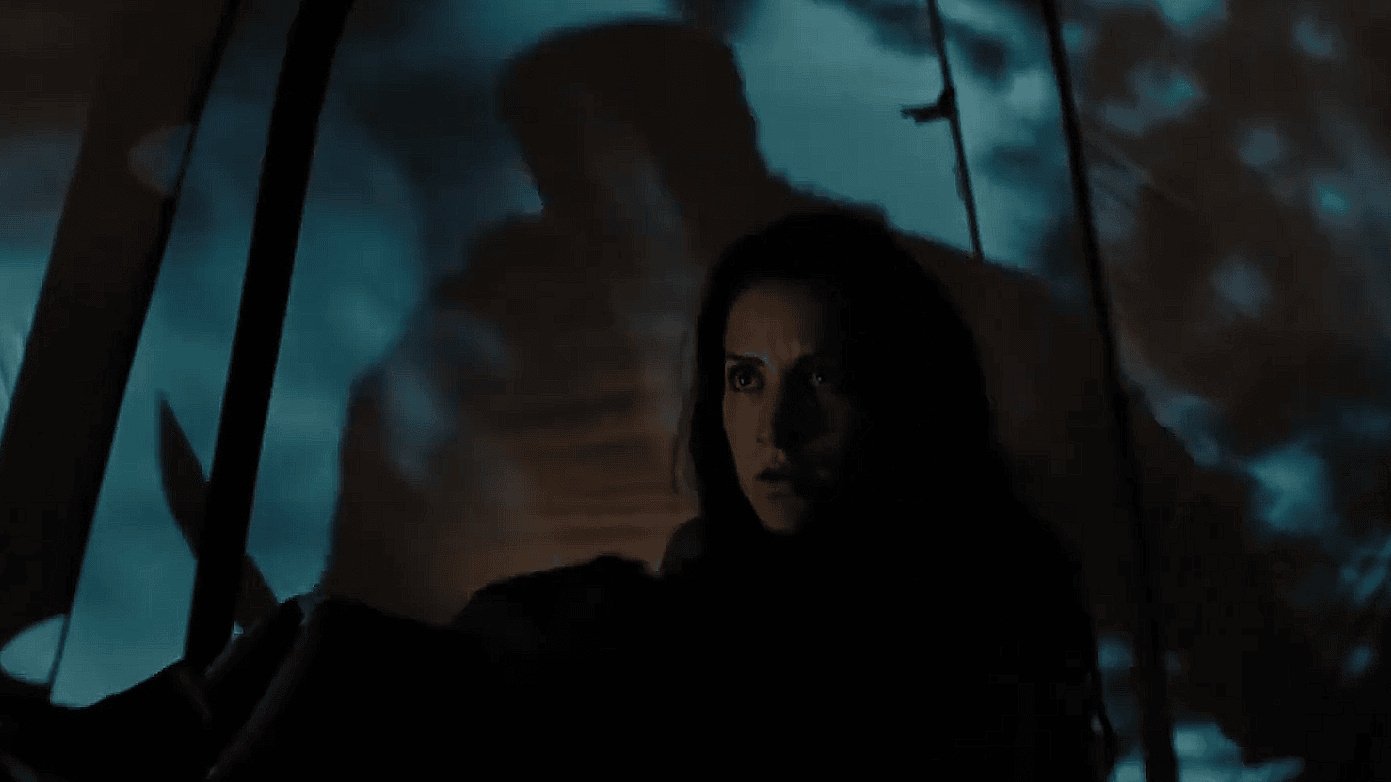
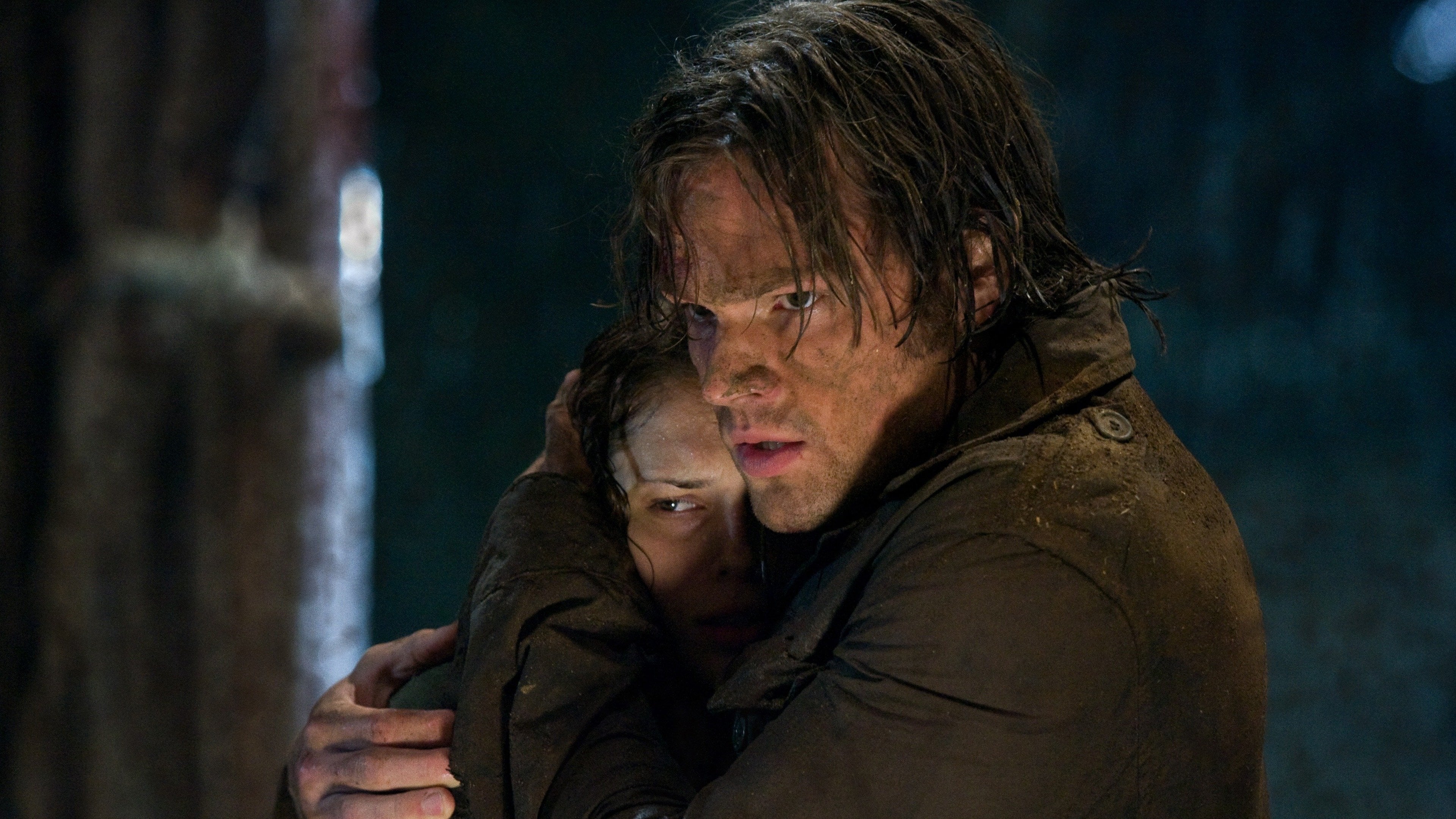
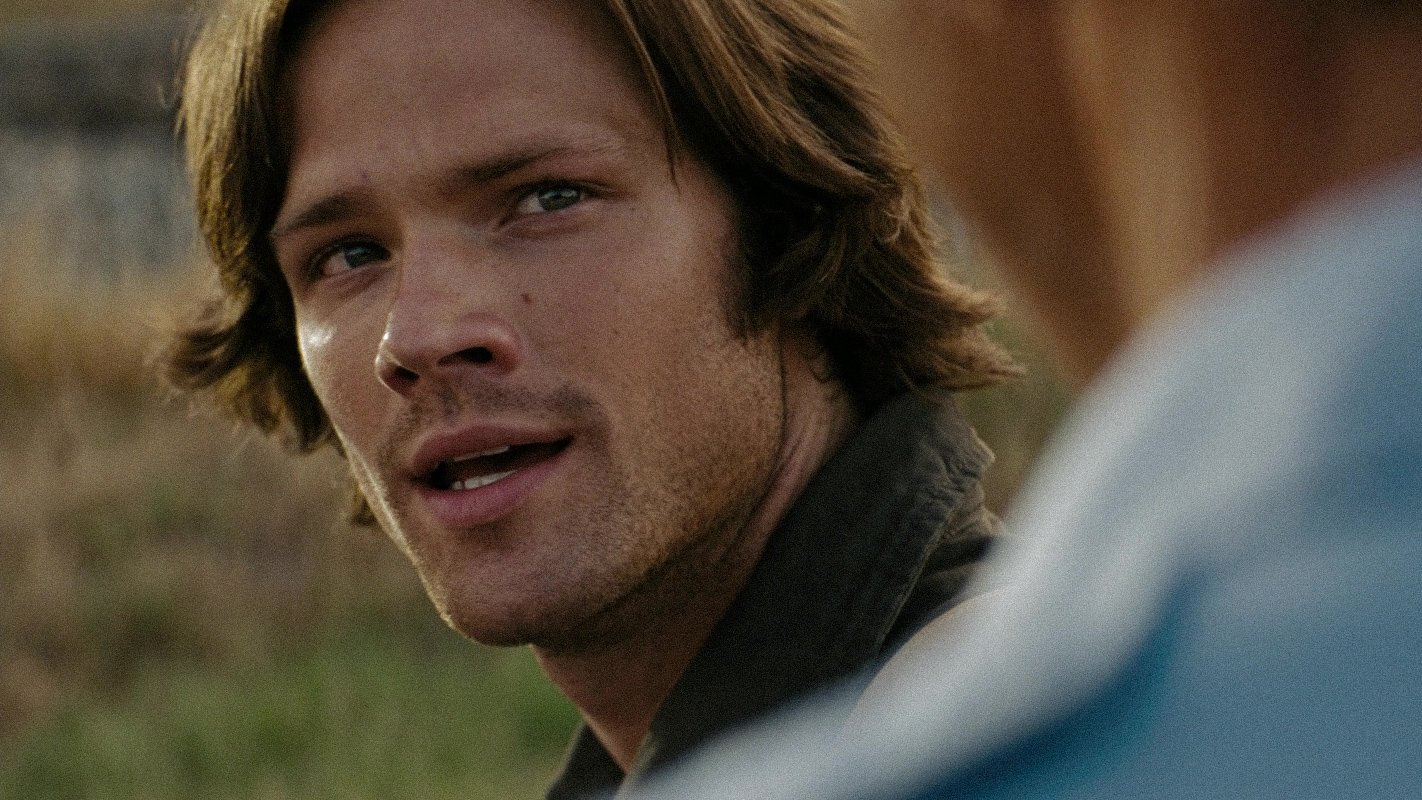
Clay Miller travels to the Crystal Lake area looking for his missing sister Whitney, who vanished during a camping trip with friends. Nearby, Jenna and a group of young vacationers arrive at a lakeside house, unaware that the surrounding woods are occupied by Jason Voorhees. As Clay follows clues to Whitney's disappearance, Jason begins hunting the visitors and anyone who crosses his territory. This retelling introduces the Voorhees family's history before establishing an adult Jason as the central threat, combining familiar elements from the early films in a separate continuity.

Alternative Titles
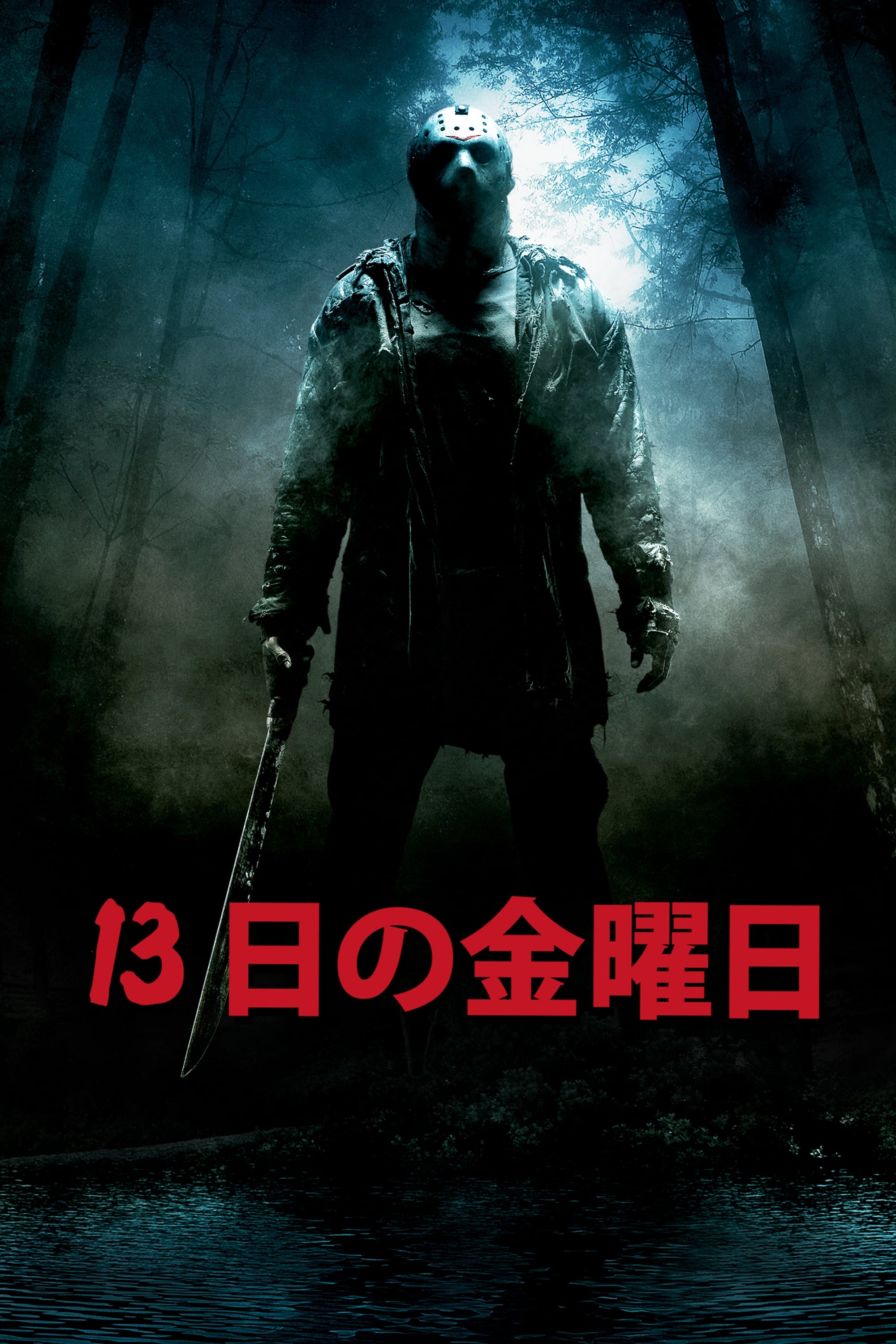
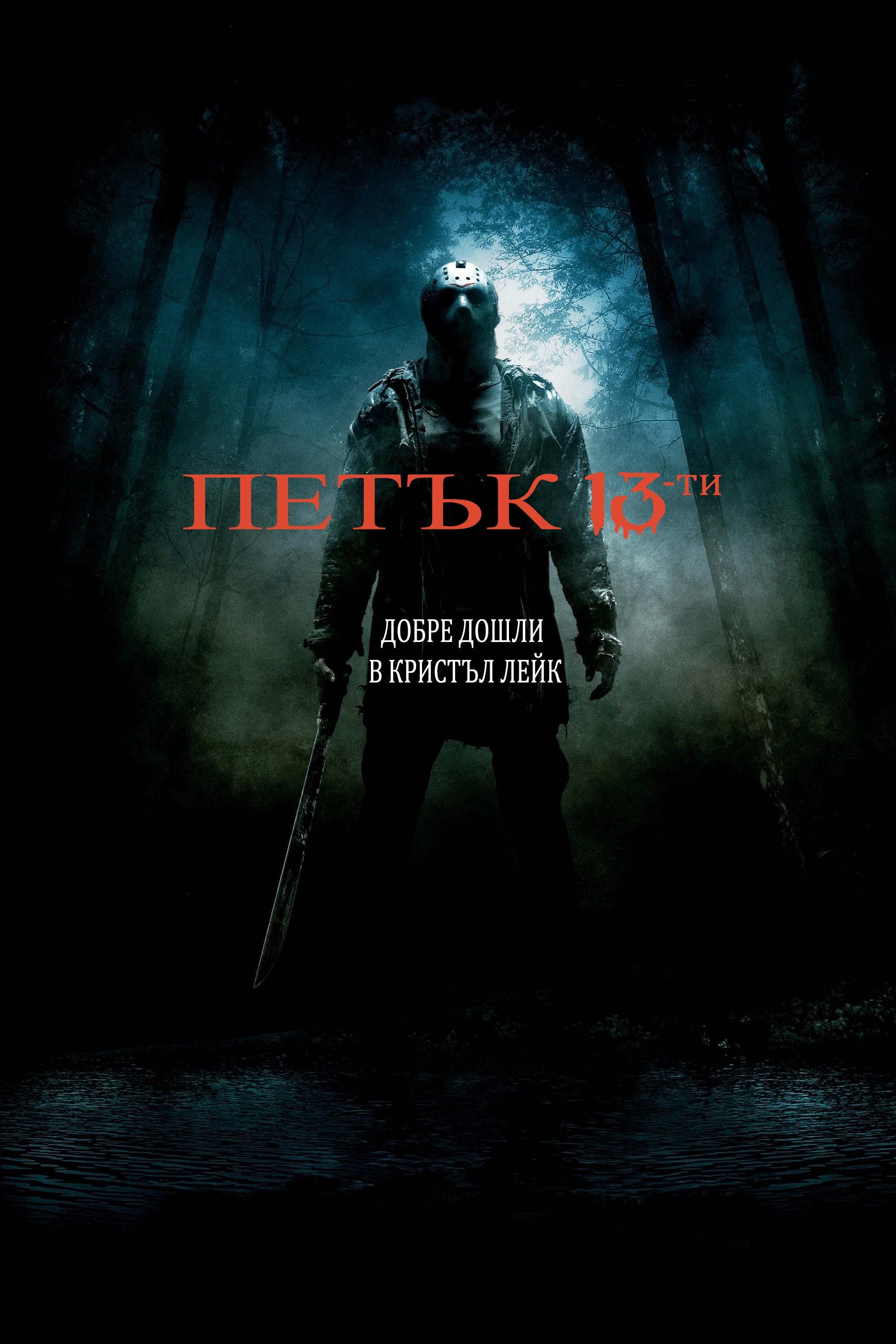
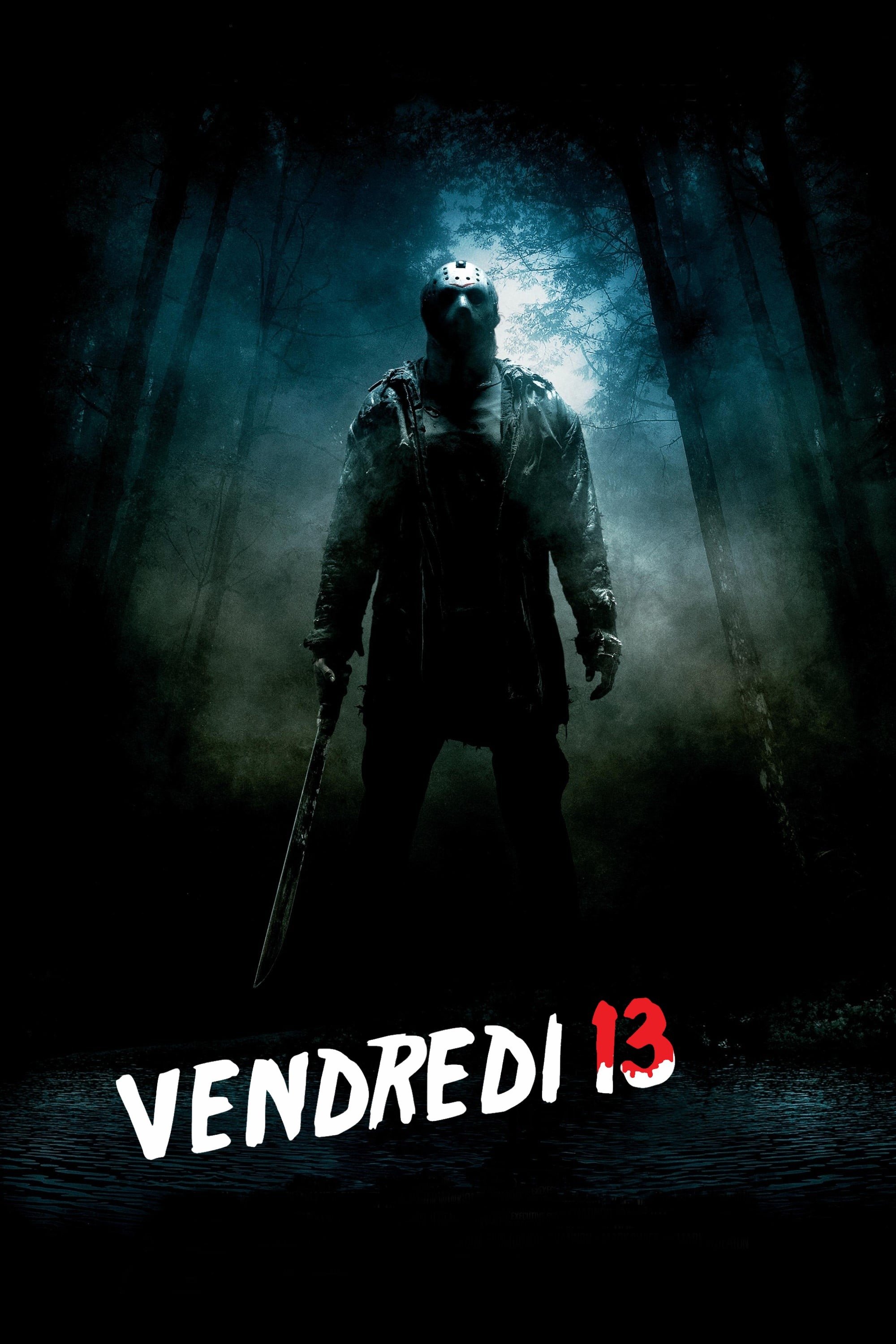
Freitag der 13. (Austria) — German Петък 13-и (Bulgaria) — Bulgarian Петък 13-ти (Bulgaria) Sexta-Feira 13 (Brazil) — Portuguese Sexta-Feira 13: Bem-Vindo a Crystal Lake (Brazil) Vendredi 13 (Canada) — French 13号星期五 (China) 黑色星期五 (China) — Chinese
Show all 36 alternative titles Pátek třináctého (Czechia) — Czech Freitag der 13. (Germany) — German Fredag den 13. (Denmark) — Danish Viernes 13 (Spain) — Spanish Vendredi 13 (France) — French პარასკევს 13-ში (Georgia) — Georgian Παρασκευή και 13 (Greece) — Greek 黑色星期五 (Hong Kong SAR China) — Chinese Péntek 13. (Hungary) — Hungarian יום שישי ה-13 (Israel) — Hebrew Venerdì 13 (Italy) — Italian 13日の金曜日 (Japan) — Japanese 13일의 금요일 (South Korea) — Korean Penktadienis, 13-oji (Lithuania) — Lithuanian Viernes 13 (Mexico) — Spanish Piątek 13-go (Poland) — Polish Sexta-Feira 13 (Portugal) — Portuguese Vineri 13 (Romania) — Romanian Пятница 13-е (Russia) — Russian Petek trinajstega (Slovenia) — Slovenian Piatok trinásteho (Slovakia) — Slovak ศุกร์ 13 ฝันหวาน (Thailand) — Thai 13. Cuma (Türkiye) — Turkish 黑色星期五 (Taiwan) — Chinese П’ятниця 13-те (Ukraine) — Ukrainian Friday the 13th: Killer Cut (United States) — extended cut Friday the 13th: Killer Cut (Extended Cut) (United States) — extended cut Thứ 6 Ngày 13 (Vietnam) — Vietnamese

Trailers & Videos

10 videos

Film Guide

A newly territorial Jason, the Texas-built Crystal Lake, Stoddard's practical effects and the commercial history of the 2009 reboot.

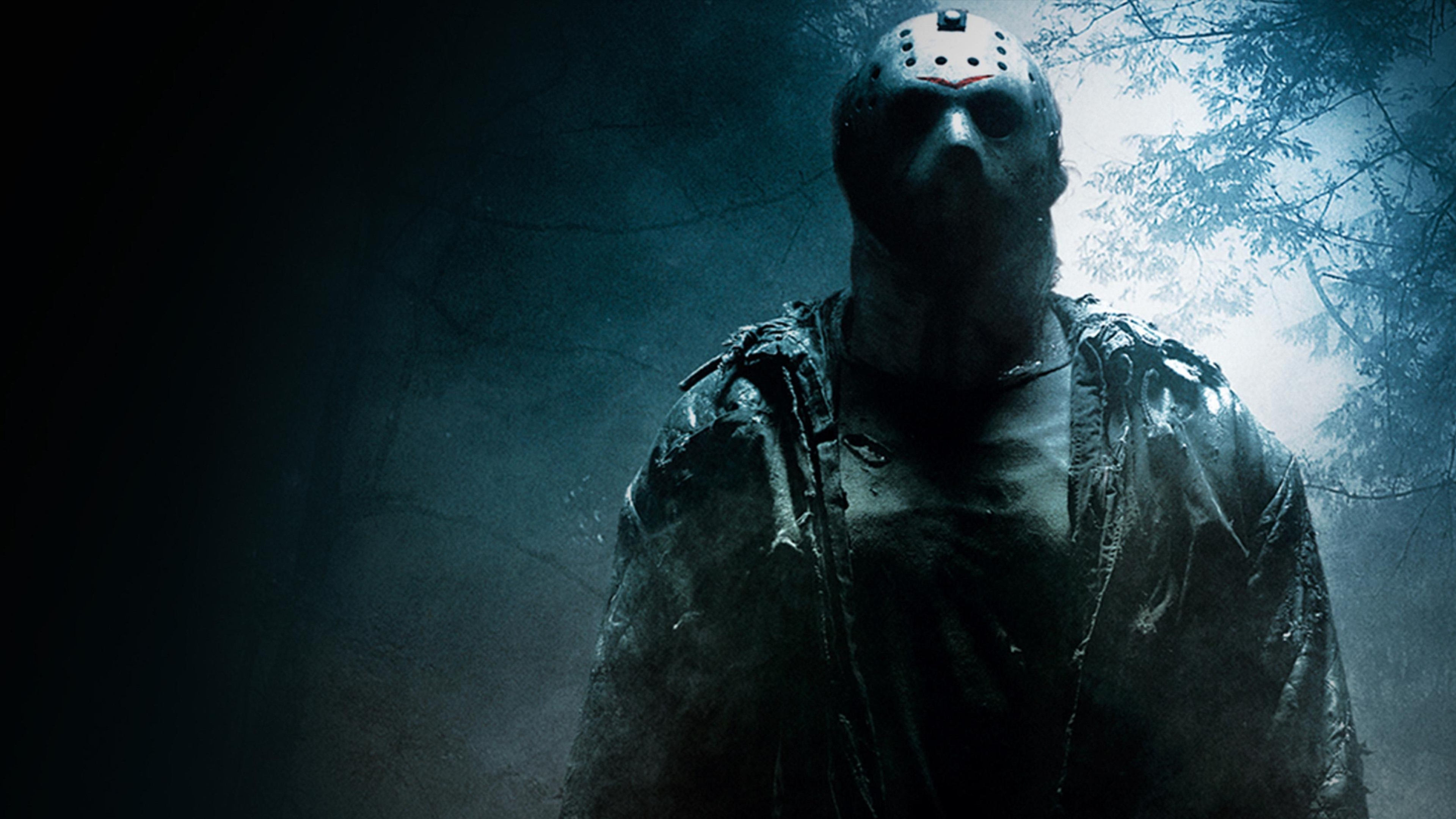
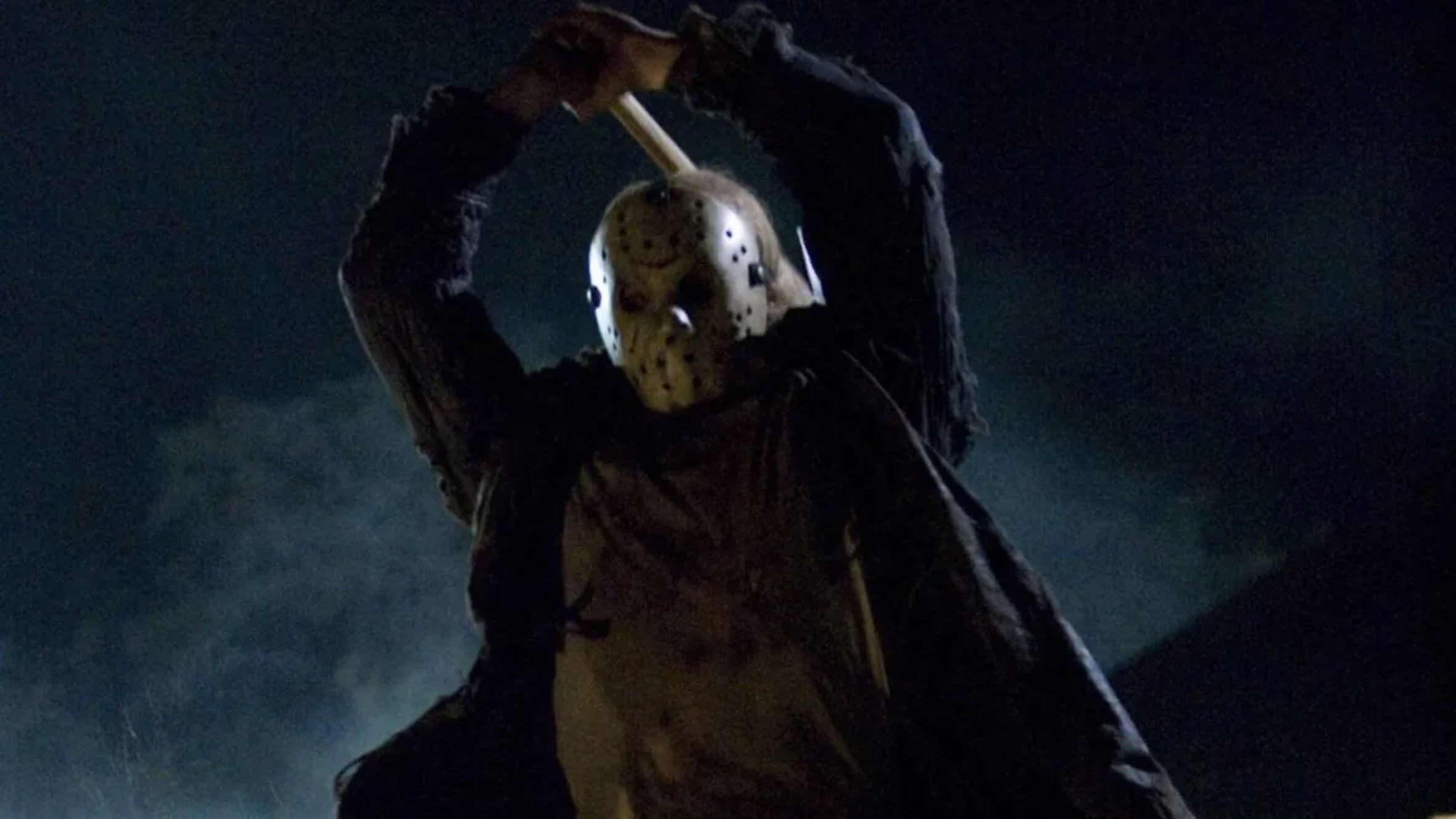
Friday the 13th (2009) revisits Crystal Lake at a moment when several prominent American horror properties were being relaunched for younger theatrical audiences. The project takes a distinctive route through the series: Pamela Voorhees' death appears in a brief historical prelude, Jason emerges as an adult murderer, and the hockey mask is acquired within the same film. Those elements originally unfolded across separate installments. Director Marcus Nispel and the production company Platinum Dunes therefore rebuilt an established slasher vocabulary into a single narrative, retaining the familiar lakeside threat while altering the killer's movement, tactics and relationship with his surroundings.

The defining change is a Jason who inhabits the abandoned grounds like a territorial hunter. His underground passages make the forest an interconnected trap, while the search for a missing woman gives the surviving characters a purpose beyond a recreational visit. The production brought cinematographer Daniel Pearl back to work with Nispel and relied on elaborate prosthetics to establish a recognizable but altered physical presence. Its commercial opening was exceptionally strong, yet contemporary criticism raised questions about whether polished violence and faster pacing justified another journey to Crystal Lake. Those competing responses help locate the film within the slasher revival of the 2000s.

Rebuilding the Franchise and Screenplay

The initiative brought together Platinum Dunes with New Line Cinema, Paramount Pictures and Sean S. Cunningham, the producer-director of the 1980 original. Nispel had already worked with the company on the 2003 remake of The Texas Chain Saw Massacre. Damian Shannon and Mark Swift joined the writing process after Mark Wheaton had supplied an earlier story foundation. Their experience scripting Freddy vs. Jason informed a deliberate adjustment in tone. In a 2009 interview, they said they wanted ordinary-sounding young adults who did not spend their scenes explaining Jason's history. They also sought a more immediate sense of danger and fewer knowingly comic exchanges than in their previous crossover.

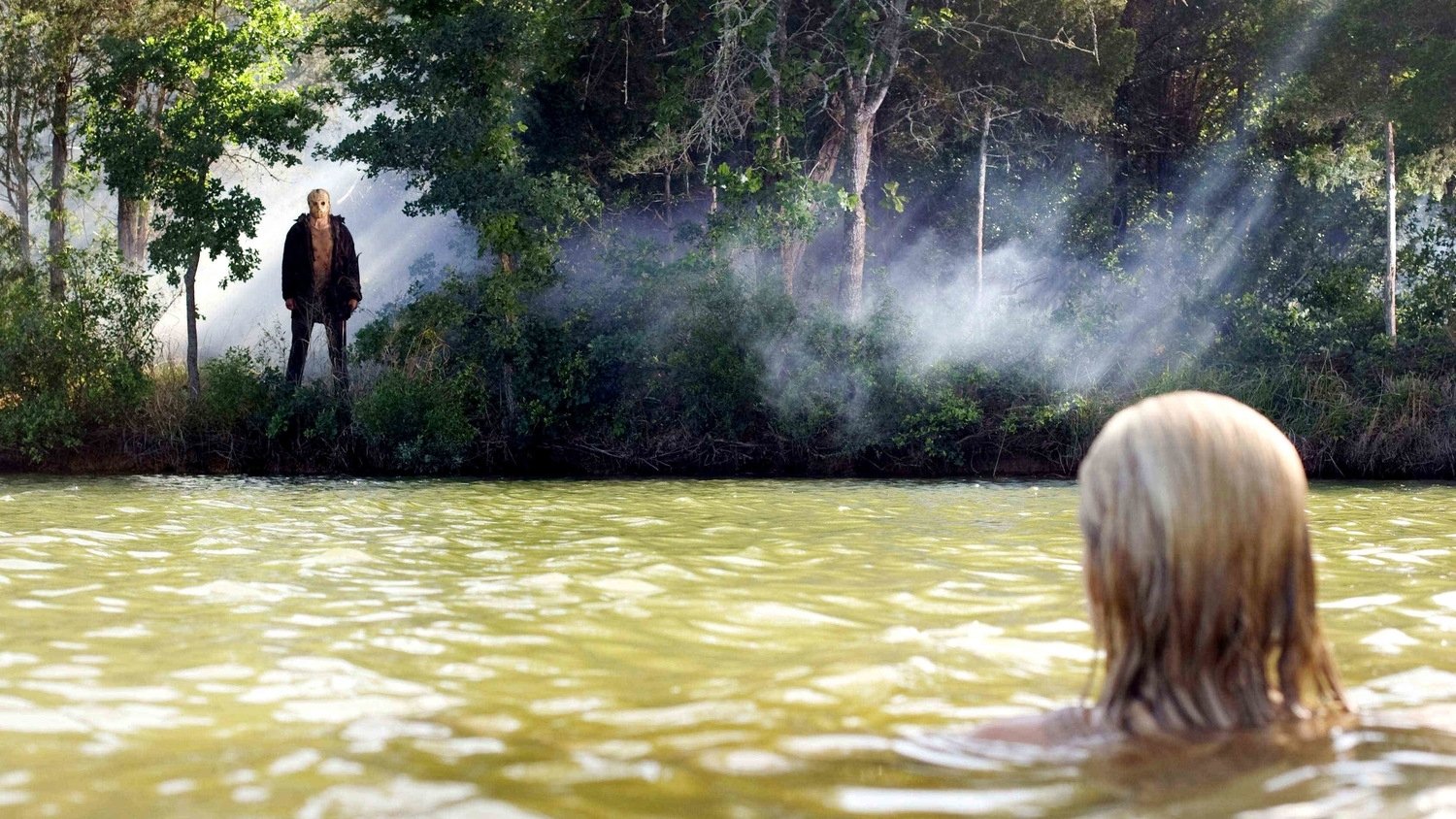
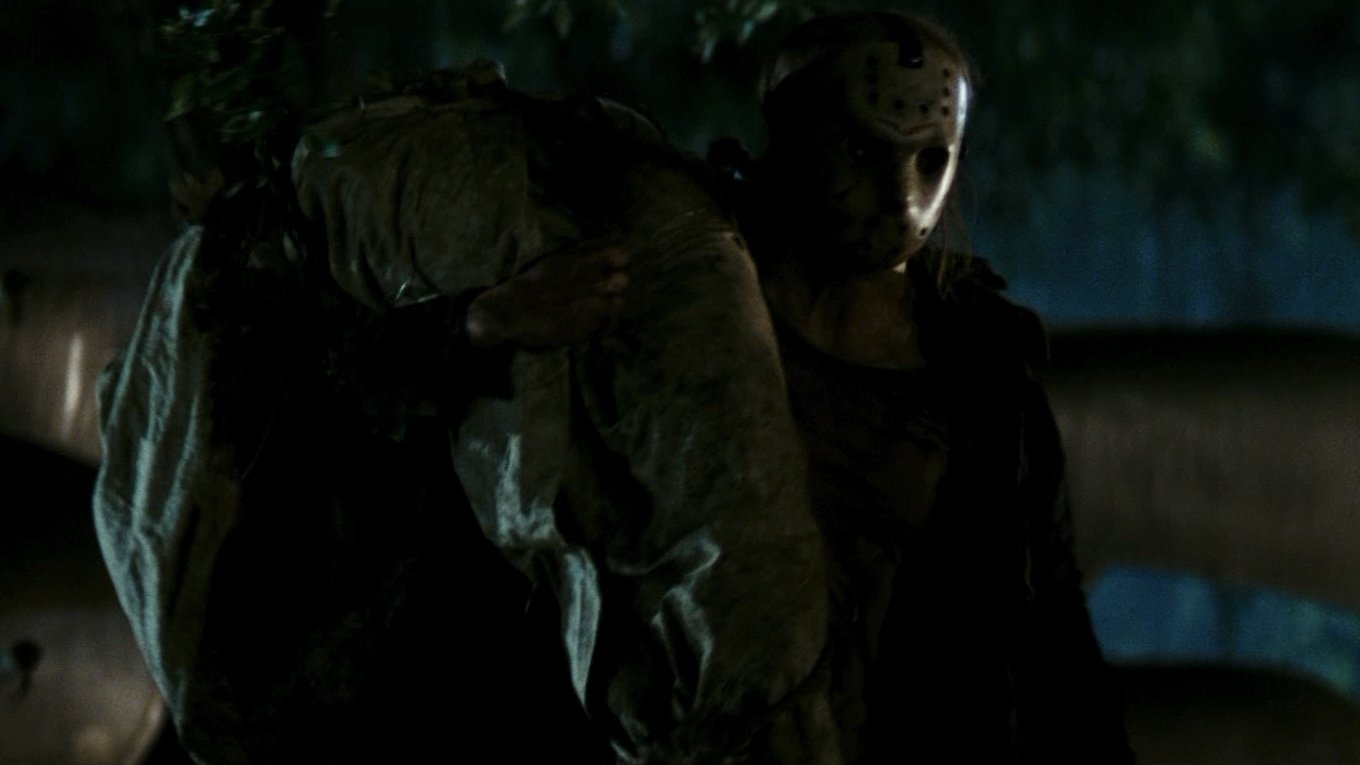
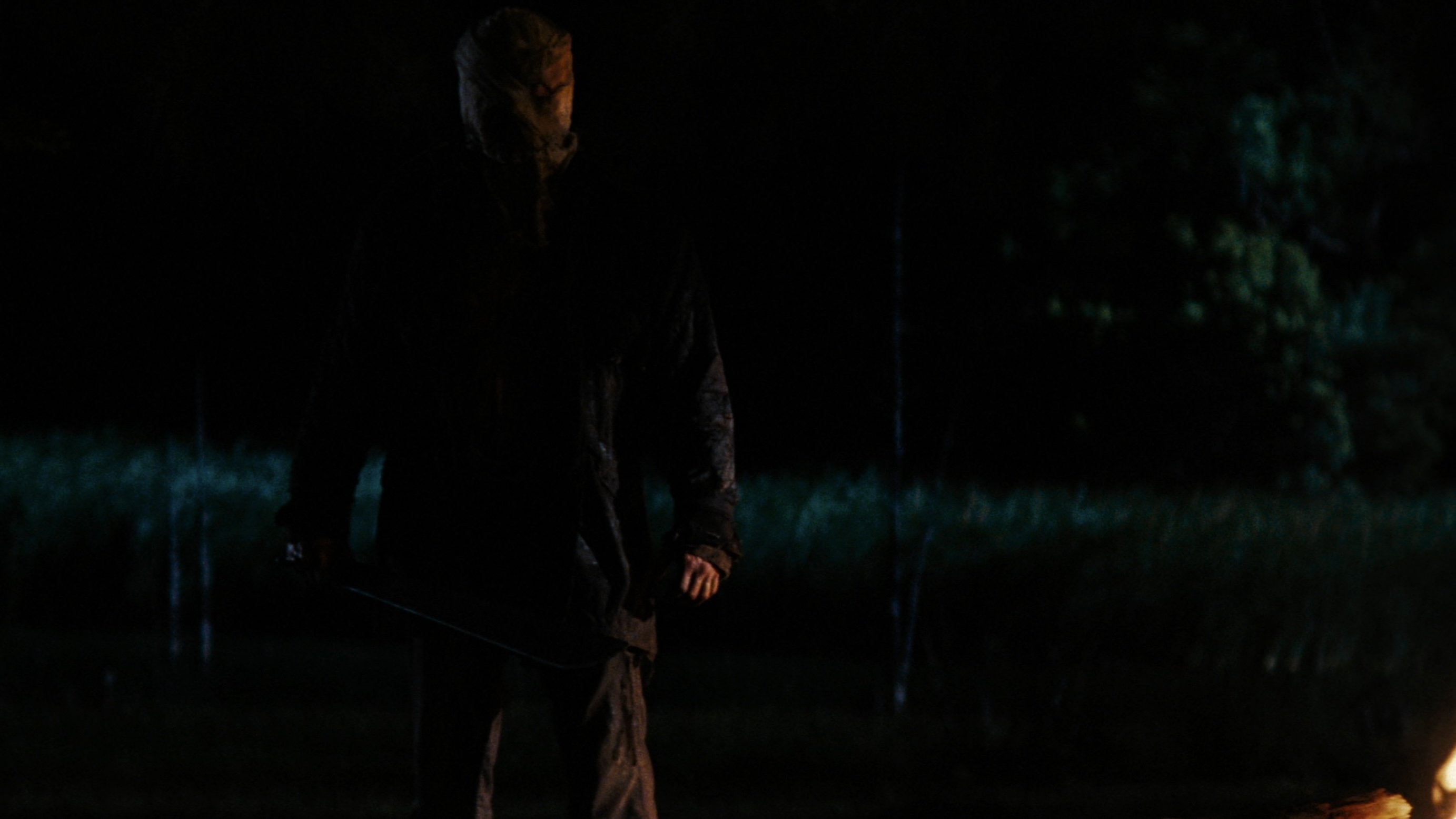
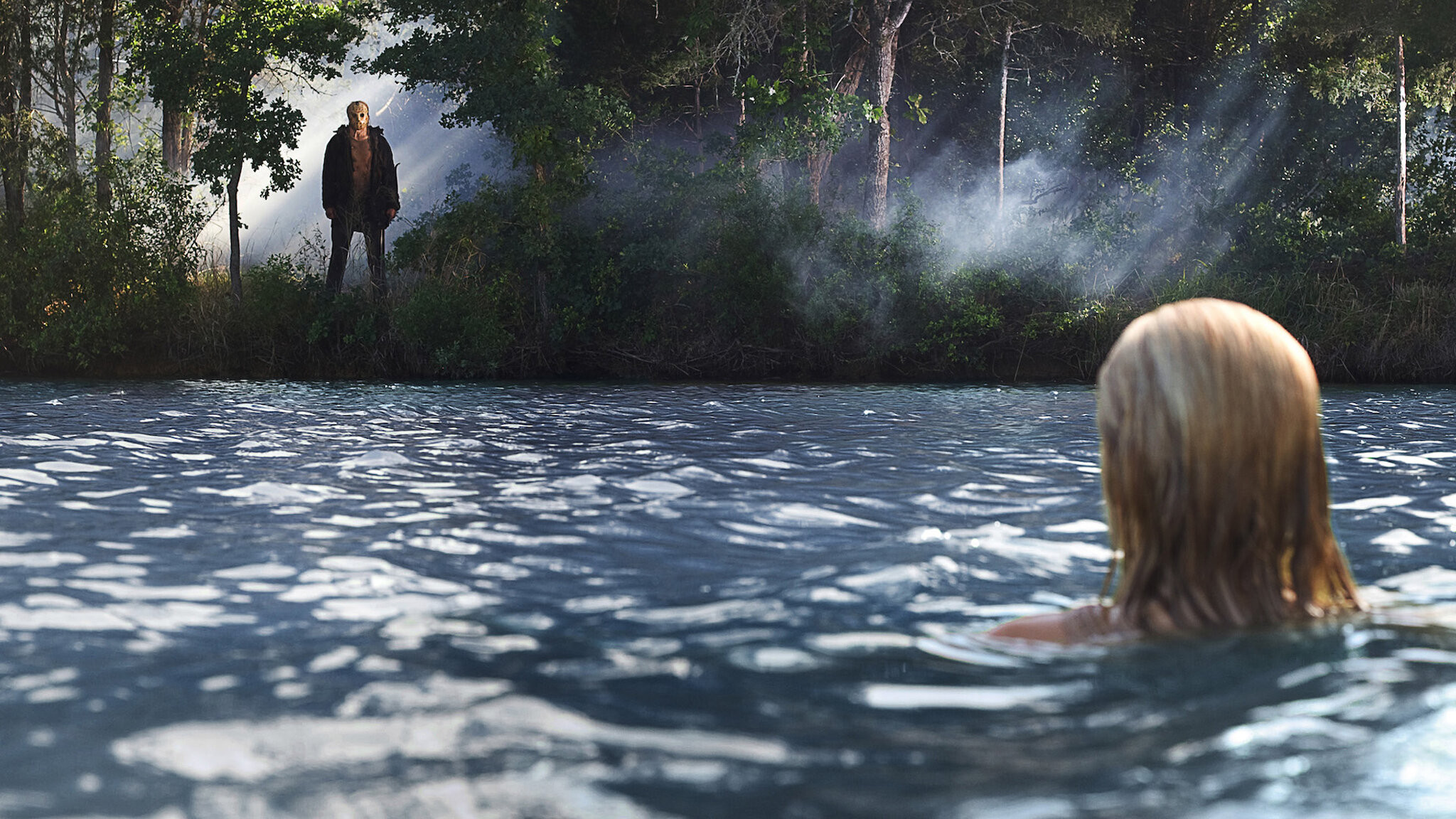
The reboot incorporates fragments of the first four Friday the 13th pictures without claiming to reproduce any one of them scene for scene. Pamela's murder provides a compressed beginning, the sack-covered figure recalls Part 2, and the acquisition of the hockey mask draws from Part III. The writers treated these elements as familiar materials that could be rearranged around a new disappearance. They also revised individual attacks when the planned staging exceeded the production's means. Shannon recalled an abandoned sequence in which a swimmer remained trapped in the lake for hours before drowning; the released film substitutes a quicker, more graphic death. Such decisions demonstrate how the finished pattern of suspense emerged from script and production negotiations.
Building Crystal Lake in Texas

Although Crystal Lake is associated with northeastern American woodland, the production worked in central Texas, including Old Settlers Park in Round Rock near Austin. Reporter Ryan Turek observed filming around an overturned bus and existing park structures integrated into the abandoned-camp setting. Nispel later explained that the Texas locations had to stand in for New Jersey even though the filmmakers lacked an actual camp-and-lake combination matching the imagined site. The practical solution was to create a coherent fictional landscape from separate locations, selected structures and constructed details. That approach turned the landscape into a design problem: separate places had to suggest a coherent geography through editing and visual detail.

Nispel said he favored rapid shooting and a high number of setups, an approach that supported short, forceful attacks and frequent changes of viewing angle. His work with Pearl was important in coordinating glimpses of the killer with the concealment offered by darkness, trees and ruined interiors. The locations also had to accommodate a story in which Jason could move through underground passages and emerge unexpectedly at widely separated points. Those tunnels create a spatial explanation for some of his apparent speed, although the film does not map their system with documentary precision. The result retains the isolation associated with the franchise while giving its familiar geography a more deliberately constructed sense of pursuit.

Jason as Hunter: Character and Performance

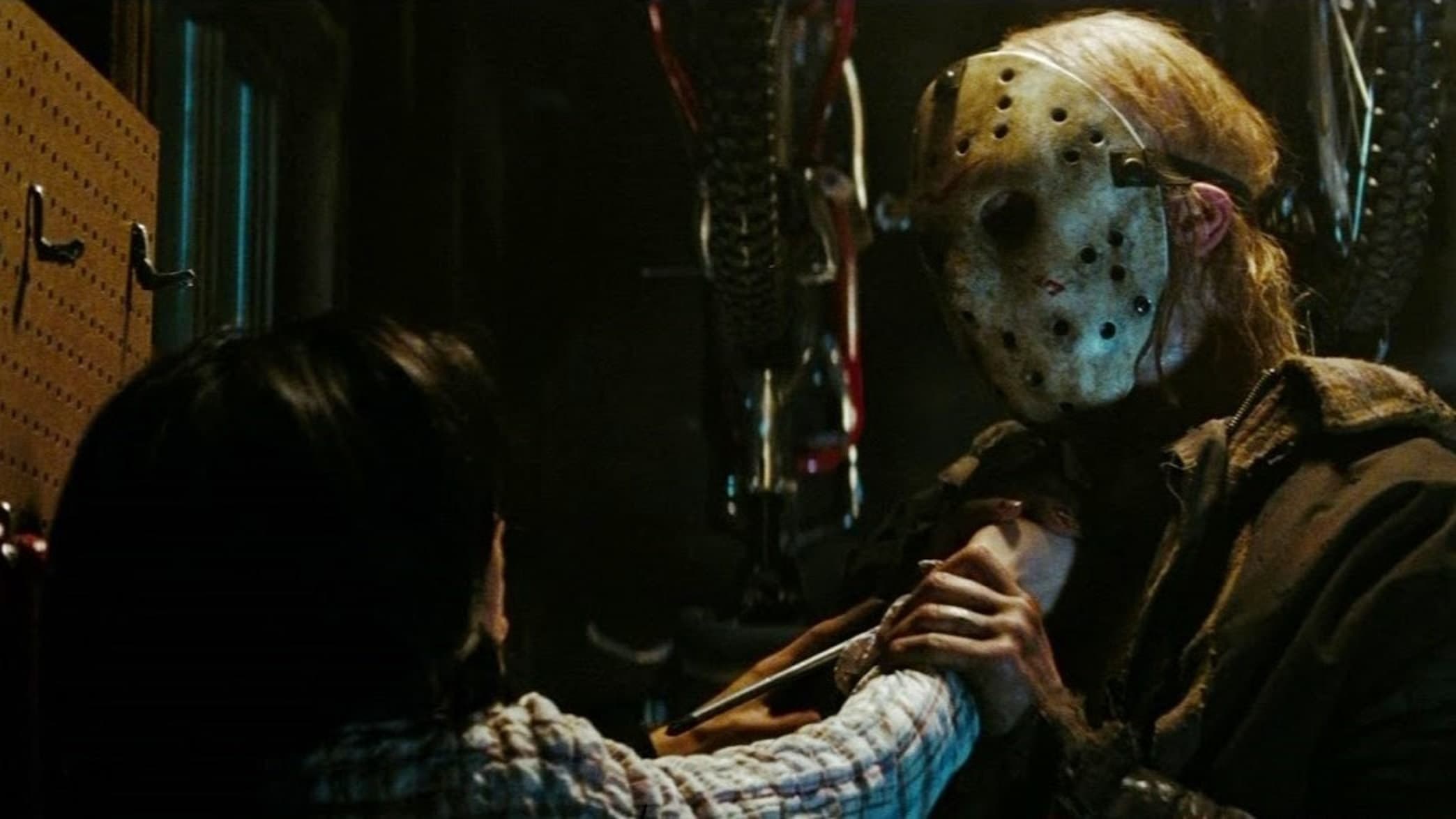
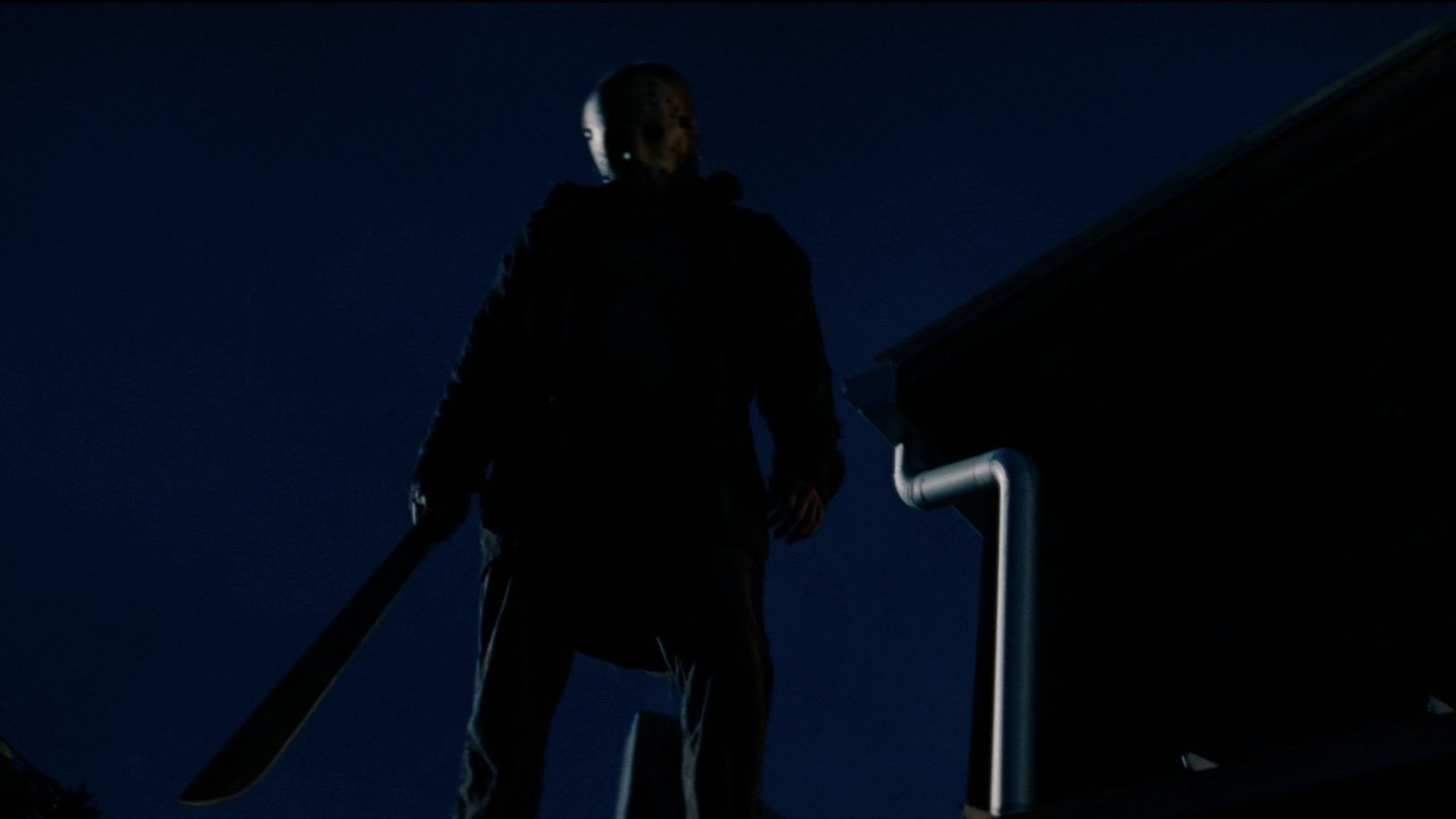
Shannon and Swift proposed a murderer whose behavior could be understood through his survival in the woods. Their Jason lays traps, uses available weapons and defends an area he regards as his own. This differs from the increasingly supernatural endurance emphasized in several later sequels, even though his physical capabilities remain exaggerated. The writers avoided a prolonged childhood explanation because they believed a fully accounted-for backstory would weaken the character's mystery. Derek Mears supplied the performance, making Jason faster and more reactive without granting him spoken dialogue. His movements can alternate between stealth, a sudden forward rush and the controlled exertion required to overpower victims.

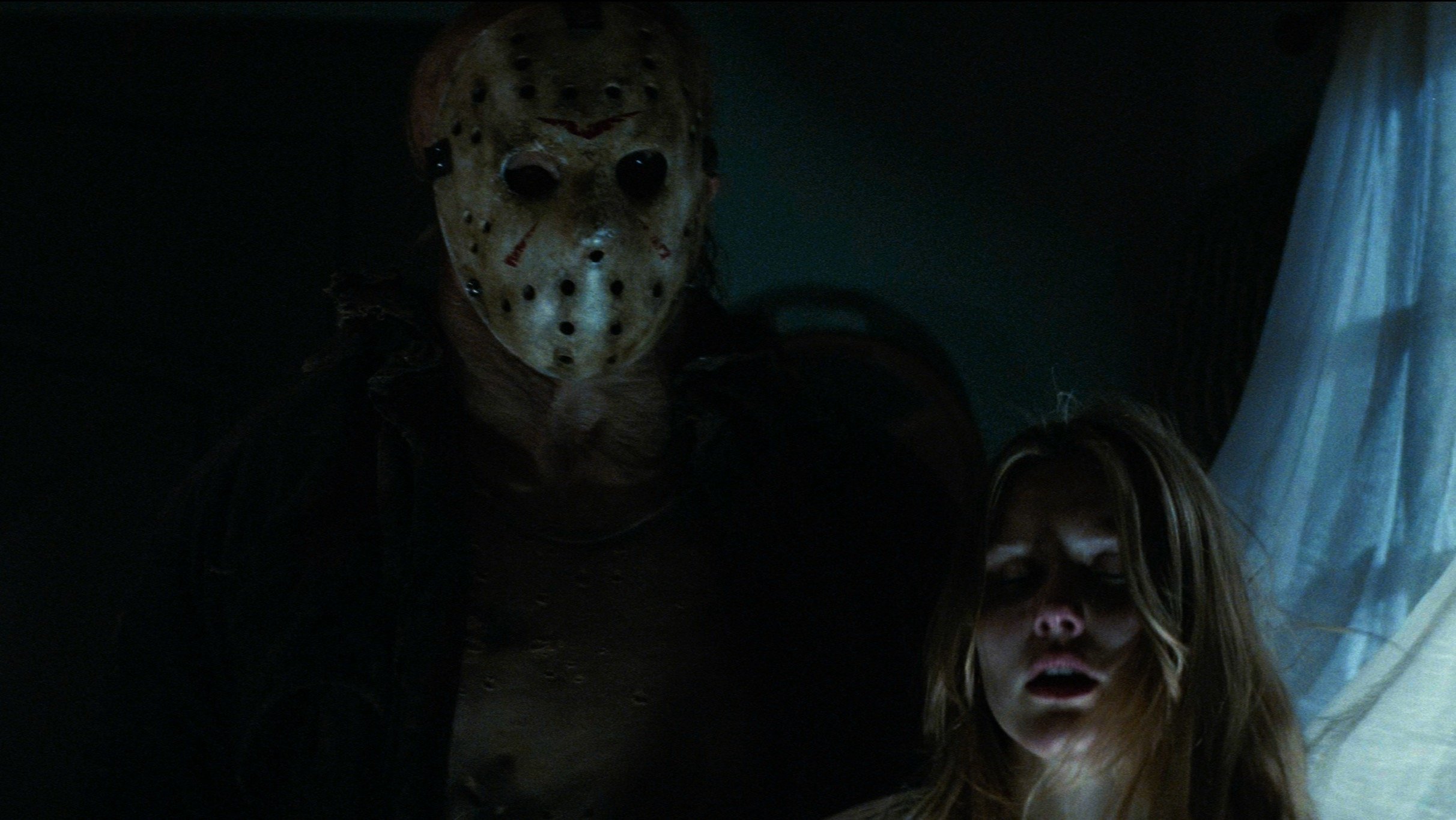
In an interview with Paul Fischer, Mears explained that he approached the role through psychological preparation and physical acting despite the restriction of heavy makeup and a mask. He interpreted the hockey mask as a form of protection for a figure ashamed of his appearance. The film stages its acquisition as a character moment, while the preceding sack preserves a trace of the 1981 sequel. Jason's treatment of Whitney, whom he holds captive, introduces an unstable connection to his mother and makes the character less straightforward than a murderer who immediately kills every trespasser. That ambiguity should not be mistaken for a developed psychological diagnosis; the screenplay leaves much of his reasoning unexplained.

Mask Design, Prosthetics and Physical Violence

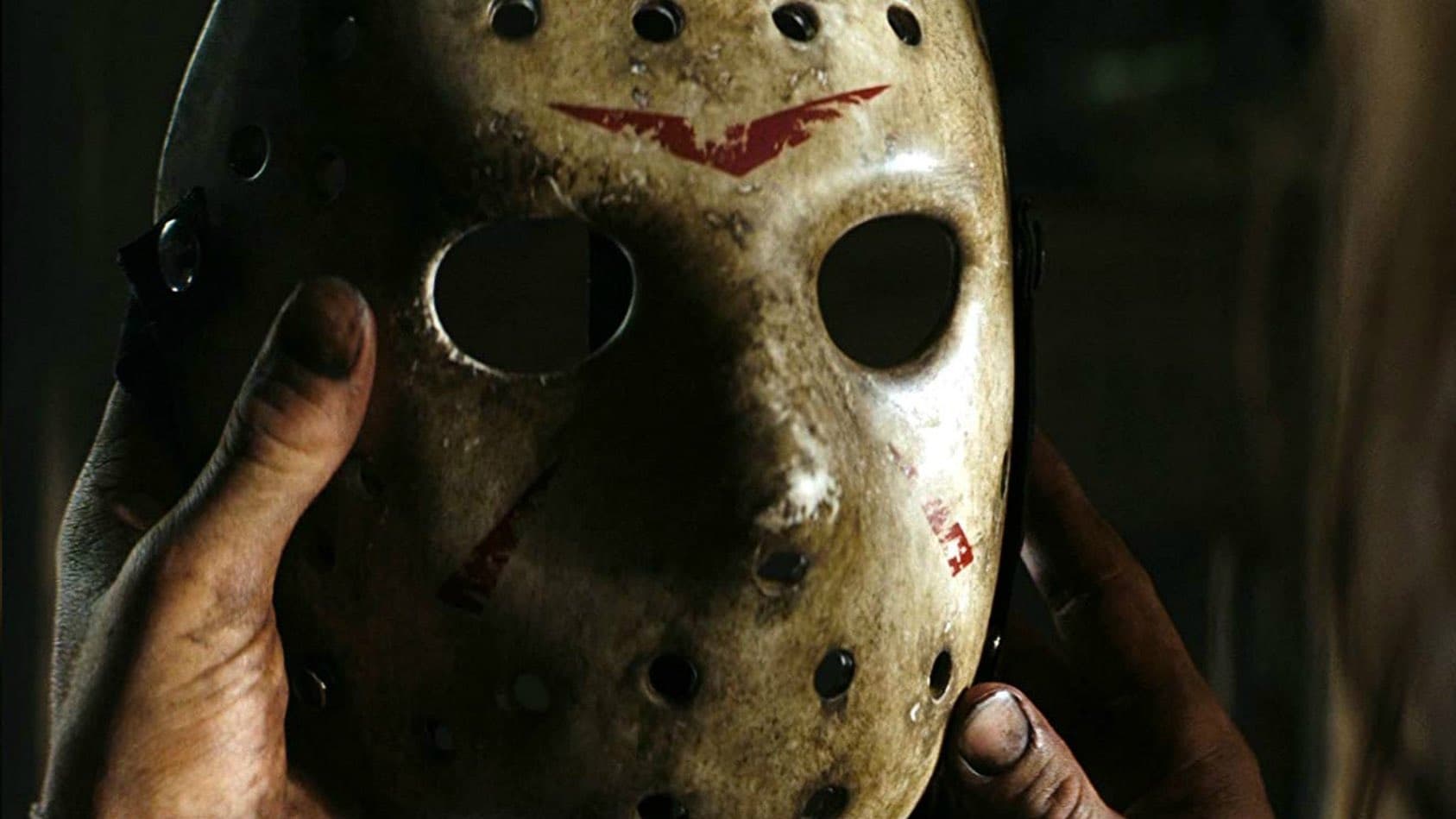
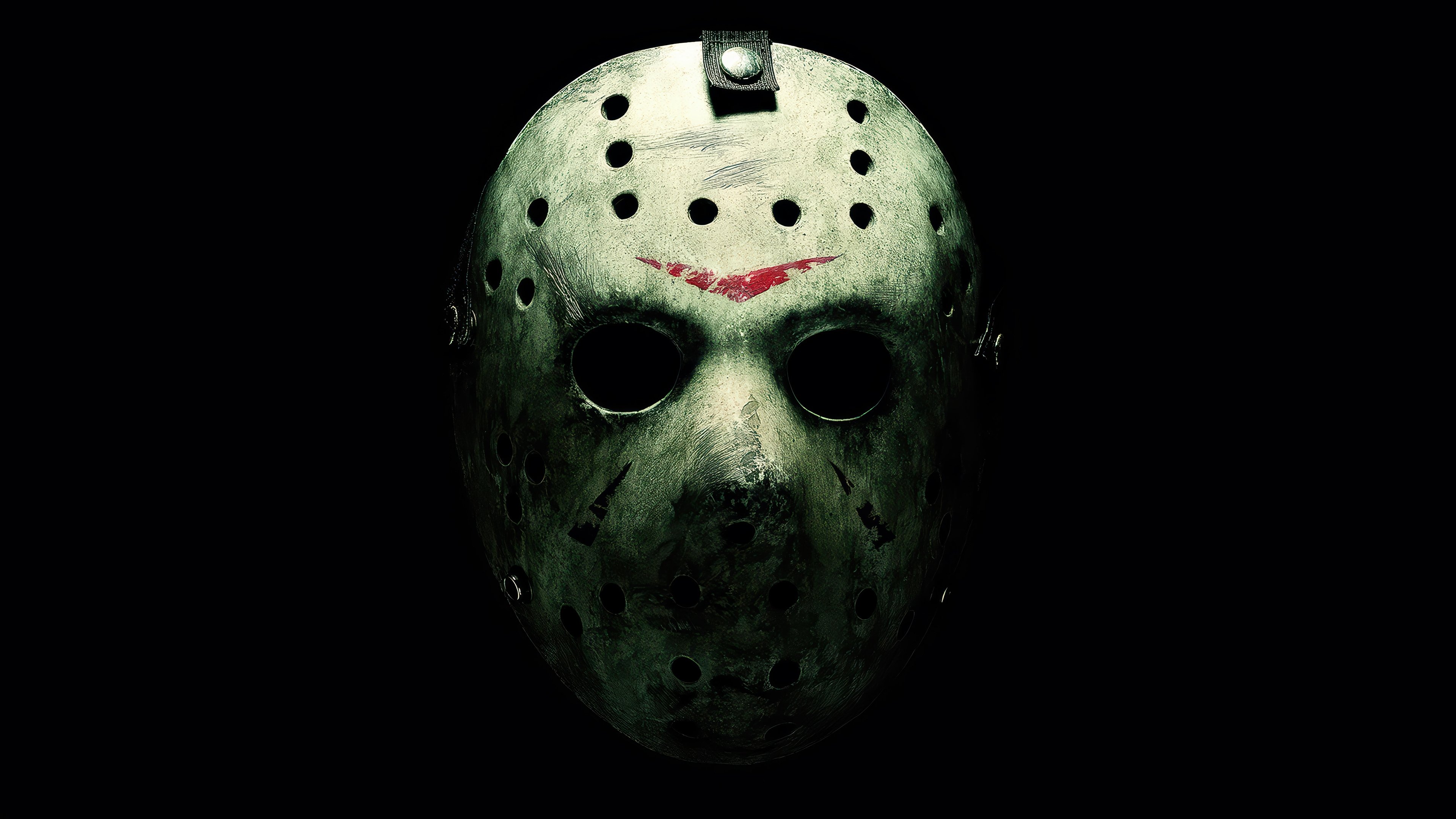
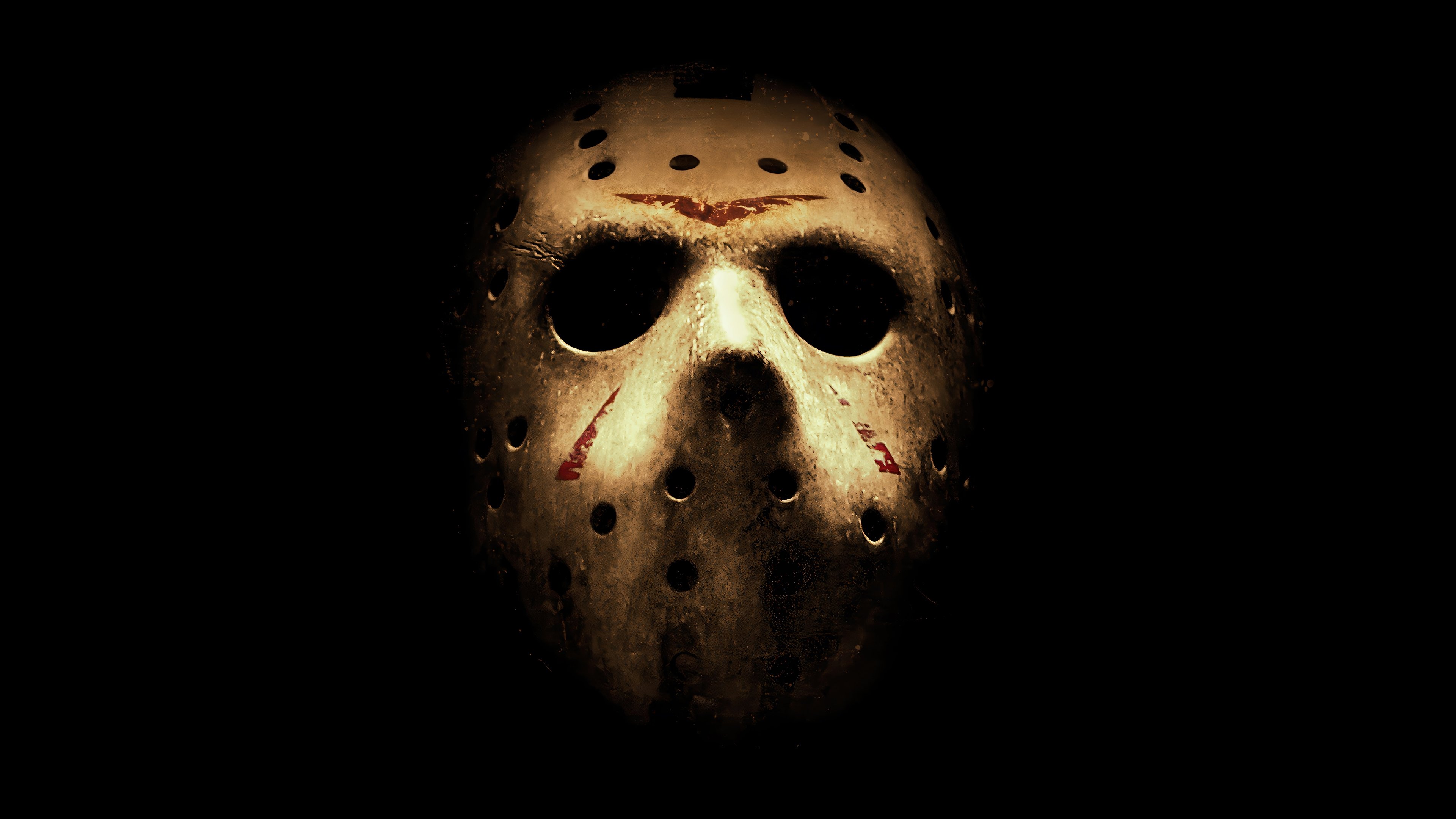
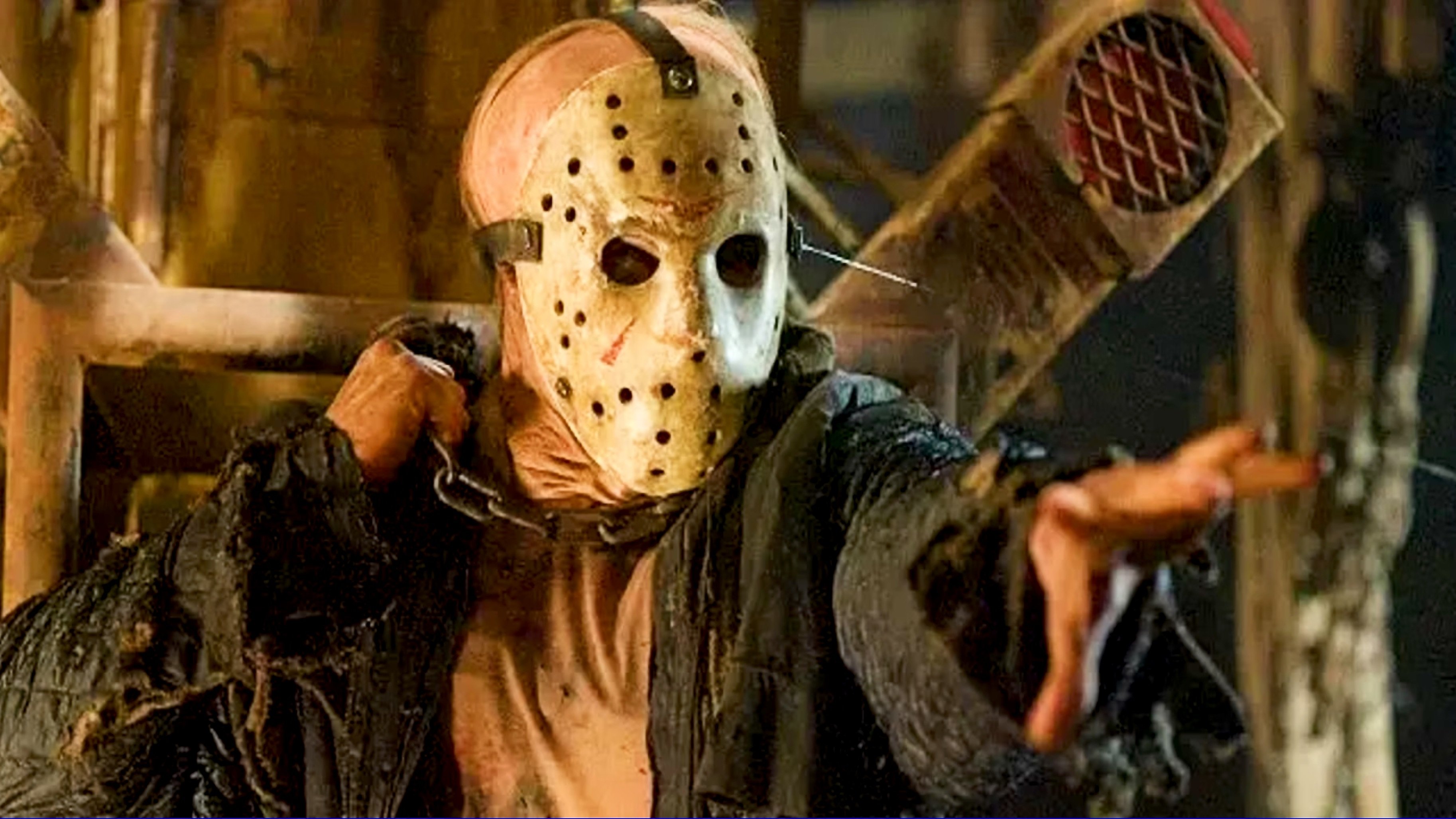
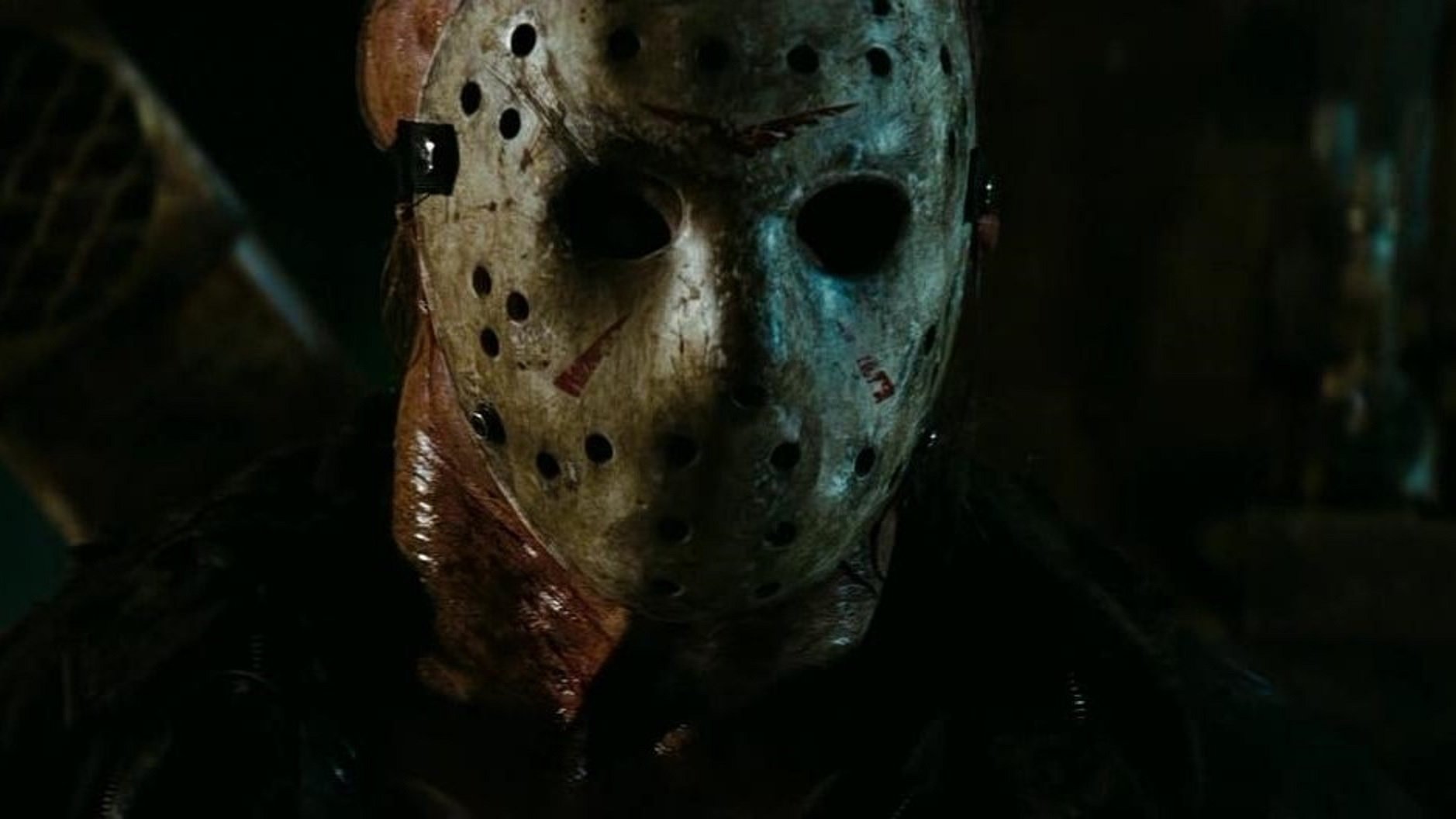
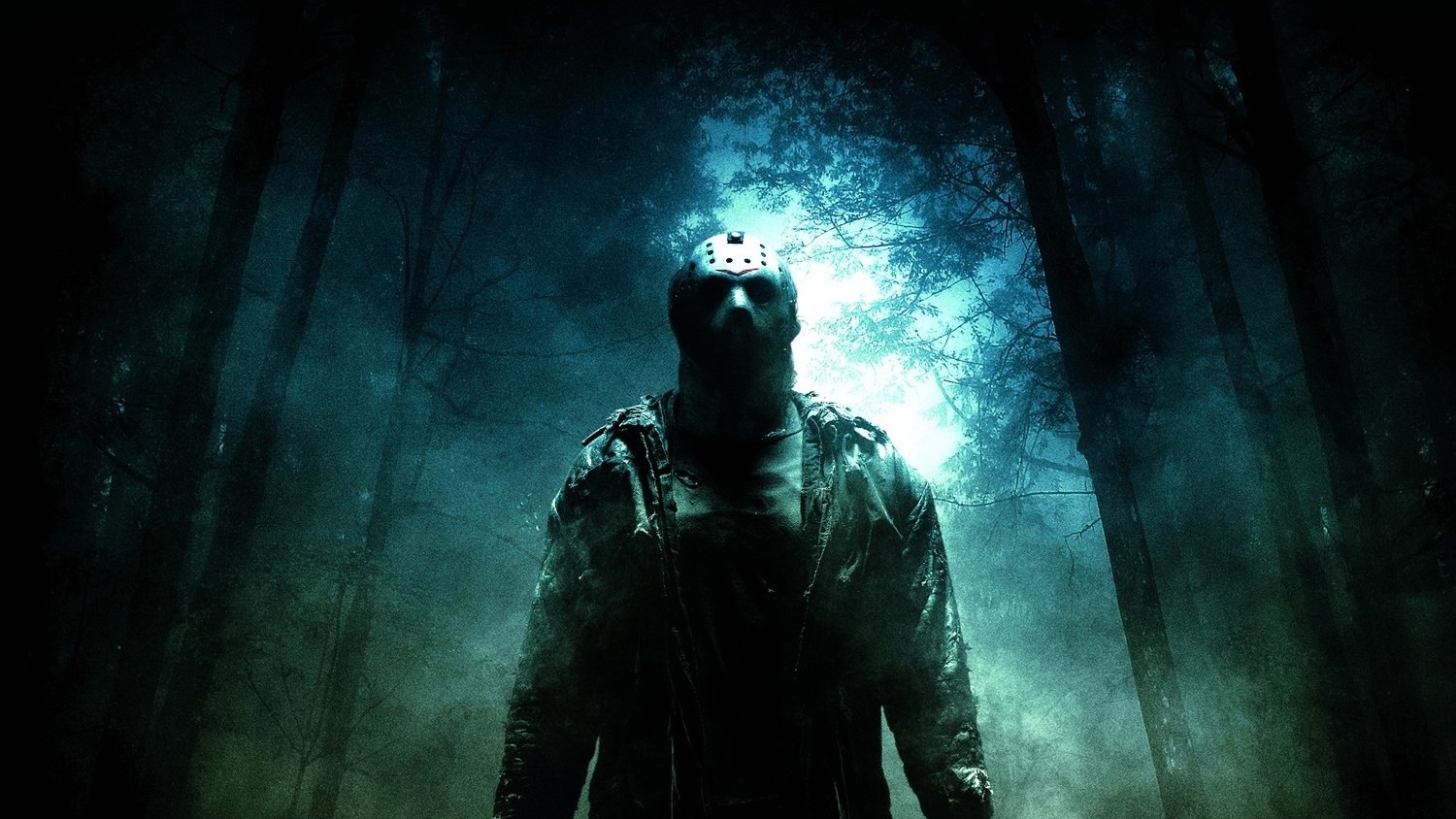
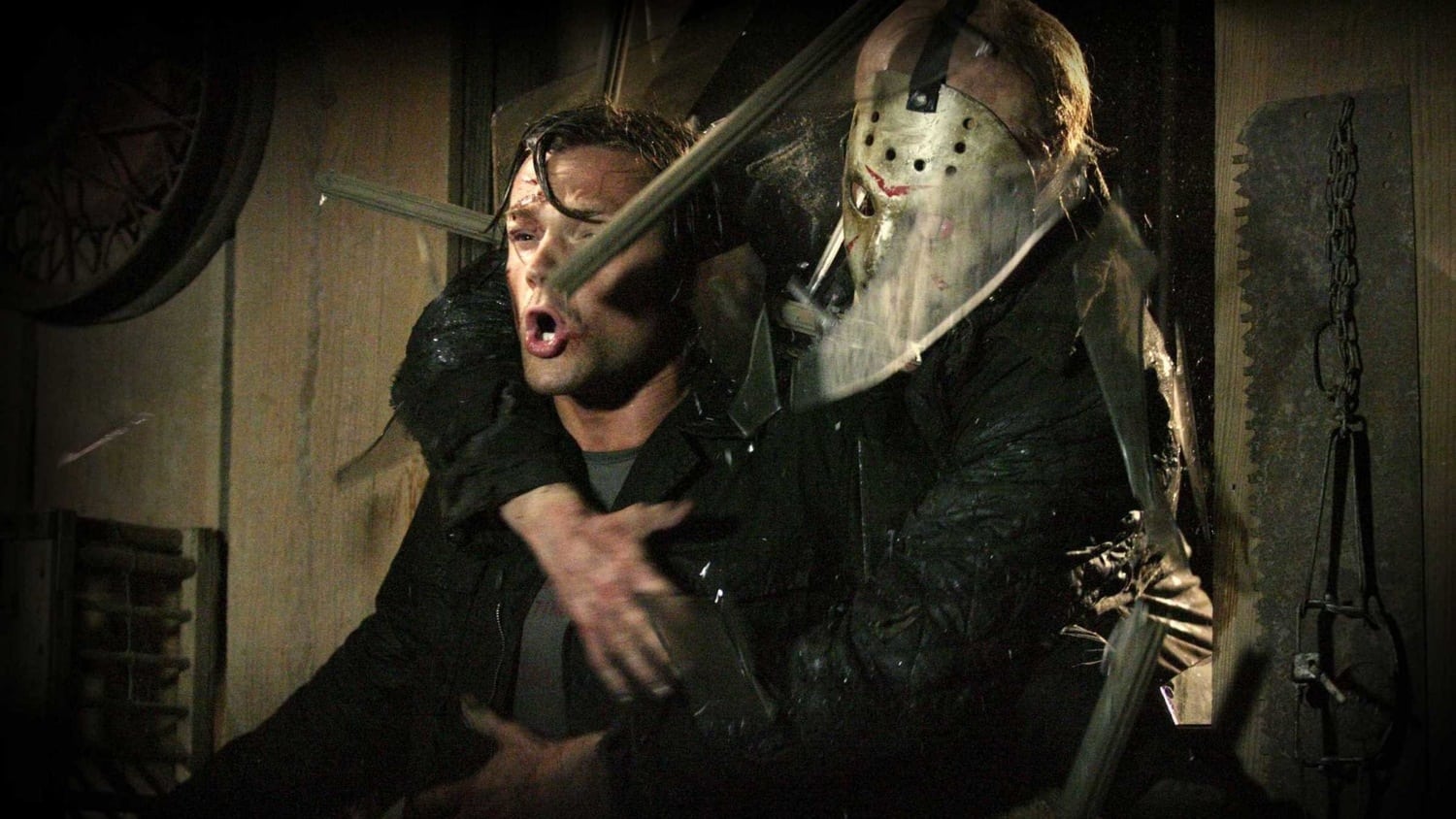
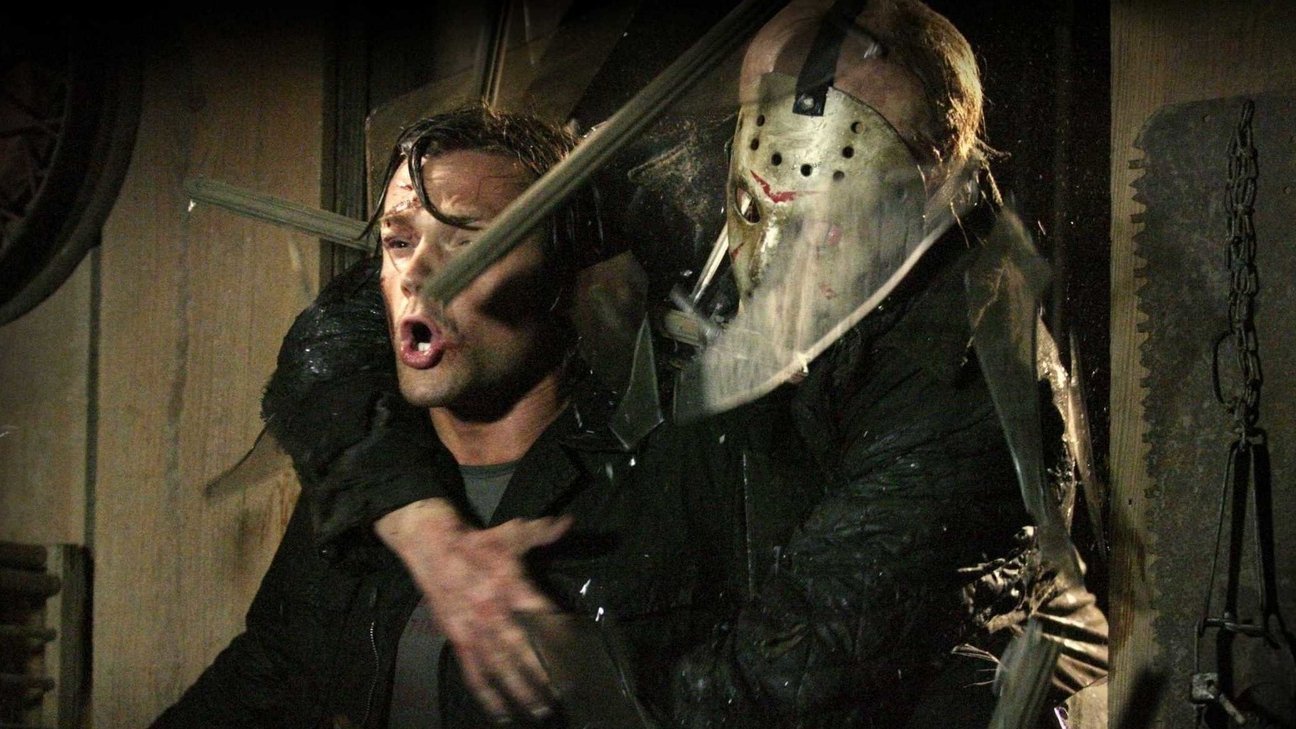
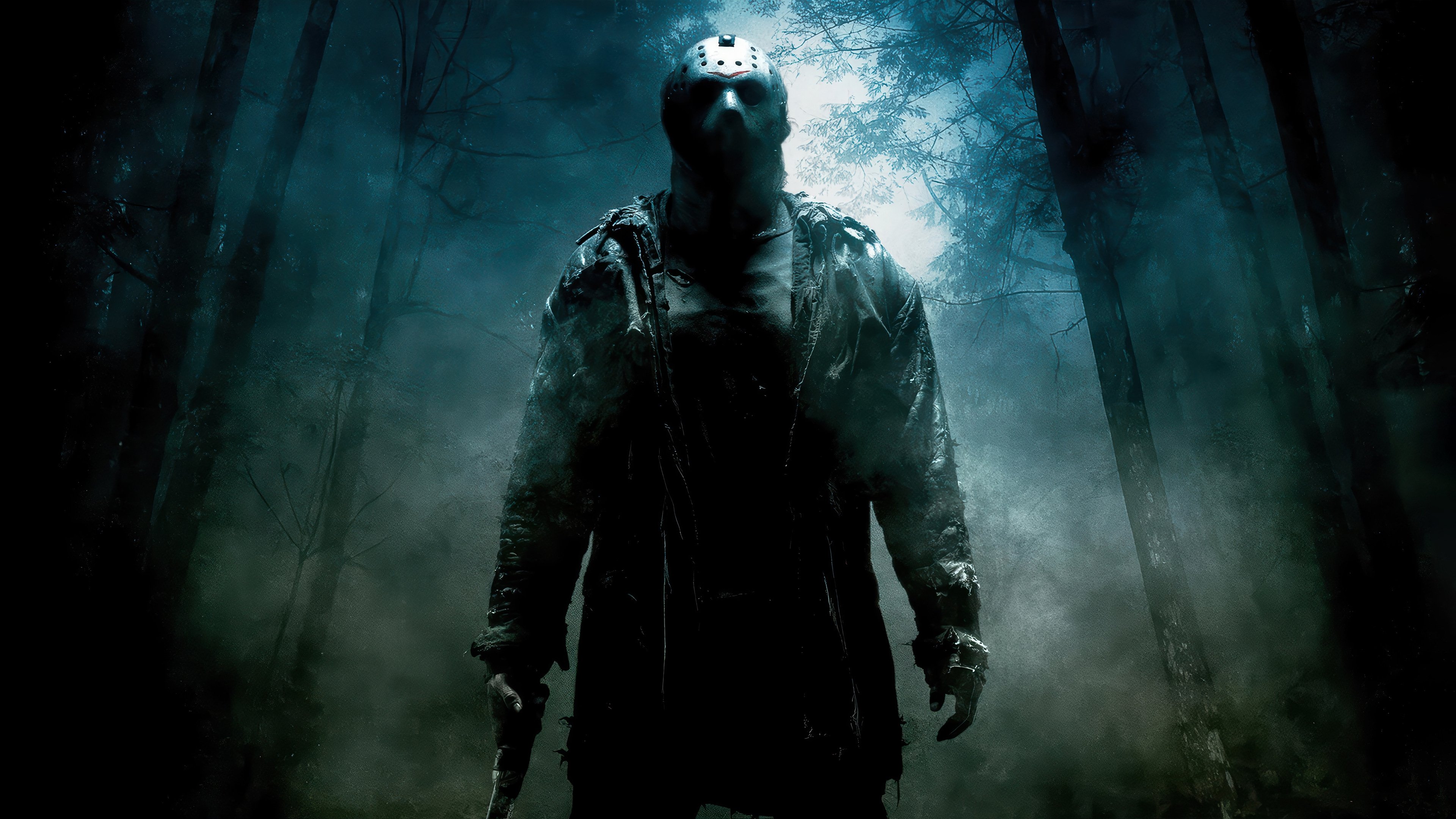
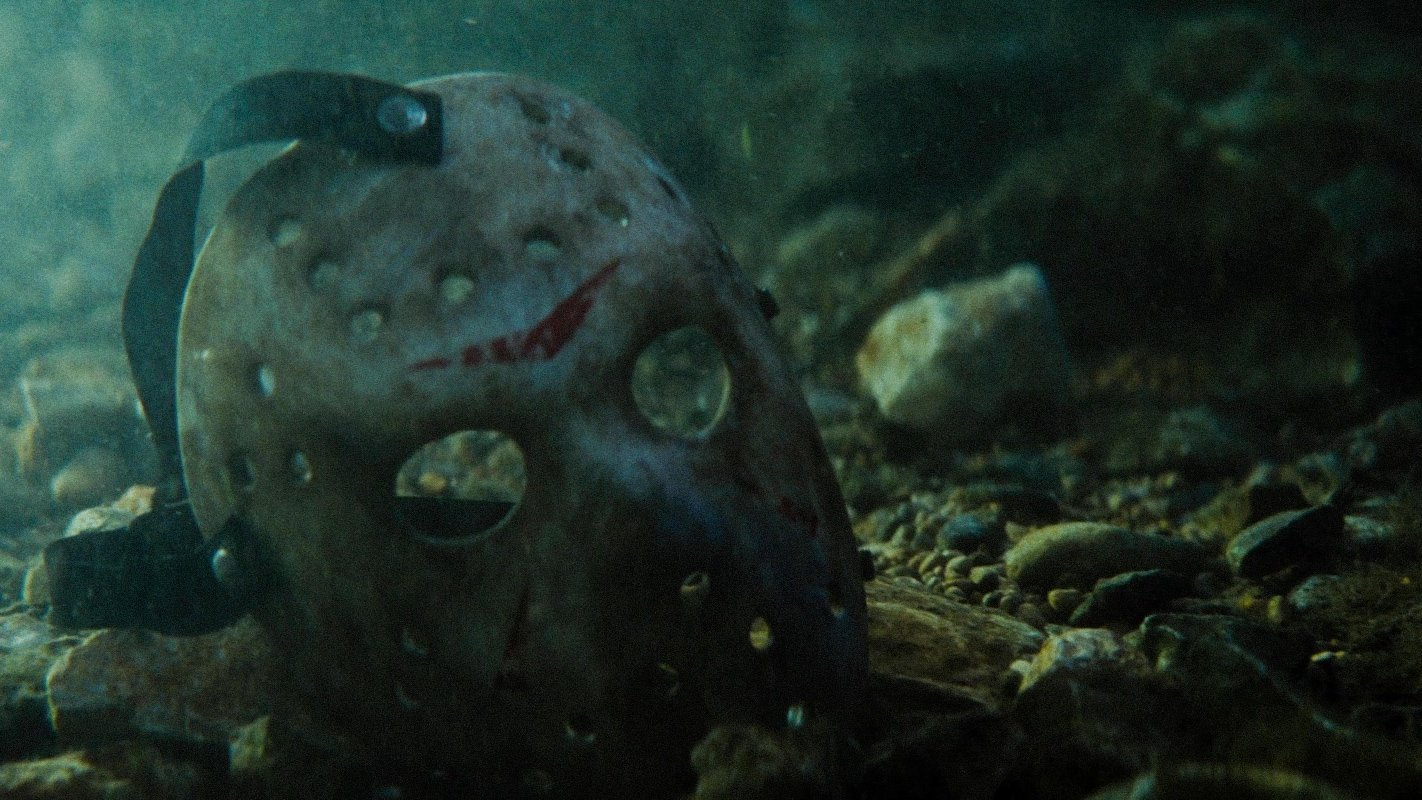
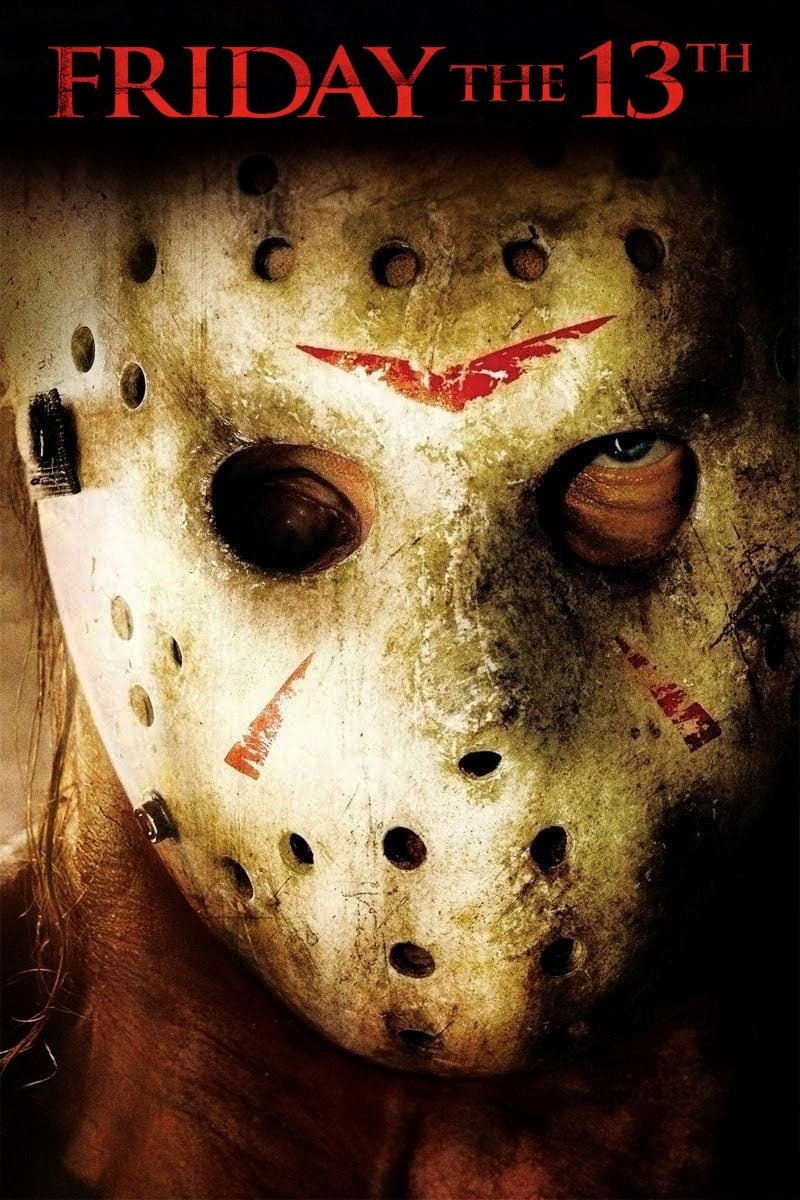
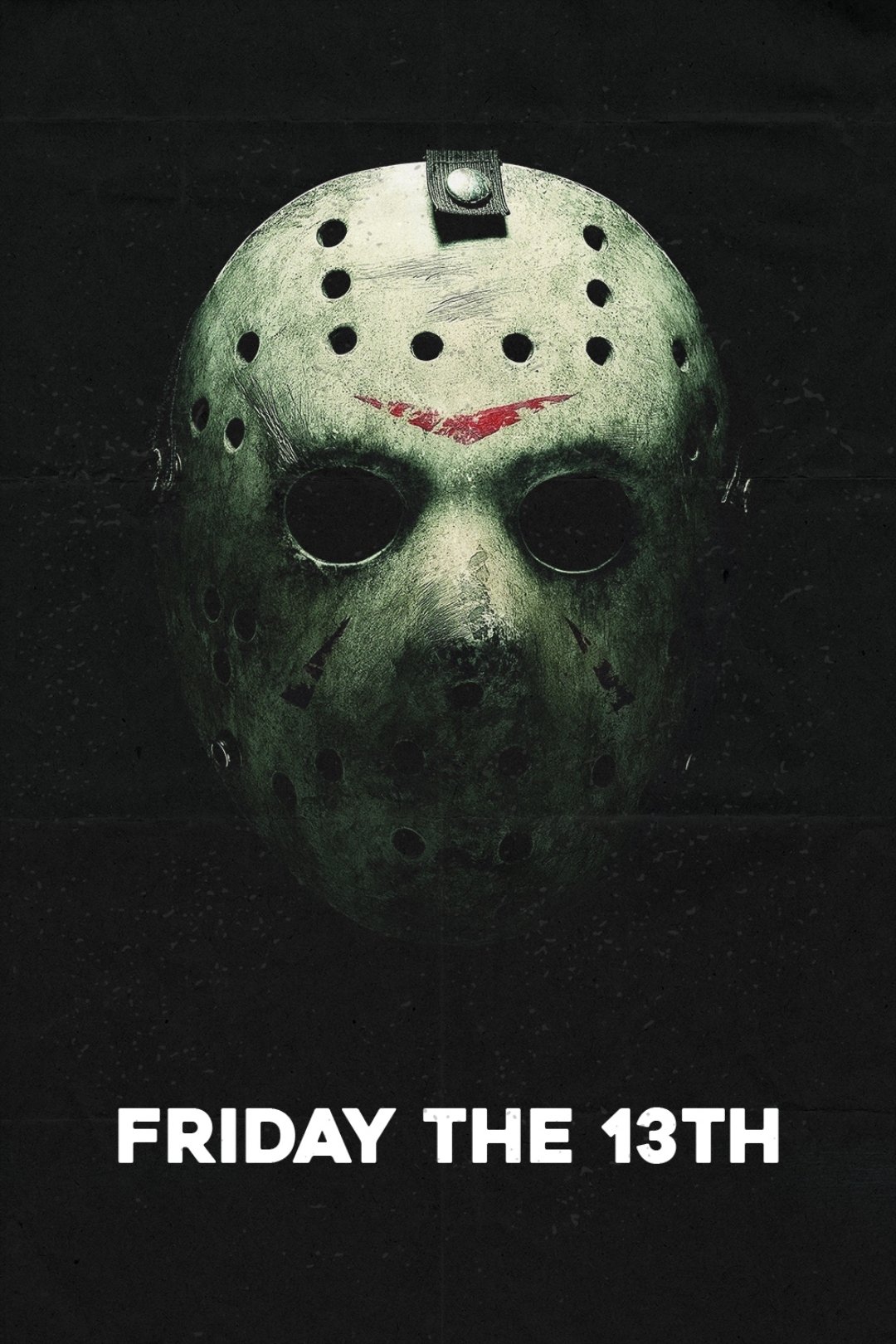
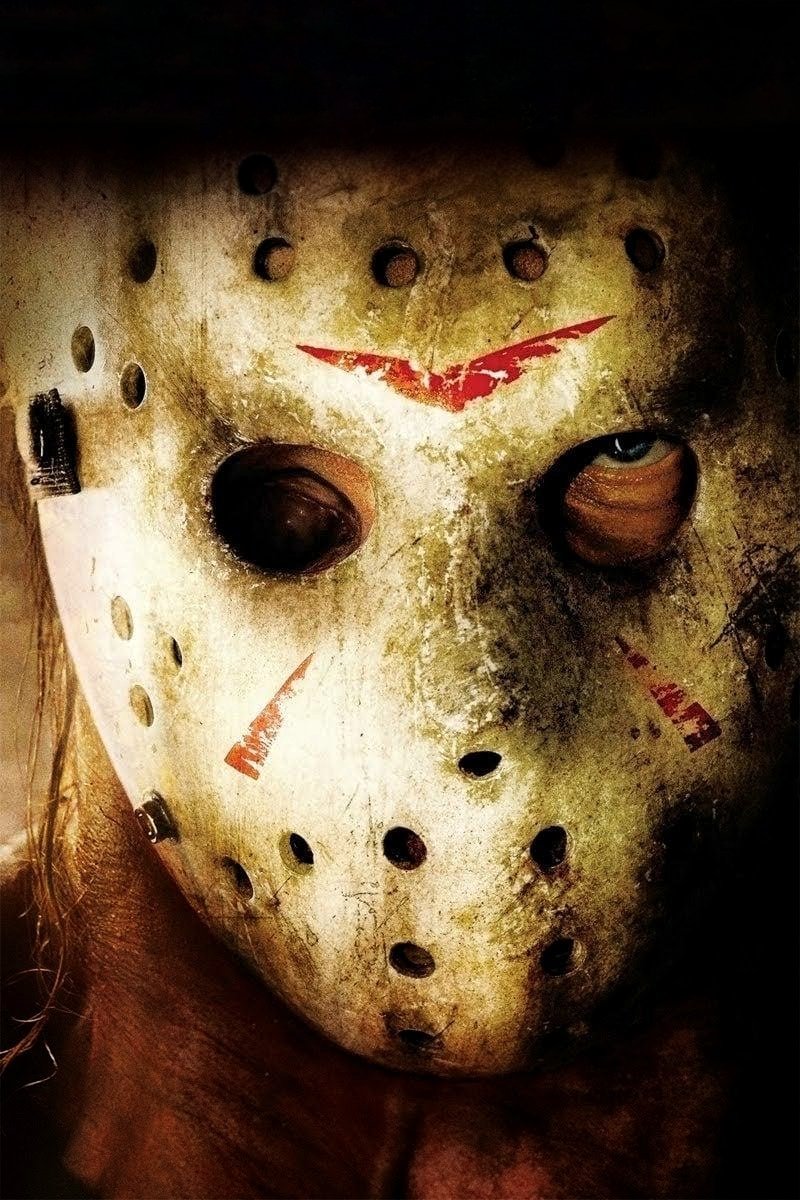
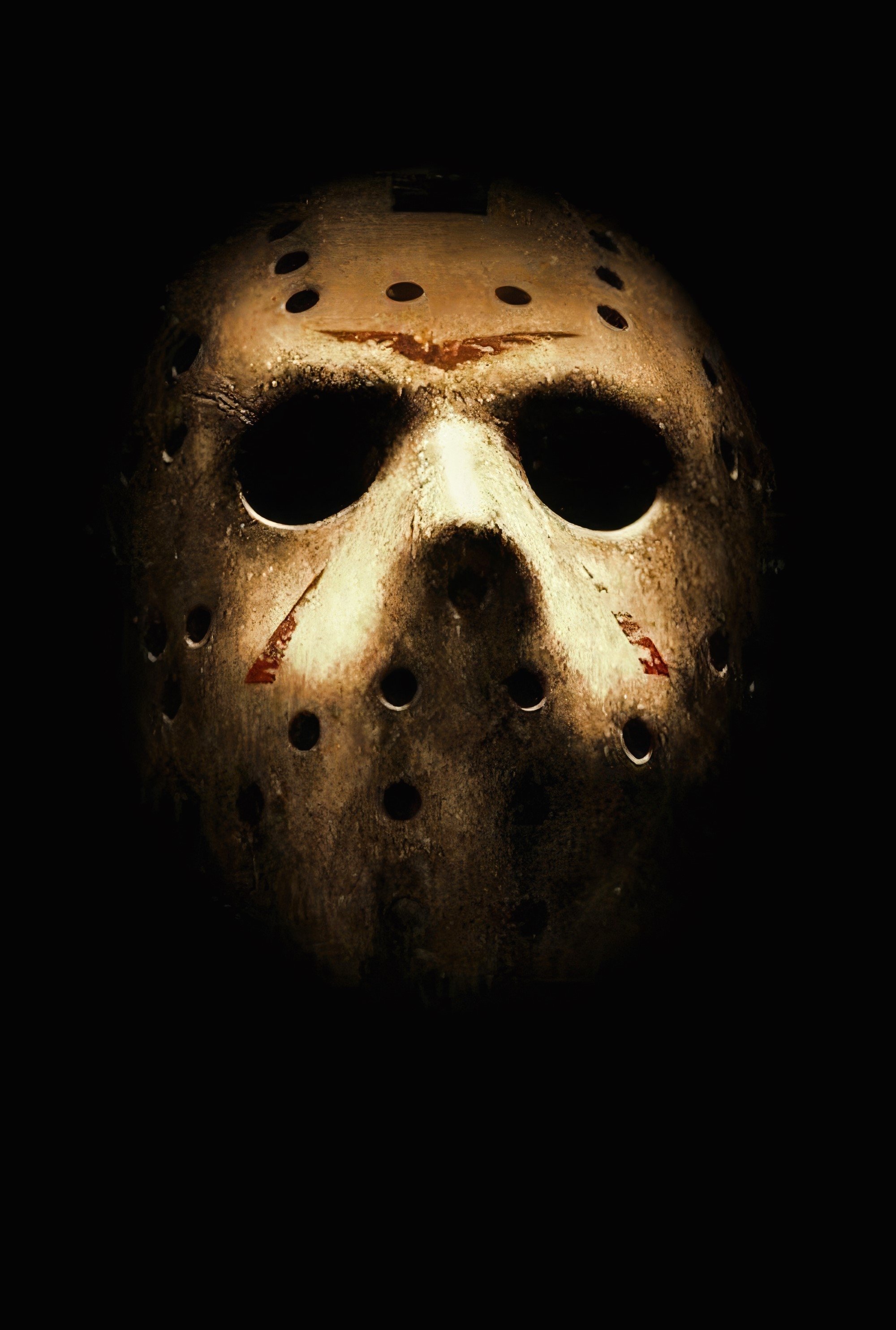
Makeup artist Scott Stoddard drew on earlier Jason designs associated with Carl Fullerton and Tom Savini. He told a reporter visiting the set that he examined hockey masks from the third and fourth films, then sculpted revised versions that preserved the distinctive cheek and forehead markings. The production used six masks with different levels of wear. For the exposed face and upper body, Stoddard developed a deformed but recognizably human appearance, with damaged skin, asymmetrical features and a prosthetic hump. Contemporary production reporting described a full head-and-torso makeup application taking roughly three and a half hours, with shorter preparations possible for scenes where the hockey mask concealed more of the appliances.

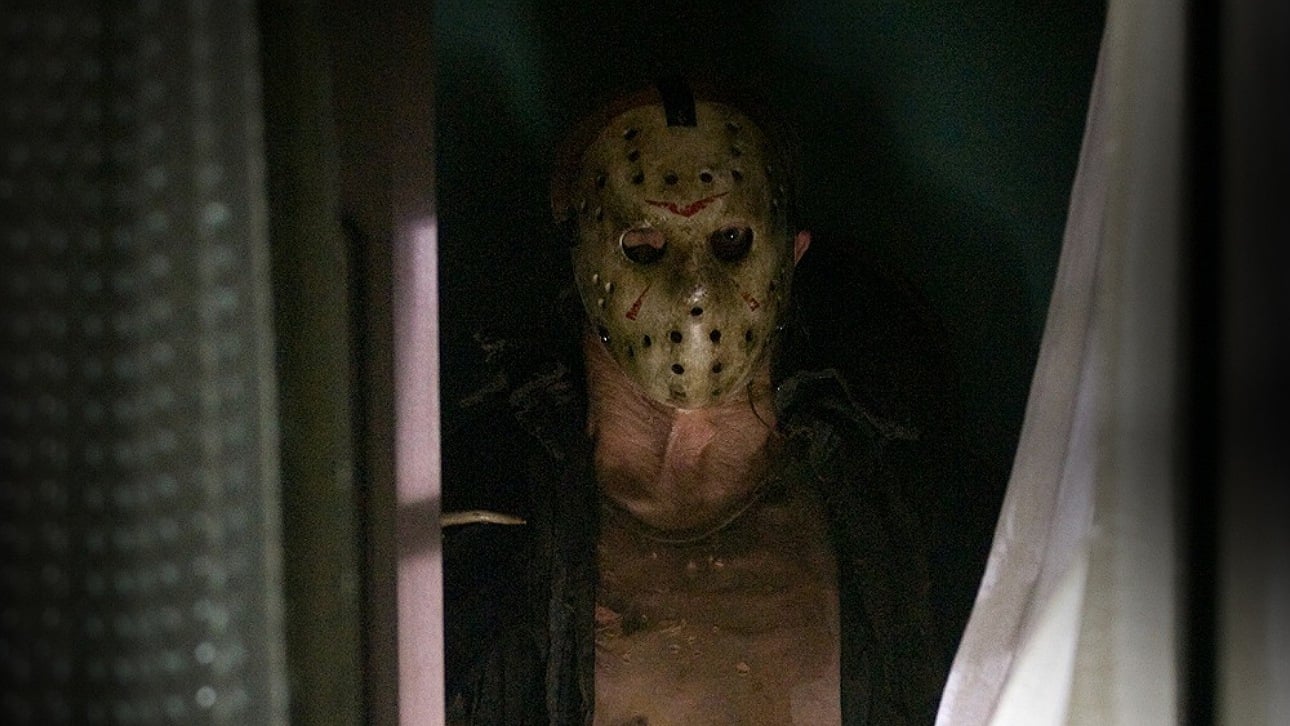
The costume was likewise assembled to affect movement. Mears explained that the jacket combined elements from hunting and military garments, allowing the fabric to swing visibly during attacks. A prosthetic eye was attached to his face, allowing it to follow the movements of his head beneath the mask. Stoddard's team created physical makeup and murder effects while acknowledging that digital work would supplement material difficult to achieve safely on set. Nispel expressed a preference for convincing in-camera action, although he also discussed adding blood digitally during postproduction. The combined methods aim to give the impacts a tangible quality while allowing shots that cannot be executed entirely through practical effects.

Slasher Structure and Visual Style

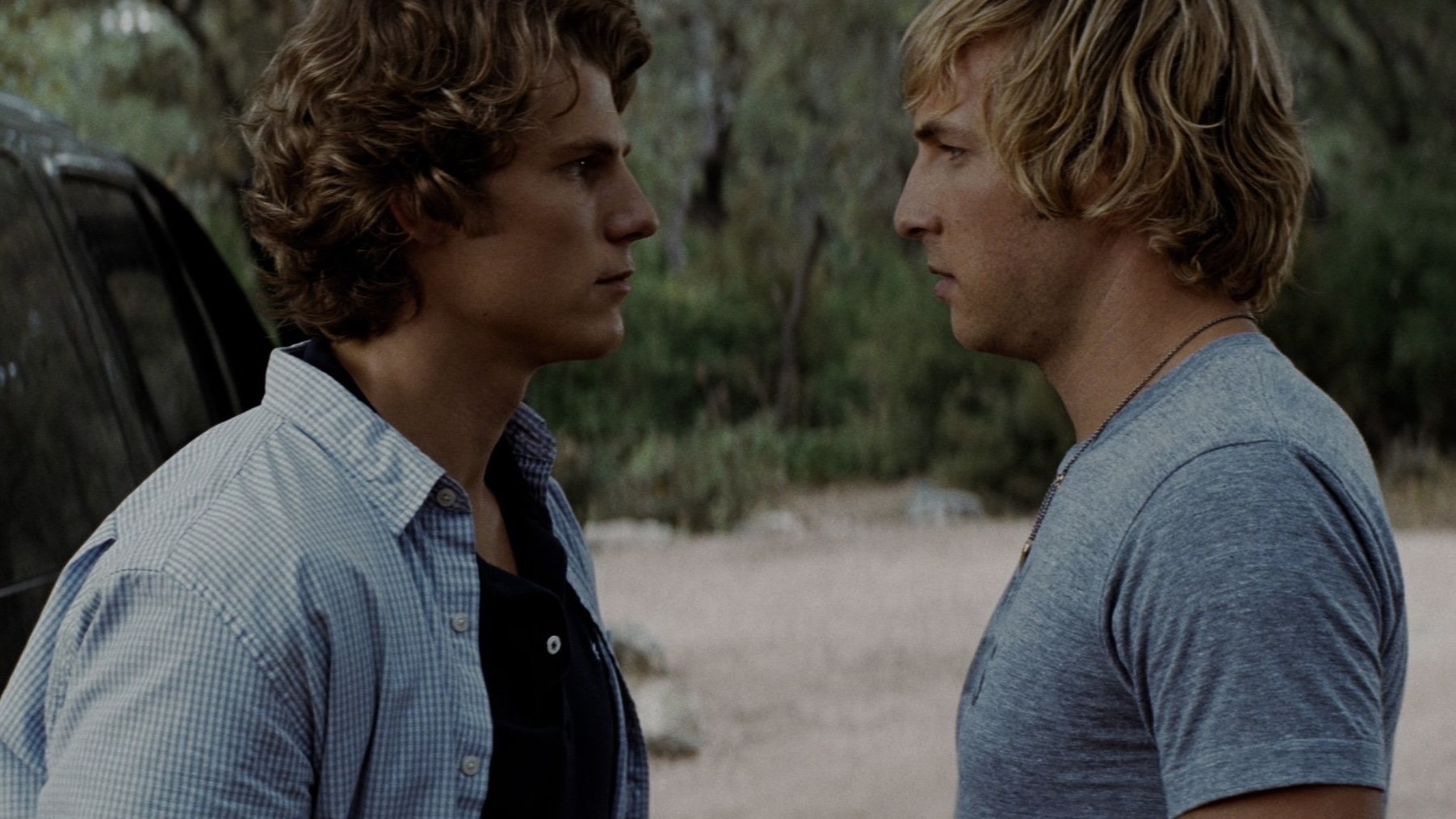
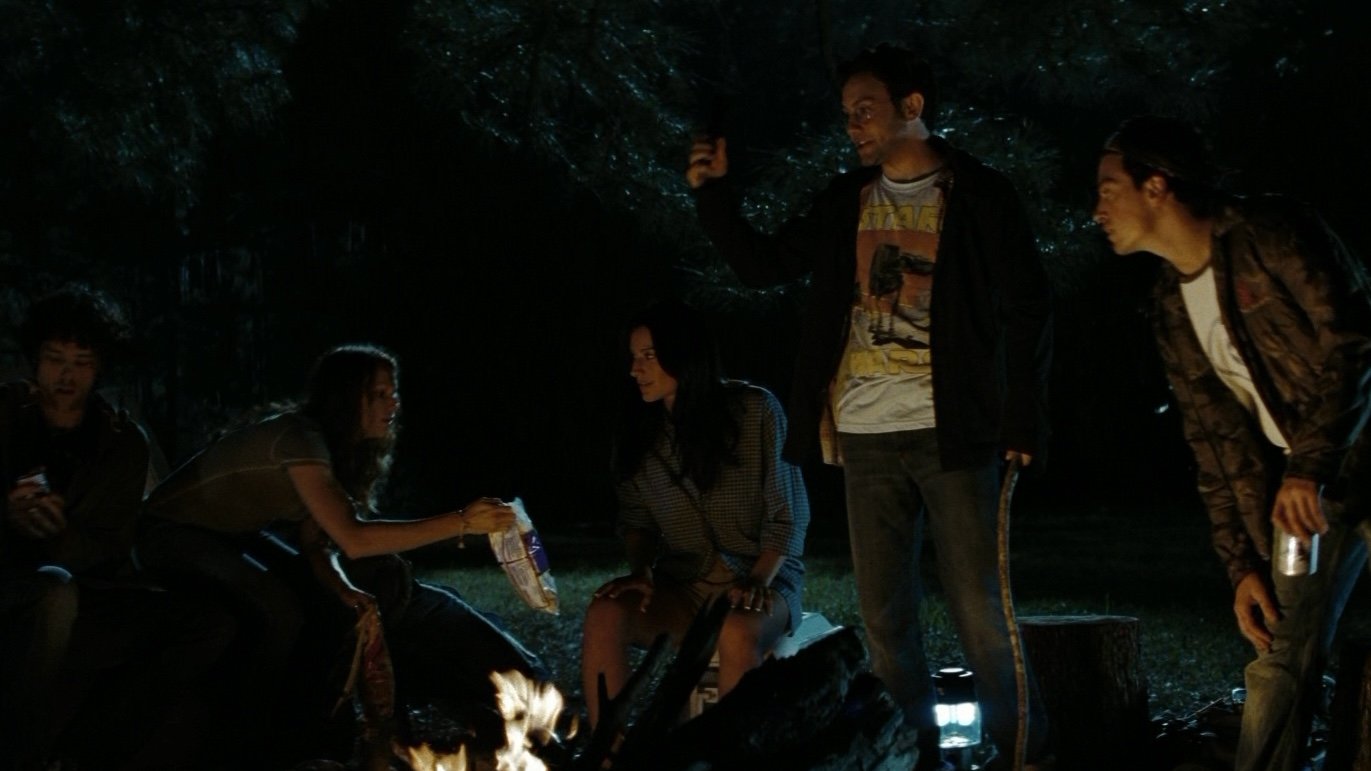
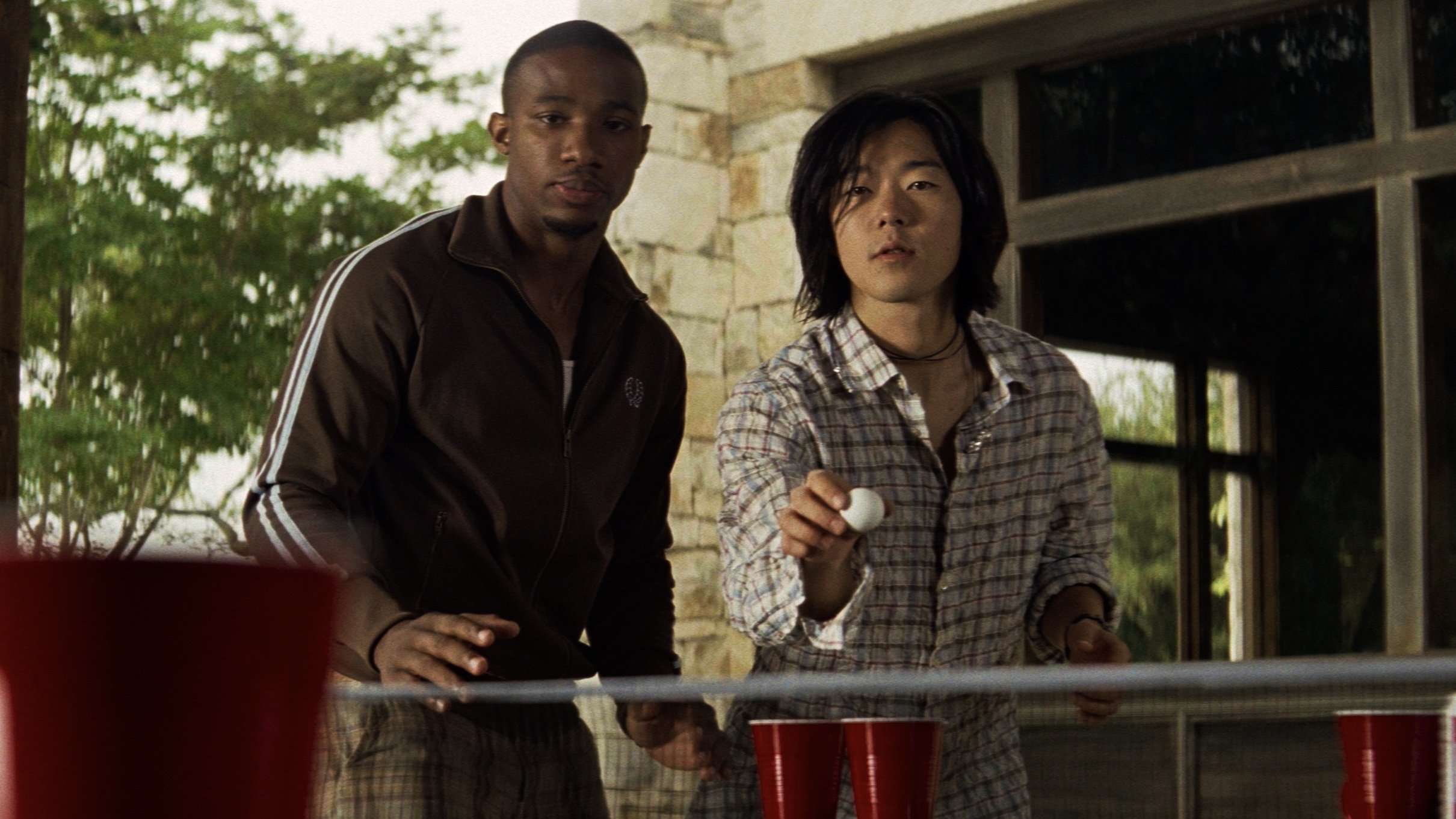
The unusually extended opening introduces a party of visitors in search of marijuana before the principal group arrives. By removing most of those initial characters, the film establishes Jason's lethality early and resets the narrative around Clay's search for his sister. The structure permits an aggressive first movement but also creates two groups of young people who share several of the same dramatic functions. Within the second group, conflict over relationships and entitlement becomes a familiar mechanism for separating potential victims. Clay's investigation and Jenna's willingness to assist him give the story a second line of action that occasionally interrupts the cycle of parties, pursuit and death.
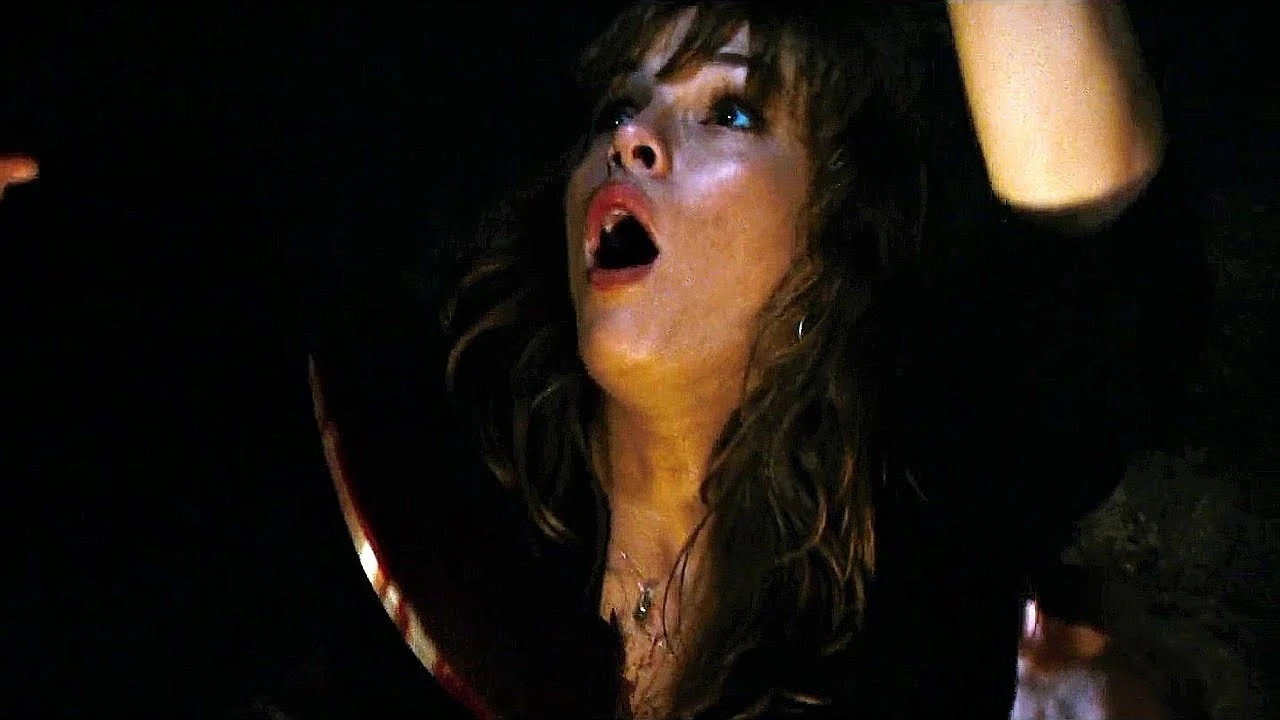
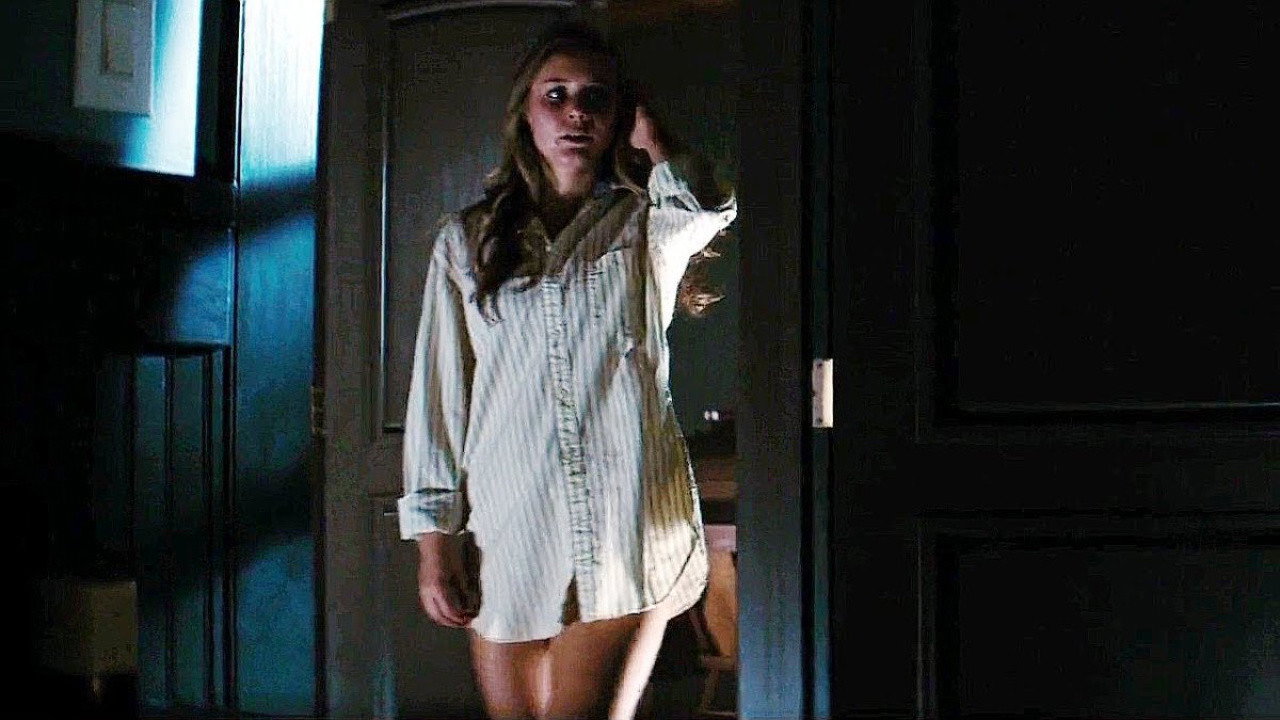
Pearl's photography emphasizes thick darkness, damp textures and warmer light around the weekend house, making the contrast between recreational comfort and surrounding forest part of the visual design. The derelict buildings and tunnels supply the harsher spaces in which Jason appears to possess the advantage. Nispel frequently builds attacks around a partially obscured body or a weapon entering an otherwise familiar frame. Nick Schager's contemporary Slant review found the work technically assured but argued that successive sequences repeated established slasher rhythms without developing fresh suspense. That criticism is useful because it separates the film's polished execution from the larger question of whether its variations substantially change the experience of the genre.

Theatrical Release, Extended Cut and Reception

Friday the 13th opened widely in the United States on February 13, 2009. Box Office Mojo reports a domestic opening weekend of approximately $40.6 million, followed by a sharp decline the next weekend, with the eventual domestic total reaching roughly $65 million. Its reported worldwide figure is approximately $91.5 million, although theatrical databases differ in their international totals and budget estimates. The commercial trajectory indicates substantial advance awareness and concentrated opening interest, without establishing equally strong sustained demand. The film's financial reach was particularly notable after years in which the series had been represented by more irregular sequels and the crossover Freddy vs. Jason.
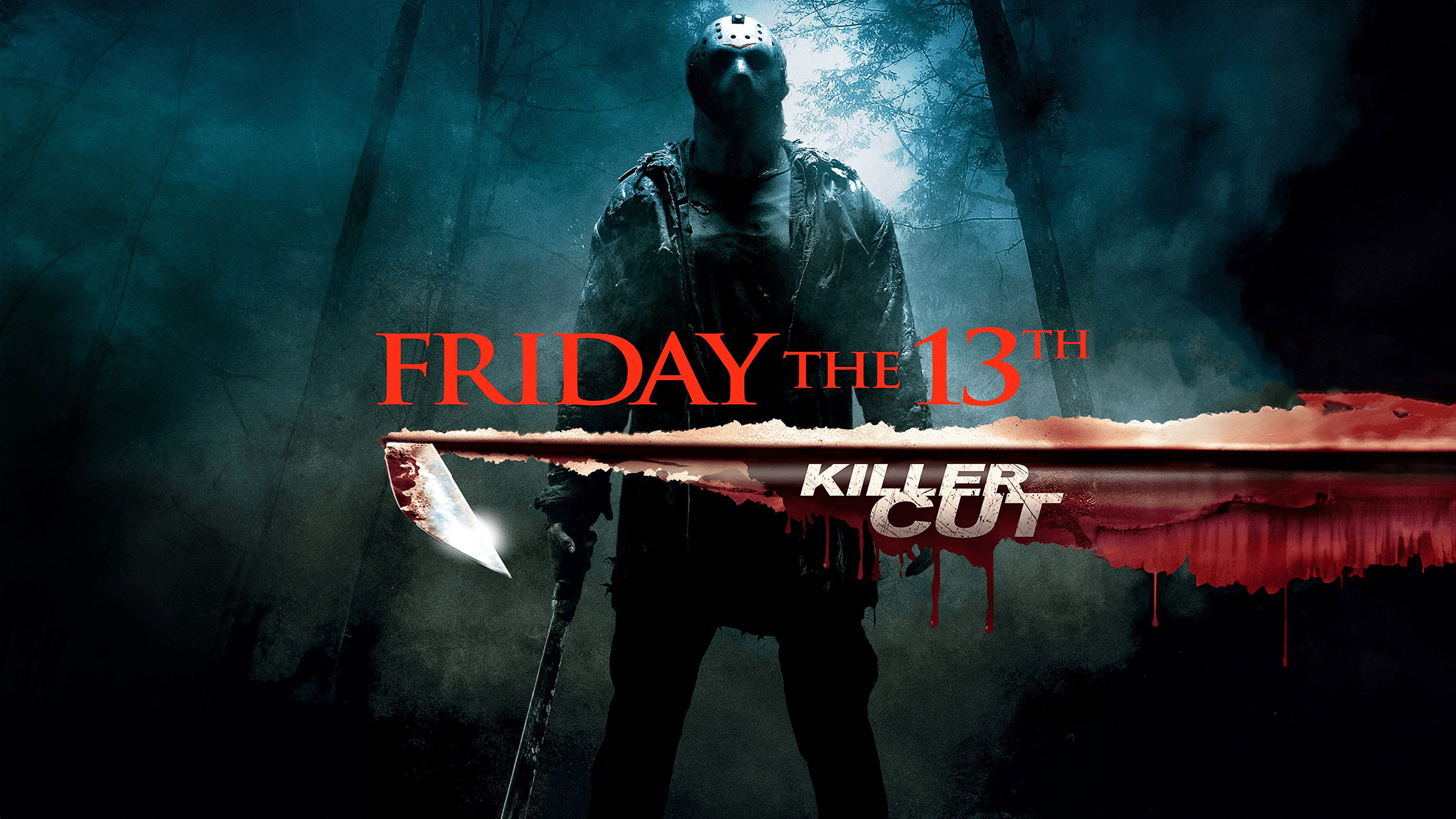
For home entertainment, an extended presentation circulated alongside the theatrical version. The British Board of Film Classification records a version running 101 minutes and four seconds, classified in May 2009, and specifically identifies it as an extended cut. This documented difference does not, by itself, prove that every removed or proposed scene was restored, nor that a particular edition reflects an unrestricted director's cut. Contemporary reviews also require distinction from later fan reassessment. Schager regarded Nispel's film as competently assembled but overly obedient to inherited formulas; other critics objected to its harsh tone and thinly developed characters. The film's place in franchise history rests on its compressed retelling, newly athletic Jason and prominent participation in the period's studio-backed horror-remake cycle.

References

  1. ComingSoon Interview: The Writers of Friday the 13th

    Original Ryan Turek interview with Damian Shannon and Mark Swift on the reboot's structure, a more territorial Jason, dialogue choices and abandoned scenes.

  2. Horror News Interview: Marcus Nispel - Director

    Direct interview with Nispel about the relaunch, Texas locations, short filming schedule, collaboration with Daniel Pearl and visual-effects choices.

  3. ComingSoon On the Set of Friday the 13th

    Firsthand 2008 report from the Texas shoot, including Scott Stoddard and Derek Mears on hockey-mask redesign, prosthetics and stunt staging.

  4. BBFC Friday The 13th (Extended Version)

    Official UK classification record documenting the 2009 extended home-entertainment cut, running time and specific content information.

  5. Slant Magazine Review: Friday the 13th

    Nick Schager's February 2009 review, providing a contemporary assessment of the reboot's technique, slasher conventions and repetitive scares.

Connections

Cast

View Full Cast & Crew →

Release & Distribution

Production Companies (4)

  • Crystal Lake Entertainment US
  • New Line Cinema US
  • Paramount Pictures US
  • Platinum Dunes US

Distributors (1)

  • UIP-Dunafilm HU

Release History (38)

Release DateTerritoryRelease TypeFormatDistributorCertificationNotes
2009-02-11 Belgium Theatrical — — 16
2009-02-11 Switzerland Digital — — 18
2009-02-11 France Theatrical — — 12
2009-02-11 United Kingdom Premiere — — 18
2009-02-12 Canada Theatrical — — 18A
2009-02-12 Kazakhstan Theatrical — — —
2009-02-12 Netherlands Theatrical — — 16
2009-02-12 Portugal Theatrical — — M/16
2009-02-13 Brazil Theatrical — — 18
2009-02-13 Germany Theatrical — — 18
2009-02-13 Spain Theatrical — — 18
2009-02-13 United Kingdom Theatrical — — 18
2009-02-13 Ireland Theatrical — — 18
2009-02-13 Japan Digital — — R18+
2009-02-13 Lithuania Theatrical — — N-16
2009-02-13 Ukraine Theatrical — — —
2009-02-13 United States Theatrical — — R
2009-03-12 Australia Theatrical — — R 18+
2009-03-13 Israel Theatrical — — —
2009-03-26 Greece Theatrical — — —
2009-04-23 Czechia Digital — — 15+
2009-04-24 Türkiye Theatrical — — —
2009-05-22 Poland Digital — — 18
2009-07-02 Netherlands Physical Blu-ray — 16 Blu-ray
2009-07-23 Slovakia Theatrical — — 18
2009-08-10 Israel Physical DVD — — DVD
2009-08-11 France Physical DVD, Blu-ray — 12 DVD / Blu-ray
2009-08-13 Netherlands Physical DVD — 16 DVD
2009-09-17 Hungary Digital — — 18
2011-04-16 Netherlands TV — — 16 RTL 5
2013-04-12 Slovakia TV — — 18 Markíza
2014-04-25 France Digital — — 12
2020-05-01 France Digital — — 16 Netflix
2021-02-09 Slovakia Digital — — 18 HBO GO
2022-02-01 France Digital — — 18 Prime Video
2024-09-17 United States Physical 4K UHD — R 4K UHD
2024-10-28 Slovakia Digital — — 18 VOYO
2026-01-02 France Digital — — 16 Netflix
Welcome to Crystal Lake.