Quarantine (2008)

US
SUBGENRES ZOMBIE
6.0/10 4 votes
Runtime
89 min
Release
October 10, 2008
Budget
$12,000,000
Revenue
$40,855,419
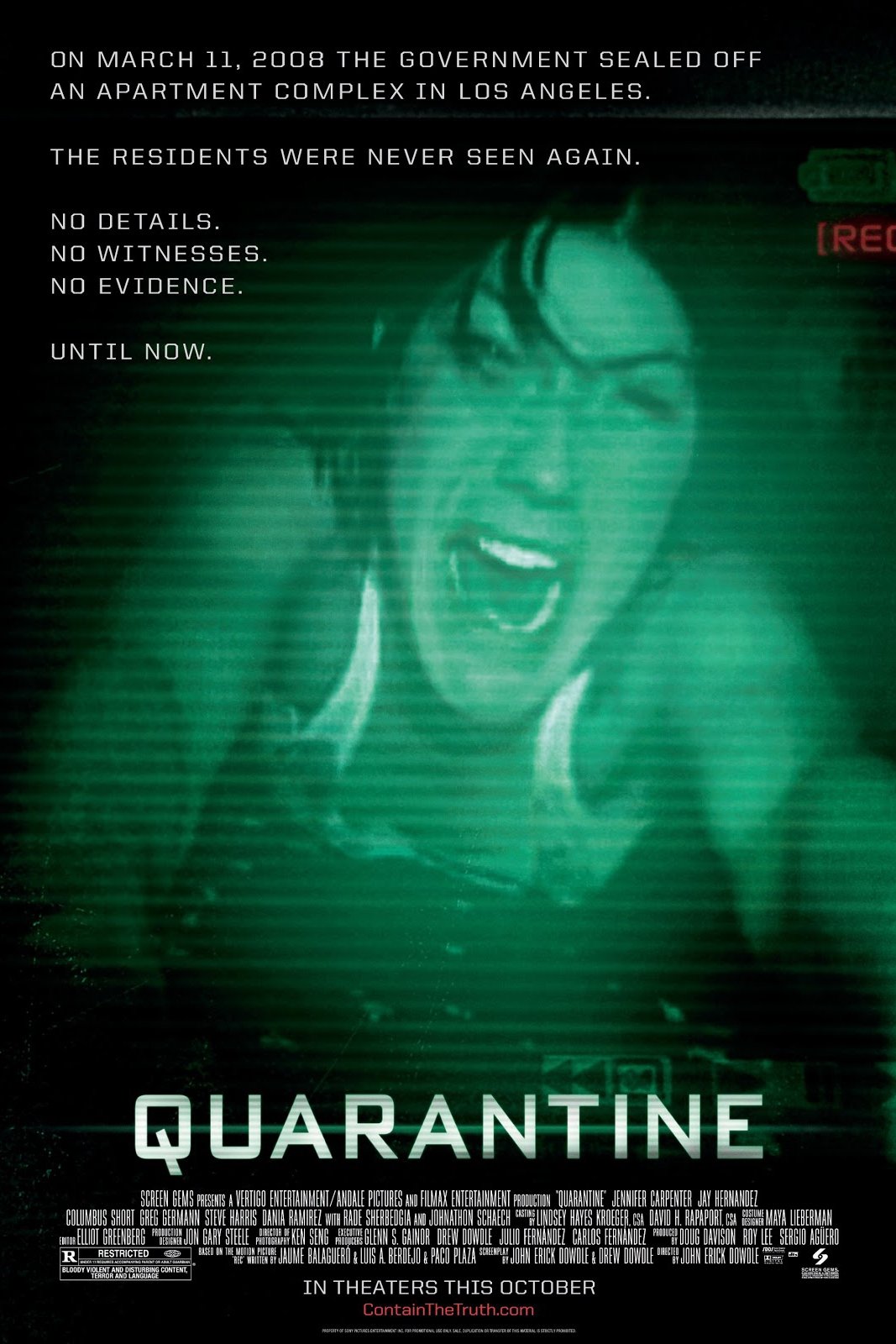
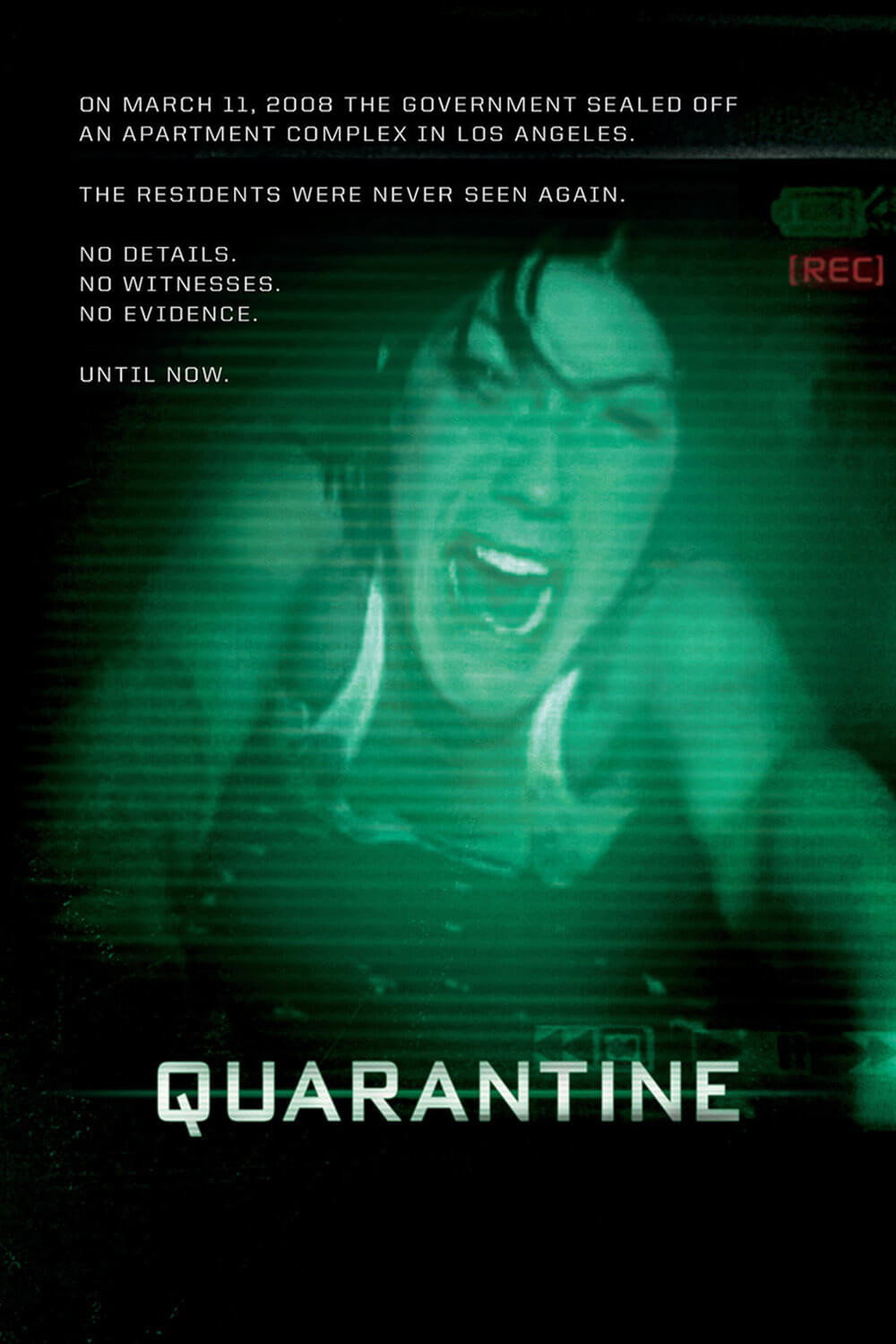
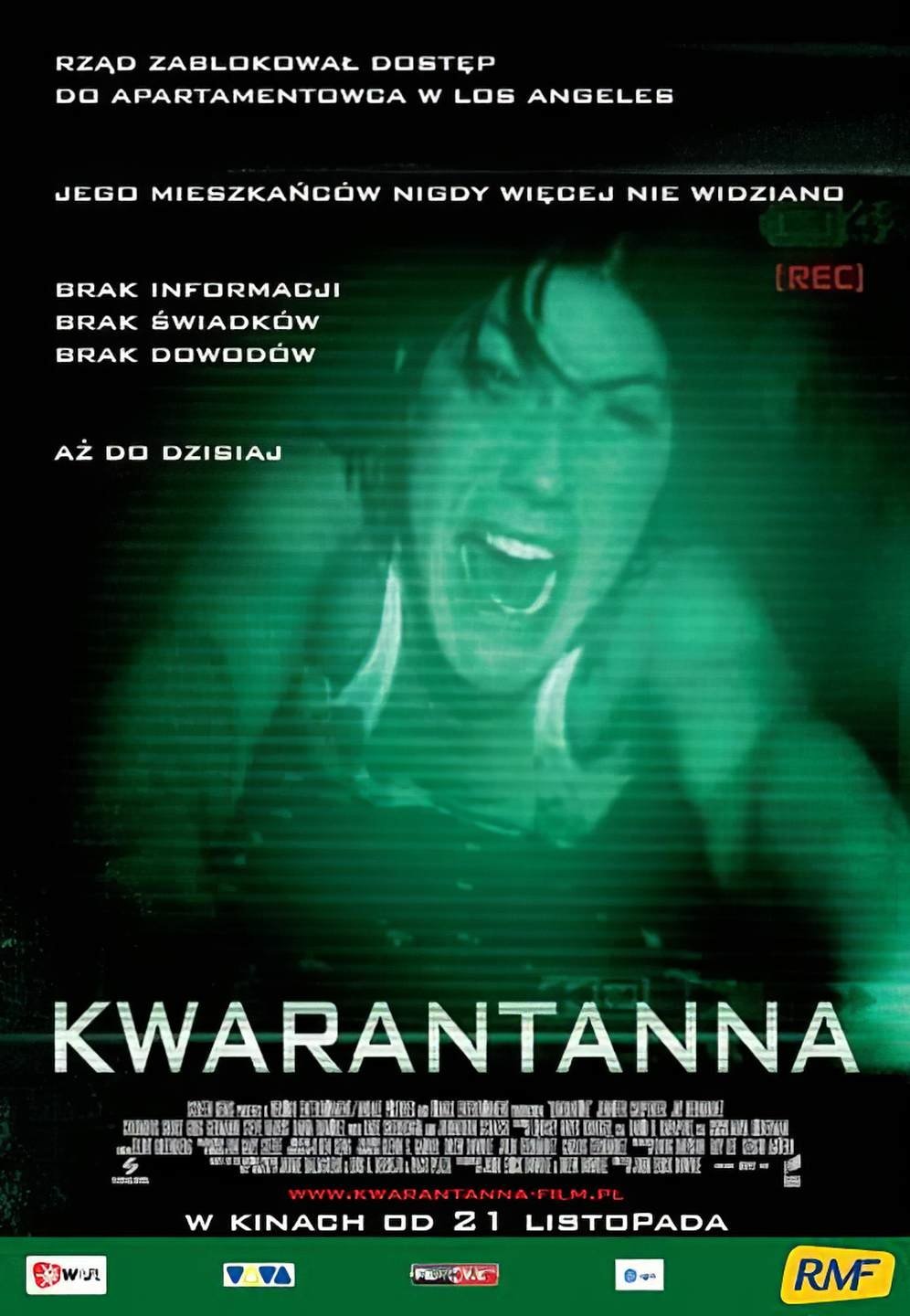
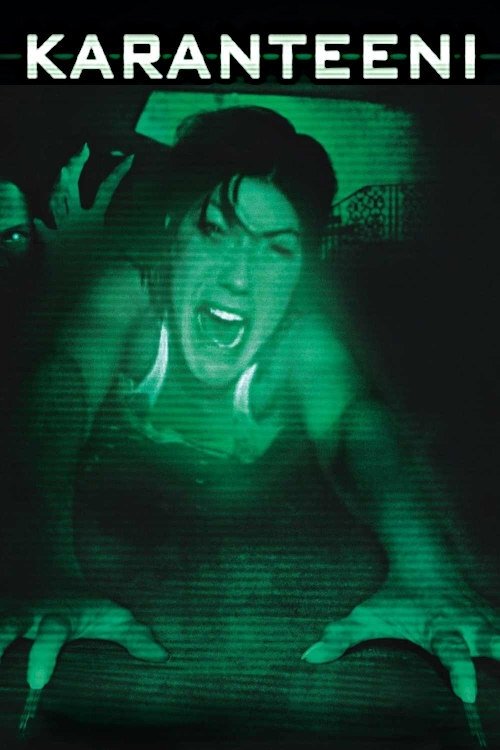
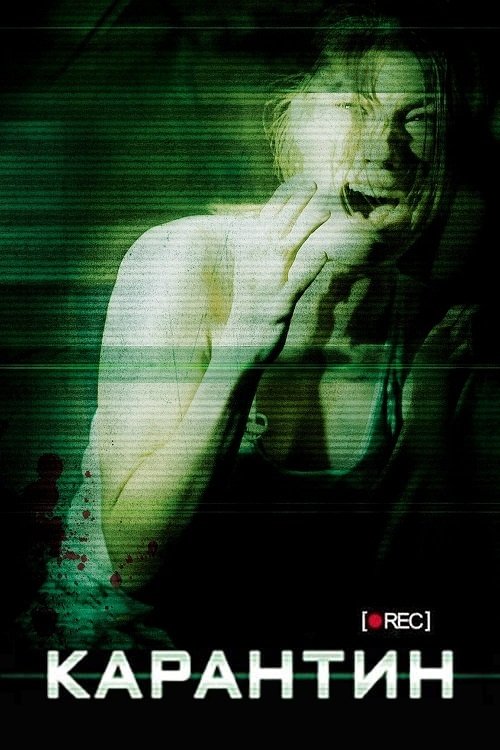
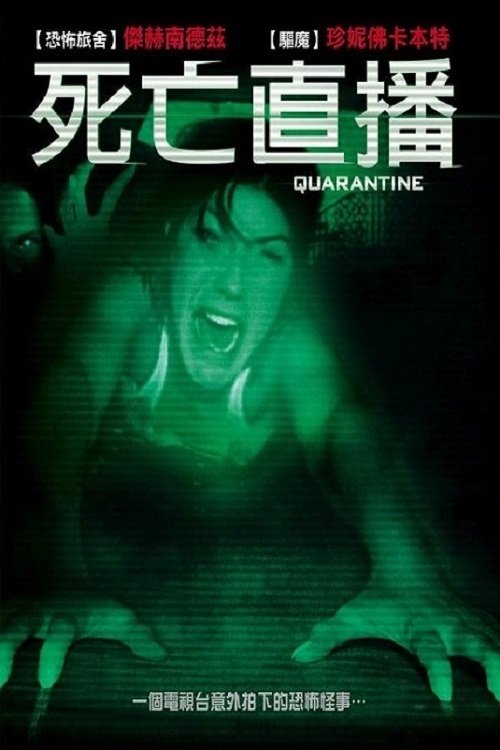
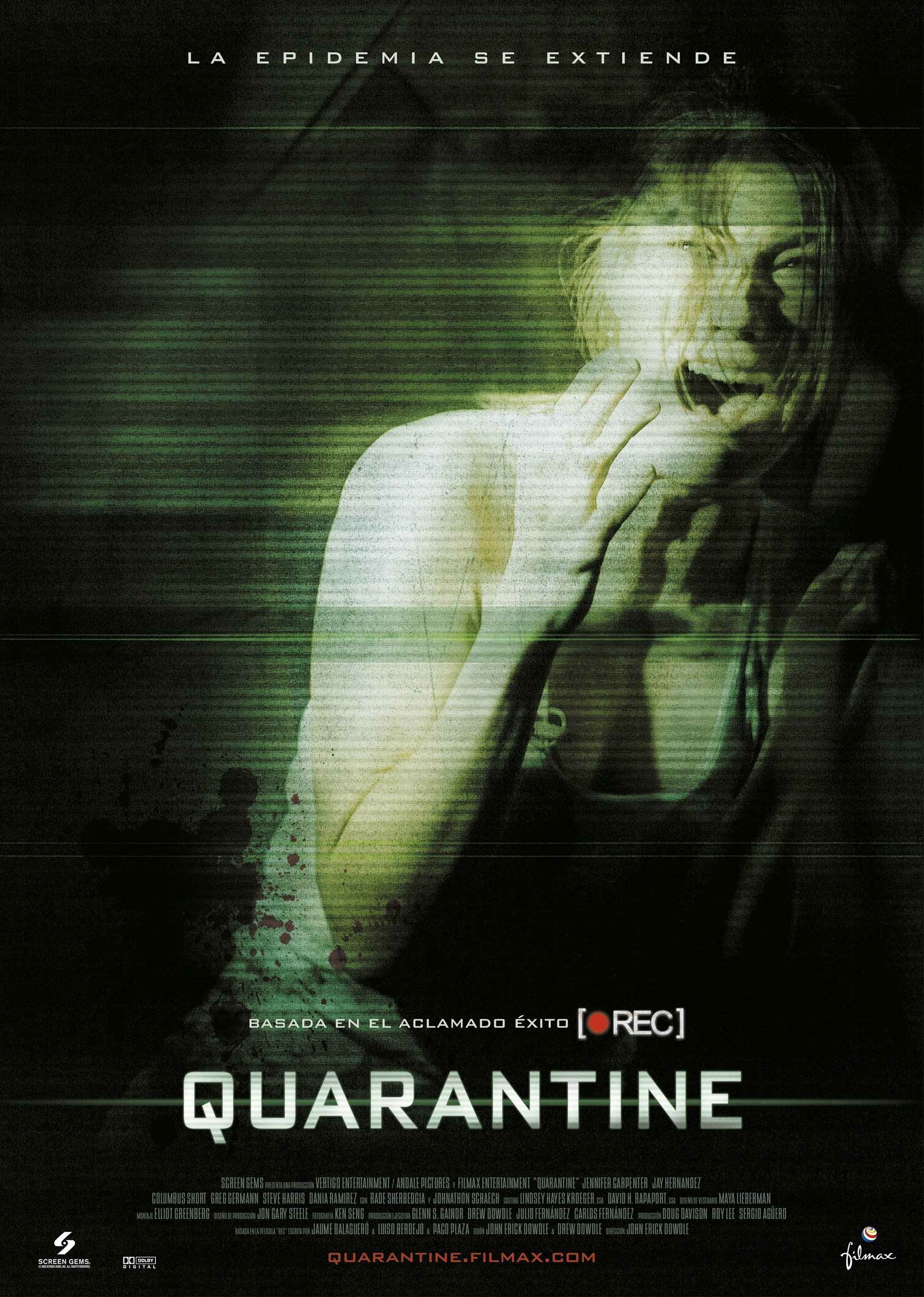
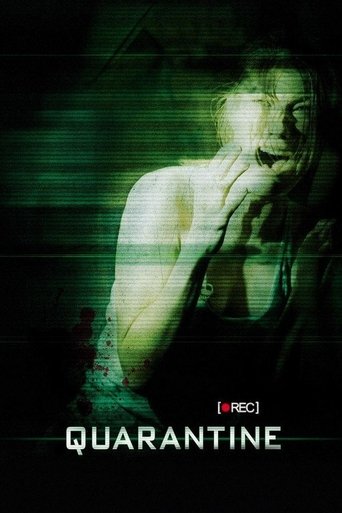
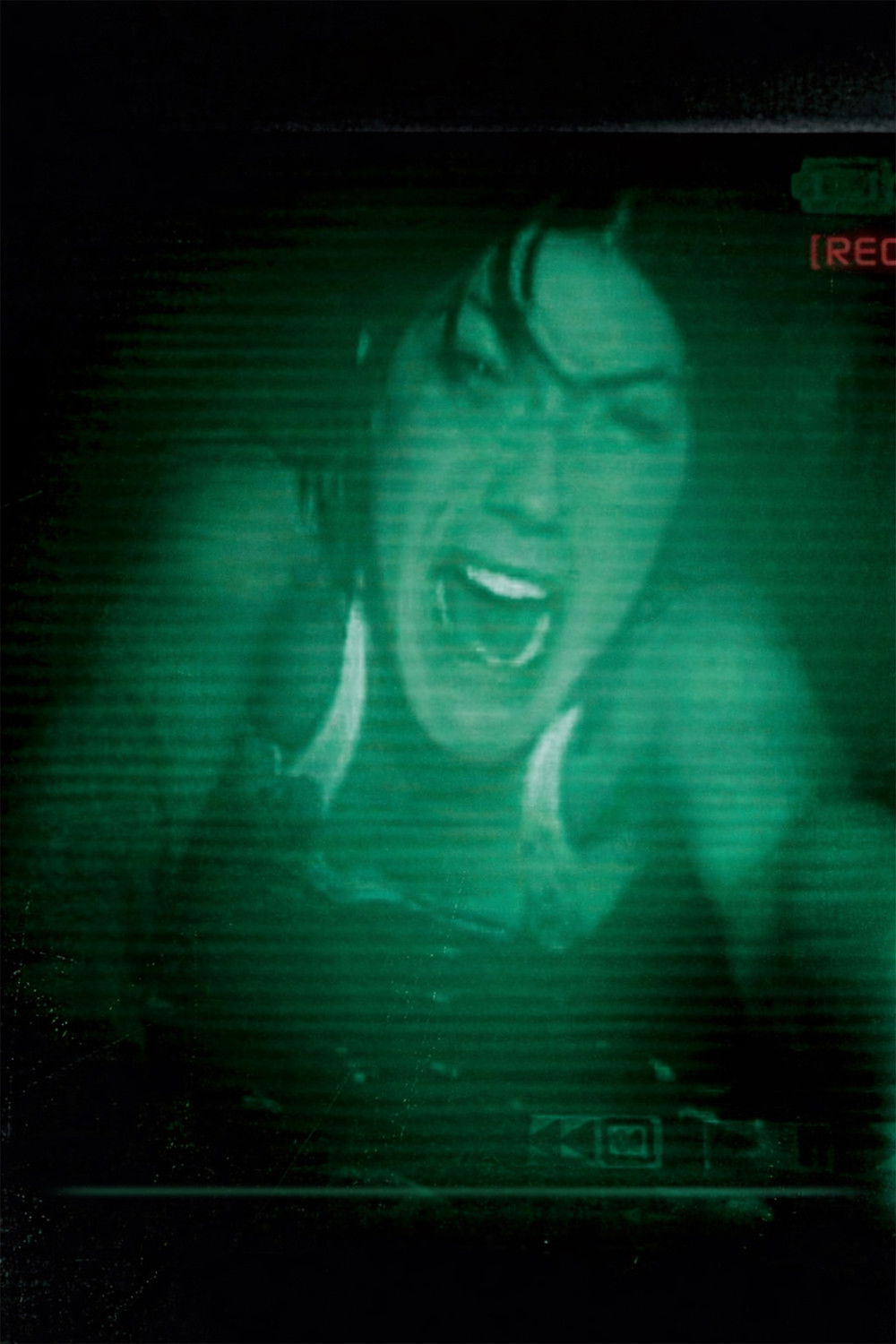
Quarantine (2008) poster
Production Companies
Screen Gems , Andale Pictures , Vertigo Entertainment , Filmax , Castelao Productions
Plot

A television reporter and her cameraman are trapped inside a building quarantined by the CDC after the outbreak of a mysterious virus which turns humans into bloodthirsty killers.

Alternative Titles
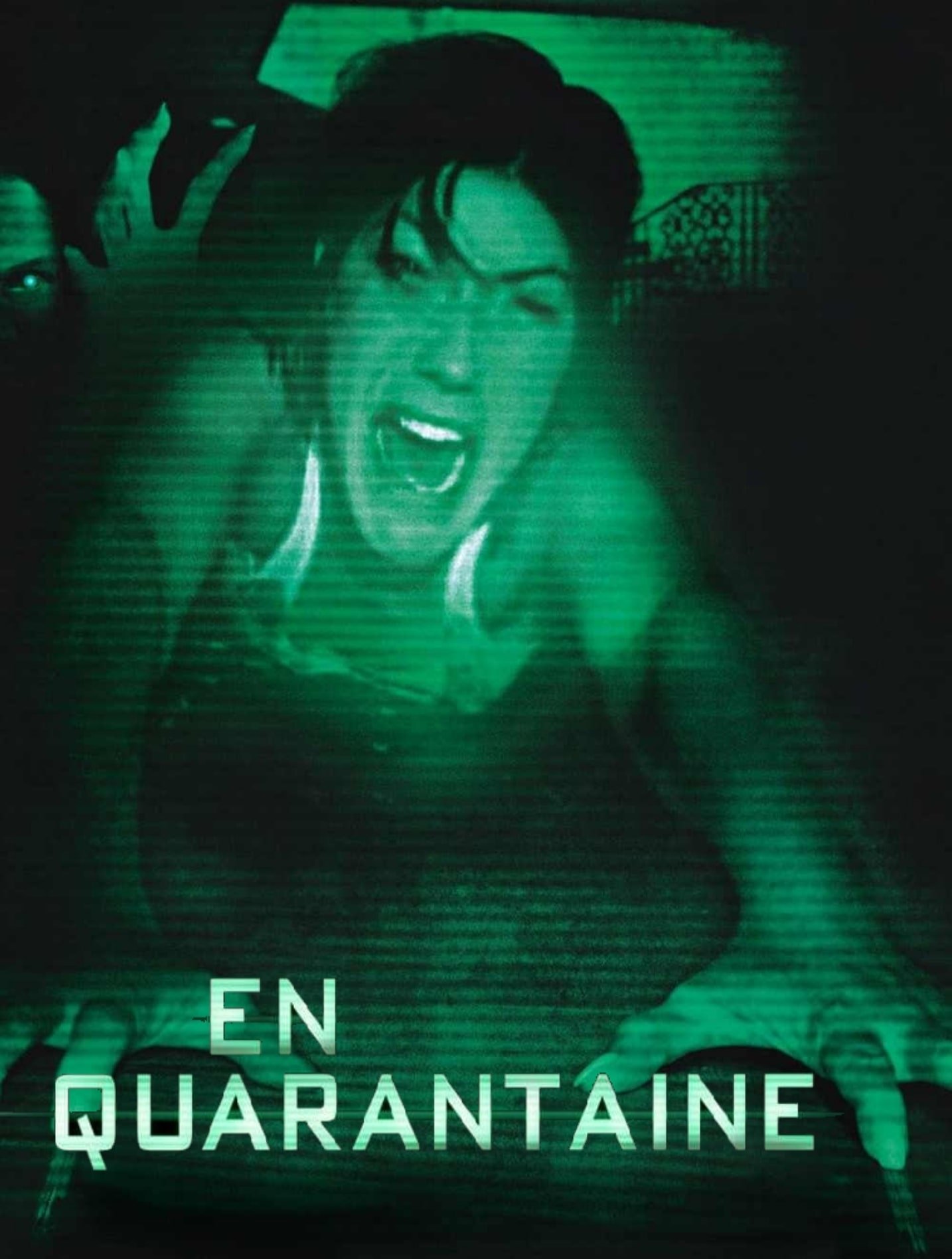
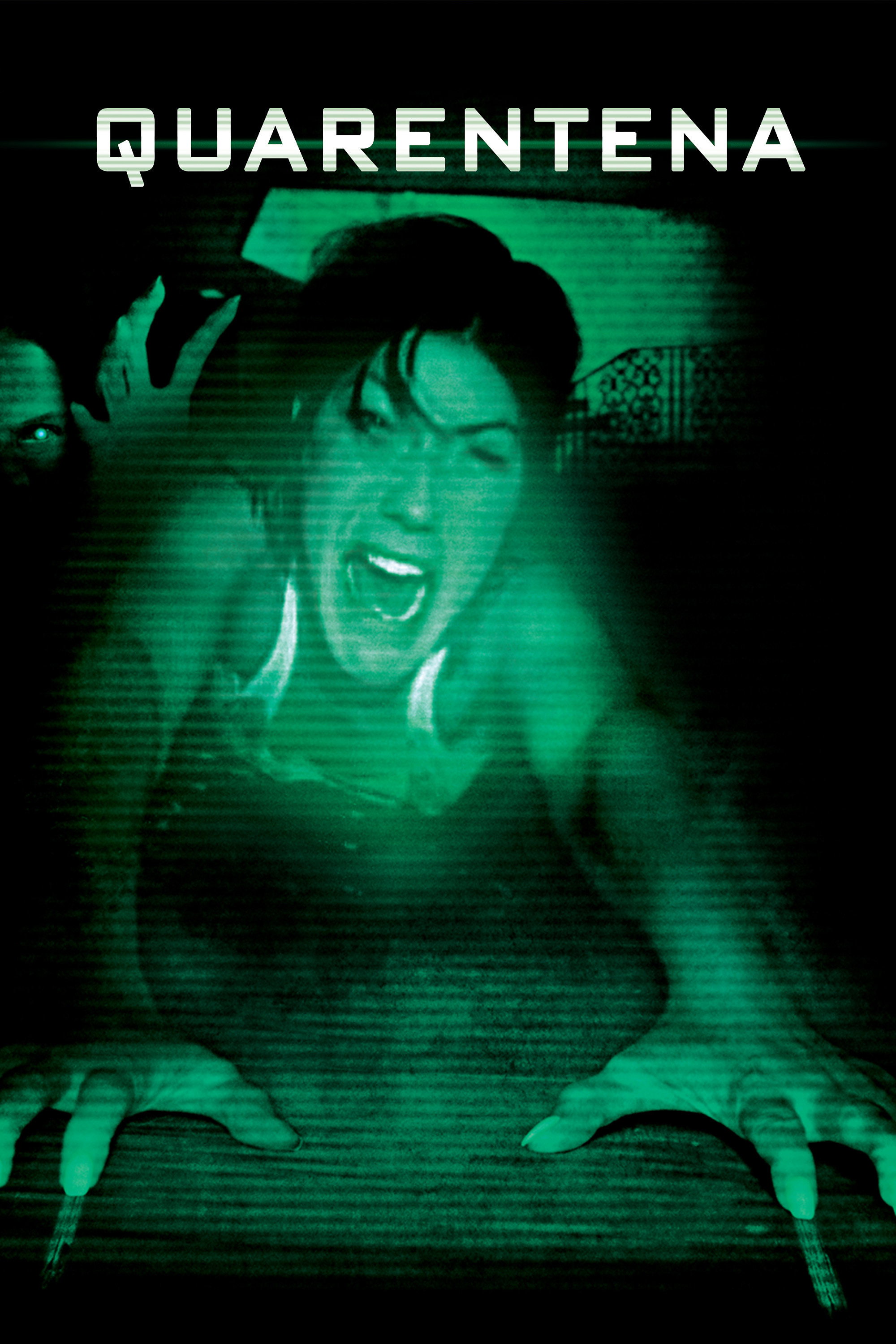
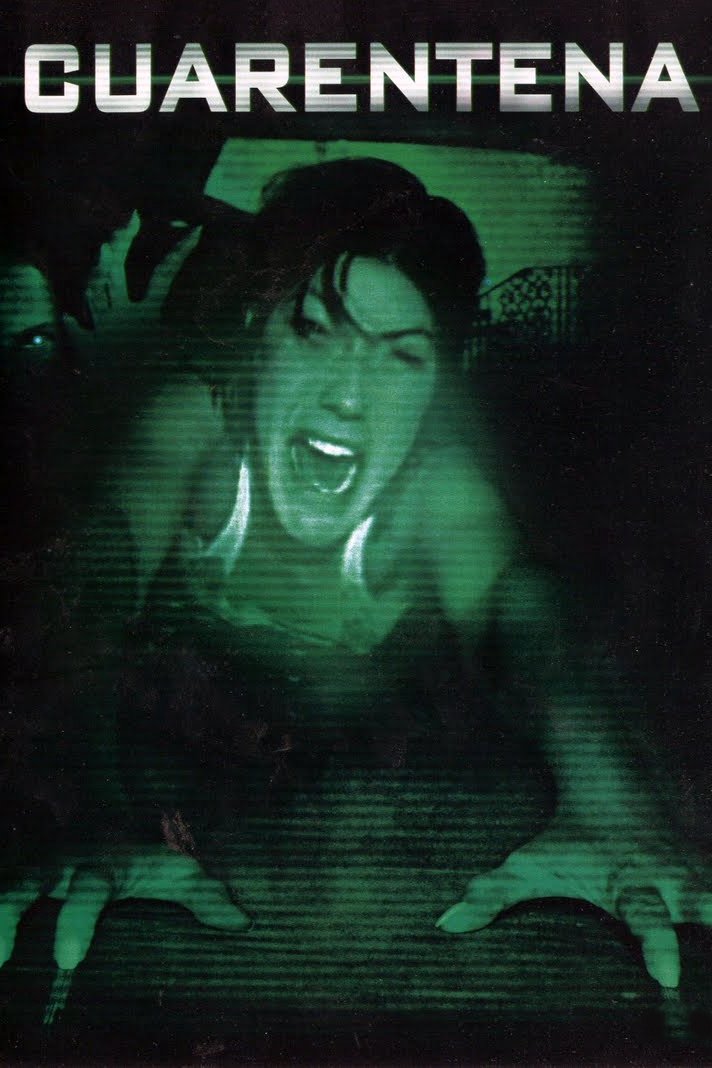
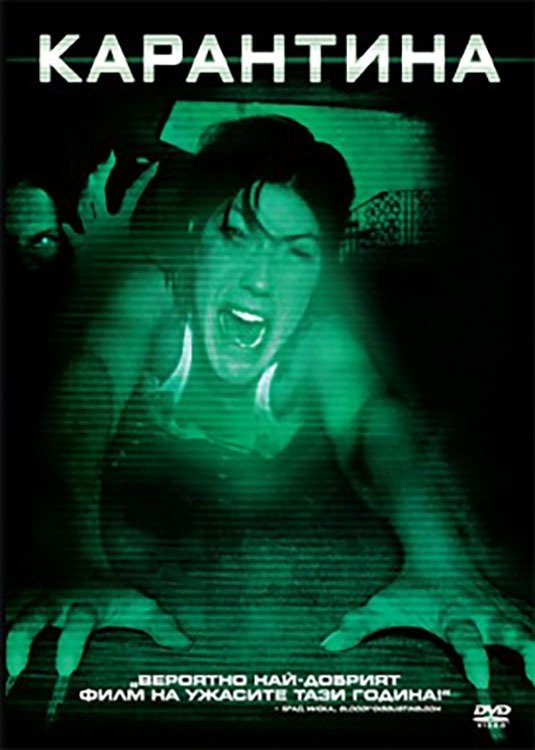
Quarantäne (Austria) — German Карантина (Bulgaria) — Bulgarian Quarentena (Brazil) En quarantaine (Canada) — French Quarantine 1 (Canada) 隔离区 (China) — Chinese Karanténa (Czechia) — Czech Quarantäne (Germany) — German
Show all 30 alternative titles Cuarentena (Spain) Karanteeni (Finland) — Finnish En Quarantaine (France) 死亡直播 (Hong Kong SAR China) — Chinese Karantén (Hungary) שטח ההסגר (Israel) — Hebrew Quarantena (Italy) — Italian REC:レック/ザ・クアランティン (Japan) — Japanese 쿼런틴 (South Korea) Karantīna (Latvia) — Latvian Cuarentena (Mexico) — Spanish Kwarantanna (Poland) — Polish Quarentena (Portugal) — Portuguese Карантин (Russia) Karanténa (Slovakia) — Slovak Cuarentena (El Salvador) ปิดตึกสยอง (Thailand) Karantina (Türkiye) 死亡直播 (Taiwan) — Chinese Карантин (Ukraine) — Ukrainian Quarantined (United States) Cách Ly (Vietnam) — Vietnamese

Trailers & Videos

2 videos

Film Guide & Analysis

A found-footage remake of [REC] that replaces demonic contagion with a rabies-like outbreak inside a sealed Los Angeles apartment house.

Quarantine (2008) is an American found-footage horror film directed by John Erick Dowdle and written with his brother Drew. It remakes the Spanish film [REC] (2007), directed by Jaume Balagueró and Paco Plaza, while relocating its escalating outbreak to an apartment building in Los Angeles. Television reporter Angela Vidal and cameraman Scott Percival accompany firefighters responding to an emergency call. When residents begin attacking one another, public-health authorities seal the building, leaving the occupants with no reliable explanation of the danger and no means of escape. The surviving camera footage provides the film’s entire visual perspective.

Released during a period of renewed interest in first-person horror, Quarantine inherited much of [REC]’s staging while changing the underlying explanation of the infection. Its production was shaped by the demands of extended handheld takes, a purpose-built apartment interior and a decision to rely on effects-driven sound rather than a conventional musical score. These choices make the film a useful example of how an American studio remake attempted to preserve the physical immediacy of a European horror success.

Development of the American Remake

Producers Roy Lee and Doug Davison acquired the American remake rights to [REC] before seeing the finished Spanish film. Speaking to journalist Ryan Turek during a visit to the Quarantine set, Davison said that a translated screenplay had convinced them of the premise’s potential. He believed an English-language version would reach an American theatrical audience unlikely to attend the original. That commercial calculation helps explain why the remake entered production so quickly after [REC] had begun attracting attention. The producers turned to the Dowdle brothers because their earlier film The Poughkeepsie Tapes demonstrated experience with staged documentary material and unsettling handheld imagery.

The project had initially been considered on a smaller scale in Toronto, according to John Erick Dowdle, before its involvement with Screen Gems brought it to a Sony soundstage. Drew Dowdle said the brothers had worked from the Spanish screenplay and a short promotional reel before viewing the completed original. After seeing it, they decided to preserve much of its construction. The American script still allowed additional threats, altered character behavior and a more explicitly biological explanation for the outbreak. Those changes were made within a story whose central sequence of events remained recognizably close to the Spanish film.

Building the Apartment House

The principal interior was a constructed apartment-house set on the Sony Pictures lot. Turek’s production report describes furnished residential rooms, a central stairwell and the distinctive tiled lobby that closely reproduced the geography of [REC]. Exterior footage was photographed in Los Angeles’s Koreatown area, establishing the building within a recognizably American urban environment. A working elevator provided space for an additional attack sequence. Above the central interior, a moving floodlight simulated a police helicopter searching the sealed property, giving the cast an apparent indication of the security operation beyond the walls.

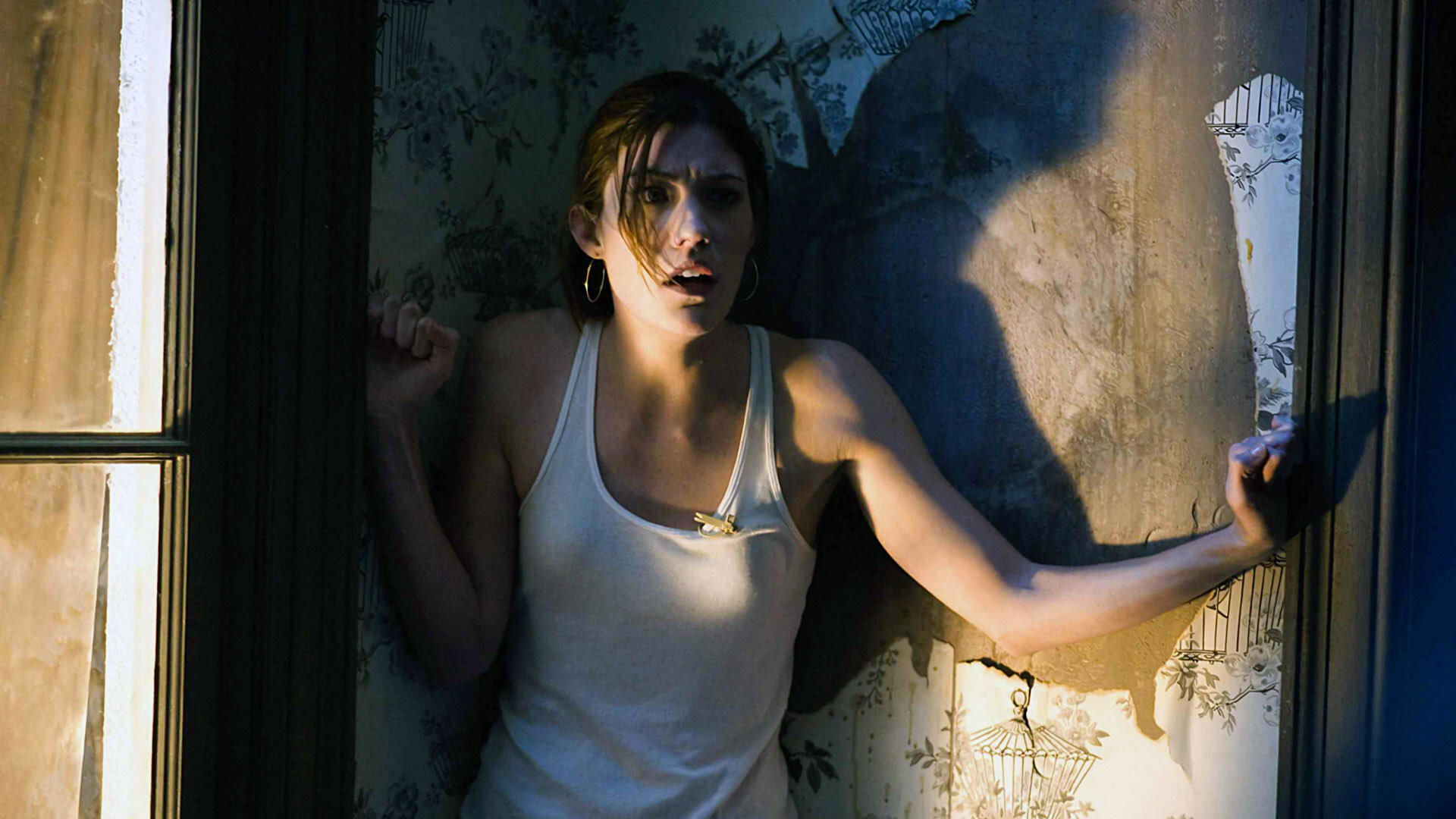
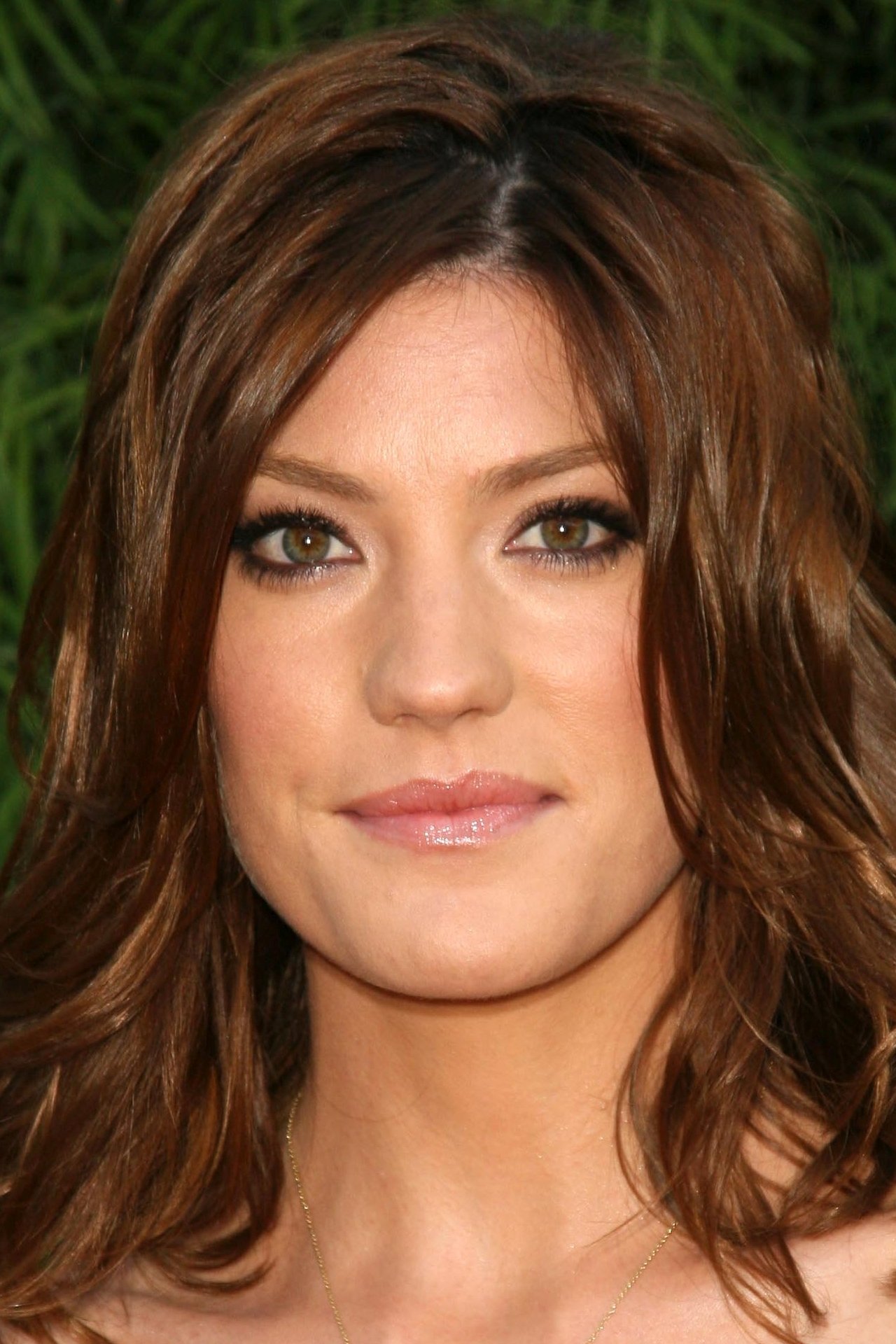
The enclosed architecture had practical consequences for the film’s action. Once the entrance is blocked, the stairs and landing areas become routes through which danger can circulate between floors. Apartments offer temporary privacy but also contain victims whose condition has not yet been identified. Jennifer Carpenter described the location as an adversary that continually obstructed the characters’ movement. The set’s continuous geography helped the crew plan long passages of action and made the confinement credible without repeated establishing shots. The audience learns where escape might be possible at approximately the same time as the people trapped inside.

Camera, Blocking and Extended Takes

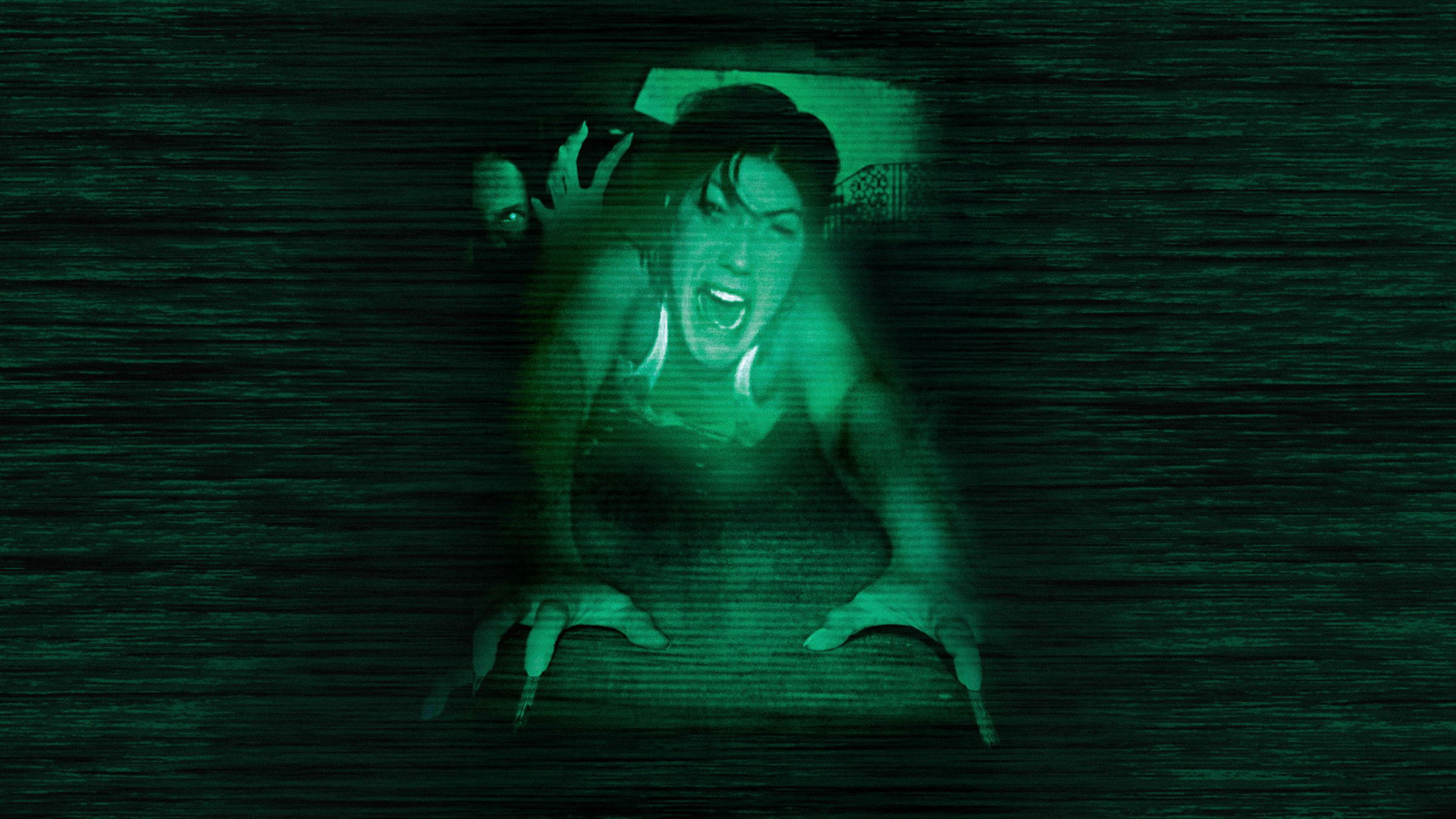
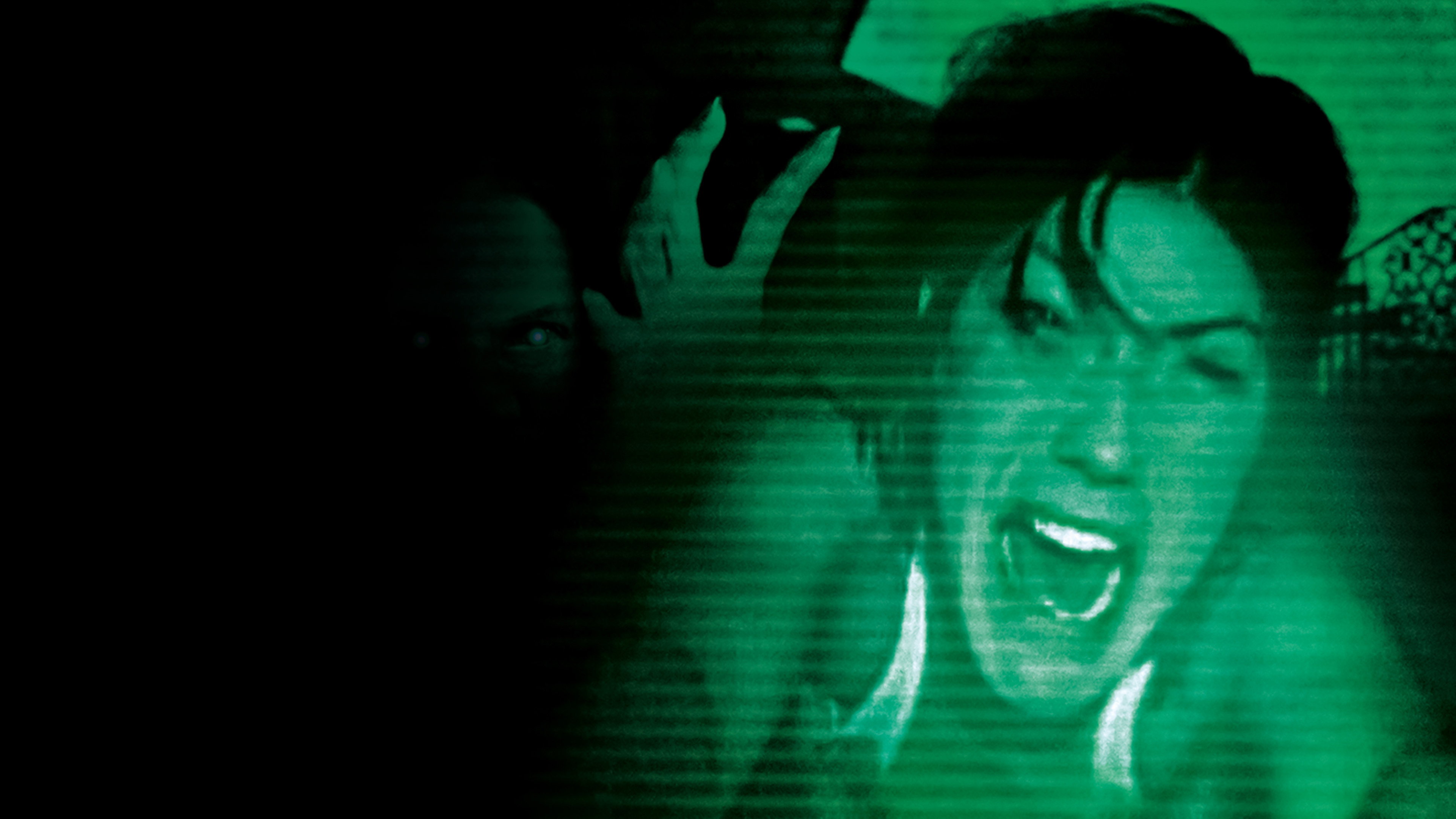
Quarantine presents its events through Scott’s camera, restricting the spectator to what the fictional operator can see or record. This constraint determines how information is distributed: people outside the lens may be attacked without warning, and communication from the authorities arrives only through the building’s occupants. The camera has a plausible purpose before the outbreak because Angela is preparing a television report on firefighters at work. Later it becomes an instrument for recording confinement and documenting what appears to be an official refusal to explain the quarantine. When the lights fail, the camera’s own illumination and night-vision capability also become essential to survival.

The film was prepared and shot with unusually long continuous passages. During the set visit, performers described takes lasting five or six minutes, extensive rehearsals and a production schedule proceeding in story order. Camera operator Joseph Aguirre physically accompanied the actors through confrontations and cramped spaces. Carpenter recalled that a camera was dropped during filming, damaging an expensive eyepiece, an indication of the physical demands of the method. A sequence observed by Turek involved actors struggling in an elevator while the camera remained among them, rather than recording the violence from a safe external angle.

The brothers later explained the editorial difficulty of maintaining that approach. In an interview with Filmmaker, John Erick Dowdle recalled that approximately fifty minutes of Quarantine had been designed to appear as one uninterrupted take. Concealing the joins and resolving continuity problems required considerable work. The production was therefore carefully choreographed despite its seemingly spontaneous images. The distinction matters to its found-footage style: disorientation is experienced by the characters, while the filmmakers must maintain enough spatial clarity for the audience to understand the consequences of each movement.

Infection in Place of Possession

The American adaptation reorients the threat toward an exceptionally aggressive form of rabies. In [REC], the final discoveries connect the outbreak to religious and demonic imagery; Quarantine emphasizes a biological danger associated with medical investigation and containment. The characters initially encounter people who behave like the fast-moving infected of contemporary zombie cinema, but the filmmakers rejected the idea that they were reanimated corpses. Robert Hall, who oversaw the infected makeup for Almost Human, said during production that the victims were living people suffering the effects of an extreme disease.

That distinction influences the horror of the quarantine itself. The government’s exclusion zone ostensibly protects the wider population, but it also abandons those already inside the building. The characters cannot distinguish preventative action from an effort to conceal an emergency, because the people controlling the exit refuse meaningful communication. A veterinarian among the residents attempts to explain the condition through symptoms that appear medically recognizable. The film’s rapid transmission and extreme aggression remain inventions of horror fiction rather than a scientifically reliable account of human rabies. The biological premise supplies a different vocabulary for the same escalating loss of control.

Prosthetics and Physical Violence

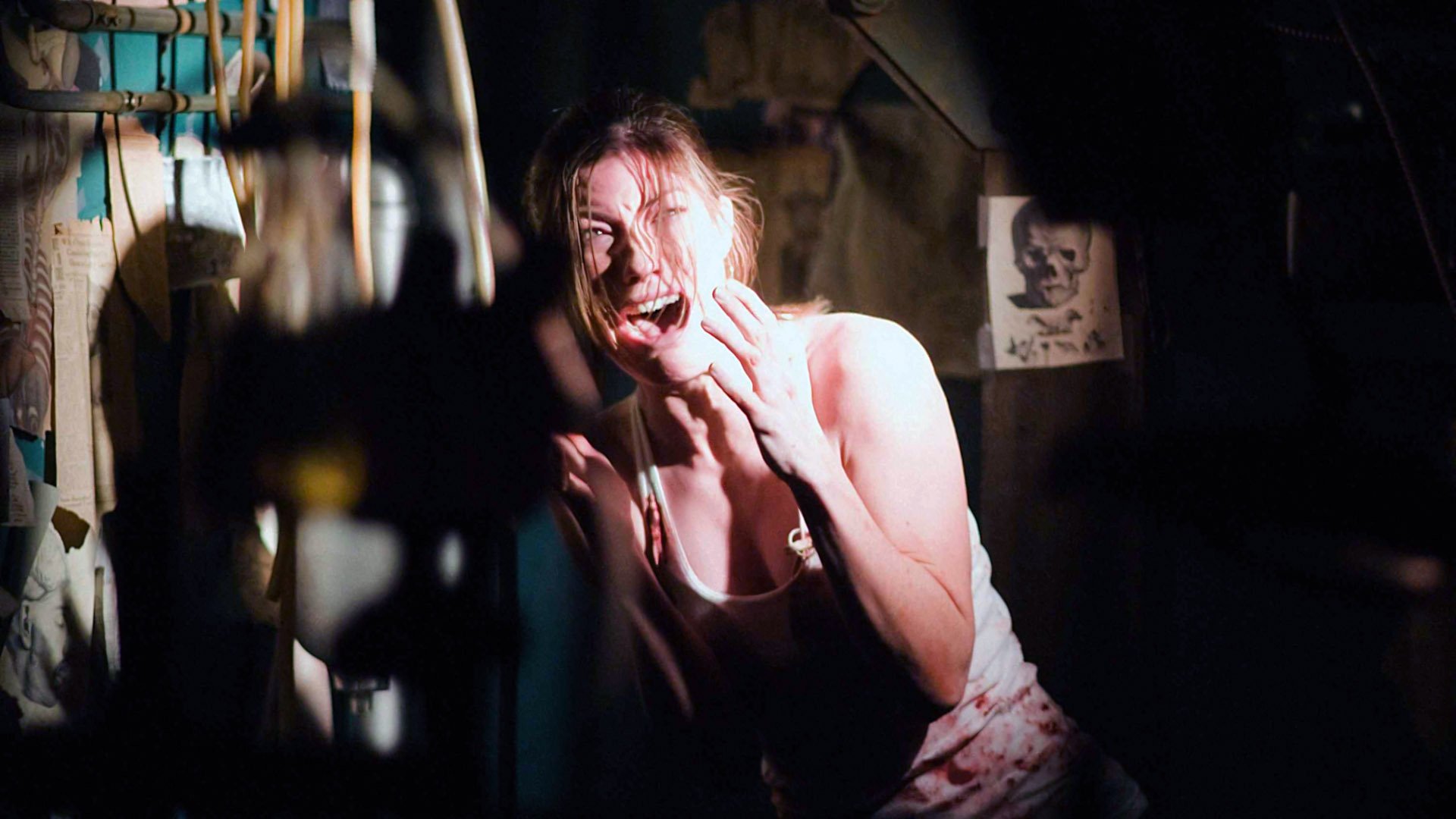
Robert Hall described researching documented rabies symptoms when designing the infected. He cited discolored skin, excessive saliva and damage around the mouth as starting points for makeup that could suggest bodily deterioration. He also developed a progression of increasingly severe appearances. In early stages the changes were relatively subtle; later they included damaged teeth, injuries to the lips and hemorrhaging around the eyes. For the most advanced makeup, Hall drew on a photograph of a boxer with extensive bleeding in an eye. These references supplied recognizable physical textures even when the final designs exceeded any ordinary medical condition.

The set report records the use of squibs for gunshot impacts and describes a practical method of producing the infected characters’ foaming mouths using an effervescent preparation. Performers had to coordinate these effects with the lengthy takes, in which a collision or attack could not simply be assembled from many short camera setups. Their proximity makes the violence appear uncontrolled, although the resulting images relied on rehearsed timing. In one scene the recording camera is turned into a weapon against an attacker, leaving blood across the lens. The blow makes the physical equipment part of the horror rather than an invisible device supplying the viewer with images.

Sound Without a Conventional Musical Score

The Dowdle brothers chose to make Quarantine without a conventional musical score, a decision John and Drew later discussed in Filmmaker. Drew recalled attempting to obtain the emotional effects normally supplied by music through sound effects alone. In a film whose images supposedly come from a single news camera, an omniscient suspense score would have called attention to an external filmmaking presence. The soundtrack instead emphasizes voices, impacts, movement and the sounds of confinement. Its pauses and changes in intensity must carry suspense without a separate orchestral or electronic cue announcing an approaching threat.

The absence of a score also changes the function of the camera’s microphone. Panicked instructions and shouted warnings compete with noises beyond the field of vision. The audience has to decide which sound identifies an immediate danger even when the lens is directed elsewhere. As visibility diminishes, the distinction between a noise made by another survivor and one made by an infected person becomes difficult to establish. Such effects require deliberate mixing, despite appearing to belong to the chaotic soundtrack of an unedited recording. The filmmakers’ later remarks indicate that sound design was a central problem of sustaining the illusion.

Release and Contemporary Critical Reception

Screen Gems released Quarantine in US cinemas on October 10, 2008, with an R rating for violent and disturbing material, terror and language. The 89-minute film arrived after the American release of Cloverfield earlier the same year and within a broader revival of camera-mediated horror. Those comparisons shaped how critics interpreted the remake: its technique was recognizable before its release, while many American viewers had not yet encountered [REC]. The promotional campaign also drew attention to a major image from the film’s ending, an approach criticized at the time for reducing the surprise of the final sequence.

In Fangoria, Michael Gingold’s review, originally published on October 15, 2008, characterized the remake as largely faithful to its Spanish source while acknowledging that individual scares remained effective. He identified the explanation of the disease and the camera’s use as a weapon among the noteworthy alterations. Michael Ordona, writing in the Los Angeles Times on October 13, considered the performances generally capable but found the film less claustrophobic than comparable found-footage features. Both critics objected to the advertising’s disclosure of the final image. Their responses place Quarantine between the effectiveness of a familiar scare mechanism and doubts about the creative necessity of remaking an unusually recent horror film.
References

  1. ComingSoon / ShockTillYouDrop Set Visit: Entering the Quarantine Zone
    Ryan Turek’s 2008 report from the set includes interviews with the producers, Dowdle brothers, cast and makeup-effects designer Robert Hall.

  2. Filmmaker Magazine “Always Give Exposition While Running From a Bear”: Drew and John Erick Dowdle on No Escape

    The filmmakers explain Quarantine’s prolonged apparent single take and deliberate replacement of musical scoring with sound effects.

  3. Fangoria Review: Quarantine

    Michael Gingold’s contemporary 2008 review, archived online, compares the remake’s horror mechanism, camera technique and altered explanation with [REC].

  4. Los Angeles Times In End, You’ll Want Out of “Quarantine”

    Michael Ordona’s October 2008 theatrical review discusses performances, camera work, the disease premise and marketing of the ending.

Connections

Cast

View Full Cast & Crew →

Release & Distribution

Production Companies (5)

  • Andale Pictures US
  • Castelao Productions ES
  • Filmax ES
  • Screen Gems US
  • Vertigo Entertainment US

Distributors (1)

  • Screen Gems US

Release History (41)

Release DateTerritoryRelease TypeFormatDistributorCertificationNotes
2008-10-10 United States Theatrical — — R
2008-10-23 Peru Theatrical — — —
2008-10-31 Iceland Theatrical — — —
2008-11-21 Estonia Theatrical — — —
2008-11-21 United Kingdom Theatrical — — 18
2008-11-21 Ireland Theatrical — — 18
2008-11-21 Poland Digital — — 16
2008-11-27 Australia Theatrical — — MA 15+
2008-11-27 Croatia Theatrical — — —
2008-11-27 Romania Theatrical — — 18
2008-11-27 Singapore Theatrical — — NC16
2008-12-03 Belgium Theatrical — — 16
2008-12-03 Germany Theatrical — — 16
2008-12-03 Philippines Theatrical — — R-13
2008-12-04 Argentina Theatrical — — +16
2008-12-04 Greece Theatrical — — —
2008-12-04 Slovakia Theatrical — — 18
2008-12-05 Denmark Theatrical — — 15
2008-12-05 Sweden Theatrical — — 15
2008-12-26 Türkiye Theatrical — — —
2009-01-07 Egypt Theatrical — — —
2009-01-08 Thailand Theatrical — — 15
2009-01-09 Spain Theatrical — — 18
2009-01-15 Russia Theatrical — — 18+
2009-01-16 Brazil Theatrical — — 16
2009-01-23 Colombia Theatrical — — —
2009-01-23 Venezuela Theatrical — — —
2009-01-29 Chile Theatrical — — 14
2009-01-30 Italy Theatrical — — VM14
2009-01-30 Mexico Theatrical — — C
2009-01-31 France Theatrical — — 12
2009-02-05 Kuwait Theatrical — — —
2009-02-17 United States Physical — — —
2009-02-19 United Arab Emirates Theatrical — — —
2009-03-03 South Korea Digital — — 19
2009-03-12 Portugal Theatrical — — M/18
2009-04-06 Hungary Theatrical — — 18
2009-04-14 Netherlands Theatrical — — 18
2009-04-22 Finland Theatrical — — K-18
2009-07-03 Japan Theatrical — — —
2014-06-16 Slovakia TV — — 18 DAJTO
On March 11, 2008, the government sealed off an apartment complex in Los Angeles. The residents were never seen again. No details. No witnesses. No evidence. Until now.