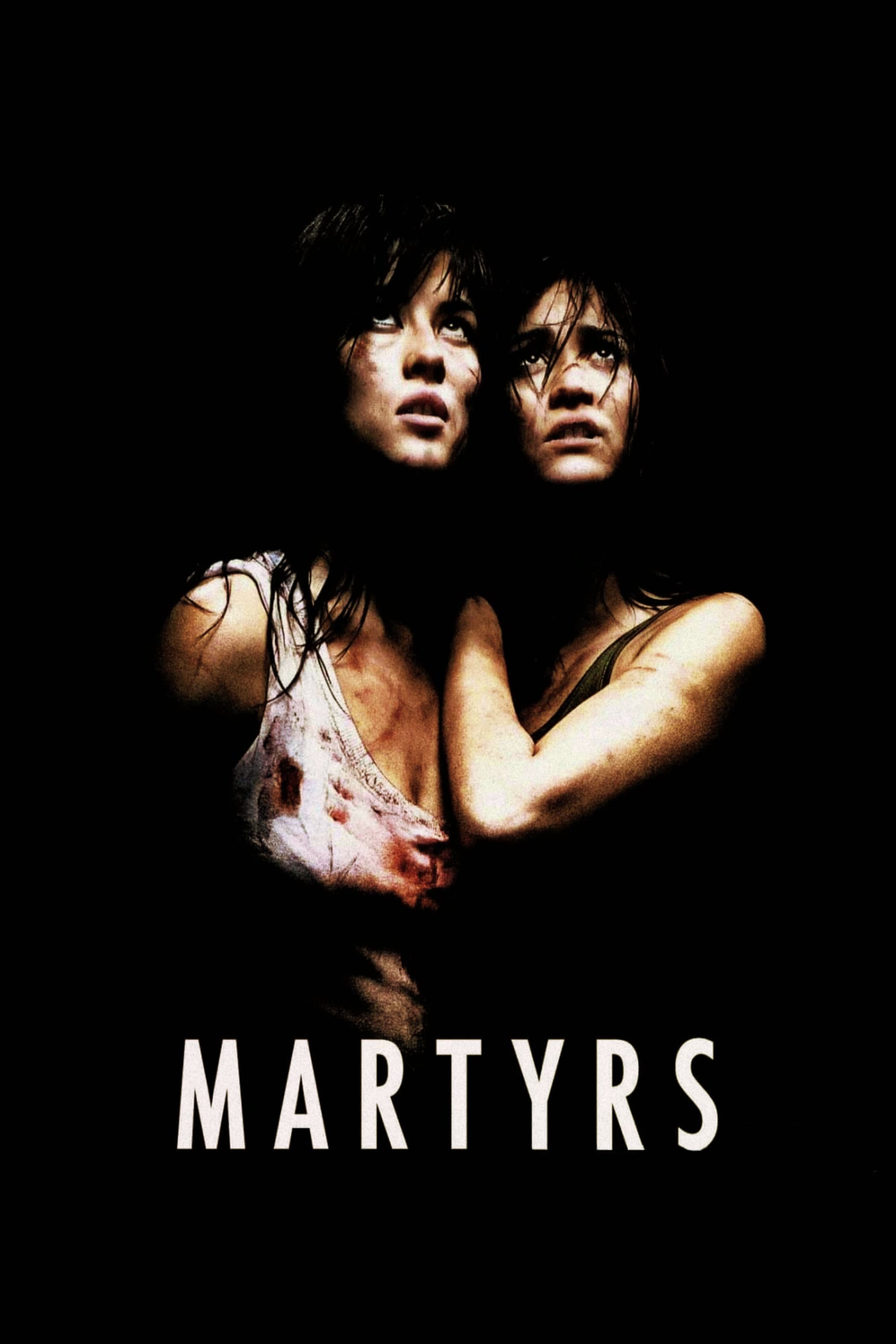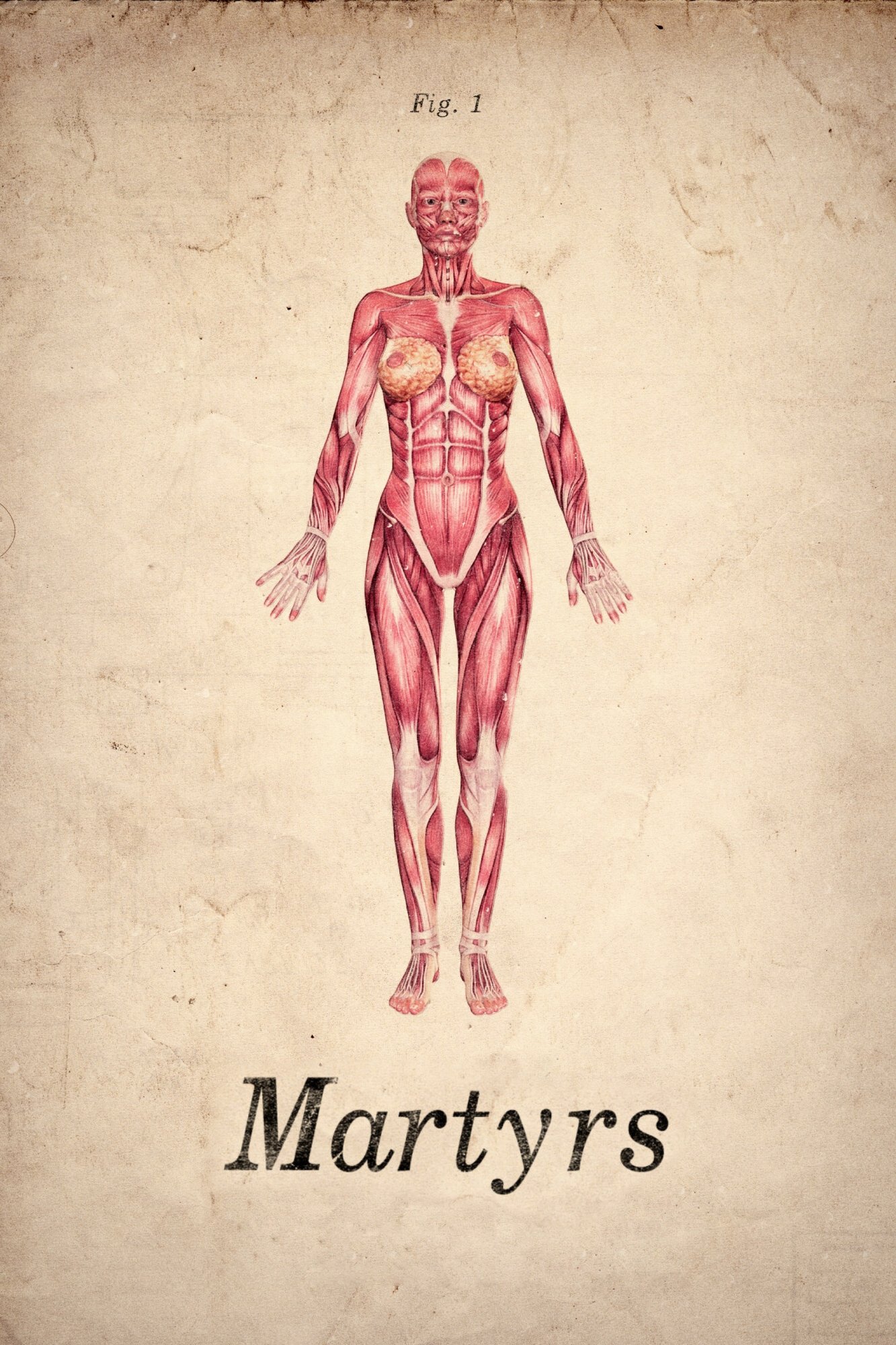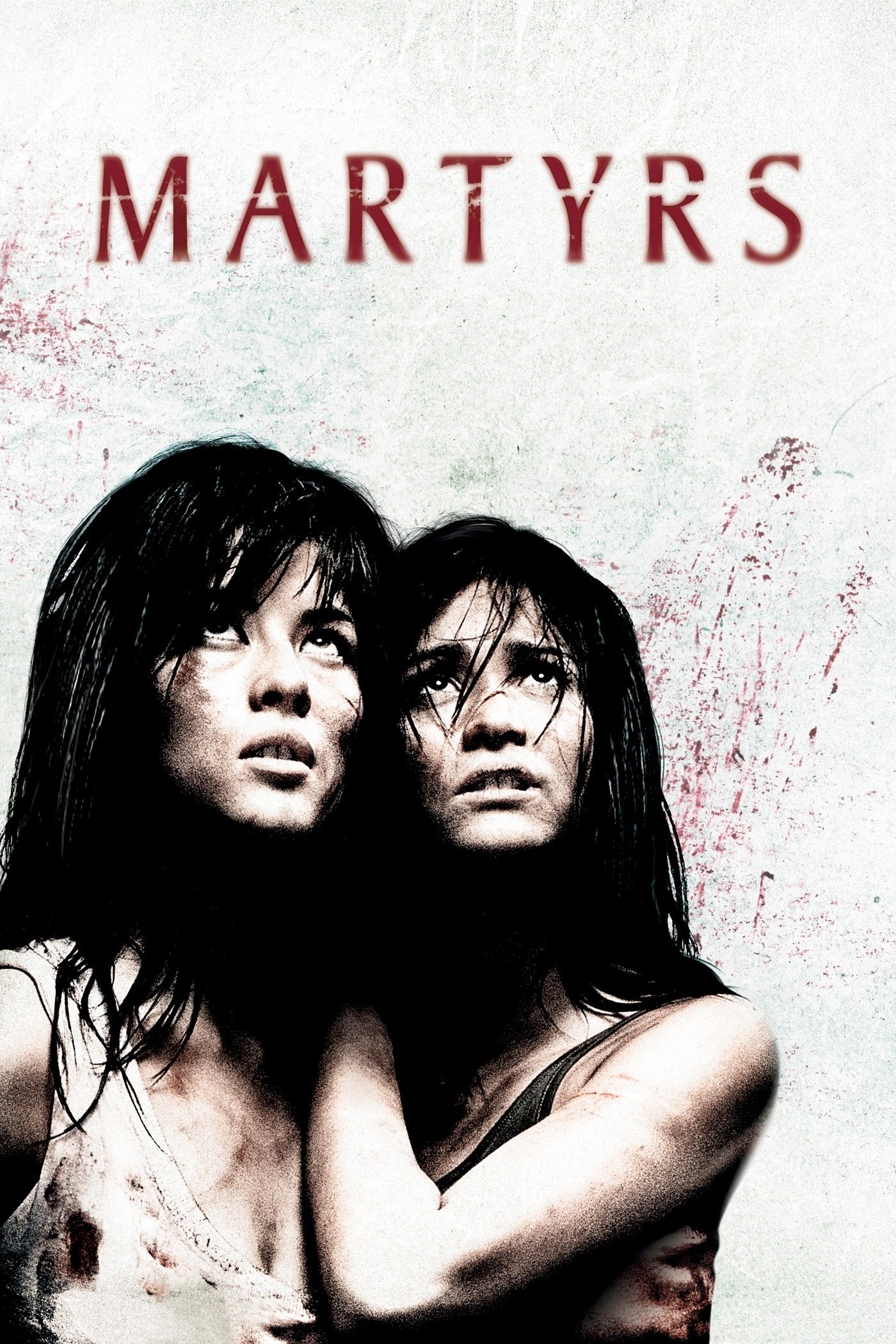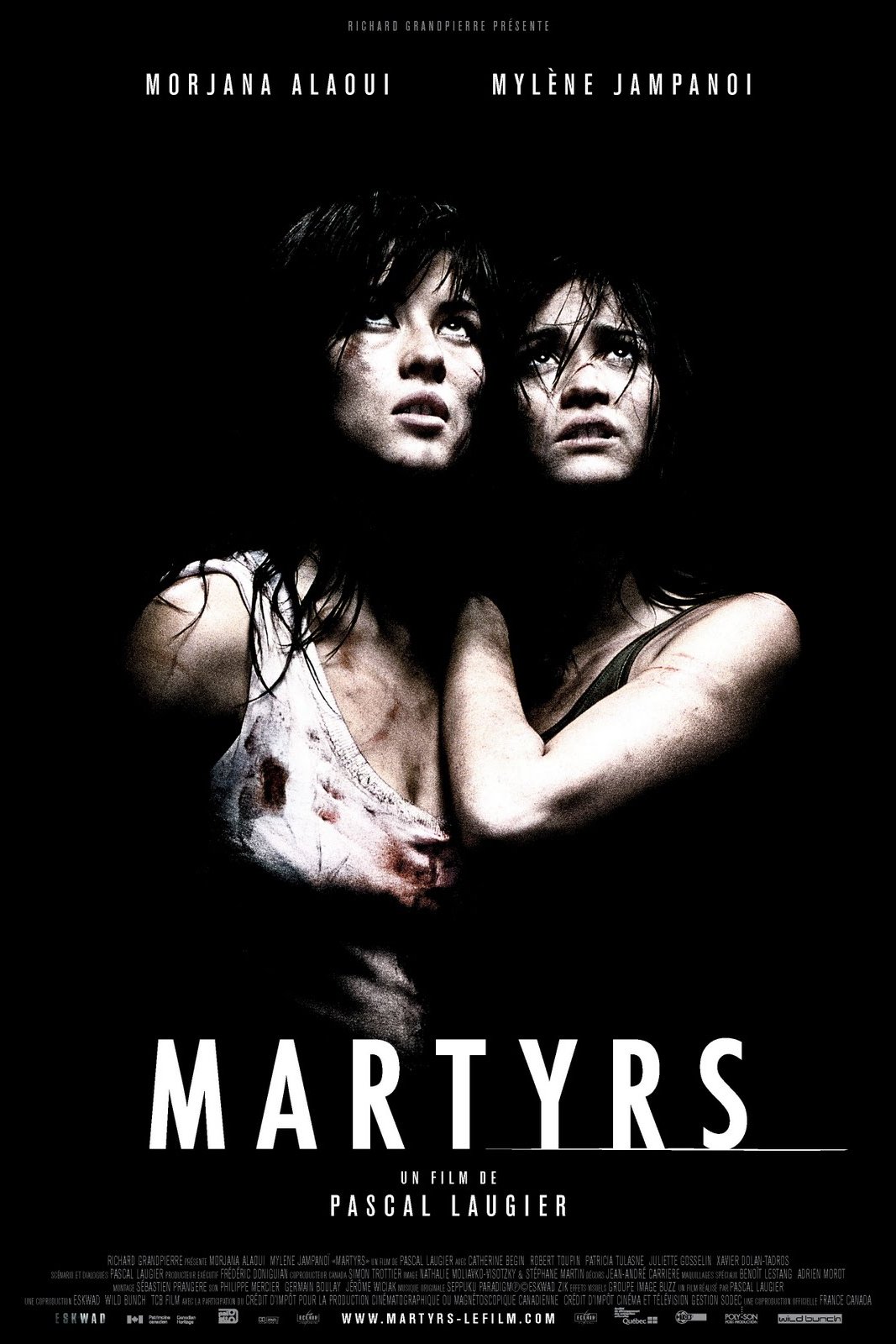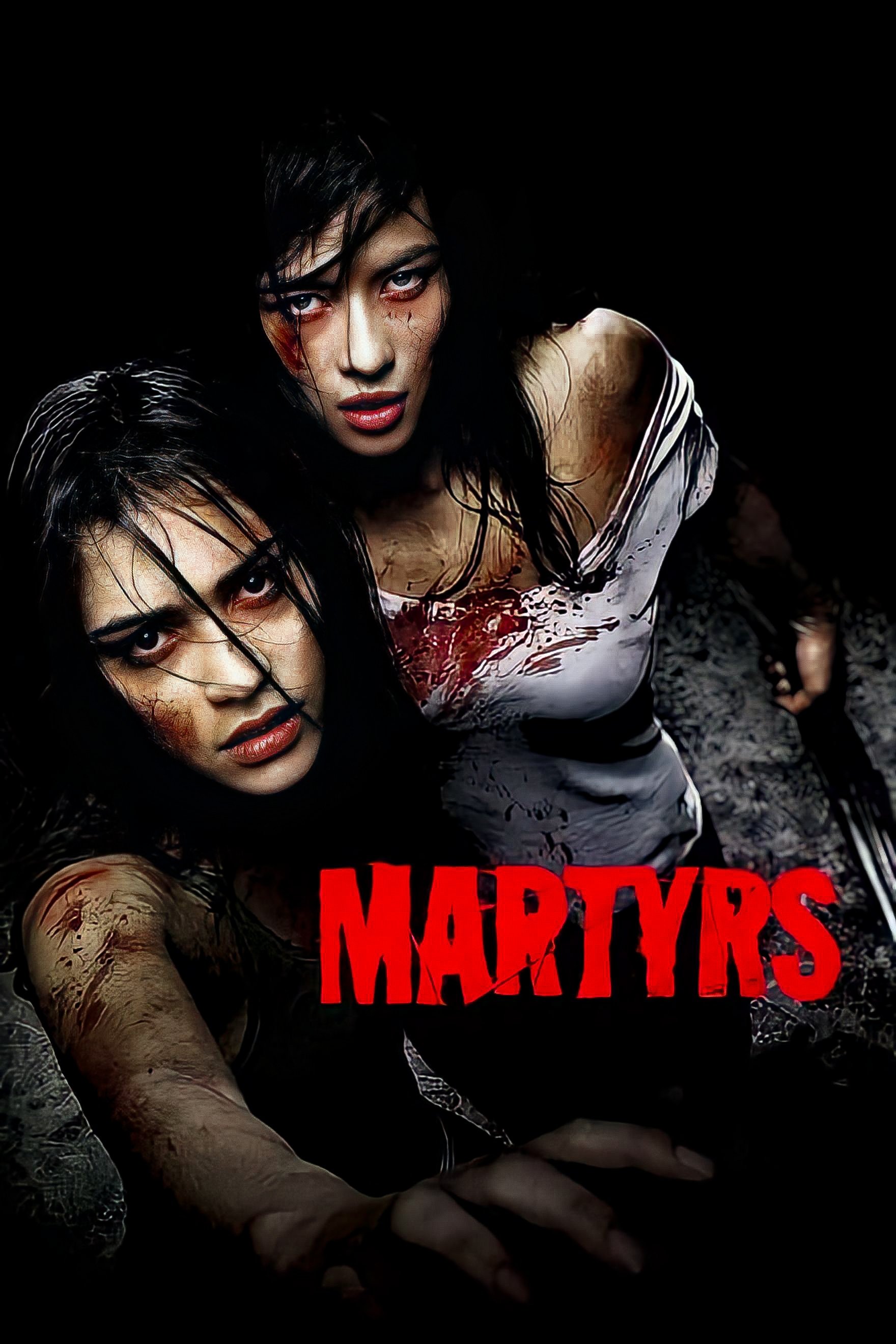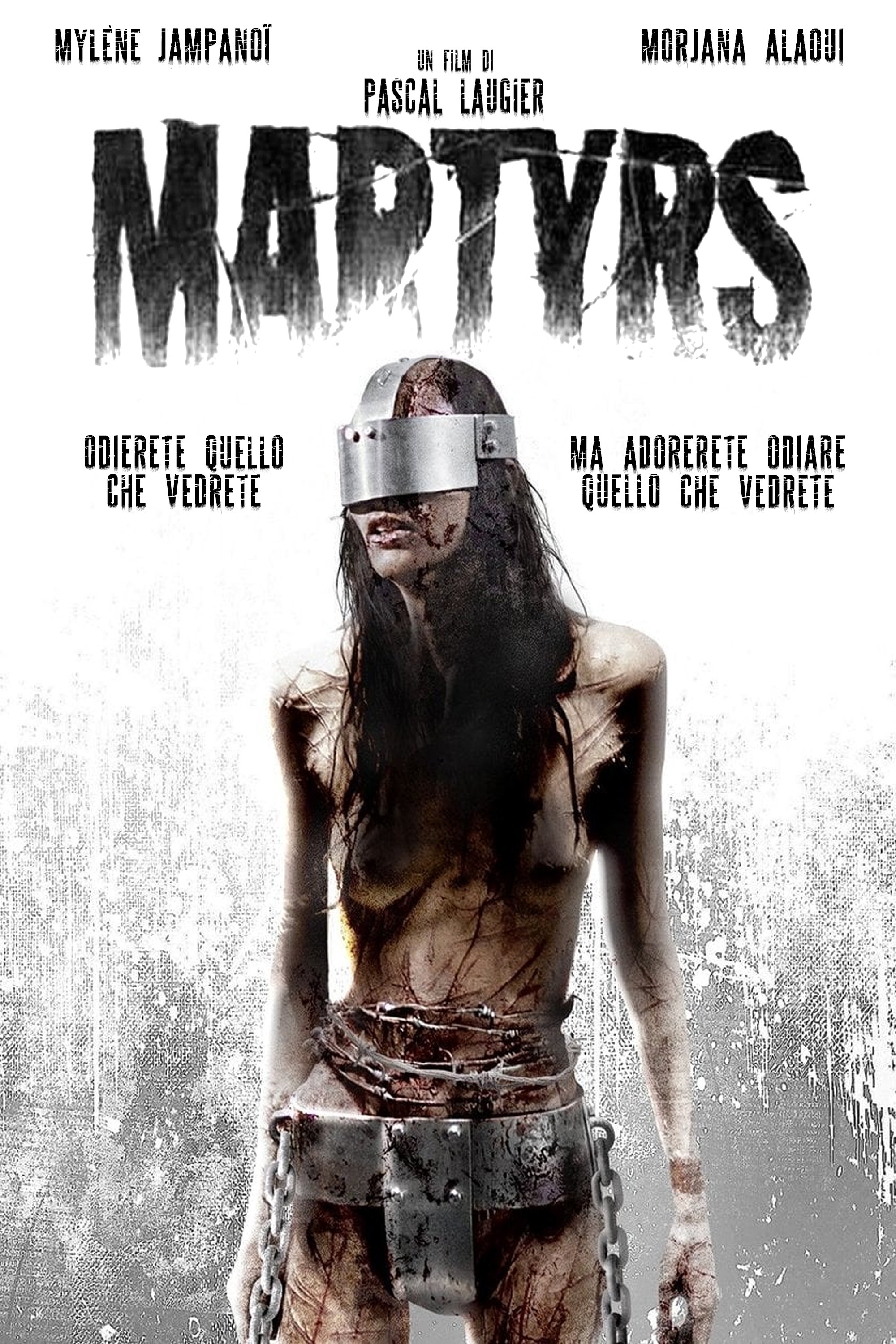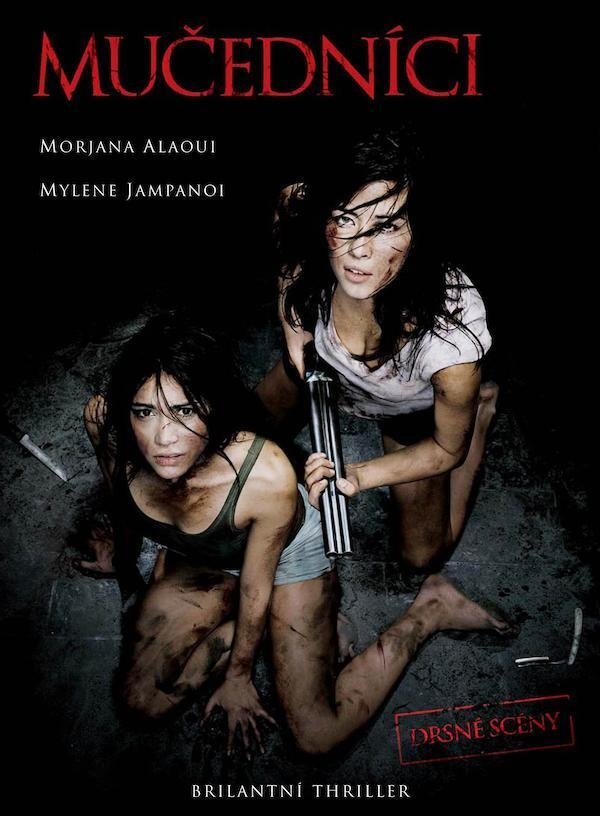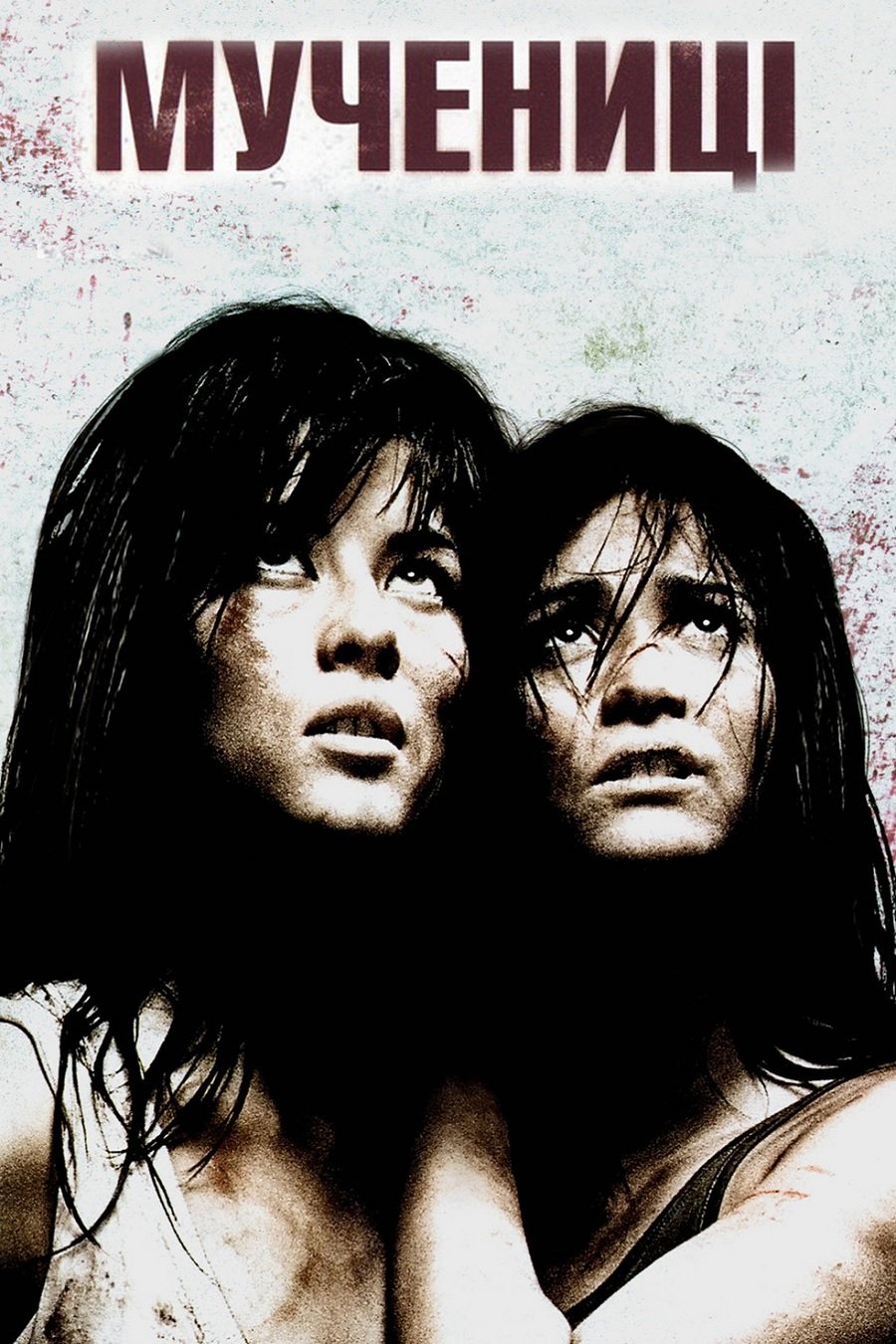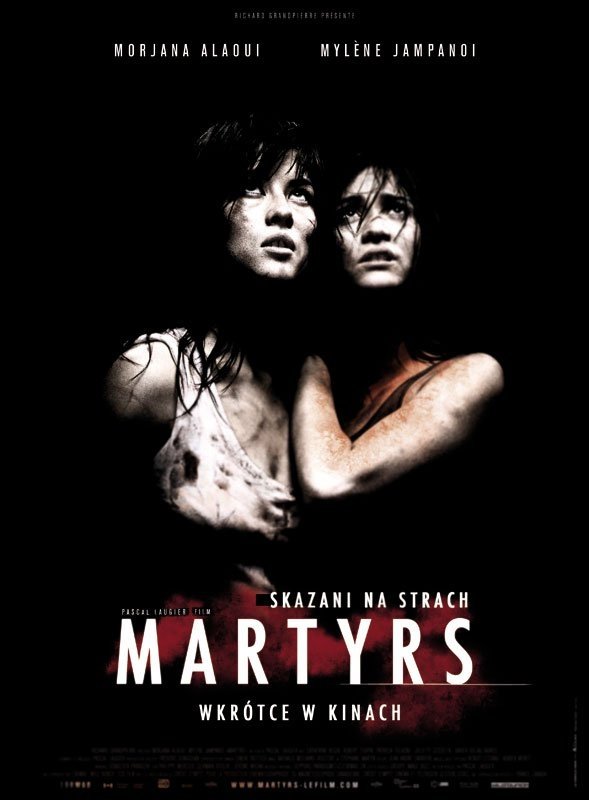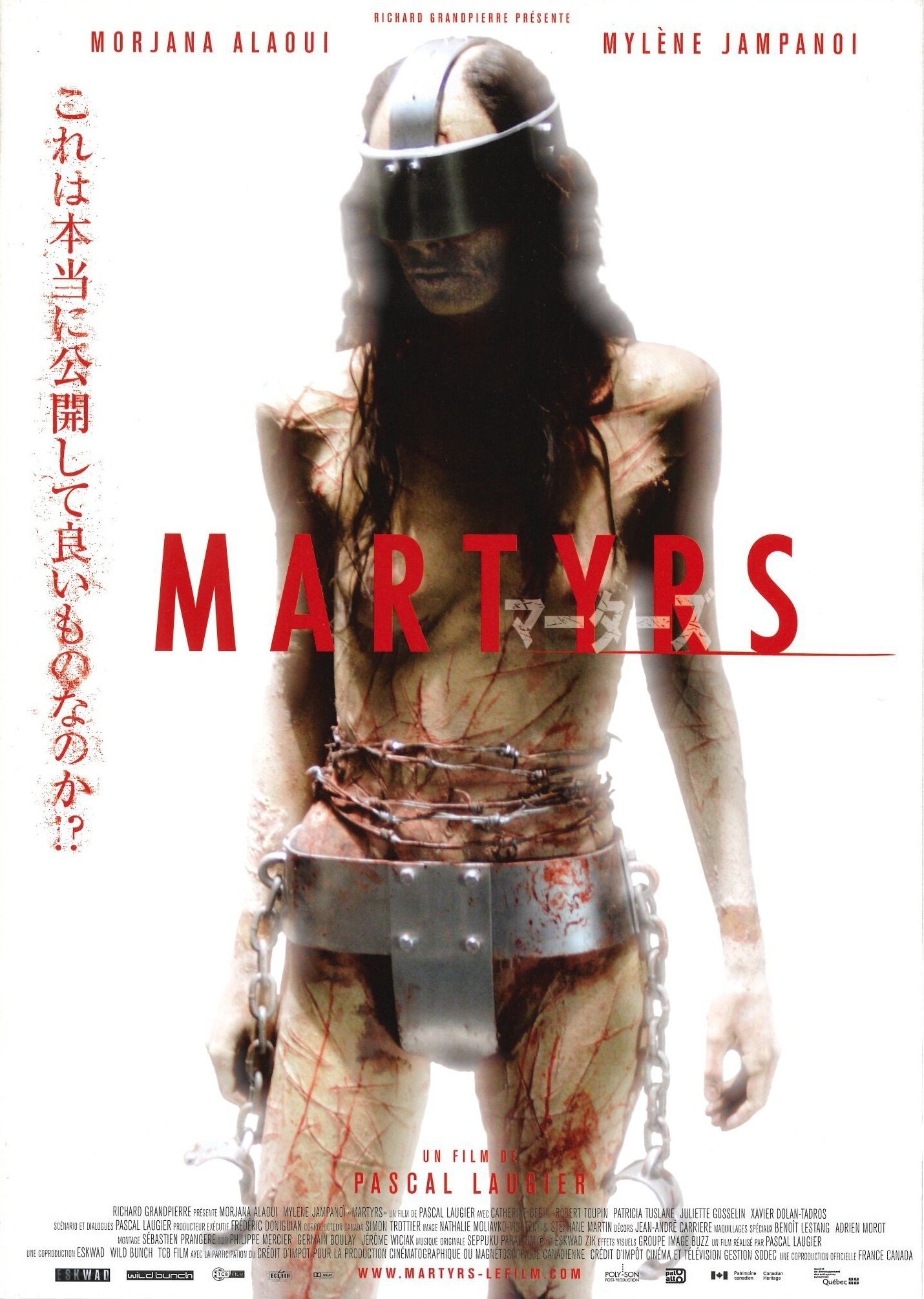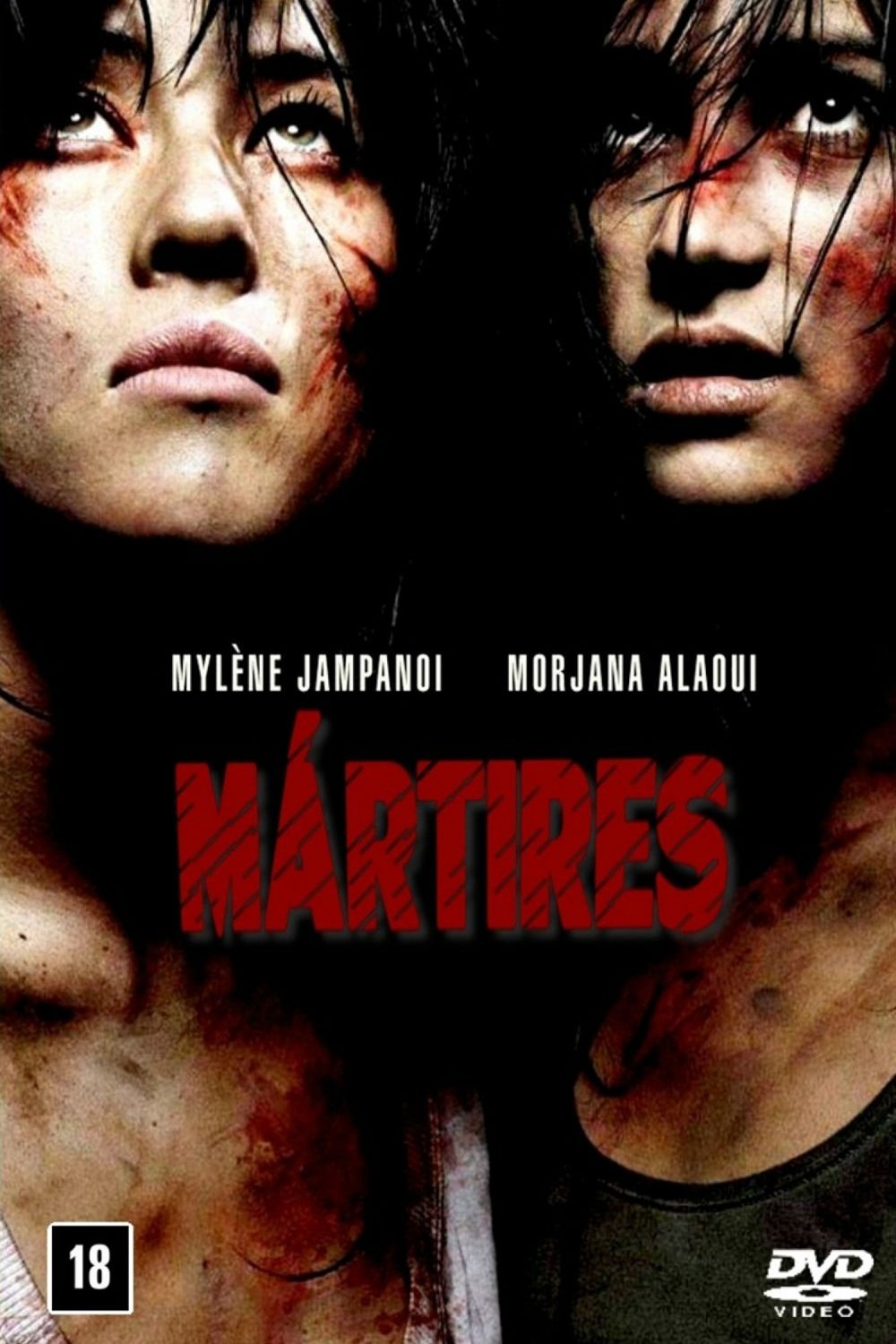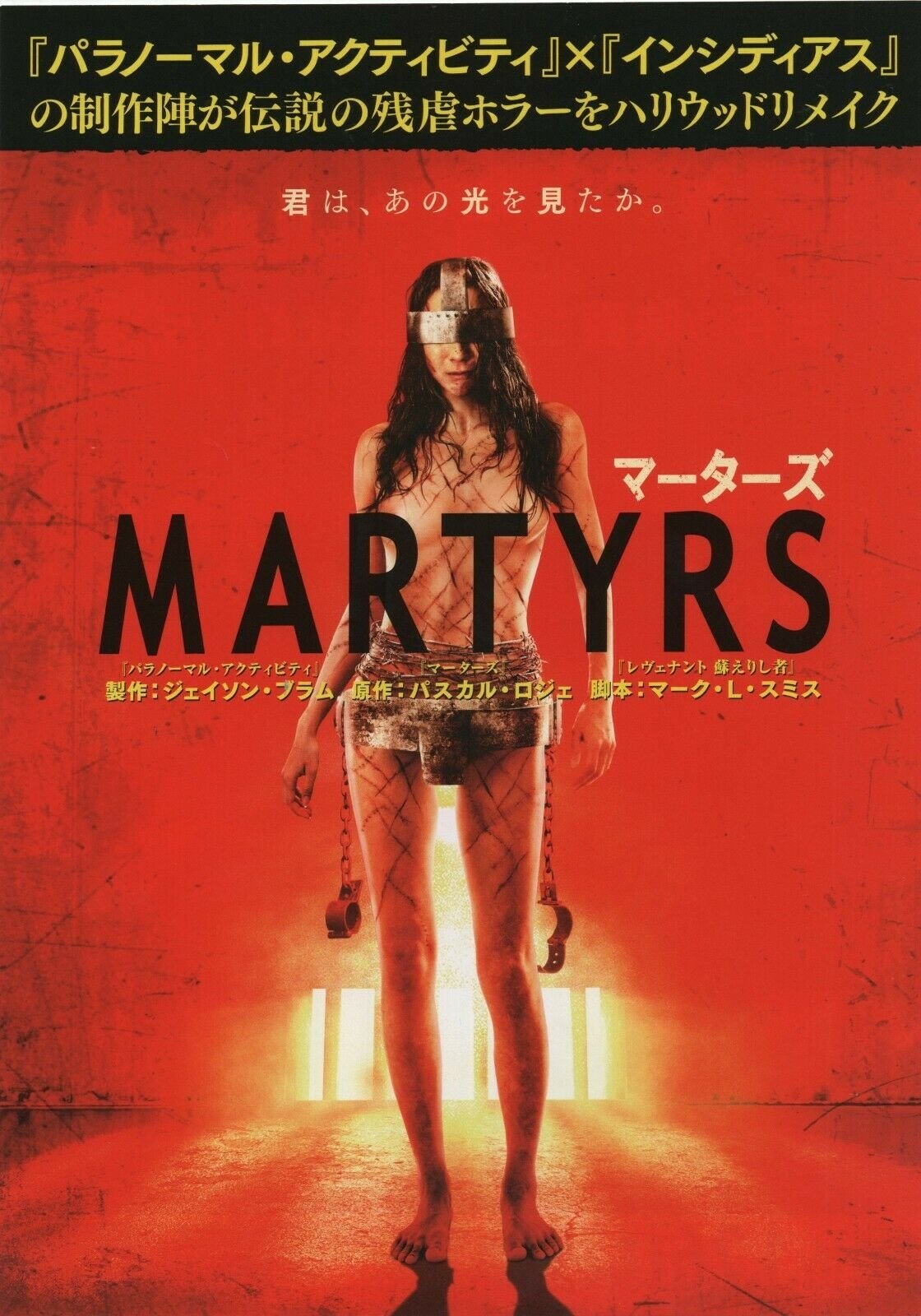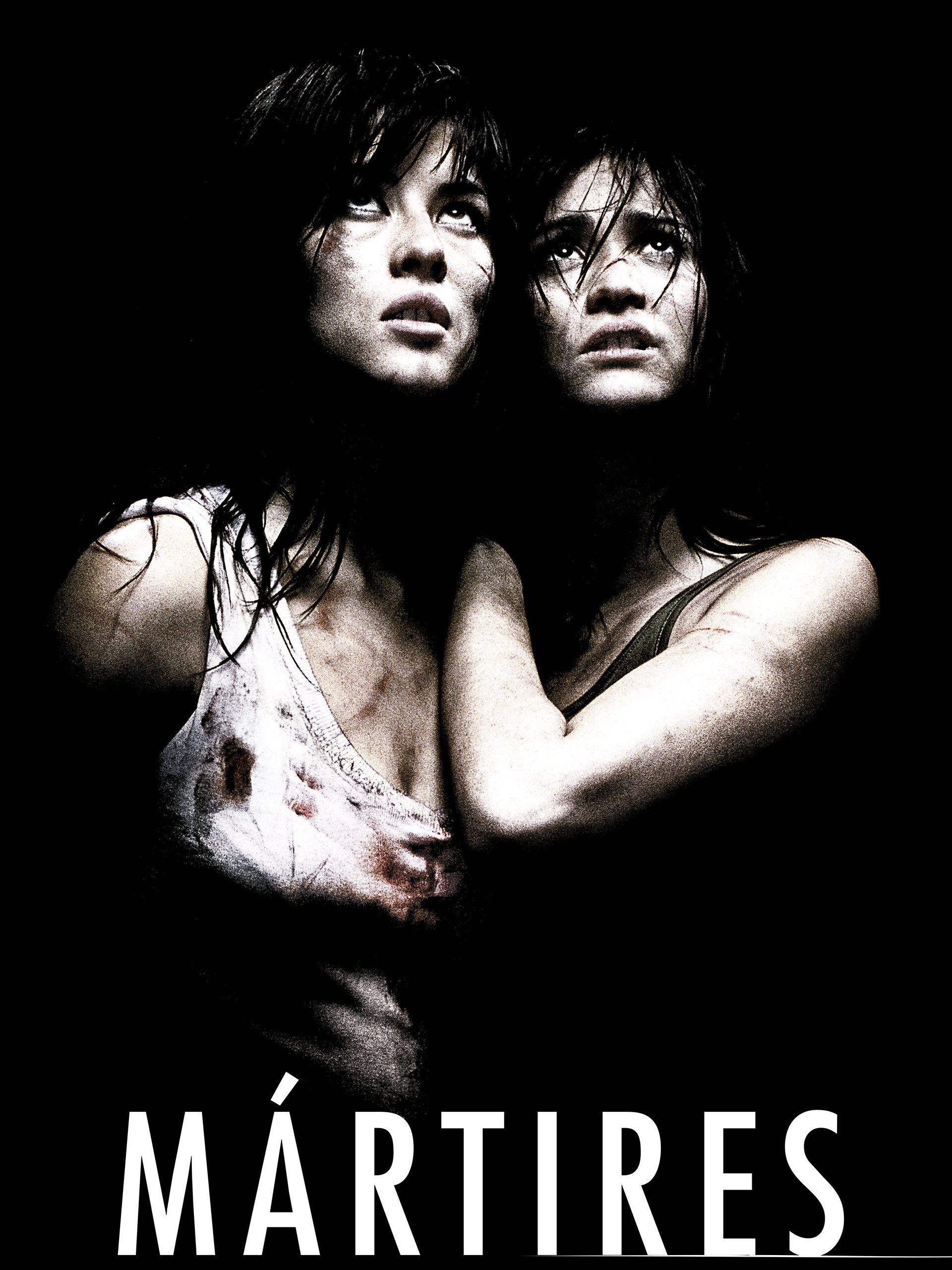
Martyrs (2008)

FR
8.1/10 9 votes
Runtime
99 min
Release
September 3, 2008
Budget
$6,500,000
Revenue
$1,100,000
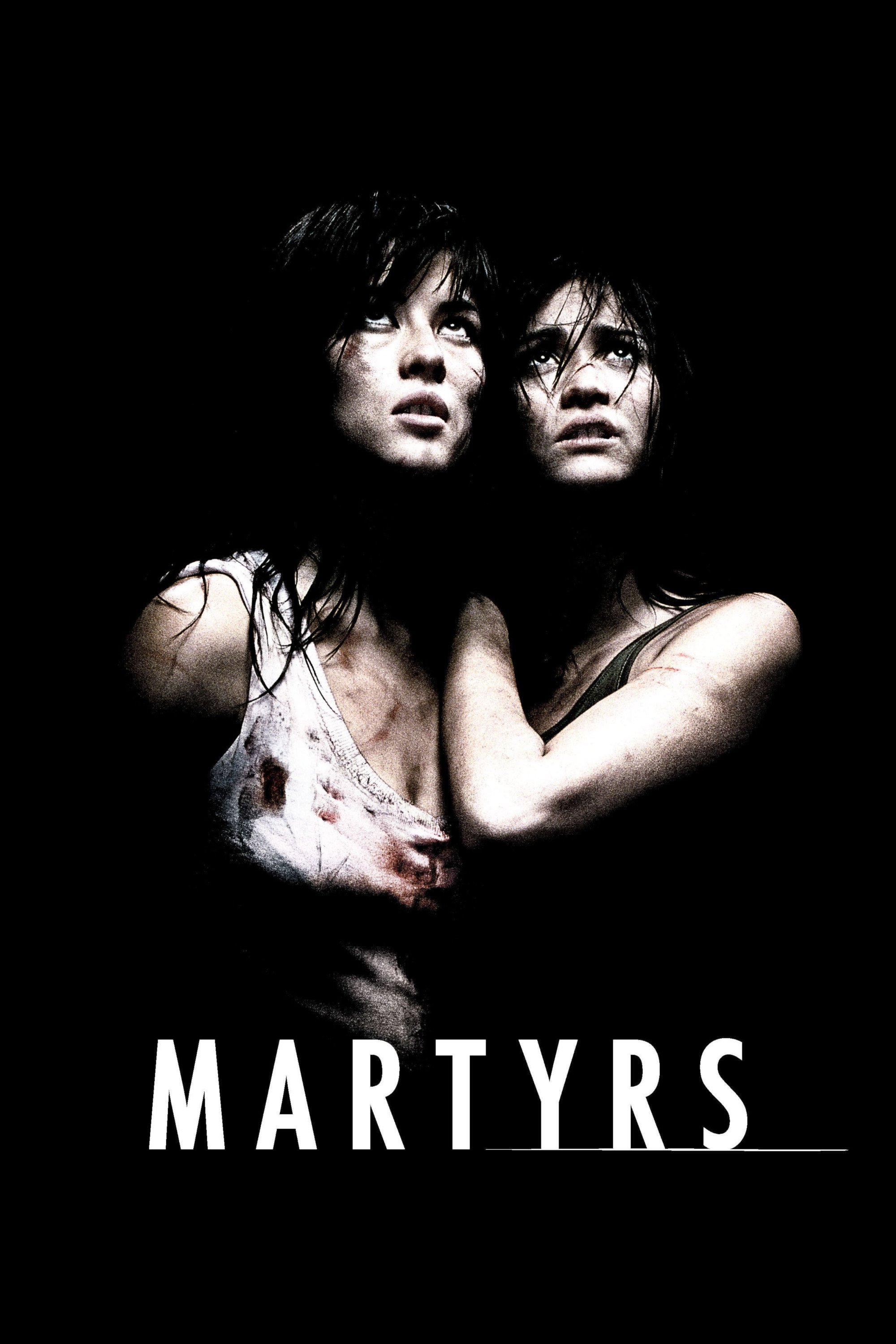
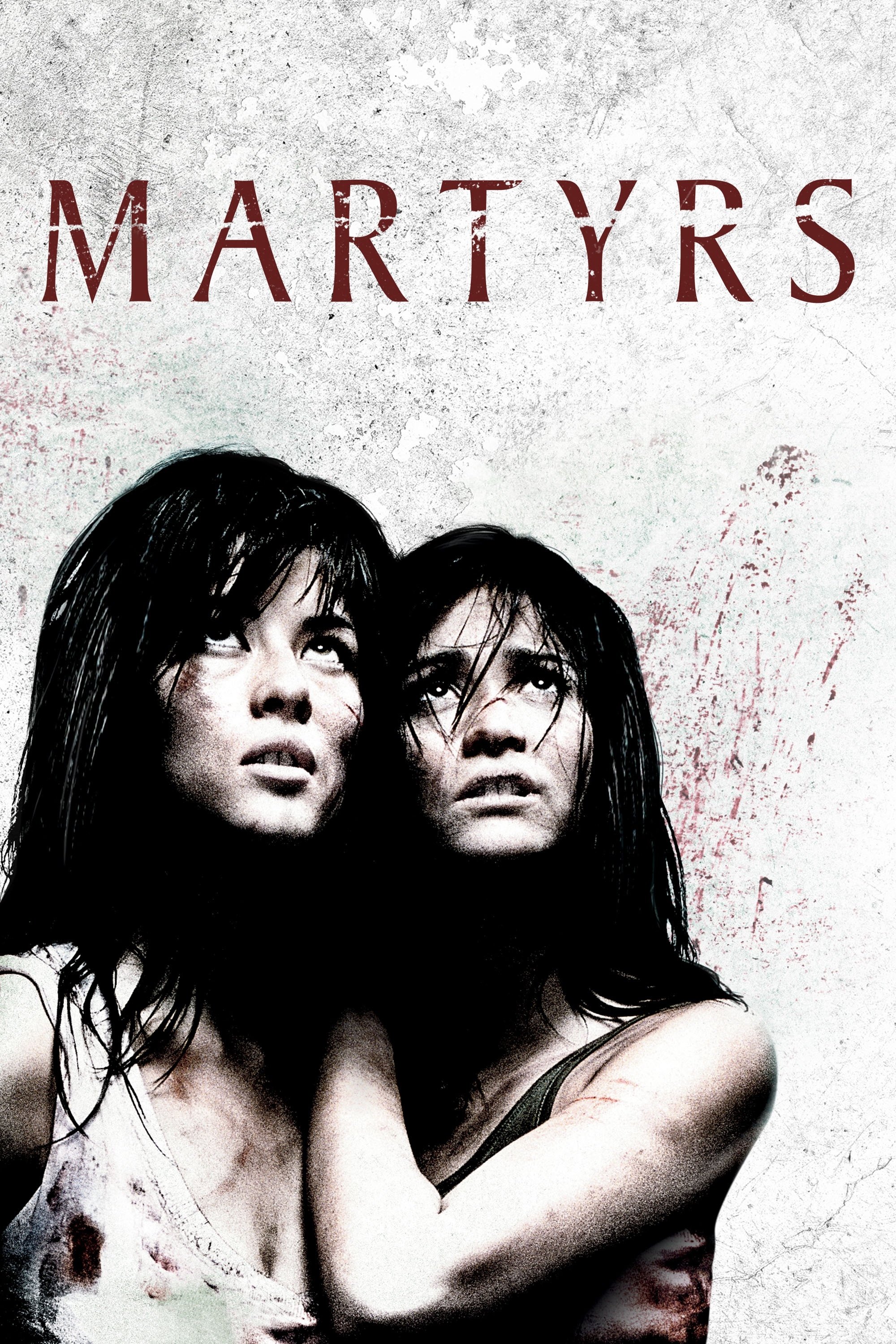
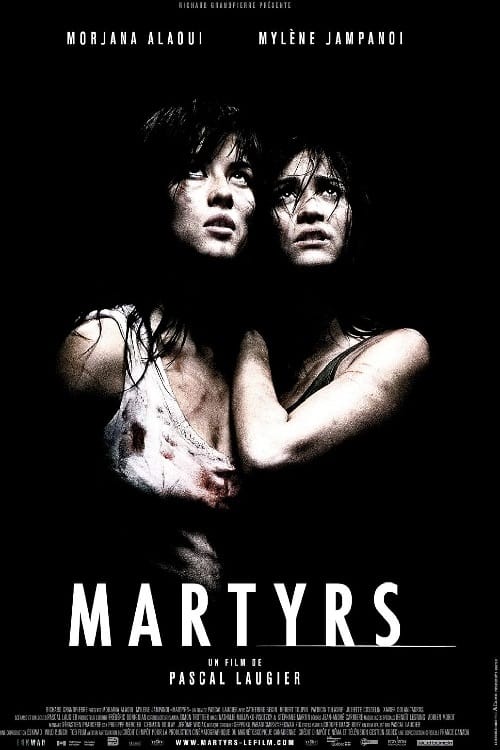
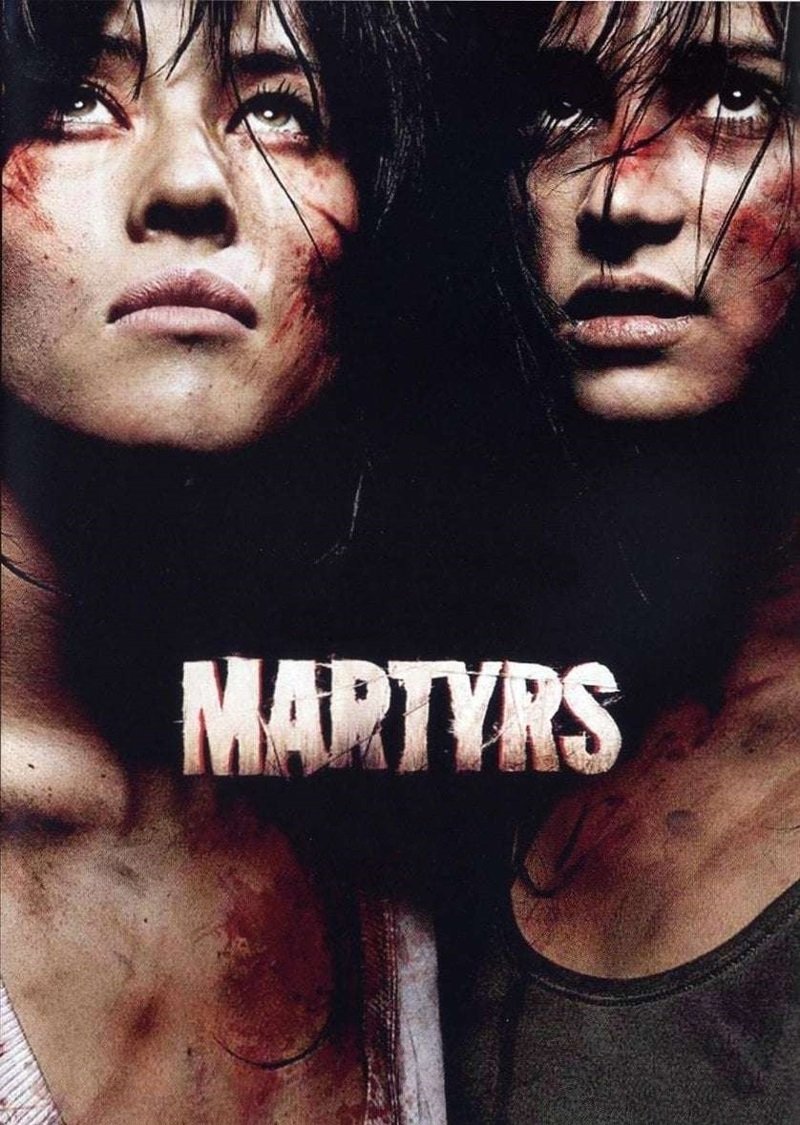
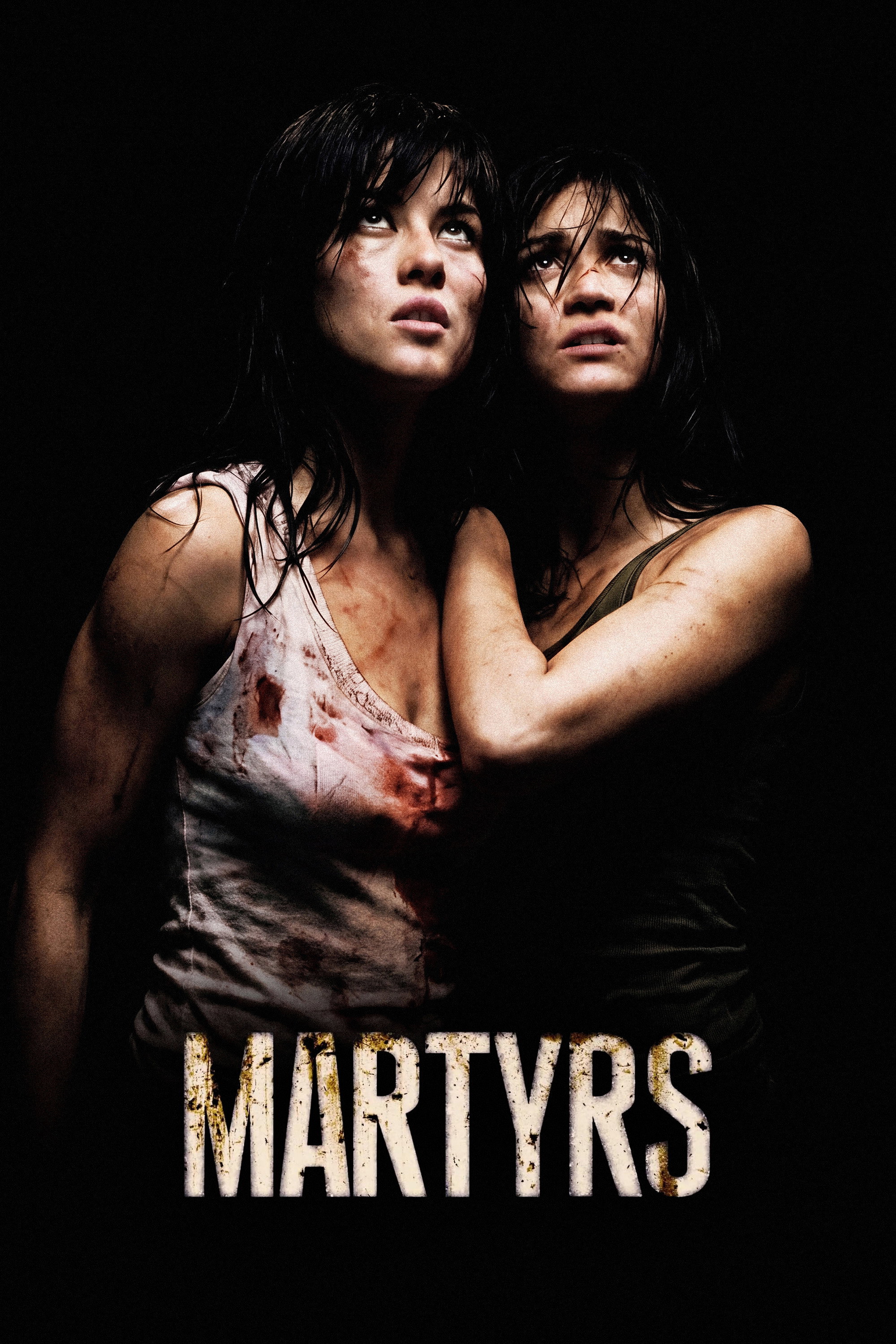
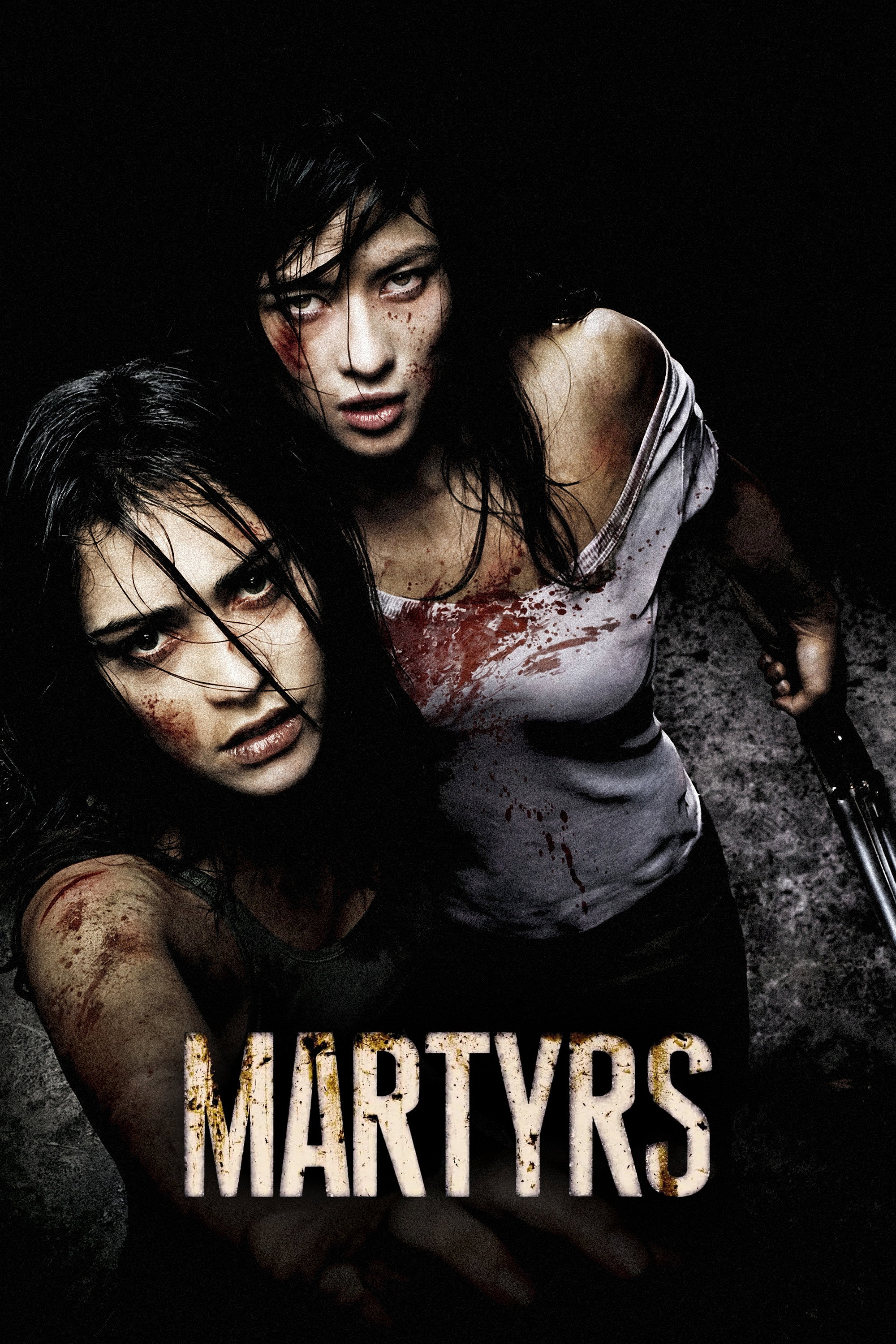
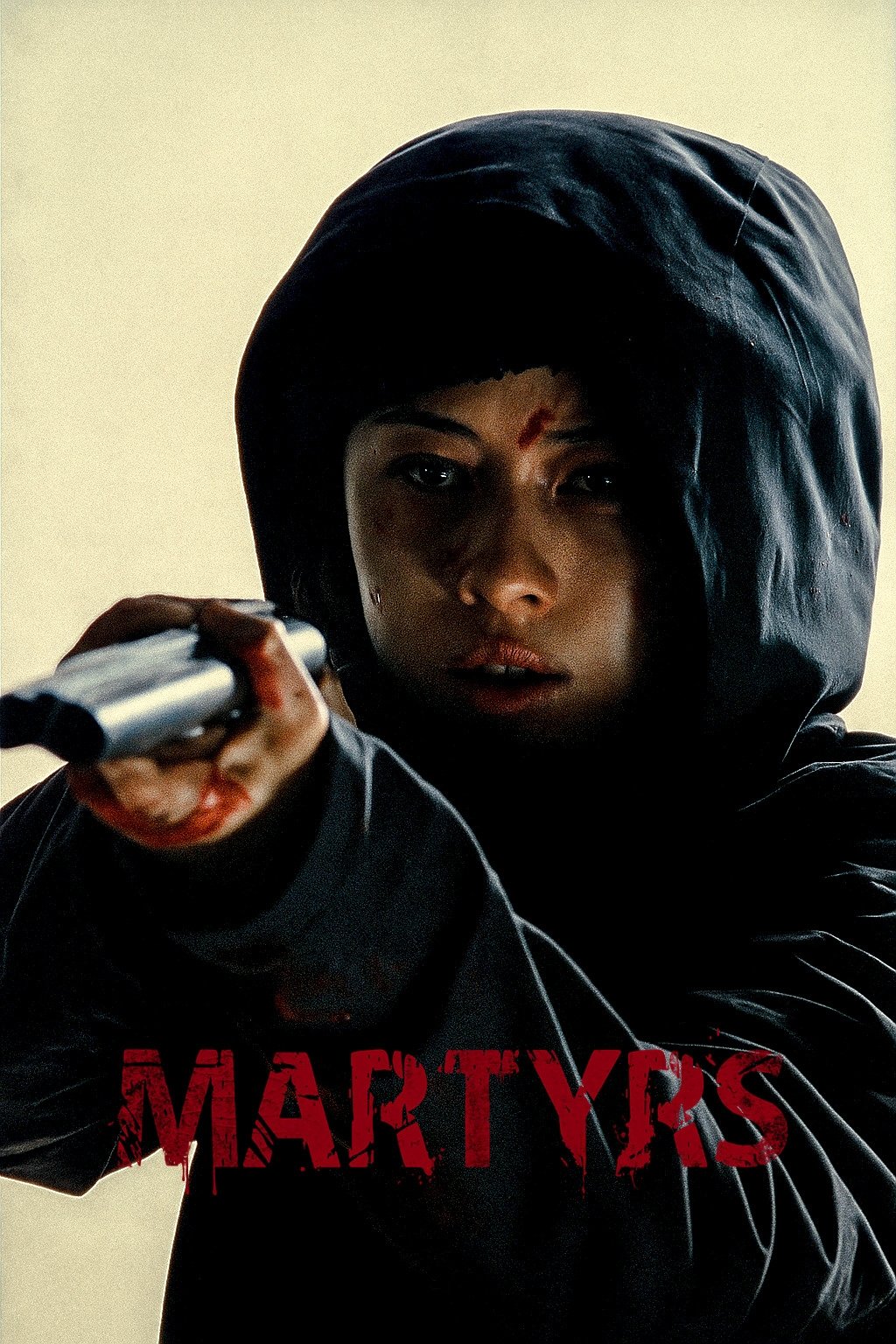
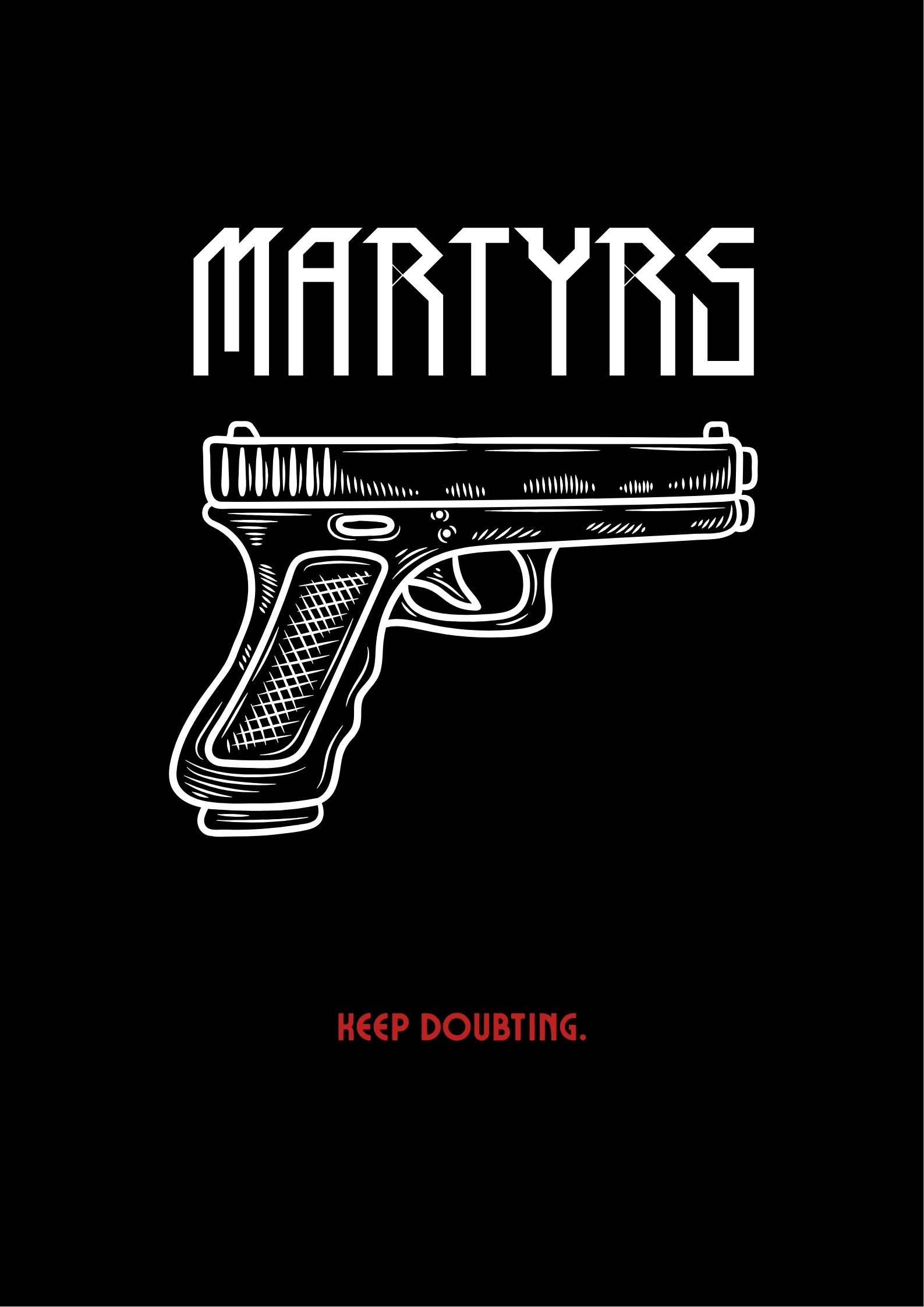
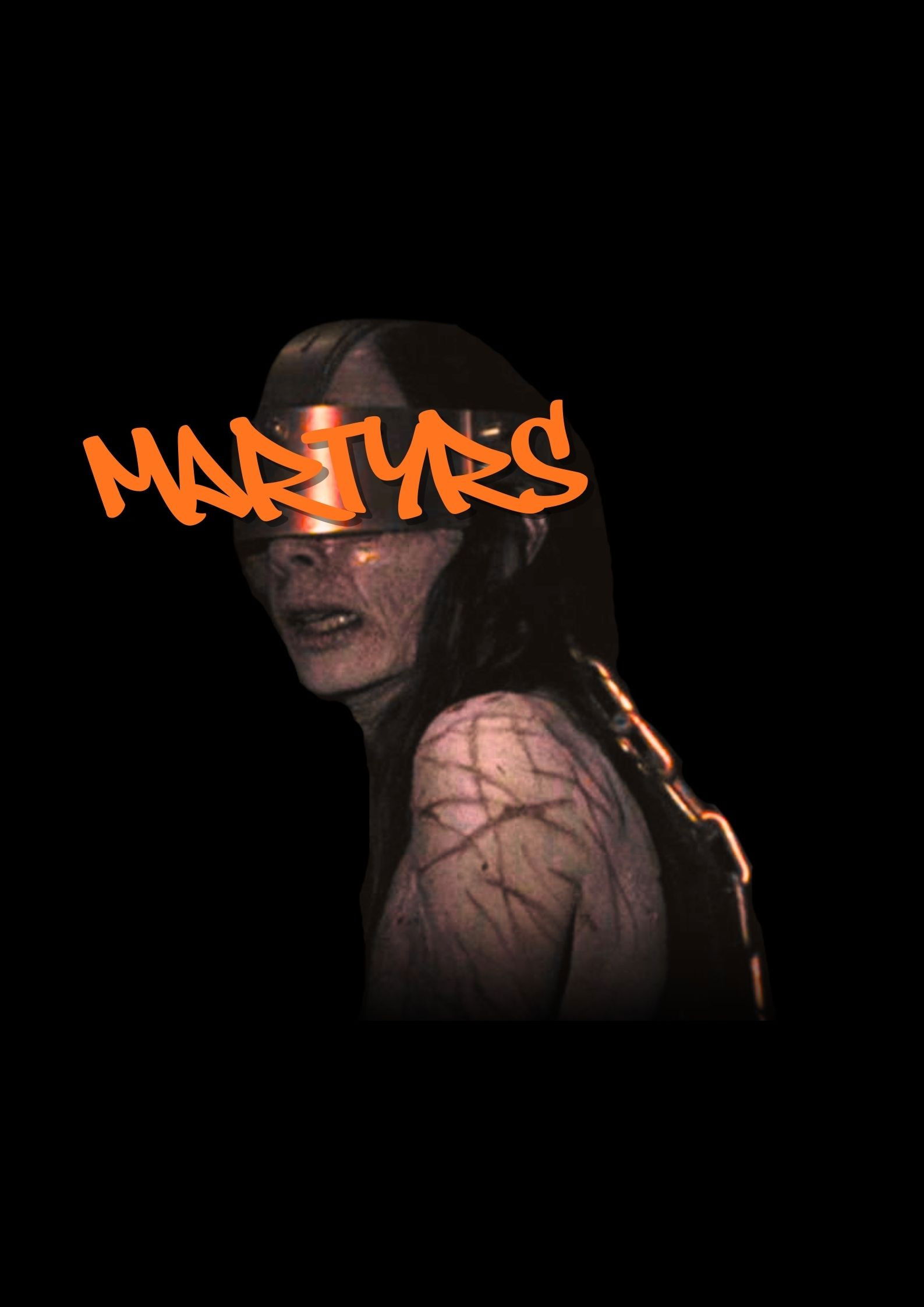
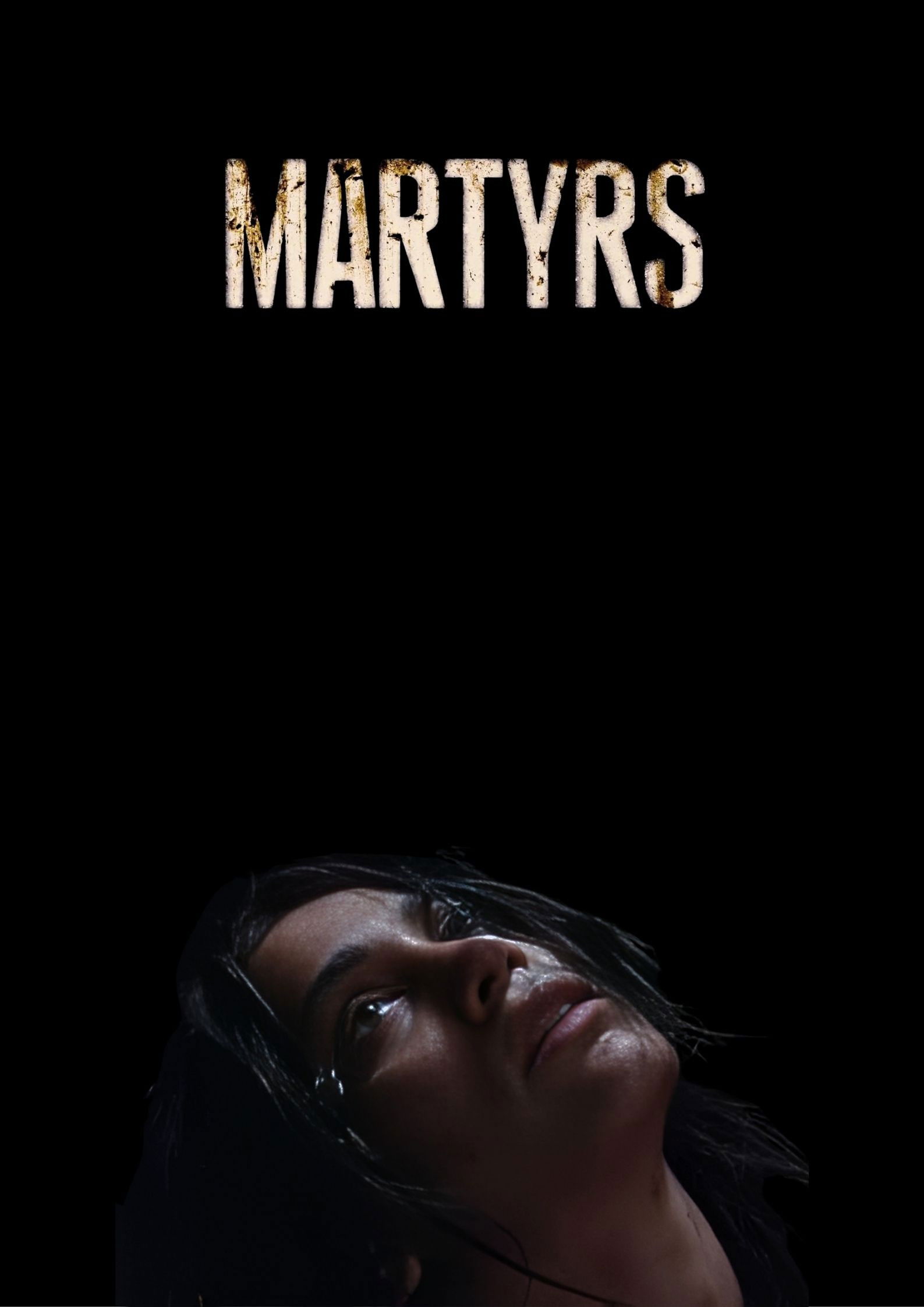
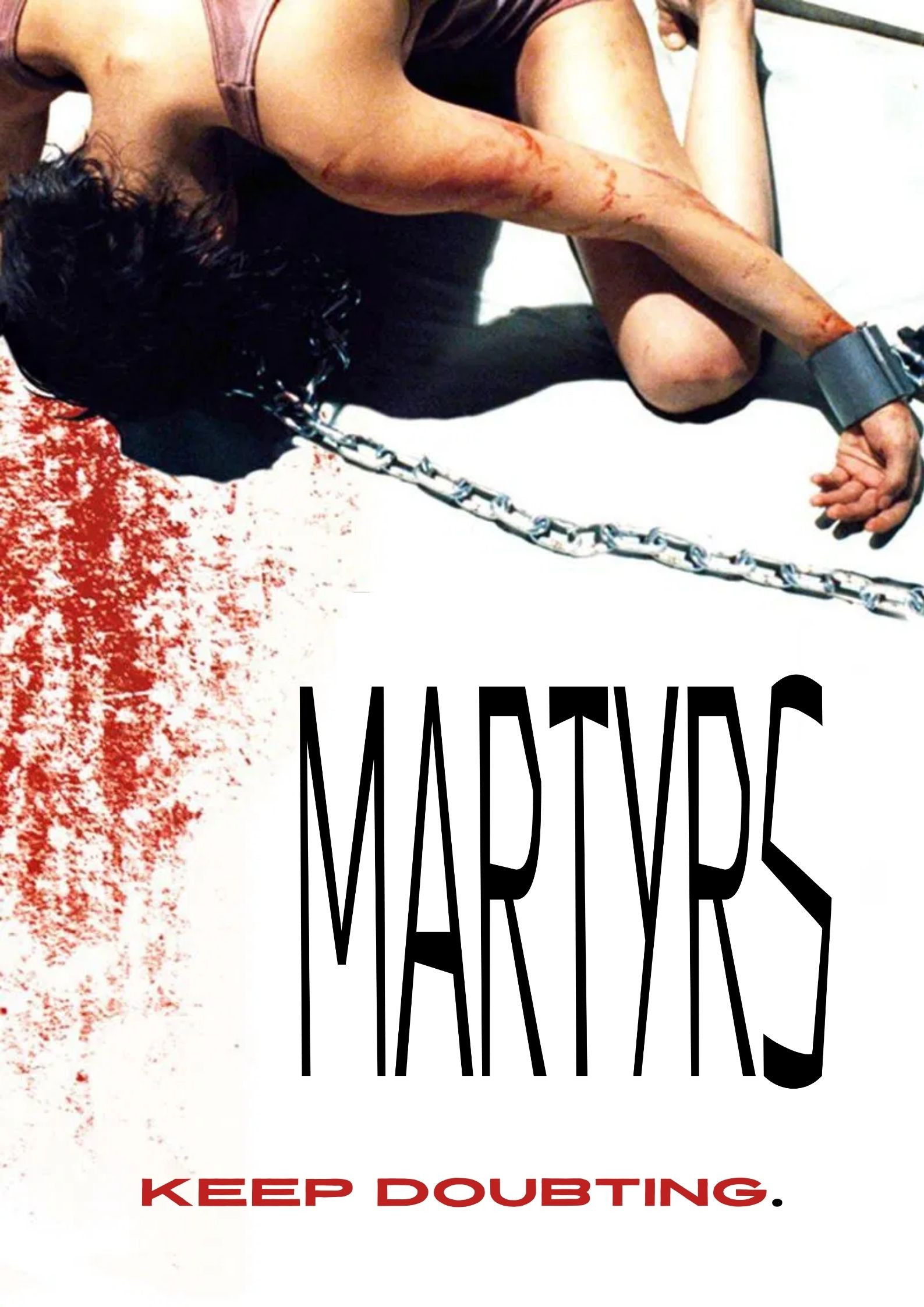
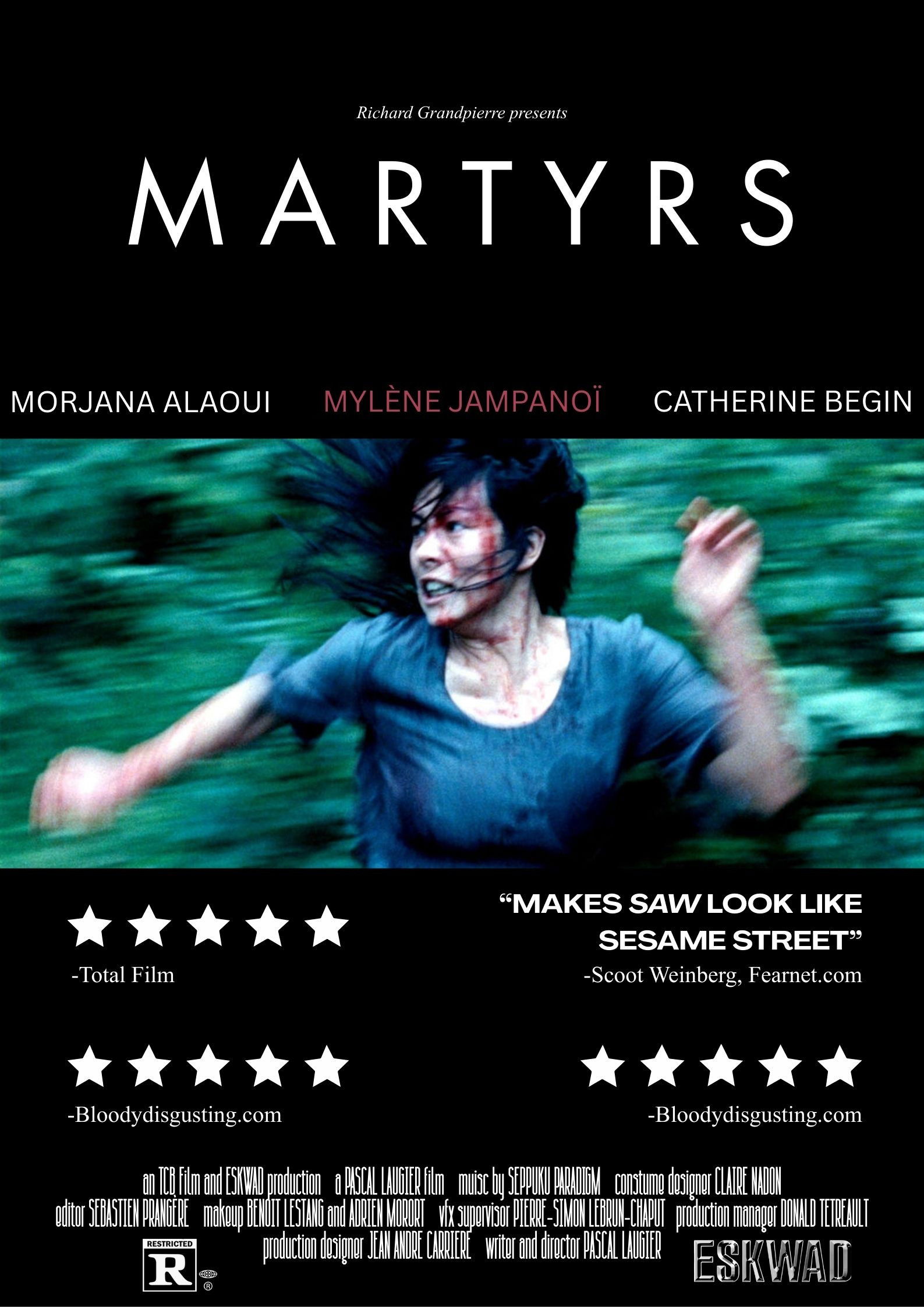
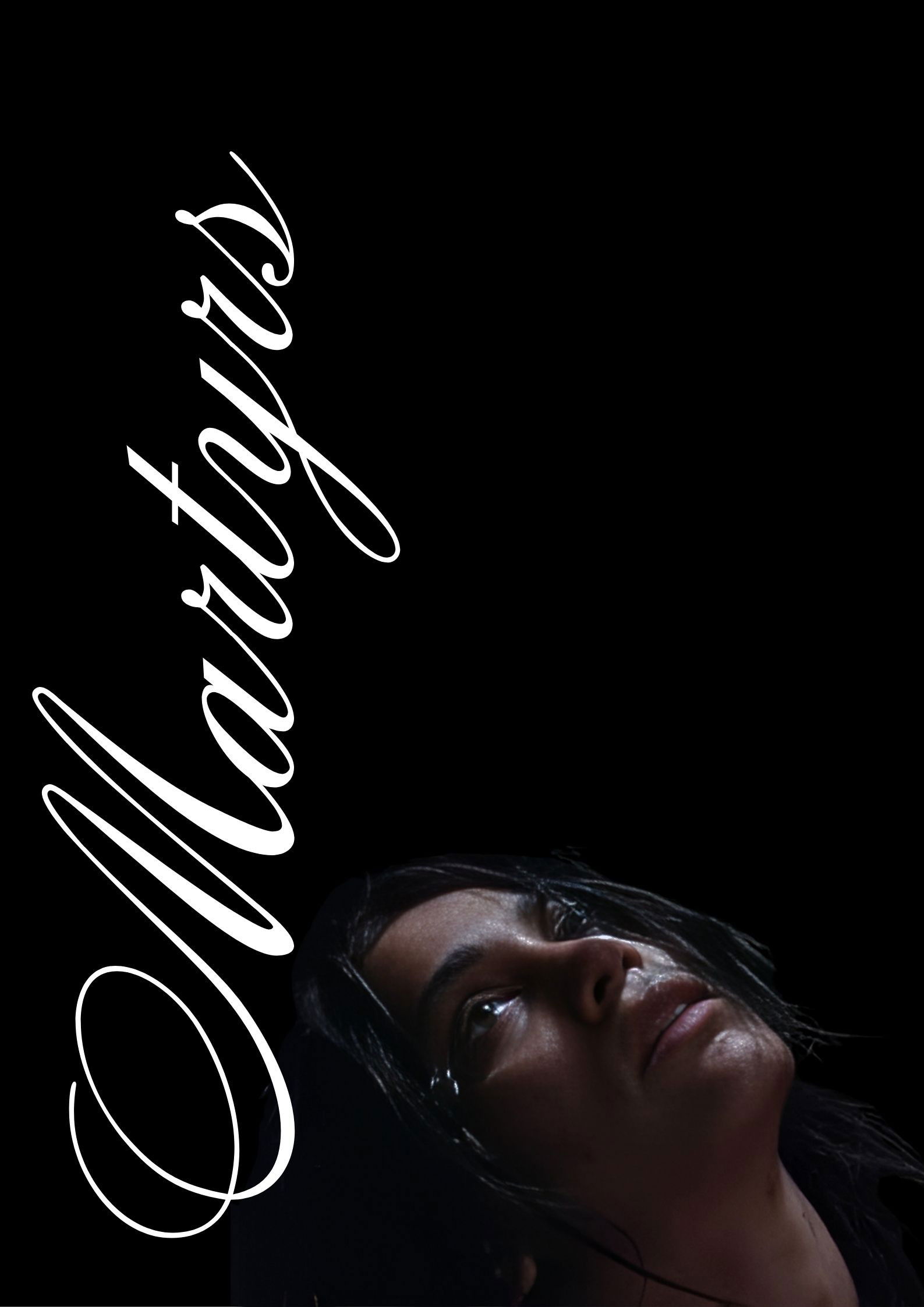
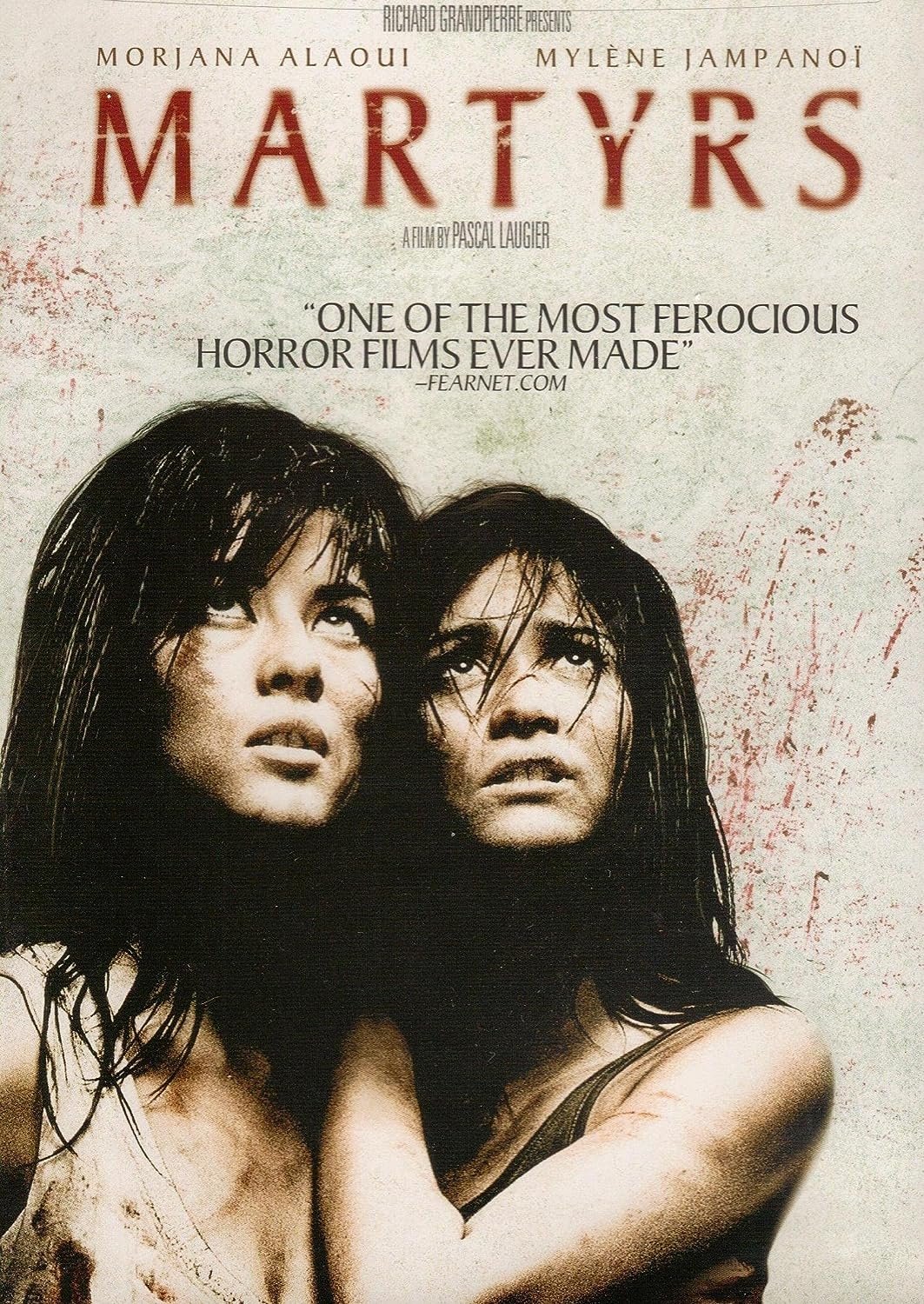
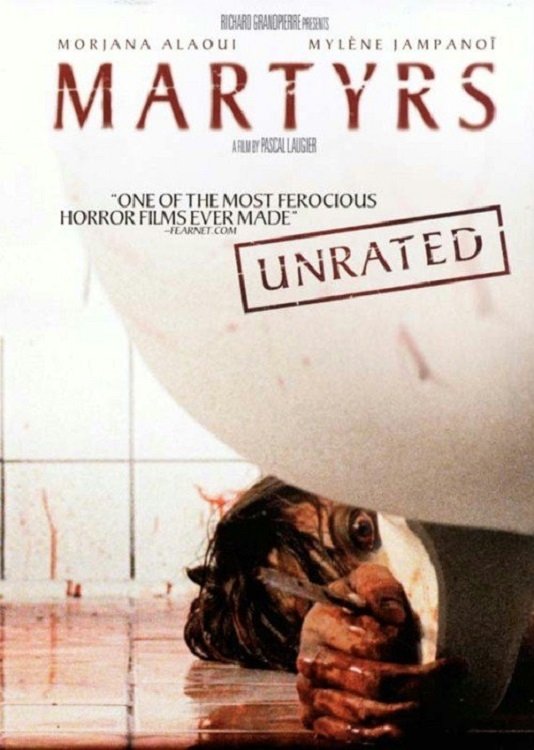
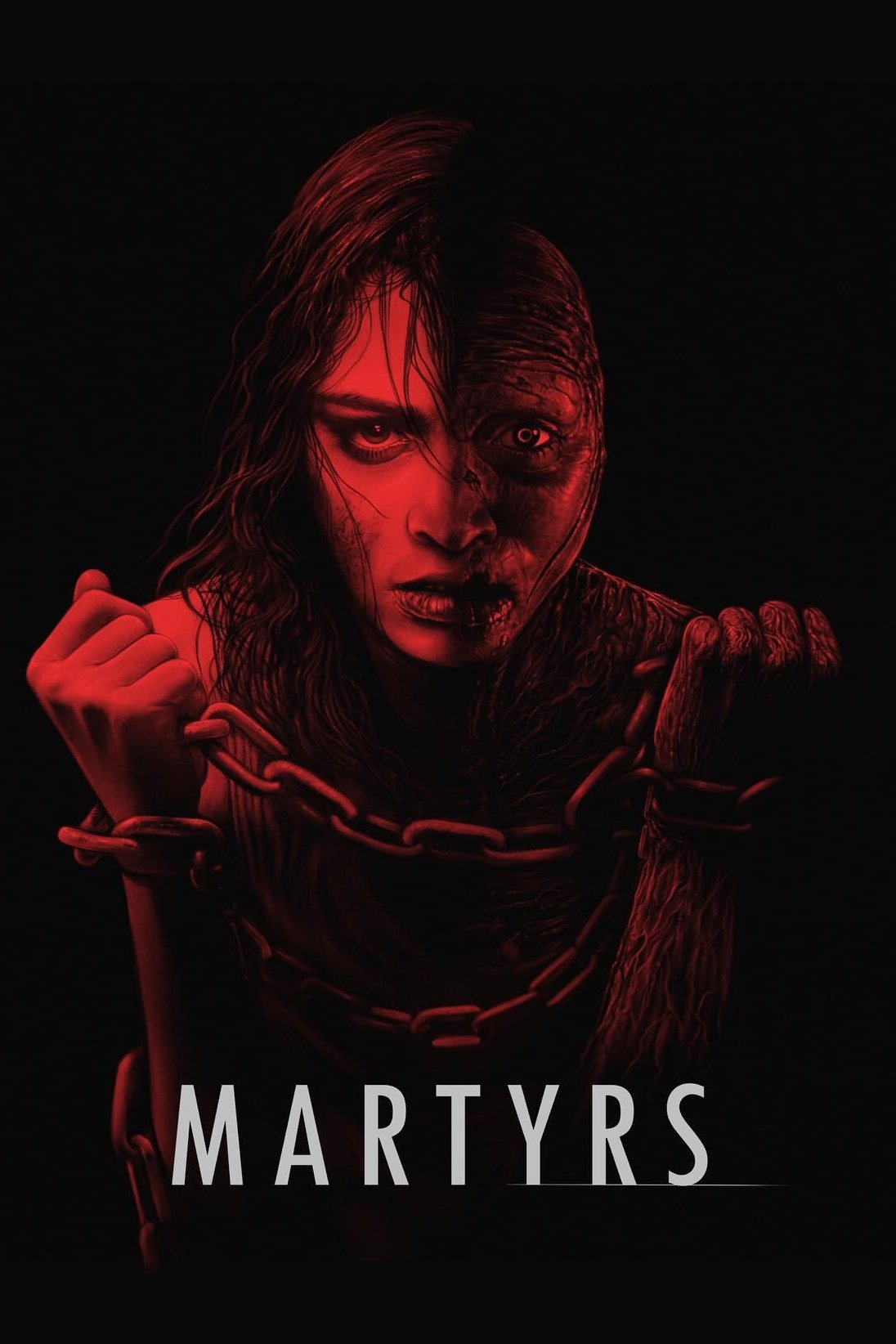
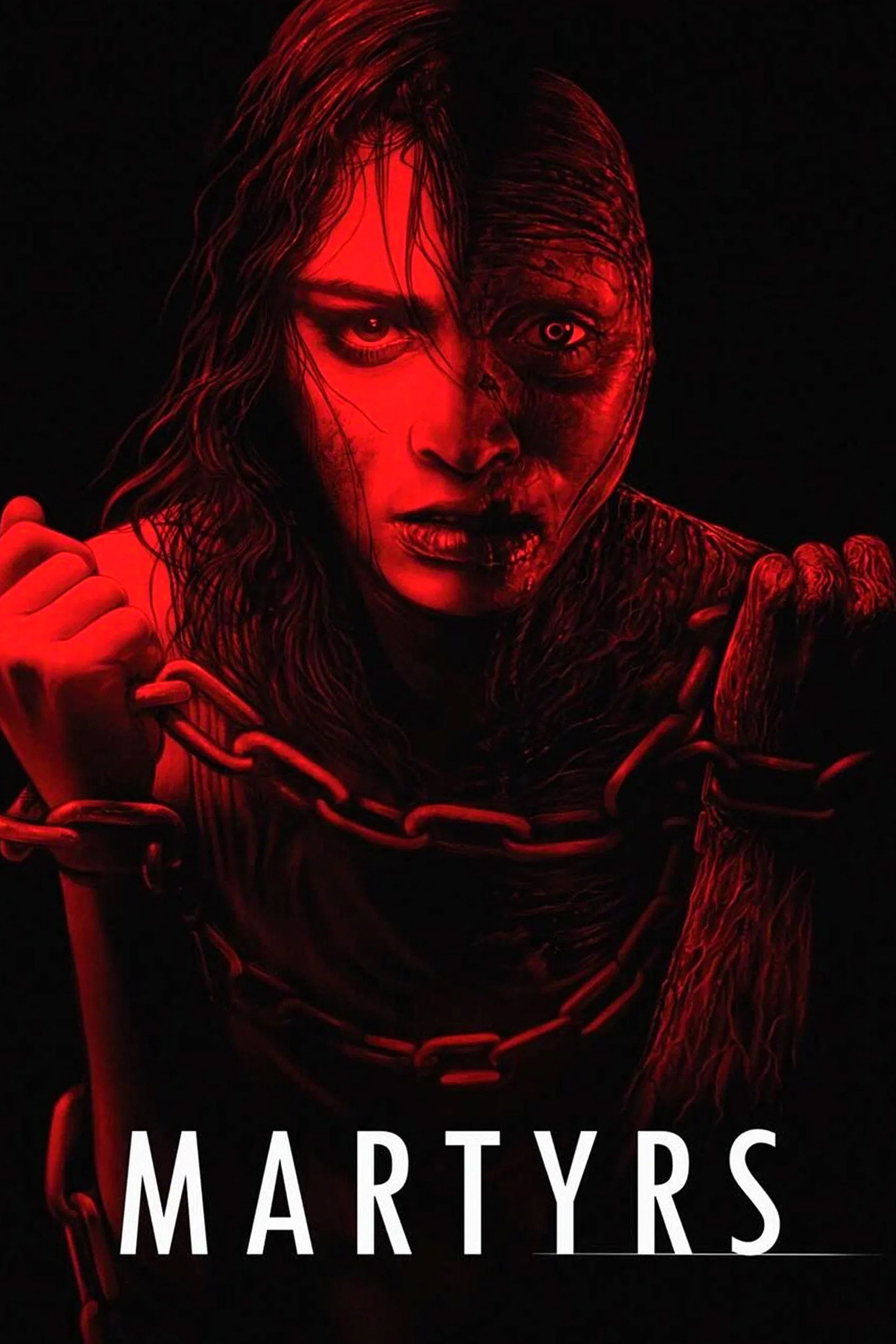
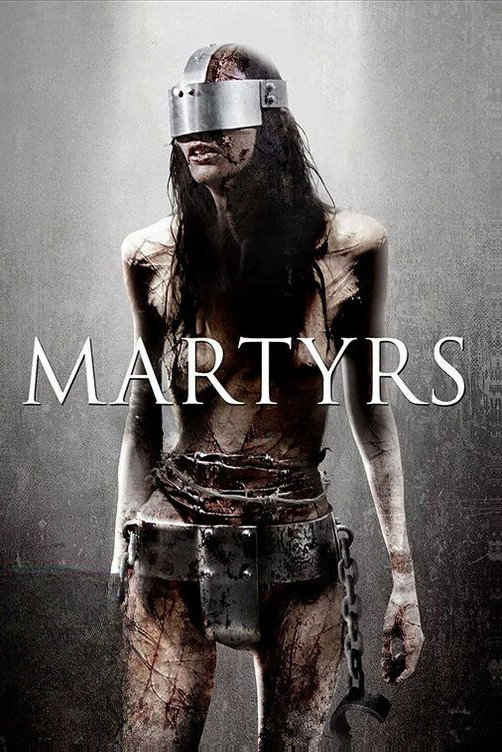
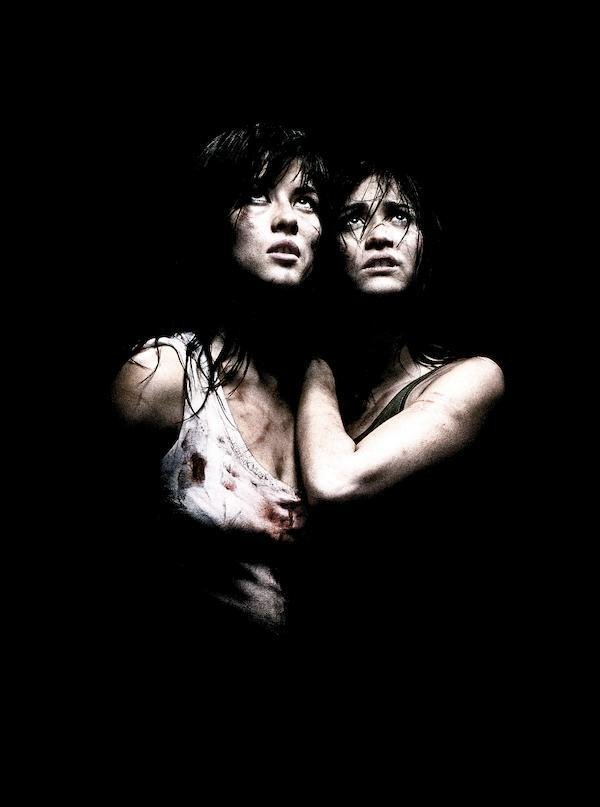
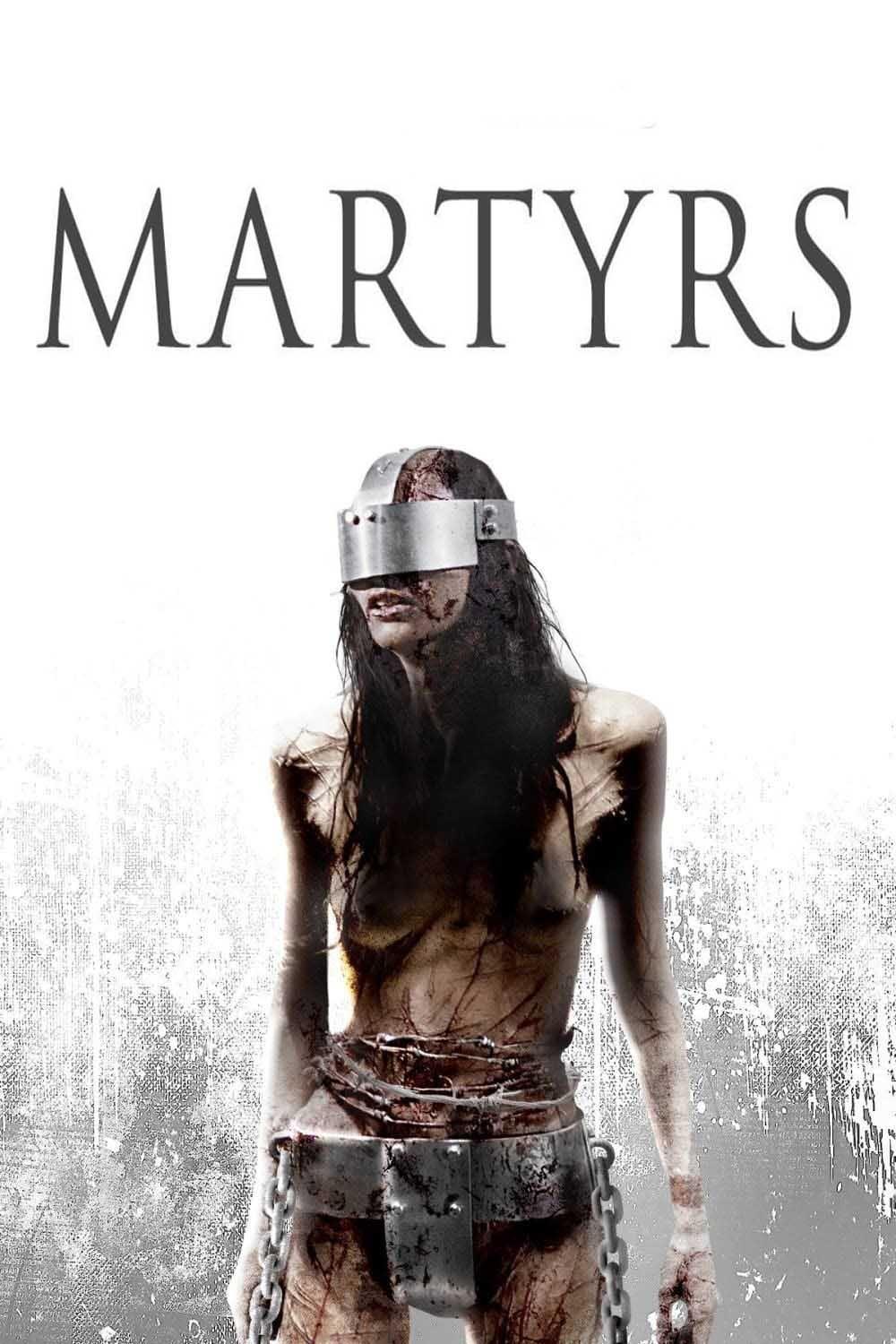
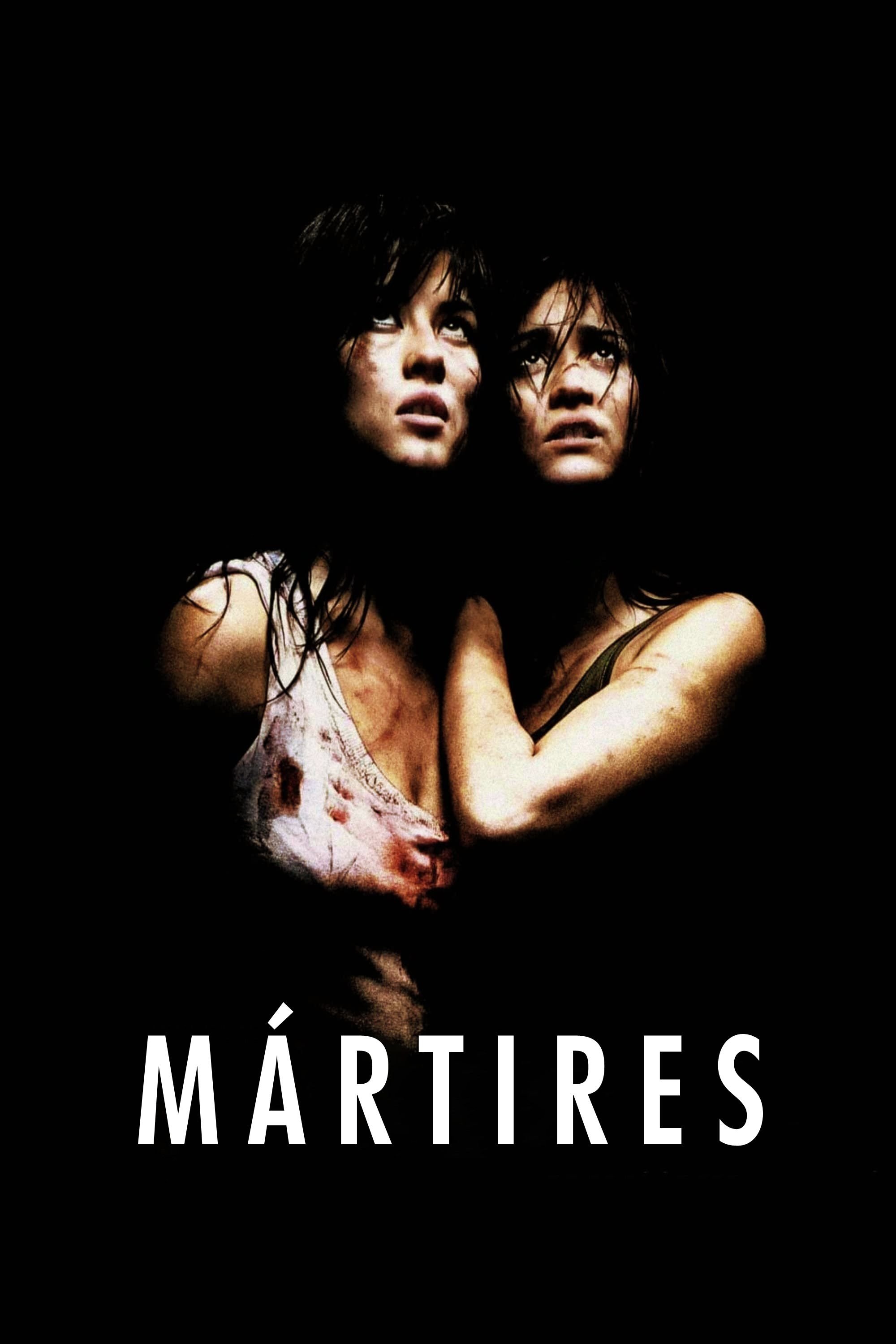
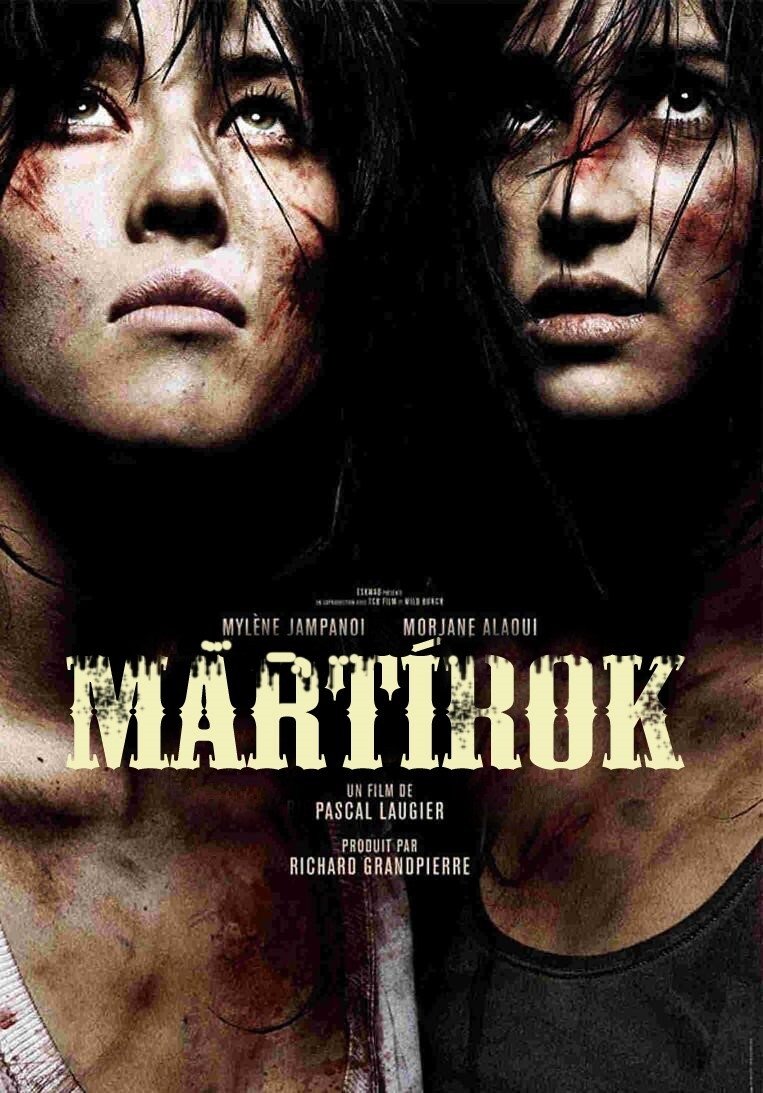
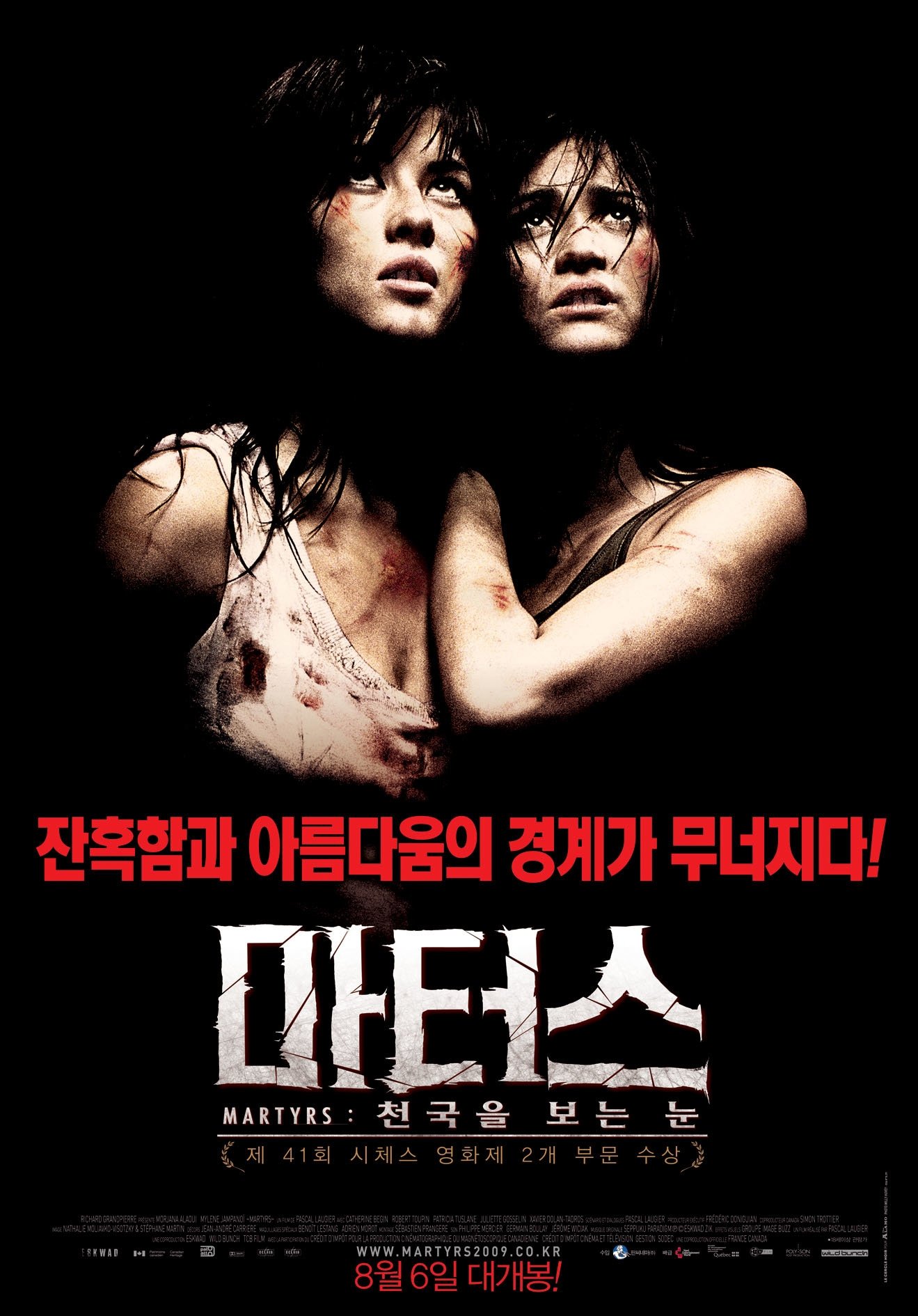
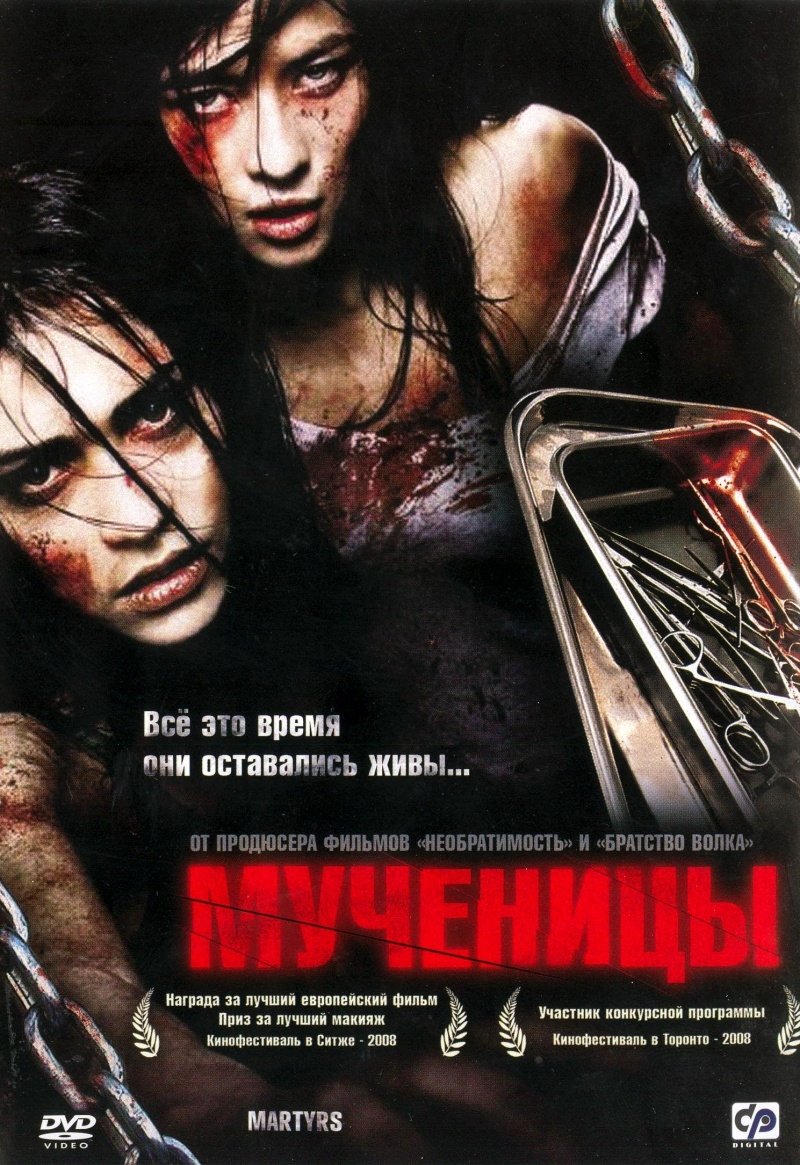
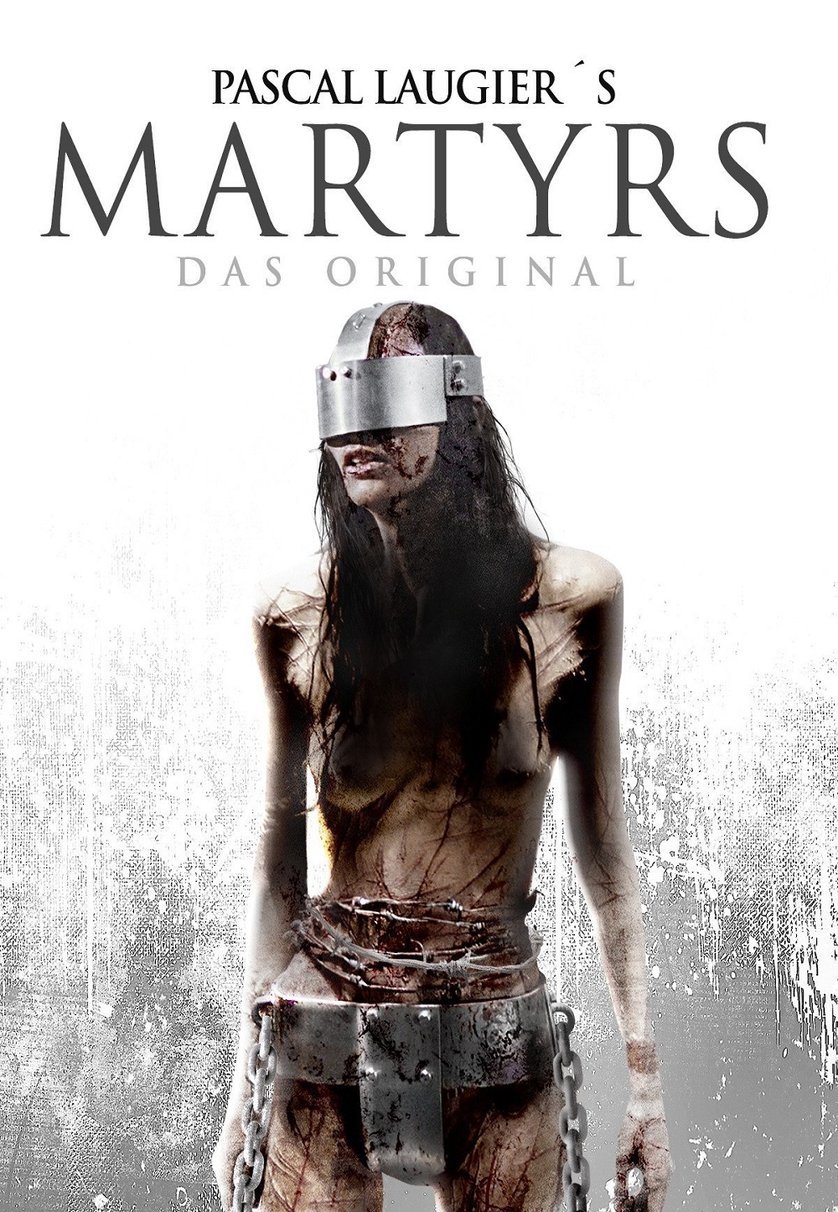
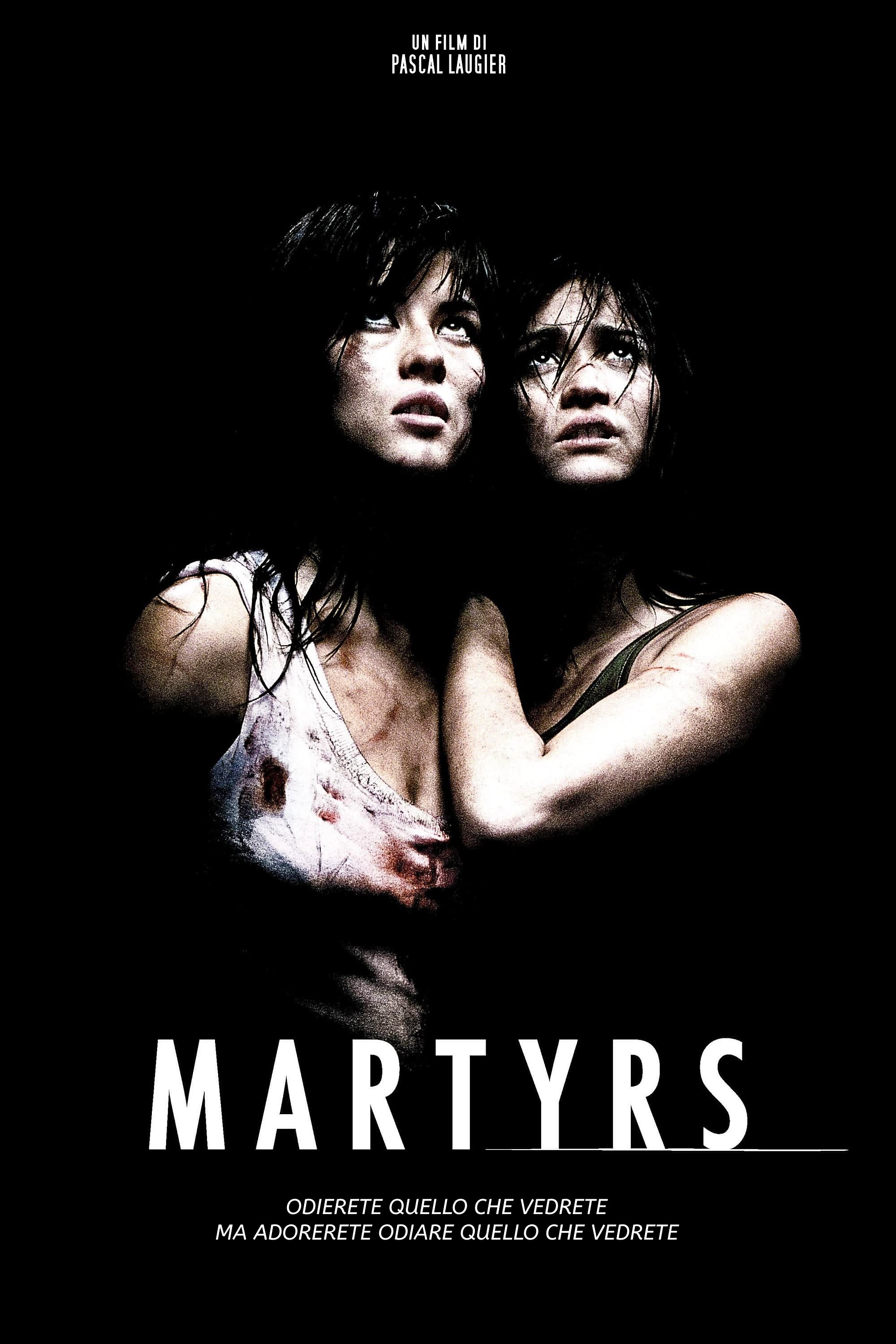
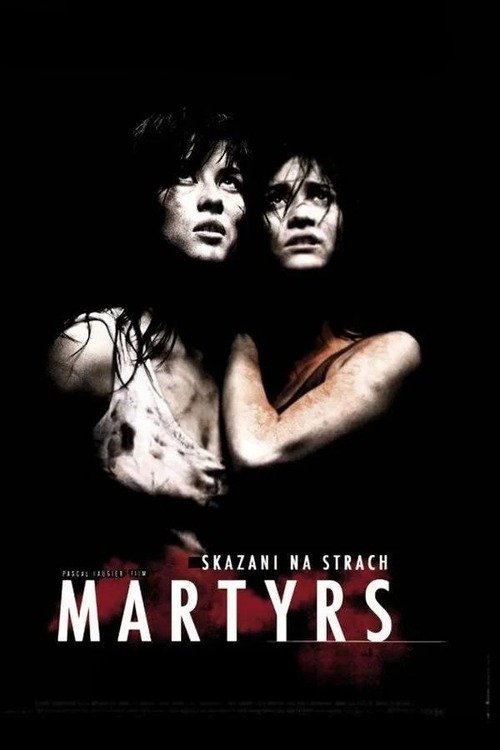
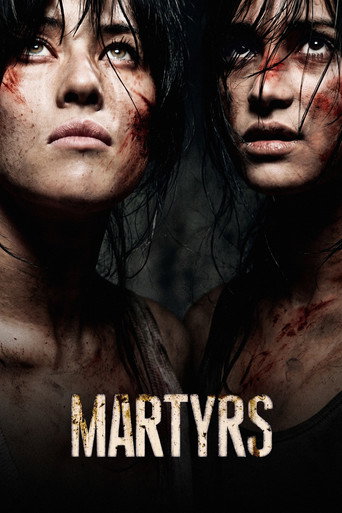
Martyrs (2008) poster
Director
Production Companies
Wild Bunch , TCB Films , Eskwad
Plot

A young woman’s quest for revenge against the people who kidnapped and tortured her as a child leads her and her best friend, also a victim of child abuse, on a terrifying journey into a living hell of depravity.

Alternative Titles
الشهداء (United Arab Emirates) — Arabic Мъченици (Bulgaria) — Bulgarian Mártires (Brazil) — Portuguese 殉道者 (China) 殉难者 (China) — Chinese Mučedníci (Czechia) — Czech Märtrid (Estonia) — Estonian Mártires (Spain) — Spanish
Show all 29 alternative titles Marttyyrit (Finland) Μάρτυρες (Greece) — Greek 極限:殘殺煉獄 (Hong Kong SAR China) — Chinese Mártírok (Hungary) — Hungarian קדושות מעונות (Israel) — Hebrew マーターズ (Japan) — Japanese 마터스-천국을 보는 눈 (South Korea) 마터스: 천국을 보는 눈 (South Korea) — Korean Kankiniai (Lithuania) — Lithuanian Mártires (Mexico) — Spanish Martyrs. Skazani na Strach (Poland) — Polish Mártires (Portugal) — Portuguese Martiri (Romania) — Romanian Mučenice (Serbia) Мученицы (Russia) — Russian Mučeníci (Slovakia) — Slovak Martires (El Salvador) ฝังแค้นรออาฆาต (Thailand) — Thai İşkence Odası (Türkiye) — Turkish 極限:殘殺煉獄 (Taiwan) — Chinese Мучениці (Ukraine) — Ukrainian

Trailers & Videos

7 videos

Film Guide

Pascal Laugier’s 2008 French-Canadian horror film transforms a revenge story into an ordeal about trauma, martyrdom and the limits of knowledge, becoming a defining point of dispute in New French Extremity.

Pascal Laugier’s Martyrs (2008) occupies an unusually contested place in twenty-first-century horror. Produced between France and Canada and released during a period of renewed interest in uncompromising French genre cinema, it follows the aftermath of a childhood abduction before transforming a revenge story into an inquiry into suffering and the possibility of life after death. Its graphic violence made classification and exhibition contentious, while its refusal to provide a reassuring explanation for the violence distinguished it from more conventional captivity thrillers. The film has consequently figured prominently in discussions of the New French Extremity, a critical grouping whose boundaries remain disputed.

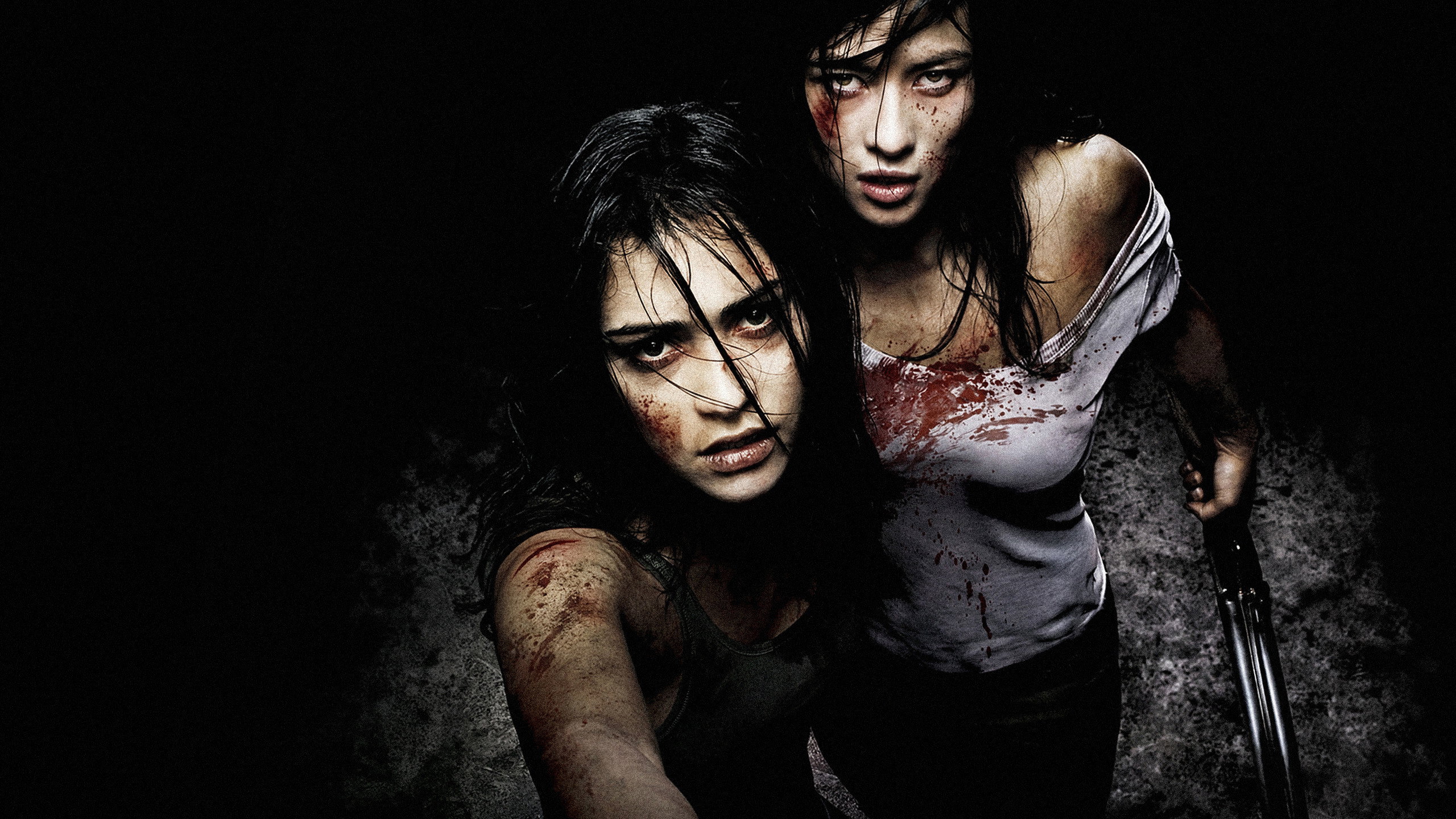
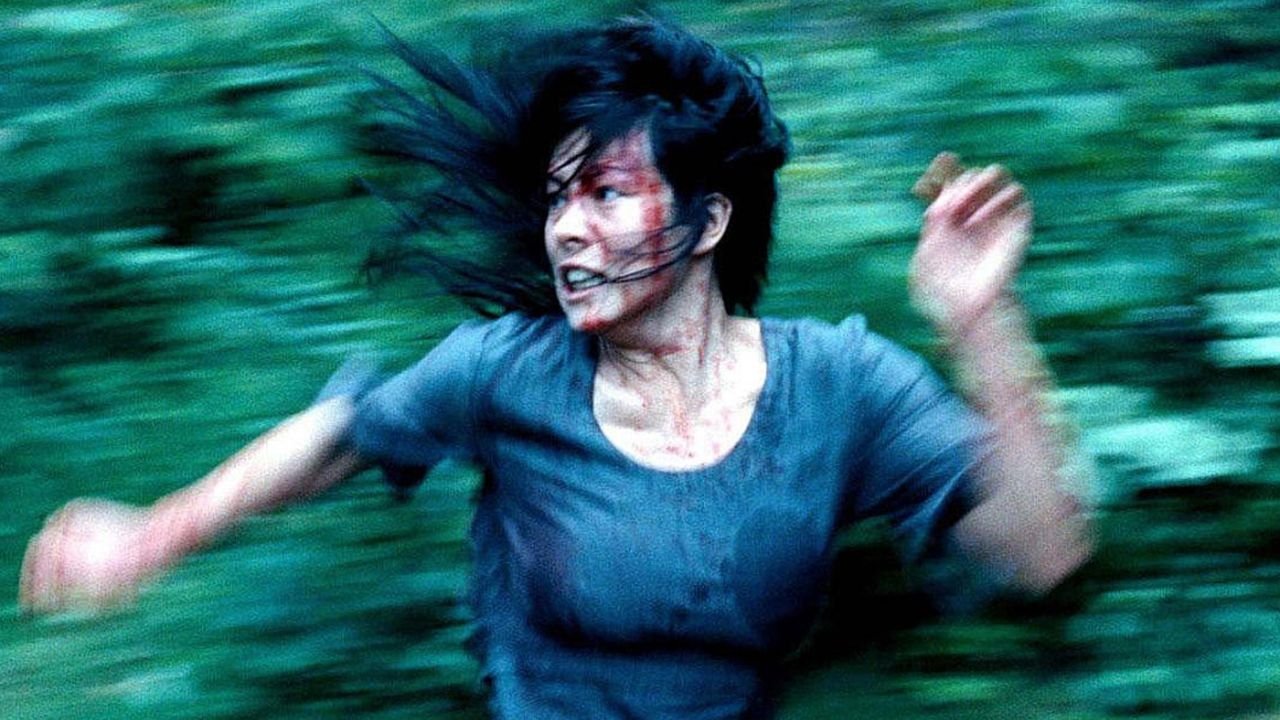
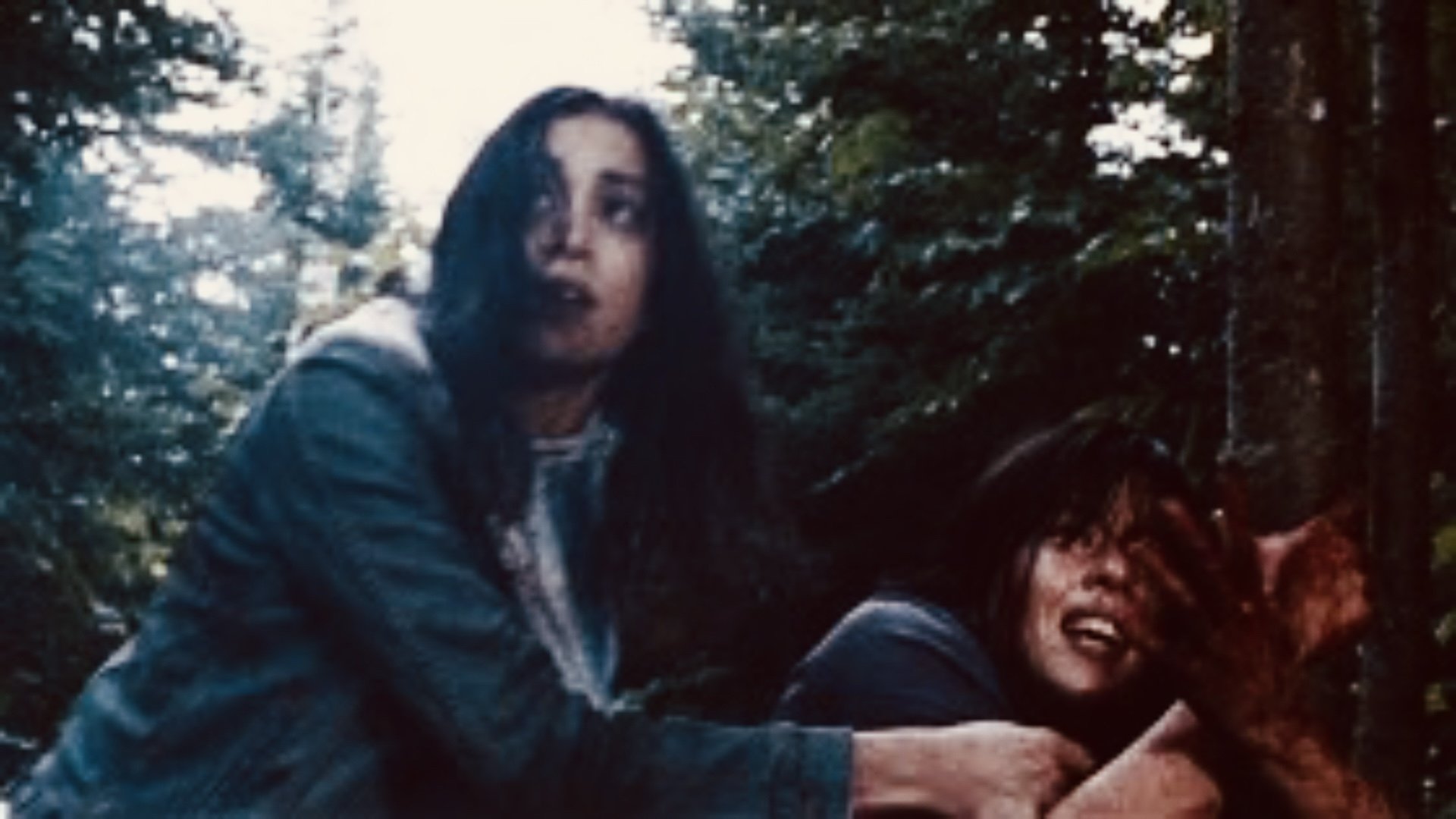
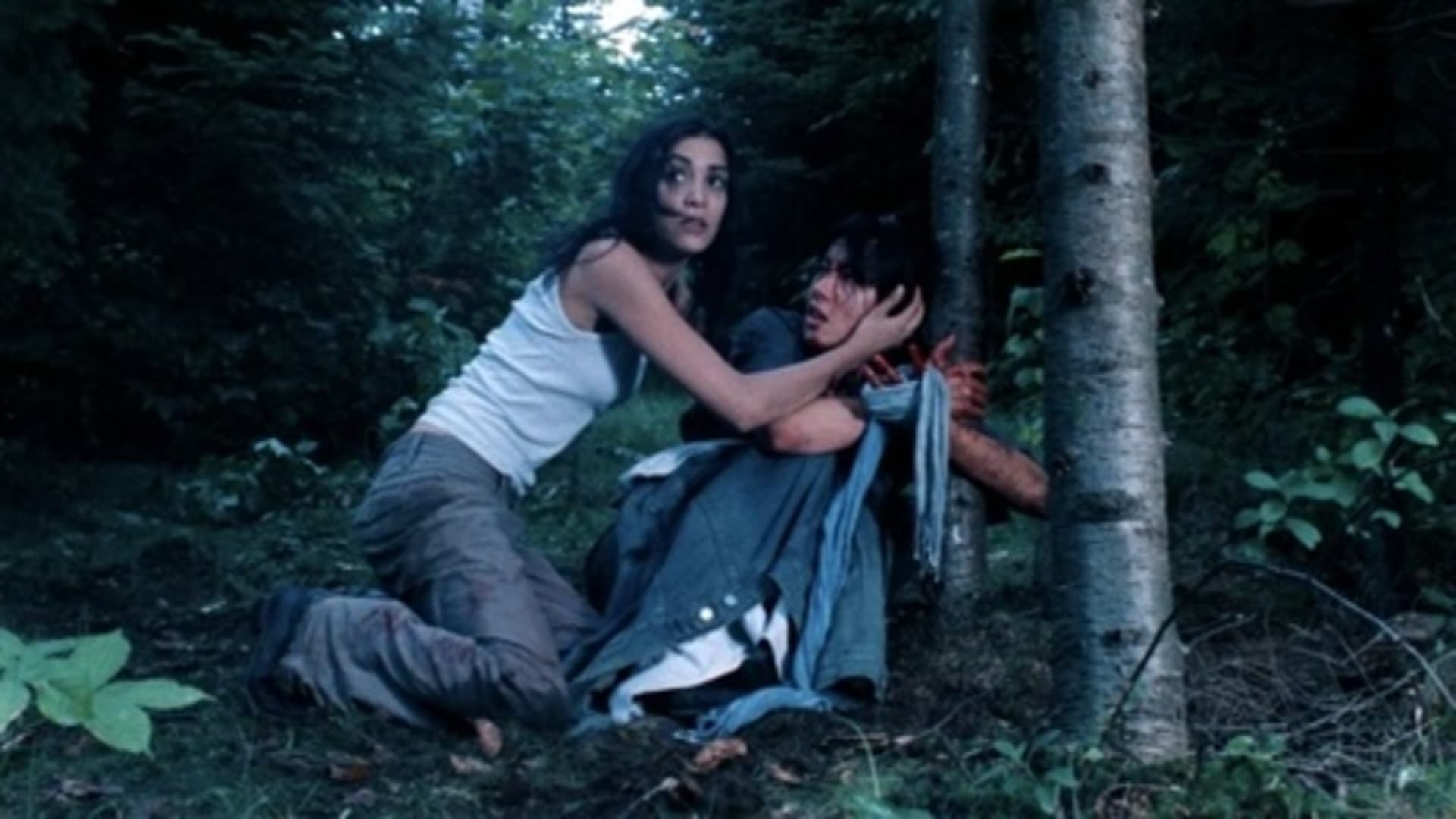
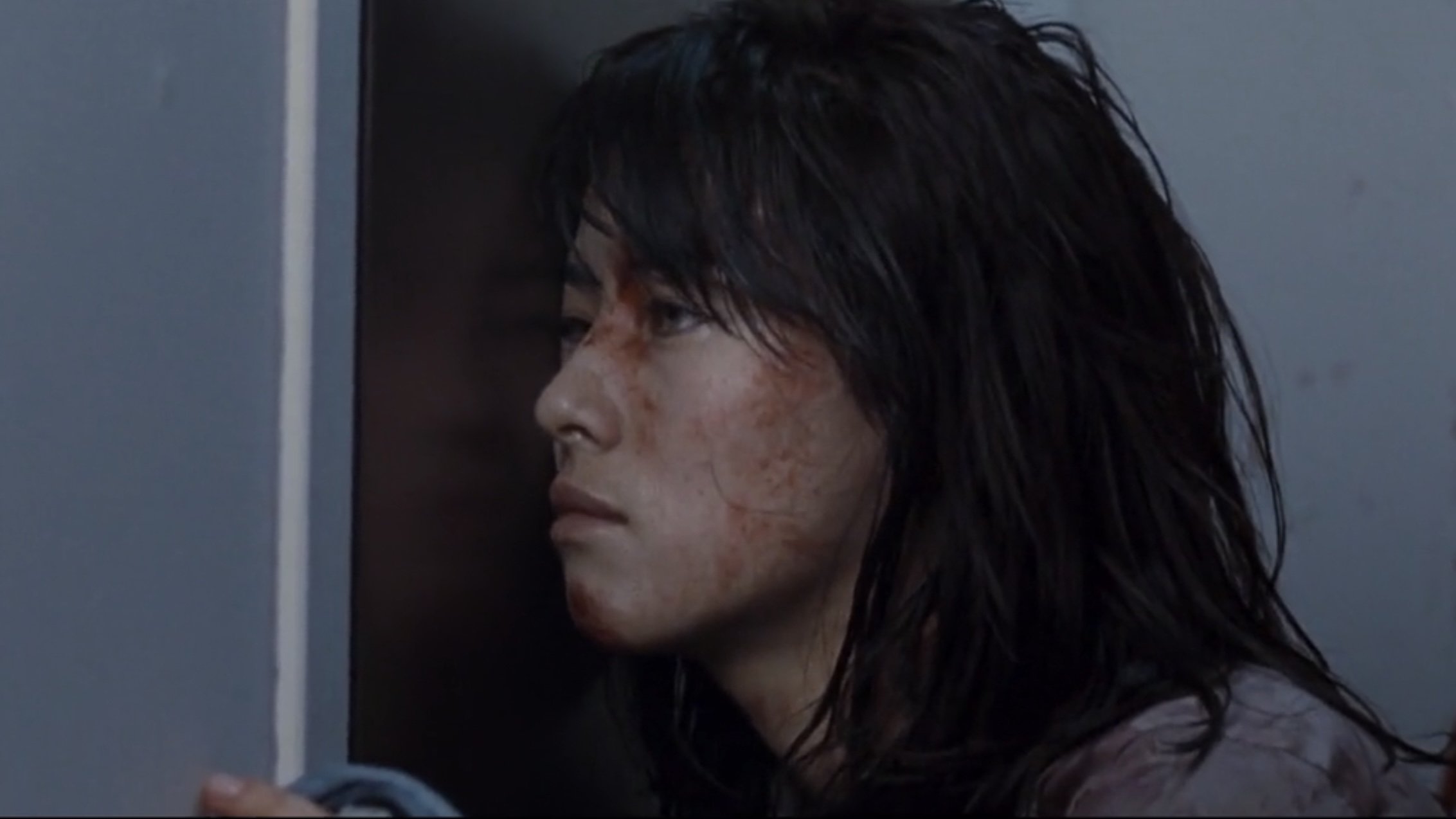
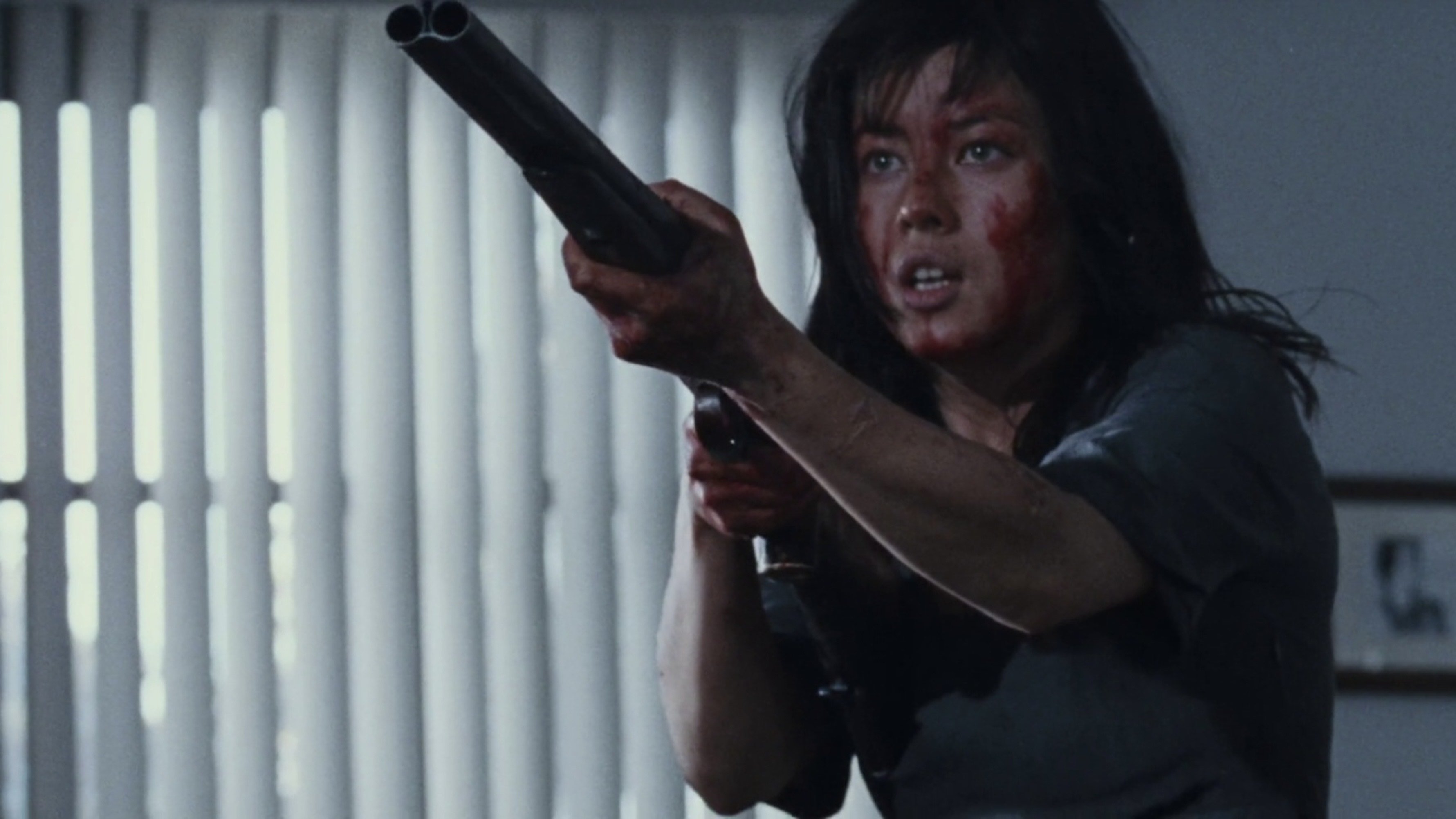
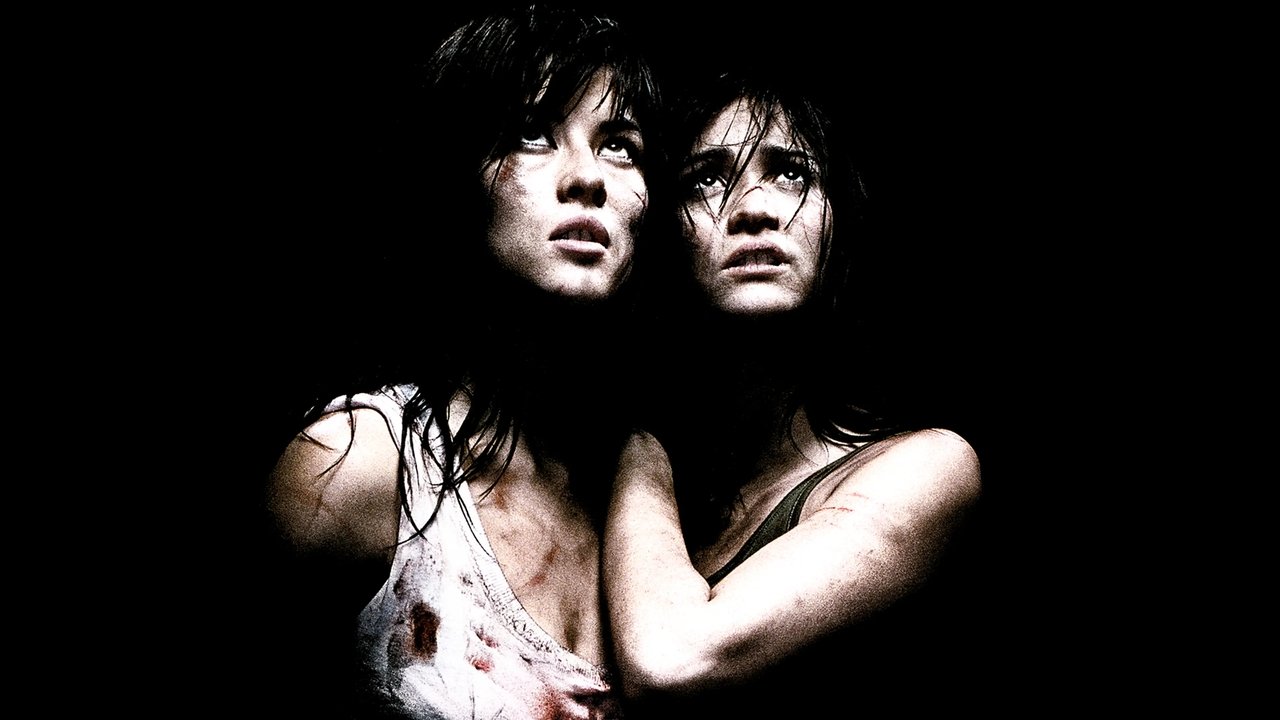
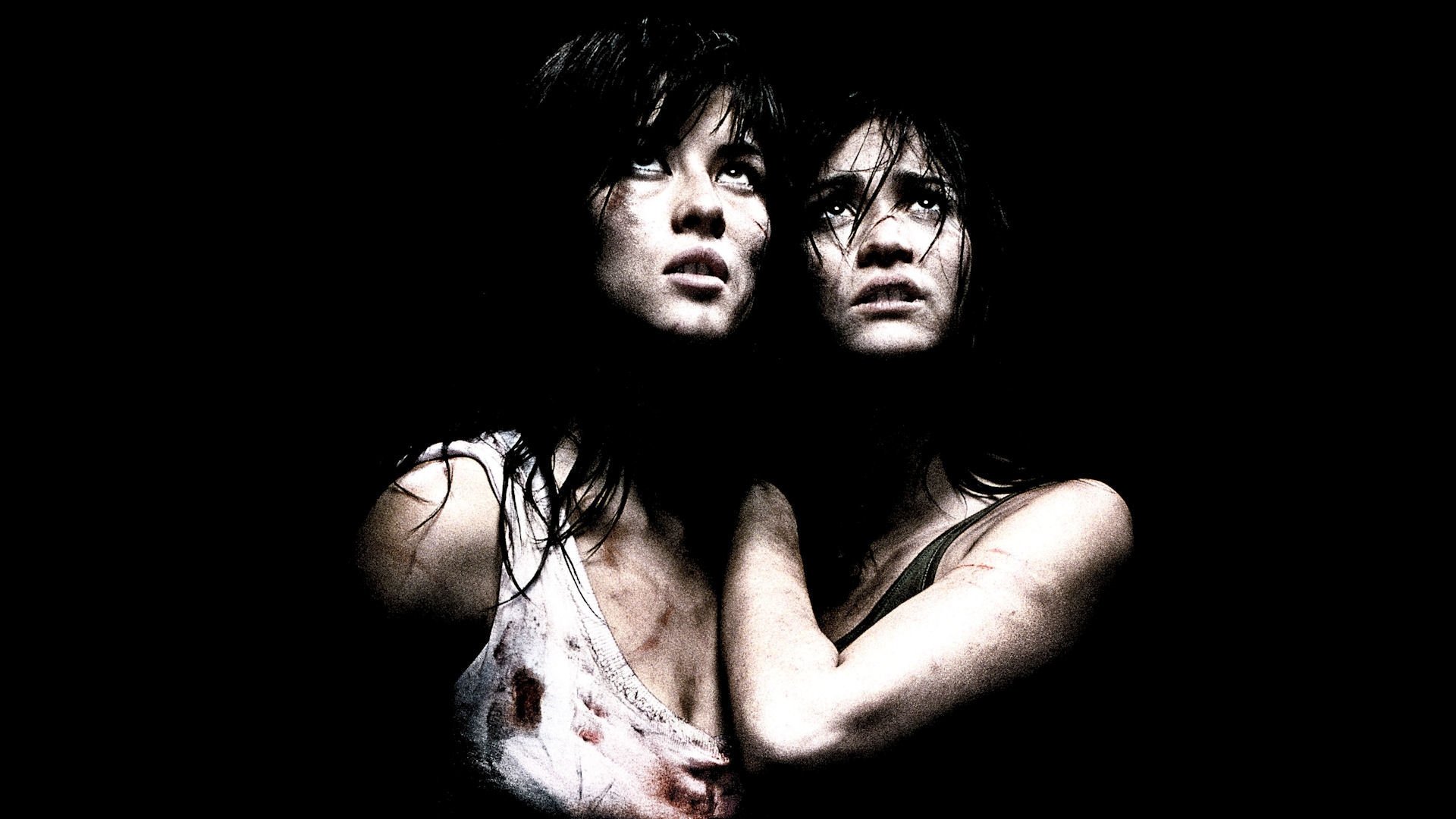
Much of its identity comes from the connection between two damaged women. Lucie, played by Mylène Jampanoï, is consumed by memories of abuse; Anna, played by Morjana Alaoui, tries to protect her even when she doubts her account. The narrative gradually transfers attention from Lucie’s need for revenge to Anna’s endurance, changing both its central character and its dramatic rhythm. By the conclusion, the word in the title has acquired a particular significance: the persecutors seek a witness to what lies beyond death. Laugier places that ambition inside a system of calculated bodily violence, leaving its claimed revelation inaccessible to the audience.

Production & Development

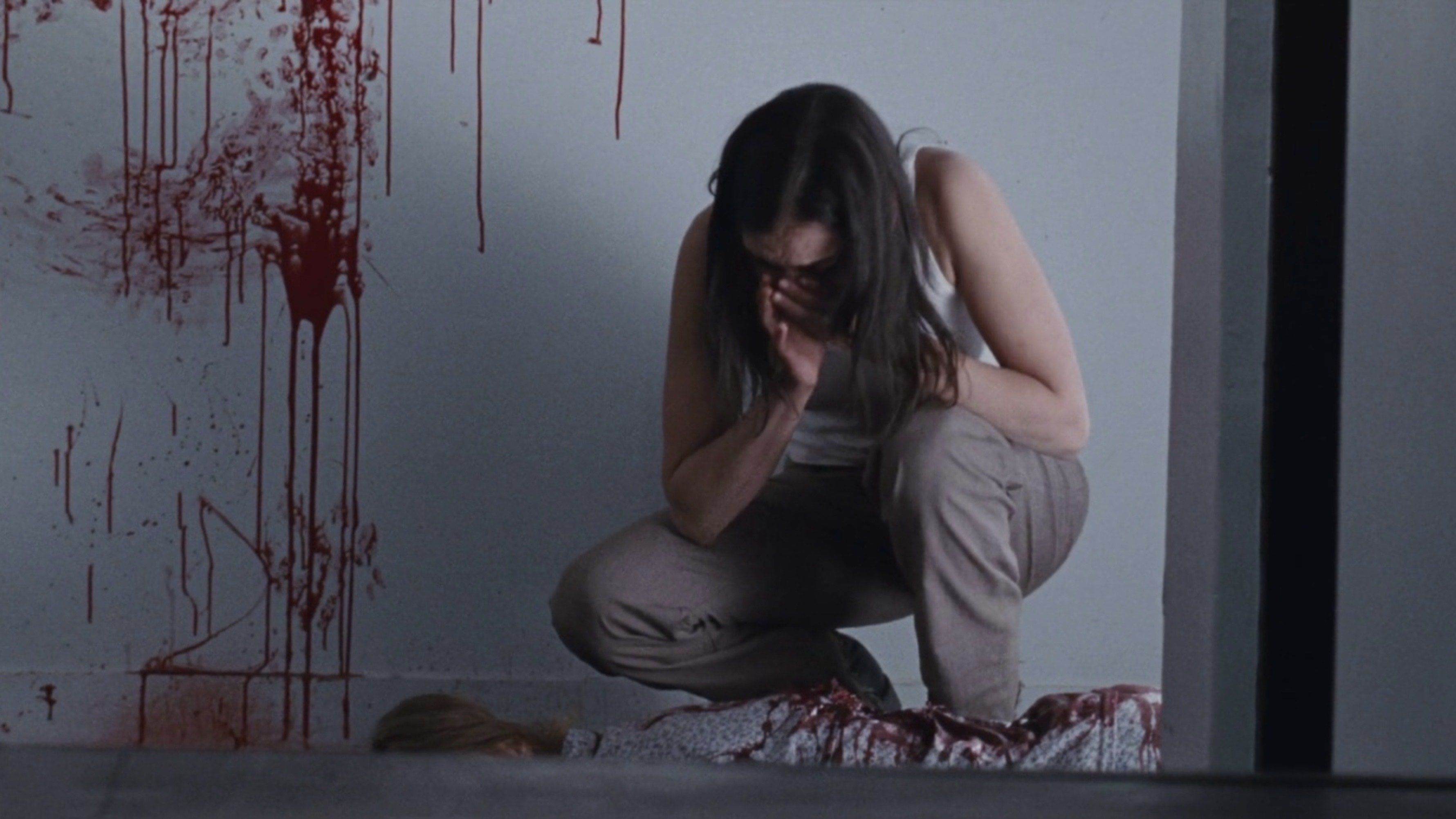
Martyrs was Laugier’s second feature after Saint Ange, a supernatural horror film whose troubled aftermath left him developing projects that were difficult to finance. In an interview published by Culturopoing shortly before the French release, he described writing the new screenplay quickly during an emotionally turbulent period. A production opportunity gave that accumulated frustration a concrete form. Rather than approach the film as a collection of references to earlier horror, he wanted a story whose excesses grew from his characters and his view of contemporary life. His later interviews similarly identify the opening domestic massacre as the image from which he worked outward, considering first the woman who commits it and then the history that might explain her actions.

Richard Grandpierre produced the film through a French-Canadian arrangement involving Eskwad, Wild Bunch and Canadian production partners, with Canal+ among the participating financiers. Principal photography took place in Montréal, although the story presents a recognizably French social environment. The multinational production is visible in the credits, which include French and Canadian personnel in major technical positions. Working across these production contexts mattered especially for a film that required extensive physical effects and controlled interior settings, with much of the drama concentrated in spaces whose ordinary appearance conceals their purpose.

Laugier’s conception also drew on a personal history of European horror. He told Culturopoing that he showed his crew Dario Argento’s Tenebrae (1982) and Andrzej Żuławski’s Possession (1981) as visual references. He dedicated Martyrs to Argento, explaining that the Italian director’s films had been formative to his understanding of genre filmmaking. These influences help locate the production within a European tradition of psychologically charged horror, although Laugier’s work pursues a different emotional and structural course from either reference film.
Narrative Structure, Trauma & Martyrdom

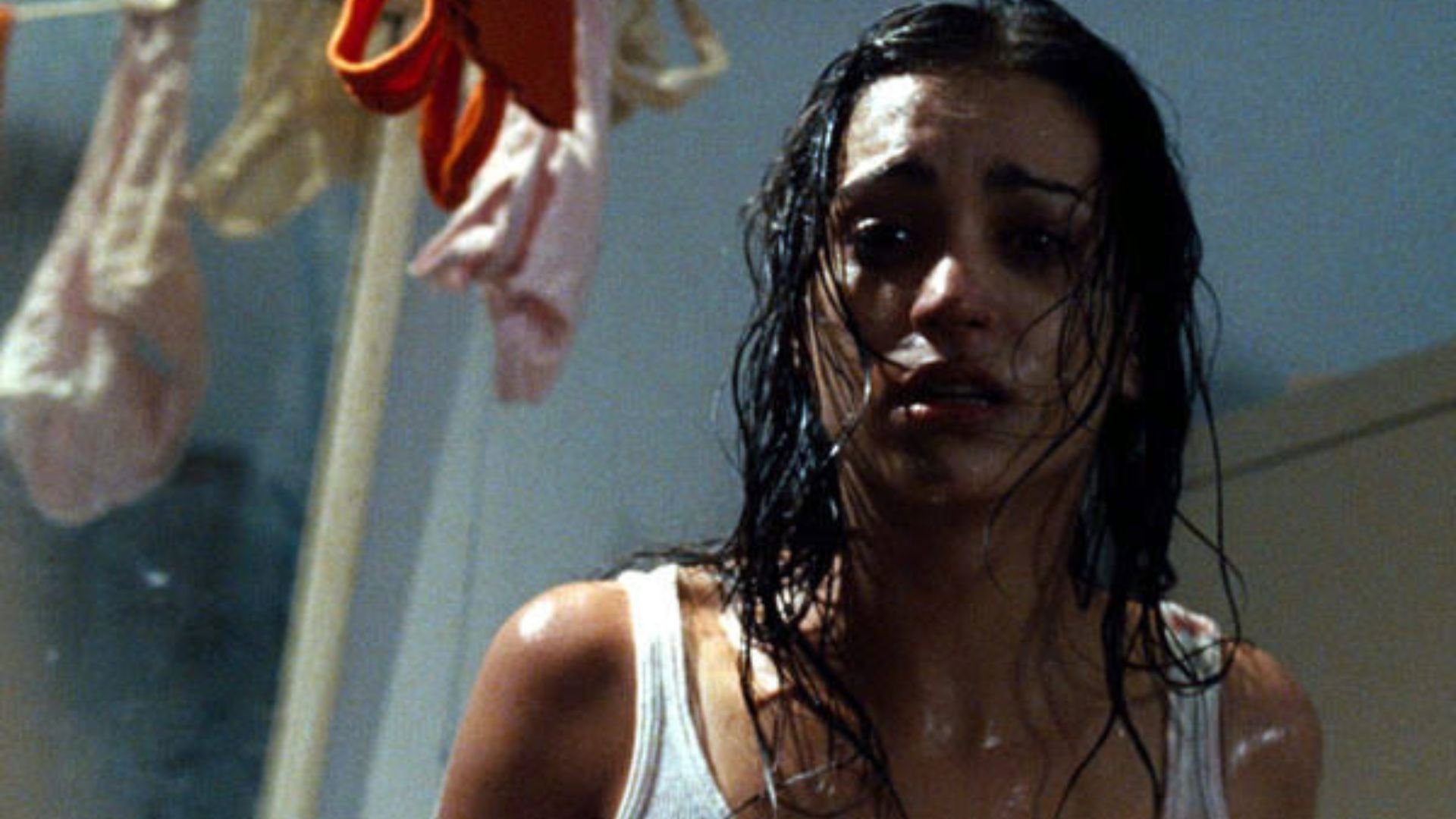
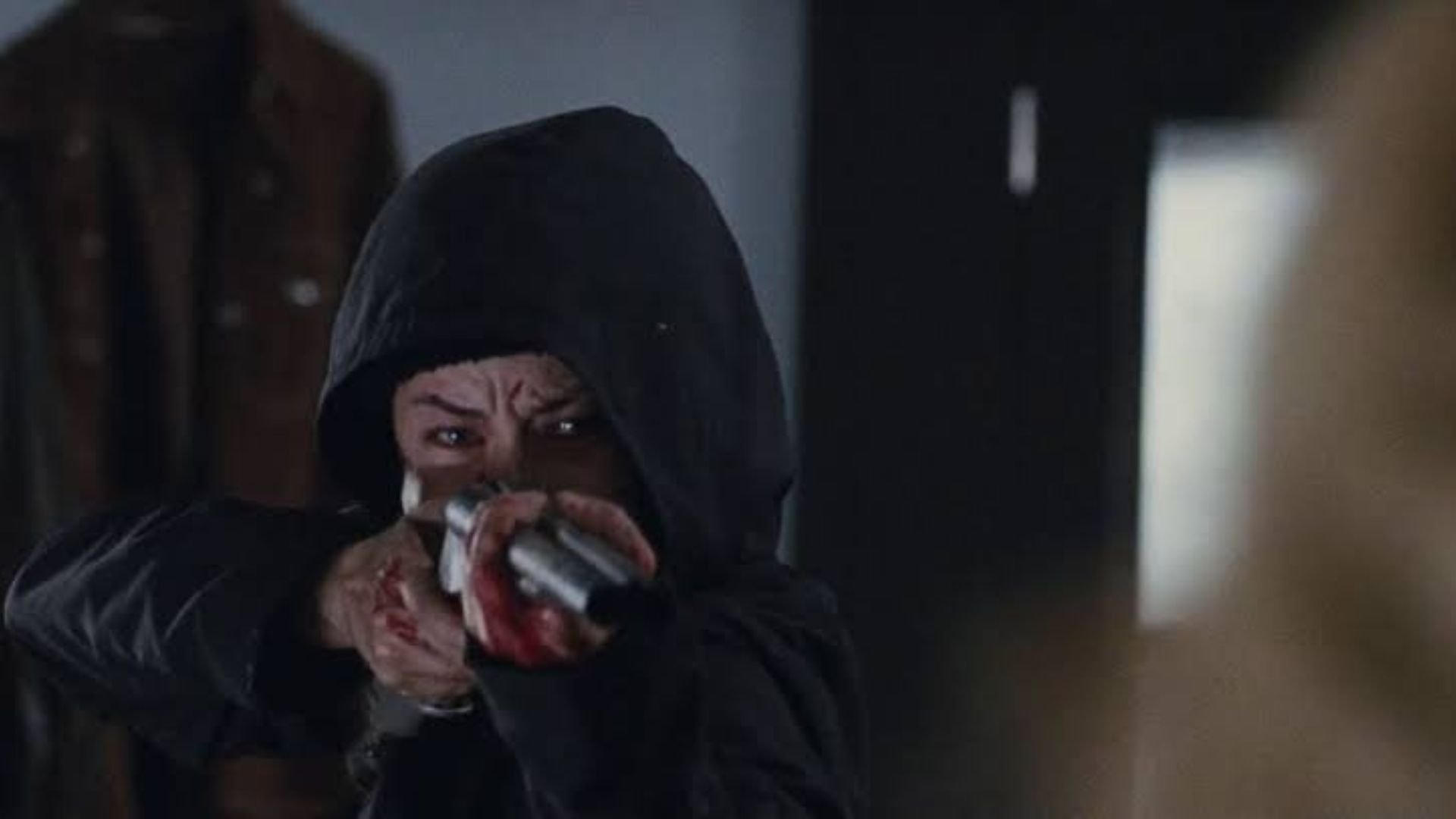
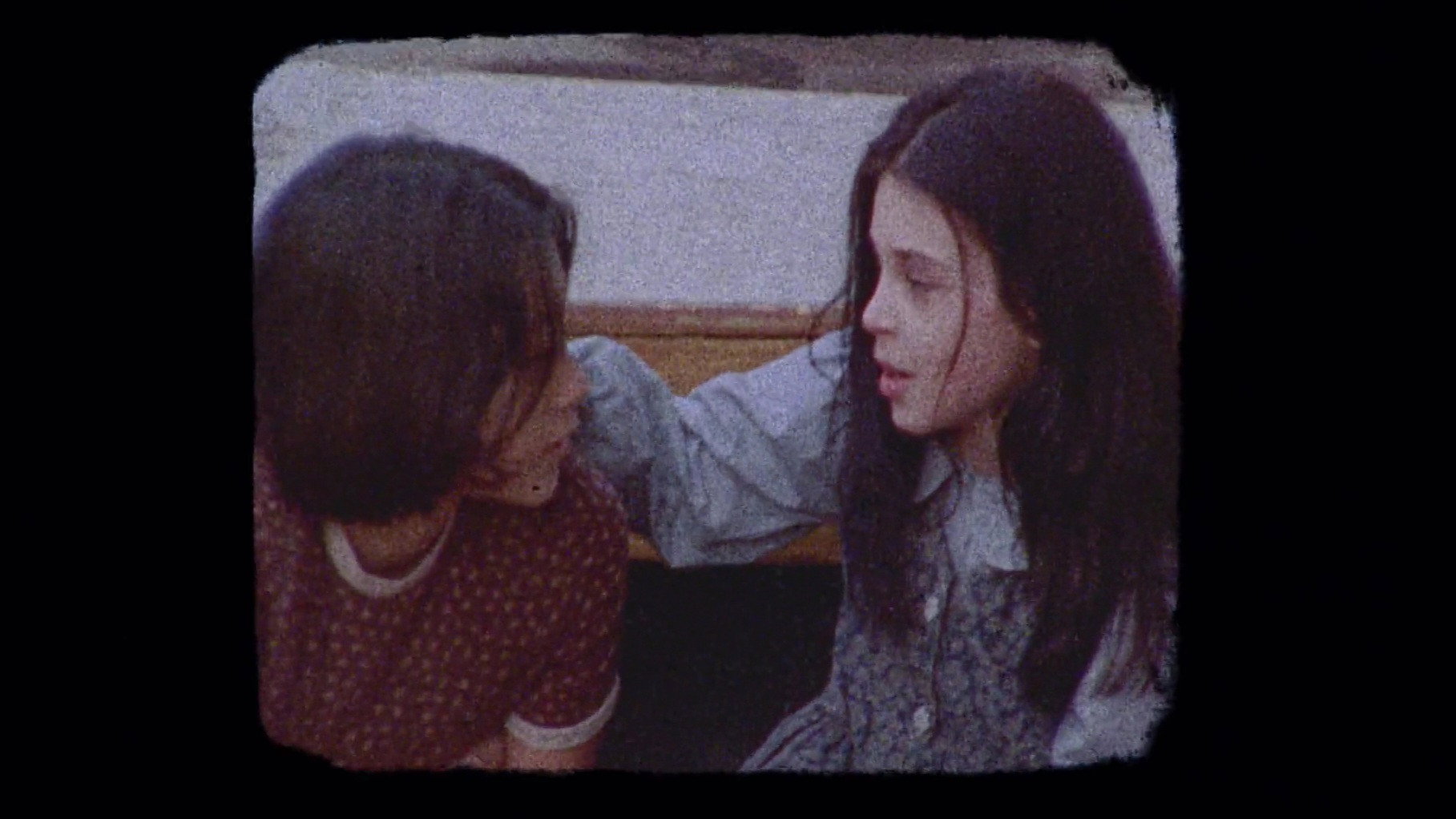
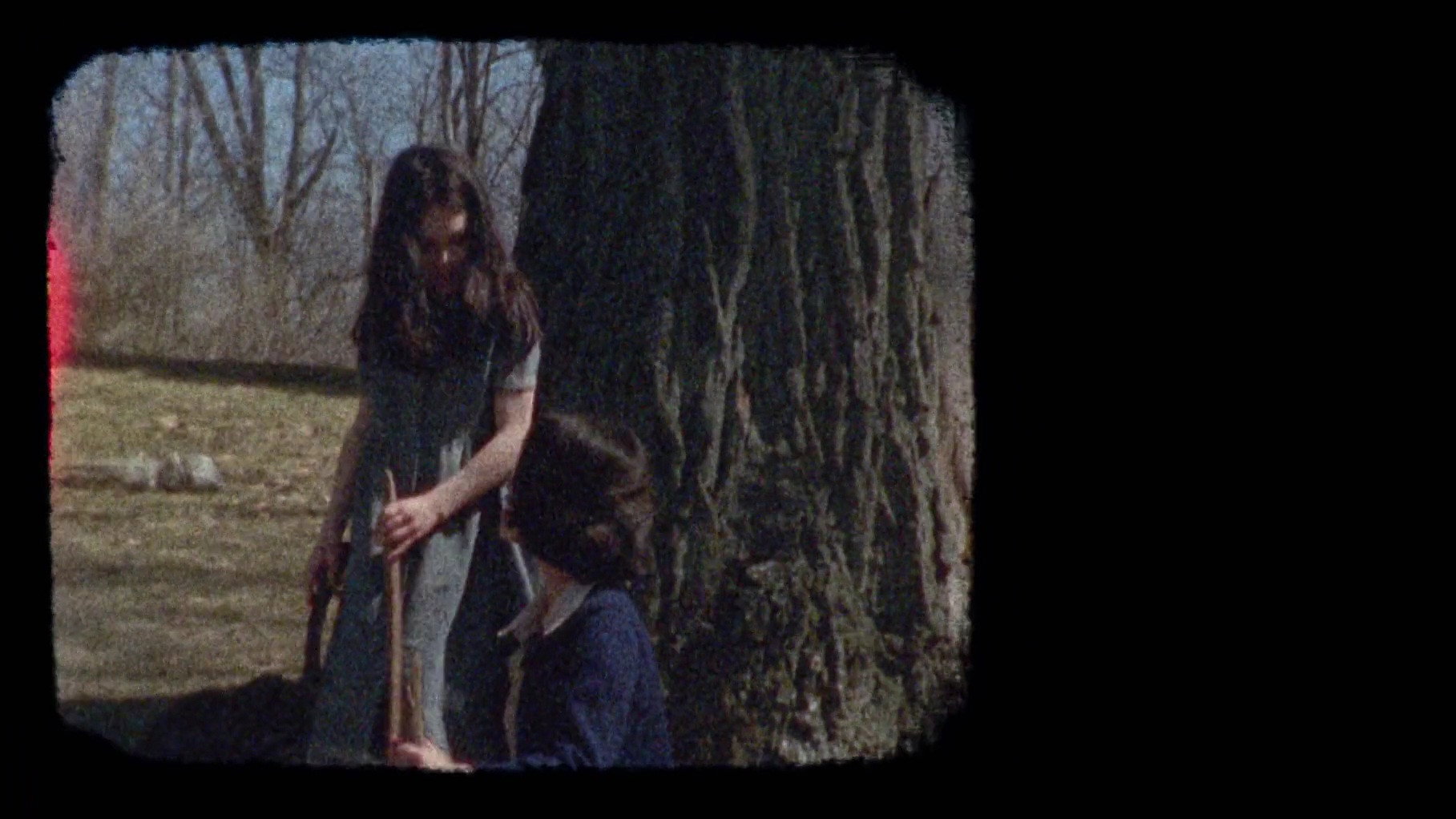
The film begins with images of the young Lucie escaping the place where she was imprisoned and abused. Her subsequent friendship with Anna establishes a relationship that continues into adulthood, when Lucie believes she has identified the people responsible for her captivity. The violent confrontation in their home initially gives the story the outline of a revenge thriller. Yet the speed with which that confrontation occurs frustrates the usual expectation that revenge will serve as the climax. As Anna arrives and begins to assess what has happened, the film turns toward questions about testimony, traumatic memory and the limits of what another person can know about a survivor’s experience.

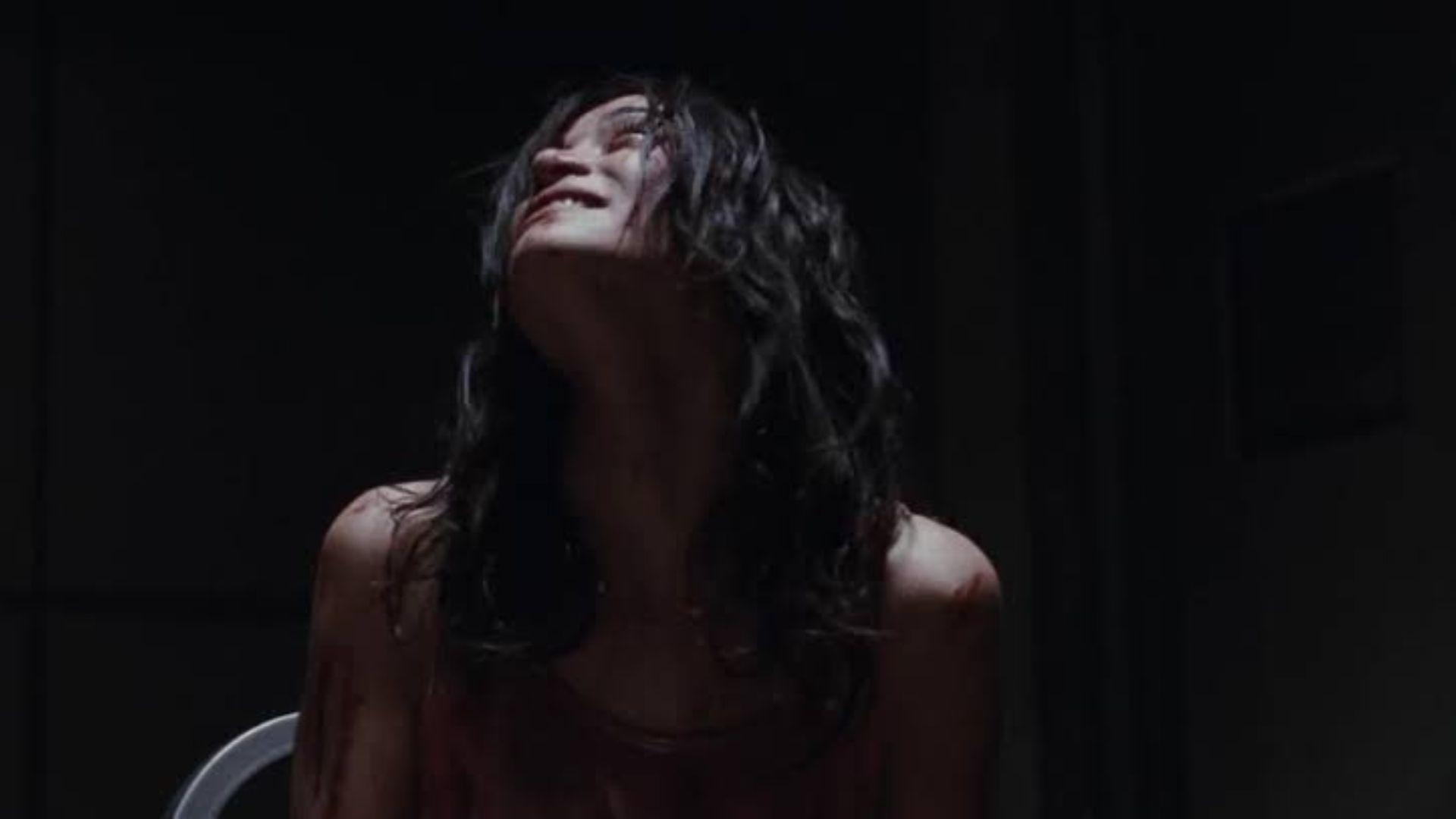
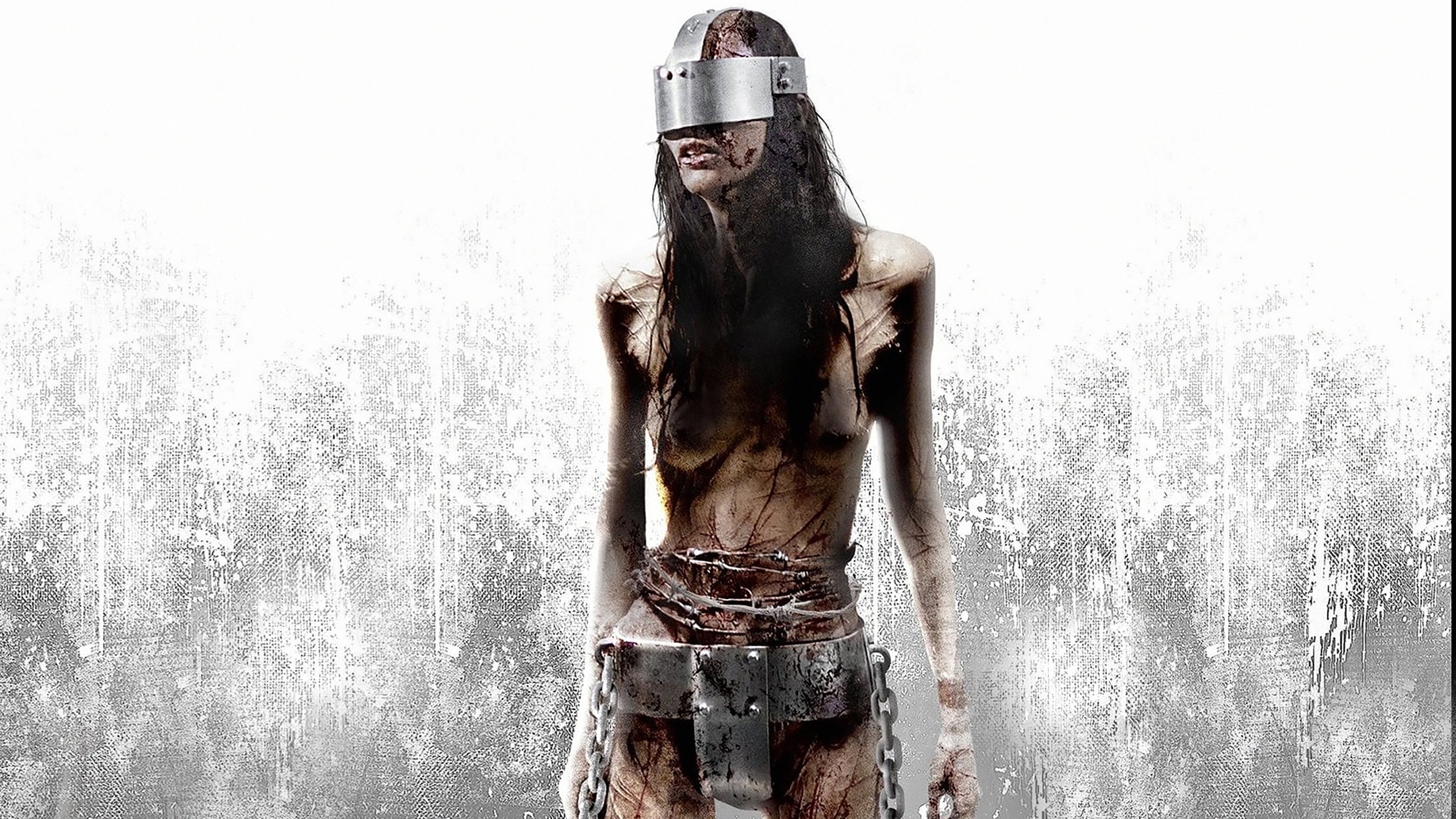
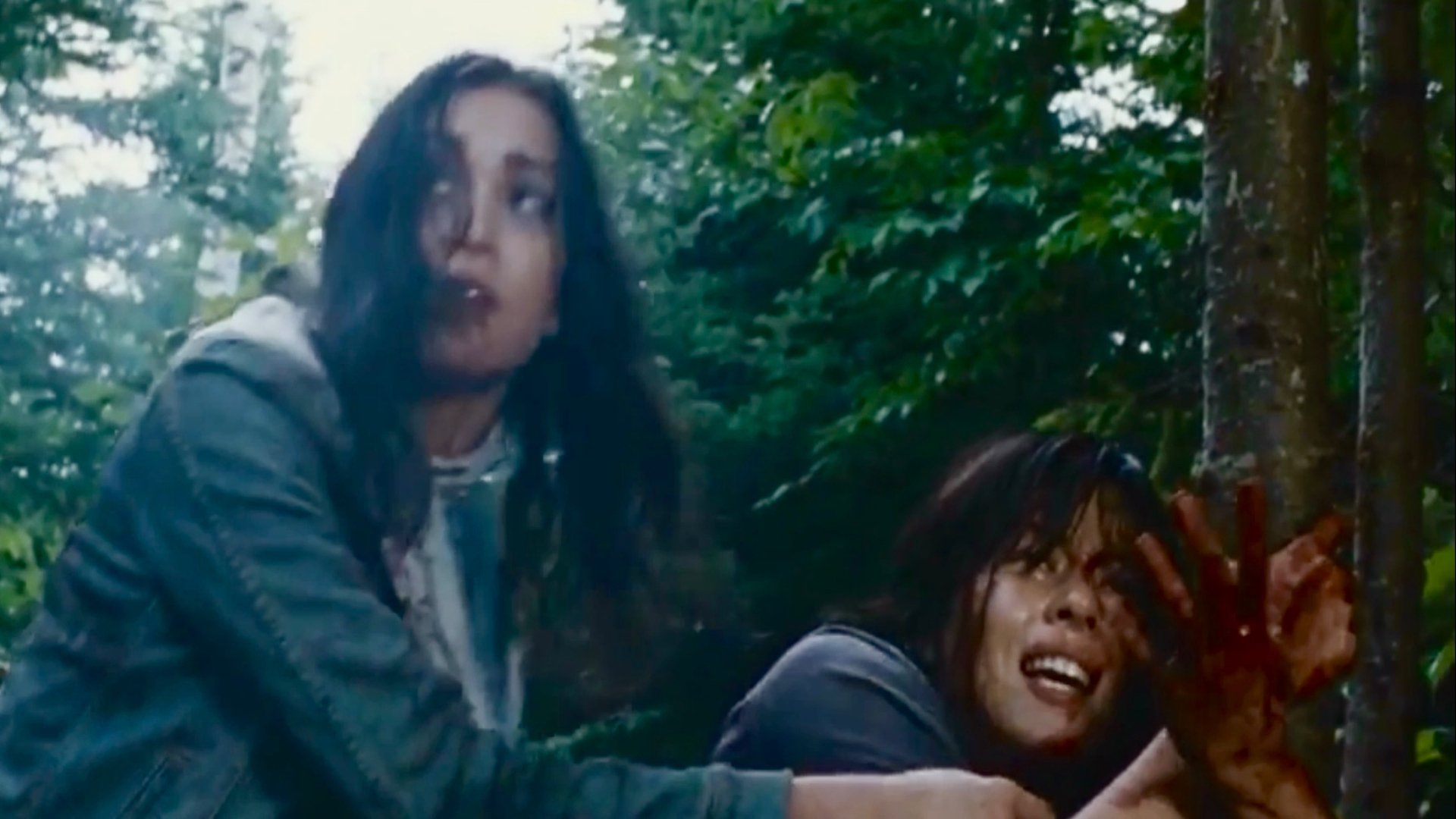
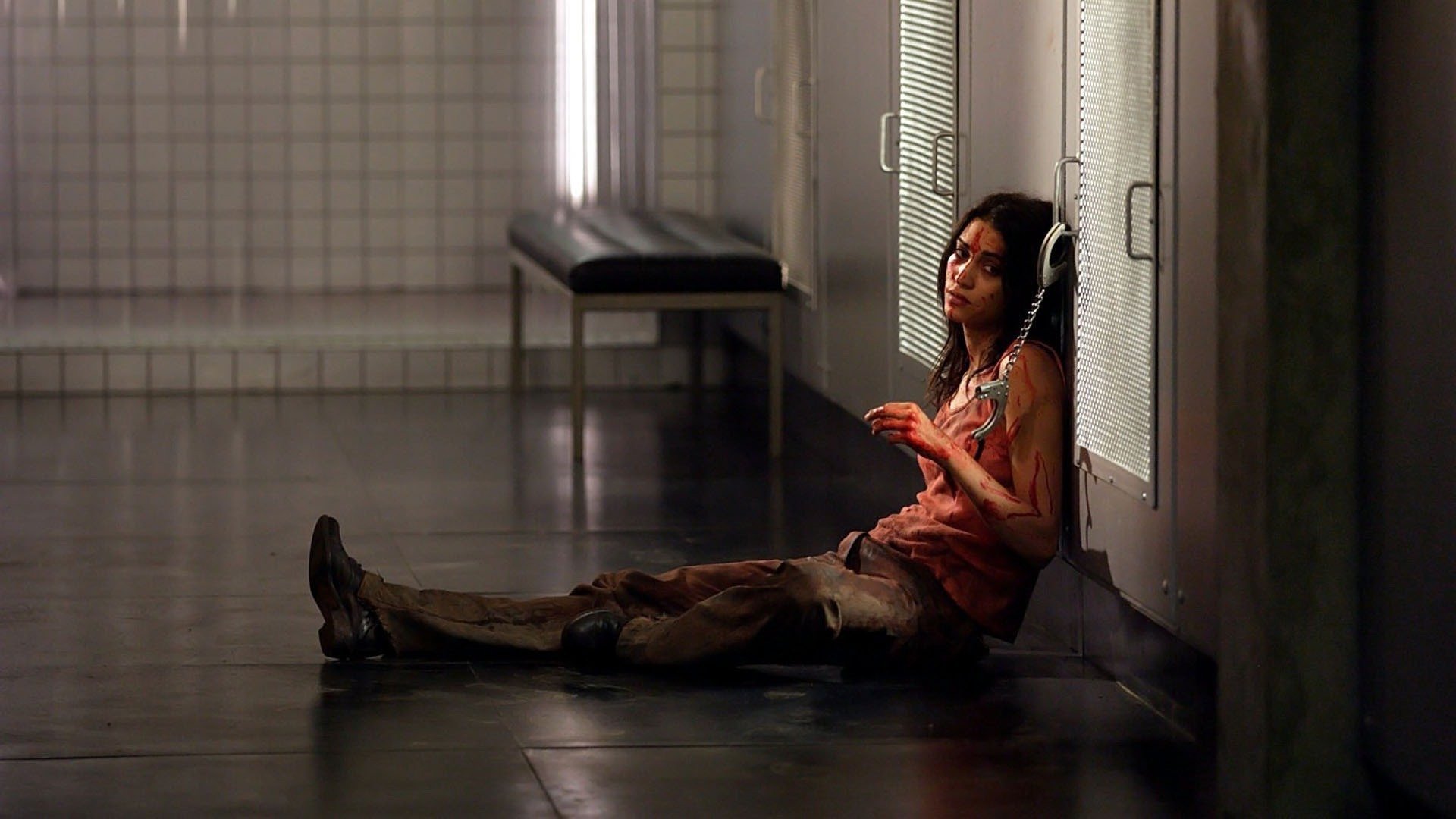
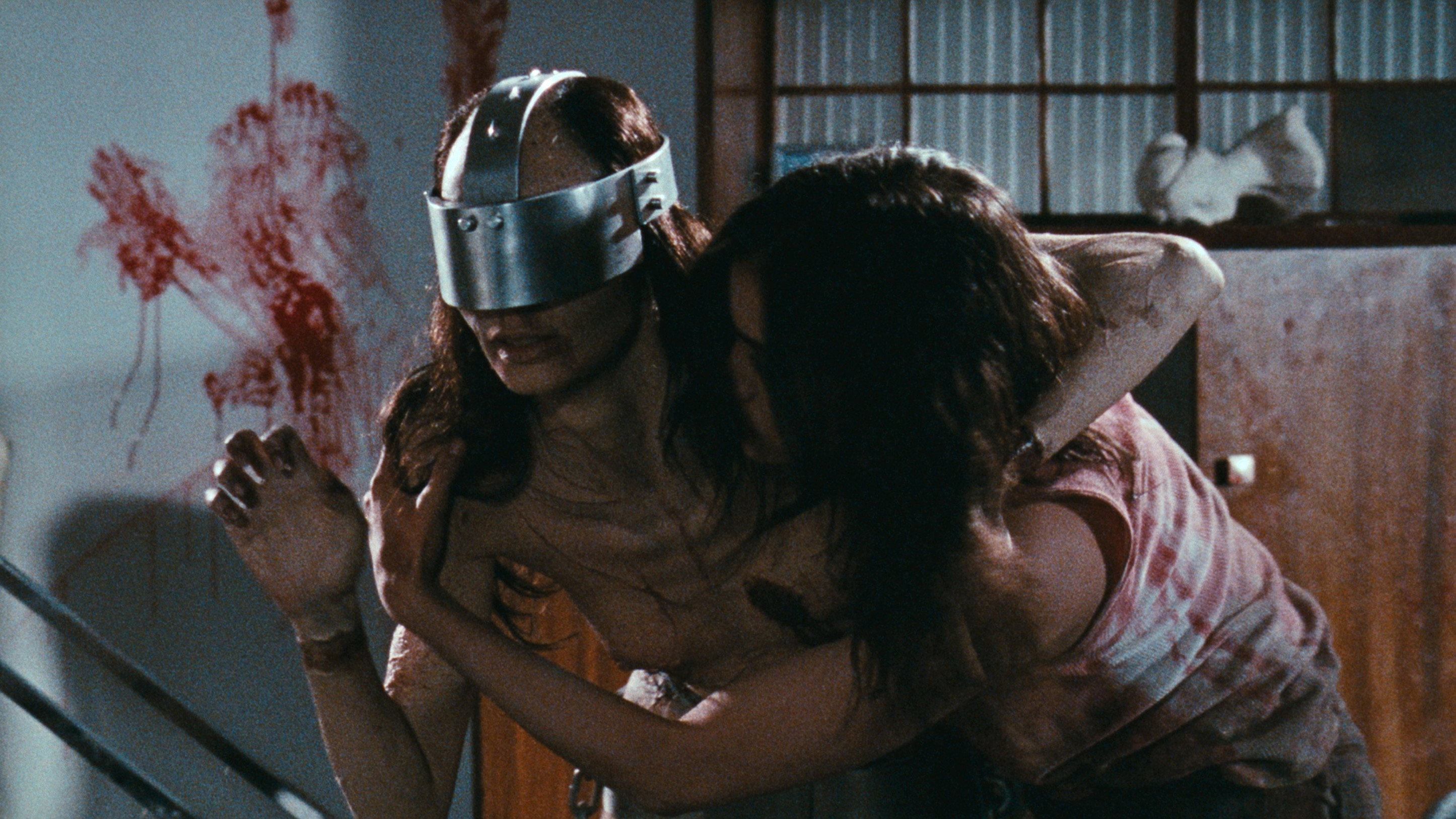
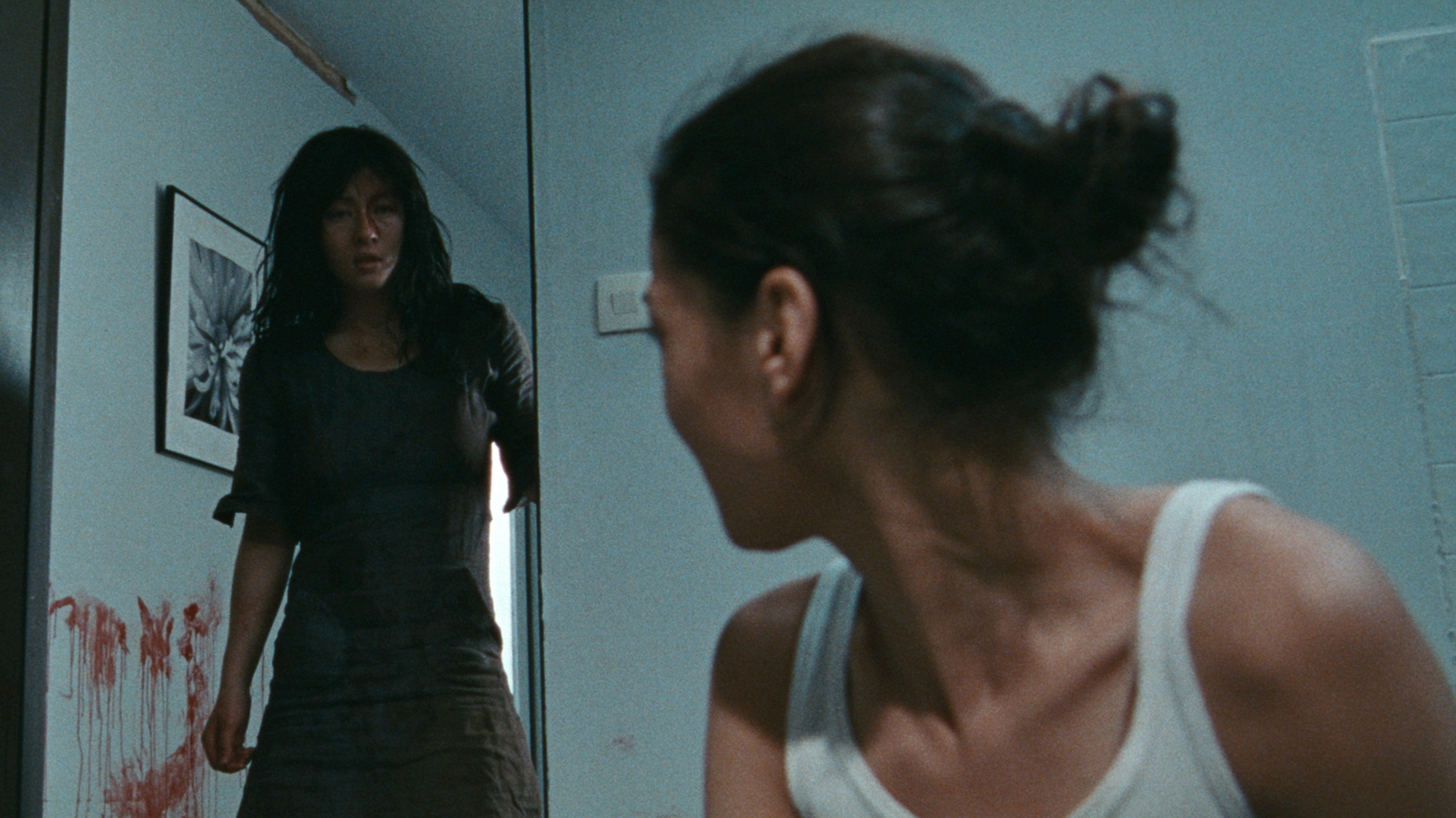
Lucie’s terrifying visions complicate the viewer’s understanding of her actions. The emaciated figure that attacks her is connected to the guilt she carries from having escaped without another captive. Its appearances externalize an injury that the adult Lucie cannot escape, even after confronting the people she blames. Anna’s attempts to distinguish an immediate physical threat from Lucie’s psychological torment place the friendship under severe strain. When Anna discovers evidence of further imprisonment beneath the family home, her loyalty is vindicated in one respect while drawing her into a danger for which neither woman was prepared.

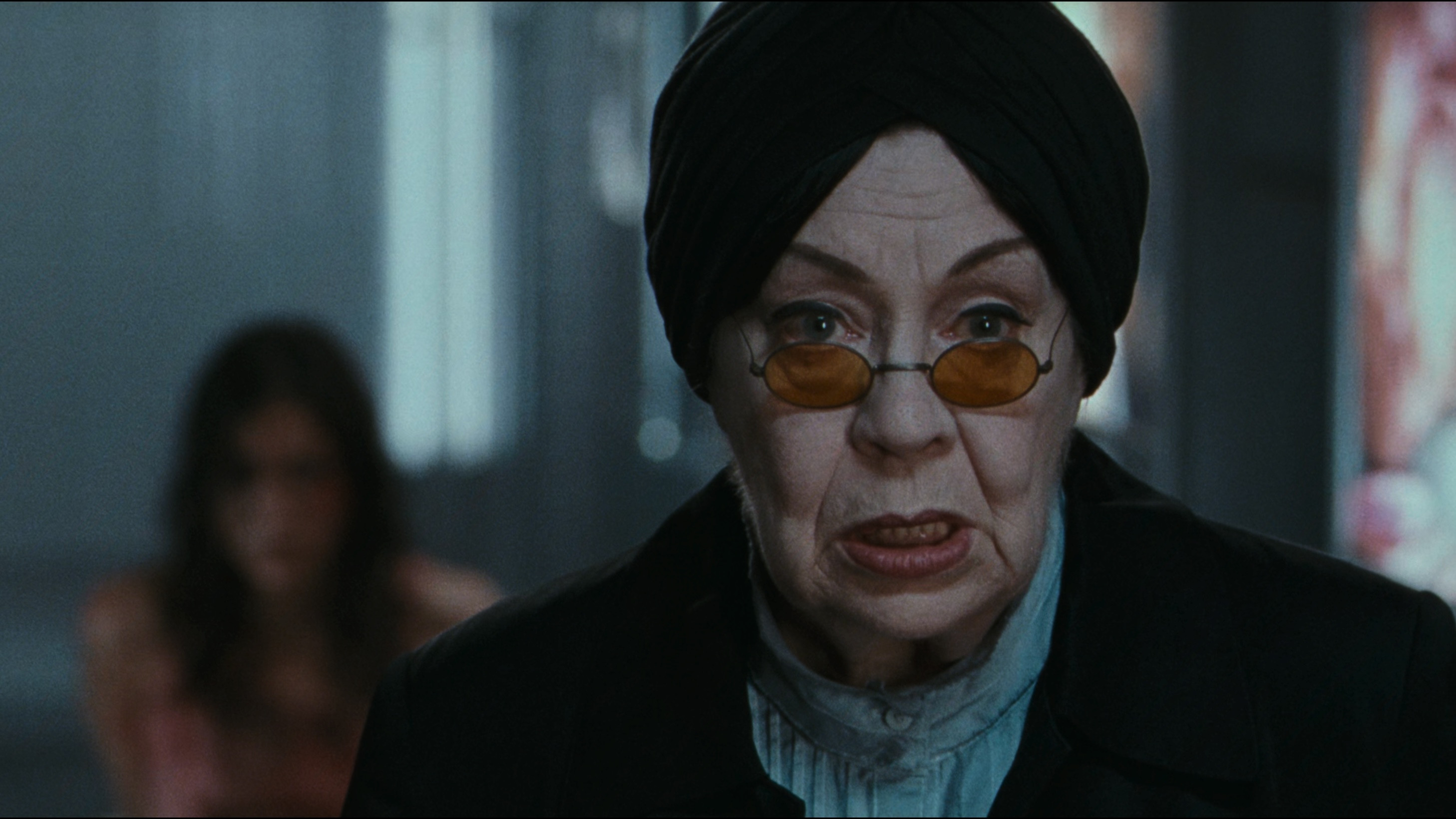
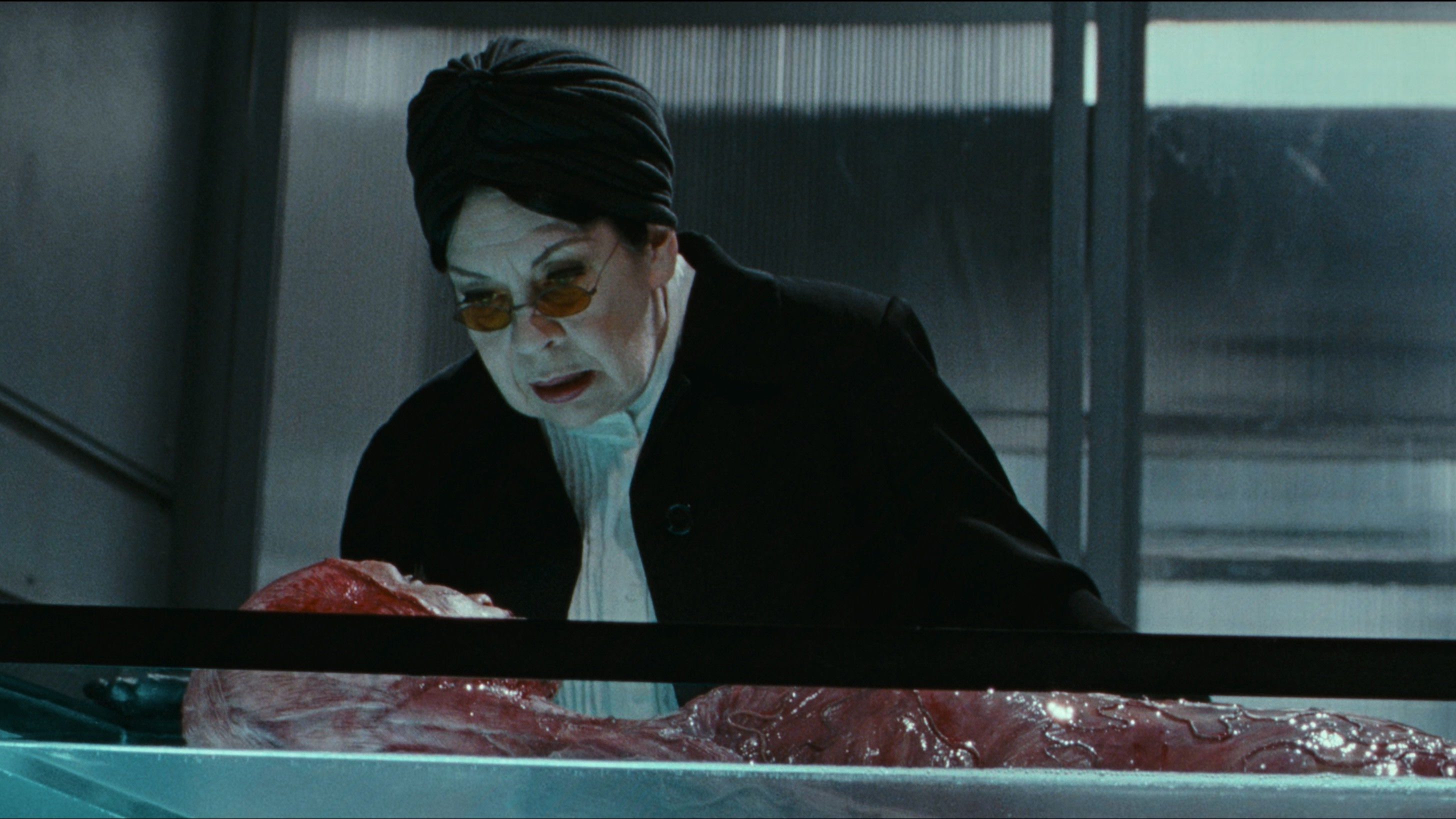
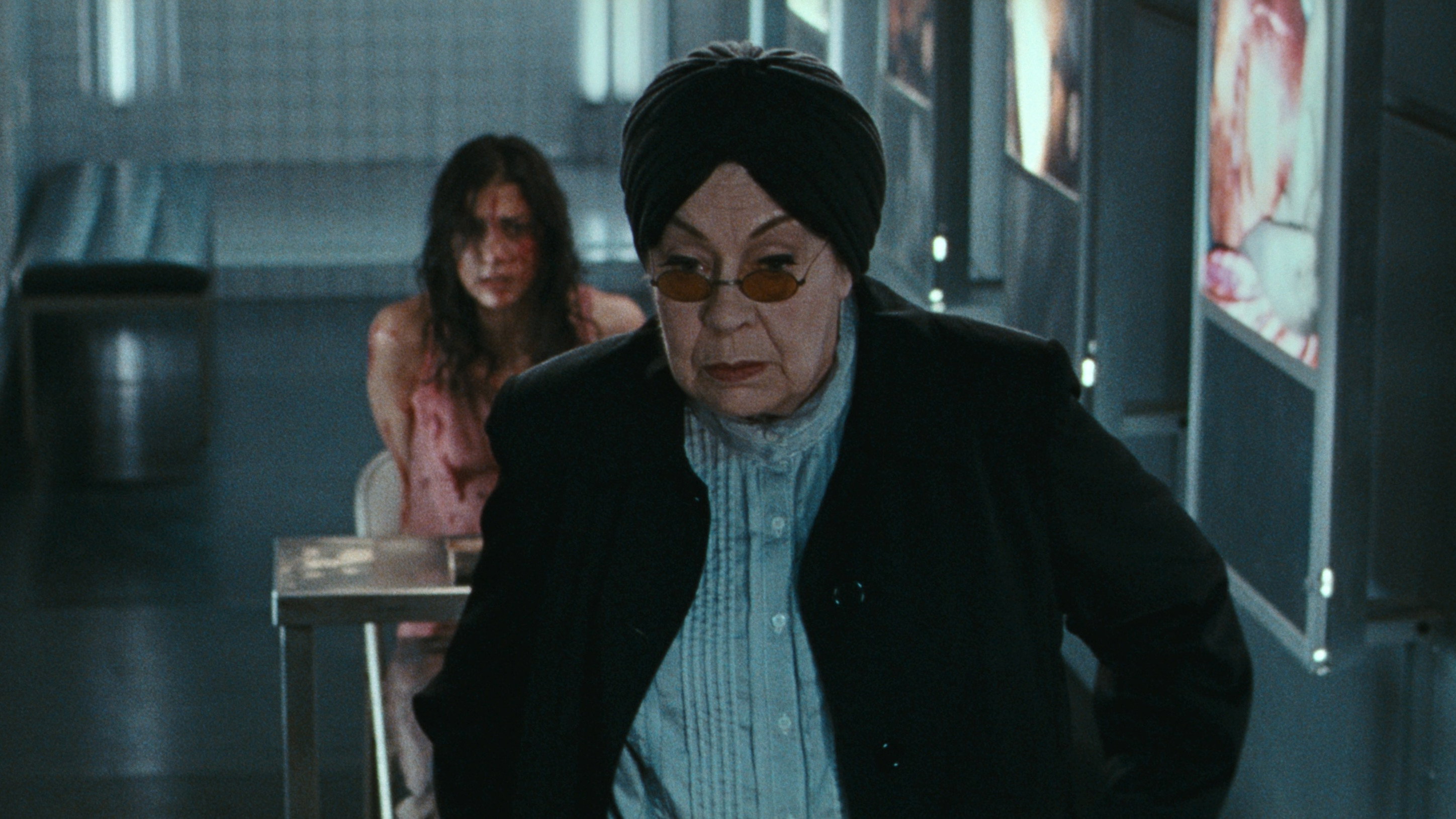
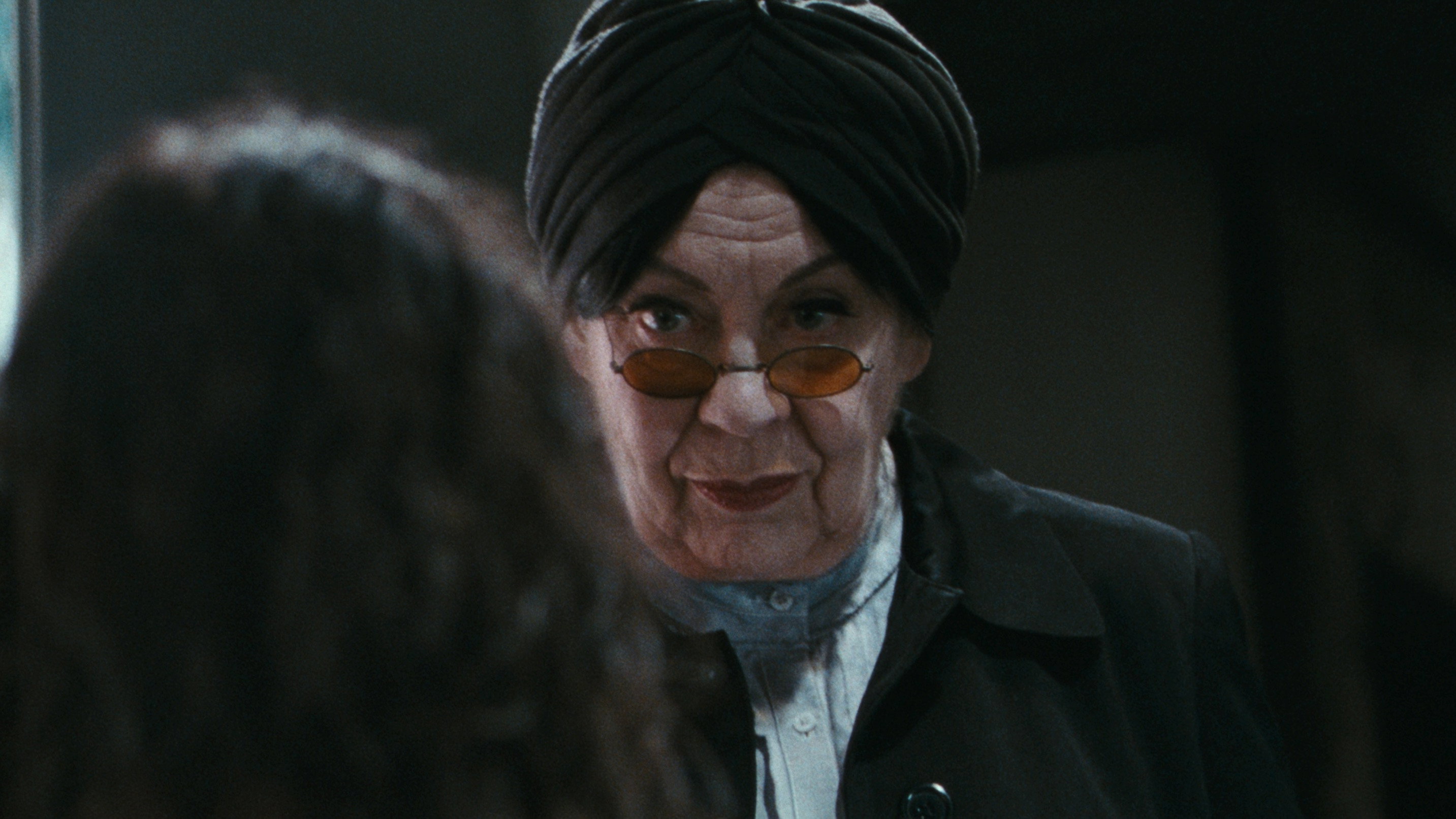
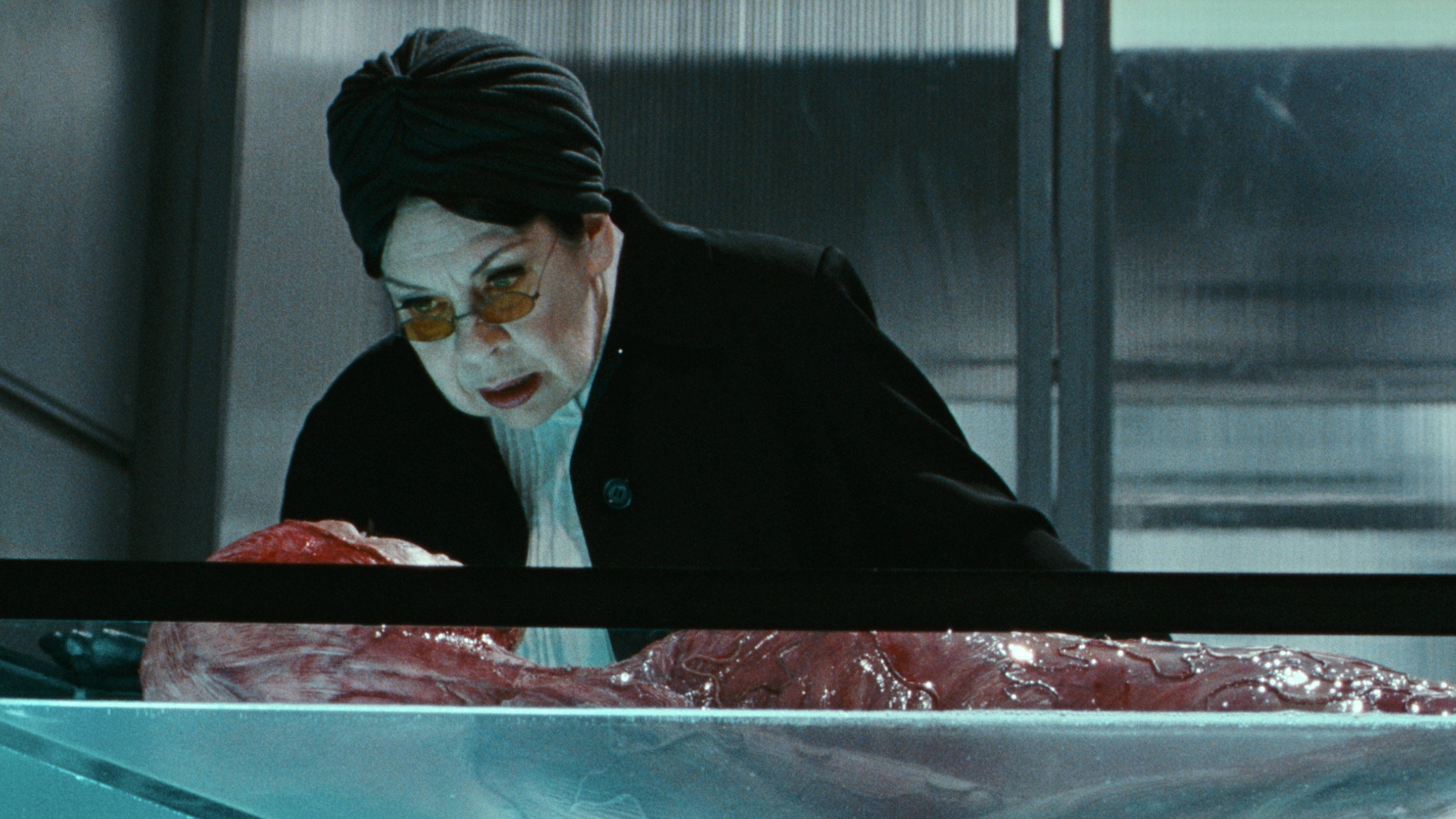
The final movement reveals a secret organization led by the elderly Mademoiselle. Its members systematically brutalize selected captives in the belief that an exceptional sufferer may enter a state of transcendence and communicate knowledge of the afterlife. The film distinguishes an ordinary victim from the organization’s desired martyr by making the latter a supposed witness. Anna’s ordeal culminates in a private disclosure whose content is withheld from the audience, followed by Mademoiselle’s death. This ending leaves open whether the organization obtained reliable knowledge, heard something unbearable, or encountered an answer that invalidated its purpose. The uncertainty belongs to the narrative itself; no single explanation is established as definitive.

Cinematography & Visual Style

Laugier described seeking a pale, clinical image rather than the ornamental darkness often associated with Gothic horror. His references to Tenebrae and Possession were particularly concerned with modern spaces, cold surfaces and an urban environment whose familiar architecture could appear hostile. Martyrs applies that approach to a middle-class house, where daylight, domestic order and carefully arranged rooms initially suggest safety. Ordinary doors, corridors and furnishings become important because they conceal a structure devoted to violence. The gradual discovery of that hidden space converts the family residence from a setting for confrontation into the entrance to a system of confinement.

The production was photographed on 35mm, with Stéphane Martin and Nathalie Moliavko-Visotzky credited for cinematography. Its different environments give the story distinct visual phases: the relatively open spaces of Lucie’s escape, the controlled interiors surrounding her revenge, and the increasingly restricted architecture beneath the house. That progression makes confinement a matter of visual organization as well as narrative circumstance. Walls and thresholds acquire a practical importance as Anna loses the ability to move freely or determine what is happening around her.

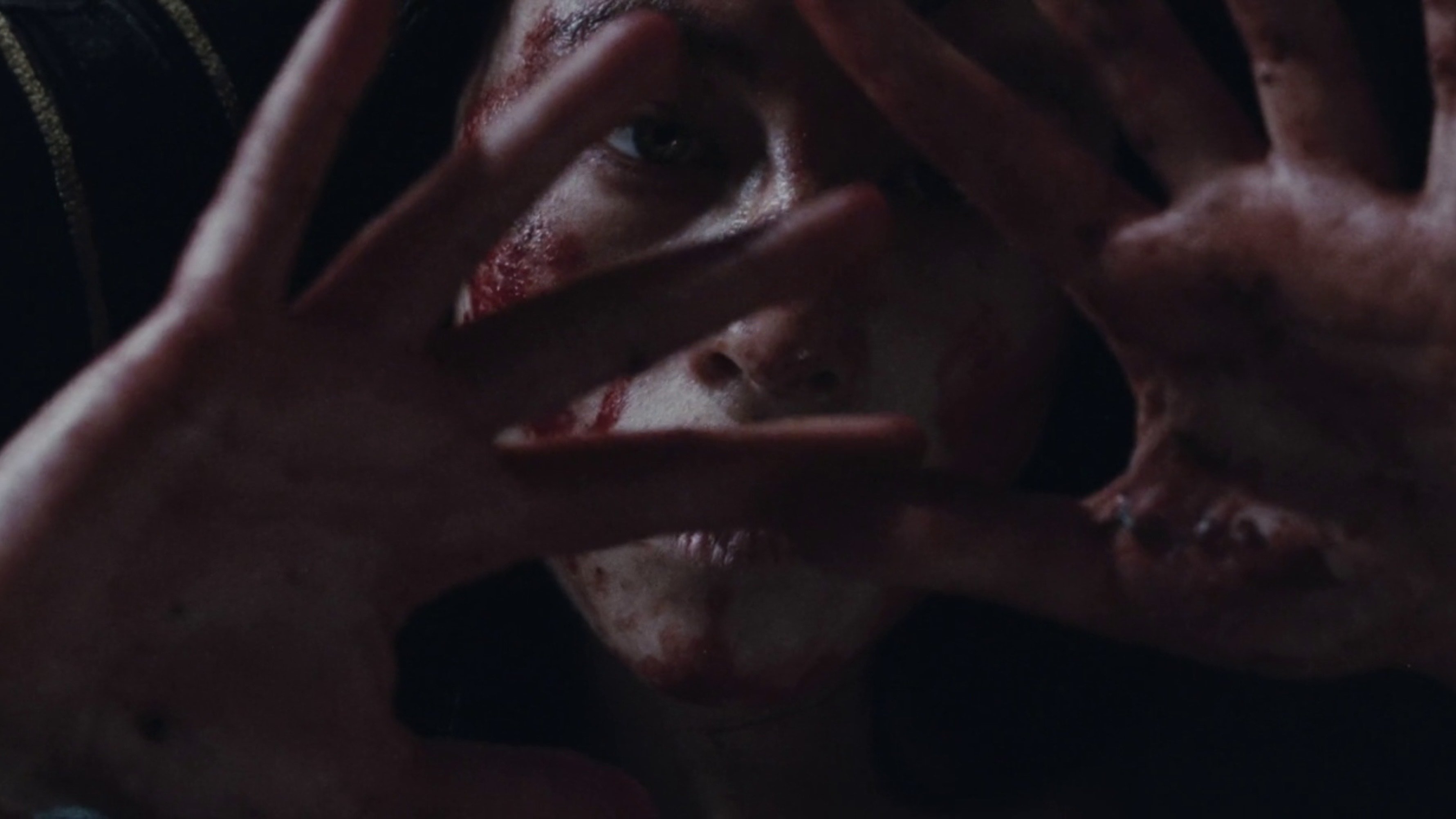
The later scenes reduce opportunities for visual distraction. The repeated presentation of the same room, the exposed body and the routine of its captors makes duration itself part of the film’s method. This restraint changes the spectator’s relationship to violent imagery. Abrupt attacks in the earlier passages produce immediate shocks; the prolonged sequences demand attention to exhaustion, waiting and the ordinary procedures by which the abuse continues. The resulting contrast is central to the film’s disturbing effect, and to the ethical objections its methods have provoked.

Performances, Makeup Effects & Physical Horror

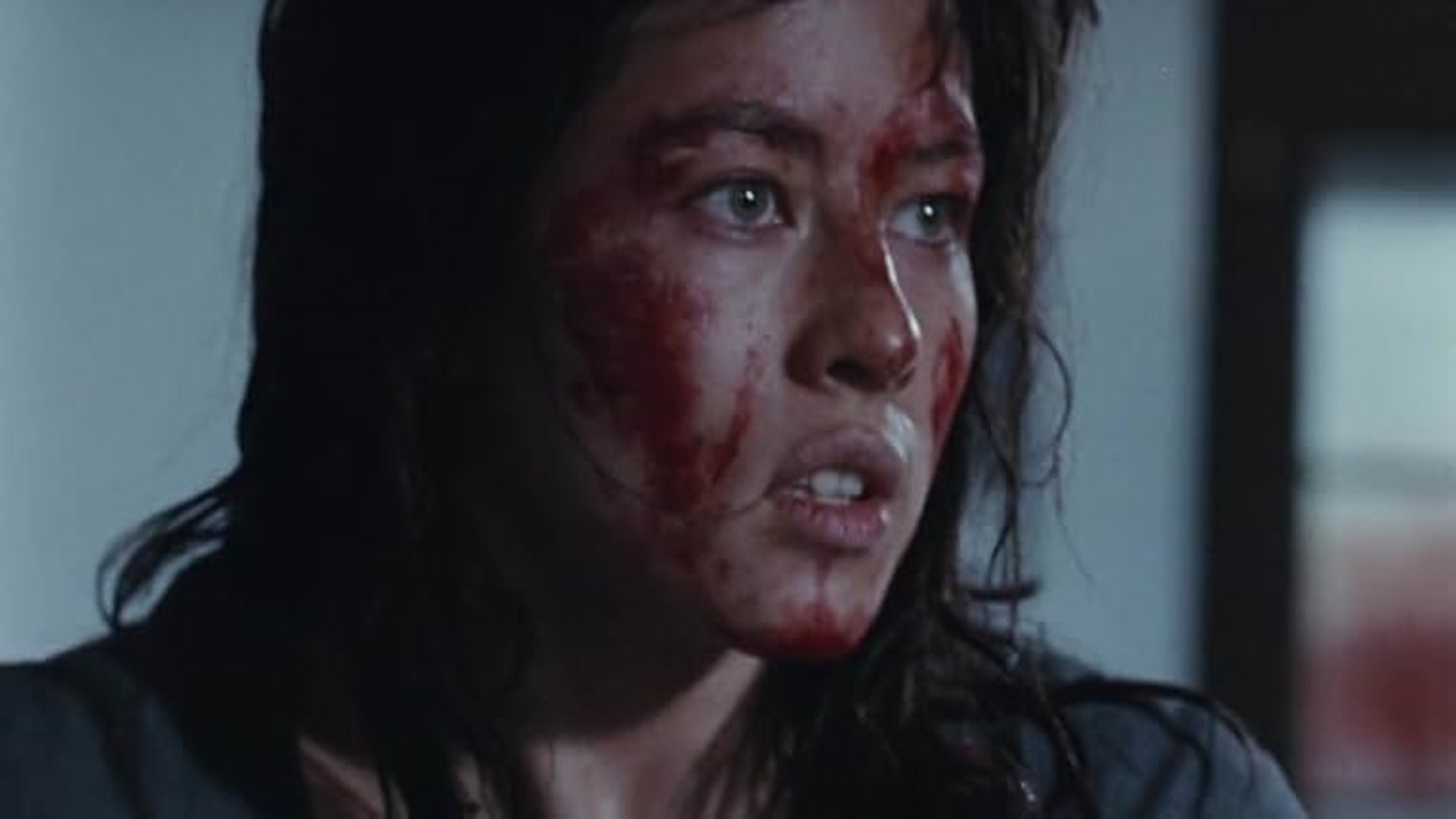
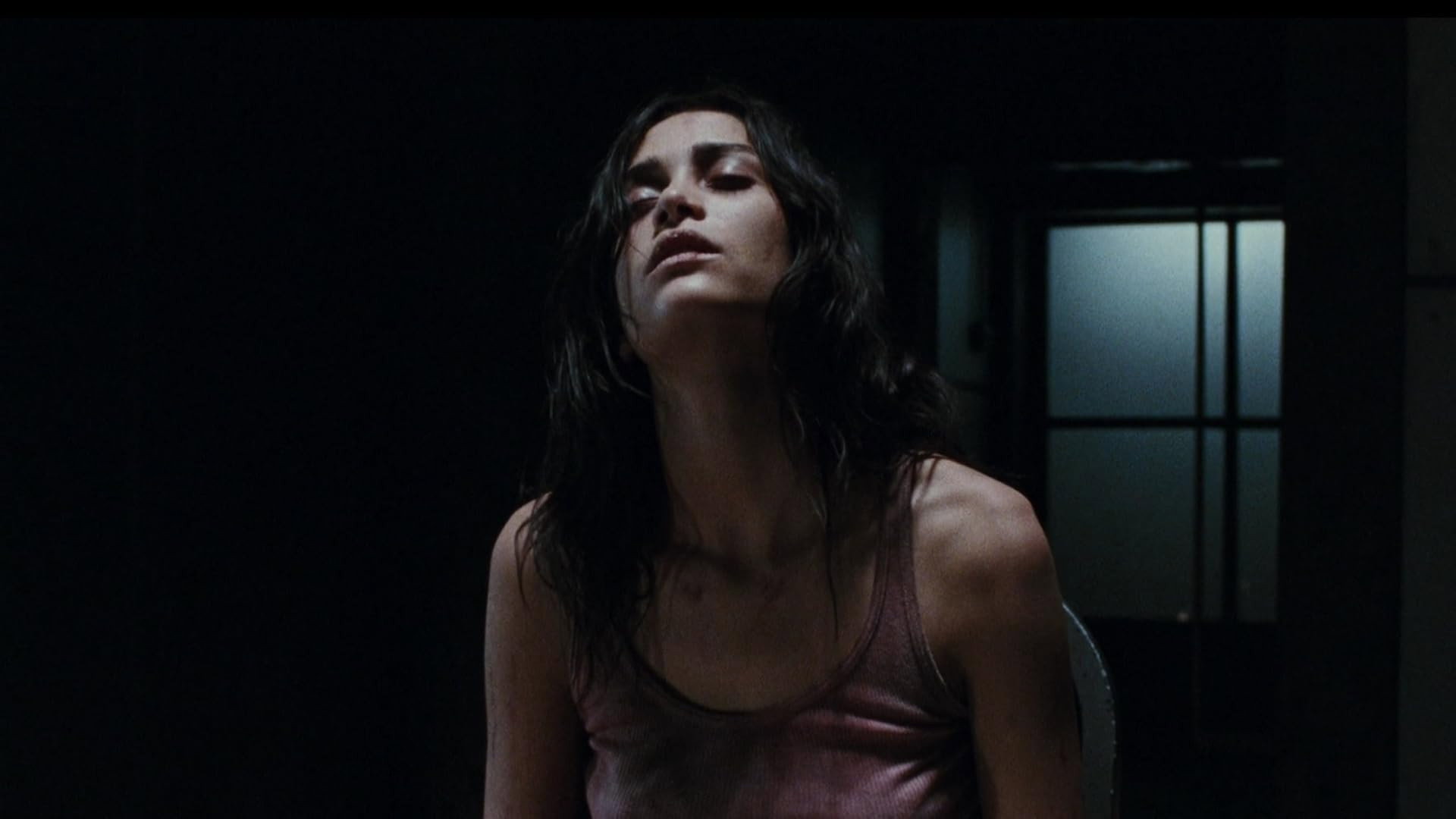
Mylène Jampanoï gives Lucie an unstable intensity shaped by fear, urgency and the conviction that her past cannot remain unpunished. Morjana Alaoui initially plays Anna as a steadier presence, willing to help even when Lucie’s account appears uncertain. Their performances establish an emotional connection before the film introduces its final, more abstract premise. The shift between their characters is therefore more than a change of protagonist: Anna’s concern for another person becomes the vulnerability through which she is drawn into the apparatus of persecution.

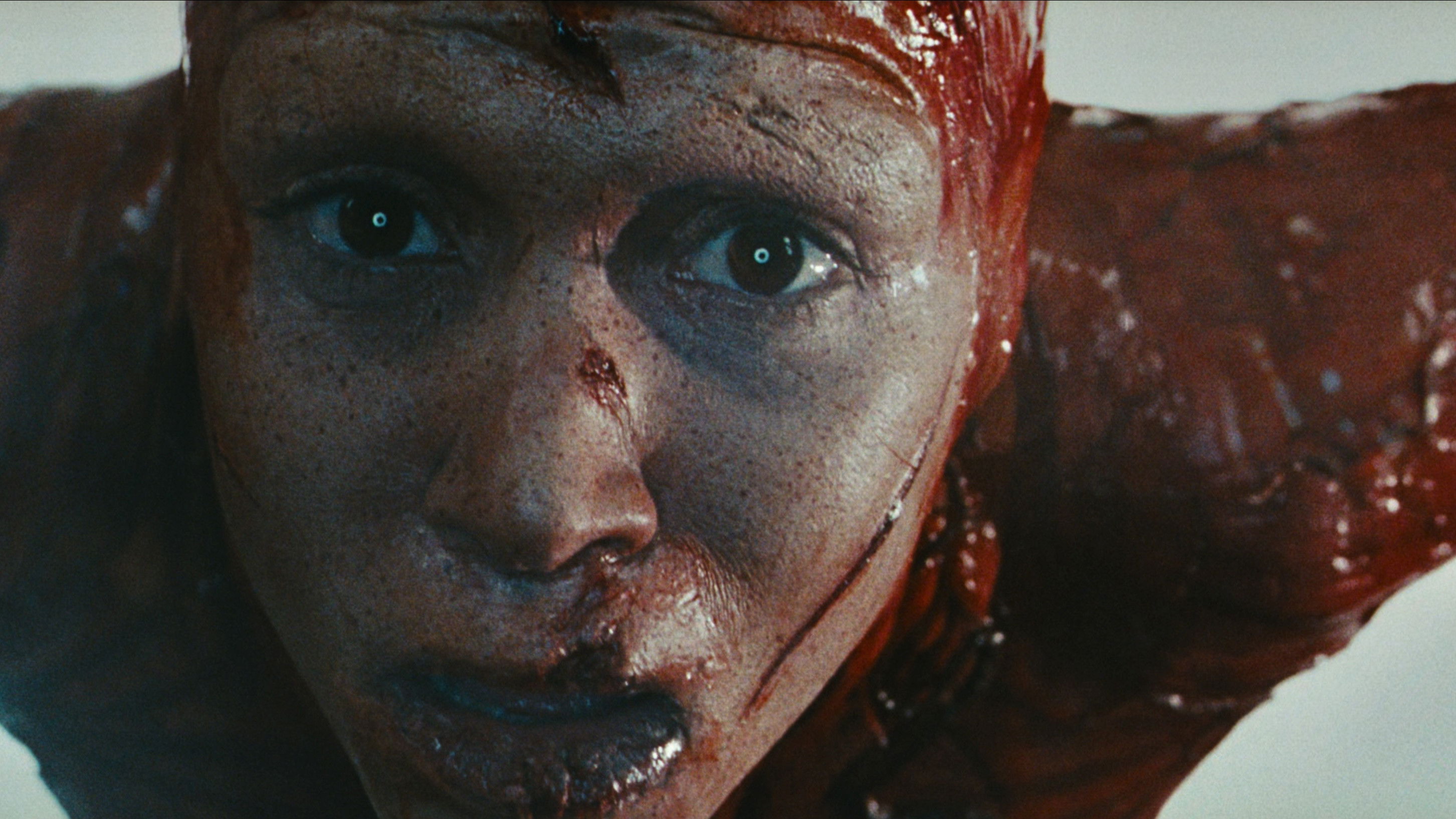
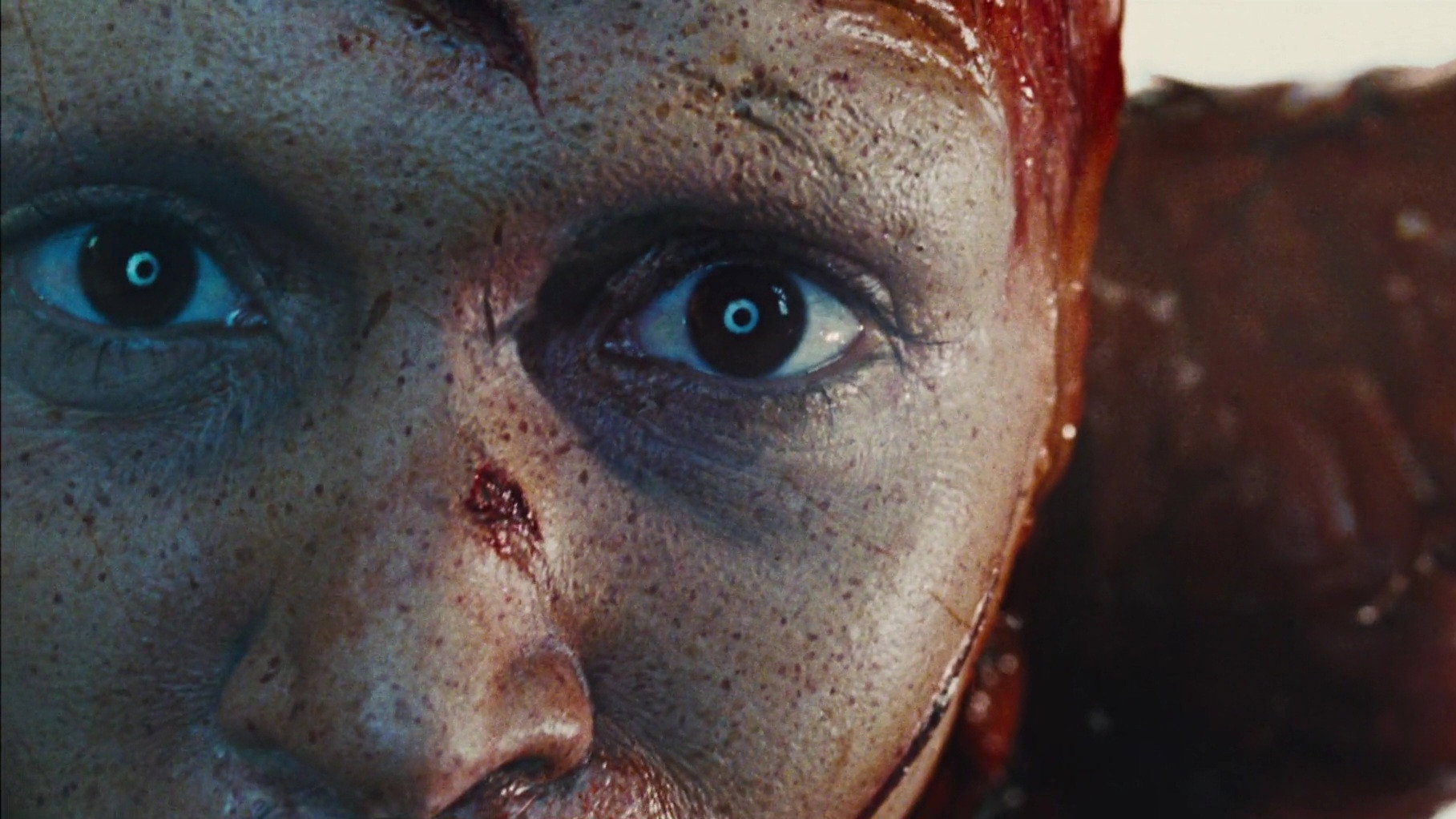
The special makeup effects were undertaken by Benoît Lestang and Adrien Morot, whose work had to accommodate both sudden injuries and the successive physical conditions of imprisoned characters. The threatening figure connected to Lucie’s memories has an emaciated, wounded appearance distinct from the later injuries inflicted on Anna. The film’s makeup does important narrative work by differentiating trauma visualized through Lucie’s experience from violence imposed on captives by identifiable human perpetrators. That distinction helps sustain the transition from apparently supernatural horror to an account of organized cruelty.

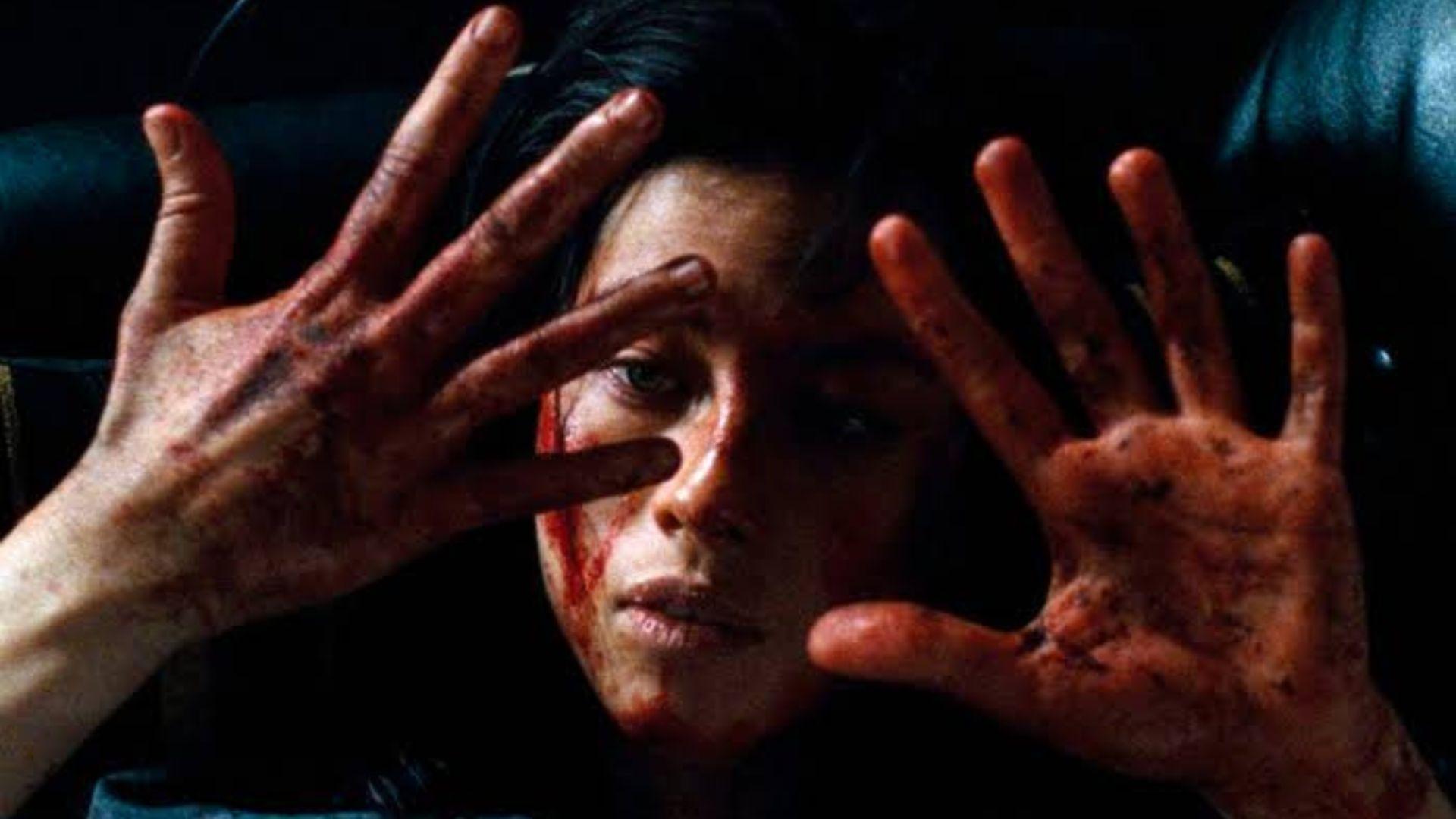
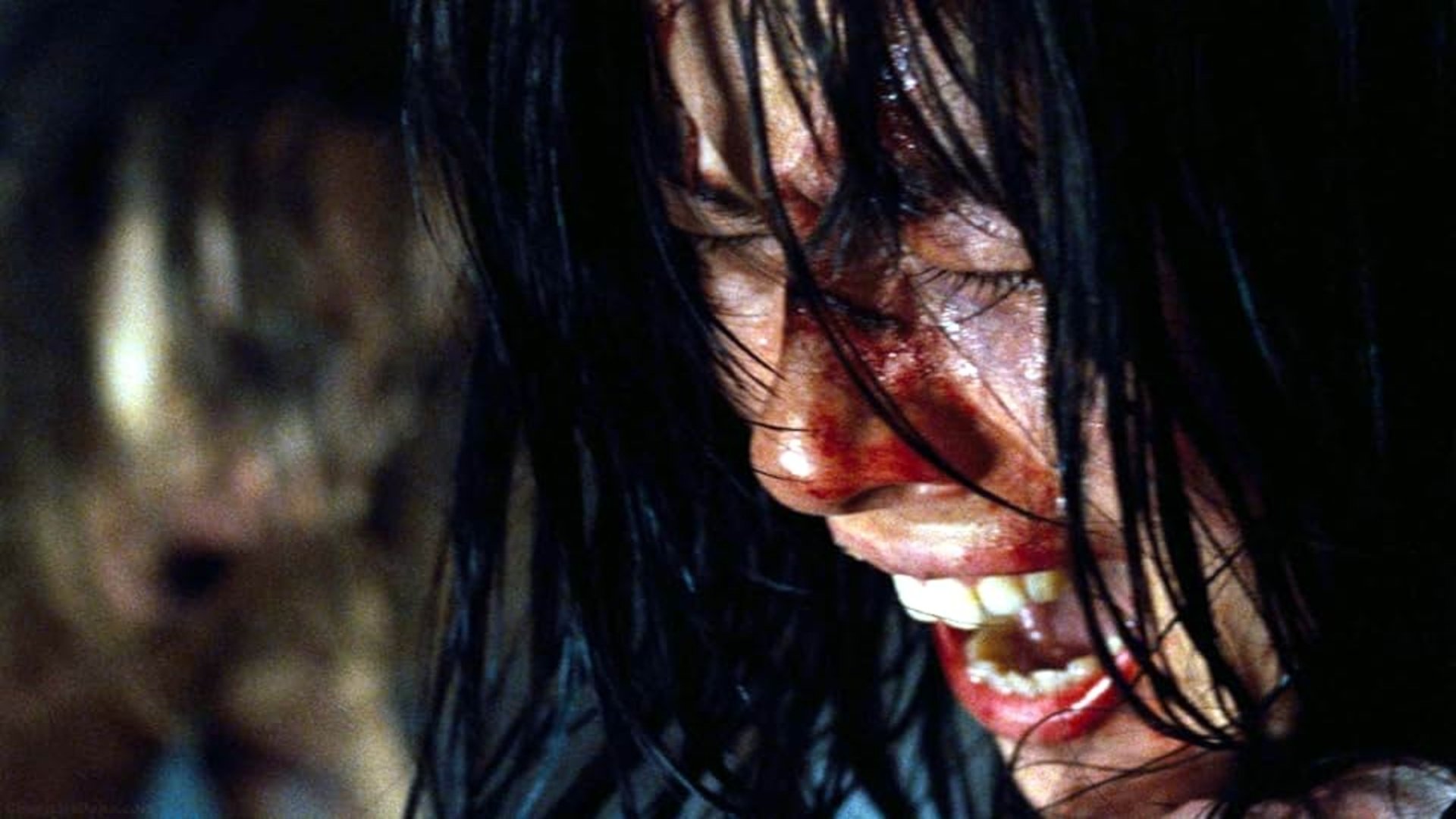
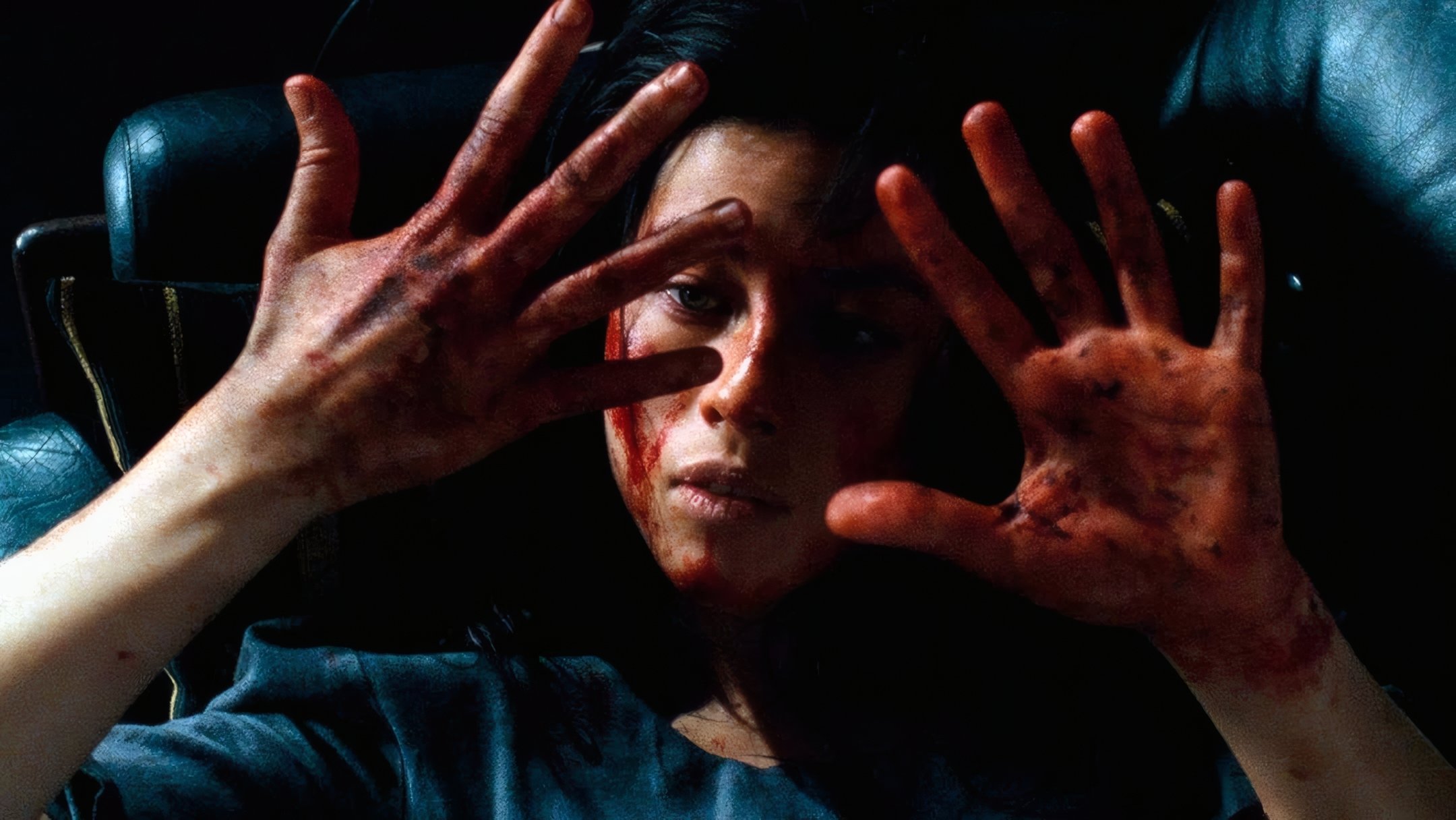
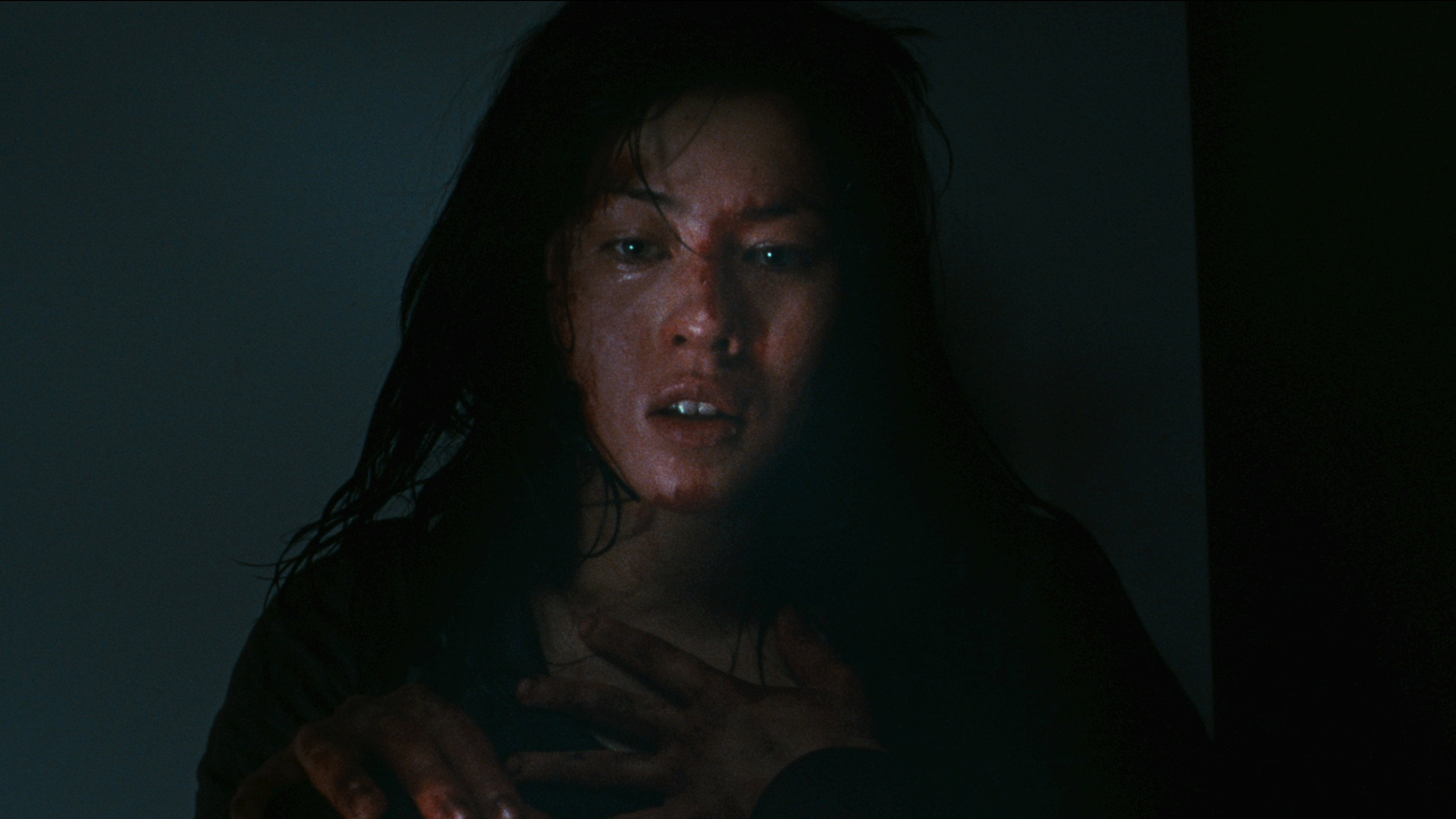
Physical deterioration in the final act is not treated as a succession of self-contained gore set pieces. The effects accumulate across repeated encounters with the same captive, so that the changing condition of her body records the passage of time and the captors’ methods. The practical makeup anchors images that would otherwise risk becoming abstract illustrations of suffering. At the same time, the length and explicitness of these sequences pose a continuing problem for interpretation: viewers have differed over whether the presentation conveys the intended ordeal or makes the ordeal itself the dominant experience of the film.
Music & Sound

The original score was written by Seppuku Paradigm, the project of Alex and Willie Cortez. Their music moves between atmospheric textures and more melodic, melancholy passages, creating a relationship to the characters that extends beyond the film’s immediate violence. In an account published by ScreenAnarchy during the original release period, the musicians explained that they entered the production late and faced unusually intense time pressure. They also described substantial discussions with Laugier about the friendship at the center of the story, its sadness and the way the music should communicate those feelings.
The composers said they consciously moved away from some of the futuristic qualities associated with their previous work, seeking a sense of nostalgia while retaining their own musical identity. That choice is particularly significant in a film whose visual world is often harsh and clinical. The score can briefly return attention to tenderness or loss without softening what is visible on screen. Elsewhere, the film depends on the abrasive presence of breathing, impact, confinement and silence. These changes in sonic emphasis accompany the narrative’s movement from sudden violence to the repetitive routine of captivity, allowing sound to register the difference between shock and endurance.

Release, Classification & Controversy

Martyrs attracted attention during the 2008 Cannes film-market period, where its violent material contributed to sharply divided reactions. Its French theatrical release took place on 3 September 2008 through Wild Bunch Distribution. The French classification process became a major part of its public history. An initial proposal to restrict admission to adults prompted objections from filmmakers and industry representatives concerned about the effect on exhibition. The eventual classification was a prohibition for viewers under sixteen, accompanied by a formal warning concerning the exceptionally distressing treatment of a young woman.

The official record of the Centre national du cinéma et de l’image animée identifies classification visa 117112, dated 21 July 2008. Its published reasoning acknowledges the extreme violence of the second half while situating the film within a tradition of genre cinema for which the commission considered a sixteen-plus restriction, with warning, appropriate. This record is important because the controversy is sometimes summarized as though the preliminary adult-only classification had remained in force. The documented certificate for the French theatrical release was the revised decision, rather than an unqualified eighteen-plus ban.

The film also travelled through international festivals and specialist theatrical circuits before reaching wider home-video audiences. Its North American exposure included the Midnight Madness programme at the 2008 Toronto International Film Festival, while British distribution involved an eighteen certificate and a limited cinema engagement in March 2009. Different territories therefore encountered the film through different exhibition arrangements, classification standards and release schedules. Those distinctions matter when assessing its public reception: the notoriety generated by festival and censorship coverage was not the same thing as broad commercial distribution, and the available evidence does not establish a comprehensive worldwide box-office total.

Reception & Place in New French Extremity

Contemporary responses were divided over the relationship between the film’s severity and its philosophical ambitions. In Sight & Sound in May 2009, Stephen Thrower discussed Martyrs as a work joining physical horror to psychological anguish and religious obsession; his review, later reproduced in BFI Southbank programme notes, recognized a formal ambition beyond the conventional captivity thriller. Other British reviewers were considerably less receptive. Xan Brooks, writing in The Guardian during its 2009 UK release, treated the violence and the presentation of female suffering as evidence of an exploitative approach. The disagreement concerned the film’s methods as much as its capacity to shock.

Martyrs is frequently discussed alongside High Tension (2003), Inside (2007) and Frontier(s) (2007) in accounts of the New French Extremity. That label is useful for placing it in a period of French-language horror marked by confrontational bodily violence, but the works grouped under it differ in their visual traditions, political concerns and methods of storytelling. Laugier himself has emphasized his debt to earlier European filmmakers and the wish to use horror for personal expression. His interest in suffering, guilt and transcendence makes Martyrs a particularly difficult case for categories that emphasize violent spectacle alone.

The film’s subsequent critical life has preserved that disagreement rather than resolving it. BFI programming and retrospective writing have treated it as a significant work of the cycle, while its final revelation continues to invite competing readings about belief, knowledge and the authority claimed by its persecutors. An American remake appeared in 2015, extending the original story’s visibility but constituting a separate production with its own artistic choices. The historical importance of Laugier’s version rests in its distinctive combination of disrupted narrative expectations, sustained physical horror and an ending that denies the viewer access to the knowledge for which its characters have suffered.

References

  1. British Film Institute Martyrs — BFI Southbank Programme Notes

    BFI retrospective material incorporating Stephen Thrower’s 2009 Sight & Sound assessment, historical context for New French Extremity and detailed production credits.

  2. Culturopoing Entretien avec Pascal Laugier, réalisateur de Martyrs

    Original August 2008 interview in which Laugier describes his writing circumstances, artistic influences, visual approach and response to the classification controversy.

  3. ScreenAnarchy Seppuku Paradigm on Creating the MARTYRS Soundtrack

    First-person production account from the film’s composers discussing the late commission, working conditions, musical approach and conversations with the director.

  4. Centre national du cinéma et de l’image animée Martyrs — Visa et classification no. 117112

    Official French classification decision documenting the July 2008 visa, sixteen-plus restriction, warning text and September theatrical release.

  5. Eye for Film This is hardcore... — Interview with Pascal Laugier

    Contemporaneous interview concerning the three-act construction, the meaning of suffering, difficulties with French classification and the film’s UK release.

Cast

View Full Cast & Crew →

Release & Distribution

Production Companies (3)

  • Eskwad FR
  • TCB Films CA
  • Wild Bunch DE

Distributors (1)

  • Wild Bunch DE

Release History (19)

Release DateTerritoryRelease TypeFormatDistributorCertificationNotes
2008-05-16 France Premiere — — — Cannes Film Festival
2008-06-12 Italy Theatrical — — 18+
2008-06-12 Sweden Physical — — 15
2008-08-19 Germany Premiere — — 18 Fantasy Filmfest
2008-08-24 United Kingdom Premiere — — 18 Frightfest
2008-09-03 France Theatrical — — 16 Visa CNC 117112
2008-09-10 Canada Premiere — — — Toronto International Film Festival
2008-09-25 United States Premiere — — R Austin Fantastic Fest
2008-10-07 Spain Premiere — — 18 Sitges Film Festival
2008-10-25 Ireland Theatrical — — 18 Horrorthon Festival Dublin
2008-10-29 Switzerland Digital — — 18
2008-12-11 Netherlands Theatrical — — 16
2009-03-13 Japan Digital — — R15+
2009-04-02 Netherlands Physical DVD — 16 DVD
2009-04-28 Australia Physical — — R 18+
2009-04-28 United States Physical DVD — R DVD
2009-08-06 South Korea Theatrical — — 19
2011-09-30 Germany Physical — — 18
2026-08-14 Japan Theatrical — — R18+
They haven't finished being alive.