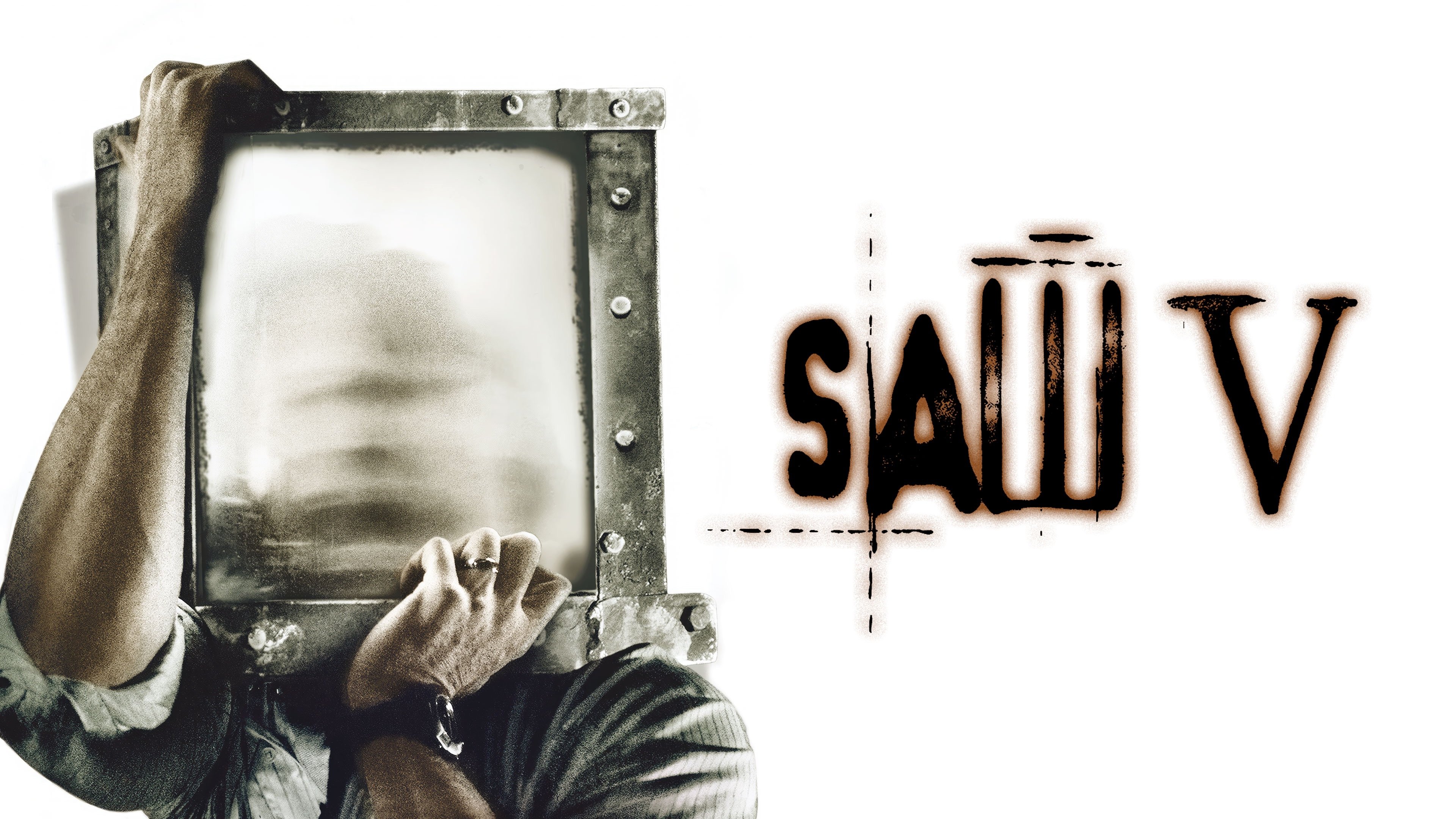
Saw V (2008)

US
HORROR FILM Thriller Crime
4.3/10 3 votes
Runtime
95 min
Release
October 23, 2008
Budget
$10,800,000
Revenue
$118,209,778
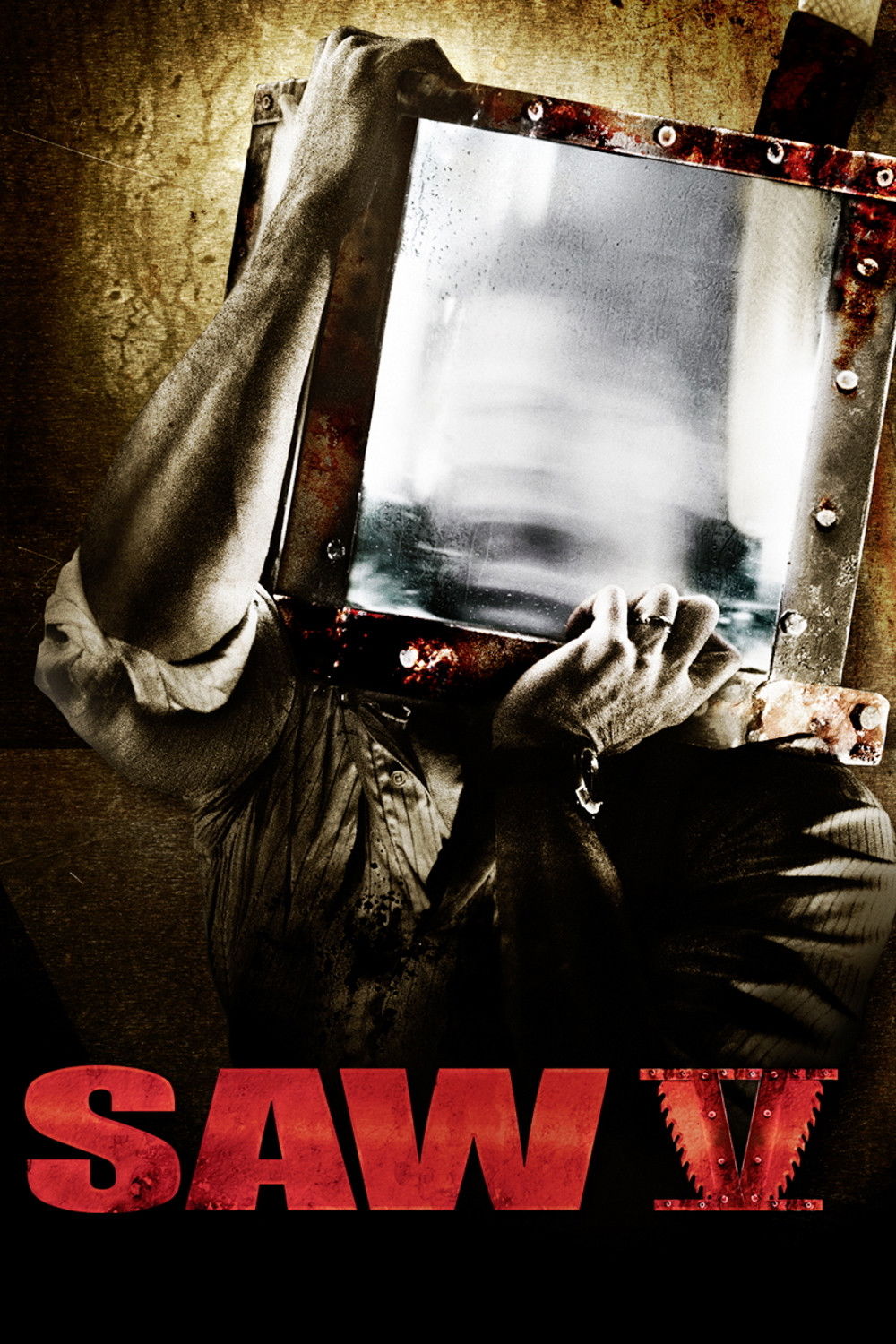
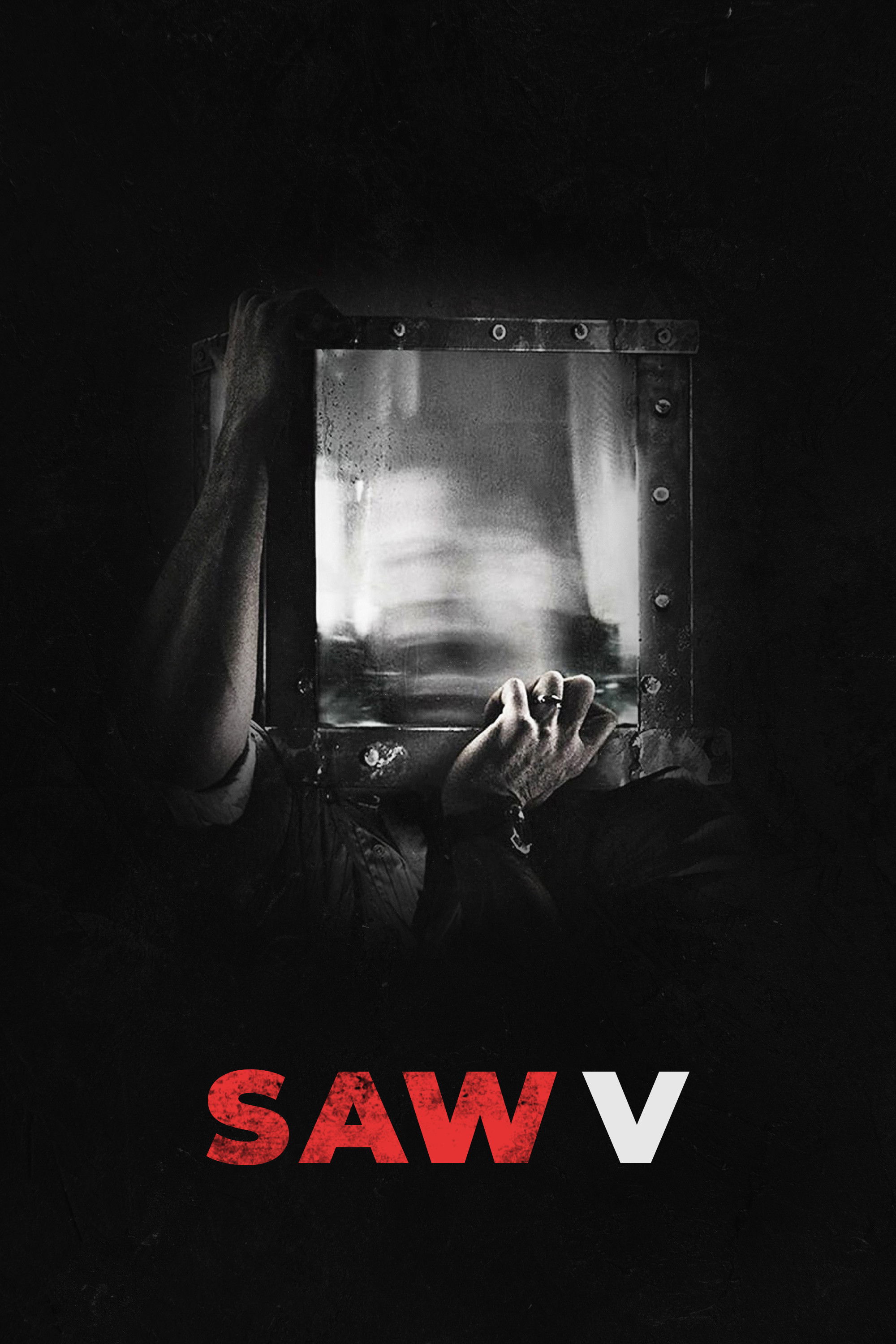
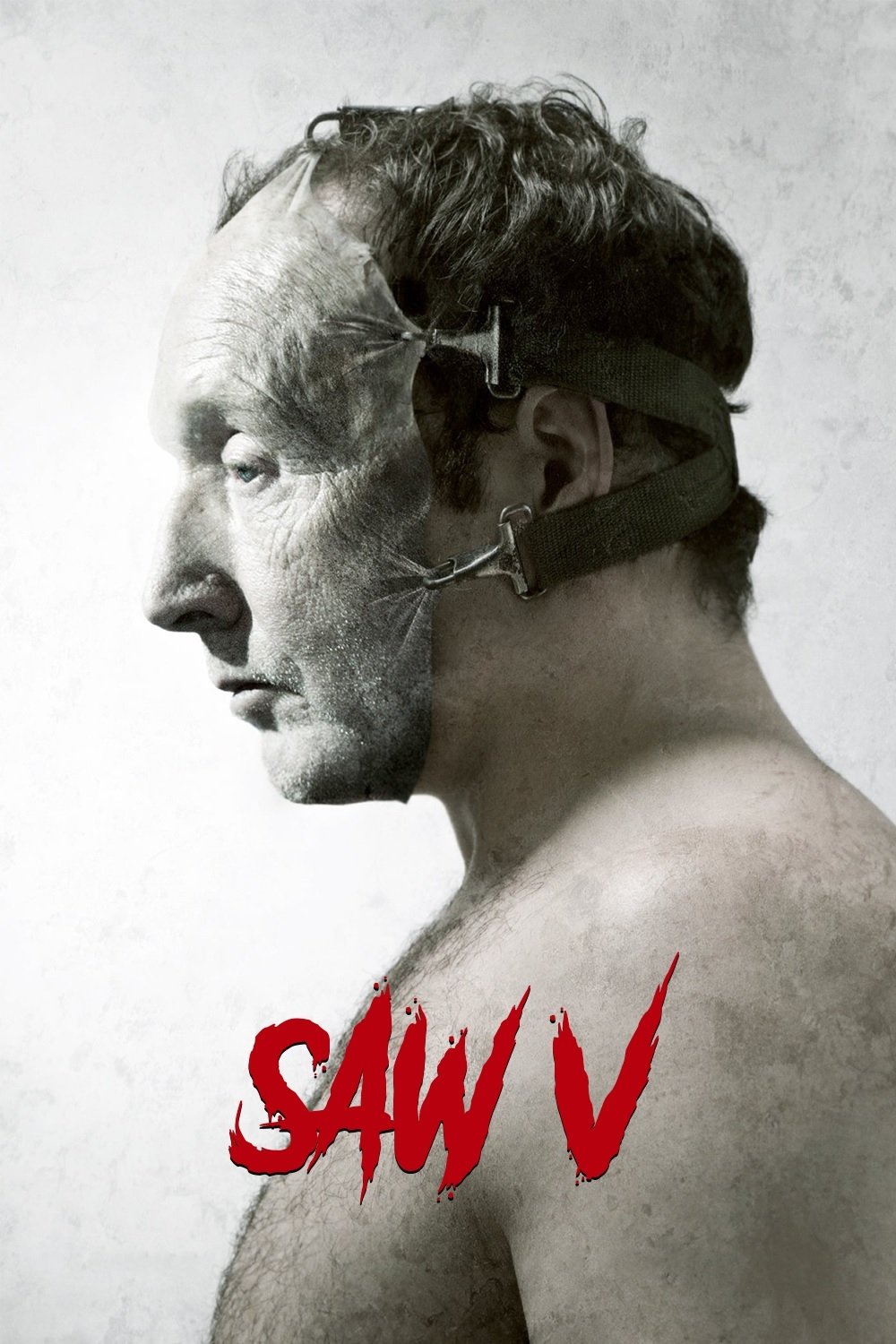
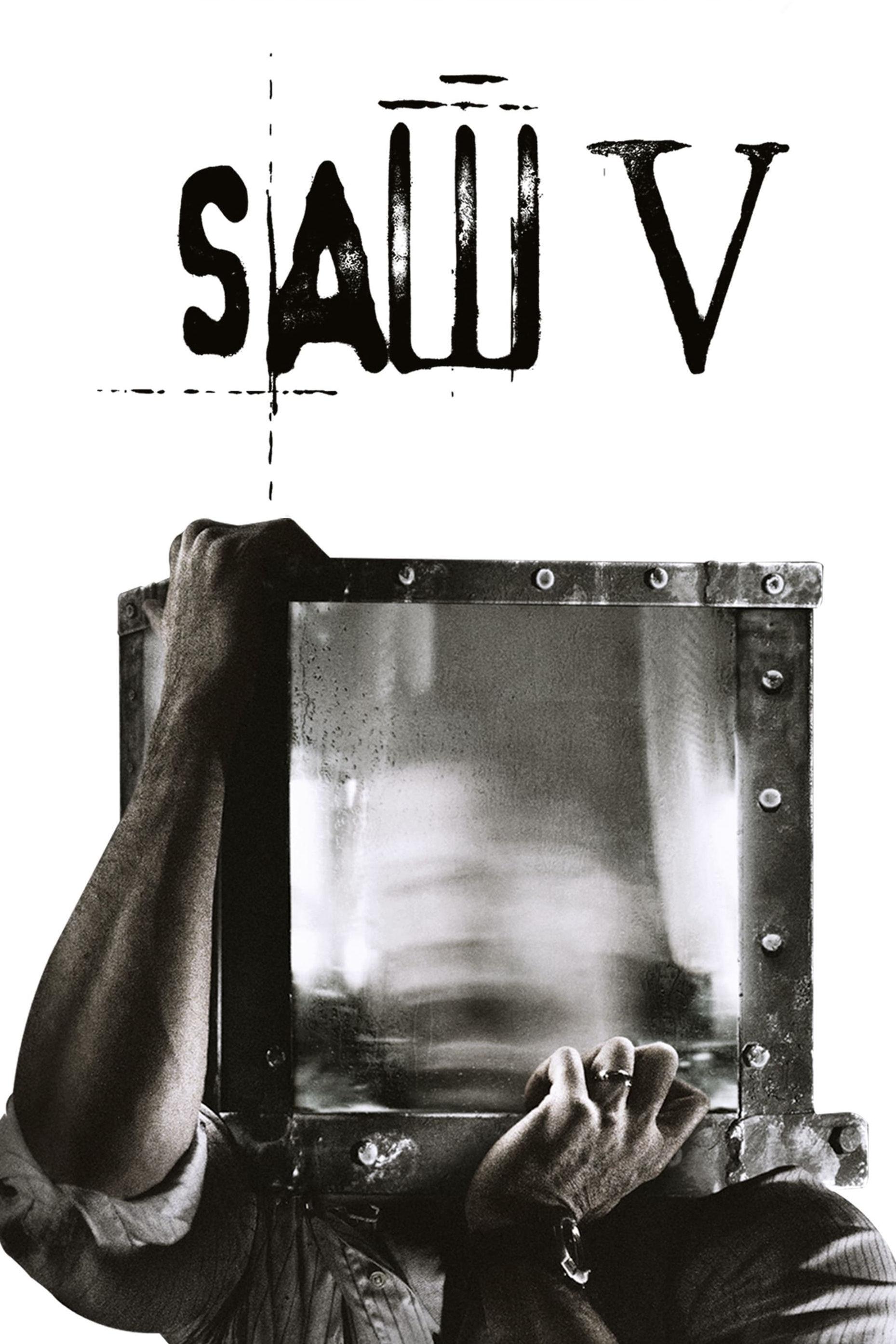
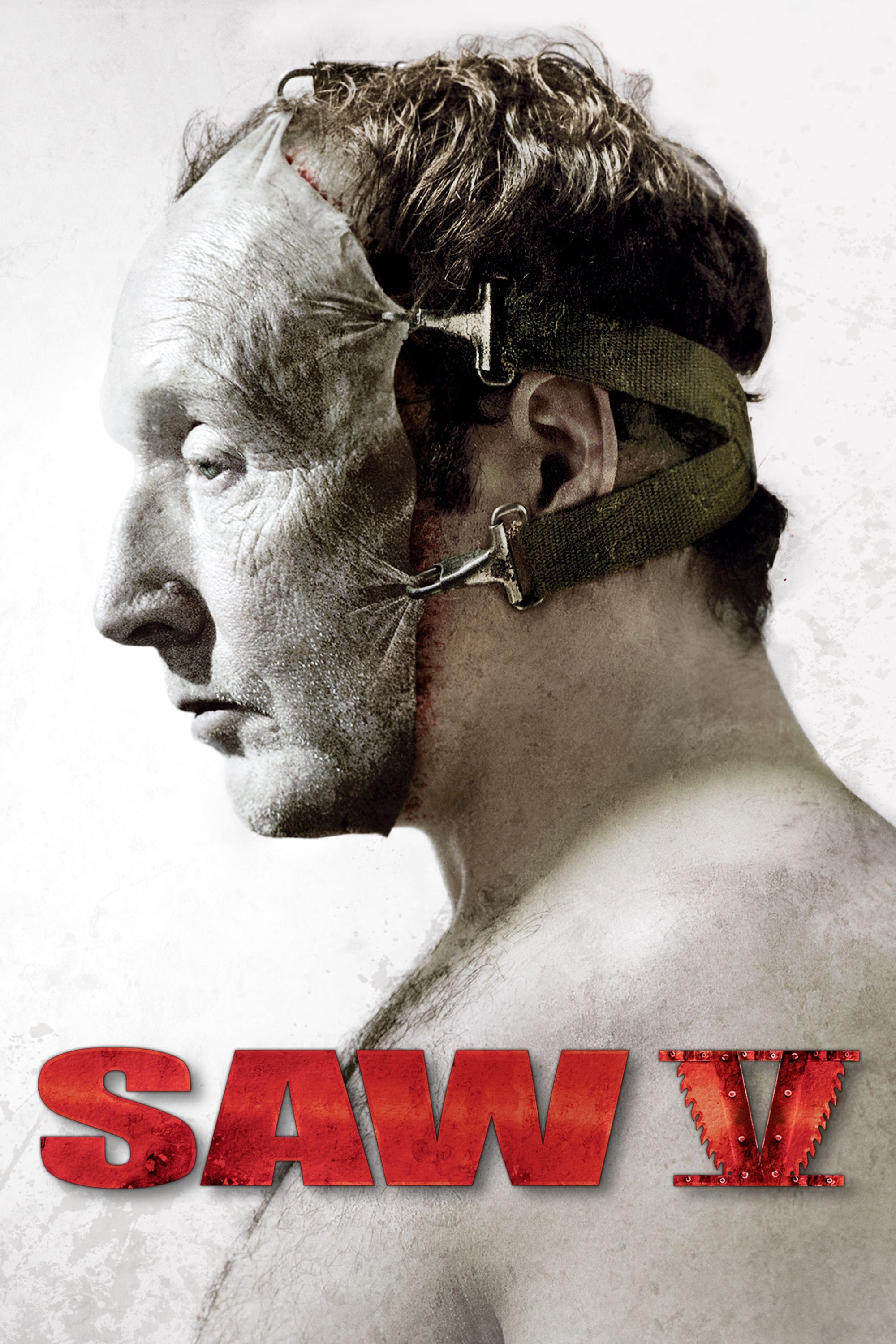
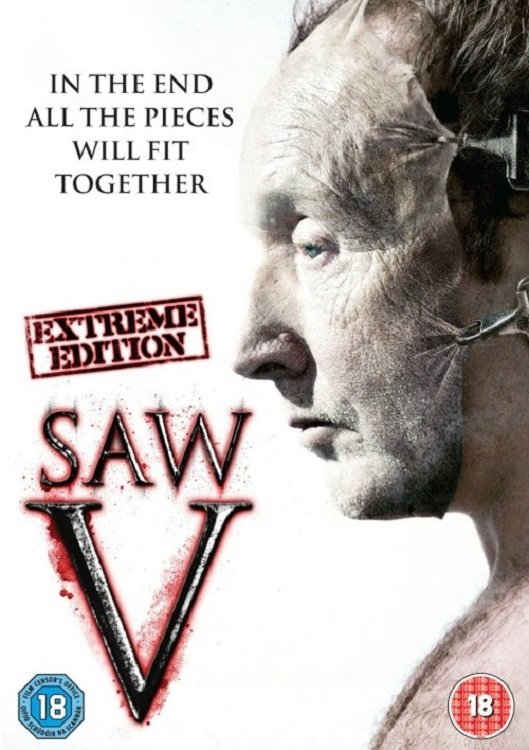
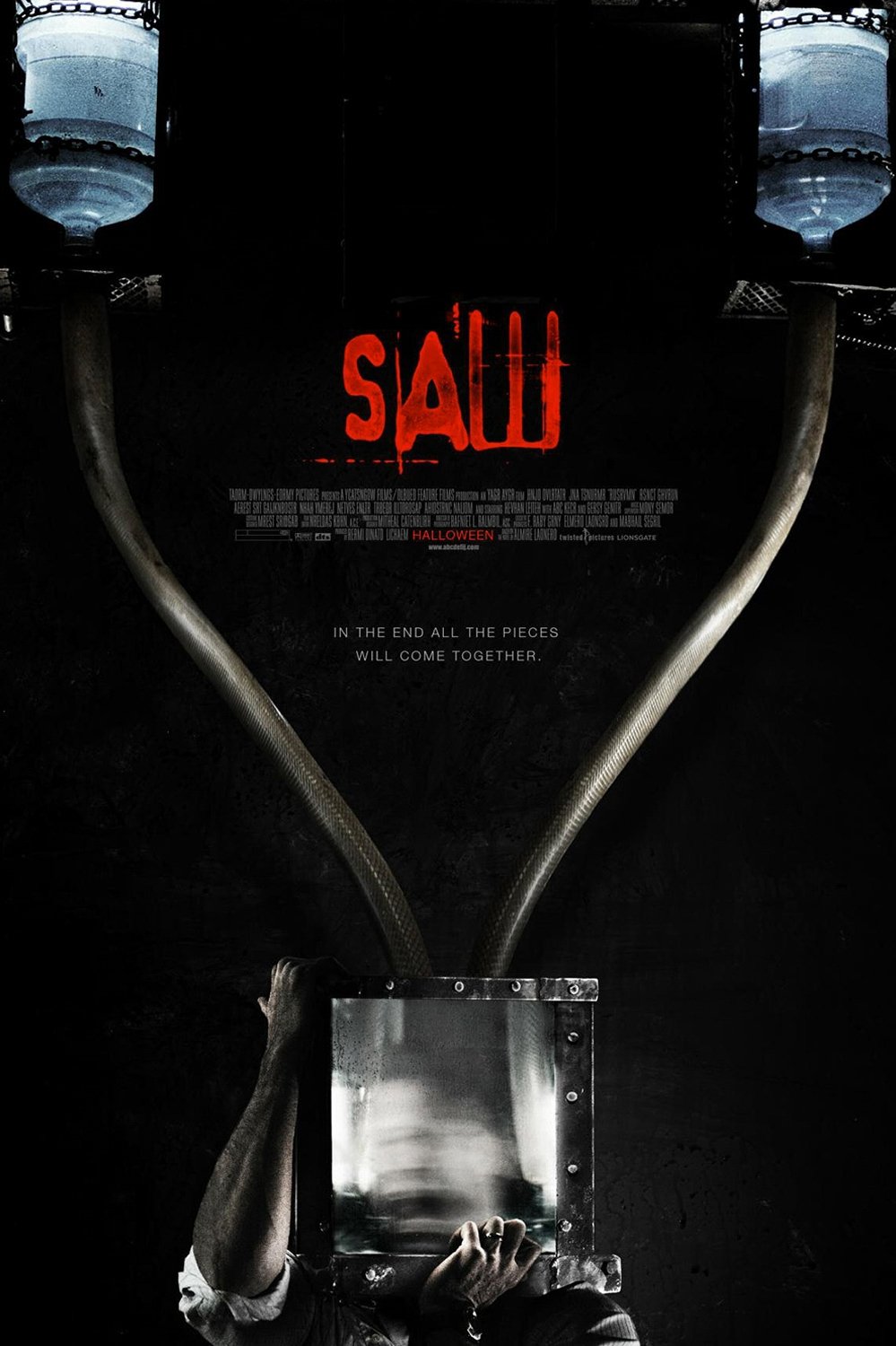
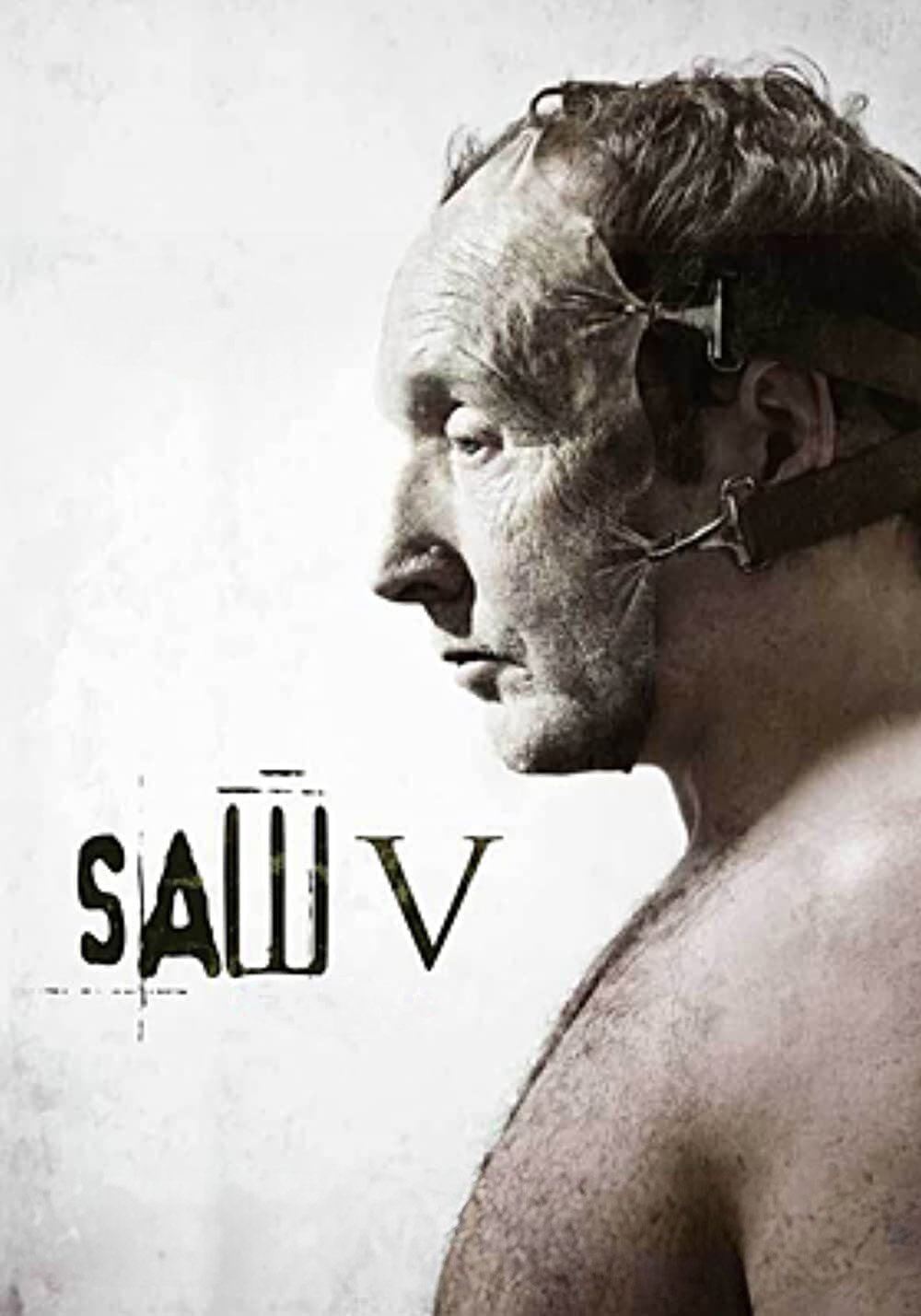
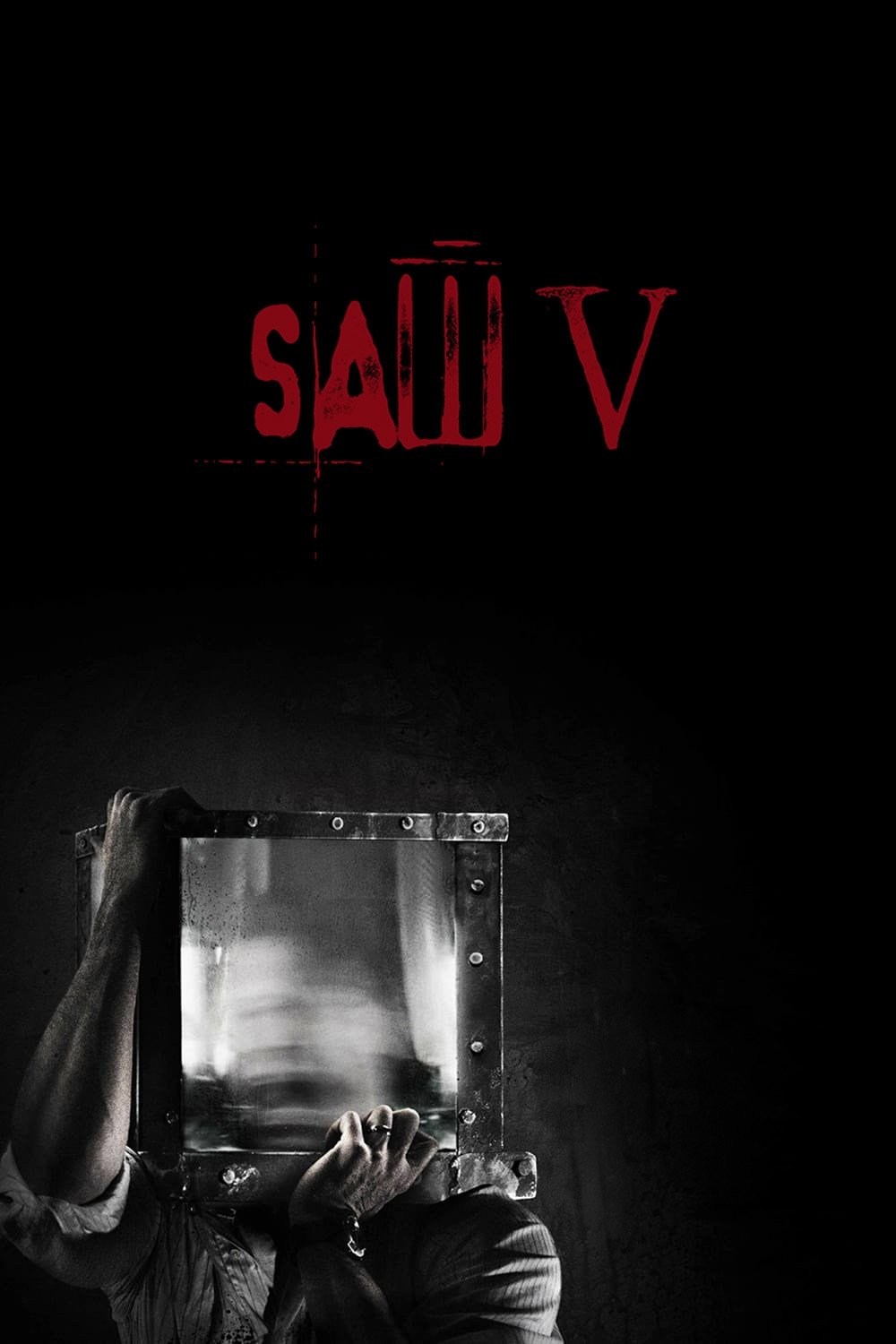
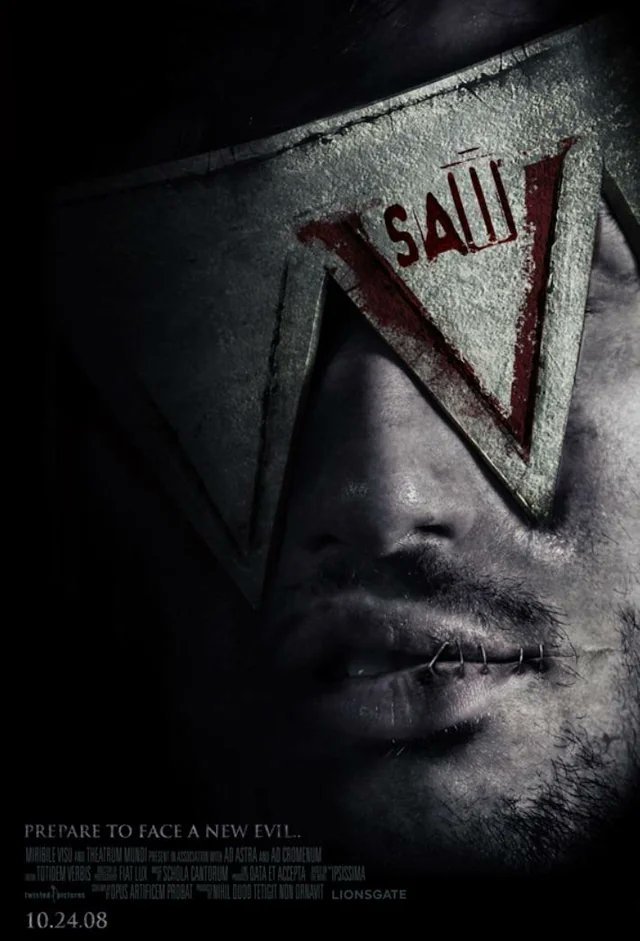
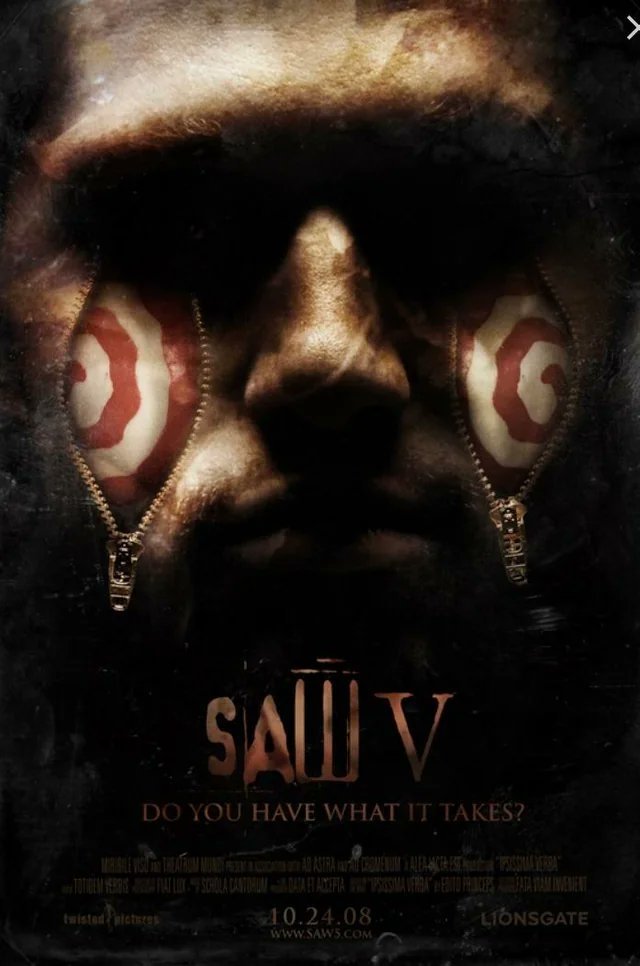
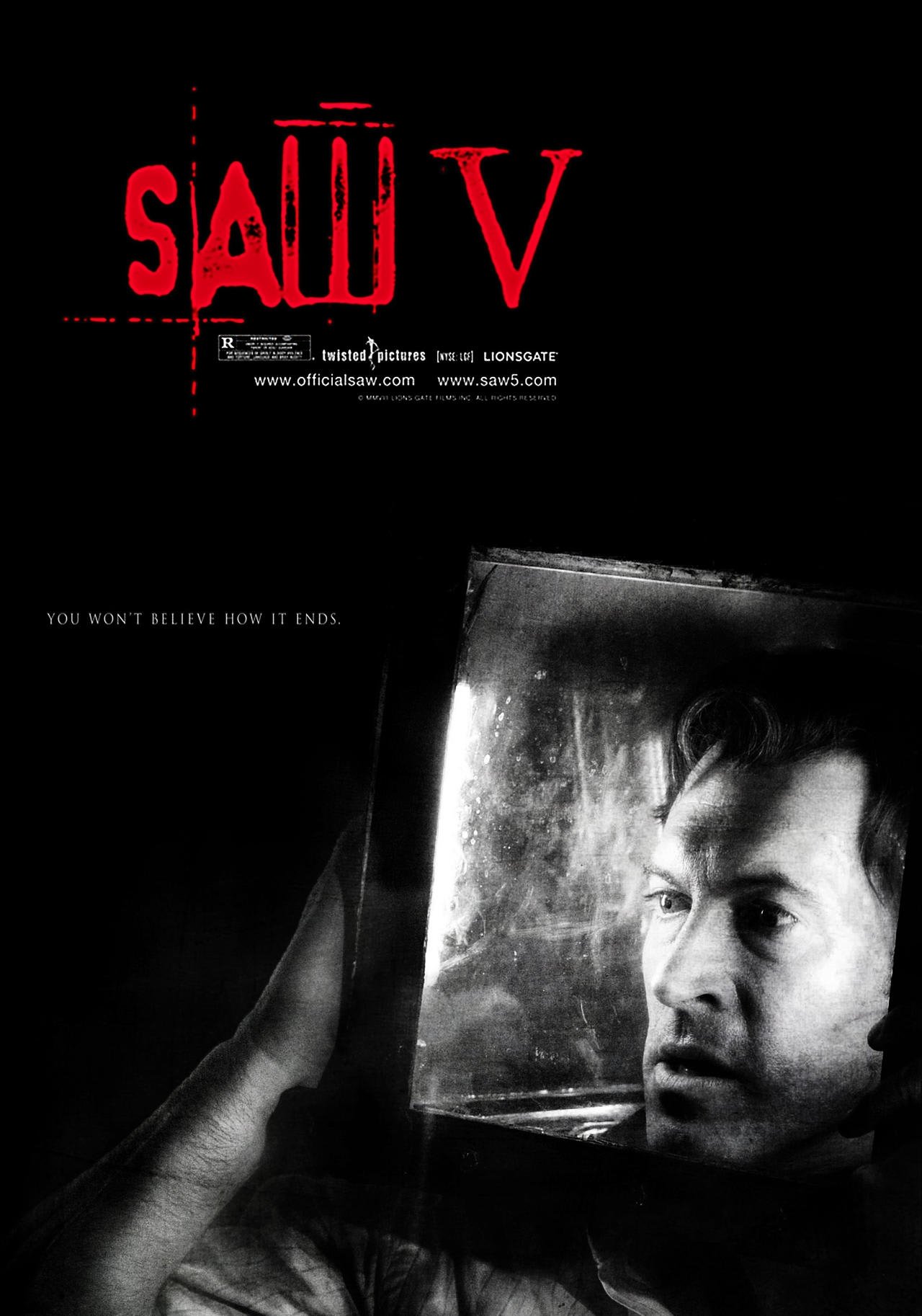
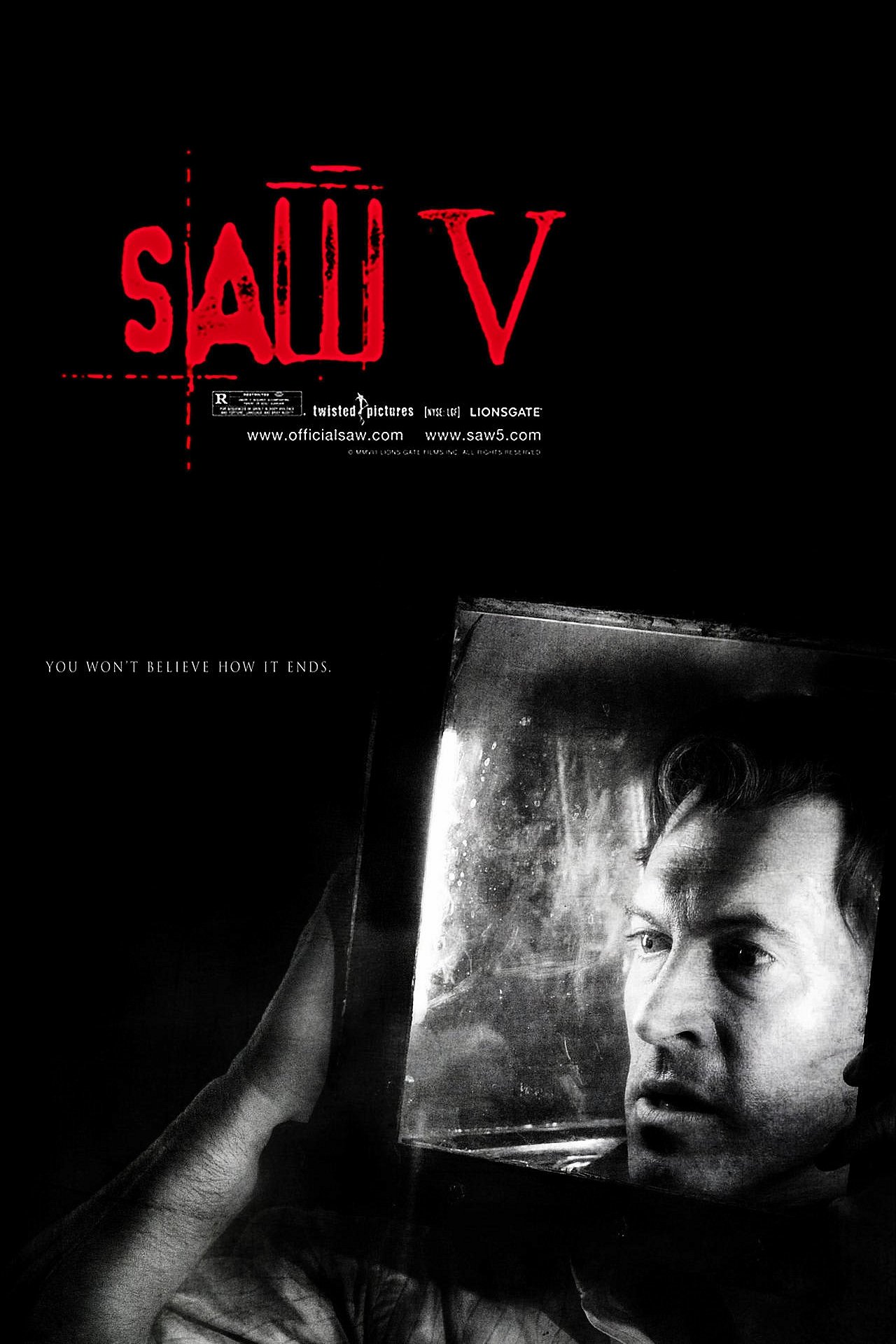
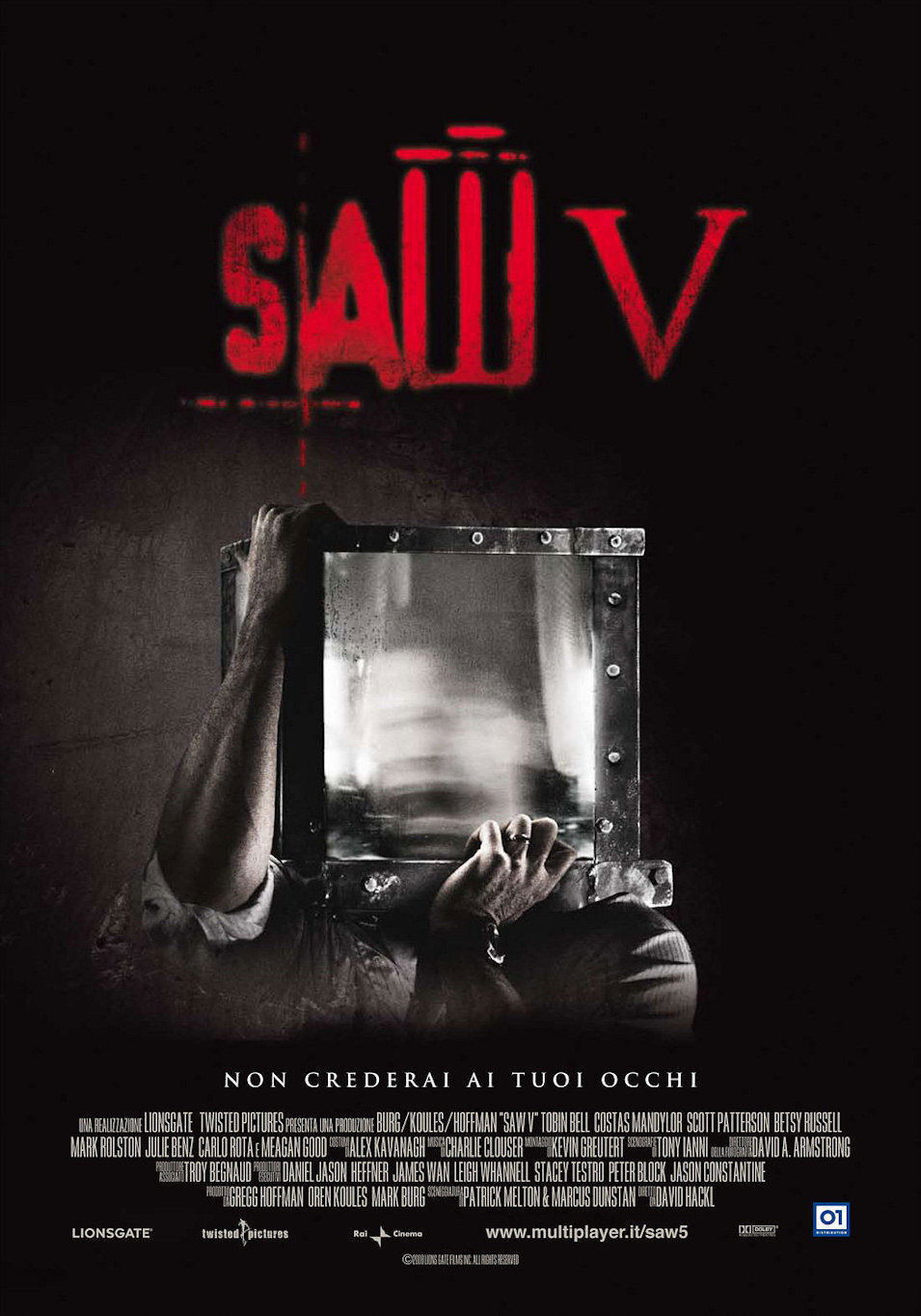
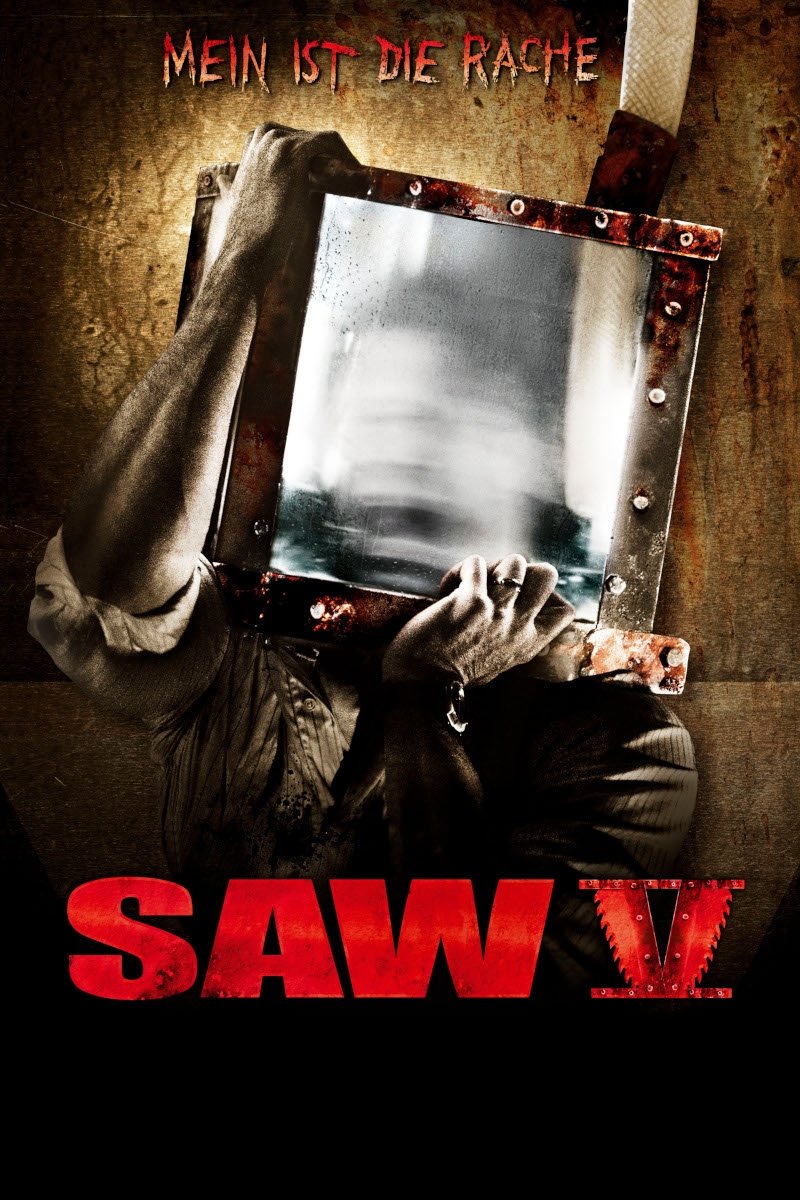
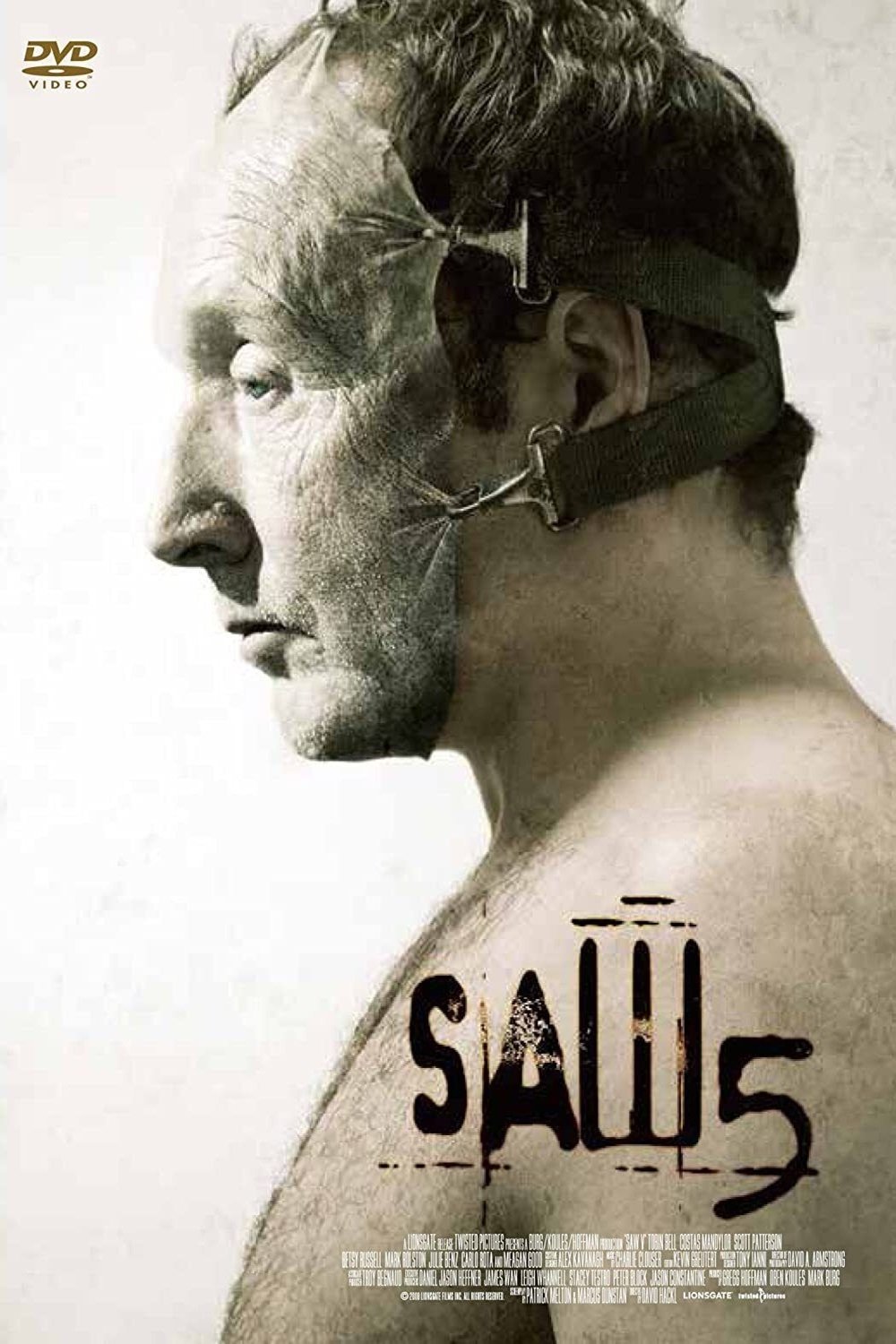
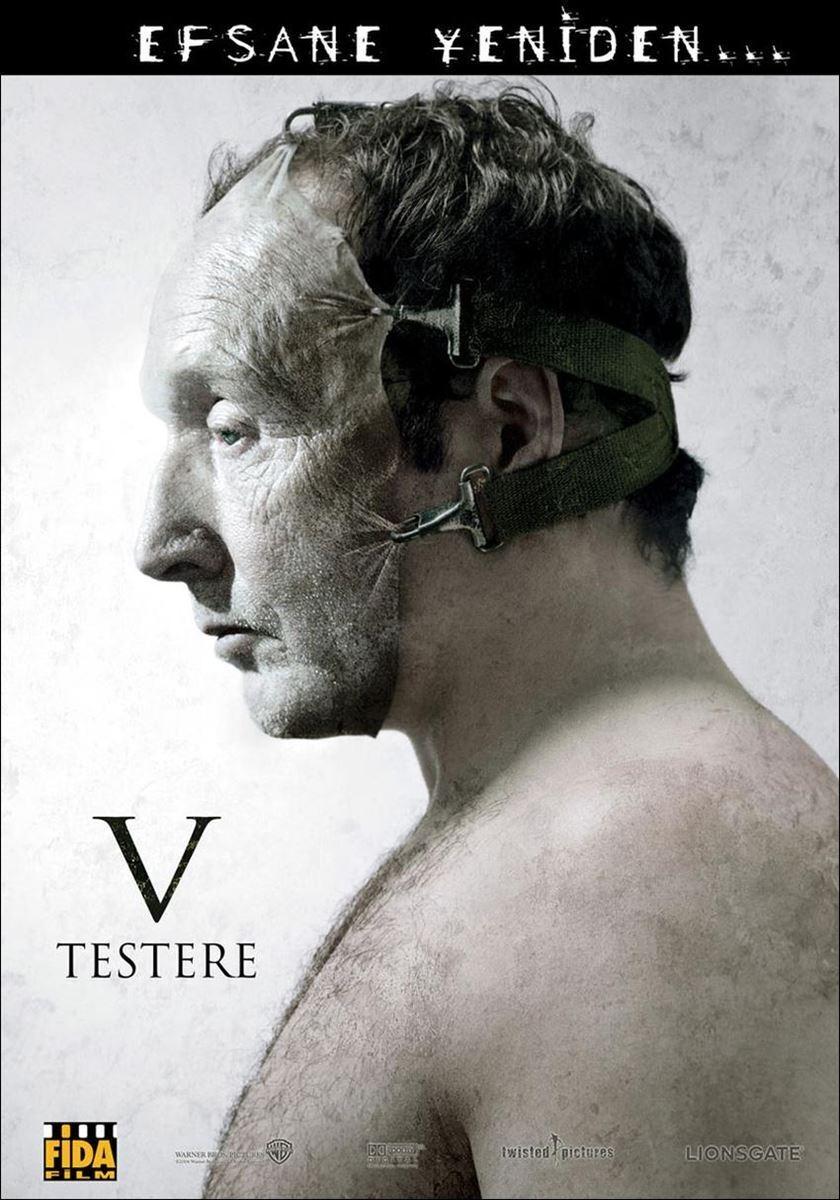
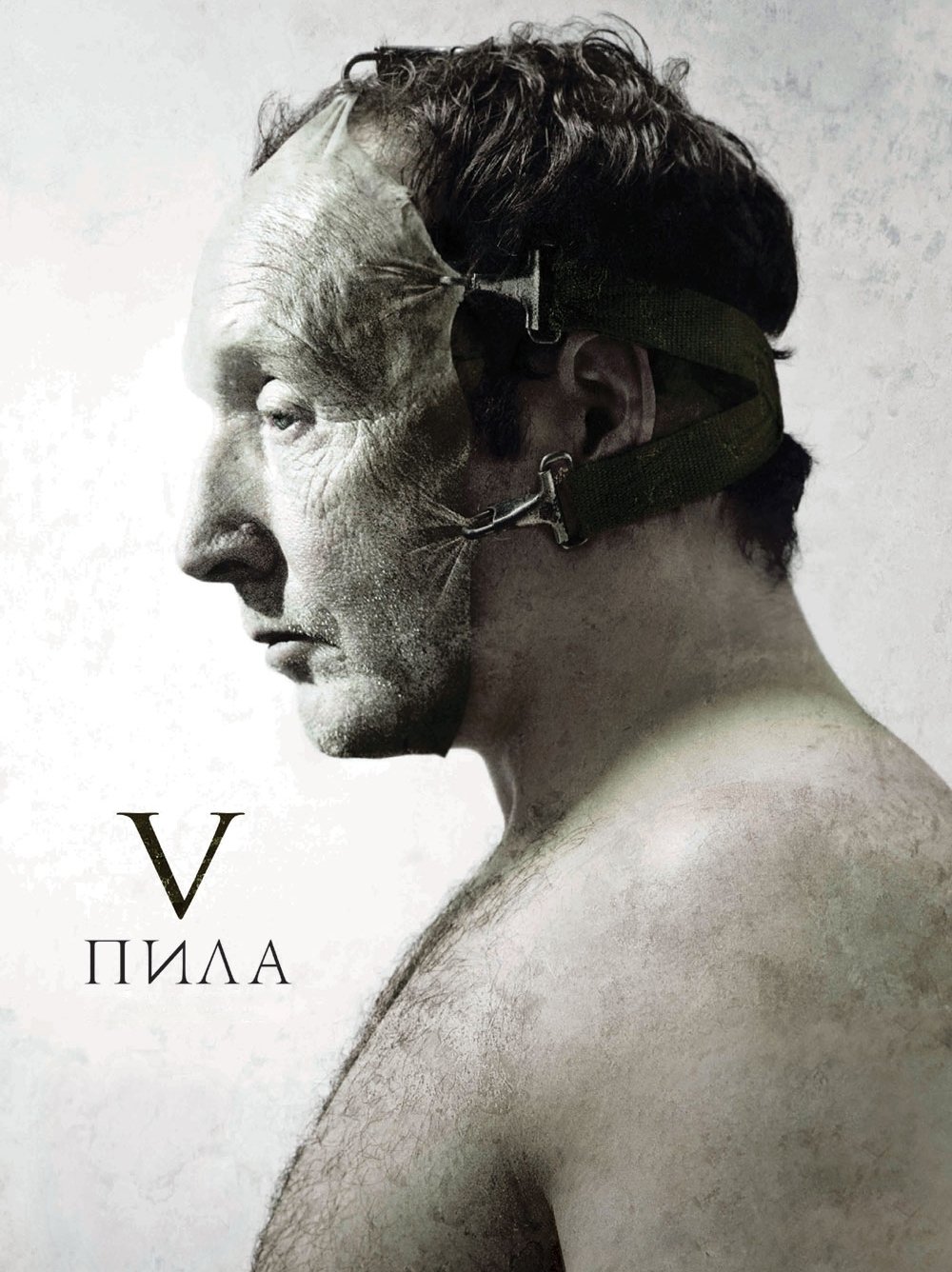
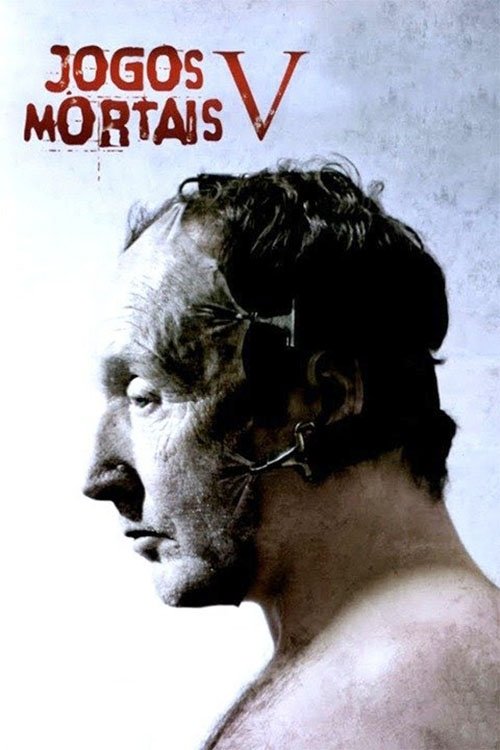
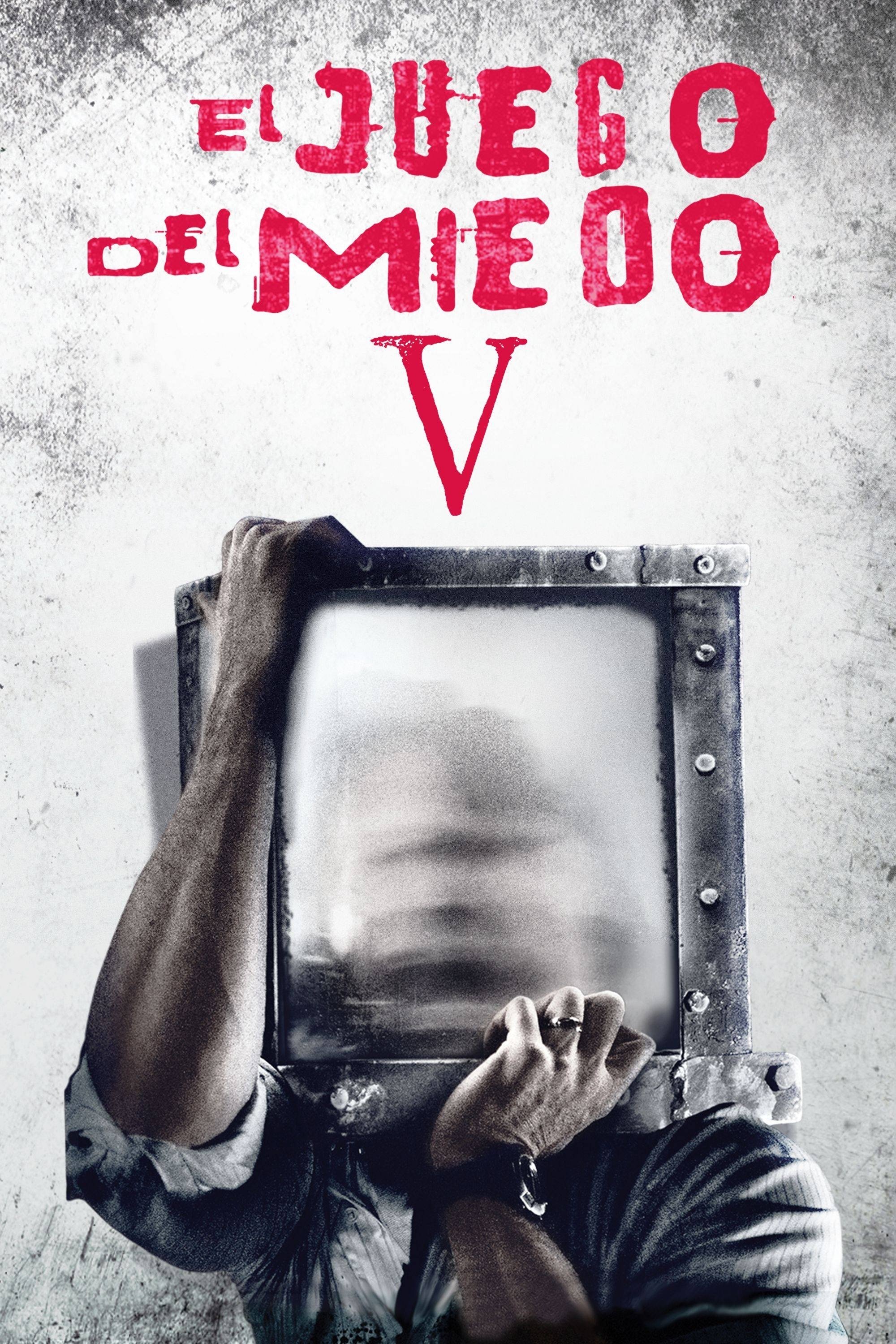
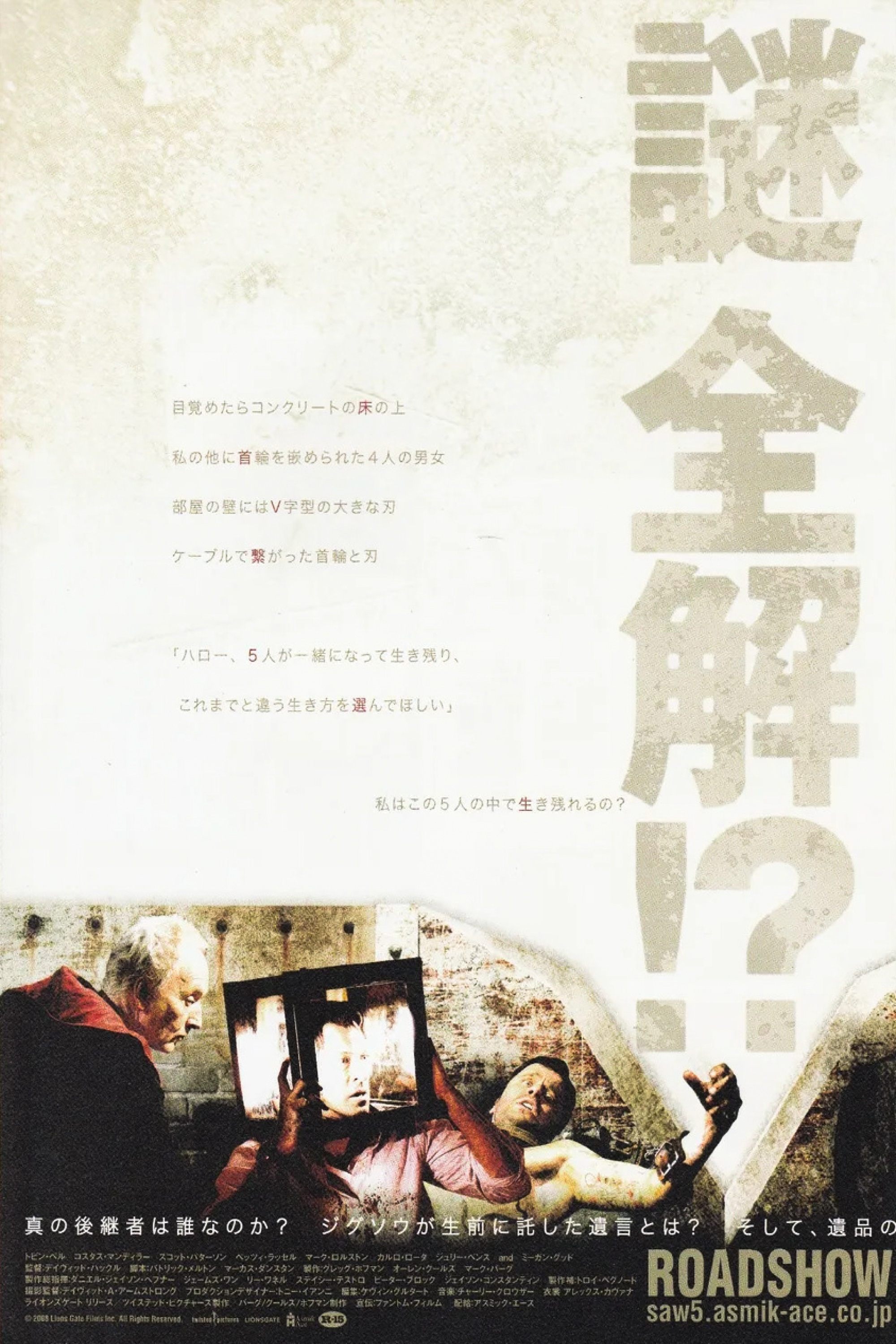
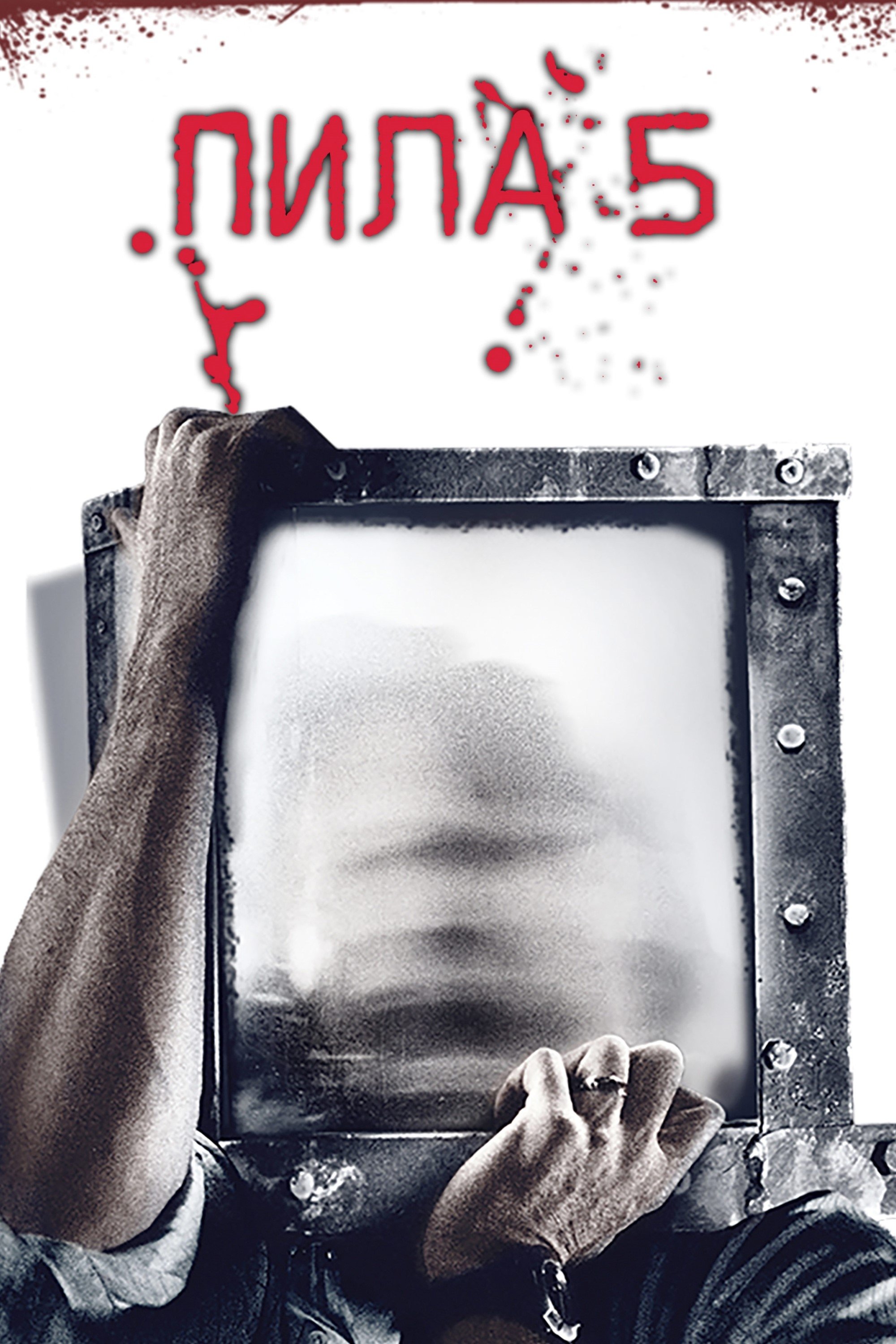
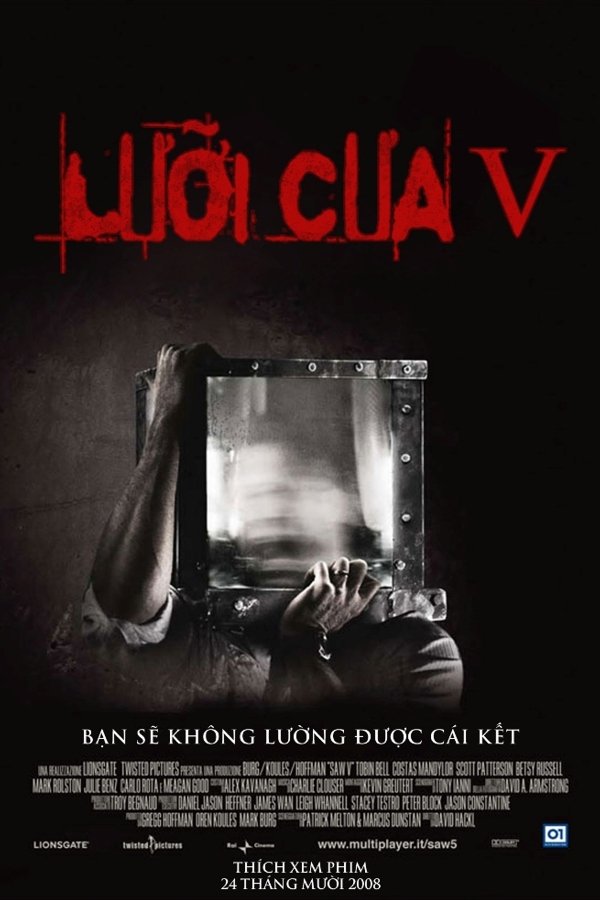
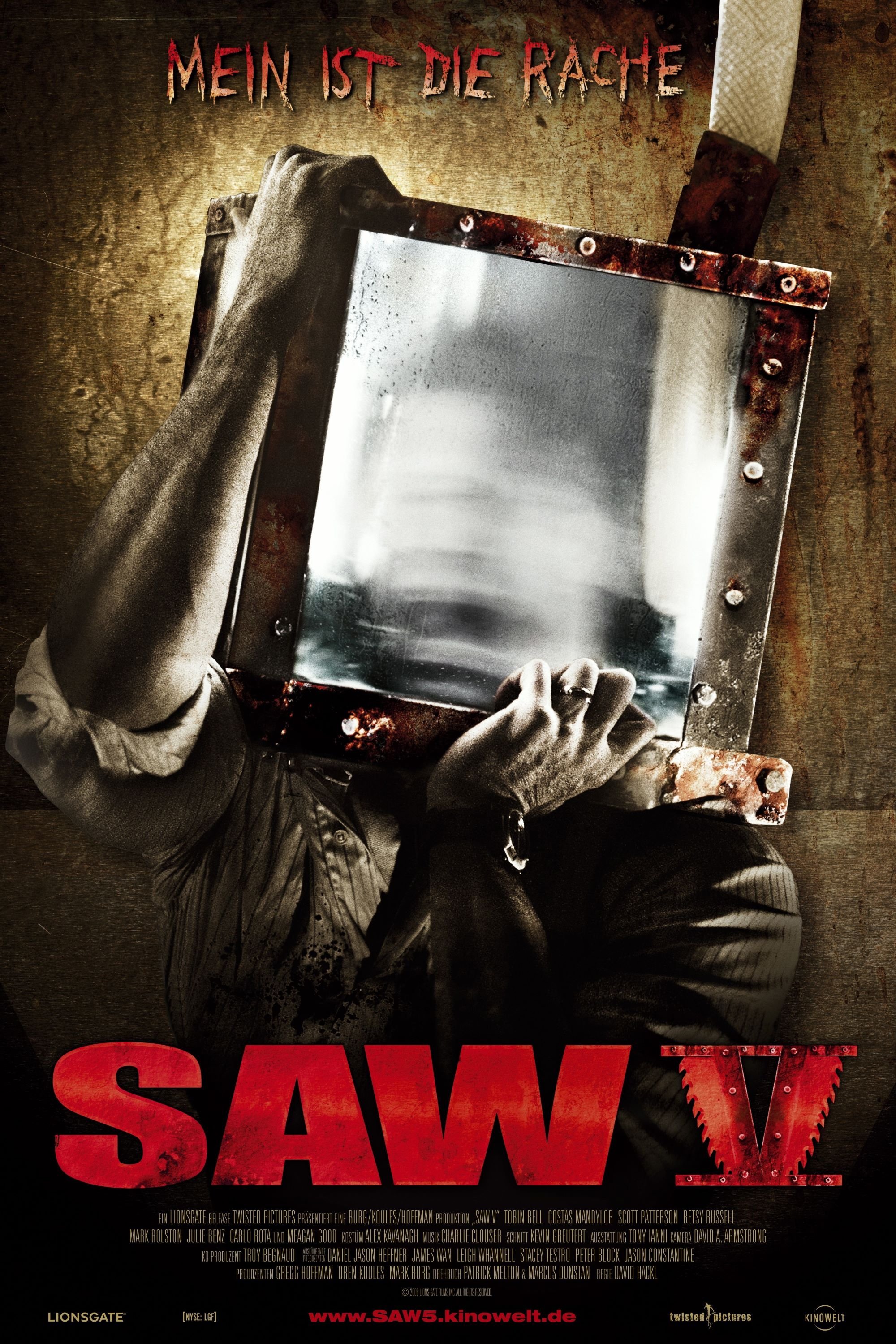
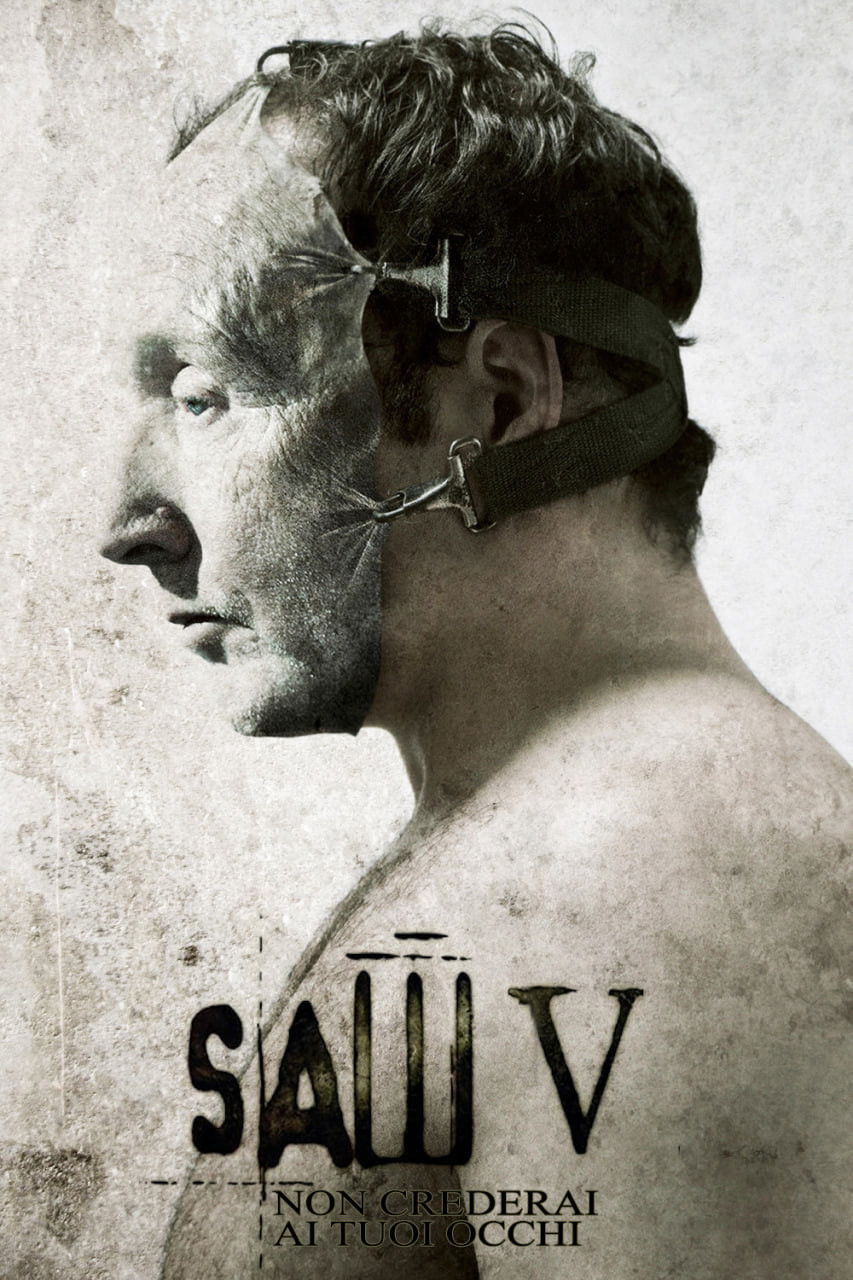
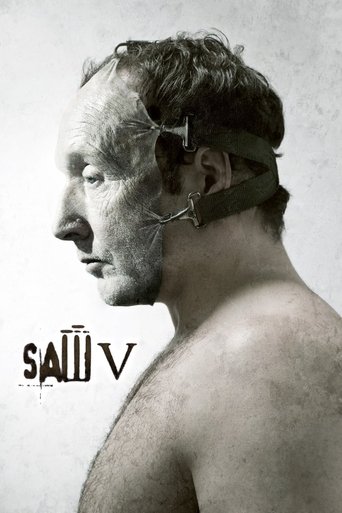
Saw V (2008) poster
Director
Production Companies
Twisted Pictures , Mandate Pictures
Plot

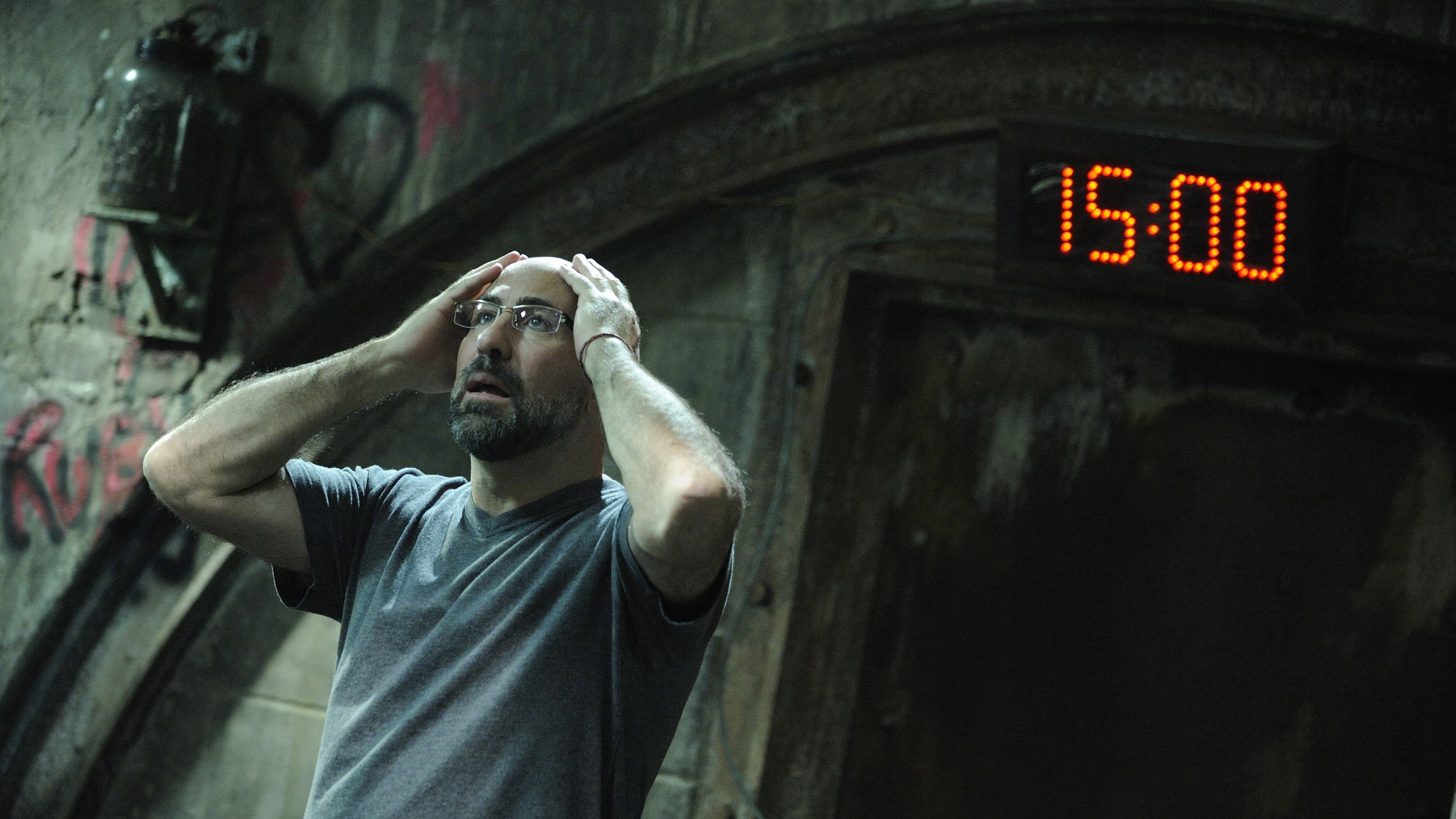
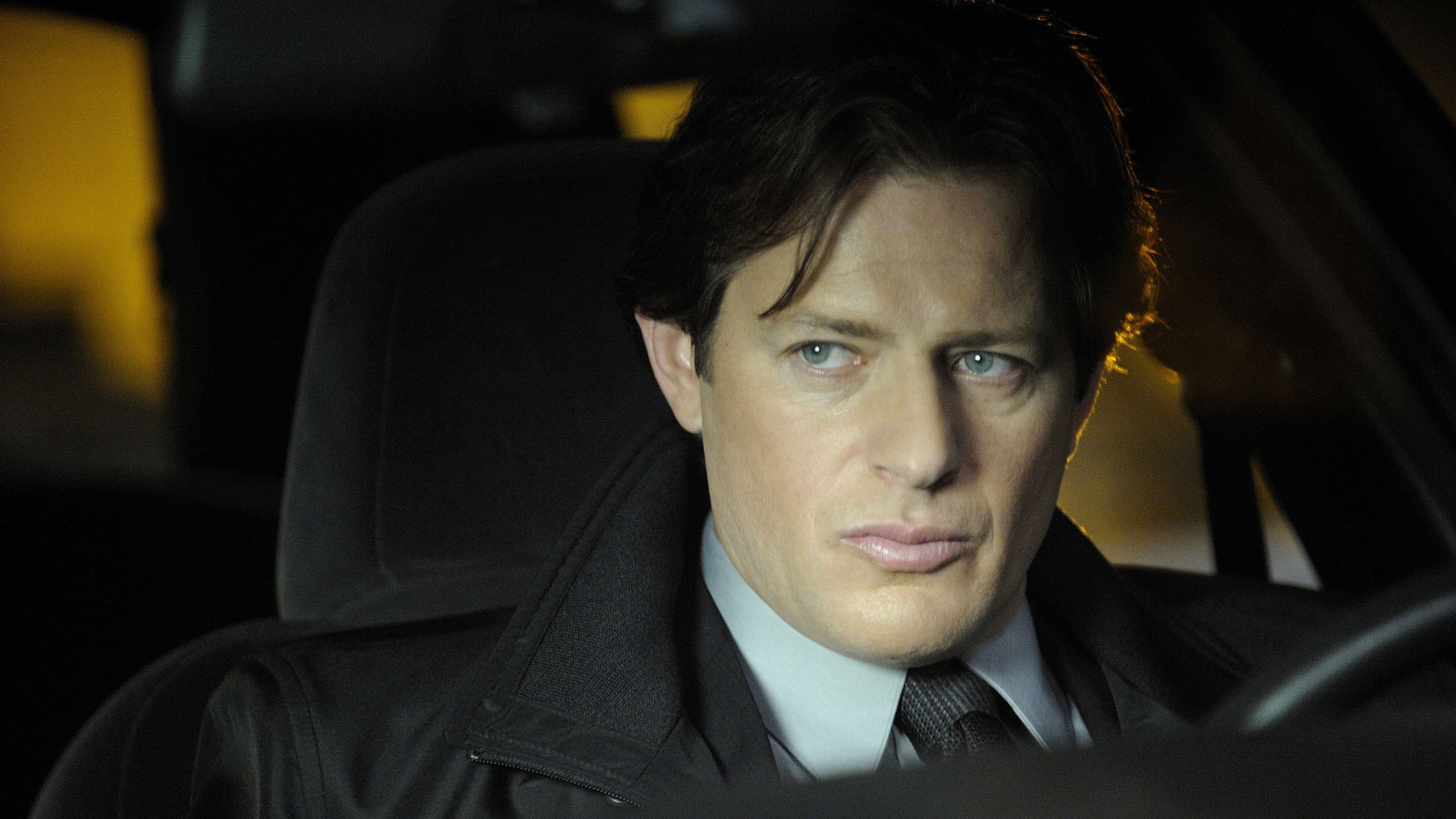
FBI agent Peter Strahm pursues inconsistencies in the evidence surrounding the deaths of John Kramer and Amanda Young as investigators try to determine whether Jigsaw's deadly games have truly ended. Meanwhile, five strangers awaken inside a connected series of rooms, where each test demands difficult choices and cooperation. A hidden organizer sets additional events in motion as Strahm traces clues to earlier crimes. The investigation and the group trial unfold in parallel, with mistrust, secrecy and the consequences of previous decisions shaping the latest ordeal.

Alternative Titles
Mişar 5 (Azerbaijan) — Azerbaijani Mişar V (Azerbaijan) Убийствен пъзел V (Bulgaria) — Bulgarian Jogos Mortais V (Brazil) — Portuguese Décadence V (Canada) — French title 你死我活5 (China) — Mandarin alternative title 电锯惊魂5 (China) — Chinese 链锯惊魂5 (China) — Mandarin alternative title
Show all 42 alternative titles Saw 5 (Czechia) — Czech Saw V - Mein ist die Rache (Germany) Saag V (Estonia) — Estonian Saw 5 (France) — alternative spelling Saw V: Director's Cut (France) — director's cut ხერხი V (Georgia) — Georgian Σε Βλέπω V (Greece) — Greek 恐懼鬥室 V 人面獸心 (Hong Kong SAR China) — Chinese 恐懼鬥室5 人面獸心 (Hong Kong SAR China) 恐懼鬥室5之人面獸心 (Hong Kong SAR China) Slagalica strave 5 (Croatia) — Croatian Fűrész V. (Hungary) — Hungarian המסור 5 (Israel) — Hebrew اره ۵ (Iran) — Persian ソウ5 (Japan) — Japanese 쏘우 5 (South Korea) — Korean Pjūklas 5 (Lithuania) — Lithuanian Zāģis 5 (Latvia) — Latvian El juego del miedo 5 (Mexico) — Spanish El juego del miedo 5 (Peru) Piła V (Poland) — Polish Saw 5 - A Sucessão (Portugal) — Portuguese Puzzle mortal V (Romania) — Romanian Слагалица страве 5 (Serbia) — Serbian Пила 5 (Russia) — Russian Žaga 5 (Slovenia) — Slovenian Saw 5 (Slovakia) — Slovak เกม ตัด ต่อ ตาย 5 (Thailand) — Thai Testere V (Türkiye) — Turkish 奪魂鋸5 (Taiwan) — Chinese Пила 5 (Ukraine) — Ukrainian Arra 5 (Uzbekistan) Arra V (Uzbekistan) — Uzbek Lưỡi Cưa 5 (Vietnam) — Vietnamese

Trailers & Videos

2 videos

Film Guide & Analysis

David Hackl inherits the Jigsaw machinery as Hoffman and Strahm collide in a franchise built on mechanical ordeal and serial revelation.

Saw V (2008) occupies a transitional place in the horror series built around John Kramer's elaborate tests. By its fifth annual installment, the original antagonist was dead, yet his equipment, followers and unfinished plans still governed the narrative. Detective Mark Hoffman moves to the foreground while FBI agent Peter Strahm attempts to reconstruct his involvement. The film combines that pursuit with an ordeal in which five strangers confront interconnected devices. Its distinctive contribution lies in the uneasy relationship between inheritance and imitation: the story asks who may claim Kramer's methods and exposes the violence concealed within his supposed moral instruction.

David Hackl made his feature-directing debut after working as production designer on Saw II, Saw III and Saw IV. This promotion preserved practical knowledge of the franchise's industrial settings and mechanical traps during a change in creative leadership. Contemporary interviews with producers and technicians show how closely storytelling, set construction, performer safety and visual-effects work were coordinated. Released by Lionsgate in October 2008, Saw V also illustrates the pressures of a commercial horror cycle that delivered another interconnected chapter every Halloween. Its reception reveals how that continuity could function as both an attraction and an obstacle for viewers.

A Designer Takes the Director's Chair

Hackl's appointment extended a working relationship with the series that had already encompassed three productions. Producer Mark Burg told ComingSoon.net in May 2008 that discussions about Hackl directing began around Saw III and that an agreement had been reached before Saw IV was made. This places the transition earlier than a last-minute response to Darren Lynn Bousman's departure. The choice also meant that a filmmaker familiar with the actual construction of traps would assume responsibility for staging them. Tony Ianni, previously an art director, took over the production design work during the change in roles.

The writing team of Patrick Melton and Marcus Dunstan returned after Saw IV, whose complex overlapping timeline had prompted concern within the production. Burg acknowledged in that same contemporary interview that some viewers had failed to grasp the previous film's chronology. He presented the fifth entry as easier to follow and emphasized cooperation as the principle connecting its victims' tests. These remarks document the producers' intentions before release, not an objective verdict on the completed screenplay. The resulting film retains flashbacks and retrospective revelations even as its central investigation advances in a comparatively direct manner.

The schedule belonged to an established distribution routine. A Reuters report published by ABC News in October 2008 examined Lionsgate's practice of positioning new Saw installments immediately before Halloween. It described how the filmmakers repeatedly developed scripts under the pressure of sustaining that annual event and quoted the producers on the franchise's strong financial incentives. Saw V therefore emerged from an unusually stable production operation whose members could rely on familiar crews, physical spaces and audience expectations. Those conditions supported technical continuity, although they also narrowed the time available for reconsidering the formula.
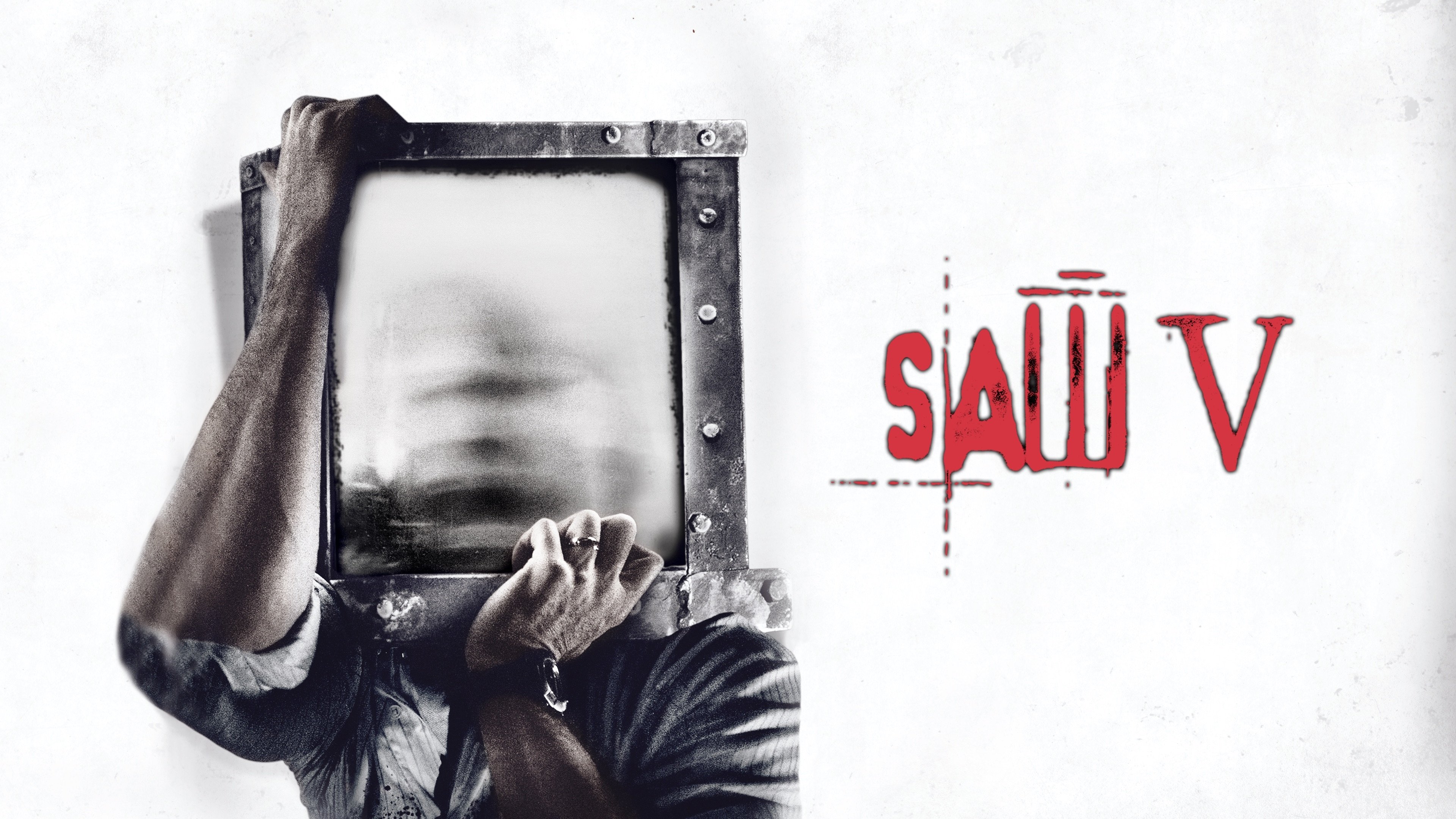
Hoffman, Strahm and the Inherited Game

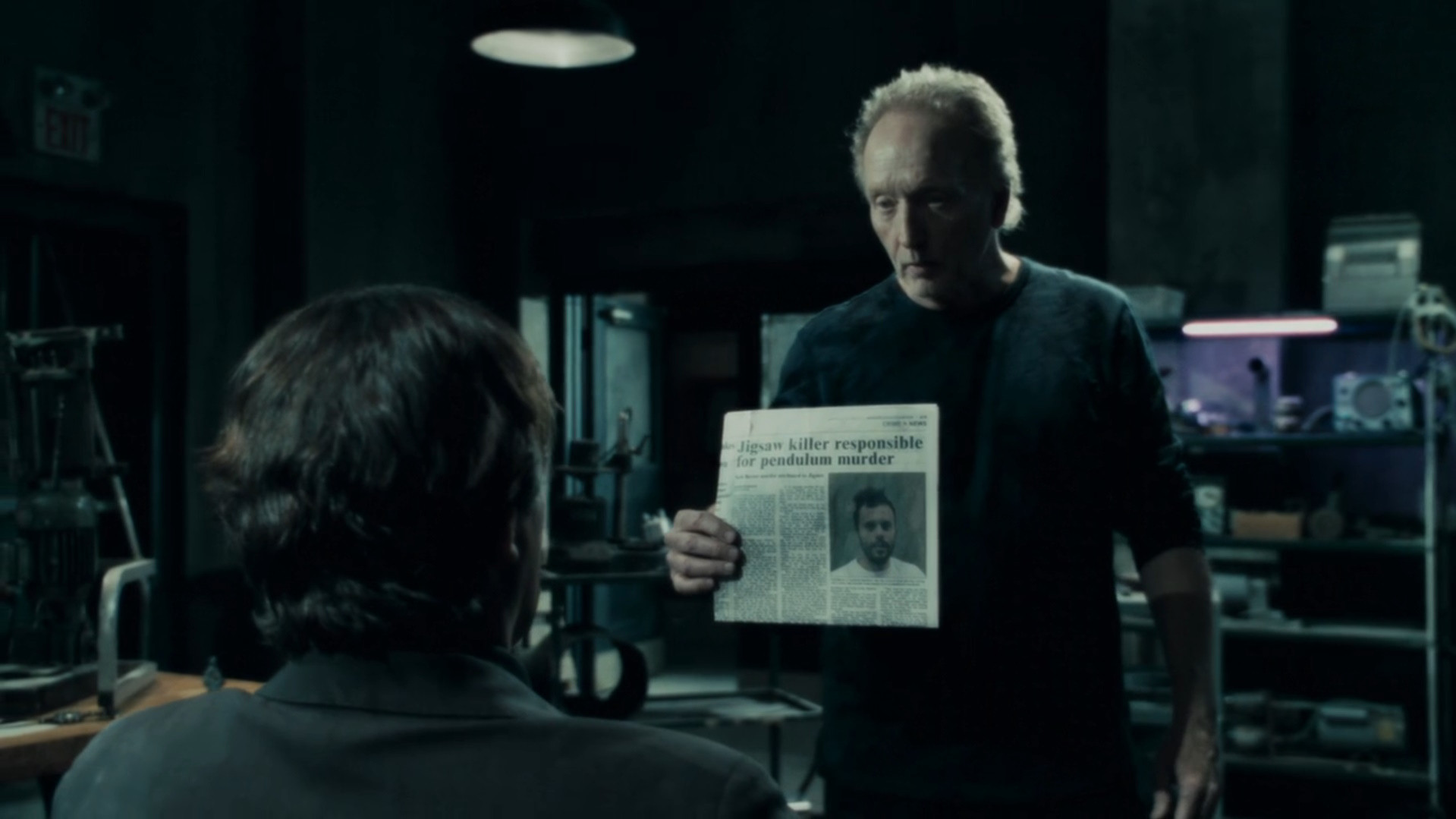
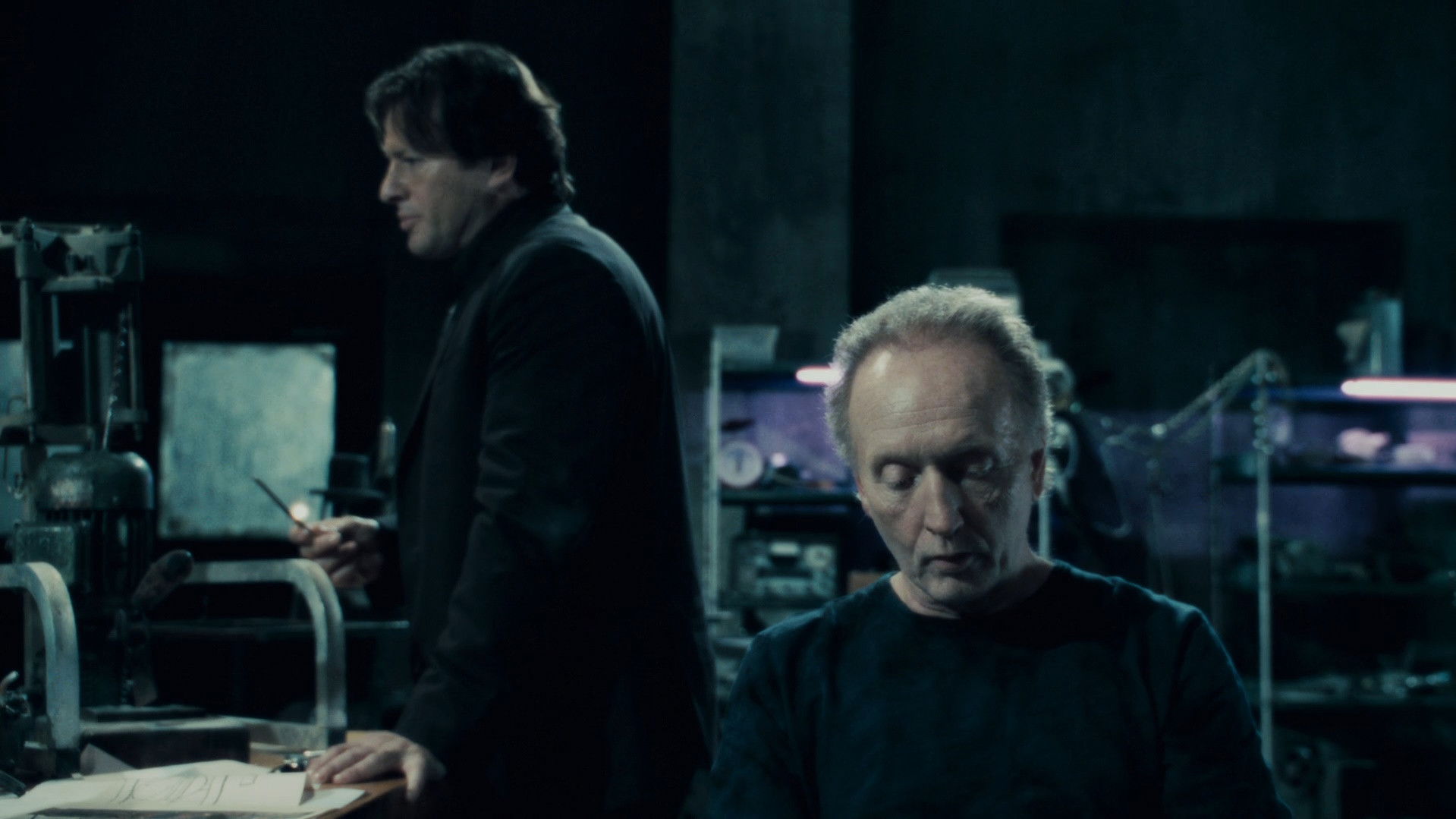
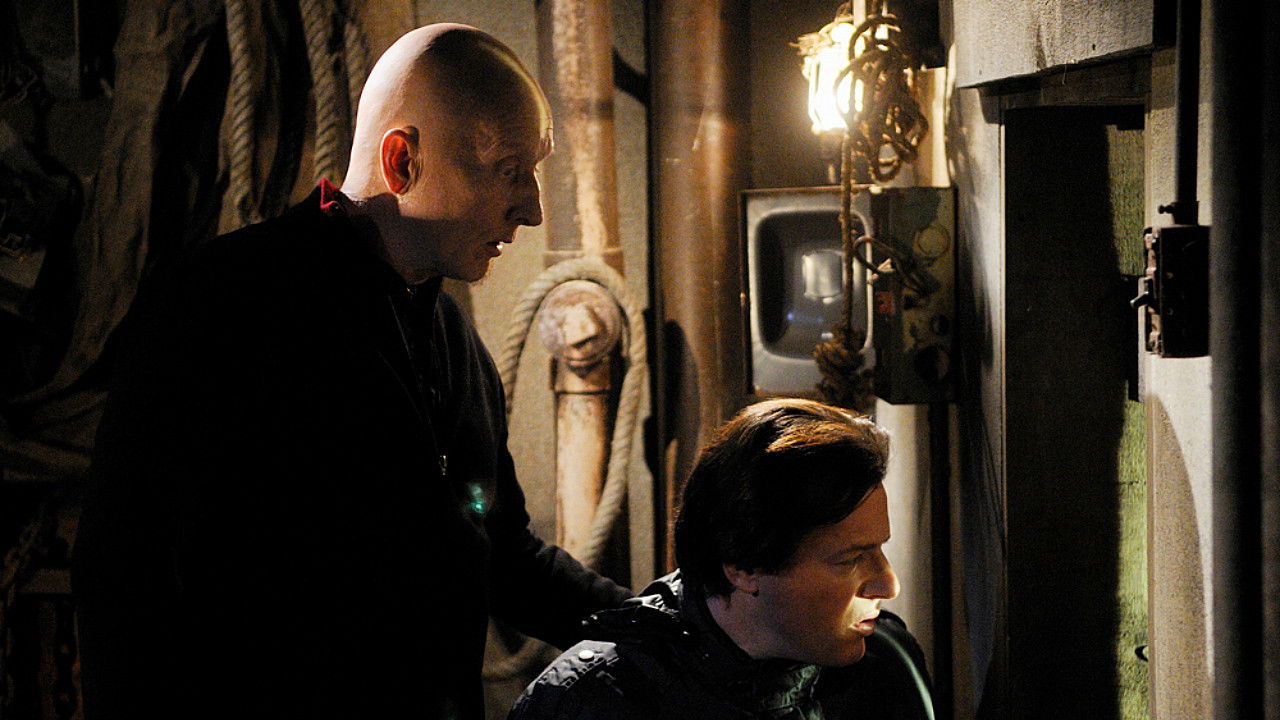
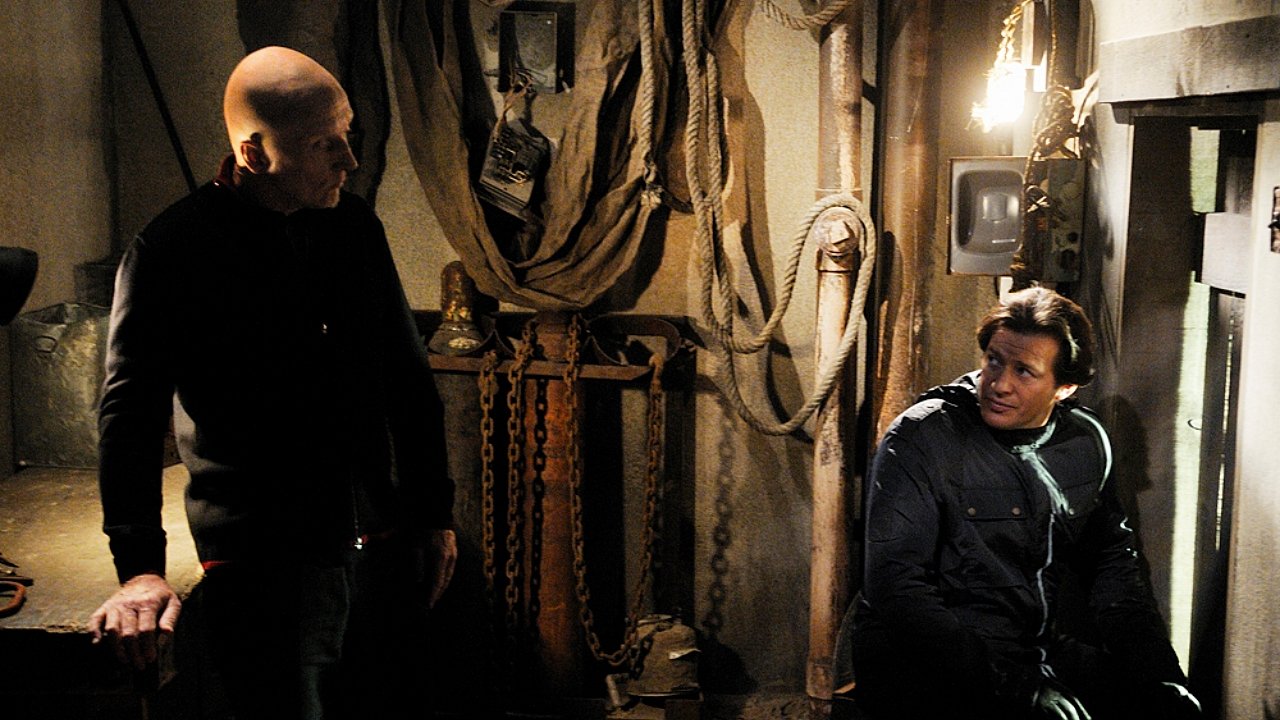
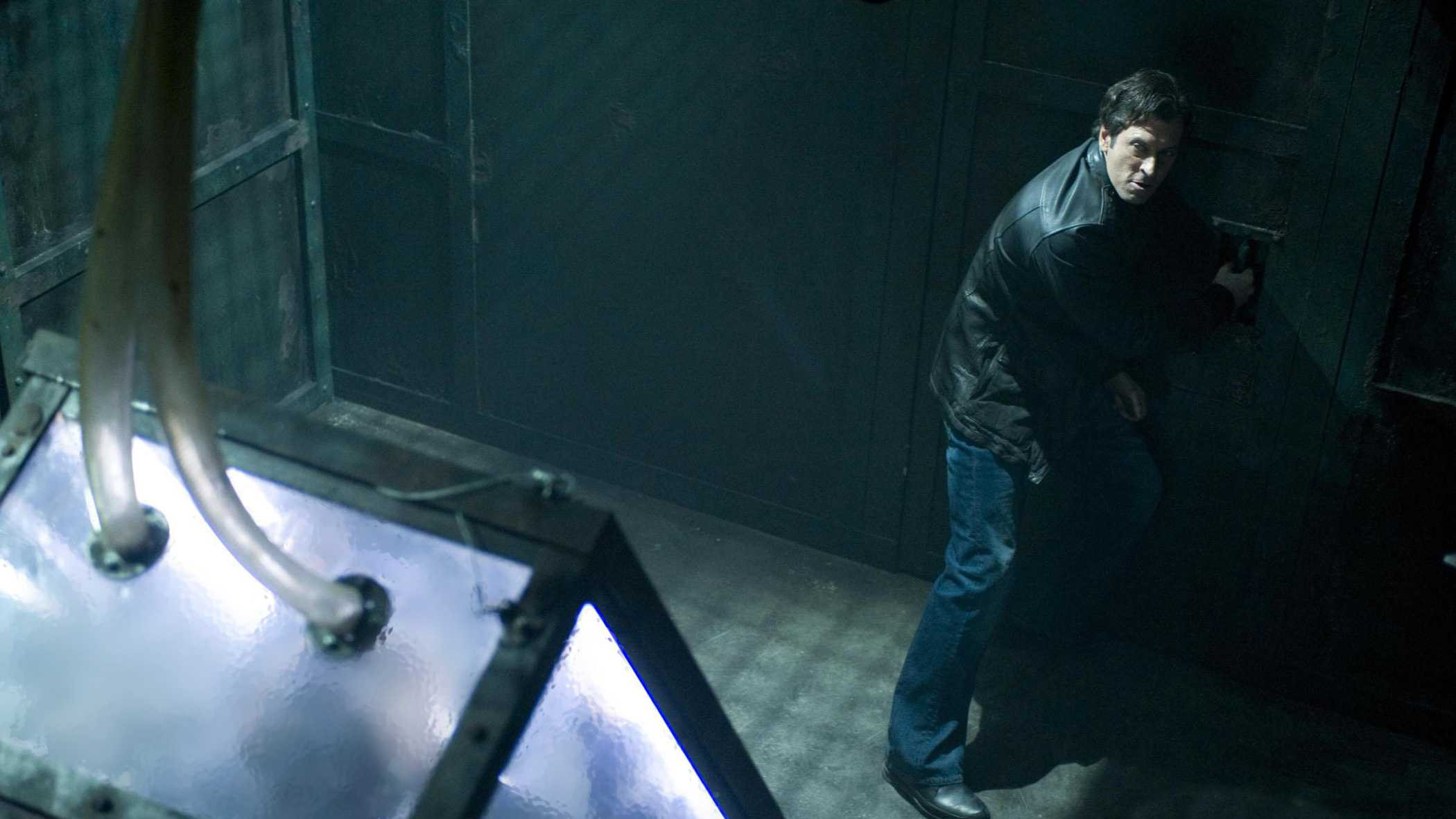
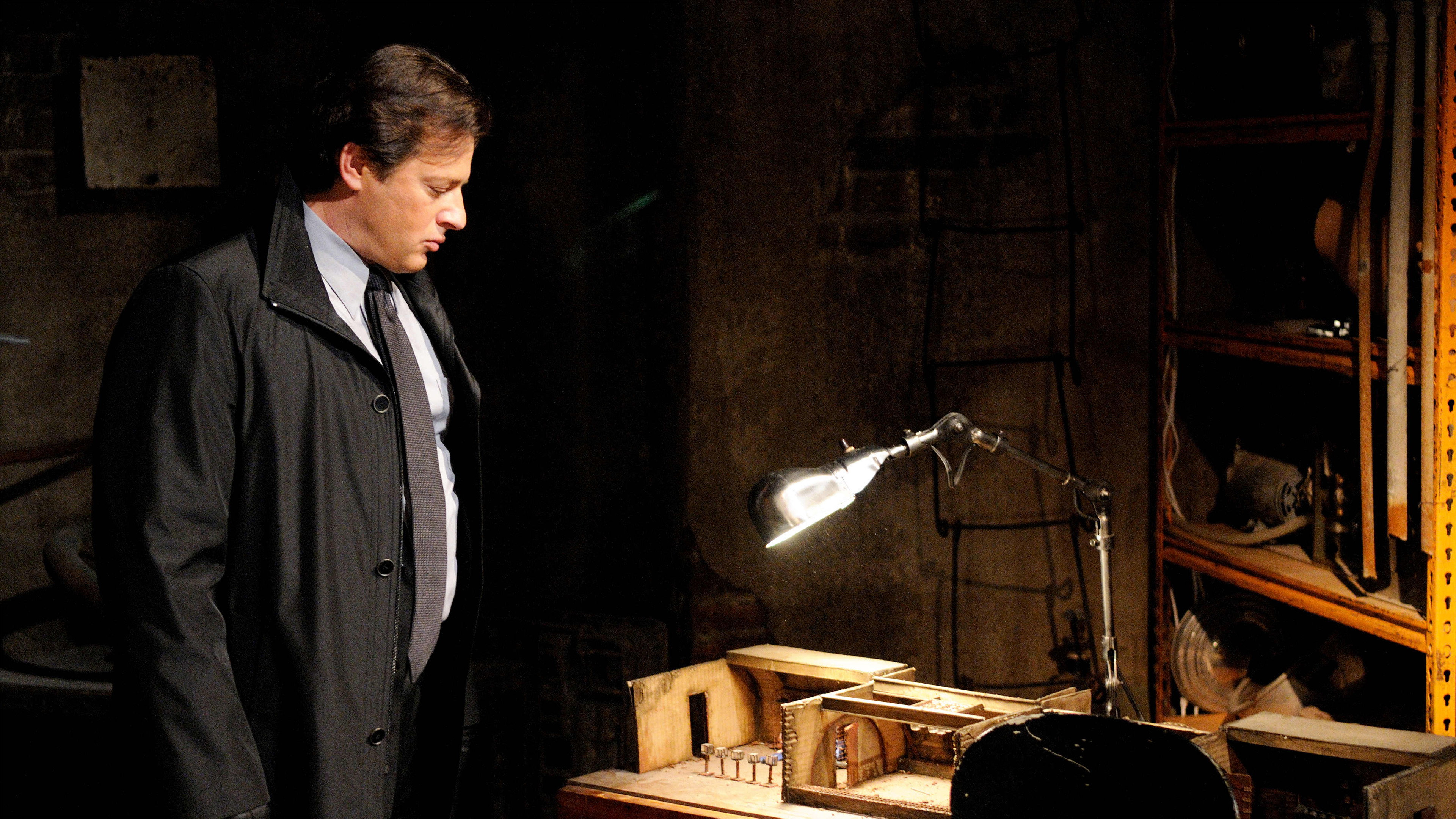
The film builds its principal confrontation around two different relationships to Jigsaw's crimes. Hoffman is publicly treated as a surviving police officer while privately carrying knowledge of the killer's work. Strahm, suspicious of that survival, follows material clues into an investigation increasingly shaped by his own assumptions. Their conflict uses procedural details as instruments of suspense: case files, remembered encounters and reconstructed events become means of measuring how much each man knows. The emphasis on investigators distinguishes this installment's storytelling from the earlier reliance on victims who had only recently discovered their captivity.

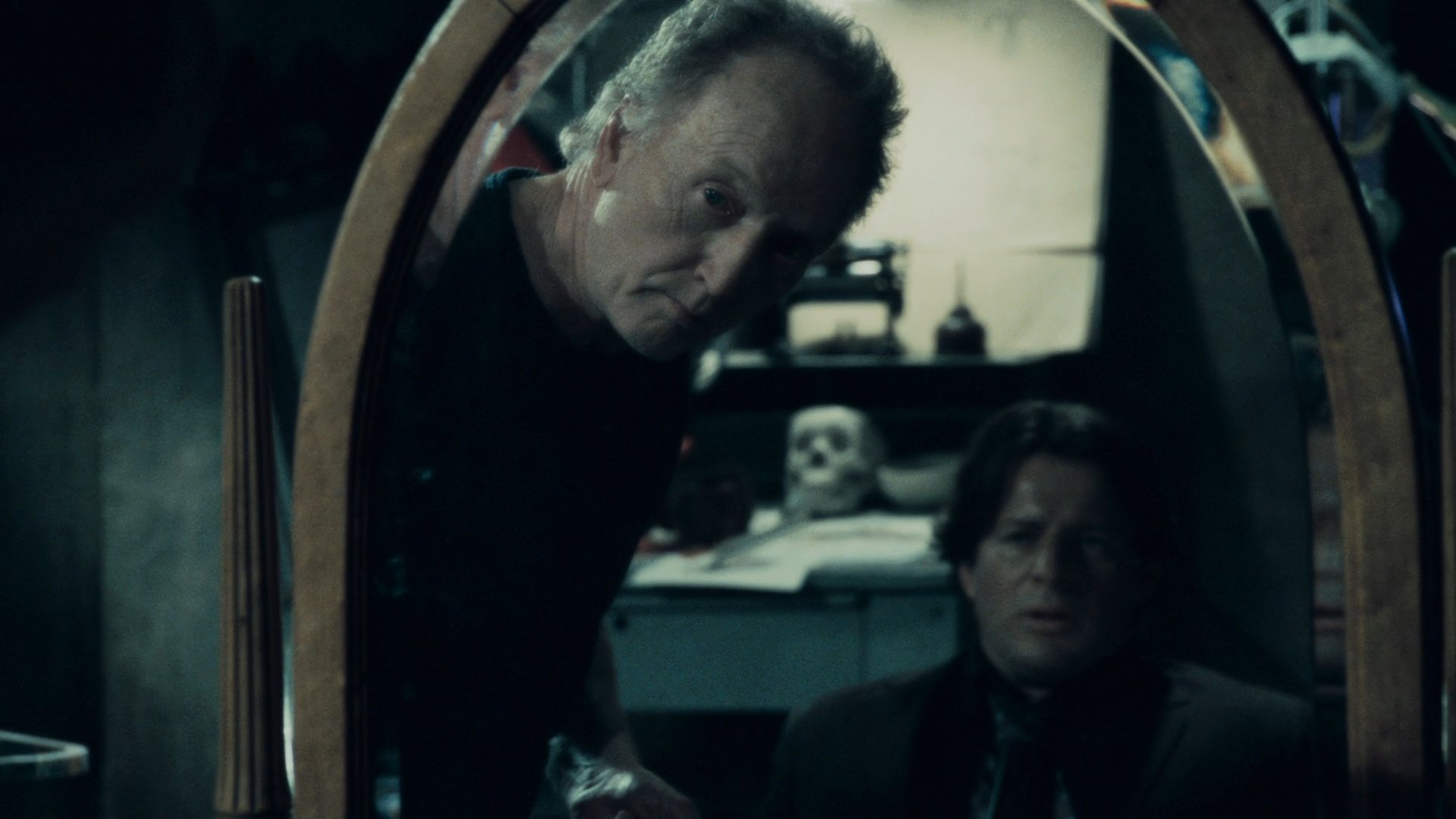
Retrospective passages trace Hoffman's recruitment and place him alongside events previously attributed to Kramer. That construction gives the deceased killer a continued screen presence without requiring a literal resurrection. It also raises a problem inside the fiction: Hoffman's personal motives and manipulation of evidence complicate the claim that every test is governed by the same principles. The narrative exposes how easily the Jigsaw identity can serve private vengeance when its elaborate mechanisms become available to another person. This is particularly important to the film's horror, which increasingly locates danger within institutions supposedly investigating the murders.

The finale depends on the gulf between what a device appears to offer and what it actually does. A choice presented as a chance of escape becomes a demonstration of how thoroughly its designer controls the situation. Earlier scenes prepare this reversal through the differing interpretations of Hoffman and Strahm. In this installment, the puzzle machinery extends beyond visible blades and restraints into the management of evidence itself. Such plotting rewards knowledge of the series but asks viewers to recognize people and incidents from other films, a demand that contemporary critics would specifically question.

Five Captives and the Logic of Cooperation

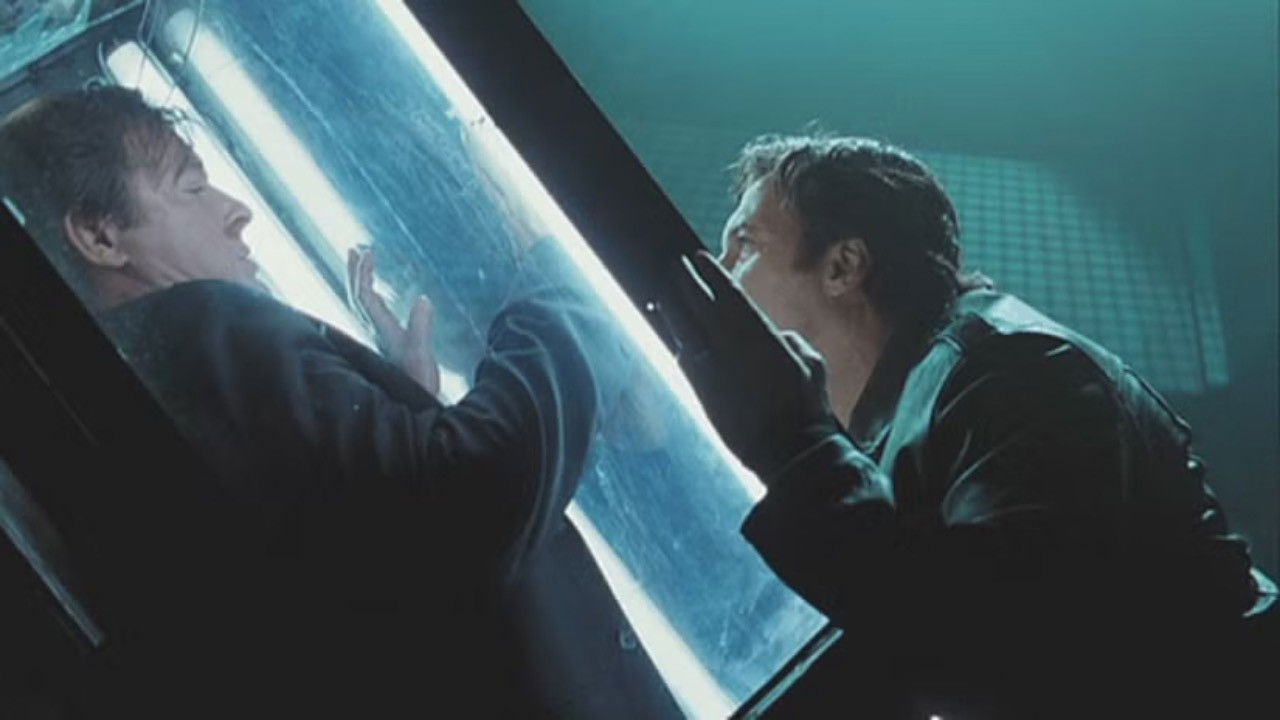
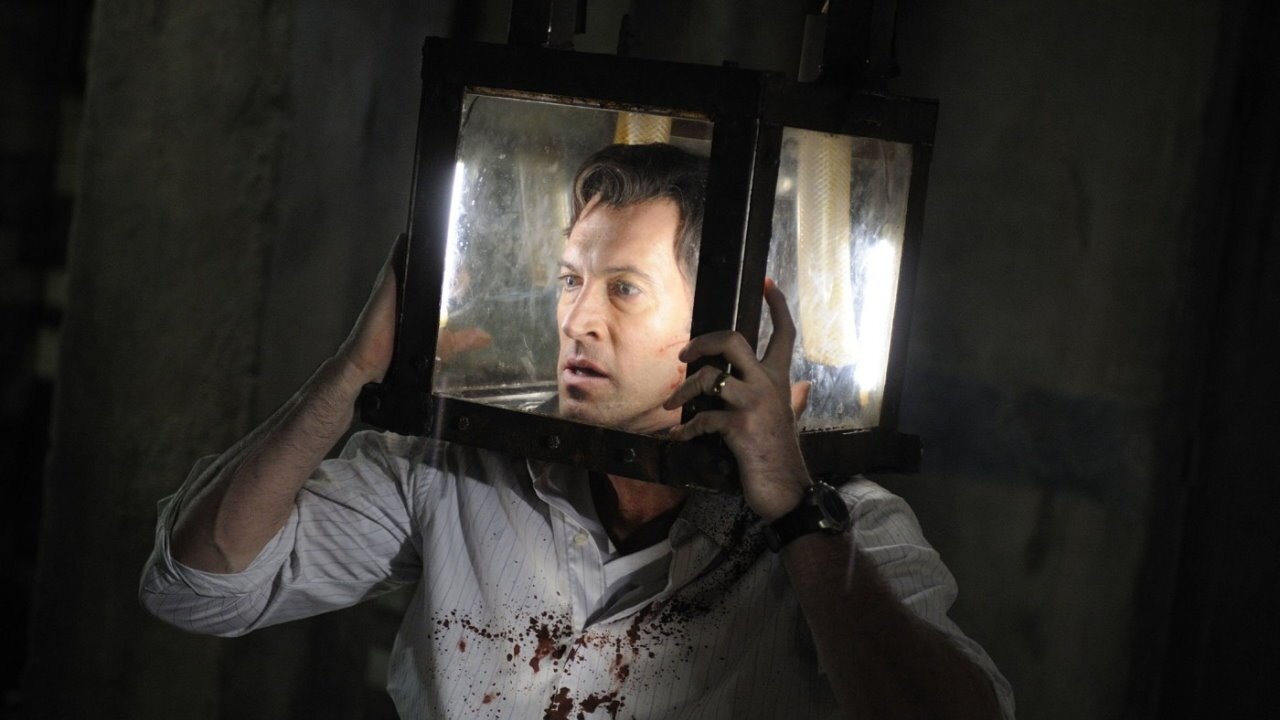
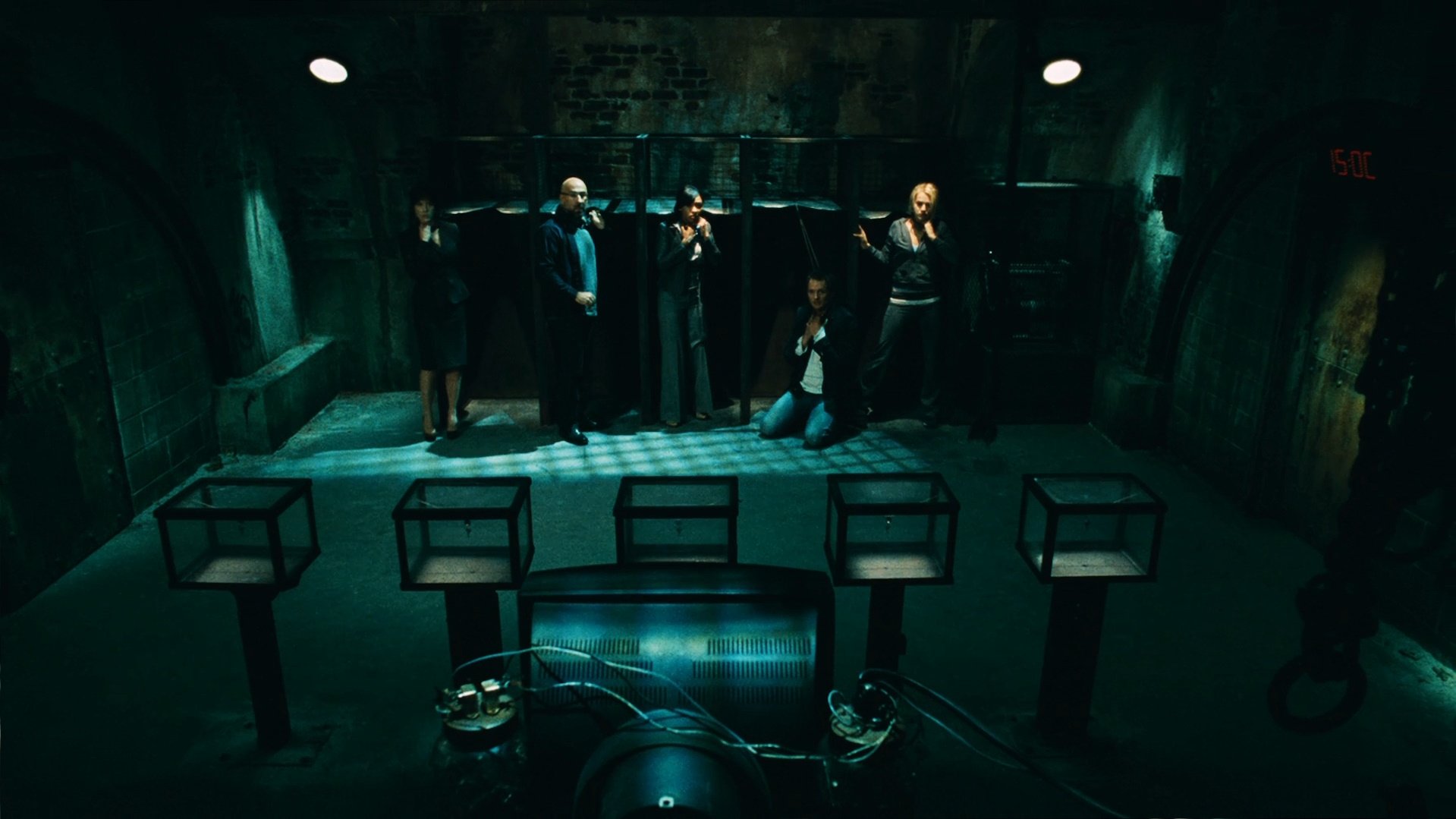
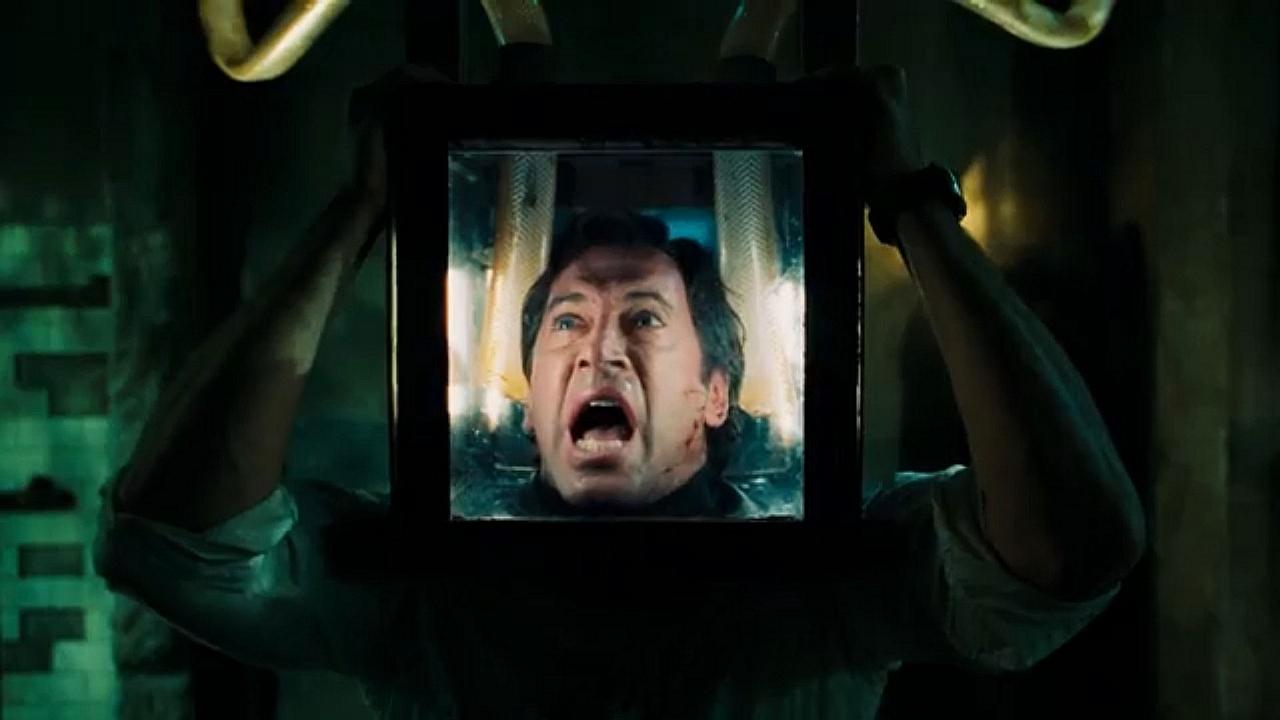
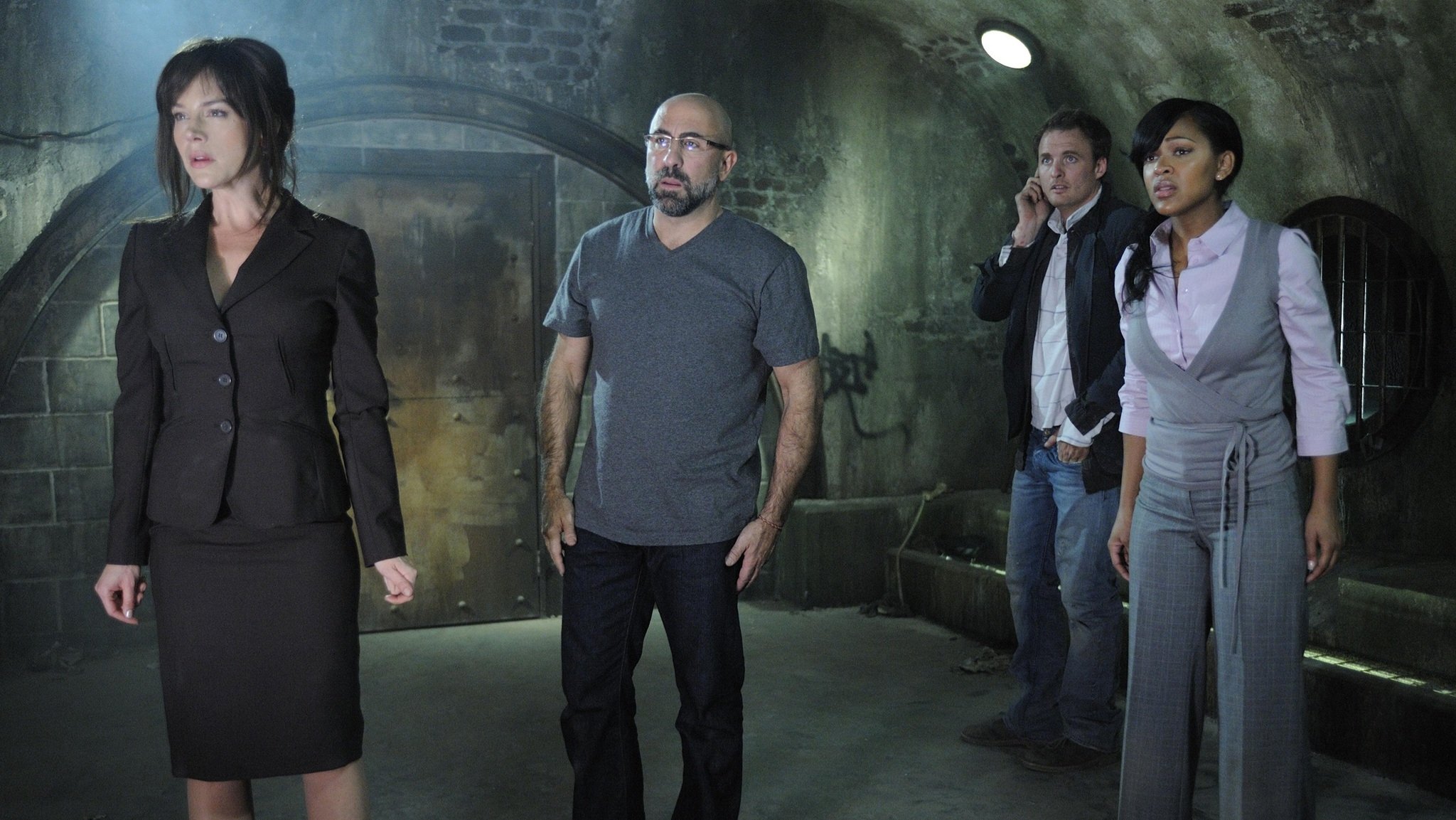
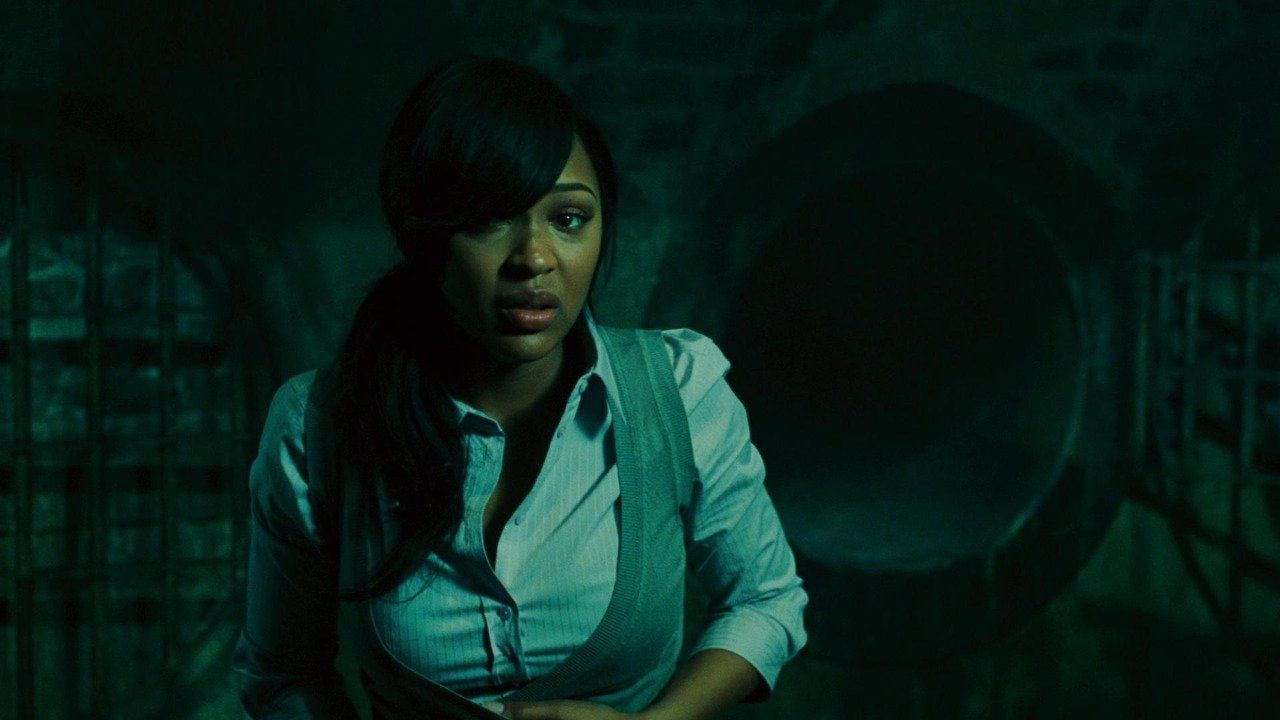
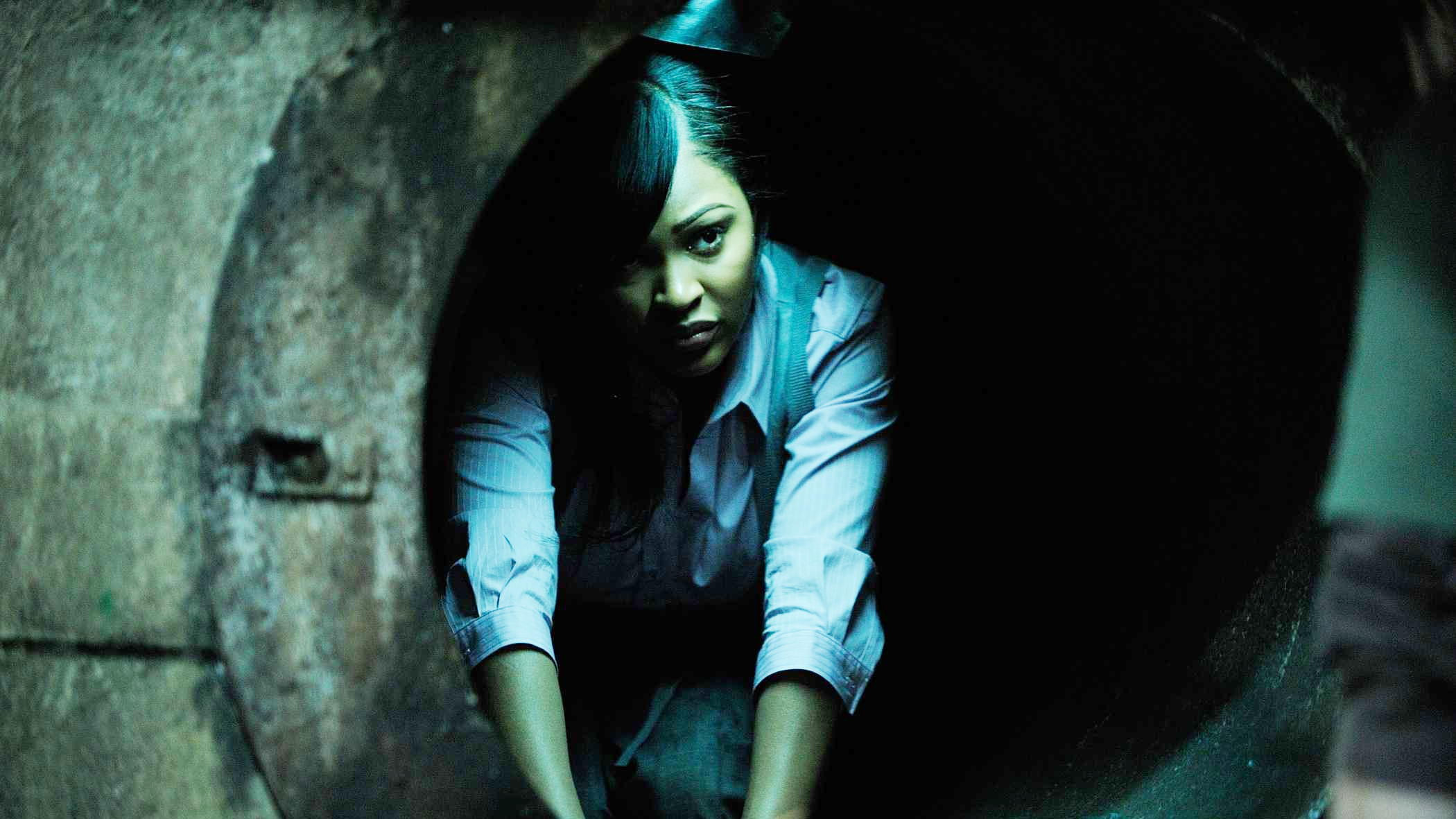
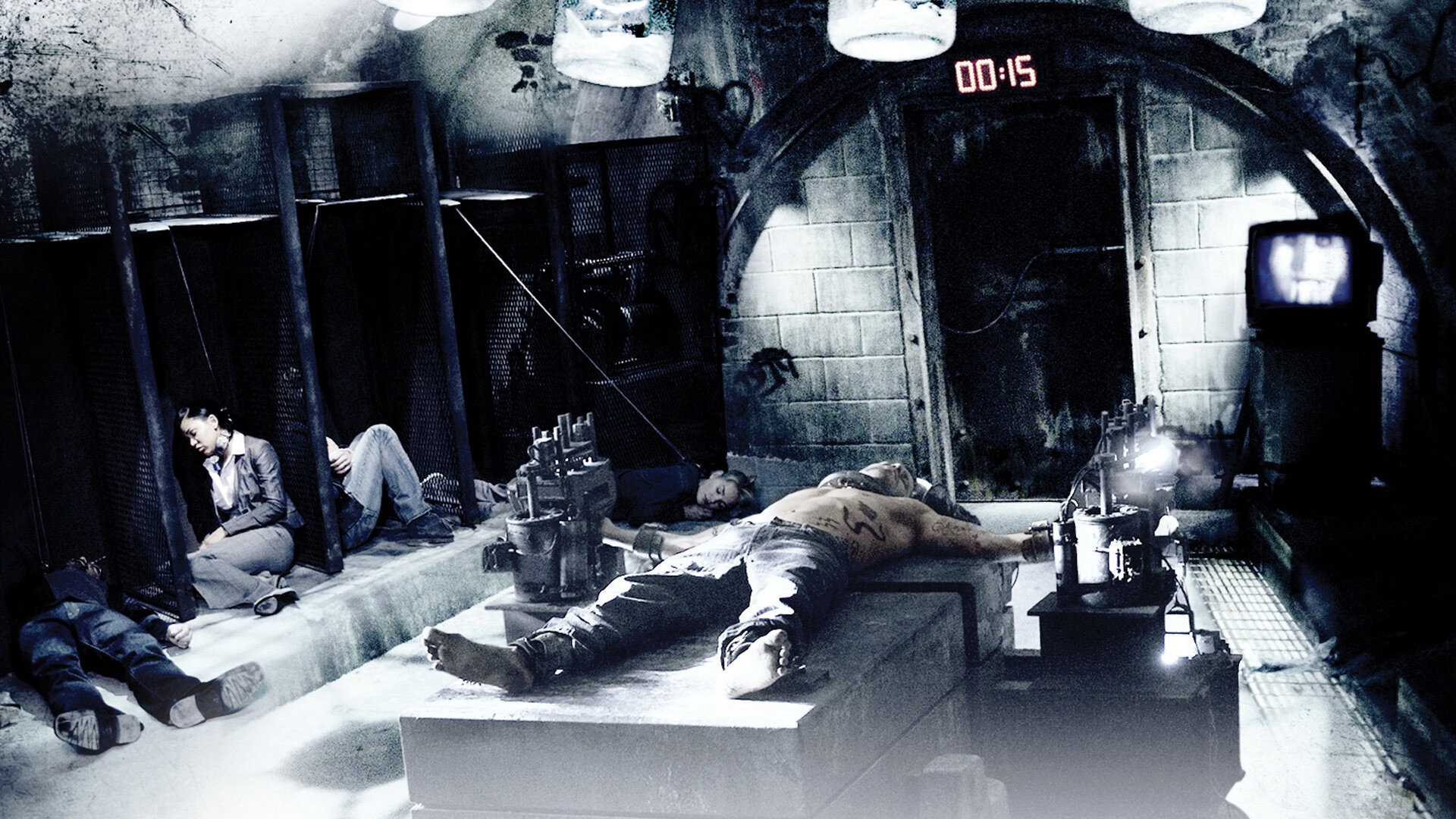
A separate test confines five participants in a sequence of connected rooms. Each stage appears to demand a sacrifice, and the captives respond by treating survival as a competition for limited opportunities. Burg identified cooperation as the intended theme in his pre-release comments. The design makes that proposition visible through repeated opportunities to share effort or resources, even as fear and mistrust encourage the characters to act independently. The structure gives the ordeal a cumulative pattern: decisions made in one room determine how difficult the next mechanism will become.

This framework differs from a simple succession of unrelated punishments. The group enters the trial with connections revealed through its shared past, while its immediate failure lies in misreading the rules under extreme pressure. Their predicament invites a disturbing question about the terms of Jigsaw's philosophy: a person who creates lethal conditions can then claim that the victims' inability to cooperate caused their deaths. The narrative's lesson and the ethics of imposing that lesson are separate matters. Saw V draws horror from the machinery's apparent fairness while making the underlying control impossible to ignore.

Building Traps and Protecting Performers

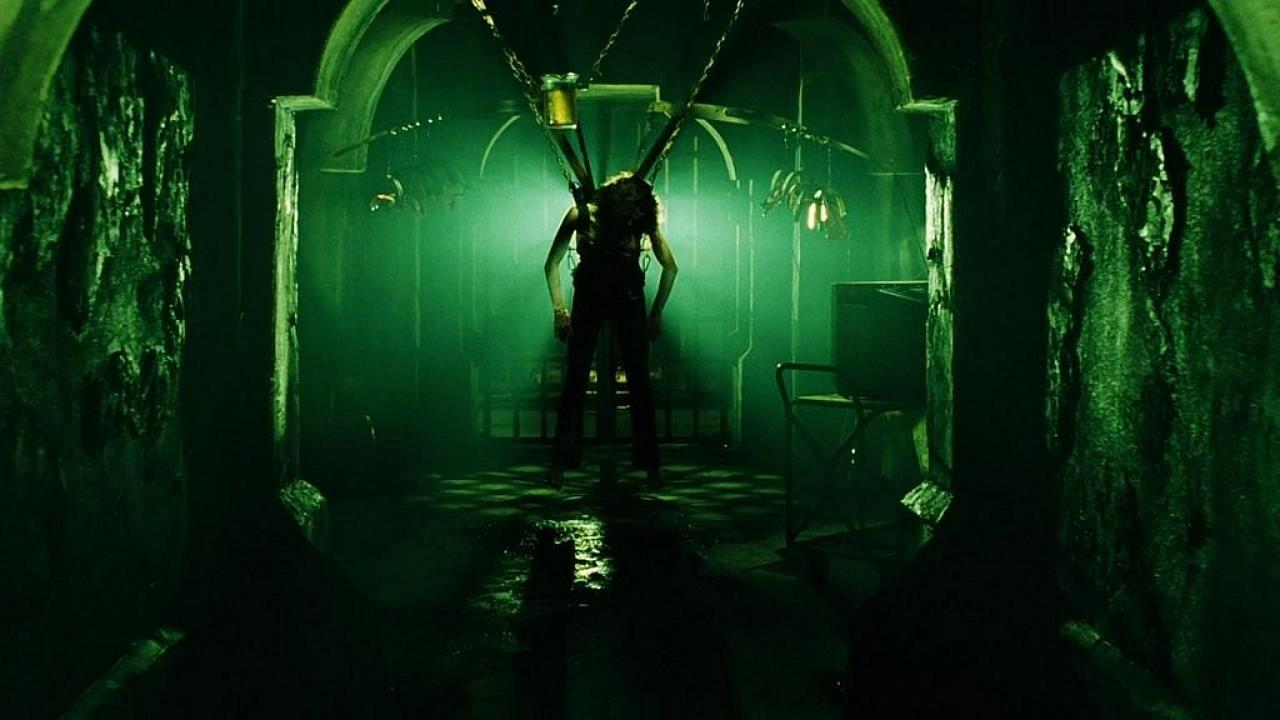
In an extensive October 2008 interview with Machine Design, Hackl described the practical rules governing the devices. They were conceived as objects that one or two people could plausibly fabricate or transport, primarily from recognizable materials. Their components also had to express a particular story requirement and allow for a possible escape. According to Hackl, the move from sketches to a completed mechanism could take approximately two weeks, a pace dictated by film production. His description clarifies why the series' apparatus looks improvised and industrial despite requiring considerable specialist engineering.

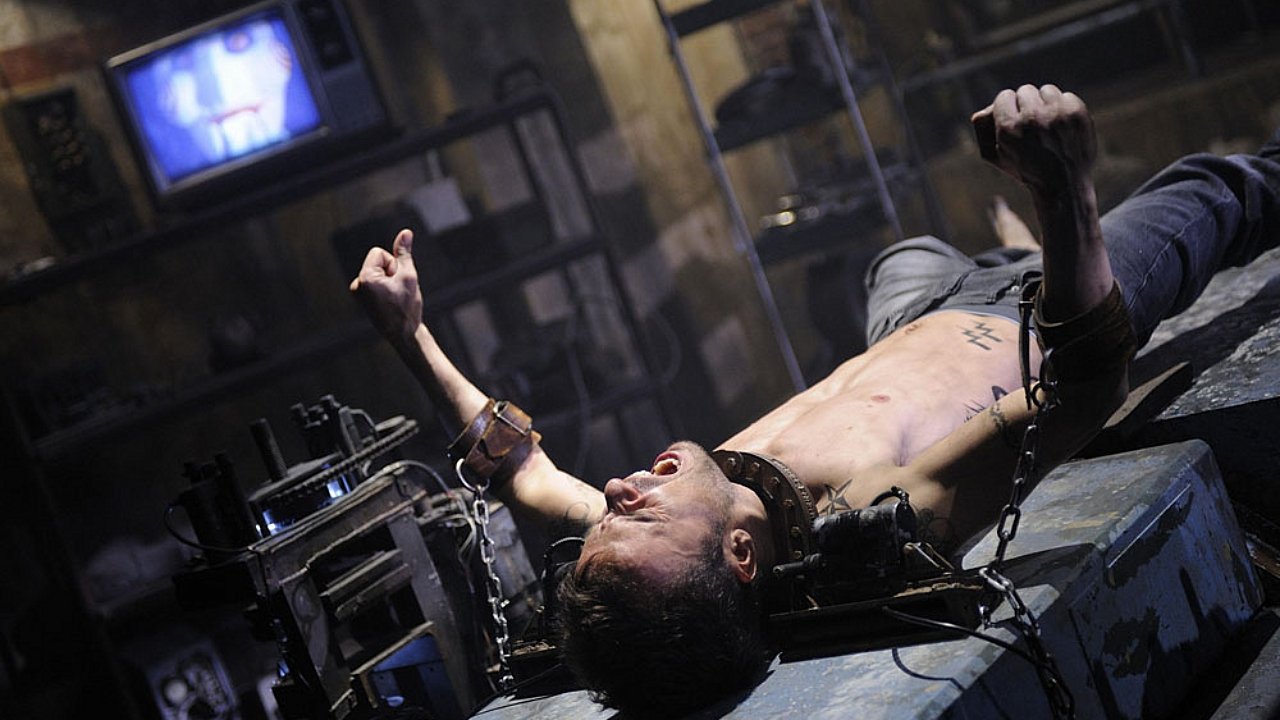
Hackl stressed that the ability to injure a performer was never an acceptable design goal. Soft elements painted as metal, limited-torque motors, mechanical stops and other safeguards supplied the appearance of danger while constraining movement. Prop builder Jason Ehl collaborated with Ianni and the director on fabricated components, and the stunt team was involved in the planning. Some devices used pneumatic or hydraulic systems, with control choices made for reliability on camera. The threatening appearance of the traps therefore concealed a production environment concerned with repeatable action, accurate cues and actor safety.
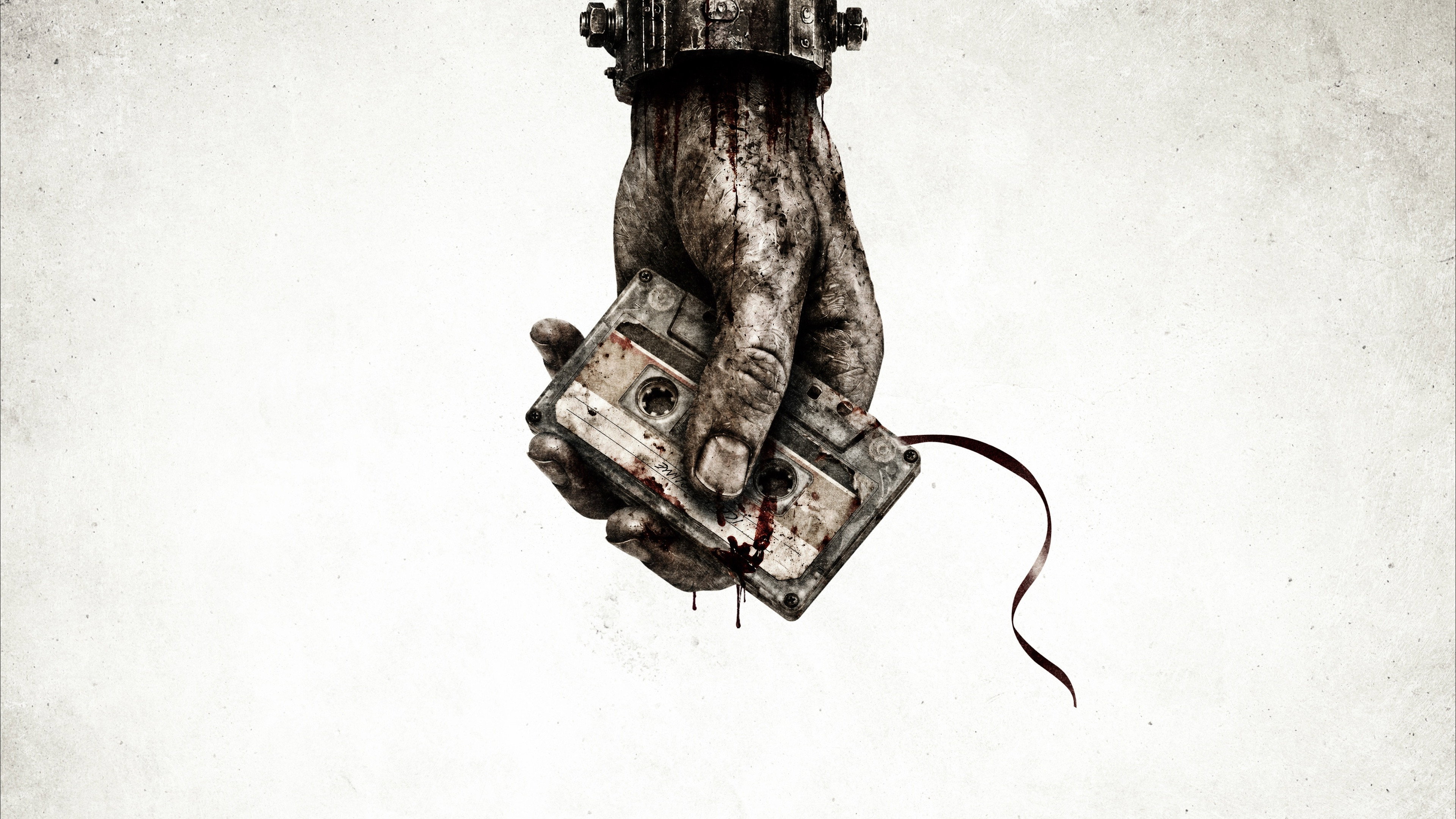
These details matter because the terror of a Saw mechanism depends on a viewer understanding its motion. The hardware must appear capable of causing damage within the scene, yet the film set needs a controllable substitute for that damage. The room-to-room test exploits this apparent legibility: spinning blades and receptacles make the terms of an ordeal immediately recognizable before the participants decide what to do. Mechanical simplicity becomes an aesthetic feature. It permits the audience to anticipate the consequence of an action while leaving the characters' judgment uncertain.
Prosthetics, Digital Effects and Visual Style

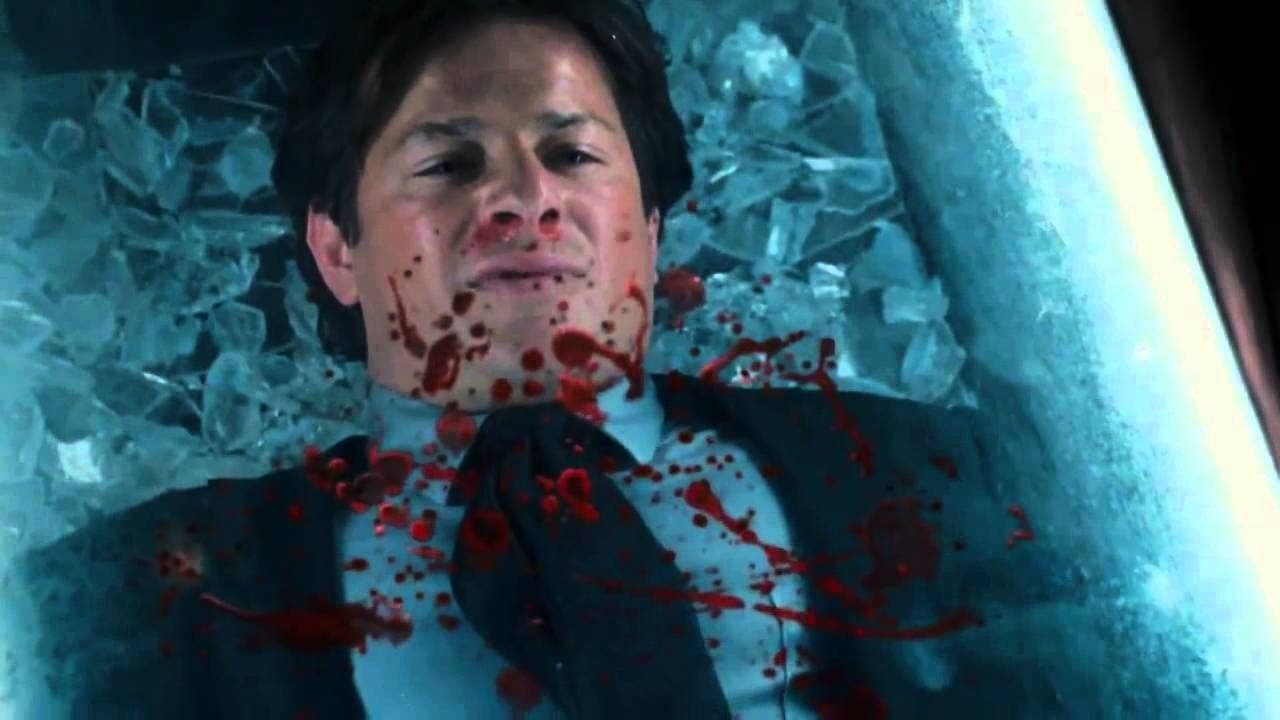
A November 2008 report in Animation World Network provides unusually precise documentation of Saw V's digital work. Switch VFX, supervised by Jon Campfens, completed 155 visual-effects shots and the opening title sequence. Much of this work supplemented material photographed on physical sets. The account describes a decapitation effect assembled from separate plates, digital parts and an animated head blended with the actress's movement. This combination demonstrates the limits of describing the sequel simply as practical gore. The physical staging established the performance and camera space, while postproduction produced a lethal event that could not safely be filmed.

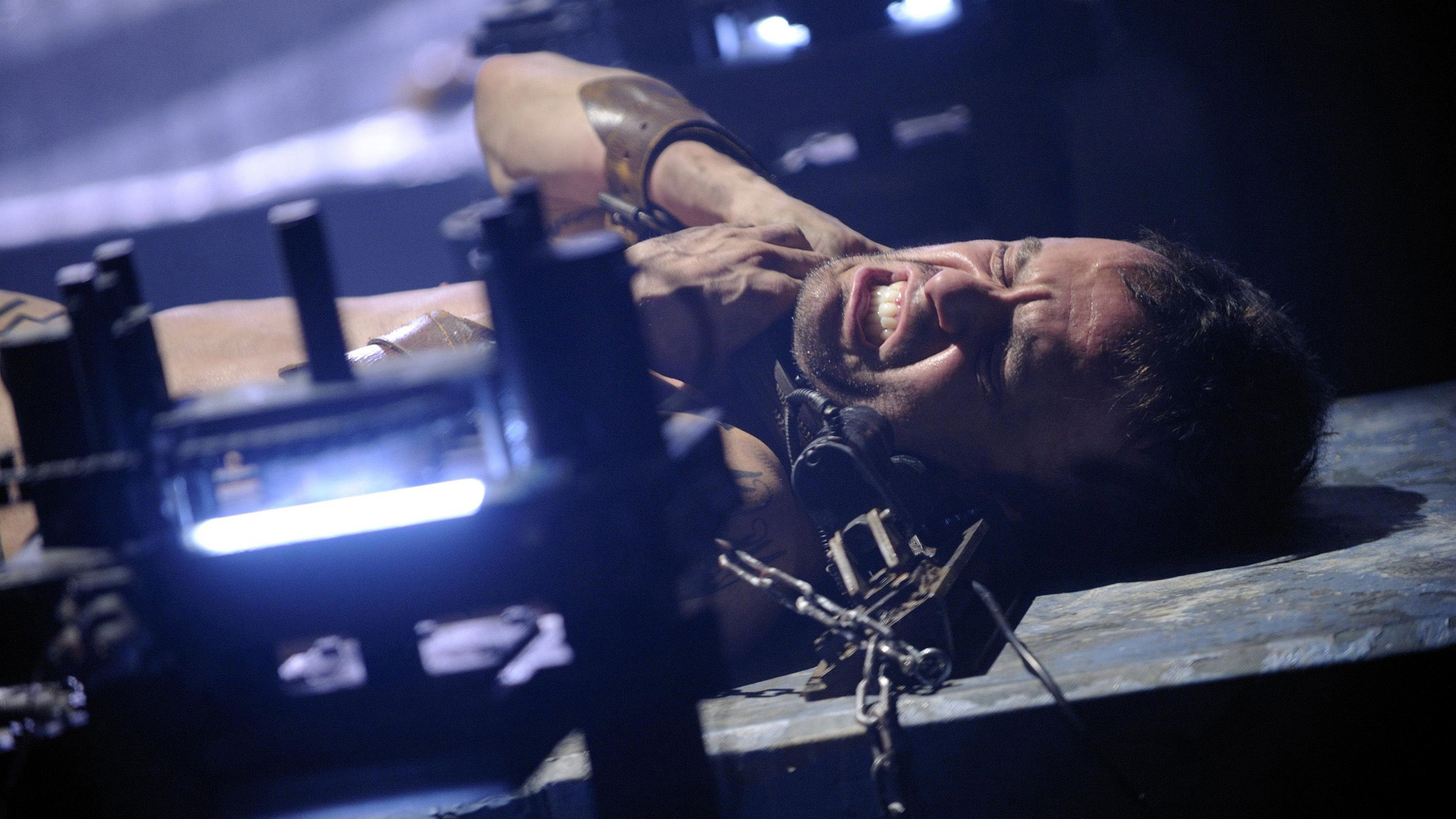
The same report identifies approximately forty effects shots involving the hand-and-saw mechanism. Actors interacted with an imposing fabricated device, while the final images employed digital blades near performers, animated wounds and an enhanced prosthetic hand built by François Dagenais. Tracking software helped align those additions with footage shot using mobile cameras. These are documented techniques specific to the production, not speculative explanations for every injury depicted on screen. They show how an apparently continuous act of bodily damage could be assembled from a safe performance, manufactured anatomy and computer-generated elements.

Contemporary criticism also addressed the result as filmmaking. In Fangoria, Michael Gingold observed that Hackl maintained the franchise's familiar gloomy, abrasive appearance, although the reviewer found fewer striking visual transitions than in Bousman's films. The judgment is significant because Hackl's experience as a production designer did not automatically make his directing style identical to his predecessor's. The visual effects team's emphasis on blending additions into moving shots further shows how the film sought to maintain the impression of physical immediacy even when the most dangerous contact existed only in the finished composite.

Release, Reception and Serial Horror

Saw V opened in the United States on October 24, 2008, continuing the annual pre-Halloween release pattern. Box-office reporting records a domestic opening weekend of $30,053,954 and a North American theatrical total of $56,746,769. These figures establish a substantial theatrical audience but do not independently measure profit: production budgets, distribution expenses and later revenue streams are different categories. The continued ability to attract opening-weekend crowds helps explain why Lionsgate maintained the sequence of yearly installments. The film's commercial result should nevertheless be kept separate from its critical reception.

Gingold's review, originally published by Fangoria in October 2008, was strongly critical. He considered the film overdependent on revisiting Jigsaw's past and faulted its investigative dialogue and limited development of new characters. He also noted that the narrative's returning scenes were fitted carefully around footage from earlier installments. That combination identifies a central tension in the sequel: meticulous continuity could demonstrate the crew's command of the mythology while simultaneously reducing space for unfamiliar situations. Such observations belong to a documented contemporary review, rather than to a later generalization about fan opinion.

The historical value of Saw V lies partly in this mature phase of serialized theatrical horror. Its director came from the franchise's production-design department, the writers inherited unresolved storylines, and the effects team combined built mechanisms with digital augmentation in a repeatable production system. The film also made Hoffman an essential figure in the continuation of Jigsaw's schemes. The result illustrates how a horror property could preserve a recognizable physical aesthetic even after the death of its principal villain. Contemporary complaints about repetition are part of that history, alongside the substantial audience that returned for another chapter.

References

  1. ComingSoon.net EXCL: Producer, Director, Actor Talk Saw V

    Ryan Turek's 2008 interviews with Mark Burg, David Hackl and Costas Mandylor document the directing handover, cooperation theme and planned narrative approach.

  2. Machine Design How to Engineer a Nightmare

    Jessica Shapiro's extended October 2008 interview with Hackl explains prop fabrication, trap design principles, safety systems and the compressed building schedule.

  3. Animation World Network Switching On The Gore For The Saw Franchise

    A detailed November 2008 visual-effects report identifies Switch VFX's 155 shots and the techniques used for the decapitation and hand-saw sequences.

  4. ABC News / Reuters Saw franchise faces test with fifth movie

    Contemporary Reuters reporting examines the annual Halloween business model, the producers' financial strategy and the production continuity behind the sequels.

  5. Fangoria Review: SAW V

    Michael Gingold's original 2008 review assesses the investigative structure, returning flashbacks, visual continuity and growing dependence on series mythology.

Connections

Cast

View Full Cast & Crew →

Release & Distribution

Production Companies (2)

  • Mandate Pictures US
  • Twisted Pictures US

Distributors (2)

  • Budapest Film HU
  • Lionsgate Films US

Release History (30)

Release DateTerritoryRelease TypeFormatDistributorCertificationNotes
2008-10-21 United States Premiere — — — Los Angeles, California
2008-10-23 Australia Theatrical — — R 18+
2008-10-24 Canada Theatrical — — 18A
2008-10-24 United Kingdom Theatrical — — 18
2008-10-24 Ireland Theatrical — — 16
2008-10-24 Poland Digital — — 18
2008-10-24 Türkiye Theatrical — — 18+
2008-10-24 United States Theatrical — — R
2008-10-24 Vietnam Theatrical — — —
2008-10-30 Czechia Digital — — 18+
2008-10-30 Greece Theatrical — — —
2008-10-31 Brazil Theatrical — — 18
2008-10-31 Estonia Theatrical — — —
2008-10-31 Finland Theatrical — — K-18
2008-10-31 Lithuania Theatrical — — —
2008-10-31 Latvia Theatrical — — 18+
2008-11-05 Switzerland Digital — — 18
2008-11-05 France Theatrical — — 16
2008-11-14 Spain Theatrical — — 18
2008-11-20 Kazakhstan Theatrical — — —
2008-11-28 Japan Theatrical — — R
2008-12-03 South Korea Theatrical — — 18
2008-12-05 Italy Theatrical — — —
2009-01-08 Hungary Digital — — 18
2009-01-08 Netherlands Theatrical — — 16
2009-01-15 Germany Theatrical — — 18
2009-01-15 Slovakia Theatrical — — —
2009-08-18 Netherlands Physical DVD — 16 DVD
2009-11-10 Netherlands Physical Blu-ray — 16 Blu ray
2010-12-29 Netherlands TV — — 16 RTL 7
You won't believe how it ends.