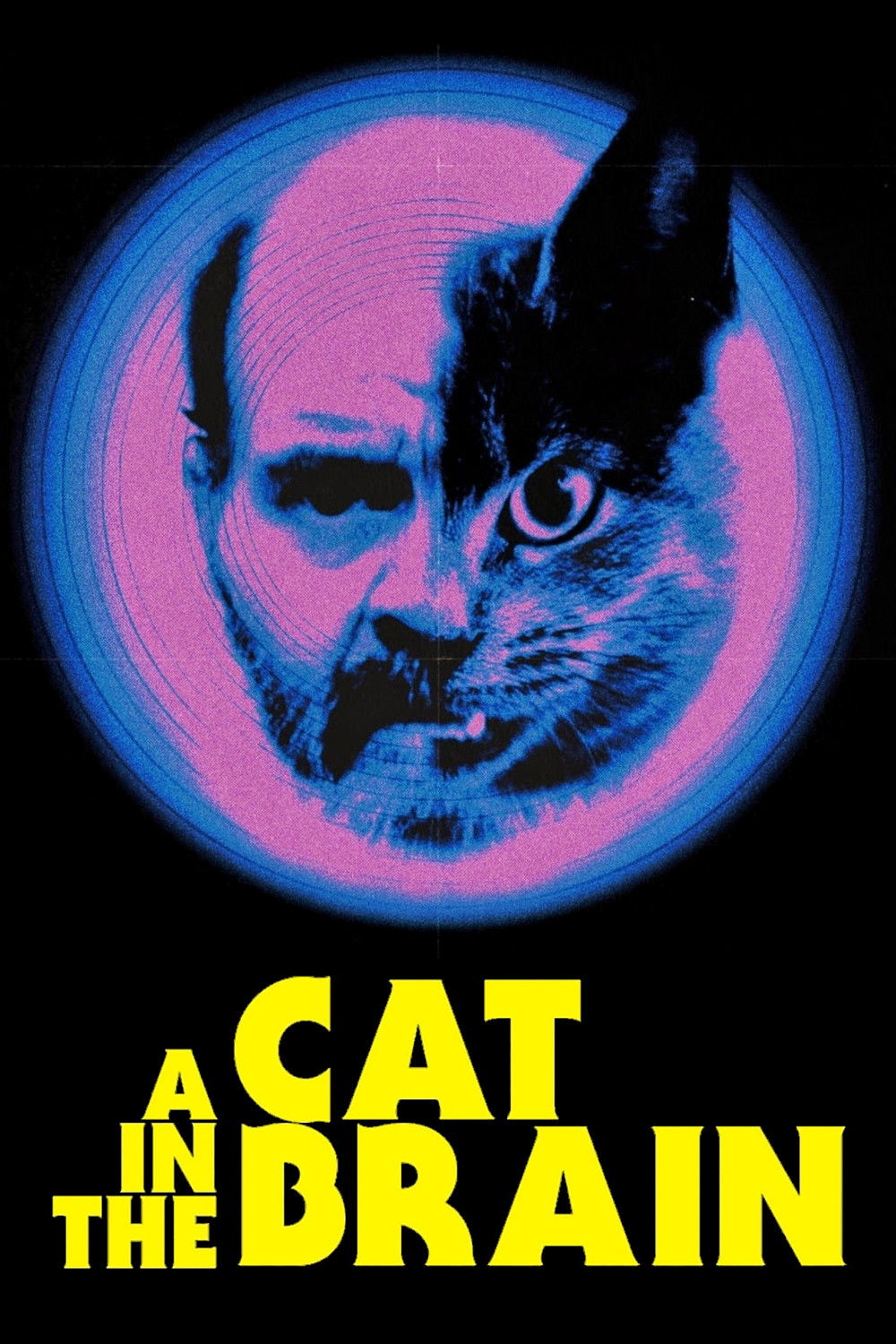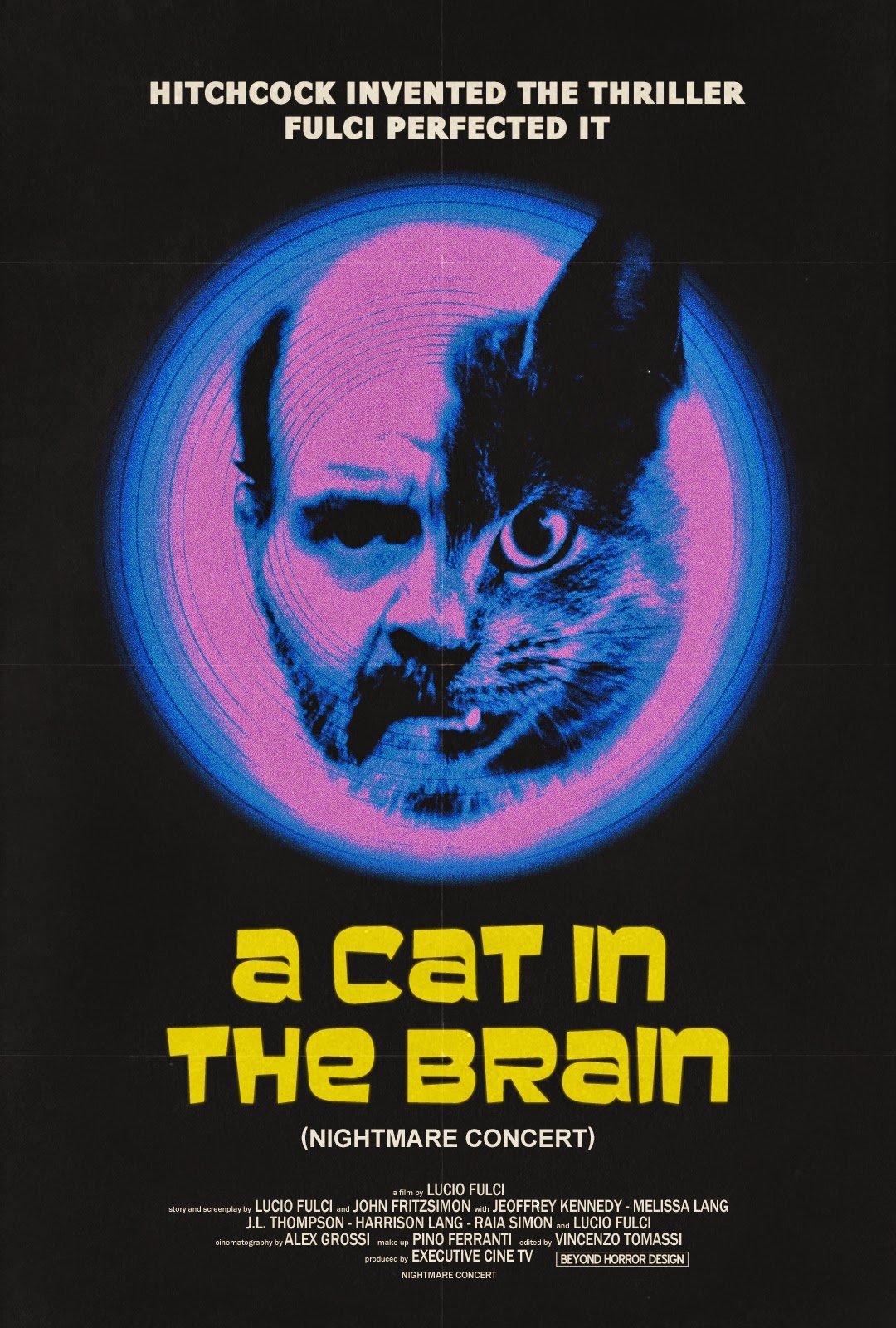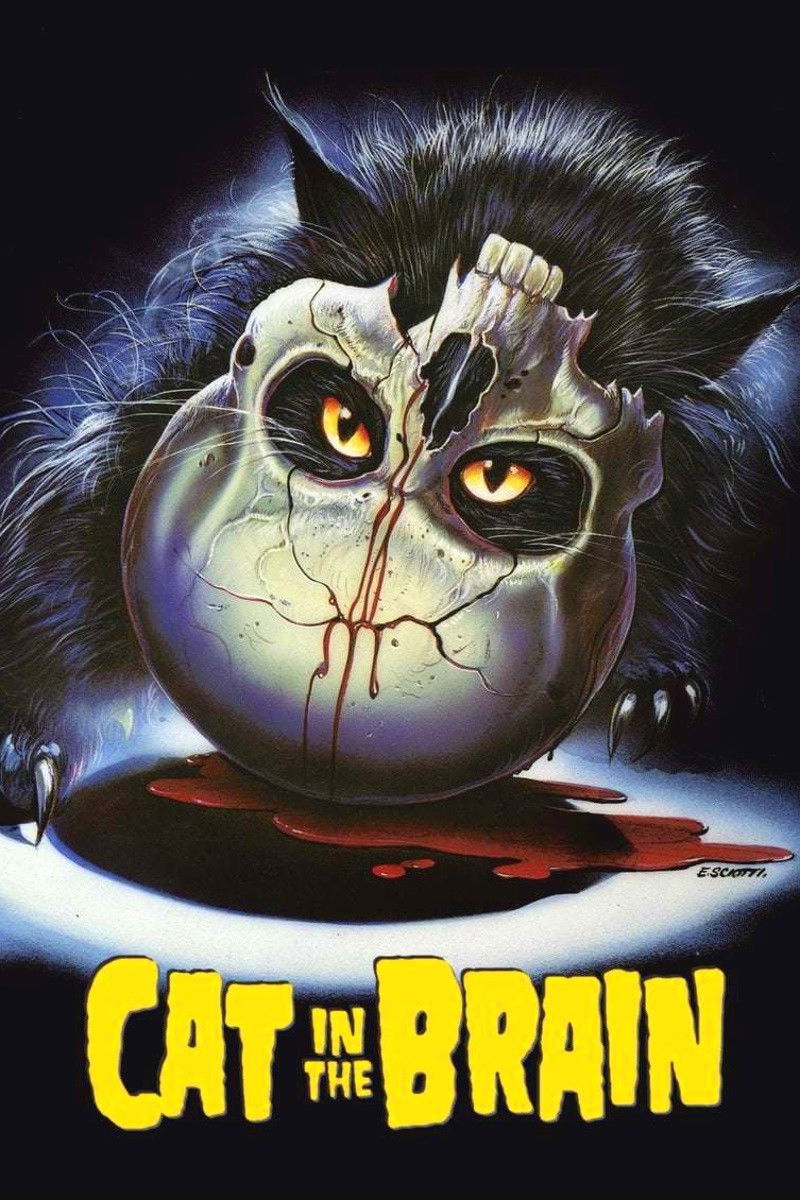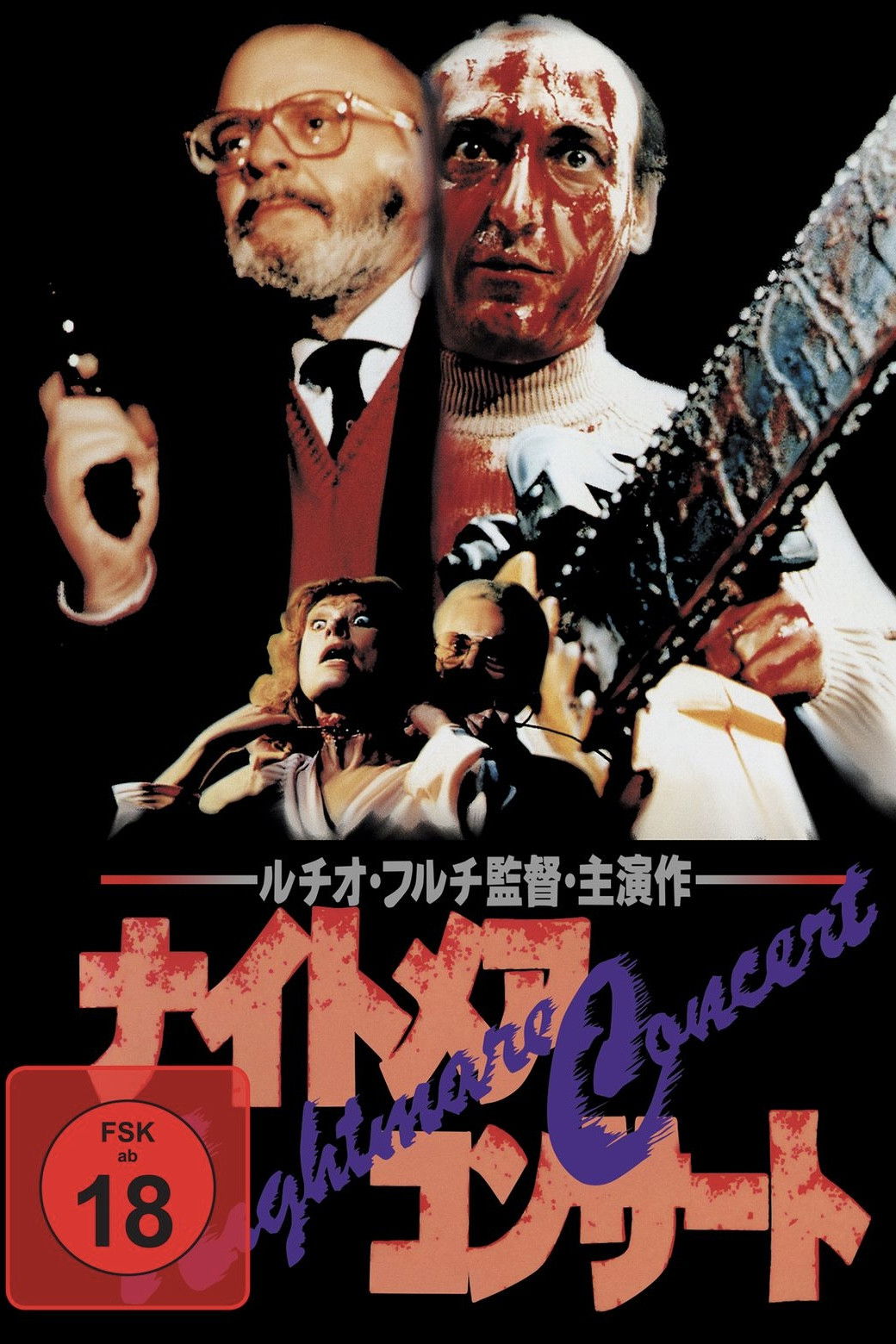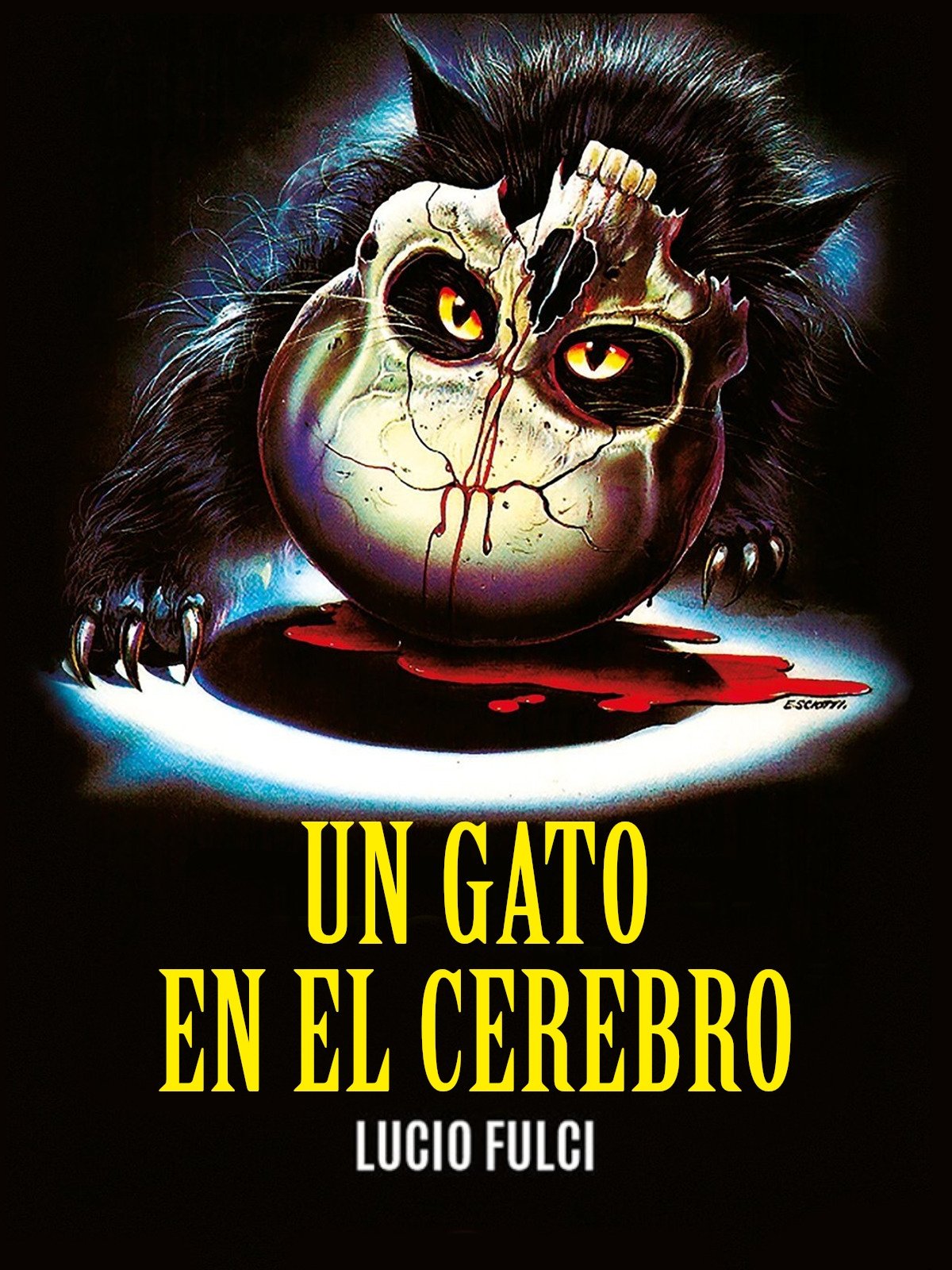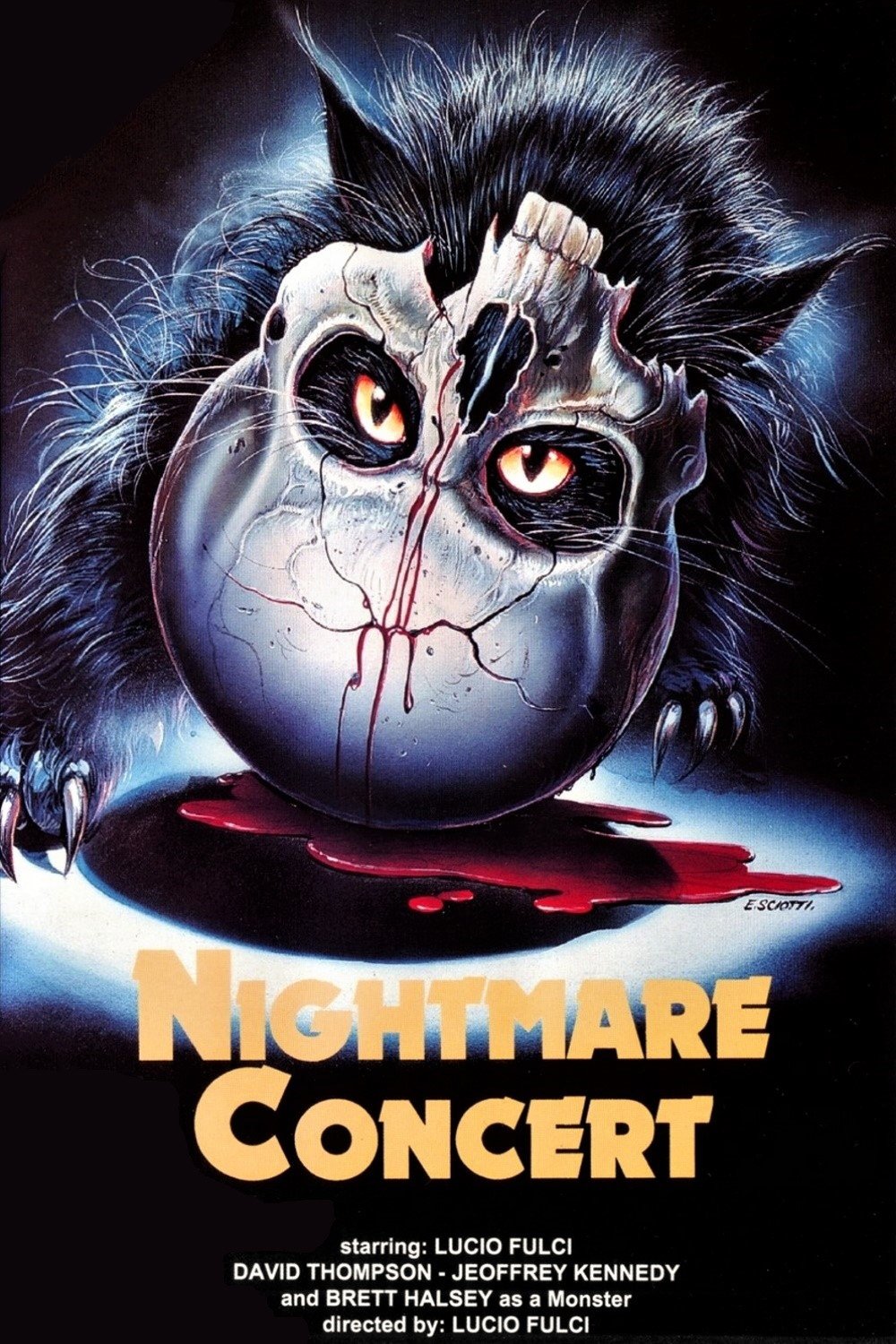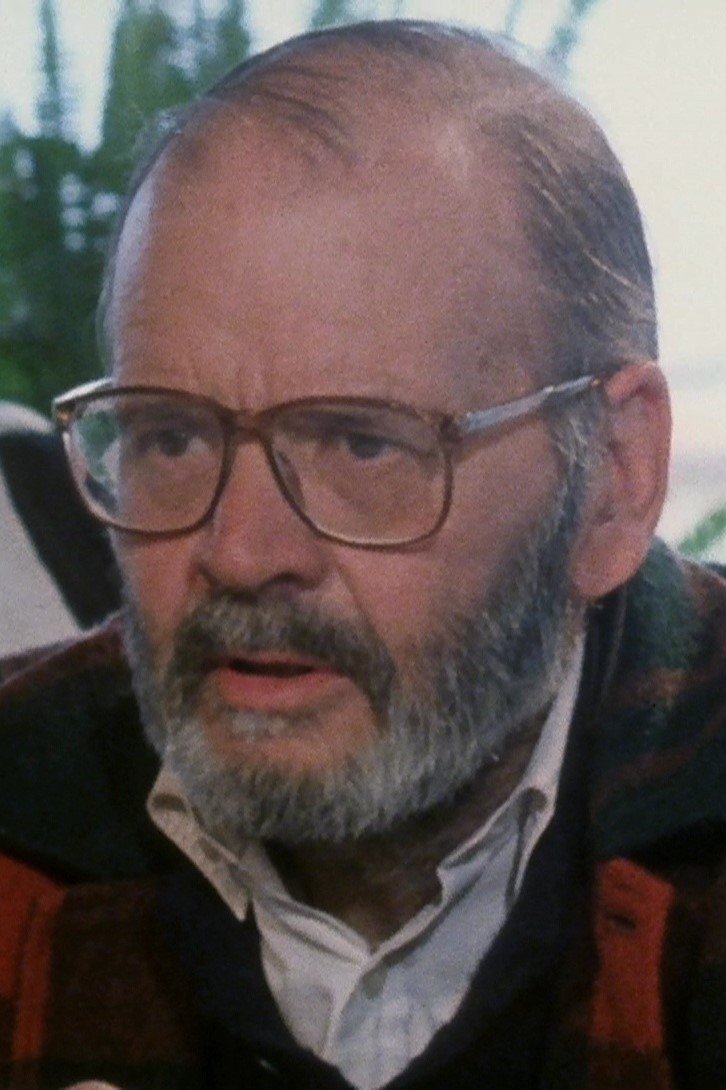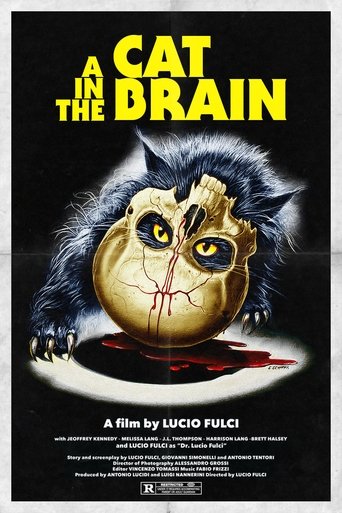

Fulci Turns Himself into the Monster
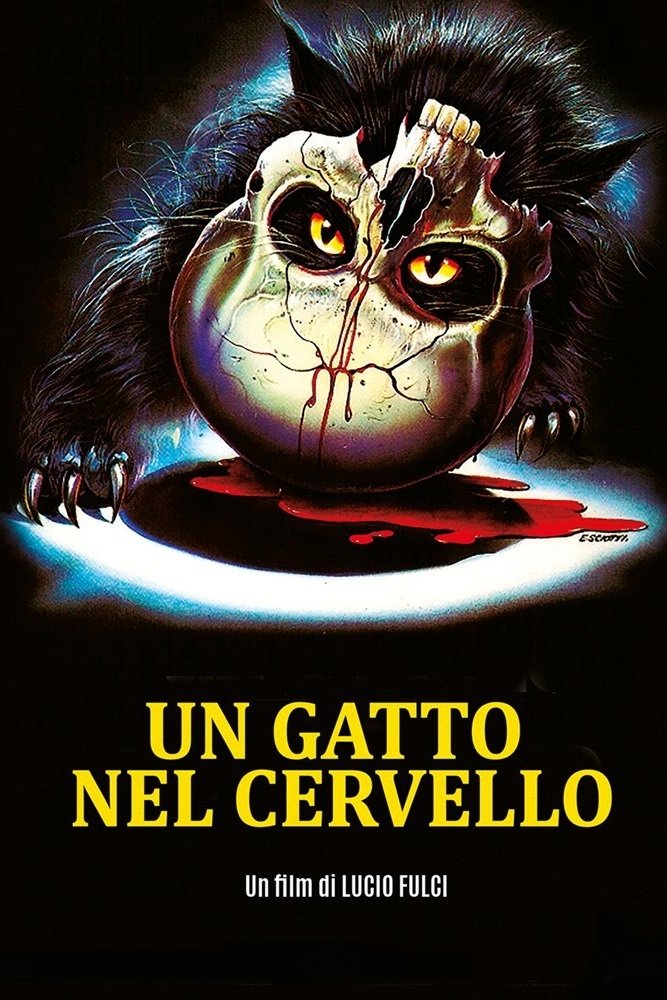
Fulci had appeared briefly in several earlier films, sometimes for practical reasons and sometimes because he enjoyed the tradition of directorial cameos. A Cat in the Brain changes the function completely by making Lucio Fulci the principal character. In a contemporary interview he described the film as an homage to his previous work and explicitly connected his own screen presence with the cameo tradition associated with Alfred Hitchcock. The crucial difference is that Fulci no longer appears at the edge of someone else's story. His reputation as a maker of violent horror becomes the subject of the story itself.
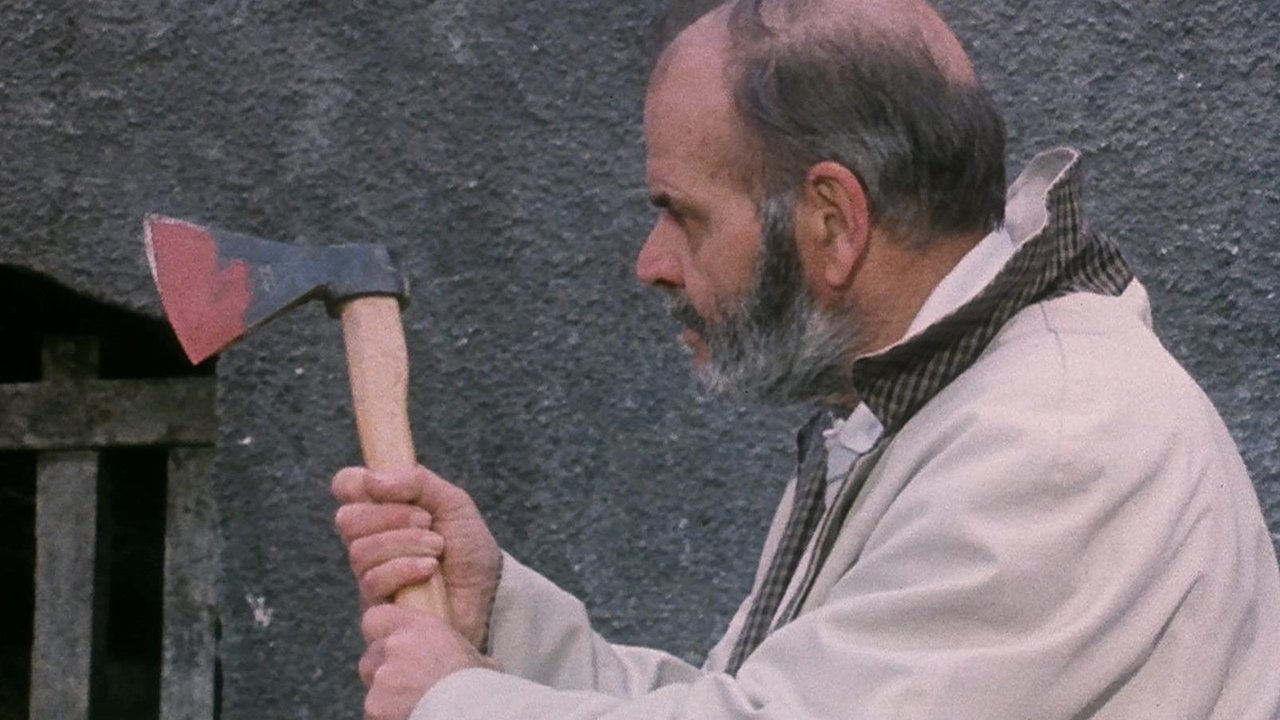
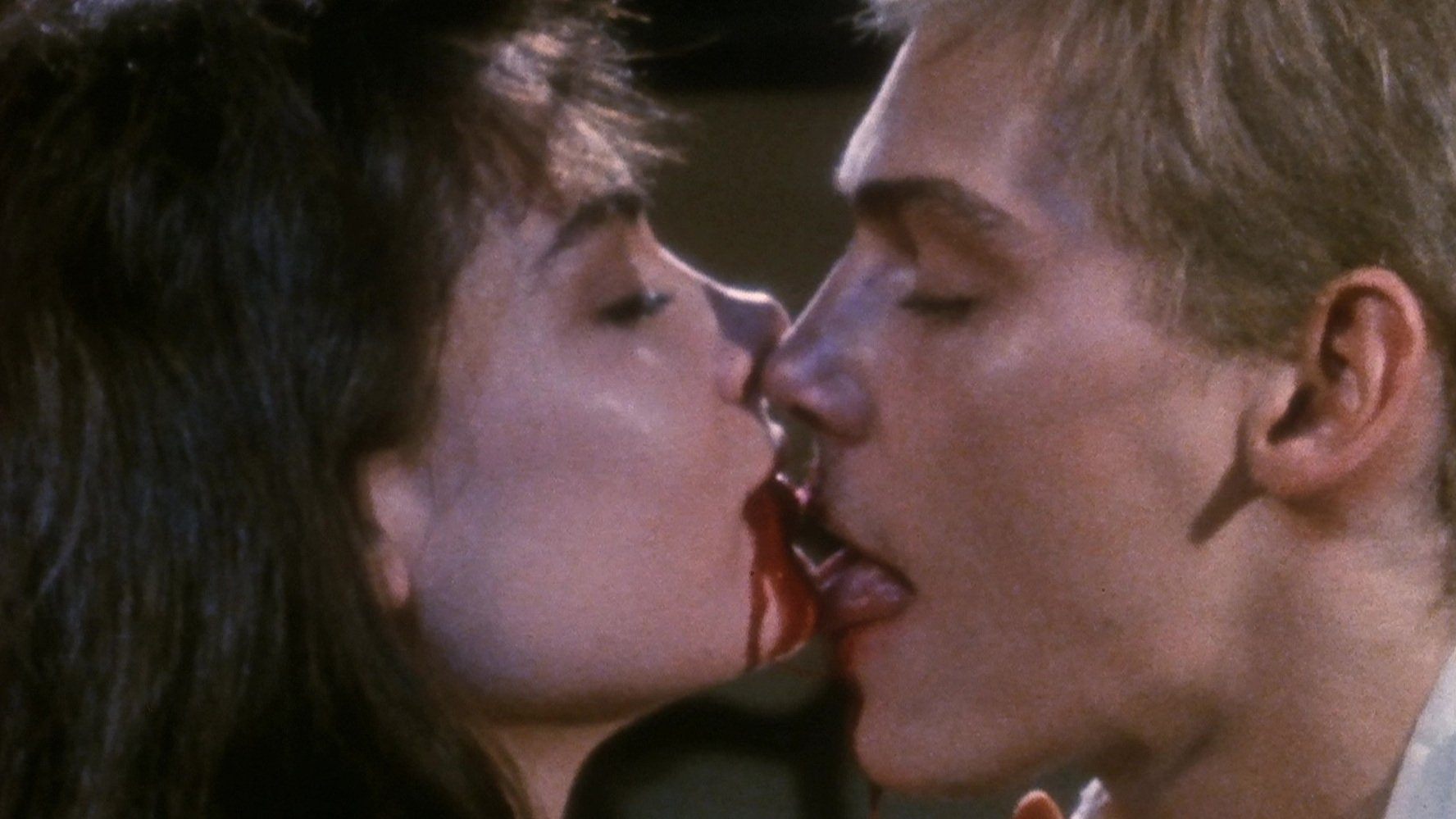
Fulci explained the structure through three different classes of performers. Some belong to the horror production the fictional director is shooting. Others inhabit what the film presents as Fulci's ordinary reality, including the psychiatrist and people around him. A third group exists inside nightmares and intrusive visions. These levels are deliberately allowed to contaminate one another. The spectator can initially recognize a movie set because cameras, crew or performance conventions are visible, only for comparable violence later to appear without those markers.
The result is less confession than self-caricature. Fulci constructs a version of himself whose imagination has become so saturated with dismemberment, cannibalism and murder that ordinary stimuli automatically transform into horror imagery. Yet the film simultaneously mocks the idea that violent filmmakers must secretly be dangerous people. The fictional Fulci is anxious about what the images mean, while the respectable psychiatrist who claims to cure him is the person actually committing murders. The reversal turns contemporary moral suspicion toward horror directors into the mechanism of the joke.