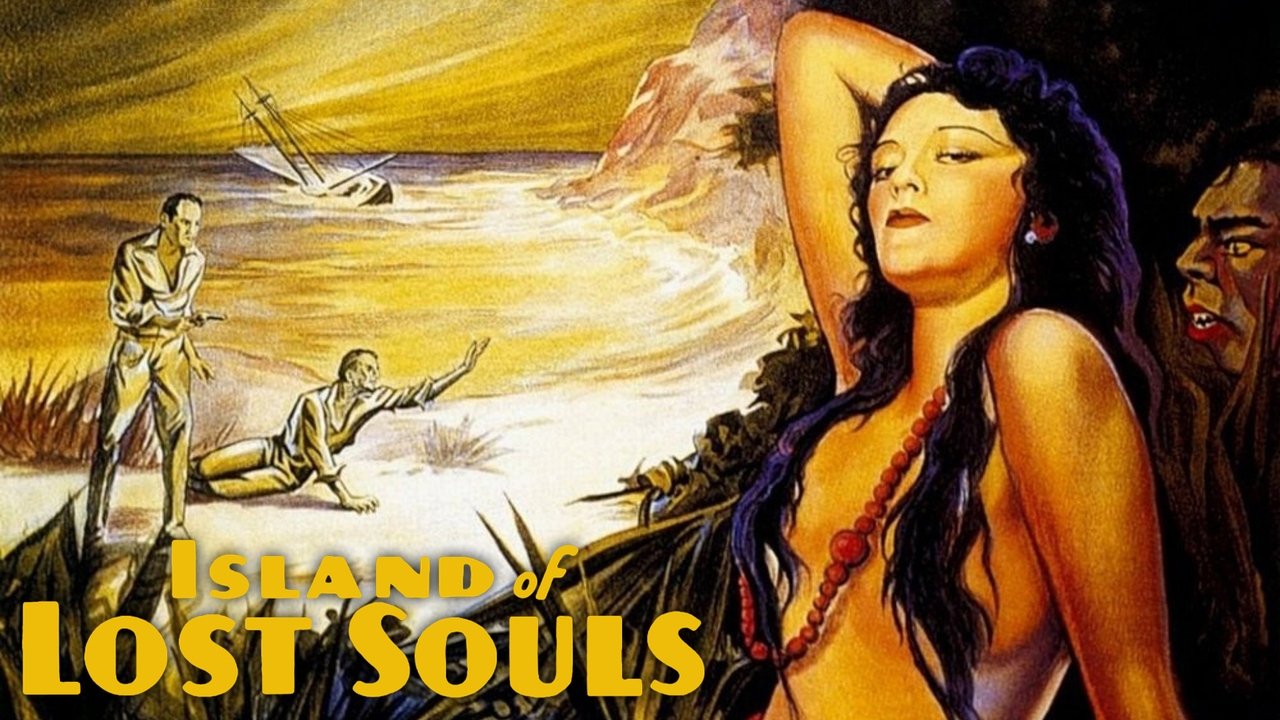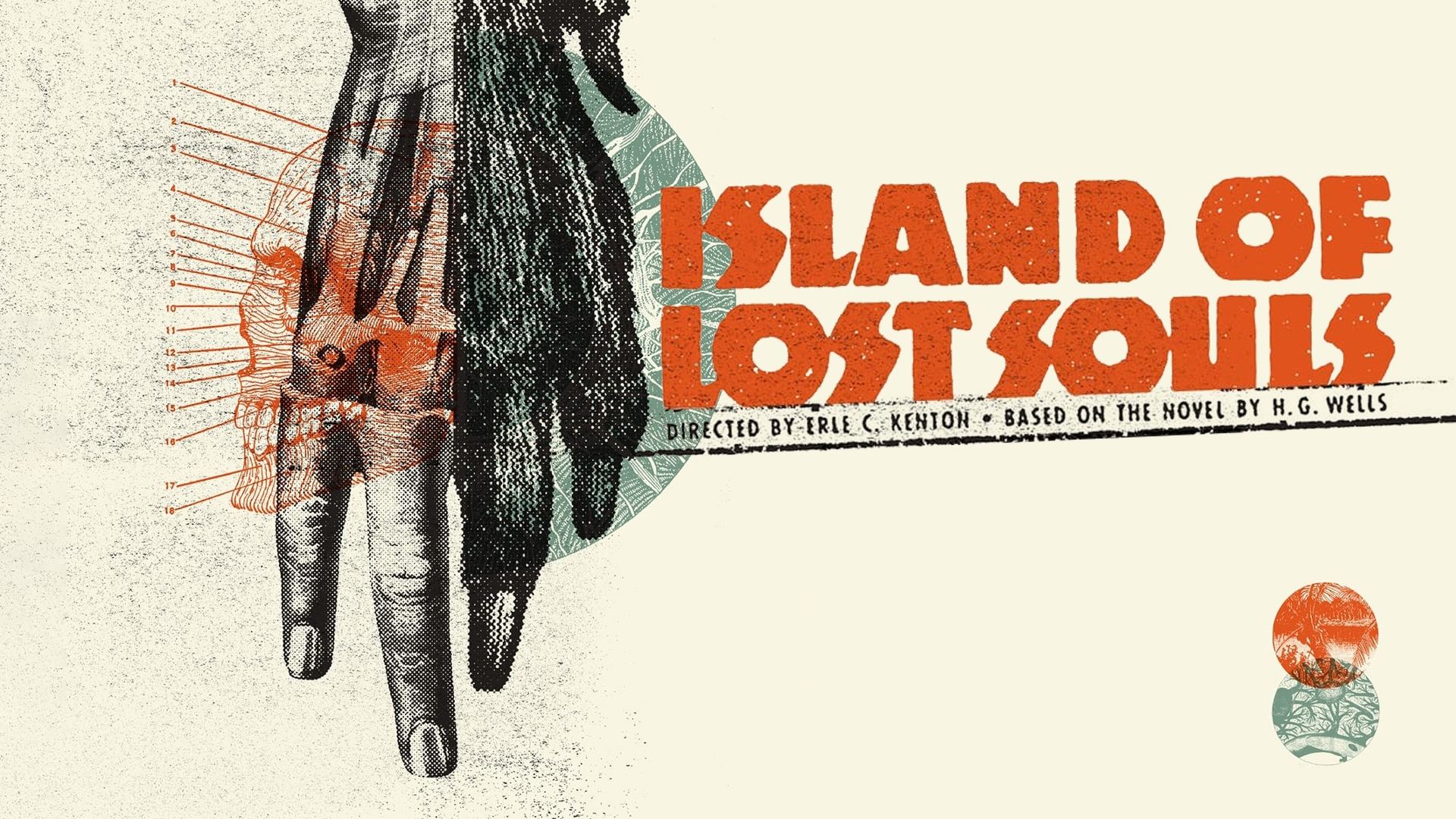
Island of Lost Souls (1932)

US
Runtime
70 min
Release
December 31, 1932
Budget
$300,000
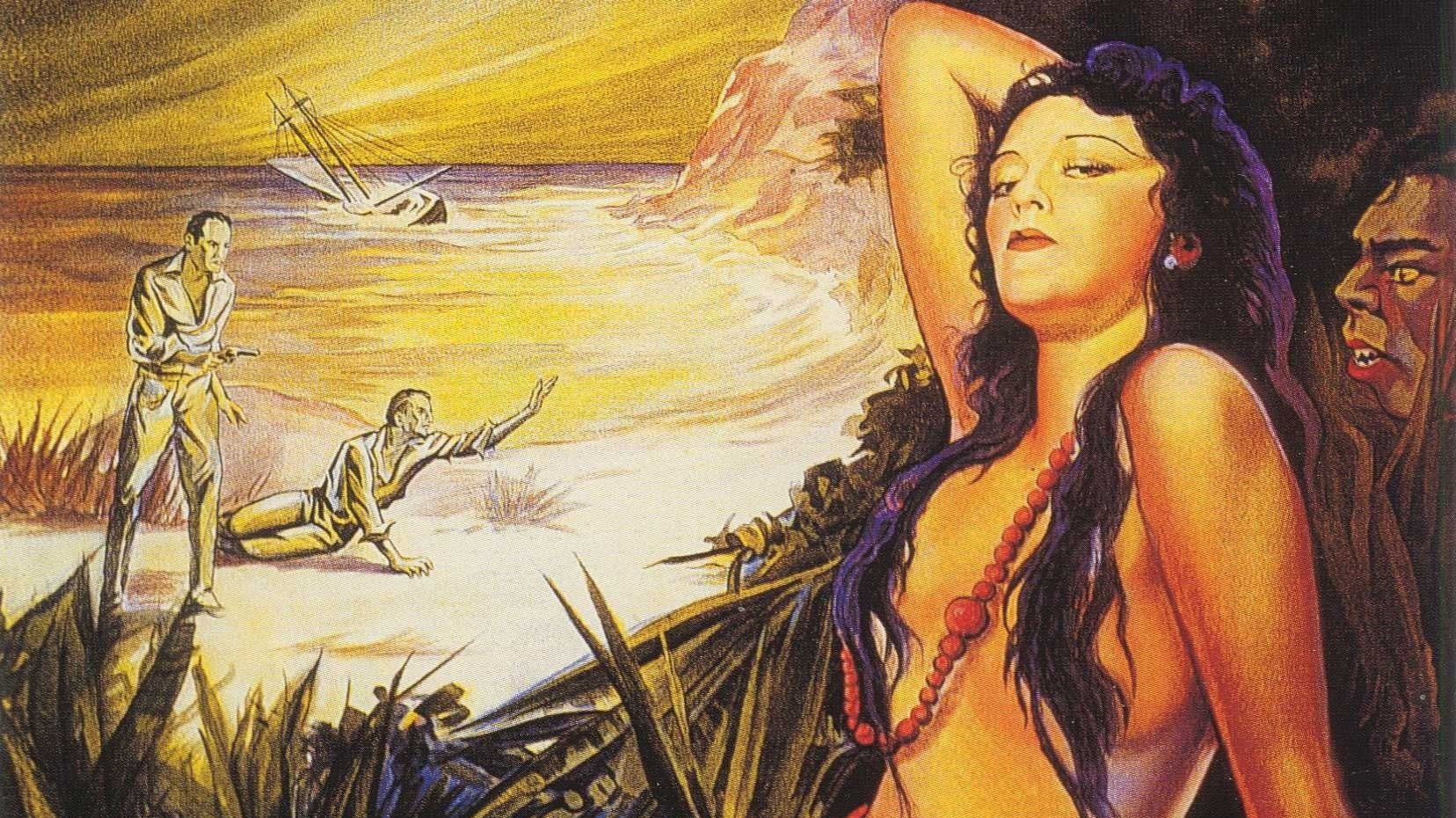
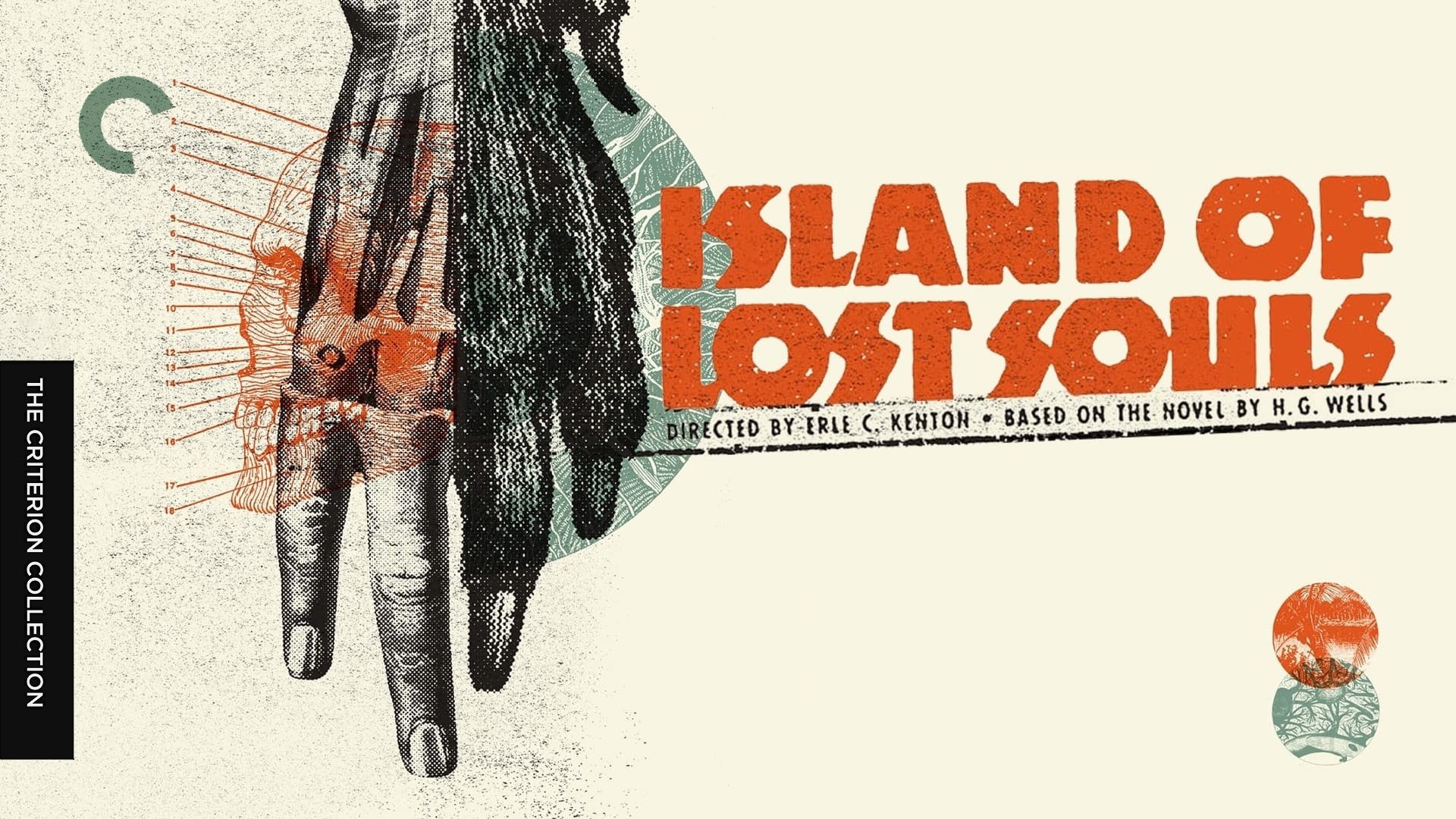
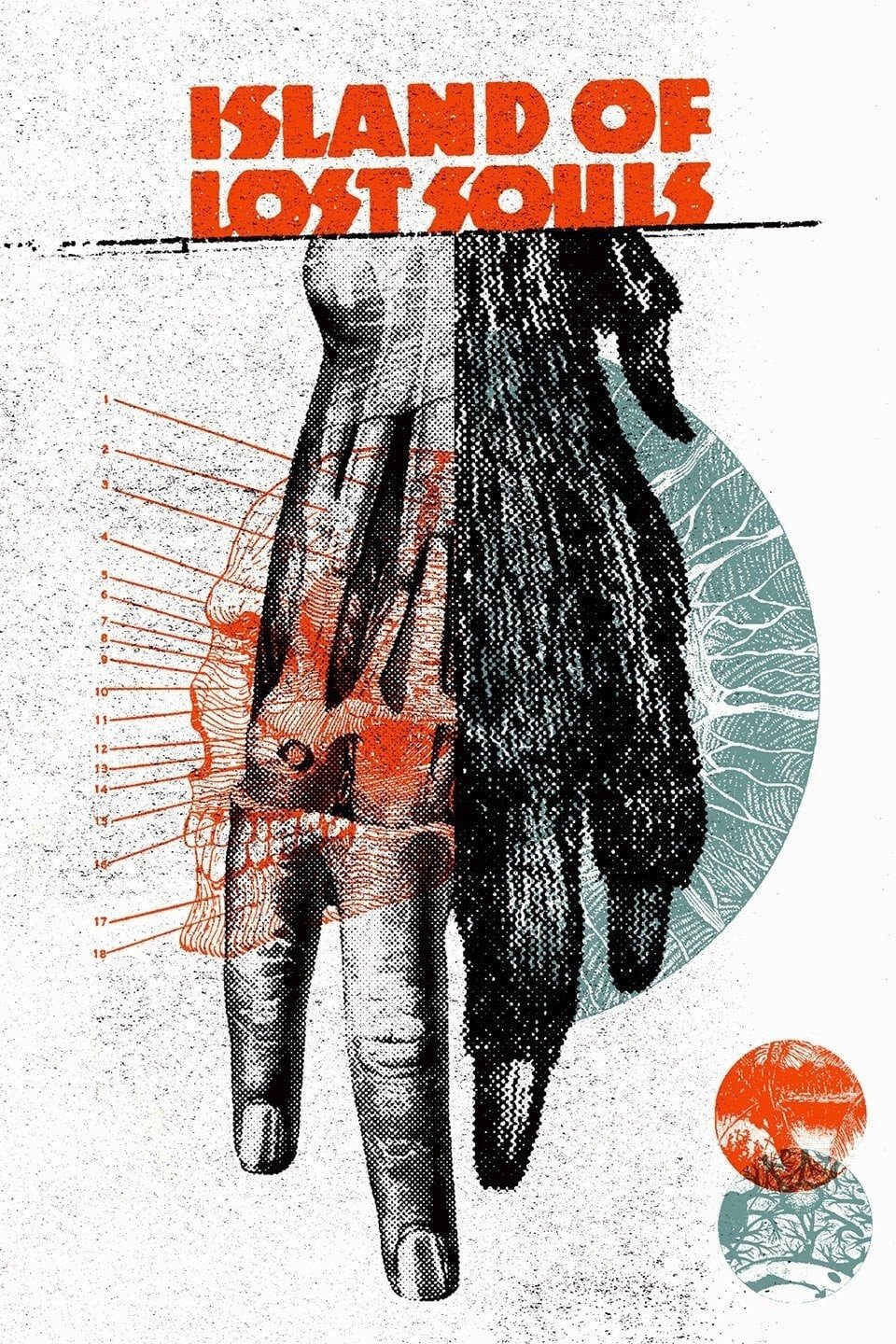
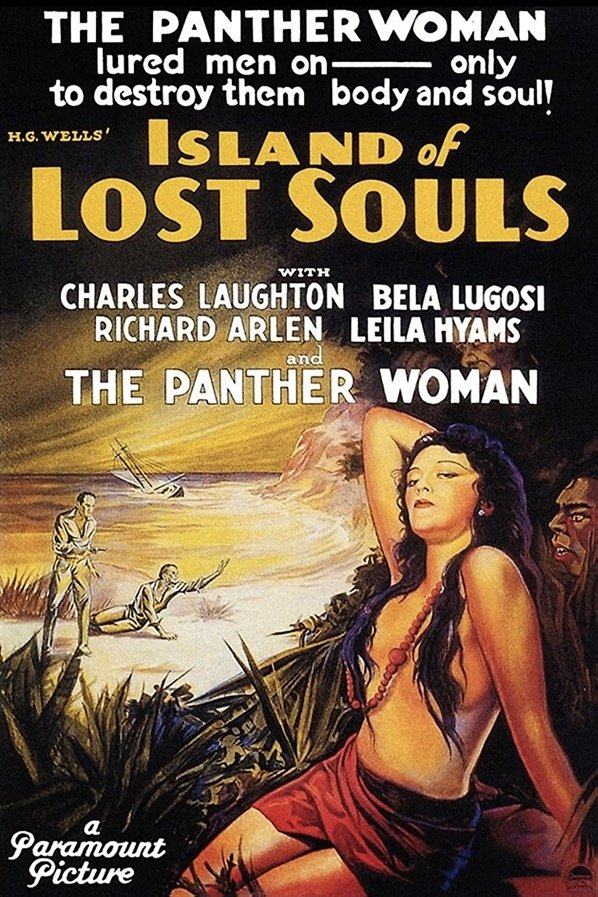
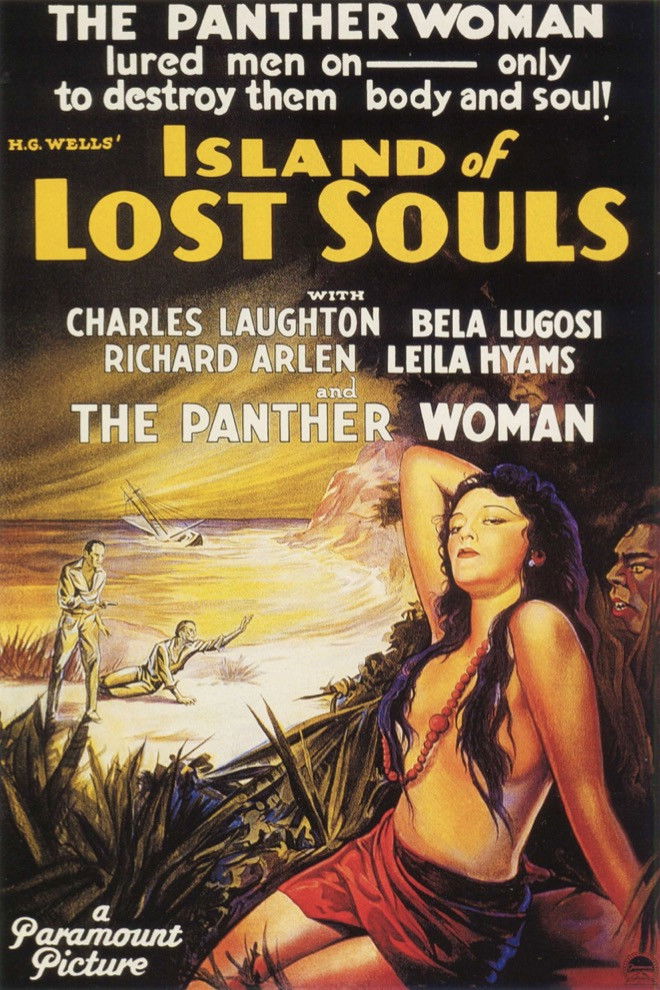
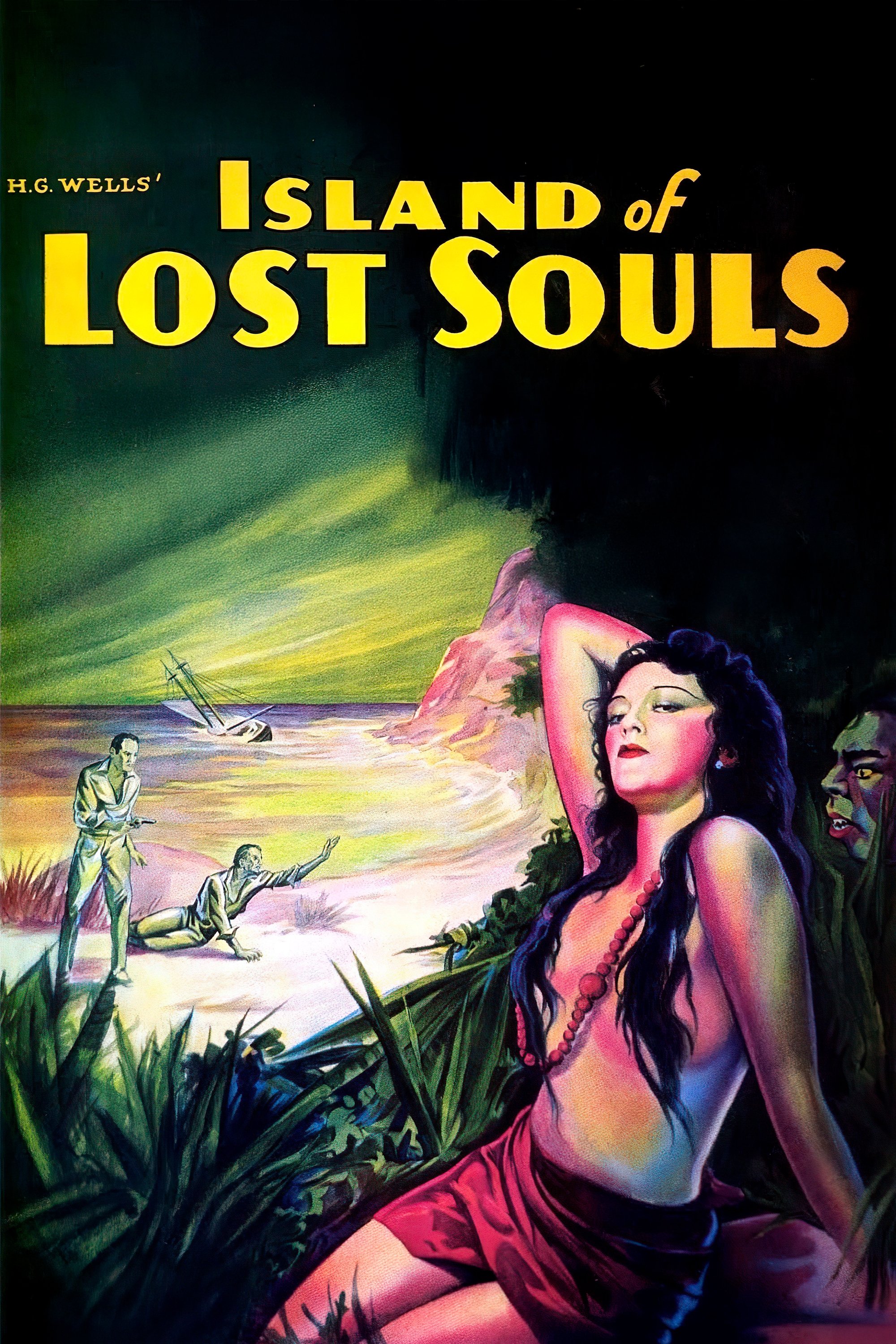
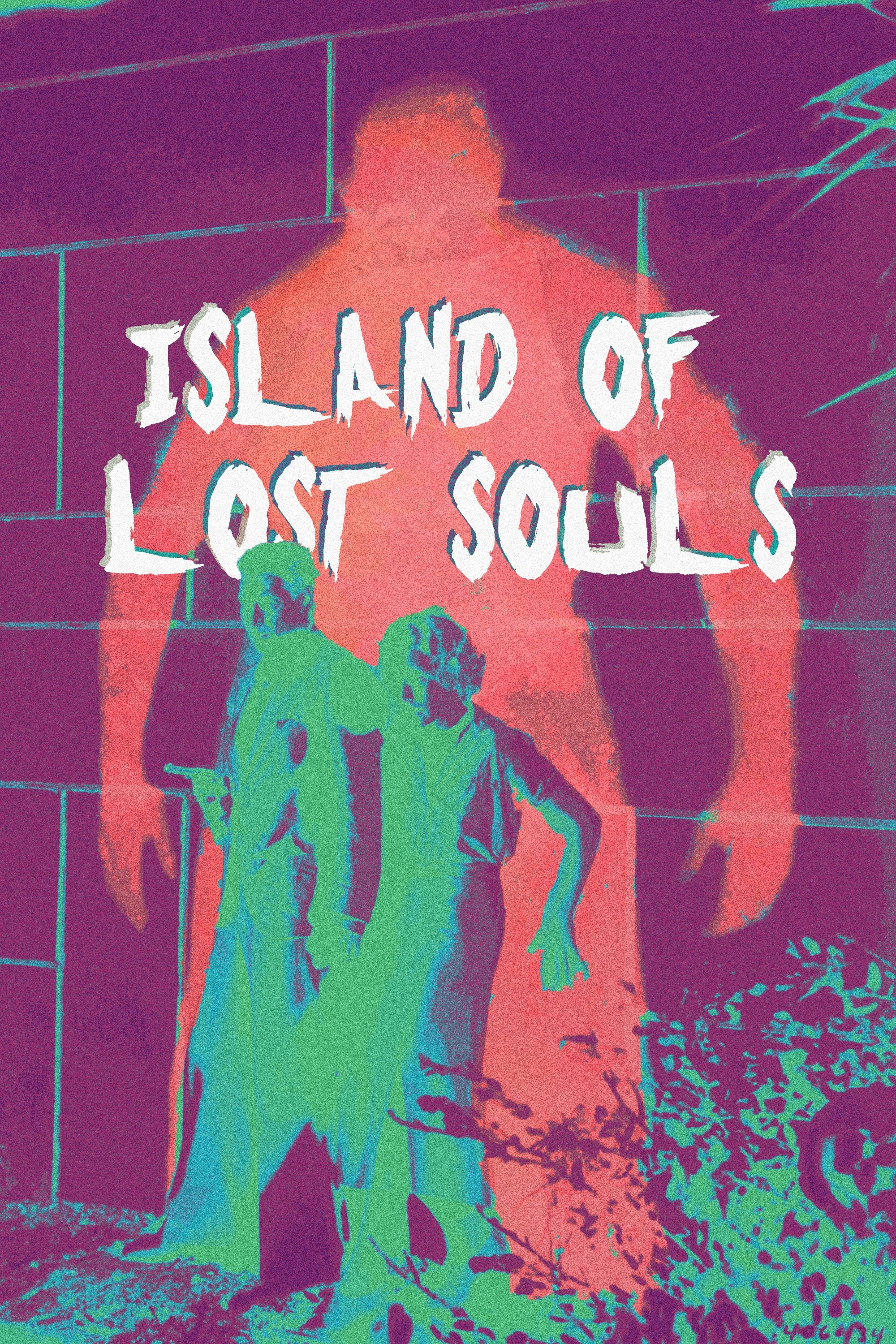
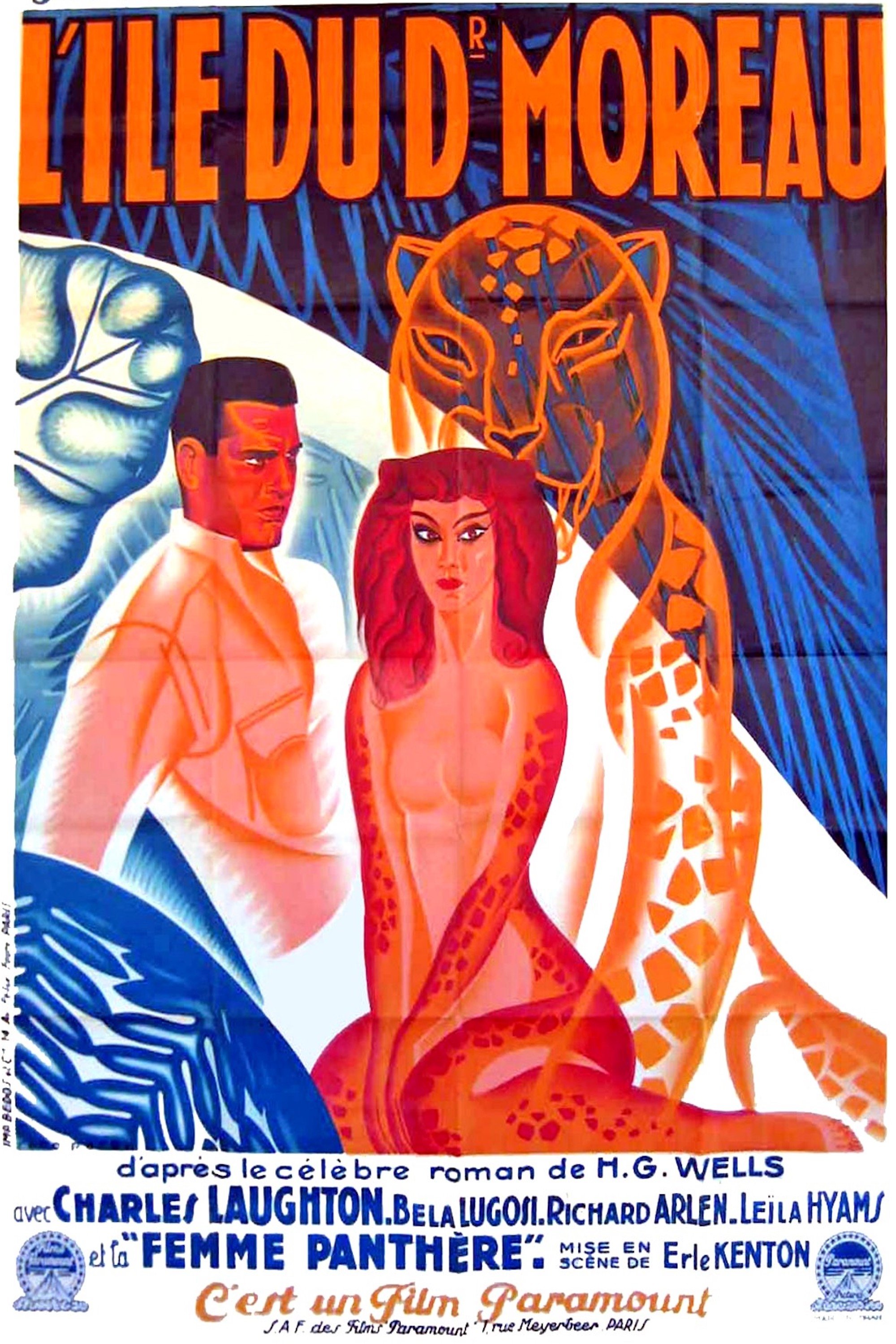
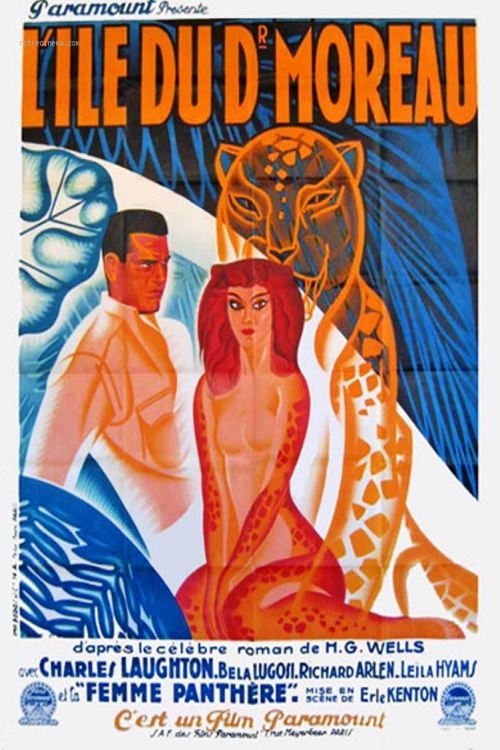
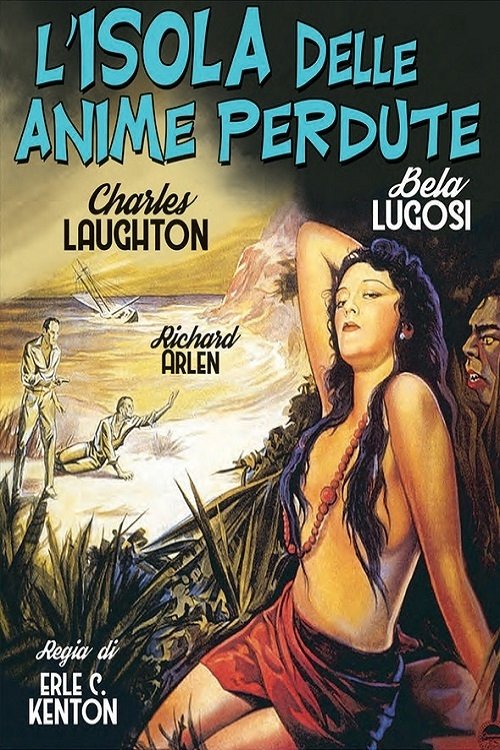
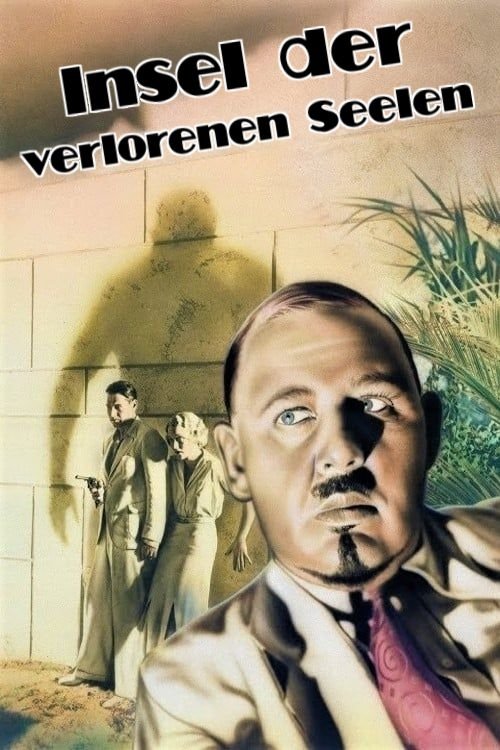
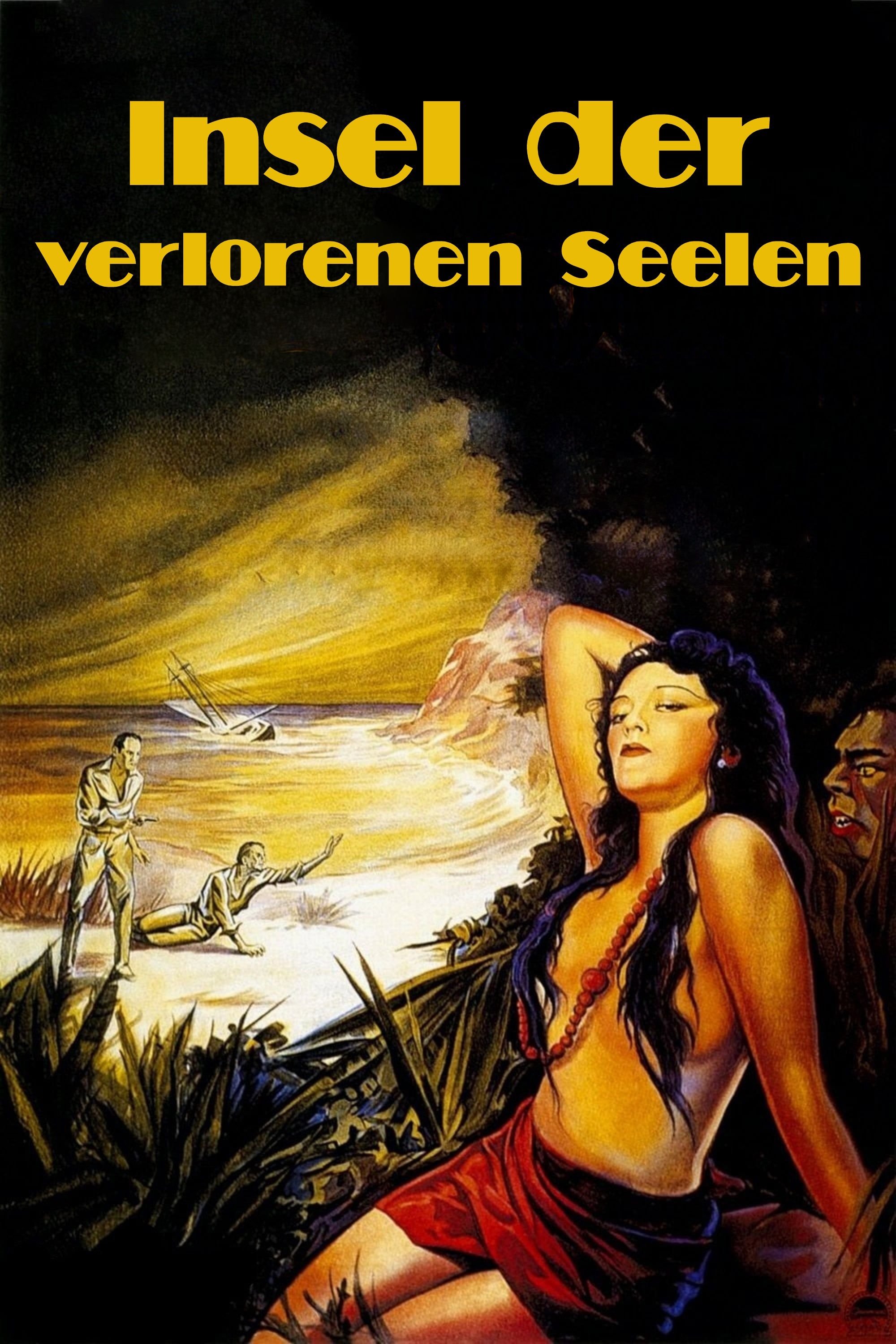
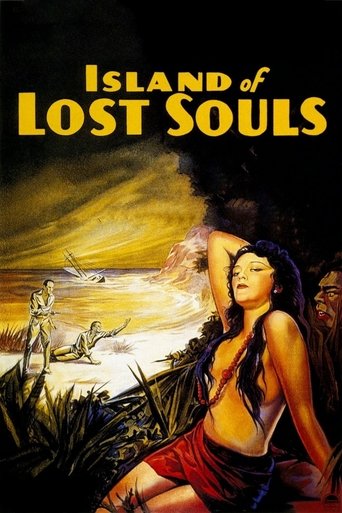
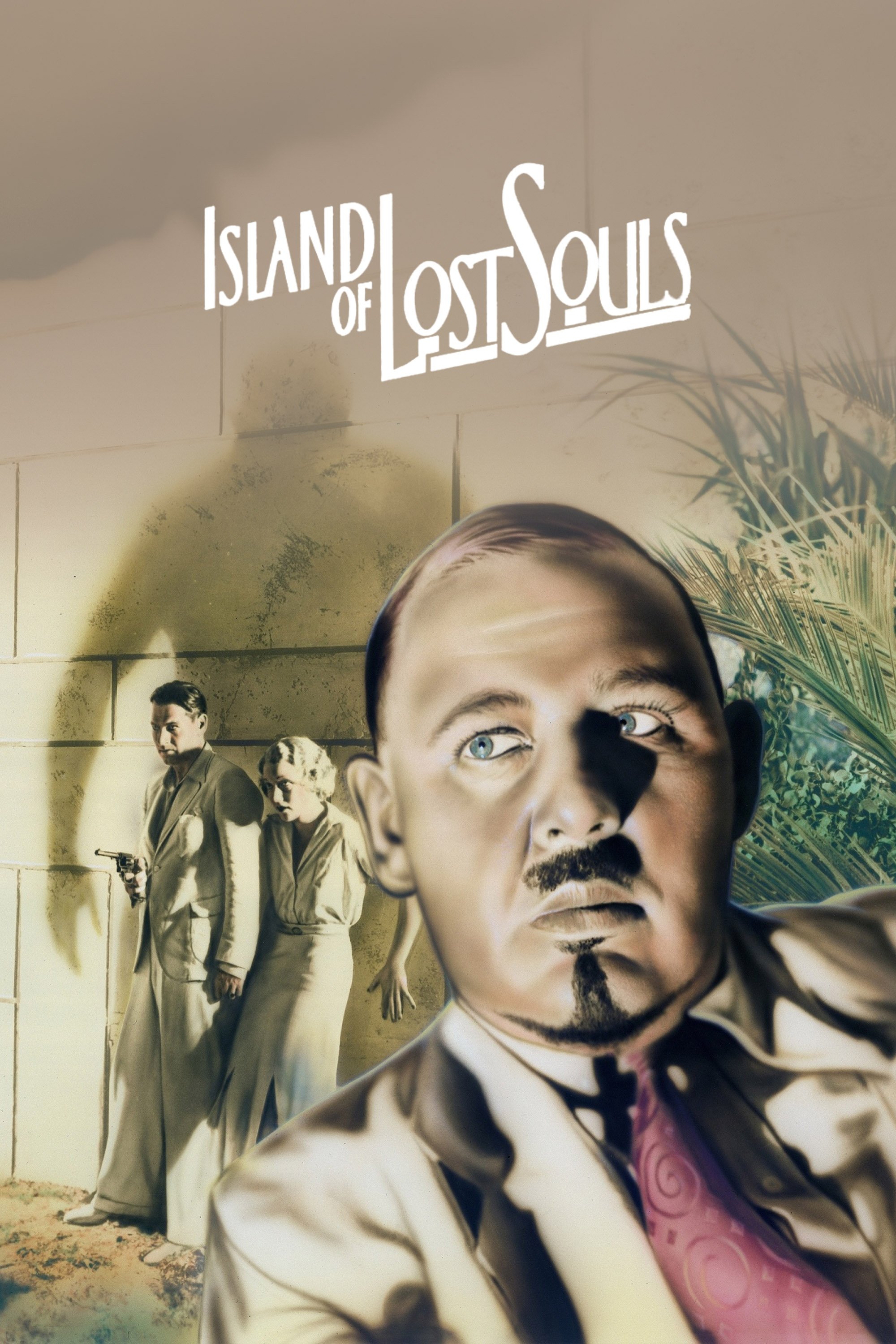
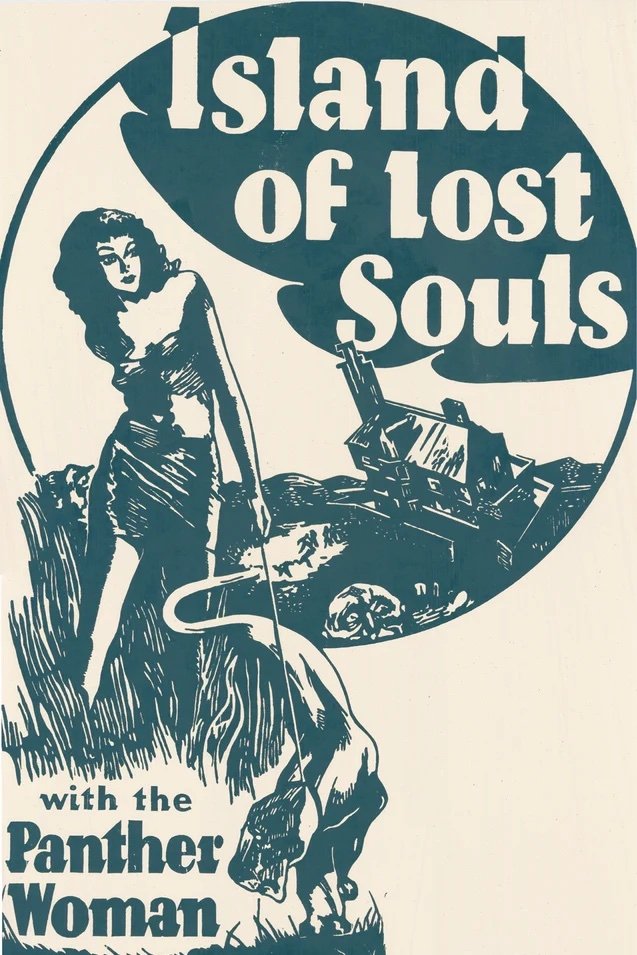
Island of Lost Souls (1932) poster
Director
Production Company
Paramount Pictures
Plot

An obsessed scientist conducts profane experiments in evolution, eventually establishing himself as the self-styled demigod to a race of mutated, half-human abominations.

Alternative Titles
Die Insel der verlorenen Seelen (Austria) İtmiş Ruhlar Adası (Azerbaijan) A Ilha das Almas Selvagens (Brazil) 亡魂岛 (China) — Chinese Insel der verlorenen Seelen (Germany) — German La isla de las almas perdidas (Spain) L'île du docteur Moreau (France) I nisos ton hamenon psyhon (Greece) — (transliterated ISO-LATIN-1 title)
Show all 21 alternative titles Η Νήσος των Χαμένων Ψυχών (Greece) — Greek 亡魂島 (Hong Kong SAR China) — Chinese Otok izgubljenih duša (Croatia) — Croatian Borzalmak szigete (Hungary) Elveszett lelkek szigete (Hungary) — Hungarian L'isola delle anime perdute (Italy) 닥터 모로의 DNA (South Korea) — Korean La isla de las almas perdidas (Mexico) — Spanish Wyspa doktora Moreau (Poland) Остров потерянных душ (Russia) — Soviet Union title Kayıp Ruhlar Adası (Türkiye) Острів втрачених душ (Ukraine) — Ukrainian The Island of Dr. Moreau (United States)

Trailers & Videos

4 videos

Film Guide & Analysis

Erle C. Kenton’s pre-Code horror classic: H. G. Wells’s adaptation, Charles Laughton’s Dr. Moreau, the beast-men, Lota the Panther Woman, Karl Struss’s cinematography, Wally Westmore’s makeup, censorship and restoration.

Island of Lost Souls (1932) is an American pre-Code science-fiction horror film directed by Erle C. Kenton and adapted from H. G. Wells’s 1896 novel The Island of Dr. Moreau. It follows a shipwreck survivor who reaches an isolated island governed by a scientist conducting painful experiments on living animals. The resulting creatures possess distorted human characteristics and obey a system of laws enforced through fear. The film develops its horror through vivisection, bodily transformation and the possibility that the distinction between human and animal can be manipulated by someone who claims authority over life itself.

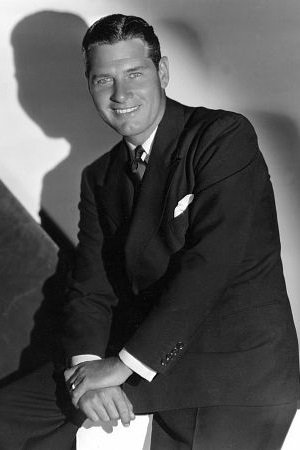
Charles Laughton portrays Dr. Moreau, with Richard Arlen as Edward Parker, Kathleen Burke as Lota, Leila Hyams as Ruth Thomas and Bela Lugosi as the Sayer of the Law. Produced and distributed by Paramount Pictures, the film was photographed by Karl Struss, with art direction by Hans Dreier and creature makeup by Wally Westmore. Its release in December 1932 generated controversy over its religious implications, medical cruelty and suggestions of interspecies reproduction. Rejected by British censors and substantially altered for later circulation, Island of Lost Souls eventually received a reconstructed home-video presentation in 2011. Its continuing reputation rests on the disturbing physical presence of the beast-men, Laughton’s performance and the film’s unusually severe treatment of scientific power.

H. G. Wells and the Screen Adaptation

H. G. Wells published The Island of Dr. Moreau in 1896, developing a narrative about a scientist who attempts to transform animals into human beings through invasive experiments. The novel’s narrator, Edward Prendick, discovers that Moreau has created a population of suffering hybrids who struggle to maintain the habits imposed upon them. Wells used the premise to examine evolutionary theory, the relationship between physical appearance and consciousness, and the ethical consequences of experimental science. The island provides an isolated environment in which the scientist exercises authority without external restraint. His creations remain capable of experiencing pain even when their maker treats them primarily as experimental material.

Paramount adapted the novel through a screenplay credited to Waldemar Young and Philip Wylie. The film changes the protagonist’s name to Edward Parker and develops a romantic narrative largely absent from the original. Parker’s fiancée Ruth Thomas becomes involved in his rescue, while the filmmakers introduce Lota, an apparently human young woman whose origins are concealed. Christine Smallwood’s historical essay for the Criterion Collection identifies these additions as central to the adaptation’s dramatic structure. They transform Moreau’s research into an immediate threat involving sexual attraction and the possibility of reproduction between species. The screenplay consequently concentrates the novel’s philosophical problems into confrontations that can be expressed through dialogue, performance and physical action.

Wells strongly disliked the completed film. Later historical accounts document his objections to the emphasis on sadistic spectacle and the simplification of his scientific themes. The difference is evident in Laughton’s portrayal of Moreau, whose pleasure in exercising authority makes him a more overtly threatening figure than the scientist described in the novel. Yet important elements of Wells’s conception survive, particularly the animals’ suffering and their difficulty maintaining the human forms imposed upon them. The adaptation also makes their rebellion a major dramatic event. Its relationship with the source therefore involves substantial changes of character and narrative emphasis while preserving the central horror of biological experimentation undertaken without concern for the subjects.

Paramount Production, Casting, and Locations

Island of Lost Souls was made during Hollywood’s early sound-horror cycle, following the commercial prominence of Dracula and Frankenstein in 1931. Paramount organized the production under director Erle C. Kenton, whose career included silent films and early talking pictures. E. Lloyd Sheldon served as associate producer. The studio provided access to established departments capable of supplying the elaborate makeup, sets and photographic effects required by the story. Unlike a low-budget independent production, the film benefited from Paramount’s technical resources, although its supernatural premise and unusually disturbing subject matter distinguished it from the company’s more conventional dramatic releases.

Charles Laughton was cast as Moreau during an important period in his transition from British theatre to American cinema. Richard Arlen provided the principal viewpoint character, while Leila Hyams portrayed Ruth. The casting of Lota became an important element of the publicity campaign. Paramount conducted a competition to find the actress who would play the Panther Woman. According to contemporary reporting preserved by the American Film Institute, Kathleen Burke won the competition and received five weeks of accommodation at the Ambassador Hotel in Los Angeles. The unusual presentation of her role continued into the credits, which initially identified the character as the Panther Woman before supplying Burke’s name.

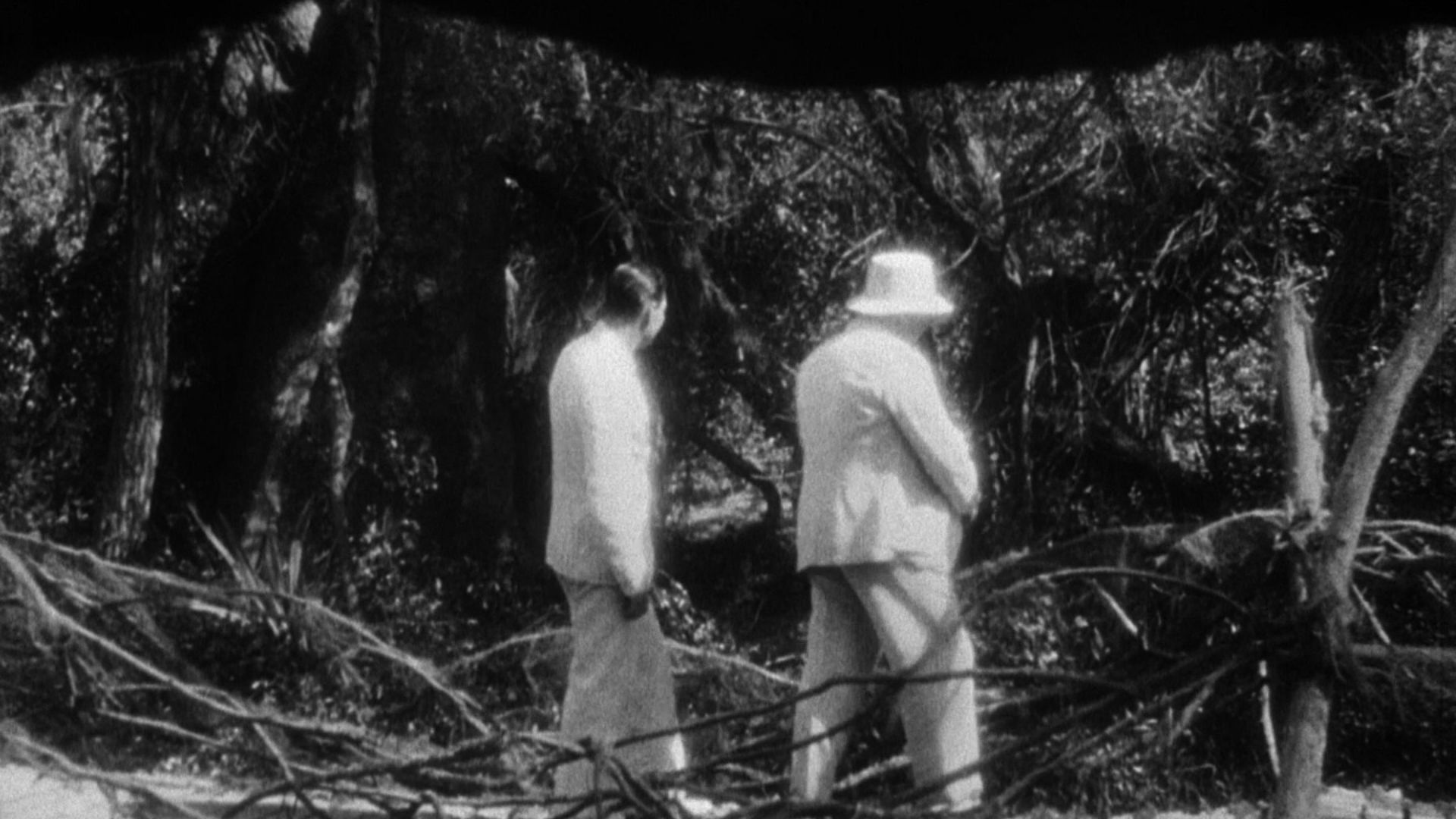
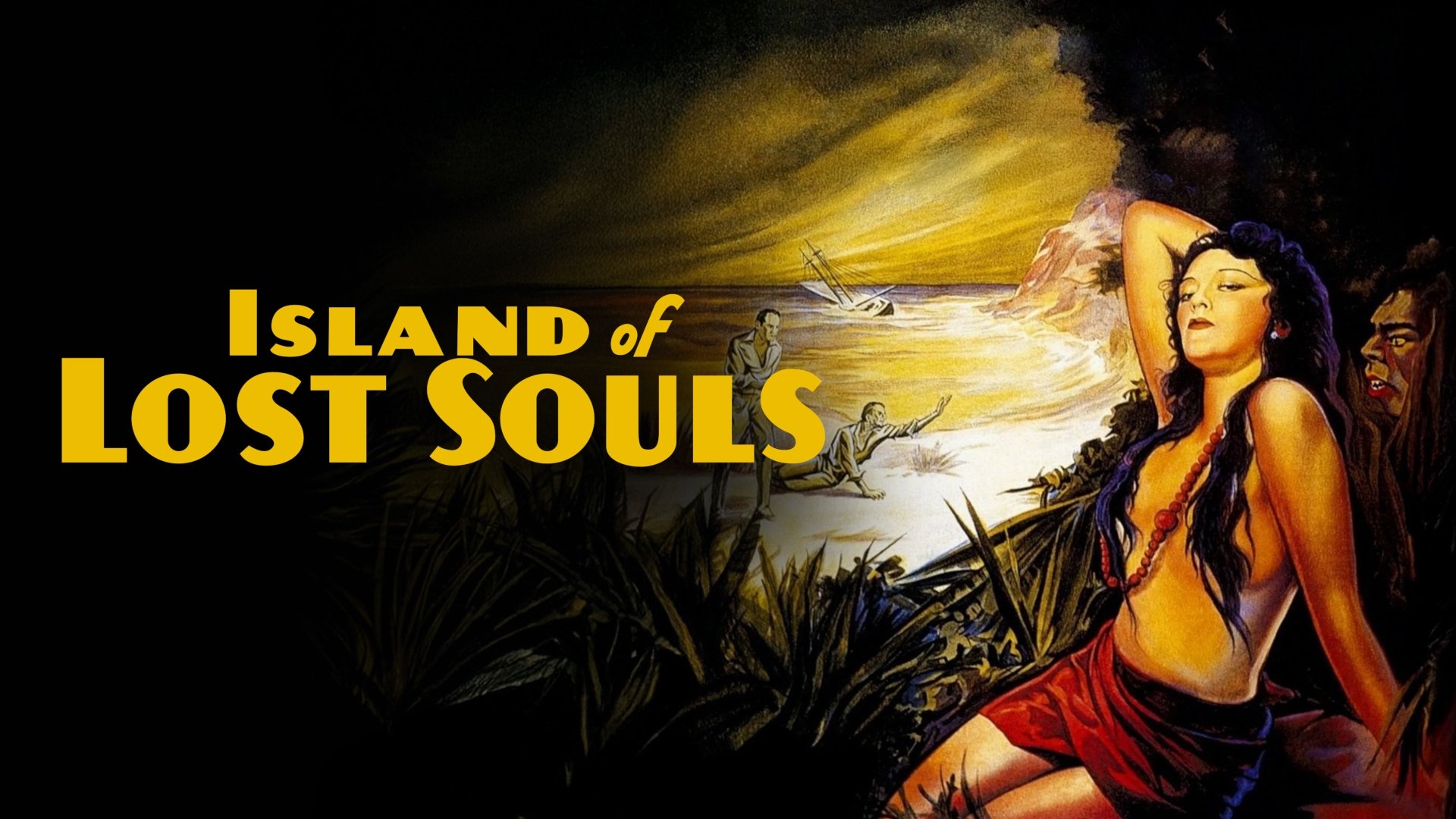
The production used California locations to represent the South Seas. The American Film Institute documents photography on Santa Catalina Island, while the Criterion Collection identifies the Paramount Ranch near Malibu as another important setting for the jungle material. The resulting landscape combines outdoor photography with carefully arranged vegetation and studio environments. These spaces establish the island as geographically remote without requiring a complete reconstruction of a tropical location. Their artificial qualities also contribute to the atmosphere of the film, particularly when crowded foliage appears around the figures moving through Moreau’s grounds. The physical surroundings become increasingly oppressive as Parker discovers that the apparently welcoming settlement conceals a system of imprisonment and medical experimentation.

Charles Laughton, Dr. Moreau, and the Law of the Beast-Men

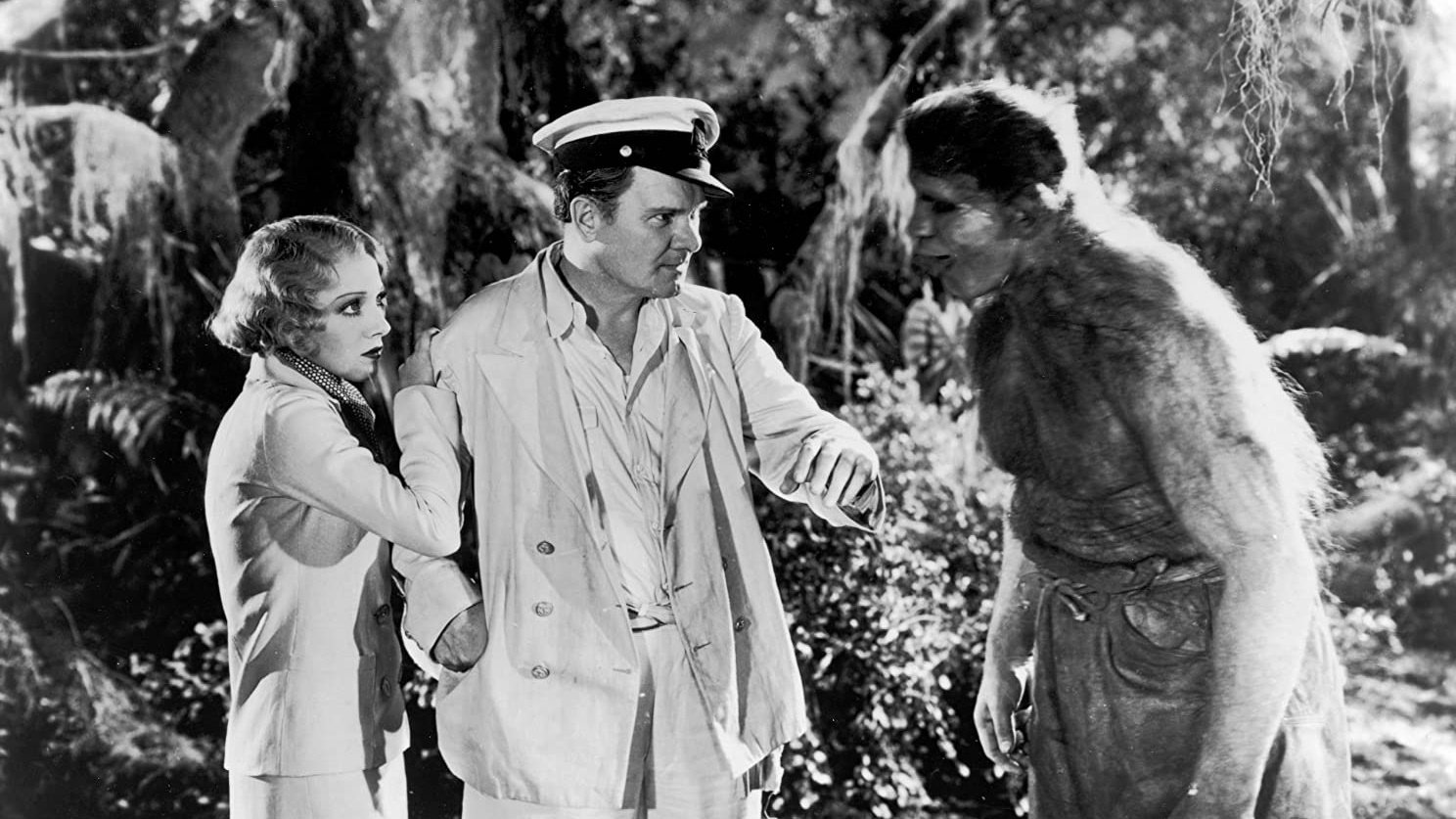
Laughton portrays Moreau as an outwardly courteous host whose controlled manner conceals extraordinary cruelty. His immaculate clothing and precise speech distinguish him from the disfigured inhabitants of the island. He initially describes his activities as biological research, but Parker soon discovers the suffering inflicted upon the experimental subjects. Moreau’s explanations imply that his scientific objectives justify the pain required to achieve them. His authority extends beyond the laboratory through a population whose behaviour he regulates by punishment. Laughton’s performance makes that control disturbing because the doctor appears pleased by the obedience he has created and remains largely indifferent to the injuries inflicted in maintaining it.

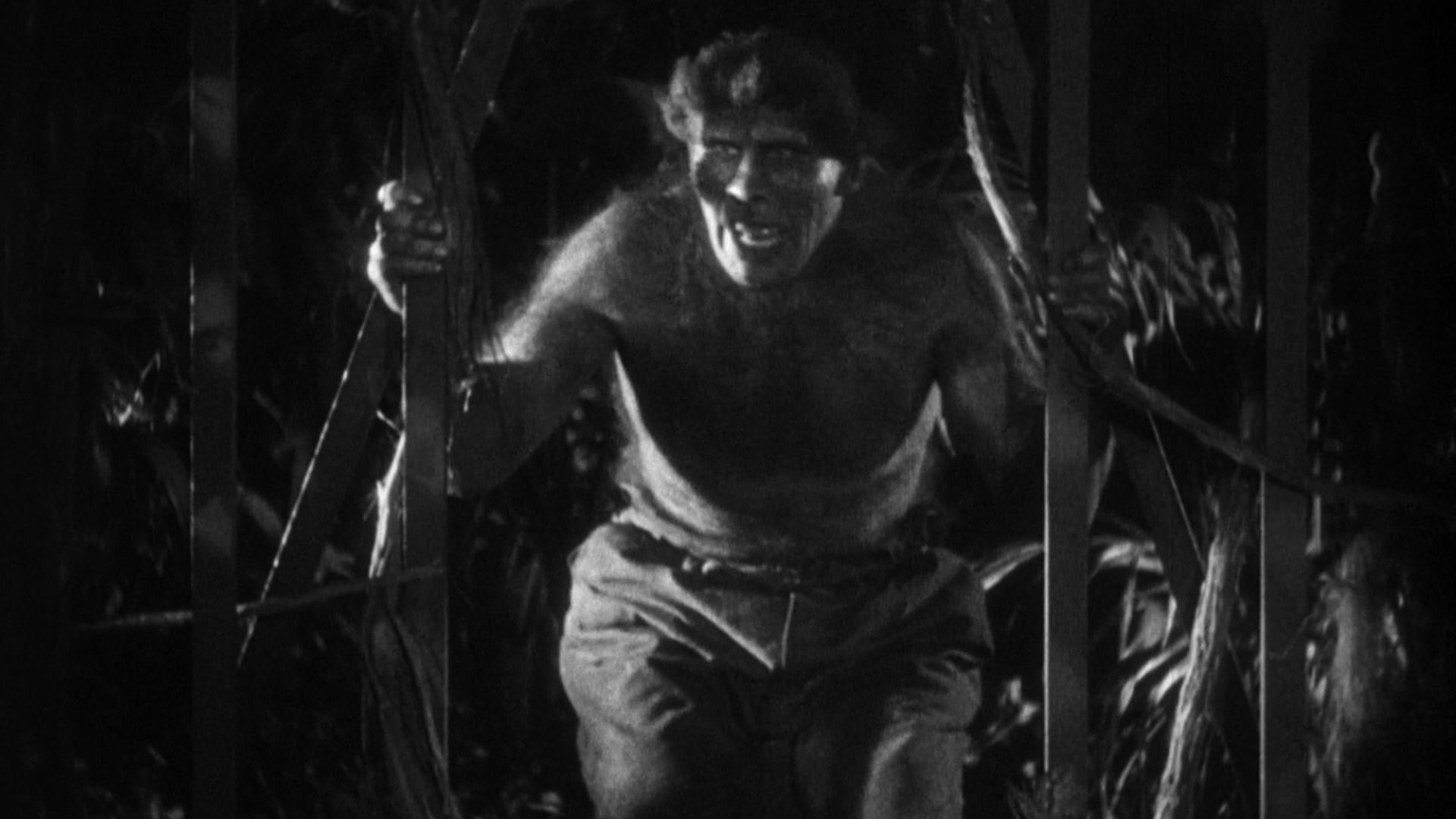
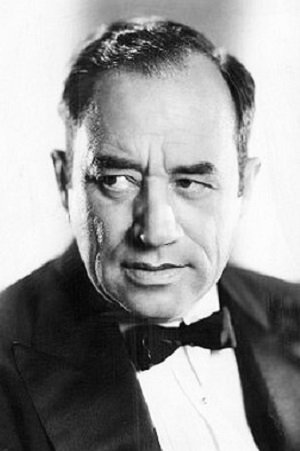
The beast-men follow a series of commandments prohibiting animal behaviour, including moving on all fours, eating flesh and spilling blood. Bela Lugosi portrays the Sayer of the Law, who leads the creatures in ritual recitations of these rules. The performance is physically distinct from Lugosi’s earlier appearance as Dracula. Extensive makeup conceals much of his familiar face, while his delivery gives the laws a collective, ceremonial importance. The commandments are presented as conditions of humanity, but their enforcement depends on the authority of the scientist responsible for the creatures’ suffering. When Moreau violates the prohibition against shedding blood, the contradiction exposes the unequal relationship between the ruler and those compelled to obey him.

The rebellion culminates in the creatures carrying Moreau toward his own House of Pain. Their actions reverse the relationship established during the experiments, making the scientist subject to the procedures he inflicted upon others. The sequence concentrates the film’s ethical argument within a direct physical confrontation. The creatures’ capacity for retaliation also complicates Moreau’s assumption that obedience represents their only possible response to authority. His attempt to construct an orderly society collapses because the rules cannot withstand his own conduct. The resulting horror depends on the recognition that the island’s violence originated in the laboratory, where the distinction between a scientific subject and a victim had already been destroyed.

Lota, the Panther Woman, and Forced Reproduction

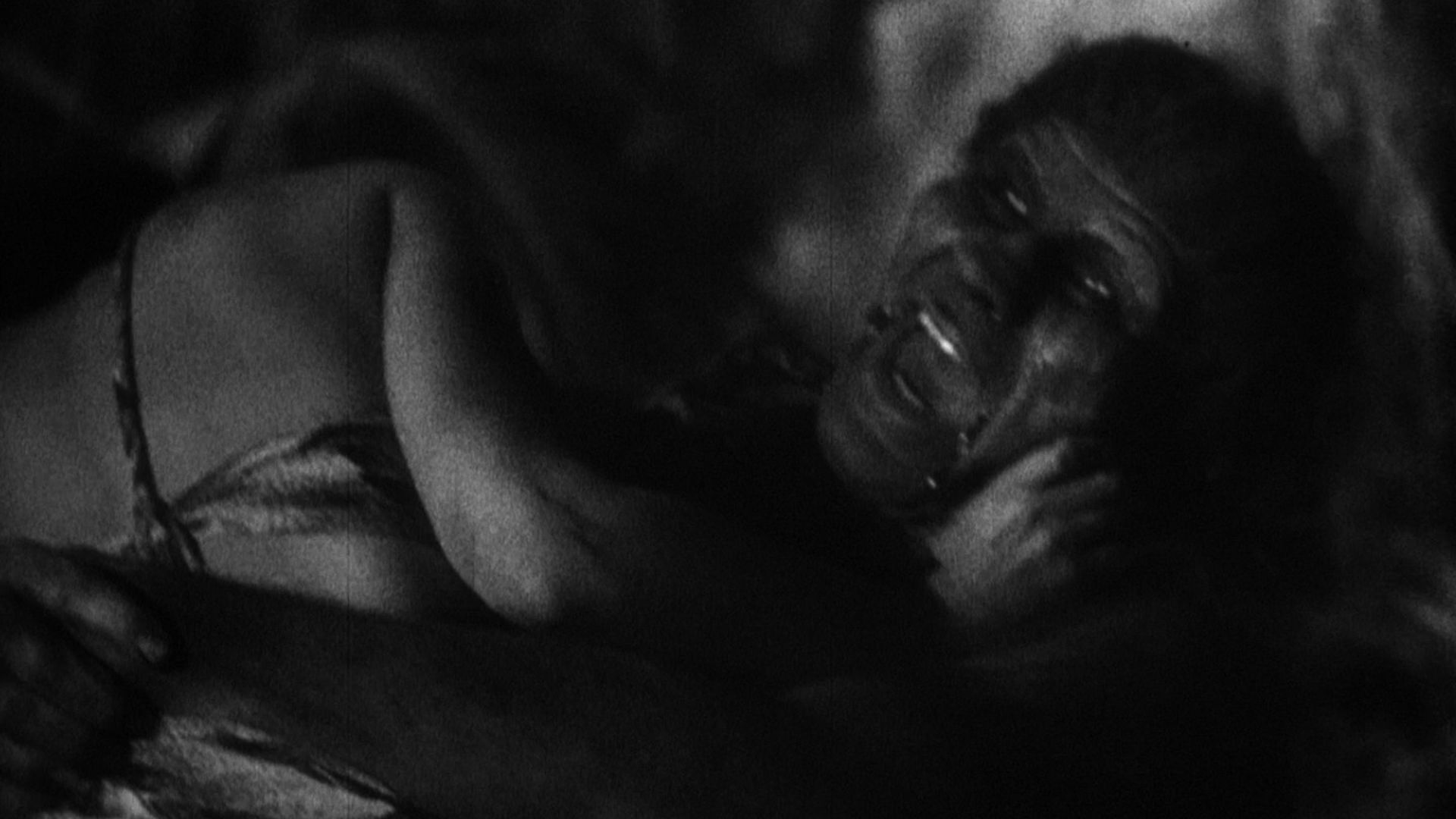
Lota occupies a central position in Moreau’s experiments because he considers her the most successful transformation he has achieved. She appears to Parker as a young woman living apart from the other creatures, and he initially accepts her as human. Moreau encourages their developing attraction while concealing his intention to determine whether she can reproduce with a man. The experiment introduces sexual coercion into the biological horror, placing Parker and Lota in a relationship neither fully understands. Lota’s apparent freedom is especially limited because the scientist has designed her circumstances around a reproductive objective. His attention to her behaviour reflects the requirements of the experiment rather than concern for her welfare.

The revelation of her animal origins becomes visible through changes in her hands. Her fingers begin to develop clawlike features, revealing that the transformation imposed by Moreau has not remained stable. The doctor regards the physical regression as evidence that further intervention is necessary. He threatens to return Lota to the House of Pain, exposing the violence behind the human appearance he has created. Kathleen Burke’s performance gives the character an uneasy mixture of curiosity, affection and fear. Her physical movements suggest a person attempting to understand emotions and expectations imposed upon her by others, while her growing distress makes the consequences of Moreau’s methods increasingly personal.

The reproductive premise also reflects troubling assumptions within the film’s historical context. Moreau’s desire to produce offspring from different species is associated with ideas of biological hierarchy and the fear of crossing boundaries that the characters regard as fundamental. The representation of the island’s inhabitants also draws on racialized imagery and colonial stereotypes common to early twentieth-century popular entertainment. These elements can be examined as part of the film’s conception without treating its fictional biology as an accurate account of evolutionary science. Lota’s situation remains particularly disturbing because she possesses feelings and desires while being denied control over the experiment for which she was created.

Karl Struss, Expressionist Photography, and Creature Makeup

Karl Struss photographed Island of Lost Souls in black and white, developing an atmosphere of restricted space and threatening movement. He had previously worked on F. W. Murnau’s Sunrise (1927), for which he shared the Academy Award for cinematography with Charles Rosher. His compositions for Kenton frequently position figures among dense foliage, obscured passages and deeply shadowed architectural spaces. The camera allows the beast-men to appear gradually from behind objects or move unexpectedly into the foreground. Their presence can therefore remain disturbing before the audience receives a clear view of their faces. Struss’s use of contrast is especially important in separating Moreau’s seemingly ordered residence from the threatening activity surrounding it.

Art director Hans Dreier provided environments that combine the appearance of a colonial residence with the oppressive architecture of a laboratory. The House of Pain is represented through equipment, restricted access and the screams of the beings subjected to experimentation. The surrounding courtyards and passageways are repeatedly crossed by shadows that make the island appear confined despite its outdoor settings. Christine Smallwood’s Criterion essay identifies the relationship between Dreier’s design and Struss’s lighting as a significant component of the film’s visual construction. The resulting spaces resemble the settings of Gothic horror while retaining elements associated with contemporary scientific institutions.

Wally Westmore developed the makeup for the beast-men, producing faces that retain recognizable human characteristics while incorporating fur, altered contours and animal features. The designs were applied to numerous performers, including wrestlers Hans Steinke and Harry Ekezian, whose physical presence contributed to the threatening appearance of particular creatures. The makeup department’s work also helped distinguish Lugosi’s Sayer of the Law from the other inhabitants. Special photographic effects were associated with Gordon Jennings, while performer and makeup specialist Charles Gemora contributed to the production’s creature work. The physical construction of the figures gives the film a disturbing visual identity because the hybrids remain close enough to human appearance to make their suffering immediately recognizable.

Sound, Vivisection, and Scientific Authority

The soundtrack makes the House of Pain one of the most threatening locations in the film before the audience sees much of its interior. The cries of animals undergoing surgery extend beyond the walls, allowing the violence to affect scenes taking place elsewhere on the island. This use of sound establishes the experiments as continuing activities rather than isolated incidents. The film was recorded using the Western Electric Noiseless Recording process, according to the American Film Institute. Music receives comparatively limited emphasis, while voices, cries and the sound of the gong occupy prominent positions in the dramatic construction. Their arrangement reinforces the contrast between Moreau’s calm explanations and the suffering audible around him.
The practice of vivisection supplies the immediate source of the film’s medical horror. Moreau operates on living creatures in an attempt to accelerate their transformation toward human form. His explanations draw loosely on evolutionary ideas while presenting procedures without a credible scientific basis. The methods belong to the fictional conception of the story and should not be confused with established genetics or evolutionary biology. The disturbing element is the doctor’s assumption that an ambitious objective permits unlimited experimentation on beings capable of feeling pain. He treats their suffering as evidence of the resistance that must be overcome rather than as a reason to reconsider the legitimacy of his work.

This relationship between scientific explanation and moral authority also contributed to the film’s censorship problems. Moreau’s suggestion that he can occupy the position of a creator was particularly controversial. His experiments appear to challenge religious understandings of human origins while the story invites viewers to consider whether the ability to alter a body confers ownership over the resulting being. A historical study by David A. Kirby, published in Science in Context, documents the objections raised by American censorship authorities and their changing treatment of evolutionary narratives. The film’s horror consequently involves a conflict over who has the authority to define humanity, with the creatures themselves demonstrating the consequences of excluding suffering individuals from that definition.

Release, Censorship, Restoration, and Historical Significance

Paramount released Island of Lost Souls in December 1932, with American engagements continuing into January 1933. The American Film Institute records historical running times of 67 and 70 minutes. Contemporary critical responses varied, and several reviewers objected to the disturbing medical procedures and the story’s sexual implications. Variety nevertheless anticipated that the picture could attract audiences through its exploitation appeal. The available historical documentation does not establish a dependable original worldwide box-office total, making precise statements about overall earnings inappropriate. The film’s subsequent reputation should be distinguished from its initial commercial performance, which cannot be reconstructed solely from later critical recognition.

The British Board of Film Censors rejected the film on March 13, 1933. It remained unavailable for an approved British theatrical release until July 9, 1958, when the Board passed an altered version. The BBFC’s historical records confirm that the 1958 presentation received cuts, while the British Film Institute has identified dialogue concerning vivisection and Moreau’s suggestion that he possessed godlike creative power among the removed material. American censorship created separate difficulties. Kirby’s archival research establishes that Paramount received comparatively favourable treatment from the Hays Office in 1932, but encountered far greater opposition when seeking approval for a 1941 reissue. The Production Code Administration required the removal of dialogue identifying Moreau as the creator of the beast-men, substantially changing the explanation of their existence.

Later home-video releases circulated versions assembled from surviving materials of differing quality. The original camera negative was no longer available when the Criterion Collection prepared its 2011 edition. The restoration combined surviving film elements to recover a more complete presentation, including dialogue missing from shortened copies. Criterion released the reconstructed version on Blu-ray and DVD in October 2011, followed by further archival circulation. The film has remained significant within the history of body horror and cinematic representations of biological experimentation. Its influence is also visible beyond cinema: the American group Devo adopted the beast-men’s recurring question about their humanity for its musical identity. Subsequent adaptations of Wells’s novel appeared in 1977 and 1996, but Kenton’s film remains a distinct pre-Code interpretation shaped by Laughton’s sadistic scientist, the physically realized creatures and the confrontation between experimental power and the suffering it produces.

References

  1. American Film Institute AFI Catalog — Island of Lost Souls (1932)

    Institutional production and release history documenting Paramount’s involvement, the screenplay, credited cast and crew, Catalina Island filming, Kathleen Burke’s casting competition, original running times and subsequent adaptations.

  2. The Criterion Collection Island of Lost Souls: The Beast Flesh Creeping Back — Christine Smallwood

    Substantial October 2011 essay examining the adaptation of H. G. Wells, the relationship between vivisection and suffering, Laughton’s performance, Lota’s role, Karl Struss’s photography, Wally Westmore’s creature makeup and the film’s cultural context.

  3. Cambridge University Press — Science in Context Harnessing the Persuasive Power of Narrative: Science, Storytelling, and Movie Censorship, 1930–1968 — David A. Kirby

    Peer-reviewed archival research examining the film’s 1932 Hays Office approval, subsequent state censorship and the Production Code Administration’s demand for substantial alterations to the 1941 reissue.

  4. British Board of Film Classification Island of Lost Souls — Classification and Version Records

    Official records documenting the rejected British submission of March 1933, the cut theatrical version authorized in July 1958, and subsequent home-video submissions with their recorded running times.

  5. The Criterion Collection Island of Lost Souls — Restored Edition and Production Credits

    Institutional documentation of the restored uncut theatrical presentation, original cast and production credits, Wally Westmore’s makeup, Hans Dreier’s art direction, Gordon Jennings’s photographic effects and the 2011 special edition.

Cast

View Full Cast & Crew →

Release & Distribution

Production Companies (1)

  • Paramount Pictures US

Distributors (1)

  • Paramount Pictures US

Release History (5)

Release DateTerritoryRelease TypeFormatDistributorCertificationNotes
1932-12-23 United States Theatrical — — —
1933-01-12 United States Theatrical — — NR New York City, New York
1958-07-09 United Kingdom Theatrical — — — Rated X
1996-05-10 United Kingdom Physical DVD — 12 DVD
2011-08-01 United Kingdom Physical DVD — PG DVD
TERROR! Stalked the Brush-Choked Island...Where Men Who Were Animals Sought the Girl Who Was All-Human!