Return to Filmmaking and Independent Production
Henenlotter had effectively withdrawn from feature filmmaking after Basket Case 3: The Progeny. He later explained that the collapse of the exploitation-theater and independent-distribution environment that had supported his earlier career coincided with increasing difficulty financing the strange, non-franchise projects he actually wanted to make. Thorburn eventually supplied an alternative. The two had known one another since Thorburn was young and had already established enough trust through music-video collaborations for Henenlotter to believe that the rapper could manage a low-budget feature despite having never produced one before.
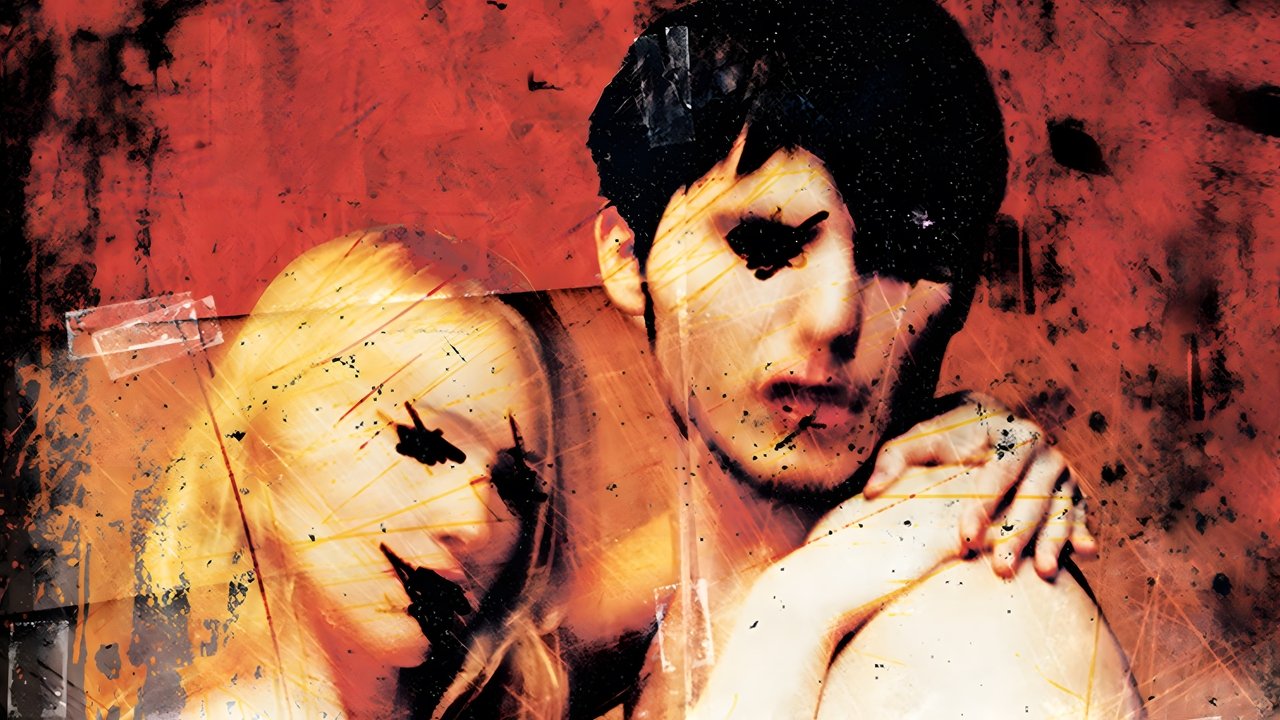
They wrote Bad Biology together and deliberately designed the screenplay around available resources. Henenlotter later explained that a conventional horror film would have demanded too much money for effects, locations and technical support, whereas sex could provide transgression without automatically requiring expensive production infrastructure. The objective became a modern sexploitation film that could behave unlike respectable contemporary cinema while still being photographed with care. Henenlotter described the central creative tension as making something that looked almost like an art film while refusing to behave like one.
The production structure reinforced that freedom. Thorburn was a hands-on producer and co-writer actively involved in the film's creative direction. Henenlotter later described their relationship as unusually unified because producer and director had developed the screenplay together and already understood how extreme the material was supposed to become. The small scale also removed many of the institutional pressures that had frustrated him during his more conventional productions. Bad Biology could ignore ratings expectations, standard genre boundaries and normal ideas of taste because the filmmakers had built the production specifically to survive outside those systems.
35 mm Cinematography and Guerrilla New York
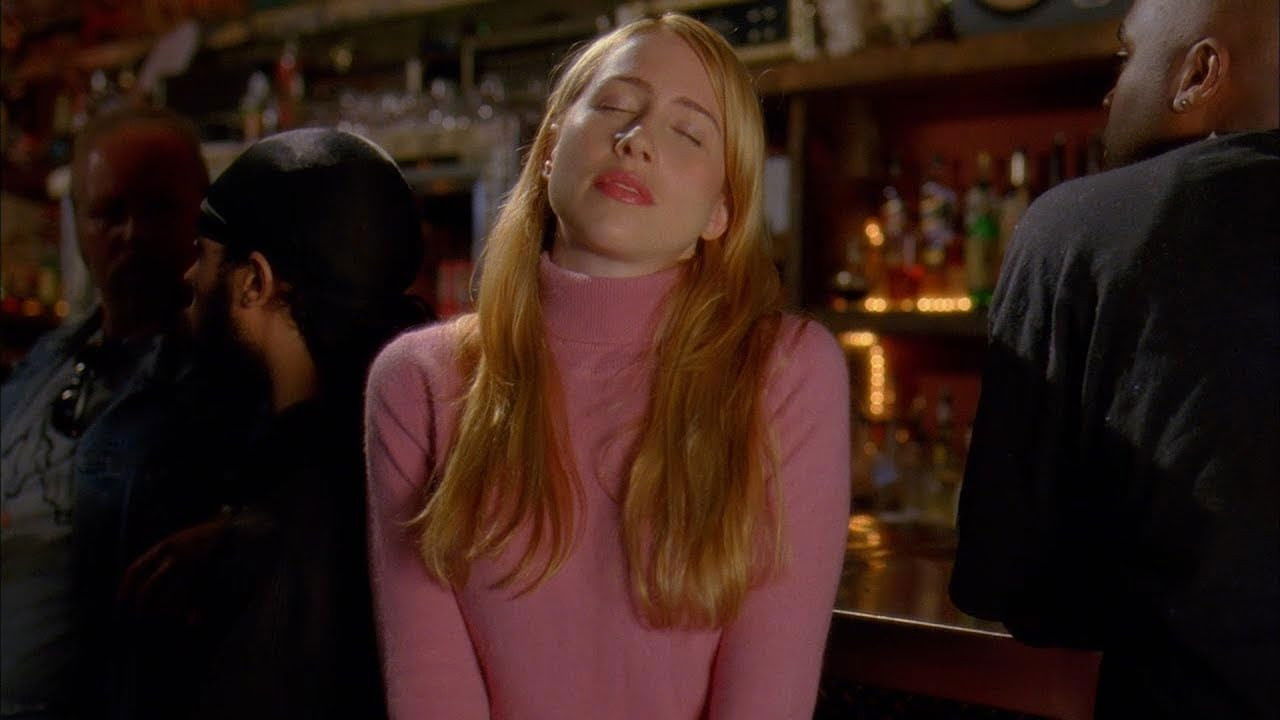
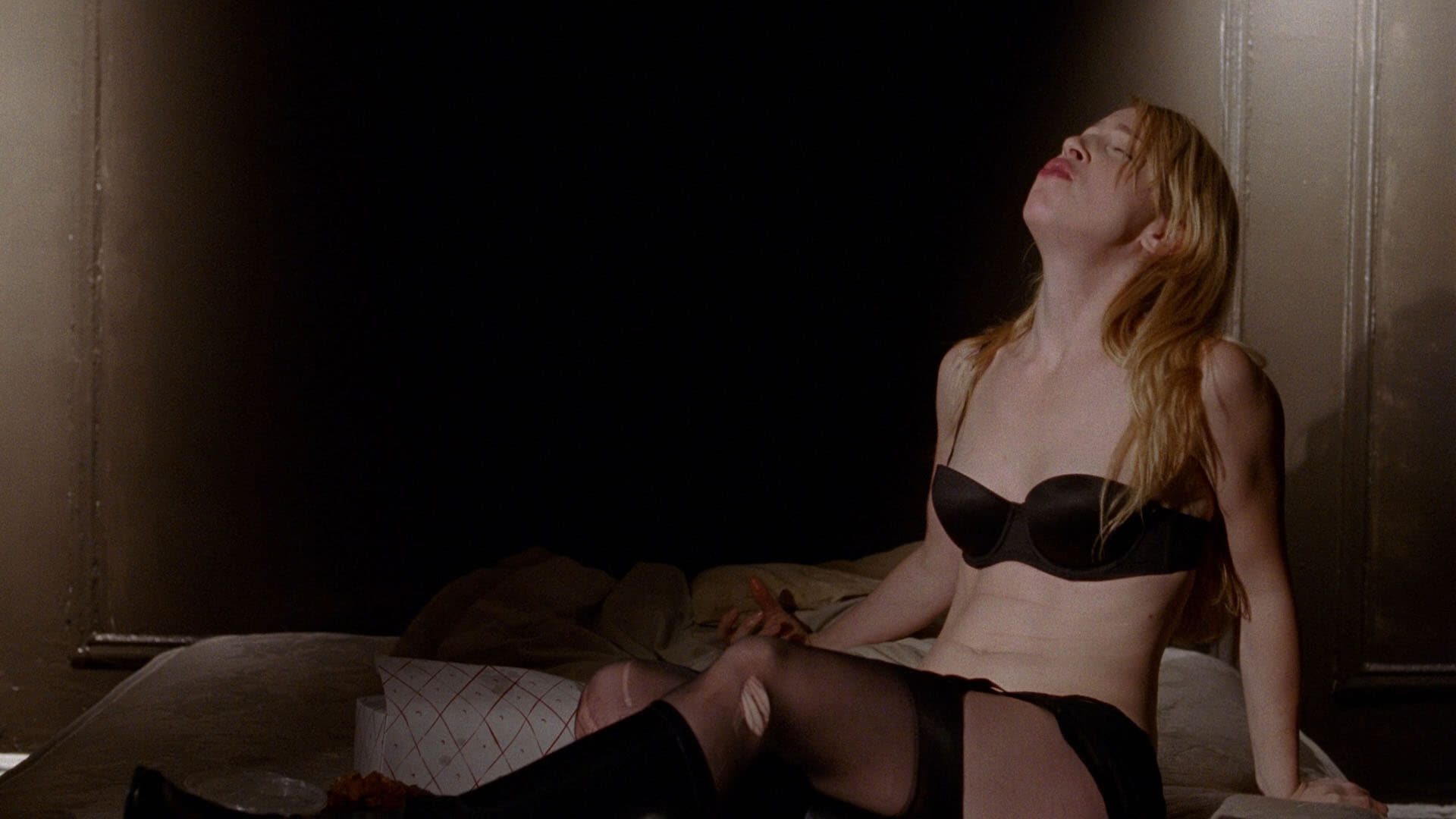
The most striking technical decision was to shoot on 35 mm despite the extremely restricted budget. Henenlotter later said that camera rental and film represented the most expensive elements of the production, but he considered the format important to the contradiction he wanted on screen. Material that could easily have looked like inexpensive underground video instead received the photographic texture, depth and lighting response associated with a traditional motion-picture production. He believed that the cleaner, more polished surface made the sexual grotesquerie more disturbing because subject and presentation appeared to belong to different cultural levels.
Nick Deeg served as director of photography on his first feature after previously working with Henenlotter and Thorburn on a music video. Henenlotter valued Deeg particularly for his interest in lighting and his willingness to work without territorial conflict over the camera. The director had personally operated extensively on Basket Case and Brain Damage and photographed substantial material during Frankenhooker, so Bad Biology allowed him to return to physical camera operation. Deeg handled more demanding handheld work with the heavy 35 mm package while Henenlotter operated many of the controlled setups himself.
The production frequently used guerrilla-style location shooting in New York, frequently working outside conventional permit infrastructure. Henenlotter said that difficulties obtaining cooperation from the city led him to take the crew into the streets without permits for certain material. This approach was possible partly because the unit was so small. Later interviews placed the working group at approximately eleven people including cast during some periods of production. A compact crew reduced the physical footprint of 35 mm shooting enough that the filmmakers could obtain urban material while preserving the spontaneity Henenlotter associated with his earliest independent work.
Gabe Bartalos and Practical Body Horror
Gabe Bartalos returned as Henenlotter's principal special-makeup collaborator after earlier work on Brain Damage, Frankenhooker and the Basket Case sequels. His task on Bad Biology involved designing a distinctive form of bodily horror beyond conventional wounds and creatures. The effects needed to turn sexual anatomy into creature design while preserving enough biological recognition for the joke and horror to register immediately. Atlantic West Effects handled design, sculpture and on-set technical work, with Christopher Dooly and Marc Klapper among the credited effects crew.
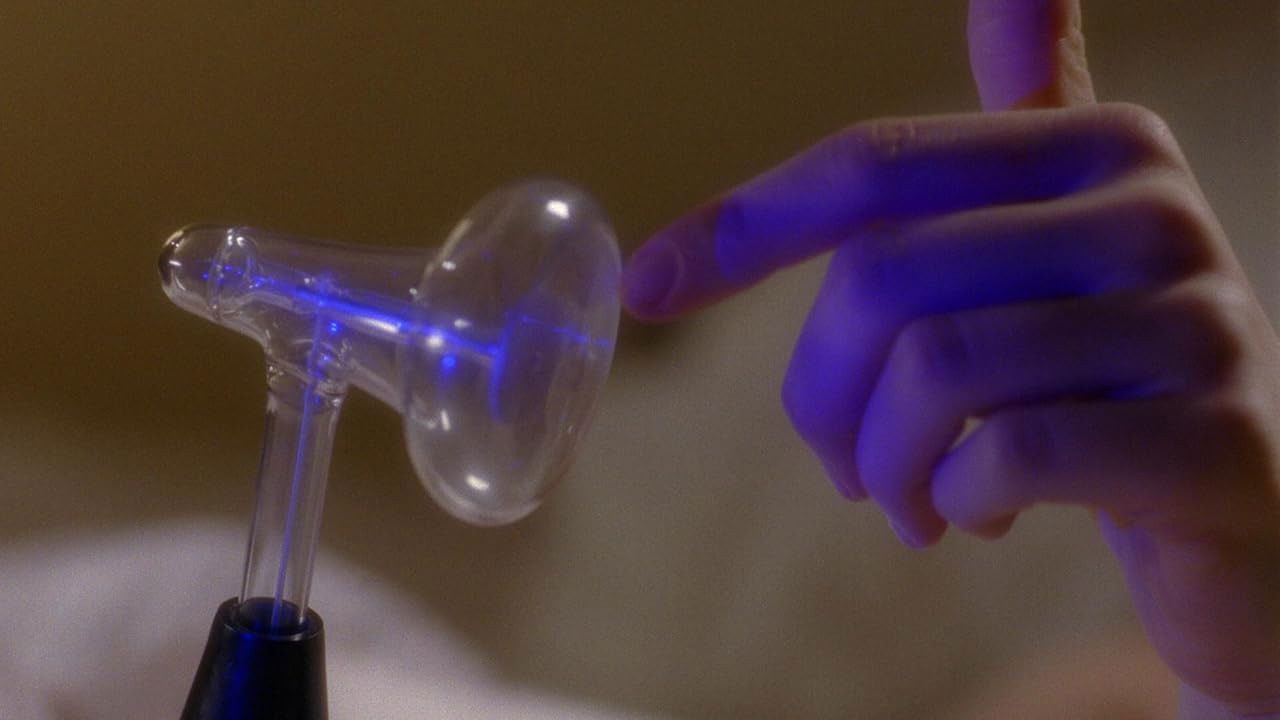
Batz's mutated anatomy was deliberately exaggerated beyond realism. Henenlotter reasoned that years of hormones, steroids and other chemical intervention would produce excessive veins and distorted surface detail. When Bartalos suggested adapting a tail mechanism from earlier creature work as part of the design, Henenlotter responded positively to the accidental resemblance to a cobra. The movement changed the object from an enlarged anatomical prop into something closer to an autonomous predator. Its ability to sway and strike allows the audience temporarily to read it as a creature before being reminded what it physically represents.
The design philosophy remained intensely practical. Henenlotter and Bartalos approached effects as magic tricks whose construction depended on knowing the precise angle, duration and edit before fabrication began. A creature did not need to function convincingly from every direction if the finished film required only one view. The money could instead be concentrated on the mechanical action visible to the lens. This methodology is particularly important on a production where 35 mm photography was already consuming resources: careful previsualization substitutes for building complex all-purpose animatronics.
The Final Creature and Digital Cleanup
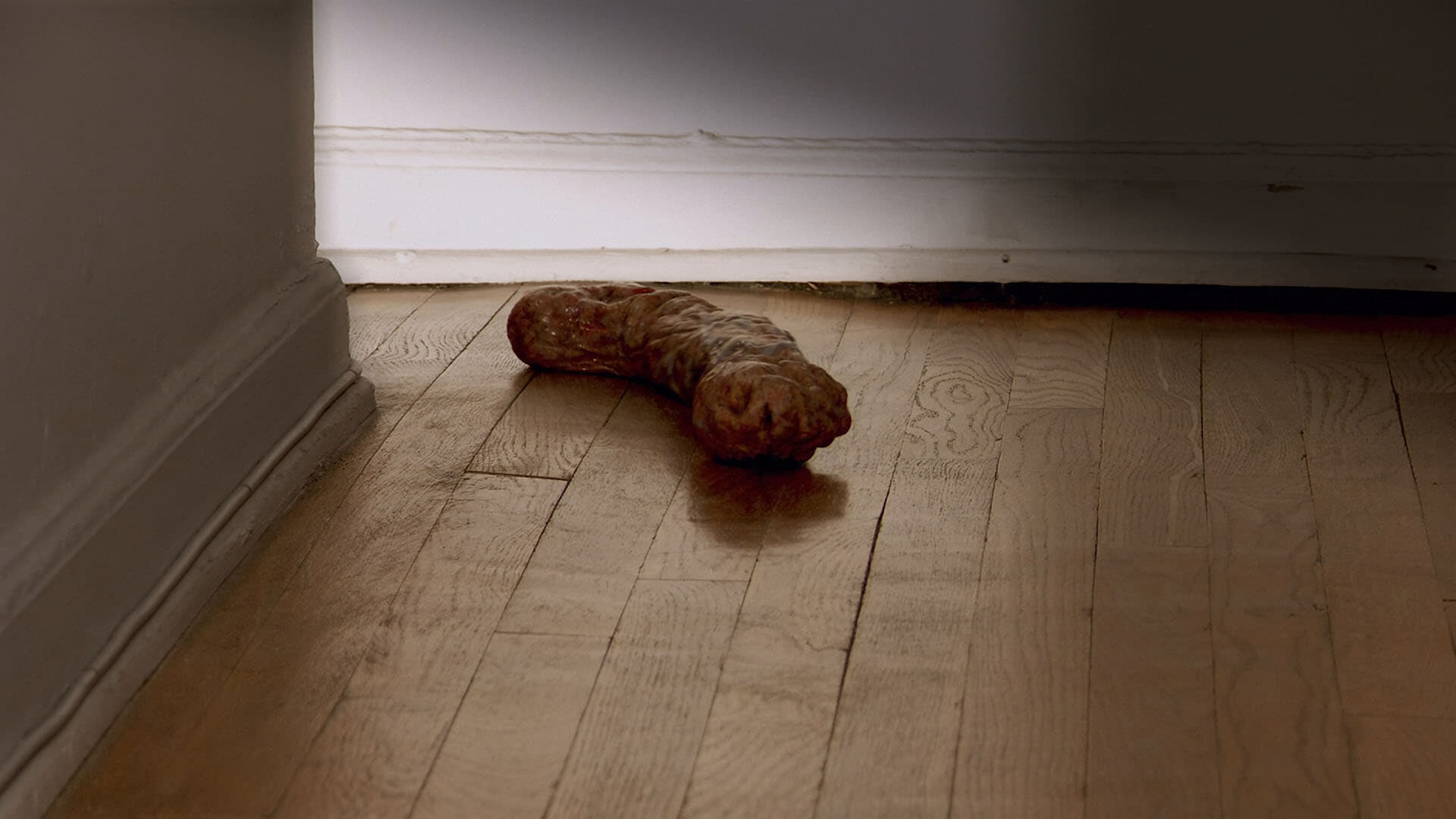
The final newborn creature provides the clearest example of the film's hybrid effects workflow. Henenlotter knew the basic final image approximately a year before principal photography and sketched the required view for Bartalos. Crucially, he specified that the creature would be photographed from only one angle. Bartalos therefore needed to sculpt and engineer only the portion required for that composition, limiting fabrication to what the camera would see. The approach reflects classic low-budget effects logic: the shot is designed around the prop's capabilities and the camera positions available.
The mechanism itself remained troublesome. The creature was designed to travel on hidden wheels, but the amount of stage blood used in the scene repeatedly interfered with their movement. Henenlotter later remembered attempting approximately forty takes before obtaining the usable performance. The successful take unexpectedly curved unexpectedly to one side, departing from the planned straight path, but the director preferred the resulting motion because it gave the creature additional personality.
Digital effects were then used as finishing tools around the physical creature. The visible wheels were painted out and a leg was given additional movement through CGI. This combination is representative of Bad Biology as a whole. Bartalos supplies a real object with physical light, texture and interaction, while digital post-production removes the practical mechanism and corrects the element that could not be achieved mechanically. The film therefore belongs to a transitional effects culture in which computer work supplements an intentionally analog creature.
Editing, Music, Release and Restoration
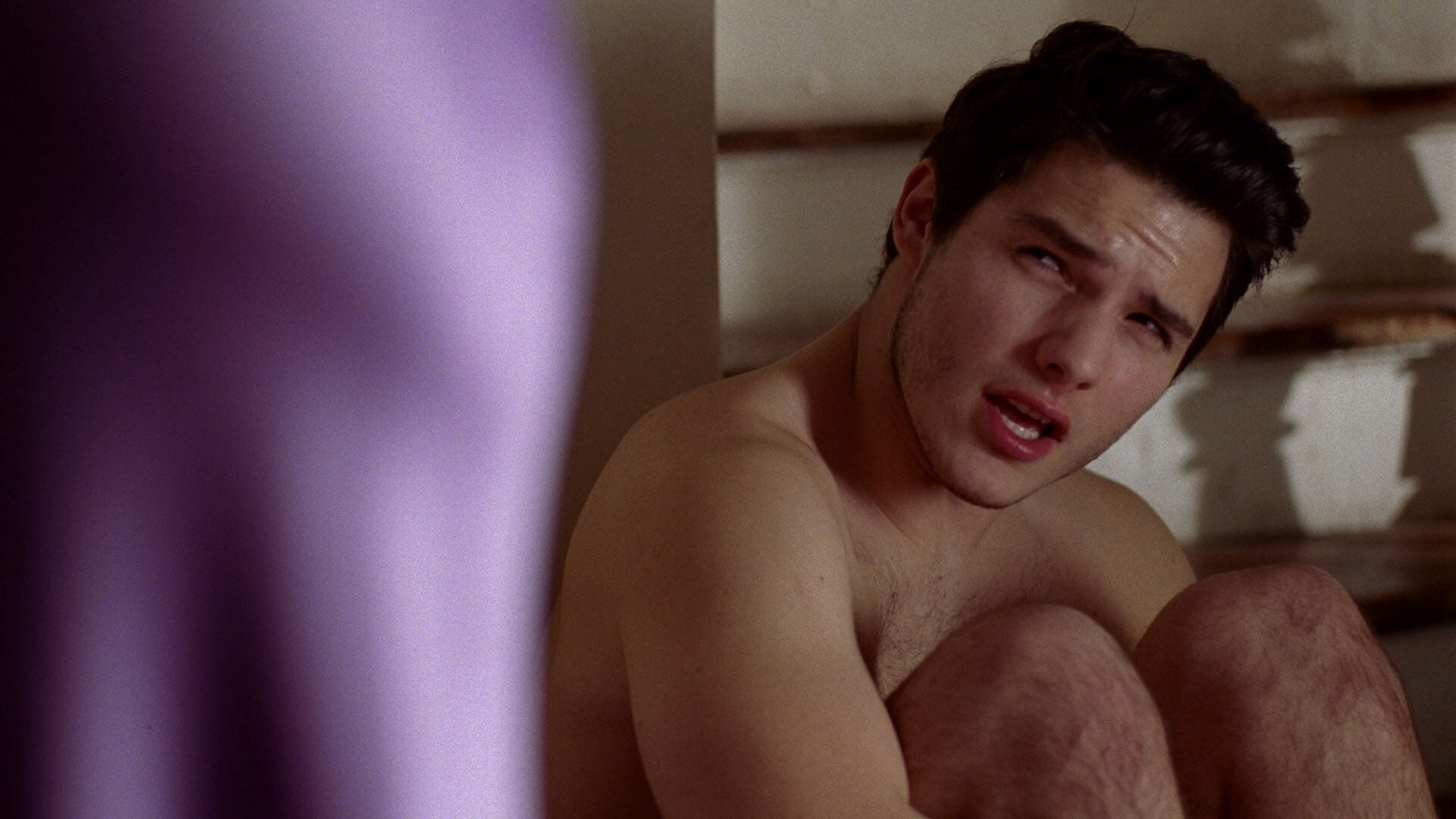
Albert Cadabra and Scooter McCrae received editing credit, with Henenlotter also participating substantially in the cutting process. His involvement was consistent with a filmmaking method in which writing, camera operation and editing remained closely connected. The two principal character stories were deliberately constructed asymmetrically, with an unconventional rhythm of intercutting. Jennifer receives extensive voice-over while Batz does not, a decision Henenlotter and Thorburn made specifically because a more balanced structure seemed too ordinary for the film they wanted to create.
Josh Glazer and hip-hop producer Prince Paul are credited with the music, and Thorburn's position within underground rap culture also brought a number of musicians into the cast and soundtrack environment. Henenlotter incorporated hip-hop pragmatically within his established exploitation style. The contemporary music helps distinguish Bad Biology from an exercise in reproducing the exact cultural world of his 1980s films even while its practical effects and 35 mm photography deliberately preserve older production methods.
The film received its world premiere at the Philadelphia Film Festival on April 4, 2008, where Henenlotter was presented with the festival's Phantasmagoria Award. Contemporary Fangoria coverage greeted the film primarily as the return of a filmmaker who had been absent from features for sixteen years and praised Deeg's cinematography and Bartalos' effects as unusually accomplished for the budget. Wider circulation remained limited and home video became more important than conventional theatrical exhibition.
That distribution reality had already affected the original finishing strategy. Henenlotter shot on 35 mm but chose not to spend additional money manufacturing conventional 35 mm release prints. Festival or special theatrical presentations could instead use an HD master derived from the film material, while DVD ultimately became its principal commercial format. The original photochemical decision nevertheless proved valuable for preservation. Severin Films later returned to the camera negative and created a new 4K scan, allowing the deliberately polished photography to survive at a level of detail far beyond the early home-video editions. Bad Biology thus ends up embodying two eras of independent horror production at once: old-school 35 mm acquisition and practical creature effects, followed by digital exhibition, cleanup and modern 4K restoration.