[REC] (2007)

ES
HORROR FILM Mystery
SUBGENRES ZOMBIE
7.7/10 3 votes
Runtime
78 min
Release
November 23, 2007
Budget
$1,500,000
Revenue
$32,511,655
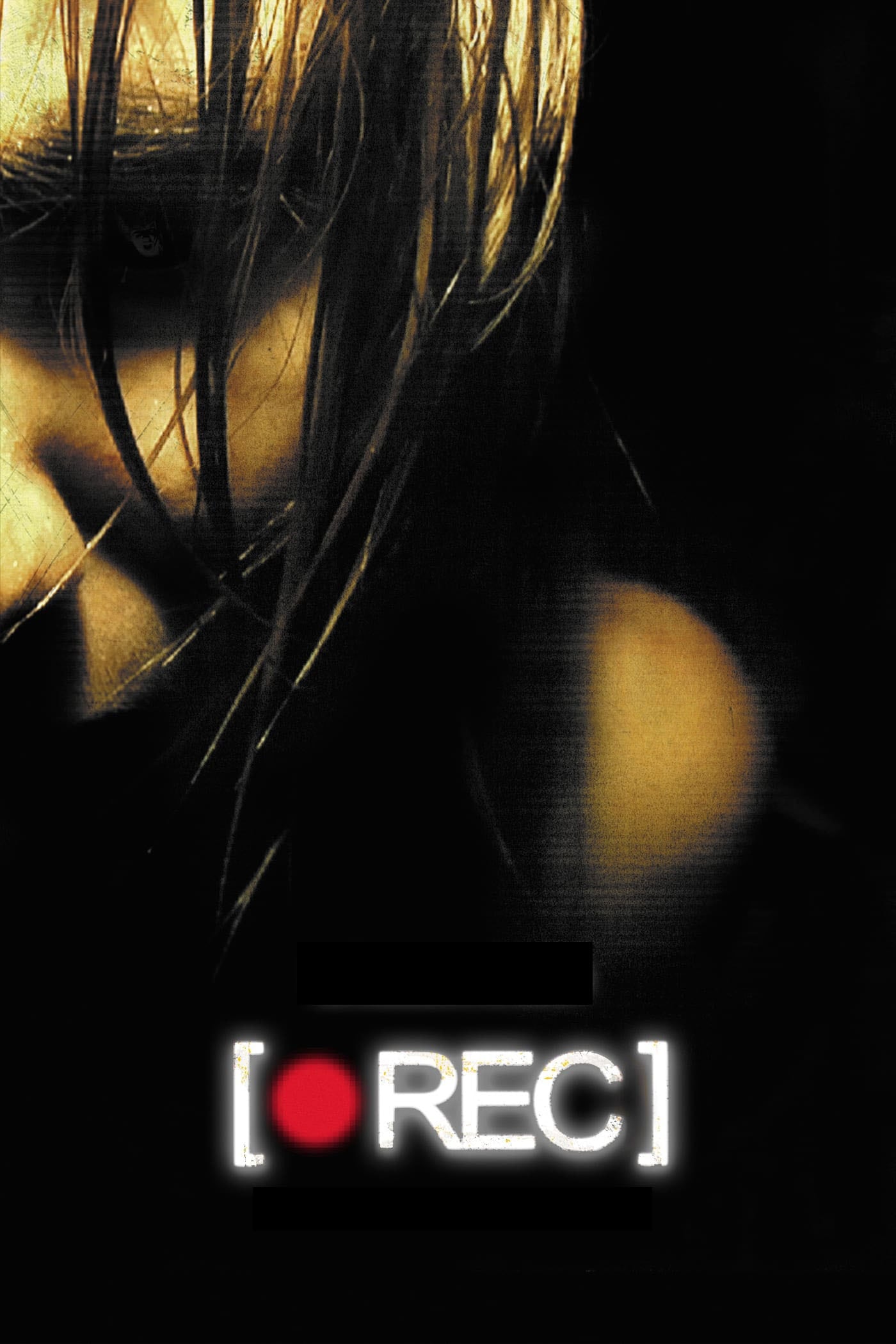
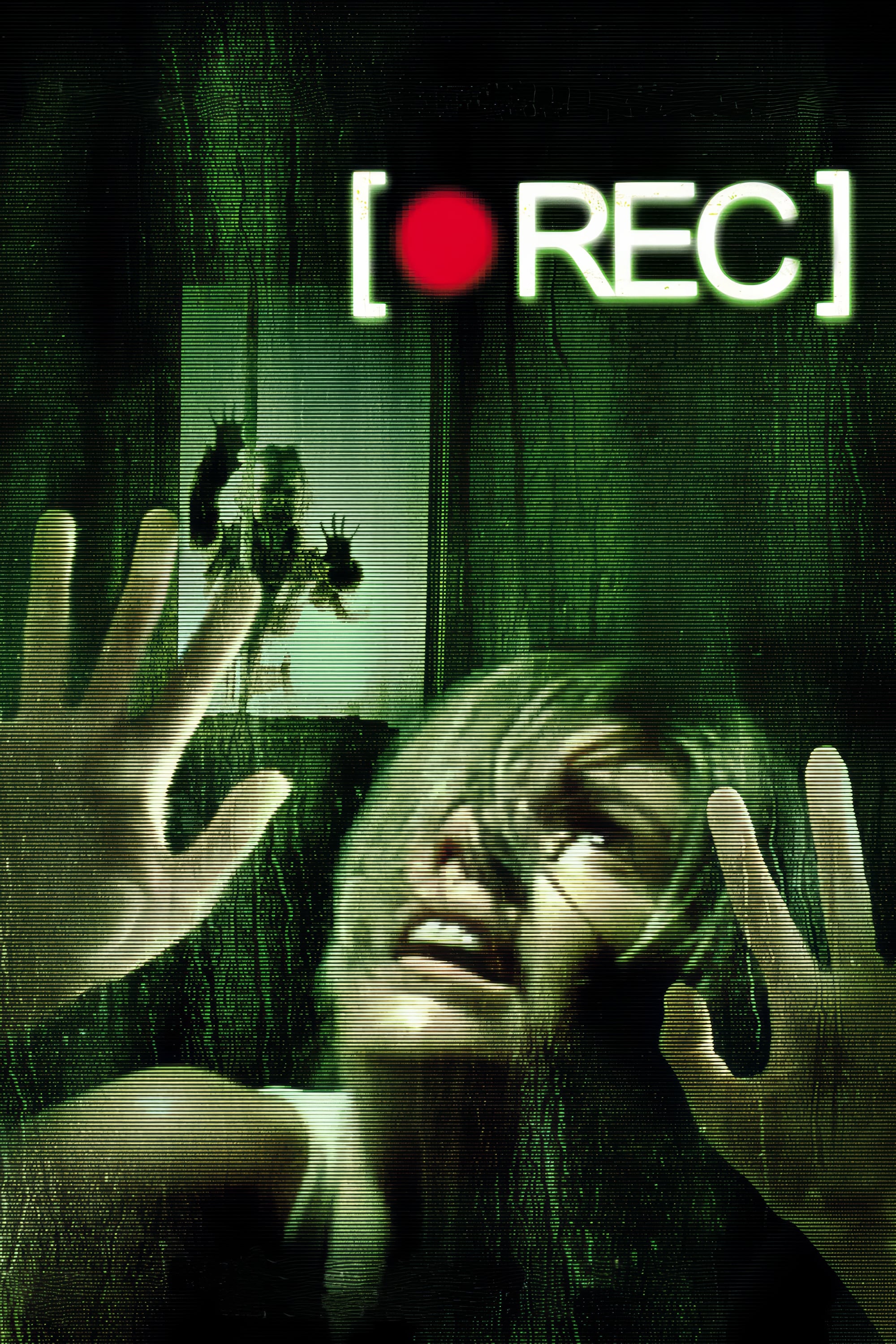
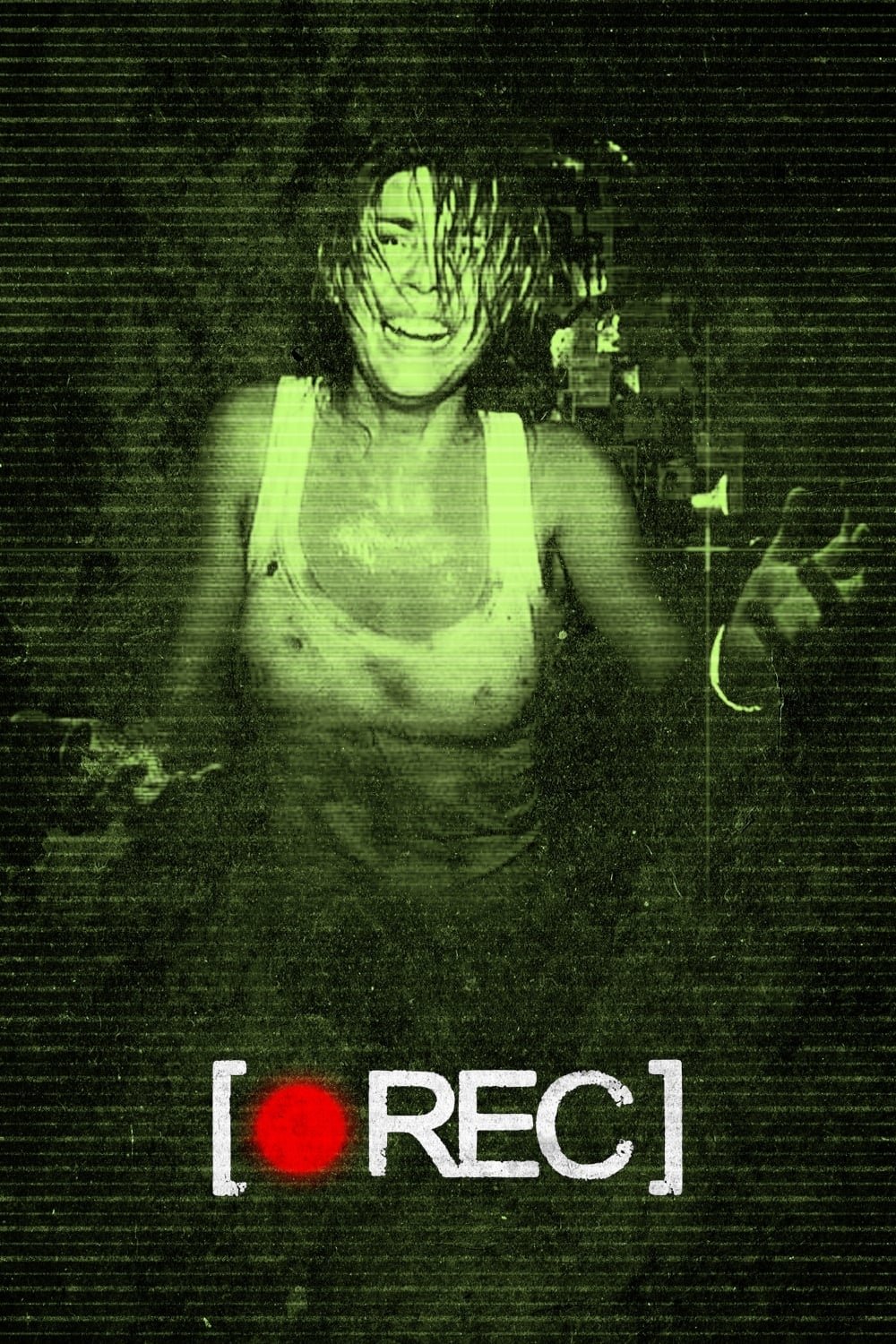
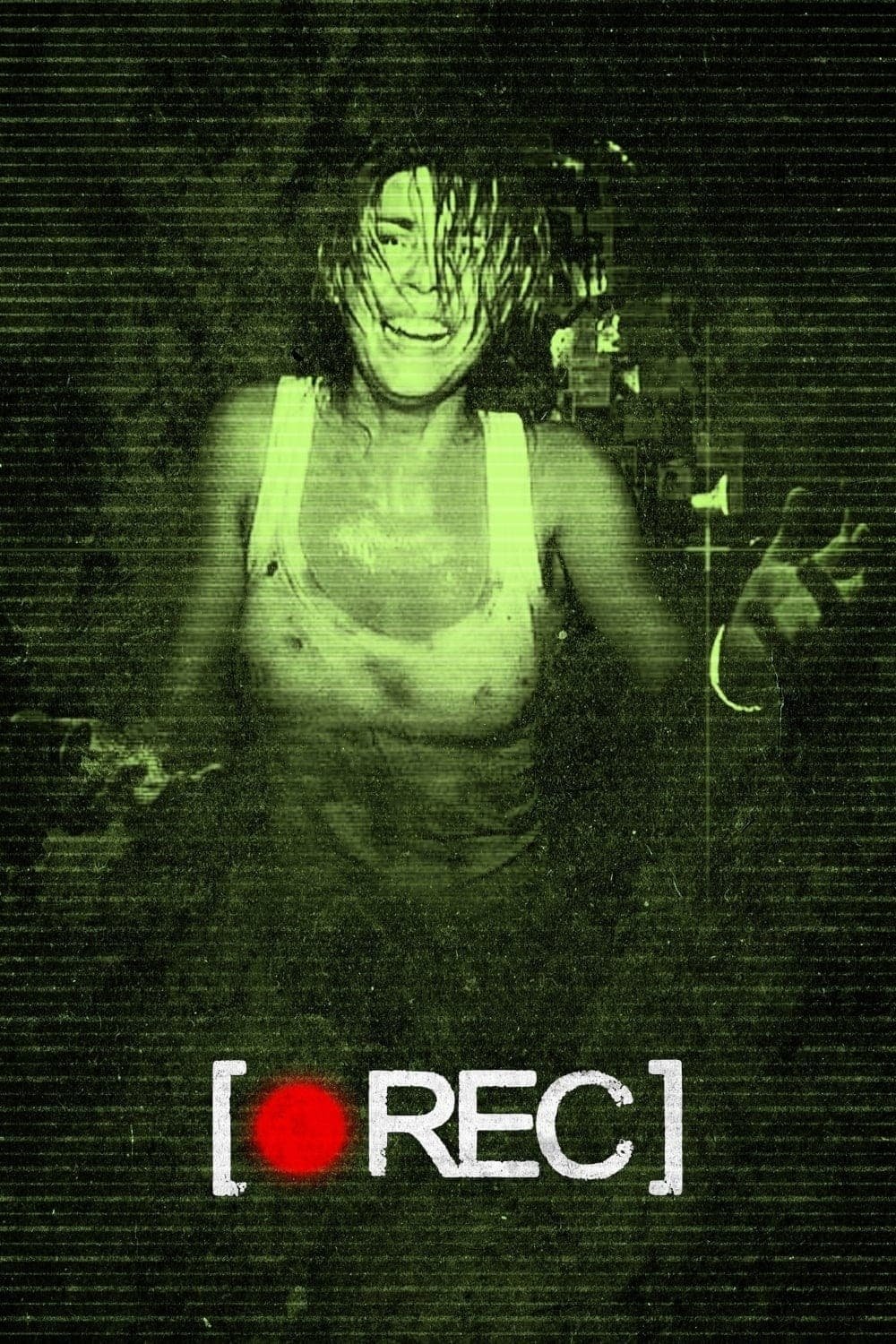
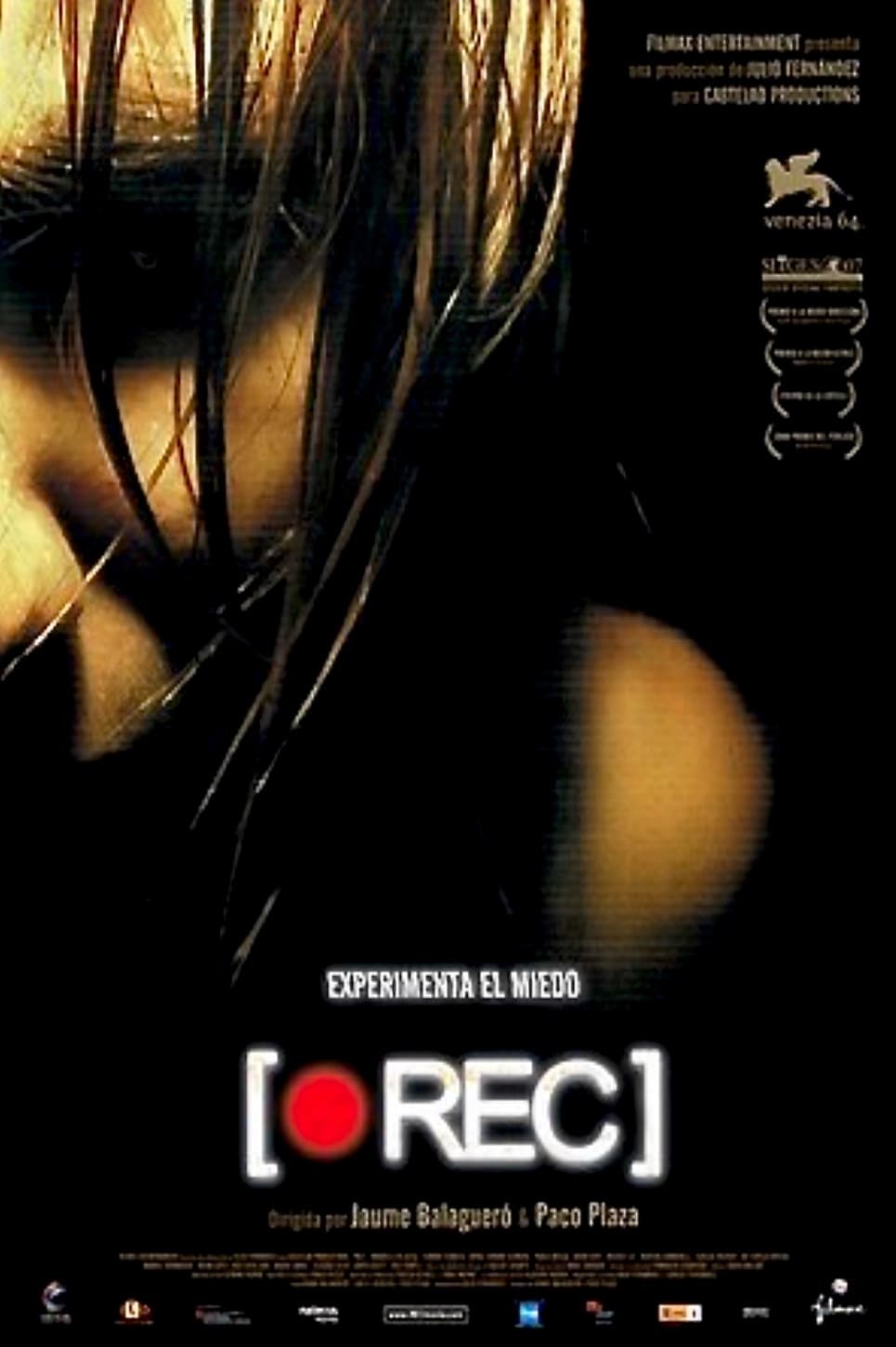
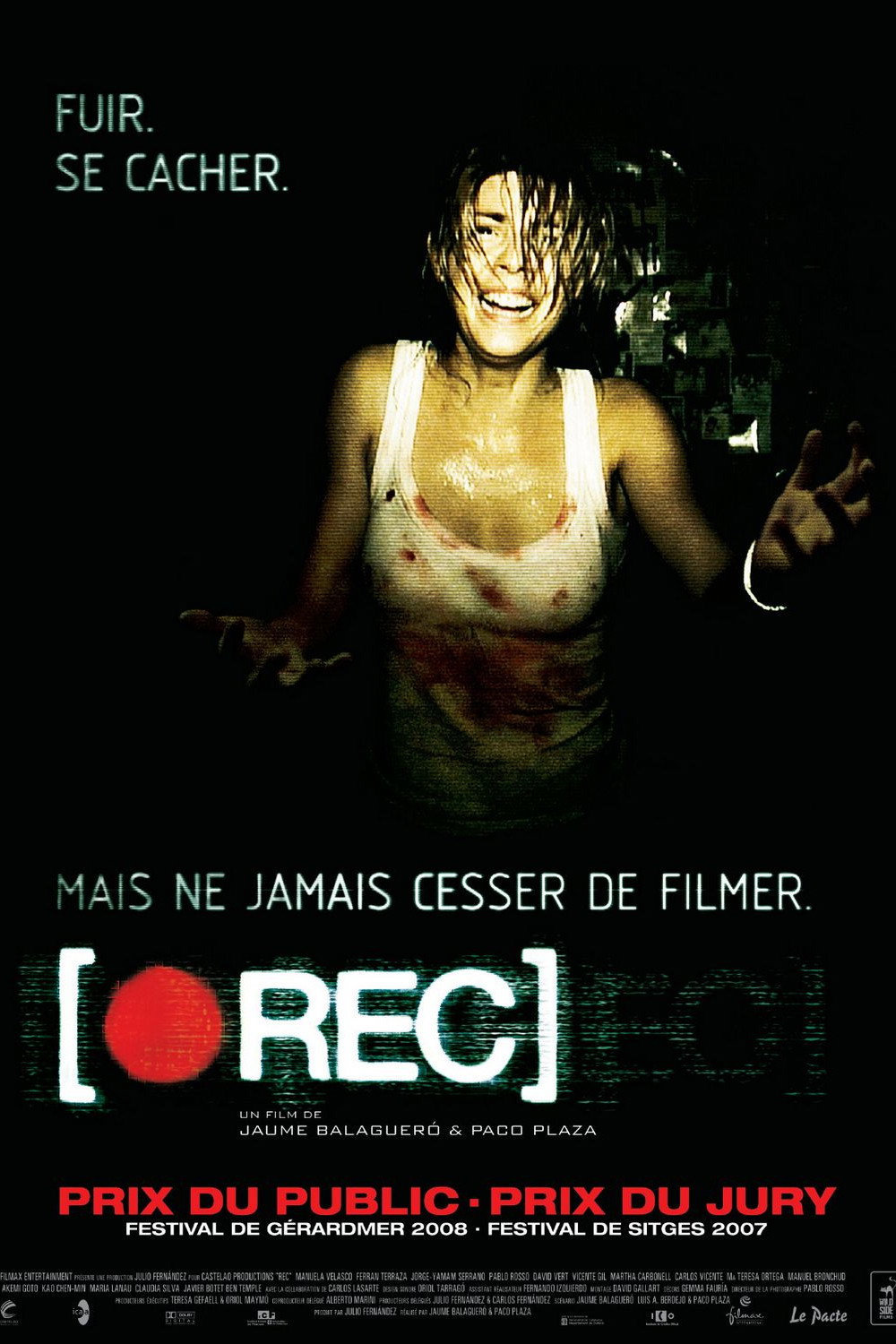
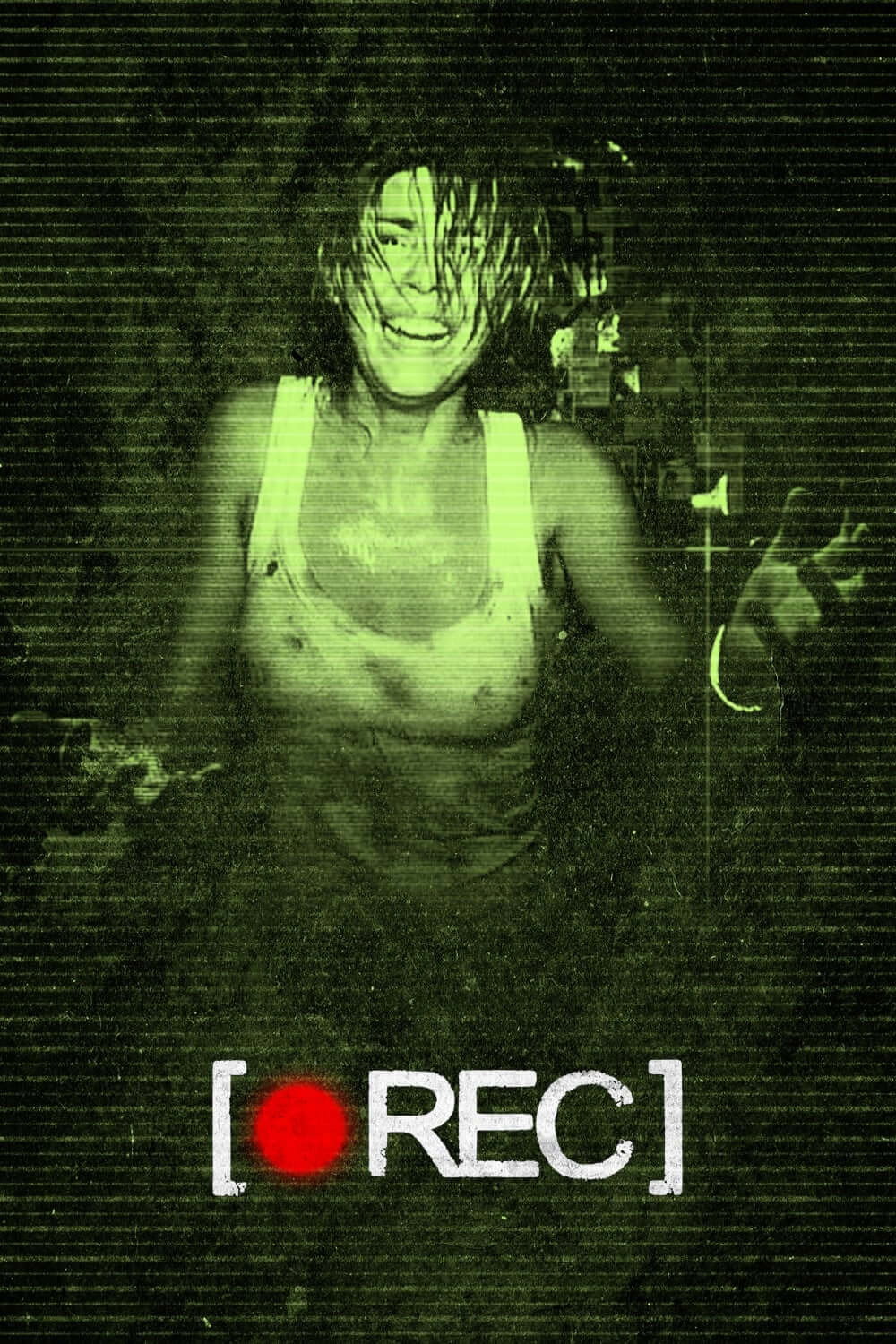
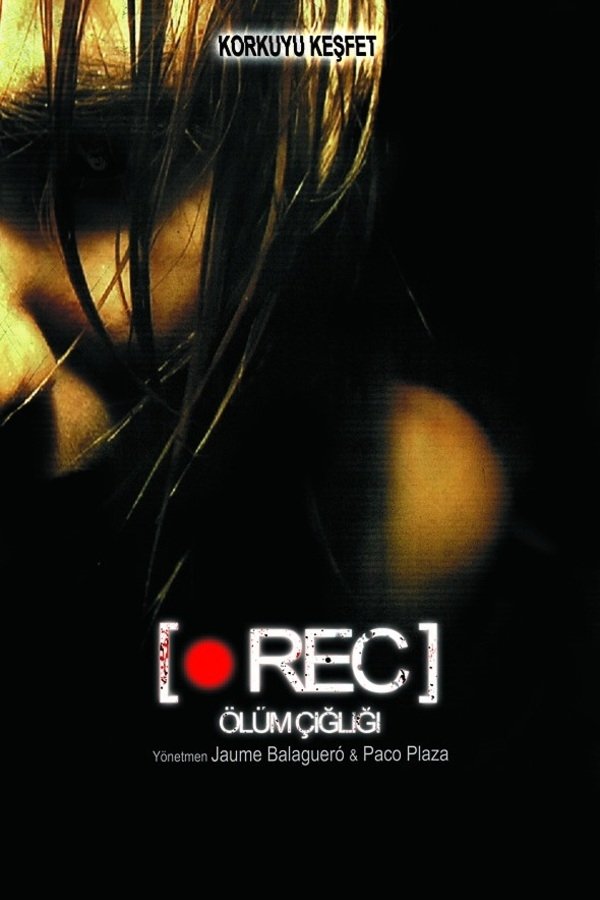
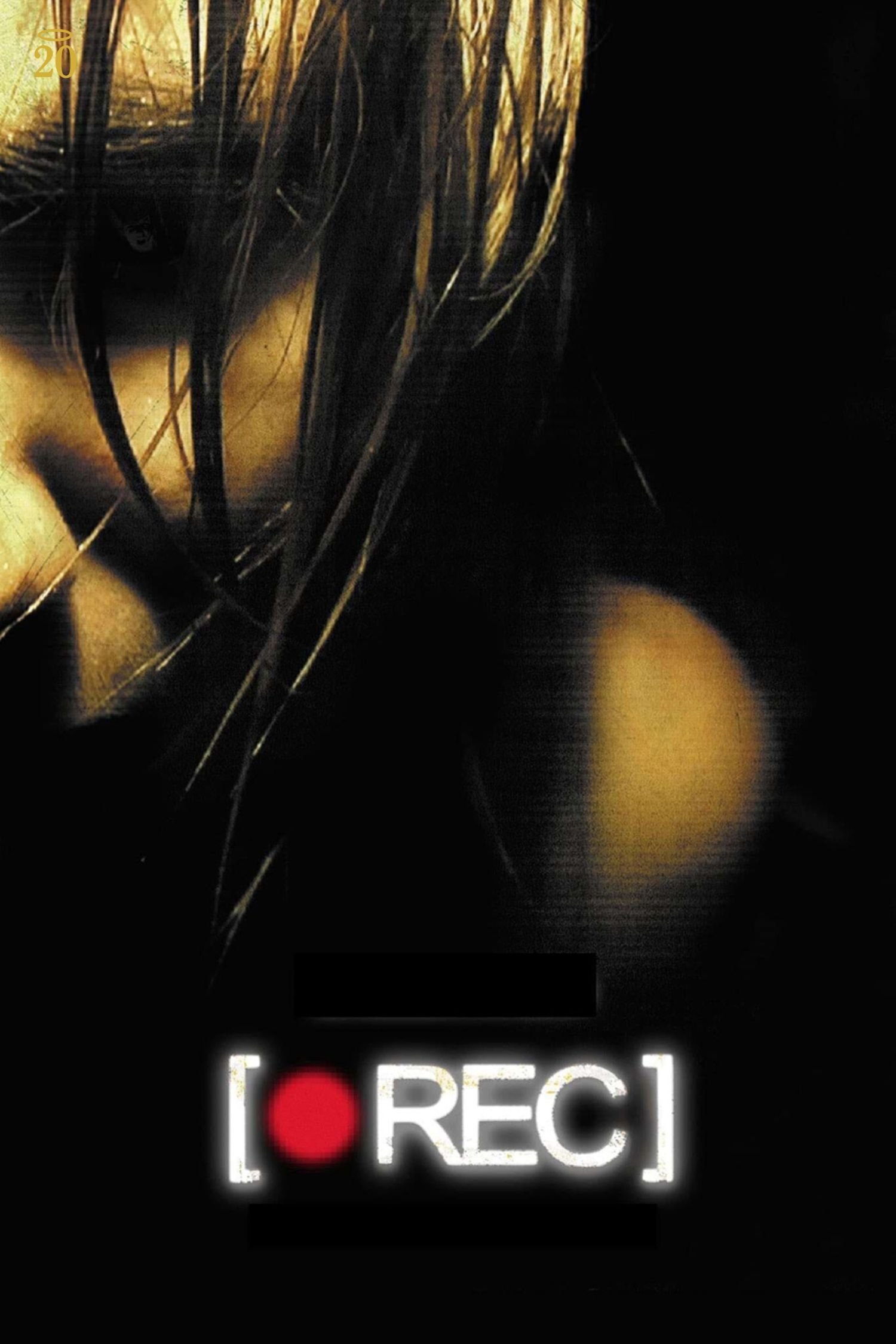
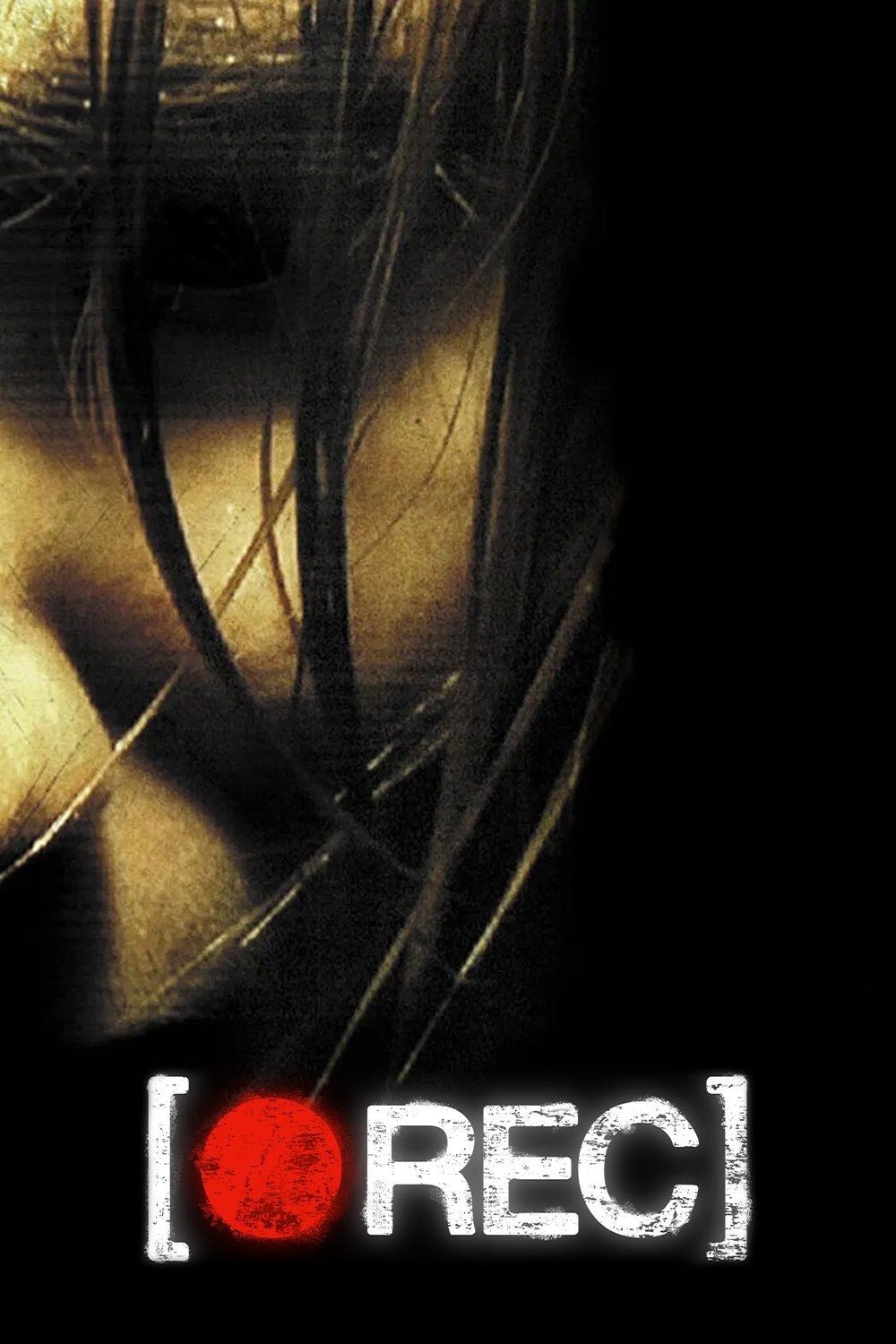
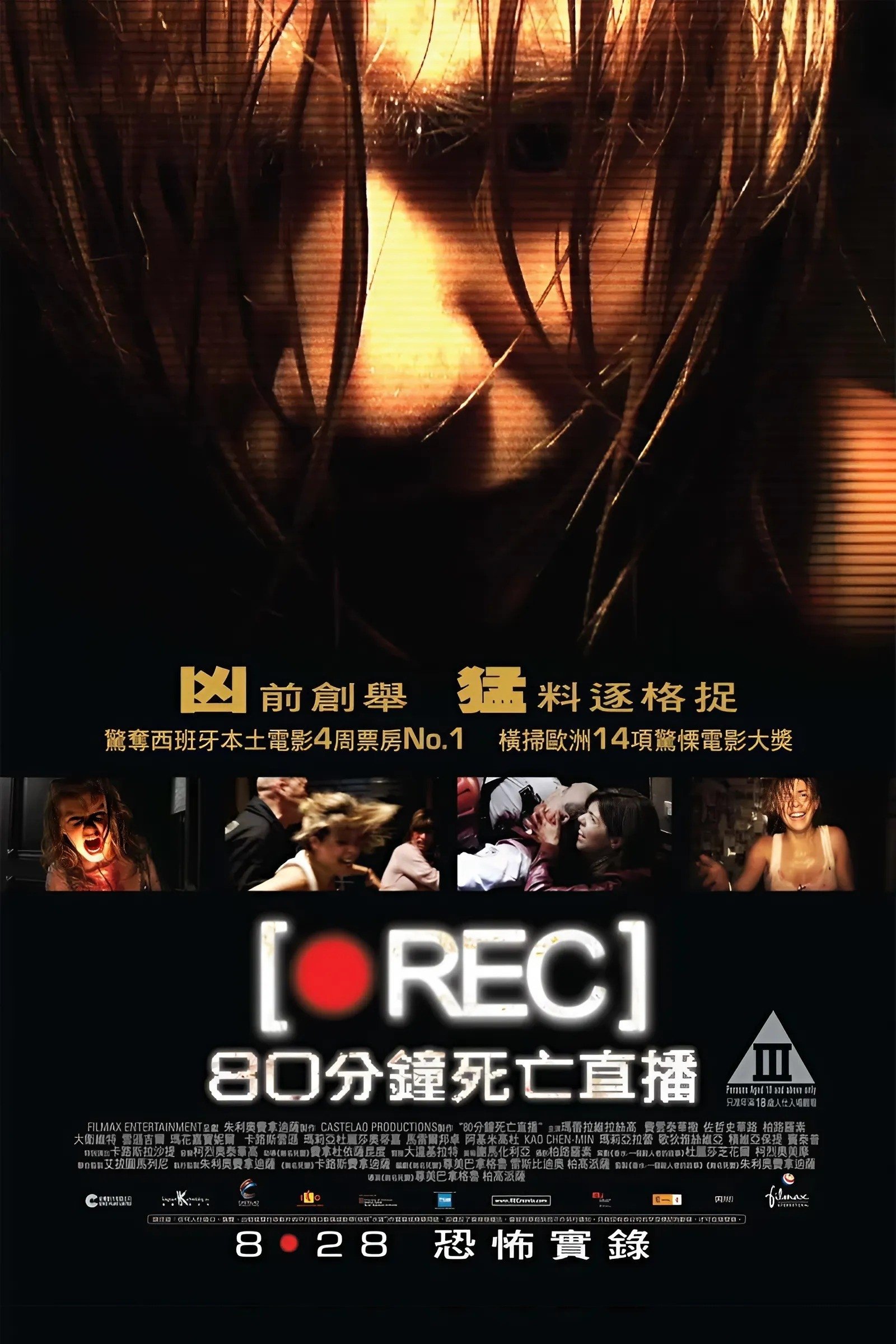
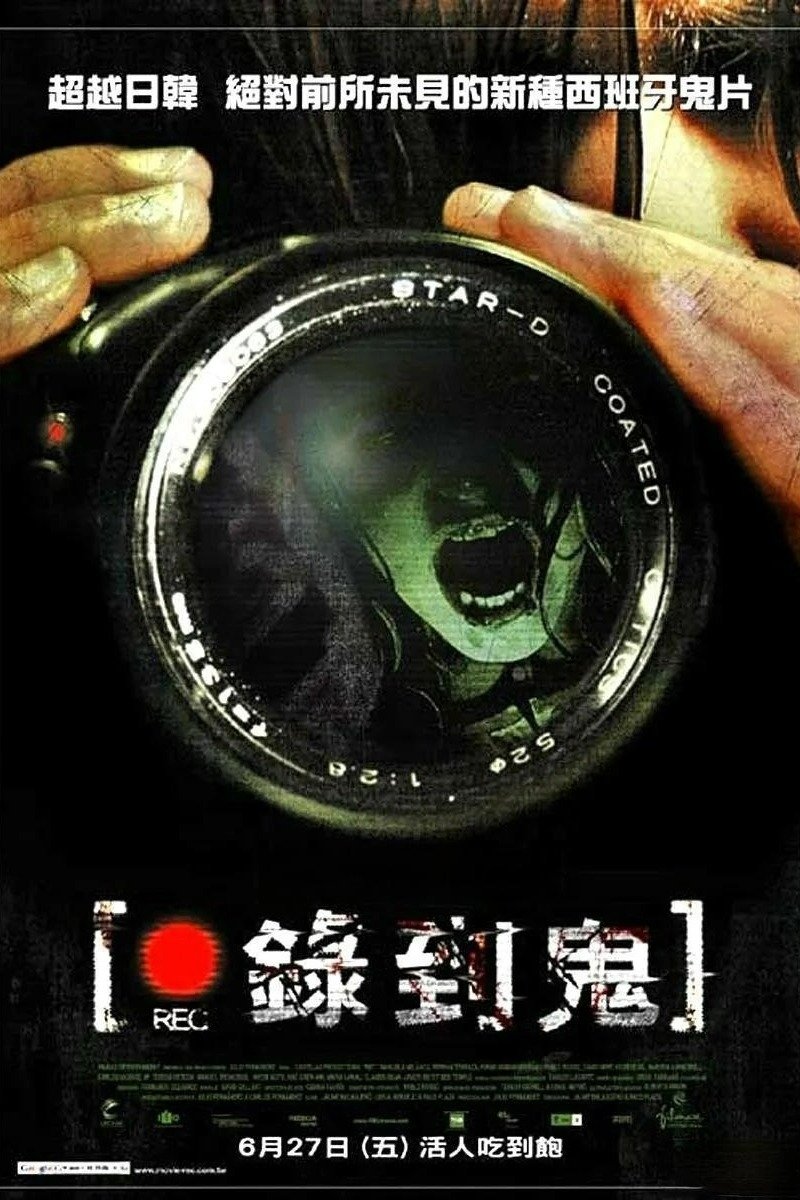
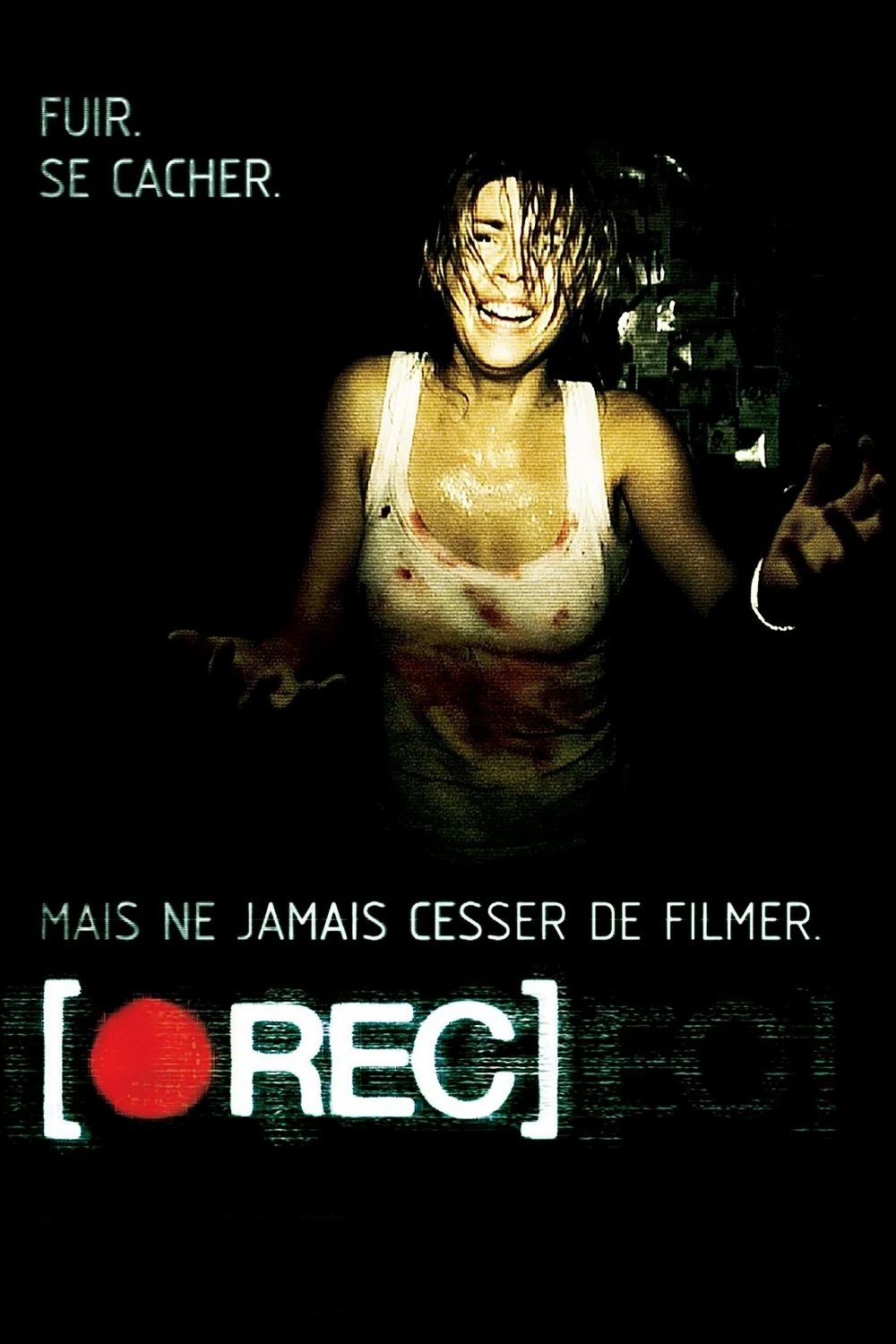
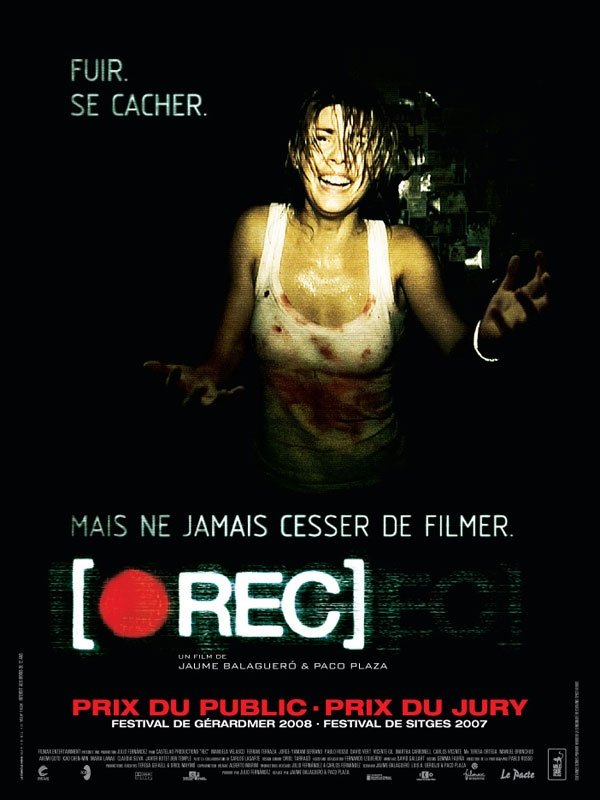
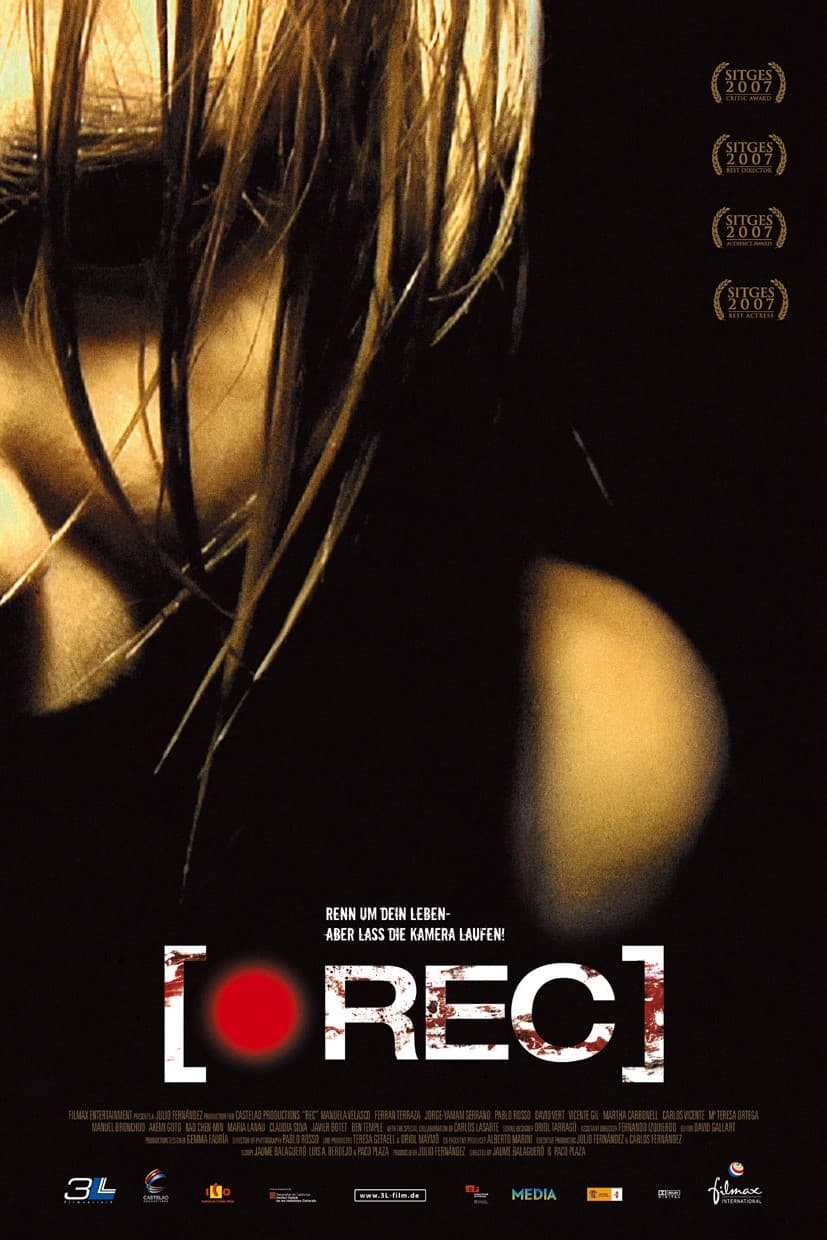
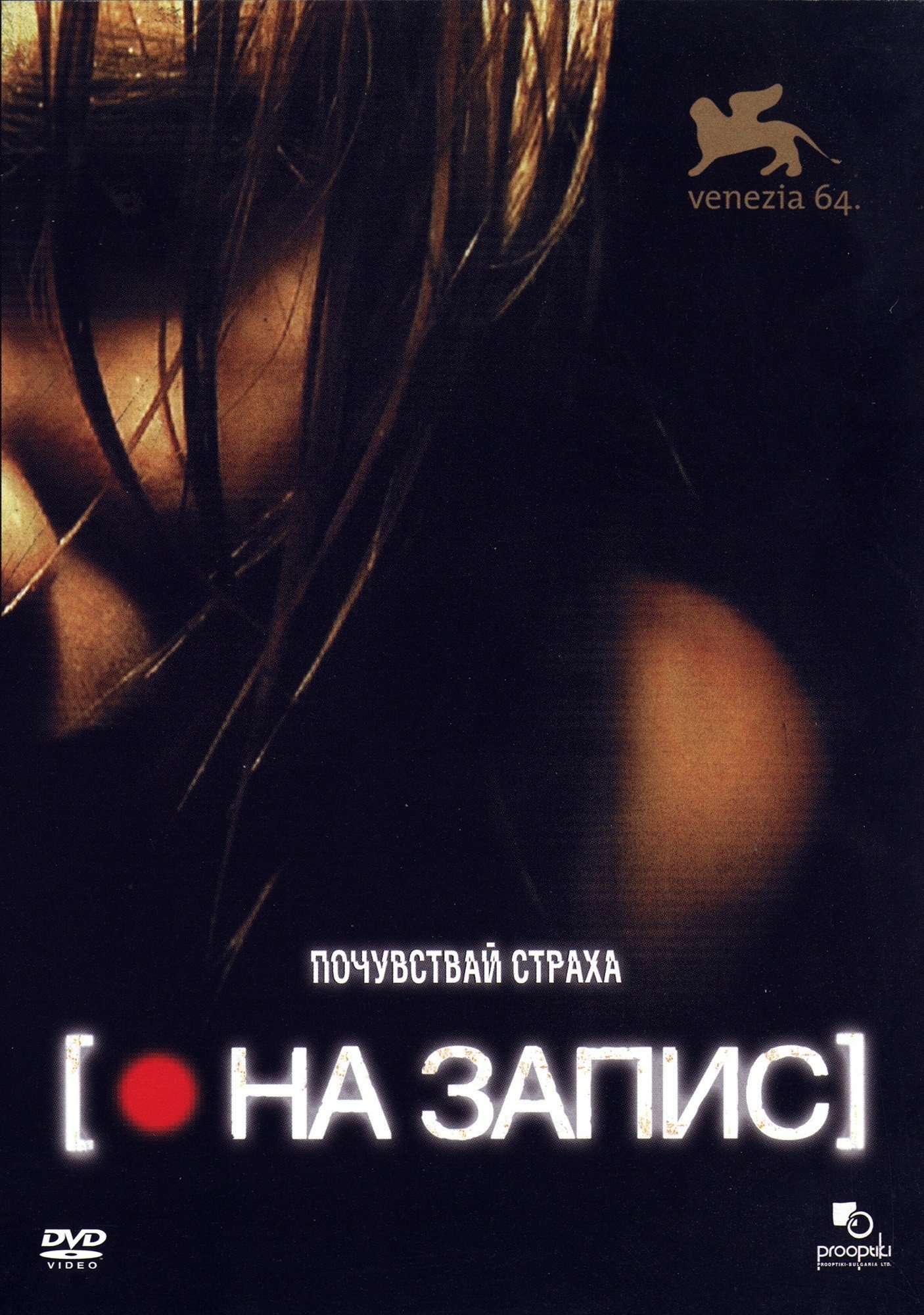
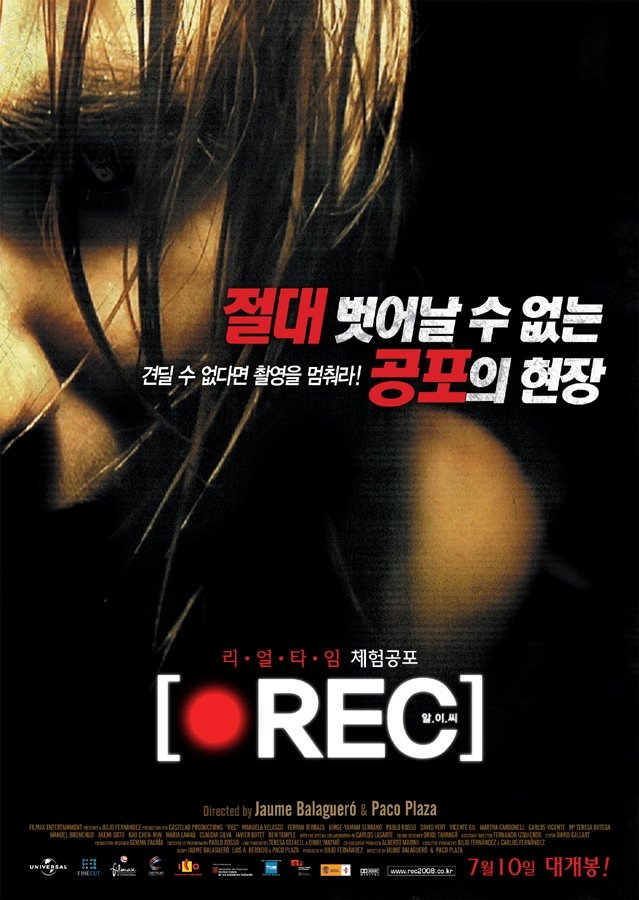
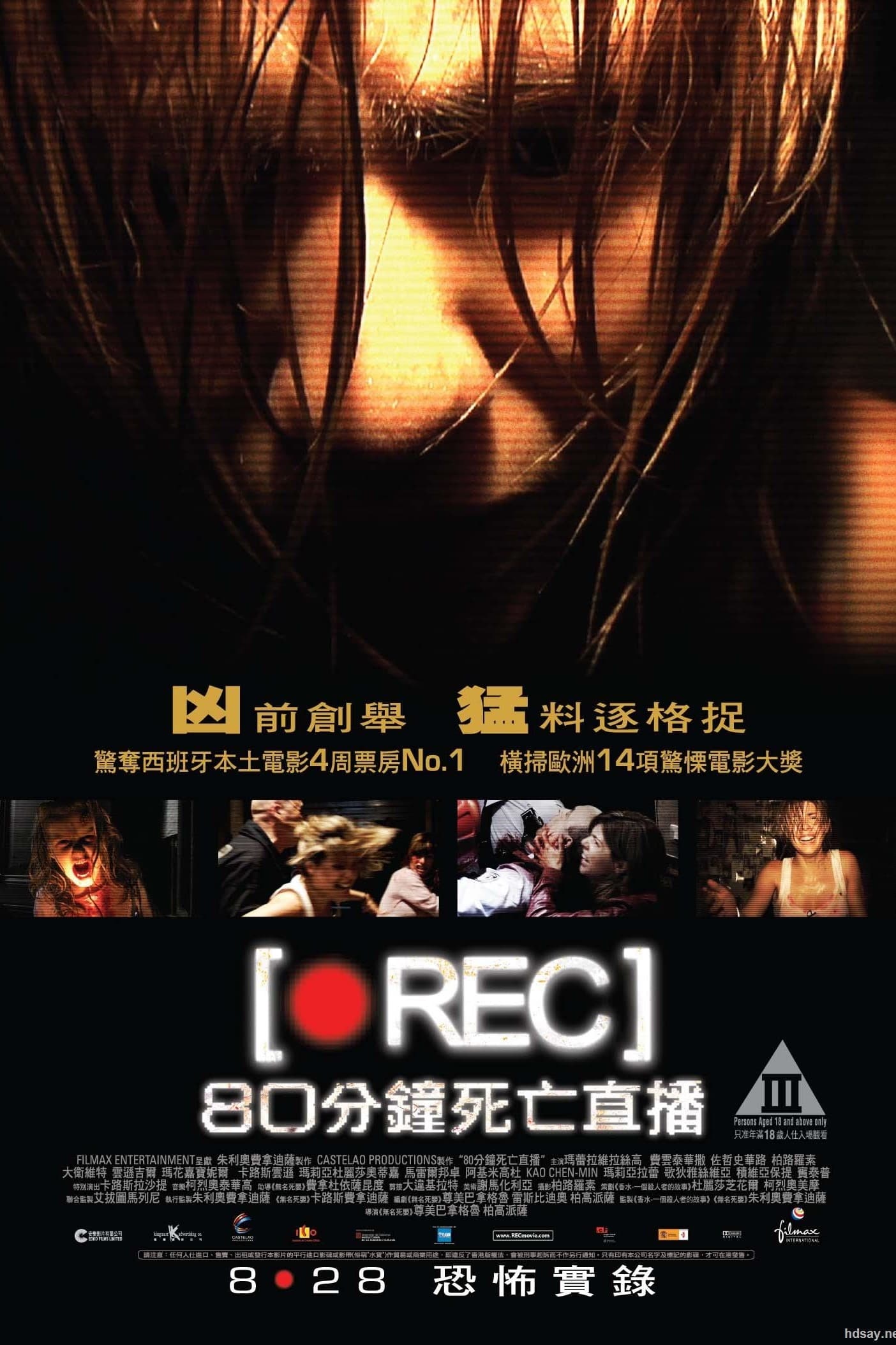
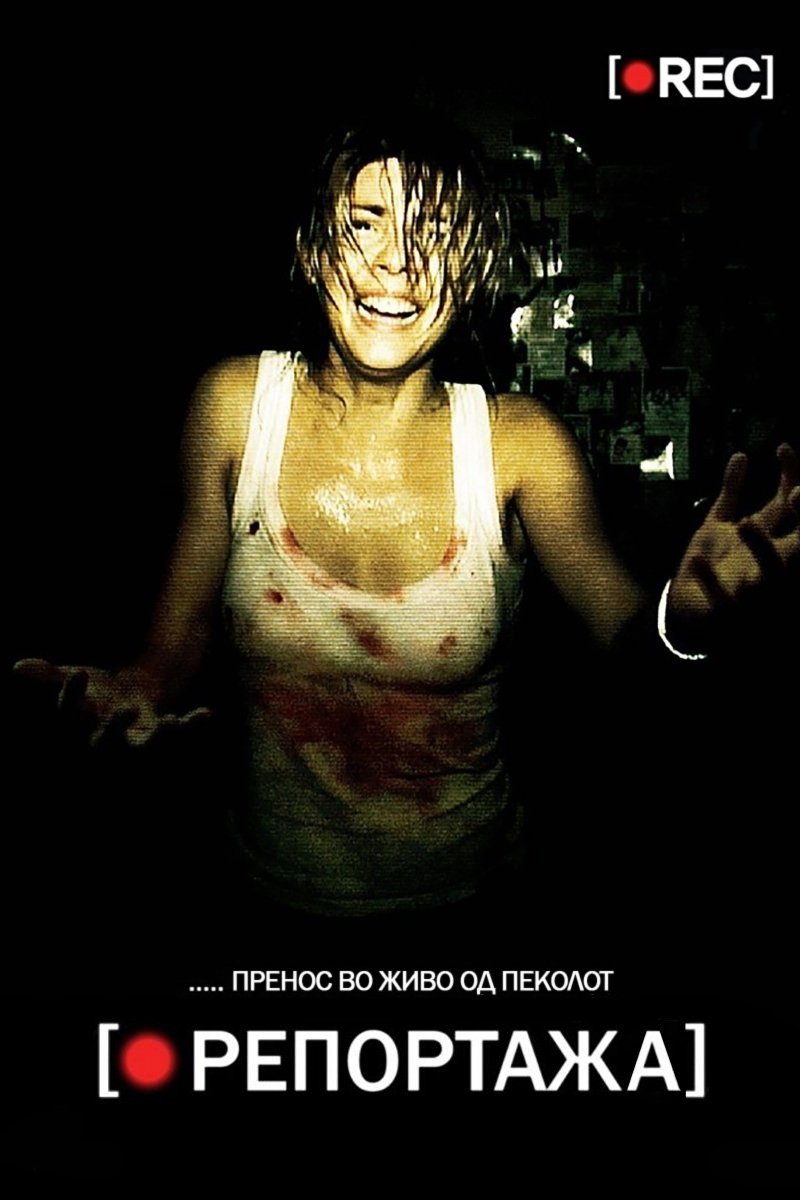
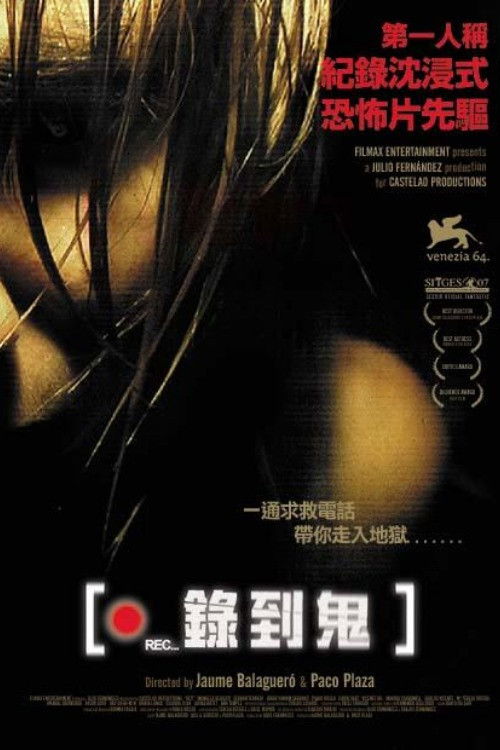
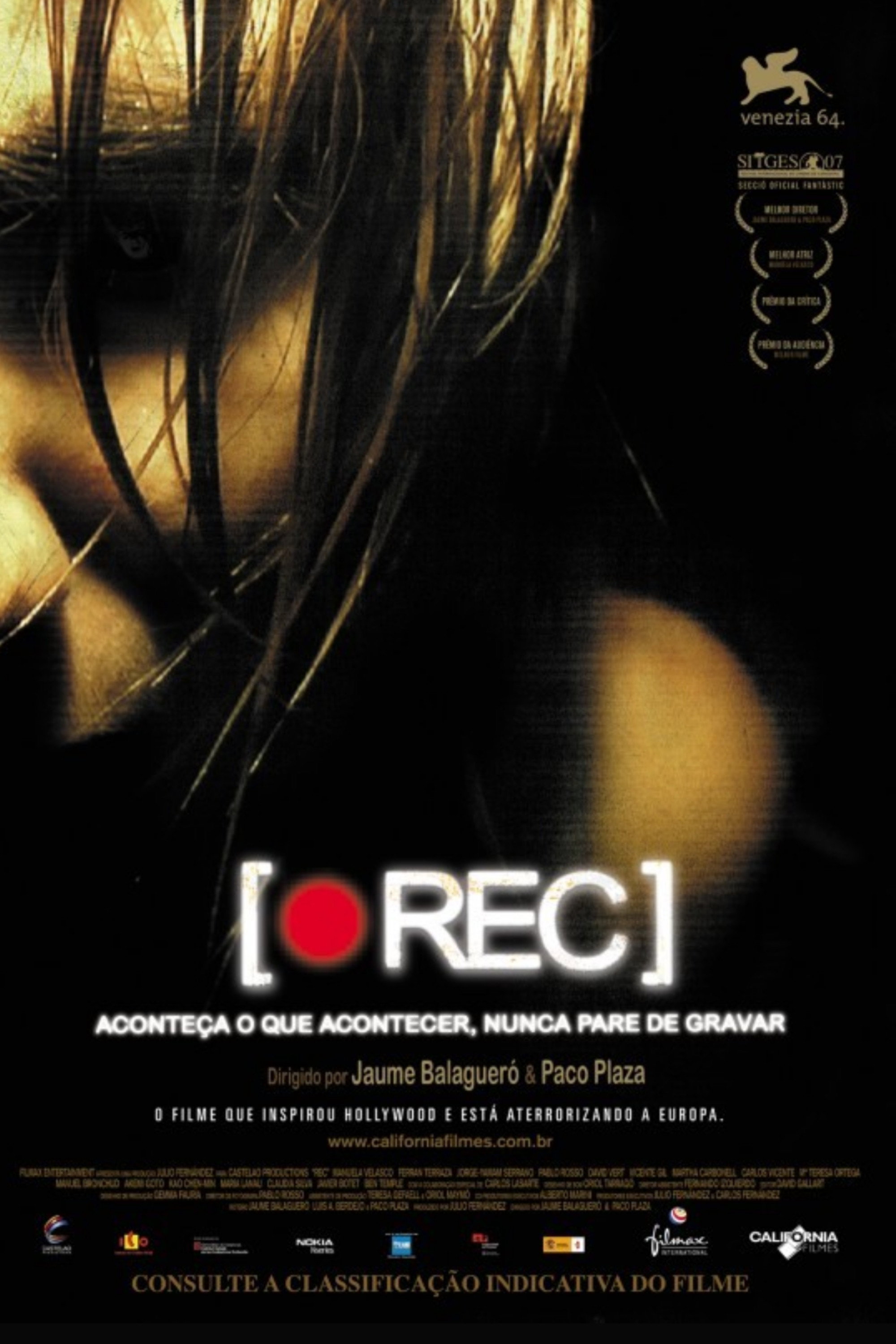
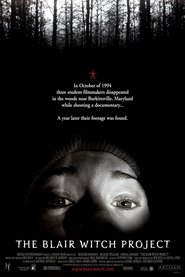
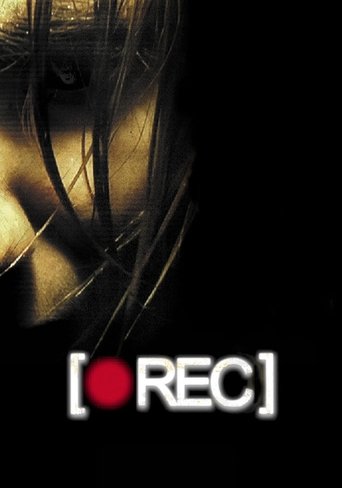
[REC] (2007) poster
Production Company
Castelao Productions
Plot

Television reporter Ángela Vidal and cameraman Pablo spend a night with Barcelona firefighters for a programme about their work. An emergency call brings them to an apartment building where an elderly resident has become violent. Police seal the exits after additional attacks, leaving the crew, responders and residents confined inside. As Ángela continues recording, the survivors find evidence that the apparent infection has a hidden history reaching beyond an ordinary medical emergency.

Alternative Titles
[На запис] (Bulgaria) — Bulgarian 死亡录像 (China) — Chinese REC (Czechia) — Czech [REC] - Ein Albtraum aus Blut, Angst und Terror (Germany) [•REC] (Spain) Rec (Finland) — Finnish 80分鐘死亡直播 (Hong Kong SAR China) — Chinese מקליט (Israel) — Hebrew
Show all 22 alternative titles מקליט ¹ (Israel) מקליט¹ (Israel) REC / レック (Japan) — Japanese REC レック (Japan) 알.이.씨 (South Korea) — Korean Įrašas (Lithuania) — Lithuanian Репортаж (Russia) — Russian Snemaj! (Slovenia) — Slovenian ปิดตึกสยอง (Thailand) — Thai Rec: Ölüm Çığlığı (Türkiye) — Turkish 錄到鬼 (Taiwan) — Chinese Репортаж (Ukraine) — Ukrainian REC (United States) Góc Quay Đẫm Máu (Vietnam) — Vietnamese

Trailers & Videos

3 videos

Film Guide & Analysis

The Spanish television-reportage horror that turned a Barcelona apartment building into a single-camera nightmare.

Jaume Balagueró and Paco Plaza's [REC] (2007) places the spectator inside a Spanish television report that turns into an enclosed nightmare. Reporter Ángela Vidal and cameraman Pablo accompany Barcelona firefighters on a night shift, then enter an apartment building where an apparently routine emergency conceals a violent outbreak. When authorities seal the exits, the camera becomes the only available record of an increasingly desperate struggle. The film develops its horror through the restricted perception of a working camera operator, abrupt changes in the building's atmosphere and the uncertainty surrounding what has infected its occupants.

Its importance to modern horror rests on the precision with which television reportage is adapted into a feature-length experience. The filmmakers employed chronological shooting, partial information for performers and elaborate practical events staged within extended takes. The single-camera viewpoint also shaped the sound design: noises from rooms, stairwells and the sealed street replace a conventional musical score. Although associated with found-footage cinema, [REC] makes a distinctive choice about its fictional recording. The camera is being used by a television crew gathering material for a programme; the film does not require an invented account of a recovered tape. Its closing revelation adds demonic horror to a story initially presented as an infection thriller.

Development and the Television Concept

Balagueró and Plaza conceived the project around the effect that a single recording device could have on an audience's experience of fear. Speaking to Cineuropa shortly before the Spanish release, Balagueró described their discussions about the mechanisms of horror and the possibility of using the grammar of television news. A camera embedded in the action would determine both what could be seen and how the story advanced. Rather than dividing directing duties into separate departments, the pair said they worked by agreement on the entire film. Their central task was to invent a plausible incident and then construct the circumstances in which a fictional television team might record it.

Sound designer Oriol Tarragó later recalled that the project was initially discussed under the title Length 90, at a point when the screenplay was unfinished and financing had yet to be secured. The film was eventually made through Filmax, whose established relationship with Spanish genre cinema provided a production setting for the experiment. The directors' primary model was television reporting, although they acknowledged earlier first-person horror cinema when discussing the finished picture. They wanted recognisable everyday behaviour around the extreme events, including awkward conversations and moments of unforced humour. This ordinary social texture was essential to the contrast between the opening assignment and the violence that follows.

Chronological Shooting and Performances

Principal photography lasted twenty working days, according to Balagueró's account in a 2008 interview with Eye for Film. The directors shot the story in chronological order, allowing performers to encounter developments as the fictional night progressed. Actors received incomplete scripts and were sometimes given different information about forthcoming events. The purpose, as the filmmakers explained, was to preserve hesitation and involuntary reactions within scenes that otherwise needed careful technical preparation. Even the camera operator was expected to respond without full knowledge of what had been arranged ahead of him.

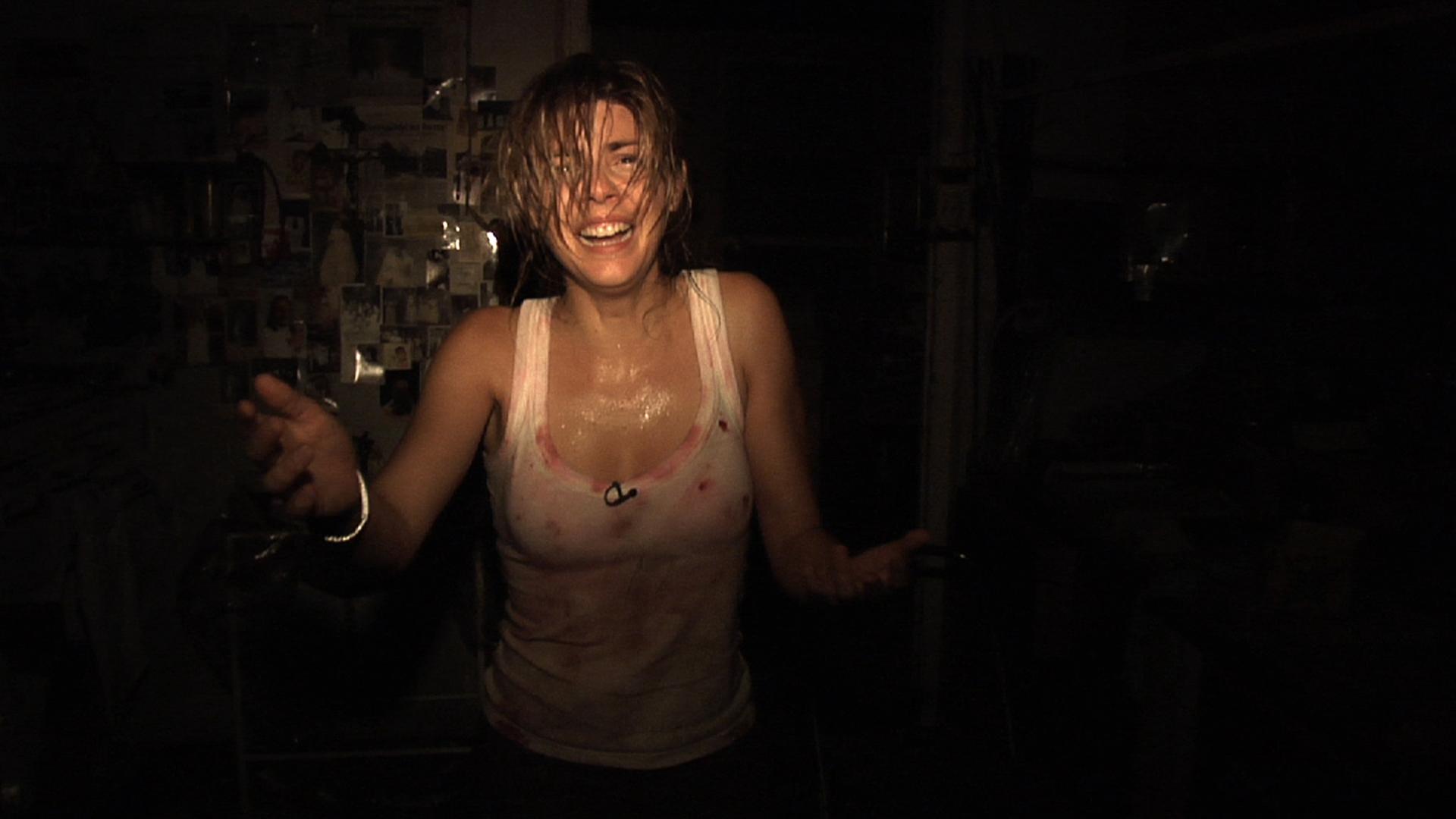
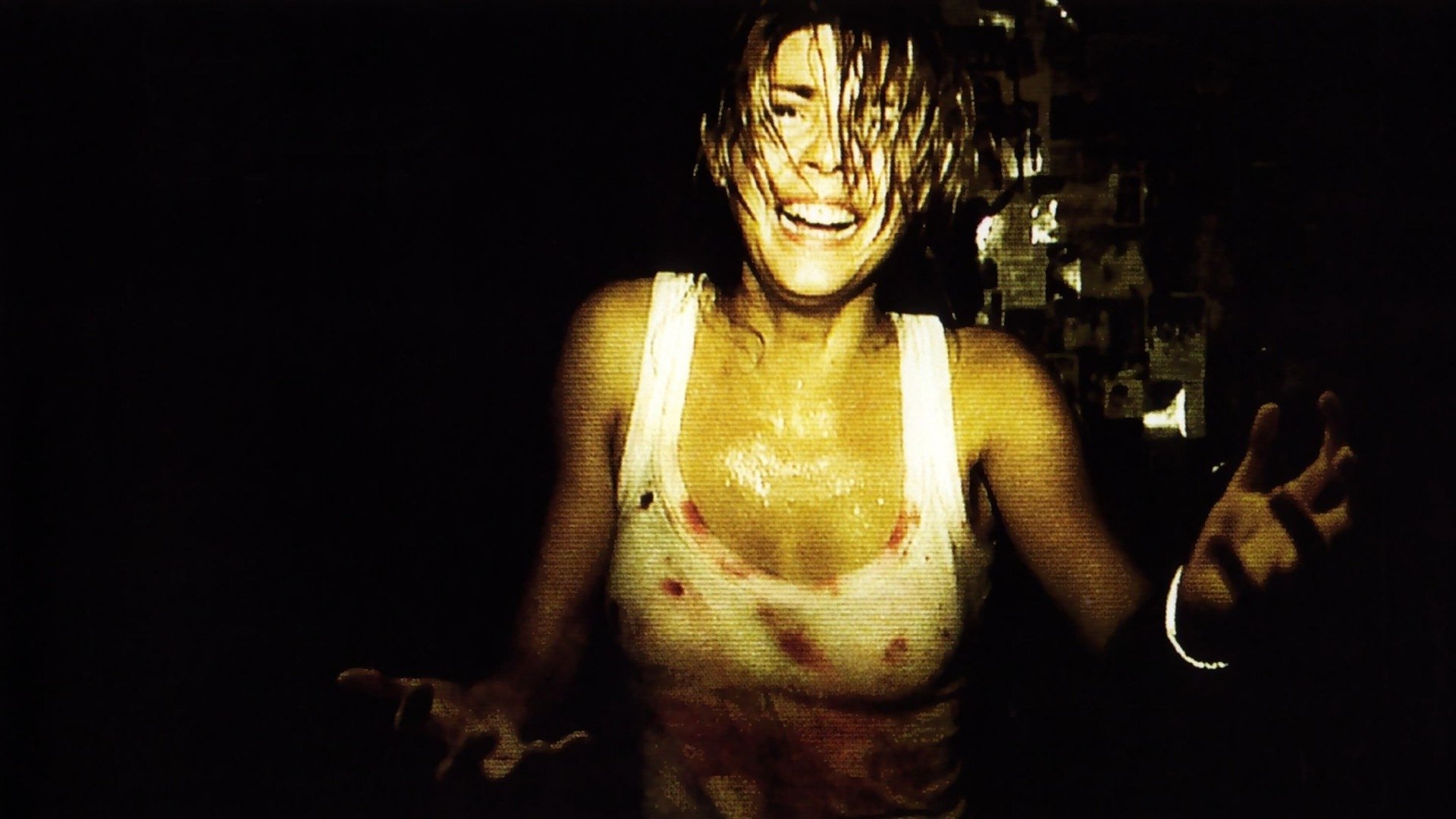
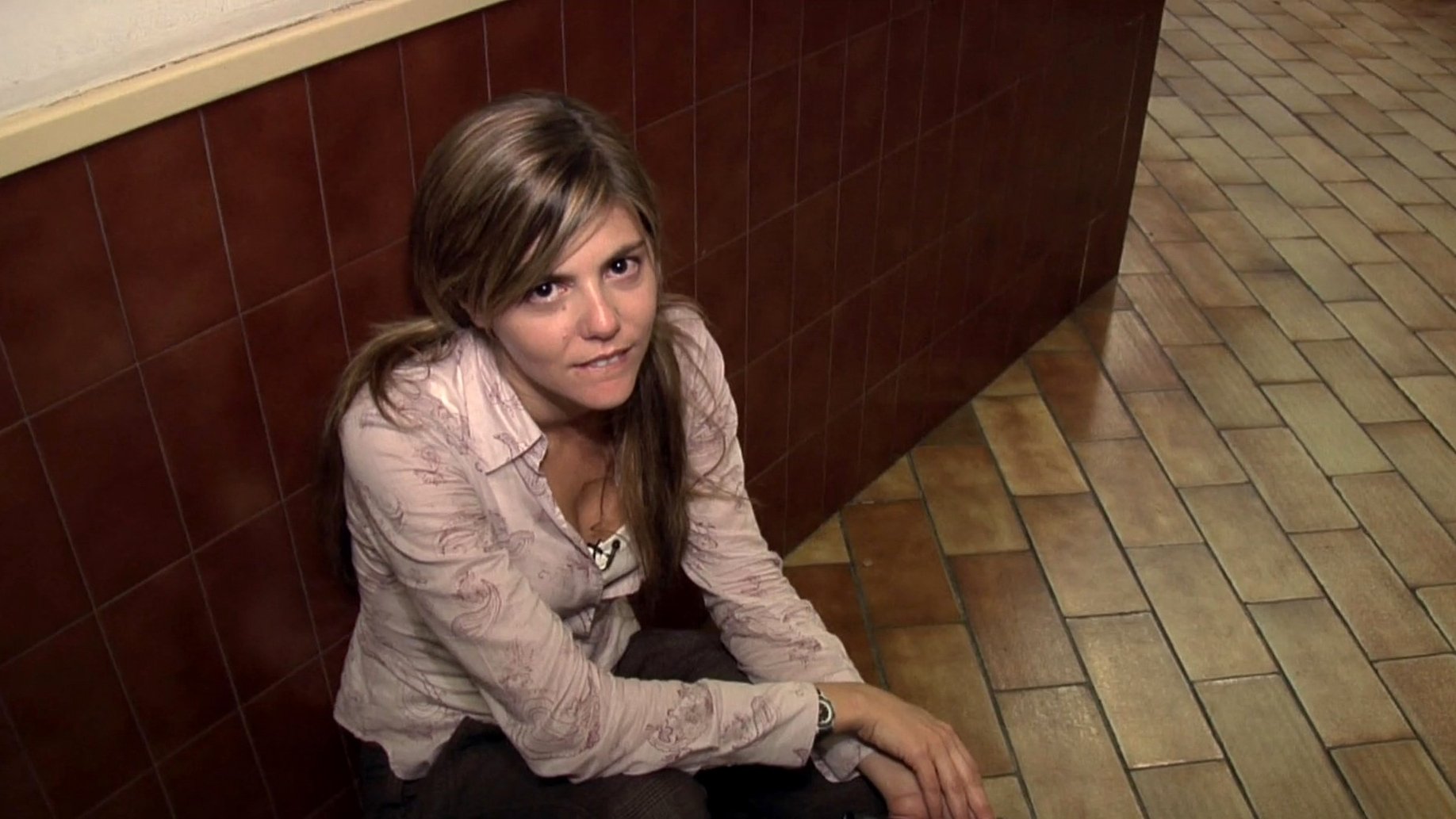
Casting served the same approach. Manuela Velasco was selected partly because Spanish viewers would recognise her as a television personality, lending Ángela's assignment an immediate familiarity. The directors preferred less familiar performers for many of the other roles. Cinematographer Pablo Rosso agreed to operate the camera within the action and to play Pablo, the unseen colleague addressed by Ángela throughout the night. That arrangement placed the person controlling the frame inside the fictional drama. The actors had to remain engaged when the camera left them because it might return without warning; the resulting movement between characters gives the apartment building the unsettled rhythm of an incident that no one can coordinate.

Camera Perspective and Confined Space

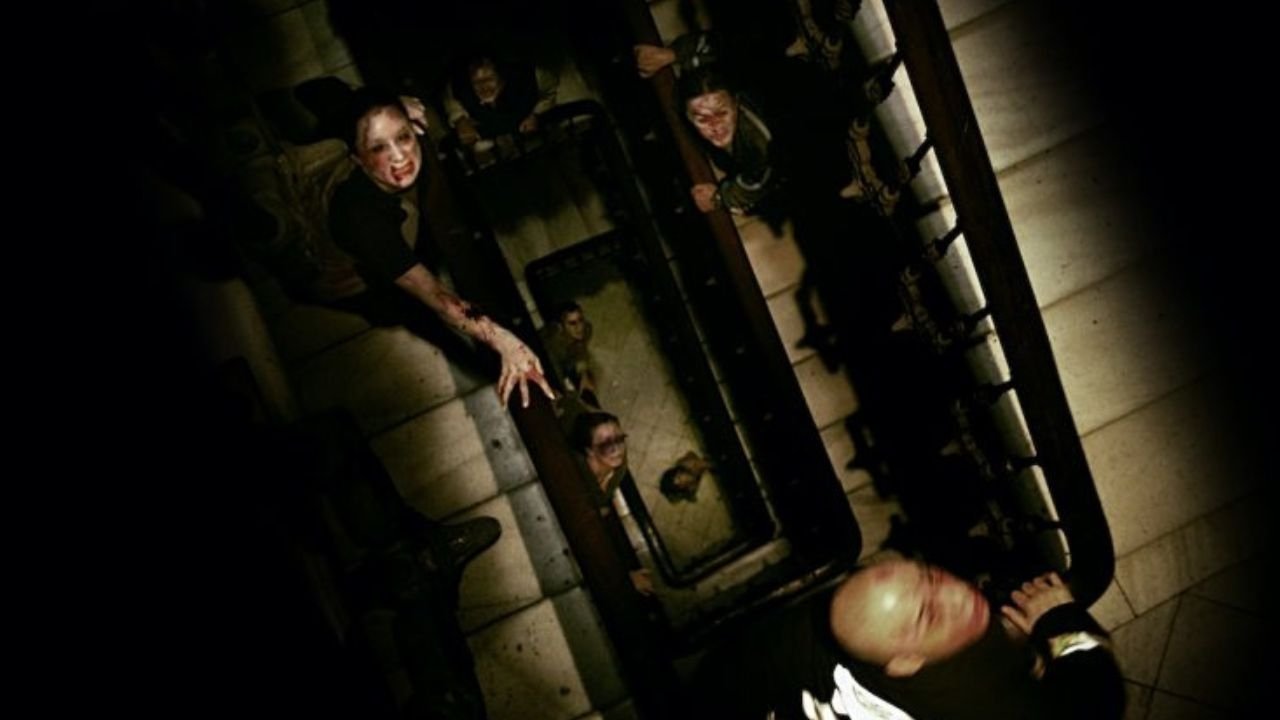
The images are governed by the physical position of Pablo's camera, so the viewer learns the geography of the building through hurried movement rather than establishing coverage. At first the lens follows the conventions of a small television feature: introductions, interviews and observational views of firefighters at work. Inside the building, its purpose changes. Residents argue across the entrance hall, the camera pursues activity on the staircases and doorways repeatedly conceal events taking place just beyond the frame. The concentration of the action in a single residential location allows spatial familiarity to become an instrument of suspense. A route visible early in the film can later be inaccessible because someone or something occupies it.

The visual strategy imposes unusual problems of continuity and suspense. Conventional reverse angles could reveal a threatening figure before the fictional operator noticed it; here, the directors must control how quickly information reaches both camera and audience. A shaking frame may be temporarily unreadable, while a stationary shot can become frightening when an unexpected movement appears at its edge. Balagueró and Plaza described maintaining the appearance of spontaneous recording without sacrificing the legibility of the action as a central challenge. The camera's limitations therefore organise the suspense rather than merely disguising a conventional sequence of shots.

The television context also makes the continued recording credible within the fiction. Ángela initially treats the crisis as a potentially extraordinary report, asking questions and insisting that the events be documented. As her professional assurance breaks down, the camera continues to mediate the experience without explaining everything happening outside its view. The result differs from a story in which characters discover anonymous images long after the event. In later interviews the directors were explicit that their intention was to place the audience at the lens of the camera itself, even if that idea is often grouped under the broader label of found footage.

Practical Effects and the Final Sequence

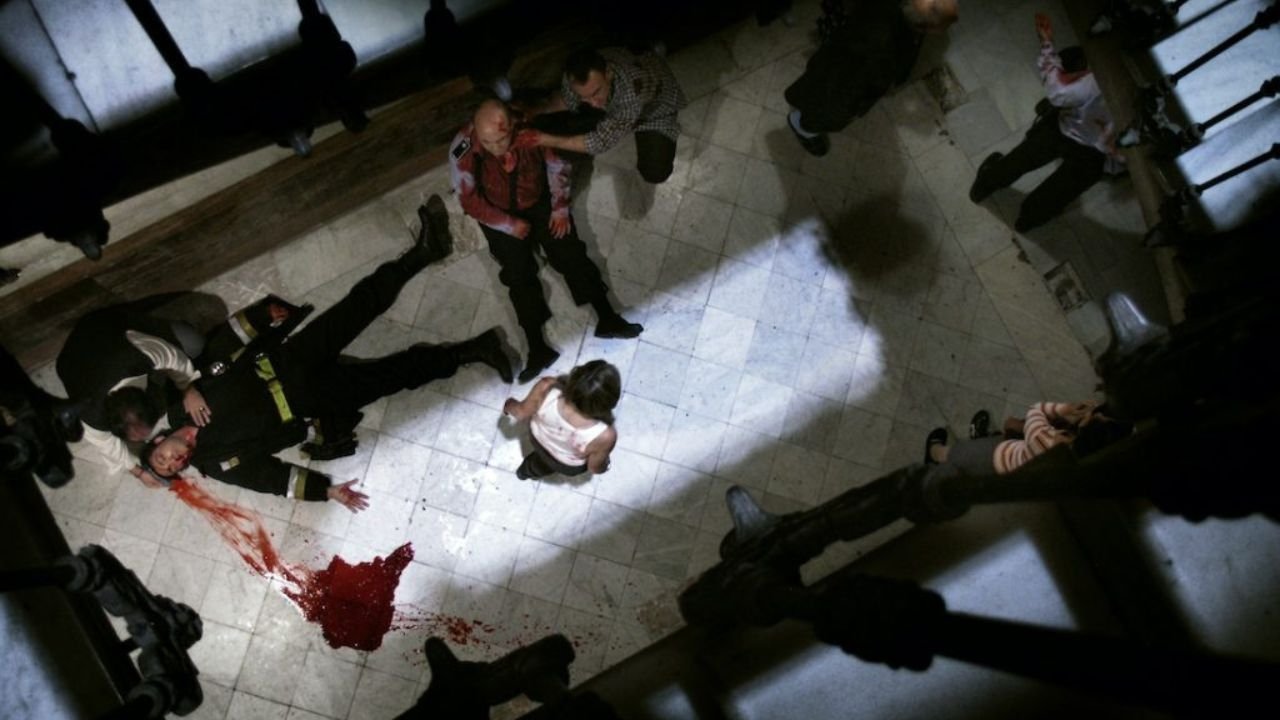
The infected bodies bring sudden physical violence into spaces previously occupied by ordinary neighbours. Makeup, blood effects and performer movement are encountered at close range, frequently with little time for a conventional buildup. The effects had to survive the same continuous-camera approach as the performances. Looking back on the production, Balagueró said that some shots ran for roughly ten minutes and contained practical effects triggered at precise moments. Technicians were concealed around the location to release blood or operate other mechanisms as the operator moved through the action. A mistimed cue could require restarting an extensive passage, making the apparent disorder dependent on coordinated work behind the camera.

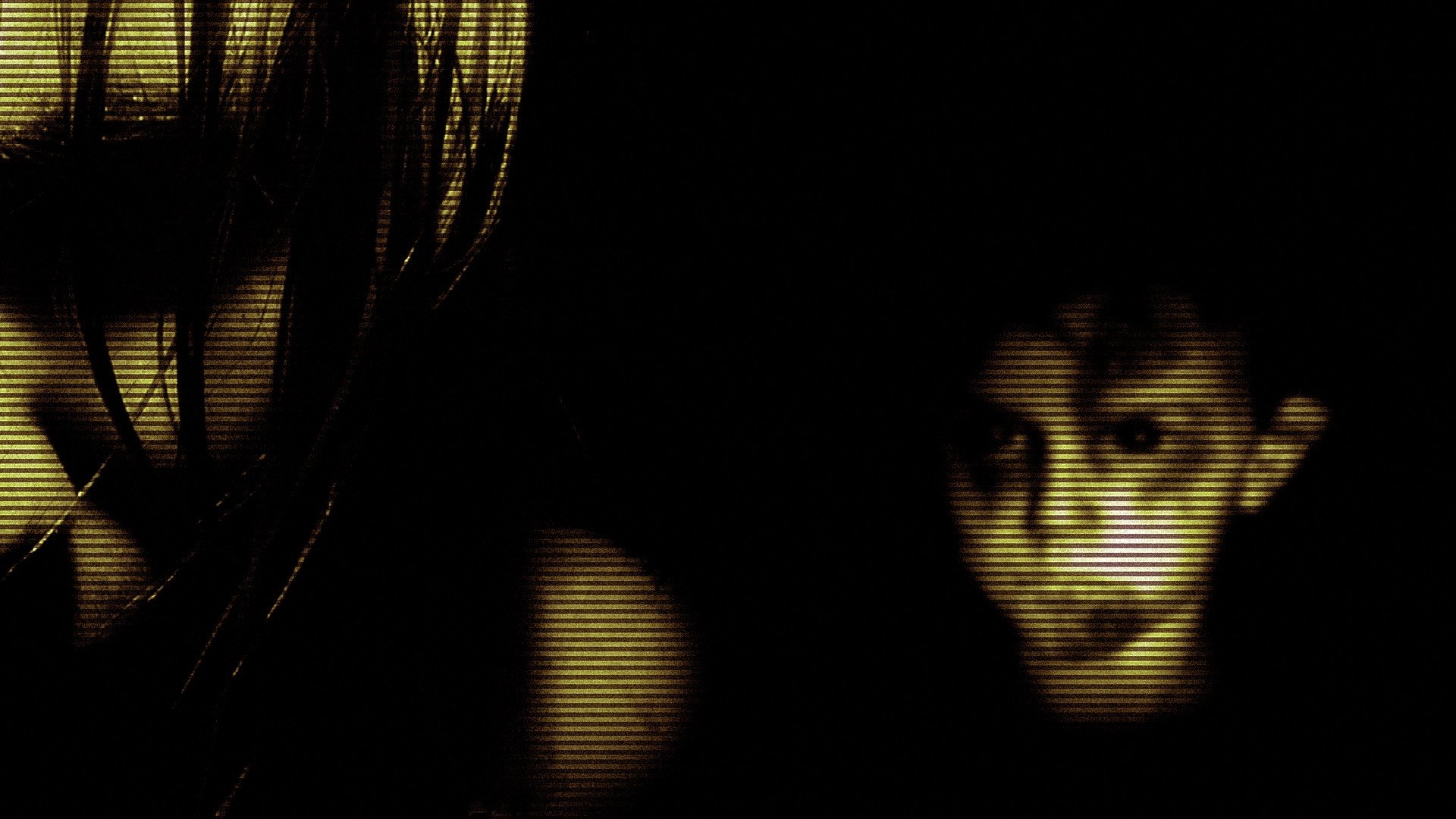
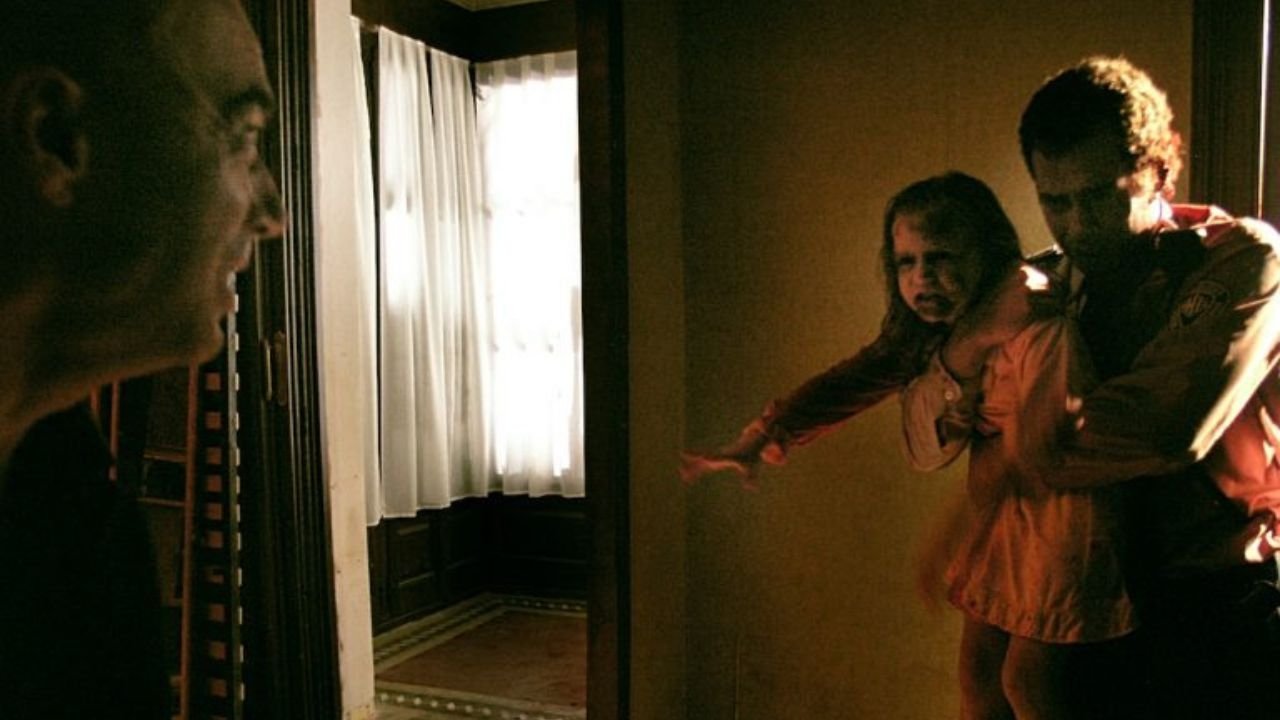
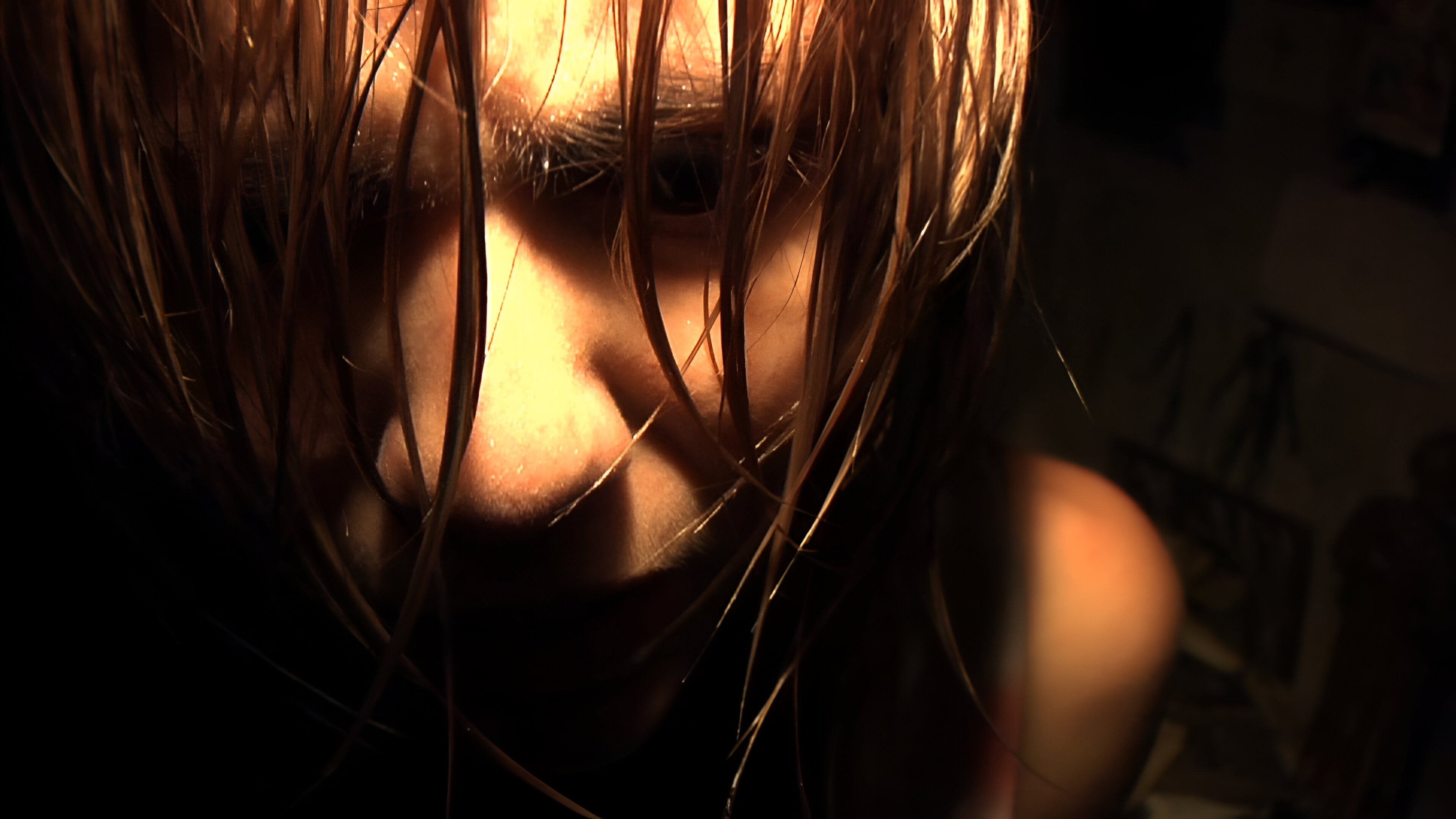
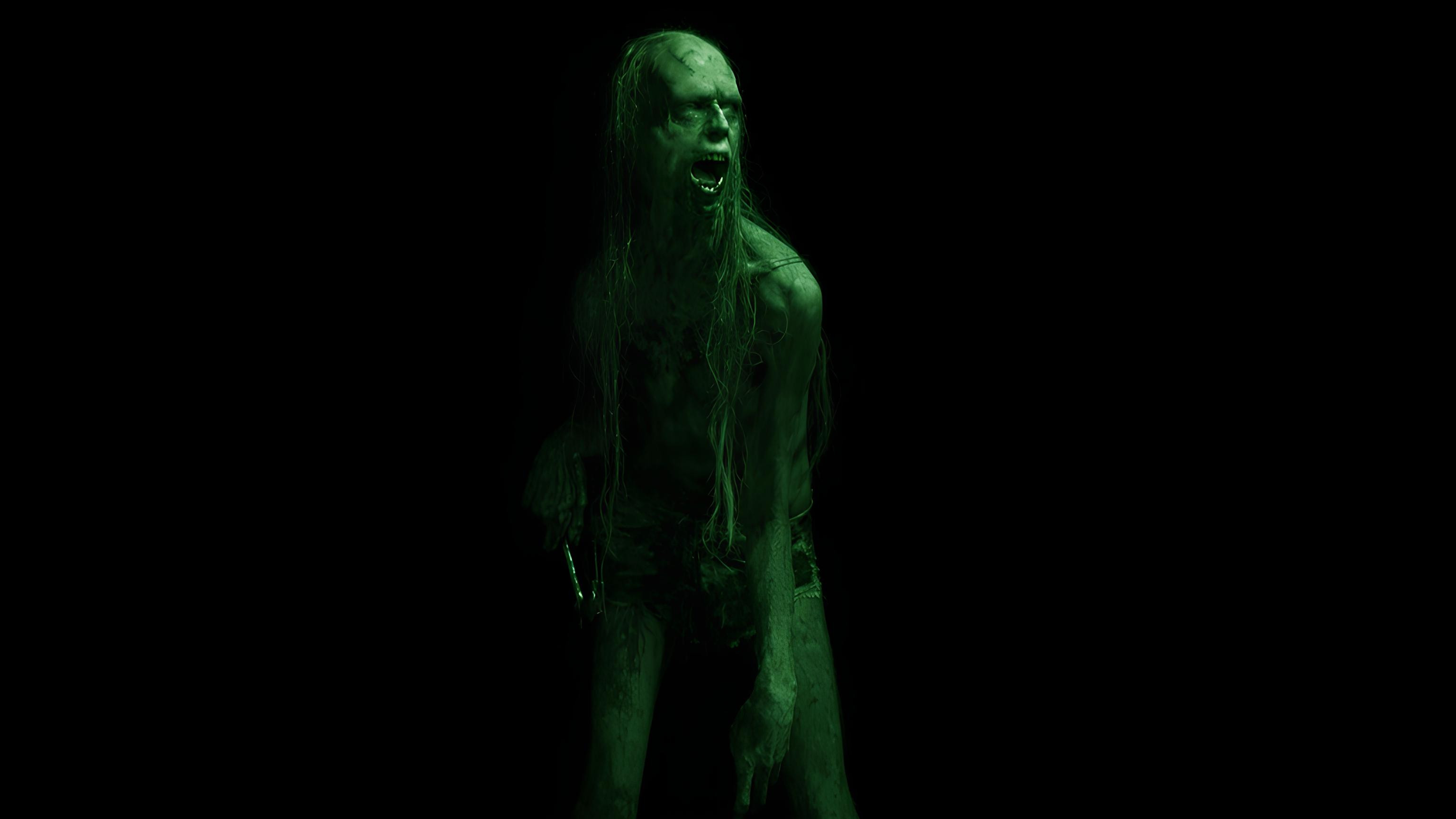
The last sequence changes the film's visual rules again. When the available light fails, night vision becomes the means by which both characters and spectators can perceive the attic's contents. The grainy monochrome view denies the reassuring clarity of ordinary lighting and makes proximity difficult to judge. It also introduces the figure of Tristana Medeiros, portrayed by Javier Botet, whose appearance belongs to the film's supernatural explanation of the outbreak. The directors kept the precise nature of the encounter secret from several performers during filming. The scene turns the previously active search for an exit into a constrained attempt to understand what the camera reveals in darkness.

Sound Design Without a Conventional Score

Oriol Tarragó approached the soundtrack as a reconstruction of what a single television camera might record during a chaotic emergency. He recalled receiving clean production recordings and deliberately roughening portions of them so that the finished material would resemble documentary sound. Although the film was mixed in 5.1, the presentation was kept relatively central, reflecting the idea of a microphone mounted on the camera. Tarragó and his collaborators used equalisation and reverberation to suggest that voices and impacts were entering the microphone from different directions, with the equipment's position changing as Pablo ran or turned.

The sound team also recorded equipment handling, wind striking an unprotected microphone, radio communication and the incidental noises of the location. One improvised recording involved swinging a microphone without a windshield to produce distorted low-frequency movement that could be used atmospherically. For the apartment building, Tarragó differentiated interior noises such as pipes, air currents and mechanical movement from the exterior presence of sirens, helicopters and police announcements. The soundtrack continually reminds the audience that the world outside is still active, even when the inhabitants cannot leave. The boundary between those sonic environments helps establish the sealed building as both a physical and perceptual enclosure.

Tarragó said that [REC] has no conventional musical score. Certain atmospheres, including synthesizer-generated textures, instead assume dramatic functions ordinarily carried by music. This distinction matters because silence, microphone interference and distant cries are part of the film's apparent evidentiary realism, even when they have been extensively designed in post-production. The sound department worked for approximately ten weeks on editing and two on the final mix, according to Tarragó. That investment is audible in passages where danger is suggested beyond the frame before the camera finds its source. The soundtrack supplies information the limited image cannot provide, while preserving the impression of an imperfect recording.

Infection, Possession and Media

The film initially presents its crisis through the recognisable language of emergency medicine and public containment. An aggressive illness appears to spread through bites and close encounters, while officials outside the apartment building enforce a quarantine without fully explaining their decisions to those trapped within. This framework invites comparison with the modern infection film and its images of social order interrupted by sudden contagious violence. The neighbours are also a small cross-section of urban society: their contrasting responses to fear include denial, suspicion, anger and attempts to preserve a semblance of normal life. The camera collects their reactions before it can provide any reliable explanation.

The final revelations redirect that framework toward religious and demonic horror. Material discovered in the upper part of the building links the outbreak to an attempt to investigate or contain a supernatural presence. Balagueró and Plaza later explained that they wanted the source of the apparent infection to lead somewhere stranger than a purely medical explanation. That shift changes how earlier incidents can be understood without turning the film into an exposition-heavy mythology. The television recording also raises questions about the representation of violence: Ángela's desire to keep filming begins as professional commitment and becomes more difficult to separate from survival. In a contemporary Cineuropa interview, the directors identified television's power to shape what viewers recognise as reality as a conscious concern behind the premise.

Release, Reception and Afterlife

[REC] reached festival audiences in 2007, including screenings at Venice and the Sitges International Fantastic Film Festival of Catalonia, before its Spanish theatrical release through Filmax on 23 November. The Sitges jury gave Balagueró and Plaza the Best Director award and recognised Manuela Velasco as Best Actress. The festival also recorded an audience grand prize and the José Luis Guarner critics' award for the film. These distinctions document its immediate impact within specialist fantastic-cinema circles, rather than a reputation created solely by subsequent home-video circulation. Contemporary Spanish coverage described a strong opening, and the film soon attracted international distribution interest.

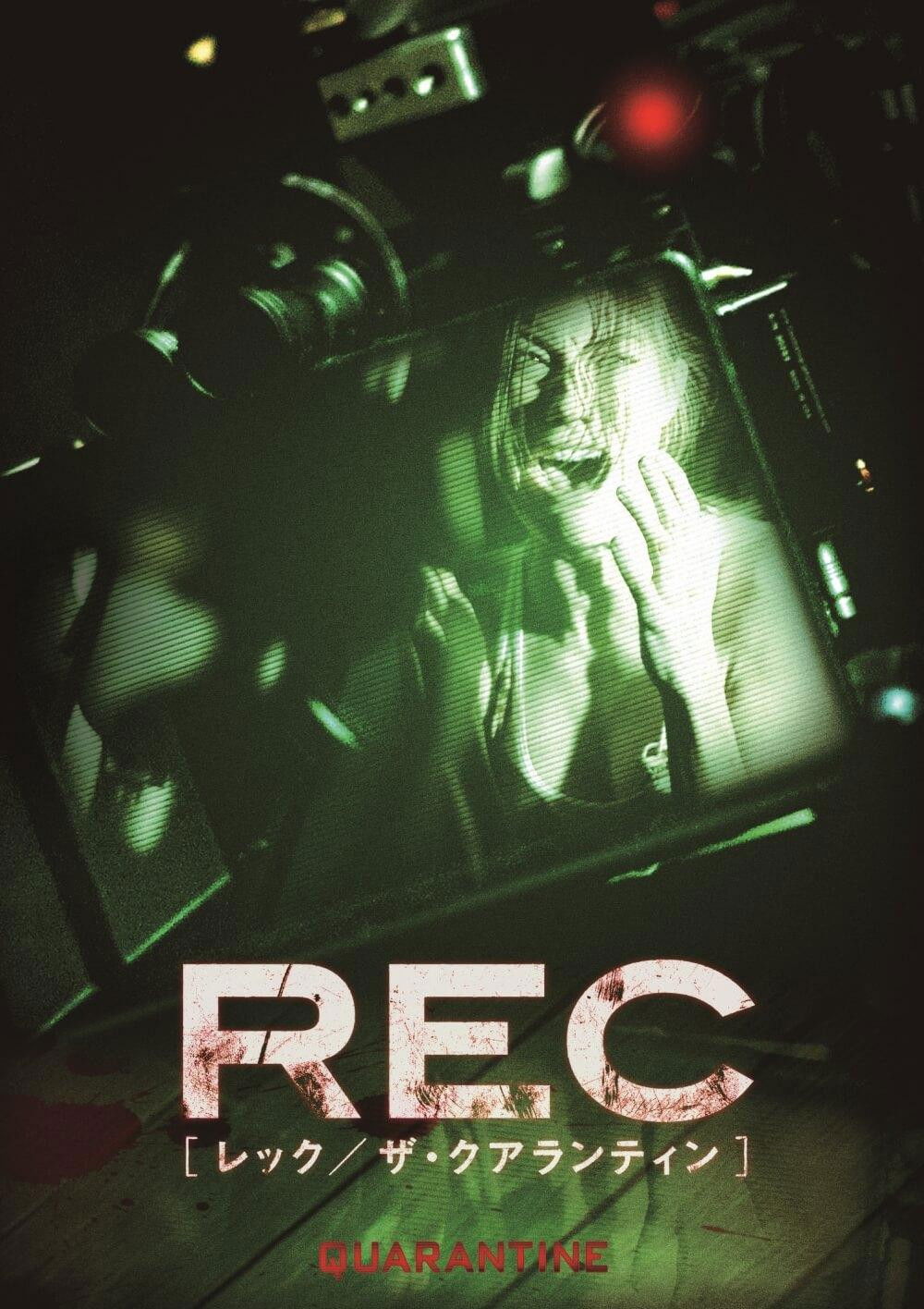
The American remake Quarantine was in production before the original's wider international circulation had concluded. Balagueró and Plaza visited the Los Angeles set and later expressed mixed feelings about the close replication of scenes. They argued that the method of staging and shooting was more important to the original's effect than copying its individual incidents. Quarantine arrived in 2008 and stands as a separate remake, while the Spanish story continued with [REC] 2 in 2009, [REC] 3: Genesis in 2012 and [REC] 4: Apocalypse in 2014. The original's success therefore led both to a domestic series and to an American reinterpretation developed under a different production arrangement.

Its standing within twenty-first-century horror is tied particularly to the way it intensified the single-camera format. Earlier mock-documentary and found-footage films had already established the power of restricted information; [REC] applied that perspective to a rapidly escalating siege filled with bodily violence and supernatural uncertainty. Its apartment-building geography, almost continuous urgency and attention to constructed sound made the technique unusually well suited to immediate physical horror. Later critical discussions of found-footage cinema regularly place the film among the key examples of the form. That recognition concerns its formal contribution as well as its commercial afterlife, and is best understood alongside the directors' own emphasis on television reporting as their starting point.

References

  1. Cineuropa Jaume Balagueró, Paco Plaza — “Experiencing fear more realistically and more directly”

    Alfonso Rivera’s November 2007 interview on television reporting, co-direction, camera subjectivity and the social humour of the film.

  2. Eye for Film Rec revealed: Paco Plaza and Jaume Balagueró talk about their monster Spanish hit

    Jennie Kermode’s direct interview documenting the twenty-day chronological shoot, partial scripts, casting, first-person camerawork and early remake discussions.

  3. Designing Sound Exclusive Interview with Oriol Tarragó, Sound Designer of “Rec” and “Rec 2”

    Miguel Isaza’s technical interview covering the original working title, post-production schedule, microphone simulation, environmental sounds and use of non-musical atmospheres.

  4. Sci-Fi Bulletin [REC]: Interview: Paco Plaza and Jaume Balagueró

    Paul Simpson’s retrospective interview on the evolving narrative, altered ending, actor improvisation and precisely timed practical effects during extended takes.

  5. Sitges Film Festival Awards 2007

    The festival’s primary historical record of the directing, acting, audience and critics’ awards received by [REC] in 2007.

Connections

Cast

View Full Cast & Crew →

Release & Distribution

Production Companies (1)

  • Castelao Productions ES

Distributors (1)

  • Filmax ES

Release History (52)

Release DateTerritoryRelease TypeFormatDistributorCertificationNotes
2007-08-29 Italy Premiere — — — Venice Film Festival
2007-10-05 Spain Premiere — — — Sitges - Catalonian International Film Festival
2007-11-12 Spain Premiere — — — Málaga International Week of Fantastic Cinema
2007-11-20 Spain Theatrical — — 18
2008-02-23 United Kingdom Premiere — — — Glasgow Film Festival
2008-02-28 Italy Theatrical — — VM14
2008-03-27 Russia Limited Theatrical — — 18+
2008-04-10 Portugal Theatrical — — M/16
2008-04-11 United Kingdom Theatrical — — 18
2008-04-11 Ireland Theatrical — — 18
2008-04-11 Sweden Theatrical — — 15
2008-04-13 Netherlands Premiere — — 16 Amsterdam Fantastic Film Festival
2008-04-23 France Theatrical — — 12
2008-04-30 Belgium Theatrical — — —
2008-05-08 Germany Theatrical — — 18
2008-05-16 Australia Premiere — — MA 15+ Spanish Film Festival
2008-05-30 Austria Theatrical — — —
2008-06-05 New Zealand Physical DVD — R16 DVD
2008-06-14 Japan Theatrical — — — Rated R-15
2008-06-26 Greece Theatrical — — —
2008-07-10 South Korea Theatrical — — — Rated 18
2008-08-14 Poland Theatrical — — 16
2008-08-20 Finland Premiere — — K-18 Espoo Film Festival
2008-08-28 Hong Kong SAR China Theatrical — — III
2008-08-29 Mexico Theatrical — — B-15
2008-09-11 Argentina Theatrical — — +18
2008-09-18 Netherlands Physical DVD — 16 DVD
2008-09-25 Switzerland Theatrical — — 16
2008-09-26 Brazil Premiere — — — Rio de Janeiro International Film Festival
2008-10-02 Canada Premiere — — — Edmonton International Film Festival
2008-10-16 Iceland Physical DVD — — DVD, rated 16
2008-10-17 United States Limited Theatrical — — R
2008-10-23 France Digital — — 12
2008-10-23 France Physical DVD — 12 DVD
2008-10-30 Singapore Theatrical — — NC16
2008-11-14 Brazil Theatrical — — 16
2008-11-14 Türkiye Theatrical — — 13A
2009-01-01 Hungary Theatrical — — 18
2009-01-15 Malaysia Limited Theatrical — — 18SG
2009-01-27 Canada Physical DVD — 18A DVD premiere
2009-02-18 Czechia Premiere — — — Spanish Film Festival
2009-03-12 Peru Theatrical — — — Rated 18
2009-07-14 United States Physical DVD — R DVD premiere
2009-09-13 Philippines Premiere — — R-16 Cine Europa Film Festival
2009-10-02 Panama Theatrical — — —
2010-11-04 Israel Theatrical — — —
2012-02-08 France Physical Blu-ray — 12 Blu-ray
2020-07-09 Spain Premiere — — — Barcelona, 4DX, premiere
2020-07-10 Spain Theatrical — — 18 Barcelona, re-release, 4DX
2021-01-04 United Kingdom Digital — — 18 Streaming
2021-01-04 United Kingdom Physical Blu-ray — 18 Blu-Ray premiere
2021-10-18 France Digital — — 12 Prime Video

Awards & Festivals

2 entries
YearFestival / AwardEntrySectionCategoryResultPremiere
2008European Film AwardsawardEuropean Film Award – People's Choice Award for Best European Filmnominated
2008Ignotus AwardsawardIgnotus Award for Best Audiovisual Productionwon
Experience fear.