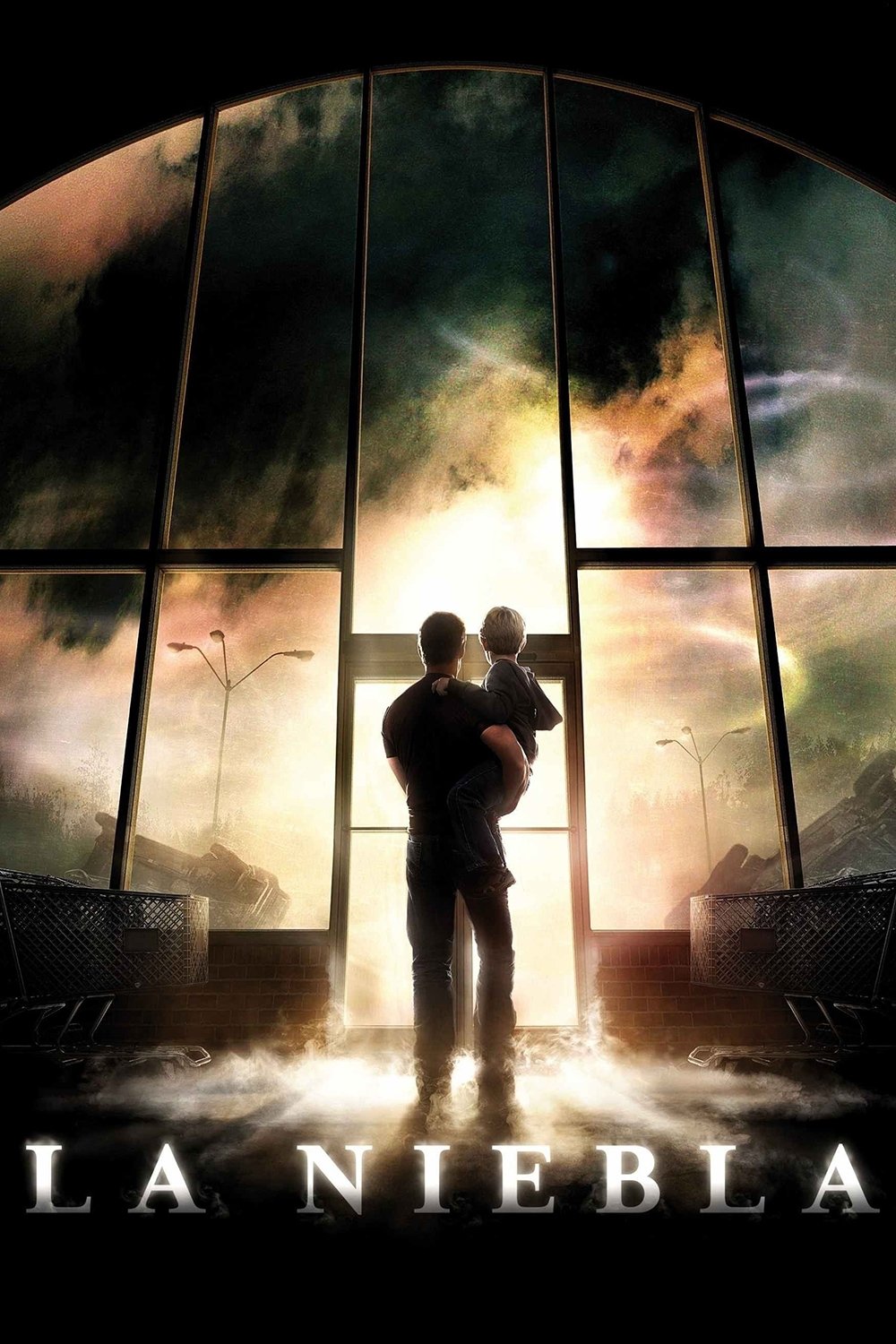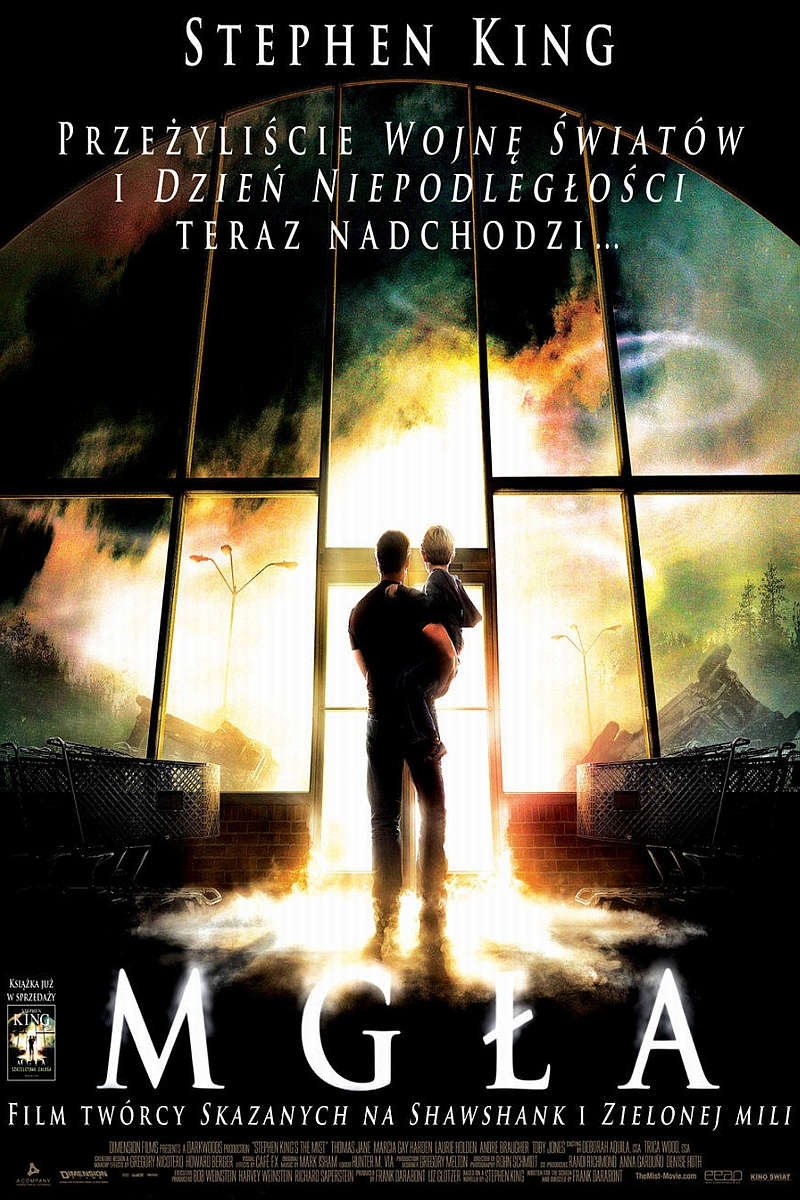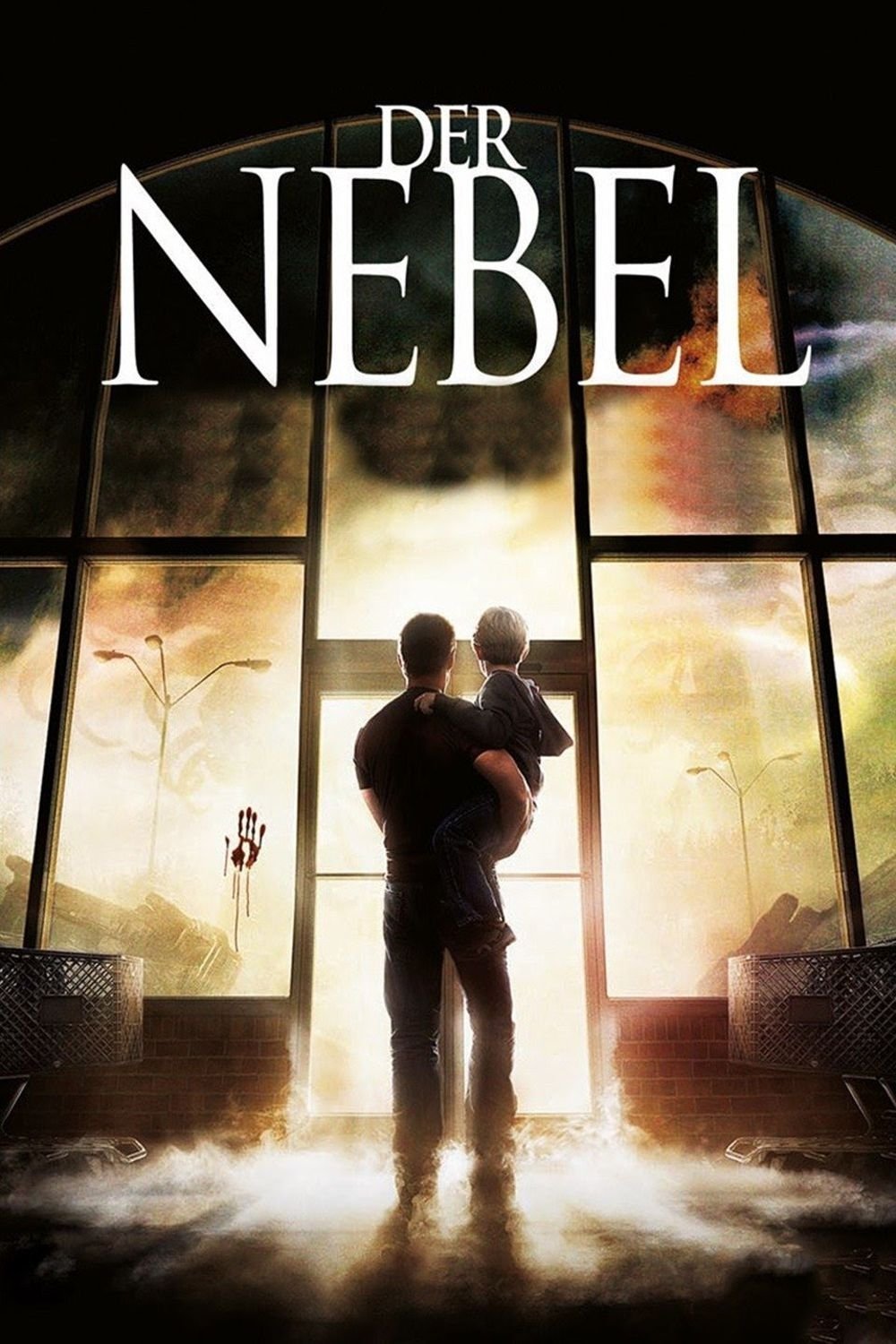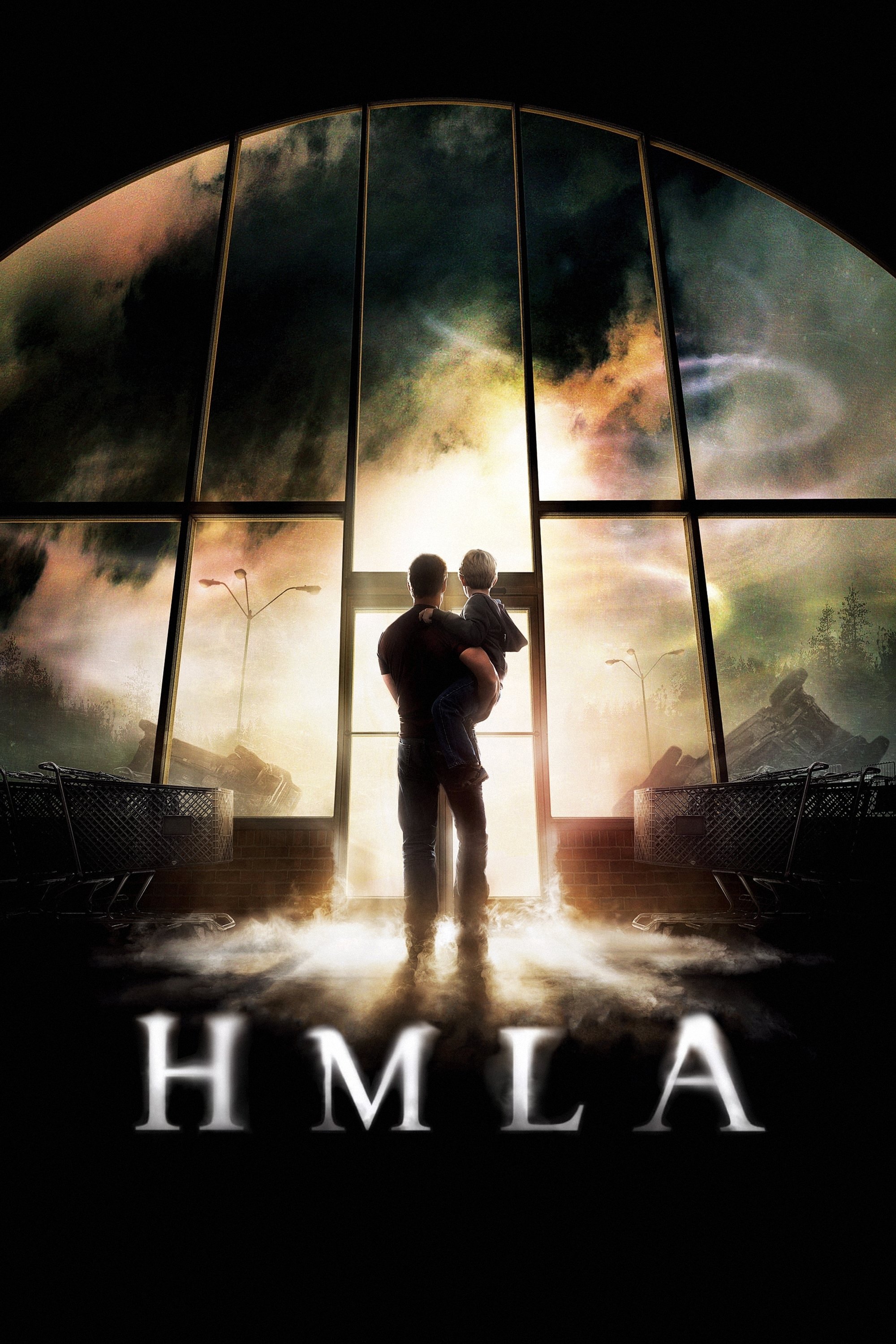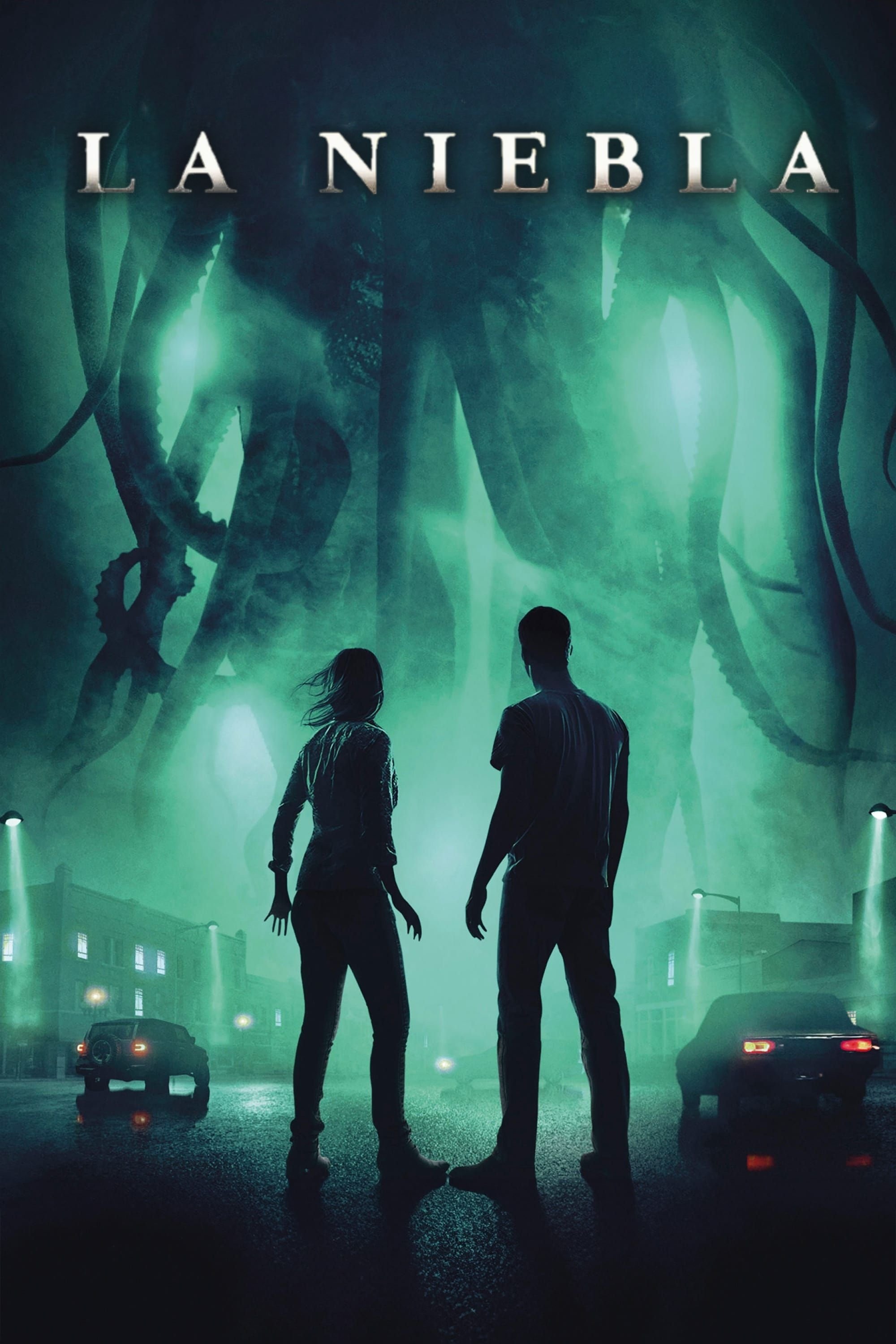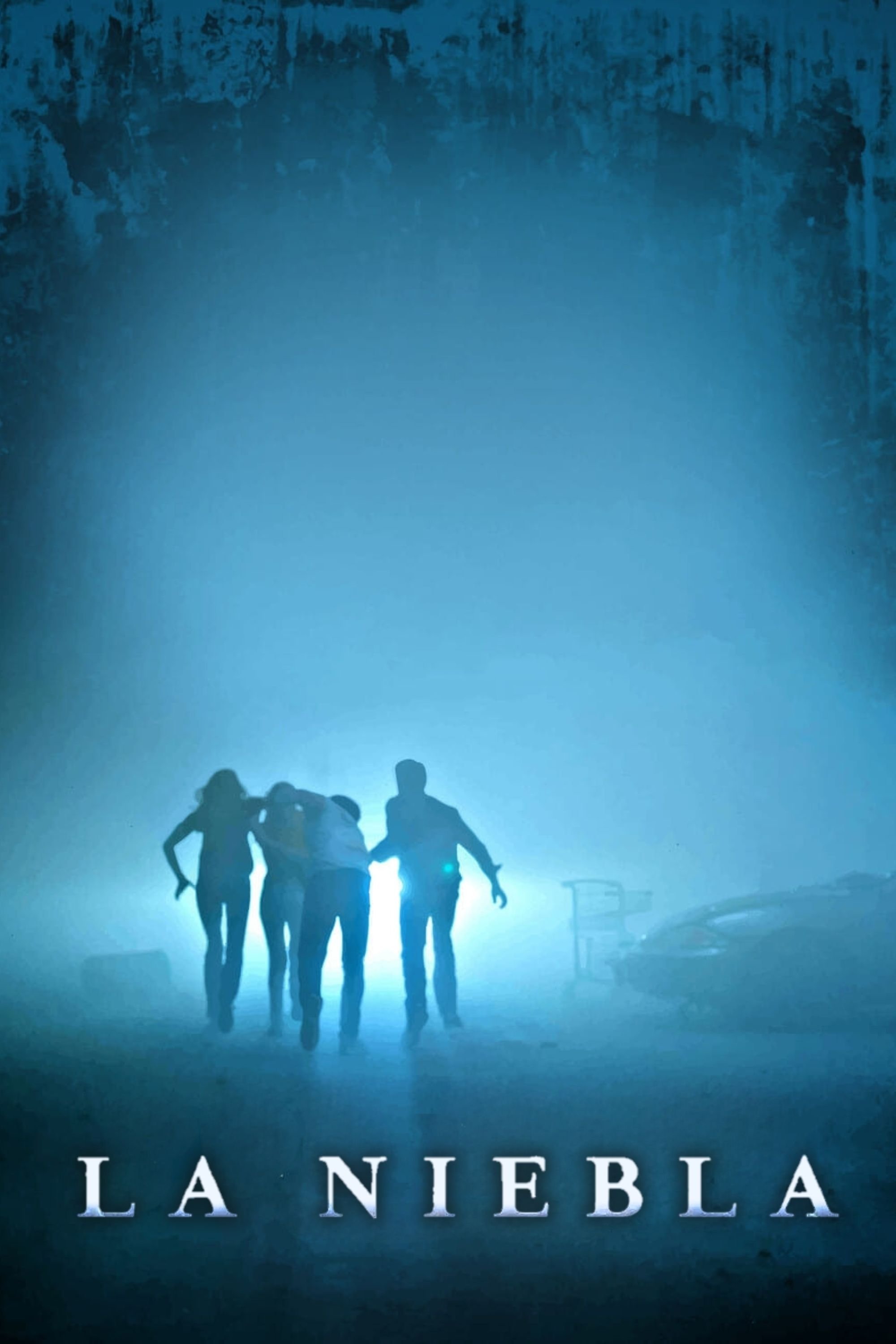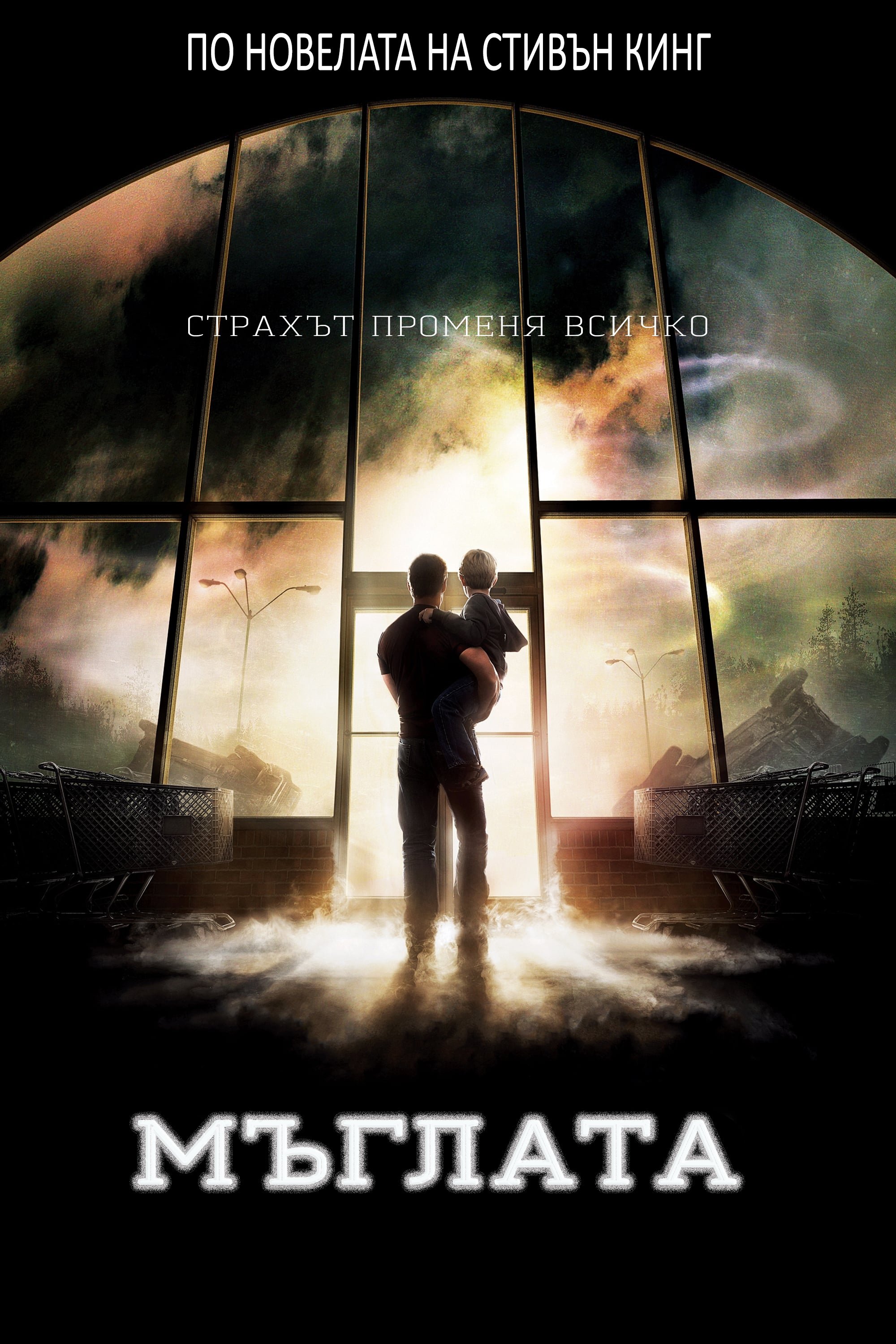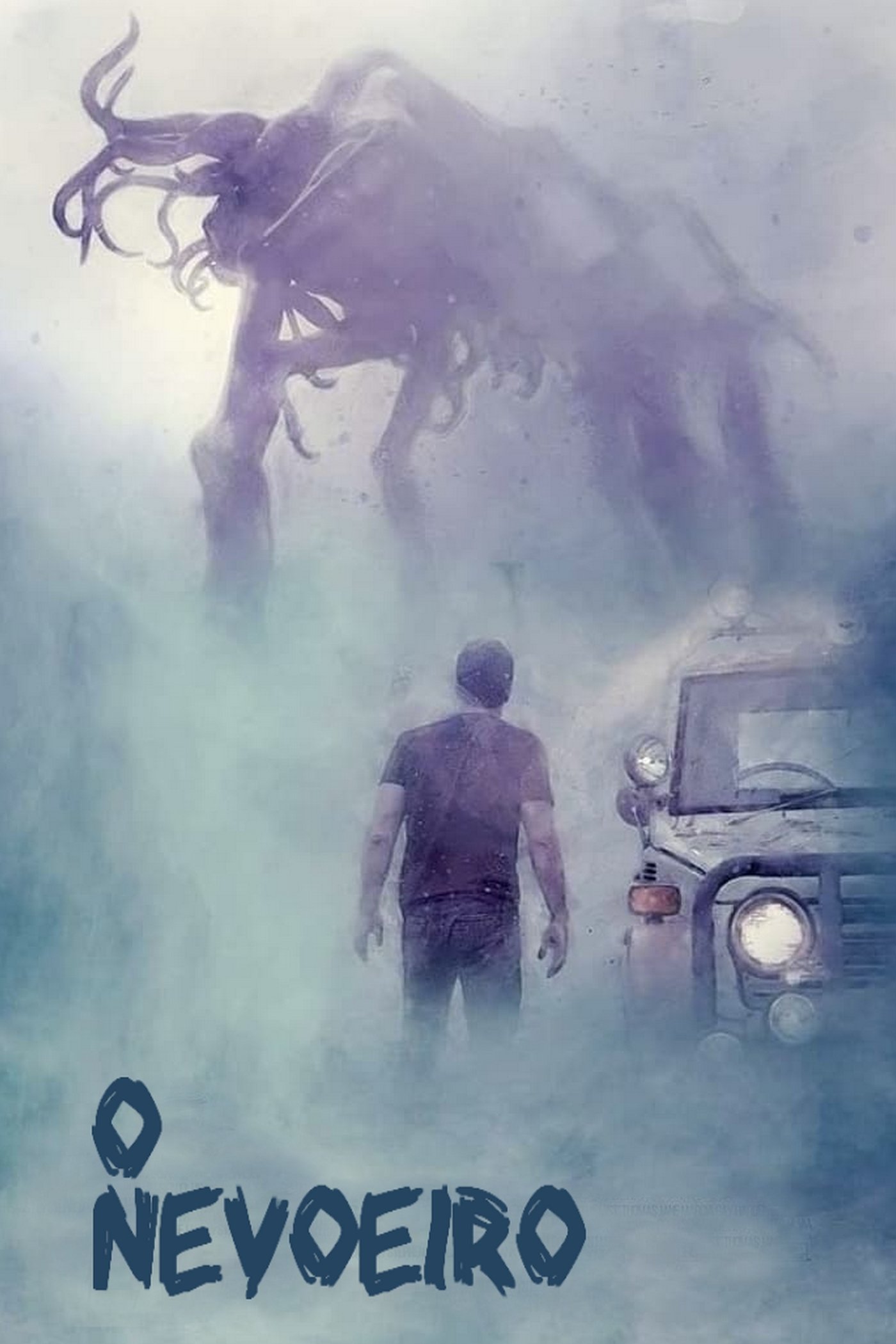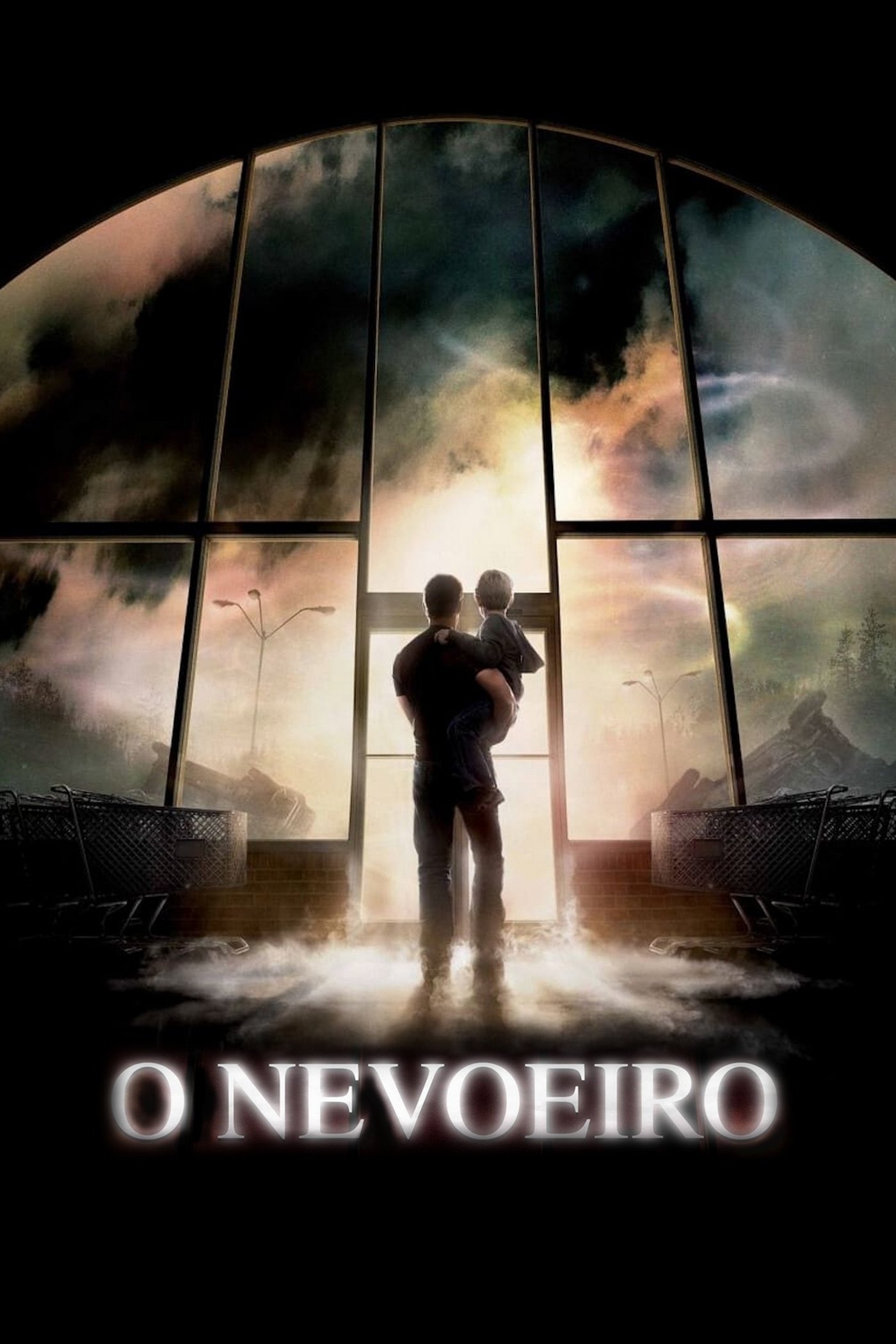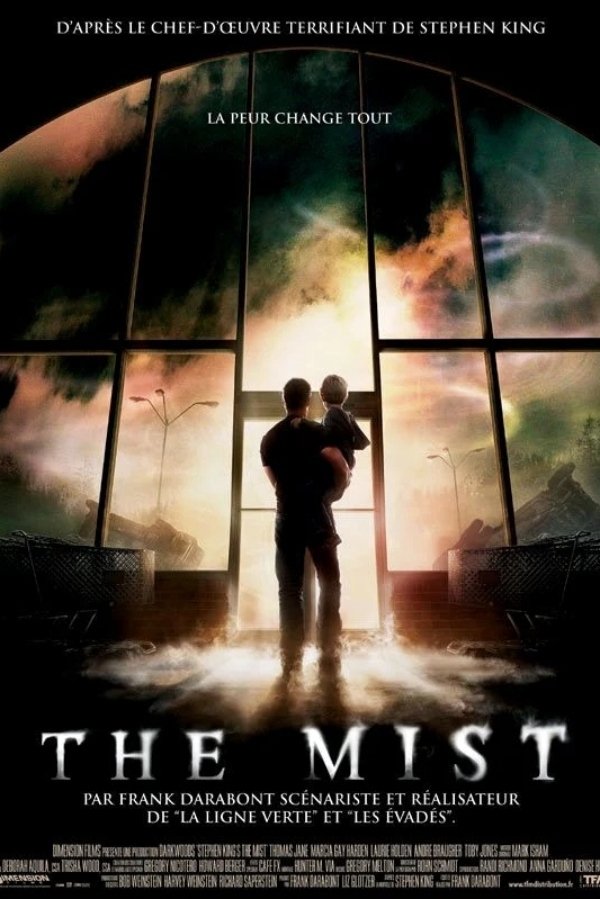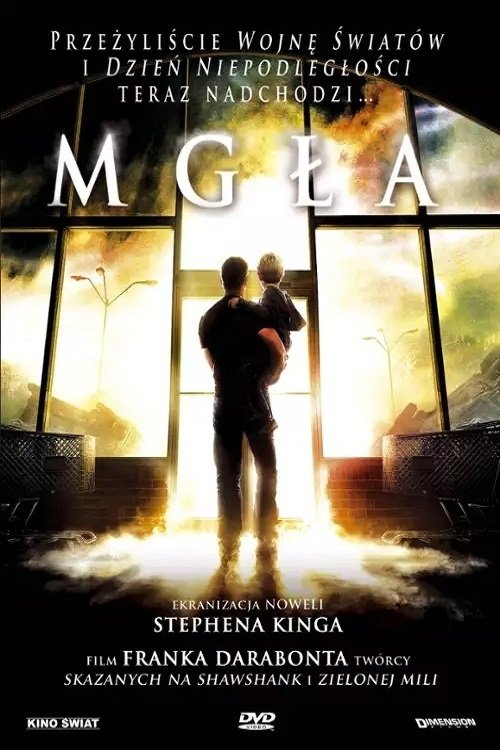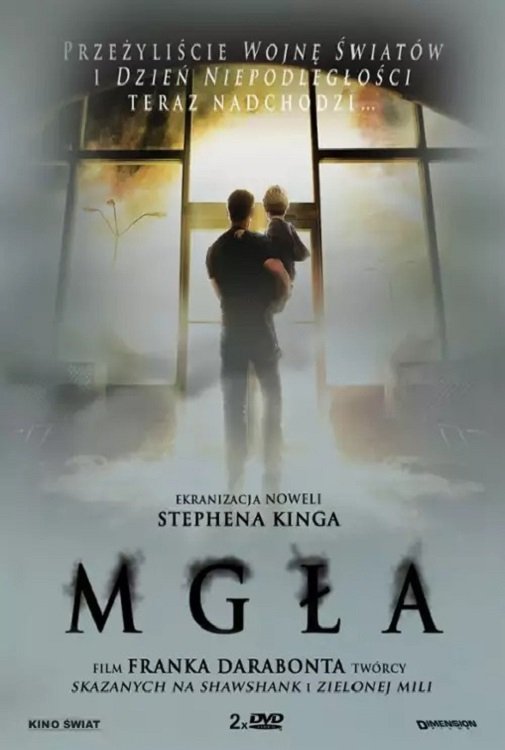
The Mist (2007)

US
Runtime
126 min
Release
November 21, 2007
Budget
$18,000,000
Revenue
$57,470,220
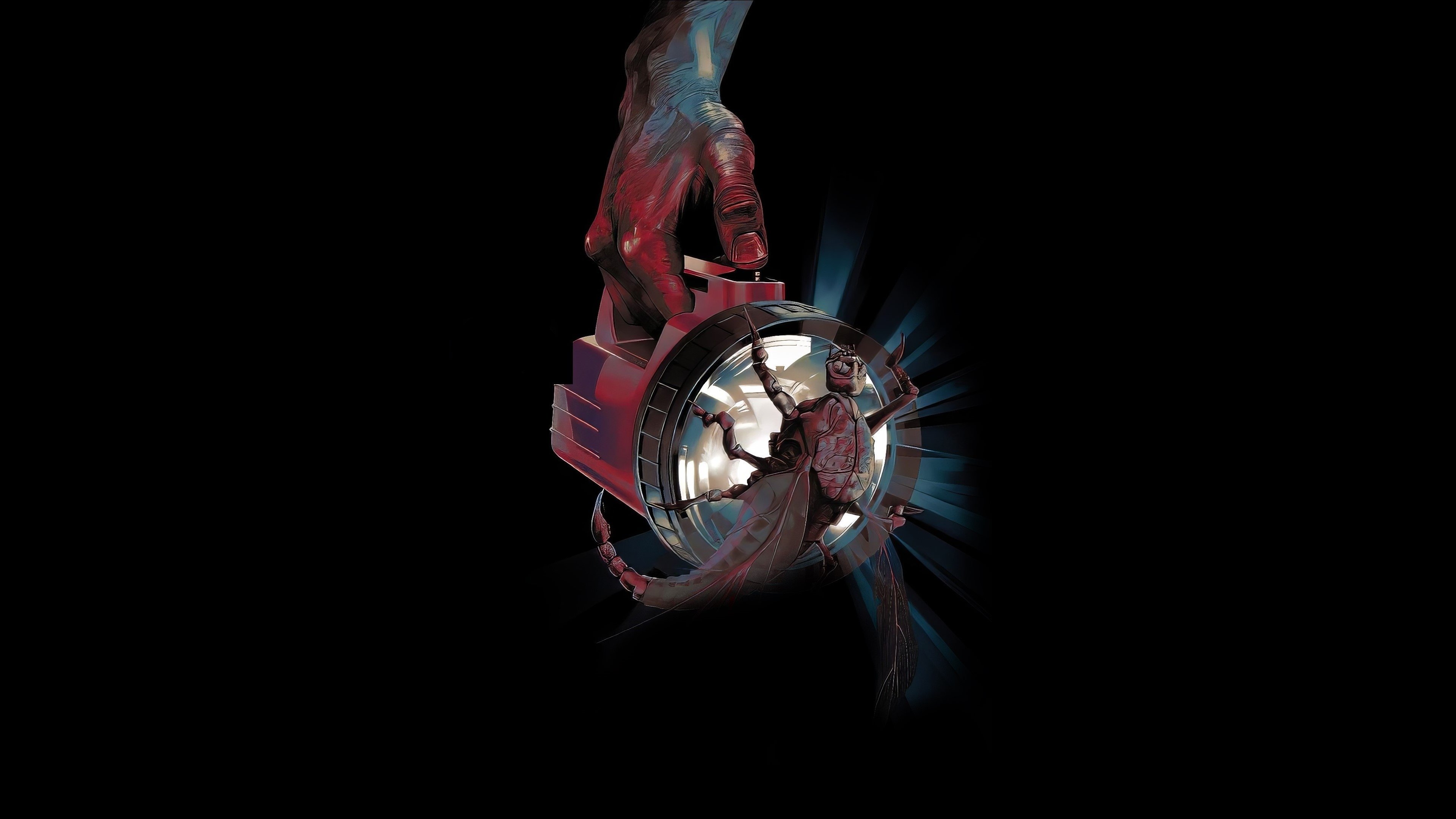
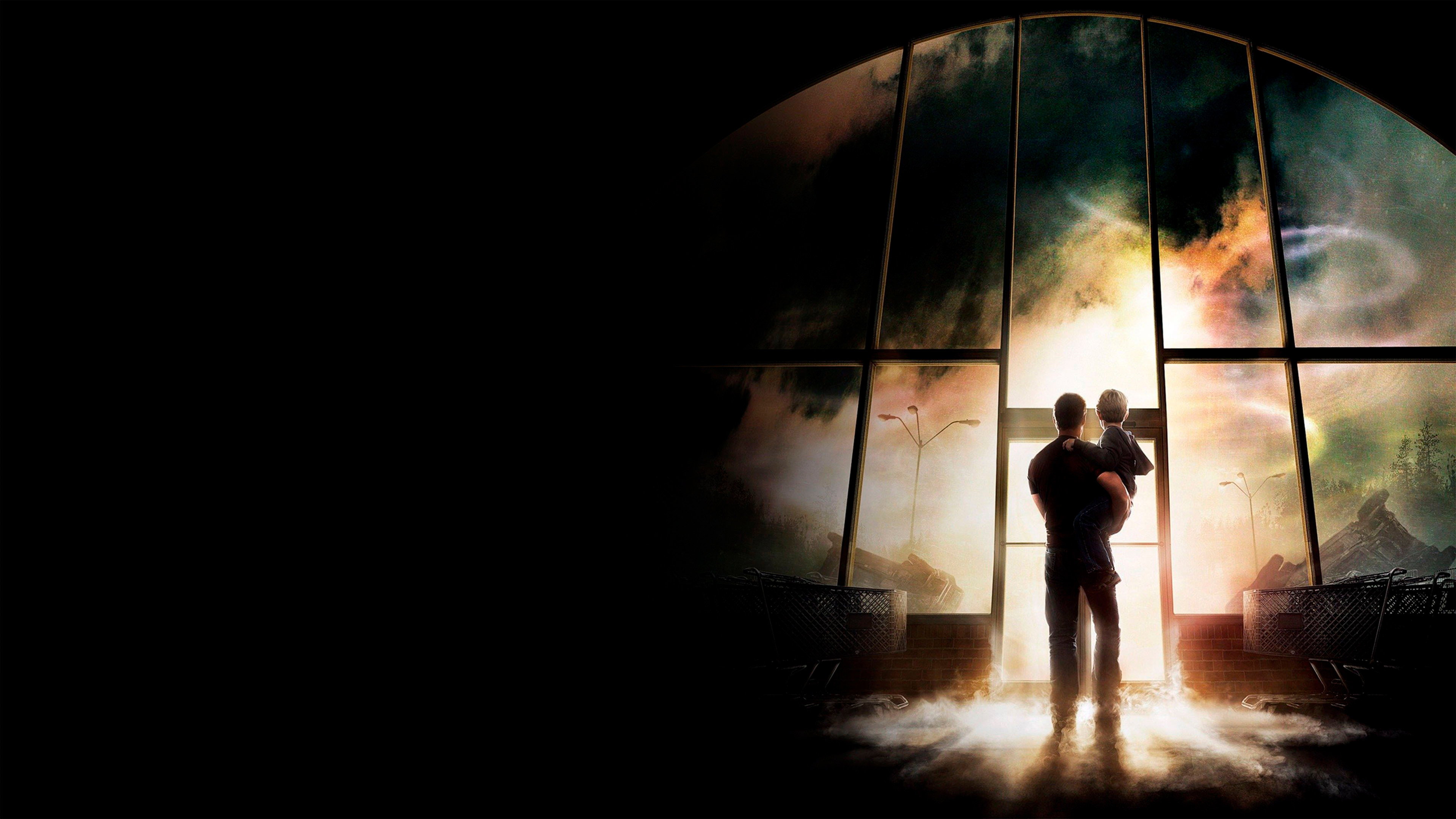
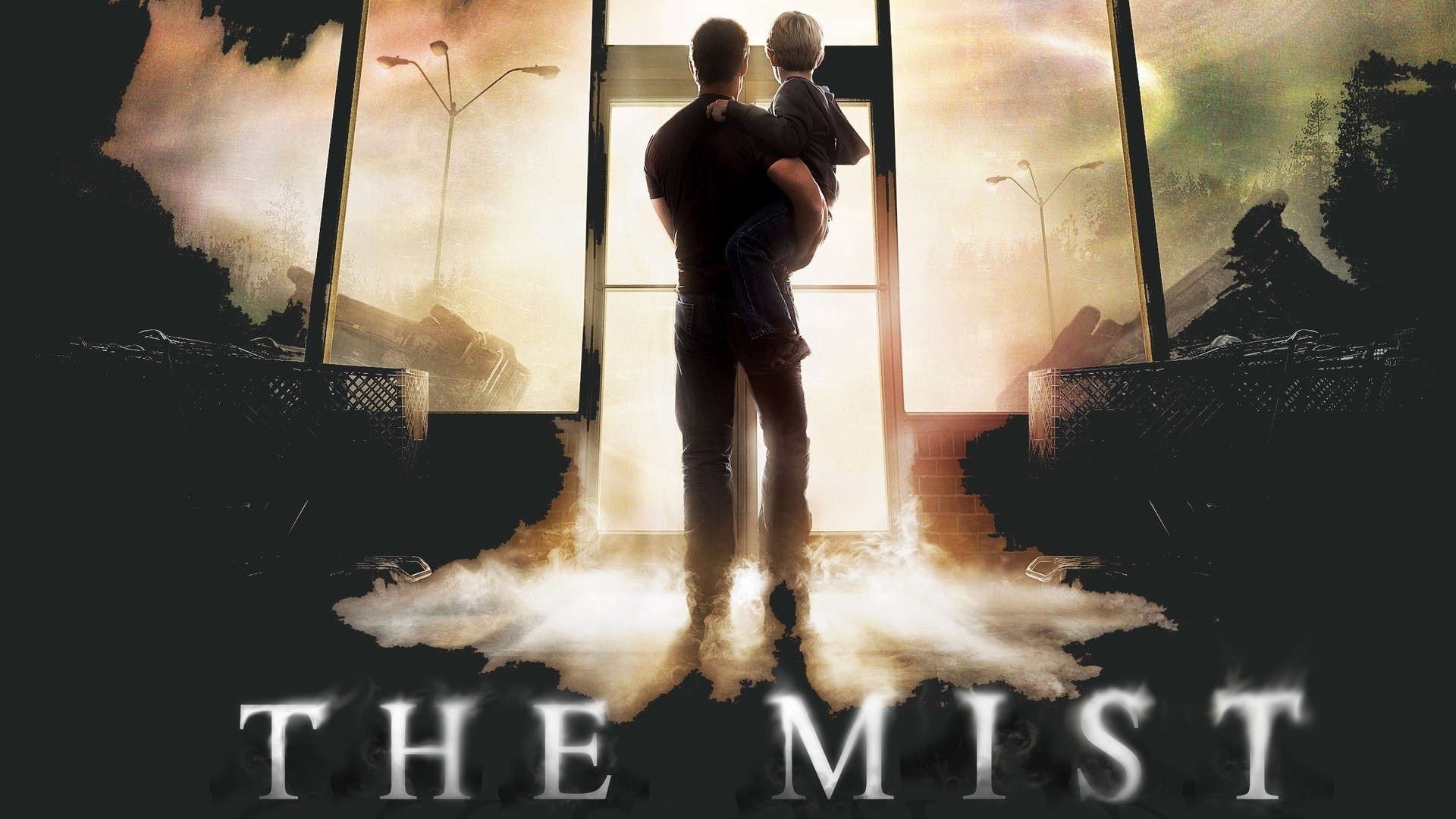
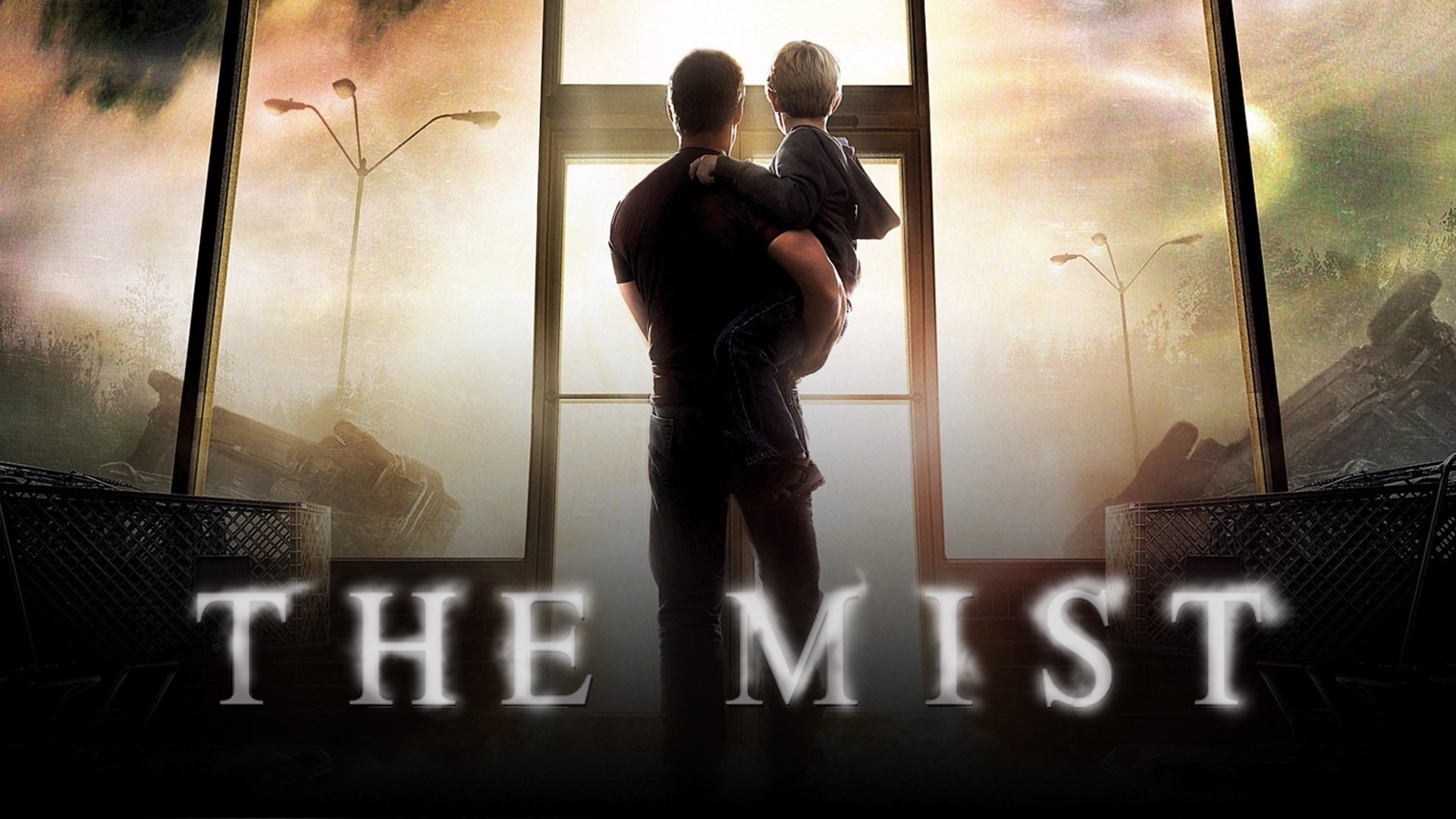
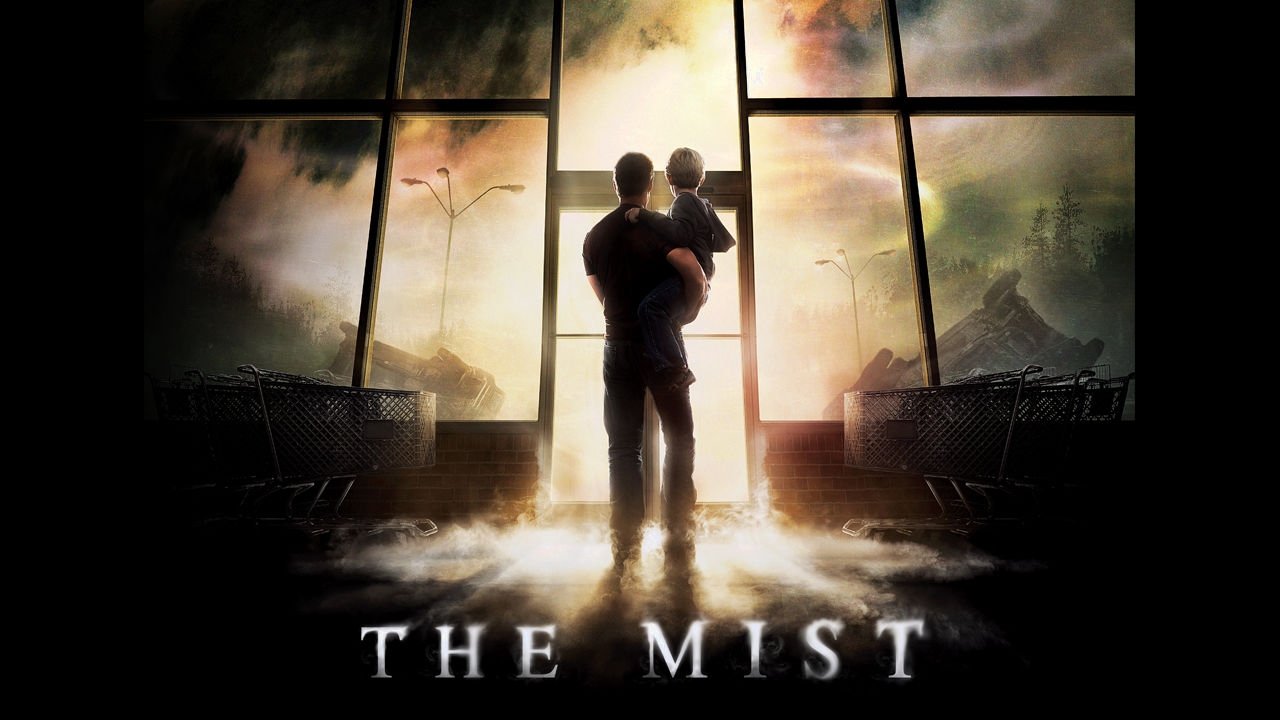
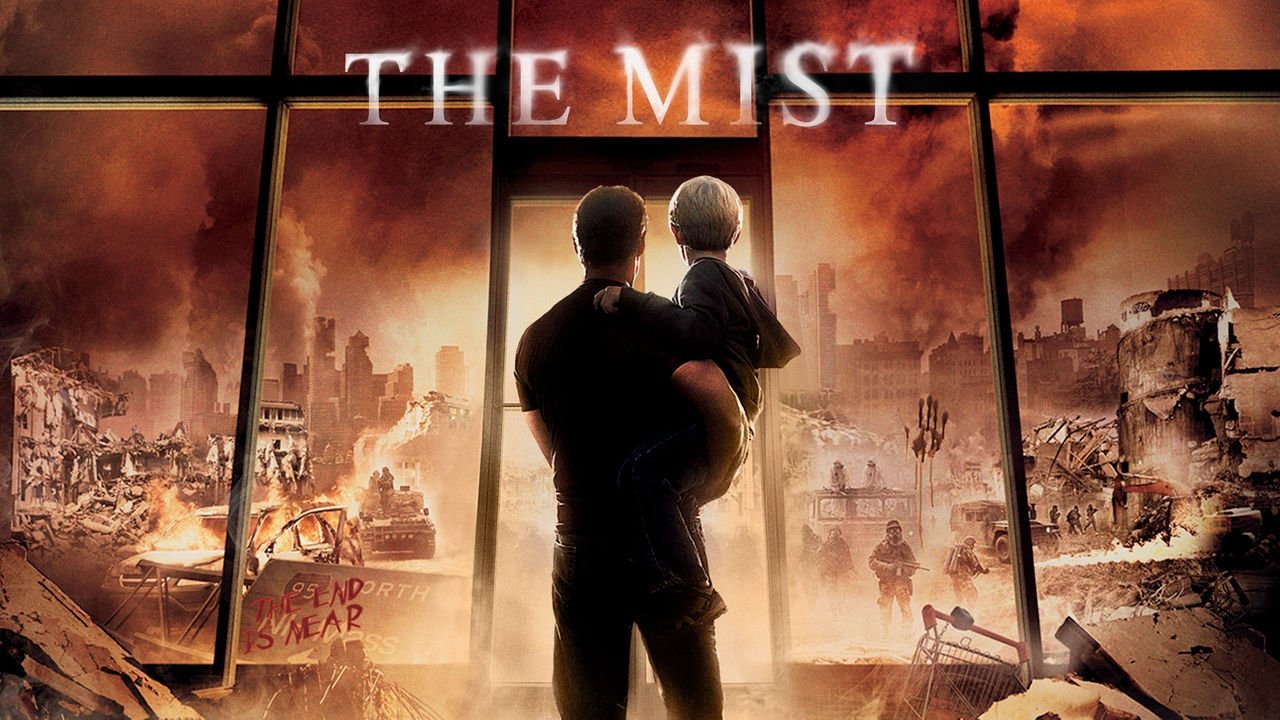
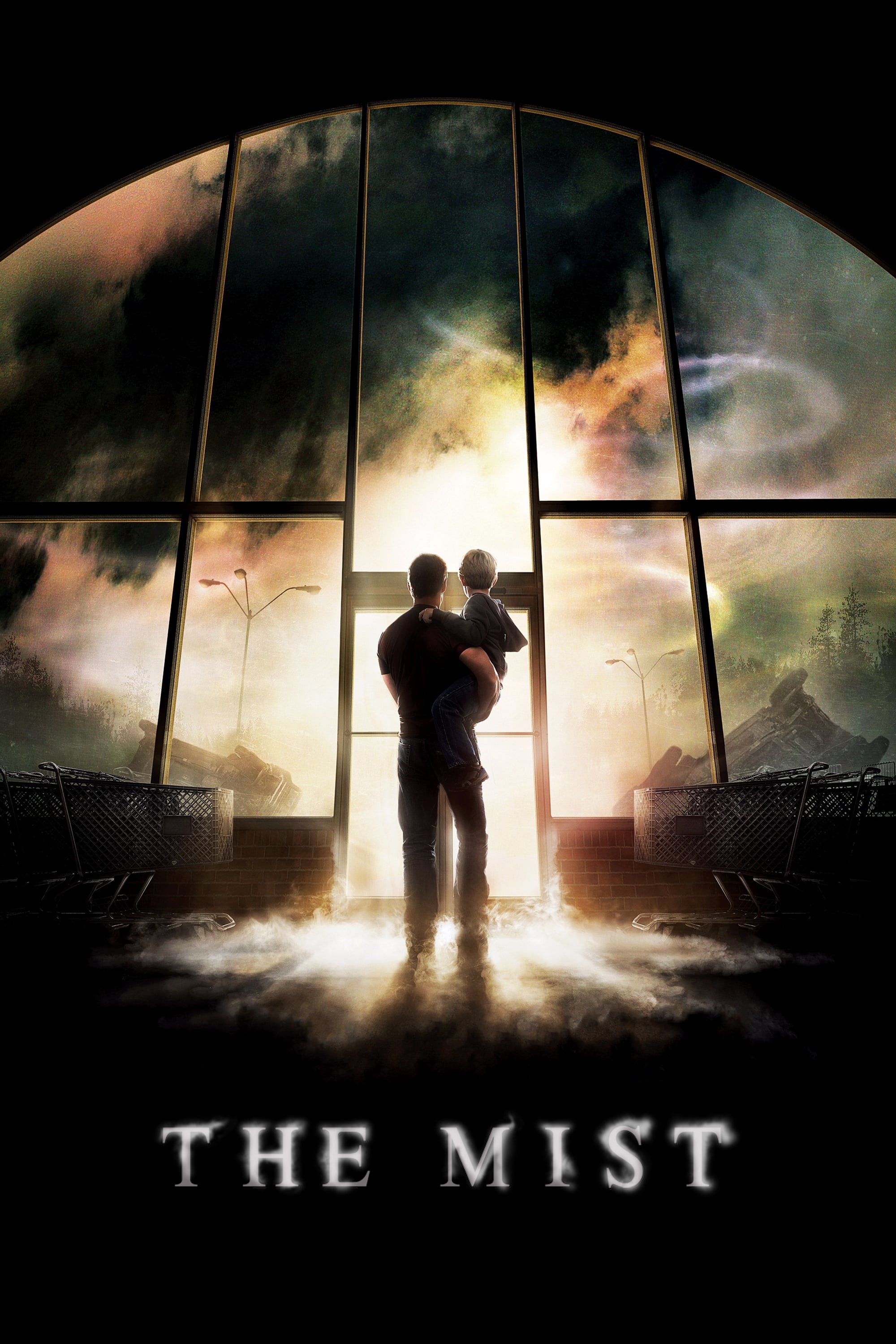
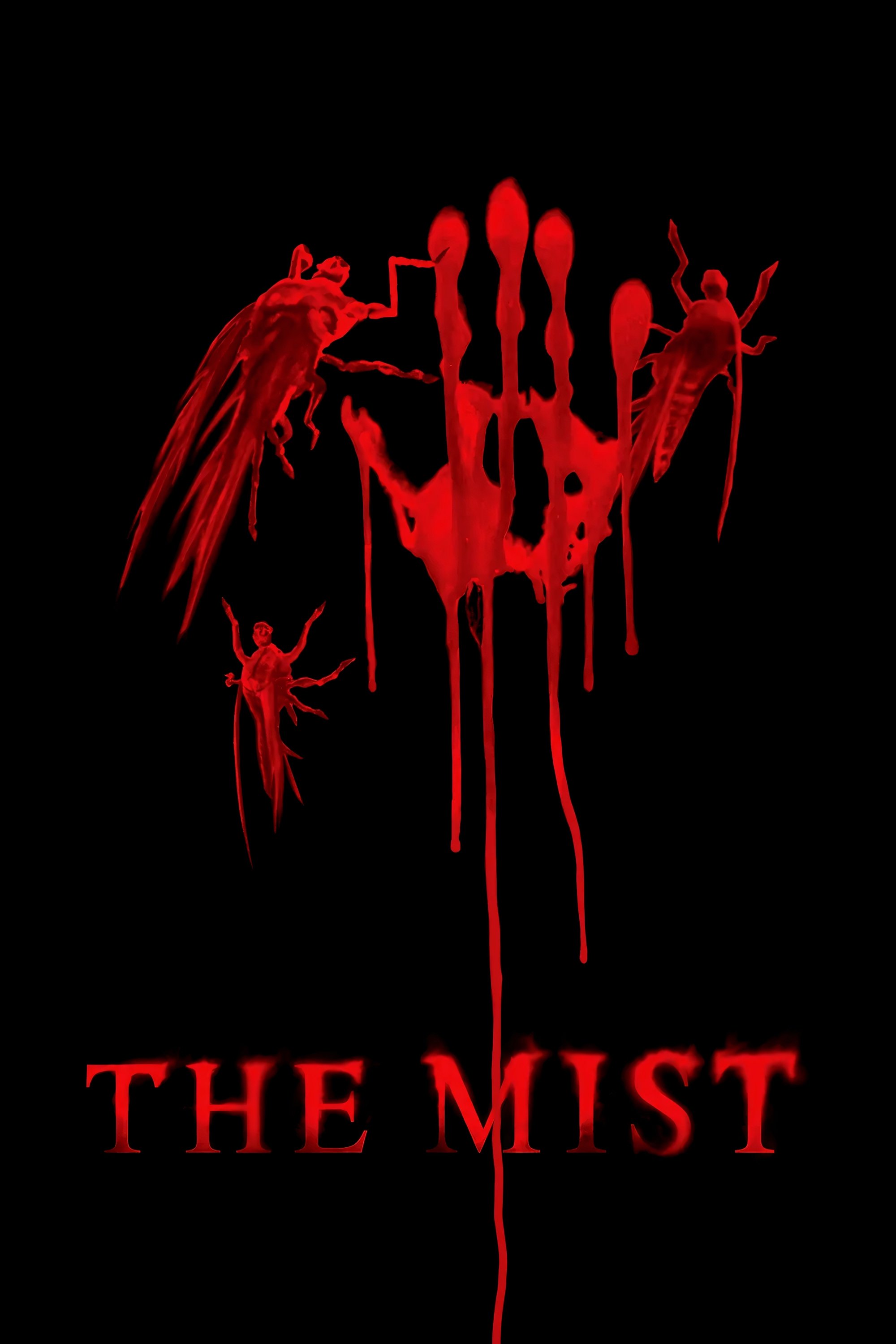
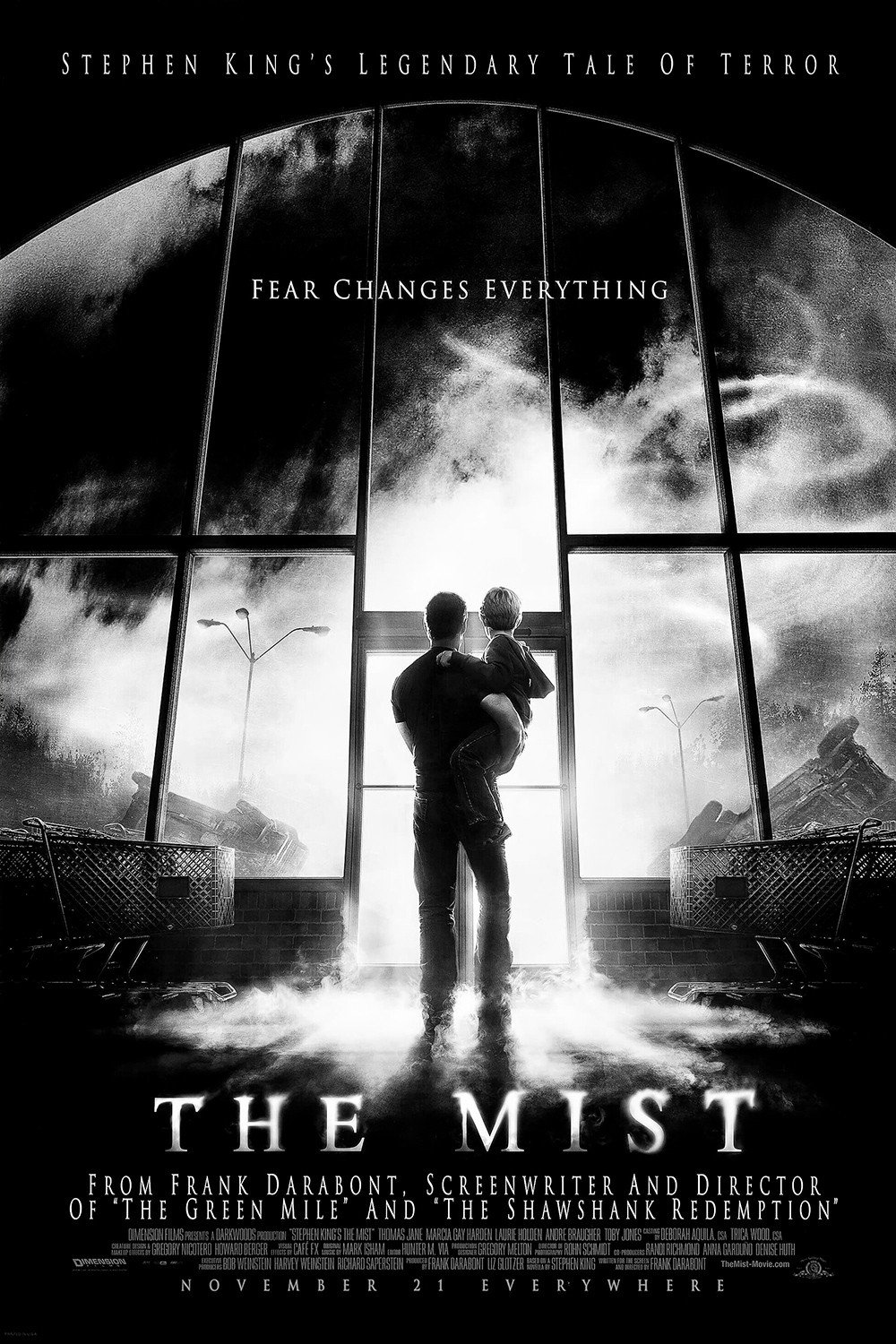
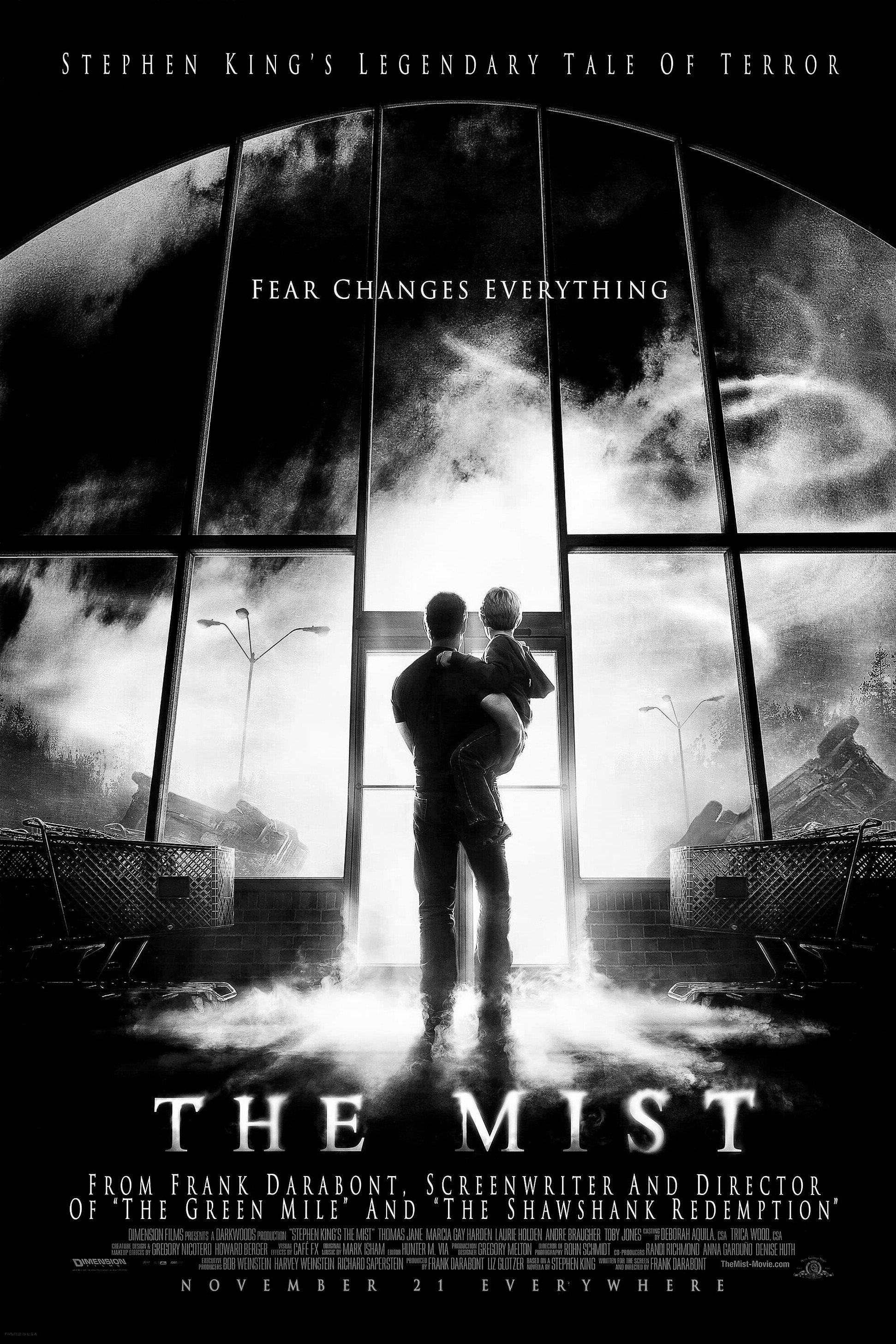
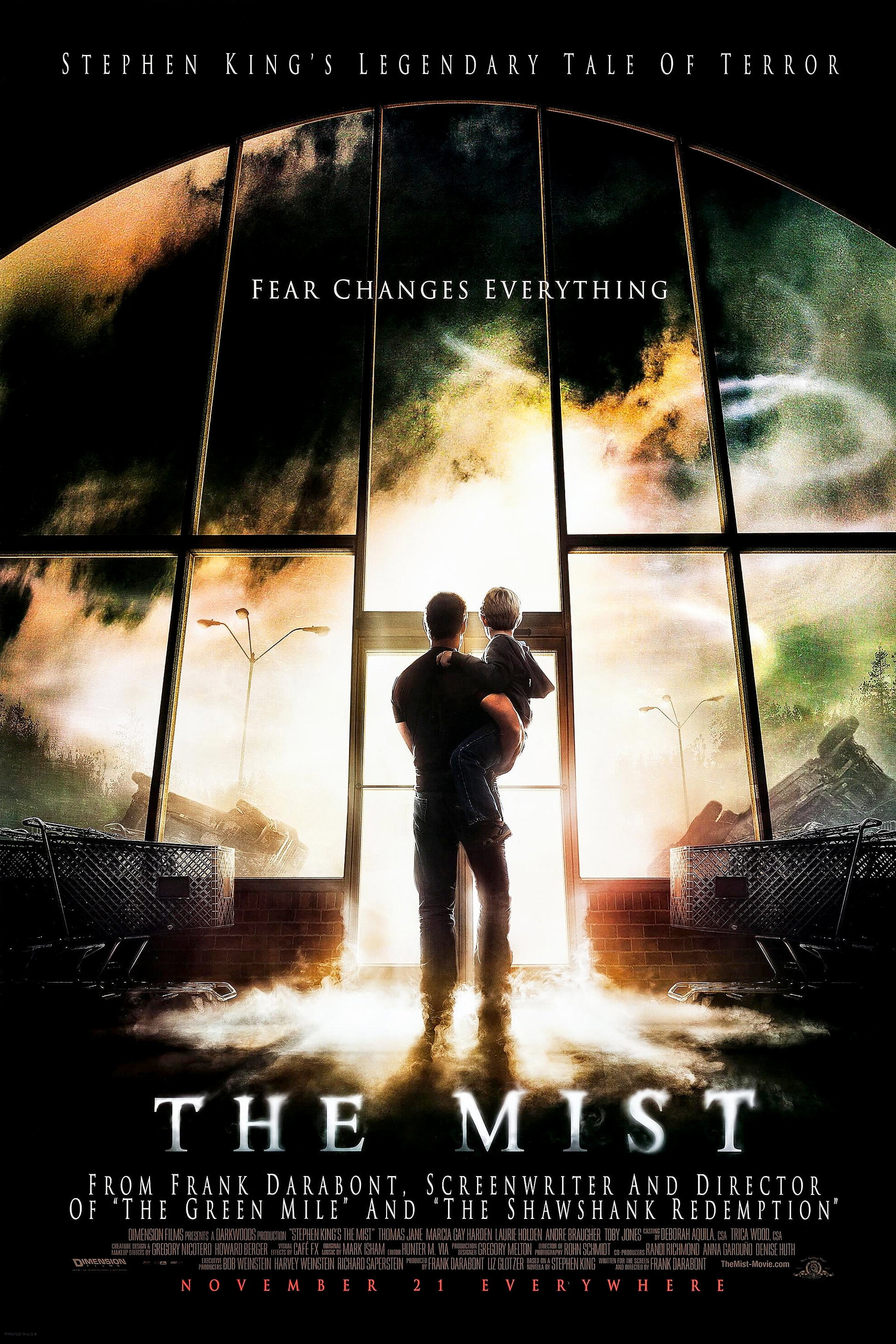
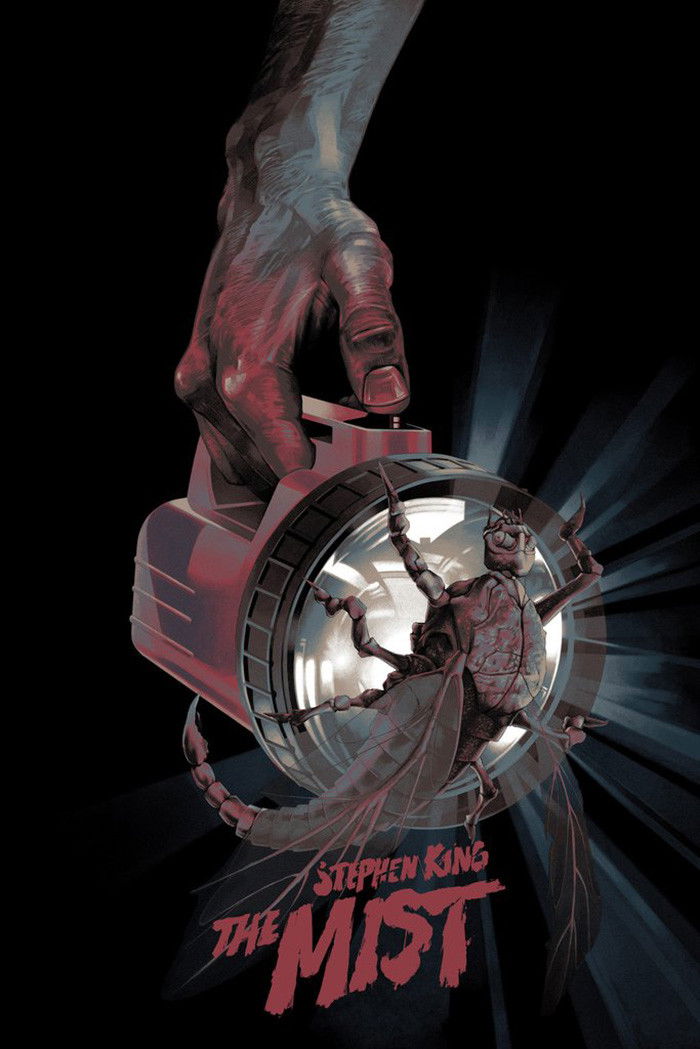
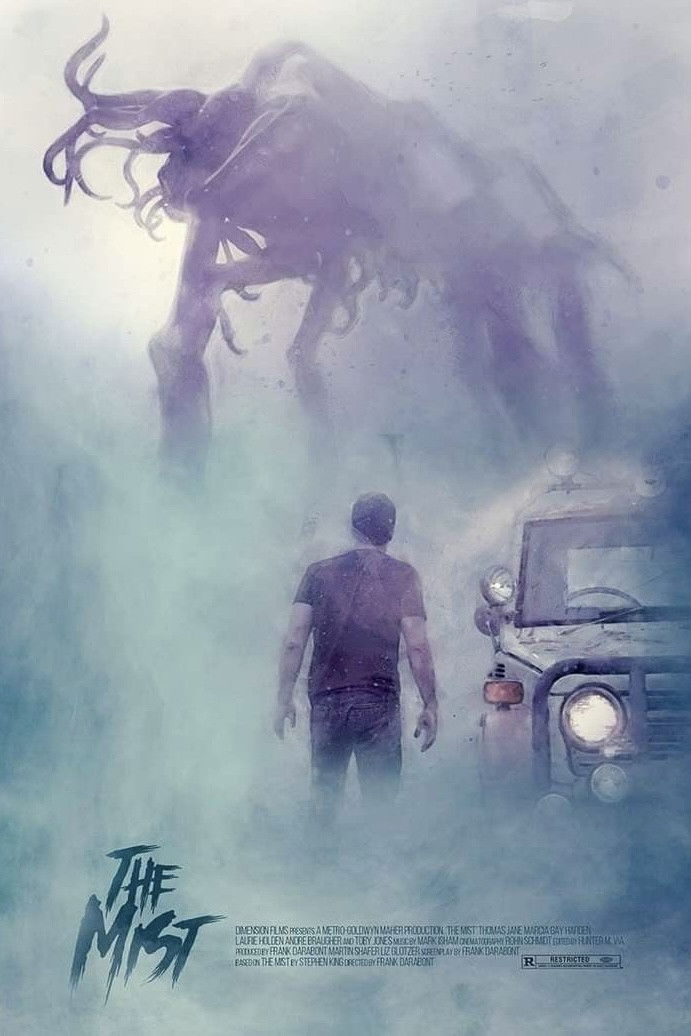
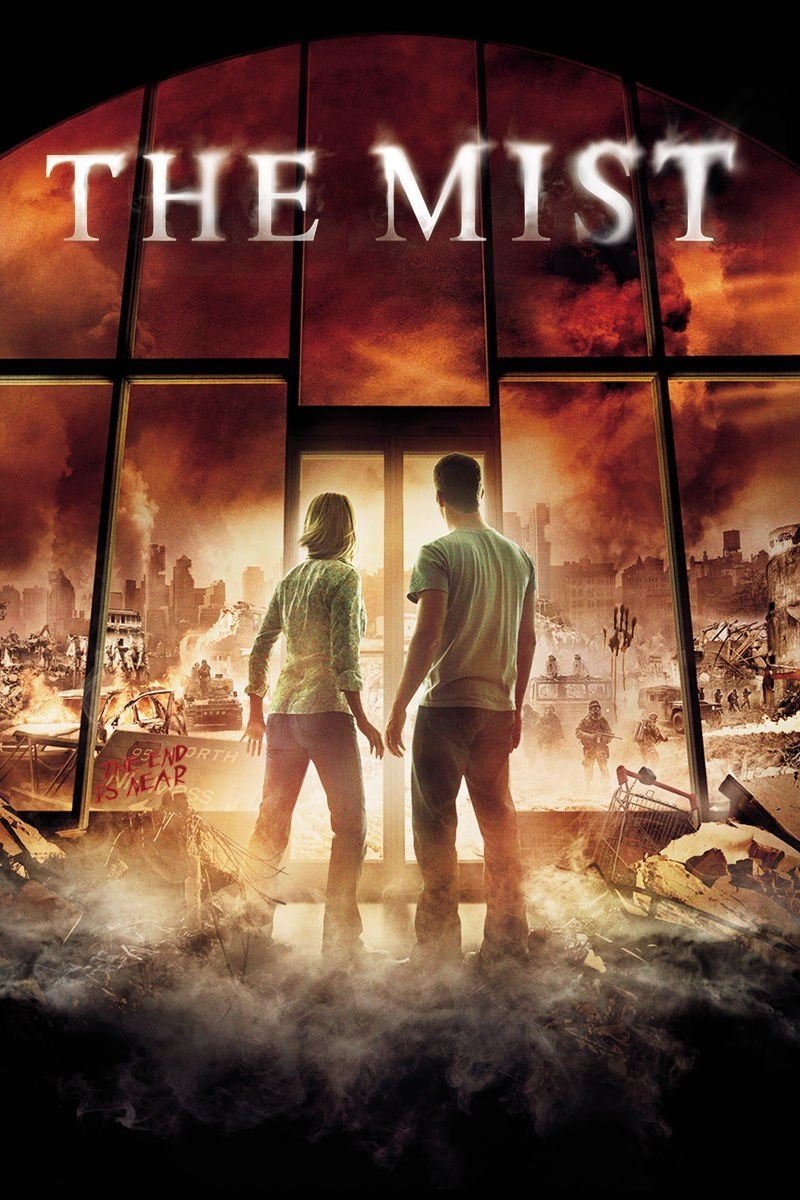
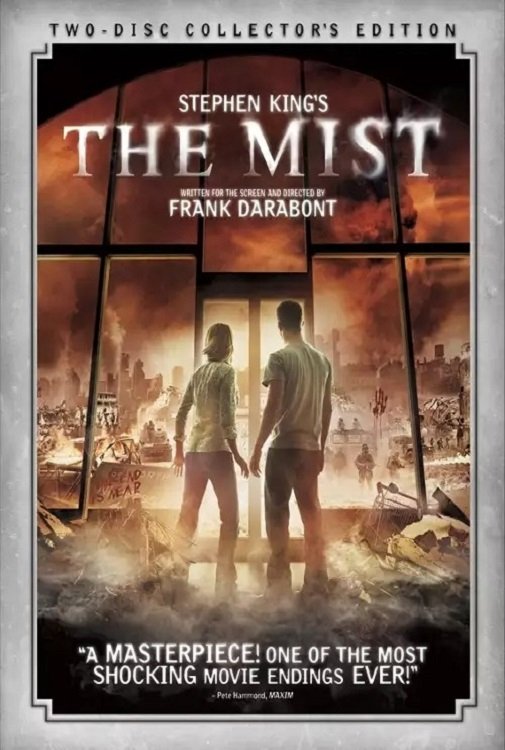
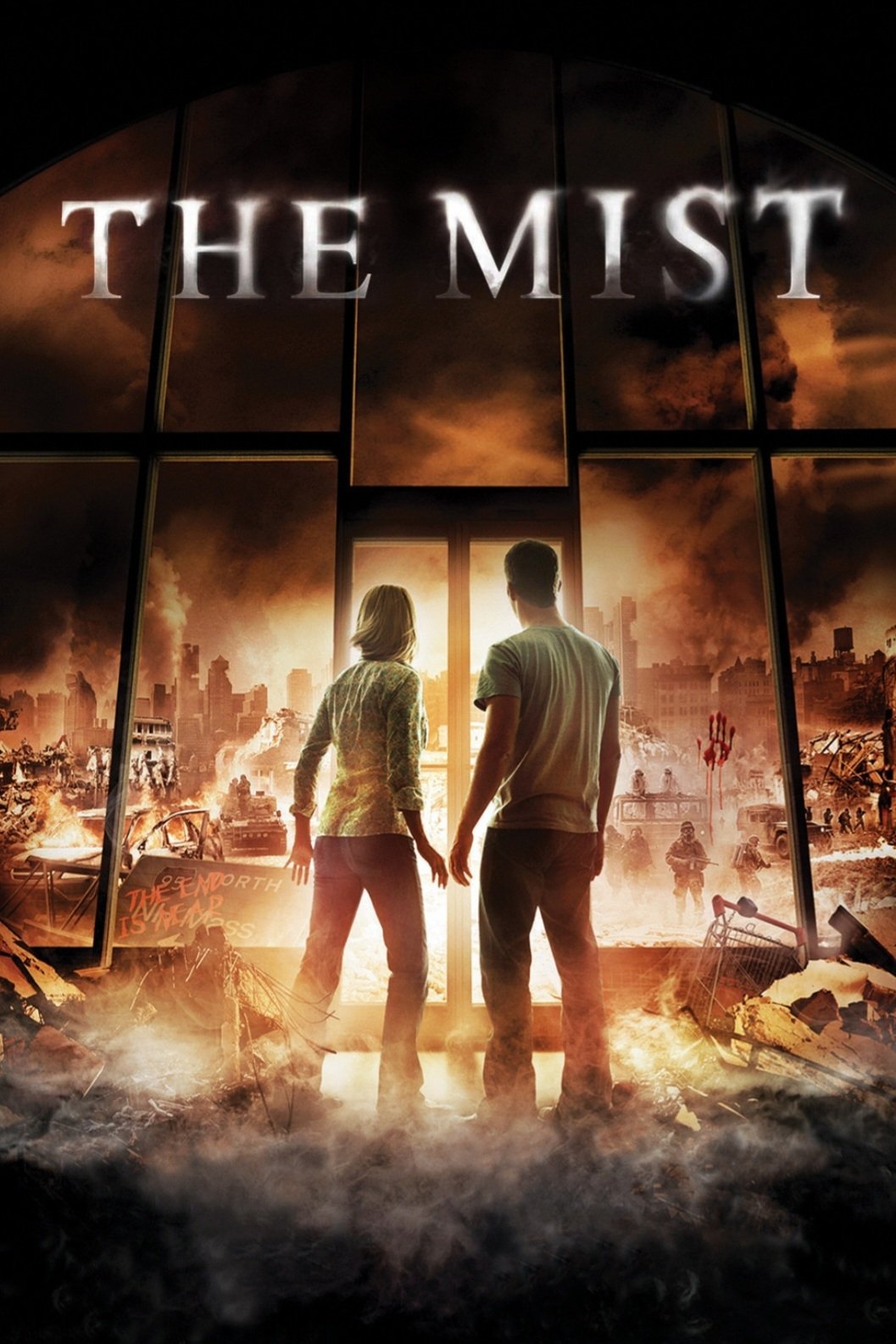
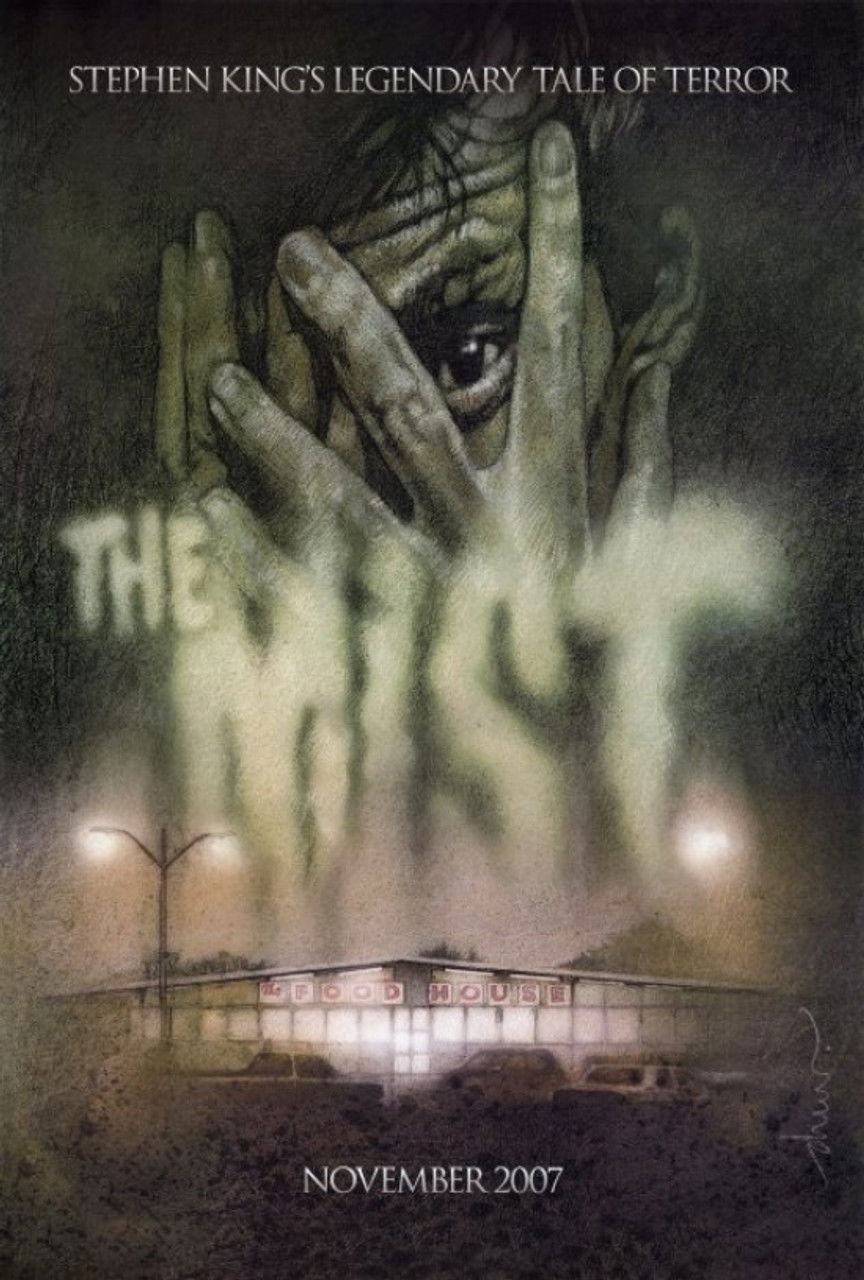
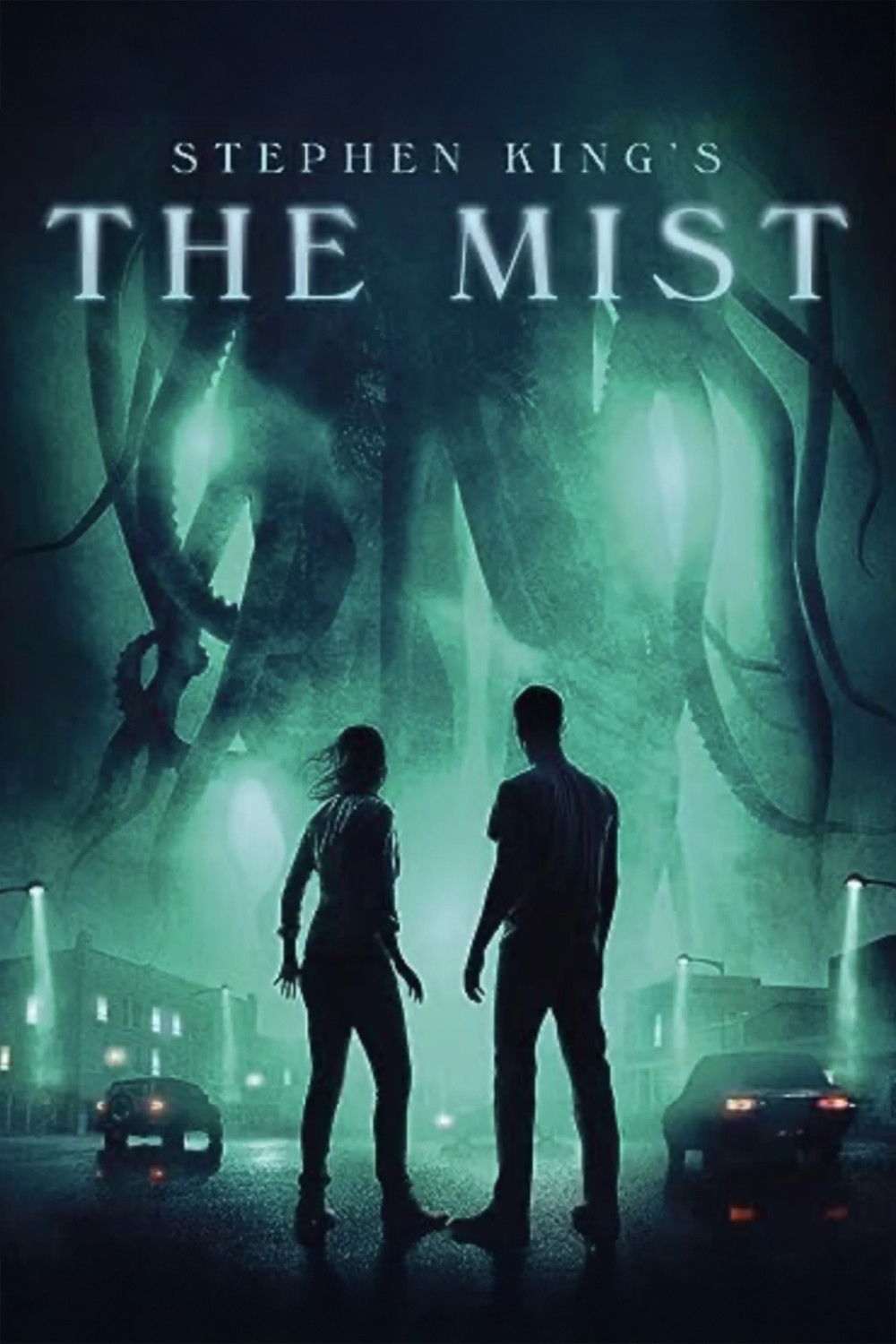
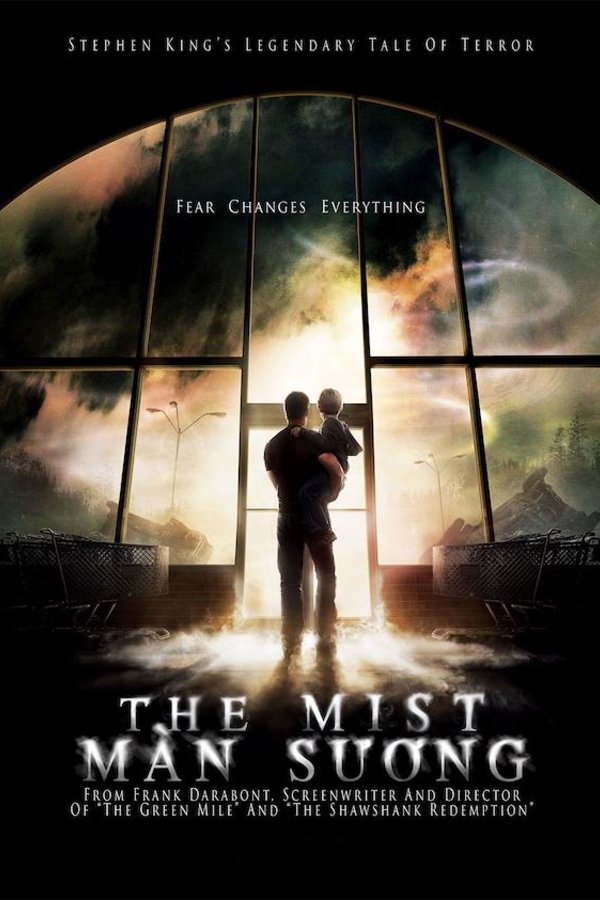
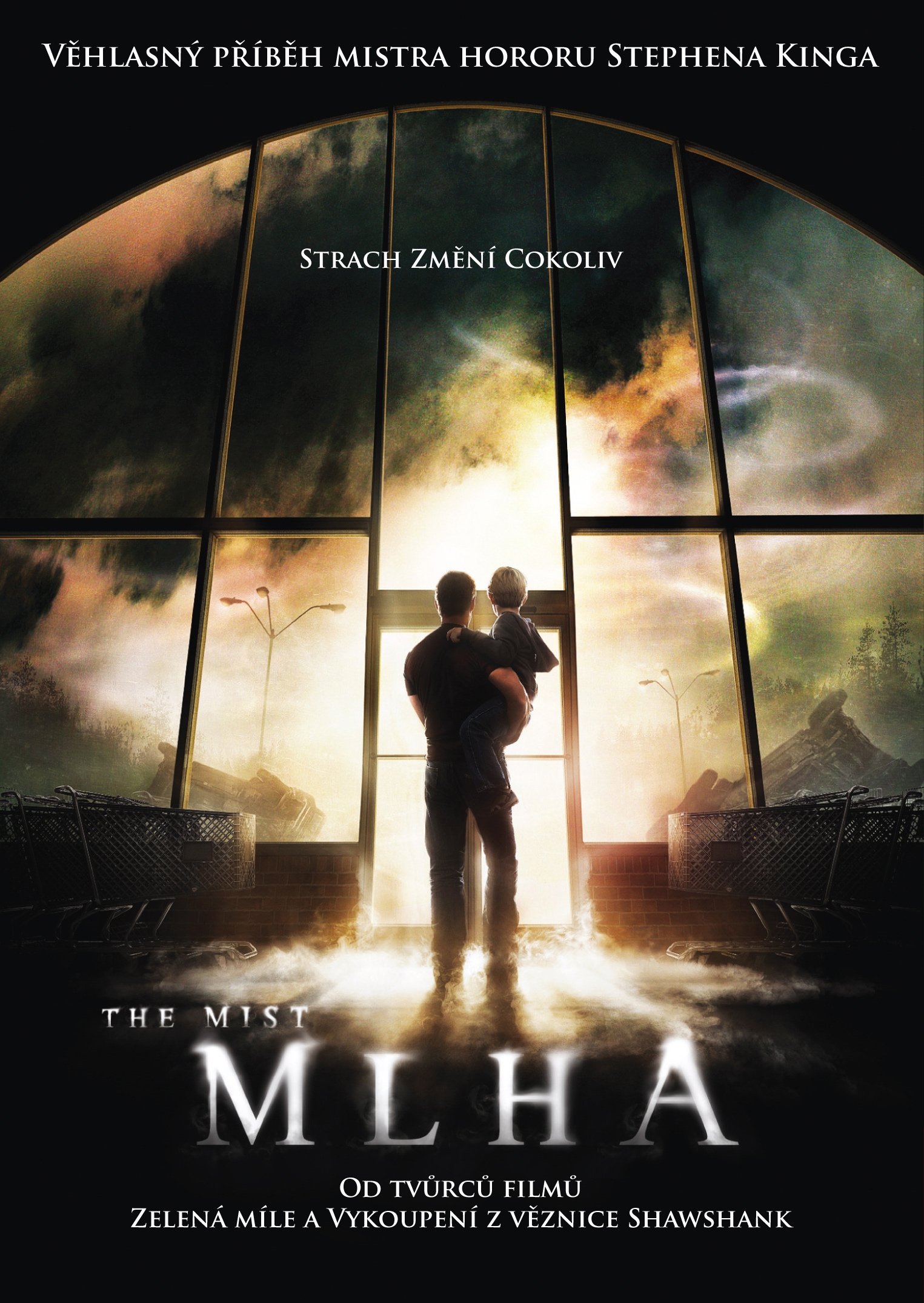
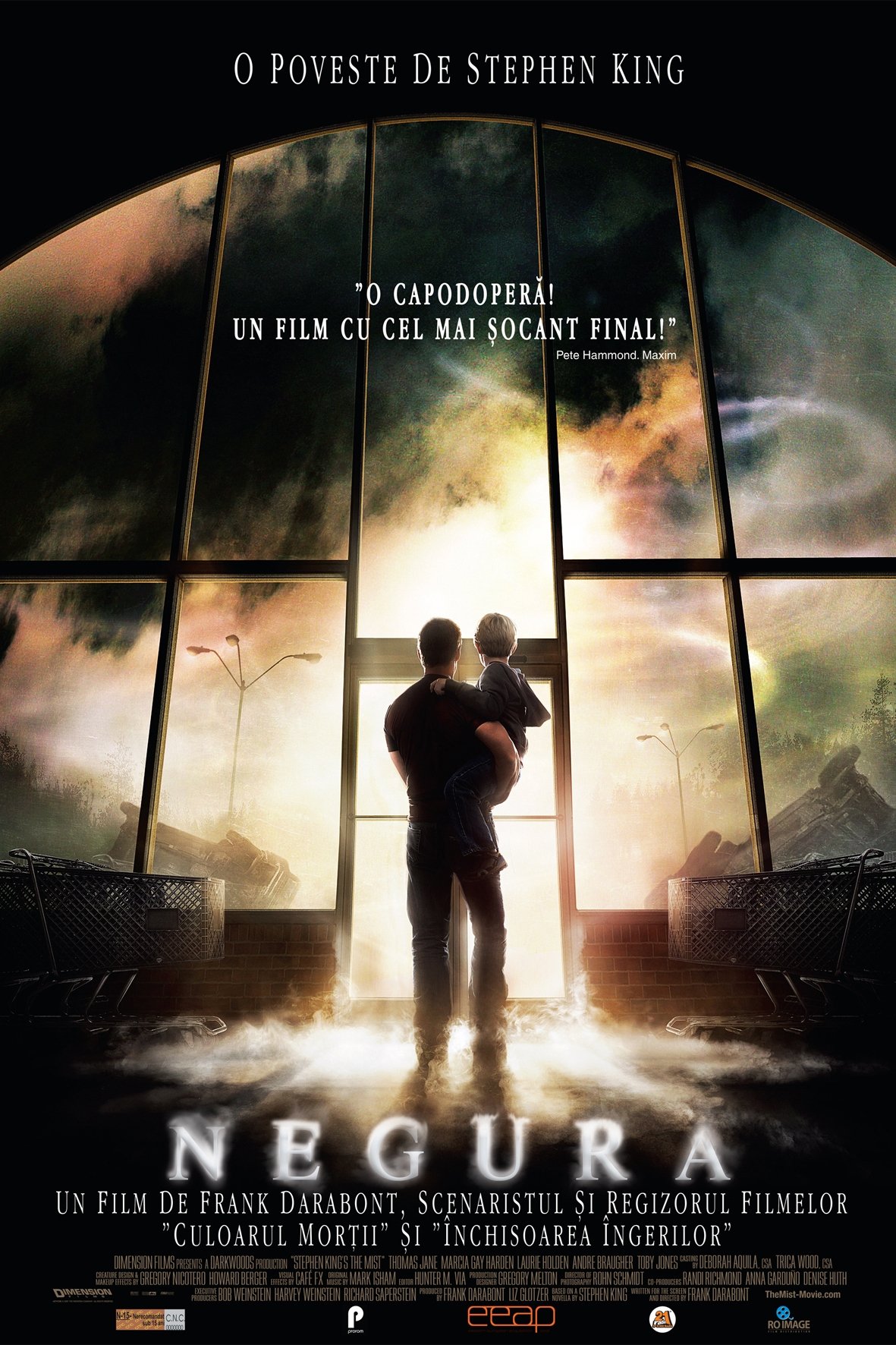
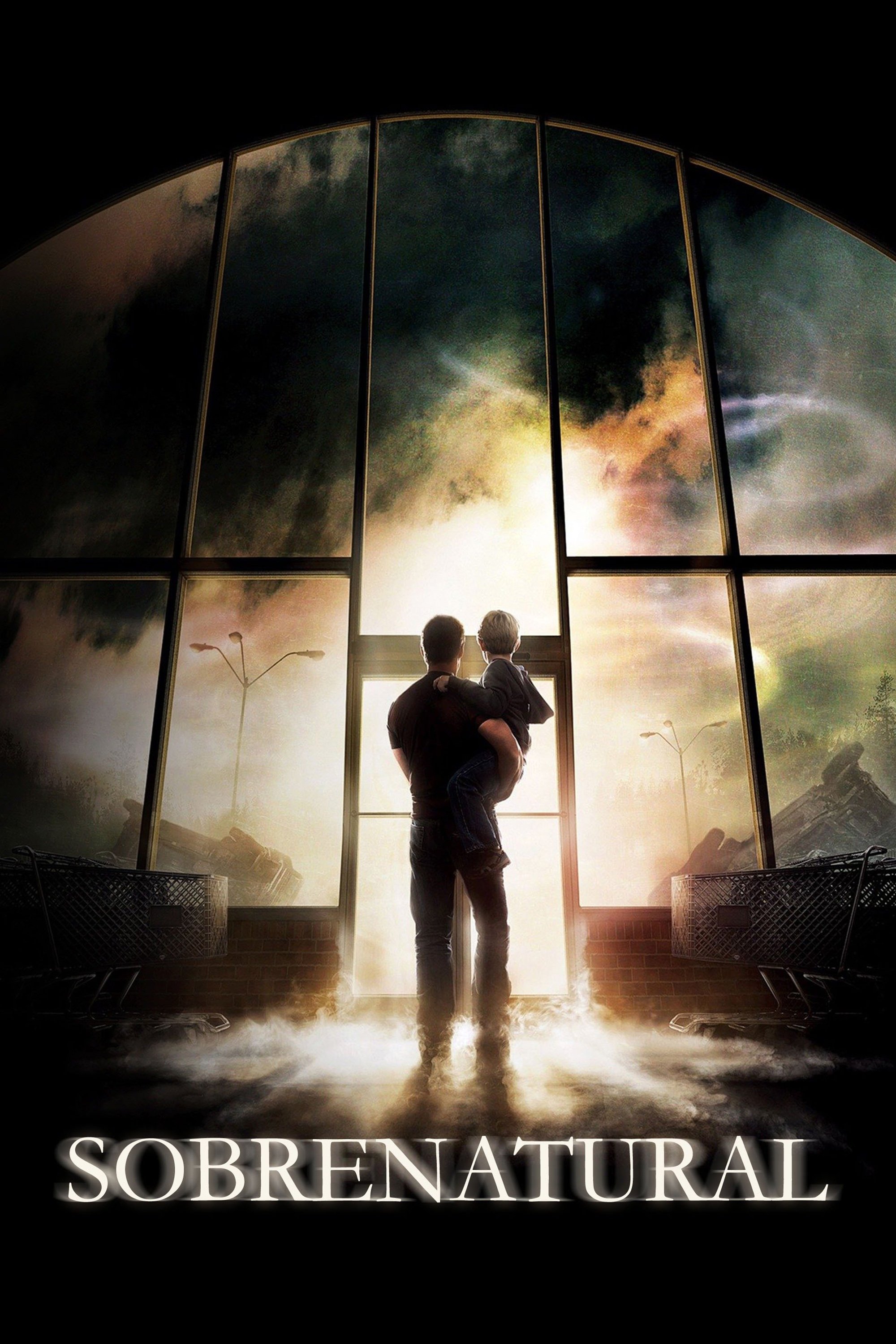
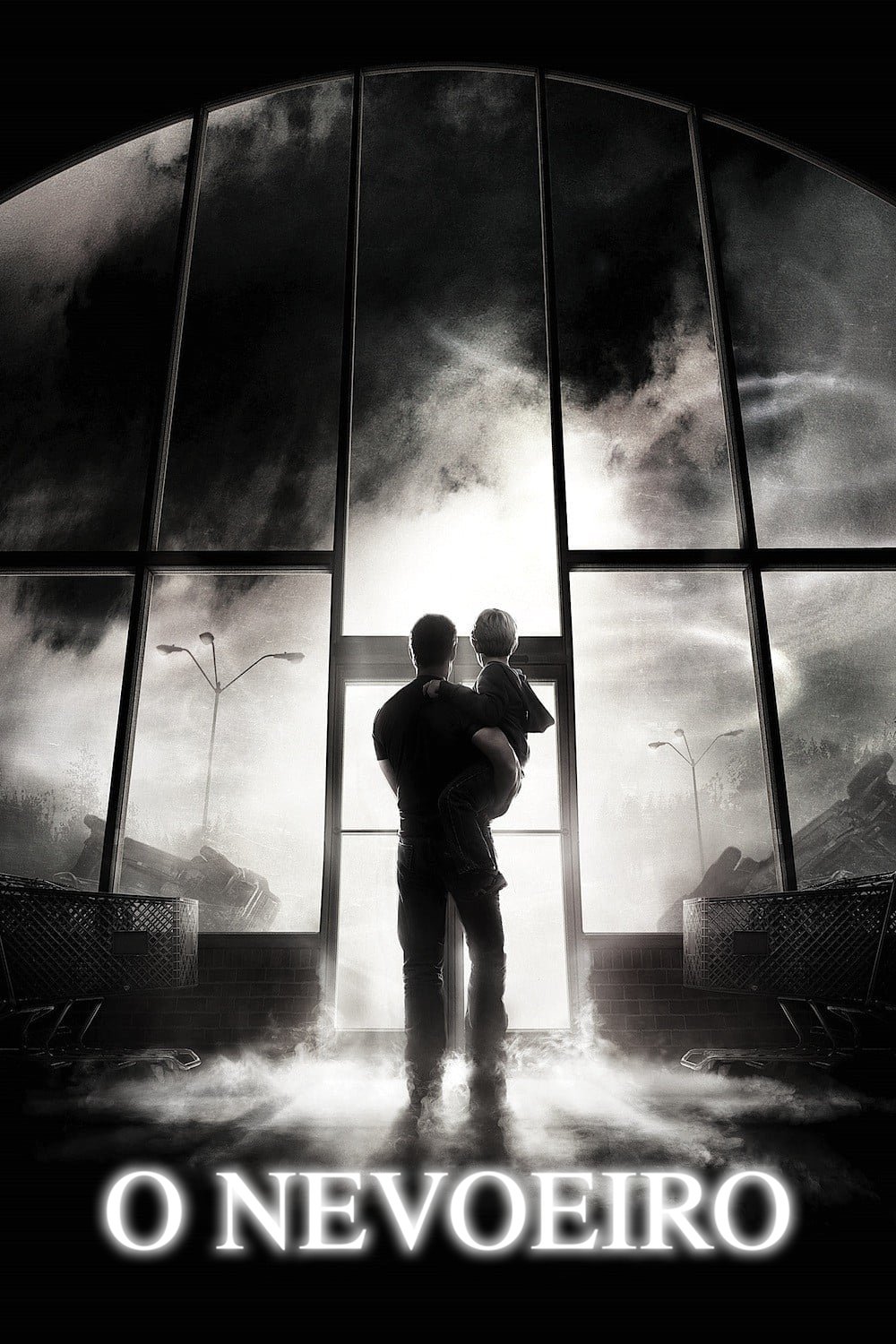
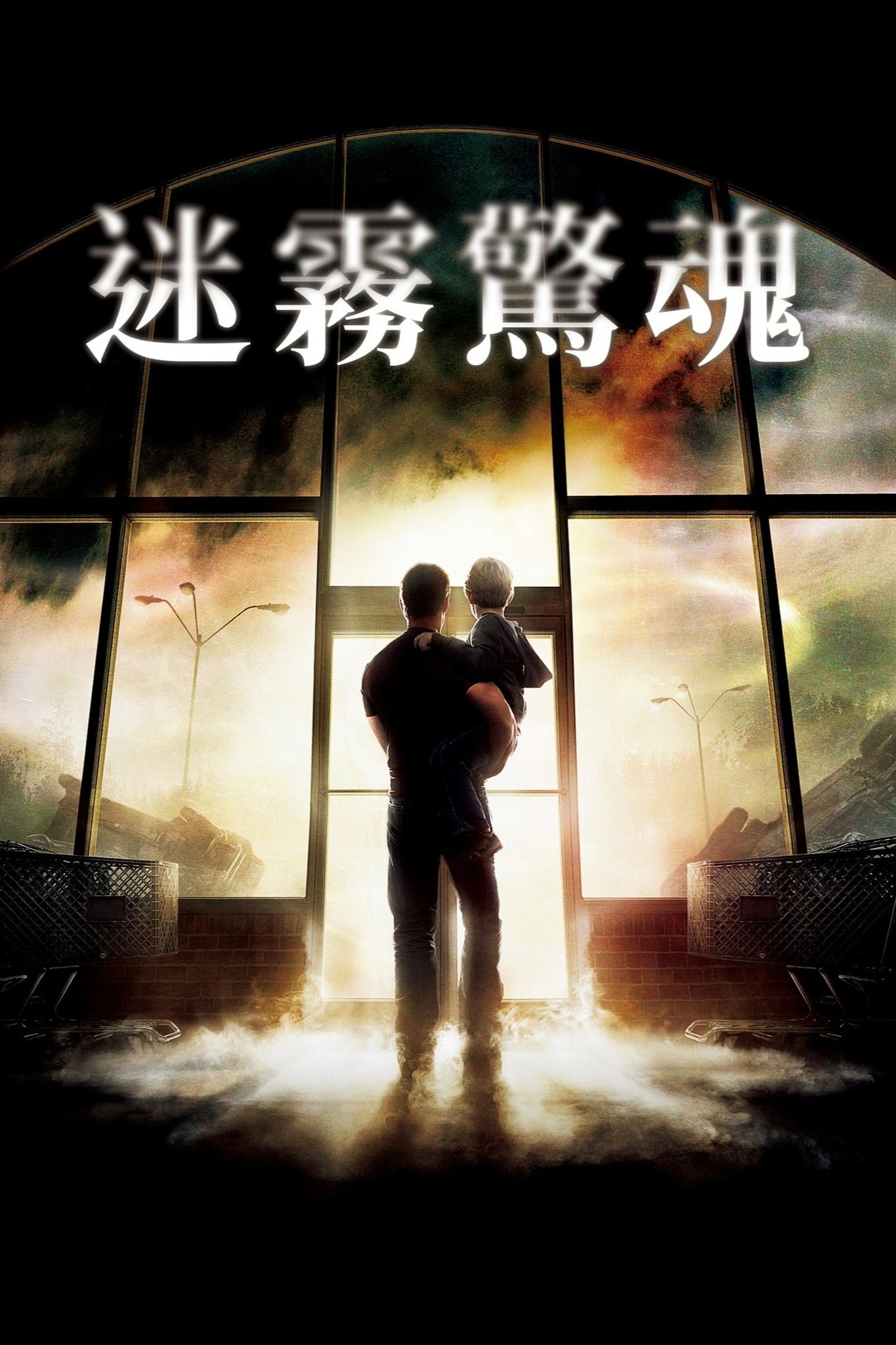
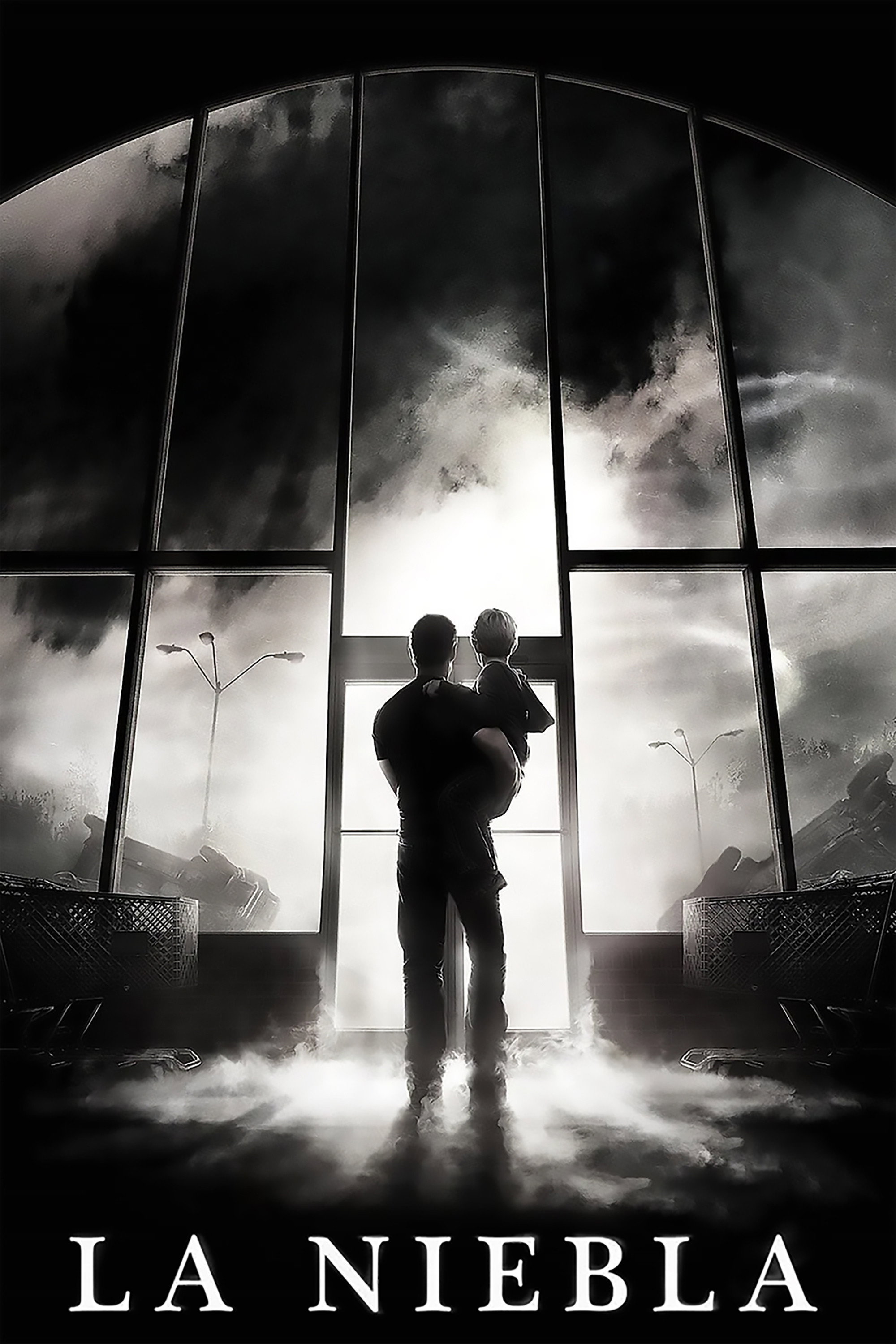
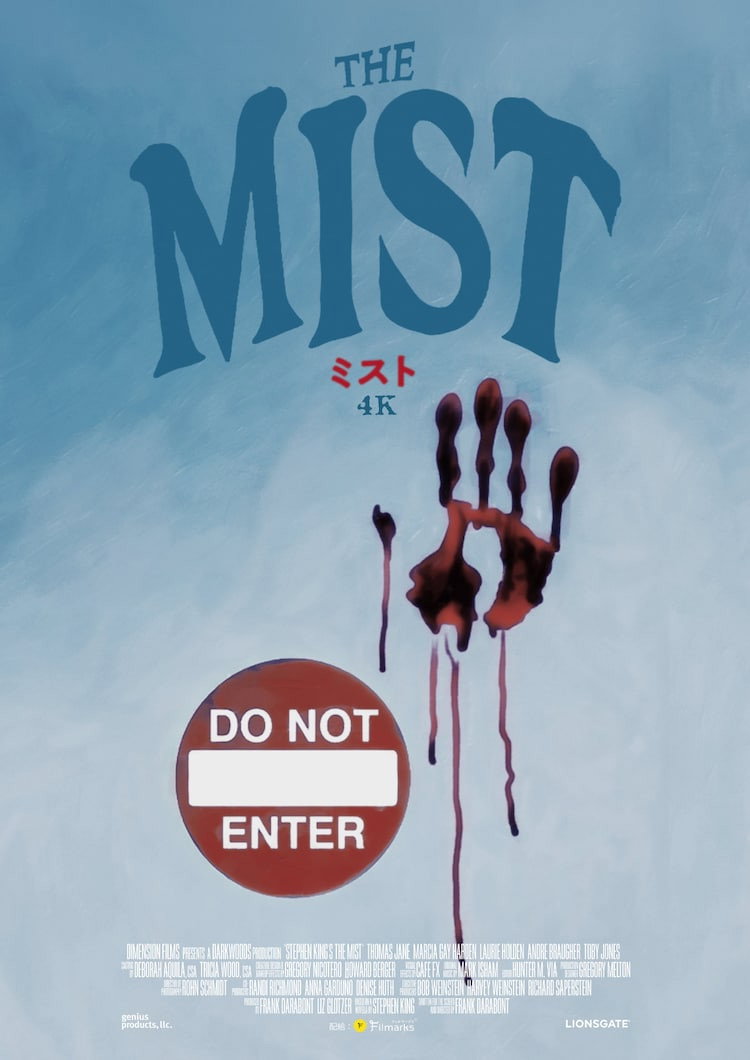
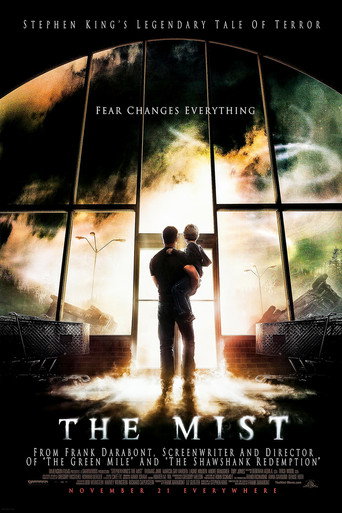
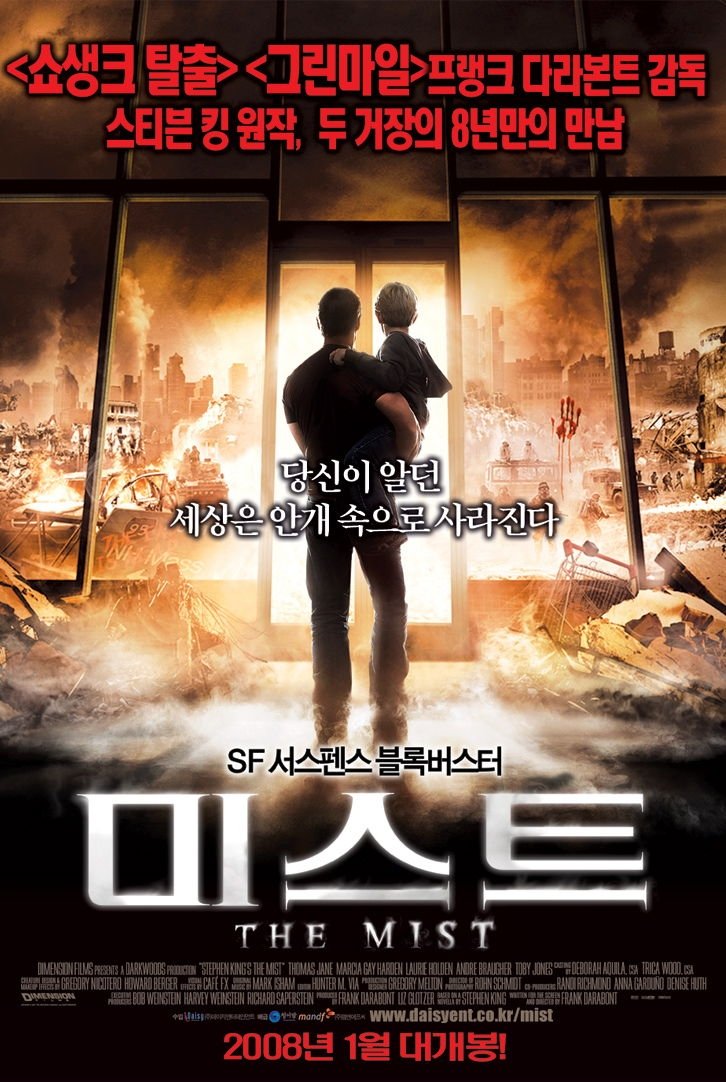
The Mist (2007) poster
Director
Production Companies
Darkwoods Productions , Dimension Films
Plot

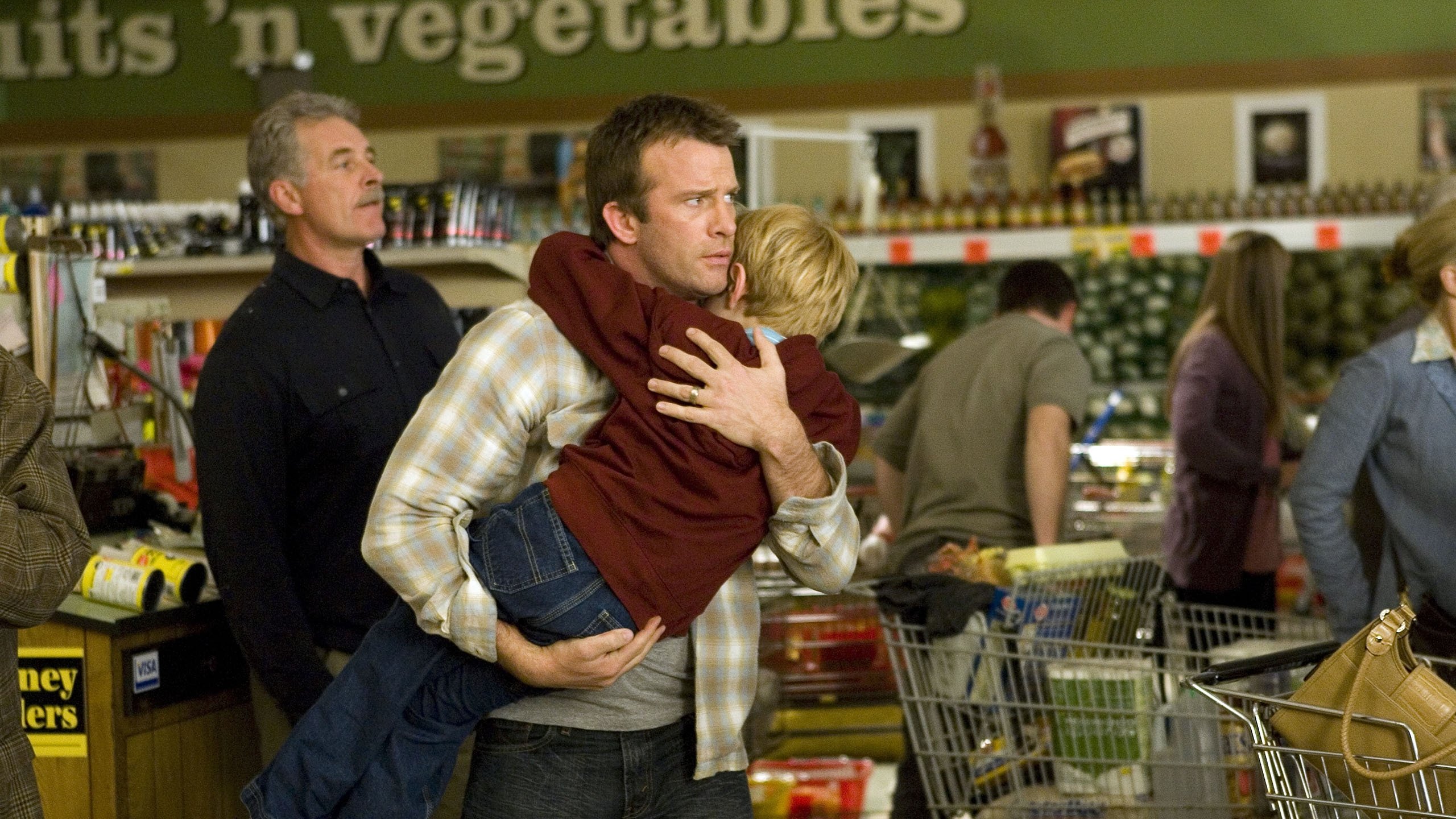
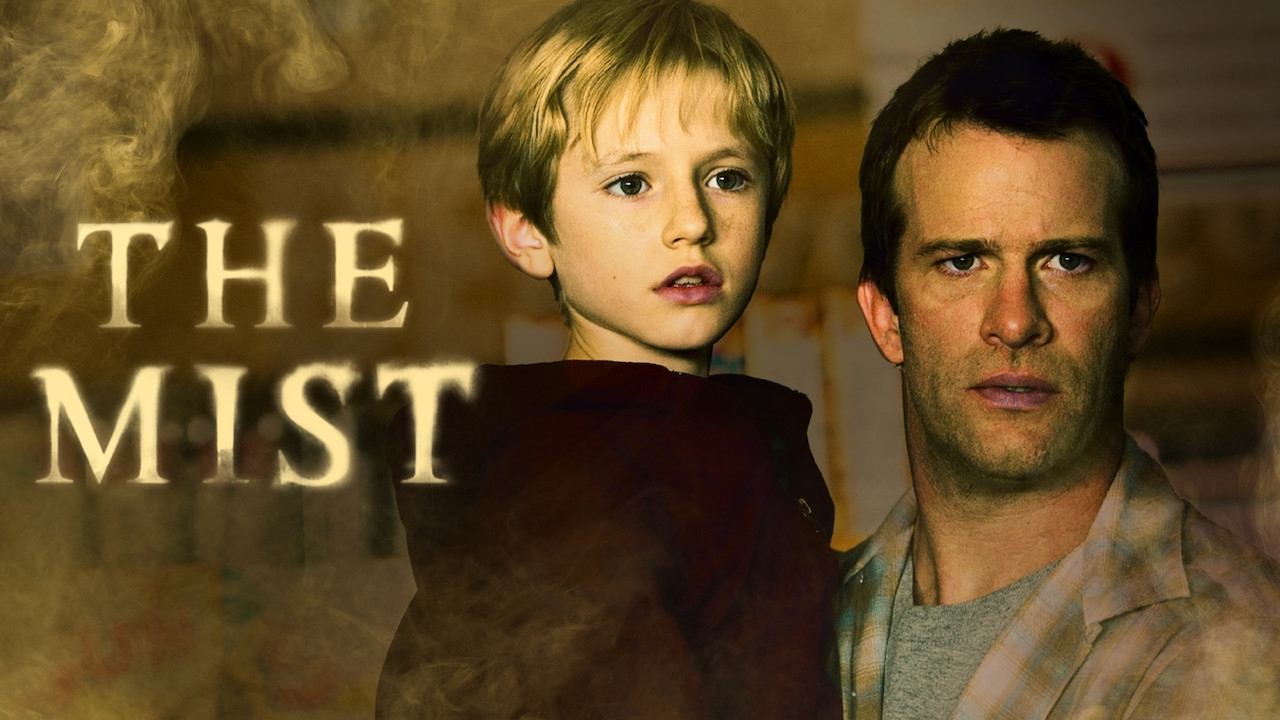
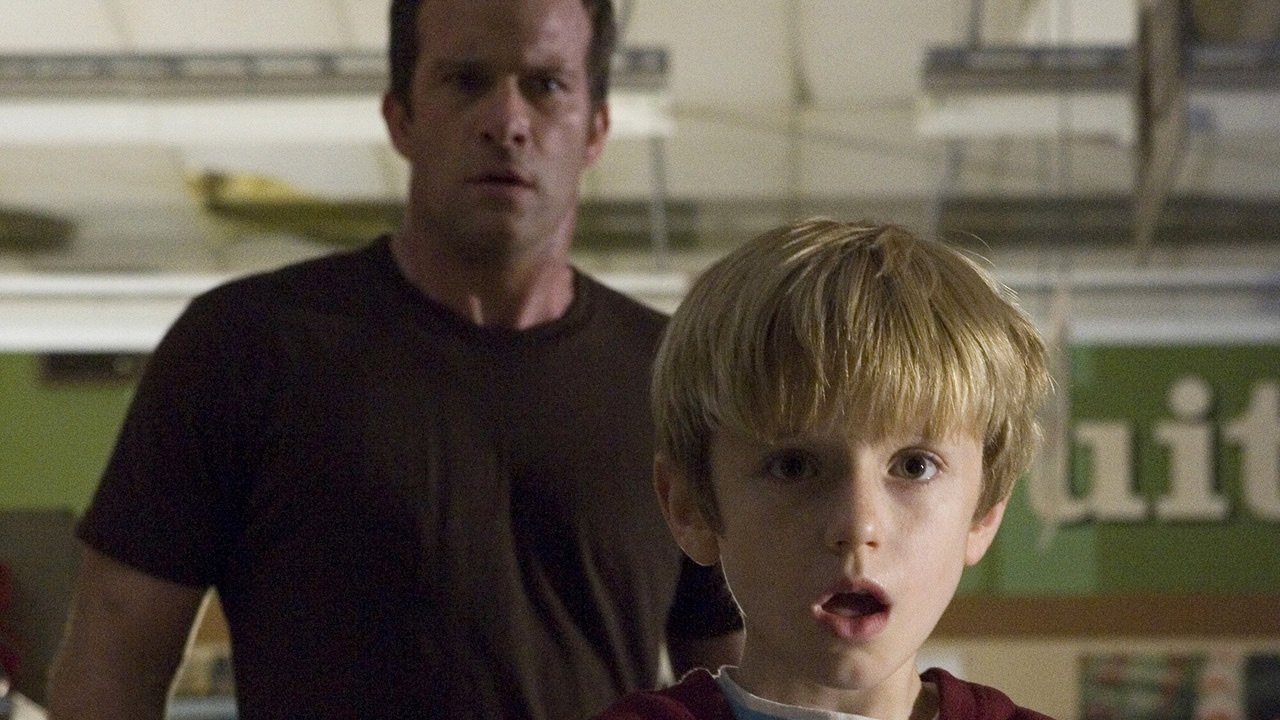
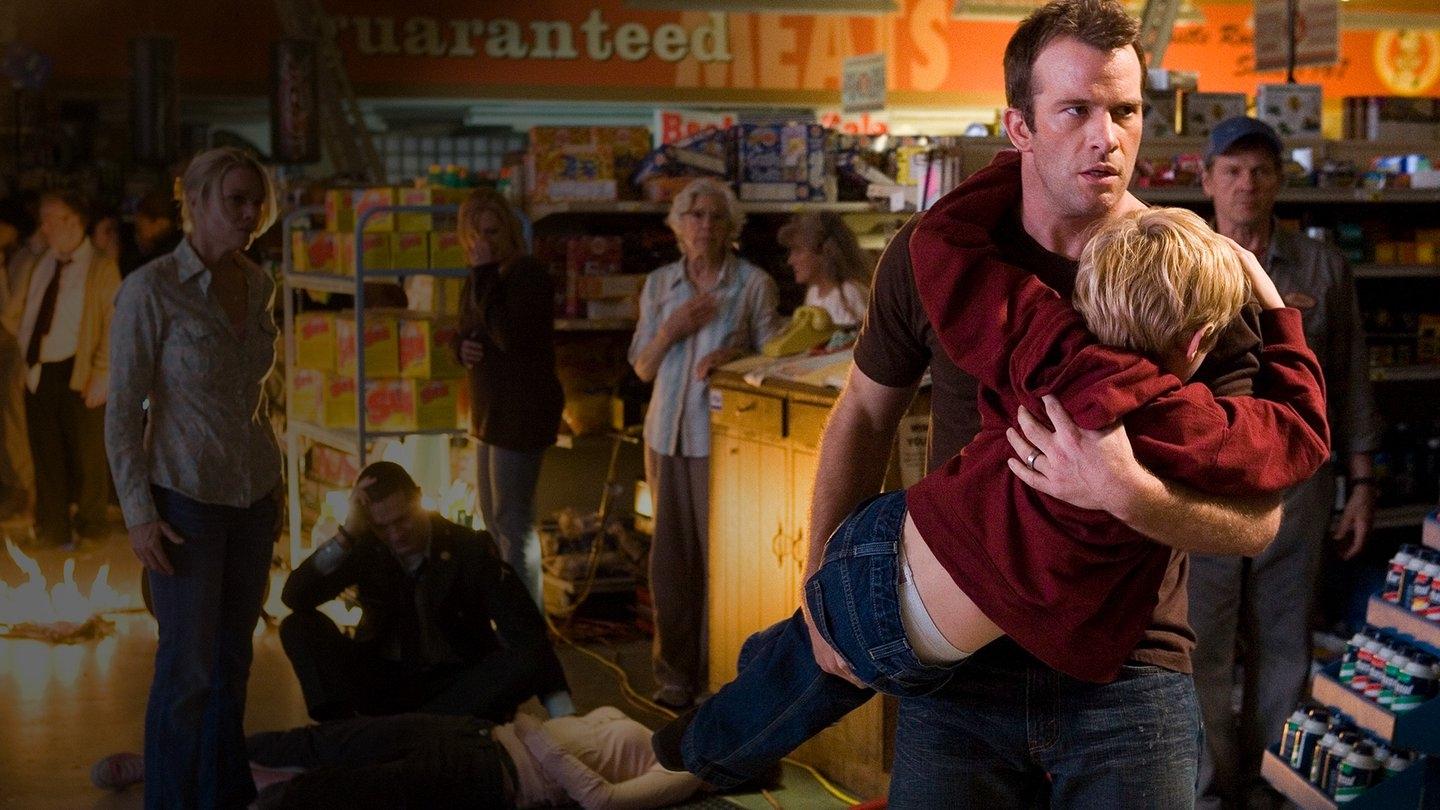
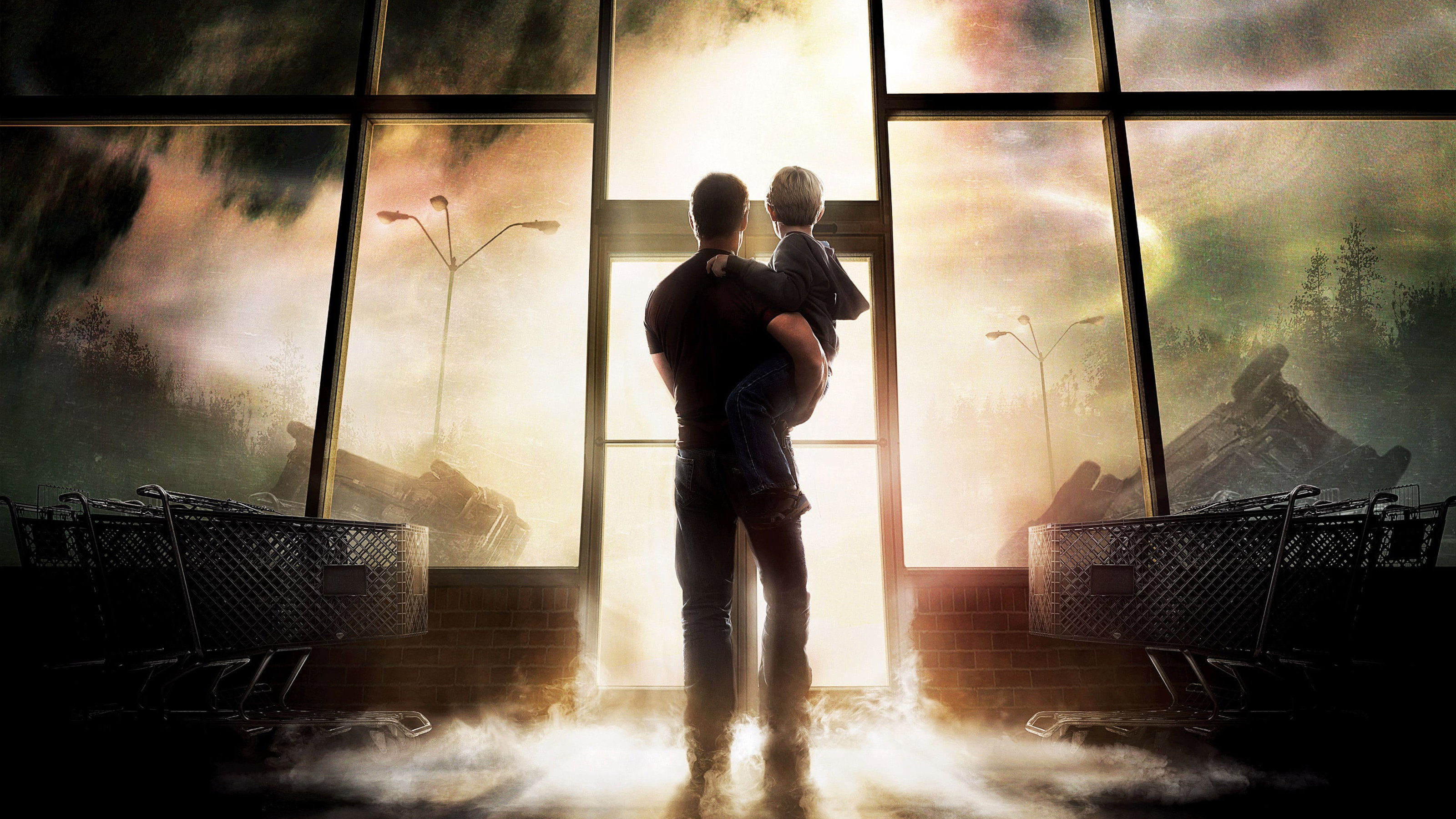
After a violent storm, a dense cloud of mist envelops a small Maine town, trapping artist David Drayton and his five-year-old son in a local grocery store with other people. They soon discover that the mist conceals deadly horrors that threaten their lives, and worse, their sanity.

Alternative Titles
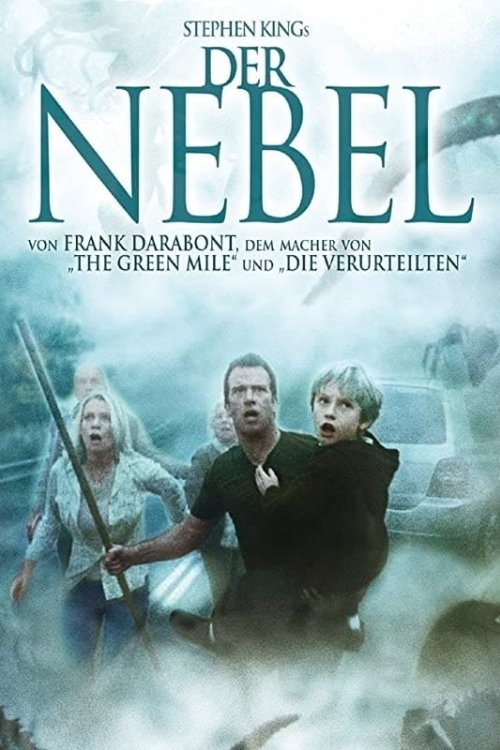
الضباب (United Arab Emirates) — Arabic La Niebla (Argentina) Der Nebel (Austria) — German Duman (Azerbaijan) — Azerbaijani Мъглата (Bulgaria) O Nevoeiro (Brazil) Brume (Canada) — French Der Nebel (Switzerland) — German
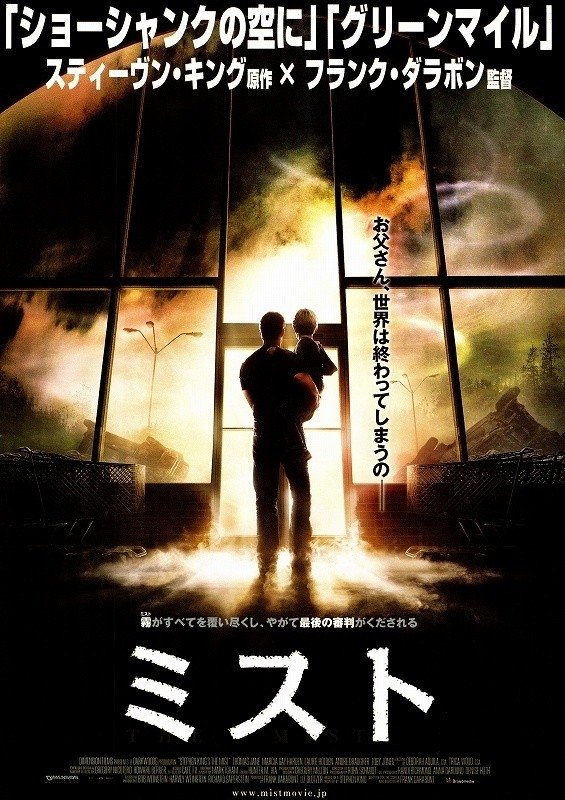
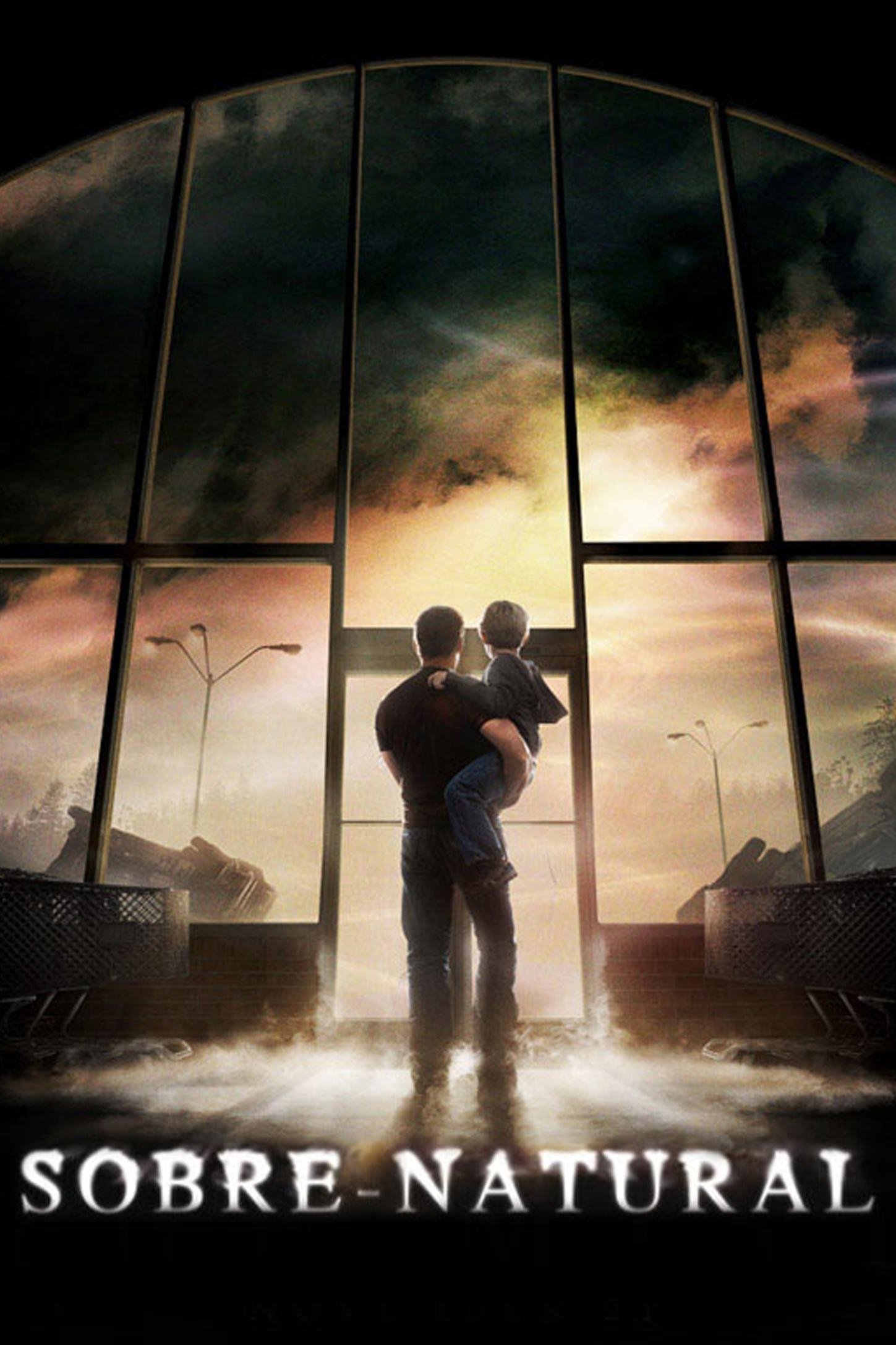
Show all 48 alternative titles 迷雾 (China) — Chinese Mlha (Czechia) Der Nebel (Germany) Udu (Estonia) La boira (Spain) — Catalan La Niebla (Spain) Dimman (Finland) The Mist - Usva (Finland) — Finnish ბურუსი (Georgia) — Georgian Η ομίχλη (Greece) 霧地異煞 (Hong Kong SAR China) — Chinese Magla (Croatia) — Croatian A köd (Hungary) הערפל (Israel) — Hebrew धुंध (India) — Hindi مه (Iran) — Persian The Mist - Nebbia assassina (Italy) — Television Title ミスト (Japan) 미스트 (South Korea) Pražūtingas Rūkas (Lithuania) — Lithuanian La Niebla (Mexico) Sobre-Natural (Mexico) — Spanish Sobrenatural (Mexico) La Niebla (Peru) Mgła (Poland) — Polish The Mist - Nevoeiro Misterioso (Portugal) — Portuguese Negura (Romania) — Romanian Магла (Serbia) — Serbian Мгла (Russia) الضباب (Saudi Arabia) — Arabic 迷雾 (Singapore) — Chinese Skrivnostna megla (Slovenia) Hmla (Slovakia) — Slovak มฤตยูหมอกกินมนุษย์ (Thailand) Öldüren sis (Türkiye) 史蒂芬金之迷霧驚魂 (Taiwan) — Chinese Імла (Ukraine) — Ukrainian Stephen King's The Mist (2007) (United States) La niebla (Venezuela) Quái Vật Sương Mù (Vietnam) — Vietnamese

Trailers & Videos

3 videos

Film Guide

Frank Darabont’s Stephen King adaptation: production, creature effects, collective fear, the controversial ending and the black-and-white presentation.

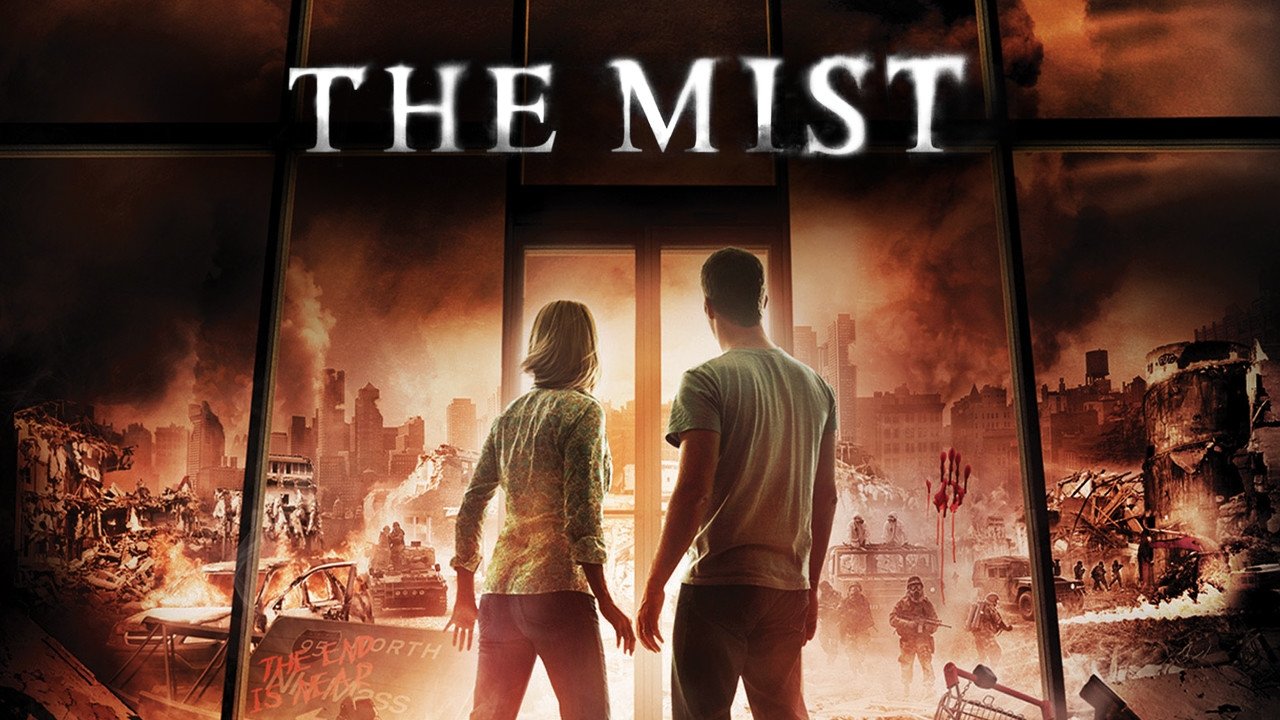
Frank Darabont's The Mist (2007) adapts Stephen King's novella into a siege narrative in which an unexplained environmental catastrophe exposes the fragility of social order. After a violent storm, artist David Drayton and his young son become stranded with other residents inside a Maine supermarket as a dense, unnatural mist conceals predatory creatures. The enclosed setting gives the film two interdependent sources of terror: an increasingly hostile ecosystem outside the windows and the struggle for authority among the people sheltering within. Its combination of creature-feature spectacle, group psychology and a severely pessimistic conclusion made its ending a particular point of controversy following the theatrical release.

The film was Darabont's third feature-length adaptation of King after The Shawshank Redemption (1994) and The Green Mile (1999), but its approach differs markedly from those dramas. He drew on the directness of mid-century monster movies and the social anxieties of Night of the Living Dead (1968), while treating the breakdown of cooperation as a subject of equal importance to the supernatural threat. Its characters face consequential decisions with little information about either the creatures or the fate of the outside world.

Development and Production

Darabont had considered adapting King's story for many years before the production reached the screen. In retrospective interviews, he described its attraction in terms of two contrasting interests: the familiar excitement of old-fashioned monster cinema and a darker account of what happens when technological security disappears. He connected the supermarket's escalating conflicts to the social paranoia of The Twilight Zone episode The Monsters Are Due on Maple Street. His screenplay retained the basic situation of King's novella while developing a more definite ending, a decision that became inseparable from the financing of the film.

According to Darabont, one prospective backer proposed a substantially larger budget on the condition that he change the ending. He declined, and Dimension Films subsequently supported the project with a budget of approximately $18 million. The restricted resources affected the schedule and shooting method: principal photography took place around Shreveport, Louisiana, with much of the supermarket environment constructed on a soundstage. Darabont also recruited collaborators familiar with the compressed production rhythm of the television series The Shield. Thomas Jane was an early choice for David Drayton, whose working-class credibility the director considered essential to the character. A planned prologue showing the military installation was also discarded because building and filming it exceeded the available resources.

Fear and Authority Inside the Supermarket

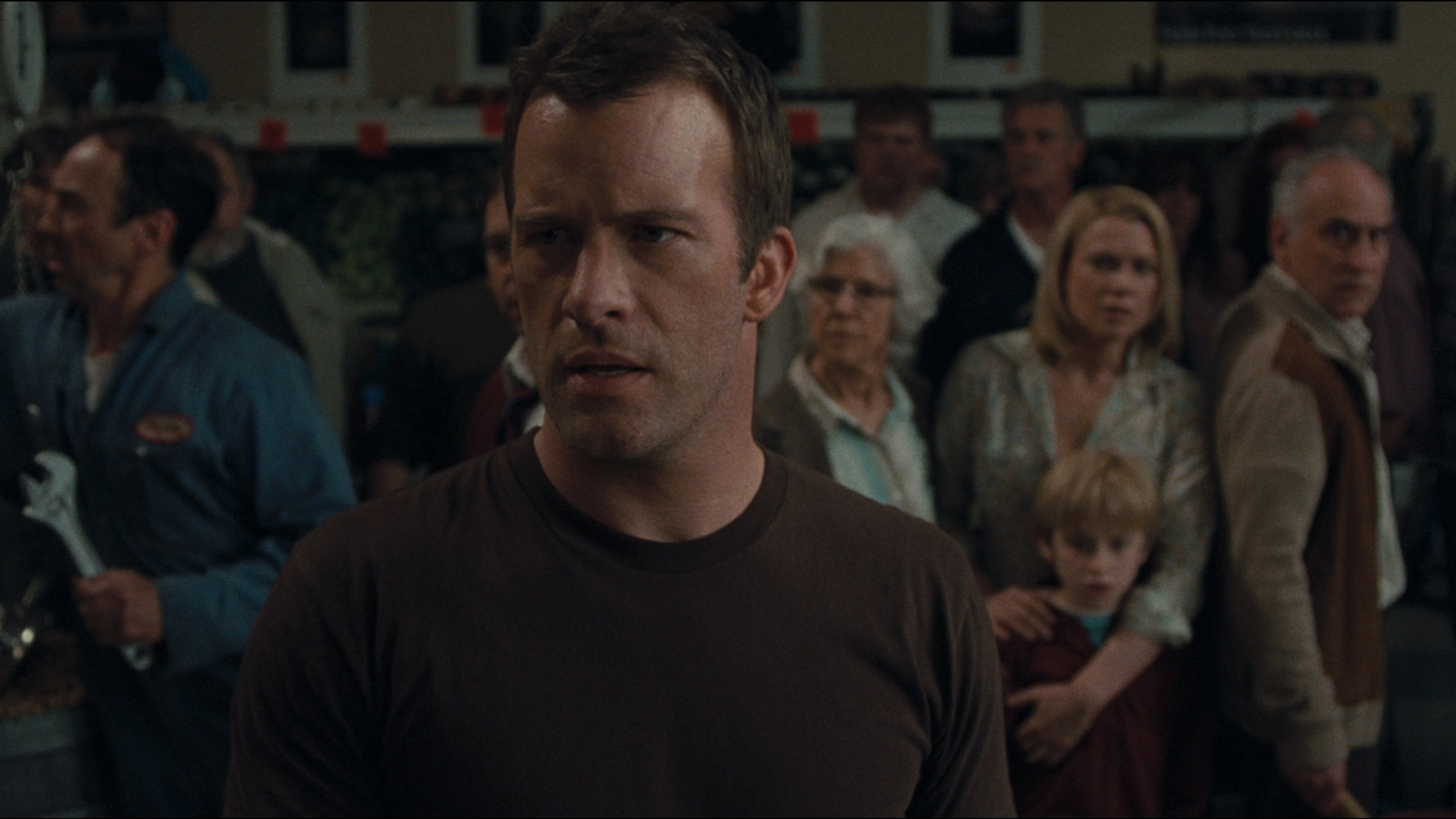
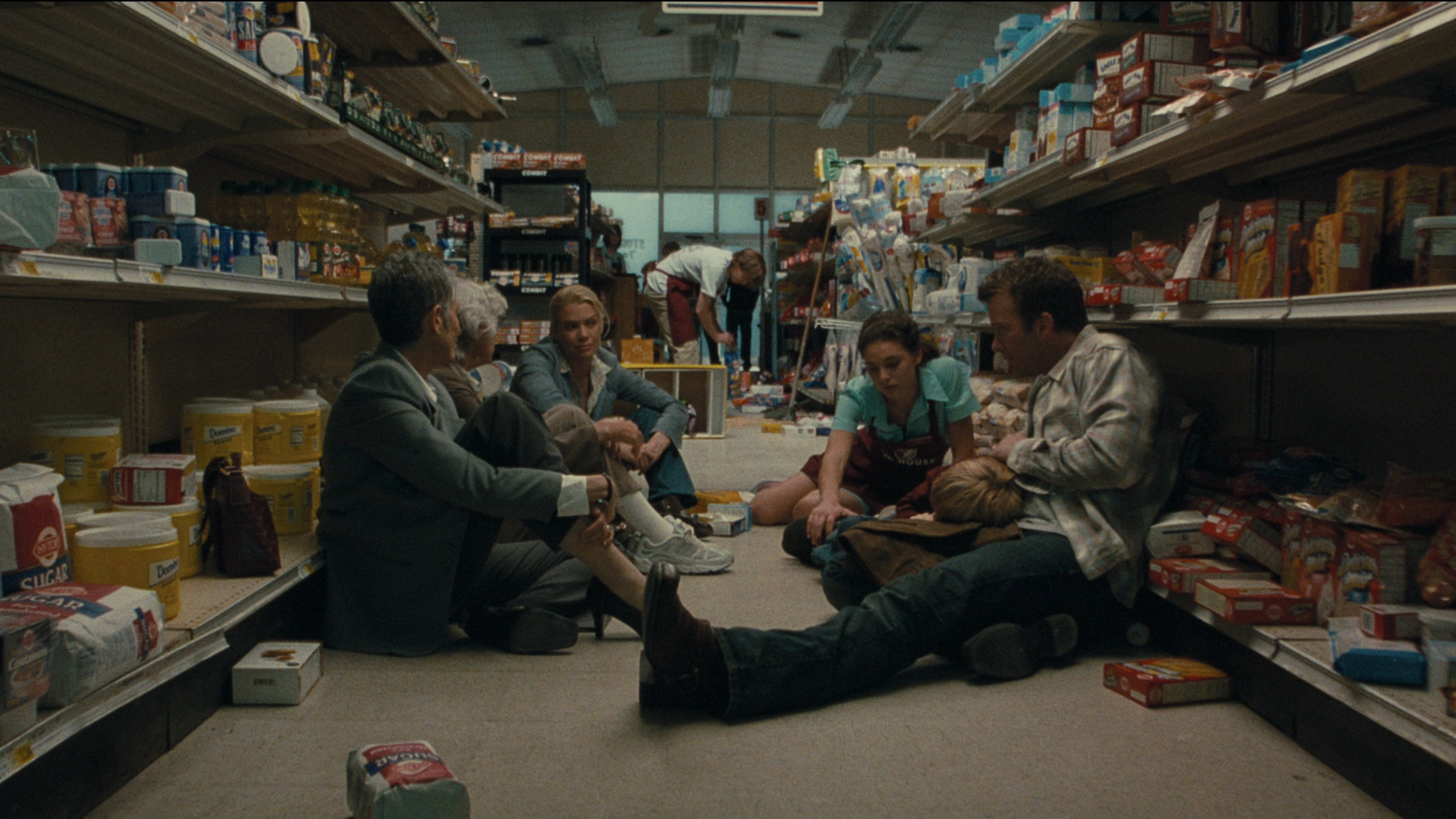
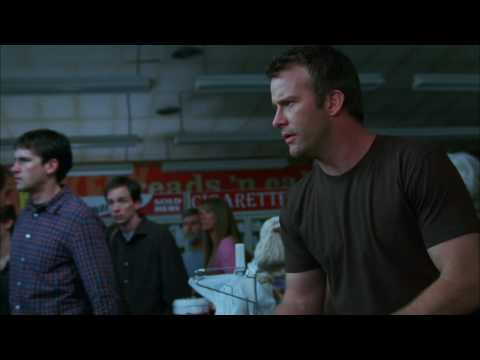
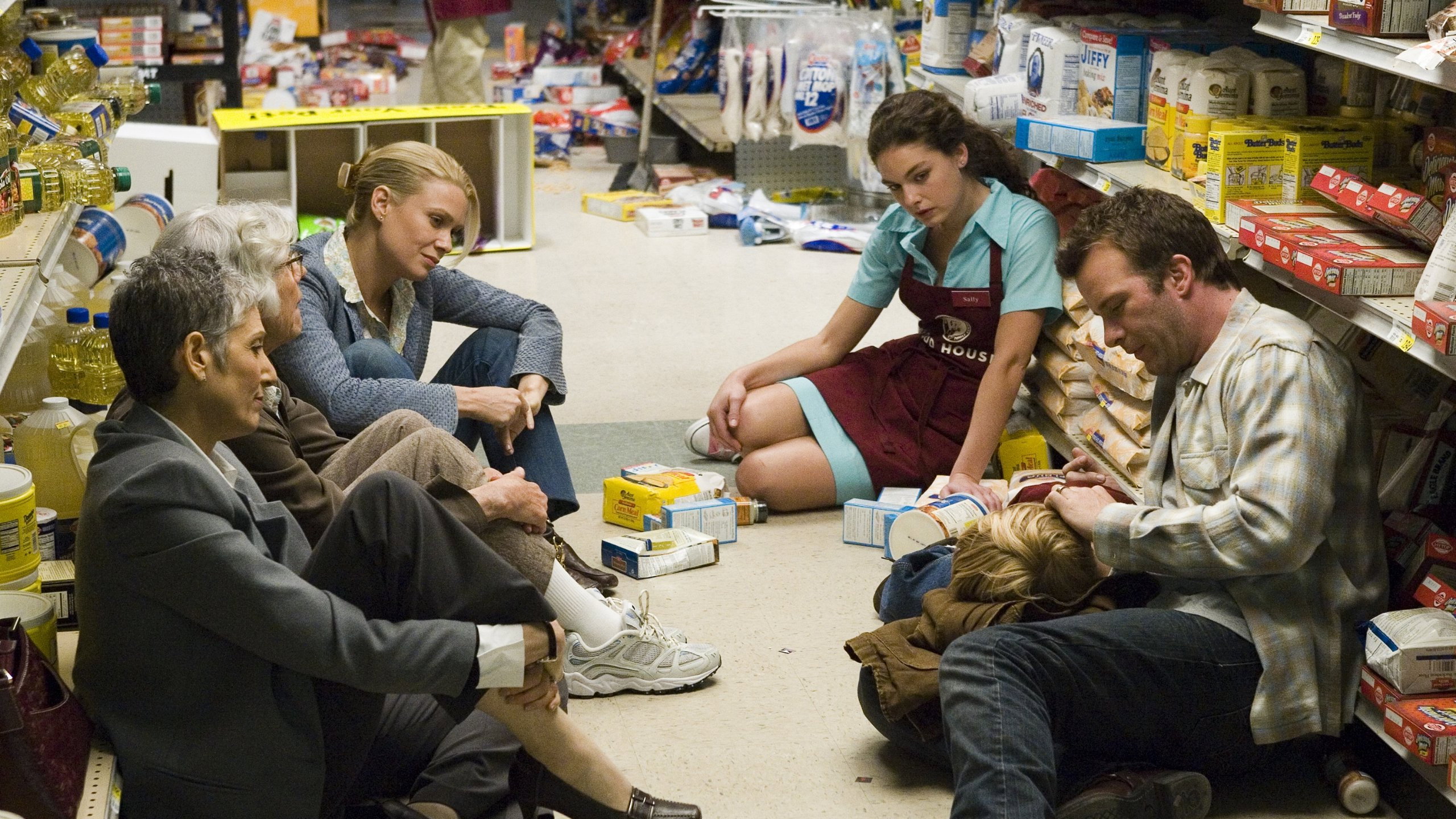
The supermarket functions as a temporary civic space whose ordinary arrangements cease to offer reassurance. Shoppers, employees and neighbors initially try to respond through familiar habits of argument, expertise and practical cooperation. The first encounter with the creatures divides the group between witnesses and skeptics, and later attacks make collective decision-making increasingly difficult. David's attempts to organize a response are complicated by limited visibility, unreliable explanations and the reluctance of others to accept events that contradict their understanding of the world.

Mrs. Carmody, played by Marcia Gay Harden, turns that uncertainty into a religious account of punishment and sacrifice. Her growing authority depends on the fear of the assembled crowd, particularly when the apparent absence of a rational explanation creates an opening for absolute certainty. The killing of Private Jessup marks the transformation of that rhetoric into collective violence. Darabont has explicitly connected the story to the collapse of civil behavior under pressure; the film develops this idea through changing group loyalties, the escalating willingness to scapegoat strangers and the contrast between those who act to protect others and those who seek safety through obedience.

Cinematography and Visual Style

Darabont abandoned the carefully controlled visual approach associated with his earlier dramas in favor of mobile cameras and rapid coverage. Cinematographer Rohn Schmidt and other crew members brought experience from The Shield, whose fast-moving production had encouraged cameras to respond directly to performances. The strategy gave The Mist a restless quality, particularly when arguments become physical or the supermarket is attacked. The change was partly practical, helping the production maintain its short schedule, but it also kept the characters' reactions within a crowded, unstable visual field rather than arranging every confrontation as a formally balanced tableau.

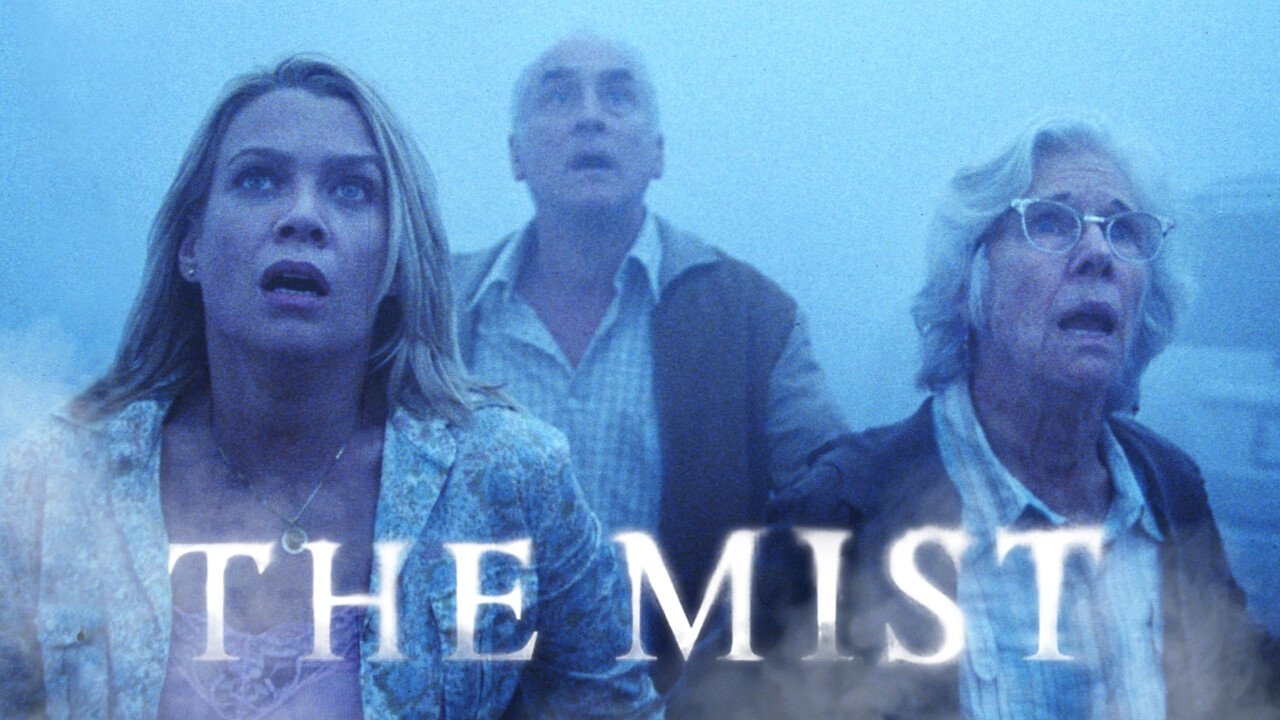
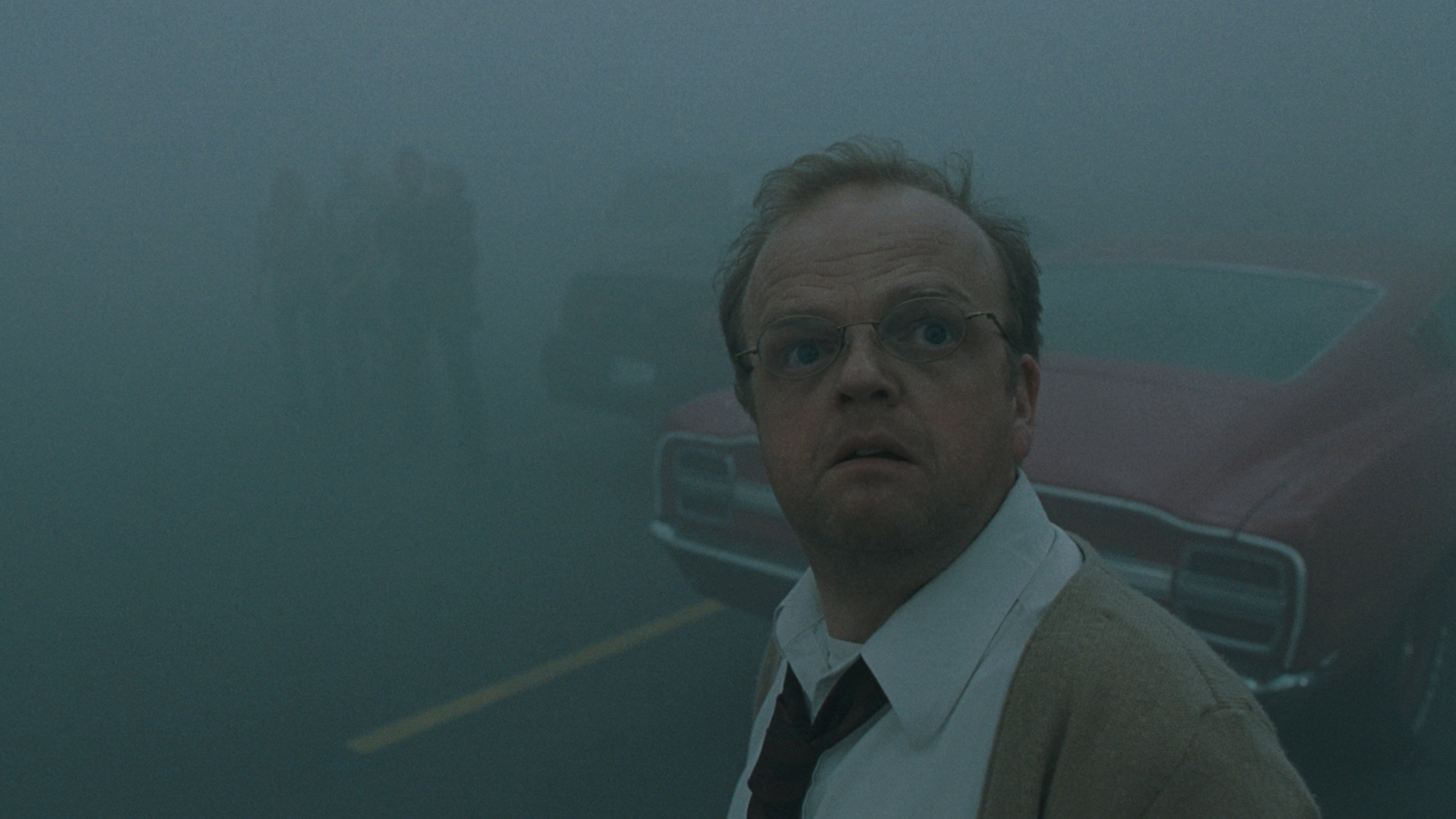
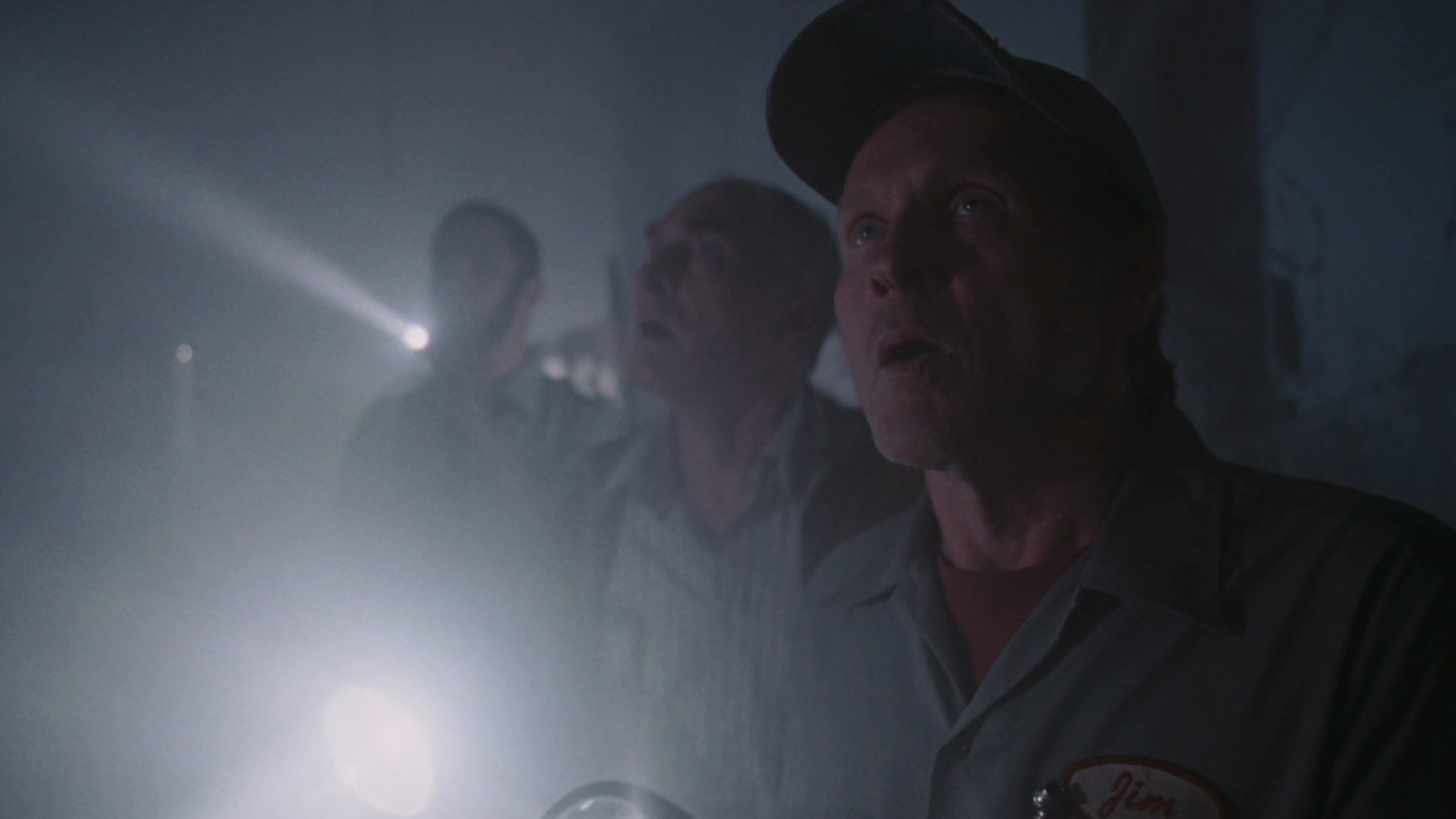
The mist itself required careful coordination between physical effects, photography and final color correction. On the supermarket set, dense atmospheric effects obscured the windows and separated the visible interior from an exterior whose dimensions could seldom be established. Schmidt later explained that excessive contrast made it possible to see too far into the fog; lowering contrast in the finishing process preserved its opaque, almost solid appearance. The resulting imagery places spectators in a position similar to the trapped characters: they can hear or infer nearby movement without being able to verify its source. Darkness and diffuse white space become complementary ways of restricting visual knowledge.

Creature Design, Practical Effects and CGI

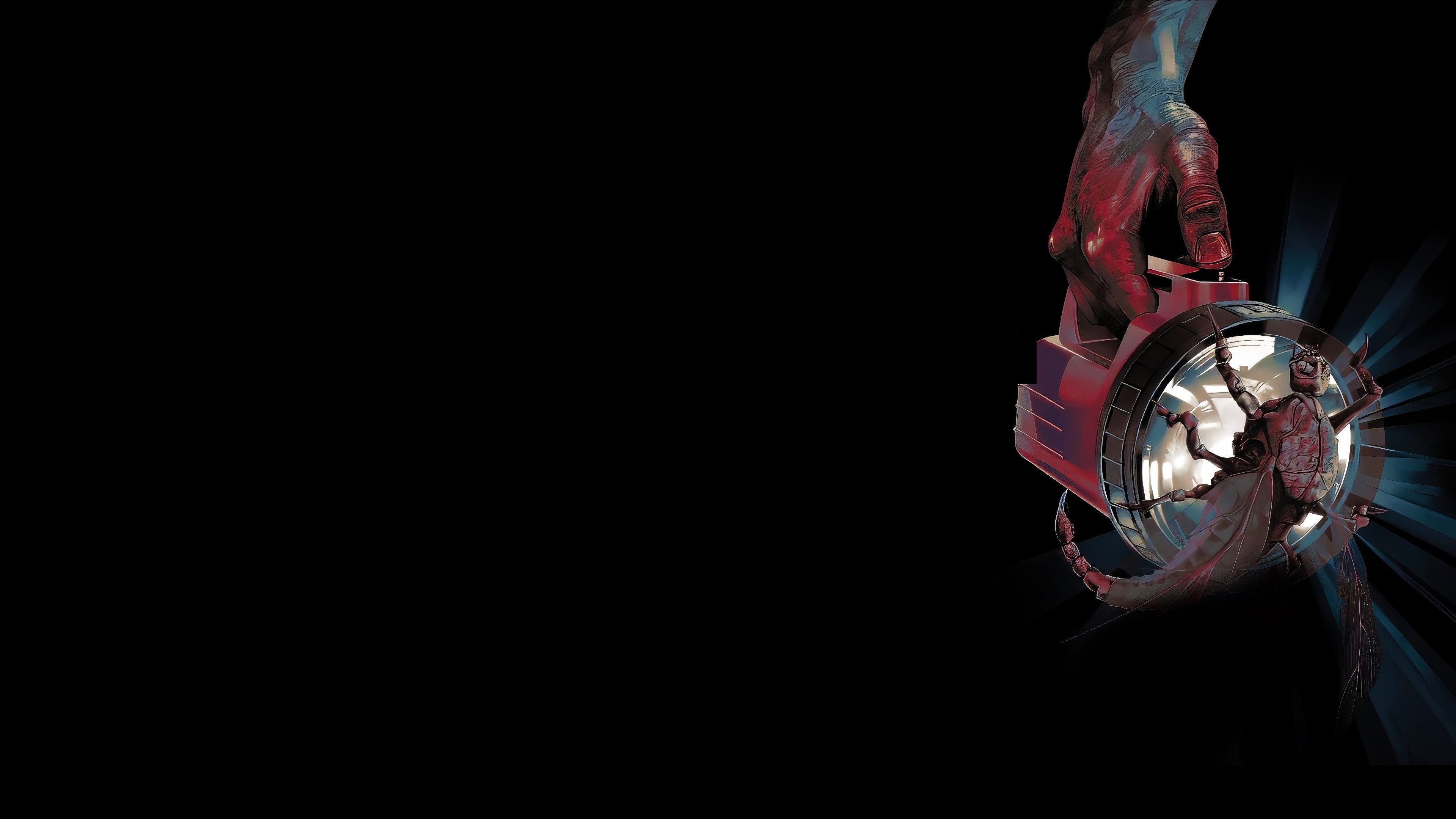
Creature development combined designs and physical models from Greg Nicotero's KNB EFX team with digital animation supervised at CafeFX by Everett Burrell and his colleagues. Nicotero has explained that the fabricated tentacles, insects, birds and spiders were valuable even when they were replaced in finished shots. They helped the actors understand scale and movement and gave the digital artists concrete references for anatomy, lighting and physical interaction. The team approached the creatures as animals displaced into an unfamiliar environment, giving their attacks the recognizable motivations of predation and territorial behavior.

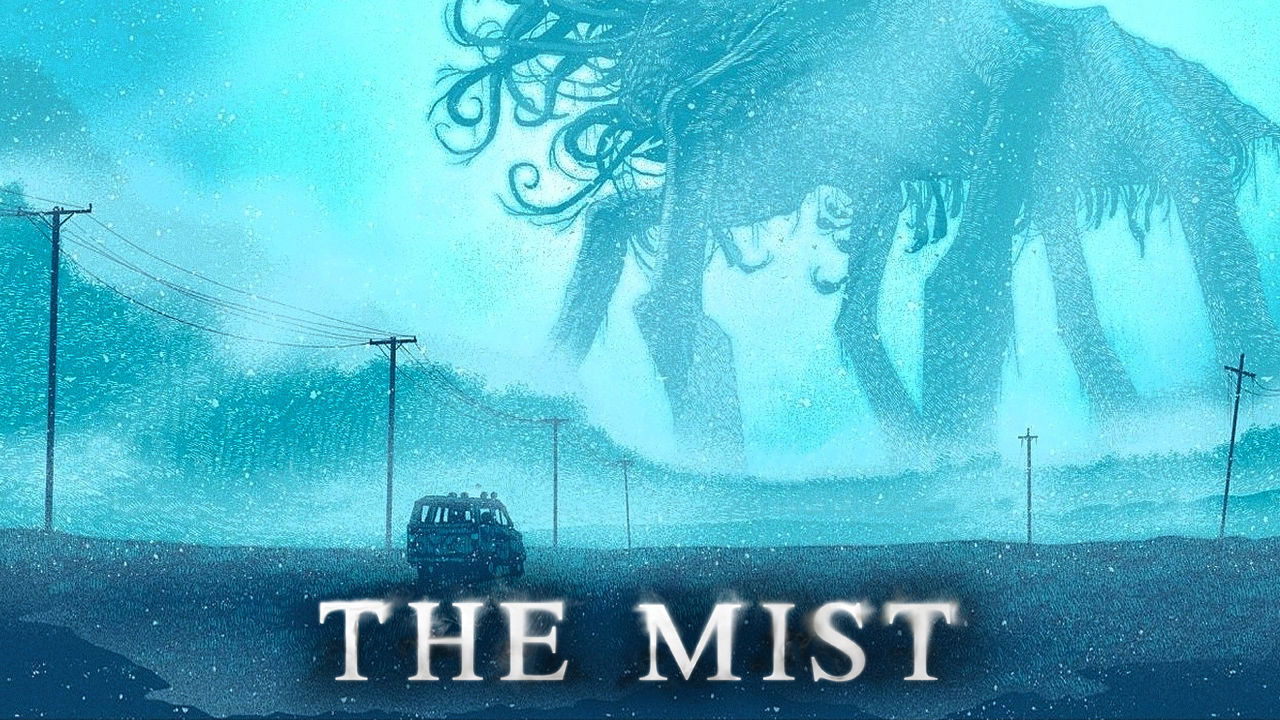
This hybrid method was especially important in the loading-dock tentacle attack, the insect invasion of the store and the spider-infested pharmacy. Some physical creature interactions were filmed but could not be retained when time and technical constraints required different solutions. CafeFX used photographic references from the set to reproduce lighting and reflections, while the animation team studied recognizable animal movement to make the digital beings behave convincingly. The mist was likewise produced through a combination of practical atmosphere and digital work. The contrast in scale, from creatures small enough to strike through a shop window to the immense organism glimpsed later in the film, sustains the suggestion of an ecology beyond the characters' understanding.

Adaptation and the Ending

King's novella ends without conclusively resolving the fate of David and the survivors travelling through the mist. Darabont instead designed an ending dependent on the timing of an irreversible decision. After escaping the supermarket, David finds himself in a vehicle with four other survivors, including his son, and apparently no route to safety. With four bullets remaining, he kills his companions to spare them a death at the hands of the creatures. Almost immediately afterward, military vehicles emerge through the mist as an organized rescue and containment effort becomes visible. The horror is intensified by the discovery that David acted just before salvation arrived.

Darabont considered this reversal essential enough to reject financing that required a less punishing conclusion. In the later production oral history, he traced its spirit to the ending of Night of the Living Dead, where a surviving character is killed through a catastrophic error of judgment. He also reported seeking King's approval for the change before proceeding; King supported the screenplay's departure from his own ending. These accounts establish that the film's final sequence was an intentional adaptation choice, developed before shooting and retained despite its commercial risks.

The scene reshapes the story's concern with knowledge and responsibility. The supernatural threat appears capable of destroying the community, yet the final deaths result from a human decision taken with no reliable means of predicting what will happen next. The reappearance of the woman who earlier left the supermarket to find her children provides a pointed contrast with David's surrender to despair. Responses to the sequence have remained divided, as the participants in the film's later oral history acknowledged. Its continuing notoriety is rooted in that collision between a recognizable impulse to protect loved ones and the unbearable consequences of acting too soon.

The Black-and-White Presentation

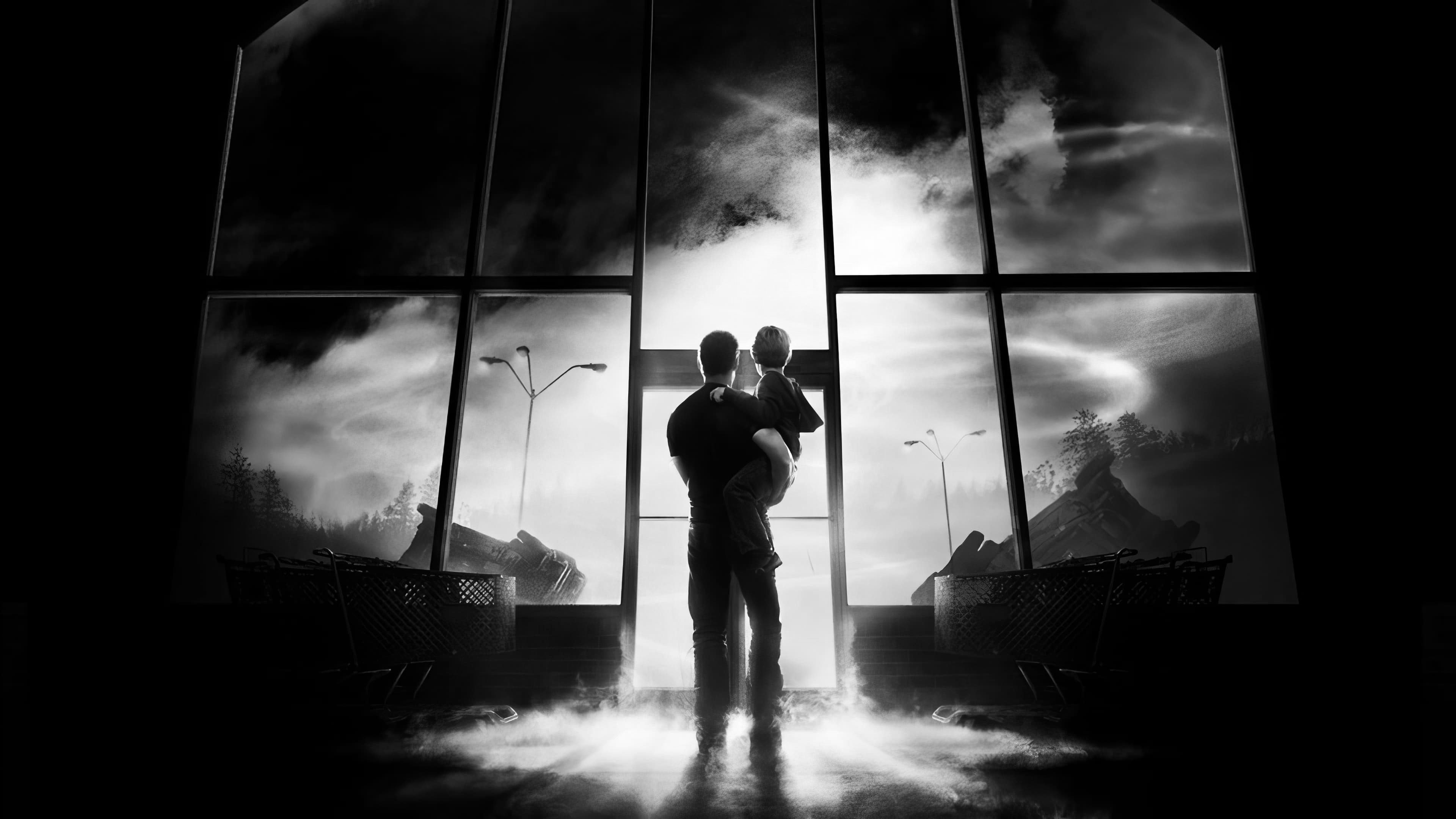
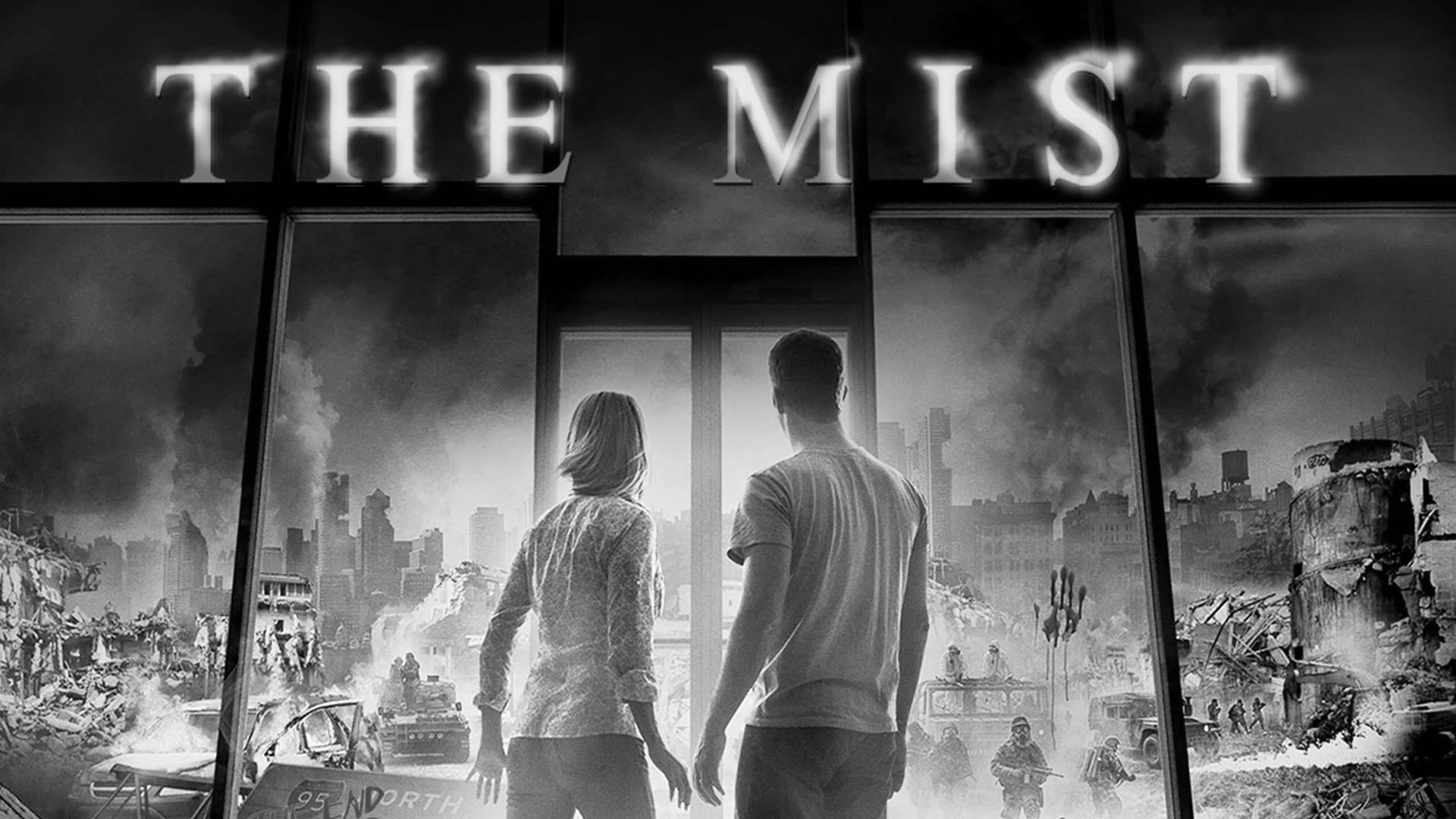
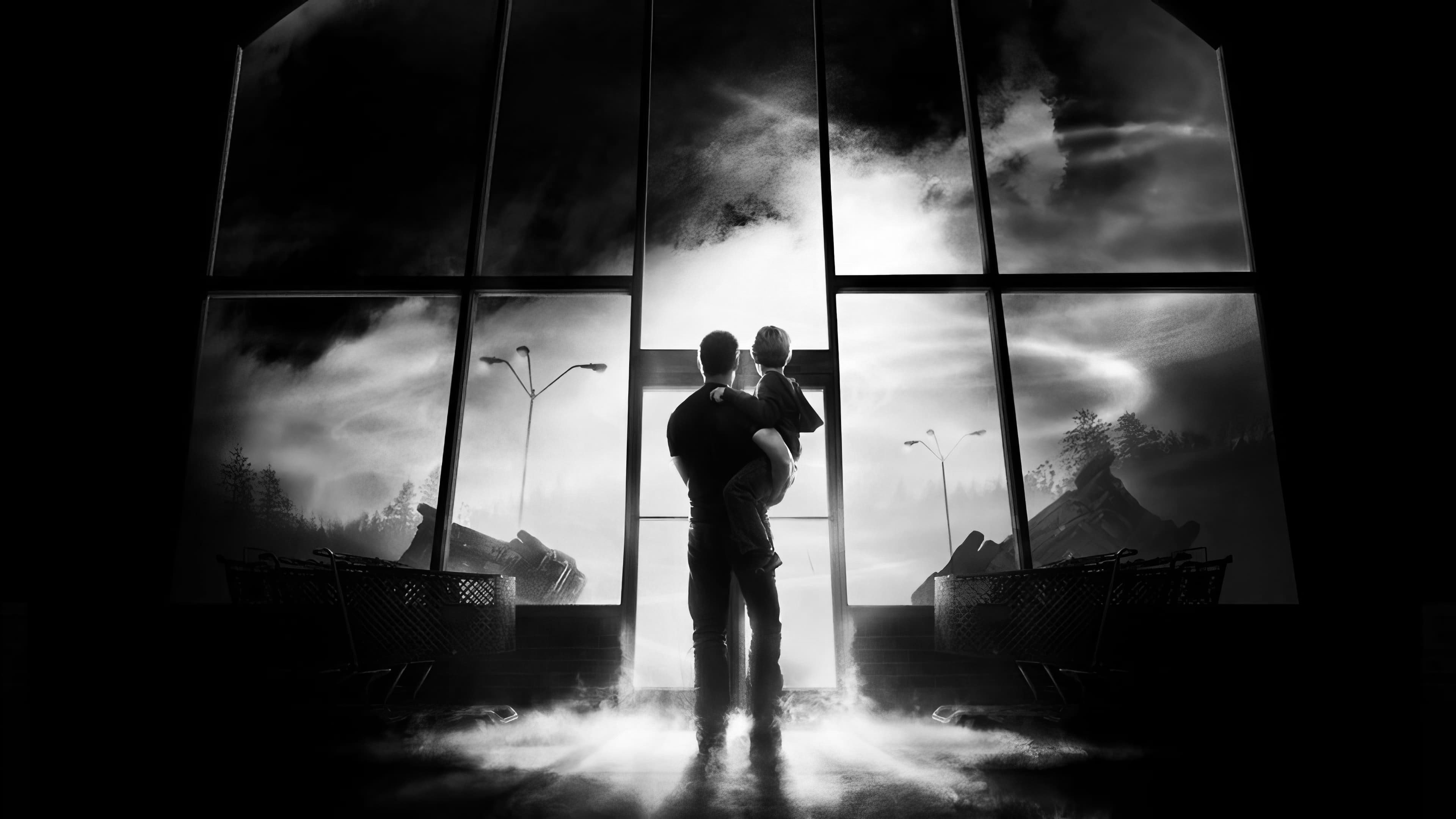
The Mist was photographed and released theatrically in color, but Darabont subsequently prepared a black-and-white presentation for home video. He regarded the monochrome image as particularly suited to the film's roots in the inexpensive science-fiction and horror pictures he had watched as a child. In an interview in 2008, he described the color and monochrome presentations as equally legitimate choices for viewers, while identifying the latter as his personal preference. Its appearance evoked the older traditions of giant-creature cinema and the stark imagery of films such as Night of the Living Dead.

The monochrome presentation was created through a separate timing process with colorist Keith Shaw, adjusting exposure and contrast shot by shot rather than simply removing the color information. That distinction matters because the film depends heavily on the relationship between shadow, illuminated faces and opaque mist. The black-and-white release is therefore best understood as a different photographic presentation of the film, not as a newly edited story or a version with an alternative ending. It makes particularly visible the connection Darabont sought between contemporary digital creatures and the visual traditions of earlier monster films.

Release, Reception and Afterlife

The Mist opened in American theaters on November 21, 2007, through Dimension Films and MGM distribution. Its theatrical release presented the color version, while the black-and-white alternative reached audiences in subsequent home-video editions. The contemporary response illustrates the film's uneasy position between popular monster entertainment and a harsher study of human conduct. Writing at the time of release, critic Michael Phillips praised the tension generated by the restricted supermarket setting and the variety of creatures, while questioning whether the final reversal was as dramatically effective as it was daring.

The ending also became a recurrent subject of discussion among those involved in the production. In a retrospective oral history marking the film's fifteenth anniversary, Thomas Jane and other cast and crew members recalled strongly opposed audience reactions, and the collaborators continued to discuss the monochrome release and the choices made under production constraints. Those recollections document the continuing discussion of its ending, while Jane expressed a preference for the black-and-white edition and Schmidt reflected on how he might have photographed certain scenes differently for monochrome. Its distinctive place in Darabont's career rests on the deliberately abrasive final act and a creature-effects production whose visual methods were shaped by limited resources.

References

  1. SlashFilm The Mist: An Oral History of Frank Darabont’s Gut-Wrenching Stephen King Adaptation

    Extensive first-hand recollections from Darabont, performers and crew concerning development, financing, shooting, the ending and later reception.

  2. Lilja’s Library Interview: Gregory Nicotero

    Original interview detailing KNB creature models, digital integration, production schedules and the intended animal behavior of the designs.
  3. Computer Graphics World CafeFX Reveals Horror Lurking in The Mist
    Technical account of digital creature animation, photogrammetry, practical references and the integration of atmosphere with effects.
  4. Classic-Horror.com Frank Darabont (The Mist) Interview

    Direct interview explaining the director’s preference for monochrome, its genre references and the separate photographic timing process.

  5. Los Angeles Times Evil Emerges from The Mist

    Contemporary review by Michael Phillips assessing the supermarket setting, monster sequences and contentious conclusion.

Cast

View Full Cast & Crew →

Release & Distribution

Production Companies (2)

  • Darkwoods Productions US
  • Dimension Films US

Distributors (1)

  • Lucky Red Distribuzione IT

Release History (72)

Release DateTerritoryRelease TypeFormatDistributorCertificationNotes
2007-11-12 United States Premiere — — — New York City, New York
2007-11-21 Indonesia Theatrical — — —
2007-11-21 India Theatrical — — —
2007-11-21 United States Theatrical — — R
2007-11-22 Russia Theatrical — — 18+
2007-11-22 Ukraine Digital — — —
2007-11-23 Canada Theatrical — — 18A
2007-12-13 Greece Theatrical — — —
2007-12-14 Lithuania Theatrical — — —
2007-12-21 Estonia Theatrical — — —
2008-01-04 Latvia Theatrical — — —
2008-01-10 South Korea Theatrical — — 15
2008-01-11 Iceland Theatrical — — —
2008-01-17 Brazil Theatrical — — 18
2008-01-17 Germany Theatrical — — 16
2008-01-24 Switzerland Theatrical — — —
2008-01-24 Malaysia Digital — — —
2008-01-24 Singapore Theatrical — — NC16
2008-02-06 Philippines Theatrical — — R-13
2008-02-07 Australia Theatrical — — MA 15+
2008-02-07 Netherlands Theatrical — — 16
2008-02-07 New Zealand Digital — — R16
2008-02-21 Hong Kong SAR China Theatrical — — IIB
2008-02-22 Austria Theatrical — — —
2008-02-27 Switzerland Theatrical — — —
2008-02-27 France Theatrical — — 12
2008-02-28 Thailand Theatrical — — —
2008-02-29 Mexico Theatrical — — B-15
2008-02-29 Türkiye Theatrical — — 18+
2008-03-05 Egypt Theatrical — — —
2008-03-05 Israel Digital — — —
2008-03-06 Kuwait Theatrical — — —
2008-03-07 Poland Theatrical — — 16
2008-03-13 Croatia Theatrical — — —
2008-03-27 Portugal Theatrical — — M/16
2008-03-28 Taiwan Theatrical — — 18+
2008-04-06 Albania Digital — — —
2008-04-11 Bulgaria Theatrical — — —
2008-04-17 Denmark Theatrical — — 15
2008-04-18 Romania Theatrical — — 18
2008-04-23 Belgium Theatrical — — 18
2008-04-26 United Kingdom Premiere — — — Dead by Dawn Horror Film Festival
2008-05-09 Finland Theatrical — — K-16
2008-05-09 South Africa Theatrical — — —
2008-05-10 Japan Theatrical — — R15+
2008-05-30 Spain Theatrical — — 18
2008-05-30 Sweden Theatrical — — 15
2008-06-05 Argentina Theatrical — — +13
2008-06-06 Serbia Digital — — —
2008-07-04 United Kingdom Theatrical — — 15
2008-07-04 Ireland Theatrical — — 16
2008-07-07 Kazakhstan Digital — — —
2008-07-11 Norway Theatrical — — 15
2008-09-01 Chile Theatrical — — —
2008-09-12 Venezuela Theatrical — — —
2008-09-18 France Physical DVD — — DVD
2008-10-10 Italy Theatrical — — VM14
2008-10-15 Brazil Physical DVD — — DVD
2008-10-29 Sweden Physical DVD — 15 DVD release
2008-11-27 Peru Theatrical — — —
2008-11-28 Colombia Theatrical — — —
2008-12-04 France Physical Blu-ray — — Blu-Ray
2008-12-05 Sweden Physical Blu-ray — 15 Blu-ray release
2008-12-12 Uruguay Theatrical — — —
2009-02-04 Hungary Physical DVD — 16 DVD
2009-07-10 Netherlands Physical Blu-ray — 16 Blu ray
2009-12-01 Netherlands Physical DVD — 16 DVD
2010-10-30 Netherlands TV — — 16 Nederland 3
2012-06-21 United Arab Emirates TV — — —
2015-07-05 Philippines TV — — — ABS-CBN, Sunday's Best
2021-10-06 France Digital — — — VOD
2022-03-01 France Digital — — 16 Netflix
Fear changes everything.