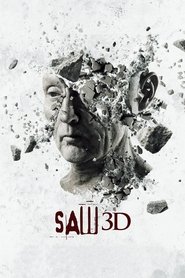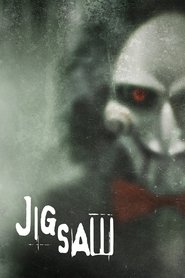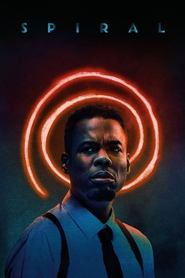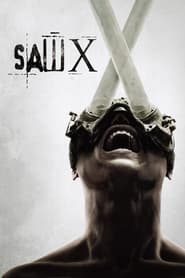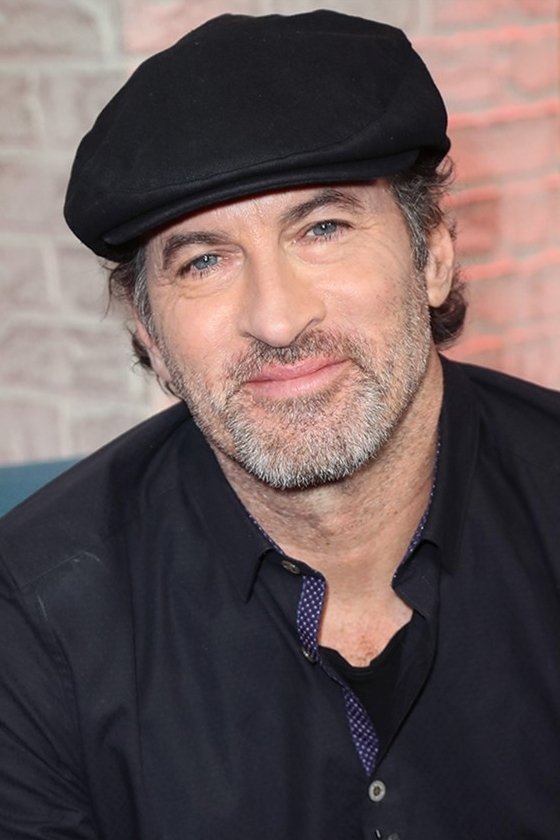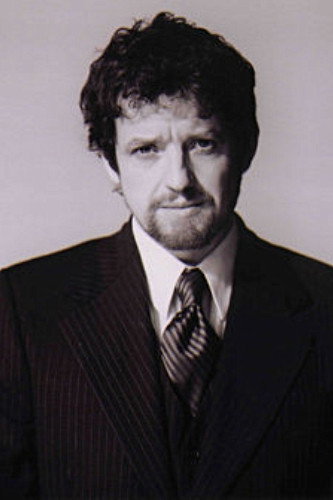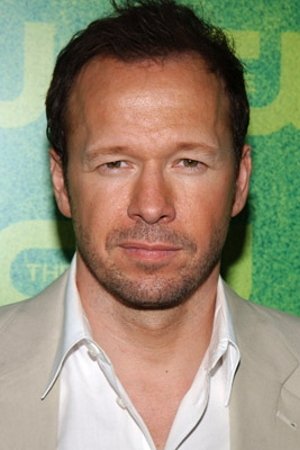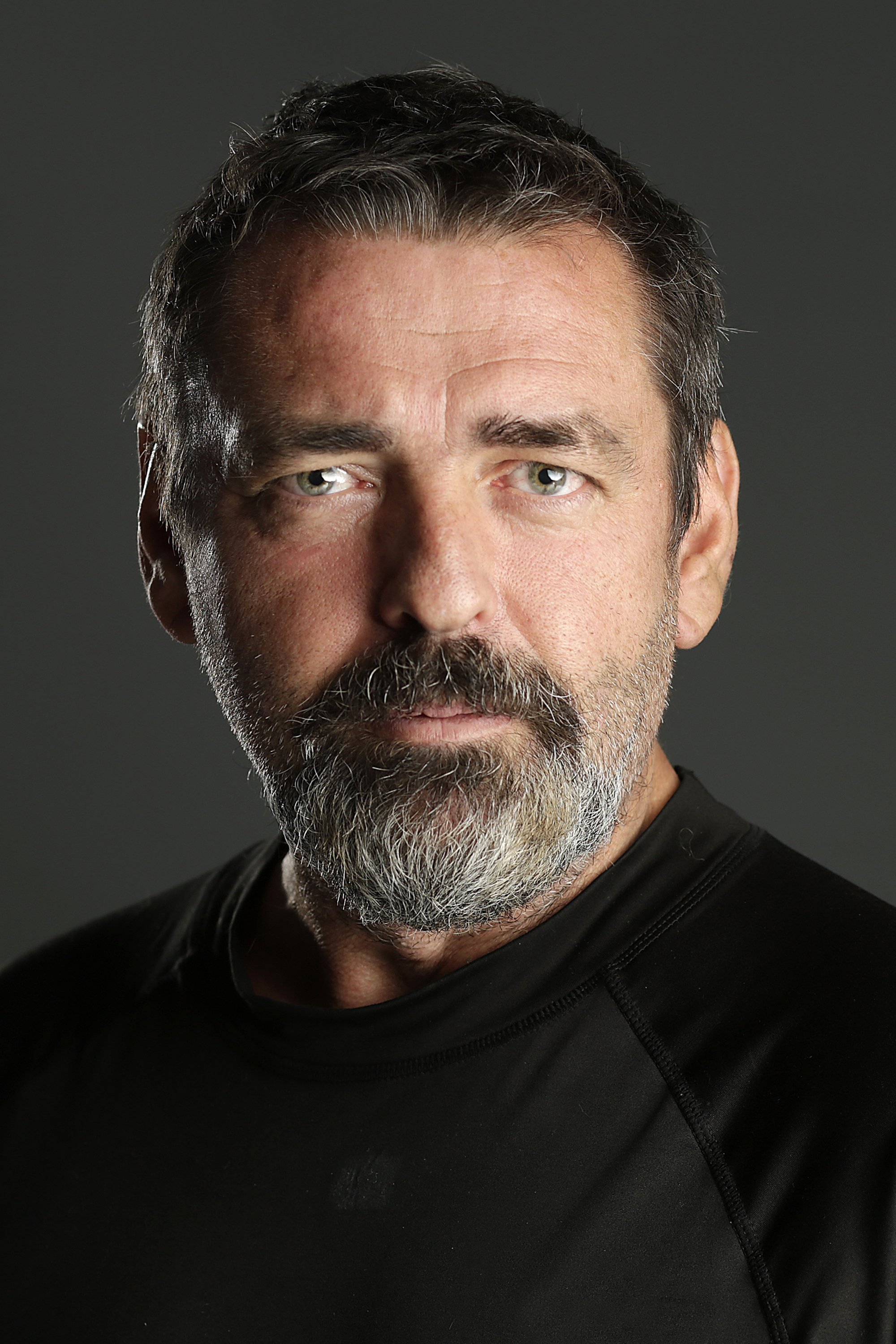
Saw IV (2007)

US
5.0/10 4 votes
Runtime
96 min
Release
October 25, 2007
Budget
$10,000,000
Revenue
$139,352,653
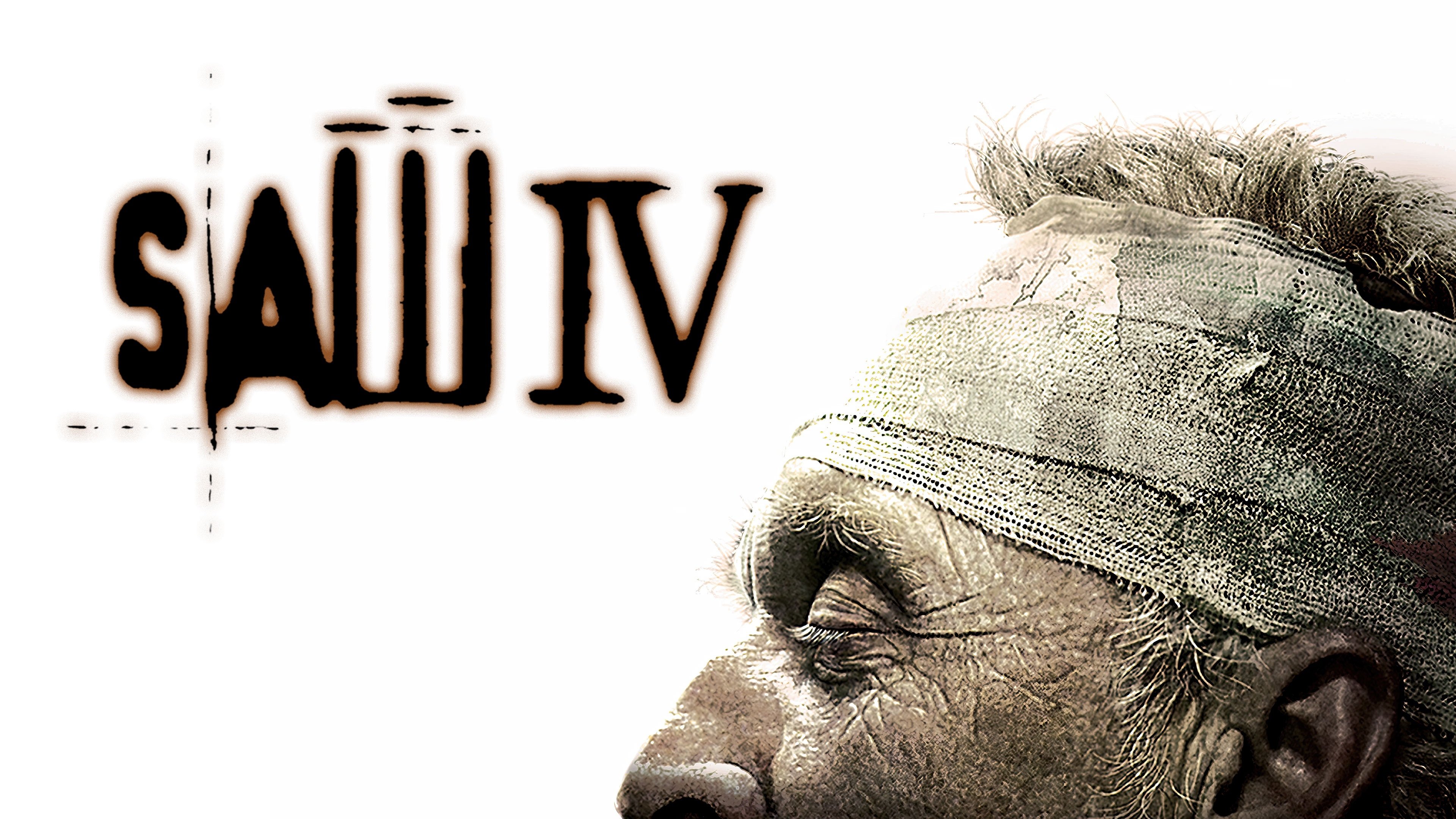
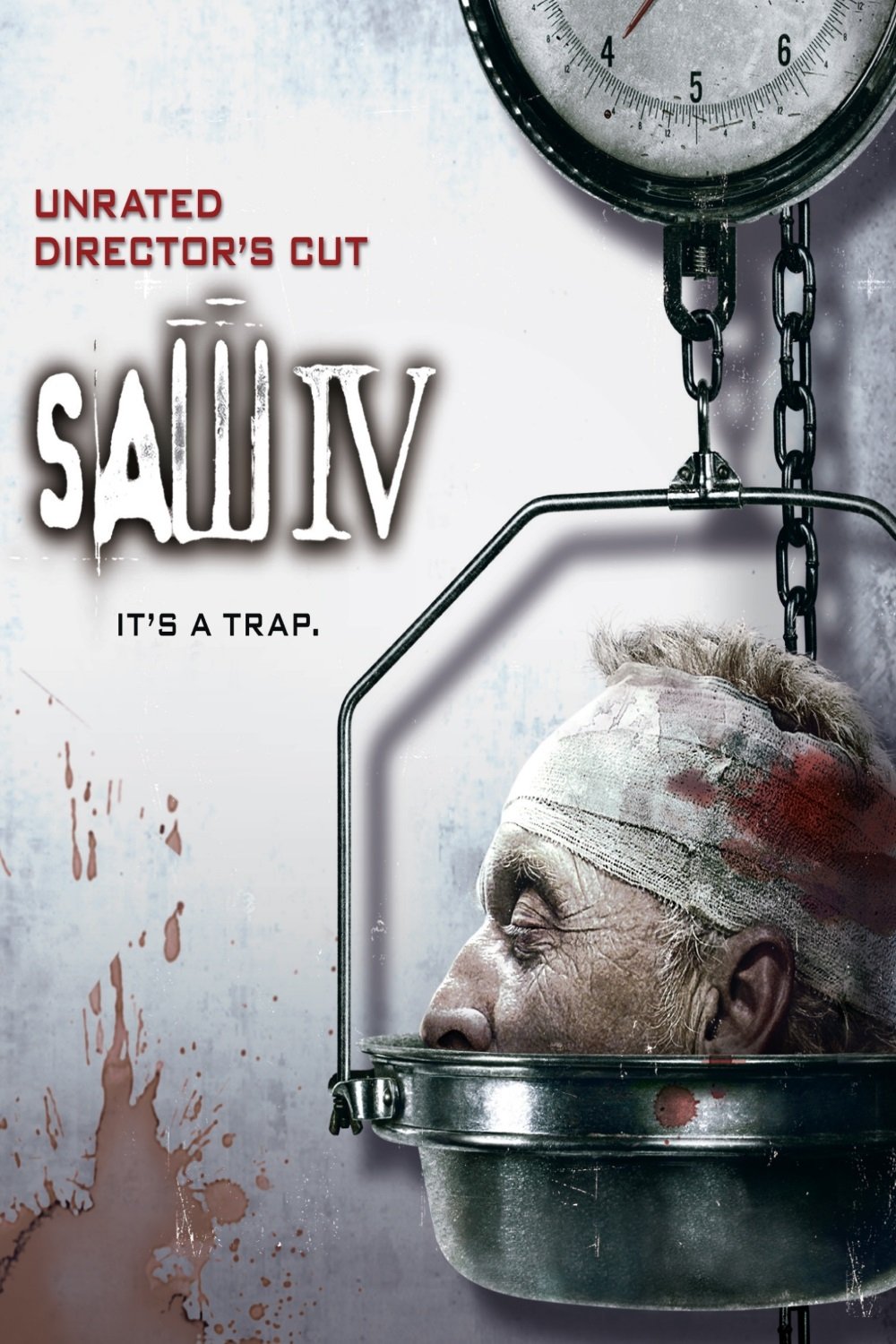
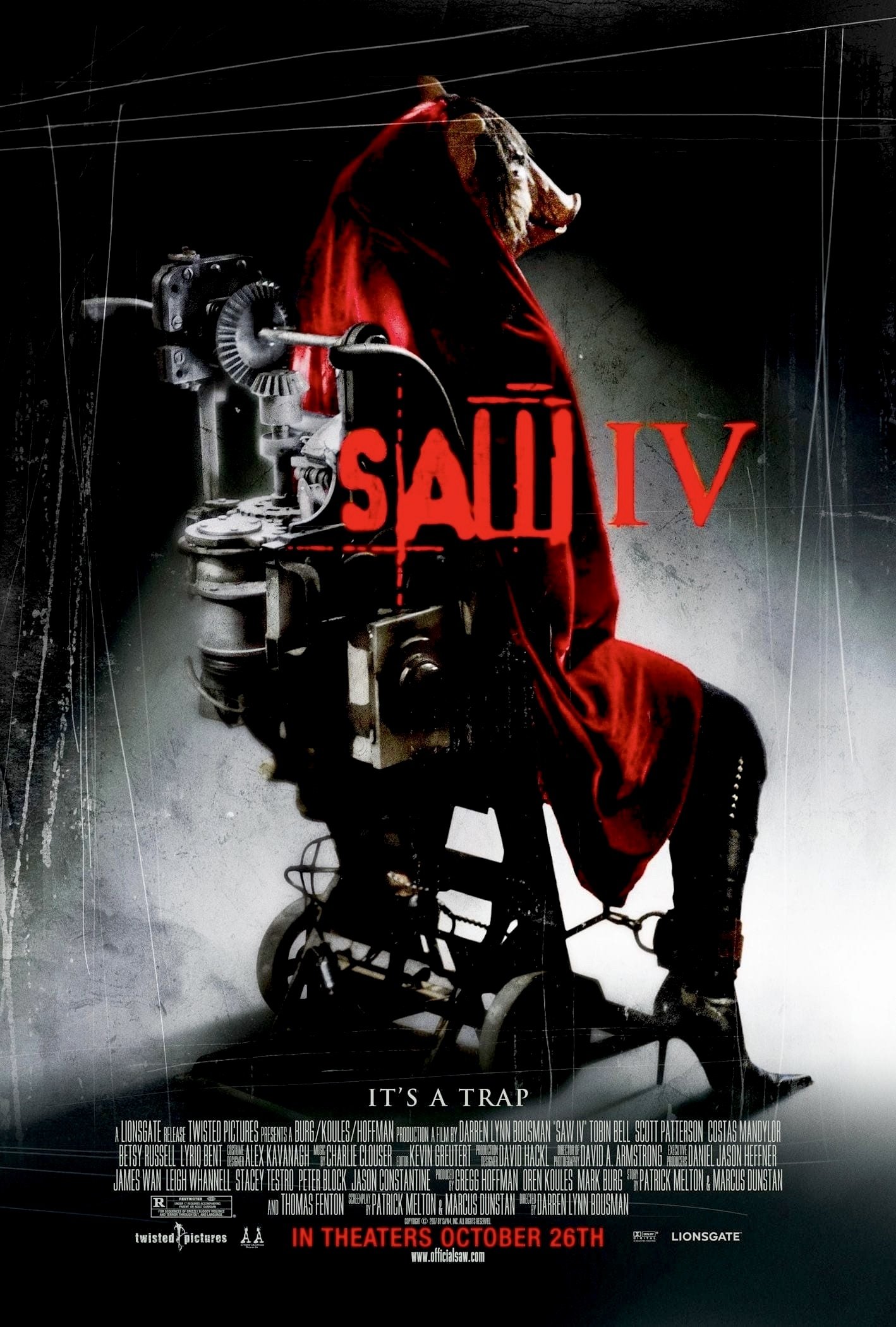
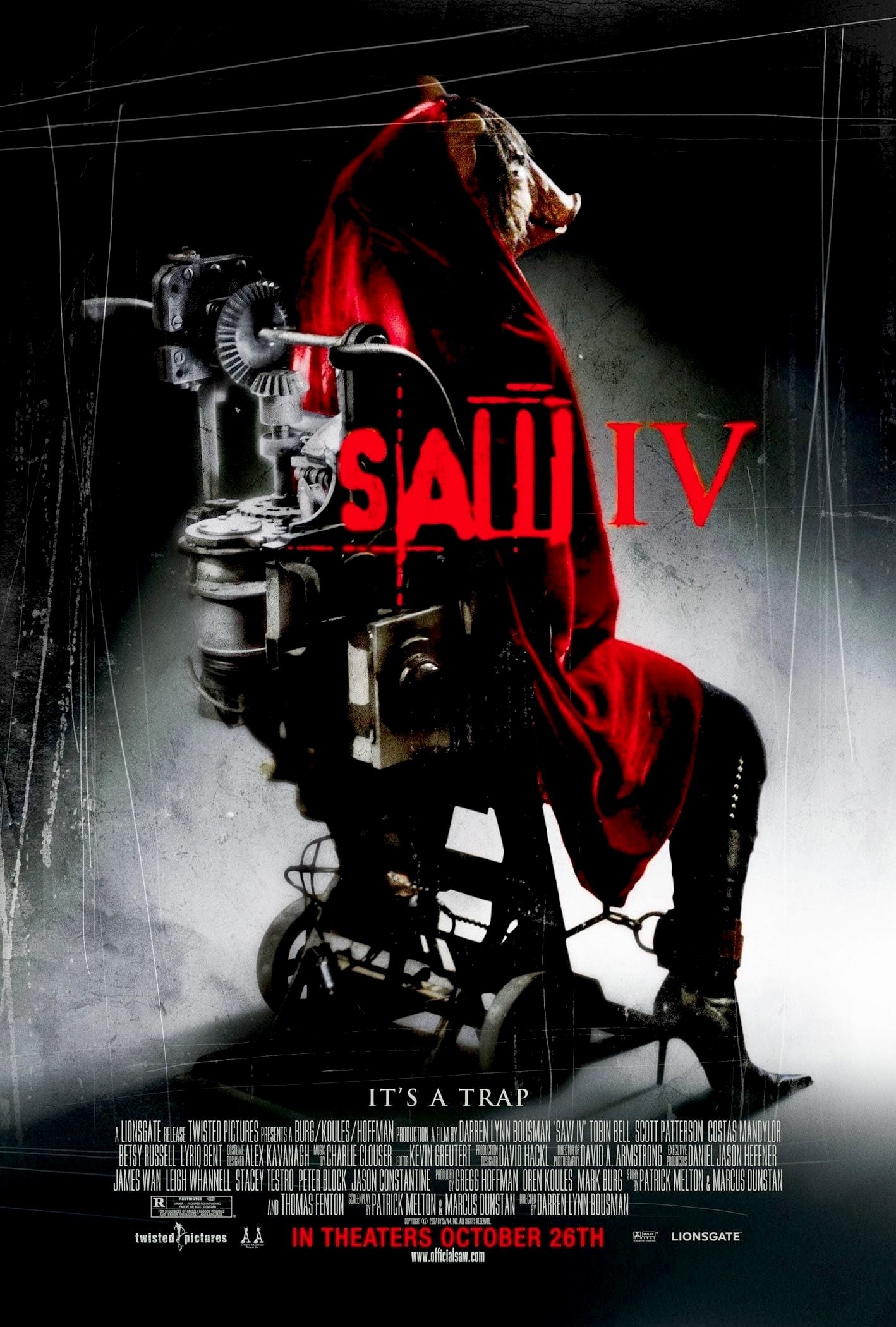
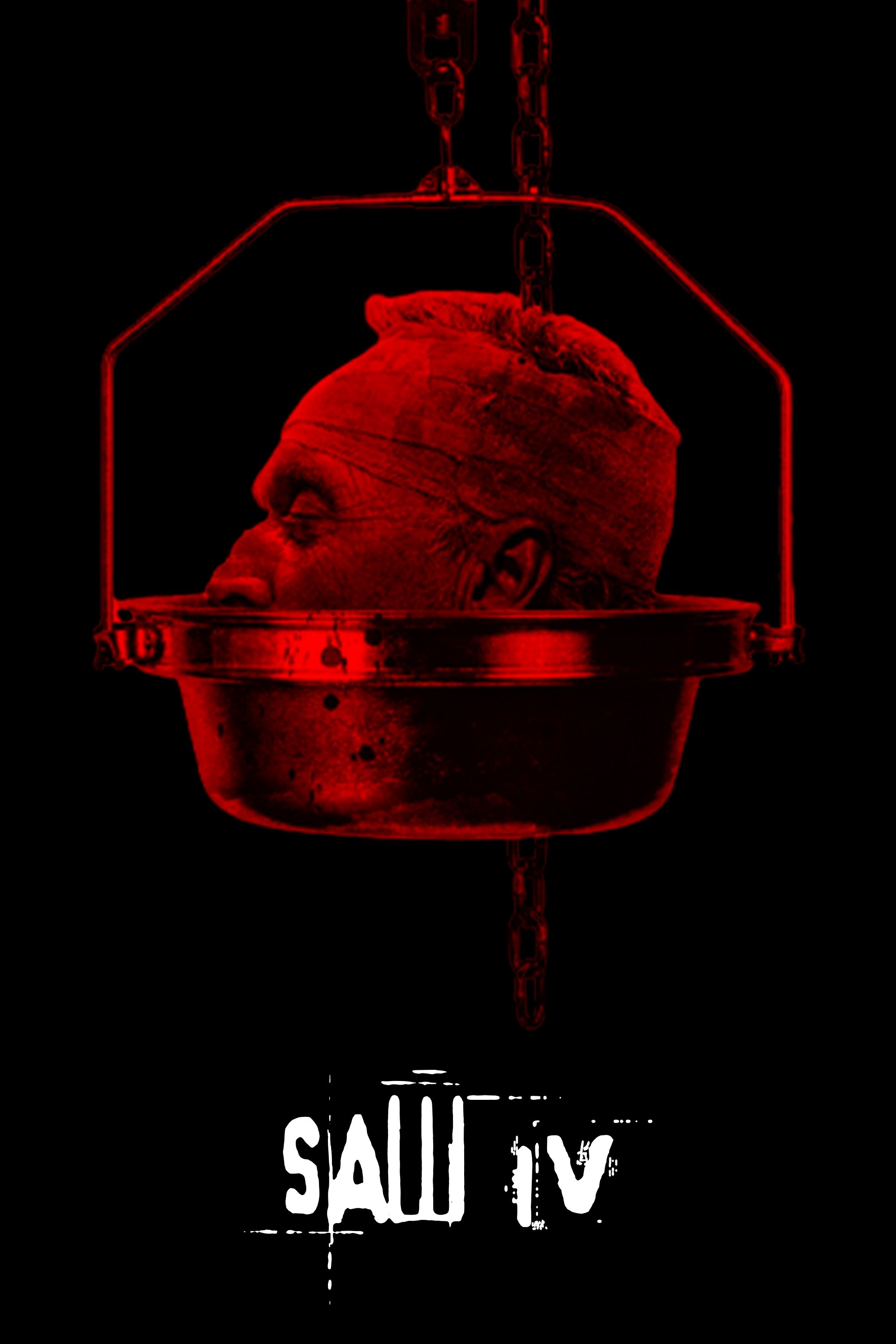
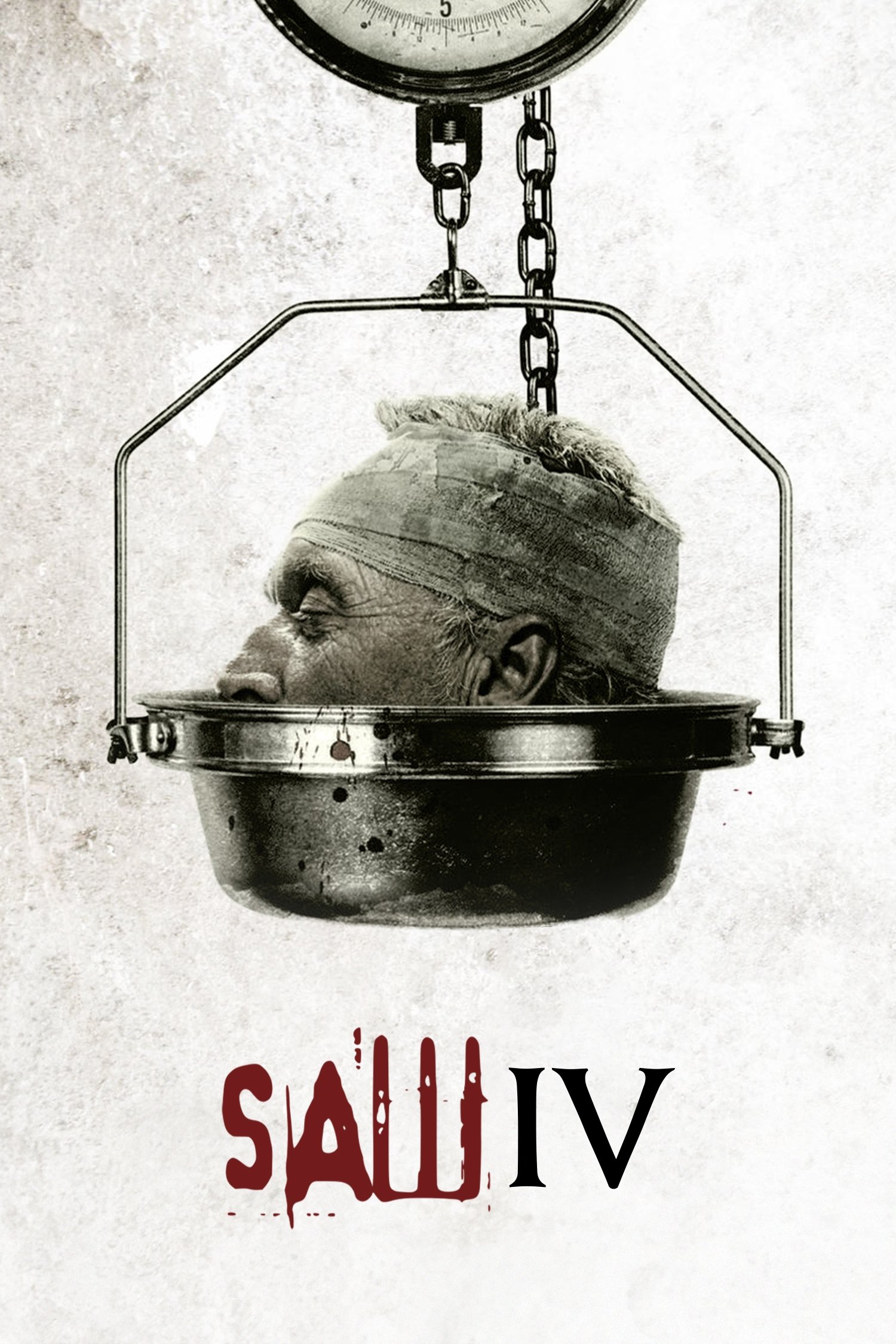
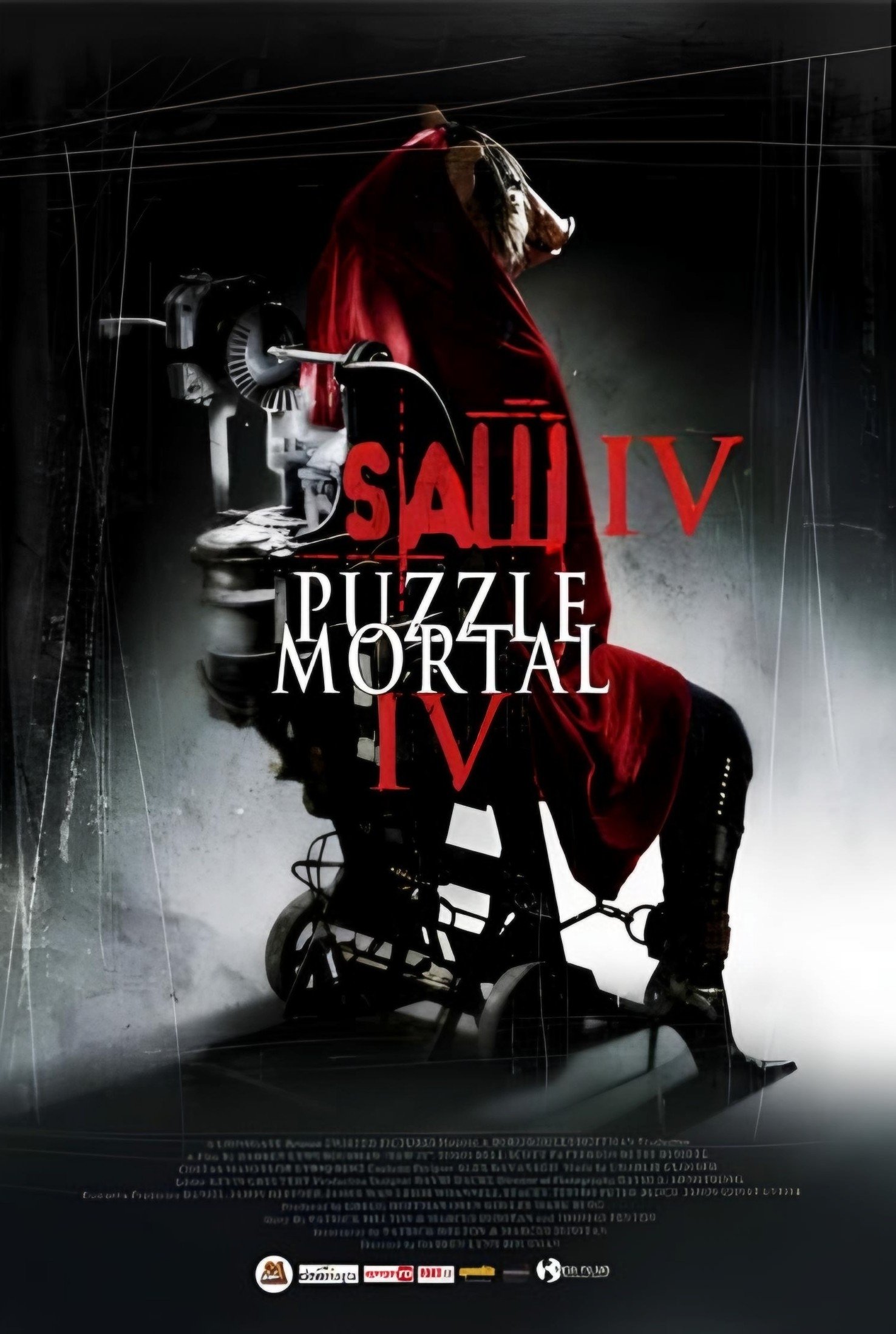
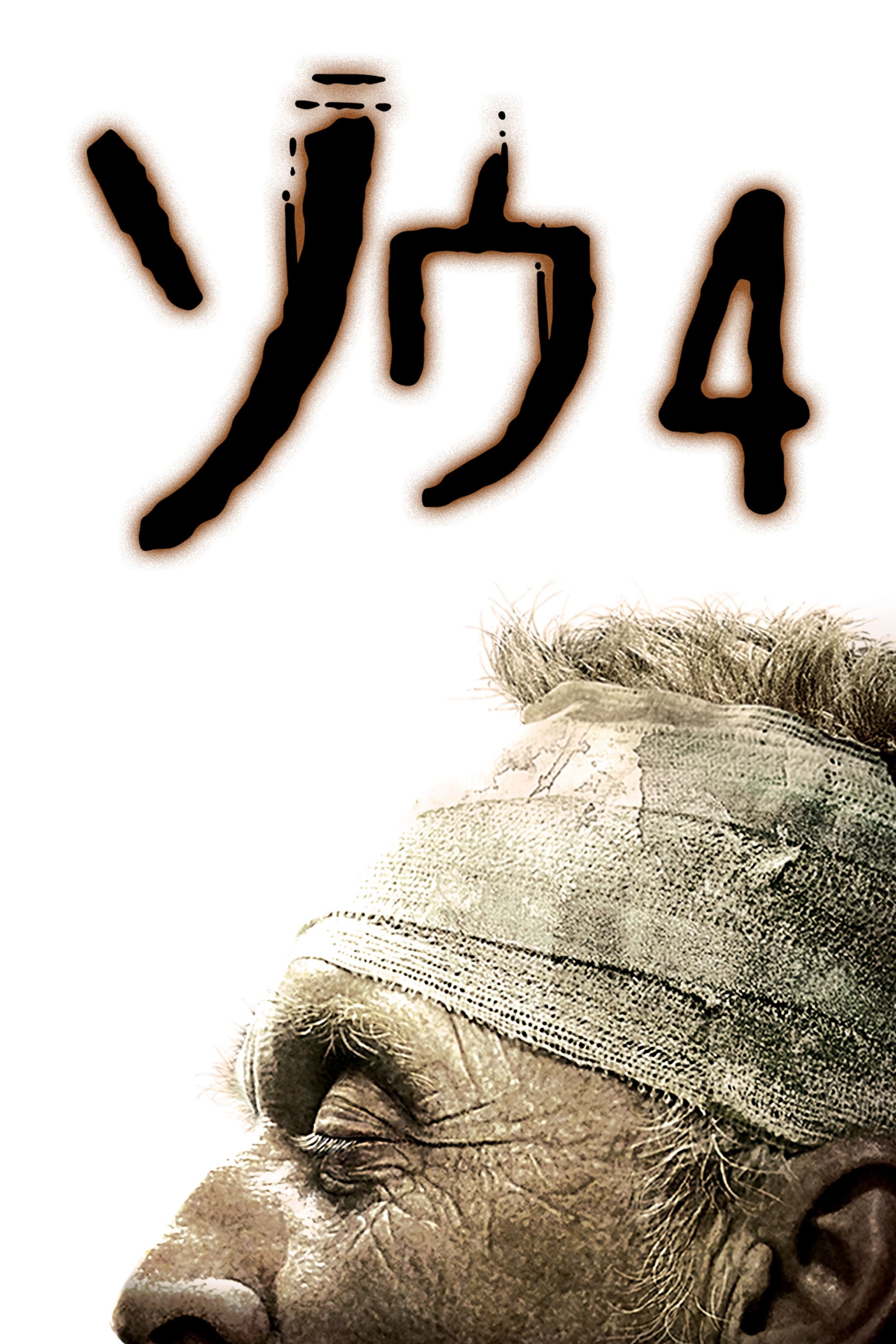
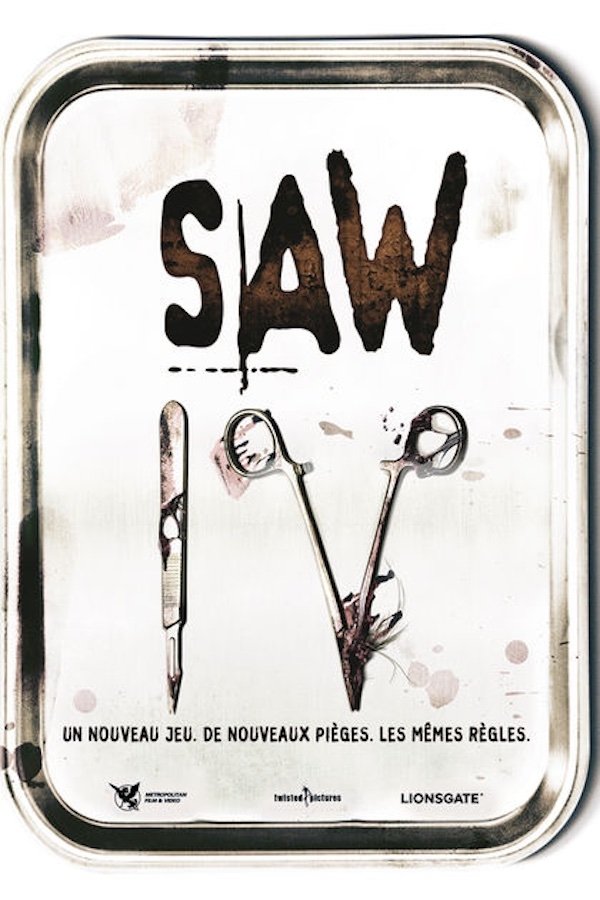
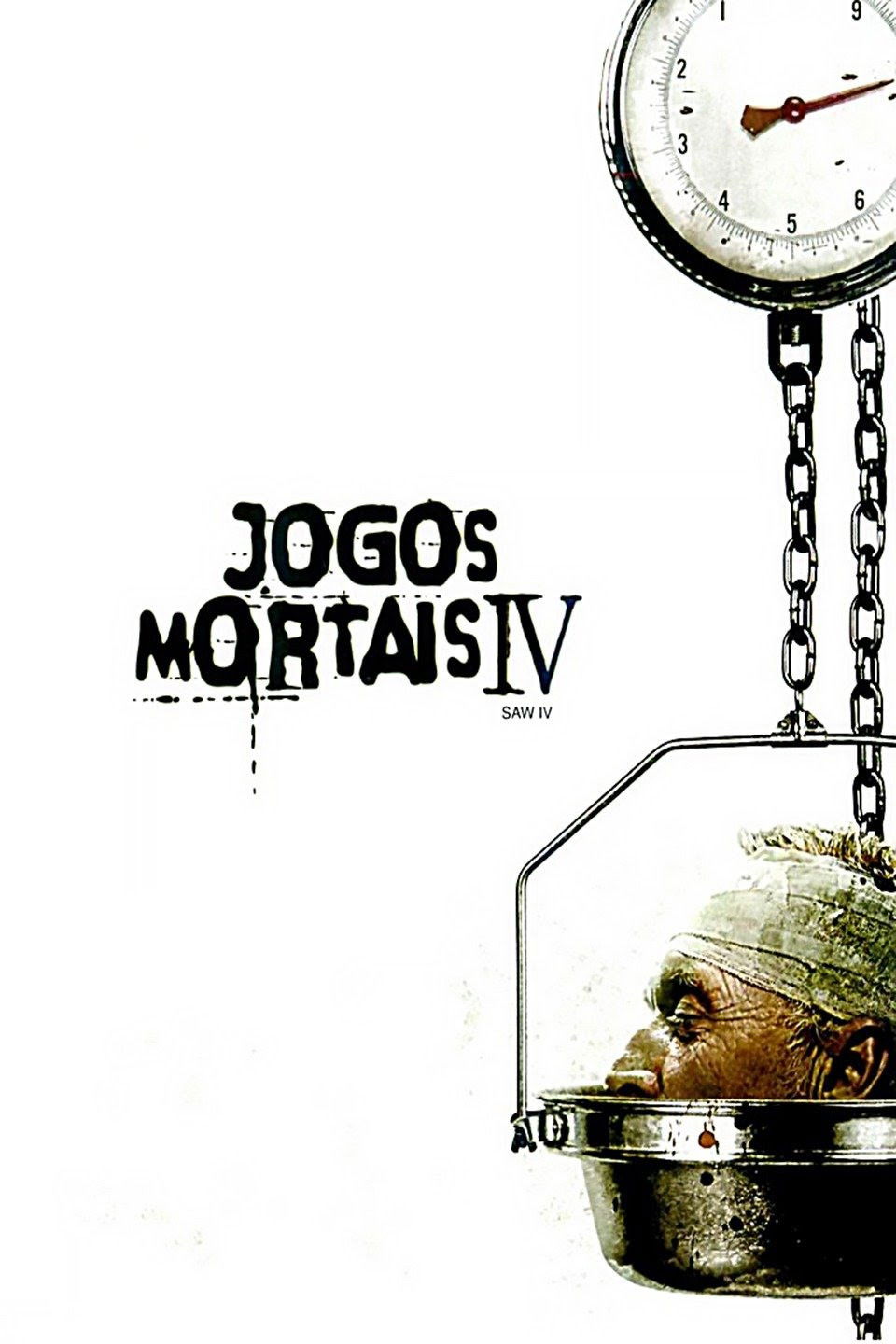
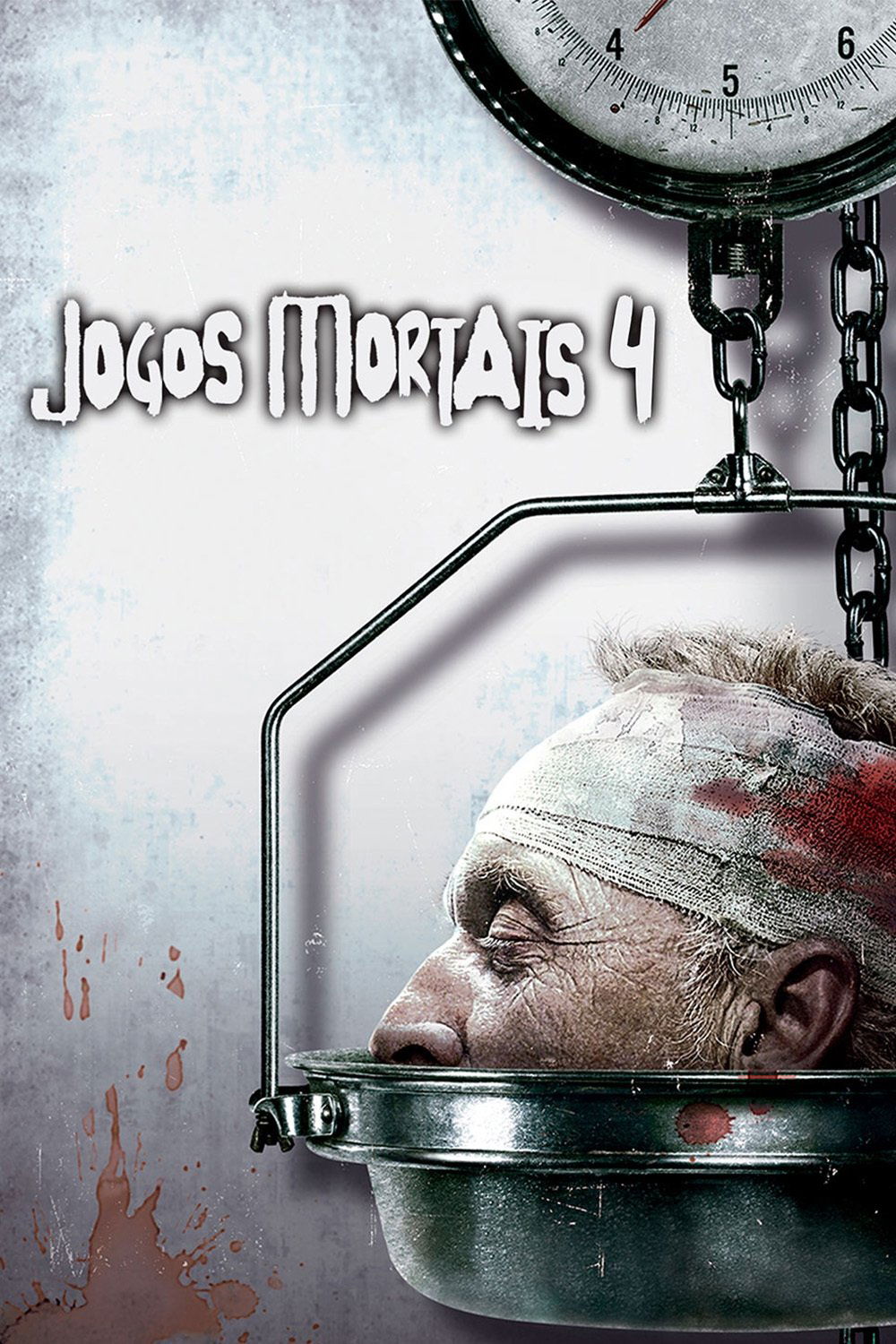
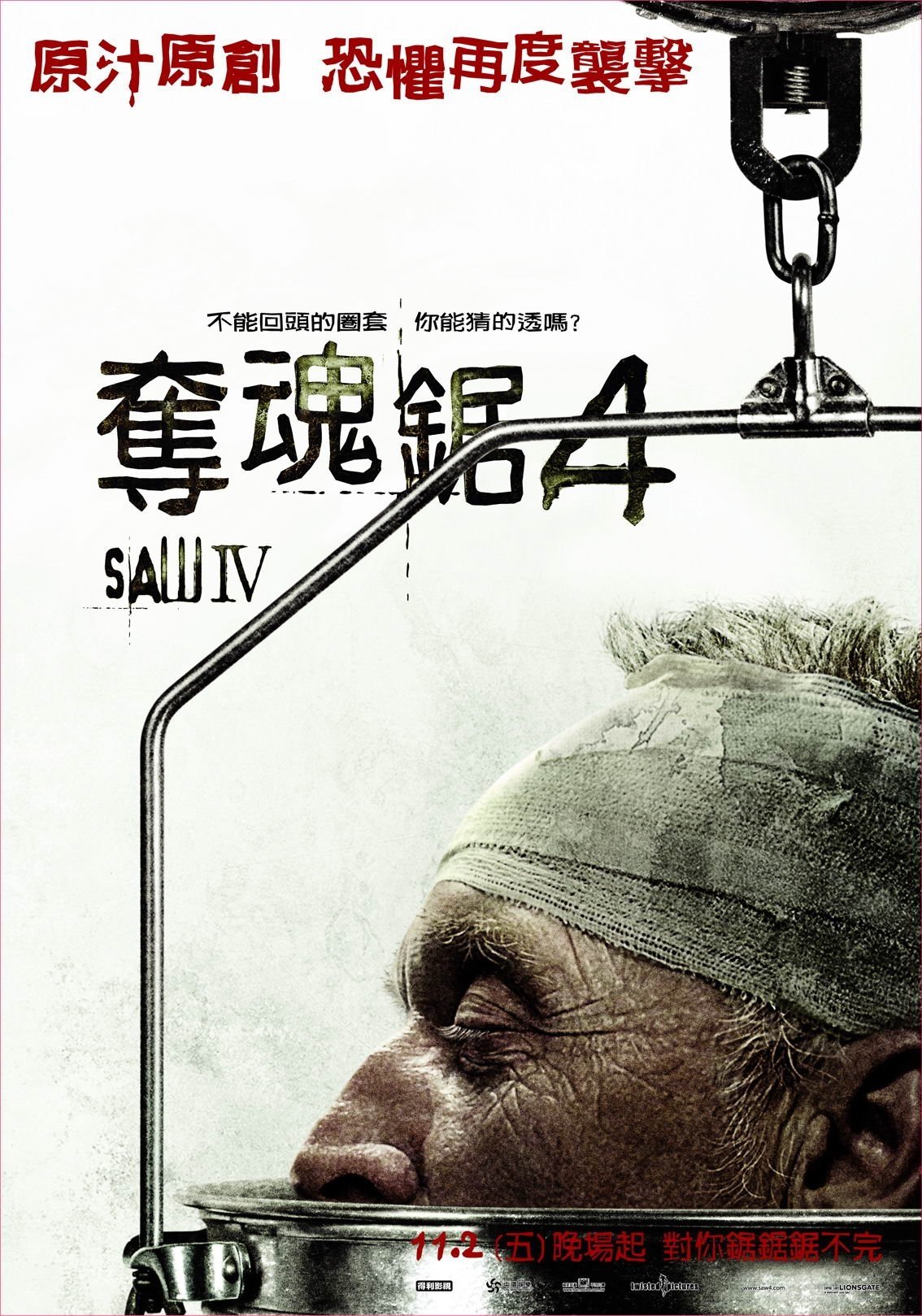
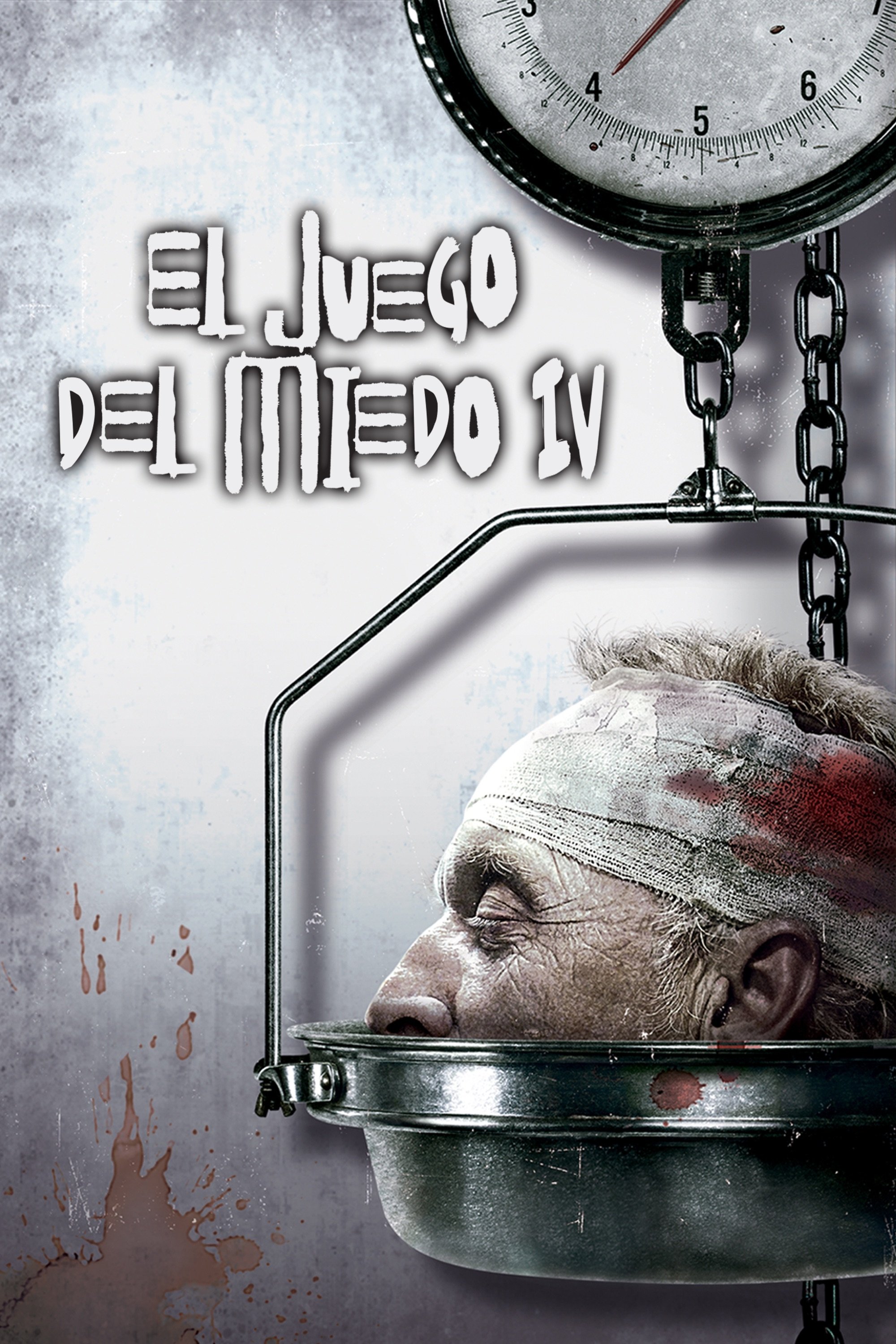
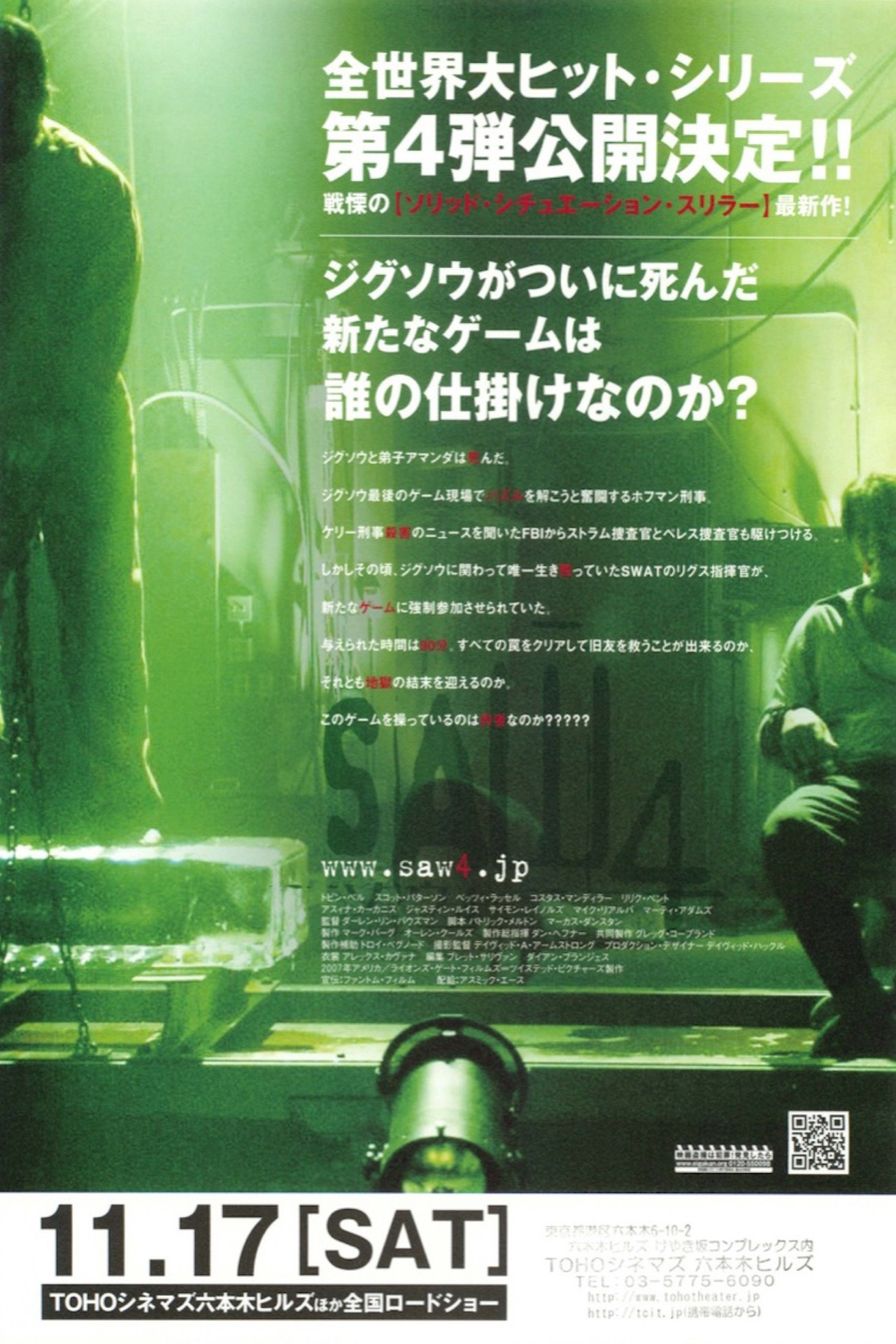
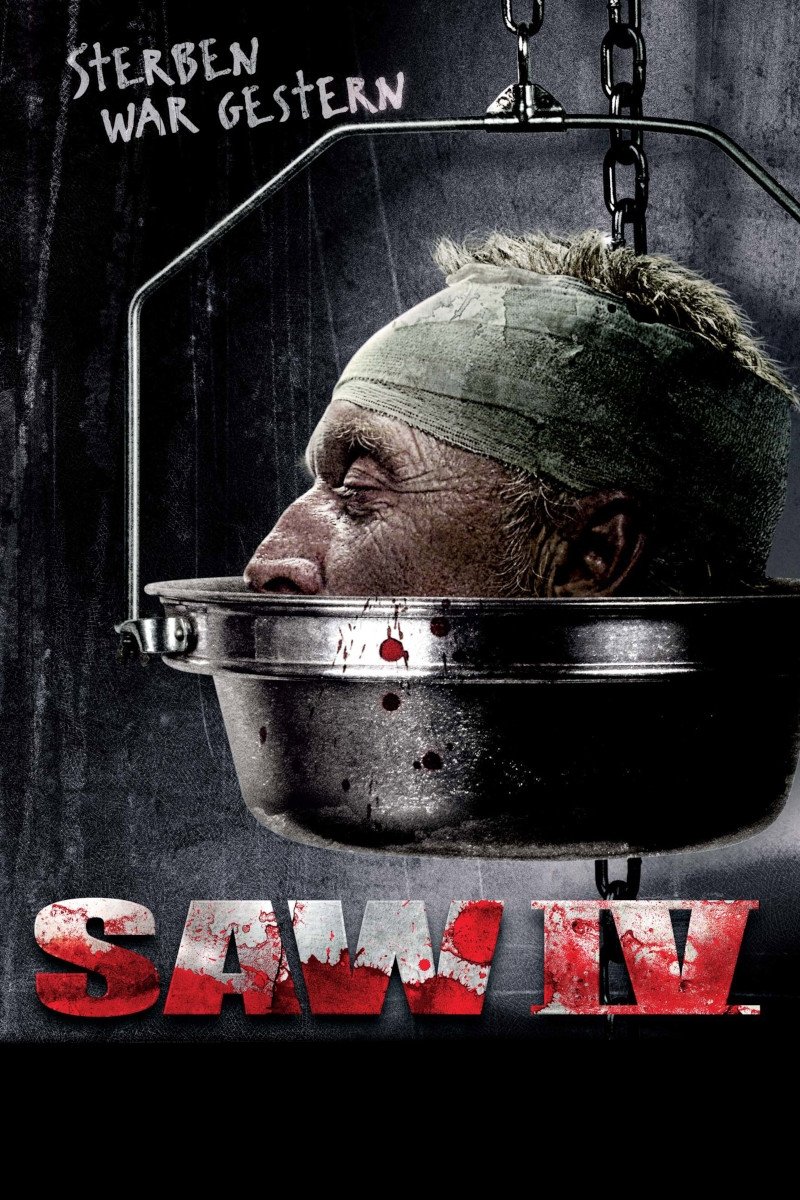
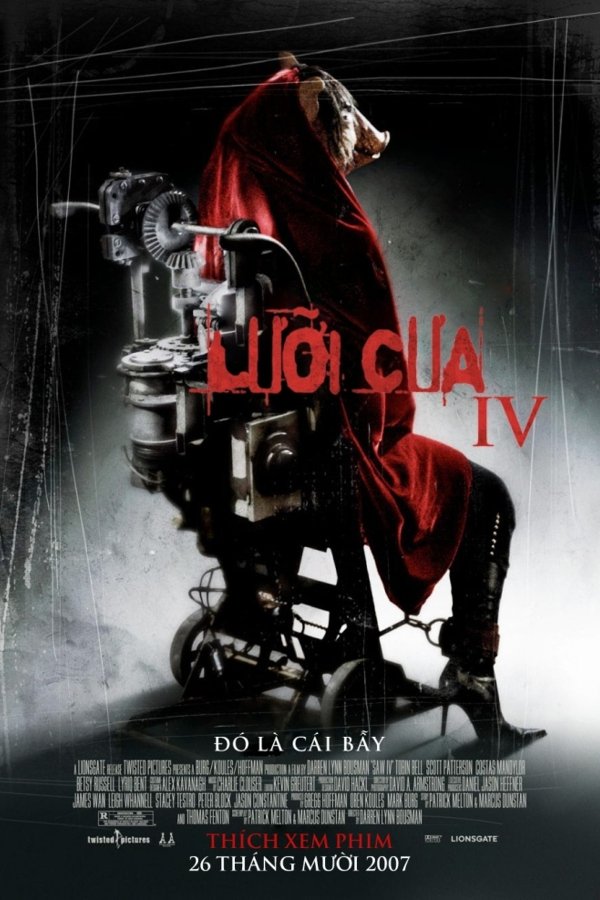
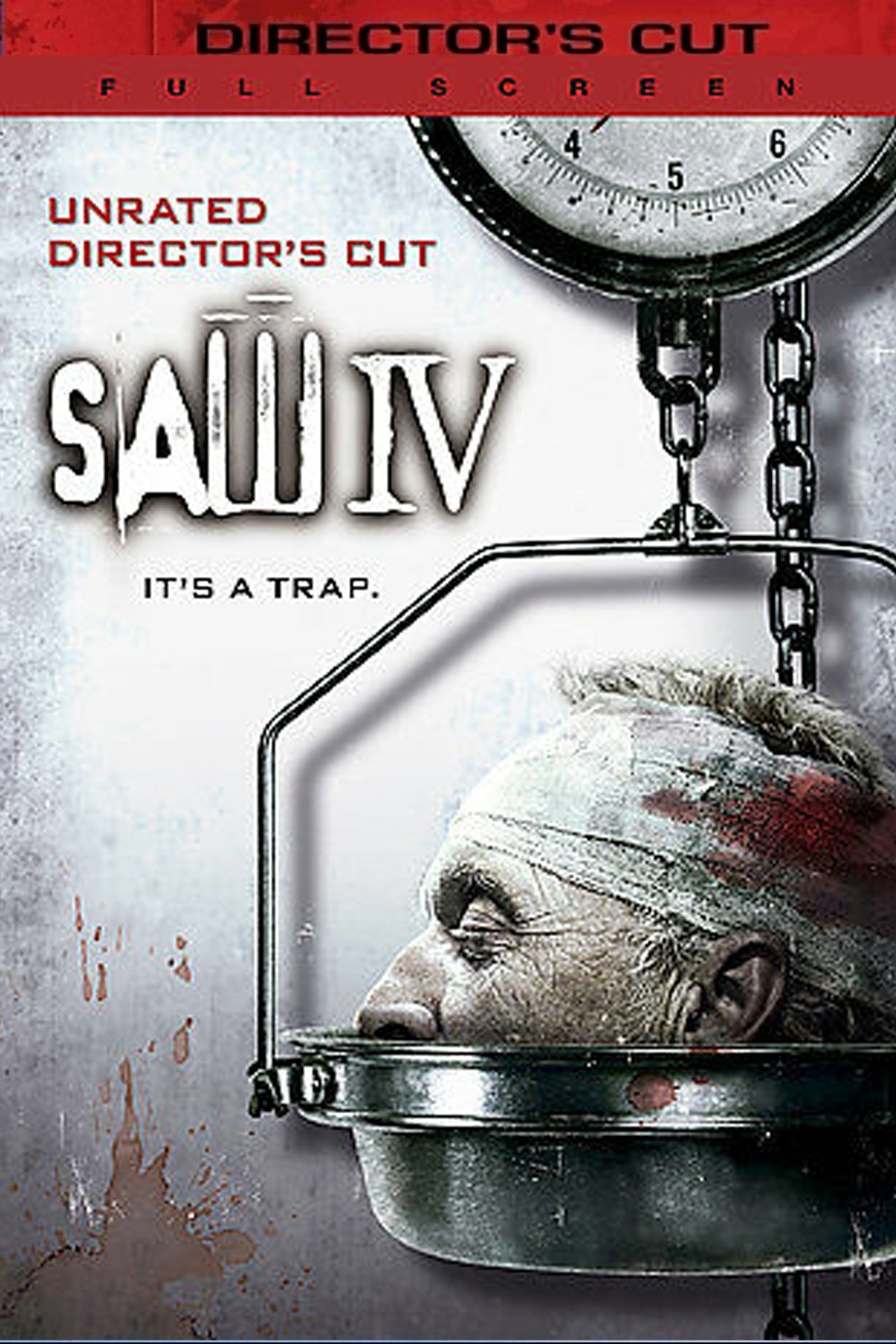
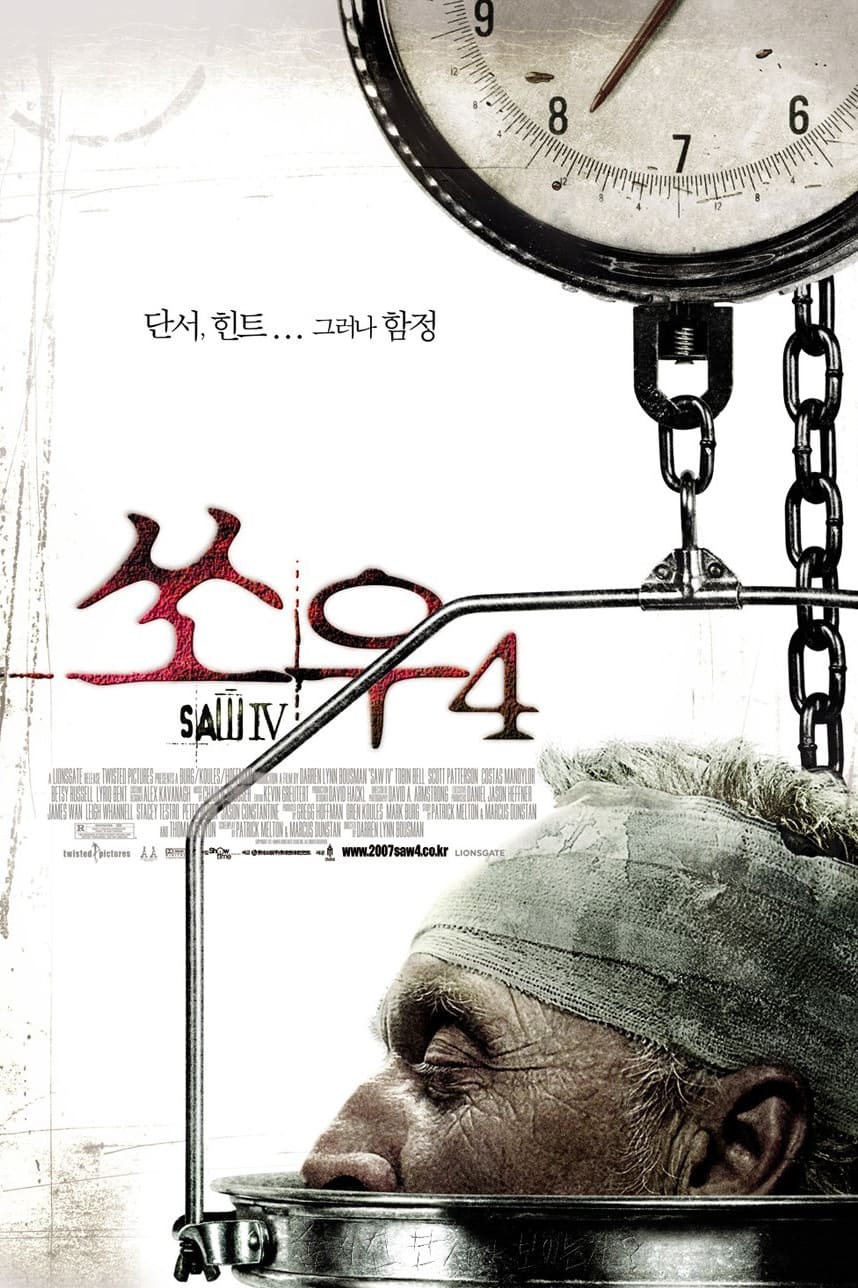
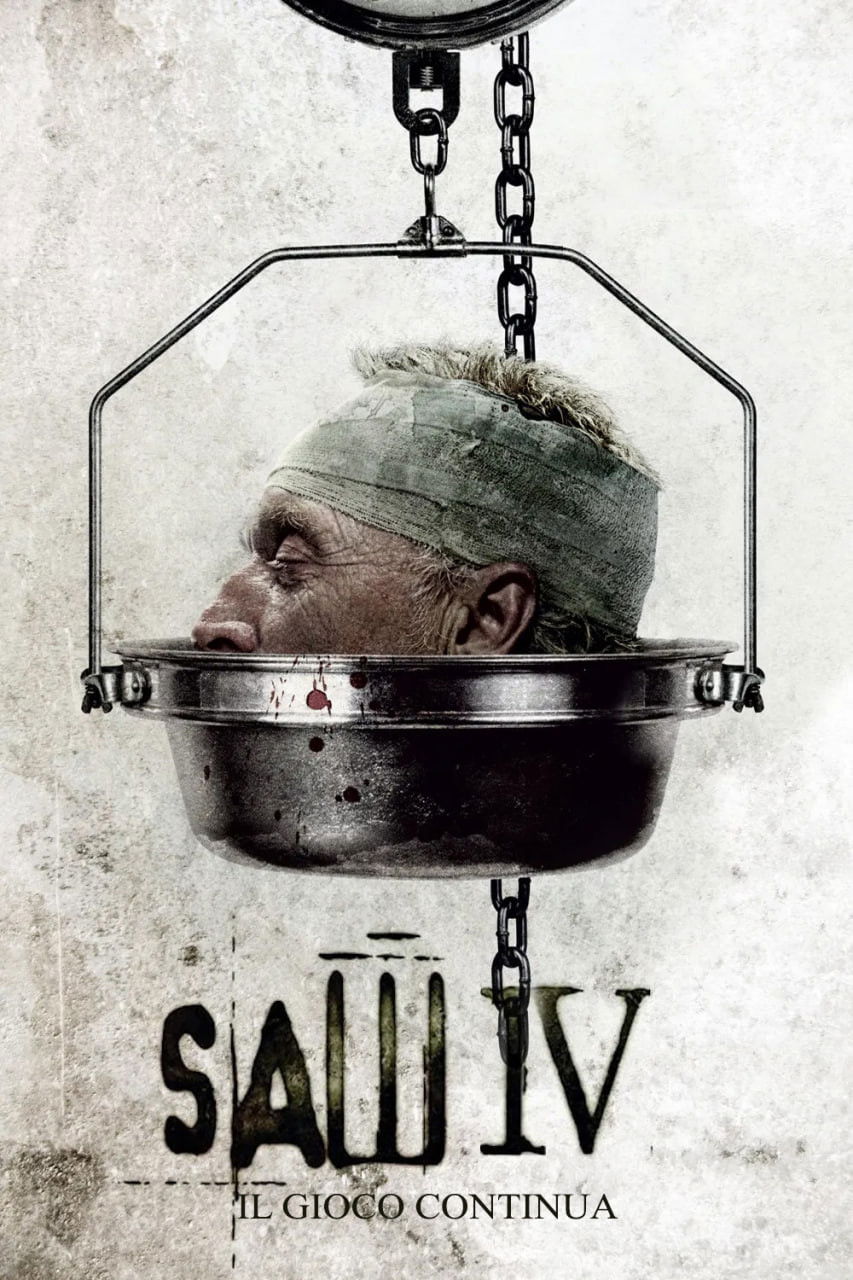
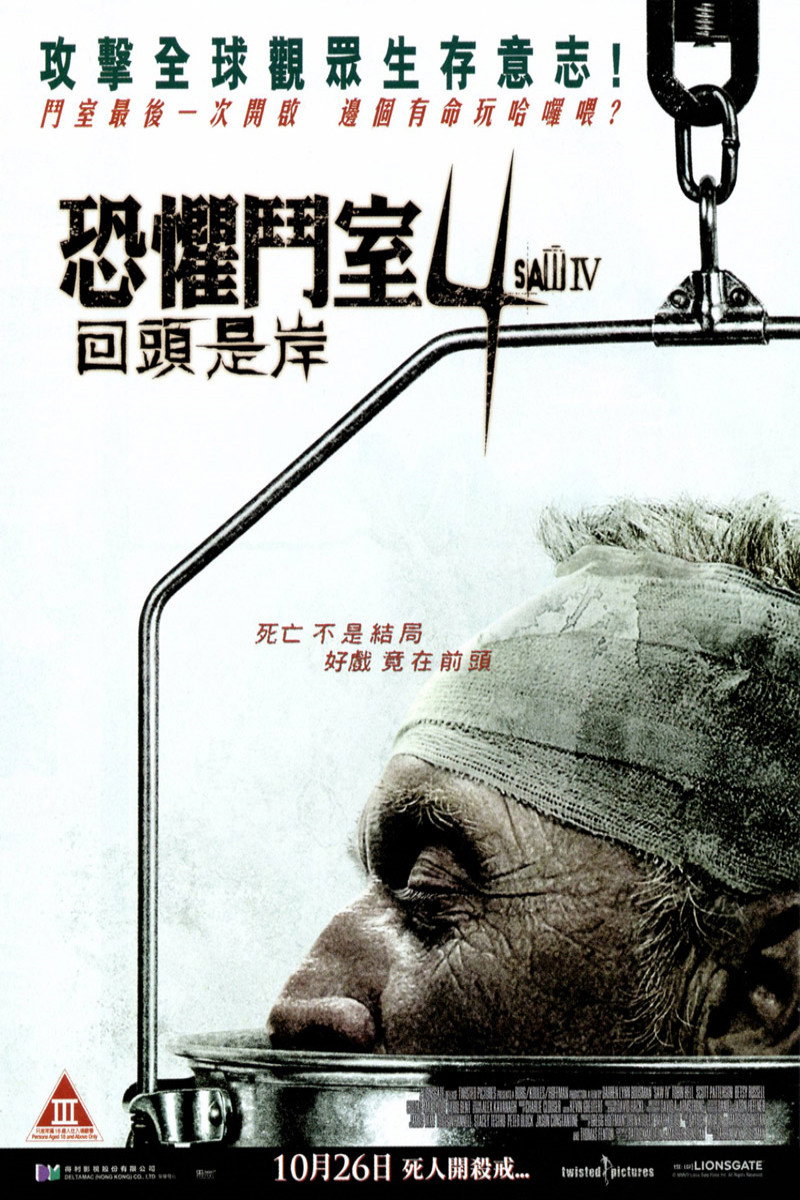
Saw IV (2007) poster
Production Company
Twisted Pictures
Plot

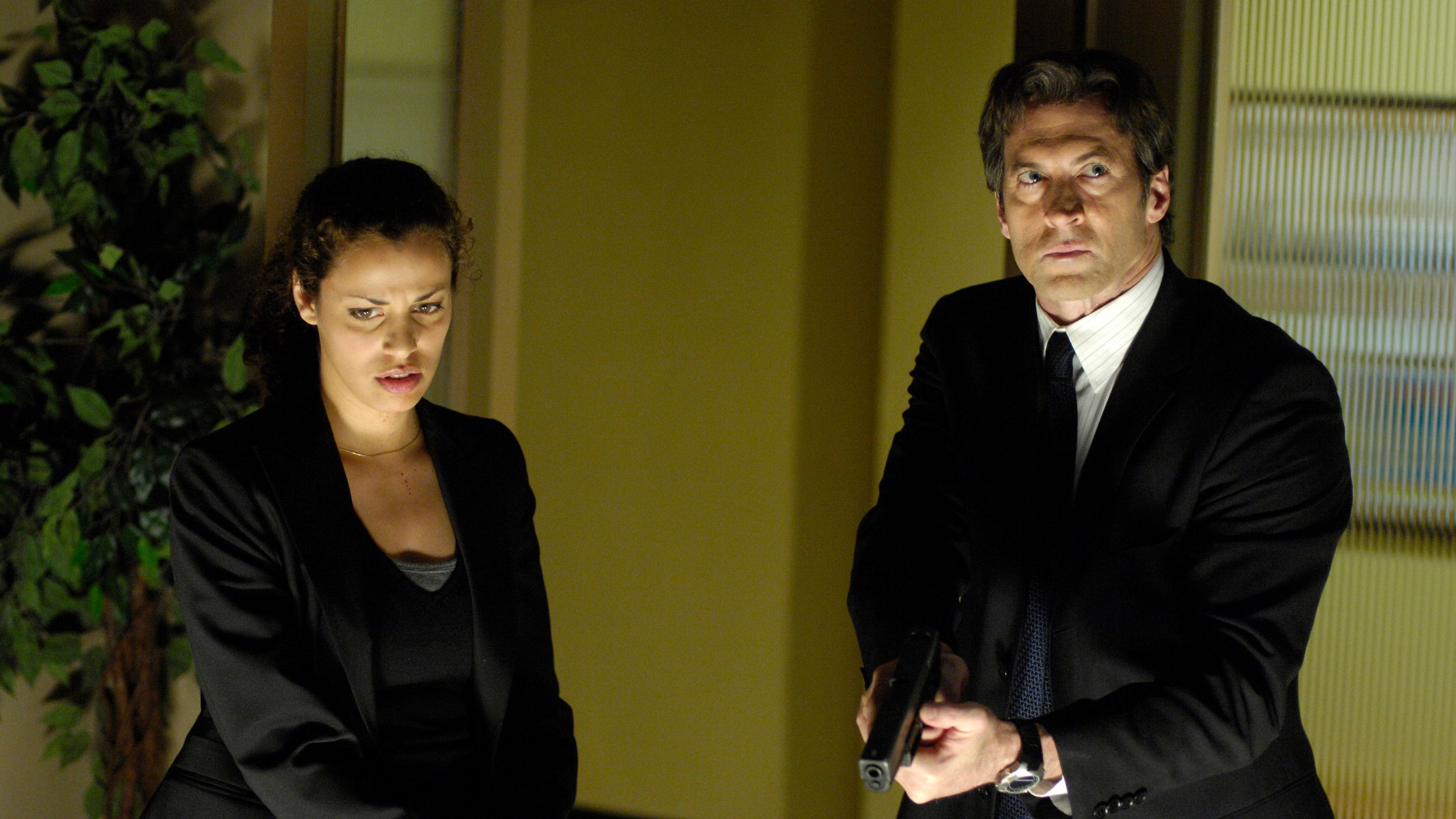
Following the deaths of John Kramer and Amanda Young, detectives and federal agents continue investigating elaborate killings connected to the Jigsaw case. FBI agents Peter Strahm and Lindsey Perez study the evidence, while Officer Daniel Rigg finds himself drawn into a new sequence of trials focused on his determination to rescue other people. Detective Mark Hoffman assists the inquiry as recordings and clues point toward a plan prepared before the latest crimes. The investigators struggle to reconstruct events whose apparent order may conceal the real design.

Alternative Titles
Mişar 4 (AZ) — translation:az Mişar IV (AZ) Убийствен пъзел IV (BG) — translation:bg Jogos Mortais IV (BR) — translation:pt Décadence IV (CA) — French title 你死我活4 (CN) — Mandarin alternative title 电锯惊魂4 (CN) — translation:zh 链锯惊魂4 (CN) — Mandarin alternative title
Show all 42 alternative titles Saw 4 (CZ) — translation:cs Saw IV - Sterben war gestern (DE) — alternative title Saag IV (EE) — translation:et Saw 4 (FR) — alternative spelling Saw IV: Director's Cut (FR) — director's cut ხერხი IV (GE) — translation:ka Σε Βλέπω IV (GR) — translation:el 恐懼鬥室 4 回頭是岸 (HK) — translation:zh 恐懼鬥室4之回頭是岸 (HK) Slagalica strave 4 (HR) — translation:hr Fűrész IV. (HU) — translation:hu המסור 4 (IL) — translation:he اره ۴ (IR) — translation:fa Saw IV - Il gioco continua (IT) — translation:it Saw IV - Il gioco continua... la morte sarà una scorciatoia (IT) — long title ソウ4 (JP) — translation:ja 쏘우 4 (KR) — translation:ko Pjūklas 4 (LT) — translation:lt Zāģis 4 (LV) — translation:lv El juego del miedo 4 (MX) — translation:es Piła IV (PL) — translation:pl Saw 4 - A Revelação (PT) — translation:pt Puzzle mortal 4 (RO) — translation:ro Слагалица страве 4 (RS) — translation:sr Пила 4 (RU) — translation:ru Žaga 4 (SI) — translation:sl Saw 4 (SK) — translation:sk เกม ตัด ต่อ ตาย 4 (TH) — translation:th Testere 4 (TR) — translation:tr 奪魂鋸4 (TW) — translation:zh Пила 4 (UA) — translation:uk Arra 4 (UZ) Arra IV (UZ) — translation:uz Lưỡi Cưa 4 (VN) — translation:vi

Trailers & Videos

2 videos

Saw IV (2007) Film Guide

A successor to Jigsaw transforms rescue into a test as two investigations unfold across a fractured chronology.

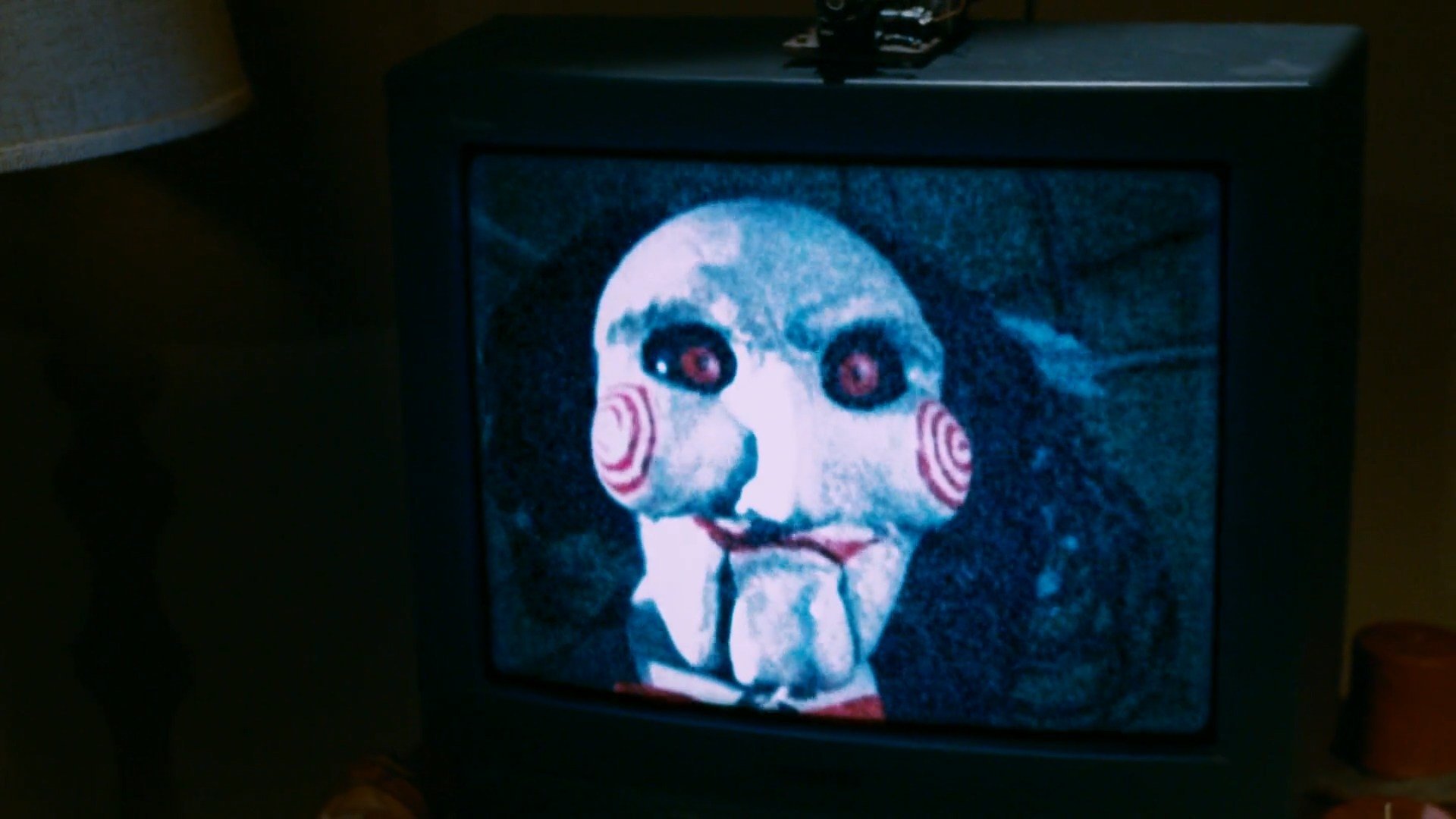
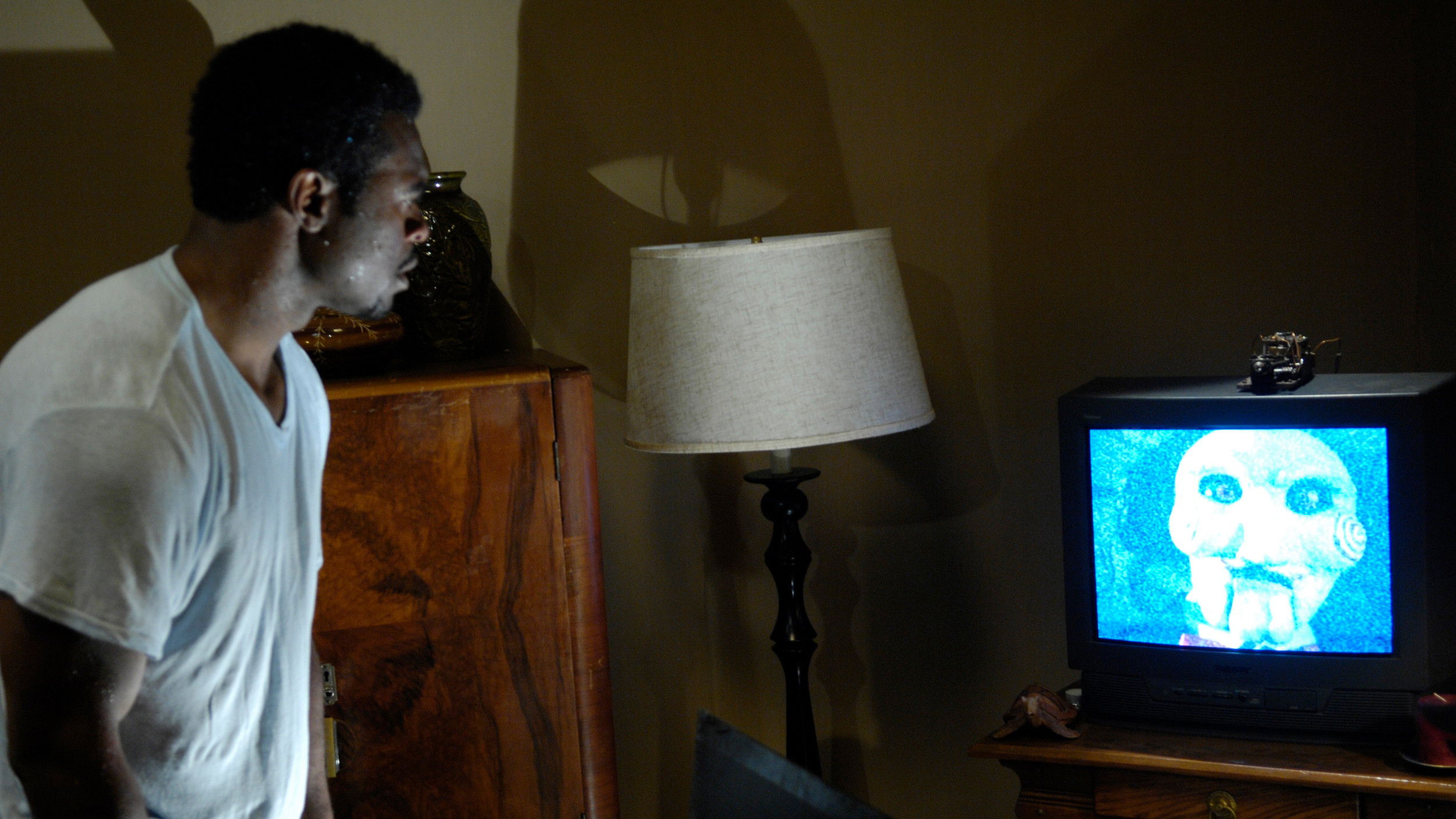
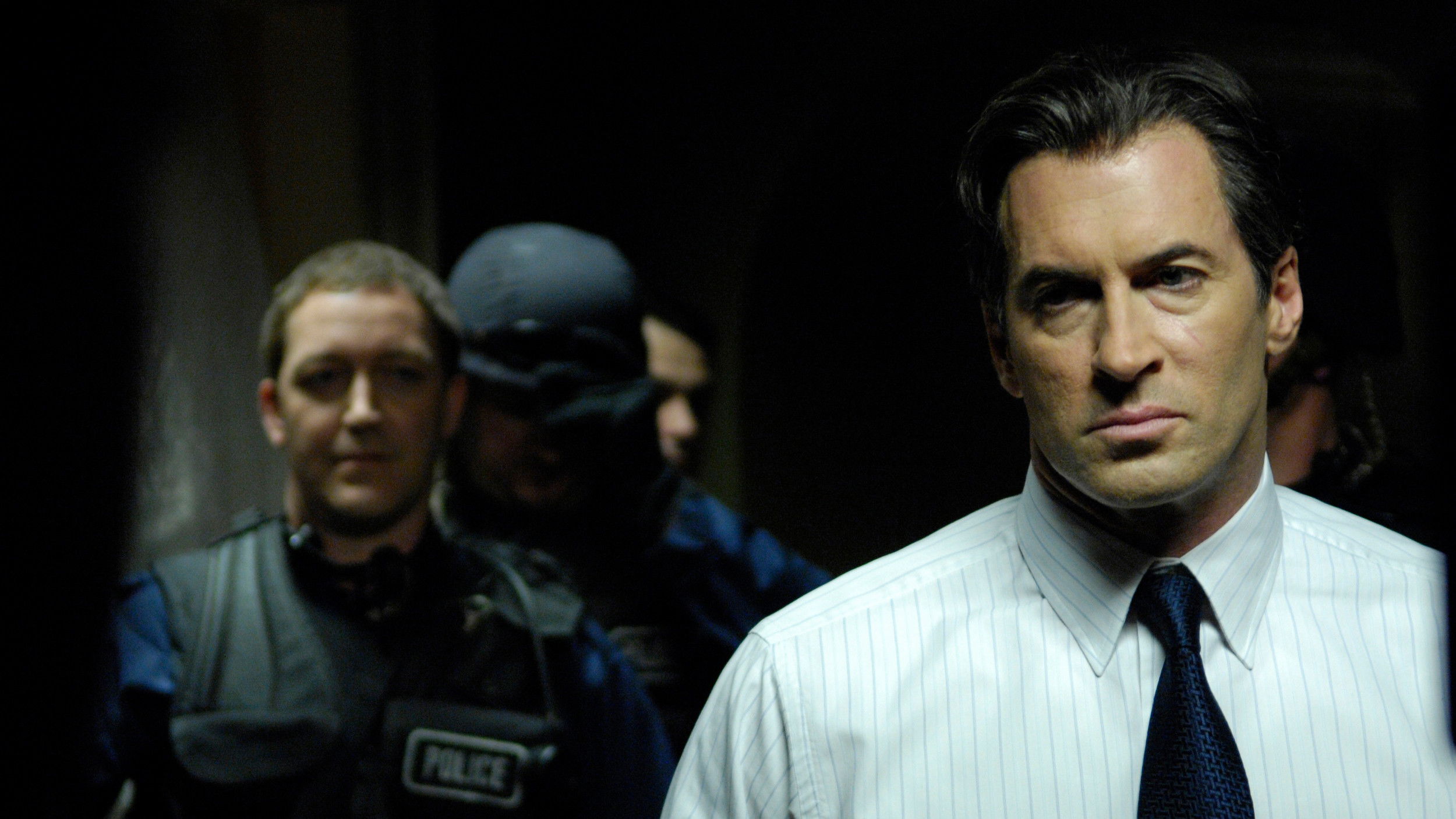
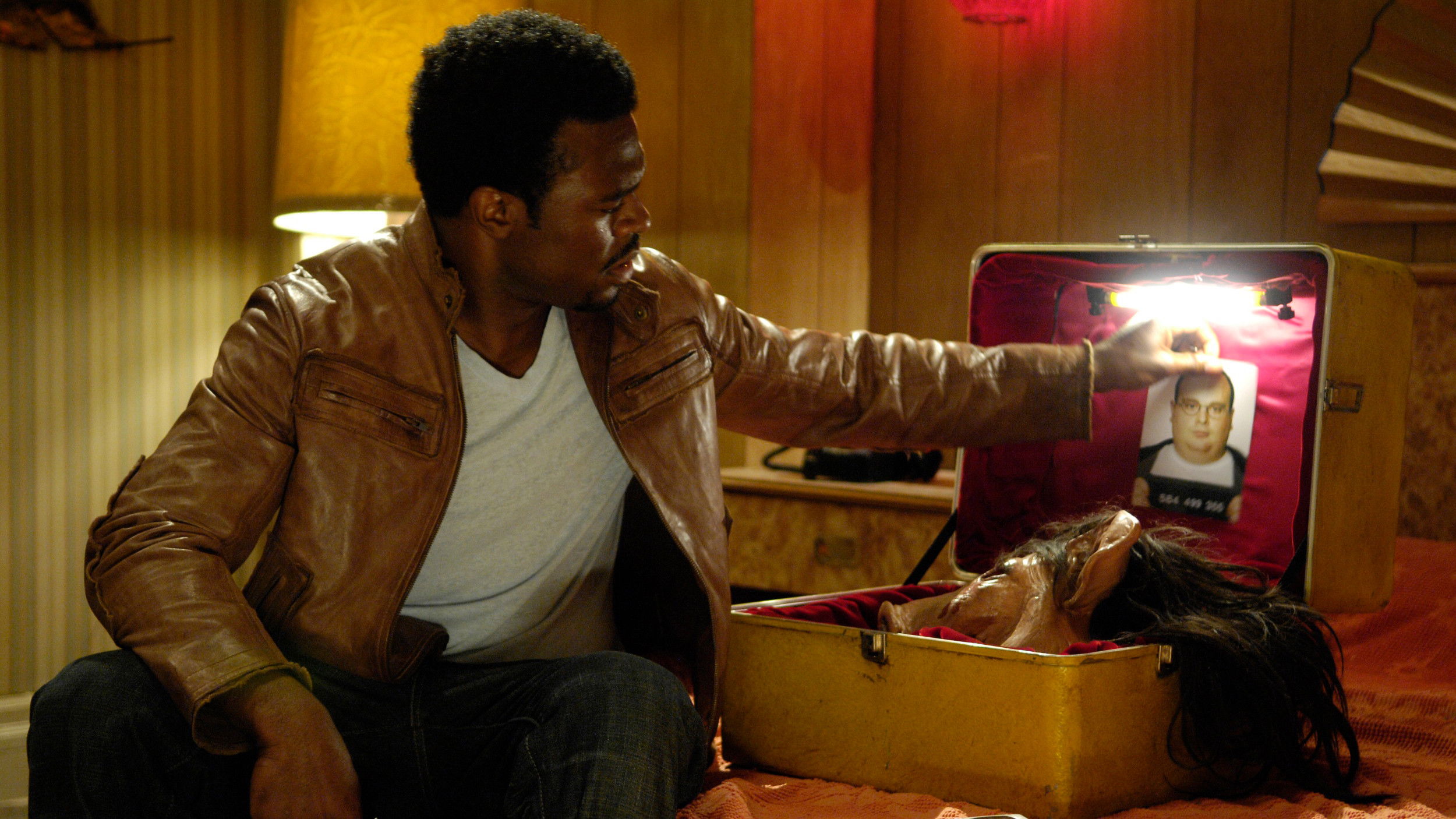
Saw IV (2007) confronts a franchise problem that had become unusually severe by the end of its third installment: the death of John Kramer and Amanda Young, the two characters responsible for the familiar Jigsaw killings. Darren Lynn Bousman's sequel keeps Kramer's influence active through recorded instructions, reconstructed events and people who continue to organize lethal tests. SWAT officer Daniel Rigg is manipulated through encounters with endangered strangers as he tries to rescue colleagues. This gives the cycle an investigative structure while retaining its mechanical cruelty.

The film also rearranges time. Flashbacks examine Kramer's life before the games, while a second investigation gradually complicates the apparent sequence of current events. Patrick Melton and Marcus Dunstan joined the writing team for a story designed to continue the mythology after an apparently definitive ending. Saw IV arrived during the annual October release pattern that had made the franchise a conspicuous presence in American horror distribution. Its combination of intricate chronology, practical gore and debates over the meaning of Jigsaw's tests makes it a particularly revealing entry in that industrial cycle.

Development After Jigsaw's Death

The central production question was how to sustain the series without reversing the ending of Saw III. In an October 2007 Toronto press conference, producer Mark Burg explained that the team wanted another film featuring Tobin Bell despite Kramer's death. Bousman likewise described the difficulty of building a story after eliminating major characters in what he had expected to be his final installment. These contemporary comments document the problem confronting the filmmakers. They should not be mistaken for proof that the producers had already planned every later revelation when the preceding picture was made.

The script introduced a different writing arrangement. The Feast writers wrote the screenplay from a story credited to them and Thomas Fenton. Bousman reported that the writing process worked backward from the final twenty minutes, requiring the earlier scenes to prepare a specific reversal of the audience's assumptions. Producer Oren Koules described a related principle: the narrative situations came first, with individual traps devised to fit those circumstances. Their accounts place story architecture at the center of the development process, even though the promotion continued to emphasize physical ordeal.

Bousman's retrospective account on his own website adds a qualification to the circumstances of his return. He wrote that Repo! The Genetic Opera had received a green light before Saw IV entered preproduction and that he was engaged in preparation for the musical while shooting the sequel. He recalled anxiety about repeating himself and said the story remained difficult to settle. He also recalled proposing an ending with actor Lyriq Bent that producers rejected. Those are the director's later recollections of choices considered during production; the unfilmed ending must remain distinct from the released narrative.
A Sequel Built Across Two Timelines

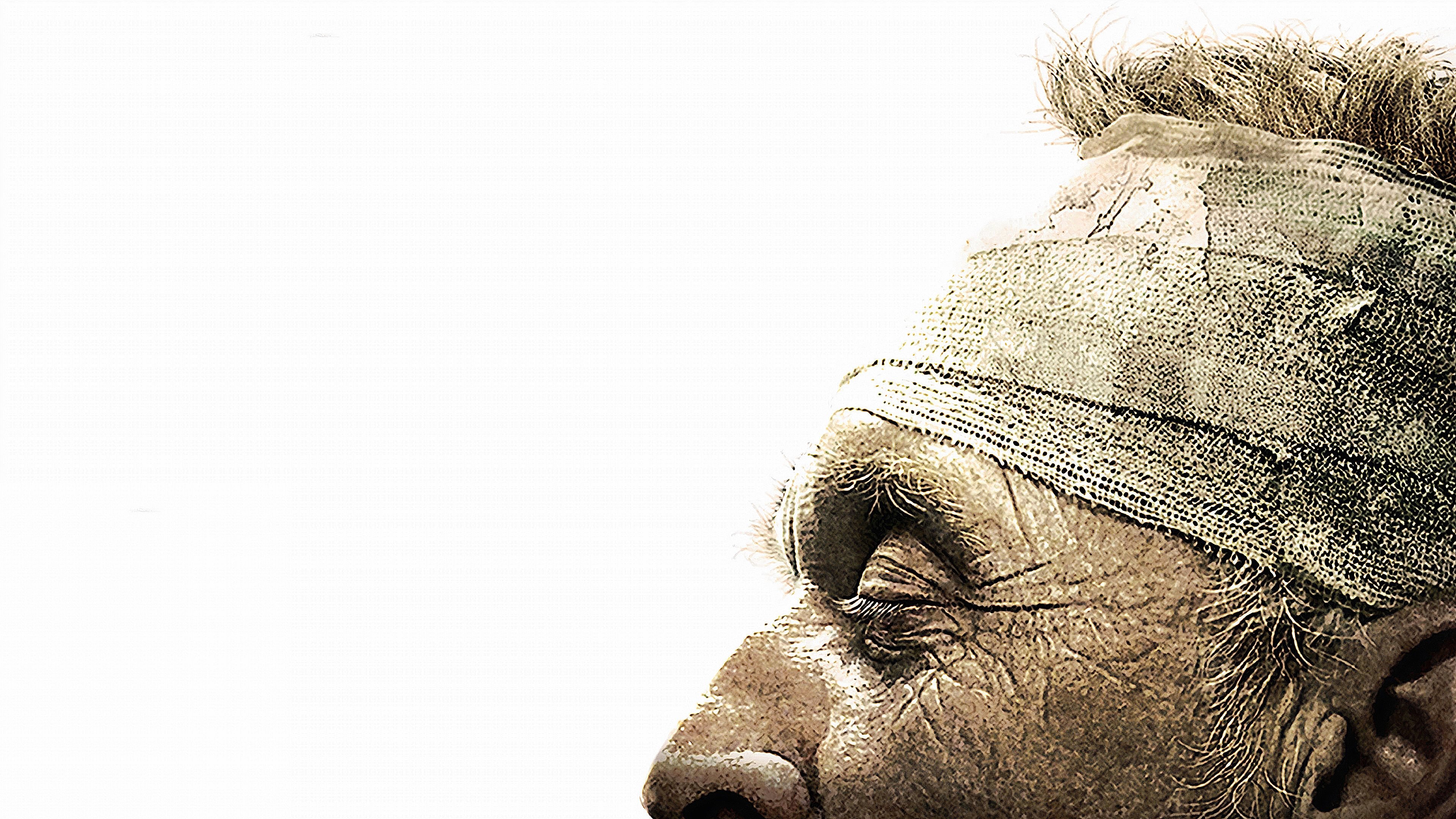
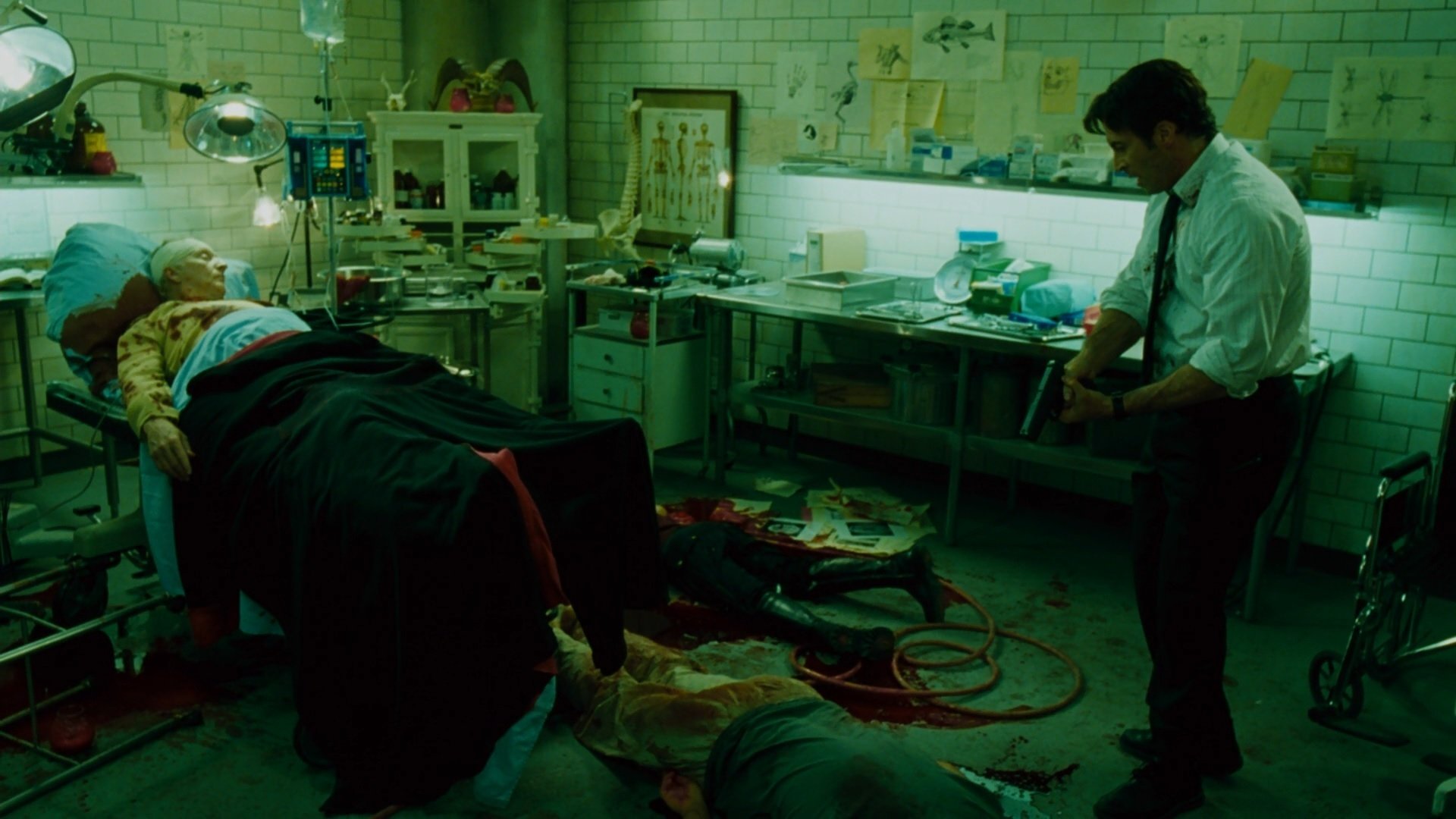
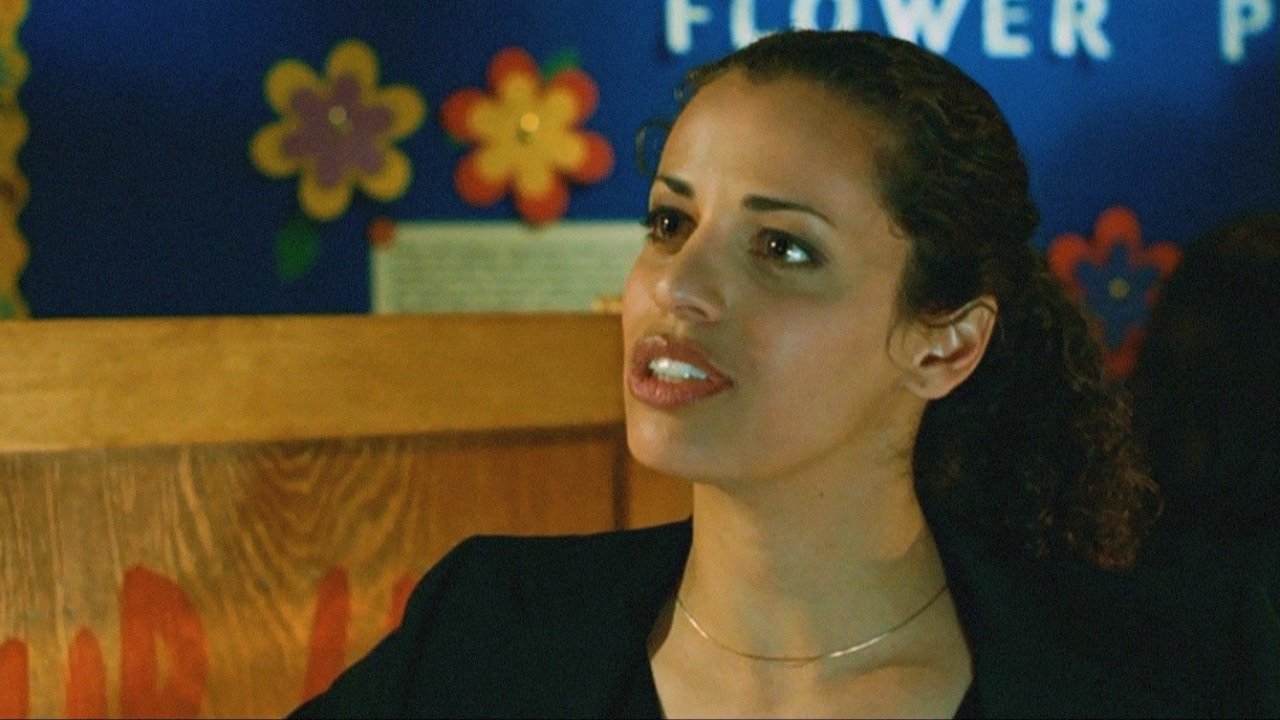
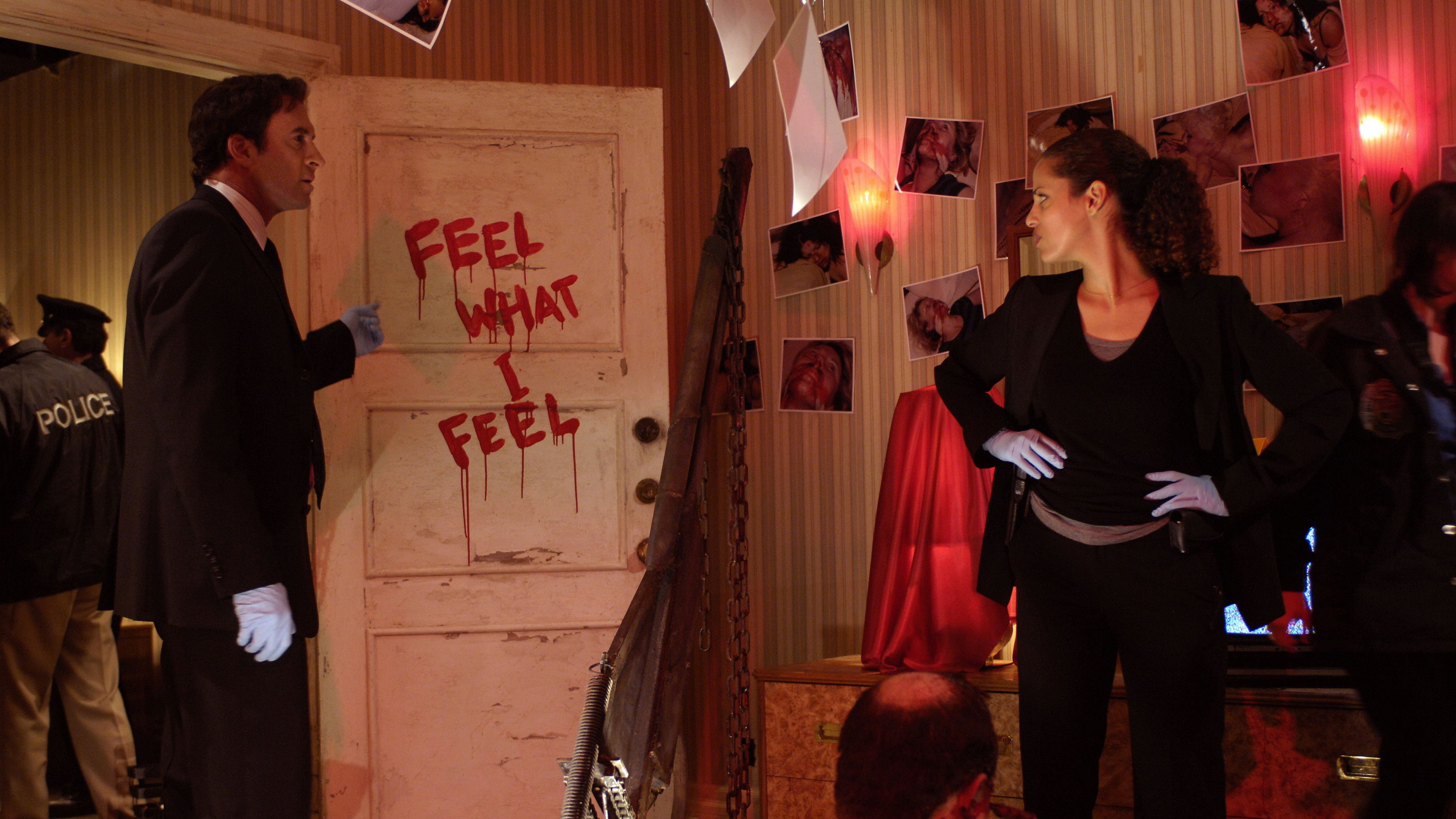
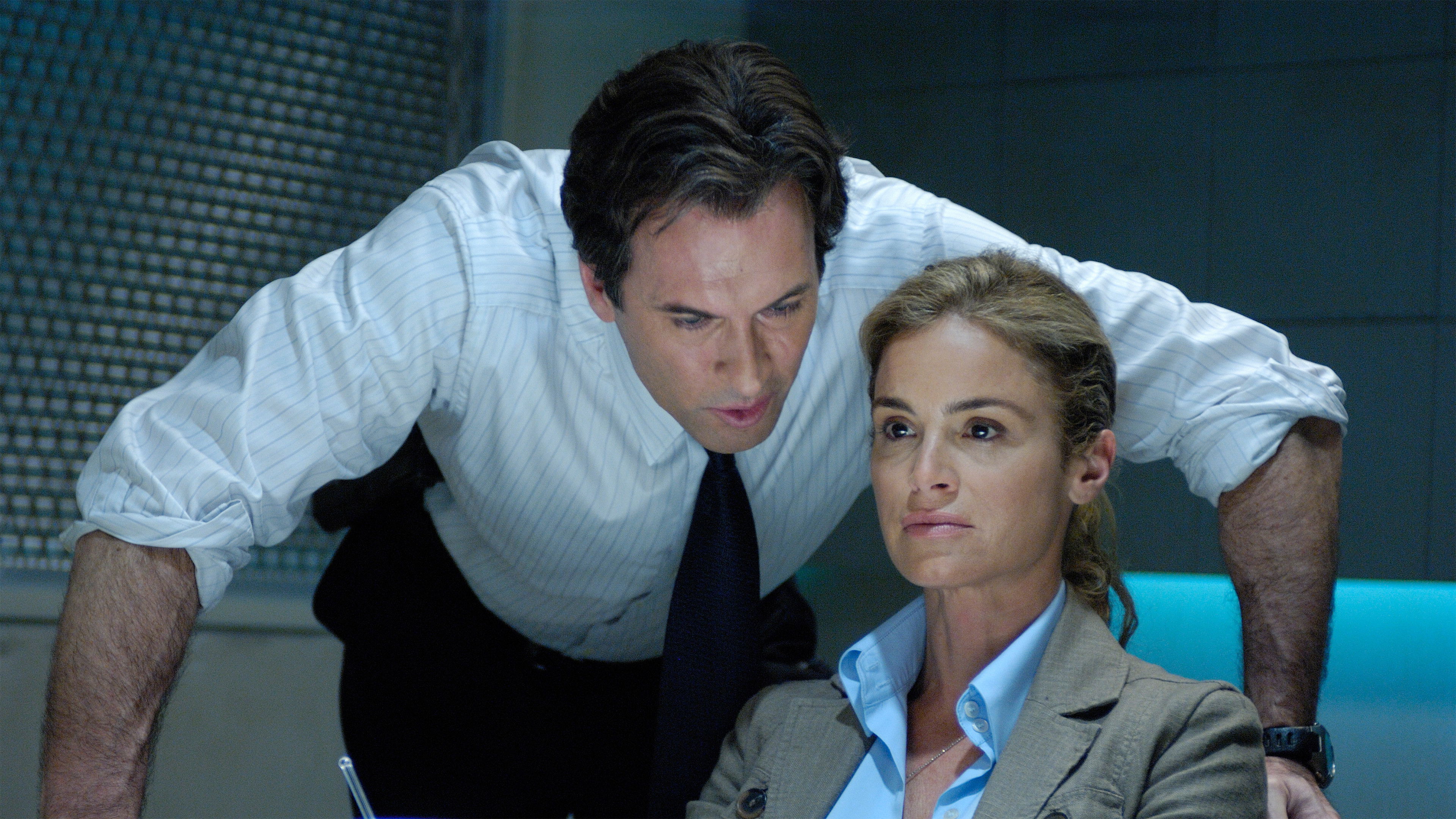
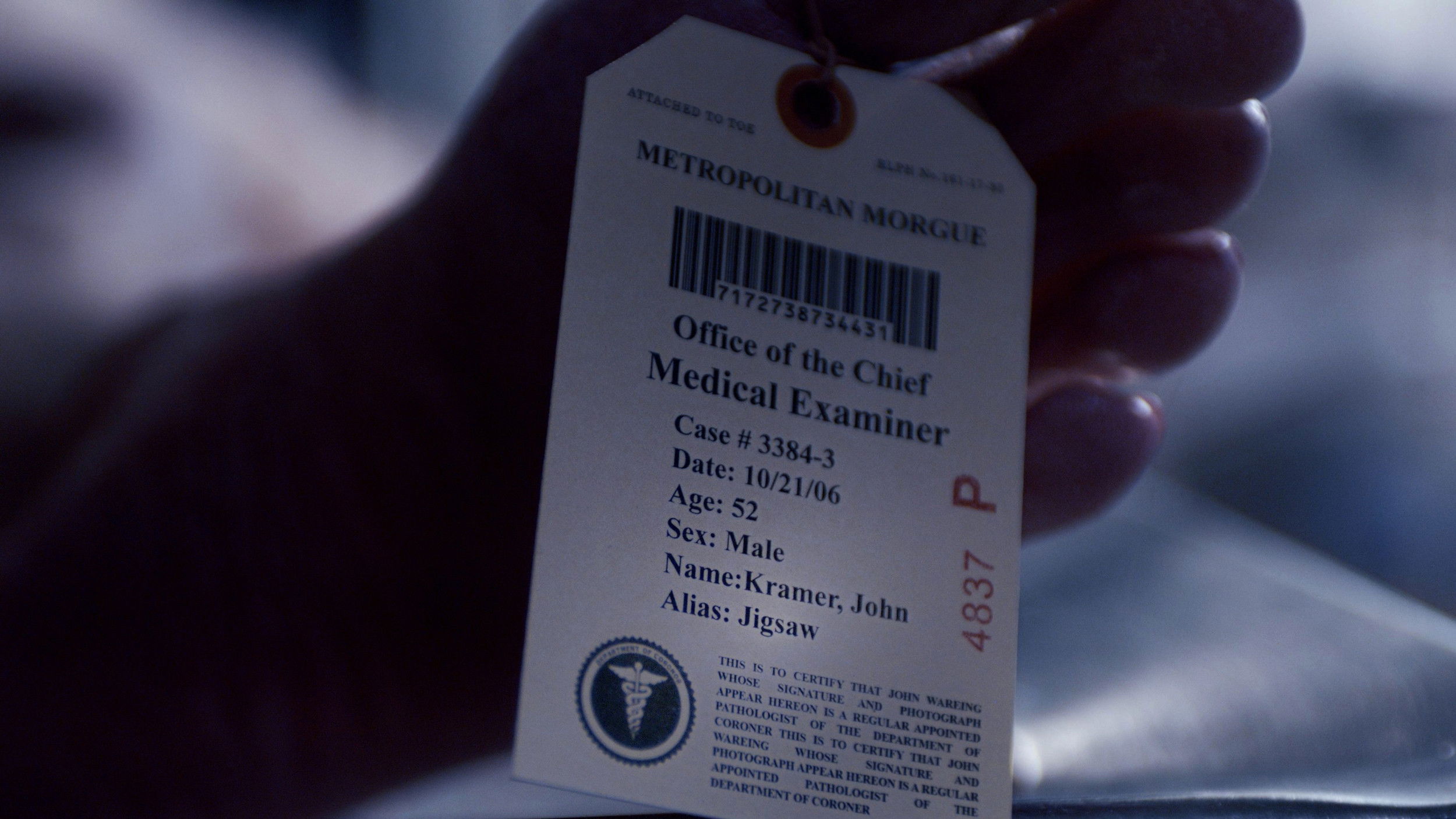
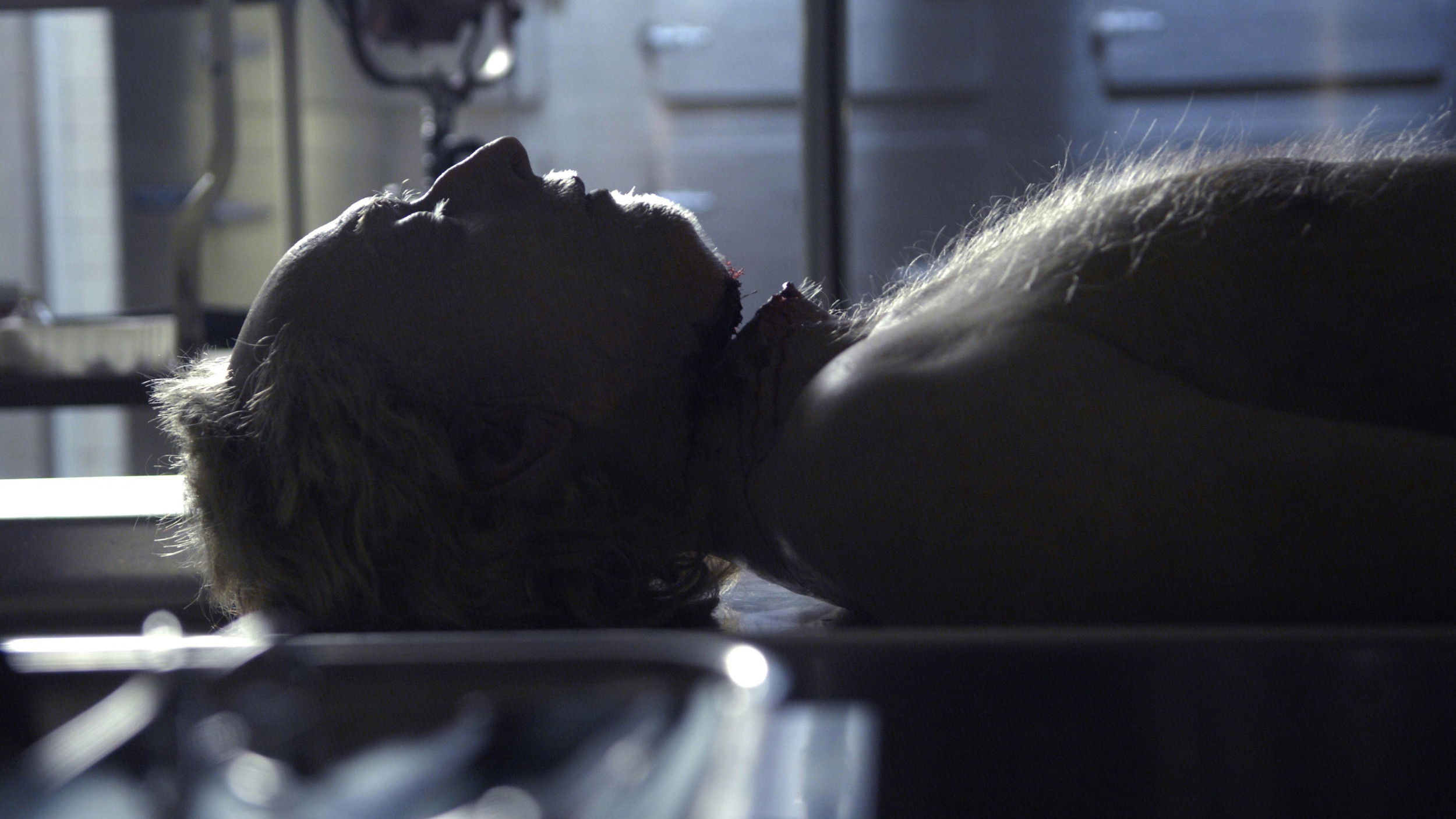
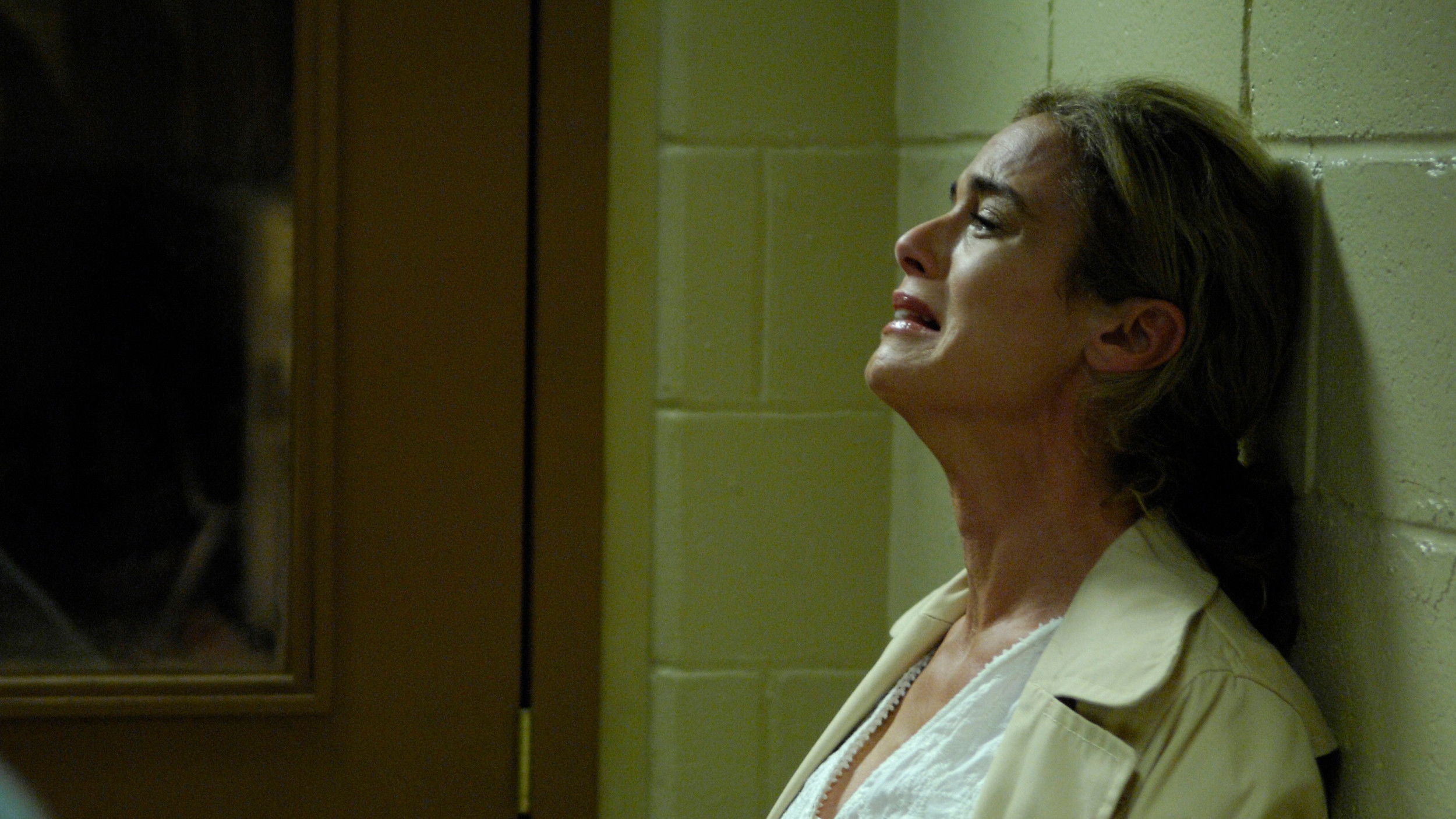
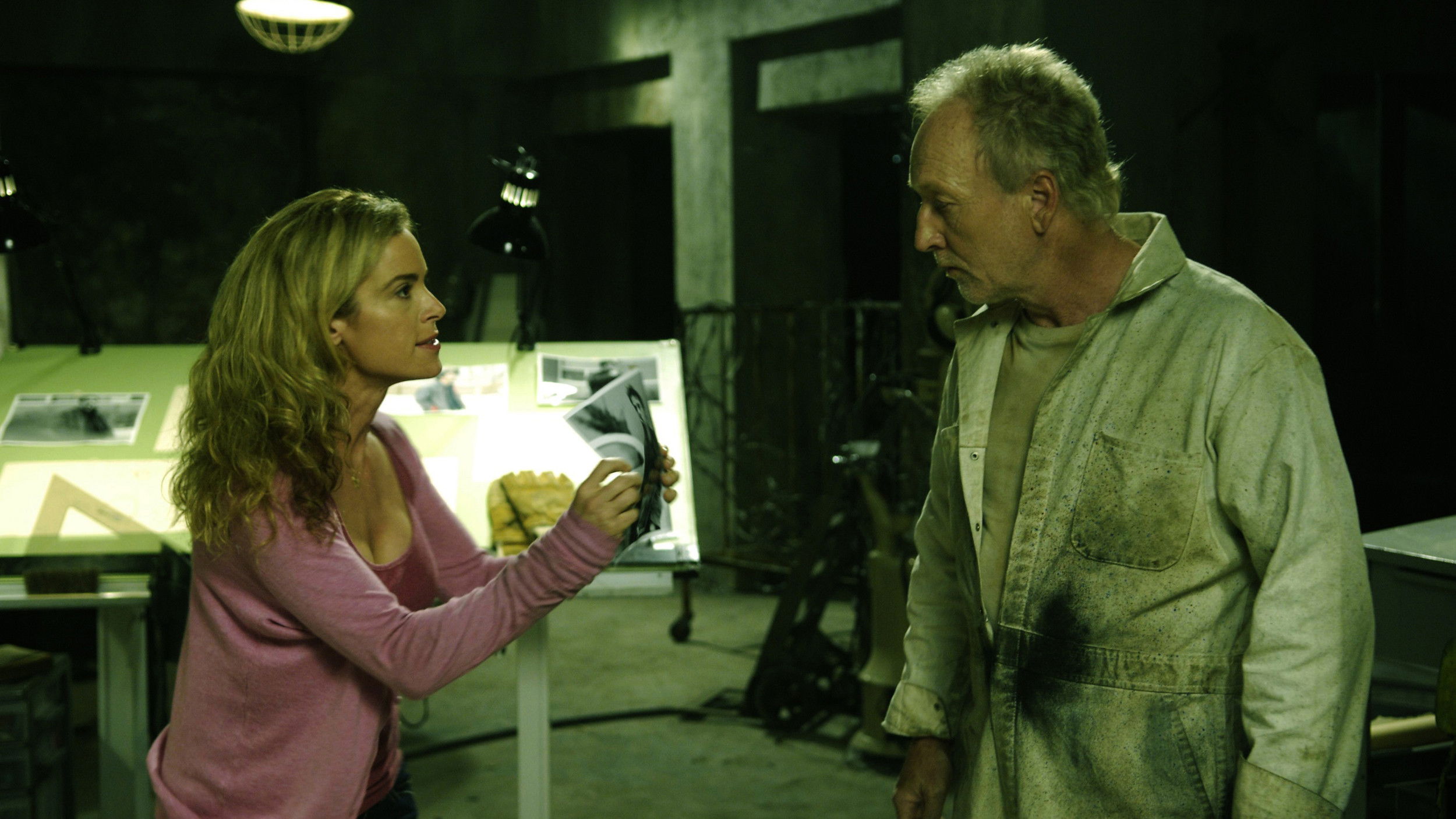
Saw IV opens with an autopsy, an unusually direct confirmation of Kramer's death. The recovery of a recorded message nevertheless establishes that his designs will continue to operate beyond his lifetime. Rigg's pursuit of missing colleagues proceeds alongside an FBI investigation led by Peter Strahm and Lindsey Perez. The agents examine physical evidence and question Jill Tuck, Kramer's former wife, while scenes from his earlier life supply information about the origins of his methods. These strands demand that viewers distinguish the order in which information is disclosed from the chronology of the fictional events.

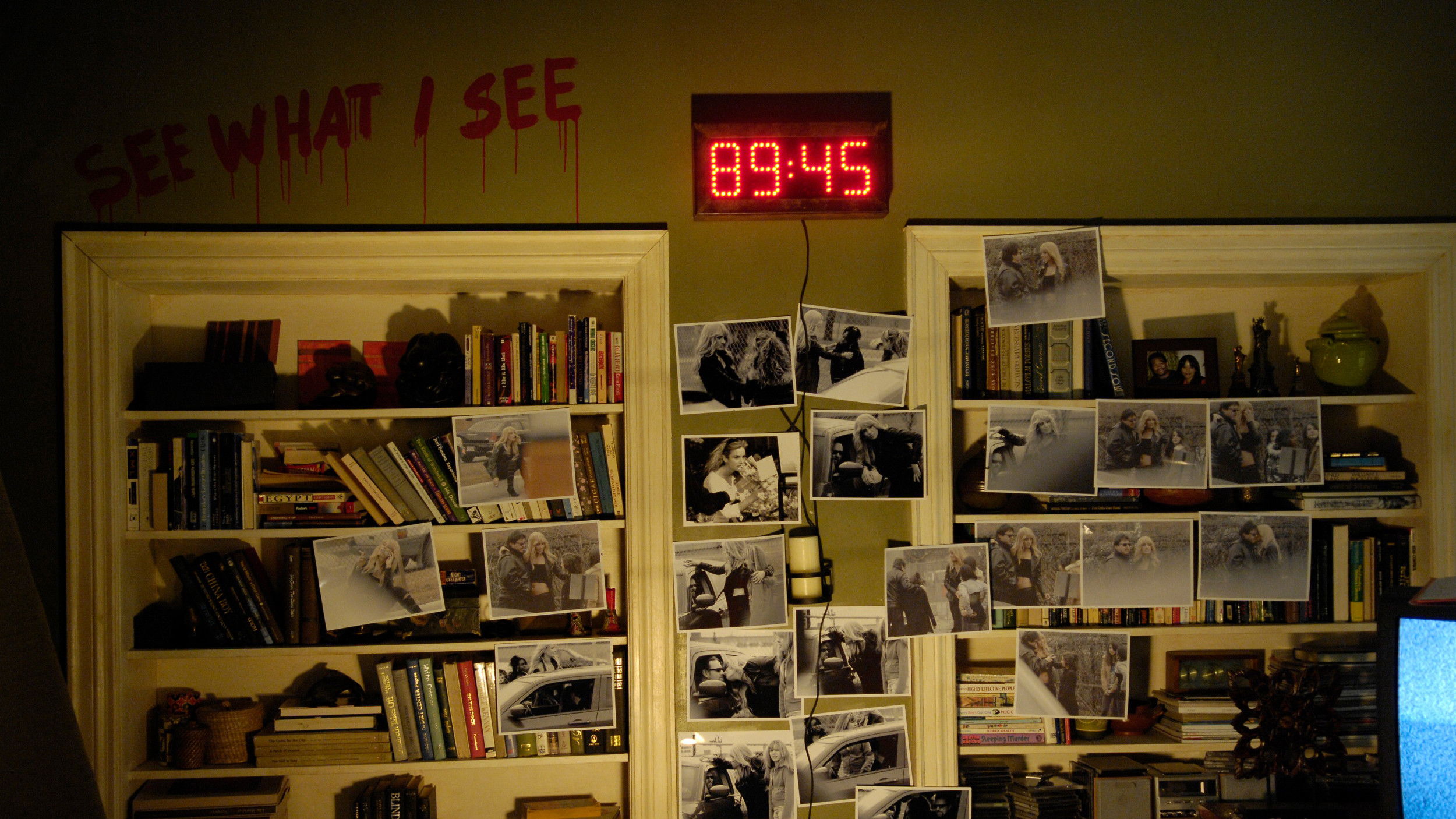
The climax reveals that much of Rigg's investigation runs alongside the events of Saw III, instead of continuing from their aftermath. The opening autopsy belongs to a later point in this arrangement. A viewer's initial assumption that every scene depicts consequences of the previous film is therefore central to the deception. The film uses recognizable bodies and locations as apparent evidence of chronology, then changes their meaning through the final intercut sequence. This is a concrete development of the fragmented narrative construction already established in the series.
The filmmakers acknowledged the logistical difficulty of this design. At the press conference, Scott Patterson described receiving detailed explanations from Bousman about what had already happened and what would happen in other scenes, information he needed to play Strahm coherently. The film places viewers in a similarly unstable position. Its revelations depend heavily on familiarity with earlier episodes, and several supporting figures become important because of relationships established outside this installment. Saw IV thereby makes continuity itself a source of suspense, but also raises the amount of prior knowledge required to follow the action.

Rigg's Rescue Instinct and the Tests

Rigg's trial is organized around his impulse to intervene. He believes immediate action is necessary to save colleagues and vulnerable people, while the instructions he receives insist on restraint and observation. The situation is ethically compromised from its first stages: the person setting the conditions has engineered each threat, selected the victims and concealed information needed for an informed choice. Rigg's impatience may lead him to make grave mistakes, yet the machinery surrounding those decisions remains an instrument of coercion. Kramer's professed lesson about personal responsibility cannot be separated from his deliberate creation of lethal danger.

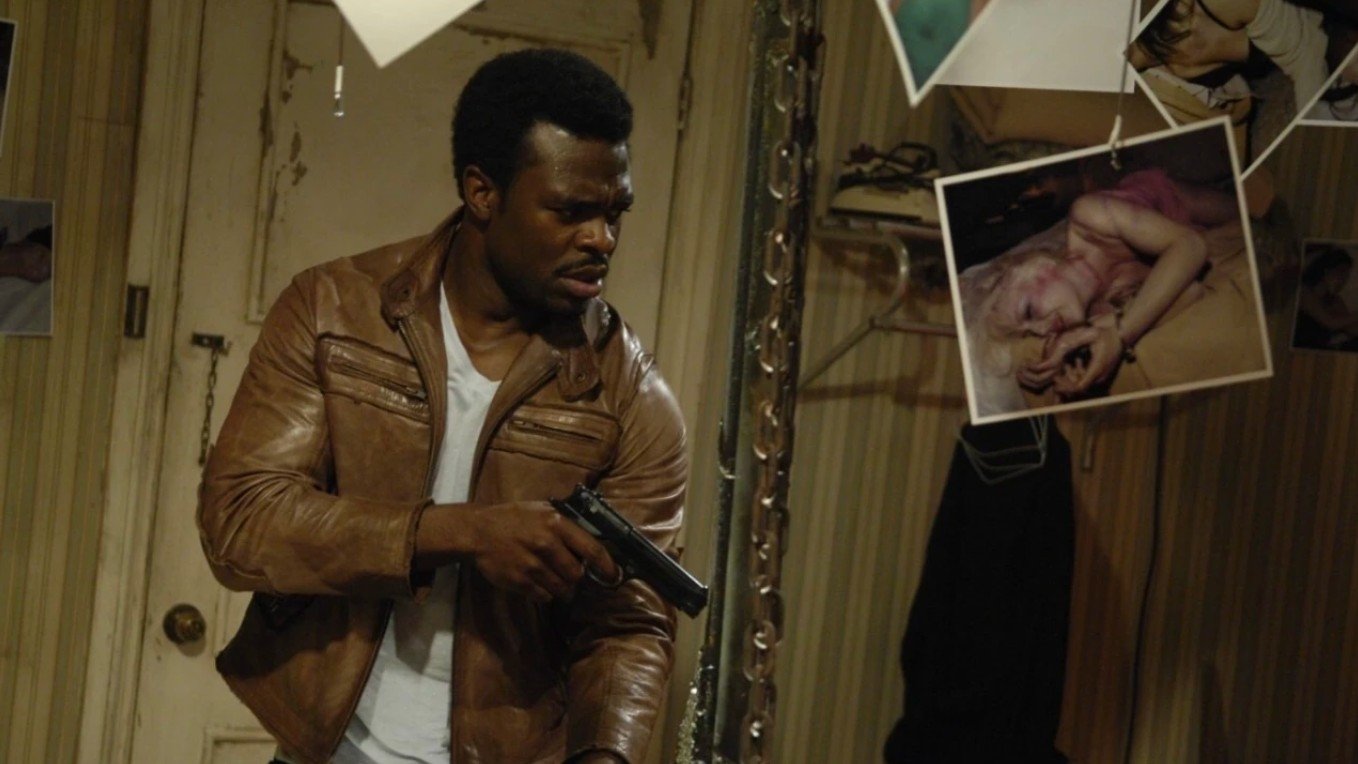
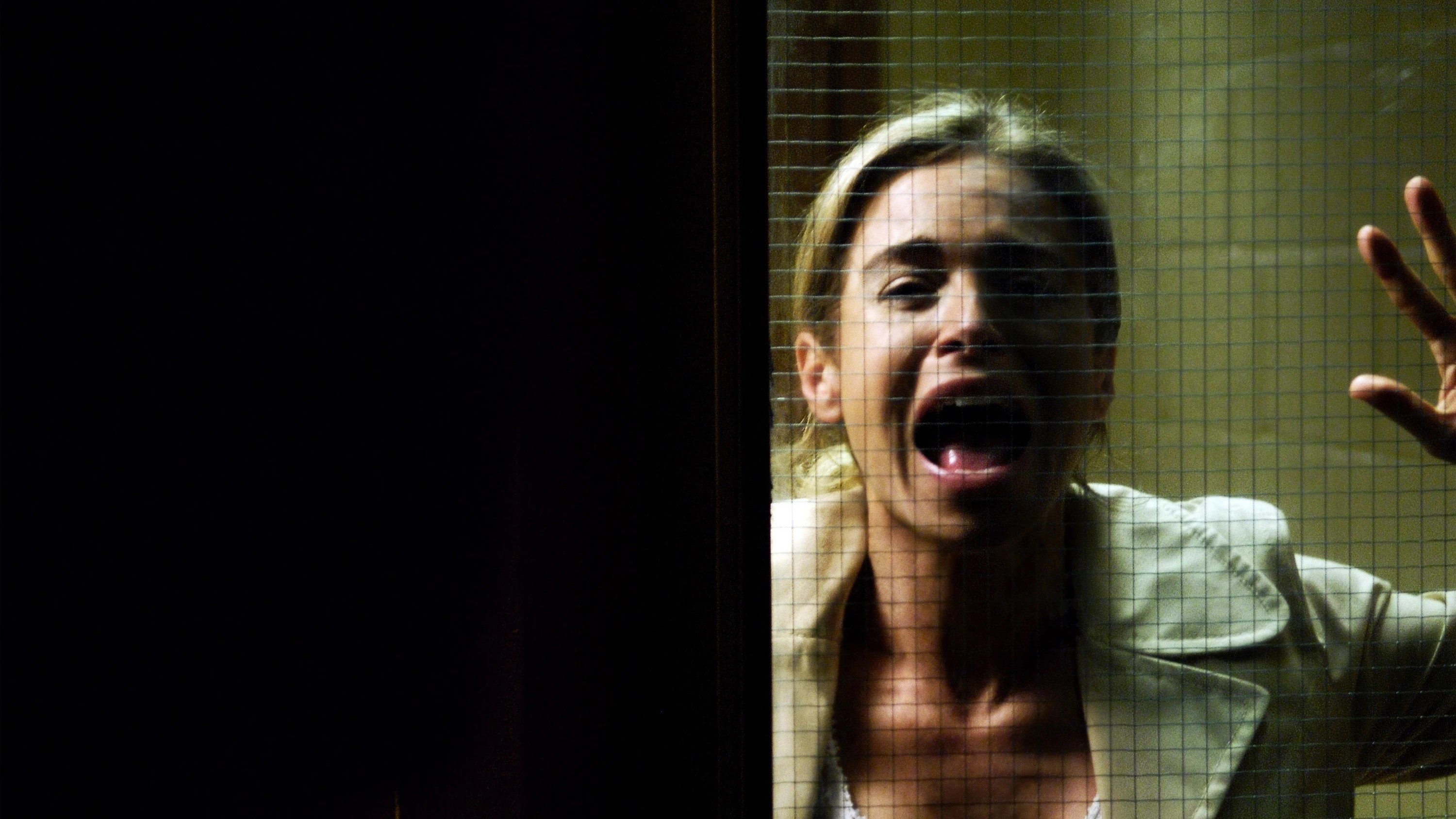
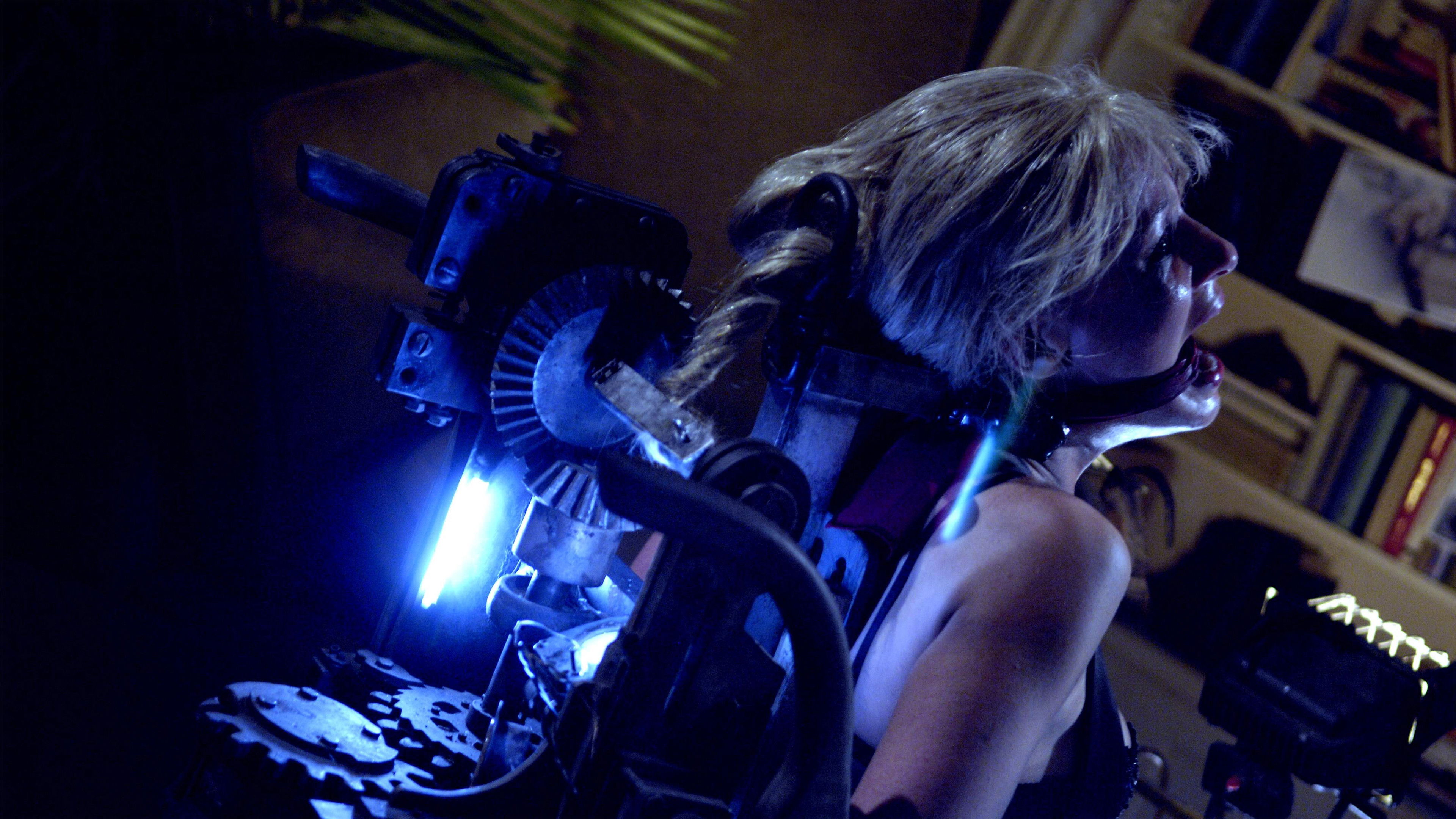
The sequence involving Brenda, whose hair is caught in a scalping device, turns an apparent rescue into a second threat after she attacks the officer who intervened. At a motel, Ivan is forced into a device that attacks his eyes and limbs, a punishment connected to evidence of sexual violence. Another test presents a battered woman and her abuser impaled together, requiring survival to be achieved through a physically agonizing separation. The film repeatedly frames pain as a judgment upon past conduct. Showing these arrangements is essential to its horror aesthetic, although the screenplay's moral vocabulary cannot justify those punishments.

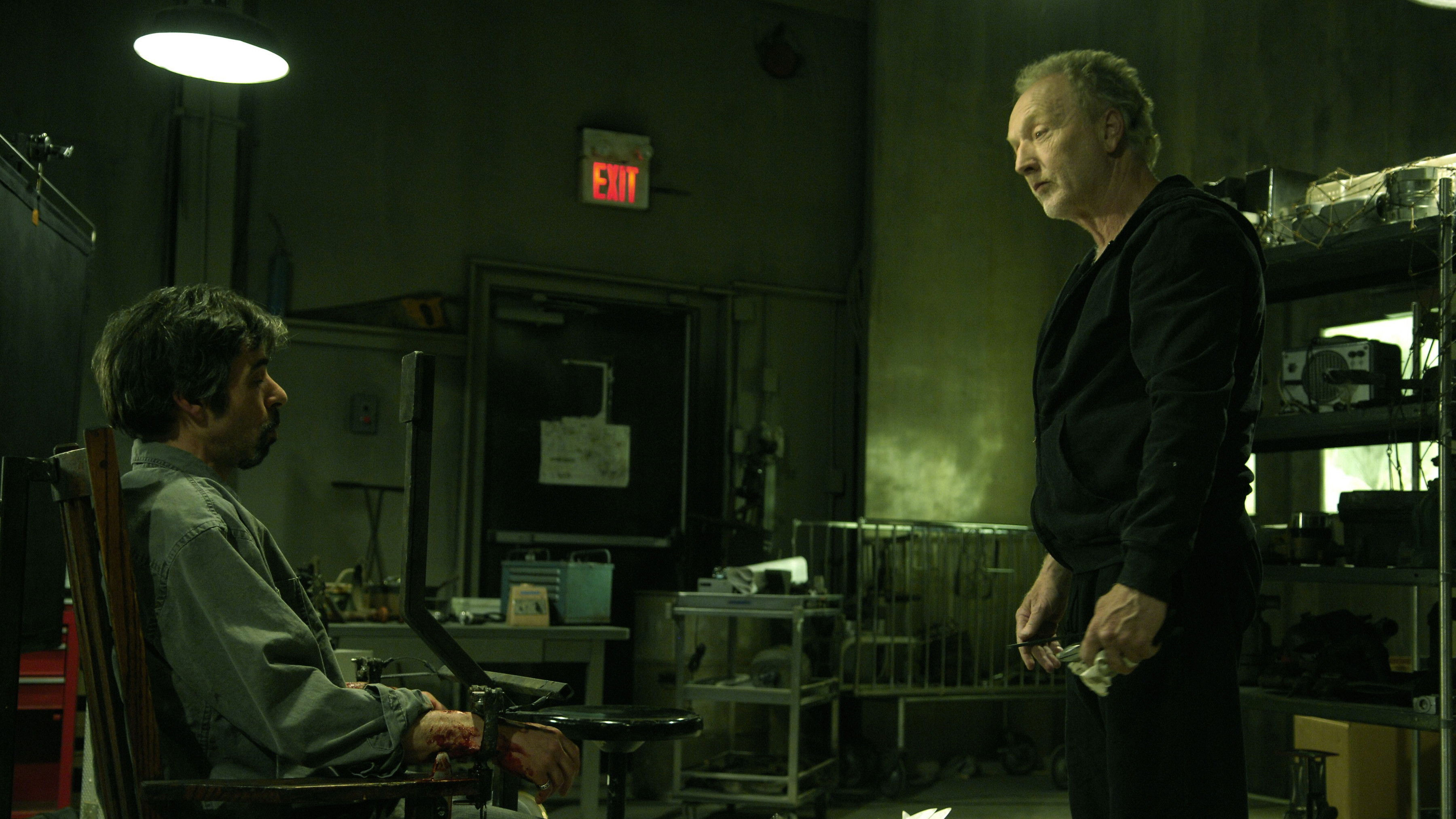
The concluding test intensifies the contradiction between protective instinct and obedience to rules. Rigg approaches a sealed room believing that opening it will release his colleagues, while the apparatus is arranged to punish precisely that intervention. The lesson attributed to Jigsaw works by denying a participant reliable knowledge of the mechanism. This structure also illuminates the film's treatment of police authority: a trained officer's customary duty to act is converted into a predictable weakness. The horror arises from how completely the killer controls both the apparent choices and their consequences.

Camera Transitions and Physical Horror

The elaborate timeline is supported by visual transitions that connect spaces and different moments through rapid camera movement. Bousman later recalled shooting approximately ten such passages, with about four surviving the finished edit. These figures come from his retrospective and describe material considered, without providing a verified shot inventory. Contemporary critic Michael Gingold singled out the transitions as a particularly effective aspect of the film's construction. Their importance extends beyond flourish: they make sudden changes in narrative position feel physically continuous until subsequent scenes clarify what the audience has seen.

The opening autopsy establishes an unusually clinical register for the violence. It concentrates on a corpse being opened, its organs removed and the possibility of evidence hidden inside the body. In his contemporary Fangoria review, Gingold credited effects artist François Dagenais for the grisly practical work in that sequence. The examination of a dead character who previously controlled the games briefly transfers the franchise's invasive procedures from living captives to its architect. The sequence also supplies a material premise for the investigation that follows, allowing an extreme makeup effect to perform a narrative function.

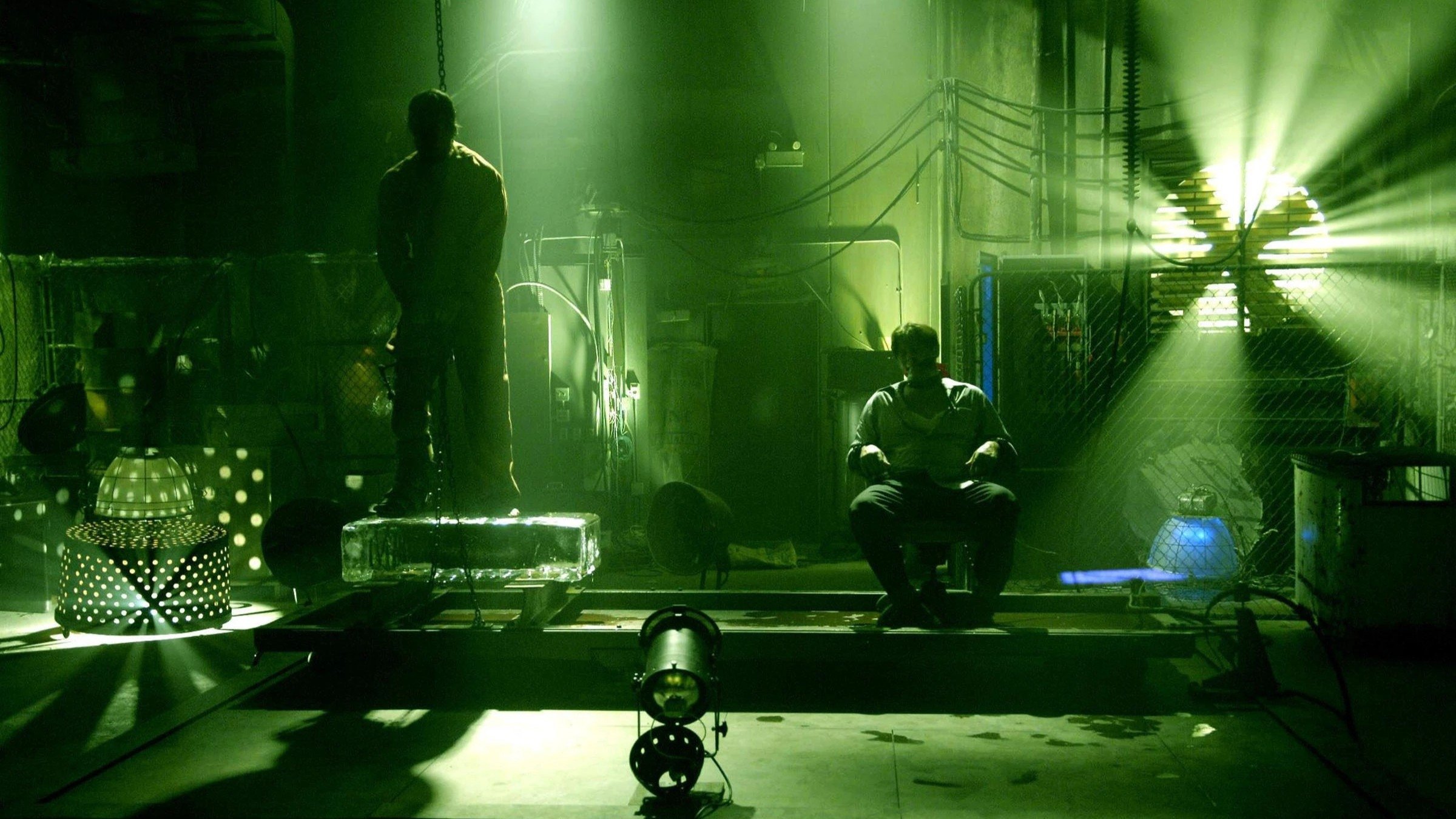
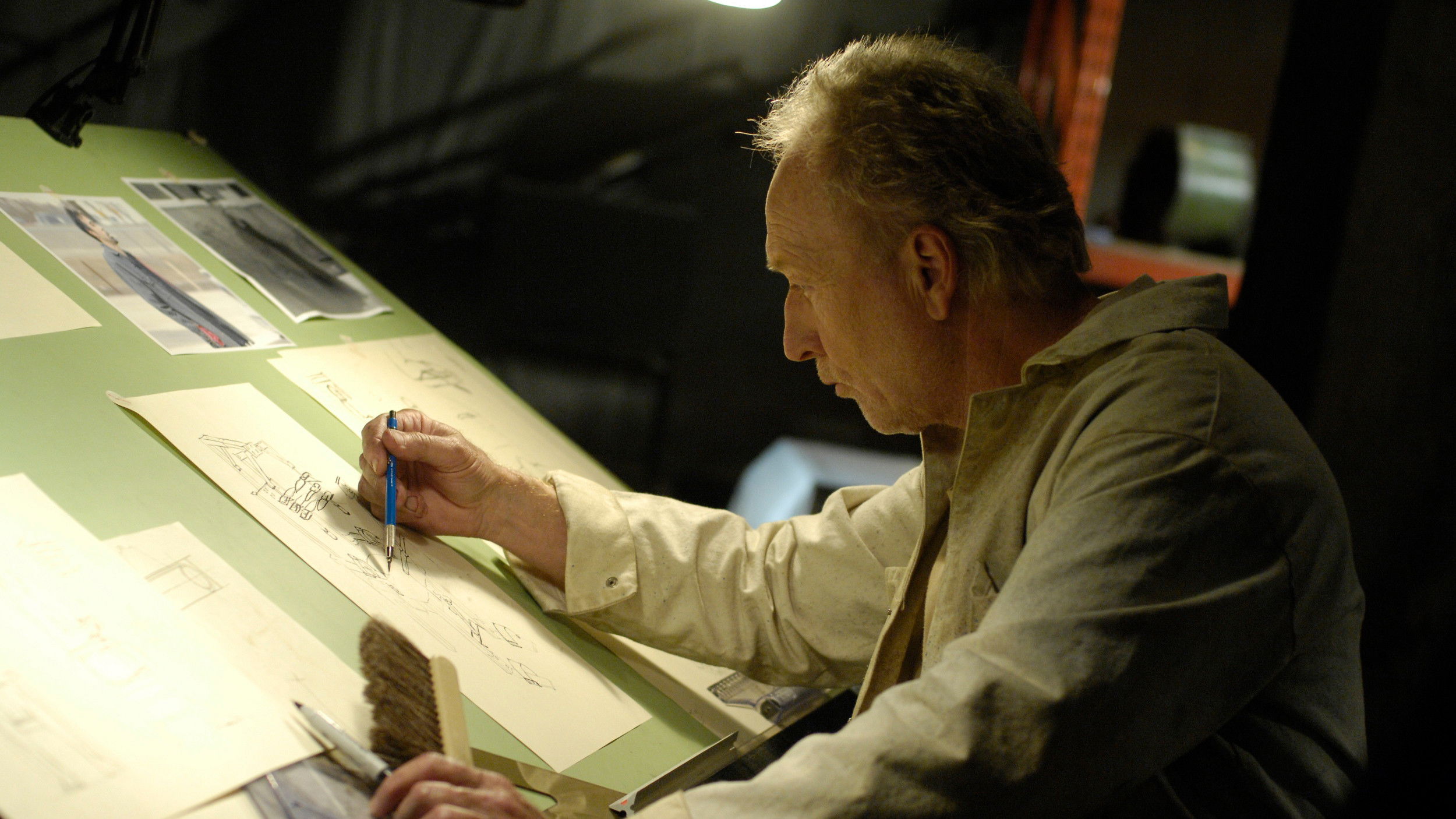
Production designer David Hackl was closely associated with the traps, and Bousman praised his ability to transform ordinary objects into threatening devices during the October 2007 press conference. The film's challenges take different physical forms: hair pulled toward a mechanism, an enclosed eye injury device, metal spikes binding bodies and the massive apparatus surrounding the final room. The force of these scenes often depends on showing how parts of a machine move relative to vulnerable flesh. The result maintains the industrial, tactile character of the sequels without requiring every mechanism to be described as a newly invented production technique.

Release, Classification and Versions

Lionsgate released Saw IV in the United States on October 26, 2007, preserving the late-October pattern of the previous films. Its domestic opening weekend brought in $31,756,764, and the North American theatrical total reached $63,300,095. These are reported theatrical grosses, not a measure of profit or an estimate of total audience exposure. The immediate return helped sustain production plans. It also situates the production within a period when an annual theatrical sequel was a practical business model for the franchise.

The Irish Film Classification Office classified Saw IV on October 8, 2007, with an 18 rating, and recorded its October 26 release in Ireland. The certificate lists a duration of 92 minutes and 18 seconds. Its published notes emphasize the cumulative extremity of the torture scenes and assess this installment as more intense than its predecessors. Such official classification language provides concrete evidence of how one national authority evaluated the film at the time. It does not establish that all markets screened precisely the same material or applied equivalent censorship standards.

Different reference sources circulate running times for Saw IV that should not be collapsed into a single definitive figure. The American Film Institute catalog describes a 95-minute film, while the Irish classification identifies its own shorter submission; later home-video releases have also been presented under differing edition labels. A duration discrepancy alone cannot demonstrate which individual shots were changed, what a director personally authorized or whether censorship was involved. Establishing those conclusions would require edition-specific documentation or a verified shot comparison. The distinction is particularly important in a series whose home-video marketing repeatedly emphasized alternate cuts.

Contemporary Reviews and the Franchise

Michael Gingold's Fangoria review, originally published at the 2007 premiere, found the new film increasingly difficult to follow despite recognizing the effectiveness of some set pieces and its brisker movement through the story. He credited Melton and Dunstan with understanding the existing mythology but questioned whether that accumulation of connections left room for a character in whom audiences could invest. His judgment offers a contemporary counterpoint to the filmmakers' stated confidence in the importance of their story. The review's attention to prosthetics and transitions also shows that criticism was directed at narrative coherence, not restricted to the presence of violence.

The fourth installment occupies a clear transitional position within the Saw series. It makes Kramer's death a premise that later conspirators must accommodate, broadens the field of investigators and turns the unresolved past into material for subsequent revelations. At the same time, its complex reveal and reliance on earlier characters illustrate a cost of serialized horror produced at yearly intervals: a new film must reward accumulated knowledge while presenting a comprehensible immediate conflict. Saw IV's historical interest rests in that developing form of franchise storytelling, together with the persistence of practical injury effects as its primary spectacle.

References

  1. Darren Lynn Bousman Saw IV

    The director's retrospective on returning to the franchise, overlapping preproduction of Repo!, an abandoned ending and practical transition shots.

  2. ComingSoon.net The Saw IV Press Conference

    Ryan Turek's October 2007 firsthand report records comments from Bousman, producers and Scott Patterson on story construction, trap design and chronology.

  3. Fangoria Review: SAW IV

    Michael Gingold's original October 2007 review examines narrative density, François Dagenais' practical autopsy effects and the film's camera transitions.

  4. Official classification entry identifying the theatrical release, age restriction, submitted runtime and specific assessment of extreme violence.

Connections

Cast

View Full Cast & Crew →

Release & Distribution

Production Companies (1)

  • Twisted Pictures US

Distributors (1)

  • Starz Entertainment US

Release History (37)

Release DateTerritoryRelease TypeFormatDistributorCertificationNotes
2007-10-25 AU theatrical — — MA 15+
2007-10-26 BR theatrical — — 18
2007-10-26 CA theatrical — — 18A
2007-10-26 CZ digital — — 18+
2007-10-26 EE theatrical — — —
2007-10-26 ES theatrical — — 18
2007-10-26 FI theatrical — — K-18
2007-10-26 GB theatrical — — 18
2007-10-26 HK theatrical — — III
2007-10-26 IE theatrical — — 18
2007-10-26 LT theatrical — — —
2007-10-26 TR theatrical — — 18+
2007-10-26 US theatrical — — R
2007-10-26 VN theatrical — — —
2007-11-01 GR theatrical — — —
2007-11-02 DK theatrical — — 15
2007-11-02 TW theatrical — — 18+
2007-11-08 SG theatrical — — R21
2007-11-15 MY theatrical — — —
2007-11-17 JP theatrical — — R18+
2007-11-21 CH digital — — 18
2007-11-21 FR theatrical — — 16
2007-11-21 KR theatrical — — 19
2007-11-29 KZ theatrical — — —
2007-11-29 RU theatrical — — 18+
2008-01-03 NL theatrical — — 16
2008-01-17 SK theatrical — — —
2008-01-18 PL theatrical — — 18
2008-01-30 PH theatrical — — R-13
2008-02-07 DE theatrical — — 18
2008-02-07 HU theatrical — — X
2008-03-03 GB physical DVD — 18 DVD
2008-03-28 RO theatrical — — 18+
2008-04-30 IT theatrical — — 14+
2008-06-03 NL physical Blu-ray — 16 Blu ray
2008-09-02 NL physical DVD — 16 DVD
2010-12-22 NL tv — — 16 RTL 7
You thought it was over...but the games have just begun.