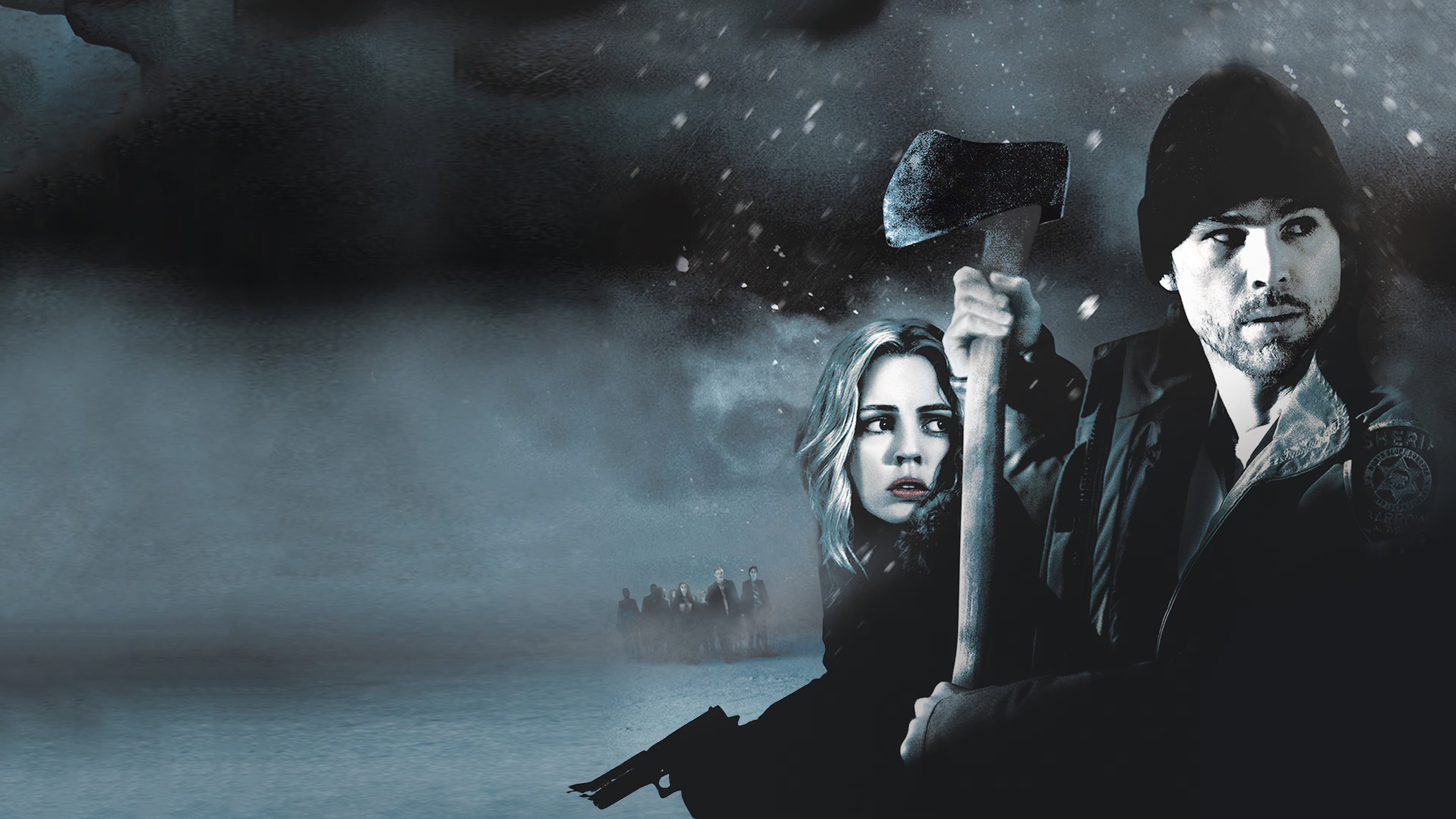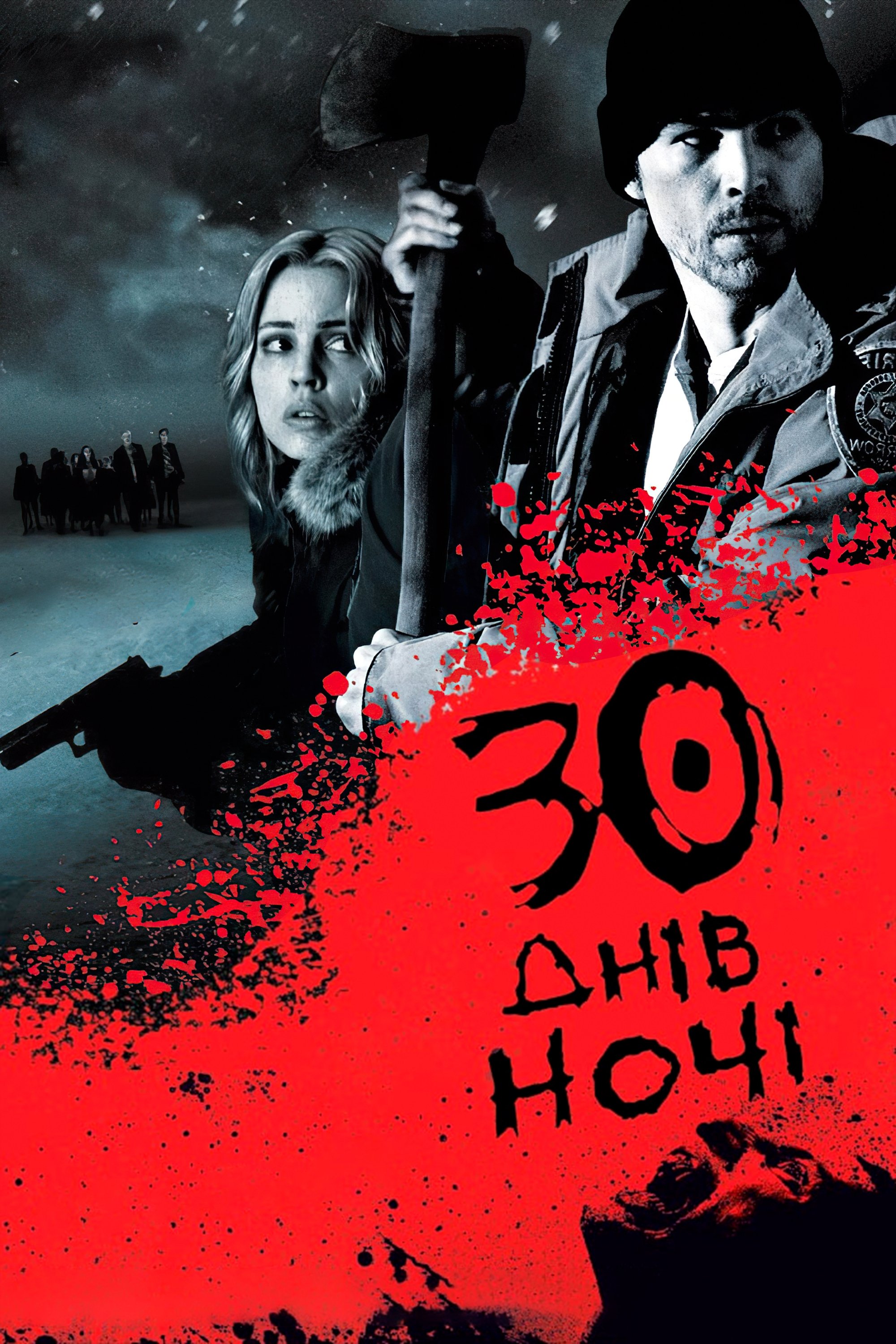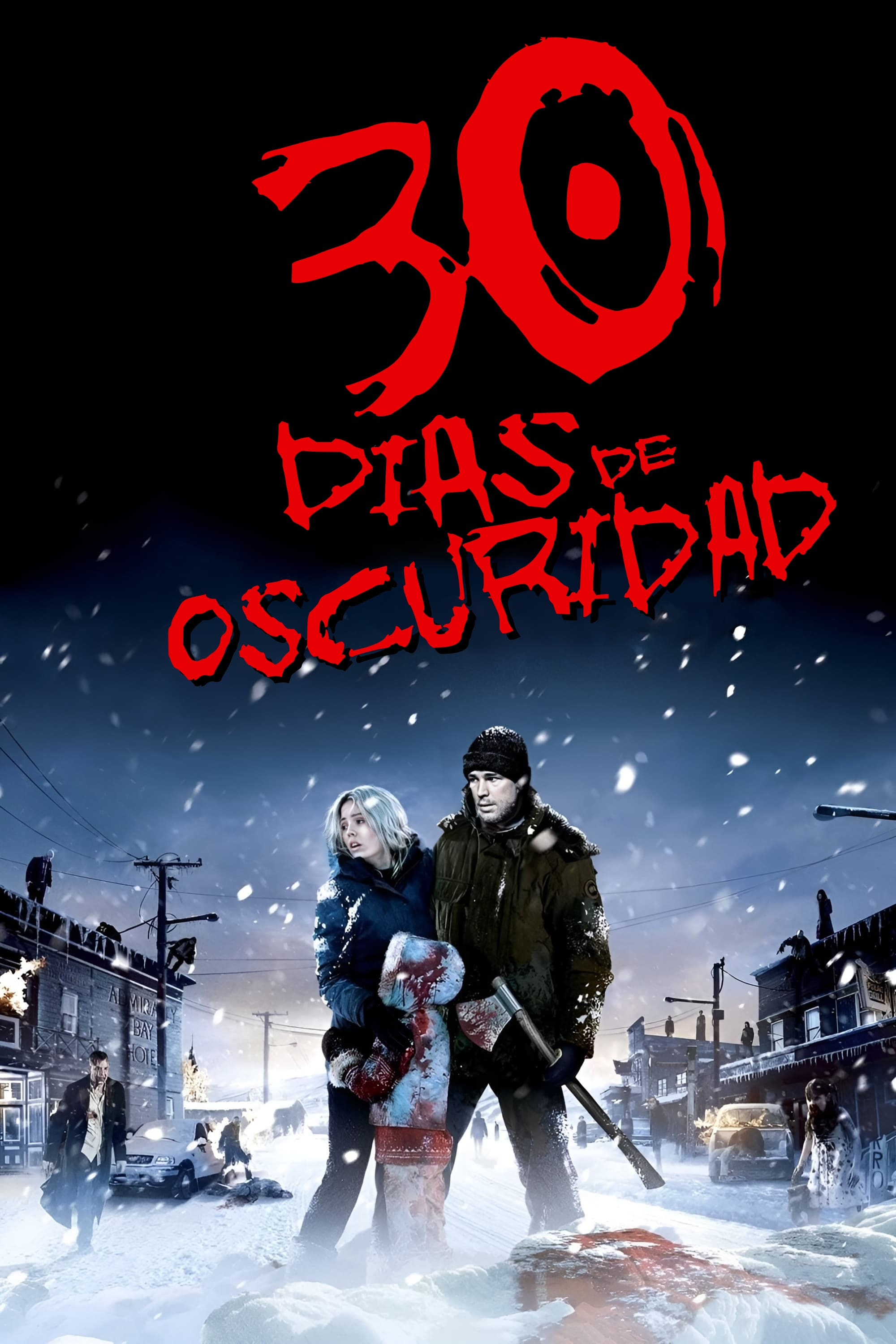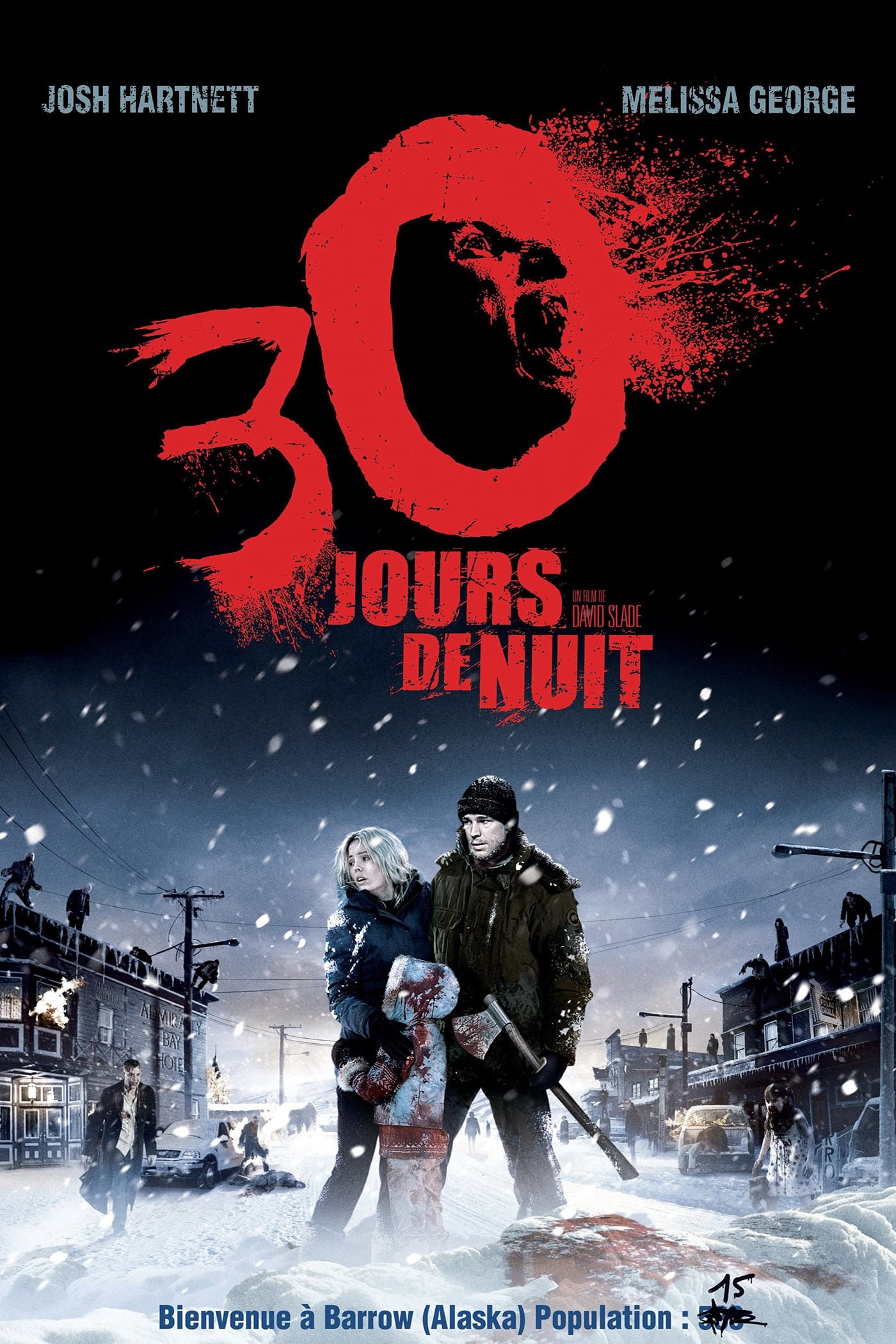
30 Days of Night (2007)

US
HORROR FILM Thriller
9.0/10 4 votes
Runtime
113 min
Release
October 17, 2007
Budget
$30,000,000
Revenue
$80,276,156
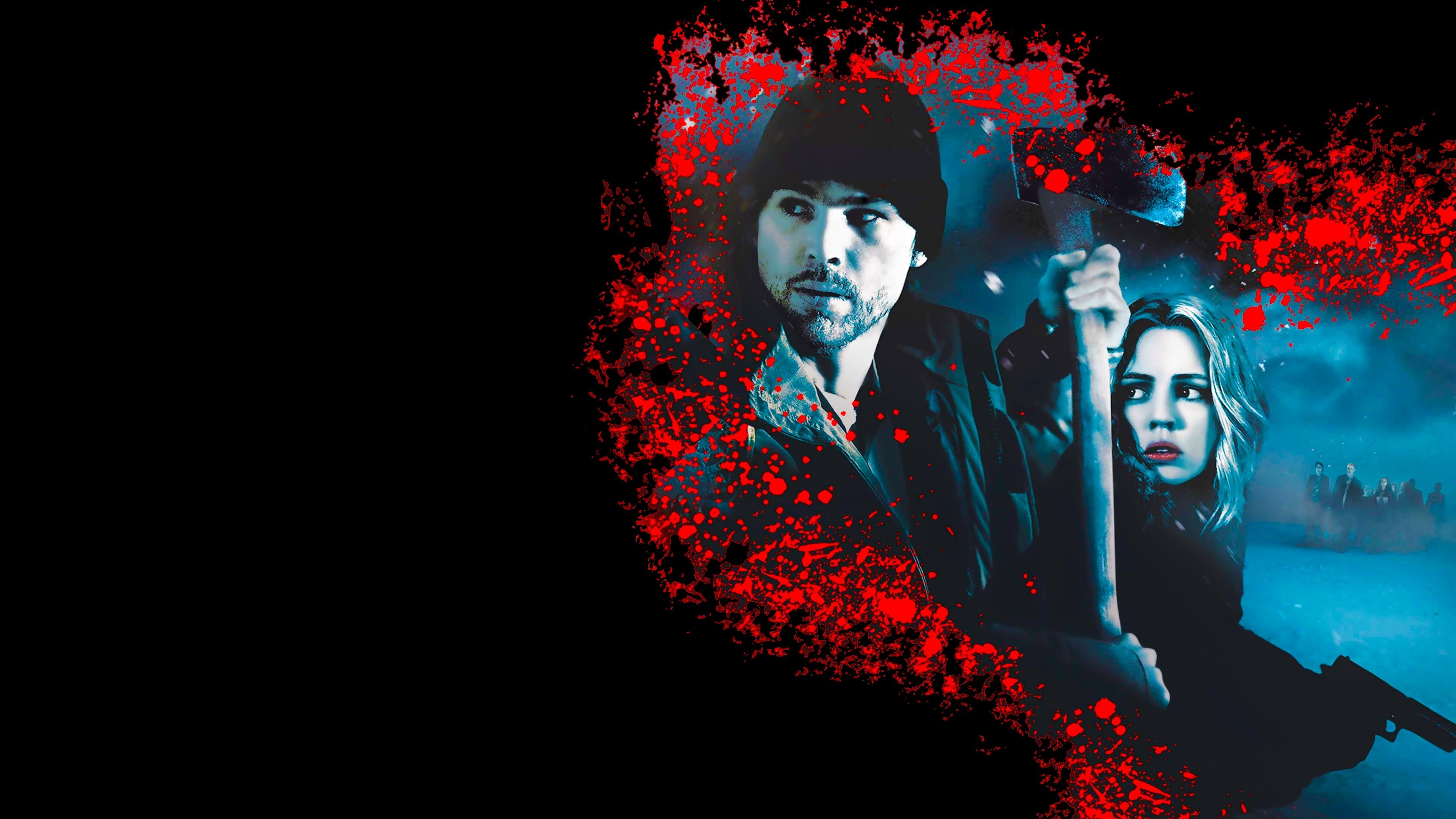
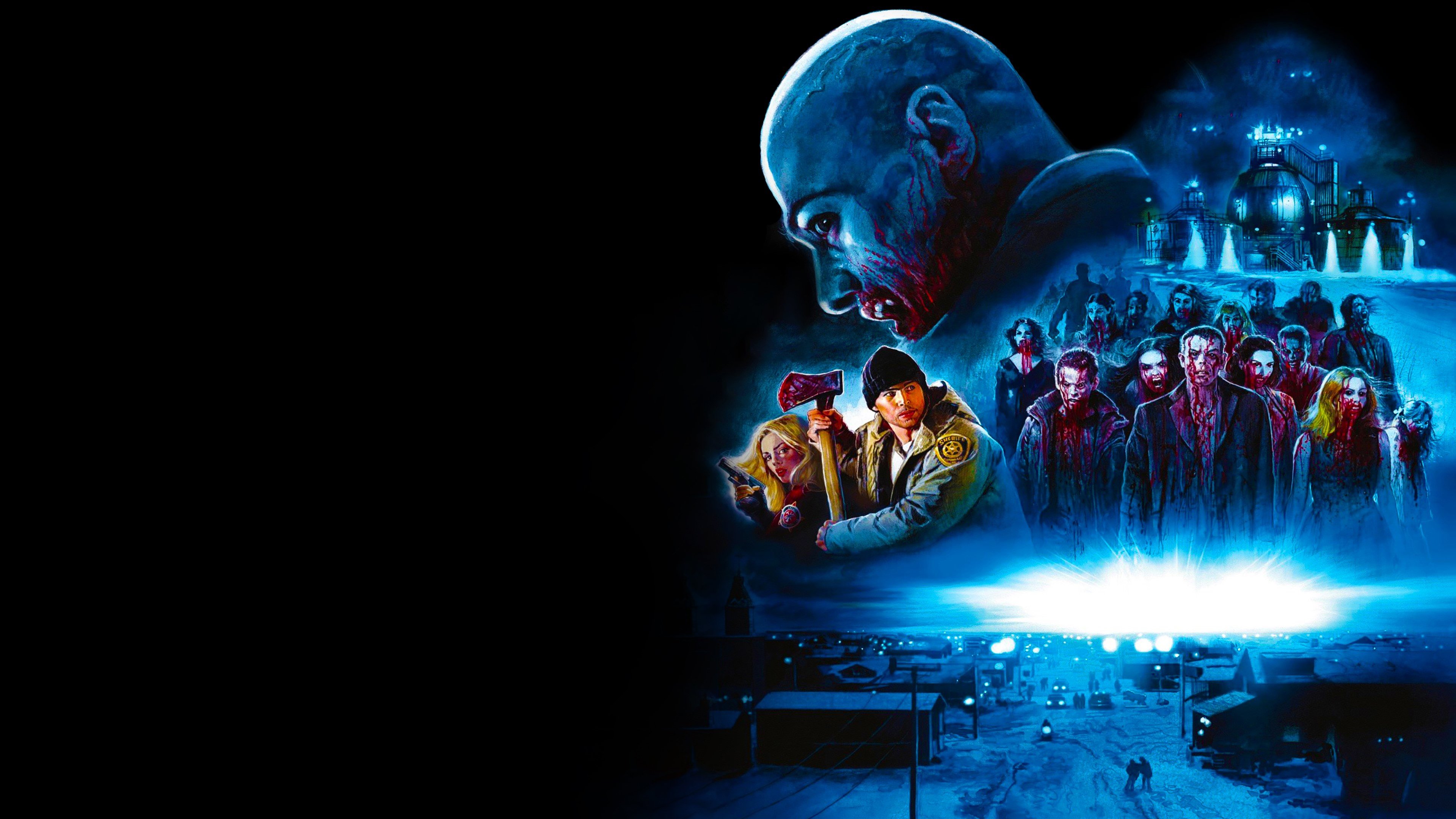
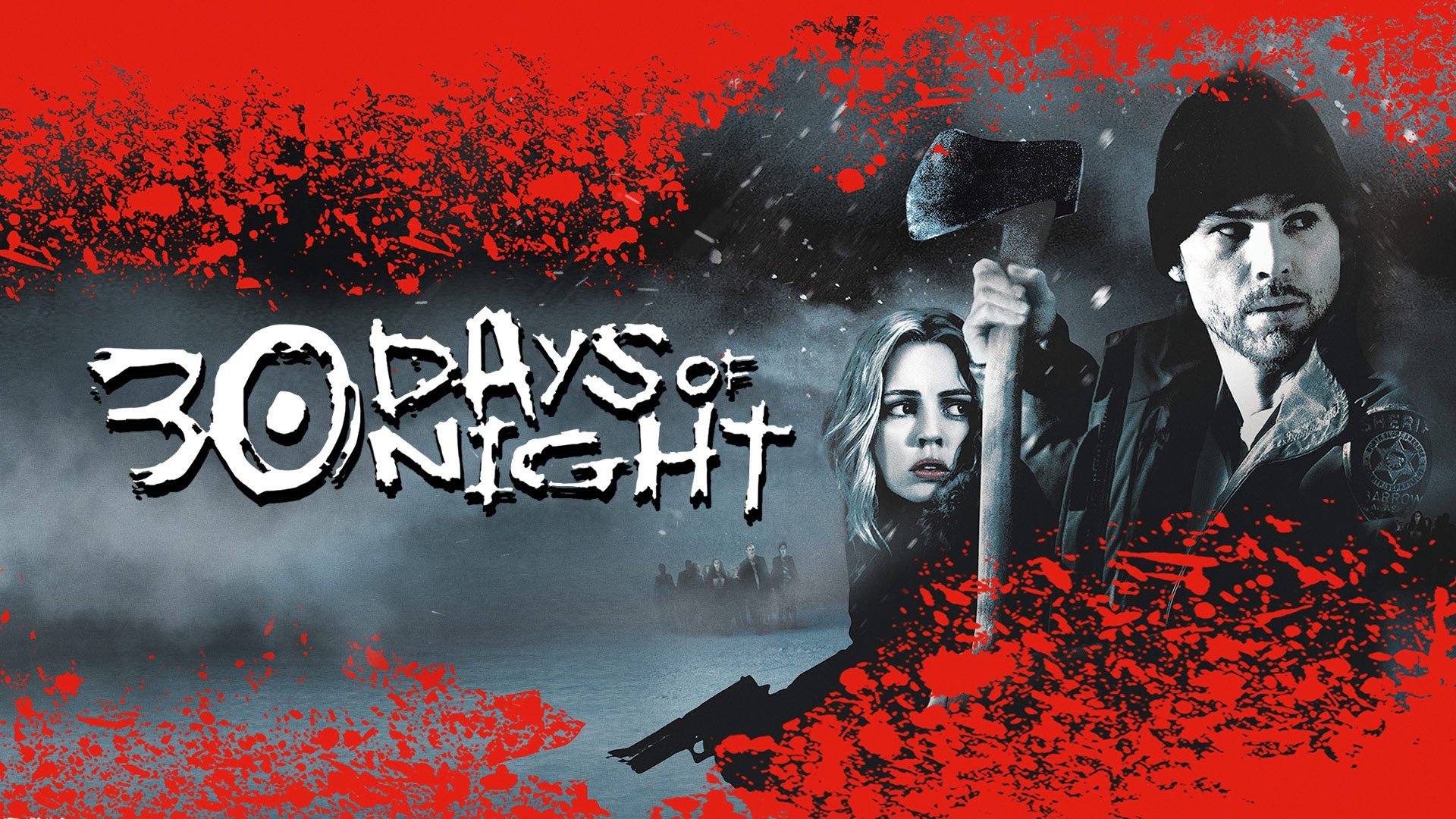
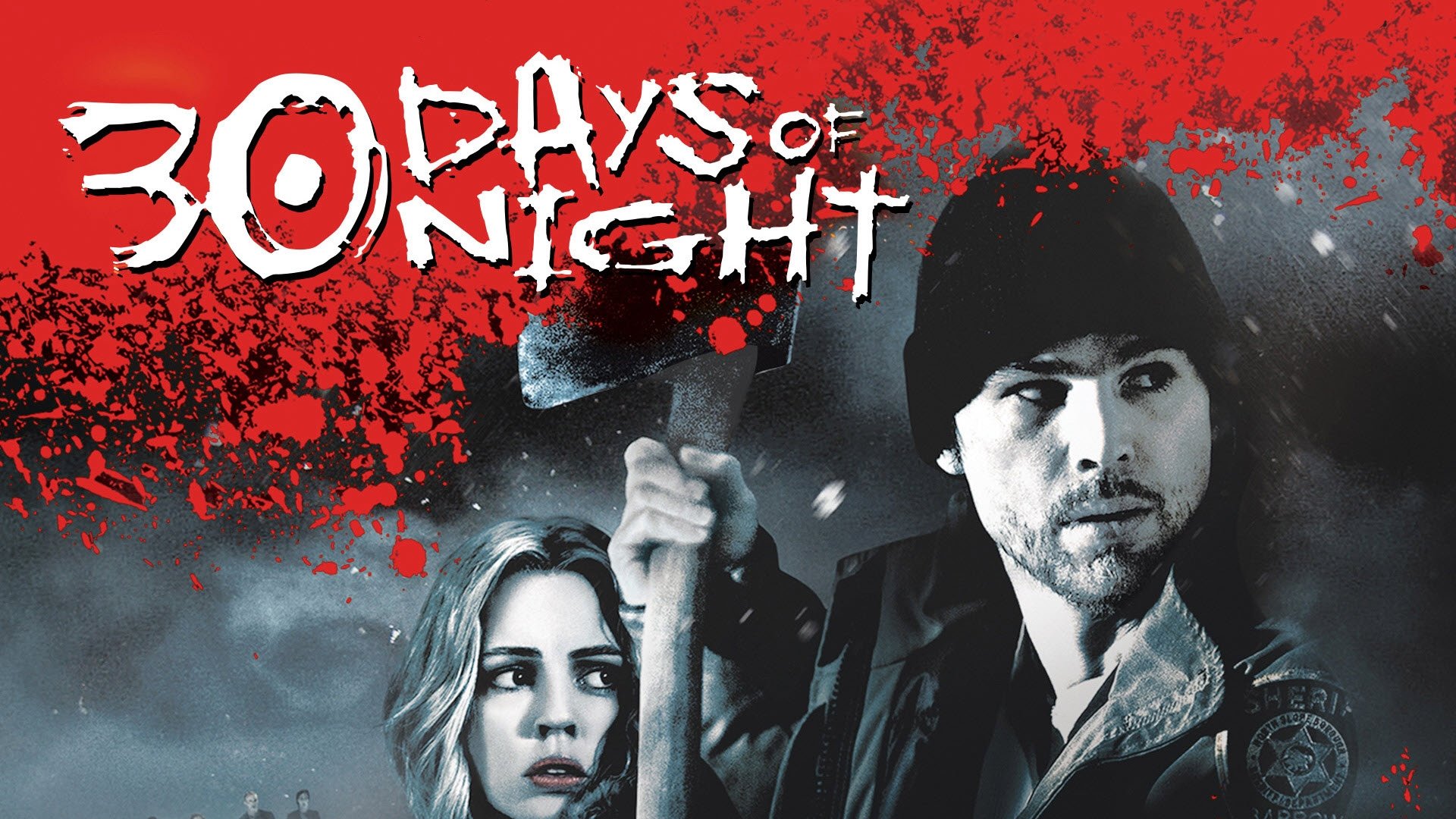
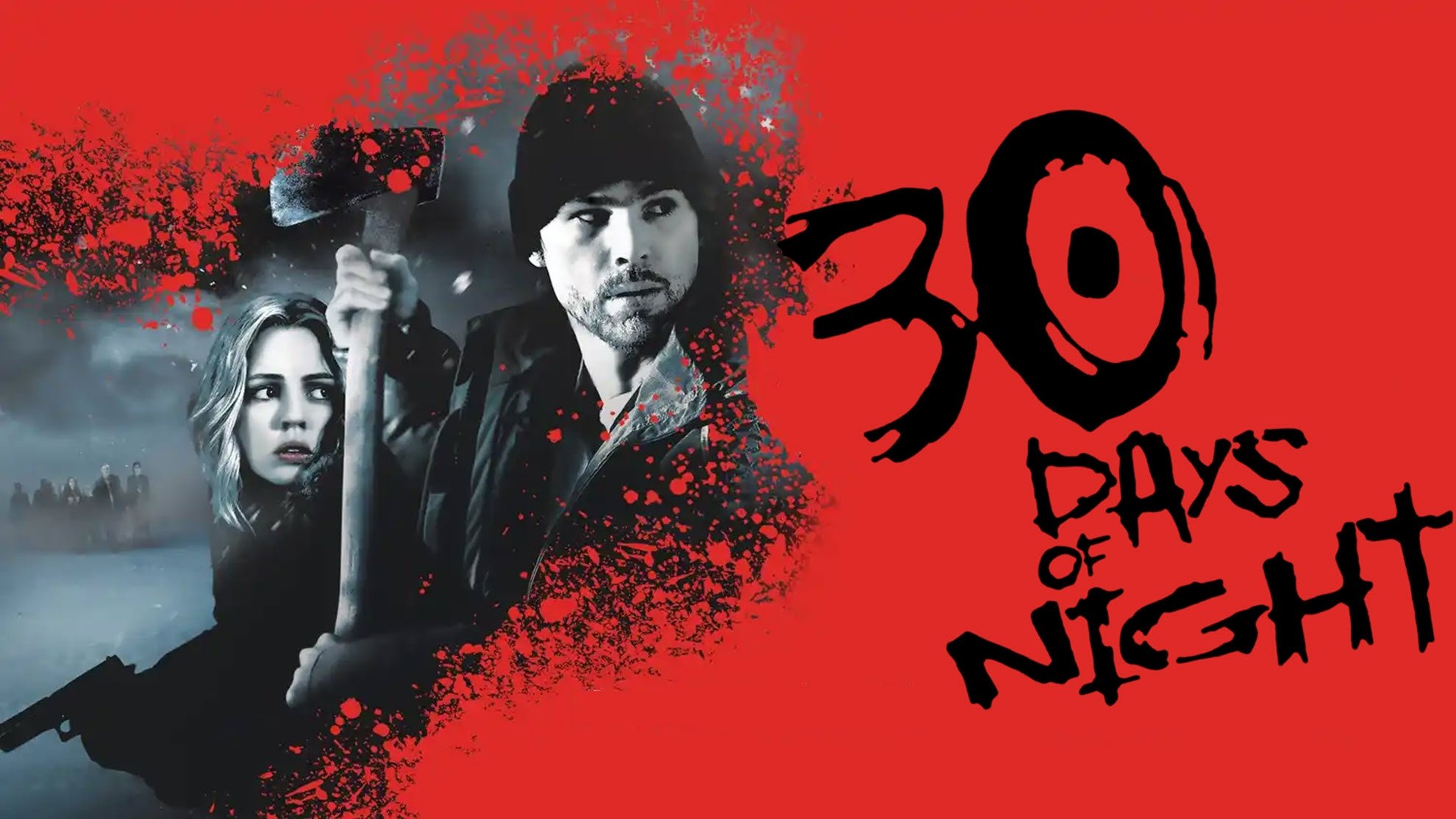
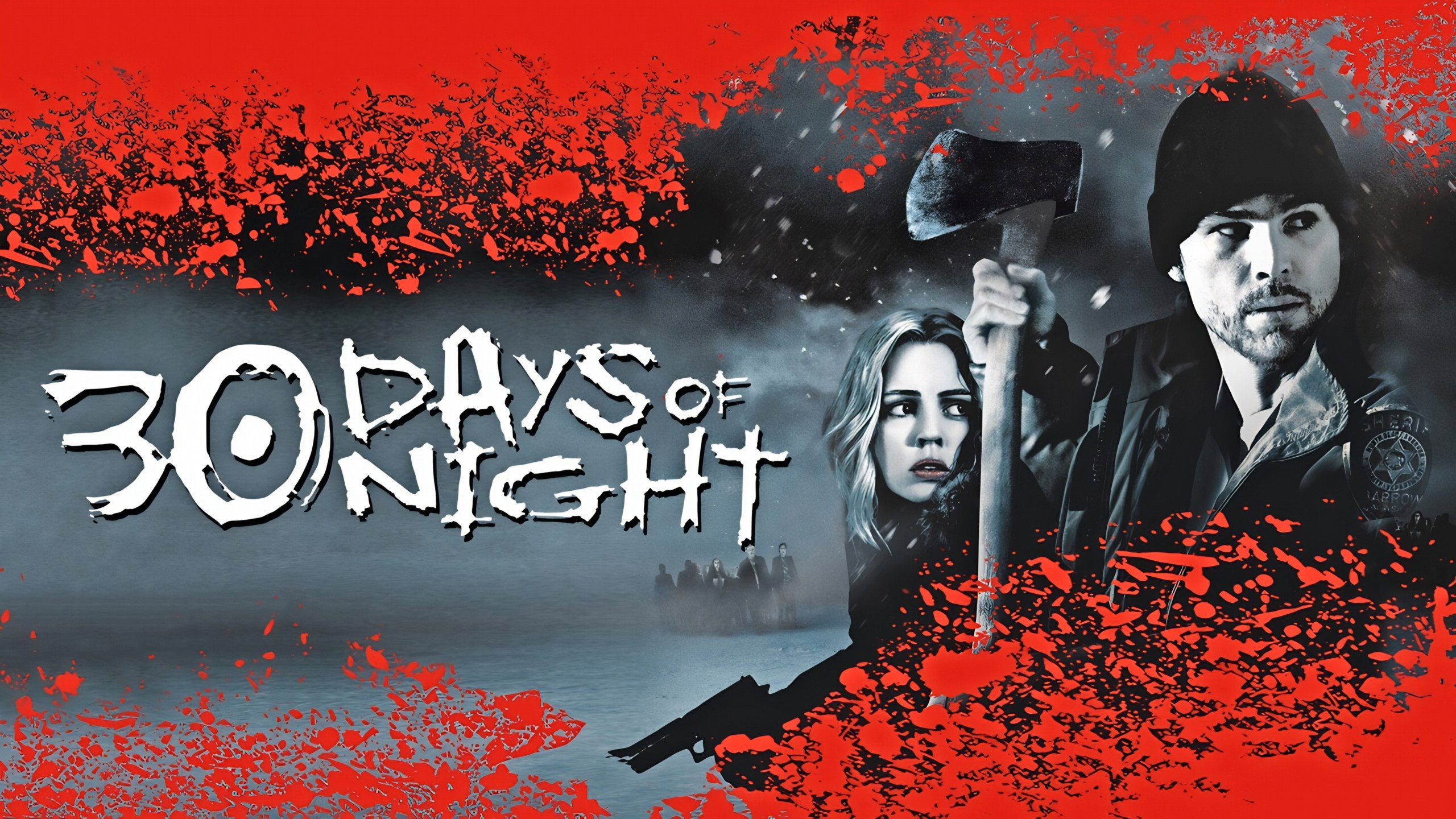
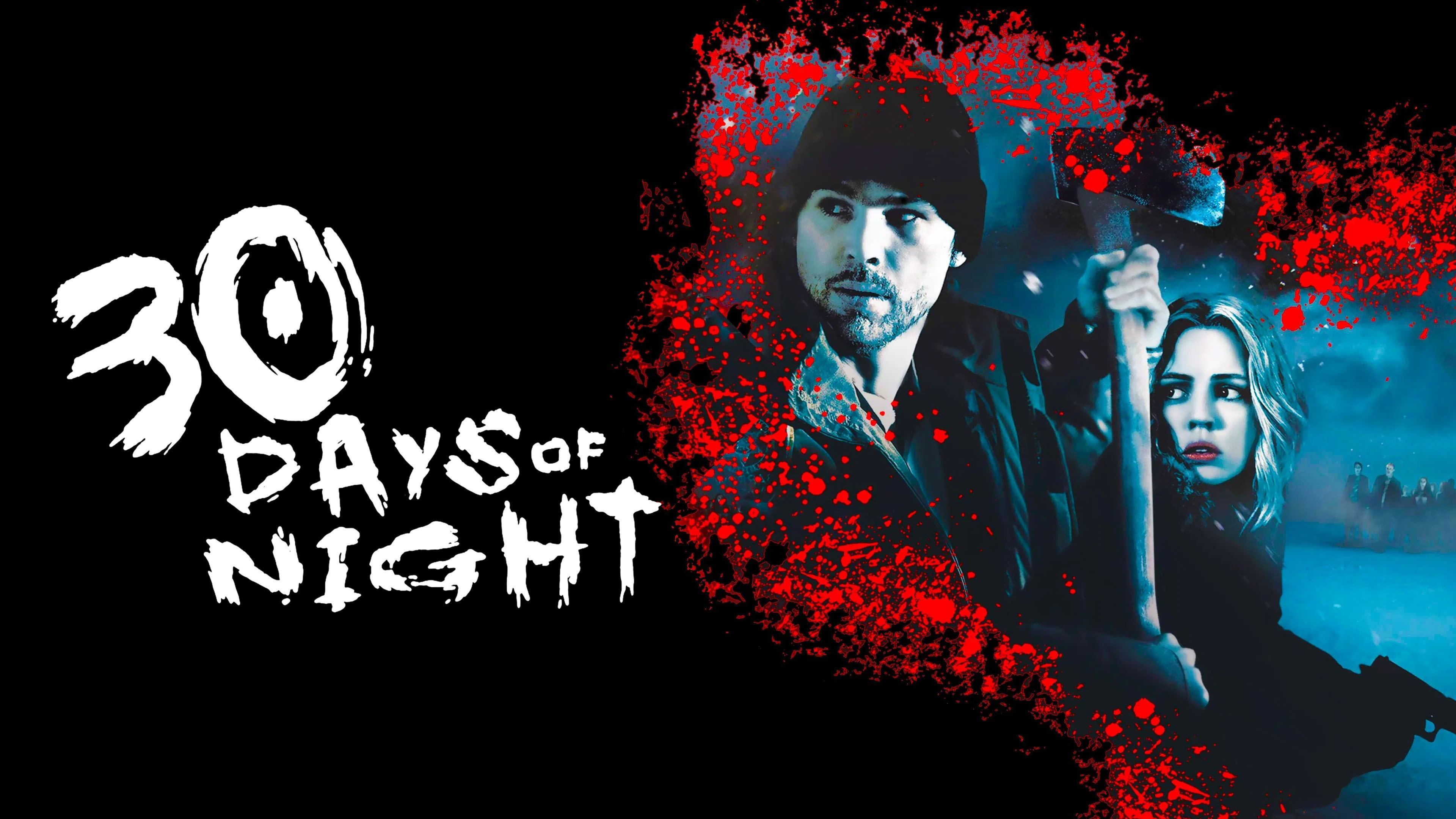
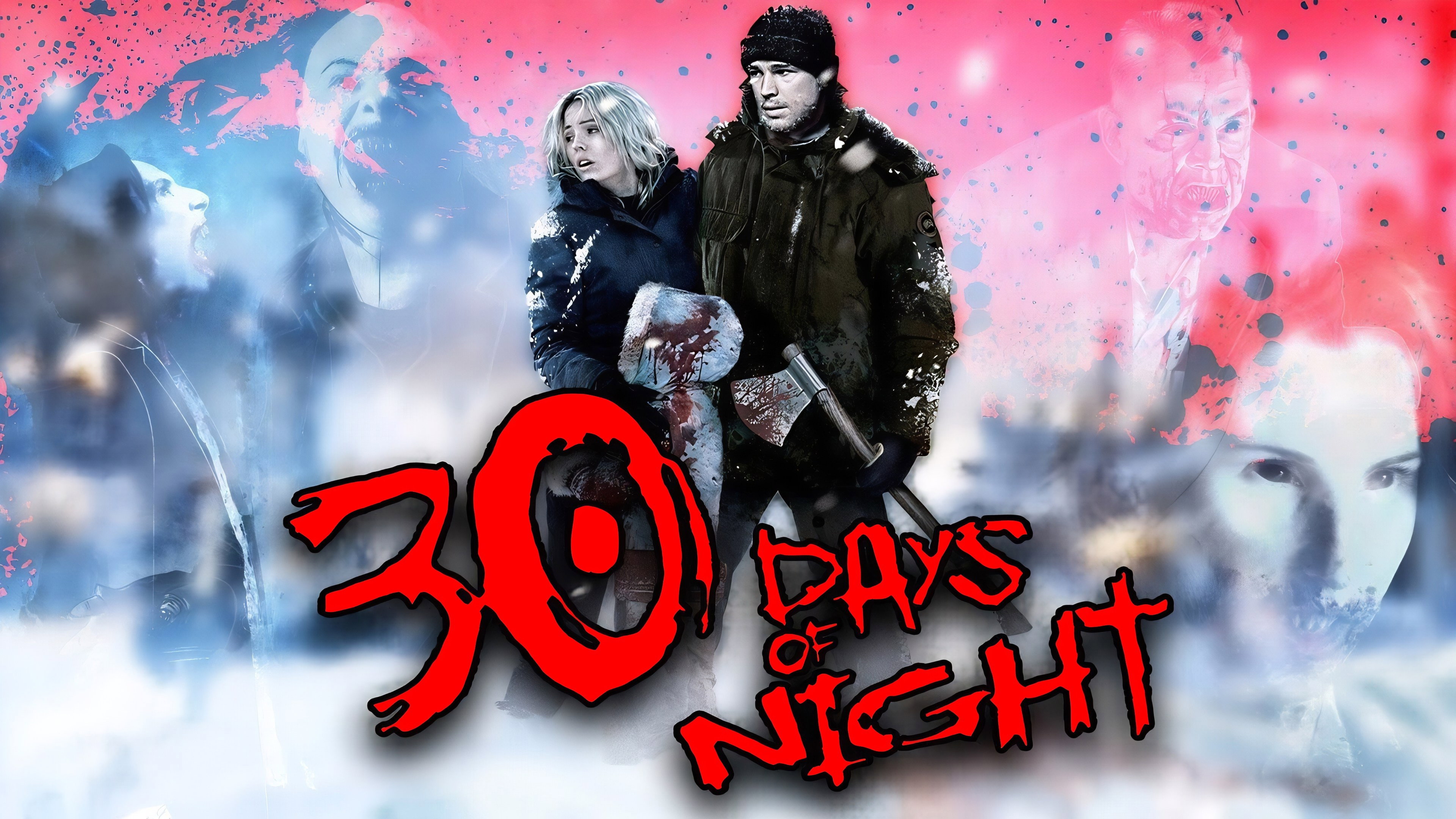
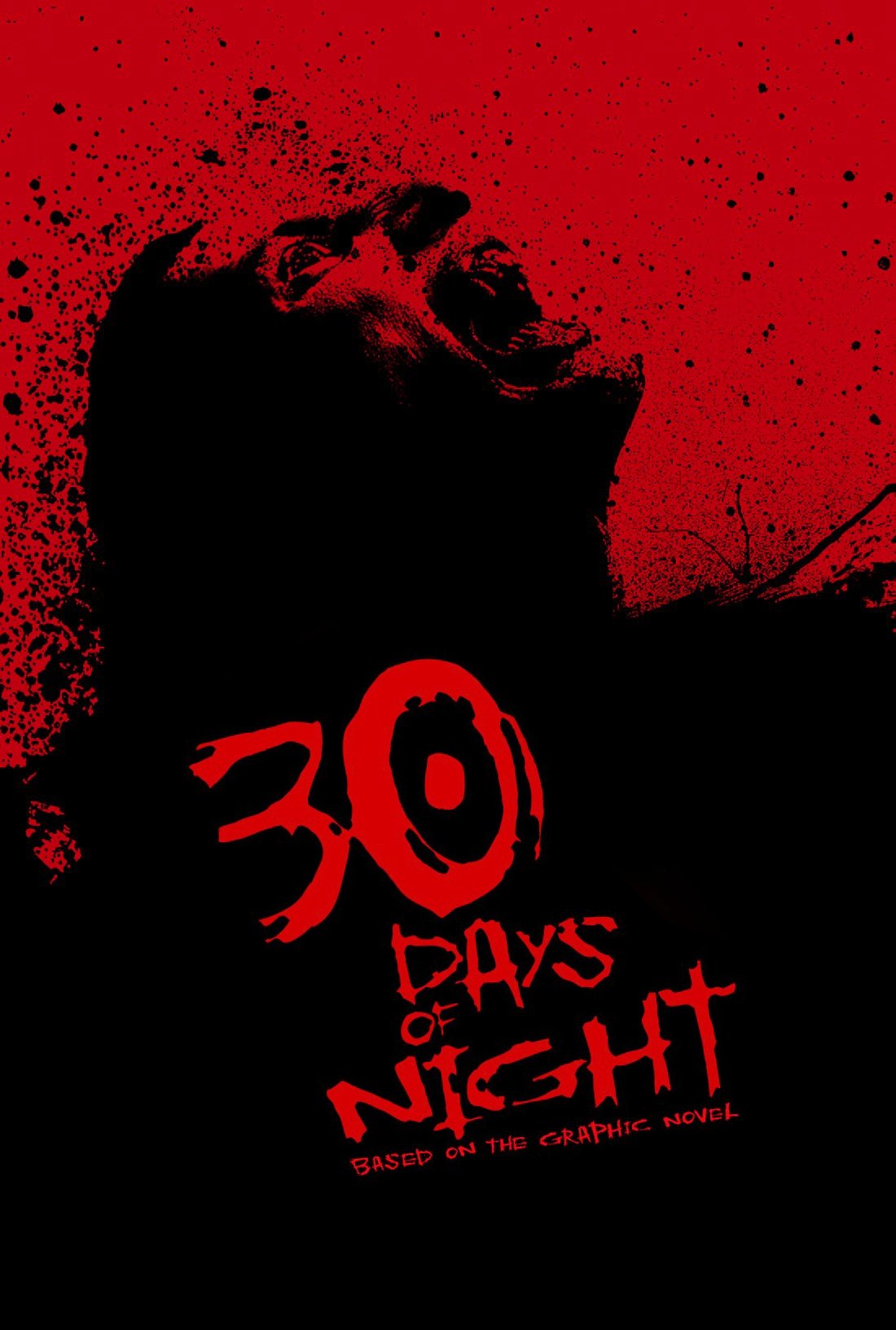
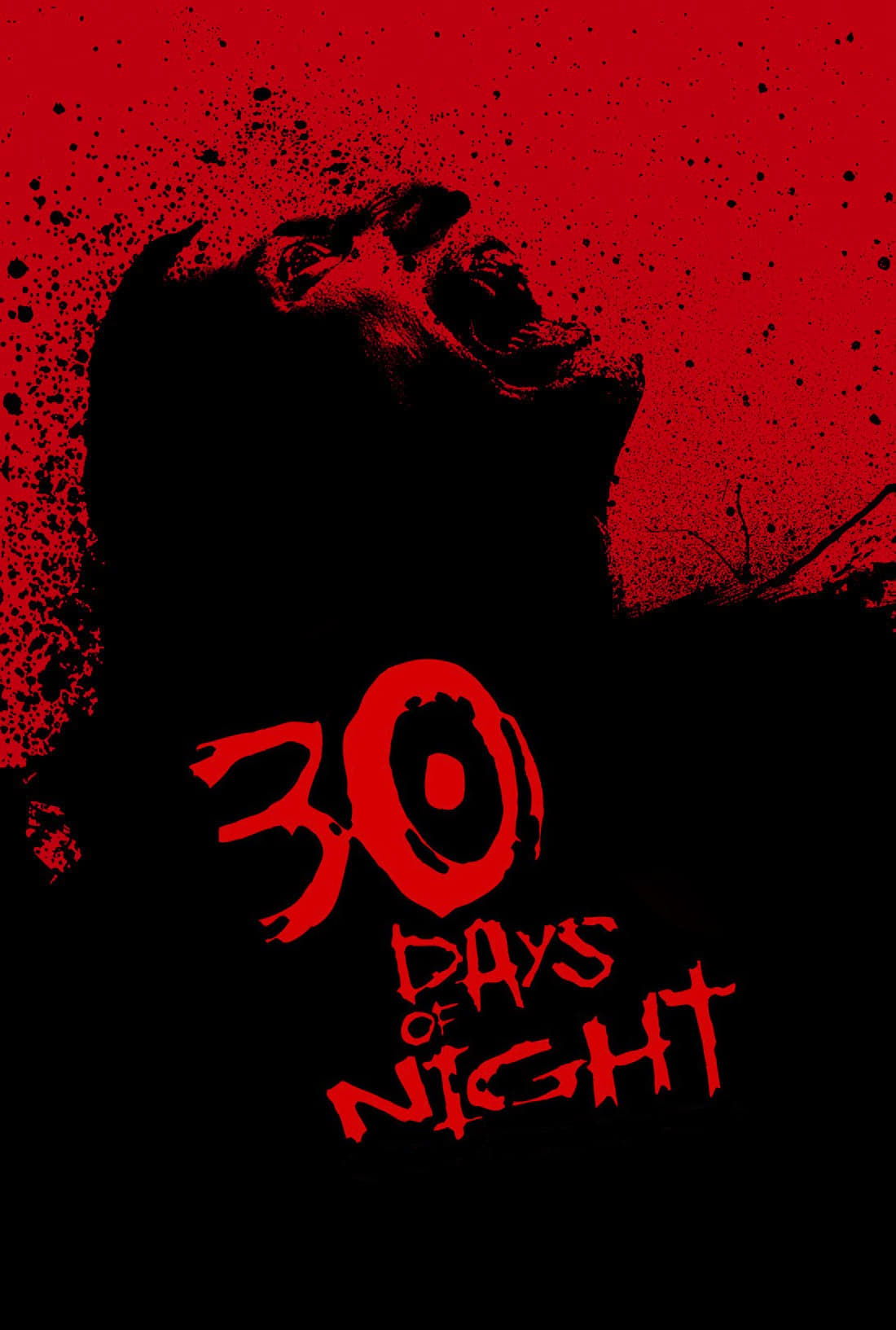
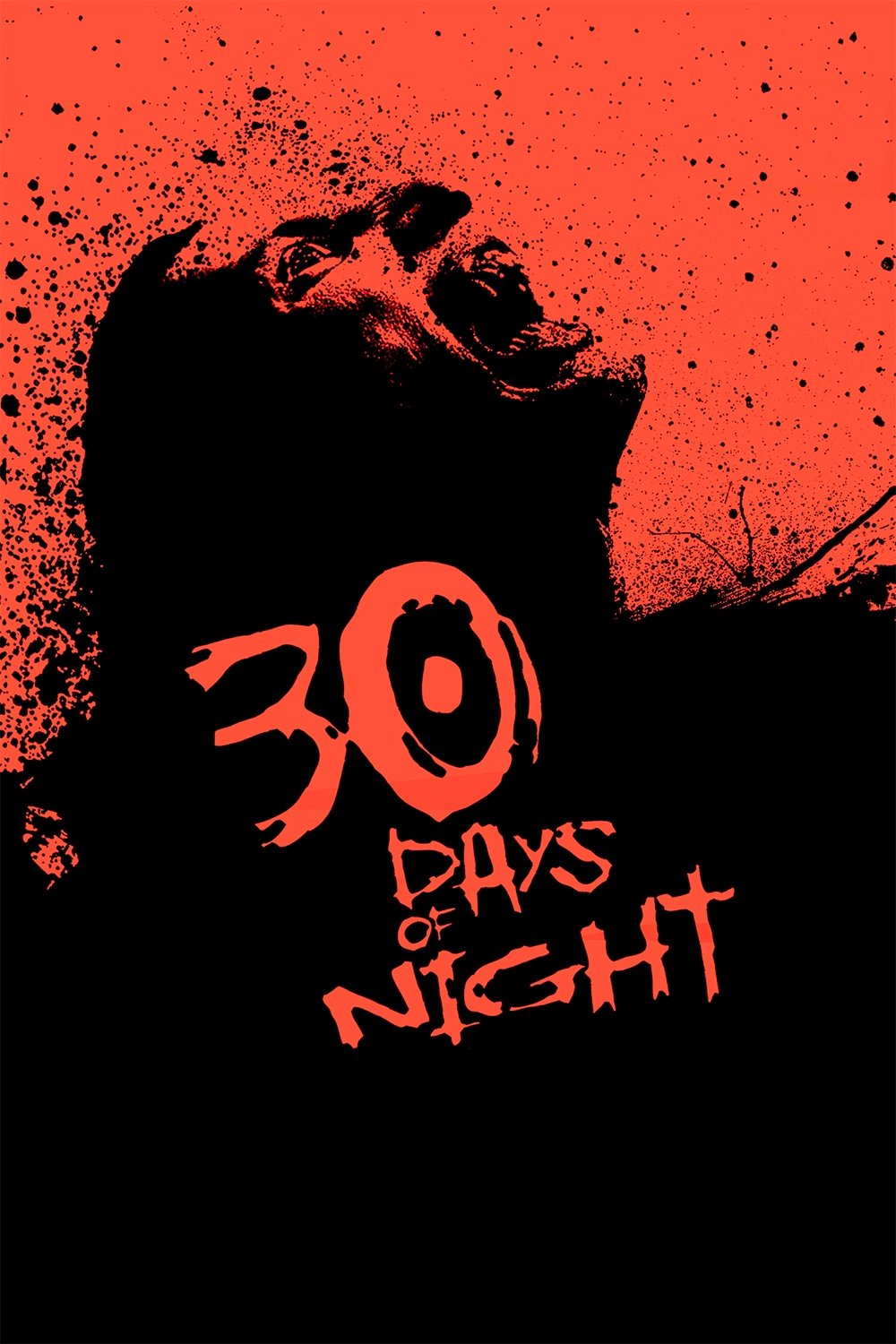
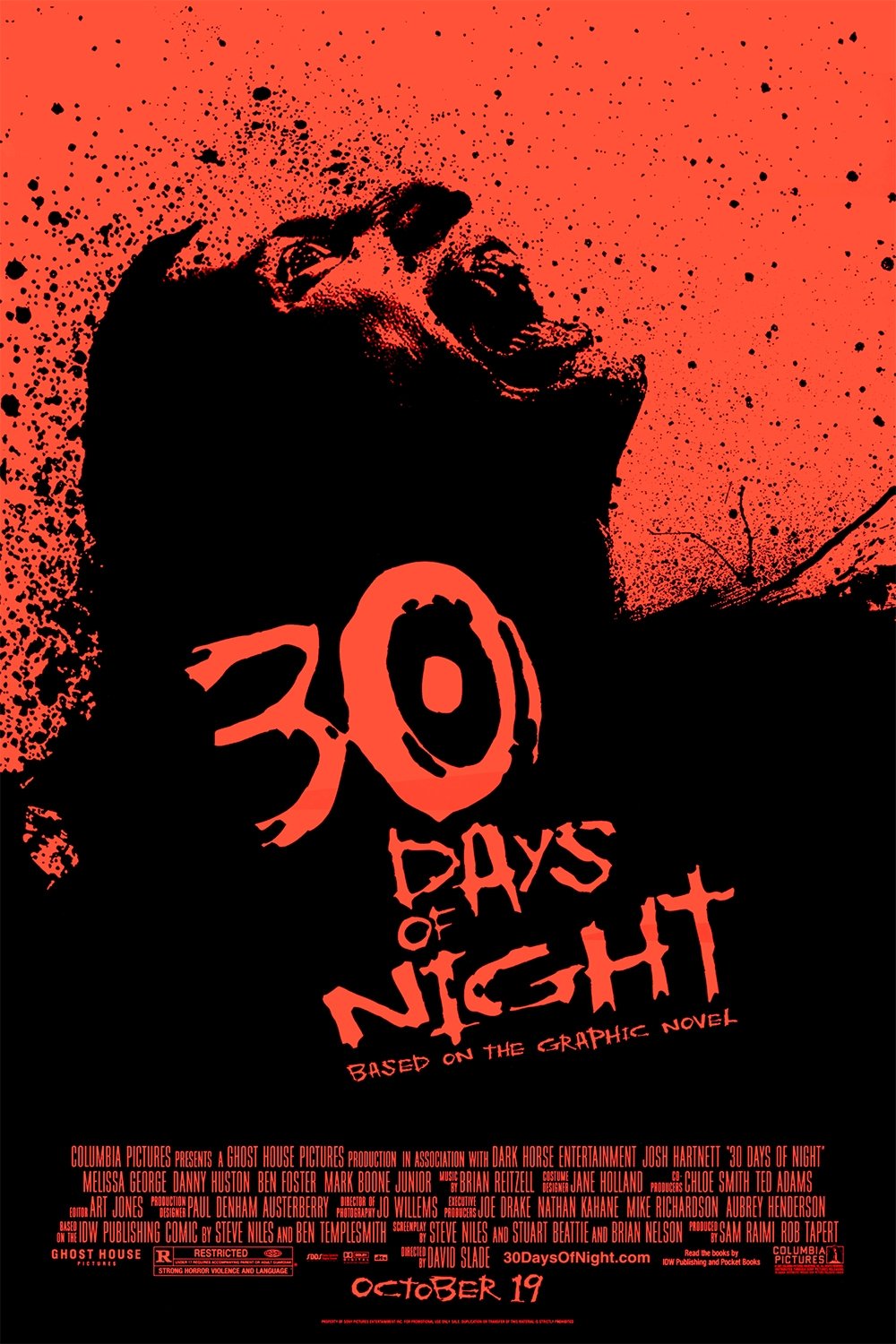
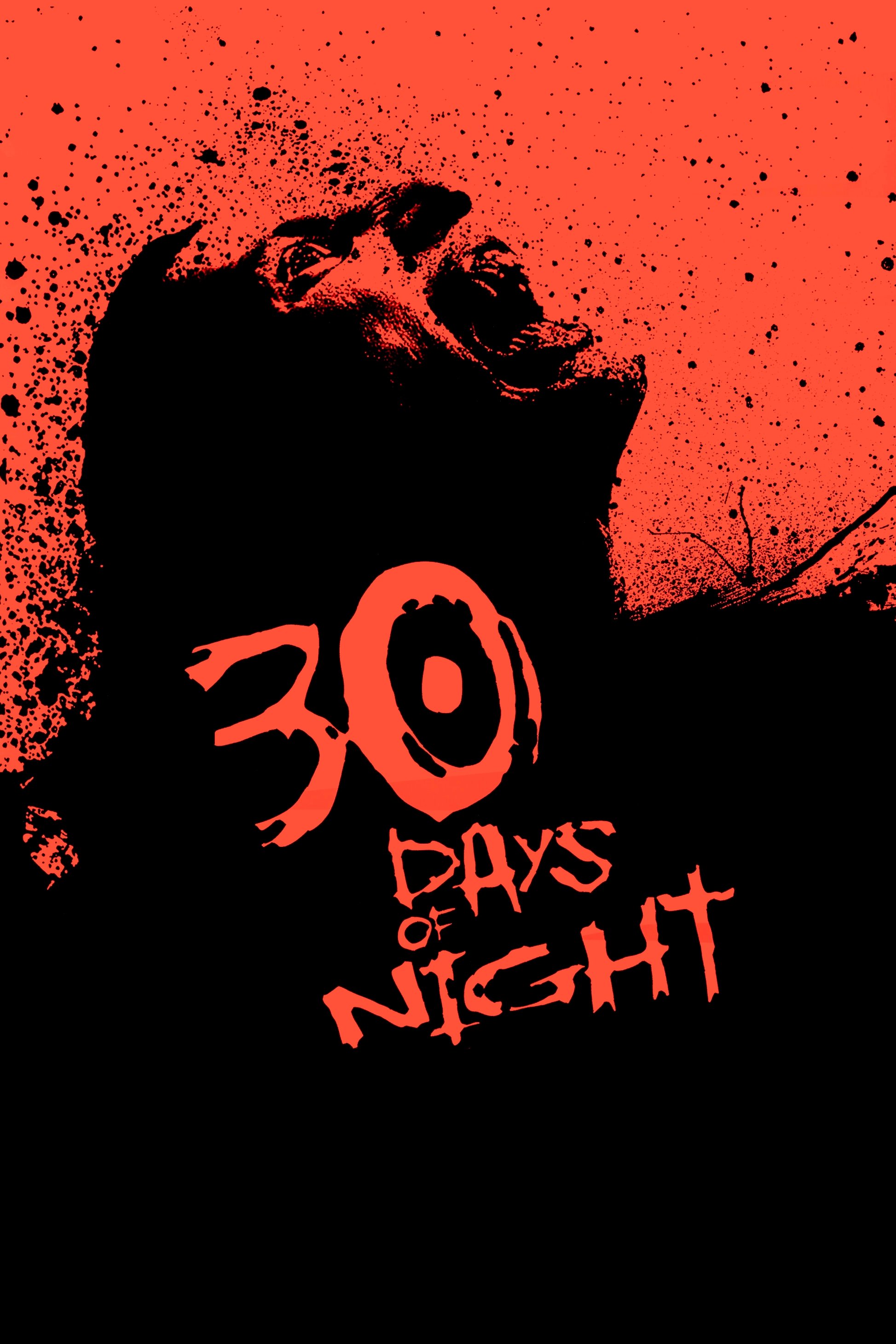
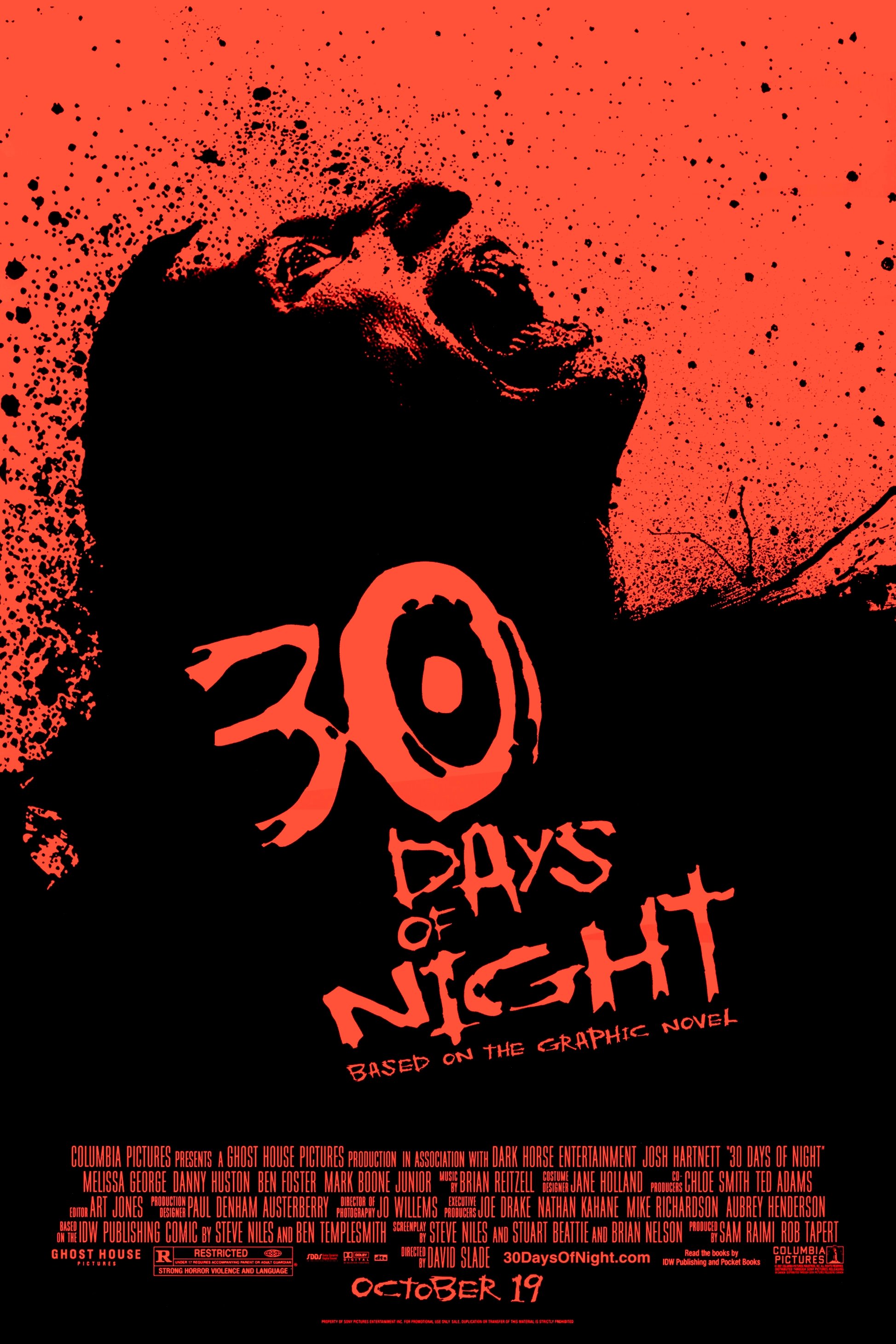
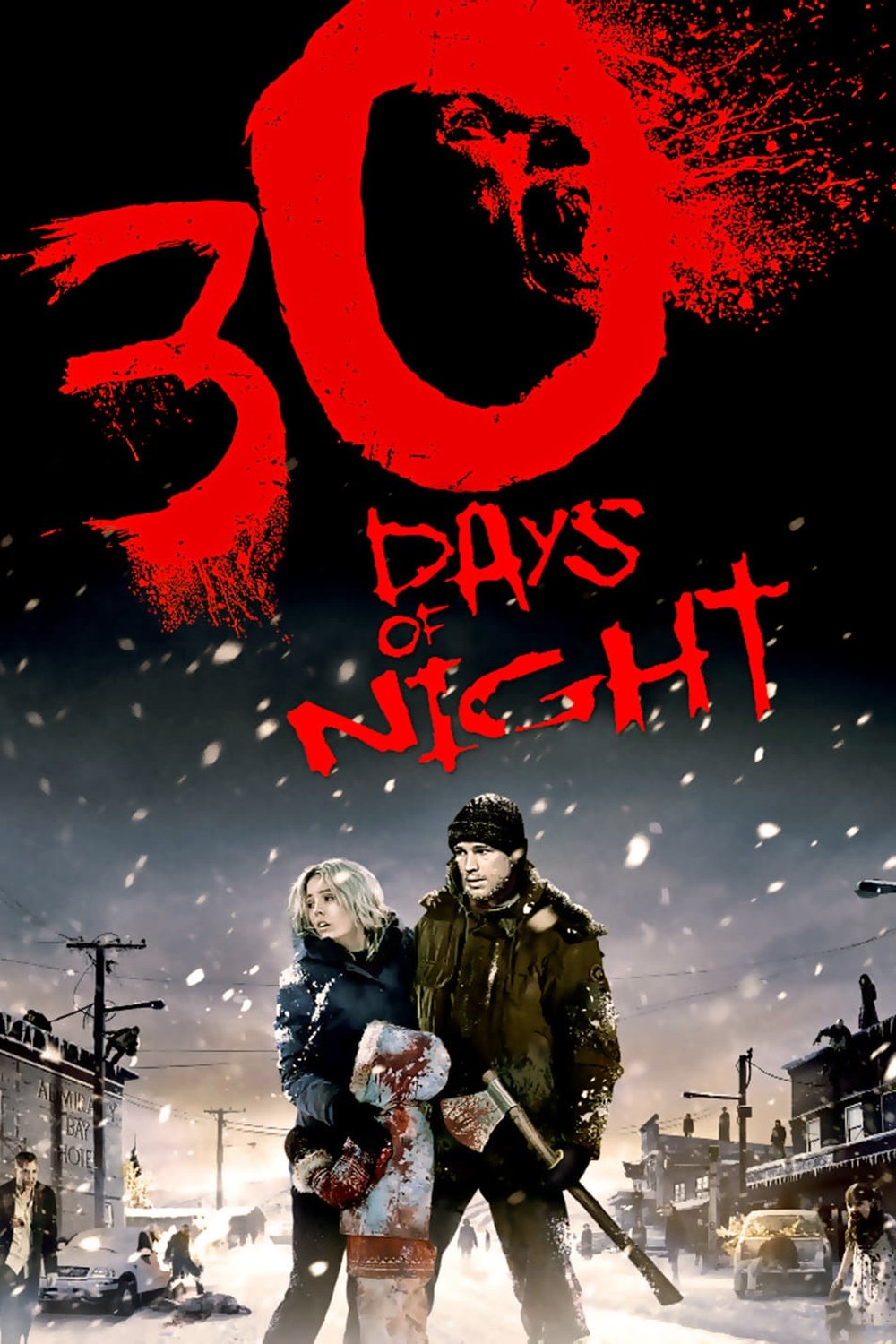
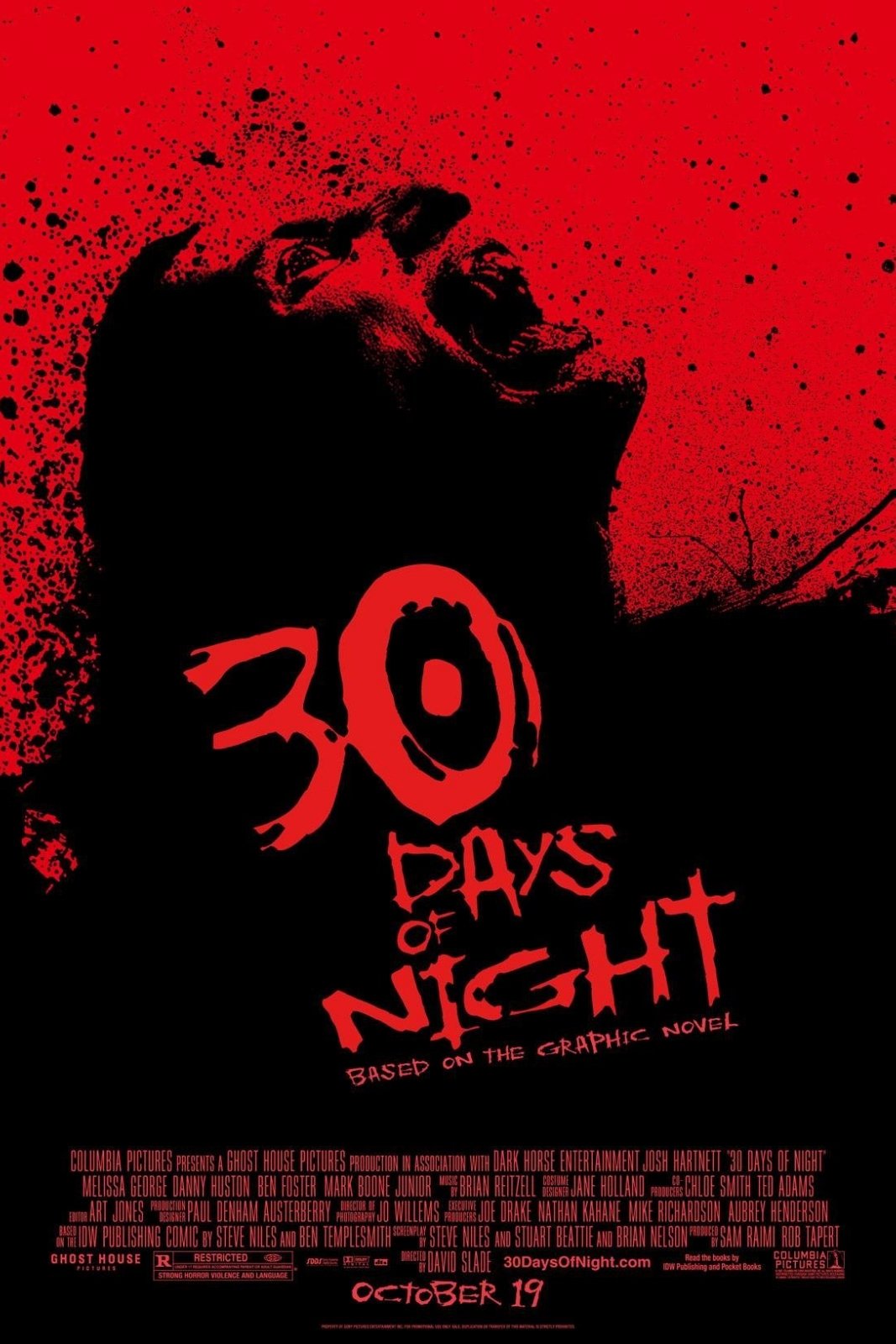
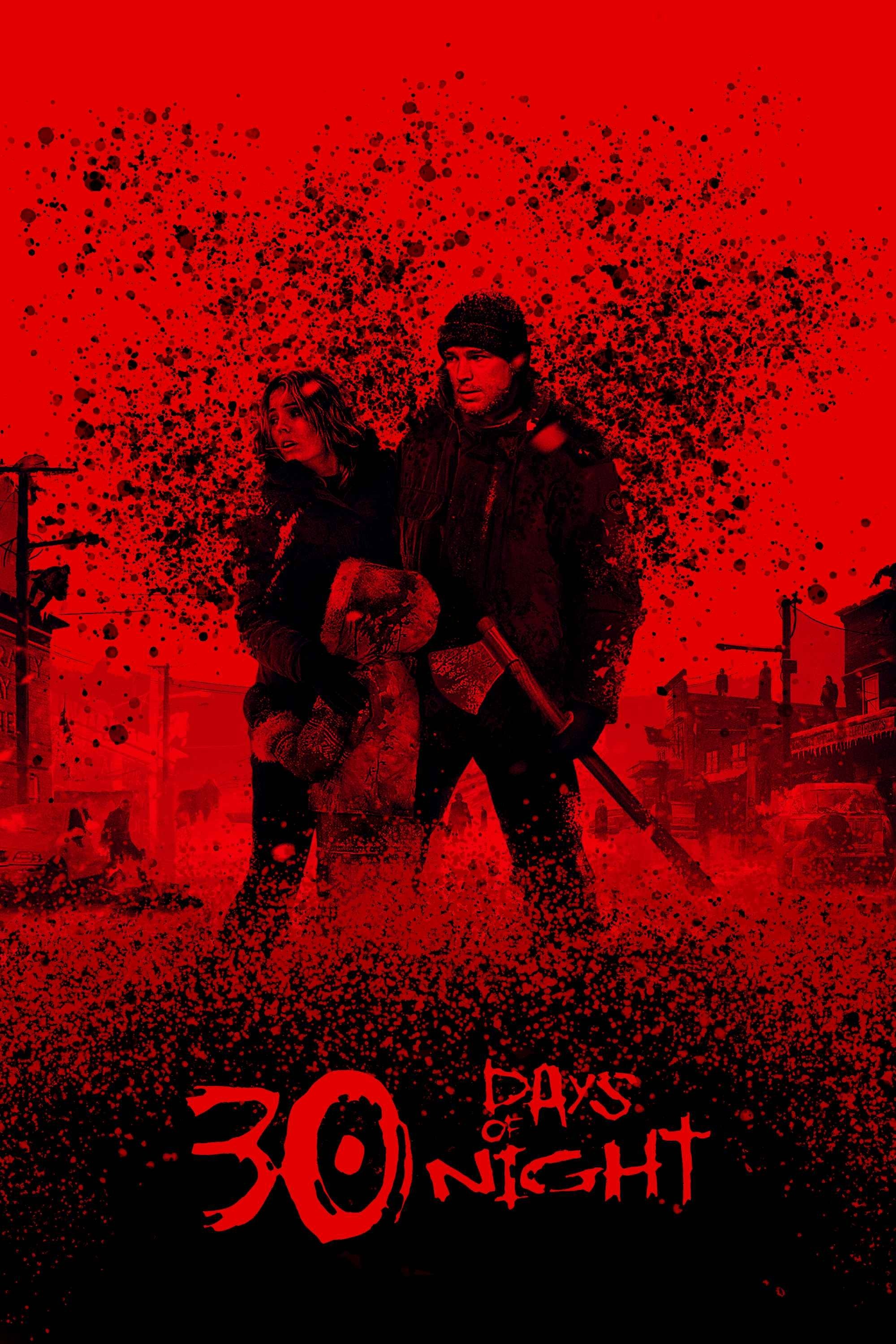
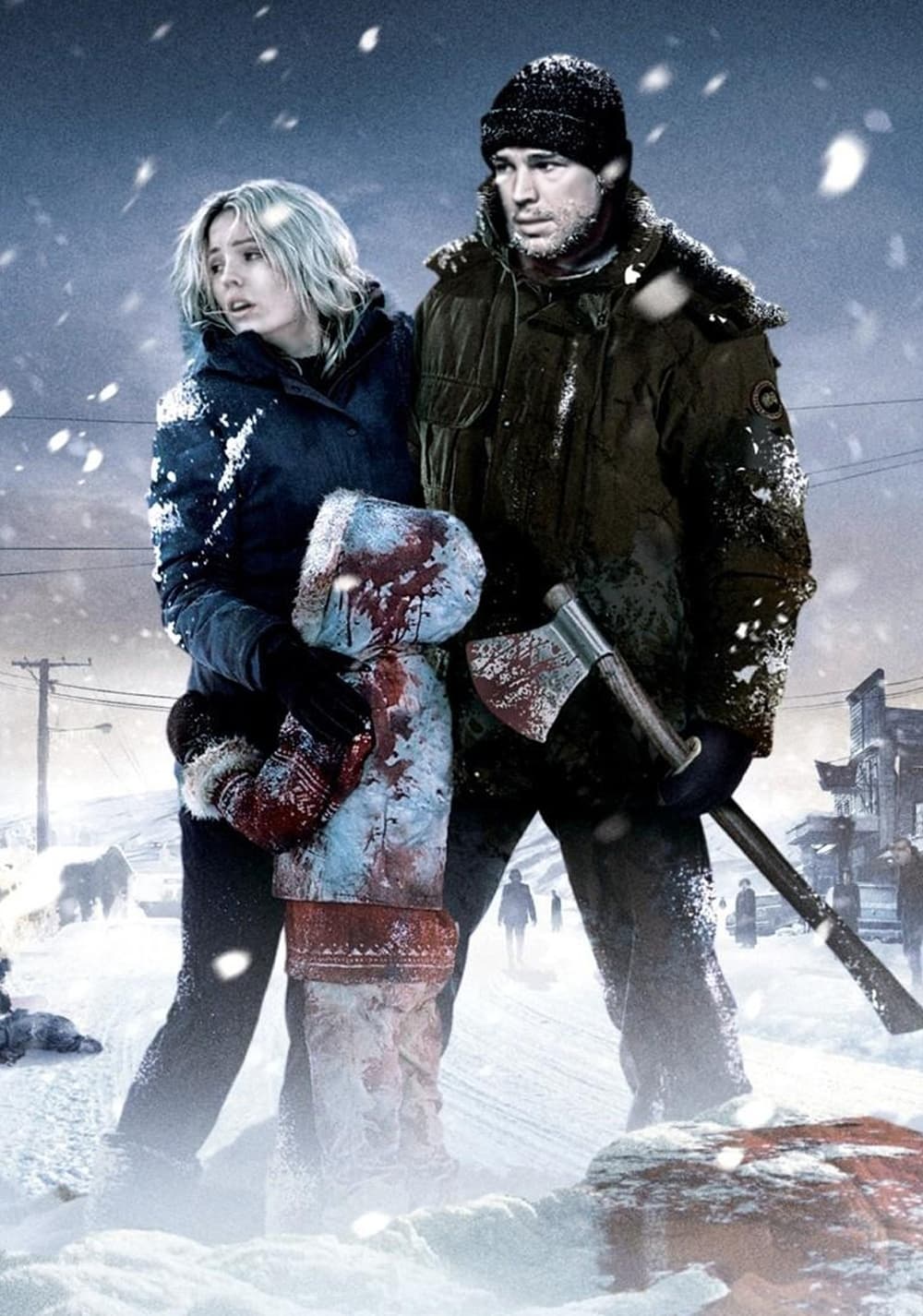
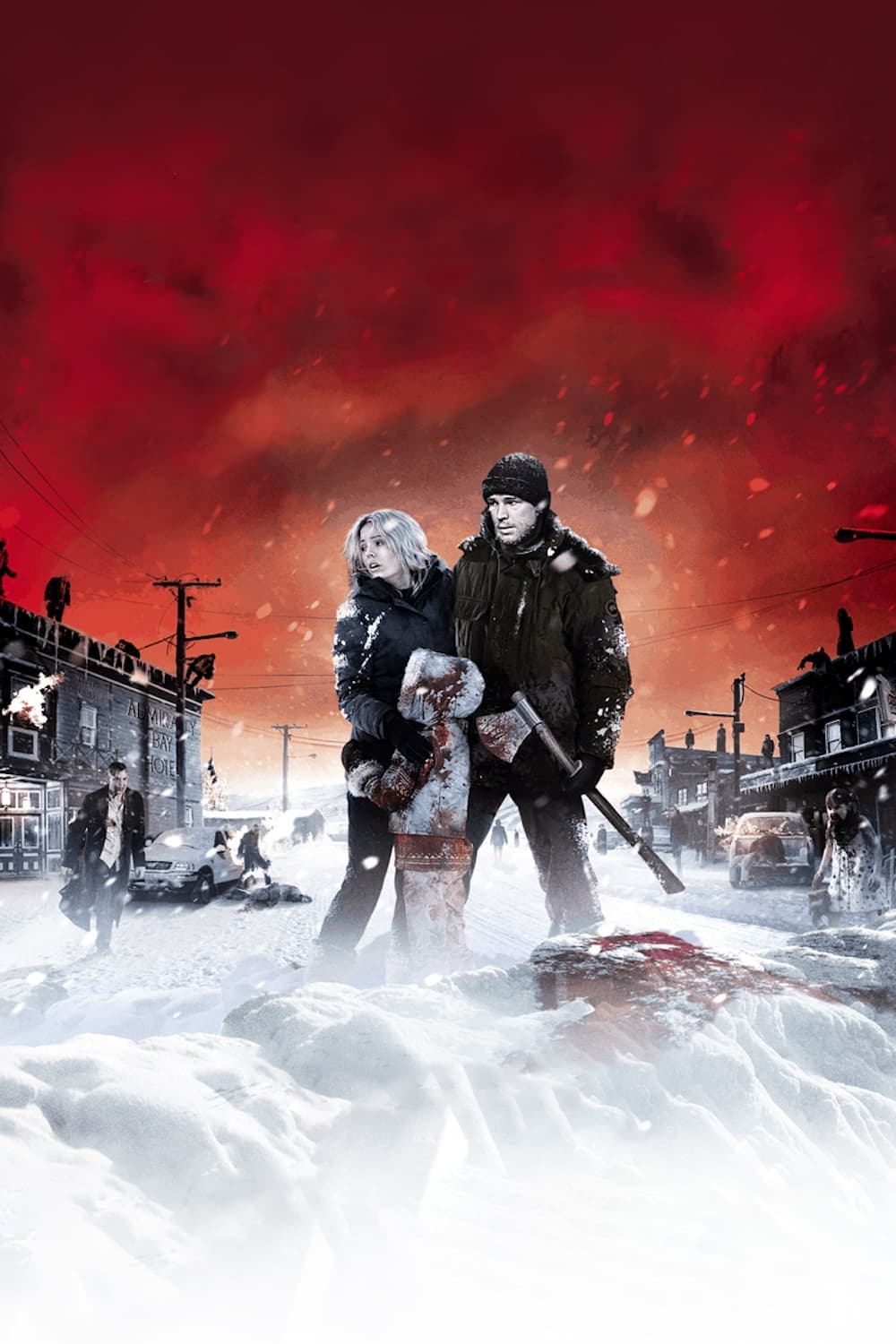
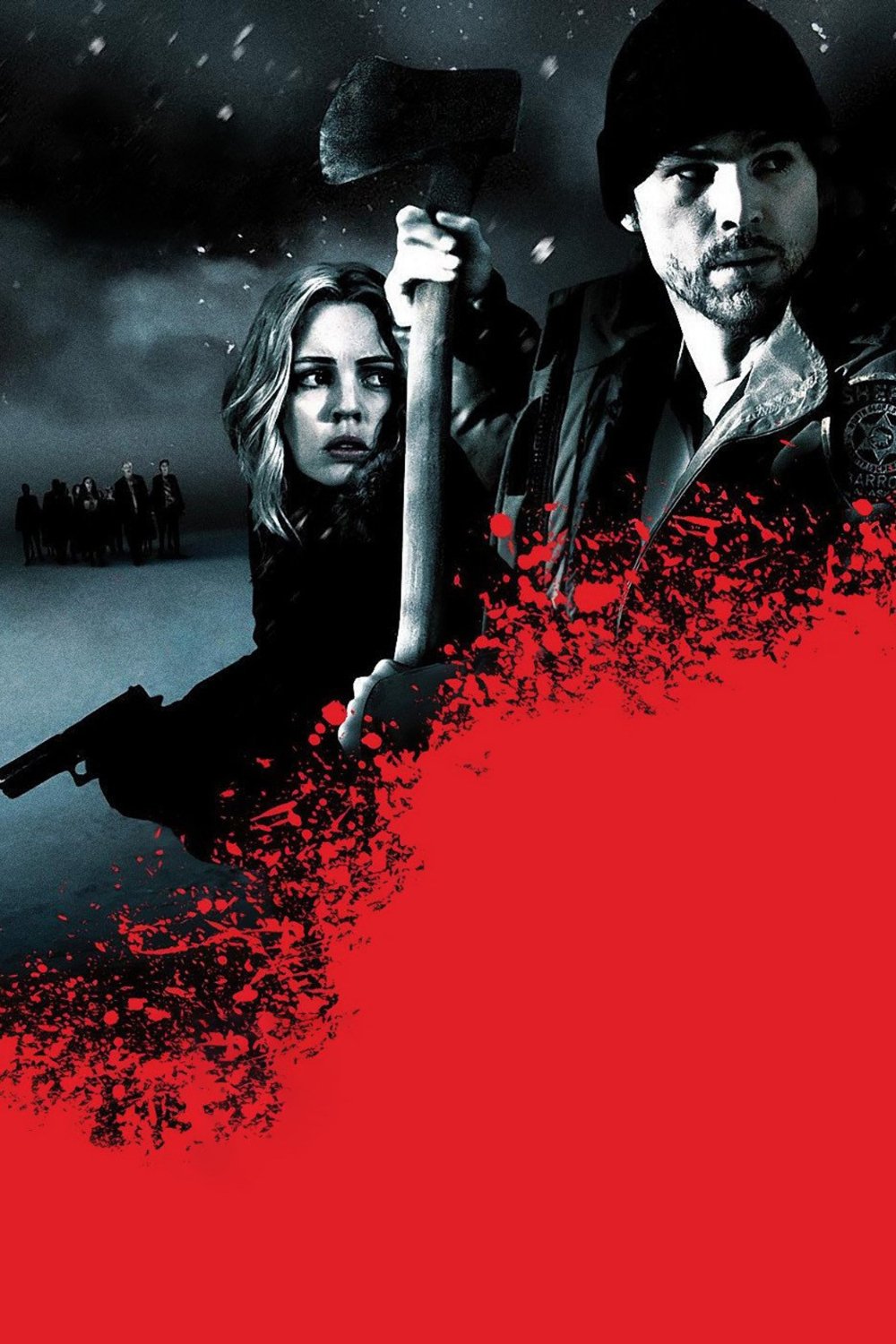
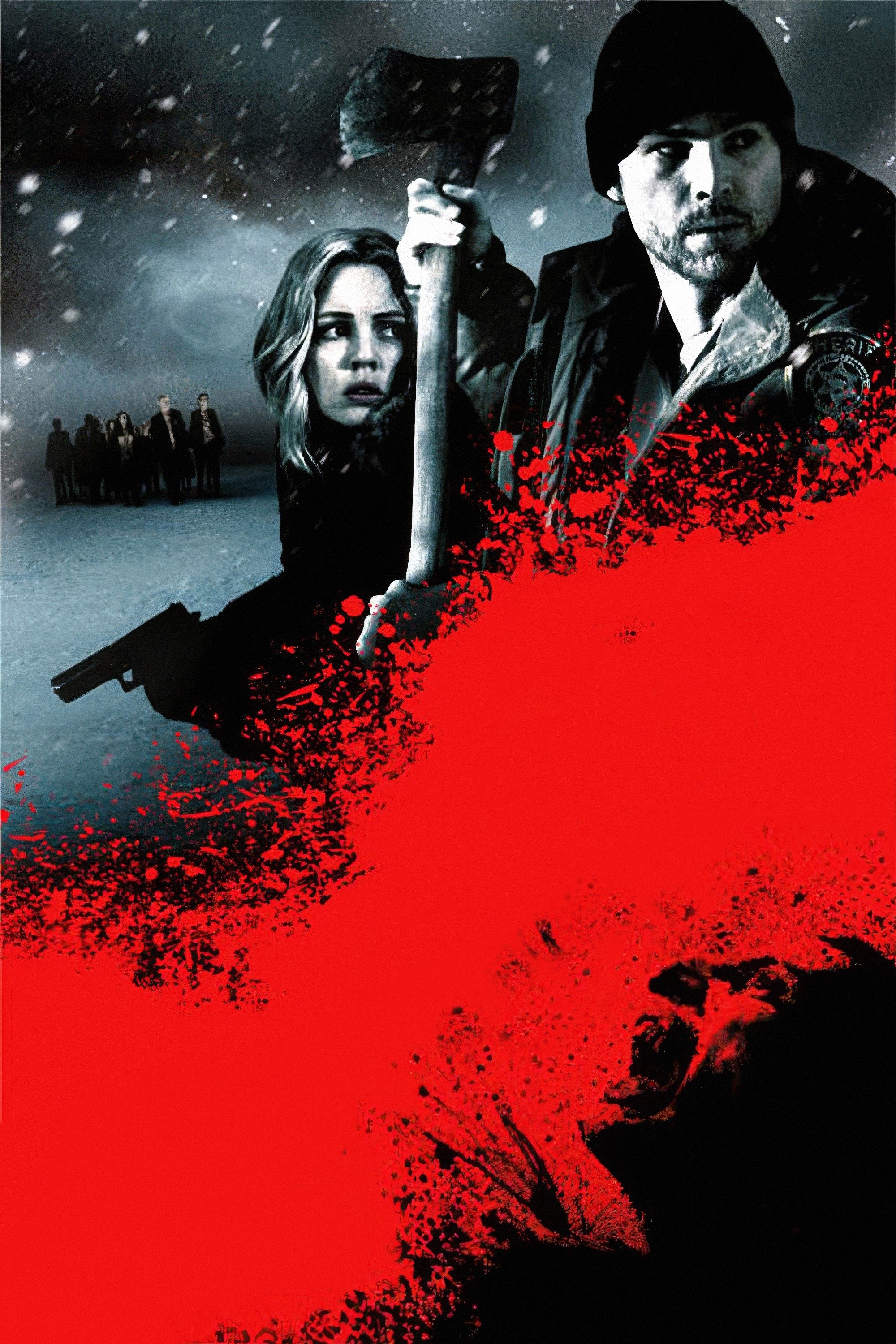
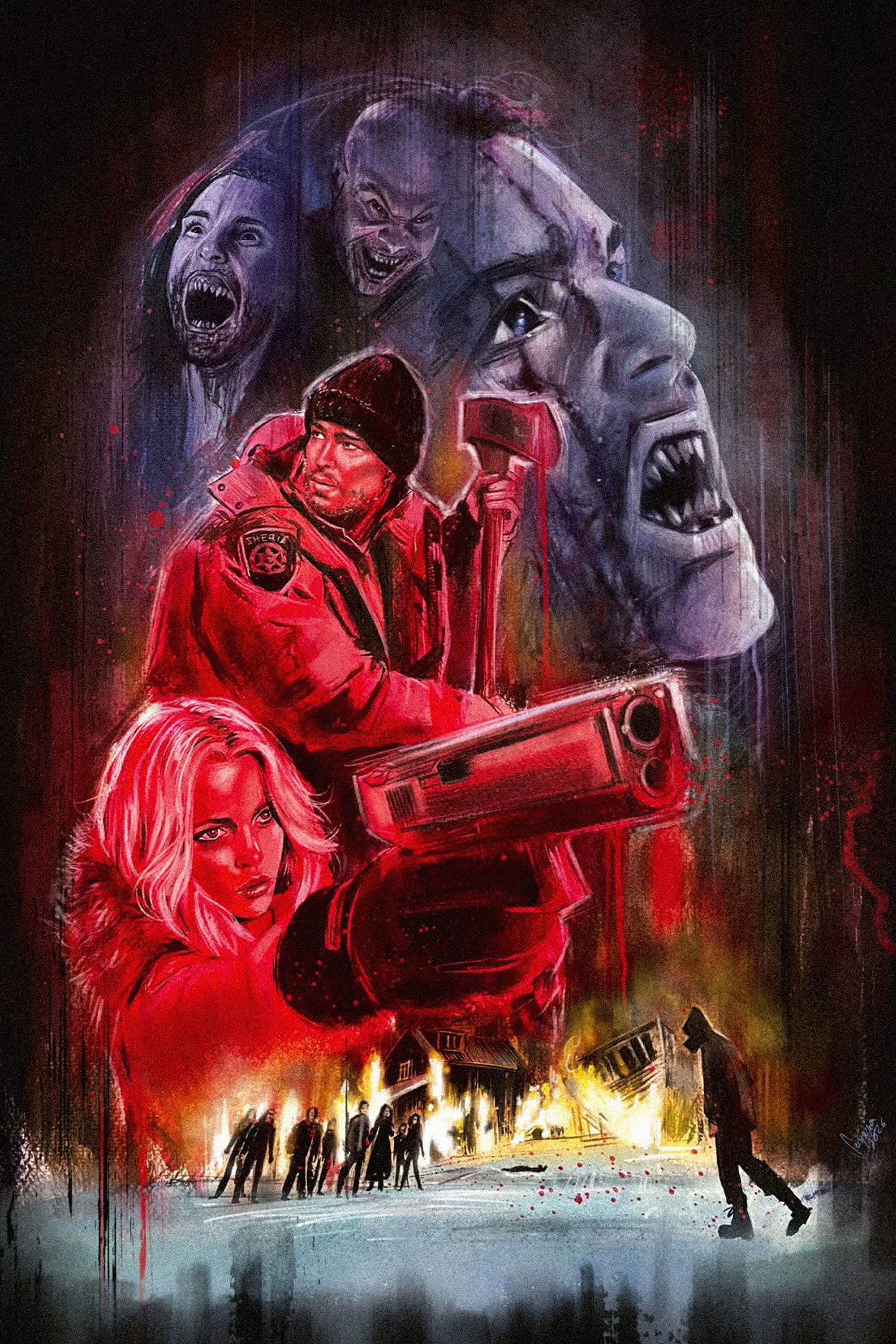
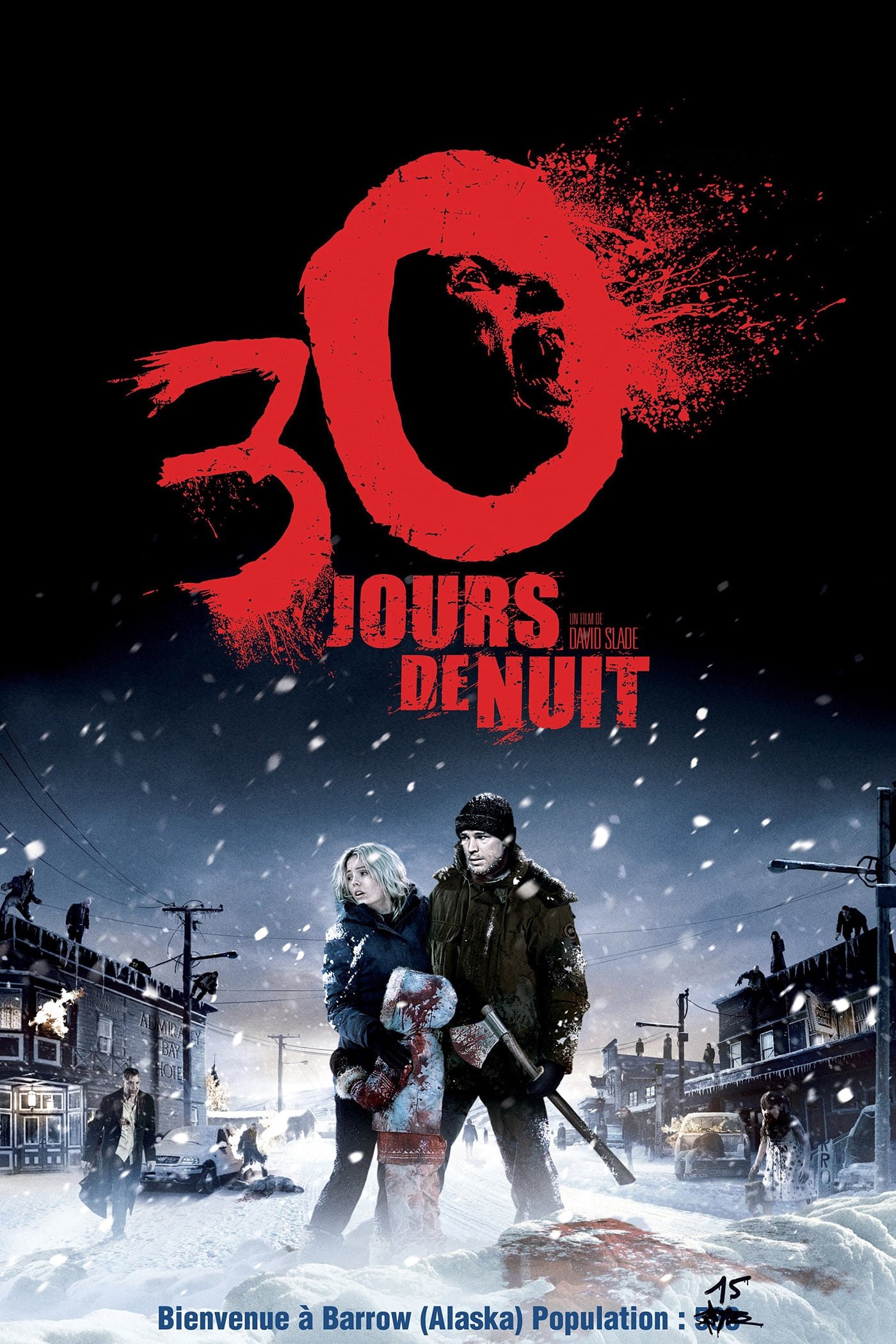
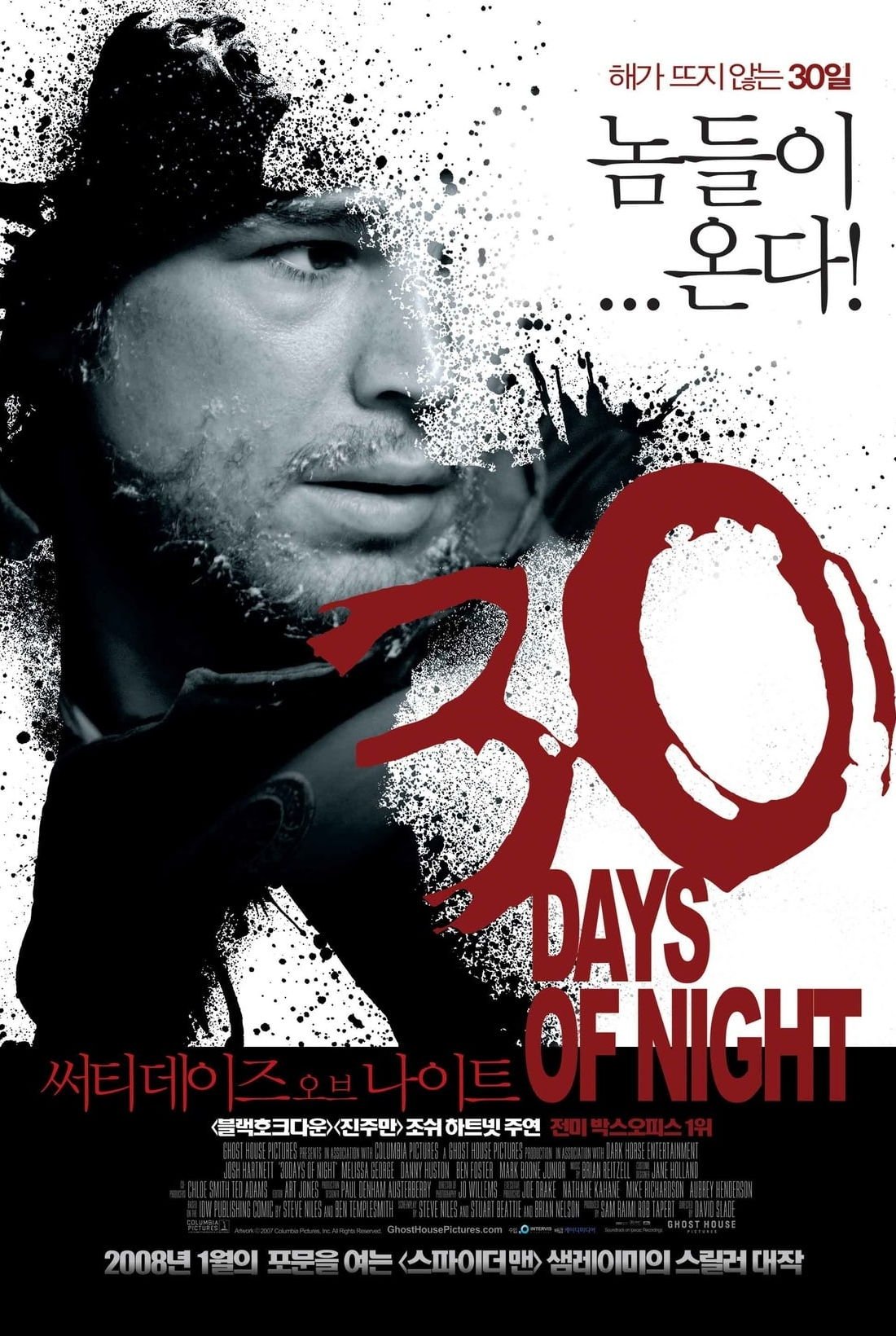
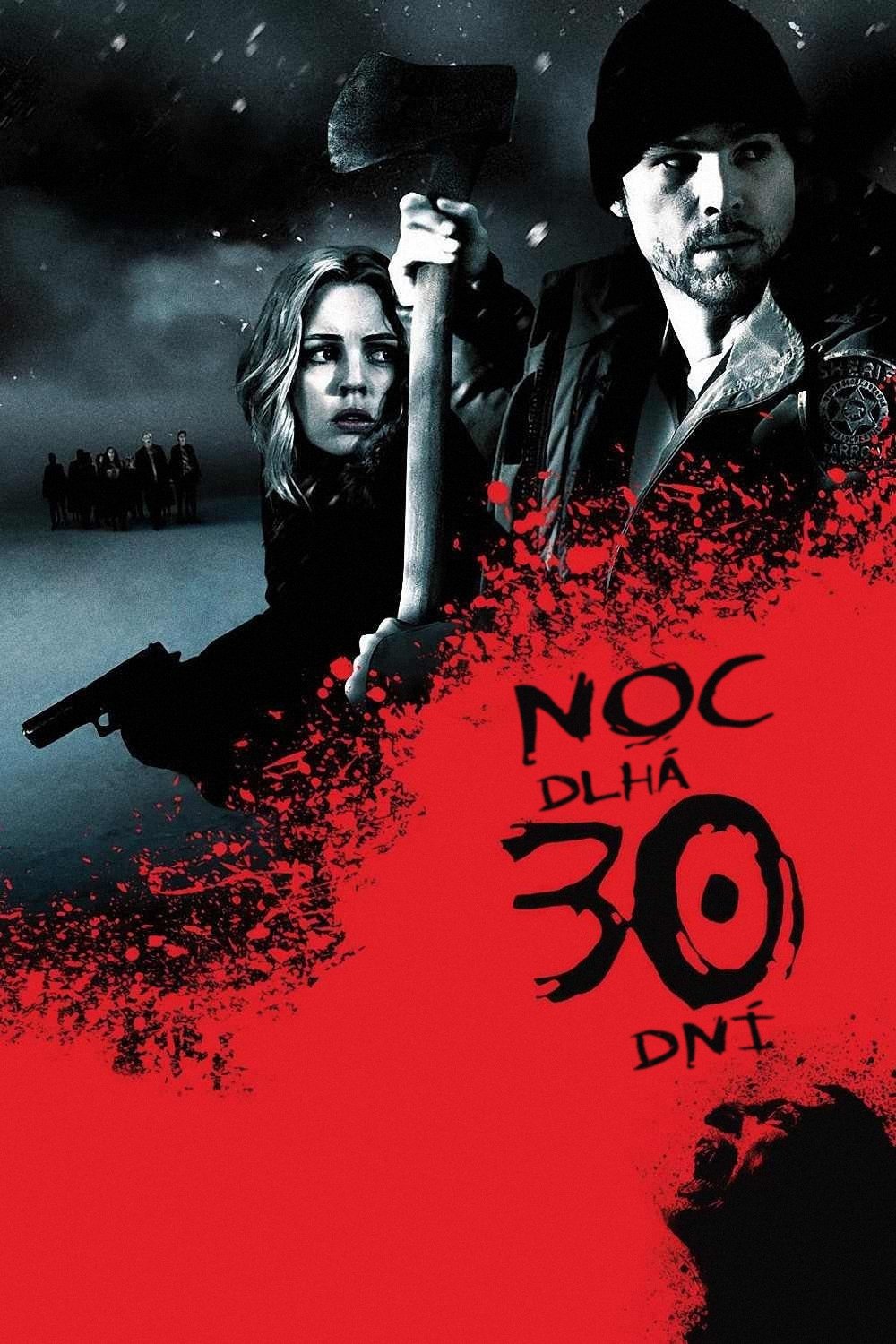
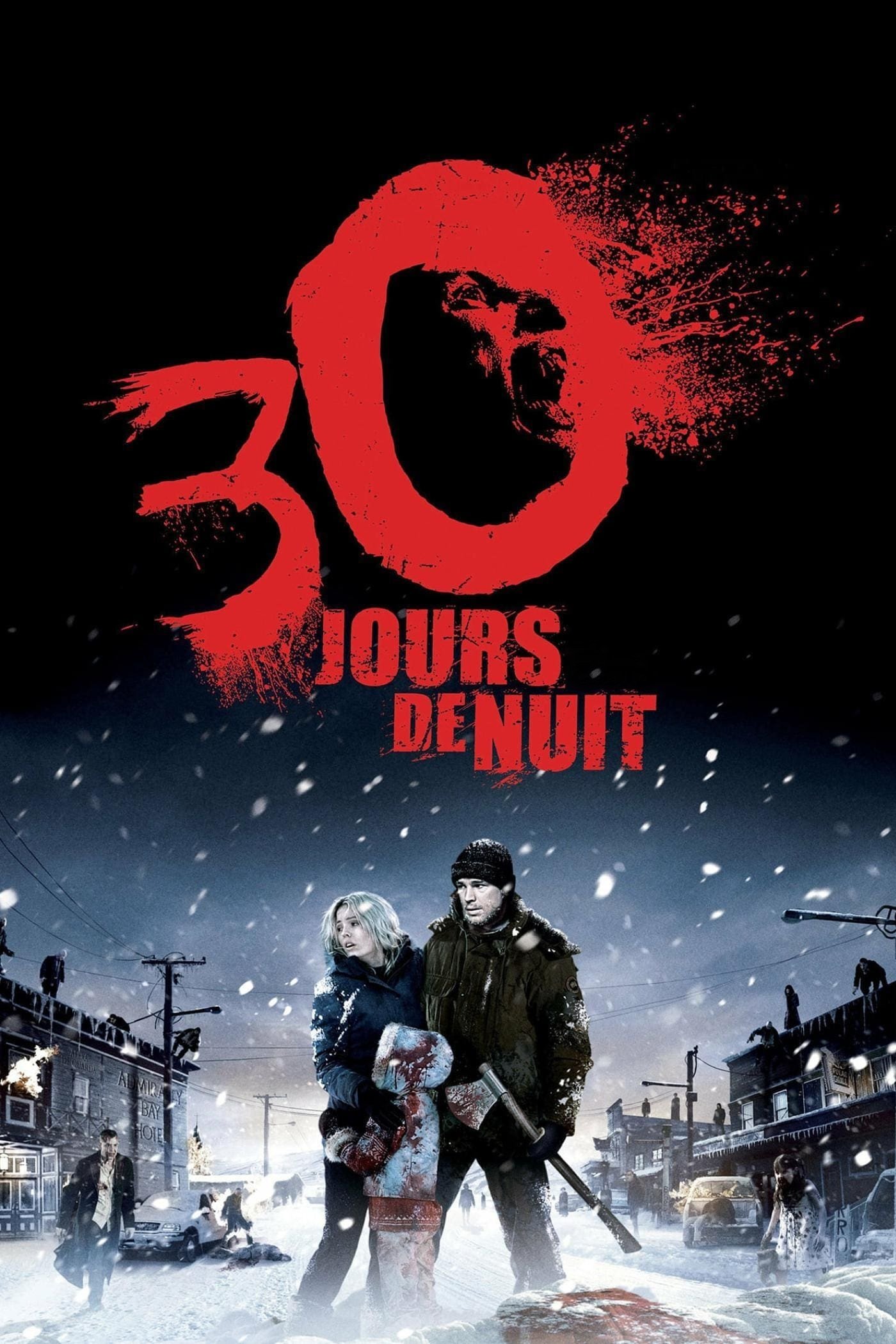
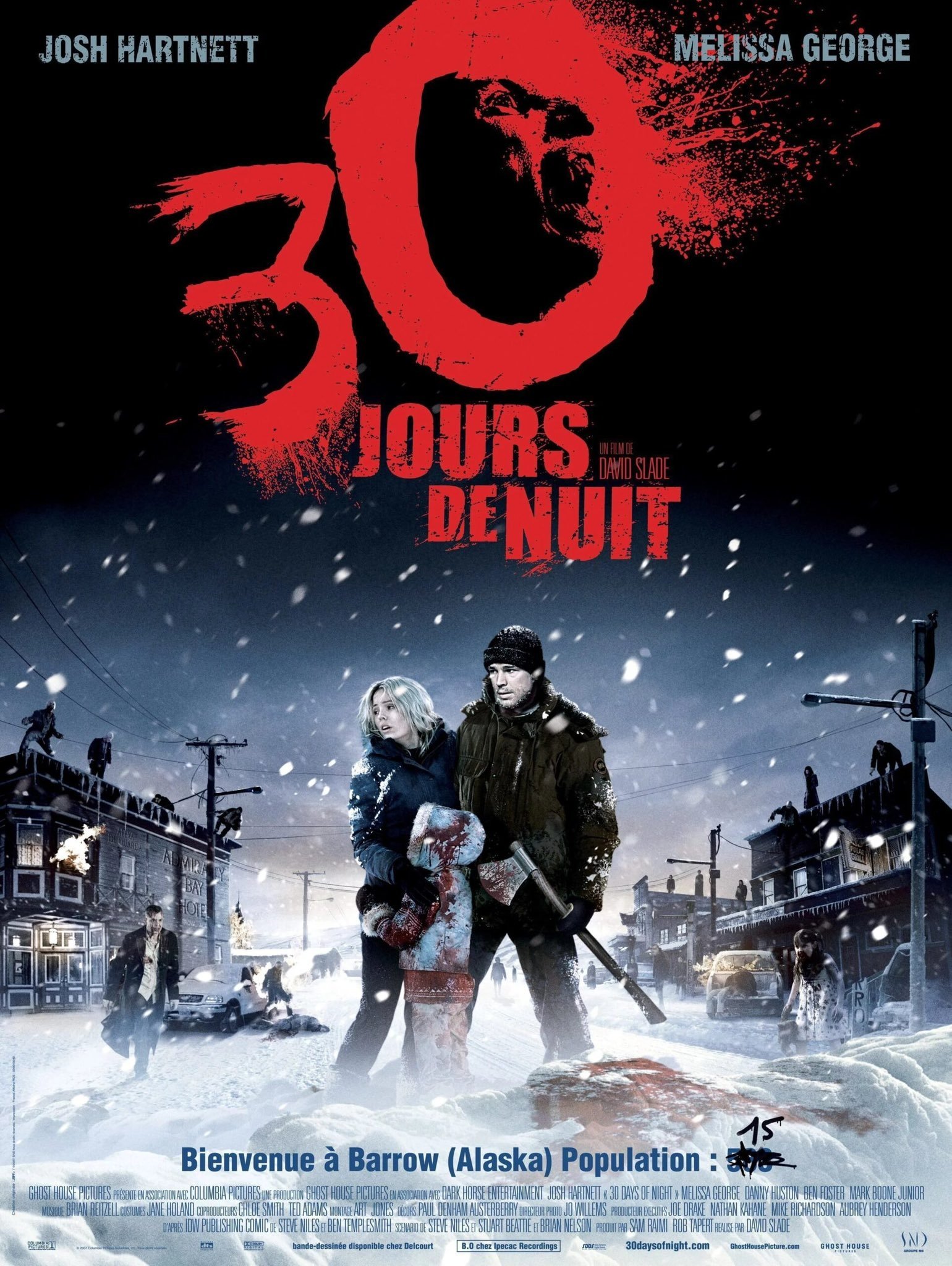
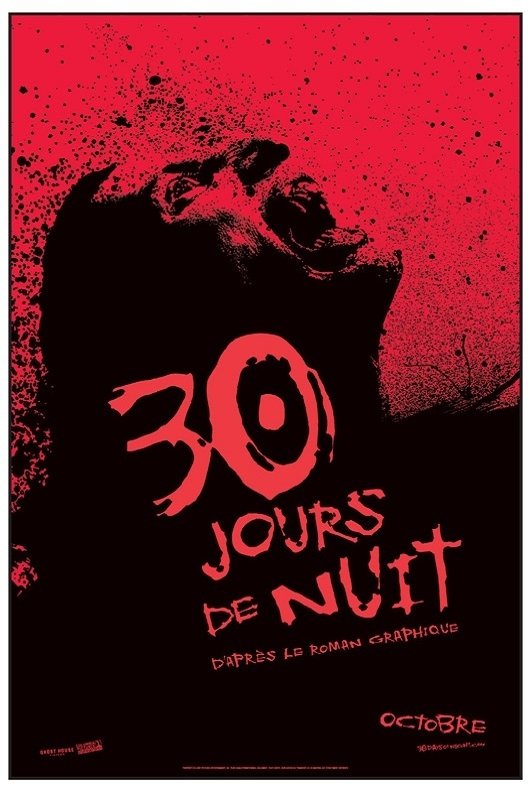
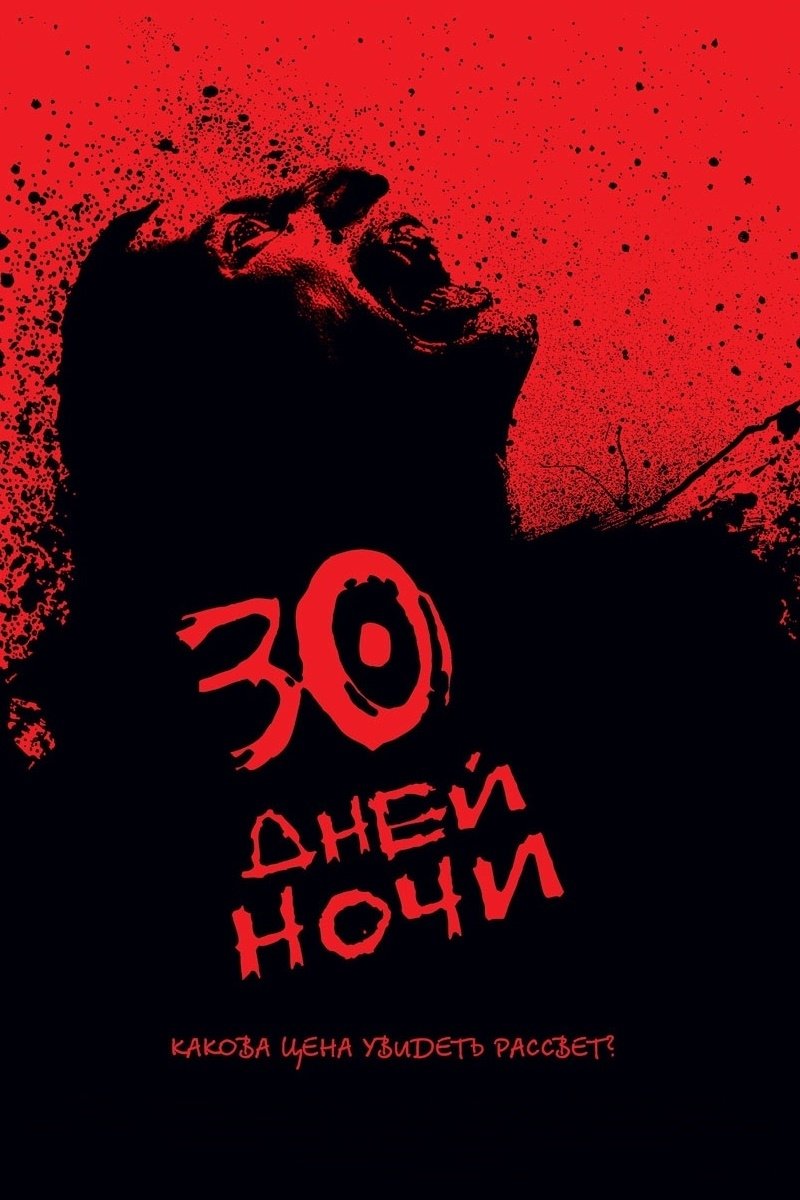
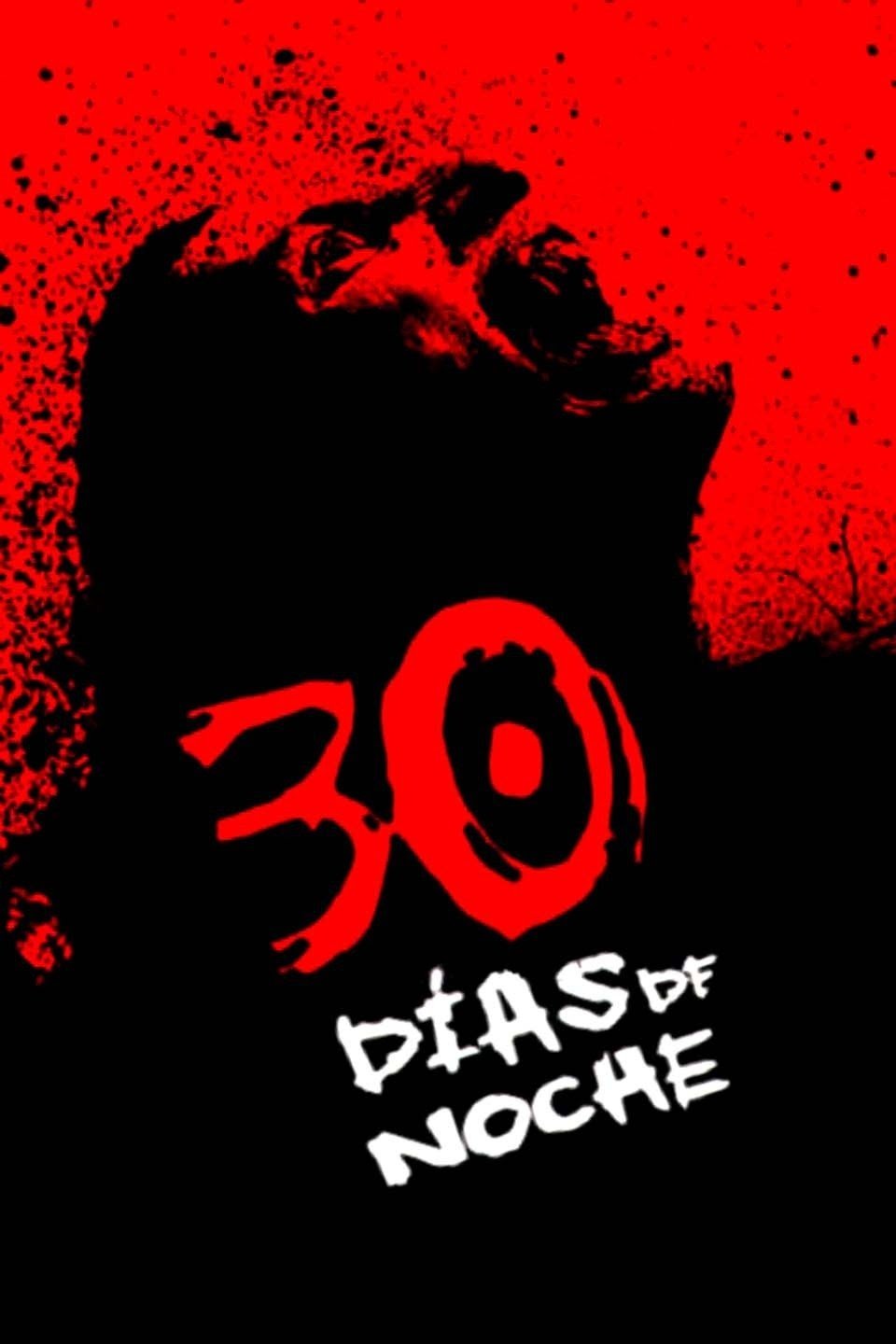
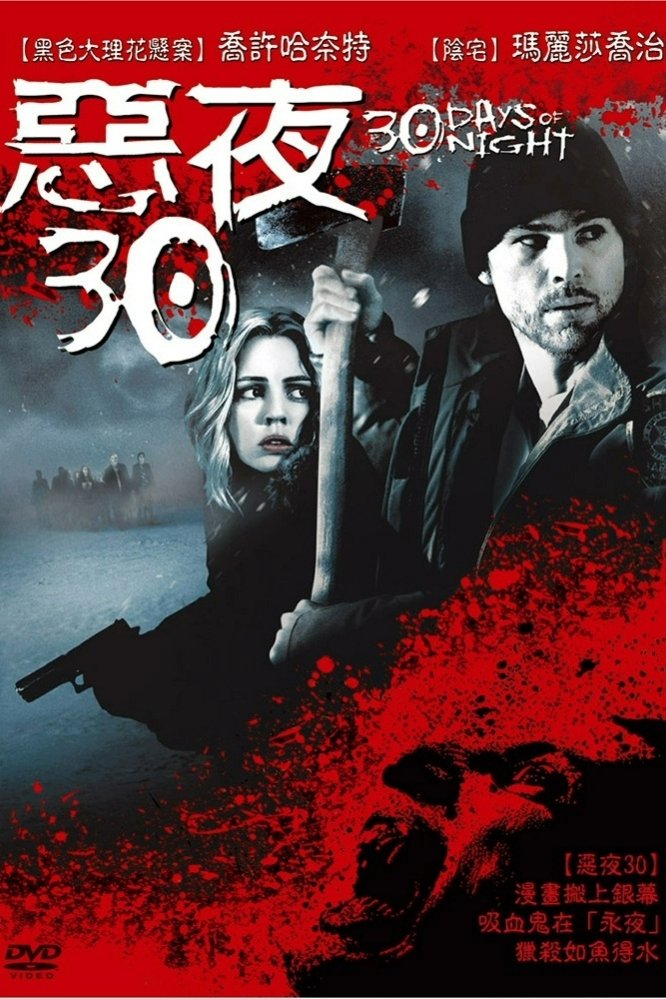
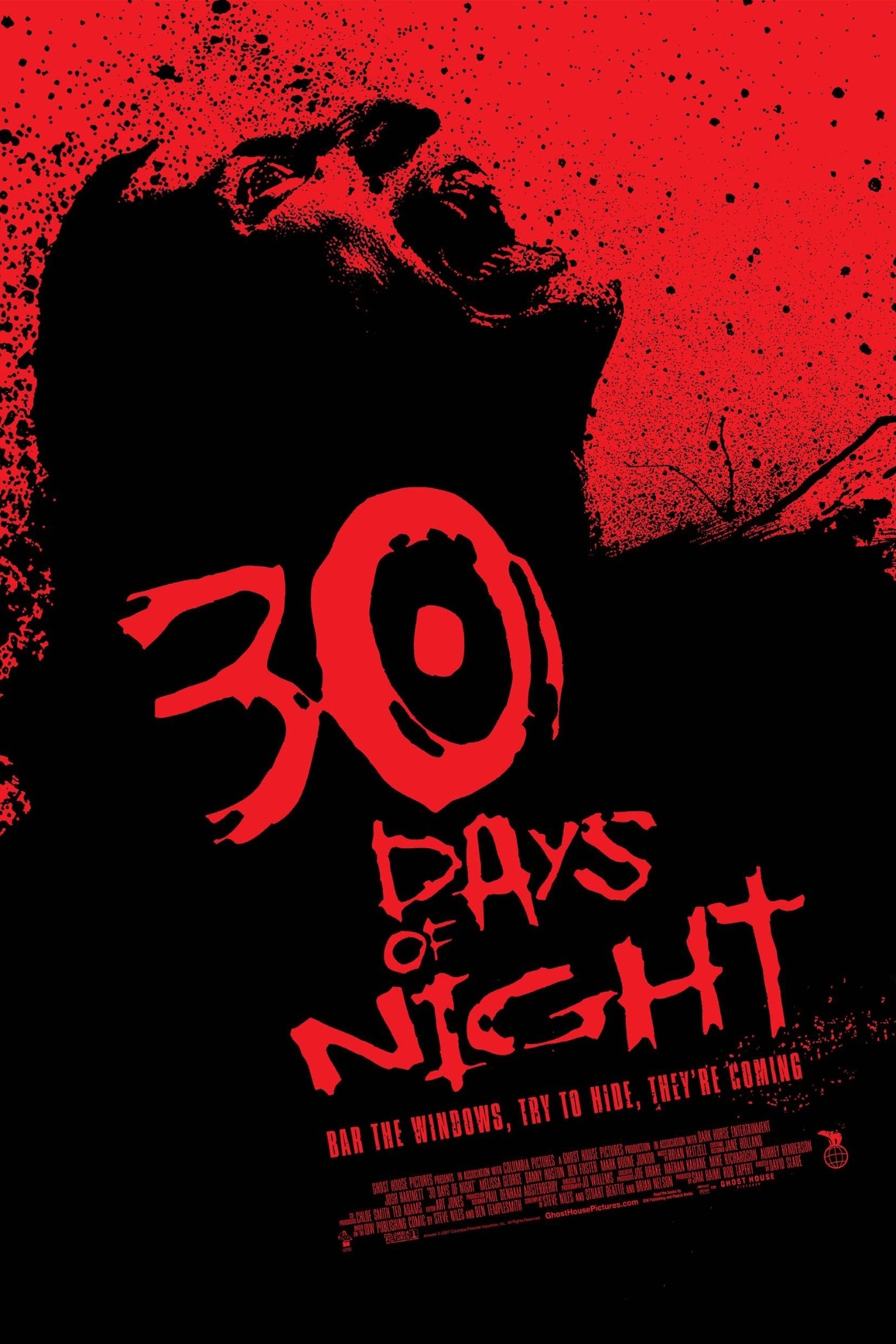
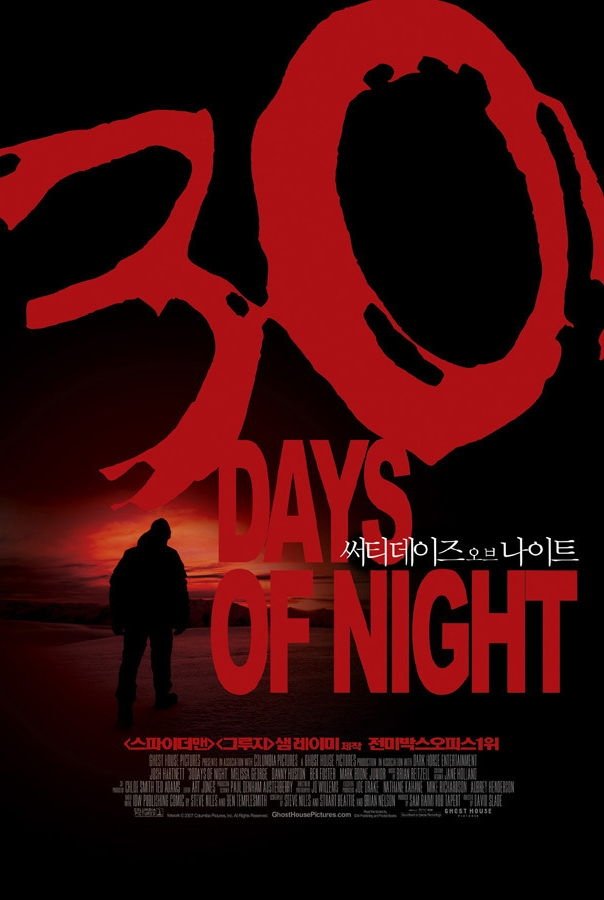
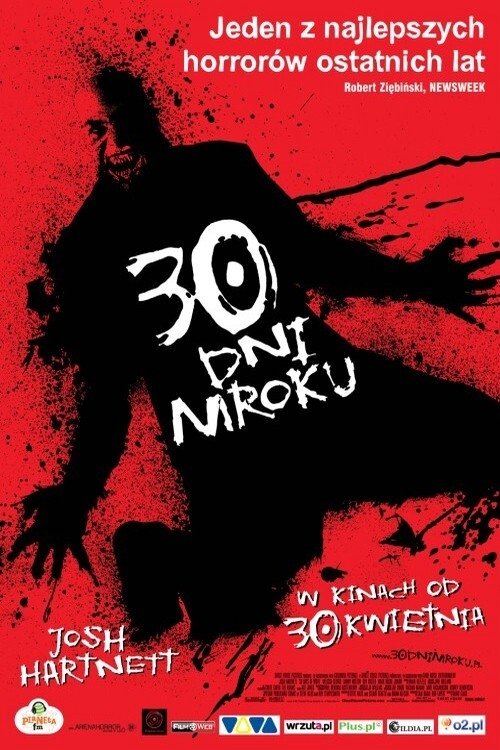
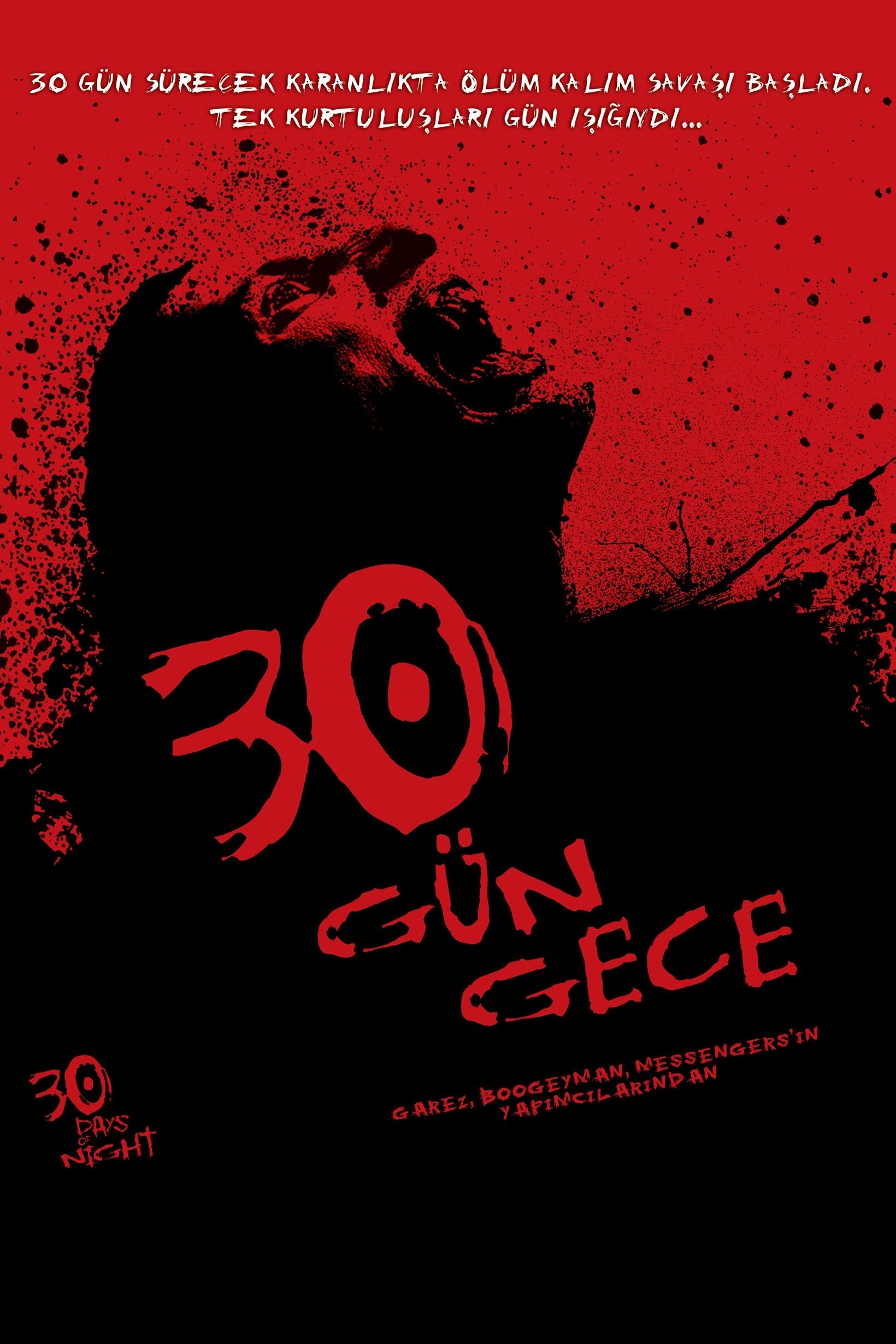
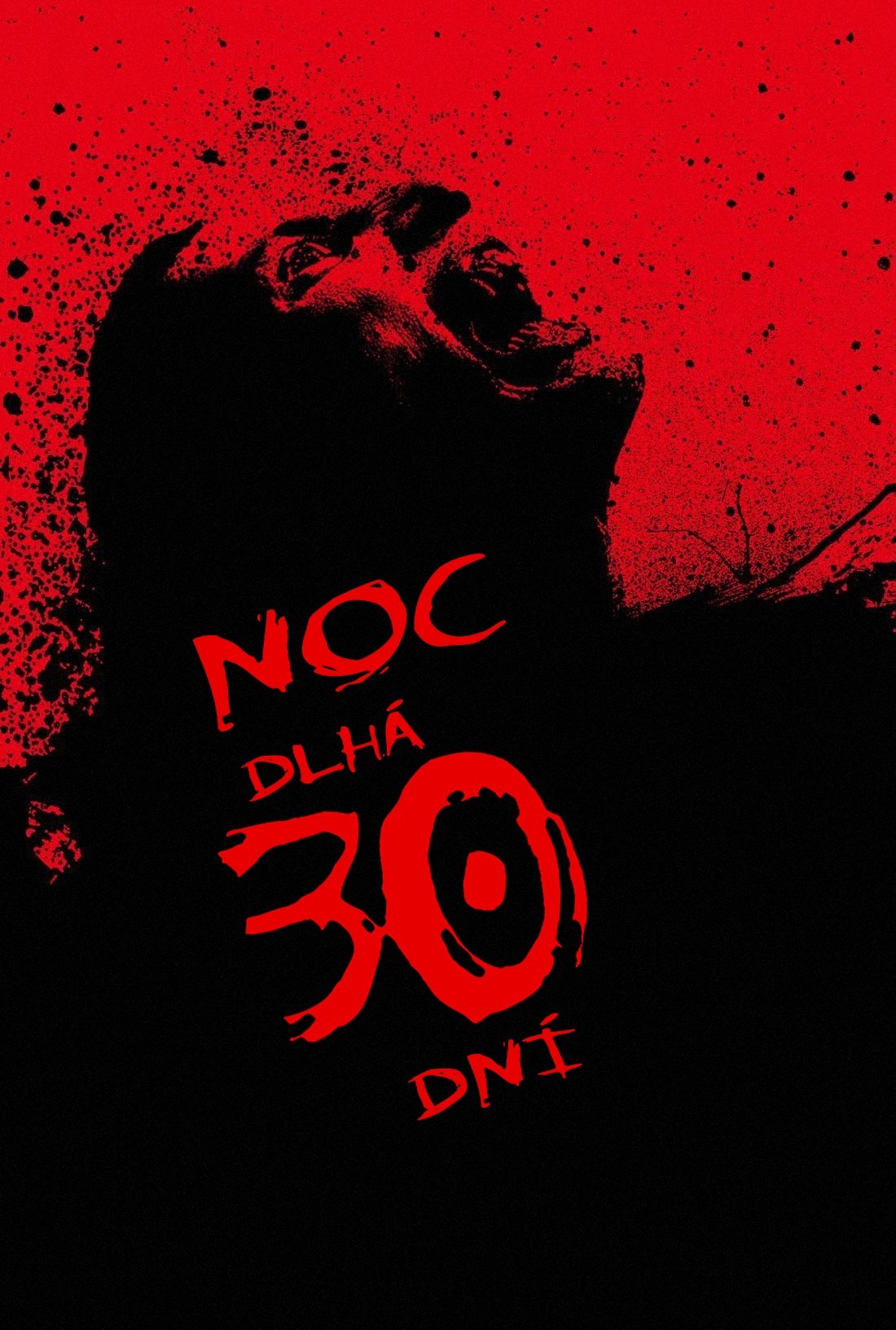
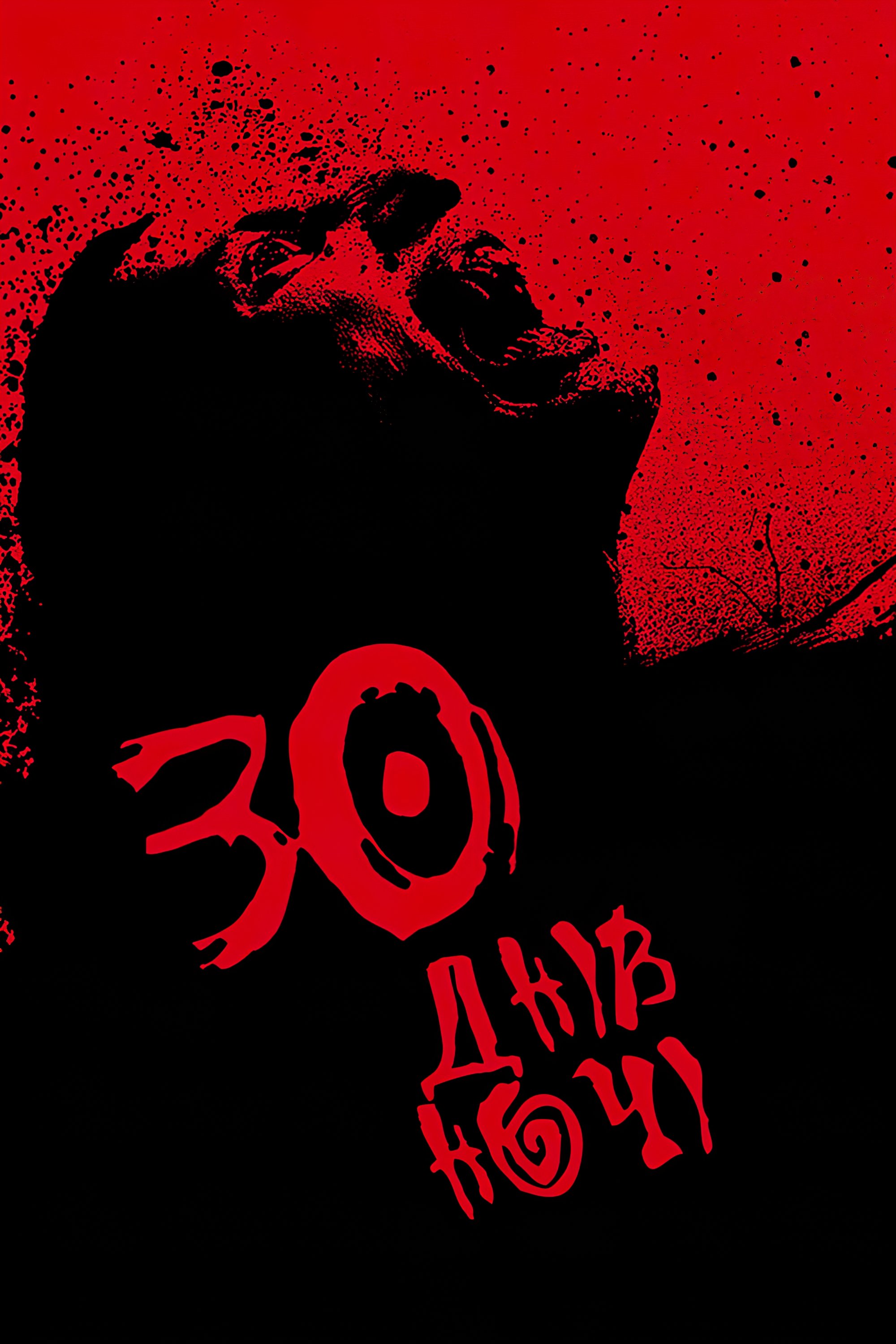
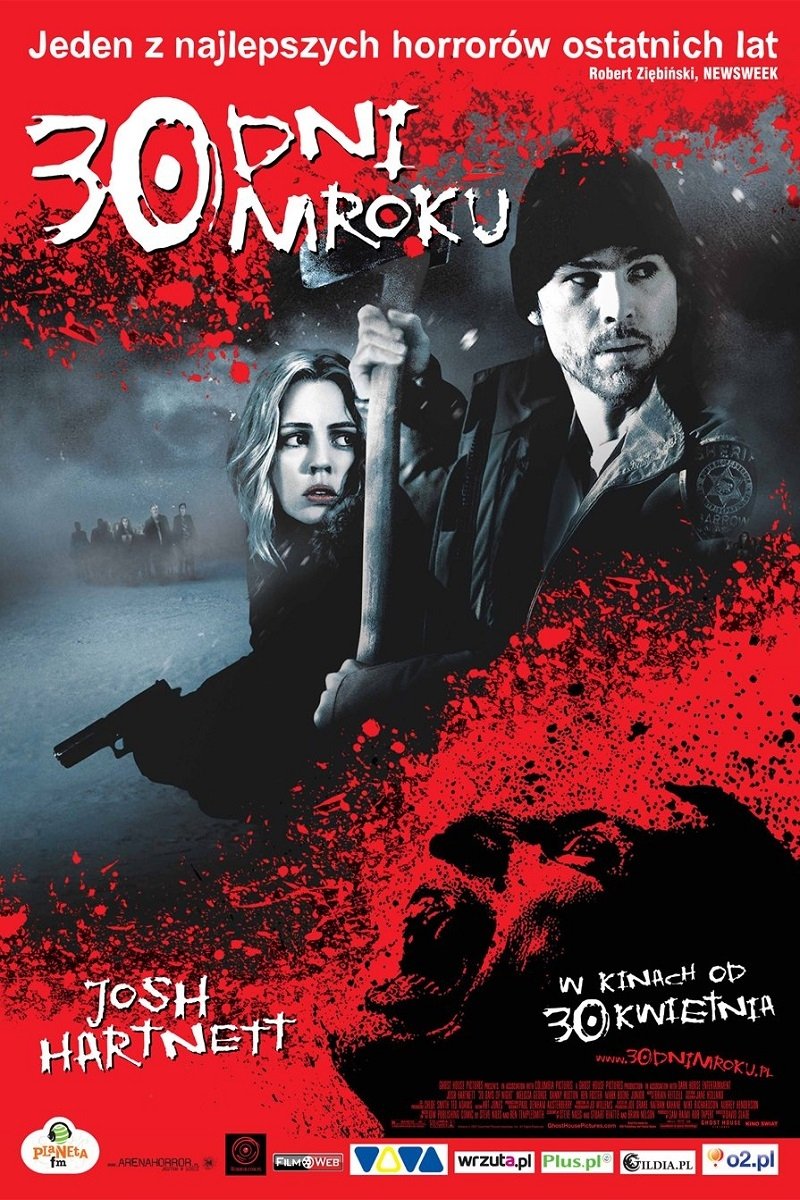
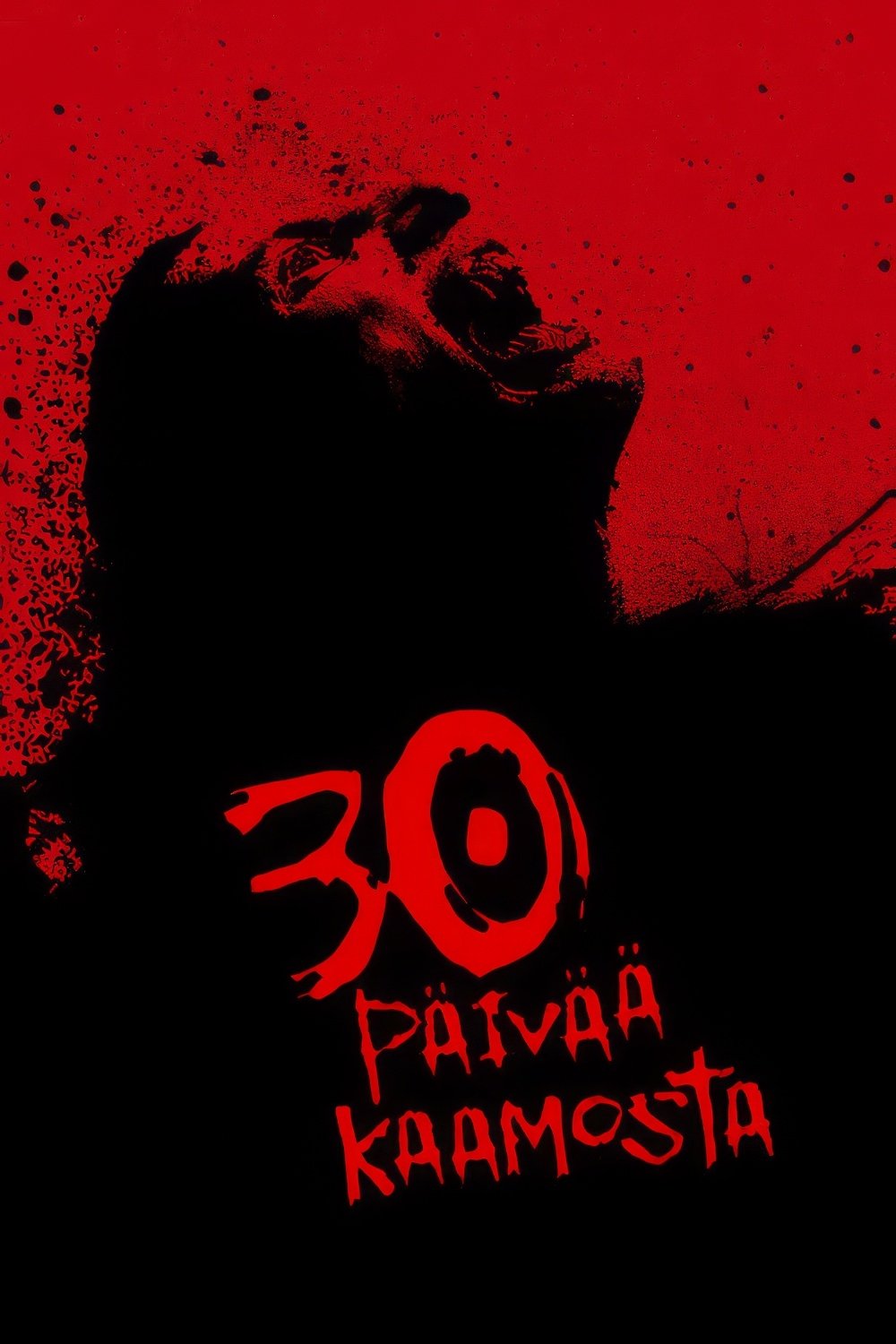
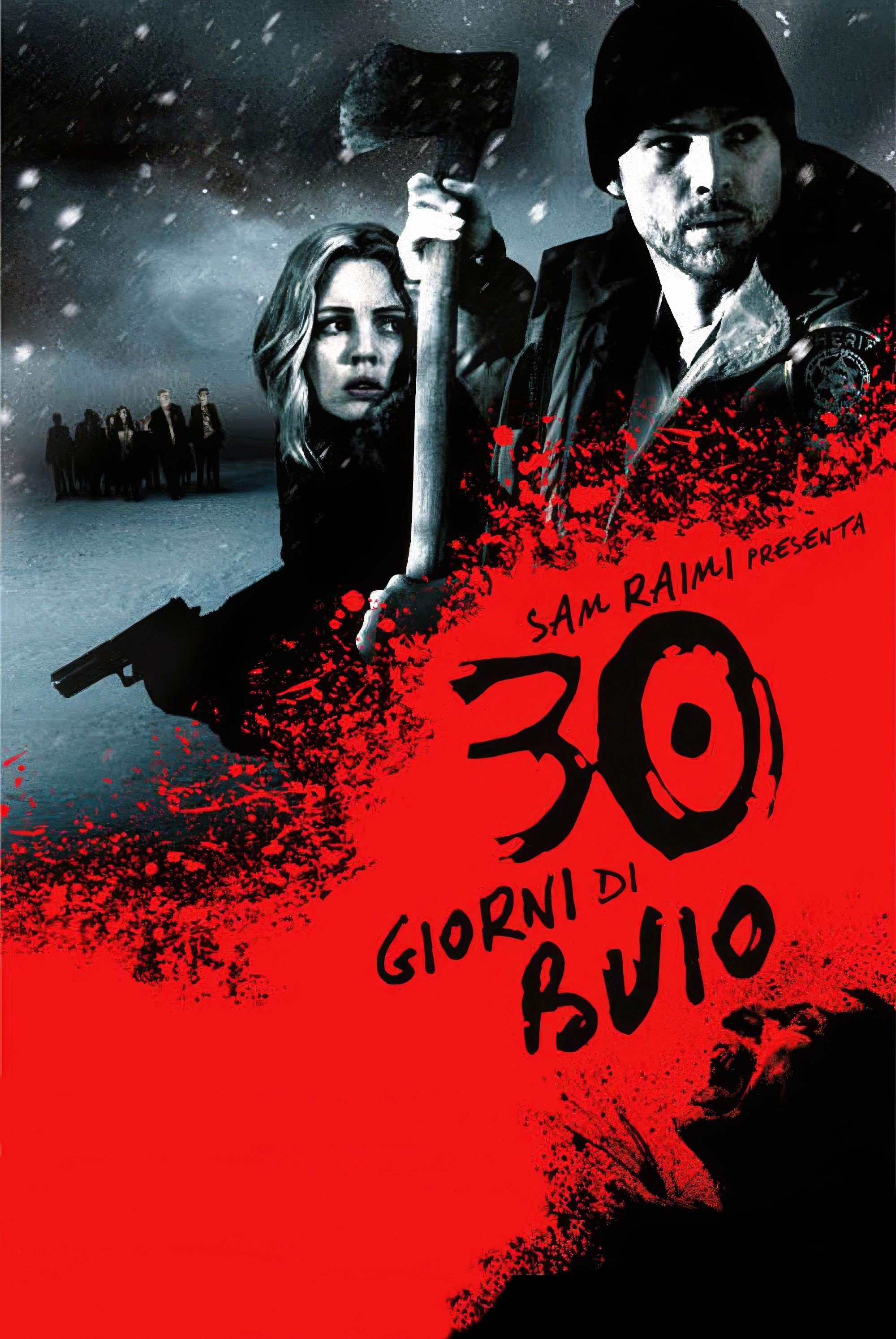
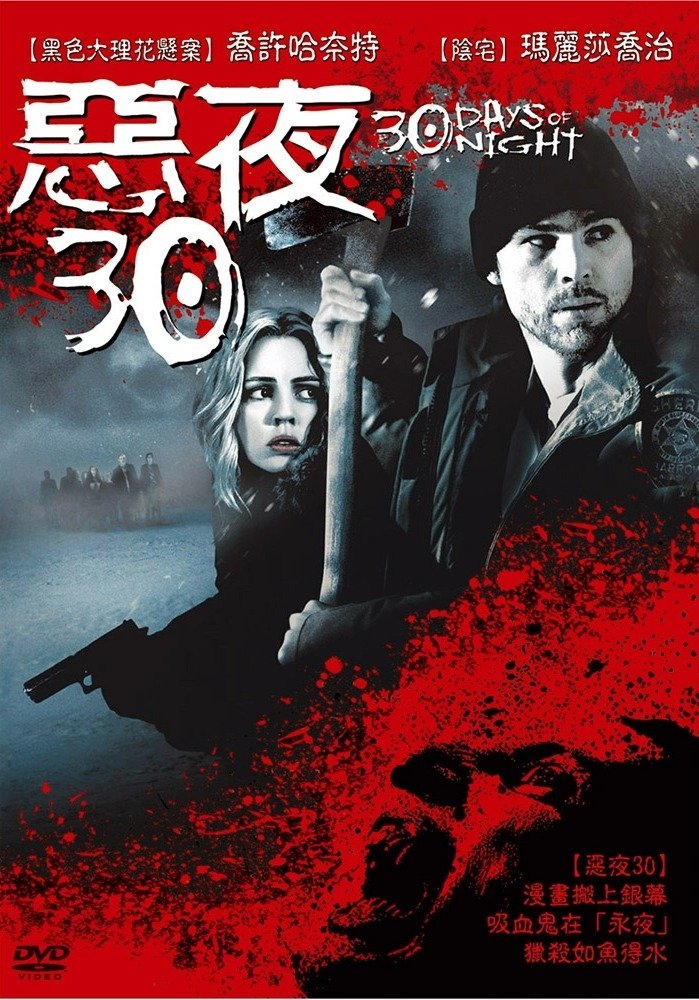
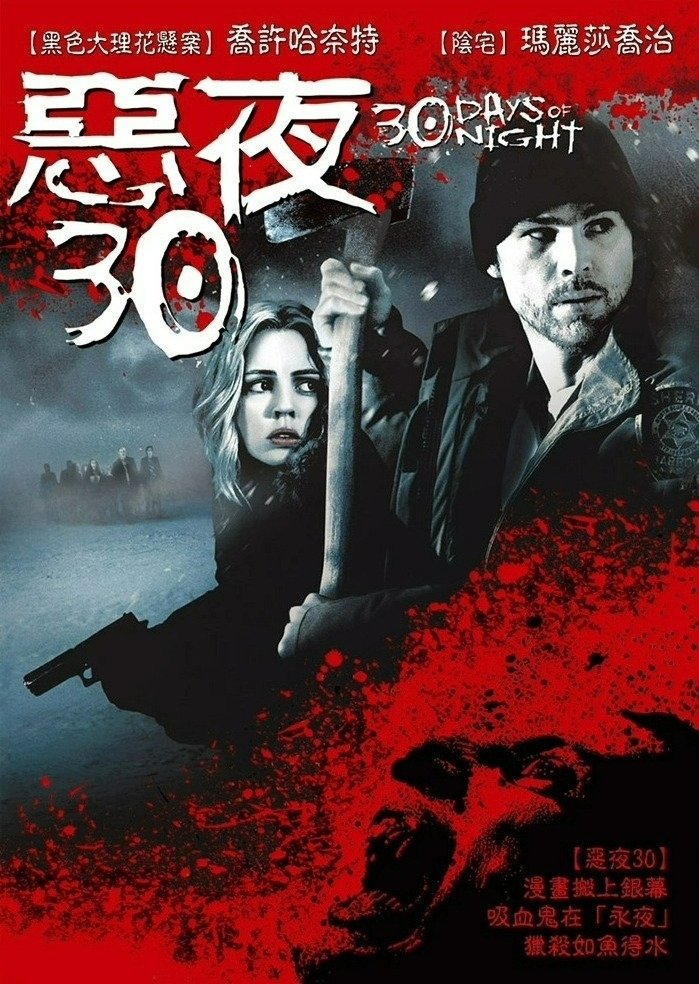
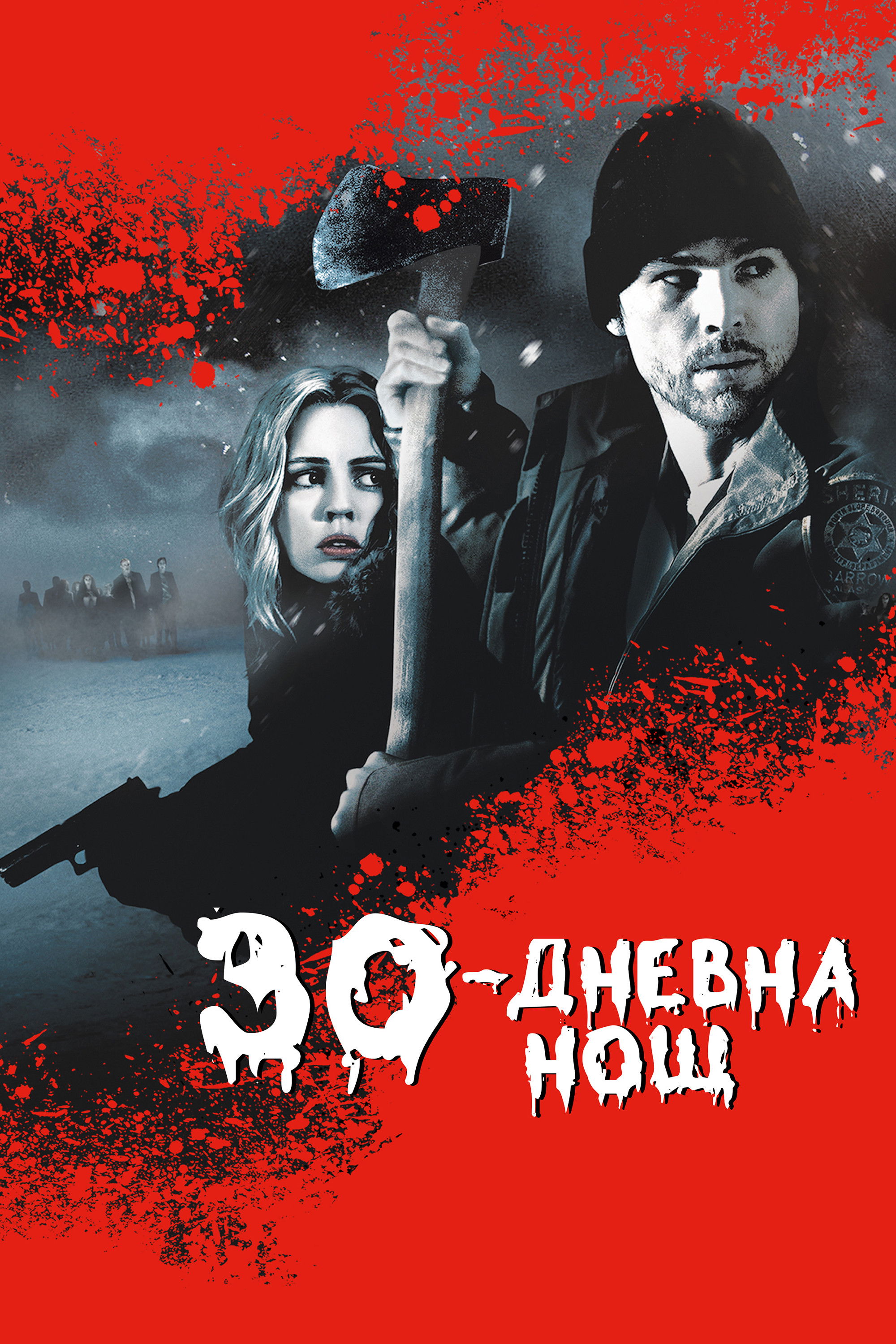
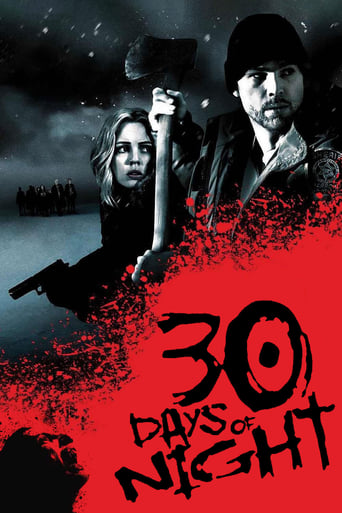
30 Days of Night (2007) poster
Director
Production Companies
HorrorFlix , Columbia Pictures , Ghost House Pictures , Dark Horse Entertainment , Mandate International
Plot

This is the story of an isolated Alaskan town that is plunged into darkness for a month each year when the sun sinks below the horizon. As the last rays of light fade, the town is attacked by a bloodthirsty gang of vampires bent on an uninterrupted orgy of destruction. Only the small town's husband-and-wife Sheriff team stand between the survivors and certain destruction.

Alternative Titles
30 Gün Gecə (Azerbaijan) 30-дневна нощ (Bulgaria) — Bulgarian 30 Dias de Noite (Brazil) — Portuguese 30 jours de nuit (Canada) — French 三十极夜 (China) — Chinese 30 dní dlouhá noc (Czechia) 30 días de oscuridad (Spain) — Spanish 30 dies de foscor (Spain) — Catalan
Show all 37 alternative titles 30 päivää kaamosta (Finland) — Finnish 30 jours de nuit (France) — French 30 ღამის დღე (Georgia) — Georgian 30 meres nyhta (Greece) — (transliterated ISO-LATIN-1 title) 30 Μέρες Νύχτα (Greece) — Greek 屍城 30 夜 (Hong Kong SAR China) — Chinese A sötétség 30 napja (Hungary) — Hungarian 30 יום של לילה (Israel) — Hebrew 30 Rooz Shab (Iran) — (Persian title) ۳۰ روز شب (Iran) — Persian 30 giorni di buio (Italy) — Italian 30デイズ・ナイト (Japan) — Japanese 써티 데이즈 오브 나이트 (South Korea) — Korean 30 tamsos dienų (Lithuania) — Lithuanian 30 dienas tumsā (Latvia) — Latvian 30 días de noche (Mexico) — dvd title Treinta días de noche (Mexico) — Spanish 30 Dni Mroku (Poland) — Polish 30 Dias de Escuridão (Portugal) — Portuguese 30 de zile de noapte (Romania) — Romanian 30 дана ноћи (Serbia) — Serbian 30 дней ночи (Russia) — Russian 30 يومًا من الليل (Saudi Arabia) — Arabic Noc dlhá 30 dní (Slovakia) — Slovak 30 ราตรีผีแหกนรก (Thailand) — Thai 30 Gün Gece (Türkiye) 惡夜30 (Taiwan) — Chinese 30 днів ночі (Ukraine) — Ukrainian 30 Ngày Đen Tối (Vietnam) — Vietnamese

Trailers & Videos

10 videos

Film Guide & Analysis

David Slade transformed an Alaskan polar night into a month-long feeding ground, stripping the vampire of romance and rebuilding it as a fast, intelligent and relentlessly predatory creature.

30 Days of Night takes a familiar rule of vampire mythology and finds a location where that rule becomes almost useless. In the remote Alaskan town of Barrow, the winter brings an extended period without sunrise. Steve Niles and Ben Templesmith built their comic around the simple realization that vampires encountering such a place would no longer need to retreat before dawn. David Slade's 2007 adaptation turns that high-concept premise into a prolonged survival story in which isolation, cold and darkness matter almost as much as the creatures themselves. Once the town is disconnected from the outside world, the residents are not defending themselves until morning. Morning is weeks away.

The film arrived during a period when screen vampires were frequently presented as seductive, sophisticated or emotionally accessible, and deliberately moved in the opposite direction. Slade, Niles and Templesmith wanted predators. Their vampires possess intelligence, hierarchy and language, but show almost no interest in integrating with humanity. They hunt people collectively, feed violently and destroy evidence afterward in order to preserve their existence as myth. Combined with the stripped-down Alaskan landscape, extensive practical makeup, an abrasive experimental score and aggressive sound design, that conception gave 30 Days of Night a distinctive position within twenty-first-century vampire cinema.

From Rejected Pitch to Graphic Novel

The central concept existed long before the film. Steve Niles had developed the idea of vampires exploiting the long winter darkness of Barrow and attempted to sell versions of it without success. He later recalled presenting the concept both within comics and as a possible film property before putting it aside. The turning point came when IDW Publishing invited him to propose material for comics. Niles returned to a collection of ideas that had previously been rejected, and 30 Days of Night became a three-part comic project with artwork by Ben Templesmith.

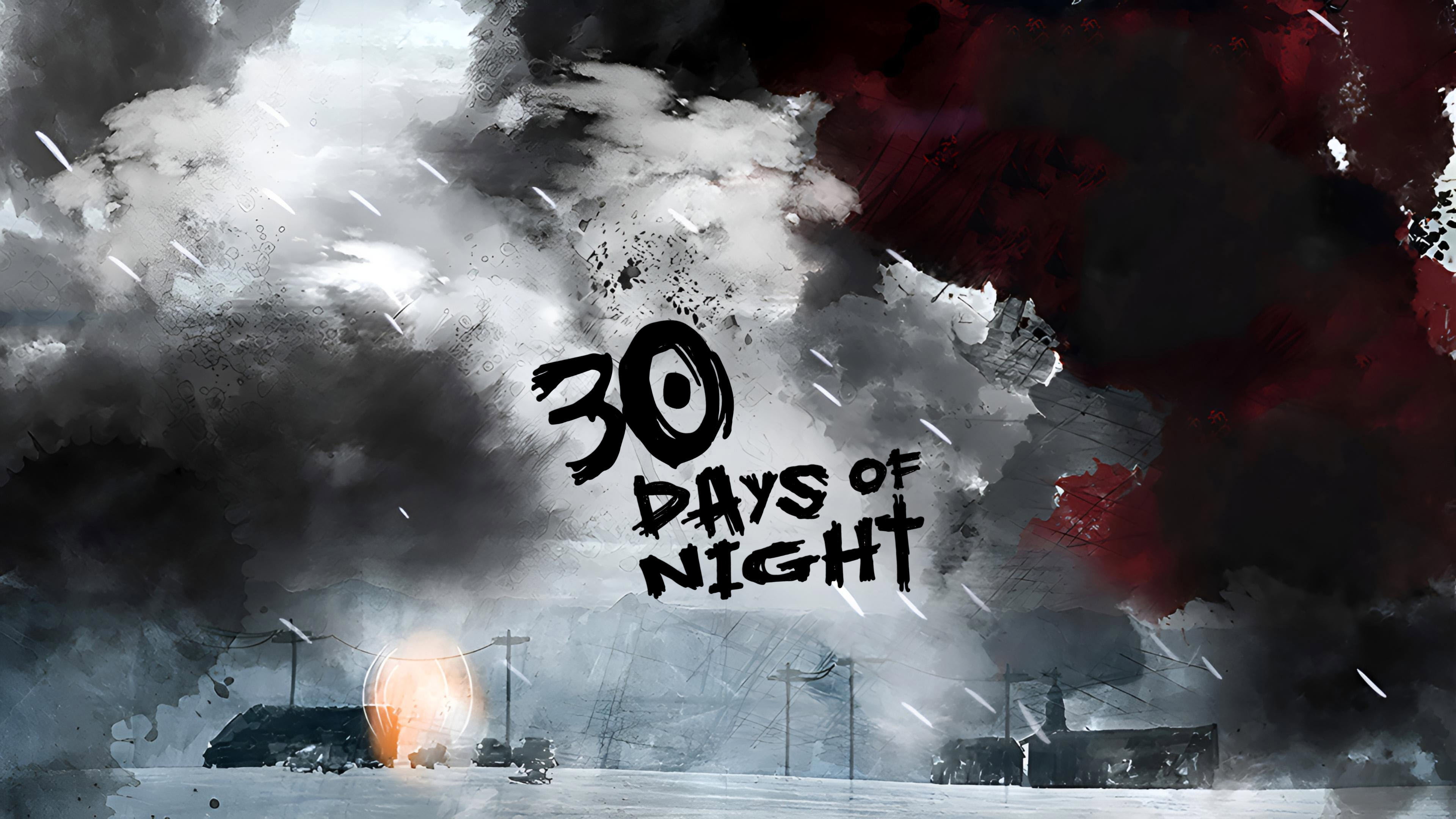
The comic transformed the concept because Templesmith gave Niles' predators an immediately identifiable visual world. Both creators wanted to move away from romantic vampires. Niles described them essentially as creatures interested in humans as food, while Templesmith pushed their appearance toward something savage and only partially human. The artwork used darkness, rough textures and distorted anatomy to create a harsh Gothic style. Once the miniseries appeared in 2002, the same concept that had struggled to attract interest suddenly became valuable film material.

Niles became involved in adapting his own work, but the screenplay continued through a long development process. Stuart Beattie and Brian Nelson eventually shared screenplay credit with him. Sam Raimi and Rob Tapert produced through Ghost House Pictures, and David Slade joined after attracting attention with Hard Candy. The adaptation expanded characters and survival material while retaining the essential engine of the comic: a geographically isolated community loses the sun at exactly the moment a group of vampires arrives to exploit that absence.

Building Barrow in New Zealand

The production did not attempt to shoot the entire film in Alaska. Slade considered the logistics of mounting a large horror production there impractical, so New Zealand became the principal production base. A former military site near Auckland provided space for an extensive reconstruction of Barrow, while additional exterior work took place in colder mountainous environments. Josh Hartnett later recalled approximately twenty days of genuinely cold filming and more than thirty night shoots, followed by extensive work around Auckland on sets covered with artificial snow.

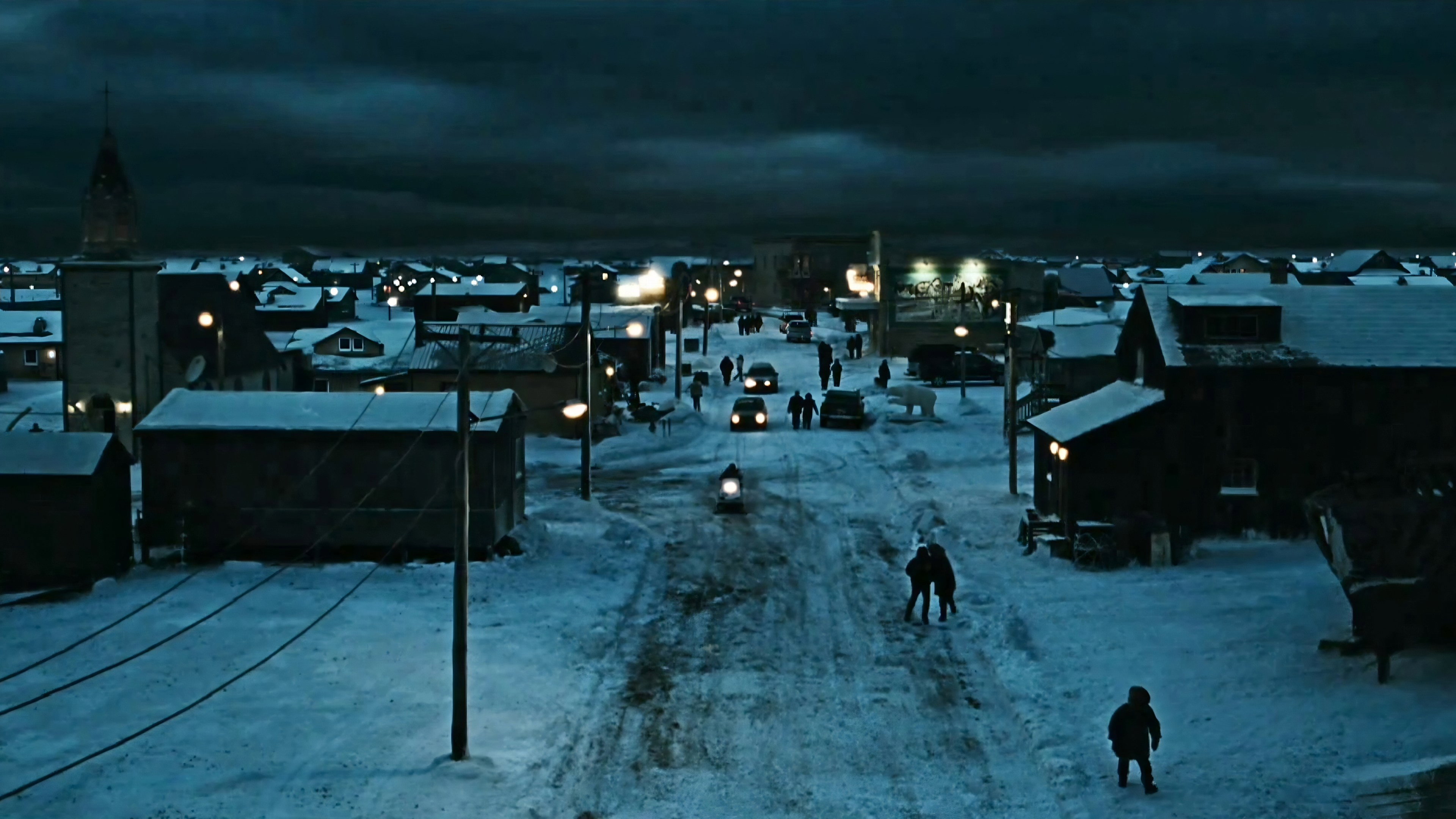
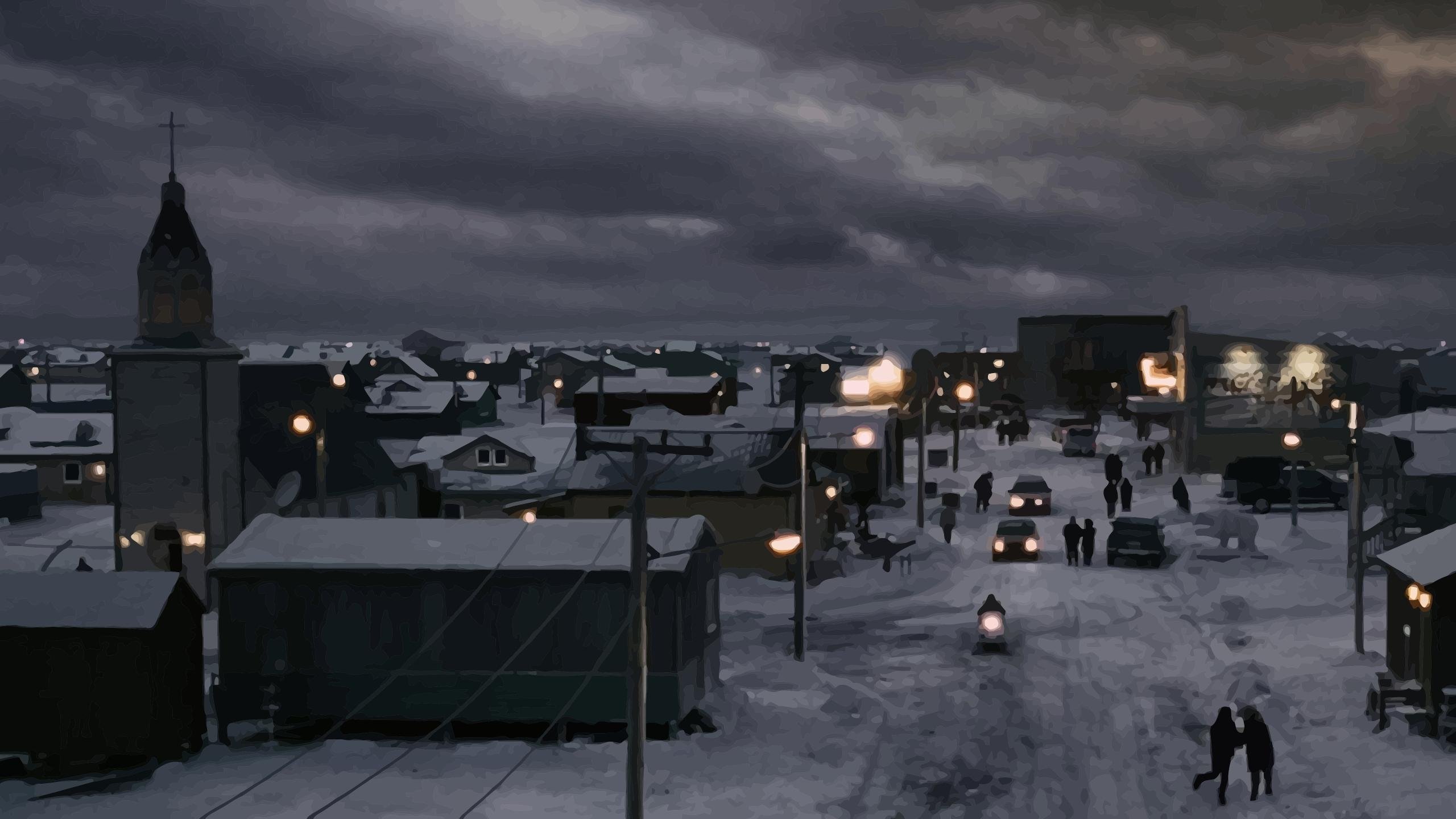
Production designer Paul Denham Austerberry faced the unusual challenge of creating a town that needed to look convincing under almost continuous darkness and snow. Slade later remembered using numerous materials to reproduce snow, including foam, paper and other practical substitutes. The town had to support complex action and effects sequences. Streets, houses, utility structures, the sheriff's station and industrial areas all needed to support movement between hiding places as the surviving population became progressively smaller.

The constructed environment also helped preserve one of the strongest qualities of Templesmith's artwork: the feeling that civilization is barely holding its shape against an enormous hostile landscape. Barrow has electricity, vehicles and communications at the beginning, but those systems are systematically disabled. Buildings then become islands separated by exposed streets. Crossing even a short distance can mean entering territory controlled by the vampires. The open town gradually functions like a prison without walls.

Cinematography and Polar Night

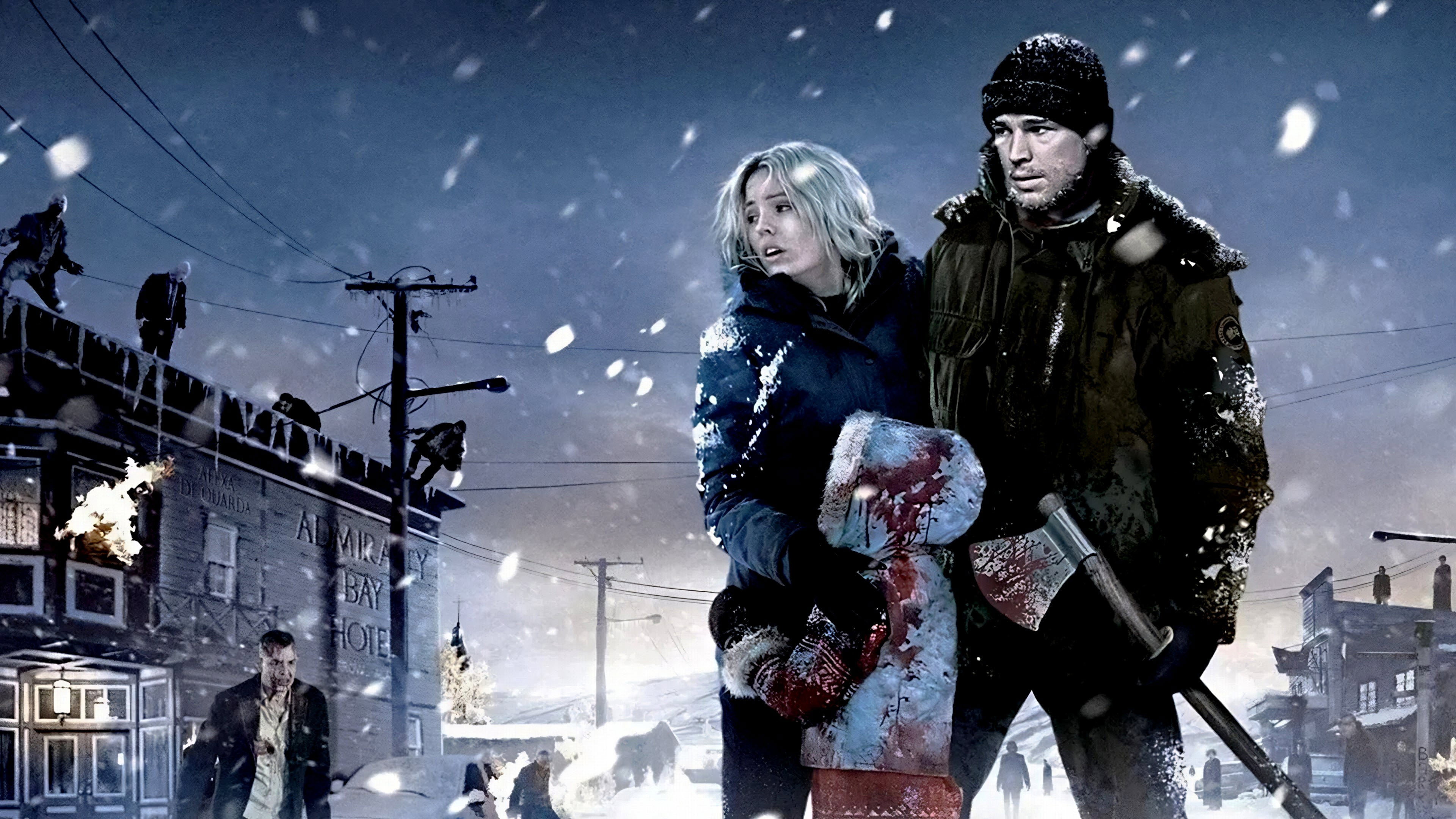
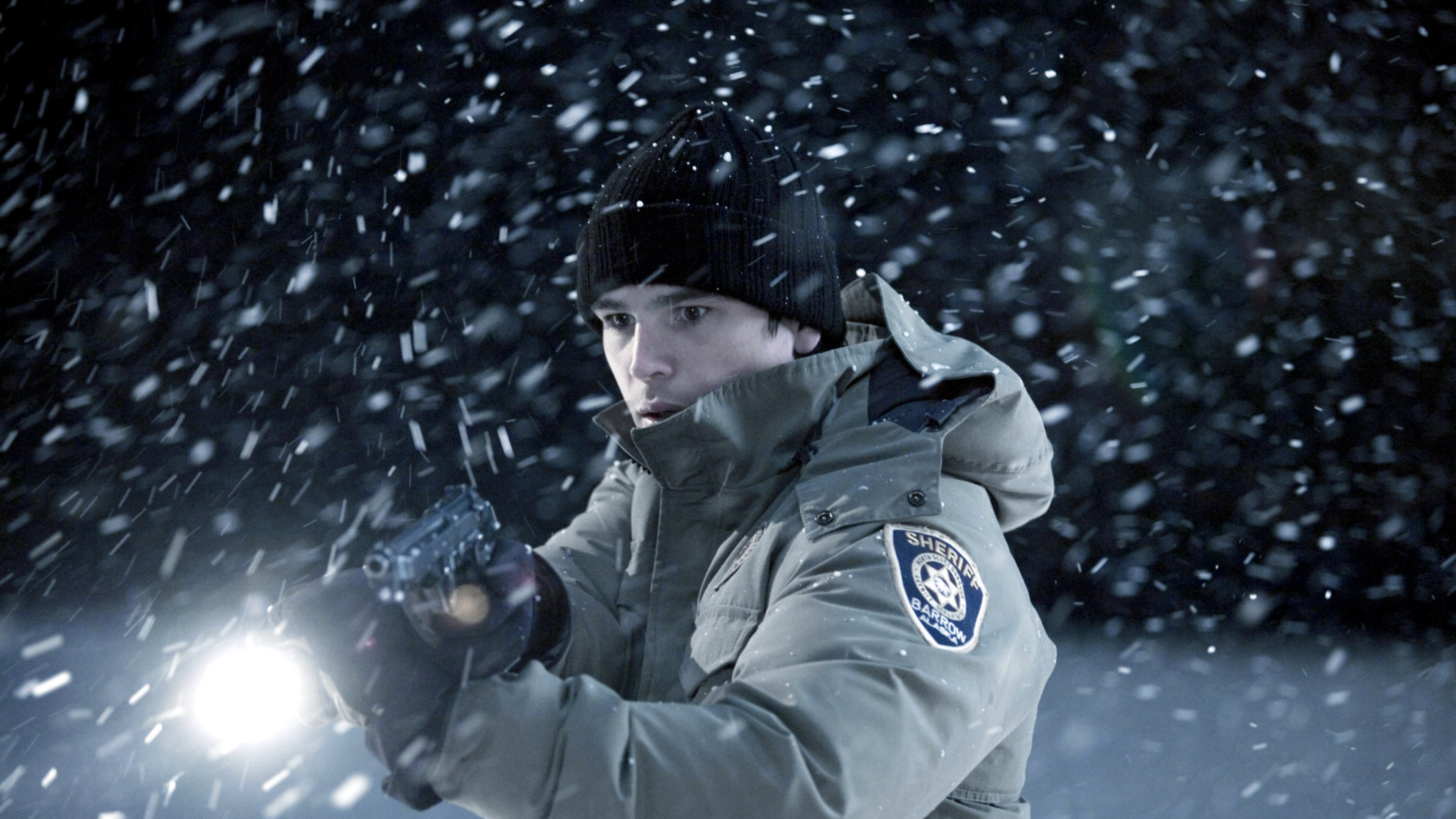
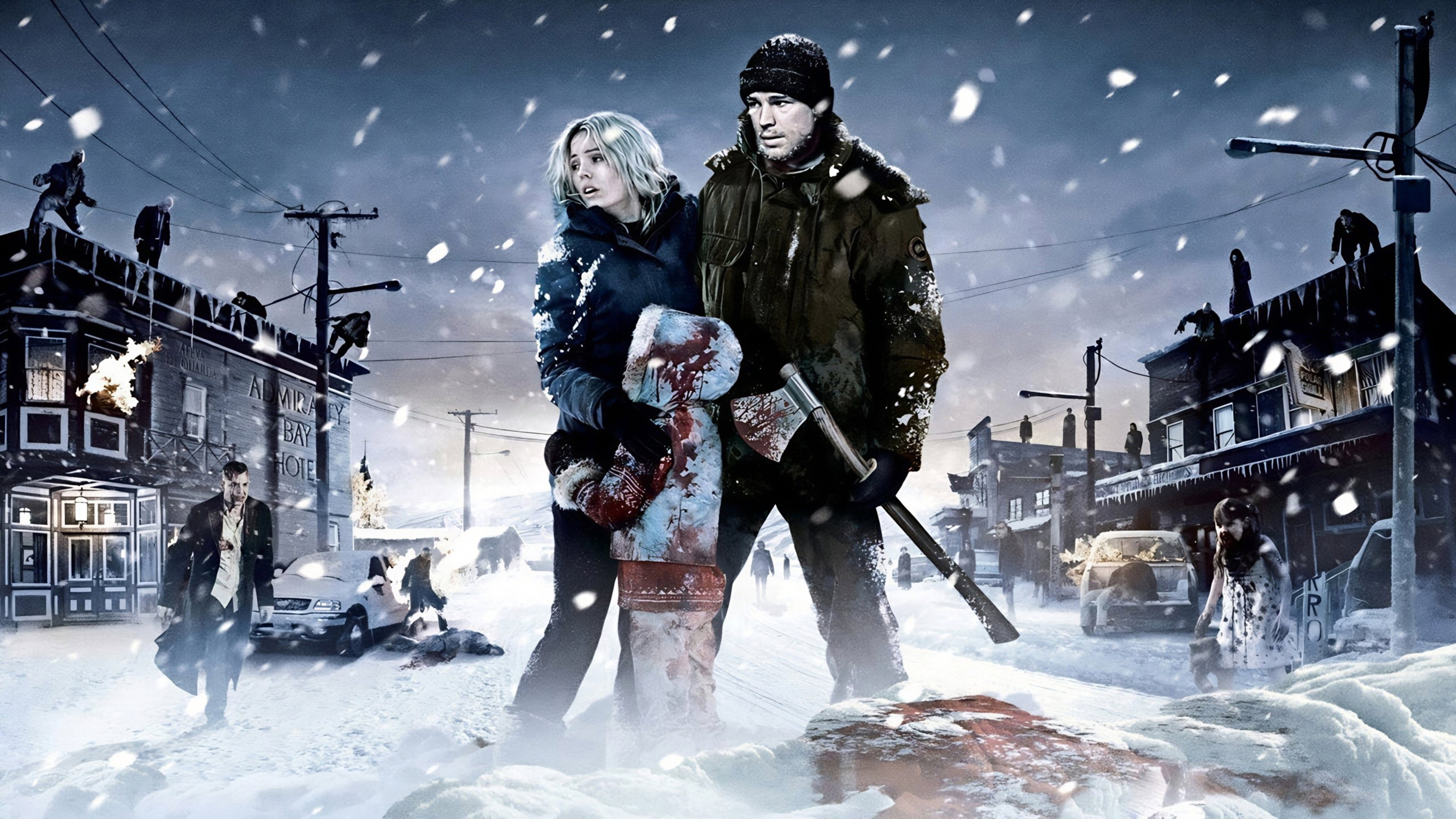
Cinematographer Jo Willems had to create visual variety inside a story that spends most of its running time at night. The night photography had to preserve enough visibility for the audience to follow geography, weather and movement. Snow became one of the film's most useful visual tools. It reflects limited available light, separates dark human and vampire figures from the environment and records blood with exceptional clarity. White ground and black sky therefore become the basic graphic opposition of the film.

Slade wanted the movie to retain something of Templesmith's highly stylized comic imagery while remaining physically believable. This produced a visual world with restricted colors, harsh contrasts and an almost dirty texture. The vampires can sometimes appear suddenly from areas that seemed visually empty, while wide compositions emphasize how exposed the human characters become whenever they leave shelter. One of the film's most striking overhead images surveys a large attack from above, reducing the town to a map of movement, fire and blood.

The lack of daylight also changes the normal rhythm of survival horror. Viewers cannot use sunrise as an approaching objective, and conventional day-night cycles disappear. Time instead advances through titles marking the progression of the month and through physical deterioration in the survivors. The visual sameness is deliberate. Darkness ceases to feel like a temporary condition and becomes the permanent state of the world until the final stage of the story.

Reinventing the Vampires

The vampires were conceived explicitly as a rejection of the sophisticated or romantic screen vampire. Niles had described his original creatures as predators that viewed people much as humans might view livestock. Slade later compared their behavior to a pack of dogs. They possess enough intelligence to organize an attack, protect their secrecy and communicate with one another, but they do not attempt to charm their victims or create a glamorous alternative society. Their relationship with humanity is defined principally through feeding.

Ben Templesmith's comic art remained an important visual reference. The film preserves pale skin, darkened eyes, distorted facial proportions and especially the impression of mouths capable of tearing flesh. Prosthetic work and dental appliances alter the actors without making them completely unrecognizable, allowing performers such as Danny Huston to remain visible beneath the creature design. Huston's Marlow consequently feels both physically human and fundamentally separate from the people he hunts.
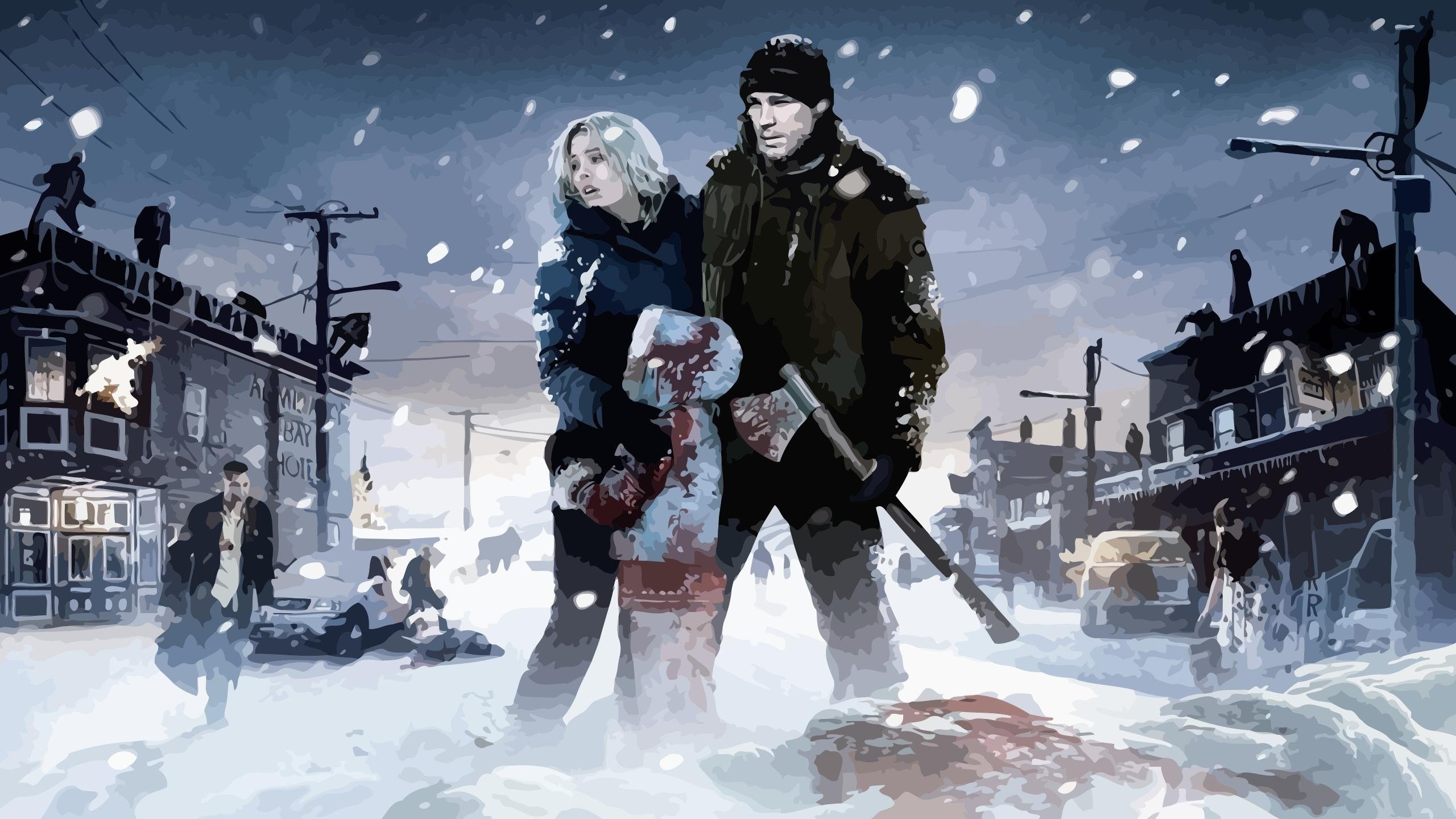
The vampires also communicate through a language developed specifically for the production. A linguist associated with the University of Auckland was involved, and Slade held vocal workshops during preparation. Sound editor Tim Prebble described an emphasis on vocalizing during inhalation, later expanded through ADR, performers from death-metal backgrounds and selected animal sounds. The result reinforces the impression that these beings possess a culture of their own while making their speech sound physically connected to feeding, breathing and aggression.

Blood, Gore and Survival Horror

30 Days of Night treats vampire attacks with a brutality closer to siege and survival horror than classical Gothic cinema. Victims are not left as elegant bodies bearing two small marks on the neck. Throats are torn, heads are damaged or removed and the snow becomes saturated with blood. The violence supports the basic conception of the vampires as feeding animals, but Slade rarely isolates gore from the larger problem of survival. Every attack also risks revealing the position of people who have remained hidden.

That structure gives silence unusual importance. Survivors spend long periods inside attics and other confined spaces where ordinary movement can become dangerous. The vampires deliberately exploit remaining humans as bait, understanding that compassion may force someone else to reveal a hiding place. Violence therefore extends beyond physical effects into a repeated moral problem: survival requires watching other people suffer while resisting the impulse to intervene.
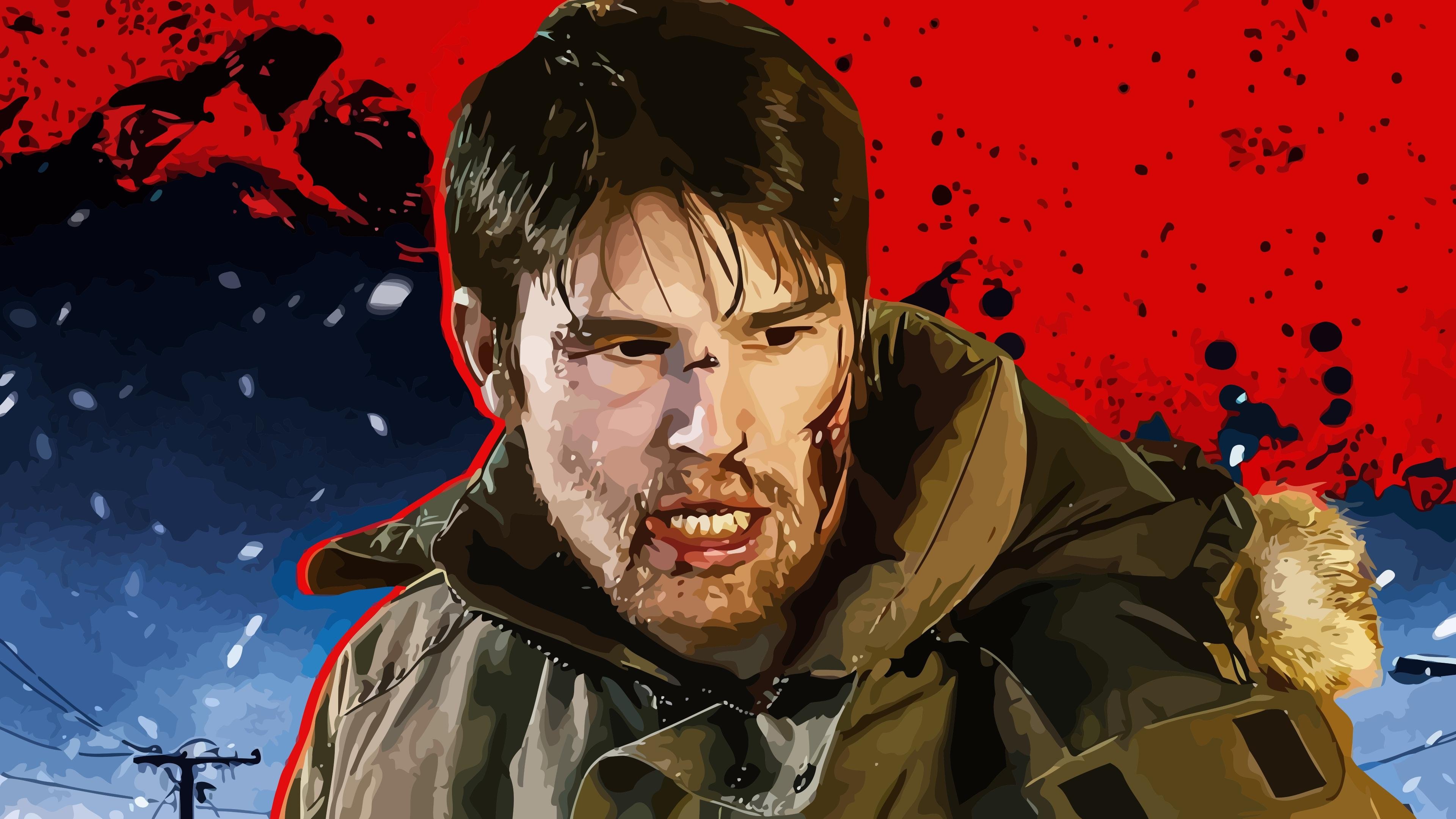
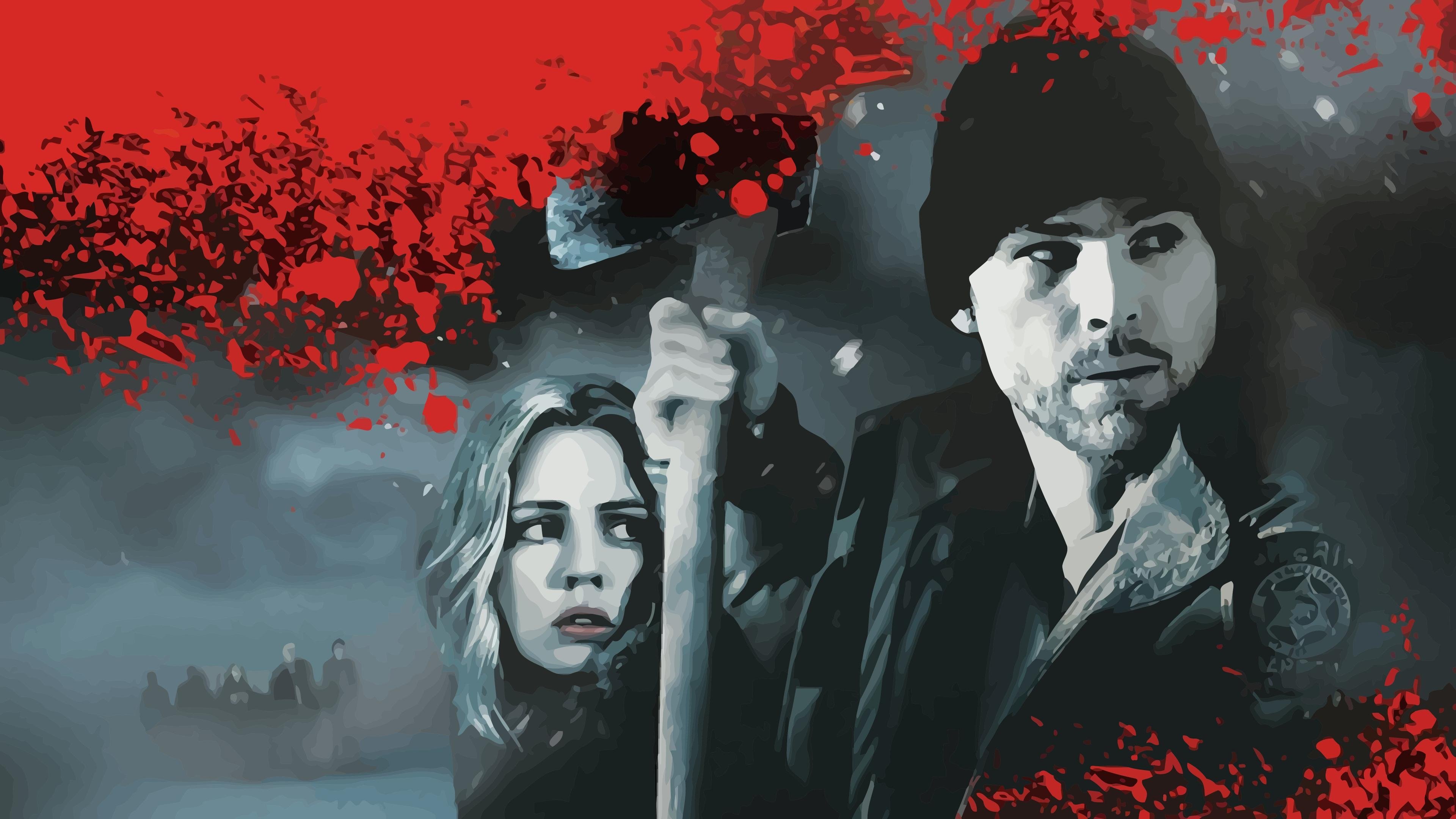
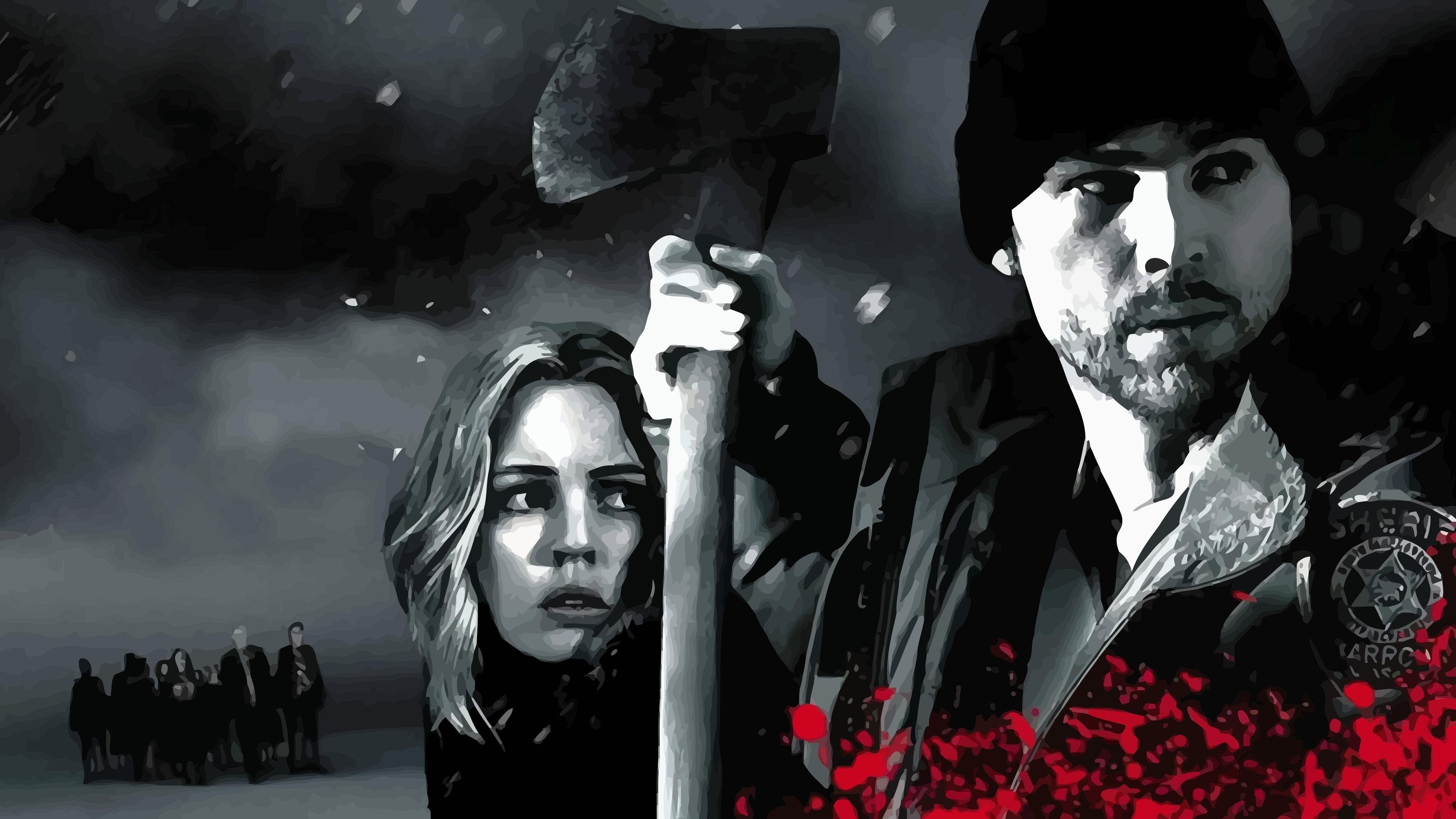
The final transformation of Eben pushes the survival logic to its extreme conclusion. He deliberately accepts contamination in order to fight Marlow on physical terms closer to those of the vampires. The decision does not provide a heroic escape from vampirism. It gives him only a temporary ability to protect others before sunrise destroys what he has become. The ending preserves the film's refusal to romanticize the condition that has driven the preceding massacre.
Music and Sound

Brian Reitzell composed his first complete feature score for 30 Days of Night and deliberately avoided a conventional orchestral horror language. The temporary music had included modernist composers such as György Ligeti and Krzysztof Penderecki, but Reitzell wanted to create an original sound informed by that modernist tradition. He drew additional inspiration from Japanese noise music and German industrial music, using familiar instruments in unfamiliar tunings and treatments alongside found objects, metal and custom percussion.

Music and sound design deliberately overlap throughout the sequence. Slade was particularly interested in areas where environmental sound could perform work normally assigned to score. Tim Prebble and the sound team recorded extensive wind material and snow Foley, creating different layers of air movement for exposed streets, storms and cramped hiding places. Some sequences progressively remove recognizable ambience until near-silence becomes more frightening than continuous musical tension.
The vampire voices belong to the same strategy. Live performance remained the foundation, with electronic manipulation applied where needed. Inhaled speech, unusual human vocal techniques and limited animal elements were combined during post-production. Reitzell similarly processed acoustic sources until their origins became difficult to identify. Both departments were pursuing the same sensation: the audience should hear something physically present but struggle to identify exactly what produced it.

Release, Reception and Legacy

Sony Pictures released 30 Days of Night in the United States on October 19, 2007. With a reported production budget of approximately $30 million, it opened at number one with about $15.95 million from 2,855 theaters. The domestic theatrical run reached approximately $39.57 million, while international markets brought the worldwide total to roughly $75.51 million. The numbers were respectable without producing the kind of breakout result that might have guaranteed a large theatrical franchise.

Critical reaction was mixed. Metacritic recorded a score of 53 from twenty-nine reviews, while contemporary responses frequently divided over characterization and pacing even when reviewers responded strongly to the vampire design, atmosphere and graphic violence. Roger Ebert considered it a better-than-average example of vampire cinema, while other critics saw its feral creatures as a welcome break from increasingly romanticized versions of the mythology. The movie's visual and creature concepts generally generated more lasting discussion than its plotting.
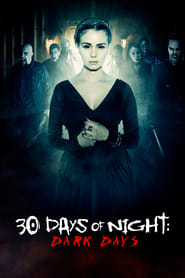
A direct-to-video sequel, 30 Days of Night: Dark Days, followed in 2010, alongside other screen extensions of the property, but none achieved the visibility of Slade's film. Its longer legacy lies in the clarity of its central idea and the particular type of vampire built around it. The film arrived shortly before romantic vampire fiction became even more dominant in popular culture, making its blood-covered predators feel increasingly distinct. Slade has since described it as a cult film because audiences continued returning to it after its original commercial cycle ended. Its strongest contribution remains brutally simple: remove dawn, isolate the population and allow the vampire to become a predator again.

Connections

Cast

View Full Cast & Crew →

Release & Distribution

Production Companies (5)

  • Columbia Pictures US
  • Dark Horse Entertainment US
  • Ghost House Pictures US
  • HorrorFlix
  • Mandate International US

Distributors (1)

  • Columbia Pictures US

Release History (25)

Release DateTerritoryRelease TypeFormatDistributorCertificationNotes
2007-10-17 Canada Theatrical — — 18A
2007-10-19 United States Theatrical — — R
2007-11-01 Czechia Theatrical — — 15
2007-11-01 United Kingdom Theatrical — — 15
2007-11-01 Ireland Theatrical — — 16
2007-11-07 Norway Theatrical — — 18
2007-11-08 Australia Theatrical — — MA15+
2007-11-08 Germany Theatrical — — 18
2007-11-08 Portugal Theatrical — — 16
2007-11-15 Greece Theatrical — — —
2007-11-23 Denmark Theatrical — — 15
2007-11-29 Hong Kong SAR China Theatrical — — —
2008-01-09 France Theatrical — — 12
2008-02-01 Sweden Theatrical — — 15
2008-02-08 Italy Theatrical — — VM14
2008-02-26 United States Physical DVD, Blu-ray — R DVD / Blu-ray
2008-04-14 United Kingdom Physical DVD, Blu-ray — 18 DVD / Blu-ray
2008-04-17 Switzerland Digital — — 18
2008-06-04 Sweden Physical DVD, Blu-ray — 15 DVD / Blu-ray
2008-07-09 France Physical DVD, Blu-ray — 12 DVD & Blu-Ray
2009-04-30 Poland Theatrical — — —
2009-08-22 Japan Digital — — R15+
2016-02-01 France Digital — — — VOD
2022-10-19 France Digital — — 18 Netflix
2026-07-27 United Kingdom Physical 4K UHD — 18 4K Ultra HD
They're Coming!