20th Century Studios
, Summit Entertainment
, Constantin Film
Plot
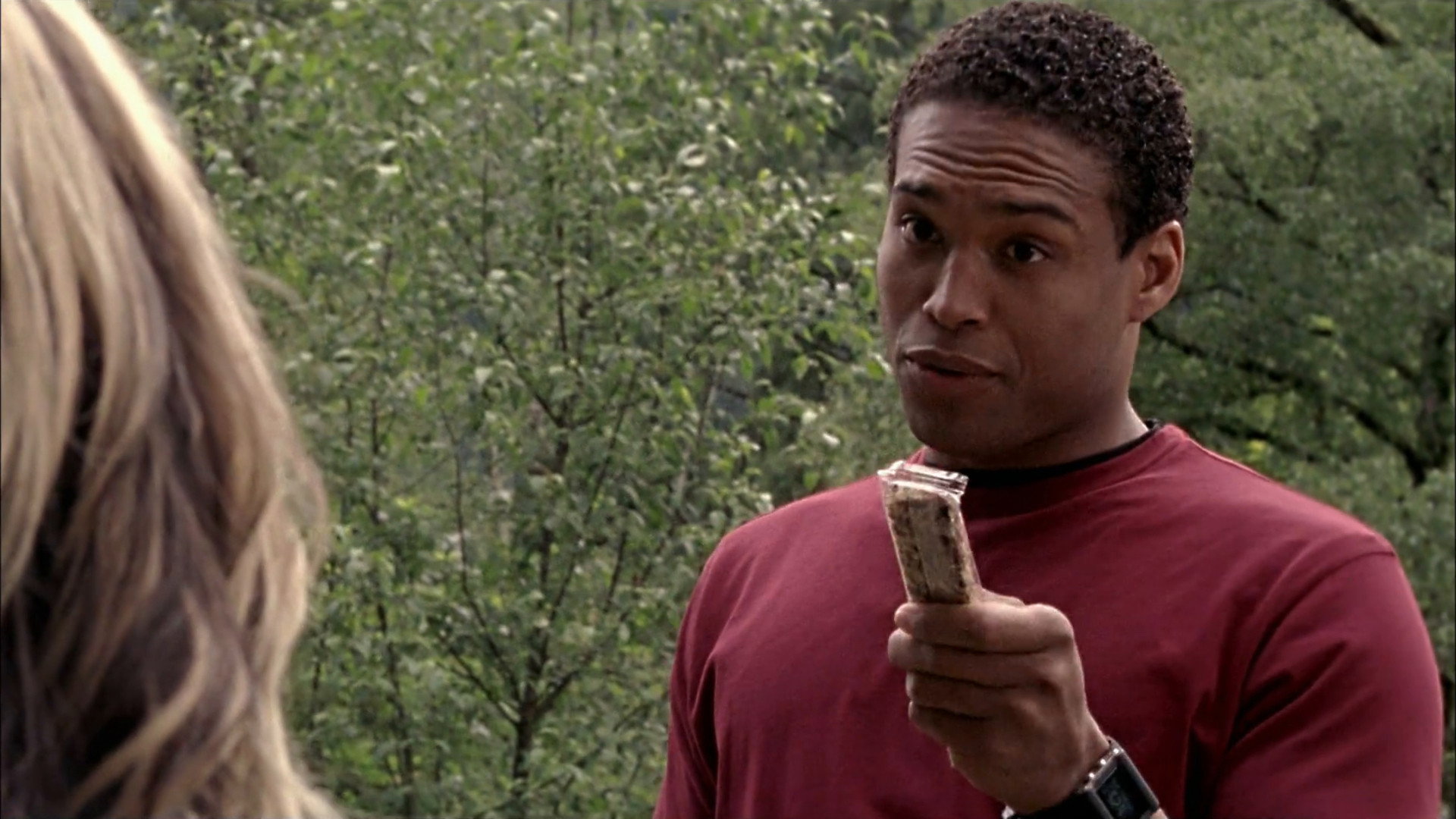
Former special forces officer Dale Murphy hosts an apocalypse-themed reality television competition in the West Virginia wilderness. The contestants are divided into teams and sent to find supplies during a series of staged survival challenges, unaware that a cannibal family lives near the filming locations. Once cast and crew members begin disappearing, the producers lose control of the competition. Murphy tries to organize the remaining participants while the attackers move between the cameras, equipment and campsites. The cameras keep rolling as the scripted challenges give way to attacks the crew never planned to record.
Alternative Titles
Qorxu Qapanı 2: Yanlış Döngə (Azerbaijan) — alternative titleYanlış Döngə 2: Ölüm Çıxmazı (Azerbaijan) Погрешен завой 2: Без изход (Bulgaria) — BulgarianFloresta do Mal (Brazil) Pânico na Floresta 2 (Brazil) — PortuguesePânico na Floresta 2: Floresta do Mal (Brazil) Sortie fatale 2 : Impasse (Canada) — French致命弯道2 (China) Show all 42 alternative titles致命弯道2:死路 (China) — ChineseCamino Hacia el Terror 2: Final mortal (Colombia) Pach krve 2: Cesta nikam (Czechia) — CzechCamino Hacia el Terror 2 (Ecuador) Vale Pööre 2: Tupik (Estonia) — EstonianCamino sangriento (Spain) Camino sangriento 2 (Km 666 II) (Spain) Camino sangriento: Km. 666 II (Spain) Km. 666 II: Camino sangriento (Spain) Détour mortel 2 (France) — Frenchმცდარი მოსახვევი 2: ბოლო გაჩერება (Georgia) — GeorgianΛάθος στροφή 2 (Greece) — Greek肢解狂魔 2 (Hong Kong SAR China) — ChinesePogrešno skretanje 2 (Croatia) — CroatianHalálos kitérő 2. (Hungary) Halálos kitérő 2. - Zsákutca (Hungary) — Hungarianטעות בכיוון 2: דרך ללא מוצא (Israel) — HebrewWrong Turn 2 - Senza via di uscita (Italy) — Italianクライモリ デッド・エンド (Japan) — Japanese데드 캠프 2 (South Korea) — KoreanLemtingas posūkis 2: Kelio pabaiga (Lithuania) — LithuanianCamino Hacia el Terror 2: Final mortal (Mexico) Droga bez powrotu 2 (Poland) — PolishPânico na Floresta 2: Beco Sem Saída (Portugal) — PortugueseDrum interzis 2: Fundătura (Romania) — RomanianПоворот не туда 2: Тупик (Russia) — Russianالمنعطف الخاطئ 2: نهاية مميتة (Saudi Arabia) — ArabicPach krvi 2 (Slovakia) — SlovakCamino Hacia el Terror 2 Final Mortal (El Salvador) หวีดเขมือบคน 2 (Thailand) — ThaiKorku Kapanı 2: Ölüm Çıkmazı (Türkiye) — Turkish鬼擋路2 (Taiwan) — ChineseПоворот не туди 2: Безвихідь (Ukraine) — UkrainianNgã Rẽ Tử Thần: Đường Cùng (Vietnam) — Vietnamese
Joe Lynch turns a survival reality show into a backwoods cannibal massacre, combining elaborate practical gore, genre satire and a vicious family of hunters.
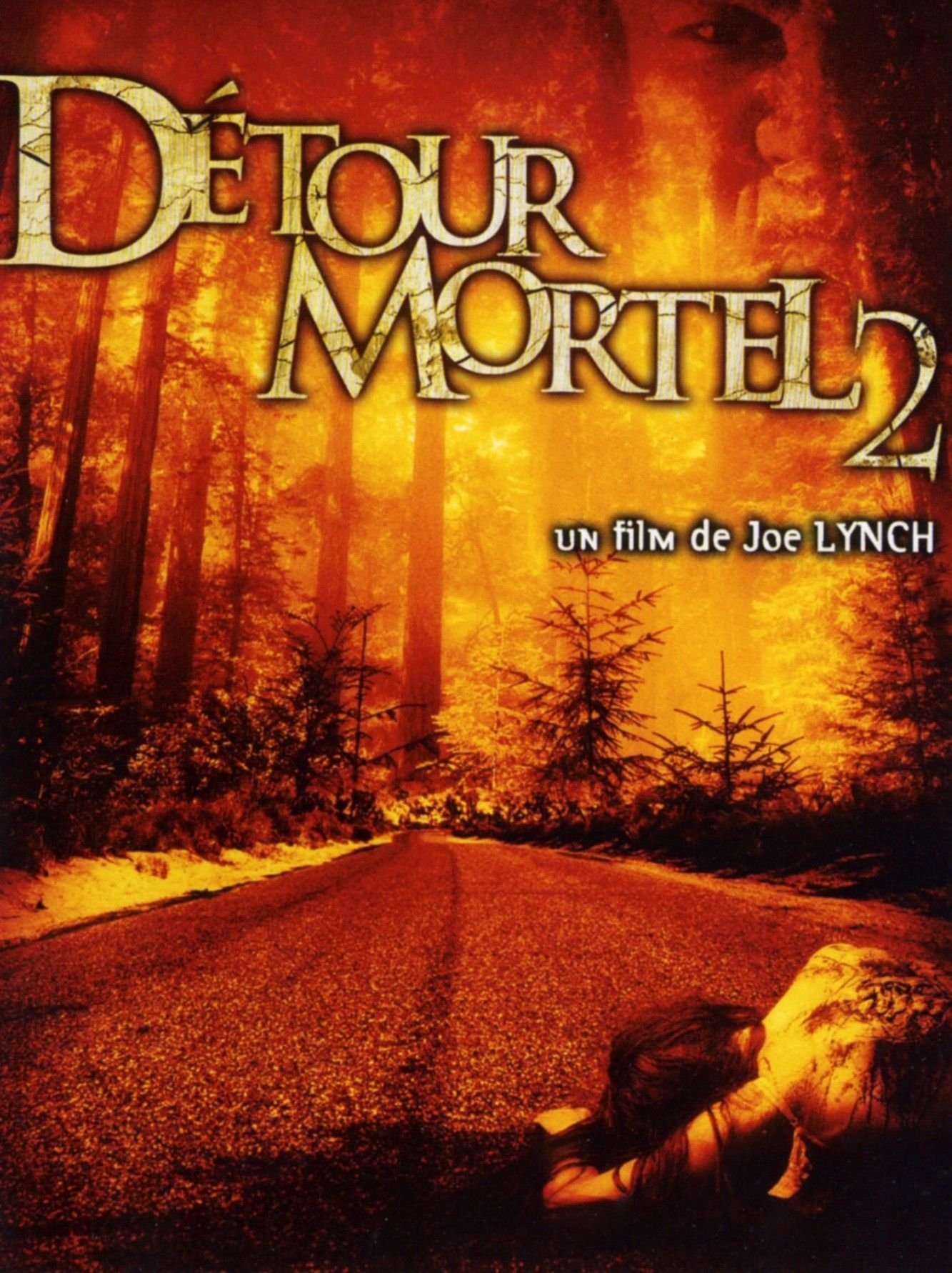
Wrong Turn 2: Dead End (2007) moves the backwoods violence of the first film into a reality television production where the contestants expect staged adversity and encounter a family of cannibals instead. The fictional program Ultimate Survivalist: Apocalypse sends strangers into the West Virginia forest to compete for a cash prize, with cameras and manufactured challenges intended to record their reactions. Those devices cannot protect them from people who already occupy the location. The contrast between televised survival as entertainment and survival as bodily danger gives Joe Lynch's feature debut a different framework from the road-trip pursuit of Wrong Turn (2003).
Written by Turi Meyer and Al Septien, the sequel was photographed around Vancouver for an American direct-to-DVD release. Henry Rollins plays former military officer Dale Murphy, whose confidence in the show becomes a practical resource when the situation collapses. Contemporary set reporting preserves detailed testimony from the director, producer Jeff Freilich, set designer Brentan Harron and effects artist Bill Terezakis. Reviews at the time singled out the physical gore and the filmmaker's exuberant approach, even when acknowledging thin dialogue and familiar exploitation conventions.
Joe Lynch and the Direct-to-DVD Production
The project followed the modestly successful theatrical Wrong Turn into a home-video market that could support new entries without financing another nationwide opening. Lynch had been making music videos and television segments for G4 when he received the screenplay. During a 2006 visit to the Vancouver shoot, he told Dread Central that a contact approached him while he was working in Japan. He saw opportunities in violent sequences that seemed unusually ambitious for a modest home-video feature. Producer Jeff Freilich emphasized the benefit of hiring experienced local crew members between larger shoots, even though the available time and resources were more restricted.
In a December 2025 interview for Talks From the Crypt, Lynch revisited his first encounter with the script and his insistence on finding ways to stage difficult ideas rather than rejecting them outright. His account is retrospective and describes the filmmaker's own decisions, while the earlier set interviews document the production as it happened. Meyer and Septien retained screenplay credit; Lynch's additions should not be mistaken for an entirely rewritten, solely authored screenplay. The production offers a specific example of how the emerging DVD sequel market could give a new director considerable room to shape established genre material.
Reality Television and the False Promise of Survival
The show within the film sells a simulation of post-apocalyptic hardship. Contestants compete for money and screen exposure, while a producer and host control their routes, provisions and apparent dangers. The introductory attack on Kimberly Caldwell, playing a version of herself, establishes that the real forest has already defeated those assumptions. After she disappears, producer Mara becomes a contestant, collapsing the boundary between the people organizing the entertainment and those supposed to perform within it. The scenario makes a useful horror mechanism of misplaced confidence: participants recognize staged risks but cannot immediately identify a danger that has not been authorized by their production team.
Freilich told the visiting reporter that he considered the reality show chiefly a means of bringing outsiders into the cannibals' territory. He also observed that reality television trades on spectators watching people undergo humiliation. That comment documents the producer's interpretation of the premise; the film develops it through cameras that continue to capture vulnerability after the games stop being voluntary. Michael Gingold's 2007 Fangoria review located the movie among other stories about reality programs turning lethal, and noted a particularly pointed image in which an attack appears alongside its own monitor reproduction. The visual joke ties recorded entertainment directly to violent exploitation.
The Cannibal Household and Its Industrial Wilderness
The sequel enlarges the family of killers instead of treating Three Finger as the only surviving attraction. Their routines suggest a functioning household that stores the remains of previous visitors, processes captured victims and makes use of discarded equipment. Production designer Brentan Harron showed Dread Central a large interior vehicle graveyard containing stacked and suspended cars. He explained that the family would dismantle stolen vehicles for raw material and shelter the accumulated wreckage from observation. The crew spent several days arranging the heavy structures with tow trucks and rigging equipment. This construction gives physical credibility to a community that has remained hidden despite repeatedly killing travelers.
The family scenes also draw on older American cannibal-horror imagery, particularly the grotesque meals and domestic arrangements associated with The Texas Chain Saw Massacre and The Hills Have Eyes. The kinship system is fictional and staged for shock, including sexual behavior between siblings; it should not be presented as a factual account of rural populations or disability. Ken Kirzinger plays the father, while Wayne Robson returns as the elderly figure associated with the first film. Instead of appearing only as figures glimpsed between trees, the attackers occupy their own constructed space. The victims enter a domestic environment where the household's tools and habits have been organized around murder.
Dale Murphy, Nina and the Change in Power
Rollins's Dale Murphy begins with the confidence of a military-trained television host accustomed to defining a challenge for other people. When the crew's communications and plans fail, his knowledge of weapons and fieldcraft gives him a different role. He becomes an active opponent of the killers rather than simply another person selected for a spectacle. The film contrasts that assertive competence with the vulnerability of contestants who were cast for personality as much as endurance. Erica Leerhsen's Nina is initially marked as an unlikely survivor, but her refusal to accept the situation eventually places her alongside other characters willing to resist.
The ensemble includes Texas Battle, Daniella Alonso, Aleksa Palladino and Steve Braun, whose clashes and temporary alliances supply the contest's human conflicts. They are not presented as equivalent in experience or reliability, which lets the cannibals exploit gaps between them. During the original set visit Rollins described being pleased that Lynch and Freilich had chosen him for Dale without an audition; the producer also recalled wanting him for the role from an early stage. The casting gives the film a recognizable performer whose public image fits the character's physical determination. Its action eventually reverses the ordinary relationship between hunters and captives, with violence directed at members of the cannibal family as well as their victims.
Bill Terezakis and the Construction of the Gore
Makeup-effects supervisor Bill Terezakis approached the killers as individual physical characters. In the Vancouver set report he described studying medical references when designing altered skulls and spines, then working from photographs of the cast to prepare appliances. Those statements explain the artists' chosen references, not the biological plausibility of the fictional family's appearance. The project also relied on fabricated wounds, body rigs and carefully choreographed impacts to carry its attacks. Lynch wanted screen violence to be unexpectedly elaborate, drawing on the extravagant splatter sequels he remembered from the early 1980s rather than the comparatively restrained injuries of a conventional survival thriller.
Gingold's October 2007 Fangoria inspection of the DVD supplements describes the opening dismemberment, a special body rig used for another death and the explosive destruction of an elderly character. The featurette Making Gore Look Good documents the tricks behind those scenes, providing evidence stronger than a general claim that the bloodshed was entirely practical. Stunt work, mechanical effects, prosthetics and editing still cooperate to produce the completed illusion. The elaborate killings interrupt dialogue with sudden physical consequences, giving the sequel a deliberately uneven rhythm of jokes, suspense and injury. They also make it a film whose reputation among genre critics was closely bound to how individual effects looked on screen.
Genre Homage, Editing and the Camera Within the Camera
Lynch acknowledged a debt to the bloodier horror sequels of the 1980s, and the finished film makes that allegiance visible through brisk reversals, crude humor and extremely conspicuous deaths. The cannibals' dining space is an overt variation on the family meal familiar from rural exploitation cinema. Such references situate the picture within an established tradition rather than proving it invented a new subgenre. Cinematographer Robin Loewen and editor Ed Marx had to make the forest pursuits intelligible while the television show's own monitors created a second kind of image inside the fiction. Screens suggest professional supervision at precisely the moments when the supposed supervisors have lost control.
In its original August 2007 review, Fangoria praised the director's energy and the film's ability to let victims register as people before the next grotesque attack. The same critic found some of the characters broad and the material familiar. A separate October assessment of the DVD valued the detailed commentaries, which allowed Lynch and the writers to discuss production decisions and the screenplay's changing ideas. Those records support a nuanced description of the intended homage: the creators pursued an enthusiastic, knowingly excessive version of exploitation horror, while reviewers could still question its characterization. The film's visual and tonal identity results from that deliberate embrace of genre conventions.
Festival Screenings, Home Video and Contemporary Reception
Wrong Turn 2 screened at London's FrightFest in August 2007 and was announced for Austin's Fantastic Fest before receiving its principal United States DVD release on October 9. Fox Home Entertainment offered an unrated presentation with two audio commentaries and featurettes examining the production and gore effects. The word unrated identifies that home-video edition; it does not, by itself, establish a suppressed theatrical director's cut. A third, more technical Lynch commentary did not appear on the manufactured disc and was subsequently made available separately through Dread Central with the studio's permission. These distinctions matter because the sequel's circulation was defined by festivals and home entertainment, not a conventional domestic theatrical run.
The Numbers reports approximately $9.25 million in estimated United States DVD sales and does not list domestic theatrical box-office revenue. That estimate is a sales measure rather than production profit, and does not include every rental or ancillary source. Contemporary specialist criticism was unusually favorable for a home-video follow-up: Fangoria applauded the effects and self-aware execution, while Dread Central's October DVD review praised the spectacle but criticized inconsistent dialogue. Those are documented responses, not proof of universal approval. The film established Lynch's first feature credit and demonstrated that the Wrong Turn series could continue through home-video releases, before later installments changed directors and production priorities.
References
Dread Central — Dread Central Visits the Set of Wrong Turn 2
Johnny Butane original July 2006 Vancouver set report with direct interviews with Joe Lynch, producer Jeff Freilich, production designer Brentan Harron, Bill Terezakis, Henry Rollins and cast members.
December 2025 original extended conversation with Lynch reflecting on receiving the Wrong Turn 2 screenplay, his feature debut and his approach to challenging effects. Transcript is automatically generated.
Michael Gingold original October 2007 review of home-video supplements, firsthand production commentary and demonstrations of the practical gore effects.
Michael Gingold original August 2007 critical review of the reality-show premise, characterization, monster-family staging and homage to earlier splatter films.
The Numbers — Wrong Turn 2: Dead End (2007) - Box Office and Financial Information
Verified release and sales data identifying the October 9, 2007 direct-to-video launch and estimated United States DVD revenue, without treating it as theatrical gross.