


Origins, Development, and the Screenplay
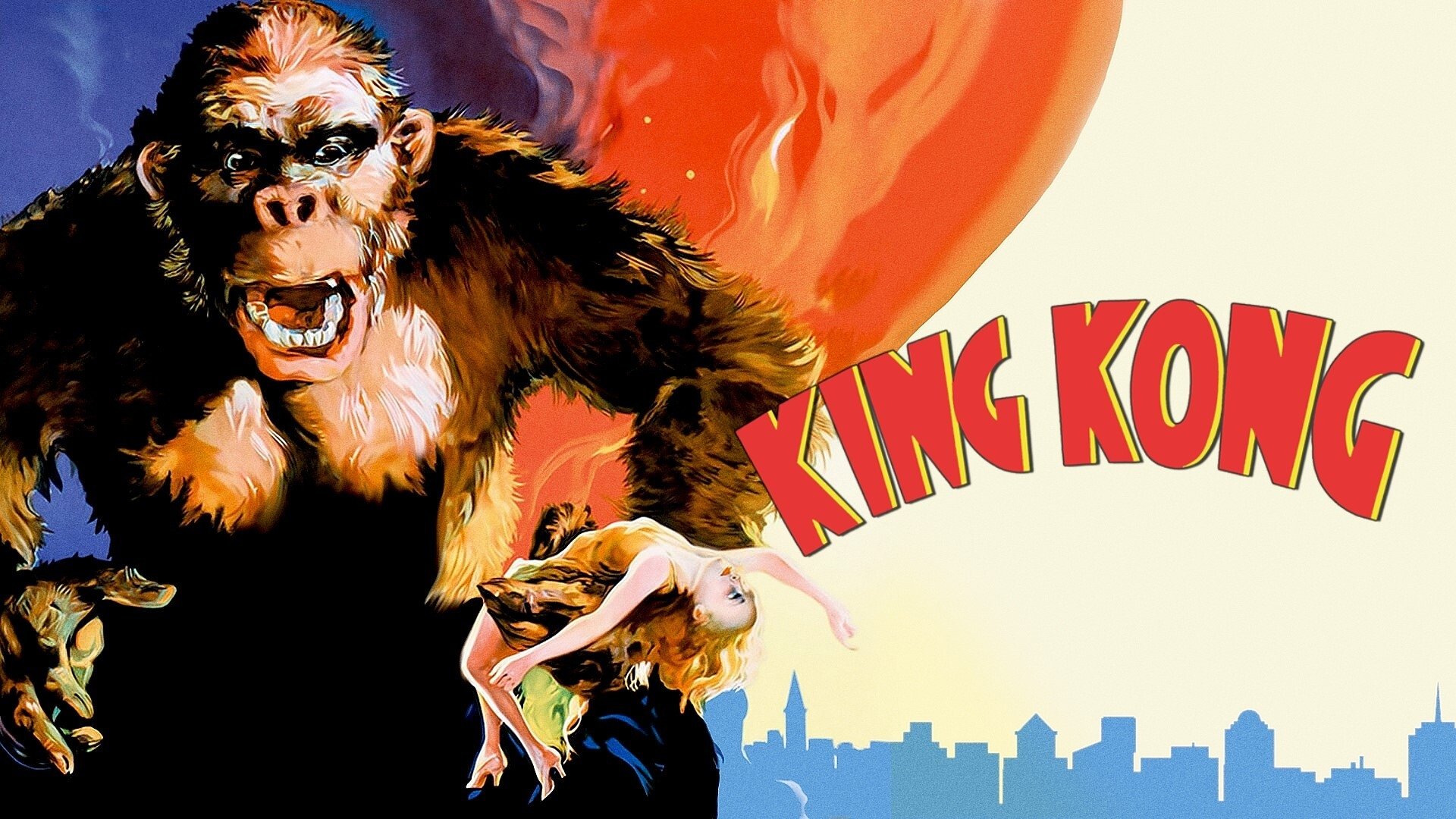
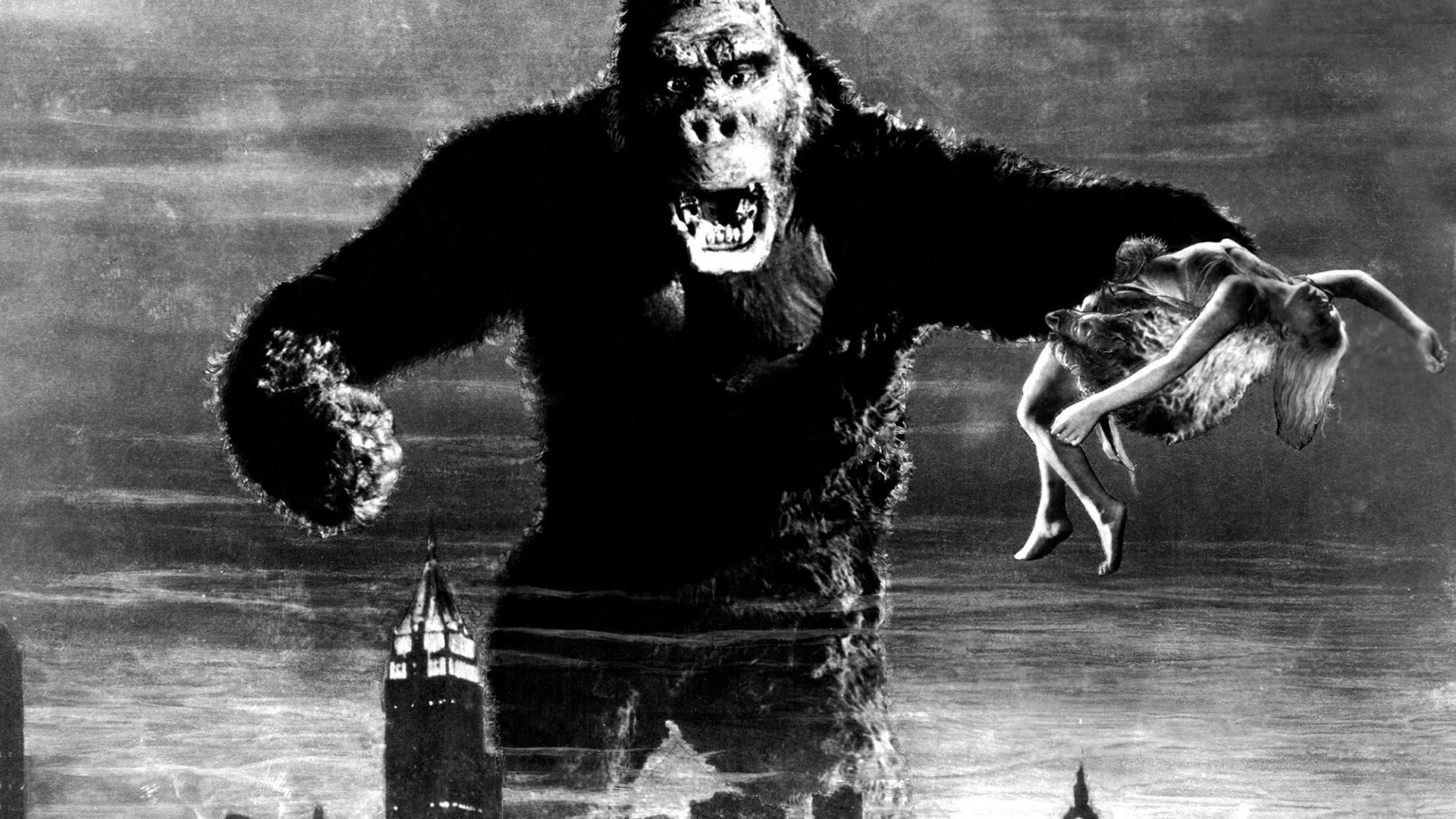
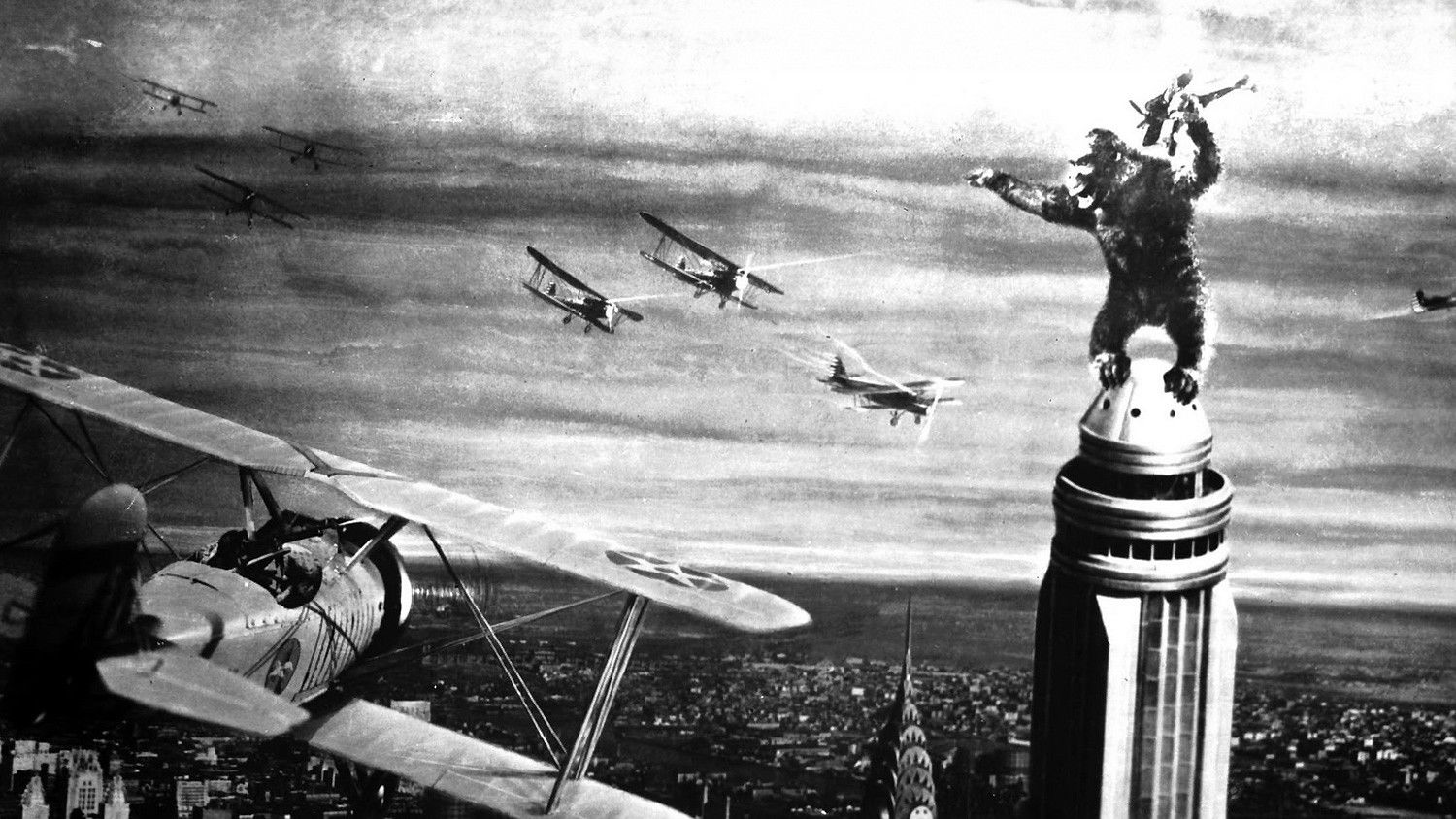
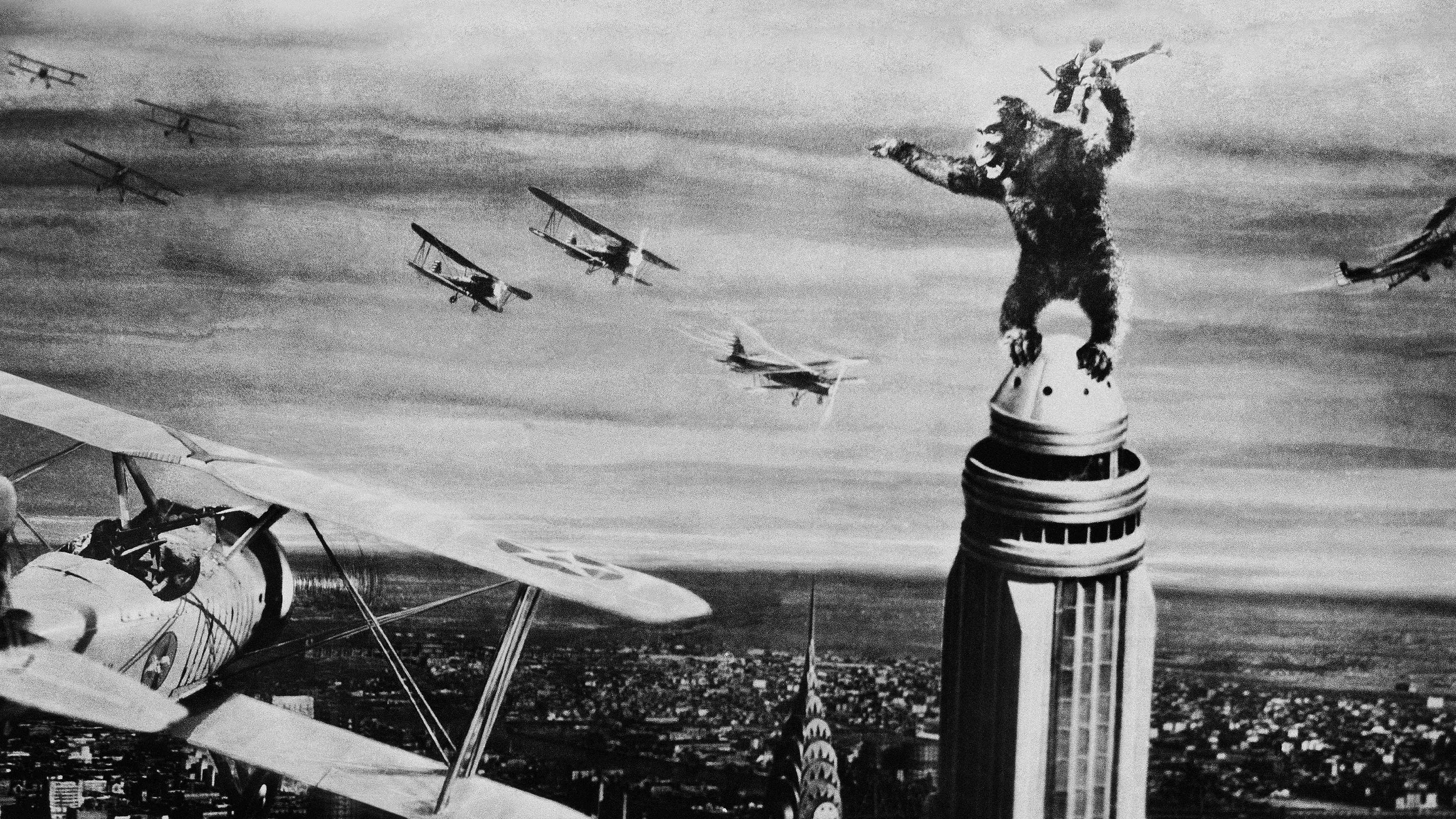
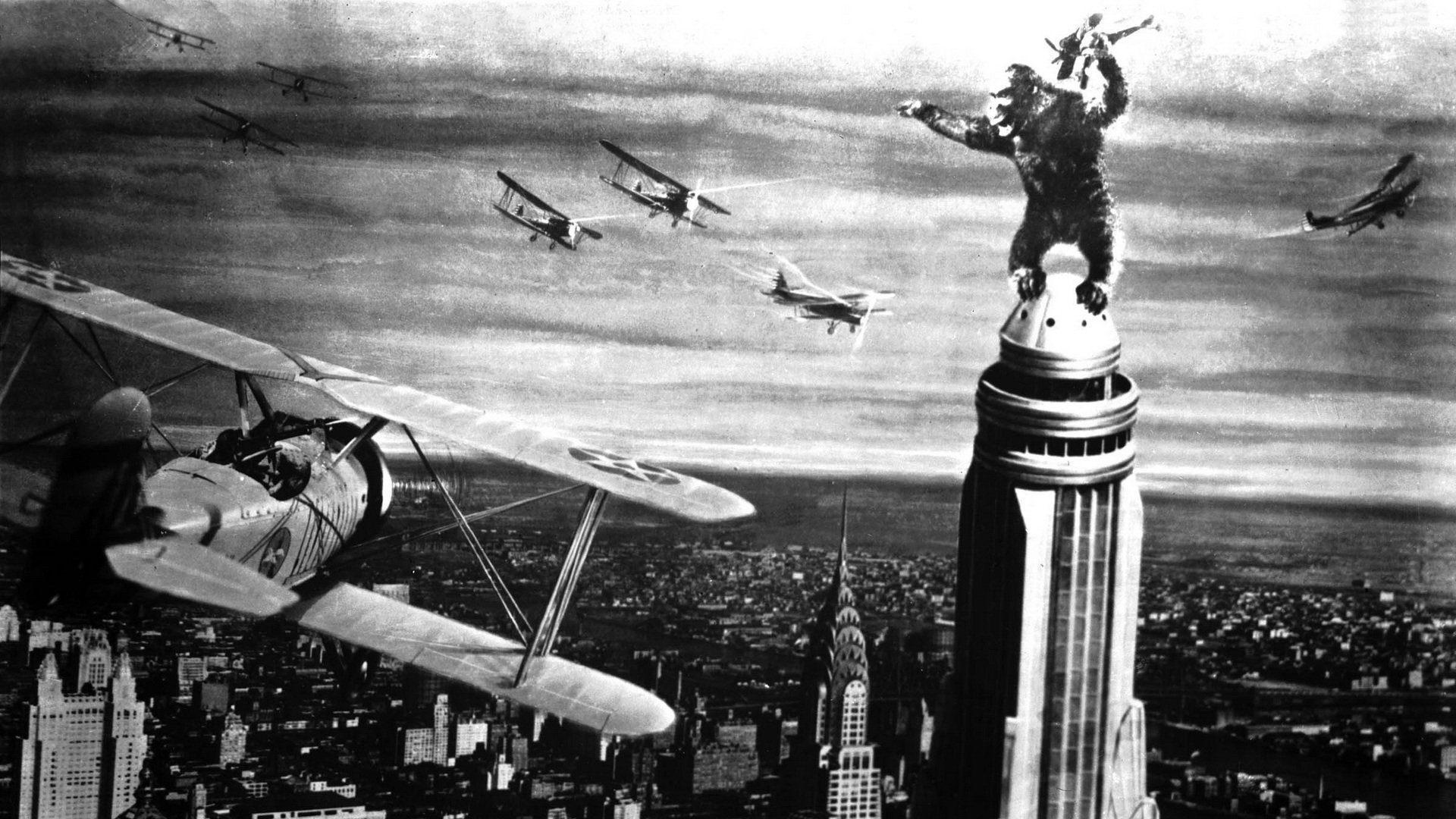
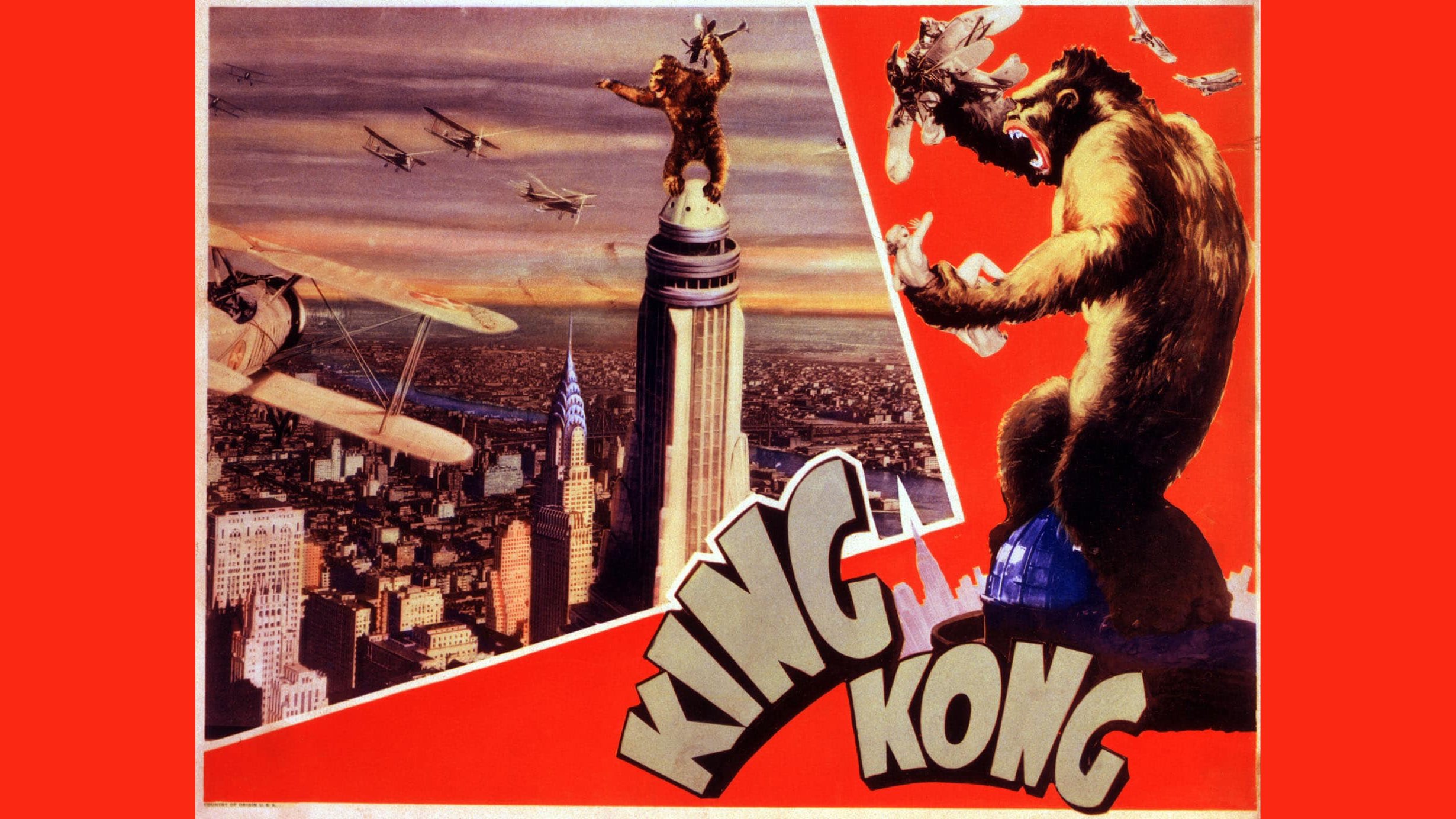
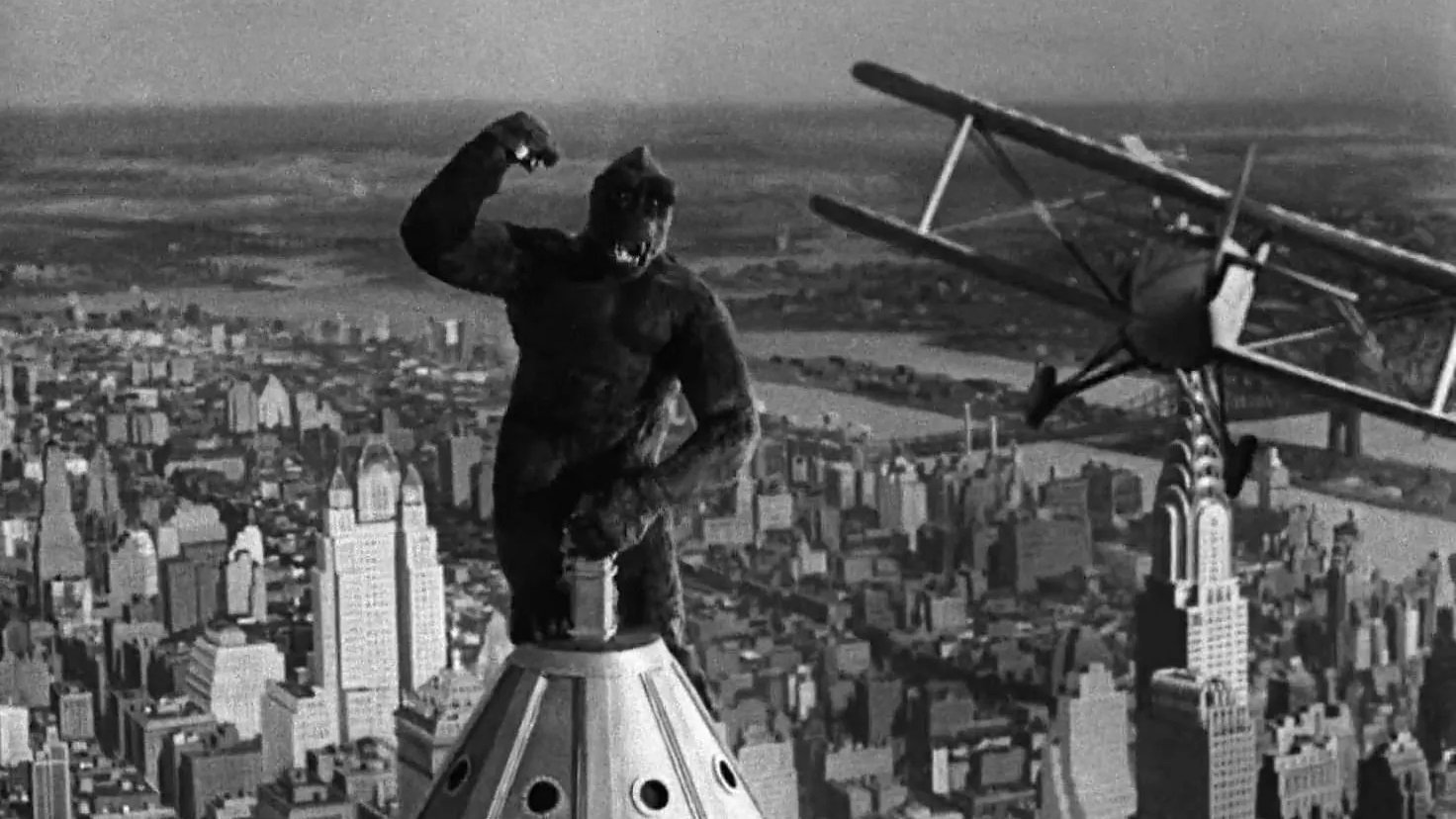
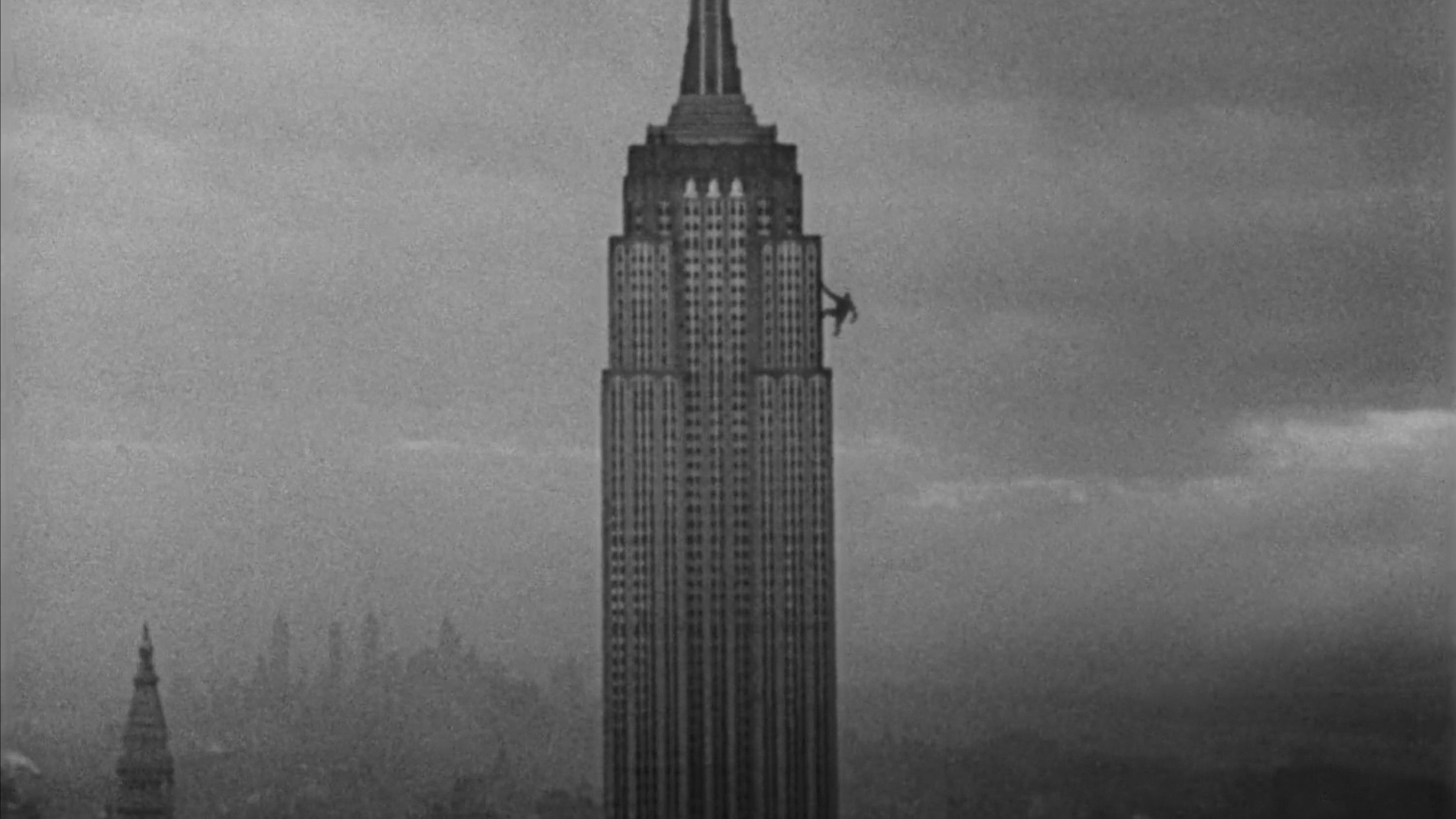
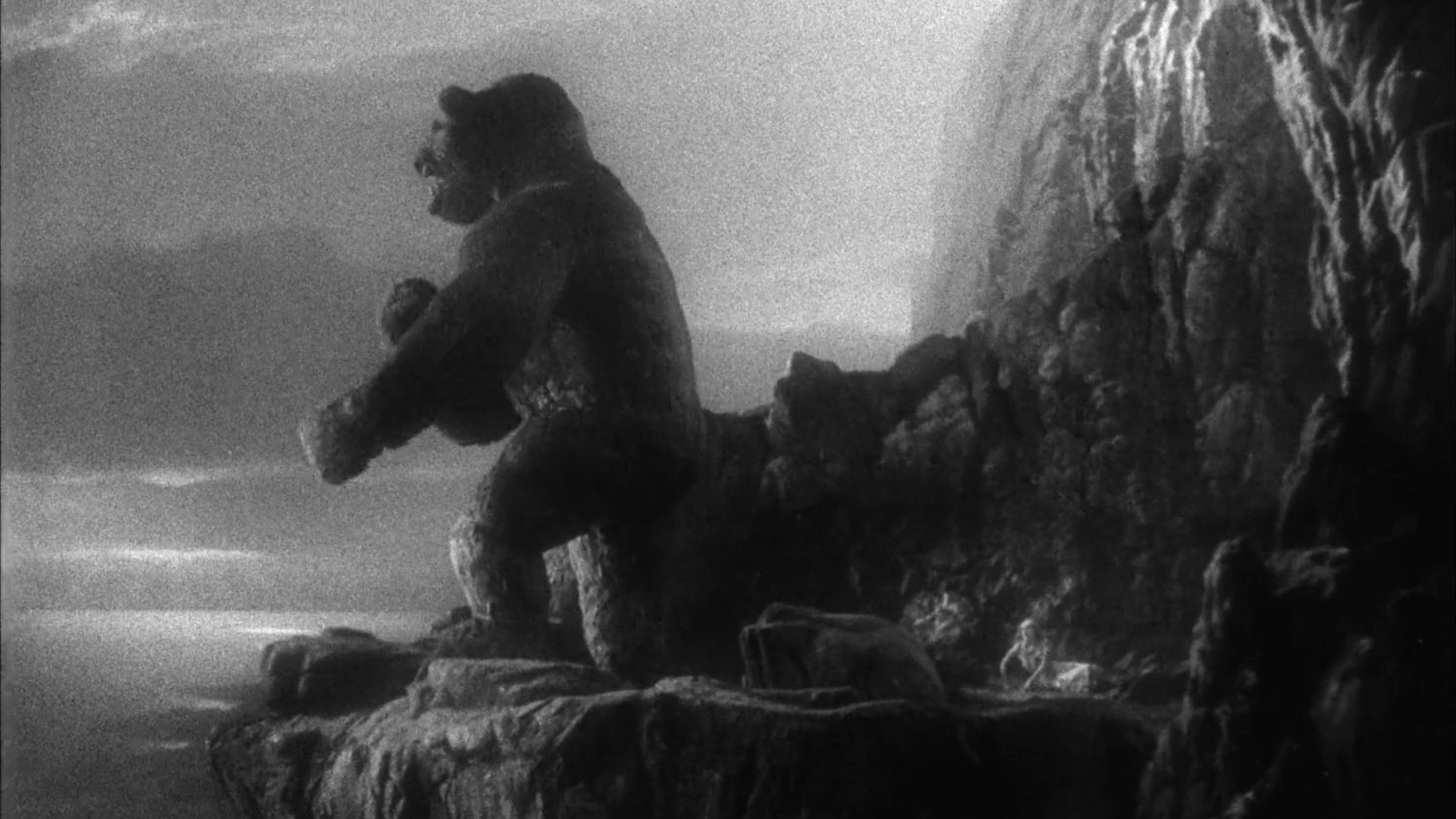
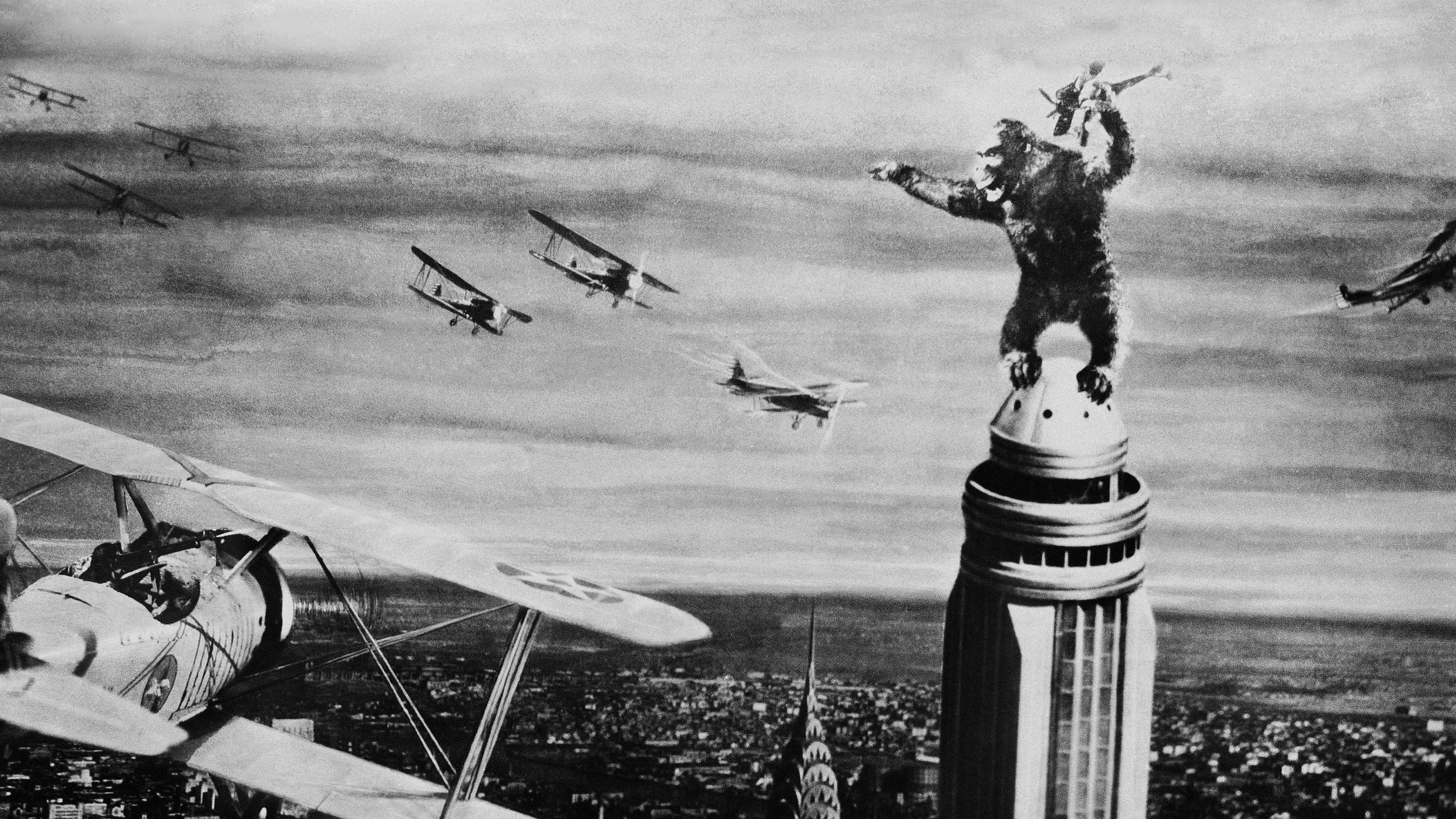
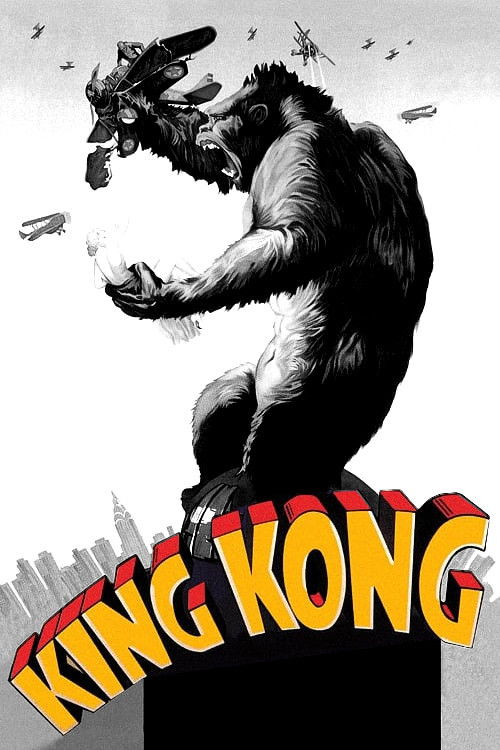
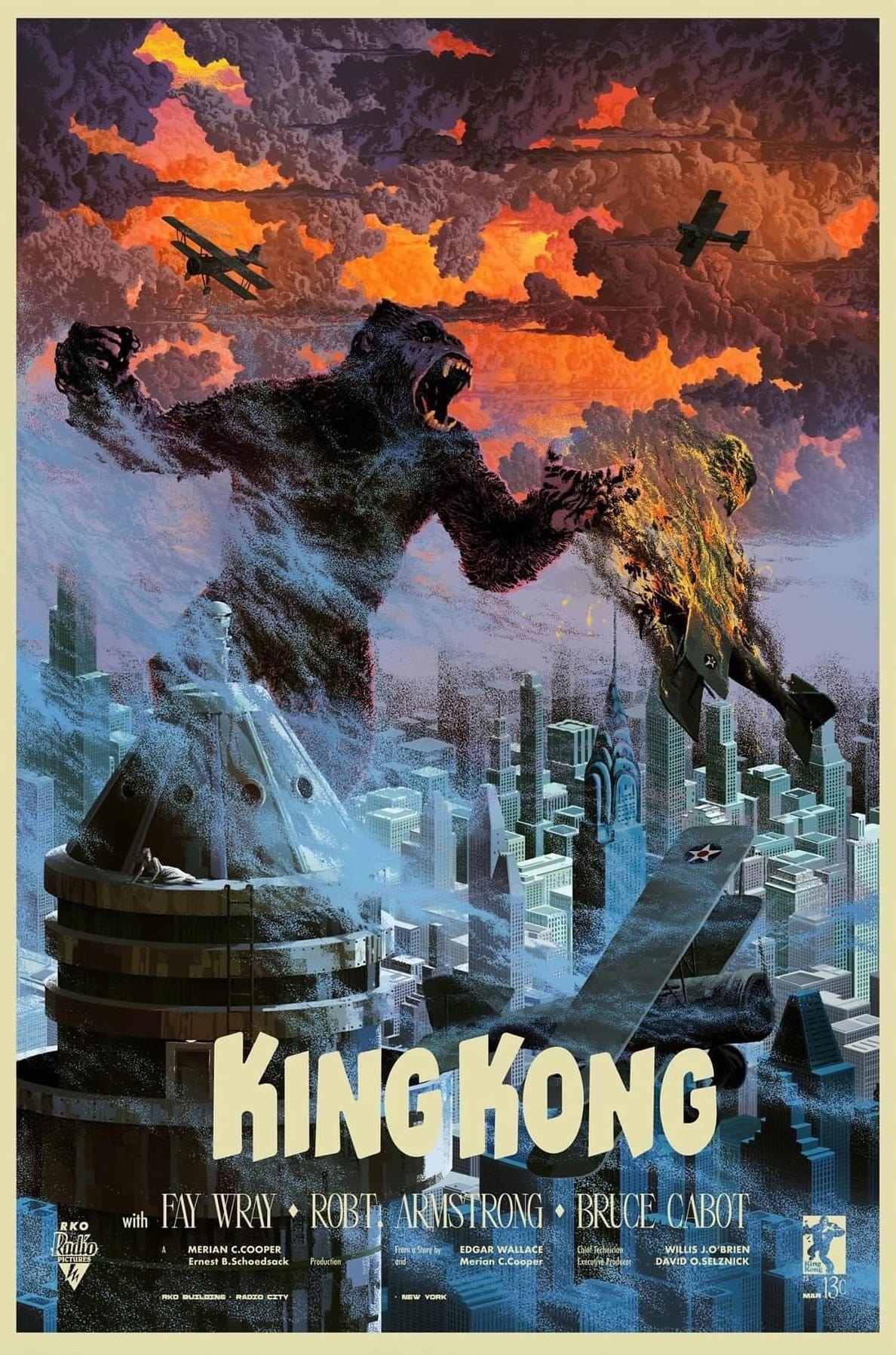
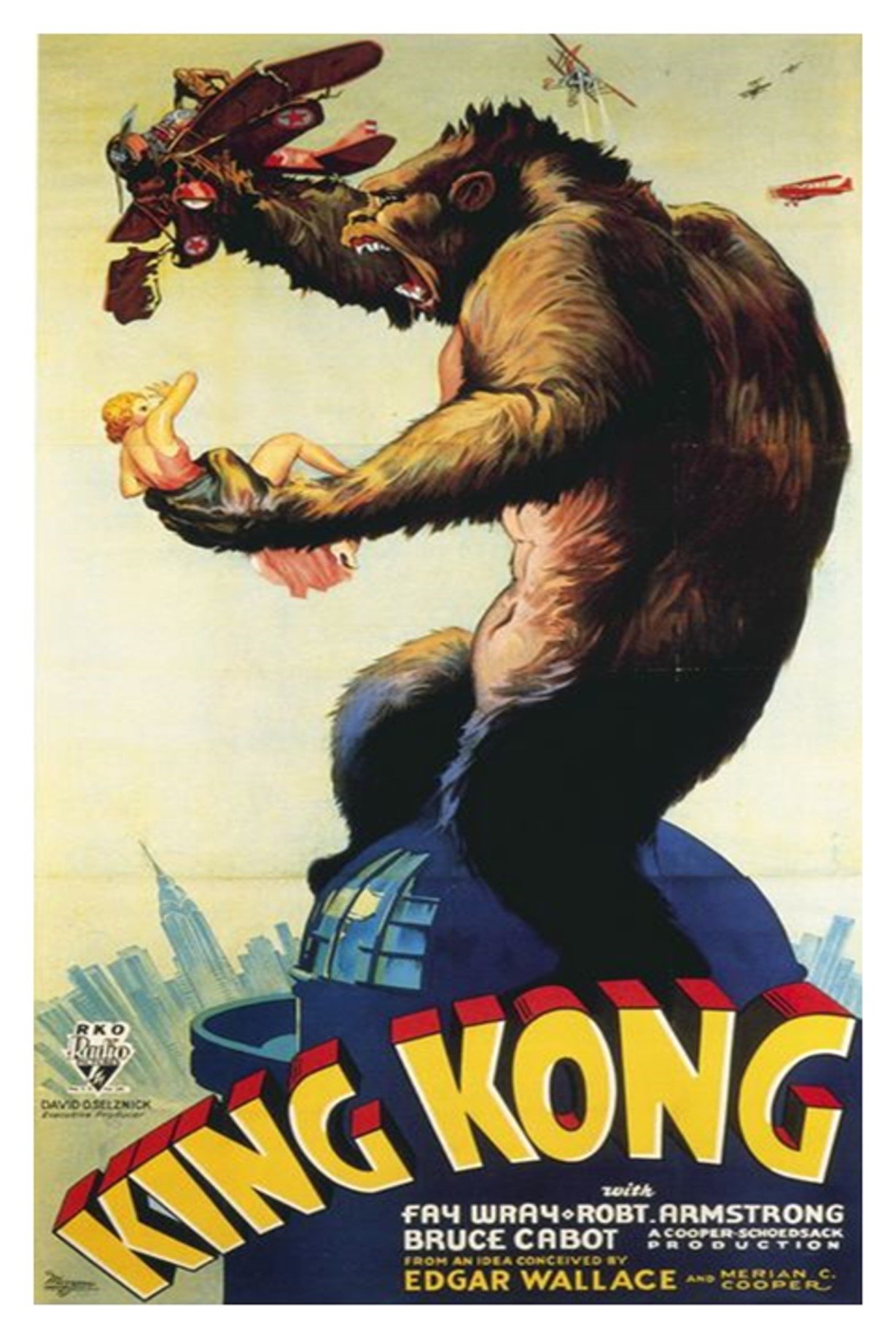
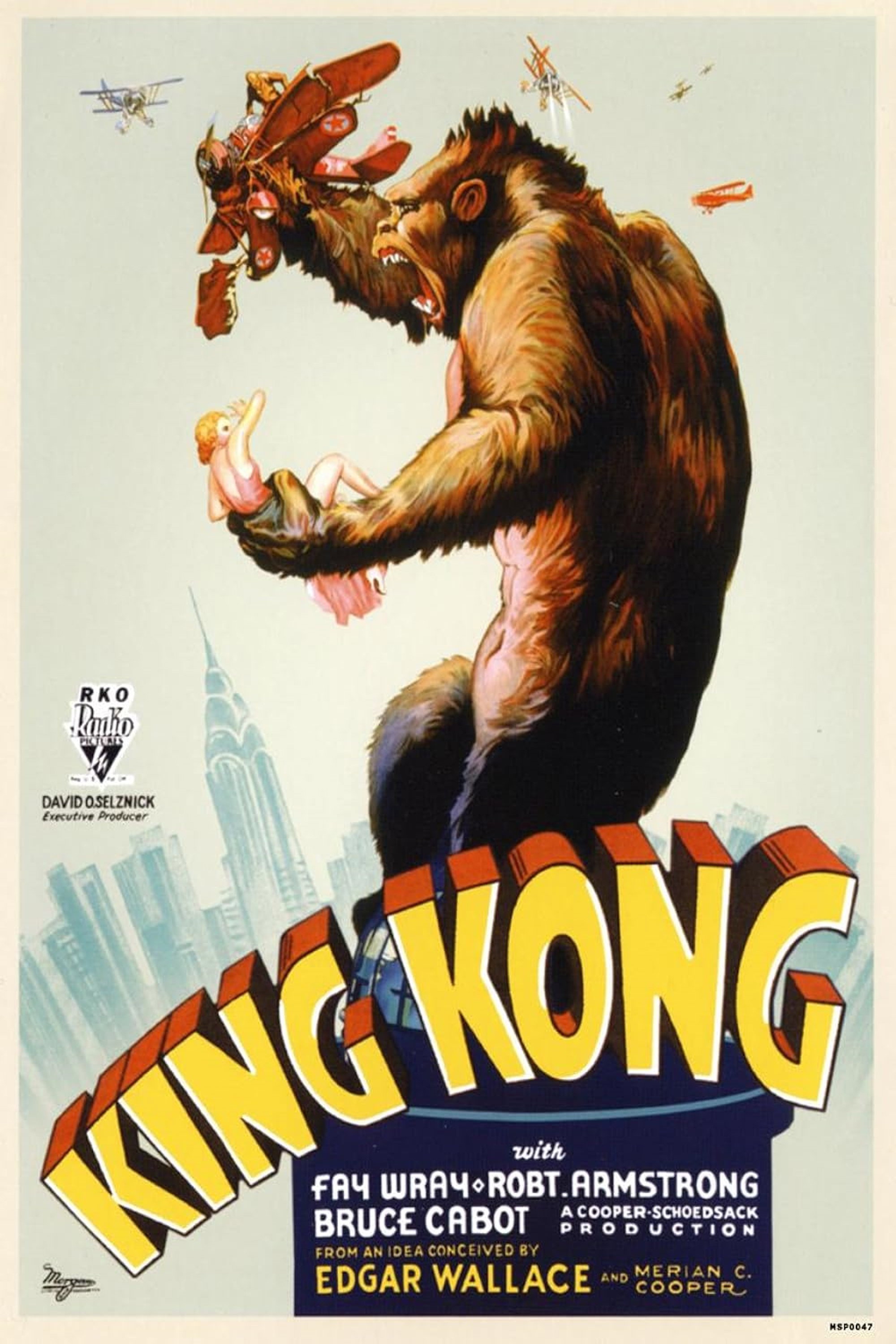
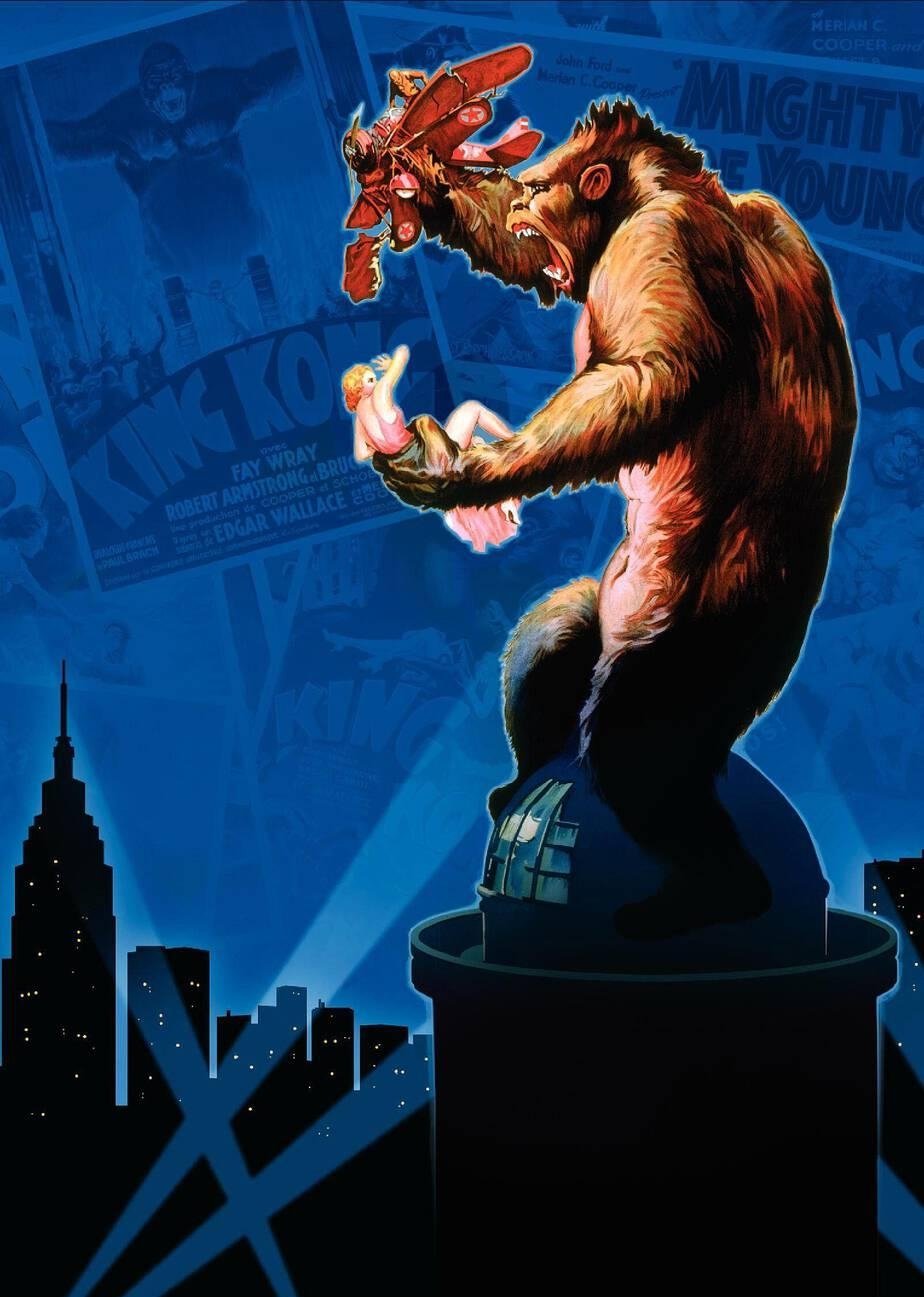
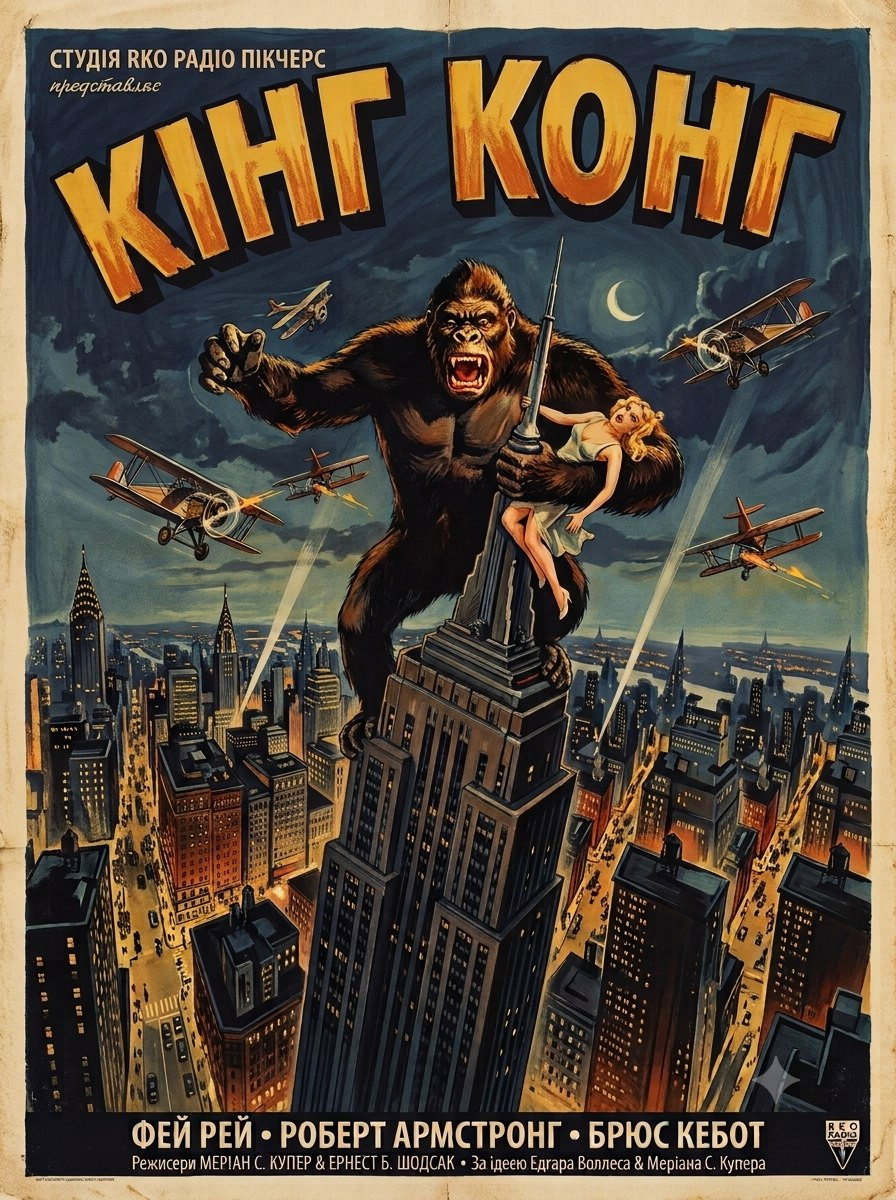
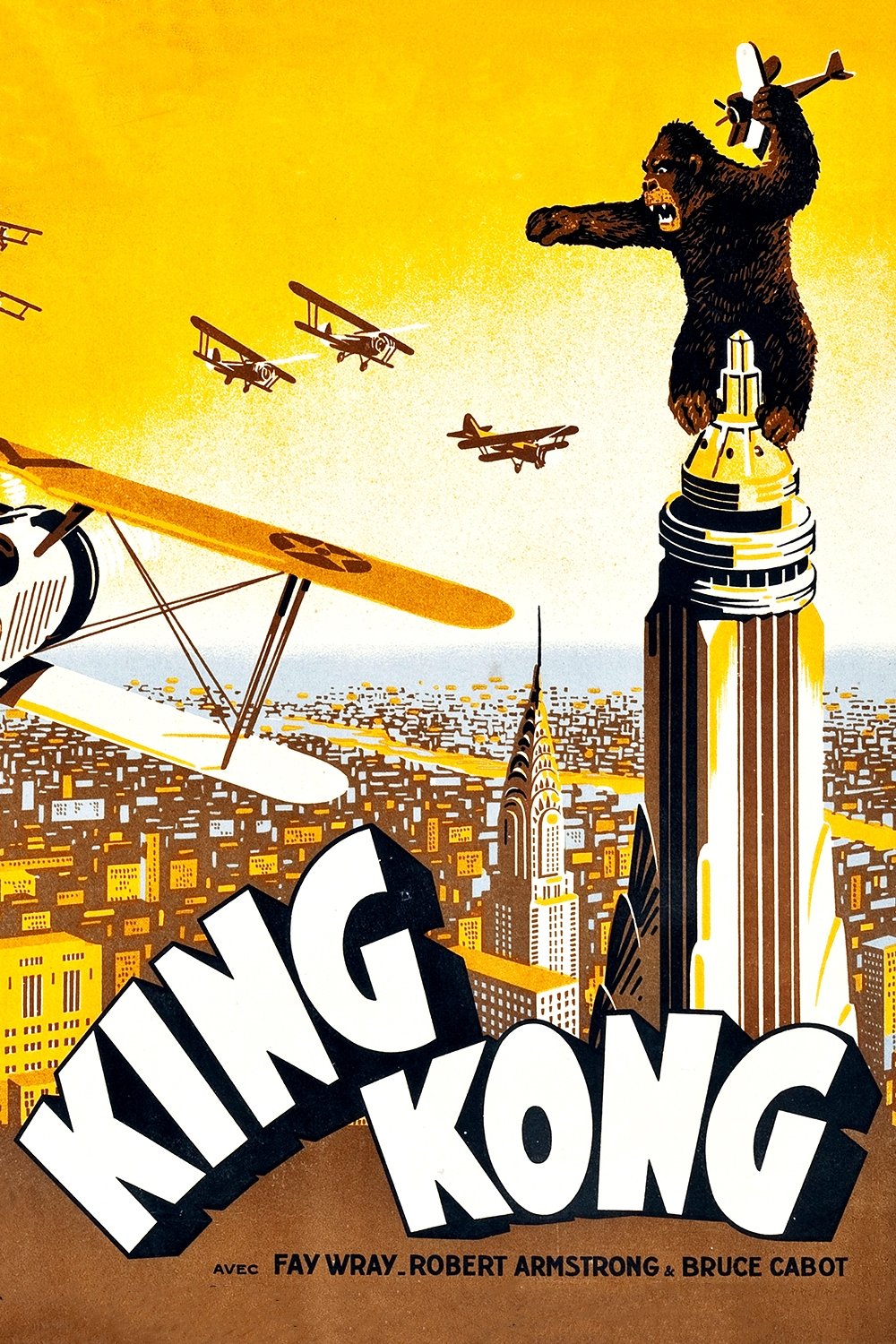
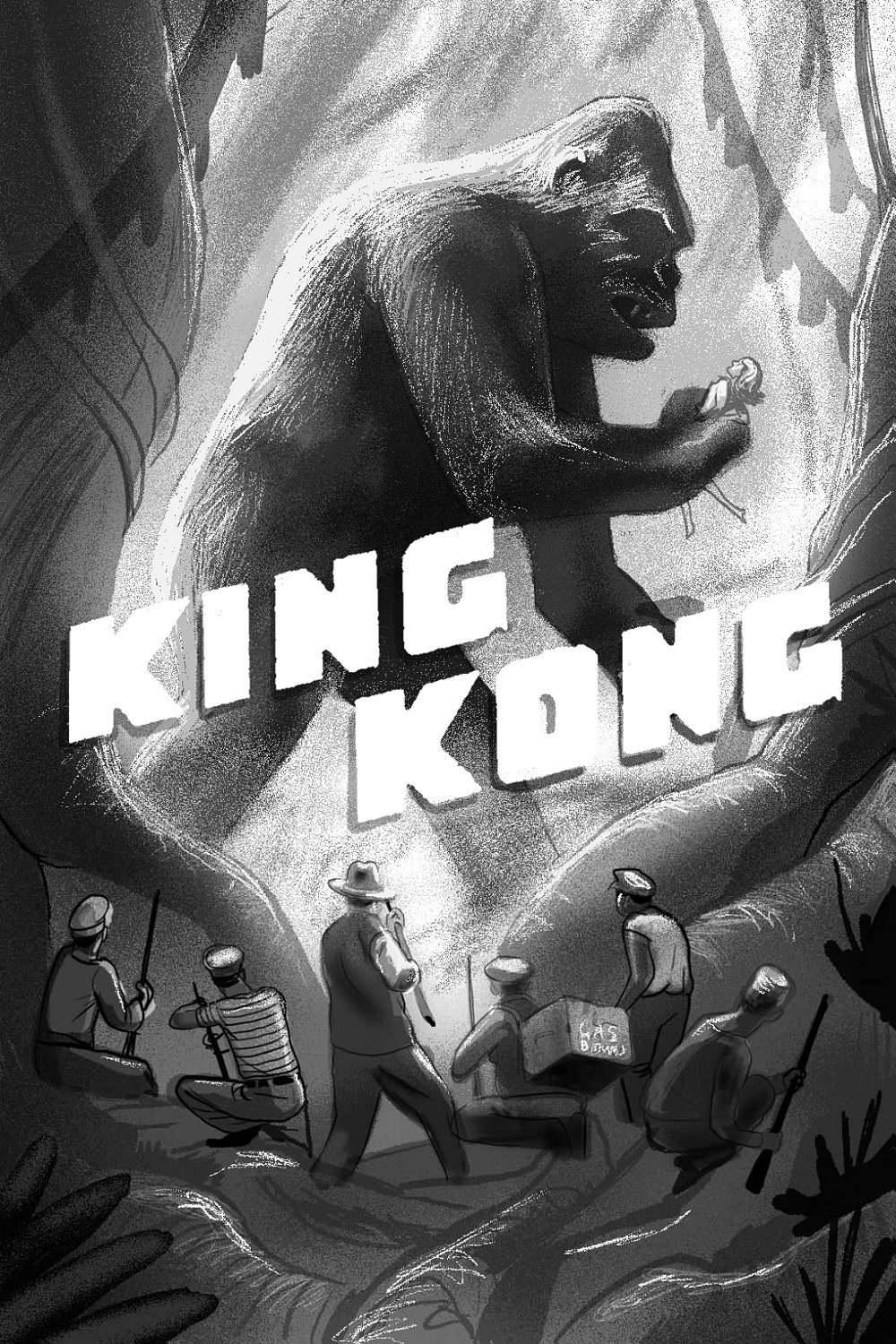
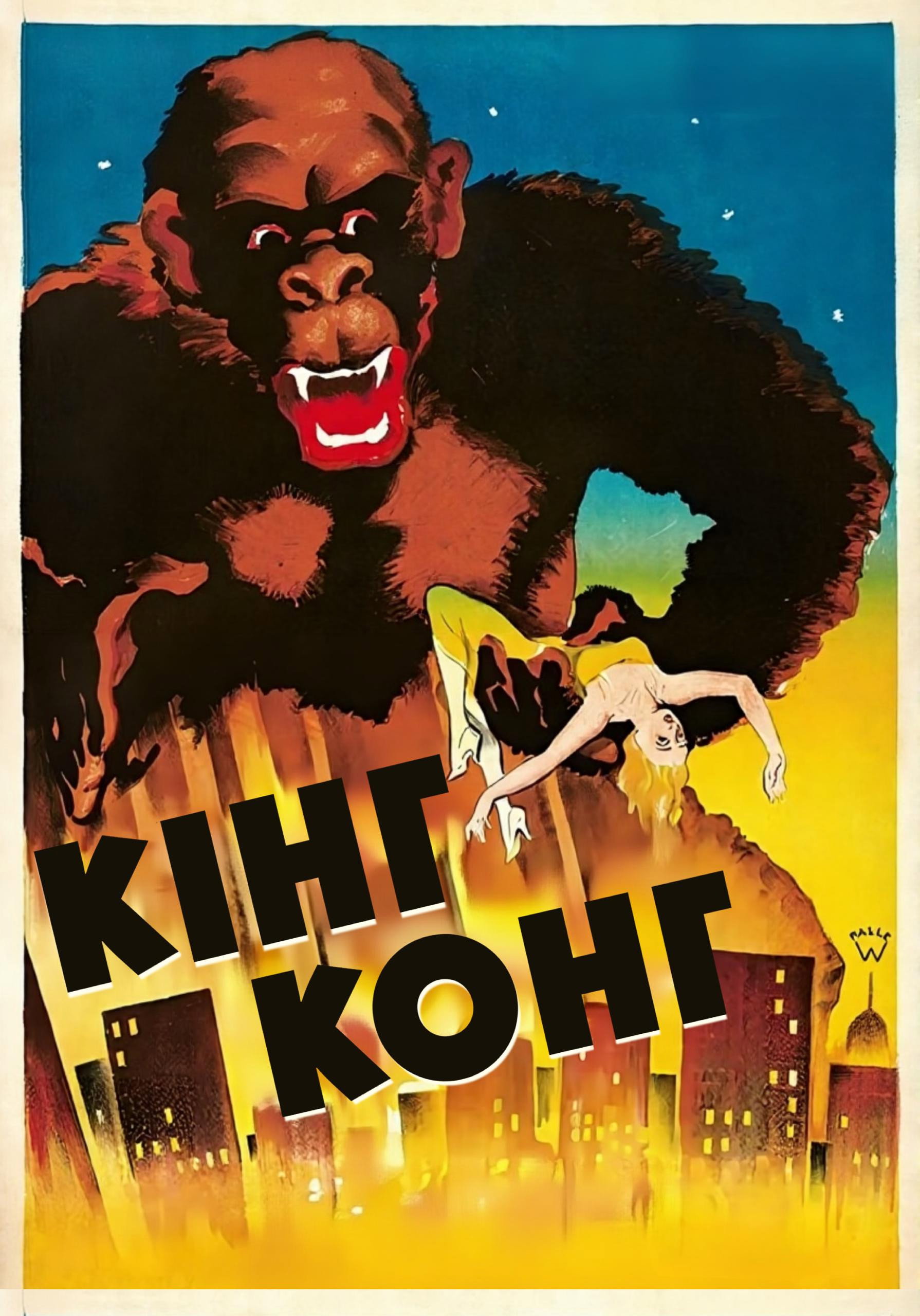
Cooper developed the central idea during the late 1920s, drawing on his experiences making adventure documentaries with Schoedsack and his interest in large primates. His friend W. Douglas Burden had published an account of an expedition to study Komodo dragons, encouraging Cooper to imagine a giant gorilla living among prehistoric reptiles on an isolated island. In correspondence written decades later, Cooper recalled that the creature’s eventual destruction on the Empire State Building had been part of his conception from an early stage. The combination of an isolated prehistoric environment and the modern New York skyline established the project’s unusual contrast between the natural world and industrial civilization.
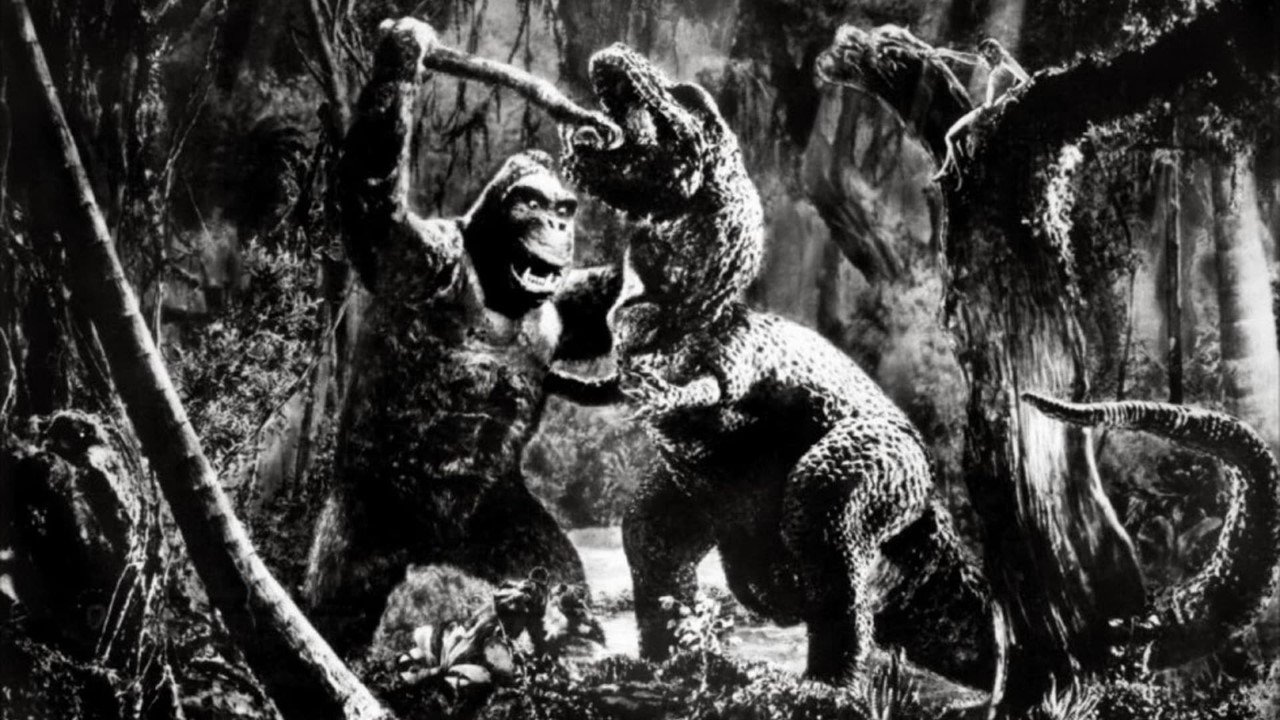
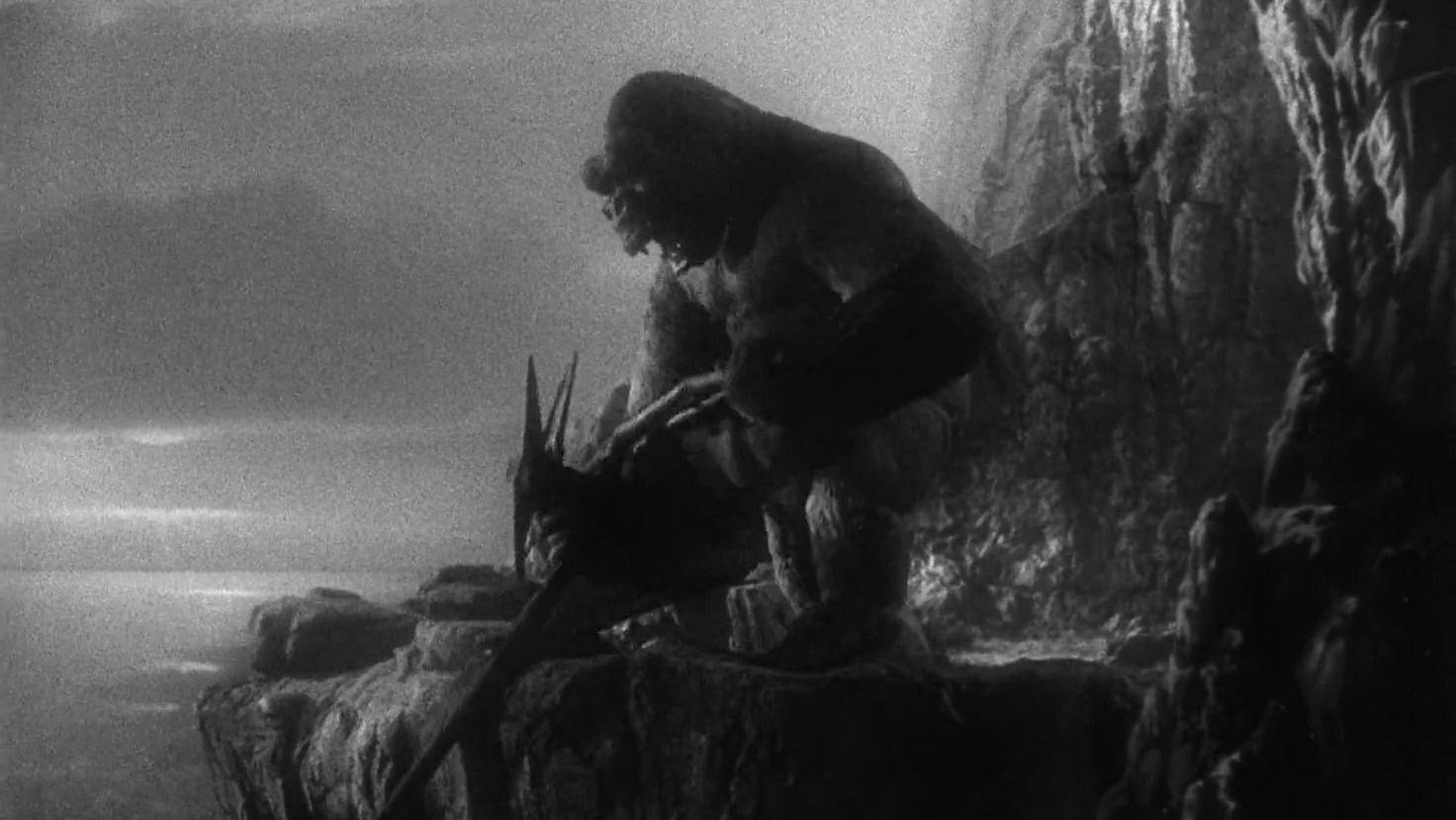
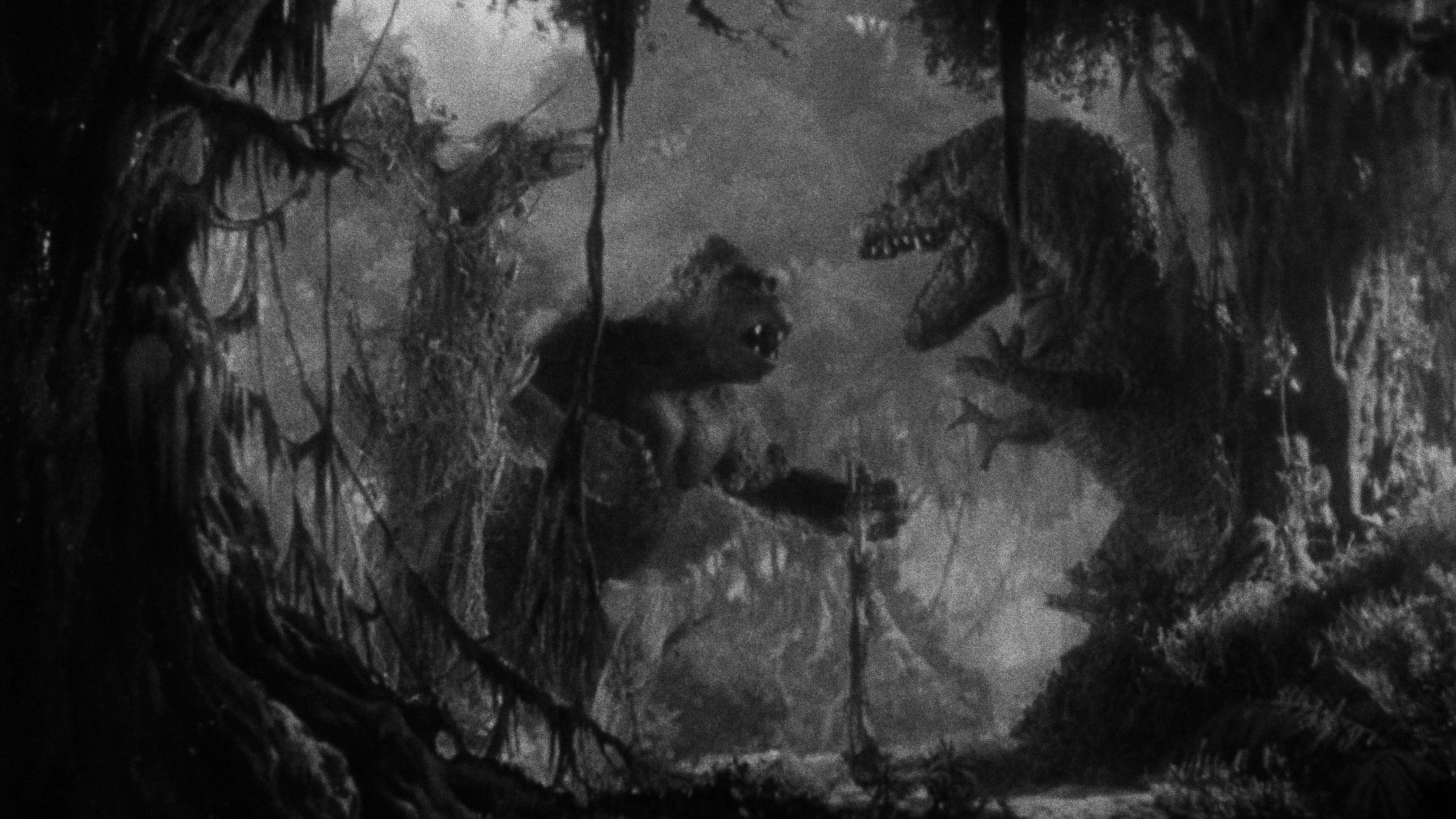
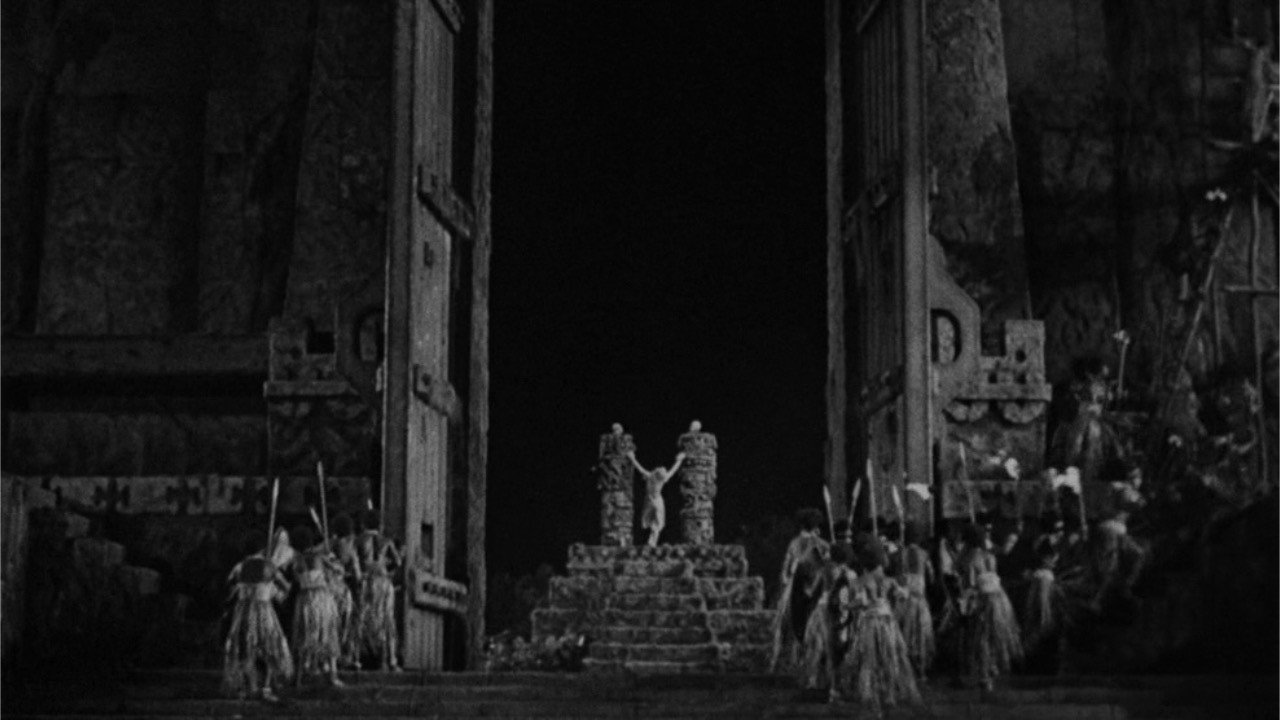
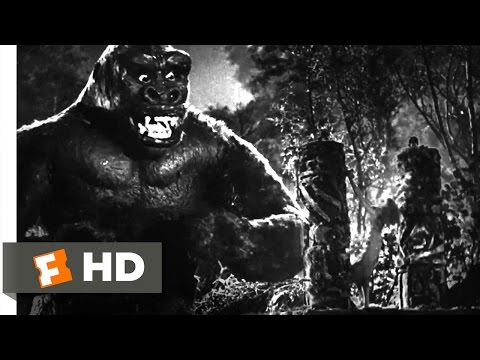
After joining RKO in 1931, Cooper encountered Creation, an unfinished prehistoric fantasy whose effects supervisor, Willis O’Brien, had previously animated dinosaurs for The Lost World (1925). Cooper believed O’Brien’s techniques could make his proposed gorilla film possible without photographing live animals in remote locations. RKO approved an experimental sequence involving an animated ape and prehistoric creatures. The encouraging results helped secure further financing. Cooper and Schoedsack also drew on their experience staging dangerous-looking animal encounters in earlier productions, including Chang (1927). Some jungle material and performers were shared with The Most Dangerous Game (1932), which was being made at the studio during the same period.
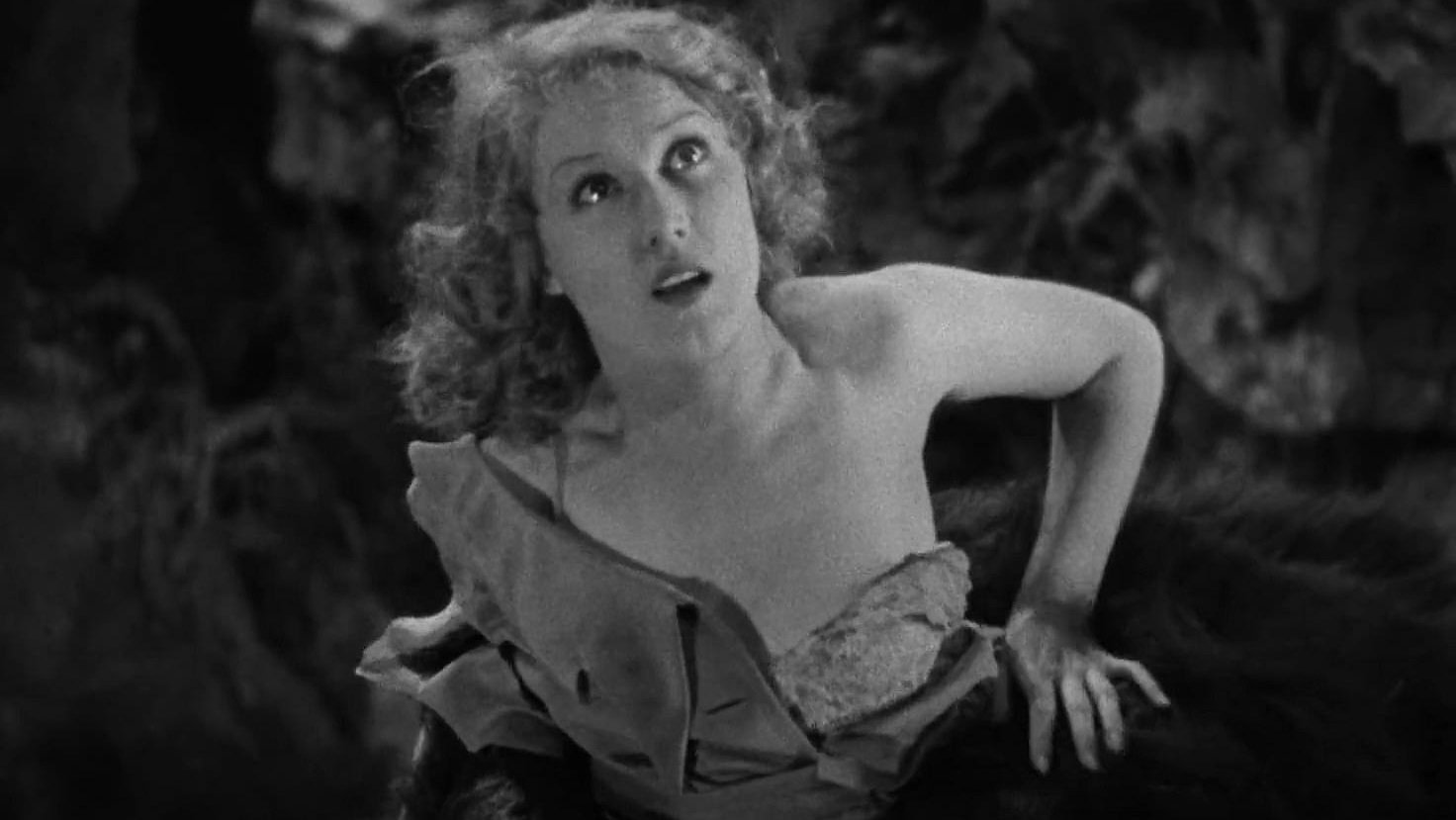
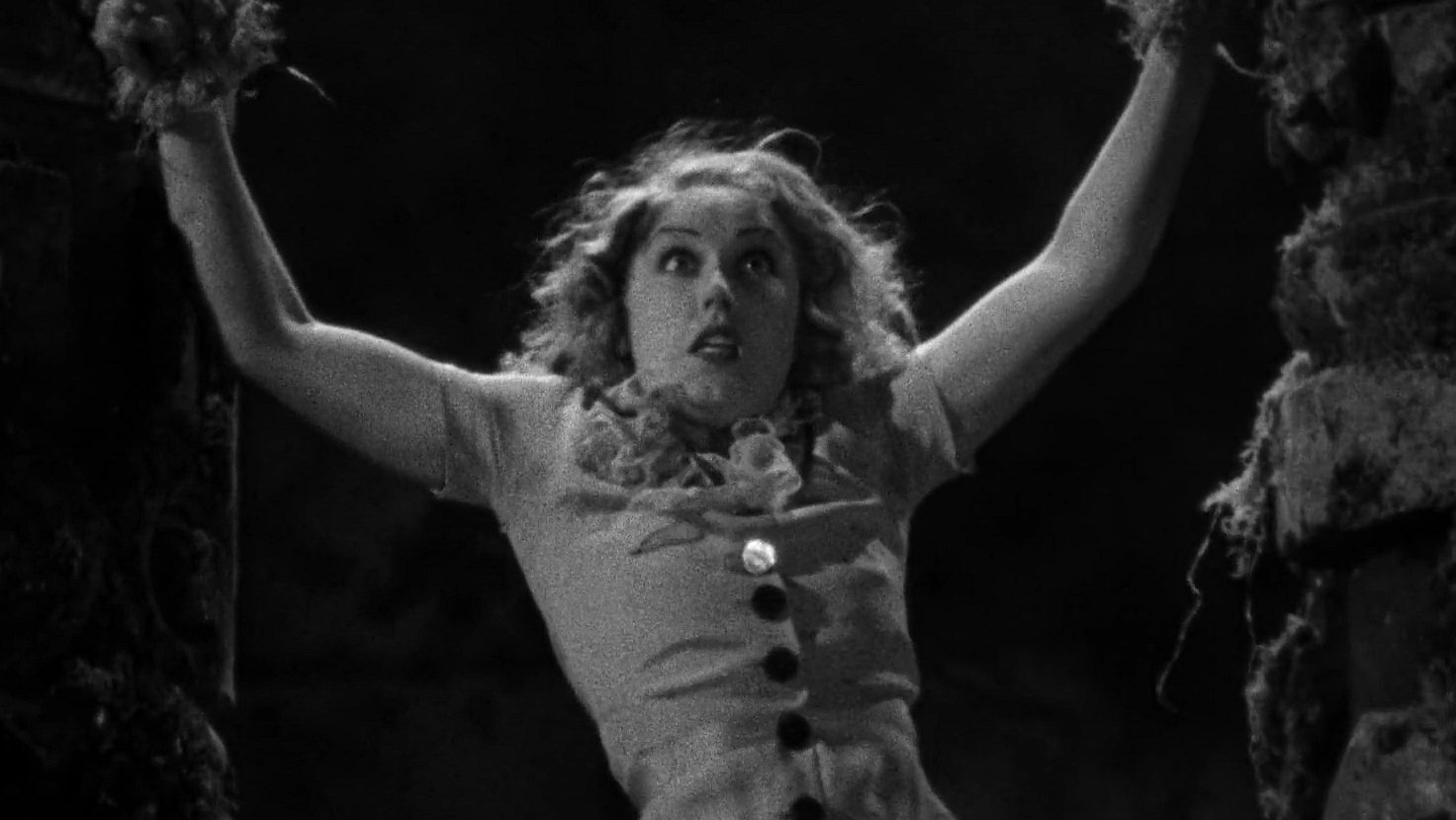
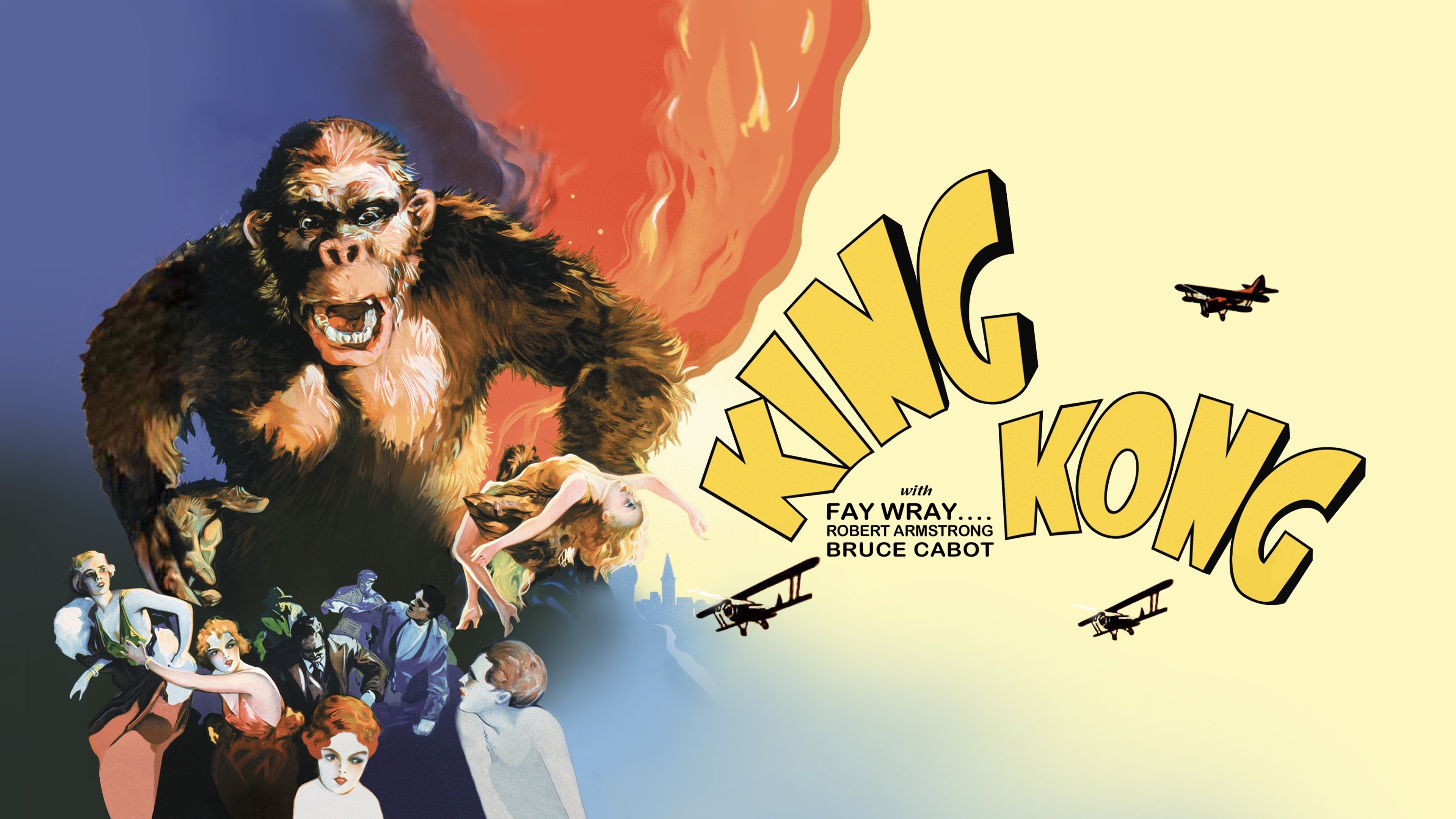
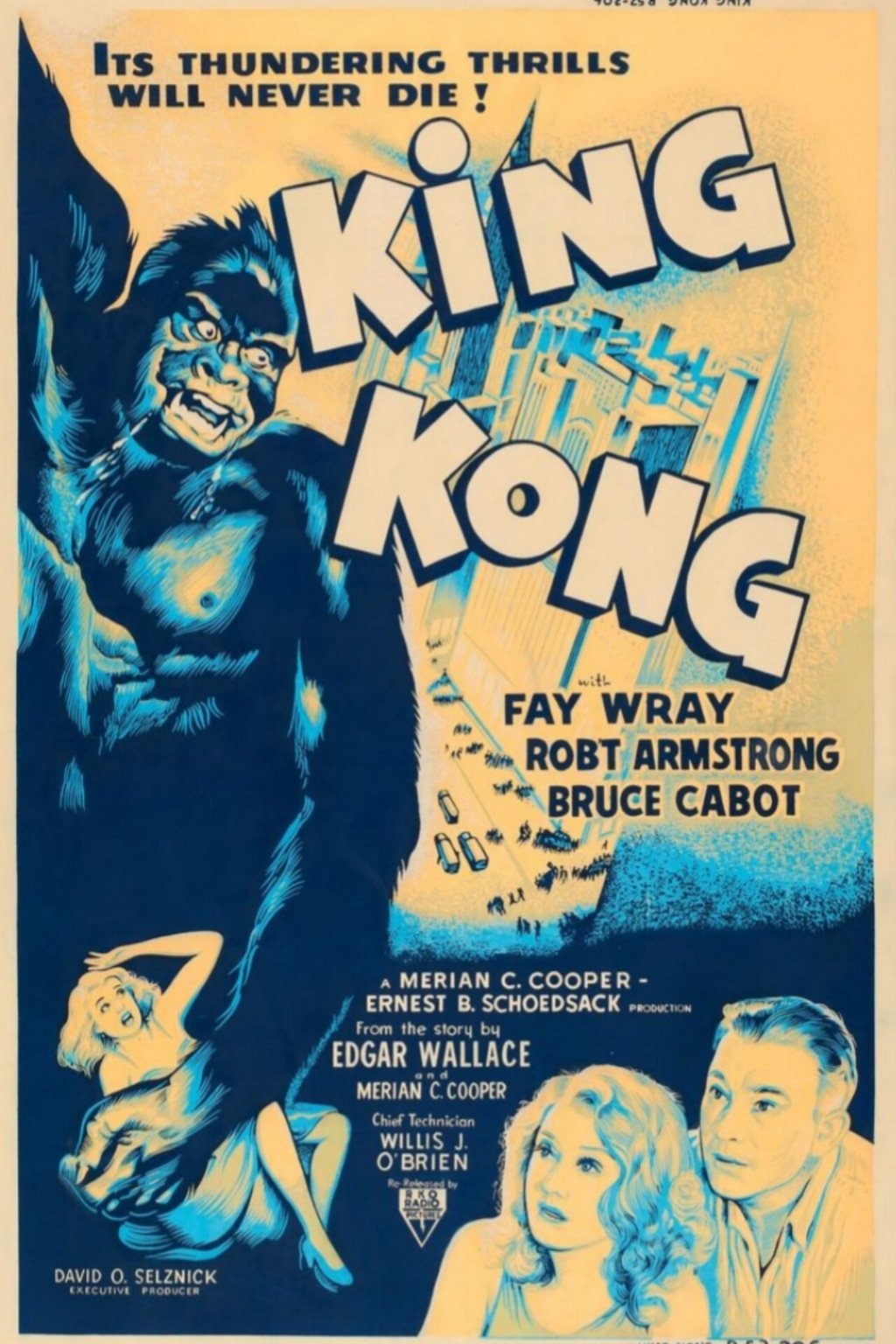
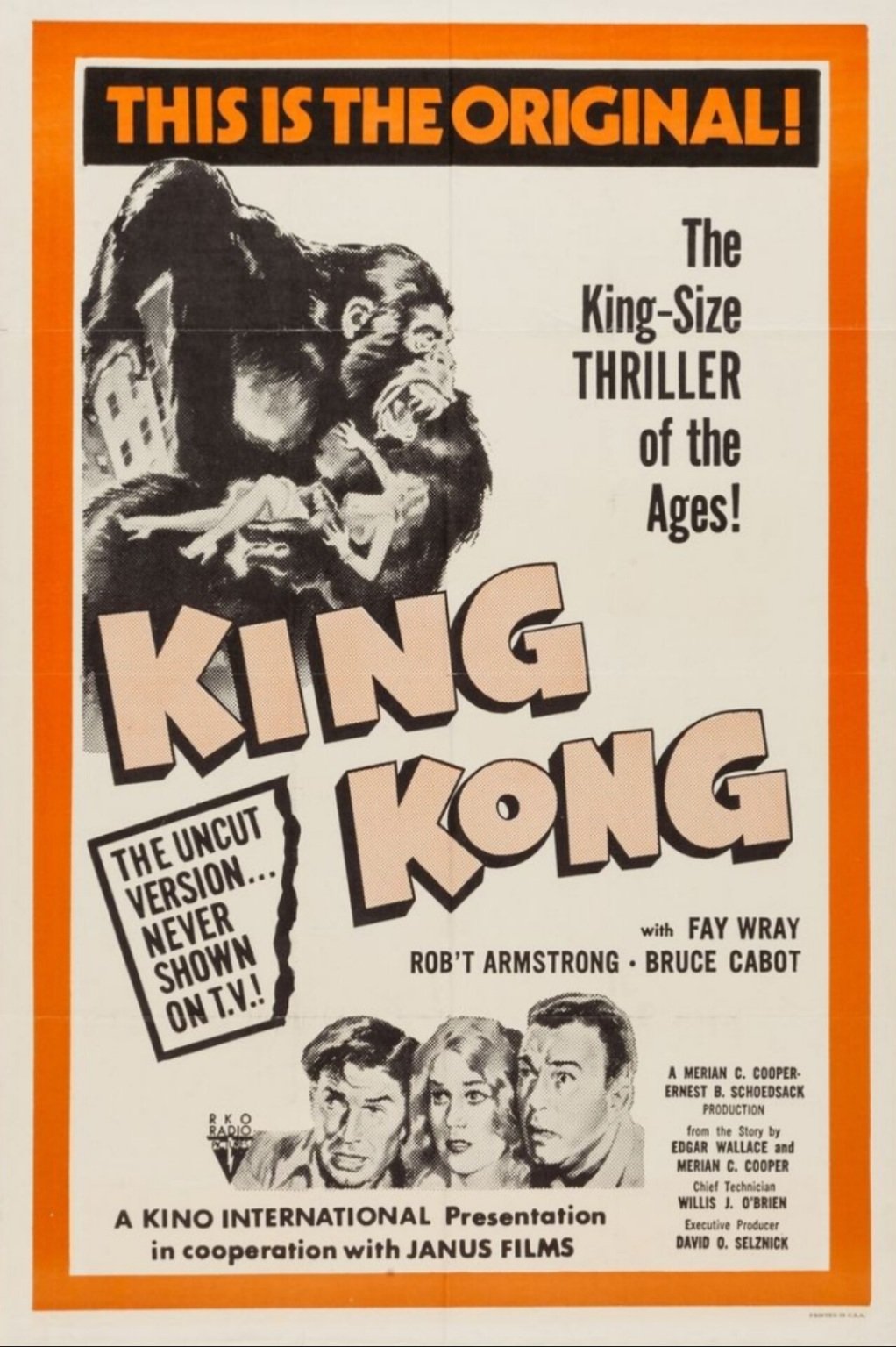
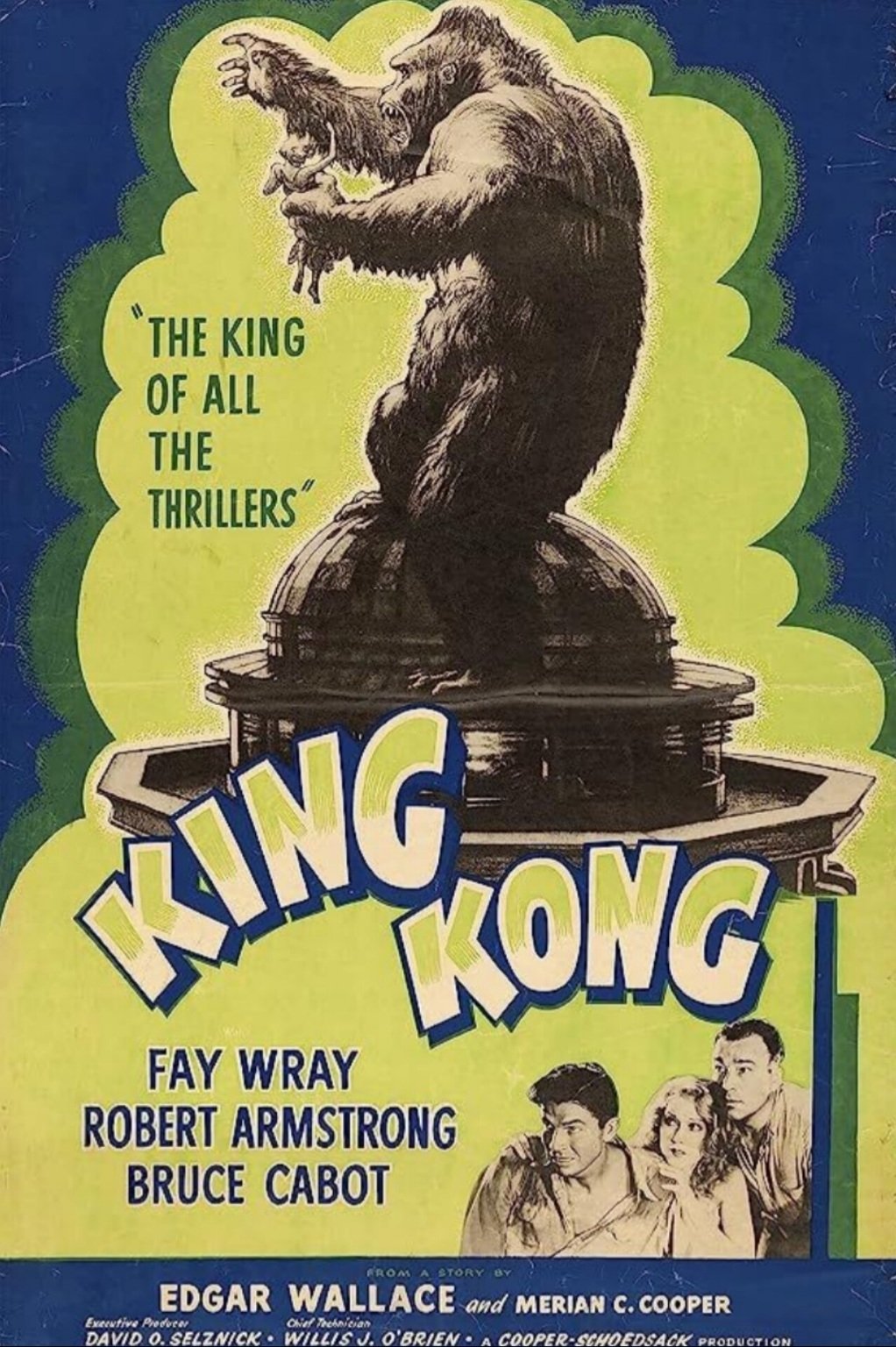
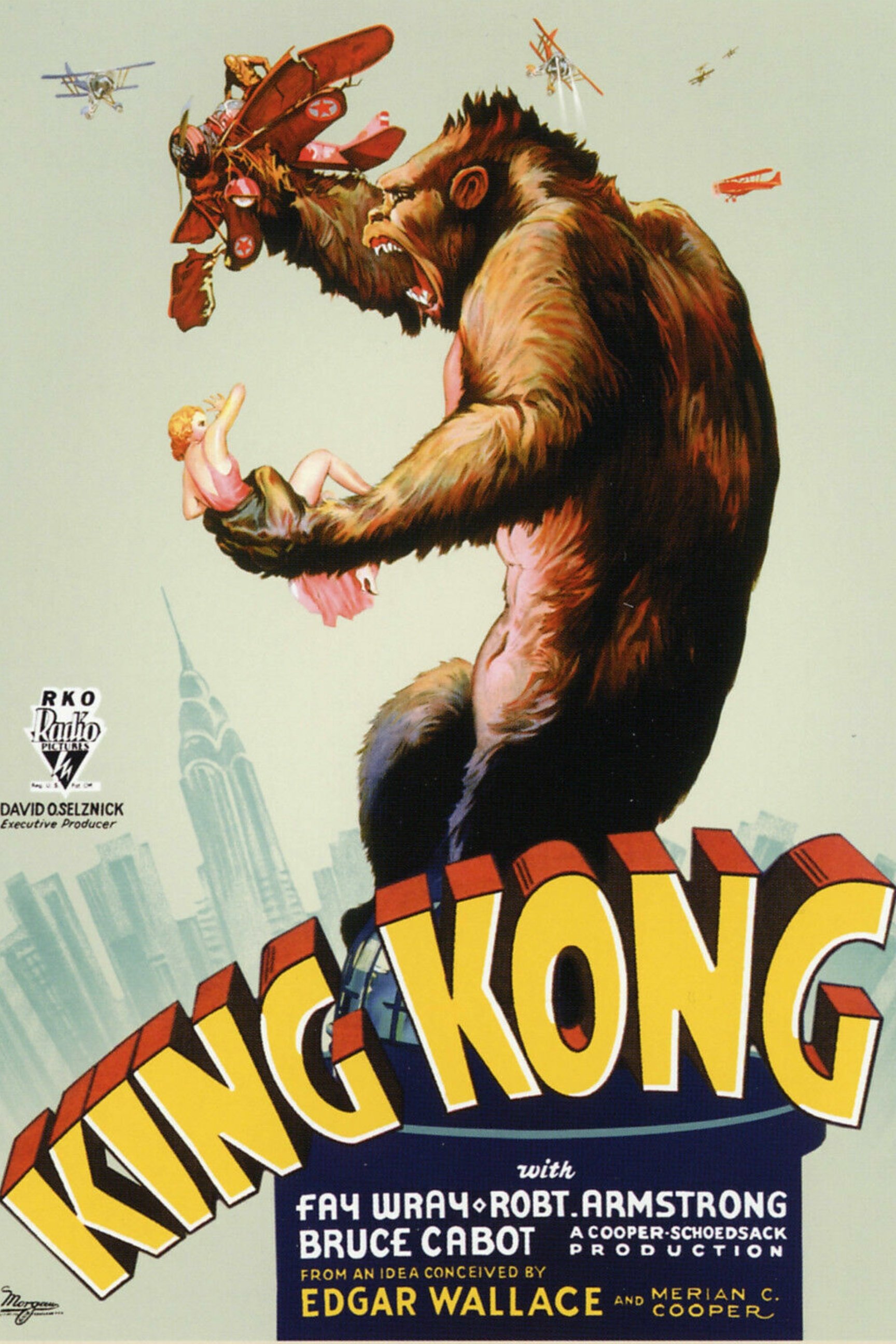
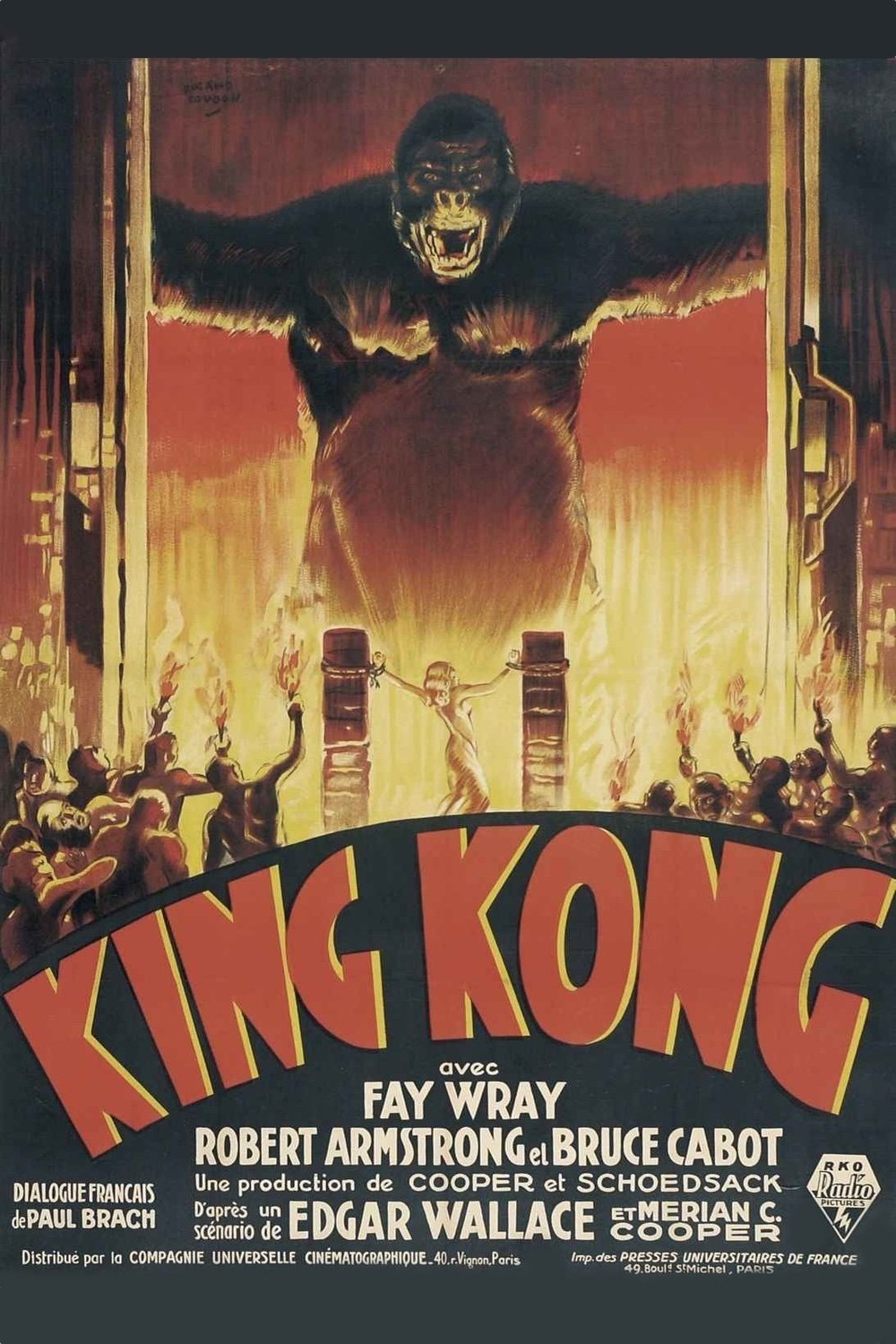
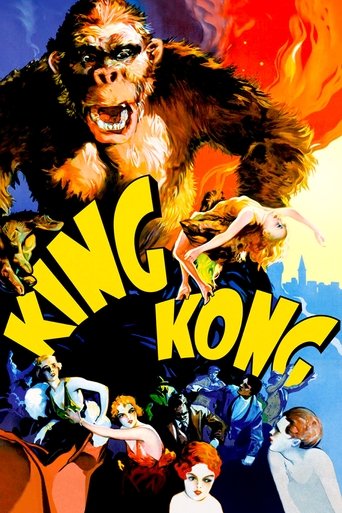
The screenplay passed through several writers. Edgar Wallace prepared an early treatment before dying in February 1932, and his precise contribution to the completed film remains disputed. James Ashmore Creelman subsequently worked on the script, while Ruth Rose, Schoedsack’s wife, revised the dialogue and narrative arrangement. Rose concentrated the story around Denham, Ann and Driscoll, establishing their relationships before Kong appears. The film’s working titles included The Beast, The Eighth Wonder and Kong before the final title was adopted in 1932. Although Wallace’s name featured prominently in publicity, the surviving production correspondence demonstrates that the story developed through several stages of rewriting rather than originating as a finished screenplay by a single author.