Enter the Devil is a great American-made B horror movie. People are disappearing in the wastelands. An occult researcher discovers that a devil-worshipping cult is responsible. Her inquiries lead her into great danger. Who can she trust? Very well acted by a cast of unknowns. Gritty and atmospheric.
Alternative Titles
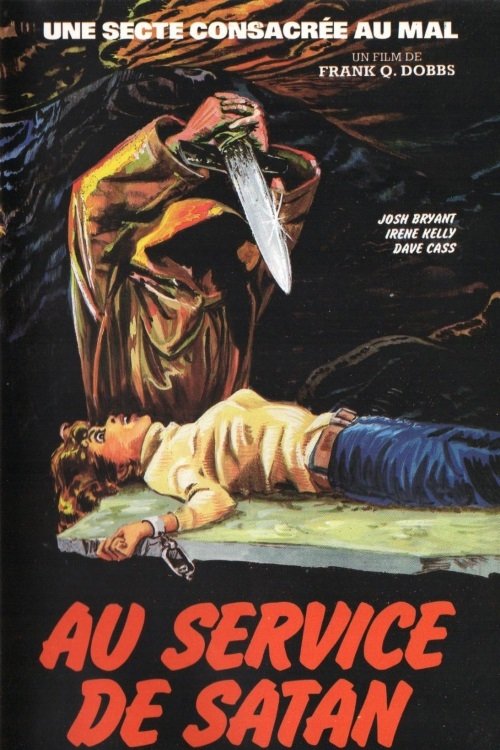
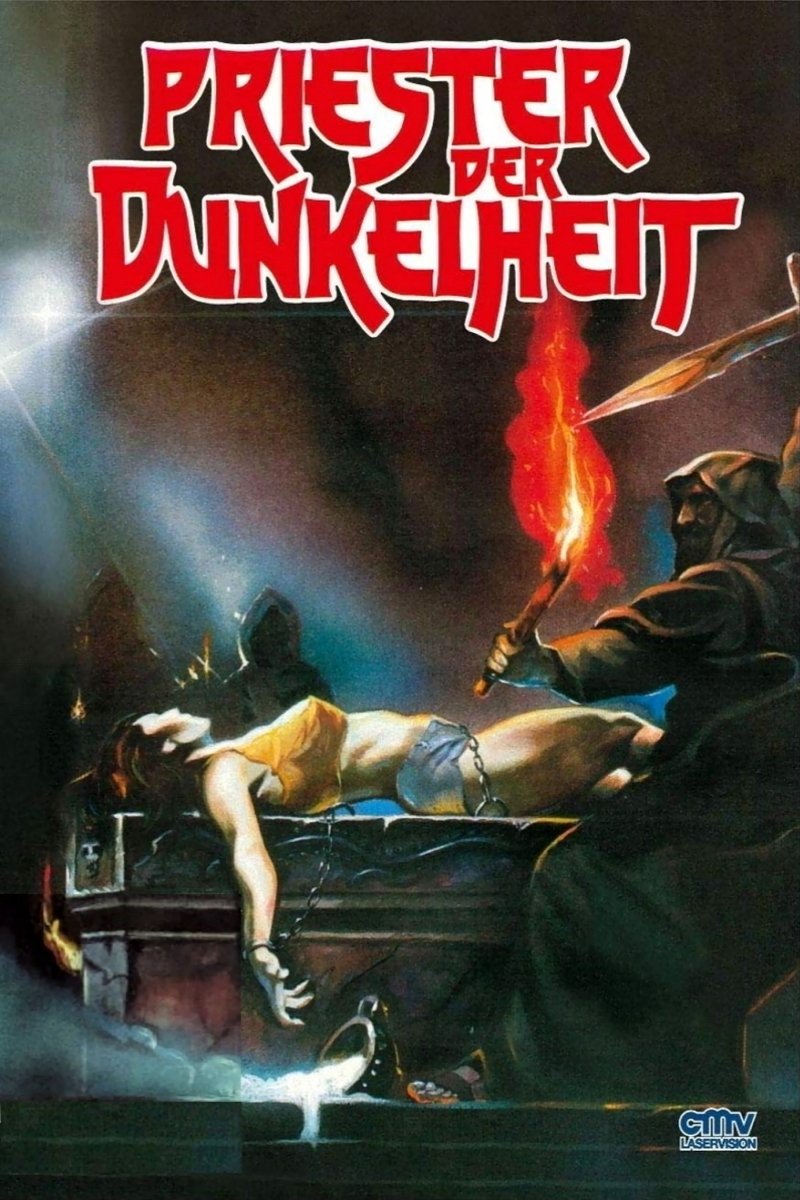
心醉神迷 (China) — ChinesePriester der Dunkelheit (Germany) — GermanLa posesión del diablo (Spain) — SpanishAu service de Satan (France) — French
A Texas-made occult thriller shaped by the Chihuahuan Desert, a fictionalized Penitente sect and later British video-nasty circulation.
Enter the Devil (1972) is an American regional horror film that treats the desert borderlands as a place where ordinary policing can lose its bearings. Disappearances in the remote reaches of southwest Texas lead a deputy into an investigation involving hunters, isolated lodgings and torch-bearing ritualists. Frank Q. Dobbs builds the mystery from the geography of Big Bend: considerable distances separate the settlements, and the abandoned mine workings furnish hiding places beyond the reach of the local authorities. The result sits at an unusual intersection of occult thriller and frontier crime story, with human conspirators supplying the menace usually assigned to supernatural forces.
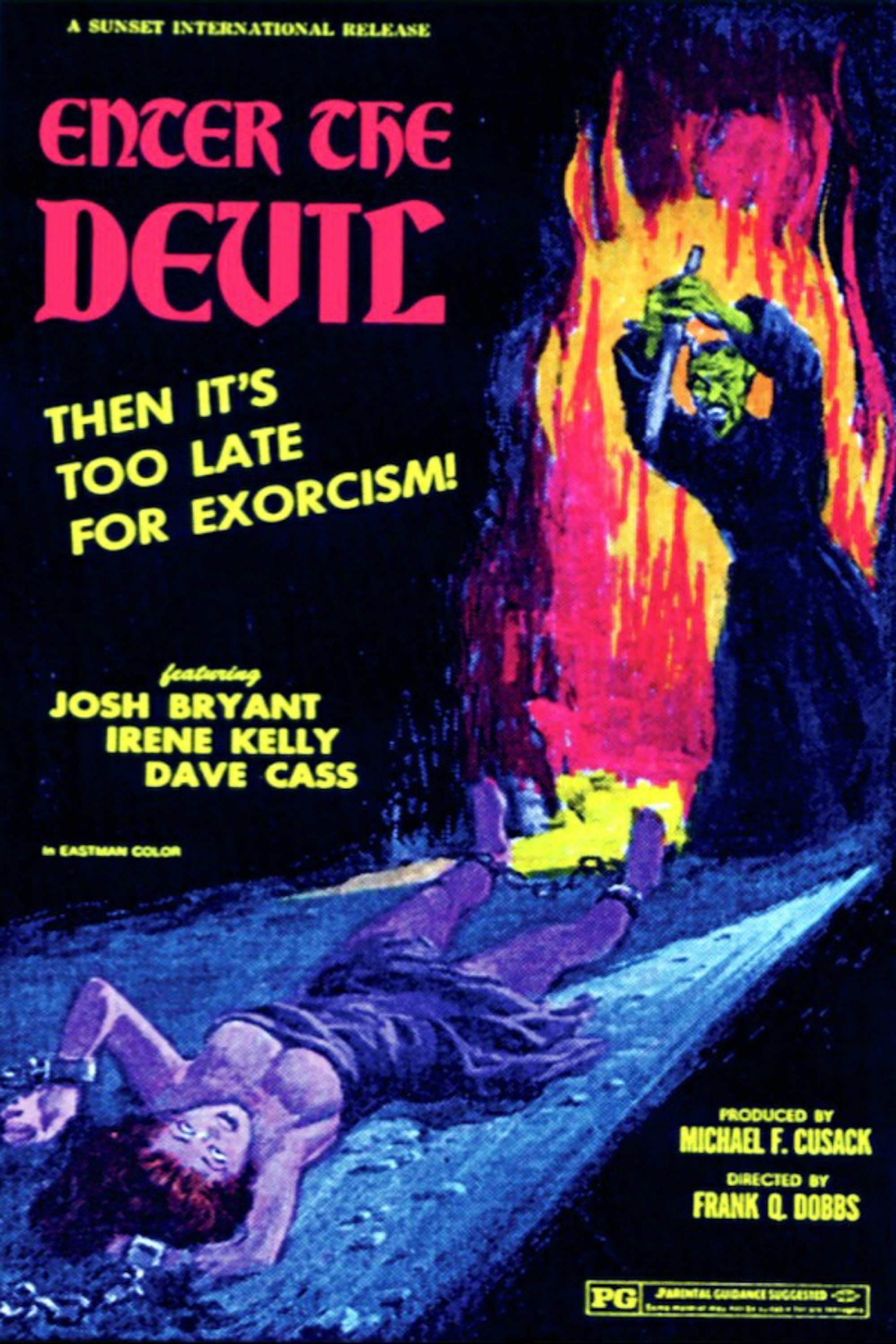
The production's cultural interest extends beyond its relatively modest screen violence. Its screenplay invokes the Penitentes, a real Hispano-Catholic brotherhood, as a point of departure for an invented murderous sect, a distinction essential to any historically responsible account. Enter the Devil later circulated as Disciples of Death, reached British videocassette audiences during the video-nasty period and became more accessible through later video restorations. It must also be distinguished from Mario Gariazzo's unrelated Italian film L'ossessa (1974), which used Enter the Devil as one of its international release titles.
A Horror Film Made in the Texas Borderlands
Dobbs came to feature filmmaking from television work in Houston, an experience that helped place his independent production within the professional culture of regional media. Enter the Devil was made far from Hollywood's familiar studio environments, and its use of west Texas gives the story a specific social and physical setting. Producer and cinematographer Michael F. Cusack photographed stretches of open country as well as the buildings and mine passages around the desert settlements. The available documentation establishes those working locations and principal personnel, but supplies no reliable account of the precise financing or a detailed shooting schedule.
The characters belong to a recognizably local network: a sheriff concerned with public appearances, a deputy dispatched to resolve a disappearance, the operator of a remote lodge and a group of visiting hunters. That arrangement gives the investigation a scale different from the large-city police procedural. The sheriff's interest in clearing cases before an election also places the occult mystery in a mundane political environment. Dobbs and co-writer David S. Cass, who played the deputy, allow these routine concerns to persist while a concealed organization operates nearby. Rather than supplying a backstory for every participant, the film gradually makes local familiarity itself a source of suspicion.
Desert Landscapes, Mine Tunnels and Ritual Horror
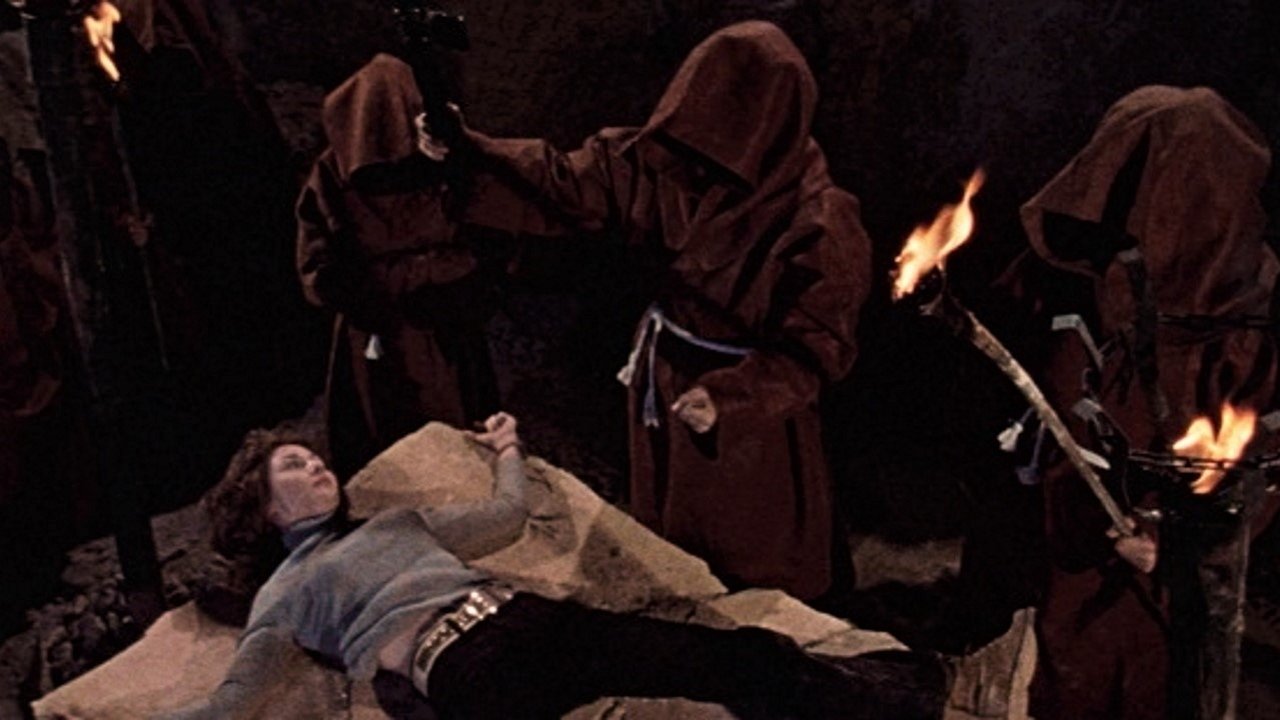
The opening disappearance demonstrates the film's preference for isolation as a source of fear. A motorist stranded when a tire is shot out becomes vulnerable because help is distant and the people he encounters cannot be trusted. Wide stretches of arid terrain emphasize the difficulty of escape; later movements into tunnels and underground chambers reverse that spaciousness into confinement. Cusack's photography is particularly effective at dusk and after dark, when torches and red-robed figures appear against the surrounding landscape. The contrast between exposed desert ground and hidden ritual spaces anchors the picture's most distinctive images.
Violence is comparatively restrained for a film associated with the subsequent British video-nasty controversy. Its ritual sacrifices involve threatening objects, captivity and fire, but extended anatomical effects are not the principal attraction. Pursuits, rattlesnakes and the dangerous industrial remnants of the mine contribute a more varied range of hazards. A mine-cart sequence even recalls the action vocabulary of a western adventure. The suspense depends on the movement between these hazards and the characters' limited understanding of who controls them. The picture's measured pacing has divided later commentators, although the desert sequences have received particular praise for their unsettling atmosphere.
The Penitentes: Exploitation Fiction and Religious History
The visiting researcher Dr. Leslie Culvert proposes that the perpetrators may be linked to an extreme offshoot of the Penitentes. In the story, this suggestion connects the sacrificial costumes and secret meetings to a recognizable regional tradition. It remains a narrative hypothesis inside a horror film. The real Penitentes are associated with Hispano-Catholic devotional life in New Mexico and southern Colorado, especially practices of penance and Holy Week observance. Their religious history cannot be reduced to the film's depiction of demonic worship and murder. In this respect Dobbs draws on a longstanding outside fascination with private rituals, then transforms it into an exploitation premise.
The Denver Public Library's historical account describes how sensational writing portrayed the confraternity as a threatening secret cult, overlooking its religious and mutual-aid functions. That context complicates the way Enter the Devil represents its Mexican and Mexican American characters. Some appear as objects of the investigators' mistrust, while others are directly exposed to intimidation and violence. Their treatment belongs to the film's borderland atmosphere and to the racial assumptions of its period; the scenario should not be mistaken for ethnographic evidence. The distinction between represented folklore and lived religious practice is necessary to understand what the horror story borrows and distorts.
Alternative Titles, British Video and Rediscovery
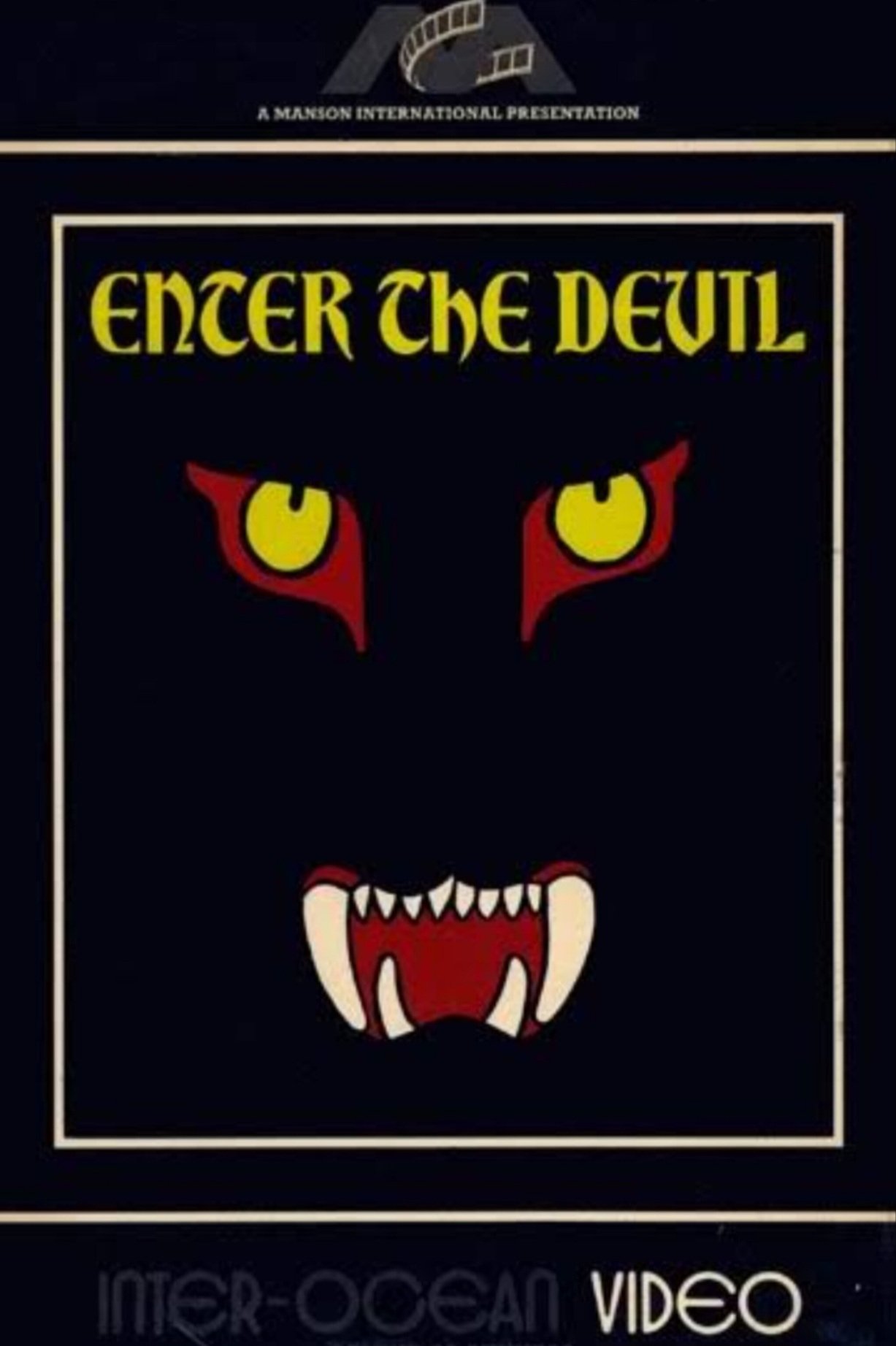
Released in the United States in 1972, the film also circulated under the title Disciples of Death. Its obscurity was prolonged by limited availability, while a British Inter-Ocean videocassette appeared in 1983. The title subsequently became associated with the supplementary Section 3 group of films discussed in histories of the British video-nasty panic. This association concerns seizure and possible forfeiture under the Obscene Publications Act; it must not be described as proof of a successful obscenity prosecution or as evidence that every version was banned. The film's relatively subdued violence makes its place in that cultural controversy particularly revealing.
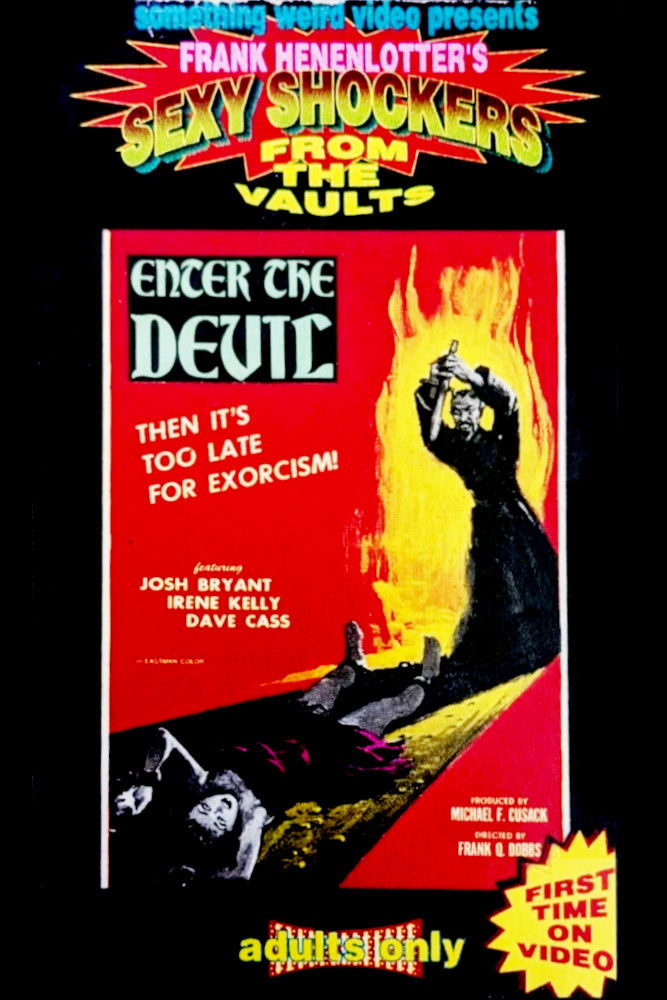
Something Weird Video issued a cassette in 1996, helping to recover a work that had become difficult for American viewers to encounter. A later high-definition edition based on a new 2K transfer made the desert photography and nocturnal passages easier to assess than they had been on worn earlier copies. Dennis Capicik's technical comparison also notes differences in framing between open-matte and widescreen presentations, without establishing a definitive theatrical composition from surviving evidence alone. The edition included an interview with David S. Cass and comments by film historian Kim Newman on the British controversy. Such materials support a more specific account of the film's modest afterlife than claims of broad influence or belated canonical status.
Kevin Lyons examines the original Chisos production credits, desert setting, Penitentes premise, theatrical double bills and early British and American video circulation.
Dennis Capicik compares the 1996 video and 2018 restoration, describes framing and location imagery, and documents supplements with David S. Cass and Kim Newman.
Denver Public Library — The Hermanos Penitentes of Southern Colorado and Northern New Mexico
A special-collections historical essay documenting the confraternity's actual Catholic practices and mutual-aid functions, separating that history from sensational cult stereotypes.