Development & Screenplay
Producer Ovidio G. Assonitis approached Francesco Barilli with a specific commercial model. In an interview conducted by Roberto Curti for Offscreen, the screenwriter remembered being asked to devise a variation on A Man Called Horse, Elliot Silverstein's 1970 western about an outsider captured and gradually absorbed into another society. Barilli recalled proposing the idea of a man taken for a fish, an image that survived in the treatment of photographer John Bradley after his capture. He also stated that Assonitis initially wanted him to direct the picture in Thailand, an invitation he declined. The project subsequently reached Umberto Lenzi, who had experience working across Italian popular genres.
Lenzi's later account, reproduced from an interview in the magazine Amarcord, gives additional emphasis to a group of supposed rituals associated with Emmanuelle Arsan and to Barilli's development of the screenplay from that material. Their differing accounts resist a single, definitive origin story. Archival credits name Barilli and Massimo D'Avack as writers. This evidence supports a collaborative script history without assigning undocumented scenes to individual writers.
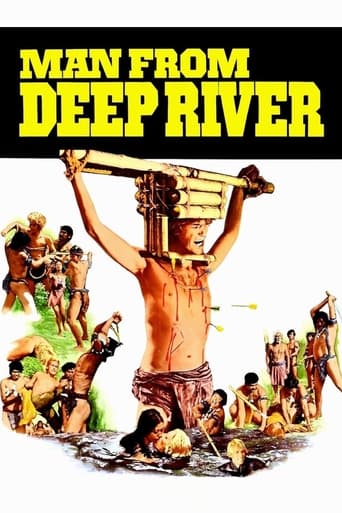
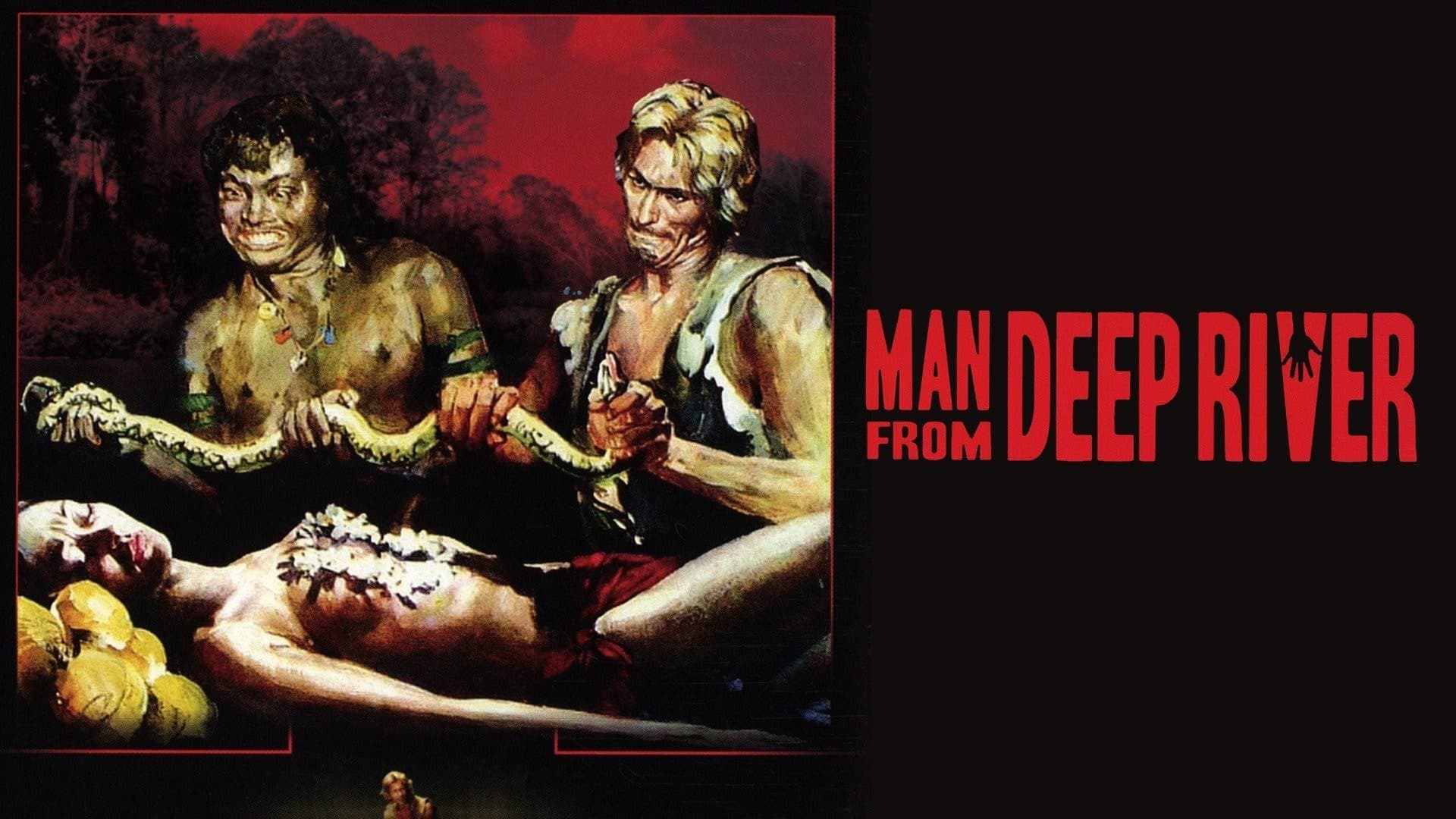
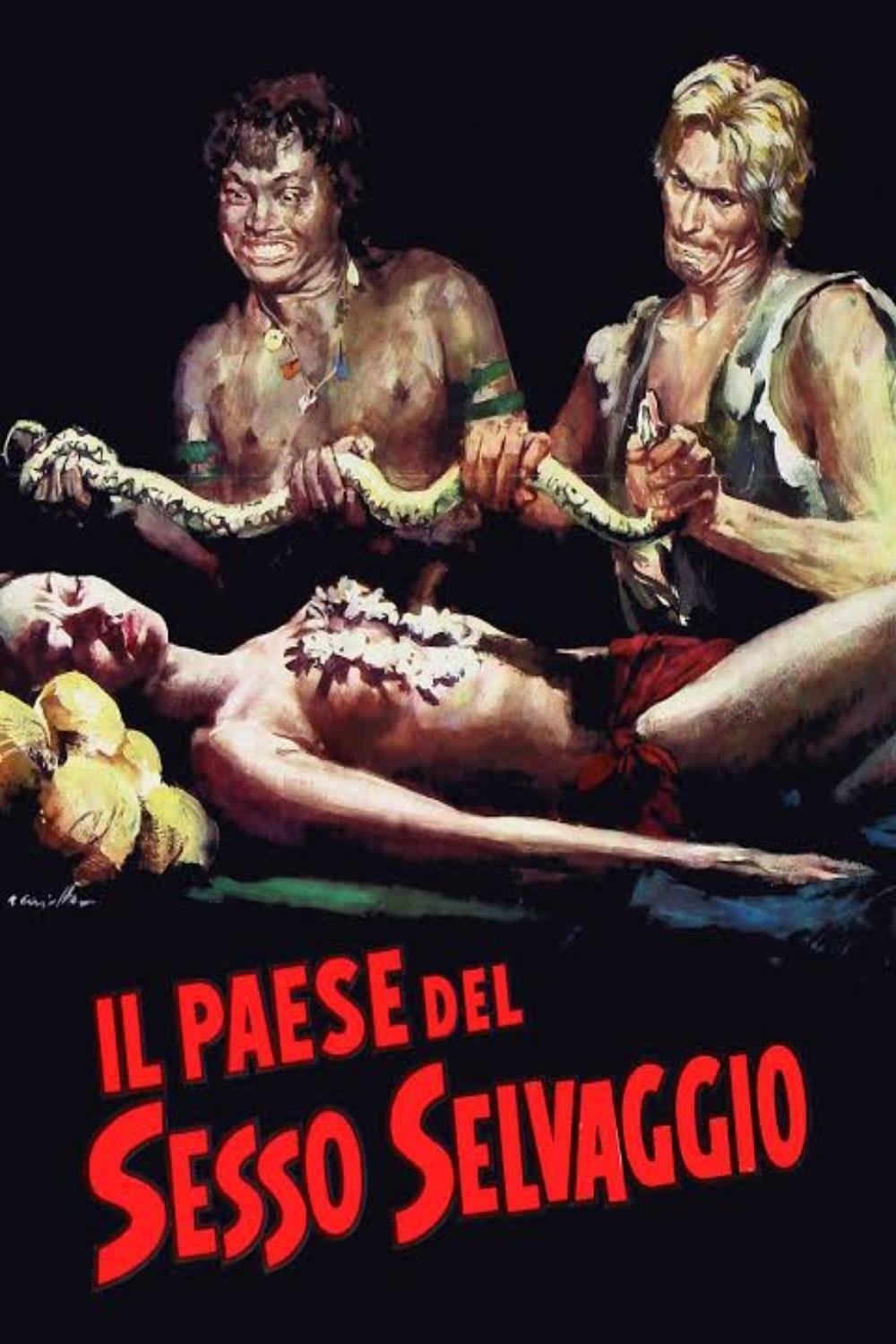
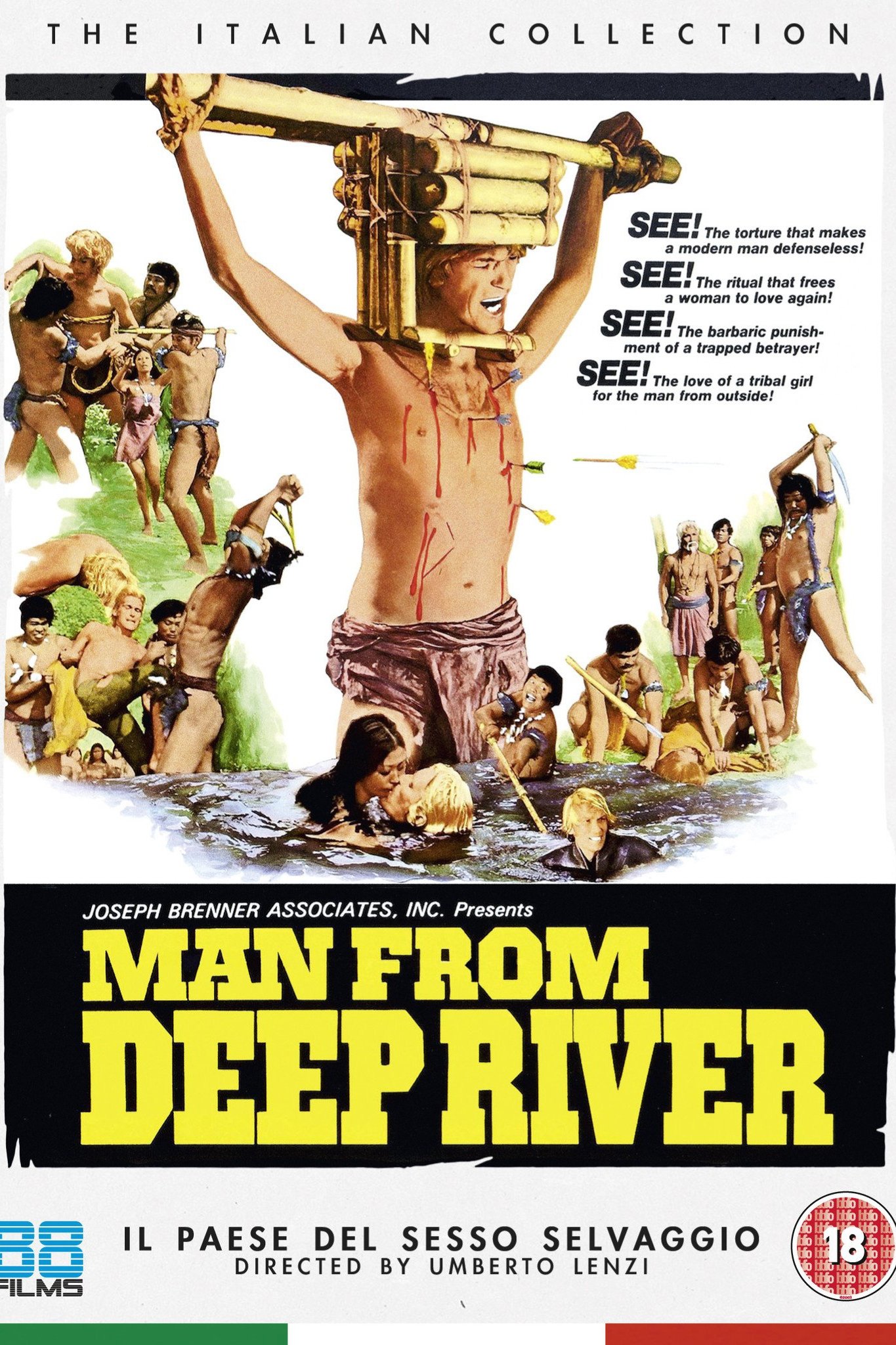
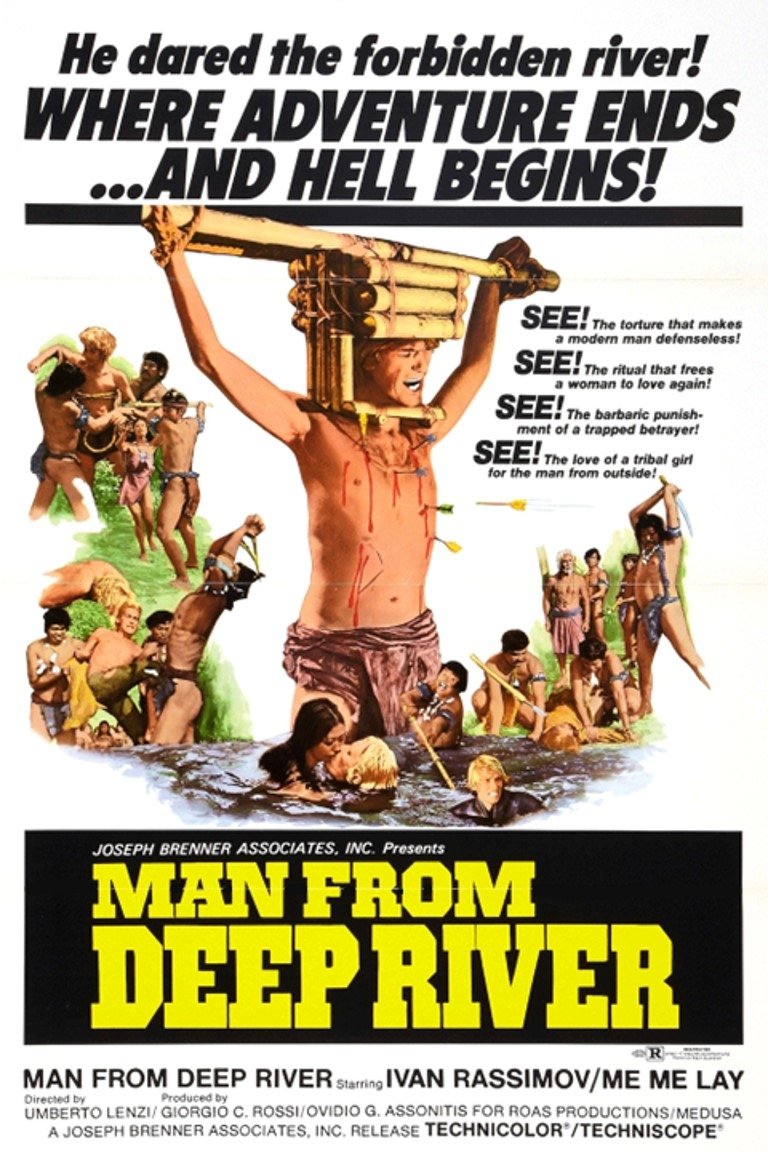
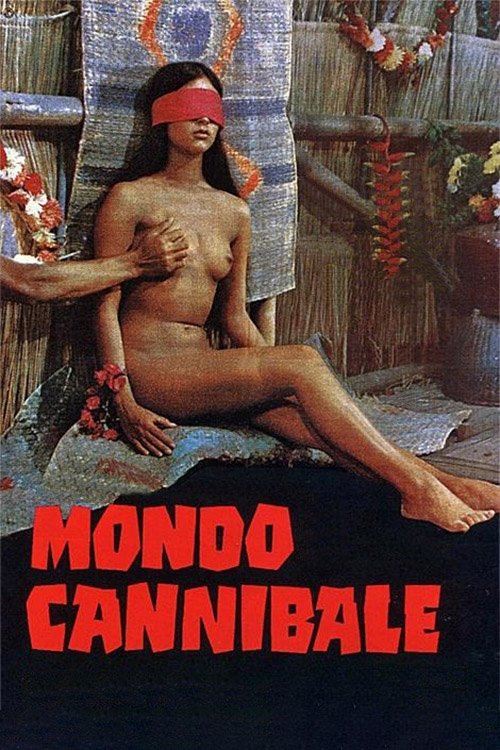
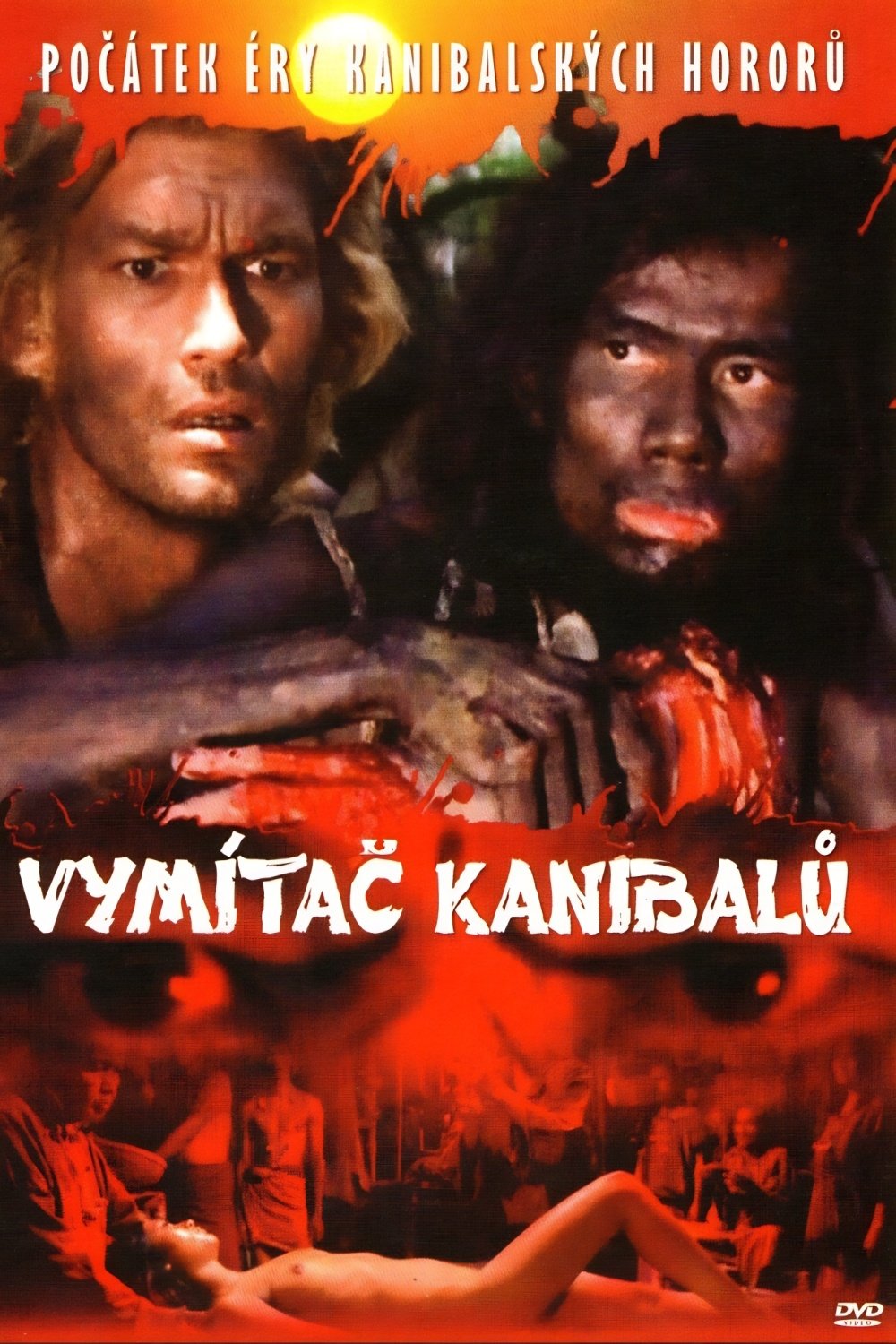
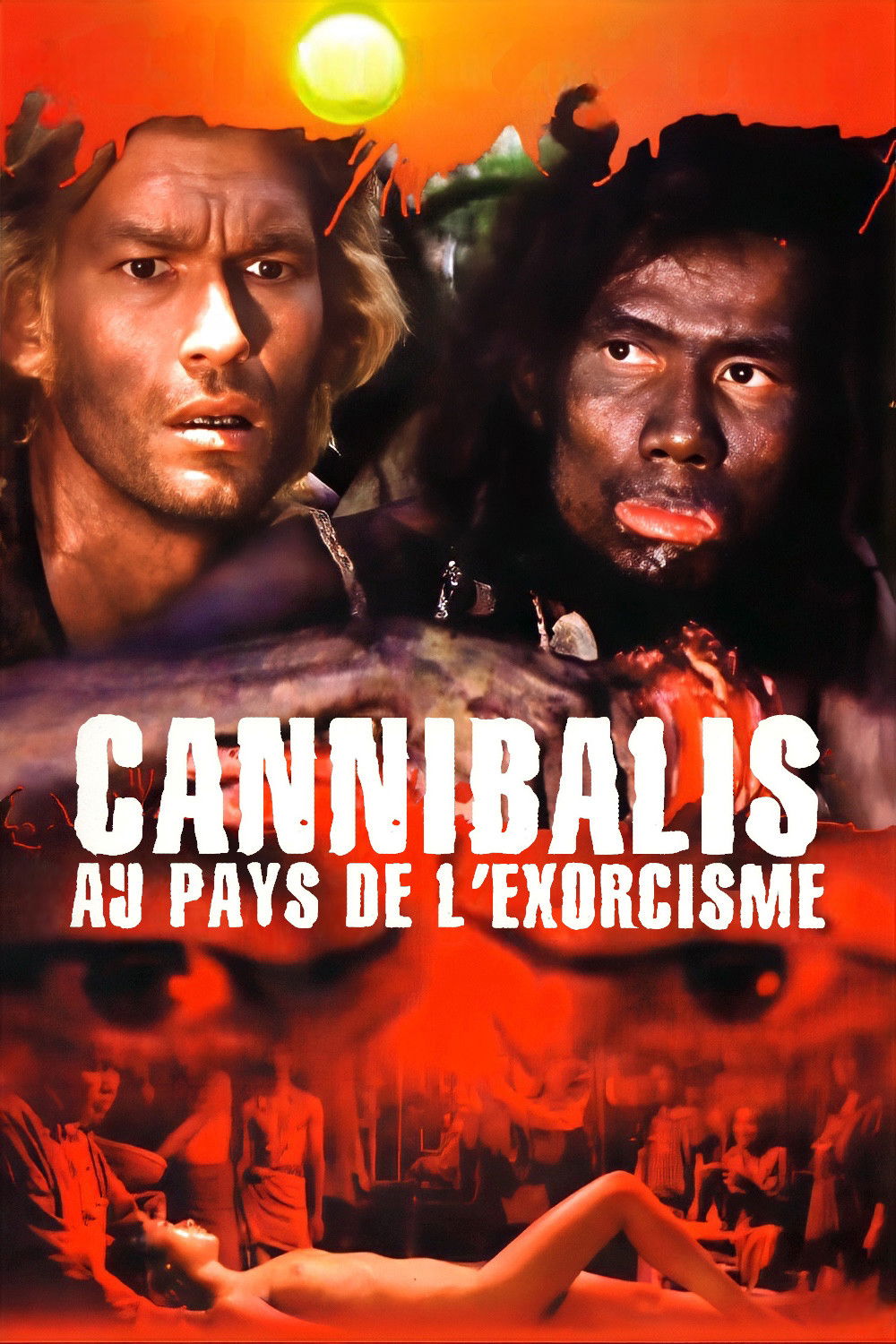
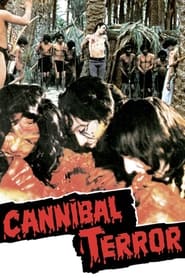
The international and Italian titles also reveal competing ways of selling the picture. Barilli preferred a title emphasizing the outsider's journey and criticized the Italian wording. The domestic release name promised erotic spectacle, while German and other export names stressed the cannibal element. Those differences are significant because the completed film devotes extensive time to captivity, romance and social initiation. Distributors could foreground the most provocative images while leaving the underlying adventure narrative unchanged.
Thailand, Landscape & Invented Rituals
Filmed in Thailand, the production used rivers, vegetation and village spaces to establish a geographically distant setting for Italian audiences. Its landscape photography frequently places human figures within broad stretches of water or dense greenery. The effect is different from the restricted interiors common to contemporary Italian thrillers: dangers can enter from the surrounding forest, and the movement of boats and captives gives the territory a practical role in the narrative. These formal choices helped define a visual setting that later cannibal films would revisit.
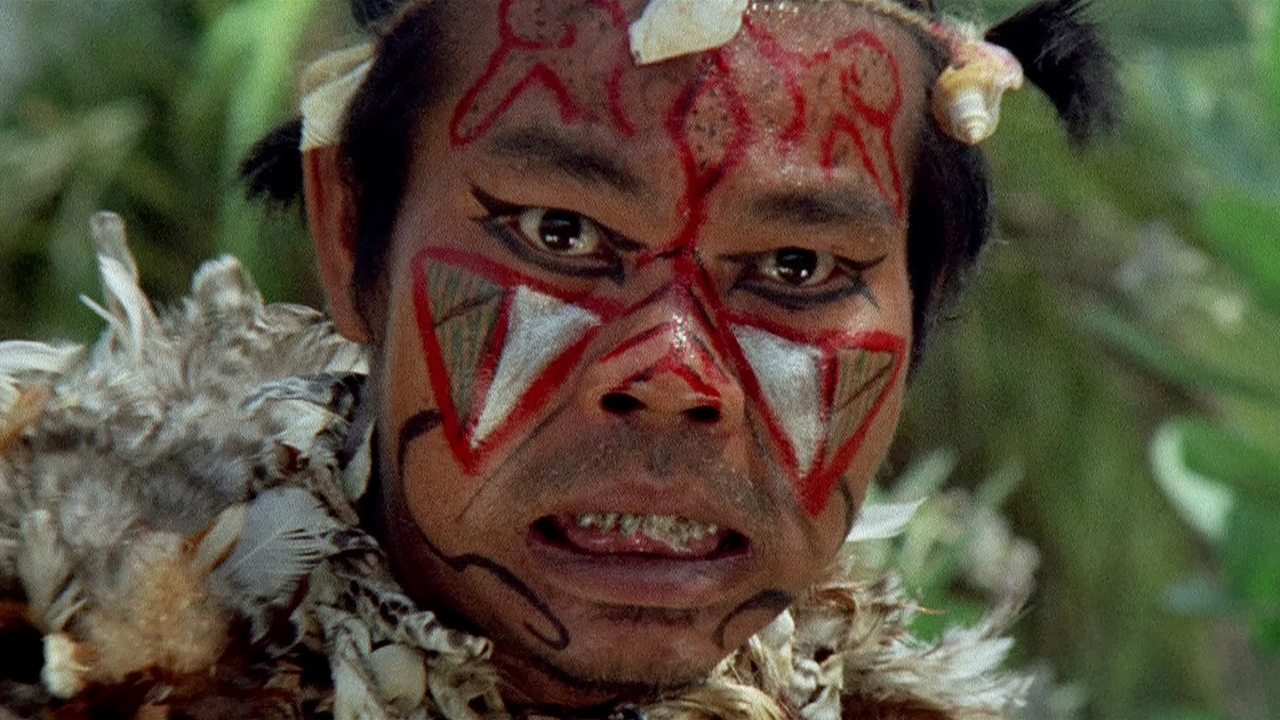
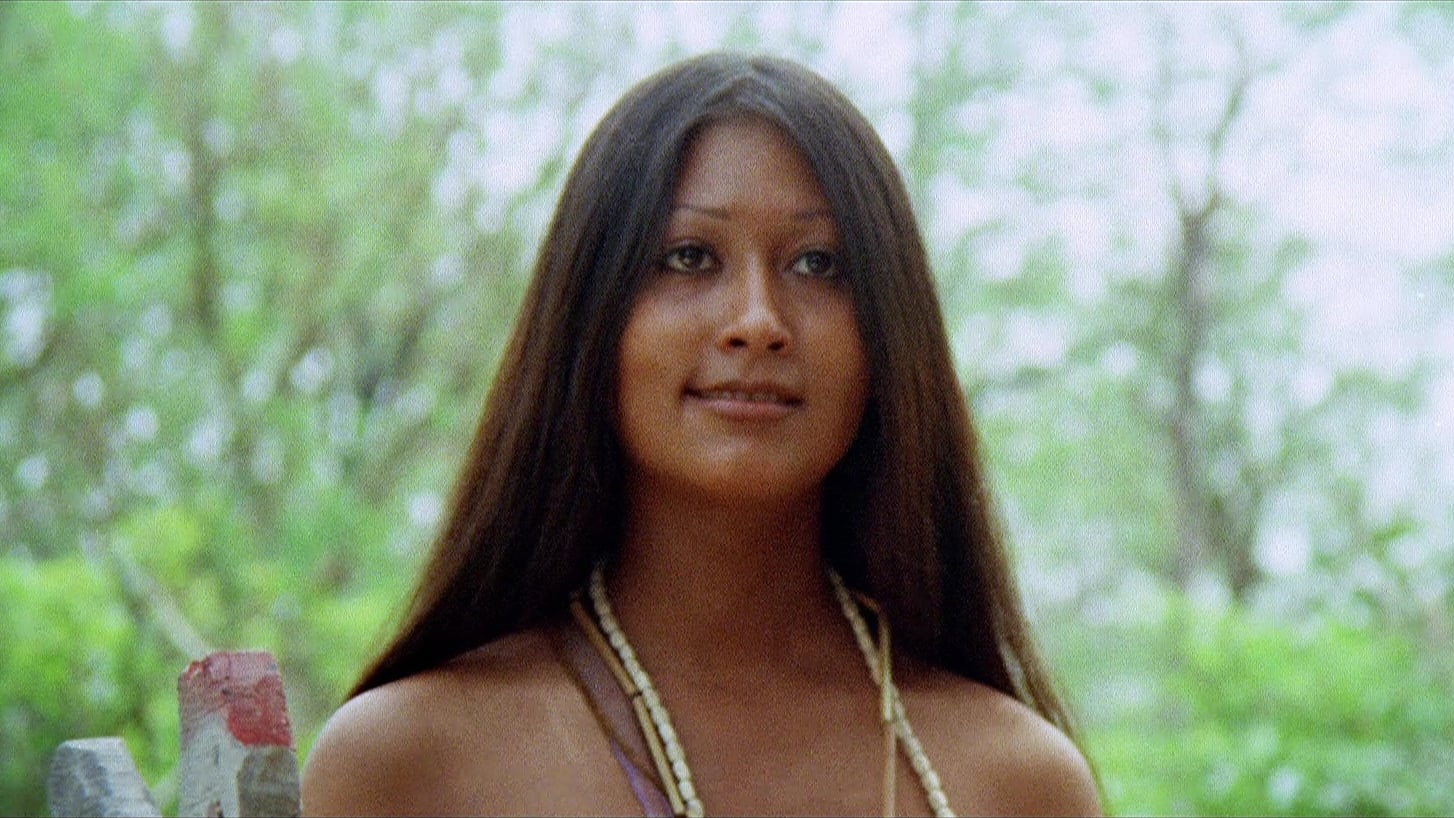
The community that holds Bradley is a fictional construction. The screenplay organizes its customs around the outsider's progression from prisoner to participant, and the film offers no dependable ethnographic account of an actual Thai population. Its initiation rituals, beliefs and social hierarchy are assembled to generate dramatic obstacles. The protagonist is bound, made to perform labor and subjected to physical trials before receiving recognition. His growing attachment to Maraya, the chief's daughter, gradually modifies the captive relationship. The story invites the viewer to adopt Bradley's changing perspective, even as its representation of the inhabitants remains conditioned by familiar colonial adventure stereotypes.
The camera sometimes gives members of the settlement ordinary routines and interpersonal conflicts, including rivalry over Maraya and disagreements about the stranger. This provides a distinction between the captors and the cannibal group that threatens them. At the same time, invented rituals are frequently staged as spectacles of humiliation, with nudity and punishment marketed as exotic attractions. It is important to separate the film's fictional customs from the realities of the country used for filming. The spectacle belongs to European exploitation cinema and its construction of an imagined jungle society.
Captivity, Body Horror & Cannibalism
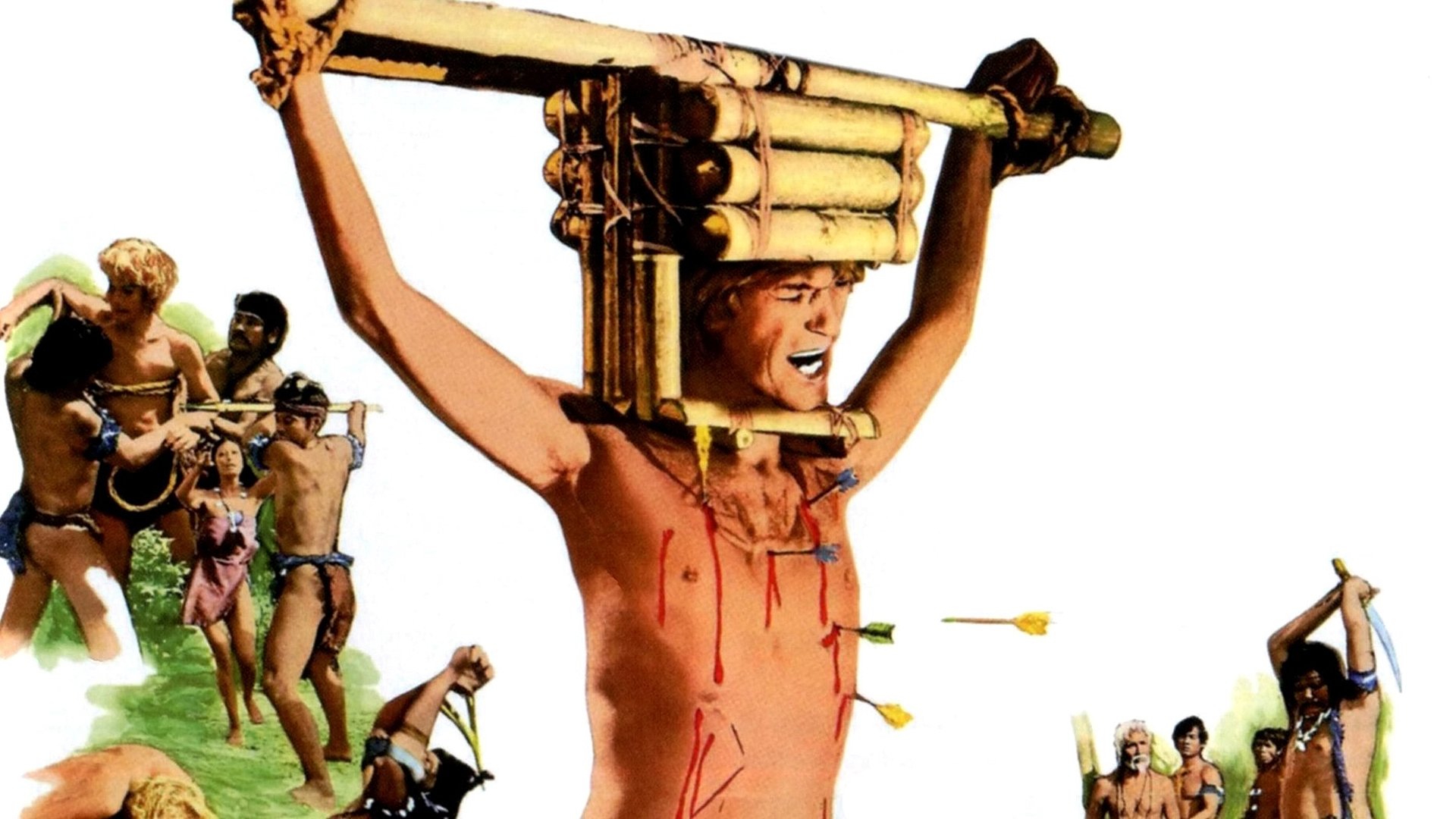
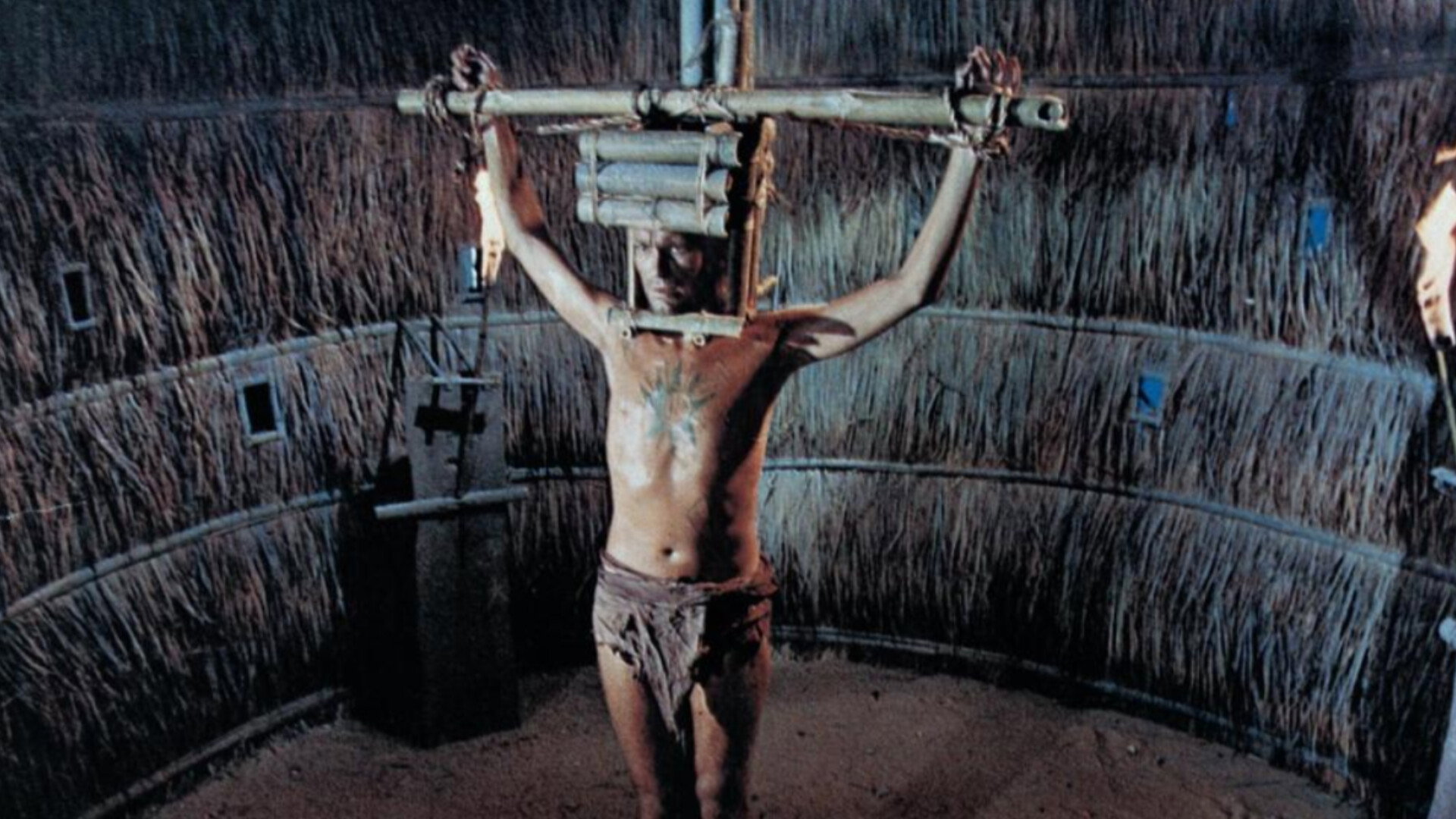
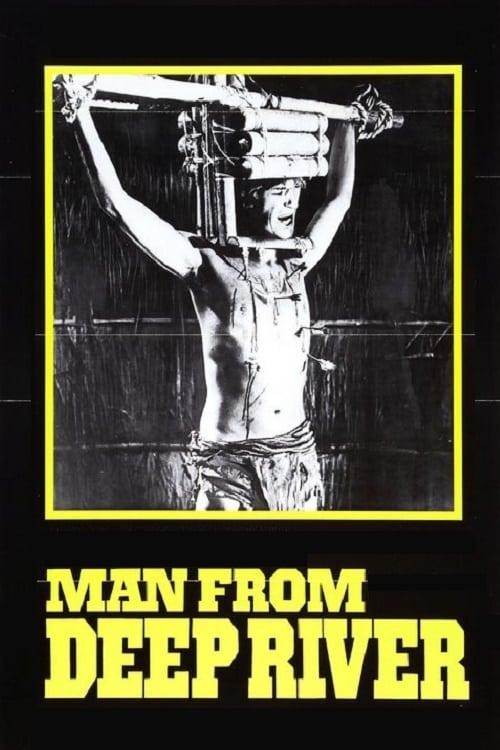
The central ordeal begins when Bradley enters the jungle with a local guide and is captured after the expedition becomes vulnerable. The village's initial treatment of him as an unfamiliar creature establishes an uncertainty over his status as a human being. Captivity is expressed through control over his body: he is tied up, exposed to threats and denied authority over where he can move. Later tests of endurance transform his suffering into evidence that he may be accepted. These scenes connect the film to adventure narratives built around initiation, but their attention to wounds and coercion gives the process a distinctly horrific dimension.
The developing relationship between Bradley and Maraya changes the stakes of the ordeal. Her intervention allows him to survive in the settlement, while the pair's intimacy threatens existing rivalries. The narrative associates bodily harm with tribal power struggles, turning personal relationships into possible causes of punishment. It also includes sexual violence and coercive practices that should be understood as scripted exploitation material, not documentation of indigenous traditions. This shifting identification separates the drama from later films centered on continuous pursuit and mutilation.
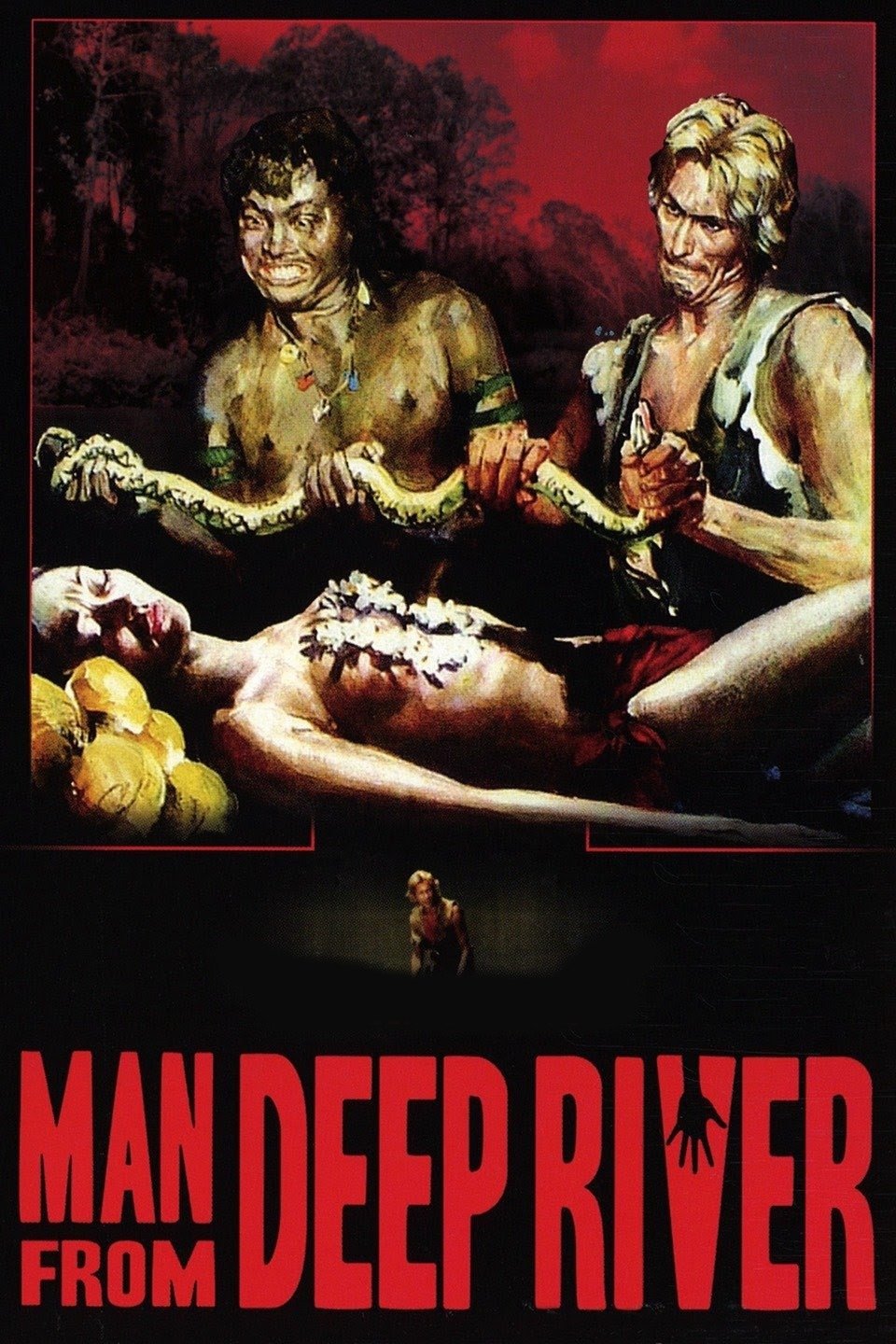
Human cannibalism is concentrated in the actions of the hostile neighboring group, including an attack involving a woman who is assaulted and killed. The sequence carries disproportionate weight in the film's subsequent classification as cannibal horror. This split simplifies the fictional society into sympathetic and threatening populations while reinforcing racialized images of alleged savagery. The episode supplied a memorable model for later exploitation marketing, although it occupies only a small portion of the running time.
Animal Killing & the Mondo Tradition
A defining controversy is the presence of actual animal killing alongside simulated attacks on people. The British Board of Film Classification has documented footage of a mongoose forced into a confrontation with a snake, a cockfight and animals being cut while alive. Its 2003 assessment also referred to a monkey subjected to a particularly cruel killing. The scenes are ethically and materially different from makeup effects that create the appearance of human injury. Their inclusion remains central to the film's historical reception.
Italian mondo productions had already built a market for supposedly revealing images of unfamiliar customs, violence and animal death. Lenzi places comparable attractions inside a fictional adventure. The camera's claim to show an authentic jungle experience therefore sits uneasily beside the invented culture and the contrived nature of some of its most disturbing incidents. Real suffering provides a form of shock that staged human gore cannot reproduce, and its insertion blurs the boundary between constructed drama and exploitation of living animals. This mixture became one of the most criticized practices in the cannibal cycle that followed.
The distinction also explains why censorship discussions cannot be reduced to complaints about blood or taboo subject matter. Human mutilations are effects within a fictional story, while the BBFC's specified alterations concern unsimulated cruelty. Later classifications continued to address the animals even when the film's sexual and violent content could otherwise receive an adult rating. Assessing the picture's practical horror consequently requires discussing both the performance of bodily harm and the physical acts recorded for the production.
Release, Video Nasties & British Versions
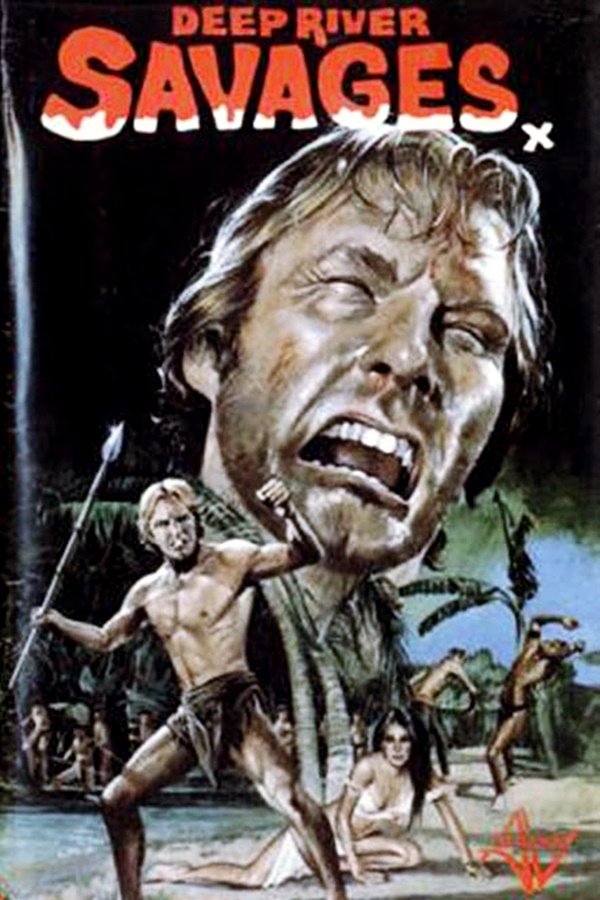
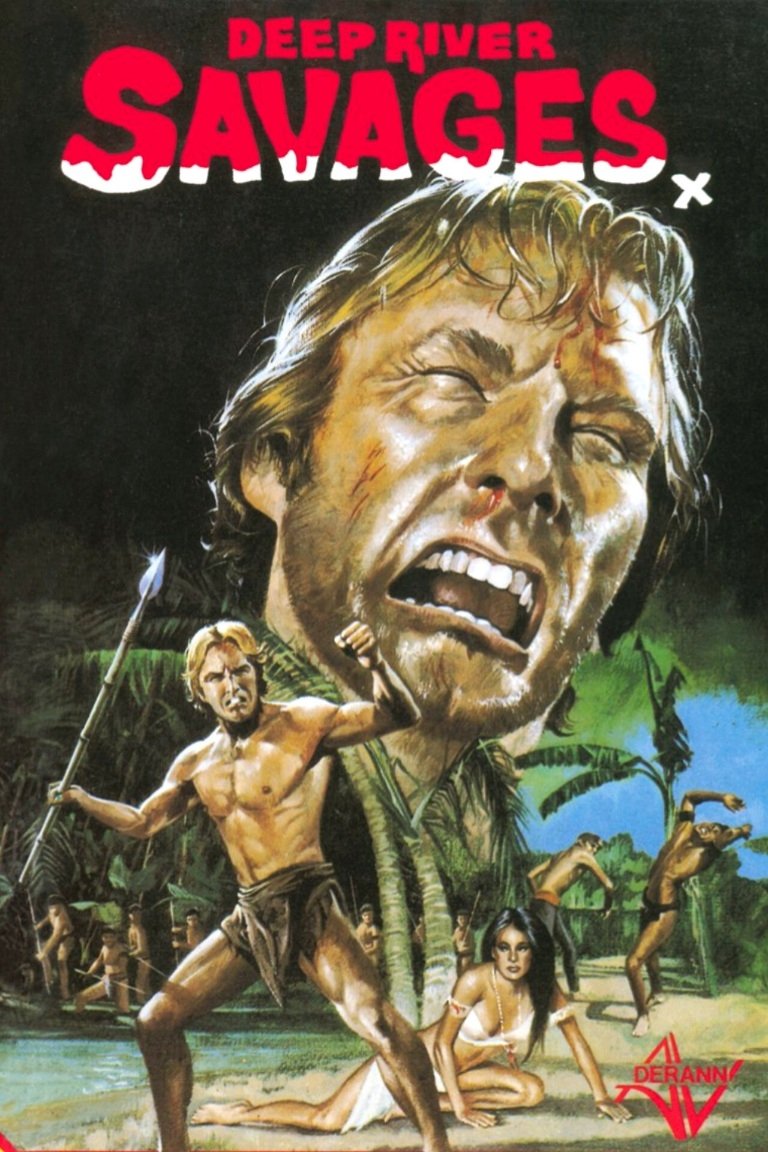
Italy's industry archive documents censorship authorization dated 28 July 1972, and release listings place the domestic theatrical opening in August. International markets adopted several names, including Deep River Savages, Sacrifice! and Mondo Cannibale. A precise worldwide box-office total is not established by the available documentation and should not be inferred from retrospective claims that the film sold well. The various titles demonstrate the flexibility of its promotion, with some distributors advertising adventure and others emphasizing a more sensational conception of jungle horror.
The British record is unusually specific. On 18 September 1975 the BBFC considered a cinema submission titled The Man From The Deep River and found it unsuitable for classification. During the subsequent home-video era the film, under the name Deep River Savages, appeared on the Director of Public Prosecutions' changing list of so-called video nasties. Julian Petley's published appendix records the earlier rejection. Inclusion in that list must be distinguished from a successful prosecution or a permanent prohibition: the DPP's lists and the legal outcomes of individual titles were separate matters.
The official BBFC database documents an 85-minute, 31-second physical-media version classified on 22 August 2003 after required removals involving real animal cruelty. It specifically identifies the mongoose and snake, monkey, cockfight, injured snake and crocodile incidents. On 7 April 2016 a submission under the Italian title received another classification with cuts, this time recorded at 90 minutes and 7 seconds. Its list of excisions mentions the animal fights and the harm inflicted on living reptiles. Different durations and submission records cannot, by themselves, establish an exact comparison of every international edit. The records document separate approved versions and evolving treatment of the animal footage.
Place in Italian Cannibal Cinema
The picture's historical importance lies in how it assembled ingredients that became recognizable across Italian cannibal exploitation. The threatened outsider, fabricated ritual life, tropical location, sexual coercion, unsimulated animal death and brief display of human consumption appear together several years before the cycle reached its most extreme phase. Its debt to Silverstein's western shows that these elements emerged through the adaptation of a successful adventure formula. Later productions reorganized the same ingredients around sustained gore, survival terror and the spectacle of filmmakers or travelers entering supposedly forbidden territory.
Ruggero Deodato's Last Cannibal World (1977) developed the captivity and jungle-danger model in a more explicitly horrific direction. Lenzi later returned to the subject with Eaten Alive! (1980) and Cannibal Ferox (1981). Claims that a proposed follow-up to the 1972 production passed from Lenzi to Deodato derive principally from the director's retrospective recollections and should be presented as such. The first film's importance can be established without treating every subsequent cannibal production as a direct sequel or insisting that one filmmaker alone invented the genre.
For viewers approaching the title through its later reputation, the balance of the original picture can be surprising. Extended scenes of acclimatization and romance coexist with intermittent brutality, and the cannibal attack functions as a concentrated point of horror within a wider adventure. That structure helps explain its transitional position between the exotic adventure films of the previous decade and the Italian shock cinema of the late 1970s. Its enduring significance is therefore inseparable from a difficult question about the cycle itself: how fictional terrors were made more marketable through images of real suffering.