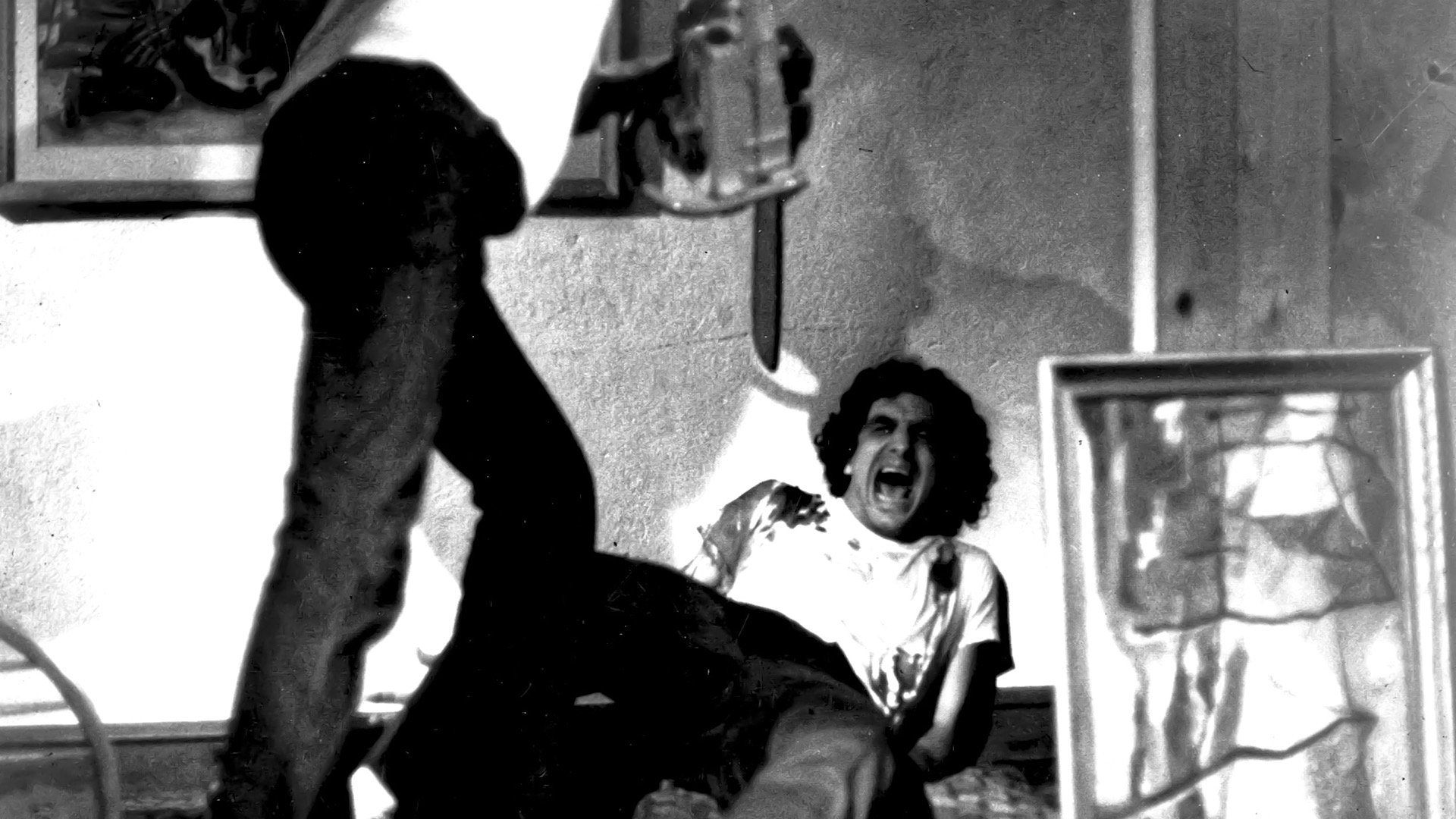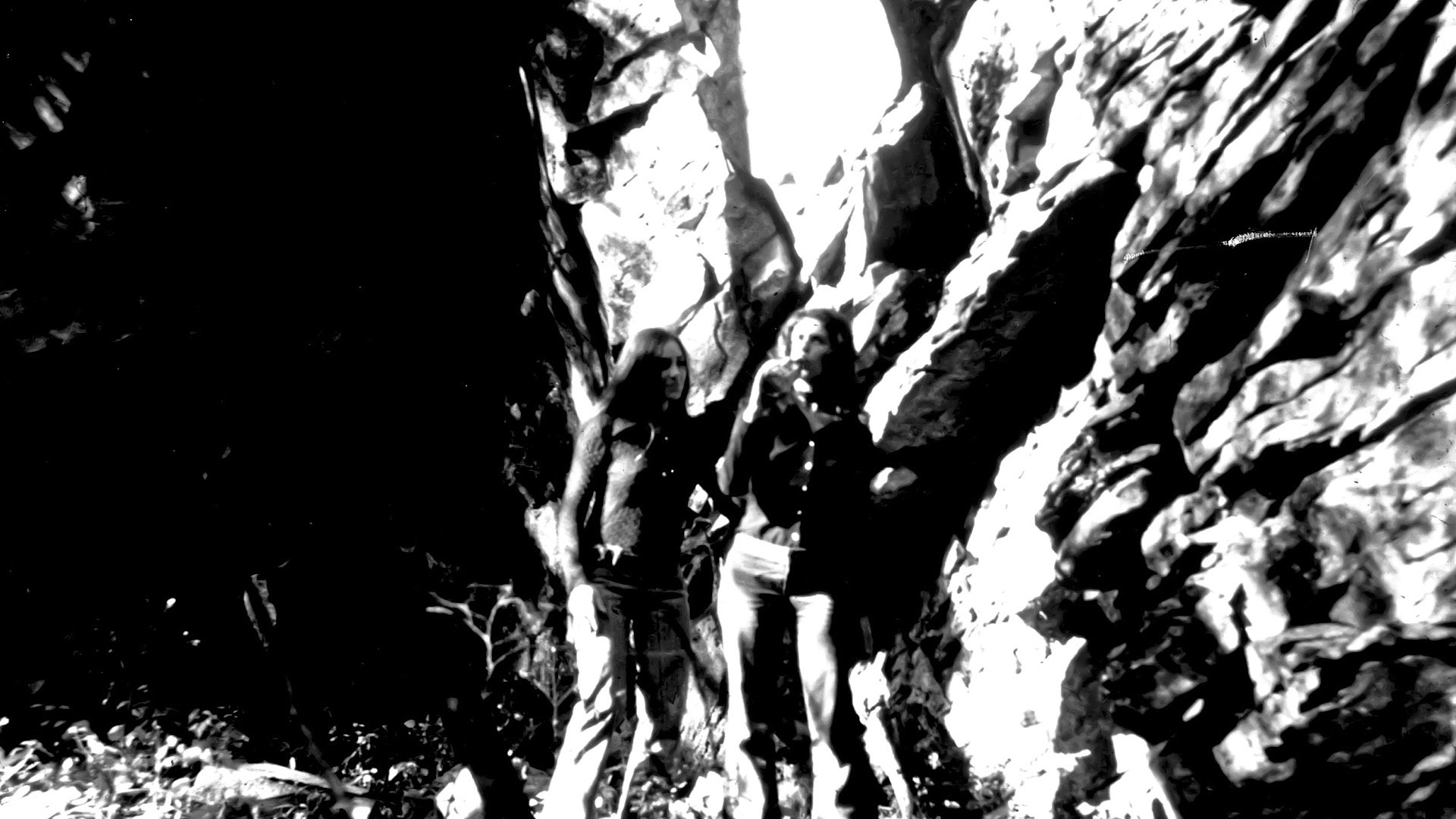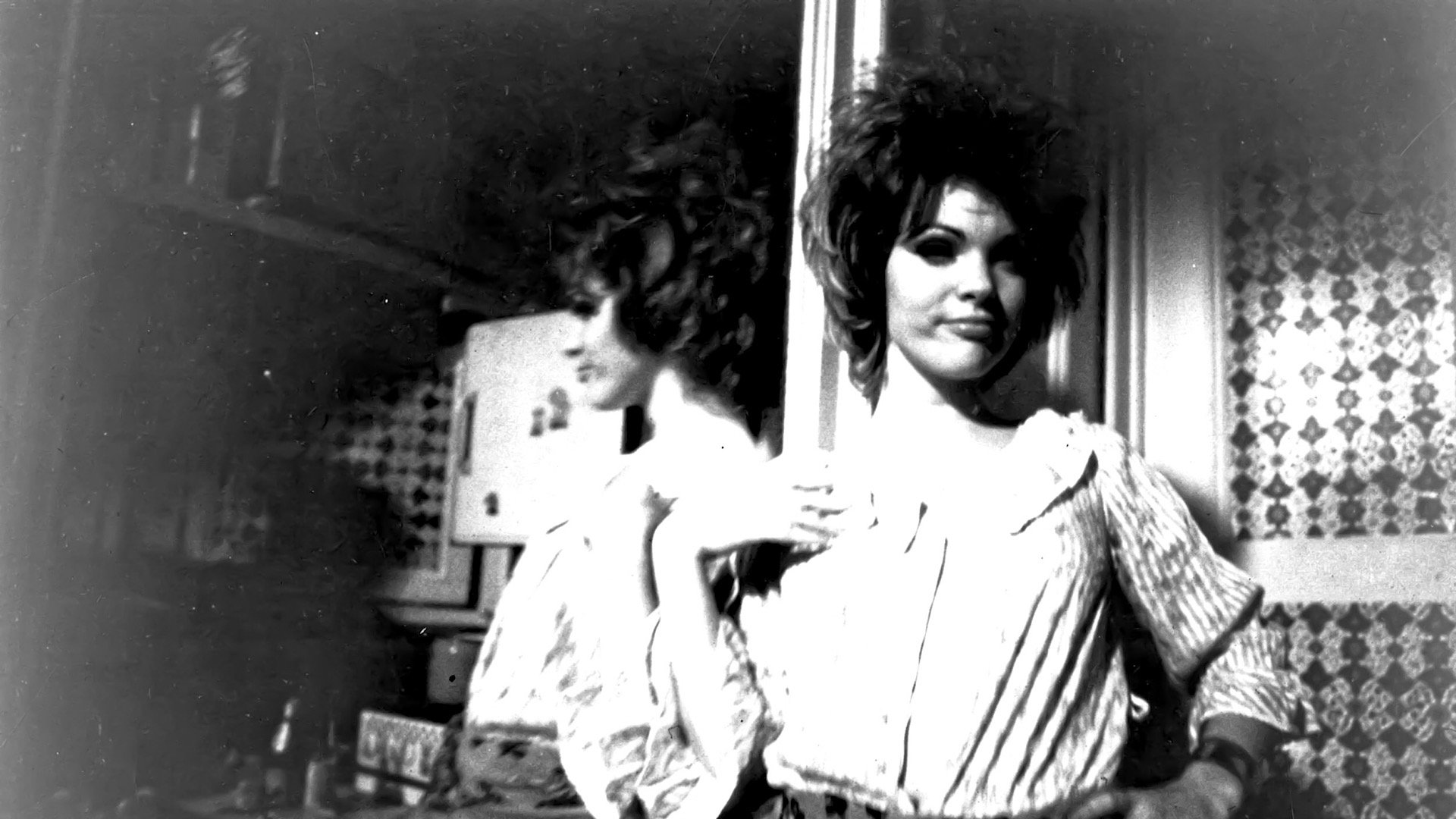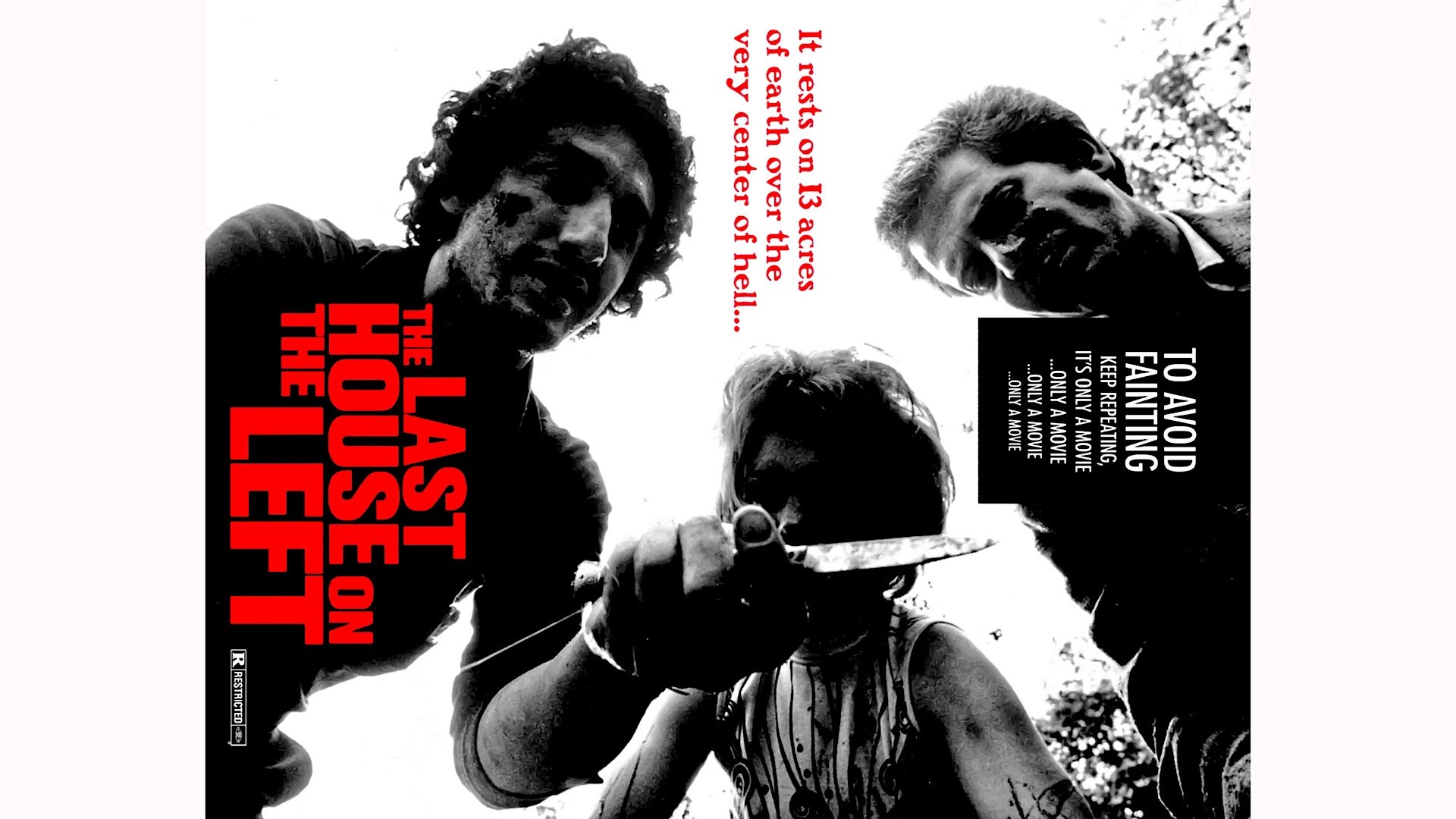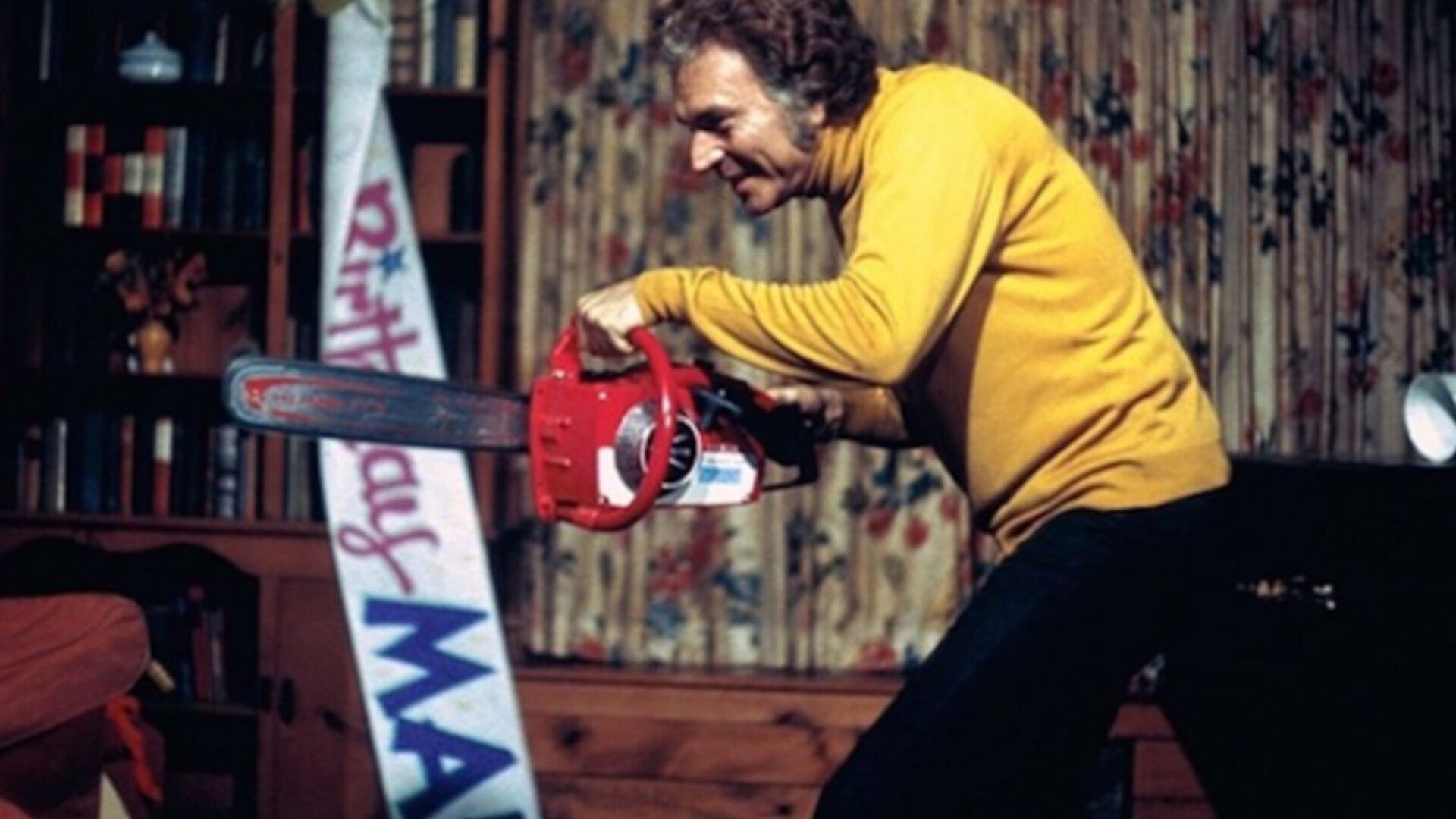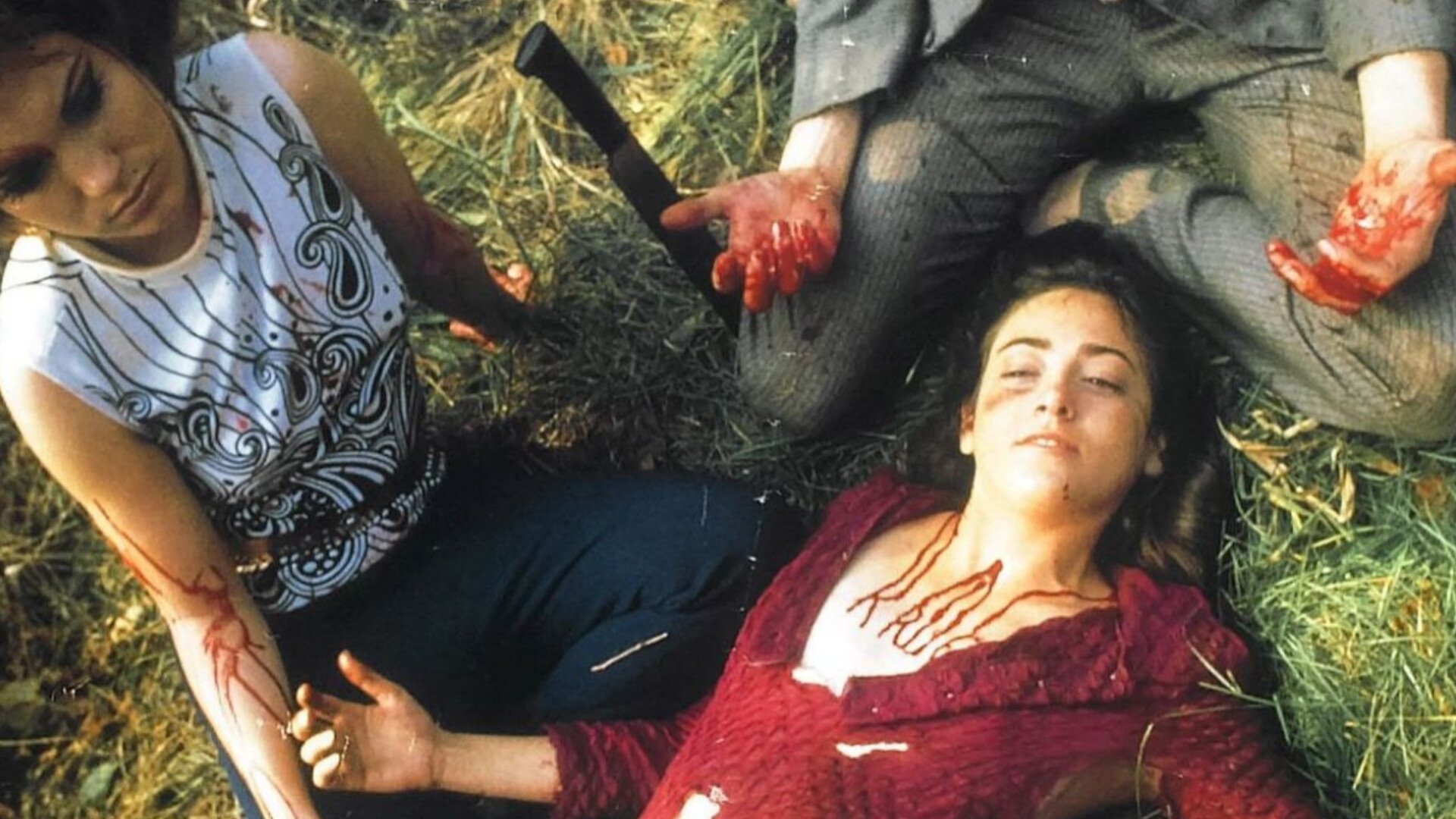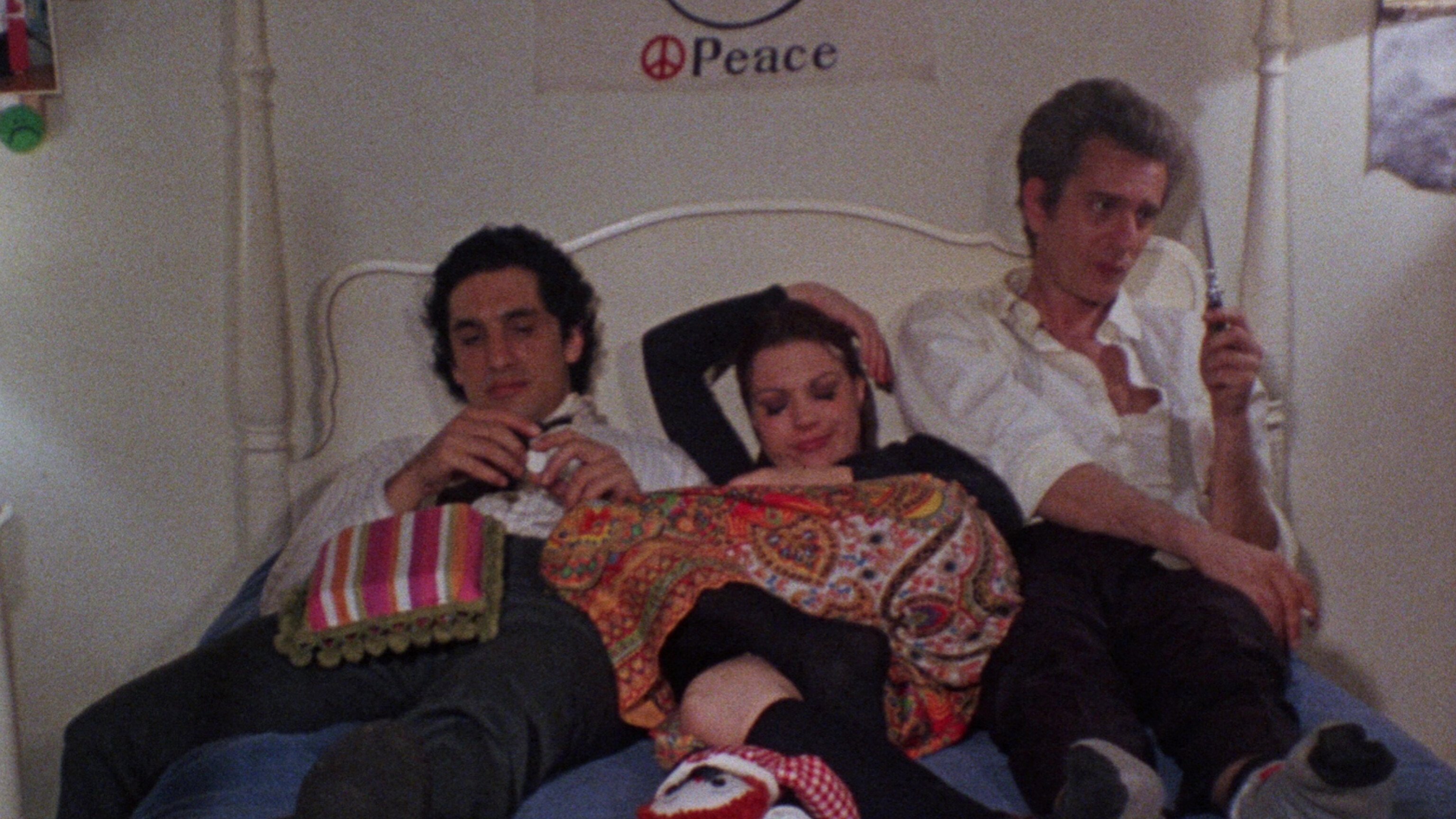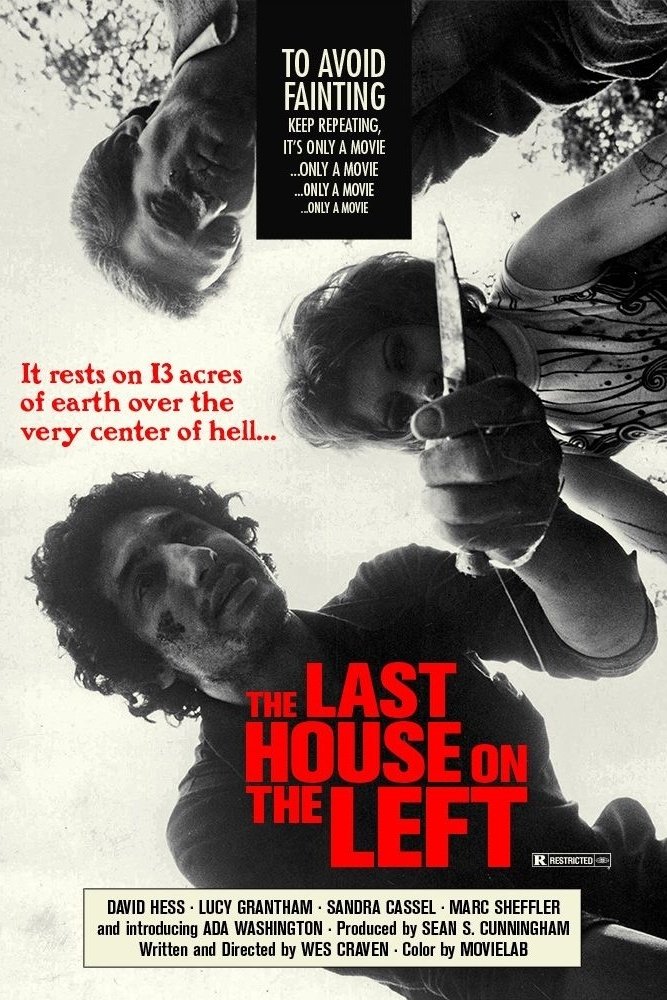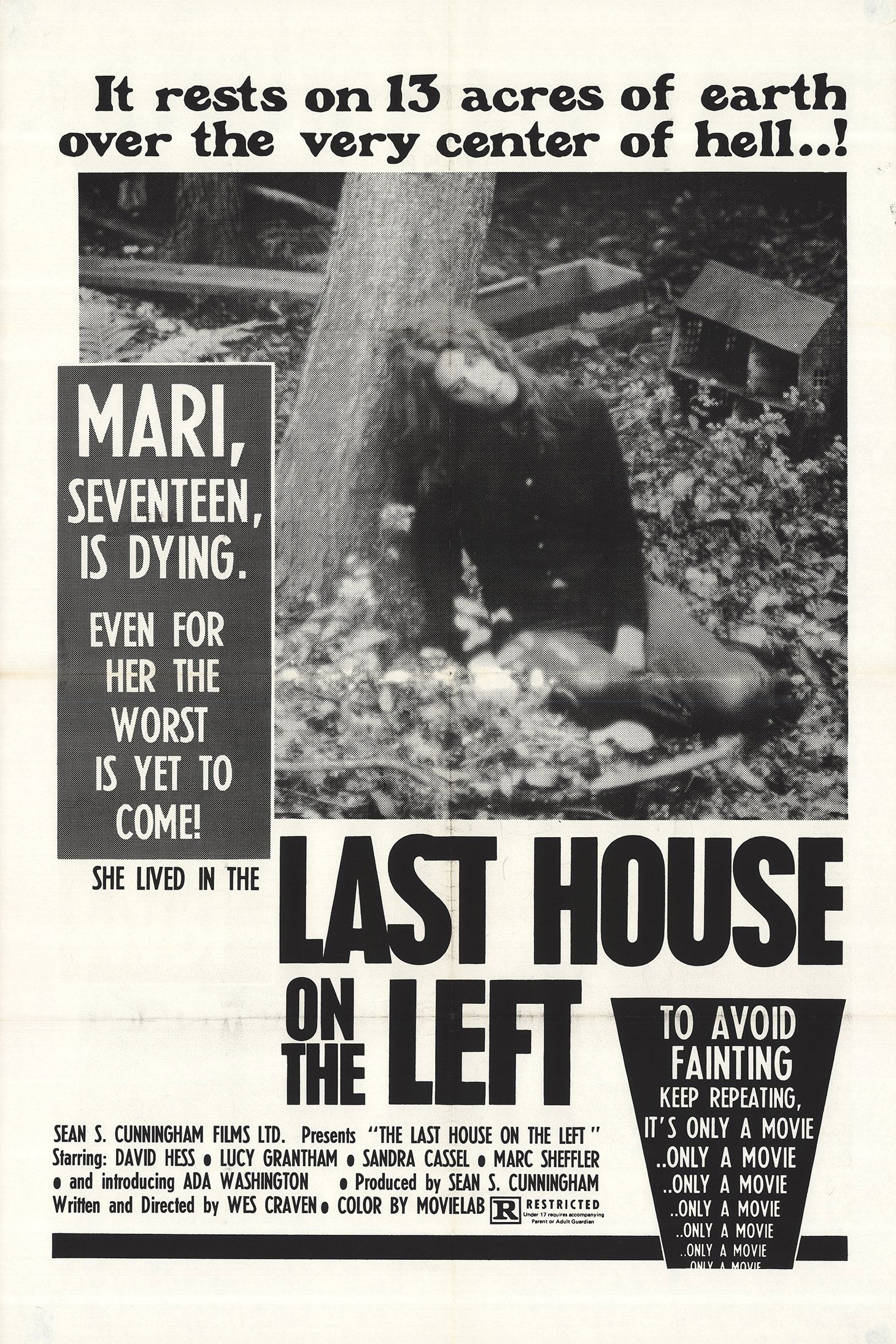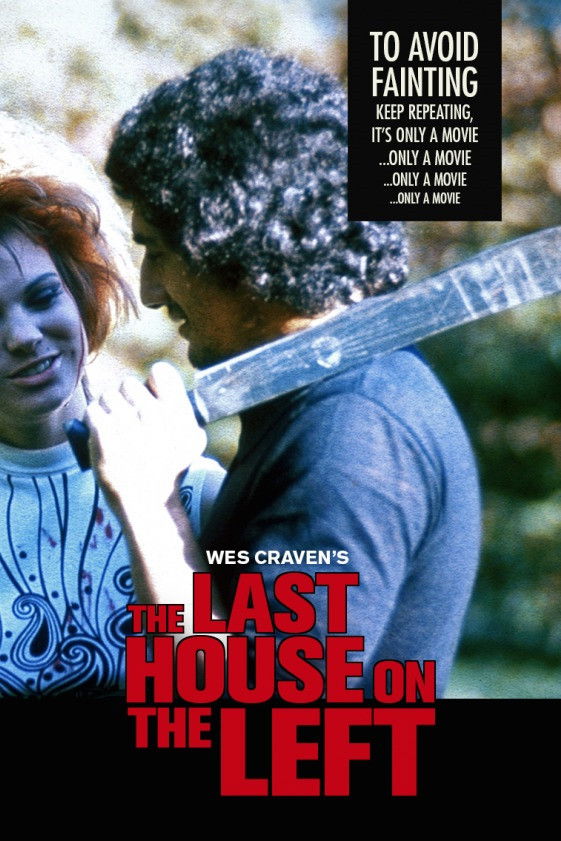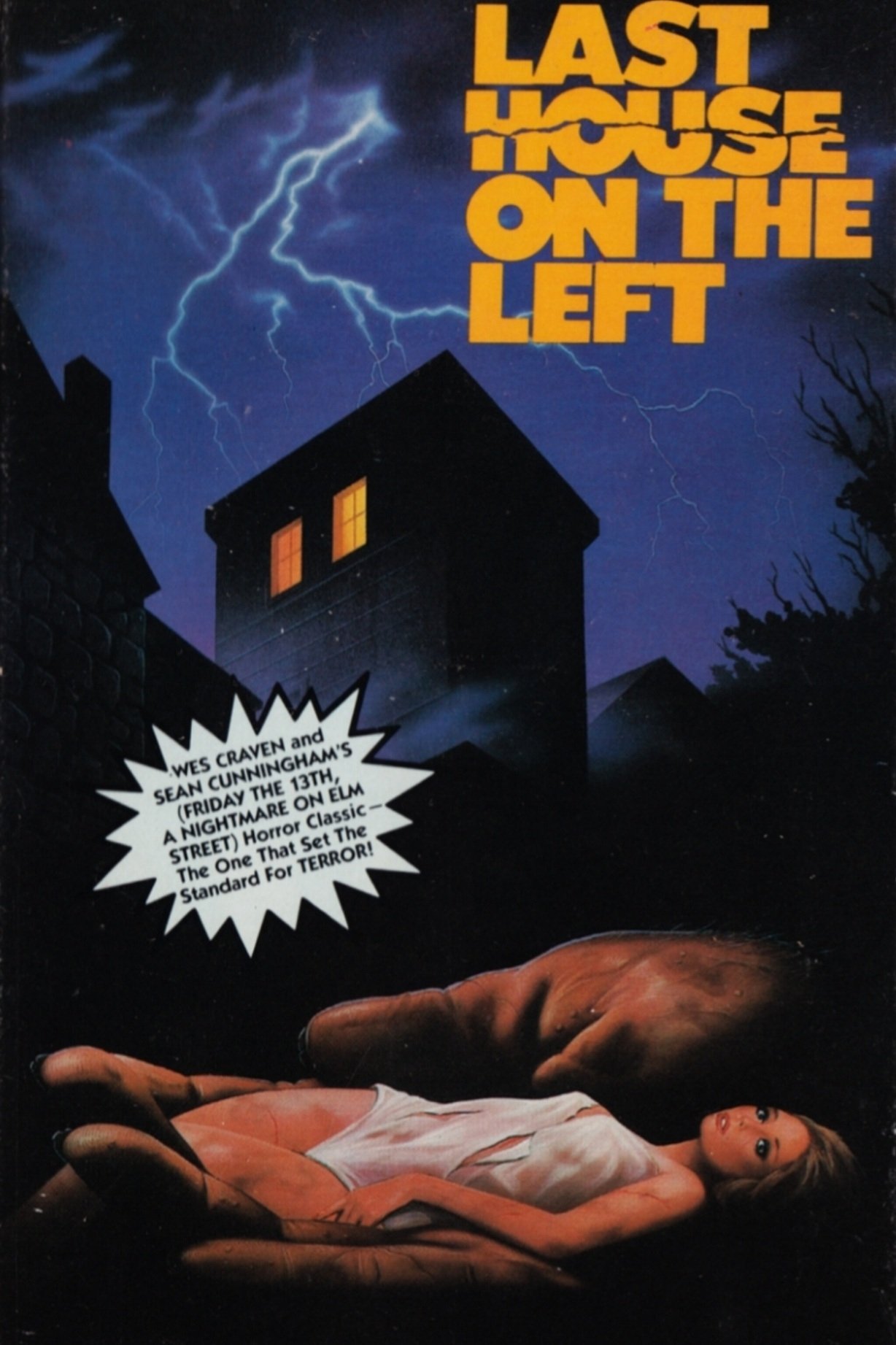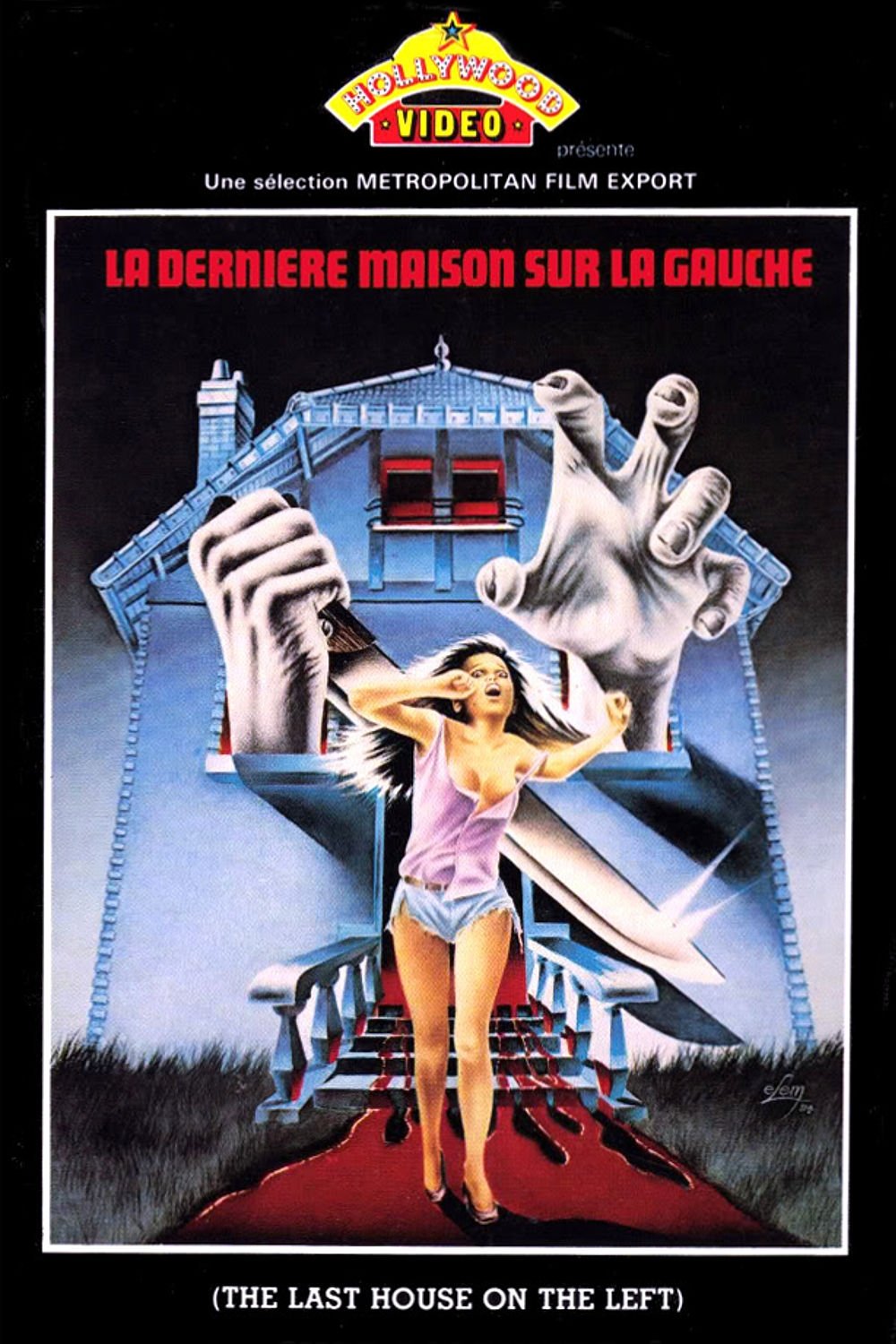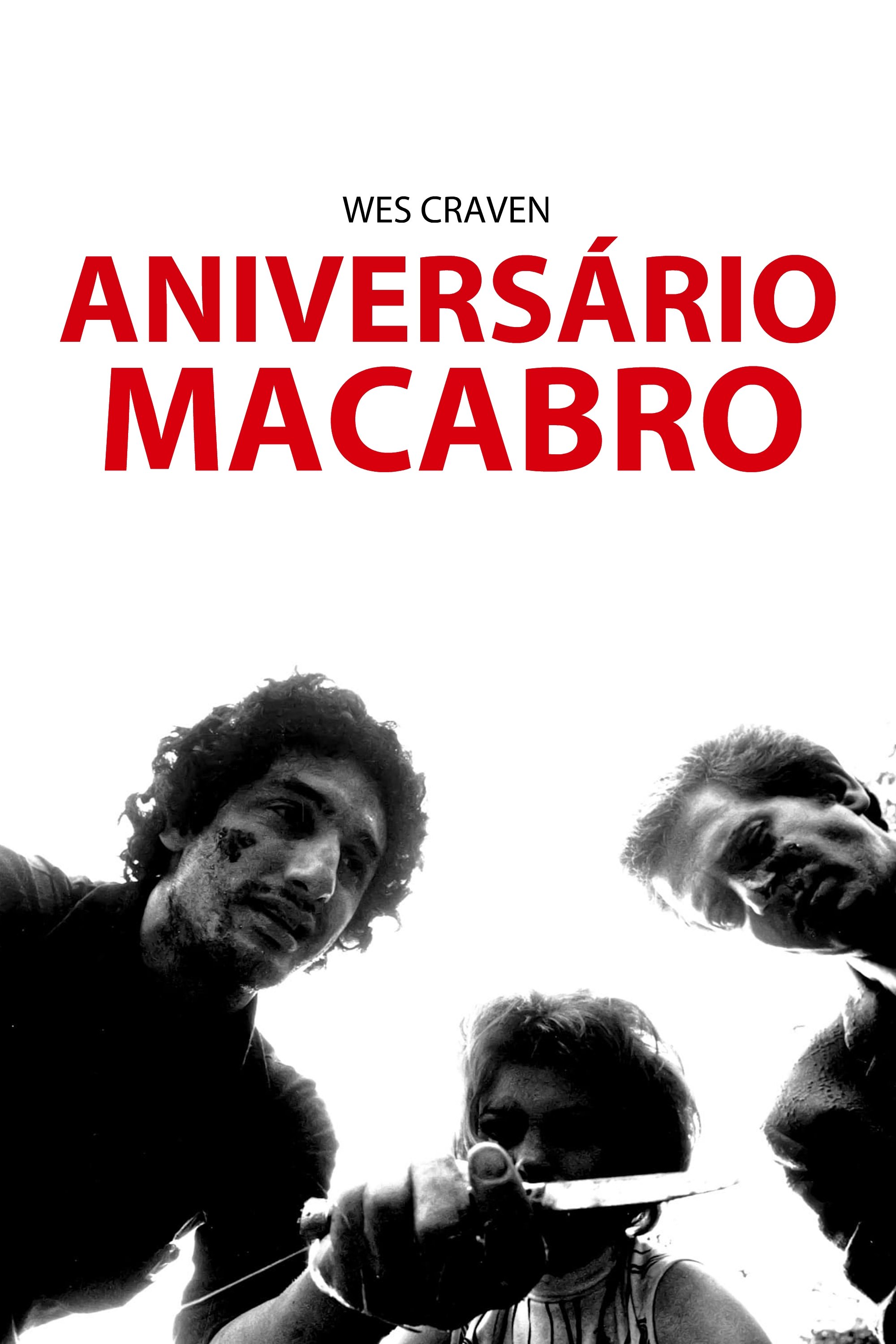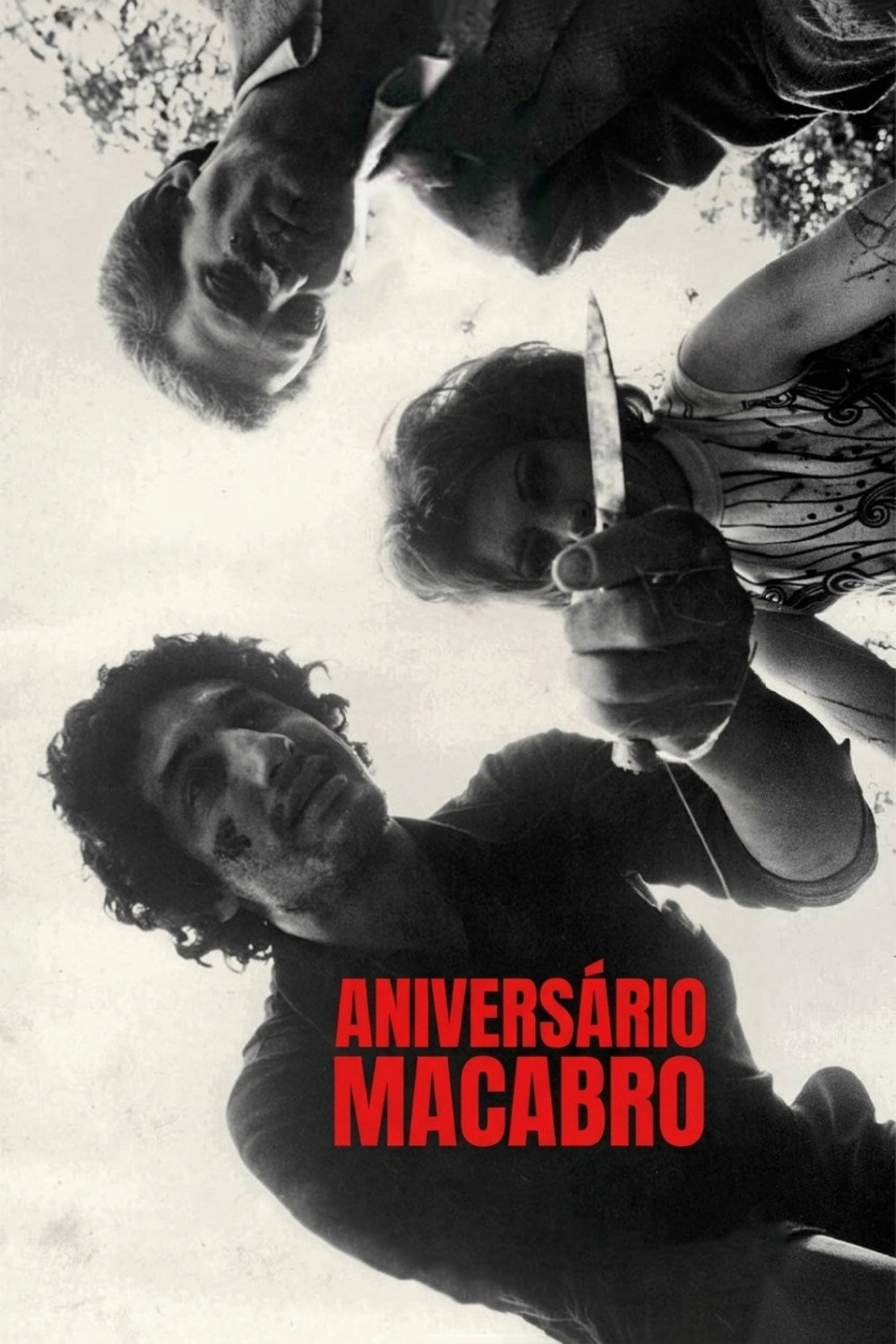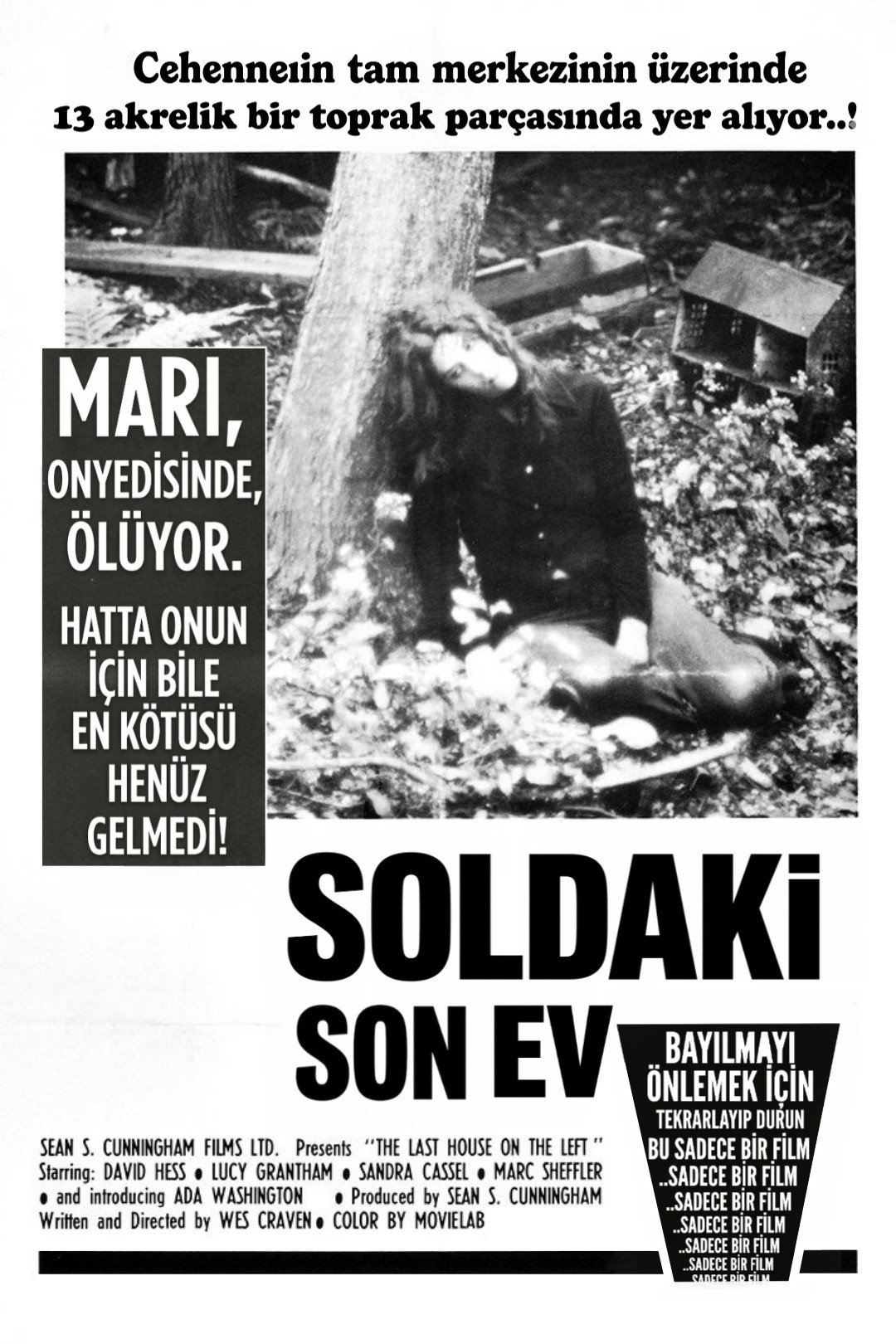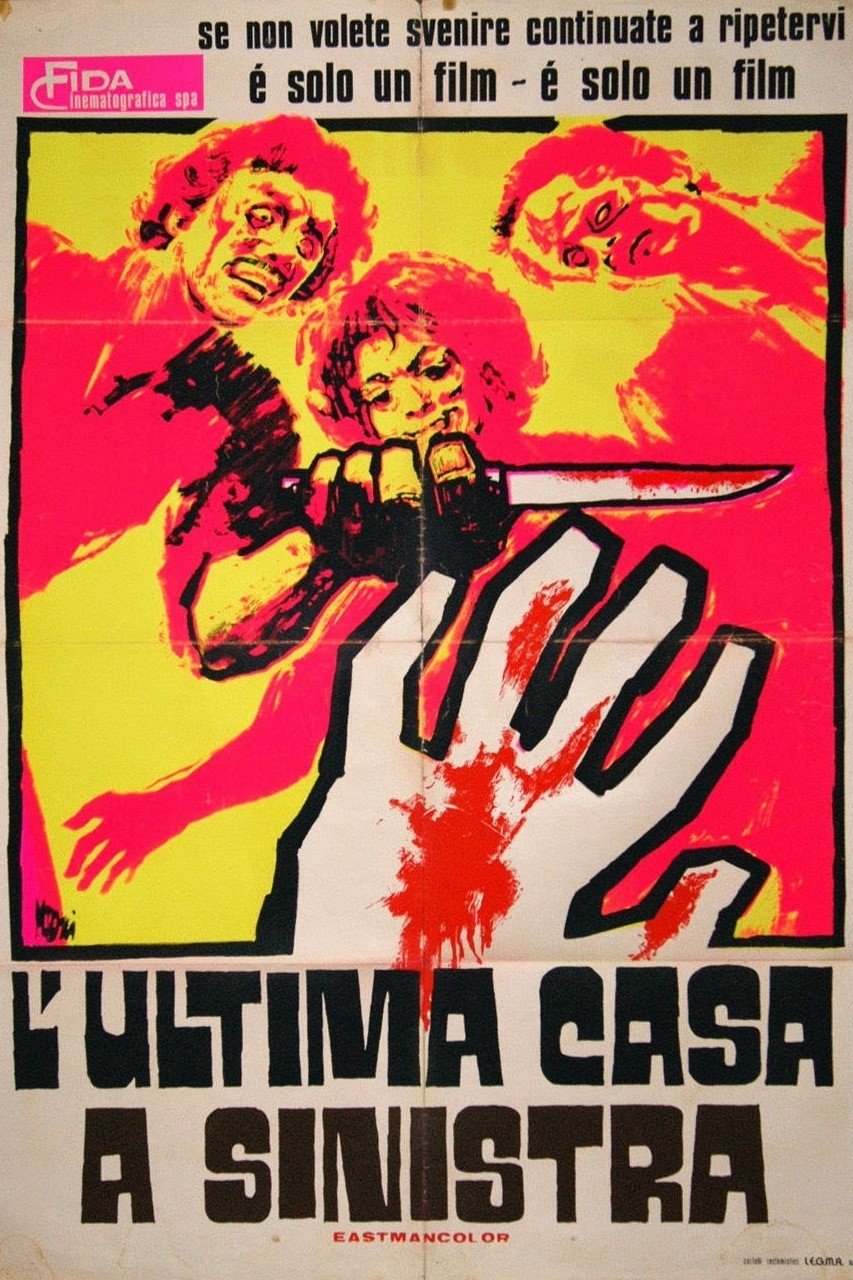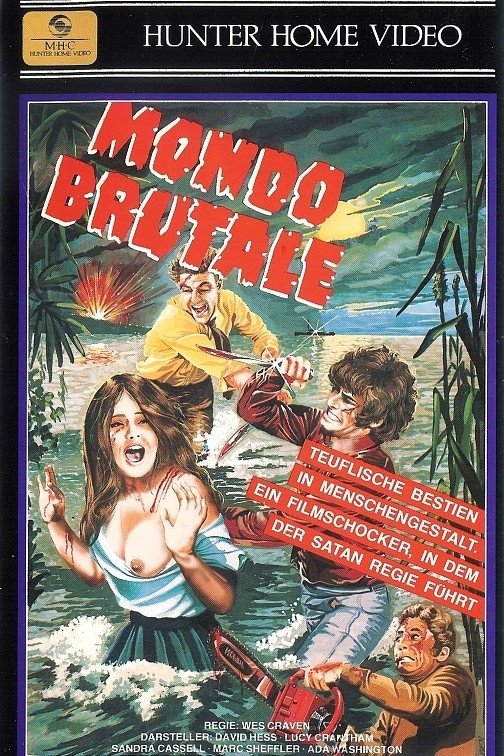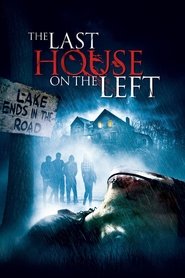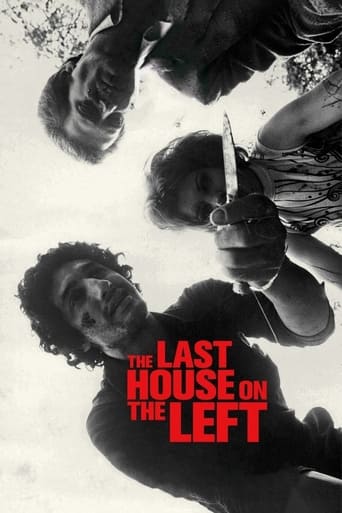


Wes Craven, Sean S. Cunningham and the Origins of the Project
Before entering commercial filmmaking, Wes Craven had worked as an academic, teaching humanities and developing interests in literature, philosophy and visual art. Raised within a restrictive Baptist environment, he later described his discovery of cinema as part of a substantial change in his intellectual and professional life. After leaving teaching, he moved into the New York filmmaking industry and began acquiring practical experience through editing and production work. His collaboration with Sean S. Cunningham developed during Together (1971), a low-budget adult-oriented production on which Craven assisted. The experience introduced him to an independent filmmaking environment whose commercial priorities differed considerably from the cultural institutions in which he had previously worked.
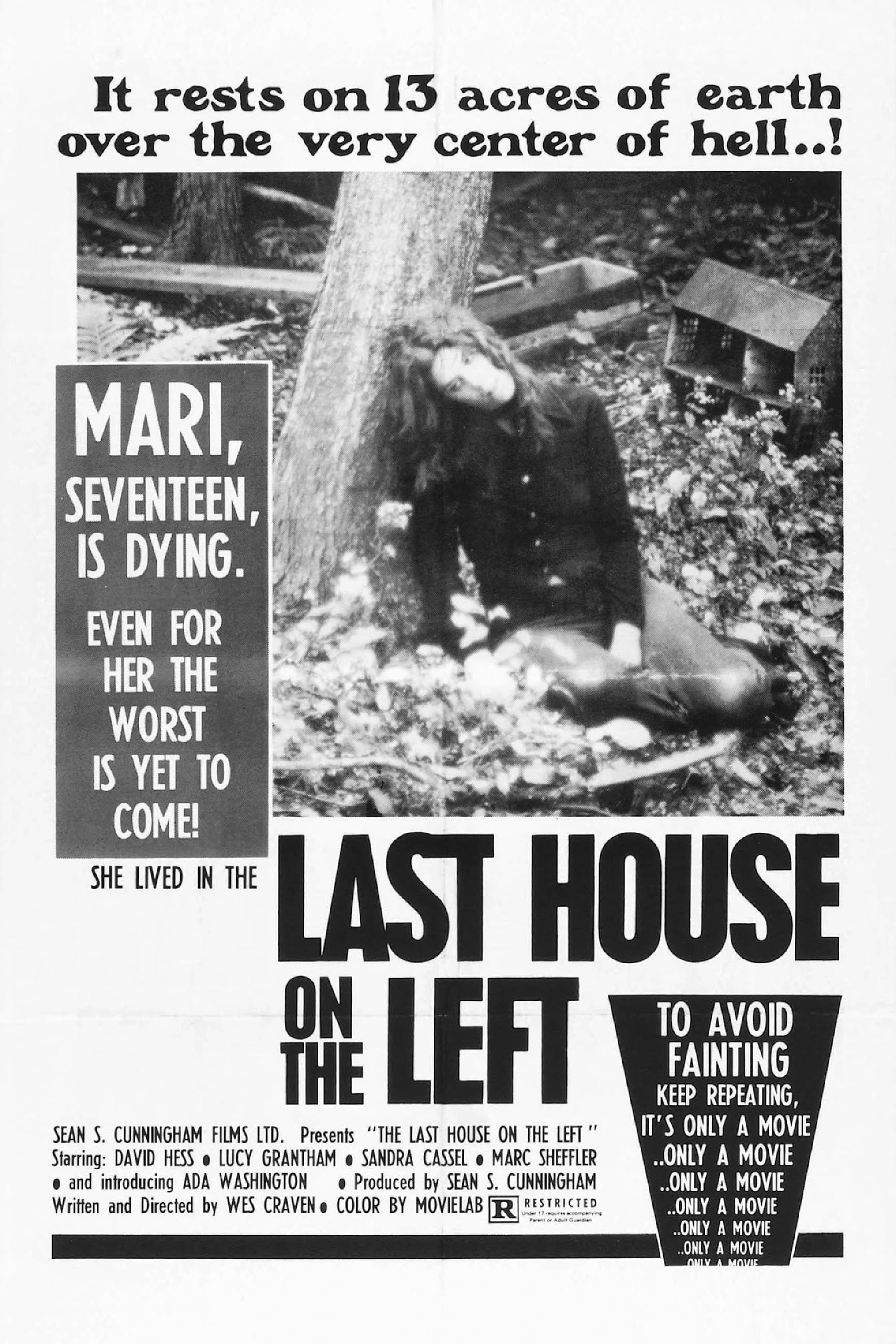
The opportunity to direct emerged through Cunningham's relationship with Hallmark, an independent company associated with exploitation distribution. In a 2009 interview with Peter Hartlaub for the San Francisco Chronicle, Craven recalled that Cunningham knew theater operators in the Boston area who occasionally financed inexpensive films intended to accompany other features. The producers wanted a frightening picture, and Cunningham approached Craven with the prospect of writing and directing it. The arrangement offered an inexperienced filmmaker unusual creative responsibility within a commercially oriented production. Craven later acknowledged that he had little knowledge of the established procedures for making a horror film when he accepted the assignment.
Stephen Thrower's historical essay Something Rather Dark and Bloody places the project within a period when American independent cinema was exploiting changes in sexual representation and the weakening of older exhibition restrictions. Films aimed at specialized theaters could incorporate material that major studios considered commercially or reputationally difficult. Craven's initial screenplay was correspondingly more explicit than the completed production. Accounts of the early draft describe additional sexual material and acts of physical degradation that were subsequently abandoned or substantially altered. These changes are important to the film's development, but the existence of material in an early screenplay should not be confused with proof that it was photographed or subsequently removed from a completed theatrical version.