Development, Script and Filming Locations
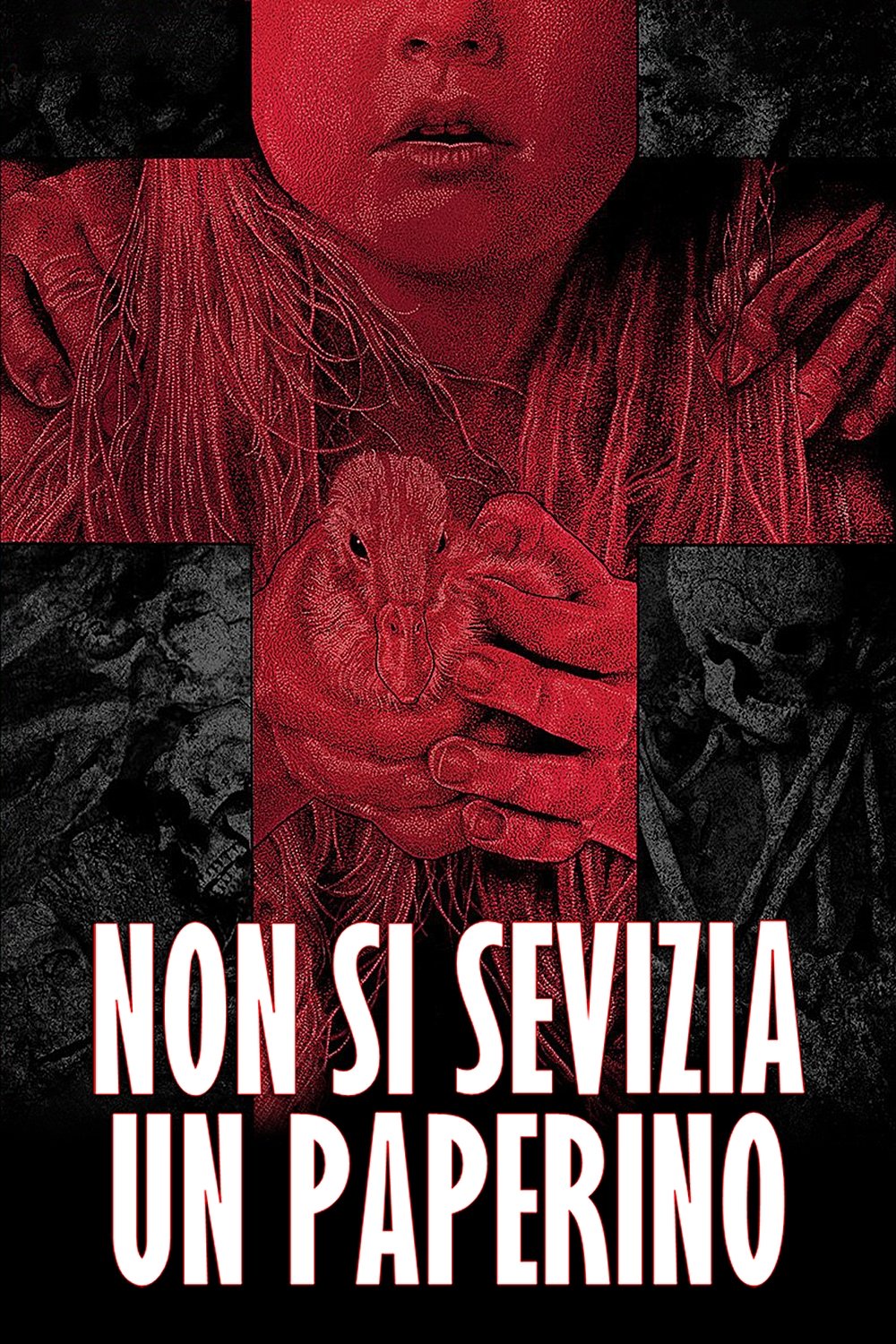
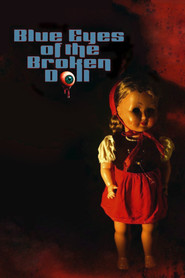
Fulci developed the screenplay with Roberto Gianviti and Gianfranco Clerici for a Medusa production. The move to a rural location was central to the material's development. In a later recollection cited by scholar Damien Pollard, Fulci said that he had originally imagined the story among southern Italian migrants employed at the Fiat factory in Turin, where he claimed to have encountered practices he associated with magic. Fulci recalled that the producers preferred to relocate the action to southern Italy. The surviving film takes the second setting as its basis, with the investigation bringing outside professionals into a village whose residents respond to the murders through familiar networks of authority and belief.
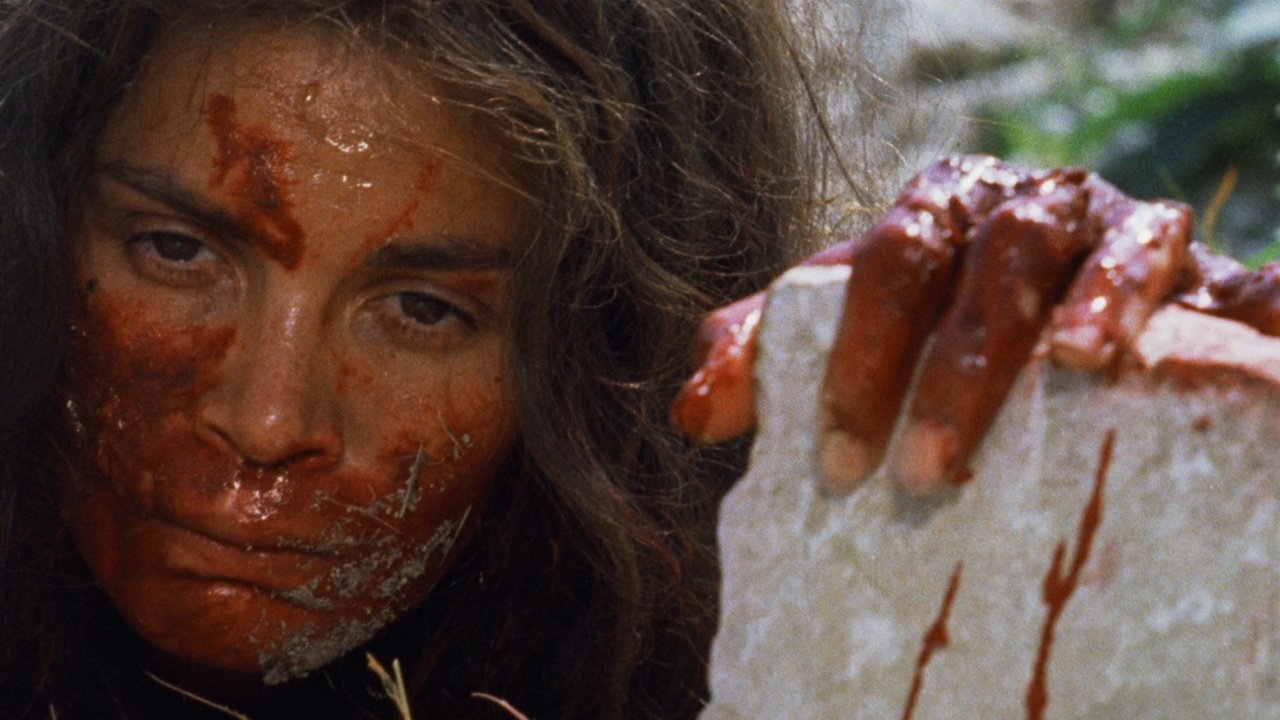
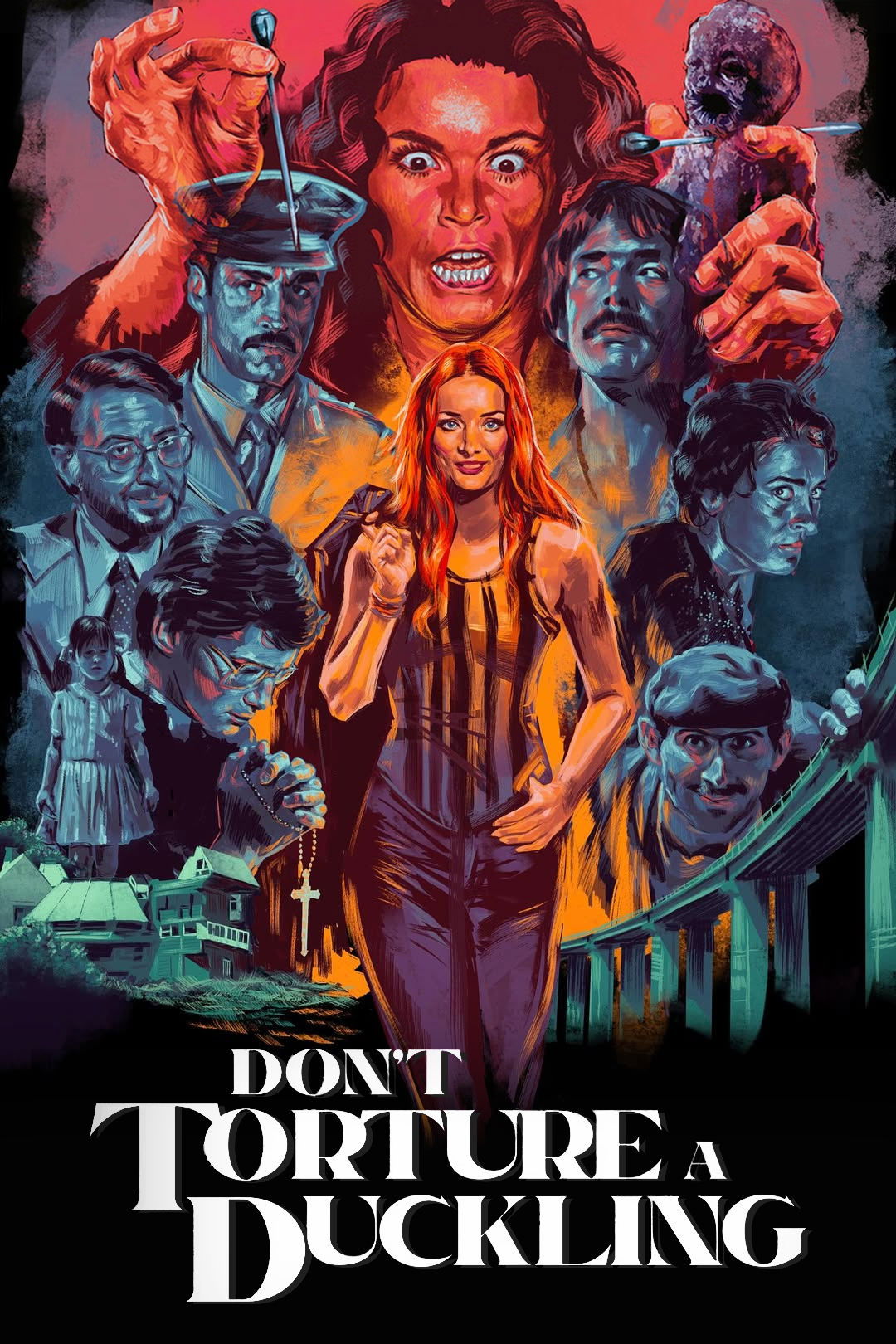
Accendura was assembled from several actual filming locations. Monte Sant'Angelo, in the Gargano area of Puglia, provided streets, village buildings and the church used for a funeral. The motorway structures and the roadside stretch where Maciara dies were filmed around Carsoli in Abruzzo. In the finished film these locations form a continuous territory of village squares, steep slopes and roads connecting the community with the rest of the country. The viaduct supplies a recurring landmark, appearing in scenes involving the boys as well as in images associated with Maciara. Its massive supports divide open ground into pockets of concealment and contribute to the film's sharp visual contrast between infrastructure and superstition.
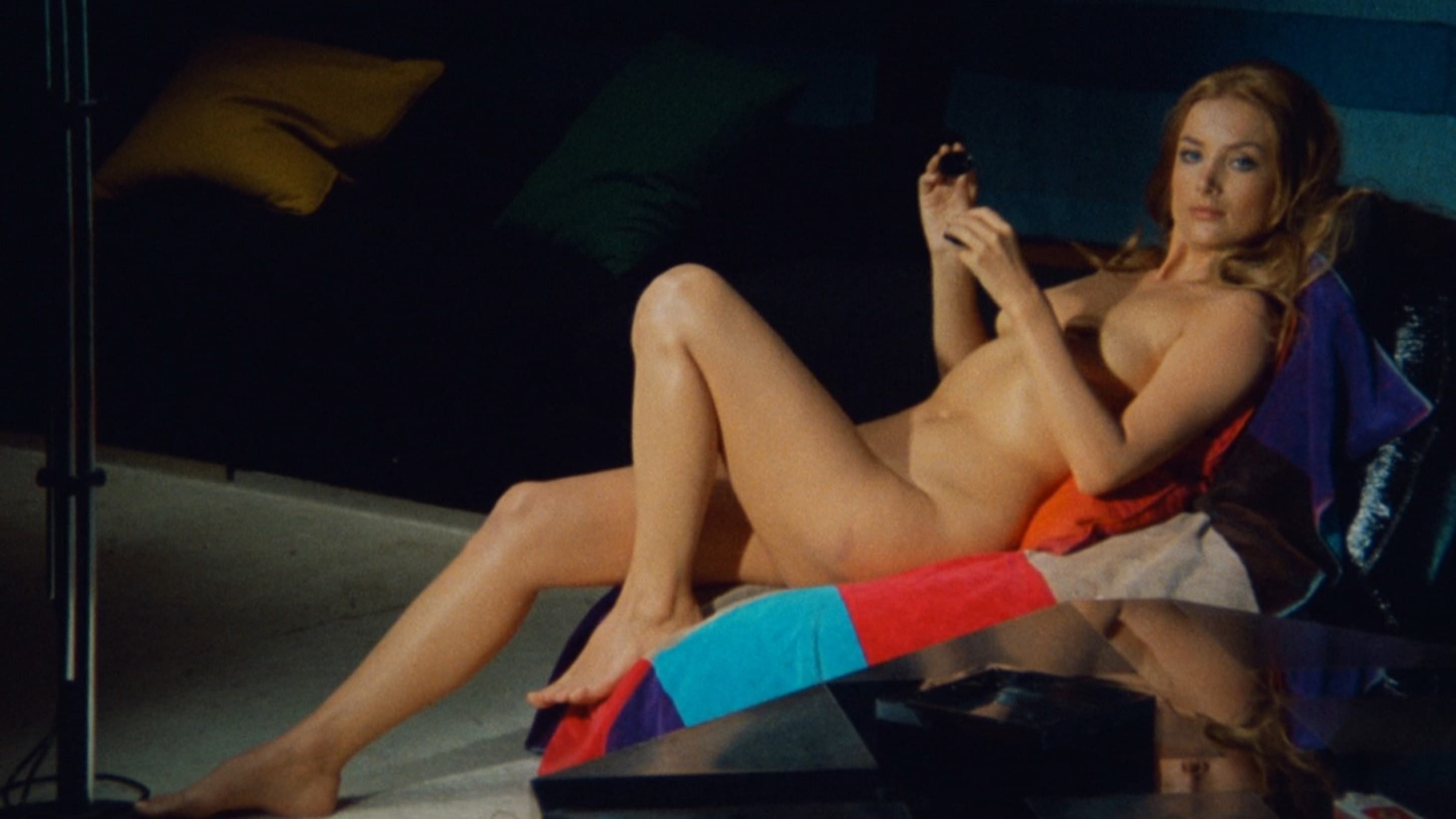
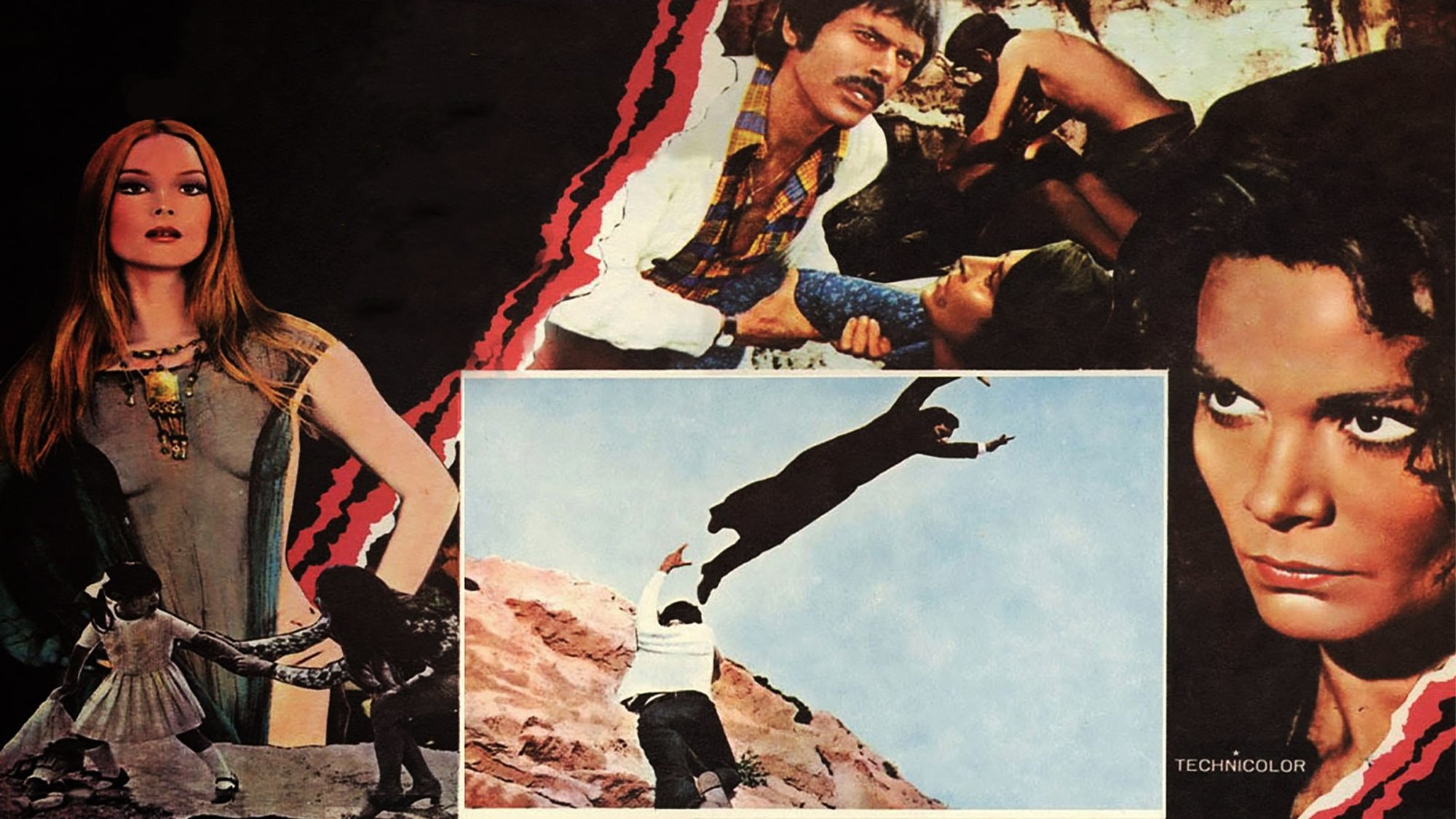
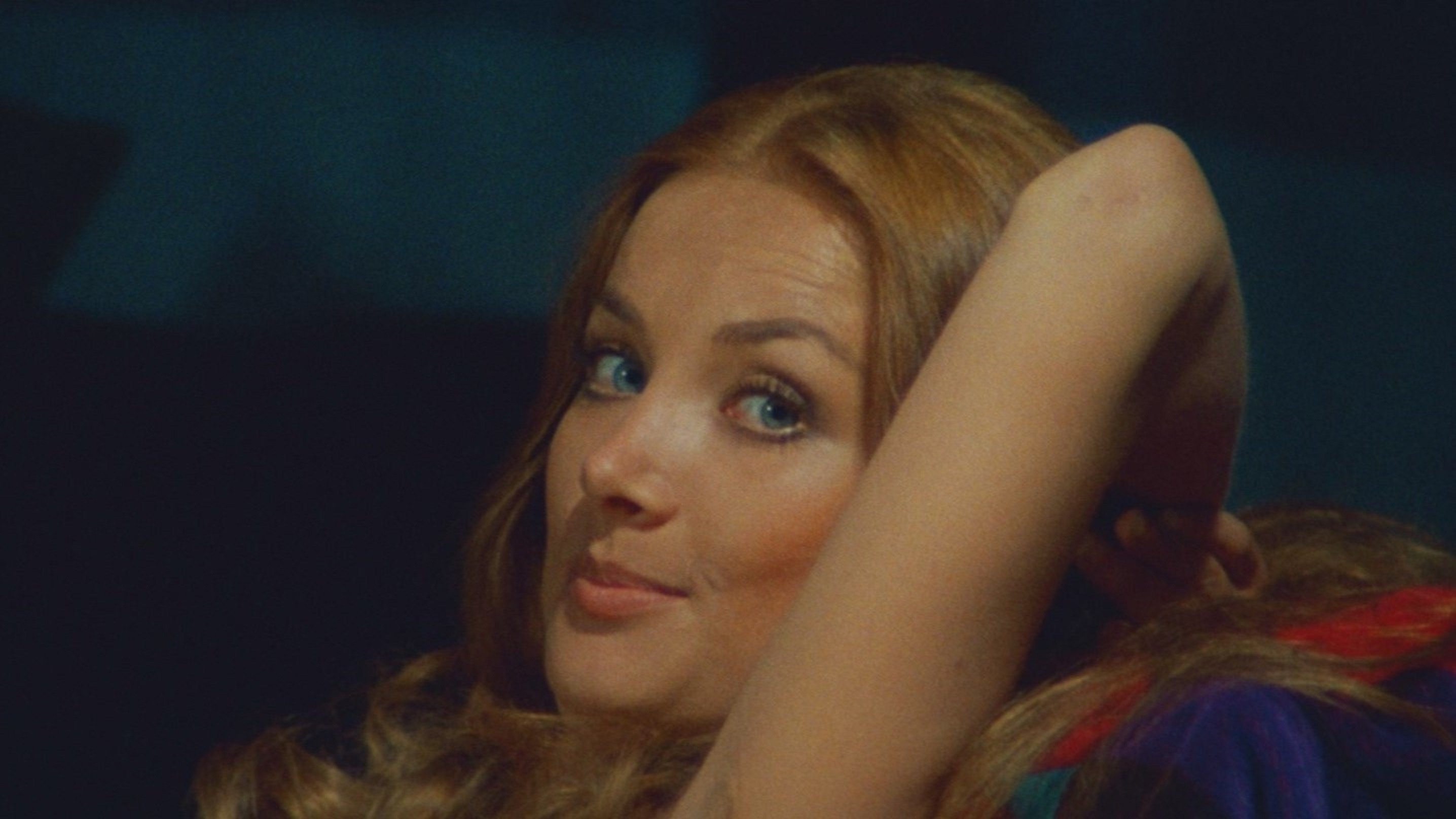
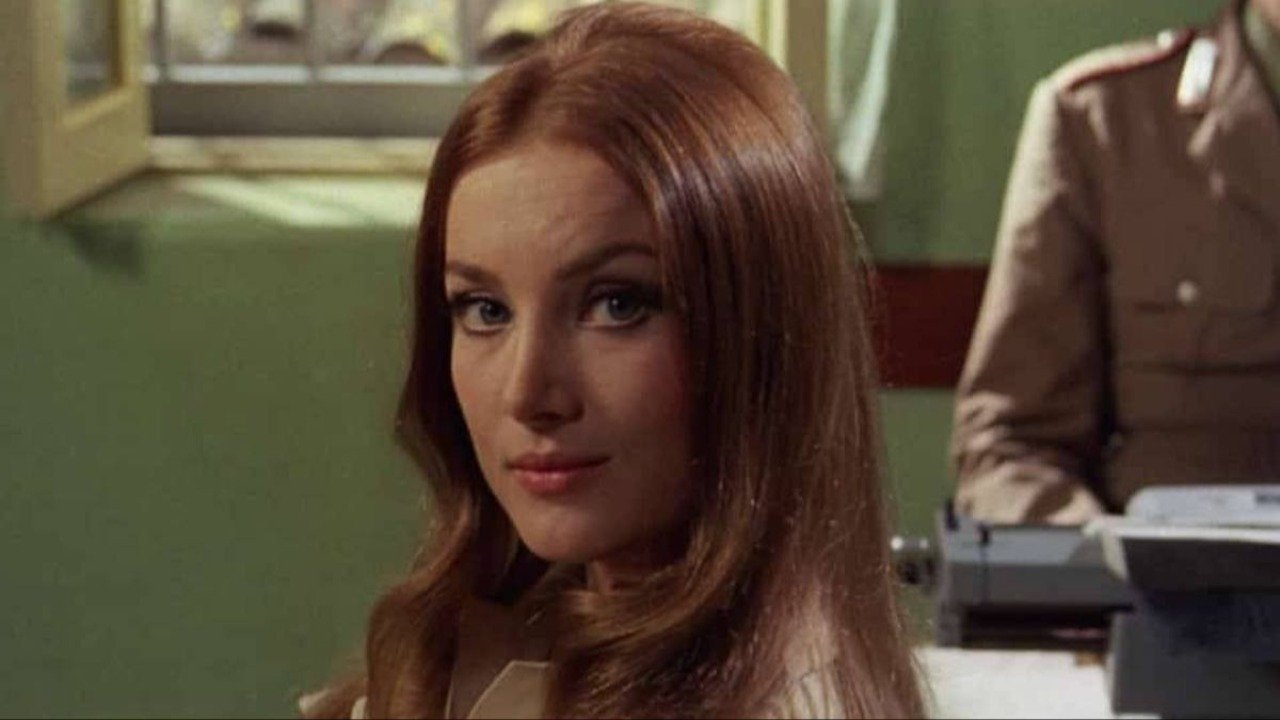
The journalist Andrea Martelli arrives with the freedom to question residents without sharing their long-standing allegiances. Patrizia, a wealthy young woman staying nearby, also attracts attention because of her independence and the scrutiny directed at her conduct. Their position outside village family networks becomes useful once the murders encourage people to interpret every unfamiliar gesture as suspicious. Pollard's study places this contrast within a broader pattern in Italian gialli, where urban voices can dominate depictions of rural space. Martelli's inquiries make that imbalance part of the story itself: some people are able to speak publicly about the crimes, while others are known largely through what their neighbors say about them.