
Development, the Hollywood Blacklist and the Screenplay
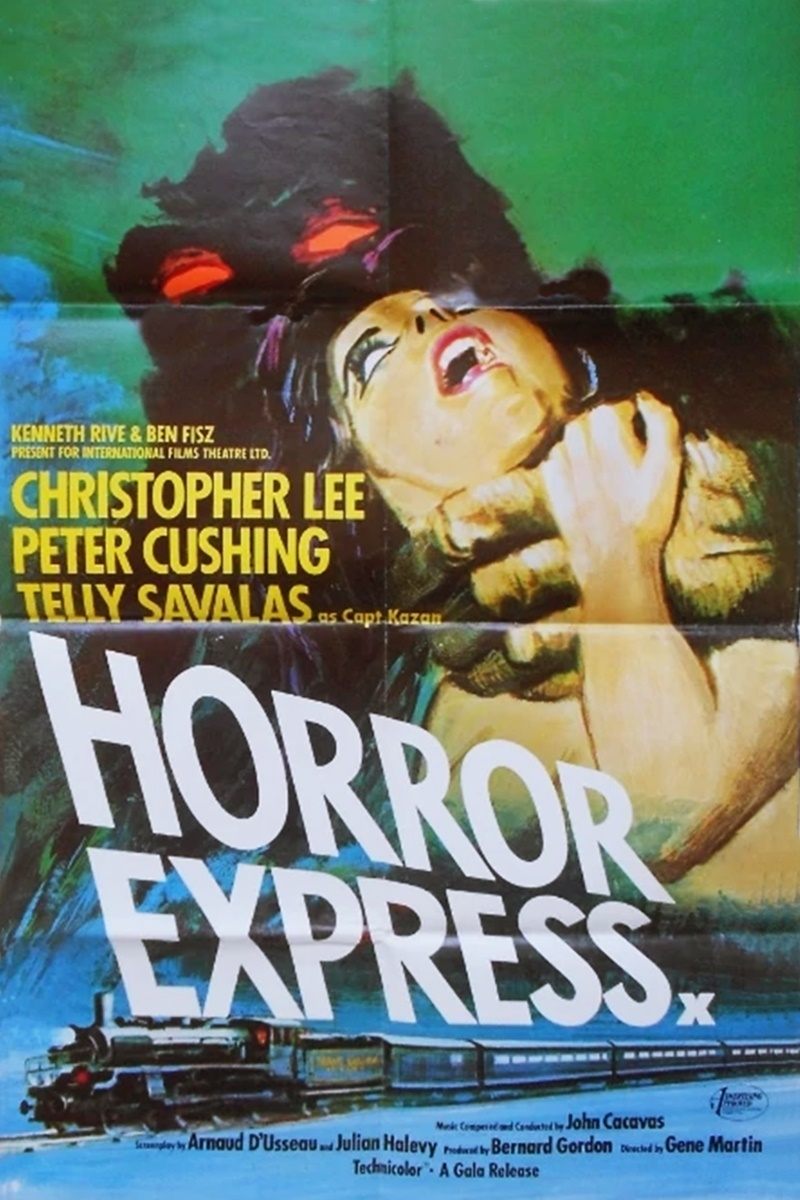
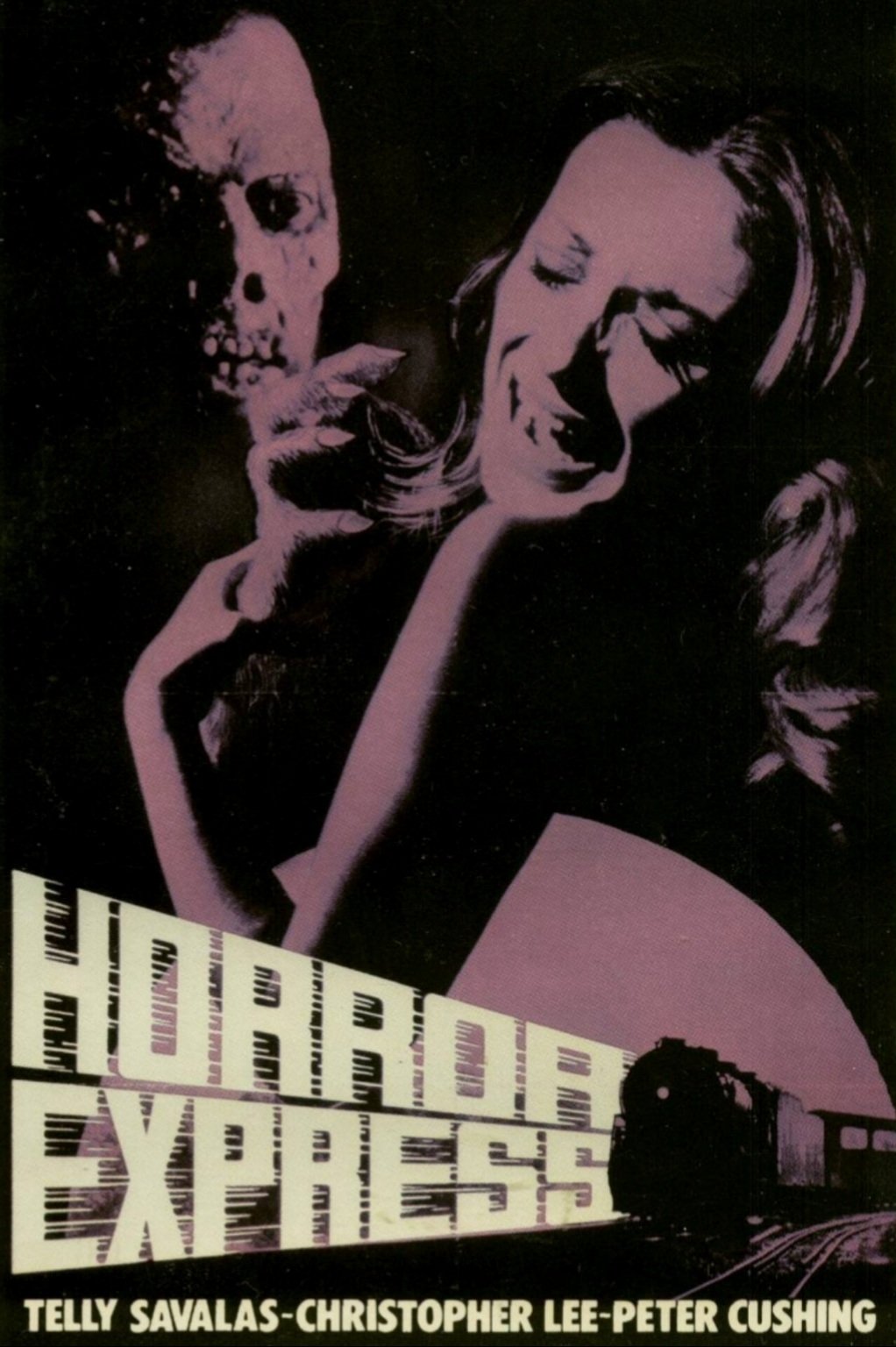
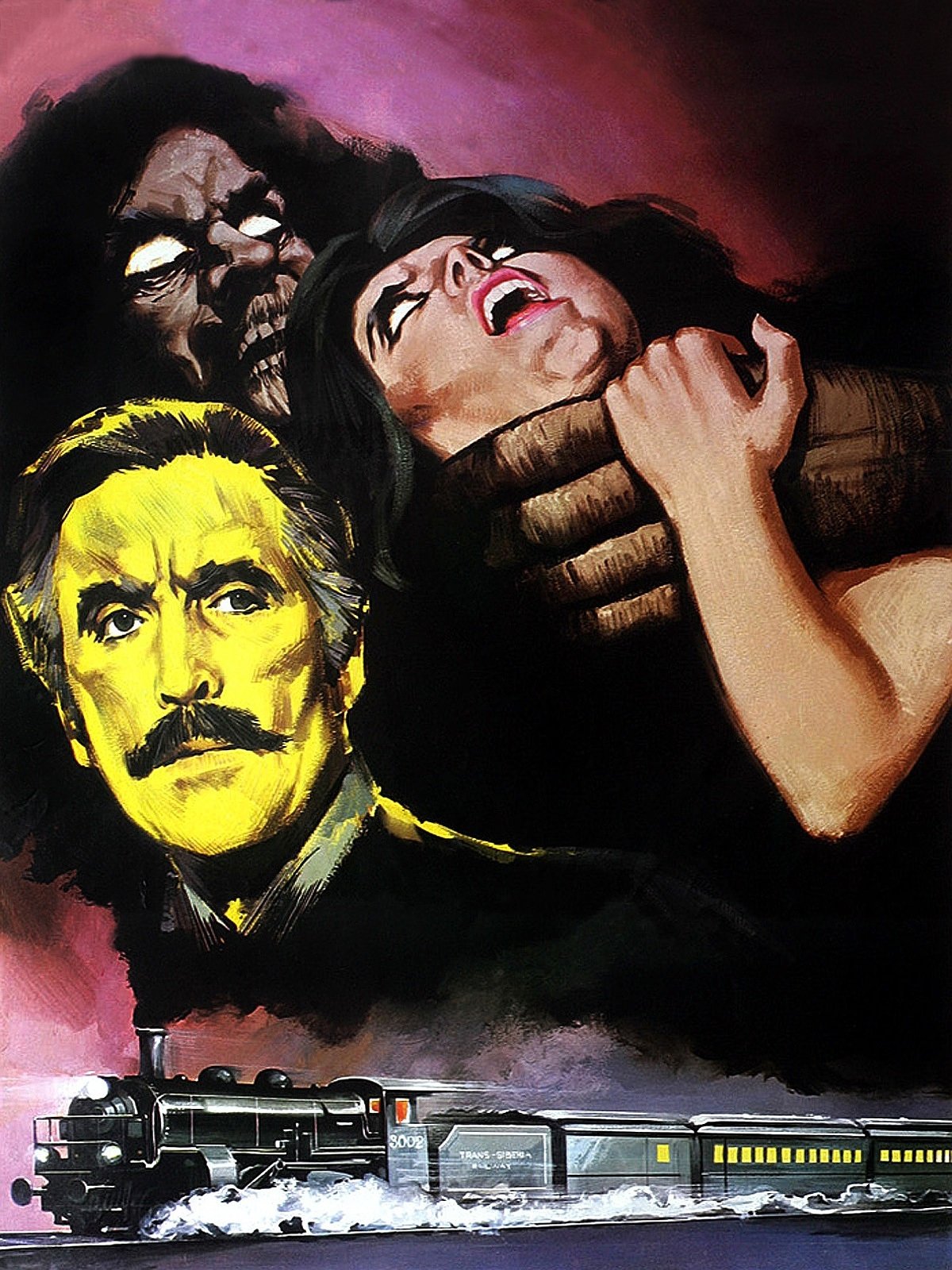
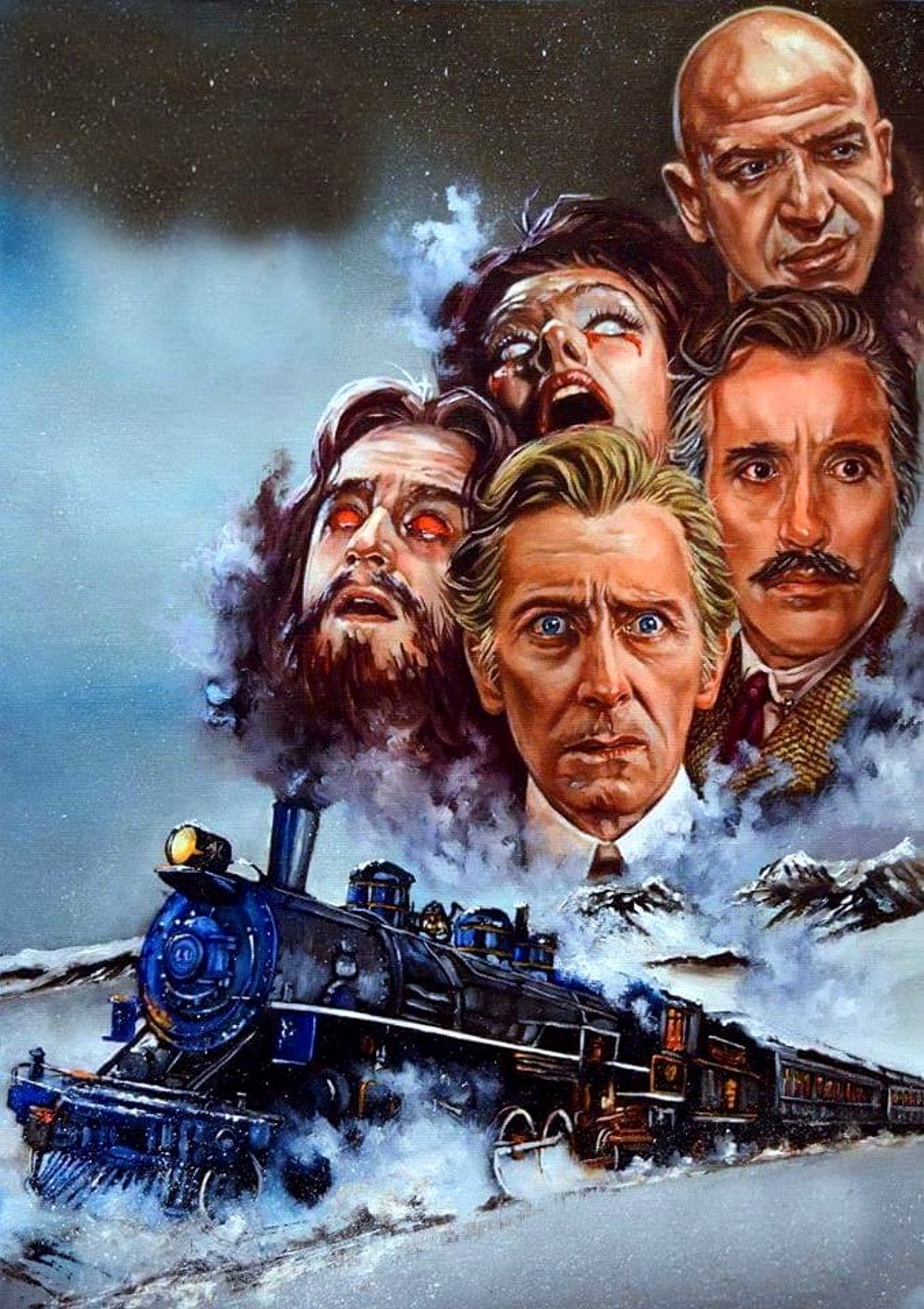
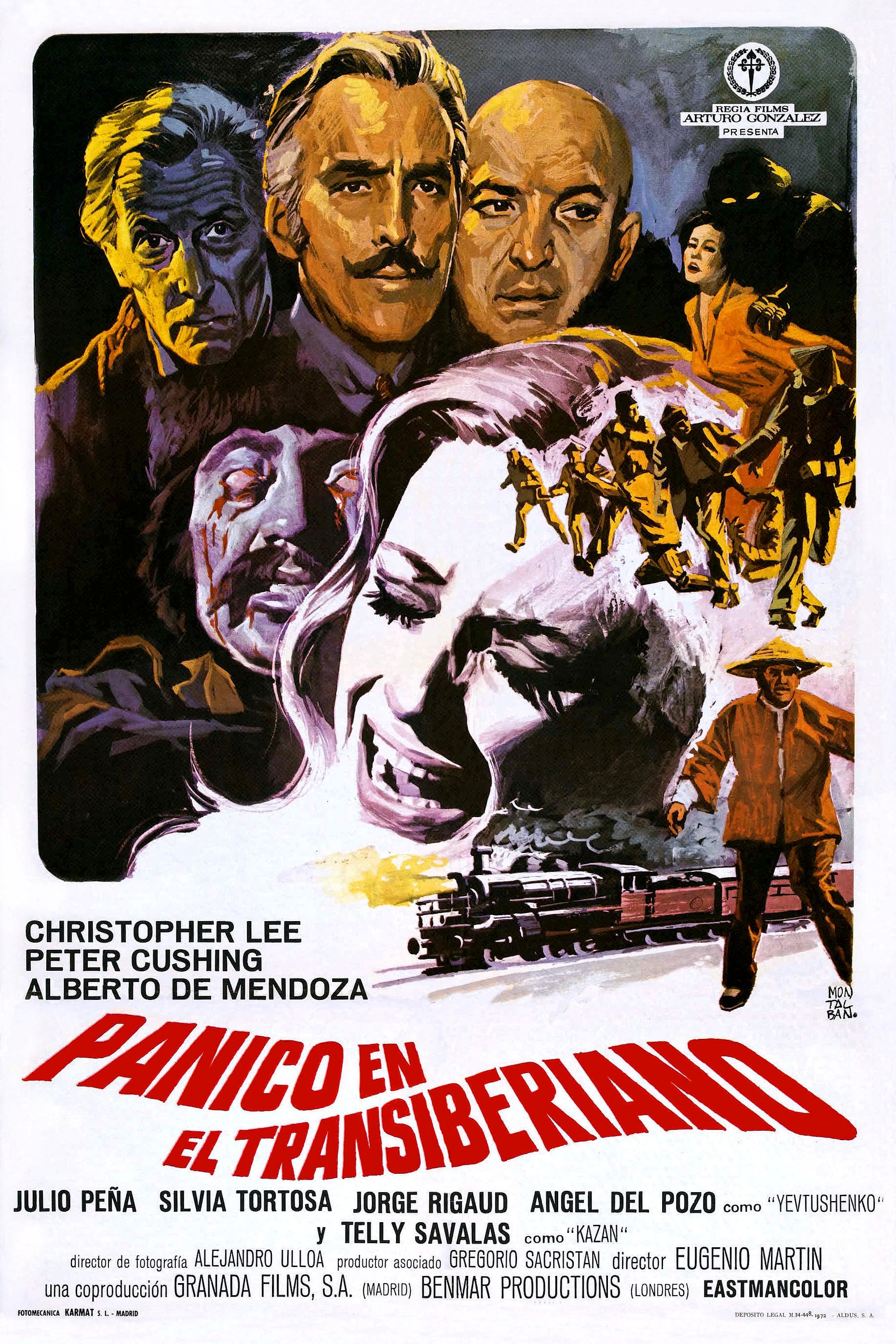
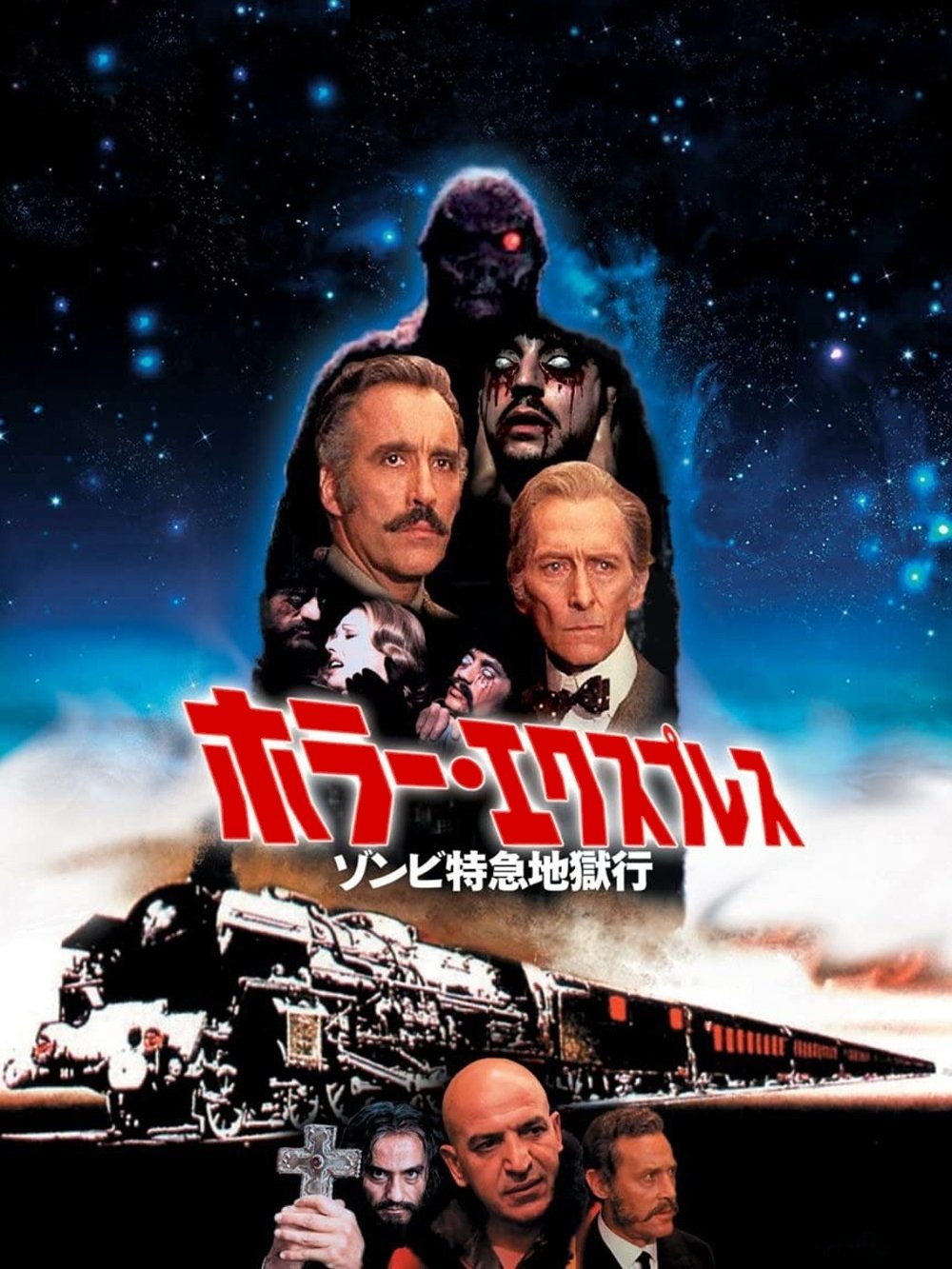
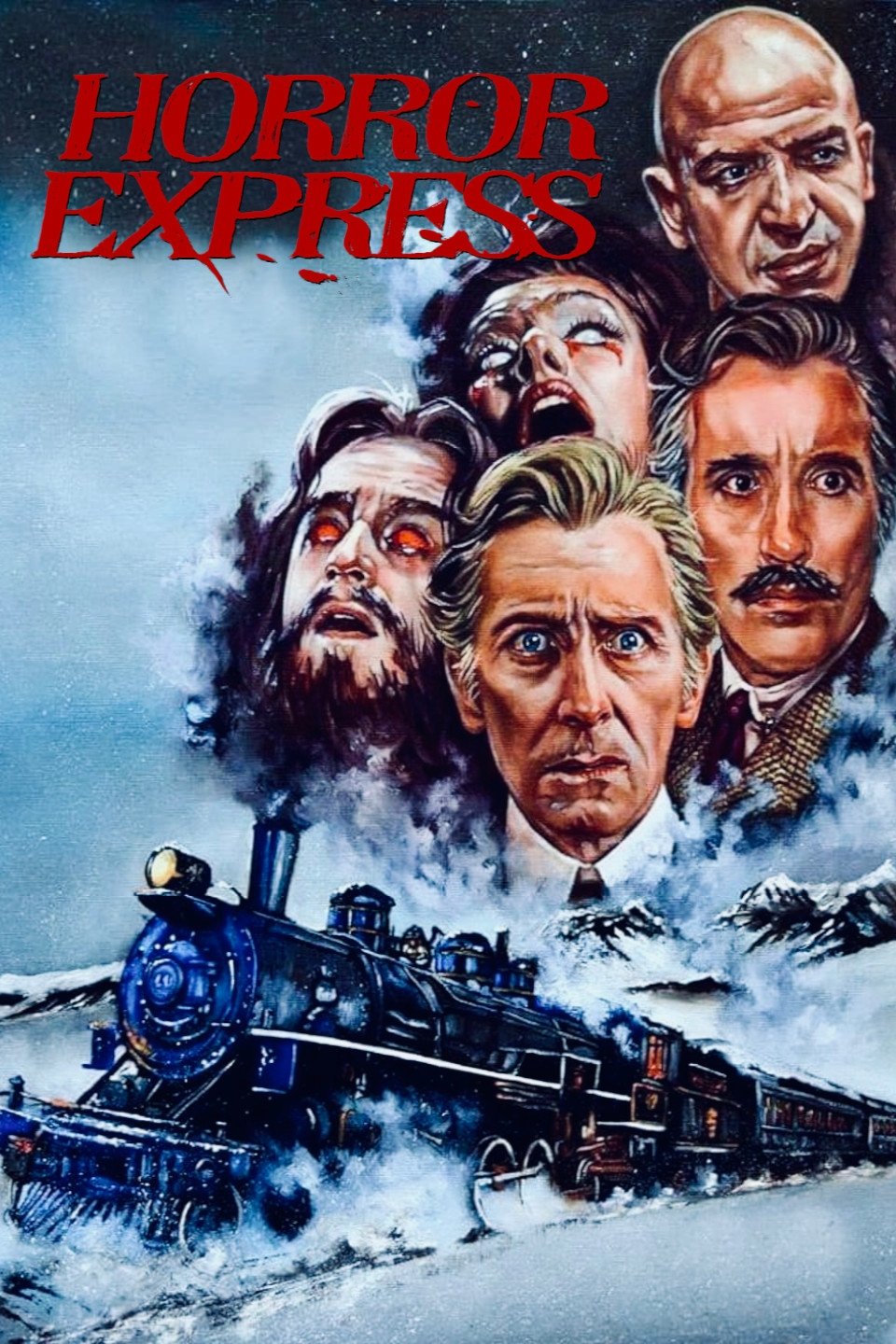
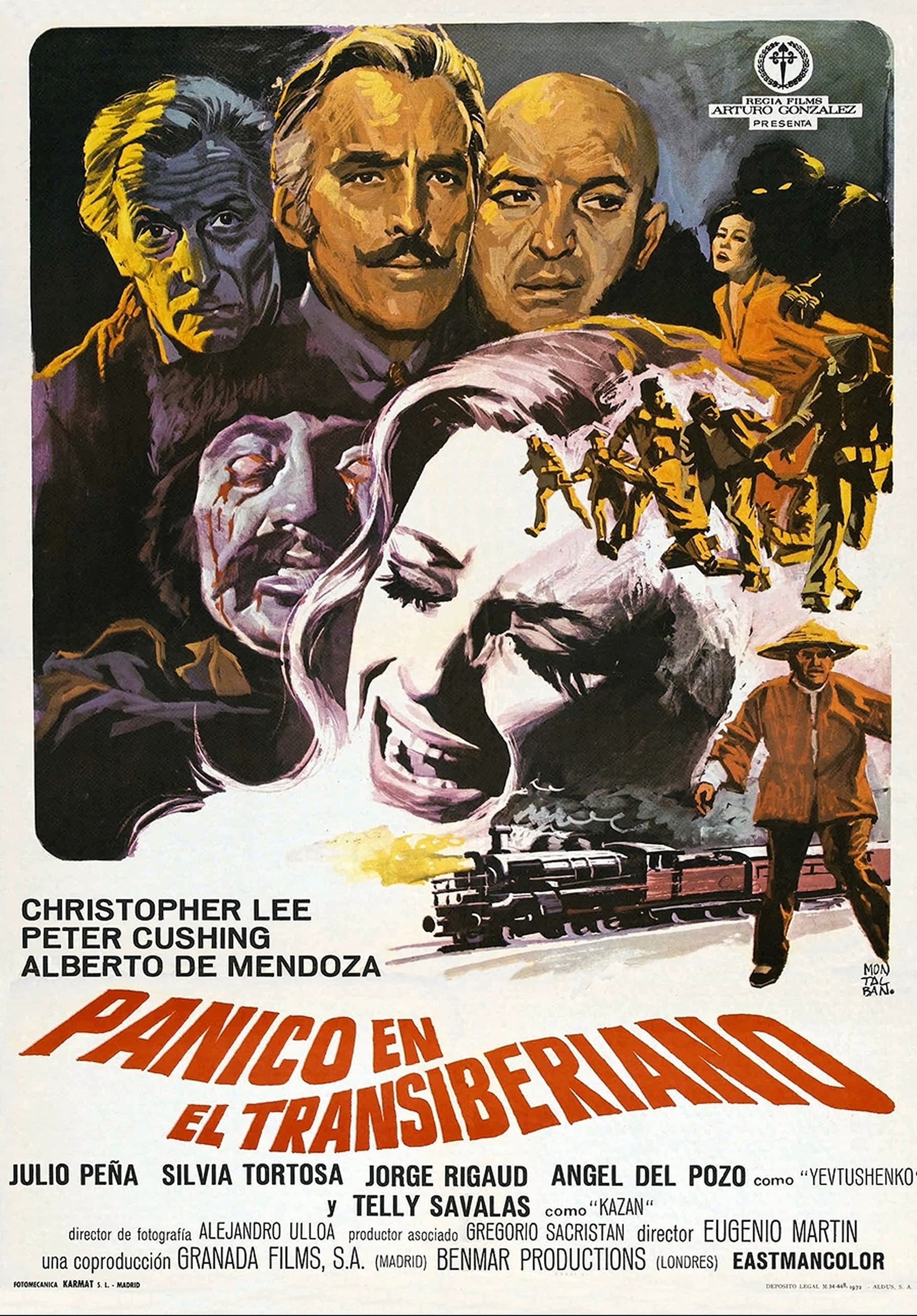
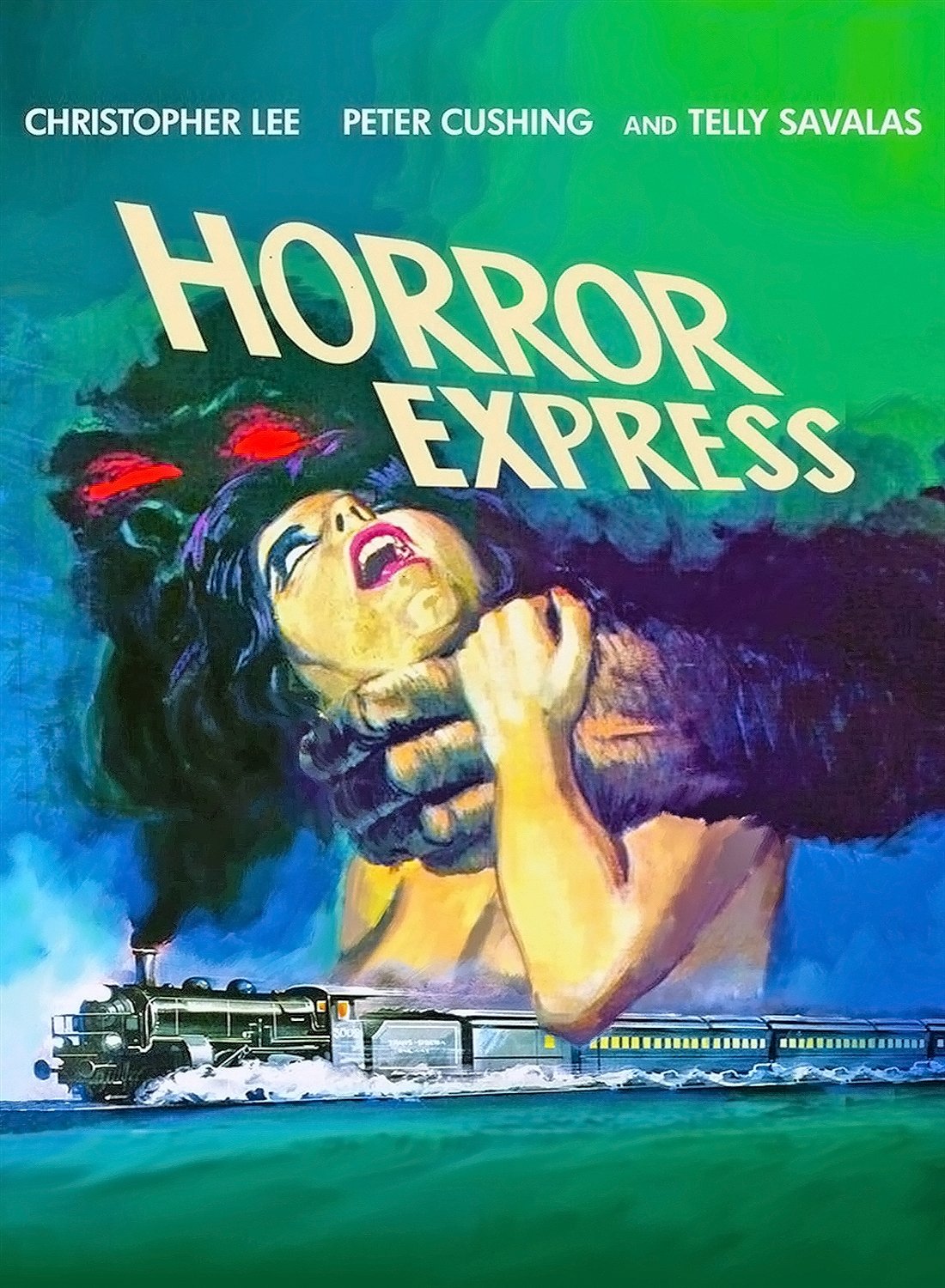
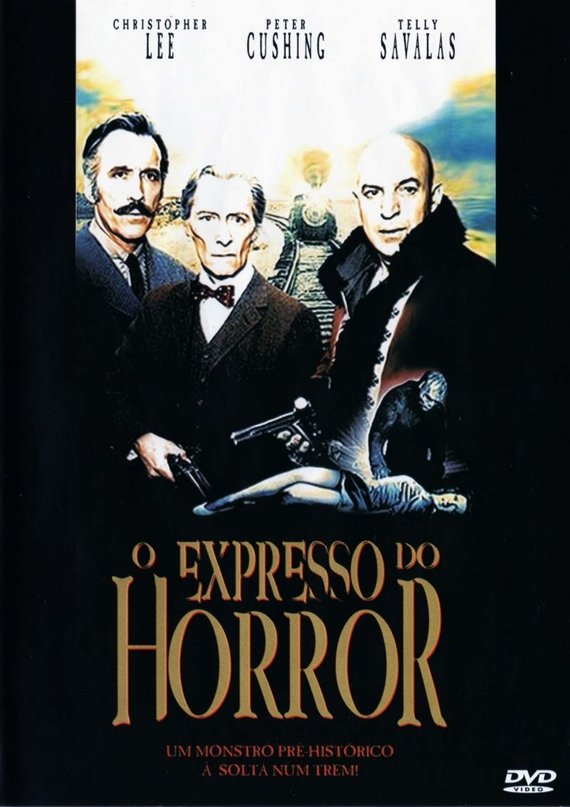
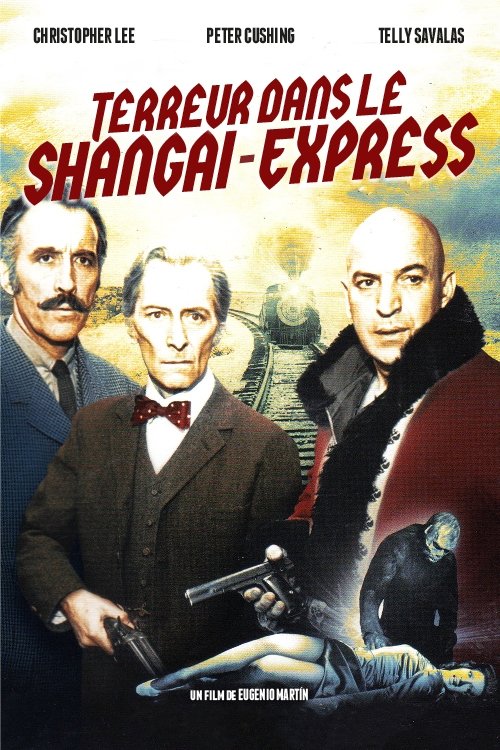
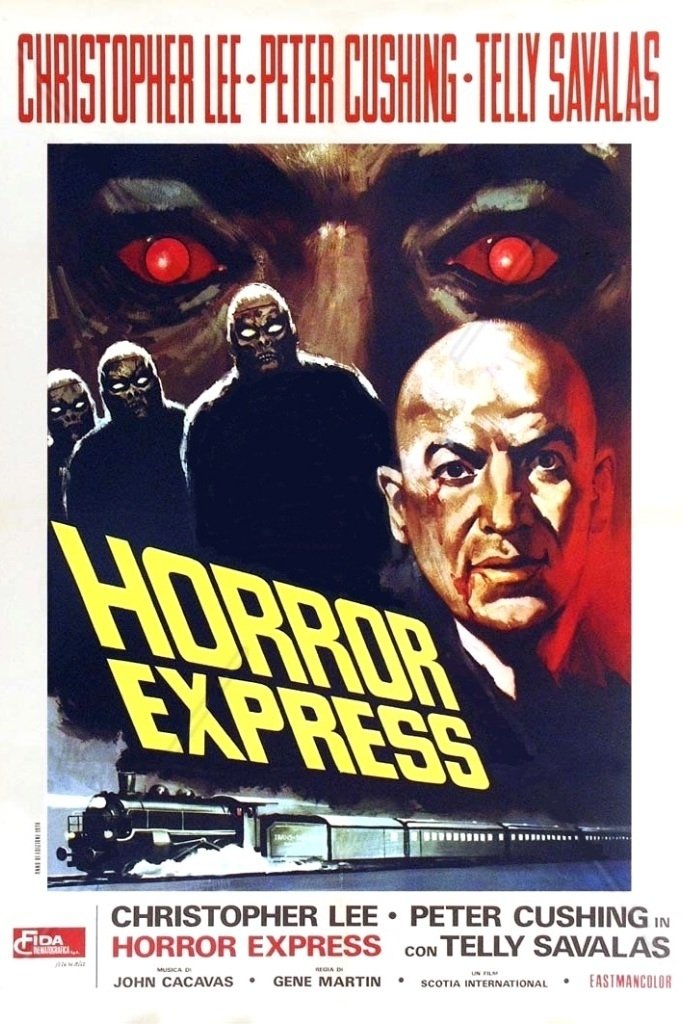
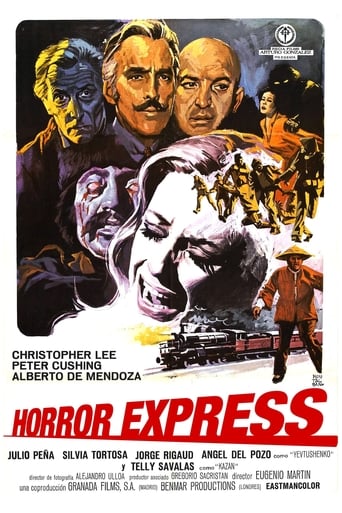
Horror Express developed through the collaboration of producer Bernard Gordon, filmmaker Eugenio Martín and writer-producer Philip Yordan. Gordon had established himself in Hollywood before the anti-communist blacklist disrupted his American career. He subsequently worked in Europe, including Spain, where large international productions created employment opportunities for American film professionals operating outside the conventional Hollywood system. Martín had already collaborated with this production circle on the western Pancho Villa. Horror Express brought together the Spanish company Granada Films and the British company Benmar Productions, previously associated with the supernatural biker film Psychomania (1971). The arrangement also facilitated the involvement of British horror actors Christopher Lee and Peter Cushing.
The screenplay underwent a substantial transformation before production. In his memoir Hollywood Exile, Gordon recalled that Arnaud d'Usseau initially developed a story involving circus performers travelling aboard a period train. Gordon considered the early drafts insufficiently suited to the action and horror requirements of the proposed film. Julian Zimet was subsequently recruited to develop a different narrative centered on a prehistoric discovery concealing an extraterrestrial intelligence. Gordon described further discussions with Martín and Yordan when the screenplay remained unsatisfactory shortly before the intended start of filming. His account records the commercial pressure surrounding the writing process and the difficulties of balancing production schedules with creative development.
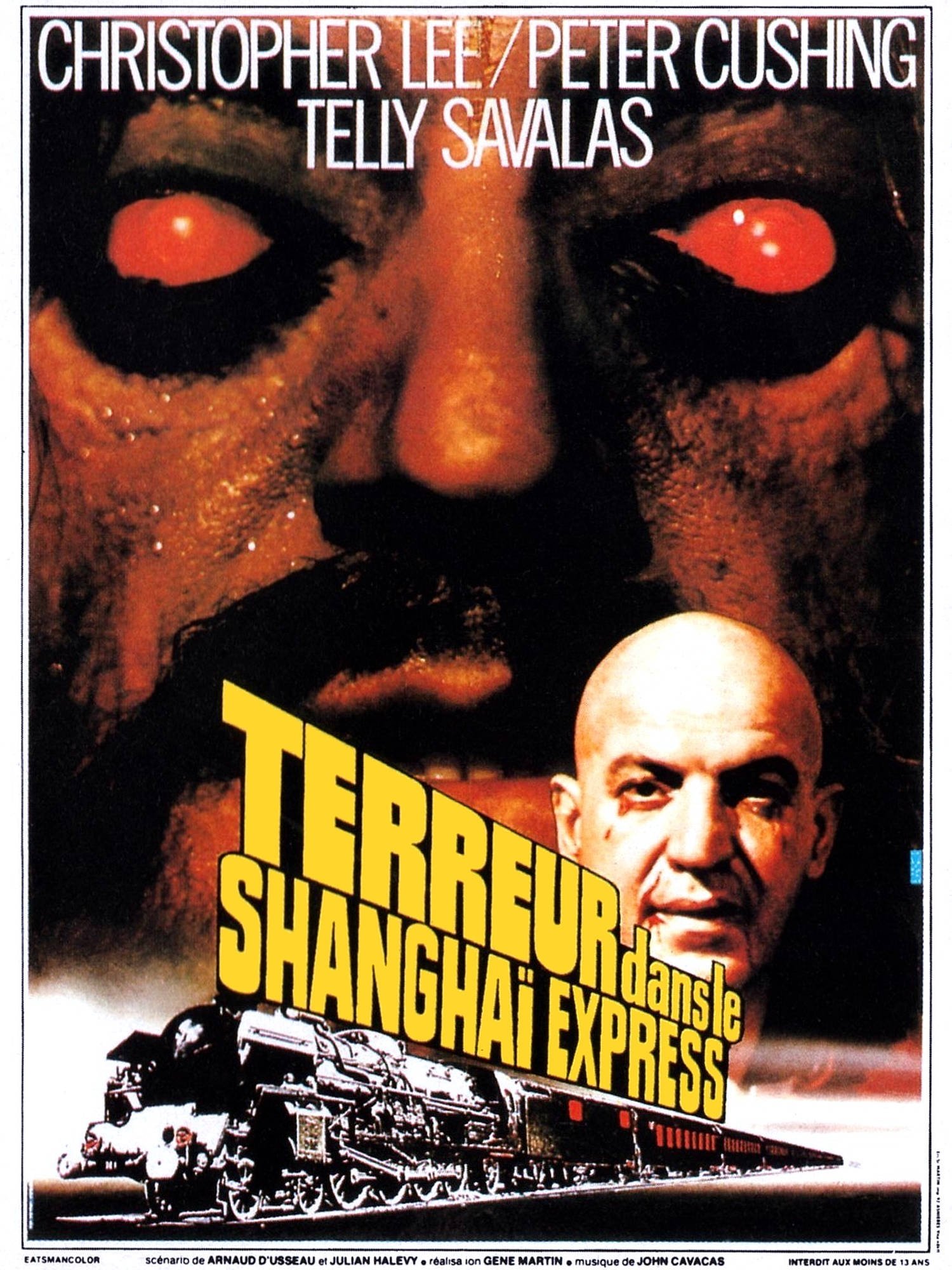
The credited screenplay was ultimately associated with d'Usseau and Zimet, who appeared under the name Julian Halevy. Both writers had been affected by the Hollywood blacklist, and the American Film Institute records that Zimet's authentic screenwriting credit was formally restored by the Writers Guild of America in 1997. Martín also received an original-story credit in the American documentation, while different versions of the film preserve variations in their writing credits. The production history should therefore distinguish the contributors named on particular prints from the subsequent restoration of historically suppressed identities. The finished narrative resembles John W. Campbell's Who Goes There? in its use of an extraterrestrial organism capable of inhabiting other bodies, but the film does not carry a documented Campbell adaptation credit.