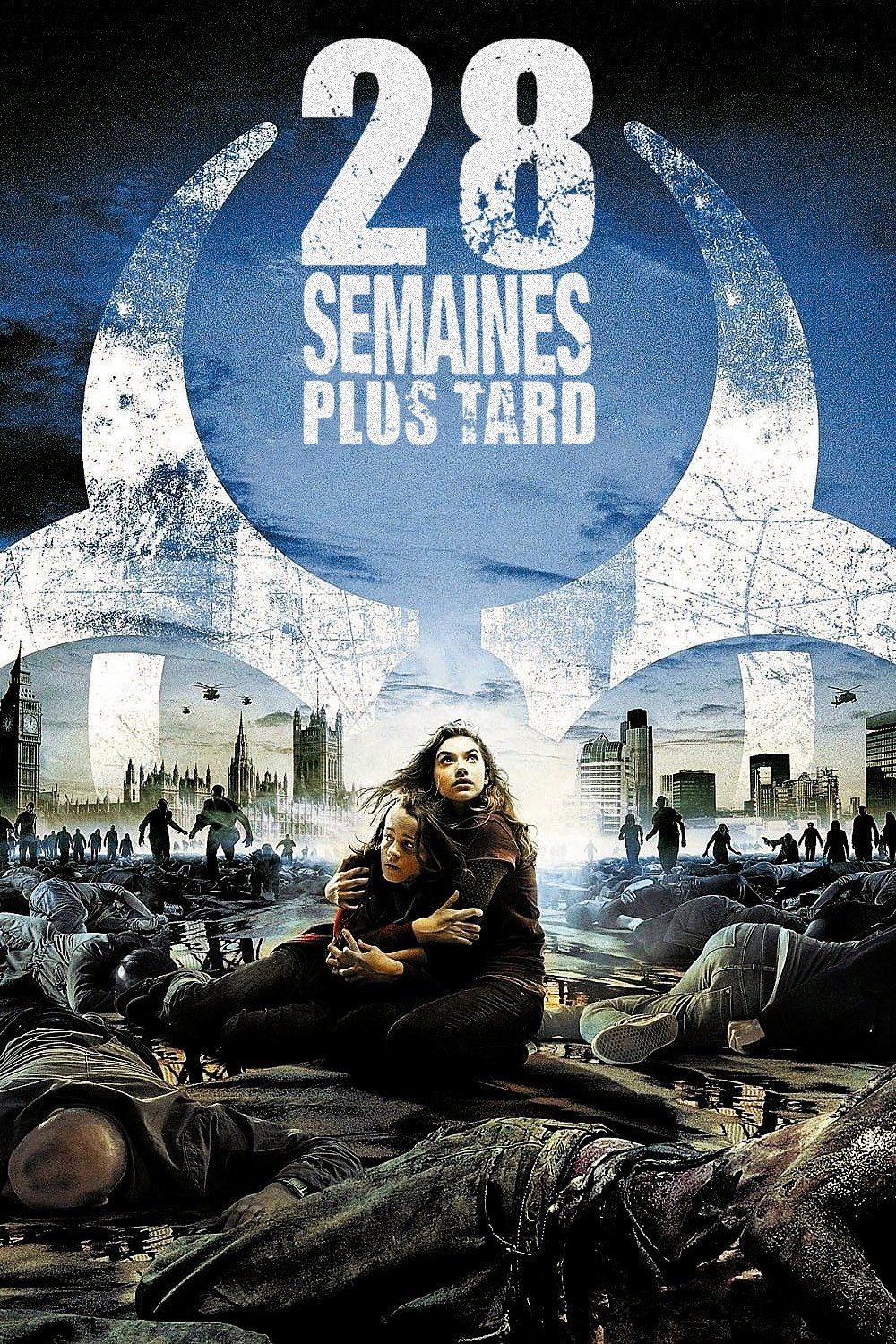
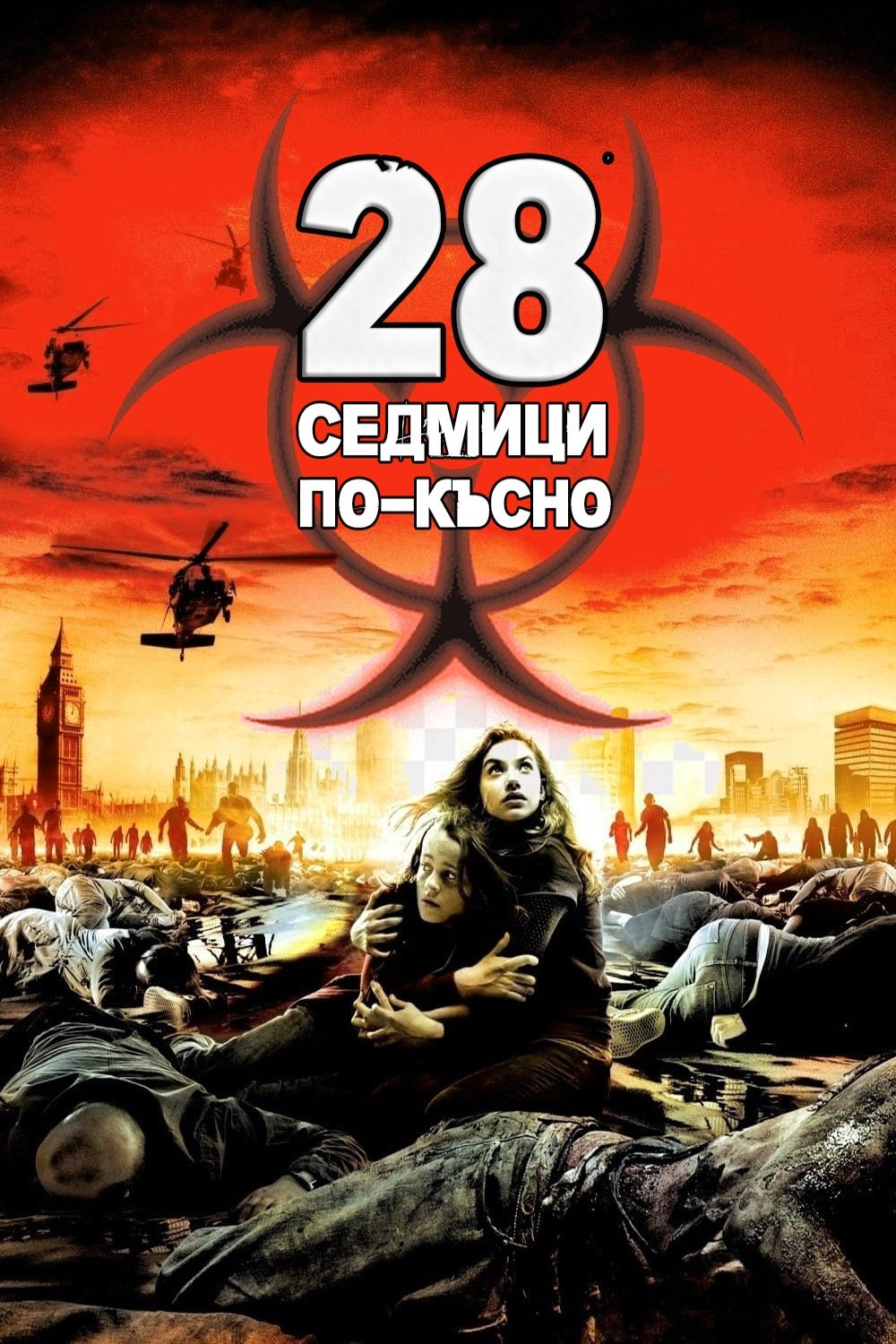
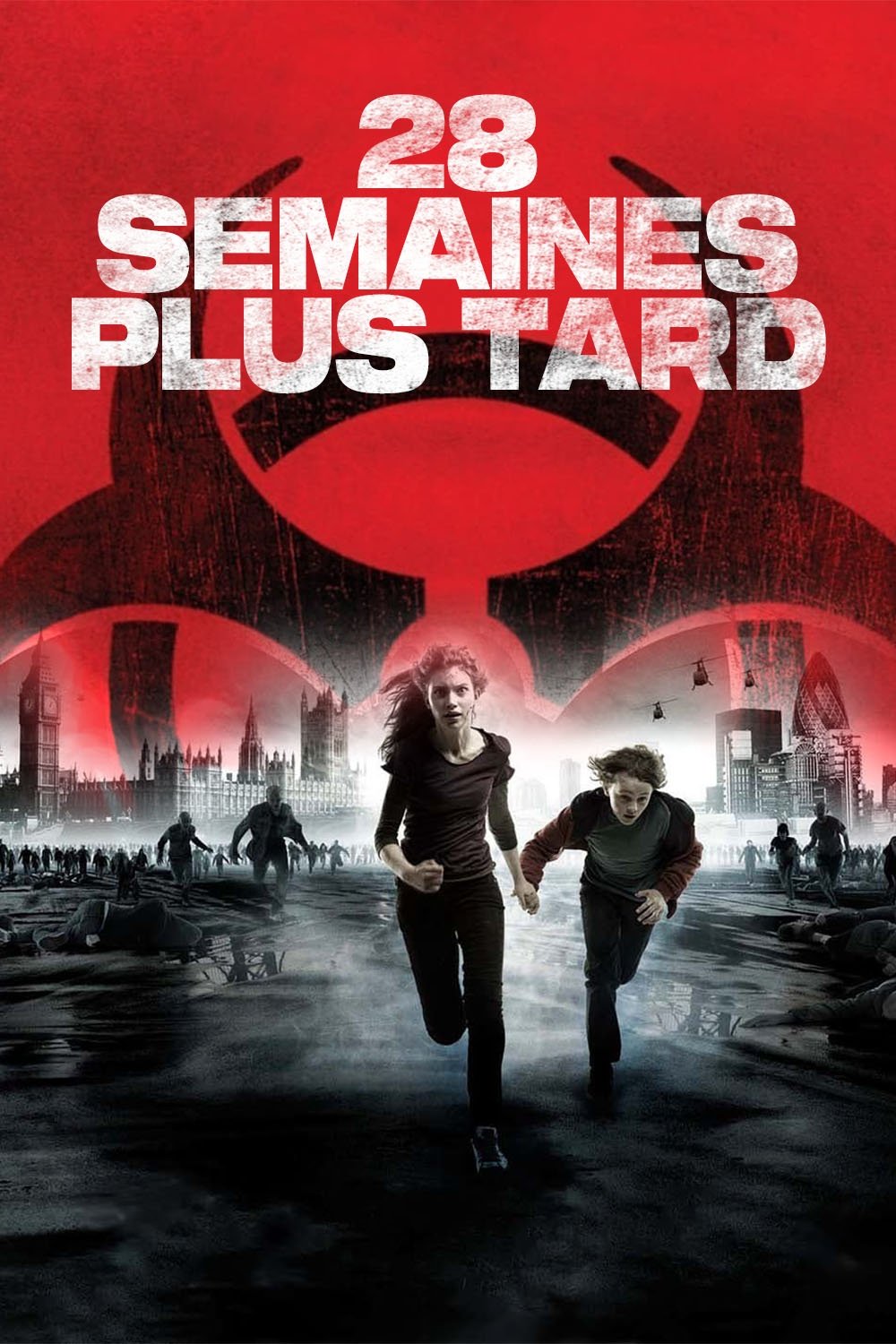
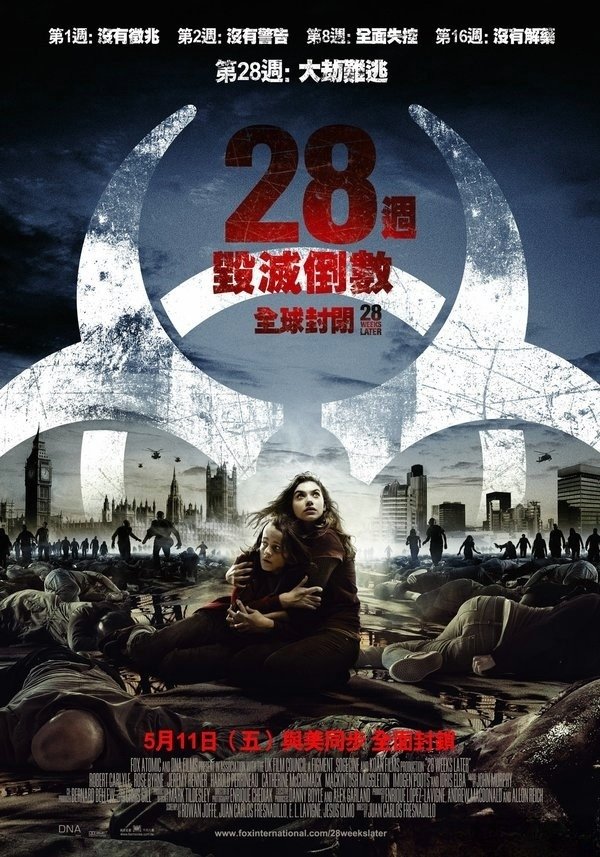
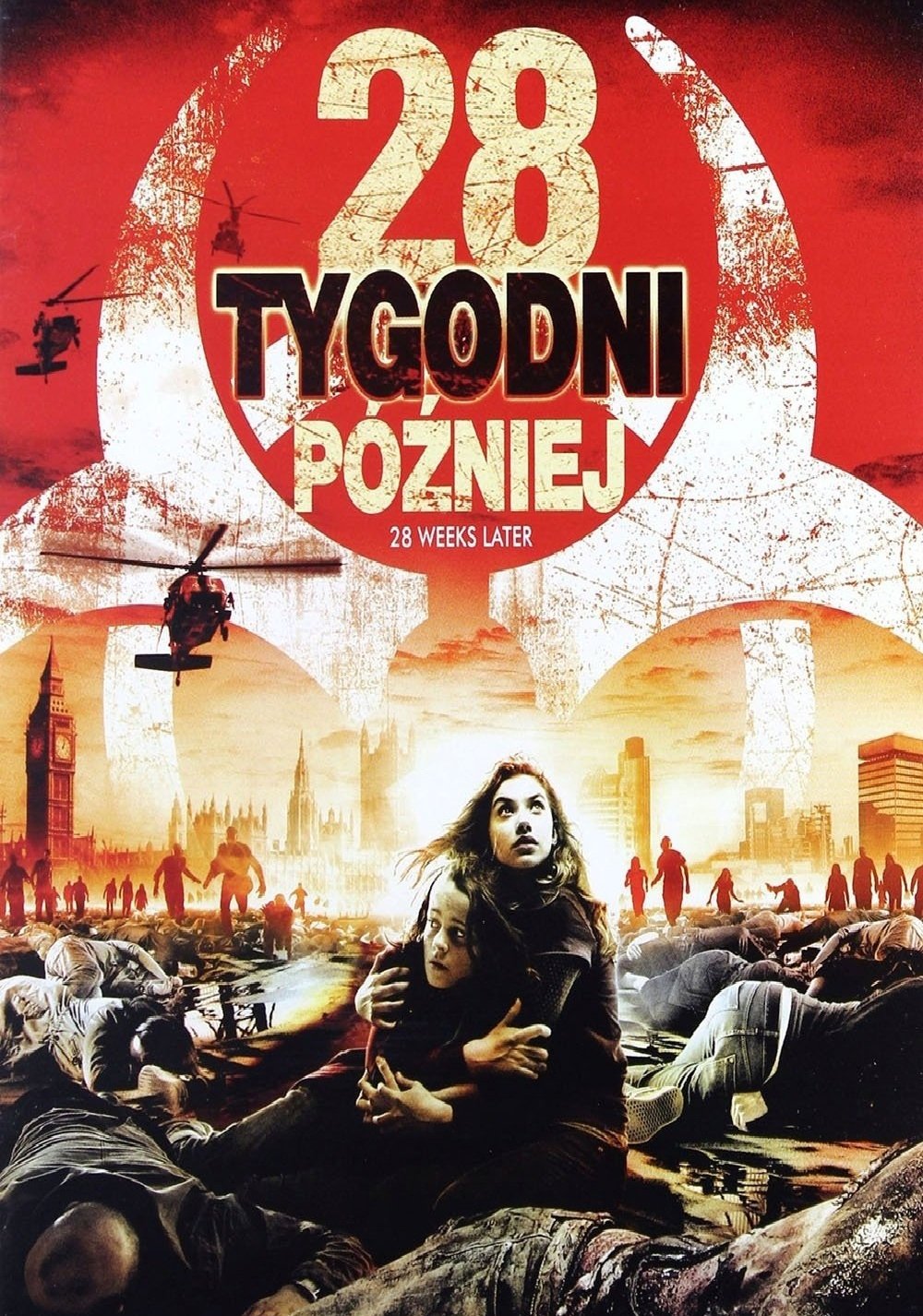
DNA Films
, Figment Films
, UK Film Council
, Fox Atomic
, Koan
, Sogecine
, Dune Entertainment
Plot
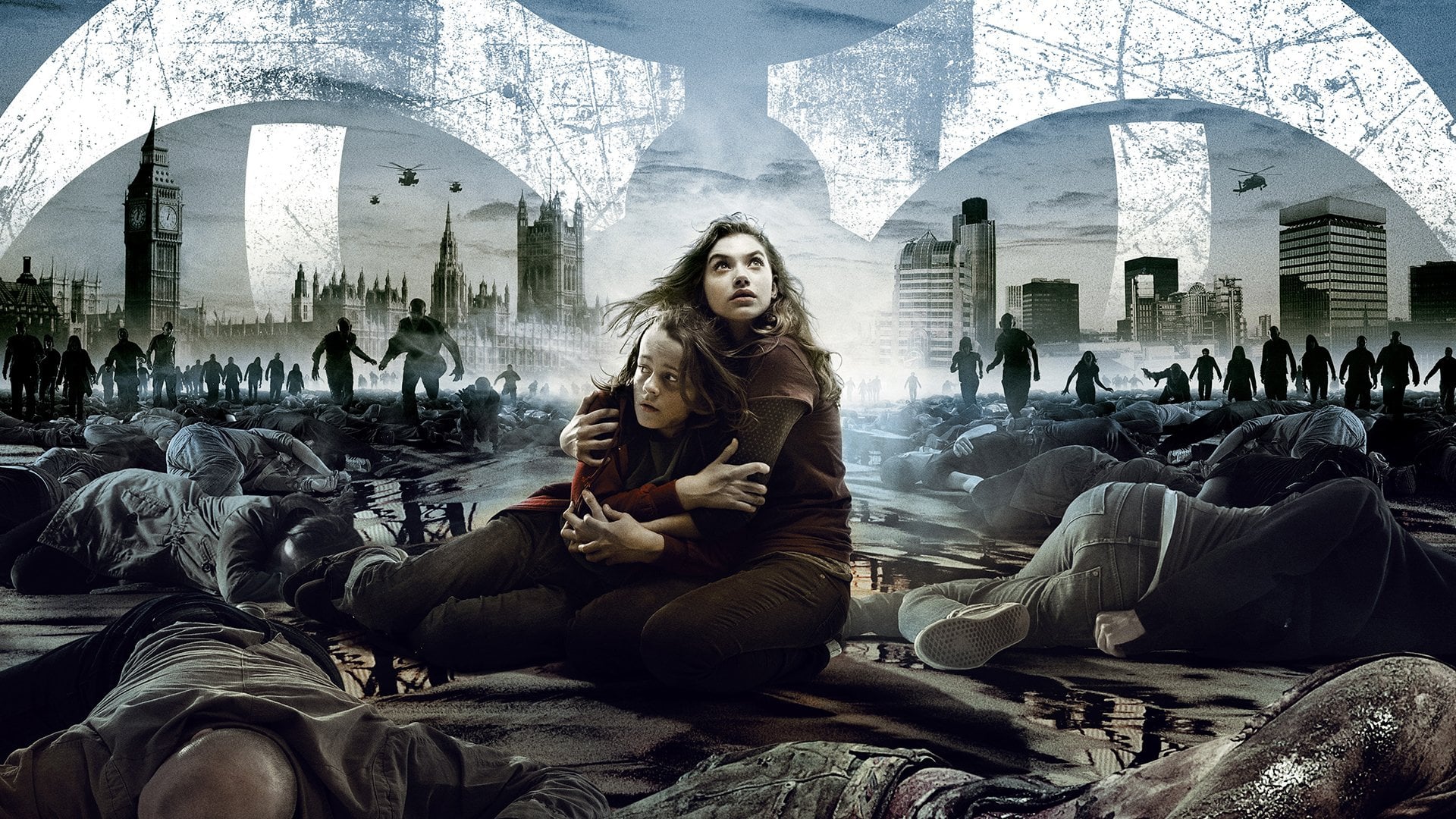
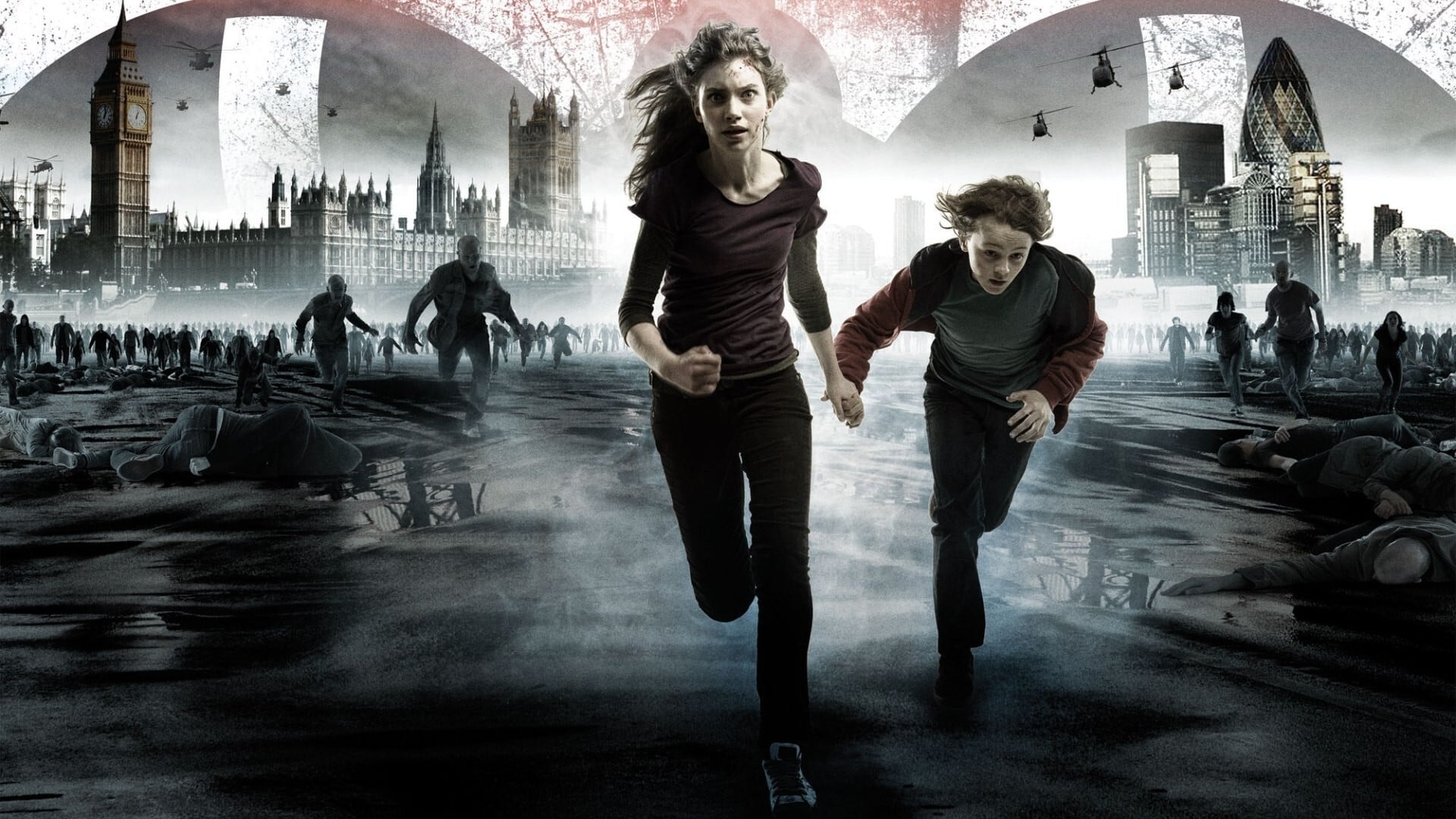
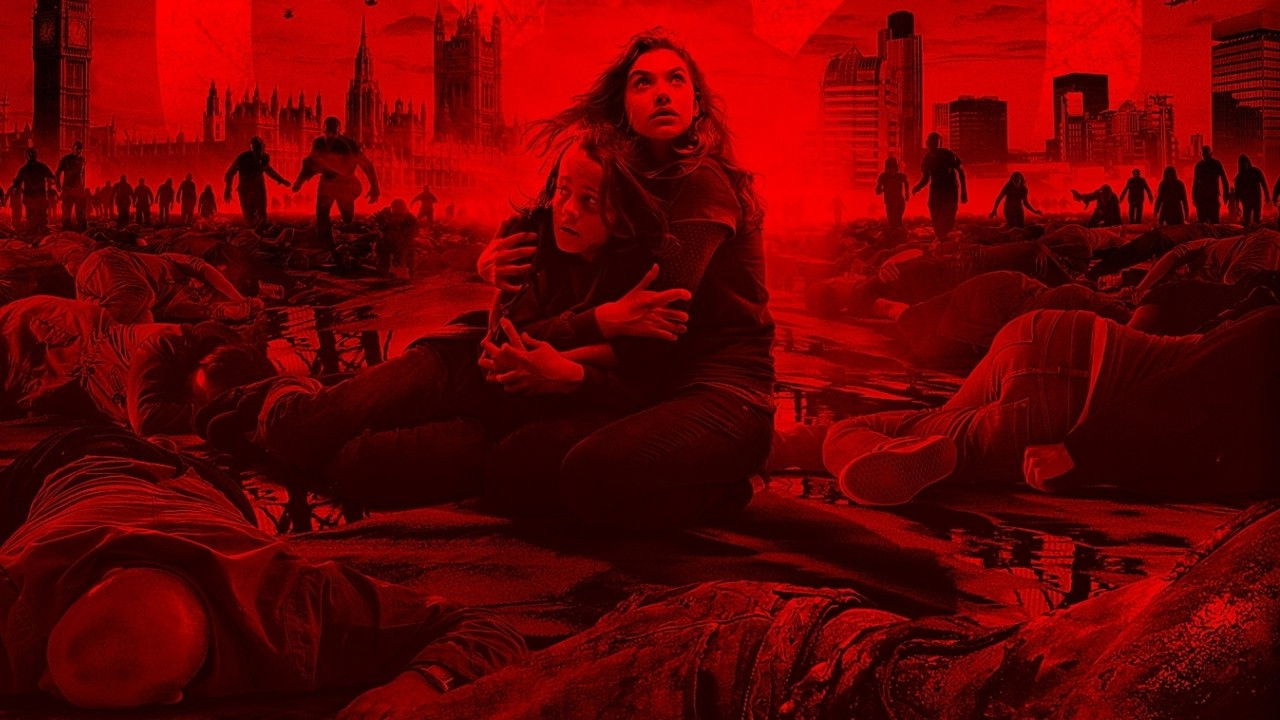
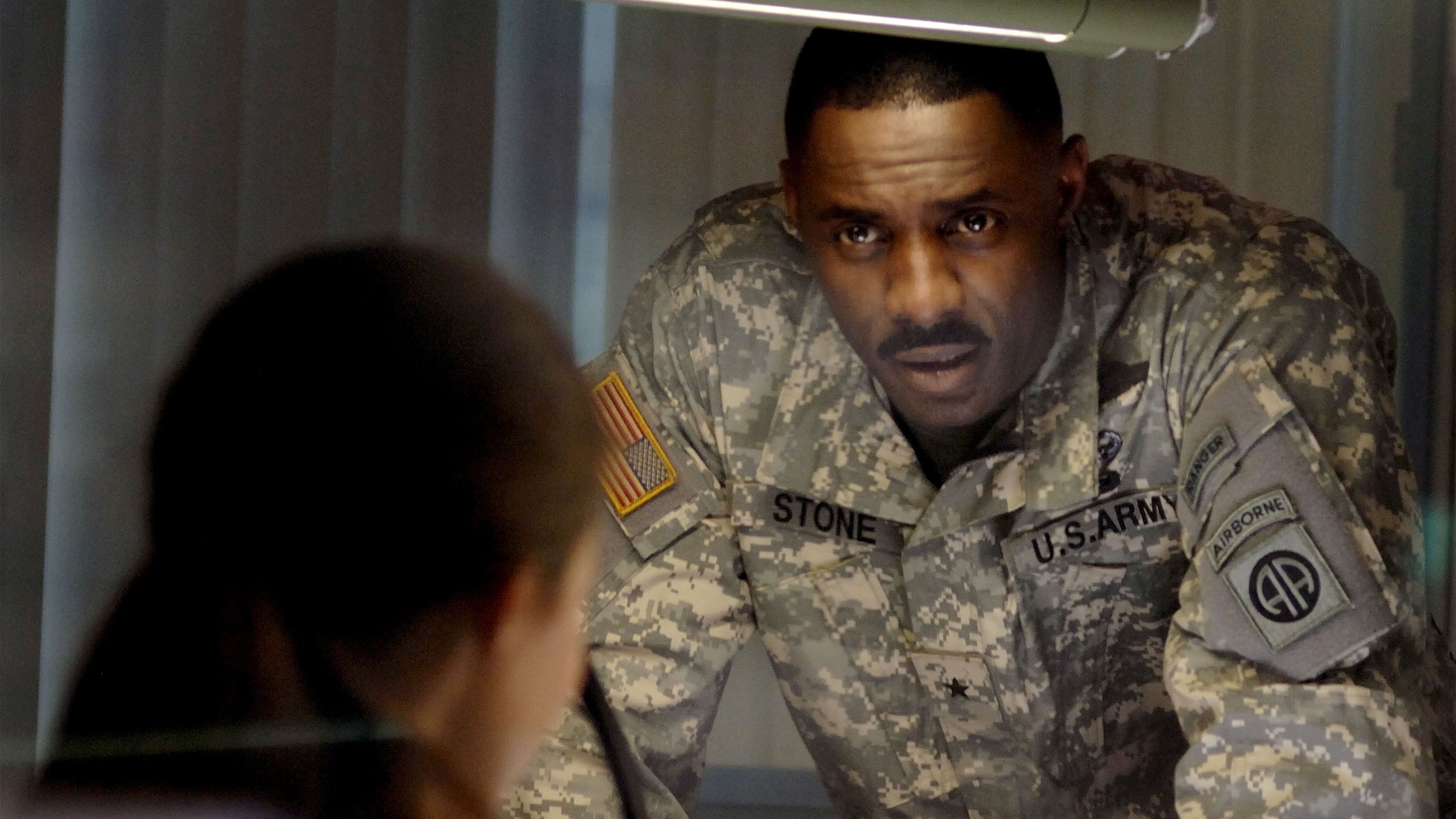
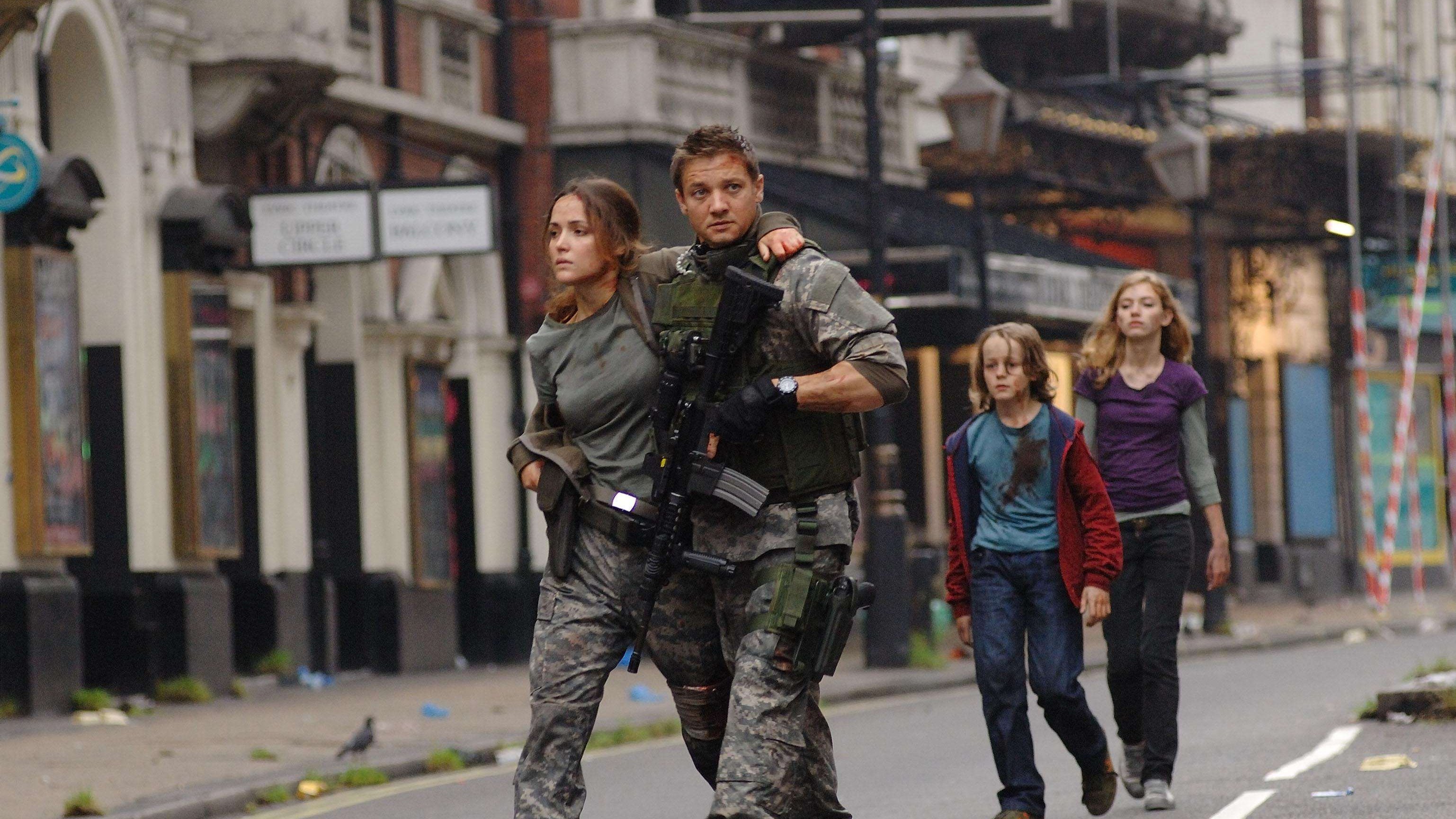
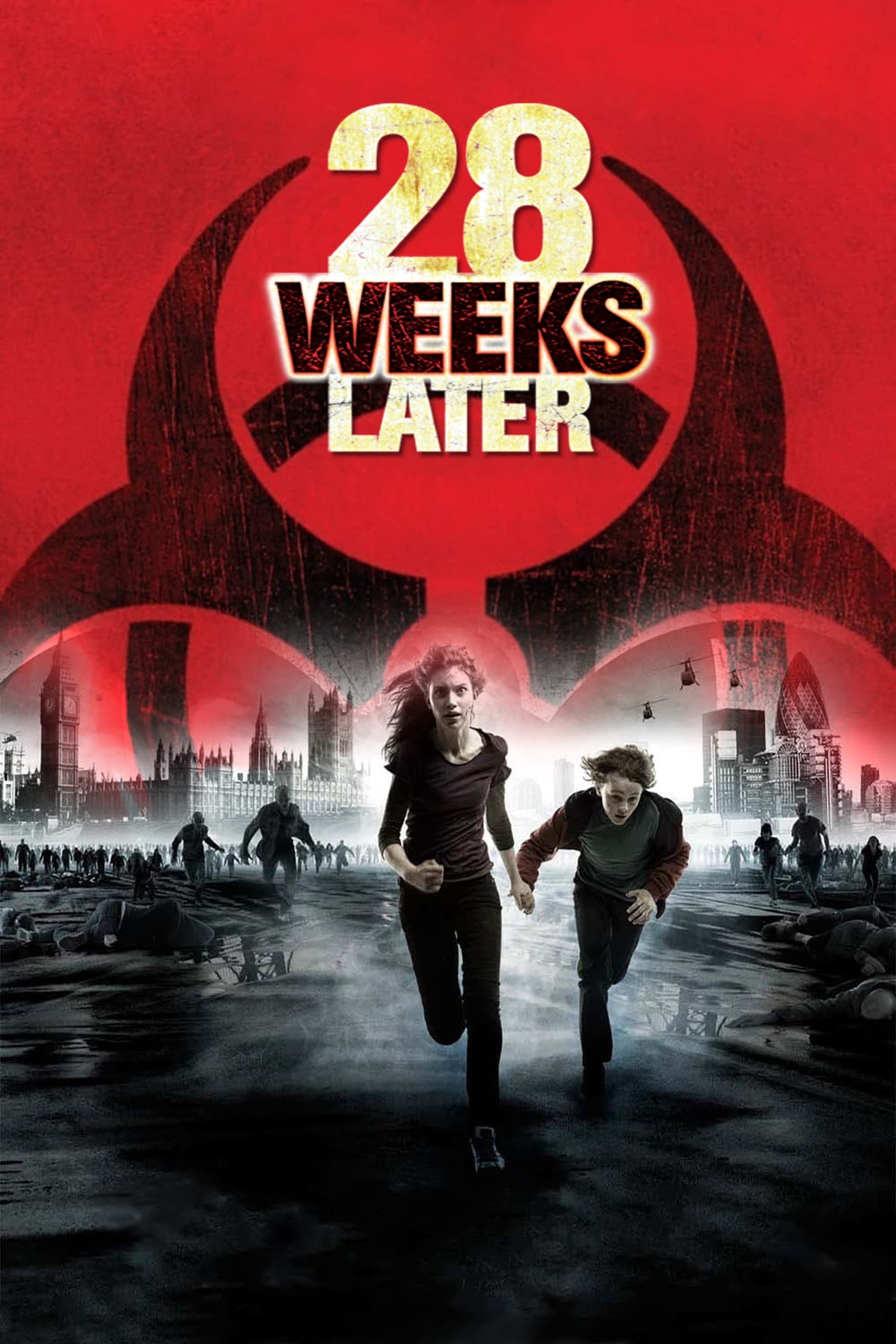
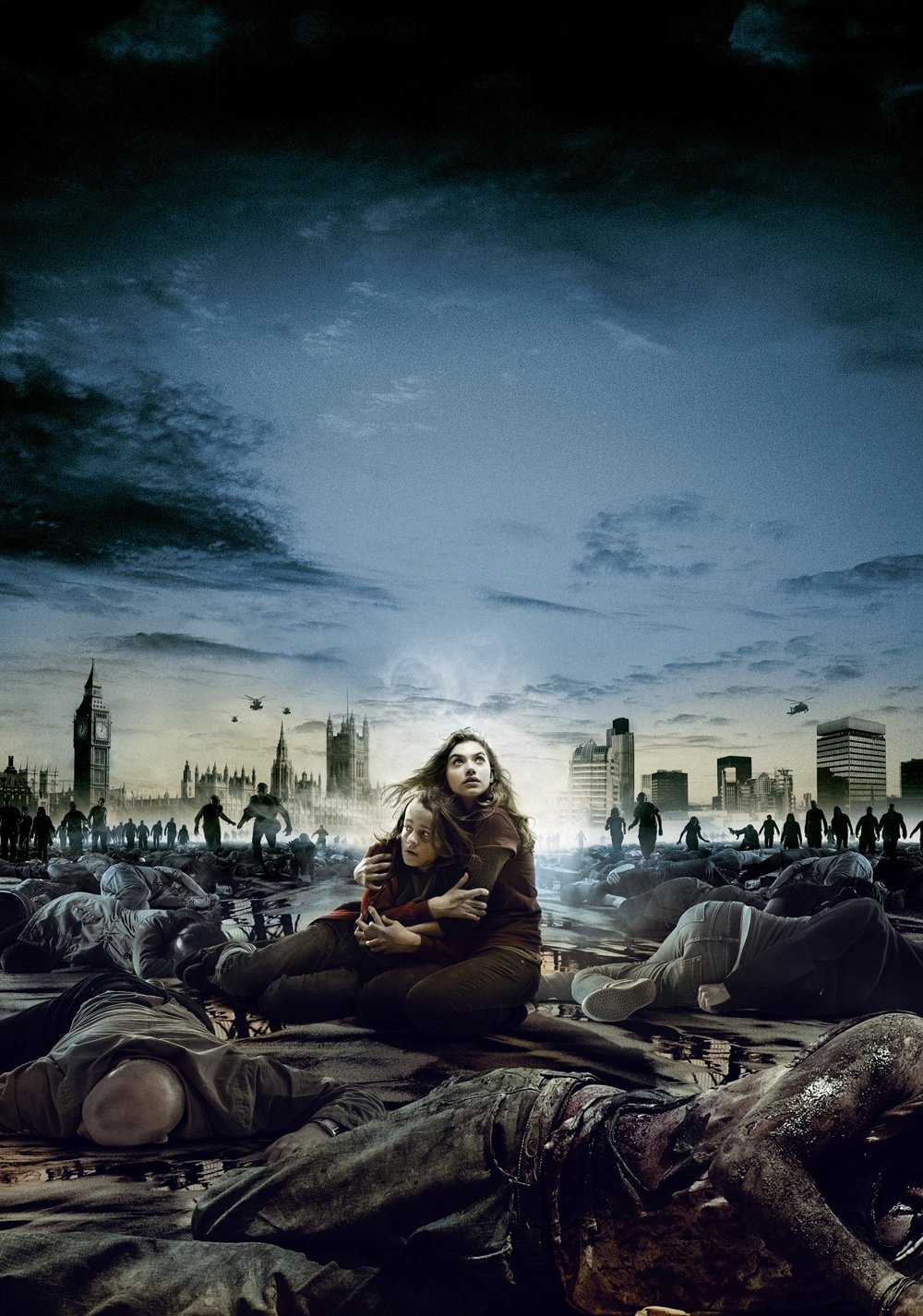
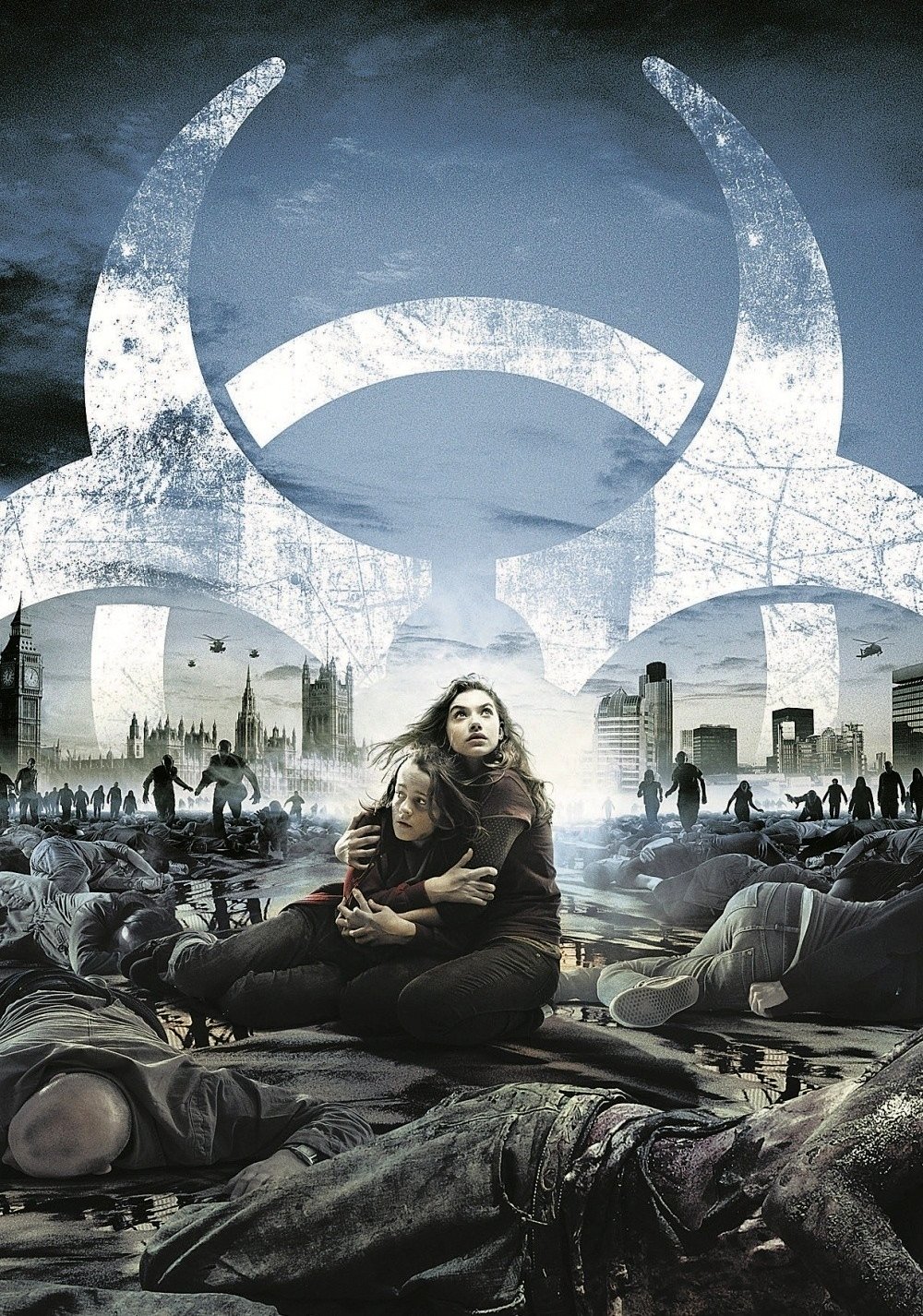
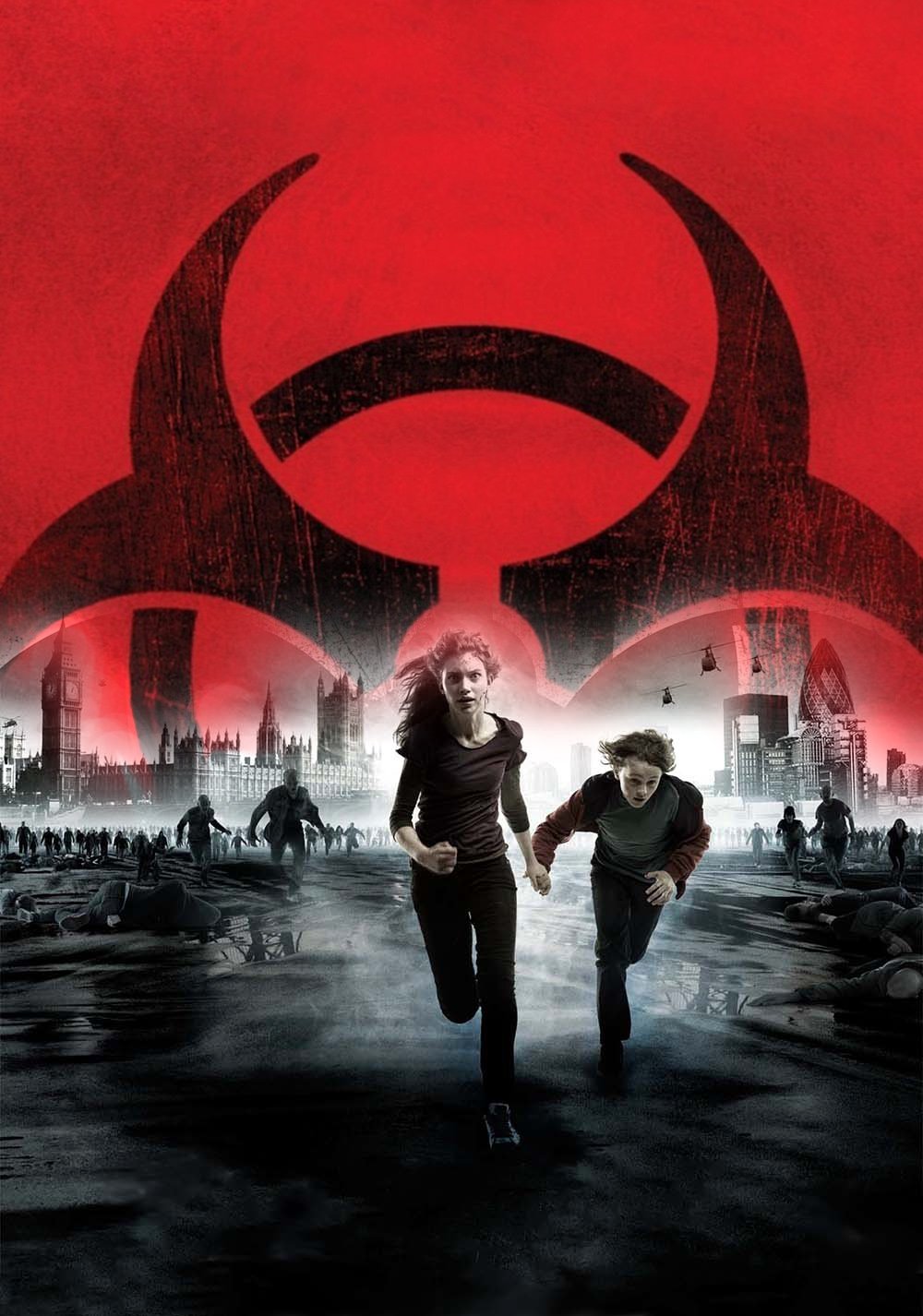
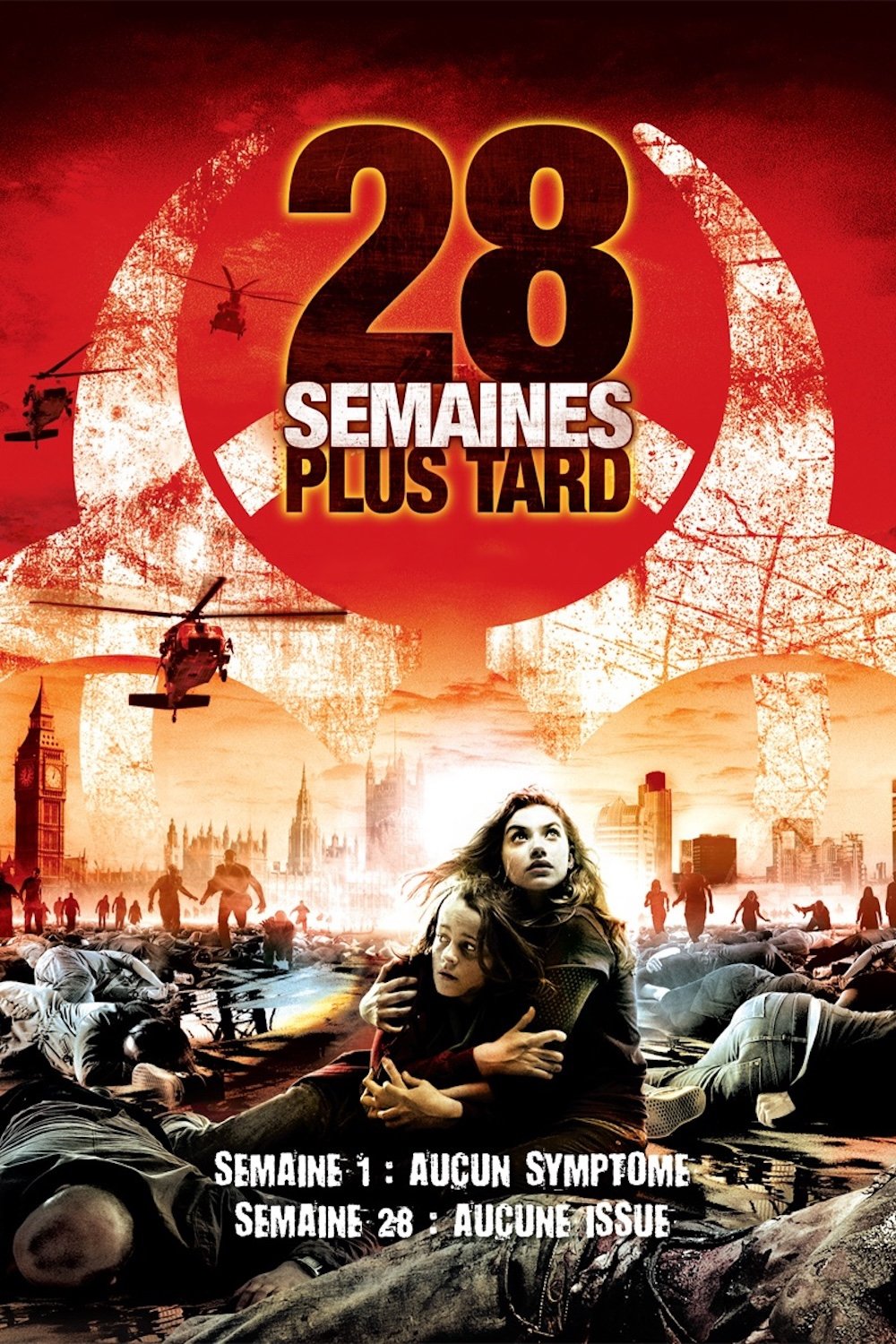
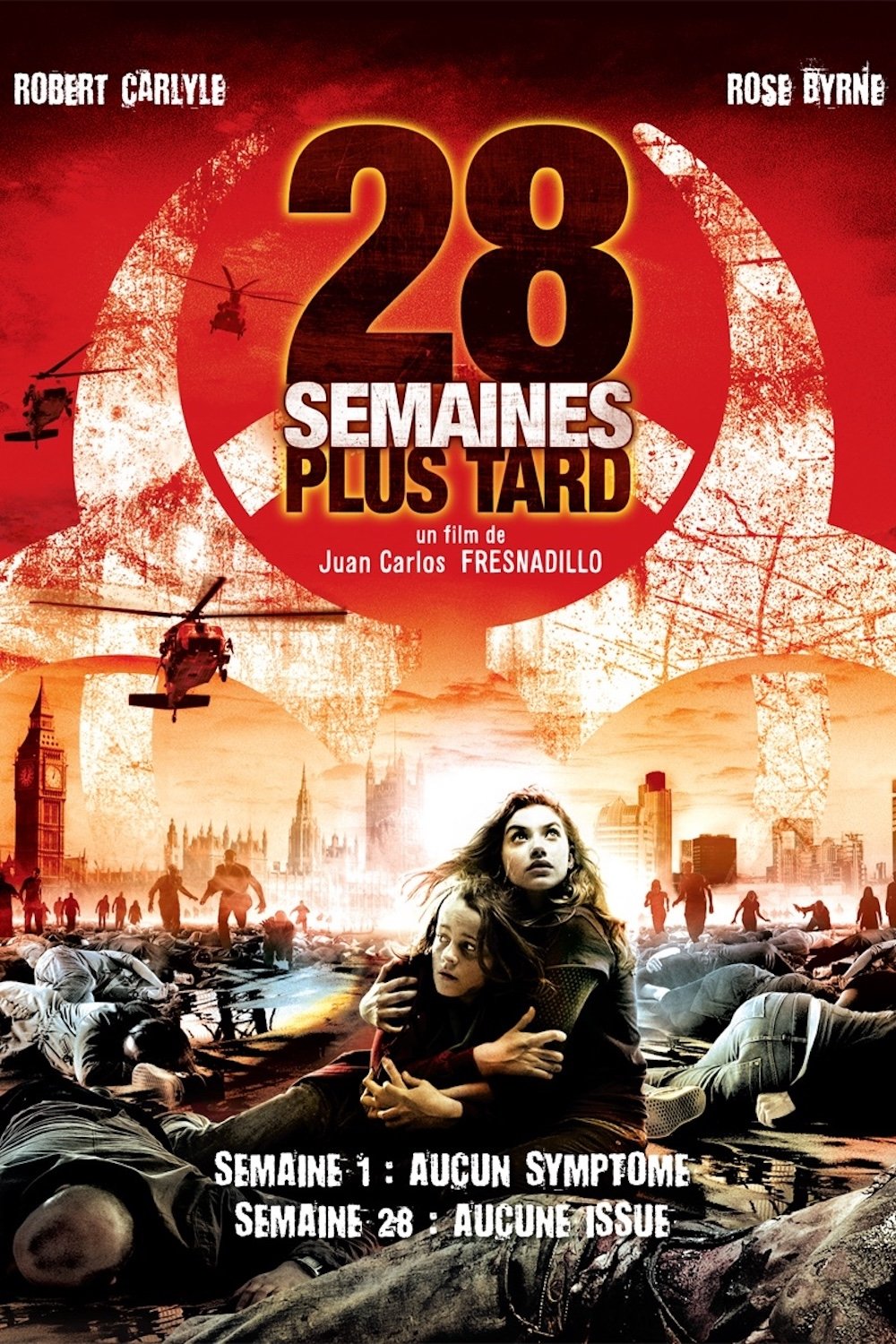
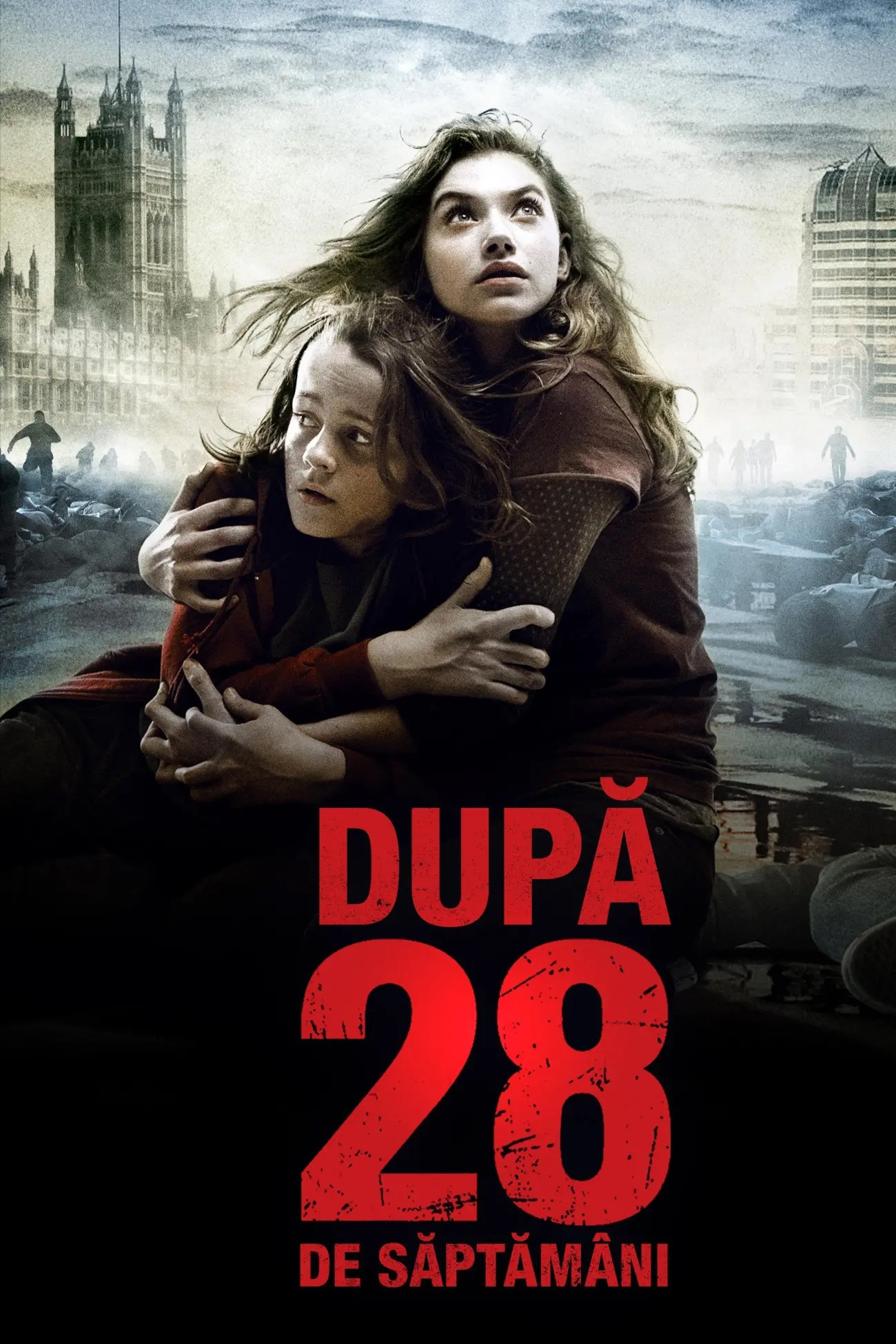
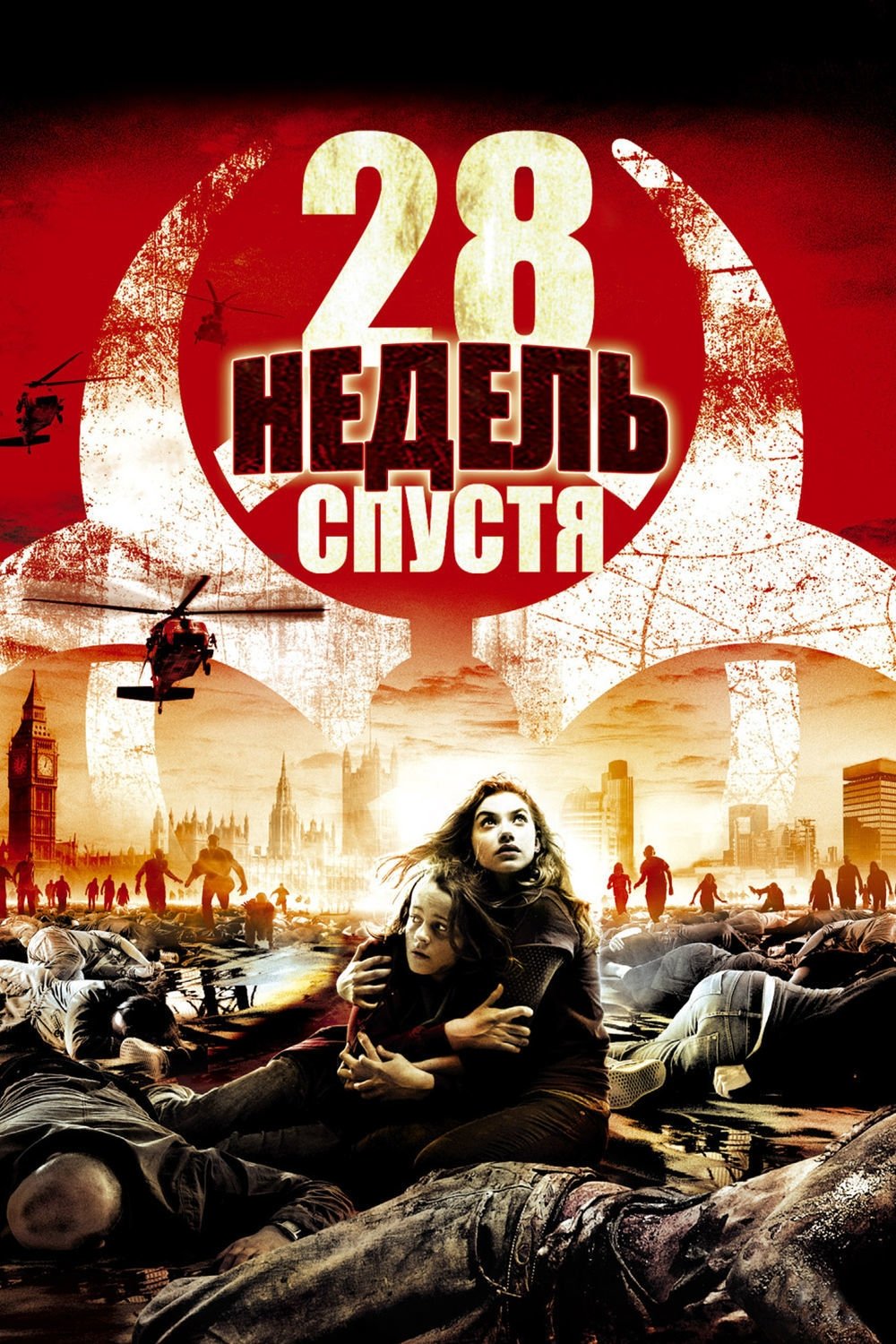
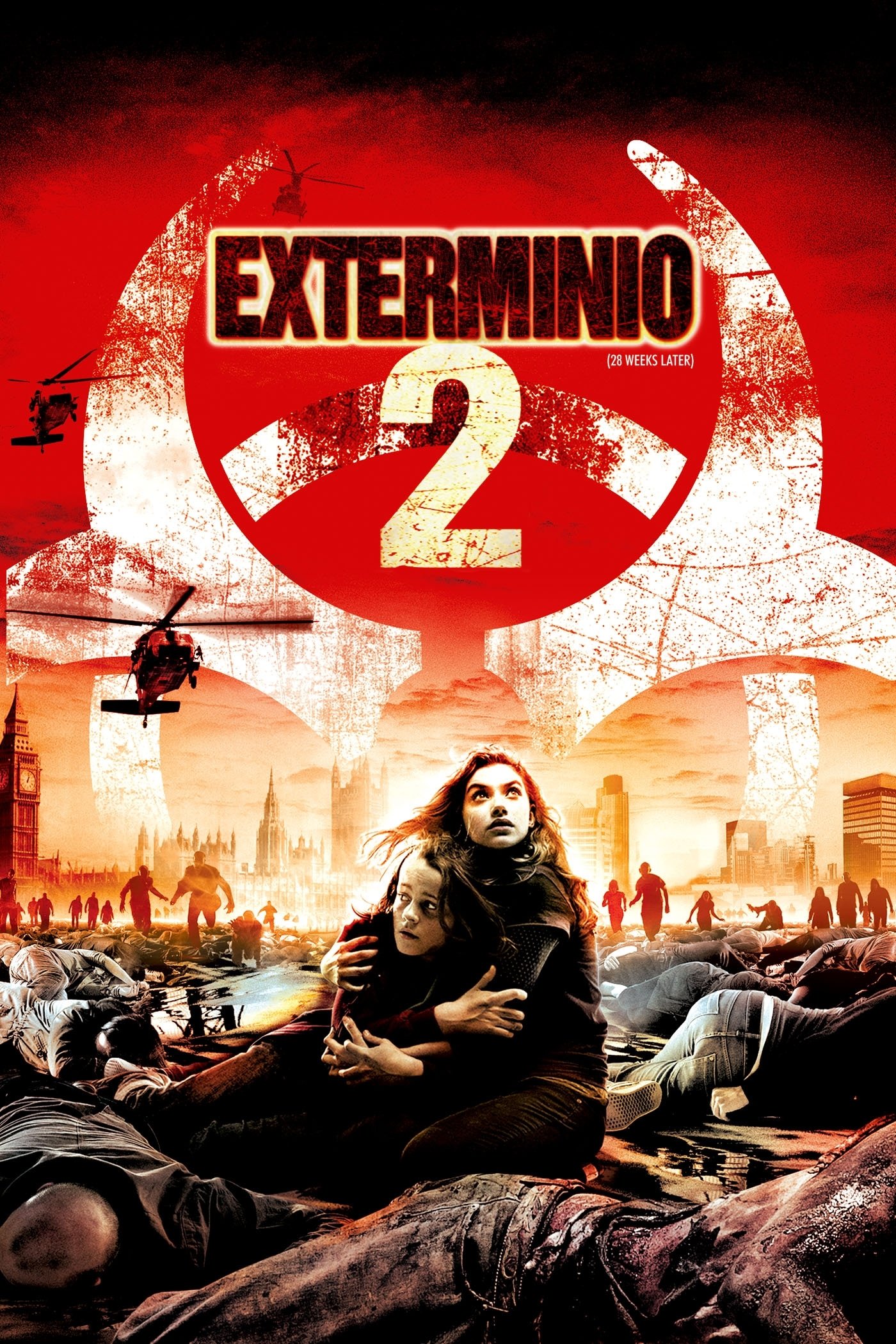
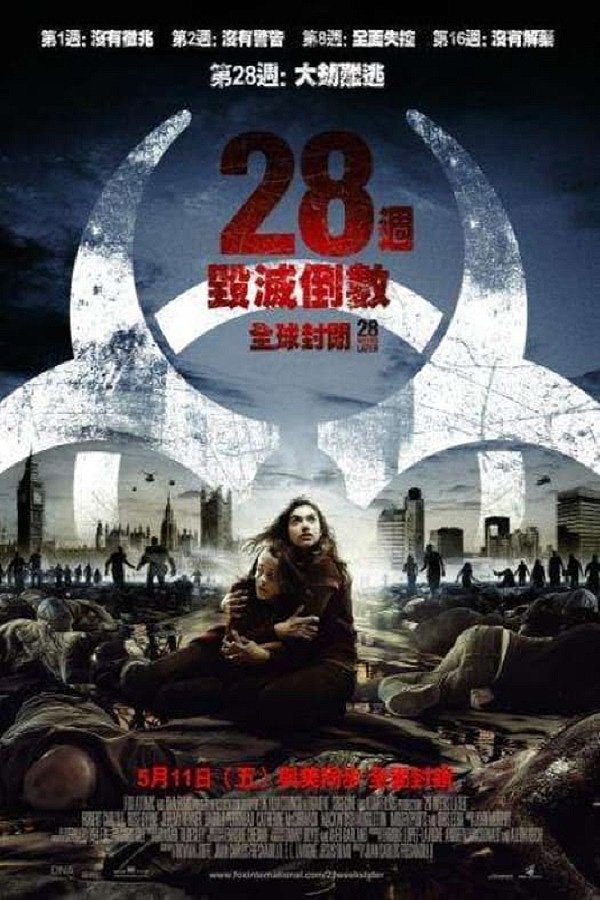
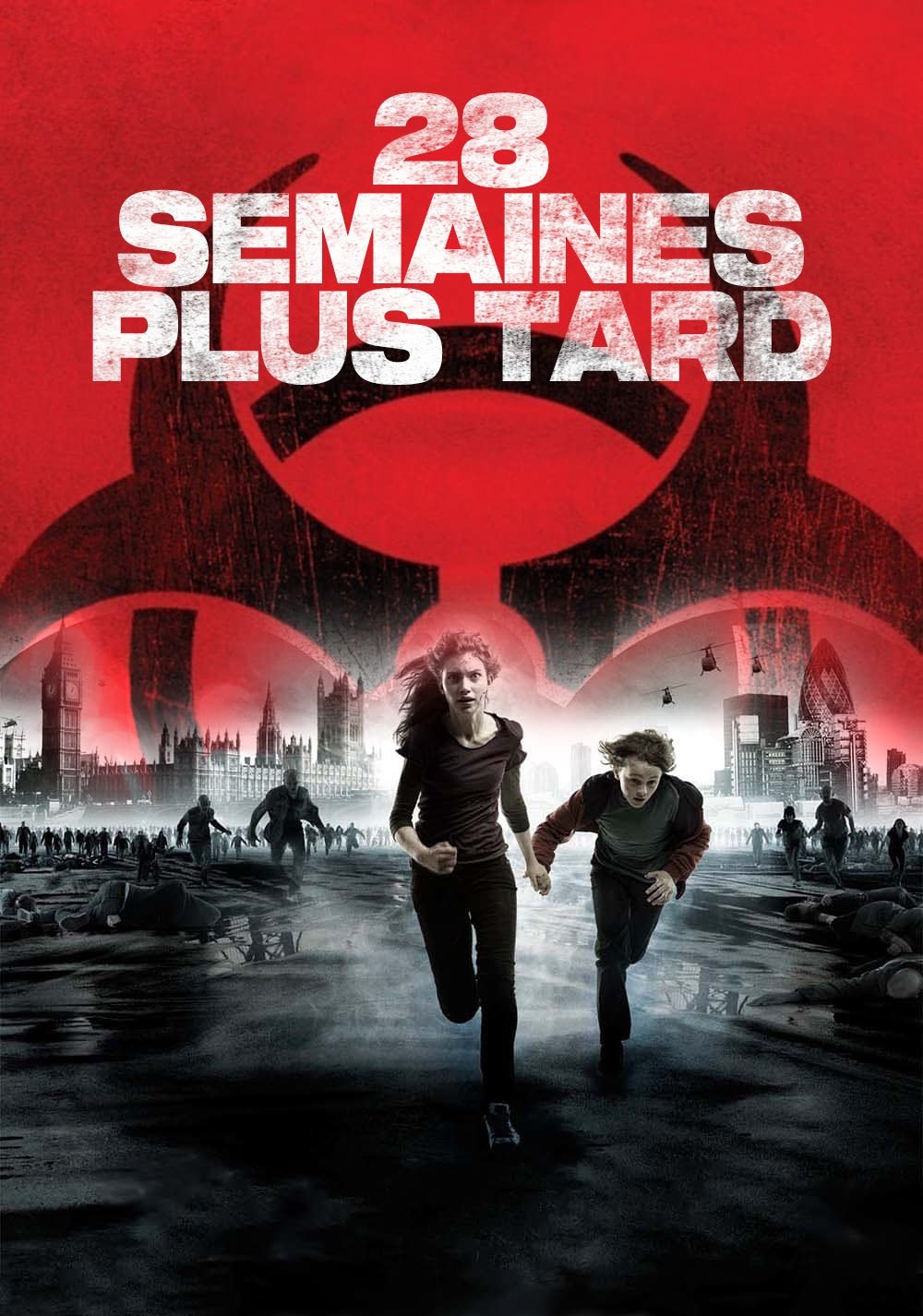
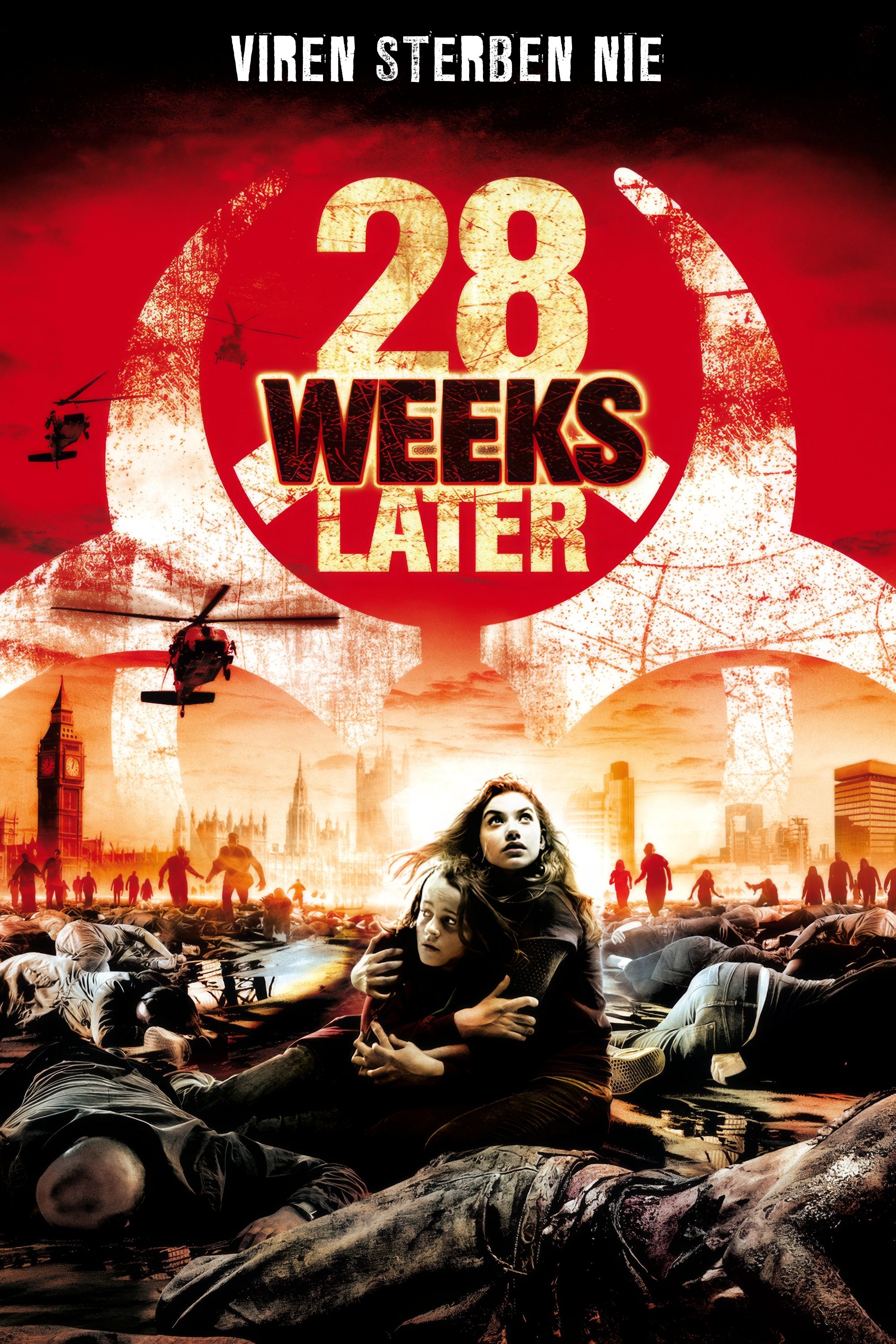
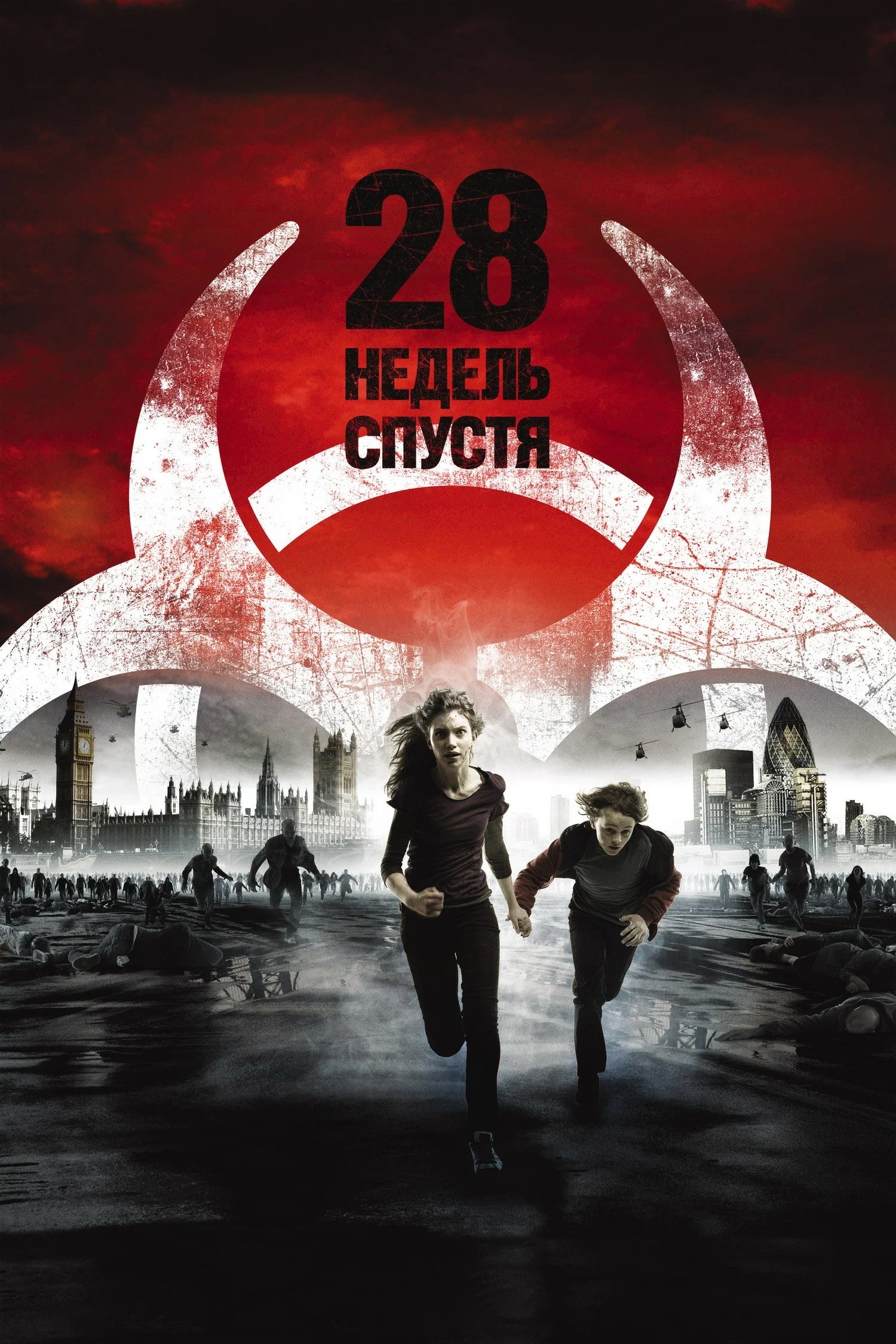
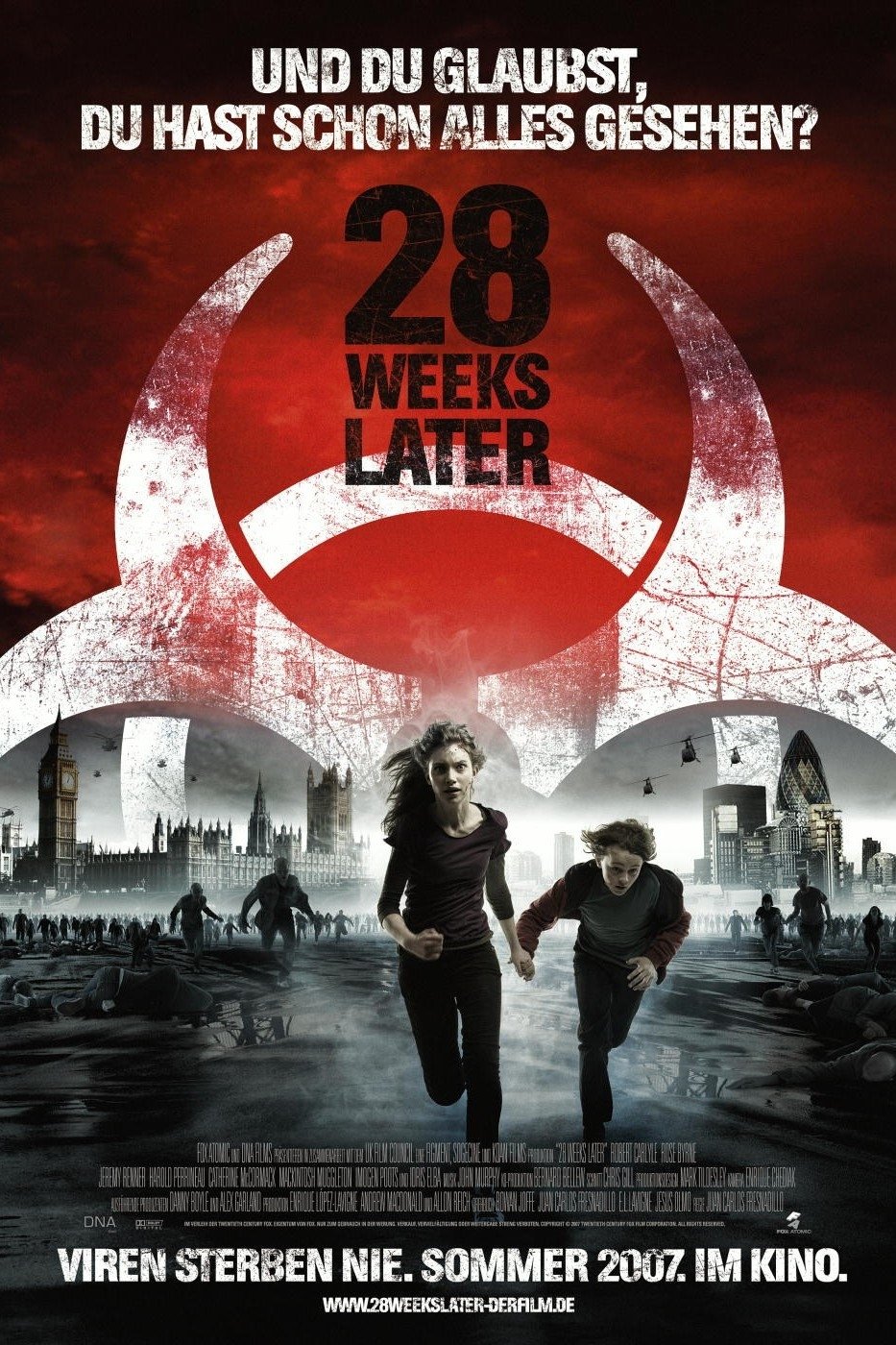
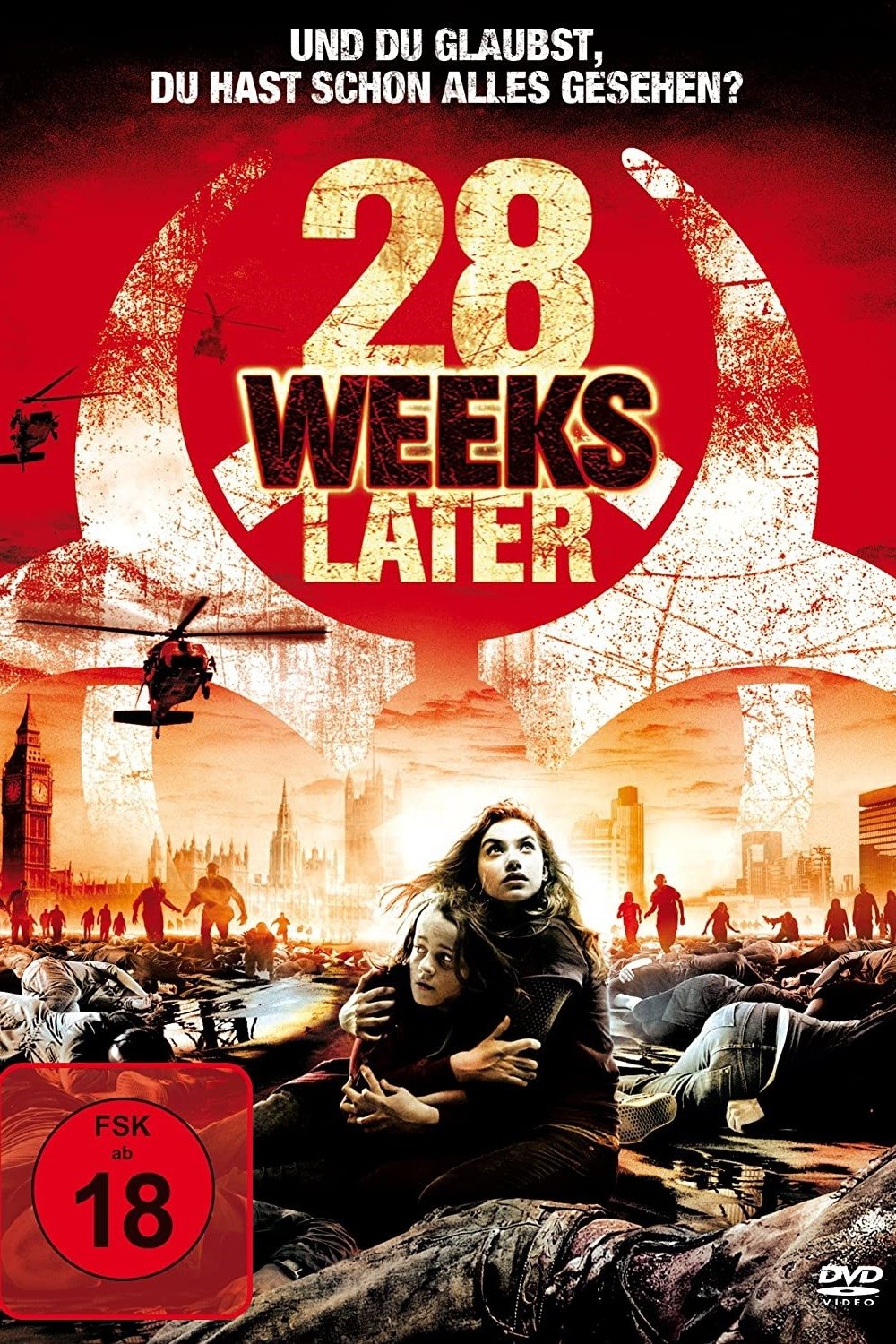
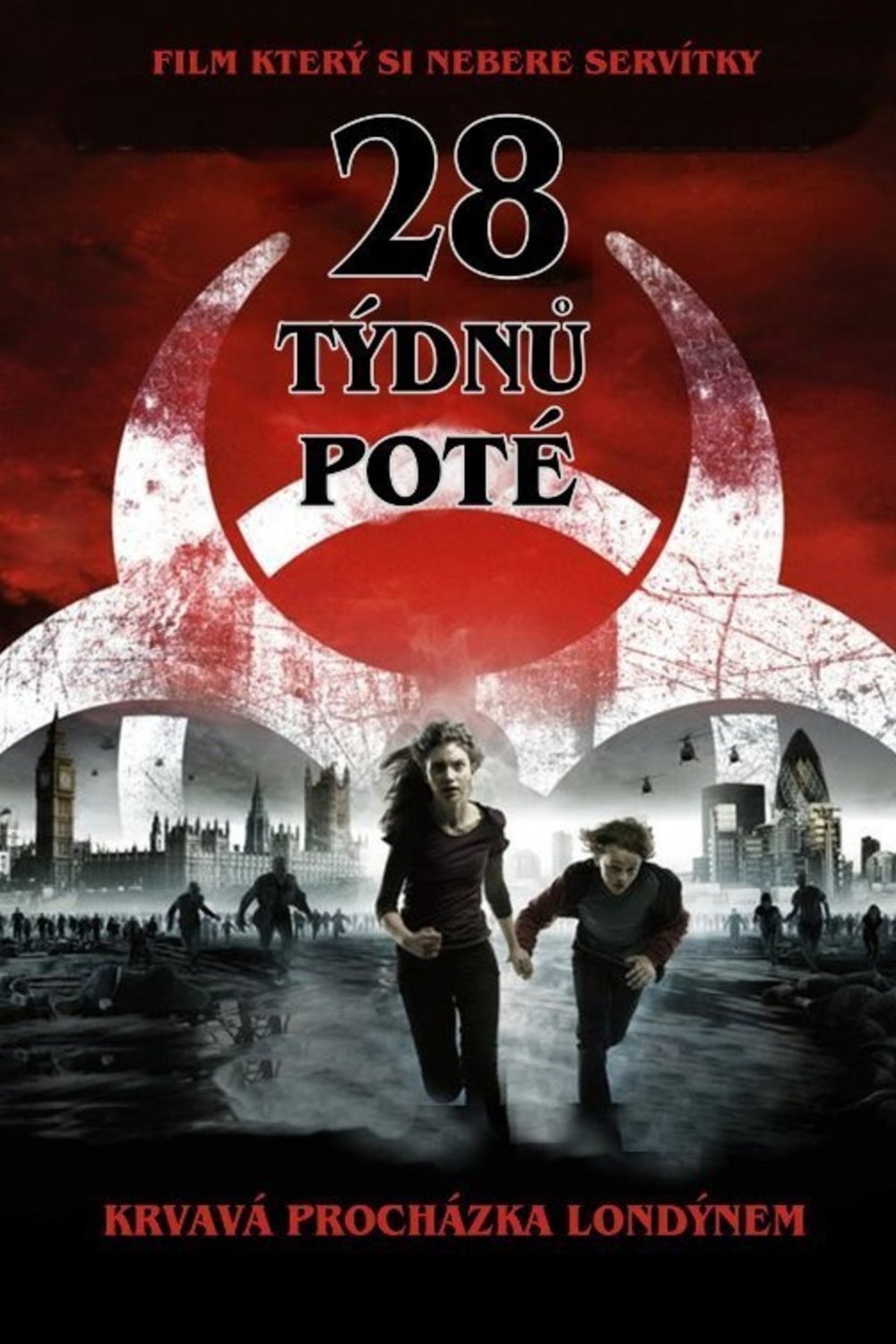
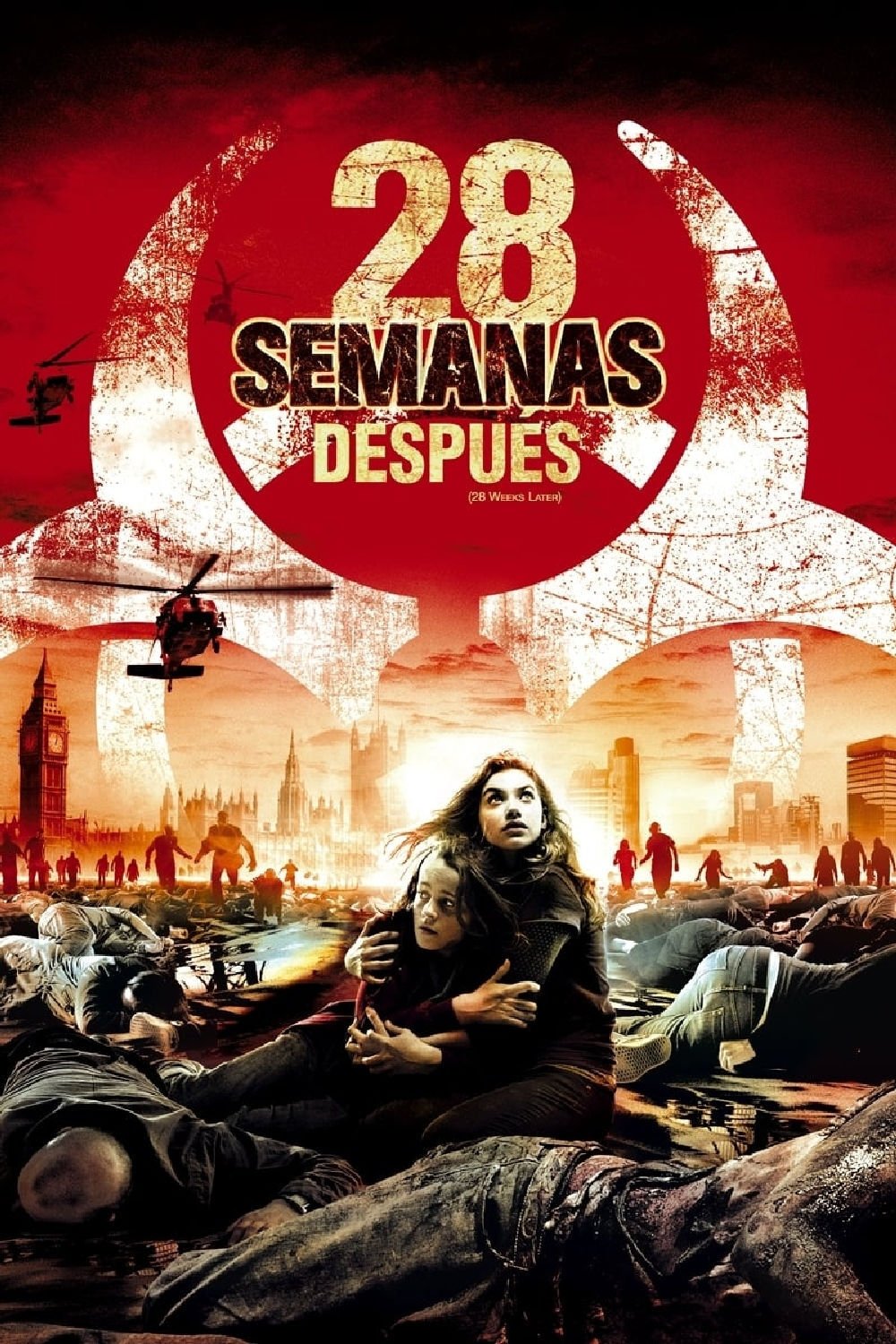
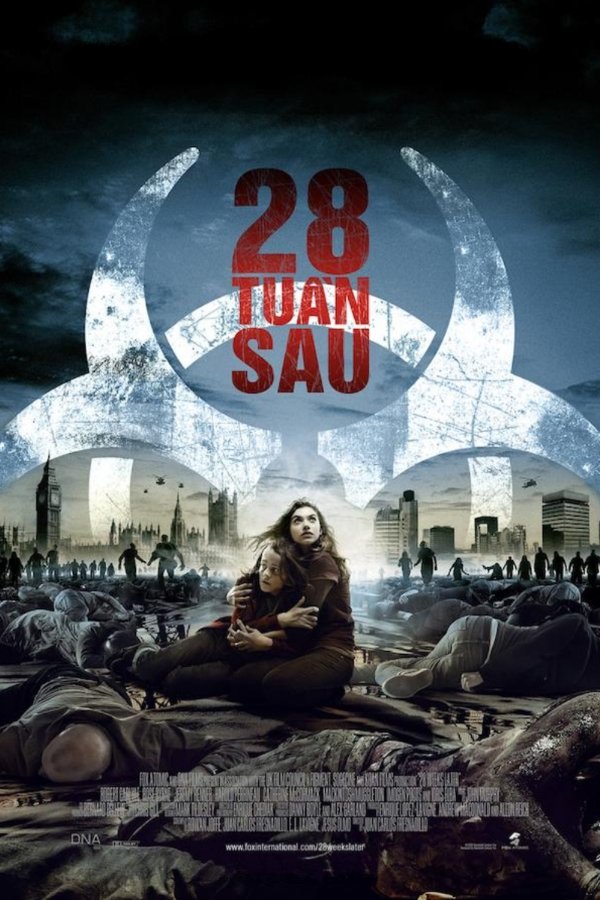
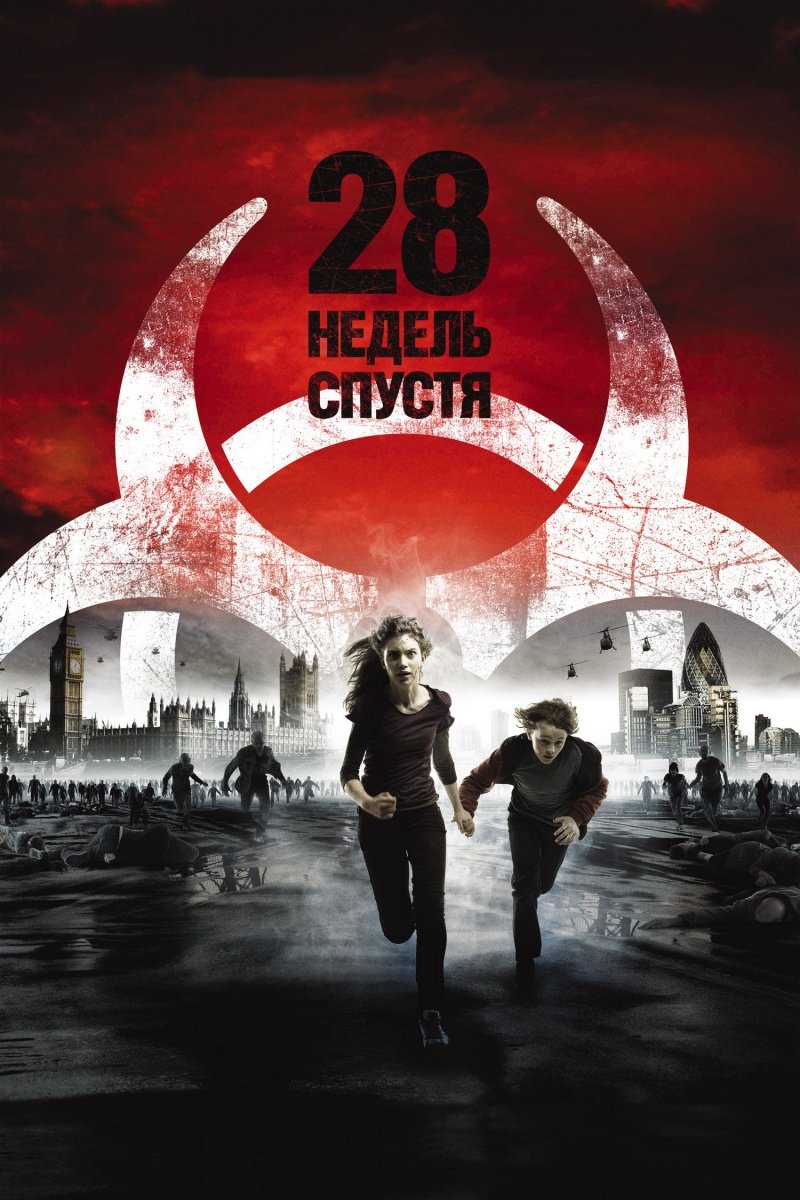
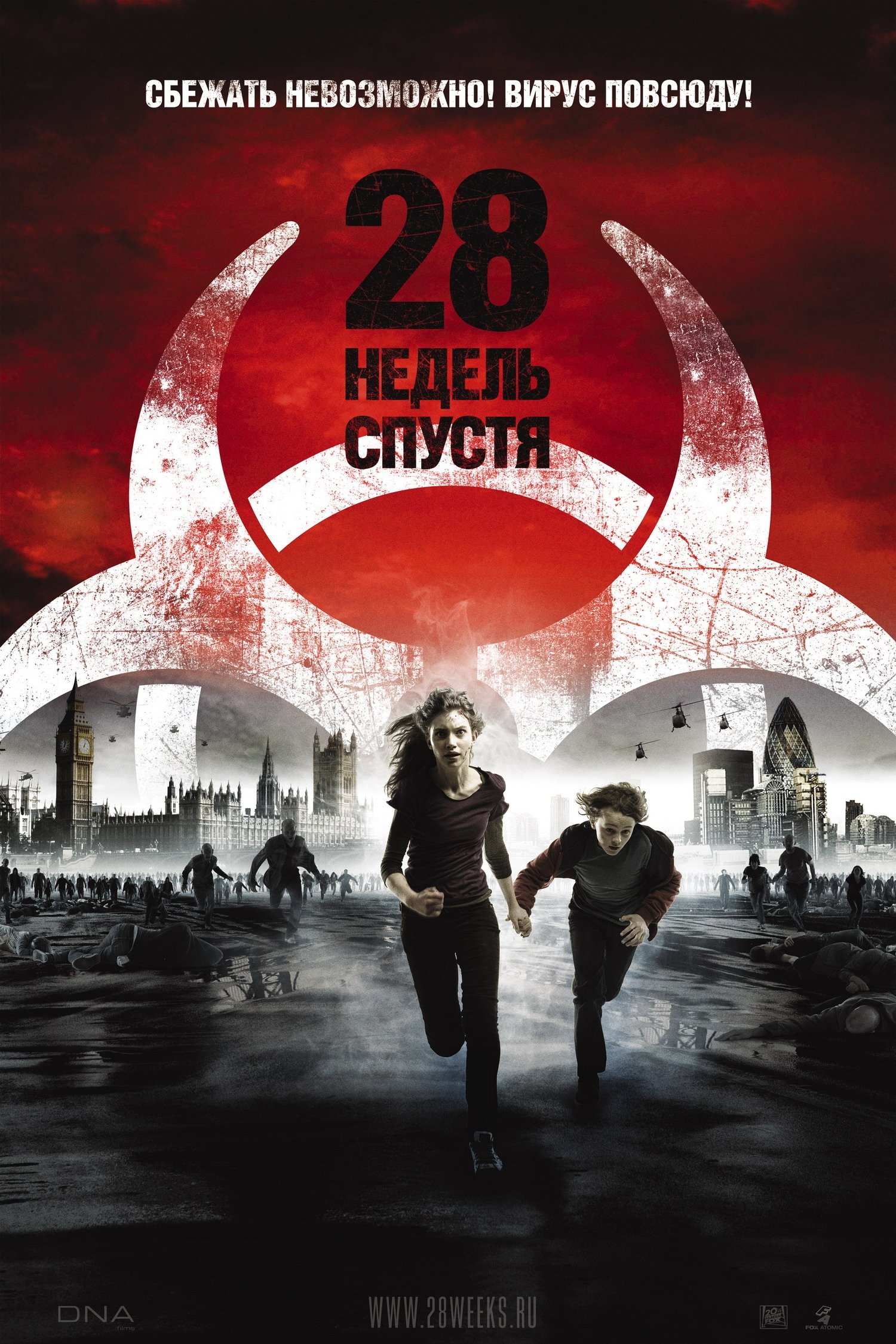
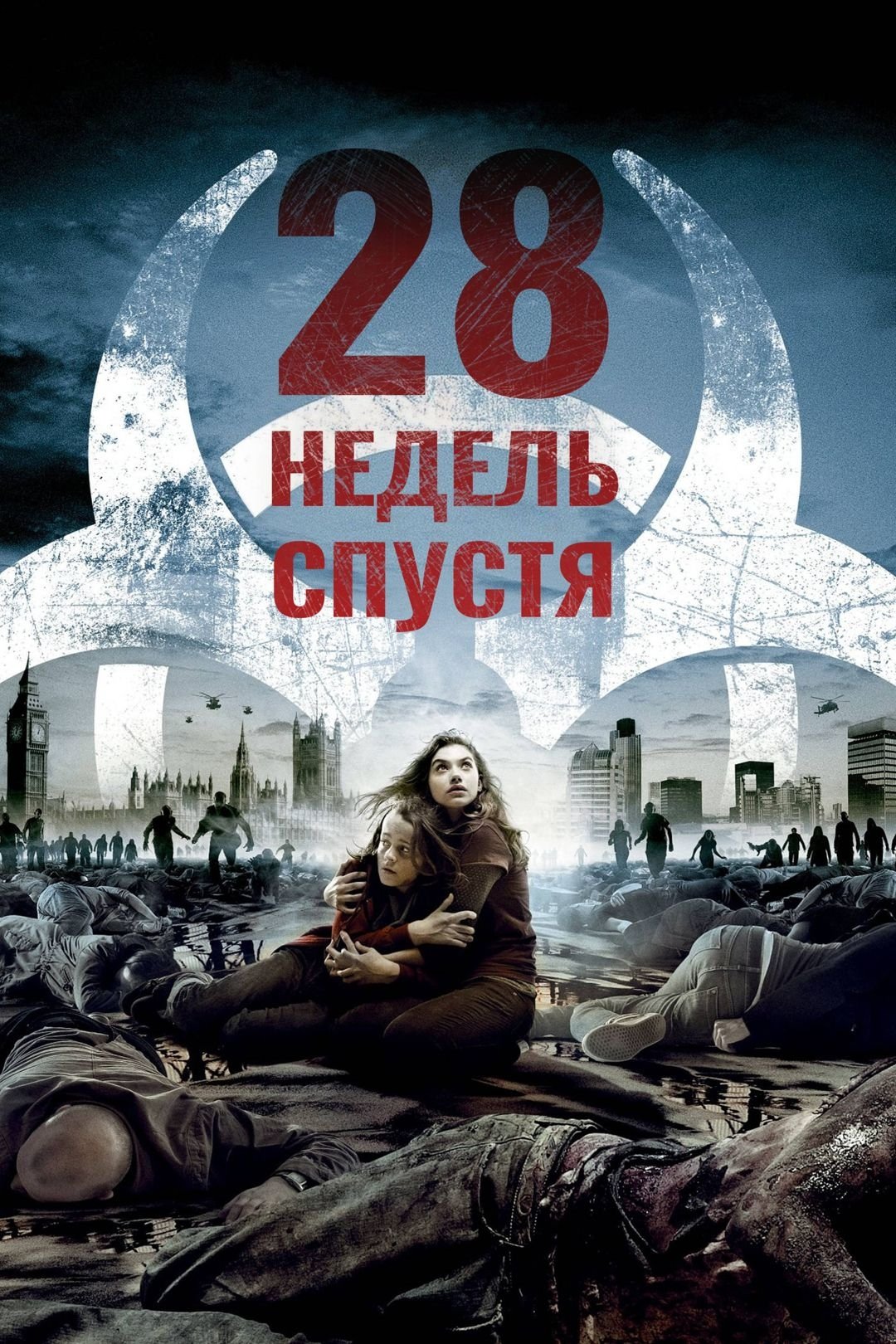
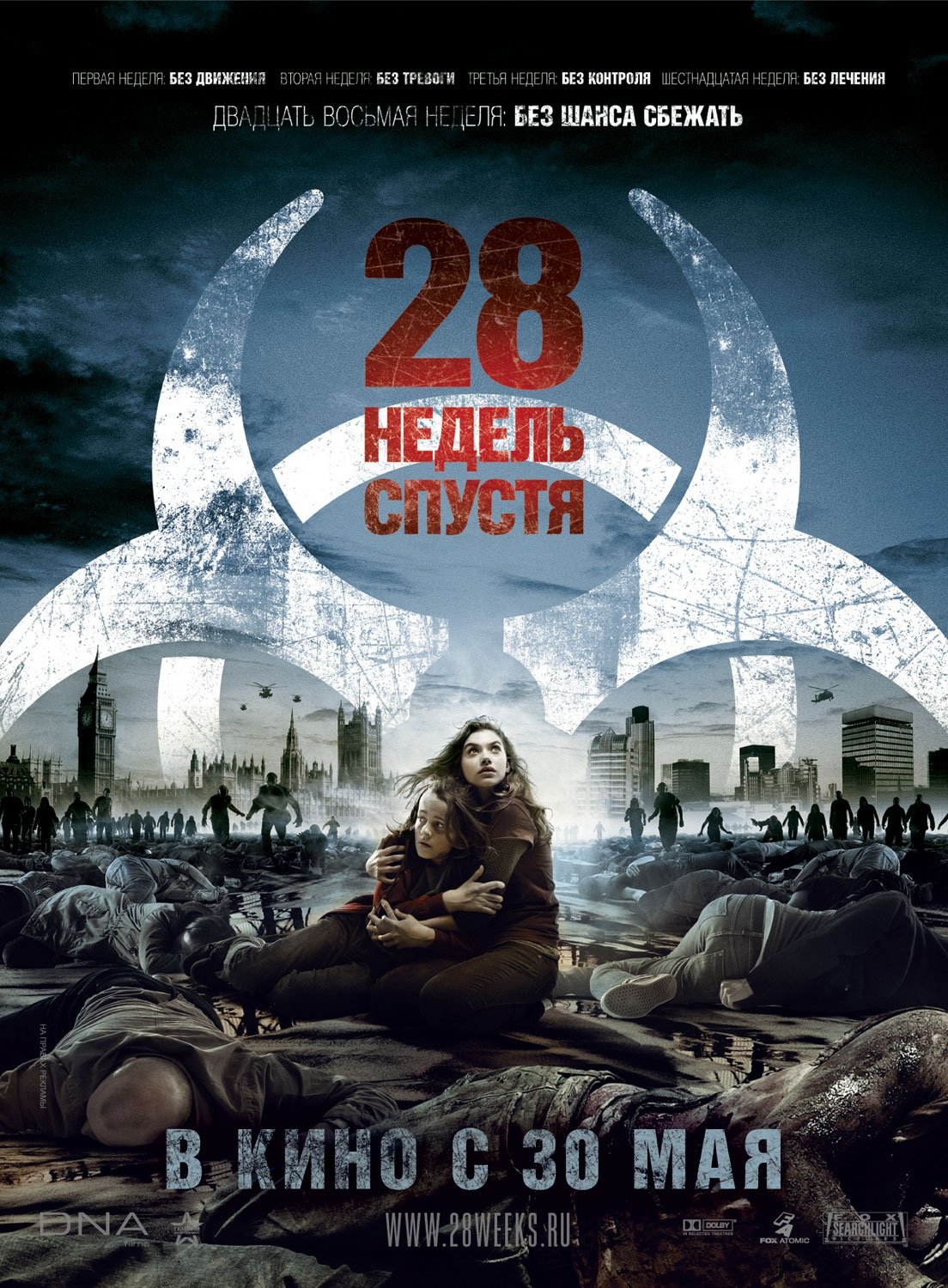
Six months after the Rage virus has overwhelmed Britain, a United States-led military operation begins repopulating a secured district of London. Don, a survivor of the original outbreak, is reunited with his children Tammy and Andy as the authorities attempt to restore ordinary life under strict quarantine. The return of a family member thought lost exposes a dangerous weakness in the containment system, allowing infection to spread through the supposedly protected zone. As the military response escalates, the children flee through a city where evacuation, loyalty and survival have become impossible to separate.
Alternative Titles
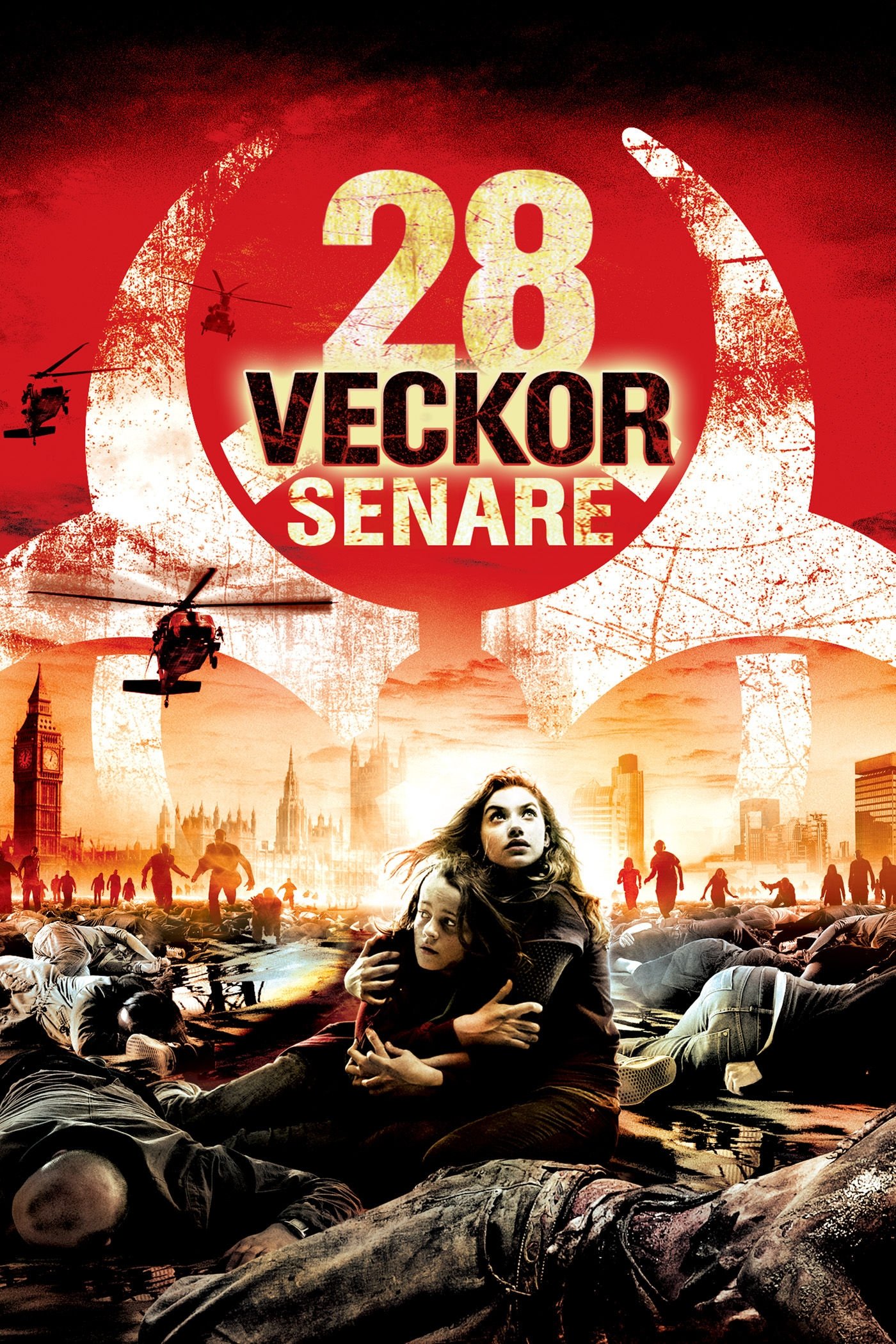
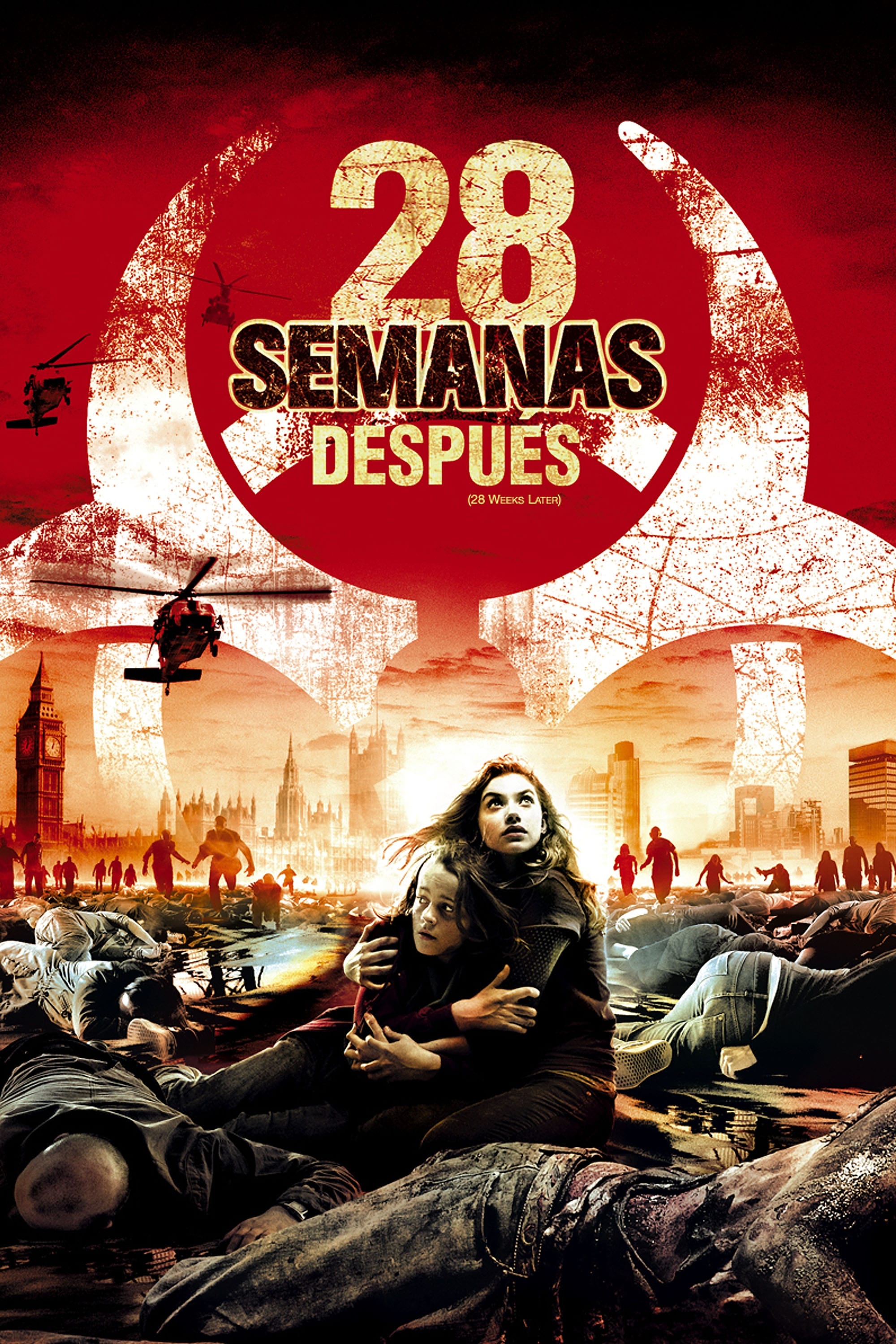
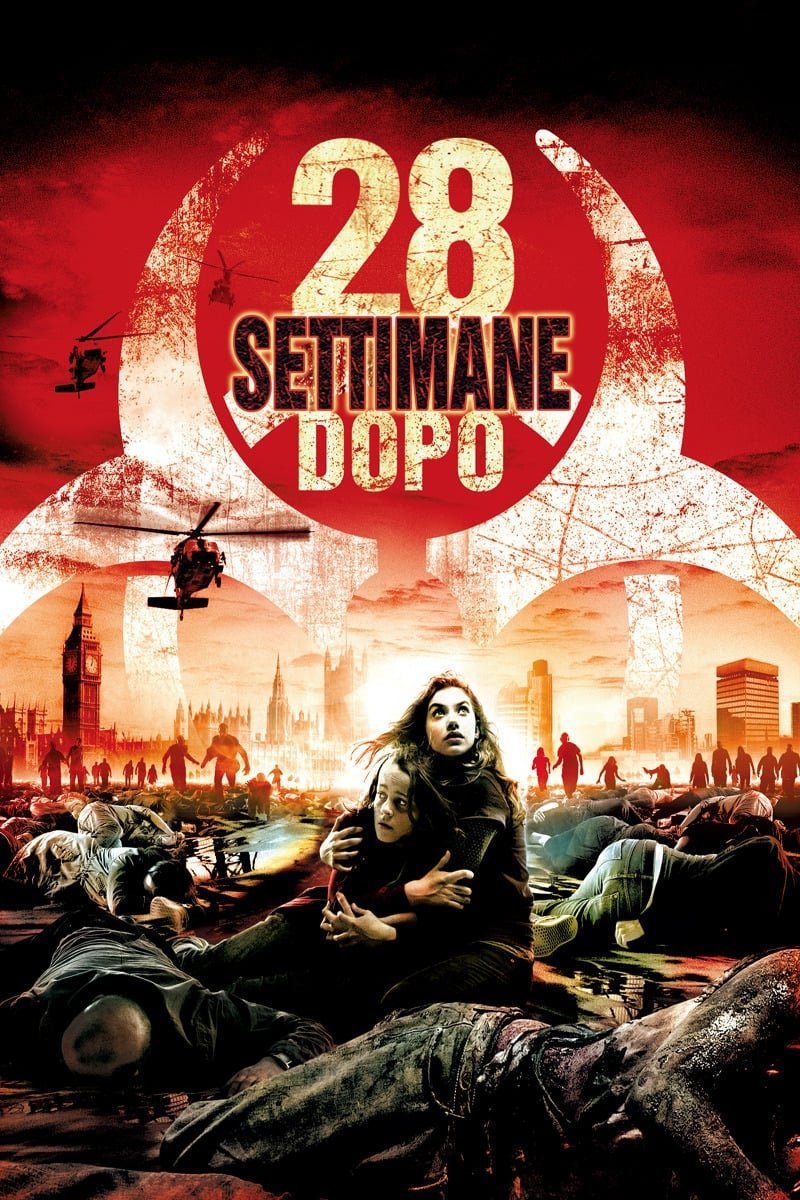
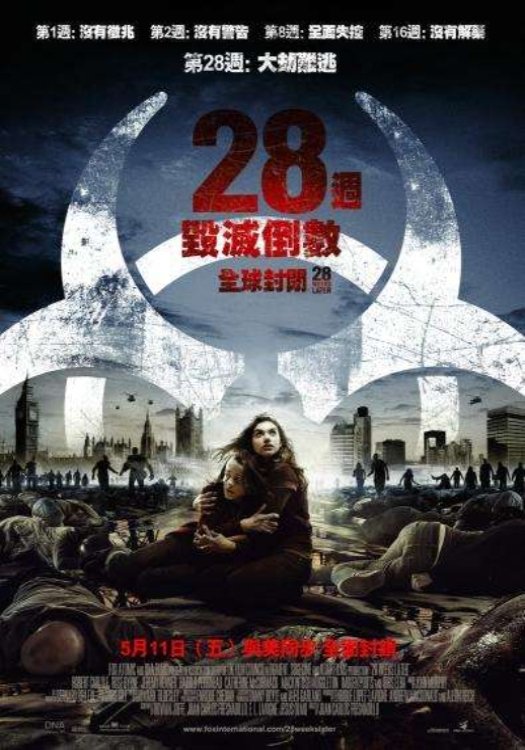
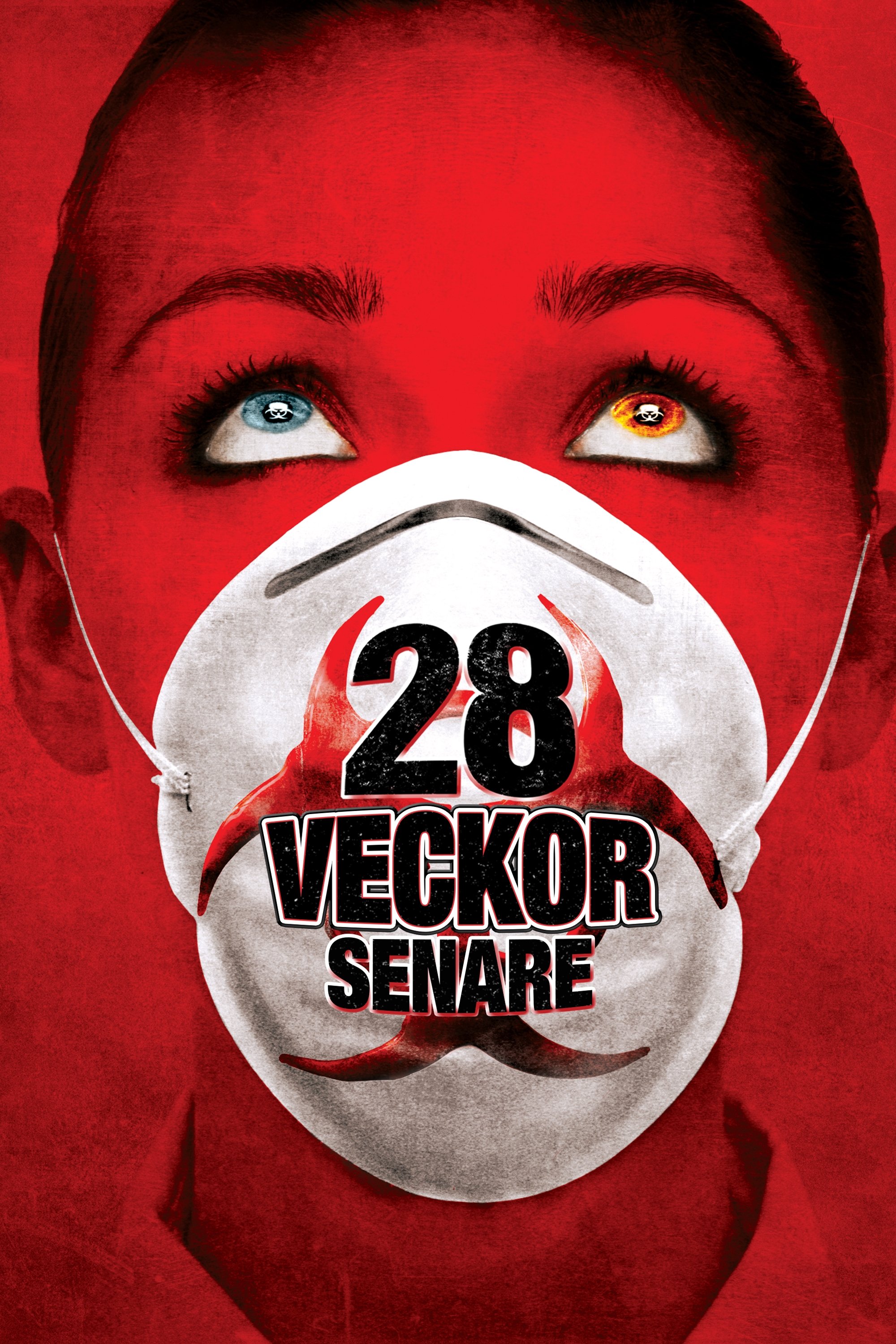
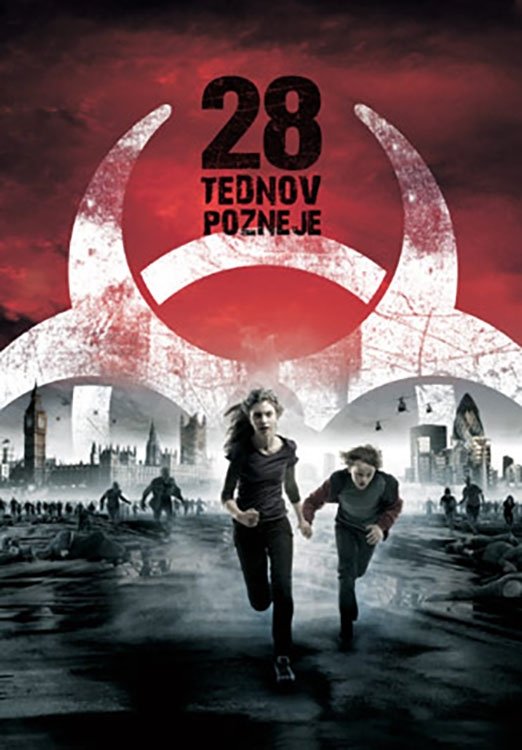
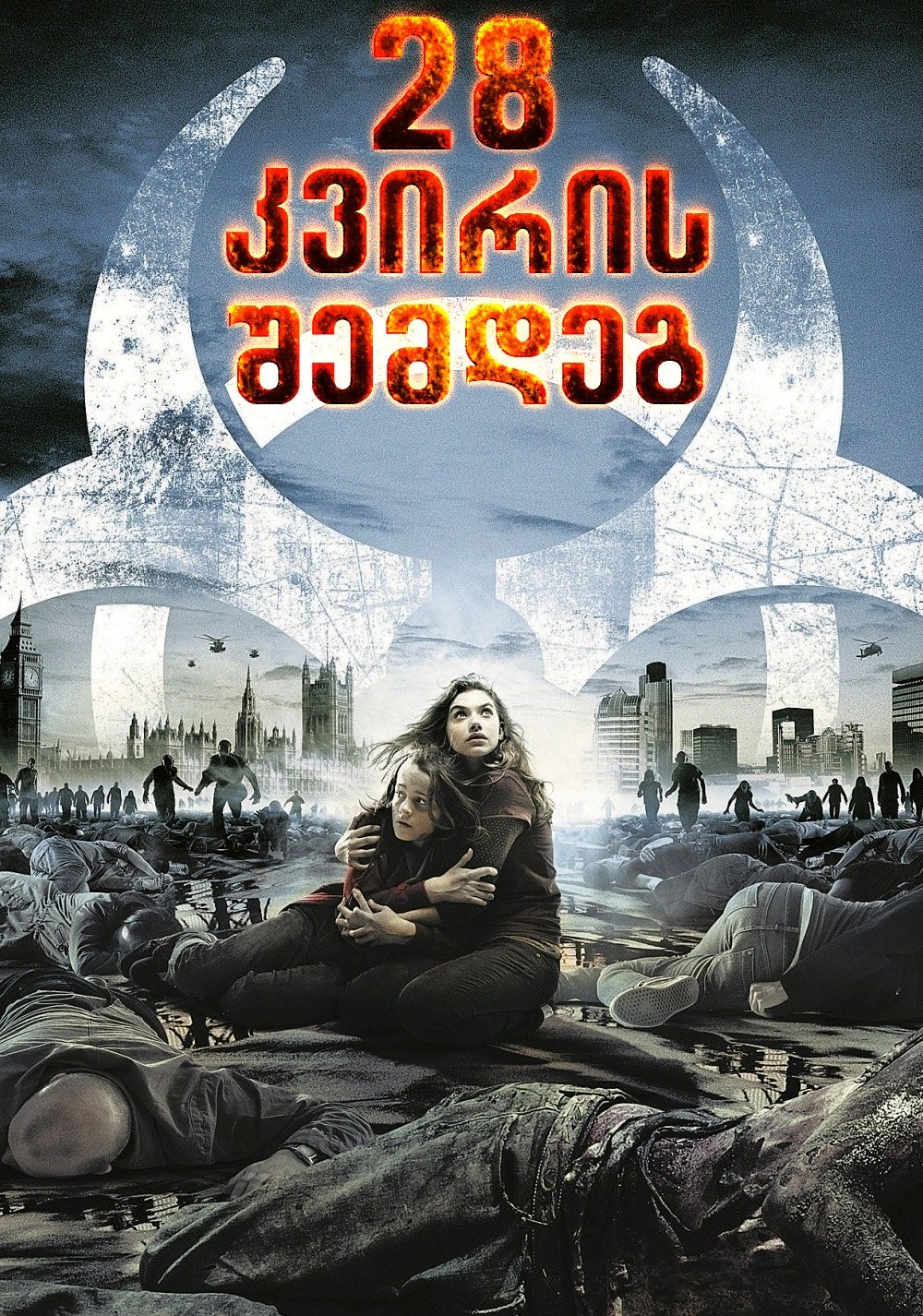
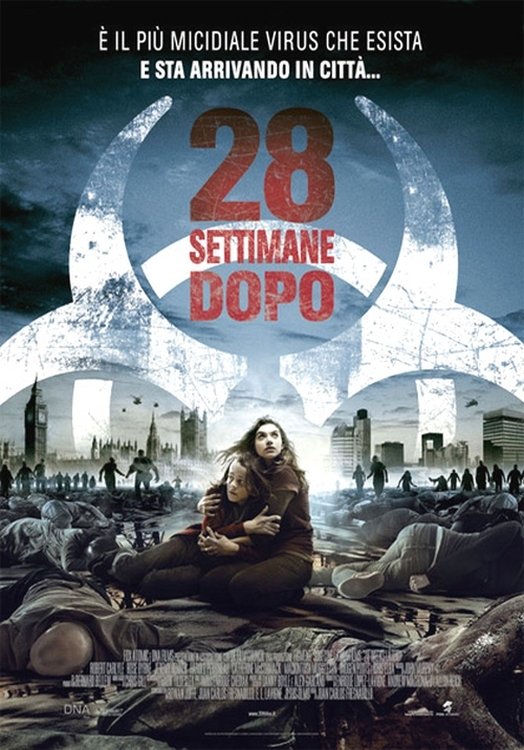
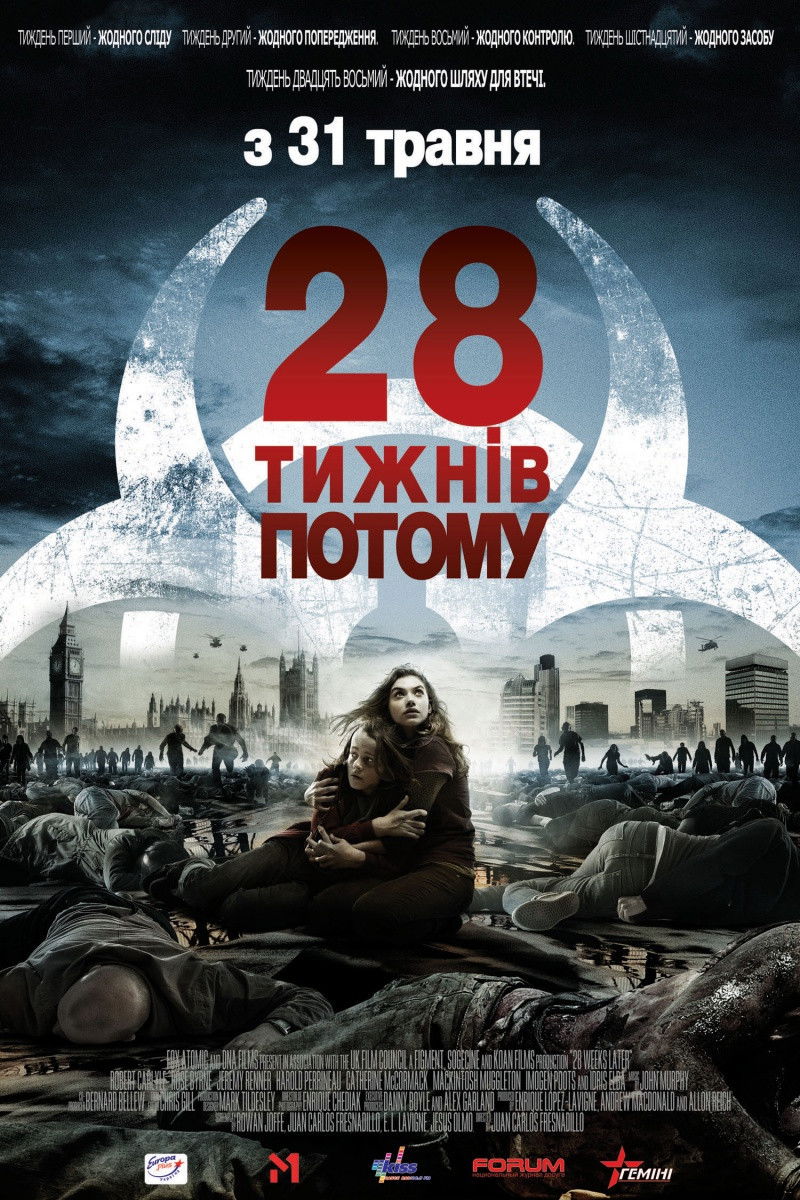
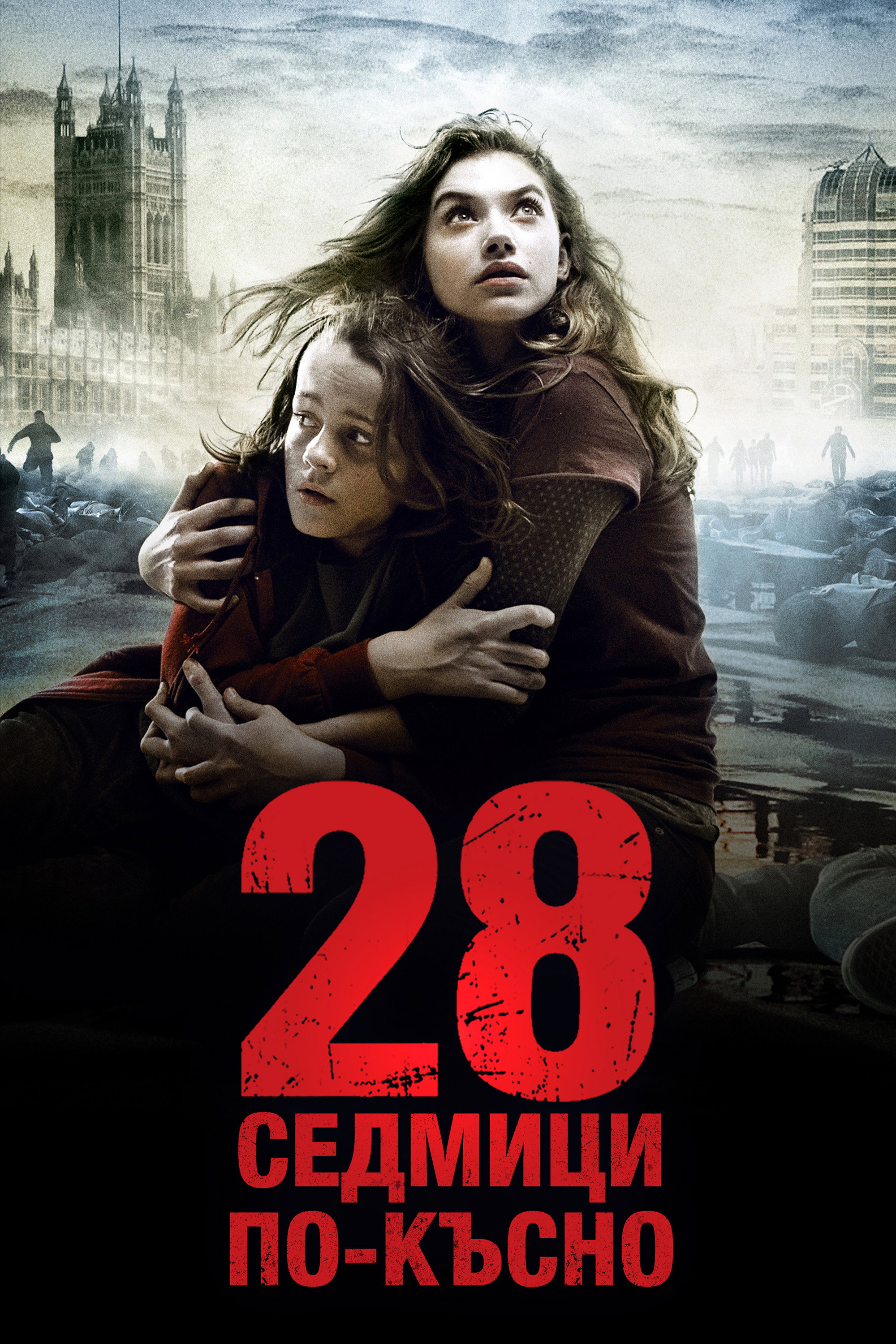
28 Həftə Sonra (Azerbaijan) 28 седмици по-късно (Bulgaria) — BulgarianExtermínio 2 (Brazil) — Portuguese28 semaines plus tard (Canada) — French惊变28周 (China) — Chinese28 týdnů poté (Czechia) 28 Wochen später (Germany) — Television Title28 uger senere (Denmark) — DanishShow all 42 alternative titles28 nädalat hiljem (Estonia) — Estonian28 semanas después (Spain) 28 setmanes després (Spain) — Catalan28 viikkoa myöhemmin (Finland) 28 Semaines plus tard (France) — French28 Days Later 2 (United Kingdom) 28 კვირის შემდეგ (Georgia) — Georgian28 Εβδομάδες μετά (Greece) — Greek28 週後 (Hong Kong SAR China) 28 tjedana poslije (Croatia) — Croatian28 héttel később (Hungary) — Hungarian28 שבועות אחרי (Israel) — Hebrew28 settimane dopo (Italy) — Italian28週後... (Japan) — Japanese28주 후 (South Korea) — Korean28 savaitės po... (Lithuania) — Lithuanian28 nedēļas vēlāk (Latvia) — LatvianExterminio 2 (Mexico) — Spanish28 uker senere (Norway) — Norwegian Bokmål28 tygodni później (Poland) 28 Semanas Depois (Portugal) — PortugueseDupă 28 de săptămâni (Romania) — Romanian28 недеља касније... (Serbia) — Serbian28 недель спустя (Russia) — Russian28 أسبوعا لاحقا (Saudi Arabia) 28 veckor senare (Sweden) — Swedish28 tednov pozneje (Slovenia) — SlovenianO 28 týždňov (Slovakia) — Slovakมหาภัยเชื้อนรกถล่มเมือง (Thailand) 28 Hafta Sonra (Türkiye) — Turkish28週毀滅倒數:全球封閉 (Taiwan) — Chinese28 тижнів по тому (Ukraine) — UkrainianTwenty Eight Weeks Later (United States) 28 Tuần Sau (Vietnam) — Vietnamese
Juan Carlos Fresnadillo turns the reconstruction of London into an epidemic nightmare of military containment and family trauma.
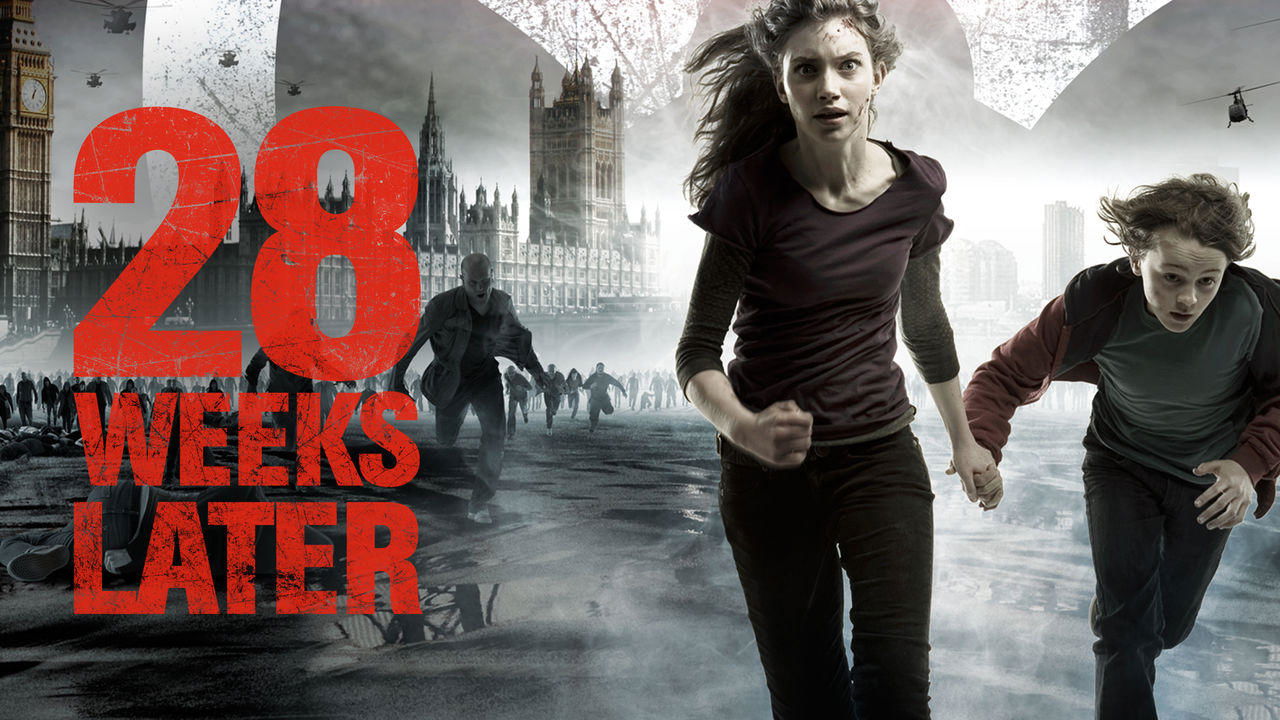
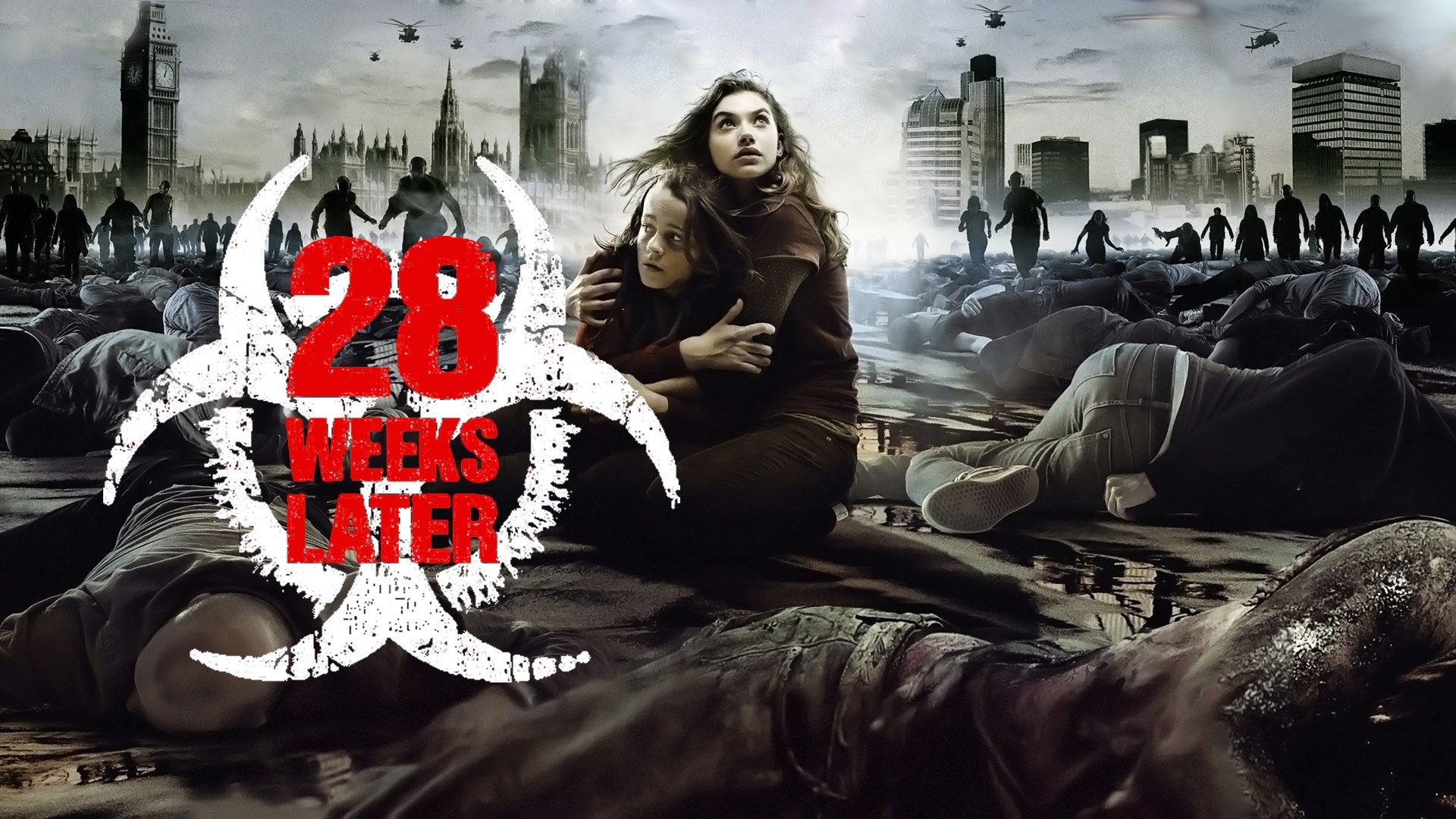
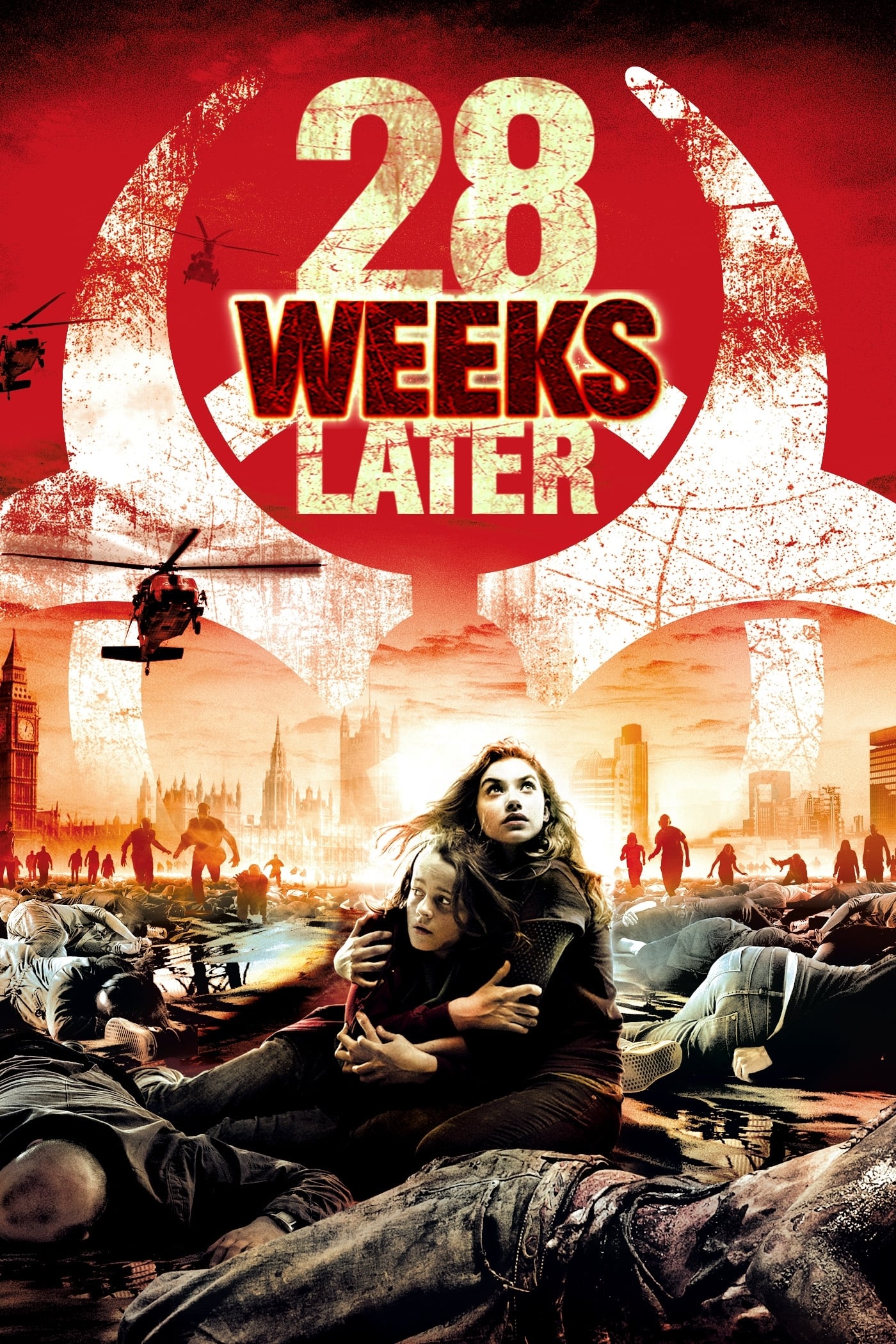
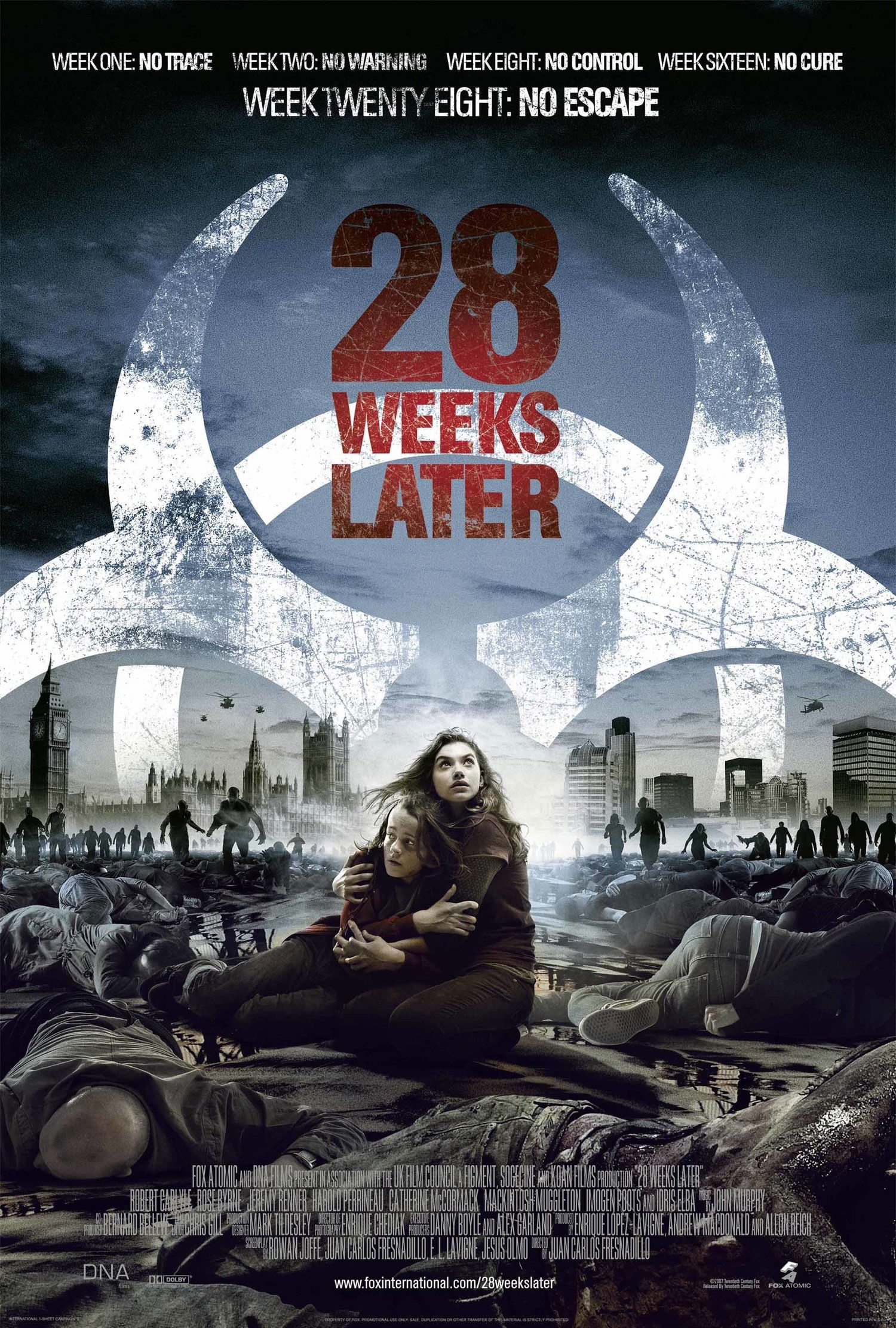
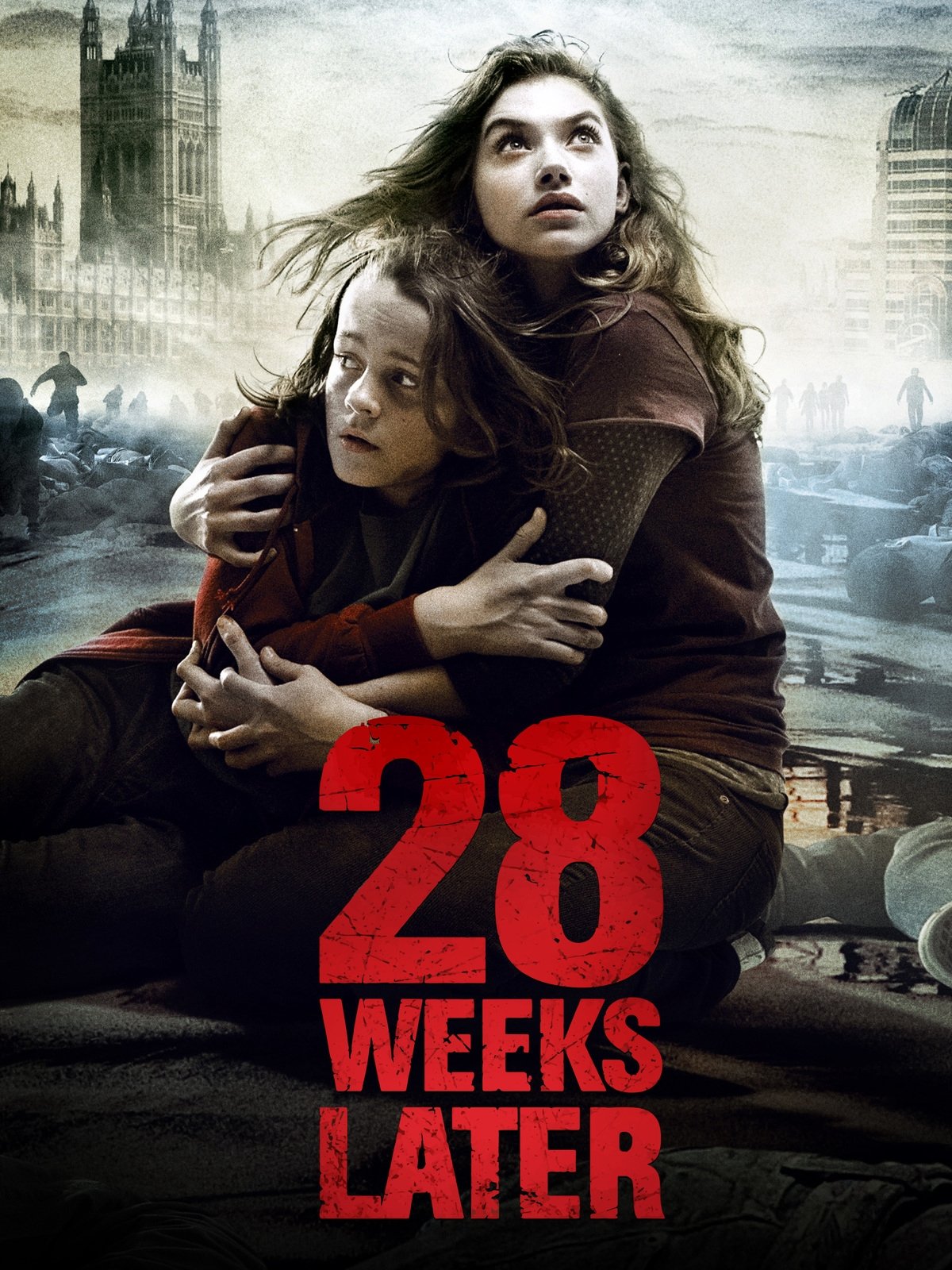
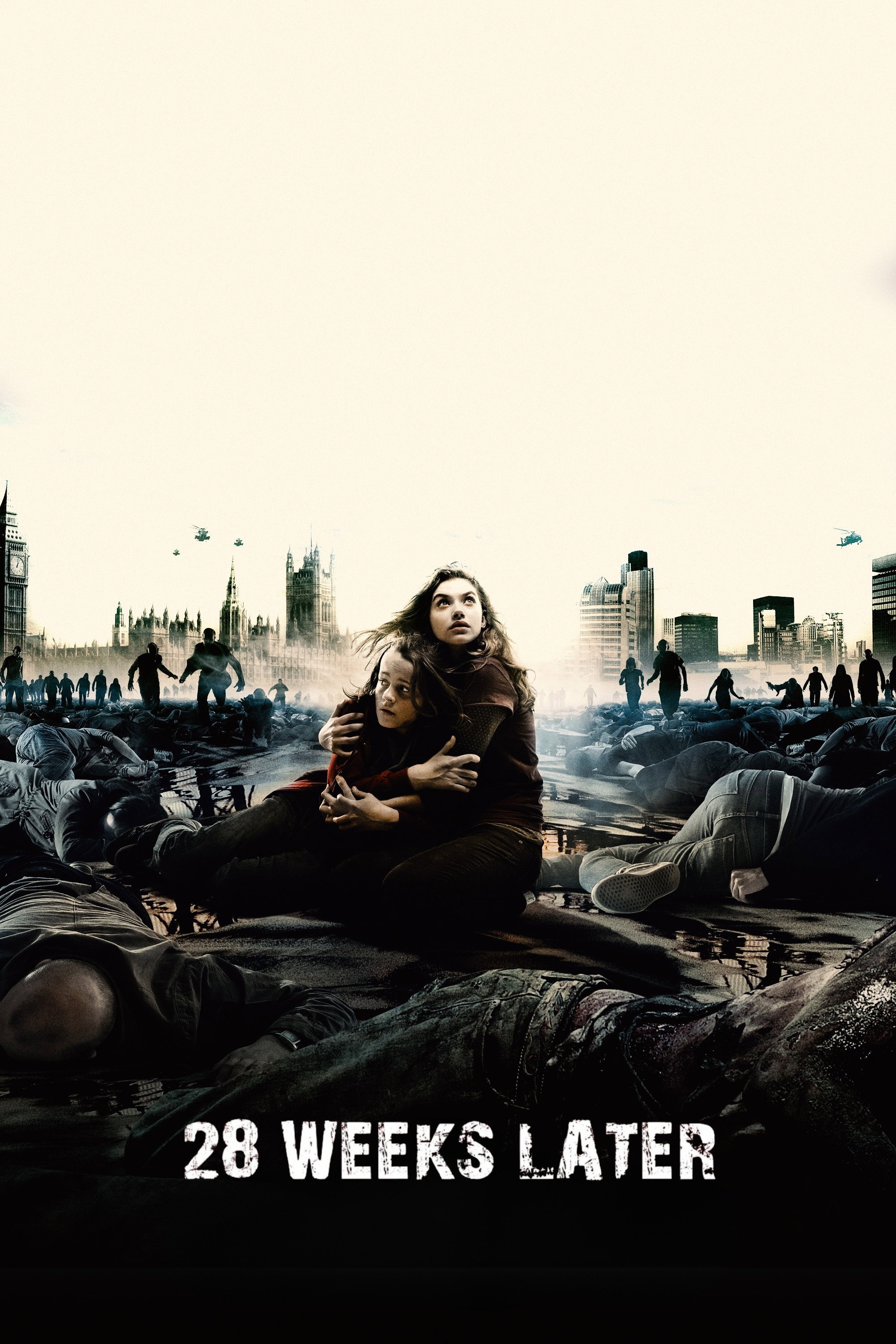
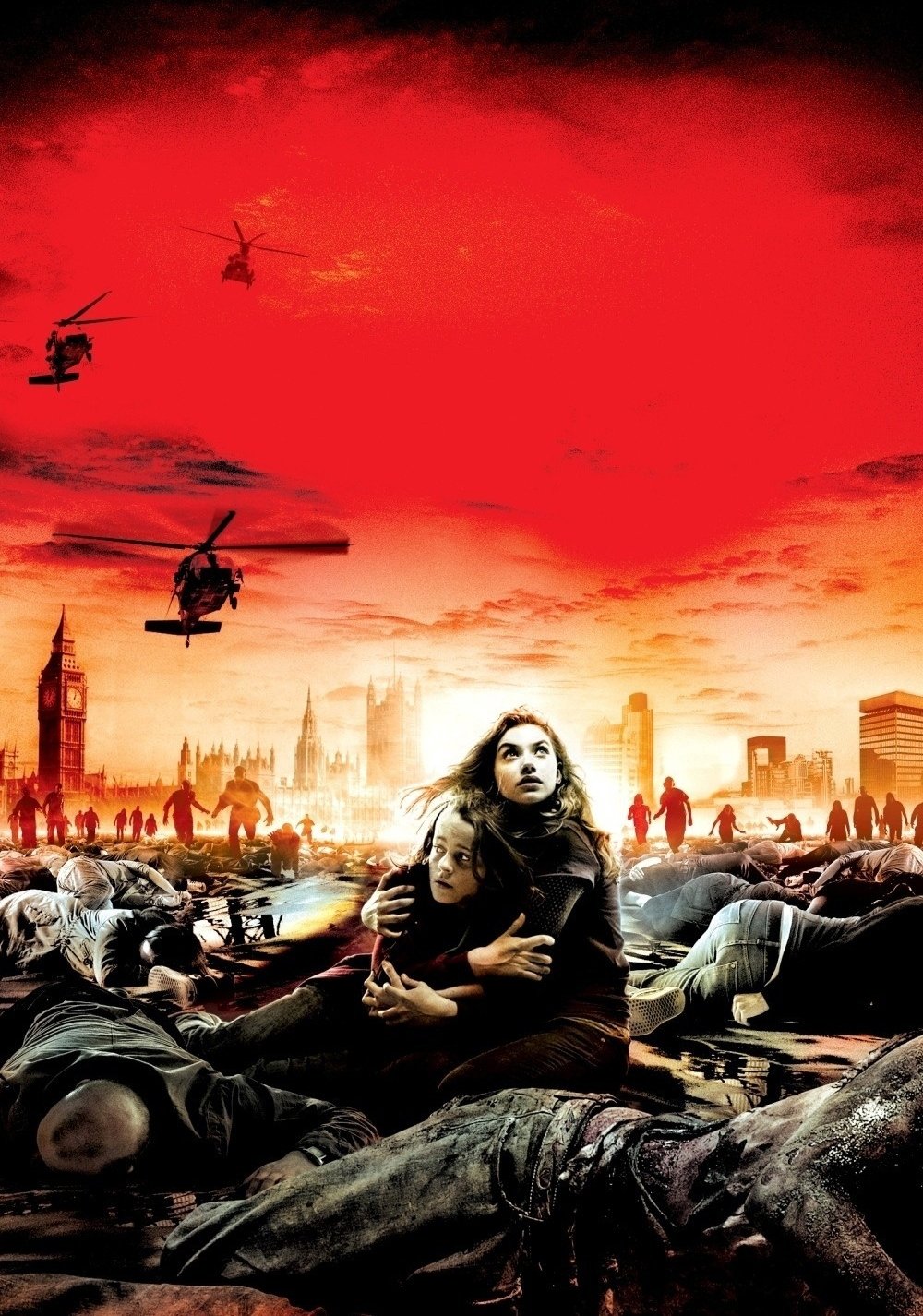
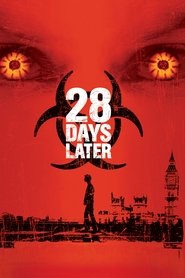
28 Weeks Later (2007) continues the Rage-virus catastrophe imagined in 28 Days Later (2002), shifting the action from the aftermath of an outbreak to a failed attempt to rebuild society. Directed by Juan Carlos Fresnadillo, the sequel depicts a protected district in London where United States forces supervise returning civilians. Its horror depends on the assumption that quarantine, medical surveillance and armed intervention can keep an apparently defeated infection under control. The film makes that assumption increasingly difficult to sustain, turning a scheme of reconstruction into a disaster intensified by the measures meant to contain it.
The sequel preserves the earlier film's fast-moving infected and abrasive documentary immediacy while expanding the scale of violence to crowded streets, military checkpoints and aerial attacks. Its opening escape places a family's breakdown at the center of the epidemic before the story moves to the fortified Isle of Dogs. Fresnadillo's approach gives intimate decisions consequences that spread through a larger system. The result occupies a distinct position in twenty-first-century British infection horror: a story about the return of ordinary life that makes institutional failure as frightening as the infected themselves.
Development and Direction
The success of Danny Boyle's 28 Days Later created the possibility of a continuation, but its director did not return to direct the second feature. Fresnadillo, whose debut Intacto had established his interest in chance and survival, was invited to develop the sequel from an existing screenplay by Rowan Joffe. Contemporary interviews describe further writing by Fresnadillo with Enrique López Lavigne and Jesús Olmo. The involvement of the original creative team remained significant: Boyle and Alex Garland held executive-producing roles, and Boyle contributed some second-unit work. Those roles should be distinguished from responsibility for the film's overall direction.
Fresnadillo explained in a May 2007 interview that being an outsider to London helped him find the new perspective the material required. He imagined himself reporting on a devastated city and used the returning civilians and foreign military personnel to frame the audience's encounter with it. This approach changed the central question from the first film's immediate struggle for survival to what happens when officials declare an environment safe. The recovery operation has timetables and perimeter controls, but the family's history remains unresolved. The tension between those two scales gives the sequel its dramatic structure.
London and the Production
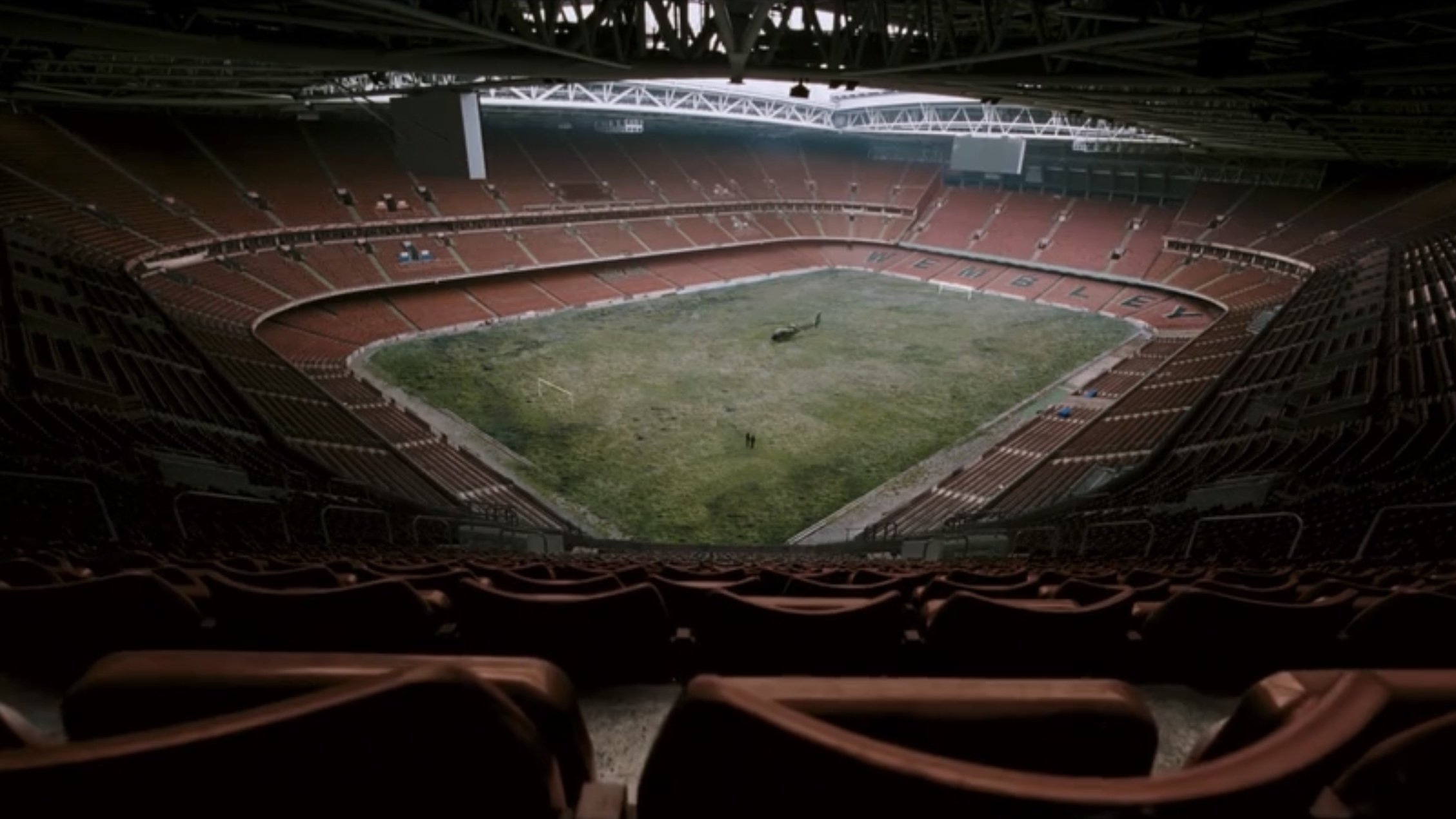
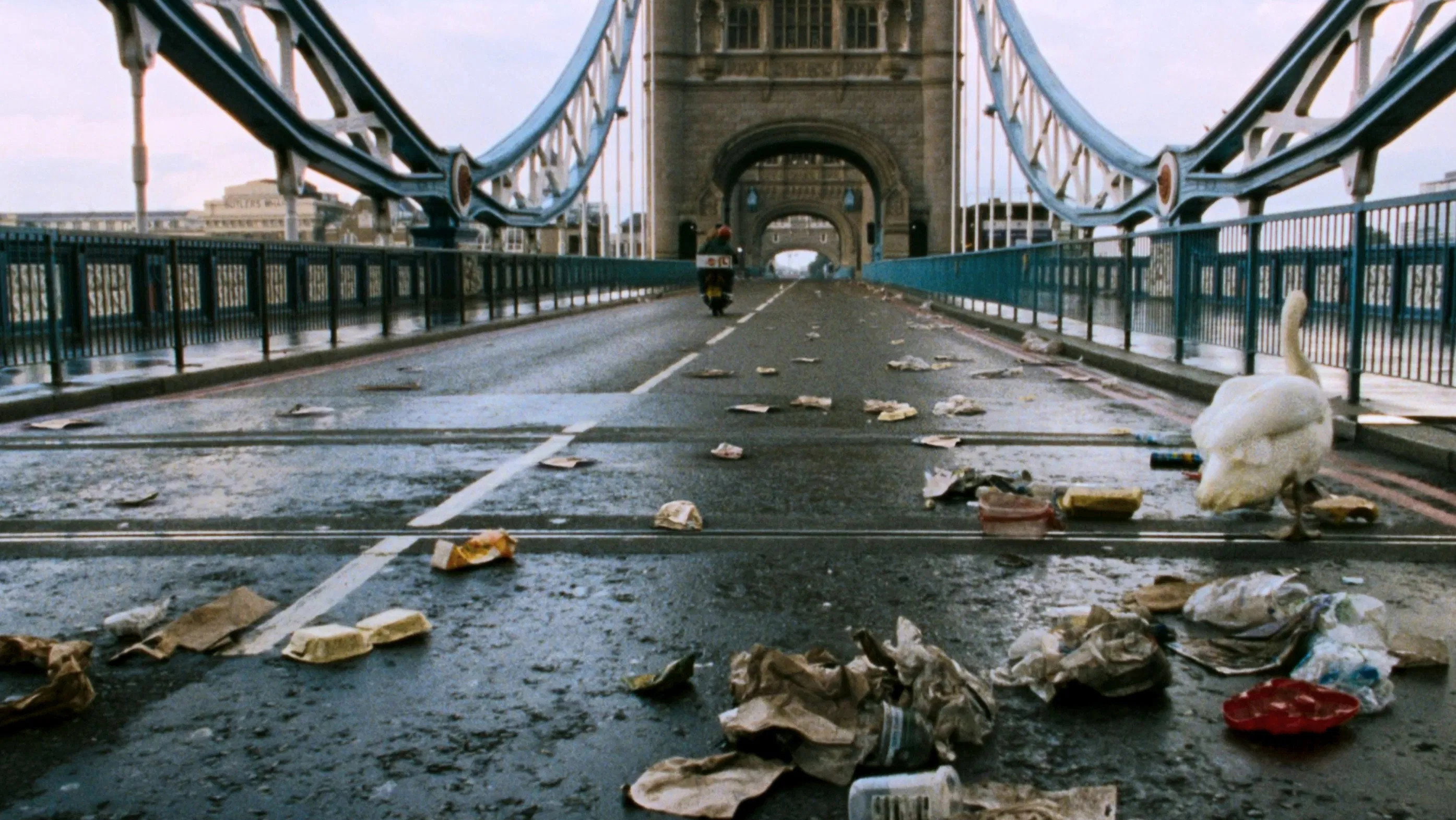
The production was closely tied to London rather than treating the city as a generic post-apocalyptic backdrop. In an interview for Post Magazine, Fresnadillo recalled approximately a year of script development and preproduction, followed by a ten-week shoot based at Three Mills Studios in East London. He described the practical difficulty of filming across numerous city locations under substantial restrictions. The resulting landscapes place recognizable streets and buildings alongside apparently abandoned infrastructure. Their familiarity helps make the return of ordinary civilian life seem plausible before the new emergency begins.
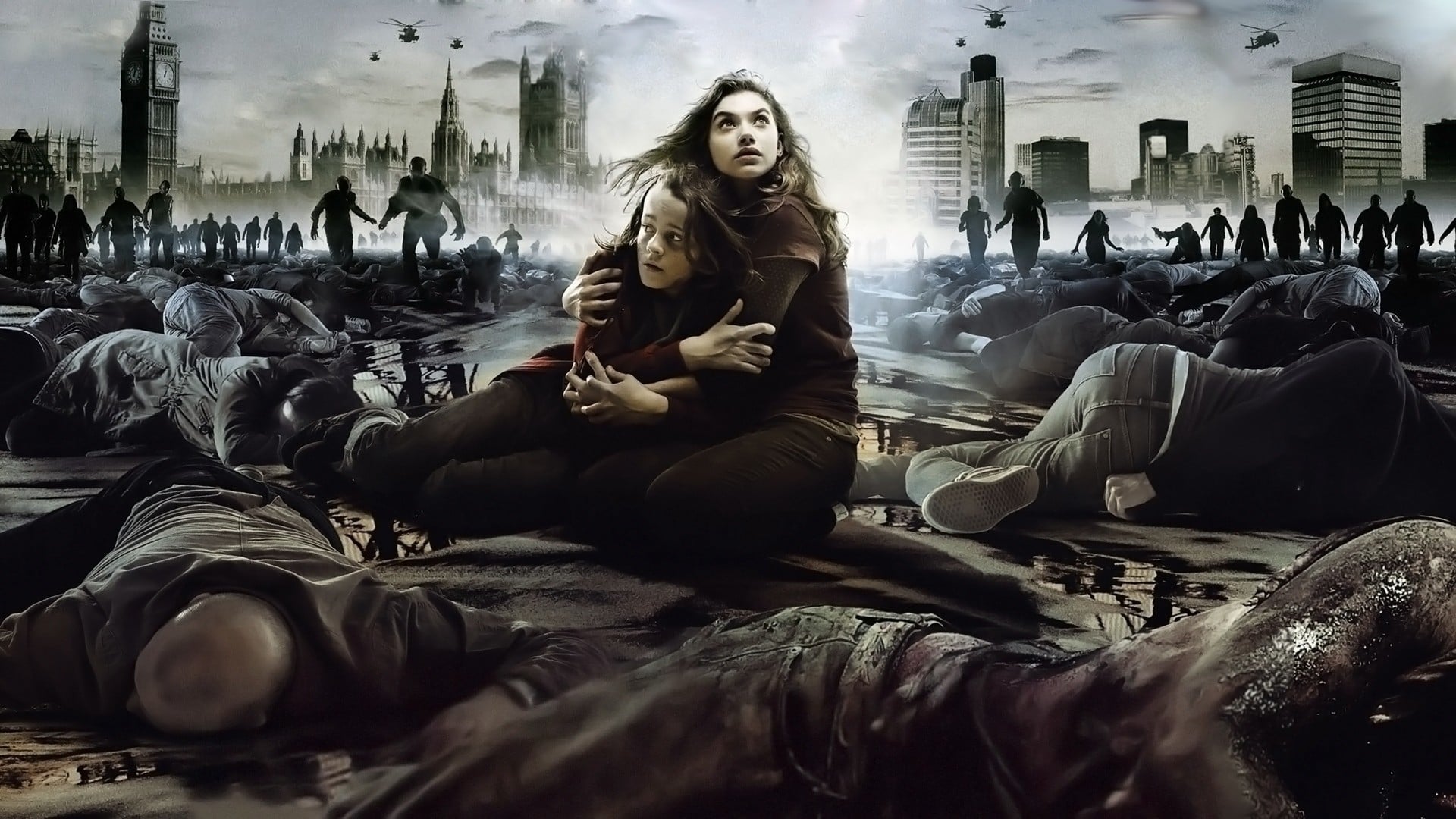
The Isle of Dogs provides the principal setting for the resettlement district, an unusually compact location for a story about the attempted recovery of a whole country. Its geography allows the authorities to create the appearance of a defensible zone, while the nearby Thames and dense built environment provide corridors of movement once order collapses. A 2007 El País feature reported on Fresnadillo's London locations and the importance of empty views of the capital. The images broaden the scope of the disaster without requiring a continuous parade of spectacular destruction. London becomes both a place people want to reclaim and a landscape that no longer belongs securely to them.
Visual Style and Editing
Fresnadillo told Post Magazine that he sought the immediacy of a horror documentary and used handheld photography and Super 16 to place viewers inside rapidly changing situations. The restless framing echoes the sensory urgency associated with the first film, but it is applied to a much larger range of environments, from the country-house prologue to military interiors and evacuated city streets. Wide establishing images briefly suggest strategic overview; close, unstable views then deprive both characters and spectators of that confidence. The effect is especially important when official forces lose the ability to distinguish infected people from those trying to escape.
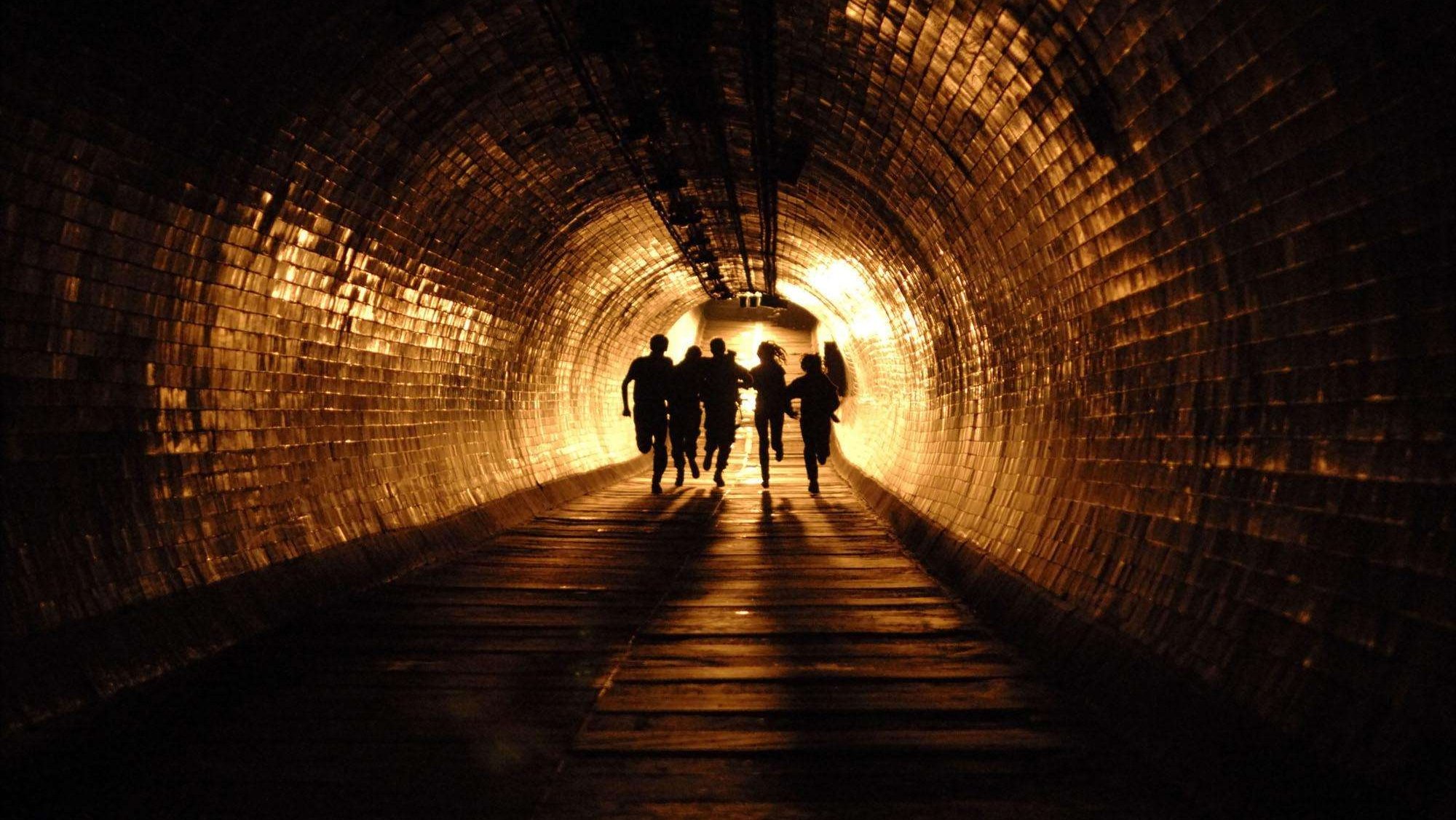
Editor Chris Gill, who had worked on 28 Days Later, returned for the sequel. Fresnadillo explained that Gill began editing while the production was still shooting, with further work taking place in Soho during post-production. Their process offered an opportunity to shape violent set pieces through the juxtaposition of simultaneous actions and incomplete perspectives. Darkness, smoke and abrupt changes of camera distance make the outbreak difficult to map precisely. That confusion is more than a visual signature: within the fiction, soldiers and civilians experience the same inability to know where a threat is coming from or whether the next person they encounter is safe.
The Infected and Physical Performance
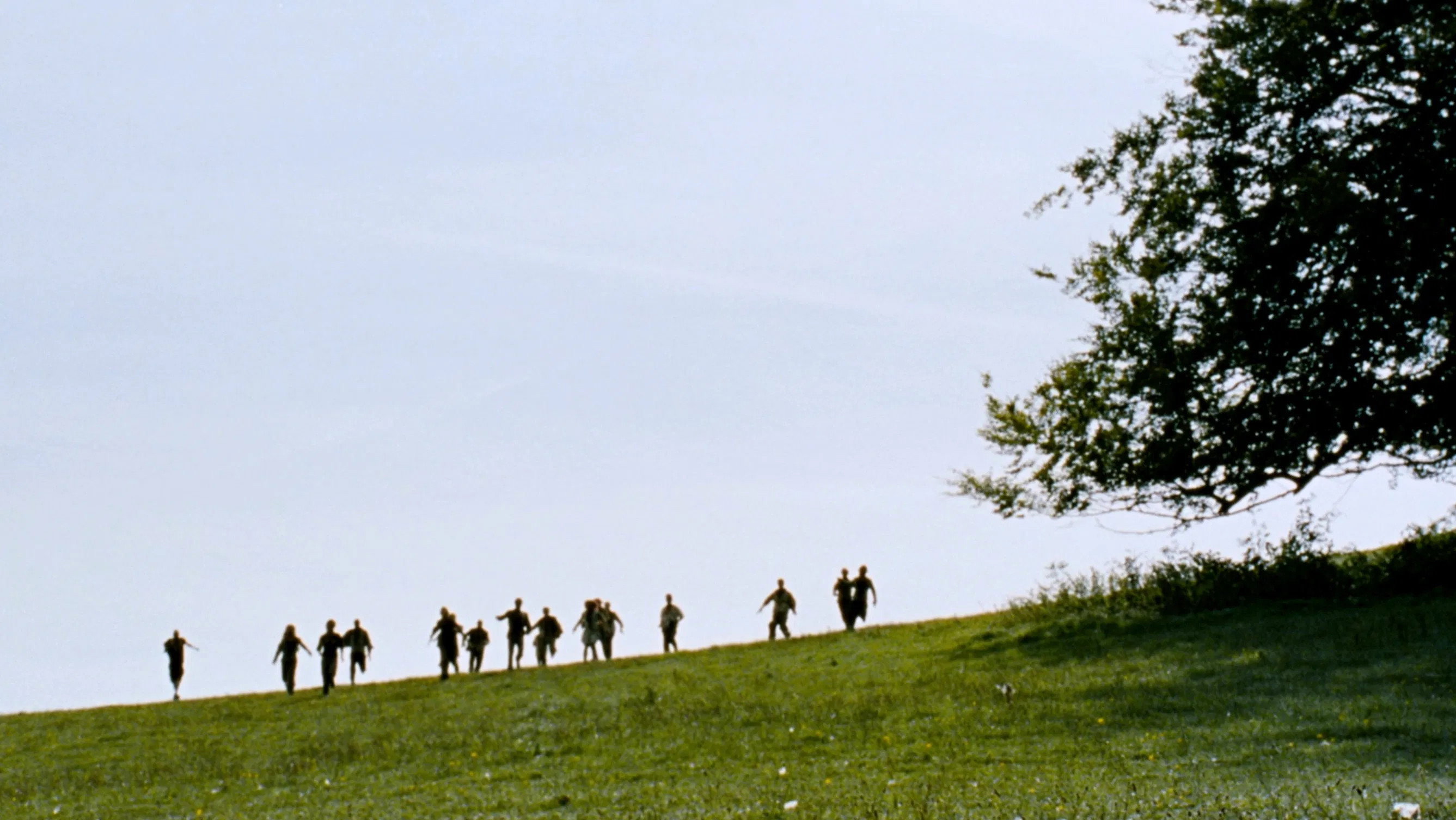
The infected in the film are living people transformed by the Rage virus, a distinction that matters to its connection with zombie cinema. Their aggression spreads through bodily contact and contaminated fluids, while their movement retains the terrifying speed introduced by the earlier feature. For the sequel, the physical behavior of the infected received deliberate attention. A contemporary Los Angeles Times report described movement specialist Paul Kasey's work with performers and Fresnadillo's preference for a more animalistic style. The production looked beyond conventional extras to people with backgrounds in dance, gymnastics, mime and physical performance.
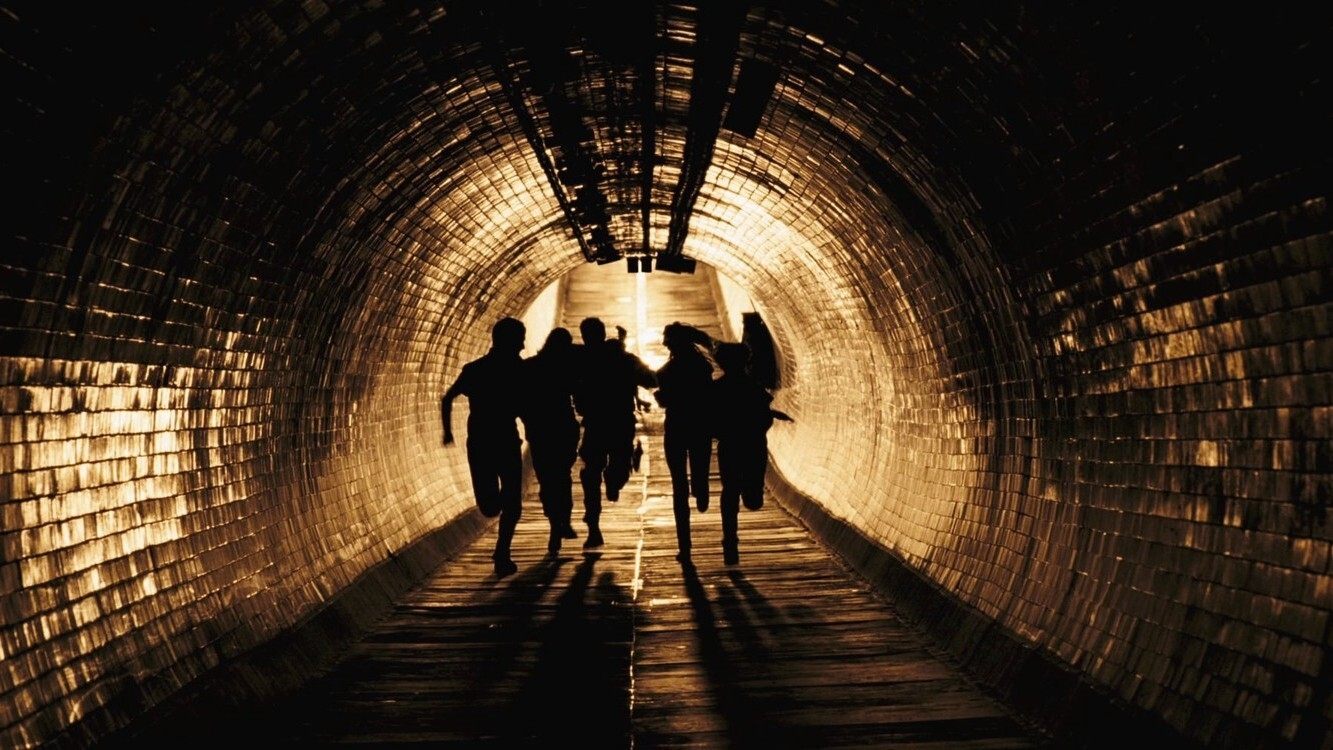
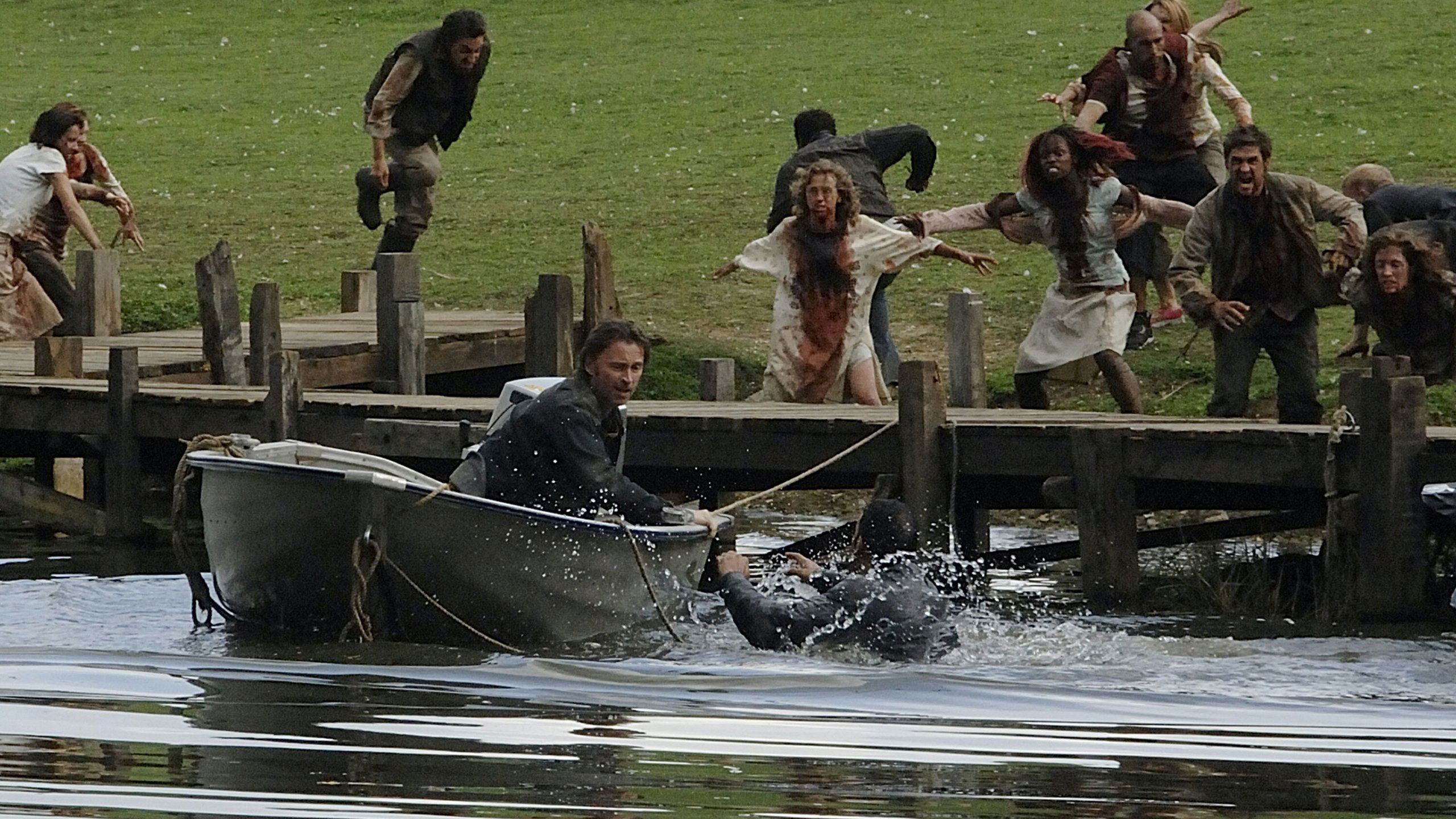
Those choices give crowds of infected a shared behavioral logic without making each body move identically. In the first stages of the outbreak, the rapid transformation of individual victims turns seemingly secure rooms into traps; later, groups of runners overwhelm spaces supposedly controlled by armed forces. The film's images of blood, contorted movement and bodily attack connect it to the visceral tradition of infection horror. Its central fear nevertheless depends on how quickly a human figure becomes unreadable. The soldier who sees a running person must decide whether that person is a threat, a refugee or both, and the film makes those judgments increasingly lethal.
Visual Effects and Mass Violence
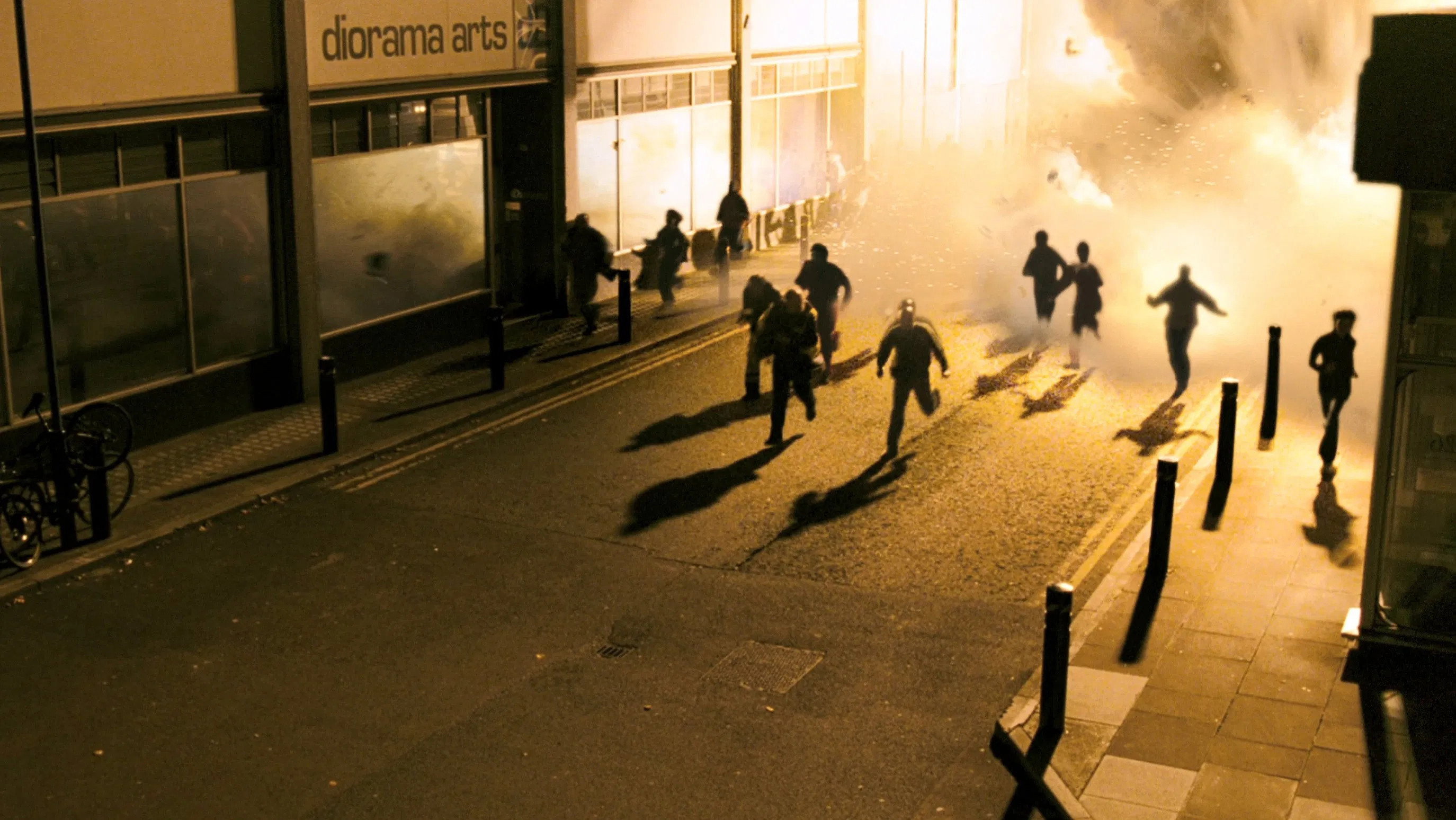
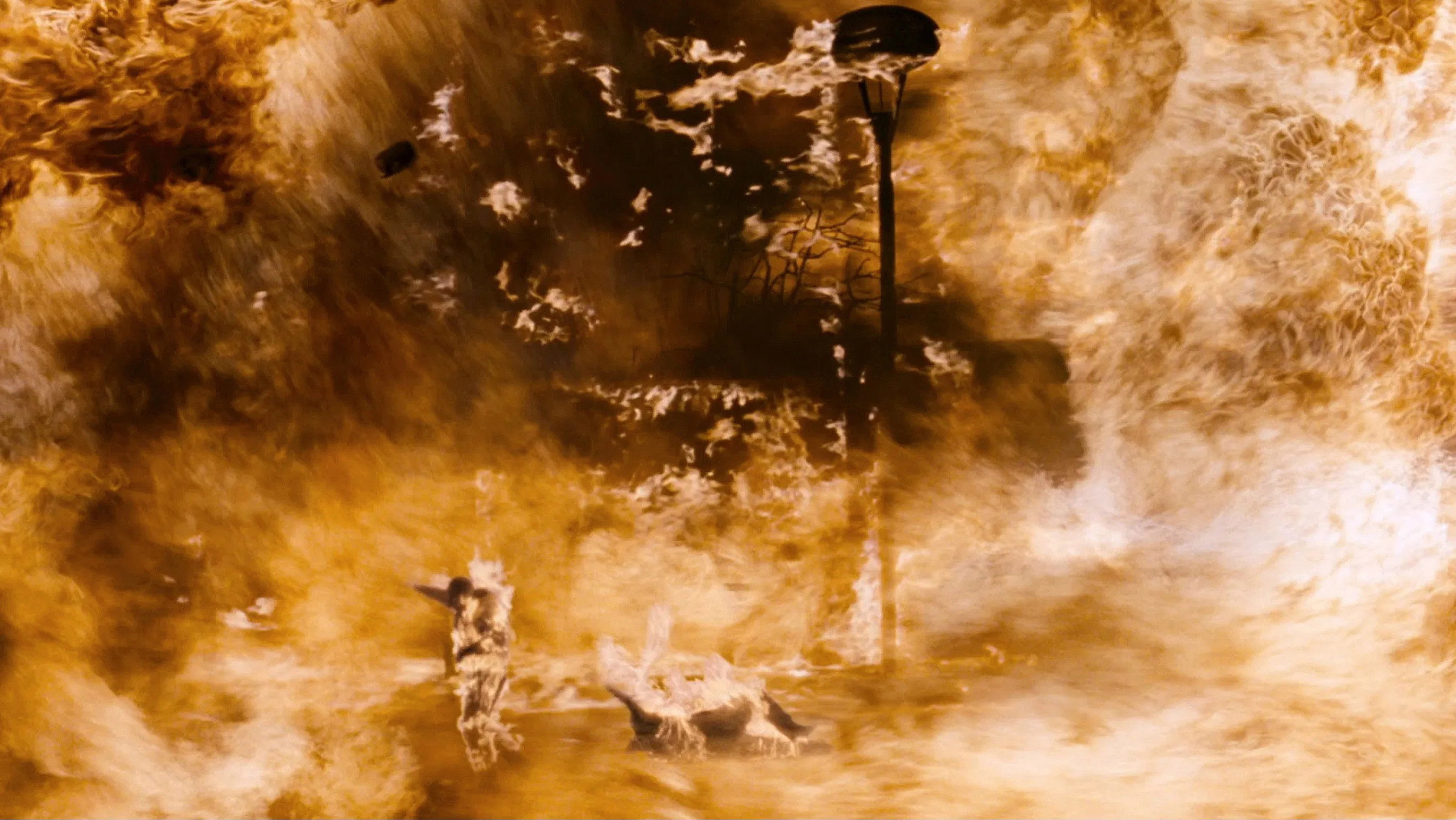
The larger production scale required effects that could portray the destruction of populated areas while preserving the rough photographic appearance. Fresnadillo identified the bombing of London as one of the most demanding sequences. He credited Prime Focus with substantial compositing work that combined streets filled with running performers and the fire used in the attack. The scene is disturbing because the decision to eliminate the infected expands into the indiscriminate destruction of an entire district. A measure presented as emergency containment becomes an escalation of the catastrophe that the authorities were assigned to prevent.
A helicopter attack later in the film required a different combination of techniques. Fresnadillo described the use of real performers, dummies, practical effects and computer-generated imagery to create the impression of rotor blades striking infected pursuers. These documented methods avoid the misleading idea that the action was achieved entirely through one effects discipline. The sequence also demonstrates how the sequel uses military machinery as a source of bodily horror. Aircraft, protective systems and evacuation vehicles may offer escape to certain characters, but their force can be as destructive to nearby human bodies as the infection itself.
Music and the Sound of Panic
John Murphy returned to provide the score, preserving a musical connection to 28 Days Later. Contemporary soundtrack coverage noted the reuse of recognizable material associated with the first film, including In the House - In a Heartbeat. This continuity matters because the sequel frequently moves between isolated personal terror and sequences involving much larger groups. The recurring musical material helps join those scales while reminding viewers that the virus has returned from an earlier catastrophe. It operates as part of the series' identity, not merely as accompaniment to action.
The film's soundscape also draws strength from abrupt changes between relative quiet and overwhelming noise. The early household attack establishes panic through cries, movement and the violent intrusion of infected bodies into small rooms. Later sections replace that intimacy with alarms, gunfire, aircraft and the clamor of fleeing crowds. This progression supports the change in setting from a private refuge to an urban containment operation. No detailed claim about Murphy's individual recording methods or particular instruments is warranted here without direct production documentation. The reliably established point is the score's continuity across the first two films and its role in binding their distinct kinds of horror.
Family, Contagion and Control
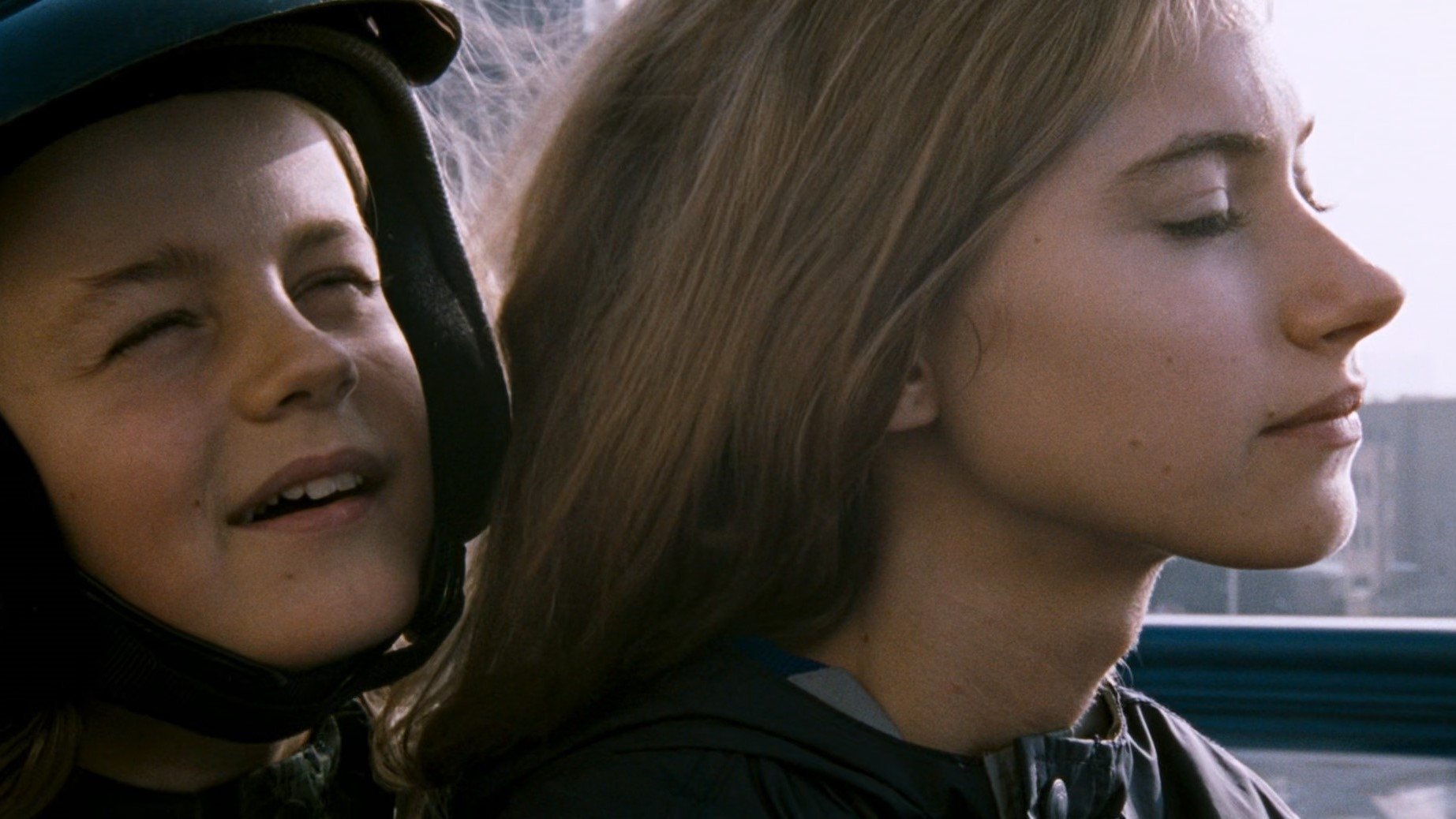
The narrative opens with Don abandoning his wife Alice during an infected assault on a rural refuge. When the family is reunited in London, this decision becomes an unresolved moral pressure rather than a discarded episode of backstory. The children, Tammy and Andy, encounter the official reconstruction effort through personal loss and divided loyalties. Their actions also expose the fragility of procedures designed around predictable public behavior. The story repeatedly moves danger across thresholds: from a protected building into a family encounter, from an isolated patient to the resettlement population, and finally beyond the district's boundaries.
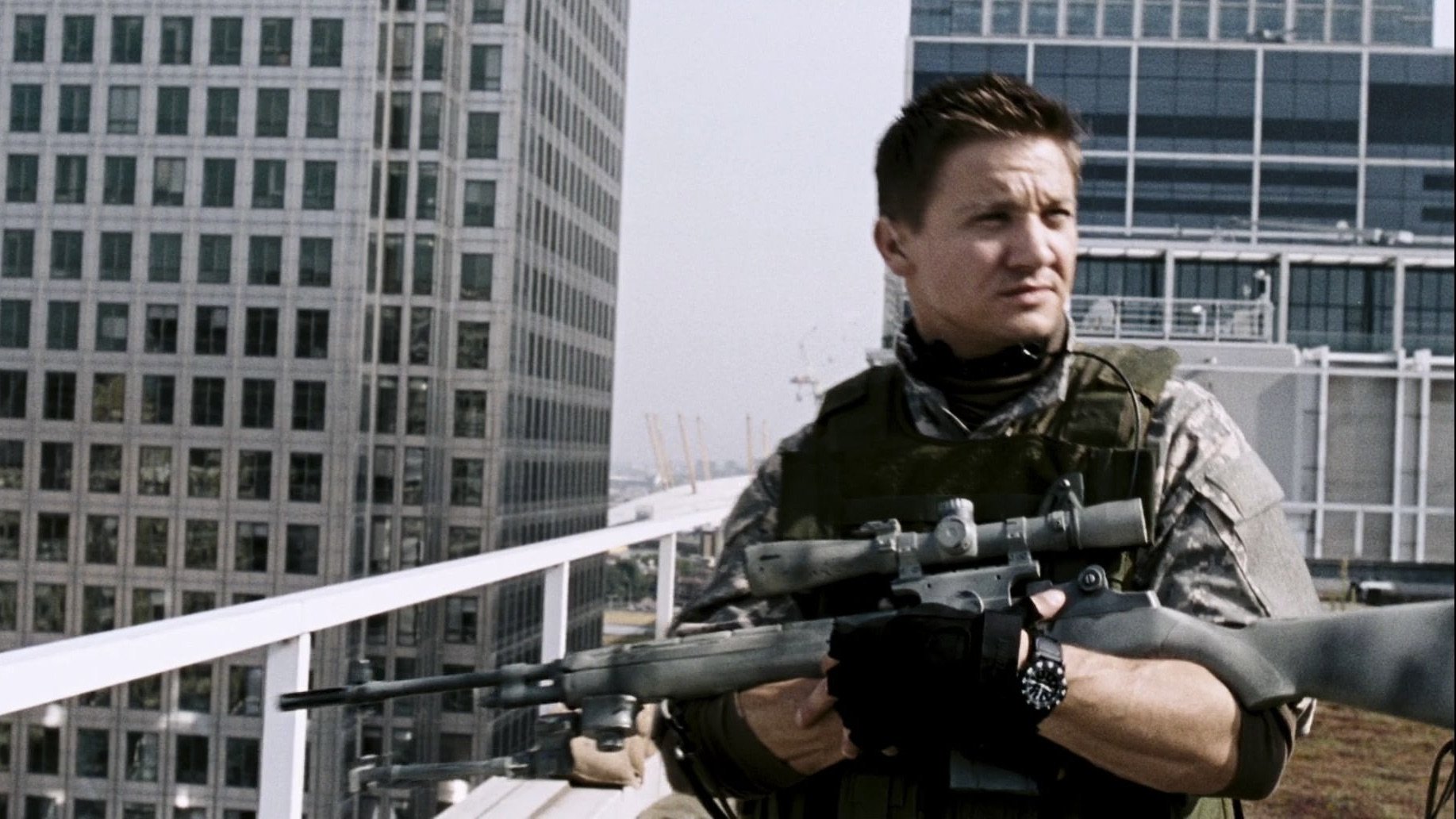
The military response gives the infection story an explicitly administrative dimension. Medical screening, surveillance, designated safe spaces and evacuation plans initially define a rational response to mass danger. Yet the rules become disastrously rigid once the crisis begins, particularly when authorities are ordered to fire into crowds in which infected and uninfected people are mixed. The narrative invites a reading about the failure of security systems that cannot adapt to uncertain information. Such a reading is an interpretation of the film's depicted events; it should not be presented as proof that Fresnadillo intended a precise allegory of any one contemporary conflict or political decision.
Release, Classification and Position in the Series
20th Century Fox lists the American theatrical opening as May 11, 2007, with a running time of approximately 100 minutes. The British Board of Film Classification recorded a cinema version lasting 99 minutes and 53 seconds in April 2007 and a physical-media entry lasting 95 minutes and 57 seconds later that year. The BBFC records are valuable evidence of separately submitted formats and running times, but the discrepancy alone does not prove the removal of violent material: playback-speed and format differences require consideration before drawing conclusions about edits. The same agency lists additional trailers and home-video supplements as separate entries.
Within the series, 28 Weeks Later established that the Rage-virus premise could sustain a second feature with new characters, a different director and a broader political setting. Its combination of infected-body horror with the mechanics of quarantine widened the narrative terrain established by 28 Days Later. It also leaves the geographic containment of the outbreak in doubt, an ending that expands the imagined threat beyond the returning population of London. Its enduring importance is clearest in those formal and narrative changes; claims about direct influence on unrelated later films would need specific testimony from their makers, and a precise lifetime commercial total should not be inferred from incomplete contemporary reports. The shift from the first film's deserted streets to this sequel's crowded evacuation points is especially revealing. Both films turn familiar urban space into a source of threat, but the second also makes collective decision-making visible. The camera observes how a command issued far from the infected can determine who survives an encounter at street level.
References
Post Magazine — Director's Chair: Juan Carlos Fresnadillo
Direct interview documenting the shoot, camera approach, editing and hybrid visual effects.