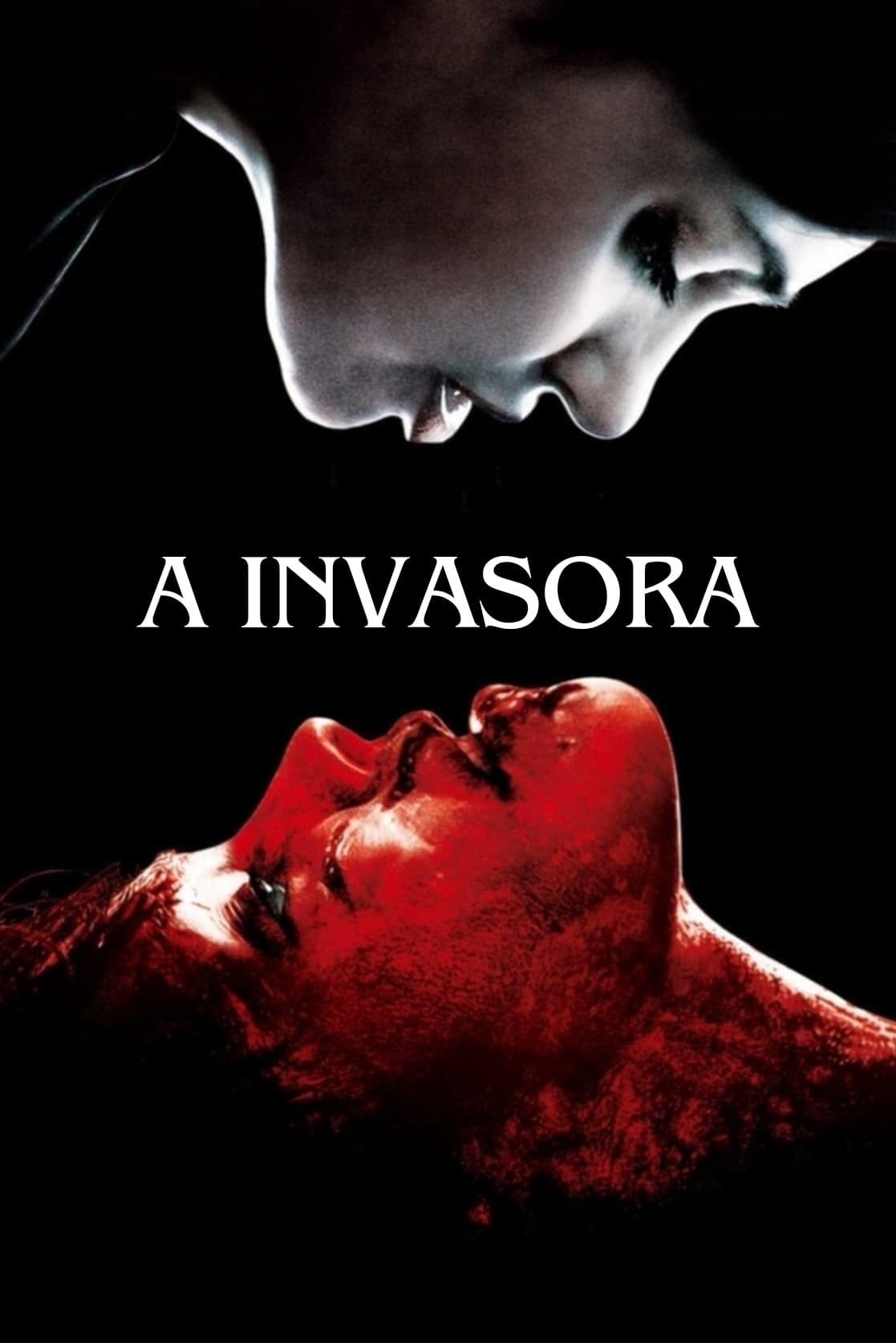
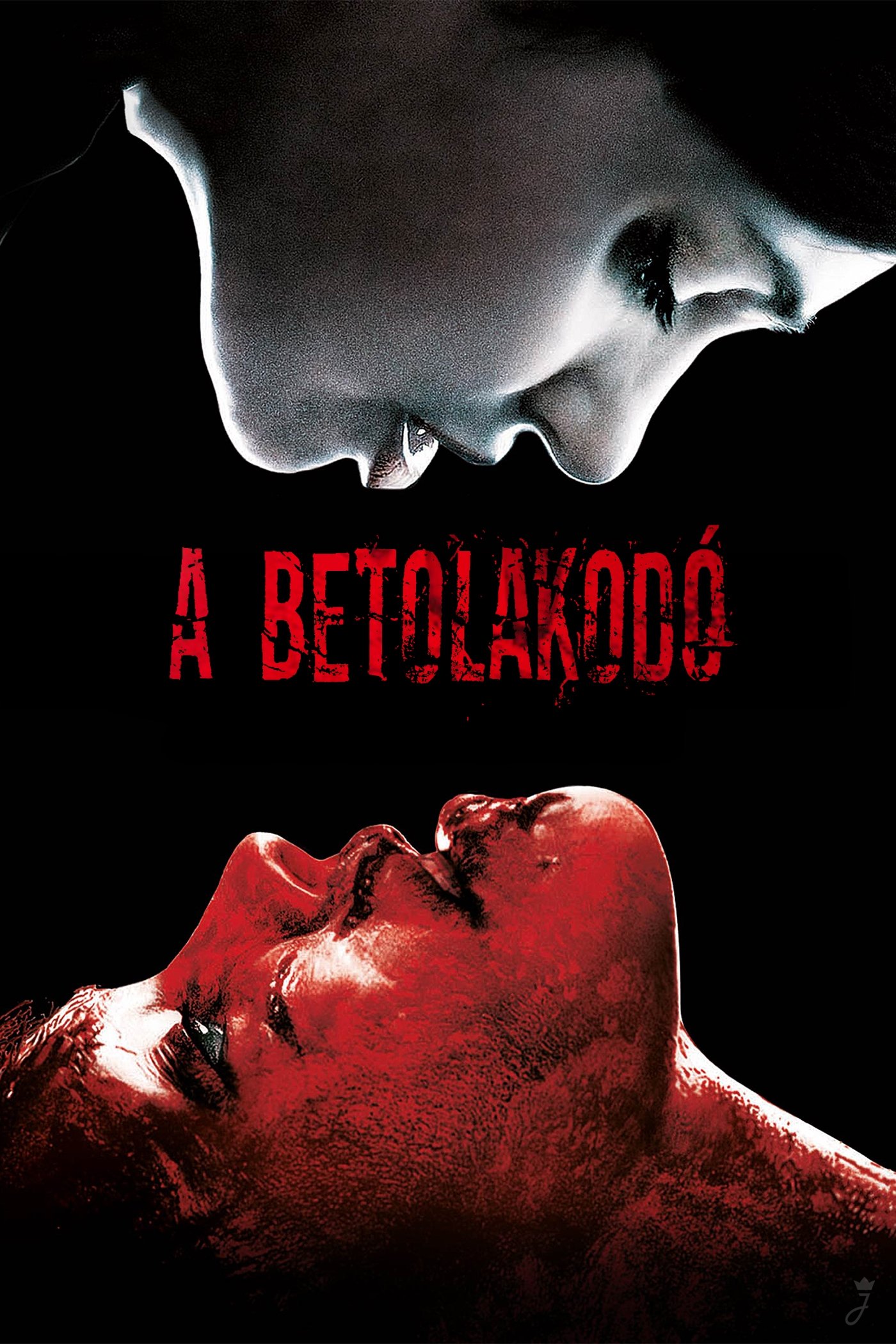
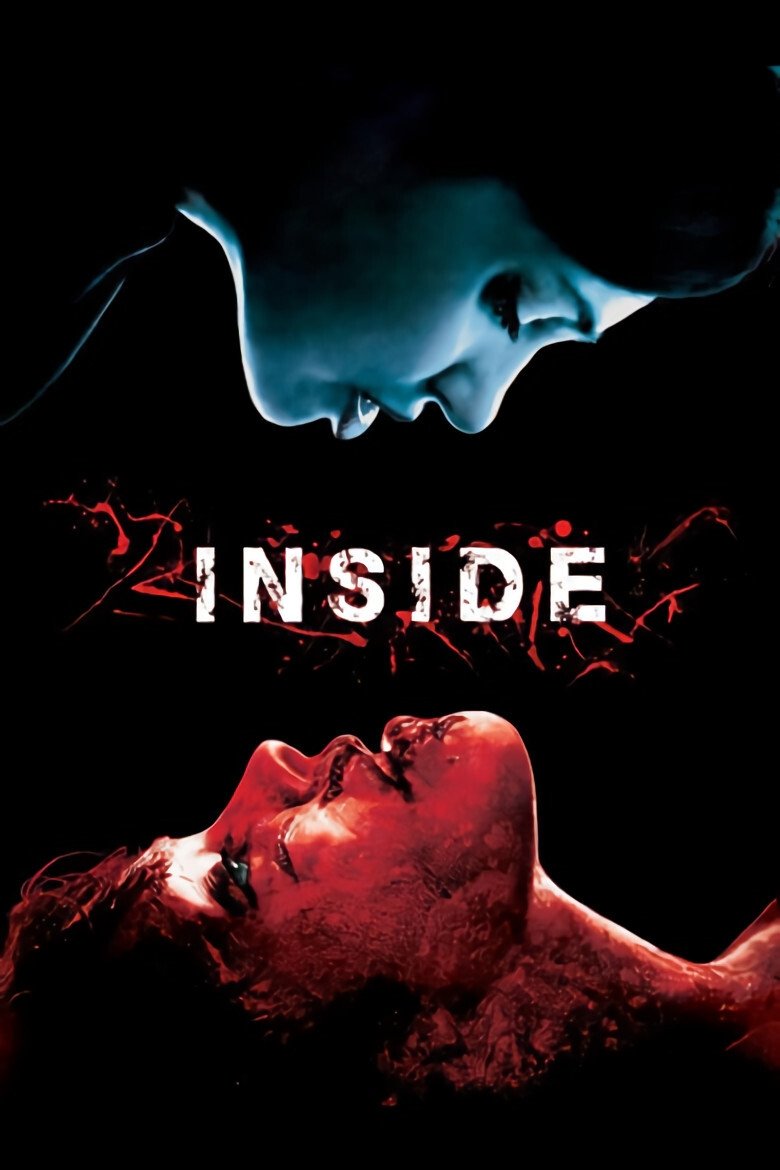
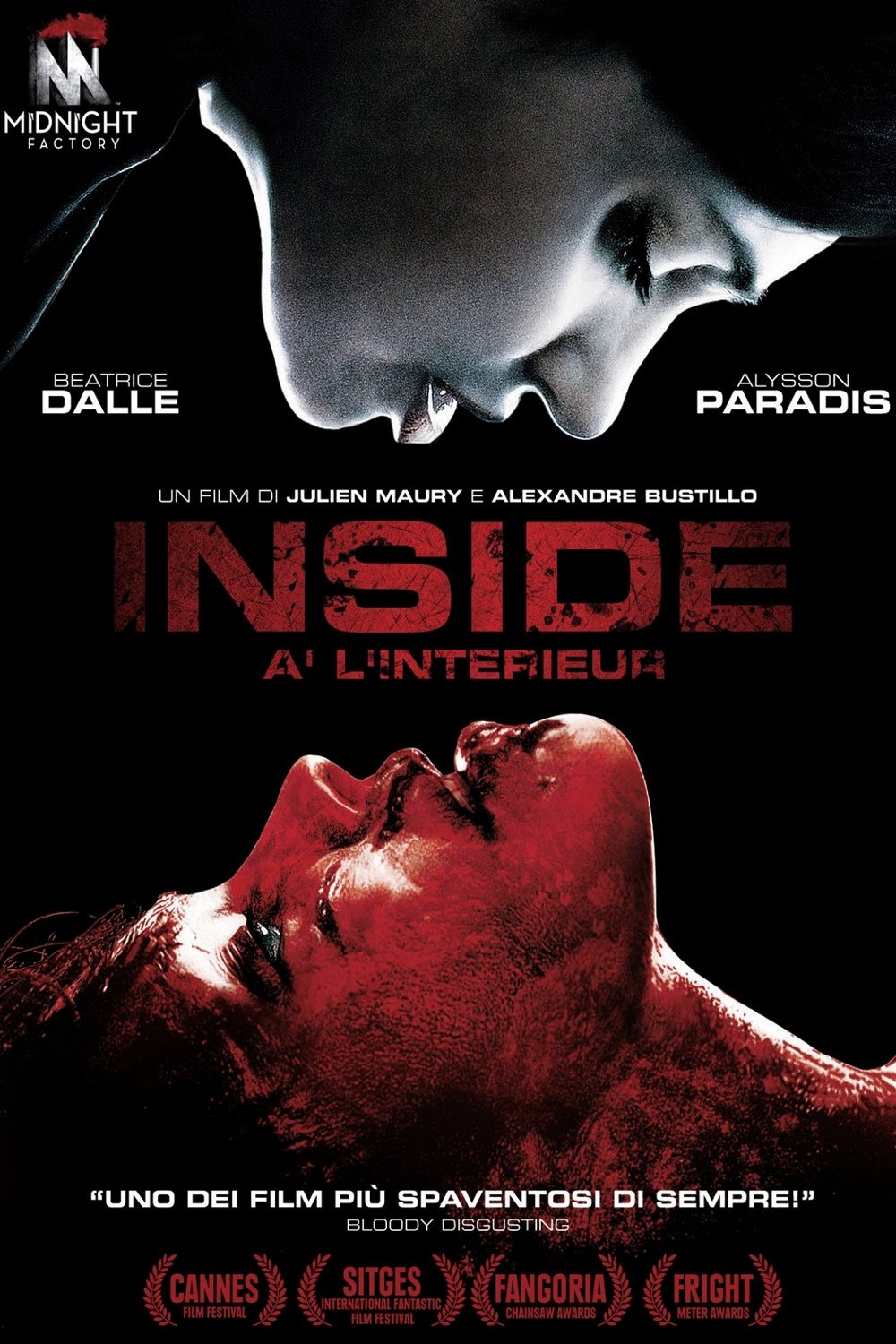
Origins, Development & Financing
The original premise came from Alexandre Bustillo, a former critic for the French genre magazine Mad Movies. In a June 2007 interview, he recalled imagining what might happen to a heavily pregnant friend living alone in a suburban house if a stranger began threatening her. His first version featured a male serial killer who pursued pregnant women for their placentas. Bustillo subsequently changed the antagonist into a woman, believing that a female character desperate to obtain a child created a more distinctive conflict. The screenplay developed from the vulnerability of the expectant mother and the competing desire of her assailant, rather than from an established supernatural mythology.
Bustillo initially intended to write the screenplay and find another filmmaker to direct it. He approached Julien Maury after seeing his short film Pizza Hunt, whose direction impressed him despite its limited resources. The two discovered compatible interests in horror cinema and eventually decided to direct together. Their subsequent revisions expanded the original confrontation, developed the women’s personal histories and introduced supporting characters. In production notes later preserved by the British Film Institute, the directors explained that the producers contributed to the screenplay’s development without asking them to reduce its violent content.
The film was developed with La Fabrique de Films, headed by Vérane Frédiani and Franck Ribière. The producers saw potential in a story that joined familiar fears of intrusion with the more intimate danger surrounding pregnancy. Their involvement also belonged to a broader attempt to establish a sustainable market for contemporary French horror. Reporting on the industry in June 2007, Le Monde described financing difficulties faced by productions outside the country’s established dramatic and comedic traditions. Inside benefited from producers willing to support a relatively unusual project whose graphic content could complicate conventional television and theatrical financing.
Cinematography & Visual Style
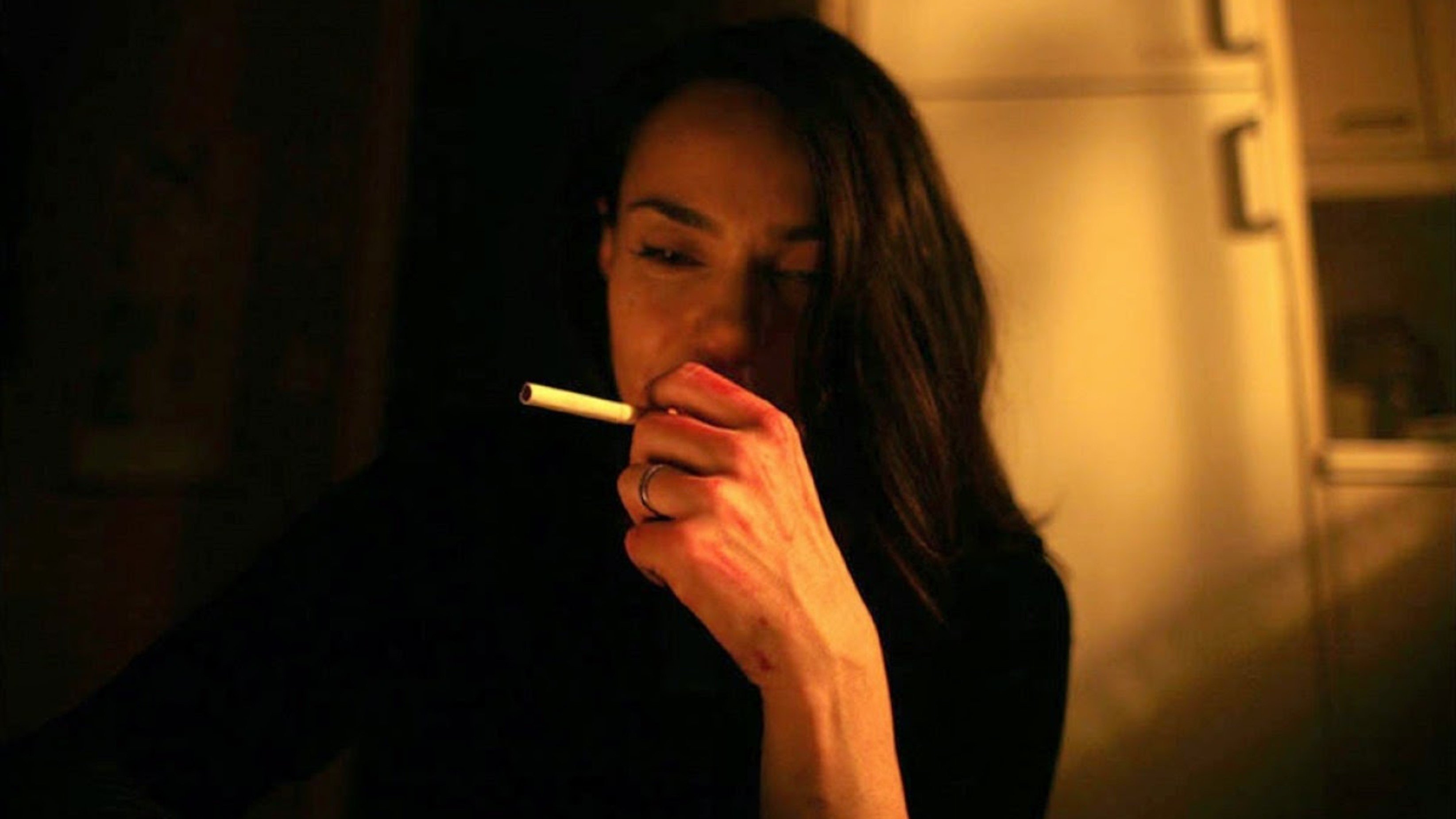
Inside was photographed by Laurent Barès, whose work attracted the directors after they saw a music video he had photographed for Noir Désir. Bustillo and Maury initially considered other cinematographers, including Benoît Debie and Guillaume Schiffman, but scheduling conflicts prevented those collaborations. In a contemporary interview, Bustillo explained that the filmmakers wanted the lighting to begin from a recognizable domestic reality and gradually move toward warmer, less naturalistic images. Barès developed this progression with the production design, using the interior surfaces and controlled lighting to create increasingly oppressive spaces.
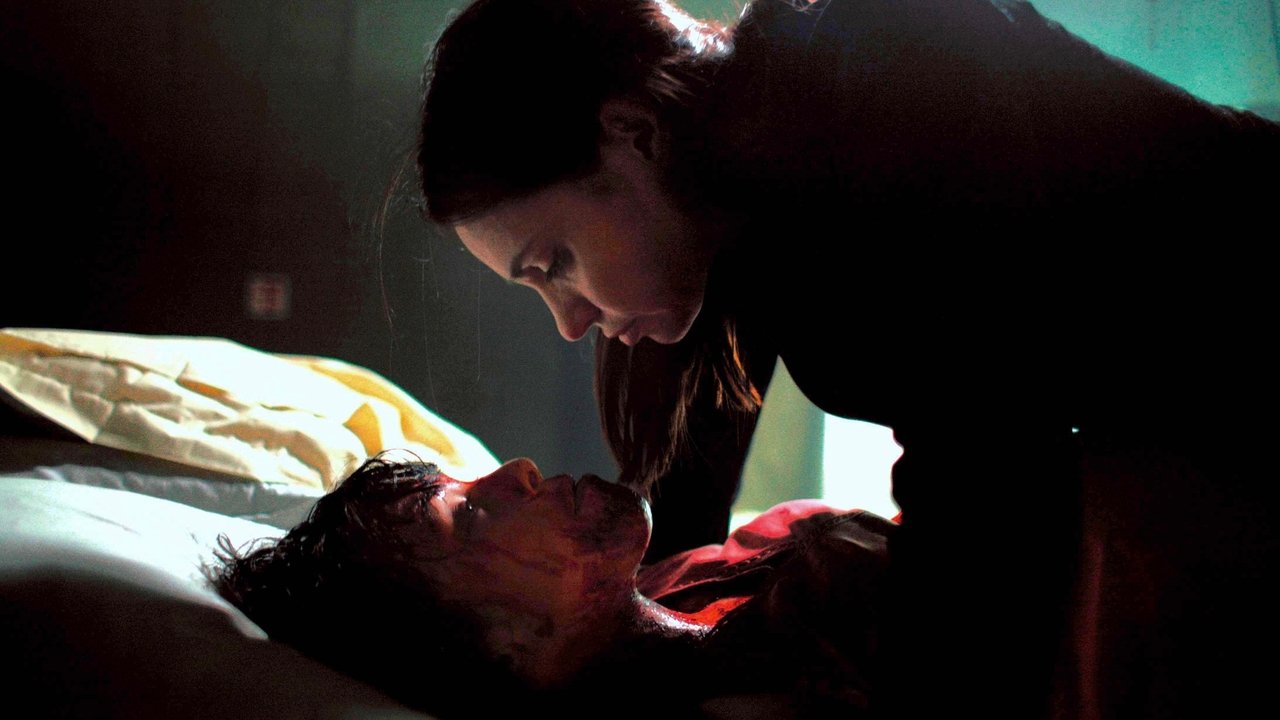
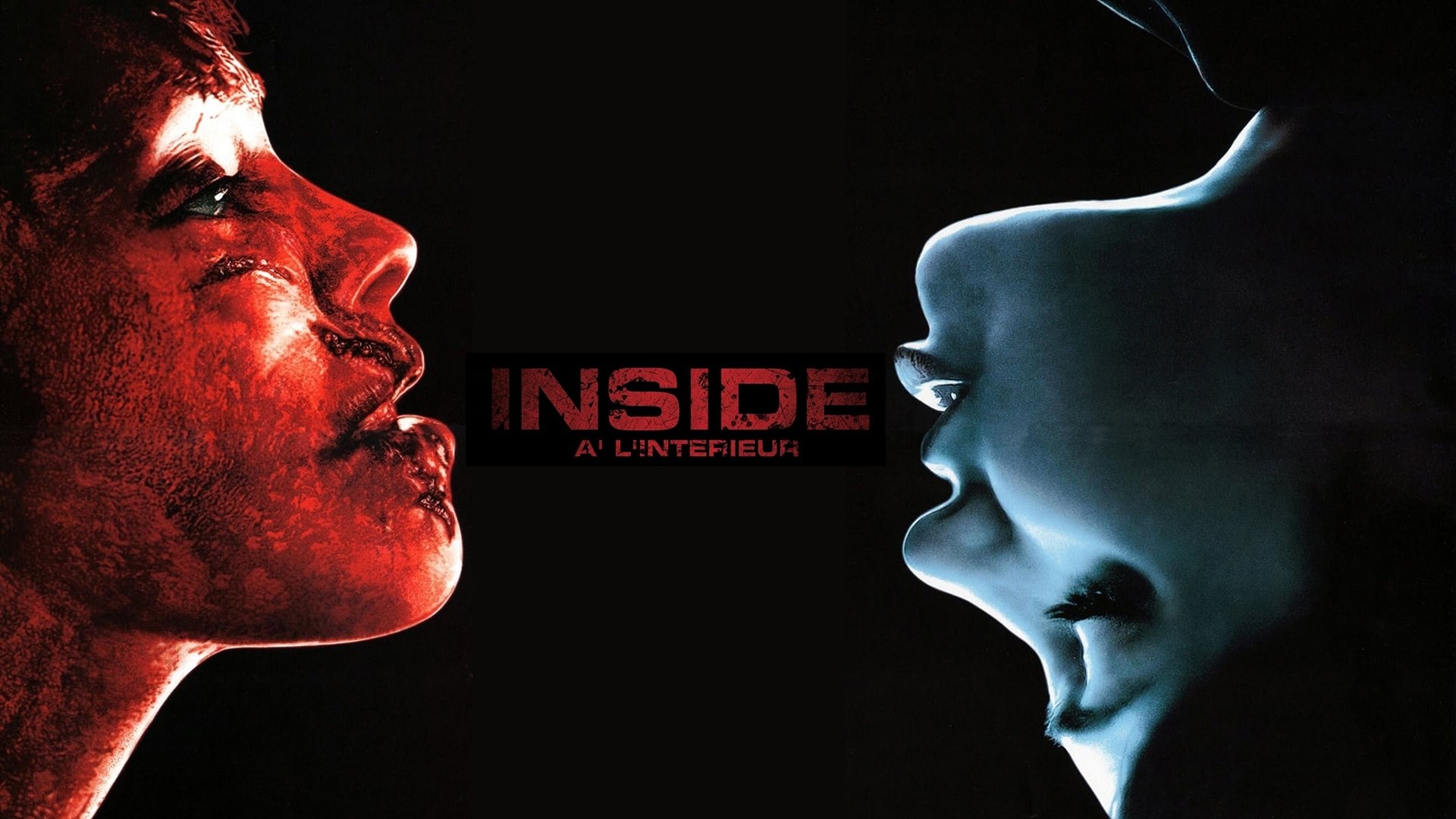
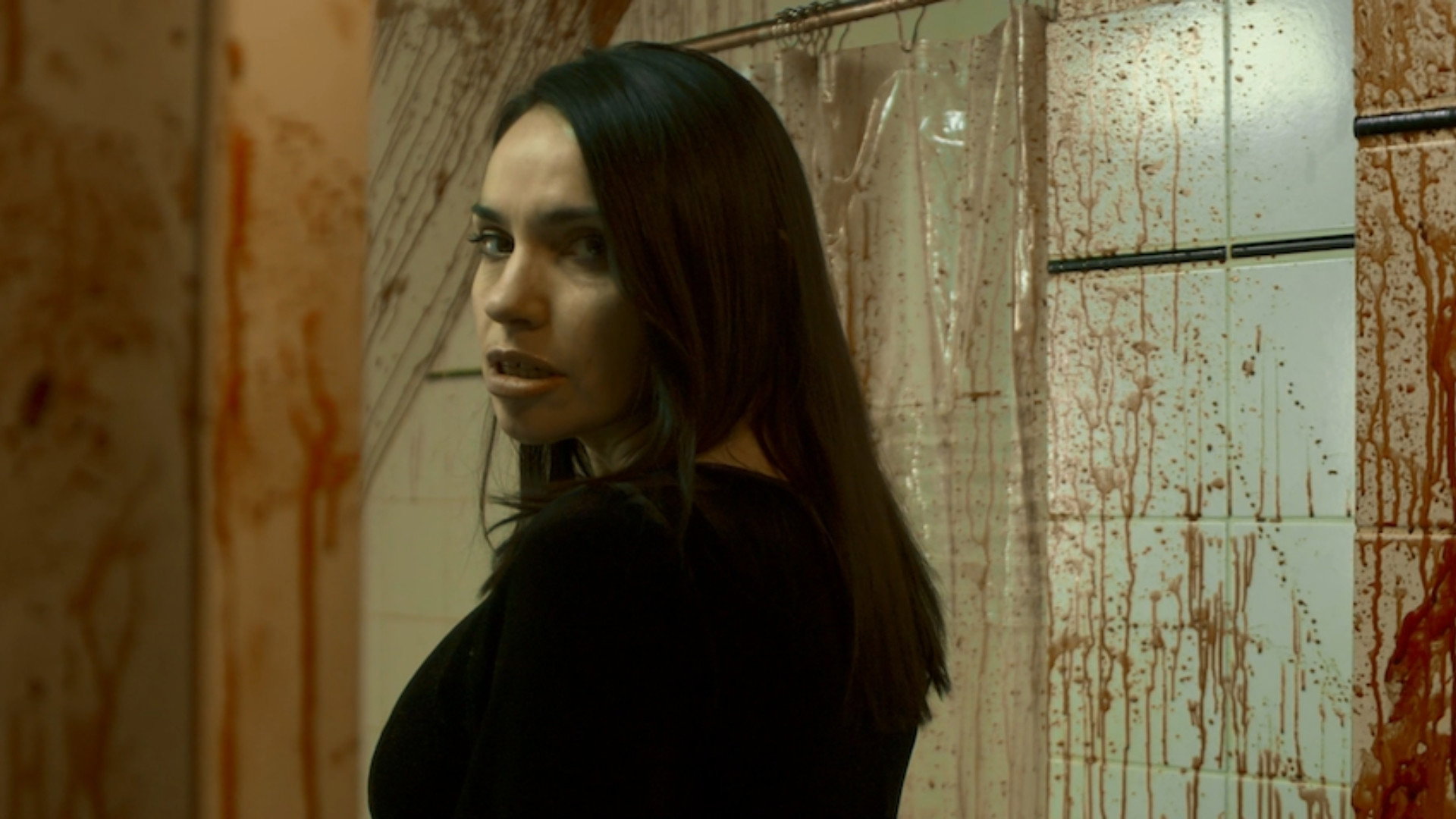
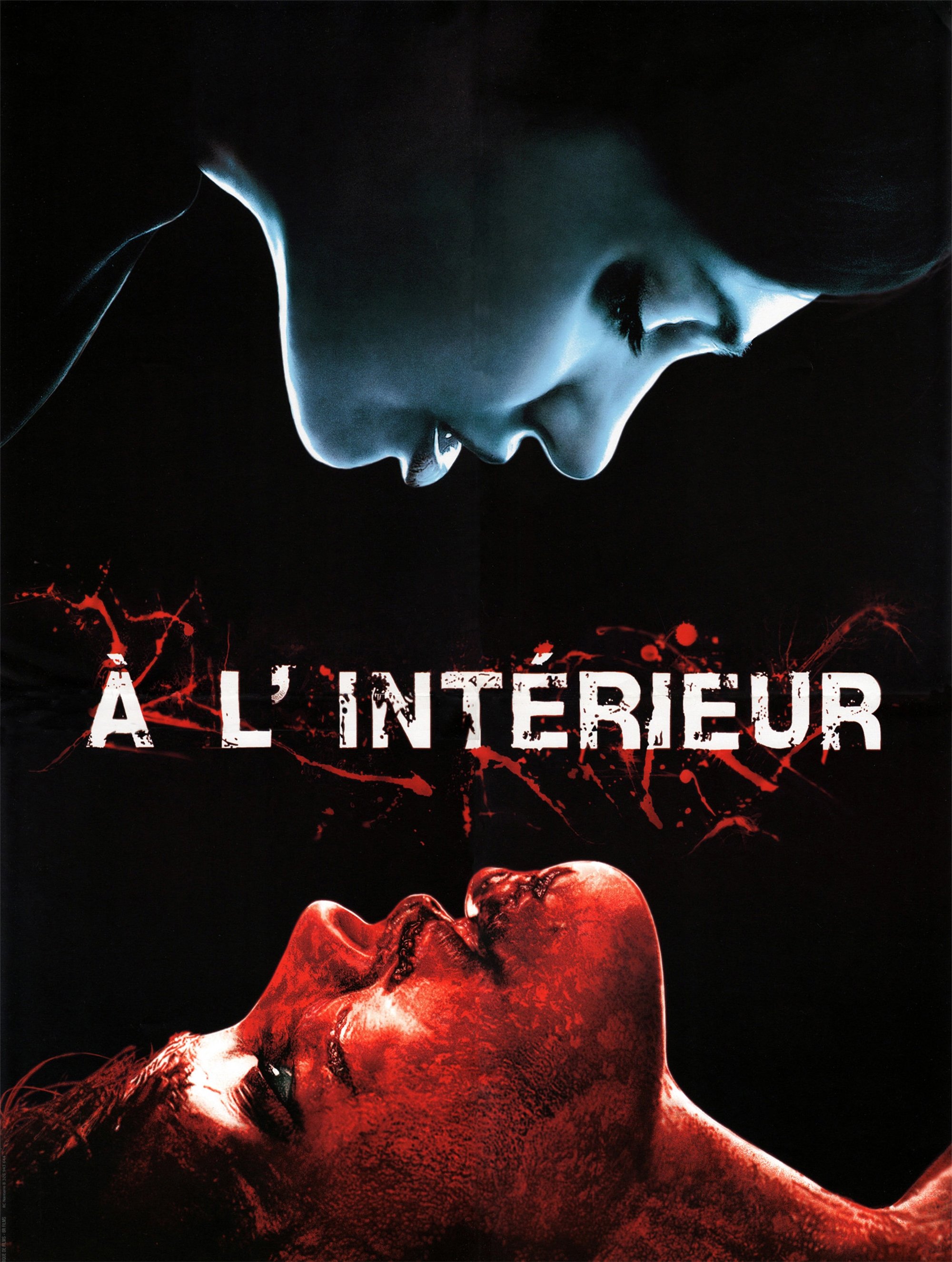
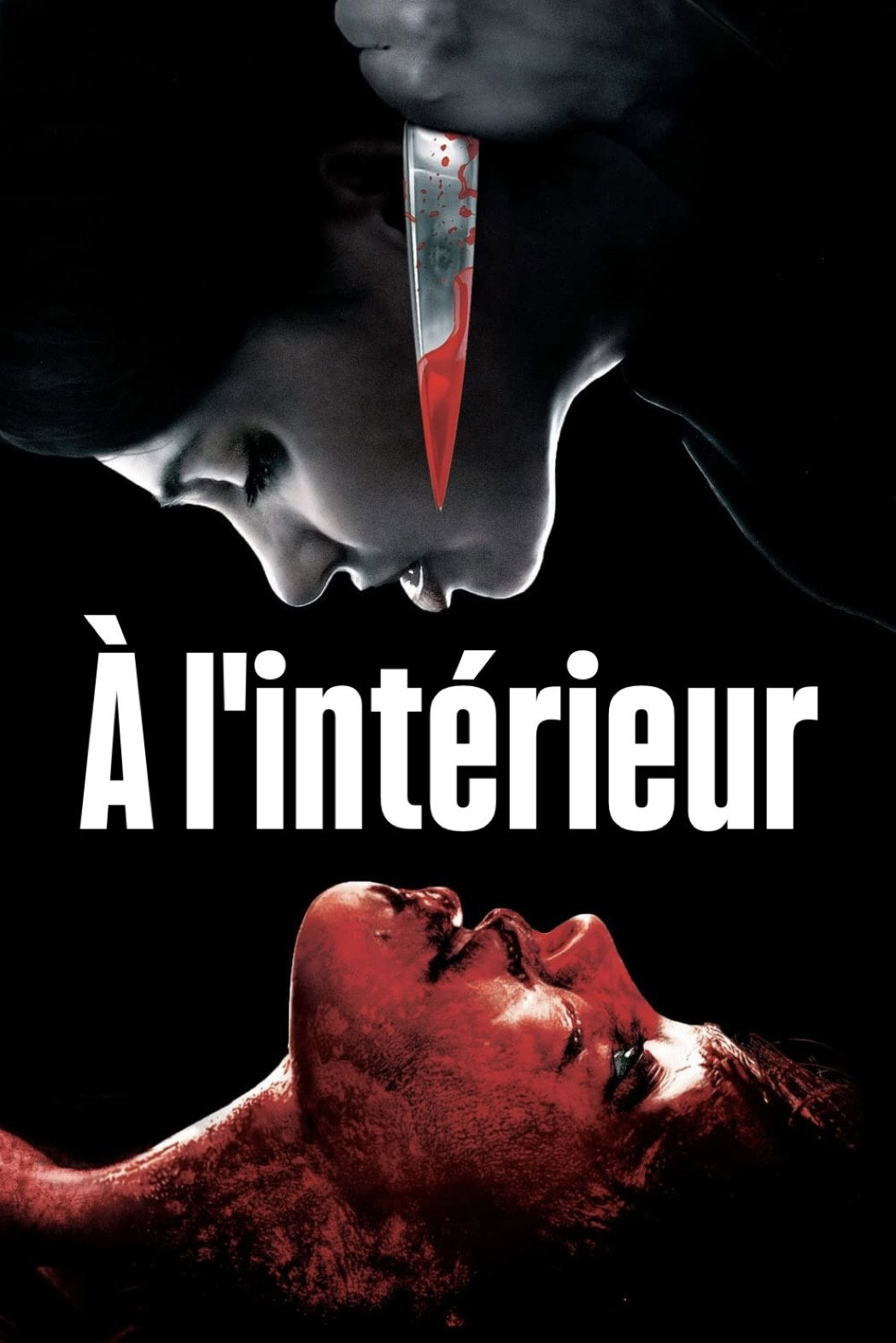
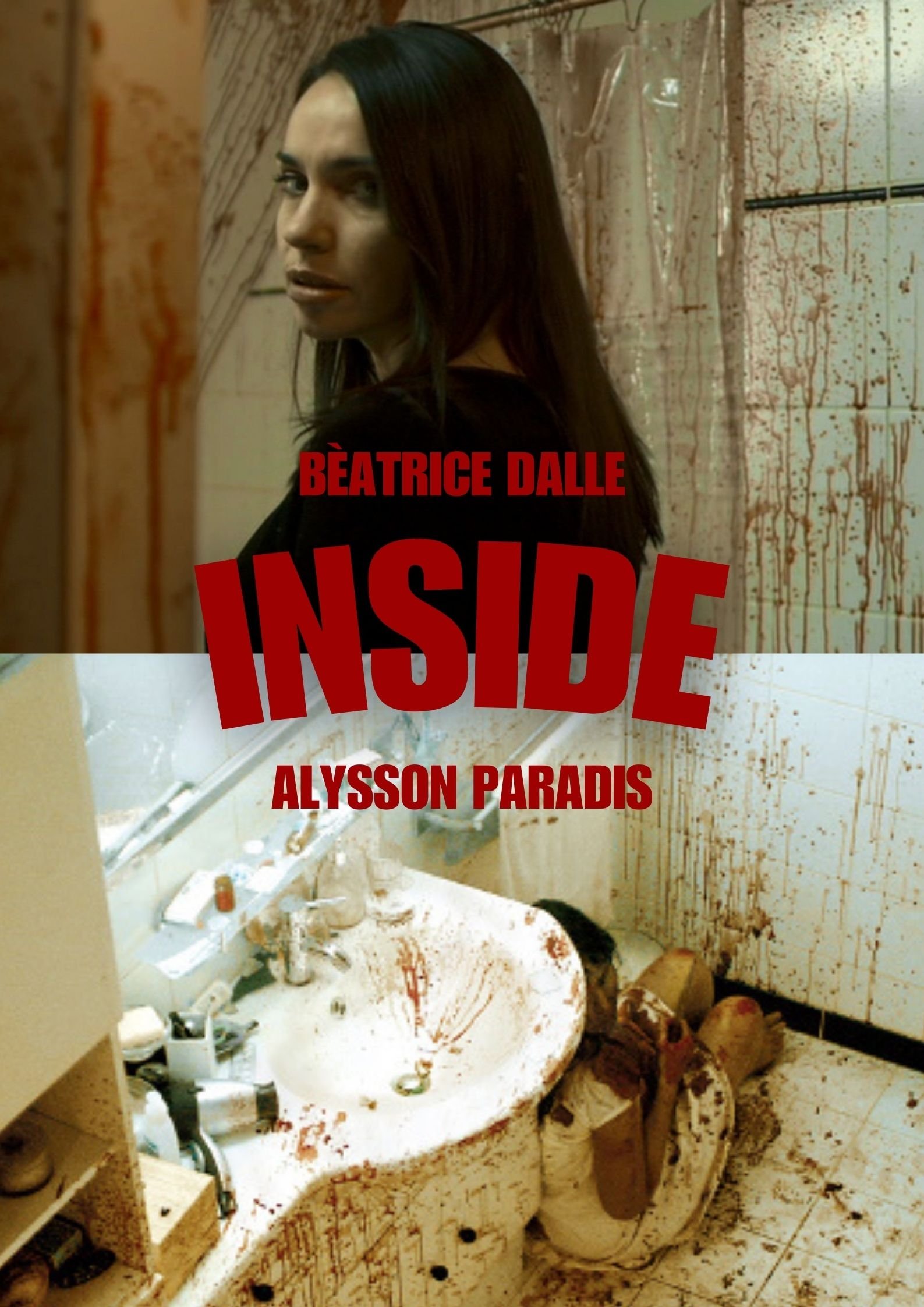
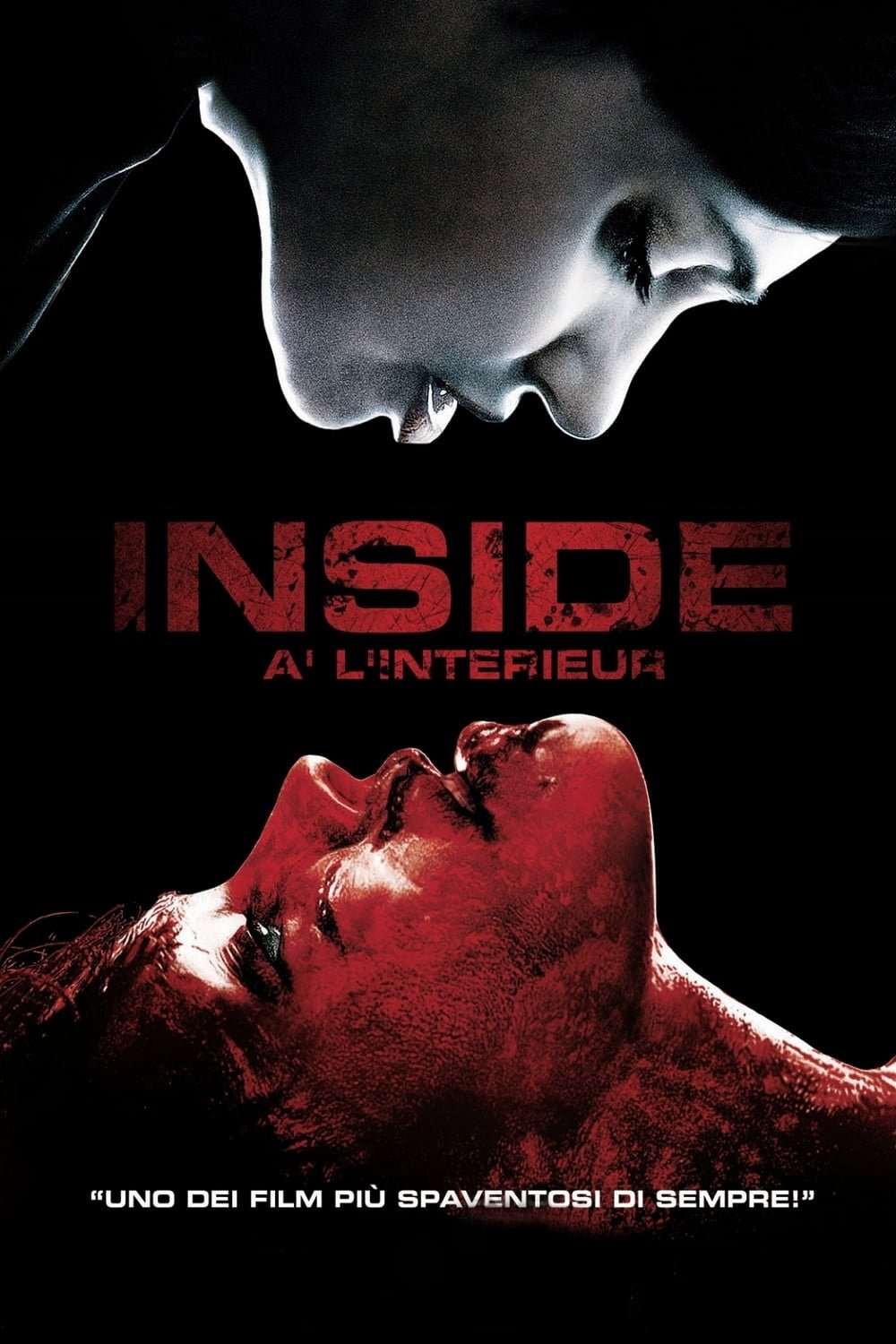
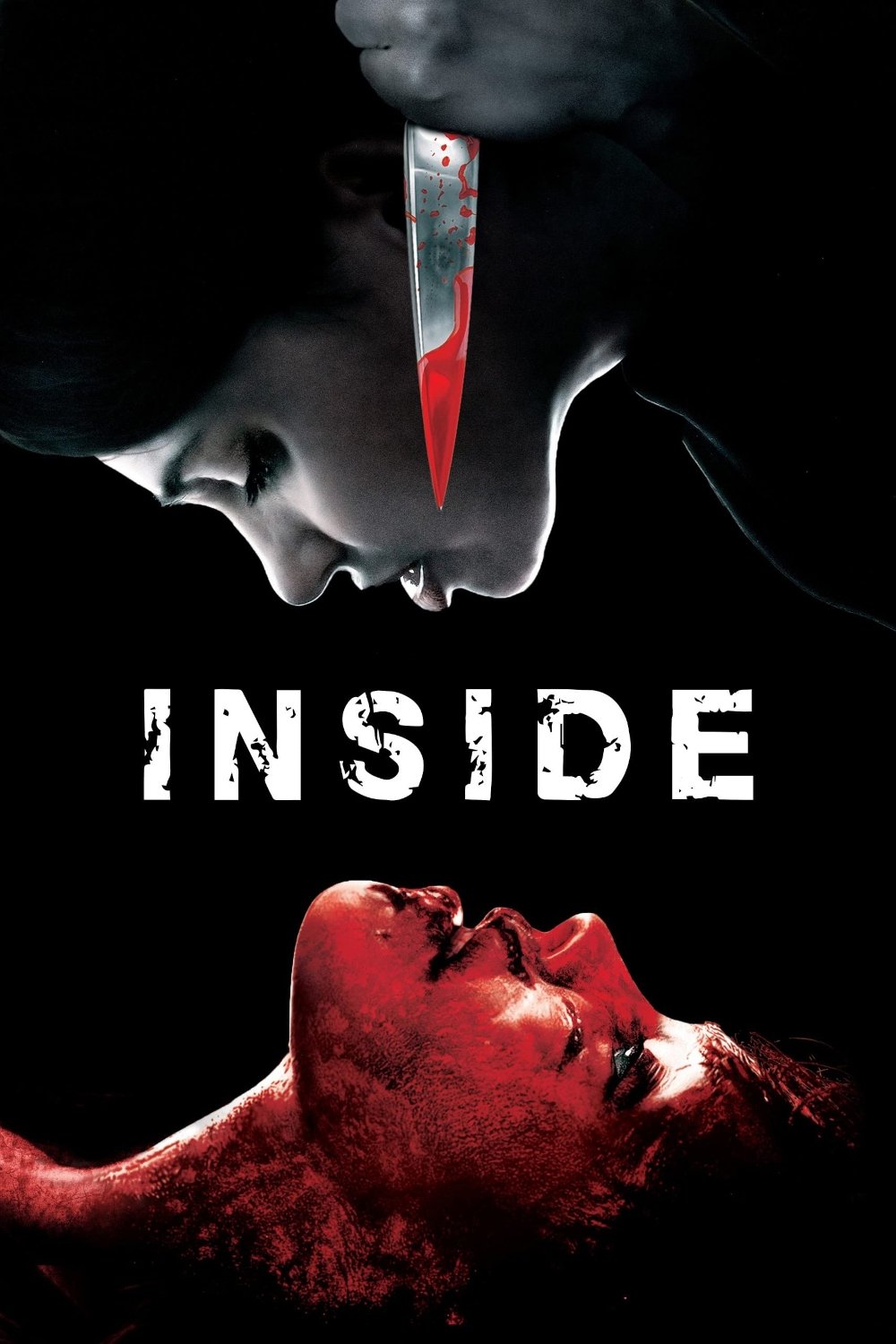
The directors imposed a significant color restriction on the production: red was to remain largely absent from the decorations and costumes so that blood would possess a stronger visual presence. The house consequently contains pale and greenish surfaces that contrast with the injuries accumulated during the night. As the violence intensifies, the lighting becomes warmer, eventually approaching what Bustillo described as an atmosphere associated with the interior of the maternal body. The movement from cold domestic imagery toward an almost fantastical final composition was a deliberate creative decision rather than an incidental consequence of the increasing amount of blood.
The filmmakers also worked with Barès to preserve regions of complete darkness within the frame. They wanted the Woman to appear capable of emerging from spaces the spectator could no longer examine. Maury identified the scene in which the intruder approaches the sleeping Sarah from behind a sofa as an example of this method. The character’s movement resembles an apparition before she withdraws into darkness. The directors compared her presentation with Michael Myers in John Carpenter’s Halloween (1978), particularly the use of a pale face emerging from a nearly featureless black silhouette.
The House & Production Challenges
Much of Inside was photographed inside an actual rented house rather than a purpose-built studio environment. During an interview at the Sitges Film Festival, the directors explained that the bathroom was the principal interior constructed separately on a set. The remaining rooms had to accommodate approximately thirty-five crew members, actors and equipment while sustaining the appearance of a private home under attack. The restricted working conditions contributed to the film’s concentrated geography. Corridors, stairways and doorways repeatedly connect spaces in which Sarah attempts to shelter from the intruder.
The house had an important precedent in the filmmakers’ viewing of horror cinema. Maury identified John Carpenter’s Halloween as a primary influence because of its transformation of ordinary suburban architecture into a place of terror. The directors also screened Joël Santoni’s Mort un dimanche de pluie (1986) for their crew, drawing attention to its treatment of a large house as a threatening environment. References to Roman Polanski’s The Tenant (1976) and European ghost stories informed the atmosphere surrounding Sarah’s isolation. These influences contributed to the decision to make the setting feel progressively less secure without abandoning its recognizable domestic structure.
The final act demonstrates how extensively the filmmakers depended on the location and its practical limitations. Bustillo recalled that the concluding sequence had initially been allocated two shooting days but ultimately had to be completed in one. After approximately thirty-five days of principal photography, the exhausted crew filmed the sequence during a sixteen-hour session using a single camera and without a second unit. Extensive makeup applications added to the physical demands placed on the actresses. The resulting images required considerable coordination between performance, effects and camera placement within the restricted working space.
Practical Makeup Effects & the Final Sequence
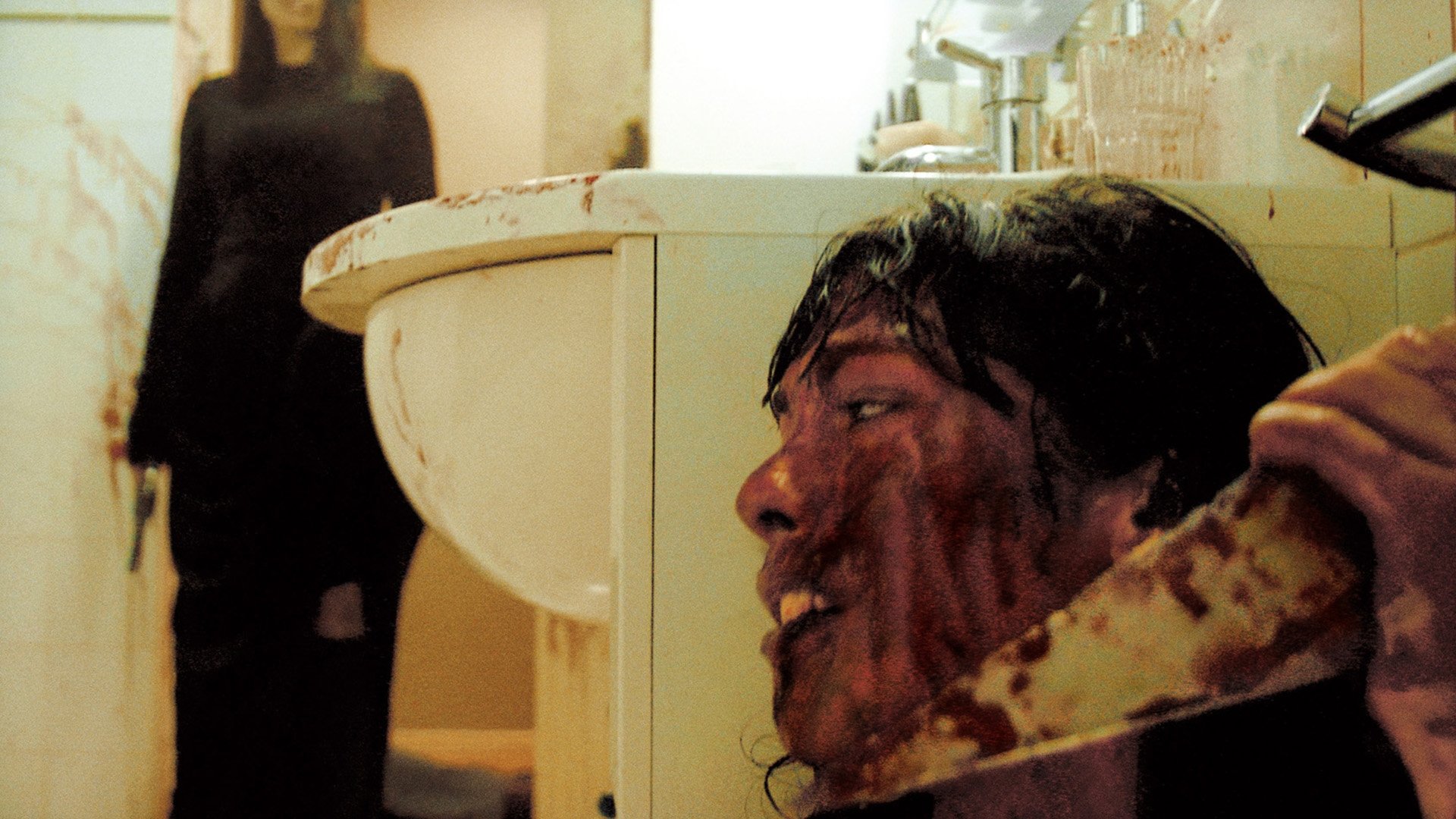
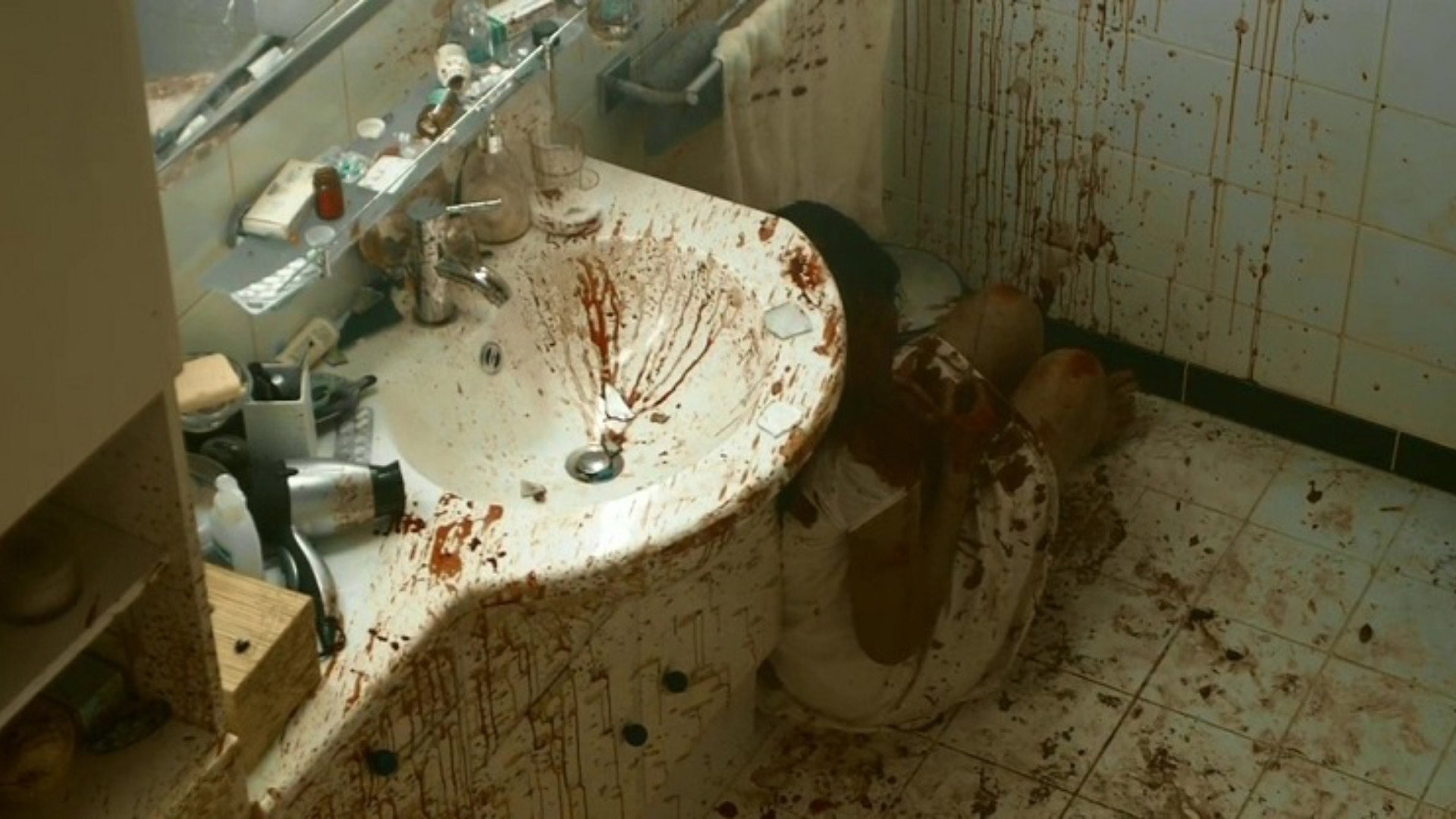
The physical violence was achieved primarily through makeup appliances, artificial blood and effects performed during photography. Jacques-Olivier Molon and Pierre-Olivier Thévenin supervised the special effects work, while Rodolphe Guglielmi was credited with visual effects supervision. The directors repeatedly expressed their preference for latex, prosthetic makeup and tangible blood effects over injuries created entirely through digital post-production. Their approach drew on the elaborate bodily destruction associated with European and American horror of the 1970s and 1980s.
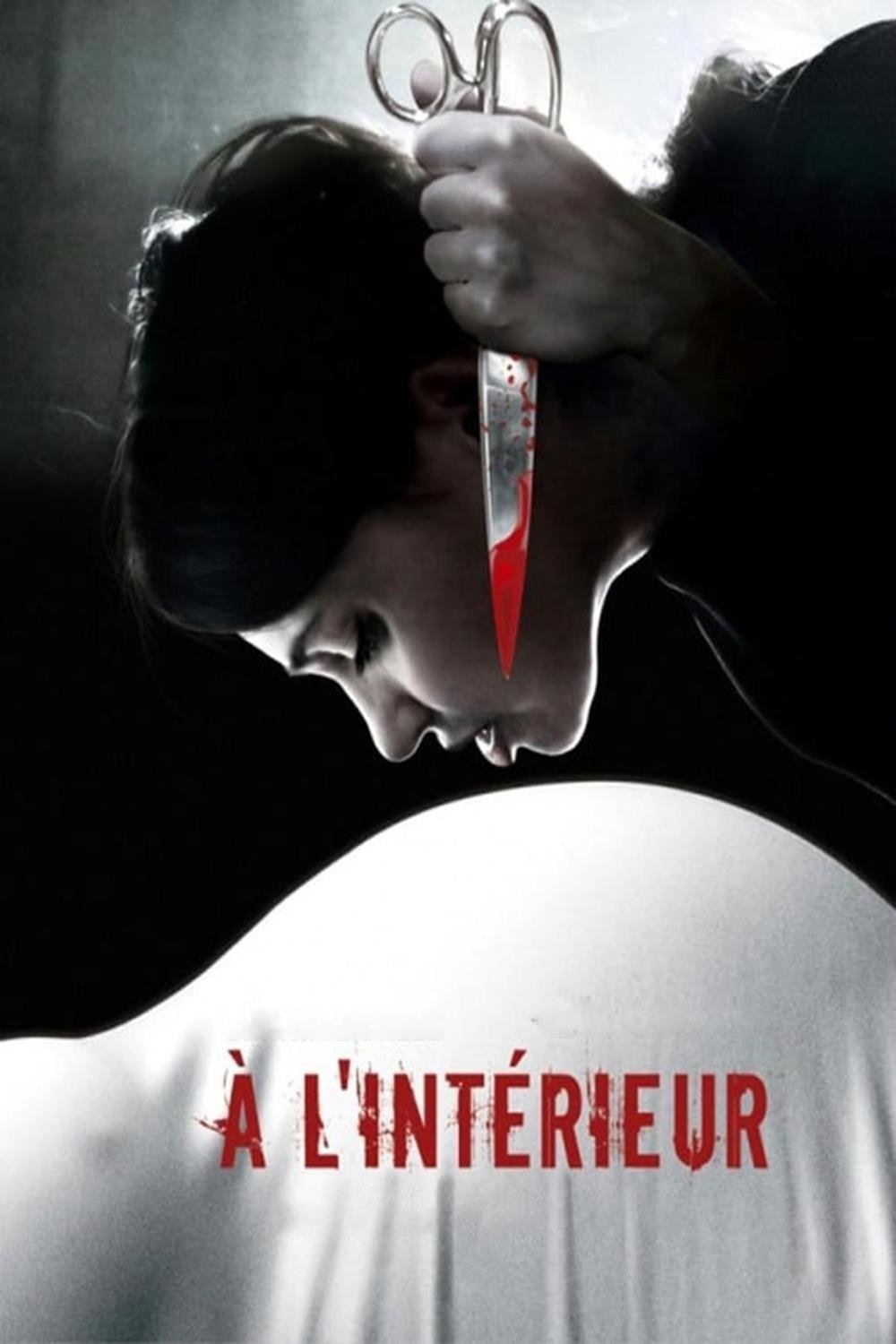
Maury specifically cited Dario Argento’s Tenebrae (1982) when discussing the extravagant presentation of blood. Rather than adopting the restrained injuries of a realistic crime thriller, the filmmakers wanted violent actions to produce an immediate and visibly physical result. This treatment is especially evident in the confrontations involving sharp instruments, where wounds and blood loss accumulate across successive encounters. The effects also influence the actresses’ performances, requiring them to react to appliances and materials present on the set. Dalle later recalled that the filming environment became so saturated with makeup and artificial injuries that the crew removed mirrors from certain areas.
The closing sequence was among the most difficult effects challenges. Bustillo and Maury described having to repeat part of the simulated abdominal injury because the first attempt lacked the blood required for continuity. The filmmakers also discussed an earlier screenplay ending that continued fifteen years into the future, showing Sarah’s daughter returning to the house where she had been born. They abandoned that conclusion in favor of ending with the Woman holding the child. This revision removed the later explanation of the child’s fate and concentrated the ending on the immediate consequences of the confrontation.
Maternal Trauma & Historical Context
Pregnancy gives the central conflict a vulnerability different from the usual home-invasion scenario. Sarah is preparing to give birth while mourning the death of her husband, and the intruder’s demand threatens both her survival and the life of the unborn child. The directors traced this premise to recognizable anxieties rather than to a supernatural threat. Bustillo explained that the female antagonist became more frightening when her desire for a child acquired an understandable emotional origin. The eventual revelation connects the women through a previous traumatic event, transforming their apparent opposition into a conflict shaped by a shared catastrophe.
The screenplay also places the assault within a particular historical environment. Television news and police activity refer to the unrest that occurred in French suburbs during 2005. Bustillo confirmed that the film incorporated actual news images from that period, contrasting recorded public disorder with the fictional violence staged inside the house. The disturbance supplies a practical context for the police presence and reinforces the sense of danger surrounding Sarah’s apparently isolated residence. The directors regarded the news material as a recognizable form of real-world violence, distinct from the simulated effects they were constructing for the film.
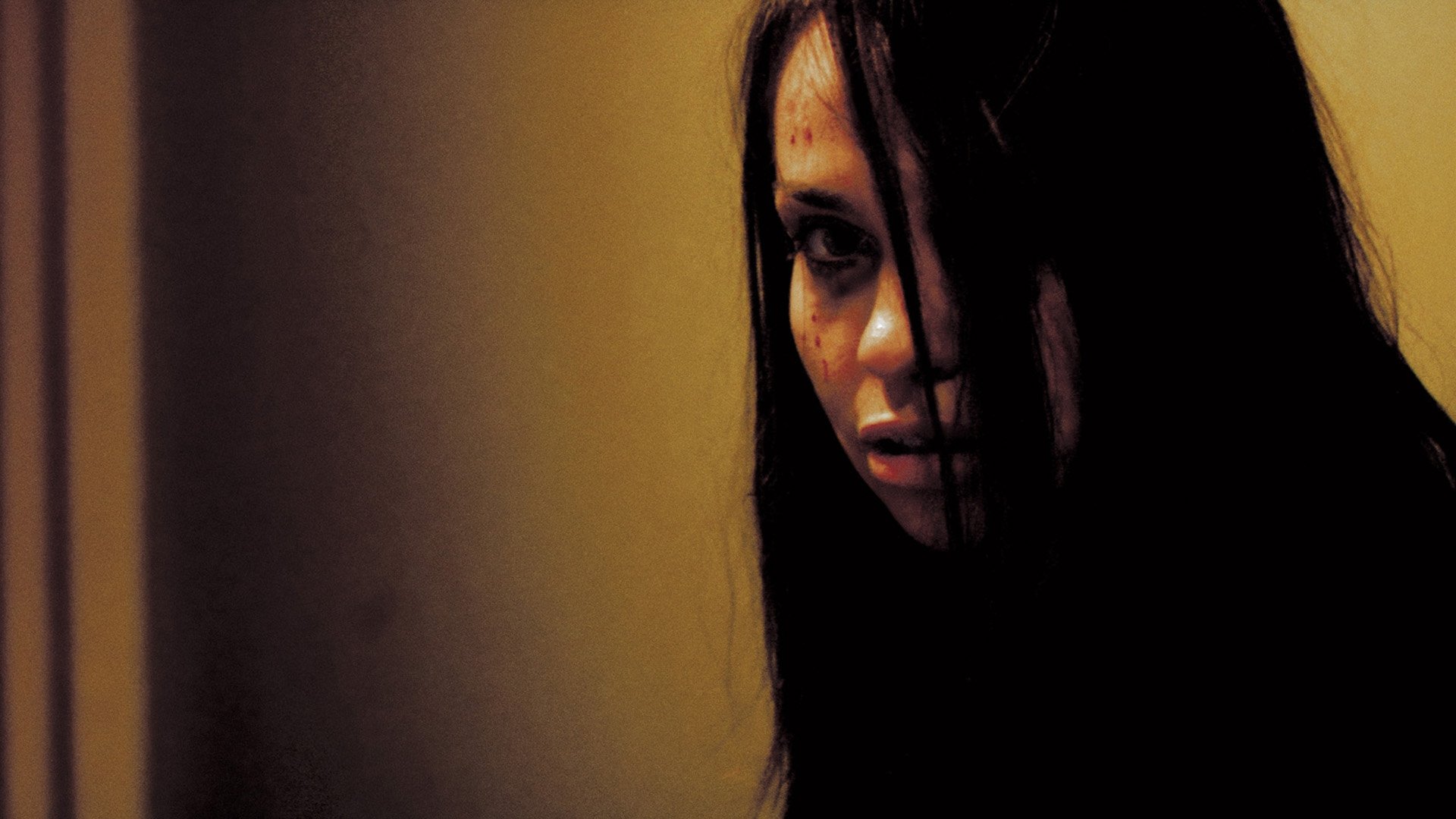
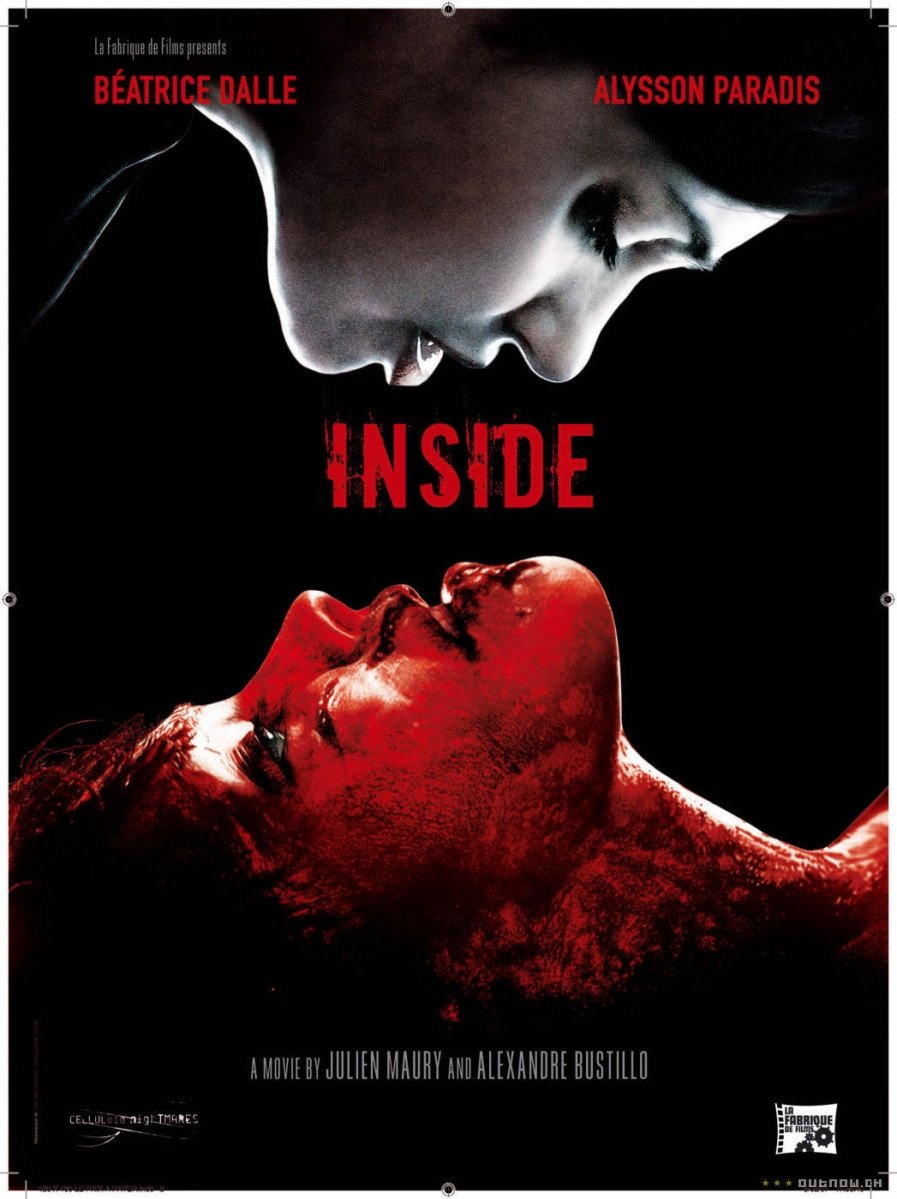
The intruder’s appearance contributes another layer to the film’s treatment of maternal desire. Her black clothing and corseted silhouette were developed through references that included Pinhead from Hellraiser (1987) and the appearance of Deborah Kerr in The Innocents (1961). These influences gave her a strange formality that separates her from the everyday surroundings. Bustillo and Maury described the character in terms of obsession, damaged identity and desperation for the child. Their own explanation emphasizes the emotional connection between the two women, while the film’s visual presentation sometimes approaches the language of supernatural horror without requiring the intruder to possess supernatural abilities.
Release, Reception & Horror Legacy
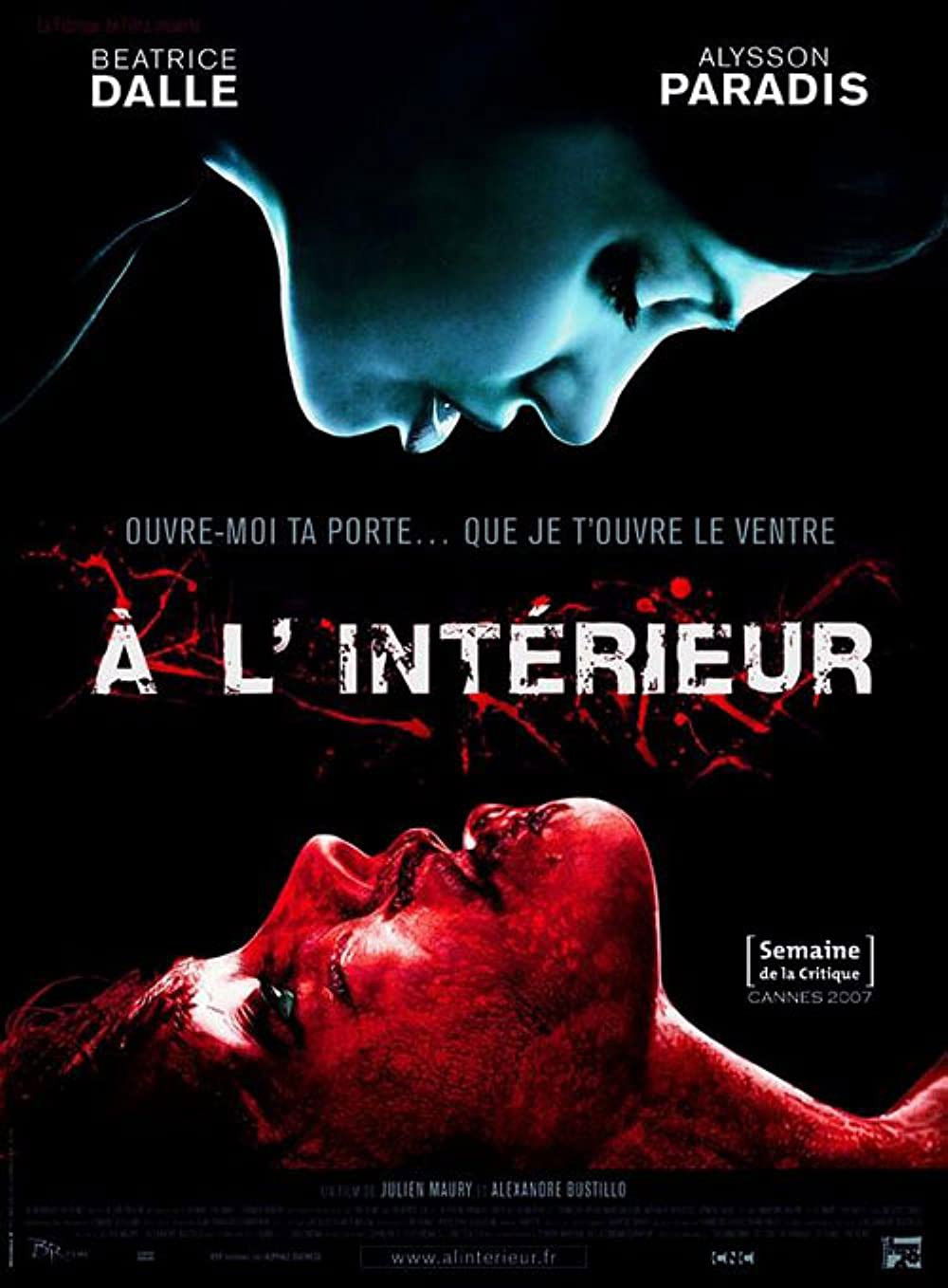
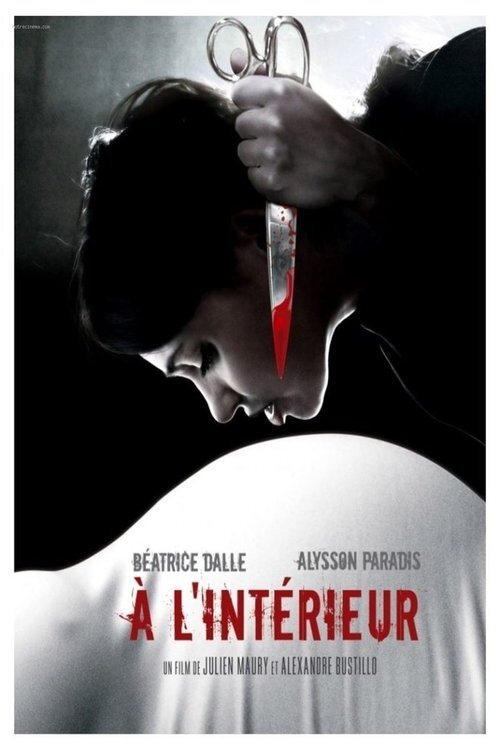
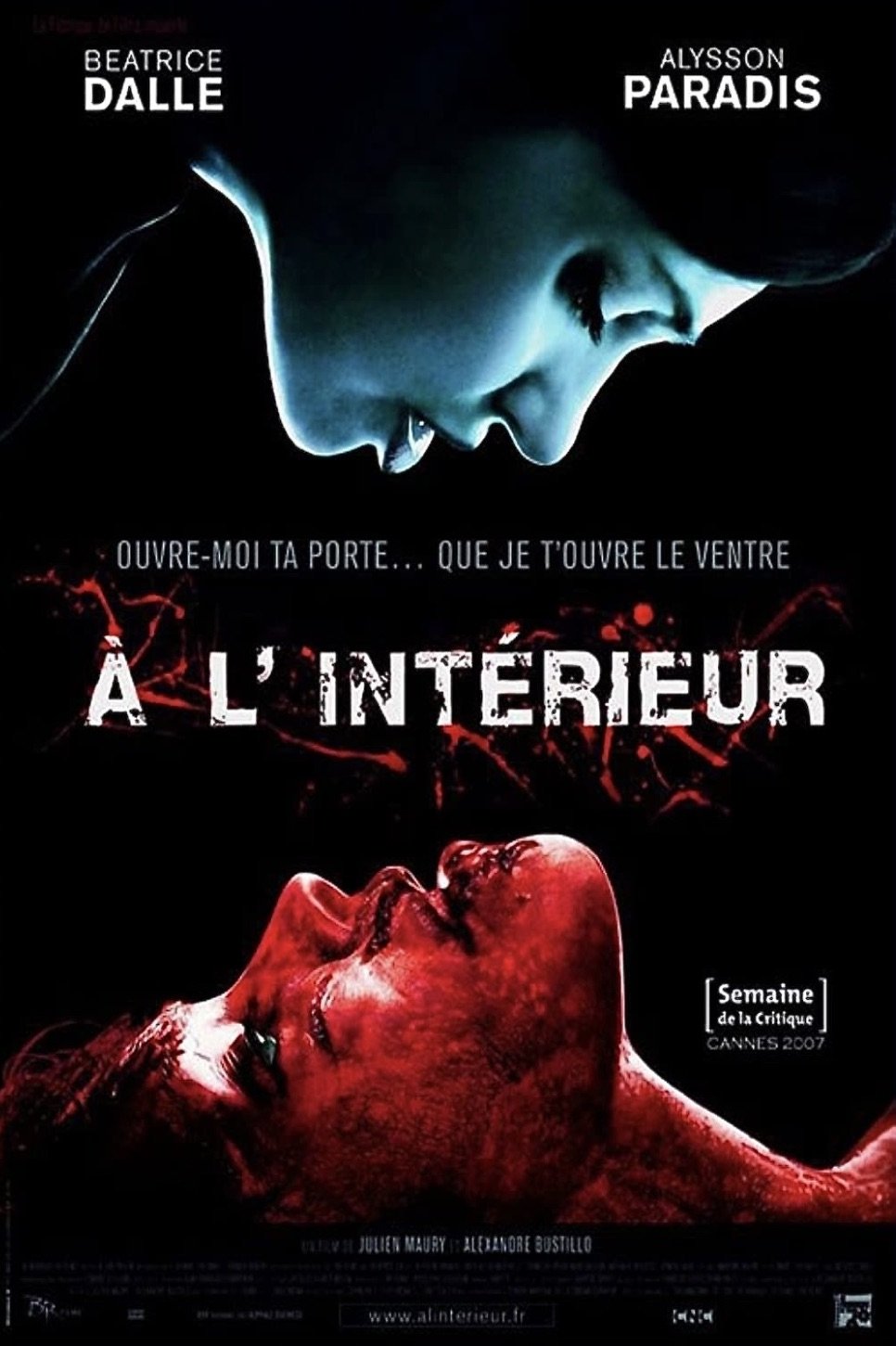
Inside was presented in the 2007 selection of the Semaine de la Critique at the Cannes Film Festival before its French theatrical release on 13 June. The release was handled by La Fabrique de Films and received a French classification restricting admission to viewers under sixteen. Its festival circulation subsequently included events such as Fantastic Fest and the Sitges Film Festival, where the directors discussed the production and the unusually extreme presentation of bodily violence. International exposure helped the film reach audiences beyond its original domestic release, including North American viewers through home-video distribution.
Contemporary criticism recognized the film’s technical assurance while disagreeing about the effectiveness of its narrative escalation. In Le Monde, Isabelle Regnier described a striking intervention in French genre cinema and acknowledged the power of its confined setting and carefully constructed visual style. She also argued that the increasing concentration on violence weakened the connection with the contemporary social environment established earlier in the film. Writing for Screen International, Lee Marshall anticipated considerable interest among specialist horror audiences while raising the possibility of classification difficulties in international markets. These responses demonstrate that the production’s graphic intensity was a subject of critical disagreement from its initial release.
Inside subsequently became one of the titles most frequently associated with the New French Extremity. The term encompasses films with different artistic backgrounds and interests, including High Tension (2003), Frontier(s) (2007) and Martyrs (2008). Inside occupies a particular position within this grouping because it combines an unusually concentrated domestic setting with a confrontation organized around pregnancy and bereavement. Its later inclusion in the British Film Institute’s 2022 Cruel Flesh programme reflects its continued significance in historical discussions of the movement. The film also established Bustillo and Maury as a directing partnership capable of bringing a formally controlled, physically explicit horror feature into French theatrical production.